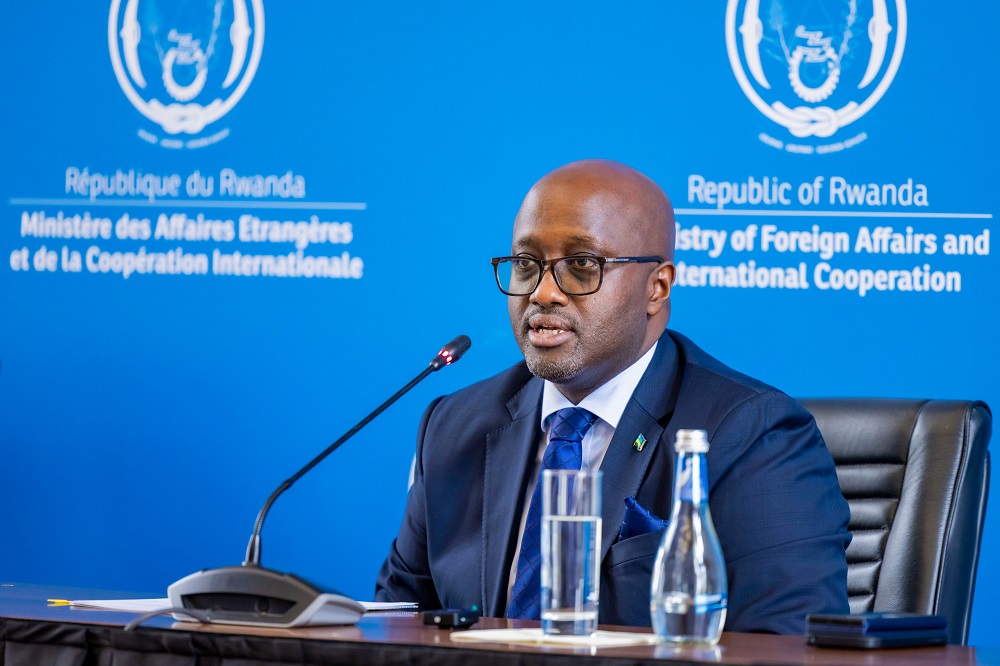
Baghaei stressed in the interview that for any dialogue to be formed, the “proper ground” must be prepared, noting that the United States has destroyed such a ground, Iranian media reported on Sunday.
He accused Washington of violating “all its provisions” in practice under the memorandum of understanding (MoU) between Iran and the United States.
The spokesman said Iran’s current priority “is to defend its sovereignty and territorial integrity and protect its people against the war crimes that are being perpetrated by the United States.”
Under the MoU signed on June 18, the United States and Iran were scheduled to hold talks within a period of 60 days to reach a final agreement, but the talks’ fate is hanging in the balance following renewed clashes between the two over the past two weeks.
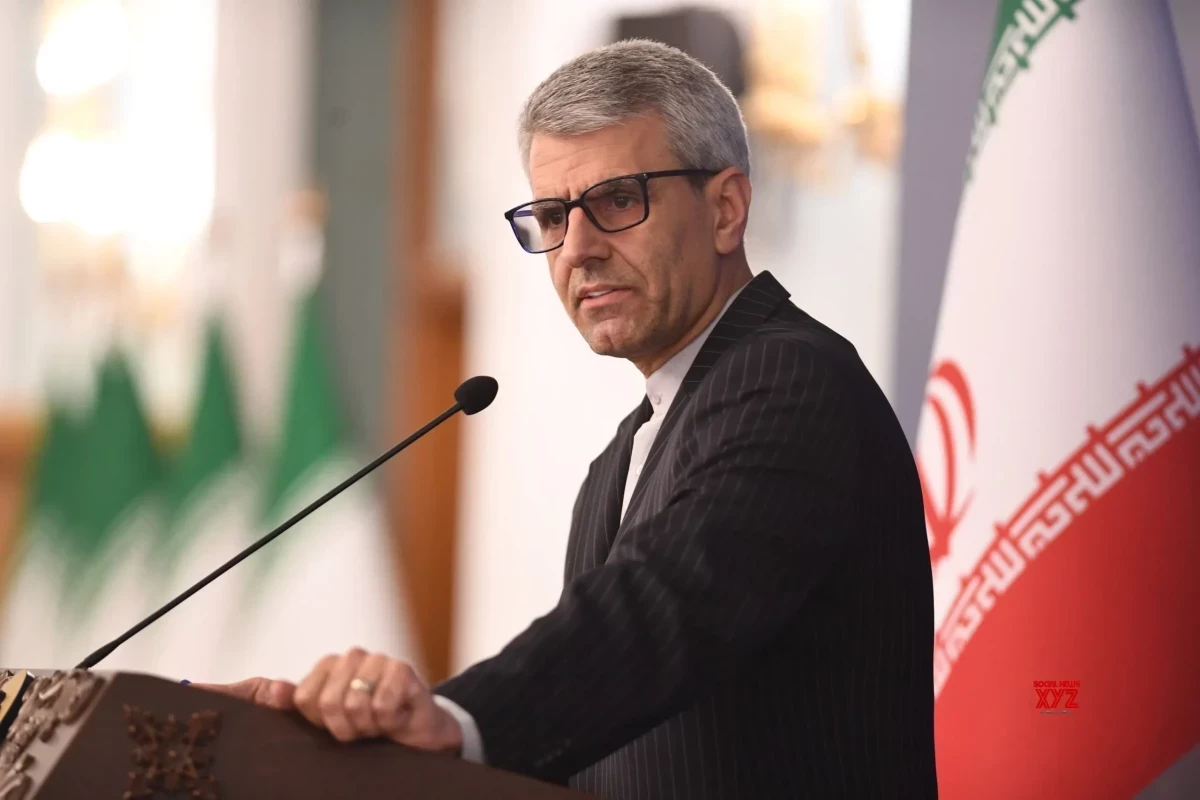
Esmail Baghaei, spokesperson of the Iranian Ministry of Foreign Affairs
The DRC government has been lobbying African and European partners with a proposal that would see the FDLR dismantled through a political process rather than military action.
Rwanda and political analysts argue that the initiative is a diversionary tactic that fails to address what they describe as the root cause of the threat posed by the group, its genocidal ideology.
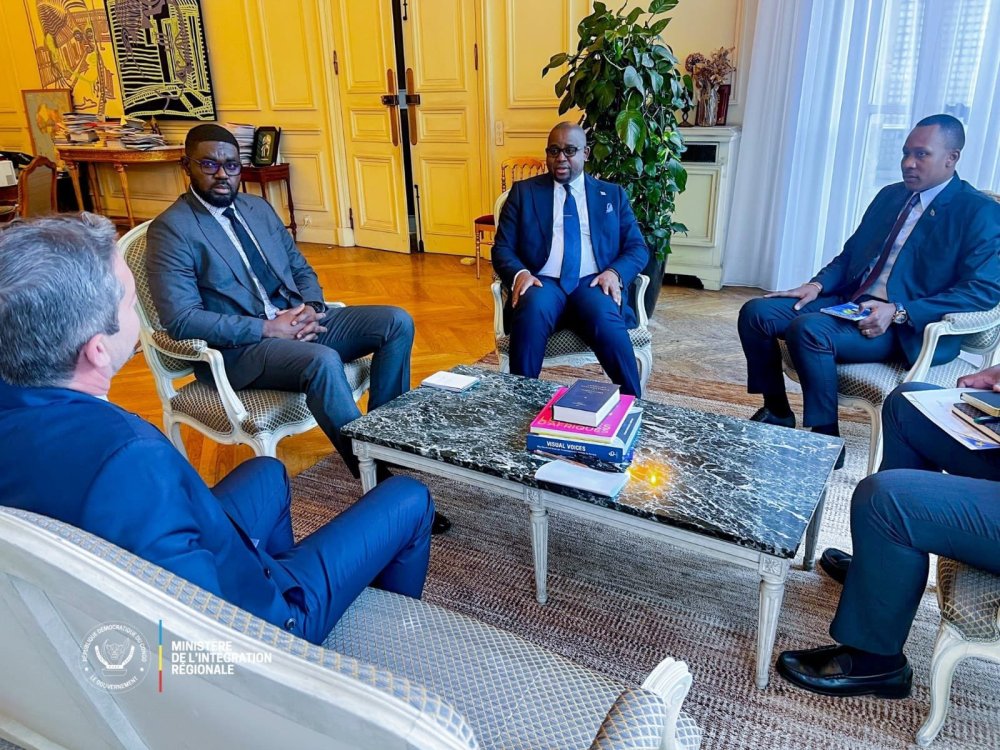
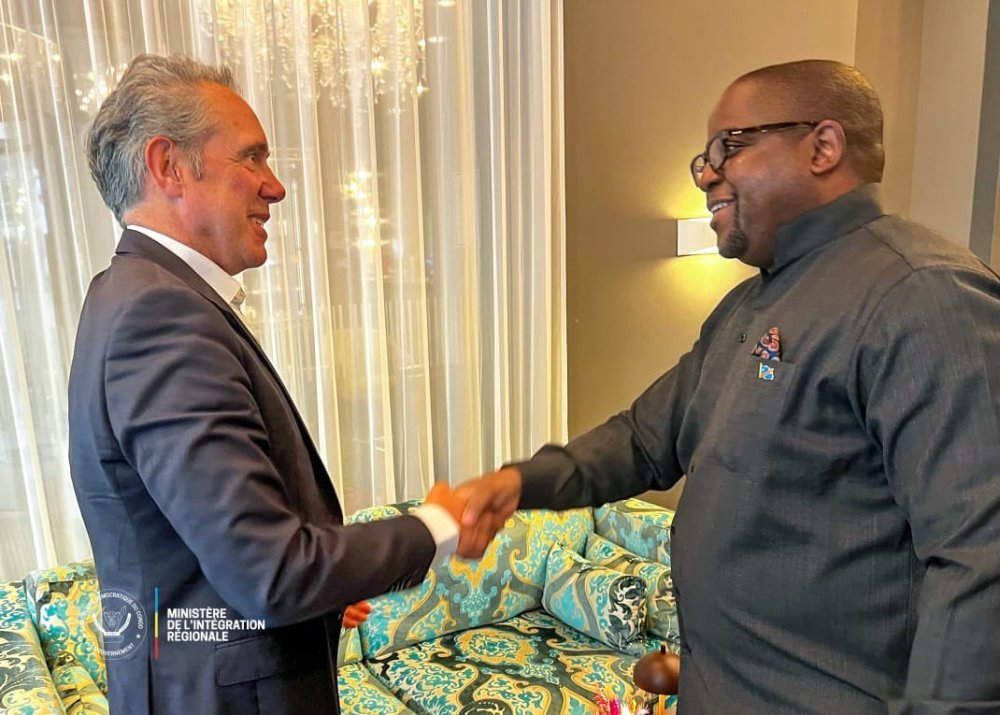
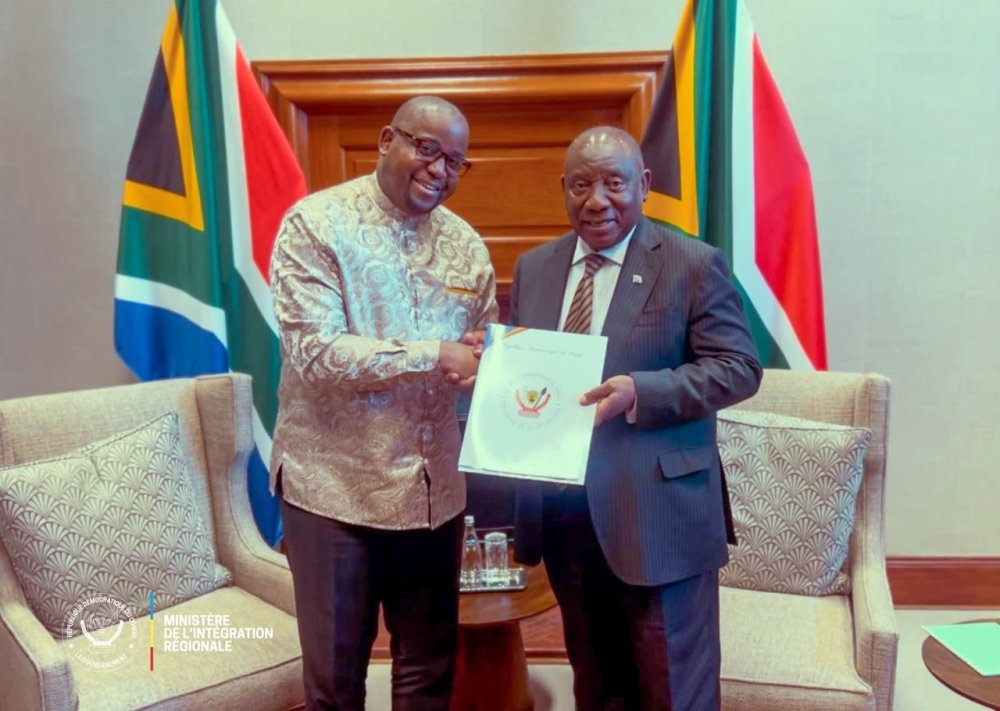
Since July 13, 2026, the DRC’s Minister for Regional Integration, Floribert Anzuluni Isiloketshi, has visited Uganda, Togo, Burundi, Tanzania, Belgium, France and South Africa, in addition to holding meetings at the European Union headquarters in Brussels.
Although the tour was officially presented as consultations on the security situation in eastern DRC, reports indicate that President Félix Tshisekedi’s envoys were also carrying a proposal aimed at persuading international partners to support Kinshasa’s new approach to addressing the FDLR issue.
According to Jeune Afrique, the Congolese government is seeking to convince regional and Western partners that it is making genuine efforts to dismantle the FDLR, even as it faces mounting pressure over what critics say is its failure to implement obligations under the Washington Peace Agreement.
That diplomatic push intensified after Washington publicly raised concerns over the pace of implementation. On June 27, U.S. President Donald Trump’s Senior Advisor for Africa, Massad Boulos, told the United Nations Security Council that the DRC had failed to fulfill its commitment to dismantle the FDLR.
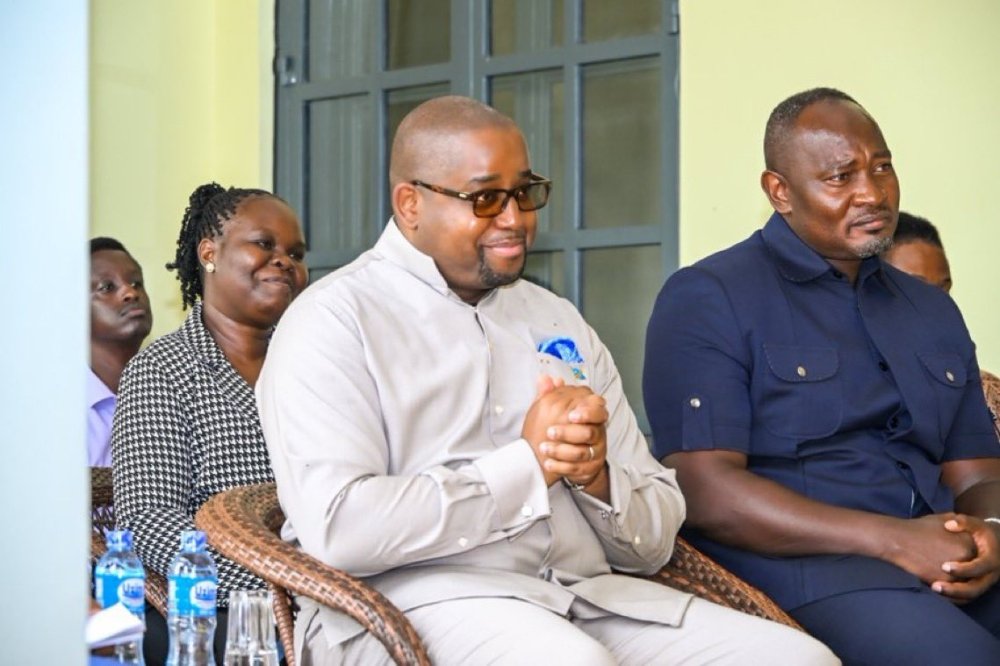
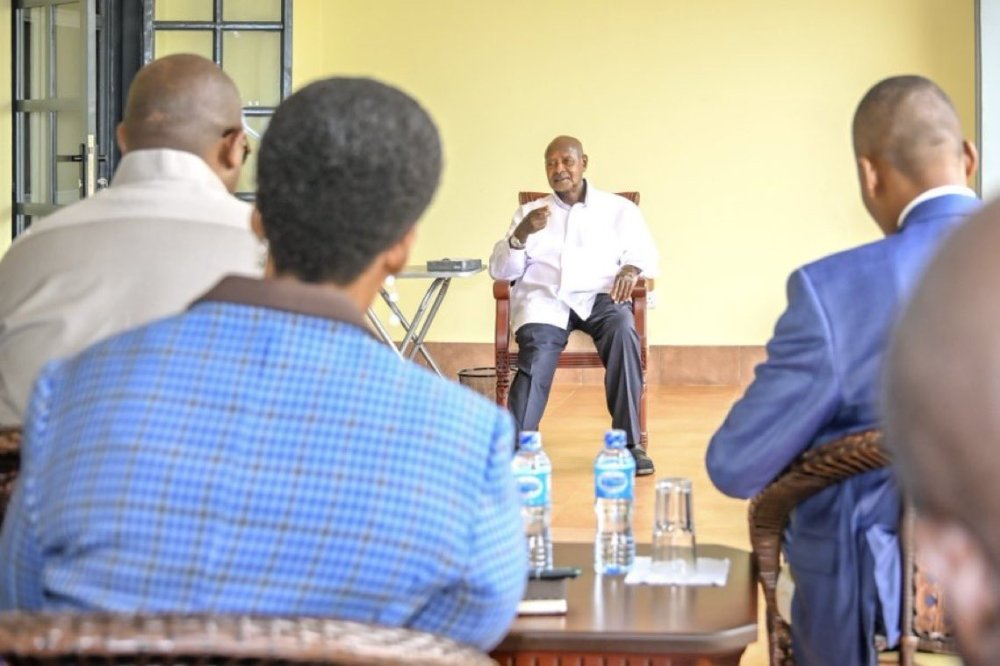
On July 13, Minister Anzuluni and his delegation were received in Uganda.
FDLR proposes voluntary disbandment
During his diplomatic tour, Minister Anzuluni presented a document outlining what Kinshasa describes as a new framework for the voluntary disarmament, demobilization and reintegration of FDLR fighters.
Signed by Victor Byiringiro, a senior political figure within the FDLR, the document proposes the group’s voluntary disarmament and self-dissolution following an awareness campaign conducted by the Congolese government.
The proposal, submitted by Byiringiro to President Tshisekedi on May 30, 2026, argues that dismantling the FDLR should be achieved through political engagement rather than military operations. It further proposes that FDLR combatants be housed in a secure, protected facility where they would not be subjected to military attacks.
Byiringiro also argues that FDLR members should not be forcibly repatriated to Rwanda. Instead, those unwilling to return should be assisted in resettling in third countries together with their families currently living in the DRC.
FDLR political leader Victor Byiringiro drafted the proposal for the group’s dissolution and sent it to President Félix Tshisekedi.
Kinshasa has presented the proposal as a major step forward, arguing that it removes what it describes as Rwanda’s justification for supporting the AFC/M23 coalition. Rwanda, however, rejects that characterization, insisting that the AFC/M23 movement is a Congolese rebel group whose members are fighting against marginalization and exclusion within the DRC.
Rwanda has rejected the proposal, describing it as an attempt to circumvent the Washington Peace Agreement, which requires the DRC to dismantle the FDLR following the agreement signed on June 27, 2025.
According to Belgium’s La Libre, Rwanda’s Minister of Foreign Affairs and International Cooperation, Ambassador Olivier Nduhungirehe, dismissed the proposal as an effort to distract from the agreement’s core obligations.
“We remain committed to the agreement we signed. Any attempt to introduce additional elements aimed at portraying the FDLR as a party to the agreement is unacceptable. Such efforts are intended to undermine the document signed in Washington,” Nduhungirehe said.
He added: “The Washington Agreement is a sound document. If all its provisions are implemented, we would have genuine hope for lasting peace and development in the Great Lakes region.”
Analysts question the proposal
Political analysts say this is not the first time the FDLR has proposed voluntarily dissolving itself, arguing that similar initiatives in the past failed to produce meaningful results.
Professor Bob Kabamba, a political scientist at the University of Liège in Belgium, said the proposal was unlikely to succeed.
“This is not the first time such an initiative has emerged. One has to examine the history of the FDLR to understand the nature of this issue,” he said.
Kabamba noted that in July 2000, then-DRC President Laurent-Désiré Kabila oversaw the dissolution of the ALiR rebel movement before the FDLR later emerged.
He argued that even if the FDLR were formally dissolved under the current proposal, another armed group with the same ideology and objectives could emerge.
“The new plan allows the FDLR to dissolve itself. That is difficult to understand, and Kigali will not accept it because it has not forgotten ALiR and the subsequent creation of the FDLR, which it says continues to receive support from Kinshasa. Based on this proposal, history could repeat itself, with another armed group emerging after the FDLR’s dissolution.”
Since early 2026, Tshisekedi has also reportedly considered the renaming of the FDLR in what analysts describe as an attempt to improve its international image. Under the reported proposal, the group would become the Front Commun pour la Libération Rwandaise (FCLR) while retaining its ideology and military structure.
Ideology remains the central concern
Both Nduhungirehe and Kabamba argue that the principal concern surrounding the FDLR is not simply the number of fighters it commands but the genocidal ideology embraced by its leadership and members.
“This issue goes far beyond the number of FDLR fighters,” Kabamba said. “Today they number only around 2,000 to 3,000, which is insufficient to militarily threaten the Rwandan state. The real concern is the extremist ideology that continues to target a particular ethnic group with the objective of extermination while promoting violence. This proposal addresses none of that.”
According to the latest report by the UN Group of Experts, published in late June 2026, the FDLR claims to have more than 10,000 fighters, about half of whom are permanent combatants. Its elite military wing, known as CRAP, claims to have 20,000 fighters.
Meanwhile, beyond Minister Anzuluni’s diplomatic campaign, the DRC government continues military preparations in North and South Kivu provinces. Although the Congolese army announced in late March 2026 that it would dismantle the FDLR, Rwanda says that commitment was never implemented and that, two days later, the group instead received additional weapons from the Congolese military to continue supporting government forces.
Rwanda has continued to present evidence of cooperation between the DRC government and the FDLR. Kinshasa, however, maintains that its contacts with the armed group are intended solely to persuade it to lay down its arms, a claim disputed by Rwanda.
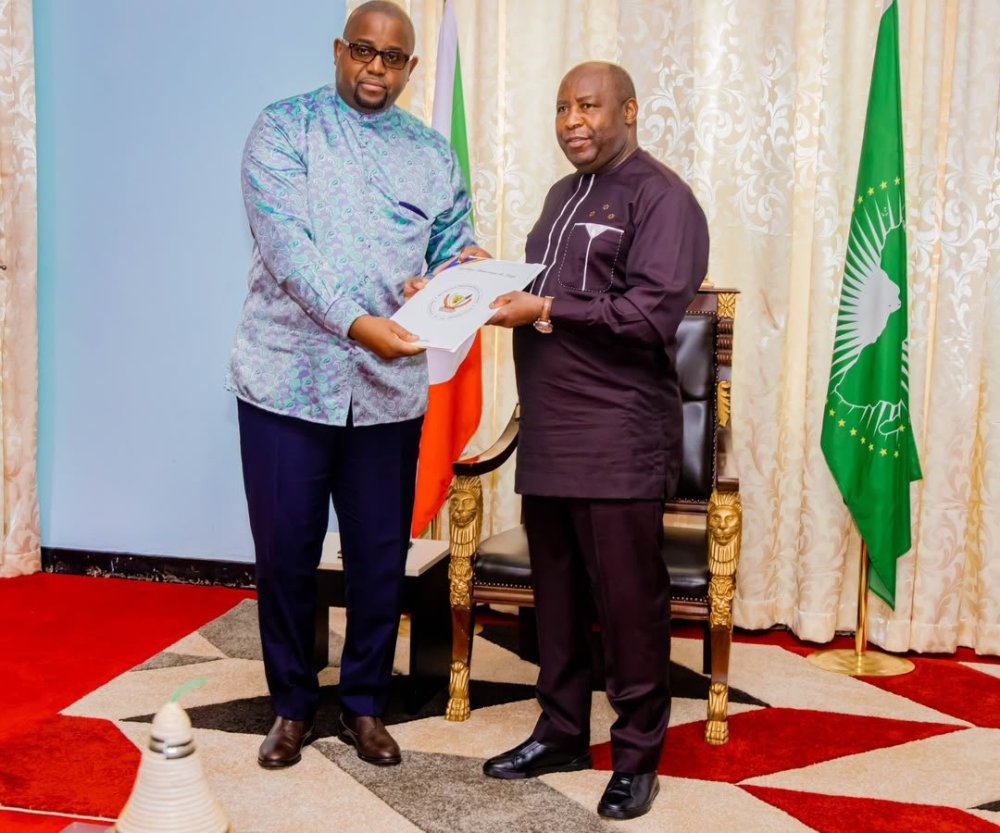
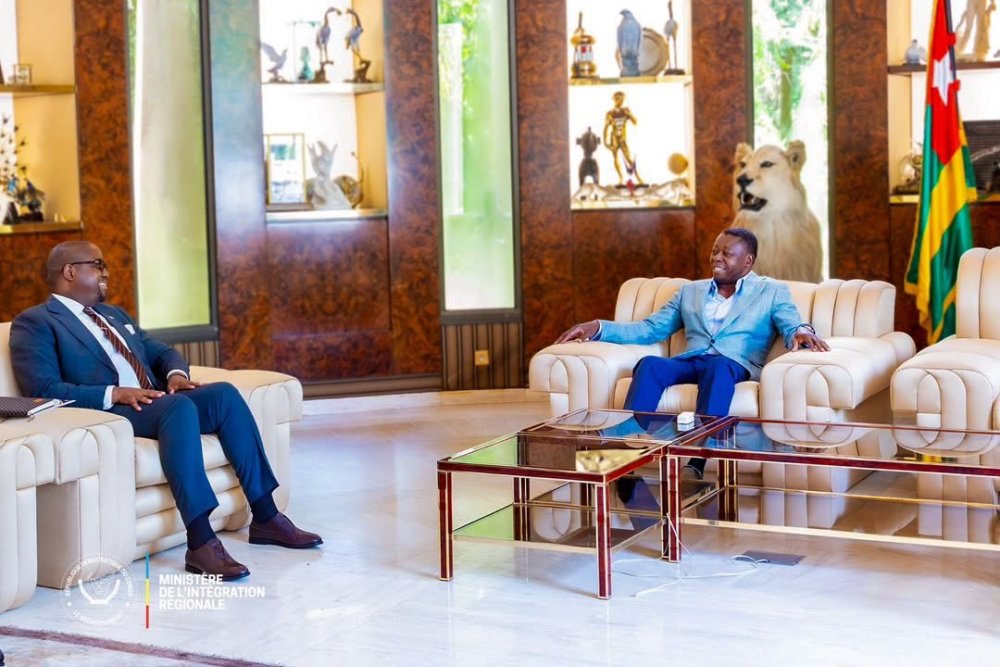
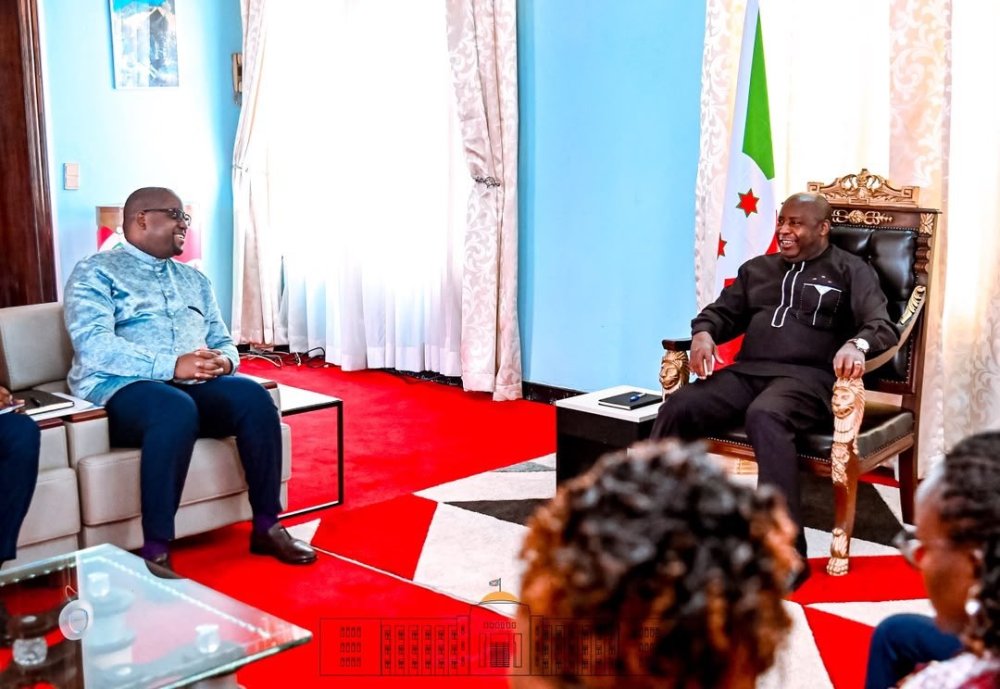
Minister Anzuluni and his delegation were received by Uganda’s President Yoweri Kaguta Museveni.On July 15, 2026, Burundi’s President Évariste Ndayishimiye received Minister Anzuluni, who presented him with the FDLR proposal. On July 15, Minister Anzuluni was received by Togo’s President of the Council of Ministers, Faure Essozimna Gnassingbé. Minister Anzuluni presented the proposal to Ndayishimiye, a close ally of the DRC who currently serves as the Chairperson of the African Union (AU).
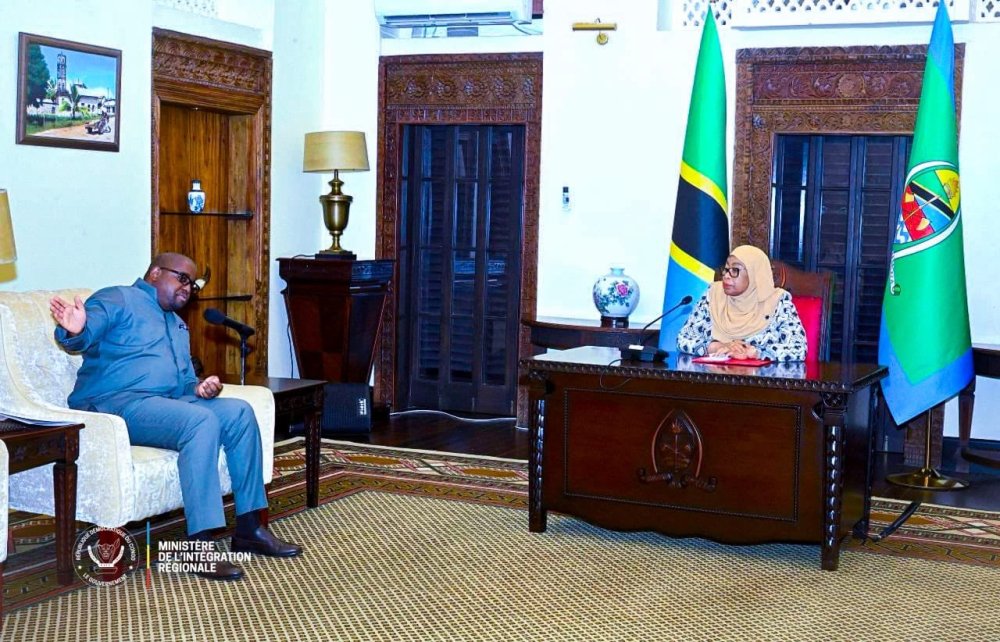
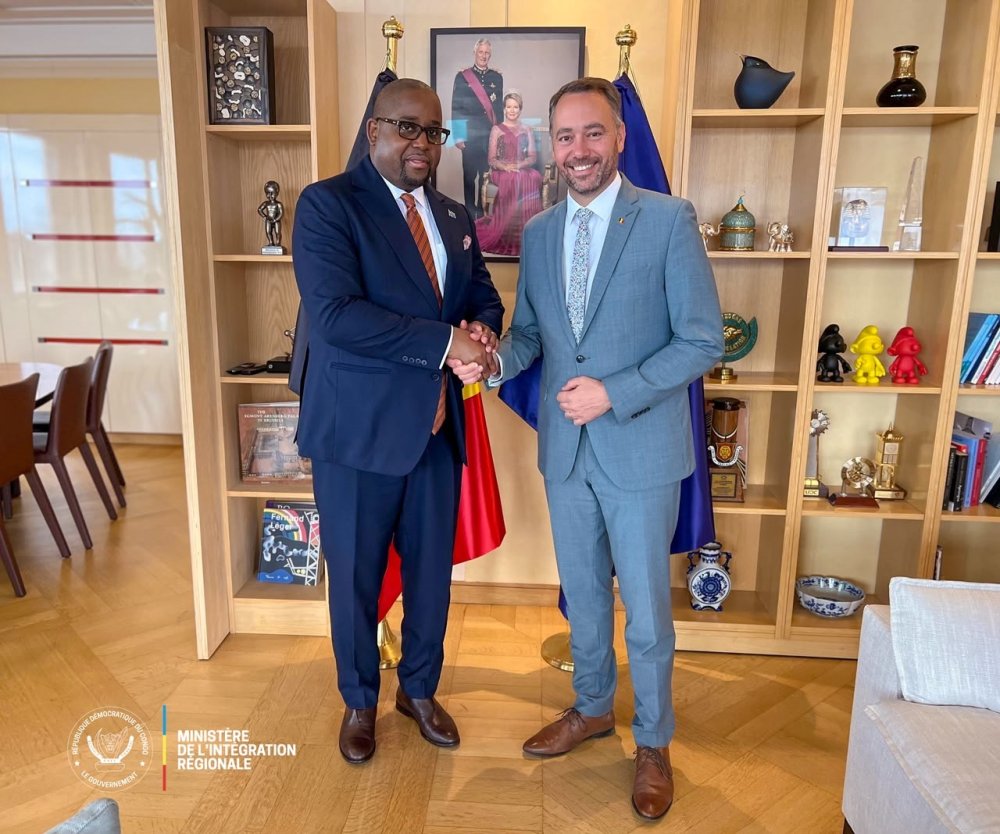
On July 19, Minister Anzuluni was received by Tanzania’s President Samia Suluhu Hassan.On July 20, Minister Anzuluni was received by Belgium’s Minister of Foreign Affairs, Maxime Prévot.
On July 22, Minister Anzuluni met with the French President’s Advisor for Africa.
On July 23, Minister Anzuluni met with Johan Borgstam, the European Union Special Representative for the Great Lakes Region, in Brussels and presented him with the proposal.On July 24, Minister Anzuluni met with South African President Cyril Ramaphosa.
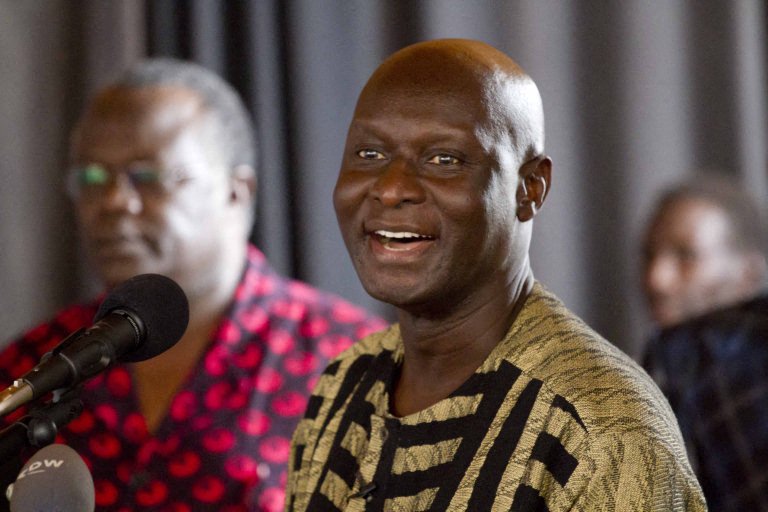
The Ugandan government formally submitted Otunnu’s candidature to the United Nations on Saturday, presenting him as a veteran diplomat and international civil servant with more than four decades of experience in global affairs.
Otunnu, 75, previously served as the UN Under-Secretary-General and Special Representative of the Secretary-General for Children and Armed Conflict from 1997 to 2005 under former Secretary-General Kofi Annan.
During his tenure, he helped elevate the protection of children affected by armed conflicts on the UN agenda and contributed to the creation of mechanisms aimed at monitoring violations against children in war zones.
Before joining the UN leadership, Otunnu served as Uganda’s Permanent Representative to the United Nations from 1980 to 1985 and briefly held the position of Foreign Affairs Minister between 1985 and 1986.
Otunnu served as Uganda’s Permanent Representative to the United Nations from 1980 to 1985 and became President of the UN Security Council in December 1981. During that period, he played a key role in resolving a deadlock over the selection of the UN Secretary-General by introducing a straw-balloting procedure that helped identify Javier Pérez de Cuéllar as a consensus candidate.
At the national political level, Otunnu led the opposition Uganda People’s Congress (UPC) and contested Uganda’s 2011 presidential election, where he lost to President Yoweri Museveni, who has been in power since 1986.
Beyond government and UN roles, Otunnu served as President of the International Peace Academy, now known as the International Peace Institute, from 1990 to 1998. He has also held academic positions at institutions including Albany Law School and the American University in Paris.
His nomination adds him to a field that includes Chile’s Michelle Bachelet, Ecuador’s Maria Fernanda Espinosa, Argentina’s Rafael Grossi, Costa Rica’s Rebeca Grynspan, Guyana’s Carolyn Rodrigues-Birkett and Senegal’s Macky Sall.
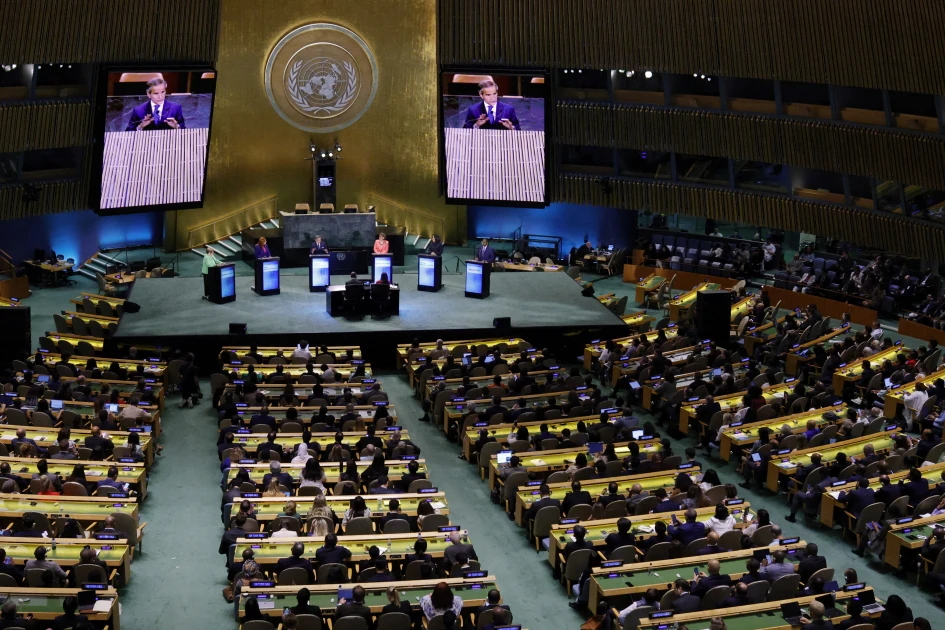
The candidates took part in a televised debate on Thursday as they presented their visions for leading the United Nations.
The UN Security Council is expected to hold its first closed-door, anonymous vote on the candidates on July 30. The process will continue through additional rounds of voting until a candidate secures the required nine votes from the 15-member council without opposition from any of the five permanent members: the United States, United Kingdom, China, France and Russia.
The selected candidate will then be presented to the UN General Assembly for formal appointment and will assume office on January 1, 2027.
The UN Security Council is expected to hold its first closed-door, anonymous vote on the candidates on July 30.
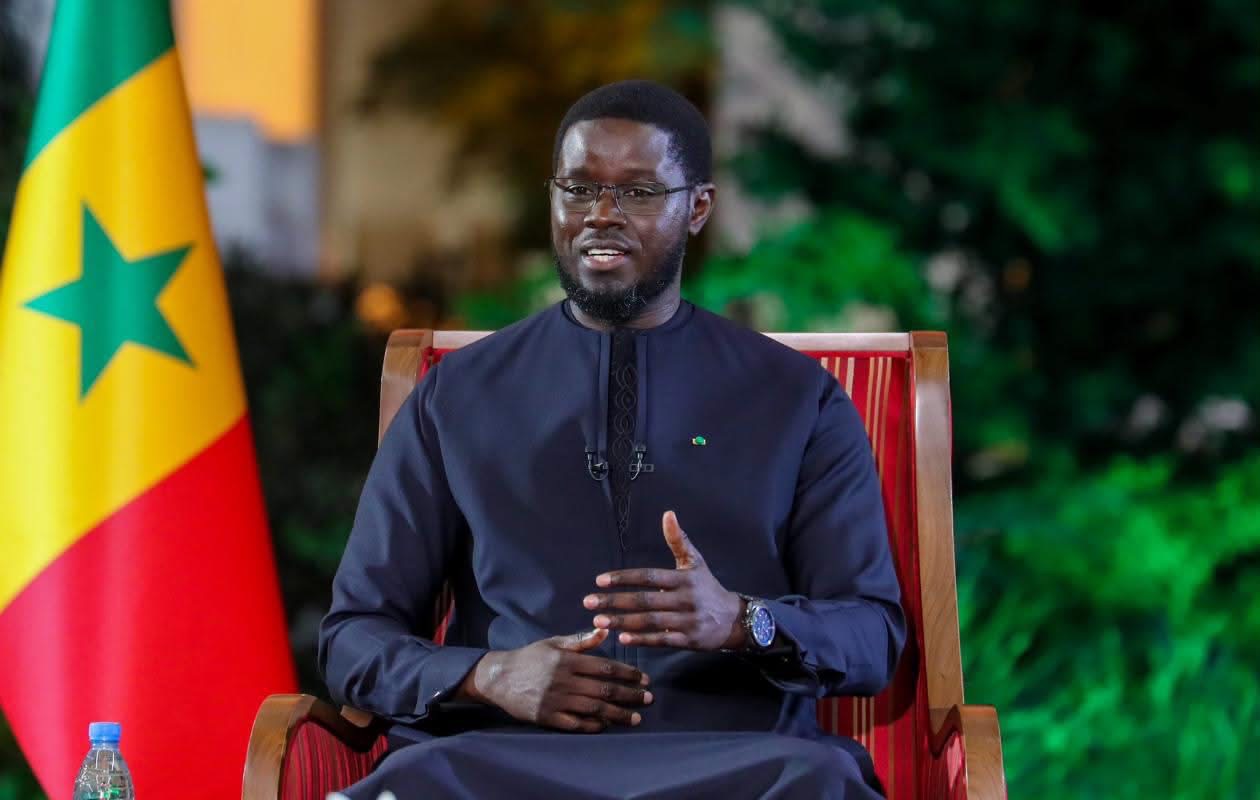
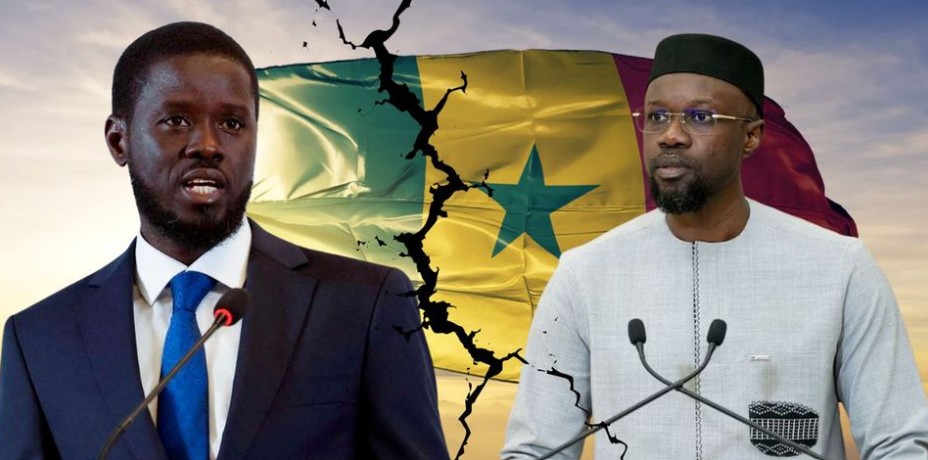
Faye unveiled the Republican Patriots party on Saturday, seeking to consolidate his political base after months of growing tensions with Sonko, who helped him rise to power in 2024.
The two leaders campaigned together under Pastef’s banner, promising to create jobs for young people, fight corruption and secure a larger share of Senegal’s oil, gas and mineral wealth for citizens.
However, their alliance began to weaken over disagreements on key policy issues, including negotiations with the International Monetary Fund (IMF) over a financial support programme as Senegal faces a deepening debt crisis.
Faye later dismissed Sonko as prime minister, but Sonko’s political influence remained strong. Pastef retained its majority in parliament, and Sonko was subsequently elected president of the National Assembly.
A new prime minister, Ahmadou Al Aminou Lo, was appointed in May, with a Cabinet formed the following month without members of Pastef after Sonko announced that his party would not participate in the government.
Ahead of the launch of Faye’s new party, several Pastef officials resigned from the party to join the president’s movement, including regional leaders and members of its youth wing. Some members of the opposition Alliance for the Republic also joined Faye’s camp.
The creation of the Republican Patriots marks a new phase in Senegal’s political landscape, with the two former allies expected to compete for influence in the lead-up to local elections in 2027 and the presidential race in 2029.
Faye’s government has faced mounting challenges since taking office, particularly after authorities discovered that the previous administration had underreported billions of dollars in public borrowing, worsening the country’s debt situation.
The emerging rivalry between Faye and Sonko could reshape Senegal’s political future as both leaders seek to consolidate their support bases ahead of future elections, including the 2029 presidential race.
Senegalese President Bassirou Diomaye Faye (left) and former Prime Minister Ousmane Sonko. Faye has launched his own political party, formalising a split with former ally and ruling Pastef party leader Ousmane Sonko.
The exchange unfolded on X after Hudson criticised the U.S. Embassy in Kigali for reposting U.S. Secretary of State Marco Rubio’s latest criticism of the ICC.
The embassy had shared Rubio’s statement declaring that the United States “will never surrender sovereignty to an unaccountable global tribunal” and announcing what he described as a comprehensive campaign to end what Washington calls the ICC’s “illegitimate overreach.”
Reacting to the embassy’s post, Hudson argued that Rwanda was an inappropriate example for the United States to use in criticising the court.
“This feels so discordant coming from our embassy in Kigali, a country that has benefitted from restorative and international justice and is often cited as a reason for creating the ICC,” Hudson wrote.
He argued that criticism of the ICC should also be accompanied by recognition of the role international justice mechanisms play in promoting accountability.
Responding directly to Hudson on Friday, Makolo said Rwanda has never regarded the ICC as central to its pursuit of justice.
“Rwanda is the wrong example to use to defend the ICC. We have consistently opposed the ICC as a selective, unaccountable institution which has been used to target Africans disproportionately,” Makolo wrote.
She explained that after the Genocide against the Tutsi, Rwanda established Gacaca, a community-based justice and reconciliation system that handled nearly two million cases over a ten-year period.
According to Makolo, the Gacaca courts delivered justice efficiently and at relatively low cost while uncovering the truth, ensuring accountability, and helping rebuild communities torn apart by the genocide.
“Gacaca was pivotal to Rwanda’s recovery, progress and stability,” she said. “A distant, biased court such as the ICC could never have delivered justice and reconciliation on that scale—not in our lifetime.”
Hudson, who is Managing Partner at political and investment risk advisory firm 54 Advisors, is an analyst specialising in African security, governance and geopolitical risk. He previously served in the U.S. government, including as Director for African Affairs at the White House National Security Council during the George W. Bush administration and as chief of staff to successive U.S. Presidential Special Envoys for Sudan.
The exchange comes amid renewed criticism of the ICC by the administration of U.S. President Donald Trump. In his statement, Rubio accused the court of attempting to become “the unaccountable arbiter of a new global law” with powers that threaten U.S. sovereignty.
“We will teach the ICC the full meaning of American resolve,” Rubio said.
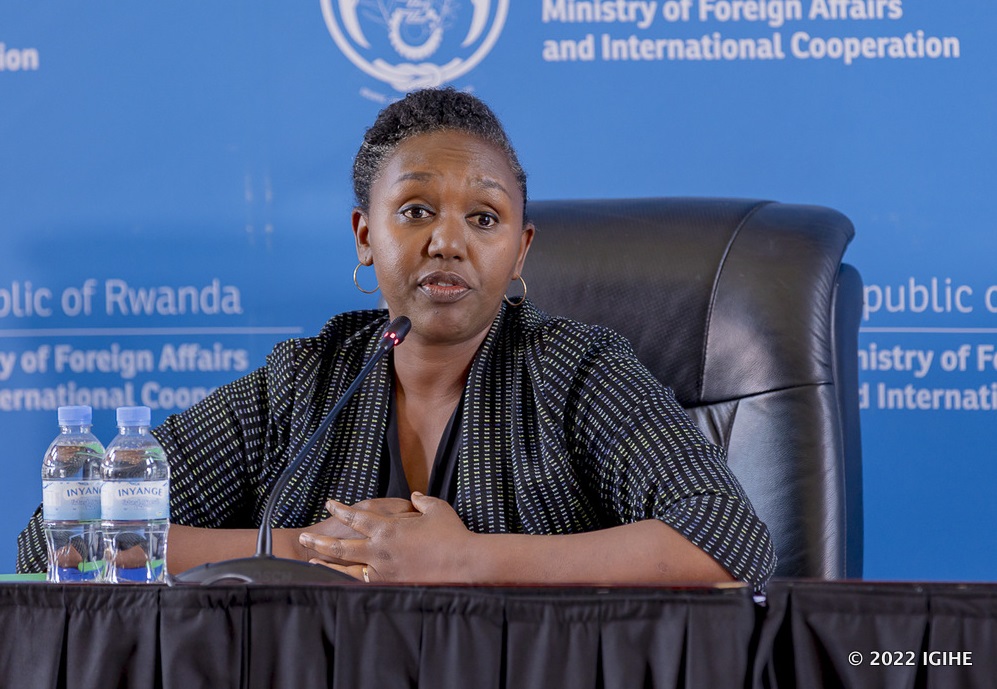
Rwanda’s Government Spokesperson, Yolande Makolo, has rejected claims by American analyst Cameron Hudson that Rwanda benefited from the International Criminal Court (ICC), insisting that the country has consistently opposed the Hague-based tribunal and instead relied on its home-grown Gacaca courts to deliver justice after the 1994 Genocide against the Tutsi.
During his two years in office, Starmer’s approach to Rwanda was defined less by efforts to strengthen ties and more by his decision to end the UK’s asylum partnership with the country.
Relations between the two countries deteriorated further as conflict intensified in eastern Democratic Republic of Congo (DRC), prompting the UK to impose sanctions on Rwanda over allegations of its involvement in the conflict.
Ending the Rwanda asylum plan
Starmer entered office promising to immediately end the policy of sending asylum seekers to Rwanda. He fulfilled that pledge as soon as he became Prime Minister on July 5, 2024, arguing that the scheme was a waste of taxpayers’ money.
The decision left Rwanda taking the UK to international arbitration, seeking compensation for payments it said were still owed after it had already invested heavily in preparations to receive asylum seekers.
At the same time, Starmer’s government suspended some UK financial support to Rwanda, citing contested allegations that Rwanda was involved in the conflict in eastern DRC.
Why did Starmer leave office?
On June 22, 2026, Starmer announced he would resign as leader of the Labour Party after mounting pressure from Labour MPs and ministers.
Many within the party feared he would not be the right person to lead Labour into the next general election as Nigel Farage’s Reform UK gained momentum among British voters.
The election of Andy Burnham as MP for Makerfield in northern England further intensified pressure on Starmer and marked the beginning of the end of his leadership.
Starmer agreed to step aside and pledged to support a smooth transition. He remained Prime Minister until July 20, 2026, when Burnham officially took office.
His departure followed declining public approval, criticism of his domestic policies, concerns over the economy and cost of living, and fears Labour could lose the next general election.
The Rwanda deal that defined his tenure
The UK-Rwanda Migration and Economic Development Partnership was launched in April 2022 under Conservative Prime Minister Boris Johnson.
The agreement provided for some asylum seekers who entered the UK through irregular routes—particularly those crossing the English Channel in small boats—to be relocated to Rwanda, where their asylum claims would be processed.
Supporters argued the plan would deter people-smuggling gangs that profit from illegal migration and often put migrants’ lives at risk.
The first deportation flight was due to leave on June 14, 2022, but was halted at the last minute following an interim ruling by the European Court of Human Rights.
In November 2023, the UK Supreme Court ruled that the scheme was unlawful, citing concerns that asylum seekers sent to Rwanda could ultimately be returned to countries where they faced persecution.
The government of Rishi Sunak responded by signing a new treaty with Rwanda in December 2023 and passing legislation declaring Rwanda a safe country for asylum seekers.
Although Parliament approved the legislation, the plan had not been implemented by the time Starmer took office in July 2024.
Opposition before taking office
Starmer opposed the Rwanda policy long before becoming Prime Minister. In June 2022, while serving as Leader of the Opposition, he dismissed the plan as a distraction rather than a genuine solution to irregular migration.
He argued that small-boat crossings should instead be tackled through closer cooperation with France, European law enforcement agencies and efforts to dismantle people-smuggling networks before migrants reached the UK’s shores.
Starmer maintained that individuals with no legal right to remain in Britain should be returned to their countries of origin, but insisted that deporting them to Rwanda was expensive and ineffective.
On May 10, 2024, during a speech in Dover, he publicly pledged that if elected Prime Minister, he would immediately cancel the Rwanda plan.
He described it as a political “gimmick” designed to appeal to voters without solving the migration crisis.
Instead, he promised to redirect the funding into establishing a new Border Security Command bringing together investigators, intelligence officers, border officials and police.
He also argued that anti-terrorism legislation could be used to target criminal gangs involved in people smuggling.
Labour’s 2024 election manifesto similarly pledged that money allocated to the Rwanda scheme would instead be invested in border security and combating organised crime.
“Dead and buried”
Labour won the July 4, 2024 general election, making Starmer Prime Minister. During his first press conference on July 6, he confirmed that the Rwanda asylum plan had been scrapped.
He famously declared that the scheme was “dead and buried before it started,” arguing it had never served as a deterrent to irregular migration.
The decision halted deportations to Rwanda but did not automatically terminate the legal agreement between the two countries.
Rwanda insisted it was under no obligation to refund money already received because it had fulfilled its commitments, including preparing accommodation, staffing and reception facilities for relocated migrants.
Arbitration over payments
Rwanda argued that the UK still owed scheduled payments for 2025 and 2026. On November 24, 2025, Rwanda filed a case before the Permanent Court of Arbitration in The Hague, with the claim becoming public in January 2026.
Kigali sought more than £100 million, including two scheduled payments of £50 million each, as well as additional damages for what it described as a breach of contract.
The UK maintained that both governments had agreed in November 2024 that no further payments would be made.
The agreement was formally terminated on March 16, 2026. An arbitration ruling issued on June 1, 2026, rejected Rwanda’s claim for additional payments. Rwanda accepted the decision and announced it would not appeal.
Tensions over DRC conflict
Migration was not the only issue that strained UK-Rwanda relations during Starmer’s tenure. In early 2025, fighting escalated in eastern DRC as AFC/M23 captured Goma and Bukavu. The UK accused Rwanda of supporting the rebel group and deploying troops in Congolese territory.
Rwanda consistently rejected the allegations, maintaining that its defensive measures were aimed at protecting its national security by countering the FDLR militia and other armed groups it says threaten the country.
On February 25, 2025, the UK announced a series of measures against Rwanda. These included suspending high-level participation in Rwandan government events, limiting trade promotion activities, freezing direct financial assistance to the Rwandan government, except for support benefiting the vulnerable communities, and suspending future defence training.
London also said it would review export licences for military-related equipment destined for Rwanda and consider additional sanctions in coordination with international partners.
Rwanda condemned the measures as unjustified sanctions that demonstrated the UK’s bias in the conflict. Kigali argued that it could not be expected to compromise its own national security or that of its citizens.
As of April 2026, the UK maintained that the measures introduced in 2025 remained in place while continuing to call on all parties to implement the commitments contained in regional peace agreements.
Migration challenge remains
Although Starmer fulfilled his pledge to end the Rwanda scheme, irregular migration to the UK continued.
Since he took office, more than 77,000 migrants have reportedly entered the UK through irregular routes, raising questions among critics about whether abolishing the Rwanda policy has helped address the small-boats crisis.
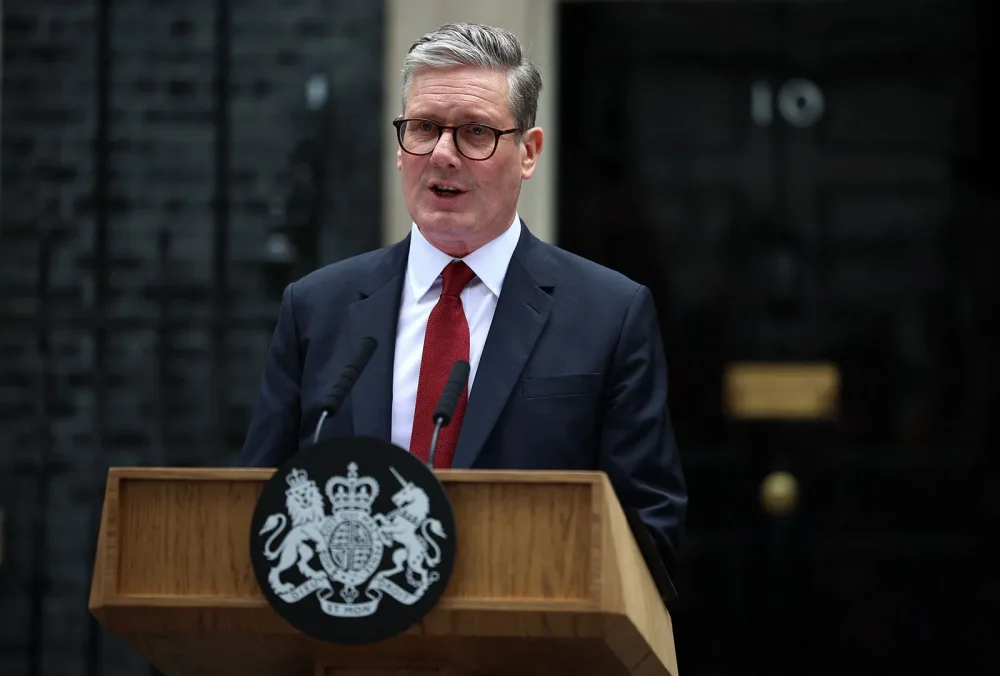
Sir Keir Starmer’s two-year tenure as United Kingdom Prime Minister came to an end on July 20, 2026.
“Seizing another nation’s assets to pay for unrelated future claims is an incendiary precedent,” he said on X. “Those who celebrate or profit from such funds should remember: once governments normalize confiscation, no one’s assets are safe. Ensuing chaos will not be pretty or peaceful.”
Araghchi’s remarks came as U.S. President Donald Trump said Thursday that “any and all damages done to Ships, Cargo, or anything related thereto, will be paid for by Iranian Money that the United States has in its possession, and controls.”
“These damages may be very substantial but, nevertheless, this is the fair and equitable thing to do,” Trump wrote on Truth Social.
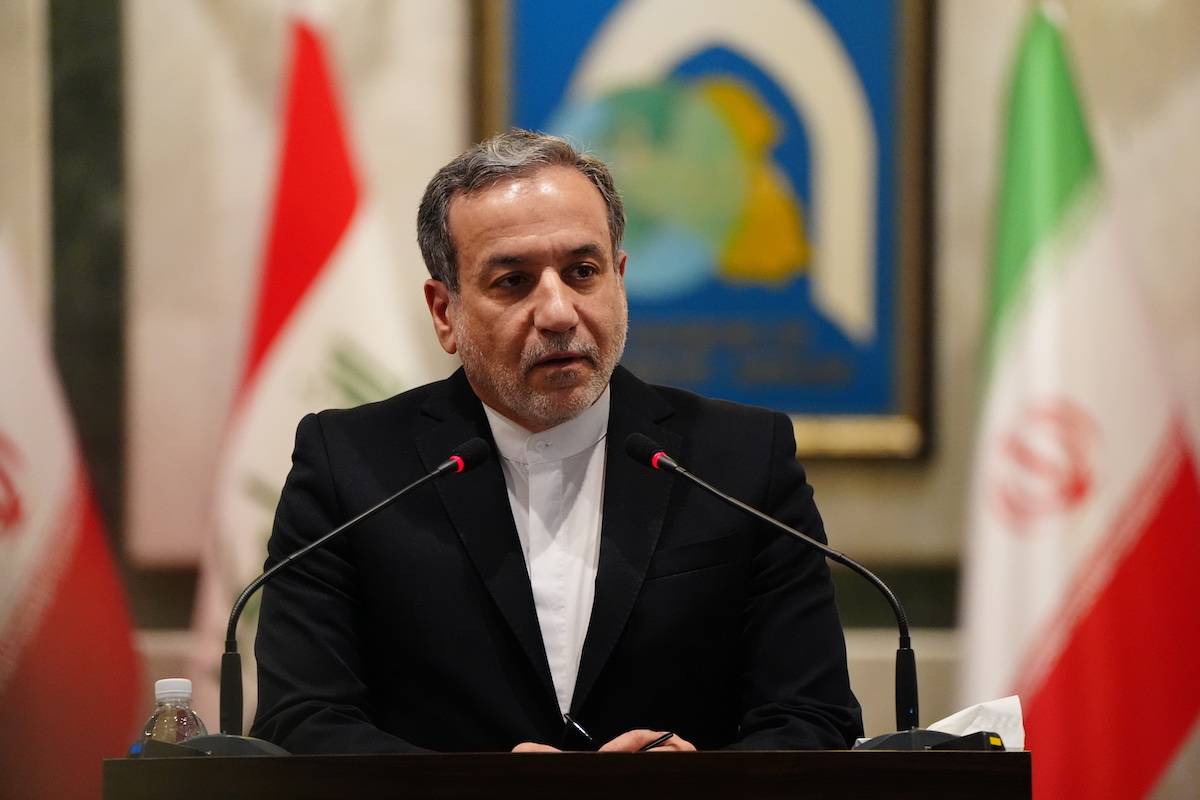
Iranian Foreign Minister Seyed Abbas Araghchi in Baghdad, Iraq on October 13, 2024. [Murtadha Al-Sudani – Anadolu Agency]
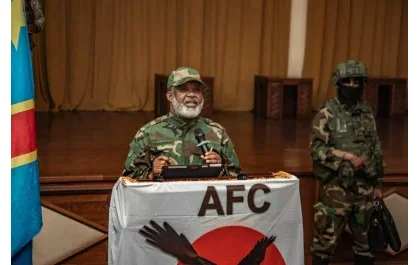
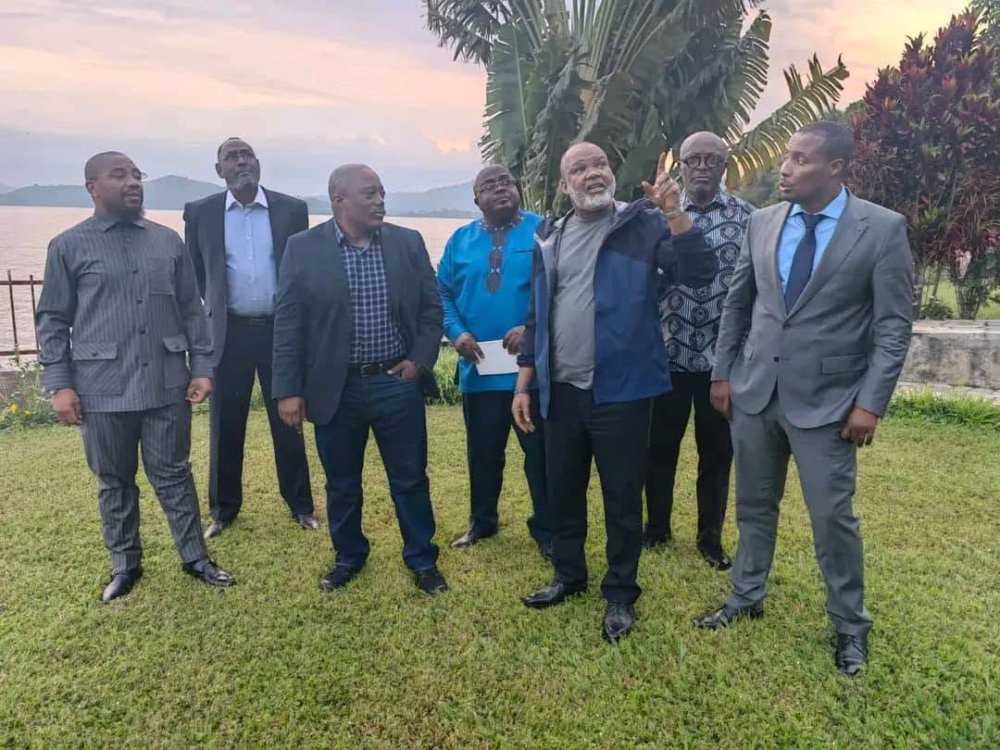
Speaking in an interview with Grand Lacs News on YouTube, Nangaa was asked about his relationship with Kabila, who has been residing in territory controlled by the AFC/M23 alliance, as well as the role the former president could play in addressing the DRC’s current political crisis.
Nangaa argued that in many countries, former heads of state are regarded as valuable national assets whose experience continues to benefit their nations long after they leave office.
“In other countries, a former head of state is considered a national asset. Look at how former presidents are treated in Kenya, Ghana and South Africa. They continue to contribute to their countries and are respected for their experience,” he said.
He said the DRC has failed to make full use of the expertise of its former leaders, adding that Kabila’s years in office have given him unique knowledge that could help the country overcome its current challenges.
Nangaa also questioned why African countries often rely on former foreign presidents to mediate conflicts while overlooking their own former leaders, who have a better understanding of the political and historical realities on the ground.
“When mediation efforts are launched, former heads of state from other countries are invited to help solve our problems, yet they are unfamiliar with our realities. We already have someone with that experience. Why not make use of him?” he wondered.
On his relationship with Kabila, Nangaa said they maintain a strong working relationship and insisted that the former Congolese president deserves respect.
“We have a very good relationship. He is our former head of state and former president, and he deserves respect,” he said.
Nangaa further argued that Kabila continues to wield significant influence in Congolese politics.
“Does he still have influence? The answer is yes,” he said.
He added that Kabila’s 18 years in office placed a responsibility on him to contribute to the country’s future, expressing hope that the former president would take part in efforts aimed at restoring peace and stability in the DRC.
Responding to reports of divisions within the AFC/M23 alliance, Nangaa dismissed suggestions of a serious rift, saying any disagreements that may exist are limited to individual members and do not affect the unity of the movement.
“M23 and AFC are not two separate entities,” he said.
Nangaa’s remarks come despite a ruling by the DRC’s High Military Court in September 2025, which found Kabila guilty of involvement in the conflict in the eastern part of the country and sentenced him to death.
His comments also come as President Félix Tshisekedi prepares what he has described as inclusive national dialogue aimed at bringing together Congolese stakeholders to discuss the country’s future.
However, reports indicate that representatives of the AFC/M23 alliance and former President Joseph Kabila are not expected to participate in the talks.
Corneille Nangaa says Joseph Kabila should help resolve DR Congo’s crisis
The case accuses Rwanda of deploying troops on Congolese territory over the past 30 years and violating several international conventions, including the 1948 Genocide Convention, conventions against torture and racial discrimination, and those protecting women’s rights.
Through its Minister of Justice and Attorney General, Guillaume Ngefa, the DRC government asked the ICJ to formally declare that Rwanda was responsible for these alleged violations.
These are serious allegations that deserve careful judicial examination. However, the political motivations behind the lawsuit also warrant scrutiny.
By taking Rwanda to The Hague, analysts say, Kinshasa is not only pursuing legal action but also advancing a broader political strategy aimed at portraying Rwanda as the principal culprit while diverting attention from the DRC government’s own role in the conflict, particularly its collaboration with armed groups operating in eastern DRC.
The proceedings are therefore likely to be more than a legal dispute. They also represent a contest over international perception, responsibility, and accountability under international law.
The issue is not that the DRC has chosen to seek justice through international courts, every sovereign state has that right. Rather, the concern lies in what Kinshasa chooses to emphasize and what it chooses to ignore.
The ICJ case and the battle over responsibility
While asking the international community to examine its accusations against Rwanda, the Congolese government has largely overlooked allegations concerning its own cooperation with the Democratic Forces for the Liberation of Rwanda (FDLR), an armed group founded by individuals responsible for the 1994 Genocide against the Tutsi, as well as its collaboration with the Wazalendo coalition of militias and the use of foreign mercenaries.
The FDLR is not an ordinary armed group. It was established by former members of the Rwandan Armed Forces and Interahamwe militia who fled to the DRC after participating in the 1994 Genocide against the Tutsi.
FDLR ties raise questions over Kinshasa’s accusations
For years, the group has been accused of ethnic killings, rape, child recruitment, and numerous other serious human rights violations. It is also under sanctions imposed by both the United Nations and the United States.
A UN Group of Experts report published in late June 2026 concluded that the FDLR continues to pose a major threat to peace and security in eastern DRC and the wider region, while rebuilding its capabilities with support from the Kinshasa government.
The FDLR itself claims to have more than 10,000 fighters, with nearly half actively engaged in military operations. The group’s special force unit (CRAP) claims to have more than 20,000 combatants.
However, UN experts and intelligence assessments estimate that the FDLR has between 3,500 and 4,500 fighters, while the Washington Peace Agreement estimated the group’s strength at between 3,000 and 3,500.
In June 2025, the Rwanda Defence Force stated that the FDLR had between 7,000 and 10,000 fighters at the time and noted that the group routinely blends into civilian populations when anticipating military operations.
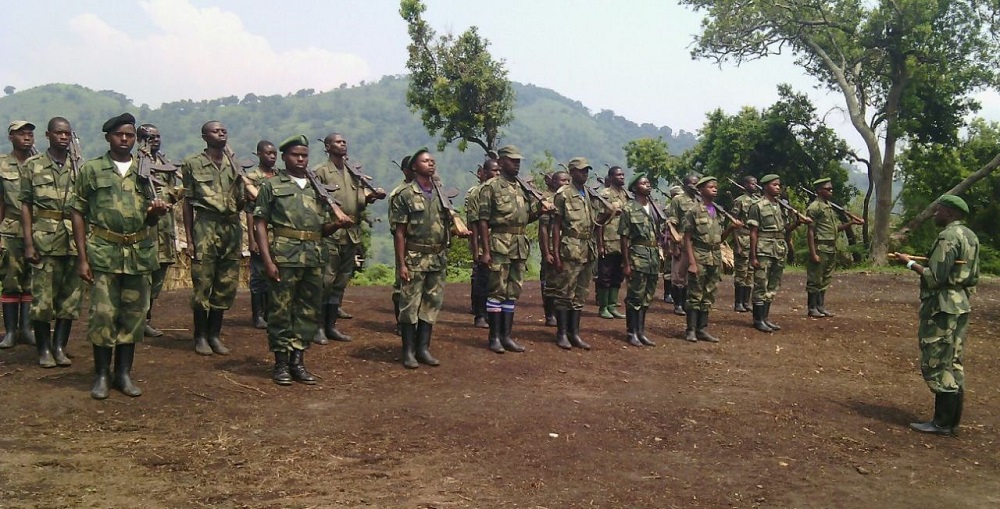
Despite these assessments, the Kinshasa government has continued to regard the FDLR not as a terrorist organization to be dismantled but as a key military partner in its campaign against AFC/M23.
The June 2026 UN Group of Experts report on the DRC found that the Congolese government continued to use Wazalendo militias as auxiliary forces while maintaining cooperation with the FDLR despite previous commitments to dismantle the group.
According to the report, FDLR fighters and Wazalendo militias operated alongside the Armed Forces of the DRC (FARDC) on several front lines.
UN investigators also documented continued financial and logistical support for these groups, including substantial monthly payments channelled through provincial authorities.
Congolese military aircraft reportedly transported uniforms, weapons, ammunition, and food supplies to FDLR positions on multiple occasions, while the FARDC provided air support during joint operations.
The report further cited government and military officials who allegedly assured FDLR leaders that their cooperation would continue because the group remained strategically important in the fight against AFC/M23.
The DRC continues to maintain ties with the FDLR and strengthen military cooperation with the armed group.
Retired Colonel Augustin Nshimiyimana, commonly known as “Bora” and a former senior FDLR commander, recently claimed that cooperation between the DRC government and the FDLR remains active, noting that several senior FDLR figures now occupy positions within the FARDC command structure in Kinshasa.
A government that claims to be committed to combating genocide-related crimes struggles to maintain credibility while working alongside an armed group established by individuals implicated in genocide.
Similarly, the DRC faces questions about presenting itself before an international court as a defender of Congolese civilians while supporting armed groups that have been accused of targeting the same civilians.
For Rwanda, the continued presence of the FDLR near its borders represents a serious national security concern rooted in the legacy of the 1994 Genocide against the Tutsi and the genocidal ideology the group continues to promote.
This explains why Kigali views continued cooperation with the FDLR as a significant regional security threat.
Hate speech and ethnic tensions deepen the regional crisis
The consequences of that alliance have been particularly severe for Congolese Tutsi communities, who have increasingly been portrayed as foreigners, spies, or proxies for Rwanda.
Political rhetoric has frequently conflated Rwanda, AFC/M23, Congolese Tutsi communities, and Kinyarwanda-speaking Congolese into a single perceived enemy.
In 2023, former minister and Member of Parliament Justin Bitakwira appeared on television portraying Tutsi and Banyamulenge communities as foreigners and enemies. His remarks were followed by violence and the displacement of civilians.
UN experts warned that his statements risked inciting discrimination, hatred, and violence. The 2026 UN report also linked him to efforts to coordinate recruitment into Wazalendo militias.
UN reports have documented the displacement of thousands of Congolese Tutsi fleeing attacks by Wazalendo militias and the FDLR.
In one incident, the armed groups burned the village of Nturo in Masisi Territory, North Kivu Province. Videos circulated online celebrating the destruction of Tutsi homes.
Although Rwanda is frequently associated with the AFC/M23 conflict, the country maintains that it is not behind the crisis.
Instead, the country voiced concerns over the continuing threat posed by the FDLR, whose stated objective remains to destabilize Rwanda.
Minister Nduhungirehe recently dismissed the DRC’s case against Rwanda at ICJ as ‘a political manoeuvre’.
Human Rights Watch has also documented killings, beatings, looting, and other abuses committed by Wazalendo militias backed by Kinshasa, targeting civilians on the basis of their ethnicity.
Amnesty International has similarly reported that the Congolese government’s failure to address hate speech directed at Banyamulenge and other Congolese Tutsi has fostered a climate of impunity.
Such rhetoric has also reached the country’s highest security institutions. In December 2025, then FARDC spokesperson Maj. Gen. Sylvain Ekenge appeared on national television making derogatory remarks about Tutsi women, urging Congolese men not to marry them and suggesting such marriages could provide a pathway for enemies to infiltrate the country.
For a senior military official to make such statements on state television illustrated how deeply ethnic hostility had penetrated state institutions.
During armed conflict, hate speech is far from trivial. When political or military leaders repeatedly associate a particular ethnic community with treason or disloyalty, they create conditions that can facilitate discrimination, arbitrary detention, forced displacement, and violence against that population.
From a political perspective, the DRC’s case before the ICJ also serves a domestic purpose.
It reframes the country’s complex security crisis as the result of foreign aggression, directing both domestic and international attention toward Rwanda rather than toward longstanding challenges within the DRC itself, including corruption, weaknesses within the national army, poor governance, support for armed groups, and the promotion of ethnic divisions.
If Kinshasa truly wants justice, it should first end its cooperation with the FDLR, dismantle networks supporting armed groups, prosecute officials spreading ethnic hatred, and protect Congolese Tutsi who are treated as foreigners.
The government should also allow independent investigations into alleged crimes committed by FARDC forces and their Wazalendo allies.
Otherwise, the DRC’s case before the International Court of Justice could be seen as a way of diverting attention rather than a genuine pursuit of justice.
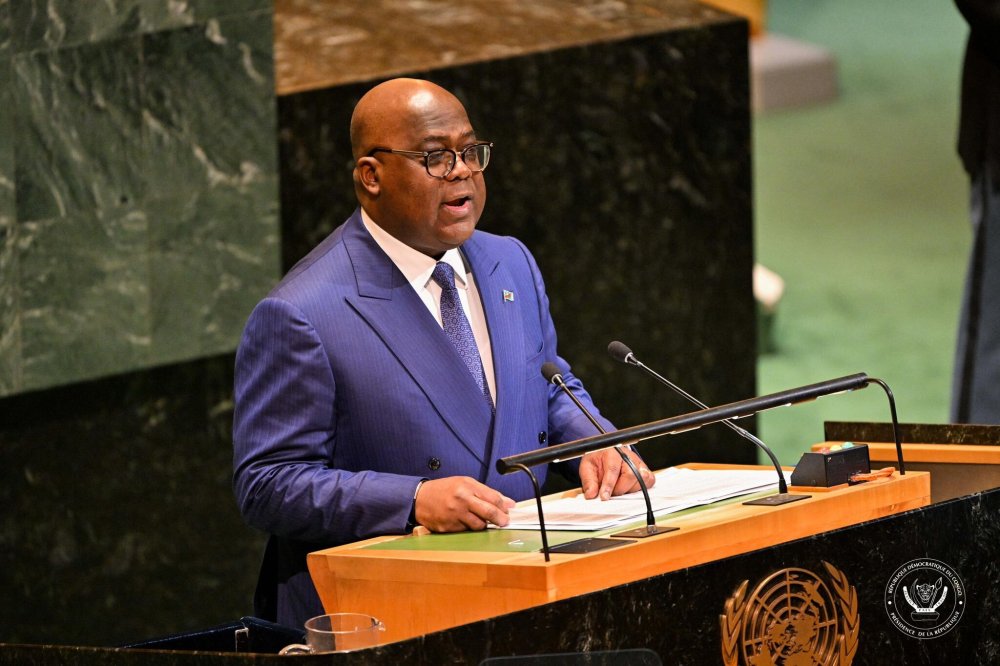
Rwanda’s Minister of Foreign Affairs and International Cooperation, Ambassador Olivier Nduhungirehe, has criticised the case filed by the DRC government before the ICJ.
Speaking to France 24 journalist Marc Perelman in a recent interview, Minister Nduhungirehe dismissed the move as “a political manoeuvre” by the Government of DRC which is collaborating with the FDLR genocidal group.
“First, who collaborates with the genocidal force? It is the Congolese government. Second, who is shelling the civilian population? It is the government of Tshisekedi. who is fueling hate speech against the Congolese Tutsi? There are people linked to Tshisekedi including former spokesperson of the army Maj. Gen. Sylvain Ekenge”
The Tshisekedi administration is accused of seeking to tarnish Rwanda’s image while ignoring violations of international law.
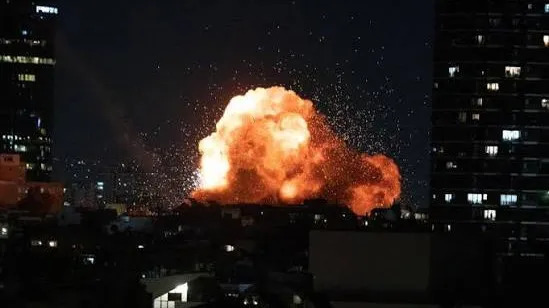
The latest airstrikes began at 5:30 p.m. Eastern Time on Wednesday, the command announced on X.
“The mission will continue to further degrade Iran’s ability to threaten civilian mariners and commercial vessels transiting regional waters,” said the command.
Earlier on Wednesday, U.S. President Donald Trump threatened to destroy a bridge or power plant in Iran each time it shoots at a ship in the Strait of Hormuz.
“From this point forward, any time the Islamic Republic of Iran shoots at a ship in the Strait of Hormuz, whether it be by Missile, Rocket, Drone, or any other device or weapon, the United States will bomb and destroy ONE BRIDGE OR POWER PLANT, including those located next to, or in, the Capital City of Tehran,” Trump wrote on Truth Social.
In response, Iran’s main military command, Khatam al-Anbiya Central Headquarters, on Wednesday warned that if the United States attacks Iranian infrastructure, Iran will block all oil exports from West Asia and target oil, gas, electricity, and economic infrastructure across the region, according to media reports.
It added that continued threats by the United States will only lead to the war’s expansion in the region and even beyond that.
As many as 68 percent of U.S. adults said the war with Iran was “not worth fighting,” while 28 percent said it was, according to a The Washington Post-Ipsos poll issued last week.
The latest airstrikes began at 5:30 p.m. Eastern Time on Wednesday, the command announced on X.