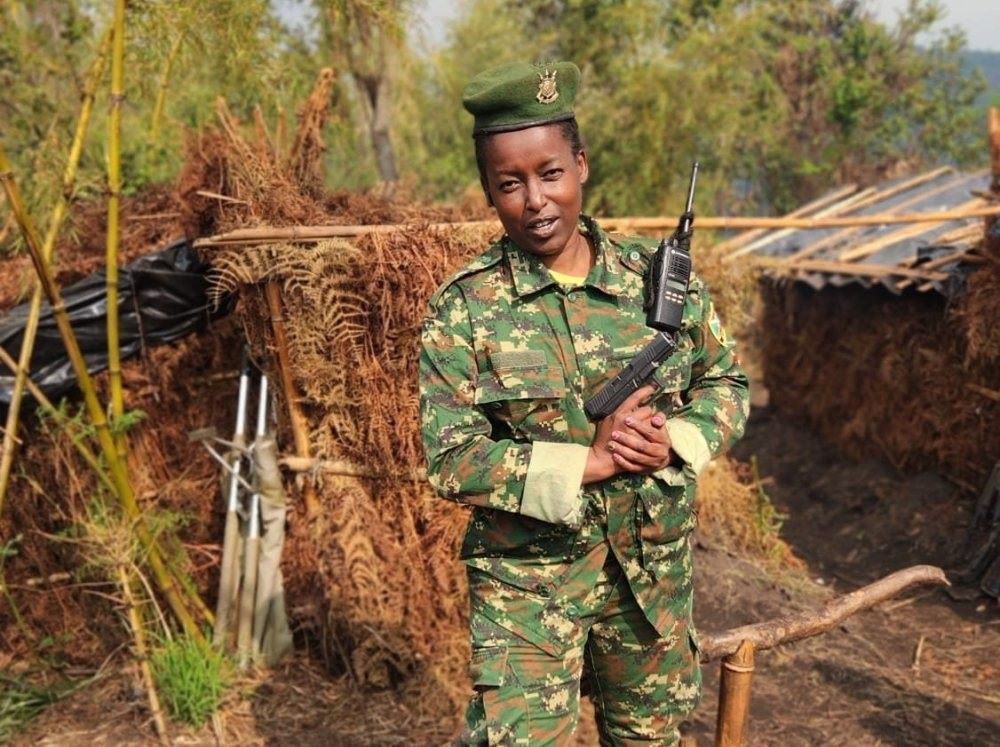
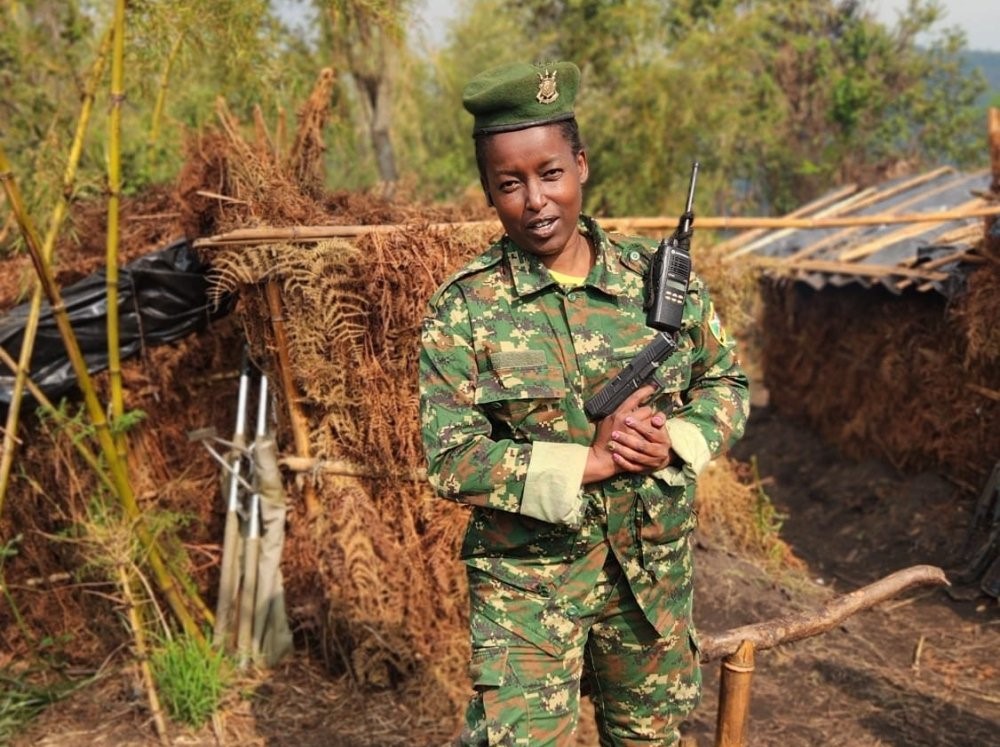
On August 2, 2026, RED-Tabara shared videos on social media showing two of its new fighters, who said they were proud of their decision to join the armed struggle to “liberate” Burundi.
Among those featured was a Burundian woman who said she had left her job in Canada to join RED-Tabara, claiming she wanted to contribute to efforts to help Burundians.
“There may be another role I am needed for in the struggle. If I left my job, because I was working in Canada, and decided to stop it and say, ‘I am going to the forest with others,’ it is because I have confidence in this cause,” she said.
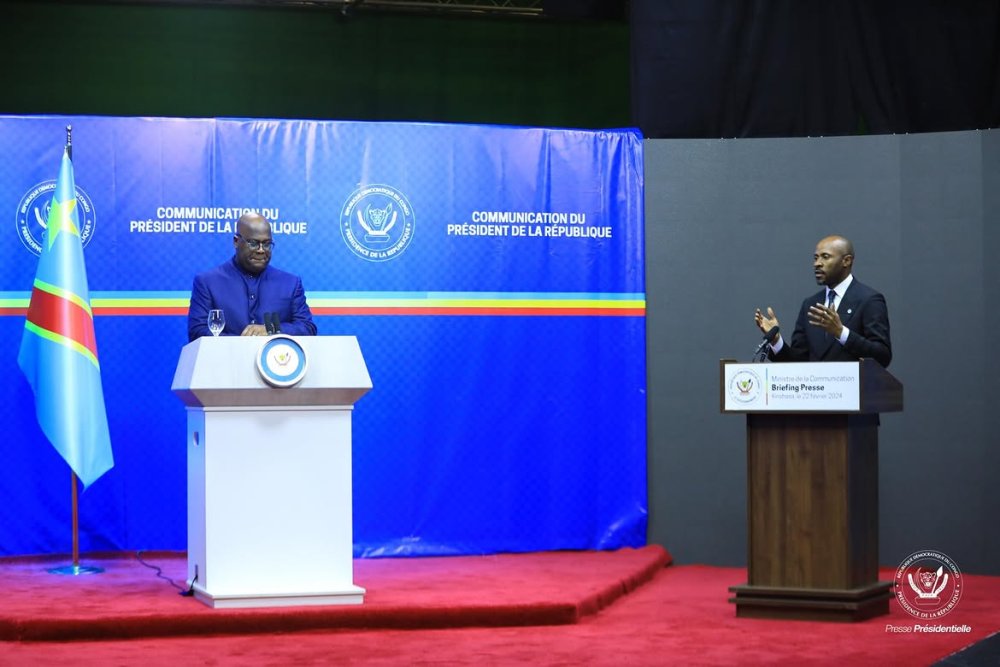
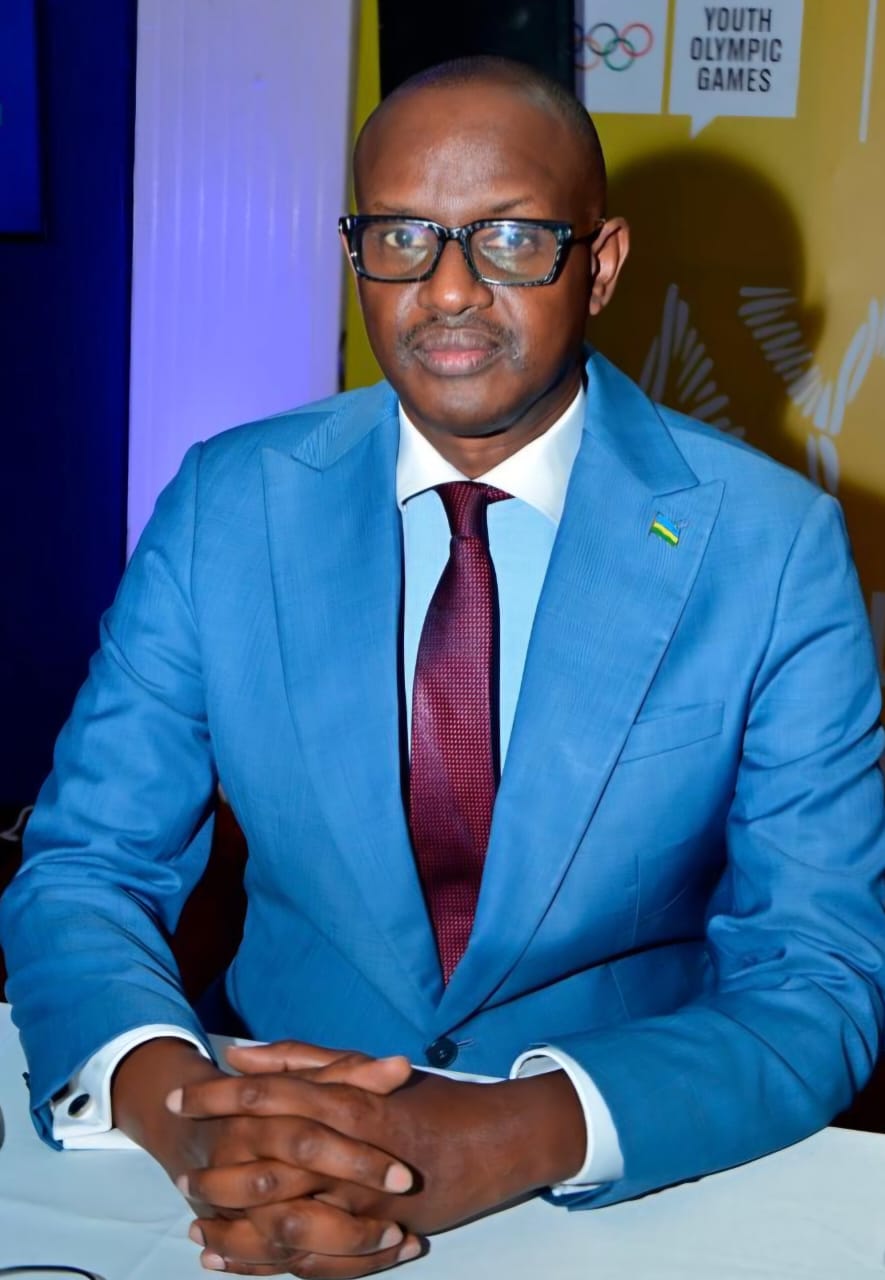
Reacting to the video, Minister Bizimana accused some countries of supporting instability in Burundi and the wider region, saying his government was monitoring diplomats allegedly involved in such activities.
“A Canadian fighter in RED-Tabara: some countries are encouraging disorder and divisions in Burundi and the region. The Ministry of Foreign Affairs of Burundi is closely monitoring all diplomats involved in hostile acts, and measures will be taken,” Bizimana said.
RED-Tabara emerged amid political tensions in Burundi in 2015, when then-President Pierre Nkurunziza sought a controversial third term in office.
The group claims that the time for the “liberation” of the country is approaching.
Minister Bizimana said Burundi is closely monitoring all diplomats accused of seeking to fuel instability.The Burundian woman said she left her job in Canada to join RED-Tabara, claiming she wanted to help liberate Burundians.
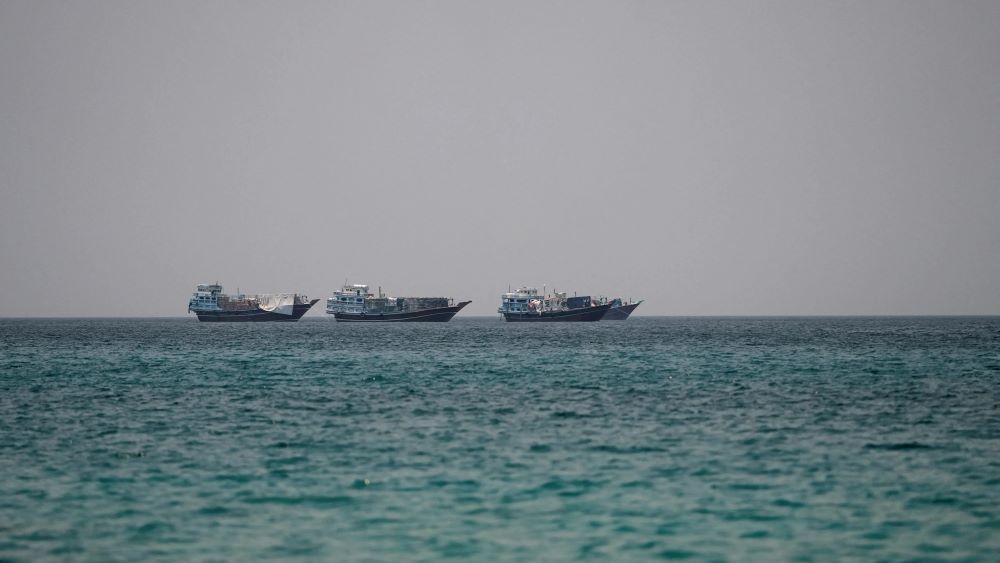
According to a UKMTO advisory, the agency received the report from the vessel’s master at 20:37 GMT on Sunday. The master said the explosion was heard while the vessel was about 20 nautical miles northeast of Khasab, Oman.
The UKMTO advised vessels transiting the area to exercise caution and report any suspicious activity to the agency.
As tensions between the United States and Iran have escalated again, the UKMTO has reported a series of maritime security incidents in recent days, most of them occurring off Oman’s coast near the Strait of Hormuz.
About 20% of the world’s oil and liquefied natural gas usually passed through the Strait of Hormuz before the Middle East conflict.
The FDLR was formed by individuals involved in planning and carrying out the 1994 Genocide against the Tutsi, including former political leaders, members of the defeated Rwandan Armed Forces (Ex-FAR), and fighters from the Interahamwe militia. Despite years of military operations against it, the group continues to recruit new members, particularly young fighters.
Operating from eastern DRC, the FDLR has long been cited by Rwanda as a direct threat to its national security because of its presence near the shared border. The Congolese government, however, has often argued that defeating AFC/M23 should take precedence over military action against the FDLR.
The group’s presence has featured prominently in regional peace efforts, including mediation talks held in Pretoria more than two decades ago, negotiations in Luanda in 2022, and discussions in Washington beginning in early 2025.
The Washington Peace Agreement included commitments to dismantle the FDLR through measures outlined in the Concept of Operations (CONOPS). However, despite signing the agreement, the DRC has continued to send conflicting signals regarding how it intends to address the group.
From denial to acknowledgement
For years, officials in Kinshasa maintained that the FDLR no longer posed a meaningful threat to Rwanda, arguing that the movement had become too weak to destabilize the region.
Congolese authorities also accused Rwanda of exaggerating the threat in order to justify interference in the DRC’s internal affairs and gain access to the country’s mineral resources.
In March 2025, former Foreign Affairs Minister Christophe Lutundula questioned whether the group even existed.
“The time had come for us to eliminate those remaining FDLR fighters Rwanda keeps talking about, but I don’t believe they exist. I don’t even know who they are,” he said.
Lutundula, who consistently argued during his tenure as foreign minister that the FDLR was no longer a significant force, also suggested Rwanda itself had shifted its narrative.
“Is Rwanda still talking about the FDLR the way it used to? No. The real issue now is the economy,” he stated.
Following the signing of the Washington Peace Agreement in June 2025, DRC Minister for Foreign Trade Julien Paluku also dismissed the existence of the FDLR, describing it as a narrative created by Rwanda.
Paluku argued that references to the group had misled the international community for three decades and accused Rwanda of using the issue to justify military intervention and the exploitation of Congolese mineral resources.
“The real FDLR Rwanda is looking for in the DRC is Congo’s minerals,” he said.
Rwanda’s ambassador to Algeria, Vincent Karega, said such remarks were unsurprising given Paluku’s previous role as governor of North Kivu Province, where the FDLR has long operated, including in Virunga National Park.
Official acknowledgement
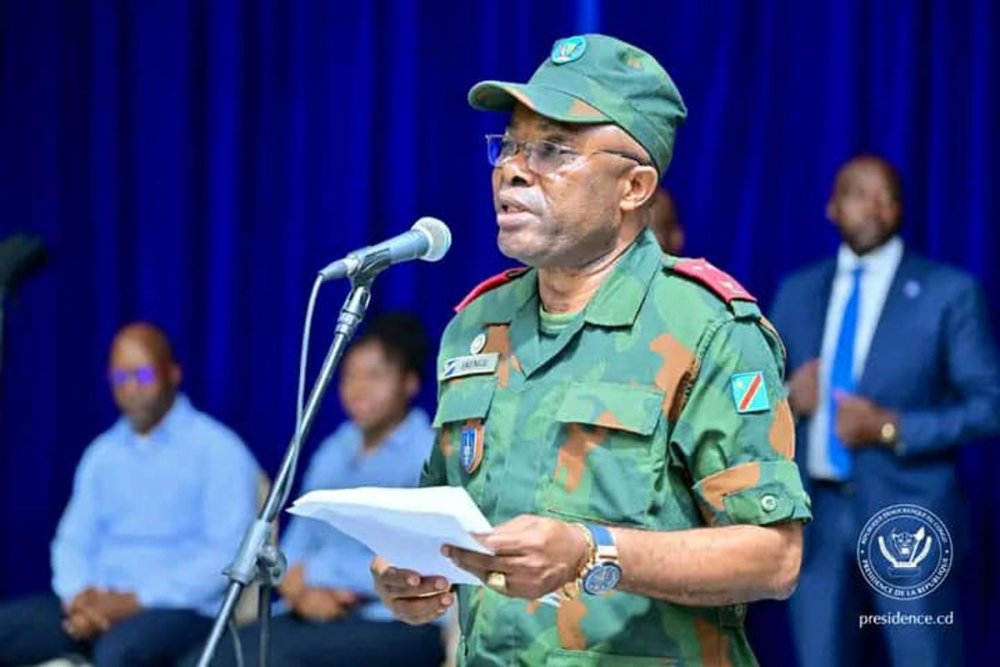
Despite these statements, the Congolese government had previously acknowledged both the existence of the FDLR and the threat it posed. On April 15, 2024, then FARDC spokesperson Maj. Gen. Sylvain Ekenge told Congolese state television that the FDLR was active in the country and had played a major role in violence against civilians.
“The FDLR attacks Congolese people and kills Congolese people. Of the more than 10 million people who have died over the past decade, the FDLR bears significant responsibility for those deaths,” he said.
On April 15, 2024, then FARDC spokesperson Maj. Gen. Sylvain Ekenge told Congolese state television that the FDLR was active in the country and had played a major role in violence against civilians.
Ekenge’s remarks carried particular weight because he had previously served in North Kivu Province as military spokesperson for operations in the region and later as acting military governor.
His comments marked a significant departure from years of inconsistent messaging by the Congolese government regarding the FDLR.
In October 2025, the Congolese army issued a directive ordering its troops to end all cooperation with the FDLR. It also called on the group’s fighters to lay down their arms, warning that those who refused would face military action.
Despite the announcement, cooperation between the FARDC and the FDLR continued. The armed group reportedly continued receiving weapons and ammunition, while the 90-day deadline for its dismantlement expired without any meaningful progress.
Shifting explanations
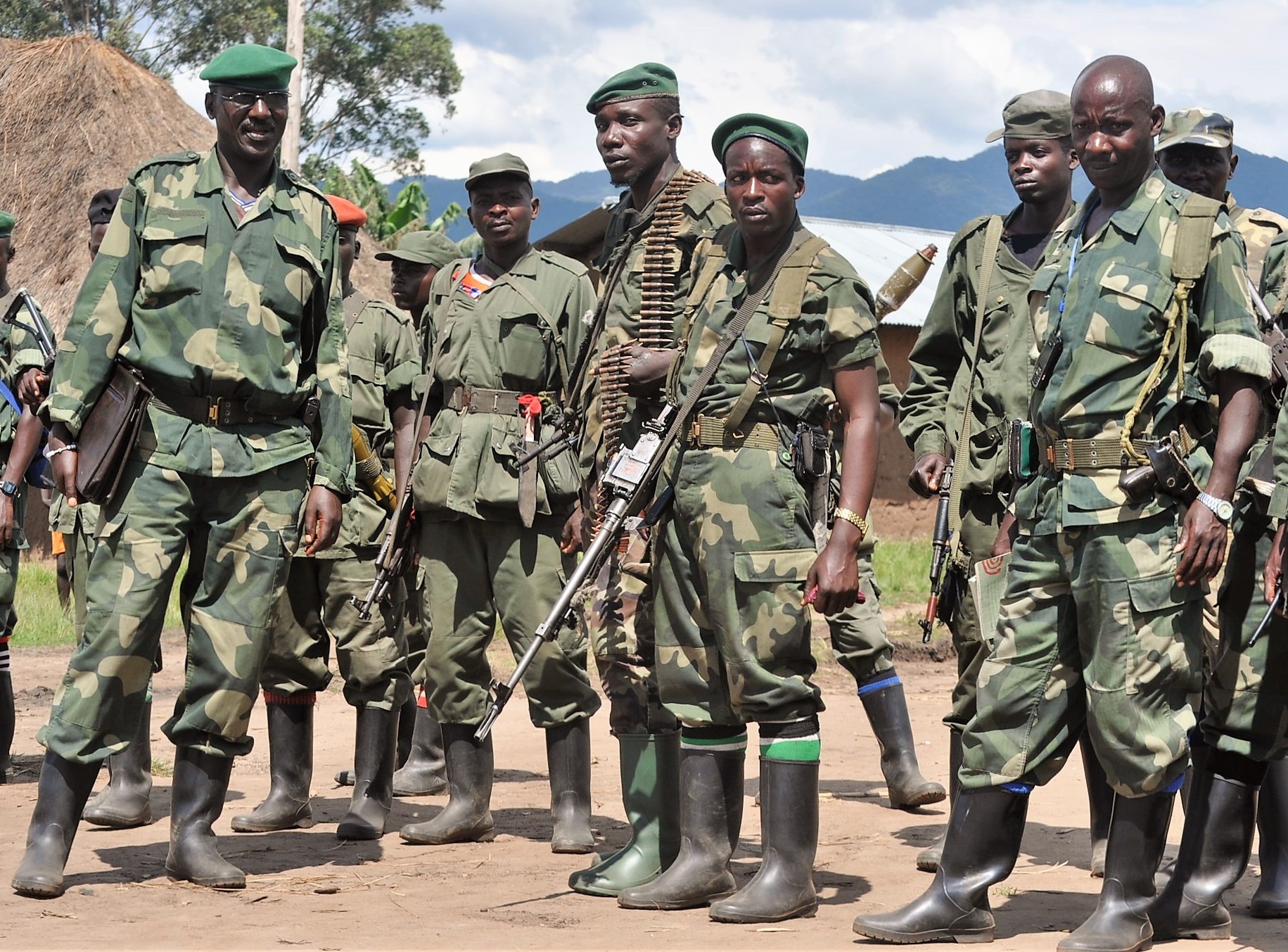
As pressure mounted over its failure to dismantle the FDLR, the Congolese government began advancing a different explanation. Officials argued that many of the group’s fighters were based in areas controlled by AFC/M23, making it difficult for the army to carry out operations against them.
In late March 2026, the FARDC announced in Kisangani that it had launched operations targeting the FDLR. Two days later, however, the army reportedly delivered weapons and ammunition to FDLR fighters in Pinga, Walikale Territory, where the group was fighting alongside government forces against AFC/M23.
A report by the UN Group of Experts, published in late June 2026, stated that the Congolese army had assured the FDLR it would not move to dismantle the group and that both sides would continue working together as strategic partners.
According to reports from eastern DRC, FDLR fighters based in government-controlled territory were advised to relocate to areas under AFC/M23 control, creating the impression that military operations against the group could not be carried out.
On July 30, 2026, FDLR political spokesperson Cure Ngoma claimed that the group’s fighters were now located exclusively in areas controlled by AFC/M23.
“We are based in eastern Congo, specifically in the areas occupied by M23 and Rwanda. That is where our forces are located,” he said.
However, discussions held under the Joint Security Coordination Mechanism (JSCM), which brings together representatives from Rwanda, the DRC and the United States, concluded that while some FDLR fighters were indeed present in AFC/M23-controlled areas, others remained in territory controlled by the Congolese government.
In June 2026, U.S. Senior Advisor for Africa Massad Boulos told the UN Security Council that the DRC had failed to fulfil its commitment to dismantle the FDLR, even in areas under its own control.
“Despite progress, the parties continue to fall short on their obligations. The DRC has not upheld obligations for the FDLR neutralization, at least in the areas that they control,” Boulos pointed out.
A new approach to the FDLR
In recent weeks, a document circulating in international media has added another dimension to the debate.
The document, reportedly signed by FDLR president Lt. Gen. Victor Byiringiro on May 30, 2026, and addressed to President Félix Tshisekedi, outlines a proposal for the group’s fighters to disarm, undergo reintegration, and be placed in secure, supervised facilities.
The proposal has been presented as a roadmap for the group’s voluntary dissolution.
Since July 13, DRC Minister for Regional Integration Floribert Anzuluni has circulated the document among governments in Africa and Europe, presenting it as evidence that Kinshasa had reached an agreement with the FDLR on voluntary disarmament.
Rwanda, however, maintains that such an arrangement falls outside the framework of the Washington Peace Agreement.
Foreign Affairs and International Cooperation Minister Ambassador Olivier Nduhungirehe has argued that the reported proposal is not provided for under the agreement, which requires the FDLR to be dismantled through the agreed CONOPS framework.
On July 29, Nduhungirehe reiterated that the FDLR was never a party to the Washington Peace Agreement but rather the security threat the agreement seeks to eliminate.
“The signing of this so-called “protocol” between the father (the Congolese government), the son (the FDLR), and the evil spirit (the genocide ideology) is in no way consistent with the Washington Peace Agreement, which makes no provision for such an arrangement. For good reason: the genocidal FDLR is not a party to the agreement; rather, it is the subject of it,” he stressed.
The following day, DRC government spokesperson Patrick Muyaya defended Kinshasa’s position, saying that if the FDLR had voluntarily agreed to disarm and enter a reintegration process, there would be no justification for launching military operations against it.
“You do not use force against people who have voluntarily chosen the path of peace,” Muyaya argued.
After years of downplaying the FDLR’s capabilities, Patrick Muyaya openly stated that the DRC government could not launch military action against the group because it had chosen the path of peace.
Political analyst Prof. Bob Kabamba of the University of Liège has cautioned that even if the FDLR were officially declared dissolved, the organisation could simply re-emerge under a different name.
Before becoming the FDLR, the movement previously operated as RDR and later ALiR, while its military command, political leadership and objectives remained largely unchanged.
The evolution of Kinshasa’s public position, from questioning the FDLR’s existence, to acknowledging it as a security threat, and more recently supporting a voluntary disarmament process rather than military dismantlement, has become one of the central points of contention in the implementation of the Washington Peace Agreement.
The DRC government has for years changed its narrative on the FDLR, at times denying the group’s existence and at other times portraying it as a weakened force made up of aging fighters.
Implementation means verifiable dismantlement, not theatre.
To understand why Rwanda’s position admits no softening, one must first be honest about what the FDLR is — because the entire case for “dialogue” rests on misdescribing it.
A project, not a party
The FDLR is not a rebel movement with grievances that negotiation could address. It is the organisational afterlife of the 1994 Genocide against the Tutsi. Founded in 2000 in the forests of eastern DR Congo, it gathered up the remnants of the ex-FAR — the army that planned and executed the genocide — and the Interahamwe militia that carried out the killing hill by hill. Its founding cadres did not flee Rwanda as dissidents; they fled as perpetrators, taking their command structures, their weapons and their ideology with them.
That ideology has never been retired. Senior FDLR officers have declared, repeatedly and on the record, that their return to Rwanda is conditioned on the country being “cleansed” of its Tutsi population. This is not an accusation inferred from conduct; it is the group’s own stated horizon. An organisation whose political programme is the completion of a genocide does not have a negotiating position. It has a confession.
Dialogue, in any meaningful sense, requires a shared floor: each party recognises the other’s right to exist. The FDLR’s foundational premise is the denial of exactly that right to an entire people. You cannot split the difference with extermination. There is no halfway point between a population living and a population erased, and any mediator who pretends otherwise is not advancing peace — he is laundering genocide ideology into the vocabulary of politics.
The victims Kinshasa forgets are its own
Here is the element too often missing from this debate: the FDLR’s longest-suffering victims, after the Tutsi of Rwanda, are the Congolese themselves. For a quarter of a century this militia has fed on eastern DR Congo, taxing its minerals, burning its villages, and punishing its civilians for every military setback. United Nations investigators have documented its massacres of Congolese villagers and its campaigns of mass rape in the Kivus. UN Group of Experts reporting has likewise detailed the FDLR’s embedding within Congolese armed structures and its battlefield cooperation with Wazalendo militias, the very integration that makes announcements of “voluntary disarmament” ring hollow while its fighters remain on active front lines.
A Congolese official who offers the FDLR a seat at a political table is not merely offending Rwanda. He is telling the survivors of the militia’s Congolese atrocities that the men who did it have been promoted from criminals to counterparts.
Nor has the menace stayed on one side of the border. Over the years the FDLR has run incursions into Rwanda’s Western Province and been linked to grenade attacks that killed and maimed civilians in Kigali, each operation an attempt to export terror into a country that has spent three decades rebuilding itself from mass graves.
The law has already spoken
The second missing element is this: the question of what the FDLR is has already been answered, not by Kigali, but by the world’s courts and councils. The group and its leaders have sat under UN Security Council sanctions for some two decades. The International Criminal Court issued an arrest warrant for its supreme commander, Sylvestre Mudacumura, for war crimes. A German court in Stuttgart convicted its president, Ignace Murwanashyaka, for atrocities his organisation committed — a genocidaire leadership run, for years, from European soil, prosecuted under universal jurisdiction.
This is the legal reality a “political dialogue” would have to overturn. Negotiation confers standing; that is its nature. To seat the FDLR at a table is to walk back, by protocol, what sanctions committees, prosecutors and judges established by evidence: that this is not a political actor but a criminal enterprise animated by the gravest crime in international law.
The door that is already open
The third missing element demolishes the claim that Rwanda’s refusal leaves the FDLR’s fighters no way out. It leaves them exactly one, and thousands have taken it.
For more than twenty years, Rwanda has operated one of the most extensive demobilisation and reintegration programmes on the continent. Rank-and-file combatants who lay down their arms are received at the Mutobo demobilisation centre in Musanze, rehabilitated, and returned to their communities; many thousands of former fighters from armed groups in the DR Congo, the FDLR chief among them, have come home this way, alongside family members who followed them out of the forest. They were not negotiated with. They were welcomed, as individuals renouncing a criminal project, not as delegates of it.
That distinction is the whole argument. Disarmament, demobilisation and reintegration is a door for men. A political dialogue is a platform for an ideology. Rwanda has held the first open for two decades and will keep it open. The second it will never build, because the “cause” the FDLR’s leadership would bring to any table is the unfinished business of 1994.
What Washington actually requires
Which brings us back to the present moment. The peace framework the DR Congo and Rwanda signed in Washington in 2025 does not speak of accommodating the FDLR; it obligates its neutralisation, under a concept of operations both governments endorsed — irreversible, verifiable, and measured in dismantled command structures, not press conferences. A signed protocol with a militia that remains interwoven with the Congolese army and active in ongoing fighting is not neutralisation. It is choreography, and everyone in the region can tell the difference between a militia being dismantled and a militia being rebranded.
For that is the tactical truth beneath the diplomatic language: as military pressure and international scrutiny have shrunk its space, the FDLR has reached for the oldest trick of cornered armed movements — the costume change. Yesterday’s genocidaires present themselves as today’s “political opposition in exile,” hoping the world’s memory is shorter than its outrage. The rebranding must fail, and be seen to fail, because the precedent at stake reaches far beyond the Great Lakes. If an organisation founded on extermination can wait out the world and be repackaged as a dialogue partner, then every génocidaire on earth has been handed a strategy: survive, relocate, rename, negotiate.
The seat that is reserved
Rwanda’s three decades of recovery were built on a covenant with its dead and its survivors: unity, accountability, and the refusal to barter either. To trade that covenant for the political blackmail of a genocidal militia would betray more than a million victims of the Genocide against the Tutsi and gamble the security of the millions now living in the peace they were denied.
So let the record state Rwanda’s position without varnish. For fighters who abandon the FDLR, the road home through demobilisation remains open, as it has been for twenty years. For the organisation and the leaders who carry its exterminationist charter, there will be no concessions, no false symmetry, and no chair — not in Kigali, not in Kinshasa, not in any capital that takes the word “genocide” seriously.
A seat is, in fact, reserved for them. It is in the dock, facing their judges. It is the only table at which the FDLR has ever had anything legitimate to say.
The FDLR is not a rebel movement with grievances that negotiation could address. It is the organisational afterlife of the 1994 Genocide against the Tutsi.
The sharp denial, reported by Iran’s semi-official Mehr news agency, follows statements posted by Trump on Truth Social in which he claimed Washington paused planned military action after receiving requests from Tehran and neighboring Middle Eastern nations.
The claims and denial
According to Iranian military sources cited by Mehr, Tehran made no direct or indirect request to halt U.S. operations. Instead, officials characterized Trump’s statements as a tactic designed to leverage pressure against Gulf states.
“Iran’s armed forces remain at the highest level of readiness and are fully prepared for any eventuality,” the military sources stated.
The response directly refutes claims made late Saturday by President Trump, who asserted that secret diplomatic openings had led to a temporary hold on fresh bombardments.
“We have just been asked by Iran, and other Middle Eastern Countries, to hold off any attack in that the perimeters of a deal has been agreed to,” Trump wrote on Truth Social, adding that any pause was contingent on securing a broader agreement quickly.
Escalating regional tensions
The public dispute comes against a backdrop of intense military posturing and fears of a widening regional war. U.S. forces have recently signaled readiness for expansive strikes targeting strategic Iranian infrastructure, while regional partners, including Saudi Arabia, have publicly and privately urged diplomatic restraint.
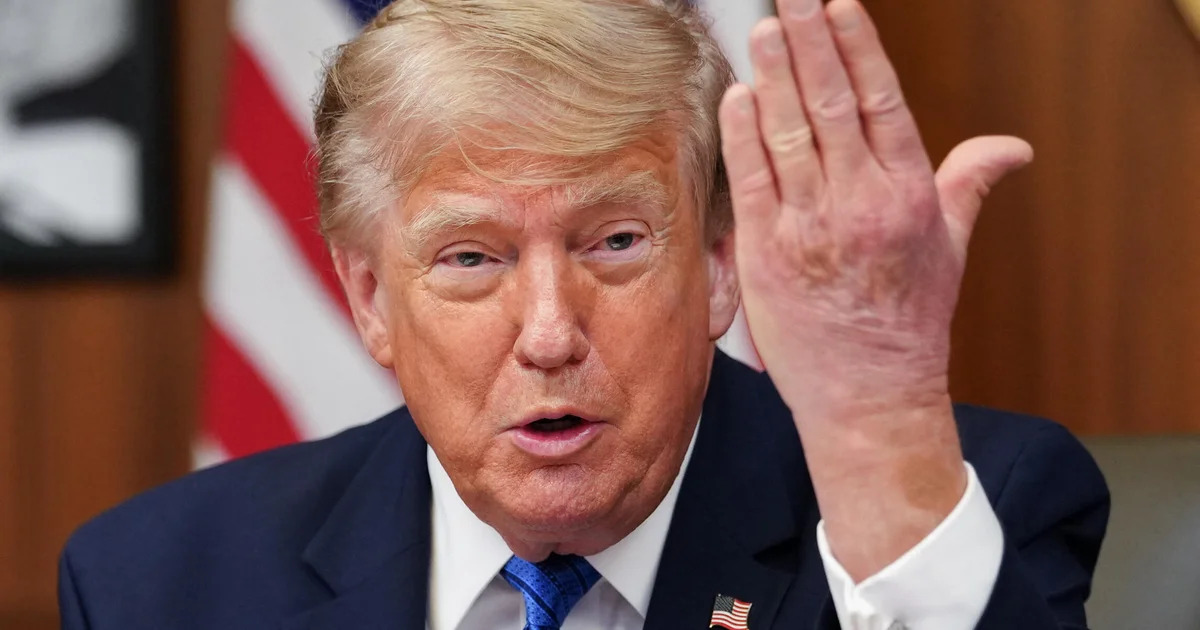
Iranian military officials on Sunday rejected assertions by U.S. President Donald Trump that Tehran had requested a hold on American military strikes, dismissing the claims as a “new lie” and an attempt to pressure regional Gulf allies.
The announcement was made by Micheal Martin, the Irish prime minister whose country currently holds the rotating presidency of the Council of the European Union, after calls from Spain as well as a 22-country initiative led by Italy and Denmark for a coordinated European response to the migrant crisis.
Italy and Denmark on Saturday spearheaded a joint initiative, calling for a coordinated European response to recent developments at the EU’s external border in Ceuta, according to a statement released by the Italian government.
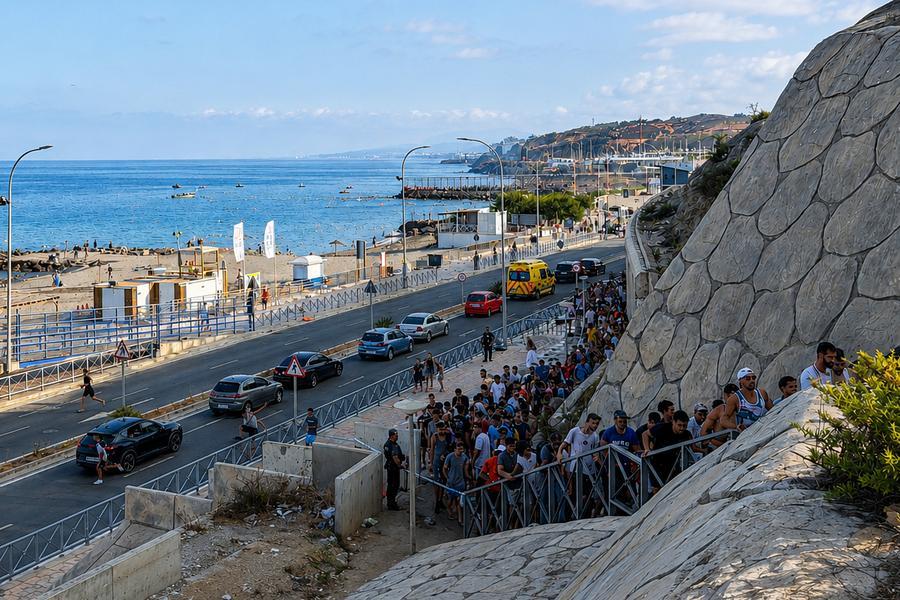
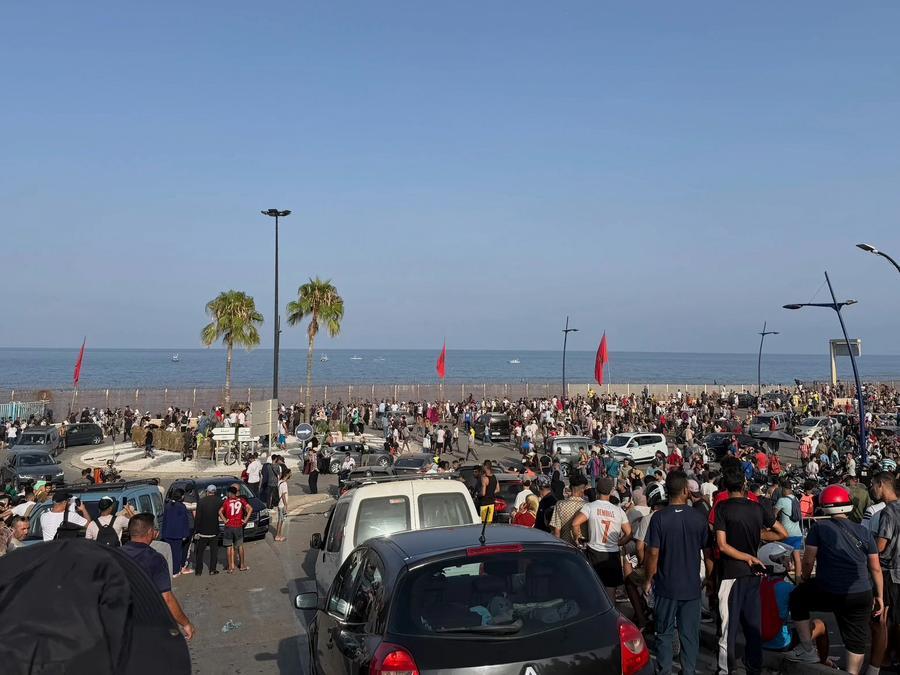
People gather on the Moroccan side of the border with Spain’s North African enclave of Ceuta, preparing to cross into the enclave, on July 30, 2026.
The letter, signed by 22 European heads of state and government, was sent to top EU leaders, citing “serious concern” over the situation in Ceuta and stressed the need to prevent uncontrolled irregular crossings, fight migrant trafficking networks, eliminate all factors that may incentivize new illegal entries and ensure a unified and effective European response.
“We are determined to prevent smugglers from challenging the integrity of the Union’s external borders,” the letter said.
“We have a duty to effectively deter and relentlessly combat illegal migration, by coordinating our action, strengthening our external borders and addressing all policies that can serve as pull factors, such as the regularization of very large number of irregular migrants,” the letter added.
On the same day, Spanish Prime Minister Pedro Sanchez also called on the EU to convene an extraordinary meeting to coordinate a common response to the recent migrant crisis in Ceuta, while criticizing what he described as the “selfish” attitude of some member states.
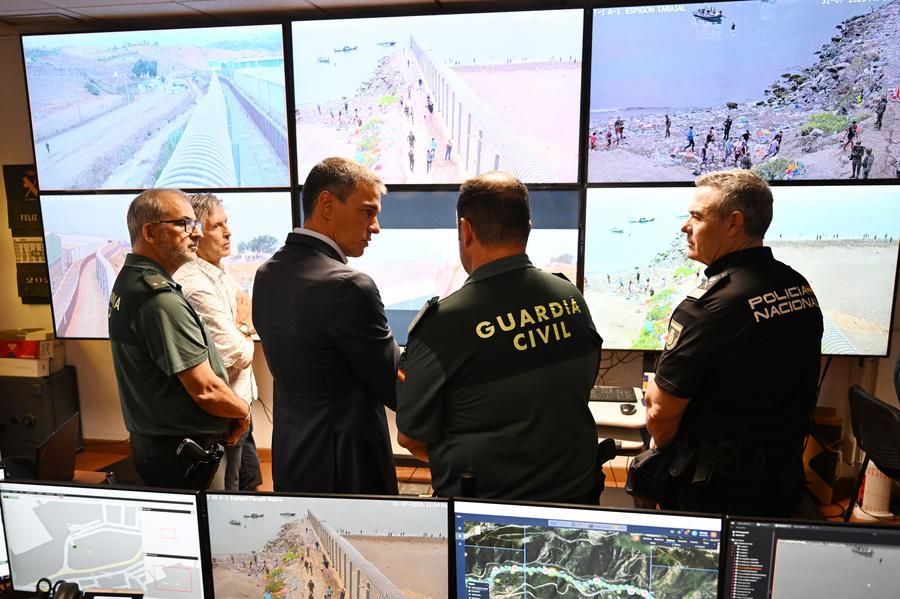
Spanish Prime Minister Pedro Sanchez (C) observes the work of the Civil Guard in Spain’s North African enclave of Ceuta, on July 31, 2026.
Sanchez said around 50,000 migrants had entered Ceuta irregularly, but that Spain had restored control of the border in less than 48 hours, provided humanitarian assistance, returned virtually all of those who had crossed illegally, and prevented any unauthorized onward movement to mainland Europe.
He said these efforts were made possible through close cooperation with Moroccan authorities and with the support of other EU member states, while highlighting Spain’s long-standing migration policy, which he said had made the country one of the EU’s most secure external borders.
Sanchez also said that while most EU governments had expressed solidarity and offered assistance, others had chosen to “attack Spain” and call for its temporary exclusion from the Schengen Area.
The latest developments came after one of the largest irregular migration incidents on Spain’s southern border in recent years. According to the Spanish government, at least 67 people died during the crisis, while more than 48,000 of the nearly 50,000 migrants who entered Ceuta had returned to neighboring Morocco.
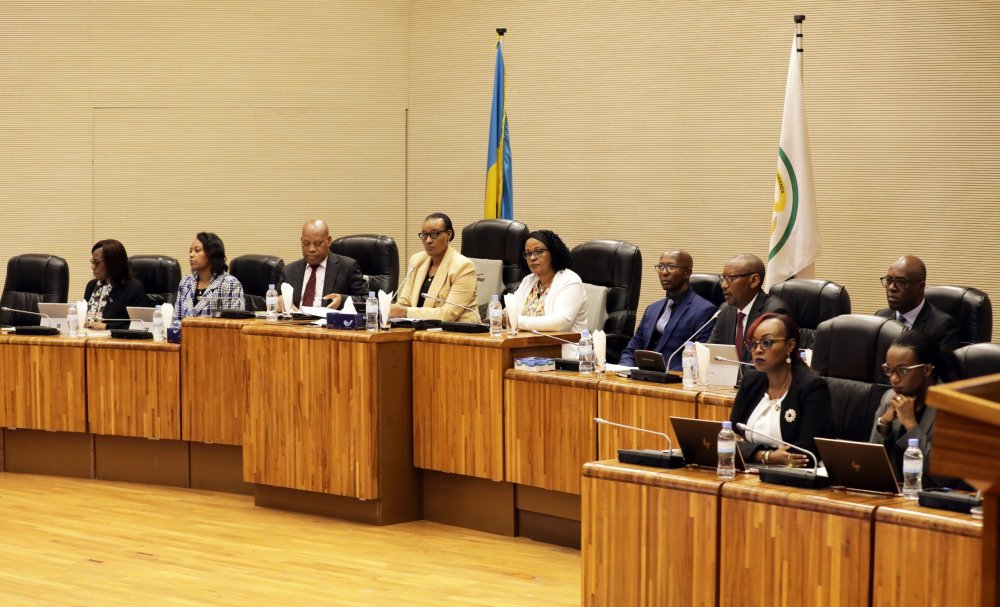
The late Donatille Mukabalisa, who served as Speaker of Rwanda’s Chamber of Deputies for 11 years, oversaw some of the country’s most significant legislative and constitutional reforms, from amendments to the Constitution to the synchronisation of presidential and parliamentary elections.
Mukabalisa died on July 30, 2026, after an illness while receiving treatment at King Faisal Hospital in Kigali. She was widely remembered by colleagues as a consensus builder whose leadership coincided with a period of major institutional reforms.
First elected to Parliament following the post-1994 transition period, Mukabalisa served in both chambers before being elected Speaker of the Chamber of Deputies in 2013, a position she held until August 2024. Following her tenure in the Lower House, she returned to the Senate, where she served until her passing.
Colleagues remember Donatille Mukabalisa as a dedicated and hardworking leader.
Overseeing constitutional reform
One of the defining moments of Mukabalisa’s tenure came in 2015, when Parliament processed a constitutional amendment following a petition signed by more than four million Rwandans requesting changes that would allow President Paul Kagame to remain eligible for office.
Under the Constitution in force at the time, the President was limited to two seven-year terms. Kagame, first elected in 2003, was due to complete his second term in 2017.
Following the amendment, Article 101 was revised to introduce five-year presidential terms after a transitional seven-year term. The changes were later approved in a national referendum.
The process required Parliament to manage a politically significant constitutional review while building consensus among lawmakers.
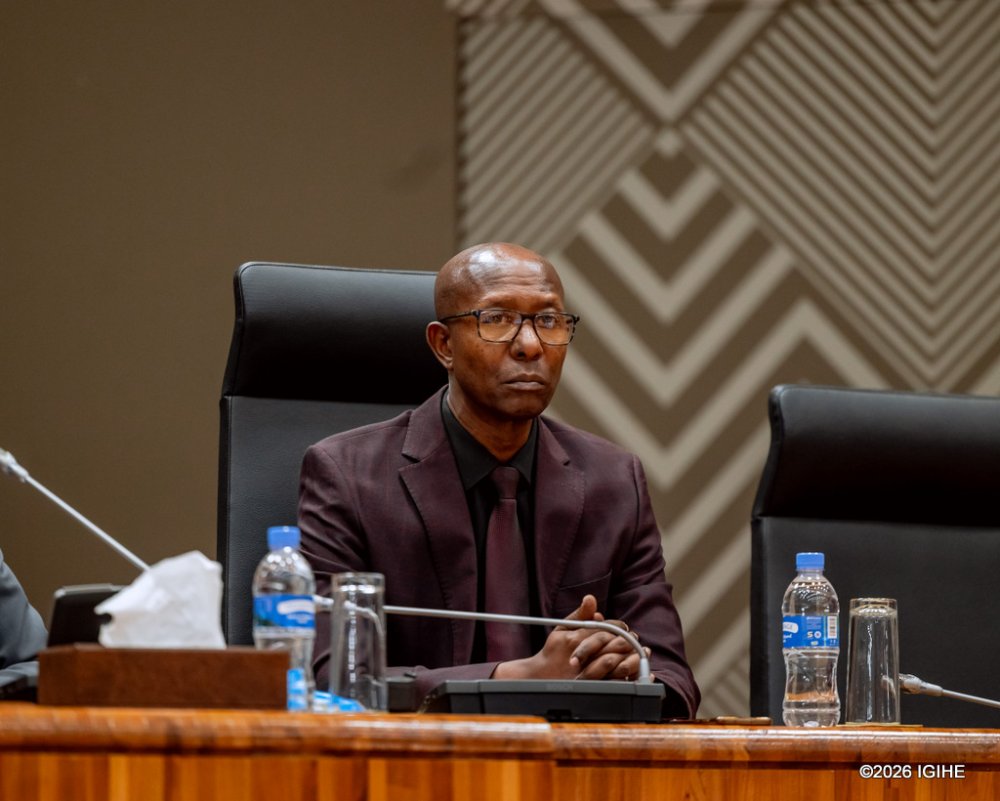
Serge Guillaume Nzabonimana, who served as Mukabalisa’s adviser between 2014 and 2020, said Parliament handled the process in accordance with public expectations.
“Parliament received petitions from about four million people across the country. Reviewing, verifying and processing such a large number of submissions was a major undertaking, but it was completed in line with what citizens had requested,” he said.
Nzabonimana Guillaume Serge, who served as Donatille Mukabalisa’s adviser, said he learned valuable lessons from her approach to leadership and public service.
Strengthening parliamentary oversight
Mukabalisa’s leadership also coincided with a period of sustained economic growth and expanding public expenditure, prompting Parliament to intensify its oversight of government institutions.
After lawmakers were sworn in following the 2013 parliamentary elections, President Kagame urged them to ensure government programmes served citizens’ interests.
Parliament subsequently increased scrutiny of government performance and public spending, seeking to identify weaknesses in service delivery and ensure accountability in the management of public resources.
Sheikh Musa Fazil Harerimana, a former Deputy Speaker and MP who served alongside Mukabalisa, said Parliament played a more prominent oversight role as Rwanda’s economy expanded.
He argued that stronger parliamentary oversight helped improve accountability among public officials and contributed to reducing financial irregularities highlighted in successive reports by the Office of the Auditor General.
Musa Fazil Harerimana said that under Mukabalisa’s leadership, Parliament became a cornerstone of Rwanda’s development.
Landmark legislation
During Mukabalisa’s tenure, Parliament adopted several laws that reshaped different aspects of Rwanda’s legal framework.
Among them was the 2016 law governing persons and the family, which sought to modernize family law and provide clearer mechanisms for resolving domestic disputes.
Parliament also enacted tax reforms aimed at strengthening domestic revenue mobilisation and reducing reliance on external financing.
The Penal Code and criminal procedure frameworks updated during her tenure were aligned with Rwanda’s broader national policy promoting alternative dispute resolution (ADR), including mediation and plea bargaining.
Lawmakers also passed legislation governing healthcare services, including provisions on reproductive health, assisted reproductive technologies (ART), and surrogacy.
A revised labour law adopted in 2018 required the responsible minister to establish a national minimum wage through a ministerial order, although that order has yet to be issued.
Additional legislation enacted during Mukabalisa’s tenure covered areas including land administration, commerce, taxation, justice, technology and the creative sector.
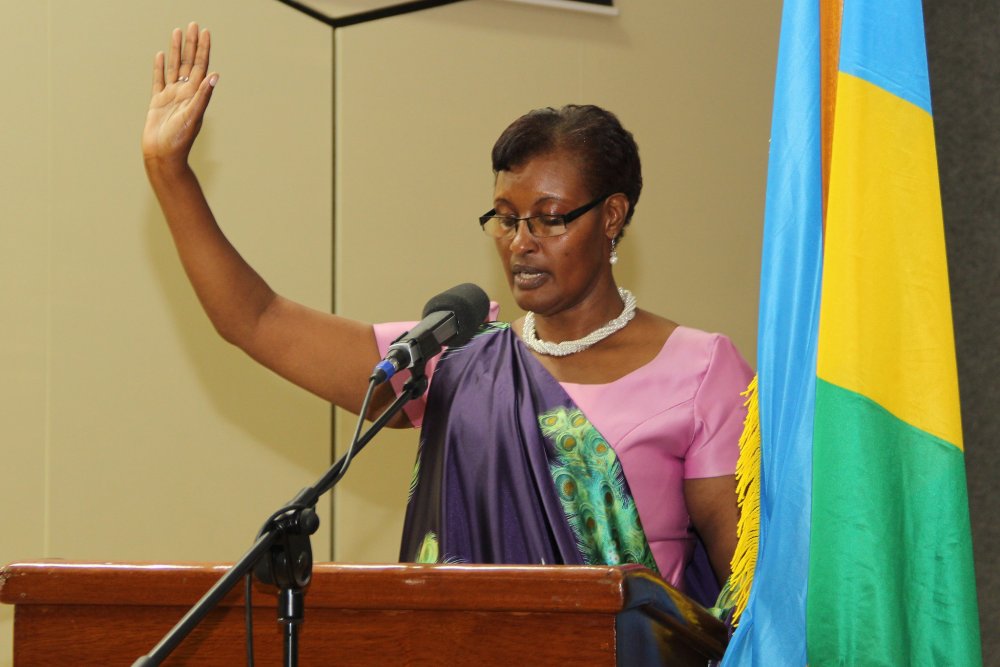
Donatille Mukabalisa was sworn in as Speaker of Rwanda’s Chamber of Deputies in 2013, leading the lower house through some of the country’s most significant legislative and constitutional reforms.
Aligning presidential and parliamentary elections
Another notable institutional reform during Mukabalisa’s leadership was the decision to hold presidential and parliamentary elections simultaneously.
Since 2003, Rwanda had held the two elections separately because members of Parliament served five-year terms while the President served seven-year terms.
After the 2015 constitutional amendment reduced presidential terms to five years beginning in 2024, the government decided to synchronize both elections to reduce costs and improve electoral efficiency.
Raising Rwanda’s parliamentary profile
According to Nzabonimana, Mukabalisa also strengthened Parliament’s engagement with legislatures abroad, helping expand Rwanda’s parliamentary diplomacy.
She frequently represented Rwanda at international forums, where she highlighted the country’s progress in promoting women’s participation in leadership.
Rwanda continues to rank among the world’s leading countries in female parliamentary representation, with women holding 63.8% of seats in the Chamber of Deputies and 50% in the Senate.
During her tenure as Speaker, Mukabalisa oversaw Parliament’s core responsibilities, including passing legislation, scrutinising government performance and representing citizens’ interests.
Colleagues remember her as a consultative and experienced leader who approached public service with humility and a strong commitment to consensus-building.
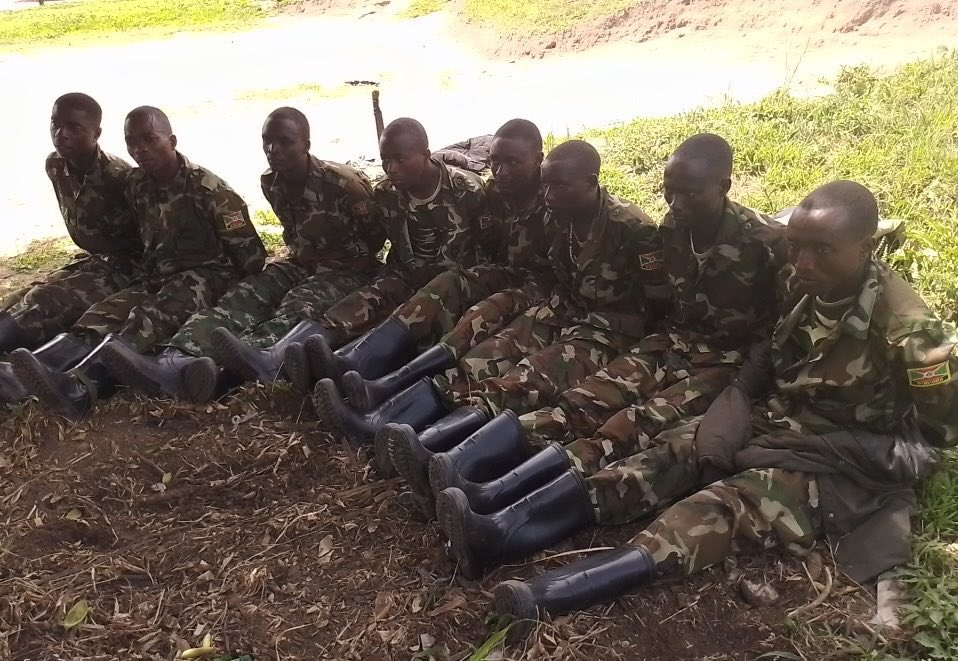
Burundi officially deployed troops to the DRC in 2022 under a bilateral security agreement. The forces initially operated in South Kivu Province, where they were reportedly deployed to fight Burundian armed groups, including Red Tabara, FOREBU, and FNL-Nzabampema.
In 2023, the agreement between Burundi and the DRC was renewed, leading to the deployment of Burundian troops to North Kivu Province to support the Congolese army in its fight against the AFC/M23 coalition, which had expanded its control over several areas.
However, since their deployment to Masisi Territory, Burundian forces have faced allegations of working with the FDLR, a terrorist group opposed to the Rwandan government, and supporting its activities alongside Wazalendo fighters in attacks that have affected civilians.
Survivors of an October 2023 attack carried out by FDLR and Wazalendo fighters in Nturo village, Masisi Territory, alleged that Burundian troops had a military position nearby but failed to intervene as their homes were set on fire and they were left without protection.
The FDLR has continued to be linked to attacks in areas controlled by AFC/M23 and the MRDP-Twirwaneho armed group in South Kivu Province, including Minembwe, where several civilians have reportedly been killed.
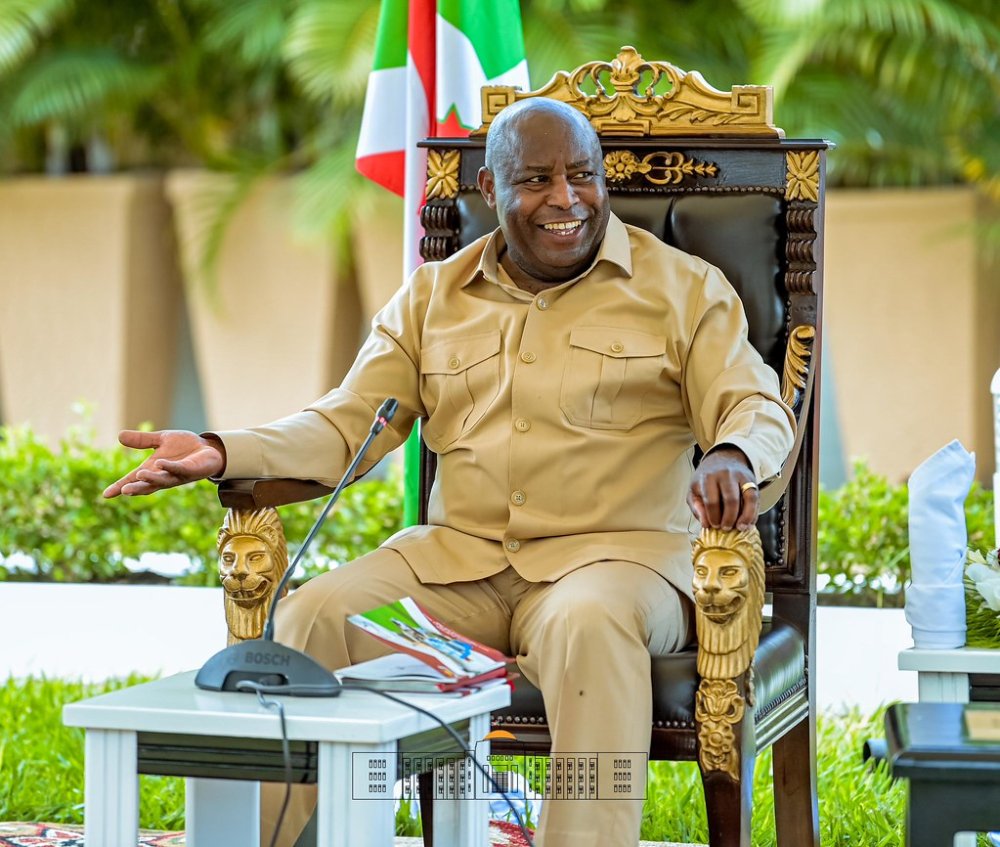
Speaking during an interview with BBC Gahuzamiryango published on July 31, 2026, President Ndayishimiye said Burundian troops were deployed to support the Congolese government and operate under the command of authorities in Kinshasa, which determines where they are deployed.
He said: “The FDLR is on Congolese government side. Our Burundian army went there to support the Congolese government. It is not Burundi that is fighting in Congo. We send troops who are under the command of the Congolese government. You cannot ask me, ‘How are they deployed?’” Ndayishimiye said.
The Burundian president argued that troops deployed to another country should be considered as part of the mission they are assigned to, similar to peacekeeping operations, where responsibility for their actions lies with the mission’s command structure.
“I send troops to Somalia, and once they arrive, they become African Union troops. In the Central African Republic, they arrive and wear the United Nations uniform. They are no longer called Burundian troops; they are UN troops that came from Burundi,” he said.
Ndayishimiye added that countries sending troops abroad to support another government should not be viewed as participating in a conflict but rather as assisting the host country.
“This is why people need to understand the difference. When a country sends troops to another country to provide support, it is not going there to attack; it is going there to help. The actions are carried out by the country receiving that assistance,” he said.
Meanwhile, reports have continued to allege that FDLR leaders have held meetings with senior Burundian military officers in border areas, including Cibitoke, where they allegedly discussed military operations and agreed to maintain cooperation.
In early December 2025, after AFC/M23 captured several areas in Uvira Territory near the Ruzizi Plain, reports indicated that Burundi had received fighters fleeing the fighting, including members of FDLR and Wazalendo, who were reportedly accommodated at the Mwaro military camp.
Following intense clashes in Minembwe and surrounding areas in early July 2026, reports further indicated that Burundi received wounded fighters, including members of FDLR and Wazalendo, who were taken to medical facilities, including Tanganyika Care Polyclinic.
Burundi troops are about to mark three years fighting against AFC/M23 rebels. President Evariste Ndayishimiye said Burundian troops deployed in DR Congo should be considered as forces serving under an international peacekeeping mission.
According to a report published on July 30, 2026, by African Facts, one of the key figures linked to the Habyarimana family is Kaumbu Mandungu Bula, commonly known as “Kao,” an adviser to DRC President Félix Tshisekedi.
Kao is the son of Antoine Mandungu Bula Nyati, who served as a minister under former President Mobutu Sese Seko and died in Benin in 2002.
The investigation states that Kao’s relationship with the Habyarimana family dates back many years, beginning when they met in Belgium.
According to the report, in November 2007, Kao prepared documents for the registration of what was presented as a charitable organization in Kinshasa. The organization was registered in 2008 as a branch of a UK-based charity established in London.
Although the organization was officially described as charitable, the investigation alleges that it primarily served financial interests and had close links to the Habyarimana family.
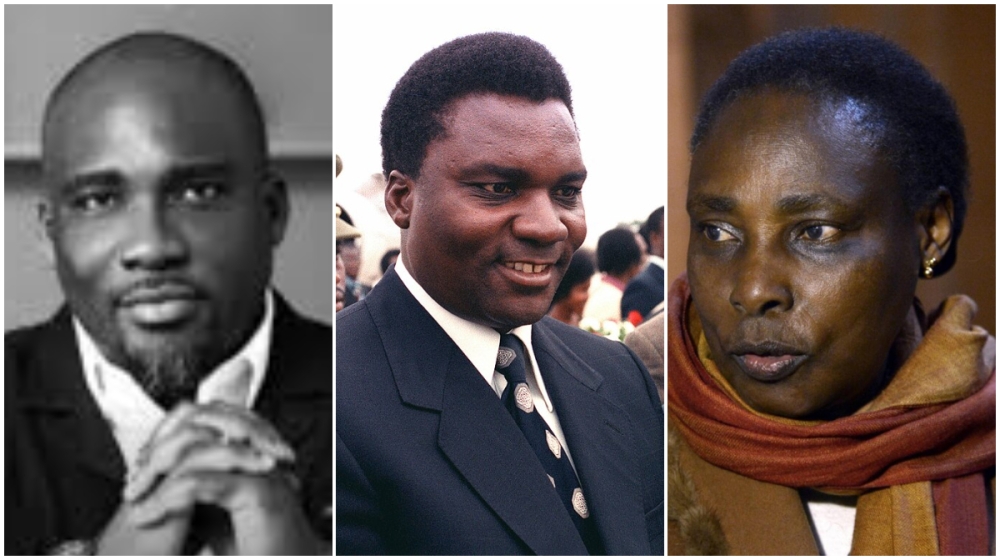
Jean-Luc Habyarimana, the youngest son of the former president, is identified as one of the central figures behind the establishment of the Kinshasa branch and several other organizations presented as charities. The report also suggests that other members of the Habyarimana family were connected to these entities.
The investigation alleges that between 2008 and 2009, money was transferred through various organizations before ending up in the hands of members of the Habyarimana family and their close associates. It claims that on May 20, 2008, Jean-Luc Habyarimana signed an investment agreement worth €125,000 with the UK-based organization.
Under the agreement, the organization was expected to repay him €250,000 between December 2008 and December 2009, representing what the report describes as a 100 percent return.
The investigation further alleges that from late 2007, Kao and individuals linked to the Habyarimana family received at least €382,000. According to the report, the funds originated from a Swiss bank account that had itself received money from a company registered in Panama.
It also claims that between 2008 and 2009, Jean-Luc Habyarimana received €325,000 through UK-registered organizations established between 2007 and 2009.
However, African Facts states that it found no evidence that organizations registered in the DRC, the Central African Republic, and Gabon carried out genuine charitable activities.
Emails referencing Agathe Kanziga
The investigation also cites emails allegedly exchanged between Kao and Jean-Luc Habyarimana.
One email, dated May 17, 2009, reportedly asks whether Jean-Luc’s elder brother, Léon Habyarimana, had received funds and requests that the family promptly notify Kao whenever their mother, Agathe Kanziga, received money.
According to the report, Kao wrote: “Hello everyone. I’m writing because Léon has not told me anything since yesterday. I think he has received the money. Please keep me informed because when Mama Agathe calls me, she doesn’t know what is happening. Communication is very important.”
Another email reportedly referred to a €15,000 transfer to Kanziga through Léon, with Kao allegedly expressing concern that her sons had not informed her about the transaction.
The report also refers to a September 6, 2016, search conducted by French gendarmes at the Habyarimana family’s home in Courcouronnes, Essonne, during an investigation into Agathe Kanziga’s suspected role in the 1994 Genocide against the Tutsi.
According to the investigation, documents and computers seized during the search included an address book containing telephone numbers for family associates, including three numbers belonging to Fabien Singaye, described as a former intelligence operative under Habyarimana’s government in Switzerland, and two Belgian telephone numbers linked to Kao.
Adviser to President Tshisekedi
In January 2023, President Tshisekedi appointed Kao as his special adviser, placing him among the president’s closest aides involved in major political and security matters.
According to the investigation, Kao has participated in discussions involving mining agreements, arms procurement, military operations and the use of foreign mercenaries.
Kao’s close relationship with the Habyarimana family is particularly significant as fighting continues in eastern DRC between government forces and the AFC/M23 coalition.
Both the DRC government and members of the Habyarimana family, particularly Jean-Luc Habyarimana, have repeatedly accused Rwanda of supporting AFC/M23 fighters and deploying troops in eastern DRC. Rwanda has consistently rejected the allegations, describing them as baseless.
Jean-Luc Habyarimana made a discreet visit to Kinshasa in June 2024 before returning publicly in November 2025, when he was photographed during the visit. Reports indicate that he met senior DRC officials. Rwanda has previously maintained that such visits form part of a broader effort to destabilize the country.
On April 8, 2026, DRC government spokesperson Patrick Muyaya publicly praised Jean-Luc Habyarimana, describing him as someone committed to peace in the region and stating that the Congolese government would continue engaging with ‘Rwandan friends’.
The investigation also alleges that on April 16, 2024, Kao attended a meeting in Kinshasa with representatives of the Wazalendo militia, where he encouraged continued recruitment of young people into the militias.
According to reports by United Nations experts, meetings bringing together representatives of Wazalendo militia have also been attended by representatives of the FDLR, a terrorist group that has long operated in eastern DRC and has been reported to cooperate with Wazalendo factions.
The investigation concludes that the presence of individuals with longstanding ties to the Habyarimana family in positions close to the DRC’s political and military leadership could have implications for the country’s security-related decision-making.
Investigation has uncovered new details on Habyarimana family’s ties to the DRC leadership.
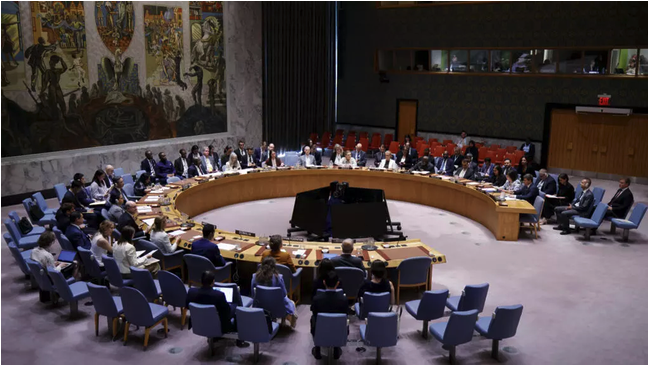
The closed-door vote marked the first formal test of support for the candidates within the 15-member Security Council, which is responsible for recommending a nominee to the UN General Assembly for appointment.
“The first round of straw poll has taken place,” Zenon Mukongo Ngay, the Permanent Representative of the Democratic Republic of the Congo to the United Nations and president of the Security Council for July, told reporters after the vote.
He said the candidates would be informed of the results through the permanent representatives of the member states that nominated them, while the President of the UN General Assembly would also be notified that the poll had been conducted.
As is customary, the results of the informal ballot were not made public.
Straw polls are confidential, non-binding ballots used by the Security Council to gauge the level of support for candidates. The process typically involves several rounds of voting until a candidate secures the backing of at least nine of the council’s 15 members without a veto from any of the five permanent members: the United States, the United Kingdom, China, France and Russia.
Under Article 97 of the UN Charter, the Secretary-General is appointed by the General Assembly upon the recommendation of the Security Council.
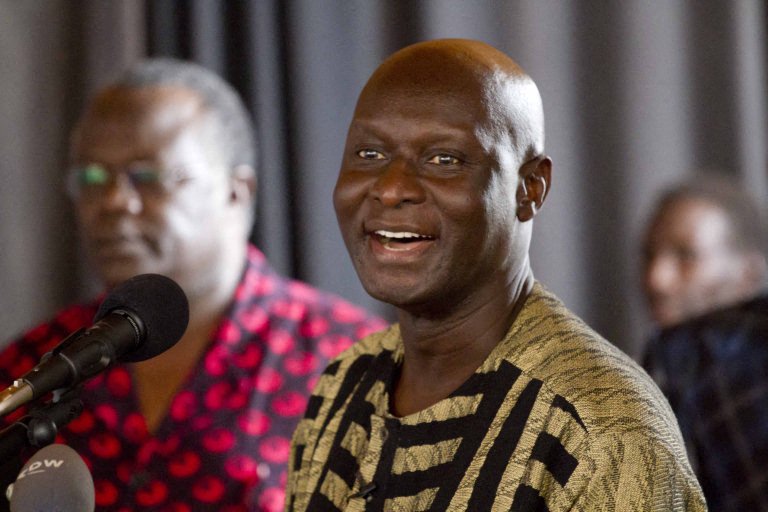
Otunnu, 75, was formally nominated by the Ugandan government earlier this month, becoming the seventh candidate in the race.
A veteran diplomat with more than four decades of international experience, Otunnu served as the UN Under-Secretary-General and Special Representative for Children and Armed Conflict from 1997 to 2005 under former Secretary-General Kofi Annan.
He also represented Uganda at the United Nations from 1980 to 1985 and served as President of the UN Security Council in December 1981. During that period, he helped break a deadlock over the selection of a UN Secretary-General by introducing the straw-balloting procedure that ultimately produced Javier Pérez de Cuéllar as a consensus candidate.
Before joining the UN leadership, Otunnu briefly served as Uganda’s Minister of Foreign Affairs and later led the opposition Uganda People’s Congress (UPC), contesting the country’s 2011 presidential election.
His candidacy places East Africa in contention for one of the world’s most influential diplomatic positions.
The other candidates are former Chilean President Michelle Bachelet, former Ecuadorian Foreign Minister and former President of the UN General Assembly Maria Fernanda Espinosa, International Atomic Energy Agency Director General Rafael Mariano Grossi of Argentina, UN Conference on Trade and Development Secretary-General Rebeca Grynspan of Costa Rica, Guyana’s Permanent Representative to the United Nations Carolyn Rodrigues-Birkett, and former Senegalese President Macky Sall.
The seven contenders recently presented their visions for the future of the United Nations during a televised dialogue ahead of the Security Council’s voting process.
Once the Security Council reaches consensus on a candidate, it will forward its recommendation to the UN General Assembly for formal appointment. The successful candidate will begin a five-year term on January 1, 2027, succeeding Guterres, who is completing his second term as Secretary-General.
Uganda’s Olara Otunnu is among seven contenders seeking to succeed António Guterres as United Nations Secretary-General.