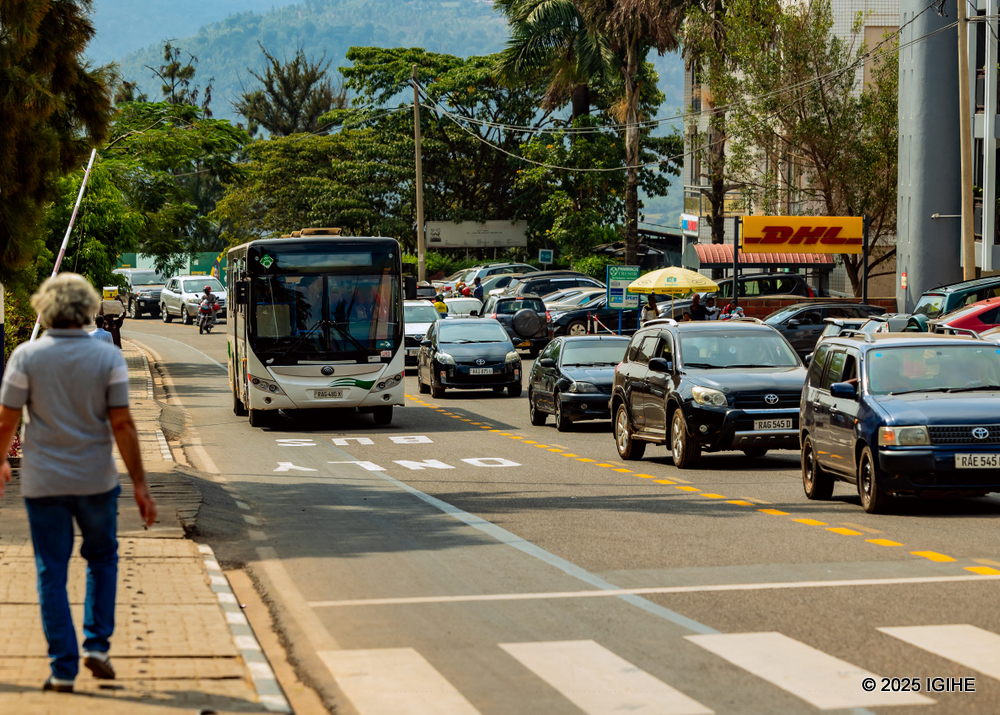
Under the new legislation, any driver found with a blood alcohol content above the legal limit commits an offence. Convicted drivers face a fine ranging from Rwf 100,000 to Rwf 400,000 and imprisonment of three to six months.
The law specifically targets drivers of public transport, school buses, employee shuttles, tourist vehicles, and cargo trucks over 3.5 tons. Drivers whose blood alcohol level is at least twice the legal limit may face fines between Rwf 200,000 and Rwf 500,000 and imprisonment of three to six months, or one of these penalties.
Refusing a blood alcohol test is also criminalised. Drivers convicted of this offence face fines of Rwf 300,000 to Rwf 600,000 and imprisonment of three to six months if they operate public transport, school, or tourist vehicles, or cargo trucks over 3.5 tons. Drivers of other vehicles may face fines of Rwf 400,000 to Rwf 600,000 and imprisonment of up to 10 days.
The law sets the maximum permissible blood alcohol content at 0.80 grams per litre of blood. It also prohibits driving without a valid license, punishable by fines of Rwf 100,000–200,000 and 15–30 days in jail. Additionally, refusing to stop when signalled by a traffic officer is punishable by fines of Rwf 400,000–700,000 and imprisonment of three to six months.
The revision incorporates modern technology to enhance transparency and accountability in law enforcement, aiming to improve road safety and reduce accidents and fatalities. Traffic officers will prepare case files for prosecution in accordance with criminal procedure law.
Under the new legislation, any driver found with a blood alcohol content above the legal limit commits an offence. Convicted drivers face a fine ranging from Rwf 100,000 to Rwf 400,000 and imprisonment of three to six months.
Seventy-four Burundians, who had sought refuge in Rwanda over the years, have voluntarily returned to their home country, expressing gratitude for the safety and support they received while in Rwanda.
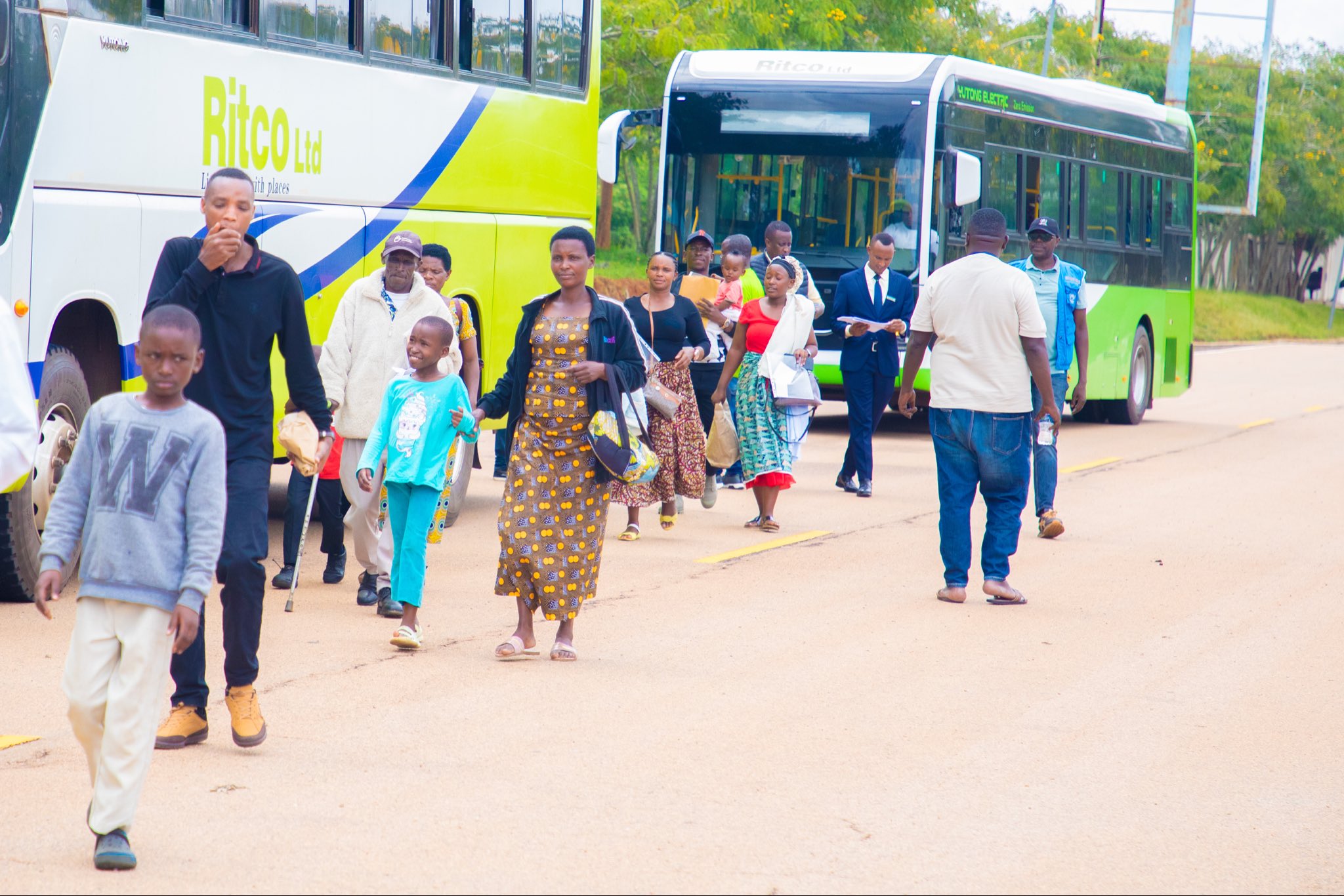
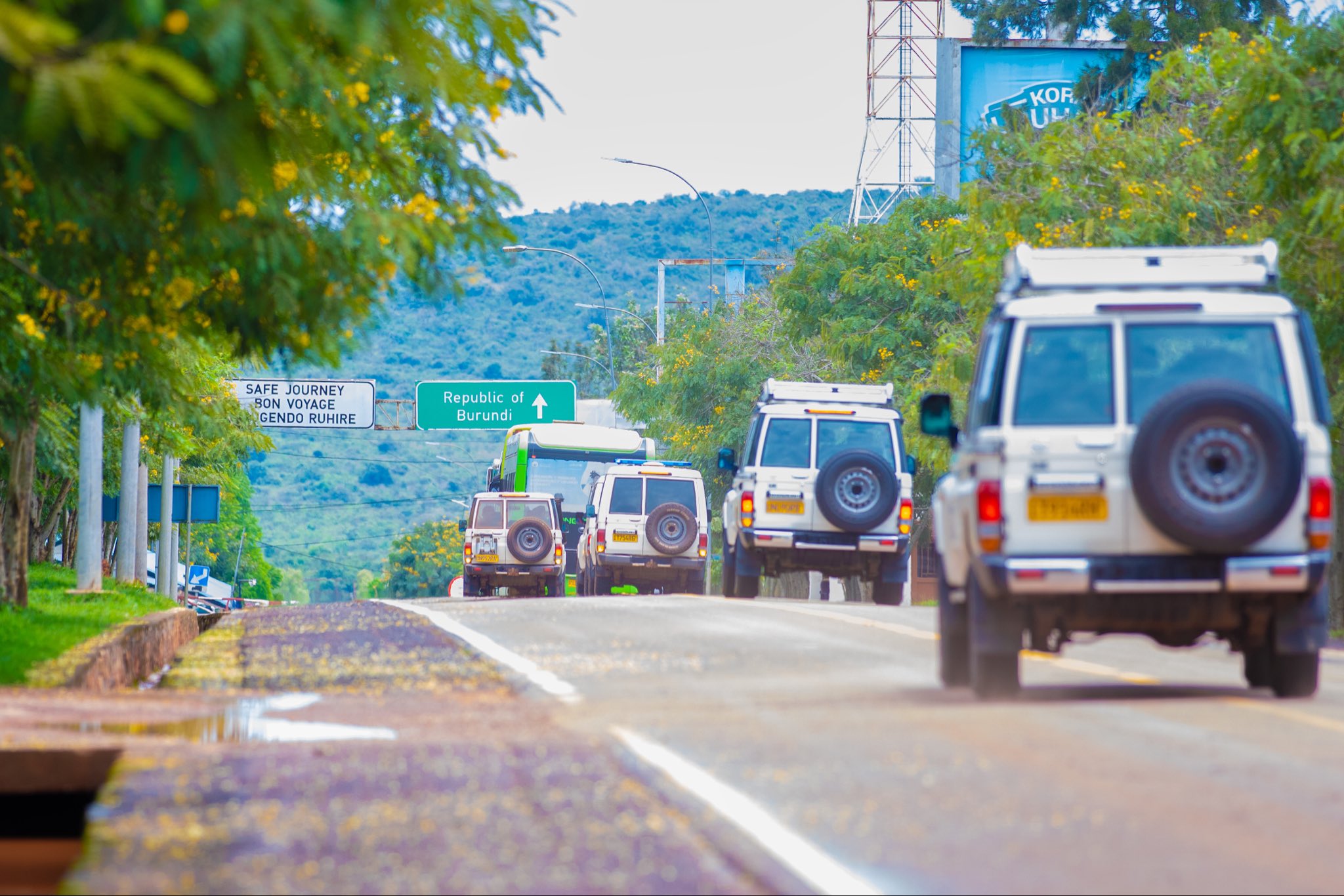
The group crossed the Rwanda-Burundi border at Nemba One Stop Border Post in Bugesera District on Thursday, March 12. The group included 44 men and 30 women from 47 families. Among them, 62 had lived in Mahama Refugee Camp in Kirehe District, while 12 had been residing in Kigali City.
They were received by officials from Burundi following their transfer, with representatives from Rwanda’s Ministry of Emergency Management (MINEMA) and the United Nations High Commissioner for Refugees (UNHCR) accompanying them.
The group crossed the Rwanda-Burundi border at Nemba One Stop Border Post in Bugesera District on Thursday, March 12.
Jérémie Havugiyaremye, who spent 25 years in Rwanda, said he lived a normal life during his stay and had four children there, adding to three he had brought with him, making seven in total.
“Life in the camp was not easy, but we did not face any problems while in Rwanda,” Havugiyaremye said. “However, a camp is not a place to stay permanently. I miss my country, and I have decided to return to rebuild my life there.”
He added that his decision was influenced by friends who had returned earlier and reported that peace had been restored in Burundi.
The voluntary repatriation was facilitated by the United Nations High Commissioner for Refugees (UNHCR) in coordination with officials from Rwanda and Burundi.
Oda Mariya, who had lived in Rwanda for 11 years after fleeing the unrest in Burundi in 2015, said she returned after learning that peace had returned.
“I fled alone, leaving my family behind,” she said. “Friends who returned earlier told us it was peaceful. I decided to go back and live normally with others, as we had no issues here in Rwanda.”
Karagire Gonzague, Refugee Programme Manager at MINEMA, said that since 2020, more than 31,000 Burundians have voluntarily returned home, with Burundi actively encouraging returns.
“In 2022, Burundi officials visited Mahama Camp and Kigali to speak with refugees and encourage them to return,” he said. “Last year, online discussions were held to explain to refugees the reasons for going back home.”
The 74 returnees join 115 others who returned in November 2025 from Mahama Camp and Kigali. MINEMA reports that since 2020, more than 30,000 Burundian refugees have returned home, while Rwanda continues to host over 50,000 others.
The Burundian nationals expressed gratitude for the safety and support they received while in Rwanda.
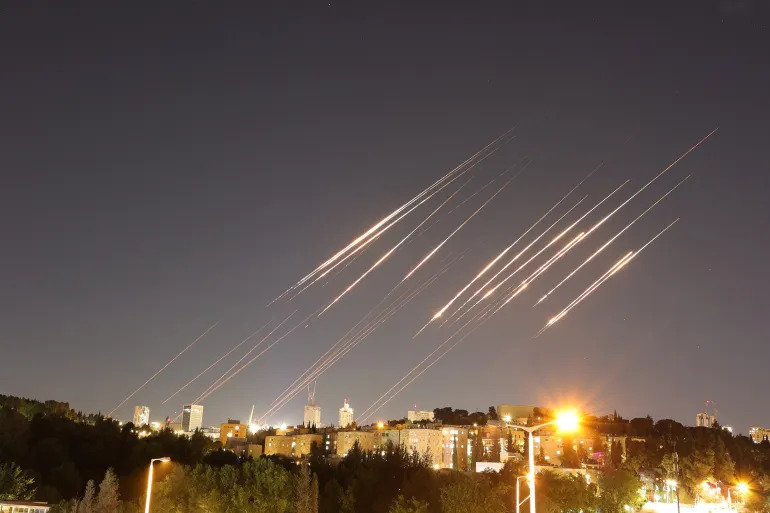
The Israeli military said in a statement that air defense systems are working to intercept the missiles.
Sirens were heard in the northern cities of Metula and Haifa, the southern city of Ashkelon, as well as in Jerusalem and several settlements in the occupied West Bank.
Debris fell in the Umm Al Faham area in southern Israel, causing damage. There were no immediate reports of injuries, the country’s Magen David Adom rescue service said.
The development came as the deadly regional conflict entered its 11th day. On February 28, Israel and the United States launched joint attacks on Tehran and several other Iranian cities, killing Iran’s Supreme Leader Ali Khamenei, along with senior military commanders and civilians. Iran responded by launching waves of missile and drone strikes targeting Israeli and U.S. assets in the Middle East.
Earlier on Tuesday, the Israeli military said it had begun a new series of airstrikes against Iranian government targets in Tehran, whereas Iran’s Foreign Minister Seyed Abbas Araghchi said Iran is well-prepared to continue missile attacks against Israel and U.S. bases in the West Asia region for as long as needed.
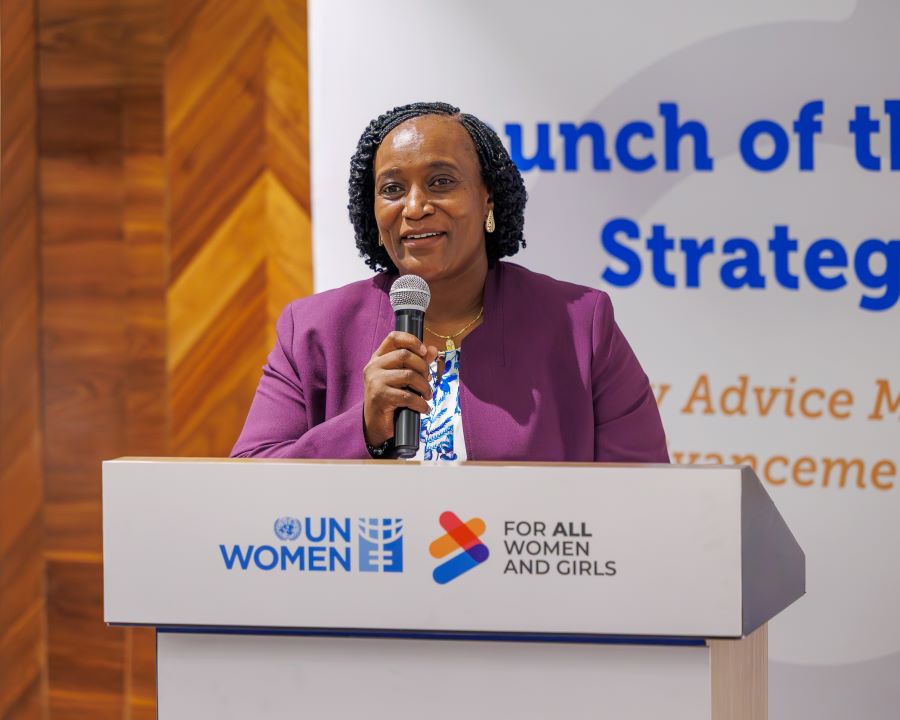
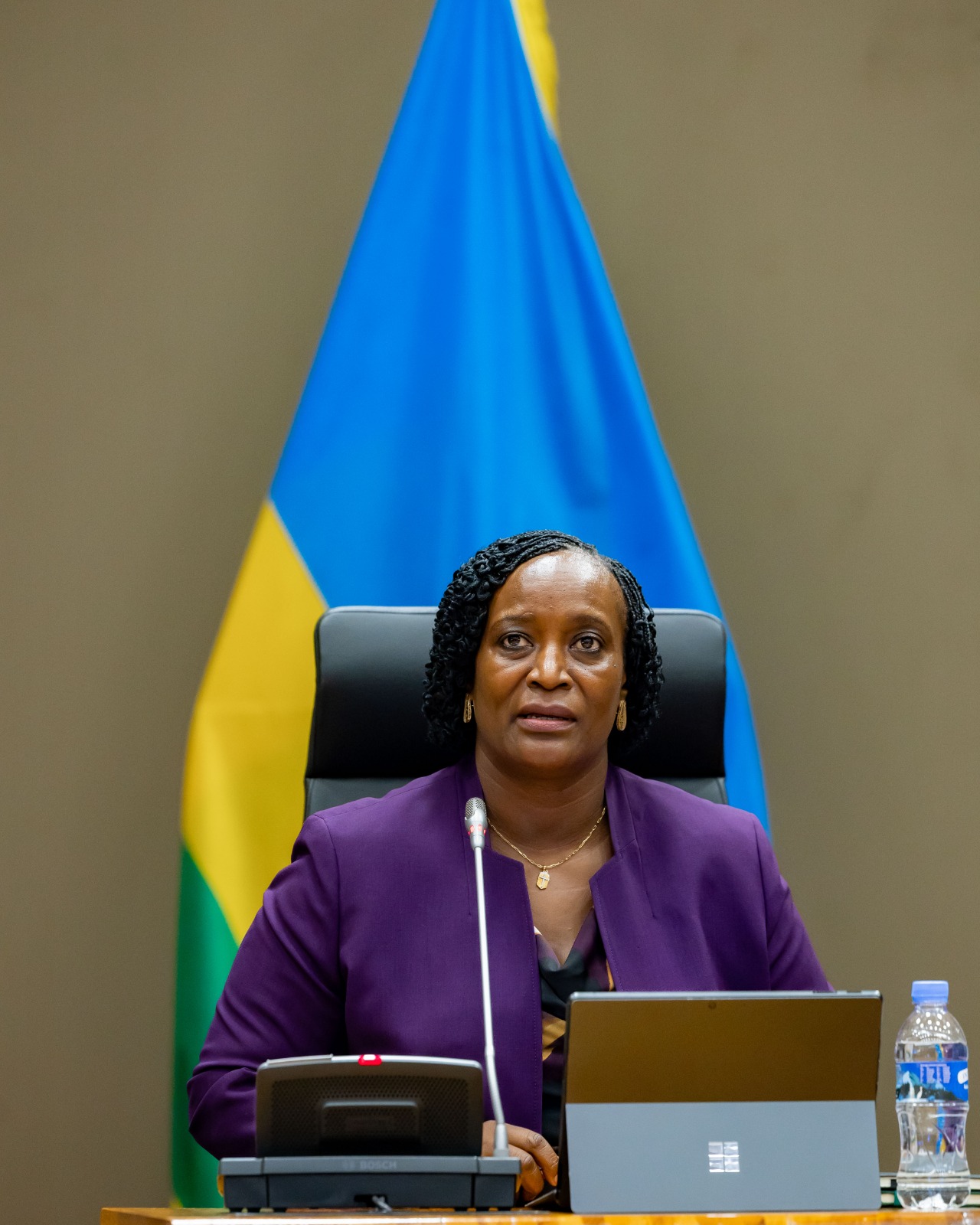
Delivering Rwanda’s national statement on March 9, the Minister of Gender and Family Promotion, Consolée Uwimana, said the country remains committed to strengthening women’s rights through inclusive policies, access to justice, and increased participation in governance.
Uwimana noted that access to justice plays a critical role in achieving gender equality and addressing structural barriers that affect women’s rights and dignity.
“In Rwanda, access to justice is understood not only as having access to courts, but more importantly, benefitting from policies and legal frameworks that are responsive to women’s realities,” she said.
The minister highlighted several initiatives Rwanda has implemented to promote the welfare and protection of women and girls. Among them are the Isange One Stop Centres, which provide comprehensive services to survivors of gender-based violence and human trafficking.
The centres offer free and integrated support, including medical care, psychosocial assistance, legal aid, investigations, referrals to prosecution services, temporary shelter, and reintegration support for survivors.
Minister Uwimana also pointed to Rwanda’s strong record in women’s representation in leadership and governance.
Women currently hold 64 percent of seats in the Chamber of Deputies, 46 percent in the Senate, and 55 percent in the judiciary, making Rwanda one of the countries with the highest levels of women’s political representation globally.
Uwimana added that women are also increasingly visible in emerging sectors such as biotechnology, space science, and climate governance.
Beyond national borders, Rwanda has extended its efforts to support women and girls affected by conflict. The minister cited the relocation of a girls’ school from Afghanistan to Rwanda in 2021, which enabled the students to continue their education in a safe environment.
Concluding her remarks, Uwimana quoted Paul Kagame, who in his International Women’s Day message emphasised the role of women in Rwanda’s transformation.
“We celebrate the foundational role women continue to play in Rwanda’s transformation. Your ingenuity and leadership continue to affirm a simple truth: a nation can only truly progress when inclusion and equality are upheld in every sphere,” Kagame said.
The annual CSW session brings together government leaders, policymakers, and civil society representatives from around the world to review progress and accelerate action toward gender equality and women’s empowerment.
The Minister of Gender and Family Promotion, Consolée Uwimana, said Rwanda remains committed to strengthening women’s rights through inclusive policies, access to justice, and increased participation in governance.
Public Service Minister Geoffrey Ruku said the updated death toll follows Friday evening’s flash floods that swept through several counties, causing widespread destruction. The fatalities rose from the 25 deaths reported shortly after the disaster.
Multi-agency teams, including the National Police Service, the Kenya Defence Forces and the Kenya Red Cross Society, have been deployed to assist with search and rescue operations and distribute relief supplies to affected families.
Nairobi hardest hit
The capital, Nairobi, accounts for the majority of the deaths, with 26 of the 42 fatalities recorded there.
Authorities said most of the victims were residents of informal settlements located near overflowing rivers in areas such as Mathare, Mukuru and Kibra. Among those who died were 21 adult men, three adult women and two children.
The remaining 16 deaths were reported in other parts of the country, including the Eastern region (10), Rift Valley (4), Coast (1) and Homa Bay County (1).
Several people are still missing, with officials saying the figures may change as rescue teams continue searching in areas that remain cut off by floodwaters.
Widespread damage
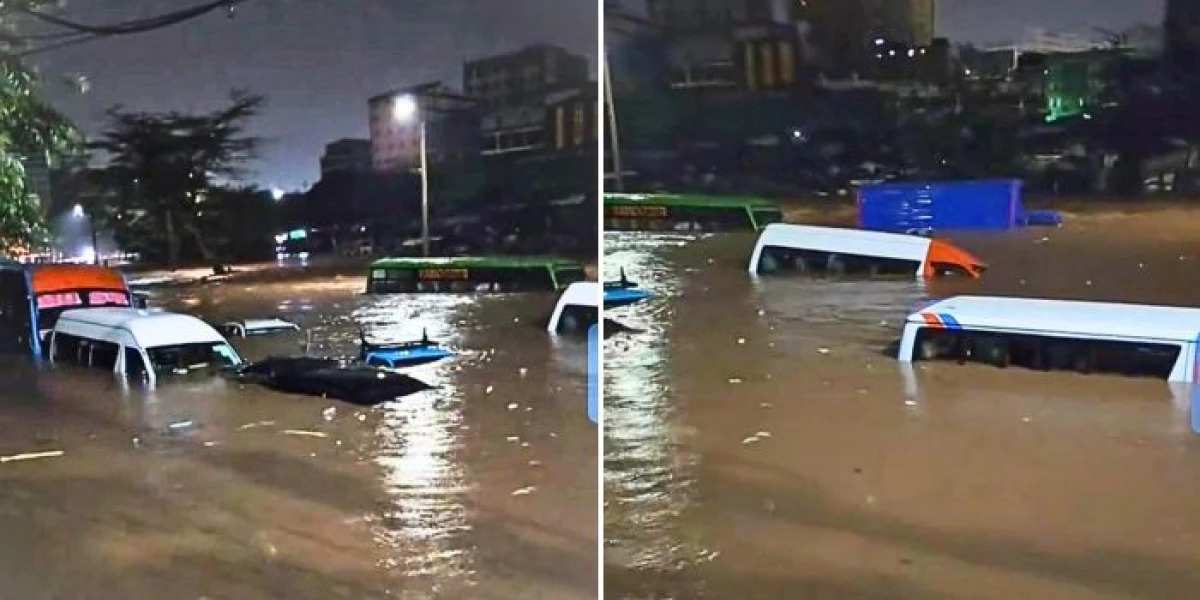
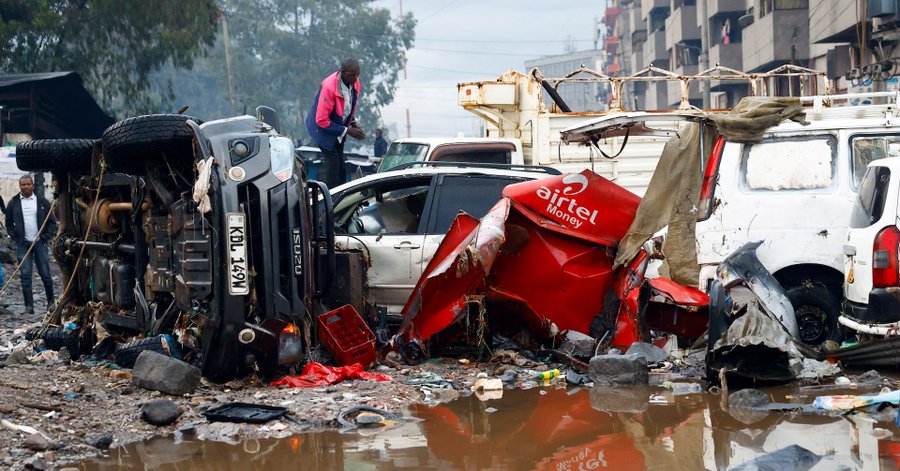
Authorities reported that floodwaters swept away 172 vehicles in Nairobi alone, though all have since been recovered. Damage to homes, private property and road infrastructure remains extensive.
Across the country, more than 50,000 people have been forced to leave their homes, with many now sheltering in schools, churches and temporary relief centres.
The floods have also devastated livestock, killing at least 607 animals, including pigs and poultry in parts of Nairobi and more than 200 animals in Migori.
Ruku said the government will cover hospital bills and burial costs for victims of the disaster as part of emergency support to affected families.
Relief teams are currently distributing food, blankets and mattresses to displaced residents in hard-hit neighbourhoods such as Mathare and Ruaraka.
The Kenya Meteorological Department has maintained a heavy rainfall advisory until Monday, March 9, warning that saturated soils could still trigger flash floods and landslides even if rainfall intensity decreases.
Although the rains eased slightly on Sunday, forecasters warned that moderate to heavy showers and isolated thunderstorms could continue in parts of Nairobi and neighbouring counties.
Residents living near rivers, including the Nairobi River, have been urged to move to higher ground, while motorists have been advised to avoid submerged roads and bridges.
Authorities also warned of possible water contamination in densely populated settlements and urged residents to seek emergency assistance through local officials or by calling national emergency lines.
Transport disruption and recovery plans
Heavy rainfall has disrupted transport in several areas after damaging roads and bridges. In some cases, motorists have been forced to use alternative routes after major highways became impassable due to flooding and traffic congestion.
Government officials said relief centres have been established in sub-county offices in affected regions, while distribution of building materials to displaced households is expected to begin on Monday as authorities transition from emergency response to early recovery.
Meanwhile, Johnson Sakaja has defended his administration against criticism over the city’s preparedness for flooding.
“I am not resigning, I’m working,” Sakaja said, acknowledging the challenges posed by limited financial resources and long-standing infrastructure gaps in the city.
He said the county government is working to expand drainage systems and address flooding risks, but warned that progress has been slowed by budget constraints and inherited debts from previous administrations.
Multi-agency teams have been deployed to assist with search and rescue operations.
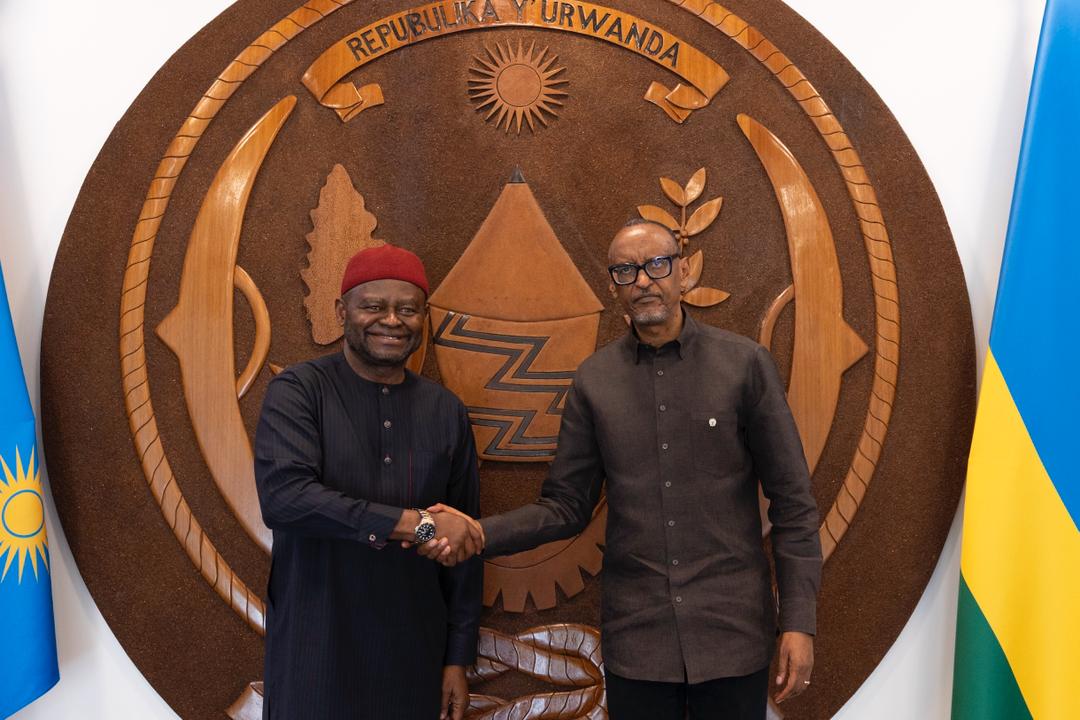
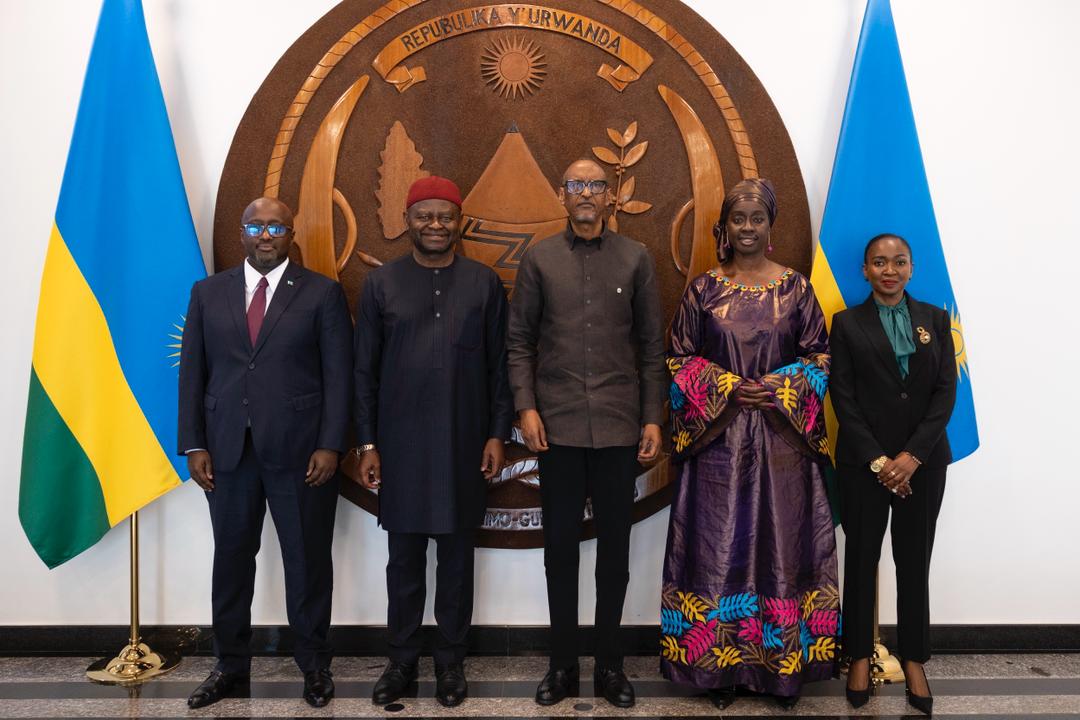
In his remarks, Ojielo expressed heartfelt gratitude to the Rwandan government for its support throughout his four-year tenure.
“My deepest gratitude to His Excellency President Kagame and the Government of Rwanda for four years of outstanding collaboration between the Government and the UN Country Team. Anyone who serves in Rwanda retains a bit of the country for the rest of their lives. Thank you, Rwanda,” he said in a post on X.
Ojielo, a Nigerian national, was appointed UN Resident Coordinator to Rwanda in July 2022 by UN Secretary-General António Guterres, succeeding Fodé Ndiaye, who held the position from 2017.
With nearly three decades of experience in sustainable development, Ojielo has served with the UN across Africa and Central Asia. His previous roles include serving as UN Resident Coordinator in Kyrgyzstan and representing UN development and population agencies (UNDP and UNFPA) in the same country. He has also worked in the United States, Ethiopia, Kenya, and Ghana.
Before joining the UN, Ojielo held positions as a university lecturer, journalist, and prosecutor in multiple countries, including Ghana, Liberia, Malawi, Namibia, Sierra Leone, and Nigeria. He holds a PhD in Peace and Conflict Resolution from the University of Ibadan, Nigeria, as well as multiple master’s and undergraduate degrees in Finance, History, and Law.
The UN has been a longstanding partner of Rwanda, particularly since 2007 when the country joined the eight-country joint UN programs. Over the years, the UN has supported Rwanda’s planning and development initiatives, including the Economic Development and Poverty Reduction Strategy (EDPRS) phases I and II, and the Accelerated Development programs under NST2.
At the end of 2024, the UN announced plans to invest approximately $1 billion over the next five years to support NST2 activities. These funds will be channeled through UN agencies and focus on key areas such as food security, job creation, economic development, technology and energy, and environmental protection.
Ojielo expressed heartfelt gratitude to the Rwandan government for its support throughout his four-year tenure.
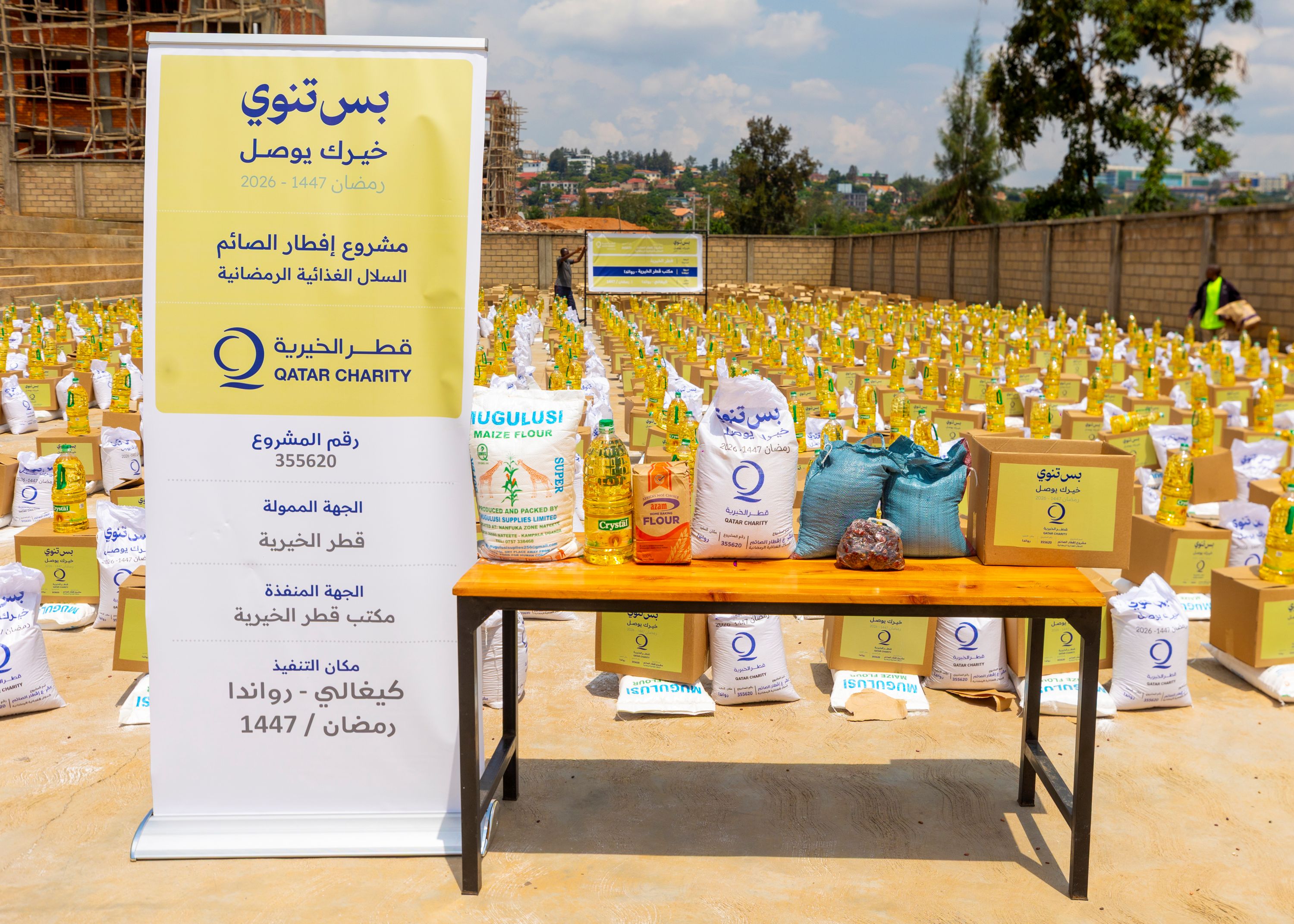
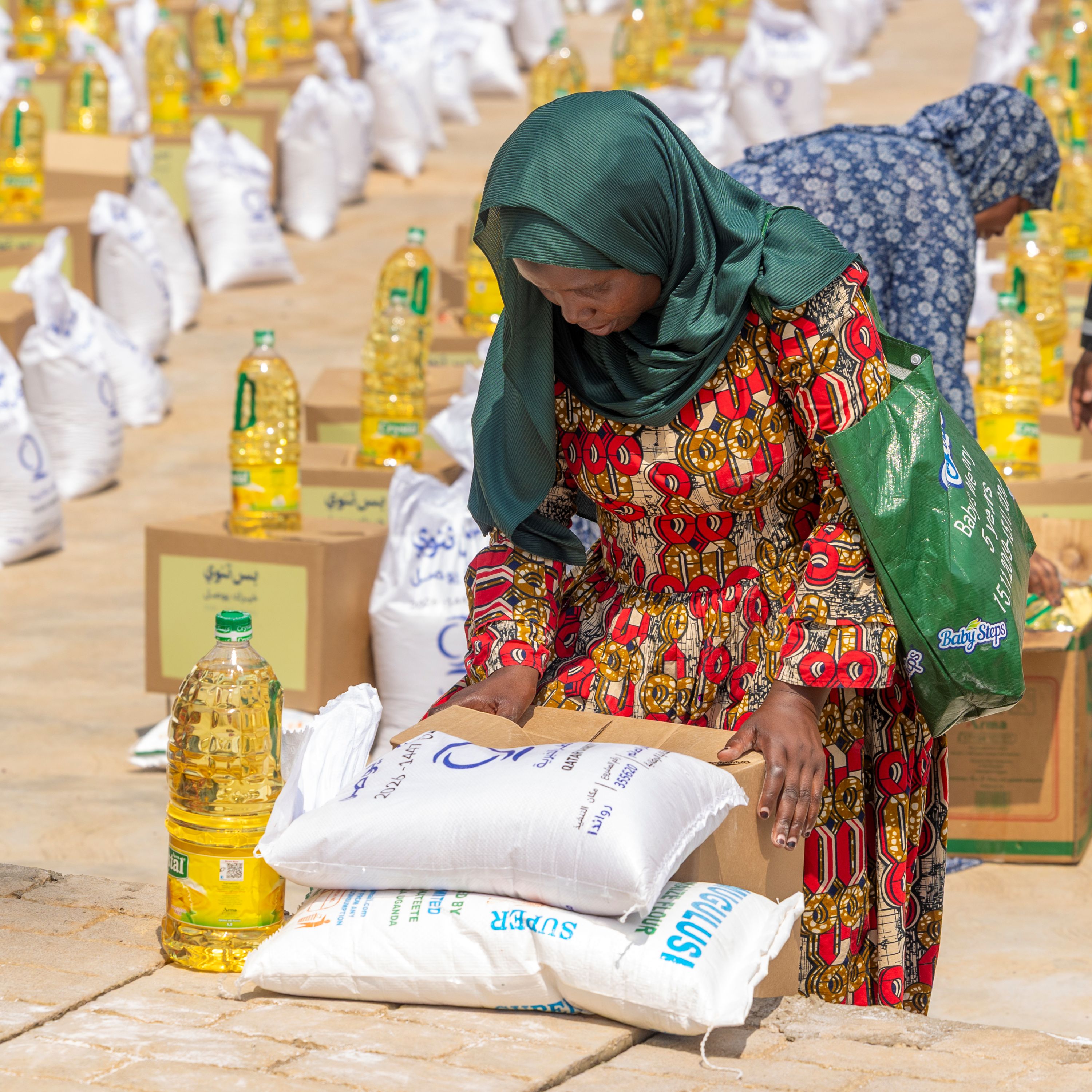
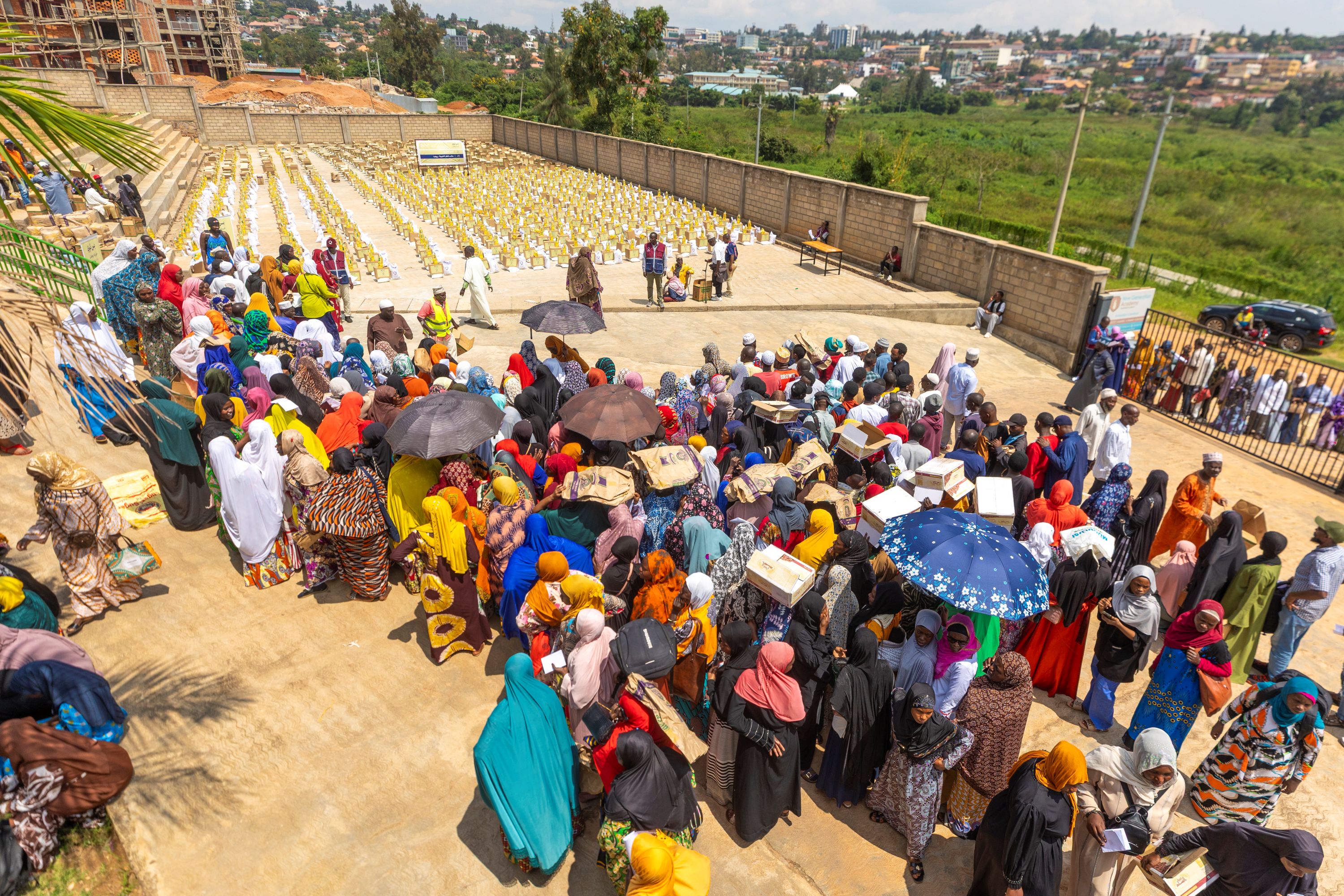
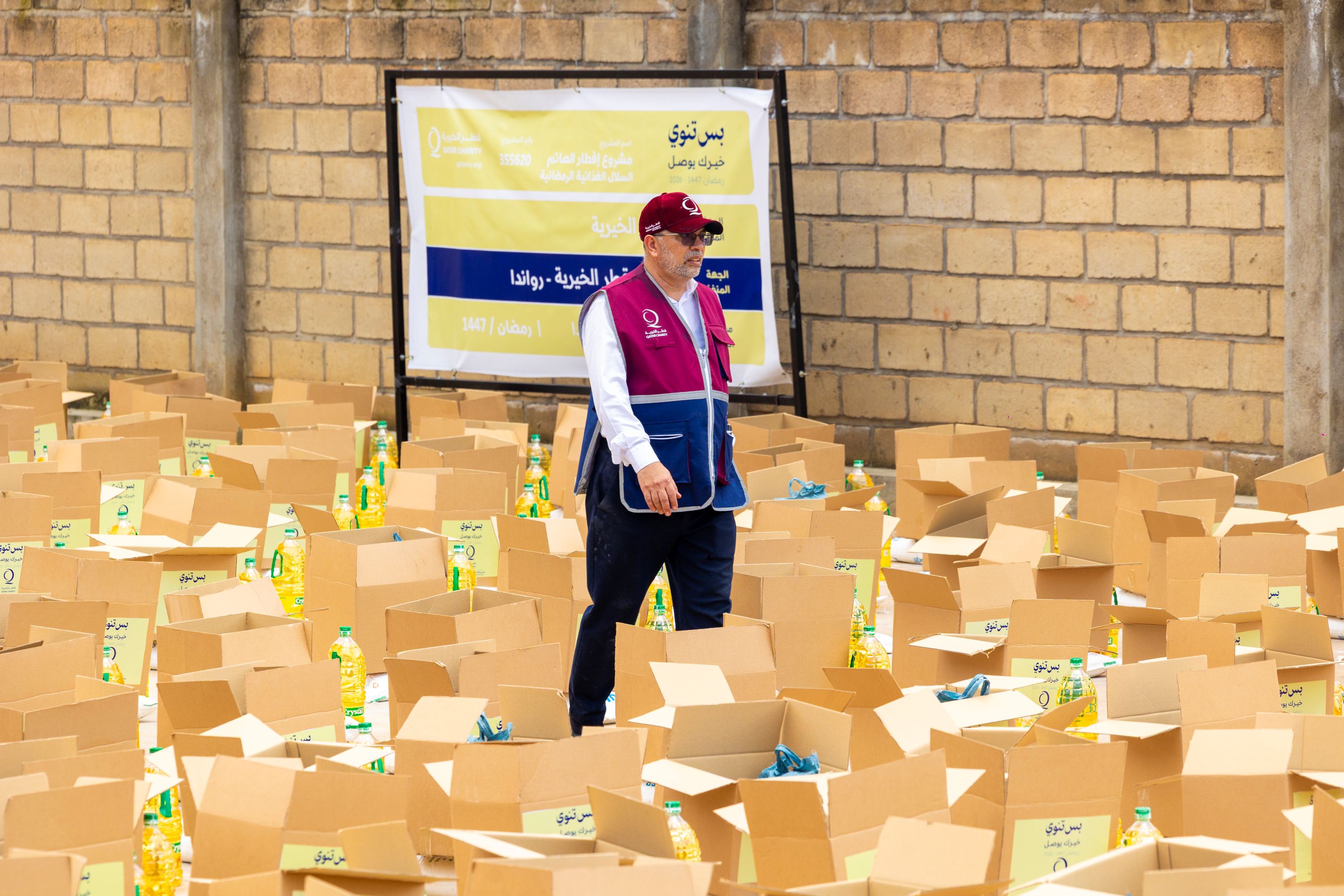
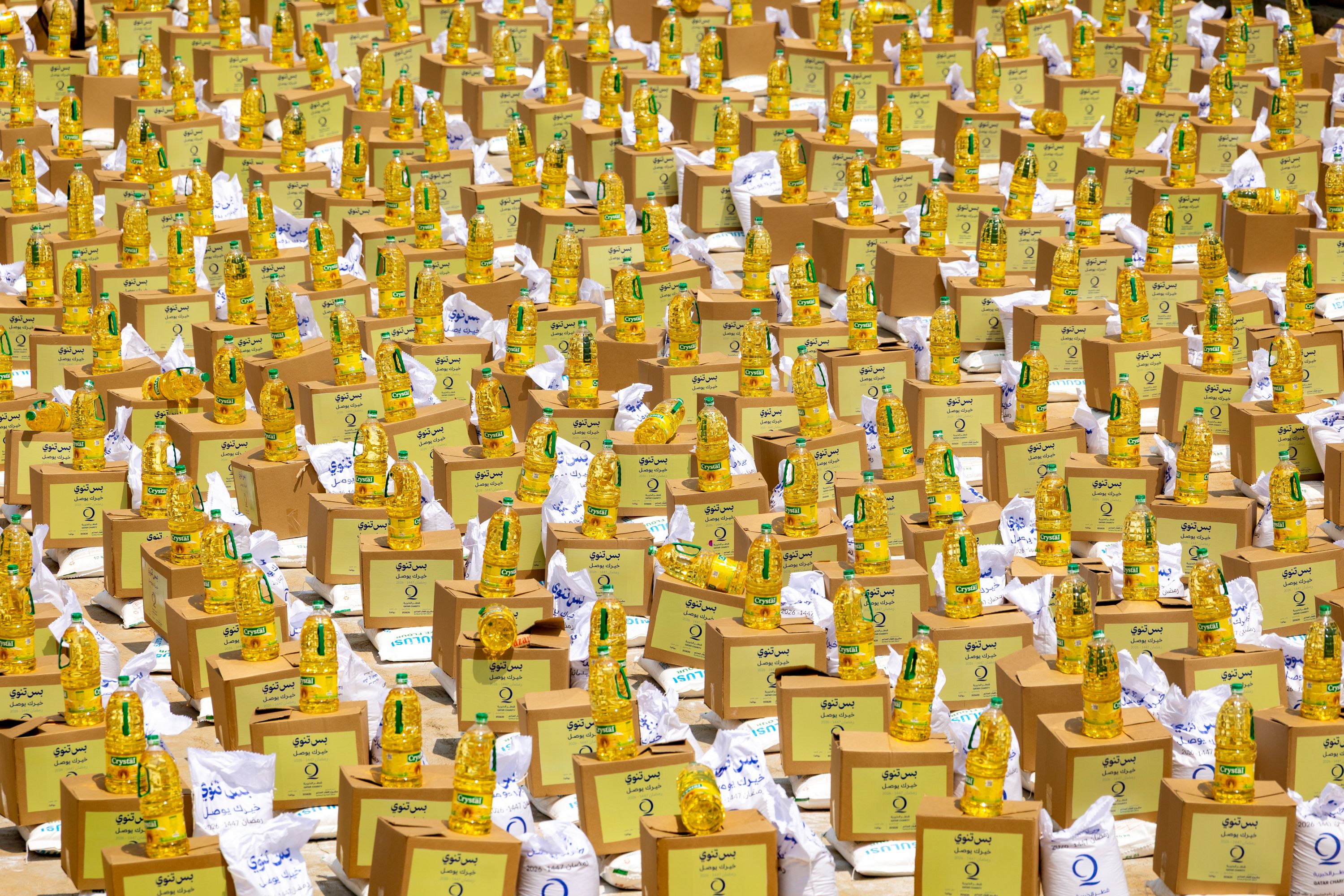
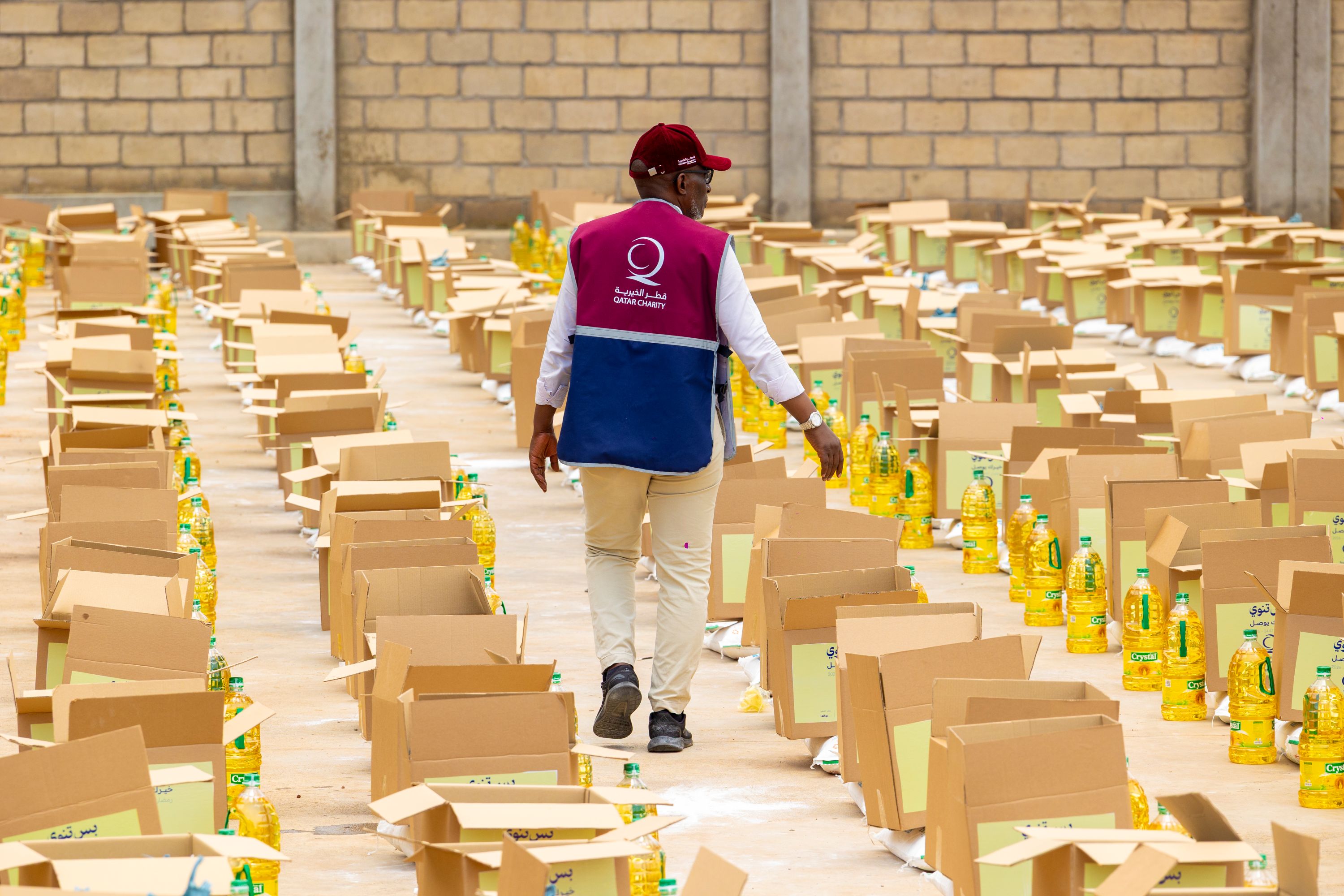
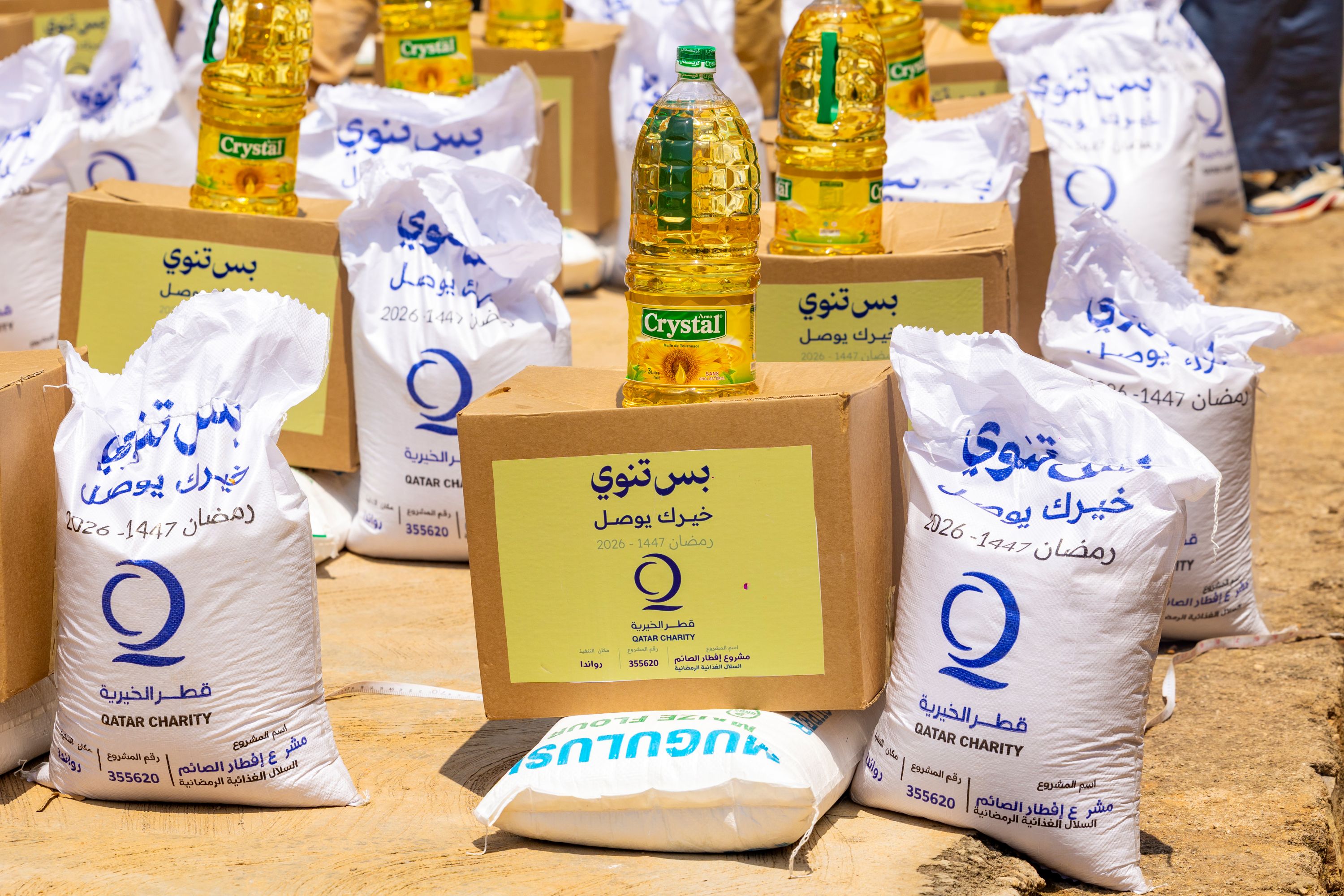
Each family received a package containing rice, maize flour, beans, cooking oil, wheat flour and dates, enough to feed their households for several days.
For many, like Fatuma Nyiracumi, a mother of five, the assistance came as a timely blessing.
“We thank God for this blessing and provision from Qatar Charity. I am very happy that so many families, not just mine, have received Iftar support. This food will help my family for about five days, and we are truly grateful,” she said.
Each family received a package containing rice, maize flour, beans, cooking oil, wheat flour and dates.
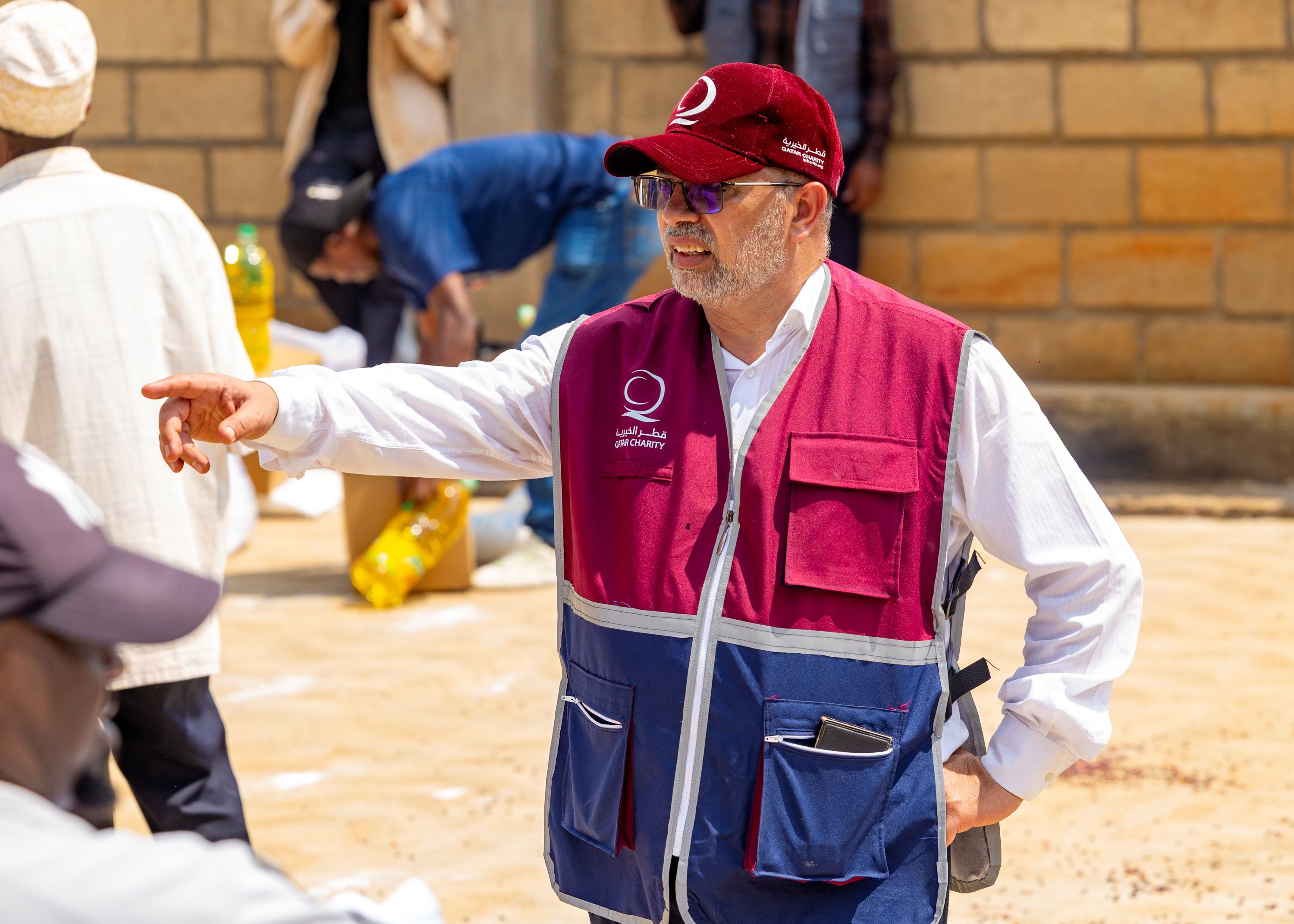
Hamdi Abdou, Country Director of Qatar Charity in Rwanda, said the initiative is the organisation’s first Ramadan Iftar program in the country and is part of its broader efforts to support families and promote well-being.
“We are grateful to the Government of Rwanda for giving us the opportunity to operate here. Our goal is to help families during Ramadan while also supporting long-term programs that reduce poverty and improve education and well-being for citizens,” Abdou said, further expressing his gratitude to donors in Qatar, whose generosity made the initiative possible.
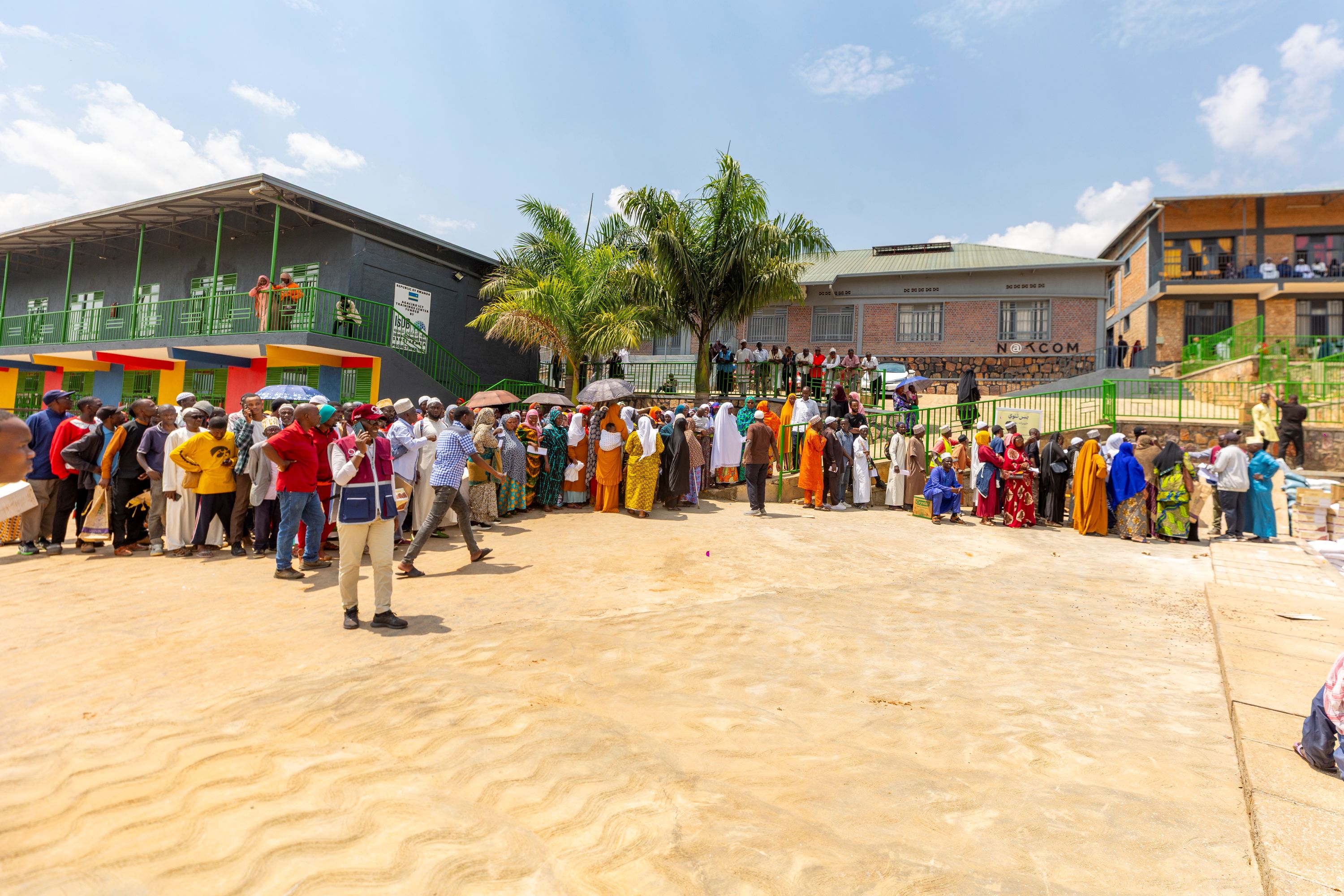
At least 1,000 families benefited from the Iftar food aid initiative.
Looking ahead, Qatar Charity, which operates in 50 countries, plans to work with the Ministry of Education to build classrooms and provide school desks, as well as with the Ministry of Health on programs aimed at improving citizens’ well-being as it expands its operations in Rwanda.
Hamdi Abdou, Country Director of Qatar Charity Rwanda, says the initiative is the organisation’s first Ramadan Iftar program, supporting families and promoting well-being.For many, the assistance came as a timely blessing.
In a statement issued by AFC/M23 spokesperson Lawrence Kanyuka, the movement said the handover took place on March 2, 2026, at Rugamabo camp in North Kivu Province, where the captives had been held after being captured on various frontlines of the conflict.
According to the statement, the detainees were transported back to the Congolese capital under the supervision of the Red Cross.
The prisoner transfer comes within a broader framework aimed at facilitating detainee exchanges between the Congolese government and the AFC/M23. The Red Cross was tasked with overseeing such exchanges in eastern Congo in September 2025 as part of confidence-building measures linked to mediation efforts.
During a ceremony in Doha, officials from Qatar, acting as mediator, handed the ICRC a signed copy of the mechanism for the release of detainees. Representatives from both the Congolese government and AFC/M23 attended the event, which established procedures for verification and exchange operations.
As part of the process, the AFC/M23 has called for the release of more than 700 prisoners currently held by Congolese authorities in connection with the conflict. The group says the request should be addressed during the Red Cross–supervised exchange process.
The ICRC has previously facilitated similar operations in eastern Congo, including the transfer of disarmed Congolese government soldiers and their family members from Goma to Kinshasa.
In its statement, the AFC/M23 said the handover of prisoners demonstrates its commitment to confidence-building measures and to easing tensions in accordance with international humanitarian law.
However, the group accused the government in Kinshasa of failing to reciprocate. It alleged that authorities have refused to release detainees linked to the movement and accused the government of violating ceasefire arrangements while continuing military operations against its forces.
The statement also urged international mediators and partners to take note of repeated ceasefire violations by the government of President Félix Tshisekedi.
The conflict in eastern Democratic Republic of the Congo, particularly in North Kivu, has escalated in recent years, displacing hundreds of thousands of civilians and drawing regional and international mediation efforts aimed at restoring stability in the mineral-rich region.
L’Alliance Fleuve Congo/Mouvement du 23 Mars (AFC/M23) informe l’opinion publique qu’elle a une fois de plus remis au Comité international de la Croix-Rouge (CICR) plus de 5 000 éléments des FARDC, capturés sur différents fronts. Ceux-ci seront rapatriés vers Kinshasa sous la… pic.twitter.com/5eP9QCLFD5
He made the claims while addressing leaders from 12 Western Hemisphere countries at the “Shield of the Americas Summit” in Doral, Florida.
“That was the end of the navy. We knocked out their air force, we knocked out their communications, and all telecommunications is gone,” Trump said.
The United States and Israel, on February 28, launched what they described as “major combat operations” against Iran. Iran has since retaliated with a series of counterattacks against Israeli and U.S. targets across the region.
Over the past week, the Iranian military launched around 600 missiles, along with approximately 2,600 drone operations, hitting 200 U.S. and Israeli targets, the semi-official Tasnim news agency reported on Saturday.
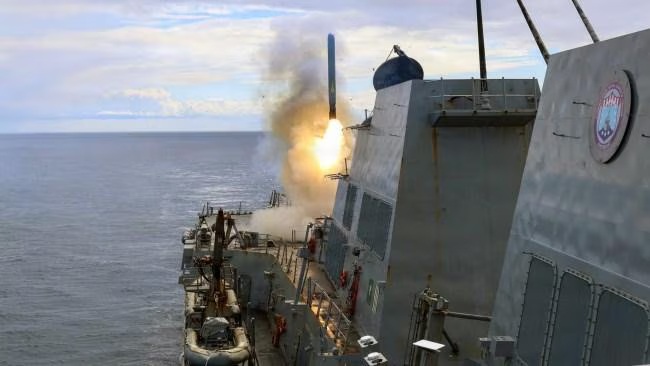
In this US Navy released handout, Arleigh Burke-class guided-missile destroyer USS Thomas Hudner (DDG 116) fires a Tomahawk land attack missile in support of Operation Epic Fury, on March 1, 2026, at Sea.
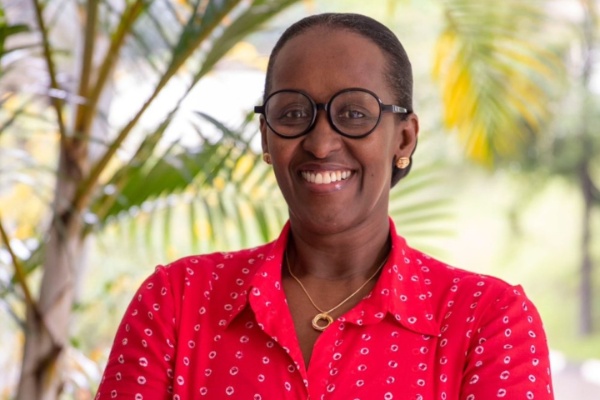
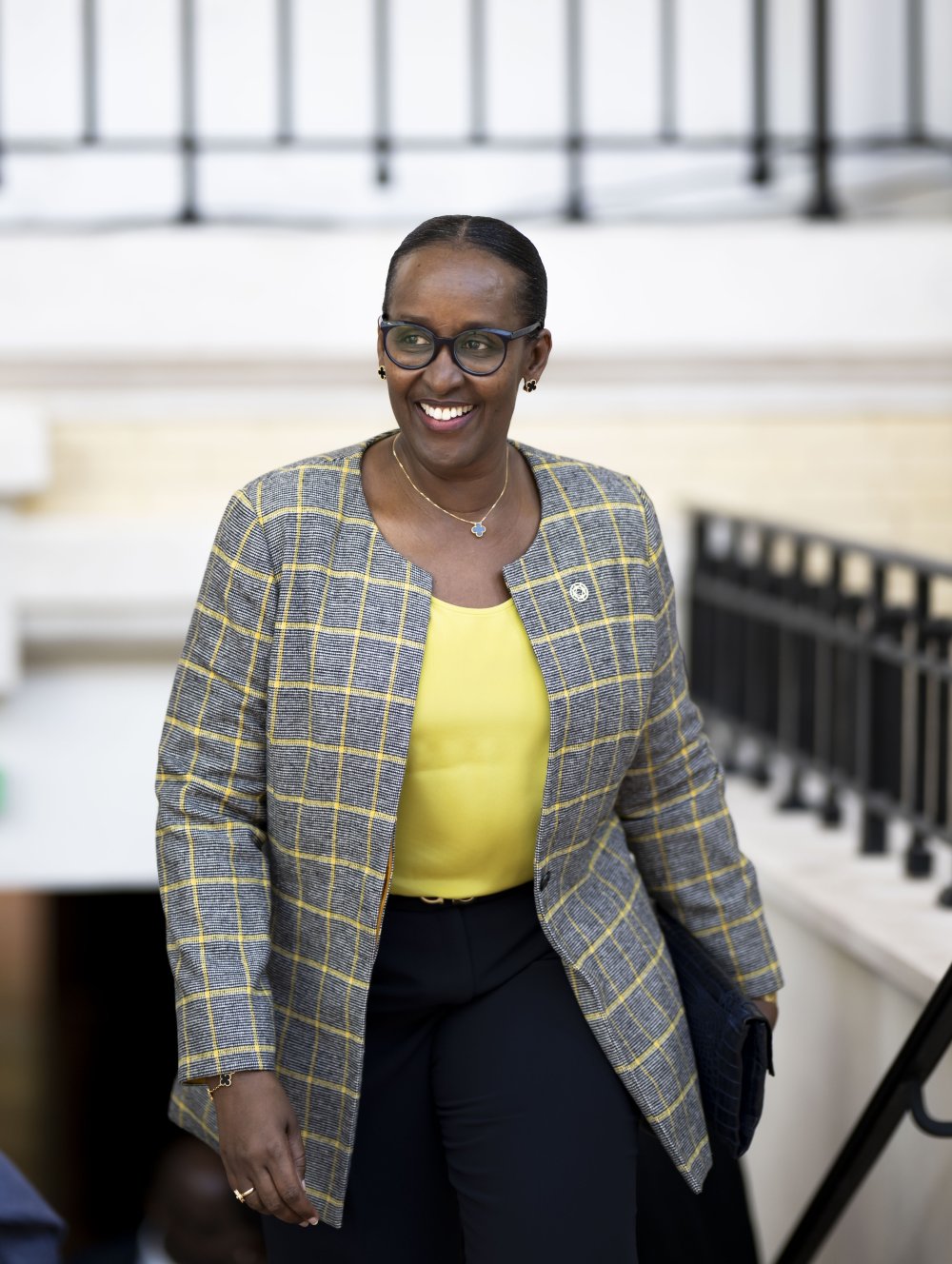
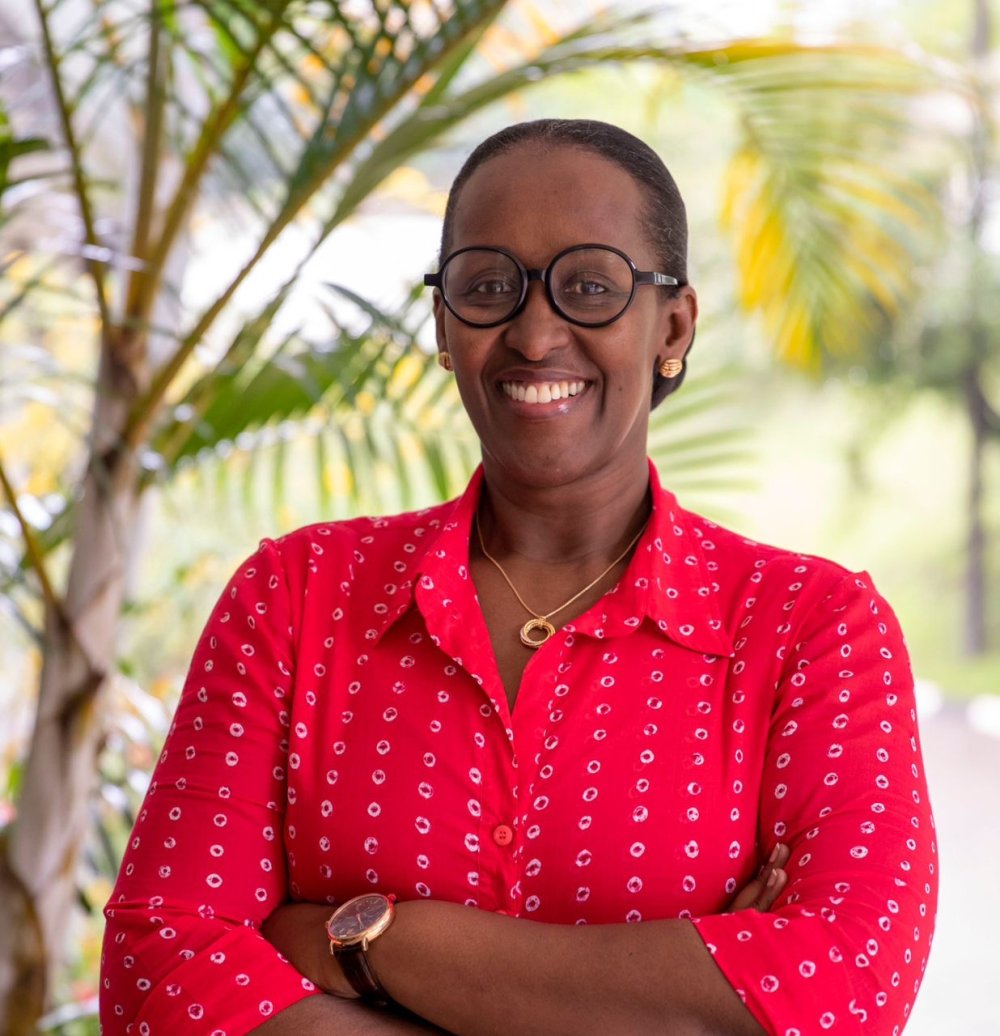
In a post on X, the First Lady called on women to prioritise self-care and their health, set boundaries, and advocate for themselves and others.
“I urge you to carve your character carefully, define your boundaries, advocate for yourselves and other women and girls, and protect your physical and mental health. And please, love yourself with the same gentleness you give others – the same gentleness you wish and deserve to experience from the world,” she wrote.
International Women’s Day, celebrated annually on March 8, recognises the social, economic, cultural, and political achievements of women worldwide. It also serves as a call to action to accelerate gender parity and address ongoing challenges such as the gender pay gap, violence against women, and underrepresentation in leadership positions.
In Rwanda, IWD is marked by celebrations acknowledging women’s contributions to family and national development, empowerment activities, and the promotion of gender equality. The country has made significant strides in political representation: women now occupy 63.75% of parliamentary seats, up from just 12% in 1996, making Rwanda the nation with the highest proportion of women in Parliament globally in 2026.
The origins of International Women’s Day trace back to the early 20th-century labour and socialist movements in North America and Europe. In 1908, 15,000 women marched in New York City demanding shorter working hours, better pay, and voting rights, leading to the first National Woman’s Day in 1909.
In 1910, German activist Clara Zetkin proposed an annual International Women’s Day, which was celebrated for the first time in 1911 in several European countries. The day gained further prominence after women in Russia staged the “Bread and Peace” strike in 1917, a pivotal moment that contributed to women gaining voting rights.
The United Nations officially recognised March 8 as International Women’s Day in 1977, establishing it as a global observance for women’s rights and world peace.
First Lady Jeannette Kagame called on women to prioritise self-care and their health, set boundaries, and advocate for themselves and others.International Women’s Day, celebrated annually on March 8, recognises the social, economic, cultural, and political achievements of women worldwide.