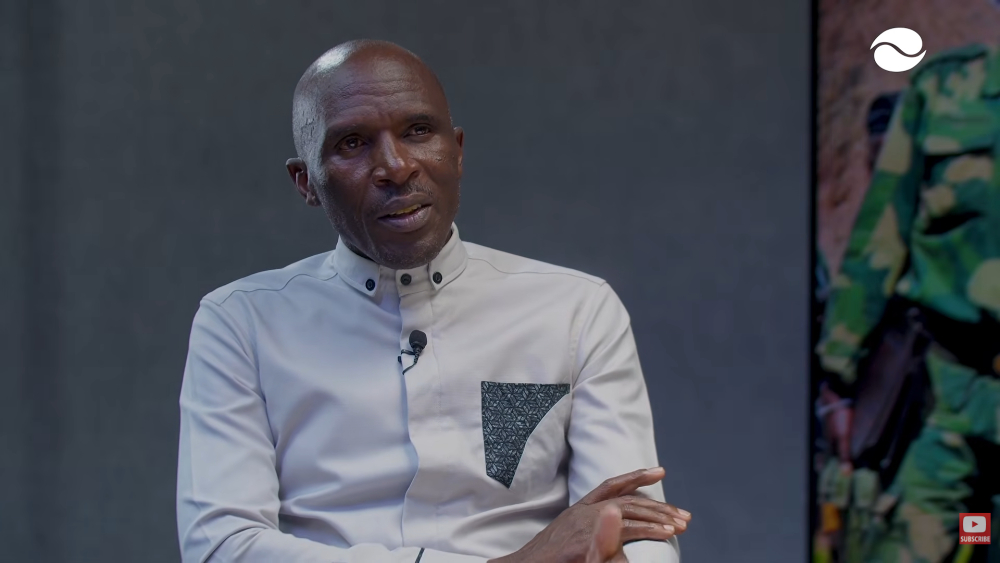
According to former FDLR member Augustin Nshimiyimana, known within the group as Colonel Bora Manassé, the movement’s military ties with the Congolese armed forces go back decades.
Nshimiyimana said the group, initially known as ALiR, did not enter Zaire solely as a refugee population. Instead, its members maintained a military structure similar to that of the former Rwandan army and hoped to eventually return to Rwanda and regain political power.
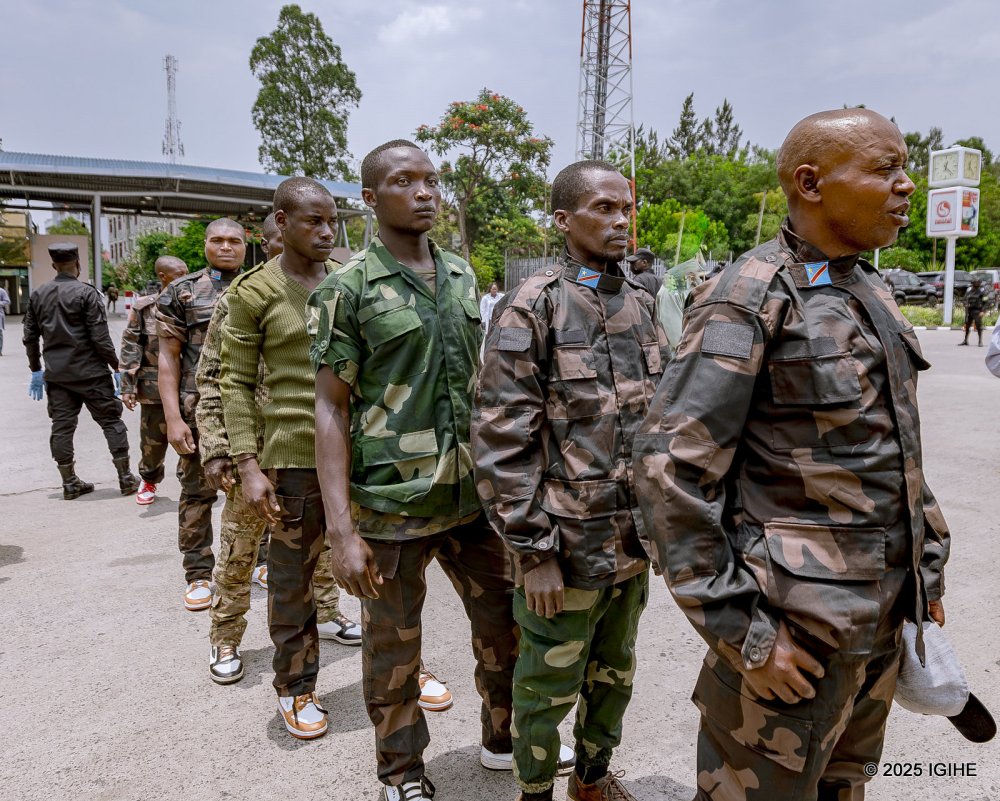
Over the years, members of the group developed close relationships with successive Congolese governments and the country’s armed forces. Some were eventually integrated into the Congolese military, particularly during the process of incorporating armed groups into the national army following the 2002 Sun City agreements.
Nshimiyimana told IGIHE that after the Rwanda Patriotic Army’s victory in Rwanda, some Ex-FAR and Interahamwe members remained in eastern Zaire while others, including himself, crossed the Congo River and joined the Congolese armed forces, then known as the FAC.
“During those movements, many joined the FARDC. Many of them remain there today,” he said.
He identified several former ALiR members whom he said went on to occupy senior positions in the FARDC. Among them, he named Rucyahana Jean Baptiste, known as Colonel Jules Mulumba among the Wazalendo, and Annaclet Nsengiyumva, who rose to the rank of colonel and currently works in the DRC’s military intelligence structure.
Nshimiyimana also cited Mbangu Mbangu, who he said had been a corporal in ALiR but later became a colonel in the FARDC and commanded a regiment in Ituri Province.
Another former ALiR fighter known as “Karati,” he said, rose from the rank of corporal to lieutenant colonel in the Congolese army and commands a battalion in Misisi, Fizi Territory, in South Kivu Province.
He further revealed that other former members of the group occupy positions in different FARDC units.
“We know each other, we lived together, and there are many of them,” Nshimiyimana said.
From refugee camps to armed networks
Nshimiyimana also described how former Rwandan combatants became involved in conflicts involving armed communities in eastern Congo.
He said that when Ex-FAR and Interahamwe members arrived in eastern Zaire in 1994, they brought with them the ideology and military structures associated with the Rwandan conflict. According to him, they subsequently became involved in local conflicts and provided weapons and training to Congolese combatants.
“We gave them the guns we had brought with us,” he said.
Nshimiyimana named several Congolese military figures whom he claimed had received training or support from former Rwandan combatants, including Brigadier General Mugabo Hassan, Major General Mayanga and Brigadier General Davide.
Blurred lines between the FARDC and FDLR
Nshimiyimana argues that the presence of former FDLR and ALiR members within the Congolese military has created overlapping networks that make it difficult to distinguish between the FDLR and elements of the FARDC.
He described some former combatants now serving in the Congolese army as effectively acting as “FDLR ambassadors.”
“So who is going to attack the FDLR? It is present within the FARDC, and it is present within the Wazalendo,” he said, arguing that the integration of former combatants has blurred the distinction between armed groups and state forces.
Commenting on the DRC’s claim that the FDLR had agreed to voluntarily lay down its arms, he said the process could be complicated by the involvement of individuals and networks with past ties to the FDLR in operations against the group.
The former FDLR combatant suggested that stronger international pressure on Kinshasa could encourage the DRC government to more clearly separate its armed forces from the FDLR and take steps toward dismantling the group.
Leave a Reply