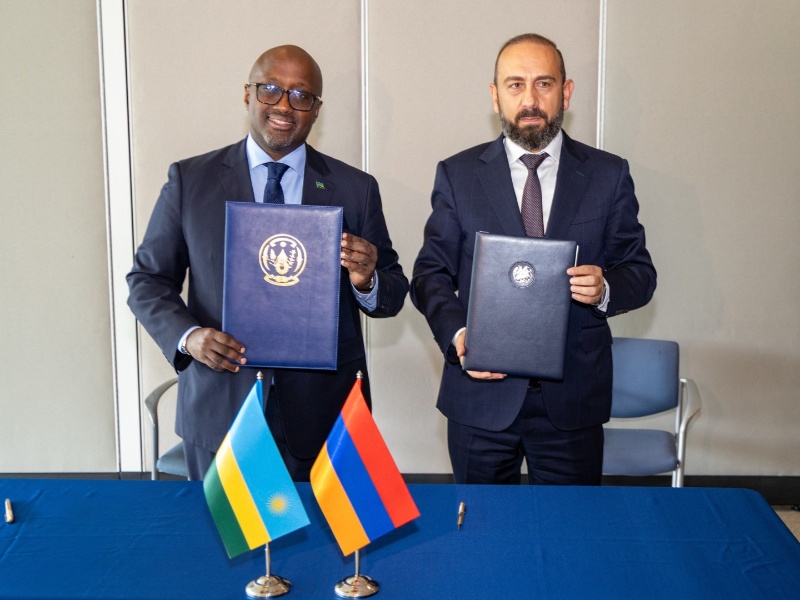
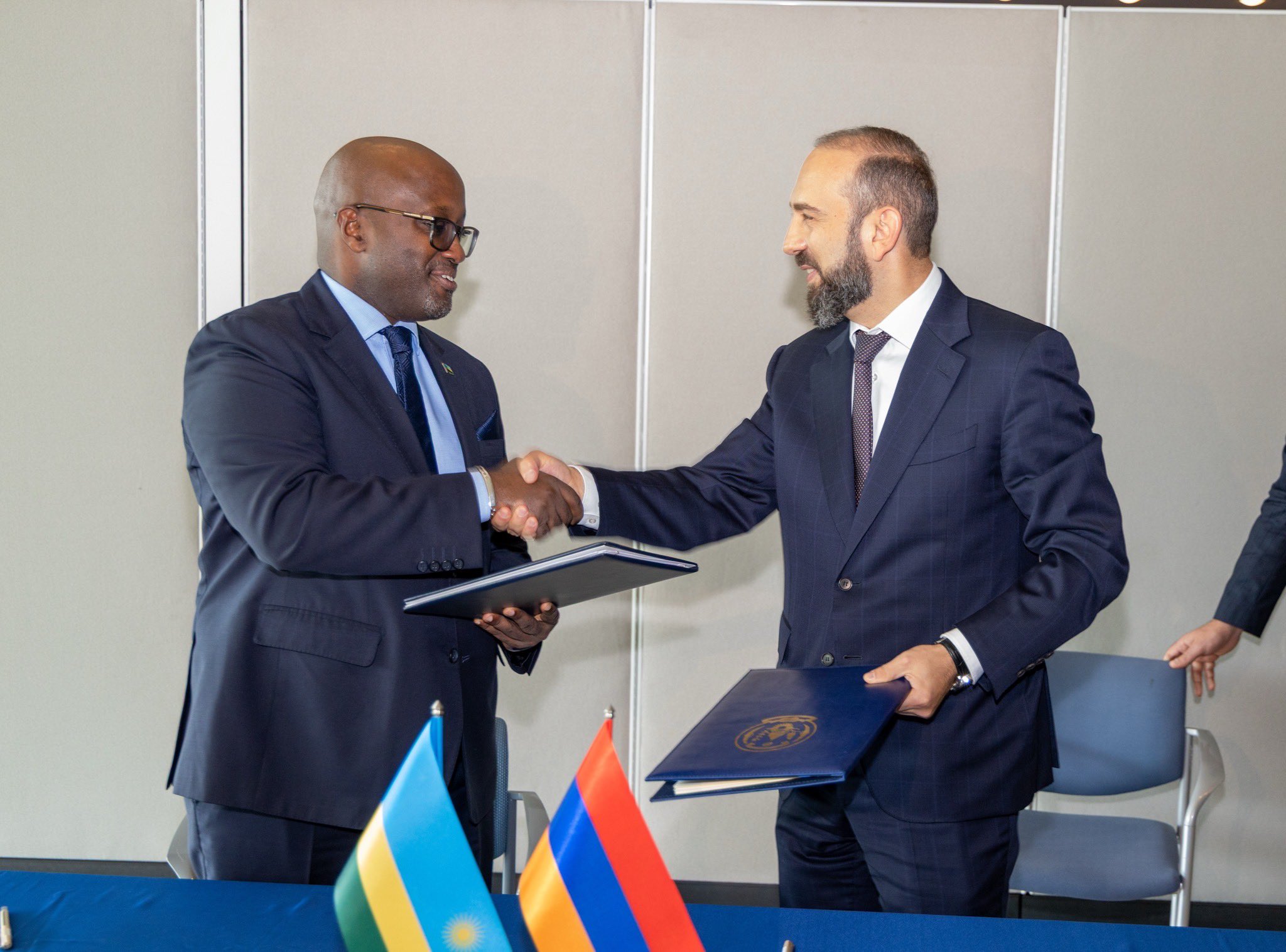
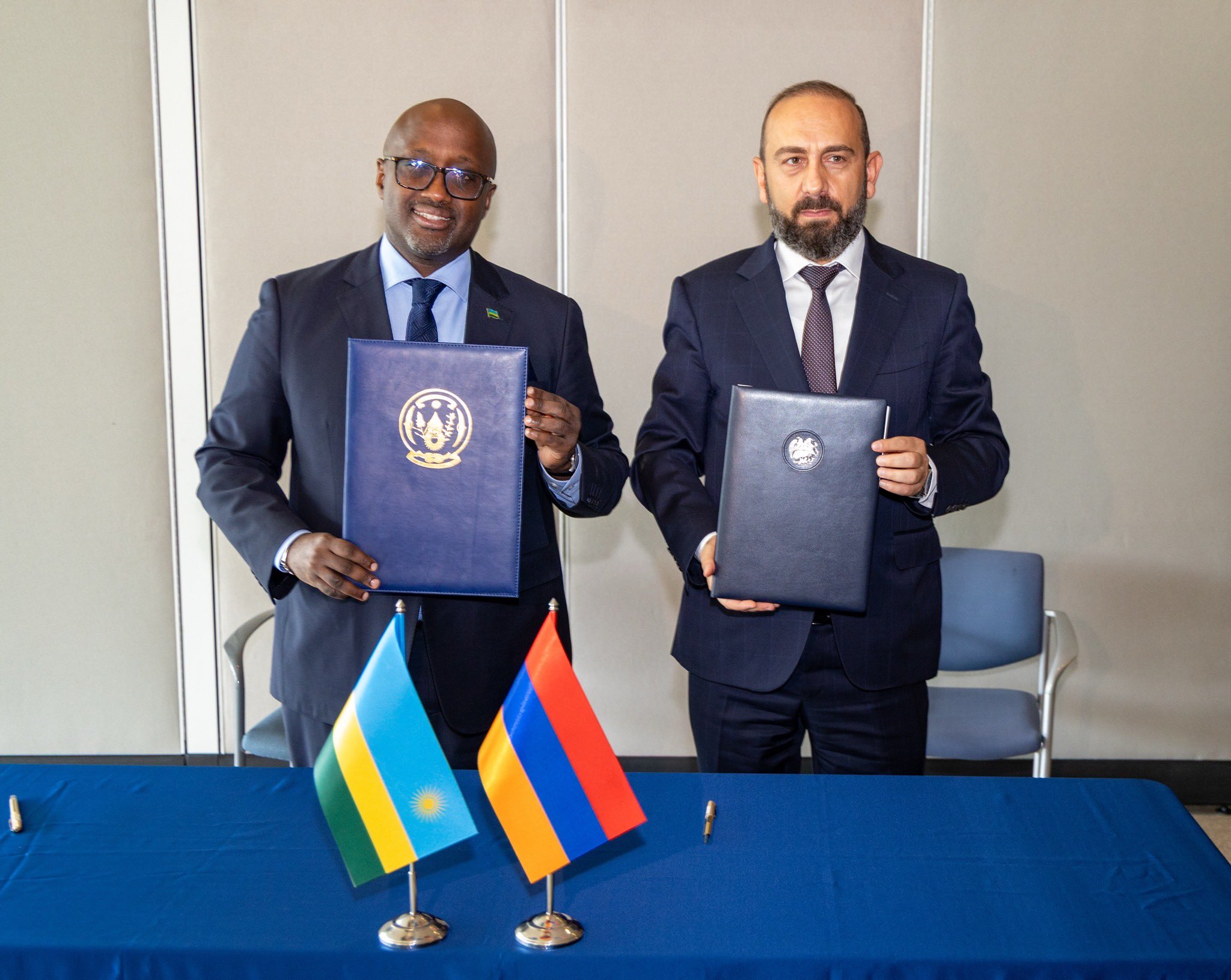
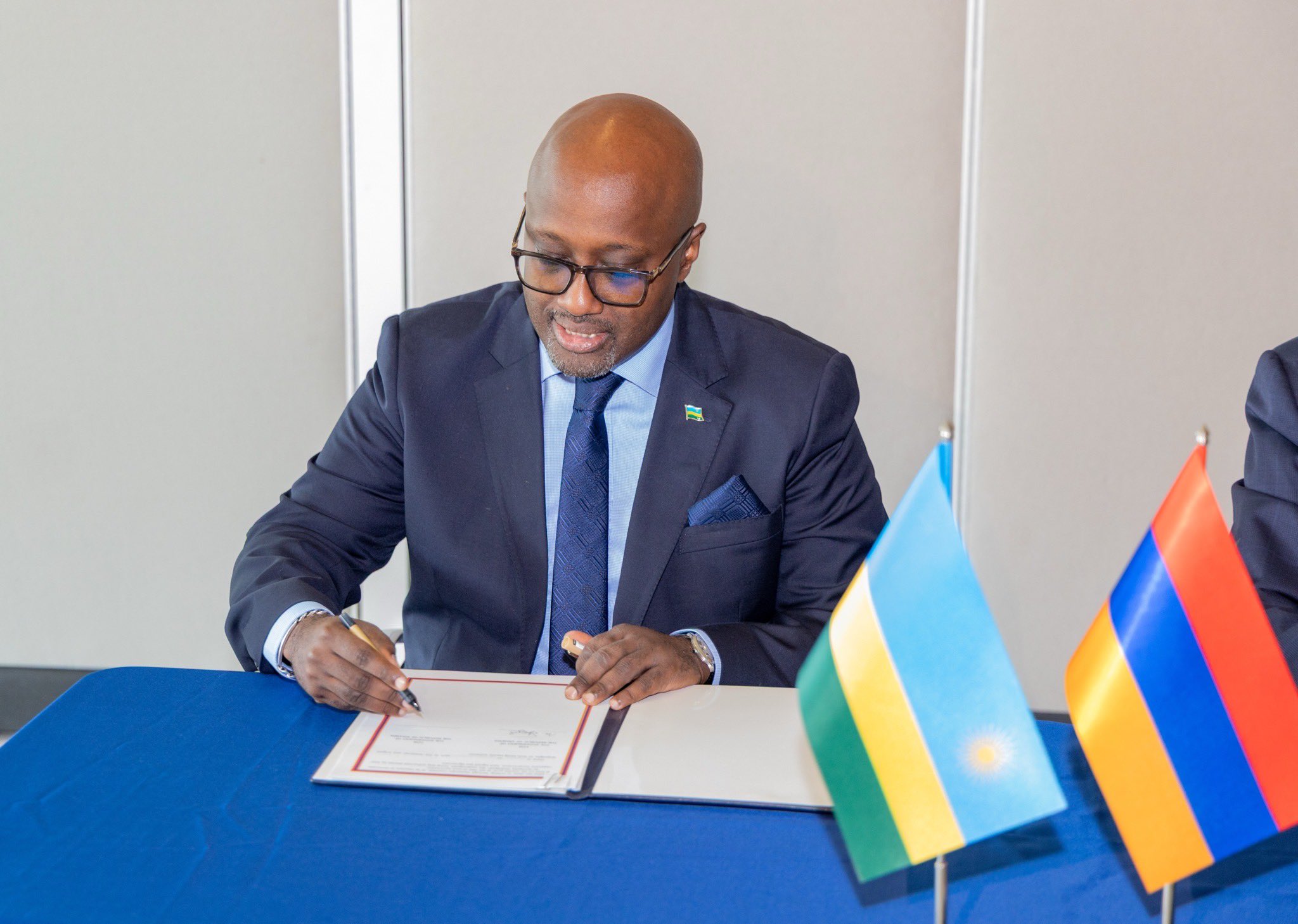
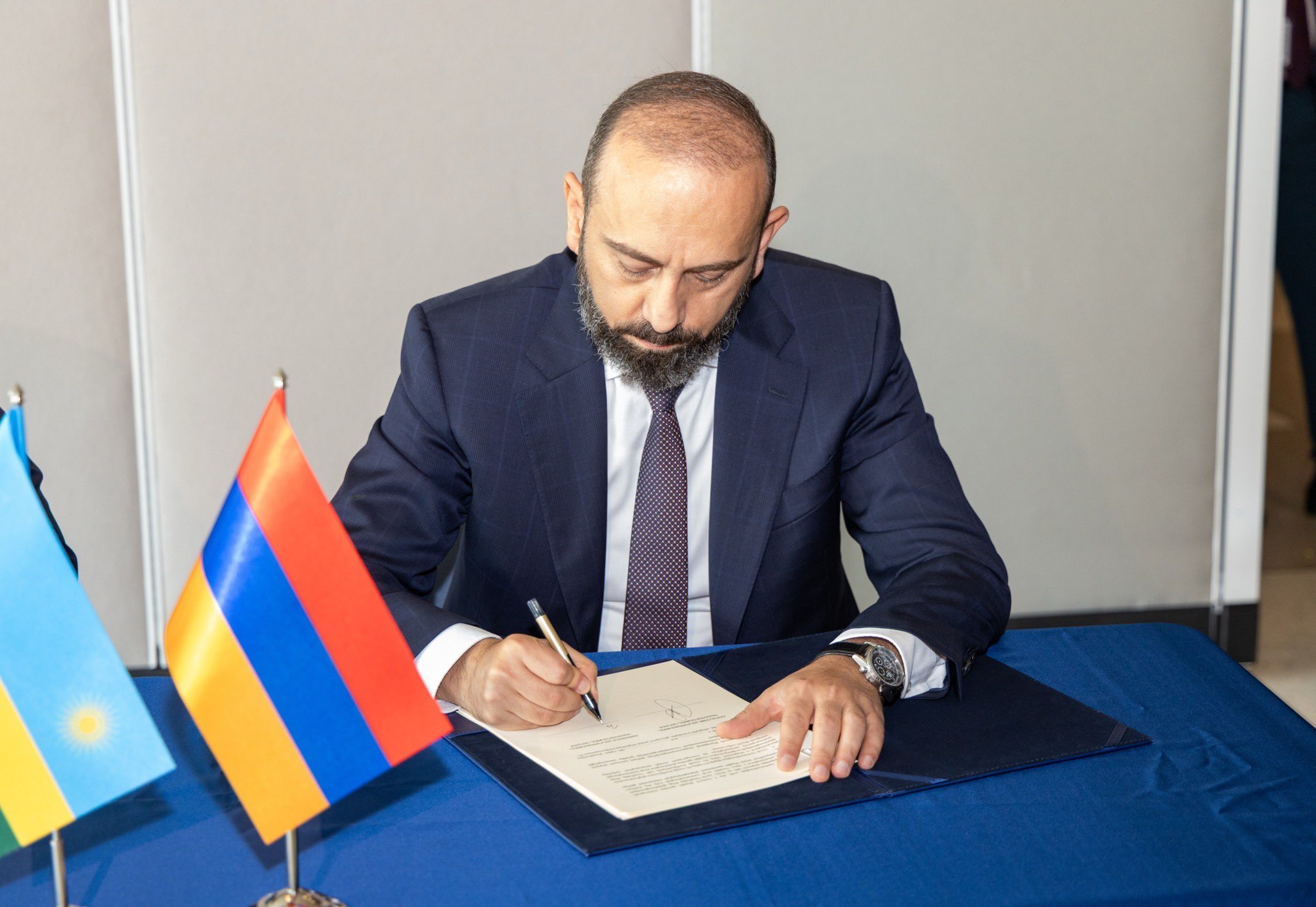
The agreement was signed in New York on the sidelines of the 81st session of the United Nations General Assembly (UNGA) by Rwanda’s Minister of Foreign Affairs and International Cooperation, Olivier Nduhungirehe, and his Armenian counterpart, Ararat Mirzoyan.
Following the signing ceremony, the two ministers held bilateral talks focusing on expanding diplomatic engagement, economic ties, and mutual cooperation across shared multilateral platforms.
Rwanda and Armenia share key structural and historical characteristics, including relatively compact geographic sizes and limited natural resource bases.
Located in the South Caucasus region at the crossroads of Eastern Europe and Western Asia, Armenia spans 29,743 square kilometres. It shares borders with Türkiye, Georgia, Azerbaijan, and Iran. Although geographically situated in Western Asia, Armenia maintains deep political, cultural, and institutional ties with Europe.
Home to a population of approximately 3.1 million people, Armenia has a rich history extending to antiquity. Economically, it is classified as an upper-middle-income nation, with a gross domestic product (GDP) of approximately $31.8 billion.
The agreement was signed in New York on the sidelines of the 81st session of the United Nations General Assembly (UNGA) by Rwanda’s Minister of Foreign Affairs and International Cooperation, Olivier Nduhungirehe, and his Armenian counterpart, Ararat Mirzoyan.The deal is aimed at making official travel between the two countries easier.
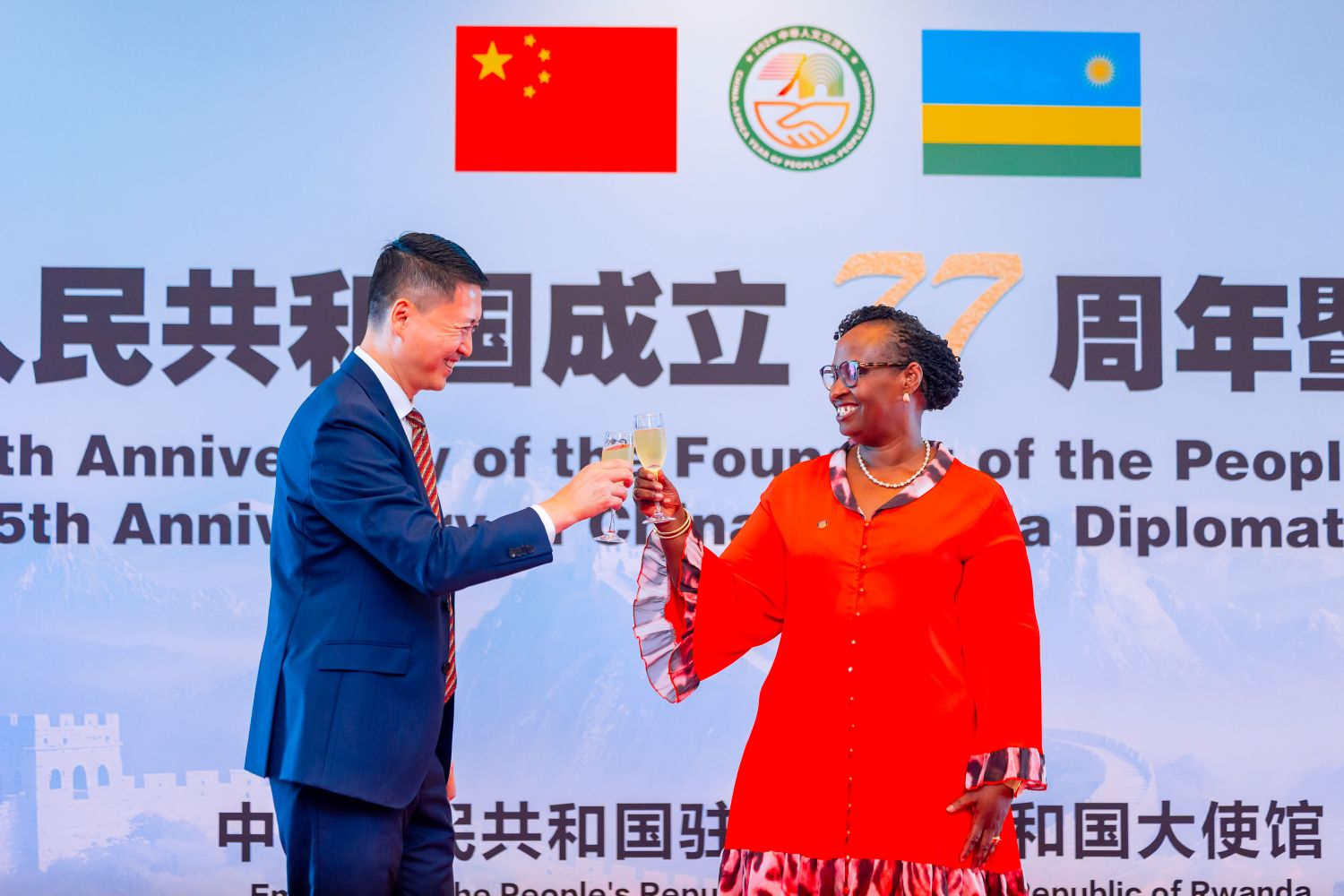
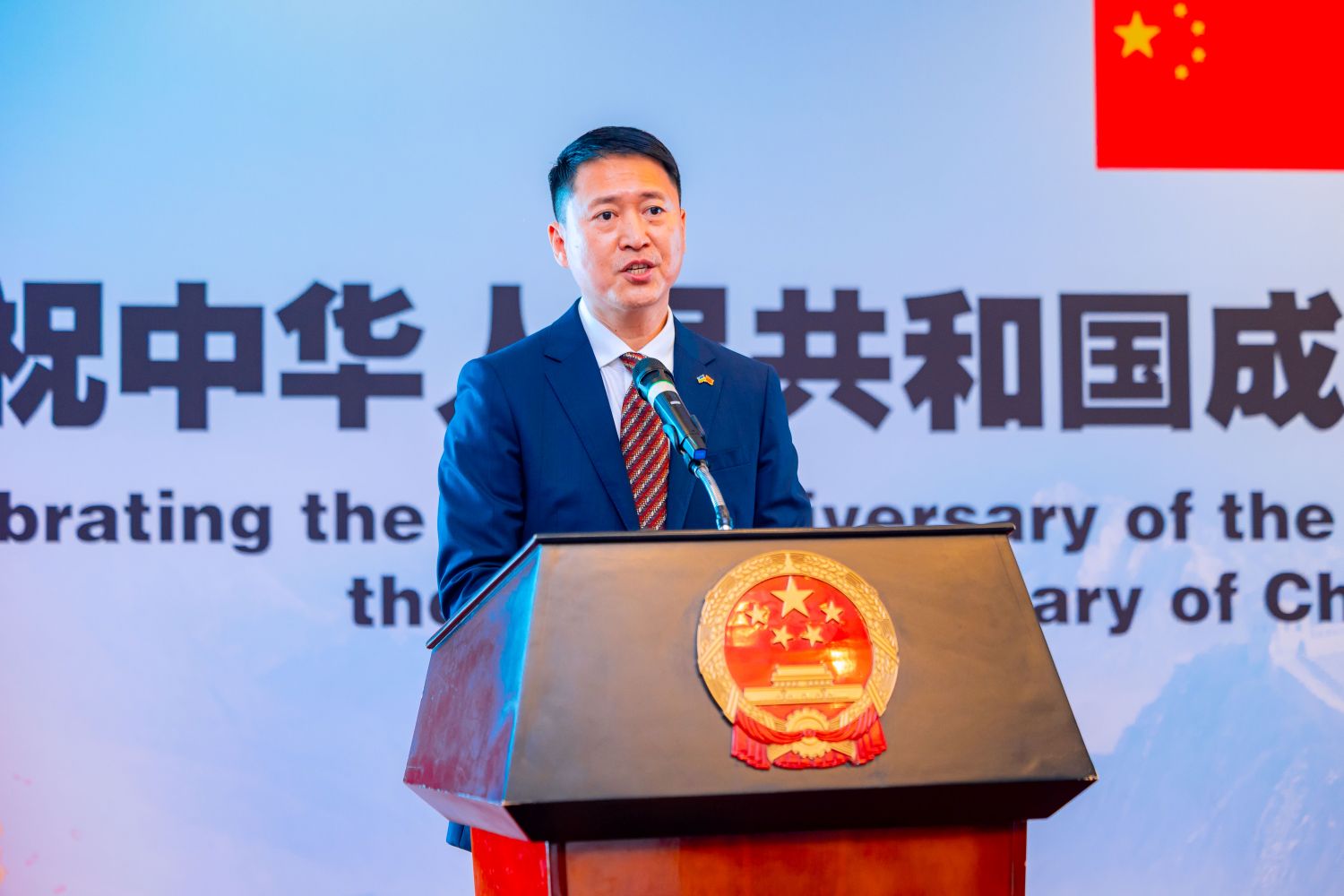
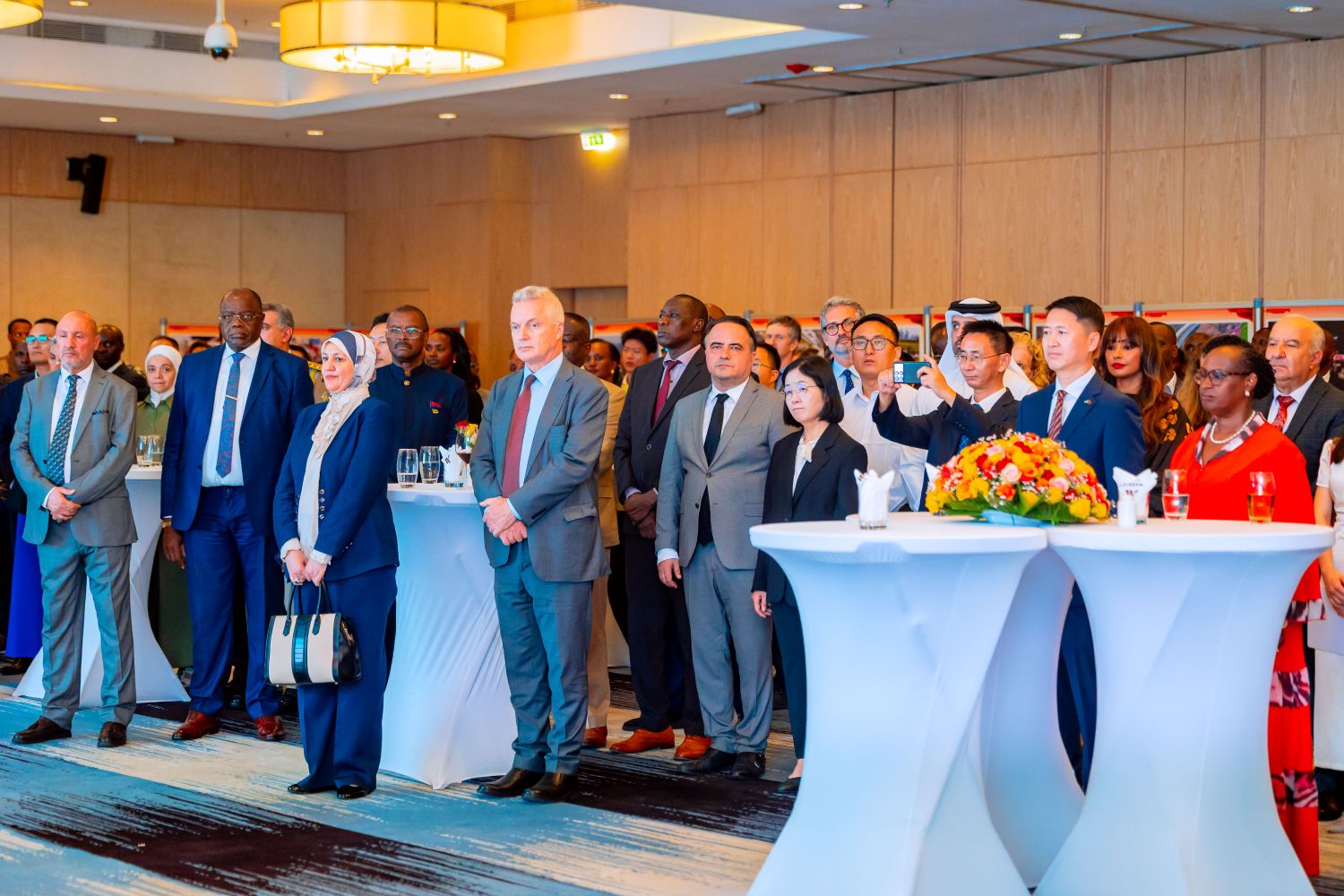
Amb. Gao made the remarks at a reception celebrating the anniversary of diplomatic relations between the two countries and the 77th anniversary of the founding of the People’s Republic of China.
The ceremony, held at the Kigali Marriott Hotel, brought together government officials, diplomats, members of the Chinese community and other guests to celebrate the longstanding ties between Rwanda and China.
Amb. Gao pointed to the elevation of China-Rwanda relations to a comprehensive strategic partnership in 2024 as a major step that opened a new chapter in bilateral cooperation.
“China-Rwanda friendship has grown from strong to stronger,” Amb. Gao noted, adding that the two countries share mutual trust and support each other on issues concerning their respective core interests and major concerns.
“China-Rwanda relations are a choice, not a coincidence,” he affirmed.
The envoy also highlighted Rwanda’s adherence to the one-China principle, describing it as a position highly appreciated by the Chinese government and people.
Amb. Gao pointed to the elevation of China-Rwanda relations to a comprehensive strategic partnership in 2024 as a major step that opened a new chapter in bilateral cooperation.
Trade and investment
Economic ties have remained a key part of the relationship, which dates back to 1971, with bilateral trade reaching a record $849 million in 2025
Rwandan exports to China rose 42% year-on-year to $227 million during the same period, with products such as coffee gaining a larger share of the Chinese market.
Amb. Gao pointed to the zero-tariff policy as one factor supporting the growth in trade, while highlighting the upcoming ninth China International Import Expo, scheduled for November 5, as another opportunity for Rwandan products and businesses to expand their presence in China.
He also described China as Rwanda’s largest source of foreign direct investment, with Chinese companies investing in sectors ranging from garments, cement and agriculture to food processing and vehicle assembly.
These investments, he noted, are contributing to Rwanda’s “Made in Rwanda” ambitions by supporting local production.
Infrastructure and healthcare
Amb. Gao also highlighted major infrastructure and healthcare projects as examples of the practical cooperation between the two countries.
The newly renovated and expanded Masaka Hospital was officially handed over to Rwanda on August 28. Its floor space has expanded nearly tenfold, while its capacity has increased sixfold, the ambassador noted.
The hospital, which cost 580 million Chinese yuan, equivalent to more than Rwf124 billion, has 837 beds and 22 operating theatres. It is expected to become the new home of the University Teaching Hospital of Kigali (CHUK) by the end of 2026.
The Prince House-Giporoso-Masaka road project was also highlighted after officially breaking ground earlier this month.
The 10.3-kilometre project is being implemented through a partnership in which China is contributing about Rwf95 billion and Rwanda about Rwf35 billion.
Construction is expected to take about 30 months. The works include a flyover, underpasses, interchanges, bridges, drainage systems and street lighting, while the existing corridor will be upgraded into a dual four-lane carriageway, with some sections reaching eight lanes.
The upgraded road is expected to improve connectivity between Kigali, the Eastern Province, Bugesera International Airport and east-bound seaports.
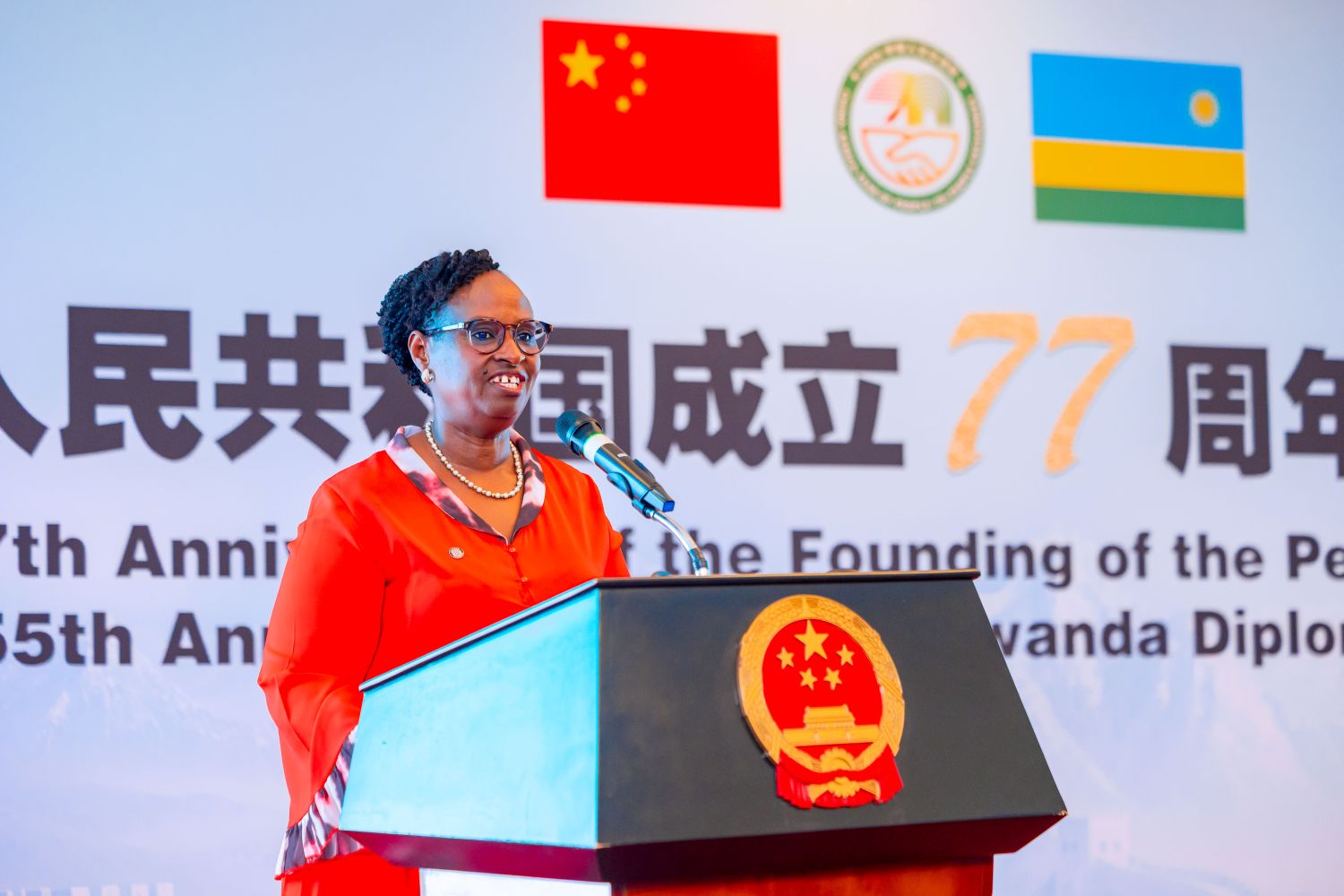
Minister of State for Foreign Affairs Dr. Usta Kaitesi also cited the Masaka Hospital, the Prince House-Giporoso-Masaka road and the Nyabarongo II hydropower project as examples of cooperation with a direct impact on Rwanda’s development.
“Our partnership continues to deepen and expand across infrastructure, agriculture, education, health, energy, trade, investments, capacity building, and many other areas,” Dr. Kaitesi noted.
Minister of State for Foreign Affairs Dr Usta Kaitesi lauded the strong and longstanding relations between Rwanda and China during the reception marking 55 years of diplomatic ties between the two countries.
Education, skills and people-to-people ties
Beyond infrastructure and trade, the two countries have expanded cooperation in education, technical training and people-to-people exchanges.
Amb. Gao revealed that around 150 Rwandan students had travelled to China on degree scholarships this year, while more than 300 Rwandan experts had participated in specialised training courses and workshops in China.
More than 35,000 Rwandan farmers have also received training and materials related to Juncao mushroom technology.
Amb. Gao further highlighted Rwanda’s performance in the Huawei ICT Competition, noting that three Rwandan teams reached the global final this year and brought home one first prize and one second prize.
The Chinese medical team, which has served in Rwanda for 44 years, was cited as another example of knowledge and skills transfer.
Amb. Gao explained that the focus of cooperation is increasingly on building Rwanda’s own capacity and supporting its development priorities under the National Strategy for Transformation (NST2) and Vision 2050.
“The philosophy today is teaching to fish, rather than giving fish,” he remarked.
Dr. Kaitesi, meanwhile, emphasised Rwanda’s appreciation of China’s contribution to addressing global challenges and advancing the priorities of the Global South.
He also highlighted the Forum on China-Africa Cooperation as an important platform for dialogue and practical cooperation between China and African countries.
The two officials also pointed to stronger people-to-people links, including tourism, as an area with room for further growth.
The ambassador noted a 20% increase in Chinese tourists visiting Rwanda and linked the trend to the broader push for people-to-people exchanges between China and Africa.
He also highlighted exchanges between the Communist Party of China and Rwanda’s Rwandan Patriotic Front as an example of the close relationship between the two countries.
Referring to President Paul Kagame’s description of China as a “long-term, reliable and trustworthy partner” of Rwanda, Amb. Gao maintained that the relationship had stood the test of time.
He expressed confidence that the friendship would continue to grow in the coming decades.
Dr. Kaitesi similarly expressed Rwanda’s commitment to strengthening the partnership in the years ahead.
“Rwanda greatly appreciates China’s continued partnership and looks forward to further strengthening our cooperation in the next 55 years ahead,” she stated.
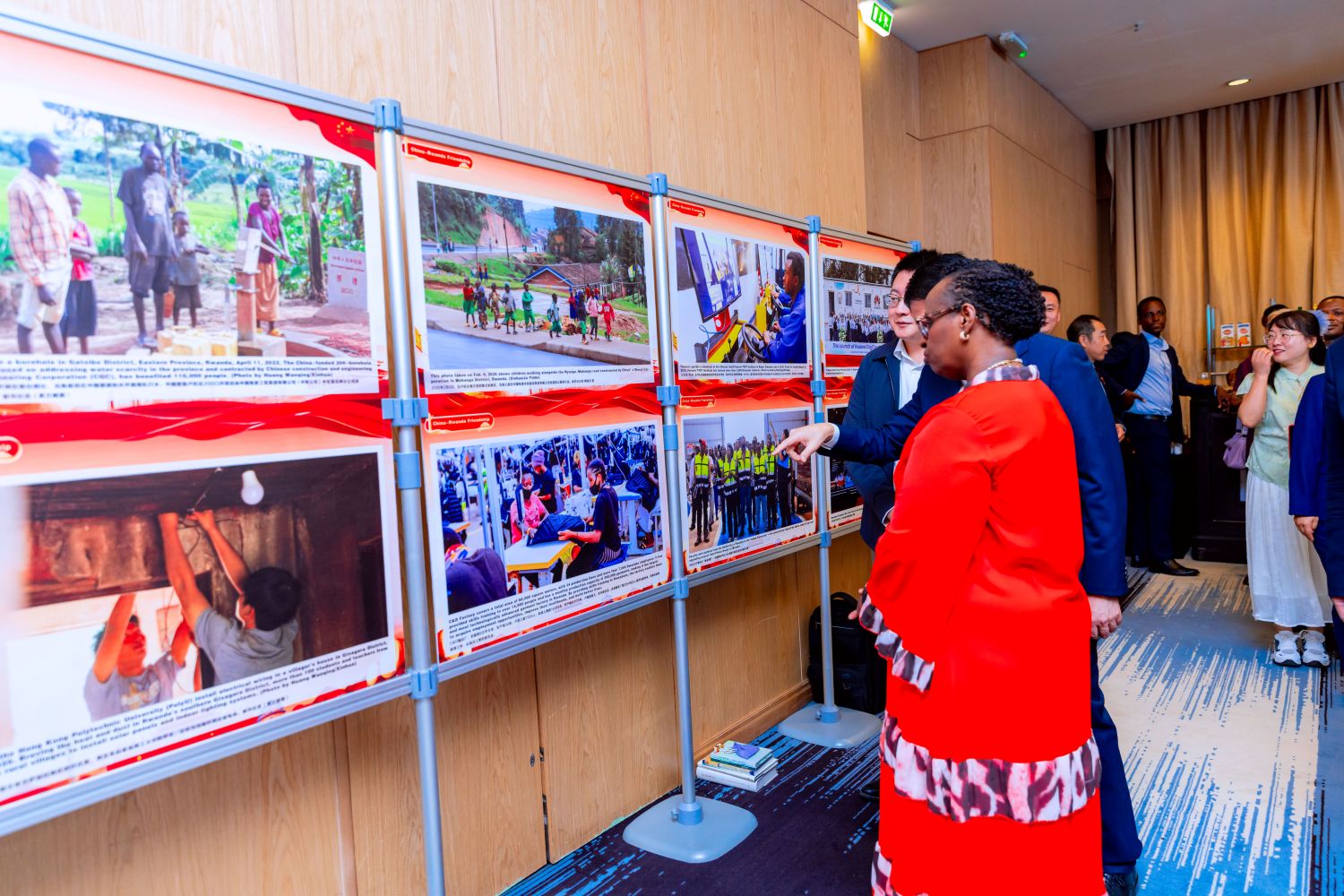
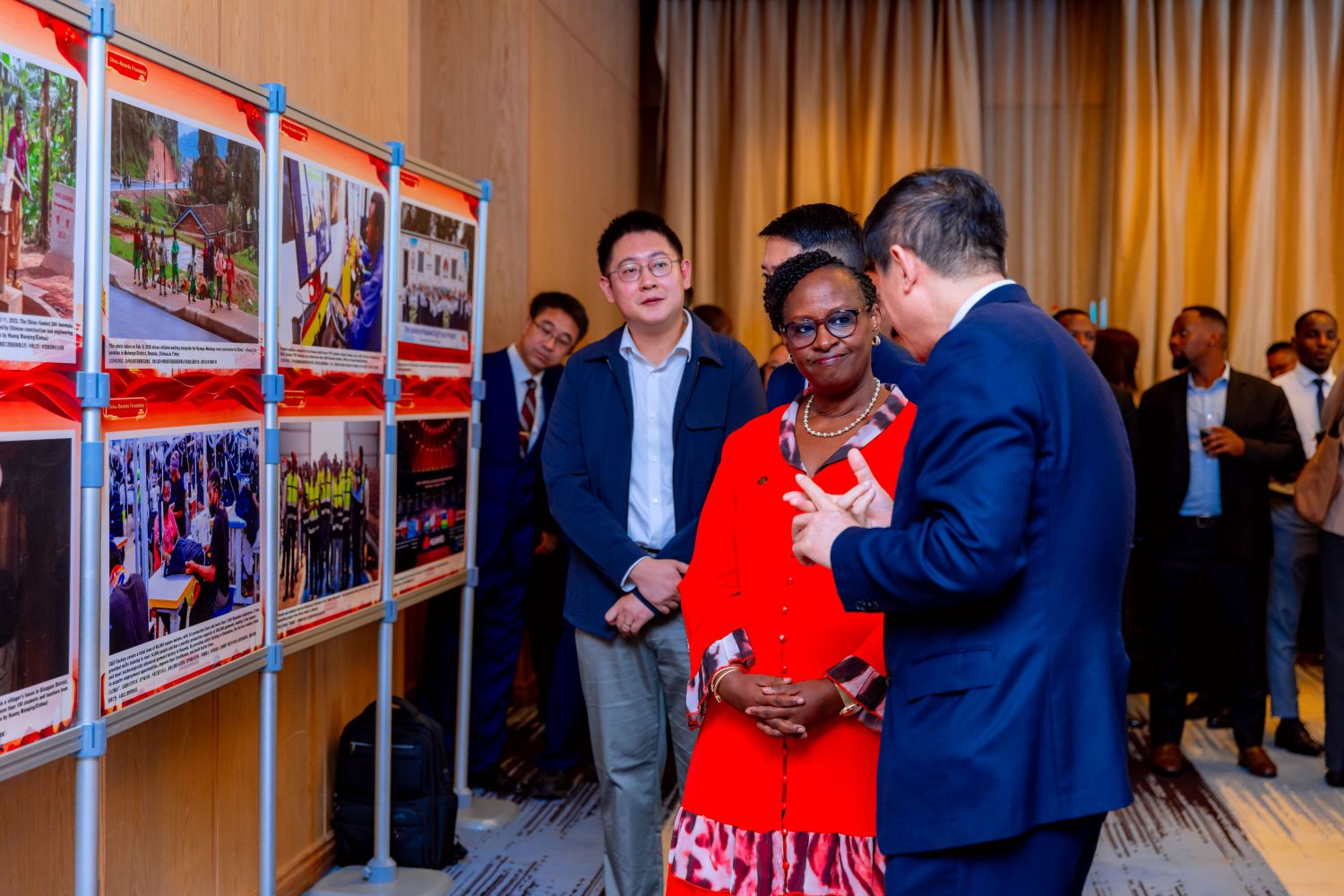
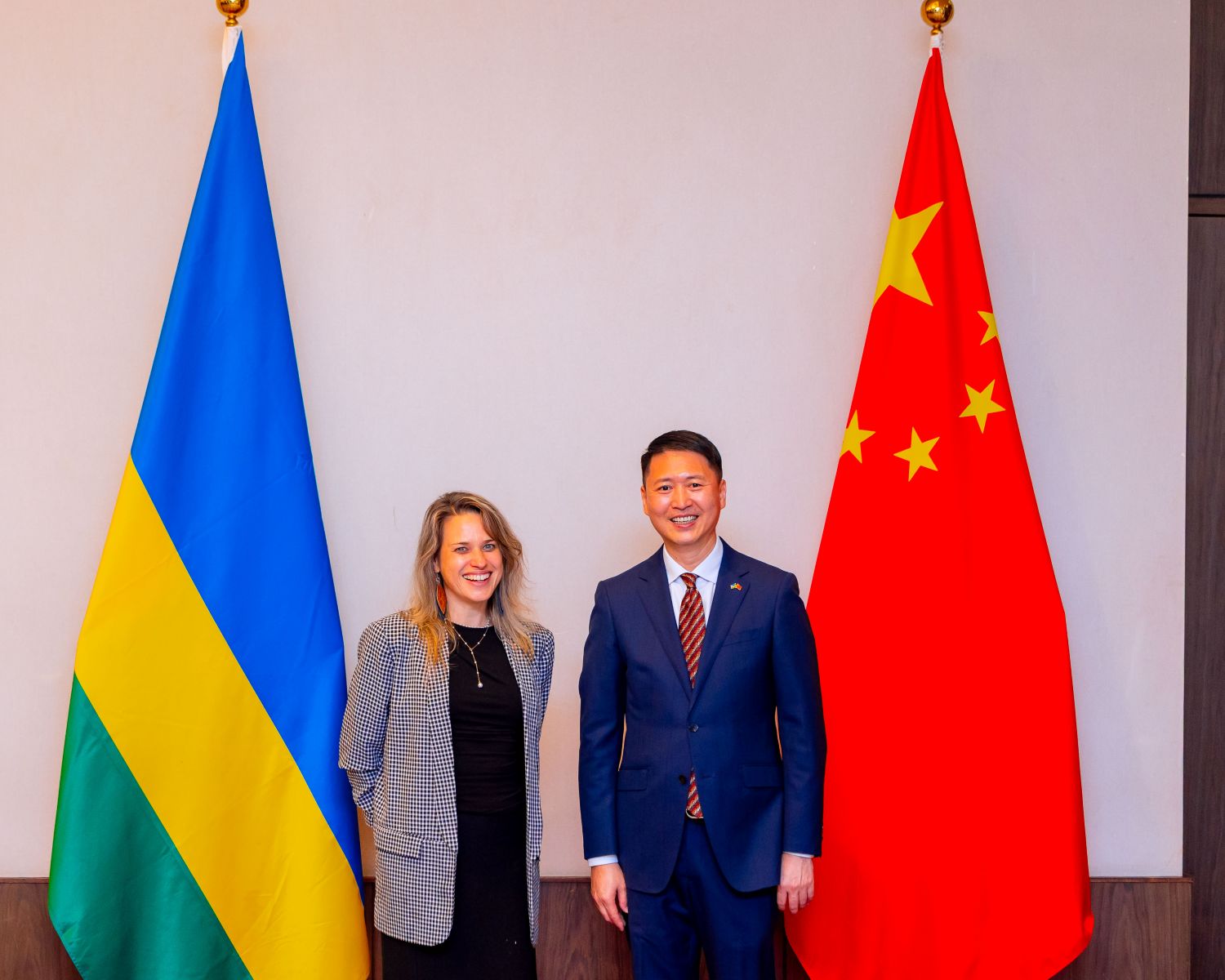
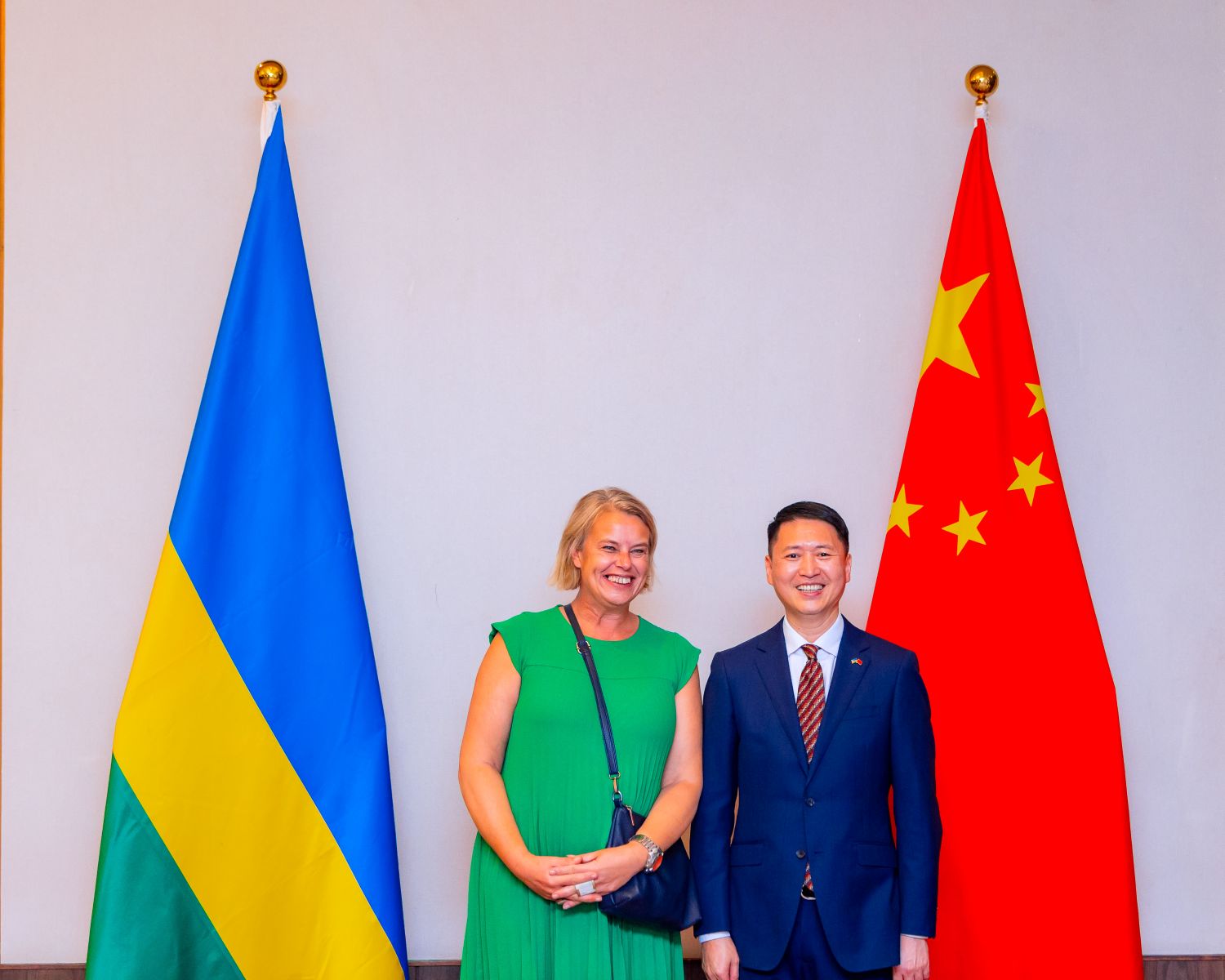
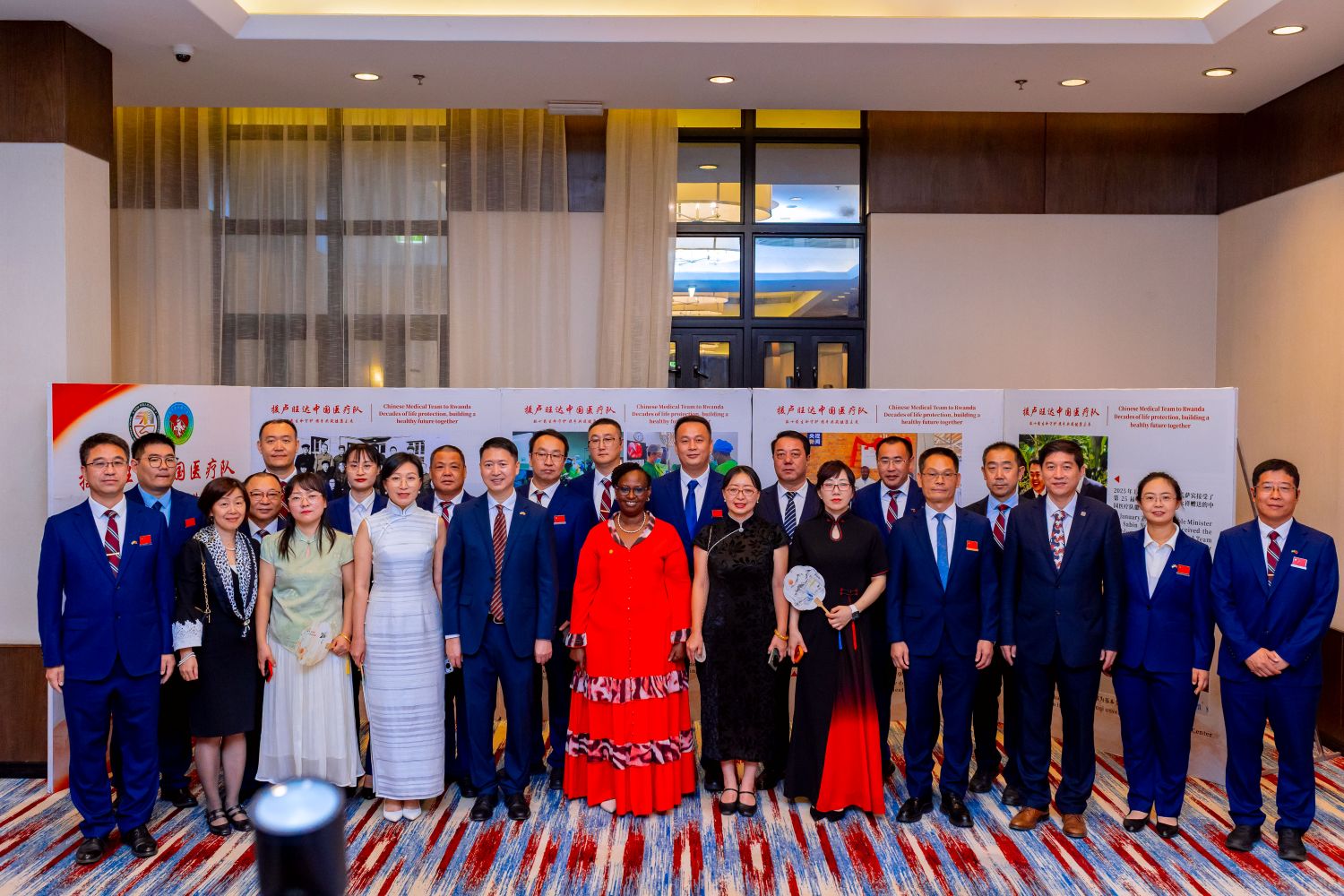
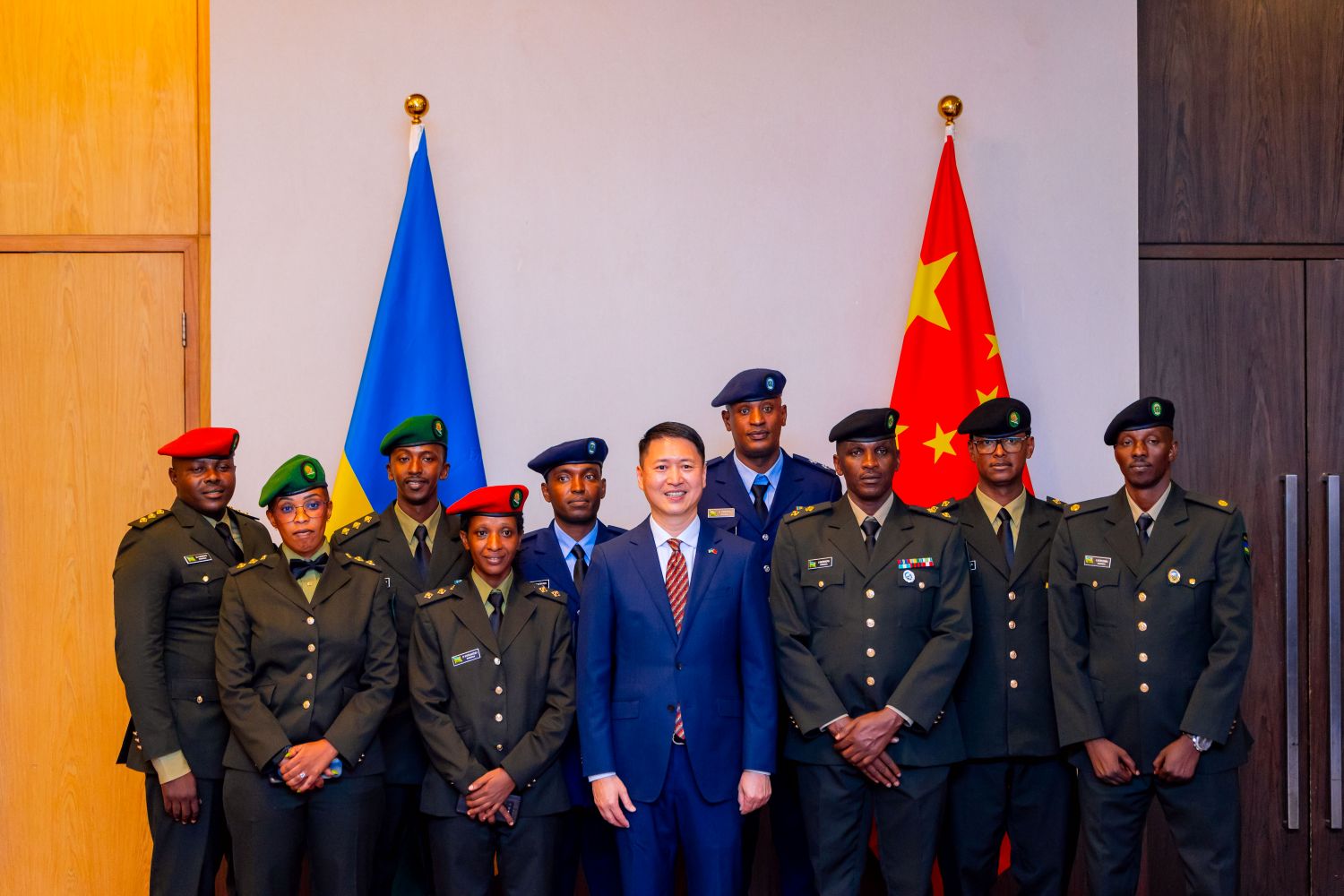
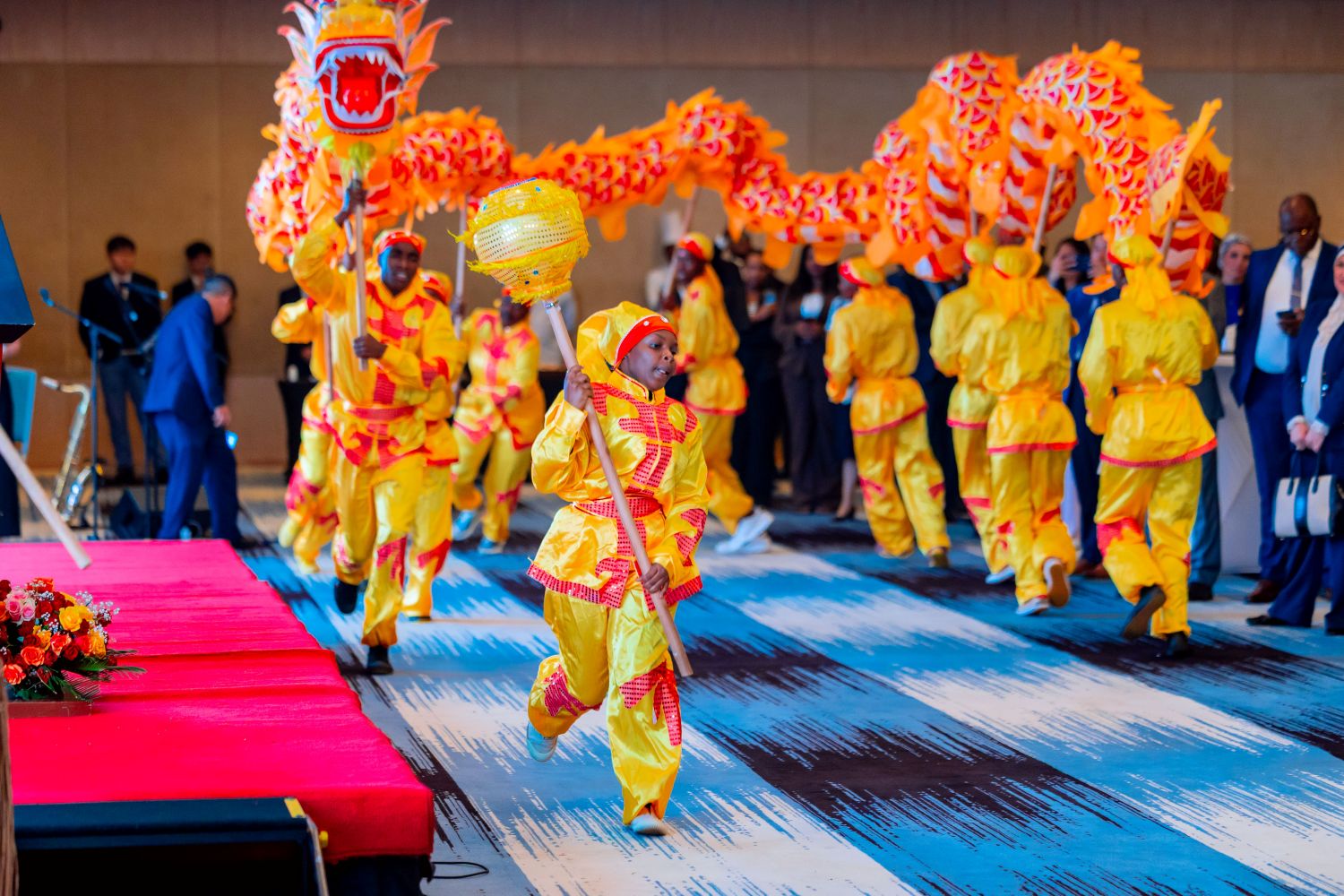
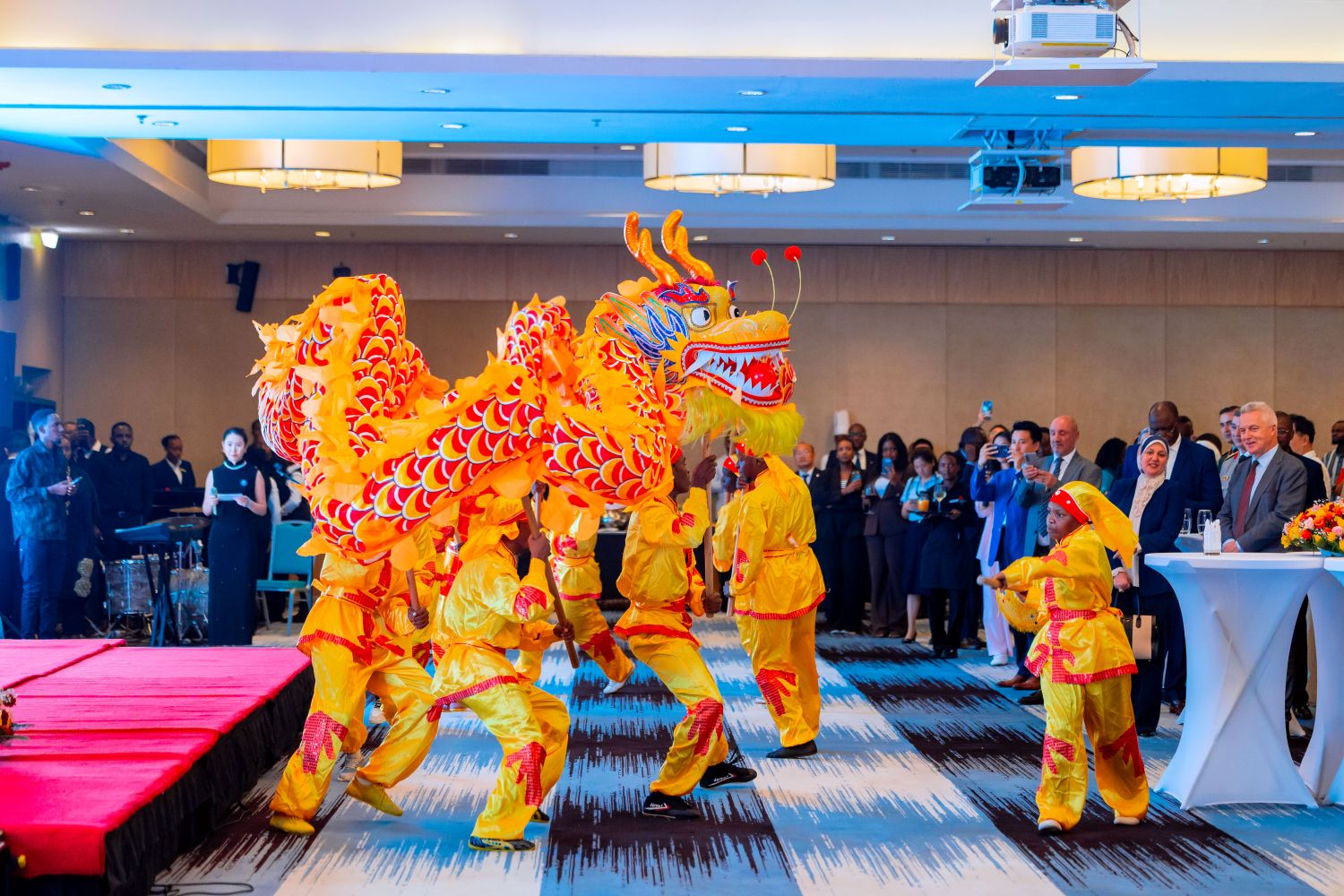
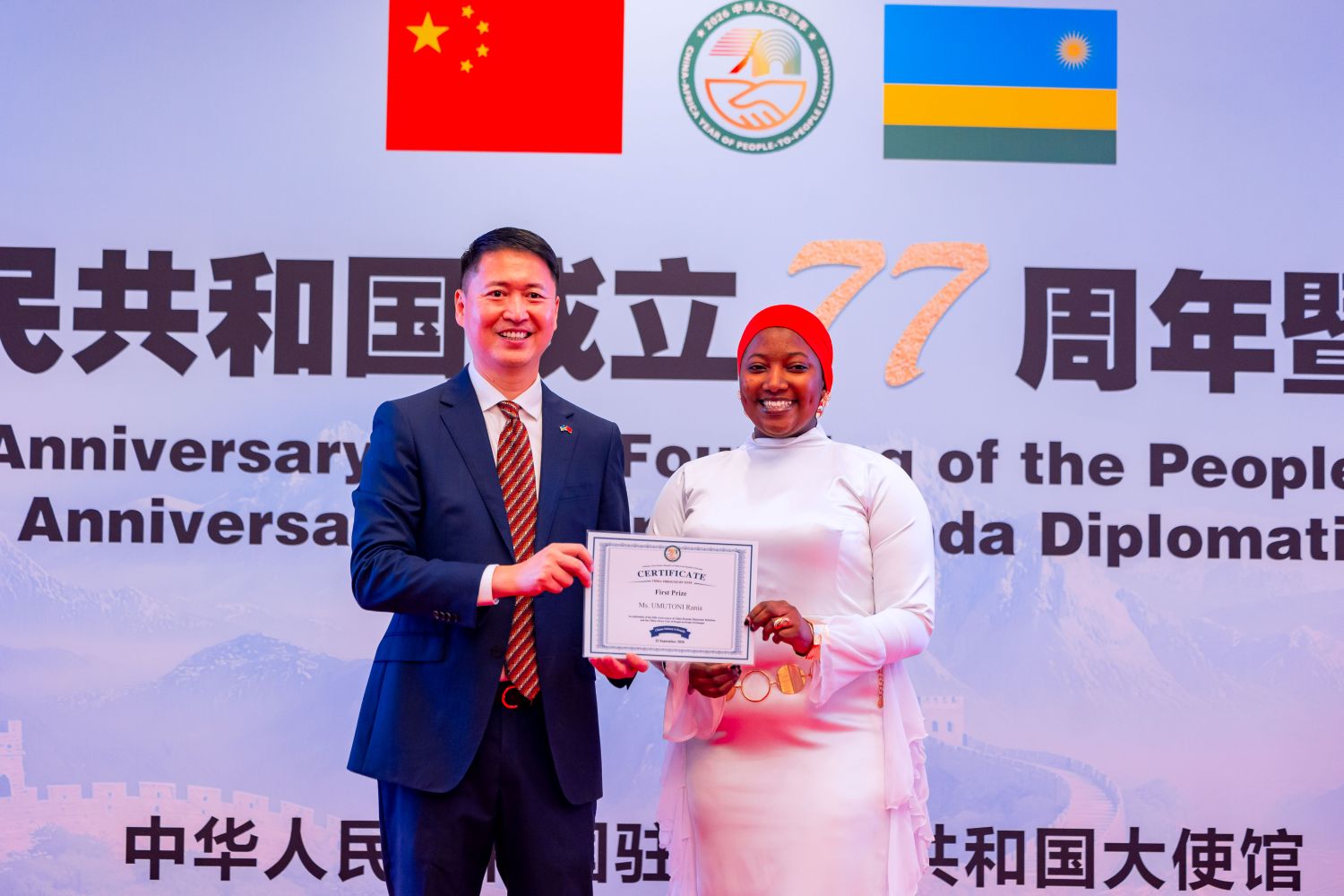
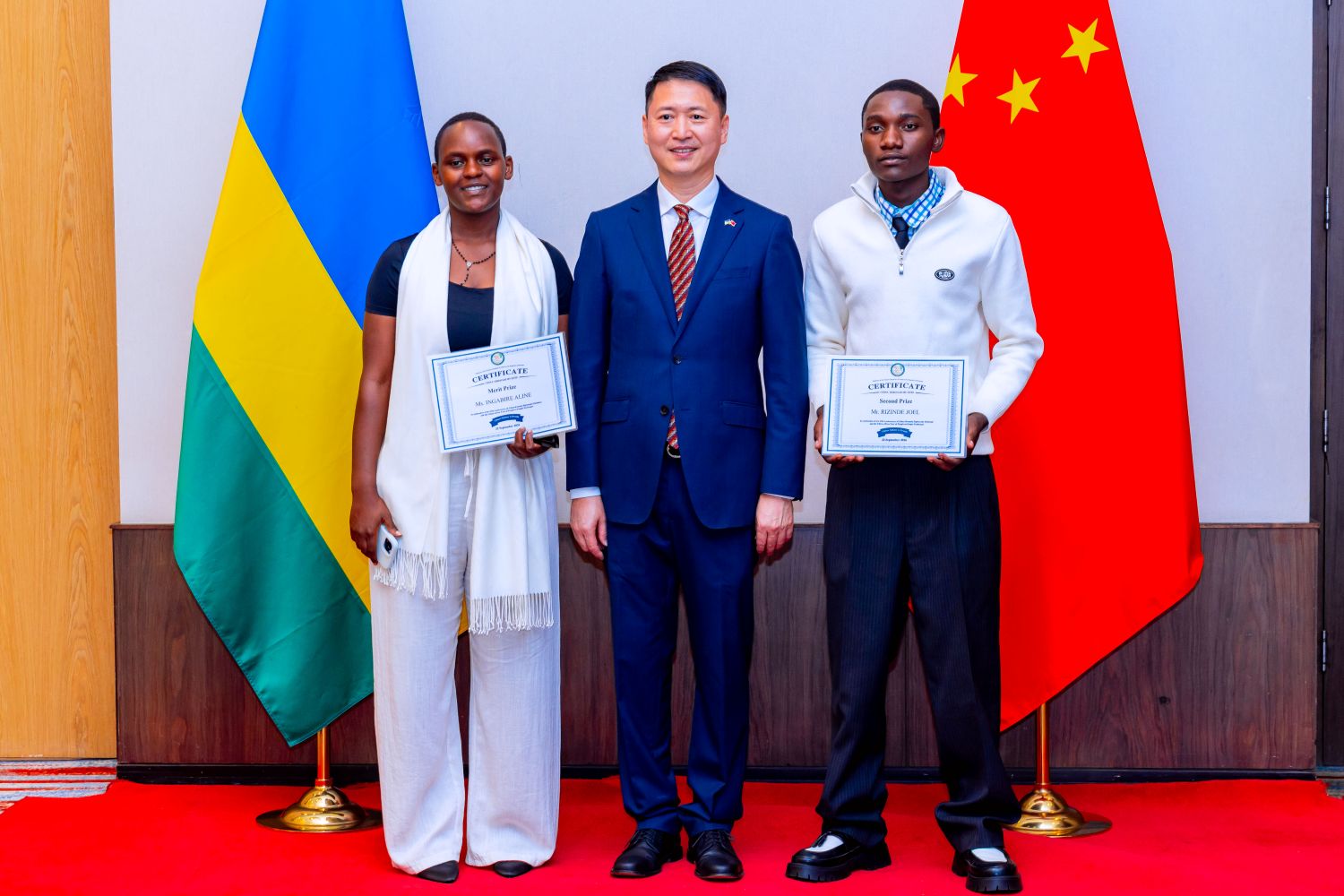
The ceremony, held at the Kigali Marriott Hotel, brought together government officials, diplomats, members of the Chinese community and other guests to celebrate the longstanding ties between Rwanda and China.Chinese Ambassador to Rwanda Gao Wenqi and members of the Chinese delegation take Minister of State for Foreign Affairs Dr Usta Kaitesi on a tour of an exhibition during the reception at the Kigali Marriott Hotel on September 22, 2026.Chinese Ambassador to Rwanda Gao Wenqi poses for a photo with Israeli Ambassador to Rwanda Einat Weiss during the reception at the Kigali Marriott Hotel on September 22, 2026.Chinese Ambassador to Rwanda Gao Wenqi poses for a photo with British High Commissioner to Rwanda Alison Thorpe during the reception at the Kigali Marriott Hotel on September 22, 2026.The ceremony marked the 77th anniversary of the founding of the People’s Republic of China and 55 years of diplomatic relations between China and Rwanda.Chinese Ambassador to Rwanda Gao Wenqi poses for a photo with representatives of security organs during the reception at the Kigali Marriott Hotel on September 22, 2026.The colorful ceremony featured various cultural performances, including a traditional Chinese dragon dance.IGIHE journalist Rania Umutoni was among the participants awarded during the National Day reception after winning first prize in the “China Through My Eyes” competition for her story showcasing her experience of China.Several participants were recognised at the ceremony.
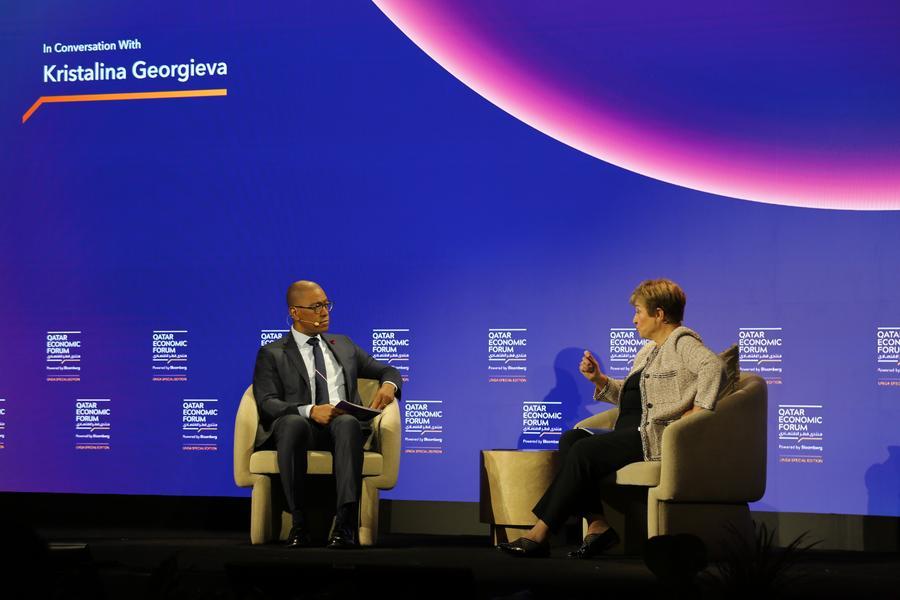
Speaking in a dialogue at a special edition of the Qatar Economic Forum in New York City on Sunday, Georgieva said, “Inflation is stubborn. We are not anticipating a quick resolution. And that means that many central banks have to tighten.”
Georgieva noted that the fight to secure price stability also increased the cost and difficulty of debt service. There is a lot of understanding of the necessity of fiscal consolidation, but not enough action, she added.
Moreover, Georgieva highlighted the potential risks from leverage and circular financing in AI investment, saying this is “something that we have to be mindful of.”
“If AI disappoints, because we have these high expectations, if they don’t materialize, disappointment may lead to potentially a shock to the system,” warned Georgieva.
Risk in AI financing is “primarily concentrated in the United States” while many other players in Asia and Europe are included in the supply chain of AI, added Georgieva.
The IMF’s new projection on the world economy to be released in October will reflect the fact that the risks will remain high, according to Georgieva.
“Having growth that would be hovering around 3 percent is a massive achievement, given all the shocks we have been experiencing,” said Georgieva.
Georgieva said she saw optimism from remarkable, fast action when it’s necessary to counter the energy supply shock.
“While there is a lot of talk about a fragmented world. And indeed, it is less unified. It is still a world in which we are interdependent and we cooperate,” said Georgieva.
“We have to be careful and cautious. The risks are high and uncertainty is the new normal,” she added.
Kristalina Georgieva (R), managing director of the International Monetary Fund (IMF), speaks in a dialogue at a special edition of the Qatar Economic Forum in New York City, the United States, September 20, 2026.
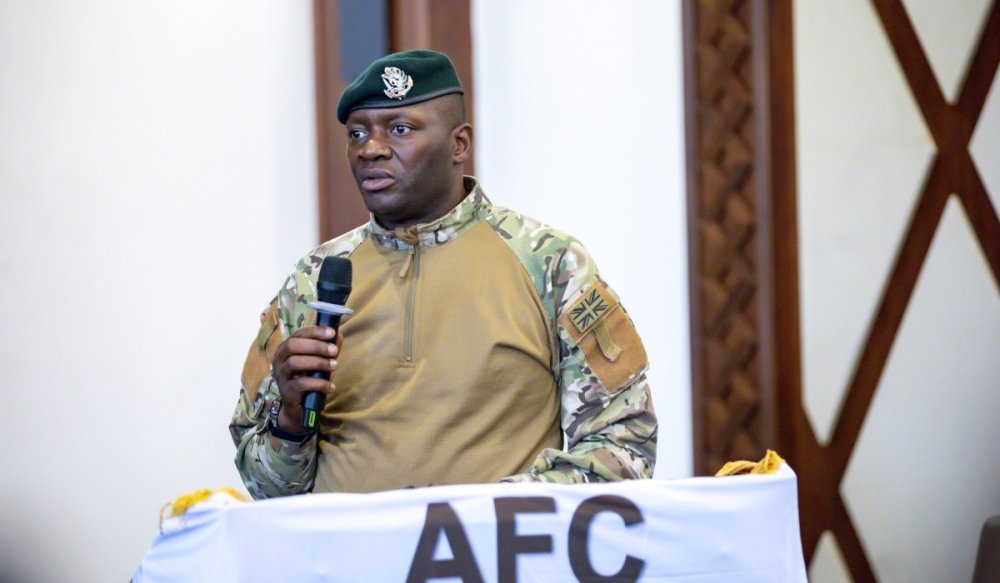
In a post on X on Tuesday, September 15, AFC/M23 spokesperson Lawrence Kanyuka said the attacks took place in the morning, resulting in deaths and forcing civilians to flee their homes in search of safety.
He said the first attack was launched at around 8:30 a.m., followed by another at 9:30 a.m. in the Ntekomiko and Kareta areas of Masisi.
Kanyuka added that at around 11:30 a.m., DRC government forces launched another attack in the Point-Zéro area using ground troops.
“Currently, AFC/M23 forces continue to protect and defend civilians,” he wrote.
The accusations come despite an agreement by the two sides to observe a ceasefire and establish a joint mechanism to monitor compliance with the truce.
AFC/M23 spokesperson Lawrence Kanyuka said the attacks took place in the morning, resulting in deaths and forcing civilians to flee their homes in search of safety.
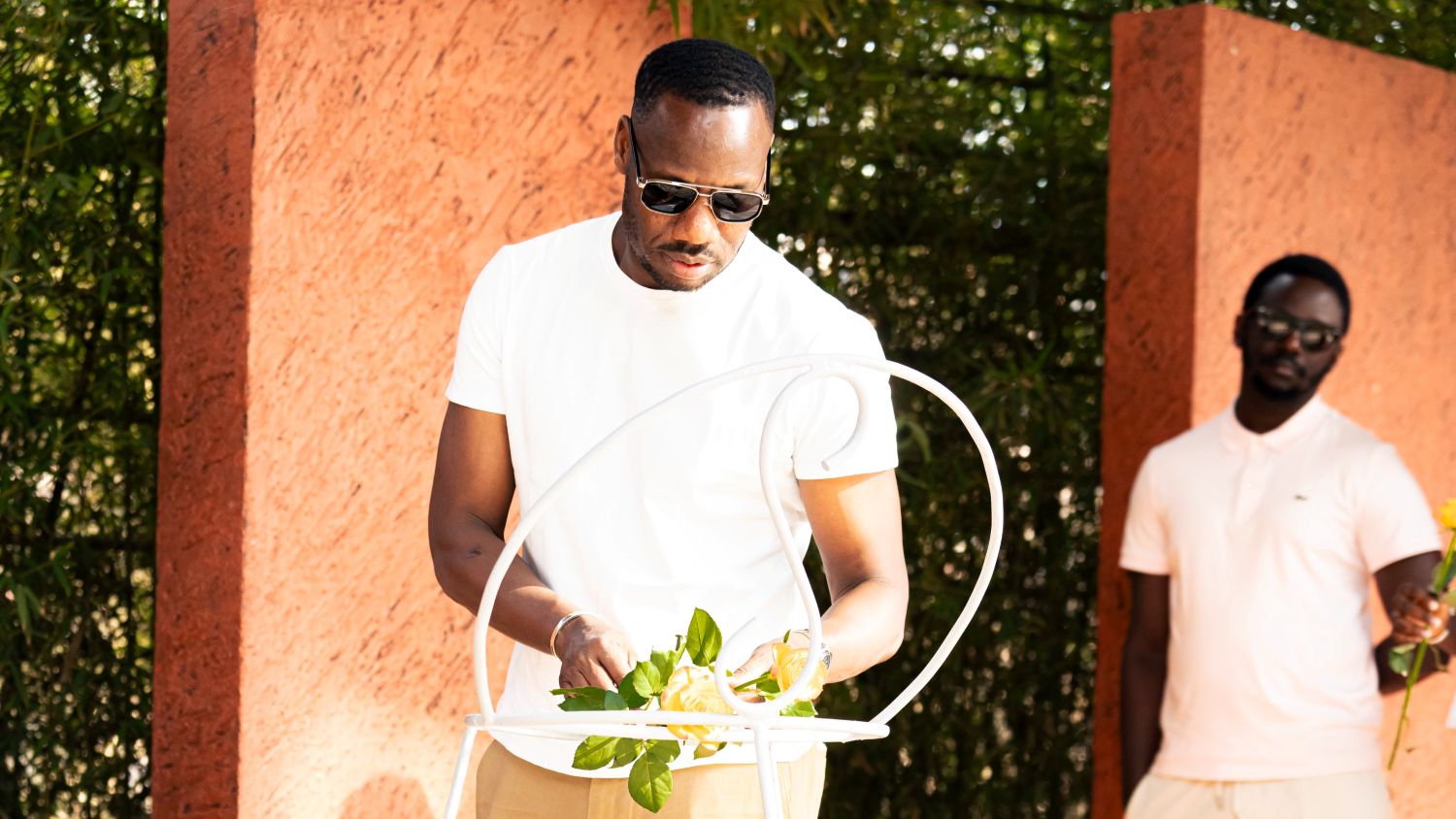
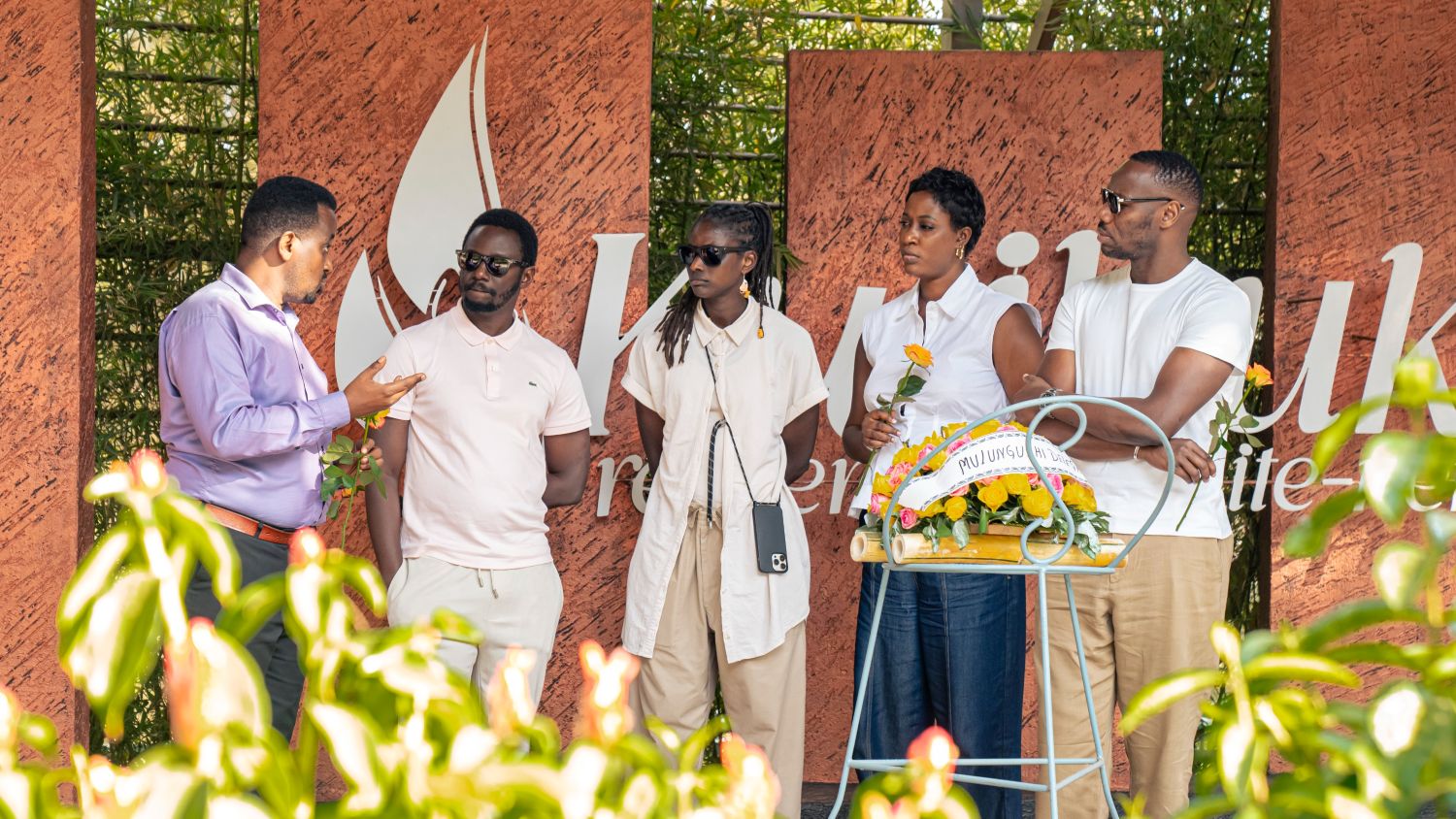
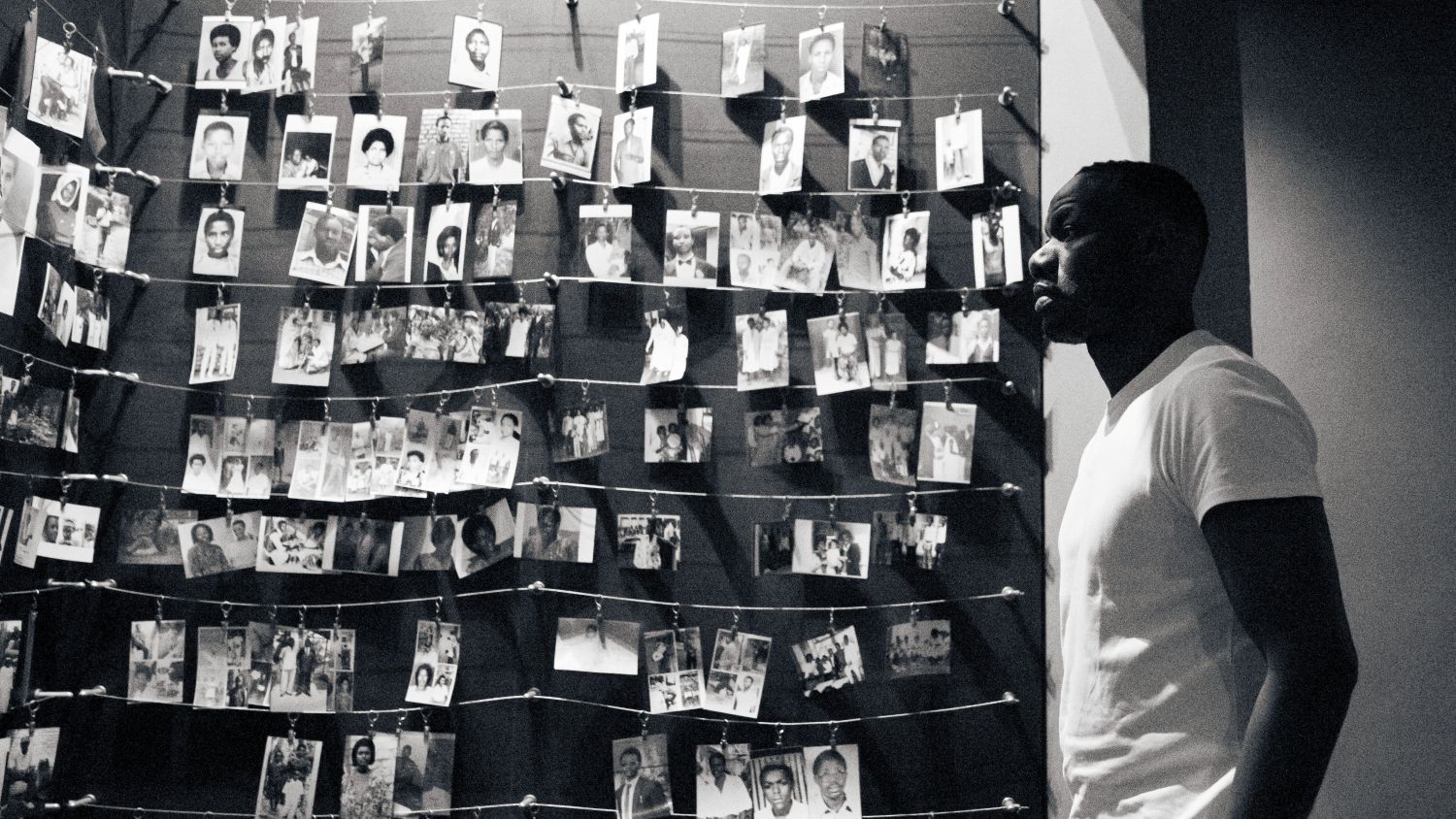
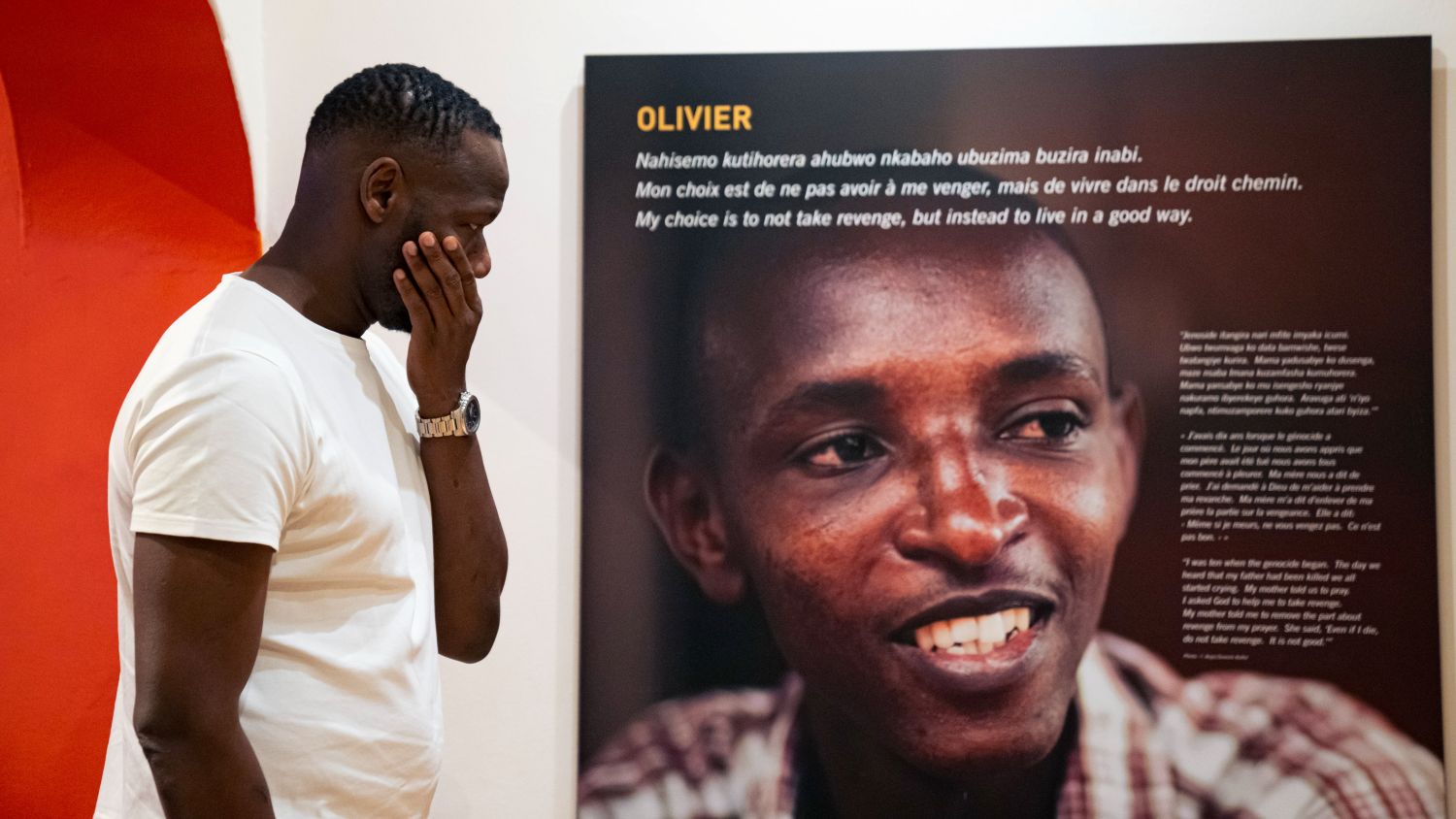
In a statement on Monday, the Kigali Genocide Memorial said Thiaw honoured the victims and learned more about the history of the Genocide against the Tutsi during a tour of its exhibits.
Located in Gisozi, Kigali, the memorial is the final resting place of more than 250,000 victims of the Genocide against the Tutsi. It also serves as a centre for remembrance and education, documenting the events of 1994, when more than one million people were killed in just 100 days.
Thiaw was in Rwanda for the SportsBiz Africa Forum, held at the Kigali Convention Centre on September 10 and 11, 2026, where he joined sports leaders, investors and other stakeholders in discussions on the future of African sport.
His visit to Kigali came as part of a career that has made him one of the prominent figures in Senegalese football. As a player, Thiaw was part of Senegal’s celebrated 2002 generation that reached the quarter-finals of the FIFA World Cup in South Korea and Japan and finished runners-up at the Africa Cup of Nations the same year.
Thiaw also guided Senegal to a 1–0 victory over Morocco in the 2025 Africa Cup of Nations final in January 2026, although CAF later overturned the result and awarded Morocco a 3–0 victory. Senegal has appealed the decision at the Court of Arbitration for Sport, with a hearing scheduled for October 8, 2026.
Thiaw also became the first Senegalese footballer to feature in Spain’s La Liga. His playing career included spells in France, Switzerland, Russia and Spain, while he earned 16 international caps for Senegal.
After retiring from playing, he turned to coaching and earned both UEFA A and CAF A coaching licences.
While in Rwanda, Thiaw met State Minister for Youth and Arts Development Sandrine Umutoni, with their discussions focusing on the role of sports, arts and culture in empowering African youth and expanding economic opportunities.
They also discussed talent development, entrepreneurship and preparing athletes and young professionals for life beyond their active sporting careers, as well as opportunities for young people to use digital platforms and artificial intelligence to market and showcase their talent internationally.
Thiaw also met members of the Executive Committee of the Rwanda Football Federation (FERWAFA), led by First Vice-President Me Claudine Gasarabwe, who is serving as acting president. Their discussions focused on Rwanda’s efforts to develop and strengthen domestic football structures.
During his stay, he visited Rwanda’s national U-20 team and its technical staff during their training camp, where he shared lessons from his coaching journey and offered mentorship on leadership, resilience and player development.
At the SportsBiz Africa Forum, Thiaw was among speakers addressing sports leaders, investors and other stakeholders. His discussions focused on leadership and resilience in African sport, the pressures facing coaches, accountability and the need to build sustainable pathways for football development across the continent.
Located in Gisozi, Kigali, the memorial is the final resting place of more than 250,000 victims of the Genocide against the Tutsi. The Kigali Genocide Memorial said Thiaw honoured the victims and learned more about the history of the Genocide against the Tutsi during a tour of its exhibits.
Following a string of vessel attacks and seizures since April, the International Maritime Organization (IMO), a specialized agency of the United Nations regulating maritime transport, issued a warning on August 24 highlighting the rise in piracy and confirming that over 90 seafarers remain held hostage by pirate networks.
Experts emphasize that a persistent lack of economic opportunities, compounded by widespread illegal fishing by foreign vessels, is driving more Somalis toward piracy, viewed by many both as a form of socio-economic protest and a desperate survival strategy.
Mohamed Husein Gaas, director of the Raad Peace Research Institute, a think tank, noted that the security vacuum created as international naval forces shifted attention to the Red Sea crisis has given Somali pirate networks renewed operational freedom.
“Somali piracy is back not because the underlying problem disappeared, but because the security architecture that suppressed it has weakened,” Gaas told Xinhua in a recent interview in Mogadishu, the capital of Somalia.
He noted that while international naval patrols and vessel defense measures previously suppressed piracy, root causes like weak coastal enforcement, poverty, and lack of governance remained unresolved.
“Piracy was suppressed, not solved,” Gaas said.
Gaas said that the Houthi conflict has “changed the equation” by shifting shipping routes and diverting naval resources, creating ripple effects for maritime traffic near Somalia.
However, he cautioned against treating allegations of direct operational ties between Houthi networks and Somali pirate groups as established fact.
Meanwhile, commercial consequences are mounting in the region.
Abdirizak Sabriye, a member of the Somali Chamber of Commerce and Industry, the apex umbrella body for Somalia’s private sector, noted that global ocean carrier Maersk has suspended new bookings to and from the Port of Berbera in northern Somalia citing operational scheduling conflicts and broader regional route realignments.
While Sabriye did not link the decision solely to piracy, he emphasized that it underscores the widespread logistics disruption hitting Horn of Africa trade.
For Somalia, an import-dependent economy, prolonged maritime disruptions threaten to drive up freight and insurance premiums, tighten domestic supply chains, and trigger consumer price inflation.
Yusuf Mohamed Mahadale, a prominent capital goods importer known locally as “Shakirow”, said that these cost pressures are already spilling over into local markets.
“The prices of construction materials, fuel and even cooking gas have risen sharply in recent months,” Shakirow said, linking the price hikes directly to growing risks along shipping routes and the broader regional maritime crisis.
Because much of Somalia’s construction material is imported from China, Shakirow emphasized that the Indian Ocean-Gulf of Aden corridor serves as a vital economic lifeline for Somali businesses.
“When shipping companies avoid taking such risks, supply becomes tighter while market demand remains high,” Shakirow told Xinhua.
Analysts have warned that the long-term economic fallout could escalate significantly if piracy evolves from isolated incidents into a sustained, systemic threat to Indian Ocean trade corridors.
“If piracy becomes sustained, shipping companies could again avoid the Gulf of Aden, raising insurance, freight and fuel costs and ultimately consumer prices,” Gaas said.
“For Somalia, that would mean higher import costs and weaker maritime investment, while the wider region and global trade would absorb the larger shock,” he cautioned.
Rising piracy highlights a shift in regional security dynamics as Western naval forces pivot toward broader Middle Eastern conflicts, opening space for Turkey, China, and Gulf nations to expand their influence around the Red Sea.
To address these vulnerabilities, a Somali government official stated that Mogadishu plans to join the Mecca Joint Defense Agreement with Saudi Arabia, Turkey, and Pakistan.
Speaking on condition of anonymity, the official noted Somalia will also consult with China to strengthen its naval capabilities and reduce reliance on Western defense coalitions.
Though Somalia’s potential entry into the defense pact remains an unconfirmed diplomatic effort, Mogadishu is expanding domestic counter-piracy operations.
The foreign ministry reported ongoing land and sea interventions, highlighting the August 29 liberation of the hijacked cargo ship MV Lutuf as a key success.
“Somalia will not permit its waters to become a haven for maritime crime,” the ministry said.
The government is calling for international naval support to align with its national security framework and bringing the piracy issue before the UN Security Council, supported by Parliament’s recent passage of updated anti-piracy legislation.
Gaas noted that naval patrols are insufficient on their own, arguing that lasting solutions depend on strong coastal governance, improved enforcement, and genuine economic opportunities for local communities.
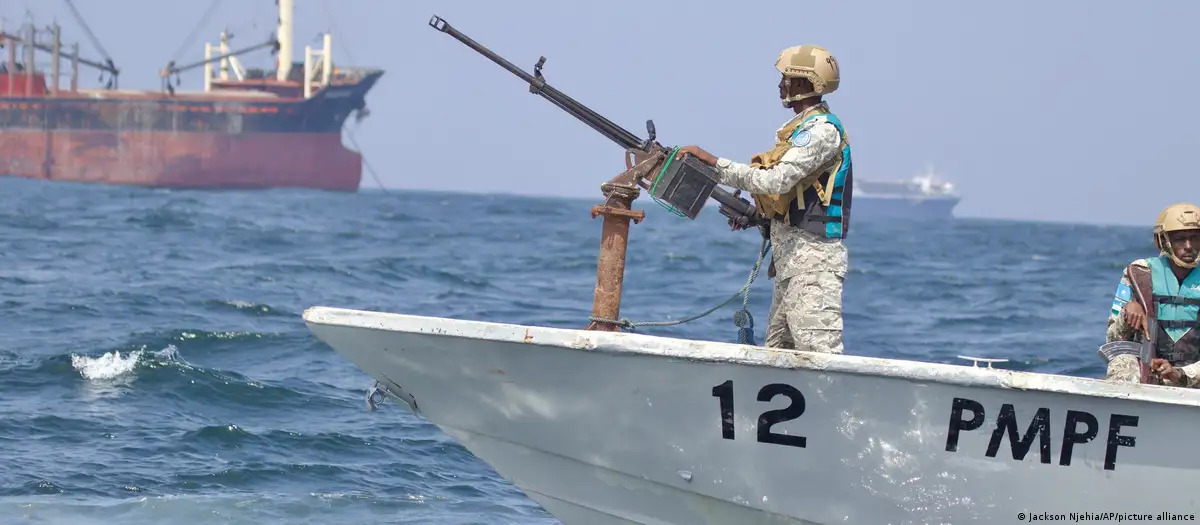
A resurgence of Somali piracy off the northeastern coast and in the Gulf of Aden is growing amid Red Sea security risks, threatening global shipping costs and commodity prices to push up, analysts warned.
The disclosure appears in Anthropic’s September 2026 threat intelligence report, “Detecting and countering misuse of AI,” which the company published on September 10, 2026, documenting cases of AI misuse it disrupted between December 2025 and August 2026.
According to the report, the network operated 70 fake news websites, built to look like independent local newsrooms, each paired with matching X accounts and amplified by more than 250 inauthentic commenting accounts, many using AI-generated profile photos.
Anthropic traced the operation to LKM Company, a France-based digital advertising agency, and said it used Claude to both write original articles and rewrite real news stories from legitimate journalists into politically slanted versions tailored to different national audiences.
The network published at least 8,913 articles in about 20 languages, targeting audiences across six continents, according to the report.
A concentrated push on the DRC-Rwanda conflict
Within that global network, the DRC received outsized attention. Anthropic’s investigators found 318 articles specifically focused on the Democratic Republic of Congo, the largest country-specific cluster of content identified in the entire operation. The stories, the report says, “typically supported the DRC government’s stance,” with a specific focus on regional mineral deals and tensions with Rwanda.
The DRC-focused page became the network’s most-shared and most-popular property during its early weeks, and the majority of fake follower accounts acquired in that period were tied to DRC audiences, according to Anthropic. An X account presenting itself as a Congolese civilian “digital army” was also observed following several of the network’s accounts.
Anthropic pinpointed September 11, 2025, as a clear signal of coordinated activity: multiple sites in the network published nearly identical articles about the DRC-Rwanda conflict within three minutes of each other, with the tone adjusted for different regional audiences while distribution was coordinated simultaneously across the network’s X accounts.
Anthropic, while linking the network to an “influence-as-a-service” model, said it had banned the accounts associated with the network and developed new detection measures based on the operation’s behavioural signatures to identify similar activity in the future.
Kigali has long rejected the Kinshasa narrative
The findings land against the backdrop of a conflict in which Rwanda has repeatedly and publicly rejected the characterisation of itself as the aggressor or as a beneficiary of Congolese mineral wealth, the same narrative elements the fake network was found to be amplifying.
In a February 3, 2025, interview with CNN’s Larry Madowo, at the height of the fighting between the Congolese army and AFC/M23 rebels, President Paul Kagame said the war in eastern DRC “was not started by Rwanda; it was started by the DRC.” He argued that the M23 rebels fighting in the region are Congolese, not Rwandans, and are “fighting for their rights” after years of persecution and failed negotiations with Kinshasa.
He linked Rwanda’s tension with DRC to Kinshasa’s continued tolerance of the Democratic Forces for the Liberation of Rwanda (FDLR), a militia group formed by individuals involved in the 1994 Genocide against the Tutsi, which operates freely in the DRC with government support.
Kagame also dismissed accusations, frequently made by Congolese officials and echoed in some international reporting, that Rwanda profits from DRC’s mineral resources.
“I invite you to come and see where we mine coltan,” he told CNN, arguing that Rwanda has its own mineral deposits and does not depend on Congolese resources.
A year later, on February 5, 2026, during the opening of the 20th Umushyikirano National Dialogue Council in Kigali, the President maintained that such claims were illogical and deliberately ignored the real drivers of insecurity in the region.
“The war in DRC was not started by Rwanda. It began somewhere else, not in Rwanda,” he said. “The real issue Rwanda faces involves the Interahamwe, who are tied to the ideology of genocide and continue to plot, saying, ‘We are coming to finish what we started.’”
“Creating problems and blaming Rwanda is all that the international community does to Rwanda,” he added. “They treat Tshisekedi [President Felix Tshisekedi] as a spoiled child. There is no single blame that goes to the people who created this problem.”
The disclosure appears in Anthropic’s September 2026 threat intelligence report, “Detecting and countering misuse of AI,” which the company published on September 10, 2026, documenting cases of AI misuse it disrupted between December 2025 and August 2026.
The meeting took place ahead of the International Space Summit, which is being held in Paris on September 9-10.
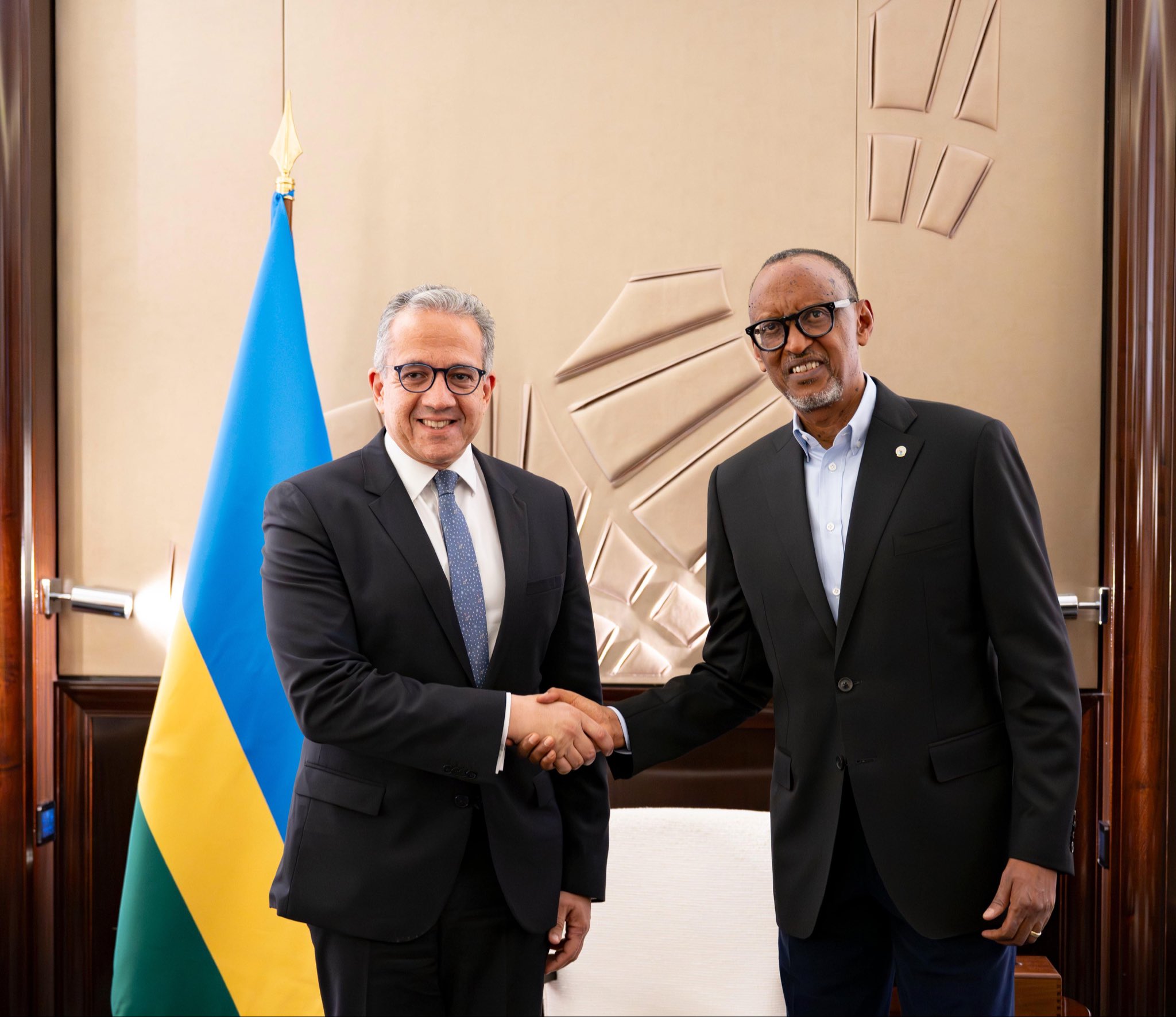
According to a statement from the Office of the President, Kagame and El-Enany discussed Rwanda’s cooperation with UNESCO in key areas including education, science and technology, cultural heritage and the preservation of memory.
Rwanda has two properties inscribed on the UNESCO World Heritage List, both added in September 2023 during the 45th session of the World Heritage Committee.
Nyungwe National Park was inscribed as a natural heritage site in recognition of its rainforest ecosystem, rich biodiversity and importance as a habitat for endangered species, including the eastern chimpanzee.
The second inscription, the Memorial Sites of the Genocide: Nyamata, Murambi, Gisozi and Bisesero, is a serial cultural heritage site comprising four memorial sites dedicated to preserving the memory of the 1994 Genocide against the Tutsi.
The inscription placed the sites on the global heritage list and recognised their importance in preserving memory and educating future generations about the genocide.
UNESCO, the United Nations Educational, Scientific and Cultural Organization, works through international cooperation in education, science, culture and information. Its mandate includes protecting cultural and natural heritage, supporting education systems, promoting scientific cooperation and safeguarding freedom of expression and access to information.
Kagame’s meeting with El-Enany came a day after his visit to Oman, where Rwanda and Oman signed two agreements and six MoUs covering areas including trade, investment, agriculture and logistics. The two countries also agreed to open residential embassies in each other’s capitals.
In Paris, Kagame is also attending the International Space Summit, co-organised by France and Germany and hosted by French President Emmanuel Macron.
The September 9-10 summit brings together nearly 120 foreign delegations, including political leaders, astronauts, scientists and representatives of the space industry.
The summit focuses on strategic autonomy, space capabilities, security, regulation and the sustainable use of outer space.
The meeting between President Kagame and UNESCO Director-General Khaled El-Enany took place ahead of the International Space Summit, which is being held in Paris on September 9-10.
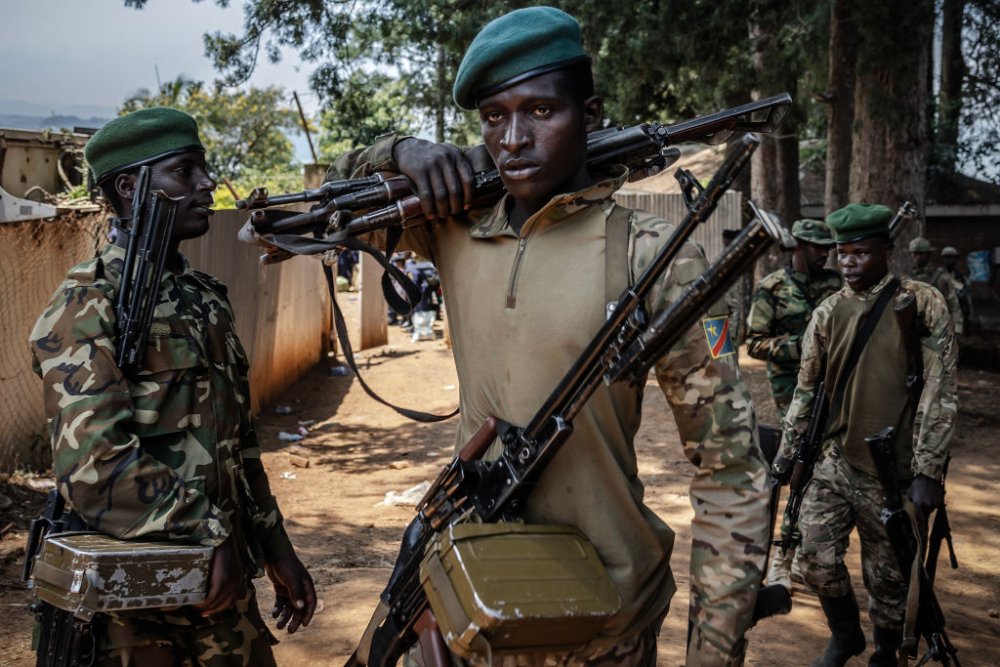
Reports indicate that the fighting is concentrated southwest of Masisi town, particularly in Nyamaboko I groupement, where AFC/M23 fighters are mainly facing Wazalendo militias supporting FARDC.
The clashes intensified after AFC/M23 captured Ngululu and advanced towards Humura and Kazinga. The advance has brought fighting and pressure closer to Kyumba and Langira in Walikale Territory.
A separate front has emerged south of Masisi, in Ufamandu I groupement, where AFC/M23 controls the areas of Miko, Kaleta and Remeka.
Wazalendo fighters are attempting to retake some of these positions, which are about 15 kilometres from Biriko, one of the first towns reached on the route into Walikale.
Further north, FARDC and Wazalendo fighters are seeking to push AFC/M23 from Chad Hill, Kasumba and the village of Kazumba. Reports indicate that AFC/M23 has deployed additional fighters to reinforce its positions in Ihula.
East of Walikale town, AFC/M23 is also strengthening its positions in Kashebere and Kibati, where its fighters face government forces deployed along the Mungazi-Kibua line.
Fighting has also continued in the highlands of Fizi, Uvira and Mwenga territories in neighbouring South Kivu Province.
In those areas, FARDC and Wazalendo fighters are engaged in clashes with AFC/M23 and the Twirwaneho armed group, which is aligned with the coalition.
AFC/M23, which has cited the marginalisation of Kinyarwanda-speaking communities and poor governance as reasons for its armed struggle, says it is continuing to defend its positions, particularly around an area known as Point Zéro.
The clashes intensified after AFC/M23 captured Ngululu and advanced towards Humura and Kazinga. The advance has brought fighting and pressure closer to Kyumba and Langira in Walikale Territory.
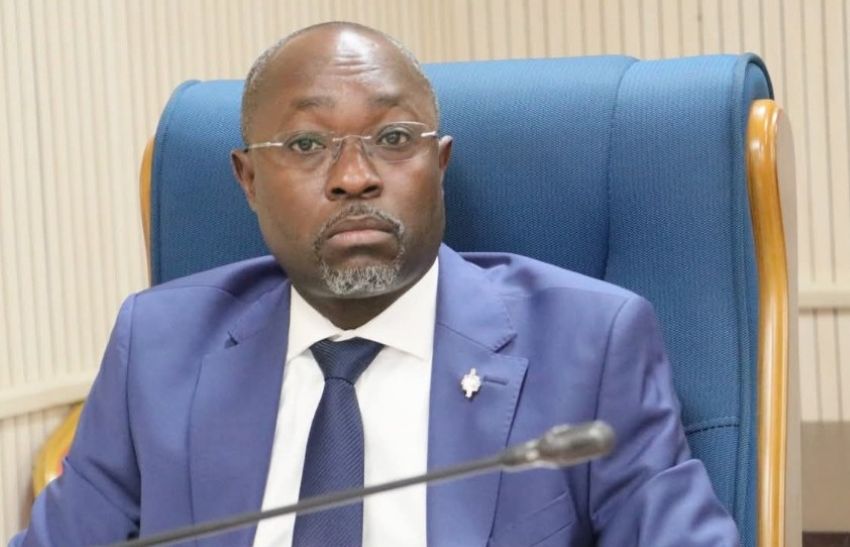
Yembi was arrested on September 3, 2026, following the incident, according to Gabon’s Ministry of Foreign Affairs and Cooperation.
Videos circulating on social media show the lawmaker slapping a RwandAir employee at the airport. He is also seen confronting other people who approached as they attempted to intervene.
Gabonese Foreign Affairs Minister Marie Edith Tassyla-Ye-Doumbeneny said Yembi remained in detention for several days before Rwandan authorities authorised him to leave the country on September 6, 2026.
The minister said the decision took into account the close and friendly relations between Gabon and Rwanda, as well as the relationship between President Paul Kagame and his Gabonese counterpart, Brice Clotaire Oligui Nguema.
“Because of the special brotherly relationship between the Republic of Gabon and the Republic of Rwanda, as well as the friendship that continues to be strengthened between President Paul Kagame and his counterpart, Oligui Nguema, Rwanda authorised Augustin Lobelle Yembi to leave Rwandan territory,” she said.
However, Yembi is expected to face legal proceedings in Gabon after his return to Libreville.
The Gabonese Foreign Affairs Ministry said he would be handed over to the country’s judicial authorities upon arrival for further proceedings.