The joint sitting of Romania’s bicameral parliament started at 11 a.m., with 431 of its 464 members present for the vote. Romania’s 464-seat parliament requires at least 233 votes to pass a no-confidence motion. A total of 288 lawmakers cast their votes, with three invalid ballots, leaving 285 valid votes.
Under the constitution, the Bolojan government will become an interim administration from the moment the vote passes, limited to handling routine administrative affairs. It will not be allowed to issue emergency ordinances or propose new legislation. The interim government’s term may not exceed 45 days.
The parties now enter negotiations to form a new government. Failure to do so could trigger a snap election.
The Social Democratic Party (PSD), the primary initiator of the motion, is willing to quickly find a solution “to have a government quickly,” and “all options are open,” said PSD President Sorin Grindeanu after the government was dismissed.
Catalin Predoiu, first vice president of the National Liberal Party (PNL), told local media Digi24 that this situation should not have happened, and negotiations between parties should continue.
Dominic Fritz, president of the ruling coalition member Save Romania Union (USR), said on social media that USR will “neither let the PSD and the Alliance for the Union of Romanians (AUR) drag Romania back to the past, nor enter into negotiations with the PSD to form a new government.”
Bolojan of the PNL took office in June 2025. However, its austerity policies and proposed sale of strategic state assets drew strong opposition from the PSD, the largest party in the original governing coalition.
In April, the PSD withdrew its political support and pulled all its ministers from the government, seeking Bolojan’s resignation but was rebuffed. The party then, together with major opposition parties and independents, submitted a no-confidence motion in late April.
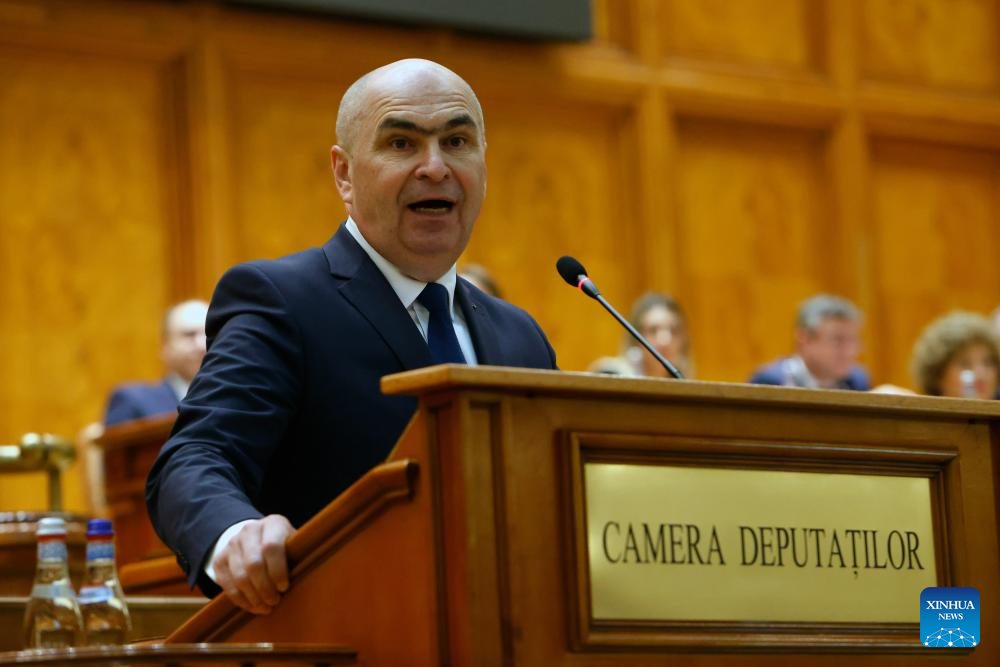
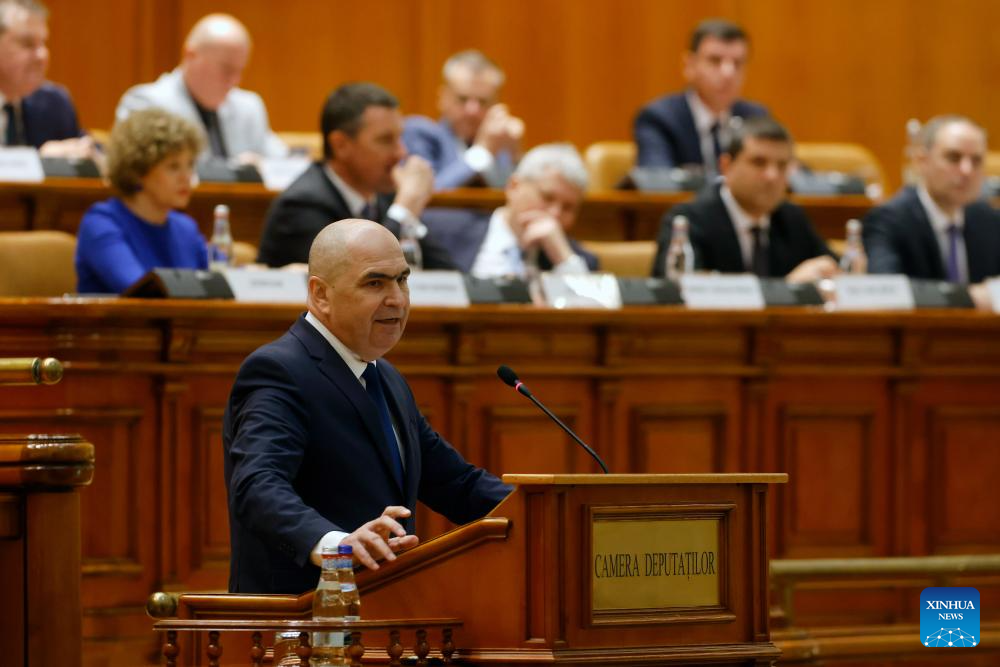
Romania’s Prime Minister Ilie Bolojan speaks during a no-confidence vote against his government at Parliament Palace in Bucharest, Romania, May 5, 2026. Romania’s bicameral parliament passed a no-confidence motion against Prime Minister Ilie Bolojan’s government on Tuesday, with 281 votes in favor and 4 against, bringing down the government, according to the parliament’s live broadcast of the vote.
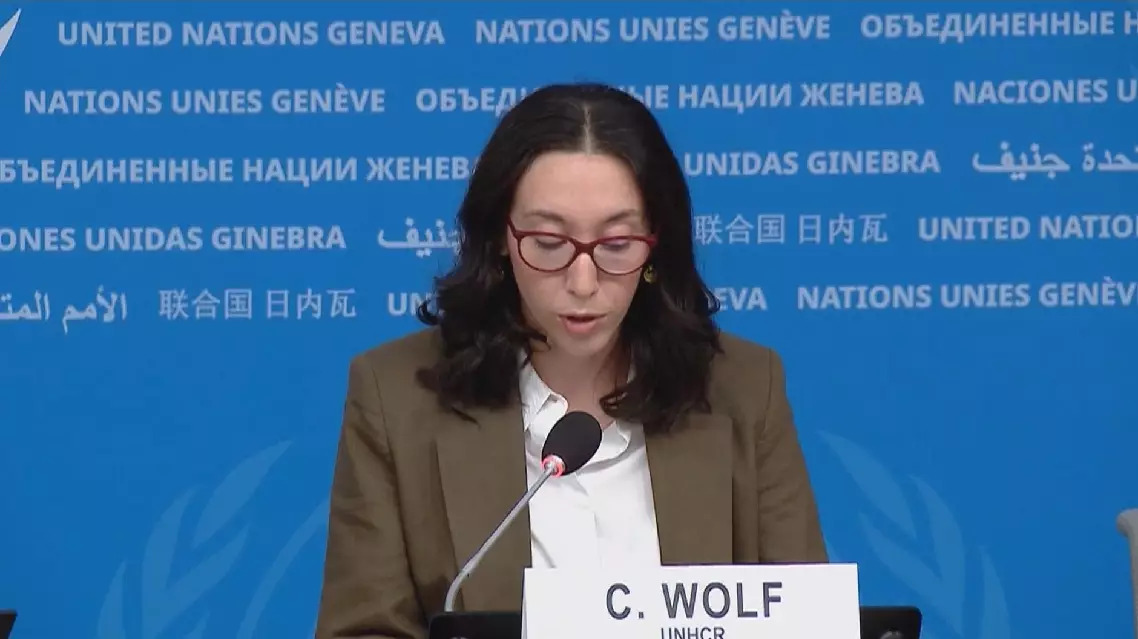
Heightened insecurity and instability around key Gulf routes, including the Strait of Hormuz, have disrupted maritime traffic. Rising fuel, food and freight costs worldwide are driving up prices and delaying the delivery of critical supplies, Carlotta Wolf said at a regular press briefing.
These rising costs “disproportionately affect people who are already living in emergencies, including millions of refugees and displaced people who are among the hardest hit, while also reducing the ability of aid agencies to deliver timely assistance,” she said.
The closure of key maritime routes has forced greater use of longer and more expensive alternatives, leading to increased transit times and operational complexity. Freight rates from key sourcing countries have risen by nearly 18 percent since the start of hostilities, while the capacity of UNHCR’s global transport providers has dropped from 97 to 77 percent since the start of this year, Wolf said.
“For some shipments, costs have more than doubled, such as transport costs for relief items from UNHCR global stockpiles in Dubai to our Sudan and Chad operations,” Wolf said.
The UNHCR spokesperson expressed particular concern about the situation for Africa, home to many overlapping, “often tragically neglected” displacement crises.
In Kenya, where one of UNHCR’s global stockpiles is located, a recent fuel price increase of around 15 percent triggered delays and reduced truck availability for shipments to Ethiopia, the Democratic Republic of the Congo, and South Sudan. In Sudan, the cost of delivering aid has doubled in recent months, while rerouting shipments around the Cape of Good Hope adds up to 25 days in delivery times.
“If instability in the Middle East persists, rising costs, delays and limited transport capacity are likely to constrain humanitarian operations further,” Wolf stressed.
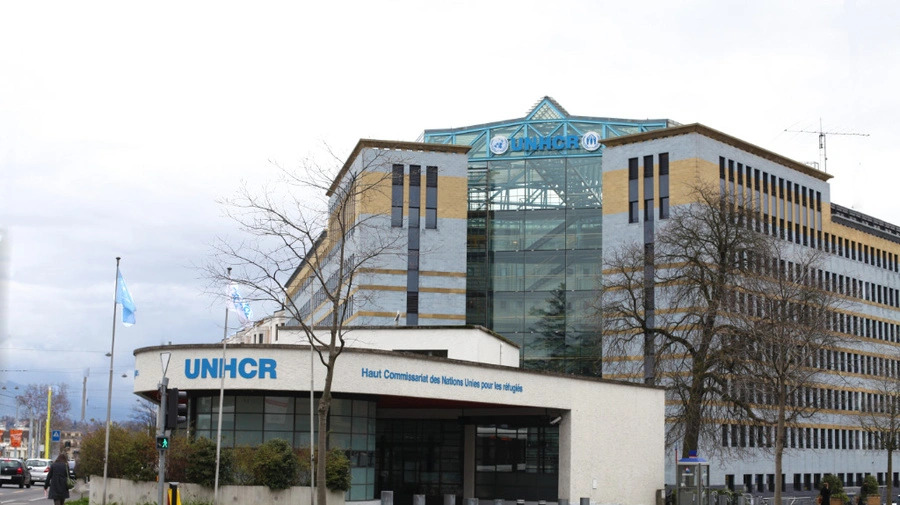
The Middle East crisis has generated far-reaching ripple effects well beyond the region, with growing consequences for global humanitarian supply chains and the delivery of aid, the United Nations High Commissioner for Refugees (UNHCR) spokesperson warned on Friday.
The two suspects are being investigated on allegations of disseminating false information, RIB spokesperson Dr Murangira B. Thierry confirmed to IGIHE.
“It is true that on May 1, 2026, RIB arrested Nsanzimana Augustin and Niyonshuti Emmanuel, suspected of spreading false information that could cause public fear. The offences were committed through social media platforms,” Dr Murangira said.
He added that the suspects are currently being held at RIB’s Remera station as investigations continue.
Spreading false information that may incite fear, unrest, or public disorder through a computer system is an offence punishable under Rwandan law.
The offence is outlined in Law No. 60/2018 of August 22, 2018, on the prevention and punishment of cybercrimes.
If found guilty, a person is liable to a prison sentence of between three and five years, and a fine ranging from 1 million to 3 million Rwandan francs.
Nsanzimana Augustin was arrested alongside Niyonshuti Emmanuel. They are being investigated over allegations of spreading false information through the YouTube channel ‘Imbarutso ya demokarasi’.
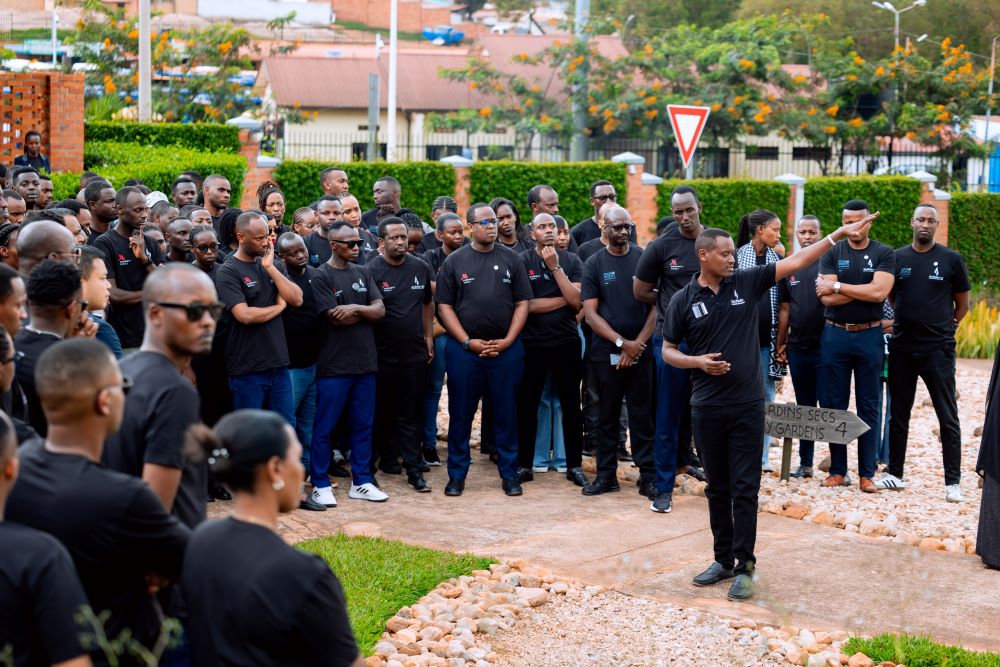
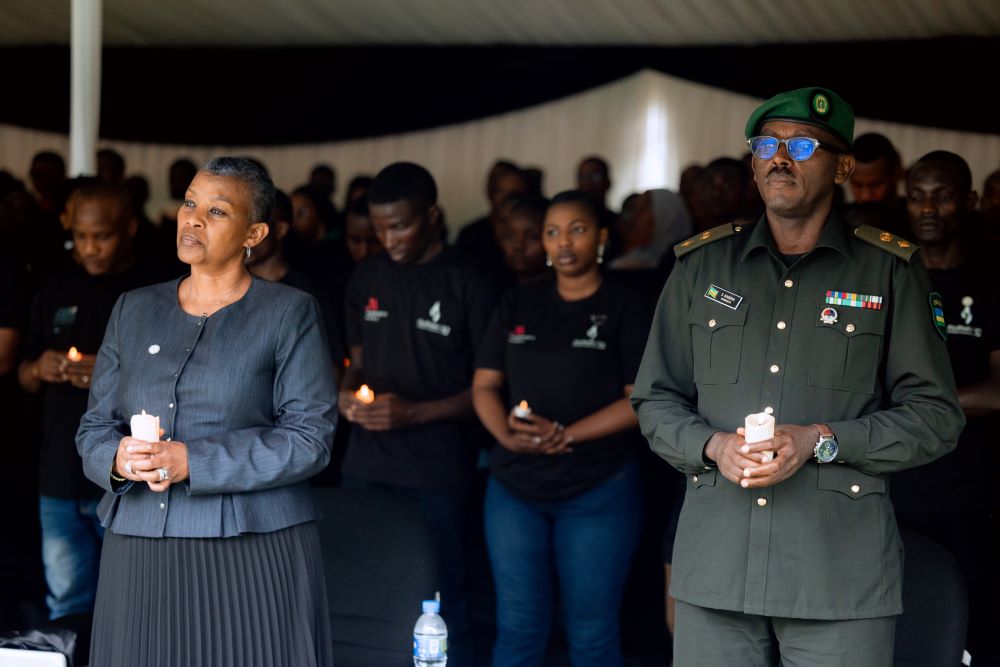
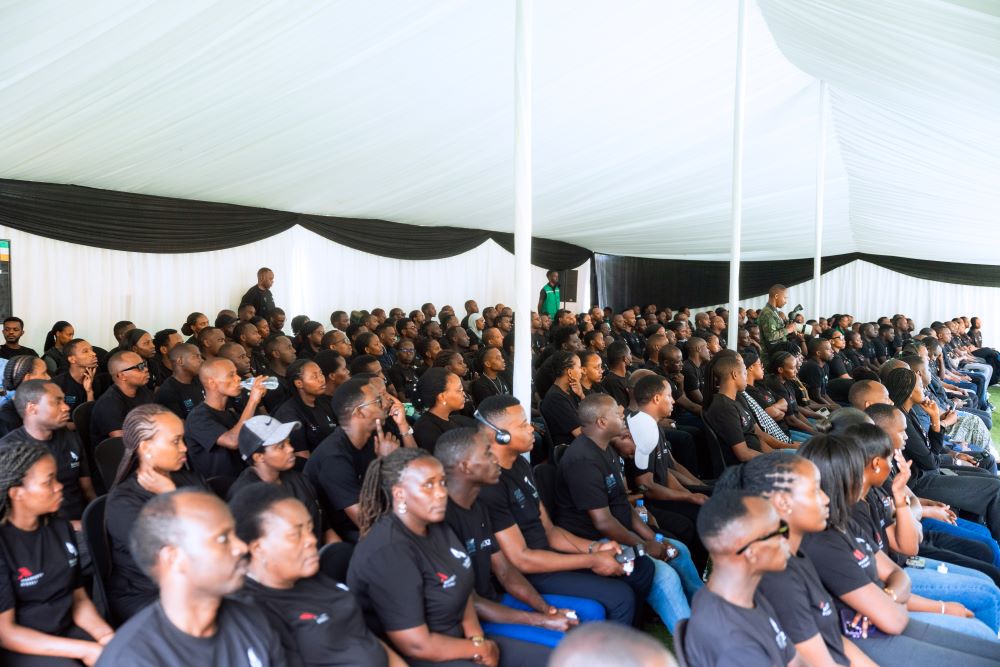
The visit, held on April 23, 2026, saw staff tour various sections of the memorial and receive a detailed briefing on how the Genocide was planned and executed. They were also taken through Rwanda’s post-genocide recovery journey.
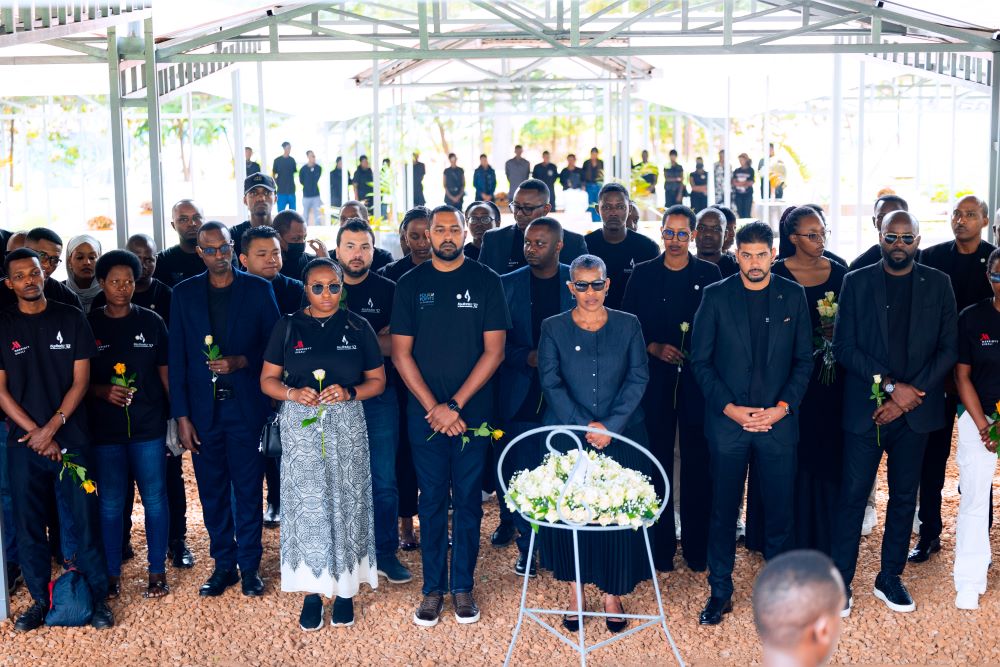
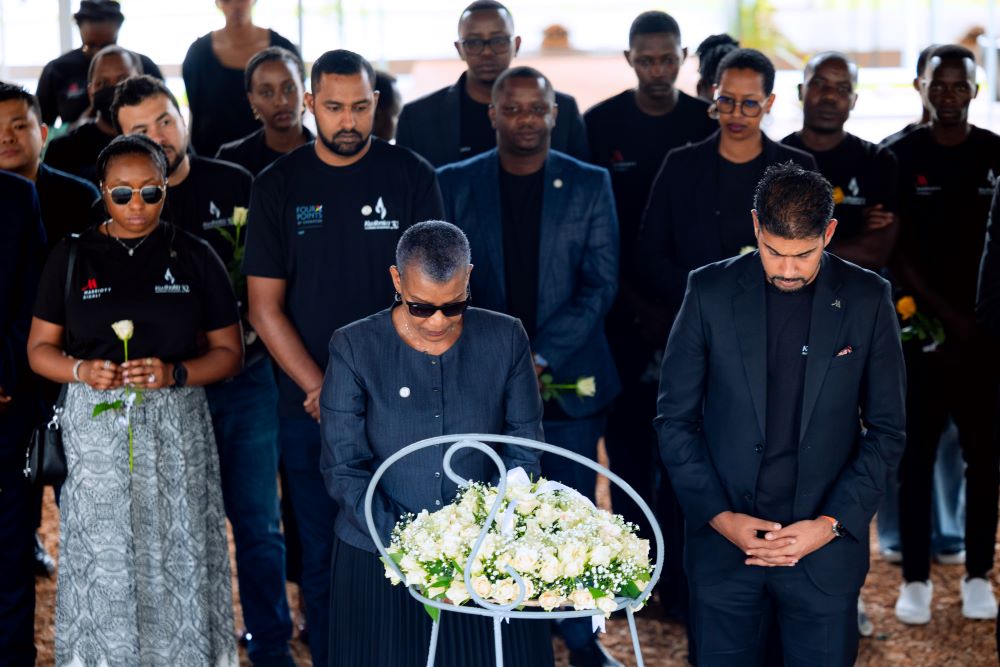
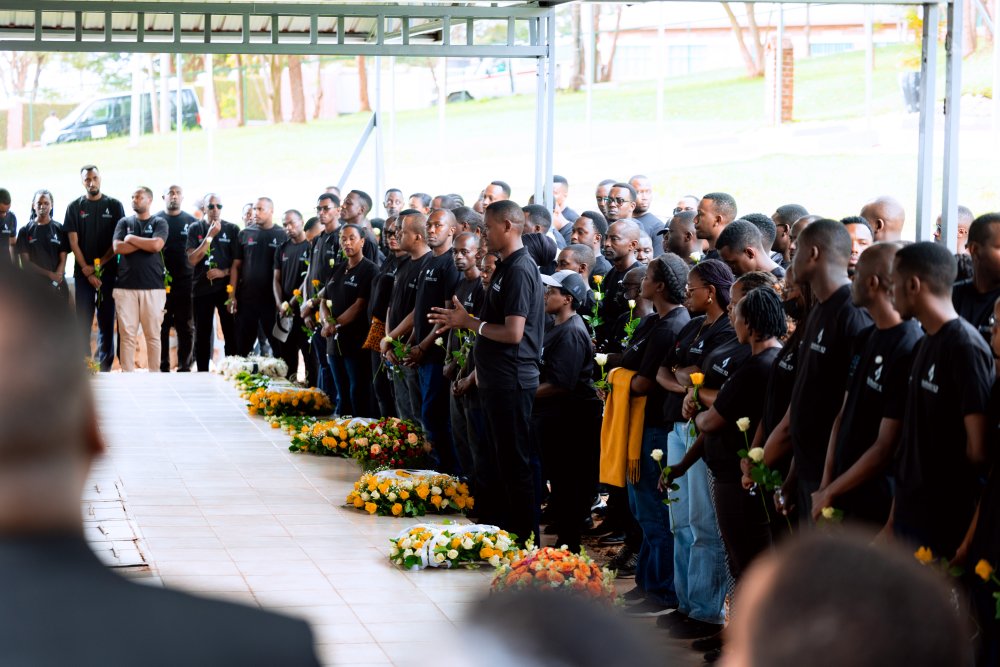
The employees later laid wreaths at the burial site where more than 105,000 genocide victims are laid to rest.
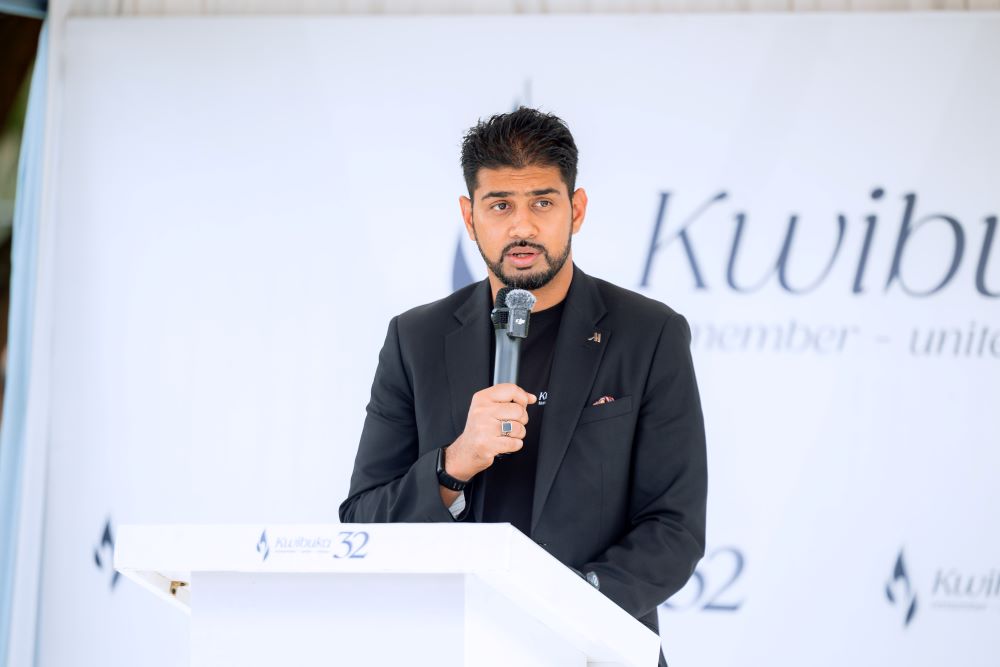
The General Manager of Kigali Marriott Hotel and Four Points by Sheraton, Aditya Chacko, encouraged staff, particularly young employees, to uphold values of unity, resilience, and responsibility in their daily work.
“The attitude of Rwandans, your courage, and your ambitions all demonstrate that you have chosen not to be defined by a painful past. I wish you continued progress,” he said.
The Deputy Spokesperson of the Rwanda Defence Force, Lt Col Simon Kabera, emphasized the importance of educating young people about the history of the Genocide against the Tutsi and the ideology that led to it.
He urged them to actively counter genocide denial and distortion, particularly on social media platforms widely used by youth.
“Our young people should learn how the Genocide was planned and executed, understand the path it took, and remain vigilant against those who still promote genocidal ideology so that it never happens again,” he said.
He further noted that commemorating the Genocide against the Tutsi is not only a national responsibility but also a shared human duty.
Karambizi Oleg Olivier, an official from the Ministry of National Unity and Civic Engagement responsible for strategies against genocide denial and revisionism, called on hotel staff to develop a deeper understanding of Rwanda’s history so they can accurately inform visitors.
He noted that, as hospitality workers engaging with many international guests, they have a responsibility not only to provide services but also to ensure visitors receive truthful accounts of Rwanda’s history, especially in cases where misinformation may exist.
Management of Kigali Marriott Hotel and Four Points by Sheraton Kigali reiterated their commitment to supporting Rwanda’s development agenda, including contributing to the country’s positioning as a leading tourism destination and supporting economic growth through job creation.
VIDEO: Staff from Kigali Marriott Hotel and Four Points by Sheraton Kigali recently visited the Nyanza Genocide Memorial as part of the 32nd commemoration of the 1994 Genocide against the Tutsi.
Speaking during the visit, Aditya Chacko, CEO of Kigali Marriott Hotel, emphasised… pic.twitter.com/0uVOwJGX2t
Employees of Kigali Marriott Hotel and Four Points by Sheraton paid a visit to the Nyanza Genocide Memorial in Kicukiro District The staff toured various sections of the memorial and received a detailed briefing on how the Genocide was planned and executed. They were also taken through Rwanda’s post-genocide recovery journey.The management and staff of Kigali Marriott Hotel and Four Points by Sheraton paid tribute to the victims laid to rest at the memorial site.The General Manager of Kigali Marriott Hotel and Four Points by Sheraton, Aditya Chacko, encouraged staff, particularly young employees, to uphold values of unity, resilience, and responsibility in their daily work.The employees laid wreaths at the burial site where more than 105,000 genocide victims are laid to rest.
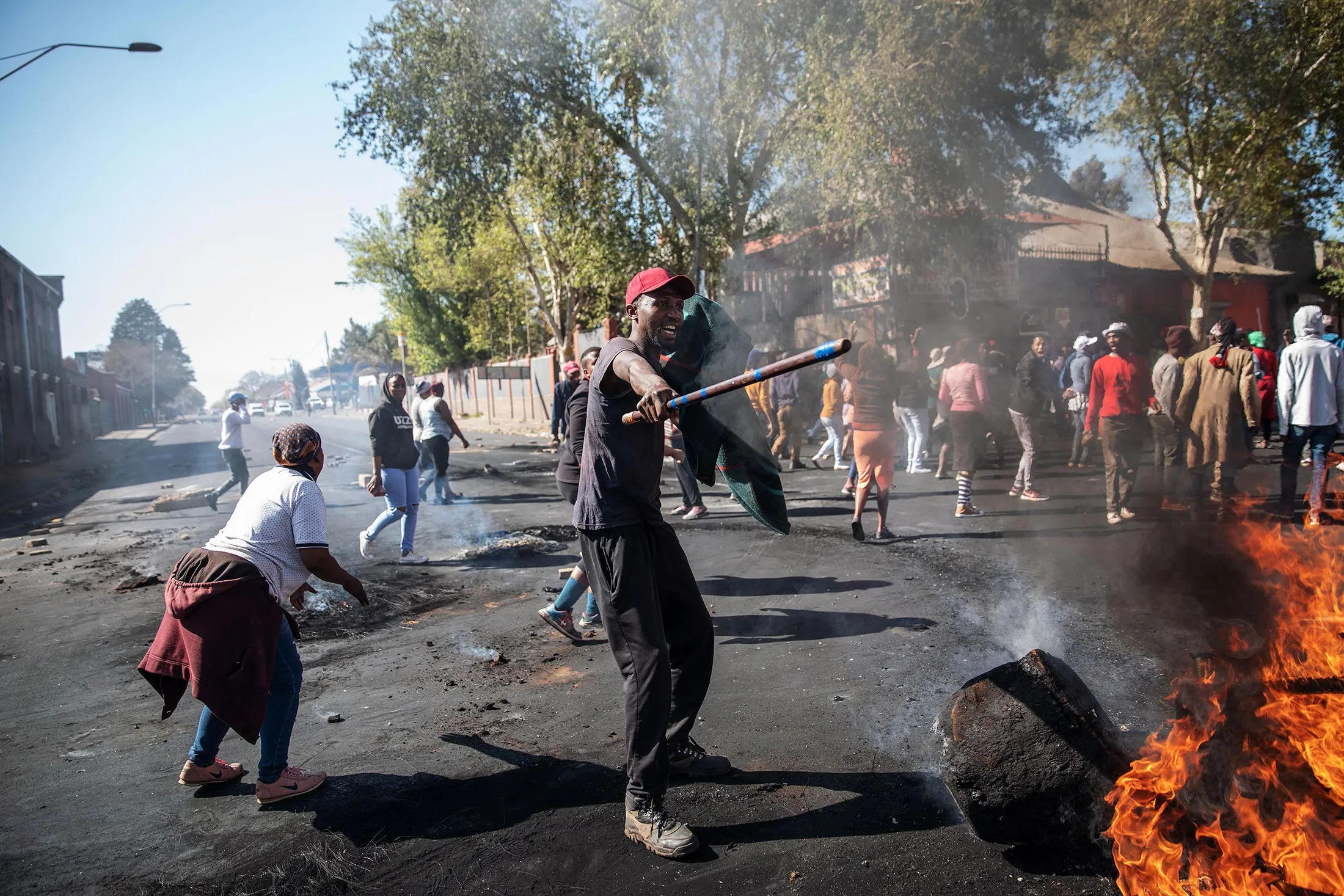
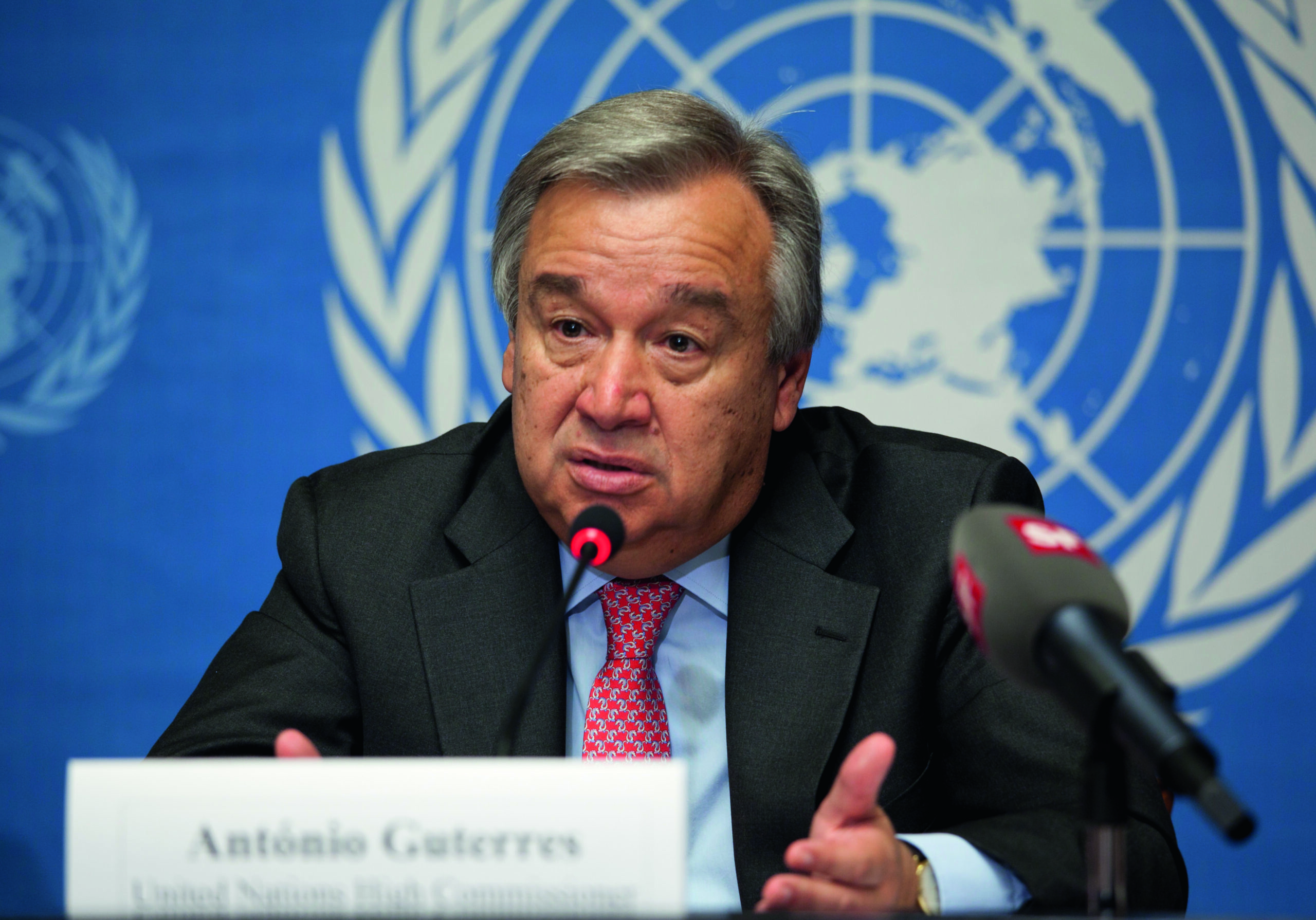
The Secretary-General of the United Nations, António Guterres, has expressed deep concern over a rise in xenophobic violence in South Africa, warning that attacks against migrants threaten the country’s democratic values and social cohesion.
In a statement delivered by spokesperson Stéphane Dujarric to mark Freedom Day on Monday, April 27, the UN chief extended congratulations to South Africans while also condemning reports of harassment, intimidation and violence targeting foreign nationals.
The attacks, reported in provinces including KwaZulu-Natal and Eastern Cape, were described as criminal acts driven by individuals exploiting socio-economic tensions. The Secretary-General stressed that “violence, vigilantism and all forms of incitement to hatred have no place” in a democratic society governed by the rule of law.
While acknowledging the significance of Freedom Day, which commemorates the end of apartheid, the UN chief underscored that South Africa’s liberation struggle was built on solidarity across Africa and the wider international community. He noted that the country’s development has long depended on the contributions of both citizens and migrants.
The statement comes amid growing concern within the UN over what experts describe as a troubling escalation of xenophobia. Reports indicate that anti-migrant rhetoric has increasingly featured in political discourse, with some actors blaming foreign nationals for unemployment and poor public services.
UN officials have also warned that xenophobia in South Africa is becoming more entrenched. Beyond sporadic mob violence, there are signs of institutionalised discrimination, including inflammatory remarks by some public officials and the emergence of vigilante-style groups targeting migrant communities and businesses.
A key concern highlighted by the UN is the lack of accountability for such violence. Few perpetrators of past attacks have been successfully prosecuted, contributing to what observers describe as a culture of impunity. High-profile cases, including the killing of migrant workers in recent years, continue to underscore gaps in justice and enforcement.
The Secretary-General welcomed statements by South African authorities affirming that no individual or group has the right to enforce the law independently, and that those responsible for crimes will be investigated. He emphasised that such investigations must be “prompt, thorough, independent and impartial.”
Recognising the broader socio-economic challenges facing the country, the UN chief stressed that responses must remain lawful and non-discriminatory, while upholding human rights and dignity for all. He also welcomed government efforts to address systemic issues, including anti-corruption measures in immigration systems and the implementation of a national action plan against racism and xenophobia.
“The United Nations stands ready to continue engaging in efforts to de-escalate tensions, counter incitement, protect those at risk, and strengthen social cohesion,” the statement read in part, adding: “The Secretary-General underscores that sustained community engagement, respect for human rights, responsible leadership, and accountability are essential to prevent further violence and to preserve peace and stability.”
The Secretary-General of the United Nations, António Guterres, has expressed deep concern over a rise in xenophobic violence in South Africa, warning that attacks against migrants threaten the country’s democratic values and social cohesion.
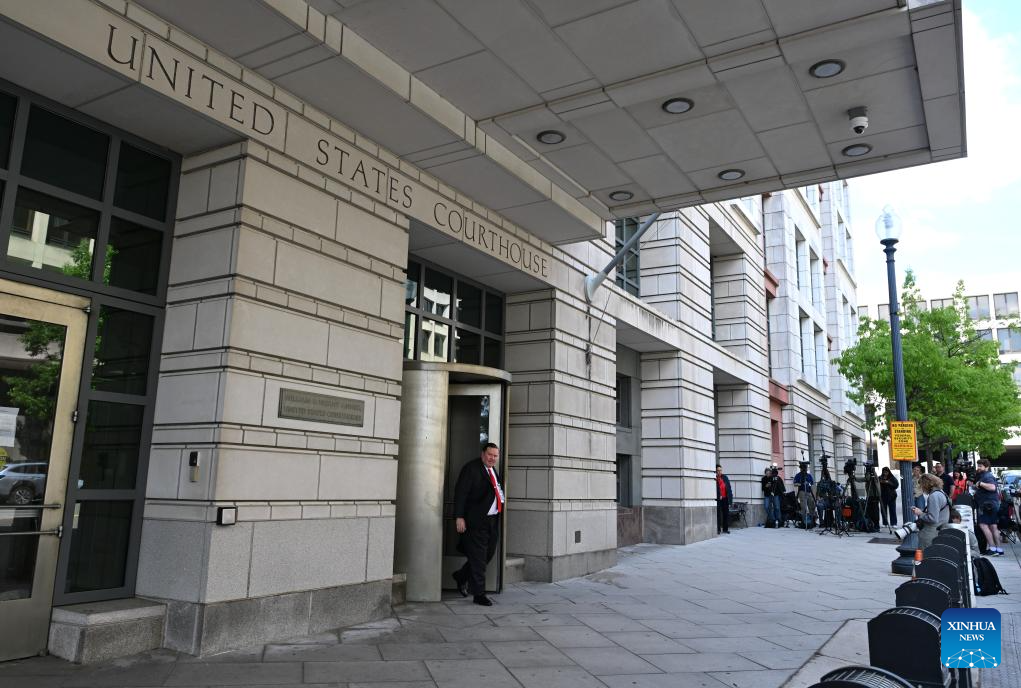
On Monday, Allen made his first court appearance at the U.S. District Court for the District of Columbia since the shooting.
He was charged with three criminal counts, namely, attempting to assassinate the president, interstate transportation of weapons, and discharge of a firearm during a violent crime.
The prosecutor said Allen had a 12-gauge pump-action shotgun and a .38 caliber pistol, and was also carrying with him three knives and other dangerous paraphernalia when he was arrested, CNBC reported.
According to law enforcement authorities, Allen, 31, traveled from California to Washington, D.C. by train and checked into the Washington Hilton hotel with weapons before the attack.
Allen reportedly sent an email to his relatives shortly before the shooting, in which he wrote that Trump administration officials were “targets, prioritized from highest-ranking to lowest.”
He also wrote: “I walk in with multiple weapons and not a single person there considers the possibility that I could be a threat.”
Live footage of the event showed that the suspect attempted to rush a security checkpoint and exchanged gunfire with law enforcement. A U.S. Secret Service officer was injured amid the shooting incident.
Trump, First Lady Melania Trump, Vice President JD Vance, and all Cabinet members were evacuated from the dinner after the shooting. Attendees were seen on the live broadcast ducking around their tables and taking cover.
Shortly after the security incident, U.S. Secret Service spokesperson Anthony Guglielmi wrote on X that the agency was investigating “a shooting incident near the main magnetometer screening area” at the dinner, in coordination with the Metropolitan Police Department.
Political violence has been frequent in the U.S. in recent years. Trump has been the target of multiple assassination attempts and death threats during his presidential campaign and as president. The most prominent example is the July 2024 assassination attempt in Butler, Pennsylvania, in which Trump narrowly survived while campaigning for president.
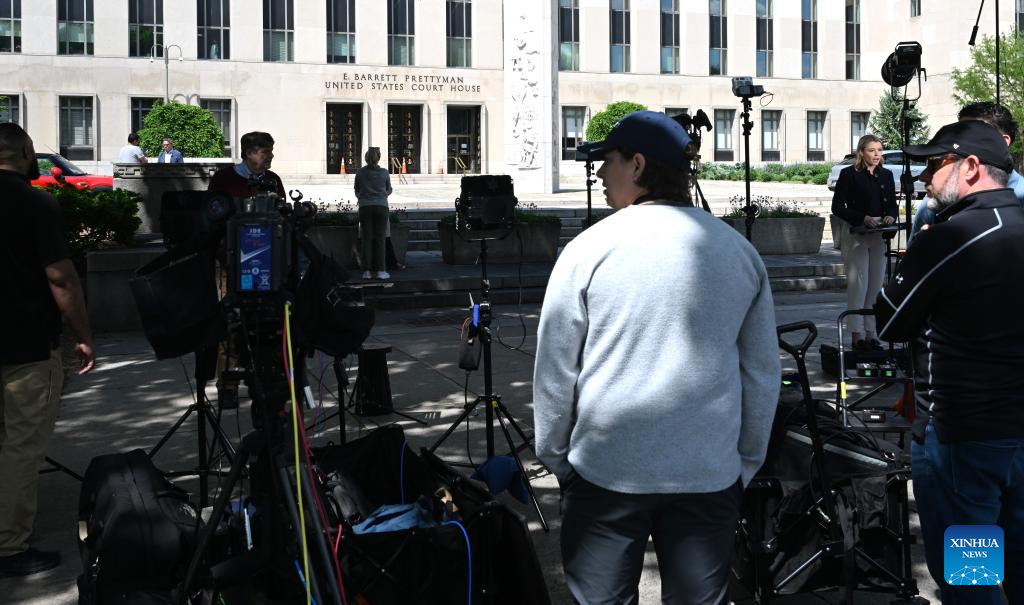
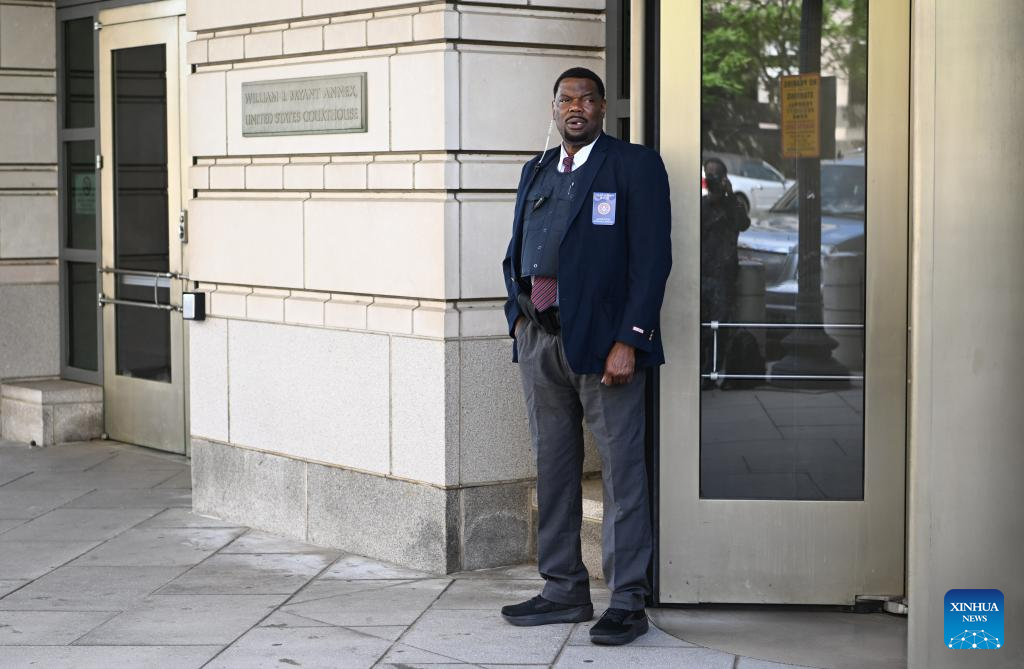
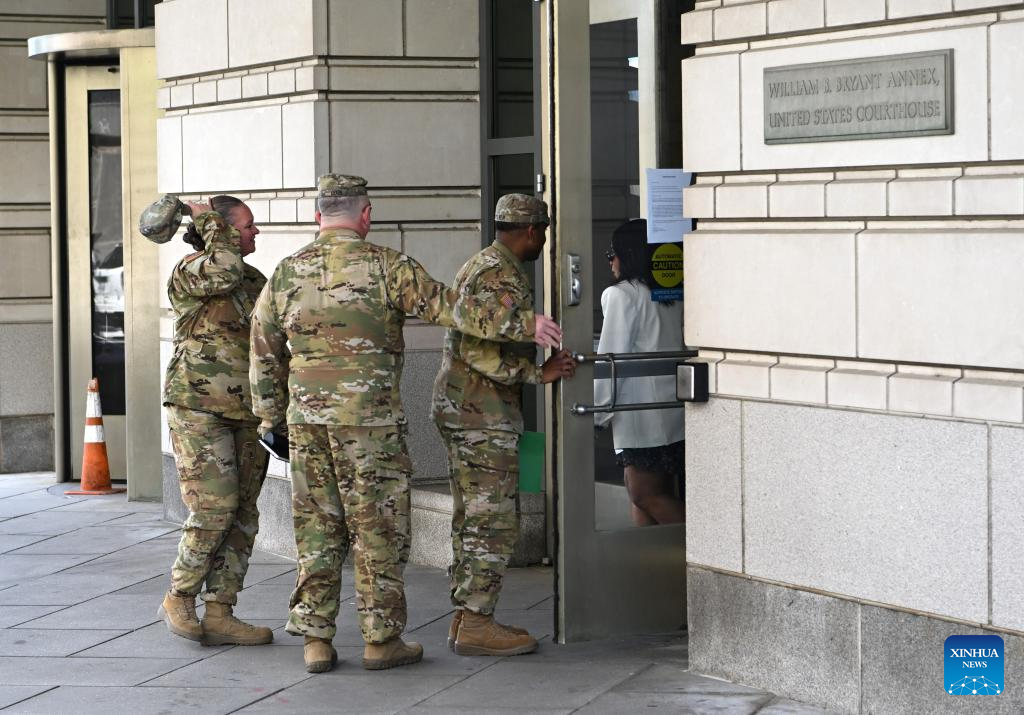
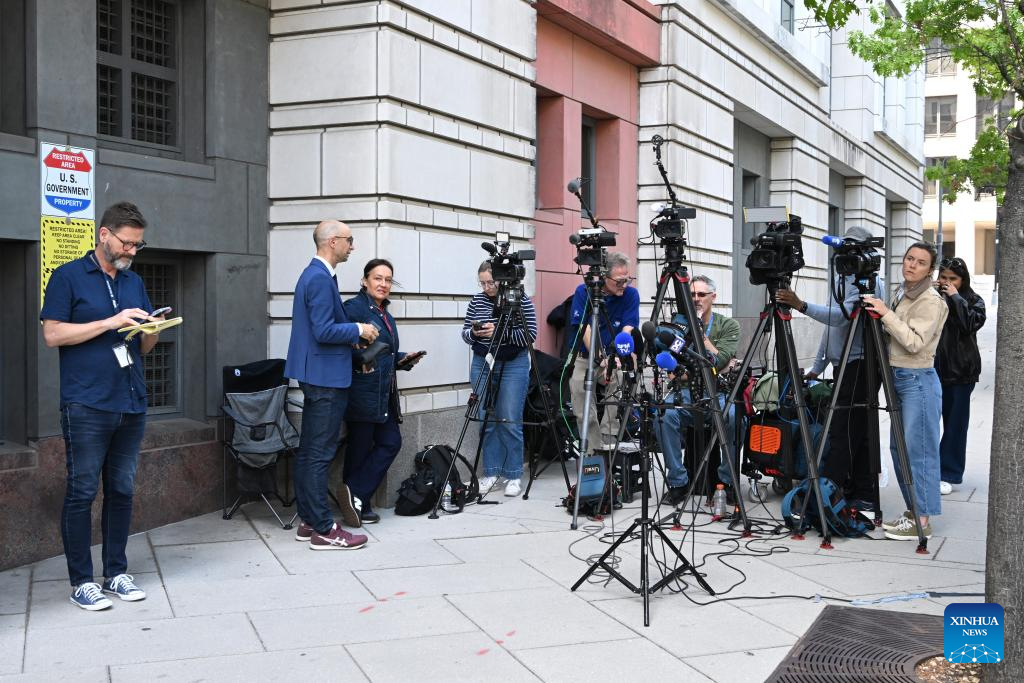
Media crews are positioned near the entrance to the U.S. District Court for the District of Columbia in Washington, D.C., the United States, April 27, 2026. A court security officer stands guard at the entrance to the U.S. District Court for the District of Columbia in Washington, D.C., the United States, April 27, 2026.Servicemen and a servicewoman enter the U.S. District Court for the District of Columbia in Washington, D.C., the United States, April 27, 2026. Media crews are positioned near the entrance to the U.S. District Court for the District of Columbia in Washington, D.C., the United States, April 27, 2026. Media crews are positioned near the entrance to the U.S. District Court for the District of Columbia in Washington, D.C., the United States, April 27, 2026.
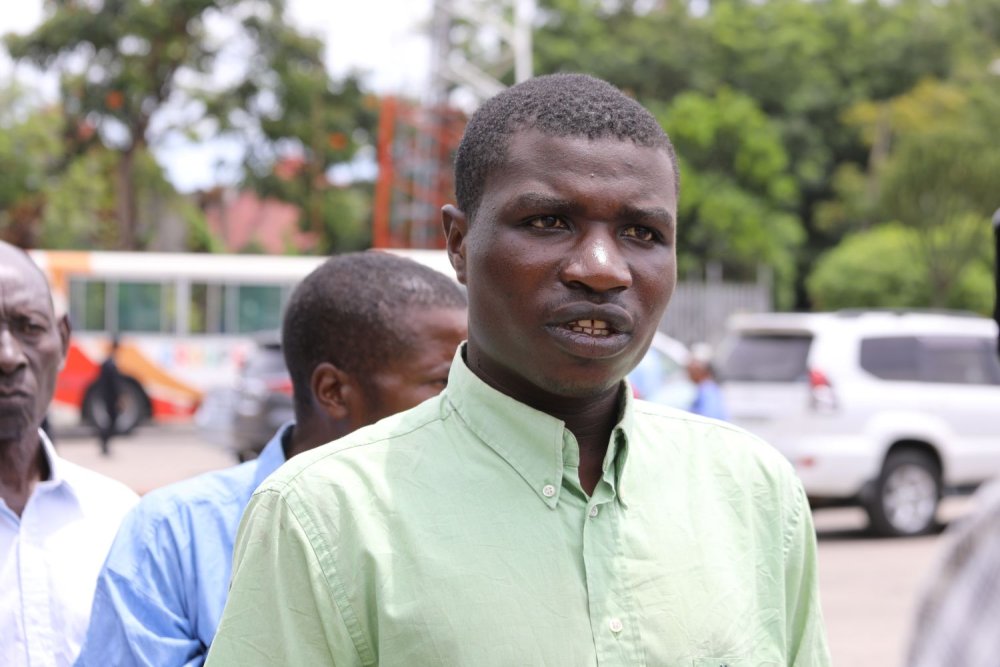
“FDLR and Nyatura would capture us and try to force us to join them in fighting, claiming that we are Rwandans. Anyone who refused was taken away at night, and we would never see them again. Later, we would be told they had been killed,” said 28-year-old Dushime Janvier, one of the returnees.
Dushime arrived in Rwanda from Kitchanga, in eastern DRC. He said his family originates from the former Rwerere Commune in Gisenyi Prefecture, now part of Rubavu District.
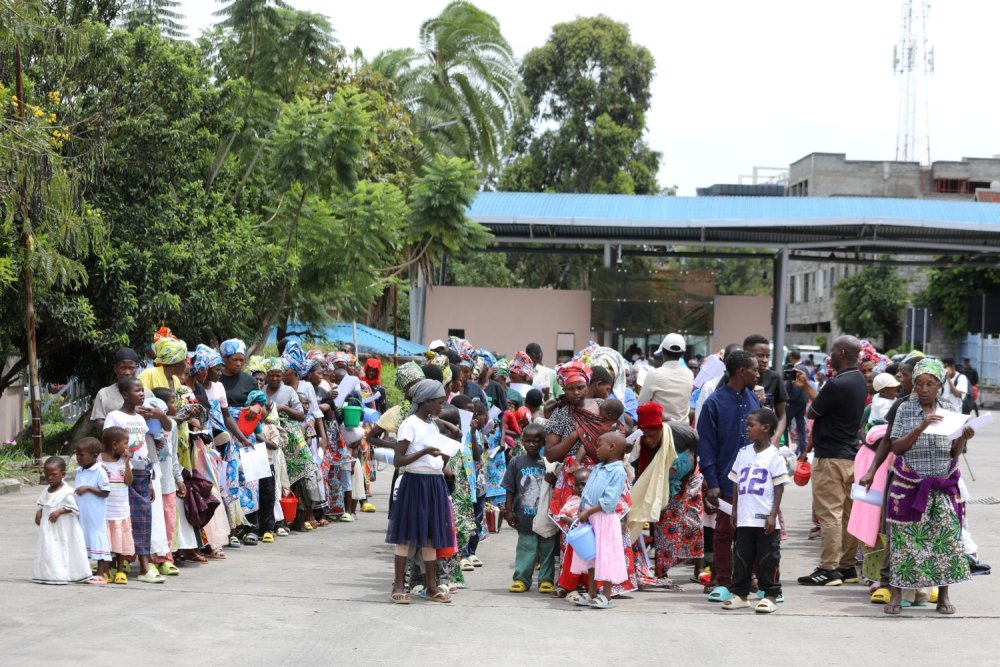
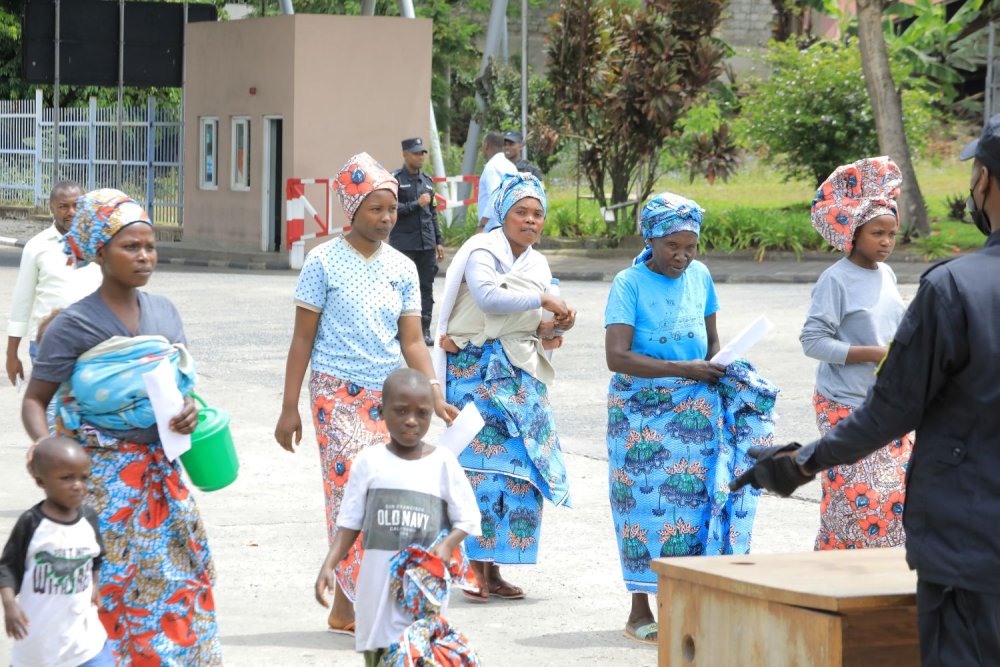
He is among 317 Rwandans who were repatriated on Friday, April 24, 2026, after being held by the FDLR, a group designated as a terrorist organisation.
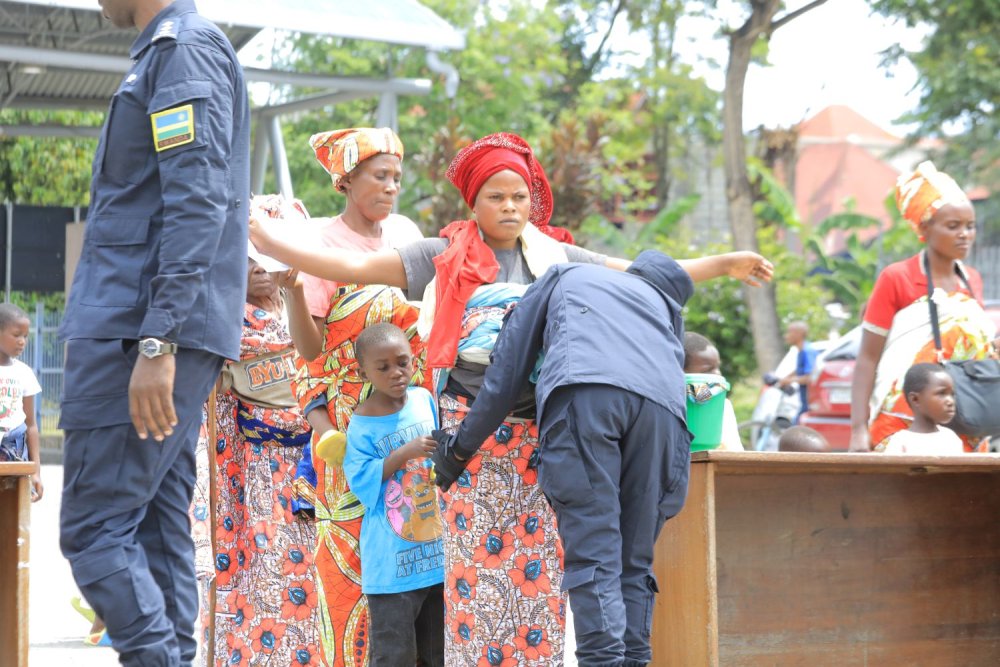
The returnees crossed into Rwanda through the Grande Barrière border post, where they were received by government officials before being transferred to the Kijote transit centre in Nyabihu District.
The group is largely composed of children, who number 226, alongside 76 women and 15 men.
Speaking about his experience, Dushime said he fled to the DRC with his aunt, who later died. He explained that he chose to return due to the harsh conditions he faced.
“I never had the opportunity to attend school because I spent my life herding cattle. Nyatura and FDLR were constantly pursuing us because we are Rwandans. We cultivated crops, but they would take the harvest. Life was extremely difficult, which is why I decided to return,” he said.
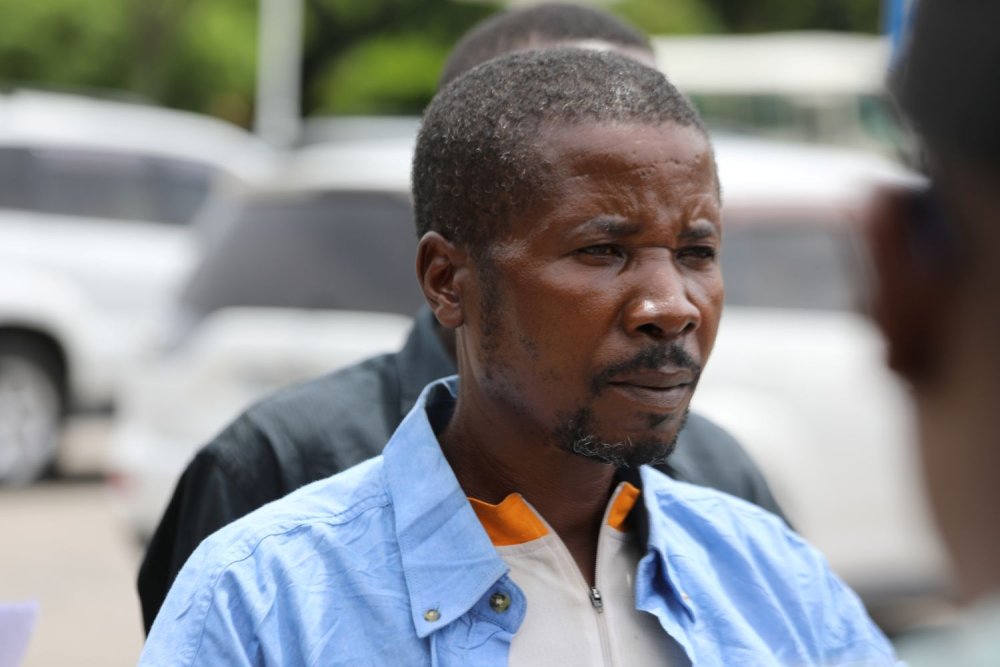
Another returnee, 50-year-old Akiri Valens, said he fled Rwanda in 1998 and initially settled in Rusongati before moving to Karenga, where he worked cutting trees. He expressed relief and optimism upon returning home.
“We stayed there hoping our situation would improve, but it never did. Working in a foreign country is difficult. Today, I am happy to be back with my wife and seven children, and I am determined to work and build a better future,” he said.
Valens added that in 2023, during intensified fighting, he fled to Rugali, where he remained until his return. He noted that armed groups had spread misinformation, claiming that anyone who returned to Rwanda would be killed, which he later discovered was untrue.
The Vice Mayor of Rubavu District in charge of economic development, Nzabonimpa Déogratias, welcomed the returnees and reassured them of their safety and opportunities in Rwanda.
“You have returned home to a country that prioritises the well-being of its citizens. You will find leadership committed to inclusive development without discrimination. We encourage you to enrol your children in school and contribute to the development of our nation, which is peaceful and stable,” he said.
He also called on the returnees to encourage others still living in the forests of eastern DRC to come back to Rwanda.
The repatriation follows agreements reached on July 24, 2025, during a tripartite meeting involving Rwanda, the DRC, and the United Nations High Commissioner for Refugees (UNHCR) in Addis Ababa, Ethiopia.
Before their return, the group had been living in a temporary camp in Goma after leaving various areas in eastern DRC, where they had been held by the FDLR. They later sought assistance from UNHCR to facilitate their return to Rwanda.
As part of reintegration support, returnees receive initial financial assistance to help them rebuild their lives. Adults receive 188 US dollars, while minors are allocated 113 dollars. Each individual also receives basic food supplies valued at 40,800 Rwandan francs.
The returnees are mostly women and children.Upon arrival at the border, the returnees are received by security authorities.More than 8,000 Rwandans have returned from the DRC in the past 16 months.50-year-old Akiri Valens, said he fled Rwanda in 1998 and initially settled in Rusongati before moving to Karenga, where he worked cutting trees. He expressed relief and optimism upon returning home.Dushime Janvier, one of the returning Rwandans, says that those who refused to join the FDLR were killed.The Vice Mayor of Rubavu District in charge of economic development, Nzabonimpa Déogratias, welcomed the returnees and reassured them of their safety and opportunities in Rwanda.
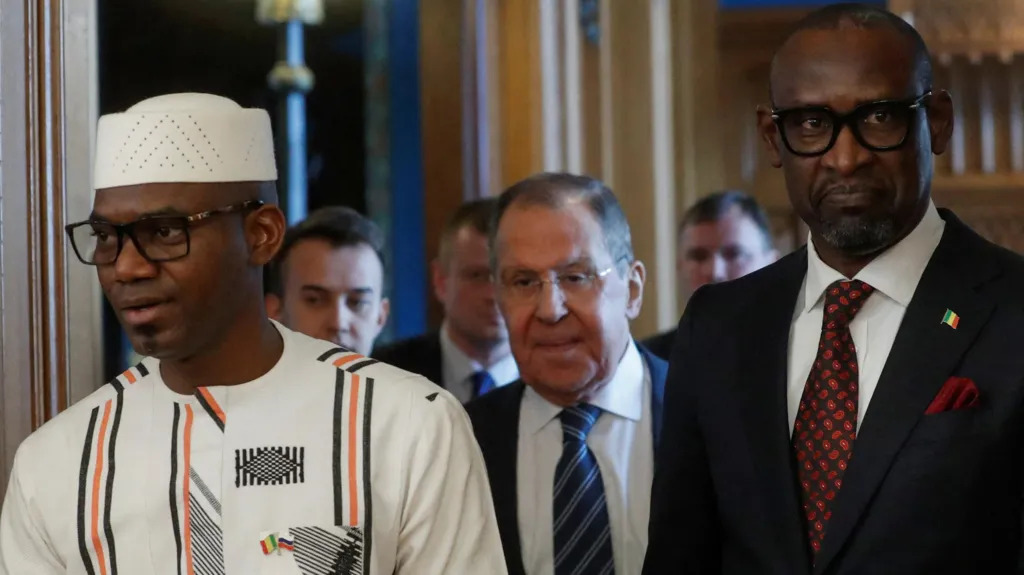
In a statement, the government said Camara’s residence in Kati, a garrison town near the capital Bamako, was hit Saturday morning by a vehicle bomb driven by a suicide attacker.
Camara exchanged fire with the attackers and neutralized some of them, the statement said. He was wounded during intense fighting and later died of his injuries in hospital.
The collapse of his residence caused other casualties and destroyed a nearby mosque, killing some worshippers inside, according to the statement.
The government said the late general will be given a national funeral.
Several localities in Mali, including Bamako, Kati, Gao, Sevare and Kidal, were hit by coordinated attacks on Saturday. The government had earlier said the attacks left 16 civilians and military personnel wounded.
Mali’s defense minister Sadio Camara, left, with Russia’s foreign minister, Sergei Lavrov, in Moscow in February 2024. The government said Camara’s residence in Kati, a garrison town near the capital Bamako, was hit Saturday morning by a vehicle bomb driven by a suicide attacker
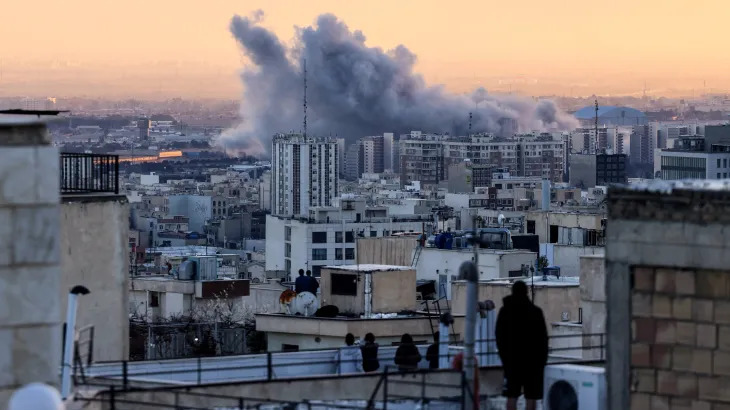
The official news agency IRNA, citing Iranian officials, reported that the total death toll stood at 3,468, including 1,460 civilians.
Jamshid Nazmi, a senior adviser to the head of Iran’s Foundation of Martyrs and Veterans Affairs, gave the figures at a press conference in Tehran, according to IRNA.
He said the civilian dead included women, men, children and older adults, and added that citizens of Lebanon, Palestine, Iraq and Pakistan were also among those killed.
At the same briefing, Farideh Oladqobad, a deputy head at the foundation, said 499 of the victims were women and 2,969 were men. She also said the military death toll was 2,008.
The report did not provide details on how the figures were verified or independently confirmed.
Iranian officials have said the fighting began on February 28, when Israel and the United States launched joint strikes on Tehran and other Iranian cities. Iranian authorities said senior military figures were killed in the opening attacks.
Iran responded with waves of missile and drone strikes targeting Israel and U.S. bases and military assets in the Middle East, according to officials on both sides.
A ceasefire was reached on April 8, and follow-up talks were held in Pakistan on April 11 and 12, but they ended without an agreement, according to previous reports.
The official news agency IRNA, citing Iranian officials, reported that the total death toll stood at 3,468, including 1,460 civilians.
A U.S. Secret Service agent was shot in protective gear on Saturday at the White House Correspondents’ Dinner and has been hospitalized, U.S. media reported.
In a post on Truth Social, Trump shared a photo of the suspected gunman, who appears to have been subdued, with his hands bound behind his back and lying face down on the ground.
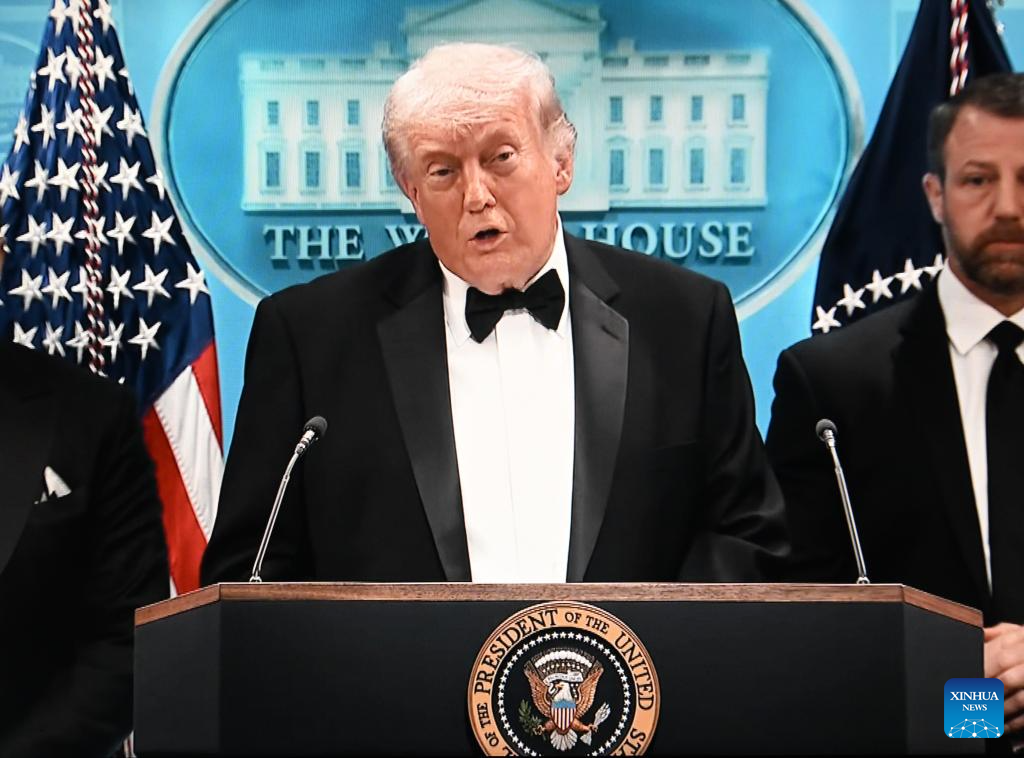
In a press conference at the White House late Saturday evening, Trump said that the alleged shooter lives in the state of California and law enforcement agents went to his apartment.
When asked by a reporter whether the shooter acted alone, Trump said that “they seem to think he was a lone wolf, and I feel that too.”
In response to a question about whether this shooting could have been linked to the war in Iran, Trump said, “I don’t think so. But you never know.”
“Quite an evening in D.C. Secret Service and Law Enforcement did a fantastic job. They acted quickly and bravely. The shooter has been apprehended,” Trump said in an earlier post on Truth Social shortly after the incident.
In another post later, Trump said that “law enforcement has requested that we leave the premises, consistent with protocol, which we will do, immediately,” noting that “The First Lady, plus the Vice President, and all Cabinet members, are in perfect condition.”
He added that the White House Correspondents’ Dinner will be rescheduled within 30 days.
The U.S. Secret Service said in a post on X that it is investigating “a shooting incident near the main magnetometer screening area” at the White House Correspondents’ Dinner, in coordination with the Metropolitan Police Department.
“The president and the first lady are safe along (with) all protectees,” the statement said. “One individual is in custody. The condition of those involved is not yet known, and law enforcement is actively assessing the situation.”
Trump has been evacuated from the Dinner after the shooting at the Washington Hilton Hotel. Attendees were seen on the live broadcast ducking around their tables and taking cover.
This would mark Trump’s first time attending the White House Correspondents’ Dinner.
In a joint press conference, Washington, D.C. Mayor Muriel Bowser said all guests at the dinner were safe, while U.S. Attorney for D.C. Jeanine Pirro said the suspect now faces charges including using a firearm during a crime of violence and assault on a federal officer with a dangerous weapon.
The suspect named Cole Allen by U.S. media, 31, of Torrance, California, was armed with a shotgun, a handgun and multiple knives, police said.
Political violence has been frequent in the U.S. in recent years. Trump has been the target of multiple assassination attempts and death threats during his presidential campaign and as the president.
The most prominent example is the July 2024 assassination attempt in Butler, Pennsylvania, which Trump narrowly survived while campaigning for president.
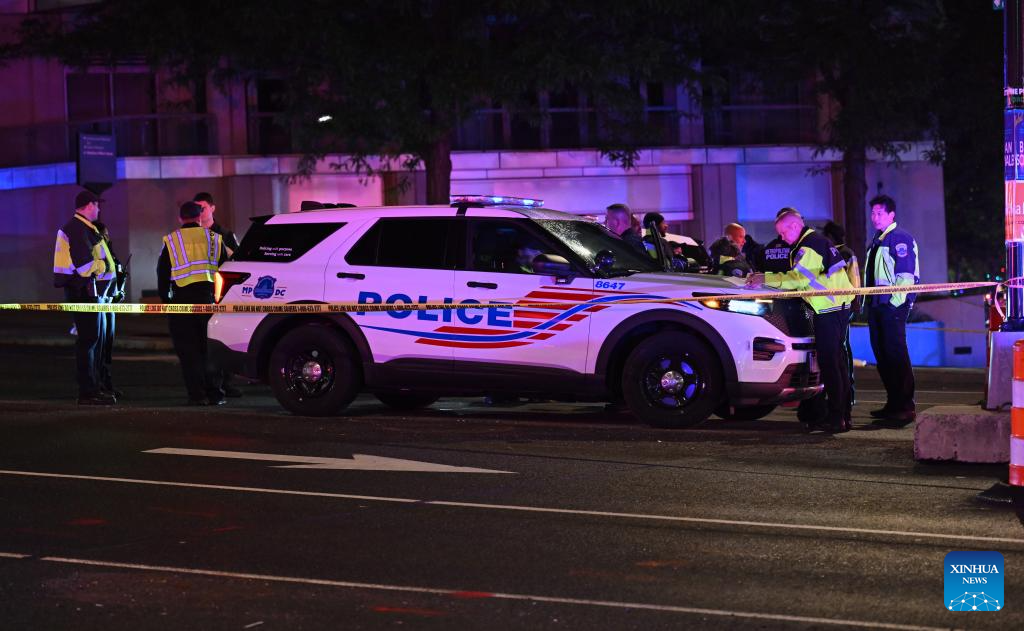
In a press conference at the White House late Saturday evening, Trump said that the alleged shooter lives in the state of California and law enforcement agents went to his apartment. When asked by a reporter whether the shooter acted alone, Trump said that “they seem to think he was a lone wolf, and I feel that too.” Police officers stand guard near the Washington Hilton Hotel, where the White House Correspondents’ Dinner was held, in Washington, D.C., the United States, April 25, 2026.