Murokozi Paul and Baraka Emmanuel appeared before the court on October 13, 2026. They are being held at Nyanza Prison over alleged offences committed in Kayonza District in April 2025.
The hearing was conducted in Swahili, with an interpreter translating the proceedings into Kinyarwanda.
Prosecutors allege that the two men deceived the women, both from Kayonza District, with promises of employment before taking them to Tanzania, where they were subjected to sexual exploitation.
“They were sent there after being promised good jobs. However, upon arrival, they found that they were expected to work in a bar and were also sexually abused by the men who had taken them there. They were then sold to other men,” the prosecutor told the court.
The prosecution argued that the women were deceived for financial gain and taken to Tanzania without their parents’ knowledge or the authorities being informed.
Prosecutors asked the court to convict each accused and sentence them to 25 years in prison and a fine of Rwf 20 million.
Defence denies trafficking allegations
In his defence, Murokozi said he had been working as a sailor at the Rwanda-Tanzania border alongside Baraka when he became acquainted with the two women.
He told the court that they became friendly and rented a room where they had sexual relations.
According to Murokozi, the women expressed an interest in travelling to Tanzania, prompting him to arrange transport and accompany them.
He said they stayed in Tanzania for four days before deciding to return to Rwanda, adding that he also arranged transport for their return.
Murokozi denied that the trip involved trafficking or sexual exploitation.
“They went to a bar to drink, not because we were trafficking them. They also shared drinks, and nobody sexually abused them,” he said.
He denied committing any crime and asked the court to acquit him.
His lawyer, Mpayimana Jean Paul, argued that the prosecution had not established that his client committed a criminal offence.
He said Murokozi had simply become acquainted with one of the women, who later asked him to take her to Tanzania.
“What crime was committed if a Rwandan went out with a Tanzanian and that is what happened?” the lawyer asked.
Mpayimana also challenged the allegation that his client had sold the women, arguing that the prosecution had not identified any buyer. He asked the court to acquit Murokozi.
Baraka, meanwhile, denied involvement in taking the women to Tanzania, telling the court that he had remained in Rwanda and knew nothing about what happened there.
“What I did was have sexual relations with her. As for taking her to Tanzania to be sold, I know nothing about that,” he said.
His lawyer, Adiel Mbanziriza, argued that Baraka had no intention of committing a crime.
“The prosecution says the women were taken there to be trafficked, yet one of the women herself stated that she had gone to see what Tanzania was like,” Mbanziriza told the court.
He also asked the court to acquit his client.
The three-judge panel is scheduled to deliver its verdict on November 12, 2026.
The prosecution asked the Nyanza Special Chamber to sentence the two men to 25 years in prison.
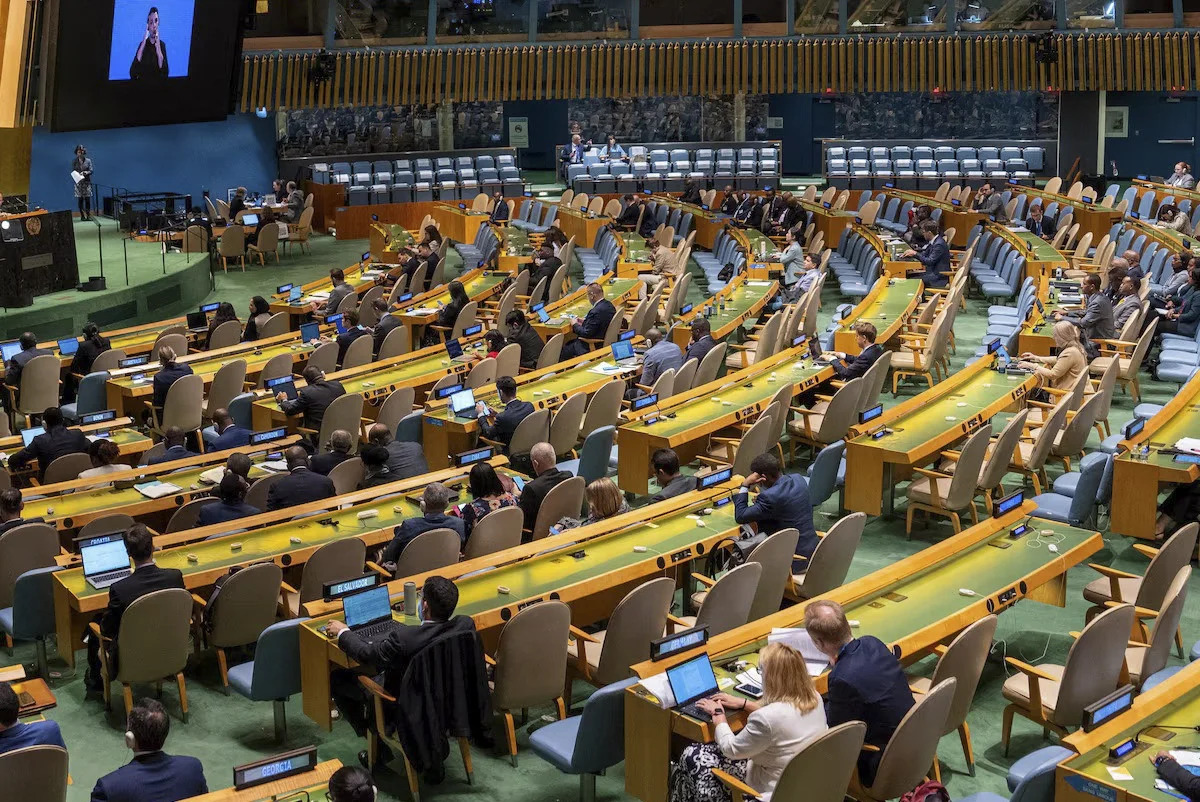
The declaration was adopted by the UN General Assembly on October 12, following negotiations co-facilitated by Rwanda’s Permanent Representative to the United Nations, Ambassador Martin Ngoga, and his Armenian counterpart, Ambassador Paruyr Hovhannisyan.
The negotiations sought to build consensus among member states on measures to prevent future pandemics, strengthen health systems and improve international cooperation following the challenges exposed by COVID-19.
Rwanda’s involvement reflects concerns President Paul Kagame has previously raised about the need to strengthen global preparedness and reduce inequalities in access to essential medical supplies.
Speaking at a roundtable on pandemic preparedness in May 2021, Kagame highlighted the importance of expanding vaccine production, particularly in Africa, where reliance on external suppliers can leave countries vulnerable during periods of global scarcity.
“So long as Africa remains dependent on other regions for vaccines, we will always be at the back of the queue whenever there is scarcity,” Kagame said.
He also called for stronger national health systems and greater attention to preventing diseases from spreading from animals to humans.
The president’s remarks came as countries were assessing the impact of COVID-19 and considering reforms to make the international response to future outbreaks more effective.
The UN declaration addresses several of these concerns, calling for stronger disease surveillance, investment in health systems, equitable access to vaccines and medicines, and sustainable financing for pandemic preparedness.
The declaration was adopted with 153 countries voting in favour, three against and two abstaining, according to reports on the UN vote.
Beyond its public health provisions, the process placed Rwanda in a facilitating role in negotiations involving countries with different priorities and expectations.
The declaration also calls for stronger local and regional manufacturing capacity, an issue that remains particularly relevant to African countries seeking to reduce dependence on imported vaccines, diagnostics and treatments.
However, adoption of the declaration is only one step towards stronger pandemic preparedness. Its impact will depend on whether countries translate the commitments into sustained investment, stronger public health systems and improved access to medical products.
Rwanda’s participation in the negotiations adds to its engagement in multilateral discussions on global health, while the implementation of the declaration will require continued cooperation among governments and international partners.
The declaration was adopted by the UN General Assembly on October 12, following negotiations co-facilitated by Rwanda’s Permanent Representative to the United Nations, Ambassador Martin Ngoga, and his Armenian counterpart, Ambassador Paruyr Hovhannisyan.
According to Iranian officials who spoke to Reuters, the modified strategy is intended to disrupt shipping through the Strait of Hormuz and push oil prices higher as the U.S. prepares to vote in November.
The officials said Iran began using methods against vessels it considers to have violated its restrictions about 10 days ago.
“The aim is to frustrate efforts by the United States and its allies to bring down global oil prices,” one of the two officials was quoted as saying.
The change has coincided with a rise in attacks and reflects an effort to pressure Washington.
Before the war, about one-fifth of the world’s oil and liquefied natural gas trade passed through the Strait of Hormuz.
Since the United States and Israel launched strikes against Iran on February 28, Tehran has restricted shipping to gain leverage over Washington.
The disruptions have reduced maritime traffic and pushed oil prices higher.
A US military official said Iran’s Islamic Revolutionary Guard Corps has begun using unarmed observers in small boats to identify possible targets.
The official said this followed US strikes that damaged Iran’s radar capability.
Last week, US forces identified observers operating from a dhow and relaying target information to the Guard, the official said.
US forces ordered those aboard to leave before destroying the vessel. No casualties were reported.
The Iranian officials said operations would extend beyond Hormuz into the Gulf of Oman and waters farther away. Maritime security data has indicated recent attacks off Qatar and the United Arab Emirates.
At least five incidents involving commercial vessels were reported around Hormuz in the 48 hours before the Reuters report, including drone attacks, according to maritime security sources and reports to the United Kingdom Maritime Trade Operations agency.
UN data suggested the pace was similar to that recorded on October 3 to 5.
The confrontation is becoming an issue in the US election campaign, with the war reportedly costing about $3 billion a month.
President Donald Trump has said he would not launch another attack on Iran before the vote, while Washington continues a naval blockade of Iranian ports and expands sanctions.
One Iranian official said Tehran was moving towards a complete closure of the strait for vessels it considers to be breaking its restrictions.
The US Navy-led Joint Maritime Information Center said the threat to merchant shipping remained “severe,” citing attacks, attempted attacks, surveillance and warnings directed at commercial vessels.
Further disruption could raise shipping and insurance costs and pressure global energy markets.
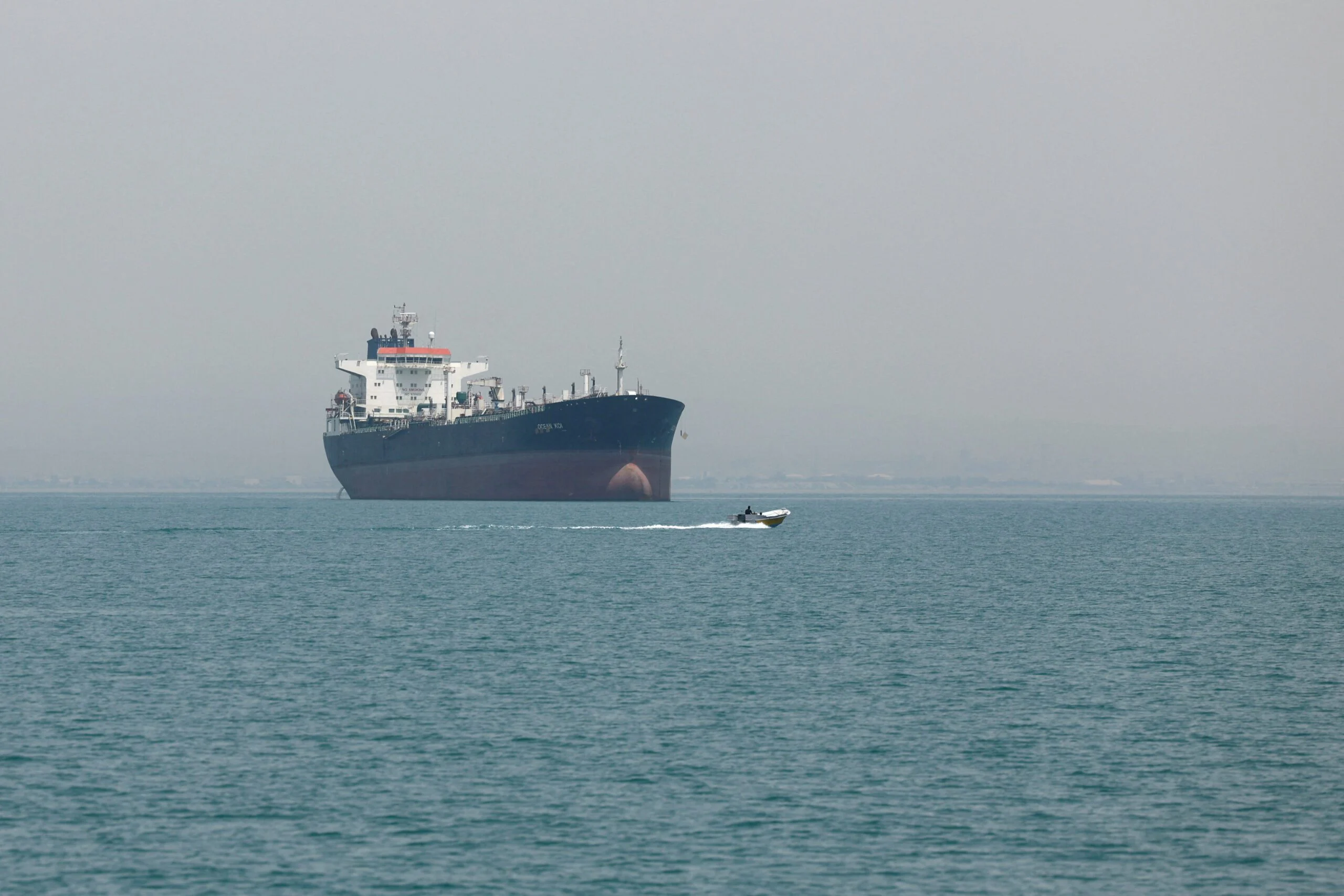
Commercial vessels navigate the Strait of Hormuz near Bandar Abbas, Iran, amid rising tensions and increased threats to maritime traffic.
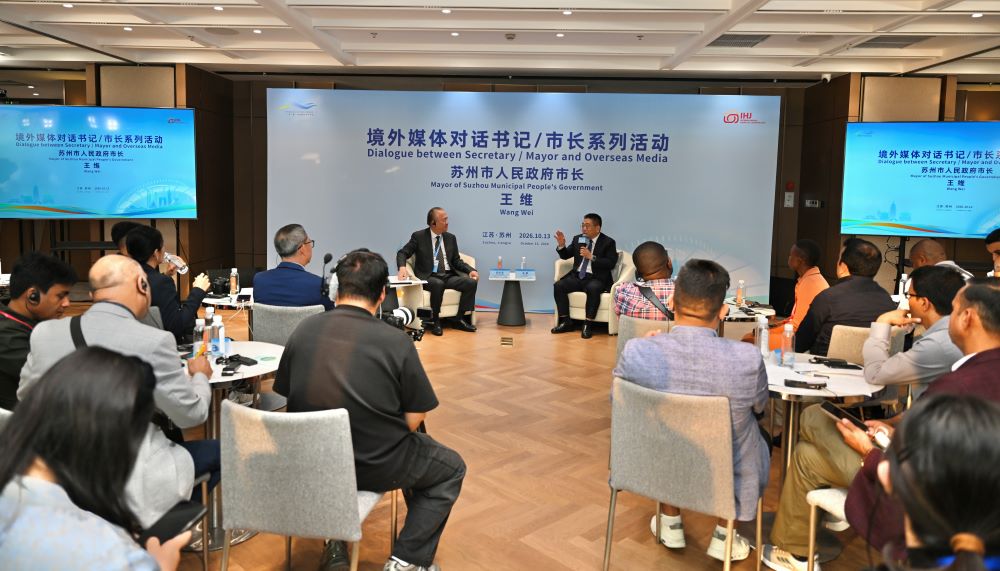
Running from October 12 to 18 in Nanjing, the capital of Jiangsu, the forum brings together media leaders to exchange professional experiences, explore developments in Jiangsu Province and discuss emerging challenges and opportunities in the media industry.
Organised under the Belt and Road Journalists Network (BRJN), the programme combines field visits, seminars and discussions on international reporting, economic journalism, fact-checking, artificial intelligence (AI) and cooperation among Global South media organisations.
Established in 2017 through the joint initiative of the All-China Journalists Association (ACJA) and journalists’ organisations from participating countries and regions, the BRJN connects more than 110 representative journalists’ organisations worldwide, collectively covering 1.67 million media professionals.
The forum, which has been held annually since its launch, provides a platform for media leaders to exchange experiences and explore opportunities for cross-border collaboration.
Discussions on AI will examine how news organisations can adopt emerging technologies while safeguarding the authenticity and reliability of their reporting.
The programme also includes sessions on mutual learning between civilisations, international cooperation and changing global governance.
As part of the forum, field visits across Jiangsu are giving participants an opportunity to understand the province’s economic development, cultural heritage and technological advances beyond the conference discussions.
Among the cities featured in the programme is Suzhou, a major economic centre in the Yangtze River Delta, near Shanghai.
The city combines more than 2,500 years of history with a modern industrial economy driven by advanced manufacturing, electronics, artificial intelligence and other technology-related sectors.
Suzhou is also internationally recognised for its classical gardens and the Grand Canal, which reflect its longstanding cultural heritage.
Its economic development has attracted foreign investment and supported the growth of industrial and technological innovation.
Speaking to journalists about the city’s development on October 13, Suzhou Mayor Wang Wei highlighted innovation, advanced manufacturing and openness as key elements of its economic progress.
He pointed to the growing use of automation in factories, including robotic arms and unmanned machinery, as examples of how technology is transforming industrial production.
Wang also highlighted Suzhou’s innovation platforms and its efforts to strengthen international economic links.
With a total area of 8,557.32 square kilometers, Suzhou is home to a population of over 16 million. In 2025, the city recorded a regional GDP of US$387.7 billion, ranking 6th among all the cities in Chinese mainland and 20th globally.
Reflecting on Suzhou’s development, a professor at Fudan University’s School of International Relations and Public Affairs, who also directs its Research Center for Party Building and National Development, Dr. Zheng Changzhong highlighted the relationship between China’s modernisation experience and its long history.
He linked the country’s development to the ability to mobilise people around shared objectives, while emphasising the value of exchanging ideas and learning from different societies.
“China wants to live well with others,” Dr. Zheng said, pointing to the importance of cooperation and practical experience in addressing shared development challenges.
He added that learning from different cultures and their accumulated wisdom could contribute to a better future for humanity.
Through its discussions and field visits, the forum provides an opportunity for journalists to exchange professional knowledge, explore different development experiences and consider how international media cooperation can contribute to greater mutual understanding.
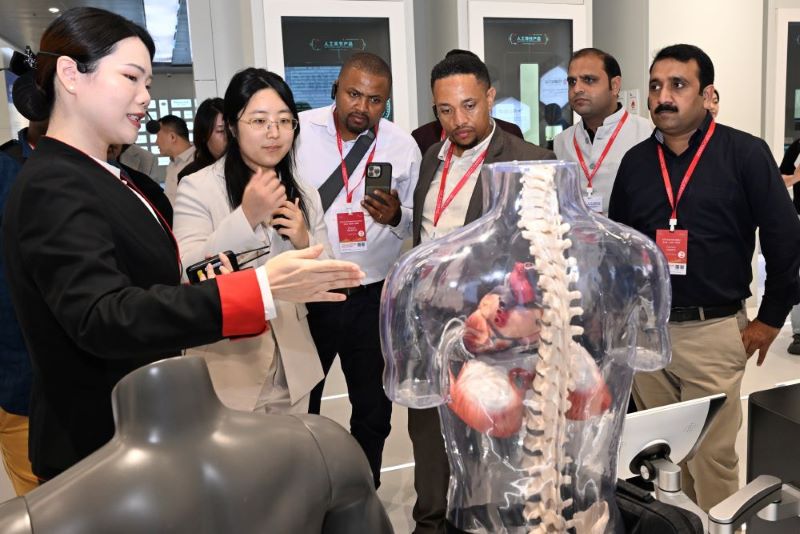
Media representatives from different countries visited Suzhou as part of the 2026 Belt and Road Journalists Forum, exploring its industrial development and opportunities for international cooperation.Suzhou Mayor Wang Wei (right) with Dr. Zheng Changzhong (left) at a media briefing on the city’s economic development, technological innovation and international cooperation.
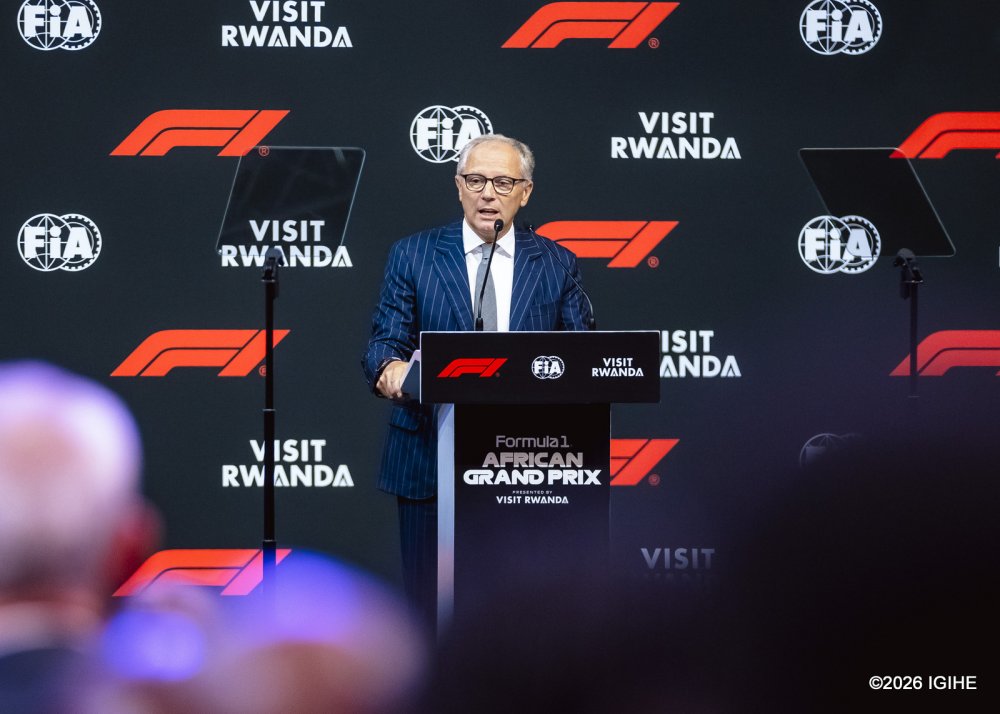
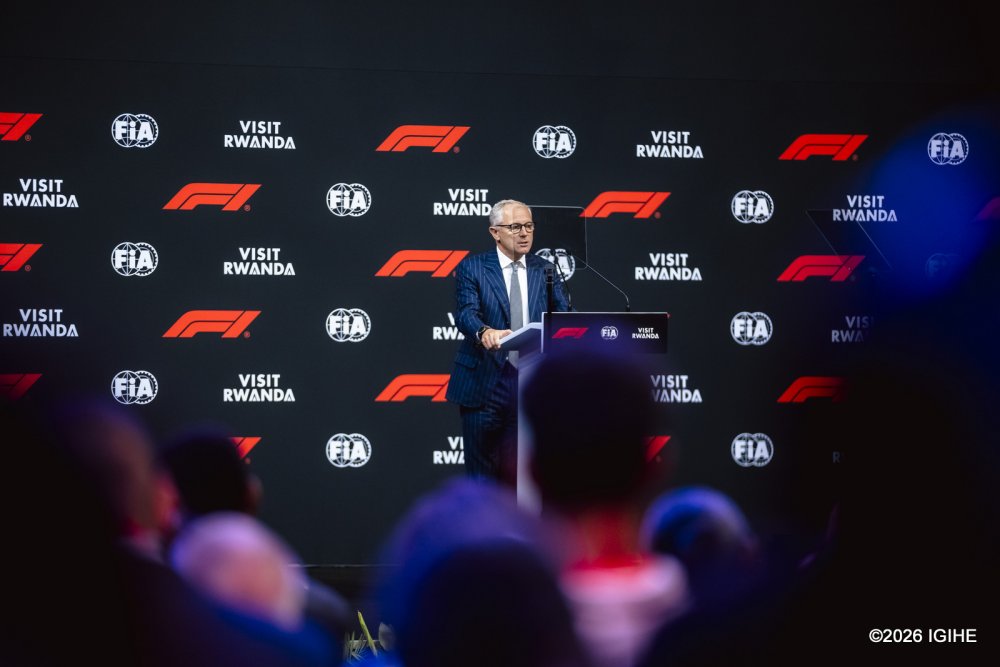
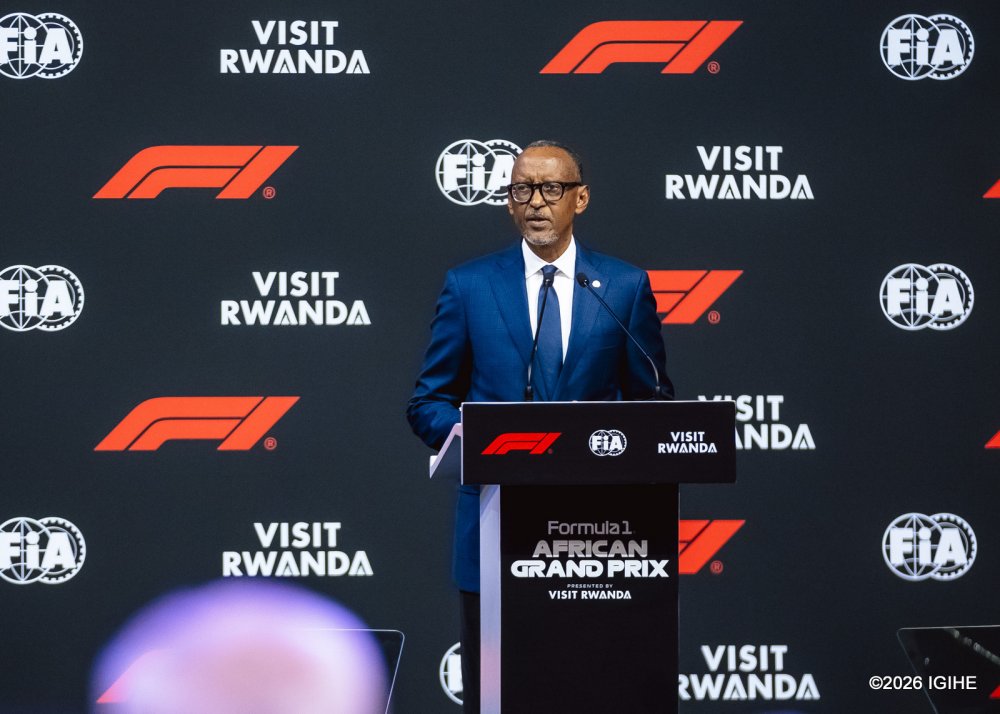
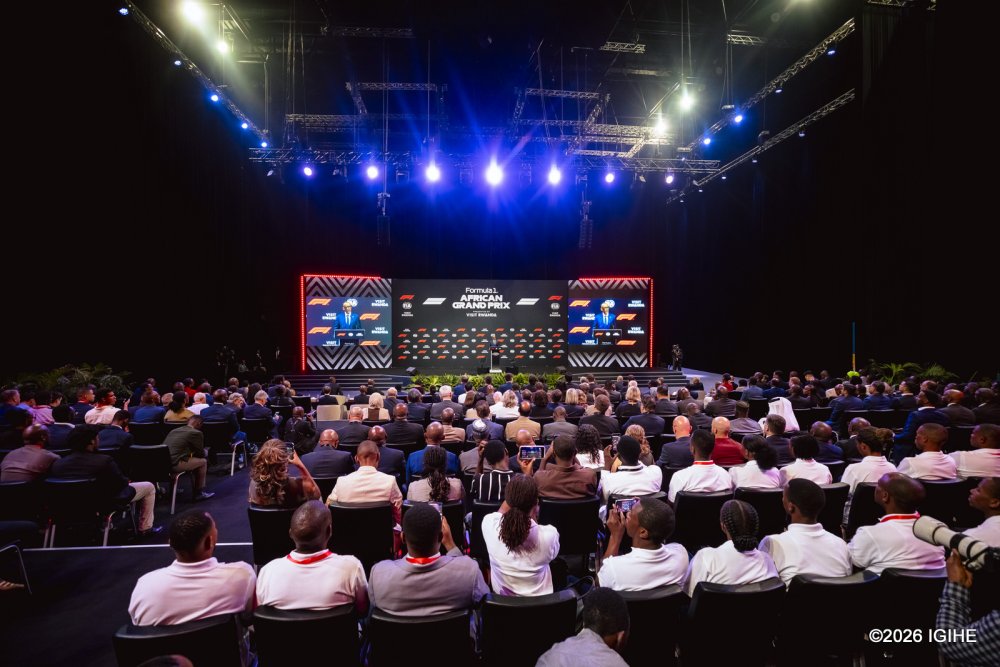
Speaking in Kigali on Tuesday, October 13, during the announcement of a 10-year agreement to host the Formula 1 African Grand Prix, Domenicali said the championship had spent years seeking the right opportunity to return to a continent it had been absent from since 1993.
“For many years, we have spoken about our desire to return, but always said we would return in the right way, with the right vision and the right partners. That partner is Rwanda,” the Formula 1 boss said.
Domenicali pointed to Rwanda’s development, natural beauty, resilience and growing international profile as factors that made the country stand out as Formula 1 considered its return to Africa.
“When you visit this country, the decision becomes clear. Rwanda is one of the world’s great success stories,” he said, describing it as a nation that had overcome challenges in its past and was looking confidently towards the future.
He also highlighted Rwanda’s ambition to attract international investment, promote innovation and create new opportunities, saying these priorities aligned with Formula 1’s own vision for the sport’s future.
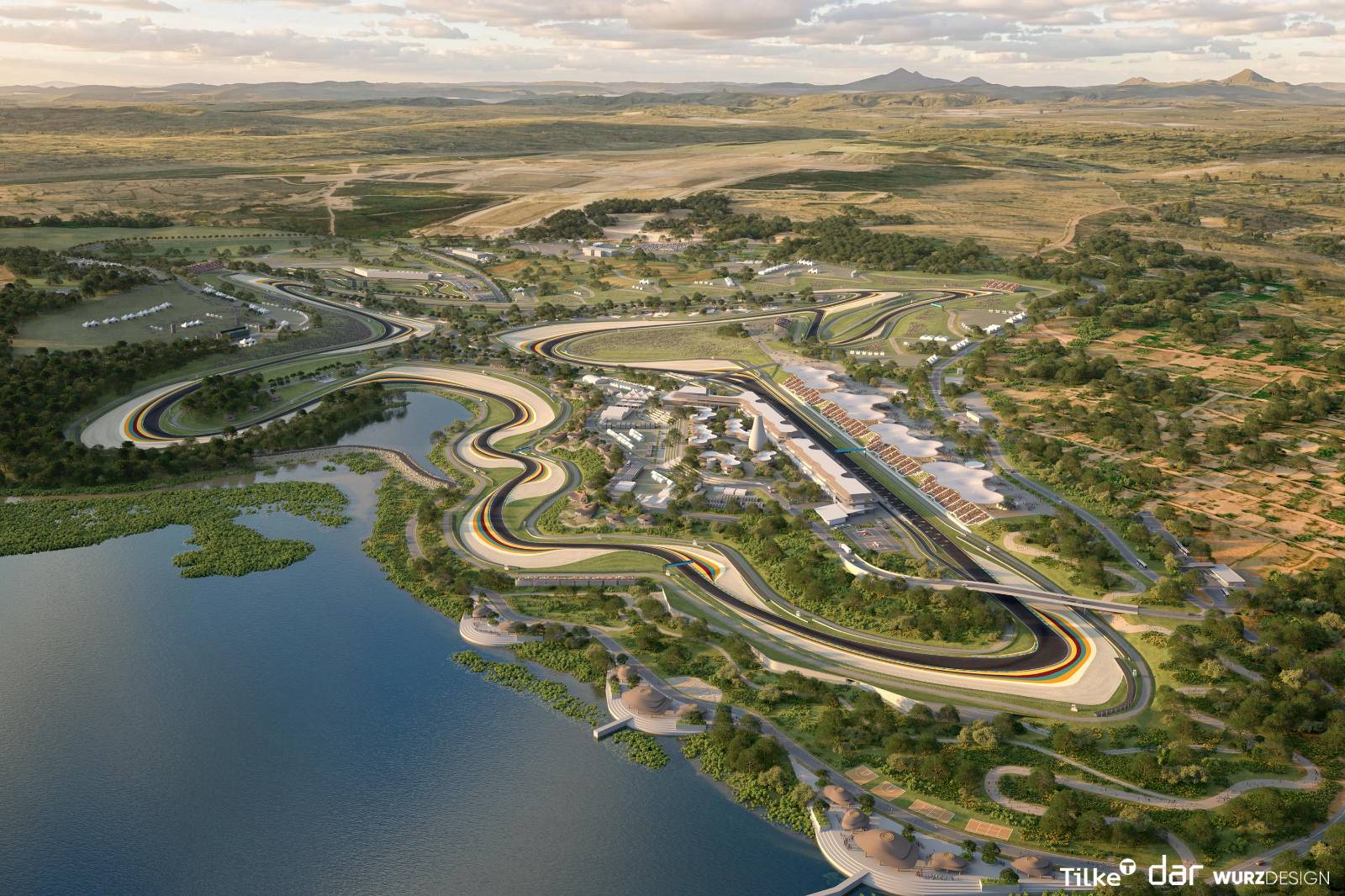
The agreement will see Rwanda host the championship at a new purpose-built circuit in Bugesera District, south of Kigali, with the first race expected in the early 2030s, once construction is completed.
The return will mark Formula 1’s first race on the African continent since the 1993 South African Grand Prix at Kyalami.
However, for Domenicali, the significance of the partnership goes beyond adding another destination to the racing calendar. He said Formula 1 wanted its return to Africa to deliver lasting benefits through tourism, investment, education and skills development.
“This is not simply about hosting a Grand Prix. This is about creating legacy and inspiration,” he said.
He added that the project should support local businesses, empower communities and generate economic and social benefits that would extend beyond race weekends.
The planned circuit and associated development are expected to create opportunities in areas such as tourism, employment, technical skills and business. Formula 1 has also said the project is intended to support local talent and help inspire a new generation to pursue careers connected to motorsport.
Domenicali particularly emphasised the potential impact on young people, noting that Africa is home to more than 100 million Formula 1 fans, a community he said continues to grow.
He said bringing Formula 1 closer to African fans would give younger people the opportunity to see themselves not only as spectators but also as engineers, technicians, entrepreneurs, innovators and future drivers, describing this as “the true power of sports.”
President Paul Kagame also framed the agreement as an opportunity for Africa to gain more from the global sports industry. He noted that African athletes have contributed significantly to the global sports economy, while the continent has received comparatively little in return.
Kagame said the Grand Prix should help change that imbalance by creating opportunities for young Africans and encouraging more major sporting events to come to the continent.
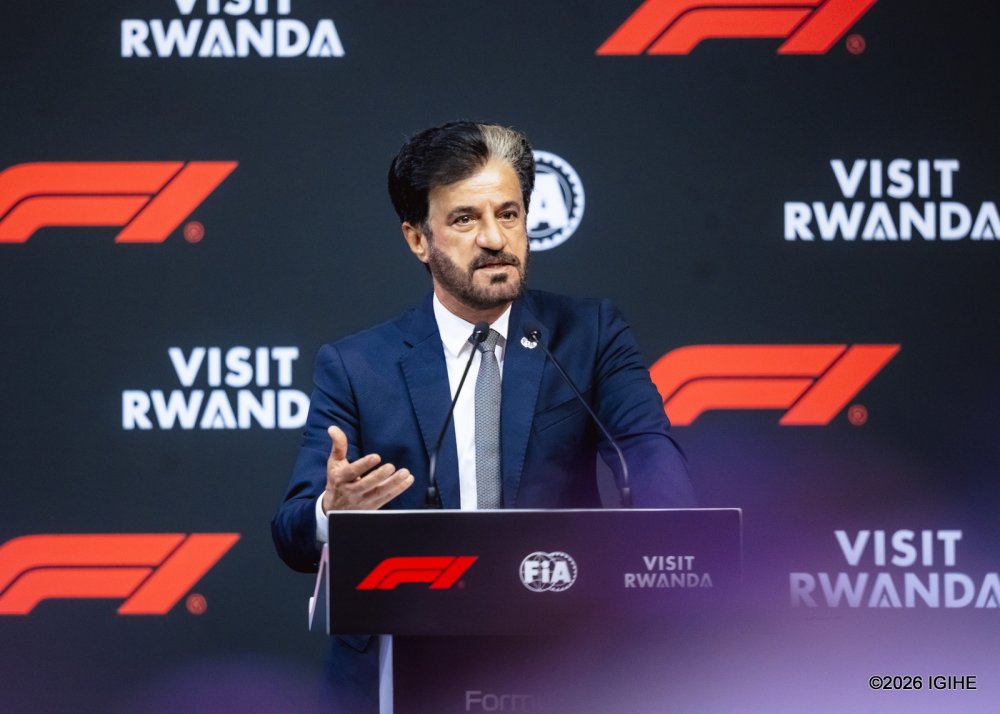
FIA President Mohammed Ben Sulayem also highlighted the importance of developing motorsport talent and making the sport more accessible to young people in Africa. He pointed to opportunities for training, education and grassroots racing, including the development of local skills and more affordable entry-level motorsport.
Speaking in Kigali on Tuesday, October 13, during the announcement of a 10-year agreement to host the Formula 1 African Grand Prix, Domenicali said the championship had spent years seeking the right opportunity to return to a continent it had been absent from since 1993.The agreement will see Rwanda host the championship at a new purpose-built circuit in Bugesera District, south of Kigali, with the first race expected in the early 2030s, once construction is completed.
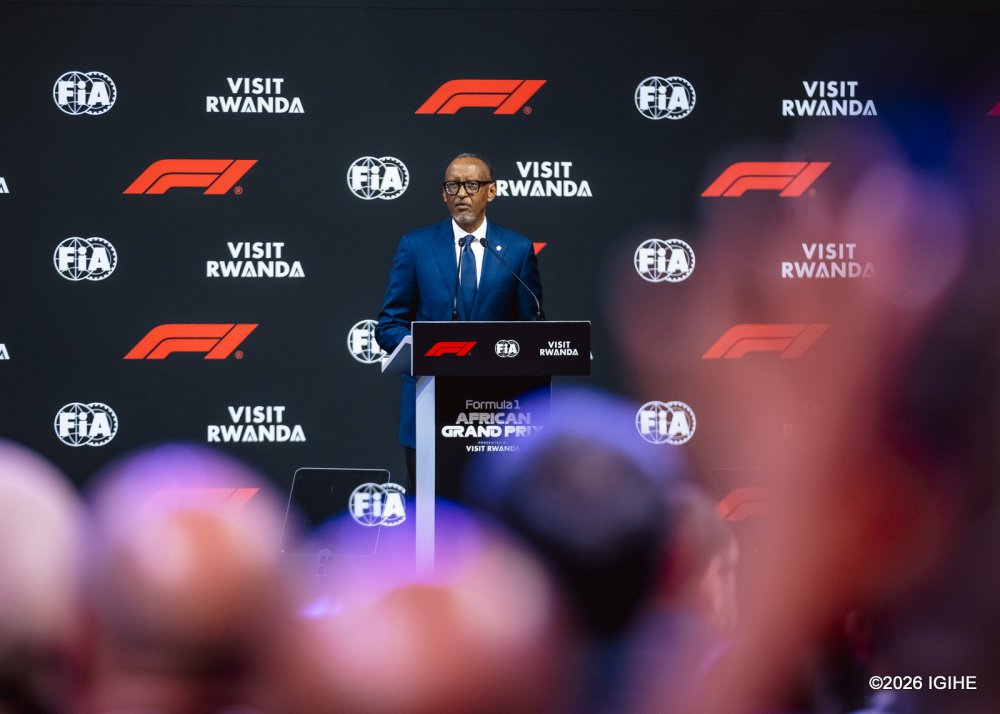
Speaking in Kigali on Tuesday, October 13, following the announcement of the 10-year agreement between Formula 1 and Rwanda, Kagame said the partnership was long overdue and should go beyond hosting a major international sporting event to create lasting opportunities for African countries and their people.
“Ultimately, what we want is for the African Grand Prix to pave the way for other races to be hosted on the continent,” Kagame said.
He argued that Africa has contributed significantly to international sport, including through its athletes, but has often received little of the economic value generated by the industry.
“For decades, African athletes have been a pillar of the global sports economy, with the continent receiving almost nothing in return,” Kagame said.
He stressed that Rwanda wants to help change that imbalance by investing in opportunities that allow the continent to contribute more actively to international sport rather than remain primarily a source of talent and spectators.
“We want to contribute, not just participate. This new chapter in motorsports starts today,” he declared.
President Paul Kagame speaks in Kigali on Tuesday, October 13, following the announcement of the 10-year agreement between Formula 1 and Rwanda.
Kagame also called for African countries to be intentional about turning sport into an economic and social development tool.
“The message for all of us is simple, sport is a great equalizer, but we have to be intentional about delivering this promise,” he added.
The planned Grand Prix is expected to support tourism, hospitality, entertainment and investment, while creating opportunities for local businesses and communities. Kagame’s broader ambition is for the event to strengthen Africa’s place in international sport and demonstrate how sporting investments can generate benefits beyond competition itself.
Formula 1 targets Africa’s growing fanbase
Formula 1 President and CEO Stefano Domenicali said the agreement would bring Formula 1 closer to millions of African fans while giving young people greater opportunities to identify with the sport and pursue careers connected to it.
Formula 1 has more than 800 million fans globally, with Africa accounting for over 100 million, according to Domenicali. He noted that the continent’s fan community continues to grow as more young people discover the championship.
“Today’s announcement brings Formula 1 closer to them than ever before,” he remarked.
Formula 1 President and CEO Stefano Domenicali said the agreement would bring Formula 1 closer to millions of African fans.
Domenicali emphasised that the return to Africa could encourage young people to imagine careers not only as drivers but also as engineers, technicians, entrepreneurs and innovators.
“Young Africans should be able to see themselves not only as spectators but also as future engineers, technicians, entrepreneurs, innovators, drivers,” he said, adding that the opportunity to participate in the sport was part of its wider significance.
He explained that the project’s ambitions extend beyond hosting a Grand Prix to creating a lasting legacy through tourism, investment, skills development, education and opportunities for local businesses.
“This is not simply about hosting a Grand Prix. This is about creating legacy and inspiration,” Domenicali said.
He added that the benefits should be felt across communities and continue for generations, rather than being limited to the race weekend.
Domenicali also credited Kagame’s commitment to creating opportunities and inspiring future generations, noting that Rwanda’s ambition and confidence in the future aligned with Formula 1’s own direction.
He expressed confidence that the partnership would help write a new chapter for the championship on the continent.
FIA pledges support for African motorsport
FIA President Mohammed Ben Sulayem described the announcement as an important step towards expanding Africa’s role in international motorsport.
He recalled Rwanda’s hosting of the FIA General Assembly and Awards in Kigali in December 2024, describing the event as an important milestone in the federation’s relationship with the country.
FIA President Mohammed Ben Sulayem hailed Rwanda’s F1 deal as a step forward for African motorsport.
Ben Sulayem maintained that the return of Formula 1 should be accompanied by efforts to expand participation in motorsport, develop local talent and increase African representation in the sport’s leadership and technical fields.
He highlighted grassroots initiatives such as karting and Cross Car racing as ways to make motorsport more accessible to young people who might otherwise struggle to enter the sport.
“The future of motorsports begins at the grassroots,” he said, calling for greater access and opportunities for young people across Africa.
The FIA has also pledged support for training and education as Rwanda prepares the facilities and expertise required to host the championship.
Ben Sulayem stressed that the significance of the deal extended beyond bringing a major competition to the continent, pointing to the need to create pathways for Africans to participate in motorsport at different levels.
He also emphasised the continental significance of the event, explaining that the race would be known as the African Grand Prix rather than simply a Rwandan event.
The proposed circuit will be built in Bugesera District, around 40 kilometres south of Kigali and near the new Kigali International Airport.
Rwanda targets the early 2030s
Rwanda is expected to host a Formula 1 Grand Prix from the early 2030s under the 10-year agreement announced on Tuesday. The race will mark Formula 1’s return to Africa after more than three decades. The championship last held an African race at the 1993 South African Grand Prix at Kyalami.
The proposed circuit will be built in Bugesera District, around 40 kilometres south of Kigali and near the new Kigali International Airport. It is being designed to meet FIA Grade 1 requirements for Formula 1 racing.
President Paul Kagame Speaking in Kigali on Tuesday, October 13, following the announcement of the 10-year agreement between Formula 1 and Rwanda.The gathering brought together government officials, diplomats and stakeholders from various sectors.
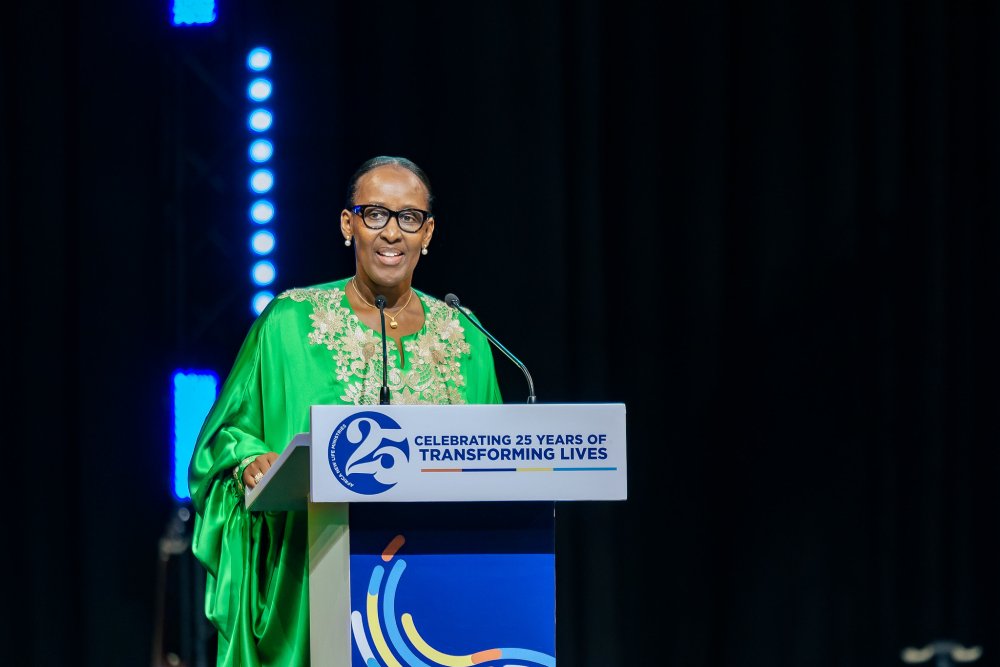
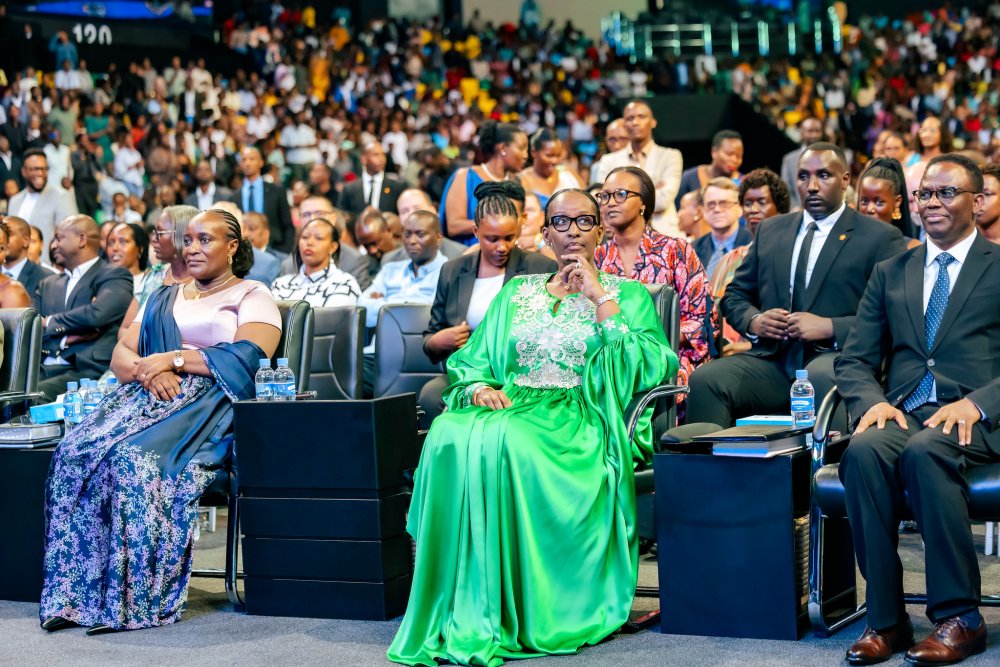
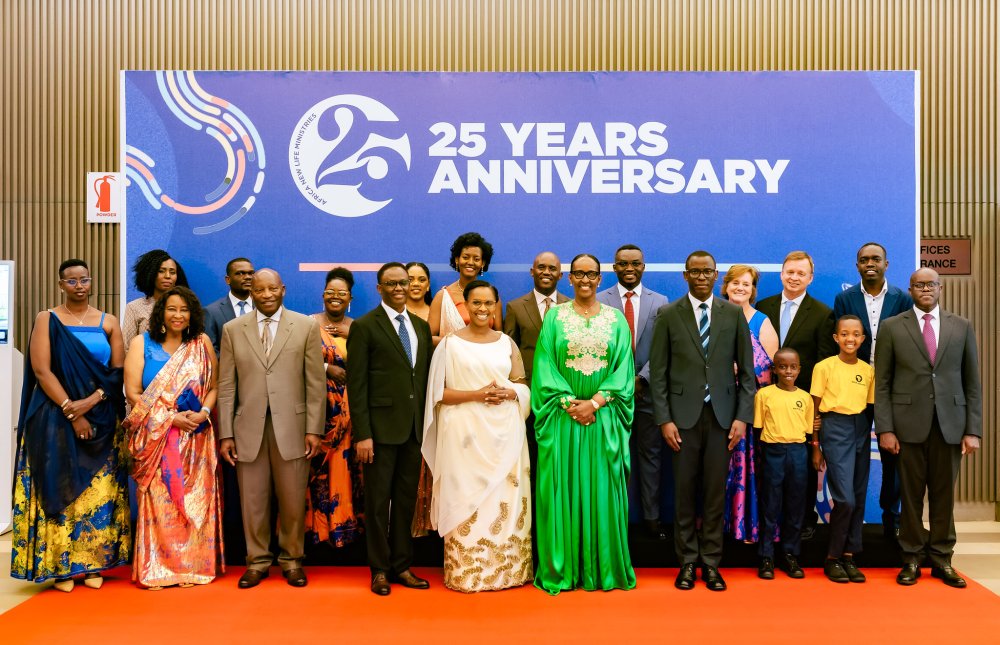
She made the remarks on October 11, 2026, during celebrations marking the 25th anniversary of Africa New Life Ministries’ work in Rwanda.
Africa New Life Ministries is a Christian faith-based organization founded in 2001 by Dr. Charles Buregeya Mugisha, after his return from exile in Uganda. The organization began its activities in Kayonza District in the Eastern Province before expanding to Kigali in 2004.
Jeannette Kagame said Africa New Life Ministries was established at a difficult time in Rwanda’s history, when the country was still recovering from years of conflict and working to rebuild people’s lives.
“Africa New Life Ministries was not born during a time of peace and freedom. Rather, it was born at a difficult time, after Rwanda had been devastated, both in terms of the country itself and the lives of Rwandans in general. The church was born when we were still trying to rebuild our country,” she said.
She noted that one of the major challenges Rwanda faced at the time was rebuilding trust and unity among people who had experienced different circumstances, including years of exile.
“The Rwanda we speak about today is a country made up largely of people who had lived in exile. Let us take a moment to think about that and what it meant for the country. It means that Rwanda at that time was a country of people who had been forced into exile or had chosen to flee in order to save their lives, accepting to live as foreigners in other people’s countries.”
“Eventually, those Rwandans returned home, speaking different languages depending on the countries where they had lived […] and they also found those who had never fled carrying trauma caused by our history. Although we were Rwandans, among ourselves we were like strangers,” she added.
The First Lady commended Africa New Life Ministries for contributing to efforts to restore a sense of belonging among Rwandans and help them rebuild their lives.
She said the organization had gone beyond evangelism to respond to social needs and support people affected by the country’s difficult past.
“When you thought you were simply starting a church, you answered a question many of us were asking: Where is home? Where is our home? You gave a clear and meaningful answer when you decided that the church would become a home for many.”
She added that the organization had helped people regain their dignity and find comfort and practical support.
“At a time when the country needed to regain its dignity and address complex challenges it had, you helped many people once again see themselves not as refugees, but as one large family of God. You gave them spiritual nourishment and comforted wounded hearts, but you also provided them with physical nourishment.”
The First Lady also thanked the organization for supporting children who lost their parents as a result of Rwanda’s history.
“We thank you for becoming parents to children who might otherwise never have known their fathers or mothers because they were orphaned by our history. We thank you for showing us that the gospel is not only about telling people that there is heaven, but also about building God’s community in the life we live here on Earth.”
How Africa New Life began
The President and Founder of Africa New Life Ministries, Rev. Dr. Charles Buregeya Mugisha, said the idea of establishing the organization began taking shape in 1995, when he and his wife, Florence Mugisha, visited Rwanda.
During the visit, they encountered children facing serious social challenges, prompting them to consider how they could support vulnerable communities.
Having experienced exile themselves, the couple understood its impact on people’s lives and decided to begin their intervention by supporting children.
“In my classes, I began developing a plan for the ministry we hoped to establish. Our time there prepared us and brought us so many friendships, as you can see, that have become the heart of the story of Africa New Life Ministries.”
When they returned to Rwanda in 2001, Rev. Dr. Mugisha said the needs they encountered, particularly those affecting children, required immediate action.
“When we returned to Rwanda to visit in the summer of 2001, the needs we saw would not allow us to keep waiting,” he said.
He explained that he asked his wife to use the money they had saved to build their first home to help the children instead, a decision that marked the beginning of Africa New Life Ministries.
“We still needed a home, but we also knew that these children needed a beginning. Those days became part of the foundation of the work we were doing,” he noted.
More than 21,900 children supported
Over 25 years of operations in Rwanda, Africa New Life Ministries has expanded its work across education, healthcare and community development.
The organization currently has 12 branches across the country and says it has supported more than 21,900 children in accessing education.
It has also supported 1,914 women through initiatives aimed at improving their livelihoods.
In education and nutrition, the organization has provided more than 5.7 million meals in schools to help children access nutritious food and continue their studies.
In healthcare, more than 500,000 people have received medical services at Dream Medical Center.
The anniversary celebrations highlighted Africa New Life Ministries’ approach of combining evangelism with practical interventions aimed at improving community wellbeing.
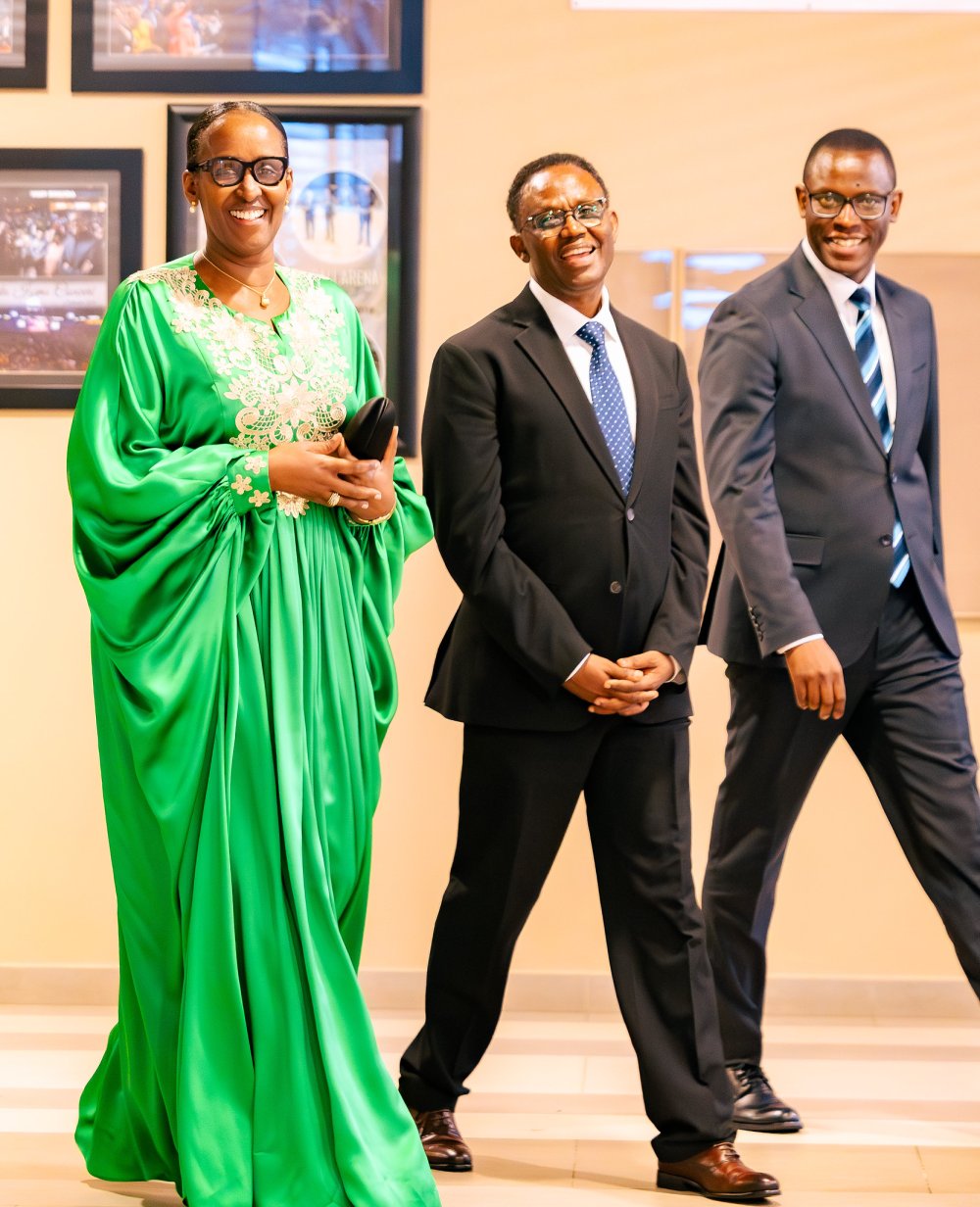
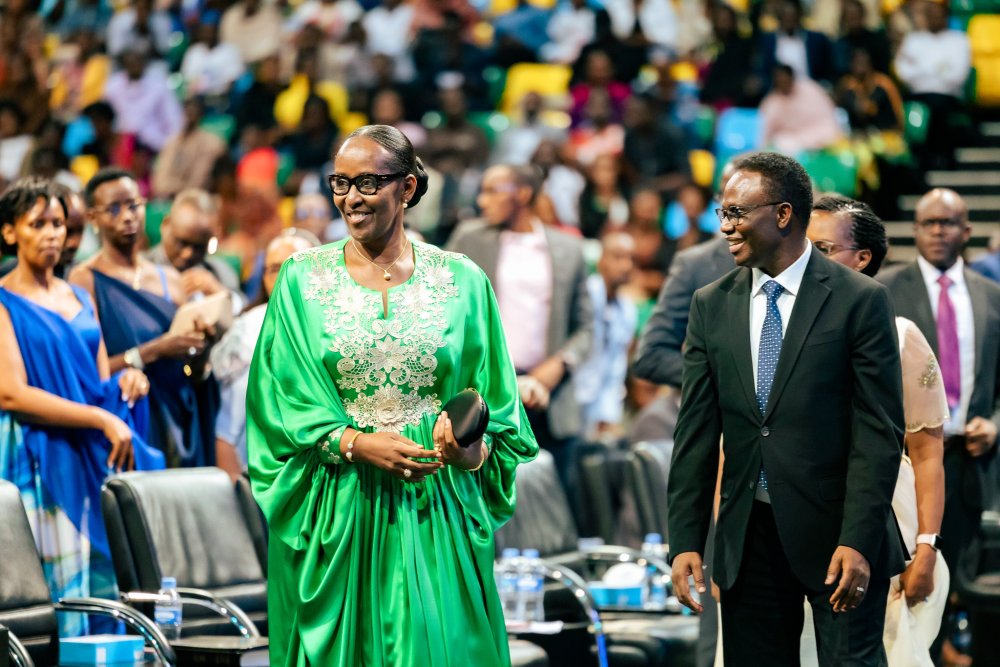
How First Lady Jeannette Kagame arrived at BK Arena for the event.
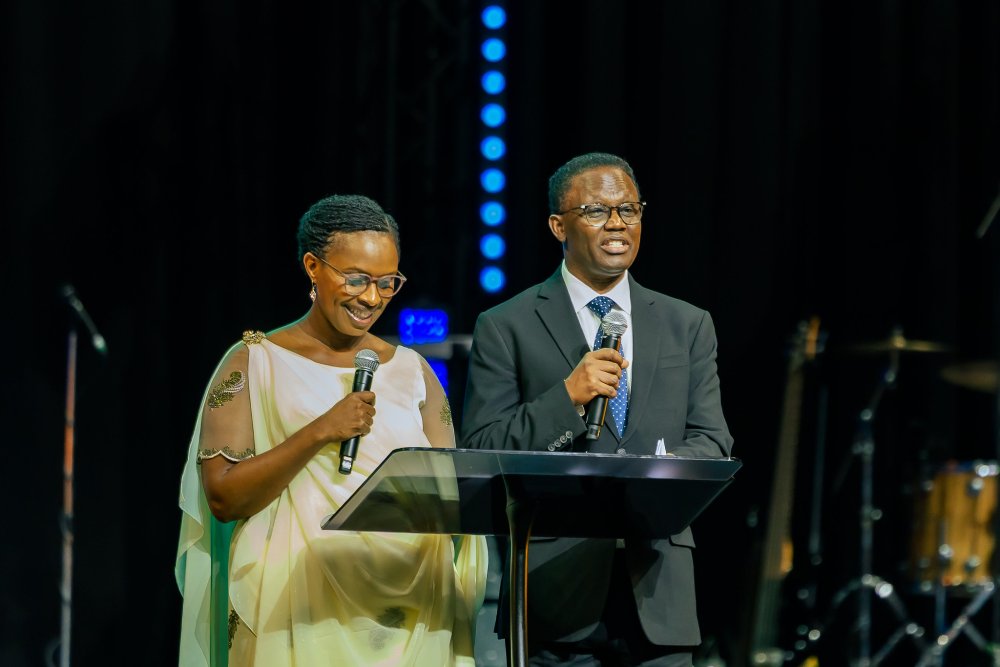
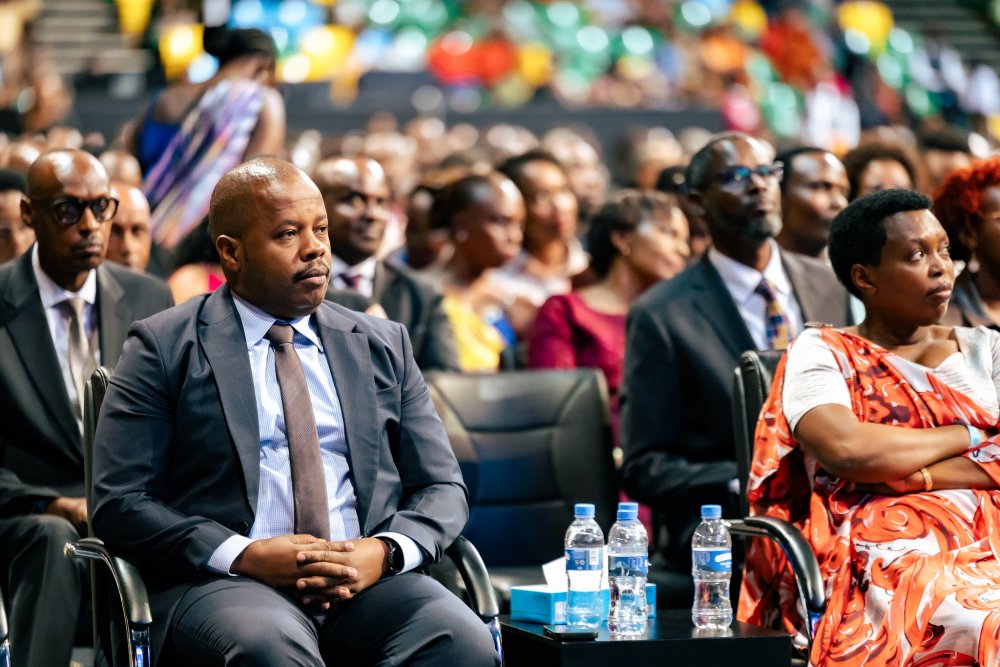
First Lady Jeannette Kagame noted that the ministry was established when Rwanda was still rebuilding from the devastating effects of its history.The President and Founder of Africa New Life Ministries, Rev. Dr. Charles Buregeya Mugisha, said the idea of establishing the organization began taking shape in 1995, when he and his wife, Florence Mugisha, visited Rwanda.Kigali Mayor Samuel Dusengiyumva was among the leaders who attended the event.
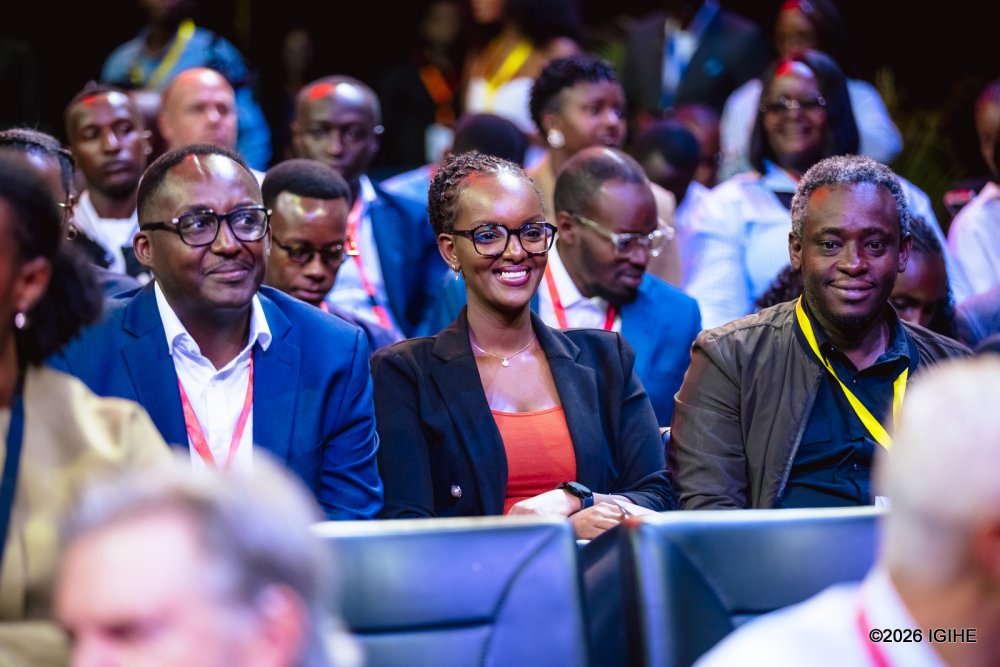
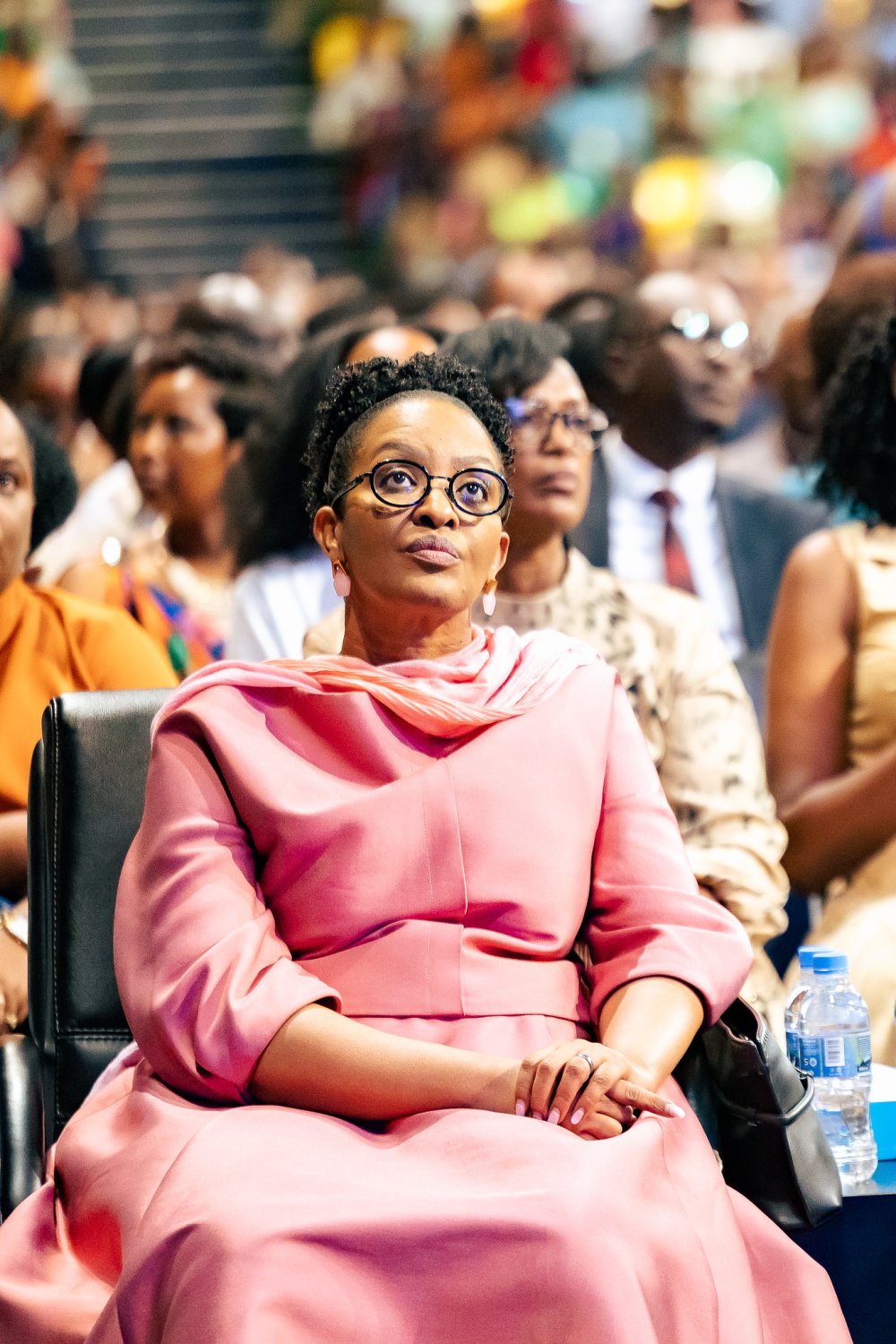
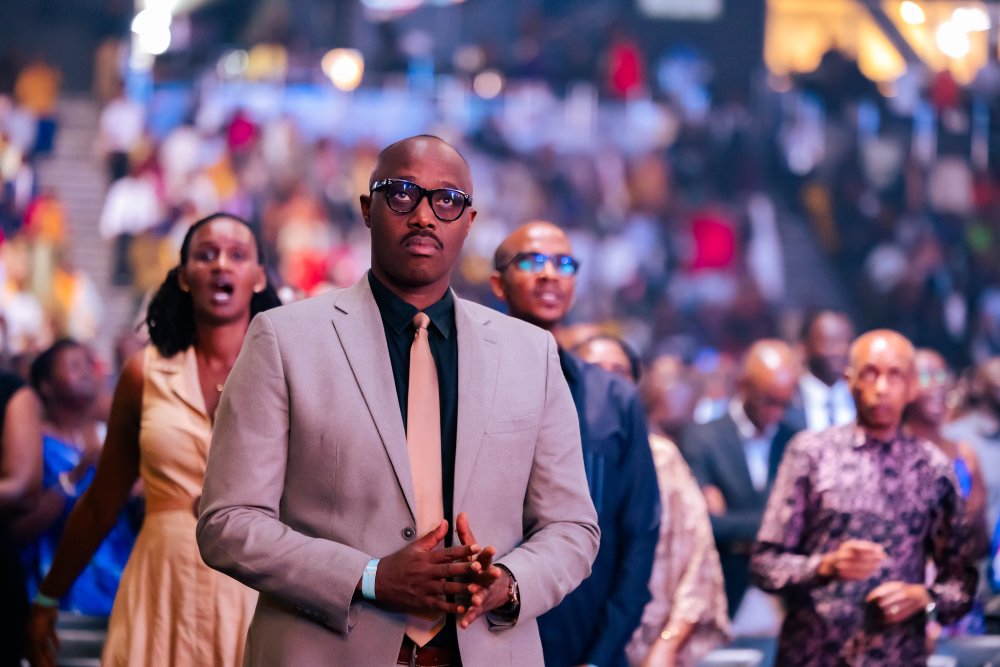
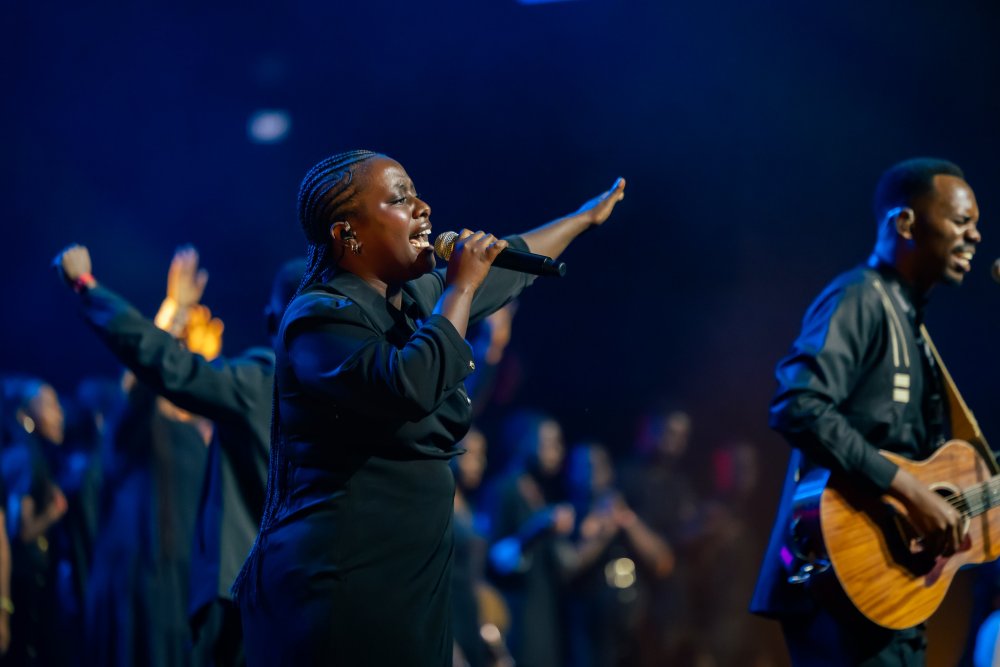
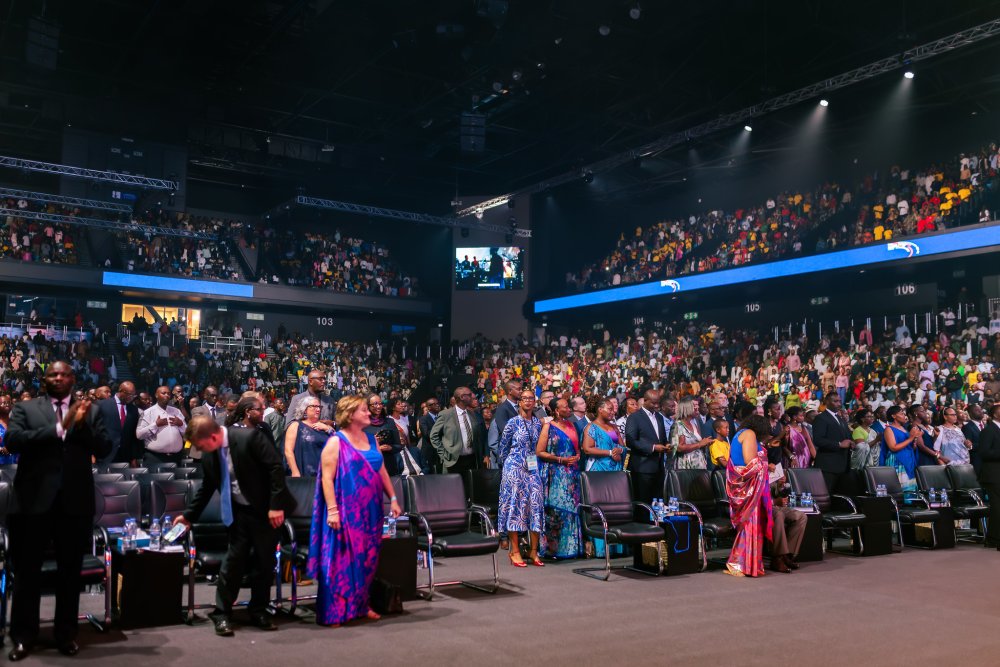
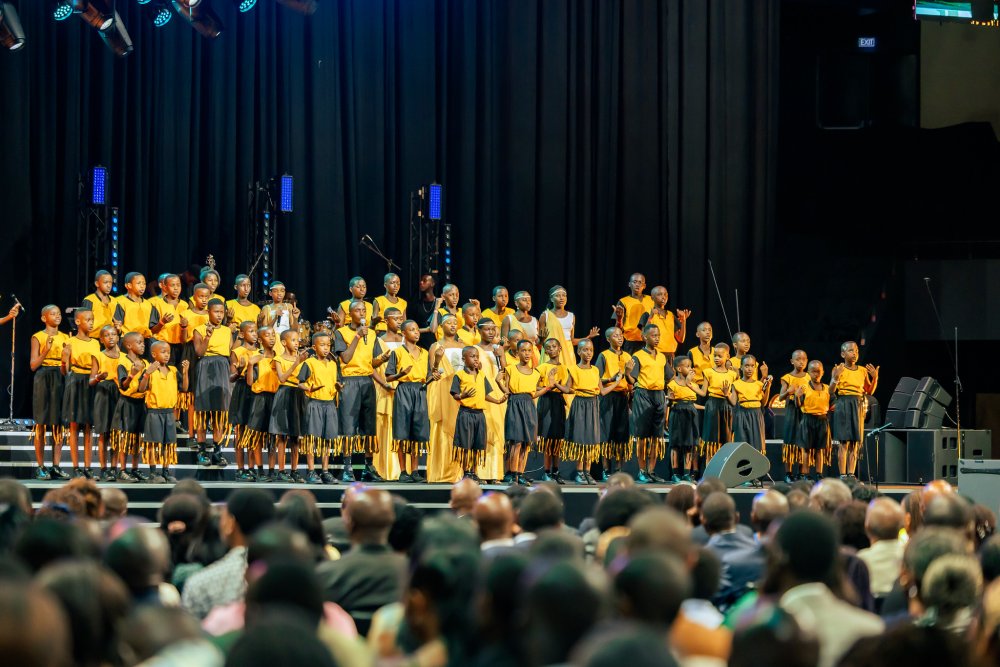
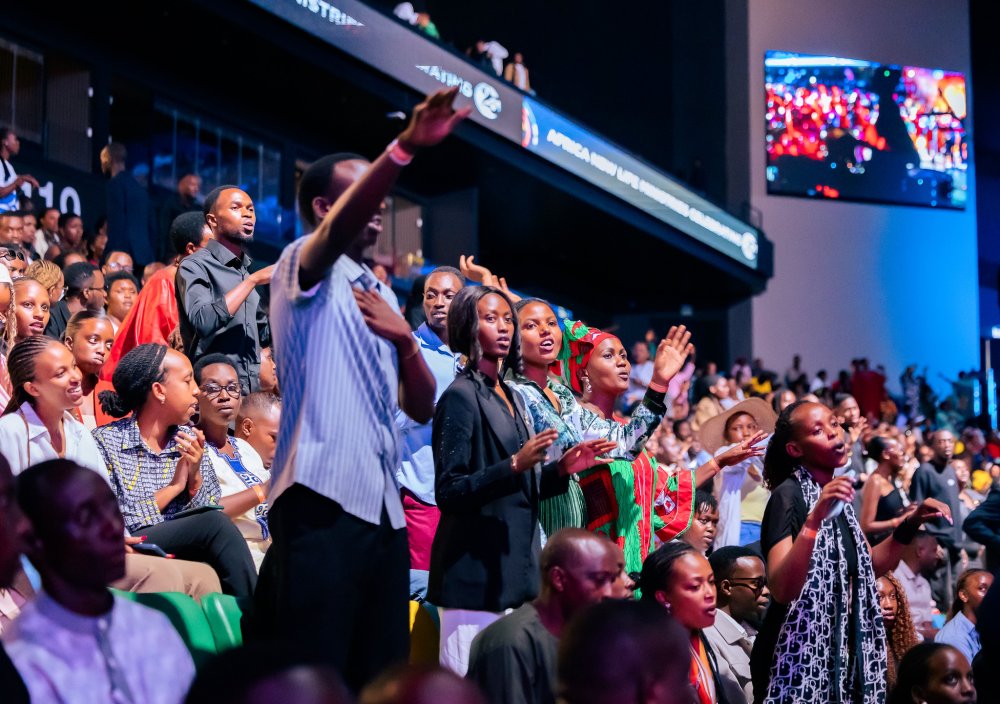
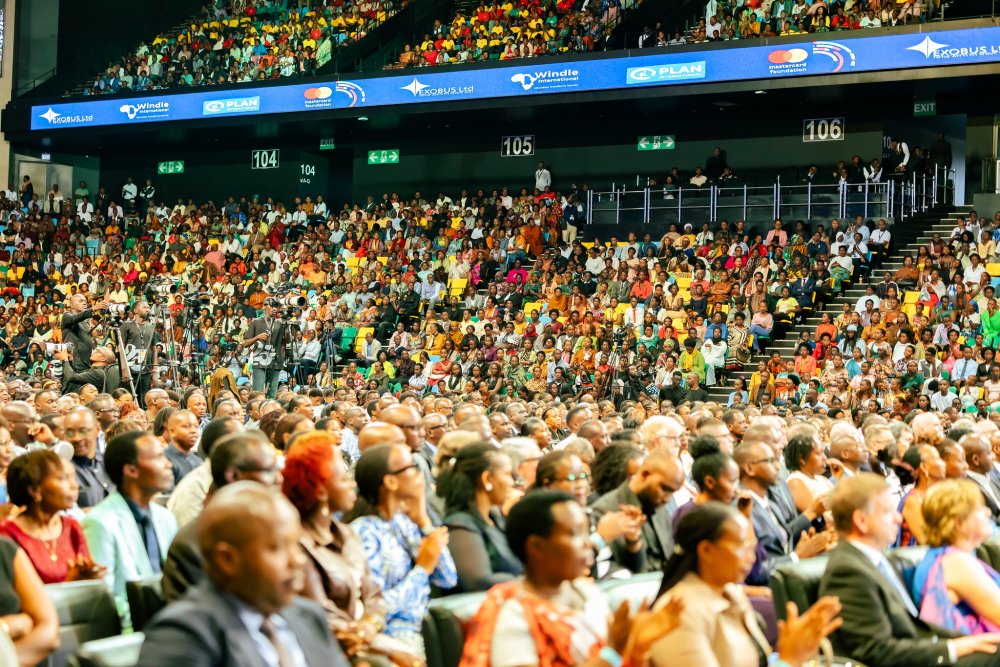
It was an opportunity to thank God for the 25 years since the ministry was established. Christians and friends of Africa New Life Ministries gathered in large numbers at BK Arena to celebrate the ministry’s 25th anniversary. Young children also took to the stage to praise God through song.
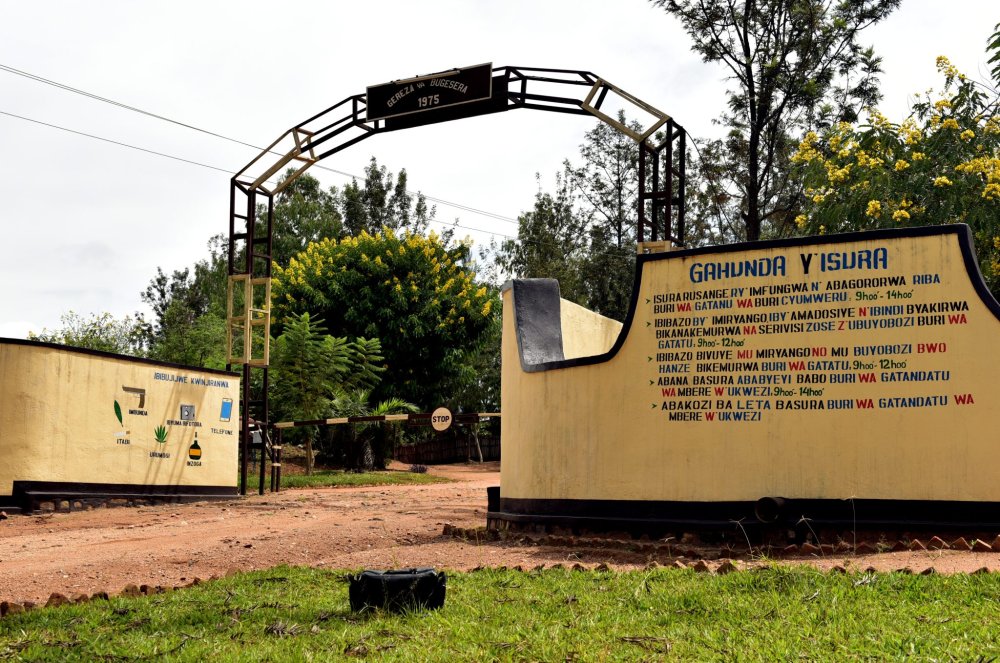
The closure took effect on October 12, 2026, according to a notice signed by RCS spokesperson CSUPT Hillary Sengabo.
RCS said arrangements had been made for the transferred inmates to contact their families and inform them of their new locations.
“The management of the Rwanda Correctional Service (RCS) informs families of inmates held at Bugesera prison that the facility has been closed effective today. All inmates have therefore been transferred to other correctional facilities,” the notice reads.
The service added that families would visit their relatives at the facilities to which they had been transferred.
Speaking to IGIHE, Sengabo said Bugesera prison previously accommodated 2,320 inmates.
He attributed the closure to a nationwide decline in the inmate population, which has reduced the need for more correctional facilities.
“The general reason is that the number of inmates in the country has been declining. When the number of inmates decreases, the number of prisons also decreases. Those transferred will not cause overcrowding at the facilities where they have been relocated because our current occupancy rate stands at 97%,” he said
“We are no longer experiencing overcrowding, and the situation is continuing to improve. We therefore selected facilities without overcrowding to accommodate the transferred inmates,” he added.
Rwanda currently has 68,733 people in correctional facilities.
Following the closure of Bugesera prison, the country now has 12 active correctional facilities. Seven accommodate male inmates only, while Nyarugenge and Musanze prisons house both men and women. Nyagatare prison accommodates juveniles, while Nyamagabe and Ngoma prisons house female inmates only.
The closure of Bugesera prison took effect on October 12, 2026, according to a notice signed by RCS spokesperson CSUPT Hillary Sengabo.
Gauthier’s funeral service was held on Monday, October 12, 2026, in Reims, northeastern France, following her death on October 3.
Rwanda’s Ambassador to France, François Nkulikiyimfura, delivered Kagame’s message during a religious service held at Saint André Church in Reims, attended by her family, friends and other guests.
In his message, President Kagame said Gauthier would be remembered for her unwavering determination to fight impunity for those responsible for the Genocide against the Tutsi.
“For more than 30 years, she tirelessly devoted herself to restoring the dignity of victims and survivors. Her legacy will endure through the organisation she founded with her husband, Alain Gauthier, whose courageous mission is to identify the perpetrators of the genocide and bring them to justice,” the President said.
Kagame expressed Rwanda’s gratitude for Gauthier’s dedication to the cause, saying her commitment continued to inspire the country and future generations.
“Rwanda is profoundly grateful to Dafroza for dedicating her life to such a noble cause. Her commitment remains a source of inspiration for our nation today and for generations to come,” he said.
On behalf of the Government and people of Rwanda, as well as his family, Kagame extended condolences to Gauthier’s family, friends and those who had worked alongside her.
“May her soul rest in peace,” he said.
Before reading the President’s message, Ambassador Nkulikiyimfura also expressed his personal condolences to Alain Gauthier, the family and other mourners, acknowledging the loss of someone whose life had touched many people.
He said he hoped the love and support of family and friends, together with the expressions of sympathy they had received, would bring them comfort and strength.
A life dedicated to justice
Born in Butare in 1954, Dafroza Gauthier met Alain Gauthier when he was teaching in Rwanda. The couple later married in France and had three children.
The Genocide against the Tutsi took place while she was in France, claiming the lives of approximately 80 members of her family.
The loss became a driving force behind her efforts to pursue justice for the victims. In 1996, she and her husband began working to bring genocide perpetrators to justice, later establishing Collectif des parties civiles pour le Rwanda (CPCR) in 2001.
The organisation works to identify people suspected of participating in the Genocide who sought refuge in France, gather evidence and testimonies about their alleged crimes, and initiate legal proceedings through the relevant judicial authorities.
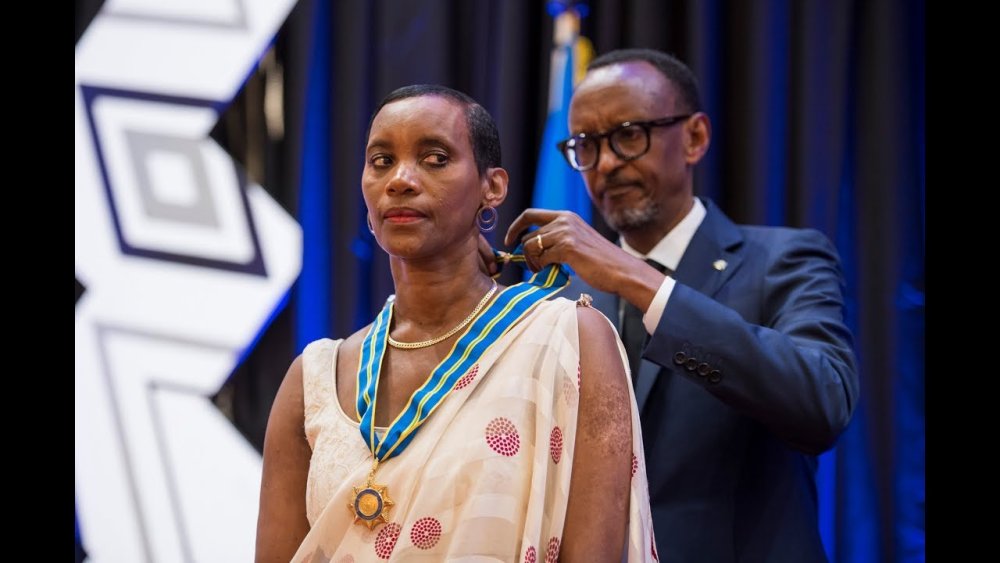
Gauthier’s work alongside her husband earned them recognition from Rwanda. On November 18, 2017, President Kagame awarded the couple the ‘Impeta y’Igihango’, an honour recognising outstanding contributions to strengthening cooperation between countries, as well as promoting the dignity of Rwanda and Rwandans internationally.
Through CPCR, the couple helped advance efforts to ensure that people responsible for the Genocide against the Tutsi could be held accountable, making their work an enduring part of the pursuit of justice for victims and survivors.
President Kagame awarded Dafroza Gauthier and her husband, Alain, the Impeta y’Igihango in 2017 in recognition of their contributions to justice. Kagame paid a glowing tribute to Dafroza during her funeral service in France on October 12, 2026.
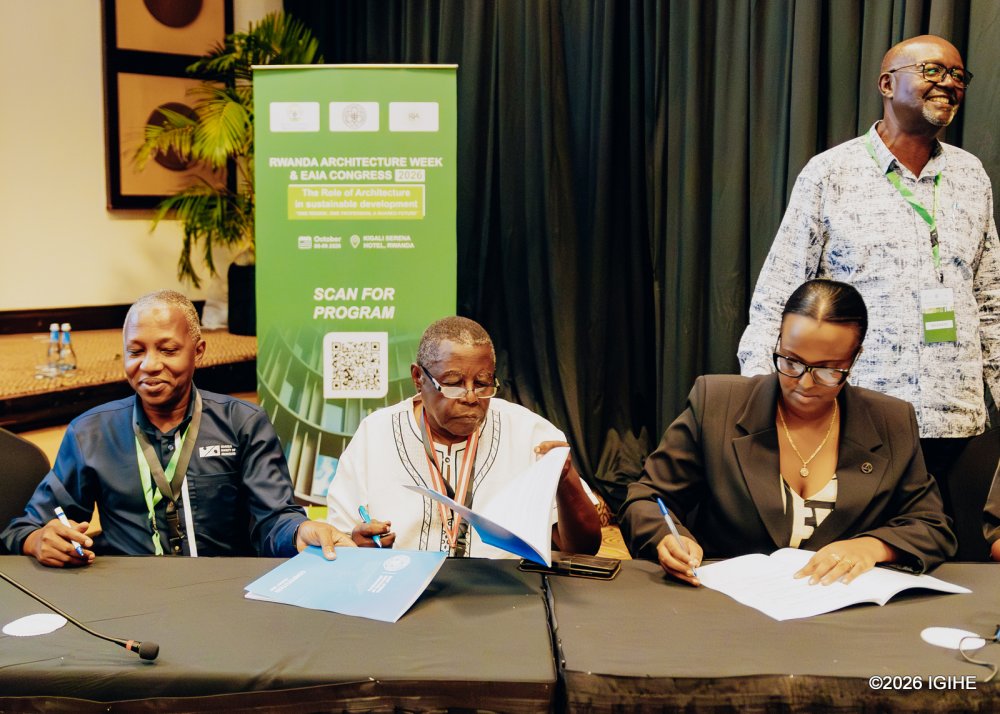
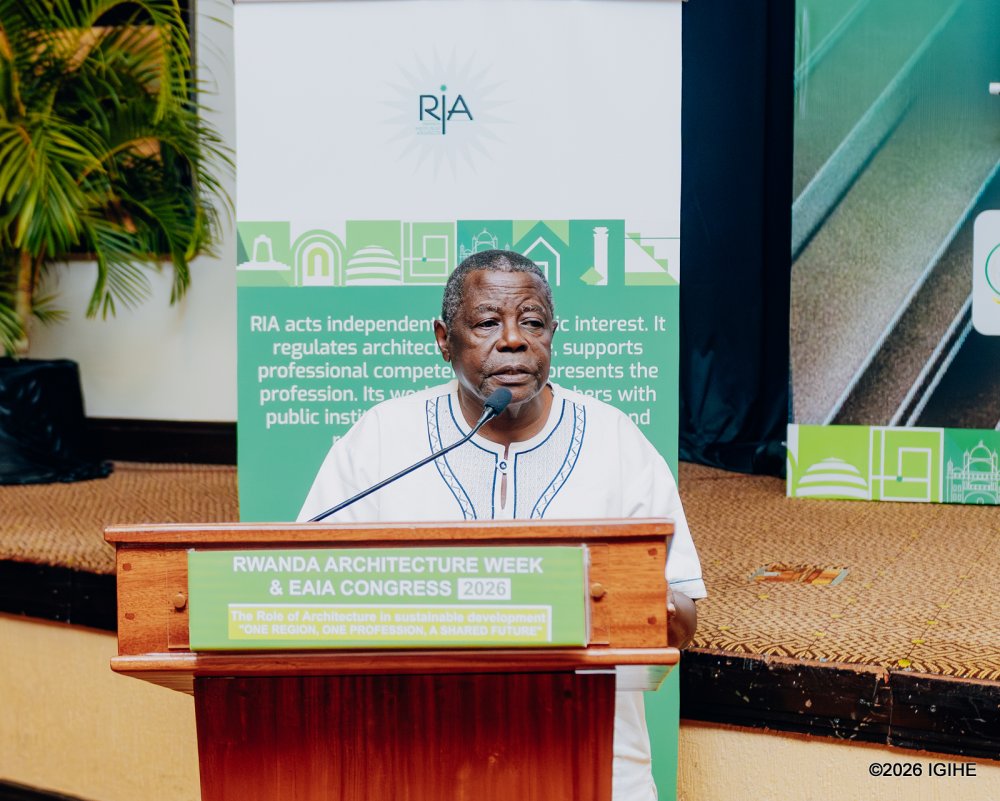
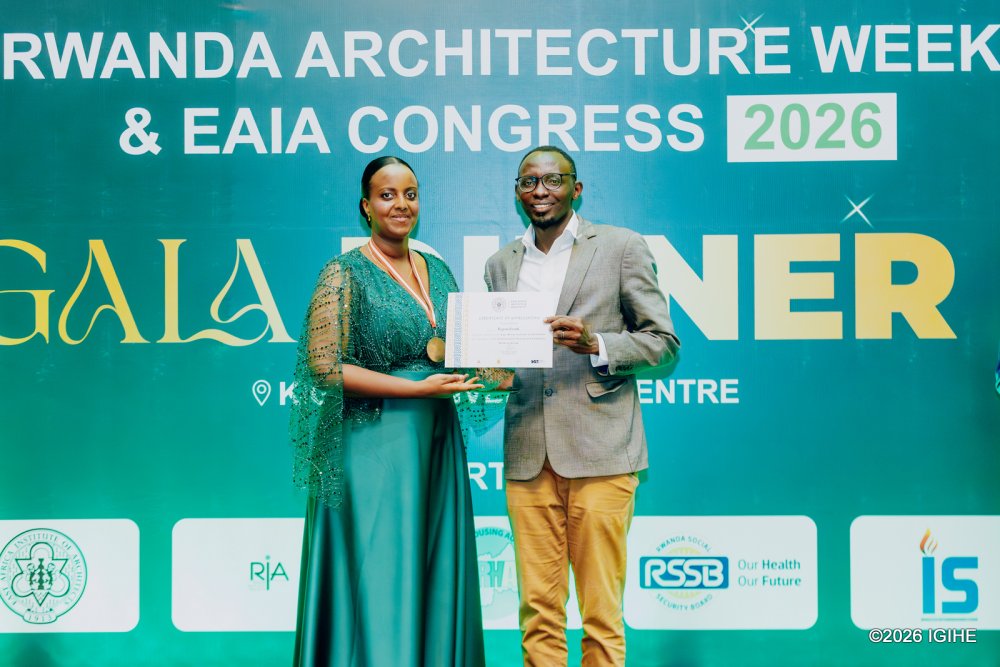
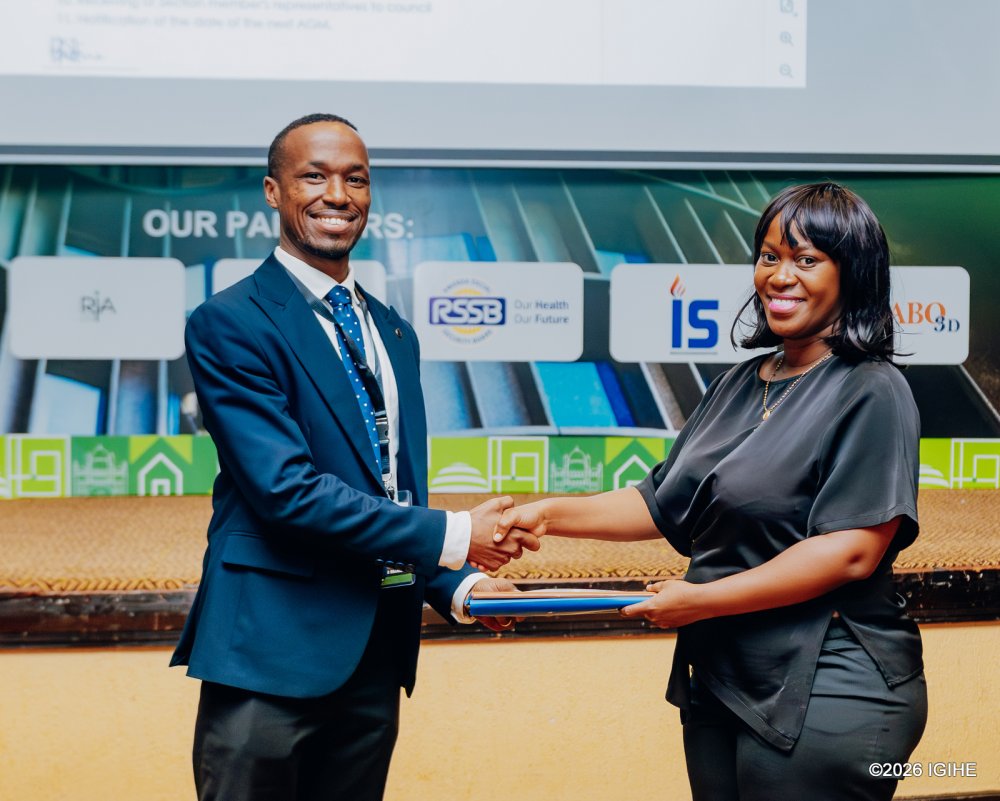
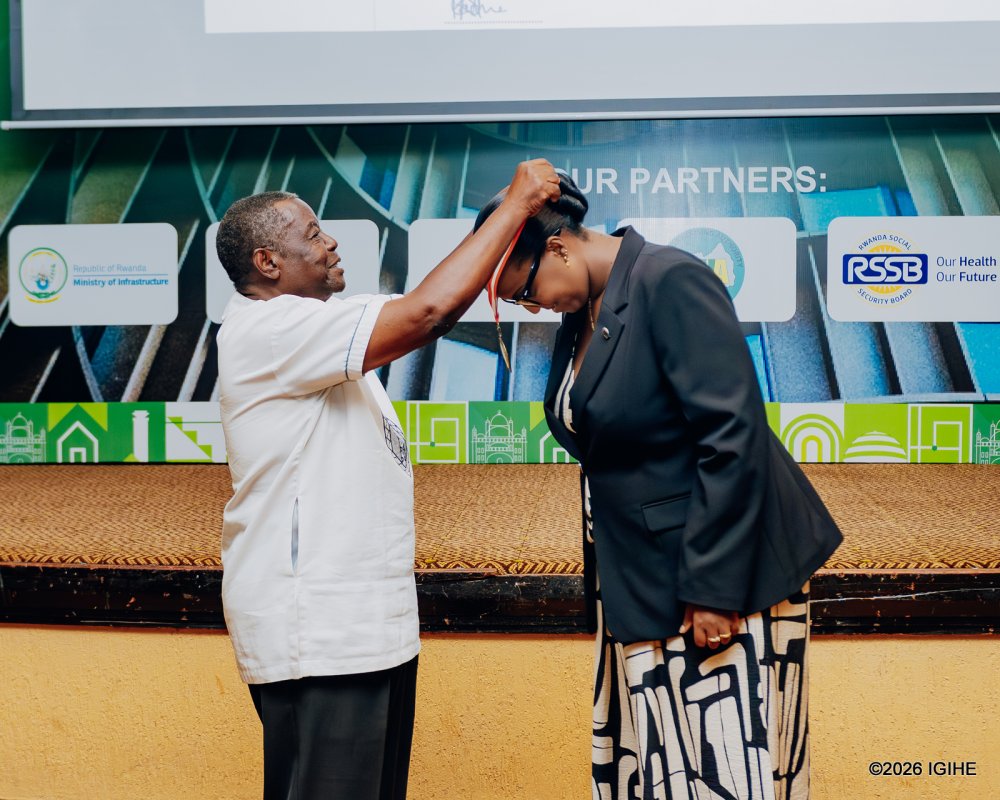
Rwanda succeeded Tanzania following a handover ceremony held on October 9 during the EAIA Congress in Kigali, which brought together leaders and members of the institute.
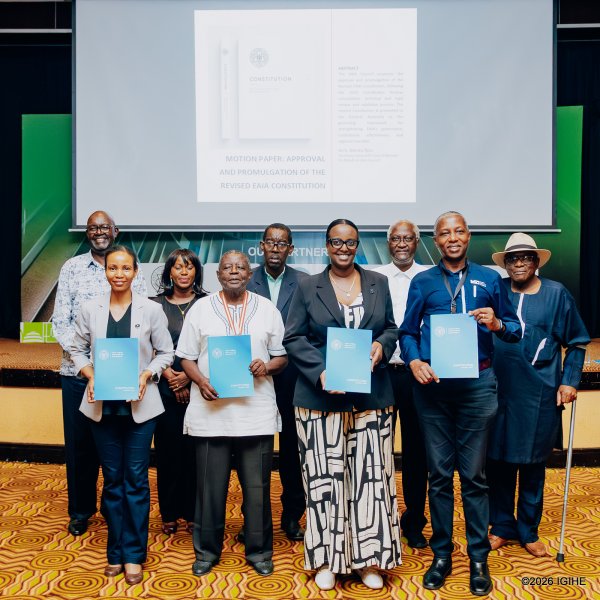
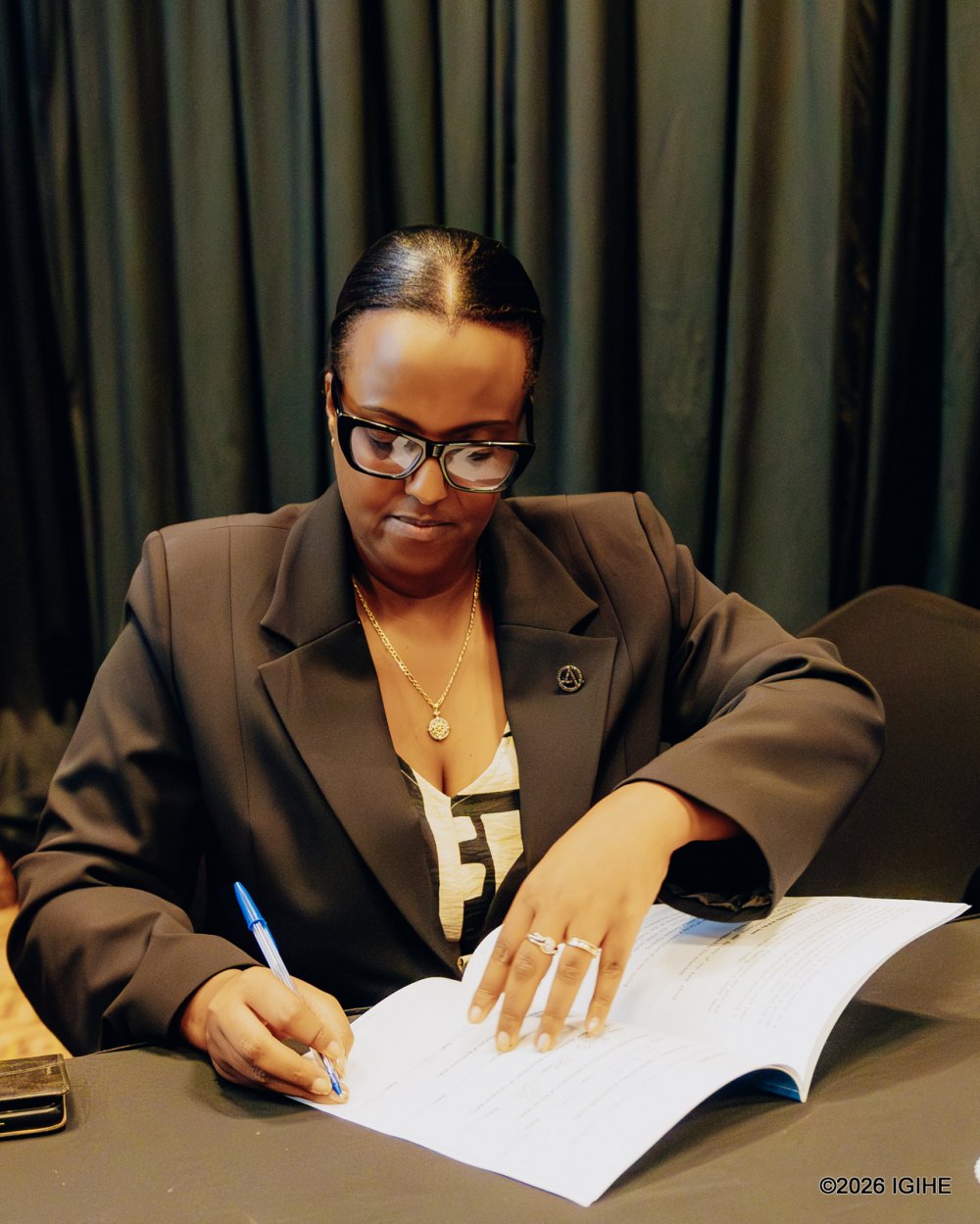
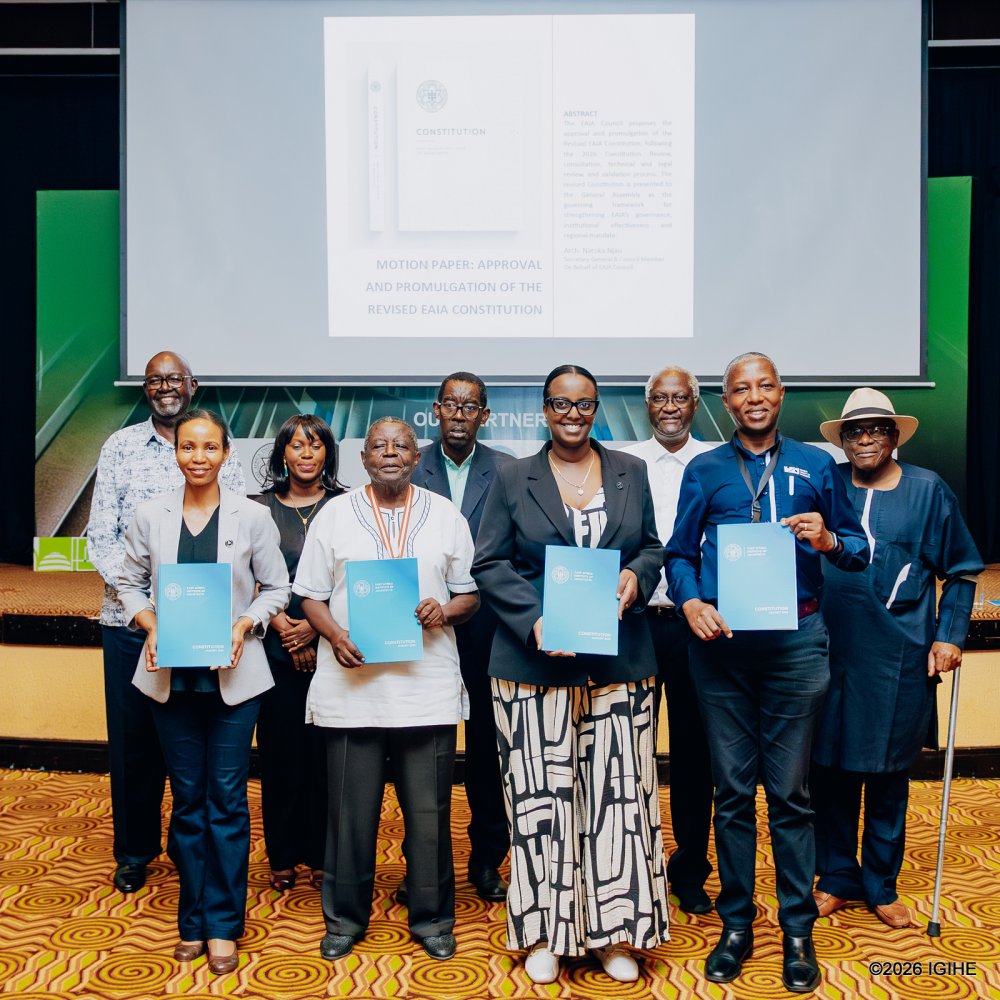
The ceremony also saw the approval of amendments to the EAIA constitution and the presentation of a draft five-year strategic plan outlining the institute’s priorities.
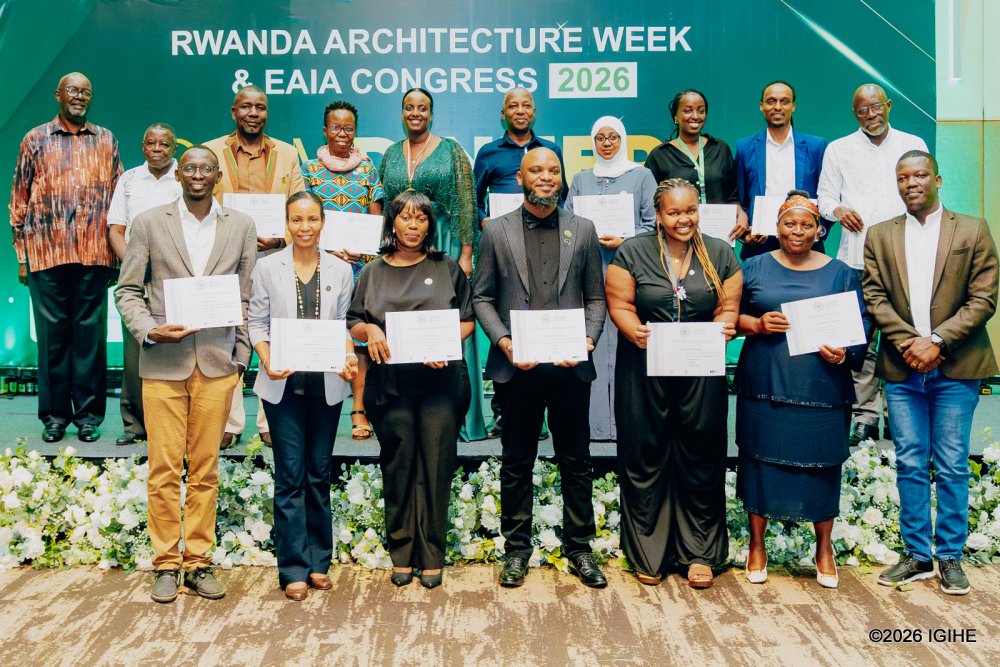
Awards were also presented to outstanding students who participated in a competition organised by an EAIA commission, bringing together architecture students from universities across the region.
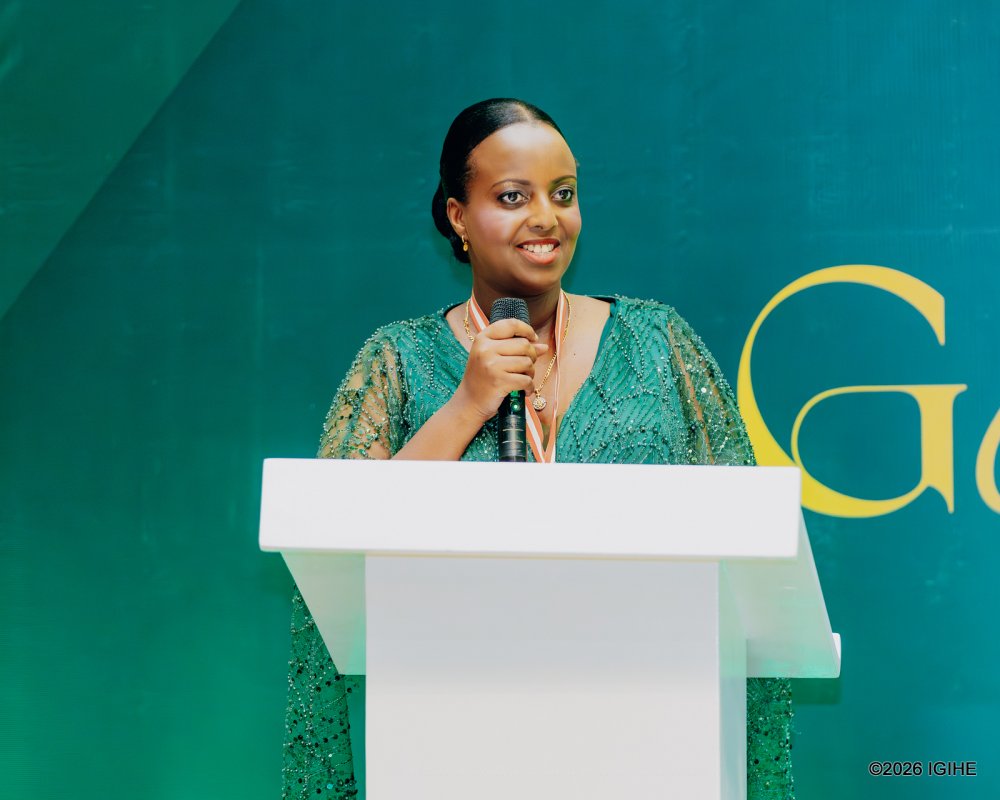
In her remarks, Nishimwe thanked the outgoing leadership for its achievements and expressed appreciation to members for entrusting her with the responsibility of leading the institute.
“We appreciate the outgoing committee for its outstanding work, and we thank our members for the confidence they have placed in us. We will build on your achievements and accept this responsibility with a commitment to serving the entire region, for the benefit of every architect and the future of our profession,” she said.
Nishimwe said achieving the institute’s objectives would require collective commitment rather than the efforts of an individual leader or committee.
“Achieving our goals will not depend on one person or one committee, but on all of us working together as one region united by a common profession. We must strengthen the sharing of professional knowledge and experience, improve cooperation among ourselves, and champion the value and development of architects, because the development of the region is not the responsibility of one country alone,” she said.
The new leadership plans to strengthen the architectural profession, raise its profile and expand the role of architects in promoting sustainable development across East Africa.
Nishimwe said she would prioritise raising awareness of the value of architects and ensuring they play a meaningful role in promoting environmentally sustainable construction.
She added that the initiatives would help East African countries align their development efforts with international sustainable development goals.
The institute also intends to deepen cooperation among architects in the region and strengthen engagement with other construction professionals, government institutions and organisations involved in the sector.
Another priority is harmonising professional ethics and standards of practice across member countries to establish a more consistent framework for the profession.
The new leadership will also seek closer cooperation with institutions responsible for registering architects and other bodies involved in regulating the profession.
Nishimwe said the institute would further promote policies and legislation that support the profession, improve the quality of architectural education and training, and expand opportunities for members to share knowledge and experience.
She said implementing these priorities would help East African countries work more closely together while strengthening the quality, recognition and contribution of architecture to sustainable regional development.
Uganda is expected to succeed Rwanda in leading the EAIA under its rotational leadership arrangement, which allows member countries to take turns heading the regional body.
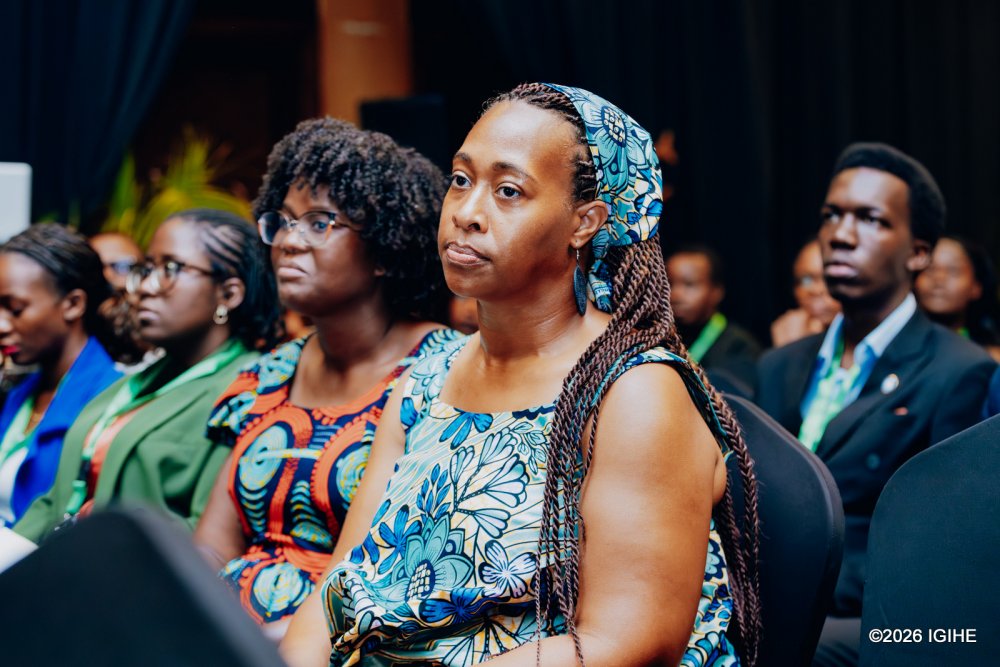
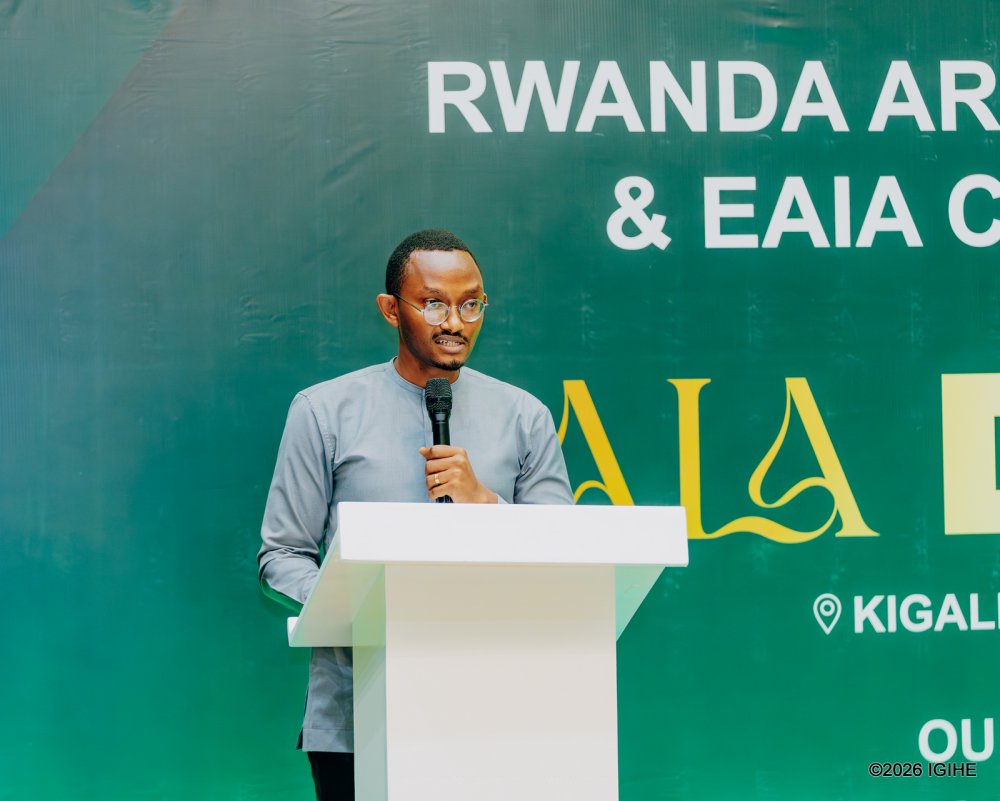
The EAIA Congress 2026 at Kigali Serena Hotel brought together architects from across the region for meaningful discussions, knowledge sharing, and collaboration on the future of the architectural profession.Gloria Luce Nishimwe, the new EAIA Chair, signs the amendments to the EAIA constitution adopted at the congress.The AAT and RIA leadership teams during the handover of EAIA leadership. Mecky T’chawi, the outgoing Chair of the East Africa Institute of Architects (EAIA). The new EAIA Chair and head of the Rwanda Institute of Architects (RIA), Arch. Nishimwe Luce Gloria, thanked the outgoing committee for its outstanding work. University leaders from across the region were recognised for their contribution to advancing the architectural profession. The AAT Secretary-General (right) hands over responsibilities to the RIA Secretary-General. Arch. Nishimwe Luce Gloria during the leadership handover ceremony.