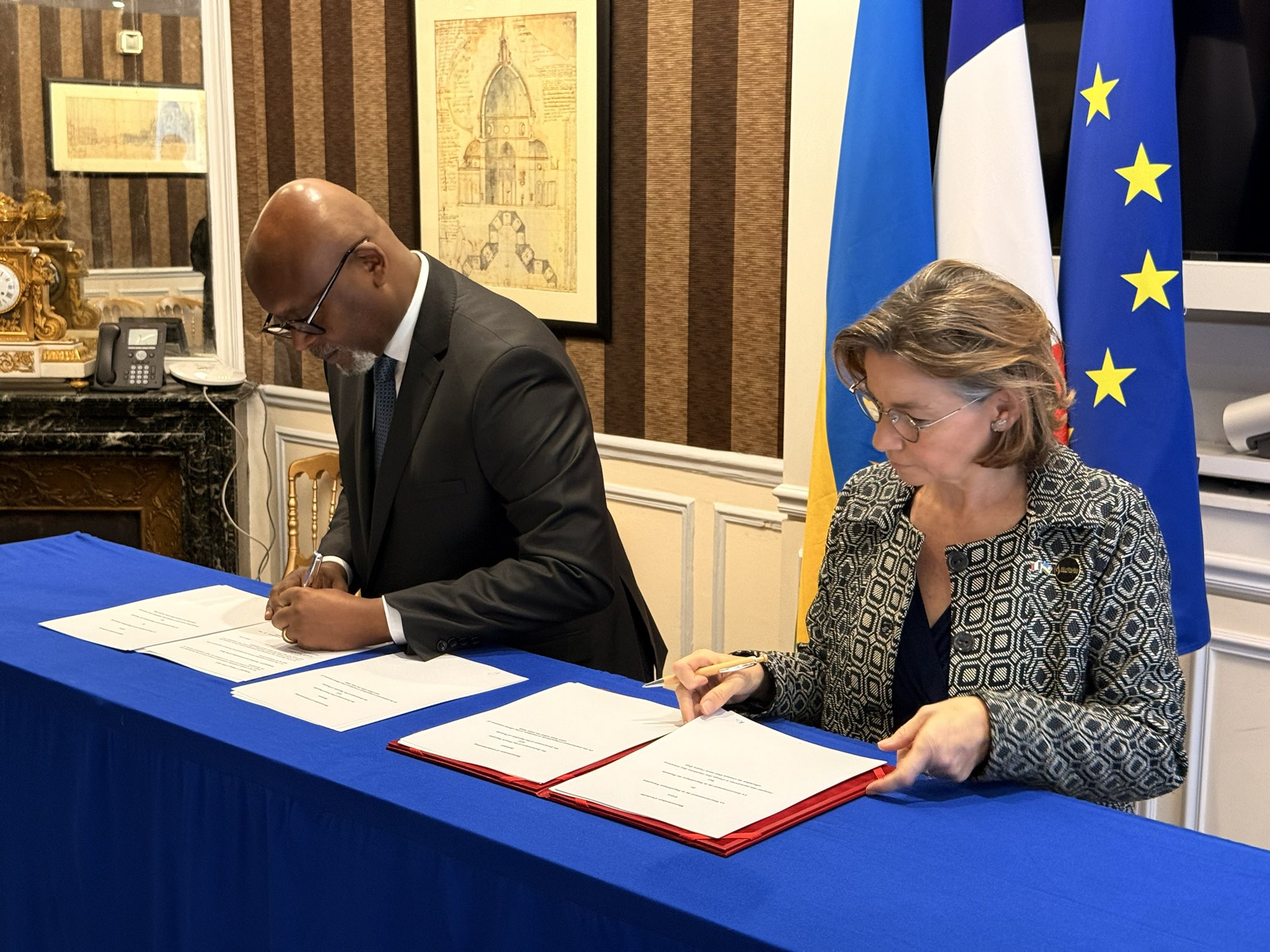
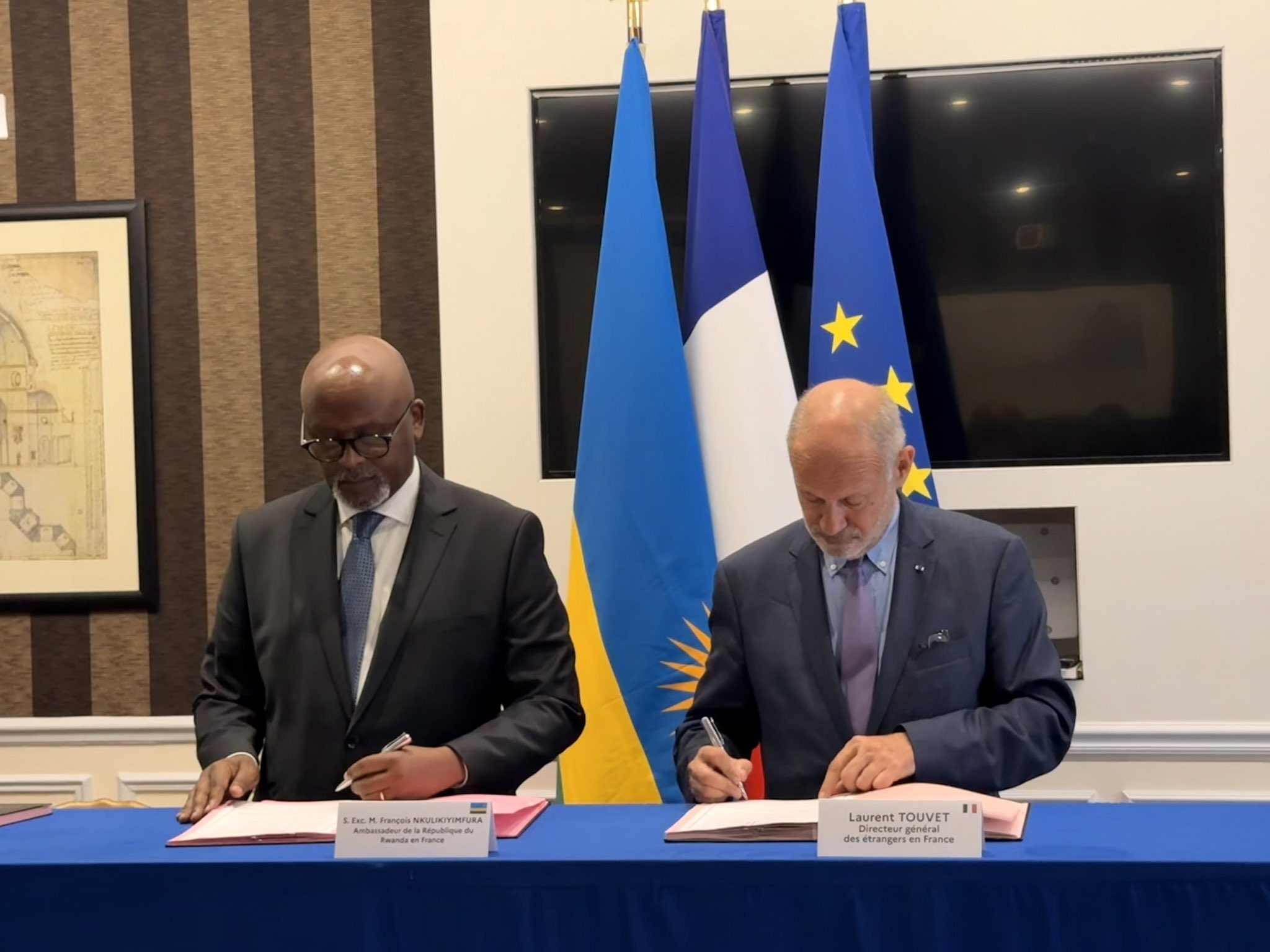
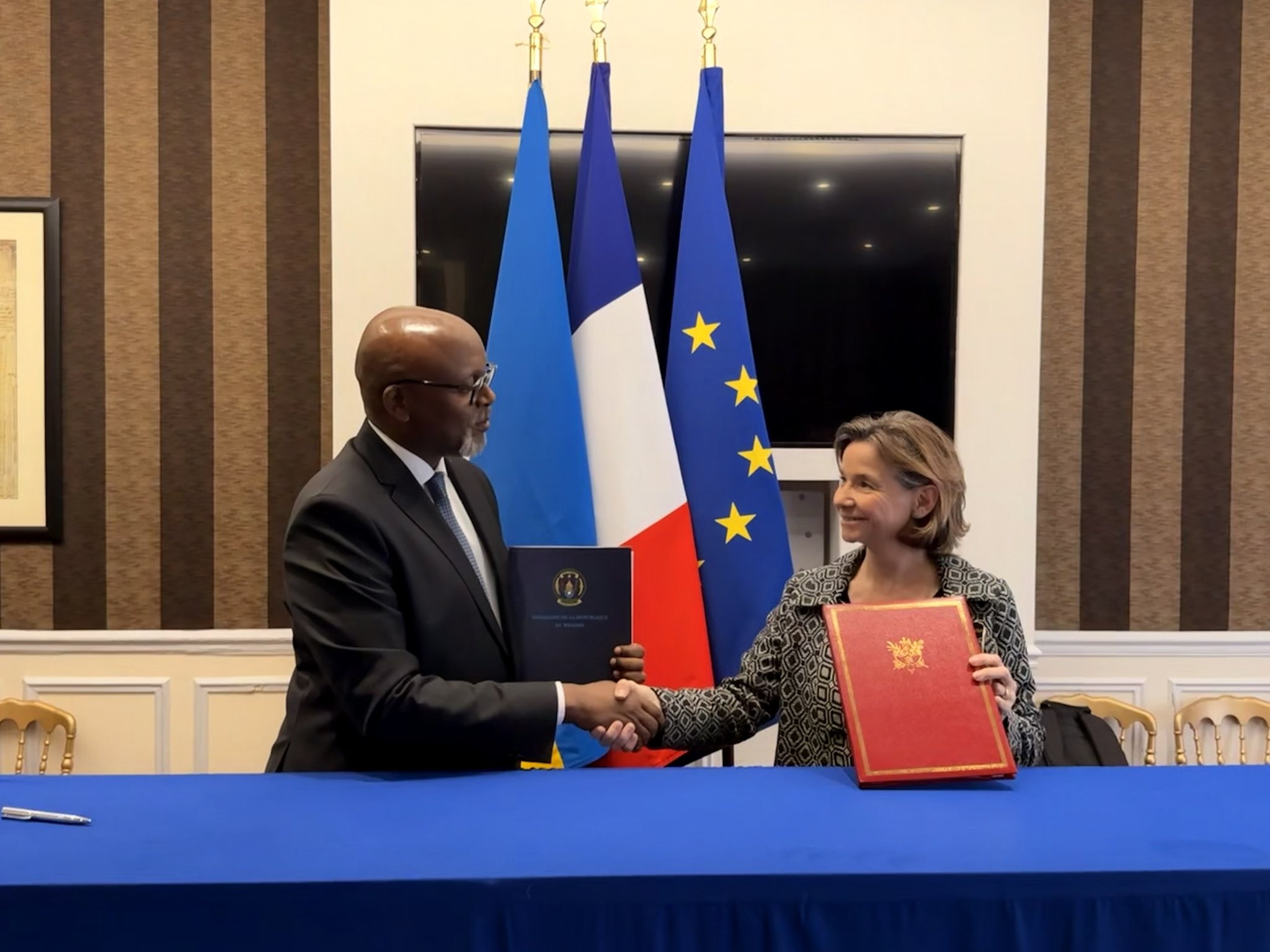
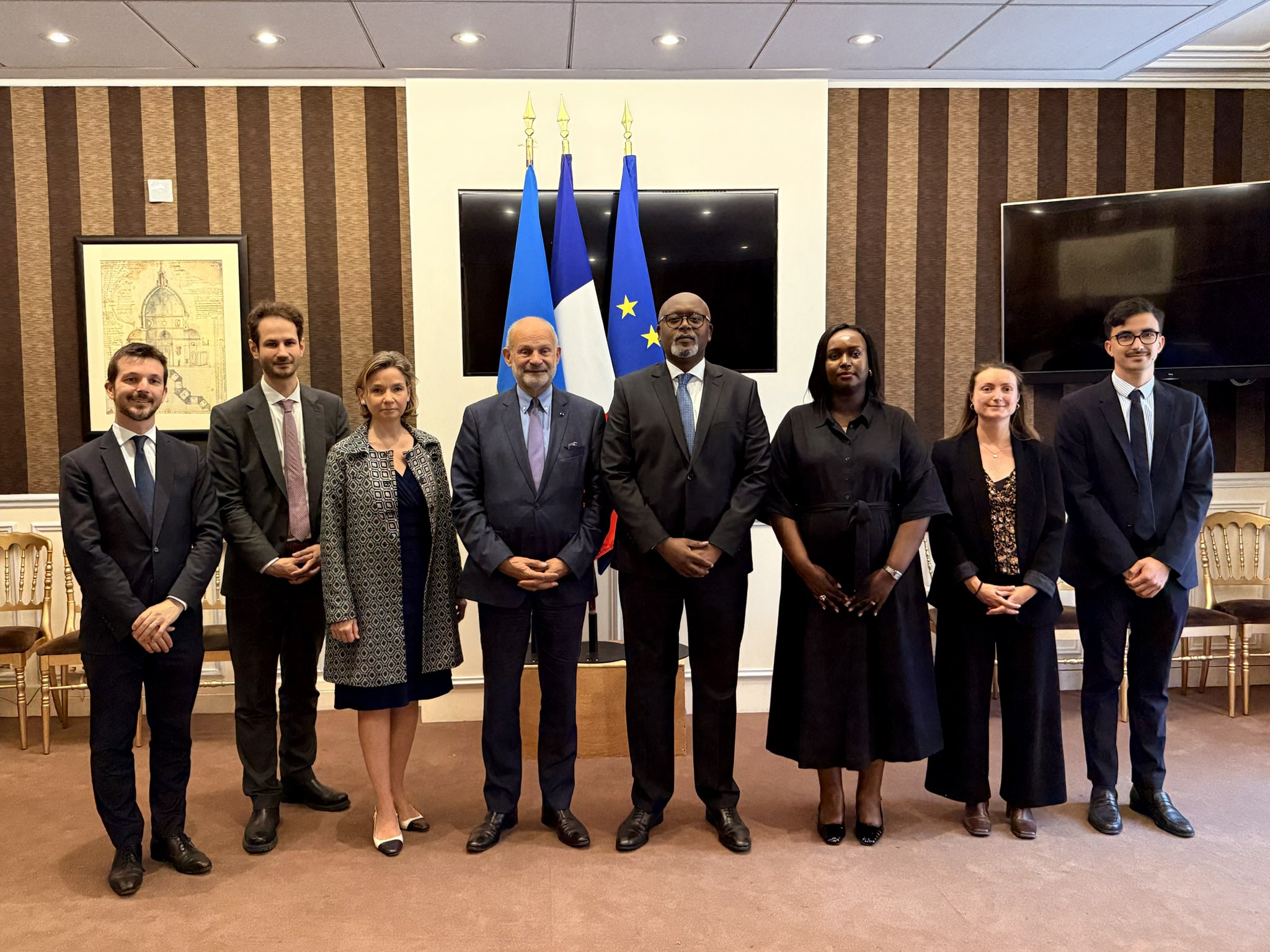
The agreements were formalised during a signing ceremony in Paris. Rwanda was represented by its Ambassador to France, François Nkulikiyimfura, while the French delegation was led by Ambassador to Rwanda, Aurélie Royet-Gounin, alongside Laurent Touvet, the Director General for Foreigners at the French Ministry of the Interior.
The newly signed MoUs are expected to deepen bilateral ties, enhance administrative efficiency, and foster closer cooperation between Kigali and Paris.
The diplomatic milestone closely follows the historic inauguration on June 2, 2026, of “L’Archive”, a permanent memorial in Paris dedicated to the victims of the 1994 Genocide against the Tutsi.
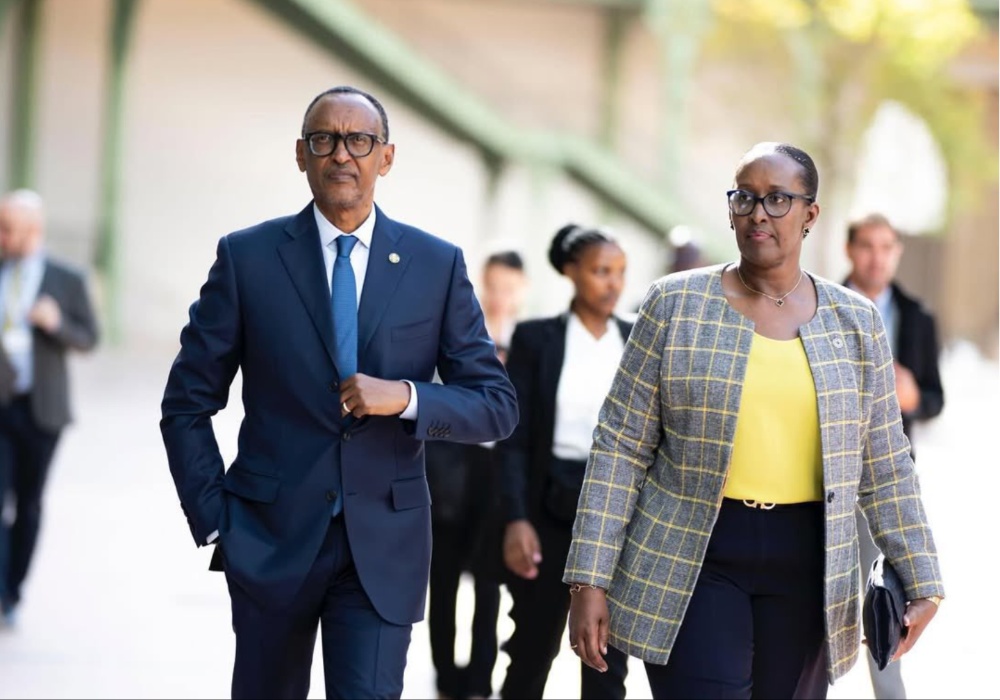
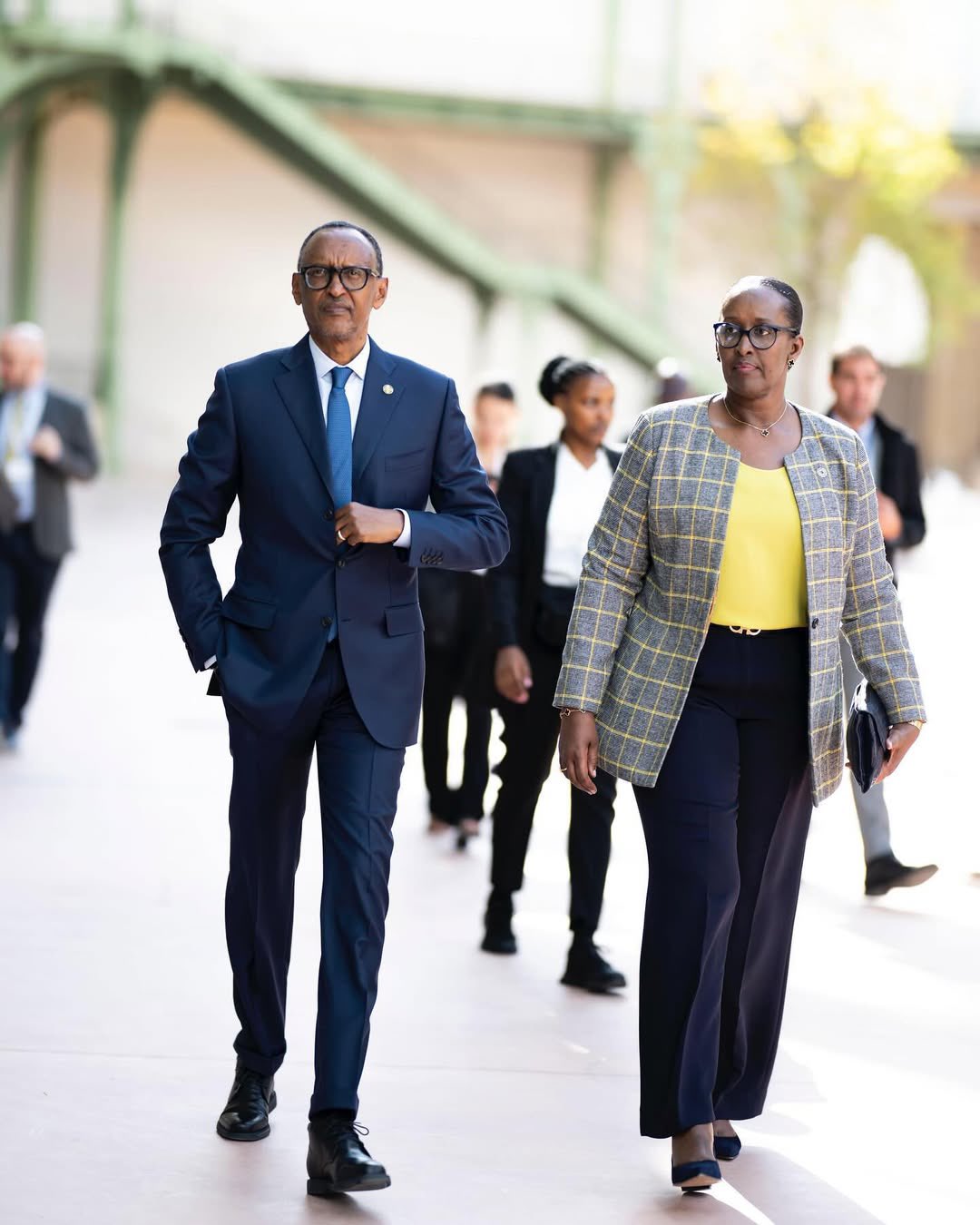
The unveiling of the monument on the Habib-Bourguiba Esplanade was presided over by President Paul Kagame and First Lady Jeannette Kagame, alongside French President Emmanuel Macron, who described the memorial as a significant milestone in the ongoing reconciliation between the two countries.
Rwanda and France sign MoUs on migration and employment of diplomatic dependents.The newly signed MoUs are expected to deepen bilateral ties, enhance administrative efficiency, and foster closer cooperation between Kigali and Paris.Rwanda and France have signed two Memorandums of Understanding (MoUs) aimed at streamlining migration management and easing employment restrictions for families of diplomatic staff serving in both nations.
Officials say the city requires about 210,000 cubic metres of water daily, while current production stands at around 145,000 cubic metres. The resulting shortfall has sustained intermittent water distribution in several parts of the capital.
Residents in areas including Kanombe, Busanza and Karembure say water shortages have recently become more noticeable, even before the onset of the dry season.
In some neighbourhoods, water sold at public standpipes has become increasingly expensive, with vendors reportedly purchasing a jerrycan at the regulated price of 20 Rwandan francs and reselling it for between 300 francs and above, depending on demand.
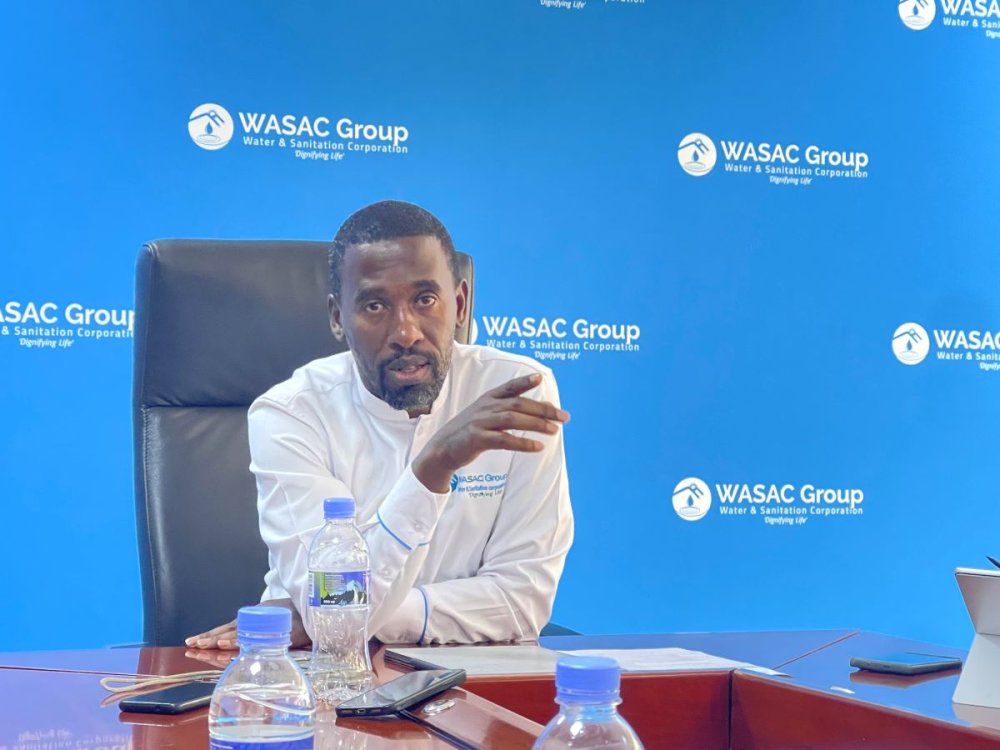
WASAC Group CEO Dr Asaph Kabaasha told IGIHE that the price increases by some vendors are linked to ongoing rationing caused by insufficient supply across the city.
He said several short-term and long-term infrastructure projects are underway to eliminate the shortages and ensure uninterrupted water supply.
“There are very short-term projects in Kigali that we aim to complete by September. For example, we are upgrading the Nzove water treatment plant, and we plan to add 20,000 cubic metres by September. The preparations are at an advanced stage, and we have already signed agreements with the contractor,” he said.
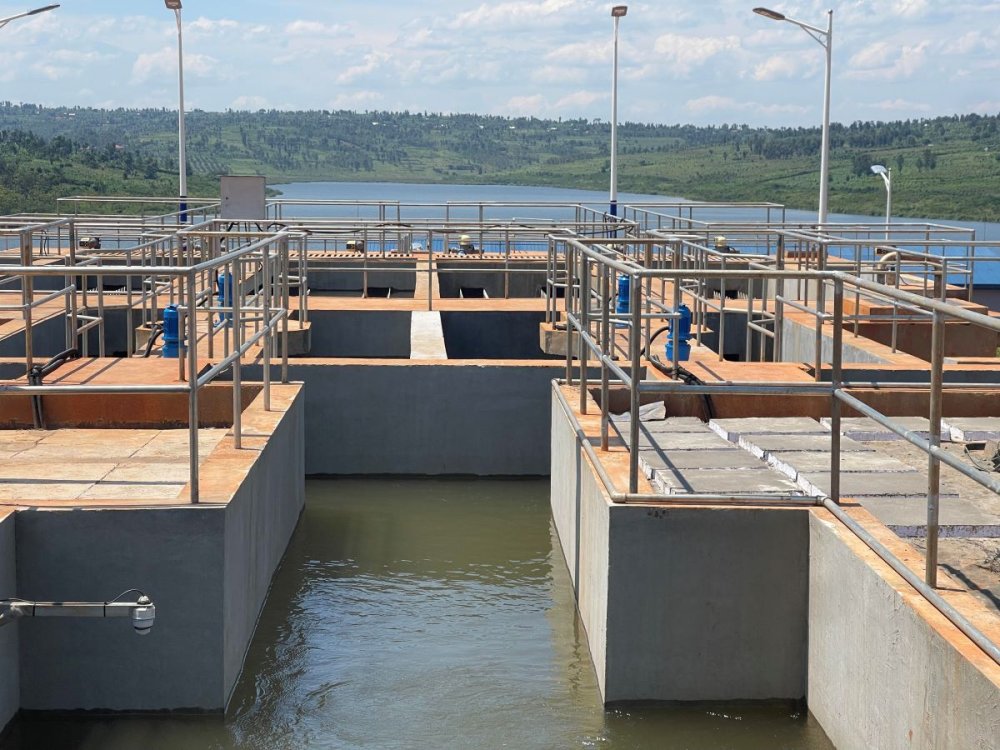
Dr Kabaasha also pointed to a major long-term expansion plan expected to add 400,000 cubic metres of water per day, aimed at meeting demand up to 2035. The project will draw water from the Nyabarongo II dam, which will also generate electricity alongside water supply.
In addition, he said the Karenge water treatment plant is being expanded from its current capacity of 12,000 cubic metres to 48,000 cubic metres, with 36,000 cubic metres expected to be supplied to Kigali.
“These developments mean that in the near future, water rationing will be a thing of the past in Kigali City,” he said.
Dr Kabaasha urged residents to use water responsibly, avoid wastage, protect water infrastructure, and report theft or vandalism, while assuring the public that efforts are ongoing to ensure universal access to clean water.
The Water and Sanitation Corporation (WASAC Group) has said it is implementing a range of ongoing projects aimed at resolving water rationing in the City of Kigali, as demand continues to outstrip supply by an estimated 65,000 cubic metres per day.WASAC Group CEO Dr Asaph Kabaasha told IGIHE that the price increases by some vendors are linked to ongoing rationing caused by insufficient supply across the city.
The decline came after many previously listed suspected cases were tested and ruled out, World Health Organization (WHO) spokesperson Christian Lindmeier said Tuesday.
A DRC health ministry report released on May 27 said the country had recorded 1,077 suspected Ebola cases as of May 26.
Lindmeier told reporters that during the outbreak, anyone identified through surveillance or seeking treatment at a healthcare facility with Ebola-like symptoms is initially considered a suspected case until testing confirms otherwise. After laboratory tests, many of those cases were ruled out, with some found to be malaria, meningitis or other unrelated illnesses, he said.
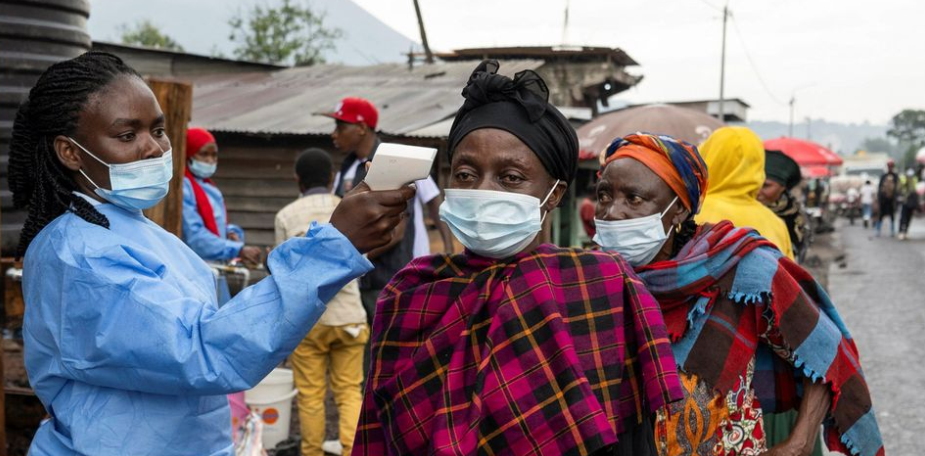
According to the latest DRC health ministry update, as of Monday, the country had reported more than 340 confirmed Ebola cases, including 60 deaths. A total of six patients have recovered, up by one from the previous day, while 173 suspected cases are in isolation.
The WHO declared the Ebola outbreak in the DRC a public health emergency of international concern on May 17. The current outbreak is caused by the Bundibugyo strain of the Ebola virus, for which there is currently no approved vaccine or specific treatment.
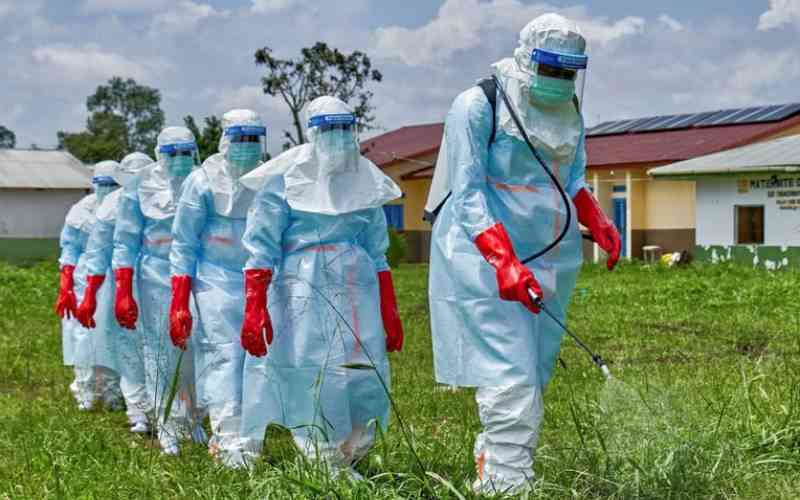
Medical officers sanitise areas in Ebola-prone areas in the DRC.
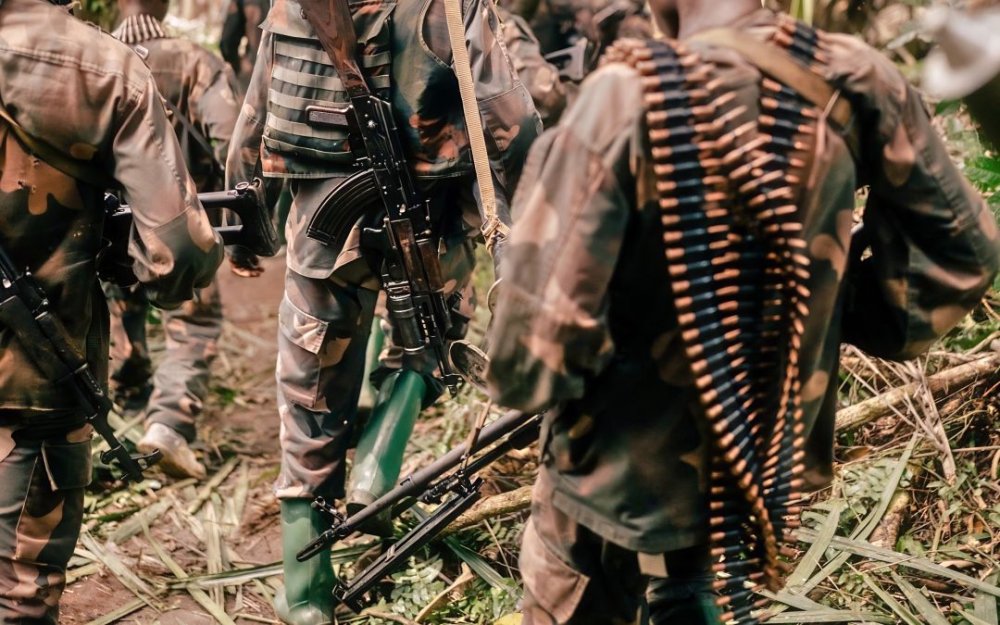
In a statement issued on June 2, the U.S. Department of the Treasury announced that Col Sirkoof had been designated for sanctions as the head of the FDLR’s Commando de Recherche et d’Action en Profondeur (CRAP), an intelligence and special operations unit.
According to the Treasury Department, Col Sirkoof also led an FDLR operational command structure in North Kivu’s Nyiragongo Territory that was established in 2022 after M23 offensives forced FDLR fighters to disperse geographically.
The FDLR armed group was formed by remnants of the former Rwandan Armed Forces and extremist militias that fled Rwanda after committing the 1994 Genocide against the Tutsi.
The United States said the FDLR group has carried out ethnically motivated violence against civilians, recruited child soldiers, committed conflict-related sexual violence, and cross-border attacks that continue to threaten Rwanda’s security.
Washington said the group finances its activities through looting civilians, imposing unlawful taxes, kidnapping people for ransom, illegal logging in Virunga National Park, and other illicit activities.
The U.S. government further stated that the FDLR has received support from local militias and units of the Congolese army despite a government ban on cooperation with the group.
The FDLR was first sanctioned by the United States on January 3, 2013, for serious violations of international law involving children in armed conflict, including killings, sexual violence, abductions, and forced displacement.
The Treasury Department said Col Sirkoof was sanctioned for being a leader of the FDLR, an entity already subject to U.S. sanctions.
In the same announcement, the United States also imposed sanctions on John Imani Nzenze, the intelligence chief of the M23 rebel group. U.S. authorities said Nzenze is a senior M23 commander and a close associate of the group’s military leader, Gen Sultani Makenga.
Treasury Secretary Scott Bessent said the sanctions are part of broader efforts by the United States to support peace and stability in eastern Democratic Republic of the Congo.
“Persistent violence by armed groups is exacerbating an already dire humanitarian crisis and presents a threat to U.S. interests in the region,” Bessent said. “Today’s sanctions support a peaceful resolution and end to the bloodshed.”
As a result of the sanctions, any property or interests in property belonging to the designated individuals that are within the United States or under the control of U.S. persons are blocked. U.S. persons are also generally prohibited from engaging in transactions involving them.
The United States said the FDLR group has carried out ethnically motivated violence against civilians, recruited child soldiers, committed conflict-related sexual violence, and cross-border attacks that continue to threaten Rwanda’s security.
The ceremony comes as Rwanda continues the commemoration of the 32nd anniversary of the Genocide Against the Tutsi, a period marked by remembrance, reflection, and renewed commitments to preserving the memory of more than one million lives lost during the 100-day genocide.
The unveiling will bring together senior government officials from Rwanda and France, members of the diplomatic corps, academics, researchers, and other distinguished guests.
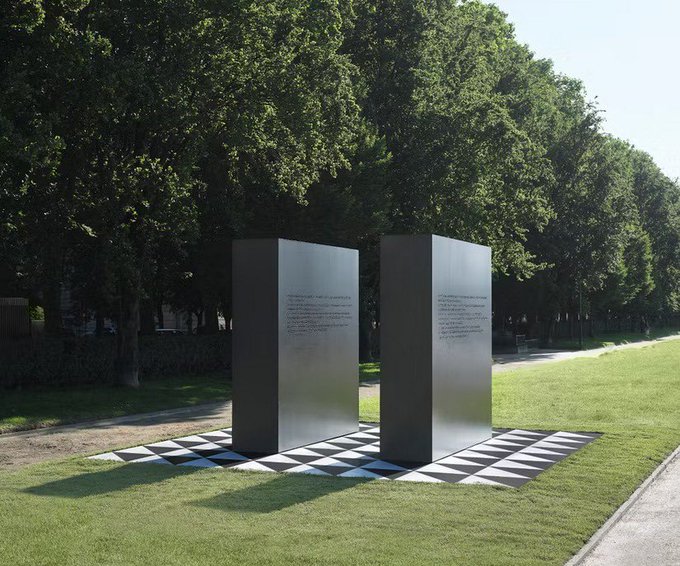
The monument, titled Les Archives, was commissioned by the French State in partnership with the City of Paris and Ibuka France. It was created by Portuguese-born artist Grada Kilomba and is intended to serve as a permanent place of remembrance and reflection.
Located along the Esplanade Habib-Bourguiba in the heart of Paris, Les Archives consists of two large-scale rectangular structures designed to honour the victims of the Genocide Against the Tutsi and provide a space for contemplation and tribute.
Following the ceremony, President Kagame and First Lady Jeannette Kagame will attend a dinner at the Palais de l’Élysée hosted by President Macron and First Lady Brigitte Macron.
The unveiling of Les Archives is expected to stand as a lasting symbol of remembrance in one of Europe’s most prominent capitals, ensuring that the memory of the victims of the 1994 Genocide Against the Tutsi continues to endure for generations to come.
President Paul Kagame and First Lady Jeannette Kagame are in Paris, France, where they will join French President Emmanuel Macron for the unveiling of a monument honouring the victims of the 1994 Genocide Against the Tutsi.The monument, titled Les Archives, was commissioned by the French State in partnership with the City of Paris and Ibuka France. It was created by Portuguese-born artist Grada Kilomba and is intended to serve as a permanent place of remembrance and reflection.
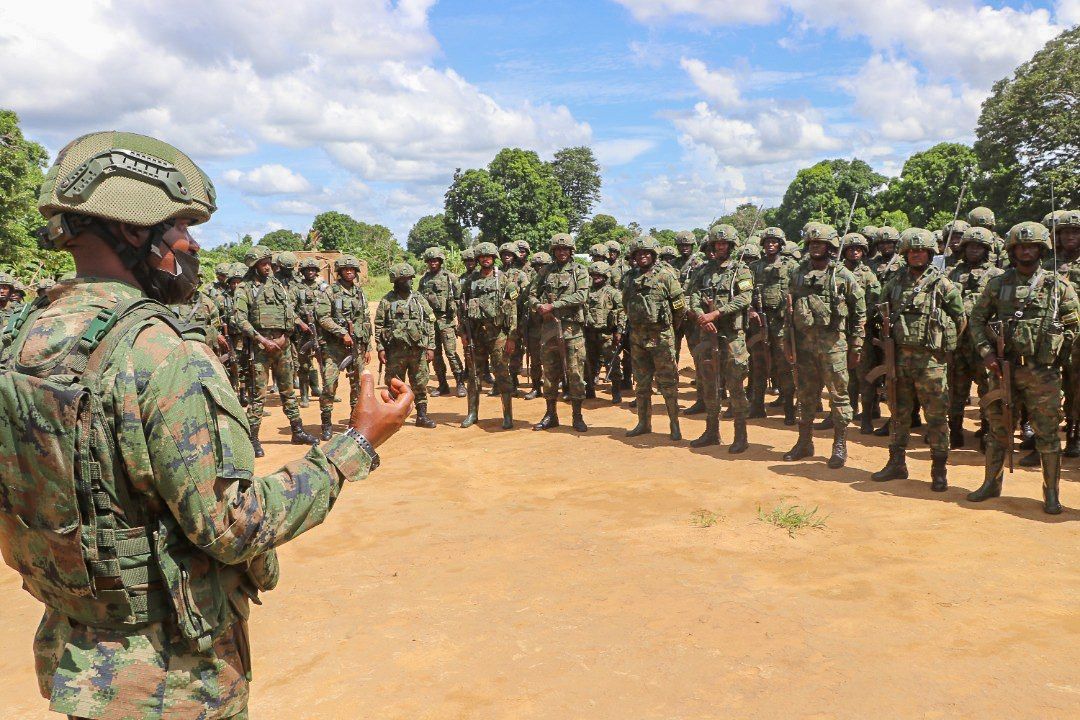
The announcement marks the official confirmation from Maputo following concerns over the future financing of the mission after the European Union signalled reluctance to continue supporting the deployment through the European Peace Facility (EPF).
Speaking to reporters in Maputo on Friday, government spokesperson and Minister of State Administration Inocêncio Impissa said the presence of Rwandan troops remains essential as Mozambique continues to strengthen its own security capabilities.
“I do not know the costs or how long they will stay, but the agreements will strictly clarify this matter in the near future, but having this reinforcement allows us to continue to build our country’s capacity,” Impissa said.
He added that the continued support of Rwandan forces gives Mozambique time to reorganise and modernise its armed forces.
“This gives us time to continue reorganising our forces in terms of capacity, equipment, and technology, among others, while we also benefit from the support of friendly forces who secure the region,” he said.
Rwandan forces were deployed to Cabo Delgado in July 2021 at the request of the Mozambican government to help contain an Islamist insurgency that has plagued the province since 2017. Their intervention has been widely credited with helping recapture key towns, restoring stability in strategic districts such as Palma and Mocímboa da Praia, and enabling displaced residents to return home.
The confirmation from Maputo follows remarks made in March by Rwanda’s Minister of Foreign Affairs and International Cooperation, Olivier Nduhungirehe, who said the Government of Mozambique had committed to directly financing the mission after some European Union member states became reluctant to continue funding support.
“Rwanda came back to the basics and decided to deal exclusively with the Government of Mozambique,” Nduhungirehe said at the time, stressing that the partnership between Kigali and Maputo remained strong and effective.
He noted that the mission had delivered significant results over the past several years, including improved security, the reopening of businesses and schools, and the return of displaced families.
Nduhungirehe also argued that the intervention created the conditions necessary for major international energy investments to resume, including an estimated $50 billion in liquefied natural gas (LNG) projects led by European and American companies.
The EU has provided approximately €20 million in support for the Rwandan deployment through the EPF. However, Kigali has consistently maintained that the contribution covered only a fraction of the actual costs incurred by Rwanda, which it says has spent at least ten times more on the mission.
The funding question gained prominence after Rwandan authorities warned earlier this year that the deployment could be reconsidered if sustainable financing was not secured.
In August last year, Rwanda and Mozambique renewed their Status of Forces Agreement on Support to the Fight Against Terrorism during a visit by Mozambican President Daniel Chapo to Kigali. The agreement extended Rwanda’s military support in Cabo Delgado, with Chapo praising the partnership for helping restore peace in the region.
The security gains achieved by Mozambican and Rwandan forces have also helped revive confidence in Cabo Delgado’s economic prospects. The insurgency had forced French energy giant TotalEnergies to suspend construction of its LNG project and declare force majeure in 2021. Following improvements in security, the company lifted the declaration and, in January this year, agreed with the Mozambican government to resume construction activities.
As Mozambique continues efforts to build the capacity of its own security forces, officials say the presence of Rwandan troops remains a critical component of maintaining stability and preventing a resurgence of insurgent activity in Cabo Delgado.
The Mozambican government has confirmed that it will secure the necessary funding to ensure the continued deployment of Rwandan security forces in Cabo Delgado, reinforcing a security partnership that has played a key role in combating insurgency in the country’s northern region.
“The Russian Embassy in France has demanded that Paris provide full details of the circumstances surrounding the detention and is taking comprehensive steps to protect the Russian nationals among the crew,” she said, calling the detention another example of European legal nihilism and the rewriting of international legal norms to suit themselves.
The French authorities misinterpreted Article 110 of the 1982 United Nations Convention on the Law of the Sea, which allows a warship to inspect a foreign ship in international waters if it is stateless, but does not authorize its escort to the port of the warship’s state, she said.
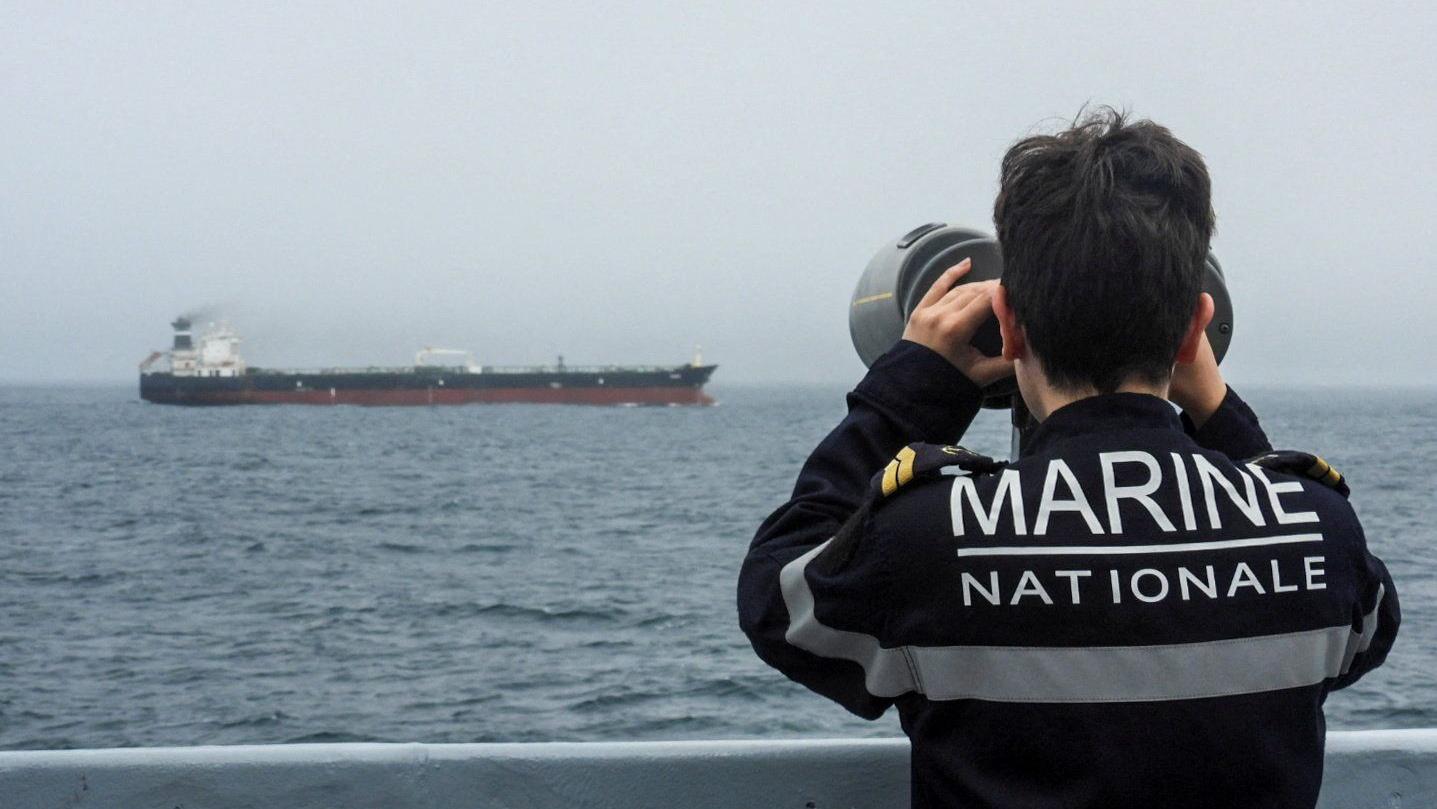
On May 31, a French warship stopped Tagor 400 km from the French coastline in international waters, alleging that the vessel was sailing from Russia’s Murmansk under a false flag.
France’s actions in detaining the Russian vessel Tagor violate international law, and Moscow demands that Paris provide full information about its move, Russian Foreign Ministry spokeswoman Maria Zakharova said on Tuesday.
In a statement following the publication of the award by the Permanent Court of Arbitration (PCA) on June 1, Government Spokesperson Yolande Makolo said Rwanda respects the tribunal’s decision and considers the matter closed.
“While Rwanda respects the Tribunal’s award and considers the matter concluded, we note that the dissenting and separate opinion by Professor Mohamed Abdel Wahab shows that the issues before the Tribunal were complex and open to different legal conclusions, including that the November 2024 exchanges relied on by the UK did not validly change the financial arrangements between the two countries,” Makolo said.
She added that Rwanda would continue to engage constructively with international partners in accordance with international norms and the principles of mutually beneficial cooperation.
The arbitration stemmed from a dispute over the Asylum Partnership Agreement signed between Rwanda and the United Kingdom. Rwanda argued that the UK had failed to honour financial and other obligations after the new British government abandoned the migration partnership in 2024.
At the heart of the dispute was Rwanda’s position that it remained entitled to a £50 million payment due in April 2025 under financial arrangements agreed between the two countries in June 2024. Rwanda also sought compensation related to other obligations under the agreement.
However, in an award issued on May 15, 2026, the three-member tribunal rejected Rwanda’s claims. By majority, the tribunal dismissed Rwanda’s request for the £50 million Year 2 payment, while unanimously rejecting claims relating to Year 3 funding, alleged breaches of Articles 18 and 19 of the agreement, and requests for compensation. The tribunal also ruled that each party should bear its own legal costs and share arbitration expenses equally.
Yet the decision was not unanimous on every point.
Professor Mohamed Abdel Wahab, one of the tribunal’s members, issued a
dissenting and separate opinion arguing that Rwanda’s central claim regarding the Year 2 payment should have succeeded.
According to Abdel Wahab, the November 2024 diplomatic exchanges cited by the UK did not constitute a legally binding amendment to the financial arrangements because the mutual consent required under international treaty law was absent. He concluded that the £50 million payment for Year 2 “remains due and payable to Rwanda.”
The dissent has attracted attention because it underscores that the dispute involved contested legal interpretations rather than a straightforward rejection of Rwanda’s position.
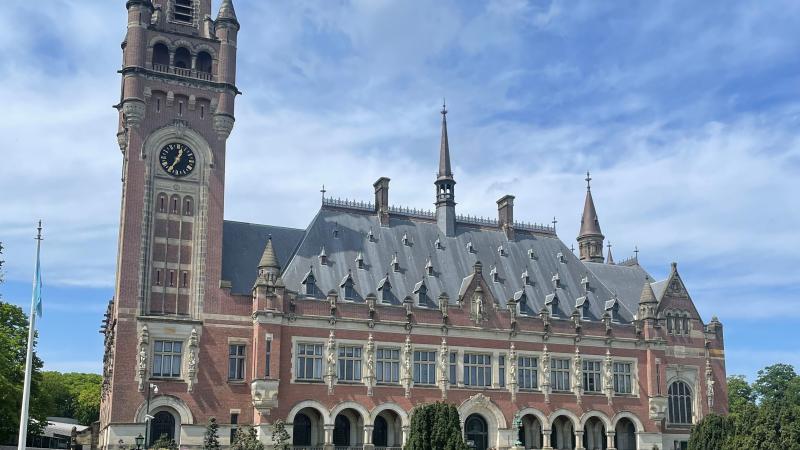
The tribunal’s findings contrast with arguments presented by Rwanda during hearings held at the Peace Palace in The Hague in March.
Appearing before the tribunal, Minister of Justice and Attorney General Dr. Emmanuel Ugirashebuja argued that Rwanda had fulfilled its obligations under the Migration and Economic Development Partnership (MEDP) and had acted in good faith throughout the process.
Rwanda maintained that it undertook significant legal and institutional reforms to implement the agreement, including constitutional amendments, new legislation, the establishment of an appeals mechanism, and the development of reception facilities for migrants and asylum seekers.
The government also stressed Rwanda’s broader record on refugee protection. During the hearings, Dr. Ugirashebuja highlighted that Rwanda hosts more than 130,000 refugees and asylum seekers and has welcomed displaced people from countries including the Democratic Republic of Congo, Burundi, Afghanistan, Libya and Sudan.
He argued that Rwanda’s approach is rooted in its own history of displacement and a belief that refugees can contribute economically and socially when given opportunities for integration.
Rwanda further contended that the UK failed to properly honour commitments made under the partnership after the election of Prime Minister Keir Starmer’s government, which quickly moved to abandon the controversial “Rwanda scheme.”
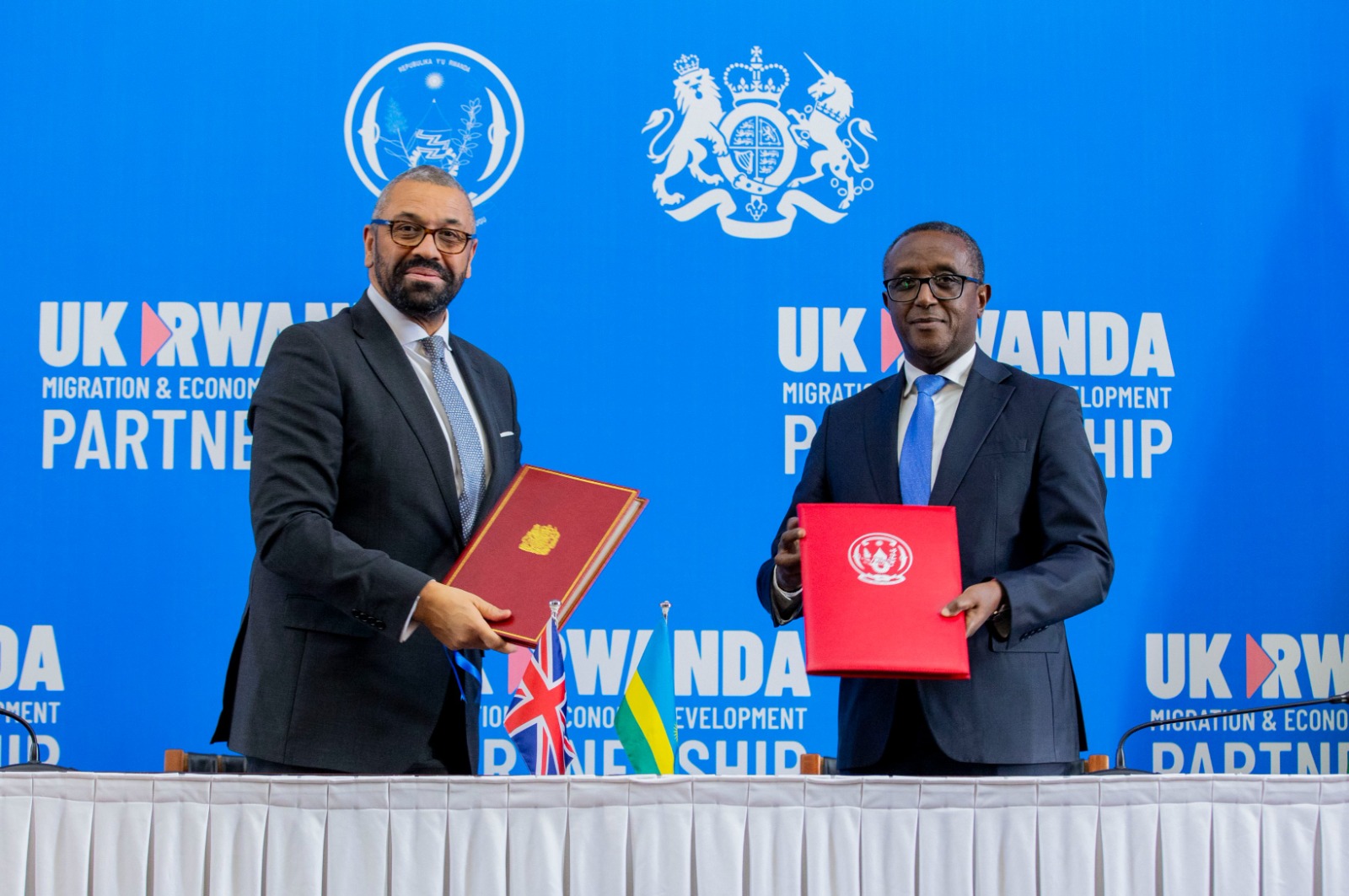
Rwanda has acknowledged an international arbitration ruling that rejected its claims against the United Kingdom over their abandoned asylum partnership, while emphasising that a dissenting opinion from one of the tribunal’s arbitrators demonstrates that Kigali’s position rested on credible legal foundations.The Migration and Economic Development Partnership between Rwanda and UK had been signed in April 2022, before unilateral cancellation.
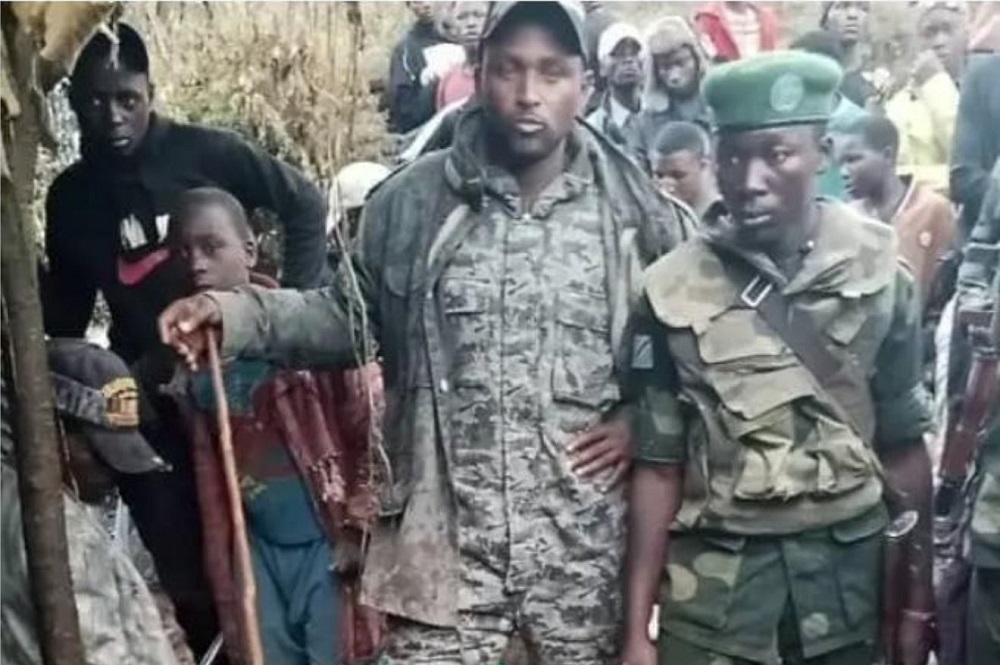
Mutayomba, who operates within the FDLR’s Nyatura faction in North Kivu, was injured during intense clashes around Rubaya, a strategically important mining area that has repeatedly been the scene of heavy fighting between AFC/M23, Congolese government forces, and allied armed groups.
Initial reports had indicated that the commander had been killed, but subsequent information confirmed that he survived and was evacuated to Kinshasa, where he is currently receiving medical treatment.
The circumstances surrounding the fighting remain fluid, but Rubaya has become a focal point of military operations in recent months due to its mineral wealth and strategic location. The area has seen escalating violence involving multiple armed actors competing for control.
Mutayomba is said to have played a key role in operations targeting Banyamulenge and other Congolese Tutsi communities in eastern DR Congo, accusations that have long been associated with FDLR-linked activities in the region.
The FDLR, formed by individuals linked to the perpetrators of the 1994 Genocide against the Tutsi in Rwanda, has operated in eastern DR Congo for decades. It has repeatedly been accused of cross-border attacks into Rwanda and of promoting anti-Tutsi ideology and violence in the region.
Reports further indicate that Mutayomba is a Rwandan national who fled to DR Congo after the genocide and later rose through the ranks of armed groups active in North Kivu. His brother, Nzima, who reportedly fought alongside him, was killed earlier in January 2025.
Reacting to the reports, North Kivu Vice Governor Willy Manzi described Mutayomba as a commander whose activities had caused widespread suffering. He accused him of overseeing killings, looting, and destruction of property in Masisi, including the burning of villages and displacement of civilians.
“Mutayomba’s legacy is one of destruction. He killed civilians, looted communities, slaughtered livestock belonging to the people of Masisi, and reduced homes and entire villages to ashes,” Manzi wrote in a post on X, on Sunday.
Manzi also criticized what he called the continued protection and support allegedly extended to the militia leader, adding that Mutayomba was not a trained military officer but had risen from mining areas to become a self-styled commander within the FDLR structure.
Mutayomba (centre), who operates within the FDLR’s Nyatura faction in North Kivu, was injured during intense clashes around Rubaya.
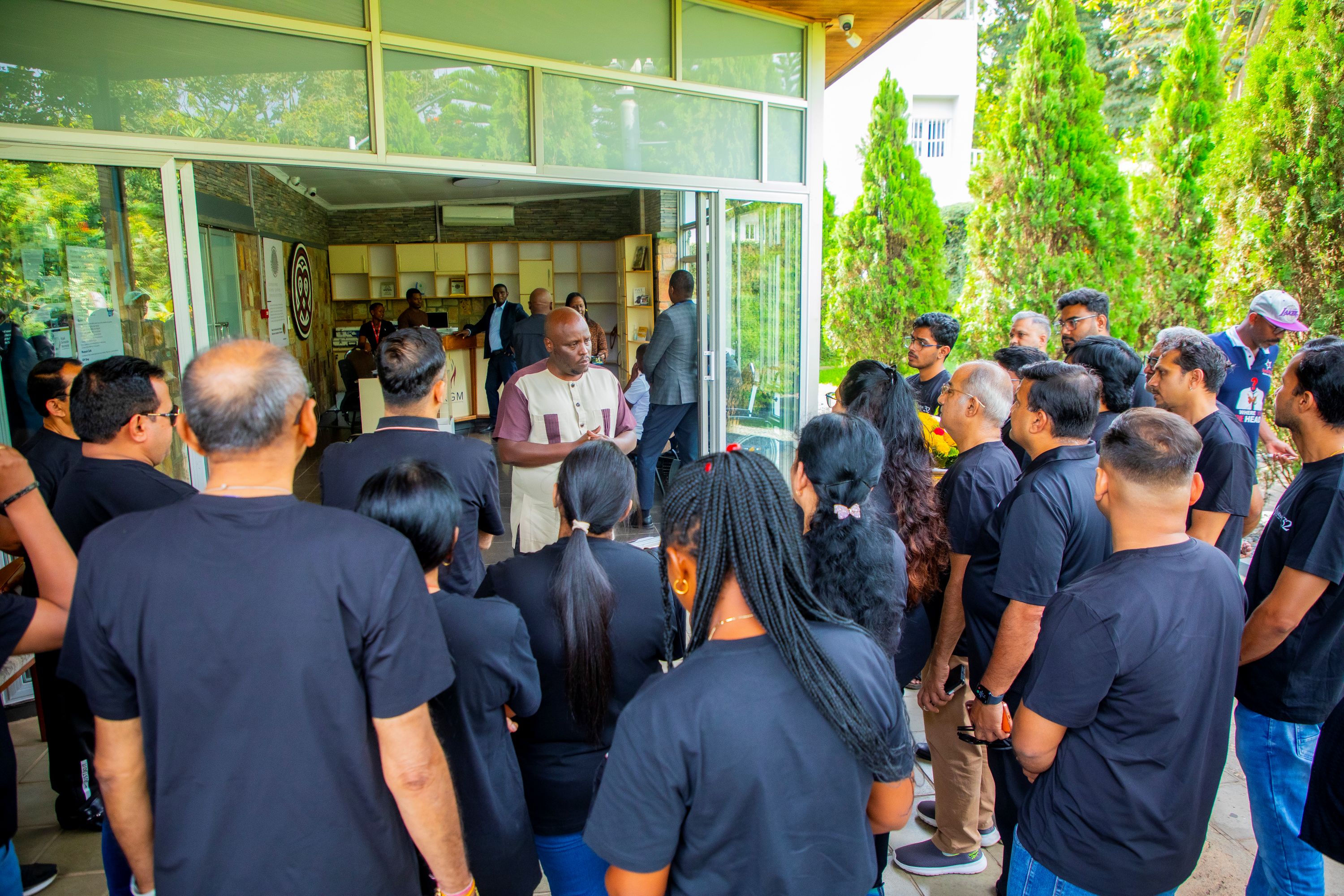
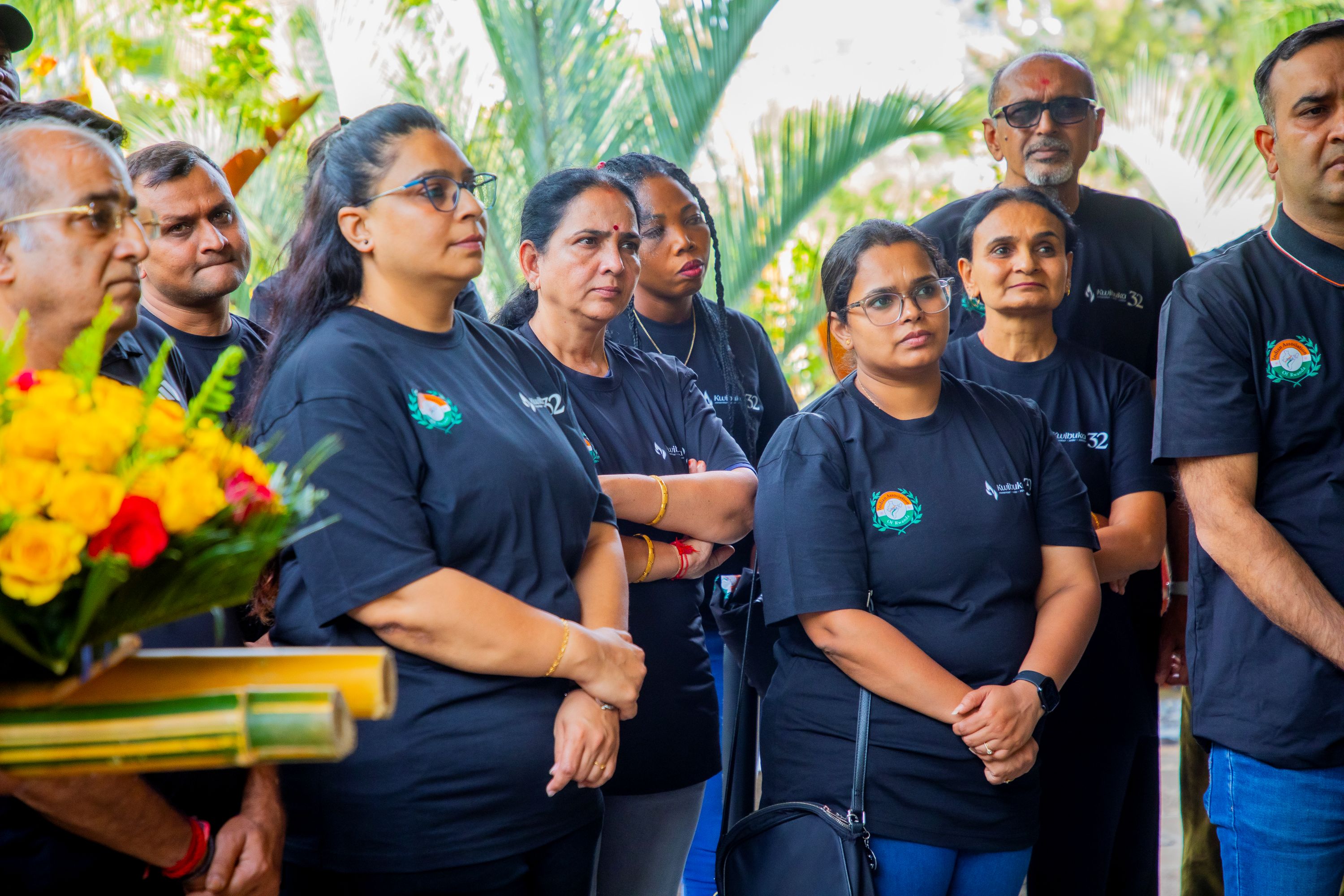
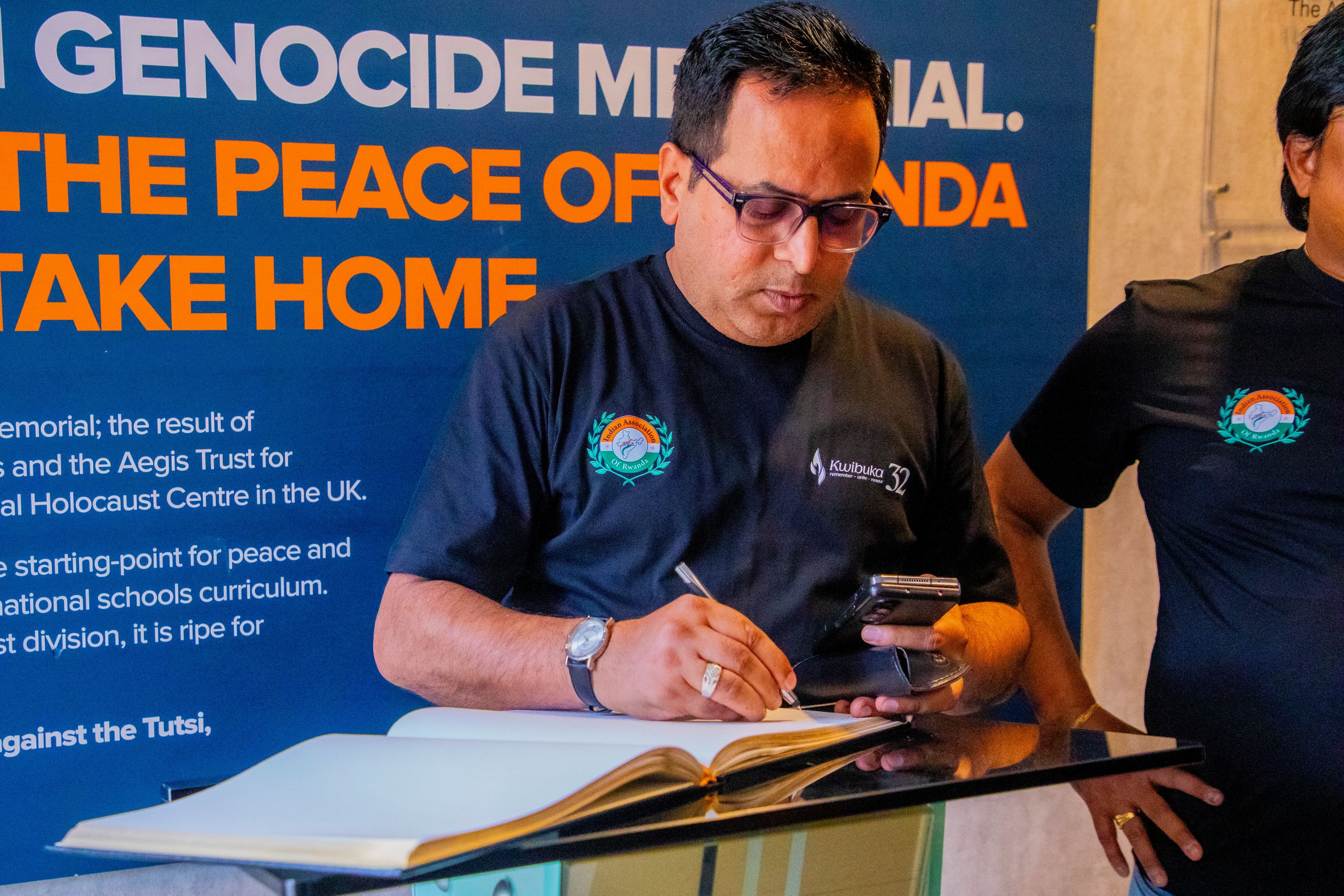
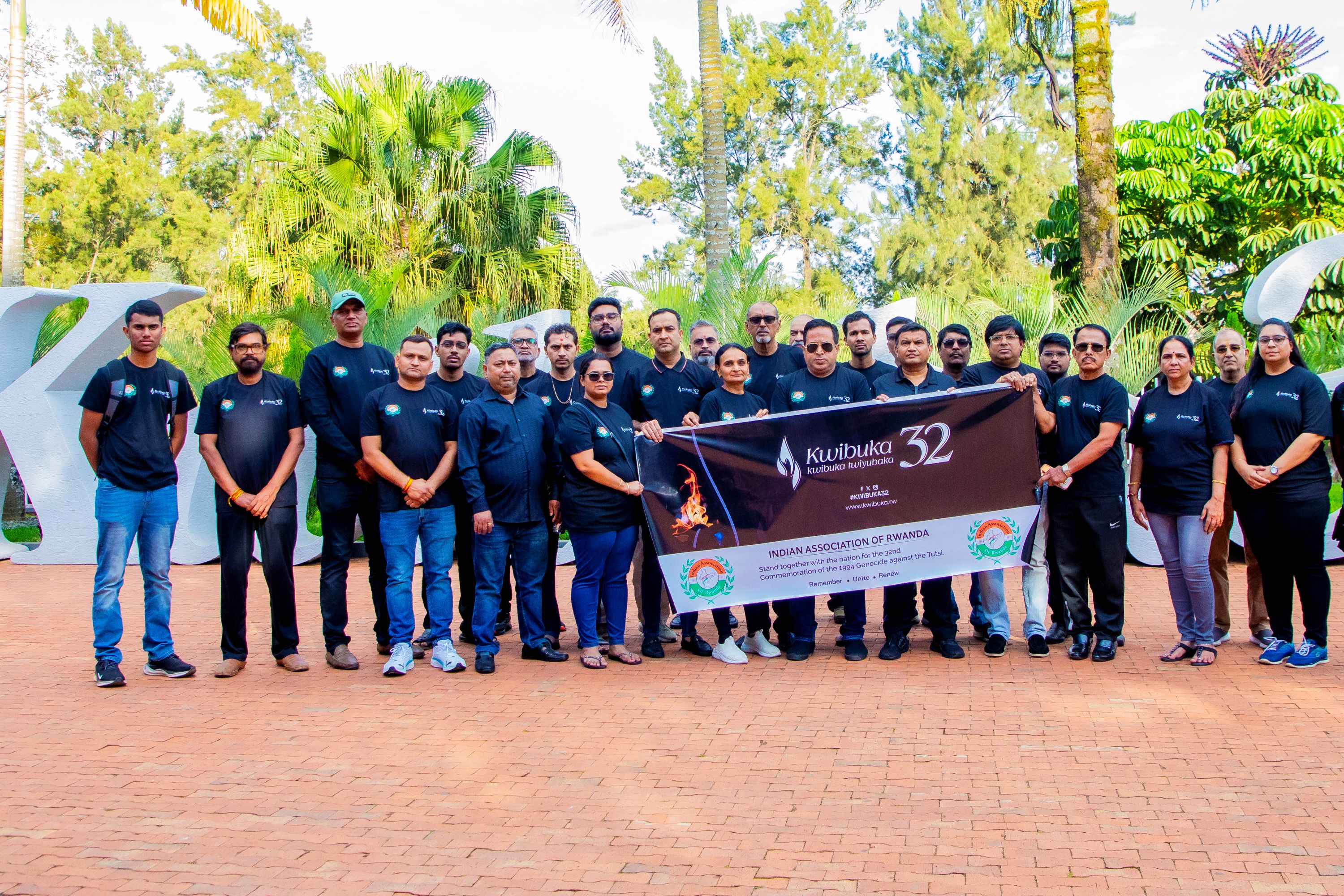
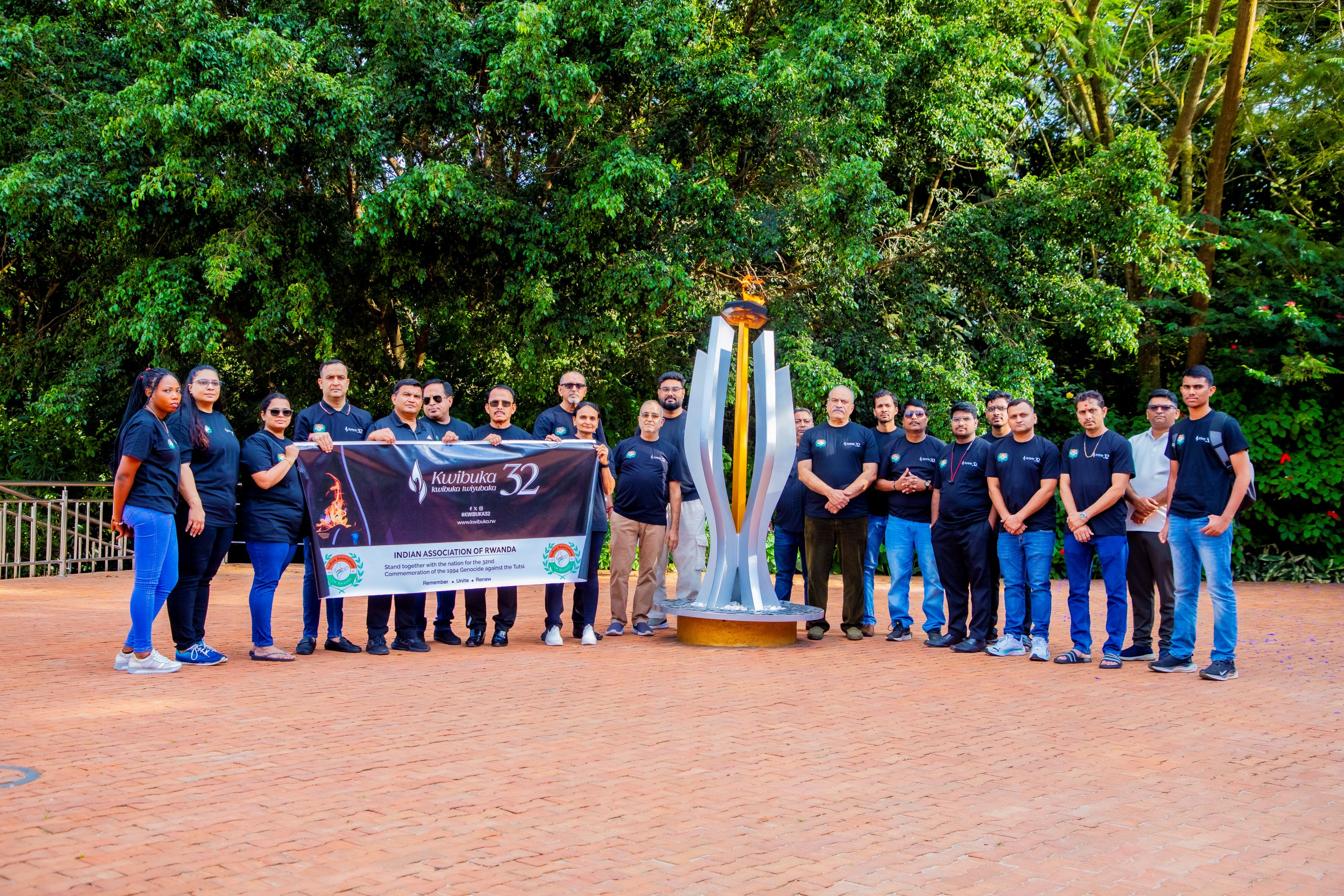
The visit formed part of commemorations marking the 32nd anniversary of the Genocide against the Tutsi. It offered participants a detailed educational tour on the history of the 1994 tragedy, from its origins to its aftermath and Rwanda’s recovery journey.
During the guided tour, members were taken through key historical elements, including the colonial roots that contributed to divisions, the role of propaganda and hate media such as Kangura newspaper and Radio Télévision Libre des Mille Collines (RTLM), and the systematic planning and execution of the genocide.
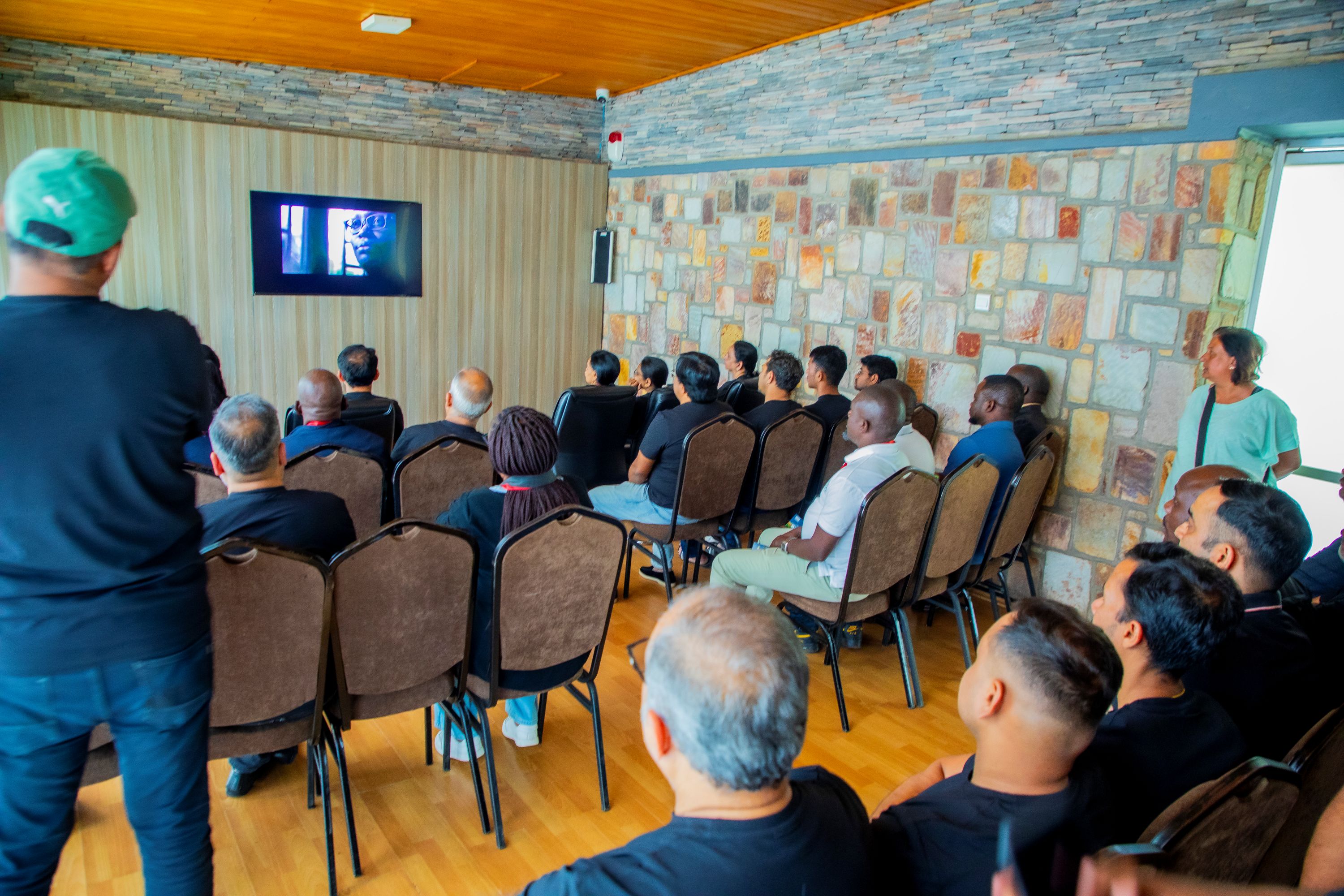
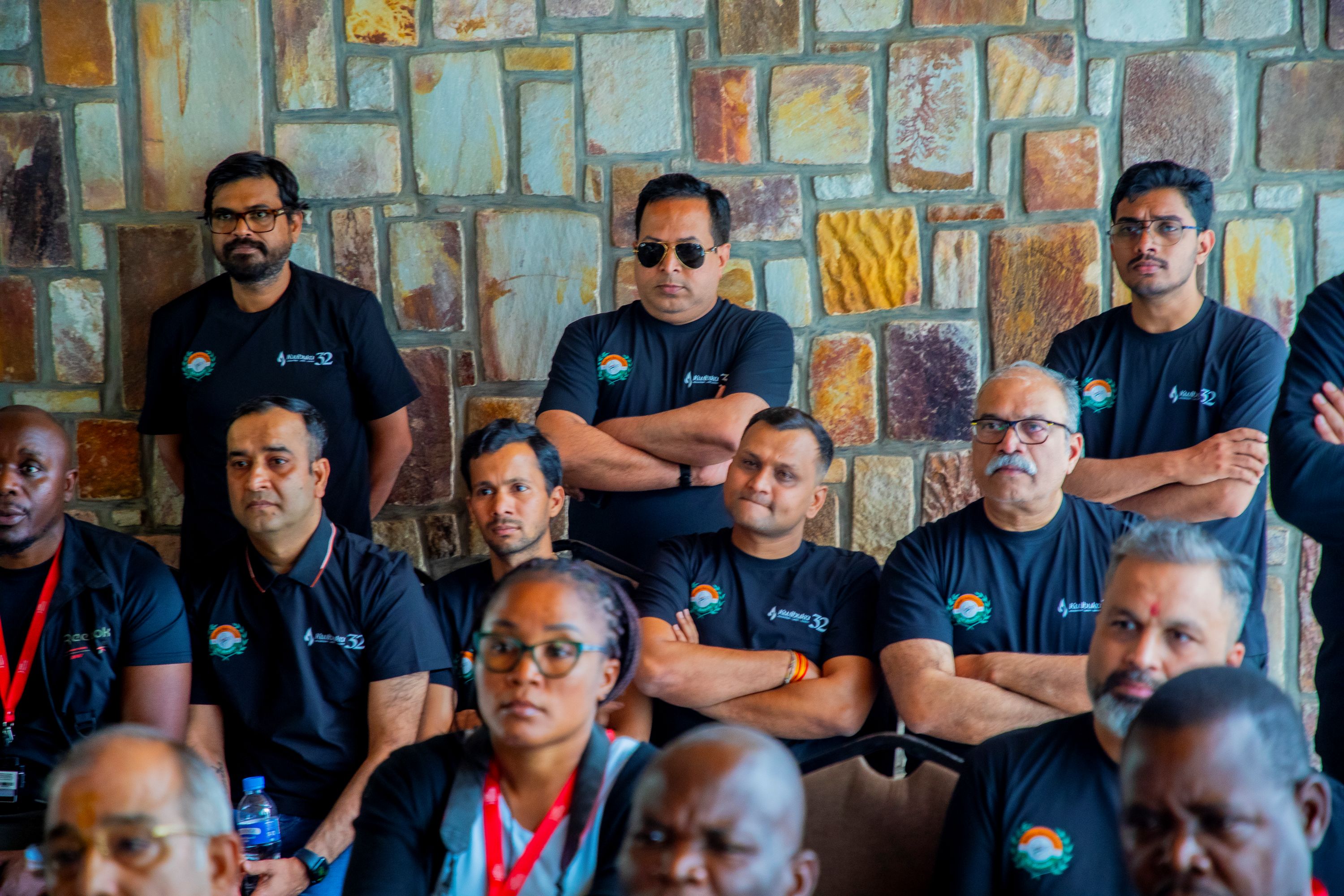
Participants also watched a short film featuring survivor testimonies that highlighted the human impact of the atrocities. The tour further examined the role of Gacaca courts in post-genocide justice, reconciliation, and the foundation of national healing.
The Genocide against the Tutsi claimed the lives of more than one million people in just 100 days before it was halted by the Rwanda Patriotic Army (RPA).
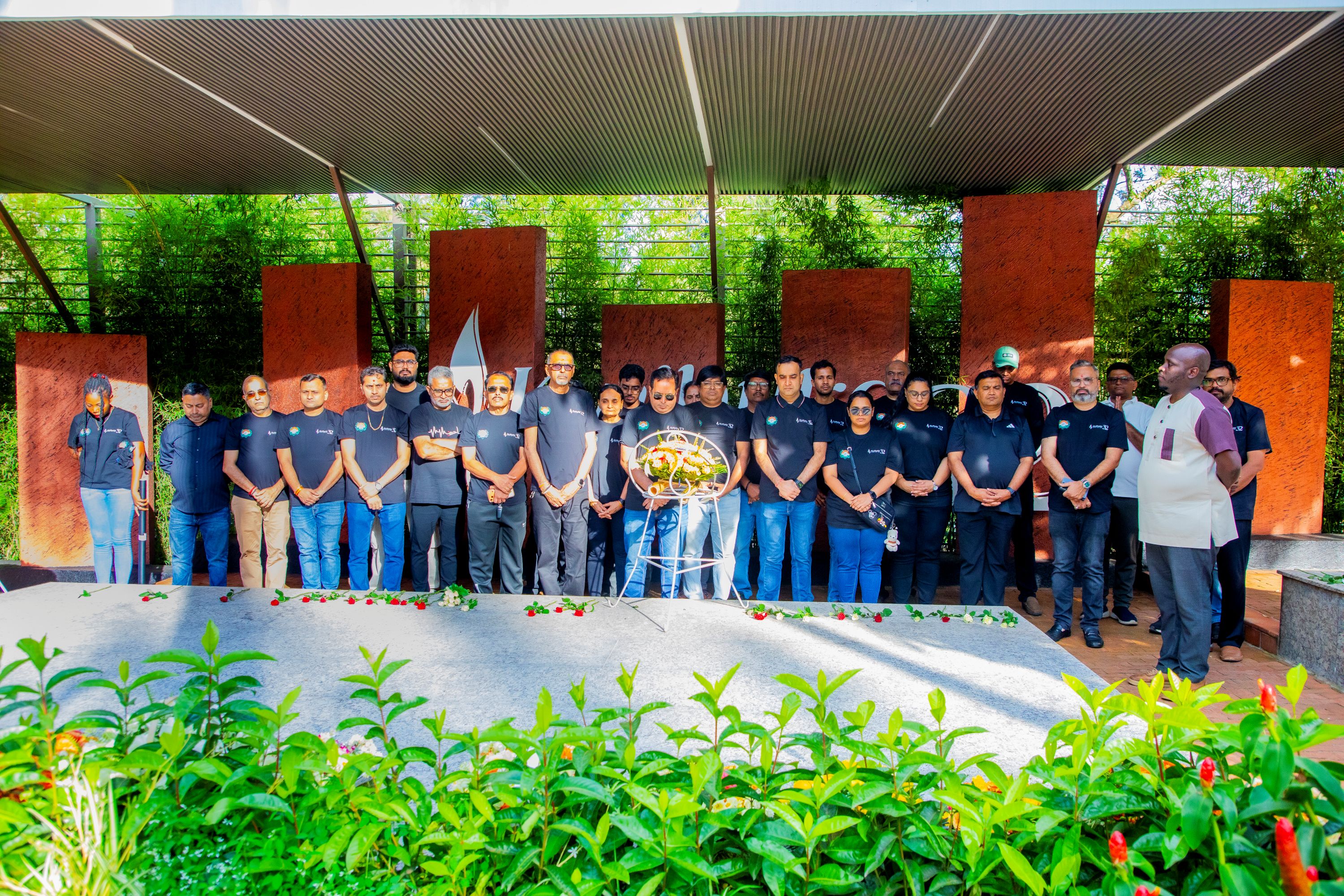
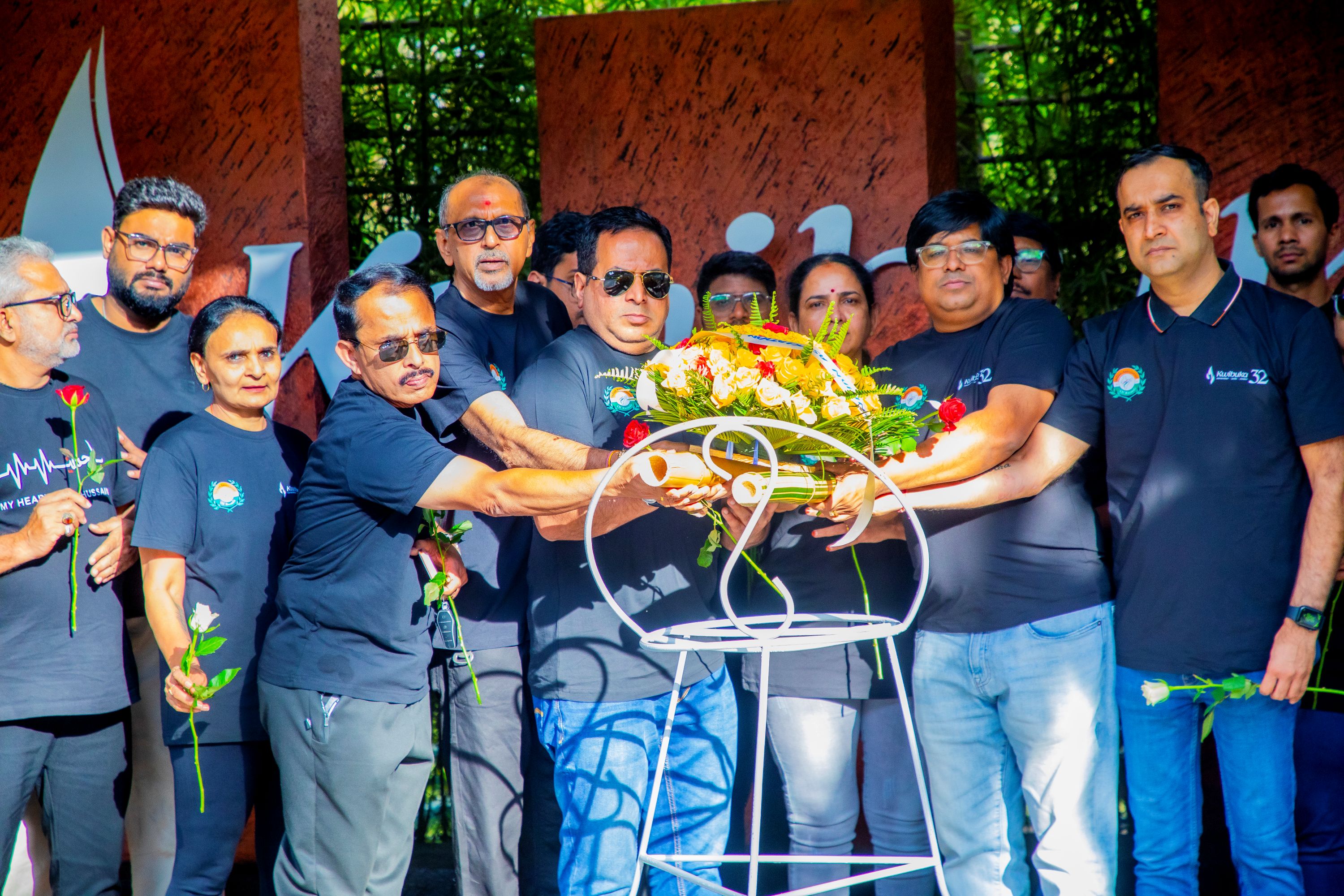
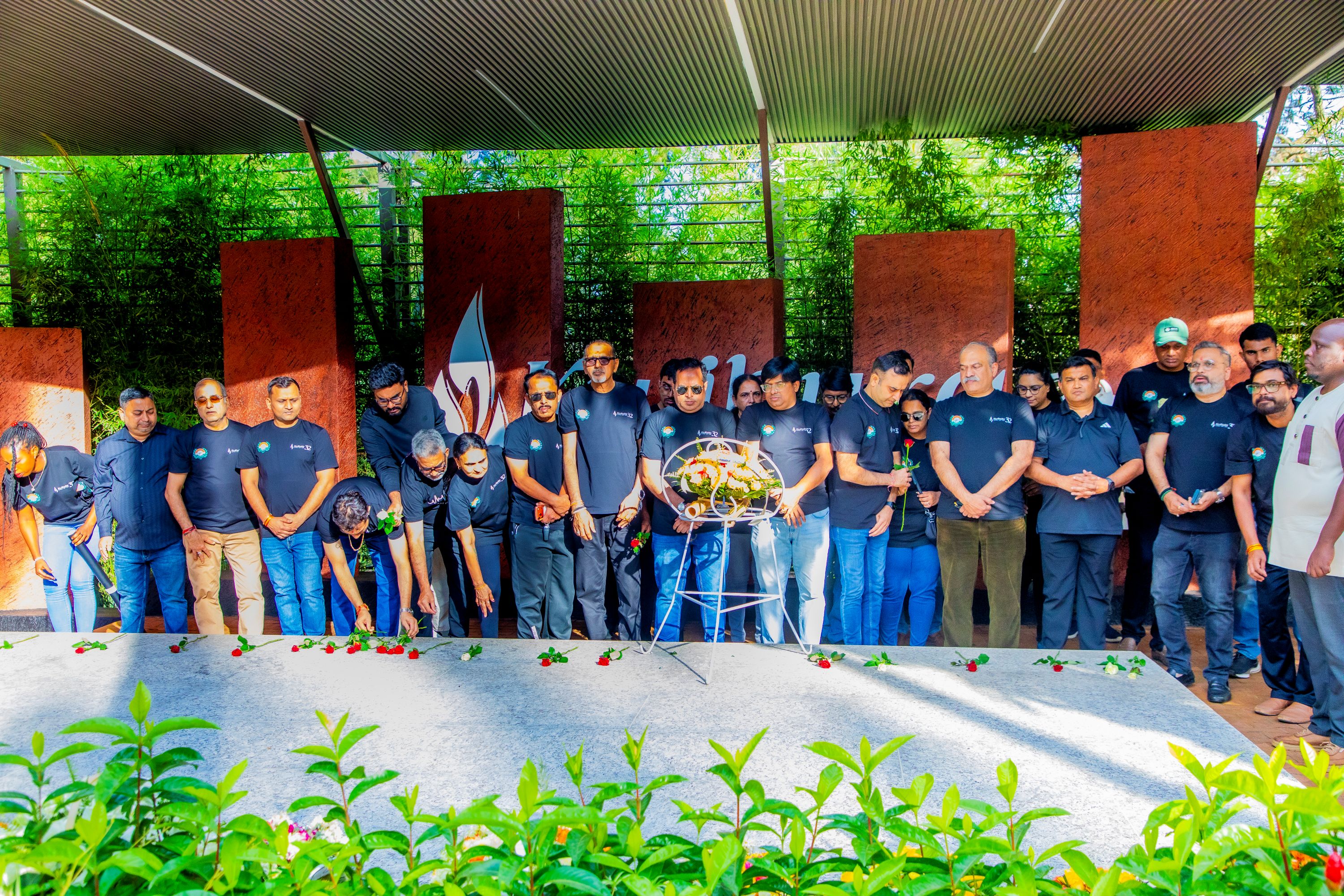
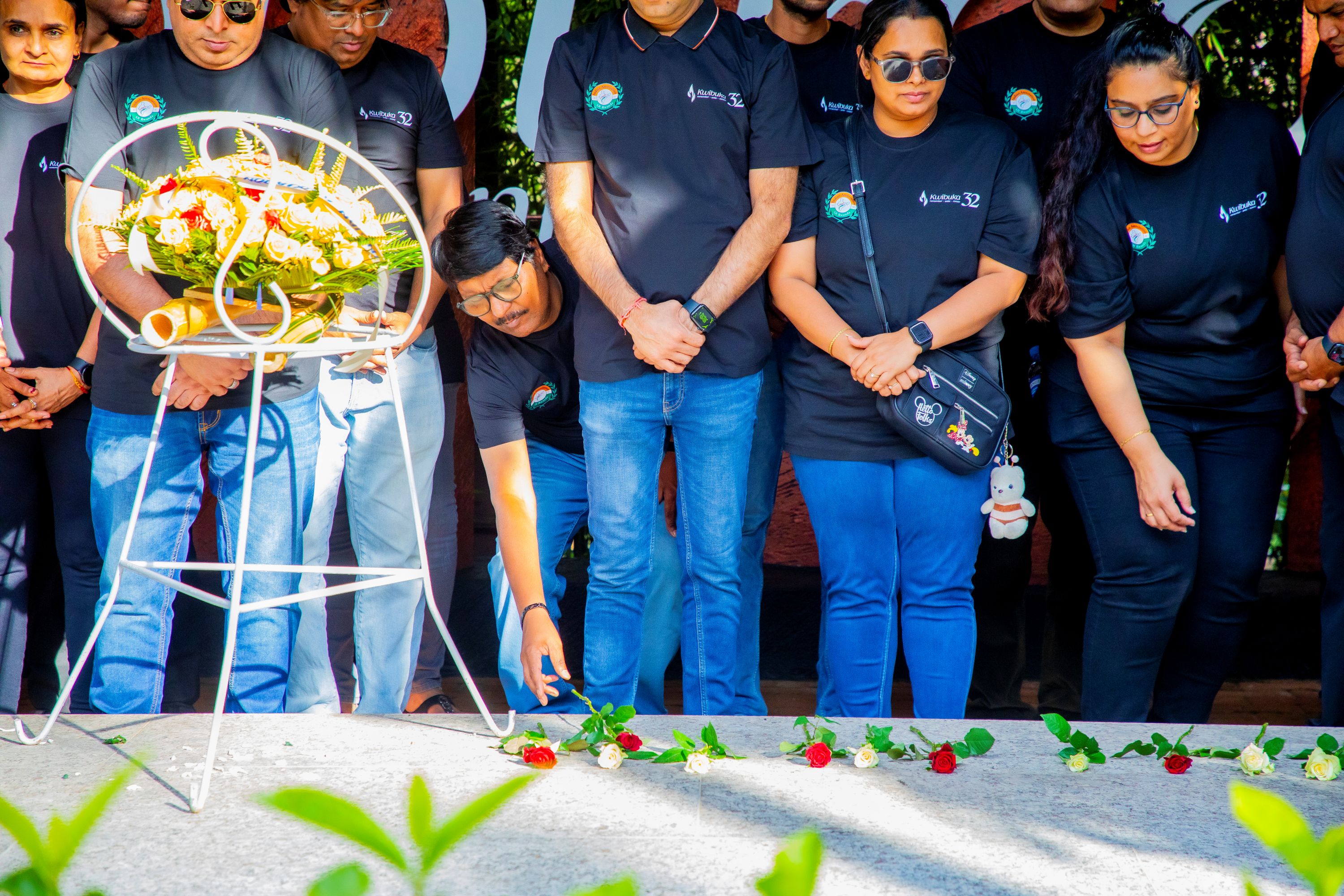
At the memorial, visitors paid their respects by laying wreaths at mass graves where over 250,000 victims are buried.
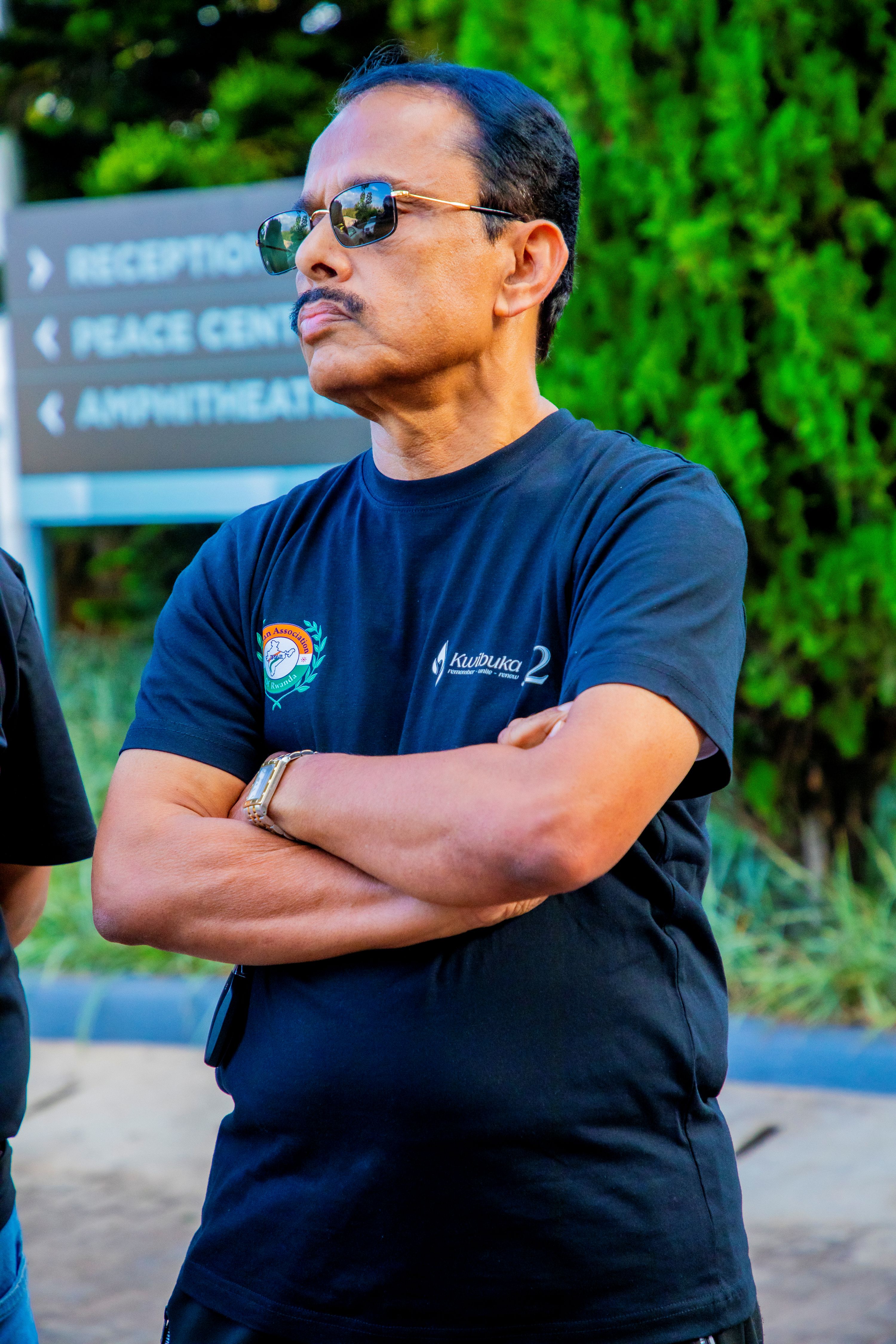
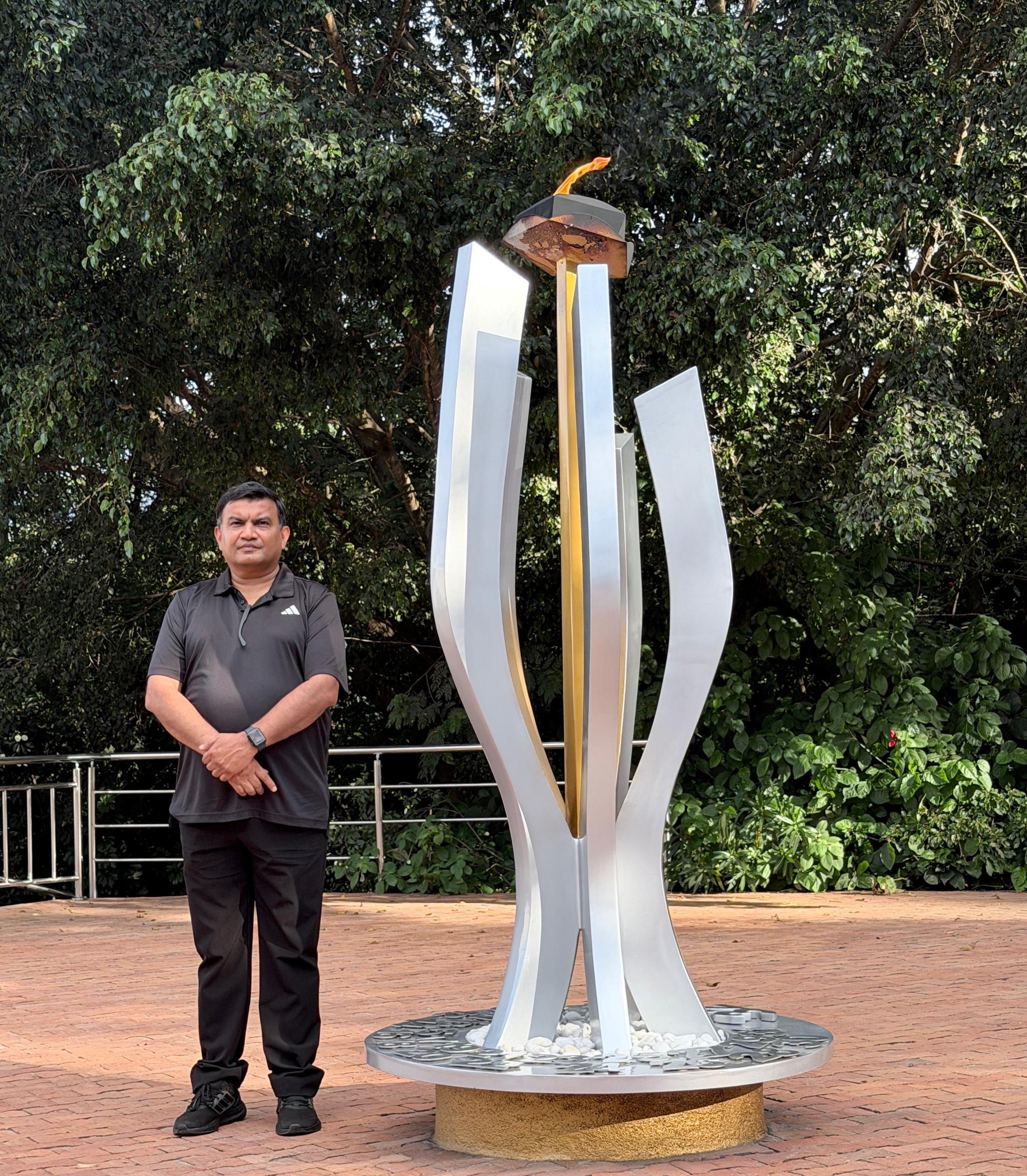
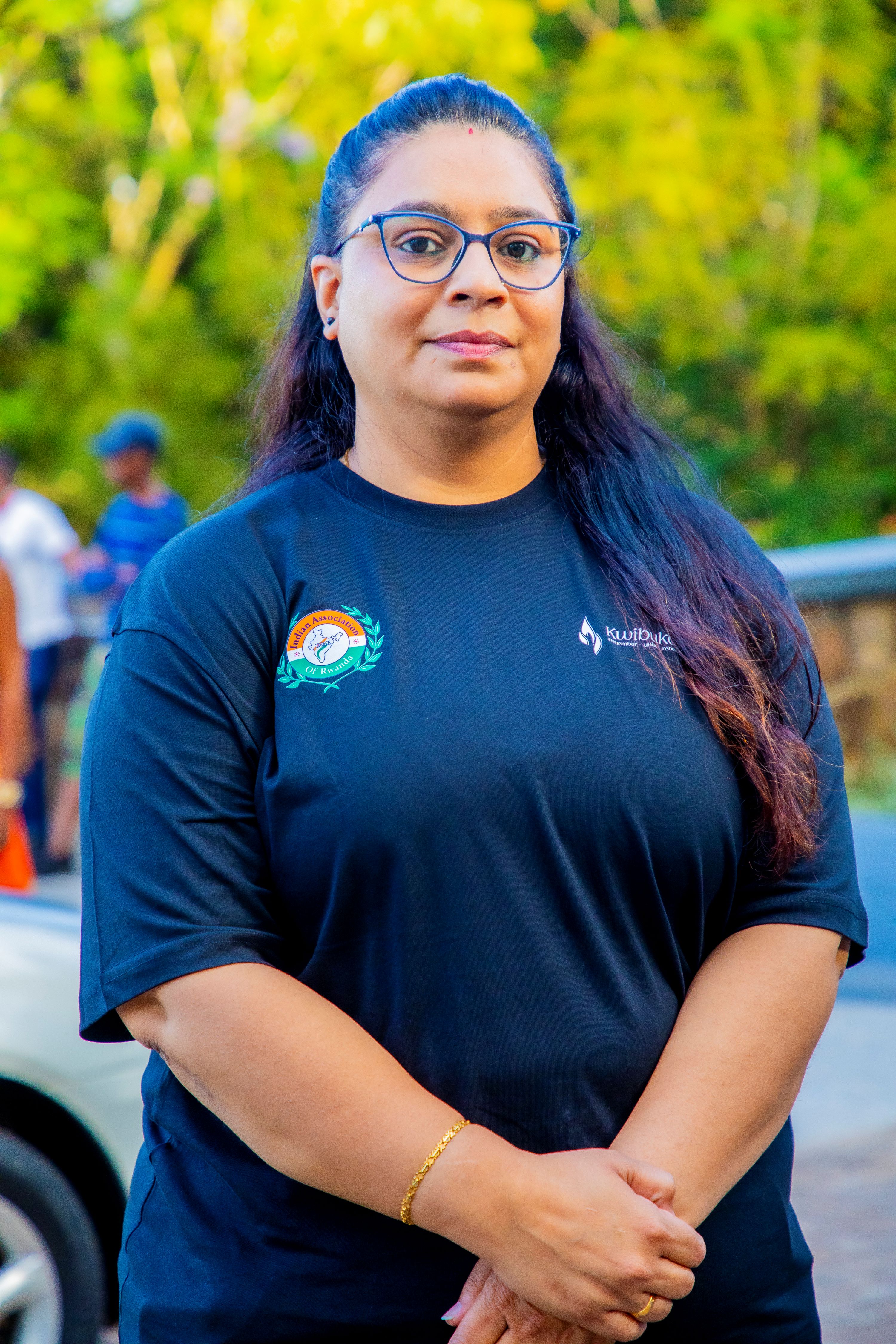
Speaking after the visit, members of the Indian Association of Rwanda reflected on the lessons drawn from the visit, stressing the importance of remembrance and global prevention of atrocities.
Mukri Hussain, Vice Chairperson of the Indian Association of Rwanda, said the experience carried a strong message of humanity.
“What happened here is really against humanity, and it should never happen again. That is the main lesson we have learned, not only for Rwanda, but for the entire world. Such events should never happen anywhere in the world,” he stated.
He noted that for many members, Rwanda has become a second home due to the country’s transformation over the years.
Namita Machchhar, an executive member of the association, said the visit strengthened their responsibility as residents of Rwanda to learn from history and contribute to preventing similar tragedies.
“As residents of this country, we strongly believe in brotherhood and sisterhood. It is our duty to take initiatives to prevent such tragedies,” she quipped, adding that “saving one life is like saving the entire universe.”
She also commended Rwanda’s progress and leadership led by President Paul Kagame, describing the country’s development journey as remarkable.
Jagan PK, a founding member and former treasurer of the association who lived in Rwanda before and during the 1994 genocide, noted that his experience reinforced the need for global vigilance.
“Such things should never happen to mankind. Never again,” he stressed, recalling the painful events he witnessed and Rwanda’s subsequent recovery.
He described Rwanda’s transformation as a “tremendous success story,” noting that the country has become a respected example of resilience and rebuilding.
Jwala Vijay Kumar, General Secretary of INAR, also reflected on the importance of remembrance and collective responsibility, saying, “We must always remember and learn from history to ensure it is never repeated.”
Dr. Saurabh Singhal, an executive committee member, said it is a “solemn duty” of the Indian community to stand with Rwandans in honouring the victims.
“This memorial stands as a powerful tribute, not only to the intense tragedies of the past, but to the extraordinary resilience and dignity of the Rwandan people,” he remarked.
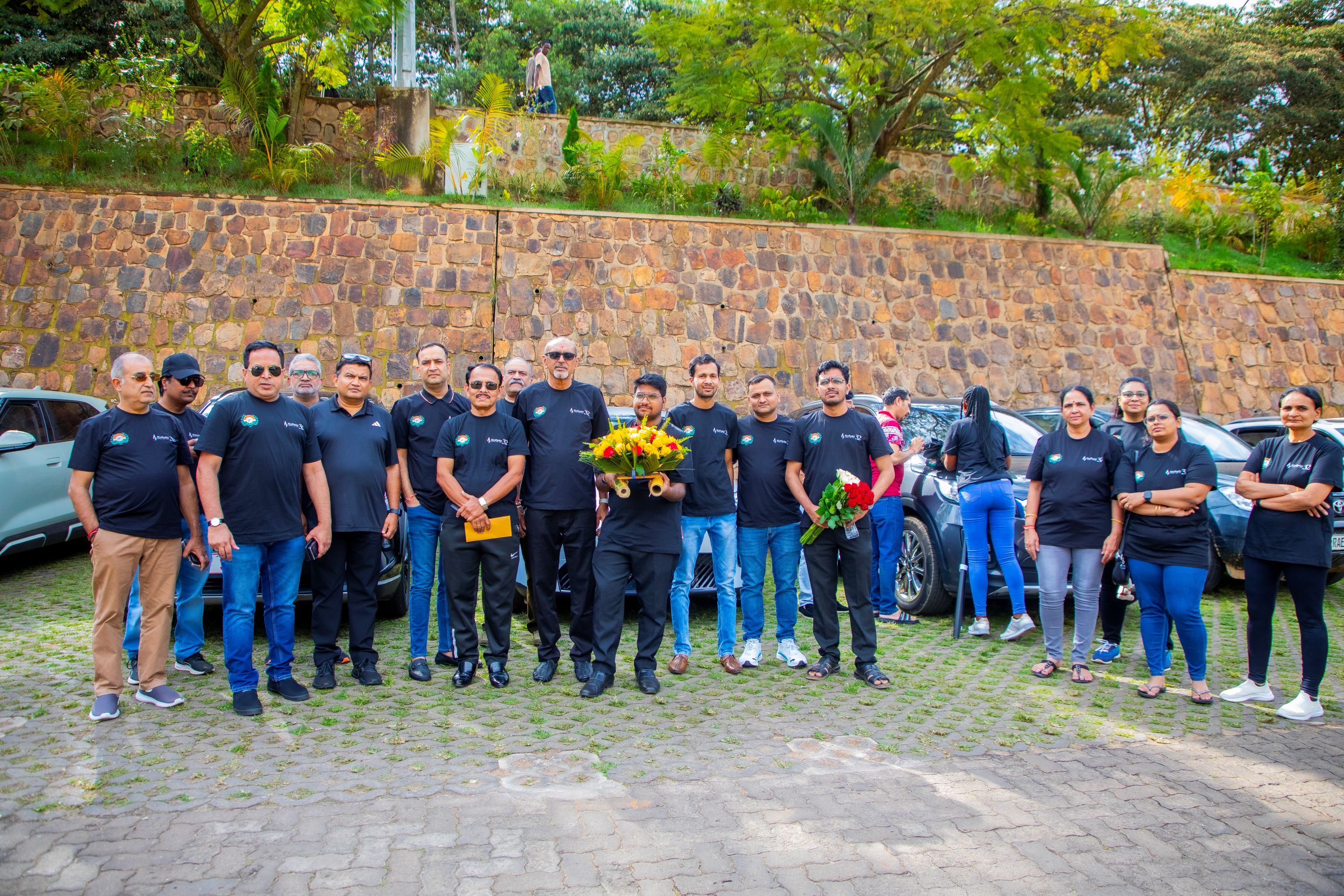
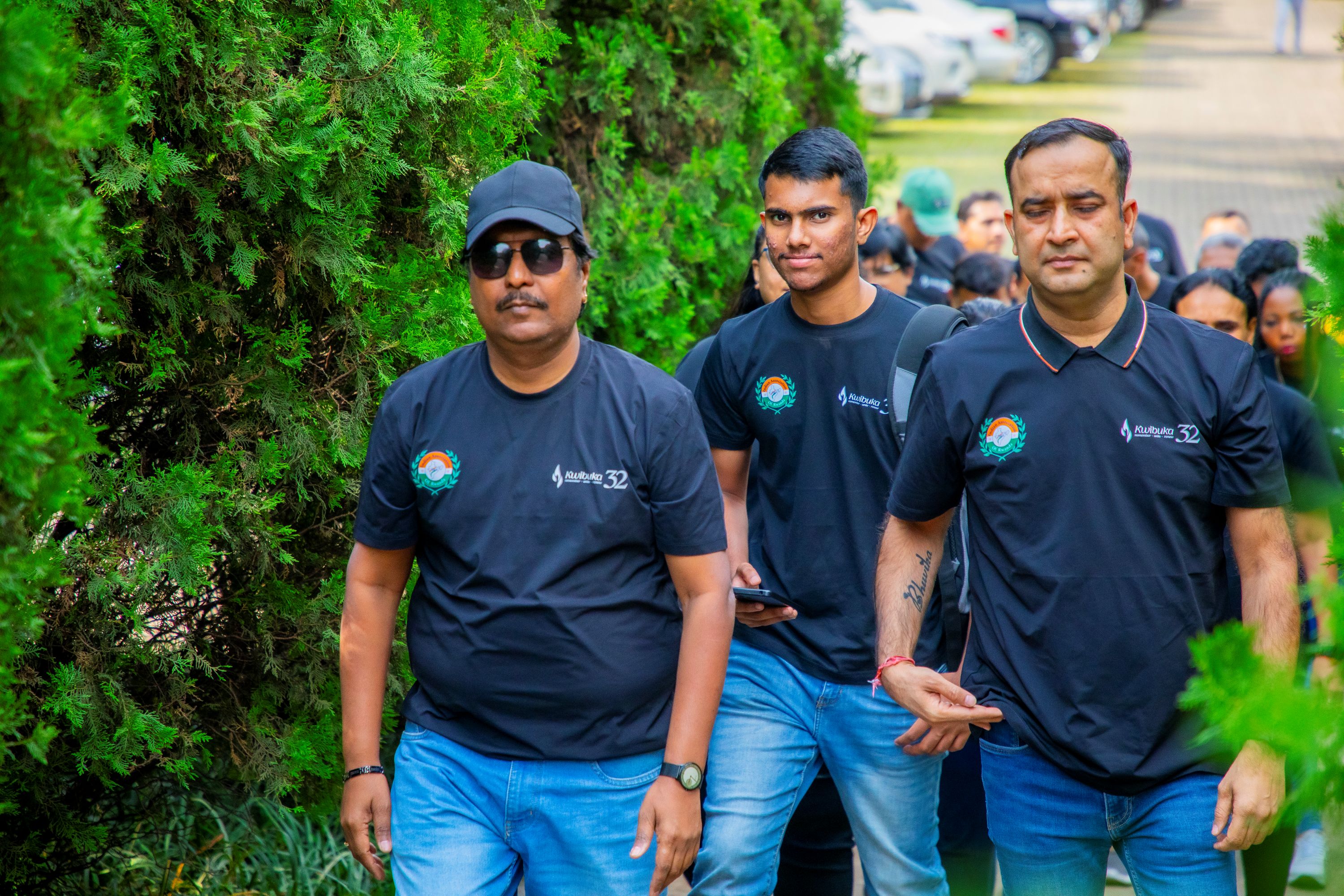
The visit formed part of commemorations marking the 32nd anniversary of the Genocide against the Tutsi.The visit offered participants a detailed educational tour on the history of the 1994 tragedy, from its origins to its aftermath and Rwanda’s recovery journey.Participants also watched a short film featuring survivor testimonies that highlighted the human impact of the atrocities.Mukri Hussain, Vice Chairperson of the Indian Association of Rwanda, said the experience carried a strong message of humanity.At the memorial, the Indian association members paid their respects by laying wreaths at mass graves where over 250,000 victims are buried.Jagan PK, a founding member and former treasurer of the association who lived in Rwanda before and during the 1994 genocide, noted that his experience reinforced the need for global vigilance.Dr. Saurabh Singhal, an executive committee member, said it is a “solemn duty” of the Indian community to stand with Rwandans in honouring the victims.Namita Machchhar, an executive member of the association, said the visit strengthened their responsibility as residents of Rwanda to learn from history and contribute to preventing similar tragedies.