Paris Saint-Germain secured the title after a dramatic final against Arsenal in Budapest, where the French side triumphed in a penalty shootout following a tightly contested match that ended level after normal time. The victory sealed PSG’s second Champions League crown and sparked celebrations across France.
According to the French interior ministry, a total of 416 people were detained nationwide on Saturday night, including 283 in Paris, as tens of thousands of supporters flooded streets to mark PSG’s dramatic win.
Interior Minister Laurent Nunez described the unrest as “absolutely unacceptable,” confirming that seven police officers were wounded during clashes that broke out in several parts of the capital. Six vehicles and two businesses were also damaged.
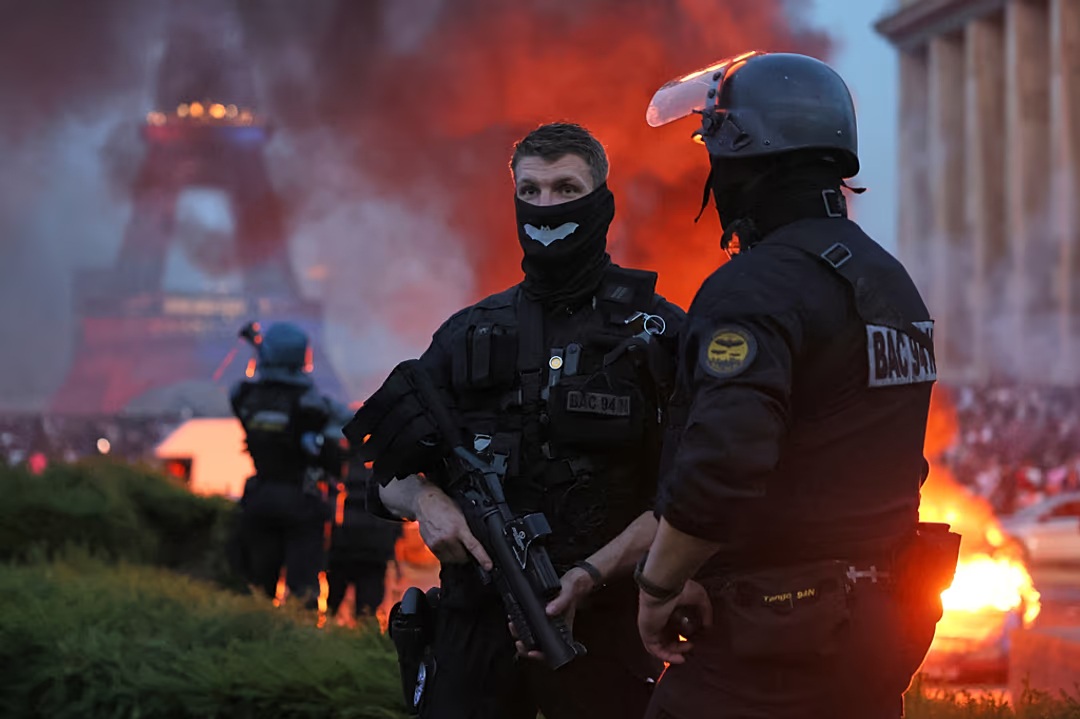
Police scrambled to contain the large crowd at the iconic Champs-Elysees avenue.
A heavy police presence of around 22,000 officers was deployed across France, including 8,000 in Paris, amid fears of a repeat of last year’s disorder. Authorities moved to shut down tram lines, close metro stations and restrict bus services in central Paris in an effort to contain crowds.
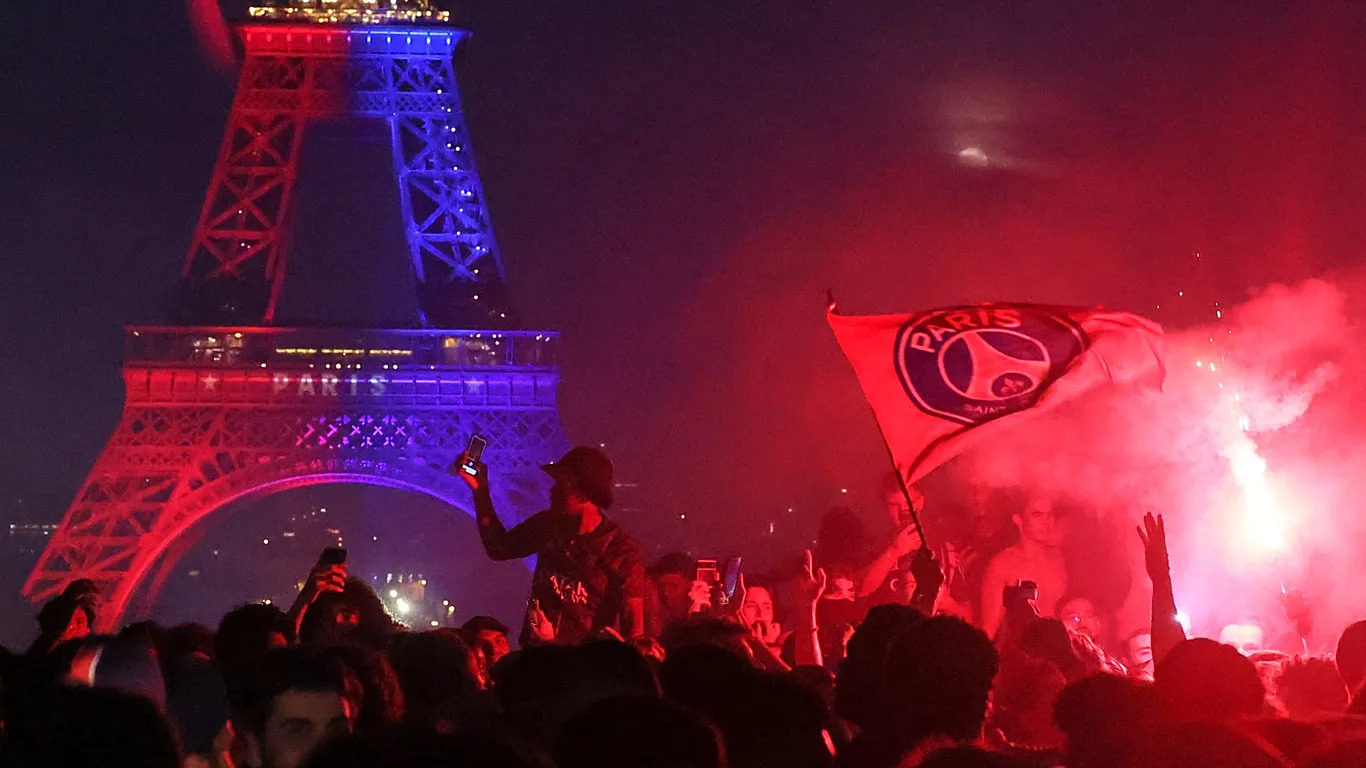
Despite the measures, around 20,000 fans gathered on the Champs-Élysées, where flares were lit and traffic was disrupted. Police said two dozen flares and around 100 fireworks were seized, while a bus shelter near the avenue was destroyed.
Smaller groups of supporters also caused disturbances near PSG’s Parc des Princes stadium, where tens of thousands had gathered to watch the match on big screens. Between 4,000 and 5,000 people outside the stadium were involved in confrontations with police, with projectiles thrown at officers. Tear gas was used after fireworks were launched in their direction.
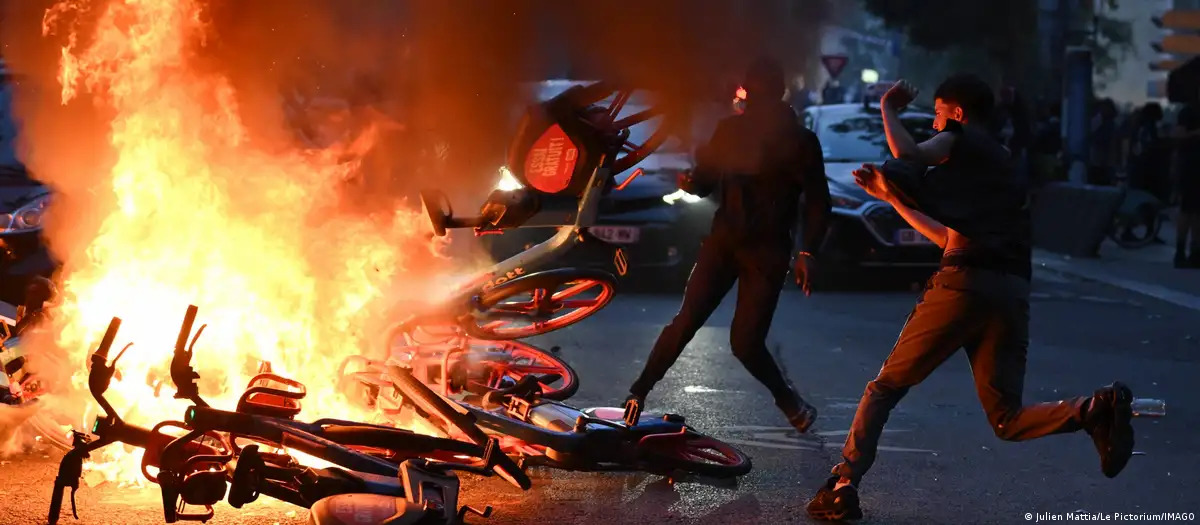
A car burns and fireworks explode as police watch PSG supporters celebrate in Paris, Saturday, May 30, 2026 after Champions League final soccer match between PSG and Arsenal.
Police said about 150 individuals attempted to force entry through one of the stadium gates, while others tried to build barricades using rental bicycles, which were later dismantled.
In central Paris, a group briefly blocked the ring road, the périphérique, while scattered incidents of vandalism were reported, including damage to a bakery and restaurant. Authorities also said some individuals attempted to storm a police station in the 8th arrondissement before being dispersed.
The unrest came as celebrations across the city coincided with other major events, including concerts and the French Open tennis tournament, adding pressure on security services.
Far-right political figures criticised the violence, with Marine Le Pen claiming on social media that “only in France does a football club’s victory spark riots.”
Despite the clashes, city officials confirmed that PSG players are expected to hold a victory parade on Sunday at the Champ de Mars near the Eiffel Tower, with an estimated 100,000 people expected to attend before a reception at the Élysée Palace hosted by President Emmanuel Macron.
Paris Saint-Germain secured the title after a dramatic final against Arsenal in Budapest, where the French side triumphed in a penalty shootout following a tightly contested match that ended level after normal time.
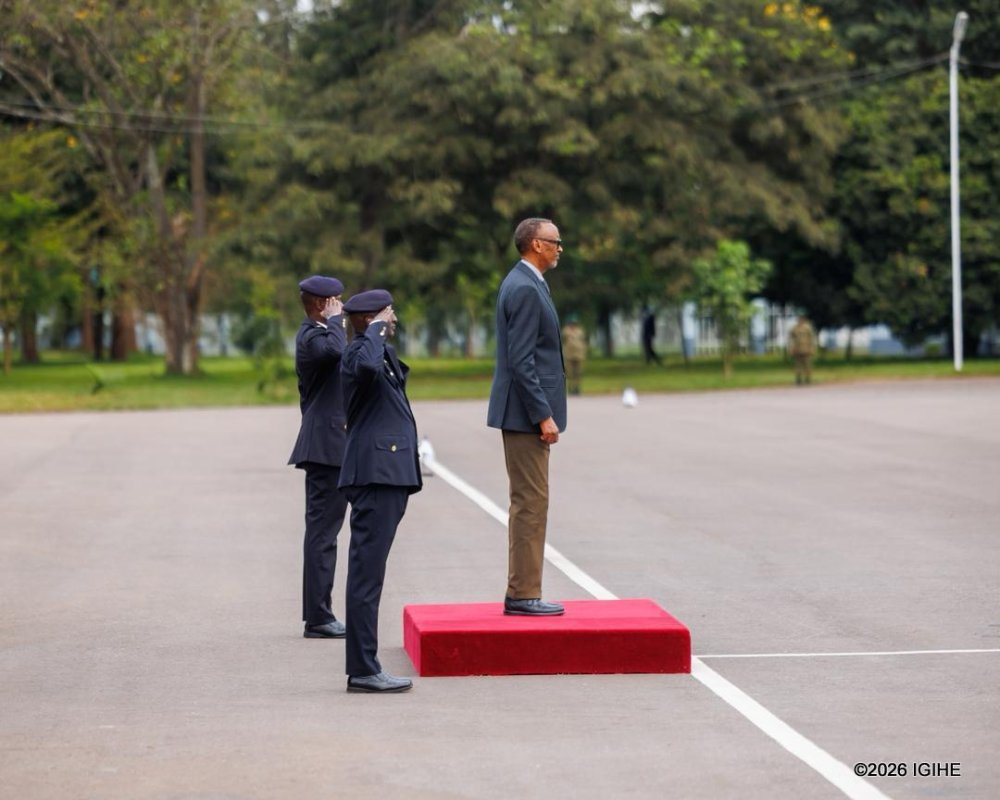
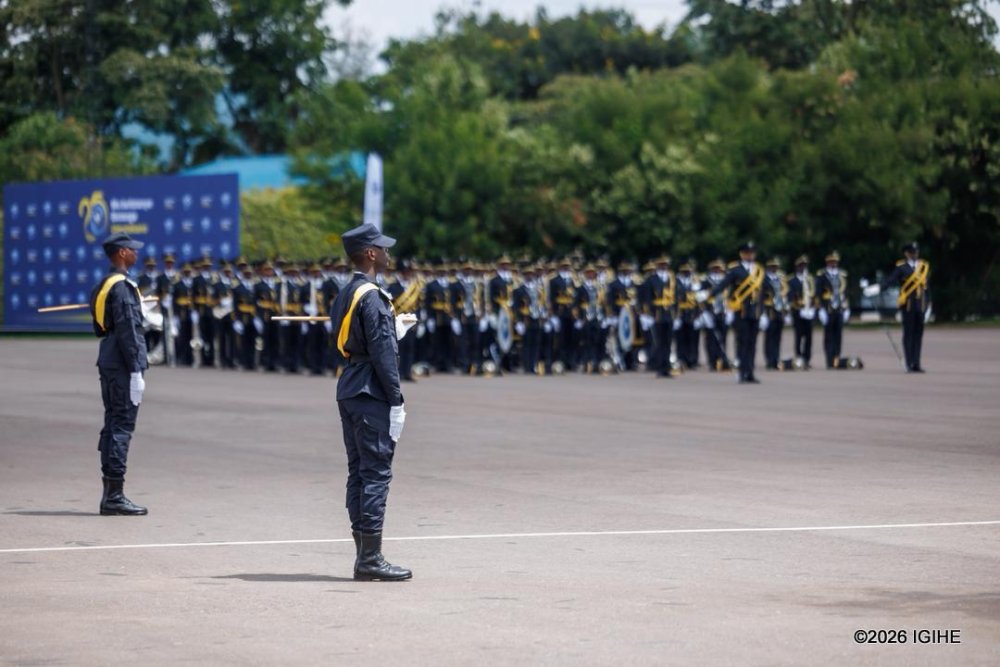
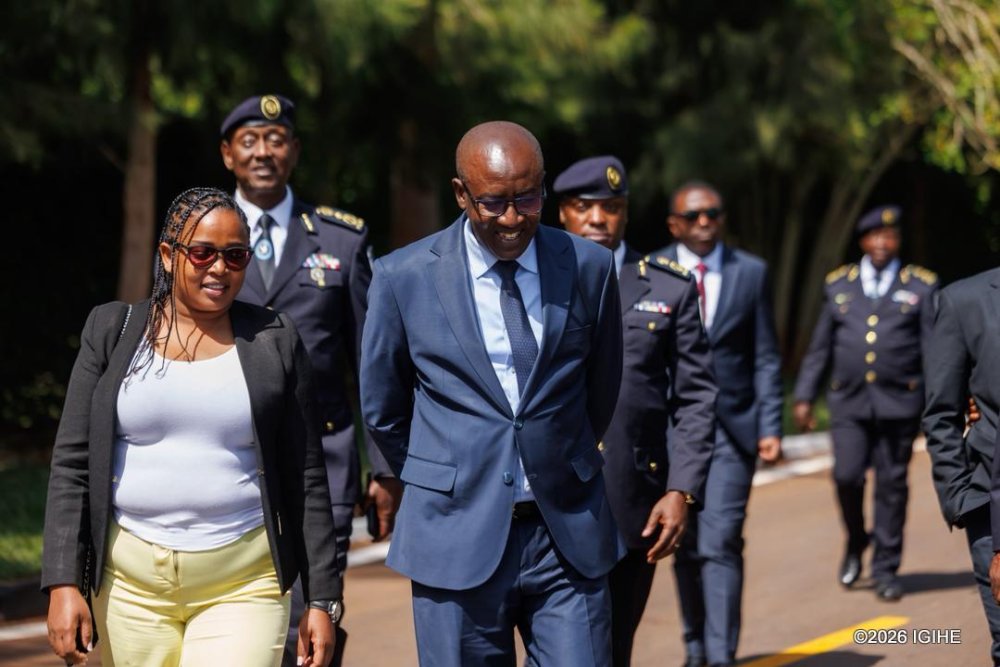
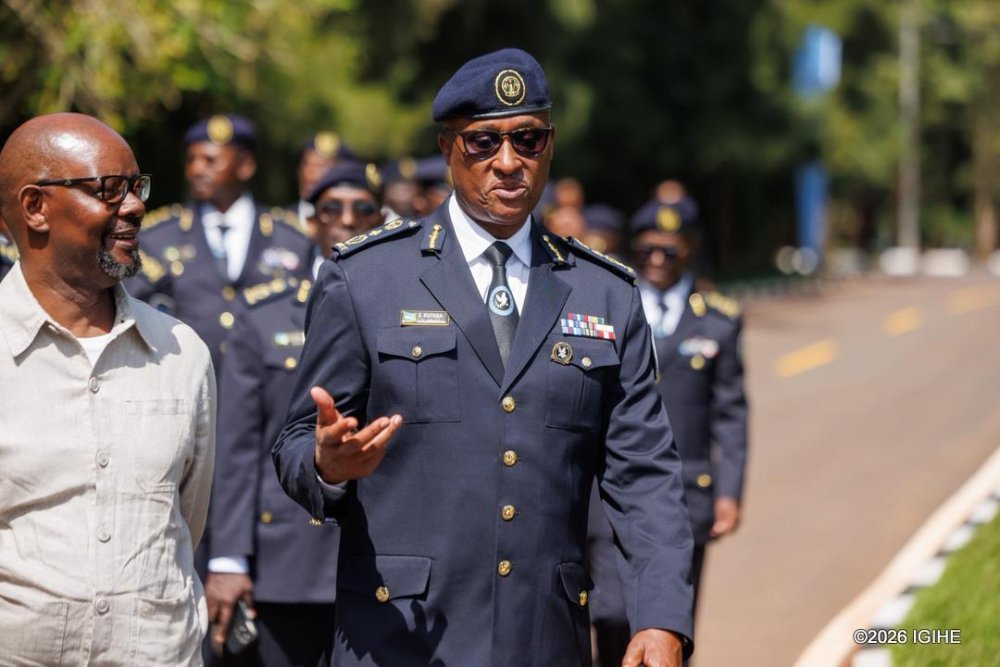
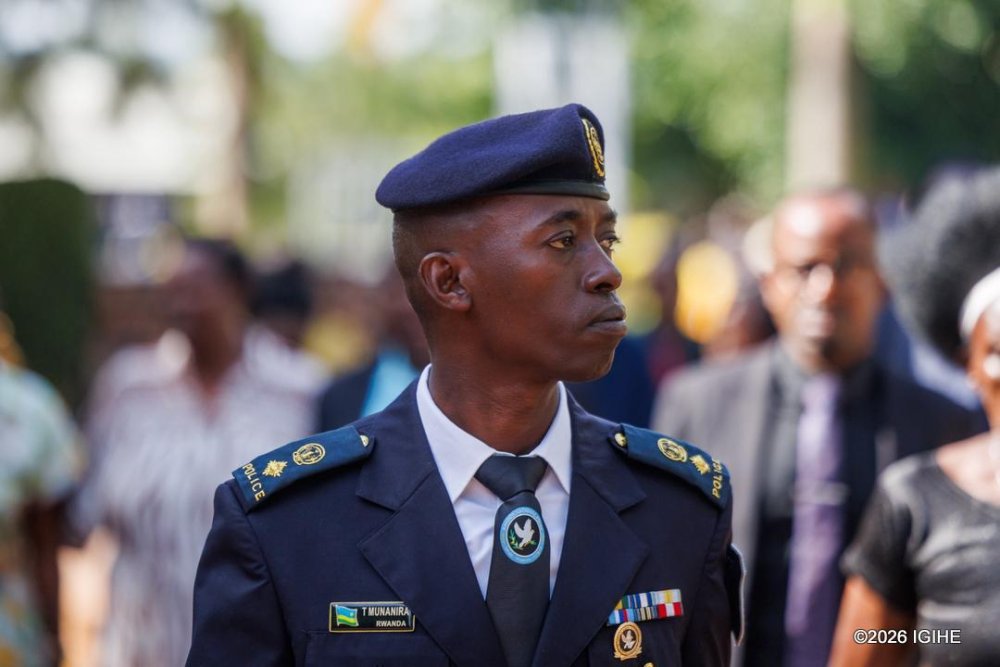
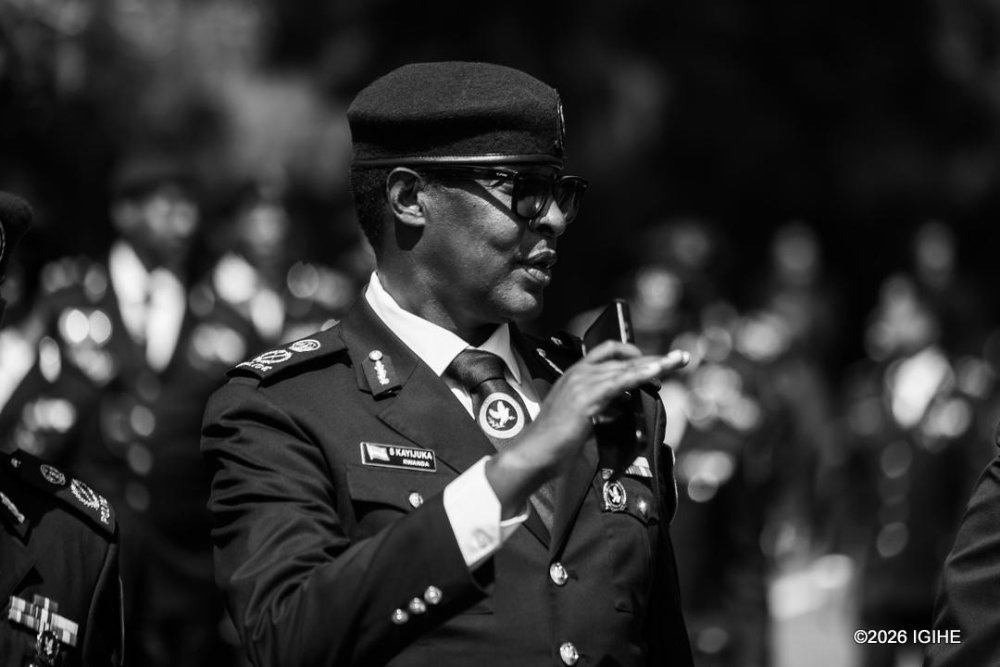
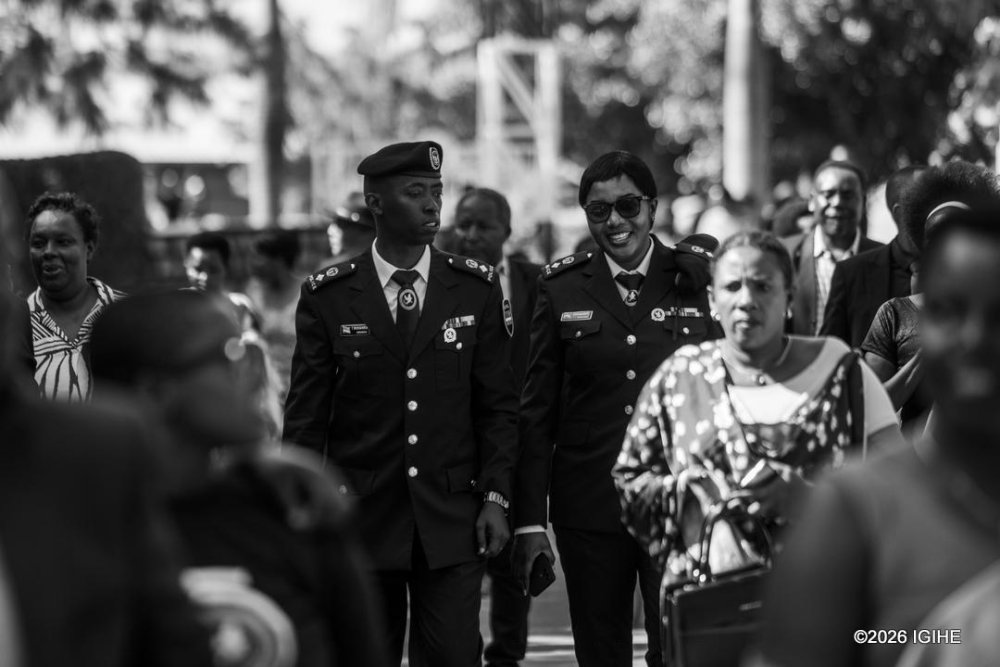
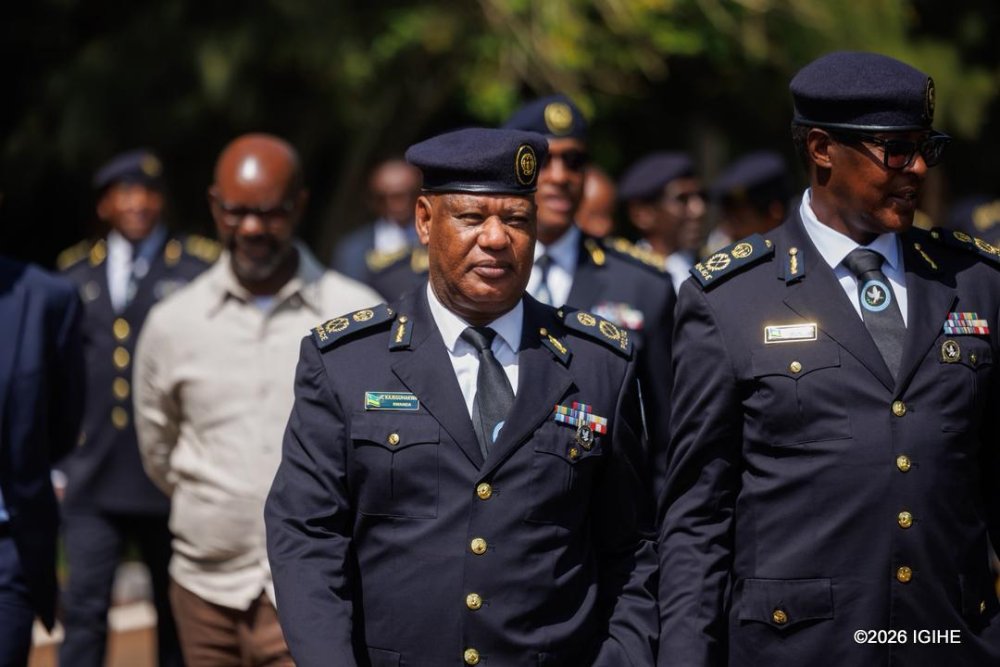
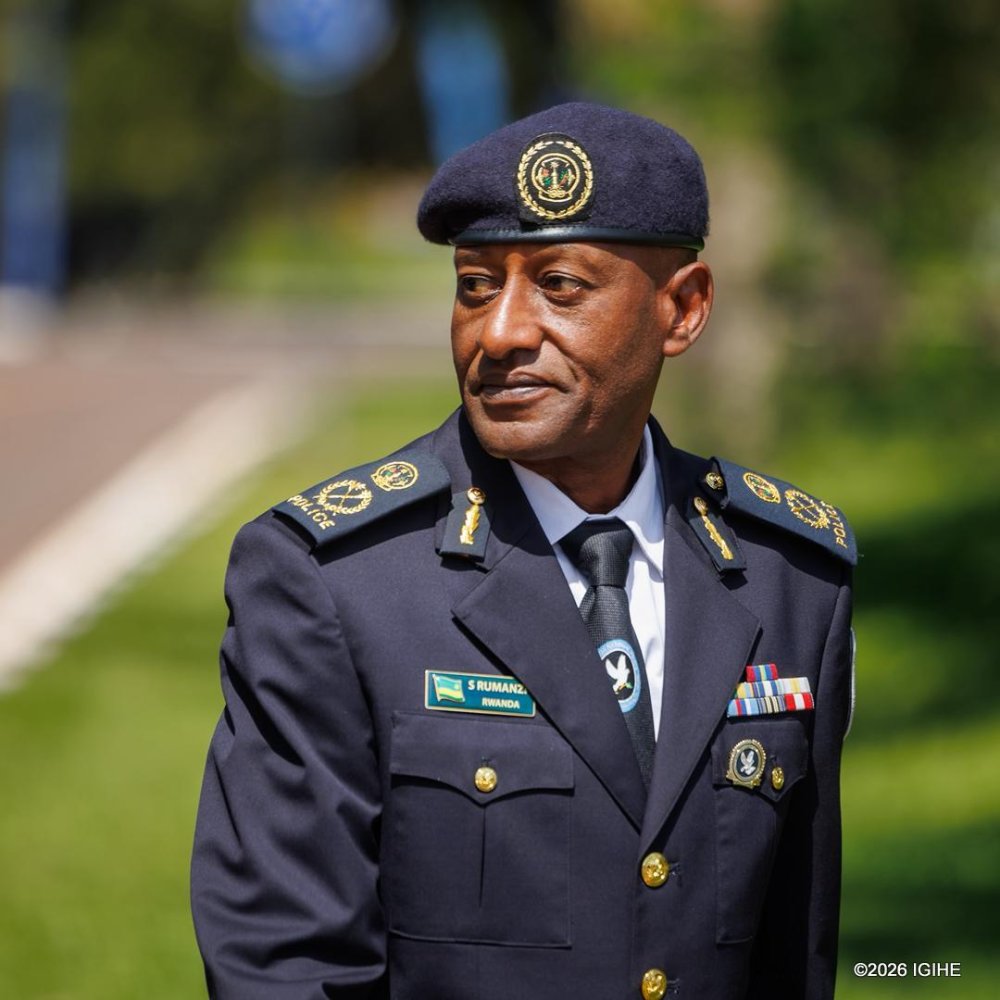
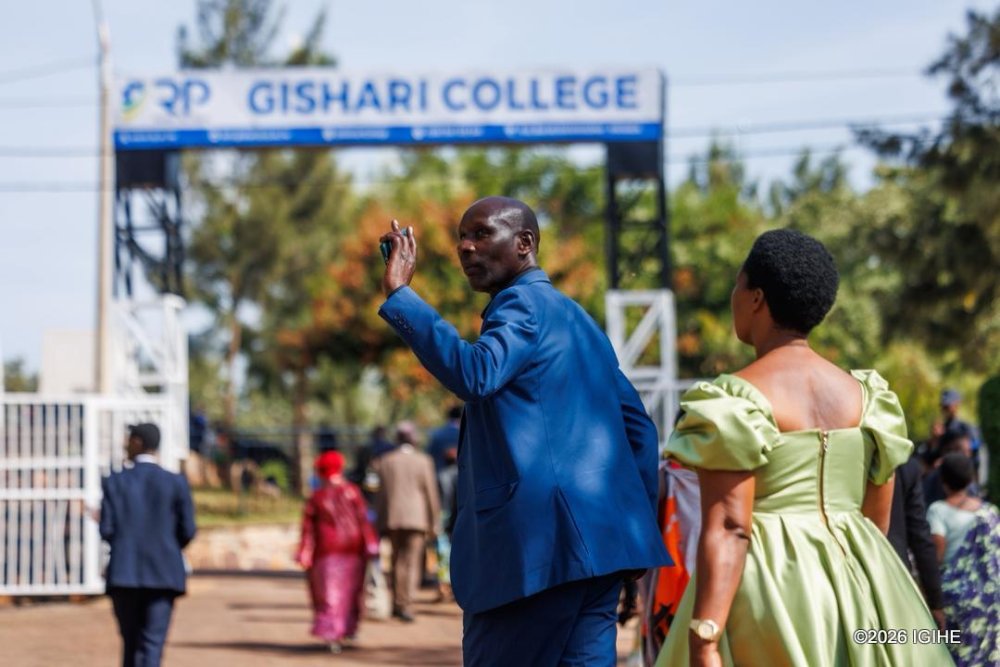
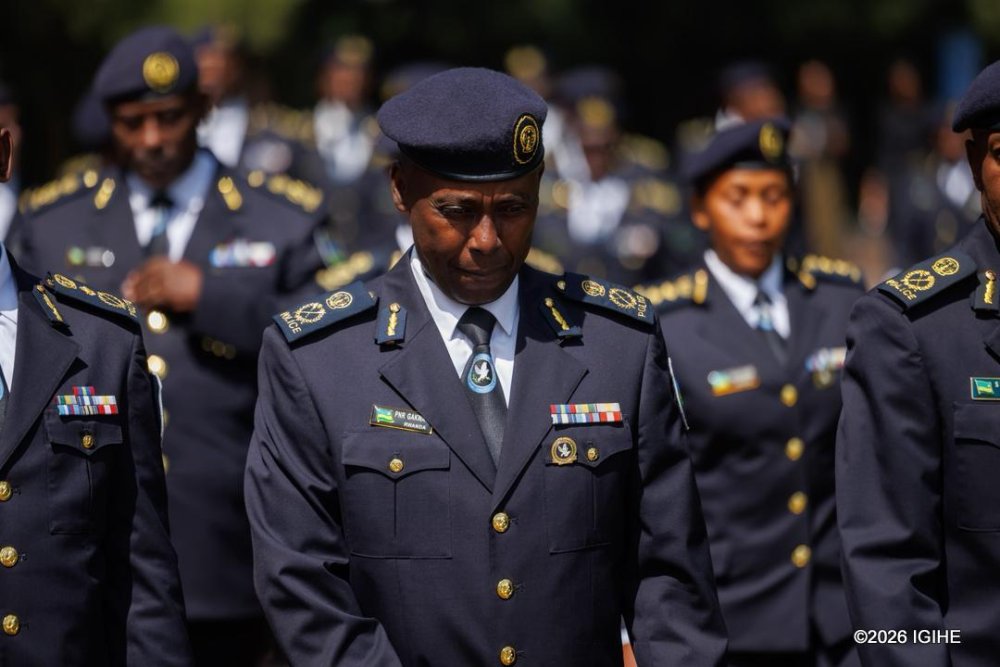
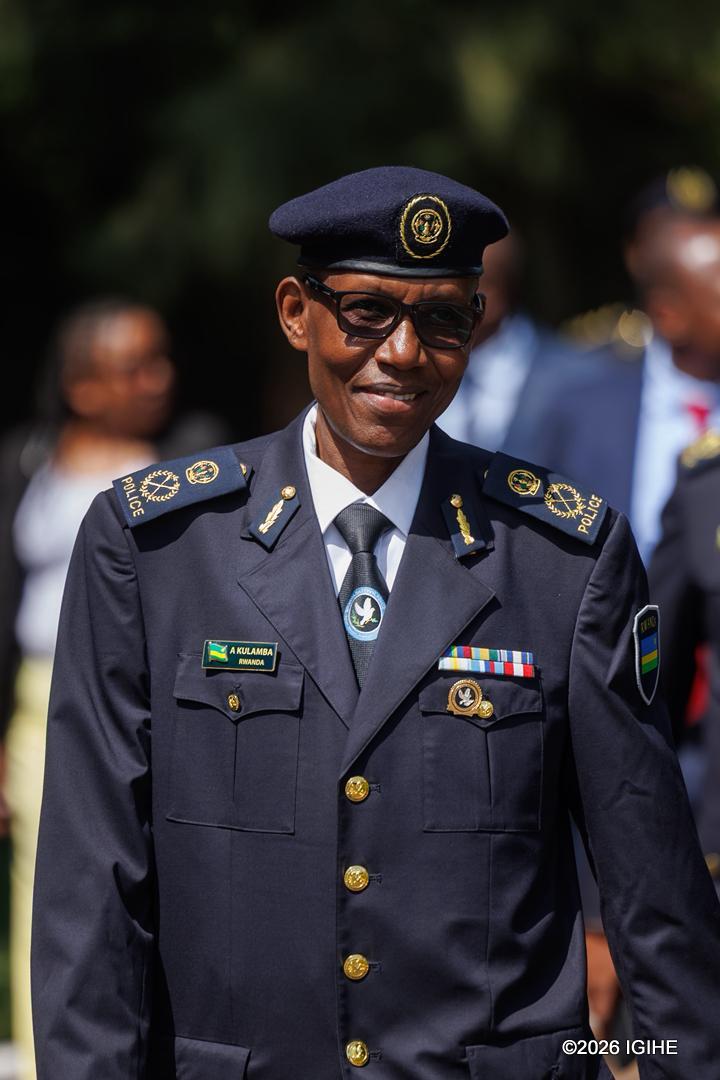
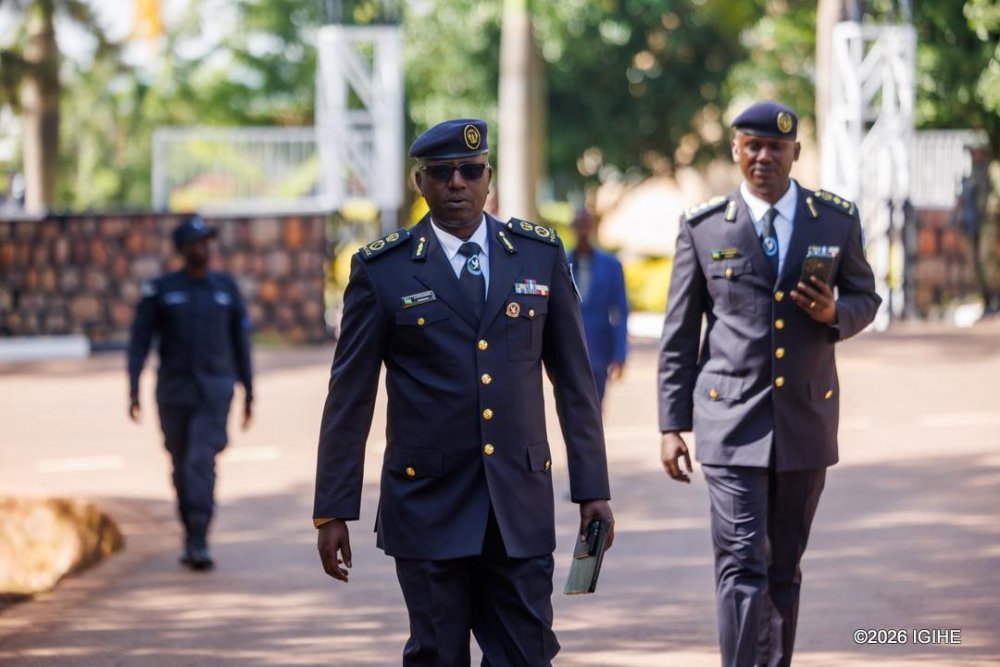
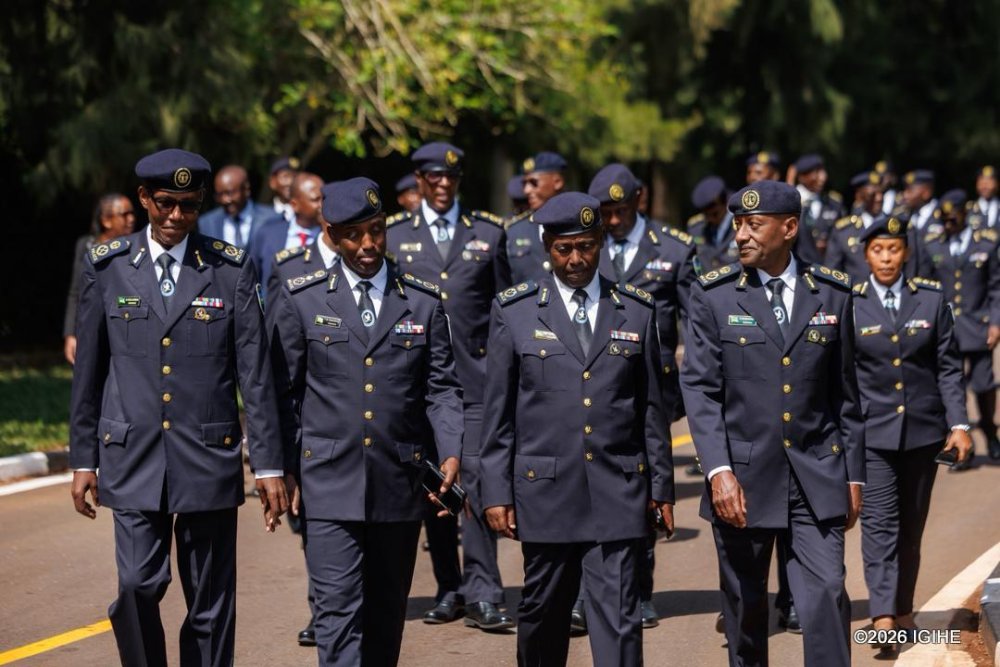
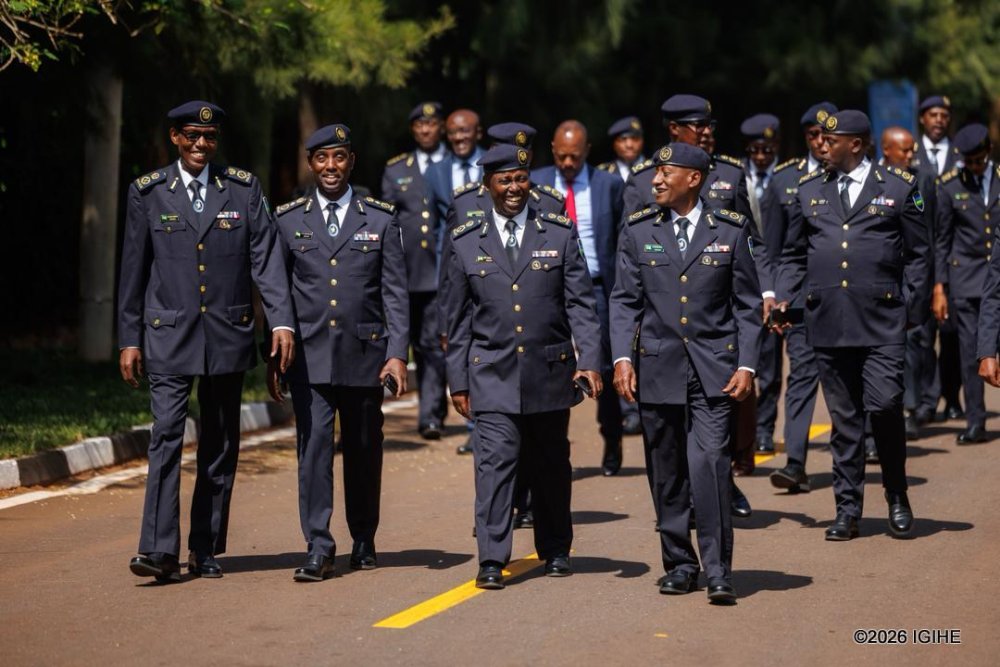
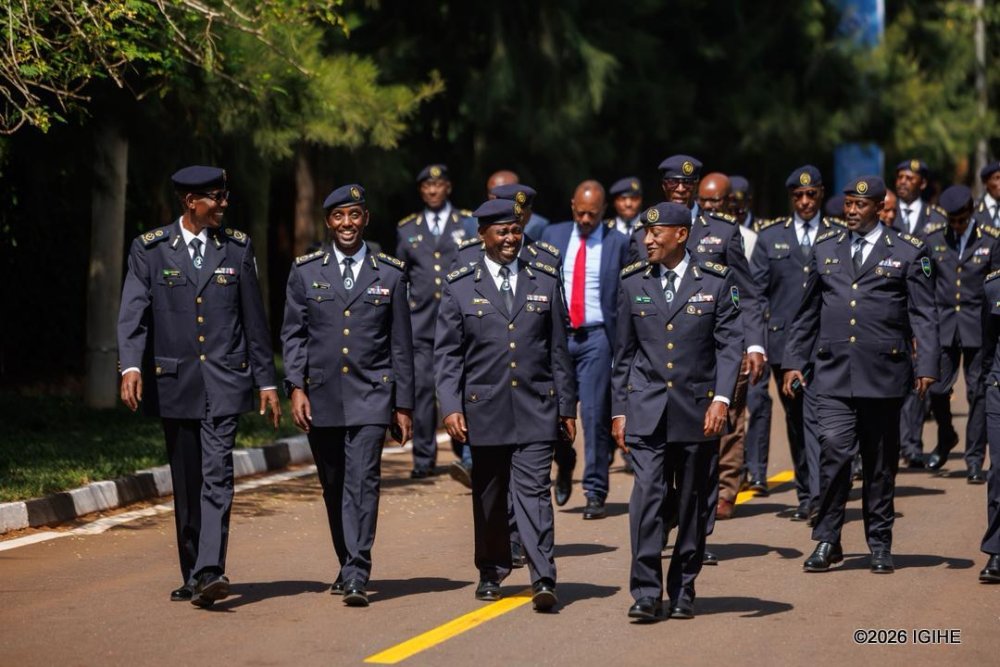
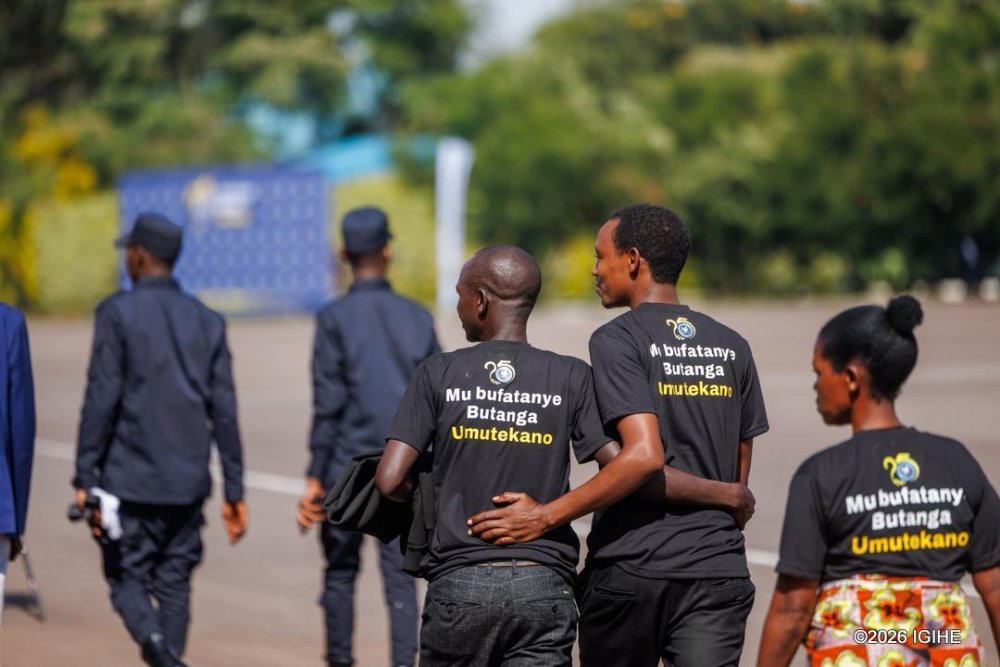
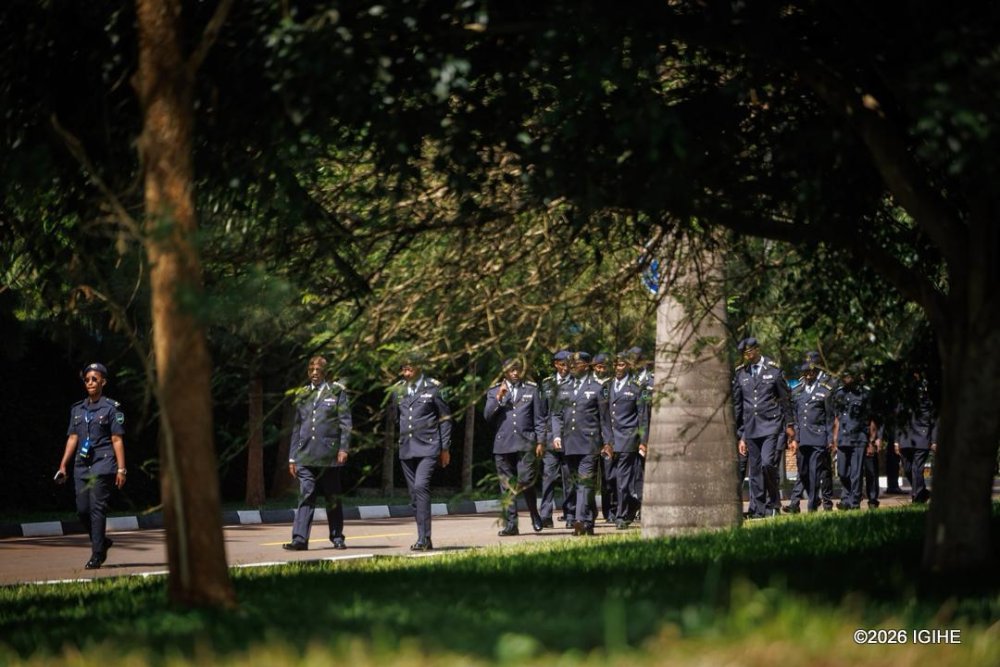
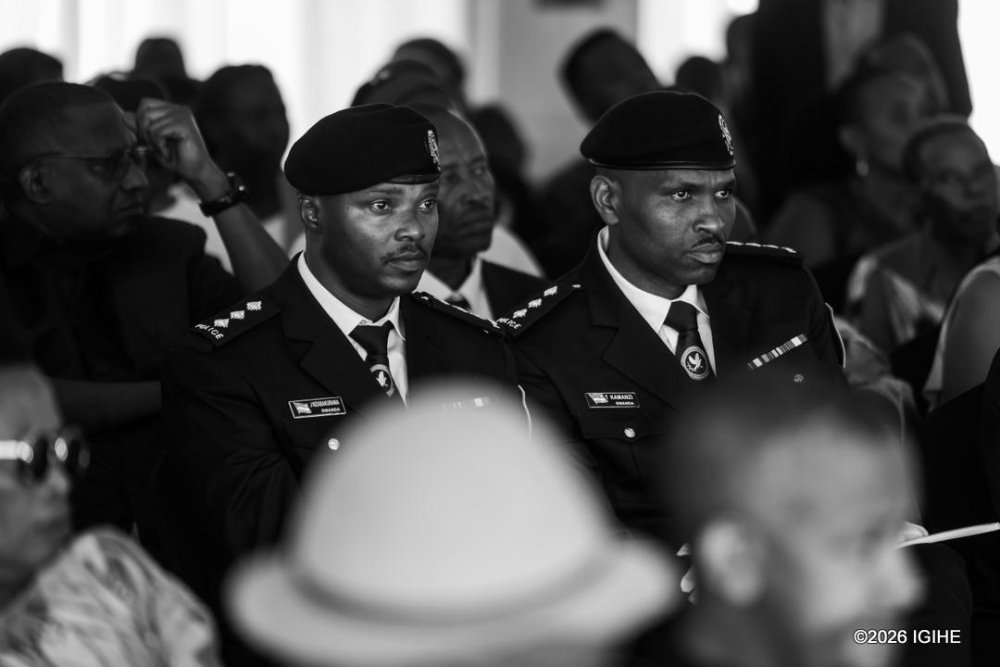
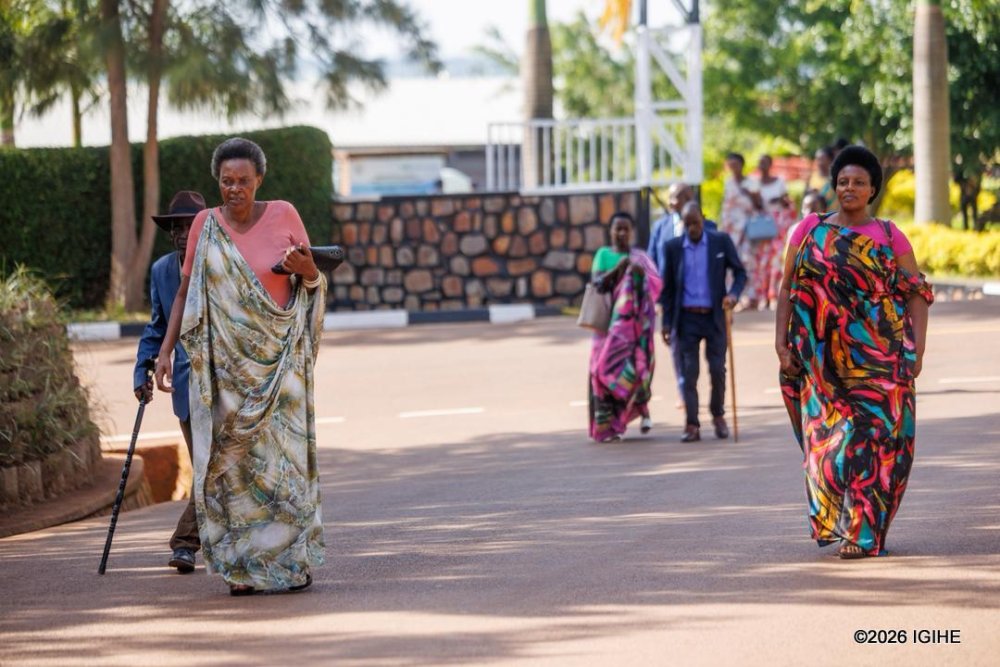
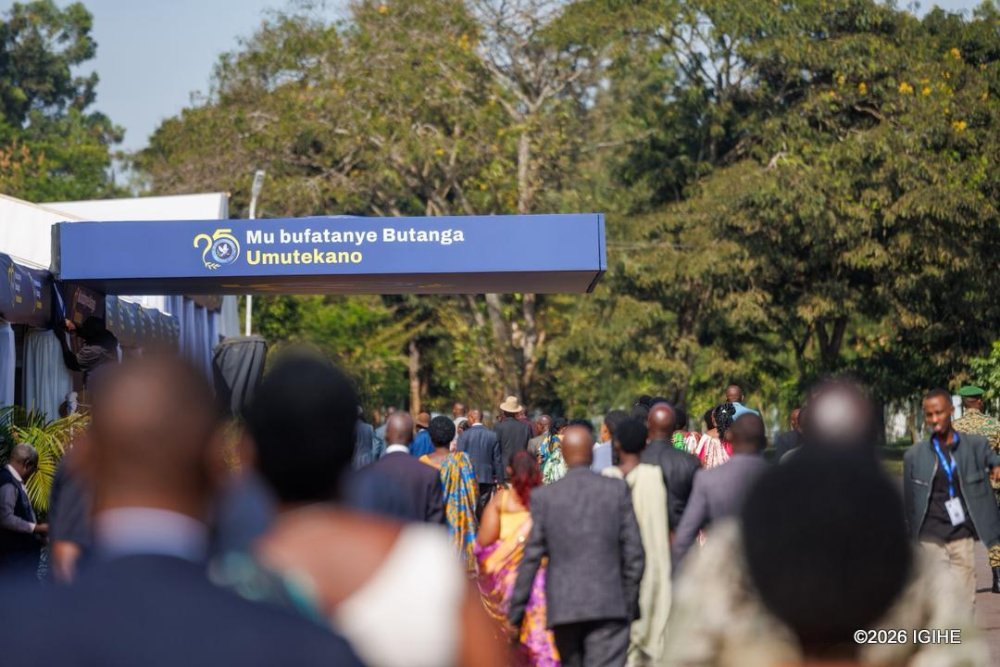
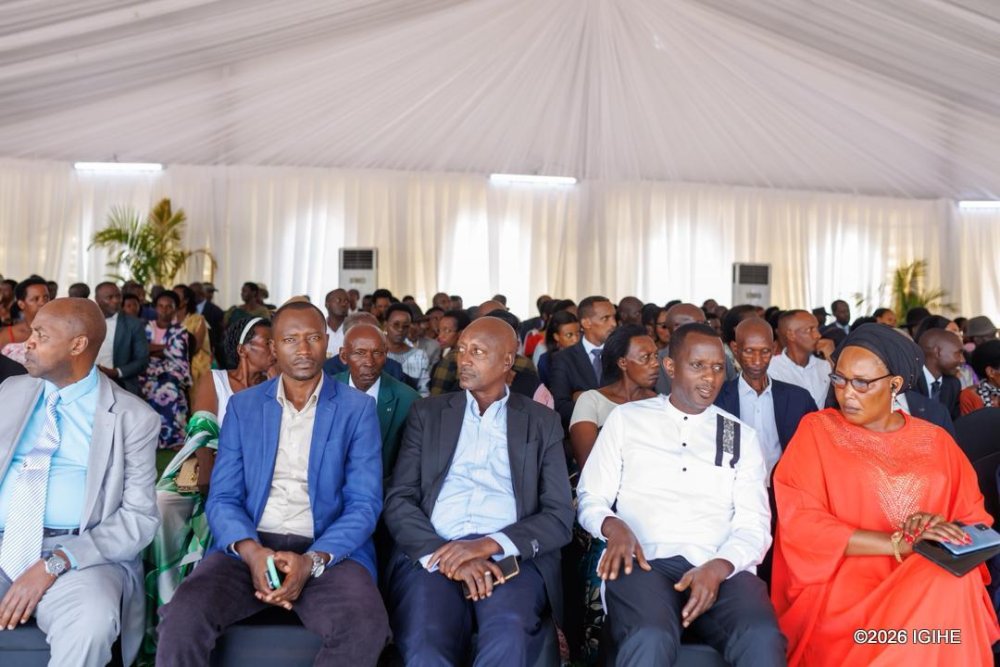
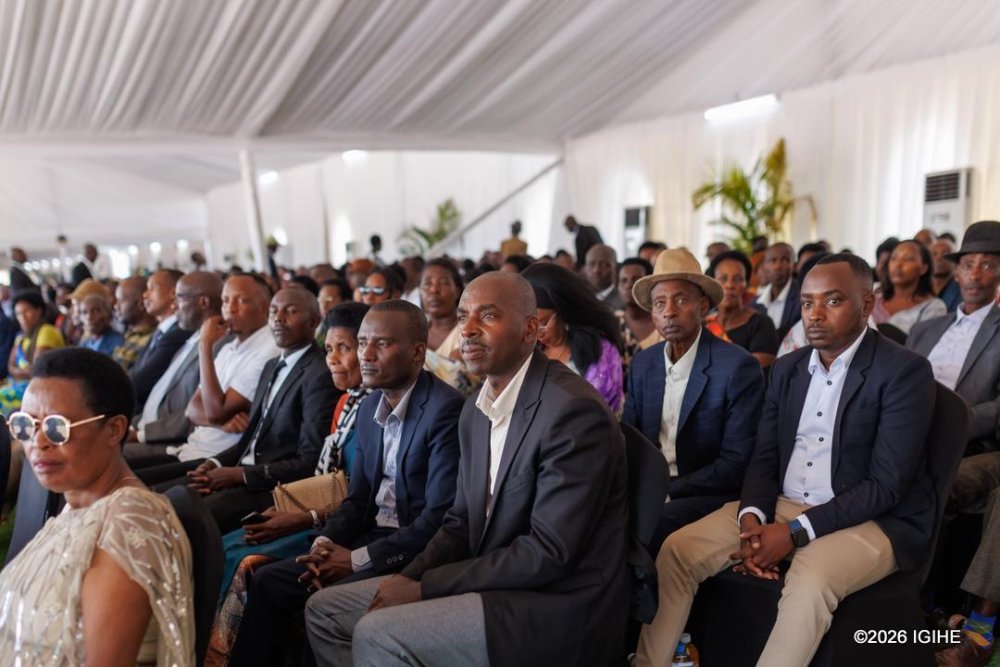
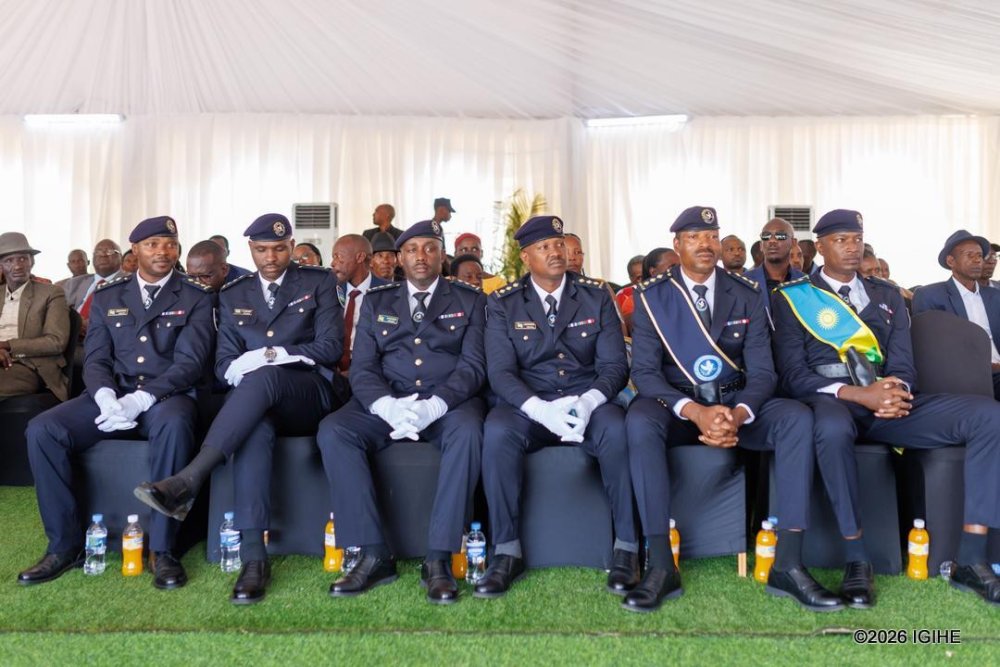
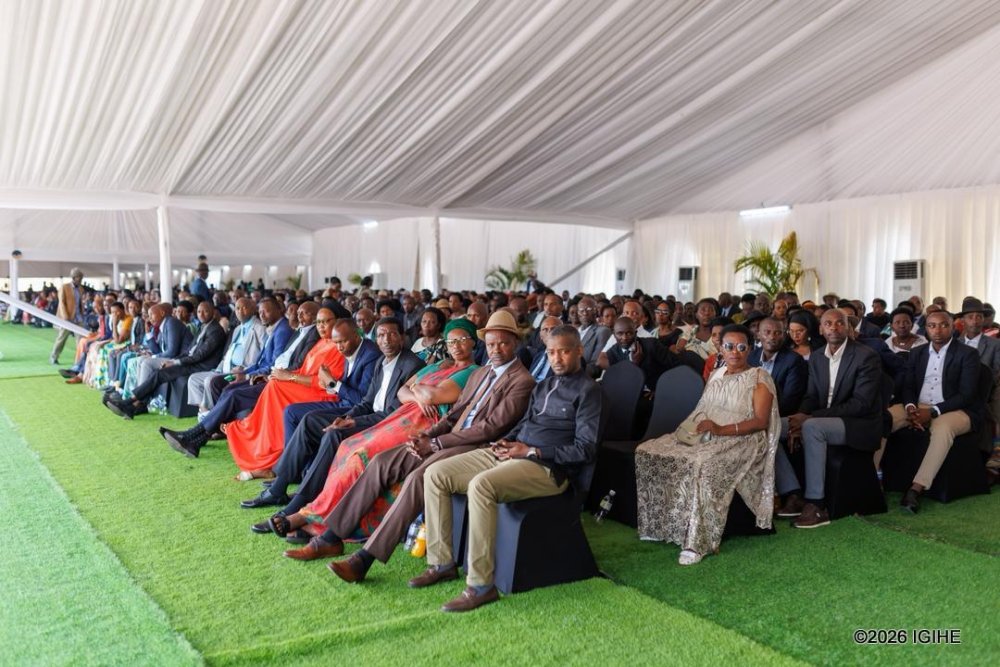
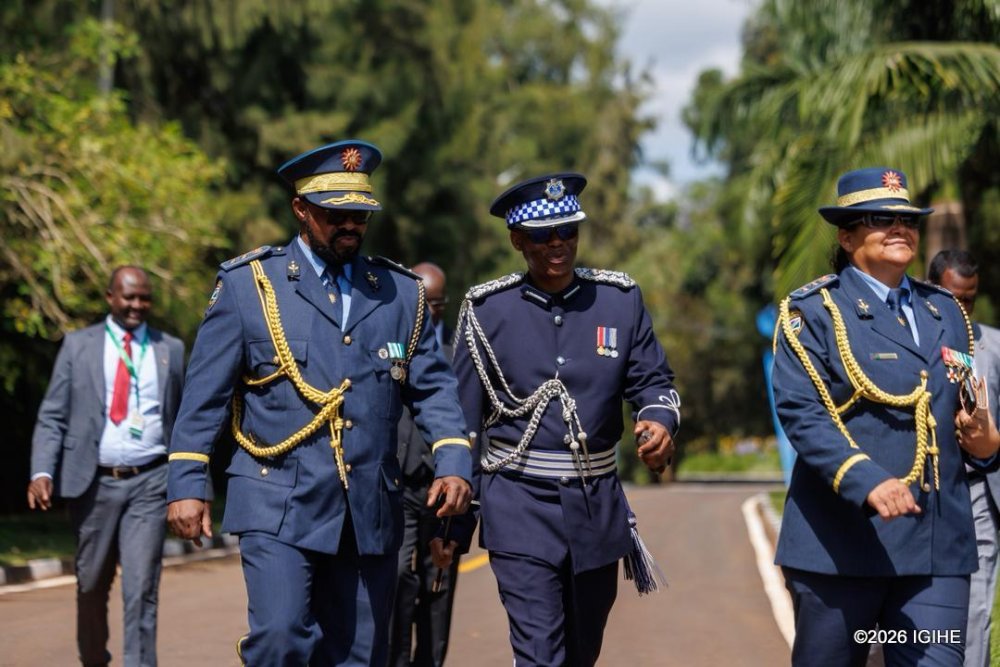
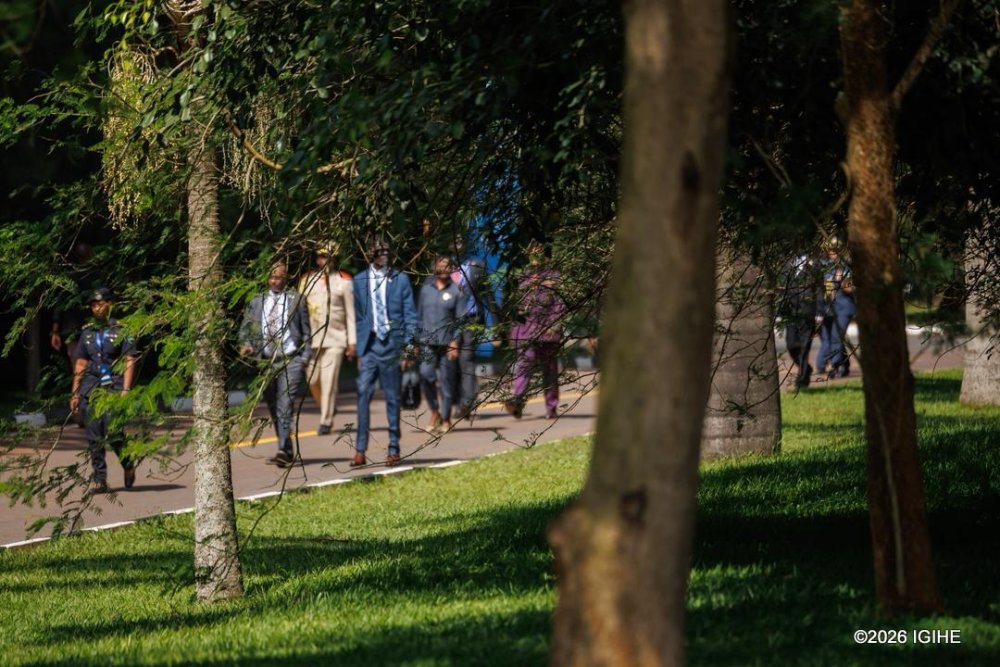
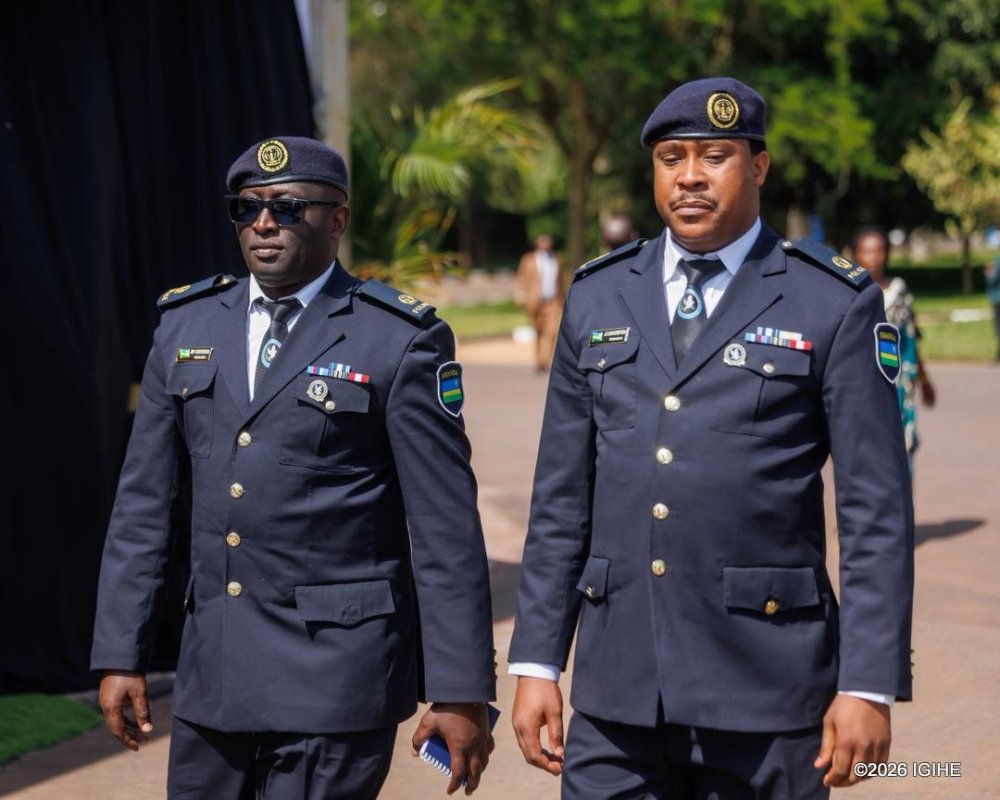
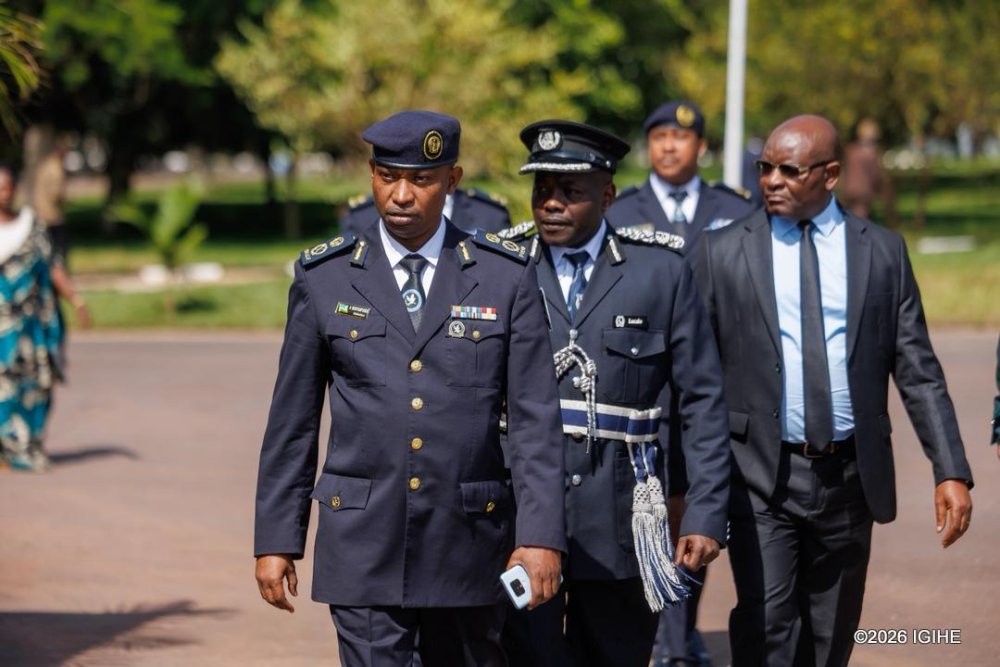
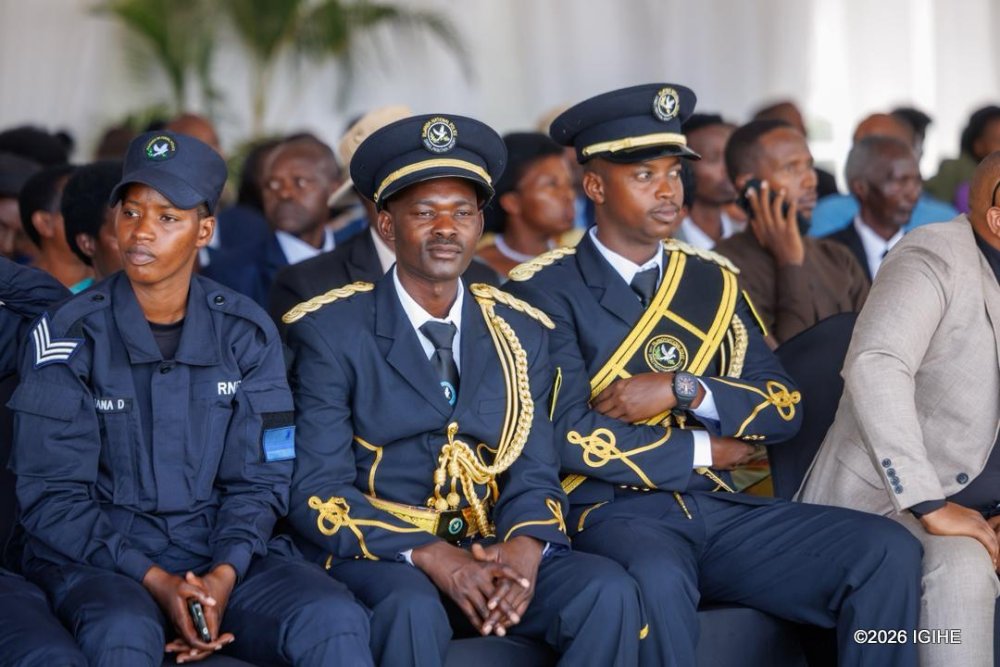
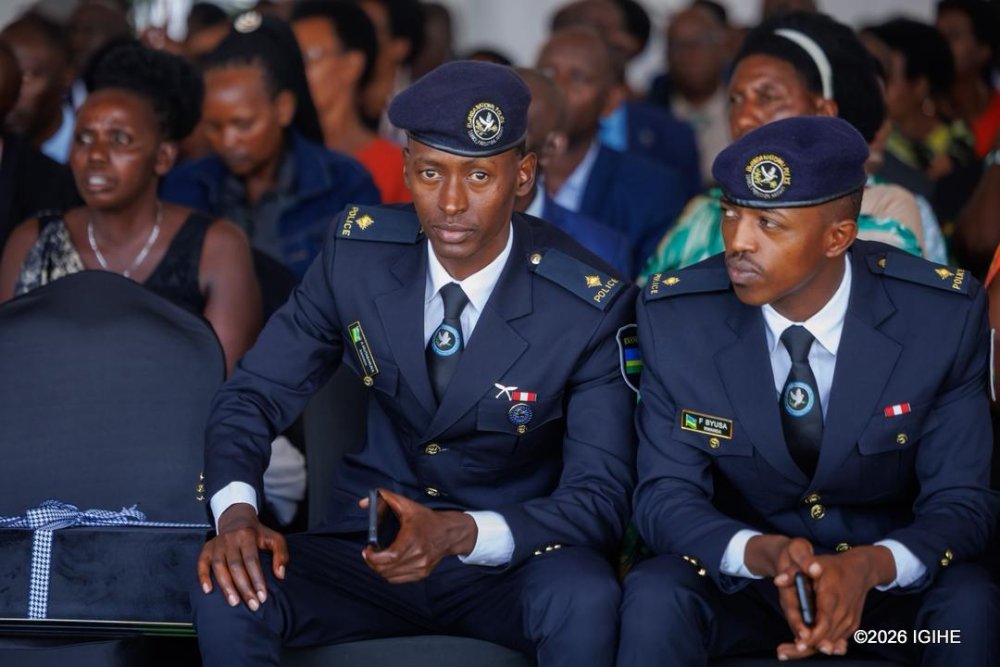
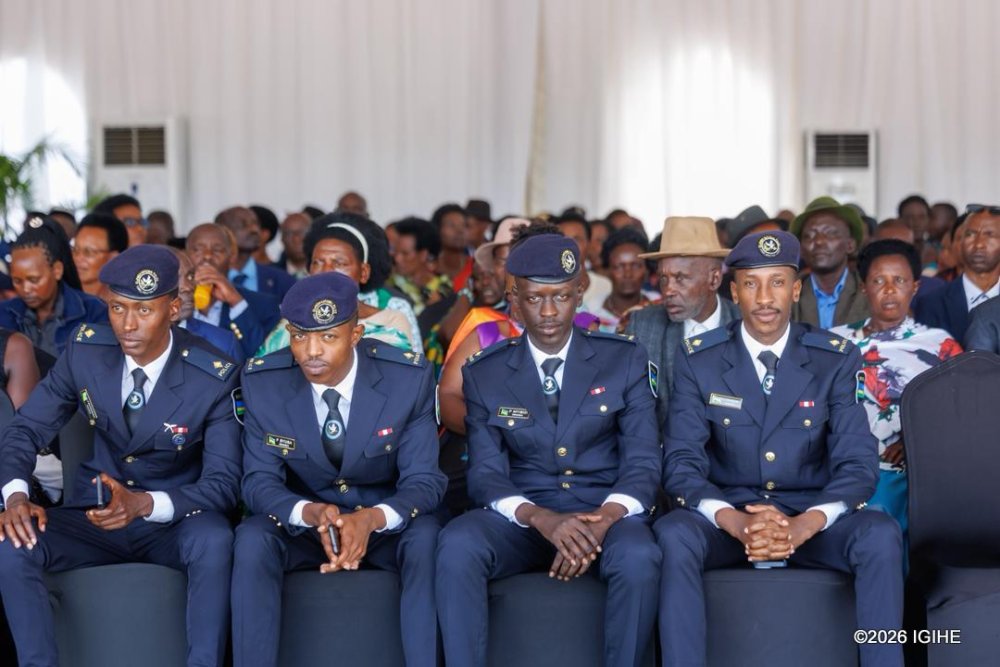
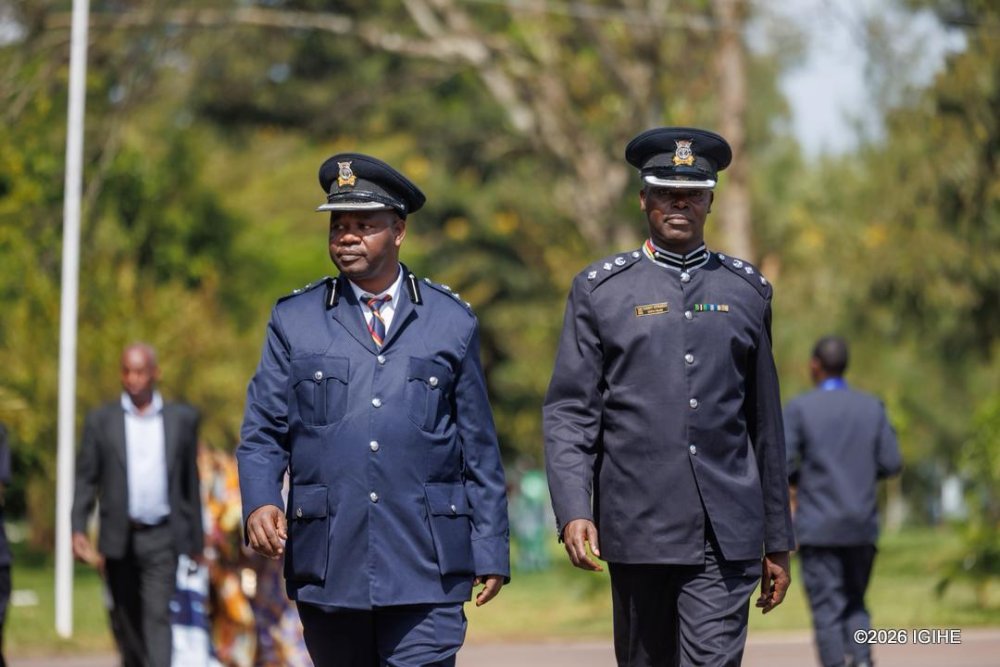
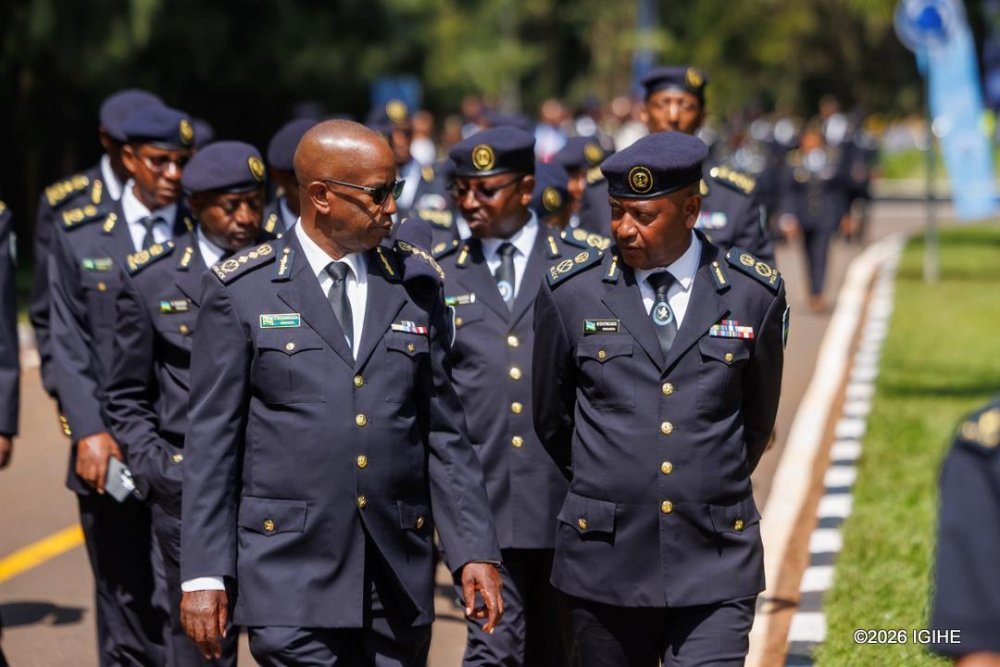
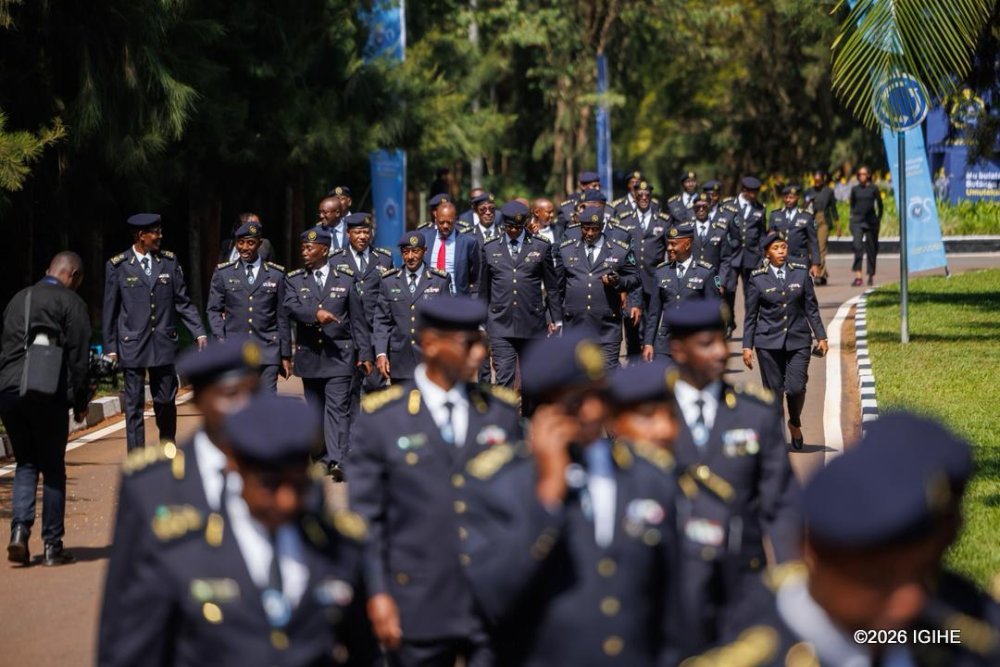
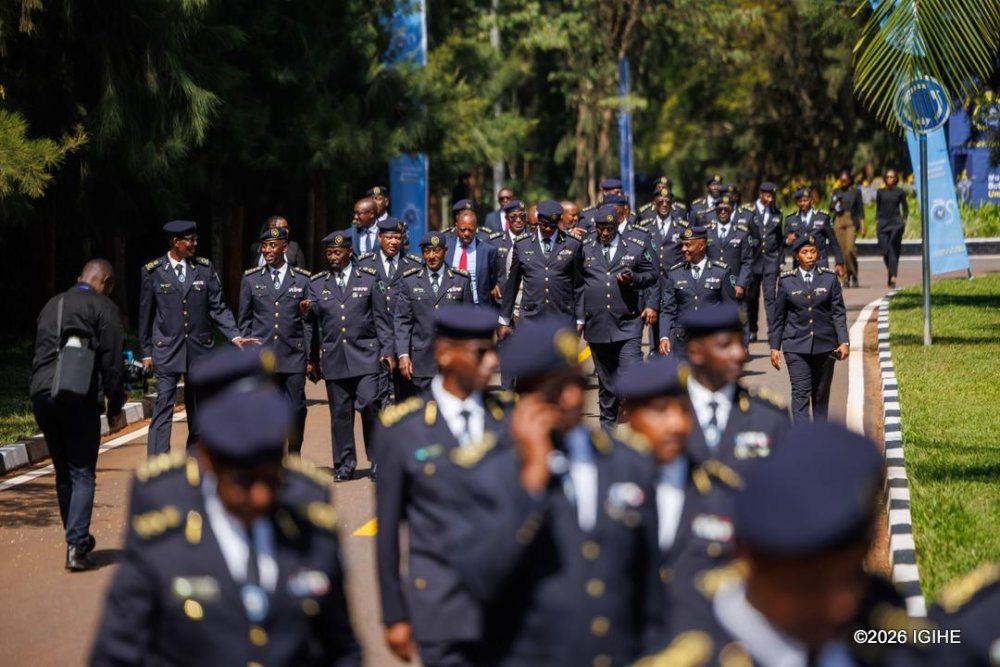
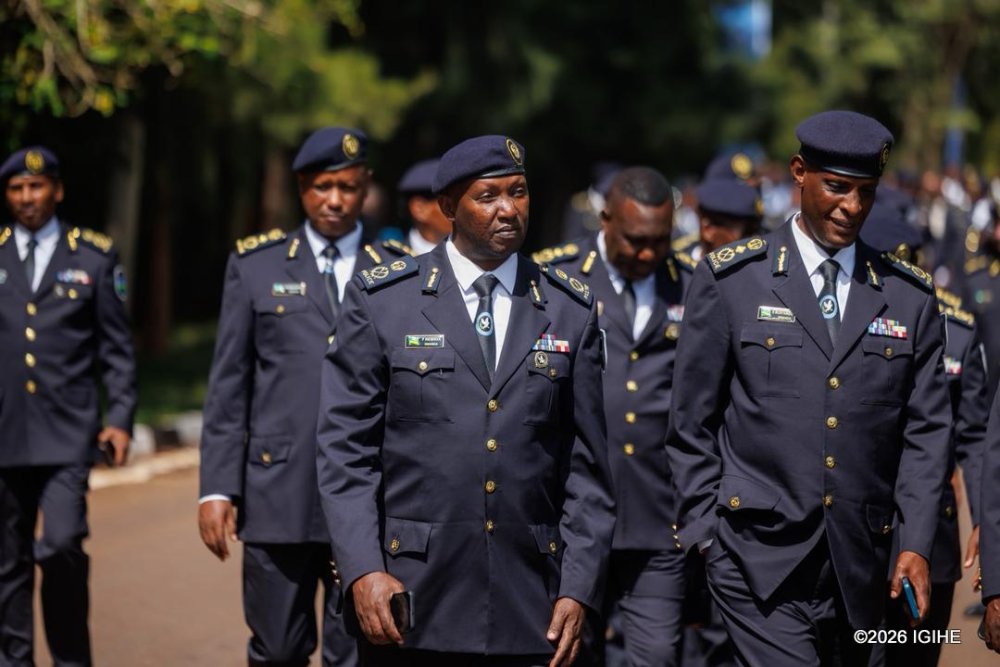
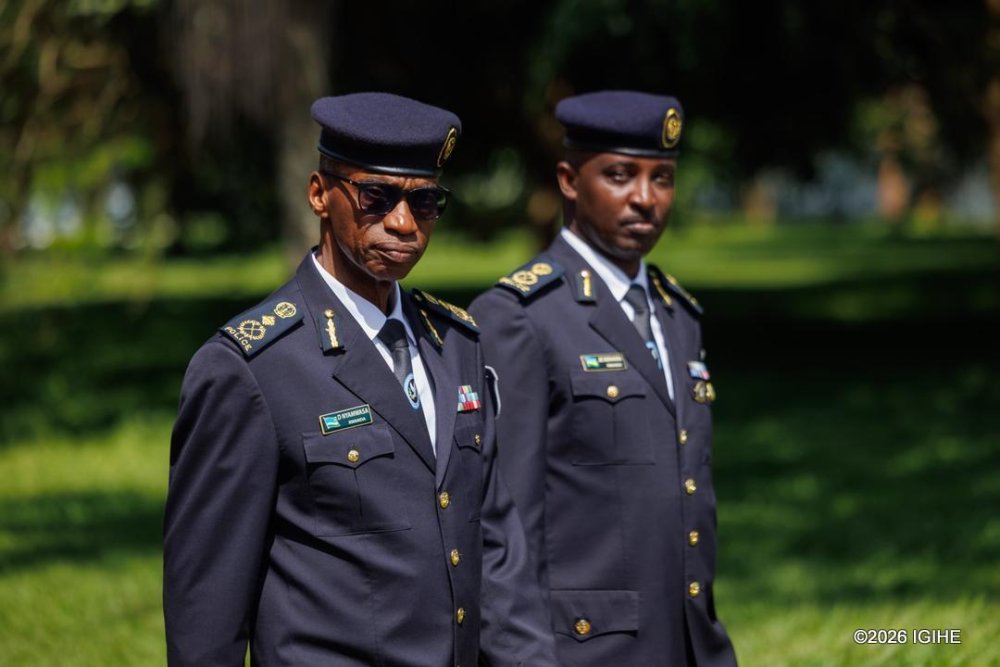
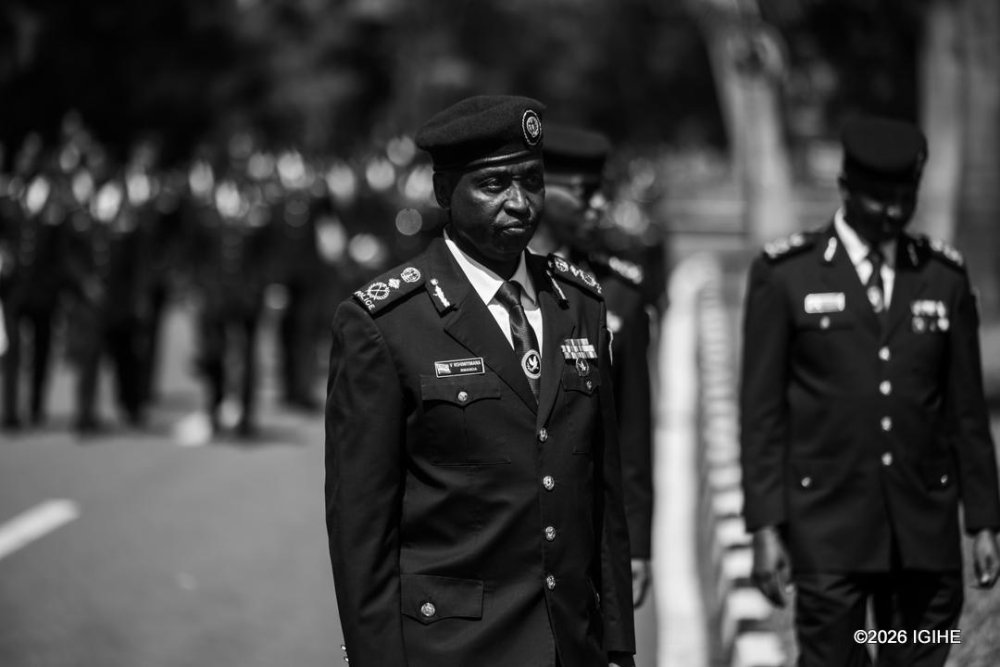
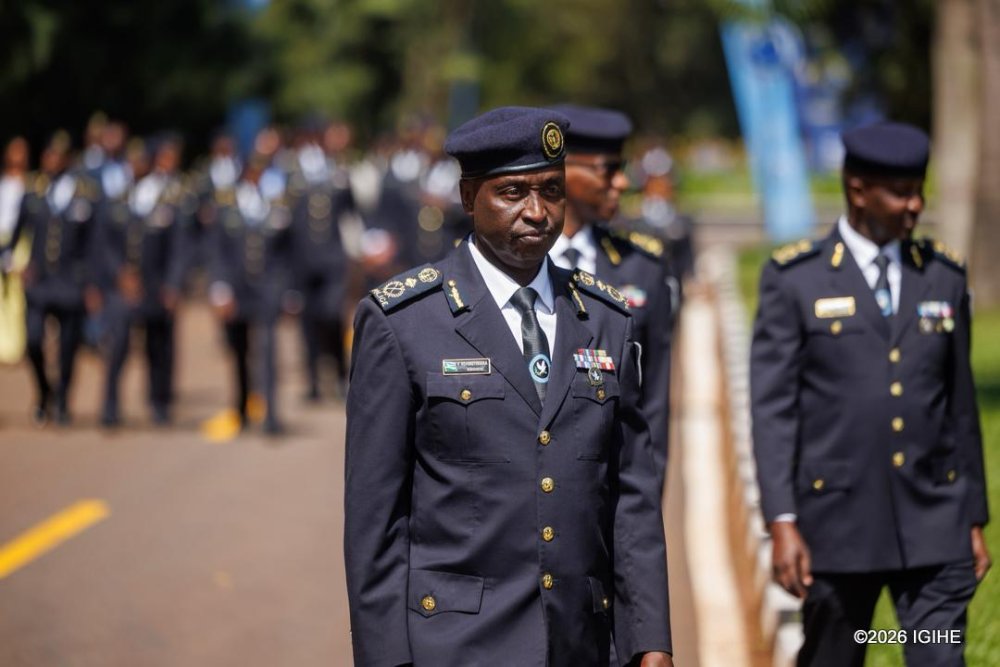
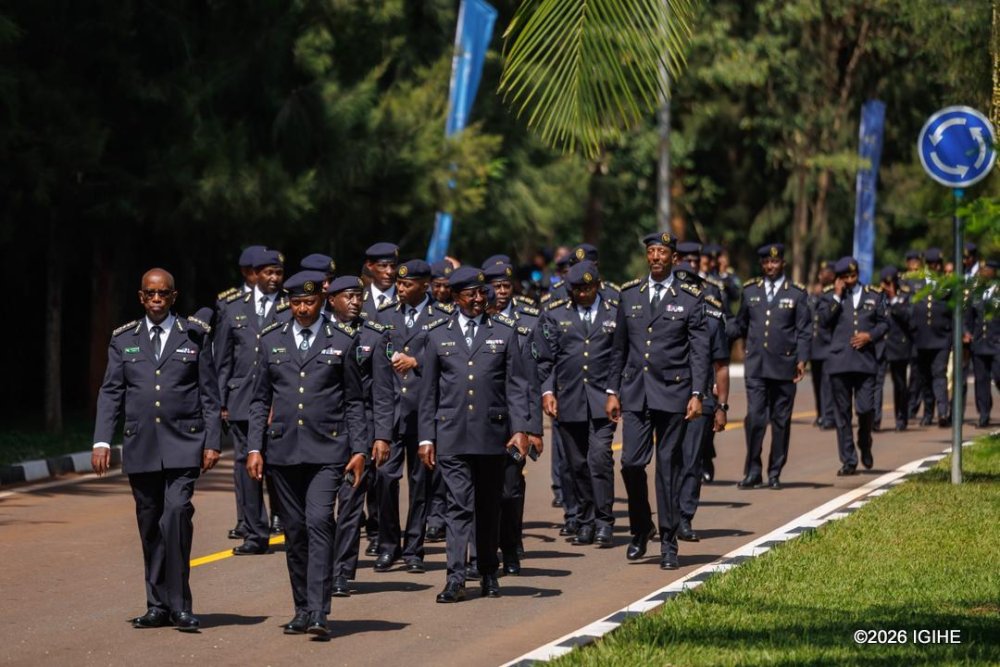
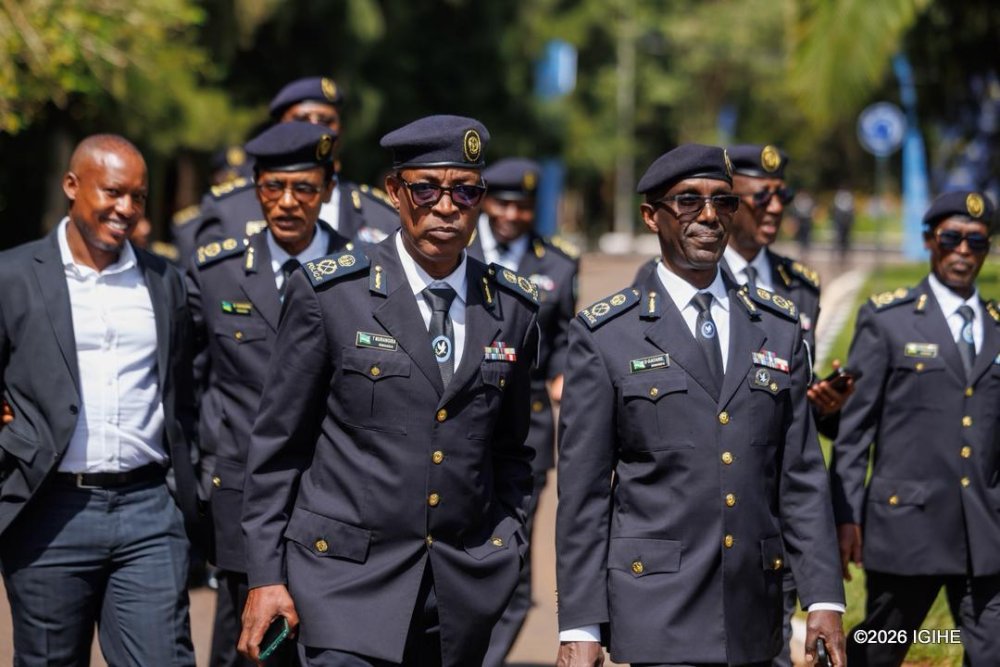
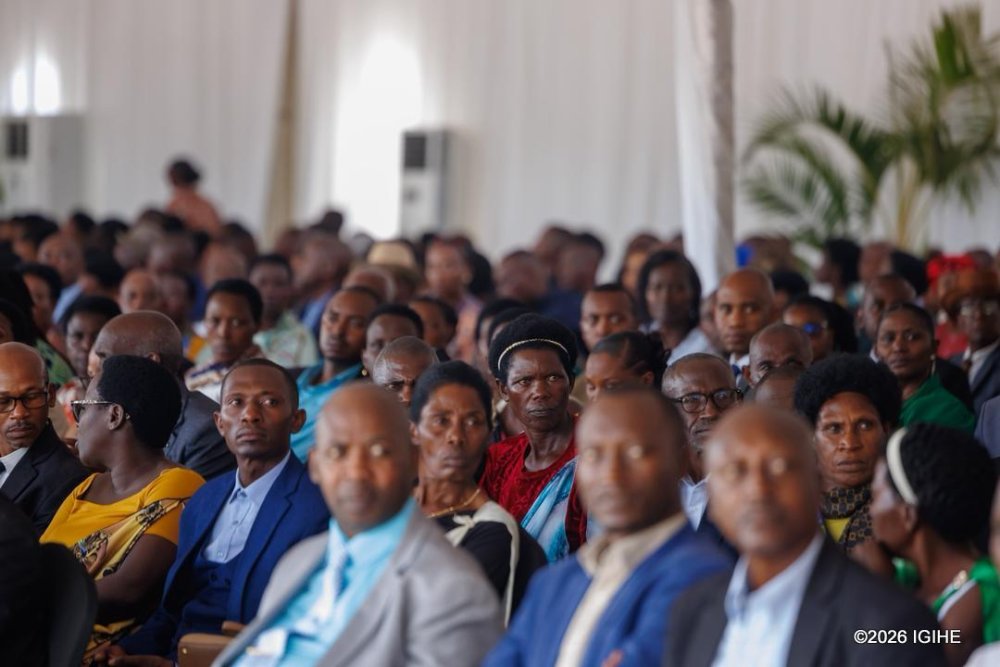
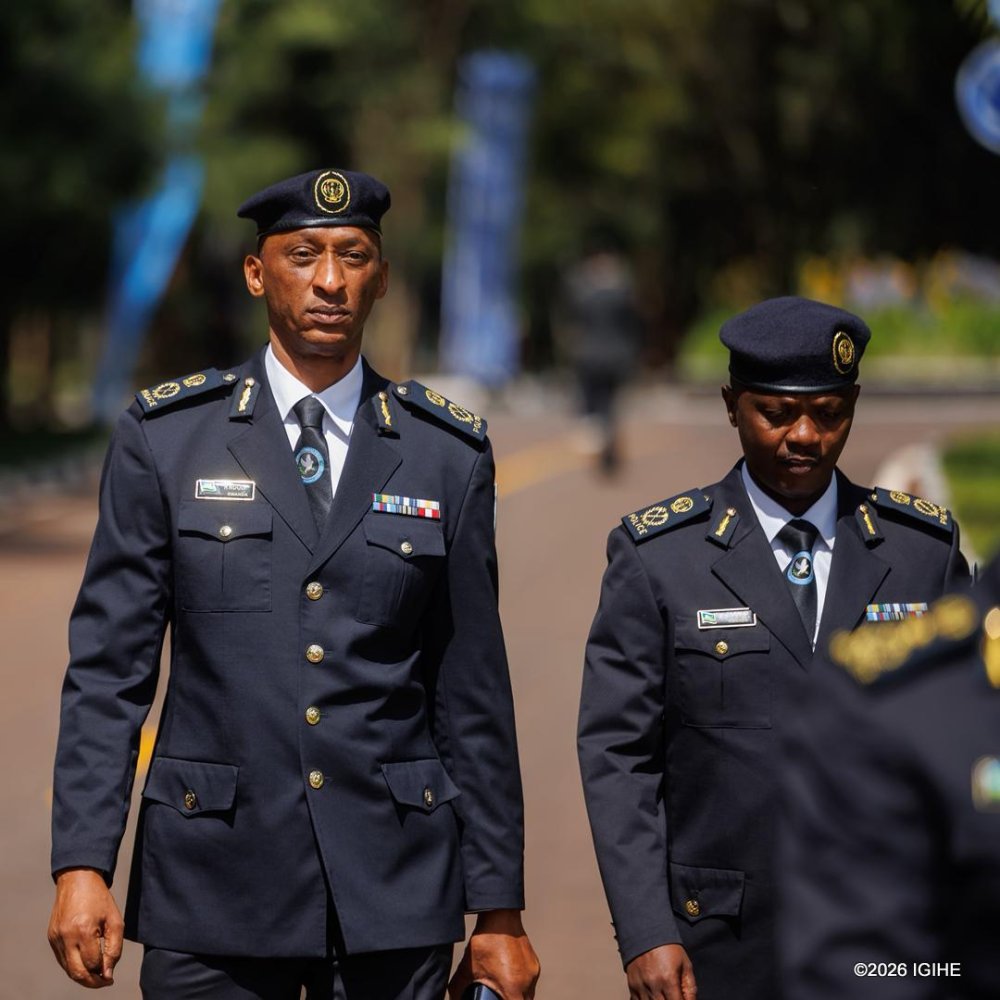
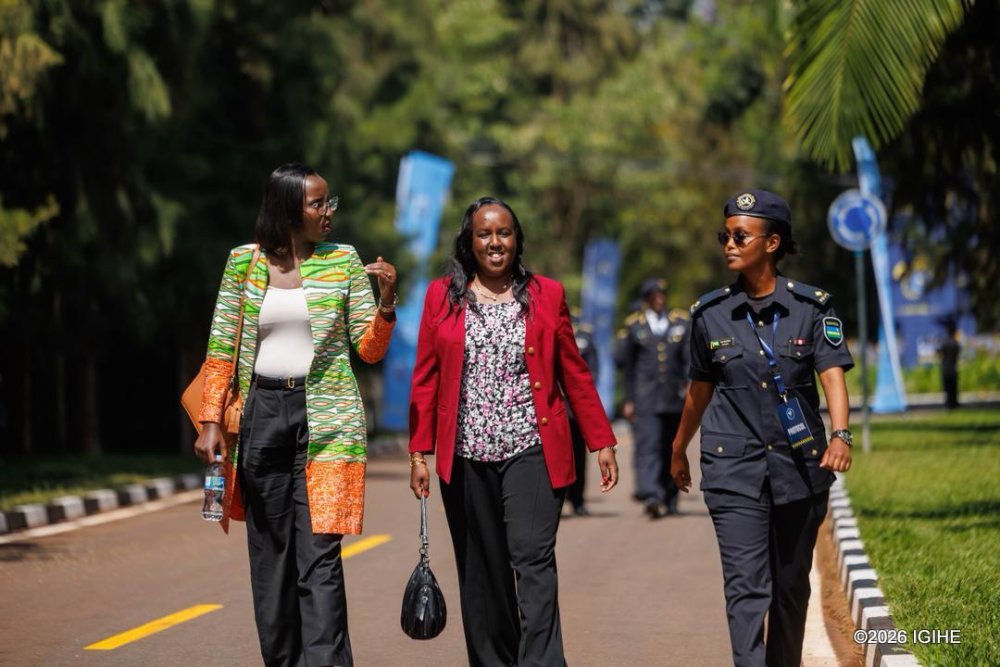
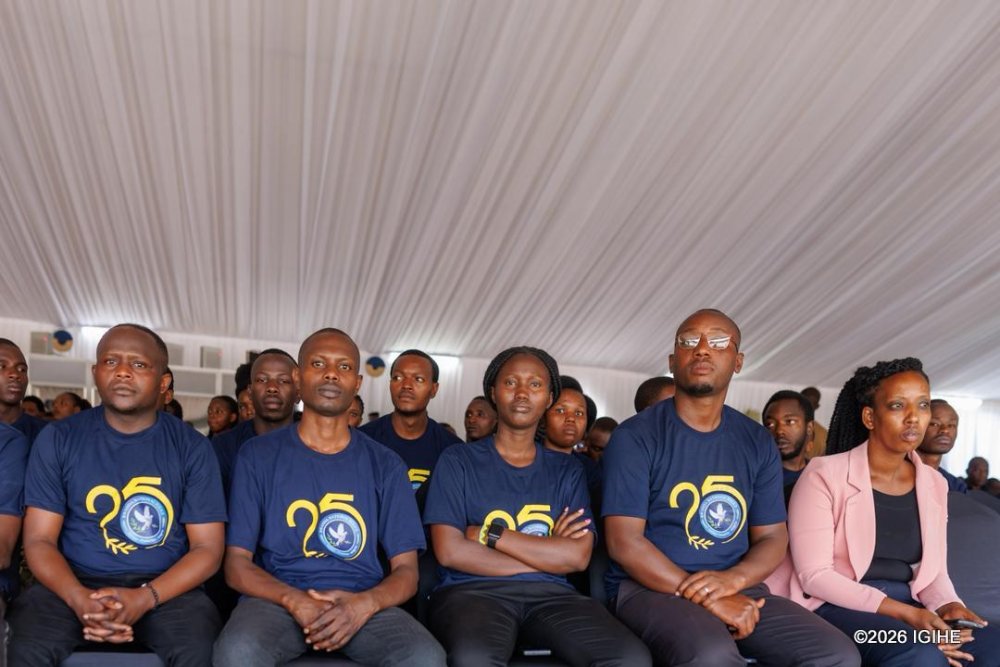
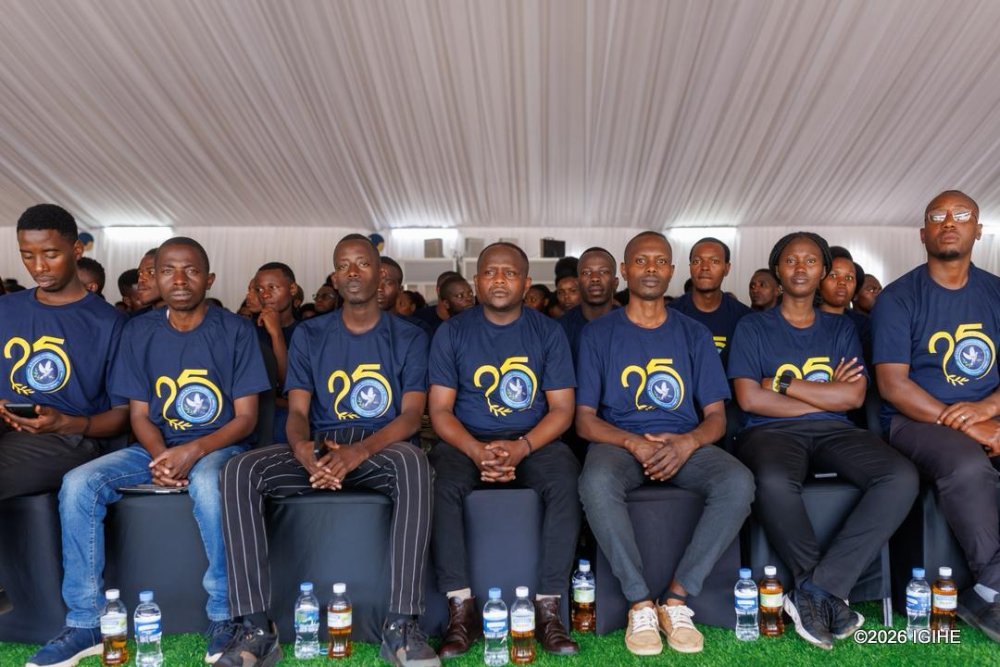
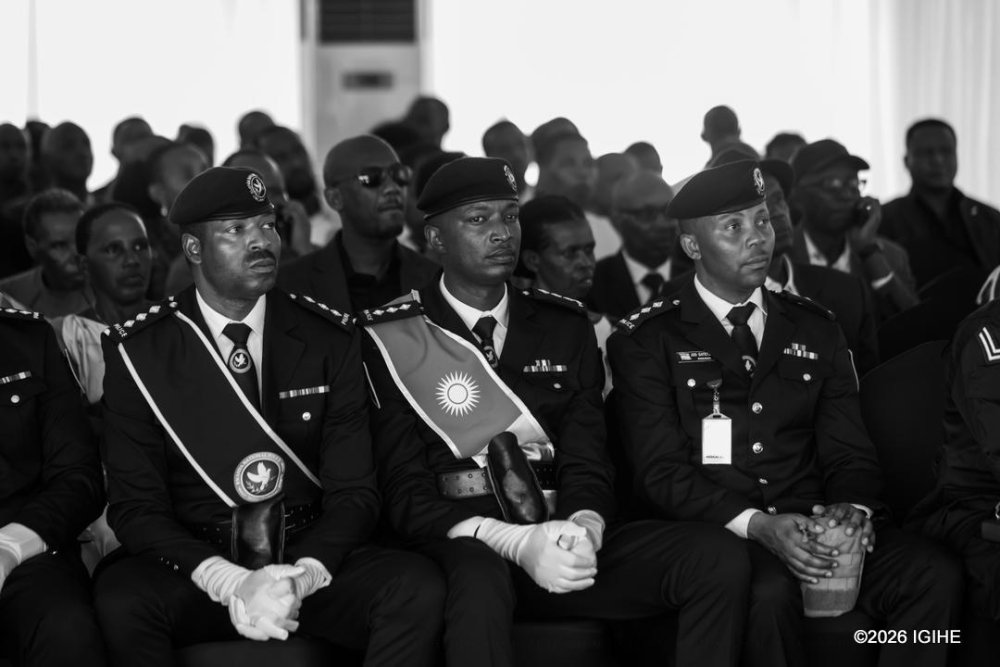
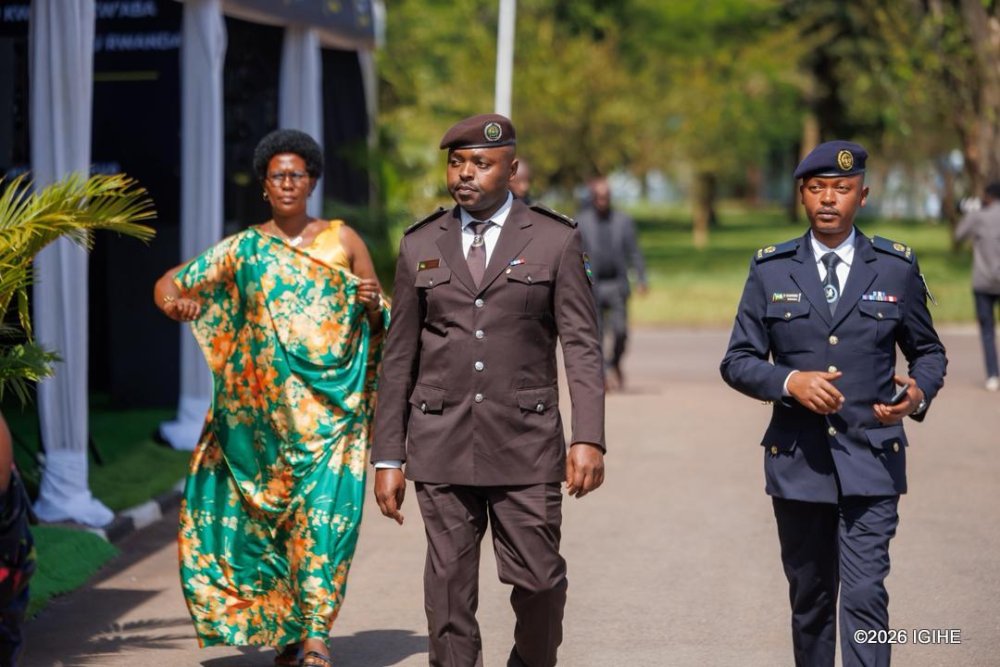
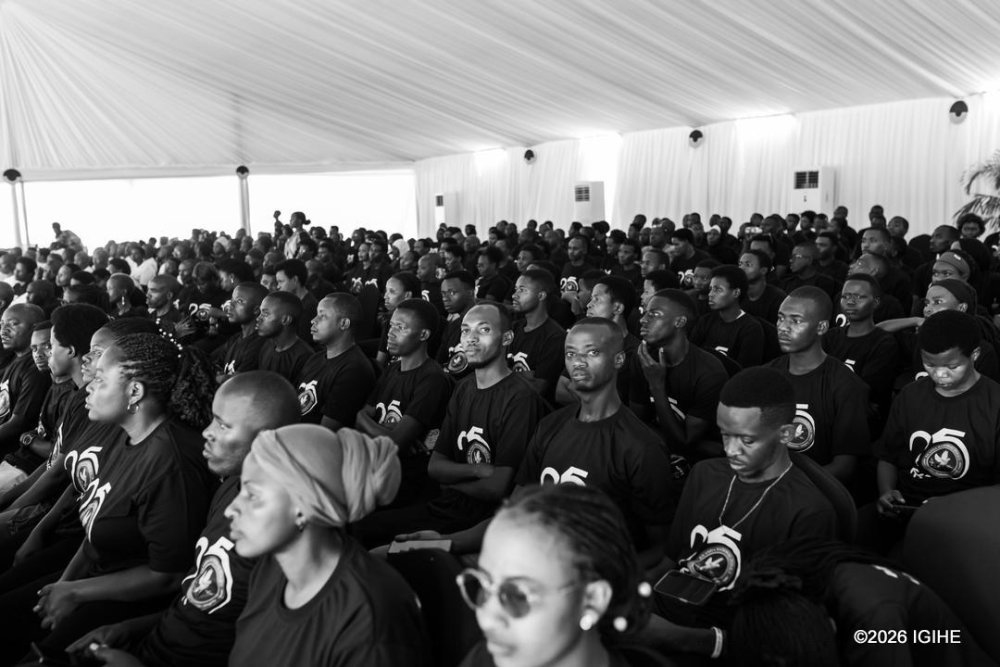
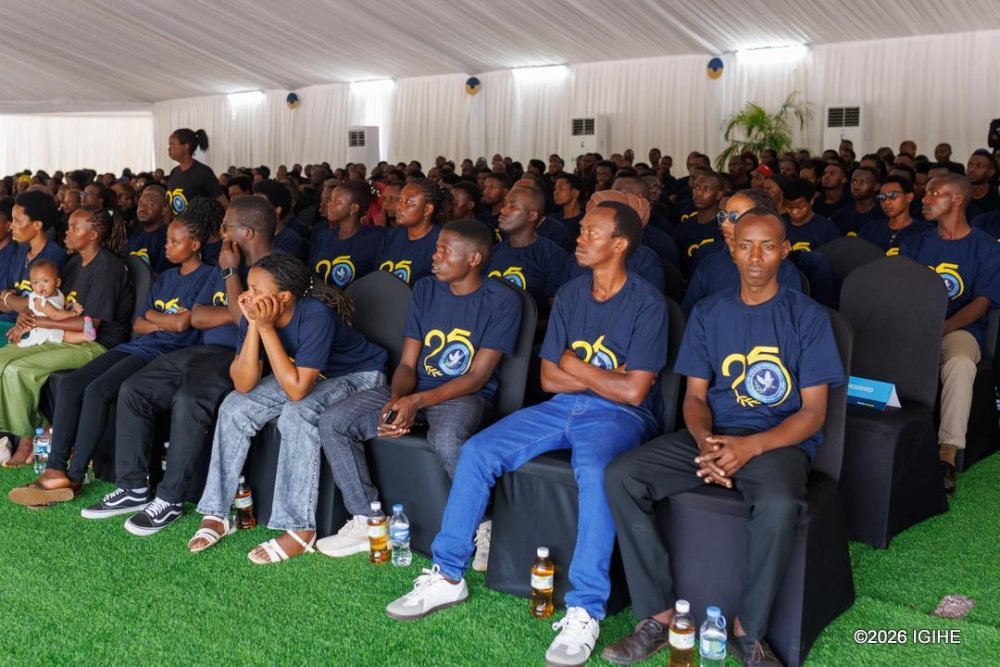
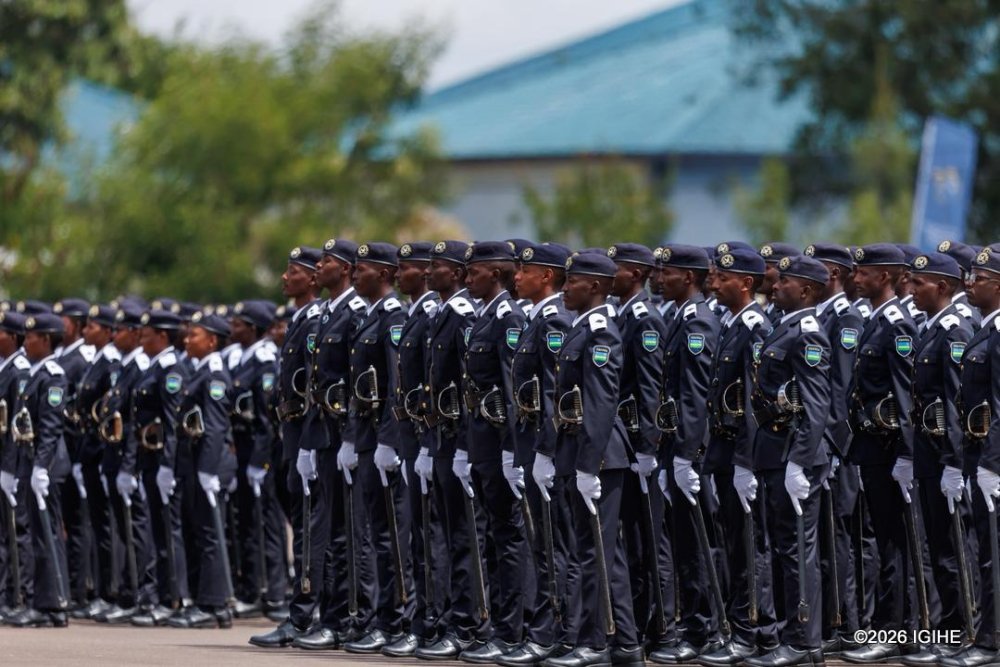
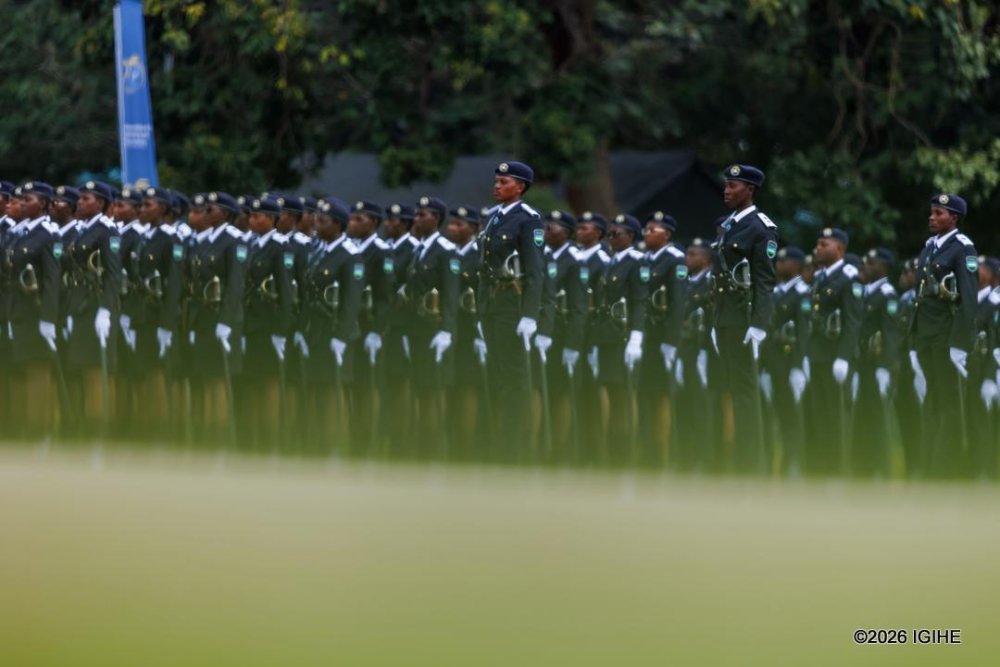
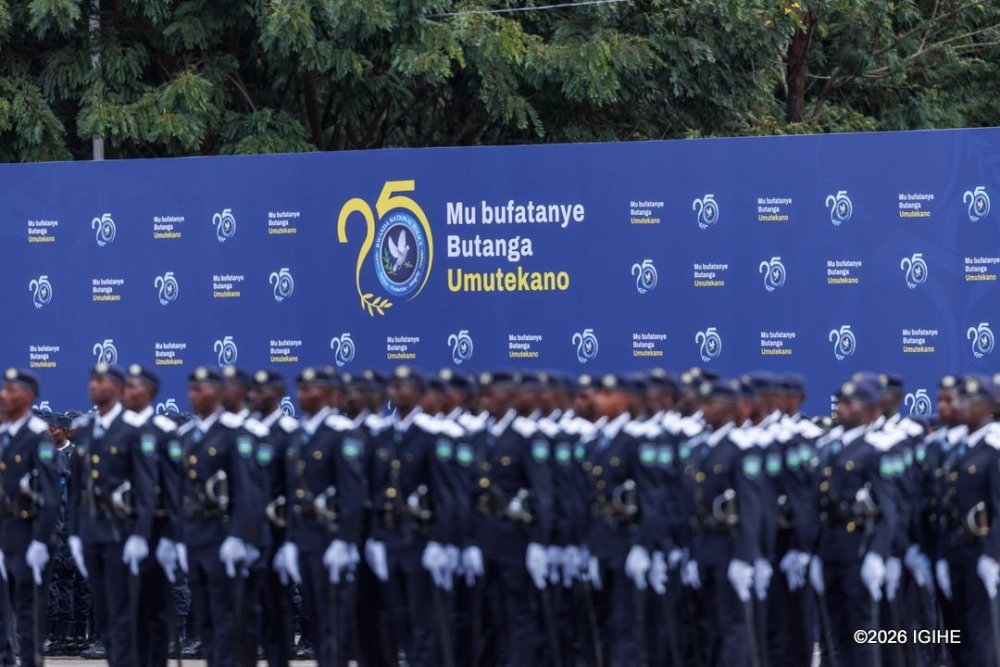
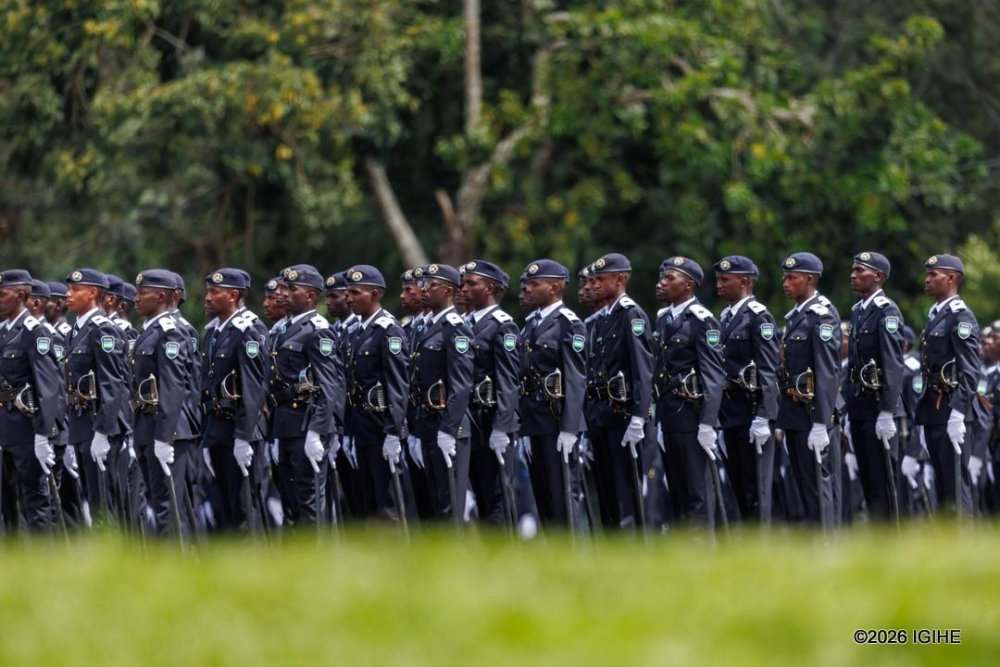
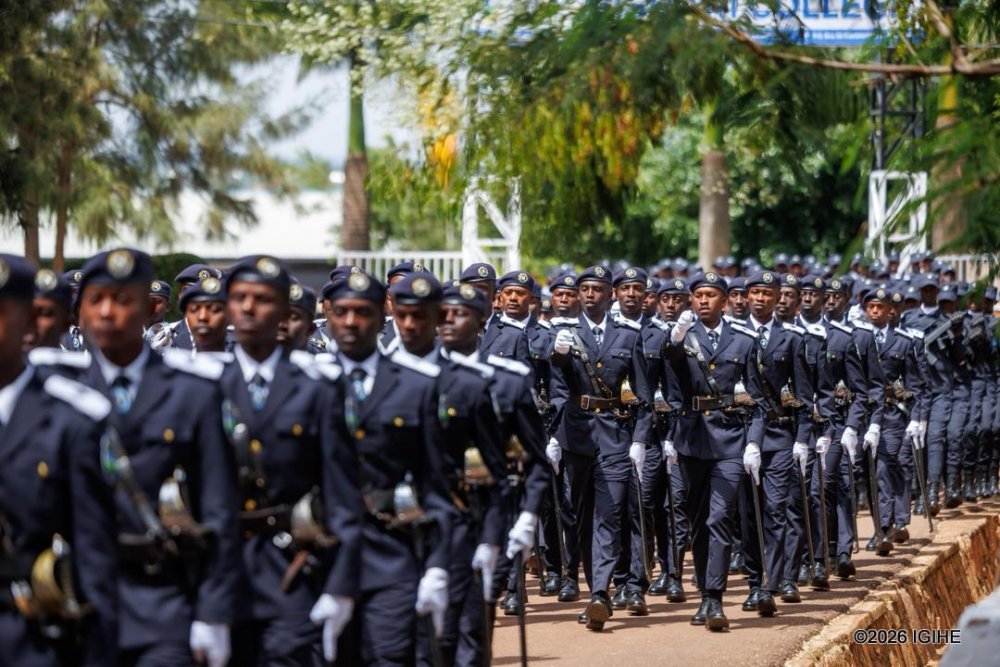
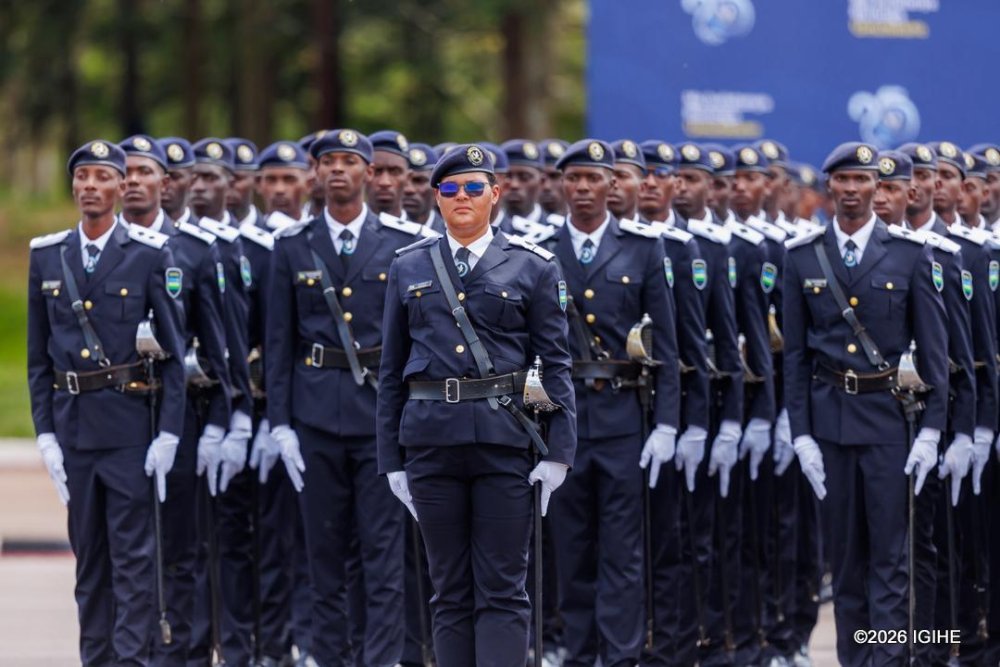
The commissioning ceremony took place on 27 May 2026 at the Gishari Police Training School (PTS Gishari), coinciding with celebrations marking 25 years of the Rwanda National Police, under a theme centred on partnership in delivering security.
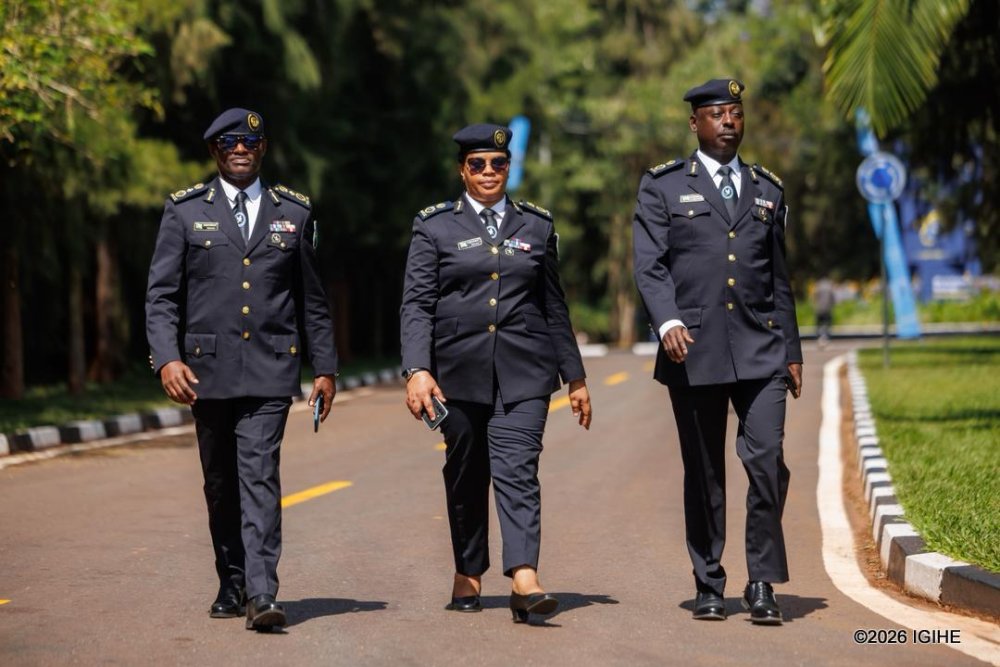
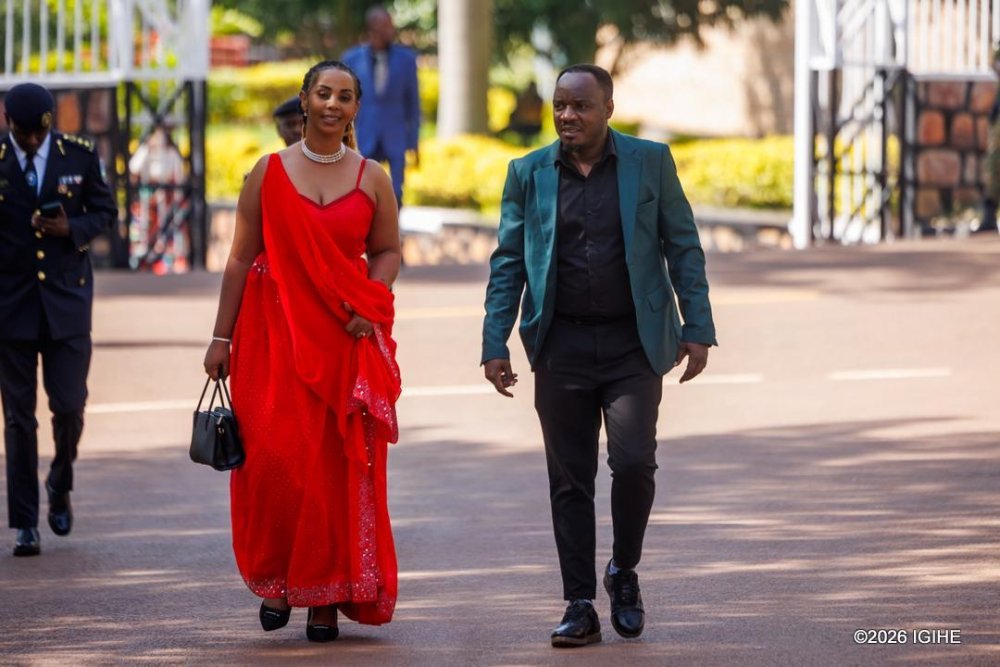
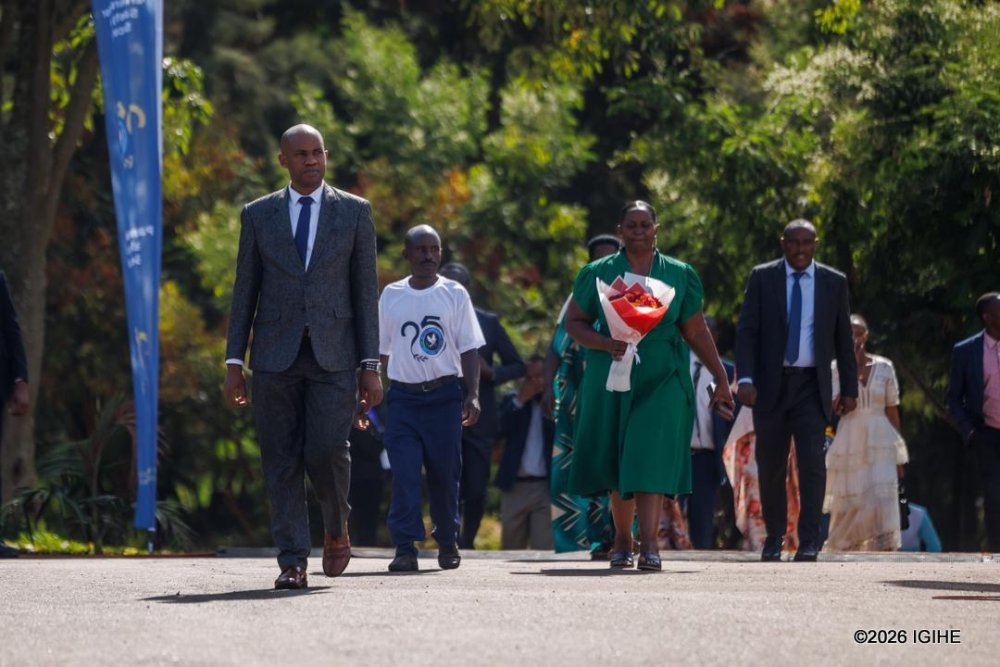
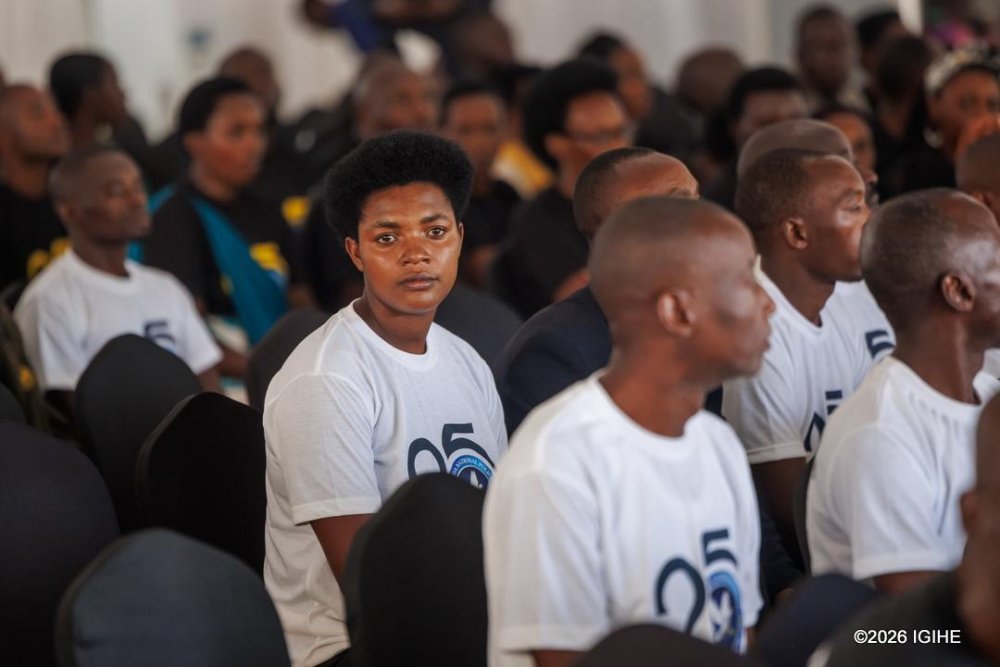
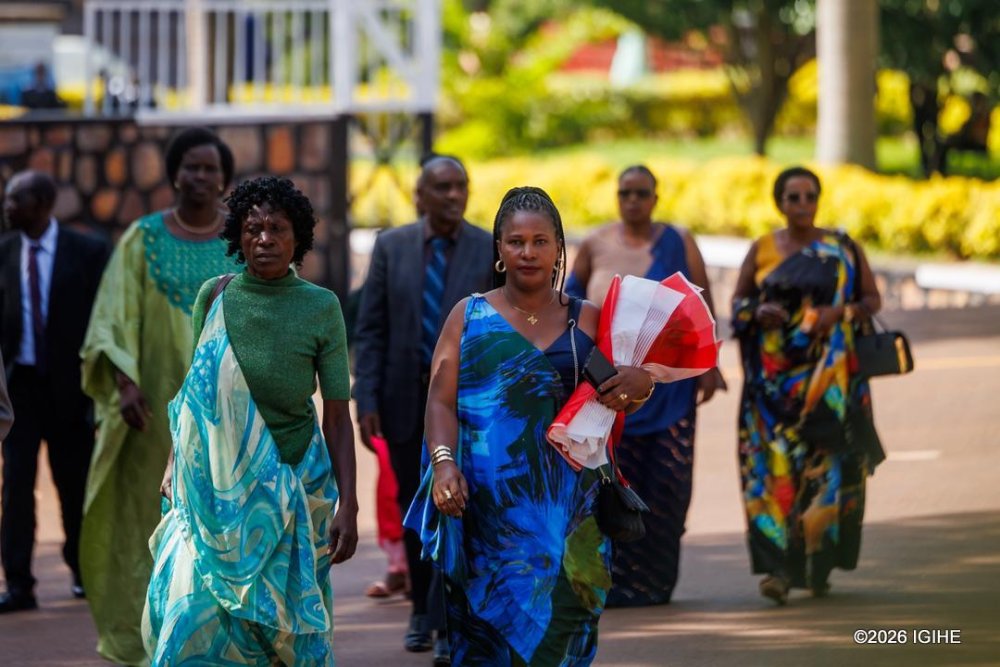
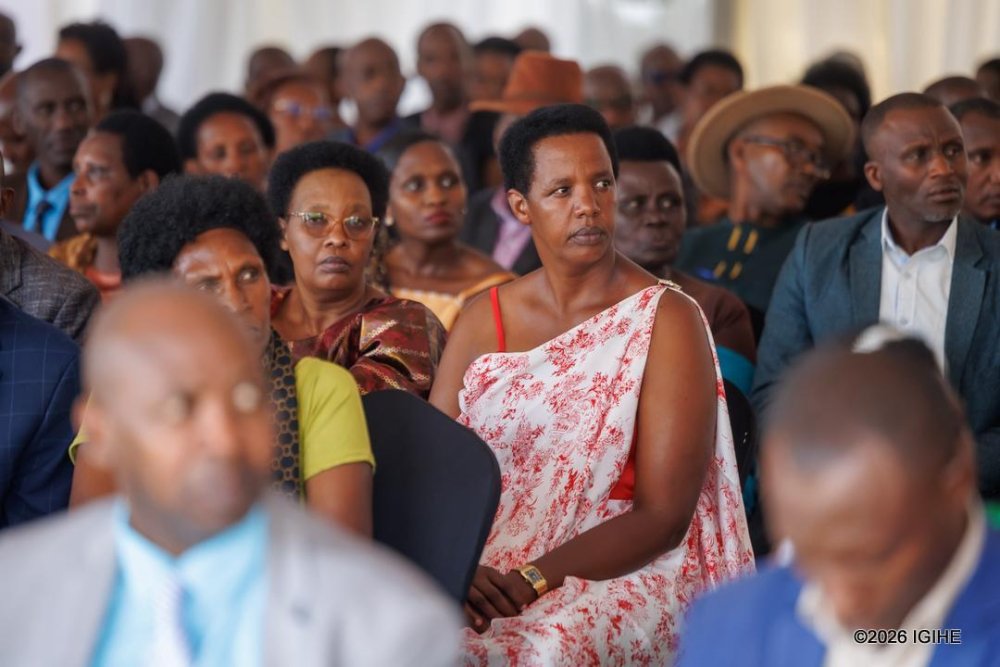
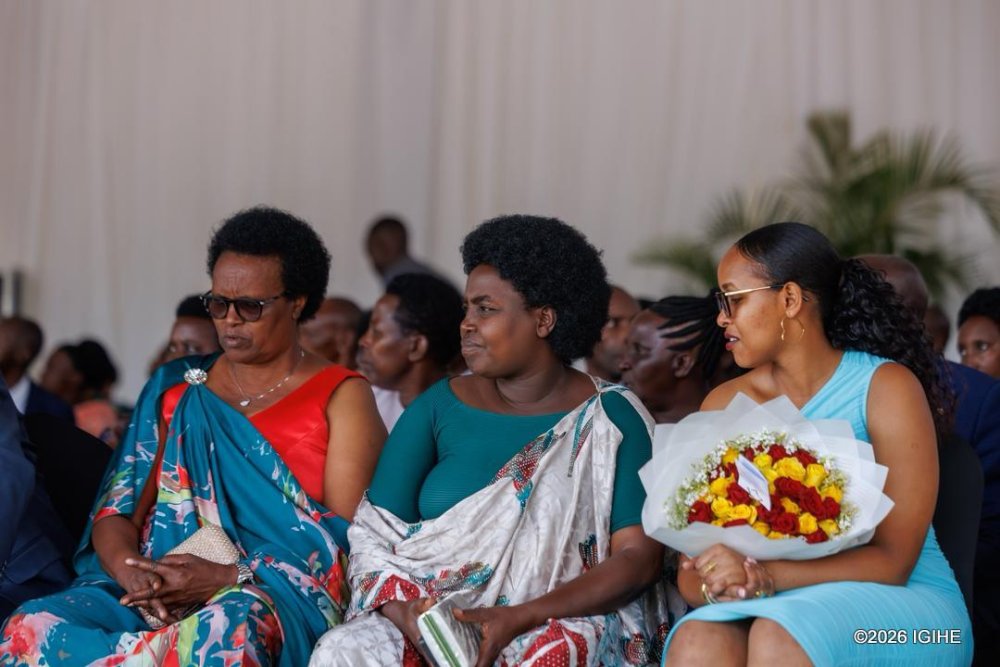
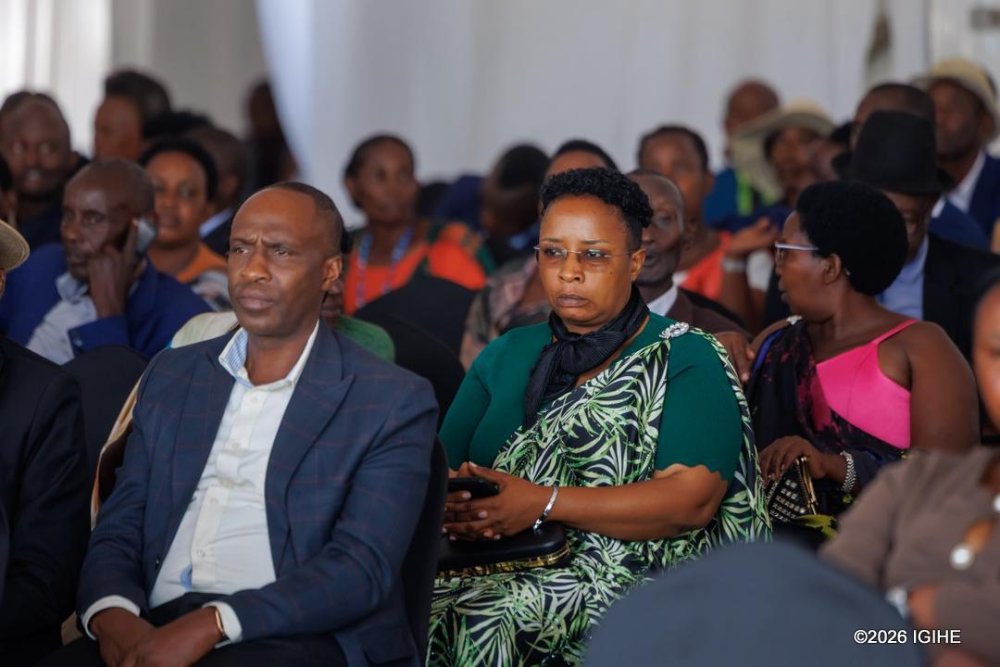
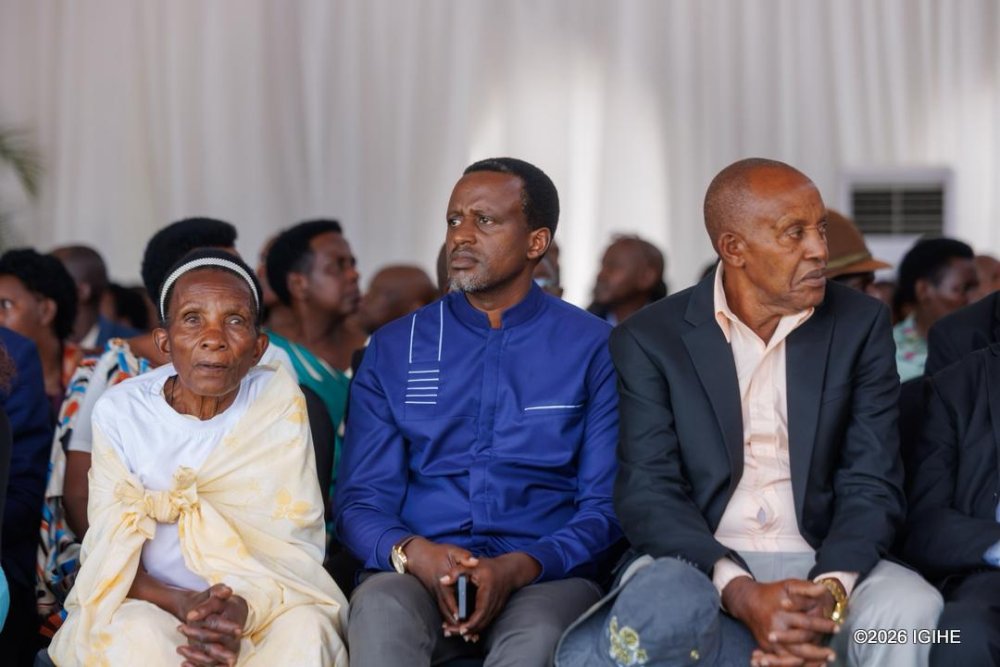
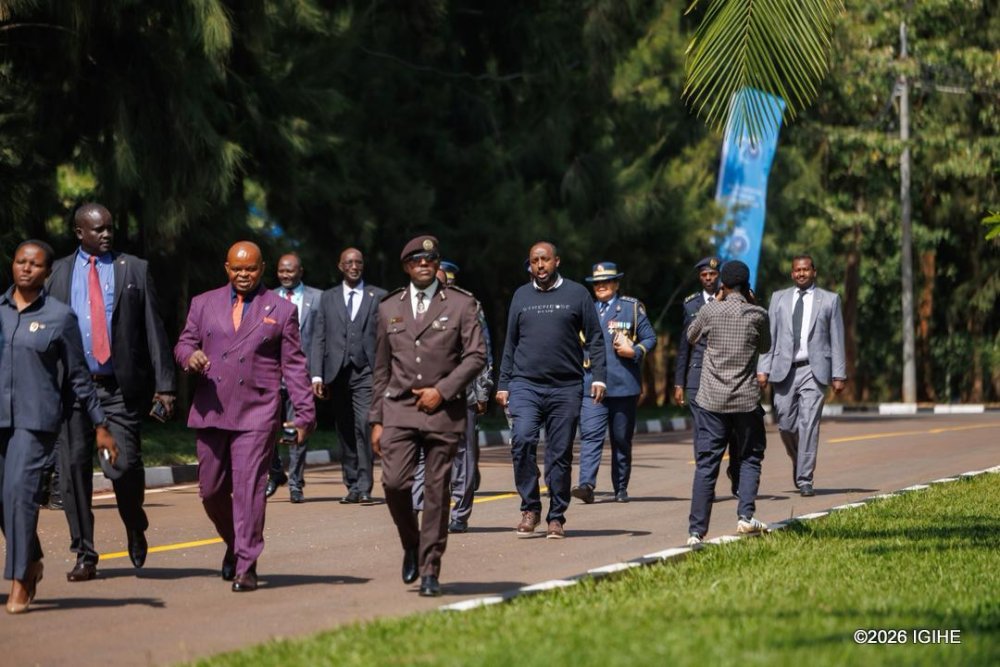
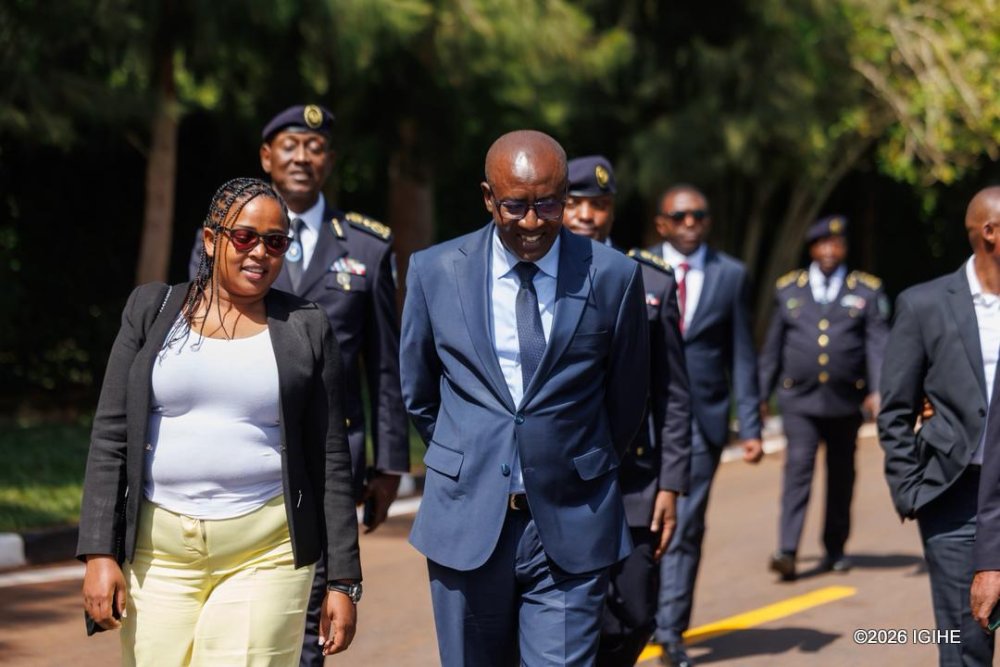
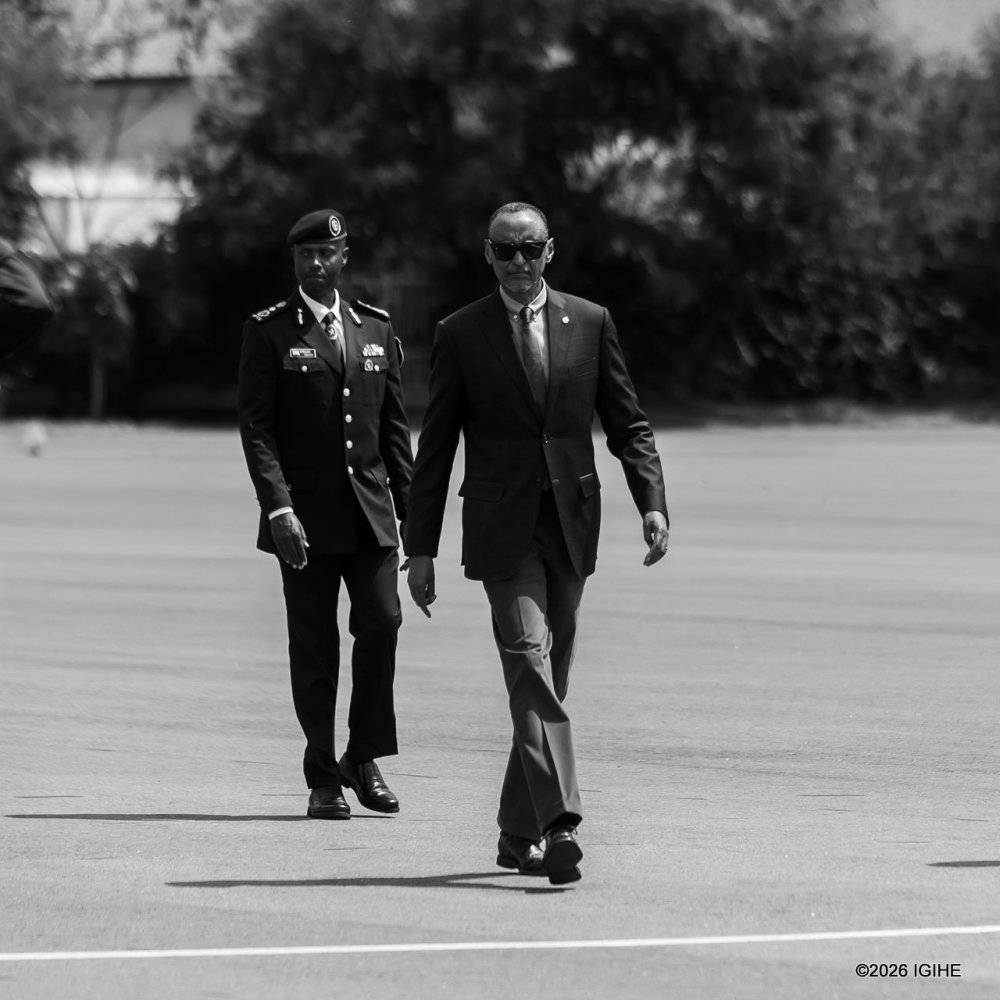
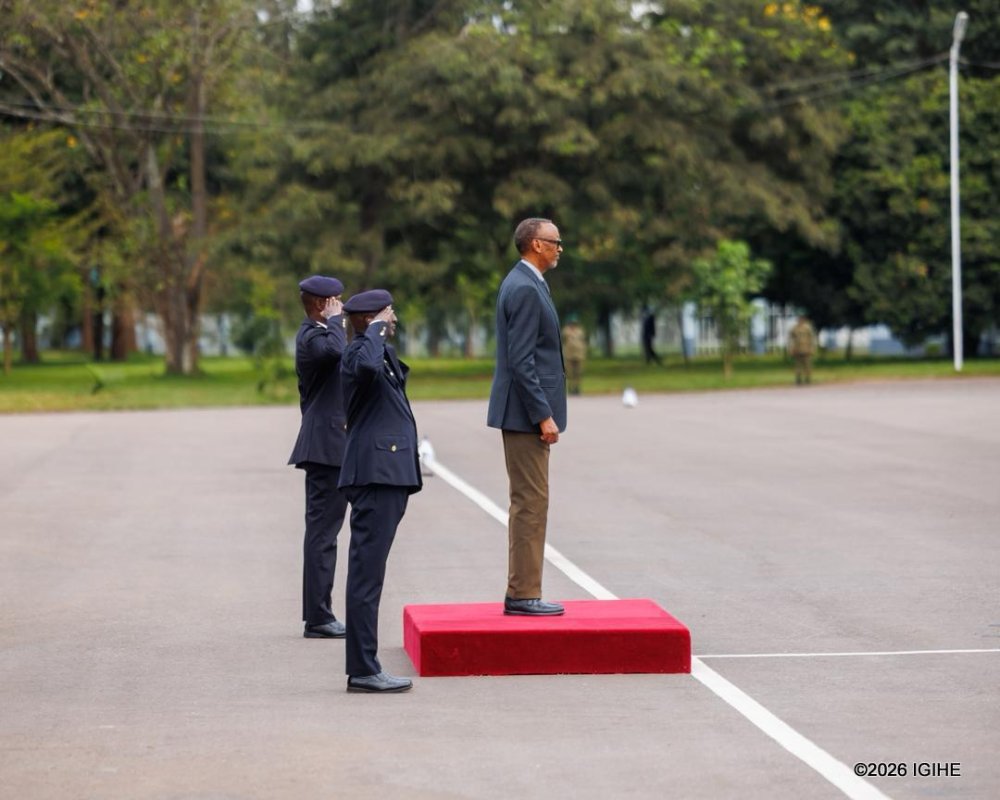
The event brought together President Kagame, families of the graduating officers, senior government officials, and other invited guests.
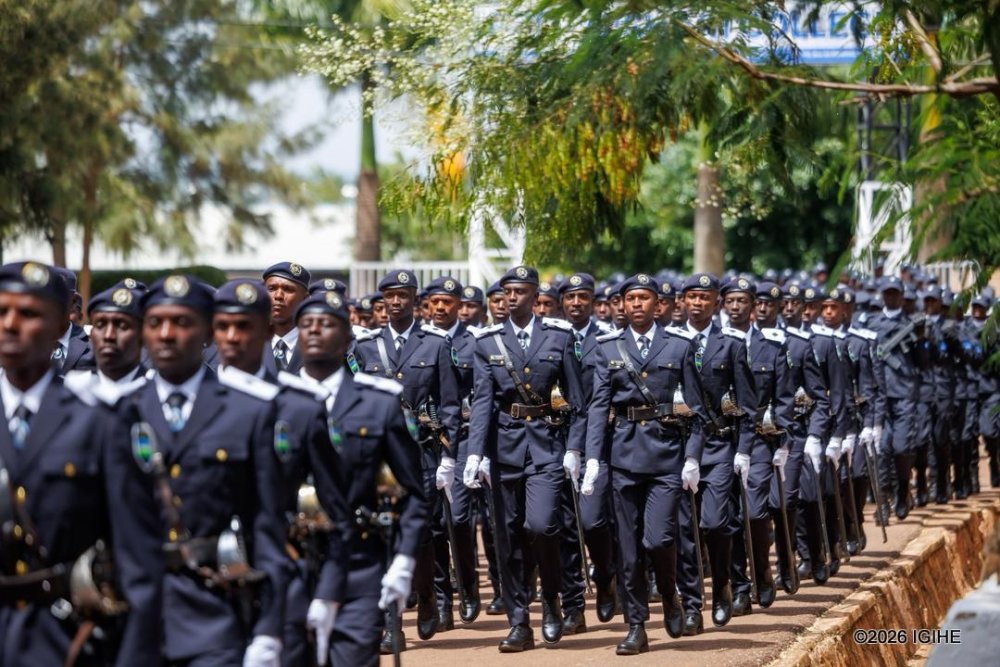
A total of 436 trainees successfully completed their training at PTS Gishari, including 109 women and 327 men. The cohort comprised both newly recruited officers and serving personnel who underwent professional upgrading. It also included nine trainees from Seychelles.
Following commissioning, the officers will be deployed across various specialized policing units, including traffic and road safety, information and communication technology, medical services, marine policing, as well as fire and rescue services.
Others will join specialized departments such as the canine (K9) unit, engineering services, vehicle inspection and standards, human resources and administration, financial management, and other operational and support divisions.
The officers underwent intensive professional training designed to prepare them for operational policing duties. Their curriculum included drill exercises, firearms handling, tactical response training, and other core competencies required for modern policing.
PTS Gishari, located in Rwamagana District, is a modern training institution equipped with administrative offices, accommodation facilities, classrooms, medical services, and extensive outdoor training grounds used for both physical and tactical exercises.
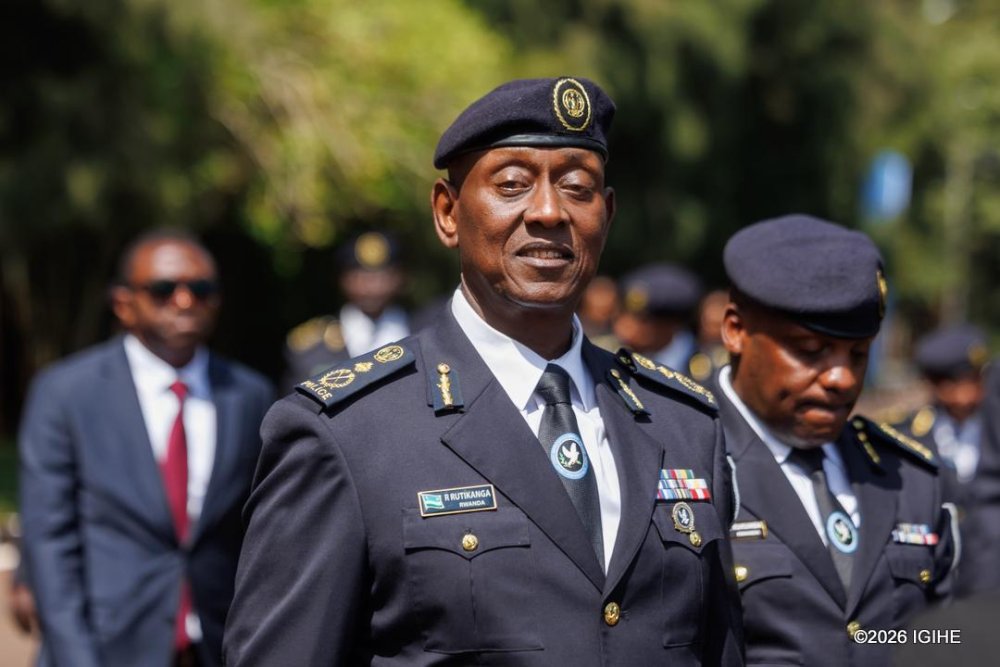
Speaking on the occasion marking 25 years of the Rwanda National Police, spokesperson ACP Boniface Rutikanga said the institution has evolved into a citizen-centred service built on close cooperation with the public.
He noted that the police service was formed following the merger of three former security institutions: the Gendarmerie Nationale, the Communal Police, and the Judicial Police. The integration, he said, created a unified and professional force focused on serving citizens without discrimination and strengthening community-based policing.
The commandant of PTS Gishari, CP Robert Niyonshuti, said the trainees began their course on 15 July 2025 and came from diverse backgrounds, including university graduates, civilians, personnel from national security institutions, and officers trained abroad in countries such as Singapore and Egypt.
He emphasized that the training programme was designed to equip officers with the skills required to effectively maintain law and order and deliver professional policing services.
Outstanding performers were also recognized during the ceremony. Nicolette Maria from Seychelles was commended for exemplary discipline and performance throughout the training period.
Three other trainees were recognized for exceptional performance in practical exercises, led by Boas Castro, who received a medal from President Kagame, followed by Isaie Kayiranga and Chantal Mureshya.
25 years of Rwanda National Police
Following the liberation of Rwanda by the RPA on 4 July 1994, the country initially operated separate security institutions working alongside the military to maintain public order and safety.
These included the Gendarmerie Nationale under the Ministry of Defence, the Communal Police under the Ministry of Local Government, and Judicial Police Inspectors under the Ministry of Justice.
In 2000, the Government of Rwanda merged these institutions into a single, unified national police service to improve coordination and professionalize policing. This led to the establishment of the Rwanda National Police.
Since then, the institution has been guided by core values including professionalism, patriotism, integrity, and discipline, with a focus on maintaining law and order in partnership with citizens.
Over time, the police service has expanded its operations beyond traditional policing by integrating technology and strengthening community policing approaches, where officers work closely with citizens to prevent and respond to crime.
Since 2005, the Rwanda National Police has also contributed to international peacekeeping missions under the United Nations, deploying officers as Formed Police Units and Individual Police Officers in various missions globally.
The institution currently operates three main training facilities: PTS Gishari, the Counter-Terrorism Training Centre in Mayange, and the National Police College, all aimed at enhancing professional capacity and operational readiness.
These achievements have been made possible through strong partnerships with citizens, government institutions, private sector actors, and international partners, enabling the police service to respond effectively to evolving security challenges driven by globalization and technological advancement.
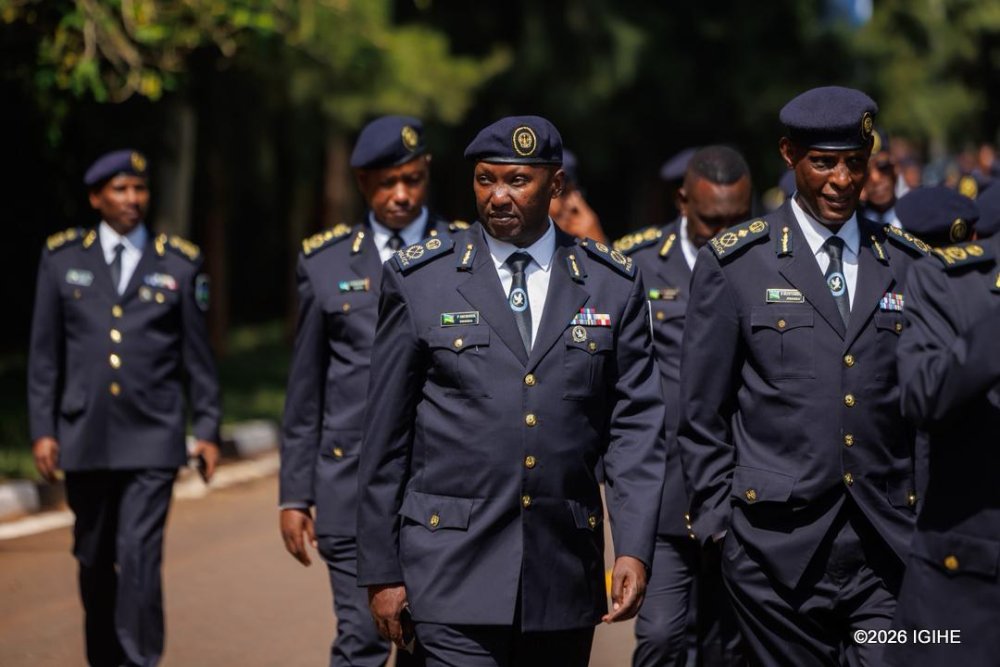
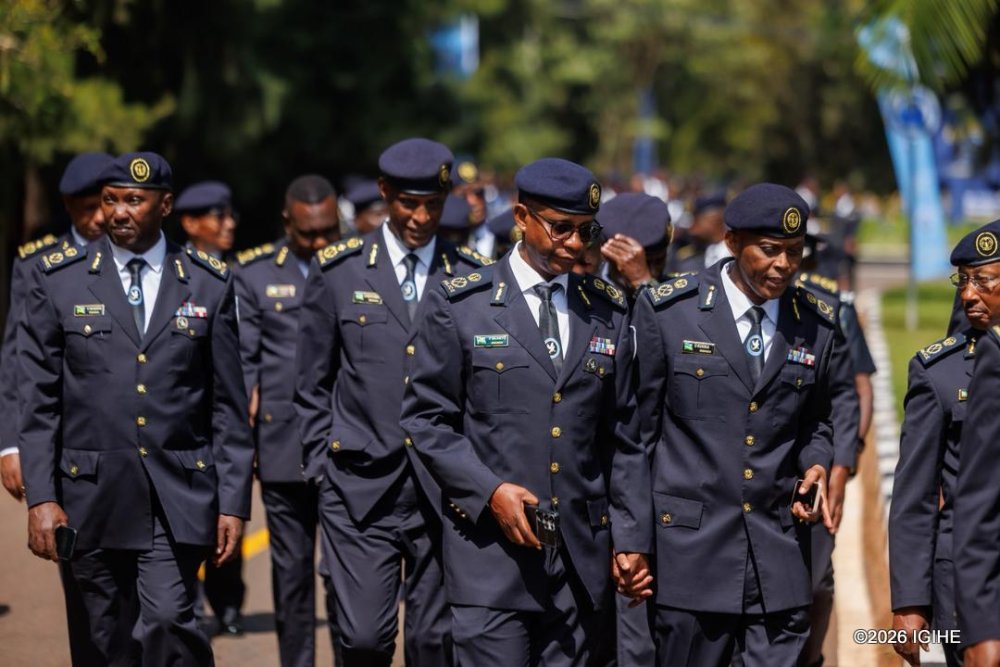
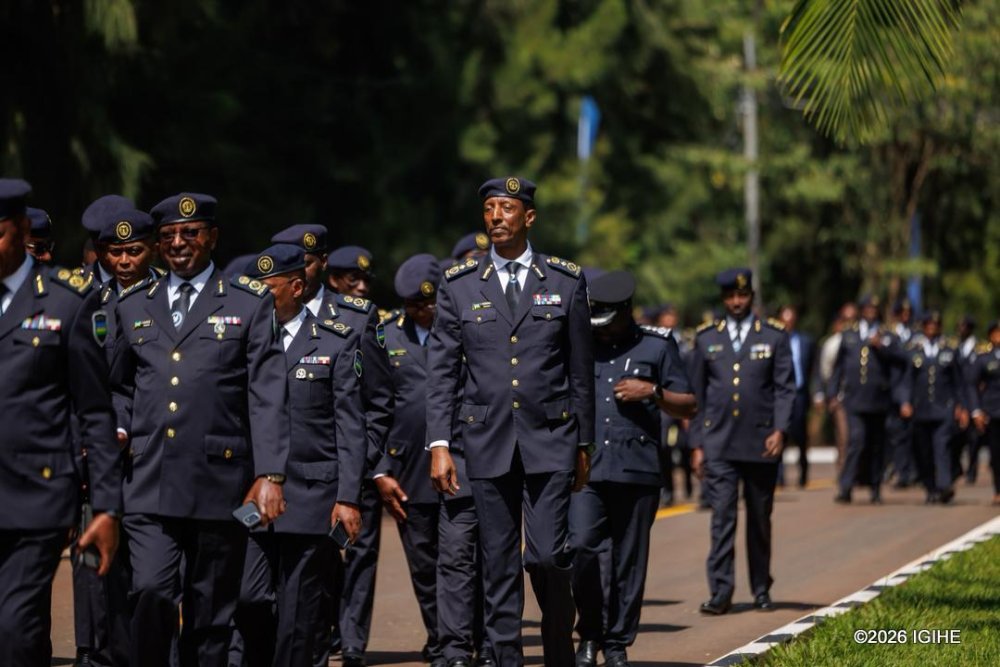
President Paul Kagame commissioned 436 newly trained officers into the Rwanda National Police and formally conferred upon them the rank of Assistant Inspector of Police (AIP).The ceremony coincided with celebrations marking 25 years of the Rwanda National Police, under a theme centred on partnership in delivering security.
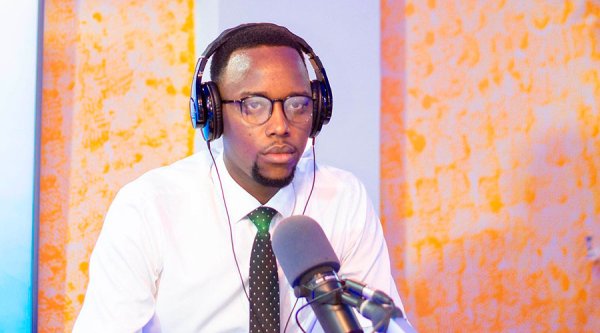
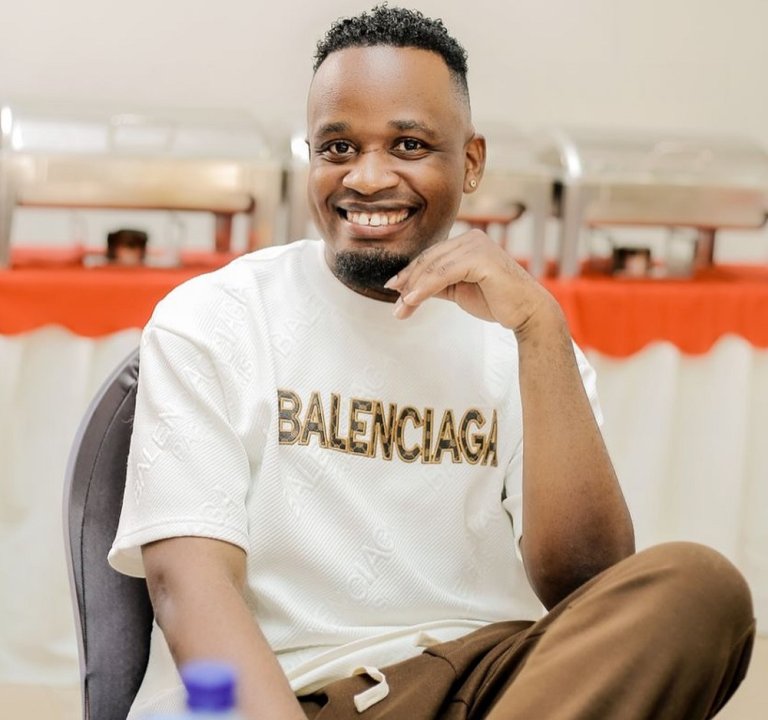
Esther Mugabekazi, who identifies herself as Byansi’s biological sister, has publicly accused him of forging academic credentials, misrepresenting his educational history, and engaging in theft-related crimes during a period he spent in Uganda.
Speaking in an interview with Igicaniro TV, Mugabekazi explained that she decided to break her silence after becoming increasingly alarmed by her brother’s sustained criticism of Rwanda and its leadership.
Family background and early life
Mugabekazi stated that Byansi was born Sam Kama but later adopted their father’s names, Samuel Baker Byansi, as his public identity.
“Byansi Samuel Baker is our father’s name. Sam’s real name is Sam Kama, which is the name our parents gave him. In our family, boys are called Kama while girls are called Kawama,” she explained.
She described the family as one of nine children, raised in Nyagatare District by parents who were both teachers and strongly prioritised education.
“We were fortunate to have teacher parents. Both our father and mother were teachers. We grew up speaking English at home, and our father ensured we attended good schools,” she recalled.
The siblings attended primary school at Hillside School in Matimba Sector, Nyagatare District.
For secondary education, Byansi joined Kagarama Secondary School while Mugabekazi studied in Rushaki. She claims he was later expelled from Kagarama over misconduct before joining her at Rushaki.
“He was involved in disciplinary issues and was expelled. He later came to study with me in Rushaki, where we completed lower secondary school together. Those are the only schools Sam attended,” she noted.
Uganda years and imprisonment
Mugabekazi further alleged that Byansi did not proceed to upper secondary school or university, but instead left for Uganda after completing lower secondary education.
According to her account, while in Uganda he became involved in theft-related activities and was sentenced to four years in prison.
“After finishing school, he went to Uganda and stayed with our older sibling from our father’s other family. While there, he got involved in theft, was arrested, and imprisoned for four years. He never returned to school,” she said.
She added that he was later released after developing health complications while in detention, prompting authorities to contact their father.
Allegations of forged academic credentials
Following his return to Rwanda, Mugabekazi alleges that Byansi did not resume his studies but instead obtained forged academic documents claiming he had completed university education abroad.
“He later looked for ways to forge academic papers. That’s also when he changed his name. He then created a media card and started presenting himself as someone running an investigative media outlet,” she claimed.
She recalled confronting him after seeing him appear in the media despite lacking formal qualifications.
“I asked him, ‘How did you manage this without any qualifications?’ He replied, ‘I found my own way.’ When I later saw the documents, I told him, ‘You have destroyed your future,’” she recounted.
Mugabekazi further alleged that by the time she was completing upper secondary school, her brother already possessed documents indicating he had graduated from university.
After working with several media outlets in Rwanda, Byansi went on to establish his own platform, M28 Investigates, in 2019.
Move to Europe and family concerns
In 2022, Byansi married Uwase Joselyne, and the couple later had their first child.
Mugabekazi disclosed that her brother later informed her he was travelling to the Netherlands for studies, a claim she questioned due to concerns about his academic background.
“I asked him, ‘What exactly are you going to study?’ He said he was advancing knowledge in his chosen field. I then asked whether he was resuming from where he had stopped school or continuing with forged papers,” she recounted.
According to her, he declined to discuss the matter further.
“He told me he did not want to talk about it and would eventually return because he had left behind a wife and child,” she added.
Mugabekazi further alleged that things deteriorated after his arrival in the Netherlands, where he reportedly failed to secure legal documentation for study and residence.
She also claimed that he later formed a relationship with a Dutch woman before eventually relocating to Belgium, where he now reportedly lives with his wife and child, while the Dutch woman remained in the Netherlands.
Criticism of Rwanda and family reaction
Since relocating to Europe, Byansi has become increasingly vocal in his criticism of Rwanda and its leadership and has collaborated with individuals opposed to the government.
Mugabekazi maintained that the family was not surprised by his actions, describing them as consistent with what she characterised as a long-standing pattern of dishonesty.
Among her allegations, she claimed that Byansi had at different times falsely stated that their mother had died, and on other occasions claimed she had been killed during the 1994 Genocide against the Tutsi, despite her still being alive.
“I knew all along that he was lying,” she asserted.
She emphasised that the family has been deeply hurt by his statements and public positions.
“This country raised us, fed us, and gave us a foundation. It also gave him opportunities that made him known. It is painful to see him speak against it,” she lamented.
Mugabekazi revealed that she once warned her brother that she would speak publicly if he continued on what she described as an anti-Rwanda path.
“I told him that if he did not change, I would tell the truth about who he really is. He told me I would no longer be his sister,” she revealed.
She concluded with a message directed at her brother:
“My advice to him is to remember the values our parents taught us. Their goal was never to destroy the country, not even for a single day.”
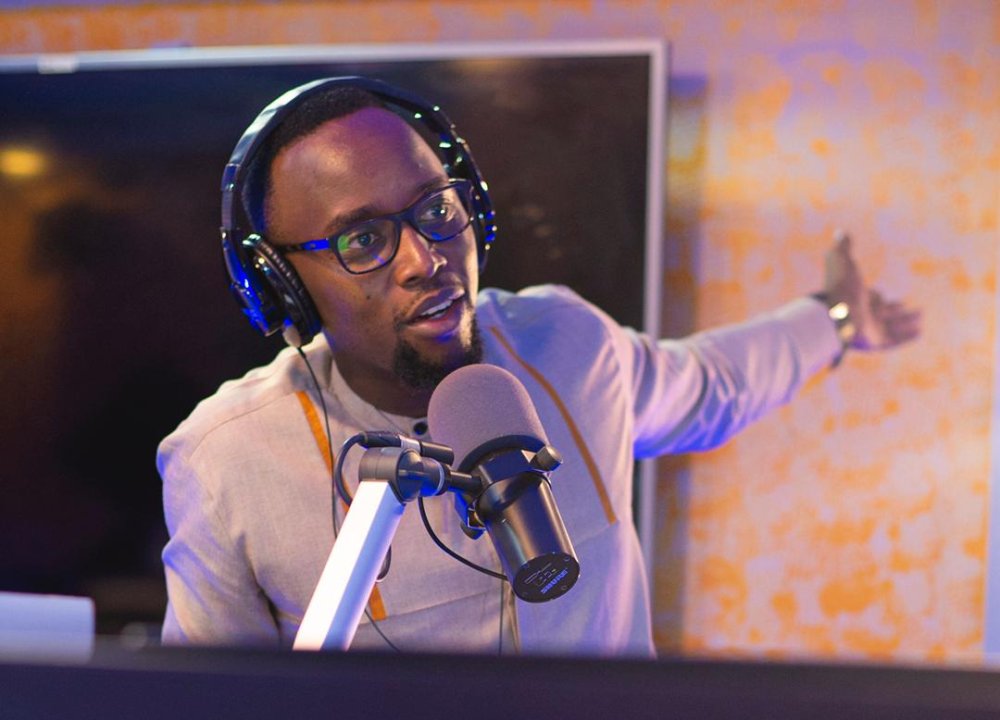
Samuel Baker Byansi, a former Rwandan media figure, is among the individuals who have taken a path of criticising Rwanda’s government and its leaders, something many observers believe is driven by personal interests and gain. He is now facing serious allegations from his sister regarding his background, education, and past conduct.
In a press release issued on May 26, 2026, the ministry explained that amendments made to Law No. 017/2020 governing public servants and Prime Minister’s Order No. 024/03 on allowances do not alter the way salaries are determined nor increase take-home pay.
The clarification follows widespread interpretations suggesting that the reforms would lead to harmonized salaries across government institutions and higher pay for leaders in public entities.
MIFOTRA stated that amendments introduced under Law No. 017/2026 of April 23, 2026 concern only improvements and harmonization in the process through which institutions apply for and obtain special employment statutes.
“The changes introduced by this amendment relate only to the improvements and harmonization in the way institutions apply for and obtain the special statute,” the ministry said.
The ministry emphasized that there is no change in the salary determination framework for public servants.
Under the general public service statute, salaries continue to be determined through institutional salary structures approved by the Cabinet, based on an institution’s index value, the employee’s position level and responsibilities attached to the role.
For specialized institutions operating under special statutes, remuneration frameworks remain approved by their respective boards of directors in accordance with laws establishing those institutions.
MIFOTRA also addressed concerns surrounding Prime Minister’s Order No. 016/03 of May 22, 2026, which amended regulations governing public servants’ allowances.
According to the ministry, the amendment was adopted to align public service compensation with pension reforms that took effect on January 1, 2025, while ensuring employees’ take-home pay remains unchanged.
“The amendment was adopted to harmonize with the pension reforms and maintain public servants’ take-home salaries. Therefore, it doesn’t result in any increase or decrease in the net payments of public servants,” the statement reads.
The ministry noted that the reforms concern all public servants and not only leaders, as some reports had suggested.
It further clarified that the responsibility allowance is not exclusively reserved for senior officials, but applies to public servants who supervise colleagues at the same organizational level.
“For instance, a Director of Finance supervising finance management specialists is entitled to such an allowance because they are otherwise on the same position level,” MIFOTRA explained.
The ministry added that net housing, transport and responsibility allowances remain unchanged. Only the gross amounts were adjusted to reflect changes brought by pension reforms, without affecting the net benefits employees receive.
The clarification comes after confusion triggered by the increase in pension contributions from 6 percent to 12 percent of an employee’s salary, which had raised concerns over a possible reduction in take-home pay.
MIFOTRA maintains that the revised allowance calculations were specifically designed to offset the impact of the pension reforms and ensure that public servants continue receiving the same net earnings.
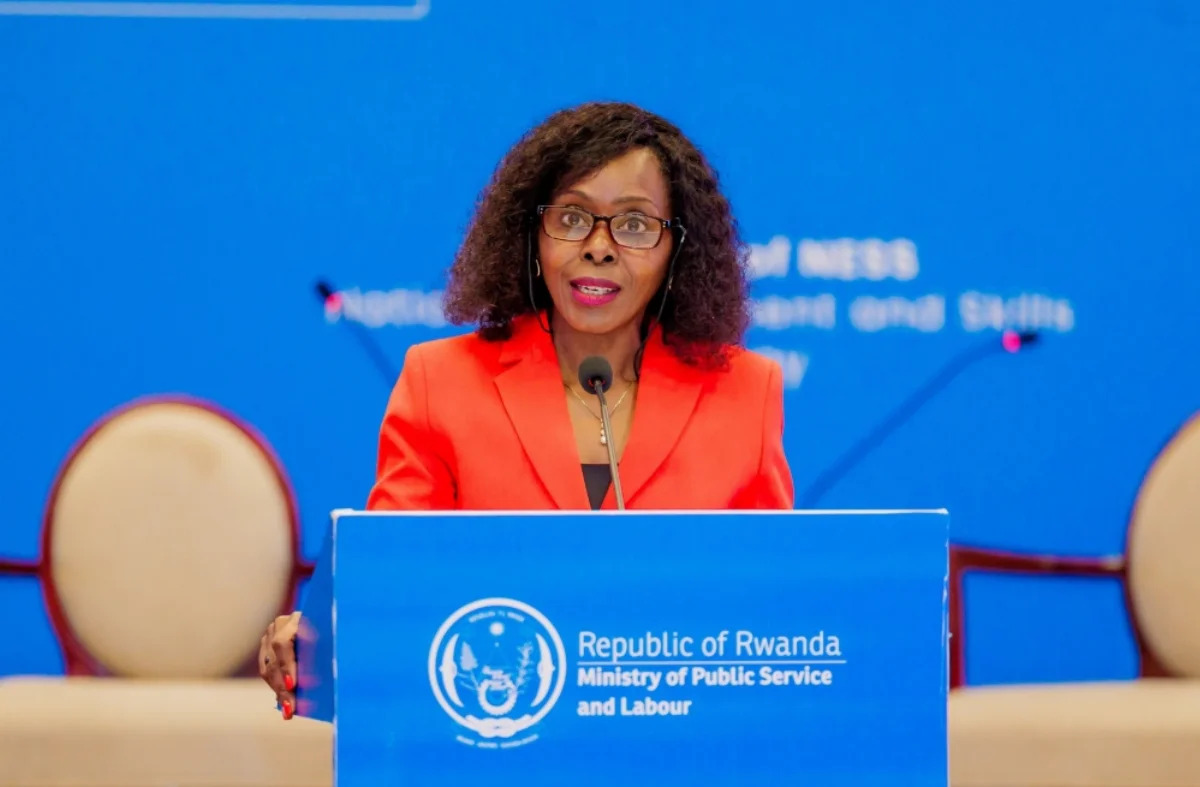
Christine Nkulikiyinka, the Minister of Public Service and Labour, delivers remarks during a past Labour Day ceremony in Kigali. On Tuesday, the ministry dismissed claims that recently amended legal instruments introduce salary increases for public servants, clarifying that the reforms are intended to preserve employees’ net earnings following changes to pension contributions.
In a ruling delivered on May 26, 2026, the High Court found that the appeal had no legal merit and also rejected the bail surety submitted by Semuhungu in an attempt to secure his release.
The appeal, which challenged the lower court’s decision on pre-trial detention, was heard on May 21, 2026, by the Nyarugenge High Court.
The proceedings were held in camera due to the sensitive nature of the case, which involved evidence deemed contrary to public morality, as well as concerns that the accused could face difficulties being tried in a public hearing.
Semuhungu Eric was arrested on April 9, 2026. On May 4, 2026, the Kicukiro Primary Court ruled that he should remain in provisional detention for 30 days, a decision he later appealed.
The court found sufficient evidence to continue holding him in custody on charges of forced sexual intercourse and dissemination of sexually explicit content. However, the allegation of blackmail was dismissed due to lack of supporting evidence.
Semuhungu drew significant media coverage in April 2024 following his deportation to Rwanda from the United States over similar sexual assault claims.
Semuhungu Eric was arrested on April 9, 2026. On May 4, 2026, the Kicukiro Primary Court ruled that he should remain in provisional detention for 30 days, a decision he later appealed.
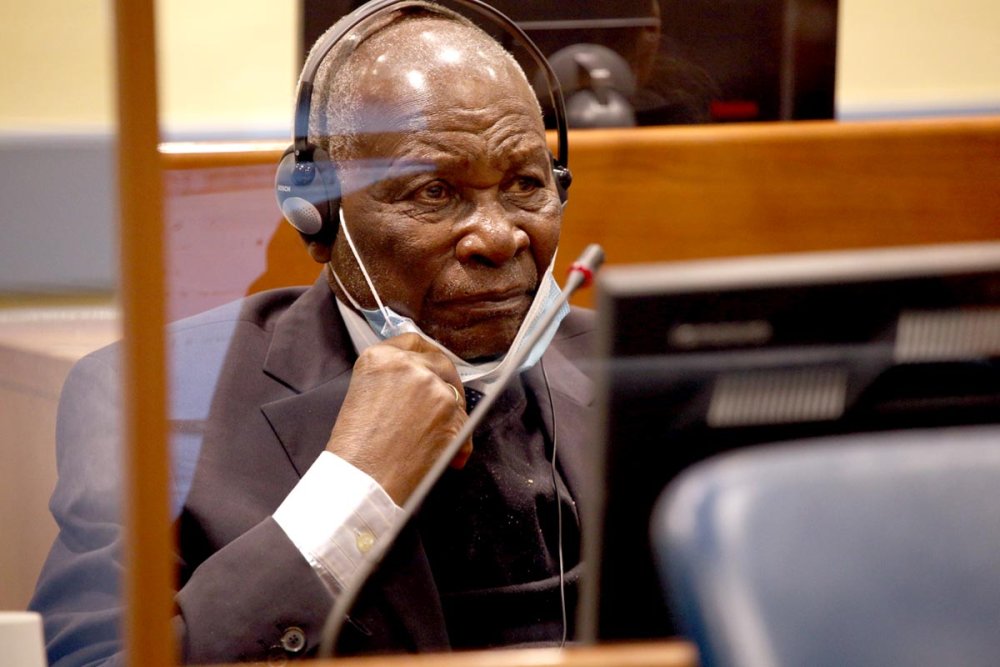
Prosecutors accused Kabuga of using his wealth and business network to support the planning and execution of the genocide, including financing and supplying weapons used during the killings.
In November 1993, one of Kabuga’s companies imported 25 tonnes of machetes from China, before reportedly purchasing another 50,000 in March 1994. The weapons were later used during the Genocide against the Tutsi, alongside other crude weapons, which he is accused of distributing.
Kabuga was arrested in France in May 2020 after spending 26 years evading justice over allegations linked to the genocide. During his years in hiding, he reportedly benefited from protection networks in several Western countries.
After a $5 million reward was announced for information leading to his arrest, Kabuga took extensive measures to silence anyone suspected of revealing his whereabouts.
Following his death, genocide survivors’ umbrella organisation IBUKA said the crimes attributed to Kabuga had not died with him, stressing that survivors should still receive justice, particularly through compensation claims.
Born in what is now Mukarange Sector in Gicumbi District, Kabuga began as a small-scale trader before building a vast business empire through cross-border trade and smuggling goods from Uganda into Rwanda. He later relocated to Kigali, where he became one of the country’s wealthiest businessmen.
Kabuga died on May 16, 2026, in a hospital in The Hague, Netherlands, while in United Nations custody.
‘Interahamwe trained at Kabuga’s residence’
Pierre Zukuriza, 68, a longtime resident of Kimironko and current president of IBUKA in Gasabo District, said he was once Kabuga’s neighbour before the genocide.
Speaking to IGIHE, Zukuriza said Kabuga initially appeared to be an ordinary businessman but later became deeply involved in extremist activities.
“His compound covered more than a hectare,” Zukuriza said. “It was there that Interahamwe militias from Kimironko and surrounding areas were trained on how to kill Tutsi. They conducted drills and meetings there, and they openly spoke about it.”
According to him, militia members received items such as cooking oil and soap as payment, which they sold to buy alcohol.
Zukuriza said many Interahamwe members in Kimironko were poor and initially lacked even the means to buy machetes. However, after President Juvénal Habyarimana’s plane crash on April 6, 1994, militias trained at Kabuga’s home appeared in the streets armed with machetes, axes and clubs while openly declaring plans to kill Tutsi.
Another former Kimironko resident, Pierre Celestin Sinderibuye, described Kabuga’s residence as a feared location guarded by groups of young men brought from Byumba.
He said the men intimidated residents passing near the property and were often paid with goods that they sold to purchase alcohol before publicly boasting about killing Tutsi.
Sinderibuye added that many of the men living at Kabuga’s residence used aliases, making it difficult to identify and prosecute them today for their alleged role in the genocide.
‘We held meetings at Kabuga’s home’
Kabuga’s role in the genocide was also reinforced by testimony from Grégoire Nyirimanzi, who is serving a sentence at Nyarugenge Prison in Mageragere for genocide-related crimes.
Nyirimanzi, a former councillor in Nyakabanda Sector, admitted to mobilising youth for weapons training and distributing arms used during the killings.
Kabuga’s role in the genocide was also reinforced by testimony from Grégoire Nyirimanzi, who is serving a sentence at Nyarugenge Prison in Mageragere for genocide-related crimes.
In an interview with IGIHE in April 2026, before Kabuga’s death, Nyirimanzi said several meetings were held at Kabuga’s properties and that Kabuga actively supported Interahamwe militias.
“It is not true that accusations against Kabuga were fabricated,” Nyirimanzi said. “We held meetings at his home in Muhima, and he personally attended those meetings. We also met in Rebero, where he assured us of any support we would need.”
Nyirimanzi said those speaking about Kabuga were motivated by the need for truth and accountability rather than personal disputes.
He further alleged that Kabuga pledged logistical and financial support for the campaign against Tutsi.
“At one of the meetings, Mathieu Ngirumpatse was present,” he said. “Kabuga assured us that he would support us in every possible way.”
Nyirimanzi also claimed Kabuga financed food supplies for Interahamwe groups, particularly those operating within the Nyamirambo Brigade.
Close ties with President Habyarimana
Zukuriza said Kabuga maintained exceptionally close relations with former President Juvénal Habyarimana, arguing that the relationship helped facilitate coordination among key figures involved in the genocide.
“He was closely connected to President Habyarimana because they became family,” he said. “Habyarimana’s son Jean Pierre married Kabuga’s daughter.”
He added that another son of Habyarimana also married another of Kabuga’s daughters, which he described as evidence of a deep alliance between the two families.
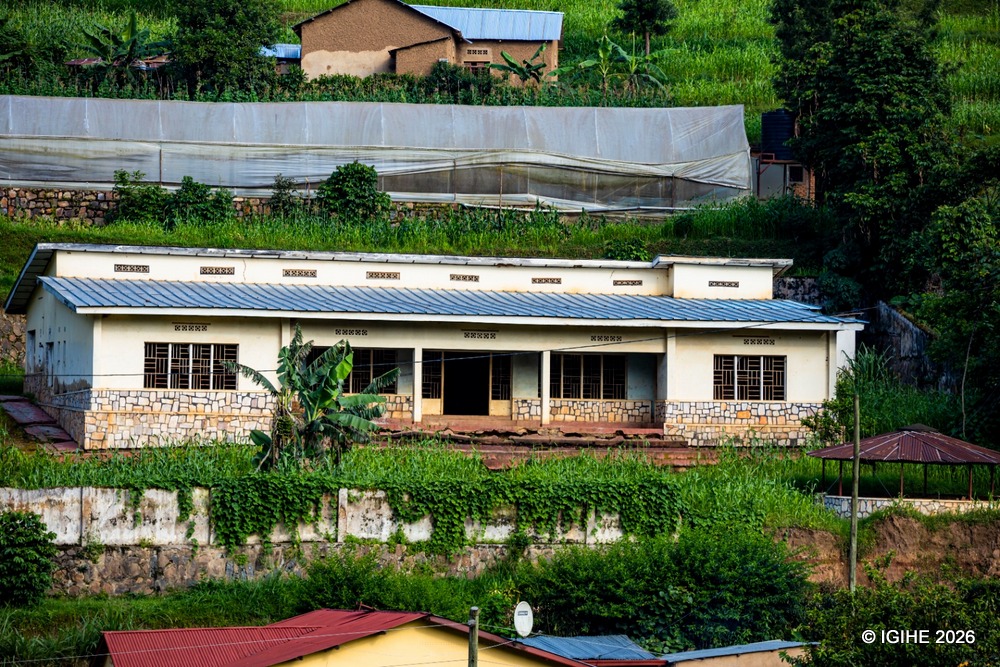
This house was the rural home of Félicien Kabuga in Mukarange Sector, Gicumbi District, where he was visited by people including President Habyarimana.
Zukuriza further argued that despite Kabuga’s death, survivors should still receive compensation from properties linked to him in areas including Kimironko, Muhima, Kimihurura and Byumba.
Kabuga among RTLM founders
Radio Télévision Libre des Mille Collines (RTLM), established on July 8, 1993, played a central role in spreading hate propaganda and inciting violence during the Genocide against the Tutsi between April and July 1994.
The station operated from premises located in what is now Kigali’s Car-Free Zone and reportedly benefited from electricity supplied directly from the presidential office, ensuring uninterrupted broadcasts.
RTLM was founded by a group led by Dr Ferdinand Nahimana, one of Rwanda’s prominent intellectuals at the time.
Nahimana drafted the initial proposal for the station, while Kabuga chaired RTLM’s founding committee.
Other members included Joseph Serugendo, Ephrem Ntezabera and Jean
Bosco Barayagwiza, while President Habyarimana was reportedly among the station’s principal shareholders.
Additional shareholders included Kabuga, Philippe Basabose and several senior government officials of the time.
RTLM also worked closely with Rwanda’s former state information office, ORINFOR, with many of its journalists coming from the state broadcaster.
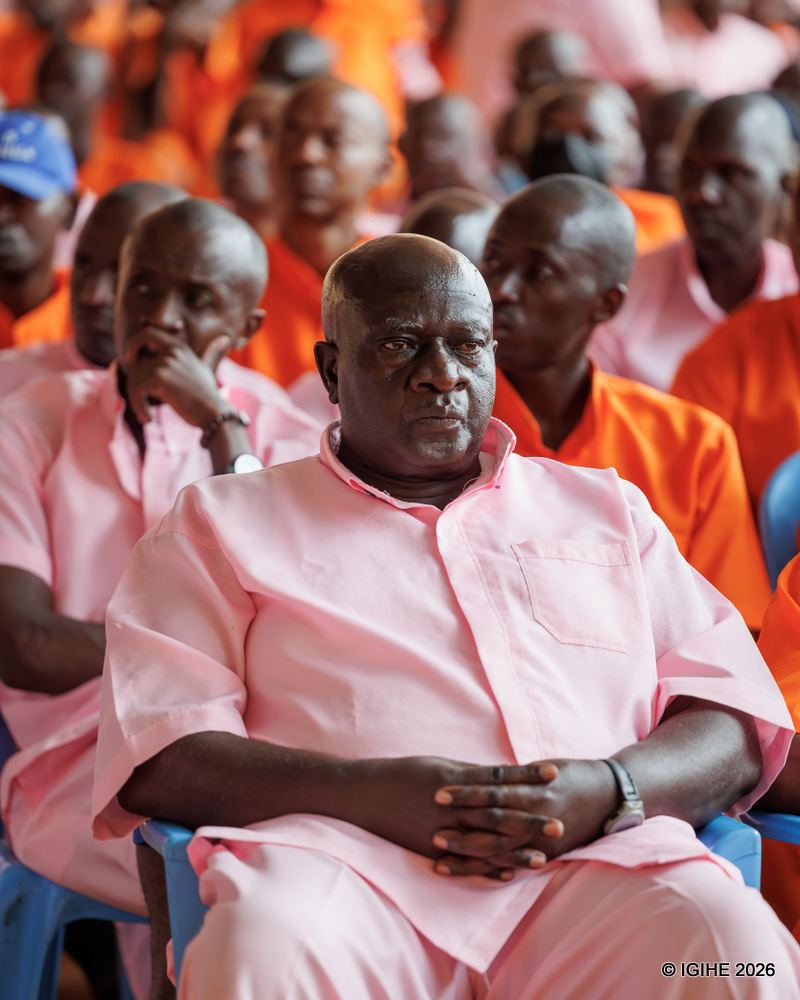
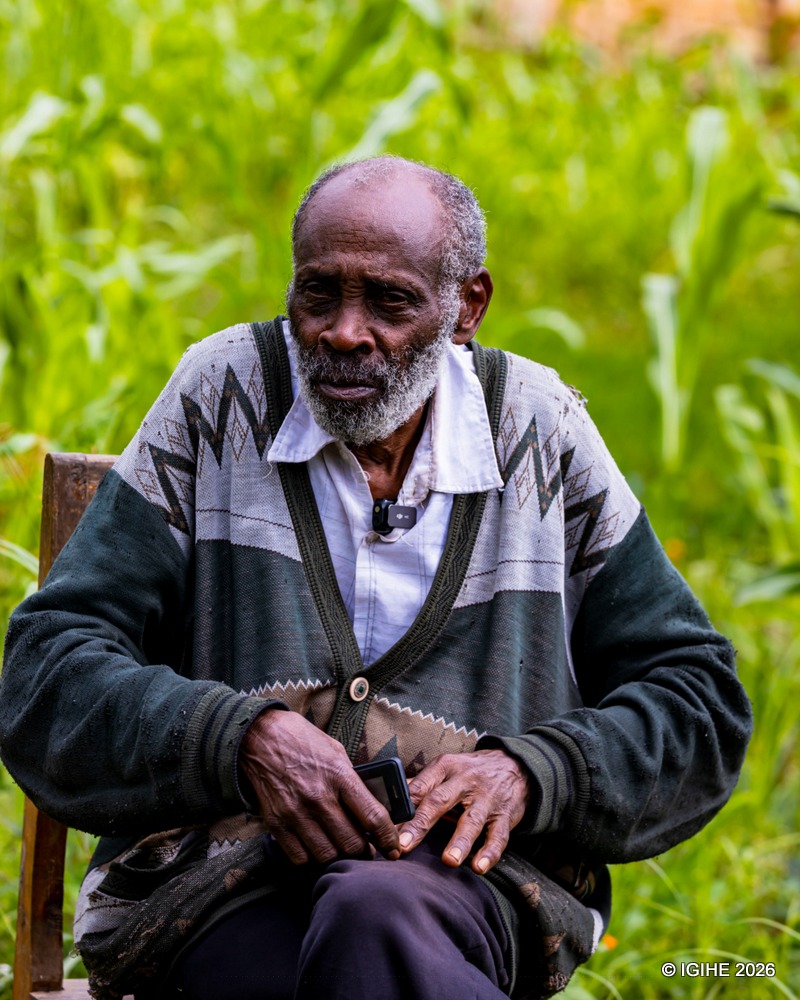
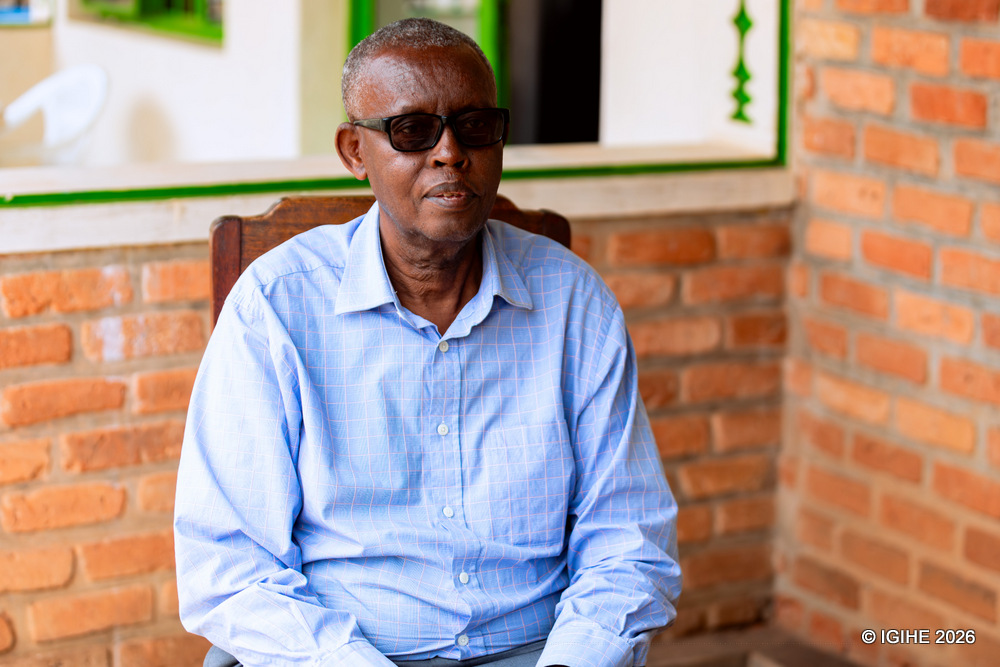
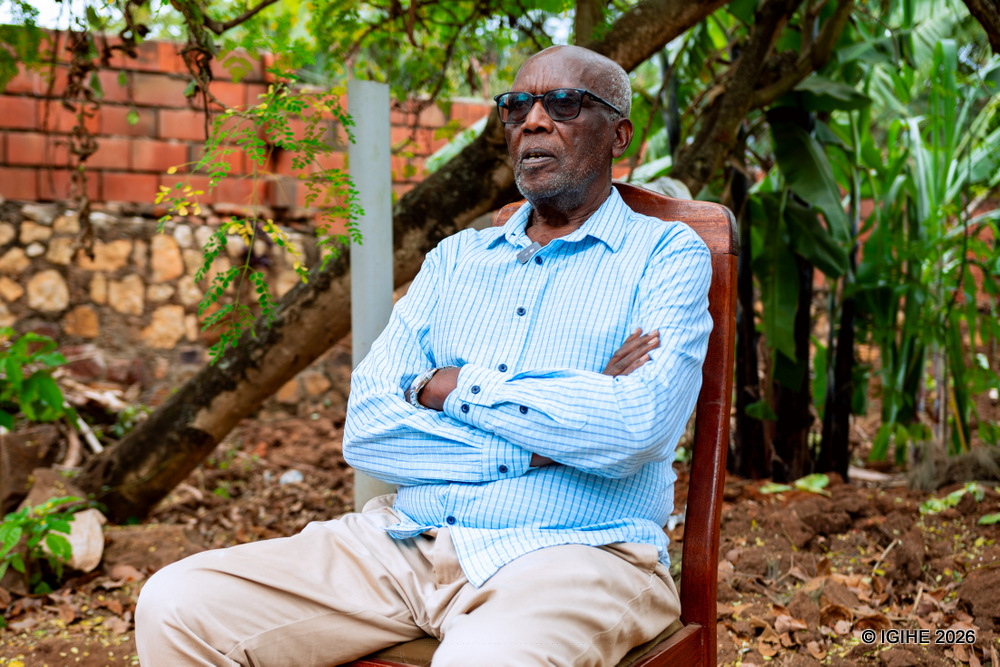
Jean Baptiste Munyaneza, Kabuga’s cousin who also worked as a domestic employee in his household, said the businessman frequently hosted influential visitors because of his wealth and status.Pierre Zukuriza, who lived near Kabuga in Kimironko, said Interahamwe militias trained at Kabuga’s residence on how to kill Tutsi. He said they were paid for the training and, after getting drunk, would openly boast about their plans.Pierre Celestin Sinderibuye, who lived near Kabuga in Kimironko, said Kabuga’s residence was widely feared because of groups of young men from the Abakiga community who were brought there and routinely intimidated residents who approached the property.
Officials confirmed that the suspect was killed following an exchange of gunfire with officers stationed near the complex. A bystander was also injured during the shooting, though authorities have not released further details on their condition. No Secret Service personnel were harmed.
The suspect has been identified by US media as 21-year-old Nasire Best, a Maryland resident who was known to law enforcement and the Secret Service. According to reports, he had a documented history of mental health conditions and previous encounters with authorities, including incidents involving threats and attempts to access restricted areas.
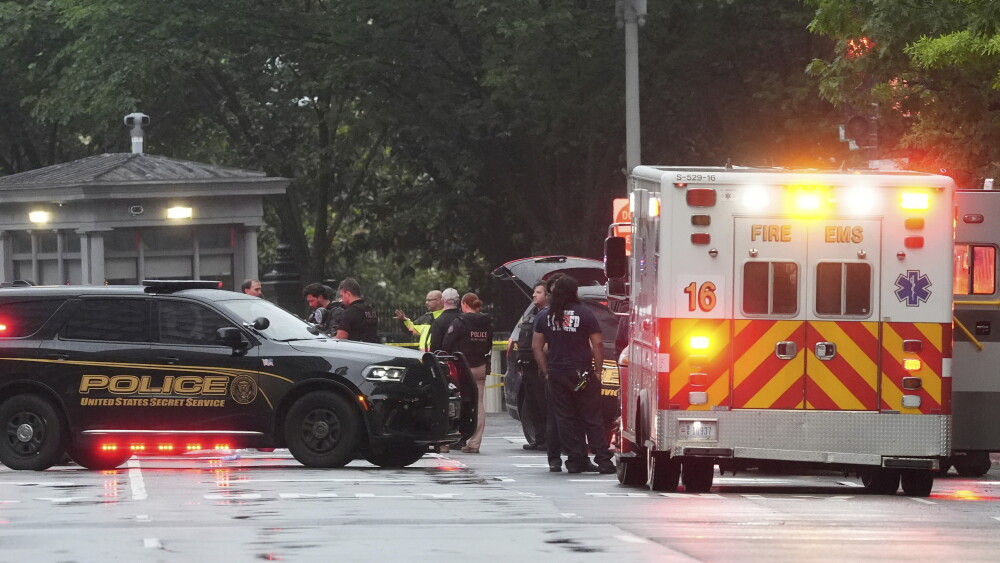
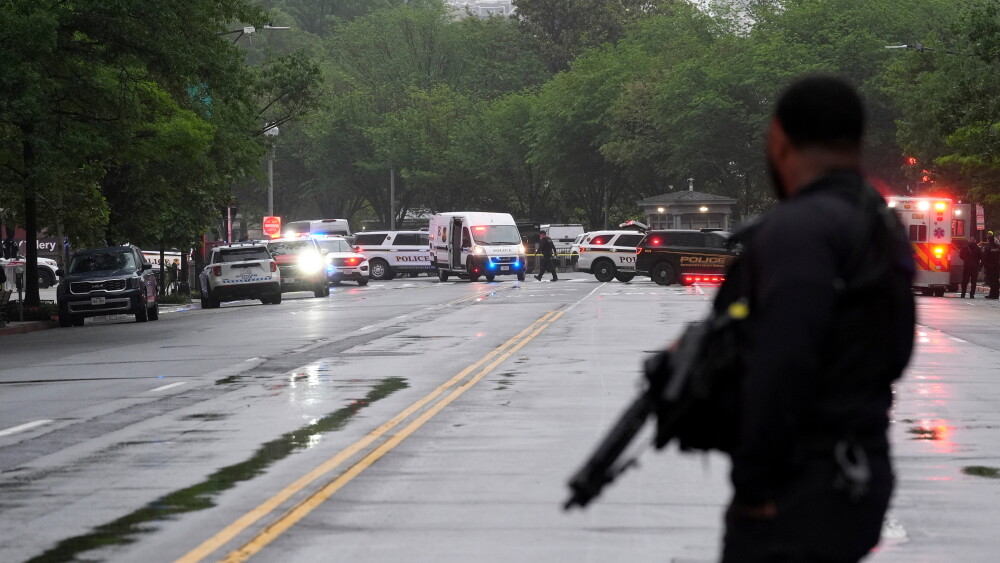
Police and members of the Secret Service block streets around the White House on Saturday, May 23, 2026, in Washington.
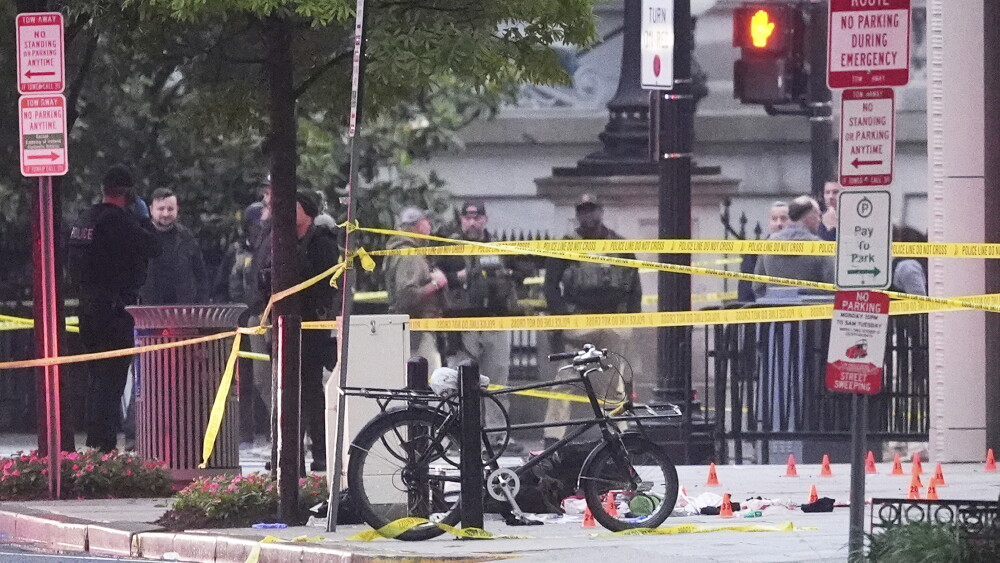
The shooting occurred shortly before 18:00 local time near the intersection of 17th Street and Pennsylvania Avenue NW, close to the Eisenhower Executive Office Building. Police said the man pulled a firearm from his bag and began firing at a White House checkpoint, prompting agents to return fire.
Best was struck during the exchange and transported to hospital, where he was later pronounced dead.
The White House confirmed that President Donald Trump was inside the building at the time of the incident. Officials said “no protectees or operations were impacted.”
In a statement on social media, Trump praised the Secret Service response, calling it “swift and professional action” and referring to the suspect as having a “violent history and possible obsession” with the White House.
The shooting occurred shortly before 18:00 local time near the intersection of 17th Street and Pennsylvania Avenue NW, close to the Eisenhower Executive Office Building.
The incident led to immediate security restrictions and road closures around the White House, which are expected to remain in place while the investigation continues.
It comes just weeks after another shooting disrupted a White House-related event, raising renewed concerns over security in the area.
Eyewitnesses described scenes of confusion as shots rang out. Reporters on the White House grounds were quickly moved into secure areas, with some recalling being instructed to run to the press briefing room as gunfire echoed nearby. Several journalists reported hearing multiple bursts of shots and seeing law enforcement rushing across the complex.
One reporter said those present were placed under lockdown for around 30 minutes before being allowed to assess the situation. Emergency vehicles were later seen near the perimeter.
Law enforcement sources told the media that the suspect had previously been known to both the Secret Service and the Metropolitan Police Department. One source said he had attempted to enter White House grounds earlier in 2025 and was subsequently arrested nearby, later spending time in a psychiatric facility.
The FBI is assisting the Secret Service with the ongoing investigation into the shooting, which remains active. Officials have not yet confirmed a motive.
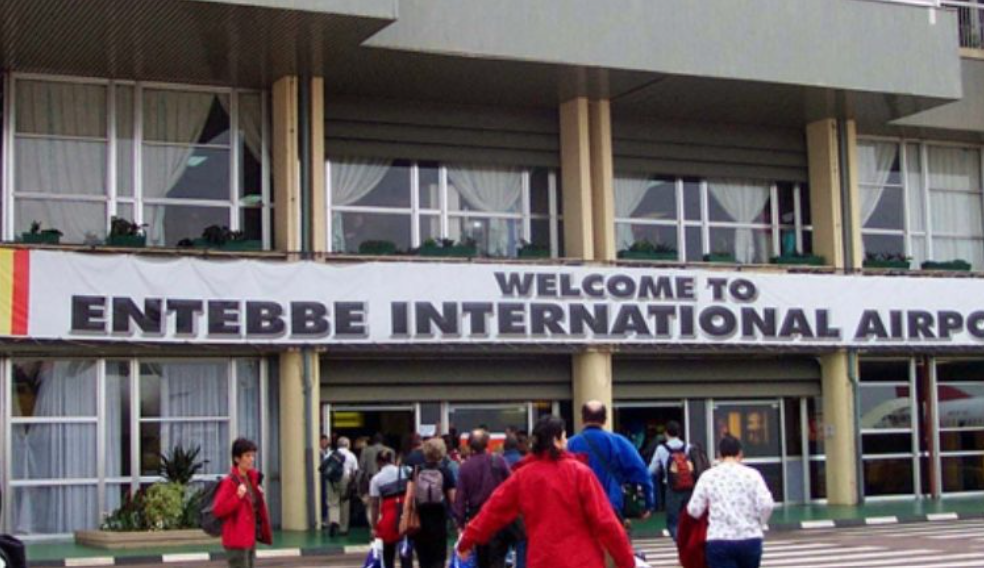
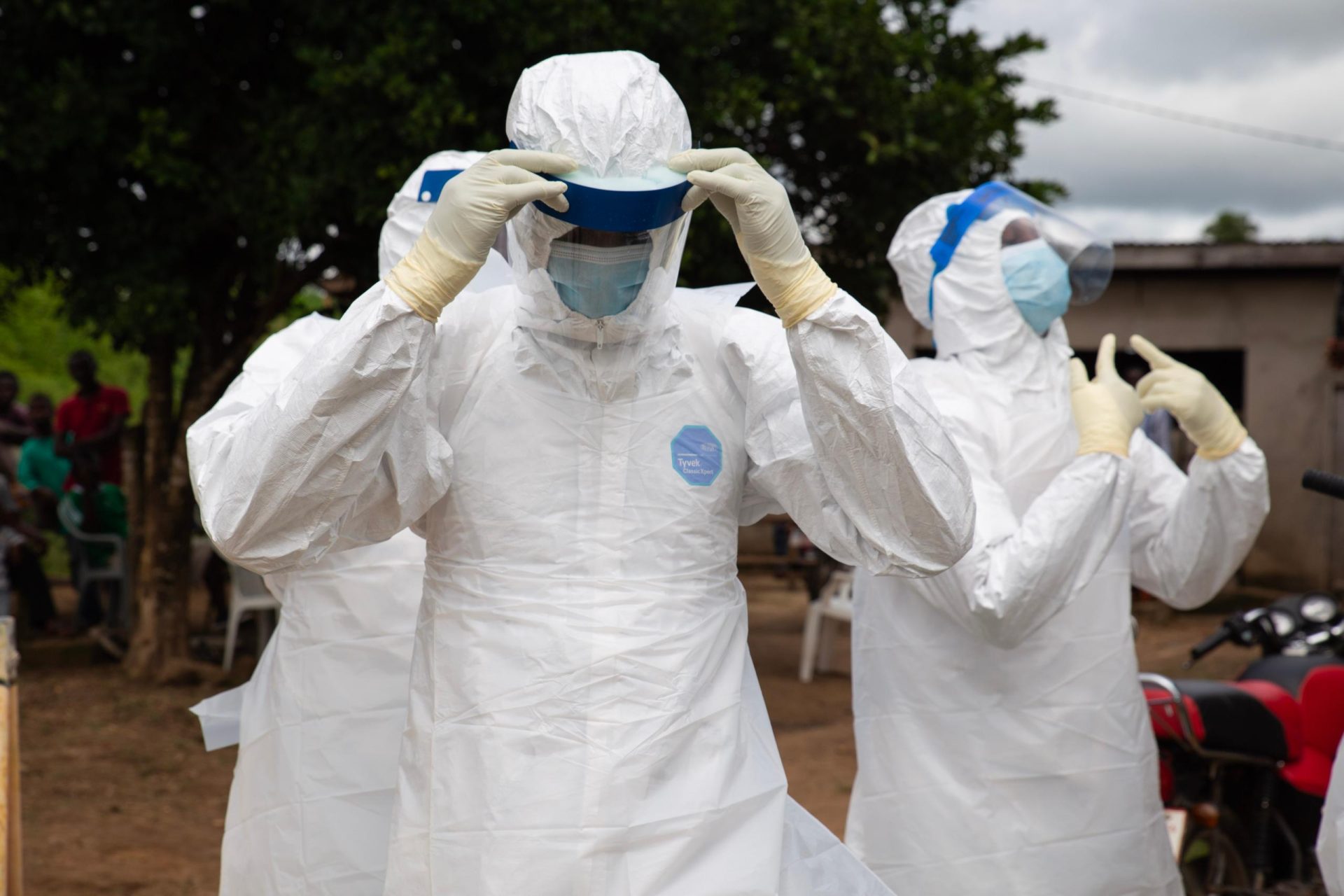
Diana Atwine, permanent secretary at the Ministry of Health, said in a statement issued in Kampala that the National Task Force (NTF), chaired by Uganda’s Vice President Jessica Alupo, had resolved to suspend all flights between Uganda and the DRC, with the measure taking effect within 48 hours.
The move follows the detection last week of two imported Ebola cases in Kampala, the Ugandan capital.
A 59-year-old Congolese man died from the virus at Kibuli Muslim Hospital in Kampala, while another patient remains in isolation at Mulago National Referral Hospital. A total of 127 contacts have been identified and are in institutional quarantine.
“The NTF has resolved for temporary suspension of all flights to and from the DRC to Uganda. This takes effect within 48 hours,” Atwine said.
She added that the government had also temporarily suspended public passenger ferry services on the Semuliki River, cross-border bus operations and all public passenger transport between Uganda and the DRC for the next four weeks, while allowing the continued movement of goods and food supplies.
According to the ministry, weekly markets in border sub-counties across high-risk districts have also been suspended for four weeks.
The NTF has activated a series of preparedness and response measures, including the suspension of cultural celebrations and commemorative events that draw large crowds along the Uganda-DRC border.
“The ministry further emphasises that ultimate control of the outbreak depends on the interrupting transmissions in the DRC and affirms Uganda’s commitment to supporting regional efforts,” Atwine said.
Over the past 24 hours, health authorities in the DRC and the World Health Organization have reported a worsening outbreak across the central African nation, with around 600 suspected cases and 139 probable deaths recorded since the outbreak was officially declared on May 15.
Initially concentrated in Ituri Province, the outbreak has since spread to North Kivu and South Kivu, while two confirmed imported cases have also been reported in neighboring Uganda.
Initially concentrated in Ituri Province, the outbreak has since spread to North Kivu and South Kivu
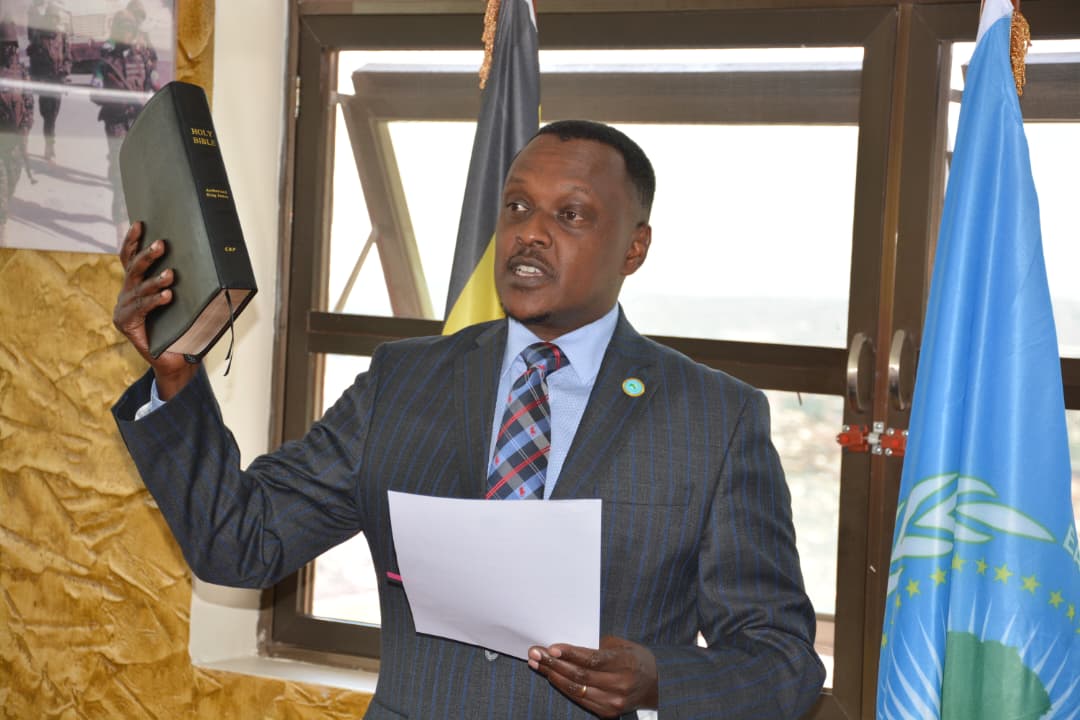
Brig Gen Rwivanga, who has served as the spokesperson of the Rwanda Defence Force since December 2020, was appointed to the new role at the end of last year. His office will be based in Karen, Nairobi, Kenya, where the EASF Secretariat is located.
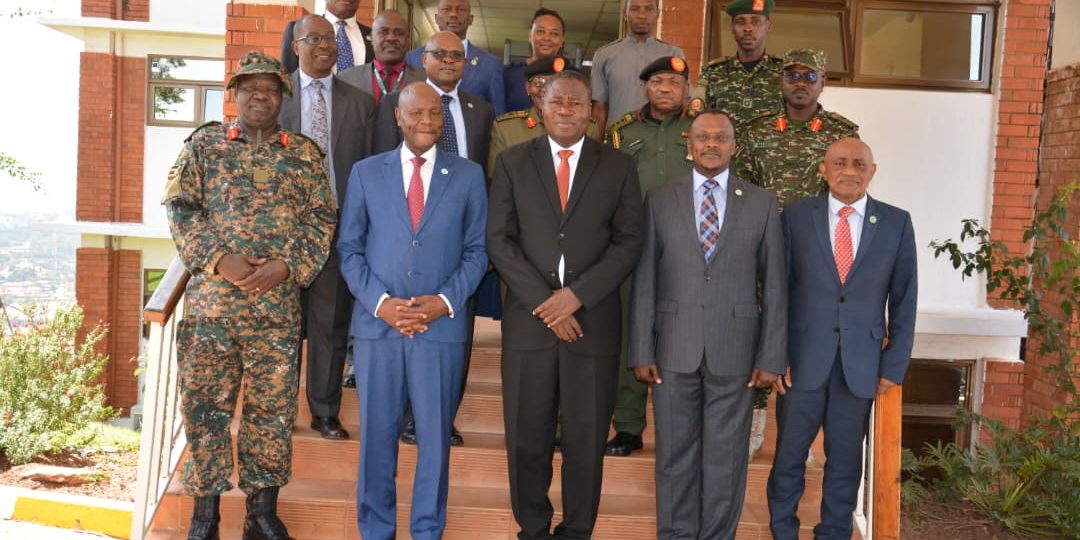
The handover ceremony took place at the Ministry of Defence and Veteran Affairs Headquarters in Mbuya, Kampala, and was presided over by Uganda’s Defence Minister Jacob Marksons Oboth, who chairs the EASF Council of Ministers.
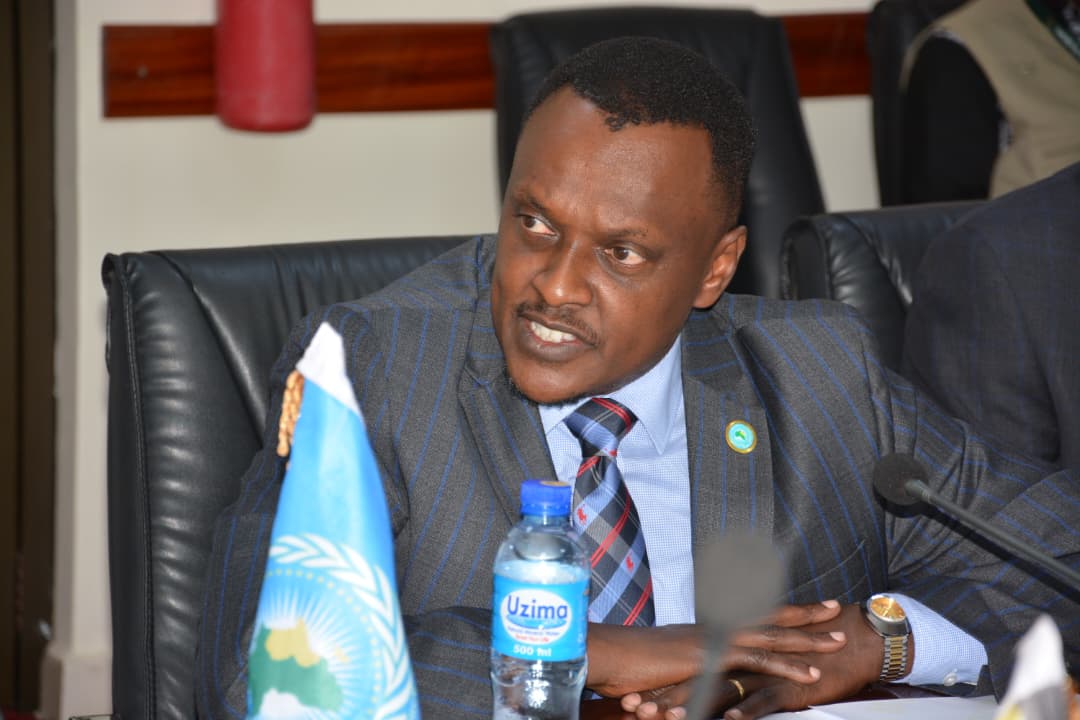
Oboth urged the new Director to build on existing gains and strengthen regional cooperation amid declining external support, calling for greater self-reliance among member states.
“You are stepping into big shoes. You inherit not only the achievements of the past, but also high expectations and a community committed to working with you in unity, professionalism, and purpose,” he remarked.
The handover ceremony took place at the Ministry of Defence and Veteran Affairs Headquarters in Mbuya, Kampala, and was presided over by Uganda’s Defence Minister Jacob Marksons Oboth, who chairs the EASF Council of Ministers.
In his remarks, Brig Gen Rwivanga pledged to lead with transparency, professionalism, and accountability, describing his appointment as both an honour and a solemn responsibility to advance collective peace and security in the region.
He noted that Africa’s security landscape continues to evolve rapidly, with emerging threats including terrorism, violent extremism, cybercrime, unconstitutional changes of government, as well as climate-induced disasters and humanitarian crises.
Rwivanga called for sustained political, operational, and financial support from member states, stressing that predictable funding remains essential to strengthening EASF’s readiness and overall effectiveness.
He further underscored the importance of maintaining strong humanitarian and disaster response capabilities, saying the force must remain ready to support member states in times of floods, droughts, disease outbreaks, and population displacement.
“We have committed ourselves as EASF that whenever there is a humanitarian issue or disaster, whether floods, droughts, earthquakes, diseases like Ebola, or displaced people, the force stands ready to support member states whenever such disasters strike,” he said.
The Eastern Africa Standby Force is one of the African Union’s regional standby mechanisms established to support peacekeeping operations, conflict prevention, humanitarian assistance, and regional security interventions across Eastern Africa.
Brig Gen Rwivanga pledged to lead with transparency, professionalism, and accountability, describing his appointment as both an honour and a solemn responsibility to advance collective peace and security in the region.
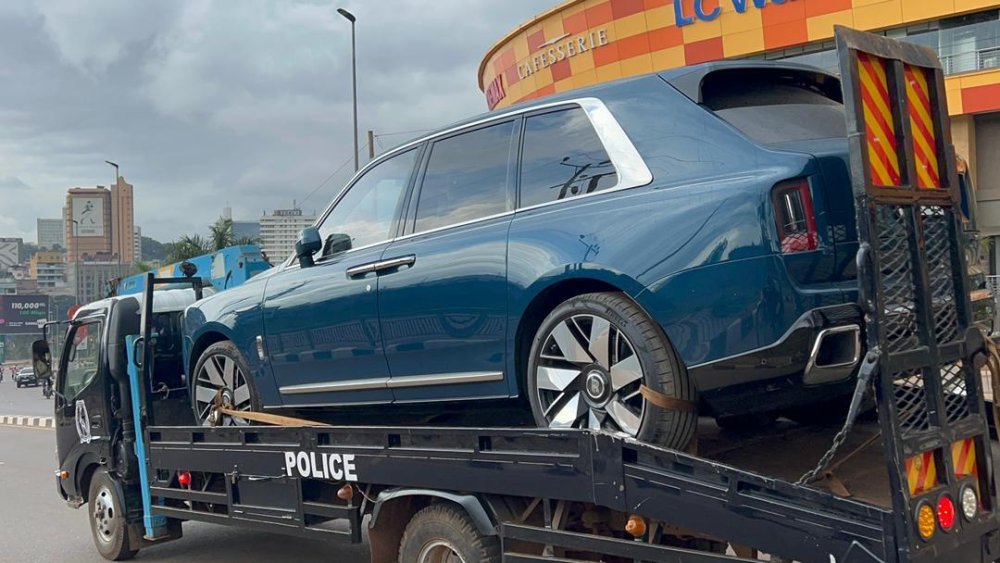
In a statement posted Tuesday evening on his official X account, Muhoozi said the luxury vehicle had already been “captured” by authorities.
“We captured the Rolls-Royce. It’s under our control. We shall auction it and recover the funds of the state,” the First Son wrote.
The remarks mark the latest twist in a fast-growing political controversy surrounding Among and the reported acquisition of the high-end vehicle, which has dominated online debate and political discussion in recent days.
Photos and reports circulating on social media alleged that the Speaker had acquired a Rolls-Royce worth 3.4 billion Ugandan shillings (roughly $900,000), sparking criticism from sections of the public already frustrated by rising living costs, unemployment, and persistent corruption allegations involving public officials.
Although Among reportedly insisted the vehicle was a personal gift, the matter quickly evolved into a wider national conversation about wealth, accountability, and public service.
Gen. Muhoozi and members of his Patriotic League of Uganda (PLU) movement have been particularly vocal, accusing government officials of extravagant spending at a time when many Ugandans are struggling economically.
At the height of the online exchanges, Muhoozi remarked that despite being President Museveni’s son for over five decades, he had never ridden in a Rolls-Royce himself.
“I have been Mzee’s son for 52 years but I have never sat in a Rolls-Royce ever. I don’t think Mzee has sat in one either,” he said in an earlier comment.
The controversy unfolded alongside growing political pressure on Among ahead of the race for Speaker in the upcoming 12th Parliament.
Last weekend, Among announced she would not seek re-election for the Speakership and pledged support for candidates endorsed by President Museveni and the ruling National Resistance Movement (NRM).
Her withdrawal followed increasing political isolation and reports of investigations into alleged corruption and abuse of office involving parliamentary officials and expenditure.
In recent days, security agencies have reportedly intensified operations linked to procurement and financial investigations within Parliament.
In a statement posted Tuesday evening on his official X account, Muhoozi said the luxury vehicle had already been “captured” by authorities.Security operatives have in recent days conducted coordinated searches at properties belonging to Anita Among as investigations into alleged corruption and illicit wealth accumulation continue.