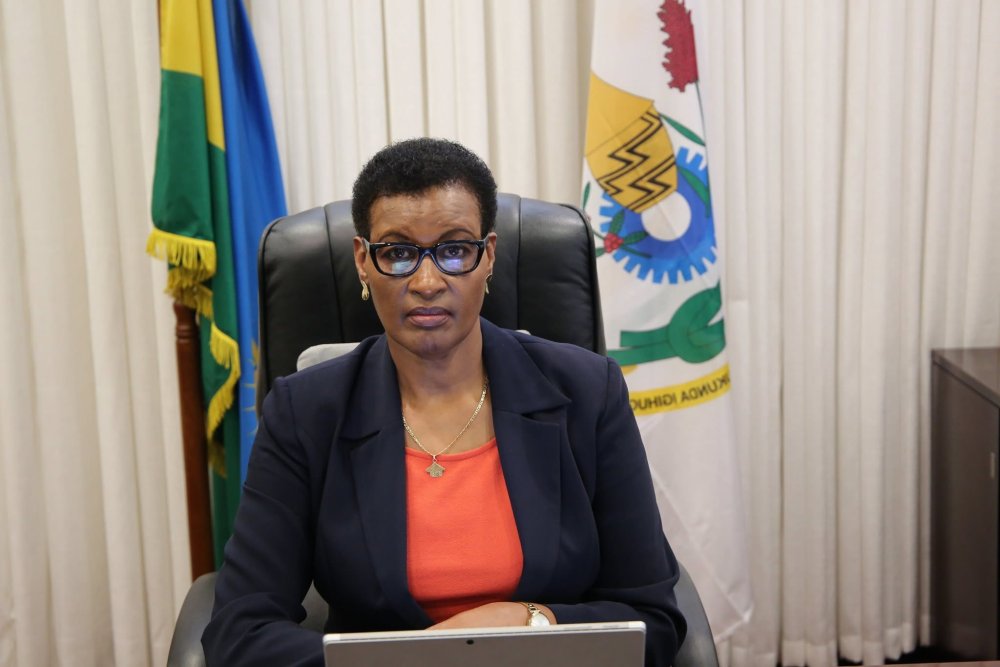
The message of condolence was issued after news of Mukabalisa’s death emerged on Thursday morning, July 30, 2026.
She died at King Faisal Hospital in Kigali, where she had been receiving medical treatment.
“It is with heavy heart and great sorrow that the Senate of Rwanda announces the passing of Honourable Donatille Mukabalisa who died today , July 30, 2026, at the King Faisal Hospital in Kigali. Our thoughts are with the family of late Senator Donatille Mukabalisa,” reads a statement released by the Senate adding that details regarding the memorial service and funeral will be communicated later.
Mukabalisa was born in Nyamata, Bugesera District, in July 1960.
During her political career, she was elected as a Member of Parliament in October 2003, a position she held until 2008. She later served as a Senator from 2011 to 2013.
In 2013, Mukabalisa returned to the Chamber of Deputies, where she was later elected Speaker, a position she held until 2024 following new parliamentary elections. She did not seek re-election after completing two terms in the lower chamber.
Mukabalisa also served as the President of the Liberal Party (PL), a political party founded on July 14, 1991.
Mukabalisa died on Thursday succumbing to natural cause.
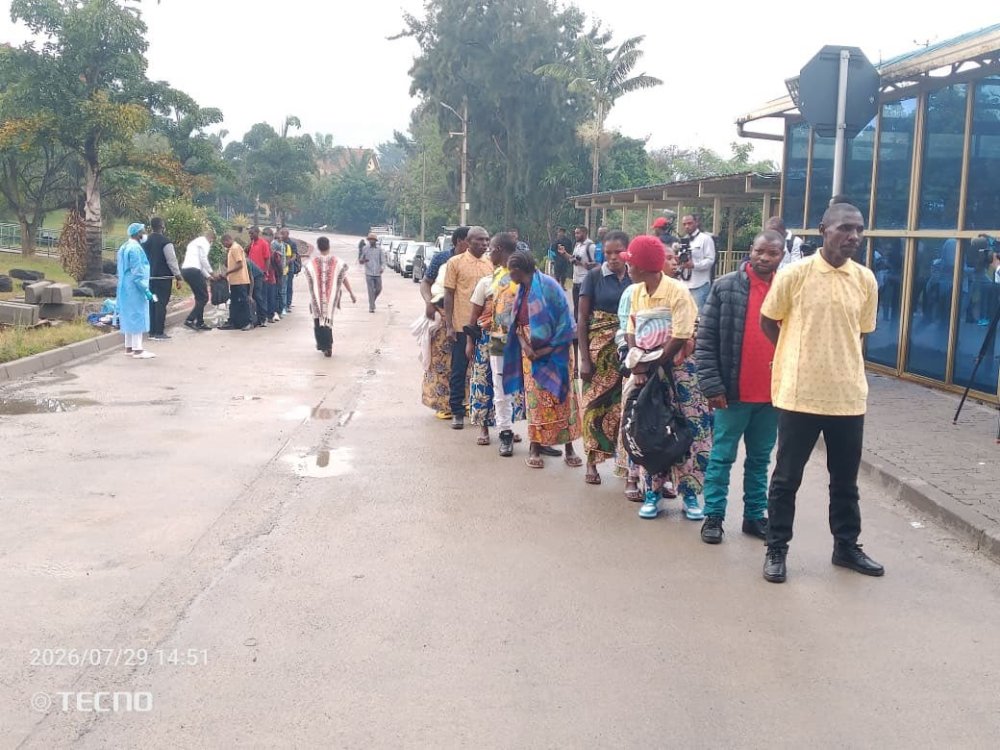
In a statement issued on July 29, 2026, RDRC said the repatriation ‘took place in the presence of media and MONUSCO officials following a comprehensive verification process which established that the individuals did not meet the eligibility requirements for Rwanda’s demobilisation and reintegration programme’.
The commission further reaffirmed its commitment to a rigorous verification process in line with established procedures, regional frameworks, as well as collaboration with regional and international partners to promote accountability, regional cooperation, and lasting peace.
Also on July 29, 2026, AFC/M23 spokesperson Lawrence Kanyuka alleged that the DRC government is recruiting civilians and encouraging them to falsely present themselves as former FDLR combatants in exchange for money.
Kanyuka claimed that after being promised payment, the Congolese nationals are enrolled in the Disarmament, Demobilisation and Reintegration (DDR) programme, which is overseen and implemented by the United Nations Organization Stabilization Mission in the DRC (MONUSCO).
According to AFC/M23, the alleged scheme is intended to conceal the presence of genuine FDLR fighters, a terrorist group that the DRC committed to dismantling under the peace agreement signed with Rwanda last year through mediation by the United States.
Kanyuka further accused the DRC government of continuing to integrate FDLR members into the country’s security institutions, alleging that some have been incorporated into the Armed Forces of the Democratic Republic of the Congo (FARDC) and the Wazalendo militia.
“Kinshasa uses the FDLR as a central component of its security apparatus. Members of this group have been integrated into FARDC, the Wazalendo militia and other state security institutions,” Kanyuka alleged.
He further claimed that some FDLR members are serving in the Republican Guard (GR), the elite unit responsible for protecting senior government officials and other high-profile figures.
AFC/M23 called for an end to what it described as the recruitment of civilians to falsely identify themselves as former FDLR combatants, arguing that the practice is intended to mislead the Congolese public and the international community.
The Rwanda Demobilisation and Reintegration Commission (RDRC) has repatriated 39 Congolese nationals to the DRC after they falsely claimed to be former FDLR combatants.
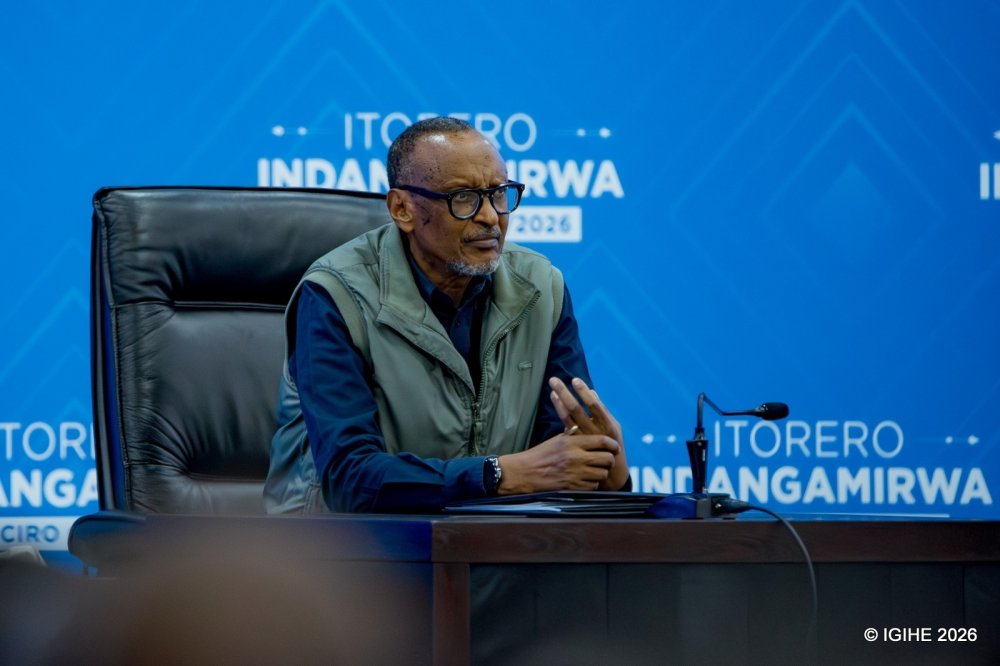
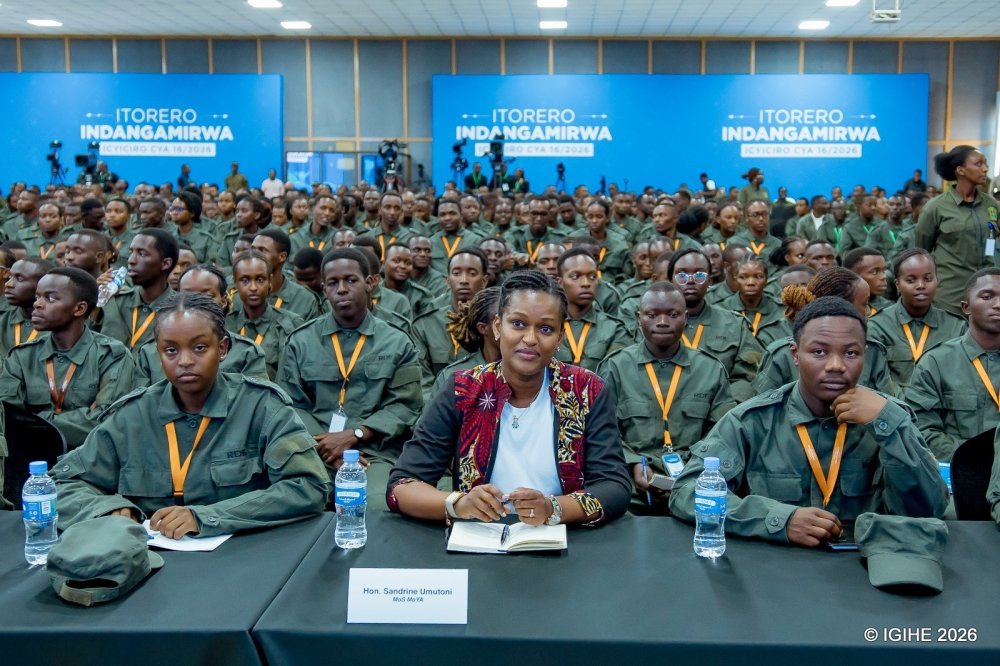
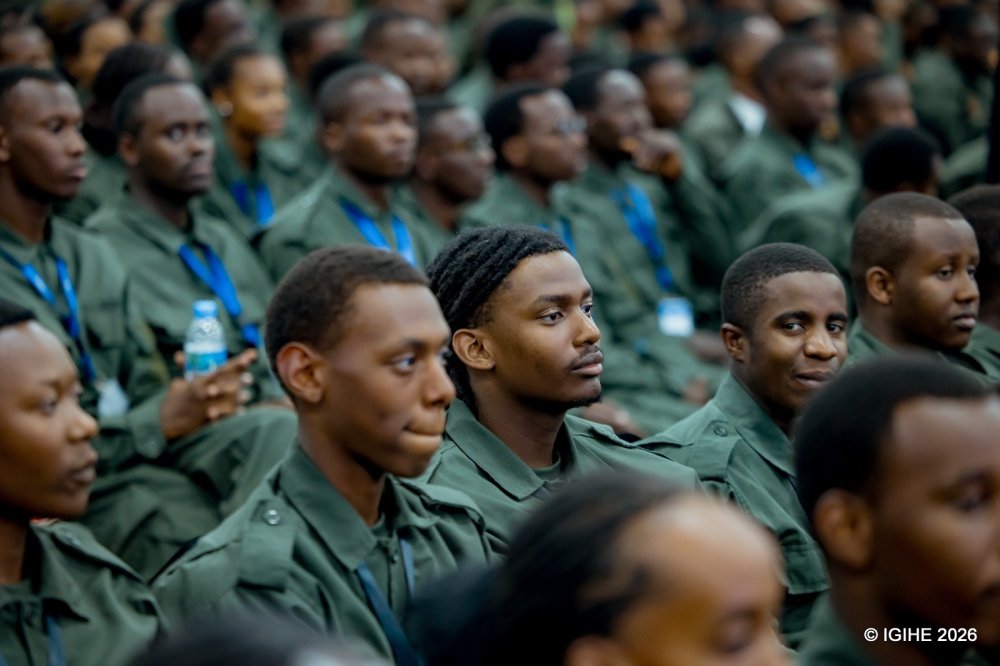
The President made the remarks on July 28, 2026, while meeting with the 16th cohort of Itorero Indangamirwa, the civic and national values training program for Rwandan youth, organized by the Ministry of National Unity and Civic Engagement at Gabiro Combat Training Centre.
This year’s program has close to 800 participating youth between the ages of 18-23 including Rwandans living abroad, and students from across high schools and higher learning institutions in Rwanda.
Kagame explained to the young people the difficult history Rwanda went through, including the displacement of thousands of Rwandans who fled the country from 1959 following waves of violence targeting sections of the population.
“Unlike you, I did not have the opportunity to start from where you are, being told that there is Itorero and learning what happens there. No, I never attended Itorero. Where I got my lessons was not called Itorero,” Kagame said.
He explained that he lived in Uganda from the age of four or five because of these historical circumstances and began searching for solutions when he was around 20 or 21 years old. By the age of 23, he said, he met others who shared the same concerns and joined efforts to address the issue.
Kagame urged the youth to start thinking early about their interests and those of their families and country, commending them for choosing to attend Itorero, a programme aimed at instilling values among Rwandans.
During the interaction, the President asked the Indangamirwa participants whether they had learned how to accurately use firearms. After they responded that they had, he told them that weapons should only be used when necessary and not against every situation.
He said: “Everything has its time. When the time has not come to resort to weapons, there is no reason to use them. When that time comes, it does not come because of one individual alone.
“It comes when people’s rights have been taken away, when they have been pushed as far as we were pushed, and when they seek other ways to resolve the problem but those options fail. Then it becomes a matter of saying: ‘Now you know? We are going to fight over this.’”
Kagame said that when one person denies another person their rights and prevents a country from living in peace, the first step should be to seek dialogue and peace. However, if that fails, he said, the use of force may become necessary, citing the Rwanda Patriotic Army’s (RPA) liberation struggle that began on October 1, 1990.
He recalled that while he and his colleagues were refugees, they believed they should not remain in exile. However, he said officials from the Habyarimana government who came to Uganda argued that Rwanda was too small to accommodate all refugees returning home.
“But the country is small. These people don’t have a place,” Kagame said.
President Kagame said it was inconceivable that Rwandan refugees could be denied the right to return to their own country while the Habyarimana government believed they, and even their descendants, would remain in exile indefinitely despite having a homeland.
He explained that at the start of the liberation struggle, he told those fighting alongside him that he did not blame the country that had given them refuge, even if it had treated them unfairly, but instead held responsible the government that had refused to allow them to return home.
“My problem was with the person who was supposed to determine my rights in my own country and denied me those rights. That was the person we had to confront, and that is what happened,” Kagame said.
“I would not start a war against those who had hosted us because they had not given us something or had denied us something.
“No. They were free to give us what they wished or not, even if one might consider it unfair. The real responsibility lay with the person who had denied you peace in your own country.
Kagame told the youth that one of the important lessons they should learn is how to defend their rights and understand that no one should dictate how they should live or determine how Rwandans should live.
The Indangamirwa programme brings together young Rwandans to strengthen patriotism, leadership skills and national values.President Paul Kagame addresses the 16th cohort of Itorero Indangamirwa during a session at Gabiro Combat Training Centre.Nearly 800 young Rwandans, including students and youth from the diaspora, are taking part in the 16th Indangamirwa training programme.
A statement issued by the Directorate General of Immigration and Emigration shows that among those granted Rwandan citizenship, 26 were born in Burundi, 20 in the DRC, nine in Uganda and eight in the United States.
The group also includes six people born in Belgium, five from Cameroon, four from Kenya and three born in Rwanda to parents of foreign origin.
Canada, the Netherlands, the Republic of Congo, Switzerland and Tanzania each had two nationals among those who acquired Rwandan citizenship.
About 60 percent of the newly naturalised citizens are aged between 30 and 49 years, a demographic group considered to have strong potential to contribute to the country’s social and economic development.
They are followed by those aged between 50 and 64, people above 65 years, and young people below 30 years.
The youngest among the new citizens is five years old, while the oldest is 81.
The newly granted Rwandan citizenship became effective on July 24, 2026, according to a notice published in the Official Gazette of the Republic of Rwanda.
Rwanda has granted citizenship to 105 people from 27 countries.
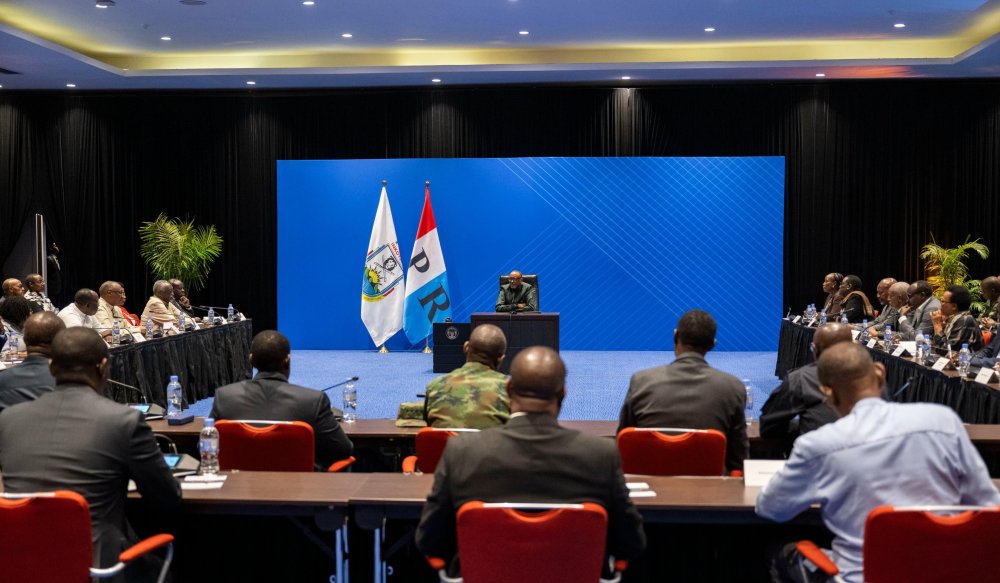
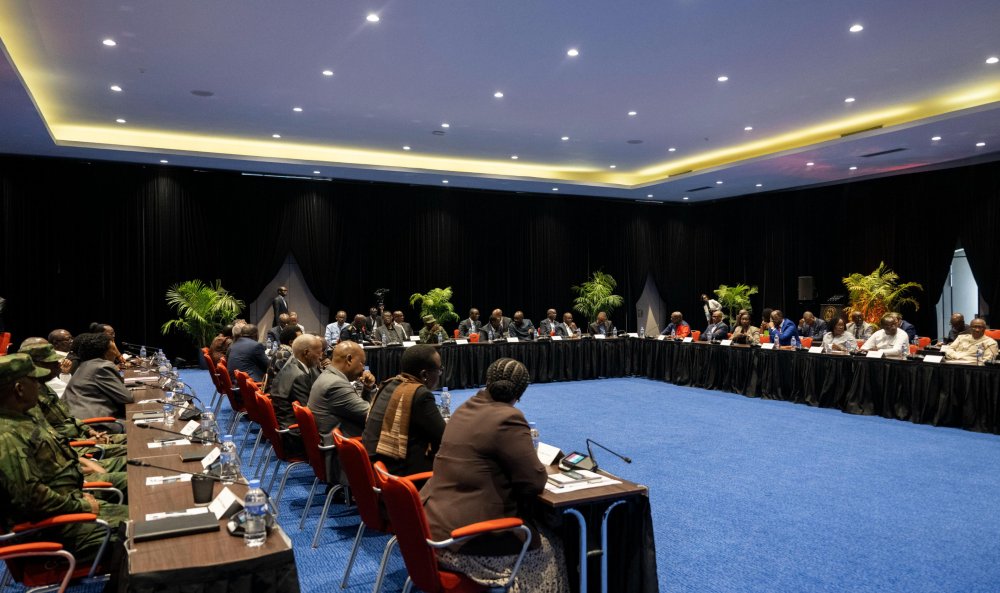
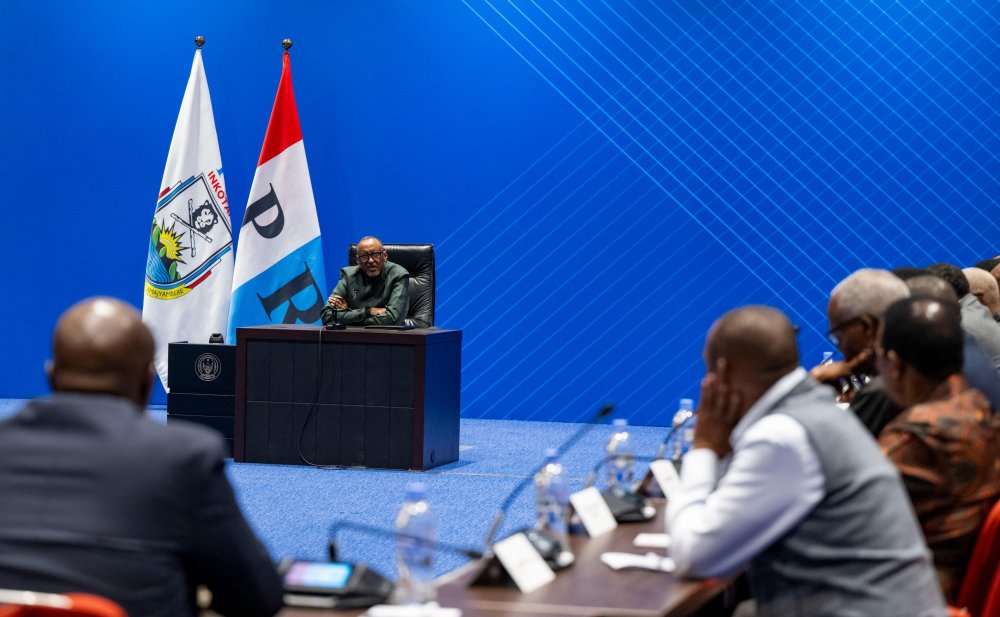
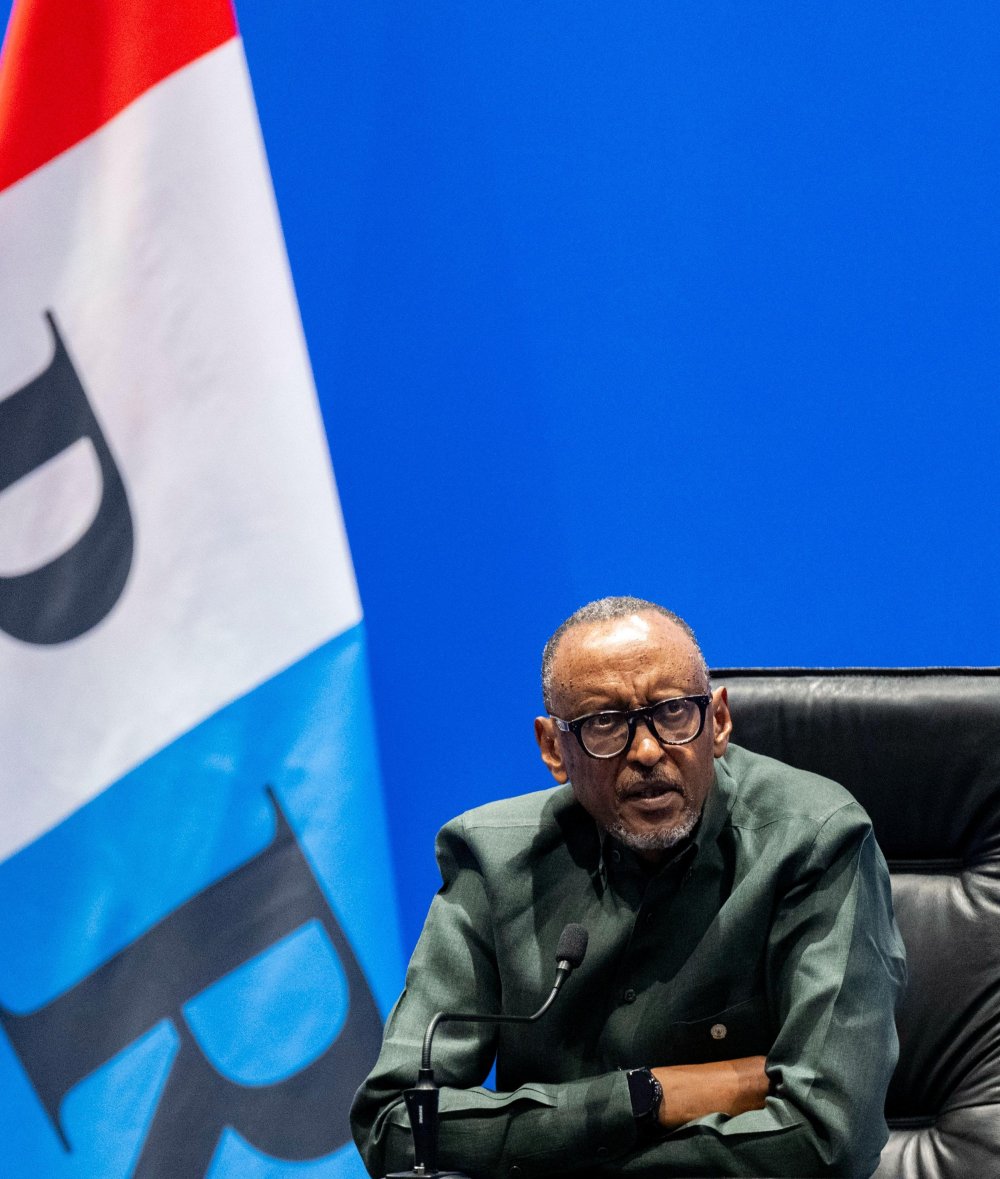
The meeting took place on July 27, 2026, at Intare Arena, according to Rwanda’s Office of the President, Urugwiro Village.
“The meeting emphasized the importance of members upholding the Party’s values, including people-centered governance and accountability, to advance the Party’s mission of Rwanda’s continued development,” reads a statement released by Urugwiro Village.
From refugee movement to political organisation
The FPR-Inkotanyi traces its roots to 1987, a pivotal year that marked a turning point for Rwandan refugees who had spent nearly three decades in exile.
The period followed remarks by then-President Juvénal Habyarimana, who, when asked about the return of Rwandan refugees, reportedly likened the country to “a glass already full of water,” suggesting there was no room for their repatriation.
The statement reinforced the belief among many refugees that returning home through dialogue was unlikely.
At the same time, the Rwandan Alliance for National Unity (RANU), an organisation established in 1980 to advocate for the return of refugees, began restructuring to pursue its objectives more effectively.
By 1987, many Rwandan refugees, particularly those living in Uganda, were enjoying greater stability following the rise to power of President Yoweri Museveni, whose liberation struggle had included the participation of many Rwandans.
RANU subsequently embarked on organisational reforms, introducing new leadership structures and strategies to strengthen its campaign.
Among those tasked with advancing the movement was Tito Rutaremara, now Chairperson of Rwanda Elders’ Advisory Forum. He helped establish a political training school in Uganda aimed at educating new members on the organisation’s ideology and long-term objectives.
The RPF Cadre School opened in June 1987, preparing members to mobilise support and recruit followers who clearly understood the movement’s mission.
University students were trained and encouraged to pass on the ideology to others, creating a network of mobilisation among Rwandan refugees across Uganda, Burundi, Tanzania, Kenya and what was then Zaire.
Birth of the RPF and armed struggle
Following the expansion of its support base, RANU convened a General Assembly in December 1987, bringing together members from across the diaspora.
One of the key resolutions adopted during the meeting was to rename the organisation the Front Patriotique Rwandais (RPF) Inkotanyi.
The following year, members met in Washington, D.C., where they reaffirmed their commitment to continue pursuing their objective of returning to their homeland.
As the movement evolved, its leaders concluded that achieving this goal would require an armed wing. They established the Rwanda Patriotic Army (RPA), which launched its first military offensive into Rwanda on October 1, 1990.
Many of the RPA’s senior officers had previously served in Uganda’s armed forces. Among them were Maj Gen Fred Gisa Rwigema, who led the campaign in its early stages, and Maj Gen Paul Kagame, who assumed command after Rwigema was killed shortly after the offensive began.
The RPA continued the liberation struggle, eventually ending the 1994 Genocide against the Tutsi and paving the way for national reconstruction under the leadership of the FPR-Inkotanyi.
Development gains since 1994
Following the Genocide against the Tutsi, Rwanda faced severe economic devastation. The country’s economy, already among the smallest in the region before 1994, contracted by about 50 percent in its aftermath.
In 1995, Rwanda’s national budget stood at just Rwf56 billion, with more than 90 percent financed through foreign aid. Per capita income was approximately $111.9, placing Rwanda among the world’s poorest nations.
Over the following decades, the country pursued reconstruction and economic reforms centred on accountability, citizen-focused governance and institutional development.
According to official figures, Rwanda’s Gross Domestic Product grew by 9.4 percent in 2025, increasing from Rwf19.918 trillion in 2024 to Rwf23.387 trillion.
The national budget for the 2026/27 fiscal year reached Rwf7.7963 trillion, representing a 12 percent increase from the revised Rwf6.9521 trillion budget for 2025/26. Foreign borrowing is projected at Rwf1.9741 trillion.
For many years after liberation, Rwanda sustained annual economic growth averaging between 7 and 8 percent. Life expectancy has also risen dramatically—from about 28 years immediately after the Genocide against the Tutsi to nearly 70 years today, reflecting improvements in healthcare, living standards and social protection.
President Kagame and senior RPF-Inkotanyi cadres convene at Intare Arena to discuss the party’s values, history and contribution to Rwanda’s transformation.President Paul Kagame addresses senior RPF-Inkotanyi cadres during a meeting on the party’s history, values and role in Rwanda’s transformation at Intare Arena.Senior RPF-Inkotanyi cadres listen as President Paul Kagame speaks during a meeting reflecting on the party’s journey and Rwanda’s transformation.
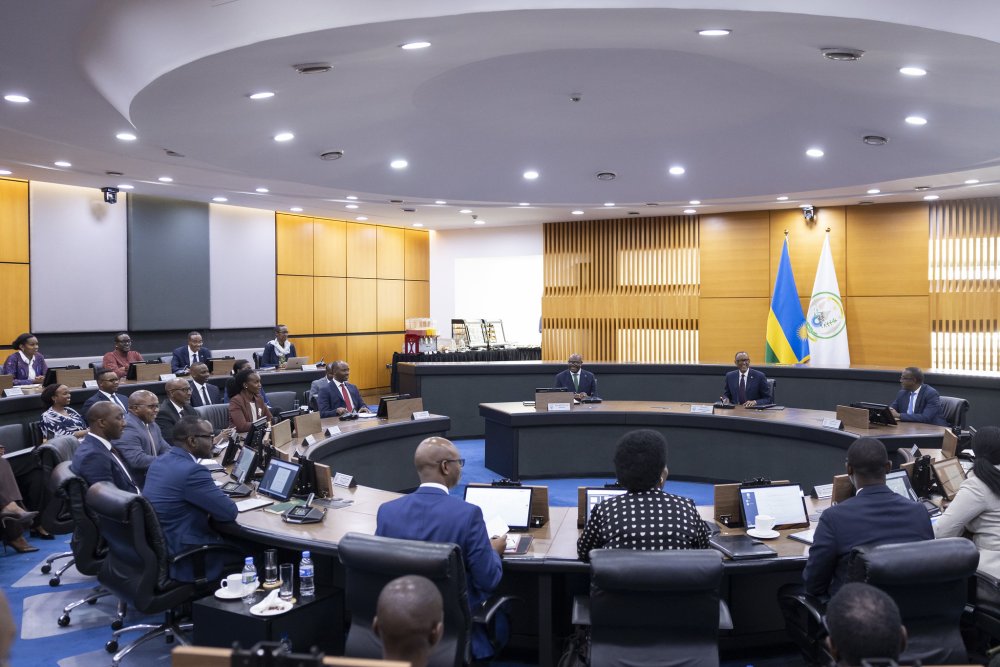
According to a communiqué issued by the Office of the Prime Minister, Cabinet was briefed on key initiatives designed to accelerate Rwanda’s transition to a knowledge-based, cashless and digitally driven economy.
The initiatives include the establishment of the Rwanda Institute of Computing (RIC), the modernization of telecommunications infrastructure from 2G/3G to 4G/5G networks, and the rollout of eKash as an interoperable national digital payment platform to accelerate financial inclusion and digital transactions.
Cabinet also approved the Rwanda Food Innovation Ecosystem Strategy together with the establishment of the Rwanda Food Innovation Partnership (RFIP), an initiative intended to fast-track innovation in food systems through agile regulation, attracting investment, creating jobs, and strengthening food security and nutrition.
The meeting further approved a draft law ratifying the Financing Agreement between the Republic of Rwanda and the International Development Association (IDA) relating to a second additional financing package for the recovery and resilience project. The agreement was signed in Kigali on June 25, 2026.
Among other decisions, Cabinet approved a Ministerial Order governing authorisations relating to dynamites or accessories.
It also approved applications for Rwandan nationality.
Cabinet endorsed a Shareholders Agreement between the Government of Rwanda and JSC National Mining Company “Tau-Ken Samruk” (TKS) for the establishment of a joint venture to undertake mineral exploration and mining activities in Rwanda.
The meeting further approved a concession agreement between the Government of Rwanda and InipasvalleyRw Ltd for the High-Value Therapeutic Crops Project.
It also approved an amendment to the Power Purchase Agreement between the Energy Utility Corporation Limited (EUCL) and Nyirahindwe HPP relating to the development and operation of the Nyirahindwe I Hydropower Plant in Nyamasheke District.
Cabinet granted agrément to three proposed diplomatic representatives.
Those approved include Ms Jirusaya Birananda as Ambassador Extraordinary and Plenipotentiary of the Kingdom of Thailand to the Republic of Rwanda, with residence in Nairobi; Ms Marie Goreth Nizigama as the UN Women Country Representative in Rwanda; and Mr Anton Buttigieg as the proposed Honorary Consul of Rwanda to the Republic of Malta.
During the meeting’s Any Other Business session, the Minister of National Unity and Civic Engagement informed Cabinet that Umuganura 2026 celebrations are scheduled for August 7, 2026.
The Minister of Finance and Economic Planning also informed Cabinet that Kigali will host the 26th Council of Ministers of the Eastern and Southern Africa Anti-Money Laundering Group (ESAAMLG) from August 31 to September 5, 2026.
Cabinet was further informed by the Minister of Agriculture and Animal Resources that Kigali will host the Africa Food Systems Forum (AFSF) Summit 2026 from September 1 to 4, 2026, with the event also marking the forum’s 20th anniversary.
President Paul Kagame chaired a Cabinet meeting that approved the establishment of the Rwanda Nature Foundation alongside a series of measures on digital transformation, food security, investment and international cooperation.
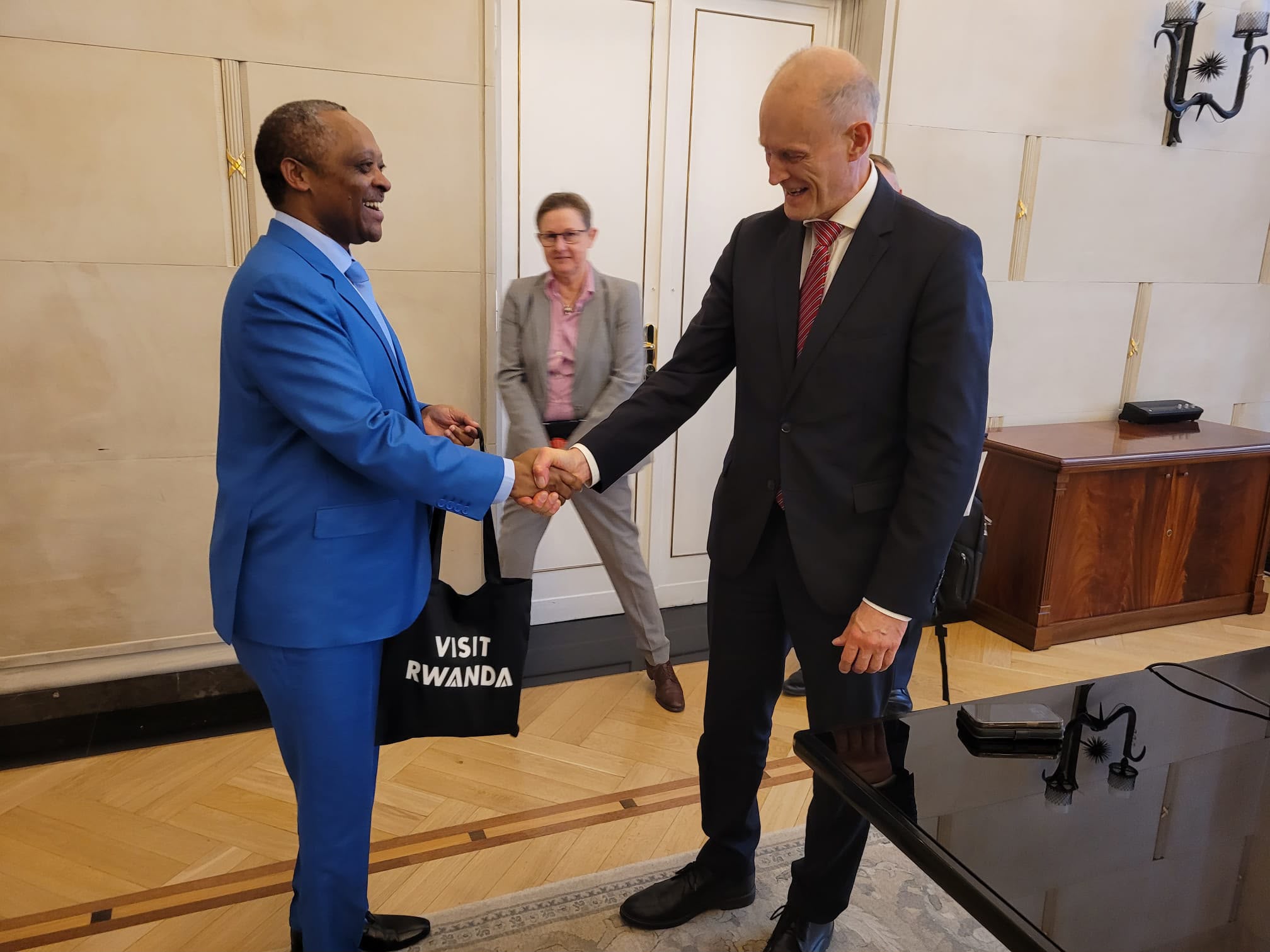
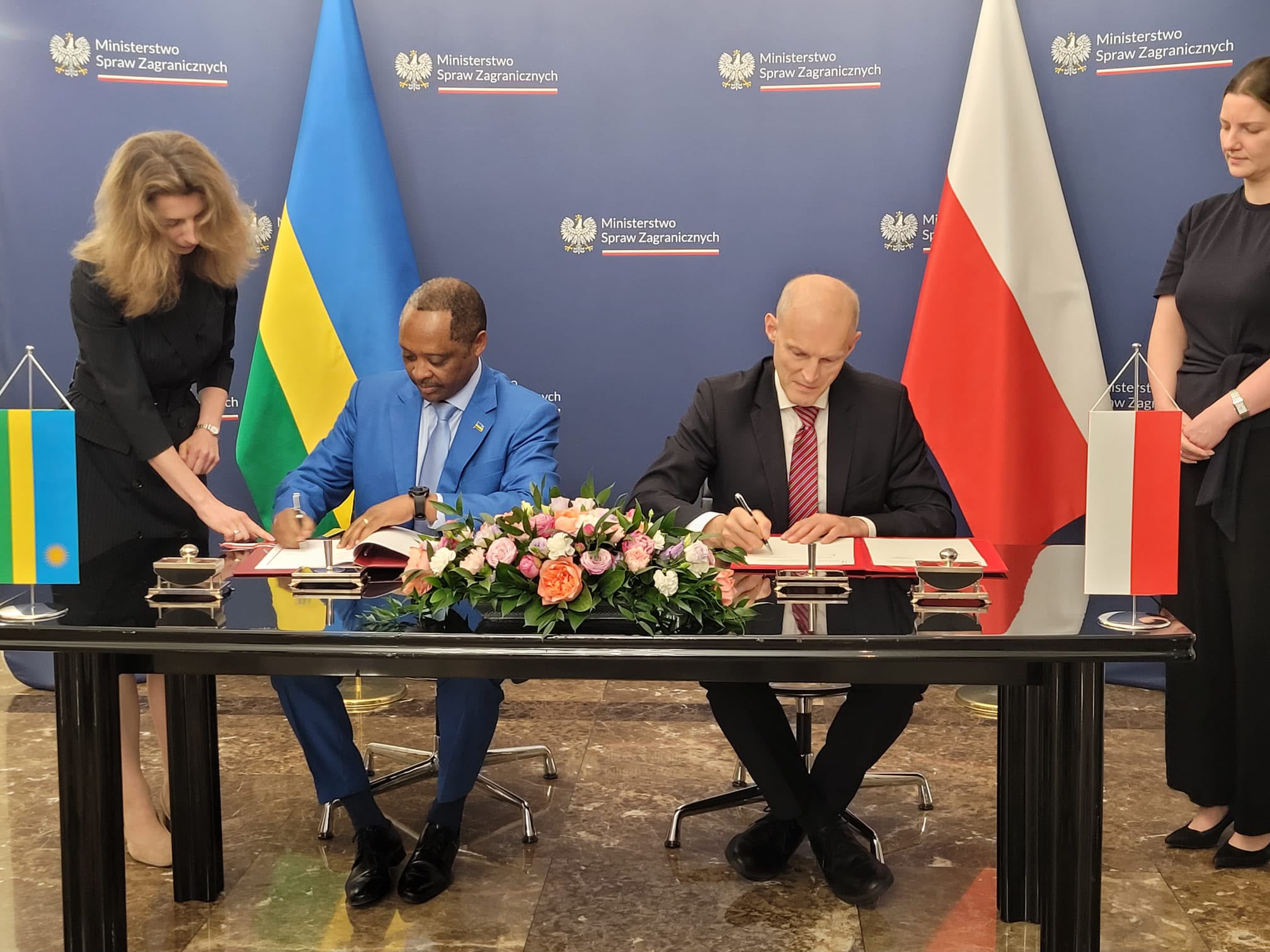
The agreement was signed on Friday in Warsaw by Poland’s Secretary of State at the Ministry of Foreign Affairs, Wojciech Zajączkowski, who oversees African affairs, and Rwanda’s Ambassador to Poland, Prof. Anastase Shyaka.
Officially titled the “Bilateral Agreement on Engagement in Gainful Occupation by Family Members of the Members of the Diplomatic Mission,” the agreement enables eligible family members of diplomats and other embassy personnel from Rwanda in Warsaw and Poland in Kigali to undertake gainful employment in accordance with the laws and regulations of their host country.
Speaking during the signing ceremony, Secretary of State Wojciech Zajączkowski welcomed the growing partnership between the two countries.
“We are pleased with the relationship we have with Rwanda and with the way our cooperation continues to grow,” he said.
He added that Rwanda is the first African country with which Poland has signed such an agreement.
For his part, Ambassador Prof. Anastase Shyaka thanked the Polish government for the importance it attaches to strengthening its friendship and cooperation with Rwanda.
“Rwanda highly values its excellent cooperation with Poland. Just as you consider us among your close friends, we equally regard you as one of our trusted partners and friends,” he said.
The ceremony concluded with an exchange of gifts, including a Visit Rwanda souvenir, and was attended by officials from both the Rwandan and Polish sides.
The agreement reflects the two countries’ commitment to deepening bilateral cooperation while making it easier for the families of diplomatic personnel to integrate into the societies where they are posted.
Rwanda and Poland have signed an agreement enabling eligible family members of diplomatic mission staff to engage in gainful employment abroad.The agreement signed in Warsaw allows family members of Rwandan diplomats in Poland and Polish diplomats in Rwanda to seek employment under host country regulations.Rwanda’s Ambassador to Poland Prof. Anastase Shyaka and Poland’s Secretary of State Wojciech Zajączkowski signing an agreement allowing family members of diplomats to work in their host countries.
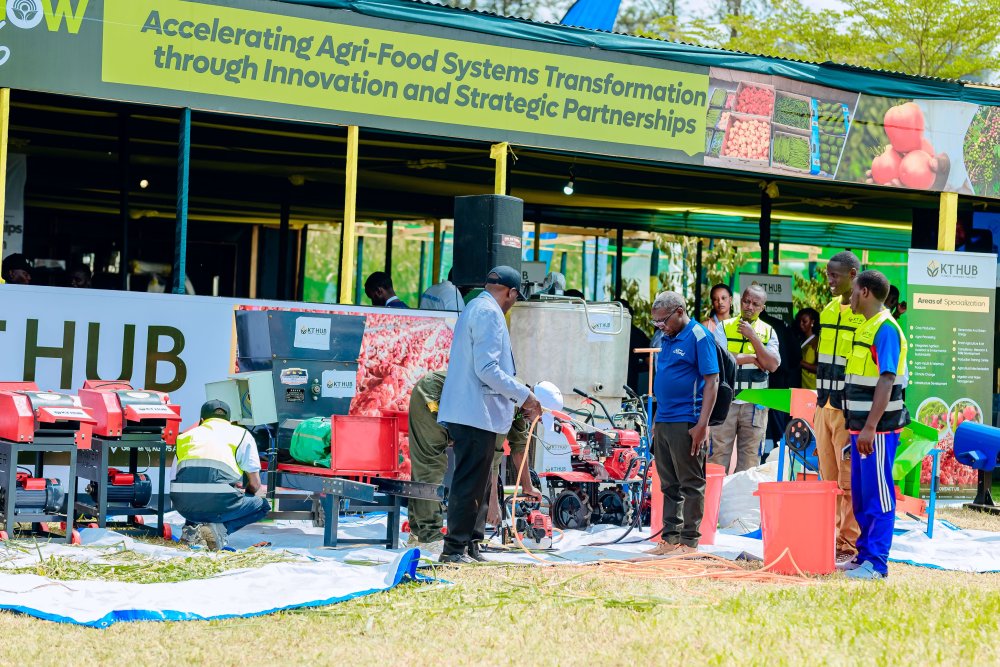
The technology, developed by KT Hub, Rwanda-based integrated agricultural and agribusiness hub, was unveiled during the 19th Rwanda Agricultural Show organised by the Ministry of Agriculture and Animal Resources (MINAGRI).
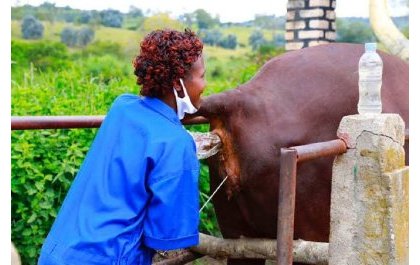
The innovation uses advanced cameras to examine animals before artificial insemination, allowing veterinarians to identify possible reproductive health challenges and confirm whether the semen being used is of good quality before it is introduced.
The exhibition was officially opened on July 23, 2026, at Mulindi in Kigali and will continue for 10 days, bringing together farmers, agricultural companies, researchers, government officials and other stakeholders to showcase innovations transforming Rwanda’s agriculture and livestock sectors.
MINAGRI revealed that this year’s exhibition attracted more than 600 exhibitors, including individuals, groups and companies from Rwanda and abroad. The number has increased compared to more than 500 exhibitors recorded in 2025 and about 300 exhibitors approximately five years ago.
Among the major innovations showcased was KT Hub’s artificial insemination technology, which seeks to address one of the challenges faced by livestock farmers where animals fail to conceive after insemination despite farmers following the required procedures.
KT Hub Managing Director Kabahizi Théoneste told IGIHE that the company developed the technology in partnership with the Rwanda Agriculture and Animal Resources Development Board (RAB), covering the entire process from importing animal semen to delivering it to veterinarians responsible for carrying out insemination.
He explained that the technology helps determine why artificial insemination may fail, especially in situations where farmers are unable to identify the exact cause.
“Sometimes semen can be collected properly from a male animal and stored under the right conditions, but when it is introduced into a cow or another animal, it may fail because it was wrongly placed. Some farmers believe that if a cow shows signs of fertility in the evening, it should be artificially inseminated the following morning for a better chance of conception.
However, the camera helps determine whether the reproductive system has any problems and whether it is the appropriate time for insemination,” Kabahizi said.
He added that some animals fail to conceive because of infections or other reproductive health problems that may not be visible without proper examination.
“There are cases where the area where insemination is performed has infections or other conditions that prevent successful fertilisation.
With this technology, veterinarians first examine the animal using a camera. If a problem is detected, treatment is provided before insemination is attempted again. In some cases, hormonal treatment can also be used to make the animal ready for breeding sooner,” he explained.
The technology also includes another camera designed to examine semen quality before insemination. Veterinarians capture an image of the semen, and the system provides information showing whether it is still healthy and suitable for use.
Kabahizi said KT Hub is also promoting improved cattle breeds from Brazil, which are expected to produce higher-quality milk. He noted that future generations of these cattle could produce between 25 and 30 litres of milk per day.
KT Hub introduced the technology to the government, and following its launch, the solution will gradually be made available to livestock farmers across the country.
The company also supplies animal semen and has the capacity to store up to 10 million doses, ensuring a reliable supply for artificial insemination programmes.
Veterinarians will receive specialised training on how to use the technology before being equipped with the necessary tools, including two cameras, to provide artificial insemination services to farmers.
Speaking at the exhibition, Minister of Agriculture and Animal Resources Dr. Telesphore Ndabamenye said this year’s theme focuses on promoting innovation in agriculture and livestock, noting the importance of the sectors to Rwanda’s economy.
He said agriculture and livestock contribute nearly 19 percent of Rwanda’s Gross Domestic Product (GDP), while about 70 percent of industries in the country depend on agricultural production.
“These figures show that improving agricultural and livestock production cannot be achieved without innovation and partnerships aimed at addressing the challenges affecting these sectors in Rwanda,” Dr. Ndabamenye said.
He added that the innovations showcased during the exhibition demonstrate potential solutions to challenges facing farmers, making it important to bring together innovators, stakeholders and users to discuss and promote their adoption.
The Minister said that, some of the showcased technologies could begin being implemented during the 2027 A farming season, with continued government support.
According to MINAGRI, Rwanda’s milk production has increased significantly over the past 14 years, tripling from 334,727 tonnes in 2010 to 1,092,430 tonnes in 2024.
During the same period, annual milk consumption per person increased from 37.3 litres to 79.9 litres, reflecting growth in the country’s dairy sector.
Modern agricultural equipment was also showcased.Rwanda’s Minister of Agriculture and Animal Resources, Dr. Telesphore Ndabamenye, said that innovation in agriculture and livestock is essential, noting that the sectors contribute nearly 19 percent of the country’s Gross Domestic Product (GDP).
The 19th Agricultural Show has officially opened. KT Hub Managing Director, Kabahizi Théoneste, said that the technology-based artificial insemination programme for cows and pigs will help address challenges where animals fail to conceive after being inseminated.
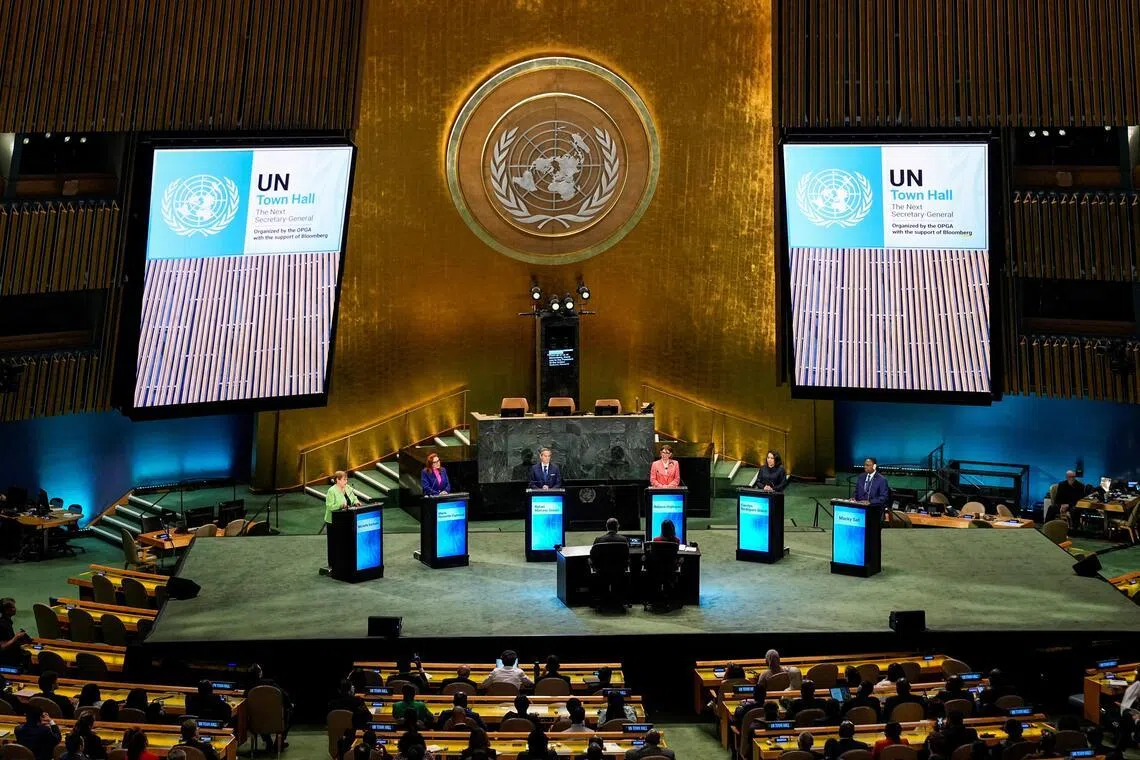
The meeting, organized by UN General Assembly President Annalena Baerbock, with the support of media company Bloomberg, was streamed live on UN Web TV and Bloomberg platforms.
“Today marks a critical step in the selection of the next secretary-general of the United Nations, probably one of the most challenging but also most honorable jobs in the world,” said Baerbock in her opening remarks.
“The person we choose will not only be the face of this house of humanity but also its custodian. She or he will stand up for the United Nations Charter and all three pillars — peace and security, sustainable development and human rights — in a time of unprecedented challenges yet also new opportunities,” she said.
The six candidates — Michelle Bachelet, former Chilean president and former UN high commissioner for human rights; Maria Fernanda Espinosa, former UN General Assembly president and former foreign minister and defense minister of Ecuador; Rafael Mariano Grossi of Argentina, current director general of the International Atomic Energy Agency; Rebeca Grynspan, former vice president of Costa Rica; Carolyn Rodrigues Birkett, Guyana’s permanent representative to the United Nations; Macky Sall, former president of Senegal — attended the meeting and answered questions from both Bloomberg mediators and audience members.
At the end of the meeting, the six candidates were asked to outline their priorities for their first 100 days as UN secretary-general if elected.
The term of the current UN secretary-general, Antonio Guterres, expires at the end of this year. The next secretary-general will take over on Jan. 1, 2027.
Six candidates are competing to succeed current UN Secretary-General Antonio Guterres, whose term ends in 2026.
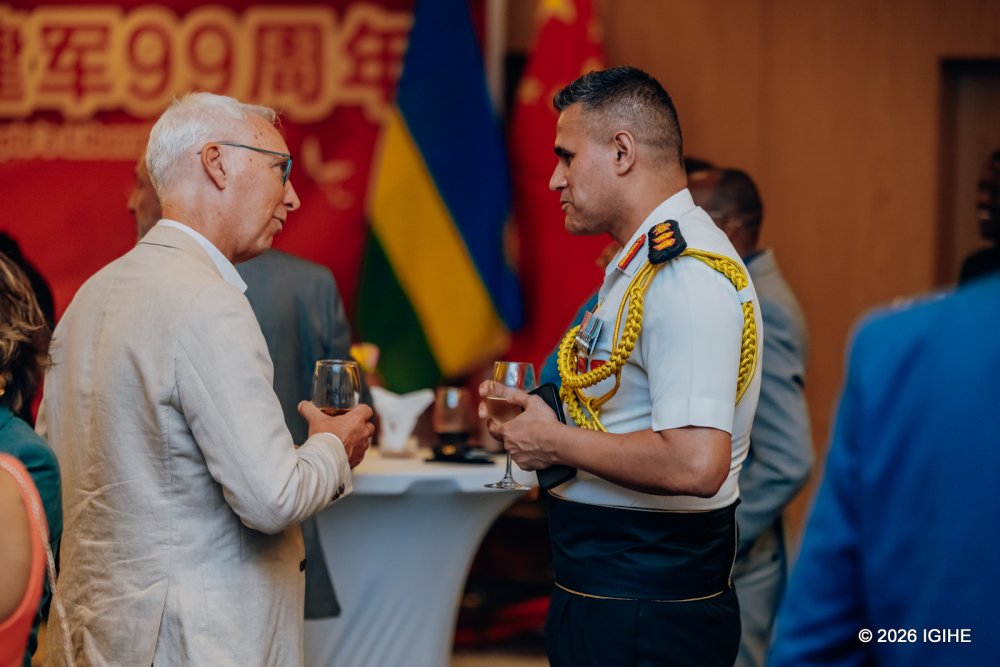
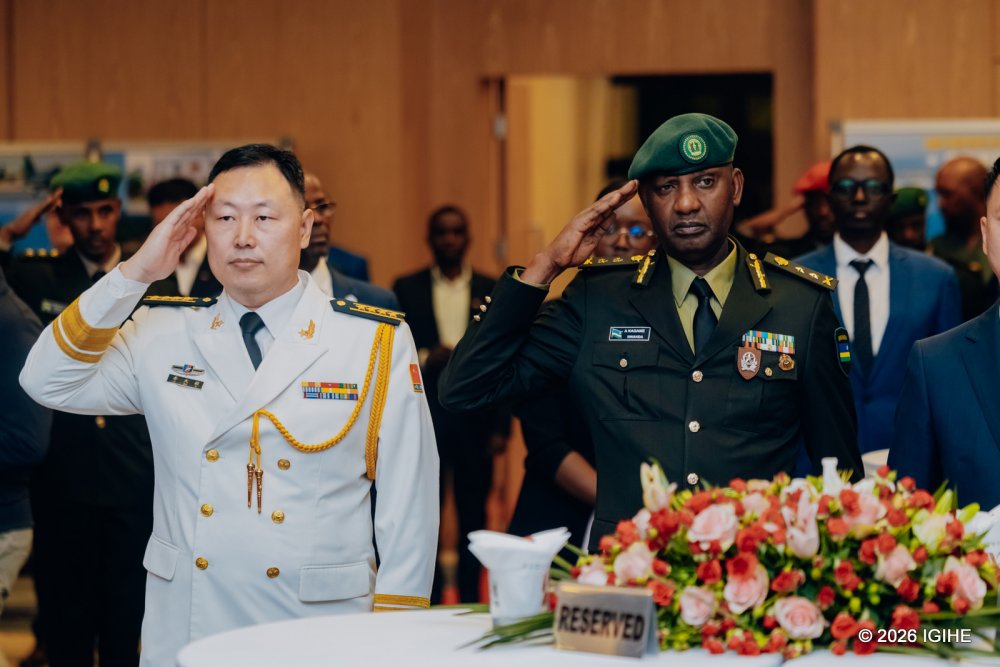
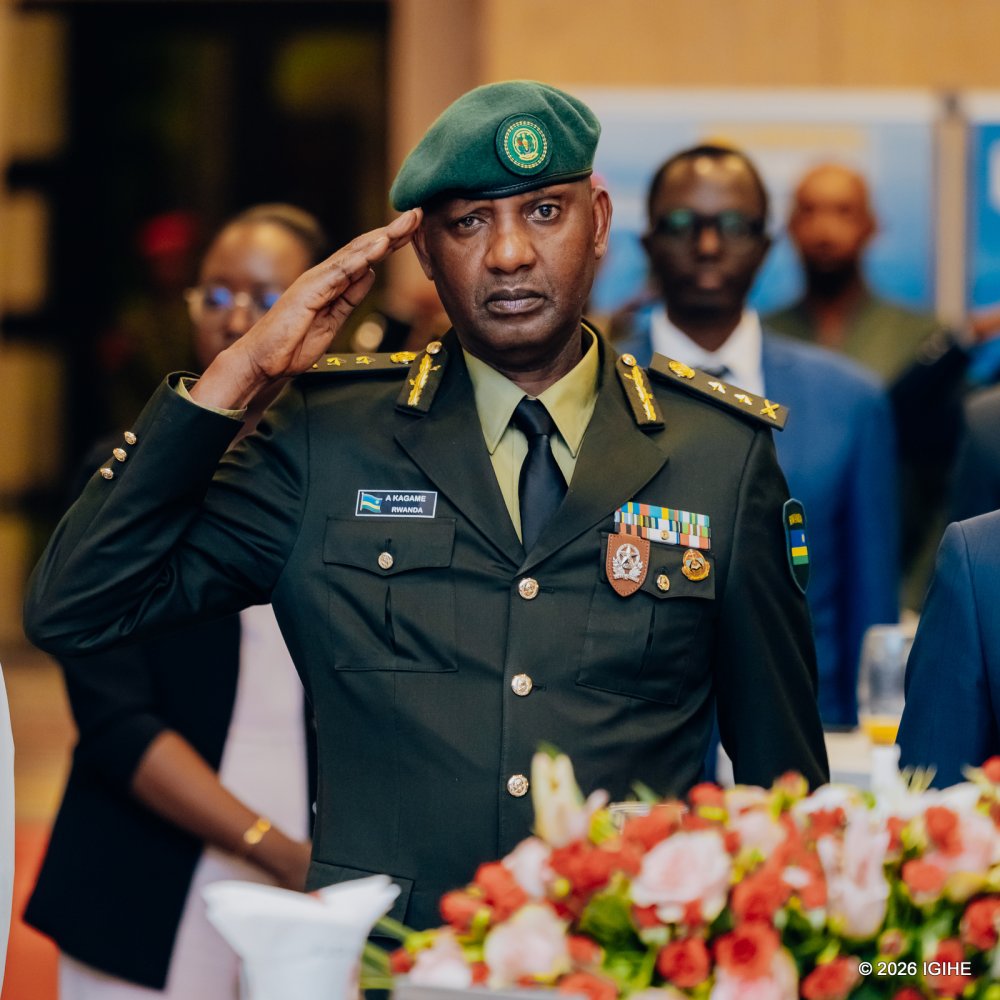
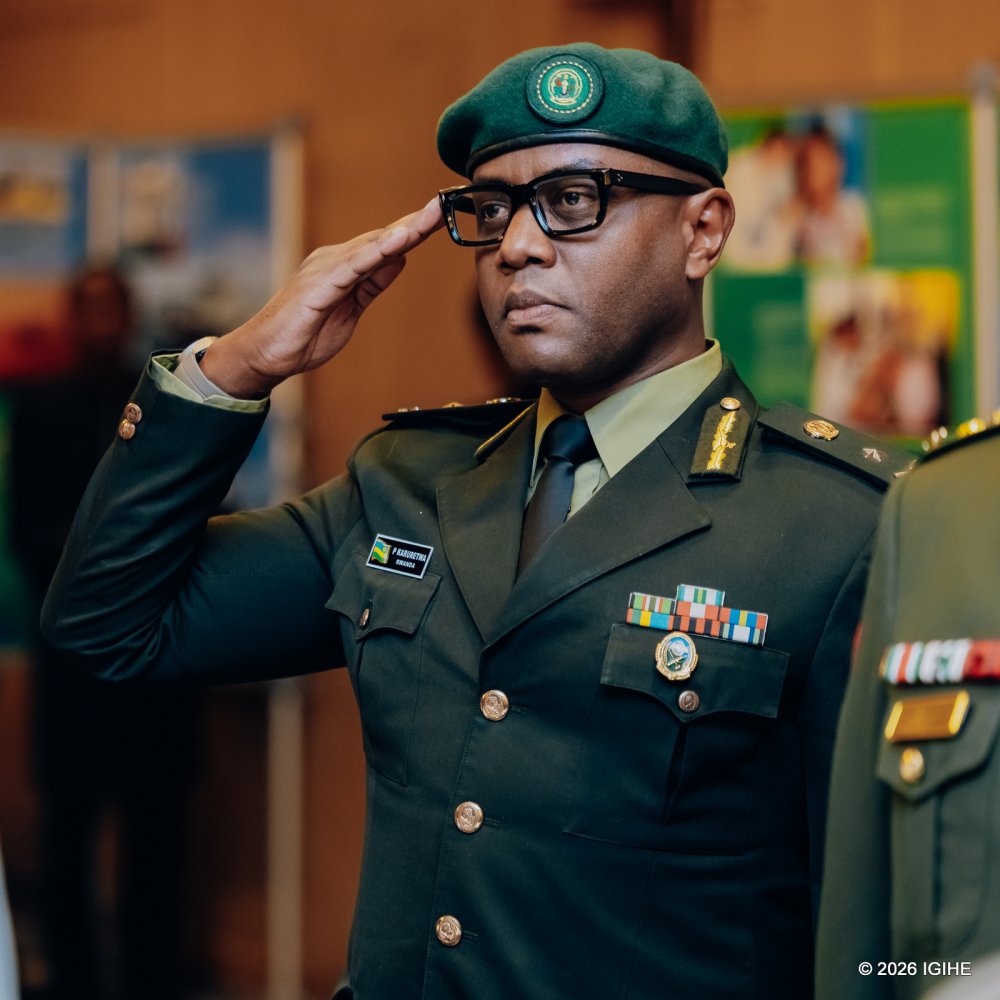
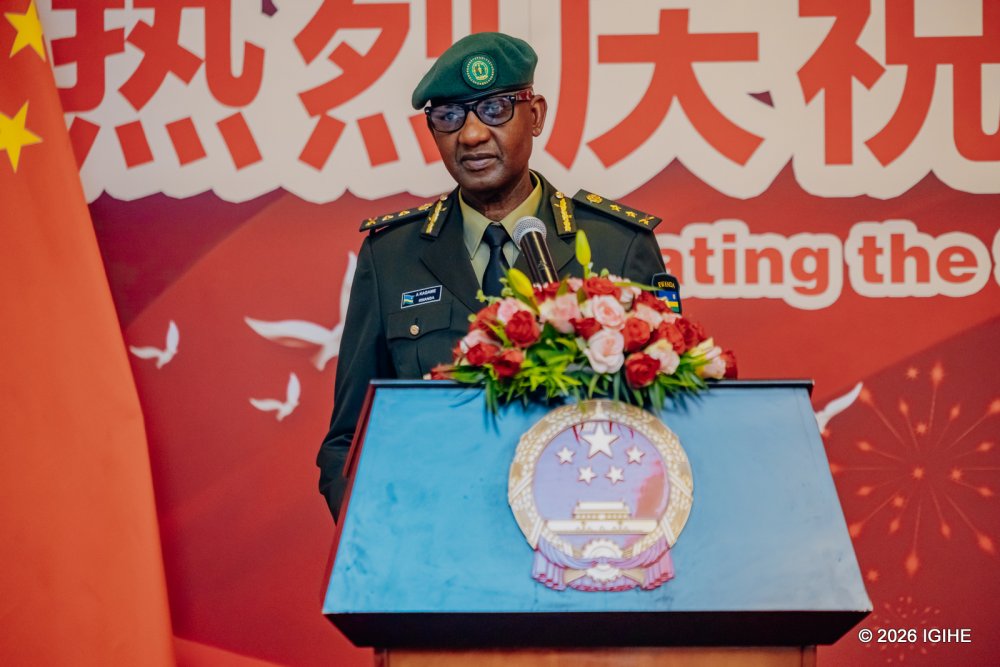
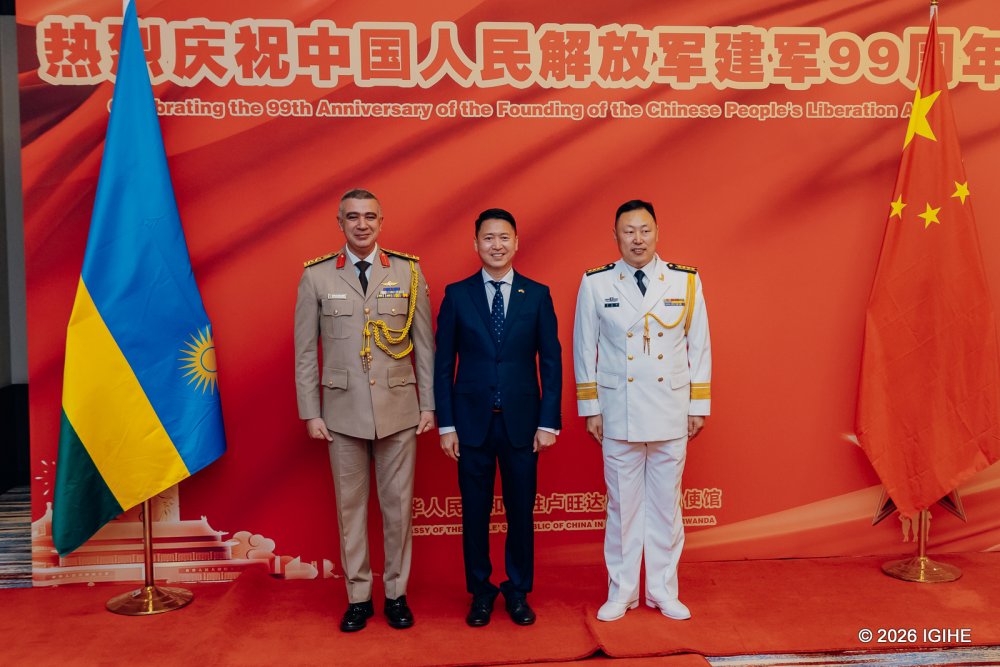
Speaking at the celebration in Kigali, Major General Alex Kagame, Chief of Staff of the Rwanda Defence Force (RDF) Reserve Force, congratulated the Chinese government and the PLA, describing the army as a modern force that has contributed to international peace and security.
Maj Gen Kagame said Rwanda values its longstanding friendship with China, noting that defence cooperation between the two countries has grown over the years.
“China’s consistent support in professional military education and specialized training has made meaningful contributions to the continued development of RDF capabilities,” he said.
He added that Rwanda remains committed to strengthening cooperation with China, highlighting the importance of collaboration between the two armed forces in responding to complex and interconnected challenges amid an evolving international security environment.
“This reality underscored the importance of trusted partnerships that promote capacity building, professional excellence and collective efforts towards working with regional and international peace stability.
“Rwanda remains committed to working closely with China in pursuit of these shared objectives,” he noted.
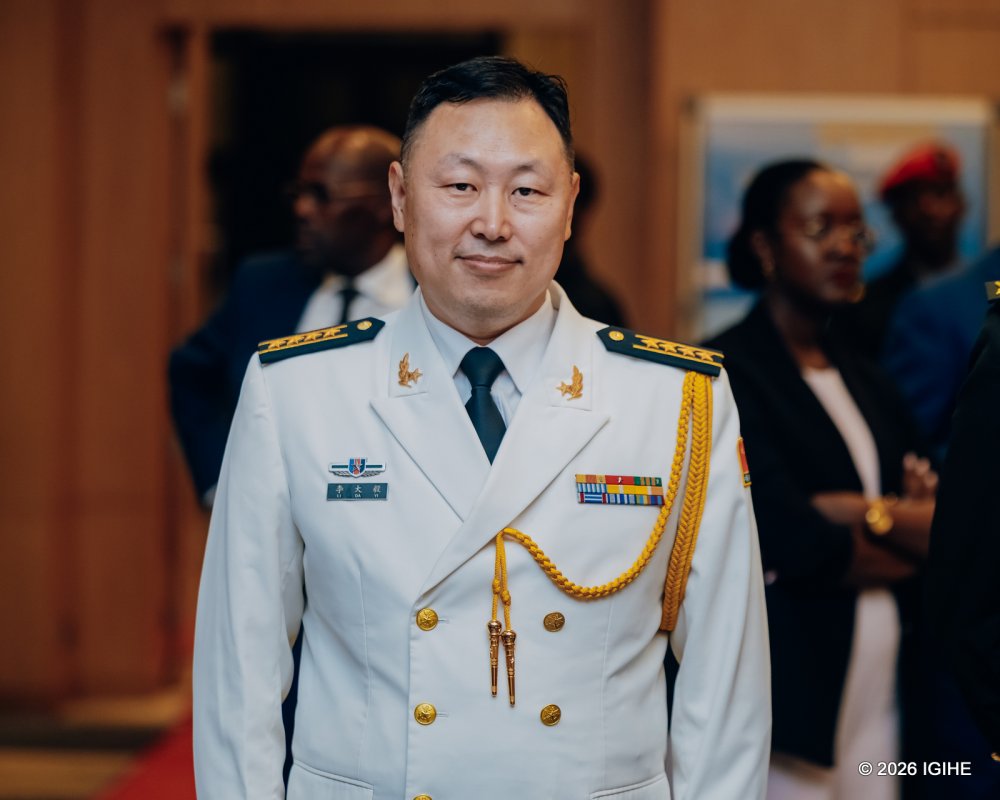
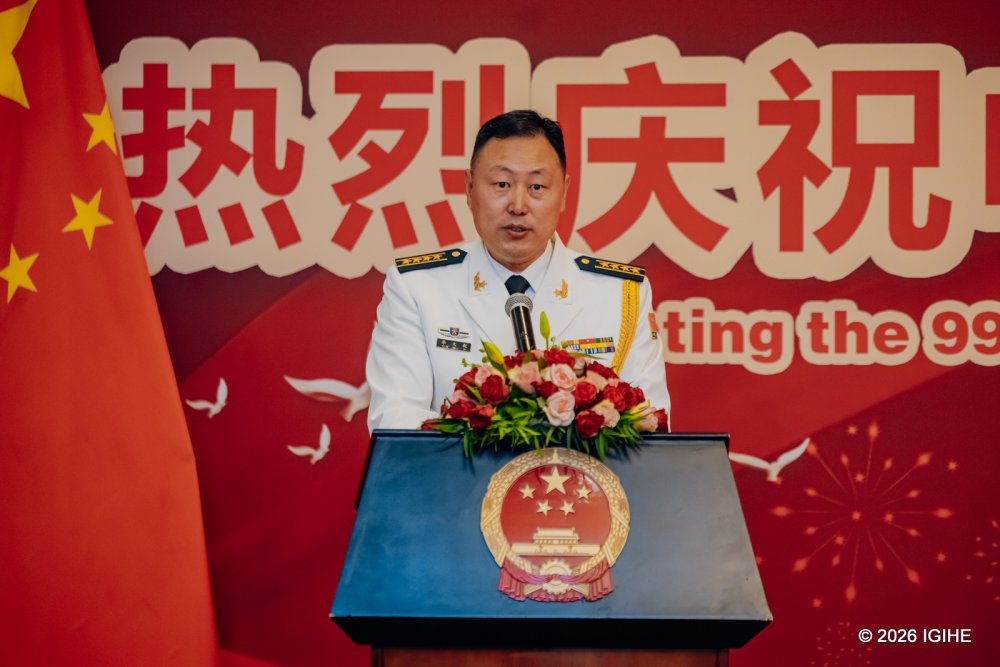
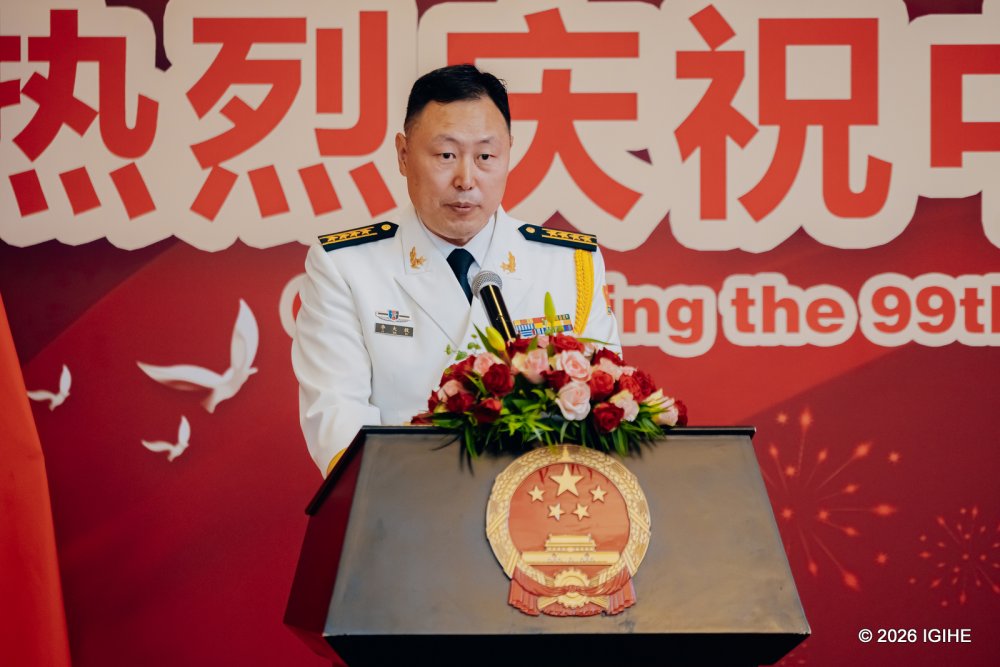
The Chinese Defence Attaché to Rwanda, Senior Captain Li Dayi, said the PLA’s development has been guided by China’s commitment to peaceful development and its belief that peace and harmony among nations are essential.
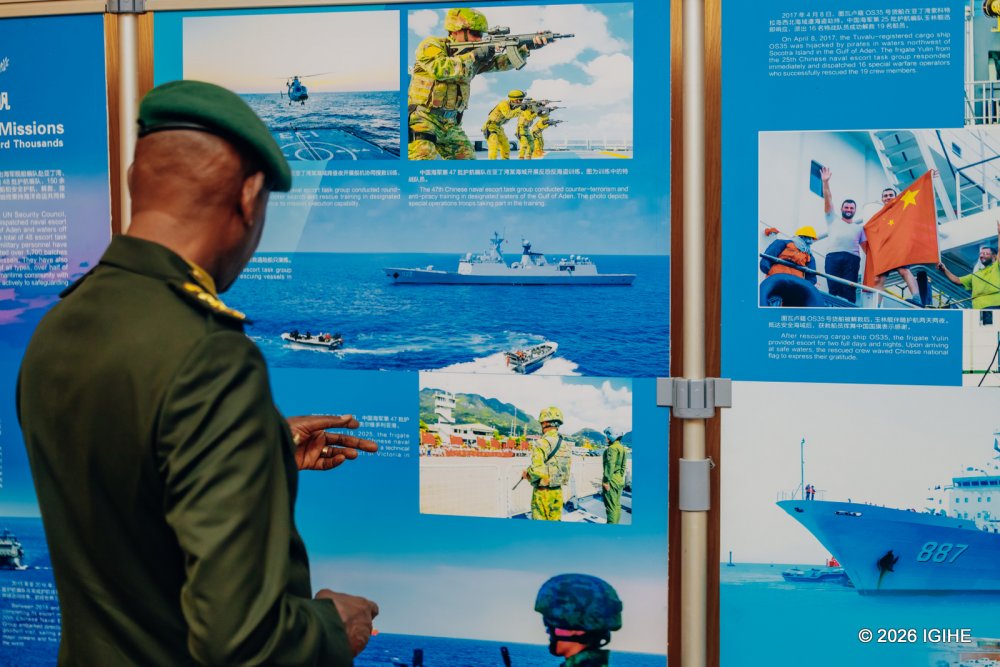
He highlighted China’s contribution to global peacekeeping, noting that since joining UN peacekeeping operations in 1990, the Chinese military has deployed more than 50,000 peacekeepers to missions across more than 20 countries and regions.
Capt Li said China-Rwanda military cooperation has continued to grow through defence exchanges and expressed China’s commitment to further deepening the partnership.
“China is willing to work with Rwanda, guided by the important consensus reached by the two heads of state, to elevate the military-to-military relationship to a new level on the basis of mutual respect, equality and mutual benefit,” he said.
He added that such cooperation would contribute to regional peace, stability and shared development.
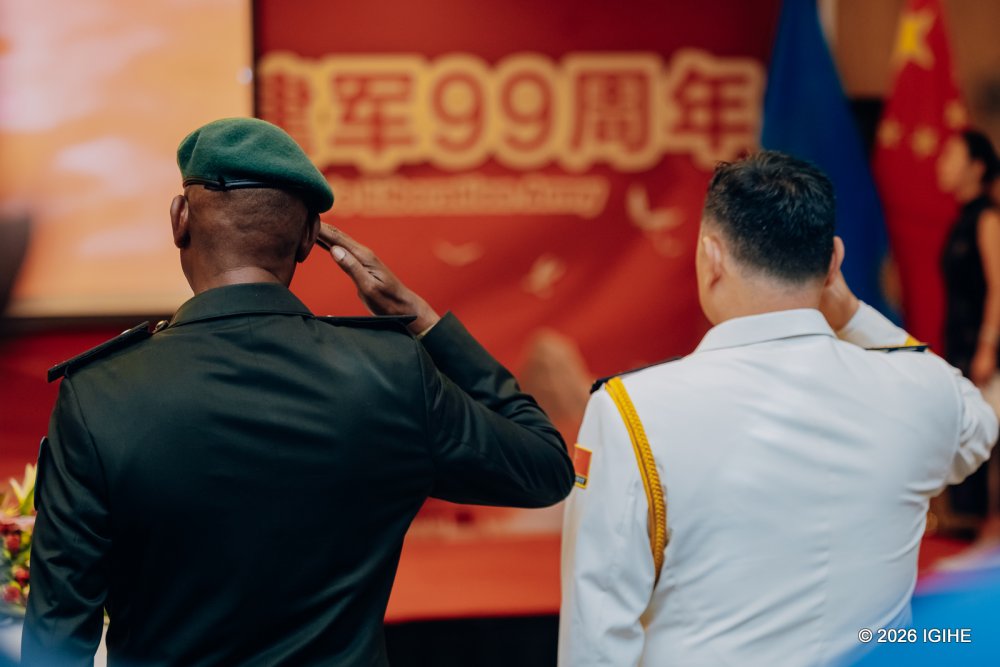
The PLA was founded on August 1, 1927, and has since developed into one of the world’s largest military forces.
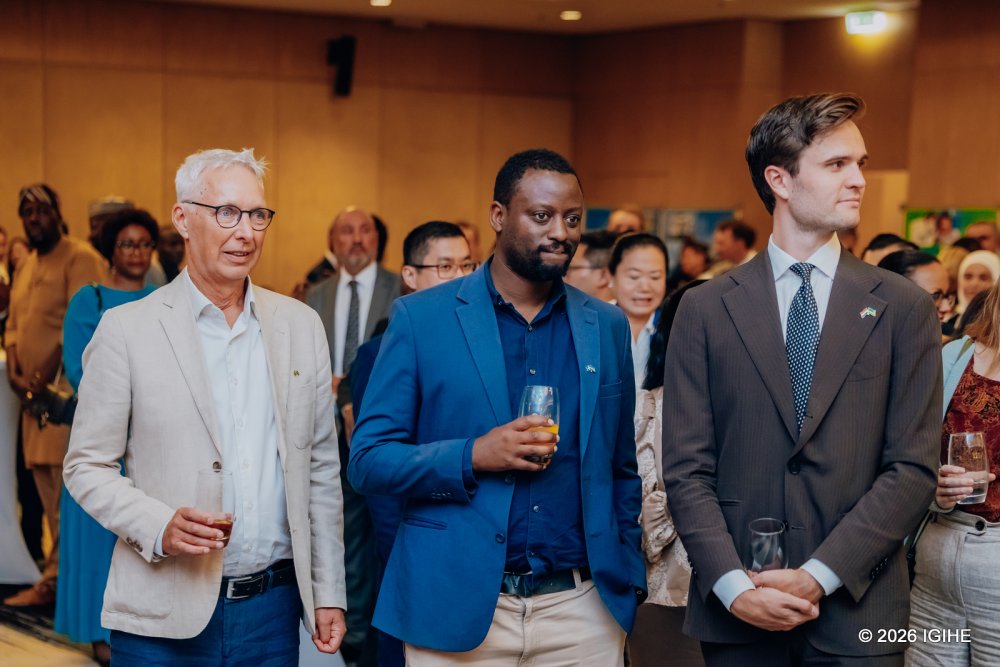
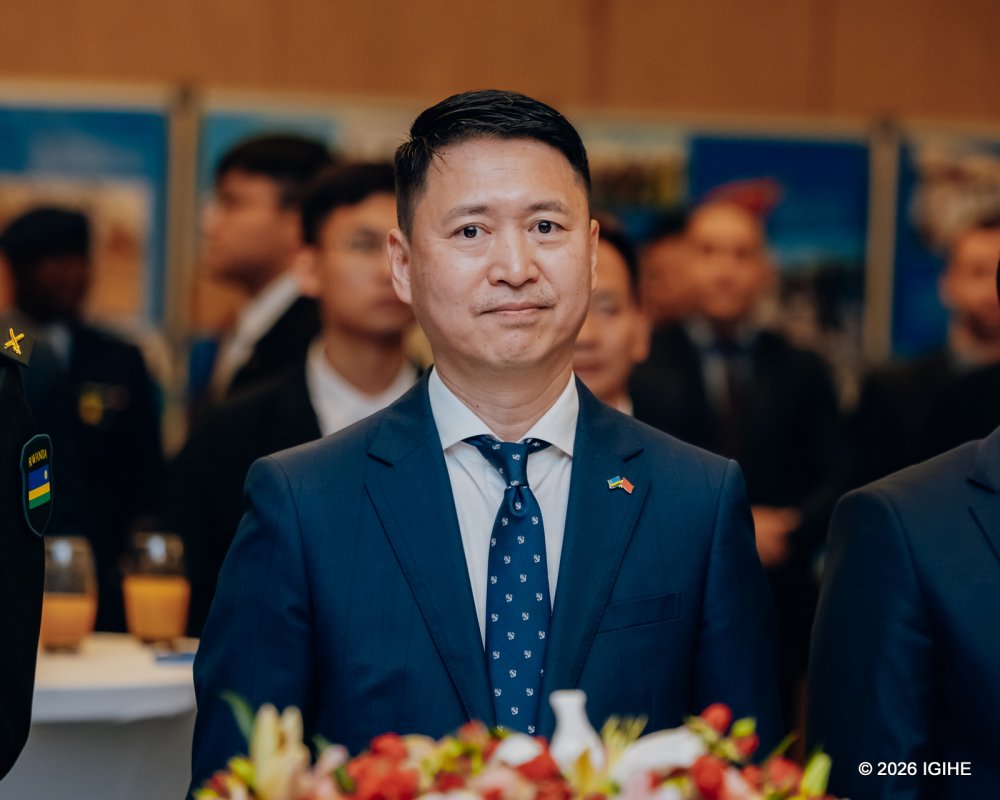
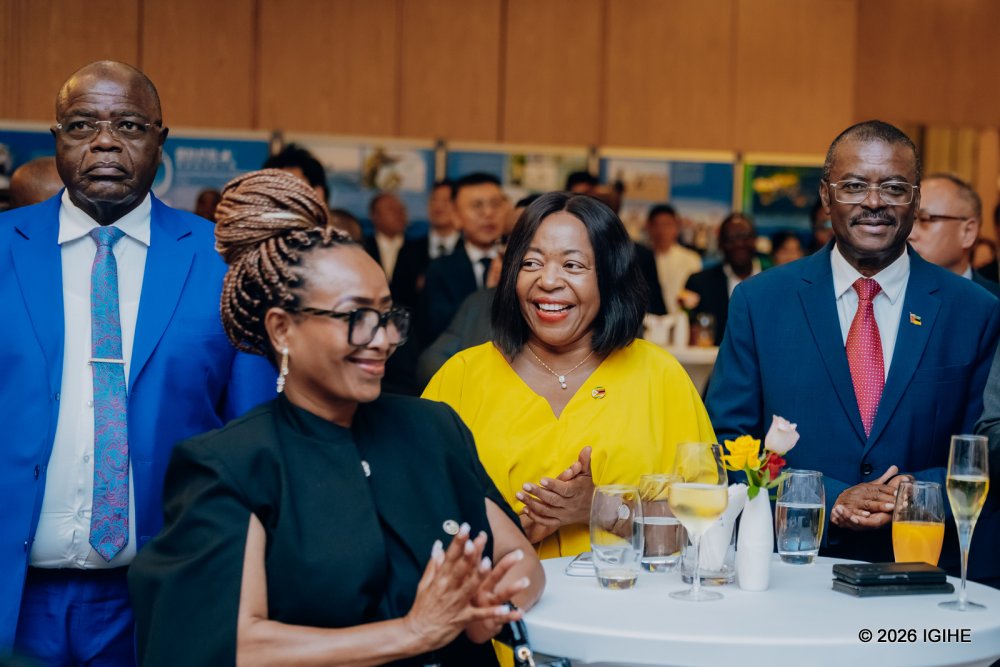
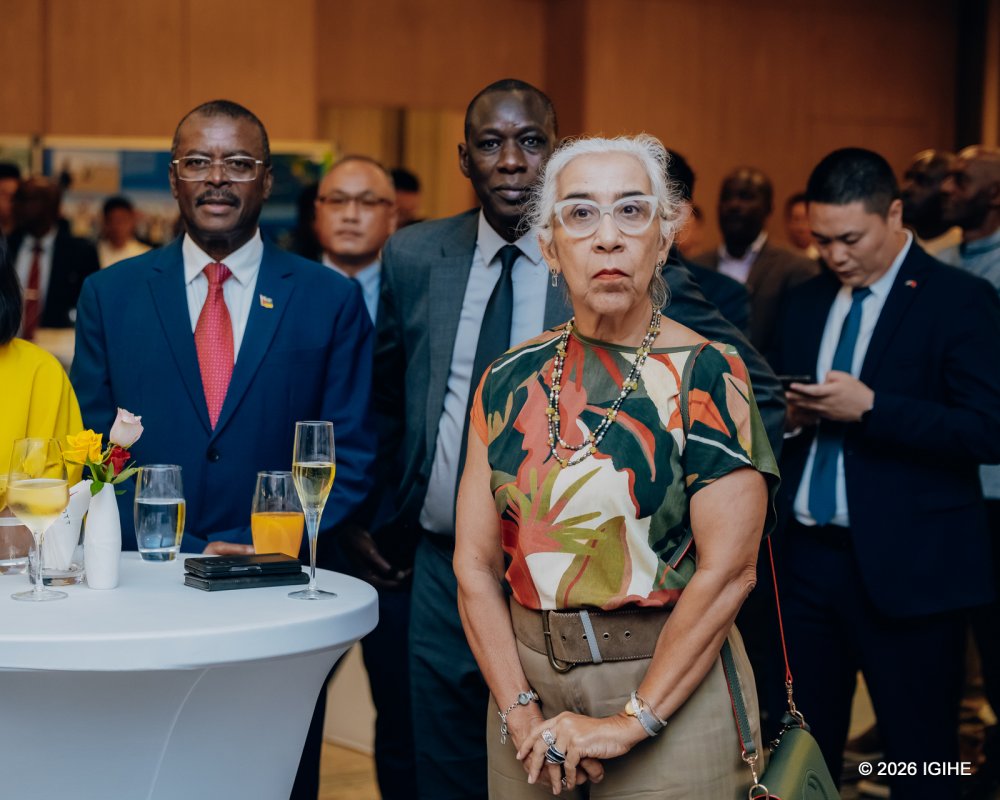
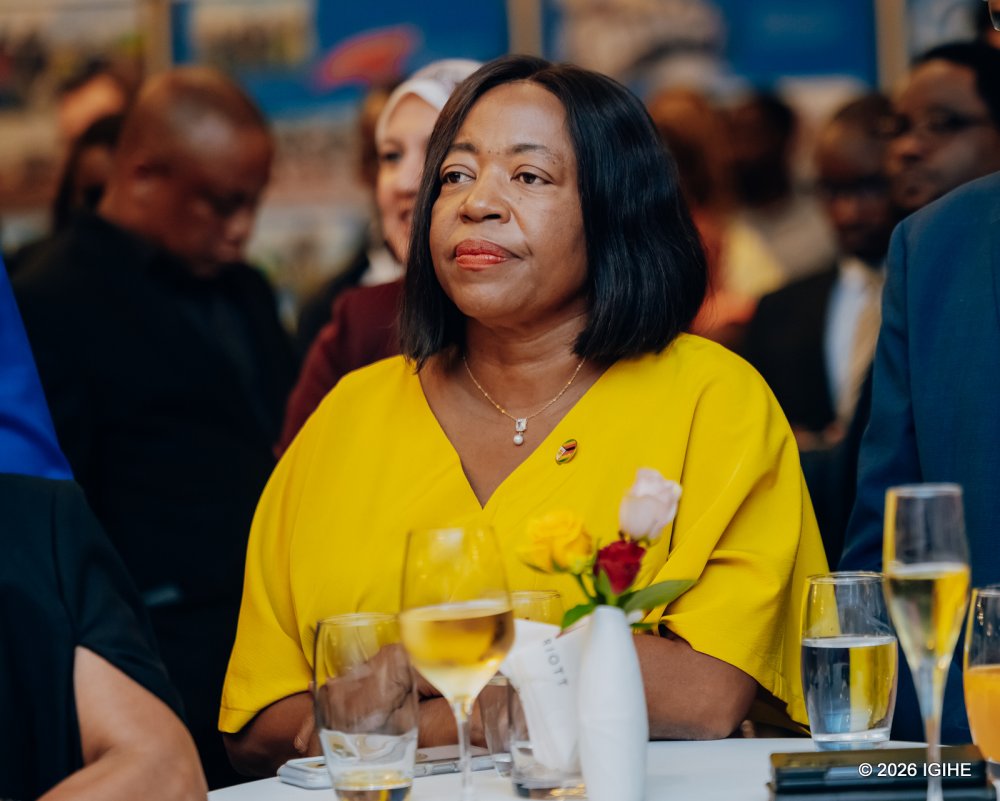
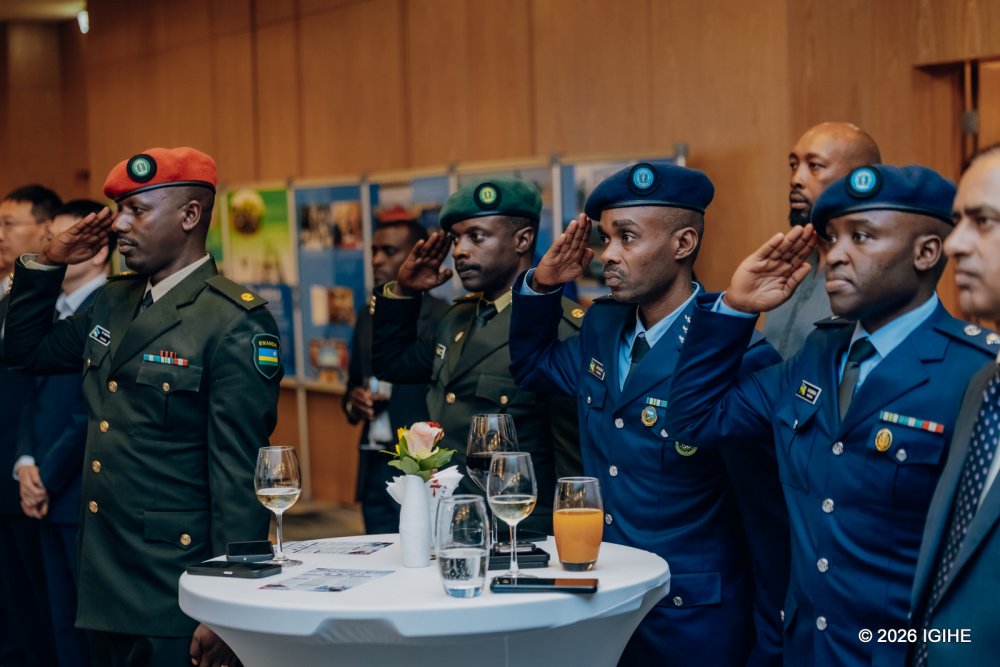
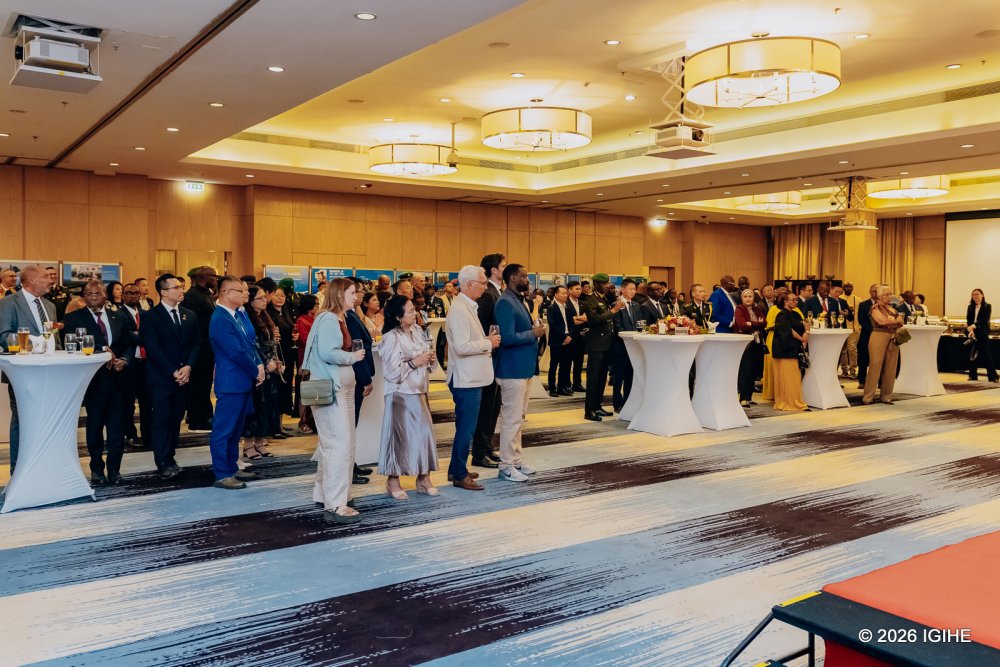
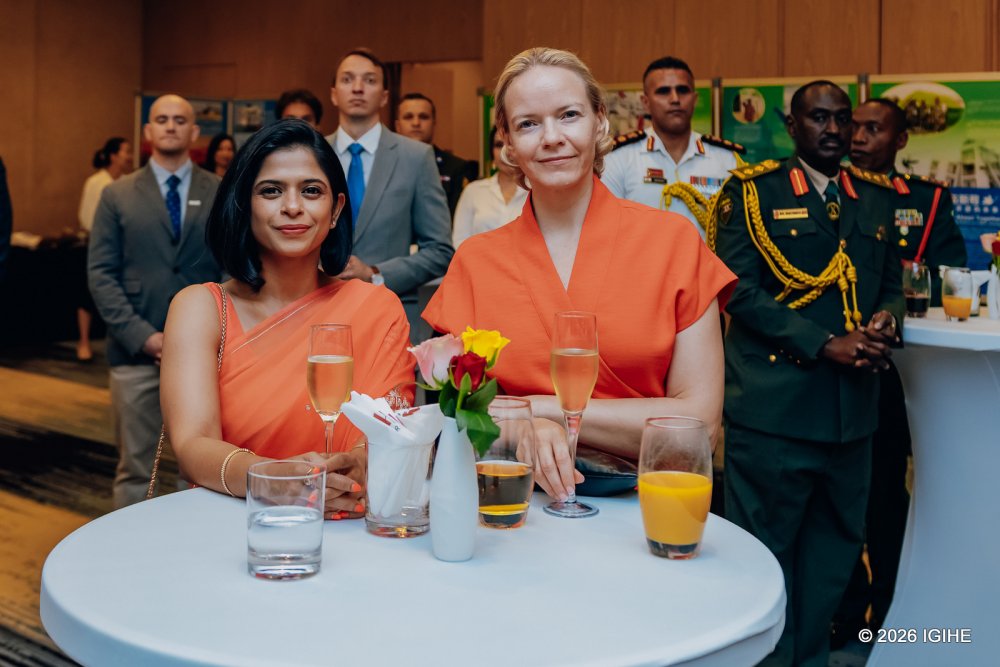
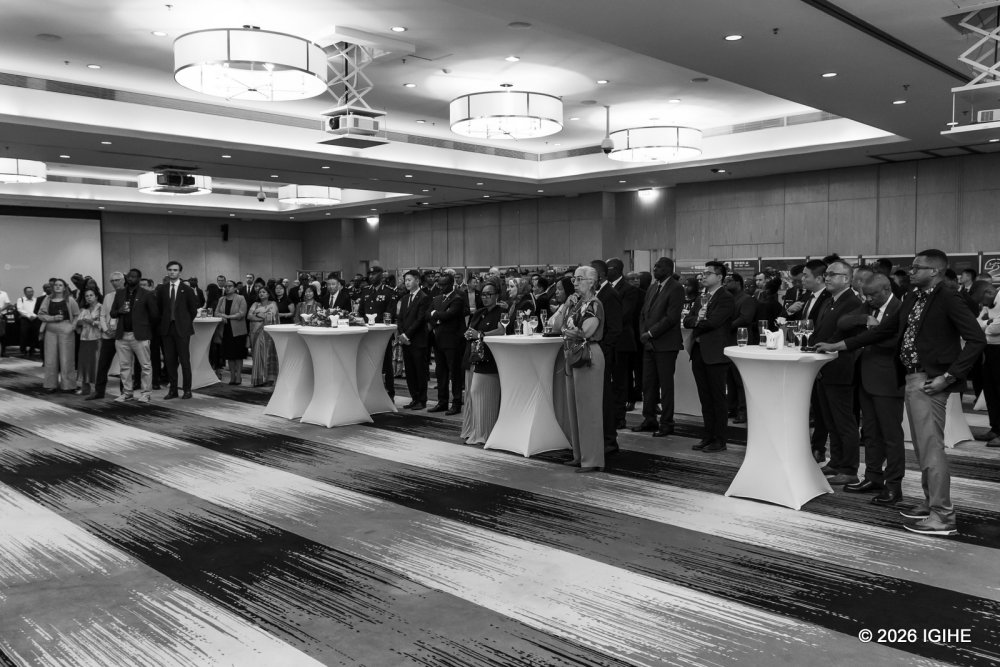
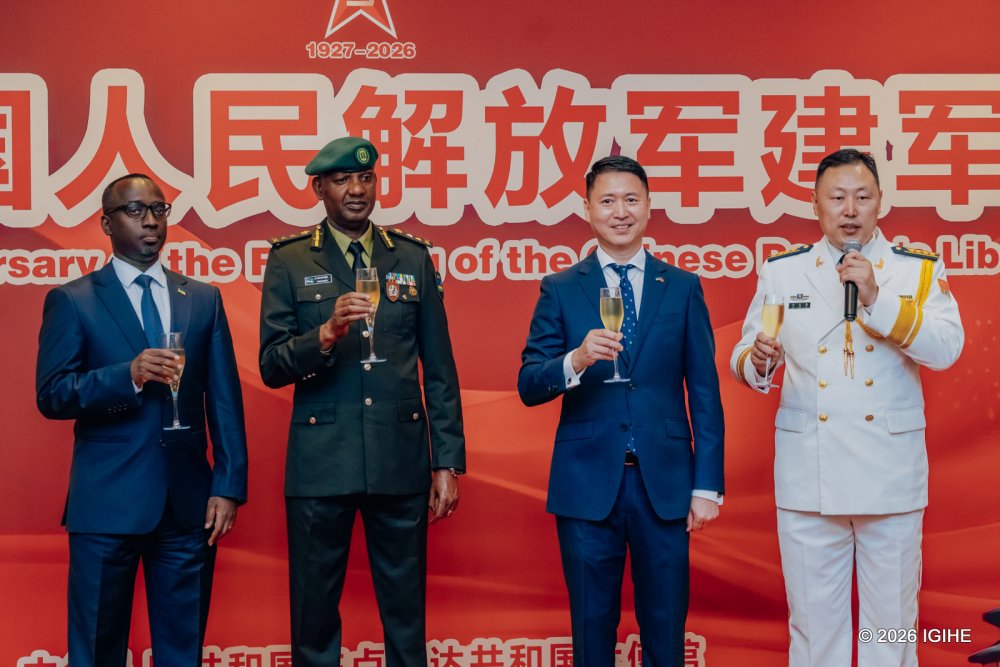
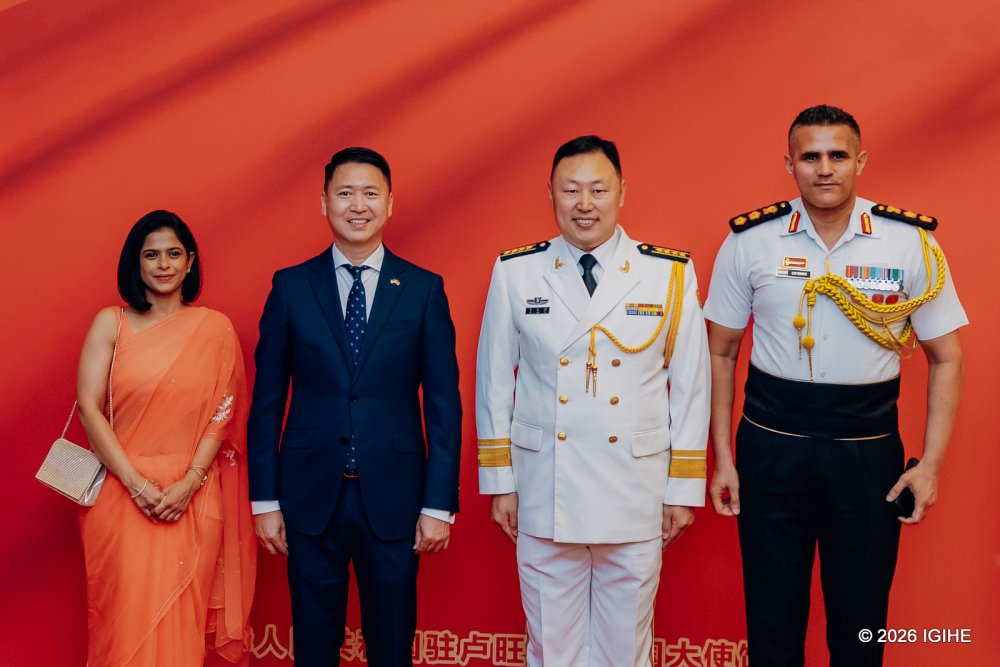
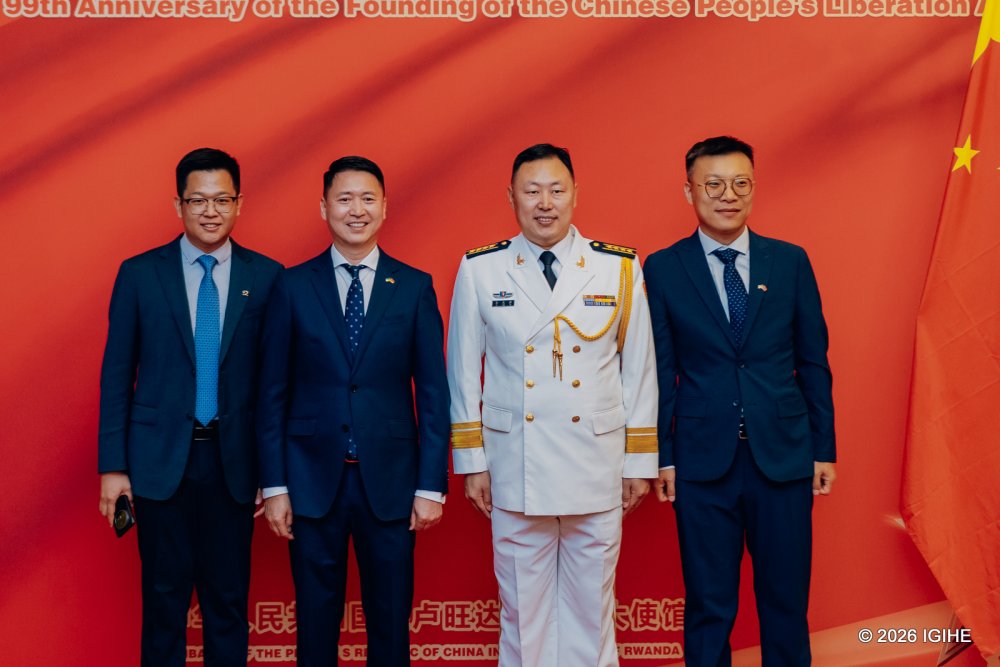
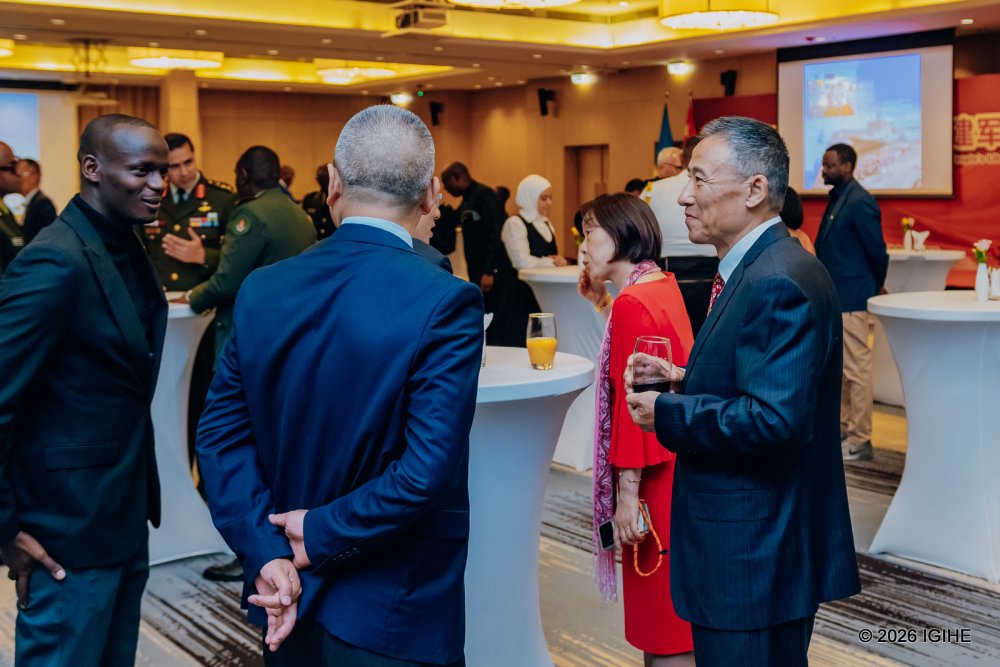
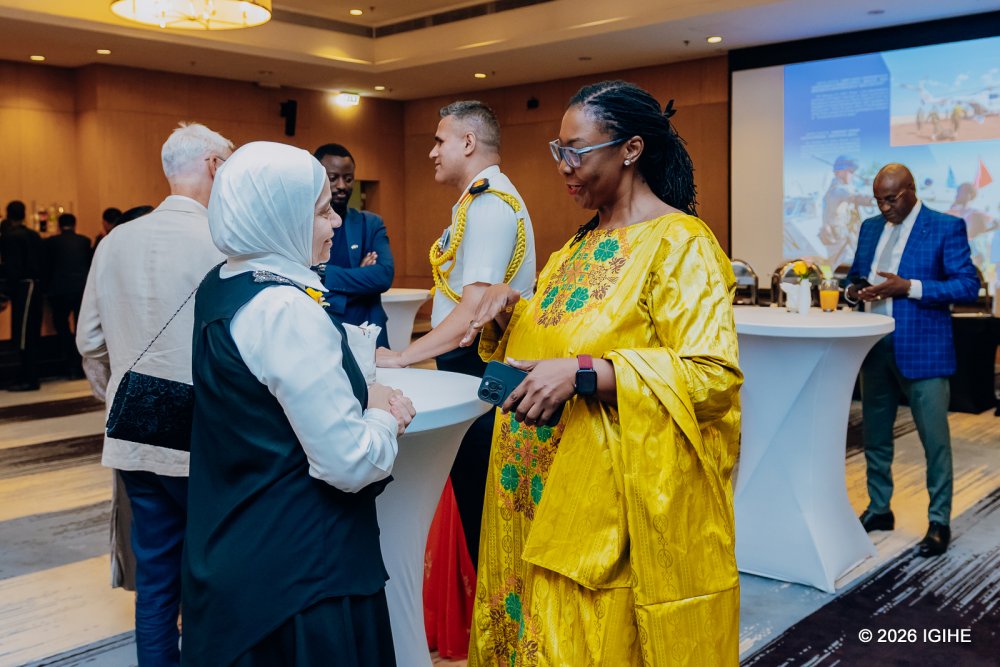
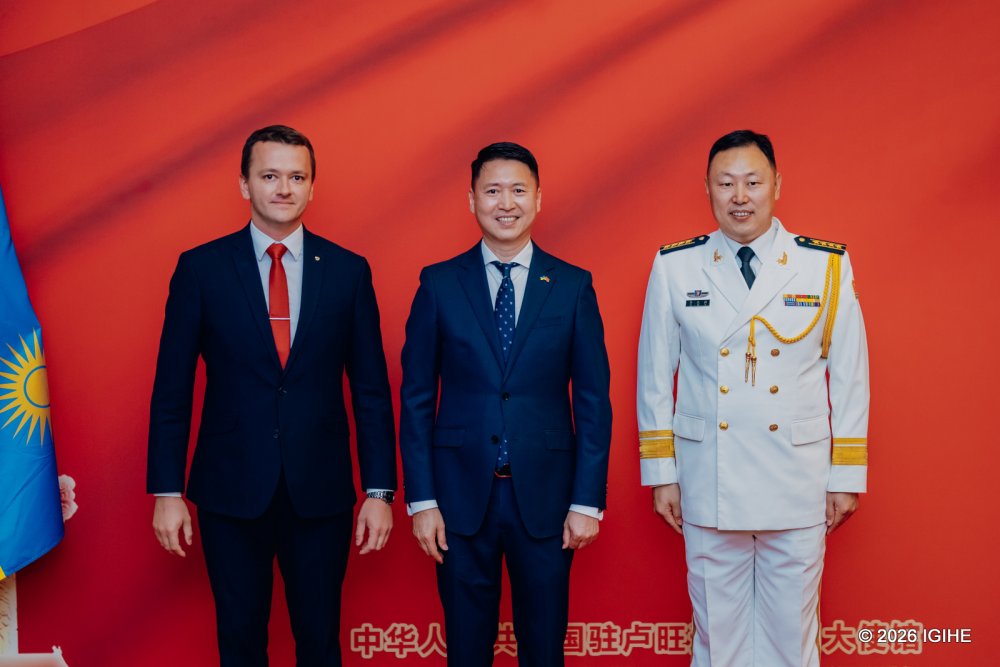
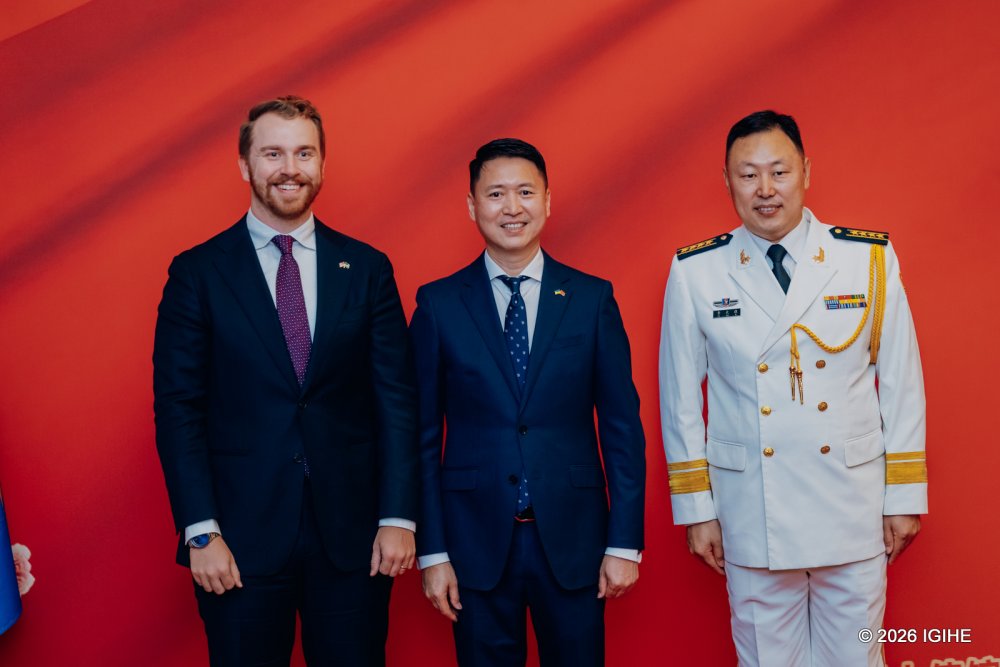
The anniversary celebration brought together government officials, diplomats, defence attachés, members of the Chinese community and friends to commemorate its history and achievements.
Photos from the celebration of the 99th anniversary of the Chinese People’s Liberation Army (PLA) in Kigali
Maj Gen Alex Kagame congratulates the Chinese government and the People’s Liberation Army during the PLA anniversary celebration in Kigali.Chinese Defence Attaché Senior Capt Li Dayi highlighted China’s contribution to global peacekeeping during the PLA anniversary event in Kigali.Guests follow remarks during a ceremony marking the 99th anniversary of the founding of the Chinese People’s Liberation Army in Kigali.RDF representatives and Chinese officials attended the celebration of the 99th anniversary of the Chinese People’s Liberation Army in Kigali.Rwanda and China officials gather in Kigali to mark the 99th anniversary of the founding of the Chinese People’s Liberation Army.Senior Capt Li Dayi, Chinese Defence Attaché to Rwanda, addresses guests during the PLA’s 99th anniversary celebration held in Kigali.The celebration brought together government officials, diplomats, defence attachés and members of the Chinese community in Kigali.Maj Gen Alex Kagame, Chief of Staff of the RDF Reserve Force, delivers remarks during the celebration of the 99th anniversary of the founding of the Chinese People’s Liberation Army in Kigali.