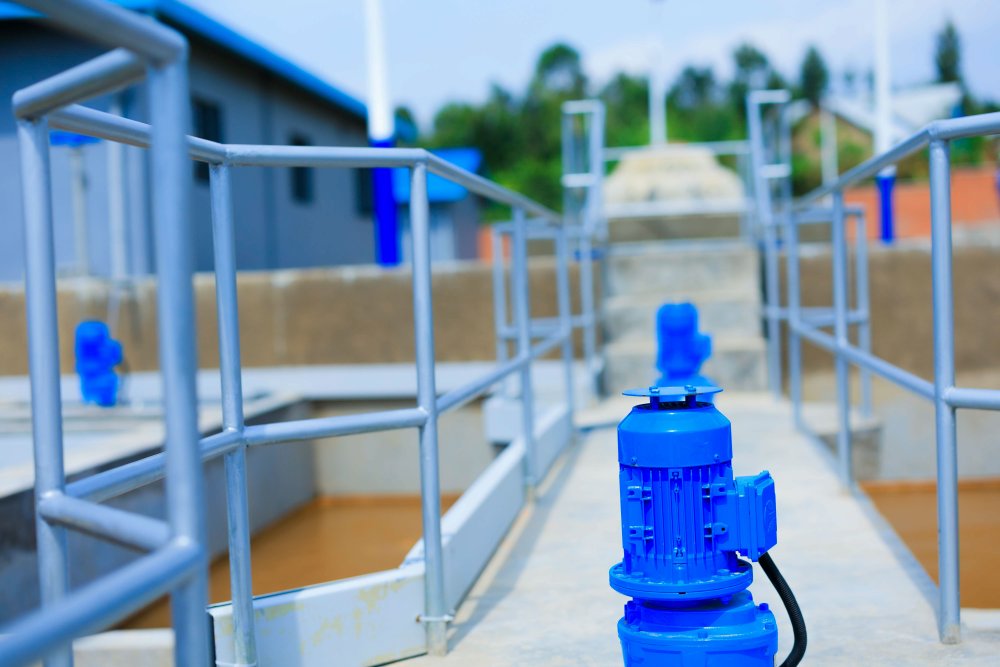
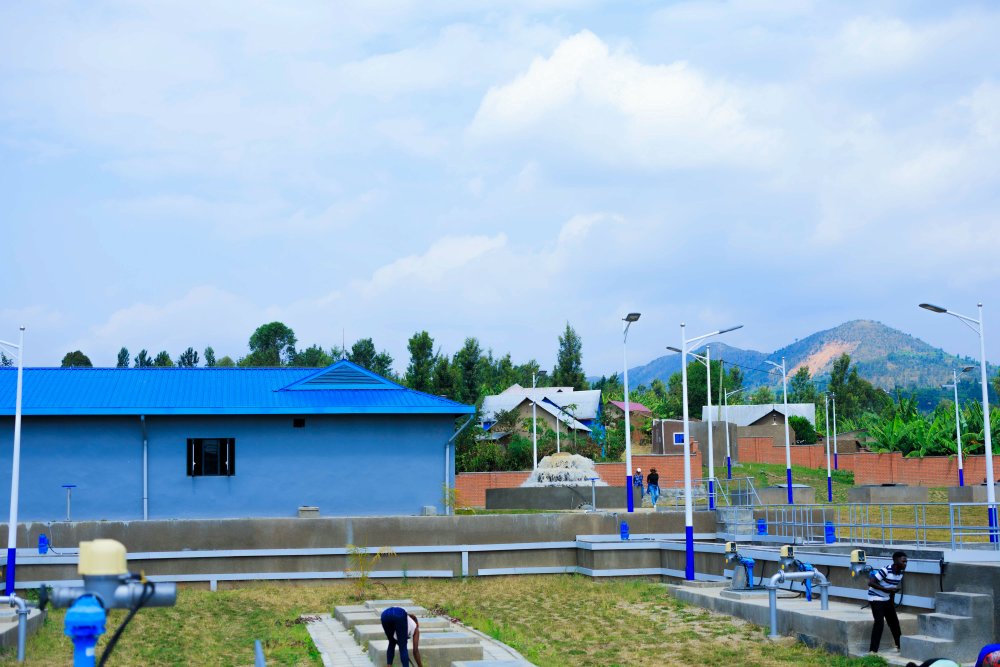
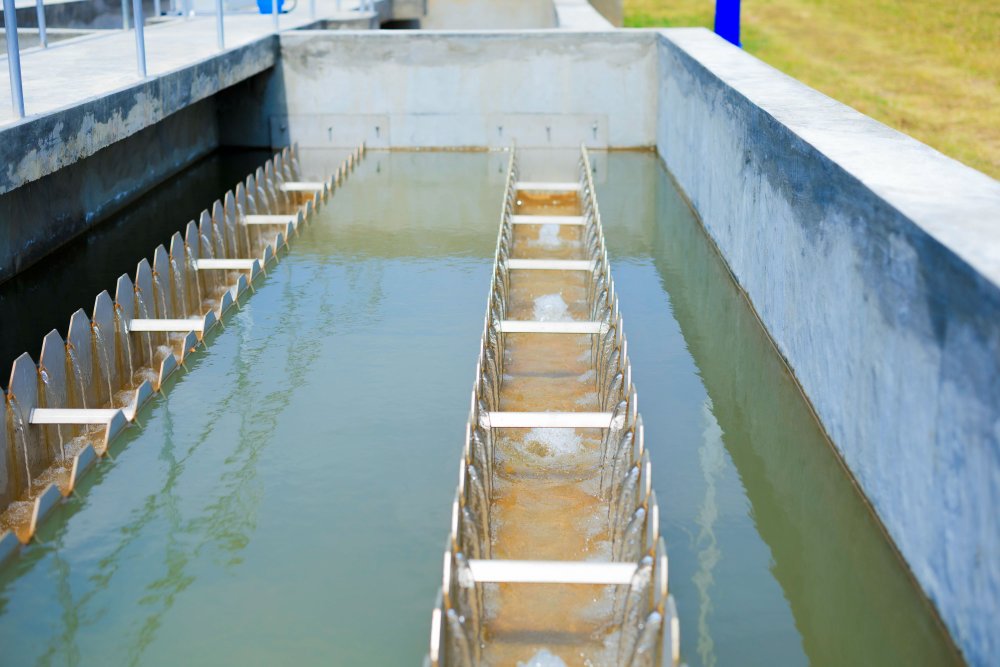
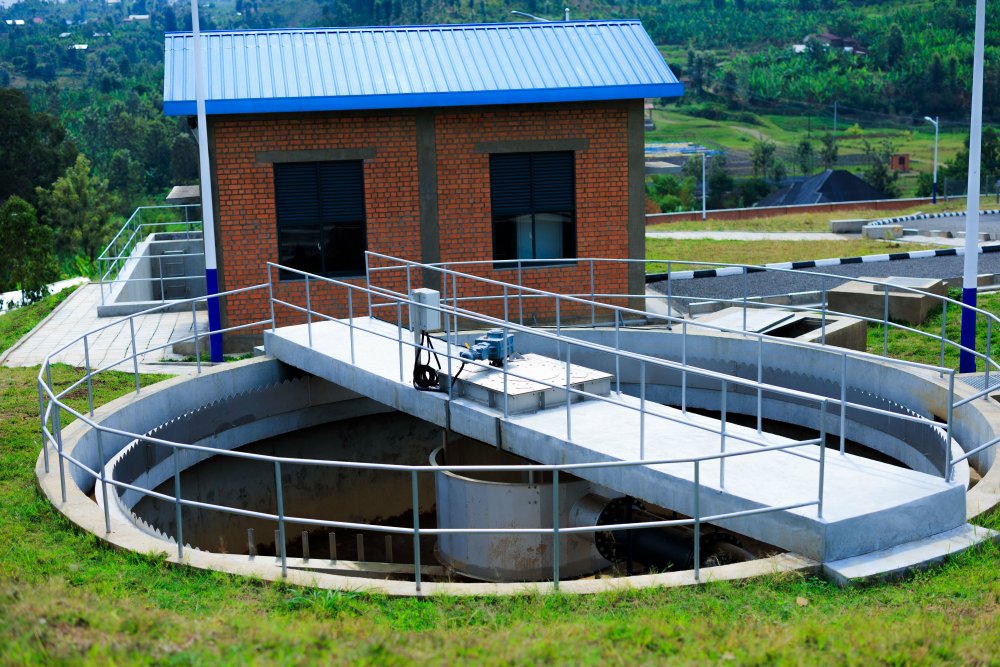
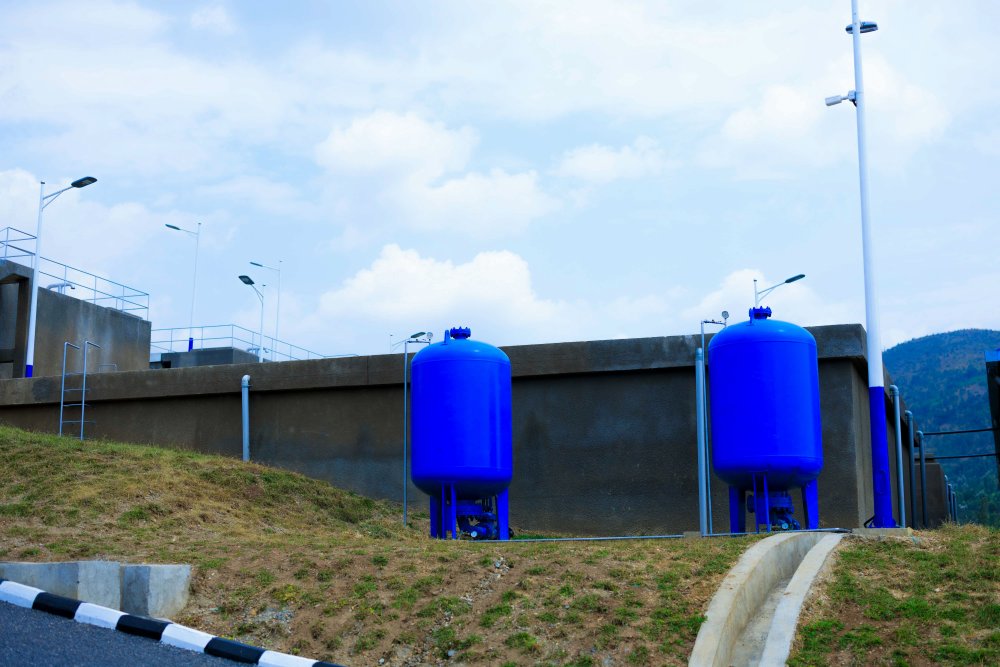
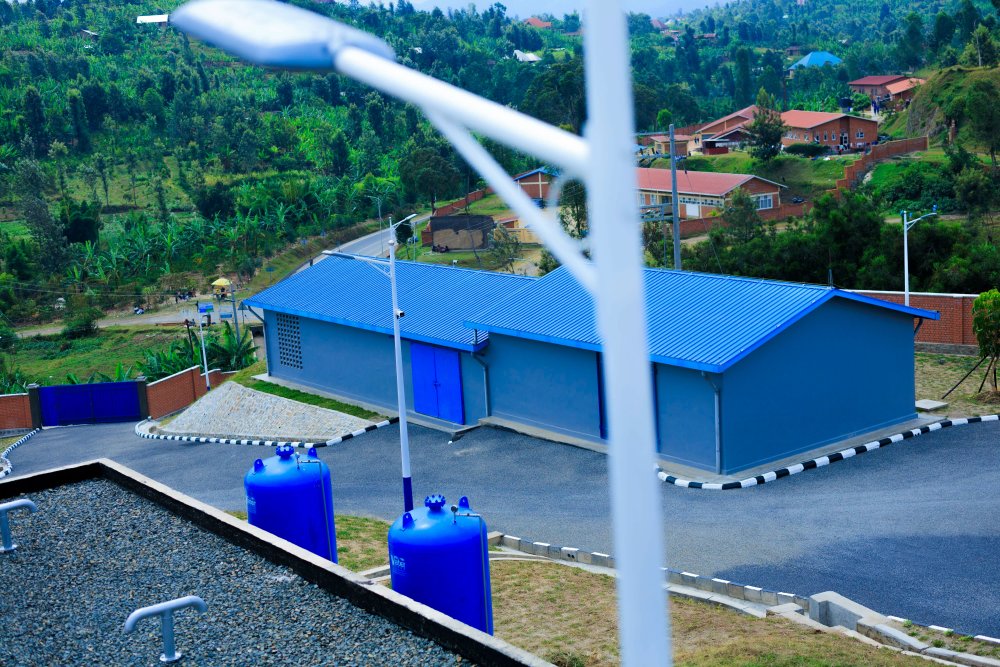
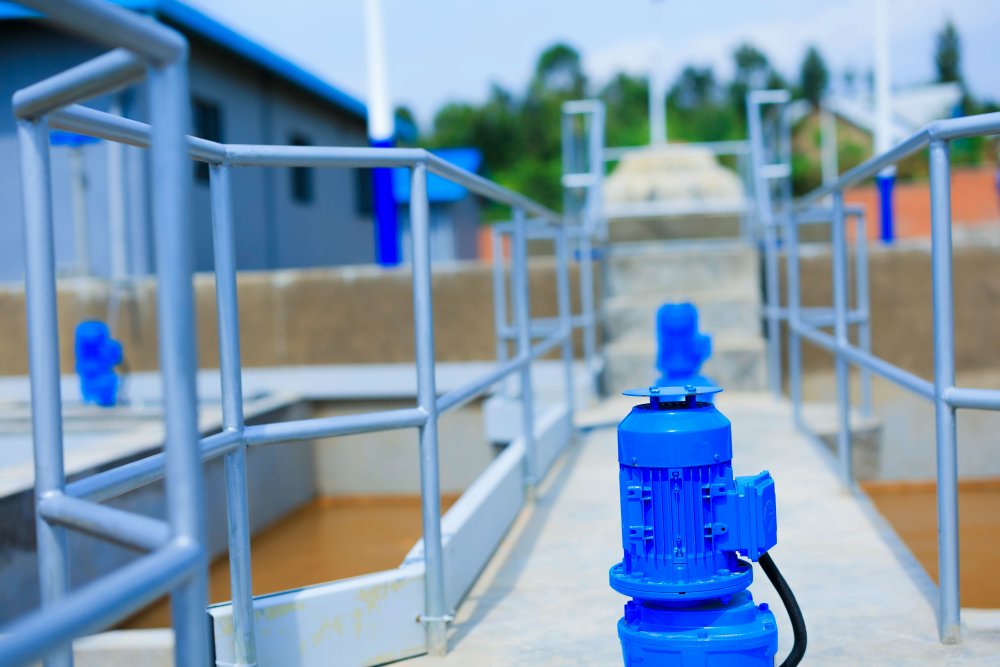
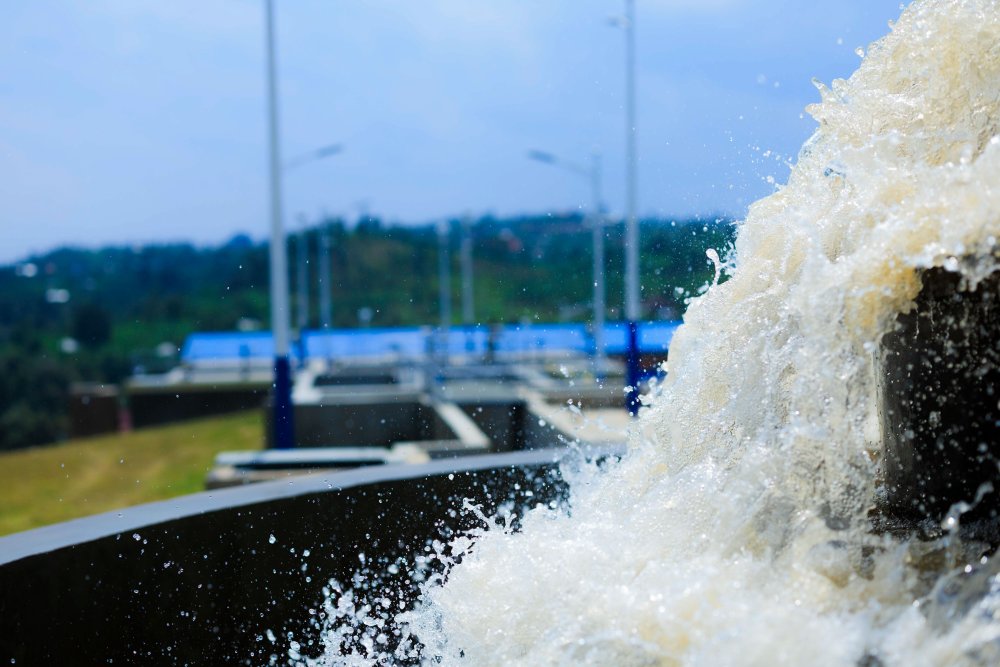
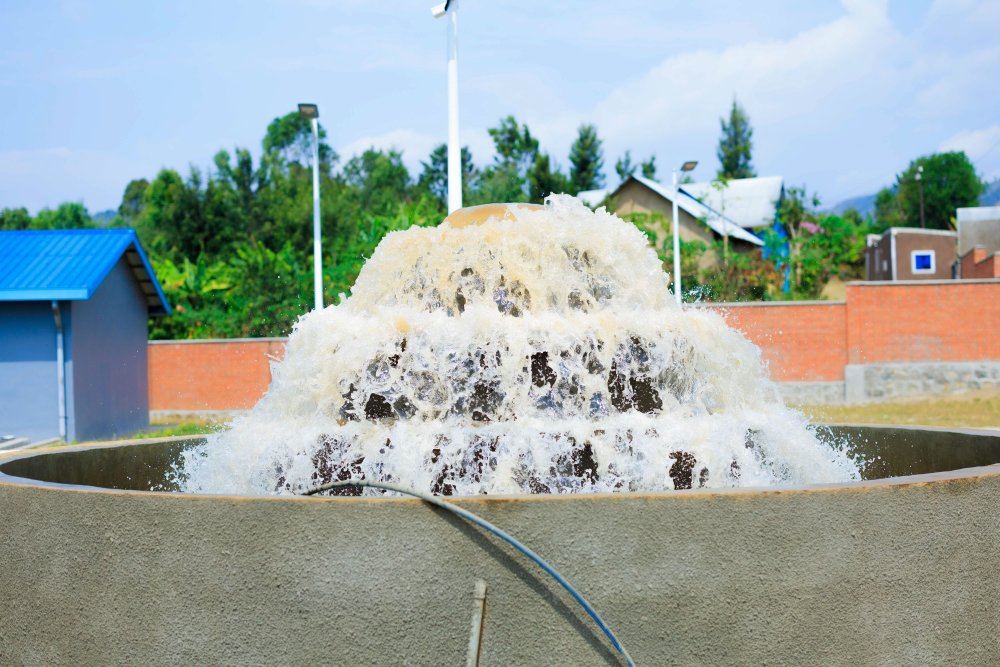
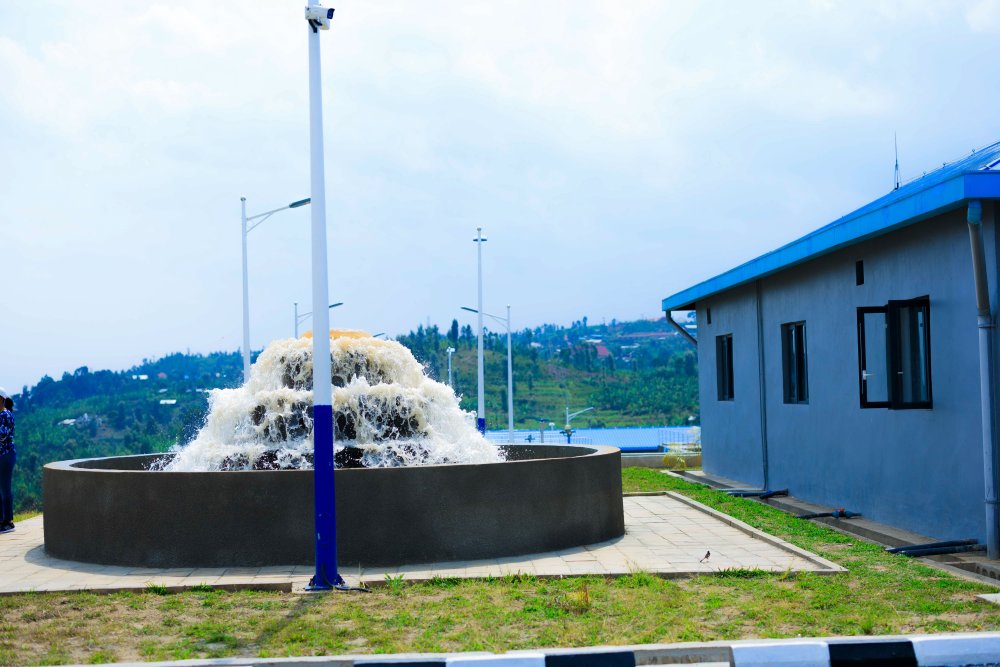
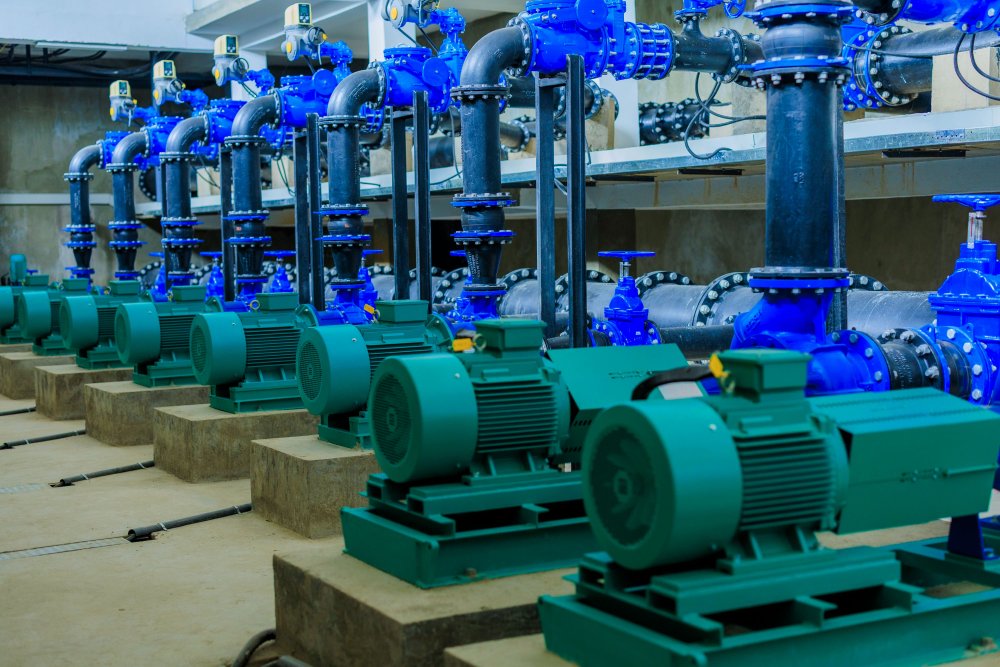
The ministry said the completion of the plant marks a significant step in expanding access to safe and reliable water supply in different parts of Rwanda.
The facility has the capacity to treat 13,000 cubic metres of water, increasing the availability of clean water for communities and supporting efforts to improve public health and sanitation.
The completed works represent the first phase of the Kivu Belt Water Supply System project, which is expected to provide clean water to more than 130,000 people once fully implemented.
“Beyond improving household access to clean water, the project will also strengthen service delivery for health facilities, schools, hotels, businesses, and other public institutions, supporting improved public health and socio-economic development,” the ministry said.
The Rwandan government has continued to invest in expanding access to clean water and improving sanitation services, with the goal of ensuring that all citizens have sustainable access to safe water.
As part of efforts to address water supply challenges, the government has announced plans to increase clean water production capacity to 688,000 cubic metres per day by 2029.
WASAC, Rwanda’s water and sanitation utility, indicates that approximately 1,234 cubic metres of water that could be treated daily by existing facilities is currently unavailable due to ageing infrastructure.
To address these challenges, authorities are implementing measures including the expansion and rehabilitation of water treatment facilities and distribution networks. These efforts aim to reduce water losses before reaching consumers from the current 35 percent to 25 percent by 2029.
Kivu Belt Water Plant to supply 13,000 cubic metres of water dailyWater from Kivu Belt Plant to improve healthcare servicesFirst phase of Kivu Belt Water Project completed, begins supplying residents in Rubengera and BwishyuraRwanda intensifies efforts to expand access to clean water
Gates began his engagements by visiting a syringe manufacturing plant in Rwamagana District, one of the facilities supporting efforts to increase Africa’s capacity to produce essential medical supplies locally.
During his visit, IGIHE has learnt, Gates is also expected to tour Mwulire Health Centre and meet with a community health worker to gain insights into how Rwanda’s healthcare system delivers services from the grassroots level.
The visit is a personal one for Gates, who has kept a relatively low-profile approach during his engagements. People who have interacted with him described him as approachable despite his global influence.
His schedule includes meetings with different stakeholders, including an engagement at a hotel in Rwamagana.
The facilities and initiatives he is visiting are among areas supported by the Gates Foundation, where he serves as Co-Chair.
The TKMD syringe manufacturing plant, located in Mwulire Industrial Park, Rwamagana, was inaugurated in April 2025. It started operations with the capacity to produce between 600,000 and one million syringes daily.
The factory employs 110 people, with women accounting for about 80 percent of its workforce. Before being distributed, the syringes undergo quality checks to ensure they meet international standards.
The first batch produced by the plant was purchased by UNICEF and supplied to countries including Ethiopia, Burundi, the Democratic Republic of Congo and Mozambique.
According to CNBC Africa, TKMD has produced more than 22 million syringes since 2024 and secured a UNICEF contract to manufacture an additional 150 million units. Local production is expected to reduce delivery times to countries across East, Central and Southern Africa by up to 90 percent.
Gates has previously highlighted the importance of strengthening local manufacturing capacity, particularly after the COVID-19 pandemic exposed vulnerabilities in global supply chains for vaccines, medicines and other essential health products.
He said African countries’ difficulties in accessing critical medical supplies during the pandemic showed the risks of relying heavily on distant manufacturers.
Ahead of his visit, Gates told CNBC Africa that Rwanda’s progress has been driven by long-term investments in people, strong institutions and effective delivery of services rather than a single innovation.
He pointed to major improvements in health outcomes since 2000, where the number of Rwandan children dying before the age of five has declined by 80 percent, while deaths among women from complications related to pregnancy and childbirth have fallen by 85 percent.
According to Gates, these gains have been supported by investments in primary healthcare, community health workers and institutions such as the Rwanda Biomedical Center.
The visit comes months after Rwanda was selected as the first beneficiary of Horizon1000, a $50 million (about Rwf 72 billion) artificial intelligence health initiative launched by the Gates Foundation and OpenAI to support African countries in using AI to strengthen healthcare delivery.
The initiative, announced in January 2026, aims to help deploy AI tools across 1,000 primary healthcare clinics and surrounding communities by 2028, with a focus on improving access to quality care and supporting healthcare workers.
Rwanda was selected partly because of its investments in digital health and innovation, including the establishment of an AI health hub and the launch of an AI-powered Health Intelligence Center.
During his interview, Gates said AI has the potential to address some of Africa’s biggest challenges, including health worker shortages and limited healthcare infrastructure.
He stressed that the technology should support, rather than replace, healthcare workers by helping them make better decisions and improve service delivery.
The American philanthropist said he was looking forward to meeting government leaders, frontline health workers, innovators, researchers and students to better understand Rwanda’s approach to using technology and partnerships to improve lives.
For more than two decades, the Gates Foundation has partnered with Rwanda and other African countries to support efforts aimed at strengthening health systems and advancing development priorities.
“I’m looking forward to the conversations ahead, and to learning more from the people and institutions helping shape Africa’s future,” Gates said.
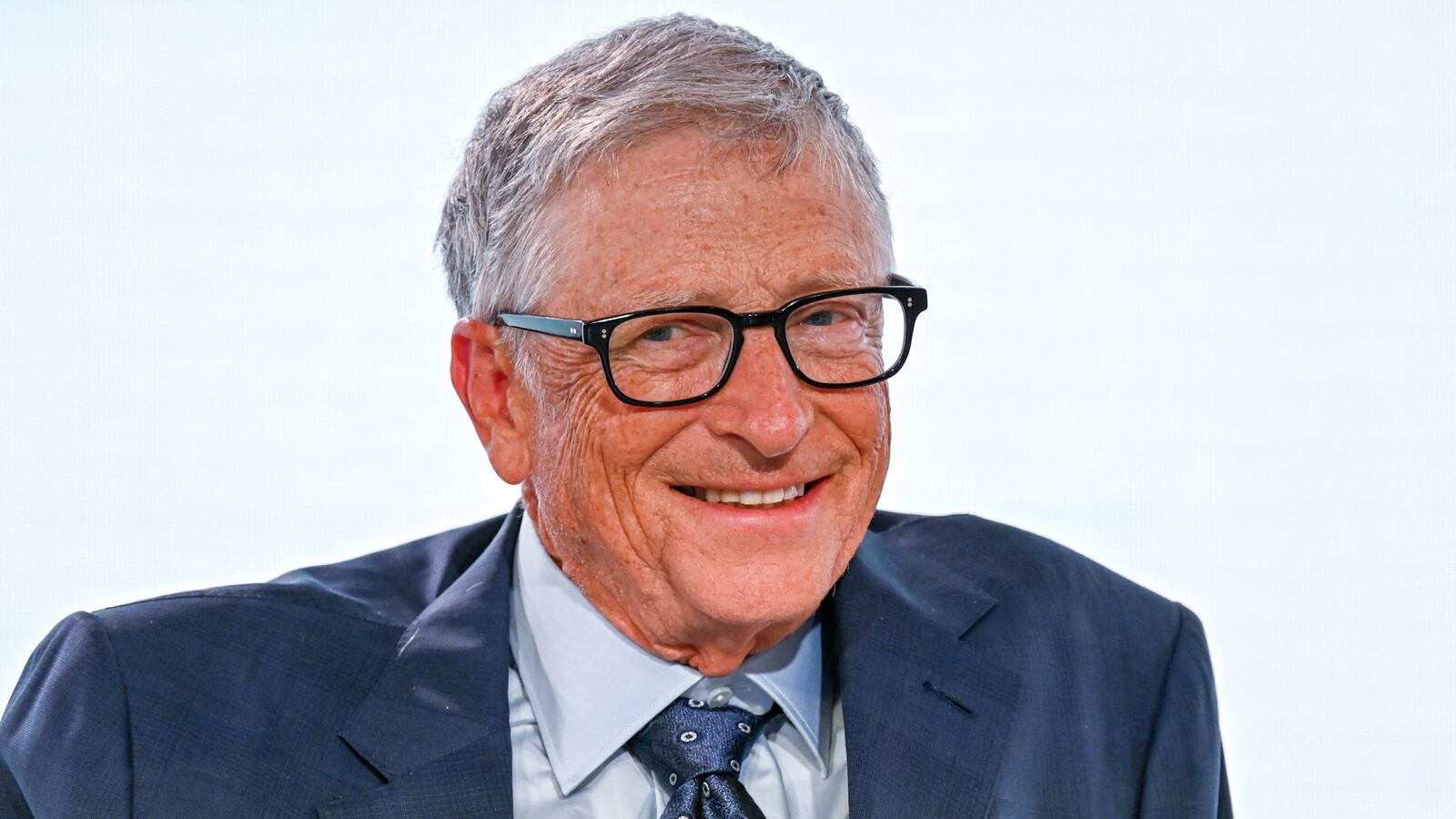
American billionaire Bill Gates is in Rwanda to learn more about the country’s progress.
Chinese President Xi Jinping said the establishment of the World Artificial Intelligence Cooperation Organization (WAICO) is a major move by China to answer the call of the Global South and unite the international community in advancing AI development and governance.
“It will be an important milestone in the history of AI development,” Xi said at the opening ceremony of the 2026 World AI Conference and High-Level Meeting on Global AI Governance.
WAICO’s establishment comes as AI has emerged as a key driver of global economic growth, while humanity grapples with AI-related security and ethical challenges and seeks to bridge widening gaps in AI development, according to speakers at the event.
The organization, headquartered in Shanghai, aims to ensure that AI is beneficial, safe and fair, and serves the benefit of all humanity, according to the organization’s founding agreement.
Representatives from 29 countries signed the agreement on Thursday, making their countries founding members of WAICO. Chinese Foreign Minister Wang Yi signed the agreement on behalf of the Chinese government. The other countries included Kazakhstan, Laos, Pakistan, Russia and Indonesia.
WAICO’s establishment is widely considered a concrete step China takes to work with all parties to build a fair and equitable AI governance framework and make AI an international public good that benefits all.
Addressing Friday’s event, United Nations Secretary-General Antonio Guterres noted that WAICO is a “natural development” of the Global AI Governance Initiative proposed by Xi in 2023.
“Technology that will shape the future of humanity must be shaped by all humanity,” said Guterres. “It cannot be governed by a handful of countries or a handful of companies. Every nation needs a seat at the table.”
China is a global leader in AI development. In 2025, its core AI industries were worth over 1.2 trillion yuan (about 175 billion U.S. dollars), while the number of AI enterprises nationwide exceeded 6,200.
Kazakh President Kassym-Jomart Tokayev, also attending the event, said he appreciates China’s leadership in establishing WAICO, adding that he believes the organization has the potential to become a leading international institution shaping the future of global AI.
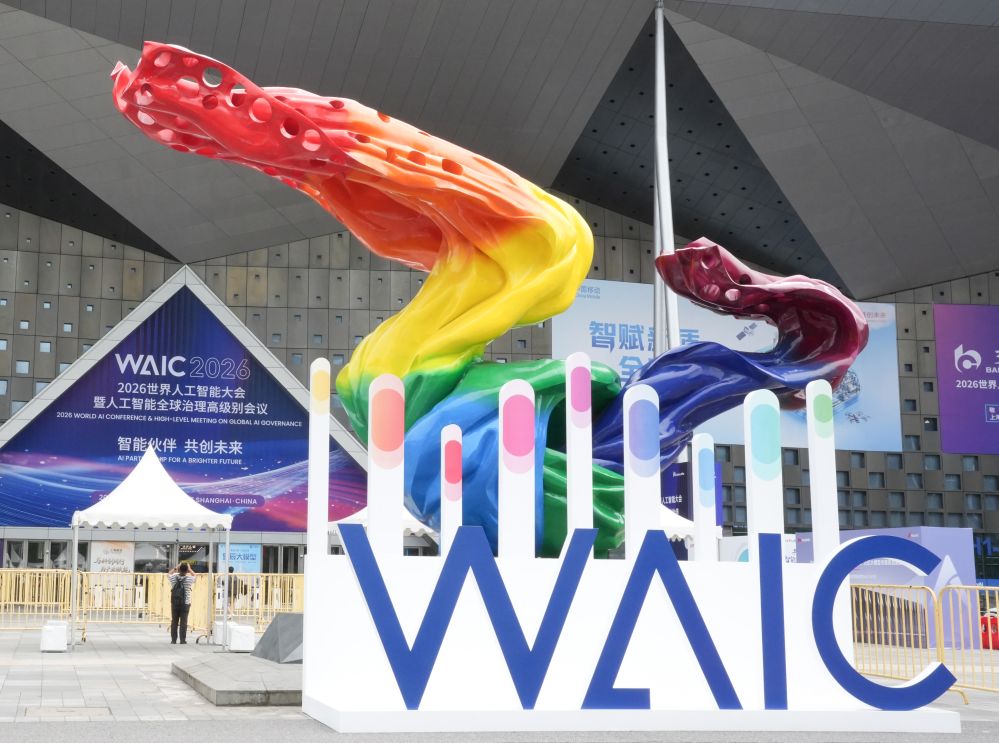
This photo taken on July 16, 2026 shows the exterior view of the Shanghai World Expo Exhibition and Convention Center in Shanghai, east China. Shanghai is ushering in its major AI moment of the year with the forthcoming 2026 World AI Conference (WAIC) and High-Level Meeting on Global AI Governance, scheduled from Friday to Monday. (Xinhua/Ding Ting)
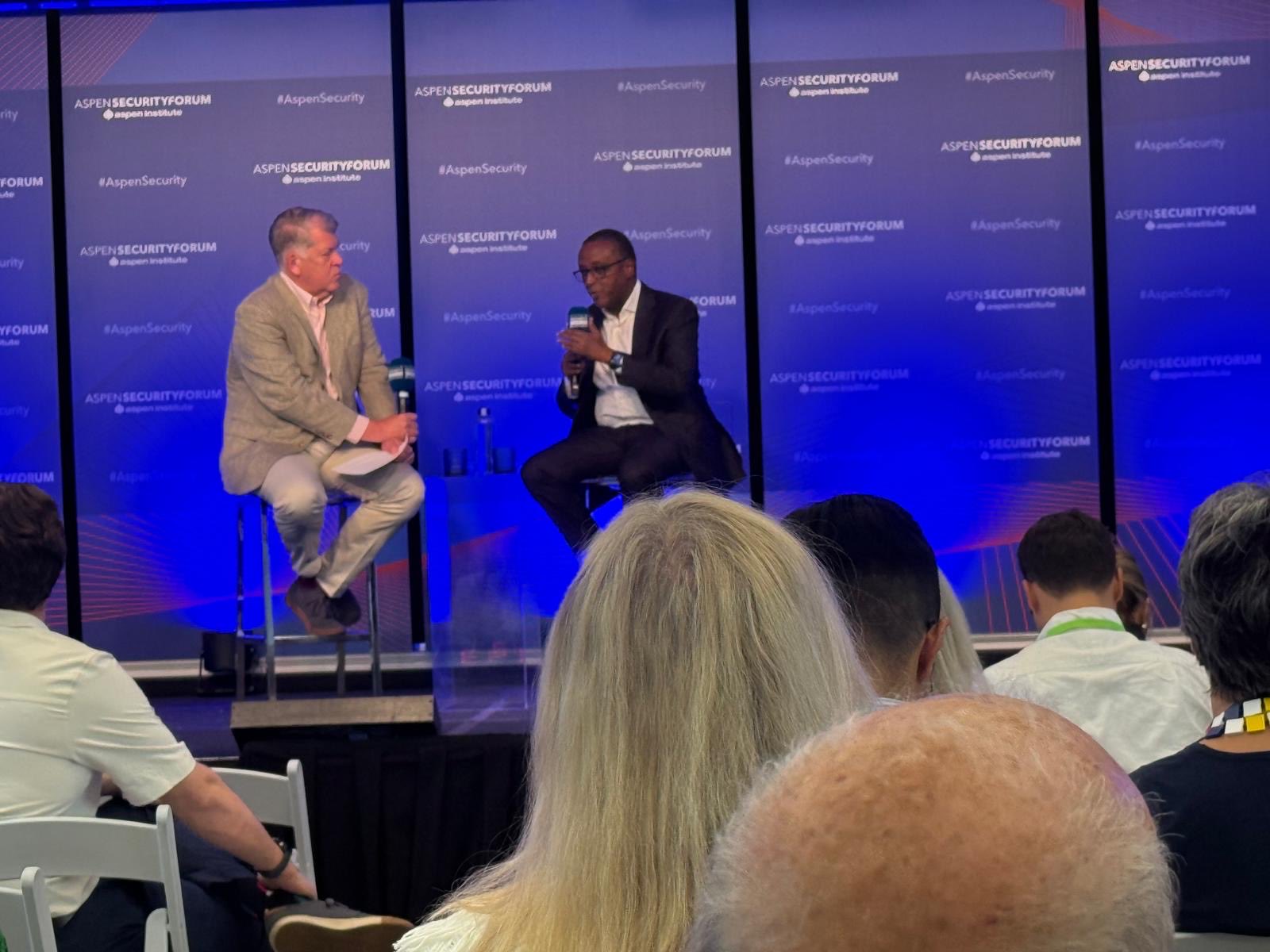
Dr. Biruta made the remarks during a fireside chat at the Aspen Security Forum, held from July 14 to 17, 2026, where he discussed regional security, migration, and Rwanda’s international partnerships.
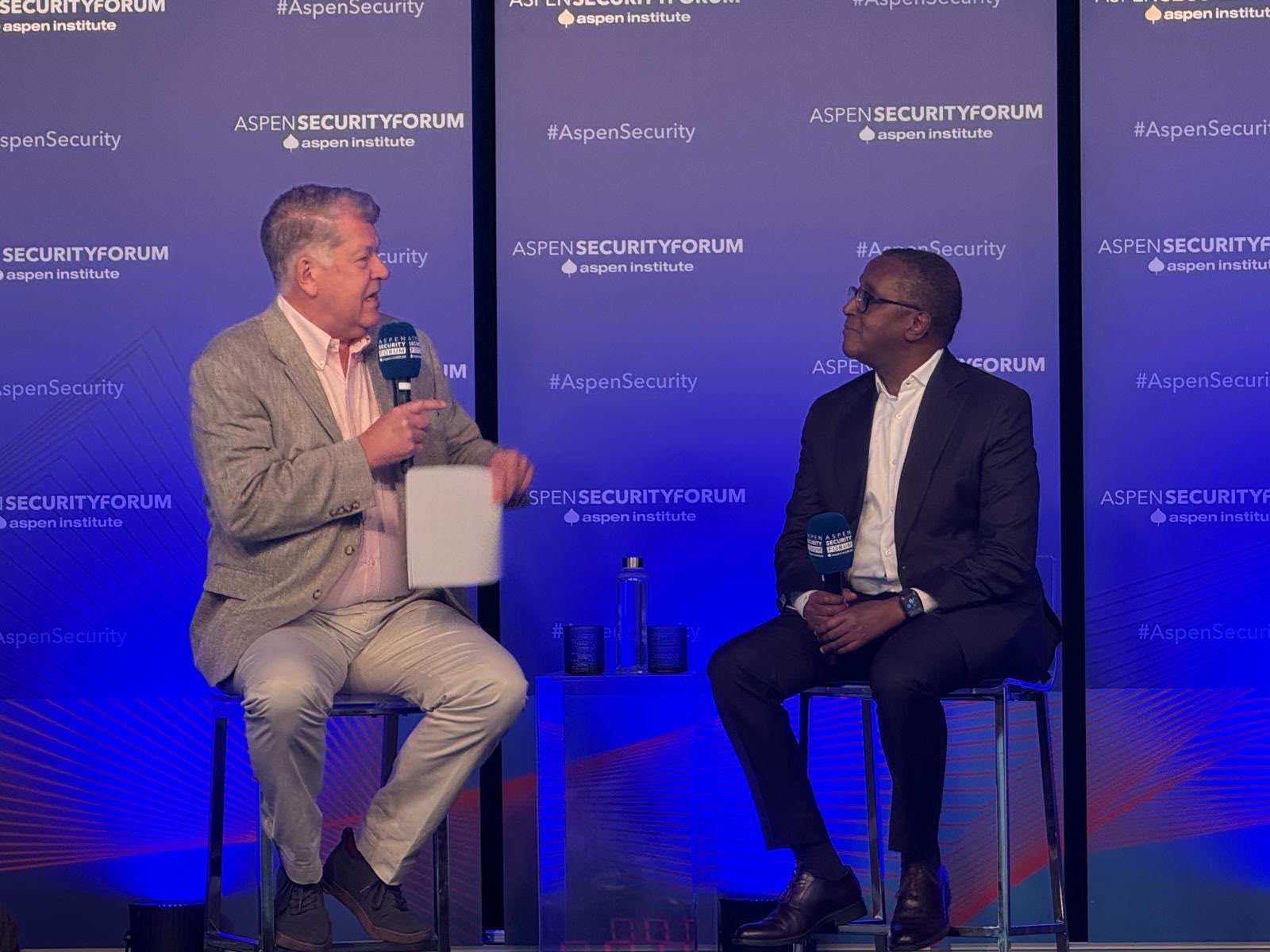
Speaking during the session moderated by Steve Clemons, Editor at Large at The National Interest; Dr. Biruta said Rwanda considers the Washington peace agreement, brokered with the involvement of US President Donald Trump, a significant opportunity to address security challenges and promote economic cooperation in the Great Lakes region.
“The Washington Accords for Peace and Prosperity is a very good agreement and we appreciate the leadership of President Trump in achieving that,” Dr. Biruta said.
However, he said Rwanda remains concerned about what he termed an imbalance in the implementation process, arguing that Kigali has fulfilled its commitments while expecting similar action from Kinshasa. The peace deal was signed in December 2025.
“Seven months after the agreement was signed, we see a lack of balanced approach from the mediation, the US mediation,” Biruta said.
“Rwanda has done its part. We are implementing our obligations under the agreement. We have even offered a de-escalation plan to lift the defensive measures without even waiting for the government of DRC to do its part, which is related to the FDLR genocidal armed group.”
Dr. Biruta said Rwanda had taken steps to support the peace process but questioned the decision to impose sanctions on Rwanda while, according to him, obligations expected from the DRC government had not been implemented.
“Even though the government of Congo is not implementing its obligation, we are seeing the government of the US imposing sanctions on Rwanda,” he said.
“We are concerned about that lack of balance in the approach. But we are committed to the agreement and we expect the US government, the mediation, to have a more balanced posture for us to be able to have that agreement fully implemented.”
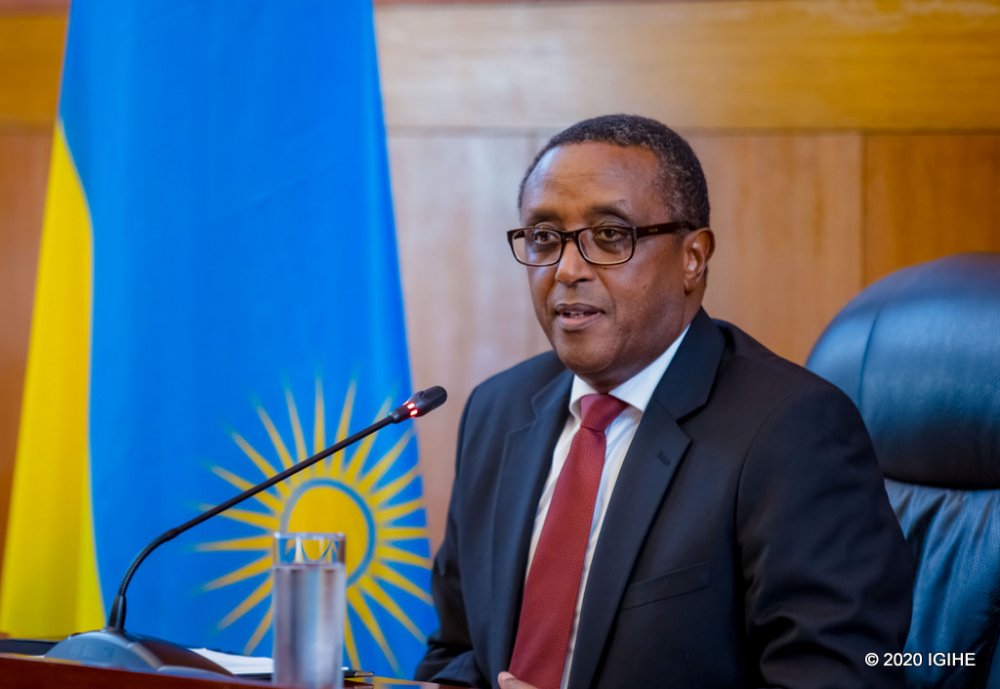
Dr. Vincent Biruta, Rwanda’s Minister of Interior, speaks during a fireside chat at the Aspen Security Forum.
Security concerns and the FDLR issue
During the discussion, Dr. Biruta also highlighted Rwanda’s long-standing security concerns linked to the Democratic Forces for the Liberation of Rwanda (FDLR), an armed group created by individuals responsible for the 1994 Genocide against the Tutsi.
He said members of the group fled into eastern DRC after the genocide and continued organizing with the objective of destabilizing Rwanda.
“The FDLR crossed the border with weapons, but also with the ideology, which is even more dangerous than the weapons,” Dr. Biruta said.
He argued that addressing the presence of the FDLR remains central to achieving lasting peace in eastern DRC.
According to Dr. Biruta, the emergence of groups such as M23 should also be understood within the context of governance challenges and insecurity affecting communities in eastern DRC.
“There could be stability. We just need to neutralize the FDLR armed group, and we need to have conditions in eastern DRC just to give the rights to all the communities in that country,” he said. He also rejected claims that Rwanda has territorial ambitions in eastern DRC, saying there is no border dispute between the two countries.
“There is no border issue between DRC and Rwanda. There is no claim over the territory of DRC by Rwanda. That is clear,” Dr. Biruta said.
He added that members of M23 are Congolese citizens who share cultural and historical links with communities in Rwanda but are fighting over issues within their own country.
“They are Congolese, and they are fighting for their rights in their own country,” he said.
Call for a different approach to peacekeeping
The Minister also questioned the effectiveness of international peacekeeping efforts in eastern DRC, particularly the United Nations mission that has operated in the region for decades.
Responding to a question about the role of peacekeepers, Dr. Biruta said the continued instability in eastern DRC raised questions about the impact of the mission.
“Peacekeepers have been there for, I think, the last 20 years or so, but to say that they have done something, it is difficult, because if they had achieved anything there, we would not be in the situation we are in today,” he said.
“That mission has cost billions of dollars, but the situation has not changed. It has even deteriorated.”
Beyond regional security, Biruta also discussed Rwanda’s relationship with the United States, saying Kigali continues to view Washington as an important partner despite ongoing disagreements.
He cited cooperation in areas including health, energy, mining, and technology, while noting Rwanda’s efforts to expand partnerships with different countries as it pursues development goals.
“We need all of them,” Dr. Biruta said when asked about Rwanda’s partnerships with the United States and Russia, adding that different partners contribute to different aspects of Rwanda’s development agenda.
The Aspen Security Forum brought together policymakers, security experts, and leaders from around the world to discuss pressing global security challenges.
Dr. Vincent Biruta has shared Rwanda’s security concerns and perspectives on regional stability, the FDLR threat, and the implementation of the US-brokered Washington Accords during a discussion at the Aspen Security Forum.
He made the remarks on Friday, July 17, 2026, during the Rwanda Patriotic Front (RPF-Inkotanyi) Political Bureau meeting taking place at Intare Arena in Rusororo, Gasabo District.
It brought together over 2000 RPF members, leaders from the public and private sector, representatives of other political parties, members of the diplomatic corps and young professionals.
President Kagame said the identity of RPF-Inkotanyi is rooted in its history, which defines the responsibilities of every Rwandan wherever they may be and reflects the country’s aspirations.
He noted that every citizen has a role in helping Rwanda achieve its national goals, but stressed that the country’s progress should ultimately be assessed based on how it is experienced by Rwandans.
The Head of State said that when citizens hear leaders speak about government achievements, they naturally ask themselves whether those accomplishments are reflected in their own lives. “Every morning when you wake up, ask yourself that question,” Kagame said.
He stressed that it is impossible to invent achievements when citizens cannot see or experience them, as the absence of tangible results is evident.
“You cannot create results on your own and expect people to see them when they do not exist. You cannot fabricate them. If children are not in school, they are not in school. You cannot claim you have achieved the goal of ensuring Rwandan children are in school when that is not the reality,” he said.
Kagame added that the same principle applies to healthcare.
“If people do not have good health or access to healthcare, you cannot claim that Rwandans enjoy quality healthcare when they do not. When those results are absent, making such claims only creates accountability that you will eventually have to answer for,” he said.
The President explained that the RPF Political Bureau meeting serves as an opportunity to remind members of their responsibilities while encouraging self-evaluation.
He cautioned that failing to assess one’s performance honestly carries consequences.
“If you examine yourself and make the wrong assessment, there are consequences. If you examine yourself and conclude that you are not sick when you actually are, the illness will eventually kill you because you were mistaken,” Kagame said.
President Paul Kagame has warned officials against exaggerating achievements, saying Rwandans will judge progress based on what they experience in their daily lives.
The development was announced by RNP spokesperson ACP Boniface Rutikanga, who said a project is underway to establish an International Driving Permit (IDP) linked to Rwanda’s driving licence system.
Rutikanga made the remarks while responding to a post by journalist Oswald Mutuyeyezu of Radio TV10 on X, who shared concerns from a Rwandan citizen over the lack of an internationally recognised driving permit.
The citizen said Rwandan truck drivers seeking employment abroad often face challenges because some countries require an International Driving Permit.
“There is a challenge affecting Rwandan truck drivers who want to find jobs abroad. They are often asked to present an International Driving Permit [IDP], but they cannot obtain one because Rwanda does not currently issue it,” the citizen said.
The citizen also noted that Rwanda signed international agreements on road traffic in Geneva and became a member on August 5, 1964, questioning why the system had not yet been implemented to allow Rwandans to access IDPs.
Responding to the concerns, ACP Rutikanga confirmed that Rwanda is working on introducing the permit.
“It is true that there is a project to establish the International Driving Permit, and we are waiting for a Ministerial Order that will provide regulations governing it,” he said.
RNP spokesperson ACP Boniface Rutikanga has disclosed that Rwanda is on track to issue international driving permits
Those sanctioned include Brig Gen Sebastien Uwimbabazi, also known as Gilbert Kimenyi or Nyembo Kimenyi, who is identified by the UN as one of the top leaders of the FDLR.
Born in 1968, Uwimbabazi is originally from Murunda Sector in Rwanda’s Rutsiro District.
During the 1994 Genocide against the Tutsi in Rwanda, Uwimbabazi was a gendarmerie officer in Rwamagana, then part of Kibungo Prefecture. He later fled to Nyanza after the Rwanda Patriotic Army (RPA Inkotanyi) took control of the area.
The UN said Uwimbabazi continues to support activities that threaten peace, stability and security in eastern DRC.
The second sanctioned FDLR leader is Col Gustave Kubwayo, also known as Sirkoof, who heads the group’s special forces unit known as CRAP. He took over the unit after its former commander Protogene Ruvugayimikore, alias Col Ruhinda, was killed in December 2023.
Kubwayo, born in 1969, is from Karago Sector in Nyabihu District, Rwanda. He is accused of supporting FDLR operations targeting civilians, including kidnappings for ransom, as well as involvement in the illegal exploitation of natural resources in DRC.
In June 2026, the United States also sanctioned Kubwayo, saying he had led FDLR fighters operating in Nyiragongo Territory since 2022.
A UN Group of Experts report released in late June 2026 described FDLR as a continuing threat to peace and security in eastern DRC and the wider region. The report said the group has continued rebuilding its capacity, with support from authorities in Kinshasa.
FDLR claims to have more than 10,000 fighters, with about half involved in active military operations.
However, UN officials and intelligence agencies estimate the group’s strength at between 3,500 and 4,500 fighters. The Washington Accords also estimated its forces at between 3,000 and 3,500 members.
The UN Security Council also sanctioned other individuals linked to armed groups in eastern DRC, including AFC/M23 leader Corneille Nangaa, Col Nzenze Imani, who oversees intelligence and military operations for the alliance, and Brig Gen Charles Sematama, commander of the Twirwaneho armed group operating in Minembwe.
Nangaa was sanctioned over his leadership role in AFC, which the UN says works with the M23 armed group already under sanctions. Col Nzenze was sanctioned for his role in leading activities of a sanctioned armed group, while Brig Gen Sematama was accused of leading a group involved in attacks against civilians, recruitment of children into armed forces and activities undermining peace and security.
Mohammed Lumisa, a doctor and external supplies coordinator for the Allied Democratic Forces (ADF) terrorist group, was also sanctioned. The UN identifies him as originating from Kampala, Uganda.
UN sanctions include freezing assets held in member states, imposing travel bans and making individuals subject to arrest by international law enforcement bodies such as Interpol.
The UN Security Council has sanctioned two FDLR commanders.
The alliance said Kigali earned its place through its growing reputation as a destination for global conferences, backed by modern infrastructure, sustainability efforts and a strong track record of hosting international events.
“As one of Africa’s fastest-growing meeting destinations, Kigali is a natural fit for BestCities,” said Julia Swanson, Board Chair of BestCities Global Alliance.
“The city exemplifies the qualities that define today’s leading convention destinations, including strong knowledge and innovation sectors, a commitment to sustainability, and an understanding of how business events can drive social and economic impact.”
Kigali is connected to more than 160 destinations through RwandAir and other international airlines, while visa-on-arrival for all nationalities makes travel easier for delegates.
The city also offers major conference facilities, including the 5,000-seat Kigali Convention Centre and the 10,000-capacity BK Arena, alongside more than 10,000 hotel rooms.
The city has remained Africa’s second-ranked destination in the International Congress and Convention Association (ICCA) rankings for six consecutive years.
In 2025, Rwanda hosted more than 25 international association meetings, including the 13th International AIDS Society Conference and the 4th Global NCD Alliance Forum. Kigali is also set to host the ICCA Congress in 2027 and the World Nephrology Congress in 2029.
Janet Karemera, Chief Executive Officer of the Rwanda Convention Bureau, said joining the alliance reflects Kigali’s ambition to expand its global presence.
“We are delighted to join the BestCities Global Alliance,” she said. “Through this platform, we aim to further enhance our visibility, exchange expertise, and continue elevating Kigali as a competitive destination for global business events.”
BestCities has welcomed Kigali, Rwanda as its newest member of Global Alliance.
The ranking places Rwanda ahead of other African countries assessed in the index, which measures governments’ efforts to prevent and combat corruption through public institutions, including the executive, parliament, judiciary, public procurement systems and anti-corruption bodies.
It also considers corruption in the private sector and public perceptions of anti-corruption efforts.
Rwanda has maintained the leading position in the category since 2016, while Seychelles recorded the biggest improvement over the decade, gaining 26.3 points and rising 12 places to join Rwanda at the top of the ranking.
The two countries were followed by Mauritius, Senegal, Benin, Botswana, Namibia, Cape Verde, Tunisia and Burkina Faso, which completed the top ten list.
The preliminary IIAG 2026 findings show that Africa has made gradual progress in addressing corruption over the past decade.
The continent’s average score increased from 38.6 points in 2016 to 39.1 points in 2025. The Mo Ibrahim Foundation noted that while performance declined between 2016 and 2020, the continent recorded steady improvement during the second half of the decade.
Beyond the leading performers, several countries recorded notable gains. Angola, Chad, Somalia and Togo were among those that registered the biggest improvements between 2016 and 2025.
Somalia, despite remaining among the lowest-ranked countries, showed significant progress, demonstrating that sustained reforms can contribute to governance improvements.
However, some countries experienced setbacks, with Comoros, Liberia, South Africa, Niger and Botswana recording the largest declines over the decade.
The report also highlighted progress in reducing private-sector corruption, which was the most improved indicator assessed.
However, public confidence in the effectiveness of anti-corruption measures remains a challenge, despite signs of recovery after reaching its lowest point in 2022.
The full Ibrahim Index of African Governance 2026 report is expected to be published on October 31.
Rwanda has been ranked first in Africa’s anti-corruption performance in the preliminary 2026 Ibrahim Index of African Governance results.
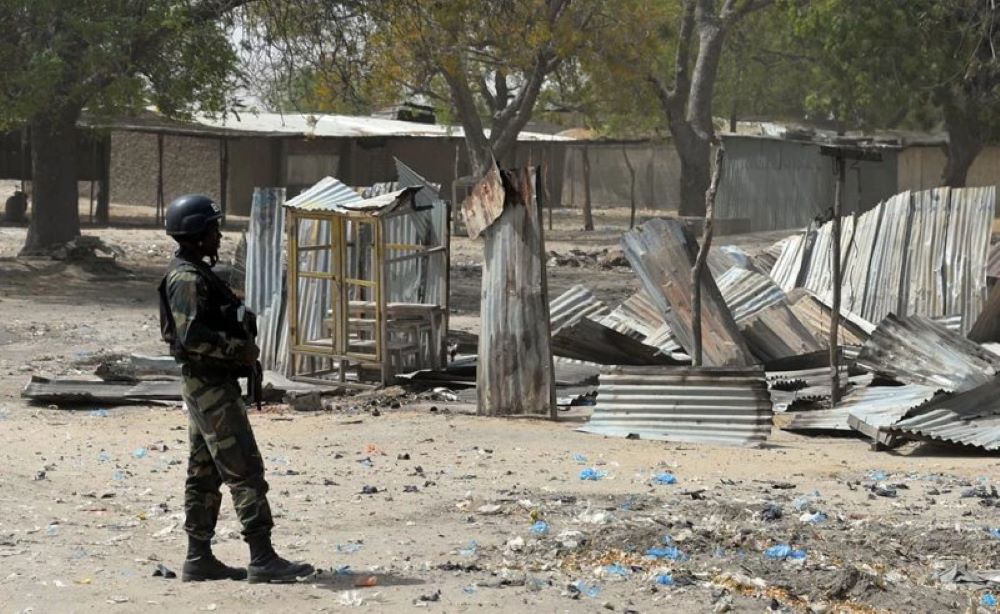
The attack occurred at Tourou village in the Mokolo subdivision of the Mayo-Tsanaga department on Monday night.
An infant was also shot and seriously injured during the raid, a security source told Xinhua.
The attackers reportedly seized military equipment before withdrawing. The wounded soldiers and the infant were rushed to a regional hospital for treatment.
The attack came just hours after government troops repelled another Boko Haram assault in the same area, killing two militants and injuring several others.
The Boko Haram terror group has been carrying out attacks in Cameroon’s Far North region since 2014, inflicting heavy human and material losses across the region.
Reports indicate that 1 civilian has been killed while 4 soldiers were injured in Boko Haram attack in Cameroon’s Far North