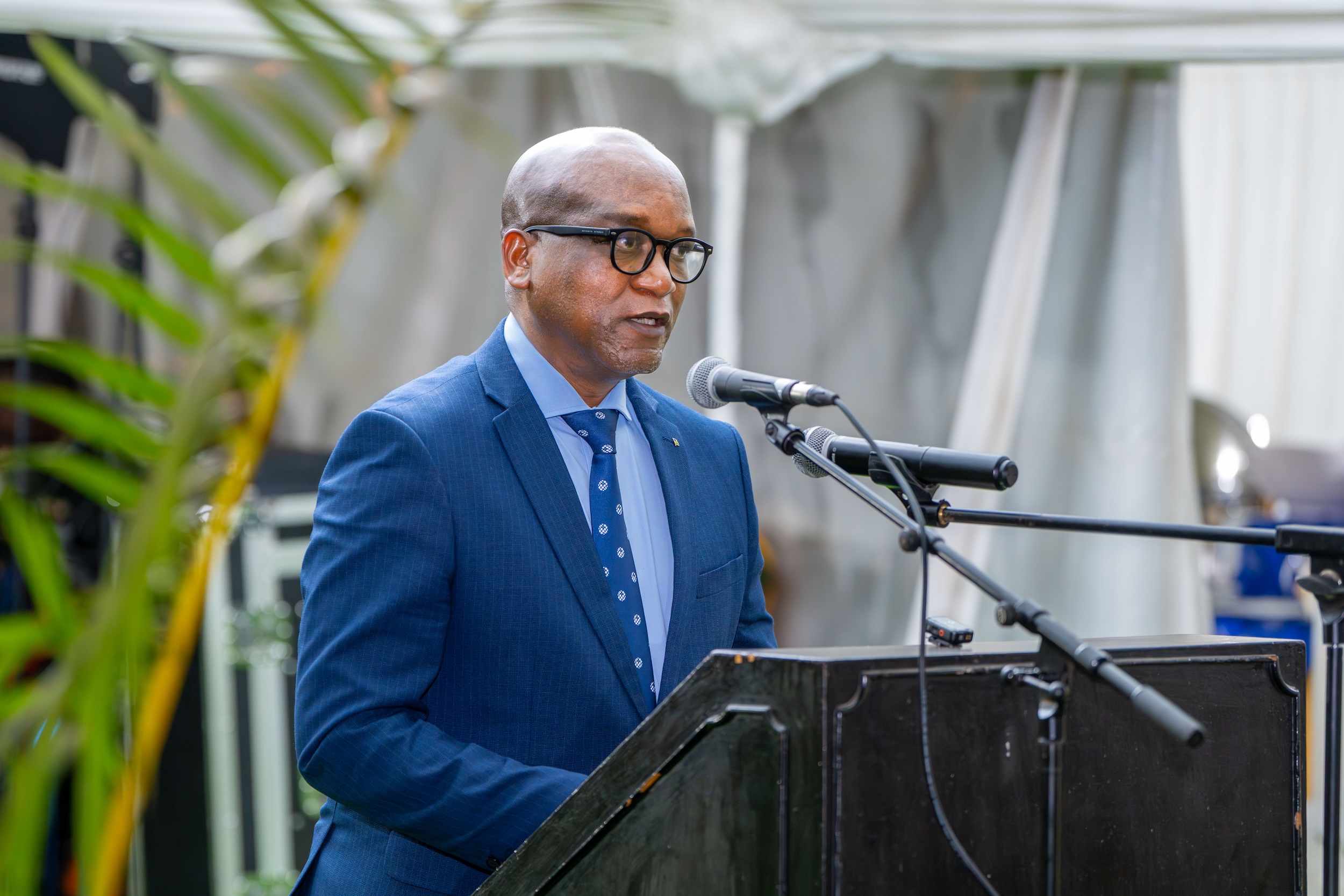
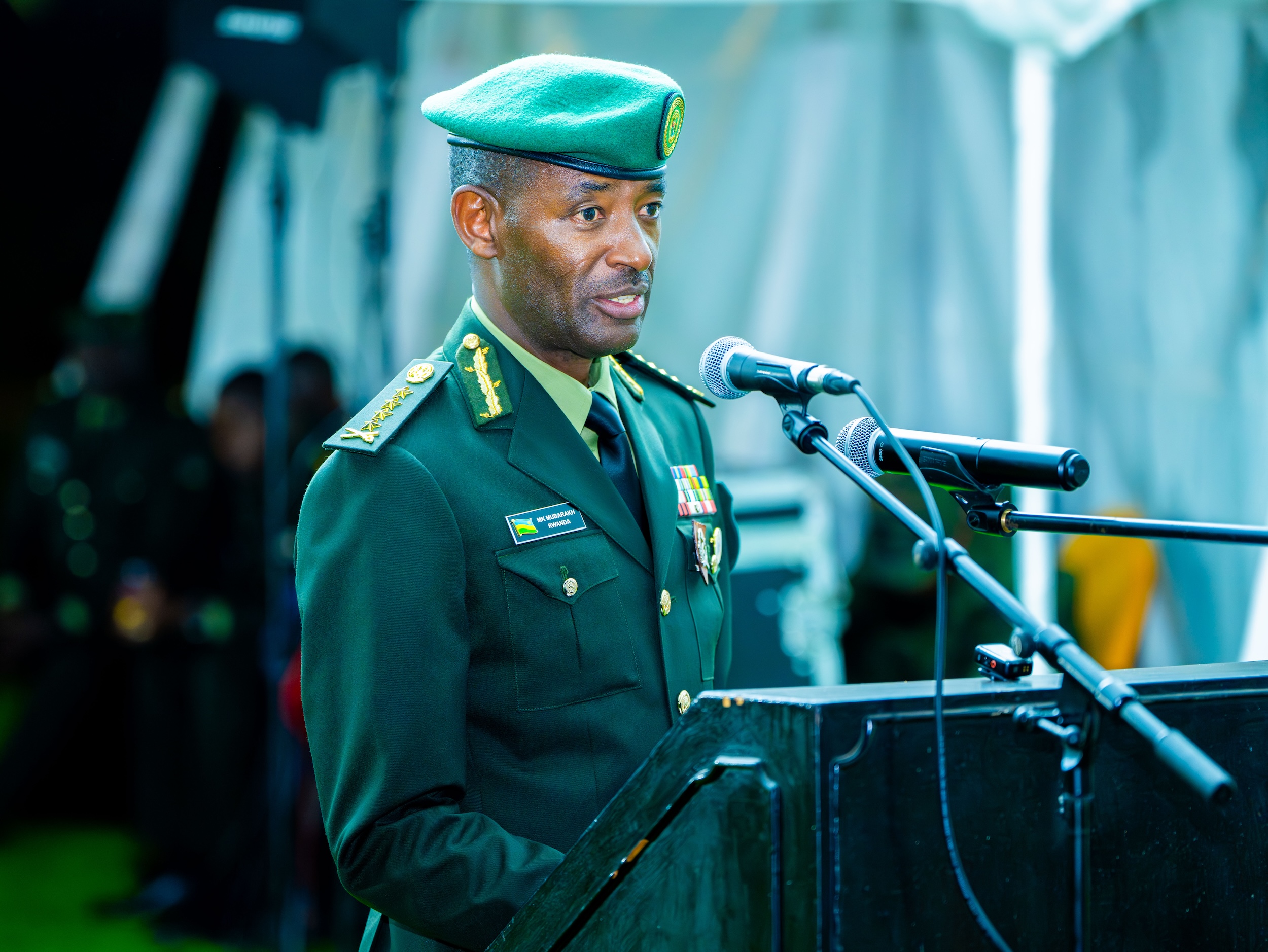
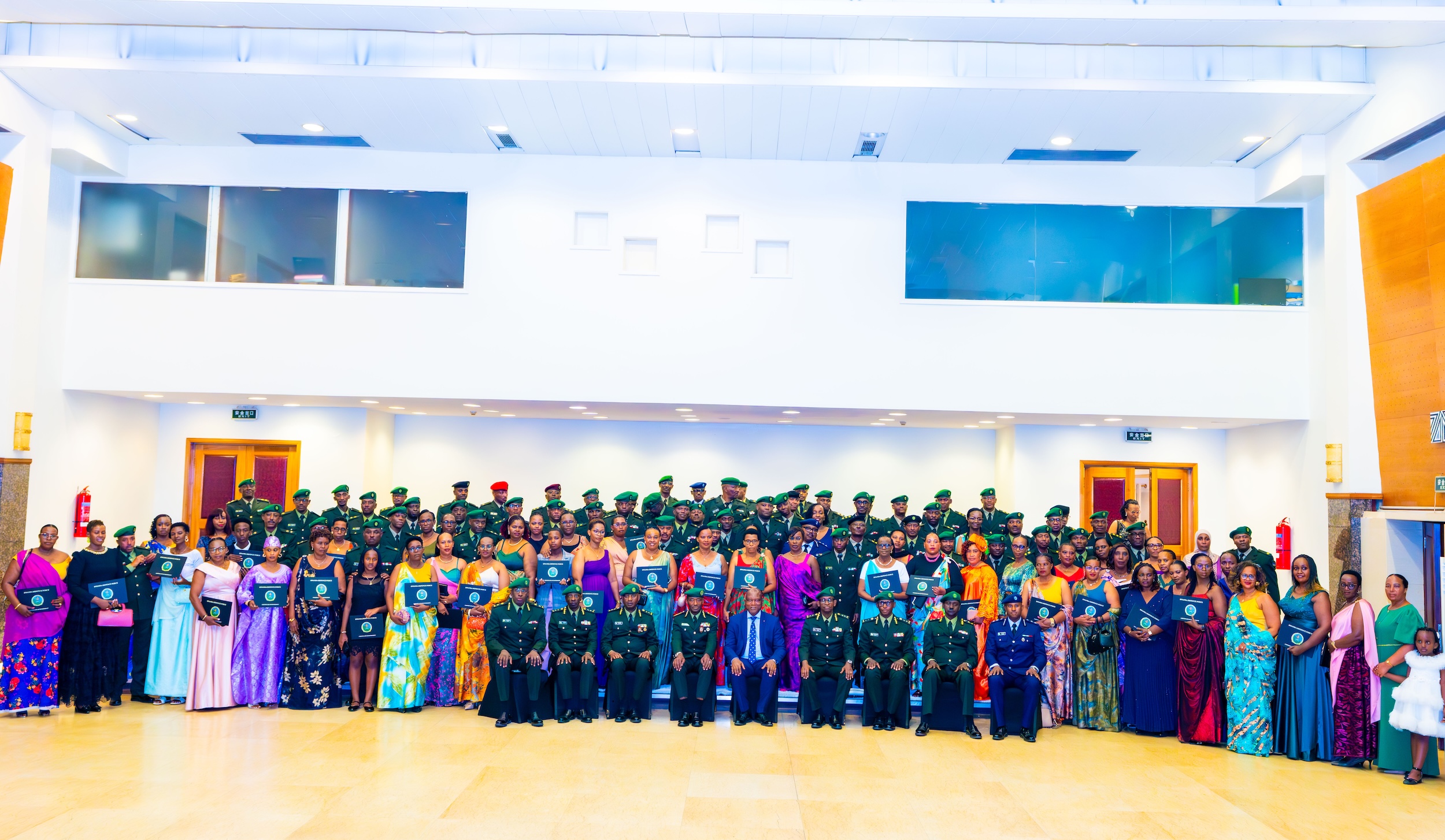
The event was presided over by the Minister of Defence, Juvenal Marizamunda, on behalf of the President of the Republic of Rwanda and Commander-in-Chief of the Rwanda Defence Force. It was attended by the Chief of Defence Staff, Gen MK Mubarakh, Service Chiefs, Generals, Senior Officers, and families of the retirees.
Speaking on behalf of the Commander-in-Chief, Minister Marizamunda expressed gratitude to the retirees for their dedicated service to the nation. He commended their role in the liberation struggle, stopping the Genocide against the Tutsi, and rebuilding the country.
He also praised their contribution in transforming the RDF into a strong, professional, and internationally respected force through peacekeeping operations and bilateral missions, noting that their work has left a lasting legacy. The Minister further thanked the spouses of the retirees for their unwavering support, acknowledging the sacrifices they made in keeping families together during periods of deployment.
In his remarks, the Chief of Defence Staff, Gen MK Mubarakh, congratulated the retirees for the patriotism, discipline, and professionalism they demonstrated throughout their careers. He thanked them for mentoring younger soldiers and instilling in them the core values of the RDF, which have prepared the next generation to safeguard the nation. He emphasized that the RDF and the country will continue to benefit from the retirees’ experience, wisdom, and counsel.
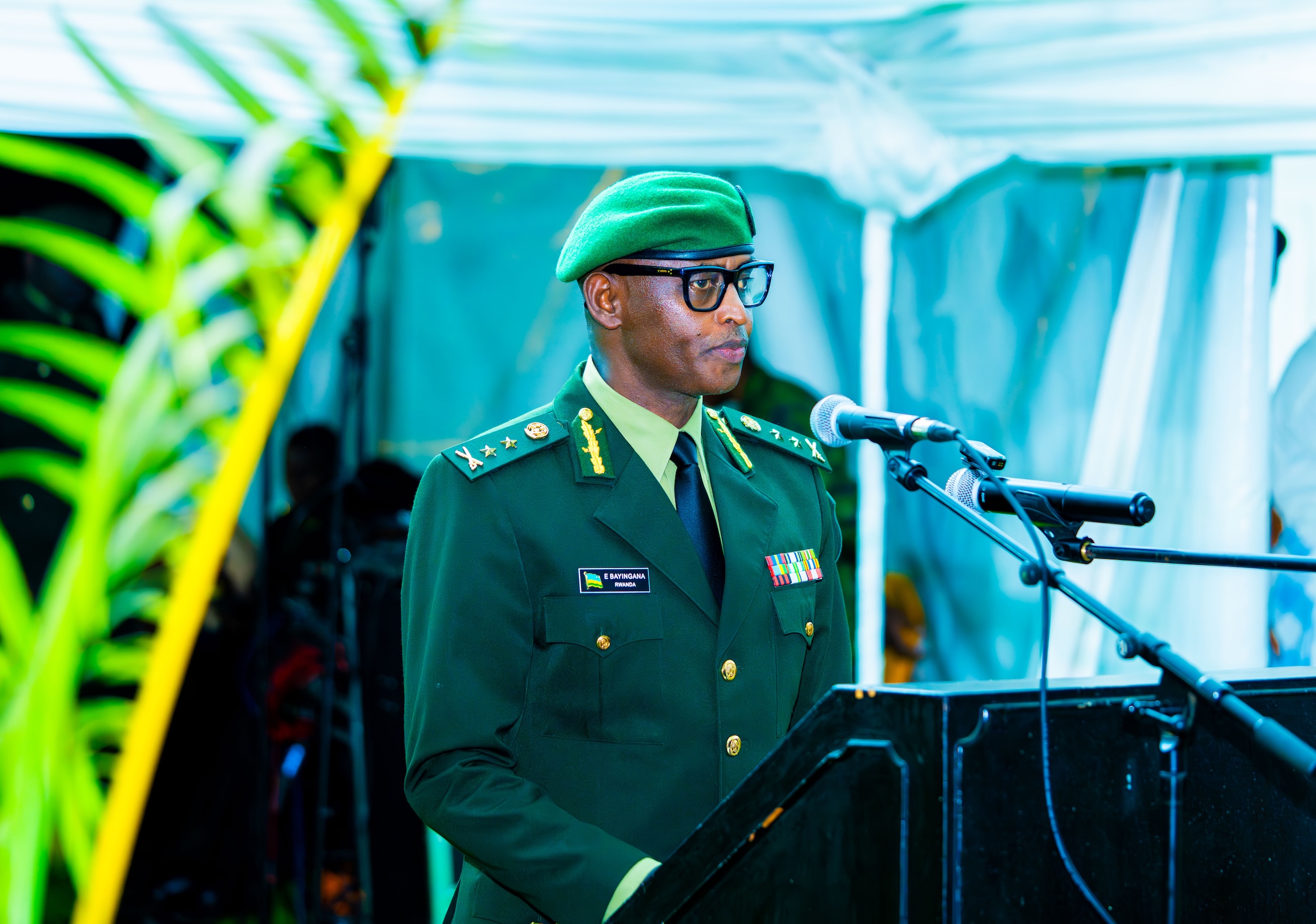
Speaking on behalf of the retirees, Maj Gen (Rtd) Emmanuel Bayingana expressed pride in the remarkable progress of the Rwanda Defence Force. He thanked President Paul Kagame for his visionary leadership in building a strong and united RDF family.
He affirmed that although they are leaving active service, they will continue to uphold RDF values of patriotism, discipline, and selfless service, and pledged to keep contributing to Rwanda’s development and prosperity.
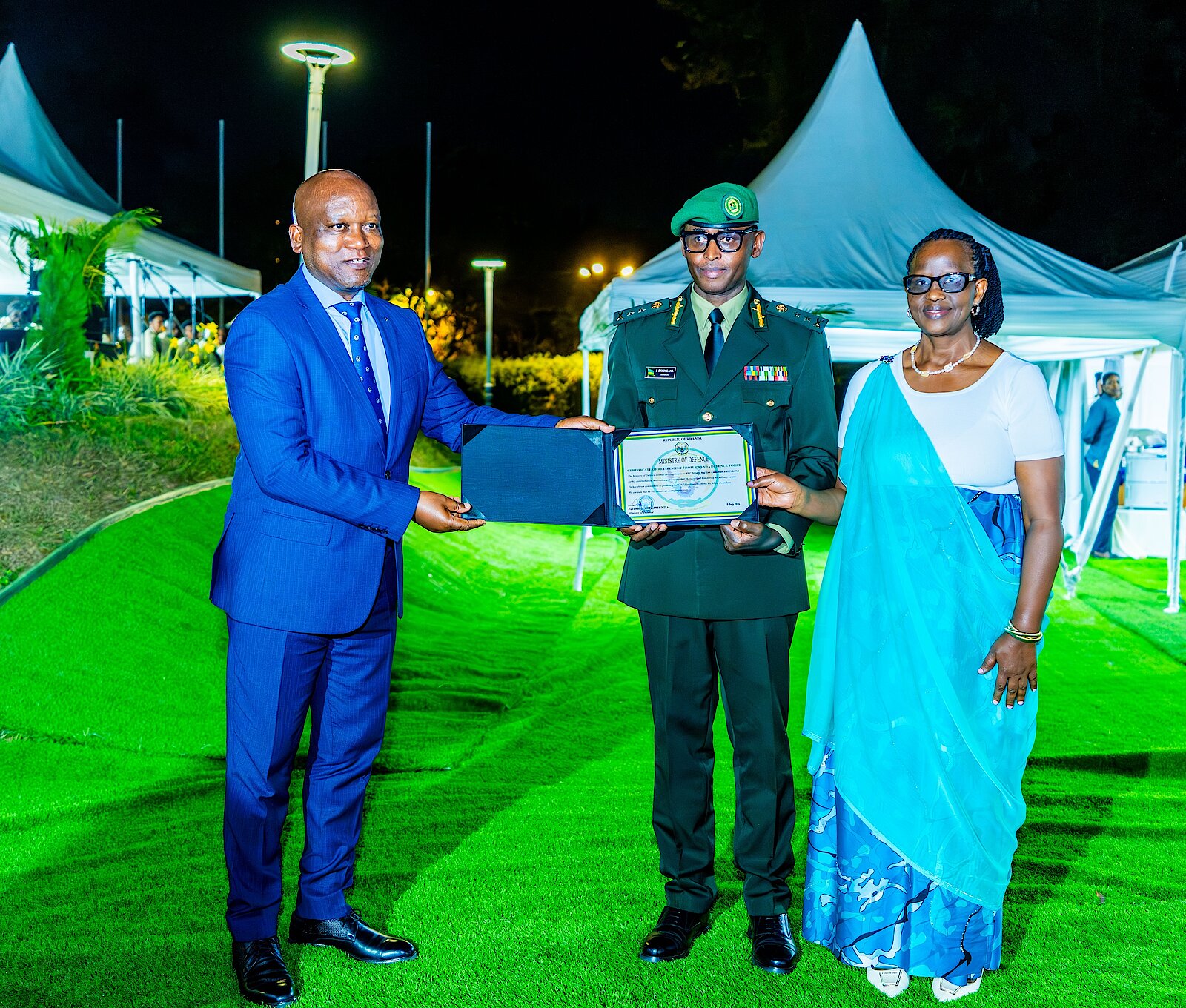
The ceremony concluded with the presentation of certificates to the retirees in recognition of their distinguished and dedicated service to the Rwanda Defence Force.
Minister of Defence Juvenal Marizamunda addresses retiring RDF personnel, thanking them for their dedicated service and contribution to Rwanda’s security and development.Chief of Defence Staff Gen MK Mubarakh commended retiring officers for their patriotism, professionalism, and commitment to mentoring the next generation of soldiers.Maj Gen (Rtd) Emmanuel Bayingana spoke on behalf of the retirees, reaffirming their commitment to continue serving Rwanda beyond active military duty.Minister of Defence Juvenal Marizamunda presents a certificate to Maj Gen (Rtd) Emmanuel Bayingana during the 14th RDF send-off ceremony at RDF Headquarters in Kimihurura.Retiring Rwanda Defence Force personnel attended the 14th RDF send-off ceremony alongside their families at RDF Headquarters in Kimihurura.
The assessment also examined the implementation of recommendations issued by NCHR as part of efforts to strengthen the protection of the rights of detainees and promote compliance with human rights standards.
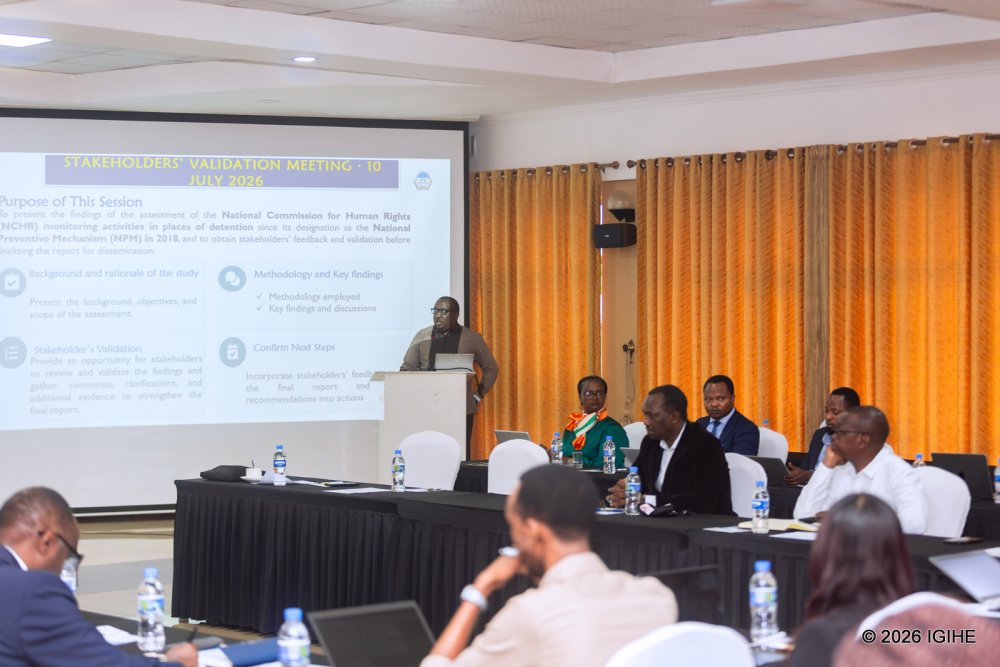
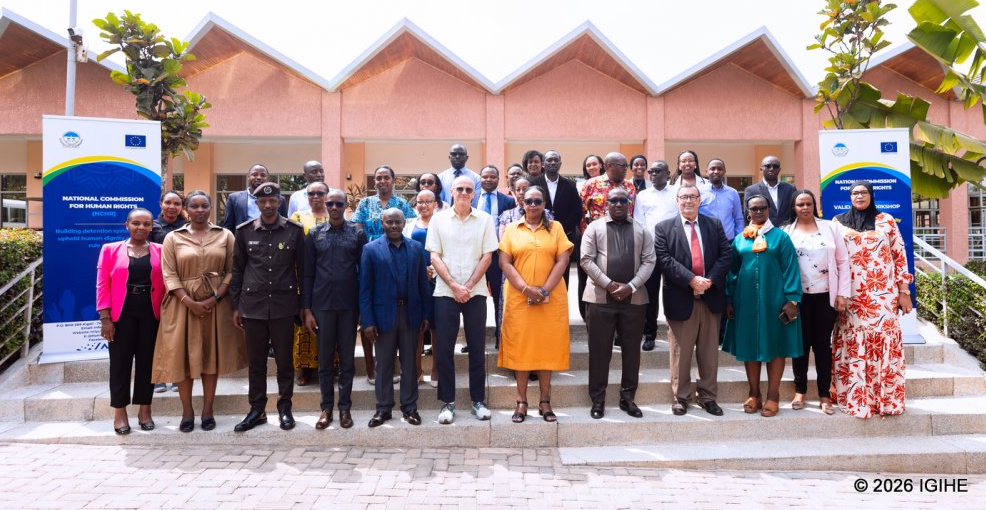
The review was conducted on July 10, 2026, bringing together key government institutions and stakeholders, including the Ministry of Justice, Ministry of Local Government, Rwanda Investigation Bureau (RIB), Rwanda National Police, National Public Prosecution Authority (NPPA), Rwanda Correctional Service (RCS), civil society organisations, and human rights advocates.
The study covered 13 correctional facilities, 26 RIB detention centres, various justice facilities, and involved discussions with 156 detainees to assess their living conditions and access to basic rights.
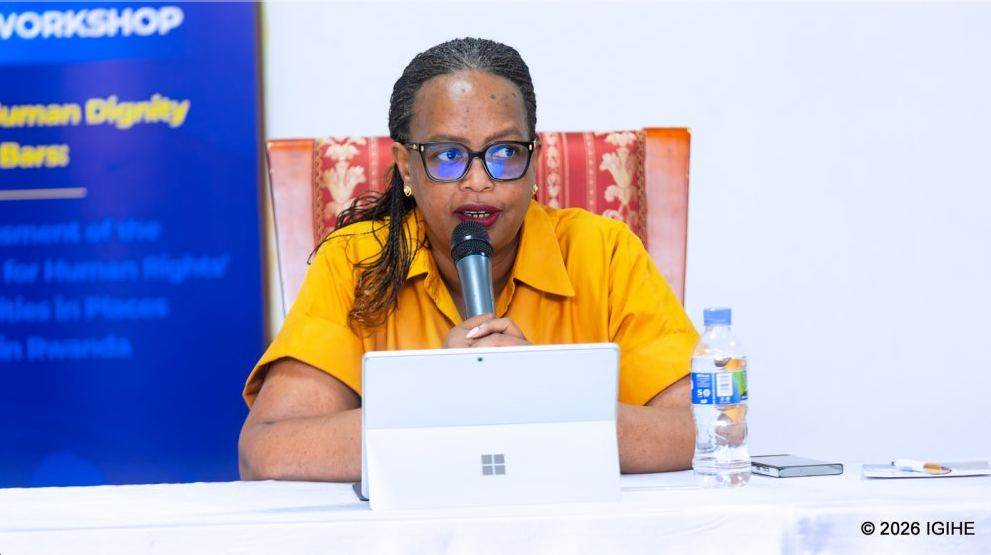
The research was carried out by the Institute of Legal Practice and Development (ILPD), which examined the level of human rights protection in detention facilities, the views of officials working in the justice and correctional sectors, prison officers’ understanding of detainees’ welfare, and the extent to which recommendations from NCHR inspections had been implemented.
NCHR highlights impact of monitoring efforts
NCHR Chairperson Umurungi Providence said the study was necessary to provide clear evidence on the Commission’s impact since it was given the mandate in 2018 to monitor human rights conditions in correctional facilities, oversee places of detention, and support efforts to prevent torture.
She explained that the findings would help identify remaining challenges and guide the development of solutions to improve conditions for detainees.
“Since the Commission began serving as Rwanda’s National Preventive Mechanism [NPM] against torture in 2018, it has carried out monitoring visits in detention facilities across the country and issued numerous recommendations to relevant institutions. These recommendations aim to improve the welfare of detainees, protect their rights, and ensure compliance with both national laws and international human rights standards,” Umurungi said.
She added that NCHR’s monitoring activities have contributed significantly to improving the management and administration of detention facilities.
However, she noted that the Commission found it important to evaluate whether its recommendations were being implemented effectively and sustainably.
“The findings of this study will support institutions in making informed decisions, improving their practices, and developing strategies that further promote respect for human rights in correctional facilities and other places of detention,” she said.
ILPD conducts independent review
To maintain objectivity, NCHR partnered with ILPD to independently conduct the research. The institution visited correctional facilities, detention centres, justice institutions, and engaged with detainees to understand how their conditions have changed over the past eight years.
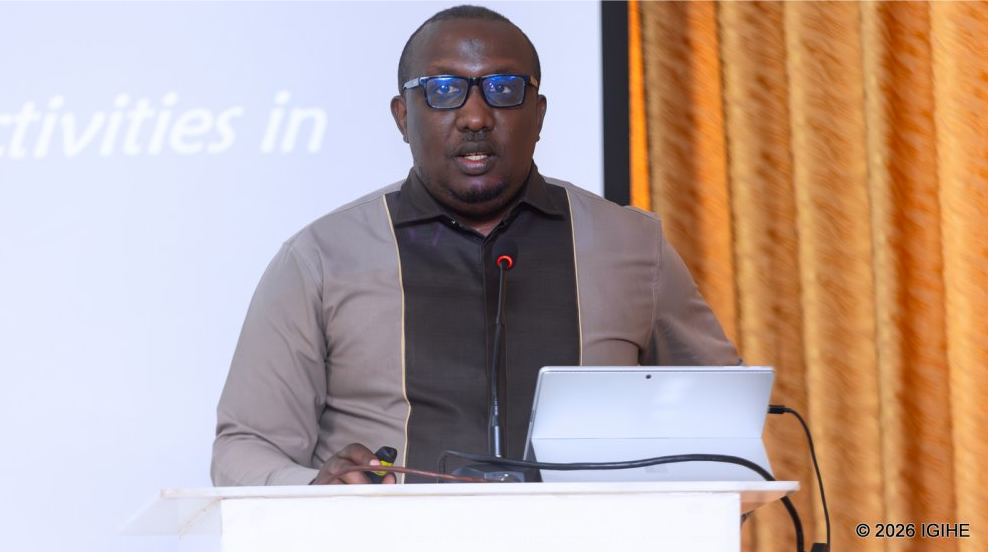
ILPD Vice-Rector in Charge of Academic and Research Affairs, Sezirahiga Yves, said while NCHR had been conducting regular inspections, an independent assessment was needed to compare findings and provide a broader understanding of progress made.
“In our research, we also assessed 84 recommendations that the Commission had issued over time and examined how they had been implemented. We found that in areas where progress was limited, the main challenge was often a lack of resources, although there was commitment and willingness to address the issues,” he said.
The study aims to identify areas that still require improvement in ensuring the full protection of human rights for people held in correctional facilities and other detention centres.
NCHR continues to implement programmes focused on protecting, promoting, and raising awareness about human rights, while strengthening efforts to prevent torture in line with its legal mandate.
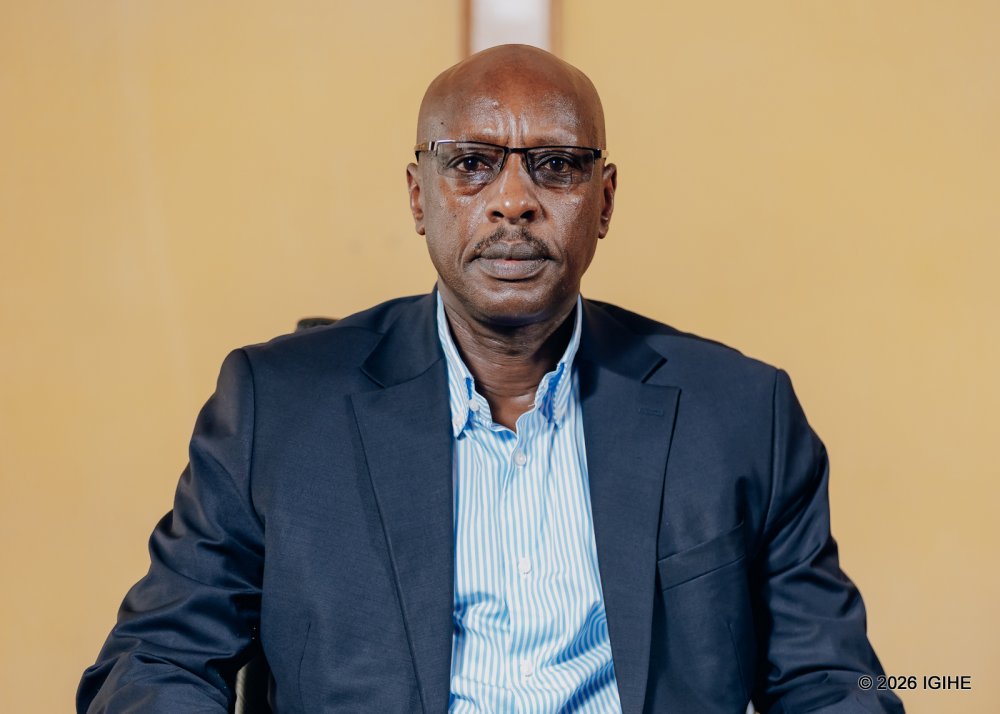
Different stakeholders were briefed on the methodology used in the study and its key findings.The National Commission for Human Rights (NCHR) has reviewed the findings of a study assessing its role in improving the welfare of people held in correctional facilities and other places of detention.NCHR Chairperson Murungi Providence said there was a need for research to identify areas requiring more efforts to ensure respect for human rights in correctional facilities and other places of detention.ILPD Vice Rector in charge of Research , Sezirahiga Yves, said that most of the recommendations issued by NCHR had been implemented.
The announcement comes as part of the government’s broader efforts to improve access to safe drinking water and ensure a reliable supply for the country’s growing population.
Rwanda currently produces approximately 367,000 cubic meters of treated water per day. However, only 65 percent of that water reaches consumers, while the remaining 35 percent is lost through leakages and other forms of non revenue water.
Presenting the government’s progress on strengthening the country’s economic resilience and improving citizens’ welfare before a joint sitting of Parliament, Prime Minister Dr. Justin Nsengiyumva said expanding access to clean water remains one of the government’s top priorities.
“The government is implementing projects that will increase daily treated water production from more than 367,000 cubic meters this year to over 688,000 cubic meters per day by 2029,” he said.
Nzove IV to play a key role in Kigali’s water supply
Kigali currently relies on water supplied from the Nzove treatment facilities and other nearby sources.’
The city requires around 200,000 cubic meters of water each day, yet existing facilities produce only about 140,000 cubic meters, leaving a considerable supply deficit.
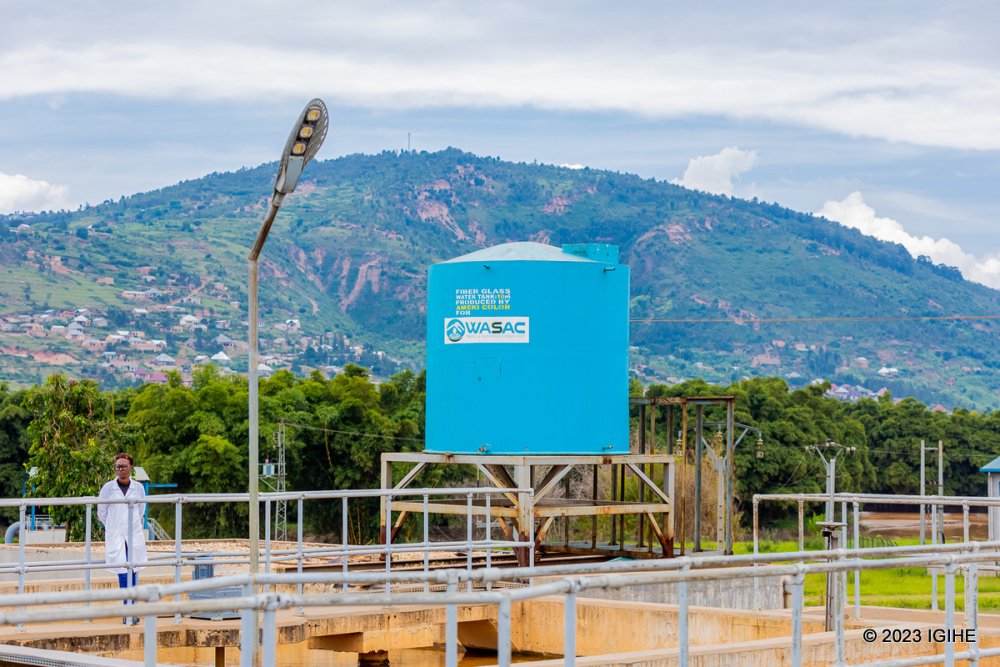
To help bridge this gap, the government is expanding the capacity of the Nzove III Water Treatment Plant from 40,000 cubic meters to 65,000 cubic meters per day, with completion scheduled for September 2026.
In addition, preparations are underway for the construction of the Nzove IV Water Treatment Plant, which is expected to add 150,000 cubic meters of treated water per day to Kigali’s supply.
Dr. Nsengiyumva said the project is expected to be completed within three years, with commissioning planned for December 2029.
The Ministry of Infrastructure recently announced that the new treatment plant will draw water from the artificial reservoir being developed alongside the Nyabarongo II Hydropower Plant.
The project is expected to provide Kigali with a more sustainable and sufficient supply of clean water.
The government had earlier projected that the construction contract would be signed by the end of May.
Another major project involves upgrading the Karenge Water Treatment Plant, whose production capacity will increase from 12,000 cubic meters to 48,000 cubic meters per day by January 2029.
More water projects planned across the country
Beyond Kigali, the government has planned several large scale water projects in different parts of the country.
In the Eastern Province, new water treatment plants are planned for Rwagitugusa, Sake, Kirehe, and Muvumba. However, funding for these projects has not yet been secured.
In the Southern Province, planned projects include a water treatment plant and pipeline connecting Higiro, Kigembe, and Mukindo in Gisagara District, a treatment plant in Kagaga, Muhanga District, and the Nyaruguru–Huye–Gisagara Water Supply Project, which will deliver clean water to the three districts.
These pipeline projects are expected to be completed during the 2027/2028 fiscal year, while the Busogwe Water Treatment Plant is scheduled for completion in 2029.
In the Northern Province, the Volcano Belt Water Supply Project, which serves Musanze, Rubavu, Nyabihu, and Rutsiro districts, as well as the Kivu Belt Water Supply Project, which supplies Karongi and surrounding areas, have largely been completed.
Government intensifies efforts to reduce water losses
Alongside increasing production capacity, the government is also stepping up efforts to reduce water losses caused by leakages within the distribution network.
According to Dr. Nsengiyumva, official data shows that WASAC Group loses approximately four out of every ten litres of treated water before it reaches consumers due to leaks and other technical challenges.
To address the problem, the government plans to deploy modern technology capable of detecting leaks automatically, allowing WASAC to identify and repair damaged sections of the network without waiting for public reports.
“We have been working with a Japanese company that already operates in Rwanda. It has demonstrated that significantly reducing water leakages is possible.
“We are now discussing expanding its role by entrusting it with larger sections of the city’s water network. We have already signed the agreement, which gives us confidence that we will achieve our target of reducing water losses,” he said.
WASAC recently revealed that the country’s existing water treatment plants are unable to produce approximately 1,234 cubic meters of water each day because of aging infrastructure.
The government is investing in the expansion and rehabilitation of water infrastructure and distribution networks with the goal of reducing non revenue water losses to 25 percent by 2029, ensuring that more treated water reaches households, businesses, and institutions across the country.
Rwanda plans to double clean water production and reduce water losses
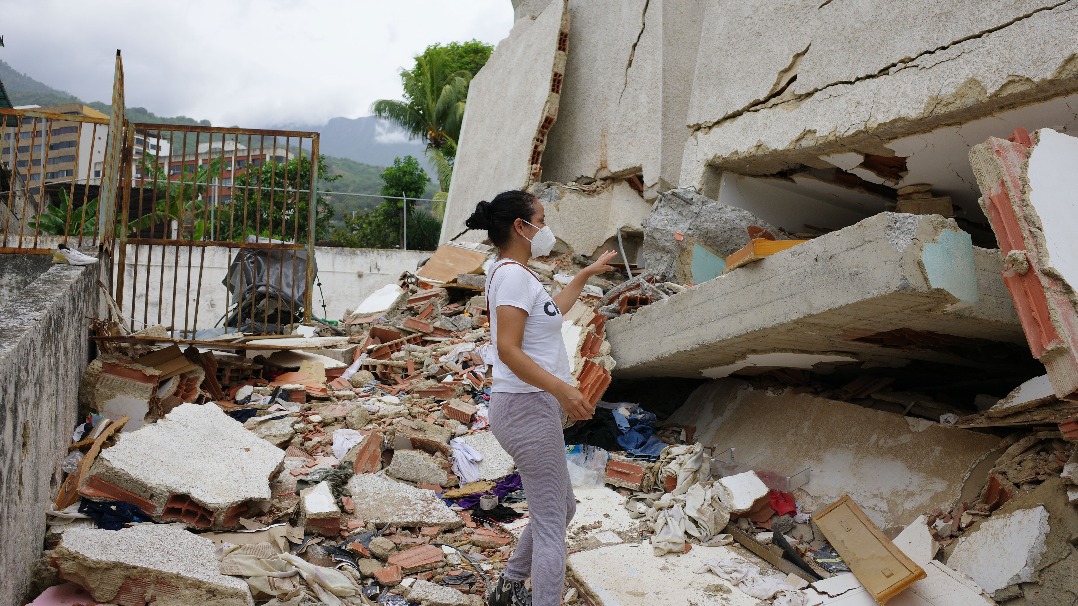
The number of injured remained at 16,740, according to figures released in an update by Venezuelan National Assembly President Jorge Rodriguez. A total of 6,462 people have been rescued.
The update said 86,794 families had received assistance, while 17,266 people were staying in 89 temporary camps across the country. Another 17,907 people were left homeless after their homes were damaged or destroyed.
Response operations are continuing with 30,076 personnel, 29,843 volunteers and 3,454 international rescuers deployed across the country.
Venezuela has recorded 1,171 aftershocks since the twin earthquakes, the update said.
The death toll from the June 24 earthquakes in Venezuela has risen to 4,118 as crews continue to clear rubble in the hardest-hit areas
The Rwanda Smart Emergency Response Pilot aims to reduce delays in emergency interventions, strengthen community resilience and bring emergency support closer to people, particularly those living in remote and hard-to-reach areas.
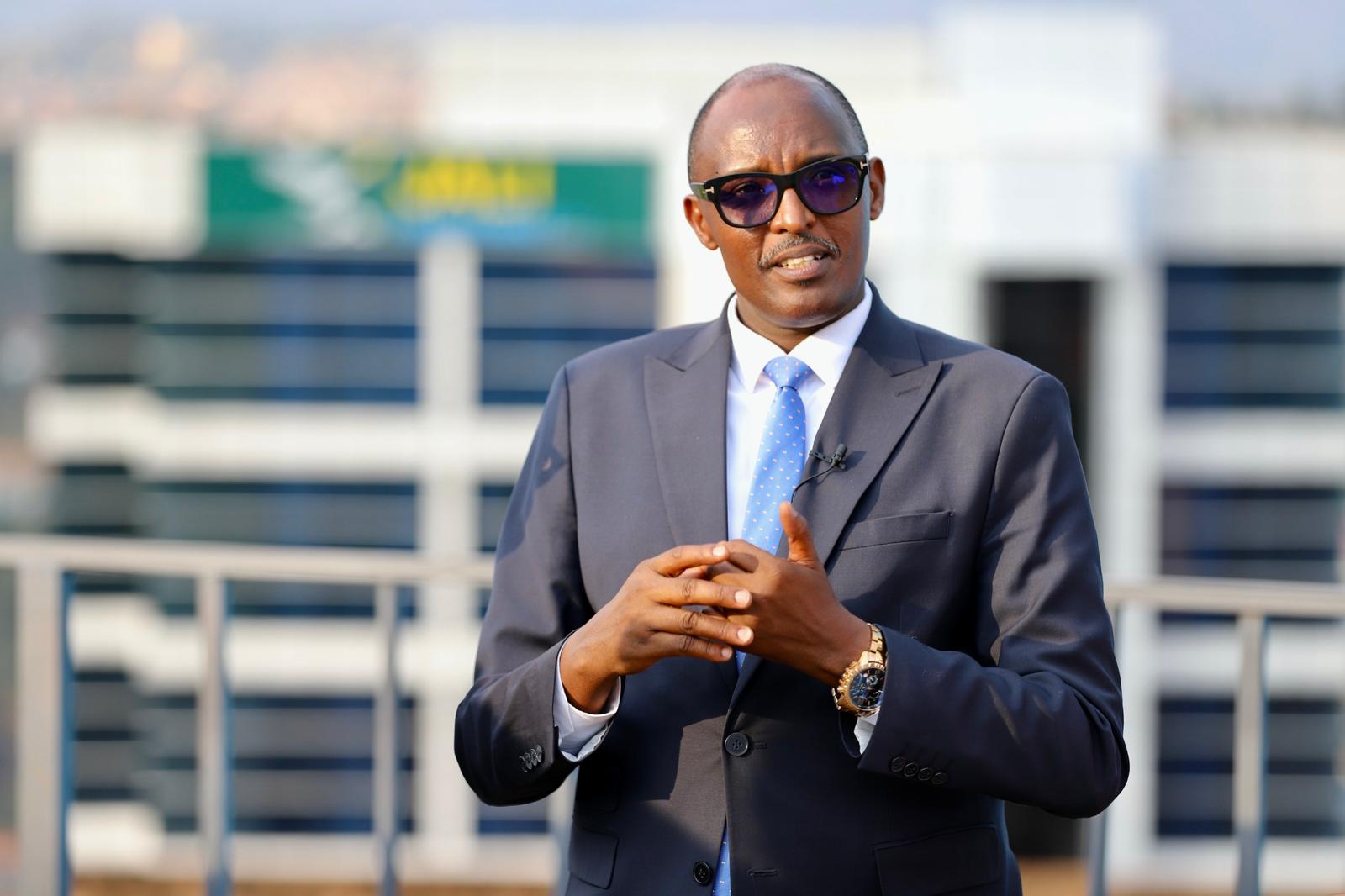
In an interview, Safari Rutagengwa, CEO of SASA Group, said the initiative builds on Rwanda’s progress in emergency response, including the establishment of the national 112 Emergency Call Center, the expansion of pre-hospital emergency medical services and continued investments in public safety and protection.
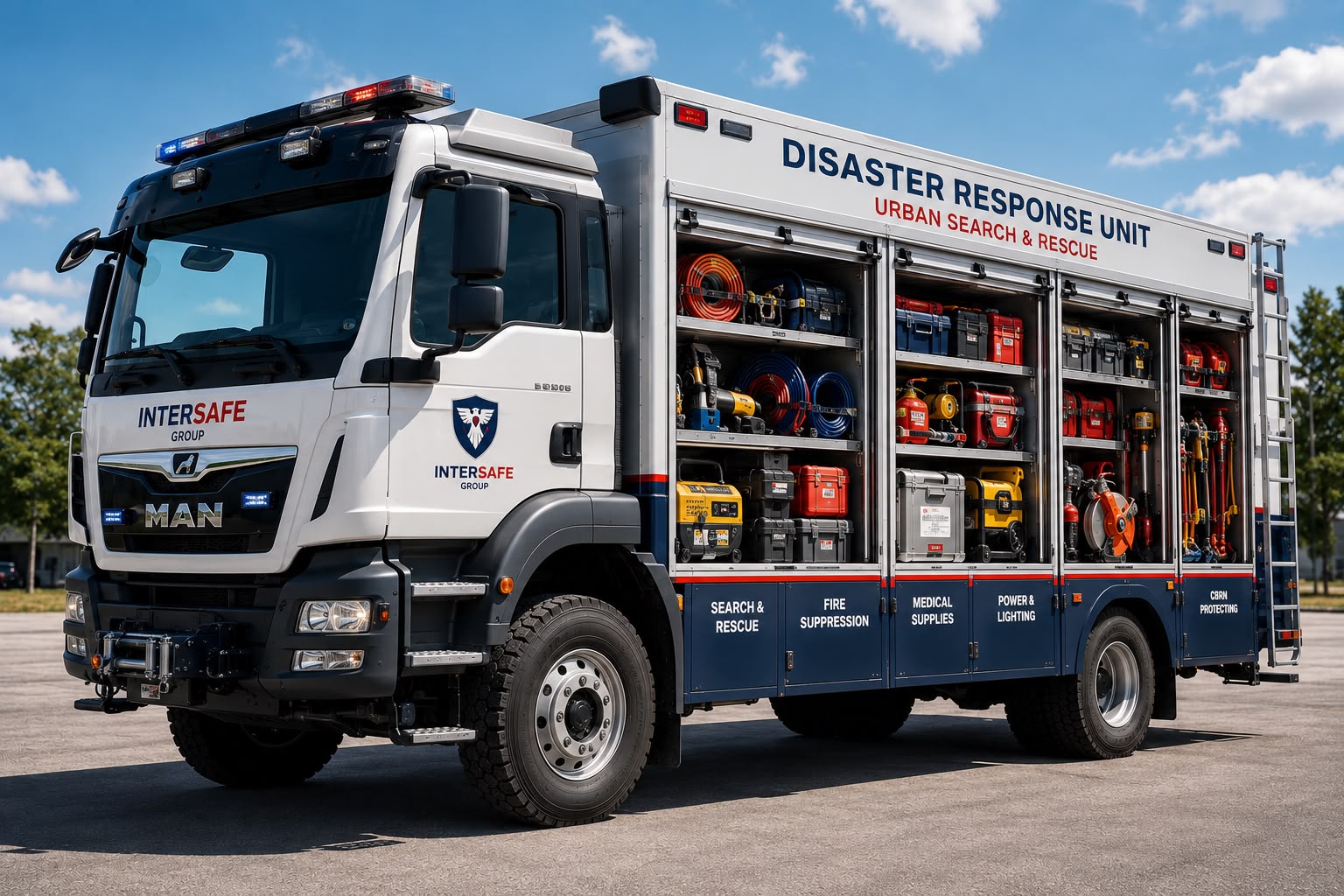
He explained that the project is designed to complement existing emergency response structures by introducing a new generation of smart technologies, including advanced ambulances, firefighting vehicles, digital coordination systems and real-time data analytics tools.
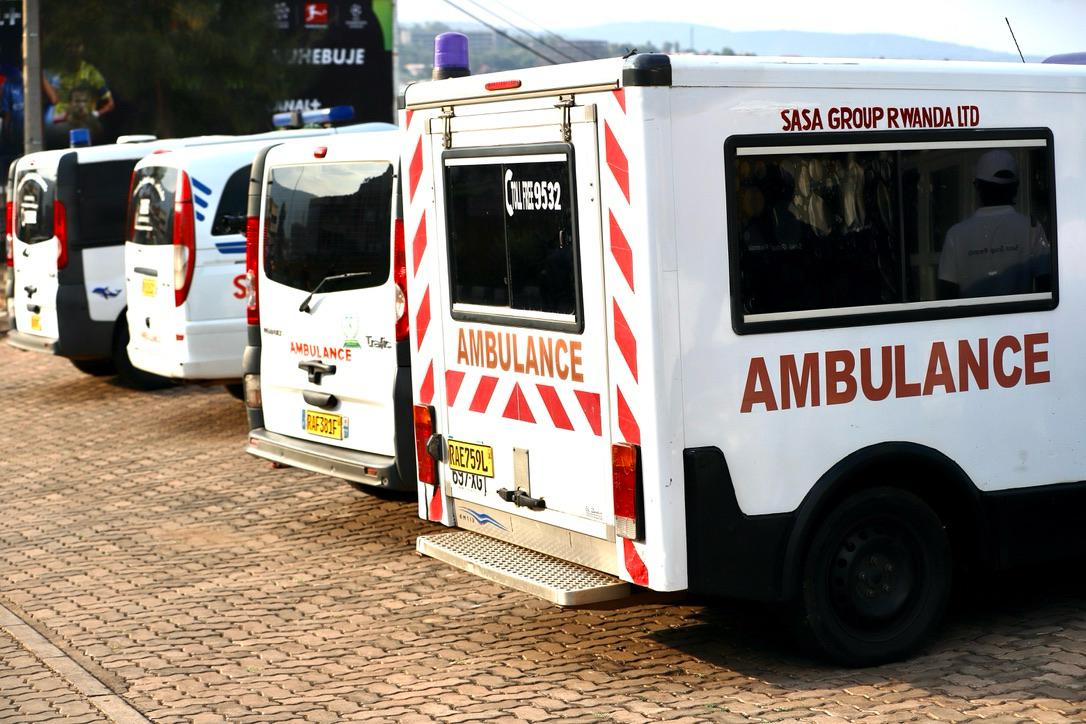
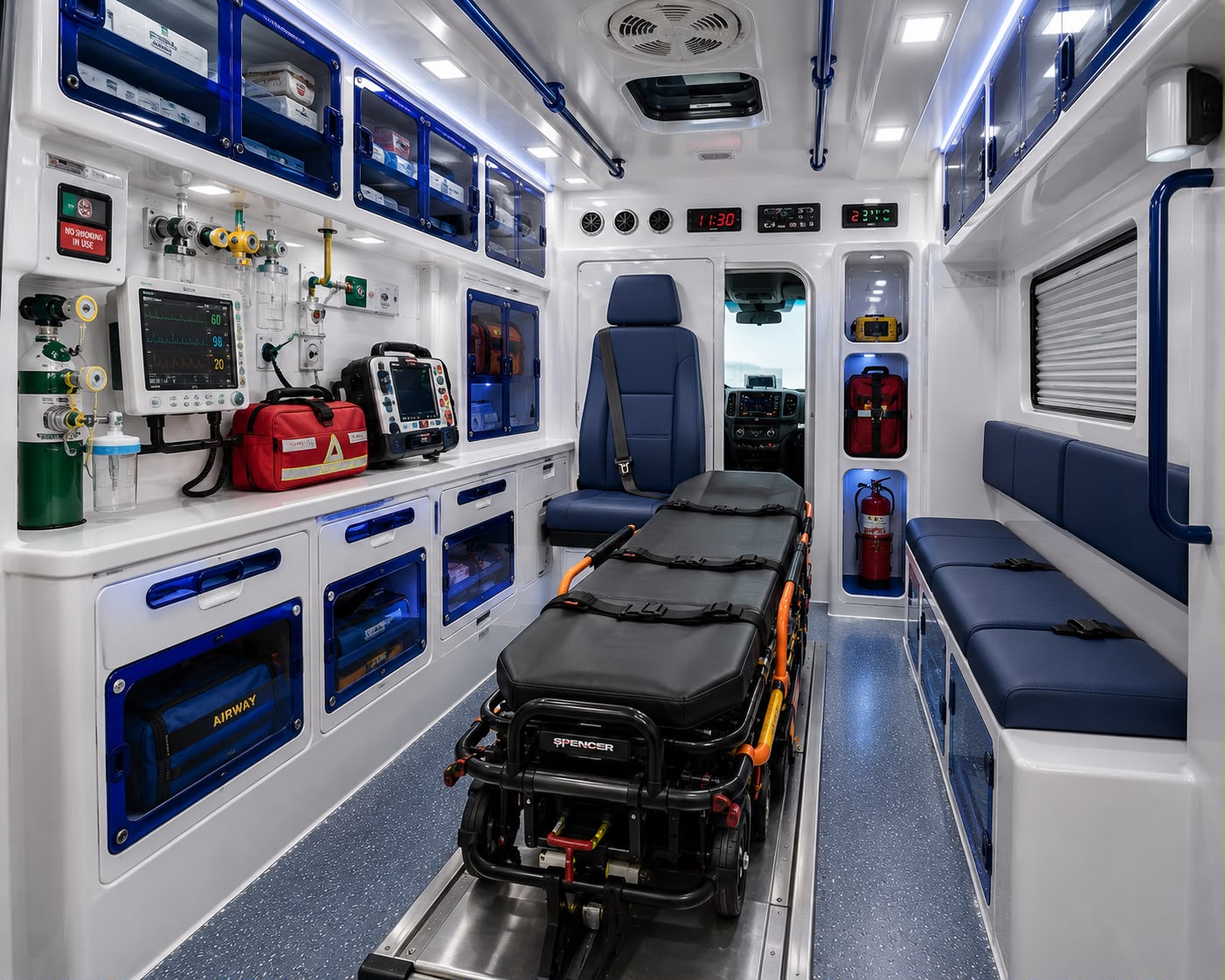
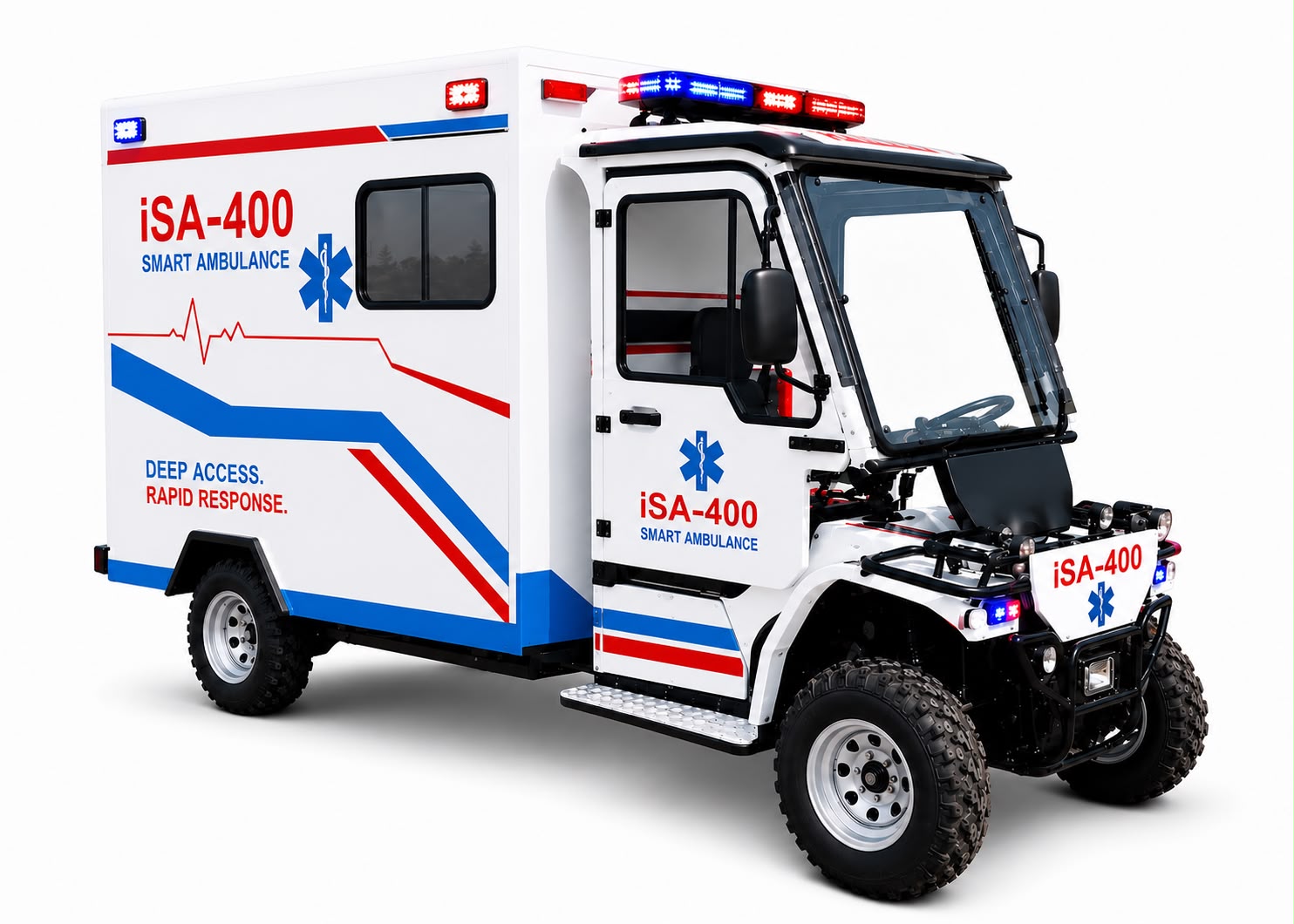
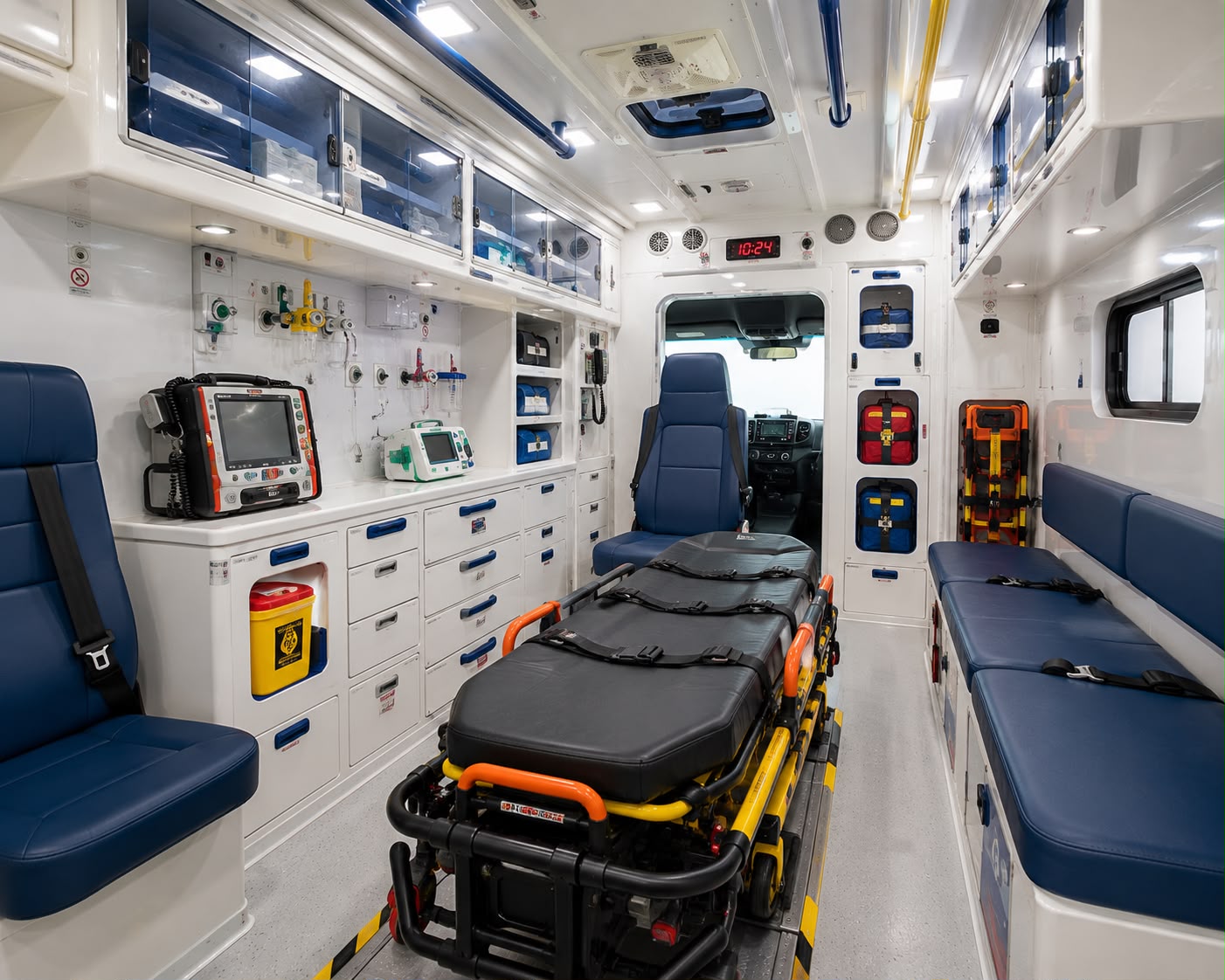
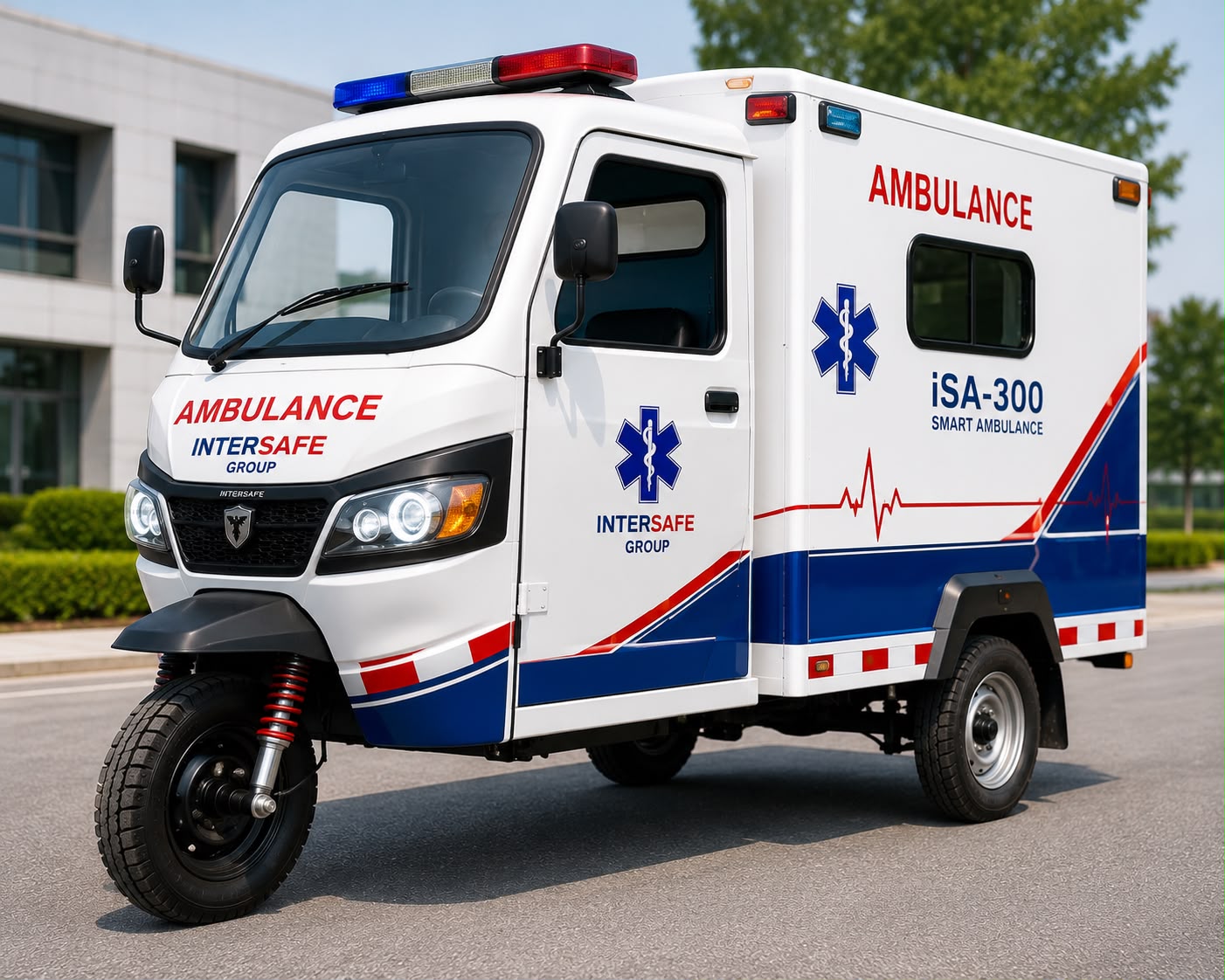
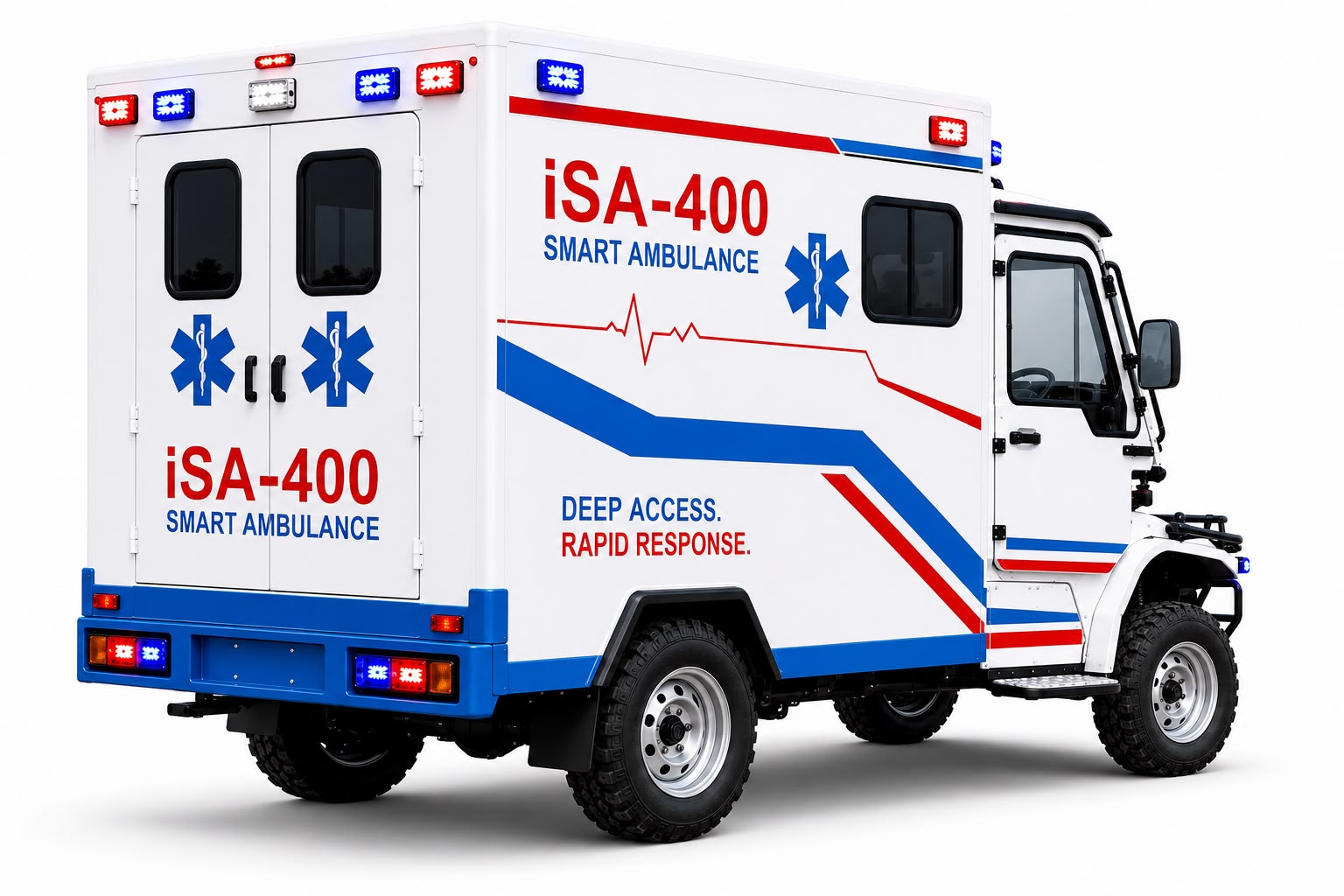
One of the proposed solutions is the iSA-400 Smart Ambulance, a compact emergency vehicle designed to operate on narrow roads, hilly terrain and remote locations where conventional ambulances may face challenges. Equipped with essential medical equipment for pre-hospital emergency care, the ambulance is intended to improve access to lifesaving services.
According to the project presentation, several iSA-400 Smart Ambulances can be deployed at a cost comparable to a single conventional ambulance, potentially allowing wider coverage and faster access to emergency medical assistance.
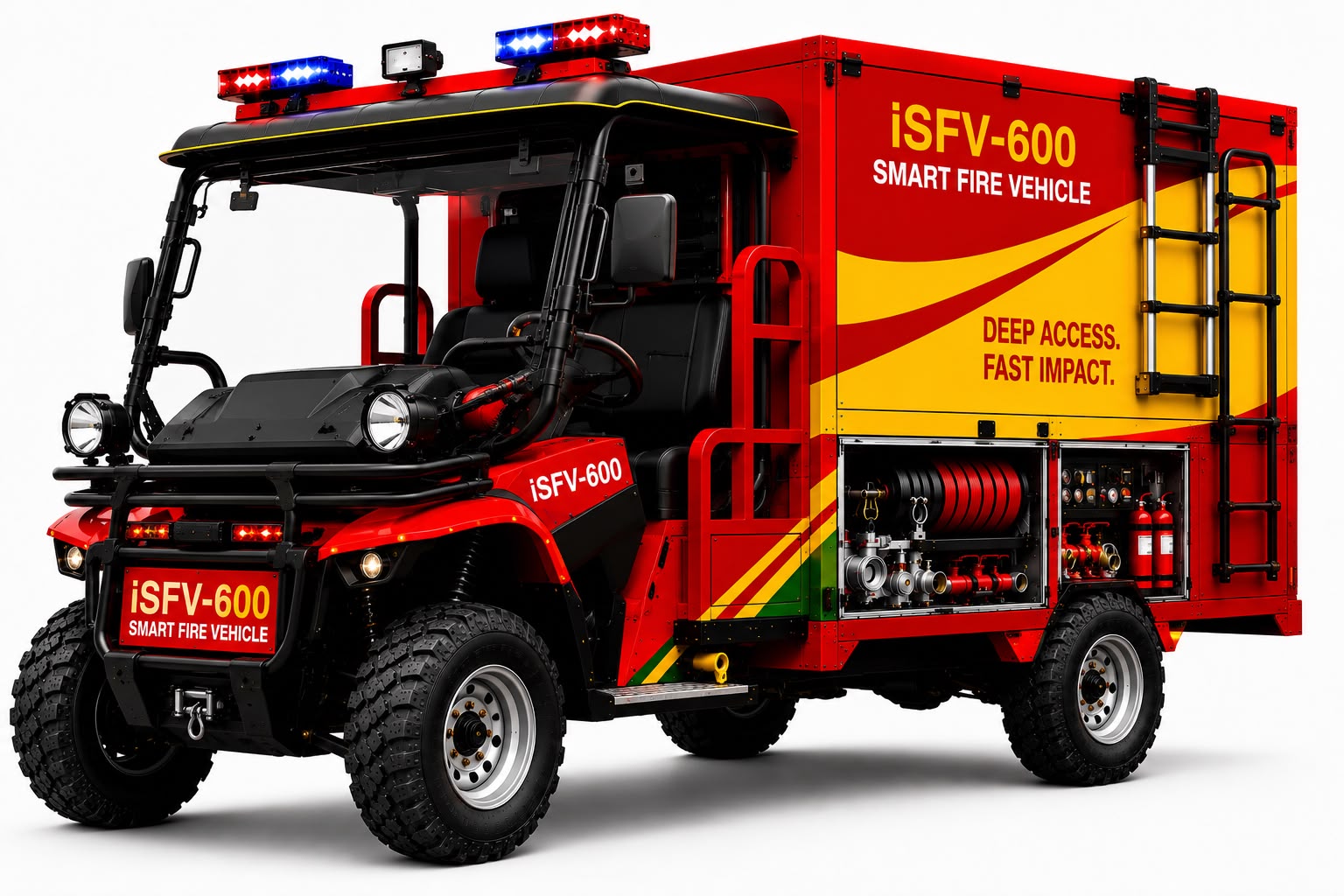
The initiative also proposes the iSFV-600 Smart Fire Vehicle, a rapid-response firefighting vehicle designed for urban areas, industrial zones, forests and road traffic accidents. Equipped with a high-pressure firefighting system and technology tailored for quick intervention, the vehicle is expected to strengthen firefighting capabilities and reduce losses caused by fires.
As part of its sustainability focus, the project includes the ESA-260 Electric Smart Ambulance, a fully electric emergency vehicle designed to reduce operating costs, lower carbon emissions and minimize the environmental impact of emergency services while maintaining the performance required for emergency operations.
Beyond vehicles and equipment, the project includes plans for a smart emergency response ecosystem built around an integrated command center, advanced communication systems, real-time monitoring platforms, data analysis tools and coordination mechanisms linking emergency teams, response centers and relevant institutions.
The system is intended to improve decision-making and operational efficiency by ensuring that responders have access to timely information and can coordinate more effectively during emergencies.
The pilot phase is expected to be launched in Kigali, featuring five strategically located response stations, ten smart ambulances and five smart firefighting vehicles supported by an integrated coordination and performance-monitoring system. The pilot is expected to run for approximately 12 months, covering preparation, deployment, testing and evaluation.
Its effectiveness will be assessed using key performance indicators, including emergency response times, geographic coverage, the number of interventions conducted, people assisted, equipment availability and community satisfaction. Data collected during the pilot phase will help evaluate its impact and guide decisions regarding possible expansion.
Rutagengwa said the pilot is intended to demonstrate the effectiveness of the model before it is gradually expanded to other districts across Rwanda.
The initiative will also focus on strengthening local capacity through training, knowledge transfer, institutional cooperation and continuous improvement of emergency services. It is envisioned as a model that can support broader efforts in innovation, community safety and sustainable development.
Rutagengwa emphasized that the project is not intended to replace existing emergency response systems but rather to reinforce and enhance them.
“We are not seeking to replace what is already working well. Our goal is to strengthen existing capacities so that we can reach more communities, respond to emergencies more quickly, and build an even safer and more resilient Rwanda.”
He said the initiative is guided by the objective of ensuring that emergency assistance reaches people when every second matters.
“Our work is driven by one fundamental objective: to make every minute count in saving the life of someone in danger,” he concluded.
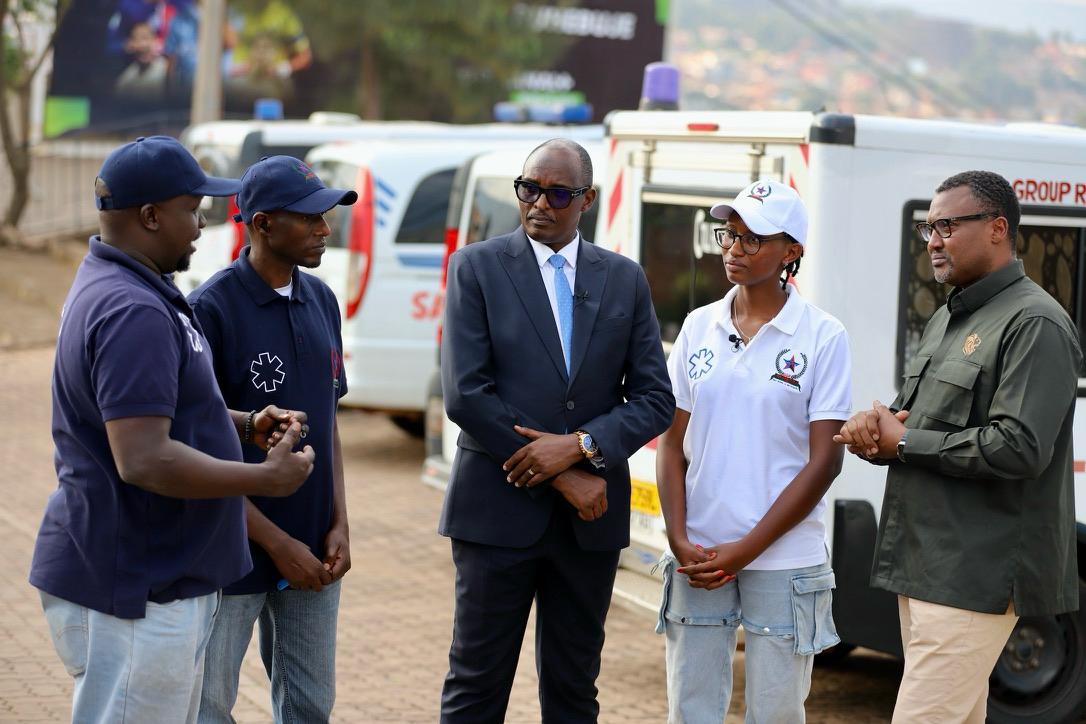
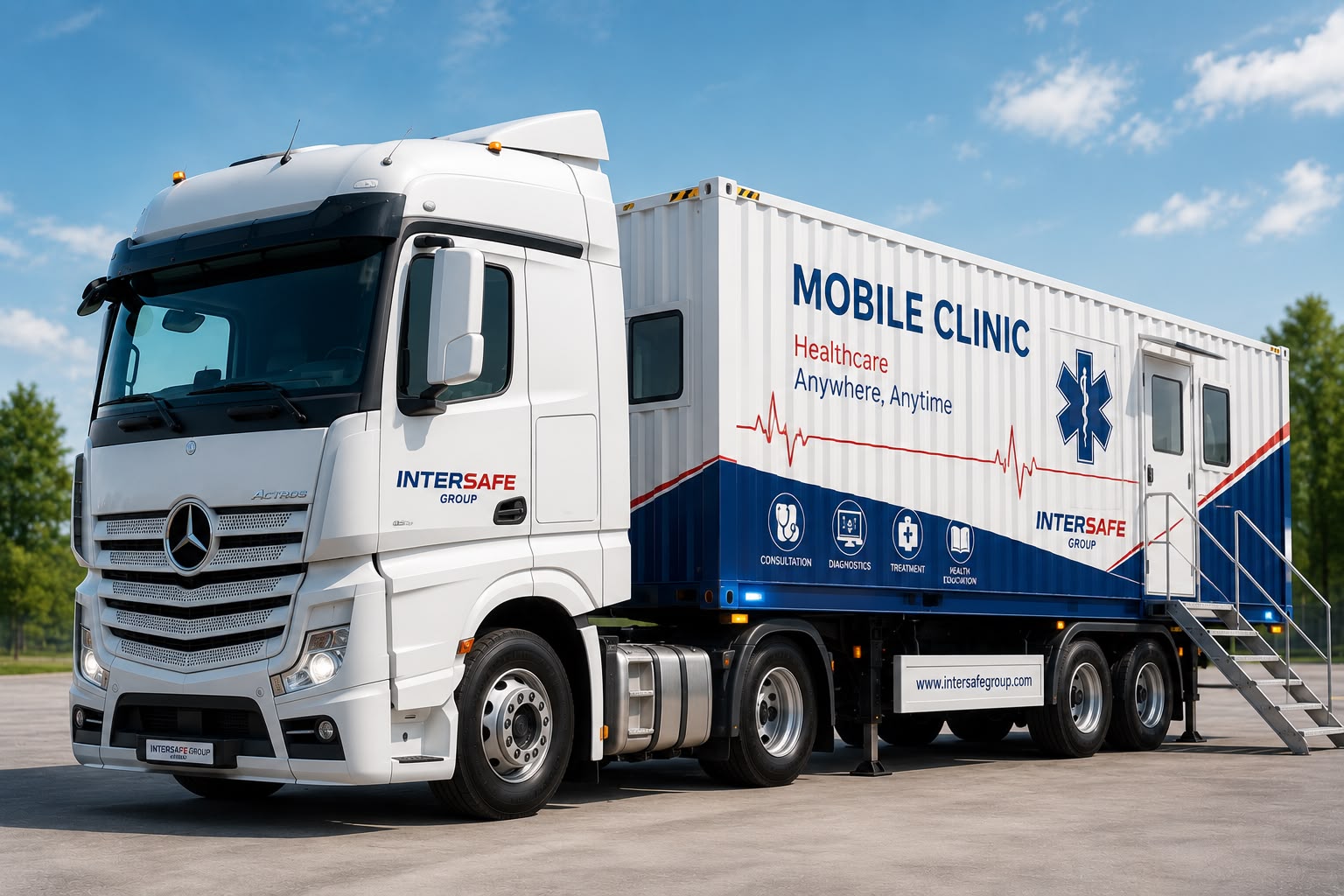
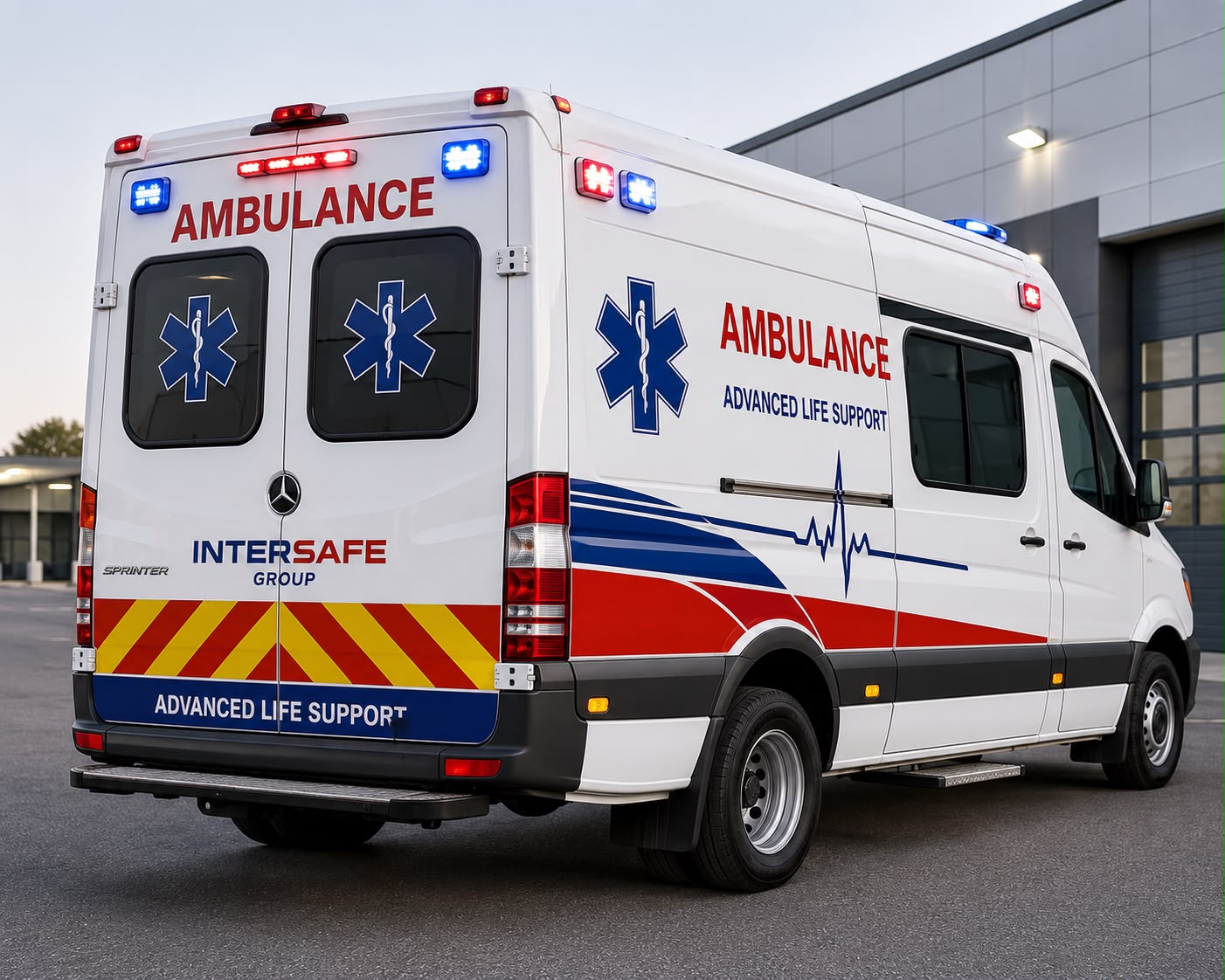
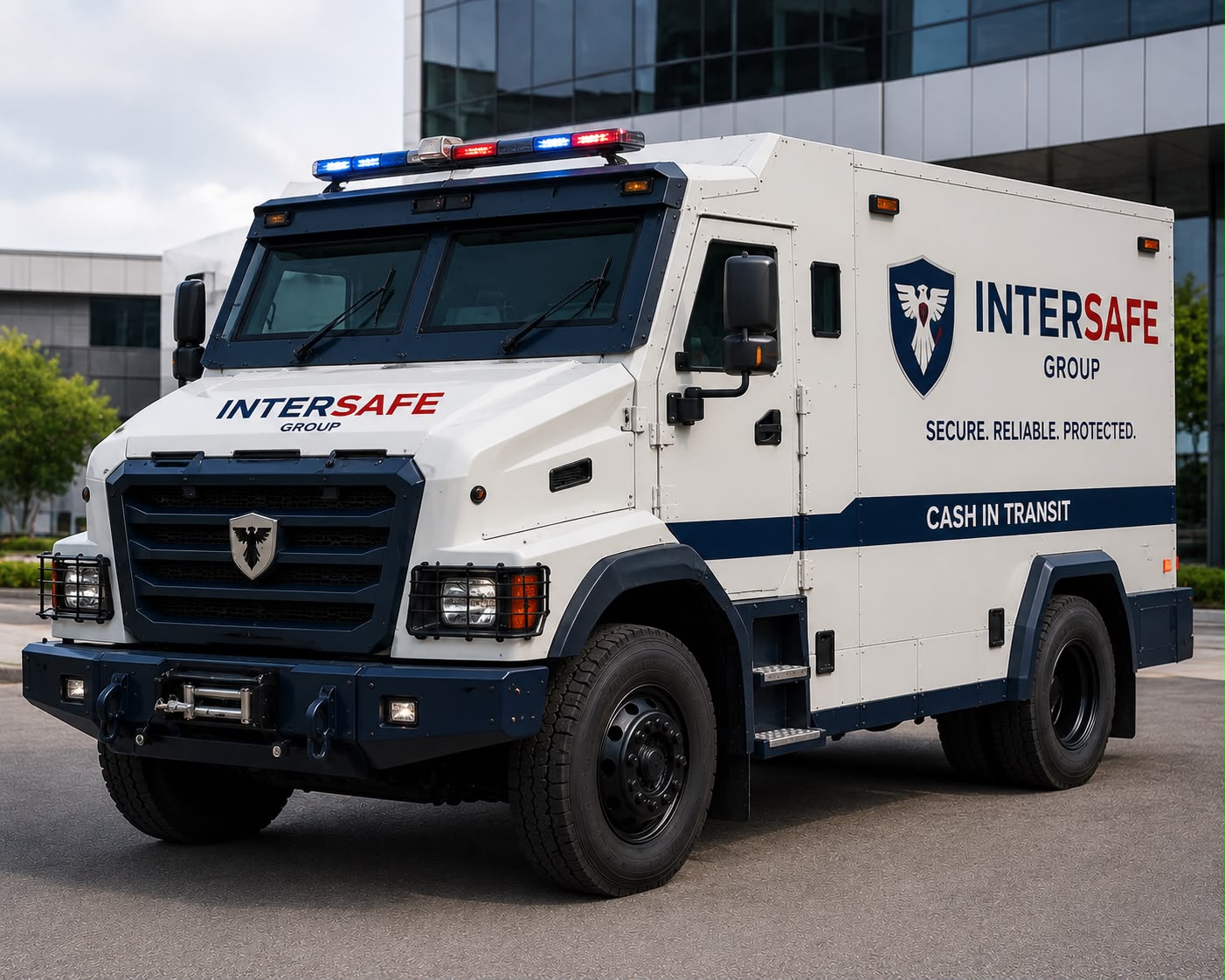
Safari Rutagengwa, CEO of SASA Group, which has partnered with InterSafe International LLC from the United Arab Emirates.Safari Rutagengwa and his team taking IGIHE kournalist through activities and operations of SASA Group.Some of the ambulances operated by SASA Group.
Prime Minister Dr. Justin Nsengiyumva announced the development on July 9, 2026, while presenting to a joint session of Parliament the government’s measures to enhance Rwanda’s economic resilience and safeguard citizens’ welfare against both domestic and external shocks.
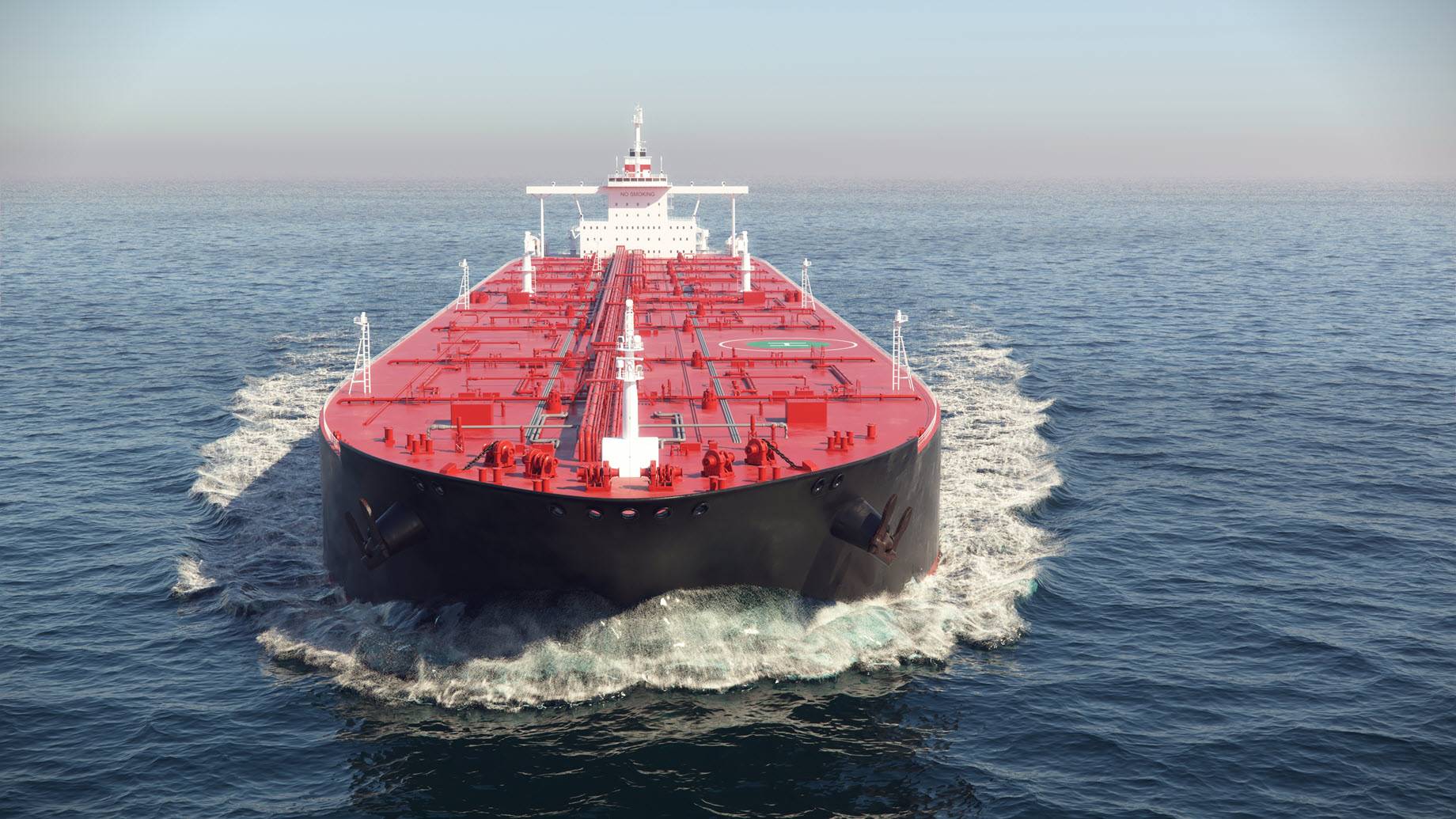
He said the shipment, which is expected to arrive at Tanzania’s Port of Tanga by the end of July, is part of a new government-led fuel procurement strategy implemented through the Rwanda National Energy Company (RNEC) in partnership with oil-producing and refining countries.
“The government has introduced a centralized system for importing refined petroleum products through RNEC to make fuel imports more efficient and achieve sustainable reductions in fuel prices,” Dr. Nsengiyumva told lawmakers.
He added that the first vessel carrying 40,000 metric tonnes of petroleum products is expected to dock at the Port of Tanga by the end of July, with Rwanda planning to receive similar shipments every month thereafter.
“These regular shipments will help ensure lower and more stable fuel prices over the long term,” he said.
The initiative follows a series of bilateral agreements aimed at diversifying Rwanda’s fuel supply routes and strengthening energy security.
On June 29, 2026, Rwanda signed a government-to-government agreement with Kenya to facilitate the importation of petroleum products through the Port of Mombasa. The agreement grants Rwanda access to Kenya’s fuel storage facilities, transport infrastructure and pipeline network.
The arrangement is expected to improve the reliability of fuel supplies, reduce logistical bottlenecks and allow for more predictable import planning.
Rwanda also signed a separate agreement with Tanzania to import petrol and diesel through the Port of Tanga. The deal was concluded between RNEC and Gulf Bulk Petroleum Tanzania Limited (GBP).
The government expects the new procurement arrangements to reduce transport costs, improve fuel availability and shield the domestic market from price volatility.
Under the latest fuel price review announced on June 5, 2026, a litre of petrol is retailing at Rwf 2,938, while diesel is priced at Rwf 2,927 per litre.
Prime Minister Dr. Justin Nsengiyumva announced that Rwanda is set to receive 40,000 tonnes of petroleum products as a new supply plan takes effect.
Instead, the first military operation led by President Paul Kagame after his return from the United States became the turning point that ultimately secured victory.
Speaking in IGIHE’s Ingingo Nkuru programme as Rwanda commemorates the 32nd anniversary of the country’s liberation and the end of the 1994 Genocide against the Tutsi, Col (Rtd) Mugisha reflected on some of the defining moments of the liberation war.
Capturing Gatuna
Col (Rtd) Mugisha served in the battalion commanded by Col (Rtd) Dodo Twahirwa, the unit that captured Gatuna.
After securing Gatuna, the battalion remained in the hills of Byumba, where it was reinforced by two additional battalions.
“We stayed in the Byumba hills until two other battalions joined us, making three battalions in total. From there we continued fighting in Byumba, Kivuye, Bungwe and all the way to Butaro,” he recalled.
He described the battles at Kaniga and Kivuye as some of the most difficult during the early stages of the war.
“We fought at Kivuye and Kaniga II, particularly in Kivuye Commune. On the first day, we defeated the enemy and captured their positions. But on the second day, they received reinforcements from Byumba, Butaro and Ruhengeri. They launched a strong counterattack, forcing us to retreat.”
The fighting continued at Gatuna.
He said, “From there we moved to Gatuna II. We fought there as well, but the enemy had superior strength. We would capture part of the area, only for them to drive us out again. We adopted guerrilla tactics because if we stayed in one position for too long, we suffered heavy casualties. We would attack, hold the area for a day, then move on the next day.”
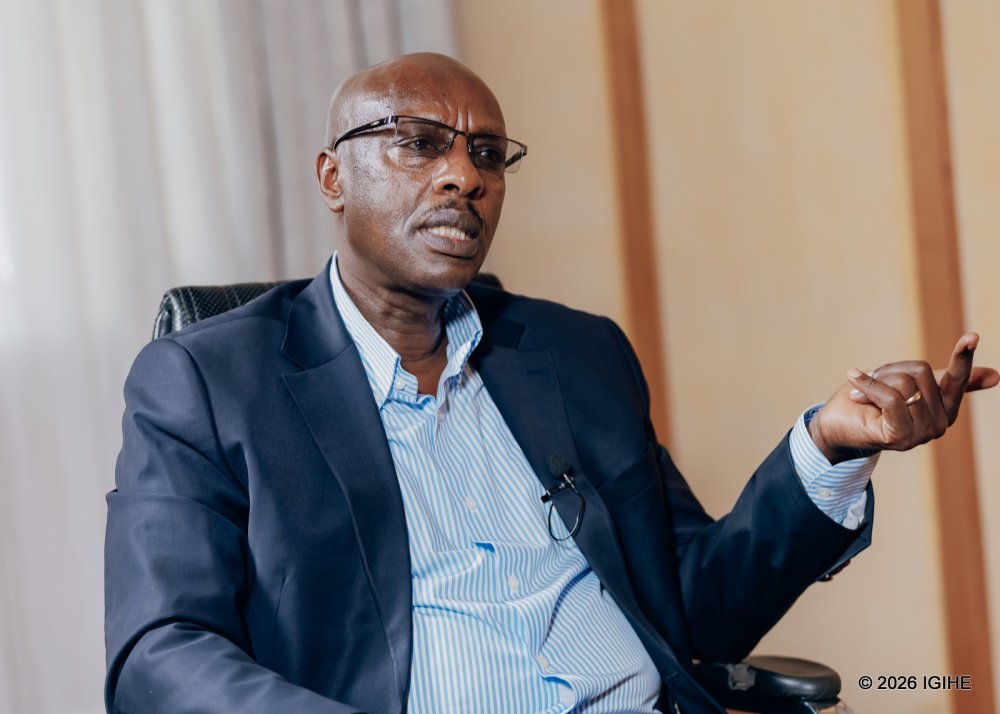
Col (Rtd) Vincent Mugisha shares memories of his years as an RPA soldier, highlighting the challenges, sacrifices and determination that shaped the liberation campaign.
One of the things he admires most, he said, is President Kagame’s leadership during the liberation struggle and his ability to plan military operations that defeated the enemy in ways many people still find remarkable today.
“The Commander-in-Chief planned our operations exceptionally well. After the battles at Kivuye and Kaniga II, he devised another strategy. I wasn’t involved in the planning because I was still a junior soldier, but he organized an operation to attack Ruhengeri again. We marched on foot through the Virunga Mountains, attacked Ruhengeri and freed prisoners. That operation shocked the enemy and convinced them that we had far greater strength than they had imagined.”
He continued: “After we left the Virunga Mountains, he quickly organized two battalions and ordered them to return to the park. Since almost all the enemy’s forces had been deployed in Ruhengeri, he knew only a small number of troops remained elsewhere. He instructed them to move through the park and advance as far as Rusumo.”
“As we moved, the enemy detected us when we reached the Kayange area, just beyond Namuhemura. They pursued us through Nyarupfubire toward Rwimiyaga. We engaged them effectively. They had underestimated us, thinking we were only a small force, but after the battle, their morale was badly shaken.”
Another decisive battle took place at Gikoba, where RPA troops refused to surrender ground.
“Our soldiers stayed in trenches. Whenever they attacked, we’d repel them. They would return a week later, and we would push them back again.”
Trenches dramatically reduced casualties
According to Col (Rtd) Mugisha, one of President Kagame’s most important military directives required every soldier to dig a trench for protection.
“He taught us that every soldier had to fight from a trench. Inspection teams were even established to verify that every battalion had properly dug them. I clearly remember senior officers coming to inspect.”
The trenches significantly reduced casualties.
“The enemy would bombard our positions thinking they had killed us all. When they advanced to finish us off, they found us alive and ready to fight back. That completely changed the nature of the war. Eventually they became afraid of attacking us, and it greatly boosted our soldiers’ morale.”
Arriving in Kigali after the Genocide began
Col (Rtd) Mugisha arrived in Kigali on April 10, 1994, after his battalion was ordered south from the Mulindi area to rescue civilians as the Genocide against the Tutsi unfolded.
“We left on April 8 and reached Kigali on April 10, entering through Kagugu.”
The journey exposed them to scenes that remain unforgettable.
“From Mugambazi through Rutongo, there were bodies everywhere.”
He explained that displaced people from Byumba who had settled around Nyacyonga had already begun killing Tutsi civilians, leaving bodies scattered along the roads.
“It was heartbreaking. Those who did not witness the Genocide cannot fully understand its cruelty. Even soldiers were deeply affected by what we saw. When I think about what happened to the Tutsi, it still pains me.”
The horrifying discovery at Musha Parish
After several days fighting in Kigali, Mugisha’s battalion received new orders under the command of Maj Gen Caesar Kayizari to rescue Tutsi civilians in eastern Rwanda.
At Musha in present-day Rwamagana District, he encountered the largest number of victims he had ever seen.
“At Musha Parish, around the priest’s residence near the cathedral, there were more than 5,000 bodies. There were many more inside the parish. They had been killed in horrific ways.”
He recalled seeing victims who had been beaten to death and stripped naked. One memory has never left him.
“A fellow soldier came from Musha. When we arrived, he said, ‘This is my home.’ We told him to check whether any of his relatives had survived. As soon as he entered the compound, he collapsed over the bodies of his family members. He cried uncontrollably until we had to carry him away.”
As they advanced further, they discovered that the killings were still ongoing. “We even found a truck transporting bodies from the church to dumping sites. The entire church was covered in blood.”
The liberation of Kigali brought mixed emotions
By July 4, 1994, Col (Rtd) Mugisha was stationed in Kimihurura when Kigali was finally liberated.
Despite the military victory, he says there was little celebration among the soldiers.
“The capture of Kigali did not bring us the joy many people imagine. You celebrate when the people you came to save are alive. Instead, we found bodies everywhere.”
Months of continuous fighting had also taken a heavy physical toll.
“We had been fighting nonstop from April to July. The troops were exhausted.” He added that civilians, who would normally celebrate alongside liberating forces, were either dead or had fled.
“It was a mixture of emotions that is difficult to explain. We were happy to have achieved victory, but overwhelmed by the tragedy we witnessed.”
Col (Rtd) Vincent Mugisha recounts key moments from his time in the Rwanda Patriotic Army (RPA), including the capture of Gatuna and other decisive battles.
Confident in Rwanda’s youth
Col (Rtd) Mugisha expressed strong confidence in today’s young generation, saying they are fully capable of serving Rwanda in different fields.
“People often criticise today’s youth, but every generation has heard older people say, ‘Children these days.’”
He said it is unfair to judge an entire generation because of the mistakes of a few individuals.
“If one young person uses drugs or another gets drunk, people assume they are all the same. I don’t believe that. Our children will achieve even more than we did because they have opportunities we never had. They are educated, they understand technology, and today’s battles are battles of development.”
He added that Rwanda’s young people have already demonstrated responsibility.
“I’ve been away from home for three years and nothing has happened. Our young people are capable. Heroes produce heroes. A lion gives birth to another lion, not a dog.”
A message to detractors
Reflecting on his years in the Rwanda Defence Force, Col (Rtd) Mugisha described it as a family built on solidarity, mutual respect and shared values.
“I’ve lived well because you never go hungry in the army, and you’re never abandoned when you’re sick. The RDF is a family that supports its members, and I love it.”
He also had a message for those who continue to seek to destabilise Rwanda.
“Those who failed in 1994, 1995, 1996, 2000 and all the years since should give up. They should return home and help build the country because they will never achieve their objective.”
He said Rwanda’s unity makes attempts to destabilise the country futile.
“Rwanda is stable because its people are united. Where would anyone even find a way to divide it? They should abandon the idea of capturing Rwanda. The country has moved far beyond that.”
Col (Rtd) Vincent Mugisha, is one of the soldiers who took part in the liberation struggle.
The assistance will be delivered through the UAE Aid Agency, reflecting the UAE’s longstanding humanitarian approach and its continued commitment to supporting the brotherly Sudanese people.
The response comes amid the serious deterioration of humanitarian conditions in El Obeid and surrounding areas, where civilians and displaced persons face mounting urgent needs for food security, healthcare, safe drinking water and shelter.
The UAE stressed the need for an immediate and coordinated humanitarian response to ensure that life-saving assistance reaches those in need, particularly the most vulnerable groups.
The UAE also reaffirmed that protecting civilians in El Obeid and across Sudan must remain an urgent priority for the international community, stressing the importance of all parties to the conflict complying with international humanitarian law, avoiding escalation in populated areas, and ensuring the urgent, safe and unhindered delivery of humanitarian aid.
Sheikh Shakhboot bin Nahyan Al Nahyan, Minister of State and Member of the International Humanitarian and Philanthropic Council, said this urgent response reflects the UAE leadership’s steadfast belief that people remain at the heart of the UAE’s humanitarian efforts.
At this critical stage, he added, the focus must remain on protecting civilians, enabling safe humanitarian corridors, and responding to the urgent needs of displaced people and the most vulnerable groups, particularly the sick, children, the elderly and women.
He added that the UAE will continue to stand by the brotherly Sudanese people and work with humanitarian and international partners to alleviate civilian suffering, strengthen the humanitarian response, and help prevent further deterioration on the ground.
Sheikh Shakhboot noted that the UAE also stresses the importance of ensuring that the suffering of civilians is not politicised and that international efforts remain focused on saving lives and supporting accountability for violations through independent, professional and impartial mechanisms.
He further stated that the UAE has provided approximately US$800 million in assistance to Sudan since the outbreak of the crisis, underscoring the country’s unwavering commitment to supporting the brotherly Sudanese people, backing the international humanitarian response, and assisting refugees, displaced persons and the communities most affected by the conflict.
Dr. Tareq Ahmed Al Ameri, Chairman of the UAE Aid Agency, said the humanitarian assistance forms part of the UAE’s pledges to support humanitarian response plans in cooperation with the United Nations and its partners, helping provide food, healthcare, shelter and support for refugees, displaced persons and the most vulnerable groups.
The support will be delivered in cooperation with the United Nations and its partners, contributing to the provision of food, healthcare, shelter and assistance to the most vulnerable communities both inside Sudan and in neighbouring countries.
The UAE reiterated that there is no military solution to the crisis in Sudan and stressed that the priority must be to protect civilians, facilitate humanitarian access, halt the escalation, and support a Sudanese civilian-led political process that leads to lasting peace, preserves Sudan’s unity and stability, and fulfils the aspirations of the brotherly Sudanese people for security, prosperity and a dignified life.
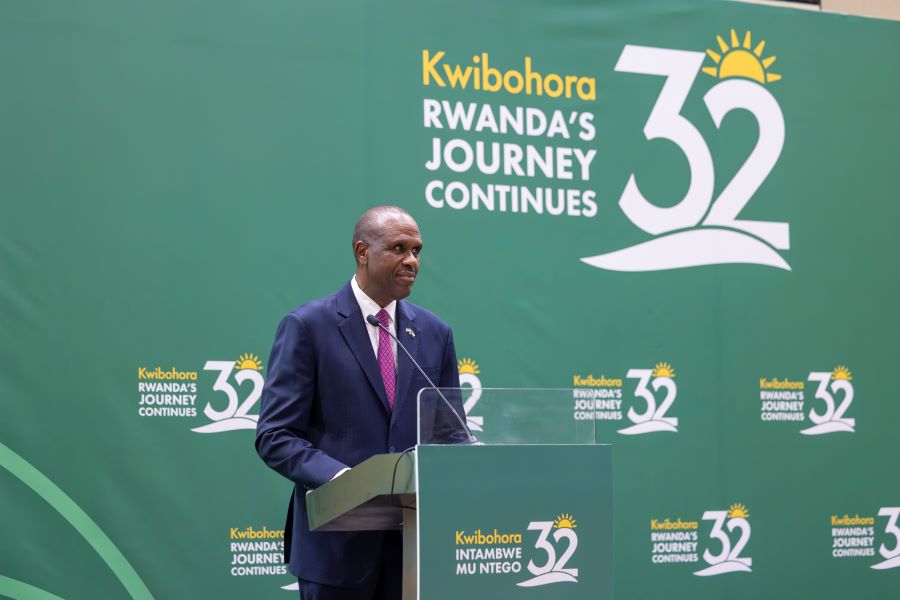
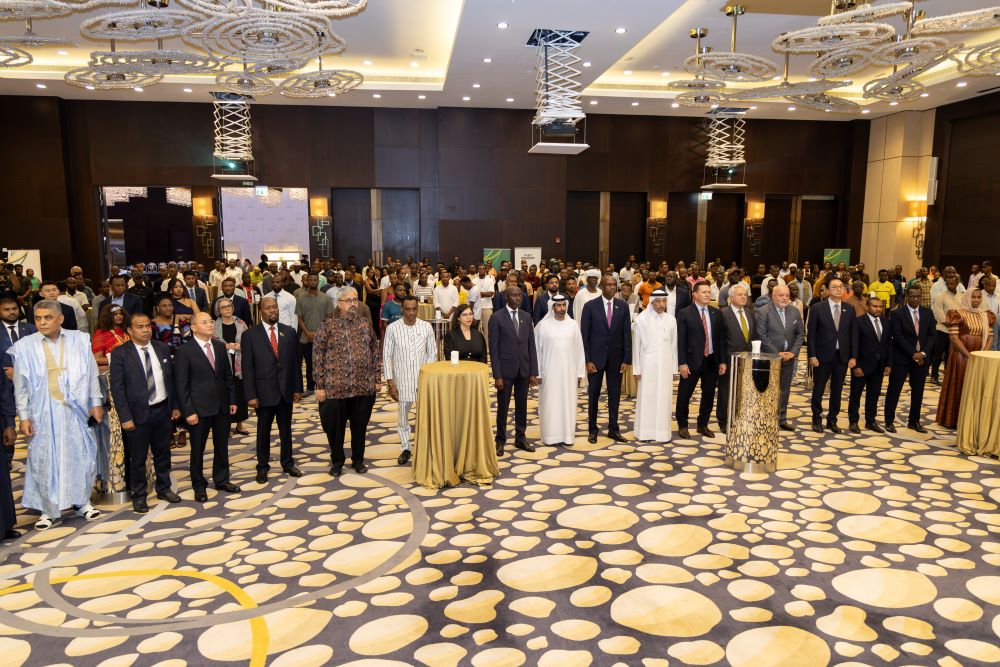
He was speaking in Abu Dhabi on July 4, 2026, during Kwibohora32 celebrations hosted at a reception that brought together more than 300 guests, including senior UAE government officials, members of the diplomatic corps, business leaders, friends of Rwanda, and members of the Rwandan community.
The event was attended by Sultan Mohammed Al Shamsi, Assistant Minister of Foreign Affairs for Development and International Organizations, who represented the UAE government.
Addressing guests, Ambassador Mirenge reflected on the significance of Rwanda’s Liberation on July 4, 1994, when the Rwanda Patriotic Army ended the 1994 Genocide against the Tutsi and liberated the country.
“Rwanda’s Liberation was far more than a military victory. It marked the rebirth of a nation. It restored dignity to our people and created the conditions for unity, reconciliation, and inclusive nation-building,” Ambassador Mirenge said.
He noted that the liberation laid the foundation for Rwanda’s recovery and long-term development, enabling the country to emerge as a stable and forward-looking nation.
“Our story is no longer defined by tragedy, but by remarkable transformation. Today, Rwanda is widely recognised as one of Africa’s fastest-growing economies and one of its safest, cleanest, and best-governed countries,” he added.
The ambassador also highlighted the growing strategic partnership between Rwanda and the United Arab Emirates, describing it as a reflection of the strong relations between the two countries.
According to Ambassador Mirenge, bilateral trade has increased from approximately USD 300 million a decade ago to around USD 1 billion today, while cumulative UAE investments in Rwanda have exceeded USD 320 million, underscoring growing investor confidence in Rwanda’s business environment.
He further emphasized the role of sustained high-level engagements in strengthening cooperation, citing President Paul Kagame’s visit to the UAE last year, as well as visits by senior UAE officials to Rwanda.
These exchanges, he noted, continue to deepen collaboration in trade, investment, technology, innovation, infrastructure, and other strategic sectors.
Concluding his remarks, Ambassador Mirenge invited investors and business leaders from the UAE and beyond to explore opportunities in Rwanda, reaffirming the country’s commitment to maintaining a conducive environment for investment and long-term partnerships.
The celebration formed part of Rwanda’s global commemorations of Kwibohora32, marking 32 years since the country’s liberation and reflecting on the progress achieved in unity, reconciliation, and socio-economic transformation.
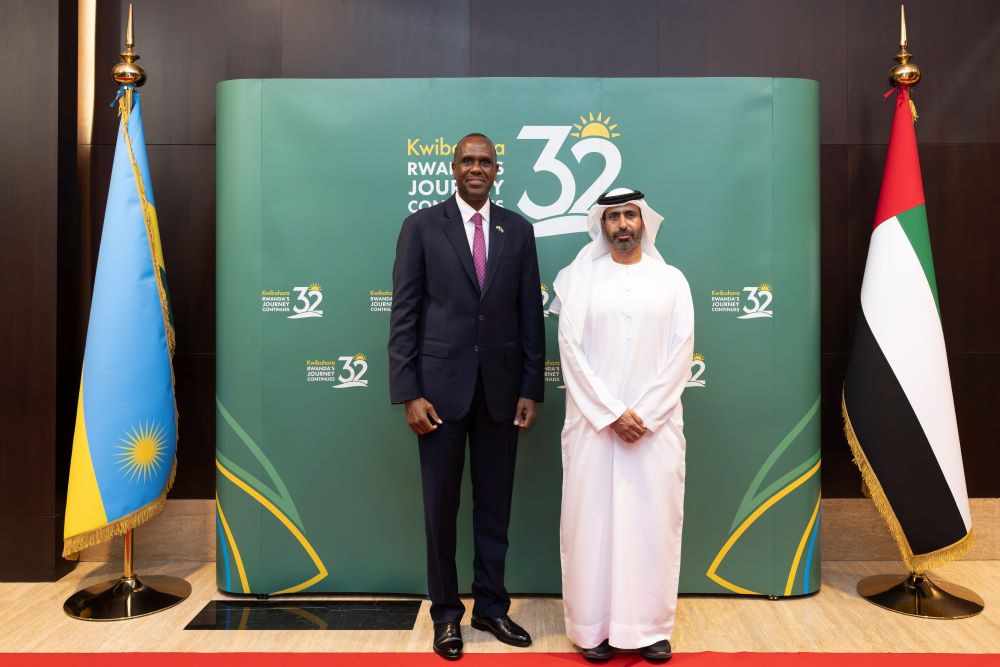
Over 300 people attended Kwibohora32 celebration in the UAEAmbassador John Mirenge with Sultan Mohammed Al Shamsi, Assistant Minister of Foreign Affairs for Development and International Organizations at UAE Ministry of Foreign AffairsAmbassador John Mirenge addressing the audience at the celebration of Kwibohora32
The event brought together over 500 guests including members of the Rwandan community living in Zambia, host Government officials, members of the Diplomatic Corps in Zambia, and Friends of Rwanda.
The Guest of Honour representing the Government of Zambia was Mr. Kangwa Chileshe, Permanent Secretary, Ministry of Youth, Sport and Arts who saluted Rwanda’s journey as an inspiration to Africa.
Speaking on behalf of Hakainde Hichilema, President of the Republic of Zambia, Mr. Chileshe congratulated the Government and people of Rwanda for the gains thus far.
“Kwibohora is a powerful testament to resilience and unity. Zambia notes with admiration Rwanda’s remarkable transformation. From post-conflict recovery to sustained development, your journey is an inspiration to the African continent,” Mr. Chileshe said.
“Zambia and Rwanda enjoy cordial relations anchored in mutual respect. We reaffirm our commitment to strengthen bilateral cooperation under AU Agenda 2063 for the benefit of our two peoples.”
He thanked the Rwandan community in Zambia for their contribution to the Zambian economy and assured them of continued government support.
Emmanuel Bugingo, High Commissioner of Rwanda to Zambia, said Kwibohora32 marks a day when Rwandans pay tribute to the Rwandan men and women whose selfless efforts and valor liberated the country and laid the foundation for national unity, reconciliation and development.
“Rwanda has transformed from a post-conflict, ruined economy in 1994 into one of Africa’s fastest-growing and stable economies up to date, driven by structural reforms, service sector growth, and foreign investments. Rwanda’s economy recorded a GDP growth rate of 9.4% in 2025 and 10% GDP growth in the first quarter and is projected to be 7.2% for the year 2026,” High Commissioner Bugingo stated.
“Rwanda aspires to become an upper-middle income country (UMIC) by 2035, and a high-income country (HIC) by 2050. We remain thankful for the unity and resilience the people of Rwanda have been able to build and for ably turning around Rwanda’s fortunes.”
“We thank the Government and people of Zambia for their warm hospitality. We are committed to deepening Rwanda-Zambia cooperation in trade, investment, tourism, education and regional peace.”
He also urged the Rwandan community in Zambia to uphold the values of hard work and unity.
The event was marked by a celebration of Culture and Faith with a display of cultural performances, Rwandan music and a homily presided over by Bishop Joshua H.K. Banda, Presiding Bishop of the Northmead Assemblies of God Zambia (PAOGZ).
Speaking at Kwibohora32 celebrations n Lusaka, High Commissioner Bugingo has urged the Rwandan community in Zambia to uphold the values of hard work and unity.