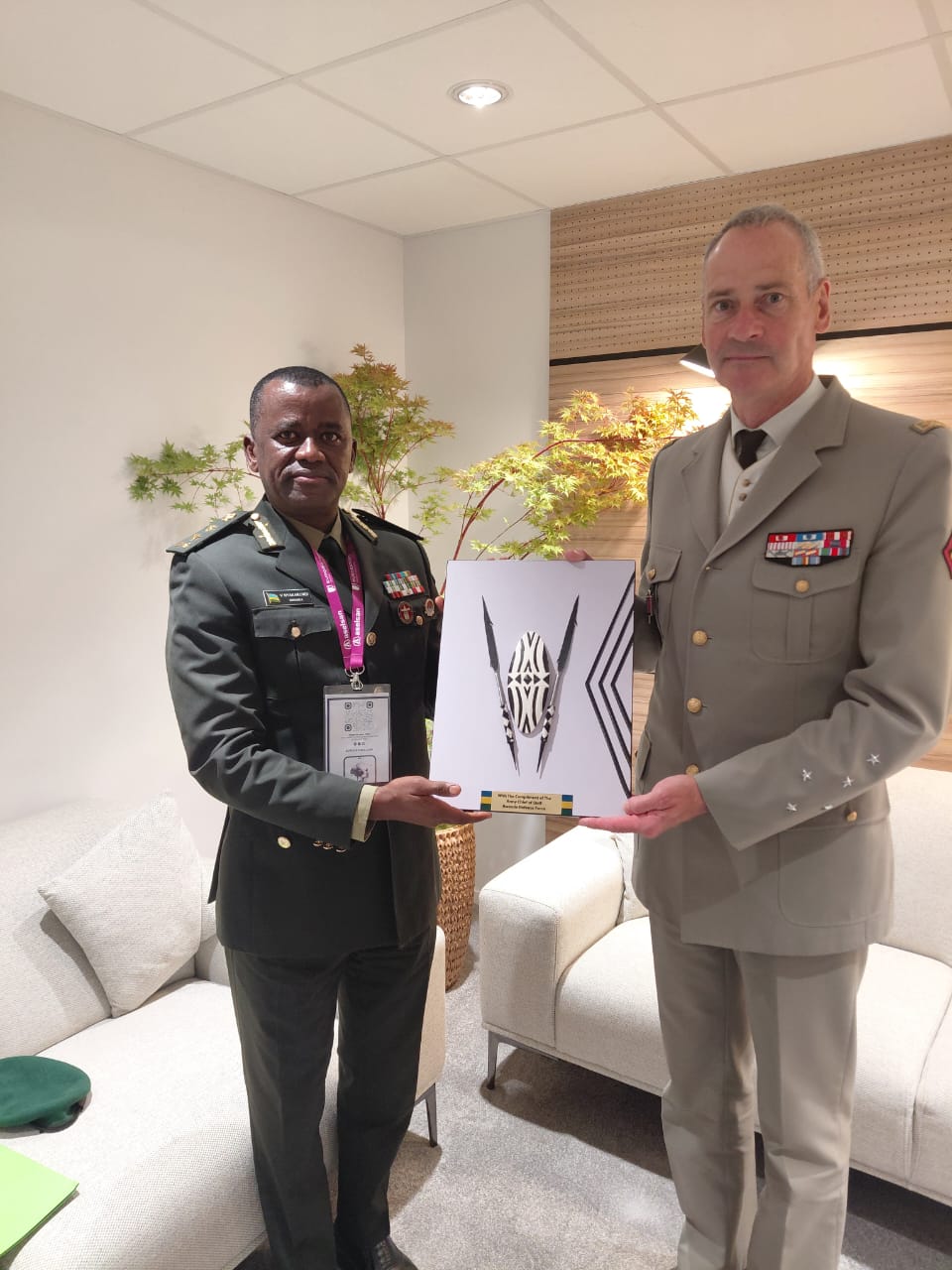
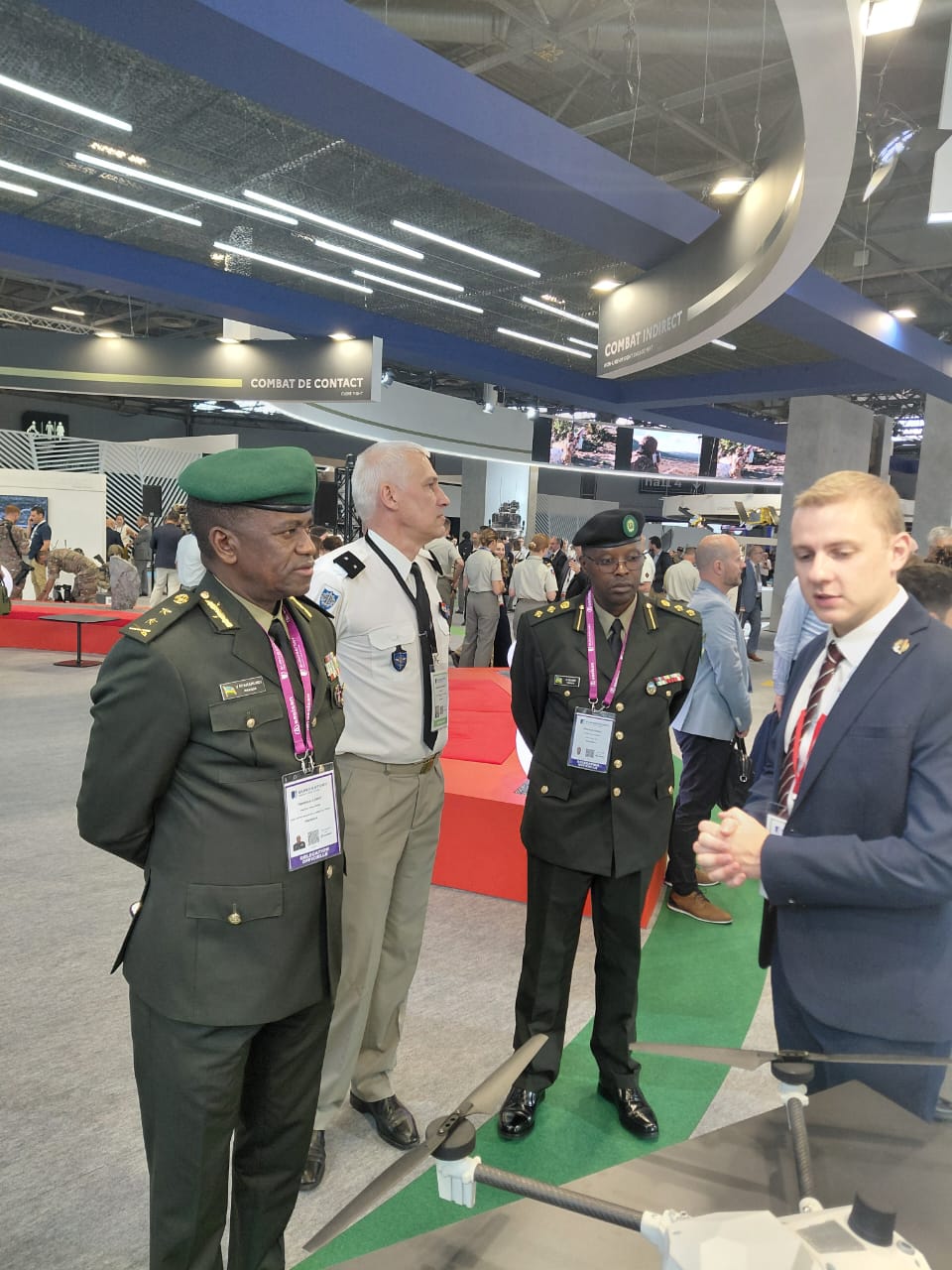
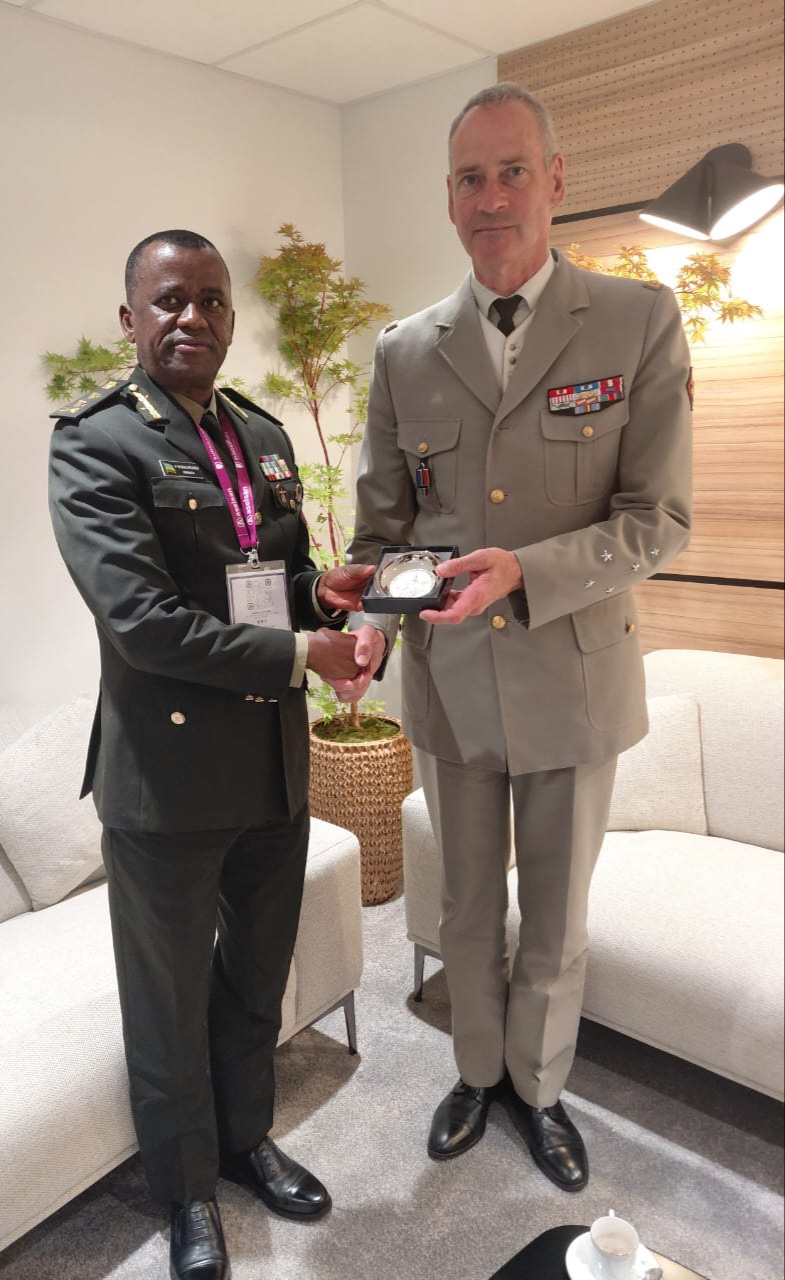
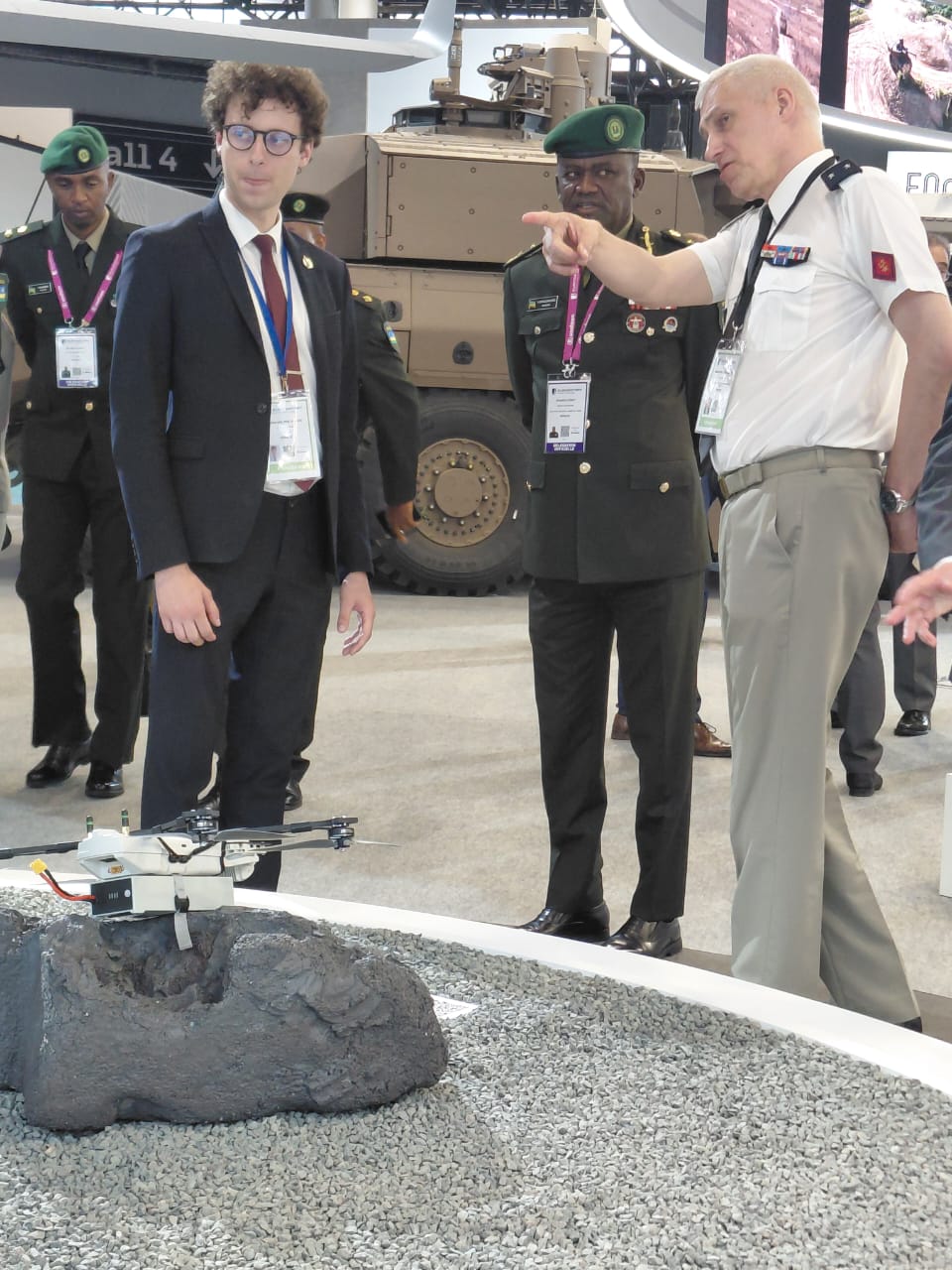
The discussions held on Wednesday, June 17, 2026, focused on deepening military cooperation and reinforcing the strategic partnership between the armies of Rwanda and France.
Eurosatory is an international exhibition dedicated to land, air defence and security. Held every two years in Paris since its launch in 1967, it is regarded as one of the world’s leading defence and security events.
The exhibition brings together military leaders, government officials and defence industry representatives from across the globe to showcase the latest technologies and equipment, exchange expertise and discuss emerging security challenges.
The 2026 edition, which opened on June 15, runs for five days and features 2,100 exhibitors from 65 countries. It has also attracted 330 official delegations from 93 countries, reflecting its role as a key platform for international defence cooperation.
More than 500 new defence and security technologies are being showcased during this year’s event, covering a wide range of military and security applications.
Rwanda and France maintain cooperation in several sectors, including security, development, education and justice.
Last month, Rwanda and France signed two Memoranda of Understanding (MoUs) aimed at streamlining migration management and easing employment restrictions for families of diplomatic staff serving in both nations.
The newly signed MoUs are expected to deepen bilateral ties, enhance administrative efficiency, and foster closer cooperation between Kigali and Paris.
The diplomatic milestone closely follows the historic inauguration on June 2, 2026, of “L’Archive”, a permanent memorial in Paris dedicated to the victims of the 1994 Genocide against the Tutsi.
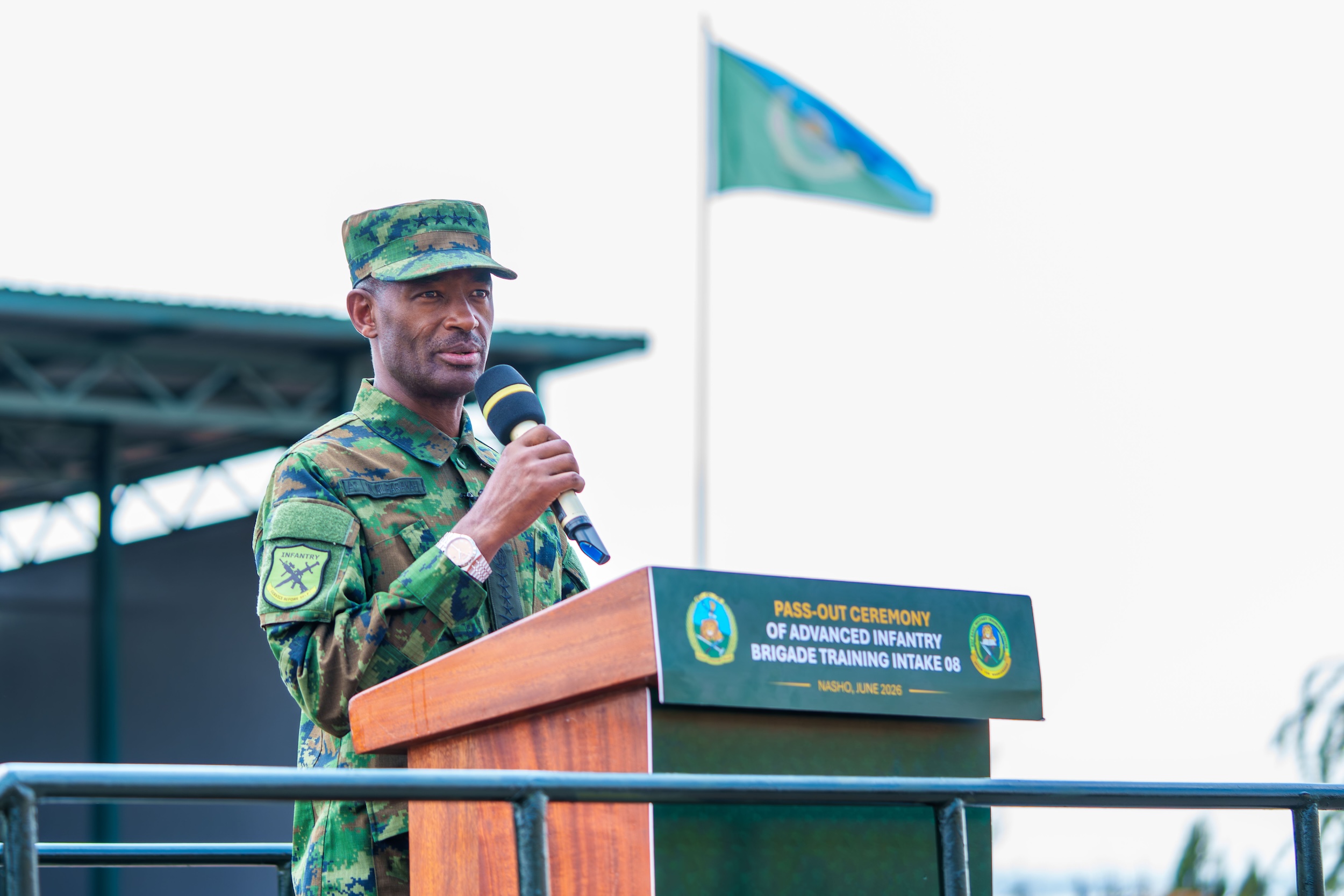
Rwanda and France military leaders held bilateral talks on the sidelines of Eurosatory 2026, focusing on strengthening defence cooperation.Senior military officials from Rwanda and France attended Eurosatory 2026, an international defence and security exhibition held in Paris.The Rwanda Defence Force Army Chief of Staff, Maj. Gen. Vincent Nyakarundi, met with French Army Chief of Staff Gen. Pierre Schill during Eurosatory 2026 in Paris.Eurosatory 2026 brought together global defence leaders, including delegations from Rwanda and France, to exchange on security and military cooperation.
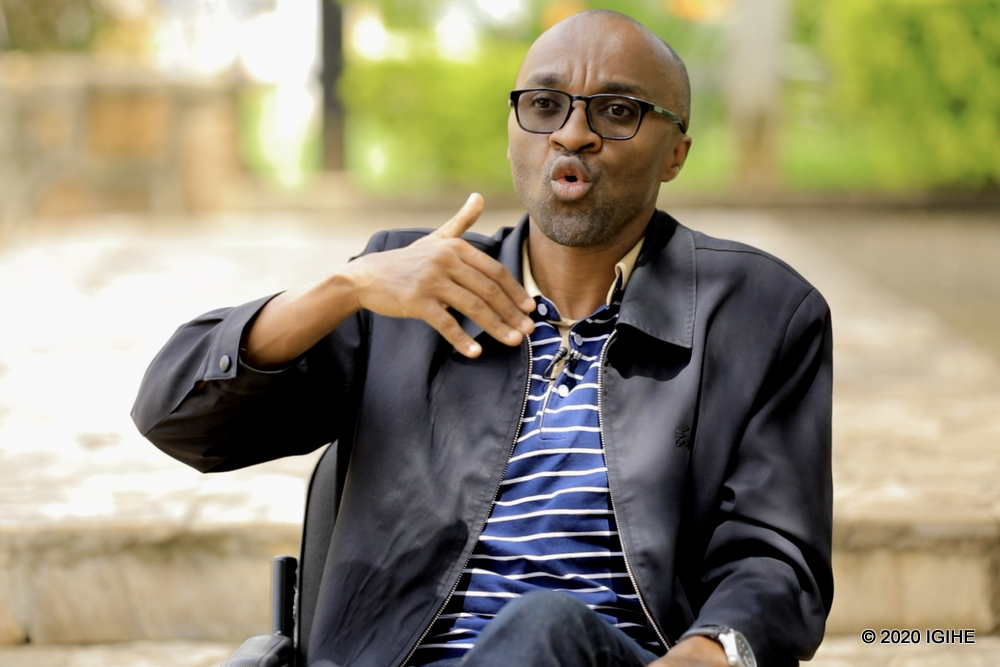
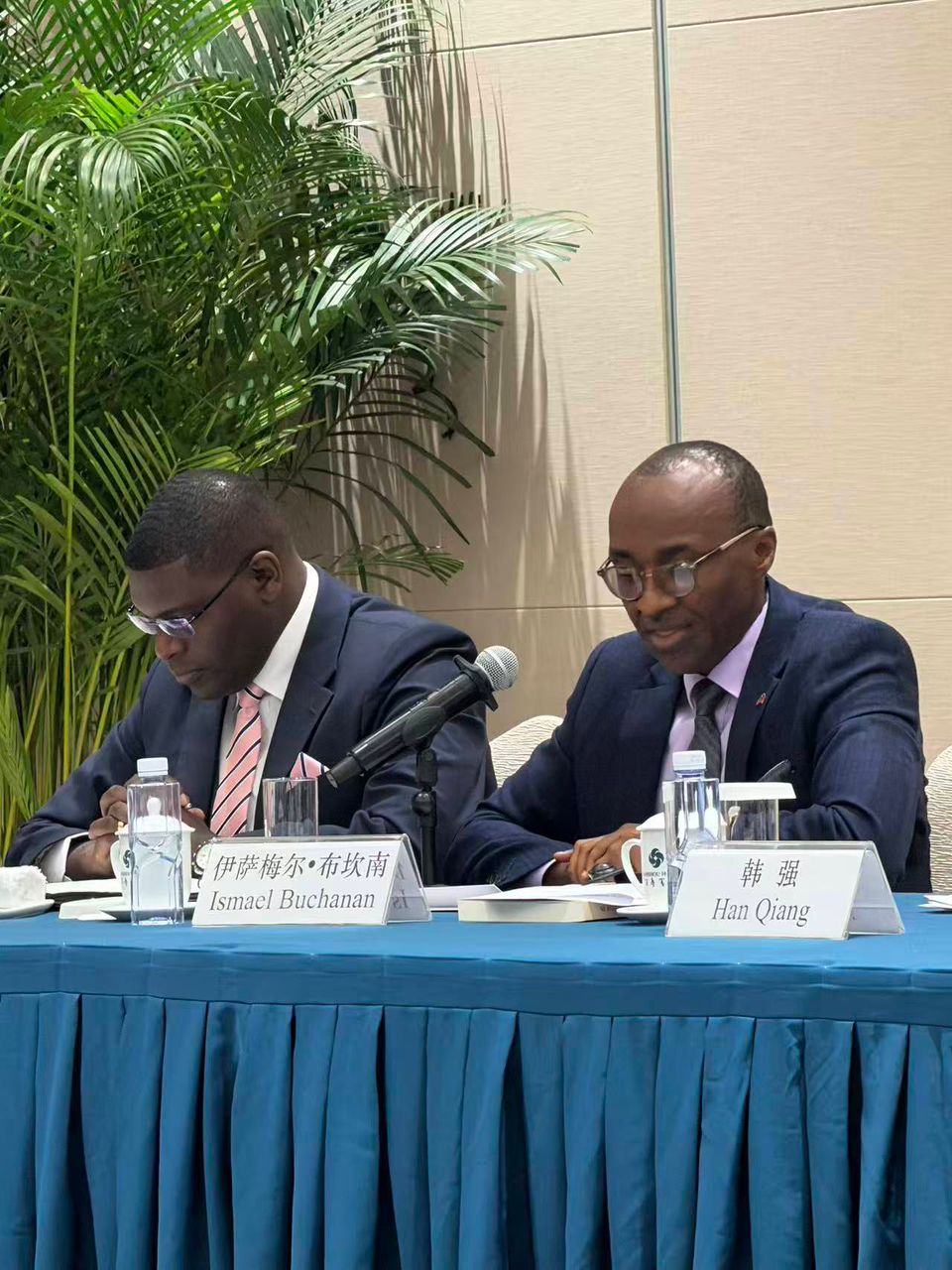
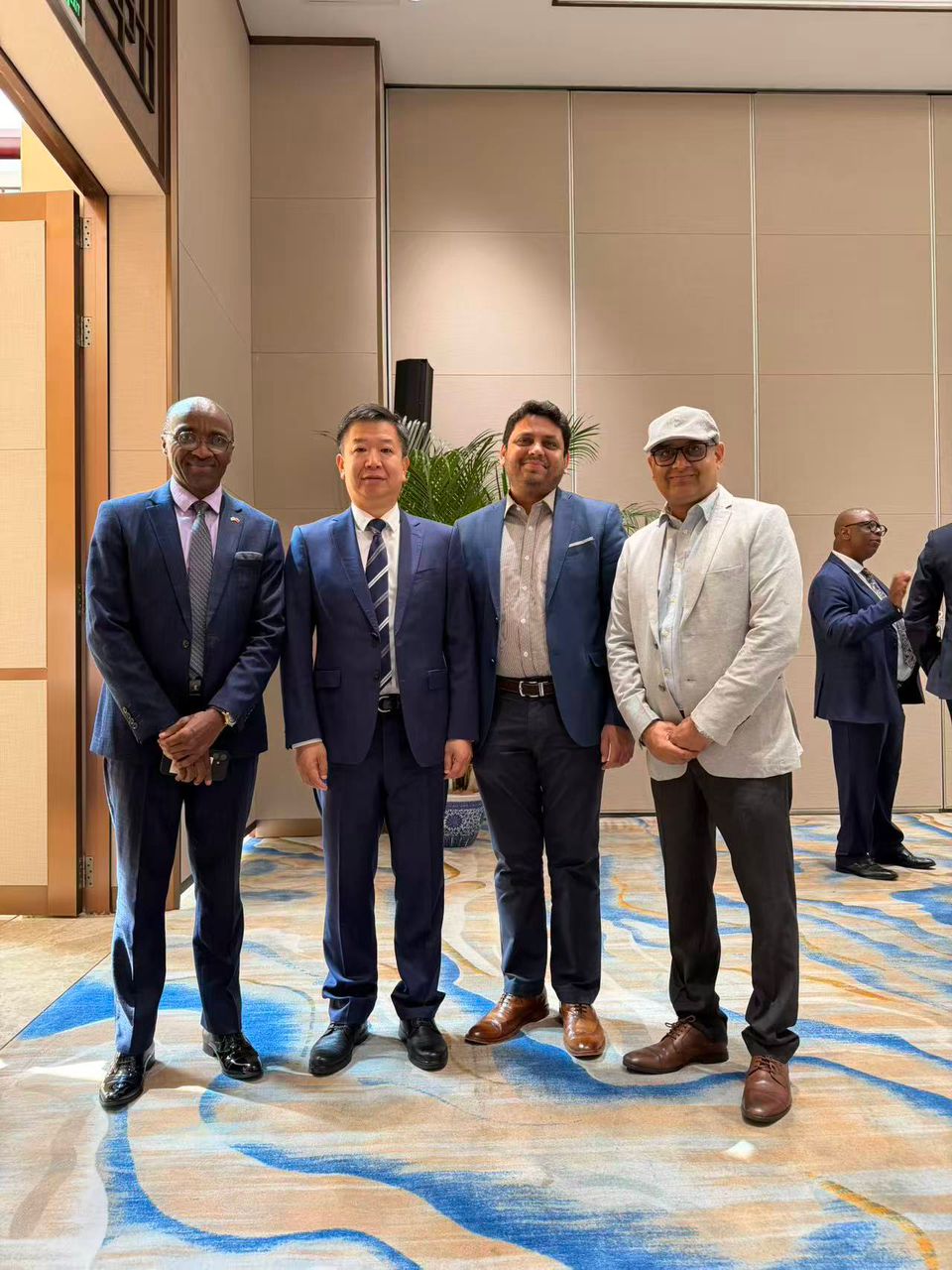
Speaking at the International Seminar on CPC on International Community’s Eyes: Innovation of Theories and Practices of Chinese Modernization recently in Beijing, Dr. Buchanan said one of the most striking observations from his visit to China was the country’s ability to maintain consistent development goals over time.
“Many countries in Africa face the challenge of ensuring that public policies and development projects can transcend political cycles,” Dr. Buchanan said.
“For this reason, it is inspiring to observe experiences that demonstrate how consistent planning, clear objectives, and sustained implementation over time can generate significant progress.”
He argued that China’s experience offers important lessons for developing countries, including those in Africa, in areas such as political reforms, ecological protection, social governance and economic transformation.
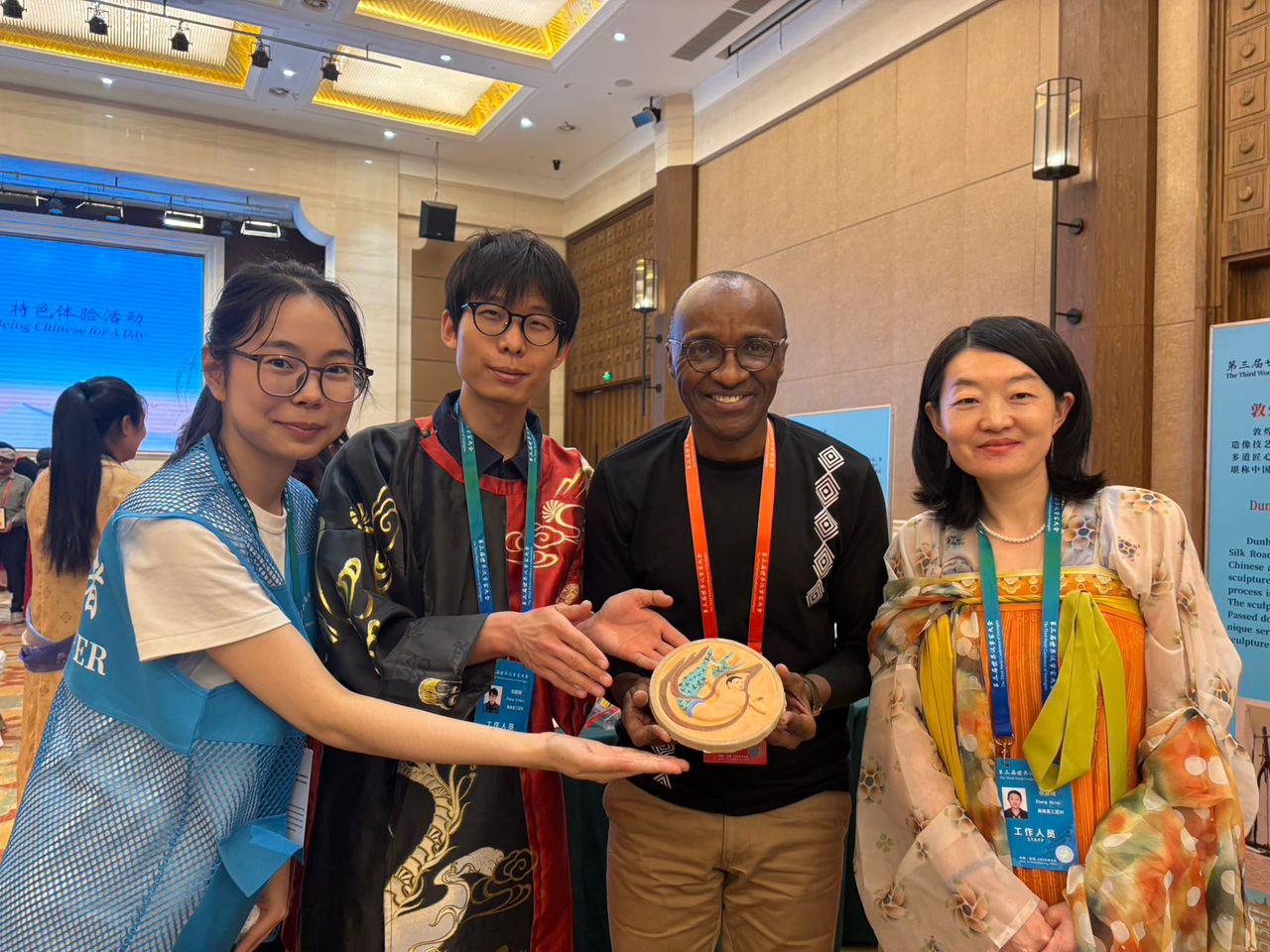
Drawing on observations made during visits to several Chinese cities and development projects, Buchanan said he witnessed firsthand the impact of modernization on people’s lives.
“We saw how much Chinese people feel really happy with such better quality of lives as they enjoy,” he said, noting China’s achievements in poverty reduction, access to public services, education and technological advancement.
Buchanan described China’s development as evidence that “a nation can modernize without treading the path of external expansion or environmental depletion.”
He also highlighted the growing partnership between Rwanda and China, describing it as a relationship built on shared development aspirations and practical cooperation.
According to Dr. Buchanan, the two countries have expanded collaboration in sectors including education, health, agriculture, digital technology, energy and infrastructure development.
He noted that more than 300 Rwandan students are currently studying in China on scholarships, while over 1,500 others have graduated from Chinese universities and returned home to work in various sectors.
“China is a leading source of foreign direct investment in Rwanda,” he said, adding that future cooperation could focus on digital economies, artificial intelligence and renewable energy.
Beyond economic cooperation, Dr. Buchanan said one of the most important lessons from China’s experience is the value of long-term planning.
He stressed that international cooperation should go beyond information exchange to include trust-building and mutual learning between nations.
“Bridges between cultures do more than connect countries. They generate new ideas, new opportunities, and new ways of working together to address the challenges of our time,” he said.
He expressed hope that exchanges between Rwanda and China would continue to strengthen friendship, mutual understanding and cooperation, contributing to what he described as a shared future built on peace, prosperity and development
Dr. Buchanan said one of the most striking observations from his visit to China was the country’s ability to maintain consistent development goals over time. Dr. Buchanan was among speakers at the International Seminar on CPC on International Community’s Eyes: Innovation of Theories and Practices of Chinese Modernization in Beijing.
In a recent conversation at Fudan University in China, Gatare said Africa’s growing population, resources, and market potential make a strong case for greater regional and continental integration.
“When you look at the political economy of the world today and the dynamics of the world today, you do not see any African state that is big enough, strong enough to compete by itself in the global economy yet,” he said. “It’s a competitive marketplace.”
Gatare argued that Africa continues to be underrepresented in discussions on global governance despite being home to nearly 1.5 billion people.
“A billion and a half people, almost as big as China in terms of people, soon probably more, is not a number of people to be ignored in discussions about global governance,” he said.
While acknowledging that a fully unified continental market may still be a long-term aspiration, he noted that regional blocs are already large enough to compete effectively on the global stage.
His remarks also highlighted the mission of the African School of Governance, which seeks to train leaders with a Pan-African outlook and a strong commitment to public service.
“The School of Governance is teaching leaders with a mindset that is Pan-African, but it’s also teaching leaders that have a commitment to public service, to their people, to the service of their people,” he said.
According to Gatare, leadership should be viewed primarily as a responsibility rather than a privilege.
“When you have that privilege, you have not done much to earn it. It’s because of the responsibility you have been bestowed on to serve others.”
He said the institution encourages leaders to develop confidence, ambition and a clear vision capable of mobilising communities toward transformation.
Gatare who also serves as Senior Advisor to the President of the Republic of Rwanda, reflected on what he described as Africa’s “collective trauma,” citing the slave trade, colonialism, struggles for independence and post-independence governance failures as challenges that have shaped the continent’s history.
“Many nations have gone through different types of trauma from bad leaders that have divided their communities, set one tribe against another, and squandered a lot of opportunity through mismanagement,” he said.
“Now, it doesn’t have to continue that way. We have got to break the cycle.”
He stressed that leadership is not limited to those holding high office, arguing that responsibility begins at the individual and community levels.
“So many times the focus is put on heads of government and nations, but the responsibility starts with leaders at the community level,” he said.
At the African School of Governance, he added, leadership training begins with values and personal responsibility.
“We say that good leadership has got to be values-based.”
On development, Gatare described it as a collective effort involving citizens, businesses, communities and governments rather than a process driven solely by the state.
“Development, in our perspective, is an outcome that happens as a result of every member of society contributing,” he said.
He noted that development requires citizens to have confidence in their future, supported by security, stability and a shared national vision.
“The role of political leaders is very important,” he said. “One, to make society safe, secure, and give confidence to citizens, as well as non-citizens, to aspire and invest in their future.”
He added that effective governance depends on consultation rather than decisions made by a single individual.
“There is no single all-knowing individual that will close themselves in a room and emerge out of it with a vision. A vision is set through consultations. That’s governance.” During the interview, Gatare also explained why the African School of Governance had engaged with institutions in China.
The school, which was established two years ago, is looking for ideas and experiences that can help shape its teaching philosophy for future African leaders.
“We are looking for inspiration to structure together the best teaching philosophy for the next leaders of our continent, Africa,” he said.
Gatare praised China’s record in poverty reduction, describing it as a source of inspiration for Africa.
In 2021, China declared the eradication of extreme poverty, lifting 770 million people out of poverty since 1978.
“There is an appreciation of what China has done for itself as a society, transforming the lives of more than a billion people and lifting more than 500 million people out of poverty in one generation,” he said.
“Africa is the only place on the planet today which collectively is still behind, caught up in poverty. Where else would we learn about fighting poverty and lifting people’s lives than in China, considering what you have achieved?”
He added that China continues to play an important stabilising role in an increasingly uncertain geopolitical environment.
“We came to learn. We came to build relationships and partnerships, to see how you do it here and what lessons we can take for ourselves.”
The African School of Governance, co-founded by President Paul Kagame in October 2024, aims to equip emerging African leaders with the knowledge and skills necessary to drive the continent’s development.
Based in Kigali, Rwanda, the African School of Governance (ASG) was formally inaugurated on Tuesday, January 14, 2025.
The institution will offer graduate programs in policy, research, governance, leadership, and management, designed to nurture the next generation of visionary African leaders.
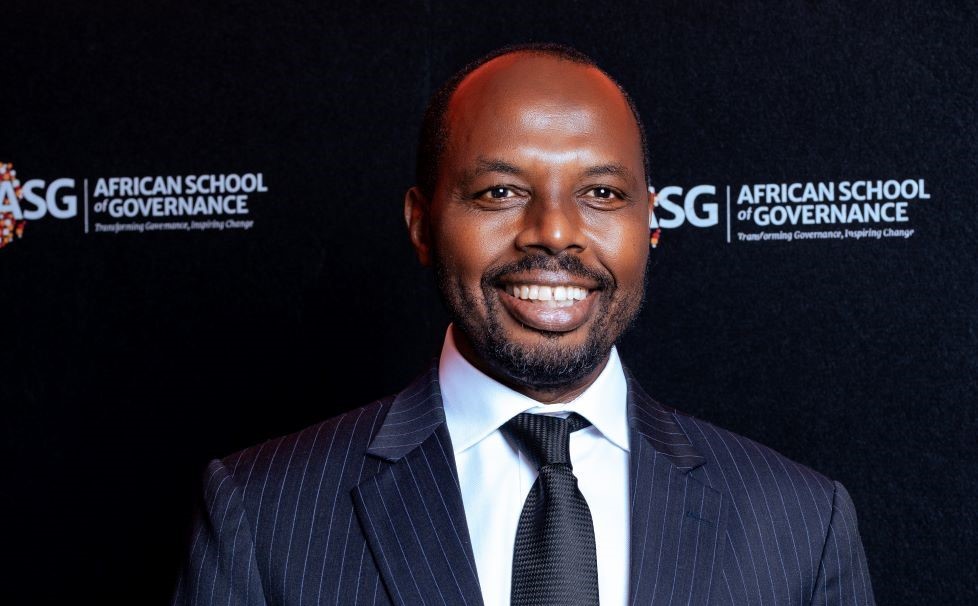
The President of the African School of Governance, Gatare said Africa’s growing population, resources and market potential make a strong case for greater regional and continental integration.
In a statement, the UN in South Africa expressed concern over reports of threats and violence affecting migrants, including deaths, assaults, property damage, intimidation, hate speech and other criminal acts.
“The UN expresses condolences for the lives lost and strongly condemns all forms of violence, vigilantism and incitement to hatred, as they are contrary to national and international human rights standards. These issues must be addressed through the de-escalation of tensions, protection, accountability, respect for the rule of law and effective law enforcement,” the statement said.
It welcomed remarks by South African President Cyril Ramaphosa calling on citizens to respect the rule of law and not take the law into their own hands.
While acknowledging the impact of socio-economic challenges on social cohesion, the UN stressed that such challenges should be addressed through lawful means and in a manner that respects human rights.
It added that it was engaging with government authorities, law enforcement agencies and other stakeholders to help address xenophobia and related tensions.
The statement also called for efforts to counter misinformation and prevent the spread of harmful narratives.
Recent weeks have seen a rise in anti-immigration incidents in parts of South Africa. Two Mozambican nationals were reportedly killed in Mossel Bay in the Western Cape Province, while some foreign-owned businesses have also been targeted during protests and unrest.
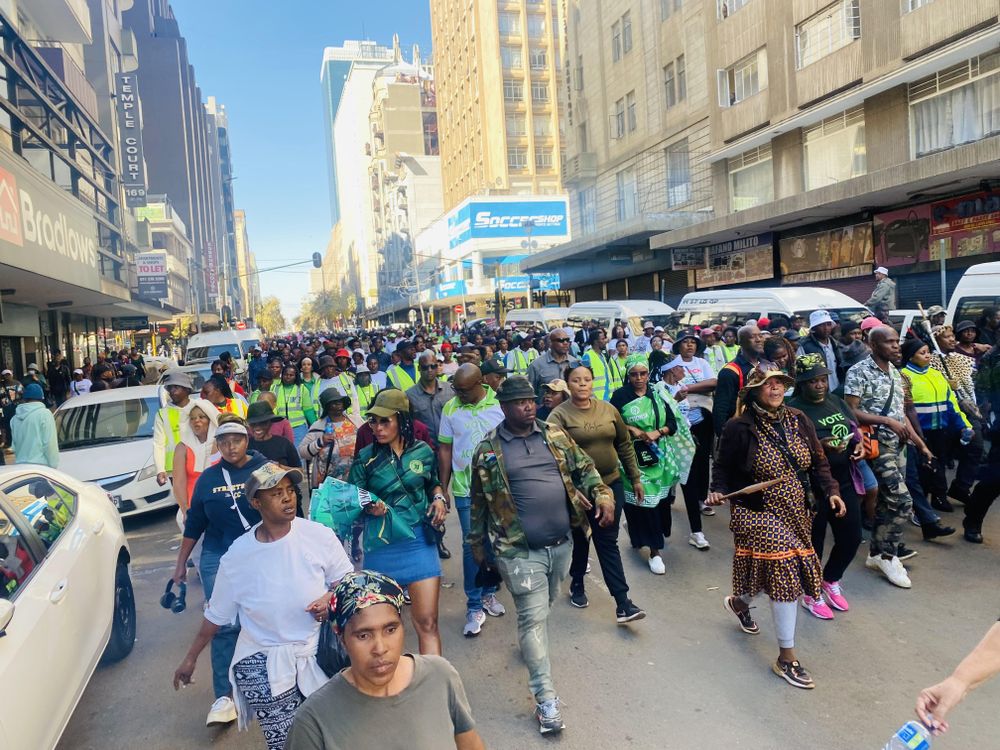
Protesters march through Johannesburg’s CBD calling for action against undocumented immigration during a demonstration at the Gauteng Provincial Legislature. Operation Dudula, whose name means “to be removed by force”, emerged directly from political rhetoric normalising the idea that foreigners have no right to be present. Responsible South African leaders have spoken against this. Image: Simon Majadibodu | IOL
The changes also affected the structure of government, including the number of ministries and state ministers. Following the restructuring, Rwanda now has 20 ministries led by 20 ministers, down from 21 previously. The number of State Ministers has also increased from 11 to 12.
The Ministry of Infrastructure has been reorganised and now includes a minister and two state ministers, making it one of only two ministries with more than one state minister, alongside the Ministry of Finance and Economic Planning.
The Minister in the Office of the President reviews all legislation before promulgation by the President of the Republic. The Minister is also charged with resolving the citizen complaints addressed to the President and supervises implementation of Presidential pledges; and serves as liaison between Cabinet and Parliament.
The dissolution will not affect the handling of citizens’ complaints, which will continue to be addressed.
The role had been held by Judith Uwizeye since 2017. Following the latest changes, she has been appointed Minister of Public Service and Labour, a post she had previously held between 2014 and 2017.
Before Uwizeye, the position was held by Venantie Tugireyezu, who served from 2011. He currently serves as a judge at the Court of Appeal.
These changes form part of ongoing adjustments within President Paul Kagame’s fourth-term. The most recent reshuffle prior to this took place in December 2025, when Dr Telesphore Ndabamenye was appointed Minister of Agriculture and Animal Resources and Dr Solange Uwituze was named State Minister.
In the same period, Dr Usta Kaitesi was appointed State Minister in the Ministry of Foreign Affairs, replacing Gen (Rtd) James Kabarebe.
Earlier, in September 2025, Yves Iradukunda joined the cabinet as State Minister in the Ministry of ICT and Innovation.
These remain the only changes recorded since July 2025, when Dr Justin Nsengiyumva was appointed Prime Minister.
Before that, a reshuffle in December 2024 affected the Ministry of Sports, where Nelly Mukazayire became Minister, Rwego Ngarambe was appointed State Minister, and Godfrey Kabera took up the role of State Minister in the Ministry of Finance and Economic Planning, responsible for Treasury.
The Ministry in the Office of the President has been dissolved.
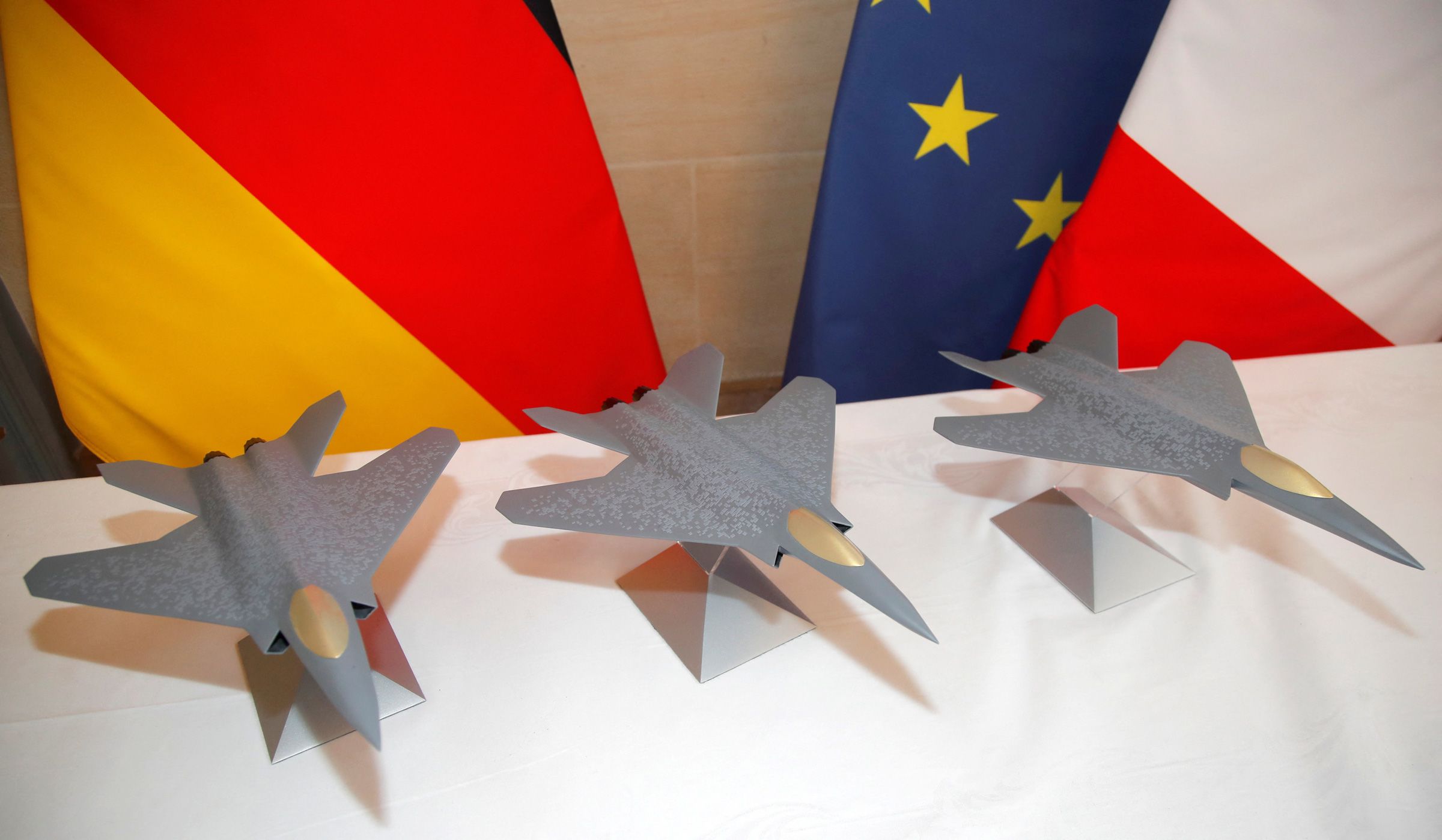
German Chancellor Friedrich Merz and French President Emmanuel Macron have come to the conclusion that aviation companies Airbus and Dassault cannot reach an agreement on jointly building the combat aircraft, said German public broadcaster ARD on its news website Tagesschau, quoting German government sources.
According to the report, Merz advised Macron not to pursue the construction of the fighter jet any further.
The two nations are expected to continue developing the “Combat Cloud,” a network intended to connect military platforms and weapons systems, the report said.
Launched in 2017 by Macron and former German Chancellor Angela Merkel, the FCAS is considered a flagship European defense project to develop a next-generation air combat system.
German Chancellor Friedrich Merz and French President Emmanuel Macron have come to the conclusion that aviation companies Airbus and Dassault cannot reach an agreement on jointly building the combat aircraft,
He made the remarks on Saturday during a press briefing on Rwanda’s economic situation and the impact of ongoing global tensions, particularly in the Middle East, on fuel prices and the wider economy.
According to the Prime Minister, diesel prices have risen by about Rwf 700 per litre due to increases on the international market. However, he noted that the government continues to cushion consumers through a subsidy that currently covers about 18.26% of the cost.
He explained that the official price released by RURA already reflects this support.
“In reality, the market price without subsidy would have been Rwf 3,581 per litre, but it was set at 2,927 Rwf,” he said.
On June 5, 2026, RURA announced that from June 6, the maximum pump prices would remain at Rwf 2,938 per litre for petrol and Rwf 2,927 for diesel.
Data shows that fuel prices have risen sharply since March 2026. Petrol has increased by about 47.7%, rising from Rwf 1,989 to Rwf 2,938 per litre, while diesel has gone up by 50.3%, from Rwf 1,948 to Rwf 2,927.
Diesel has seen a steeper rise between April and June, climbing from Rwf 2,205 to the current price level, while petrol has remained stable since mid-April at Rwf 2,938.
Dr. Nsengiyumva said the government will continue intervening to limit the impact of rising fuel costs on citizens’ livelihoods.
The Prime Minister further highlighted that subsidies will continue in key sectors, particularly public transport, to prevent fare increases.
He gave the example of a trip from Nyabugogo to Musanze, which would cost Rwf 4,281 without subsidies, but currently costs Rwf 3,821, with the government covering the remaining Rwf 460.
He added that agriculture will also continue to receive support through subsidies on inputs such as fertilizers and irrigation, as part of efforts to shield the sector from global economic pressures.
Dr. Nsengiyumva said the government will continue intervening to limit the impact of rising fuel costs on citizens’ livelihoods.
Major General Wu was received by the Rwanbatt-1 Contingent Commander, Lieutenant Colonel Paul Ndushabandi, along with subordinate commanders and staff officers. During the visit, he was briefed on key operations conducted by the contingent in support of civilian protection and force protection for humanitarian assistance activities.
In his remarks, Major General Wu commended the Rwanbatt-1 troops for their dedication, professionalism, and significant contribution to the UNMISS mandate through their efforts to promote peace, security, and stability in South Sudan.
As part of the visit, the Force Commander toured the Rwanbatt-1 Camp and participated in a symbolic tree-planting ceremony.
Maj Gen Junhui Wu participates in a symbolic tree-planting ceremony with Rwandan peacekeepers at UN Tomping Base Camp in Juba.UNMISS Force Commander Maj Gen Junhui Wu visits Rwandan peacekeepers (Rwanbatt-1) at Tomping Base Camp in Juba, where he was briefed on ongoing operations in South Sudan.Rwanbatt-1 troops welcomed UNMISS Force Commander Maj Gen Junhui Wu at their base in Juba, South Sudan, during an official visit.
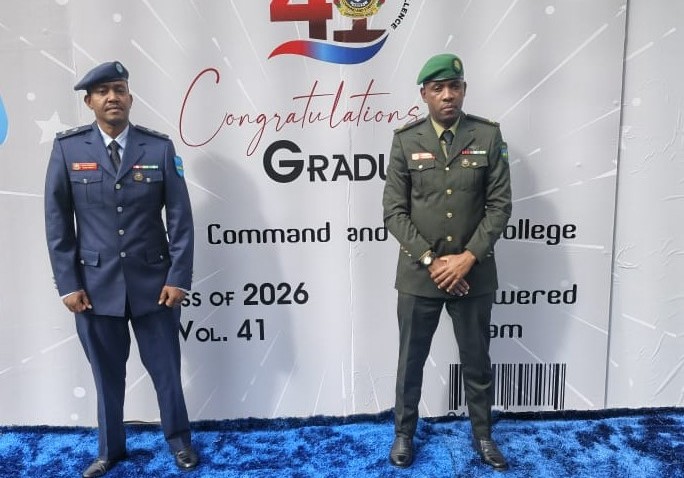
The officers, Lt Col Pacifique Kanyandekwe and Maj John Muhikira, graduated on June 4, 2026, after completing their programme in military leadership and joint command studies.
According to the Ministry of Defence, their graduation reflects dedication, professionalism, and a strong commitment to military excellence, highlighting Rwanda’s continued focus on strengthening professional military education and regional security cooperation.
The graduation ceremony brought together senior military officials and representatives from regional defence institutions.
Among those present were Brig Gen Ronald Rwivanga, Director of the Eastern Africa Standby Force (EASF), Brig Gen Andrew Nyamvumba, Commandant of the RDF Senior Command and Staff College, and Col Celestin Kamanda, Defence Attaché of Rwanda to Kenya.
Brig Gen Ronald Rwivanga, Director of the Eastern Africa Standby Force (EASF), Brig Gen Andrew Nyamvumba, Commandant of the RDF Senior Command and Staff College, and Col Celestin Kamanda, Defence Attaché of Rwanda to Kenya were among those present at the ceremony. The officers, Lt Col Pacifique Kanyandekwe and Maj John Muhikira, graduated on June 5, 2026.
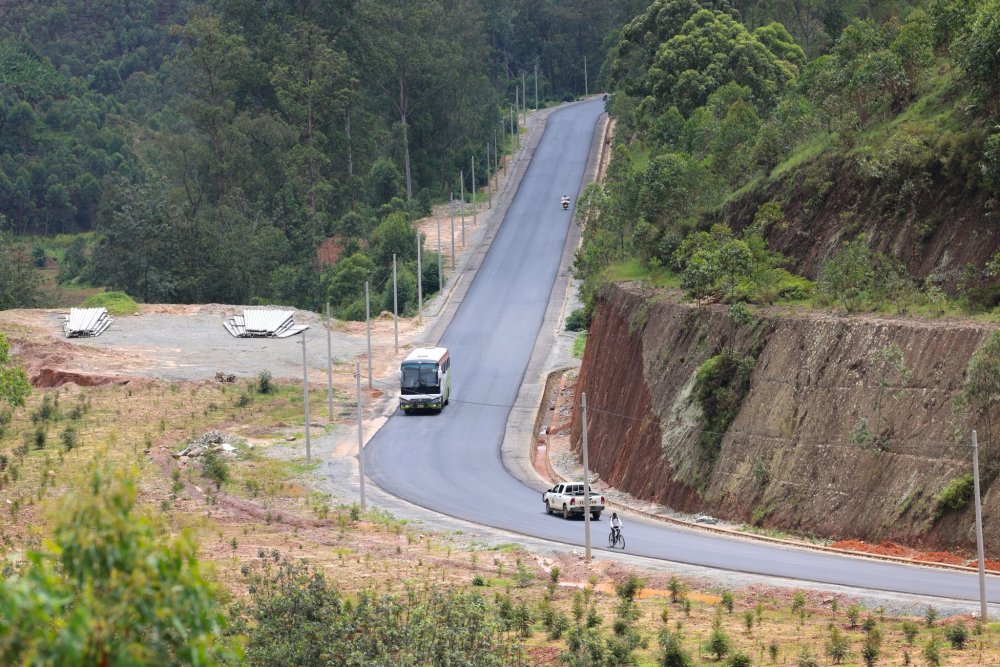
RTDA shared the update on May 25, 2026 via its official X account, highlighting steady progress on the project aimed at restoring and upgrading the long-serving highway, which had deteriorated after years of heavy use.
The agency also confirmed that works on the Rubengera–Rambura–Nyange section have already been fully completed.
The Muhanga–Karongi road stretches for 128 kilometres and was constructed in phases, with the first section completed in 2000 and the second in 2002.
RTDA notes that roads built to standard in Rwanda are generally designed to last at least 20 years, although many exceed this lifespan and can remain in good condition for up to 30 years when properly maintained.
The highway remains an important transport corridor linking Rwanda’s Western and Southern regions with Kigali, while also serving tourism traffic heading to destinations such as Karongi, Rutsiro, and Nyamasheke.
Road users and residents along the route have welcomed the progress, saying travel has become easier and the road more passable compared to previous years, when movement was slower and conditions were more challenging.
Road users along the Muhanga–Karongi corridor report improved travel conditions as rehabilitation works near completion.The rehabilitation of the Muhanga–Karongi road has reached 91.5% completion.