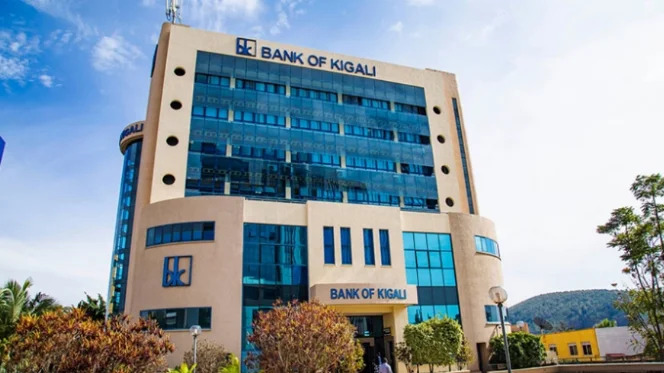
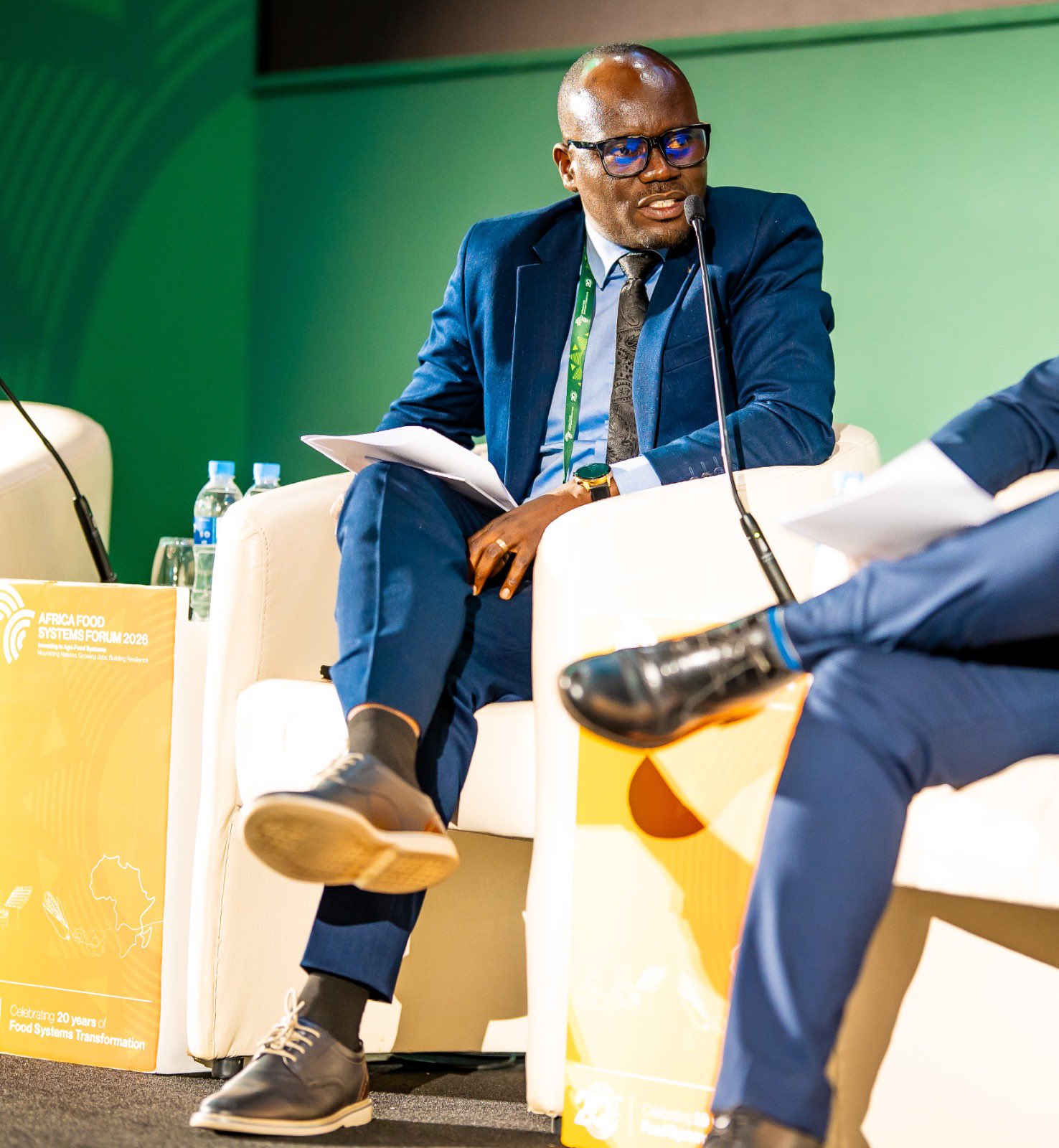
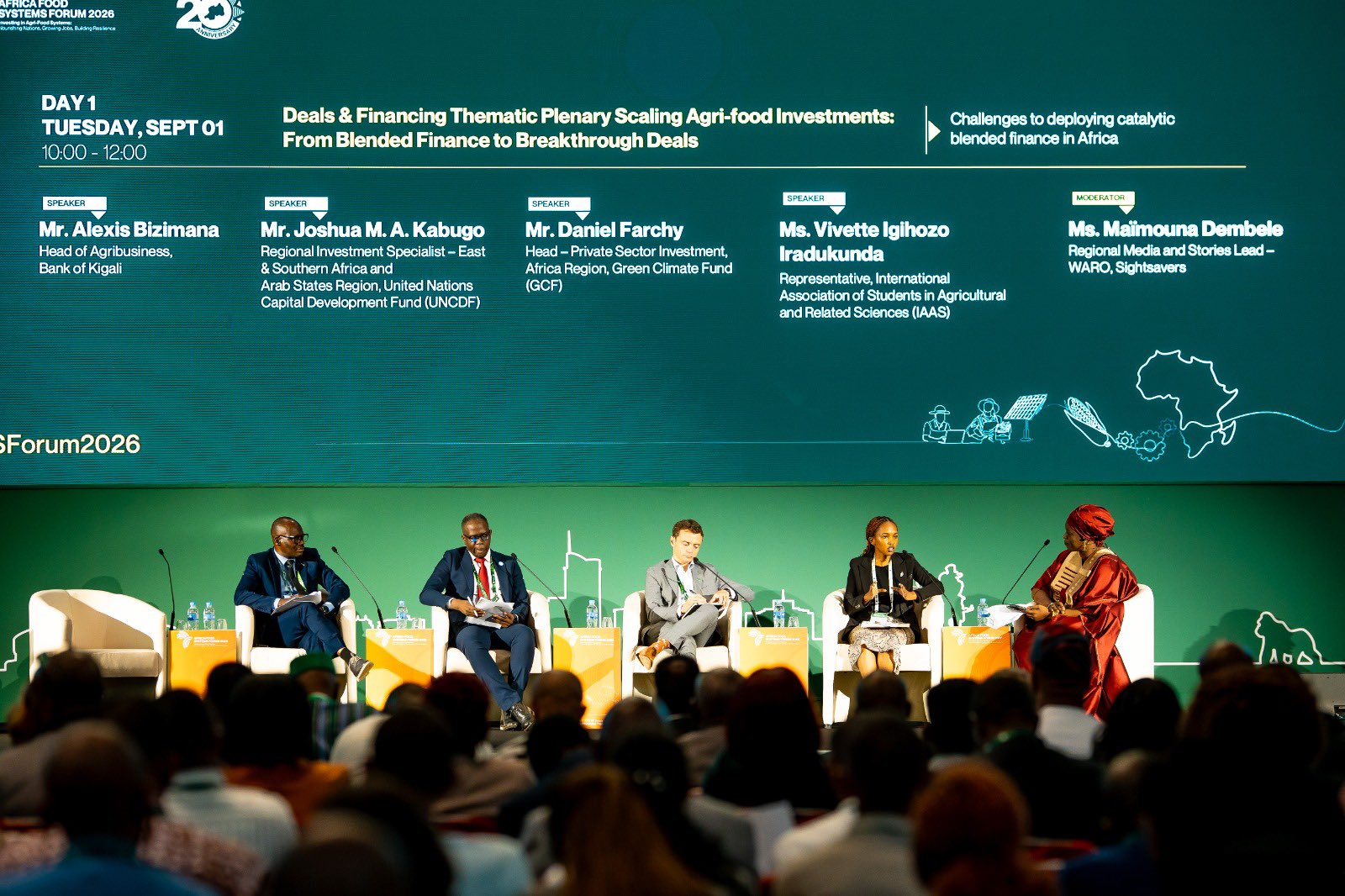
Alexis Bizimana, Head of Agribusiness at Bank of Kigali, announced the facility while speaking on a panel at the Africa Food Systems Forum (AFS Forum) 2026 in Kigali on Tuesday, during a session titled “Scaling Agri-Food Investments: From Blended Finance to Breakthrough Deals.”
“The $21 million facility will combine concessional finance with technical assistance and risk-sharing mechanisms, as well as a digital component,” he revealed, adding that the facility will be unveiled this week.
Bizimana said no single blended-finance instrument can address the full range of challenges facing agribusinesses, arguing that different tools need to be combined depending on the specific financing gap.
“I think one blended finance facility cannot solve the issue,” he noted. “We need to combine different [blended] finance facilities because they have different issues to tackle.”
He told the delegates attending the forum that concessional finance can help address challenges related to loan tenor and affordability, but does not necessarily solve collateral requirements, which may instead require risk-sharing and guarantee mechanisms.
Similarly, he said, gaps in visibility, knowledge and business capacity among beneficiaries are better addressed through technical assistance.
“We believe we need to combine different [blended] finance facilities, depending on the mandate and what we need to achieve,” he said.
Guarantees expanding access to agribusiness finance
Bizimana said Bank of Kigali’s guarantee-backed lending has already enabled the bank to expand into segments of the agribusiness sector that were previously difficult to serve.
He attributed the expansion to partnerships with a local guarantee scheme and the International Finance Corporation (IFC), saying guarantees now cover close to 48% of the bank’s relevant portfolio.
Looking ahead, Bizimana said blended finance must evolve alongside the changing needs of the agricultural sector and the wider country context.
He called for a shift “from grant to catalytic and thematic financing” to sustain investment in agribusiness over the long term, while also developing a “graduation pathway” that can bring in greater volumes of private capital.
“We need to graduate from blended to private, that’s where the sustainability is,” he said. “That’s how the future will look.”
Financing tools need to match businesses’ needs
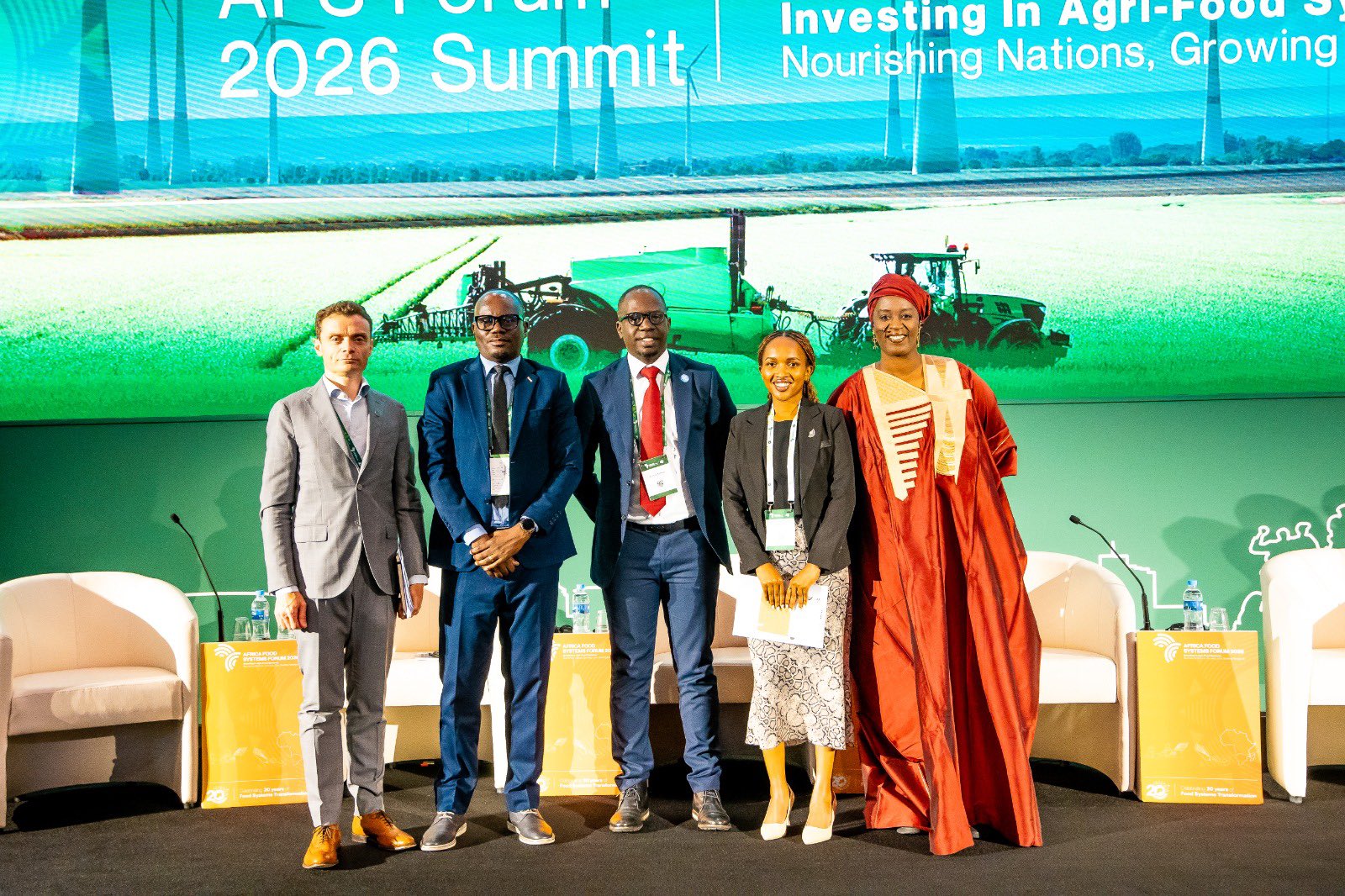
Bizimana spoke alongside Joshua M.A. Kabugo, Regional Investment Specialist for East and Southern Africa and the Arab States at the United Nations Capital Development Fund (UNCDF); Daniel Farchy, Head of Private Sector Investment for the Africa Region at the Green Climate Fund (GCF); and Vivette Igihozo Iradukunda, representing the International Association of Students in Agricultural and Related Sciences (IAAS).
Kabugo said UNCDF uses a mix of instruments, including lending, repayable grants, concessional grants and guarantees, tailored to the size and financing profile of individual agribusinesses.
He cited a transaction in Kenya that financed cold storage for smallholder producers, while also highlighting currency mismatch as a hidden cost that can add several percentage points to agricultural lending prices in some markets.
Farchy identified fragmentation among millions of small-scale producers as one of the biggest barriers to scaling catalytic capital.
He pointed to a facility in Tanzania that combined technical assistance, a line of credit and a guarantee to help develop a parametric insurance product, which has since scaled to around $200 million.
Iradukunda outlined the challenges facing young agripreneurs, including high collateral requirements, revenue cycles that often lag behind production costs, climate-related production risks, limited market access and gaps in business skills.
She cited programmes such as the Rwanda BRIDGE programme, implemented by the United Nations Capital Development Fund (UNCDF) and the World Food Programme (WFP) with support from the Mastercard Foundation, as examples of efforts to share risk and improve young entrepreneurs’ readiness to attract investment.
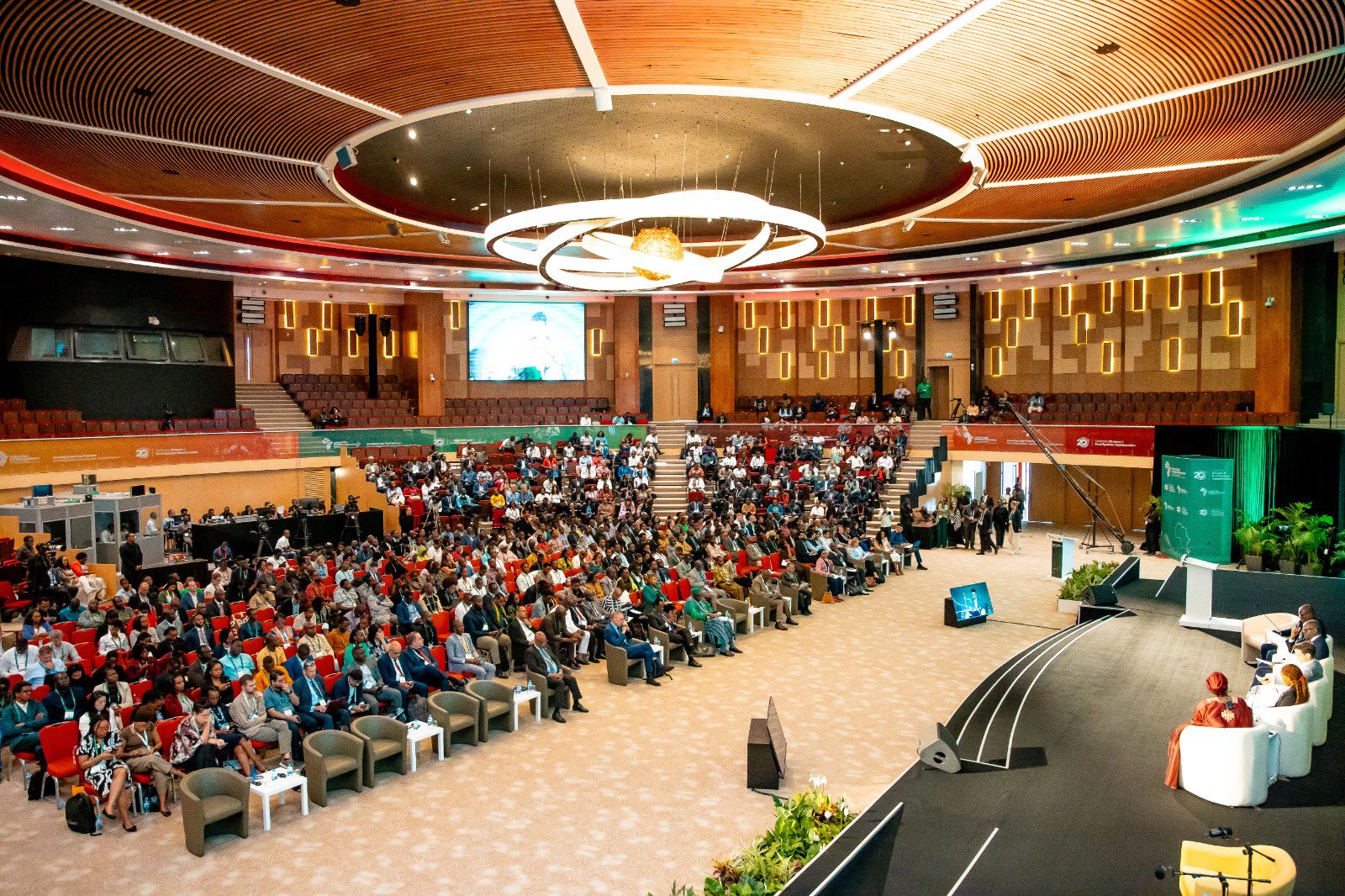
The 2026 edition of the AFS Forum, which is also celebrating its 20th anniversary, has brought together more than 5,000 delegates from over 50 countries, including government leaders, investors, farmers, scientists and young entrepreneurs.
The forum is being held under the theme, “Investing in Africa’s Agri-Food Systems: Nourishing Nations, Growing Jobs, Building Resilience,” with discussions focused on mobilising investment and accelerating solutions across Africa’s food systems.
Leave a Reply