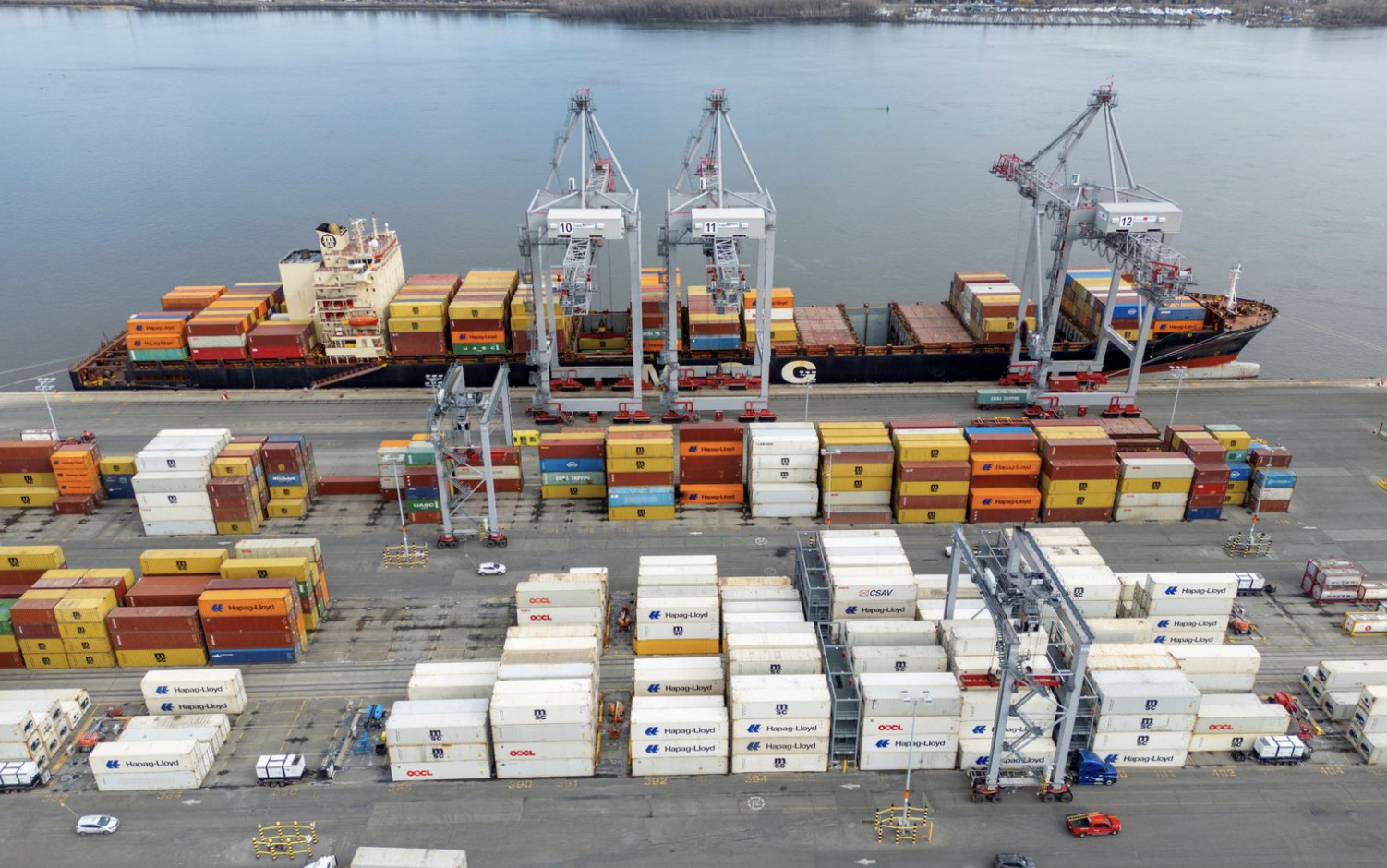
The additional 50 percent ad valorem duties on certain dairy products, alcoholic beverages, motor vehicles and related goods will become effective as of 12:01 a.m. Eastern Time (0401 GMT) on August 19, according to documents posted on the White House website. Energy products, potash, fish and critical minerals will be exempt from the tariff.
In a proclamation concerning motor vehicles and related products, Trump said Canada has maintained a 25 percent tariff on imports of U.S. motor vehicles that do not qualify for preferential, duty-free treatment under the United States-Mexico-Canada Agreement (USMCA) since April 9, 2025. Canada also maintains a tariff-rate quota on U.S. motor vehicles that qualify for preferential, duty-free treatment under the USMCA.
Following the implementation of the tariff measures, Canadian imports of U.S. motor vehicles fell by about 22 percent, from approximately 25.9 billion U.S. dollars between April 2024 and March 2025 to around 20.3 billion dollars during the same period of 2025-2026, according to the proclamation.
“Canada only applies the tariff scheme to U.S.-origin motor vehicles,” Trump said, claiming that Canada’s tariff policy discriminates against the U.S. commerce and puts American businesses at a disadvantage compared with those of other countries.
In early July, the United States declined to renew the USMCA at the agreement’s mandatory six-year joint review. The trade pact will now be subject to annual reviews, potentially through 2036, unless all three parties agree to extend it.
The additional 50 percent ad valorem duties on certain dairy products, alcoholic beverages, motor vehicles and related goods will become effective as of 12:01 a.m. Eastern Time (0401 GMT) on August 19.
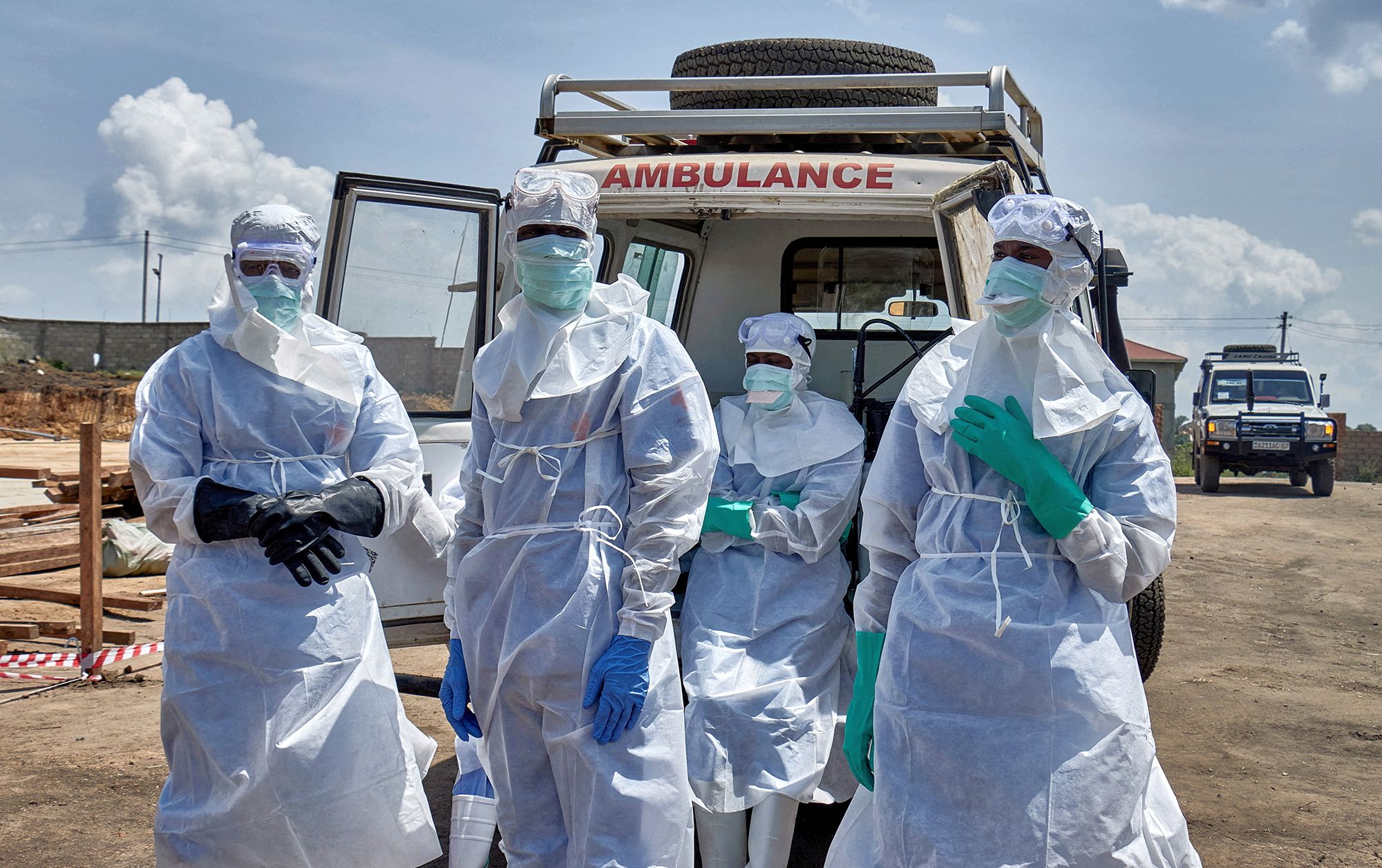
The UN Office for the Coordination of Humanitarian Affairs (OCHA) confirmed Ebola cases had been reported in at least 16 sites hosting more than 270,000 displaced people across Ituri province, the epicenter of the outbreak.
OCHA said the world body and its partners were supporting displaced communities through prevention and awareness activities, such as installing handwashing stations and conducting community outreach on Ebola prevention measures.
As of Saturday, DRC health authorities had reported 2,344 confirmed Ebola cases across five provinces. Ituri accounts for nearly 90 percent of the confirmed cases, according to OCHA.
The office continued its call for increased international support to sustain the Ebola response and life-saving assistance to displaced communities already facing years of conflict, displacement, and deteriorating living conditions.
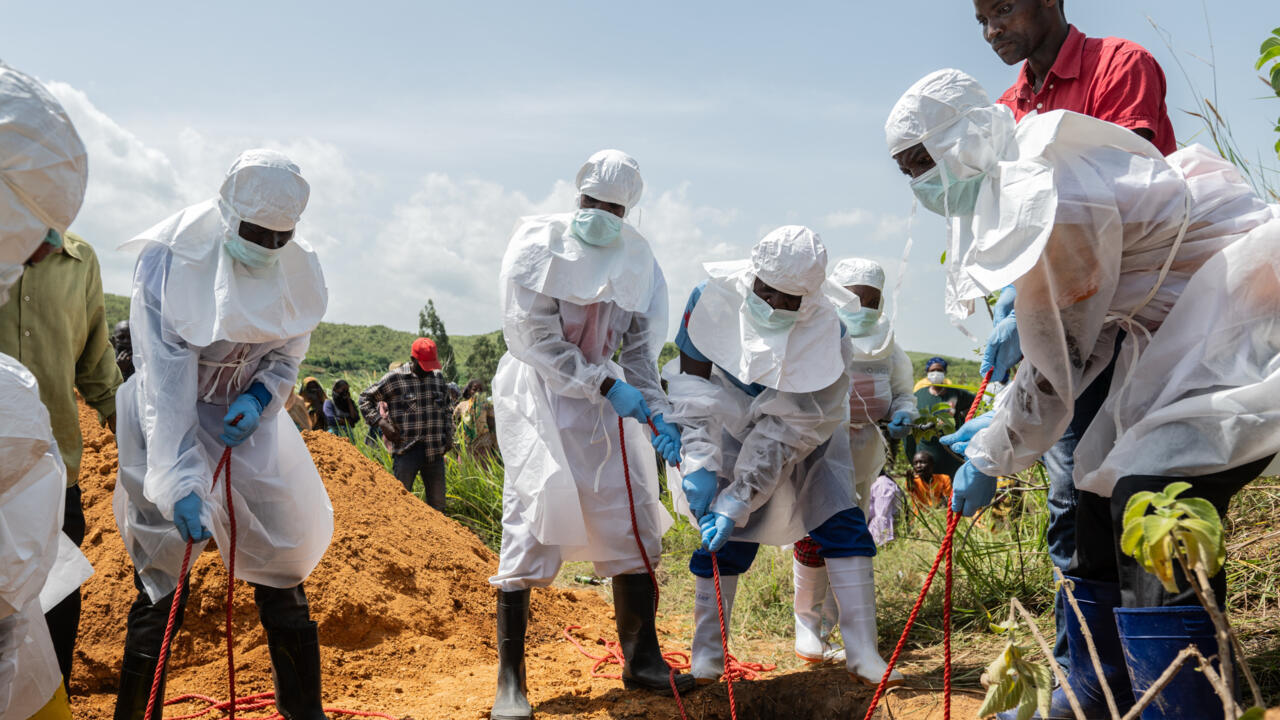
Red Cross workers bury an Ebola victim at the Rwampara Cemetery, in Rwampara, DR Congo, Saturday, May 23, 2026.
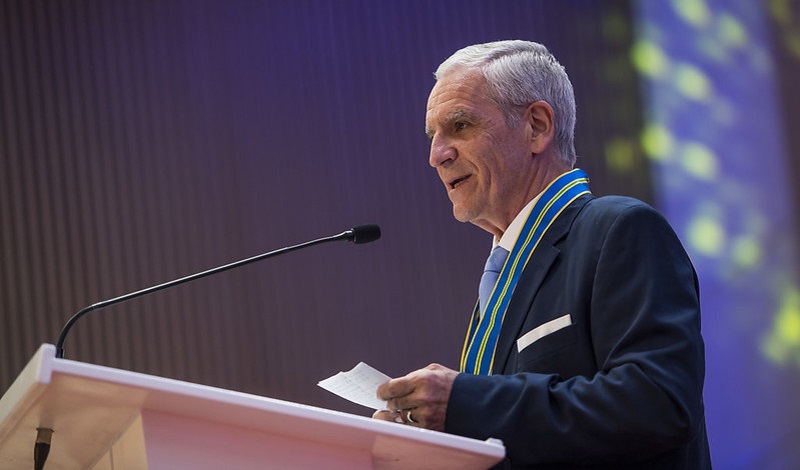
French Prosecutor Aude Duret emphasised that without the steadfast dedication of CPCR founders Alain Gauthier and his wife, Dafroza Gauthier, who personally travelled to Rwanda to gather evidence and eyewitness testimonies from where the crimes occurred, many perpetrators would have evaded prosecution entirely.
Since its creation in 2001, CPCR has filed complaints against numerous key figures, including Dr. Sosthène Munyemana, Laurent Bucyibaruta, Pascal Simbikangwa, Octavien Ngenzi, Tito Barahira, Claude Muhayimana, Philippe Hategekimana, Fabien Neretse, and Dr. Eugène Rwamucyo. Most have been convicted and sentenced for their roles in the Genocide against the Tutsi.
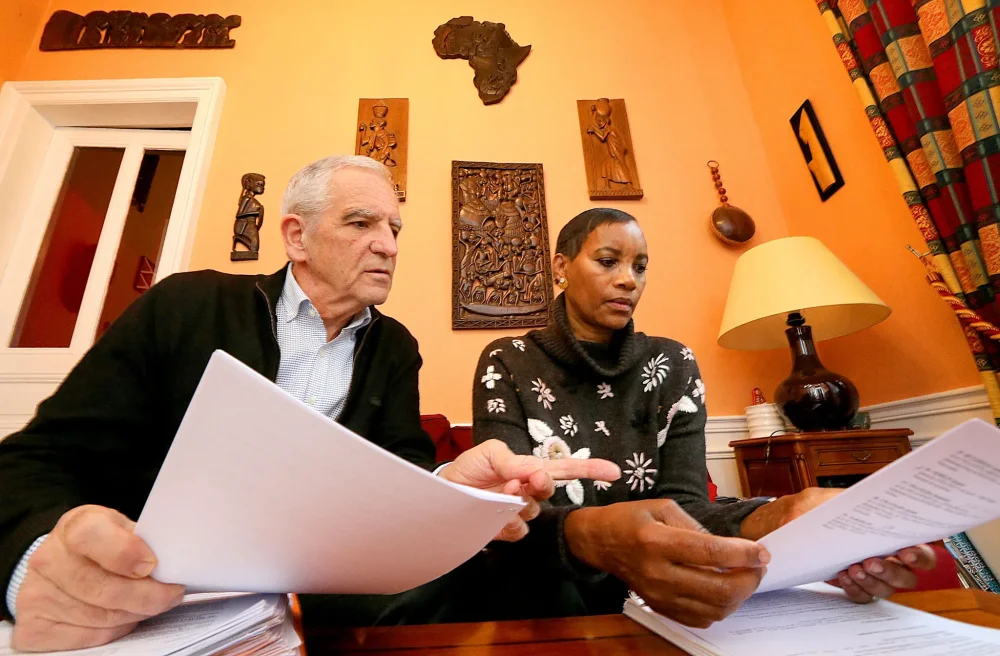
Speaking to IGIHE, Alain Gauthier expressed satisfaction with the Paris Assize Court’s decision to uphold the 27-year prison sentence initially handed down on October 30, 2024. He said his thoughts remain with the civil parties represented by CPCR, including more than 500 victims from Ndora, as well as others from Kigali, Butare, and Gishamvu.
Politicisation tactics rejected
Gauthier said that throughout the trial, Dr. Rwamucyo and his defence team attempted to portray him as an innocent victim of renewed diplomatic relations between Rwanda and France, claiming CPCR was merely a tool of the Rwandan government. According to Gauthier, the claims were deliberate attempts to distract the court from the specific charges against Rwamucyo.
“But it was Rwamucyo who was on trial. He had to answer for his role in burying bodies in dozens of mass graves in and around Butare,” Gauthier stated.
“And then there was his speech on May 14, 1994, during Jean Kambanda’s visit. His words were unambiguous. Yet Rwamucyo and his lawyers tried to plead innocent. An untenable stance given the clarity of the facts.”
On the night of July 17 to July 18, the court acquitted Rwamucyo of genocide and crimes against humanity as a perpetrator, but convicted him of complicity in both crimes.
Gauthier stressed that this distinction does not diminish Rwamucyo’s responsibility in the Genocide against the Tutsi, as French law treats perpetrators and accomplices with equal severity.
“A judicial truth has been delivered. The essential work is done, and we accept this decision,” he said.
He further rejected Rwamucyo’s claim that he supervised the burial of Tutsi victims solely for public health reasons, saying witness testimonies showed there was no epidemic in Butare that justified such measures.
Dr. Rwamucyo and his defence team also repeatedly criticised Rwanda’s Gacaca courts, arguing that they did not deliver proper justice and attempting to discredit Gacaca judgment records as potentially fabricated.
Gauthier said the seven lawyers representing Dr. Rwamucyo either lacked knowledge of Gacaca or deliberately chose to ignore its crucial role in delivering justice to survivors.
“Rwamucyo’s seven lawyers understood nothing or chose not to understand the irreplaceable role of Gacaca,” Gauthier said. “Above all, it also showed a total lack of familiarity with Rwanda and its culture. French justice, even while recognising the weaknesses of the Gacaca procedure, respects it.”
The case of Agathe Kanziga and broader challenges
French courts have prosecuted and convicted several high-profile Rwandans from different sectors, including politicians, intellectuals, and security officials.
Gauthier expressed concern over how highly educated individuals, including medical professionals sworn to save lives, became involved in killings during the Genocide against the Tutsi. He said influential figures played a role in mobilising ordinary people to participate in the violence.
He noted that other intellectuals are still awaiting trial in France, including Dr. Charles Twagira, originally from the former Kibuye Prefecture, and Dr. Alphonse Karemera from Butare.
However, Gauthier raised concerns that investigating magistrates in France could dismiss investigations into other Rwandan suspects, as previously happened in the case of Agathe Kanziga, the widow of former President Juvénal Habyarimana.
He warned that delays in pursuing suspects create serious challenges for future cases, as ageing witnesses make it increasingly difficult to collect reliable testimony.
“For future cases, it is clear that it will become increasingly difficult to gather testimonies for the reasons you mentioned,” Gauthier explained. “The CPCR, like judges, faces the same issue. We have to deal with it, but we must be aware that investigating will become harder and harder.”
He added that as evidence collection becomes more difficult, more perpetrators of the 1994 Genocide against the Tutsi risk escaping justice.
“That is the sad reality,” he said.
In May 2026, a French appeals court ordered the reopening of the genocide investigation into Agathe Kanziga, which had been closed the previous year, following an appeal by the prosecution.
Gauthier, who filed the initial complaint against Kanziga in 2007 through CPCR, cautioned that the court’s decision does not guarantee that the case will ultimately proceed to trial, given the length of time it has taken.
“But it is not at all certain that this will ever lead to a trial,” Gauthier said. “We have waited too long. Our complaint dates back to 2007, so there is very little hope on that front. The same goes for [Laurent Serubuga].”
Despite these challenges, Alain Gauthier reaffirmed that CPCR will continue its pursuit of justice without seeking recognition, urging Rwandans to draw inspiration from the organisation’s work in building a reconciled society for the well-being of all.
For 25 years, Alain and Dafroza Gauthier have pursued individuals suspected of involvement in the Genocide against the Tutsi who fled to France, through their organisation CPCR.
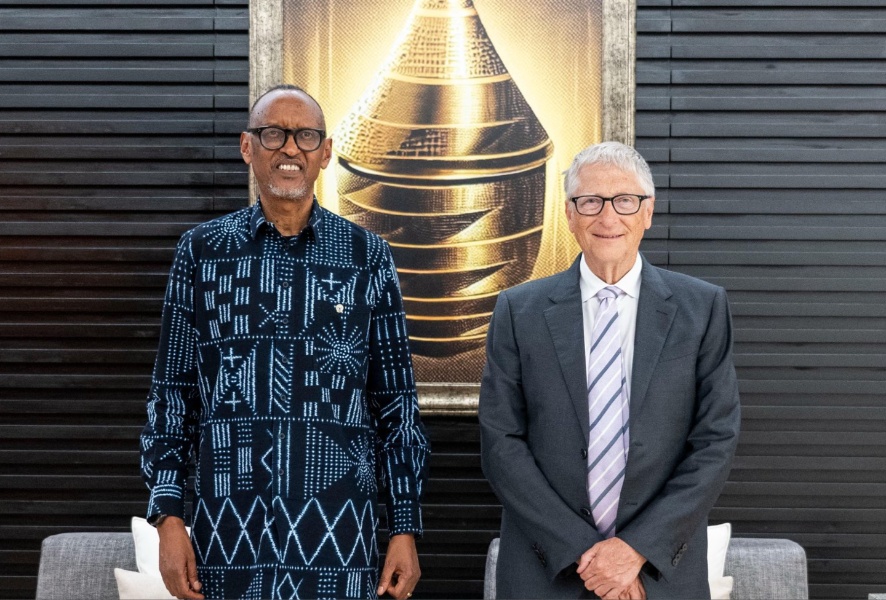
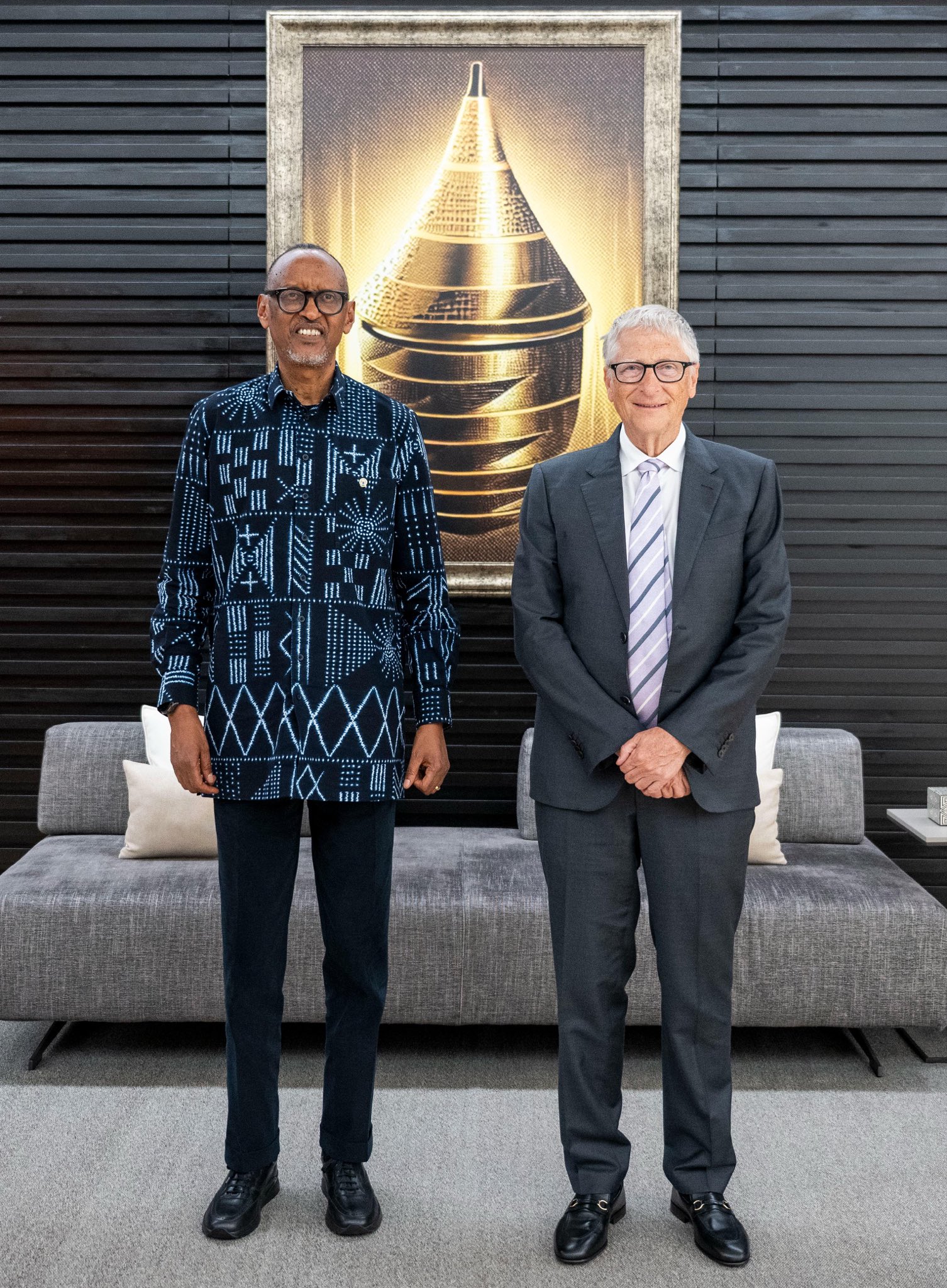
According to the Office of the President, the meeting focused on accelerating cooperation in health, agricultural transformation, artificial intelligence (AI), and digital public infrastructure in line with Rwanda’s national development priorities.
“This evening in Kigali, President Kagame met with Bill Gates, Founder and Chair of the Gates Foundation. They discussed strengthening the Foundation’s longstanding partnership with Rwanda, including accelerating collaboration in health, agricultural transformation, AI, and digital public infrastructure to advance Rwanda’s development priorities,” the Office of the President said in a statement posted on X.
The meeting formed part of Gates’ multi-day visit to Rwanda, which is aimed at gaining deeper insight into the country’s progress in healthcare, agriculture, innovation, and digital transformation.
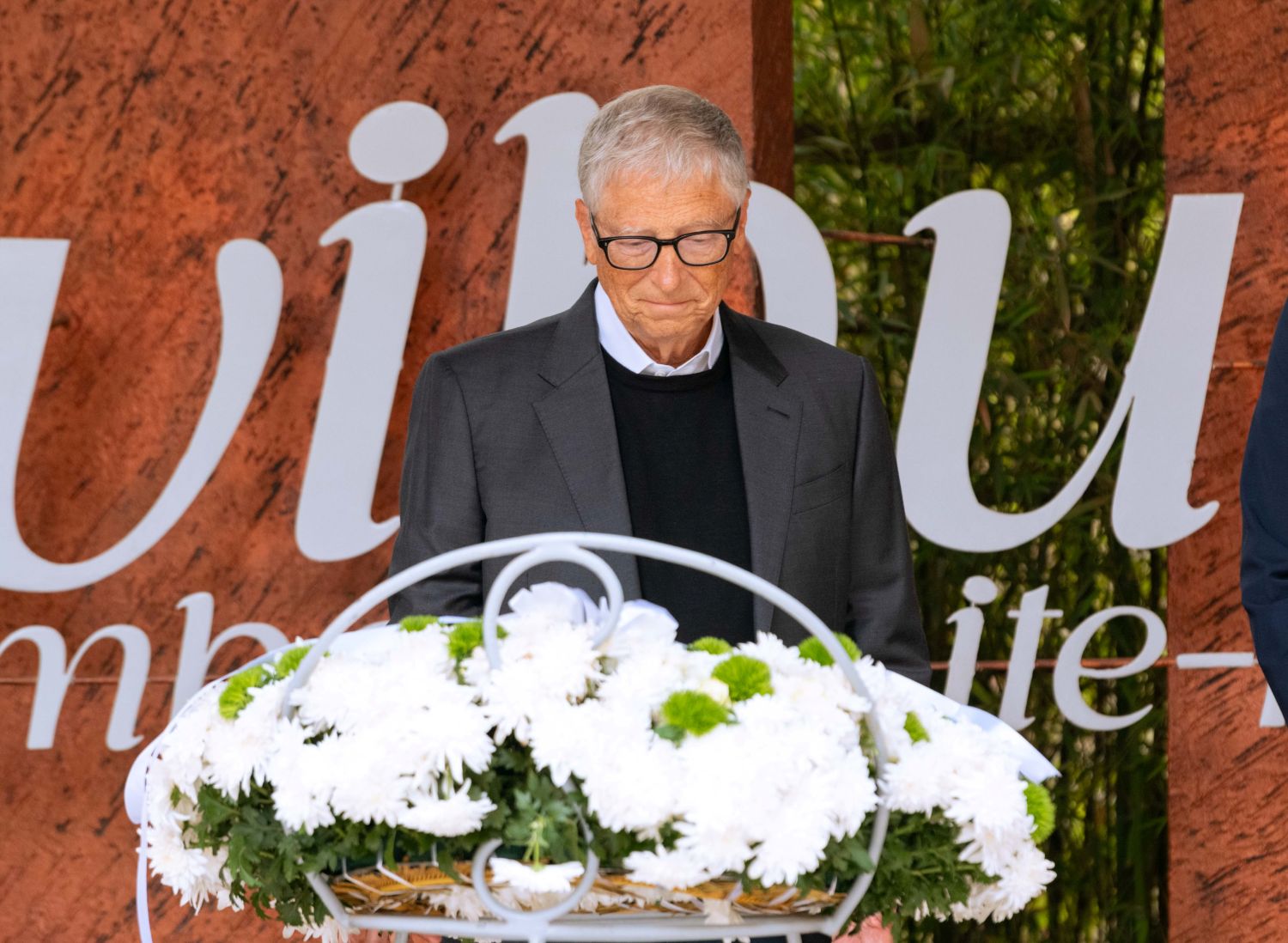
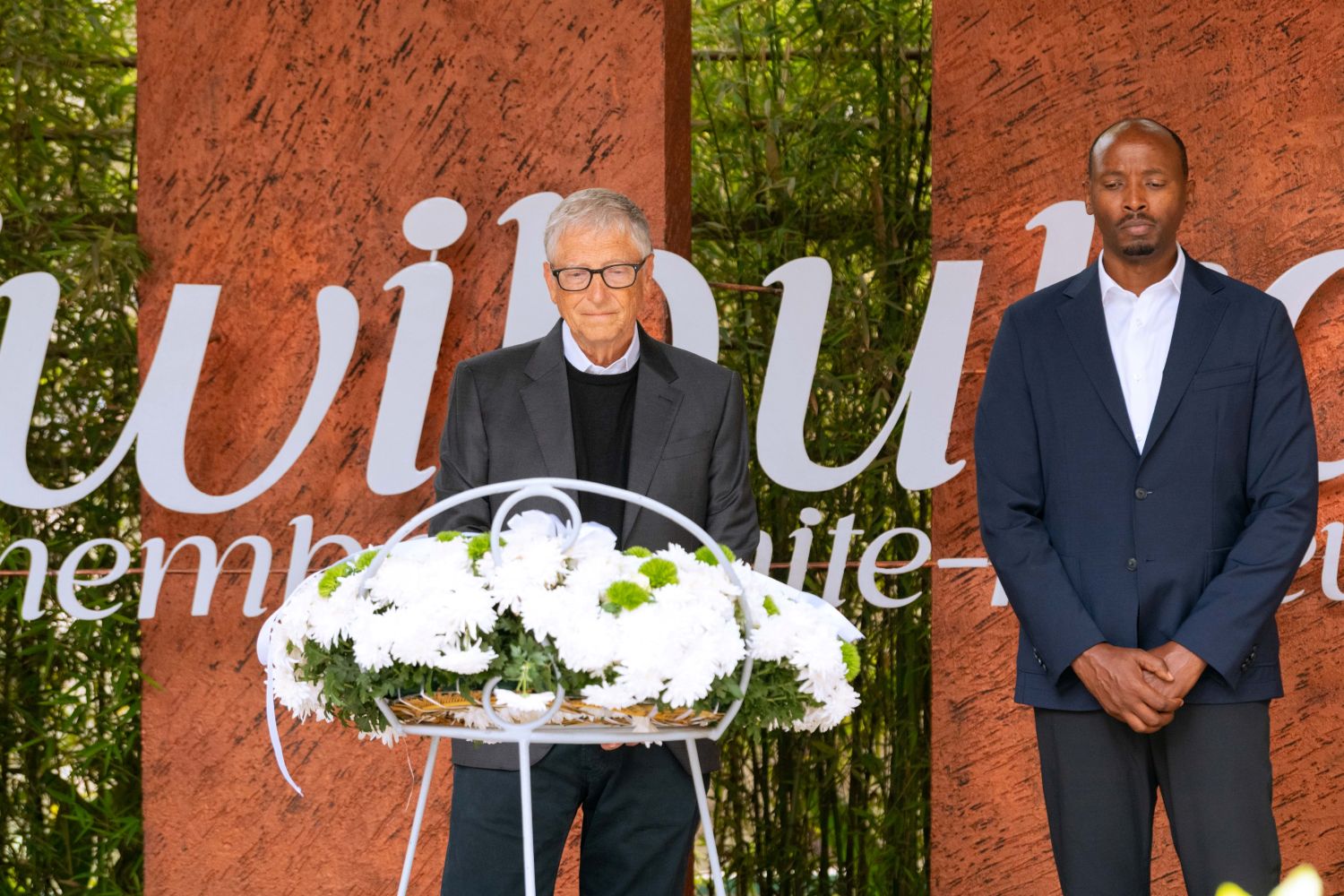
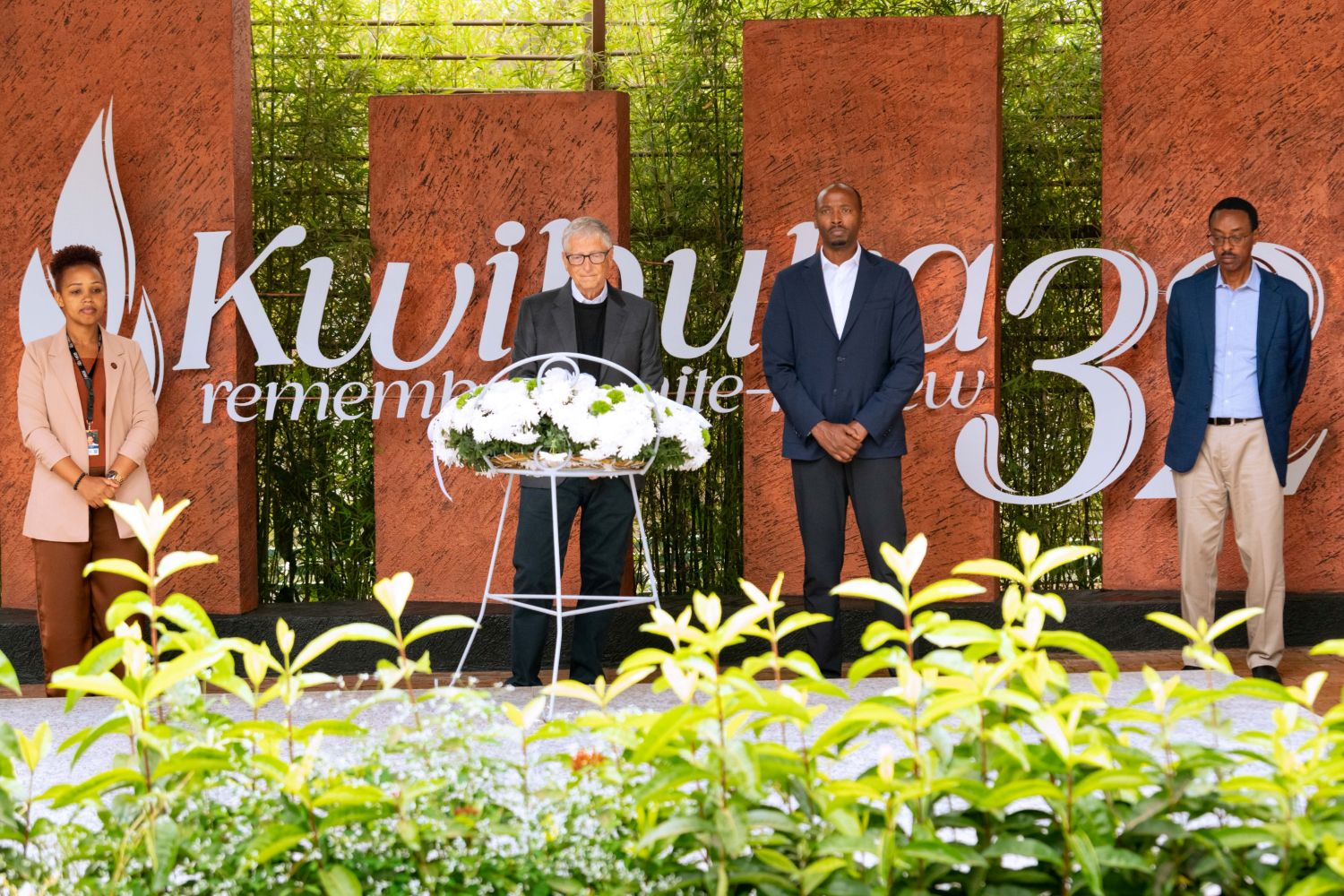
Earlier on Monday, Gates visited the Kigali Genocide Memorial, where he paid tribute to the victims of the 1994 Genocide against the Tutsi. The Microsoft founder laid a wreath at the final resting place of more than 250,000 victims buried at the memorial before touring its permanent exhibitions.
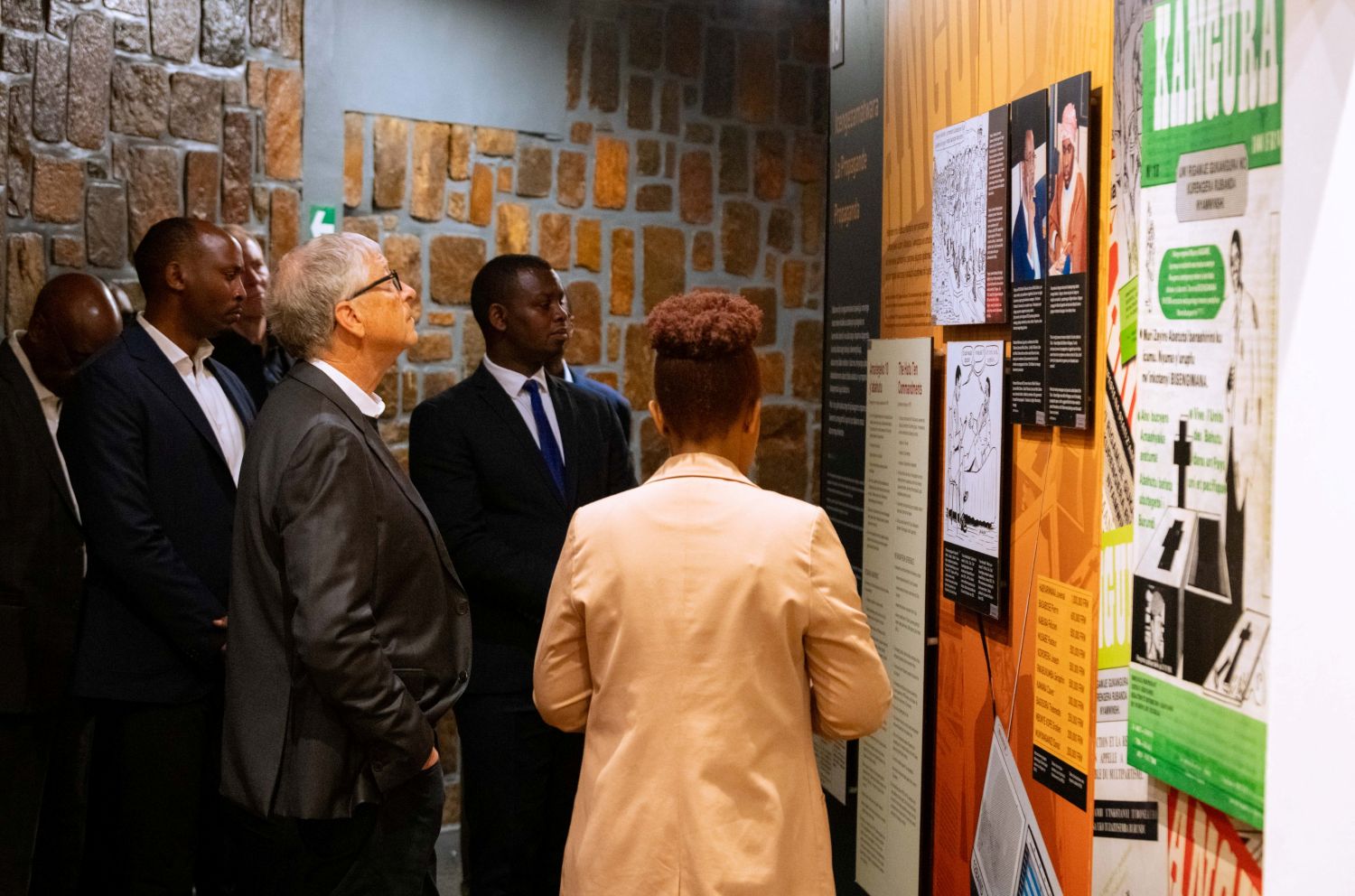
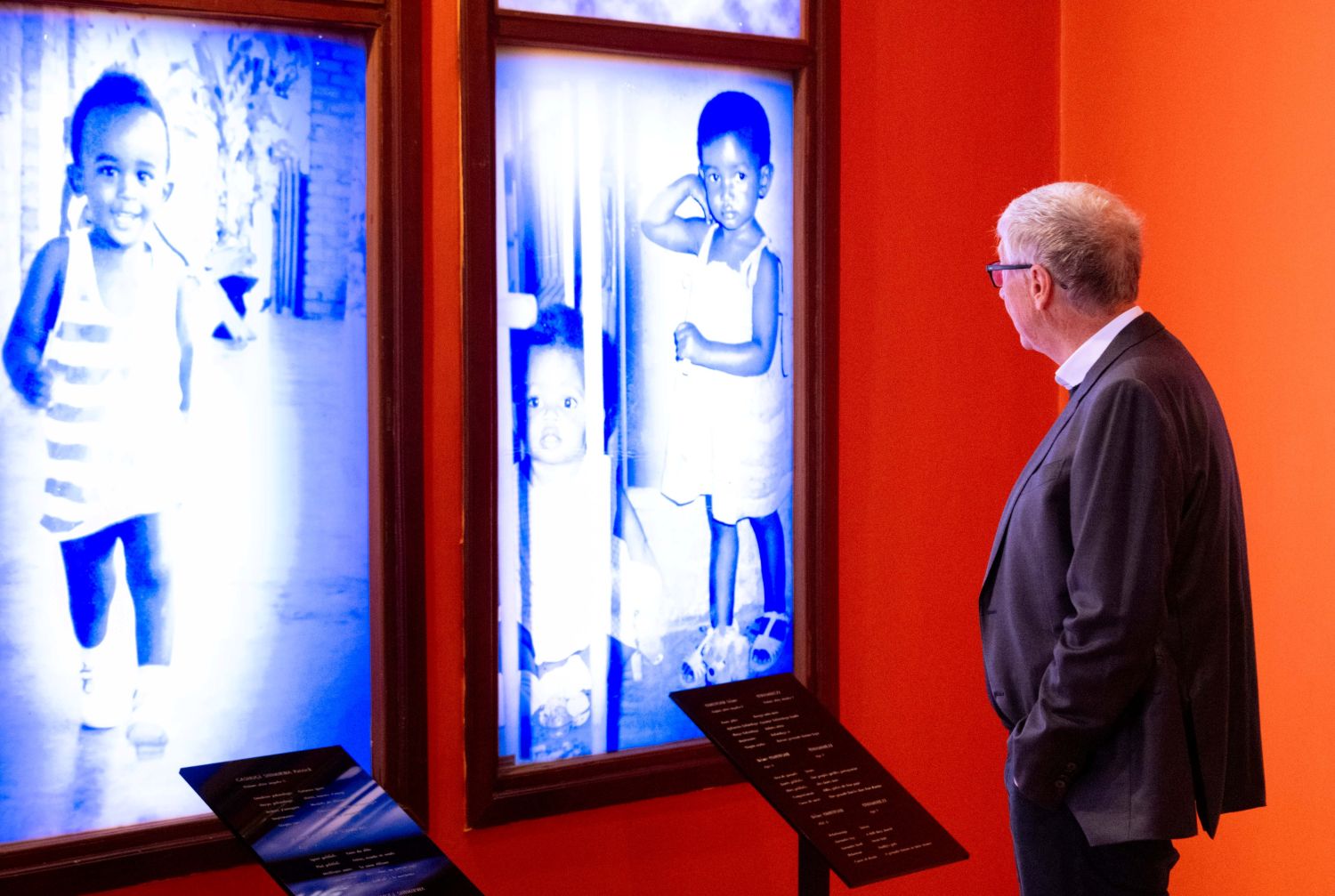
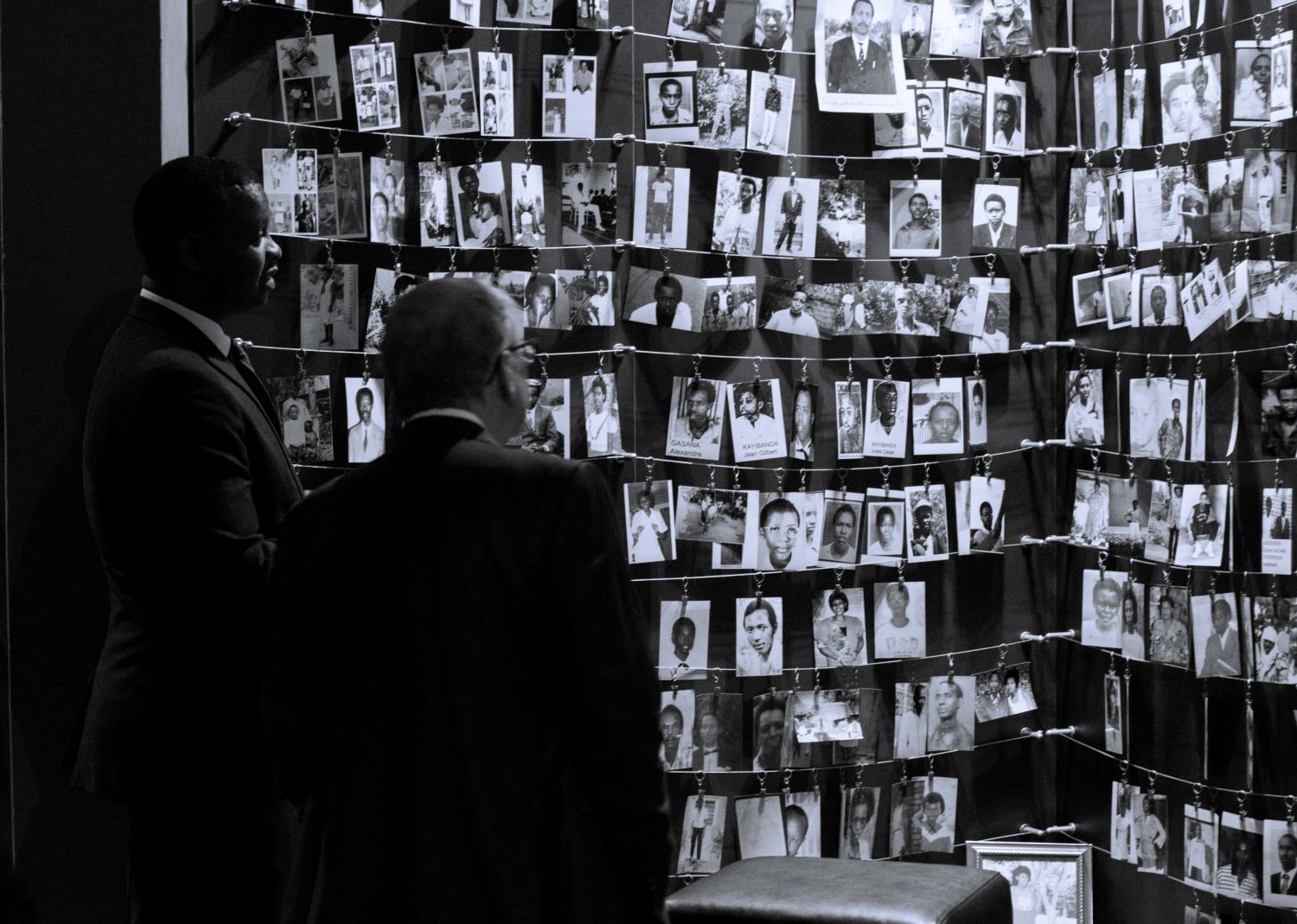
According to the Kigali Genocide Memorial, Gates learned about the planning and execution of the Genocide against the Tutsi, its devastating human impact, and Rwanda’s journey of recovery, reconciliation, and rebuilding over the past three decades.
Gates has also visited the TKMD syringe manufacturing plant in Rwamagana District, a facility contributing to Africa’s capacity to locally manufacture essential medical supplies. During his visit, he also toured Mwulire Health Centre and met with community health workers to learn more about Rwanda’s primary healthcare system and community-based health model.
Ahead of the visit, Gates commended Rwanda’s development progress, pointing to sustained investments in people, strong institutions, and effective service delivery. He highlighted major gains in health over the past two decades, including an 80 percent reduction in under-five mortality and an 85 percent decline in maternal deaths related to pregnancy and childbirth since 2000.
The Gates Foundation has partnered with Rwanda for more than 20 years, supporting initiatives in healthcare, agriculture, nutrition, and innovation. Earlier this year, Rwanda became the first beneficiary of the Horizon1000 initiative, a $50 million artificial intelligence programme launched by the Gates Foundation in partnership with OpenAI to help African countries leverage AI to strengthen healthcare delivery.
Gates has said his visit is intended to provide an opportunity to engage with government leaders, researchers, innovators, frontline health workers, and communities to better understand Rwanda’s development model and how technology can be harnessed to improve people’s lives.
The meeting between President Paul Kagame and Bill Gates focused on accelerating cooperation in health, agricultural transformation, artificial intelligence (AI), and digital public infrastructure in line with Rwanda’s national development priorities.
He succeeded Keir Starmer, who earlier tendered his resignation to the king.
Burnham later delivered his first speech as prime minister outside 10 Downing Street. Noting that he was the seventh British prime minister since 2016, he acknowledged that politicians had “not been good enough” and pledged to do better, while promising “a new political model and a new economic model.”
“We will take power out of here and carry it into every postcode in the land,” he said, pledging to reindustrialize Britain and bring essential services under stronger public control.
Burnham previously served as culture secretary, health secretary and mayor of Greater Manchester. After unsuccessful bids for the Labour leadership in 2010 and 2015, he returned to the House of Commons by winning the Macclesfield by-election on June 19 and was elected Labour leader on July 17.
Labour suffered heavy losses in local elections in May, prompting growing calls within the party for Starmer to step down. On June 22, Starmer announced that he would resign as Labour leader and step down as prime minister once a successor had been chosen.
British media said Burnham faces major challenges, including weak economic growth, strained public services, a high cost of living and an increasingly fragmented political landscape.
King Charles welcomes Andy Burnham, left, during an audience at Buckingham Palace in London on Monday, where he invited the leader of the Labour Party to become prime minister and form a new government.
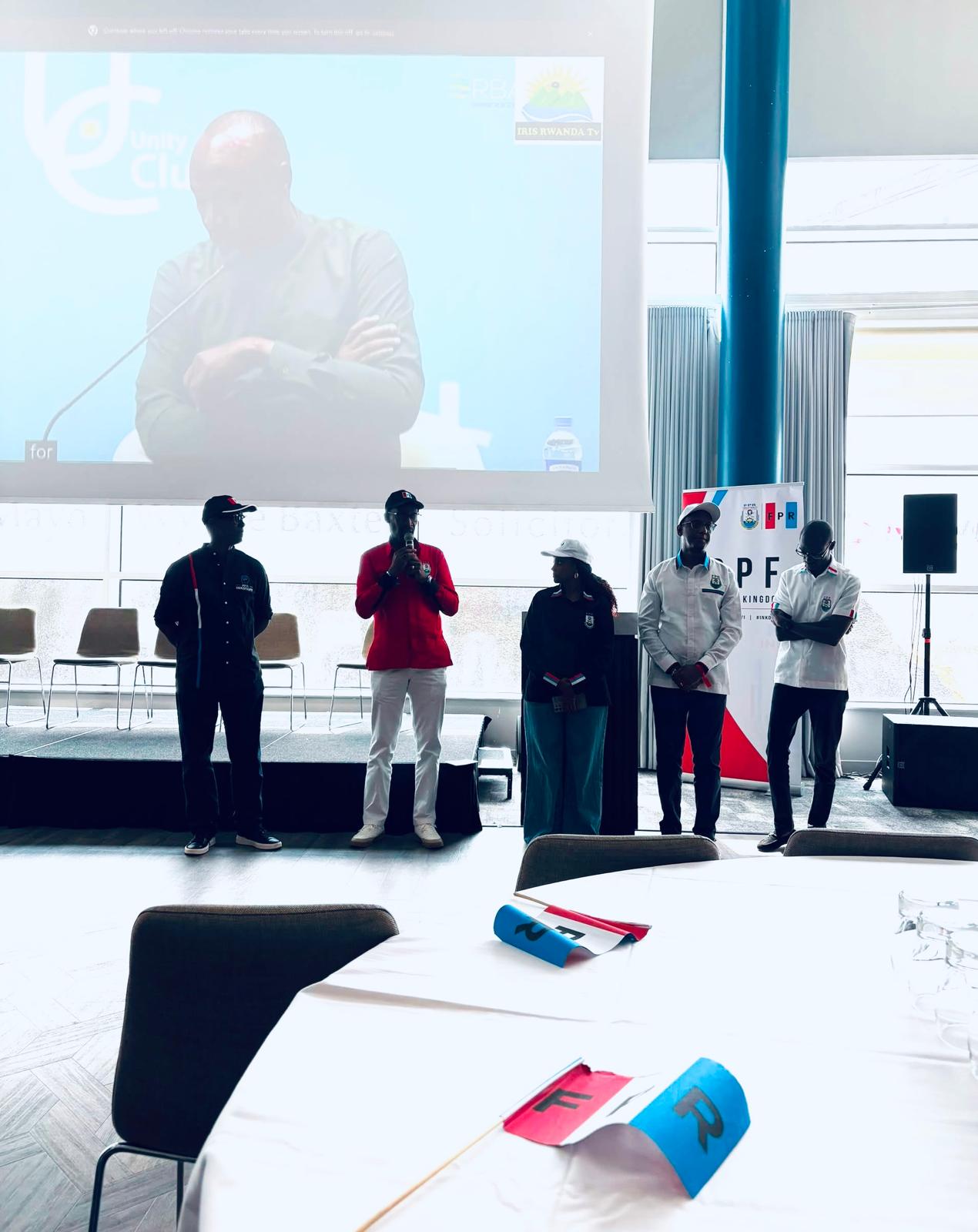
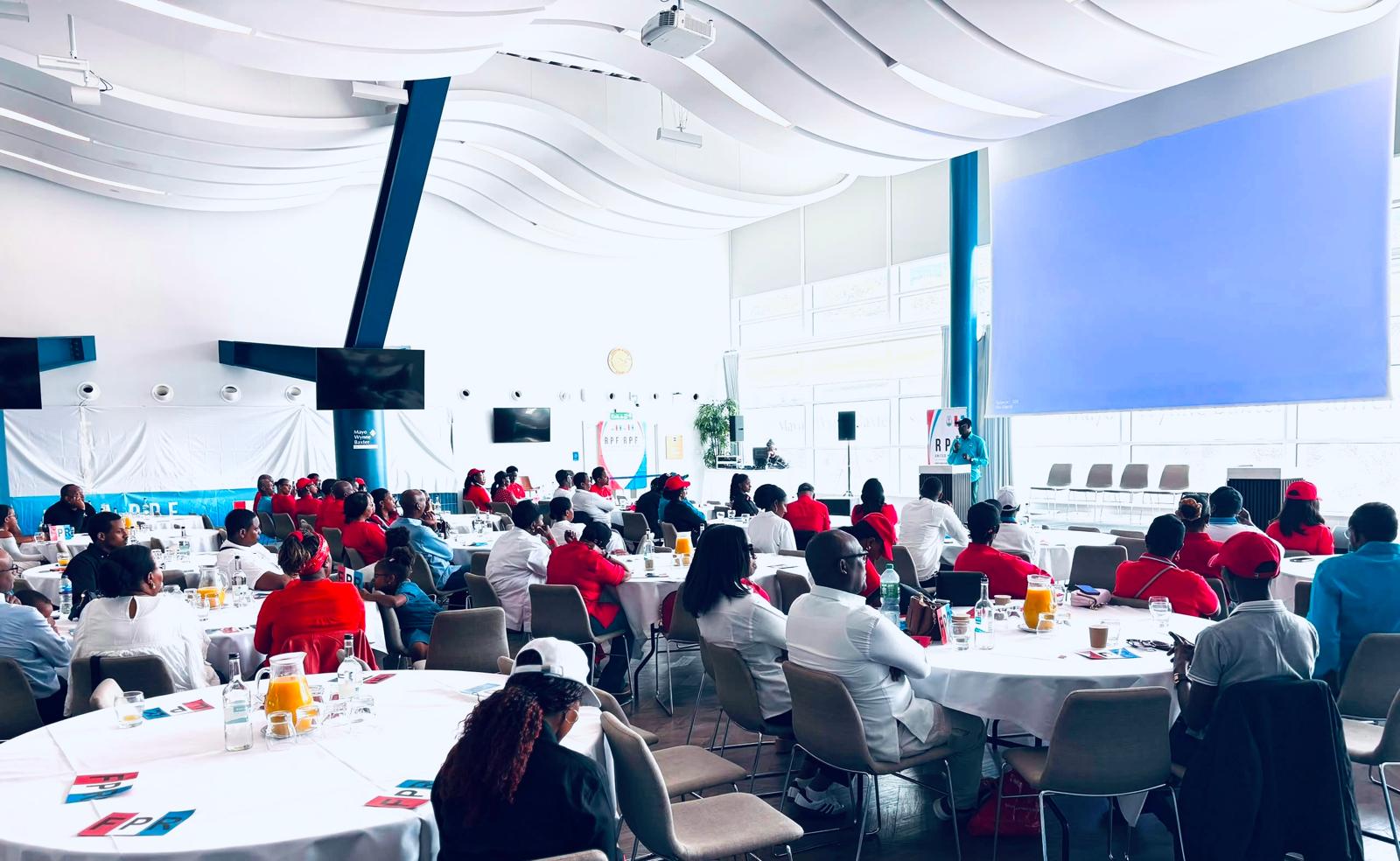
The gathering brought together RPF-Inkotanyi members from all walks of life within the Rwandan community in the UK, including professionals, entrepreneurs, students and some of the pioneers who helped establish the RPF structure in the United Kingdom. It also attracted many young Rwandans who were either born in Rwanda or in the UK and raised in Britain.
Several young participants shared their experiences of growing up in the United Kingdom while maintaining a strong connection with Rwanda. They spoke proudly about their Rwandan identity, cultural heritage and their determination to contribute to the country’s future.
RPF UK Chairperson Egide Ruhashya praised the strong turnout and the spirit that characterized the gathering.
“This gathering demonstrated the strength, unity and commitment of Rwandans across the United Kingdom. It was particularly encouraging to see different generations coming together to reflect on our history, celebrate Rwanda’s progress and discuss how each of us can contribute to the country’s continued development. Our young people have an important responsibility as the leaders of tomorrow,” he said.
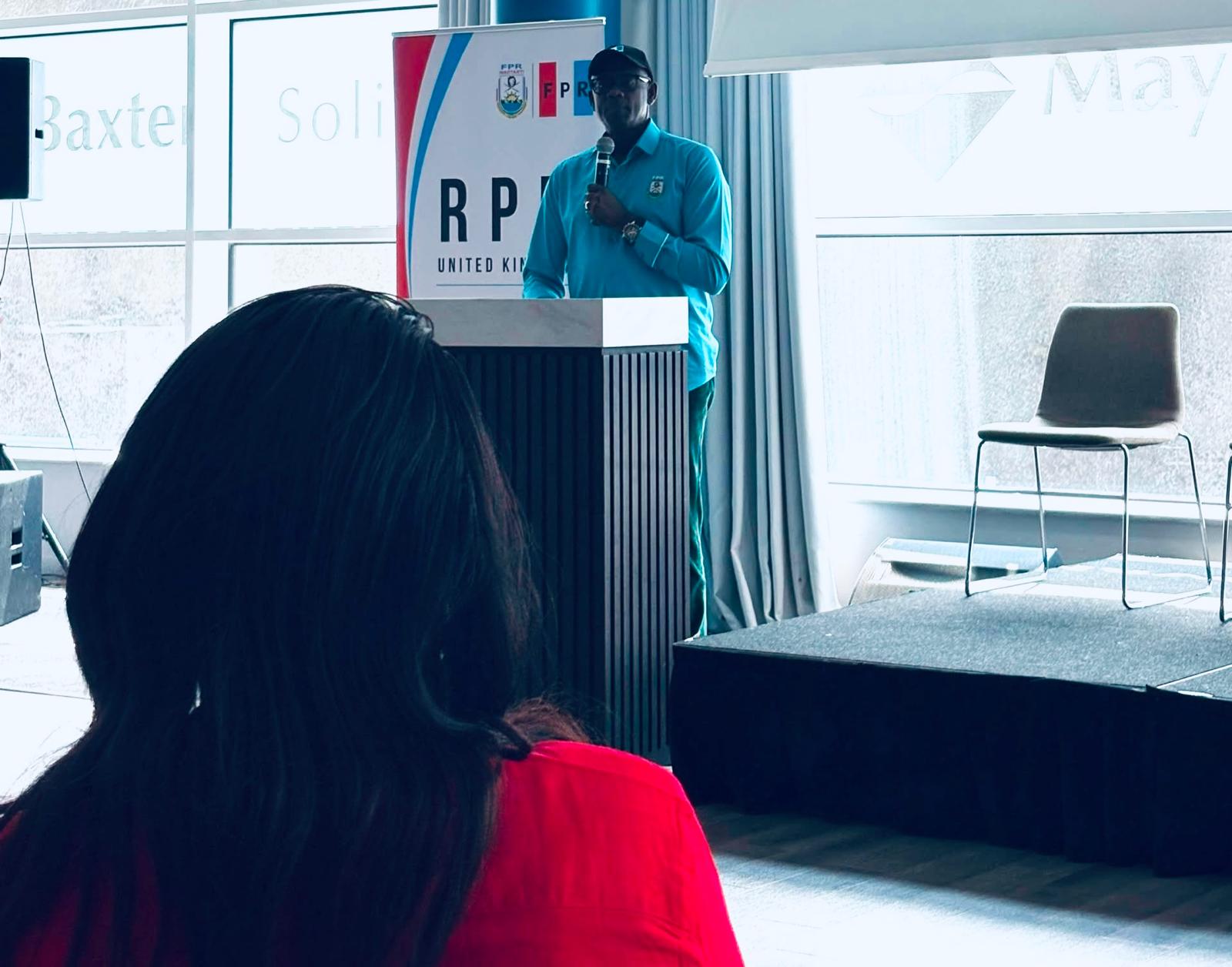
Rwanda’s High Commissioner to the United Kingdom, Johnston Busingye, who also attended the event, said Rwanda’s transformation has been built on the values of unity, accountability, equal opportunity and a shared commitment to national development.
“Rwanda’s transformation has been built on unity, accountability, equal opportunity and a shared commitment to national development. Rwandans living abroad remain an important part of this journey. By preserving our values, investing in the next generation and contributing their knowledge and experience, the Rwandan community in the United Kingdom can continue to play a meaningful role in building the Rwanda we want,” he said.
The programme also featured an expert presentation examining Rwanda’s current opportunities and challenges. Speakers emphasized the important role of the Rwandan diaspora in supporting nation-building, promoting investment and contributing to the country’s continued development.
Participants also discussed Rwanda’s culture and values, stressing the importance of preserving them and passing them on to younger and future generations.
The gathering provided an opportunity to reflect on the history of the RPF-Inkotanyi and Rwanda’s liberation struggle, paying tribute to the men and women whose sacrifices laid the foundation for unity, peace and national renewal.
Participants also reviewed Rwanda’s achievements under the leadership of the RPF-Inkotanyi over the past 32 years, highlighting progress in governance, socio-economic development, national unity and institution building.
Key priorities discussed during the event included strengthening the unity of all Rwandans, promoting equal opportunities, ensuring accountability across institutions, advancing self-reliance and maintaining an ambitious vision for Rwanda’s future.
Special attention was given to the role of young people as the country’s future leaders. Speakers encouraged young Rwandans in the diaspora to embrace leadership, remain closely connected to their heritage and use their knowledge, skills and experience to contribute to Rwanda’s continued development.
The gathering concluded in an atmosphere of enthusiasm, pride and strong unity, with participants proudly wearing RPF-Inkotanyi colours and insignia while reaffirming their commitment to contributing to Rwanda’s development from wherever they live, work or study in the United Kingdom.
The gathering brought together RPF-Inkotanyi members from all walks of life within the Rwandan community in the UK.Rwanda’s High Commissioner to the United Kingdom, Johnston Busingye, said Rwanda’s transformation has been built on the values of unity, accountability, equal opportunity and a shared commitment to national development.The gathering provided an opportunity to reflect on the history of the RPF-Inkotanyi and Rwanda’s liberation struggle, paying tribute to the men and women whose sacrifices laid the foundation for unity, peace and national renewal.Participants also discussed Rwanda’s culture and values, stressing the importance of preserving them and passing them on to younger and future generations.
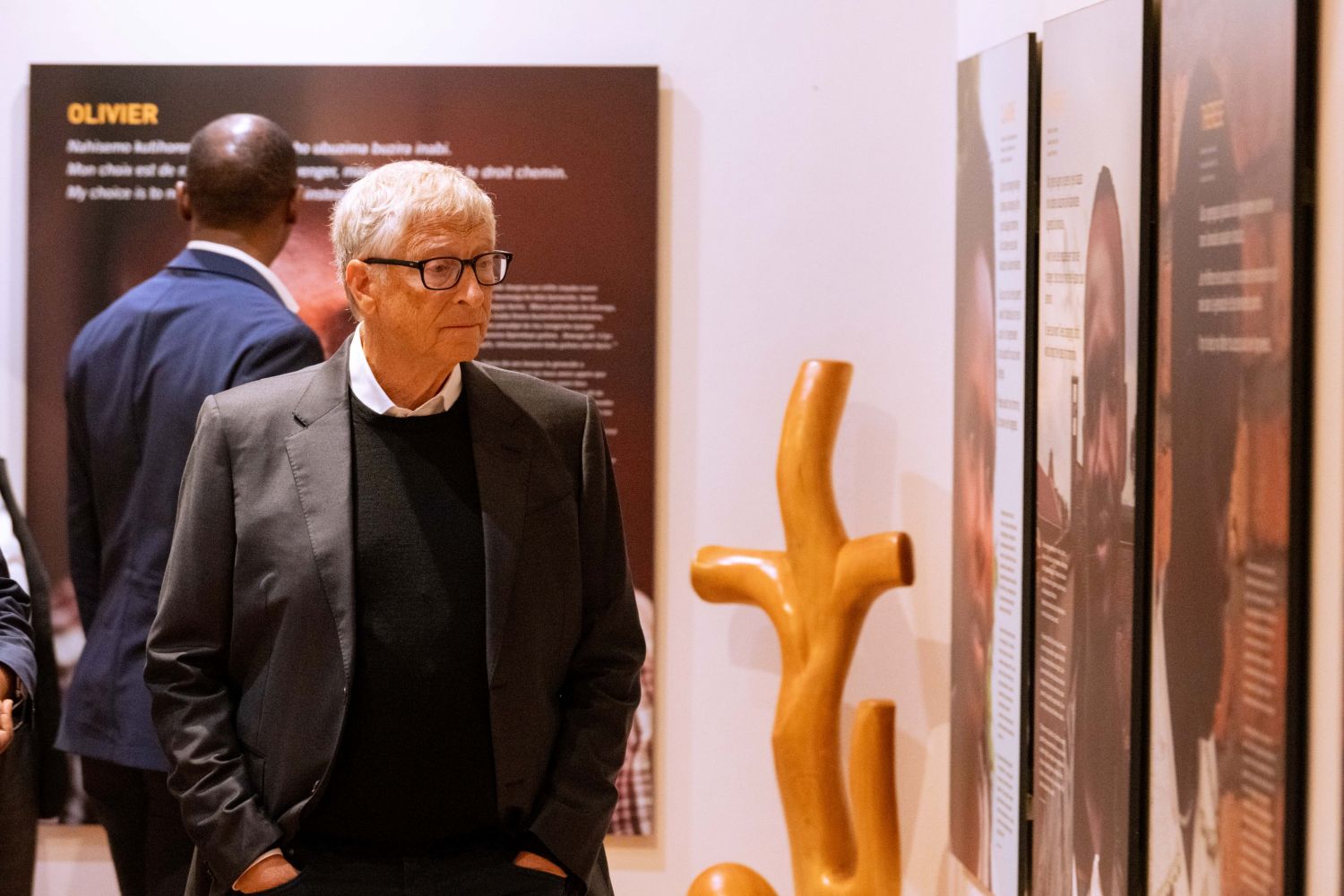
At the memorial, the founder of Microsoft laid a wreath at the final resting place of more than 250,000 victims buried at the site, taking time to honour their memory and reflect on one of the darkest chapters in Rwanda’s history.
According to the Kigali Genocide Memorial, Gates also toured the memorial’s permanent exhibitions, where he learned about the planning and execution of the Genocide against the Tutsi, its devastating human impact, and Rwanda’s remarkable journey of recovery, reconciliation, and rebuilding over the past three decades.
“Today, we welcomed Mr. Bill Gates to the Kigali Genocide Memorial, where he paid his respects to the victims of the Genocide against the Tutsi with a wreath-laying at the burial place,” the memorial management said in a statement shared on X.
“During his visit, Mr. Gates toured the memorial exhibits and reflected on the history, impact, and lasting consequences of the Genocide, as well as Rwanda’s remarkable journey of recovery and rebuilding,” it added.
The visit to the memorial comes as Gates continues a multi-day visit to Rwanda aimed at learning more about the country’s progress in health, agriculture, and digital public infrastructure.
Earlier during his stay, Gates visited the TKMD syringe manufacturing plant in Rwamagana District, a facility helping expand Africa’s capacity to locally produce essential medical supplies. He is also expected to visit Mwulire Health Centre and meet with community health workers to gain firsthand insight into Rwanda’s primary healthcare system.
Ahead of his visit, Gates praised Rwanda’s development trajectory, attributing the country’s progress to sustained investments in people, strong institutions, and effective service delivery.
He highlighted Rwanda’s significant improvements in health outcomes since 2000, including an 80 percent reduction in under-five mortality and an 85 percent decline in maternal deaths related to pregnancy and childbirth.
The Gates Foundation has partnered with Rwanda for more than two decades, supporting initiatives to strengthen healthcare systems, agricultural development, and innovation.
Earlier this year, Rwanda became the first beneficiary of the Horizon1000 initiative, a $50 million artificial intelligence programme launched by the Gates Foundation and OpenAI to help African countries harness AI to improve healthcare delivery.
Gates has said he hopes his visit will provide an opportunity to engage with government leaders, researchers, innovators, frontline health workers, and communities to better understand Rwanda’s approach to development and the use of technology to improve lives.
His visit to the Kigali Genocide Memorial adds a solemn moment to his engagements in the country, paying respect to the victims while acknowledging Rwanda’s resilience and transformation in the decades since the Genocide against the Tutsi.
American tech billionaire Bill Gates visited the Kigali Genocide Memorial on Monday.He paid tribute to the victims of the 1994 Genocide against the Tutsi during his ongoing visit to Rwanda.At the memorial, the founder of Microsoft laid a wreath at the final resting place of more than 250,000 victims buried at the site.He learned about the planning and execution of the Genocide against the Tutsi, its devastating human impact, and Rwanda’s remarkable journey of recovery, reconciliation, and rebuilding over the past three decades.The visit to the memorial comes as Gates continues a multi-day visit to Rwanda aimed at learning more about the country’s progress in health, agriculture, and digital public infrastructure.
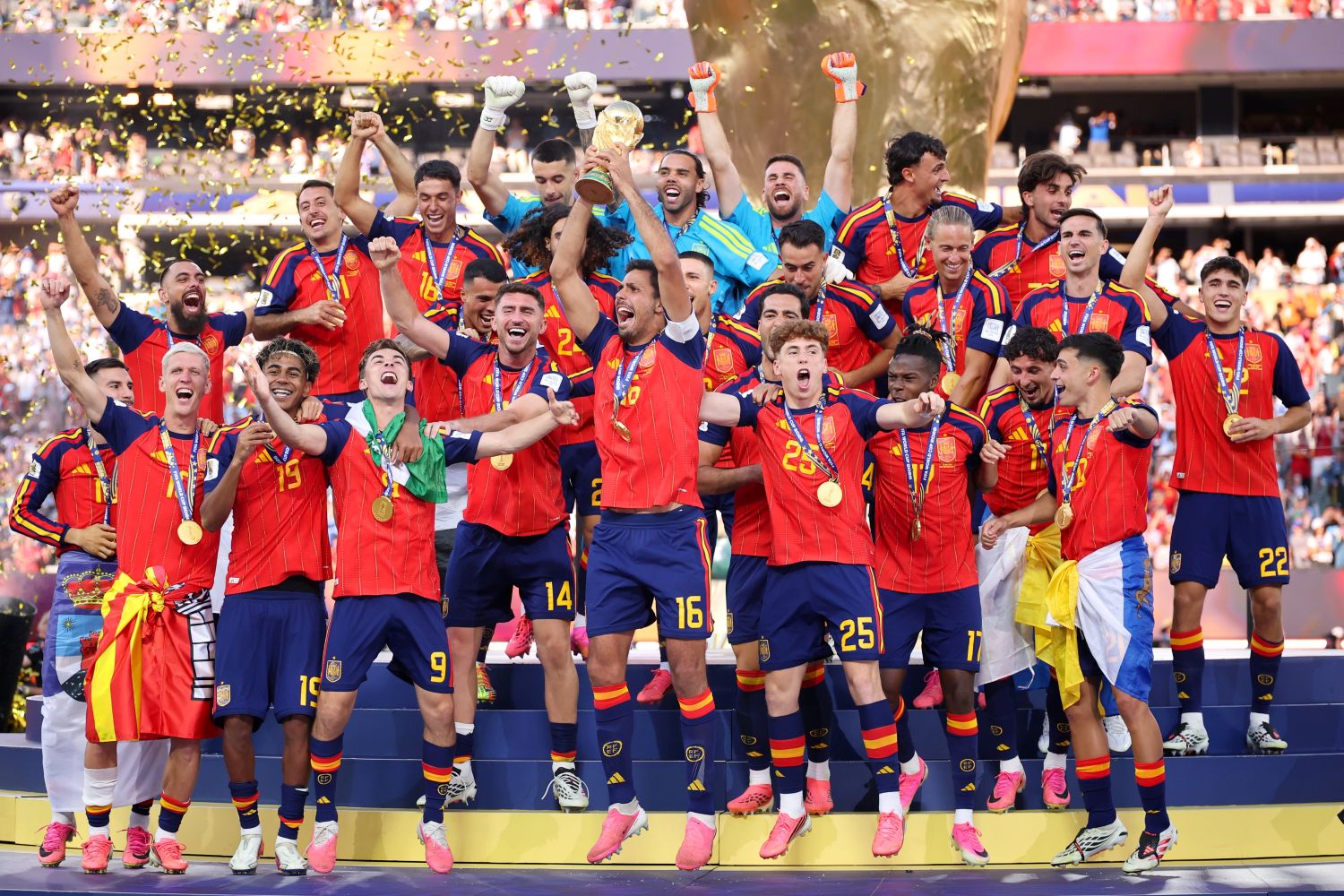
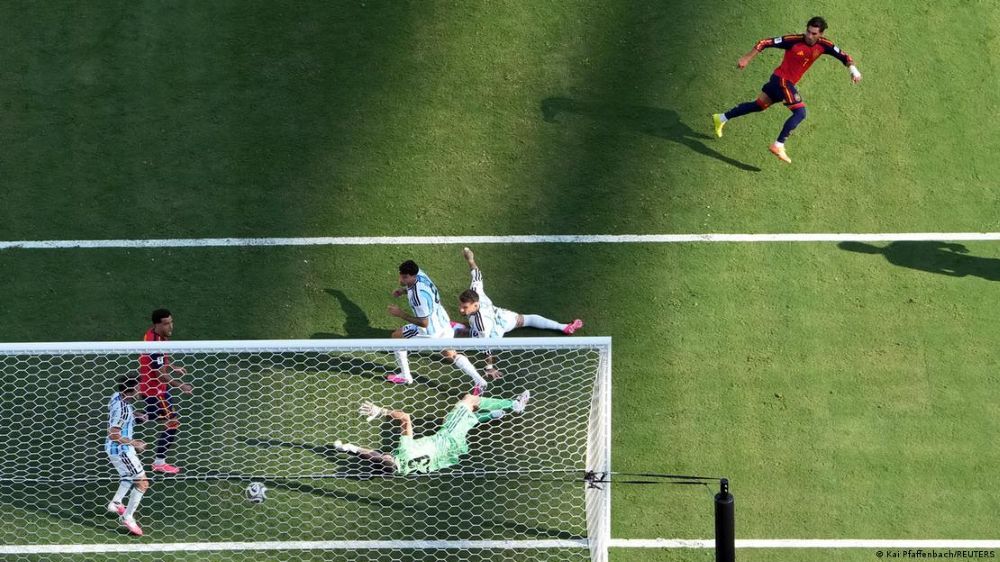
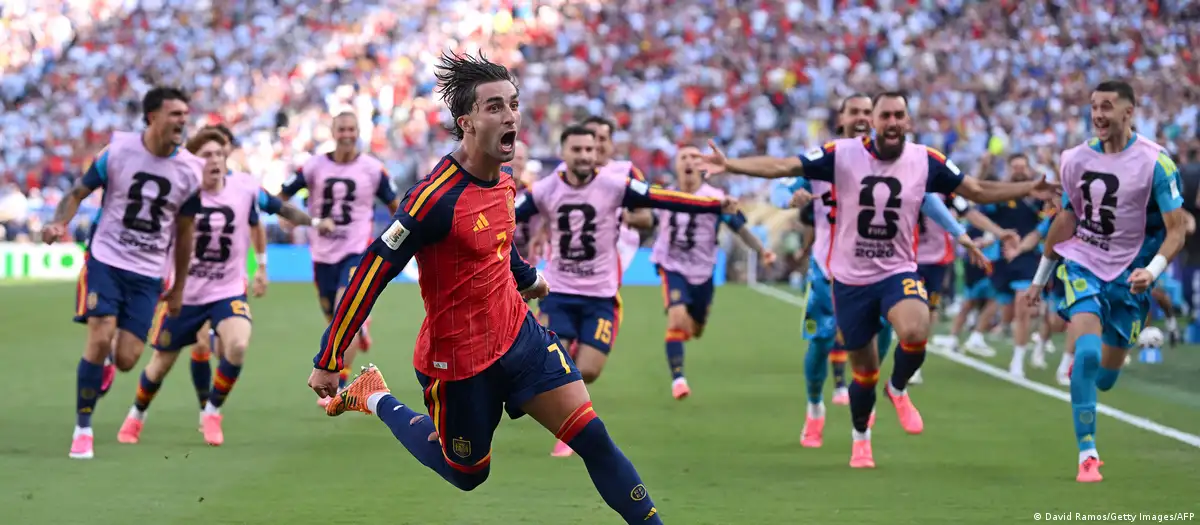
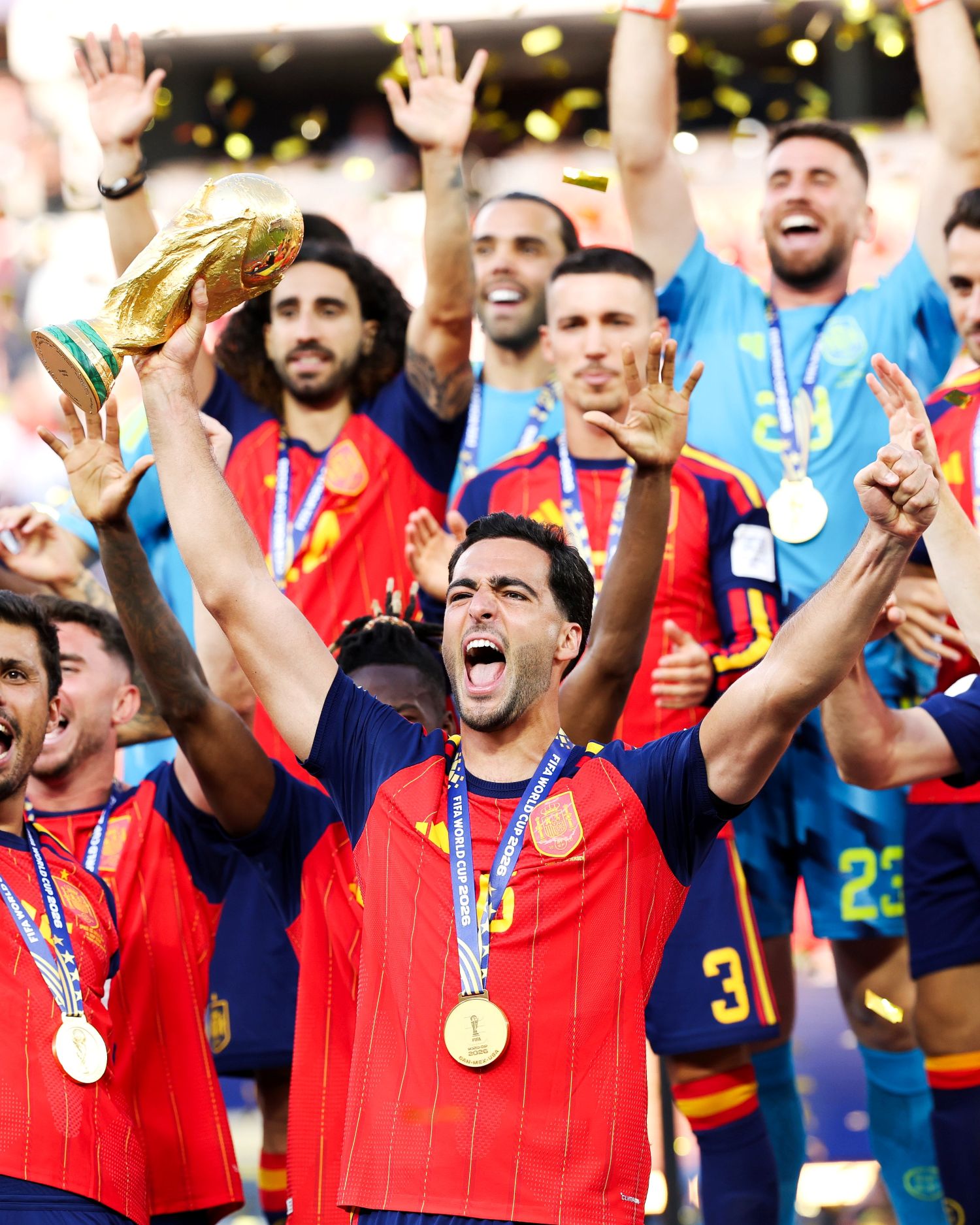
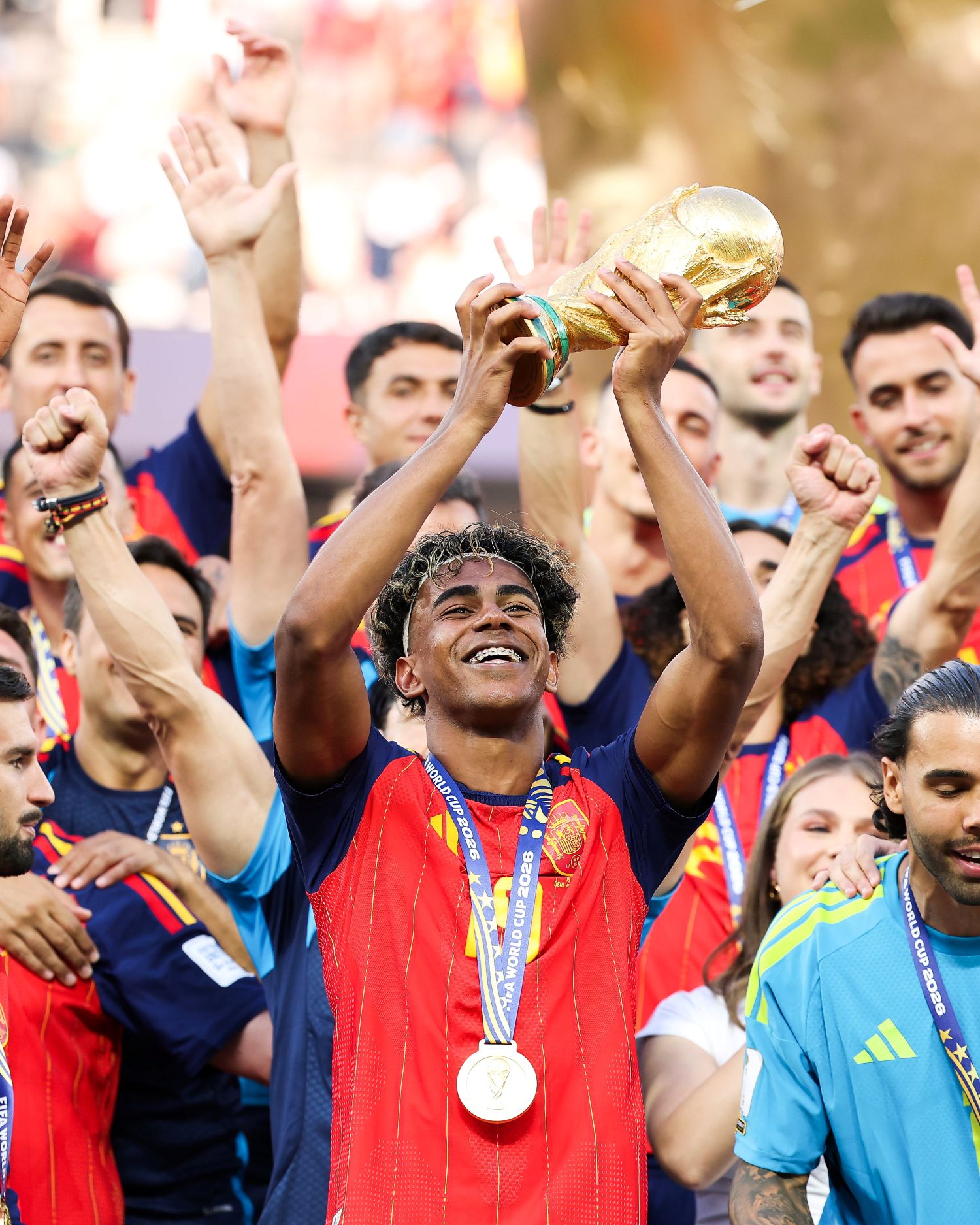
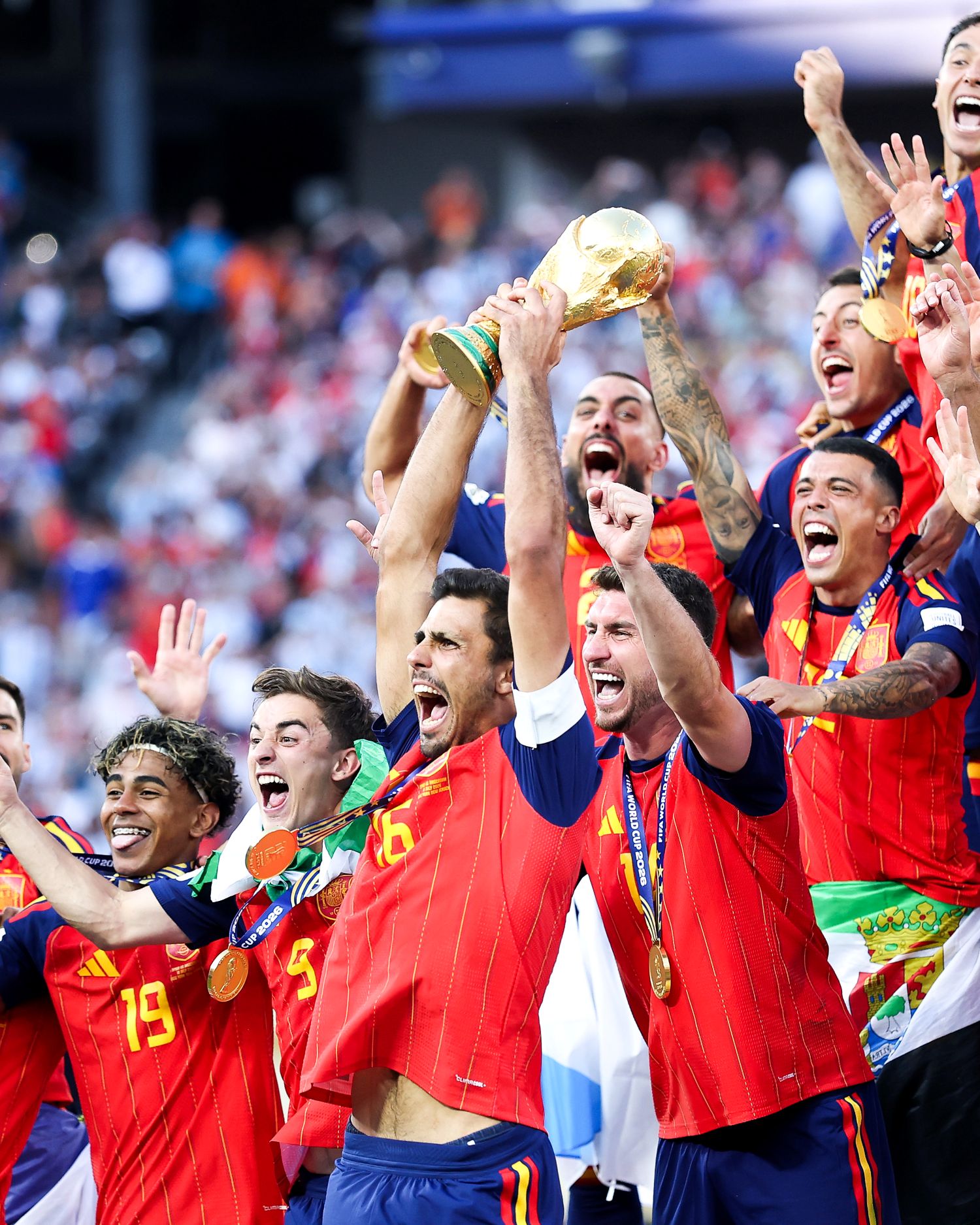
Torres, who came off the bench, produced the decisive moment in the 106th minute, pouncing on a loose ball inside the penalty area before firing a left-footed shot beneath the crossbar to hand Spain their second World Cup crown, 16 years after their maiden triumph in South Africa in 2010.
The victory crowned a dominant campaign for Luis de la Fuente’s side, which conceded just one goal in eight matches, setting a World Cup record for the fewest goals allowed by a champion. Spain also became the first nation to simultaneously hold both the men’s and women’s FIFA World Cup titles following the women’s triumph in 2023.
Despite the narrow scoreline, Spain controlled the final from start to finish.
The European champions monopolised possession, registered the game’s opening 20 shots and forced Argentina goalkeeper Emiliano Martínez into a series of outstanding saves to keep his side in the contest. Argentina failed to register a shot until the second half of extra time as Lionel Scaloni’s men struggled to threaten Spain’s organised defence.
Martínez’s heroics repeatedly frustrated Spain, but there was little he could do when Torres reacted quickest to a bouncing ball inside the area to finally break the deadlock.
“It was a goal scored by 47 million people,” Torres said after the match, referring to Spain’s population.
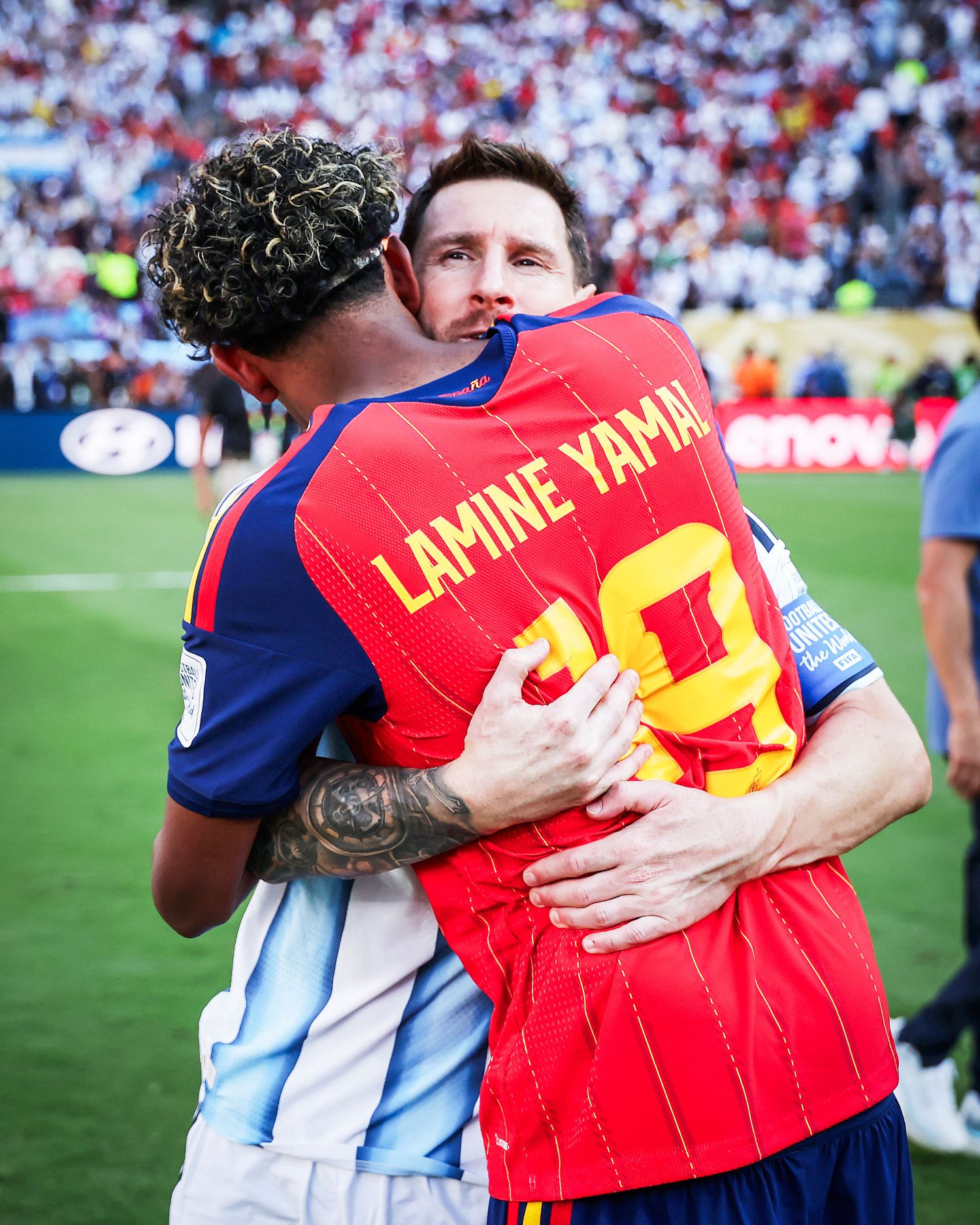
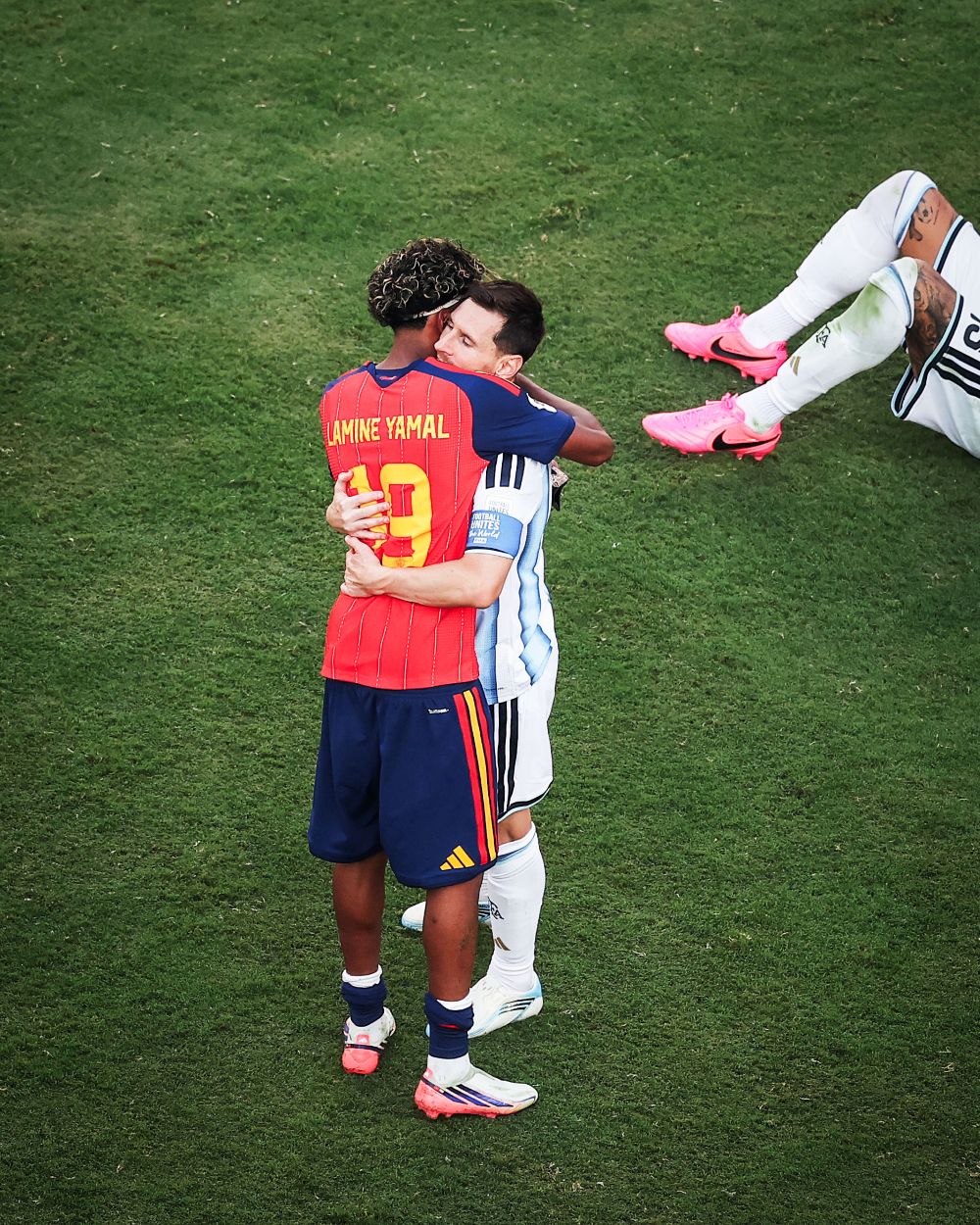
For Messi, the defeat marked a painful conclusion to what could be his World Cup career.
The 39-year-old, who guided Argentina to the 2022 title, was left in tears after receiving his runners-up medal.
Argentina’s hopes were further dented in stoppage time of the second half when midfielder Enzo Fernández received a second yellow card for a reckless challenge, forcing the defending champions to play the remainder of the contest with 10 men.
Spain’s victory also saw head coach Luis de la Fuente, aged 65, become the oldest coach to win the FIFA World Cup.
“We are world champions,” de la Fuente said. “It was together we reached this stage.”
The final concluded the first-ever 48-team FIFA World Cup, hosted across the United States, Canada and Mexico. The expanded tournament produced more than 300 goals, although Spain’s disciplined defensive displays ensured they conceded just once on their way to lifting football’s biggest prize.
Individual honours also reflected Spain’s impressive tournament. Midfielder Rodri won the Golden Ball as the competition’s best player, while goalkeeper Unai Simón claimed the Golden Glove. France’s Kylian Mbappé finished as the Golden Boot winner with 10 goals, and Spain defender Pau Cubarsí received the Best Young Player award.
Ferran Torres, on as a substitute, scored the winner for Spain.Ferran Torres celebrates after scoring the winner for Spain.The victory crowned a dominant campaign for Luis de la Fuente’s side, which conceded just one goal in eight matches.Spain denied Lionel Messi a second consecutive title in what is widely expected to be his final appearance at the tournament.Lamine Yamal consoles Leo Messi after Spain beat Argentina in the World Cup final.
Yet, within the global Meetings, Incentives, Conferences, and Exhibitions (MICE) landscape, a persistent glass ceiling exists for regional standouts. Dominating continental rankings is one thing; competing directly with global heavyweights like Tokyo, Berlin, Dubai, and Copenhagen for rotating world congresses is another entirely.
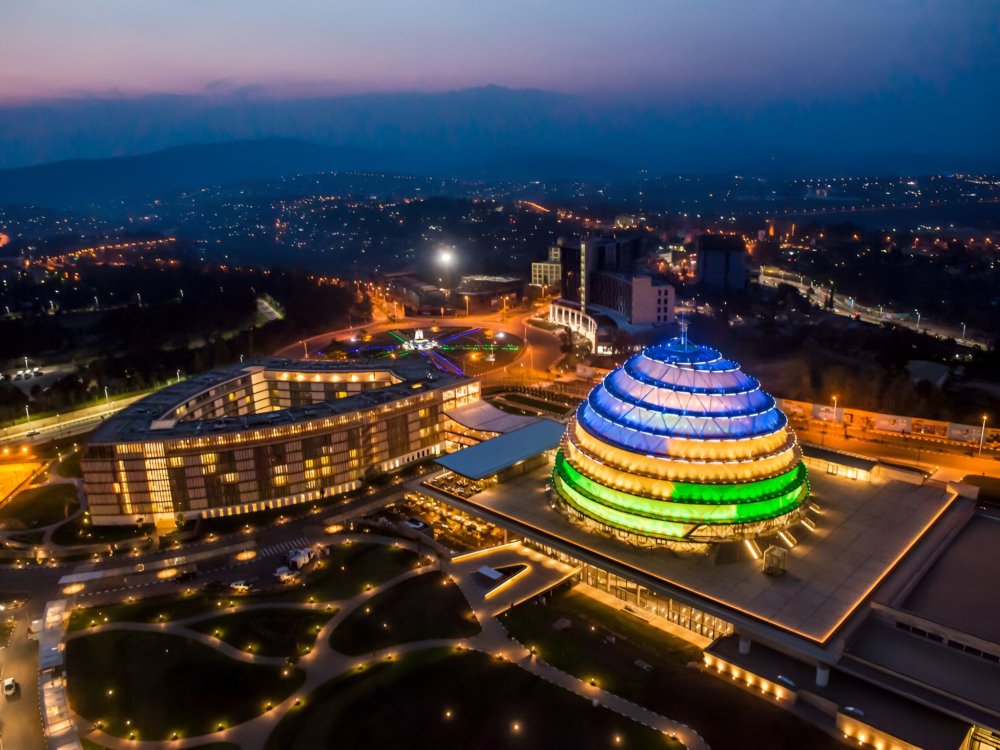
Kigali’s admission as the 14th member of the BestCities Global Alliance, and the very first from East Africa this month, fundamentally changes that dynamic. The milestone represents less of a celebratory badge and more of a structural leap forward for Rwanda’s long-term tourism and macroeconomic goals.
The economic backing
This structural ambition is already backed by powerful economic momentum. According to the Rwanda Development Board’s (RDB) latest reporting, the country’s MICE subsector generated $94.7 million (about Rwf 139 billion) in revenue in 2025, marking an 11.8% increase from the $84.8 million recorded the previous year.
Driven by the country’s welcoming visa-on-arrival policy and top-tier venue infrastructure, Rwanda successfully hosted 165 international and regional events that drew 61,888 delegates to the capital, a 17.3% surge in delegate attendance year-on-year. These figures underscore that MICE is no longer just a luxury branding exercise for Kigali, but a primary engine driving high-value tourism receipts, which reached a record $685 million overall in 2025.
For the past six consecutive years, Kigali has securely held its ground as Africa’s second-ranked destination for international association meetings.
Entering the closed-door multi-city bidding pipeline
The most immediate, practical advantage of joining BestCities is access to a collaborative bidding ecosystem. Large international associations rarely return to the same continent, let alone the same city, in consecutive years. Instead, their mega-conventions rotate systematically across global regions.
Historically, the Rwanda Convention Bureau (RCB) had to track, pitch, and bid for these global events in isolation. Inside the alliance, Kigali joins a unified peer-to-peer network.
When a global association rotates its conference out of a member city like Dublin or Houston, those bureaus actively share data, client preferences, and operational specifications with fellow alliance members like Kigali.
This multi-city referral system gives Rwanda an inside track on long-term event pipelines years before a formal request for proposals (RFP) is ever made public.
Validation by association decision-makers
For major international medical, scientific, and technical associations, choosing an event destination requires confidence in a city’s ability to deliver world-class experiences. Meeting planners seek strong assurances around venue technology, safety, local vendor expertise, and data security.
By meeting the alliance’s rigorous entry criteria, Kigali has demonstrated that its conference ecosystem aligns with globally recognised standards. BestCities membership reinforces the city’s position alongside leading destinations such as Copenhagen and Vancouver, giving international planners added confidence in Kigali’s capacity to host high-level events.
Acceleration of the national knowledge economy
Rwanda’s MICE strategy has always aimed for an impact deeper than just boosting hospitality revenue or hotel occupancy rates. The ultimate goal is to anchor international events to priority sectors of the domestic economy, such as health, fintech, climate finance, and agriculture.
BestCities heavily champions the “Madrid Challenge,” an industry framework focused on the “legacy and impact” of business events. Membership means Kigali will work alongside global peers to ensure that major incoming events, like the ICCA Congress in 2027 and the World Nephrology Congress in 2029, leave a permanent footprint on the ground.
This structural focus ensures that international delegates don’t just stay within the convention center zone, but actively exchange expertise with local university faculties, domestic tech startups, and regional policy minds.
Upskilling the local supply chain
To maintain active status within BestCities, a destination must consistently pass stringent quality audits. This requirement creates a positive pressure cooker for Rwanda’s domestic MICE supply chain.
Over the coming years, local professional conference organizers (PCOs), catering firms, production crews, and transport providers will need to continuously align with the alliance’s benchmarked practices. The exchange of institutional expertise with the world’s most sophisticated convention bureaus will directly upskill local hospitality workers, ensuring that international service delivery remains consistent across every tier of the city’s tourism network.
As Janet Karemera, CEO of the Rwanda Convention Bureau, noted, the membership reflects Kigali’s long-term ambition to strengthen its global presence. By joining one of the MICE industry’s most exclusive networks, Rwanda has further enhanced its competitive edge.
“Through this platform, we aim to further enhance our visibility, exchange expertise, and continue elevating Kigali as a competitive destination for global business events,” she remarked.
The focus now shifts from demonstrating Kigali’s readiness for the global stage to delivering the world-class, high-impact events expected of a destination among the world’s leading business event cities.
Rwanda’s MICE subsector generated $94.7 million (about Rwf 139 billion) in revenue in 2025, marking an 11.8% increase from the $84.8 million recorded the previous year.
While the World Cup trophy remains the ultimate prize, the battle for the tournament’s highest individual scoring honour has added another layer of intrigue to the showpiece event.
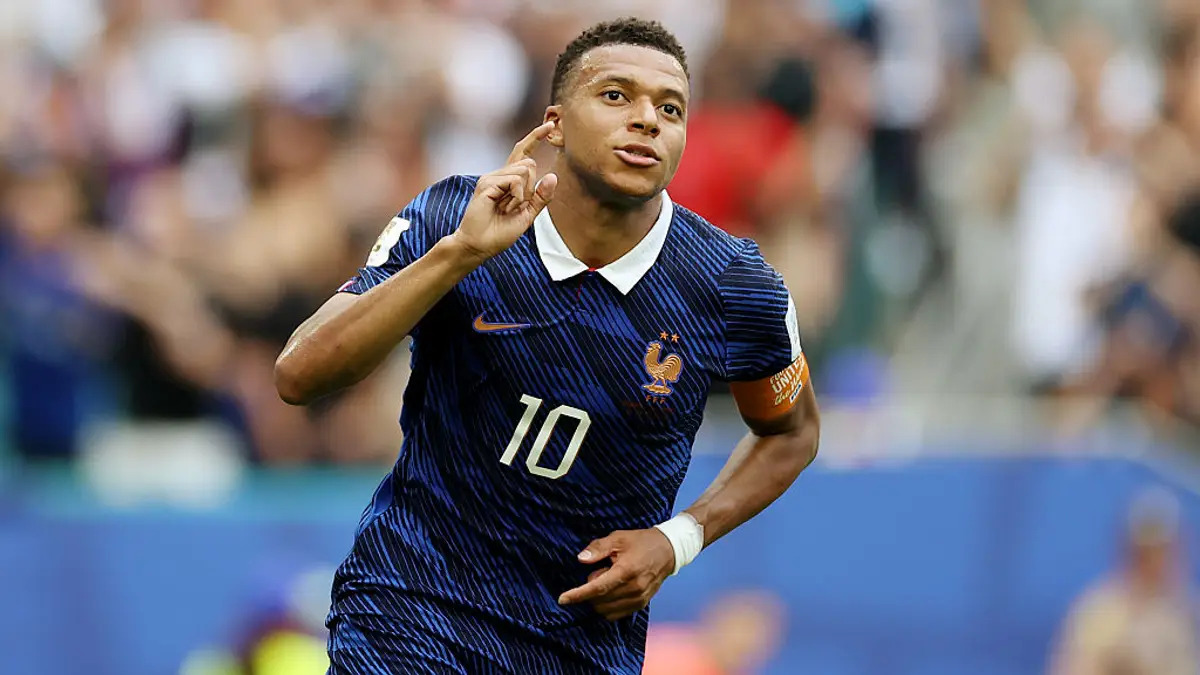
Mbappe put himself firmly in control of the race after scoring twice in France’s thrilling 6-4 defeat to England in Saturday’s third-place play-off. The brace lifted the French forward to 10 goals for the tournament, making him the clear favourite to retain the Golden Boot.
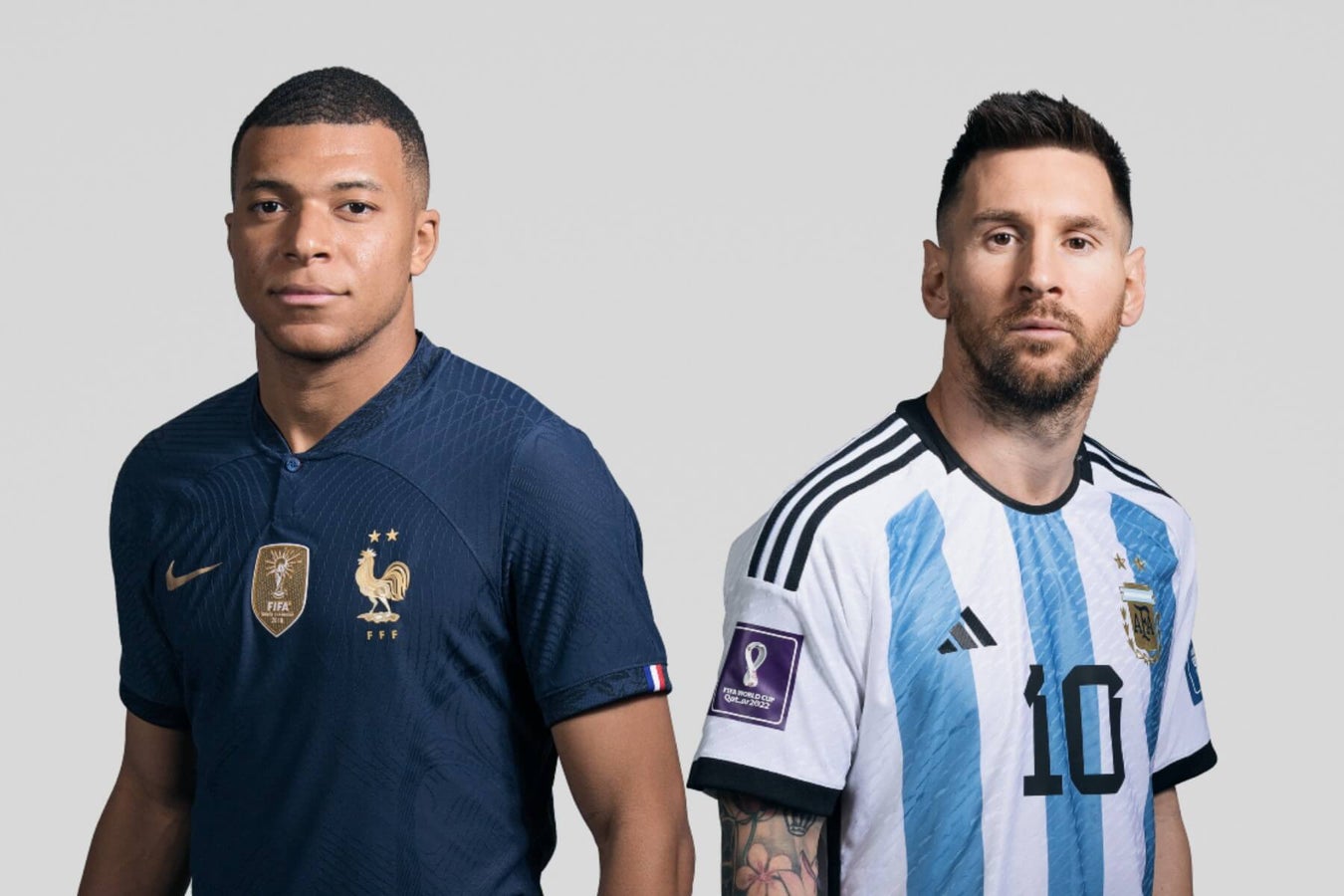
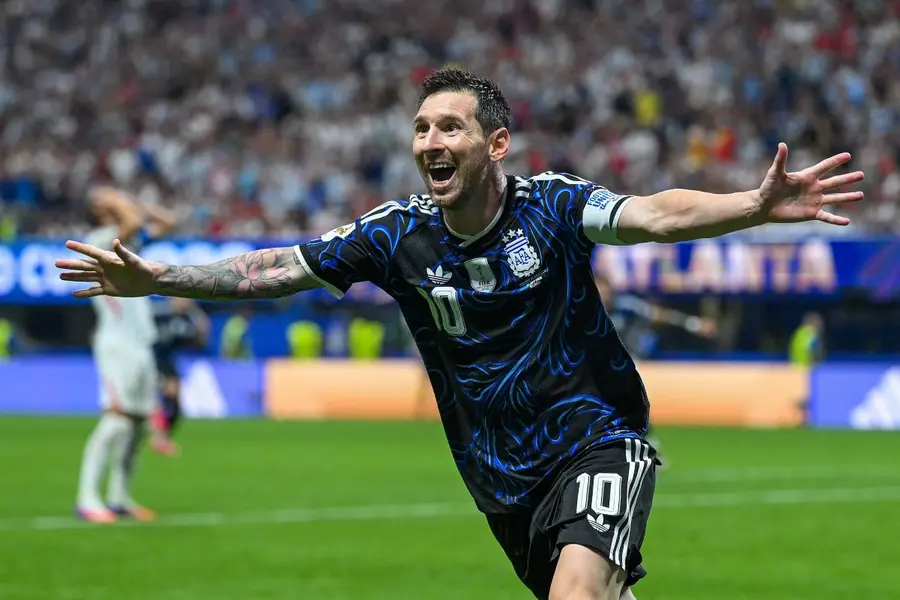
Only Messi, who has eight goals heading into the final, can still catch him.
The Argentina captain and Mbappe are level on the first tiebreaker with four assists each, but Mbappe currently holds the advantage if the goals remain close.
Under FIFA’s rules, the Golden Boot is awarded to the player with the most goals. If players finish level, the winner is determined first by assists, before minutes played serve as the final tiebreaker.
Messi has played 712 minutes compared to Mbappe’s 769, meaning he would only retain the minutes-played advantage if he does not exceed 57 minutes on the pitch in the final.
As a result, the Argentine icon will need a special performance to snatch the award from his long-time rival. He must score at least three goals, score twice before being substituted within 57 minutes, or score twice while also registering an assist to overtake Mbappe.
Should Messi fail to meet those scenarios, Mbappe will become the first player to win back-to-back World Cup Golden Boots.
The battle between the two global superstars extends beyond this tournament.
Mbappe’s brace against England lifted his World Cup career tally to 22 goals.
Mbappe’s double against England took his World Cup career tally to 22 goals, moving him one ahead of Messi in the race to become the competition’s all-time leading scorer.
His 10-goal haul is also the highest by any player at a men’s World Cup this century. The last player to reach double figures in a single edition was Germany’s Gerd Muller, who scored 10 goals at the 1970 tournament.
Only a select group of football legends have scored eight or more goals at a single World Cup, placing Mbappe alongside names such as Just Fontaine, Sandor Kocsis, Ademir, Eusebio, Guillermo Stabile and Ronaldo.
The Golden Boot standings heading into the final are led by Mbappe with 10 goals and four assists, followed by Messi with eight goals and four assists. England midfielder Jude Bellingham sits third with seven goals and one assist after scoring in the third-place play-off, edging Norway’s Erling Haaland, who also has seven goals but no assists.
France’s Ousmane Dembele and England captain Harry Kane have six goals apiece, while Spain’s Mikel Oyarzabal remains an outside contender with five goals ahead of the final.
For Messi, Sunday’s showdown with Spain offers one final opportunity to add another remarkable chapter to his illustrious World Cup career. For Mbappe, the wait begins as he watches to see whether his remarkable tournament will end with another Golden Boot.
Only Messi, who has eight goals, can still catch Mbappe.