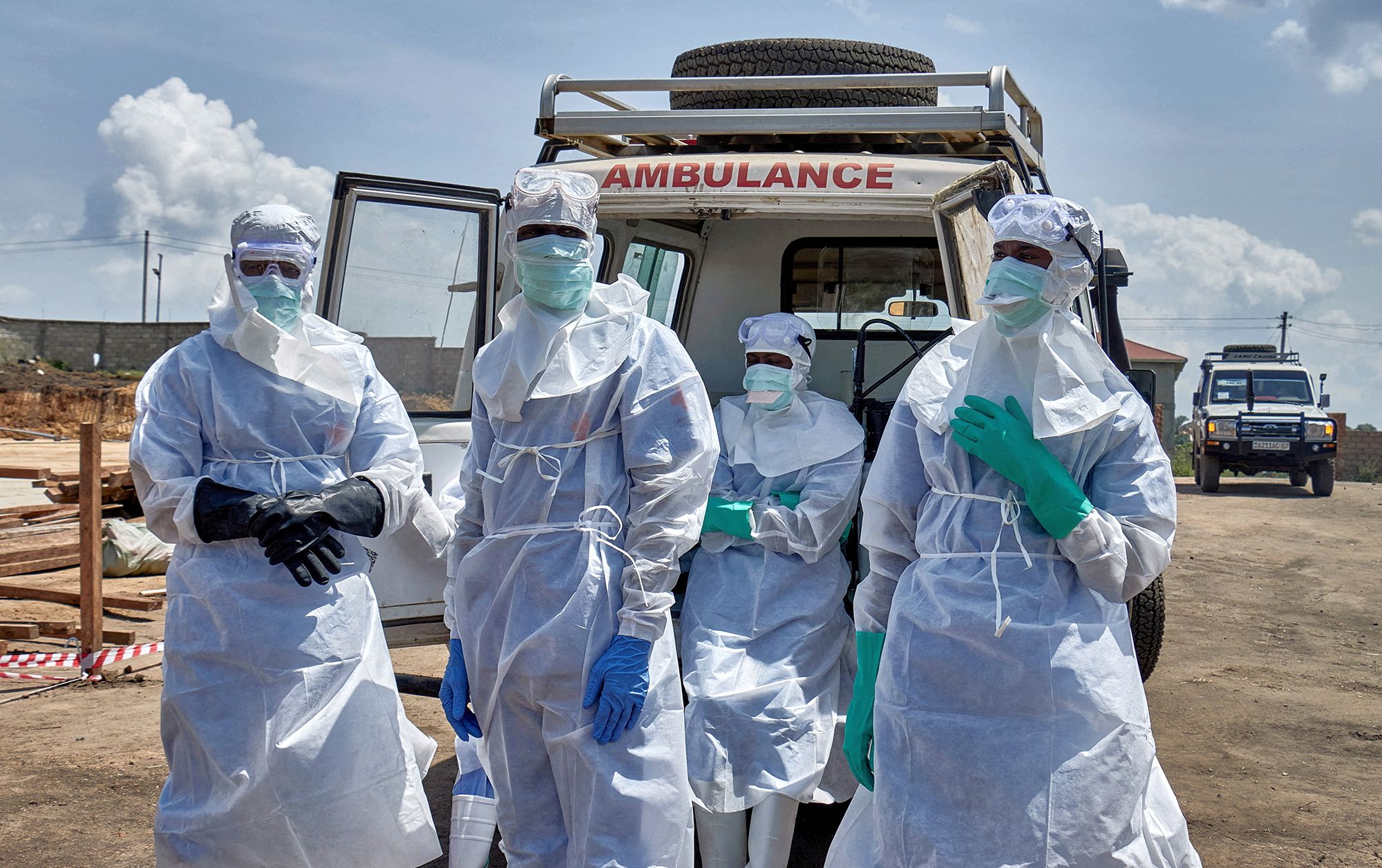
According to a joint statement released by Global Affairs Canada, the coordinated approach aims to protect citizens as well as the millions of visitors, fans, athletes and tourists expected to arrive for the upcoming FIFA World Cup 2026.
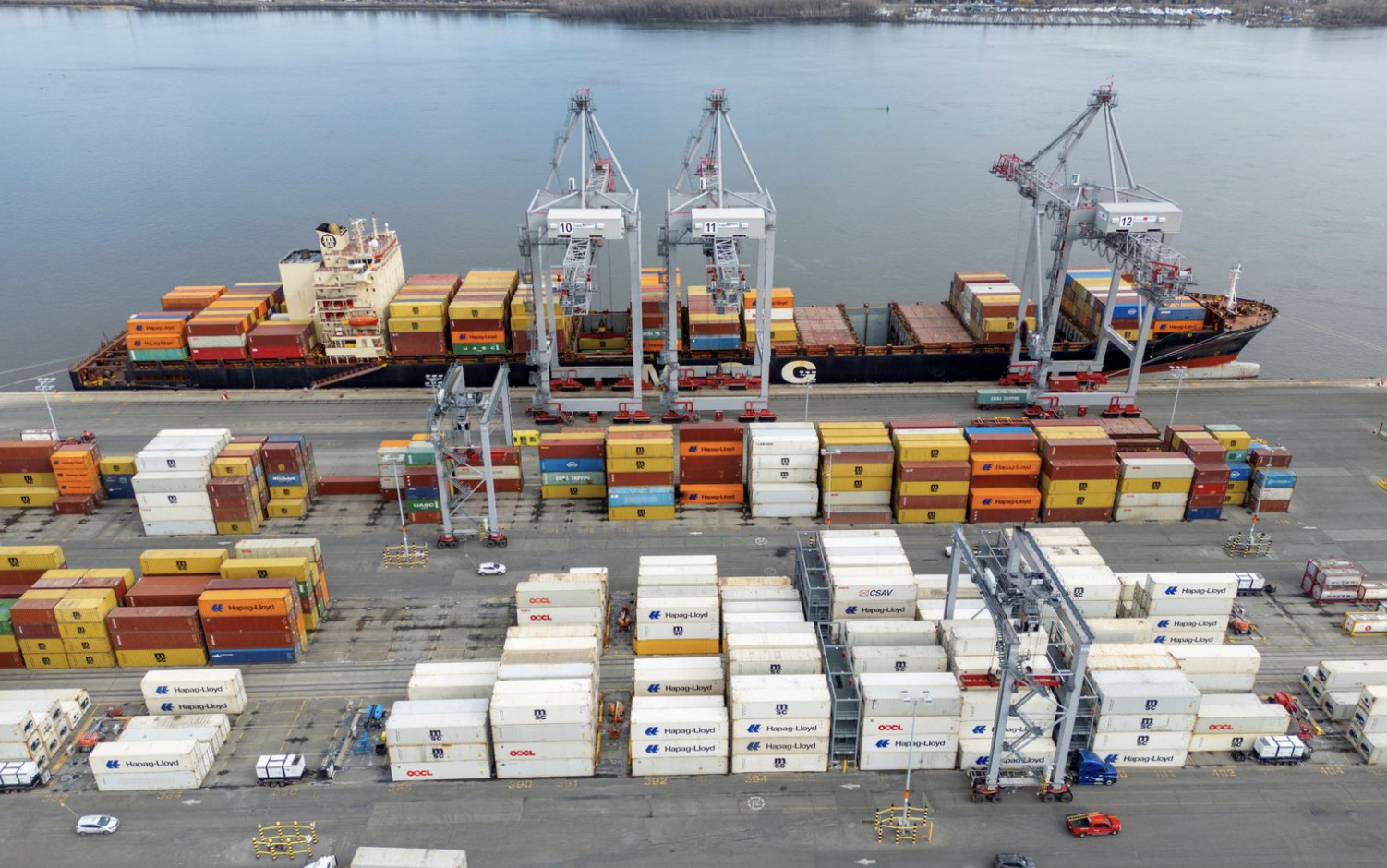
The three North American nations said the measures are also designed to maintain travel and commerce across their borders.
“The health and safety of every person in the region remains our highest priority as we welcome the world to North America,” the trilateral statement said.
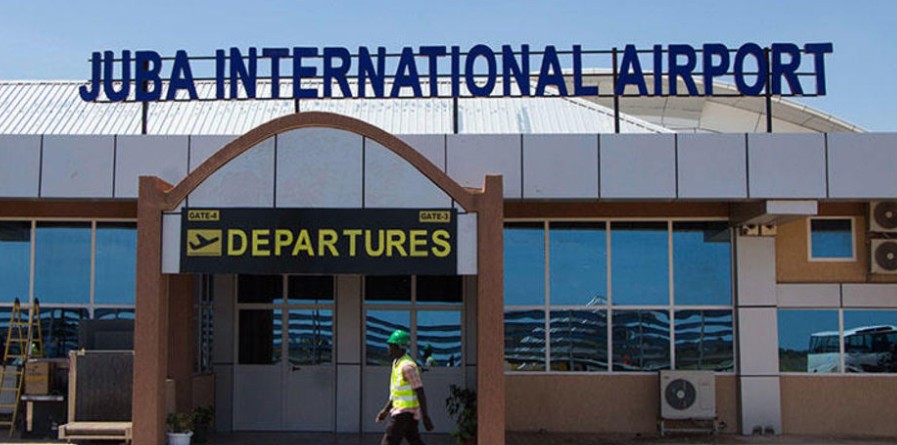
Canada banned residents from the Democratic Republic of Congo, Uganda and South Sudan from entering the country for 90 days, a measure that started Wednesday, asking arrivals from these countries to observe a 21-day quarantine.
The FIFA World Cup will be jointly hosted by the United States, Mexico, and Canada, starting June 11.
The Toronto City Hall sports a FIFA World Cup banner during the Trophy Tour before the 2026 edition of the tournament. The United States, Mexico and Canada on Thursday announced aligned public health travel measures for individuals arriving from African regions at the highest risk from the Ebola virus.
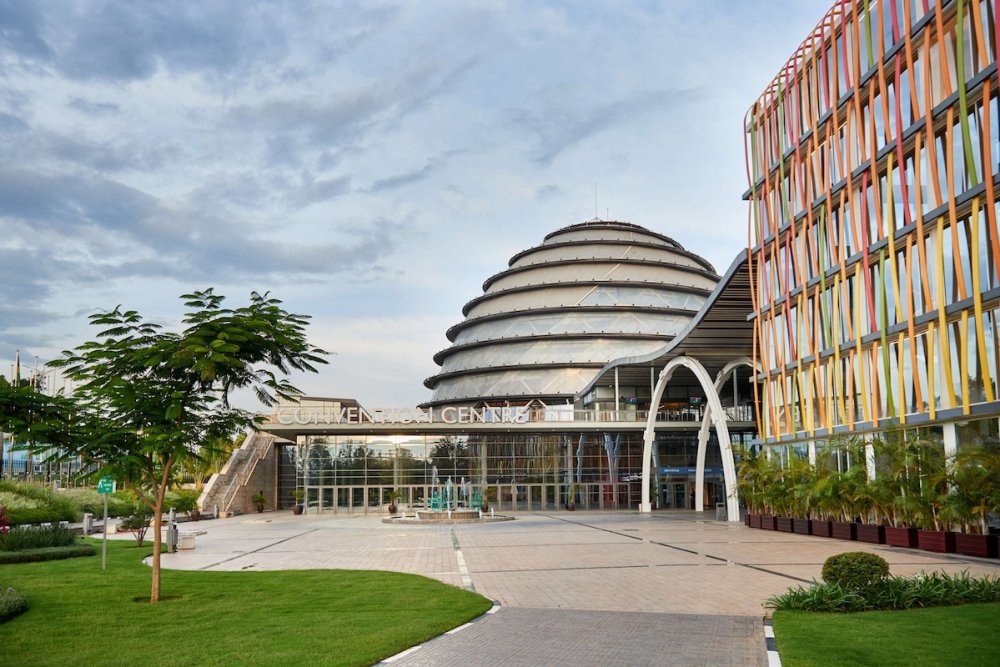
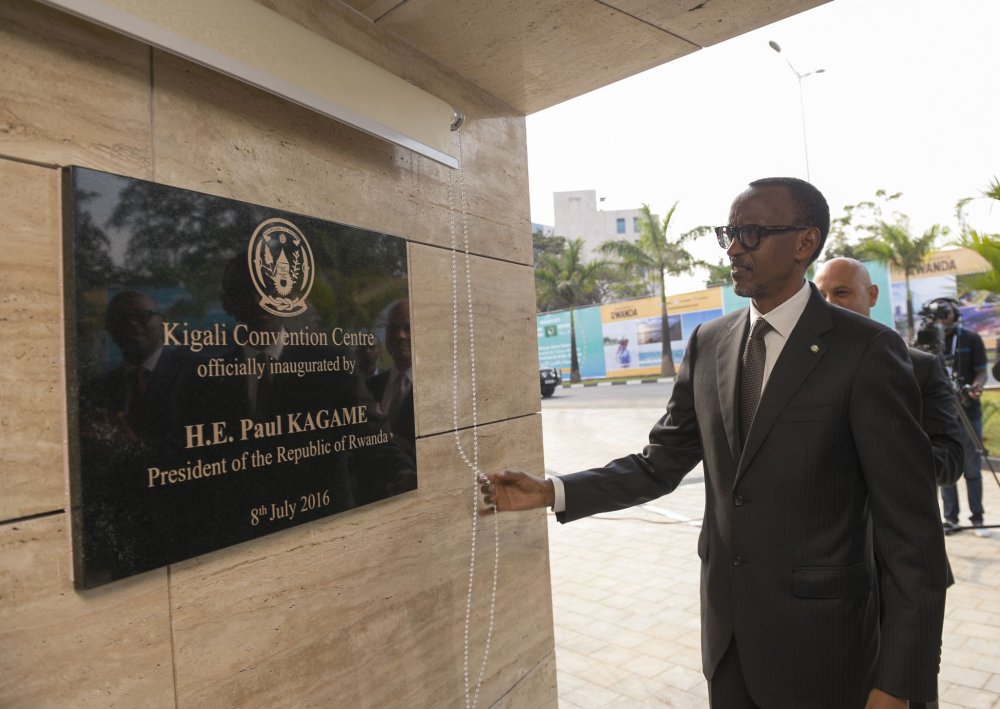
The launch summit, held at the Kigali Convention Centre (KCC), brought together senior government officials, enterprise leaders, global technology partners, and members of Rwanda’s innovation ecosystem to discuss the future of AI-driven transformation in Africa.
The event marked a major milestone in Visiontech’s African expansion strategy, with Rwanda as its launchpad.
Speaking during the summit, Visiontech PLG Chief Executive Officer Aliasgar Dohadwala said the company’s decision to establish operations in Rwanda was driven by the country’s strong leadership, progressive digital vision, and growing reputation as a regional technology hub.
“We are living in a defining moment where artificial intelligence and intelligent operations are becoming central to everything nations and organisations do,” Dohadwala said. “Visiontech comes with a clear mission, to become Rwanda’s trusted digital and AI partner and help build resilient technology systems that create real impact.”
Visiontech PLG CEO Aliasgar Dohadwala said Rwanda was chosen for its strong leadership, progressive digital vision, and rising status as a regional technology hub.
Founded in Dubai in 2003, Visiontech Systems International LLC has expanded across more than 17 countries, delivering digital transformation projects in sectors including healthcare, education, defence, oil and gas, and government services.
The company said Rwanda will serve as its strategic operational base for expansion into Central, East, and West Africa.
During the summit, Dohadwala announced plans to establish a Centre of Excellence and demonstration centre in Rwanda aimed at developing local technical capacity, showcasing AI and cybersecurity solutions, and supporting regional knowledge sharing.
He said Visiontech’s long-term focus in Rwanda would include AI-powered public services, intelligent government systems, cybersecurity infrastructure, real-time monitoring solutions, predictive analytics, and secure digital platforms designed to protect national data and strengthen digital sovereignty.
“Digital sovereignty is now a critical priority for every country,” he remarked. “Your data and information must be protected and managed in ways that serve national interests.”
The launch summit was held at the Kigali Convention Centre (KCC).
The launch received strong backing from the Government of Rwanda, with Minister of State for ICT and Innovation Yves Iradukunda describing Visiontech as an important strategic partner in Rwanda’s digital transformation journey.
Addressing participants at the summit, Iradukunda said Rwanda’s investments in connectivity, digital infrastructure, and inclusive technology adoption were designed to improve service delivery and position the country for the next phase of AI-driven growth.
“At the dawn of the AI era, the demands on our infrastructure are growing rapidly,” he stated. “To achieve true digital sovereignty, we must be able to develop, train, and run AI models right here at home.”
Minister of State for ICT and Innovation Yves Iradukunda described Visiontech as an important strategic partner in Rwanda’s digital transformation journey.
He added that Rwanda continues to strengthen its digital ecosystem through resilient infrastructure, interoperable API platforms, cybersecurity frameworks, and expanded digital access across the country.
According to the minister, Rwanda now has more than 95 percent 4G coverage and offers over 250 government services online.
Rwanda Development Board (RDB) Deputy CEO Juliana Muganza welcomed Visiontech PLG’s entry, describing it as a strong signal of investor confidence in Rwanda’s technology ecosystem.
“For us at RDB, when companies like Visiontech come, explore, register, and establish operations here, it is a huge success,” she noted.
She emphasised Rwanda’s goal of becoming the easiest and most coordinated market in Africa for technology and innovation investors, supported by a stable regulatory environment, strong public-private coordination, and robust digital infrastructure.
“Our job is to help investors identify opportunities, translate them into projects, and support them to scale regionally and continentally,” she added.
RDB Deputy CEO Juliana Muganza welcomed Visiontech PLG’s entry, describing it as a strong signal of investor confidence in Rwanda’s technology ecosystem.
Juliana also noted that Rwanda attracted approximately $870 million in foreign direct investment last year, with ICT and ICT-enabled services playing a growing role in that performance.
The summit also featured panellists from Hitachi, Rwanda Information Society Authority (RISA), Irembo, and Visiontech PLG, who highlighted Rwanda’s progress in delivering seamless digital services while exploring how resilience and intelligent infrastructure will power the next phase of national digital transformation.
The summit also highlighted Visiontech’s partnerships with several global technology firms expected to support Rwanda’s growing digital economy.
Canadian telecommunications company Mitel, cybersecurity firm Sophos, Hitachi Vantara, and cybersecurity solutions provider Netviss all reaffirmed their collaboration with Visiontech during the event.
Narayan G, Business Head for Asia Pacific, Middle East, Turkey and Africa at Mitel, described Rwanda as one of Africa’s most promising digital economies.
“Rwanda is far ahead of many markets in terms of digital adoption,” he said. “We want to be part of Rwanda’s growth story, which is set to become a world-class success.”
The event brought together senior government officials, enterprise leaders, global technology partners, and members of Rwanda’s innovation ecosystem to discuss the future of AI-driven transformation in Africa.
Hitachi Vantara Regional Channel and Distribution Head Rehan Shahid said the partnership would combine Visiontech’s local presence with Hitachi’s advanced digital infrastructure and AI technologies to accelerate transformation across both public and private sectors.
“This initiative will accelerate Rwanda’s progress by many years,” Shahid said. “It will also create new opportunities and technology-focused jobs for local youth.”
Sophos Senior Sales Engineer for East Africa Dennis Murithi said the partnership would strengthen Rwanda’s cyber resilience as demand for secure digital infrastructure continues to rise.
“We intend to invest heavily in enablement within the country through training, skills development, and collaboration,” he said.
Sophos Senior Sales Engineer for East Africa Dennis Murithi said the partnership would strengthen Rwanda’s cyber resilience as demand for secure digital infrastructure continues to rise.
Meanwhile, Netviss Founder and CEO Aliasgar Bohra emphasised the growing importance of secure AI adoption and localised cybersecurity systems in Africa’s digital transition.
“Our AI operates through a local LLM that does not connect to the internet,” Bohra explained. “This ensures complete data sovereignty, where customer data never leaves the organisation.”
The summit also underscored the role of collaboration between government, private sector players, and innovators in driving Africa’s digital future.
Martin Carlos Mwizerwa, Managing Director of Rwanda-based systems integrator Centurion CatSystems, described the Visiontech partnership as aligned with Rwanda’s broader ambition of building a knowledge-based economy capable of serving the wider continent.
“Working with a company like Visiontech, with over 20 years of experience, can only strengthen our position and help lift everyone up across the country,” he said.
Visiontech PLG said it has already begun establishing local offices and building a Rwanda-based team, including the appointment of a Chief Technology Officer who will lead local operations as the company scales its activities across the region.
The company indicated that it aims to prioritise long-term partnerships, localisation, skills development, and sustainable digital transformation across Africa.
Panelists from Hitachi, RISA, Irembo, and Visiontech PLG highlighted Rwanda’s progress in delivering seamless digital services while exploring how resilience and intelligent infrastructure will power the next phase of national digital transformation.The event brought together senior government officials, enterprise leaders, global technology partners, and members of Rwanda’s innovation ecosystem to discuss the future of AI-driven transformation in Africa.
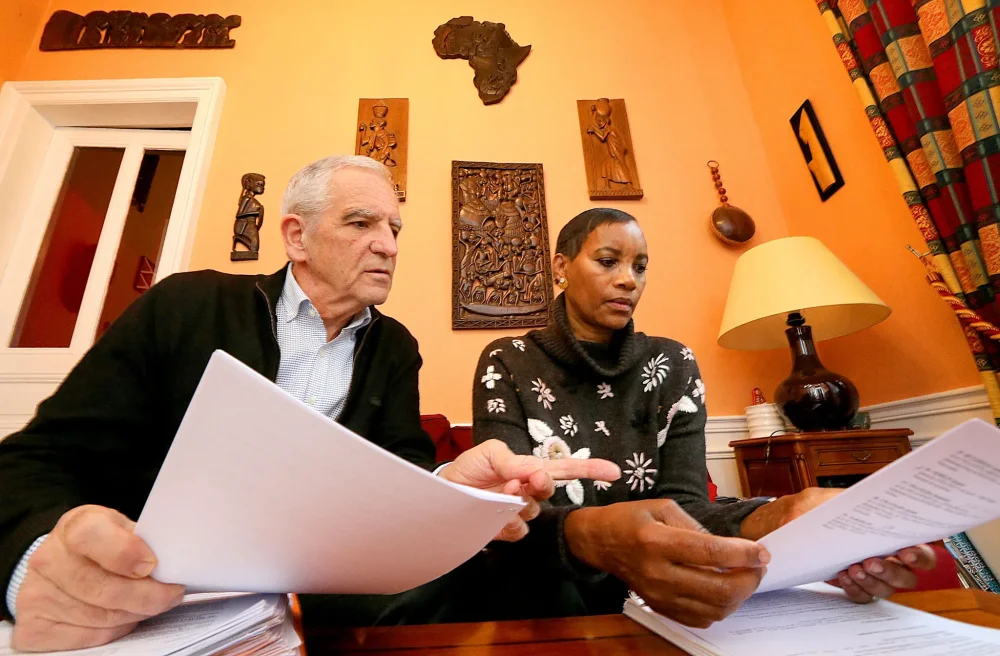
Ngoga, who serves as a senior adviser on international partnerships and regional security mechanisms at the African Union, stressed that confronting structural ethnic divisions is the only viable path to genuine long-term stability and national reconciliation.
The diplomatic friction ignited following a statement published by Ngoga on the social media platform X, where he challenged the status quo regarding ethnic relations inside the country.
“Unfortunately, in Burundi, I wish I was wrong, but discrimination against Tutsi communities still exists,” Ngoga stated.
“Acknowledging this reality is important if we are to promote justice, reconciliation, and equal dignity for all. I expect insults, but will tell you what everyone thinks.”
Under Burundi’s current constitutional framework, state and institutional positions are allocated according to ethnic quotas between Hutu and Tutsi. The system also includes specific provisions for the Twa minority, including reserved representation in parliament.
Ngoga’s remarks quickly drew sharp condemnation from high-ranking Burundian state officials. Willy Nyamitwe, Burundi’s Ambassador to the African Union, Ethiopia, and neighbouring countries, led the public pushback.
Ambassador Nyamitwe rejected Ngoga’s assessment, labelling the comments as “unprofessional” and “divisive”.
This public disagreement marks the latest chapter in an ongoing ideological clash between the two diplomats.
The pair previously sparred online following controversial statements made by Thérèse Kayikwamba Wagner, the Minister of Foreign Affairs for the Democratic Republic of the Congo (DRC).
Minister Wagner had publicly claimed that a genocide against ethnic Hutus had taken place in Burundi in 1994.
At the time, Ambassador Ngoga vigorously disputed the Congolese Foreign Minister’s historical accuracy.
He countered that Burundian Hutus were not victims of a recognised genocide in 1994, emphasising that Burundi was firmly under the governance of a Hutu president during that period.
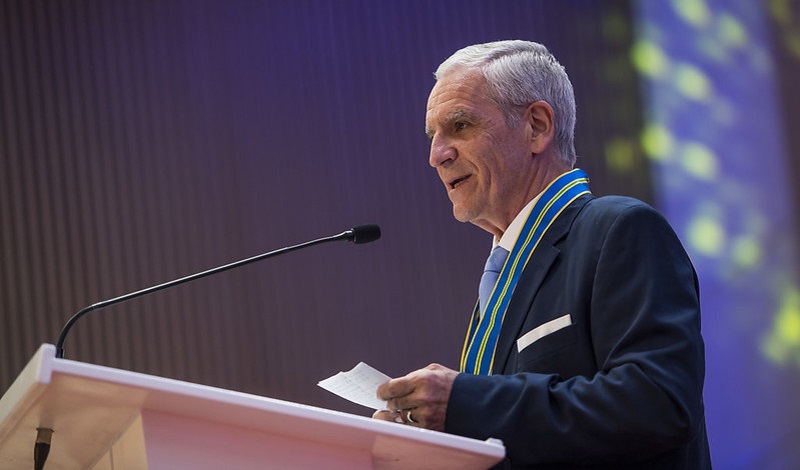
Frédéric Gateretse Ngoga, a prominent former Burundian diplomat and current African Union (AU) official, has publicly reiterated grave concerns over ongoing, unresolved discrimination targeting Tutsi communities in Burundi.
In a statement released on Thursday, Iranzi admitted that he acted out of anger and immaturity, saying he now regrets his earlier public remarks about the Foundation.
“I apologise to the Sherrie Silver Foundation for the interview that misrepresented me. I was immature, I acted hastily,” he said.
The apology comes a day after the Sherrie Silver Foundation confirmed that it had parted ways with Iranzi effective May 2, 2026, citing a mismatch in values despite efforts from both sides to resolve internal disagreements.
In earlier statements, the Foundation and its founder, Sherrie Silver, said their core mission remains grounded in “education, discipline and integrity,” and confirmed it would no longer represent or be responsible for Iranzi’s actions or public views going forward.
“They helped me and cared for my family”
In his latest message, Iranzi expressed appreciation for the Foundation’s support during his time under its care, saying he holds no resentment toward its leadership.
“I have no issues with Sherrie; they helped me, cared for my family, made you know me, you love me,” he said.
He added that he had failed to understand the advice given to him at the time, but now recognises its value.
“I did not understand the advice they gave, but the time came when I realised I should listen to the advice of elders because I am still young,” he noted, adding that he was “misled by anger and bad friends.”
Iranzi also appealed for the removal of online content related to his earlier comments about the Foundation, saying some of the material contained “mistakes and wrongdoing.”
He further called on individuals who could assist in reconciling him with the Foundation’s founder, Sherrie Silver, to step in and help rebuild the relationship.
“I also ask those who can help me reconcile with my mother, Sherrie, to assist me,” he said.
Focus on education and discipline
The young artist also signalled a shift in priorities, saying he intends to focus more on his studies in line with the Foundation’s long-standing emphasis on education.
“I must love school, listen, and put music aside to focus on studying, as the Foundation always asks us. I do not engage in any bad behaviour,” he said. “Hear me, I am yours. Pray for Sherrie for forgiveness.”
Iranzi, who released his first song titled “Basalee” a few days ago, had previously told the media that his exit was influenced by frustrations over limited creative freedom. He claimed that some of his music projects were not released and that he felt restricted in his growth as an artist.
He also said that tensions increased when he was enrolled in a boarding school in Musanze, even as he was already working on music projects, which he interpreted as limiting his ability to fully pursue his artistic development.
In his latest message, Iranzi expressed appreciation for the Foundation’s support during his time under its care, saying he holds no resentment toward its leadership.
Gen Muhoozi, the son of President Yoweri Museveni, is widely credited with helping reopen diplomatic channels between Kigali and Kampala during a period of strained relations that culminated in the closure of the common border.
Following Ayebare’s appointment as Foreign Affairs Minister, Gen Muhoozi congratulated him in a message posted on X.
“I want to congratulate my big brother, H.E Adonia Ayebare, for the appointment as Minister of Foreign Affairs. From now on, I will wait for guidance on all matters foreign affairs from Mzee and Adonia,” Gen Muhoozi wrote.
Ayebare responded by thanking Gen Muhoozi for the trust and cooperation they have shared over the years, describing their collaboration on various diplomatic and security matters as an important learning experience.
“Afande. Thank you for your trust and support over the years. It has been a learning experience working with you on different files. It is the other way round, I will be waiting for instructions from Mzee and you,” Ayebare said.
He added that diplomacy remains central to national security and credited Gen Muhoozi for helping avert a deeper crisis in relations with Rwanda.
“Diplomacy serves as the first line of Defense for national security. Your achievements in Diplomacy speak for themselves. We were on a collision course with our friends in Rwanda; you prevented disaster. Our relations with DRC, South Sudan, I can go on and on. I am ready for marching orders, Afande,” he added.
Ayebare is regarded as one of Uganda’s most experienced diplomats on Rwanda-Uganda relations. He previously served as Uganda’s ambassador to Rwanda and later acted as President Museveni’s special envoy to Kigali during efforts to mend ties between the two countries.
Beyond diplomacy, Ayebare also has personal ties to Rwanda through his family background, with a Ugandan father and a Rwandan mother.
During the height of tensions, Ayebare undertook several visits to Kigali carrying messages from President Museveni aimed at restoring bilateral relations. Those engagements were later followed by high-profile visits by Gen Muhoozi to Rwanda, which paved the way for renewed cooperation between the two governments.
In previous remarks about the reconciliation process, Ayebare indicated that progress only became possible after Gen Muhoozi became directly involved, arguing that earlier diplomatic efforts had stalled. He said Gen Muhoozi’s understanding of the historical, political and social ties between Rwanda and Uganda, combined with his close relationship with both President Museveni and President Paul Kagame, helped unlock the impasse.
Gen Muhoozi intensified his involvement in the process in late 2021, stepping in after formal diplomatic tracks had stalled. His subsequent visit to Kigali on January 22, 2022, was followed days later by the reopening of the Gatuna border crossing, marking a major breakthrough in the normalisation of relations between the two countries.
Adonia Ayebare, Uganda’s newly appointed Minister of Foreign Affairs, has praised Gen Muhoozi Kainerugaba for his role in improving relations between Rwanda and Uganda.Adonia Ayebare has made several visits to Rwanda, where he was received by President Paul Kagame.Ayebare is regarded as one of Uganda’s most experienced diplomats on Rwanda-Uganda relations. He previously served as Uganda’s ambassador to Rwanda and later acted as President Museveni’s special envoy to Kigali during efforts to mend ties between the two countries.
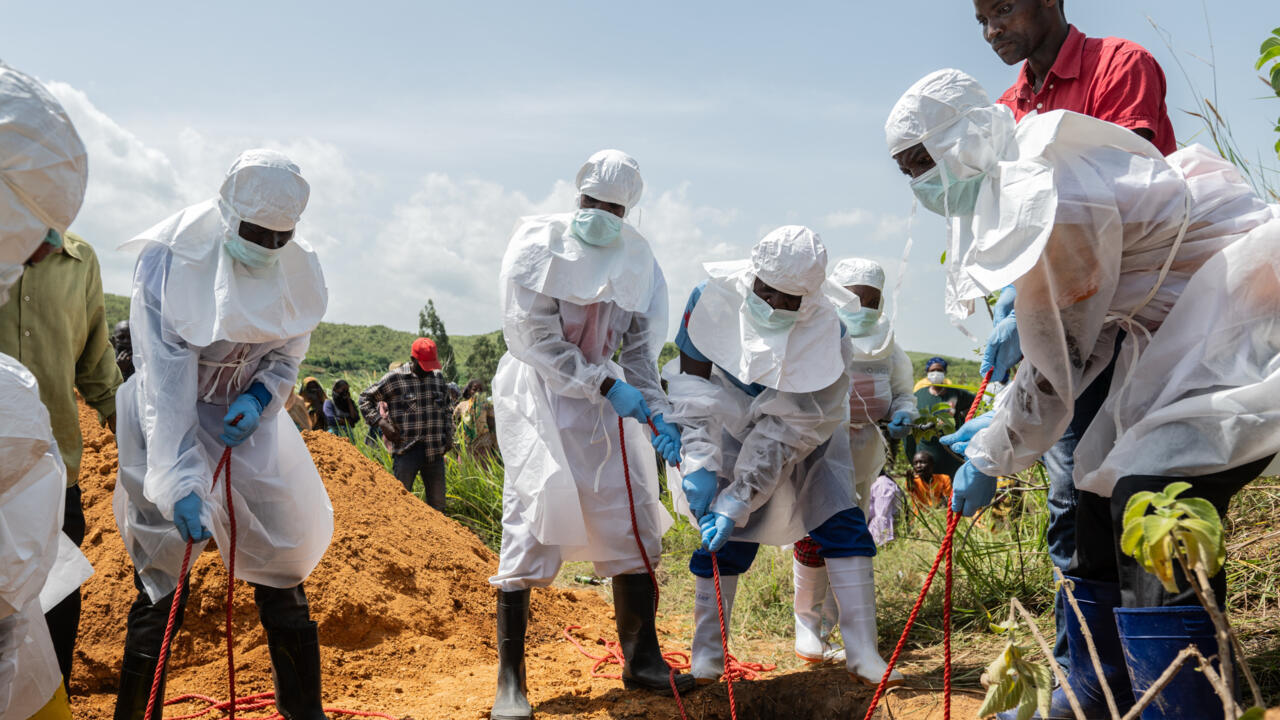
In a circular issued late Wednesday, the Ministry of Health said activities that attract large crowds, including music concerts, cultural festivals, public rallies, political mobilization events, marathons, and cross-border marketing activities, are prohibited.
“These activities increase risk by promoting close physical interaction, uncontrolled crowd mixing and unnecessary movement, which may facilitate transmission of Ebola infection where an infected person is present,” the statement said.
The ministry said official, institutional, and other essential gatherings may still be permitted, provided organizers strictly adhere to the standard operating procedures on Ebola prevention.
For approved gatherings, organizers are required to ensure controlled attendance to avoid overcrowding, enforce mandatory handwashing or the use of alcohol-based hand sanitizers, conduct temperature screening before entry, and designate a focal person to oversee compliance with Ebola prevention and control measures.
Security agencies and district authorities have been directed to strictly enforce the measures, particularly in high-risk and border areas, in order to limit non-essential movement and prevent further spread of the disease.
According to the ministry, the number of confirmed Ebola cases in Uganda remains at seven, although the number of contacts linked to the cases has increased.
According to the Ministry of Health, the number of confirmed Ebola cases in Uganda remains at seven, although the number of contacts linked to the cases has increased.
The Amavubi will face Comoros and Tanzania in early June as part of preparations for the group stage of the 2027 Africa Cup of Nations qualifiers, which are set to begin in September.
Several notable players are absent from the squad, including defender Manzi Thierry and the Mickels brothers, Joy Slayd Mickels and Leroy Jacques Mickels, who have all been ruled out due to injury. Also missing is midfielder Hakim Sahabo of AEK Athens, reportedly due to limited playing time at the club level.
A major highlight of the squad is the inclusion of Noam Emeran, an attacking forward currently signed with FC Groningen in the Netherlands. The winger, who previously featured for Manchester United’s youth system, earns his first senior call-up for Rwanda. He is the son of former Amavubi player Fritz Emeran Nkusi.
Of the 24 players selected, 11 ply their trade in Rwanda’s domestic league. This group includes six players from league champions APR FC, as well as representatives from Rayon Sports, Police FC, Marine FC, and Kiyovu Sports.
Kiyovu Sports striker Uwiyaremye Fidali is among those receiving a maiden national team call-up following an impressive domestic campaign in which he scored 11 goals.
Rwanda will open its tour with a match against Comoros on June 6, before facing Tanzania on June 9. Both fixtures will be played in Marrakech, Morocco.
Full Squad List
Goalkeepers
• Niyongira Patience (Police FC)
• Hakizimana Adolphe (APR FC)
• Kwizera Olivier (Rayon Sports)
Defenders
• Mutsinzi Ange (Zira FK)
• Niyigena Clément (APR FC)
• Kavita Phanuel Mabaya (Birmingham Legion)
• Nshimiyimana Yunus (APR FC)
• Byiringiro Jean Gilbert (APR FC)
• Emmanuel Imanishimwe (AEL Limassol)
• Niyomugabo Claude (APR FC)
Midfielders
• Noam Fritz Emeran (FC Groningen)
• Kwizera Jojea (Rhode Island)
• Kury Johan Marvin (AC Bellinzona)
• Mugisha Bonheur (Al Masry)
• Bizimana Djihad (CS Constantine)
• Samuel Marie Gueulette (RAAL La Louvière)
• Ruboneka Jean Bosco (APR FC)
• Muhire Kevin (Jamus SC)
Forwards
• Nshuti Innocent (Al Wafaq)
• René Uwineza (Kiyovu Sports)
• Biramahire Abeddy (Assabah)
• Uwiyaremye Fidali (Kiyovu Sports)
• Mbonyumwami Taiba (Marine FC)
Noam Fritz Emeran has received his first call-up to the national team, the Amavubi.Kiyovu Sports striker Uwiyaremye Fidali has also received his first national team call-up.Joy-Lance Mickels, who has been one of the top scorers in the Azerbaijan Premier League, was not called up due to injury.Leroy Jacques Mickels, who impressed during the FIFA Series 2026, has also been left out of the squad due to injury. Hakim Sahabo, pictured holding a jersey in his hand, has once again been left out of the squad after failing to secure sufficient playing time in Greece.
In a statement, the Foundation confirmed that it had decided to part ways with Iranzi, effective May 2, 2026, citing a mismatch in values despite what it described as efforts from both sides.
“The Sherrie Silver Foundation has made the difficult decision to part ways with ‘Iranzi’, a valued rapper and dancer in the Foundation, effective since Saturday 2nd May 2026, as our values no longer align despite great efforts made on both sides,” the statement read.
The organisation added that while it appreciated the time spent working with the young artist, its core principles remain centred on education, discipline, and integrity.
“We truly enjoyed the time spent working with him. At the Sherrie Silver Foundation, before music and dance, our core values remain education, discipline and integrity,” it said.
The Foundation further stated that it would no longer represent or be responsible for Iranzi’s actions or public views going forward.
“Henceforth, the Foundation will no longer represent or be responsible for his actions or views. We wish him the very best moving forward.”
Separately, Sherrie Silver, in a post on X, emphasised that education remains a non-negotiable requirement for all children under the organisation’s care.
“Many ask, what does it take to be a part of Sherrie Silver Foundation. We have a very simple rule. Everyone under 18 MUST attend school. Any child that refuses to do that cannot stay under our care. Talent is secondary, education & discipline first. We’re raising future leaders,” she wrote.
Iranzi speaks out
Speaking to IGIHE, Iranzi said he chose to leave the Foundation after what he described as growing frustrations over limited freedom to pursue his music career.
He alleged that he was not given sufficient independence to develop his artistic talent, claiming that even the music he wrote was controlled and not released.
He also said that tensions increased when he was enrolled in a boarding school in Musanze, despite already working on music projects, which he interpreted as an attempt to restrict his artistic growth.
“There are times when people do not agree, and instead of releasing you, they make things difficult for you. In an attempt to limit me, they sent me to study at a boarding school in Musanze even though they knew I was doing music. They used to ask us to write songs and submit them so they could choose which ones to release, but the songs I wrote were never used,” he said.
Iranzi, who was in Senior Three at Sunrise School in Musanze, said he later decided to formally resign from the Foundation on May 2, 2026. He then transferred to a school in Kigali as a day student, a move he said allows him to continue his education while focusing more on his music career.
This development comes shortly after Iranzi The Rapper released his first song titled “Basalee.”
Sherrie Silver Foundation confirmed that it had decided to part ways with Iranzi, effective May 2, 2026, citing a mismatch in values despite what it described as efforts from both sides.
The commissioning ceremony took place on 27 May 2026 at the Gishari Police Training School (PTS Gishari), coinciding with celebrations marking 25 years of the Rwanda National Police, under a theme centred on partnership in delivering security.
The event brought together President Kagame, families of the graduating officers, senior government officials, and other invited guests.
A total of 436 trainees successfully completed their training at PTS Gishari, including 109 women and 327 men. The cohort comprised both newly recruited officers and serving personnel who underwent professional upgrading. It also included nine trainees from Seychelles.
Following commissioning, the officers will be deployed across various specialized policing units, including traffic and road safety, information and communication technology, medical services, marine policing, as well as fire and rescue services.
Others will join specialized departments such as the canine (K9) unit, engineering services, vehicle inspection and standards, human resources and administration, financial management, and other operational and support divisions.
The officers underwent intensive professional training designed to prepare them for operational policing duties. Their curriculum included drill exercises, firearms handling, tactical response training, and other core competencies required for modern policing.
PTS Gishari, located in Rwamagana District, is a modern training institution equipped with administrative offices, accommodation facilities, classrooms, medical services, and extensive outdoor training grounds used for both physical and tactical exercises.
Speaking on the occasion marking 25 years of the Rwanda National Police, spokesperson ACP Boniface Rutikanga said the institution has evolved into a citizen-centred service built on close cooperation with the public.
He noted that the police service was formed following the merger of three former security institutions: the Gendarmerie Nationale, the Communal Police, and the Judicial Police. The integration, he said, created a unified and professional force focused on serving citizens without discrimination and strengthening community-based policing.
The commandant of PTS Gishari, CP Robert Niyonshuti, said the trainees began their course on 15 July 2025 and came from diverse backgrounds, including university graduates, civilians, personnel from national security institutions, and officers trained abroad in countries such as Singapore and Egypt.
He emphasized that the training programme was designed to equip officers with the skills required to effectively maintain law and order and deliver professional policing services.
Outstanding performers were also recognized during the ceremony. Nicolette Maria from Seychelles was commended for exemplary discipline and performance throughout the training period.
Three other trainees were recognized for exceptional performance in practical exercises, led by Boas Castro, who received a medal from President Kagame, followed by Isaie Kayiranga and Chantal Mureshya.
25 years of Rwanda National Police
Following the liberation of Rwanda by the RPA on 4 July 1994, the country initially operated separate security institutions working alongside the military to maintain public order and safety.
These included the Gendarmerie Nationale under the Ministry of Defence, the Communal Police under the Ministry of Local Government, and Judicial Police Inspectors under the Ministry of Justice.
In 2000, the Government of Rwanda merged these institutions into a single, unified national police service to improve coordination and professionalize policing. This led to the establishment of the Rwanda National Police.
Since then, the institution has been guided by core values including professionalism, patriotism, integrity, and discipline, with a focus on maintaining law and order in partnership with citizens.
Over time, the police service has expanded its operations beyond traditional policing by integrating technology and strengthening community policing approaches, where officers work closely with citizens to prevent and respond to crime.
Since 2005, the Rwanda National Police has also contributed to international peacekeeping missions under the United Nations, deploying officers as Formed Police Units and Individual Police Officers in various missions globally.
The institution currently operates three main training facilities: PTS Gishari, the Counter-Terrorism Training Centre in Mayange, and the National Police College, all aimed at enhancing professional capacity and operational readiness.
These achievements have been made possible through strong partnerships with citizens, government institutions, private sector actors, and international partners, enabling the police service to respond effectively to evolving security challenges driven by globalization and technological advancement.
President Paul Kagame commissioned 436 newly trained officers into the Rwanda National Police and formally conferred upon them the rank of Assistant Inspector of Police (AIP).The ceremony coincided with celebrations marking 25 years of the Rwanda National Police, under a theme centred on partnership in delivering security.
Eid Al-Adha is the second most significant festival in Islam and is observed during the month of Dhul Hijjah, the final month of the Islamic lunar calendar. It coincides with the annual Hajj pilgrimage in Mecca, Saudi Arabia, and is celebrated over three days.
The national Eid prayer was held at Kigali Pele Stadium in Nyamirambo, where large crowds gathered for worship and celebration.
As part of the traditions surrounding the holiday, animals are sacrificed in remembrance of Abraham’s faith, with the meat shared among families, neighbours, and those in need as an act of charity and solidarity. This year, preparations included around 1,894 cattle and 1,183 goats and sheep across the country.
Religious leaders emphasised that the essence of Eid goes beyond ritual practices, focusing instead on generosity, unity, and compassion. Sheikh Nshuti Assouman, speaking on behalf of the Rwanda Muslim Community (RMC), said preparations for the celebrations were well organised and encouraged Muslims to extend kindness to all people, regardless of faith.
“What we ask is that people show generosity and charity, because this is a day of sacrifice. I encourage Muslims to extend this kindness to all Rwandans,” he said.
The Mufti of Rwanda, Sheikh Sindayigaya Mussa, also called on Muslims to strengthen unity and continue engaging in good deeds throughout the blessed days of Eid.
He noted that the first nine days of Dhul Hijjah, along with Eid day itself, are spiritually significant periods for reflection, worship, and acts of kindness.
“These are blessed days. When you do good, you are richly rewarded,” he said.
He further reflected on the example of Prophet Abraham, highlighting lessons of faith, devotion, and obedience to God.
The Mufti also highlighted ongoing community efforts, including the construction of a mosque in Itunda, Kicukiro District, Kanombe Sector, which is nearing completion and reflects the spirit of collective contribution among Muslims in Rwanda.
Parents were elegantly dressed for the occasion.Children were also not left out.Fathers brought their children to pray.Eid al-Adha is marked by widespread happiness and celebration.Youth turned out in large numbers for the Eid prayer of sacrifice.This day is the second most significant in Islam.Kigali Pelé Stadium was packed as Muslims gathered from various regions for Eid Al-Adha prayers.Men gathered and prayed in their allocated area.The national Eid prayer took place at Kigali Pelé Stadium.Kigali Pelé Stadium was packed as Muslims from various regions gathered for the Eid sacrifice prayer.The Mufti of Rwanda, Sheikh Sindayigaya Mussa, called on Muslims to continue showing love and selflessness.