Spanish Prime Minister Pedro Sanchez described the incident as “a violation of Spain’s territorial integrity.”
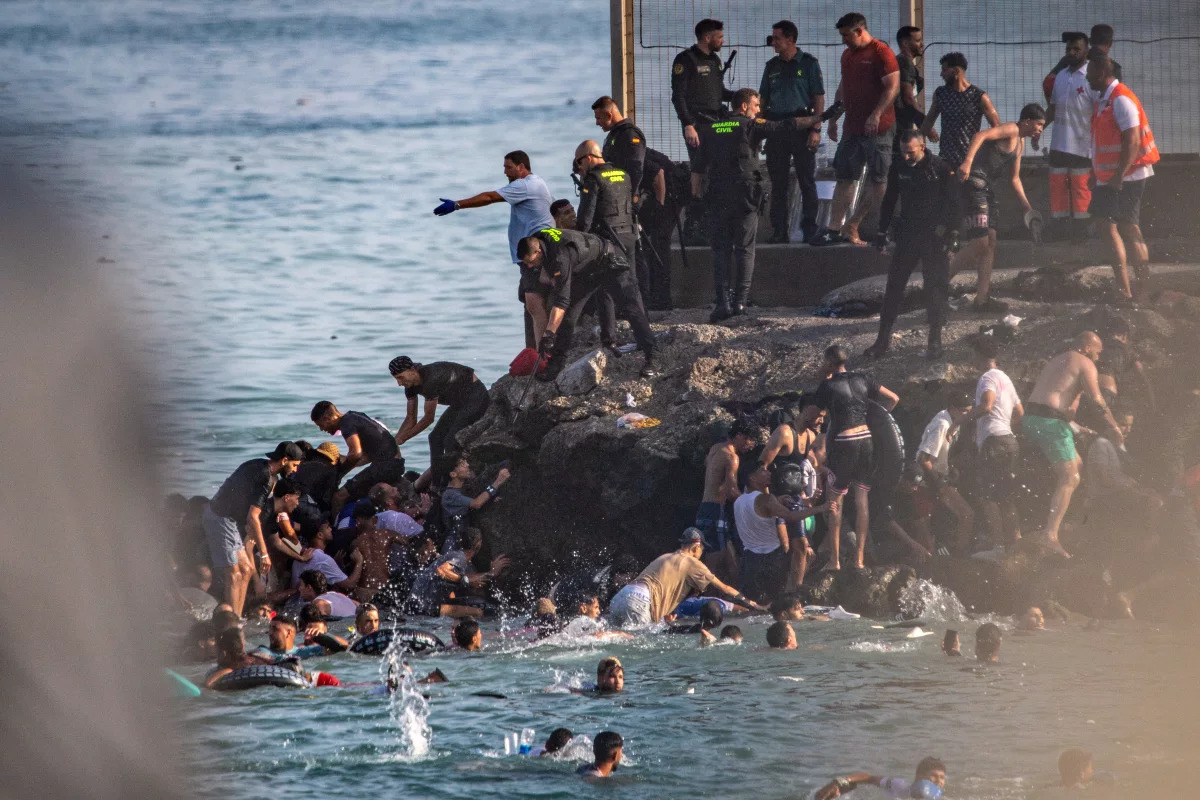
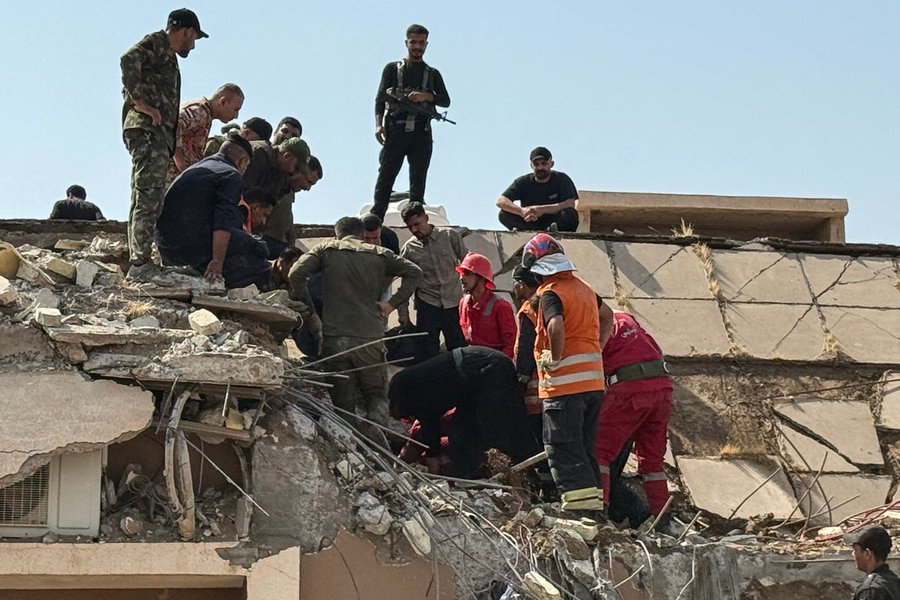
Most of the victims drowned while attempting to swim around the El Tarajal border breakwater separating Morocco and Ceuta, according to the Spanish authorities.
Sanchez traveled to Ceuta on Friday together with Spanish Interior Minister Fernando Grande-Marlaska to inspect the situation. During the visit, he announced new measures to strengthen border security, including the installation of floating barriers near the El Tarajal breakwater to prevent further sea crossings.
He also pledged to accelerate the identification and return of irregular migrants, thanked Morocco for its cooperation in border management and repatriation, and vowed to intensify efforts against human trafficking networks.
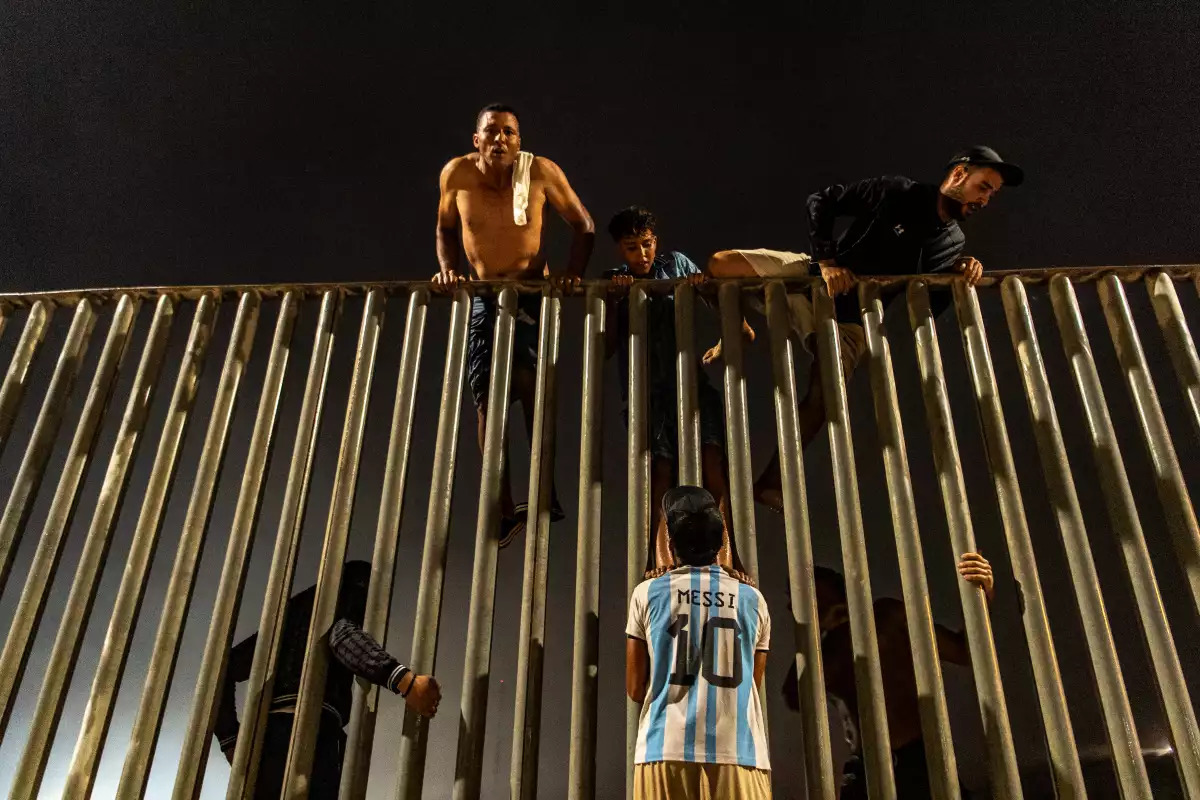
Migrants try to cross from Morocco into the Spanish enclave of Ceuta, Friday, July 31, 2026.
The Spanish government has reinforced security in Ceuta by deploying additional National Police officers, Civil Guard personnel and military units, while emergency reception facilities remain under heavy pressure.
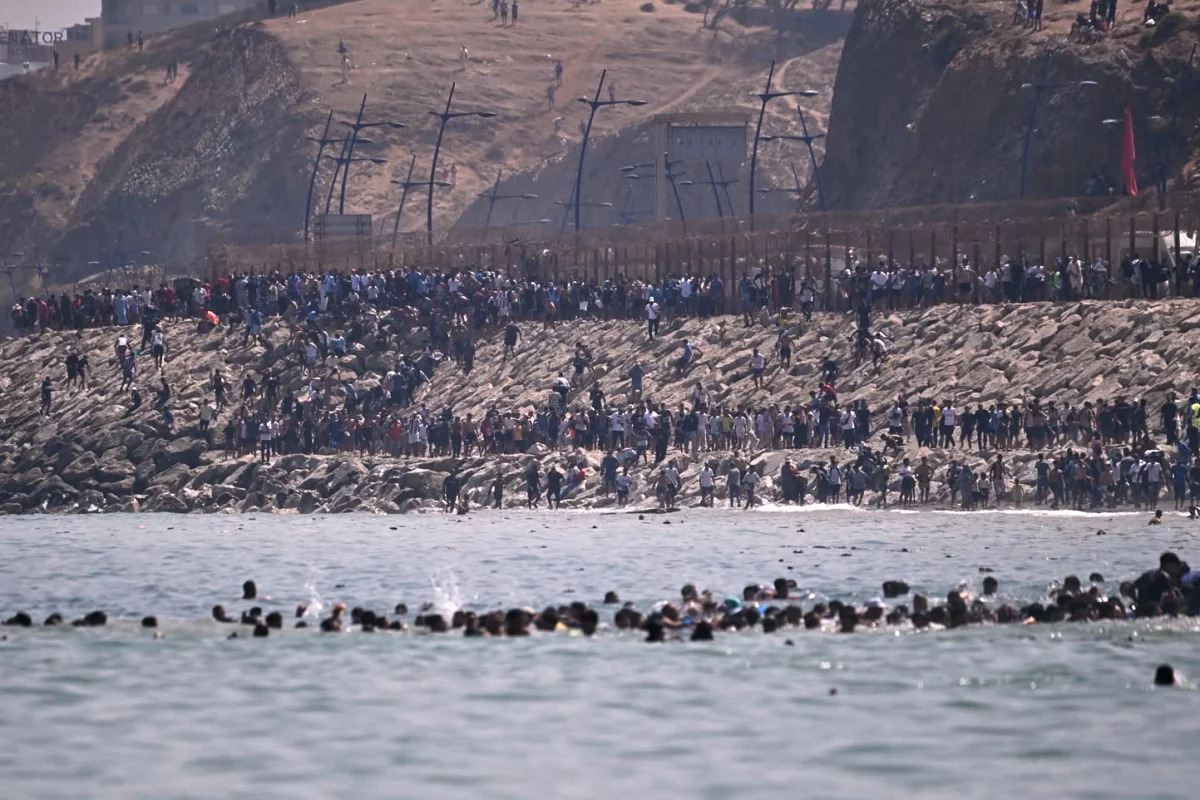
The Spanish authorities estimate that around 50,000 migrants have entered Ceuta over the past two days, making it one of the largest irregular migration crises ever recorded on the enclave’s border.
Migrants cross from Morocco into the Spanish enclave of Ceuta, Thursday, July 30, 2026.
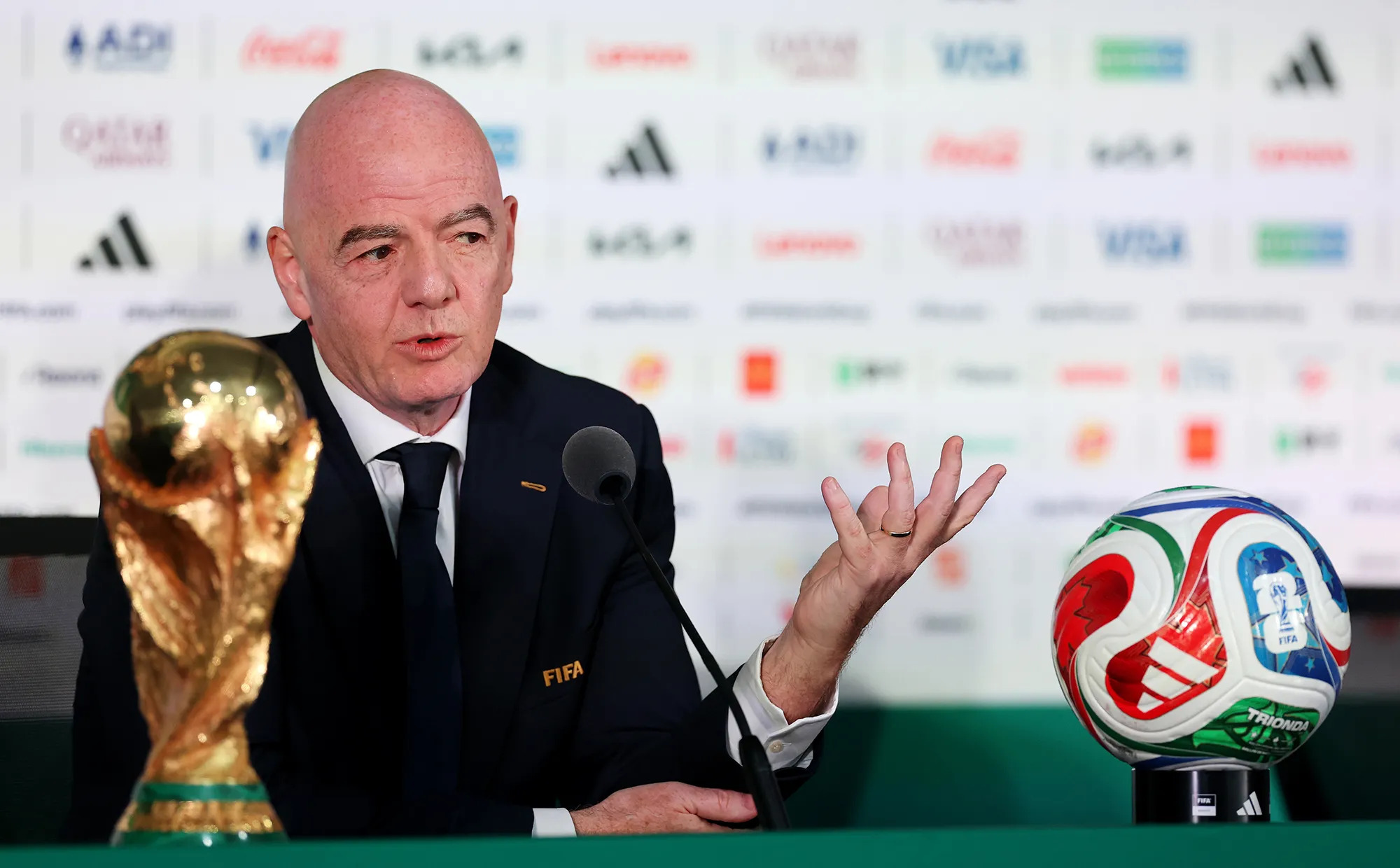
The global football governing body issued the statement on Friday after the Union of European Football Associations (UEFA), the Asian Football Confederation (AFC) and CONCACAF rejected plans that could allow private investors to acquire a minority stake in a new commercial venture known as FIFA Forward Enterprise (FFE).
The backlash has intensified into one of the biggest governance disputes in recent FIFA history, with confederations representing 143 of FIFA’s 211 member associations now opposing the proposal.
UEFA, which represents 55 national associations, warned that none of its member nations would take part in FIFA competitions if the proposal proceeds.
In a strongly worded statement, European football’s governing body said the World Cup “cannot be treated as an investment product” and accused FIFA of developing the proposal without meaningful consultation.
“No UEFA national teams will participate in any FIFA competition for so long as these proposals remain alive, unless this proposal has been abandoned in its entirety,” UEFA said.
CONCACAF, which represents 41 member associations across North America, Central America and the Caribbean, also rejected the proposal, while the AFC, representing 47 associations, called for an urgent review of FIFA’s governance and decision-making processes.
The AFC said proposals of such global significance should be developed through “transparent governance, timely consultation, informed deliberation and genuine participation.”
FIFA, however, insisted the proposal has been misunderstood and denied suggestions that it was seeking to sell ownership of football’s flagship tournaments.
“We have heard the feedback provided by the respective confederations in relation to the proposed establishment of FIFA Forward Enterprise and would like to address the issues that have surfaced,” FIFA said.
The organisation maintained that FFE is intended to give member associations greater opportunities to benefit from football’s commercial growth.
“FFE has been proposed solely to ensure that all FIFA Member Associations have the opportunity to take meaningful ownership of the commercial opportunity of football in their respective countries,” the statement said.
“Nobody is selling football. This is not something FIFA would ever entertain.”
Despite the widespread criticism, FIFA said it would proceed with a consultation process, arguing that all member associations should have the opportunity to examine the proposal before making a decision.
The controversy deepened further after Carlos Cordeiro, a senior adviser to FIFA president Gianni Infantino and a former president of the United States Soccer Federation, resigned in protest.
“As a senior advisor to the FIFA president, a former banker, and a lifelong football fan, I cannot stand by while FIFA considers selling a stake in the World Cup,” Cordeiro said.
“I oppose it unequivocally. It is a bad deal for FIFA’s Member Associations, a bad deal for football, and a bad deal for the long-term future of the game.”
The proposed commercial venture has reportedly attracted interest from an investor group led by Thrive Eternal, founded by Joshua Kushner, with plans to acquire a minority stake should the project receive approval.
Critics argue that bringing private investors into FIFA competitions would fundamentally change the governance of world football by placing commercial returns ahead of sporting interests. They also fear investor pressure could encourage FIFA to stage larger and more frequent international tournaments, placing additional strain on domestic leagues and players.
With Europe’s governing body threatening to boycott FIFA competitions and support for the proposal weakening across multiple confederations, the governing body’s plans now face their most significant challenge since they were first revealed.
For now, FIFA insists the consultation process will continue, but the growing resistance suggests any attempt to reshape the commercial future of the World Cup is likely to face a difficult path.
FIFA has defended its controversial proposal to create a commercial entity linked to the FIFA World Cup, insisting that “nobody is selling football” despite mounting opposition from some of the sport’s most powerful governing bodies.
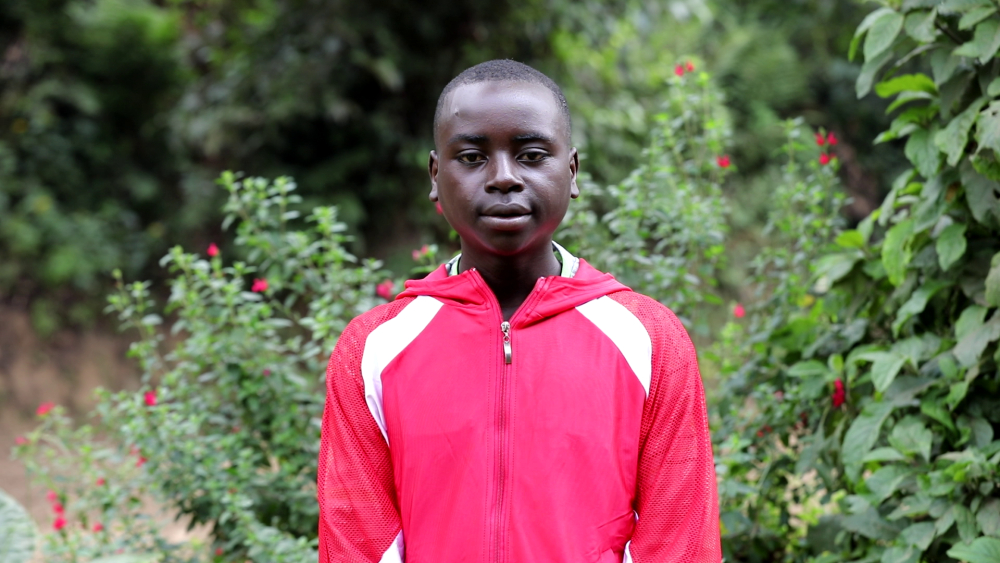
Uwimana, who was born in the Democratic Republic of Congo, said he spent three years with the FDLR, an armed group formed by perpetrators of the 1994 Genocide against the Tutsi who fled to eastern DR Congo following the genocide.
He shared his experience after being reunited with his family on Wednesday, July 29, 2026, following a rehabilitation programme by the Rwanda Demobilisation and Reintegration Commission (RDRC). He was among 22 children who were reunited with their families.
Uwimana told IGIHE that he was abducted in Masisi Territory, in the Ironga area where his family lived.
“I had gone to visit relatives when FDLR soldiers who were heading to Pinga airfield to collect ammunition captured me. They forced me to carry the ammunition. After we delivered it, we arrived at their military camp, but they refused to allow us to return home,” he said.
He said they were later taken to the battlefield after spending three days at the camp, where they were forced to support the group’s operations.
“Whenever we asked why we could not go home, they told us we would only leave after the ammunition we had carried had been used up,” he said.
Uwimana said that once they reached the battlefield, they were given weapons and forced to participate in fighting.
The experience separated him from his family, who later fled and eventually settled in Rwanda’s Nyabihu District.
He revealed that he was unable to continue his education beyond Primary Three because of the conflict, adding that during his time with FDLR, he was subjected to training aimed at carrying out violent acts.
“We would go to the battlefield like other fighters. We were also sent to steal food, including cassava and beans, from civilians. They trained us to attack people, destroy property, rape and kill,” he said.
Uwimana said that at one point, as hunger worsened, FDLR members directed them to steal livestock from communities near Goma. However, they were attacked upon arrival, forcing them to flee, and he eventually found himself inside a national park.
He later decided to surrender after communicating with a former FDLR member who had already left the group and completed rehabilitation at the Mutobo Demobilisation Centre.
The former colleague encouraged him to surrender, after which Uwimana was taken through the La Corniche border crossing and transferred to Mutobo, where he underwent a three-month reintegration programme before being reunited with his family.
Uwimana said FDLR leaders had repeatedly warned them against returning to Rwanda, claiming they would either be killed or imprisoned if they did so.
“We were given false information by our leaders, and at times we believed what they said. But I was surprised by the way I was received in Rwanda. We were given clothes, food, and lessons that helped us return to normal life,” he said.
Now reunited with his family, Uwimana said he hopes to return to school and build a better future, noting that education provides opportunities that are difficult to access for those who cannot read and write.
He also called on other young people still in armed groups in the forests of DR Congo to surrender, saying many of the messages they receive from their leaders are based on falsehoods.
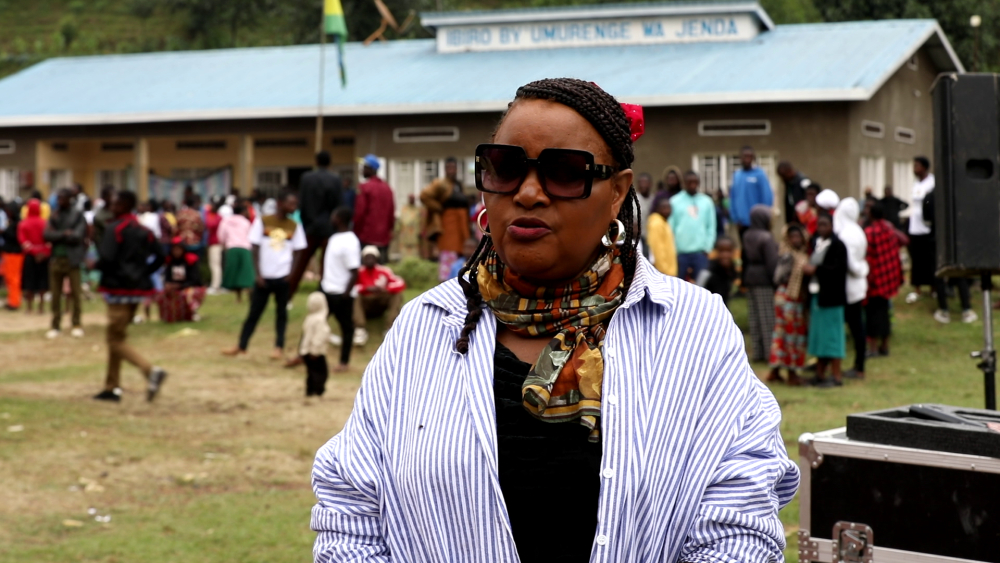
Valerie Nyirahabineza, Chairperson of the Rwanda Demobilisation and Reintegration Commission (RDRC), said 22 of the 24 children who completed the rehabilitation programme had been reunited with their families, while efforts were ongoing to trace the families of the remaining two.
The children reunited with their families are aged between 16 and 18 years.
Since its establishment, the commission has helped reintegrate 1,029 children who were previously associated with armed groups.
David Uwimana, who spent three years with the FDLR, said he hopes to return to school and build a better future for himself.Valerie Nyirahabineza, Chairperson of the Rwanda Demobilisation and Reintegration Commission (RDRC), said 22 of the 24 children who completed the rehabilitation programme had been reunited with their families.
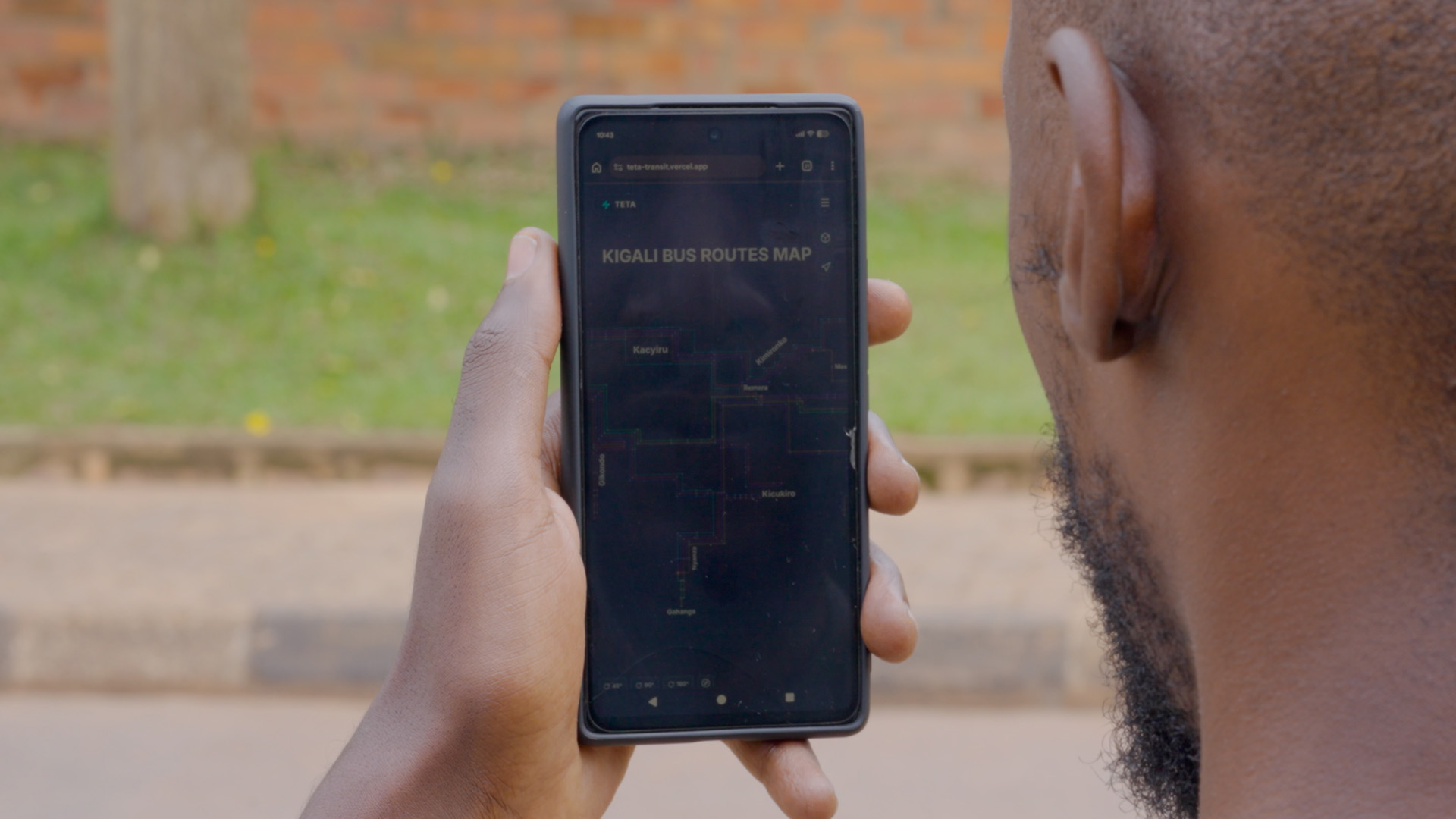
For HarakaPlus, a transit-tech startup born in Rwanda, that everyday experience sparked a bigger question about how technology can help people move through cities with greater confidence.
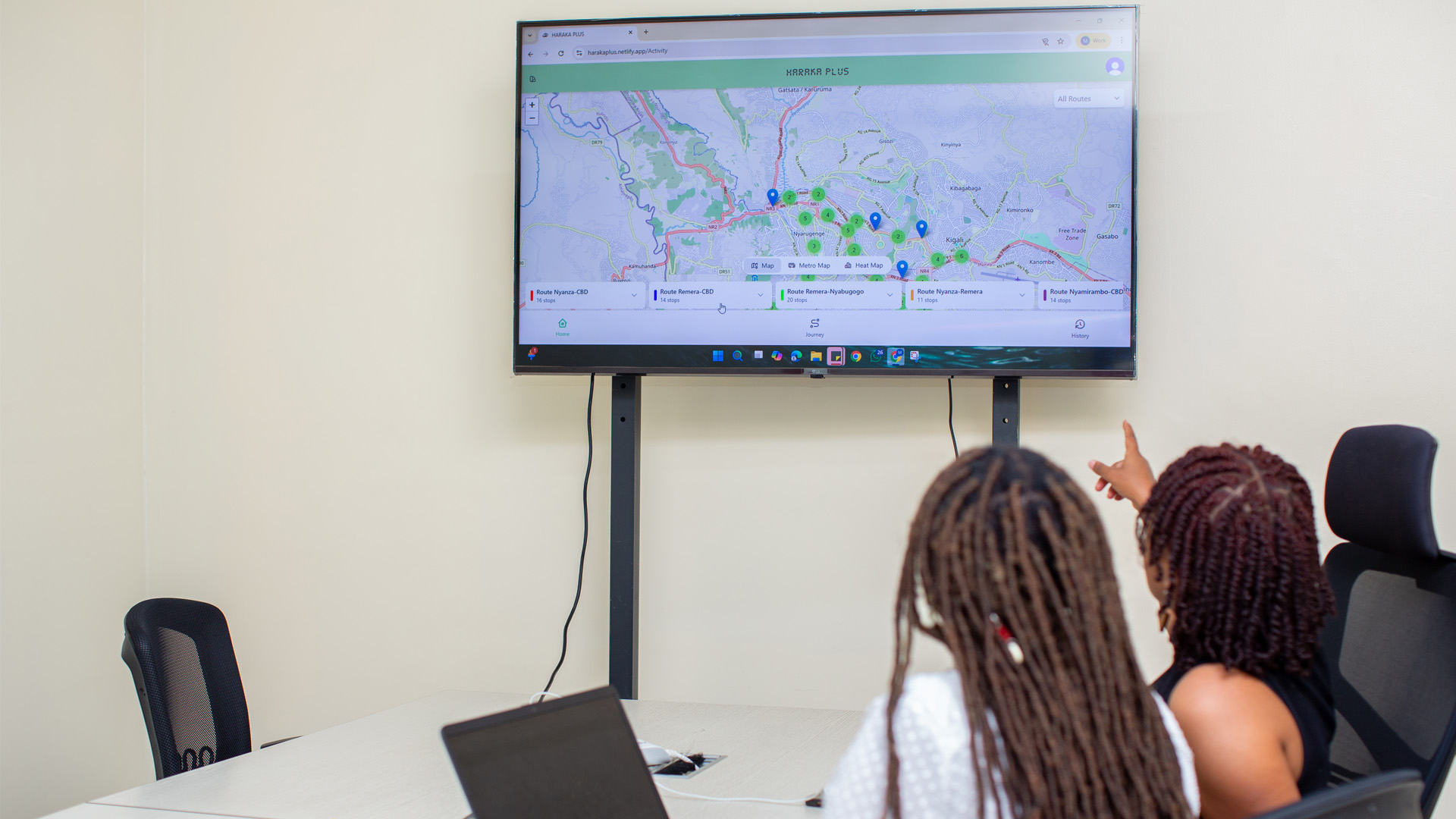
Founded by Millicent Kariuki, CEO and co-founder, alongside Bilen Gebremariam and Germain Rwibutso, HarakaPlus uses real-time bus tracking and passenger-demand data to help commuters plan journeys while giving transport operators insights to improve efficiency.
Since launching its minimum viable product in 2025, the platform has been accessed by nearly 2,000 users, with close to 500 people using it repeatedly each day.
The company’s journey from a local idea to being selected among the innovators shortlisted for the Royal Academy of Engineering’s Africa Prize for Engineering Innovation in 2026 offers lessons for entrepreneurs seeking to turn practical challenges into solutions with wider potential.
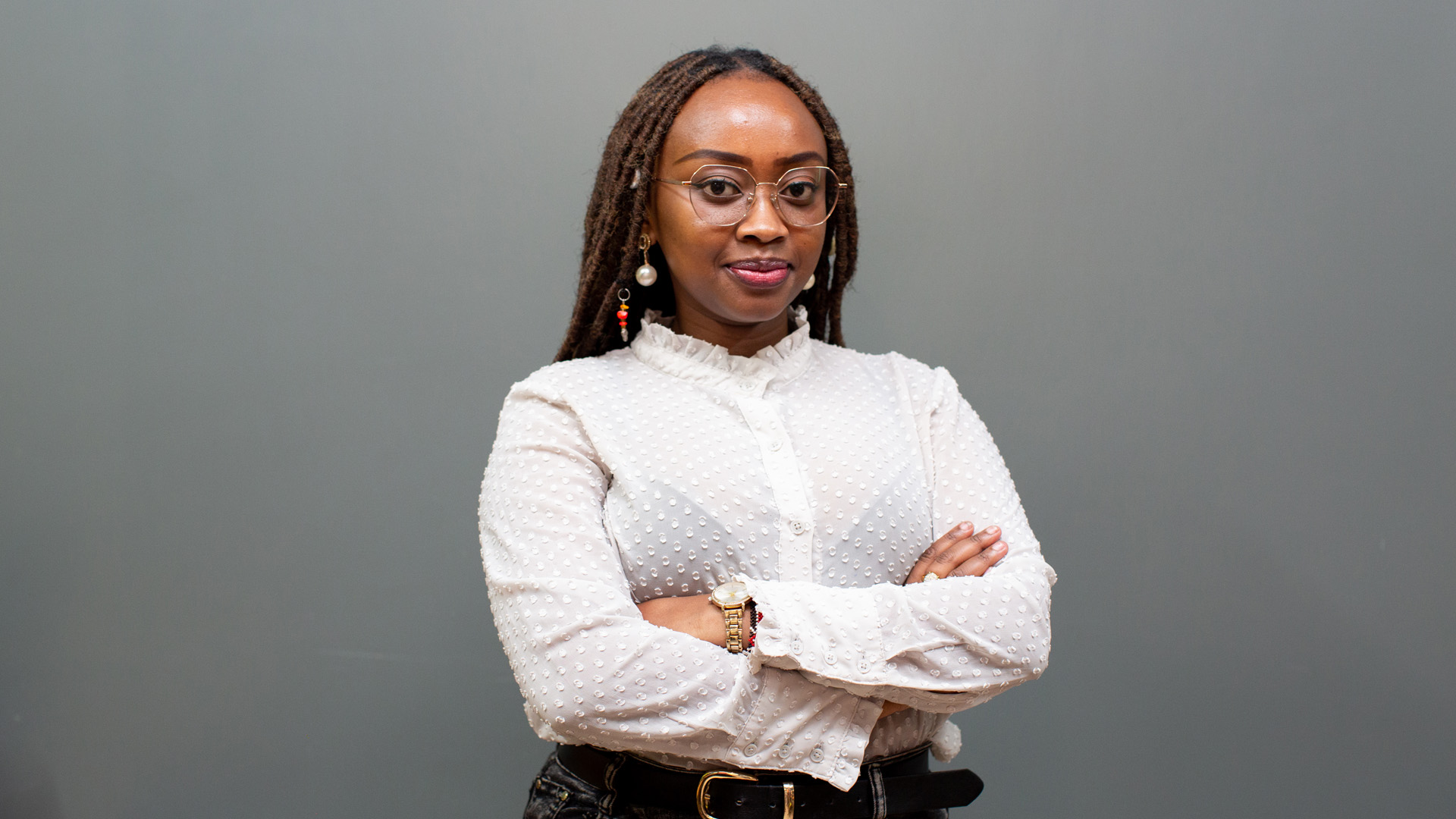
HarakaPlus was co-founded by Millicent Ruguru Kariuki (pictured), Chief Executive Officer, alongside Bilen Gebremariam, Chief Operating Officer, and Germain Rwibutso, Chief Technology Officer.
Building on Kigali’s mobility progress
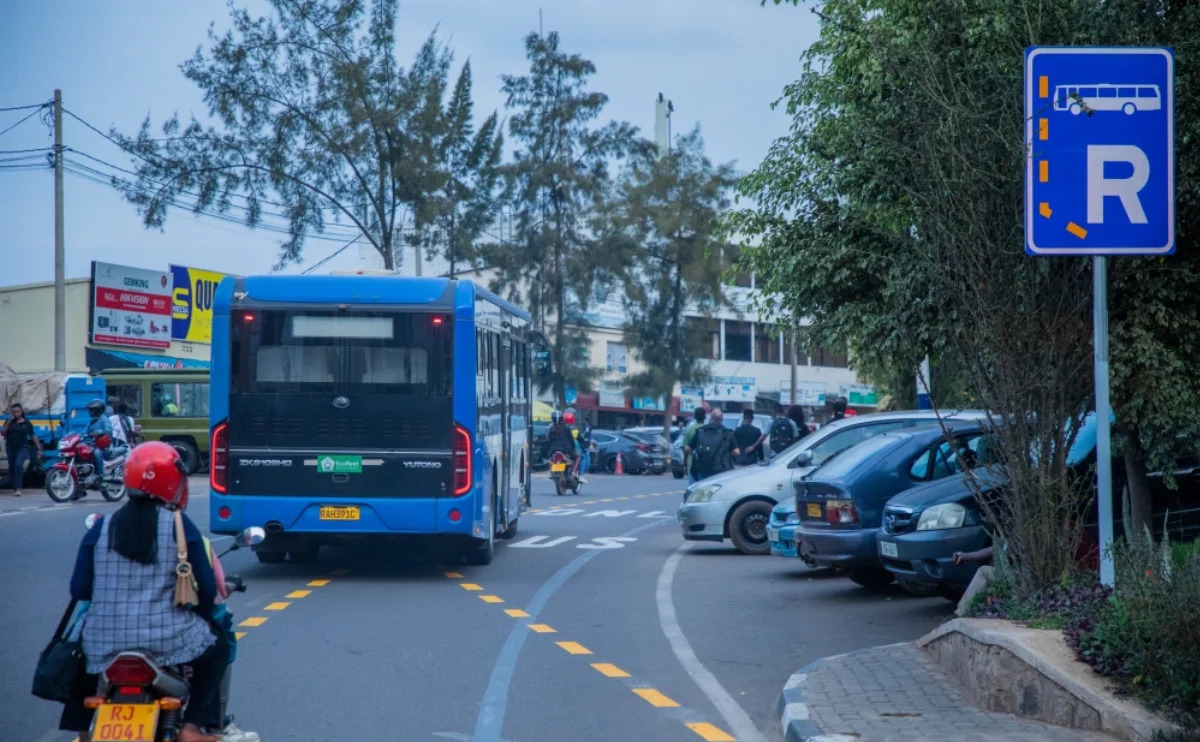
HarakaPlus emerged in a city that has already invested heavily in improving public transport and advancing its smart city ambitions.
The founders were not seeking to replace existing systems, but to complement them by using data to strengthen the connection between commuters, operators and the services they rely on.
“HarakaPlus was born from a problem that all three of us co-founders have experienced personally. Although we come from different backgrounds and grew up in three different African cities, we all shared one common experience: spending too much time waiting for public transport without knowing when it would arrive,” Kariuki told IGIHE.
“When we moved to Kigali, we saw many of the same challenges. While Rwanda has made tremendous investments in modernising public transport and building one of Africa’s leading smart cities, there was still an information gap between commuters and transport operators,” she added.
The gap was not necessarily about the availability of transport, but about access to information. Passengers wanted to know when buses would arrive, while operators needed better insights into passenger demand and route performance.
“We discovered that this wasn’t simply a transport problem; it was a time problem. Every unnecessary minute spent waiting is time taken away from work, school, family or running a business,” she said.
That understanding shaped HarakaPlus’ mission of using data to make public transport more predictable.
The startup uses real-time bus tracking and passenger-demand data to help commuters plan journeys while giving transport operators insights to improve efficiency.
From an idea to the Africa Prize stage
The platform allows commuters to track buses in real time and estimate arrival times, while transport operators receive data that can support better planning and service delivery.
The approach earned HarakaPlus a place among 16 innovators shortlisted for the Africa Prize for Engineering Innovation, making it the only startup from
Rwanda in the 2026 cohort
The shortlist features innovators working on solutions across sectors including healthcare, renewable energy, agriculture, education and mobility.
For Kariuki, the programme came at a critical stage as HarakaPlus worked to grow from a promising idea into a sustainable company.
“We applied to the Africa Prize because we recognised that building a transformative mobility company requires much more than funding. We were looking for world-class mentorship, investor readiness support, engineering expertise and access to a network of people who have successfully scaled impactful businesses,” Kariuki explained.
Through the eight-month programme, HarakaPlus has received training, mentorship and exposure to experts across Africa and the United Kingdom.
A major highlight was learning from transport systems abroad, including the UK, where the team observed how technology, operators and public institutions collaborate to improve mobility.
Since launching its minimum viable product in 2025, the platform has been accessed by nearly 2,000 users, with close to 500 people using it repeatedly each day.
A journey still underway
Although HarakaPlus has already reached the shortlist stage, the Africa Prize journey is not over.
The company remains in contention for the final stage, where the overall winner will receive £50,000, while three finalists will each receive £10,000 and another innovator will receive £5,000 under the One-to-Watch category.
Kariuki said winning the top prize would help accelerate HarakaPlus’ growth by supporting product development, expanding the engineering team, strengthening partnerships with transport operators and supporting expansion into other East African markets.
However, she stressed that the programme’s value extends beyond the competition itself.
“Beyond the formal programme, becoming part of a community of innovators solving real challenges across Africa has been incredibly inspiring,” she remarked.
Opening doors for Rwanda’s innovators
The Africa Prize is now accepting applications for its 2027 edition, inviting engineers and innovators across sub-Saharan Africa to submit solutions with the potential to create social or environmental impact.
Applicants must be developing scalable solutions with a clear path towards commercialisation. Software-based innovations must demonstrate a functional minimum viable product and user traction, while hardware solutions require working prototypes.
For Kariuki, innovators should not wait until they believe their ideas are fully developed before seeking opportunities to grow.
“You don’t need to have everything figured out before applying. The Africa Prize exists to help innovators grow,” she said.
Applications for the 2027 Africa Prize for Engineering Innovation opened on July 13 and will close on September 8, 2026.
“The Africa Prize community continues to grow and each year we’re seeing increased engagement from innovators across the continent, reflecting the depth and diversity of engineering talent in sub-Saharan Africa. This year, we’re focused on building new connections in regions where awareness of the Prize is still growing, to broaden our reach and support even more innovations with the potential to scale and make a lasting difference,” Meredith Ettridge, Associate Director, International, at the Royal Academy of Engineering.
The Africa Prize programme, now in its 13th cycle, has supported more than 180 businesses from 24 countries.
Interested applicants can find more information and submit their applications at africaprize.raeng.org.uk.
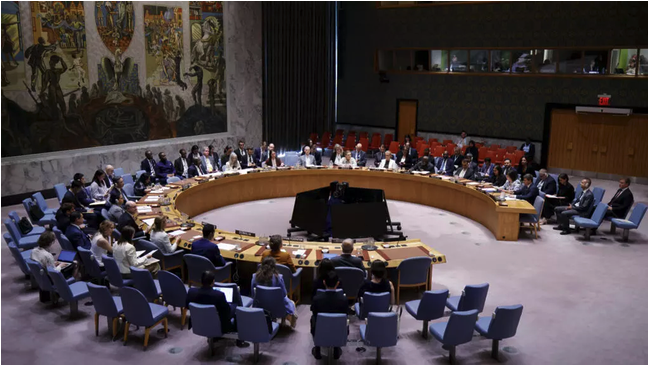
The closed-door vote marked the first formal test of support for the candidates within the 15-member Security Council, which is responsible for recommending a nominee to the UN General Assembly for appointment.
“The first round of straw poll has taken place,” Zenon Mukongo Ngay, the Permanent Representative of the Democratic Republic of the Congo to the United Nations and president of the Security Council for July, told reporters after the vote.
He said the candidates would be informed of the results through the permanent representatives of the member states that nominated them, while the President of the UN General Assembly would also be notified that the poll had been conducted.
As is customary, the results of the informal ballot were not made public.
Straw polls are confidential, non-binding ballots used by the Security Council to gauge the level of support for candidates. The process typically involves several rounds of voting until a candidate secures the backing of at least nine of the council’s 15 members without a veto from any of the five permanent members: the United States, the United Kingdom, China, France and Russia.
Under Article 97 of the UN Charter, the Secretary-General is appointed by the General Assembly upon the recommendation of the Security Council.
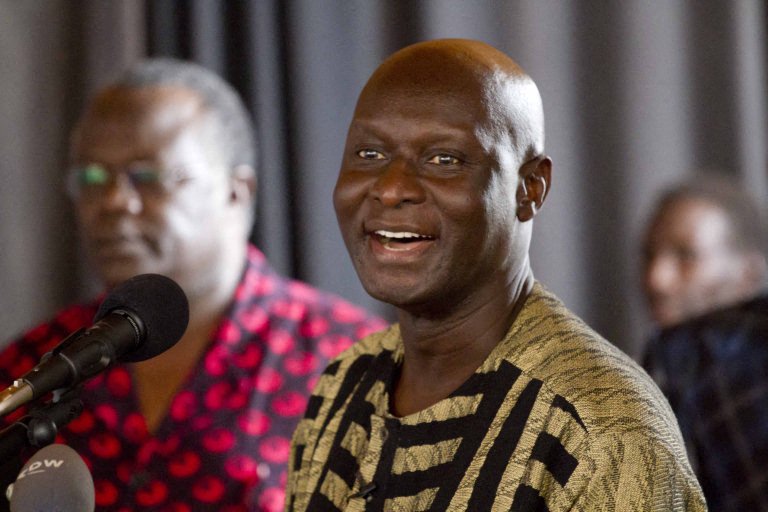
Otunnu, 75, was formally nominated by the Ugandan government earlier this month, becoming the seventh candidate in the race.
A veteran diplomat with more than four decades of international experience, Otunnu served as the UN Under-Secretary-General and Special Representative for Children and Armed Conflict from 1997 to 2005 under former Secretary-General Kofi Annan.
He also represented Uganda at the United Nations from 1980 to 1985 and served as President of the UN Security Council in December 1981. During that period, he helped break a deadlock over the selection of a UN Secretary-General by introducing the straw-balloting procedure that ultimately produced Javier Pérez de Cuéllar as a consensus candidate.
Before joining the UN leadership, Otunnu briefly served as Uganda’s Minister of Foreign Affairs and later led the opposition Uganda People’s Congress (UPC), contesting the country’s 2011 presidential election.
His candidacy places East Africa in contention for one of the world’s most influential diplomatic positions.
The other candidates are former Chilean President Michelle Bachelet, former Ecuadorian Foreign Minister and former President of the UN General Assembly Maria Fernanda Espinosa, International Atomic Energy Agency Director General Rafael Mariano Grossi of Argentina, UN Conference on Trade and Development Secretary-General Rebeca Grynspan of Costa Rica, Guyana’s Permanent Representative to the United Nations Carolyn Rodrigues-Birkett, and former Senegalese President Macky Sall.
The seven contenders recently presented their visions for the future of the United Nations during a televised dialogue ahead of the Security Council’s voting process.
Once the Security Council reaches consensus on a candidate, it will forward its recommendation to the UN General Assembly for formal appointment. The successful candidate will begin a five-year term on January 1, 2027, succeeding Guterres, who is completing his second term as Secretary-General.
Uganda’s Olara Otunnu is among seven contenders seeking to succeed António Guterres as United Nations Secretary-General.
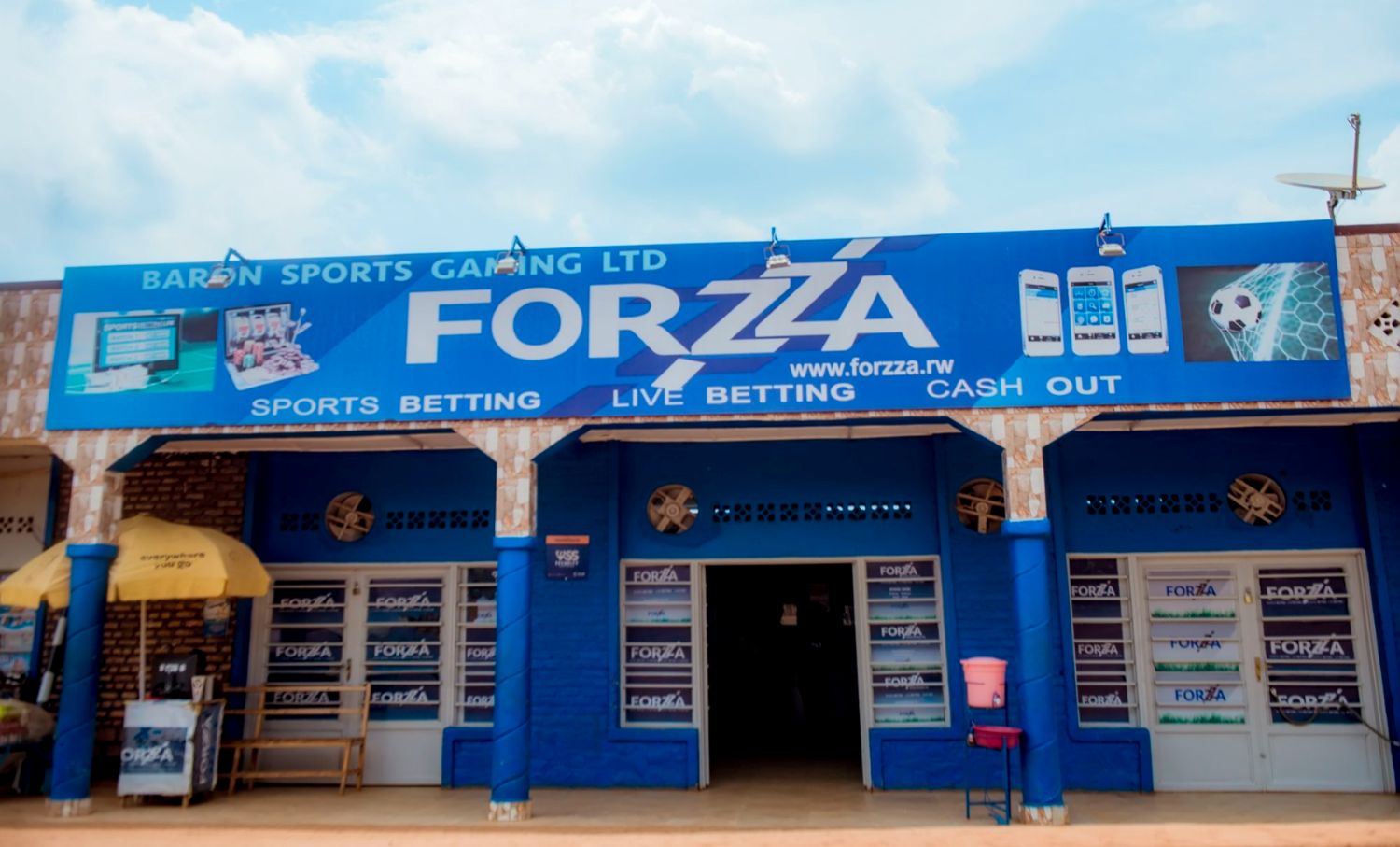
In a public notice issued on July 30, 2026, RDB, the national regulator of lottery and gambling activities, announced that the suspension takes immediate effect and covers all of the company’s outlets, agents, digital platforms and other gambling-related operations across Rwanda.
The regulator ordered the company to cease all operations immediately and remove all advertising and promotional materials associated with its services.
According to RDB, the enforcement action follows findings that Baron Sports Gaming Ltd had been repeatedly offering casino-style games outside the scope of its approved licence, in violation of the law governing gaming activities.
“The company is required to cease all operations immediately and remove all associated advertising and promotional materials,” the notice states.
RDB also advised members of the public not to participate in any games or activities offered by Forzza until further notice, warning that any continued operation by the company during the suspension period is unlawful and will be subject to further enforcement action.
The regulator used the announcement to remind all licensed lottery and gambling operators to operate strictly within the scope and conditions of their respective licences.
It warned that any unlicensed or unauthorised gambling activity is unlawful and could result in regulatory sanctions, including the suspension or revocation of a licence.
RDB said the move reflects its commitment to safeguarding the integrity of Rwanda’s gambling sector, ensuring compliance with applicable laws and regulations, and protecting consumers and the wider public.
The action against Forzza is the latest in a series of regulatory measures by the Rwanda Development Board aimed at enforcing compliance in the country’s gambling sector. In October 2025, RDB terminated the licence of Inzozi Lotto, the operator of Rwanda’s National Lottery, citing the company’s failure to meet its contractual and regulatory obligations.
Earlier, in August 2025, RDB also suspended the Category D Sportsbook gaming licence of Kings Bet Ltd, accusing the company of persistently breaching the law governing gaming activities and failing to comply with directives issued by the regulator.
The regulator ordered the company to cease all operations immediately and remove all advertising and promotional materials associated with its services.
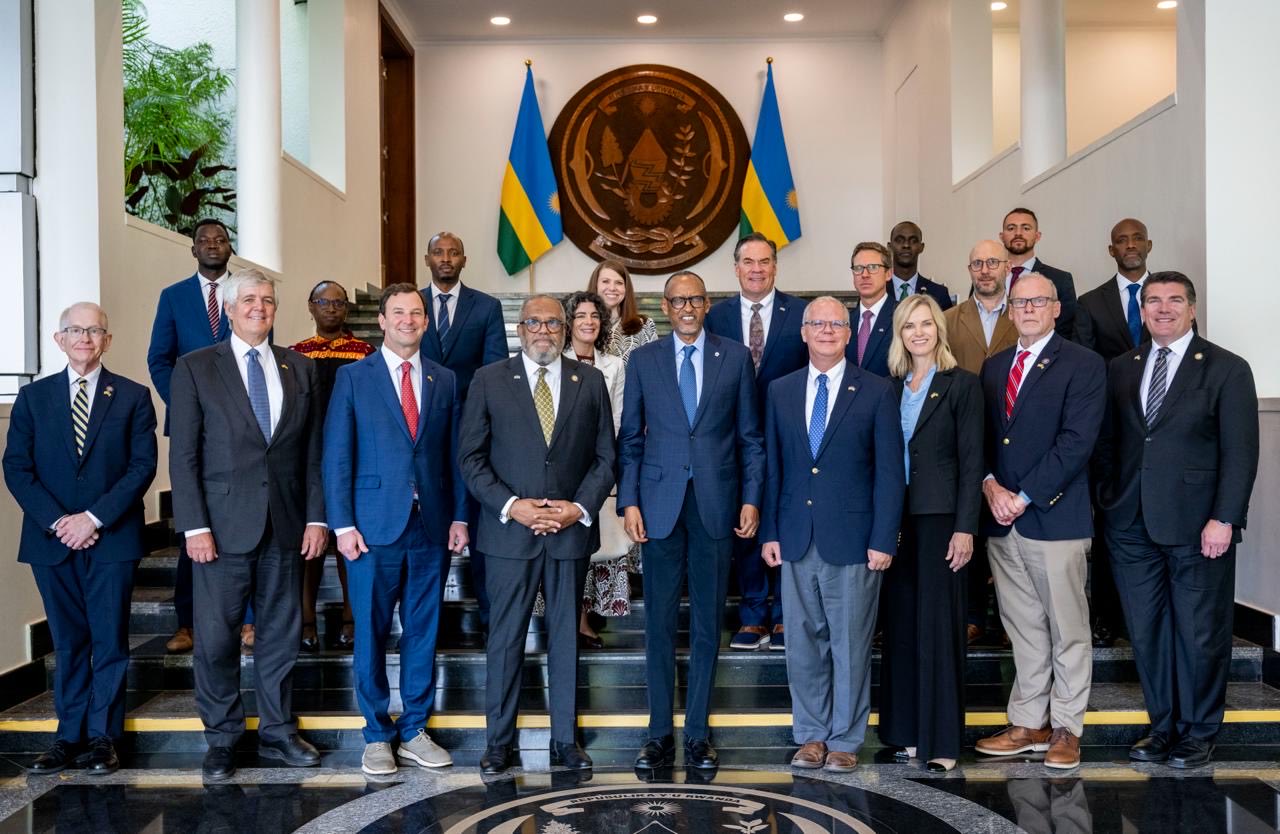
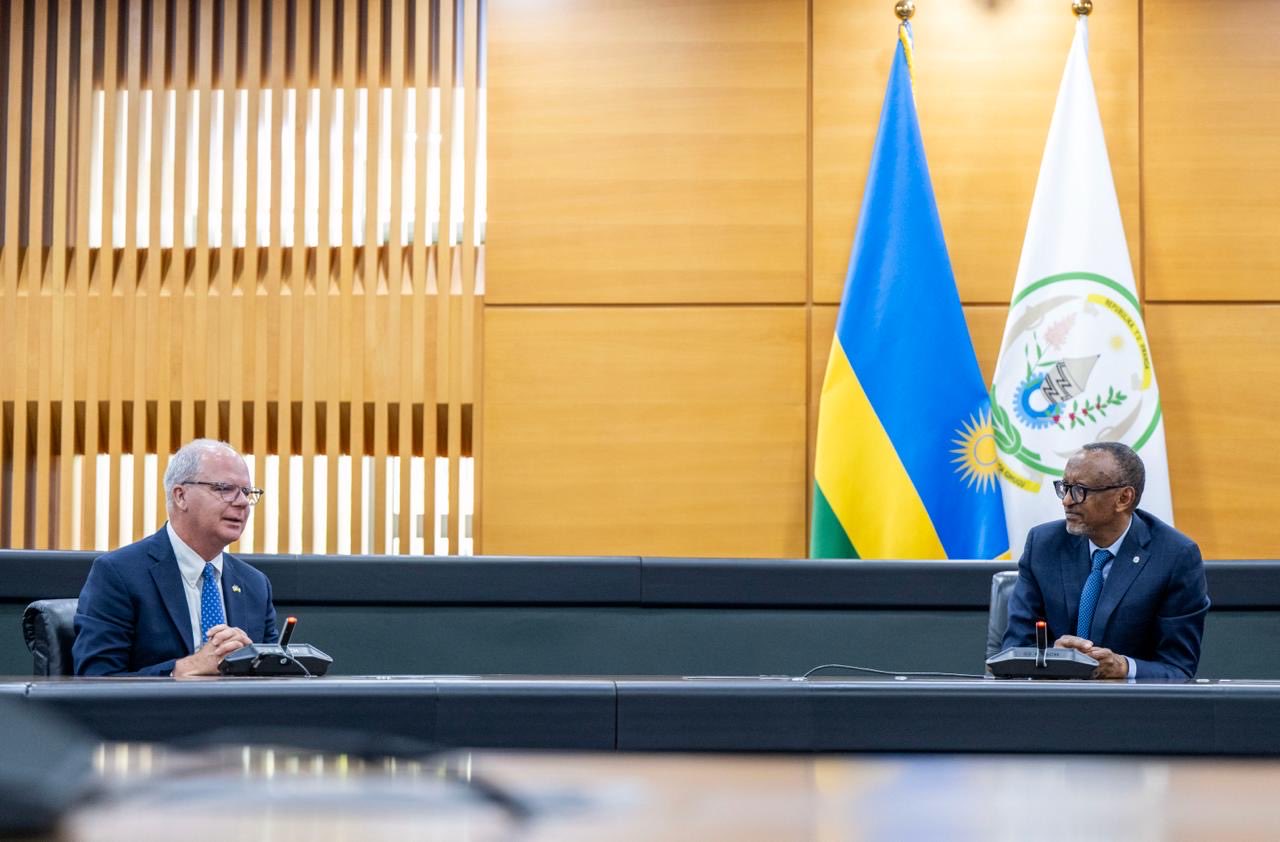
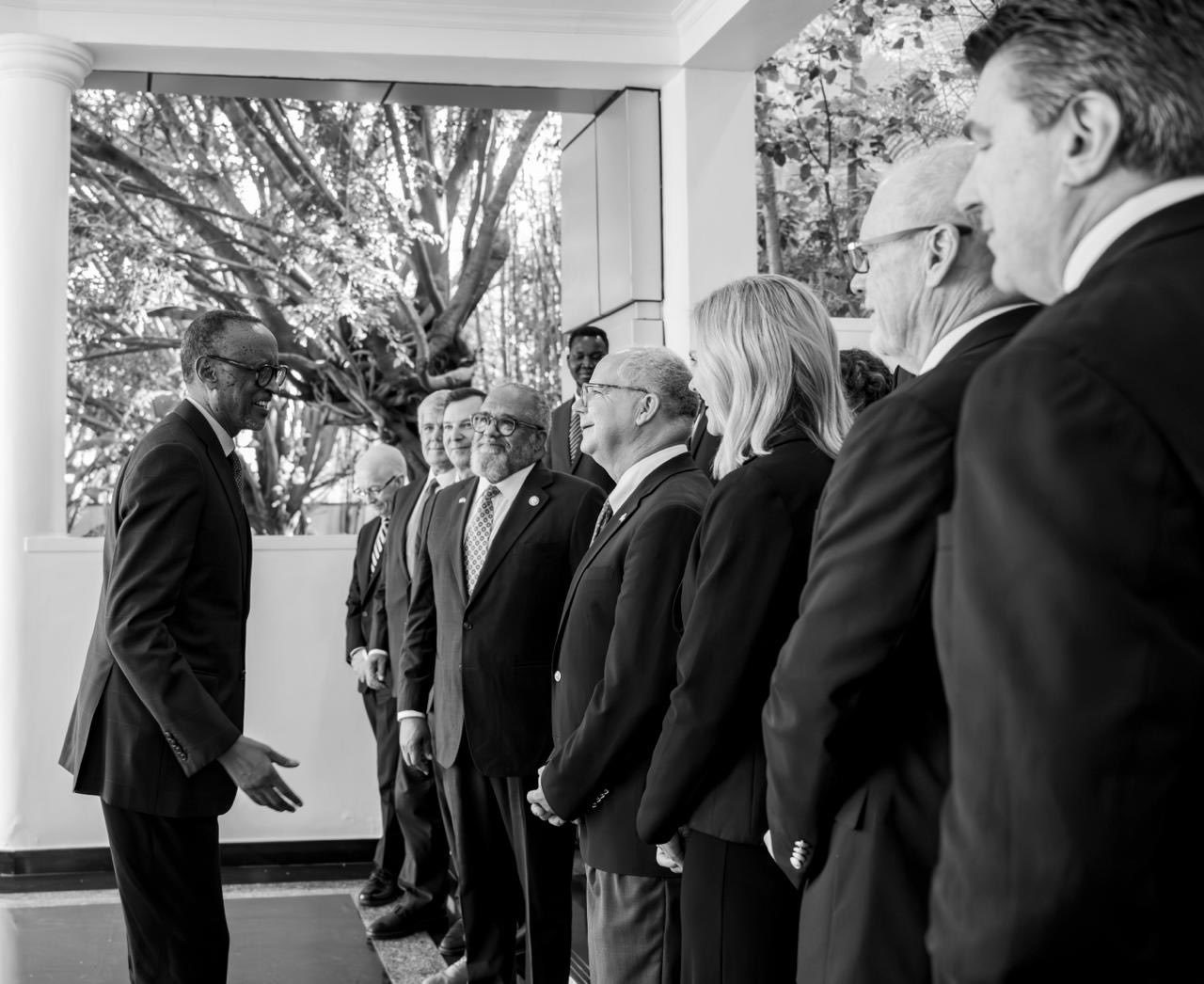
The delegation was led by Representative Brett Guthrie, Chairman of the House Committee on Energy and Commerce, and included Representatives Troy Carter, Morgan Griffith, Russ Fulcher, Jay Obernolte, Cliff Bentz, Craig Goldman, and Julie Fedorchak.
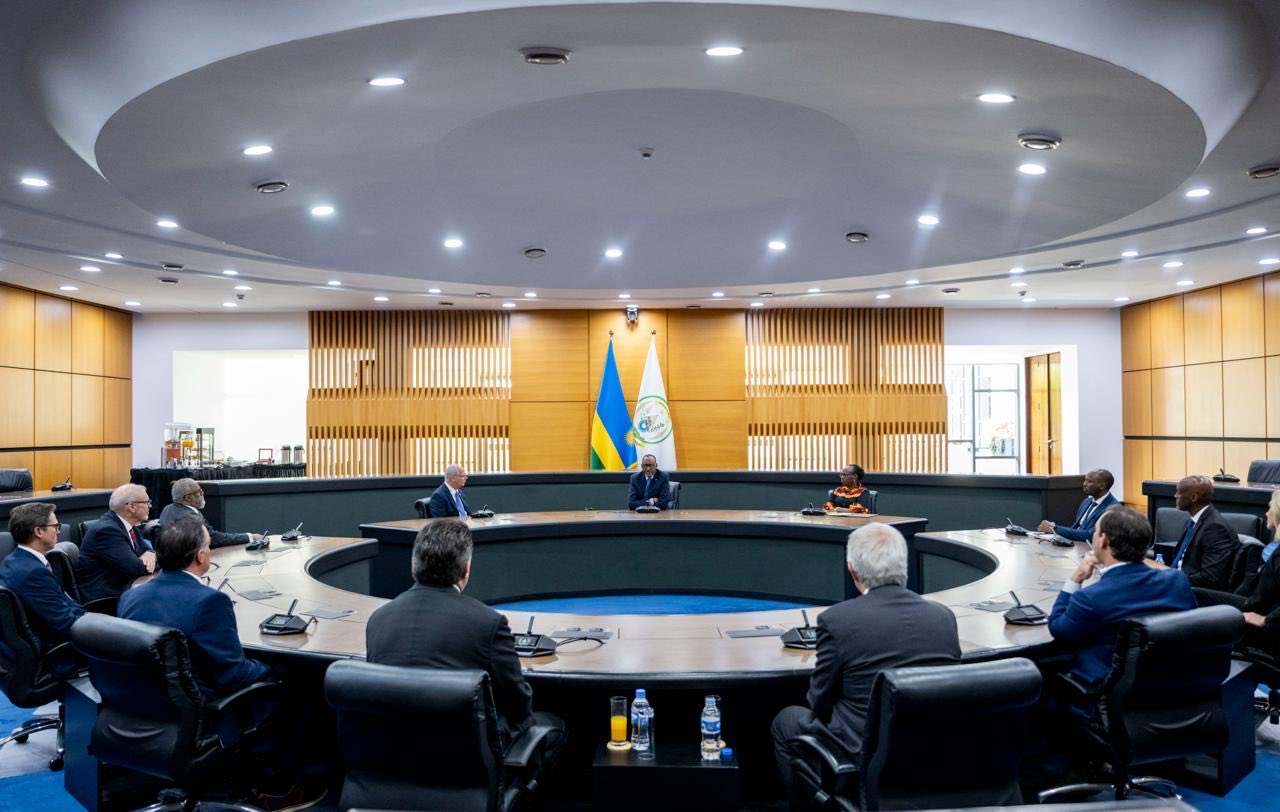
According to the Office of the President, discussions centred on Rwanda’s transformation journey and ways to deepen cooperation in areas of mutual interest, including health, energy, and investment.
The meeting reflects the continued engagement between Rwanda and the United States as both countries seek to strengthen ties through partnerships that support economic growth, innovation, and sustainable development.
The visit builds on high-level exchanges between Rwanda and the United States in recent years. In August 2025, President Kagame hosted another bipartisan U.S. congressional delegation, with discussions focusing on regional security, education, and health, underscoring the broad scope of cooperation between the two countries.
The delegation was led by Representative Brett Guthrie, Chairman of the House Committee on Energy and Commerce.According to the Office of the President, discussions centred on Rwanda’s transformation journey and ways to deepen cooperation in areas of mutual interest, including health, energy, and investment.
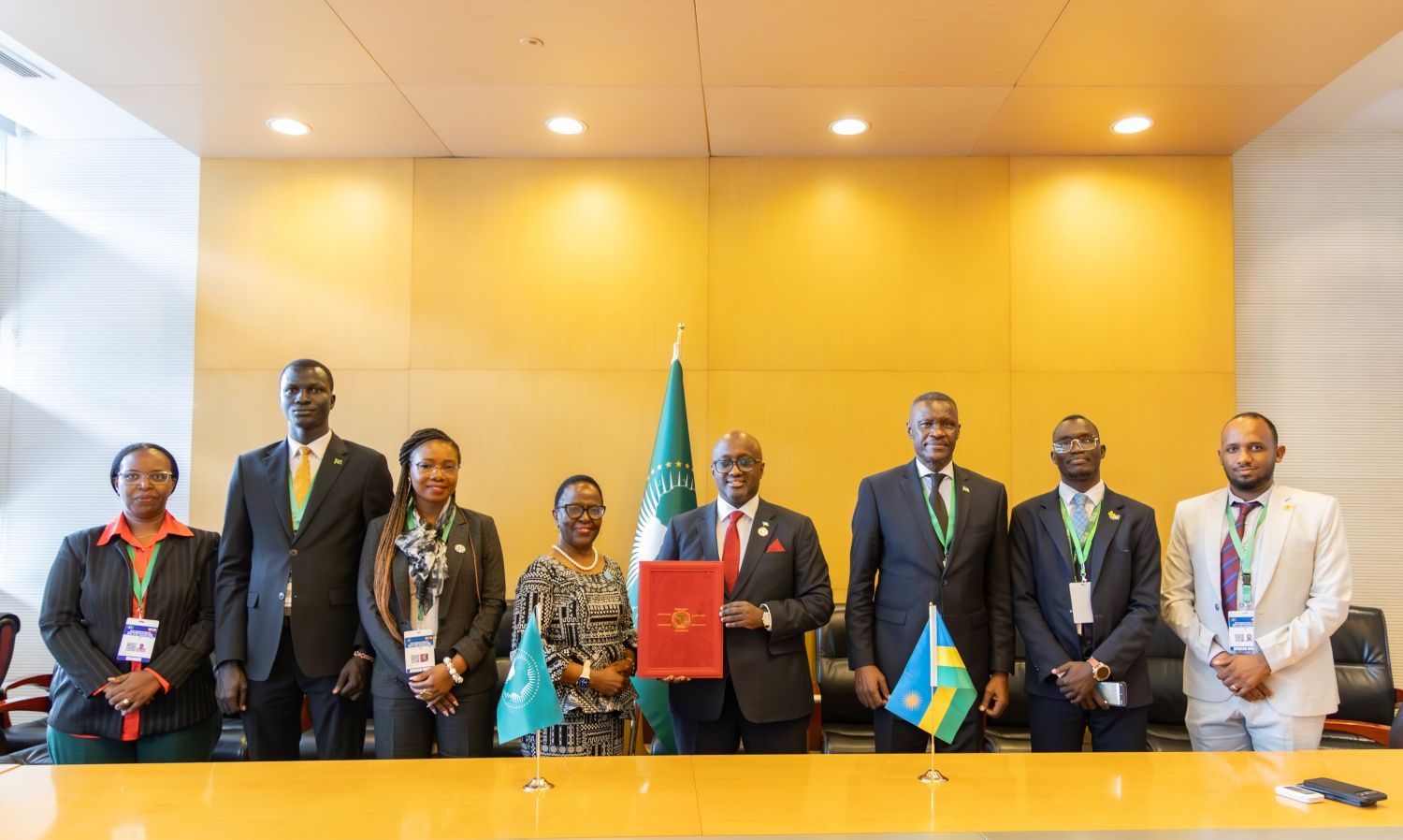
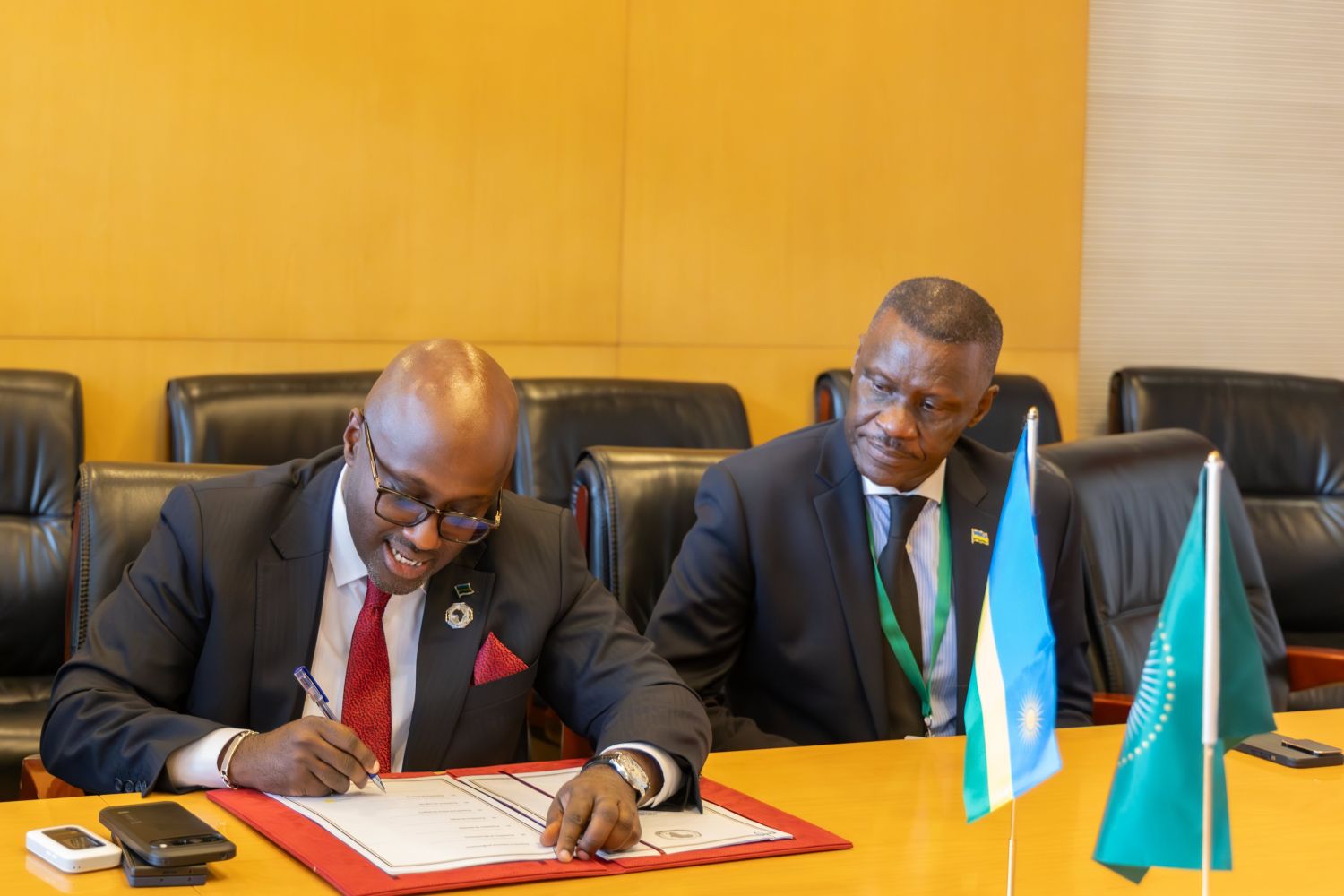
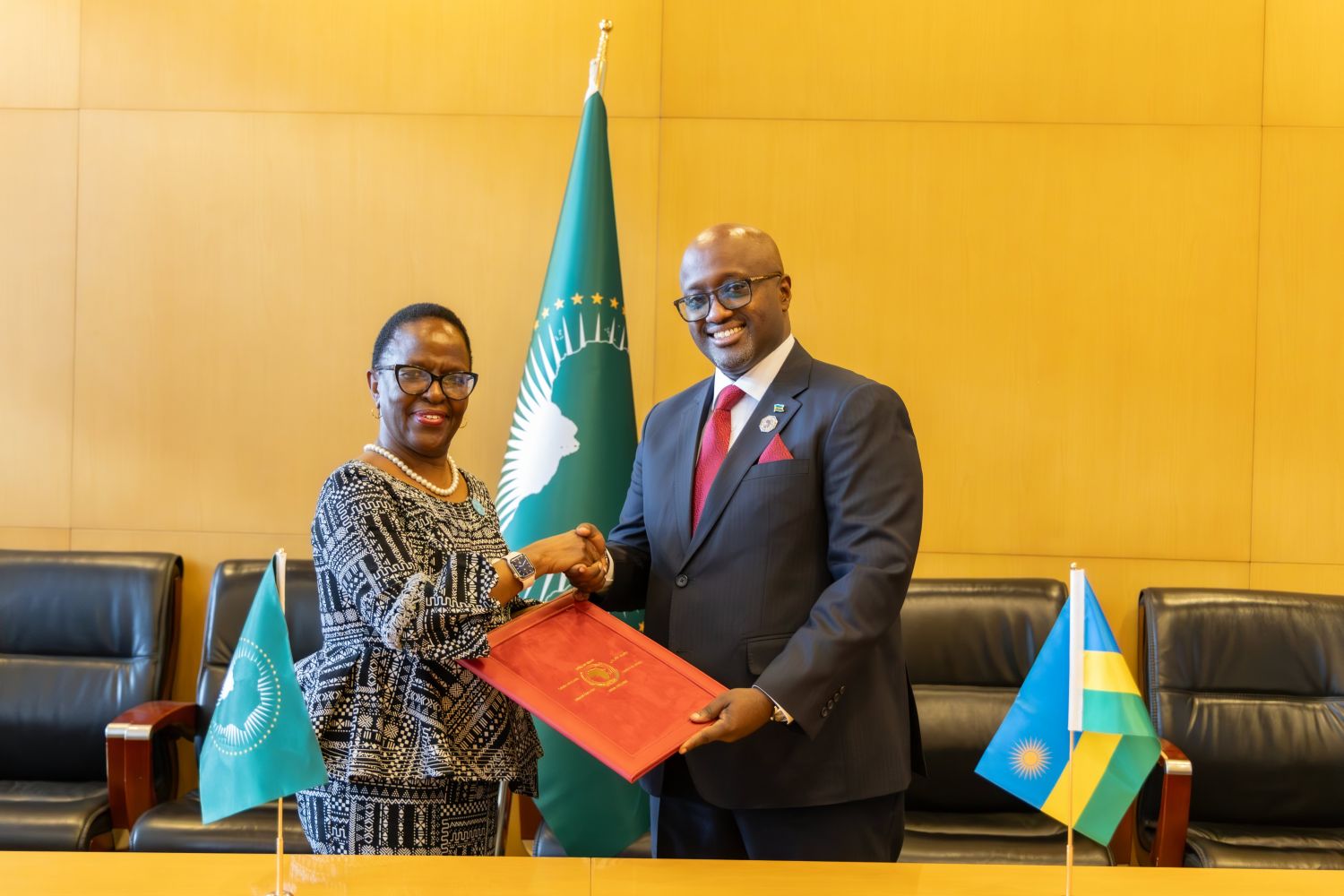
Rwanda has signed the African Union Convention on Ending Violence Against Women and Girls, becoming the ninth nation to back the continental treaty.
The convention was signed on Tuesday, July 28, by the Minister of Foreign Affairs and International Cooperation, Olivier Nduhungirehe, during the 49th Ordinary Session of the AU Executive Council in Addis Ababa, Ethiopia.
Announcing the development, the Ministry of Foreign Affairs and International Cooperation said Rwanda backed the convention because it aligns with the country’s vision and national gender policy.
“The convention provides a comprehensive continental legal framework to prevent and respond to all forms of violence against women and girls. Rwanda supports the convention as it aligns with Rwanda’s vision and National Gender Policy,” the ministry said.
Rwanda becomes the ninth nation to back the continental treaty.
The African Union Convention on Ending Violence Against Women and Girls is the first legally binding AU treaty dedicated exclusively to addressing violence against women and girls across the continent.
It establishes common standards for member states to prevent violence, protect survivors, prosecute perpetrators and strengthen national systems for responding to gender-based violence.
Under the convention, signatory countries commit to adopting or strengthening legislation that criminalises all forms of violence against women and girls, including physical, sexual, psychological and economic abuse, whether committed in public or private settings.
The treaty also requires member states to improve survivors’ access to justice and essential support services, including healthcare, psychosocial care, legal assistance and safe shelters, while enhancing investigations and prosecution of offenders.
In addition, the convention calls on governments to strengthen data collection and research to inform evidence-based policies, invest in public education and awareness campaigns, tackle harmful social and cultural practices that perpetuate violence, and allocate adequate resources to prevention and response programmes.
The AU Convention on Ending Violence Against Women and Girls is the first legally binding AU treaty dedicated exclusively to addressing violence against women and girls across the continent.
For Rwanda, the convention will enter into force after it is ratified through the country’s national legal procedures.
Nduhungirehe signed the treaty while attending the 49th Ordinary Session of the AU Executive Council in Addis Ababa, which brought together foreign ministers from AU member states to discuss key continental priorities and prepare decisions for consideration by the Assembly of Heads of State and Government.
The two-day session also focused on sustainable water availability and safe sanitation systems as part of the implementation of the African Union’s Agenda 2063 development framework.
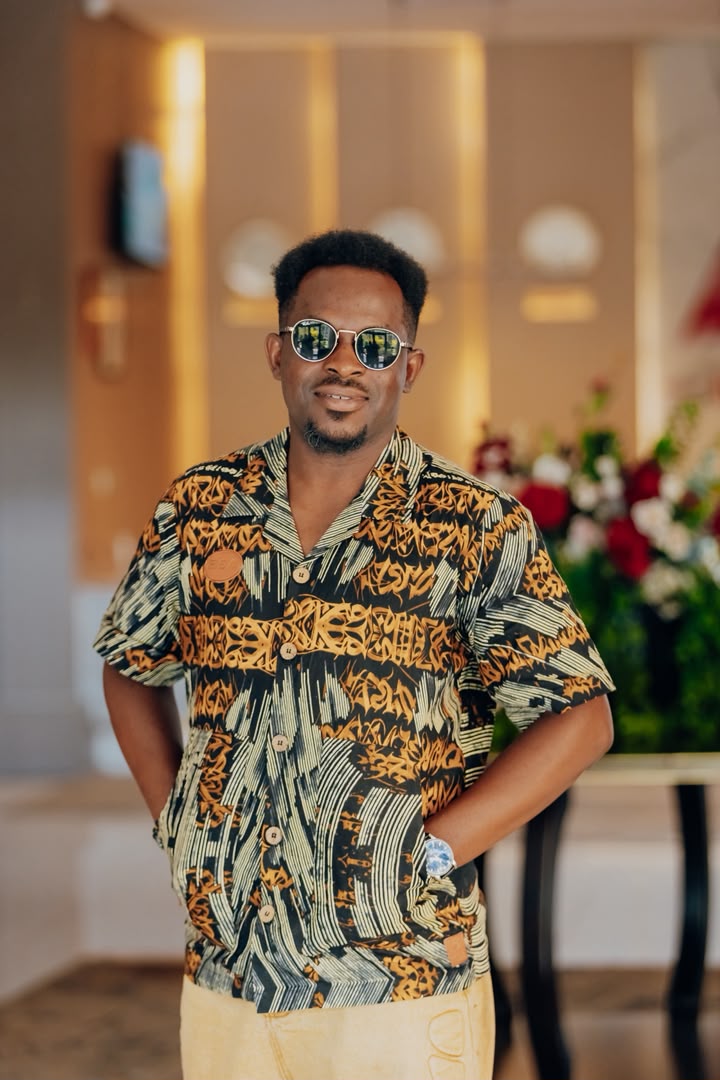
The comedian, actor, writer and entertainment consultant is in Rwanda to headline Friday’s Thank God It’s Funny Showcase at Kigali Universe alongside host Babu Joe.
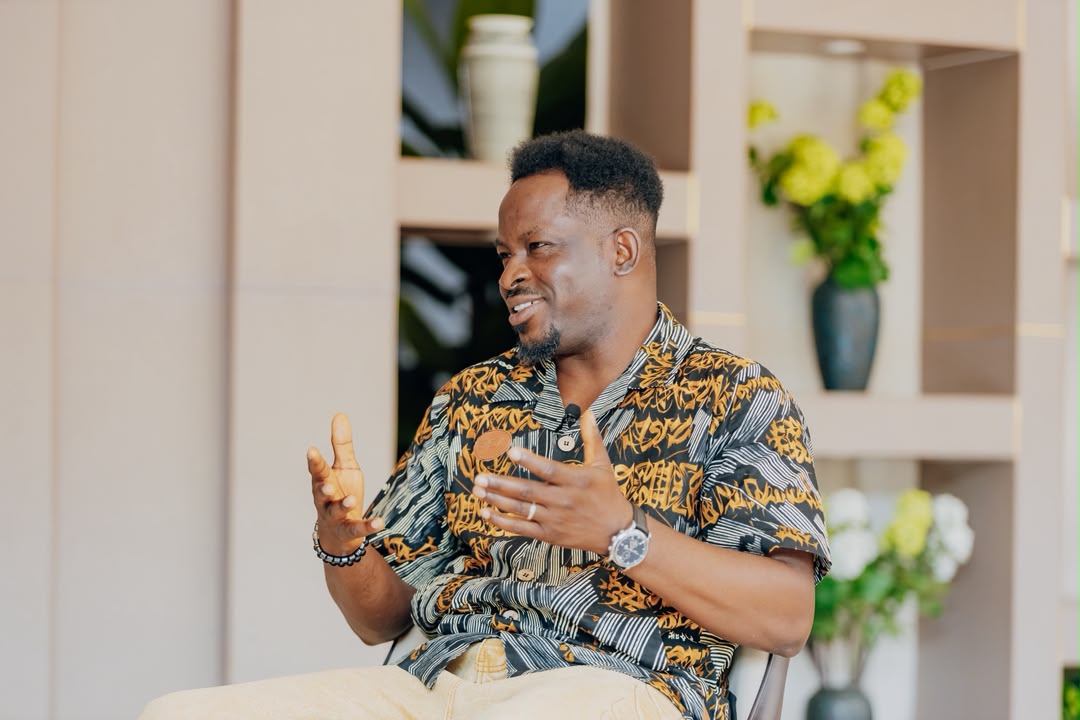
Speaking in an exclusive interview with IGIHE, Forever reflected on the unconventional career path that has taken him from engineering classrooms in Nigeria to comedy stages across 20 countries.
Despite graduating as a mechanical engineer and ranking among the best students in his class, Forever said he realised before completing university that his future lay elsewhere.
“I’ve always written funny stories and plays since I was a kid,” he said.
The comedian, actor, writer and entertainment consultant is in Rwanda to headline Friday’s Thank God It’s Funny Showcase at Kigali Universe alongside host Babu Joe.
He recalled watching Night of a Thousand Laughs in 2005 and discovering that stand-up comedians were essentially doing what he had always loved: telling funny stories.
“I tried it, it worked, and I kept going. By my final year, I already knew I wasn’t going to practise engineering. I was happier making people laugh.”
For Forever, the satisfaction of hearing from people whose lives had been brightened by his jokes outweighed the appeal of pursuing a conventional engineering career.
“People would call me randomly, saying they remembered a joke and were laughing at home. That joy kept me going,” he said.
Family initially resisted
Like many African parents who view professions such as engineering, medicine and law as the safest paths to success, Forever’s family initially struggled to accept his decision.
“It wasn’t easy, especially with my mum. It took about three to four years for her to accept it,” he revealed.
“Parents invest so much, and they expect you to follow the doctor-engineer-lawyer path. But when they saw I was making progress and getting results, they became supportive.”
Today, he says, his family fully embraces his career.
Like many African parents who view professions such as engineering, medicine and law as the safest paths to success, Forever’s family initially struggled to accept his decision.
Why Kigali stood out
While in Rwanda primarily for Friday’s performance, Forever said Kigali exceeded every expectation he had before arriving.
He described stepping out of the airport and immediately noticing the calm atmosphere.
“It was a shock. I came out of the airport, and it was so quiet. In Lagos, the moment you land, there’s chaos and activity everywhere. Here it was calm,” he said.
“The city is easygoing, smooth sailing. It actually reminds me of Abuja — quiet, calm, cool and collected.”
The comedian also praised Kigali’s organisation, cleanliness and sense of security, saying experiencing them firsthand was very different from simply reading about them.
“I read that Rwanda is Africa’s cleanest city with top-notch security, but seeing it is different,” he said.
“The city is very neat. People are walking freely at 11 p.m. or midnight. Boda bodas are still moving at one or two in the morning. That level of order, cleanliness and security in Africa is impressive.”
Forever believes Nigerians could learn from Rwanda’s coordination and orderliness.
“Nigerians can learn to mind their business,” he joked.
“In Rwanda, people mind their business. In Nigeria, minding your business is everybody’s business.”
He added that combining Rwanda’s coordination with Nigeria’s entrepreneurial spirit would be a powerful combination.
“What Rwanda can learn from us is our spirit — that always-on-the-move, always-pushing energy.”
Nigerian comedian Forever during an exclusive interview with IGIHE.
Lessons from comedy
Having shared stages with some of Africa’s biggest comedians, including Basketmouth, Forever said the greatest lesson he has learned is never to lose the drive to improve.
“Hunger. The hunger must never die,” he said.
“Basketmouth has been at the top for almost three decades, and he’s still writing new material, still touring, still hungry. That’s what keeps you at the top.”
Although he once joked that “nobody gets into comedy by passion,” Forever explained that passion developed after discovering his natural talent.
“I got in because of talent. I was already good at it, and the more I did it, the better I became. Then passion grew.”
He added that seeing audiences light up when they recognise him remains the biggest reward.
“When someone sees me on the street, and their face just lights up — that’s priceless. I don’t want to trade that.”
Looking beyond Friday’s show
Forever said he is looking forward to meeting more of Rwanda’s comedy community and expects Friday’s audience to bring as much energy as he plans to deliver.
“The comedian brings energy but also feeds off the audience. I can’t wait,” he said.
He also revealed that he hopes this will not be his last performance in Rwanda.
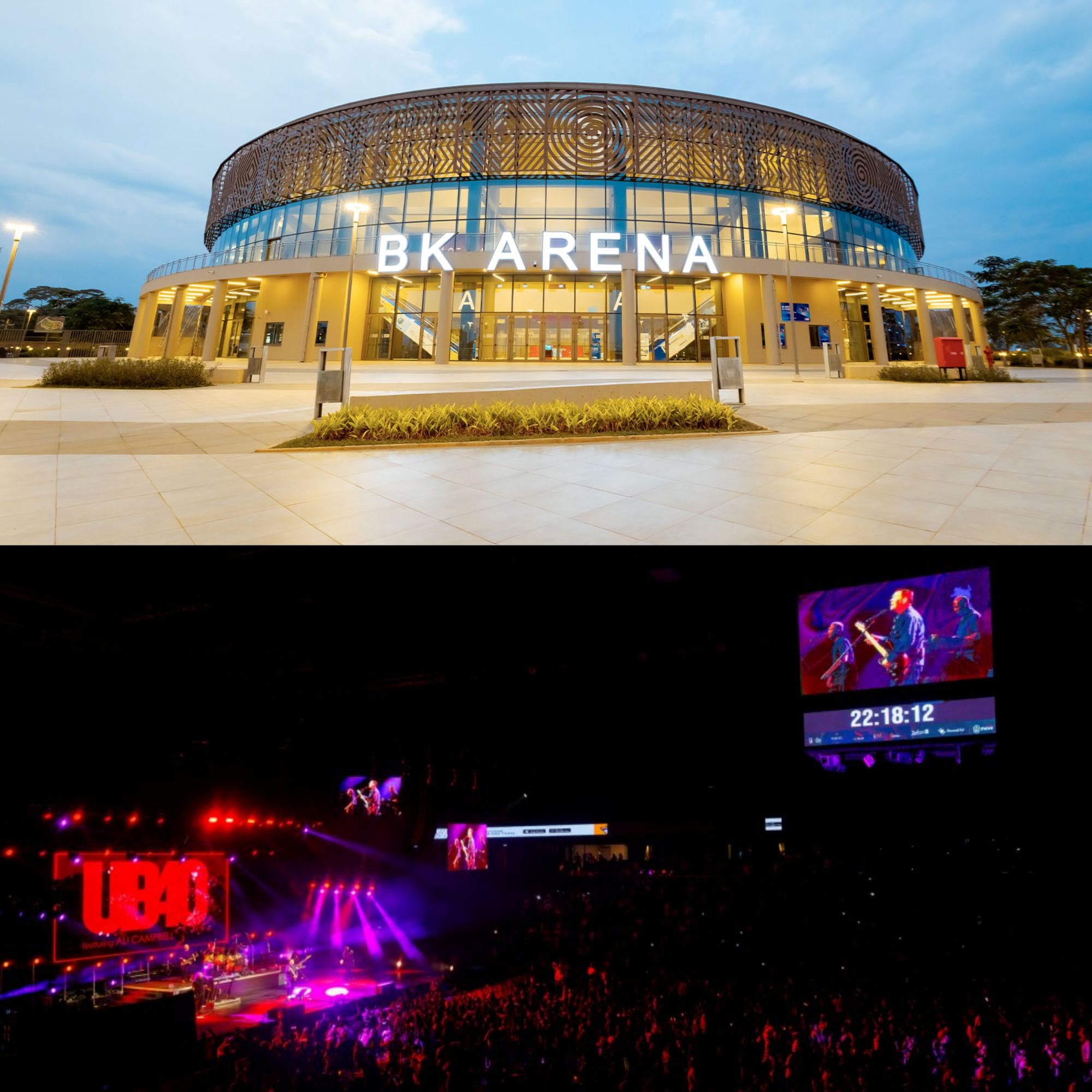
Forever dreams of one day filling the 10,000-seat BK Arena.
Calling Kigali “like my second home,” Forever said he plans to return as part of his African tour and dreams of one day filling the 10,000-seat BK Arena.
“First impressions matter, and I love it here,” he said.
“One day Forever will fill BK Arena. I’ll be back next year with my African tour. Kigali is like my second home now.”
Watch the full interview below as Forever reflects on choosing comedy over engineering, his admiration for Kigali, and his plans to return to Rwanda.
The U.S. Central Command (CENTCOM) said on social media that its forces completed “a heavy wave of strikes” at 10 p.m. Eastern Time on Wednesday (0200 GMT Thursday) in response to Iran’s attempted missile attacks a day earlier.
According to CENTCOM, U.S. forces struck dozens of targets belonging to Iran’s Islamic Revolution Guard Corps, including military command centers, missile and drone facilities, coastal surveillance and defense sites, and maritime capabilities.
More than 50,000 U.S. service members are currently deployed to the Middle East and remain “highly vigilant, focused, lethal, and ready,” CENTCOM said.
Earlier on Wednesday, U.S. President Donald Trump vowed twice that Washington would retaliate forcefully against Iran. He also said he had been briefed that an American-owned liquefied natural gas carrier at an Egyptian port was set on fire in an apparent drone attack earlier in the day.
Iranian media earlier reported explosions in the country’s southern regions. Iran’s semi-official Tasnim news agency said that Qeshm Island in the Strait of Hormuz and locations in Bushehr province had come under attack.
The Wall Street Journal reported that the latest U.S. operation was expected to be broader in scope than previous exchanges between the two sides in recent weeks, targeting more sites across a wider geographic area, citing a U.S. official.
Trump also met with Saudi Defense Minister Prince Khalid bin Salman at the White House on Wednesday, Axios reported, citing a U.S. official and another source familiar with the meeting.
According to the report, the Saudi defense minister told U.S. Vice President JD Vance that the kingdom was capable of handling the situation with the Houthis and did not need U.S. military involvement at this stage.
The Saudis are negotiating with the Houthis, which have threatened to impose a naval blockade on Saudi ports and even conducted several attacks on Saudi ships in the Red Sea, said the report, citing anonymous sources.
The latest developments came after the United States said it had intercepted an attempted Iranian missile attack targeting U.S. forces on Tuesday and later carried out joint strikes with Saudi Arabia against Iran-backed militias in neighboring Iraq.
Iranian media earlier reported explosions in the country’s southern regions. Iran’s semi-official Tasnim news agency said that Qeshm Island in the Strait of Hormuz and locations in Bushehr province had come under attack.