The report released on Tuesday, August 4, shows that manufacturing drove the expansion, growing 21.5% year-on-year and contributing 1.9 percentage points to the overall index. The sub-sector carried a weight of 68.1% within the general index, making it by far the largest component of industrial activity.
Electricity output rose 16.5%, contributing 3.3 percentage points to the annual change despite holding a smaller 12.8% weight in the index, the single largest contribution of any activity tracked. Water and waste management increased 11.3%, while mining and quarrying grew 6.9%.
Within manufacturing, chemicals, rubber and plastic products rose 6.3%, non-metallic mineral products increased 6.1%, food processing grew 2.2%, wood, paper and printing rose 2.5%, and metal products, machinery and equipment increased 2.3%. Furniture and other manufacturing was the only sub-sector to contract, falling 5.3% and shaving 0.2 percentage points off the annual change.
On a month-on-month basis, the general index fell 1.9% against May 2026, with manufacturing down 2.7% and electricity down 2.0%. Mining and quarrying rose 37.4% on the month.
The Index of Industrial Production is one of the earliest indicators of economic activity, providing insights into the performance of Rwanda’s industrial sector before broader economic growth data is released. It is closely watched by businesses, investors and policymakers to assess production trends and guide investment and policy decisions.
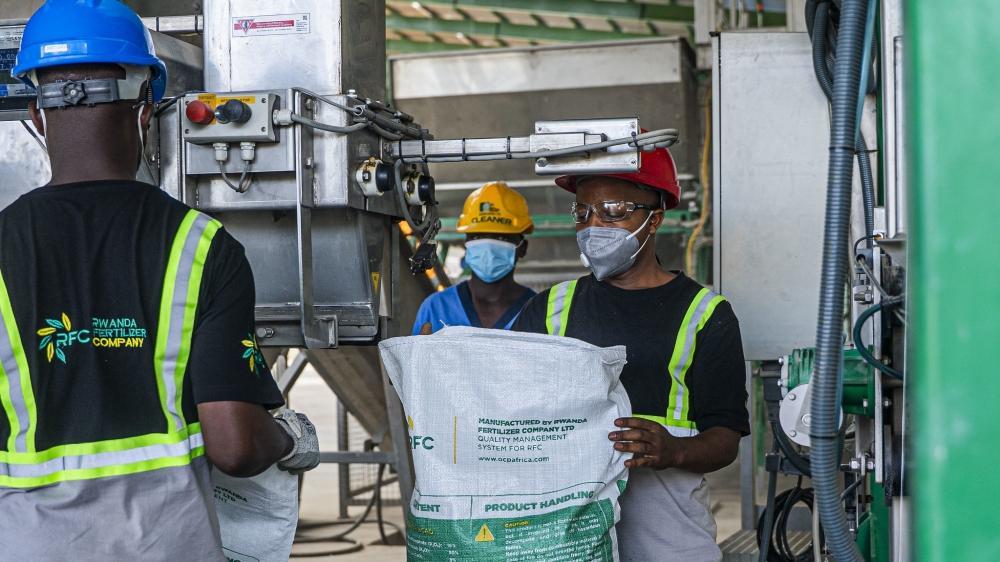
Workers package fertilizer at the Rwanda Fertilizer Company (RFC) in the Bugesera Special Economic Zone.
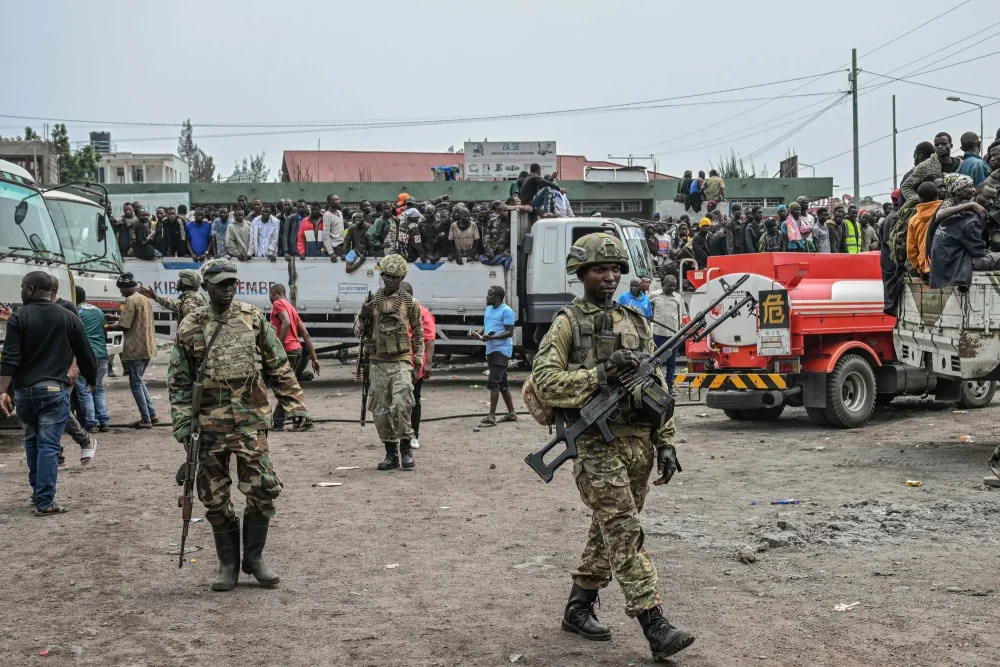
The individuals, who were transferred from prisons in Kinshasa to Beni in North Kivu Province, have spent more than a month awaiting their handover to AFC/M23.
The planned transfer is part of the implementation of a deal signed in Doha, Qatar, under which the International Committee of the Red Cross (ICRC) was designated to facilitate the exchange and transfer of prisoners of war held by both AFC/M23 and the Congolese government.
The ICRC was not involved in the movement of the AFC/M23 members from Kinshasa to Beni, but is expected to oversee their transfer from Beni to areas controlled by the alliance.
The DRC government has confirmed that the individuals were relocated to Beni, saying delays in transferring them to AFC/M23-controlled areas were due to health concerns.
Parts of North Kivu under government control have been affected by an outbreak of the Bundibugyo strain of Ebola, a situation that has led AFC/M23 to strengthen security measures around the transfer process.
The government of the Democratic Republic of Congo (DRC) is preparing to release 15 individuals linked to the AFC/M23 alliance, with the exception of those who have been sentenced to death.
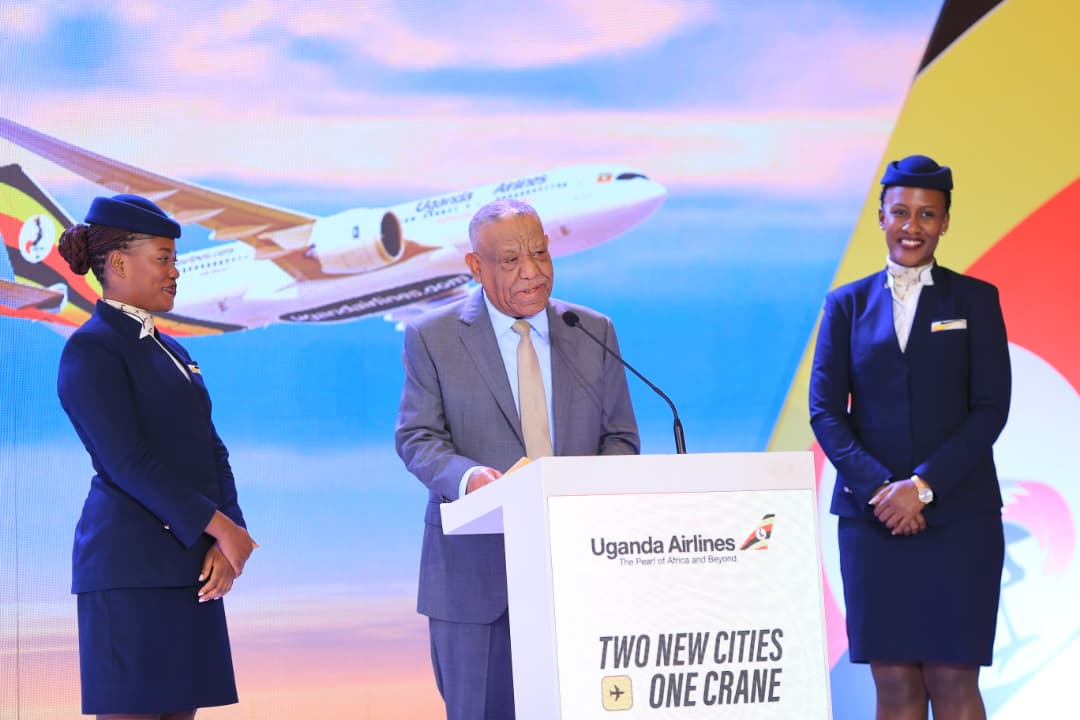
The national carrier said the Kigali route will begin operations on November 18, 2026, as part of a broader expansion strategy aimed at strengthening connectivity across Africa.
The airline announced the Kigali route alongside new flights to Accra, Ghana, which will begin on October 27, 2026, with four weekly services.
Uganda Airlines said the two new destinations will expand its route network while providing passengers with more convenient options for business, tourism and trade. The routes are also expected to strengthen Entebbe International Airport’s position as a regional hub, offering onward connections to destinations across Africa, Asia, the Middle East and Europe.
The Kigali route will link two of East Africa’s fastest-growing economies, supporting travel between key commercial and tourism centres in the region.
“The launch of Accra and Kigali marks another key milestone in Uganda Airlines’ growth strategy,” Uganda Airlines Acting Chief Executive Officer Ato Girma Wake said.
“As Africa’s connectivity continues to grow, these routes will strengthen commercial and tourism links while offering our guests greater convenience and more travel choices. We remain committed to connecting Africa and supporting regional integration through reliable and efficient air transport,” he added.
The entry into the Entebbe-Kigali route is expected to increase competition on one of East Africa’s frequently used regional air connections, where demand has grown due to expanding business, tourism and cross-border activities.
Beyond passenger travel, Uganda Airlines said the new routes will enhance its cargo network by improving access for exporters and importers to key markets in West and East Africa. The services are expected to support the movement of fresh produce, manufactured goods and other time-sensitive cargo.
The launch comes as Uganda Airlines continues efforts to expand its fleet and international reach. In June 2026, the carrier signed a $985 million agreement with US aircraft manufacturer Boeing for the acquisition of 10 new aircraft as part of its long-term growth strategy.
The agreement, signed in the presence of President Yoweri Museveni, includes plans for the delivery of Boeing 737-8 MAX and 787-9 Dreamliner aircraft from 2032.
Uganda Airlines, which was revived in 2018 after the collapse of the original national carrier in 2001, began commercial operations in August 2019. Since then, it has expanded its network to serve 16 destinations across Africa and beyond from its hub at Entebbe International Airport.
Girma Wake took over as acting Chief Executive Officer of Uganda Airlines in February 2026, as the carrier charts a new path and pursues growth opportunities.
The hosts secured a convincing 3-1 win over South Sudan’s Jamus SC at Kigali Pele Stadium, while three-time champions Gor Mahia edged Sudan’s Al Hilal SC 8-7 on penalties after the two teams played to a 1-1 draw.
The victory keeps Rayon Sports’ hopes of lifting the regional title on home soil alive as they head into Friday’s final at Amahoro Stadium.
Francis Haringingo’s side continued their impressive run in the tournament, making it four wins from four matches.
Rayon Sports took control of the second semi-final early, with Akbar Muderi opening the scoring in the 17th minute after capitalising on a defensive lapse.
The victory keeps Rayon Sports’ hopes of lifting the regional title on home soil alive as they head into Friday’s final at Amahoro Stadium.
Jamus SC responded with spells of possession but struggled to break through Rayon’s disciplined backline, while goalkeeper Dande Junior produced a crucial save before halftime to preserve the lead.
The Blues doubled their advantage in the 59th minute when 19-year-old Ibrahim Mansouru Djingarey finished calmly to send the home supporters into celebration.
Jamus pulled one back through substitute Diallo Bandiougou in the 70th minute after taking advantage of a defensive mistake, briefly reviving their hopes.
However, substitute Gloire Ngongo Tambwe put the result beyond doubt with two minutes remaining, slotting home Rayon’s third goal to seal a deserved 3-1 victory.
Speaking after the match, Rayon Sports head coach Francis Haringingo said his team is now focused on going all the way.
“I am happy that we have won all our four matches played in the tournament and this also gives us good preparations ahead of the new season,” he said.
“After reaching the final, our objective is to win the trophy.”
Head coach Francis Haringingo (right) and fitness coach Serge Mwambali (left) celebrate the victory with applause.
Earlier in the day, Gor Mahia overcame a resilient Al Hilal side in a dramatic first semi-final.
Steven Ebuela’s own goal handed the Kenyan champions the lead in the 34th minute before Ansumana Samura equalised for Al Hilal 10 minutes later.
Neither side could find a winner during regulation or extra time despite Gor Mahia playing with 10 men after Ebenezer Ocran was sent off for a second bookable offence.
Gor Mahia overcame a resilient Al Hilal side in a dramatic first semi-final.
The Kenyan side eventually prevailed 8-7 in the penalty shootout to book their place in the final.
Gor Mahia head coach Charles Akonnor praised his players for overcoming one of the tournament favourites.
“I thank the players for playing their hearts out and winning against a strong Al Hilal team,” he said.
Friday’s final at Amahoro Stadium promises a thrilling contest between two of East Africa’s biggest clubs, with the winners set to walk away with the tournament’s top prize of $30,000 (about Rwf 44 million). The runners-up will receive $20,000 (Rwf 29 million), while the third-placed team will earn $10,000 (Rwf 15 million).
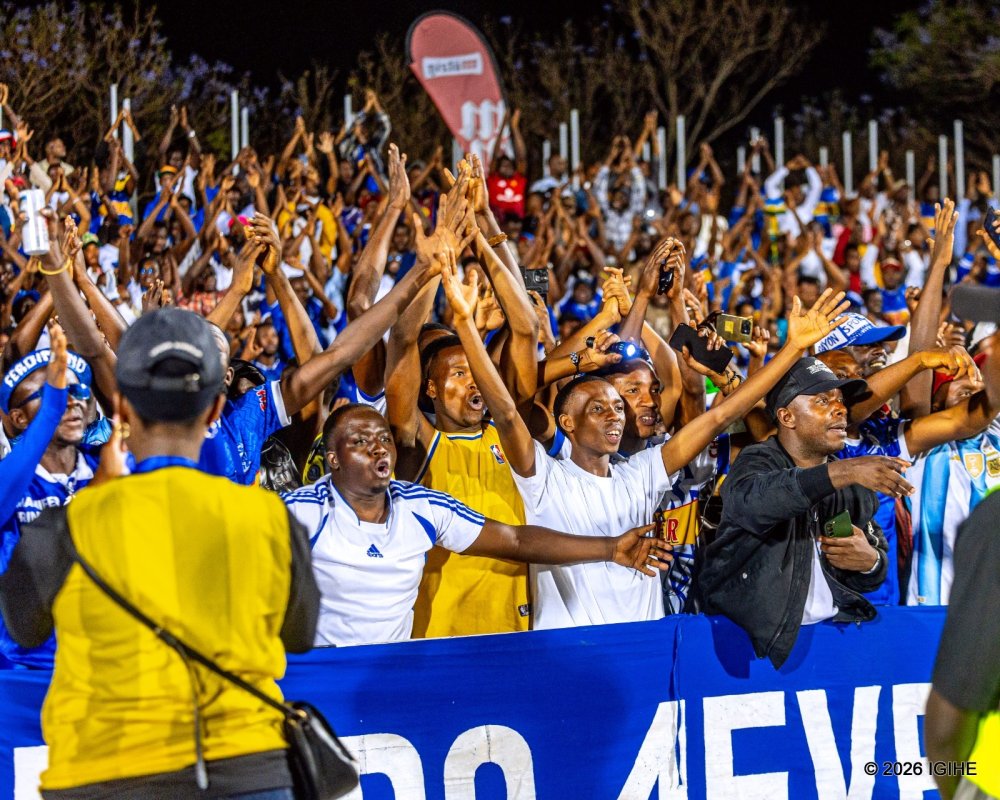
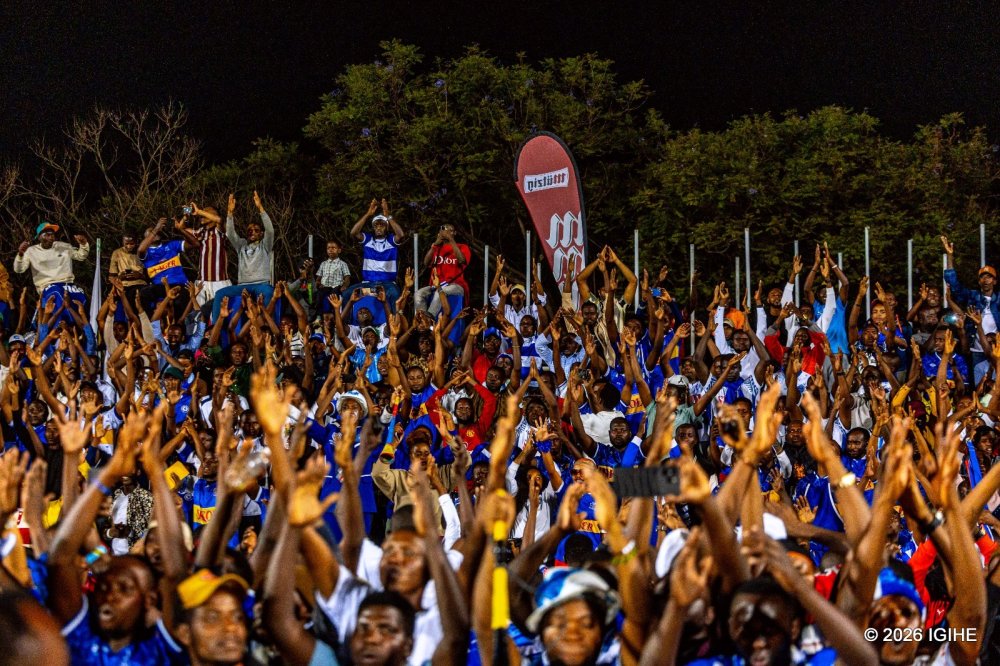
Rayon Sports players celebrate their triumph over Jamus SC in the CECAFA Kagame Cup semi-final. Rayon Sports fans went wild after their team booked a place in the CECAFA Kagame Cup finale.
The latest enforcement action, announced on Tuesday, August 4, follows two earlier waves of closures. Rwanda FDA first announced the shutdown of eight manufacturers on Sunday evening before revoking the licenses of another 101 facilities on Monday. With Tuesday’s additional 27 closures, the number of manufacturers affected has risen to 136.
The sweeping crackdown comes amid growing concern over toxic alcoholic drinks, locally known as ibyuma, which the government says have caused dozens of deaths and left thousands battling alcohol addiction.
In a public announcement, Rwanda FDA said it had closed the manufacturing facilities and revoked all associated manufacturing licenses with immediate effect.
The regulator also ordered that every alcoholic beverage produced by the affected manufacturers be withdrawn from the market, instructing manufacturers to conduct an immediate recall through their distribution networks and submit recall reports within three working days.
Distributors and retailers have been directed to stop selling the affected products immediately and return remaining stock to suppliers, while consumers have been advised to stop consuming any products manufactured by the listed companies.
Rwanda FDA further ordered the immediate removal of all advertisements and promotional materials for alcoholic beverages produced by the companies.
The authority warned that additional manufacturing facilities could still face similar action as regulatory inspections and enforcement continue across the country.
Among the companies affected in Tuesday’s announcement are Advent Group Ltd, Speranza Group Ltd, Unique Beverages Ltd, Gisagara Agro-Business Industries Ltd, Umuhonge Co. Ltd, Life Holistic Ltd, Ishya Brewing Company Ltd, Bwiza Coffee Group Ltd, NCWC Company Ltd, East Stone Beverage Ltd and 17 other manufacturers.
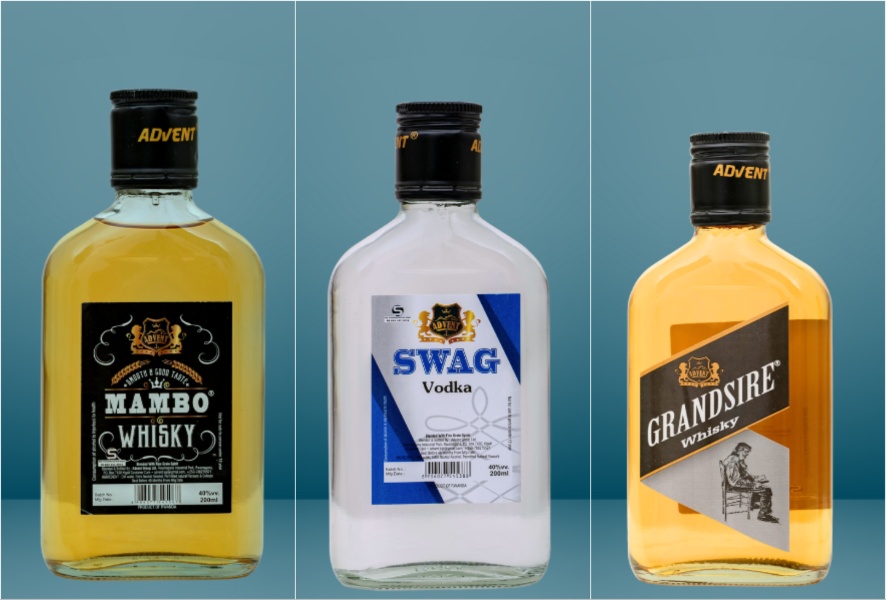
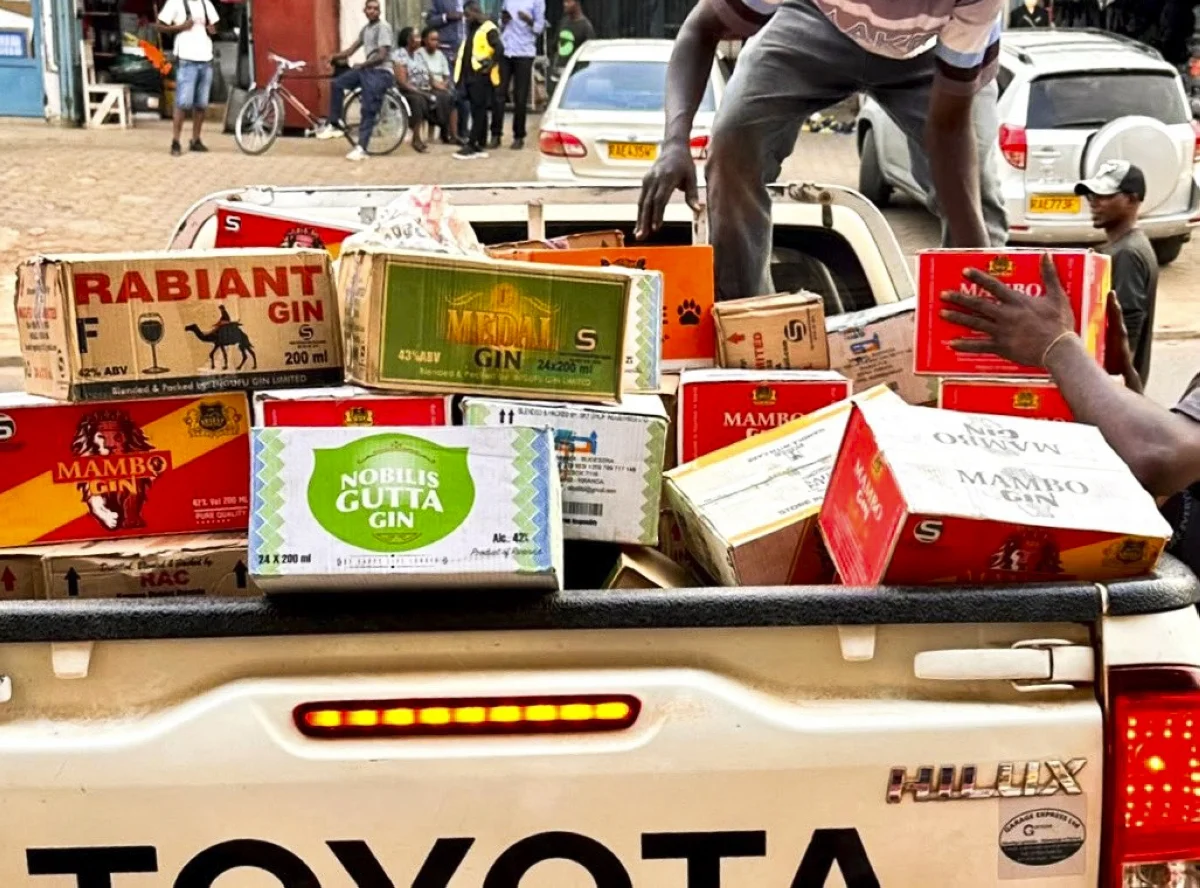
The recalled products include a wide range of spirits, wines and traditional banana- and ginger-based alcoholic beverages, including brands such as Mojo Gin, Marksman Whisky, Swag Vodka, Mambo Whisky, Speranza Waragi, Millenium Hills Blended Whisky, GABI Gin, OASIS Wine, Ganira Wine and several locally produced banana and ginger-flavoured alcoholic drinks.
The enforcement campaign follows revelations by Minister of Health Dr. Sabin Nsanzimana about the devastating impact of adulterated alcoholic beverages on public health.
Speaking to IGIHE, the minister said investigations launched by the government found that toxic alcoholic drinks have claimed more than 50 lives this year alone.
“From January through July, more than 500 people sought medical treatment after consuming these alcoholic drinks,” he said.
“They arrived in critical condition, vomiting, suffering from severe diarrhoea; some had lost their eyesight, while others were brought to hospital on stretchers after collapsing at social gatherings, including weddings. Investigations consistently found links to adulterated alcoholic drinks.”
According to Dr. Nsanzimana, more than 100 people have lost their eyesight after consuming the drinks, while a nationwide assessment has identified nearly 11,000 people struggling with alcohol addiction.
“These are only the cases we know about and represent just a small fraction of the actual number. They are people who spend much of their lives intoxicated,” he added.
The minister said the government examined every stage of the supply chain, including manufacturers, regulators, local leaders and consumers, concluding that stronger enforcement and collective responsibility were needed to address the growing public health threat.
Rwanda FDA has warned that failure to comply with the recall directives and other regulatory measures will attract sanctions under applicable laws as the nationwide enforcement campaign continues.
With Tuesday’s additional 27 closures, the number of manufacturers affected has risen to 136.
The DRC commemorates August 2 as “genocost” day, a term coined by the Congolese government to refer to what it describes as the killing of millions of Congolese people since 1996, allegedly linked to the exploitation of the country’s natural resources.
The concept was incorporated into Congolese law in December 2022, with President Félix Tshisekedi presiding over the first official commemoration ceremony a year later. In 2025, he inaugurated a memorial site dedicated to the commemoration in Kinshasa.
During the fourth “genocost” commemoration ceremony held in Kinshasa on August 2, 2026, Tshisekedi accused Rwanda and the AFC/M23 coalition of responsibility for atrocities committed in eastern DRC over the past three decades.
However, speaking in an interview on the ‘Agasaro Kaburaga’ platform, Nduhungirehe rejected the claims, saying the date chosen for the commemoration coincides with events in which Tutsis in the DRC were targeted.
“What Congo is doing is a deliberate distortion. I want to remind people that August 2, 1998, the date they chose to commemorate genocost, was actually a horrific period in Congo’s history, particularly in Kinshasa, where Tutsis were openly targeted, pursued and attacked by mobs. Some were captured on bridges and thrown down. These are events documented through photographs and videos,” Nduhungirehe said.
He accused the Congolese government of failing to acknowledge such incidents, instead using “genocost” to present itself as a victim.
Nduhungirehe also cited remarks made by former DRC Foreign Minister Abdoulaye Yerodia Ndombasi, who publicly used dehumanising language against Tutsis during the 1998 conflict.
The minister said Ndombasi’s statements prompted Belgium to issue an international arrest warrant against him over allegations related to incitement, although he was never prosecuted by Congolese authorities.
Ndombasi died in February 2019, and Nduhungirehe criticised President Tshisekedi’s decision to grant him a state funeral, noting that Belgian authorities had previously investigated him over alleged war crimes and crimes against humanity.
“What Congo is doing by introducing something called genocost, which is not recognised under international law, is a deliberate attempt to portray itself as innocent while it is part of the problem. The Congolese government has targeted Tutsis for many years, and even today that continues,” he said.
The minister’s remarks come as Kinshasa pursues legal and diplomatic efforts over its allegations against Rwanda. On June 26, 2026, the DRC filed a case at the International Court of Justice (ICJ), accusing Rwanda of genocide-related crimes allegedly committed between 1996 and the present.
The DRC’s “genocost” campaign has been part of broader efforts by Kinshasa to frame decades of conflict and violence in the country as a result of external exploitation and foreign involvement.
Nduhungirehe further questioned the credibility of the DRC’s claims, citing its continued engagement with the Democratic Forces for the Liberation of Rwanda (FDLR), a militia group founded by perpetrators of the 1994 Genocide against the Tutsi in Rwanda.
“The FDLR is a group that committed genocide in Rwanda. You cannot claim to be mourning genocide while cooperating with a group that carried out genocide,” he reiterated.
The Rwandan government has repeatedly accused the DRC of supporting the FDLR.
No country has so far formally adopted the “genocost” terminology or joined the DRC’s campaign to promote it at the international level.
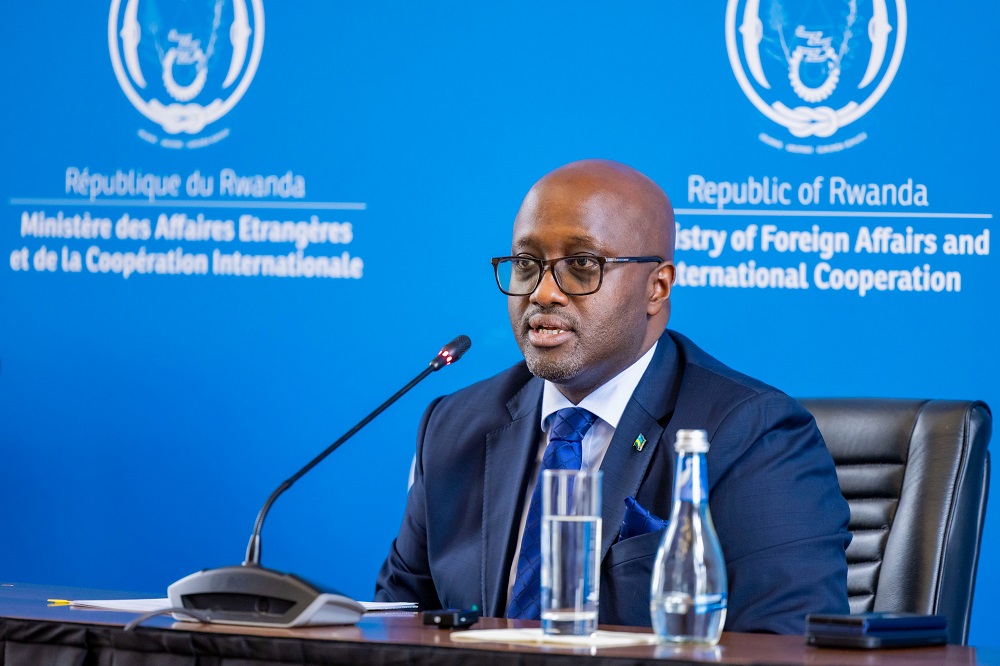
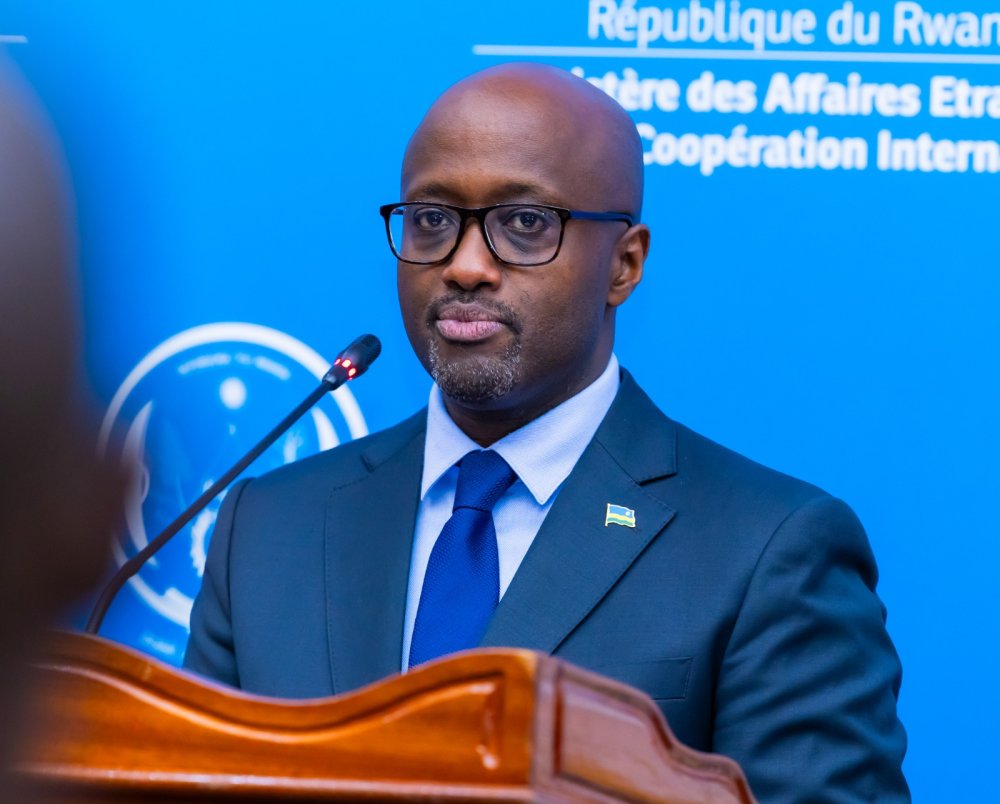
Minister of Foreign Affairs and International Cooperation, Olivier Nduhungirehe, has dismissed the Democratic Republic of Congo’s “genocost” narrative as a deliberate distortion, accusing Kinshasa of attempting to portray itself as a victim while ignoring its own history of violence against the Tutsi community.
Swiss producer Simon Afram filed the lawsuit in the U.S. District Court for the Central District of California, accusing Netflix of breach of contract over the disappearance of the digital master of Fortitude. The film had been delivered to Netflix for a distribution review after the company expressed interest in acquiring the project.
According to the lawsuit, an unencrypted digital cinema package of the film was hand-delivered to Netflix on June 15. Executives reportedly screened the movie the following day, but the filmmakers were not informed until nine days later that the hard drive containing the film had disappeared.
Court documents include a June 25 email from Netflix Original Film director Sean Berney, who described the incident as unprecedented for the company.
“Unfortunately, someone stole a good amount of drives from our office desks this past week,” Berney wrote. “Our piracy teams are on high alert with the breach and will monitor, but they are likely just selling the drives for scrap.”
The lawsuit alleges Netflix may have known about the theft for up to a week before informing the filmmakers. Afram’s legal team argues that Netflix’s reported offer to reimburse the cost of a replacement hard drive, estimated at about $800, falls far short of the losses associated with a film that cost more than $45 million to produce.
The complaint contends that the disappearance of the master copy jeopardises the film’s commercial prospects, arguing that its exclusivity and market value have been compromised before release.
“The resulting damage to Plaintiffs is profound,” the lawsuit states, adding that the incident deprived the filmmakers and cast of the opportunity to bring the project to audiences through a properly marketed global release.
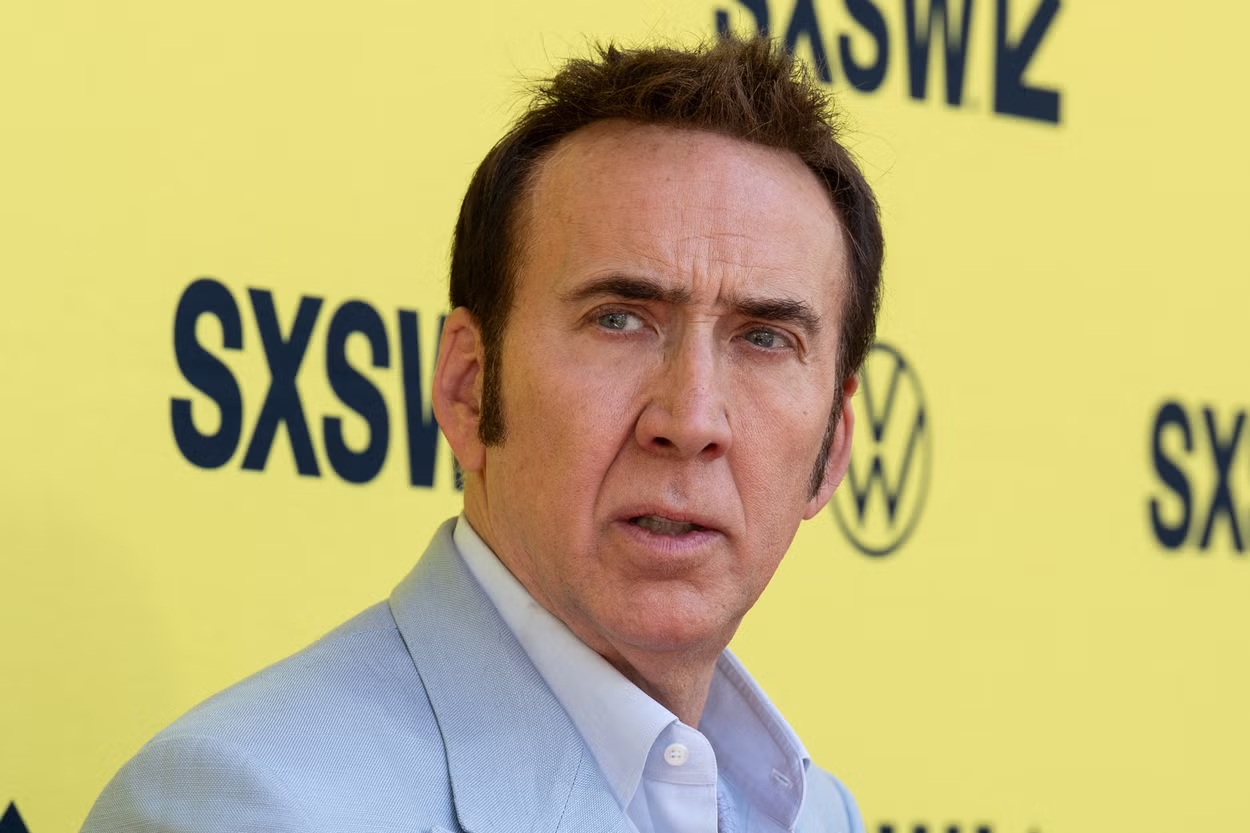
Directed by Simon West, who previously collaborated with Cage on Con Air, Fortitude tells the story of Duško Popov, the real-life World War II double agent widely believed to have inspired Ian Fleming’s James Bond character. The cast also includes Ben Kingsley, Ron Perlman, Matthew Goode, Michael Sheen and Alice Eve.
Afram said he spent seven years developing the project and described the film as featuring the “performance of a lifetime” from its cast.
The producer is seeking $105 million in damages, a figure the lawsuit says is based on the film’s production budget and projected earnings, arguing that successful films often generate revenues worth at least 2.5 times their production costs.
Netflix has denied liability, arguing that the film was submitted without industry-standard security protections because the digital copy was not encrypted.
In a statement, the company said it takes content security seriously and has conducted an investigation while monitoring piracy sites for any unauthorised distribution of the film.
“Netflix disputes any claim that it bears the risk of loss for a film delivered without the proper industry-standard safeguards,” the company said.
Netflix also rejected the producer’s claims, characterising the lawsuit as a “hostile” attempt to extract money from the company. It alleged that Afram’s legal team initially demanded $165 million and said it had declined to share details of its internal investigation while the matter remains under review.
Despite the missing hard drive, Netflix said it has found no evidence that Fortitude has been leaked online. As of now, there is no indication that the unreleased film has surfaced on piracy platforms.
Netflix is facing a $105 million lawsuit after the producer of an unreleased World War II thriller starring Nicolas Cage.
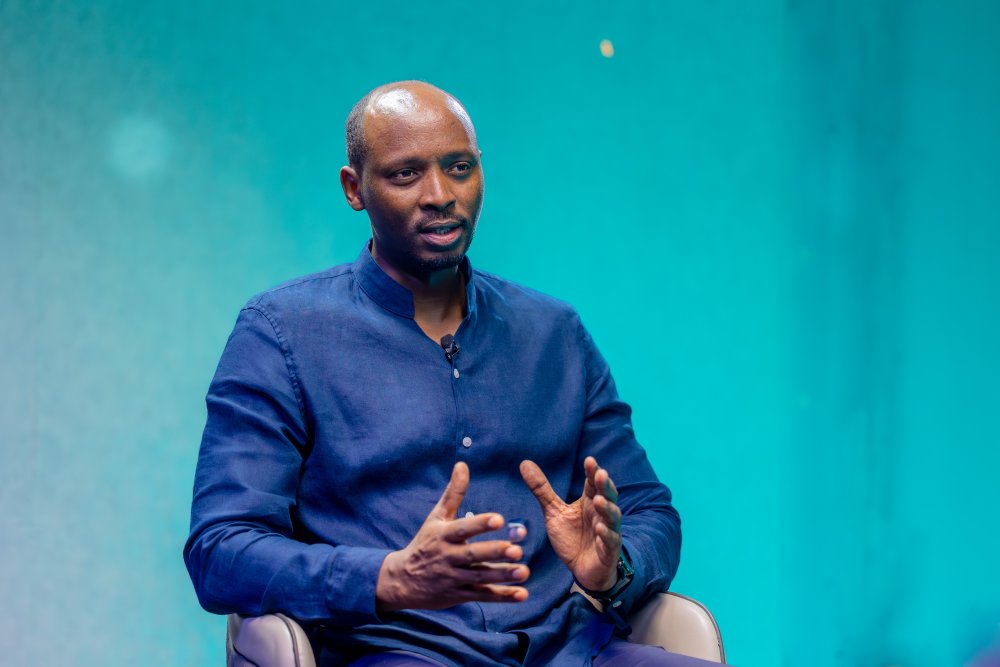
Speaking to IGIHE, Dr. Nsanzimana said authorities examined every link in the chain, from consumers and manufacturers to regulators, local leaders and institutions responsible for enforcing food and beverage safety standards.
“There were things all of us were supposed to do but didn’t do. We all have a responsibility, including those who don’t drink and local leaders in every village. Everyone has a role to play. Now we have all risen together to address this,” he said.
He said the illicit drinks have contributed to a growing burden of non-communicable diseases, while deaths linked to their consumption continue to rise.
“From January through July, more than 500 people sought medical treatment after consuming these alcoholic drinks,” he said.
“They arrived in critical condition, vomiting, suffering from severe diarrhoea; some had lost their eyesight, while others were brought to hospital on stretchers after collapsing at social gatherings, including weddings. Investigations consistently found links to adulterated alcoholic drinks.”
According to the minister, more than 50 people have died after consuming the toxic beverages.
He added that the government’s assessment also identified a far broader group of people whose lives have been severely affected by alcohol dependence.
“We asked ourselves whether there were people who had not been hospitalised but were slowly dying because of alcohol addiction. We have so far identified more than 10,000, close to 11,000 people across the country who are addicted to alcohol,” he said.
“These are only the cases we know about and represent just a small fraction of the actual number. They are people who spend much of their lives intoxicated.”
Authorities have so far shut down more than 100 alcoholic beverage manufacturers for regulatory non-compliance as part of an ongoing crackdown.
Dr. Nsanzimana noted that non-communicable diseases now claim more lives in Rwanda than infectious diseases, with harmful alcohol consumption among the major contributing factors.
“We are seeing young people develop kidney disease because of these alcoholic drinks,” he explained.
He further disclosed that more than 100 people lost their eyesight after consuming the illicit alcohol during the first seven months of the year.
Inspections expose widespread violations
As the crisis deepened, the government ordered the closure of factories producing the drinks after inspections found widespread non-compliance with manufacturing standards.
“Every factory inspected so far failed to meet the conditions it had committed to when obtaining its operating licence,” Dr. Nsanzimana said.
He explained that while each factory is required to employ qualified technical personnel, investigators found instances where the same professional had been listed as responsible for more than 10 factories simultaneously, making effective oversight impossible.
Inspectors also found poor hygiene standards and unsafe storage of raw materials at many production sites.
Laboratory tests further revealed serious discrepancies between product labels and actual alcohol content.
“In some cases, bottles labelled as containing 40% alcohol were found to contain 70%,” he revealed.
“Others used labels that did not match the contents or even counterfeited established brands by refilling bottles from legitimate manufacturers with their own products before attaching counterfeit labels.”
He described the scheme as a coordinated network involving licensed manufacturers, unlicensed producers and distributors.
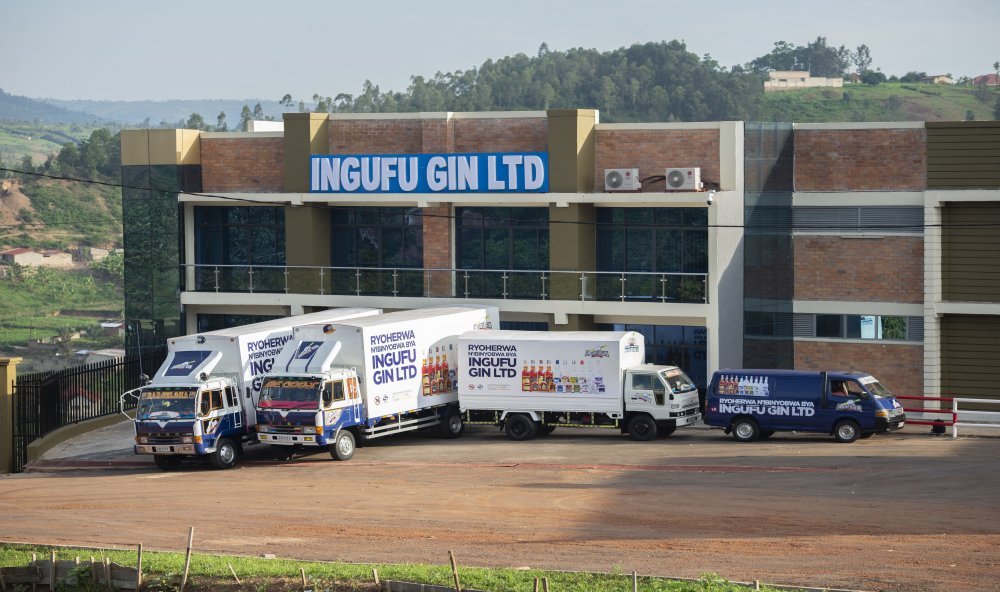
Ingufu Gin Ltd, which produces a range of alcoholic beverages, is among the manufacturers shut down by the Rwanda Food and Drugs Authority in the ongoing crackdown.
Sophisticated distribution network
The minister also revealed that some large manufacturers imported industrial alcohol, used part of it in licensed production and illegally diverted the remainder for distribution across the country.
“You would find motorcycles transporting four jerrycans to Nyagatare, Rusizi or Nyabihu. These deliveries were carried out at night through a highly organised network,” he said.
“The operation was only uncovered after an extensive investigation that went beyond the institutions responsible for issuing licences.”
According to Dr. Nsanzimana, alcohol found in remote communities could often be traced back to factories in Kigali, with those involved driven by the significant profits generated by the illegal trade.
He warned that producers deliberately manufactured highly intoxicating drinks because they understood their addictive effects.
“They know these drinks create dependency,” he said.
“The stronger the intoxication, the more likely the consumer is to crave another drink the following day. They keep returning in search of that feeling until they eventually become addicted.”
The Rwanda Food and Drugs Authority (Rwanda FDA) has so far shut down more than 100 alcoholic beverage manufacturers for regulatory non-compliance as part of an ongoing crackdown.
The regulator has also ordered the immediate recall of their products from the market and banned all advertising of the affected products.
Speaking to IGIHE, Health Minister Dr. Sabin Nsanzimana said authorities examined every link in the chain, from consumers and manufacturers to regulators, local leaders and institutions responsible for enforcing food and beverage safety standards.
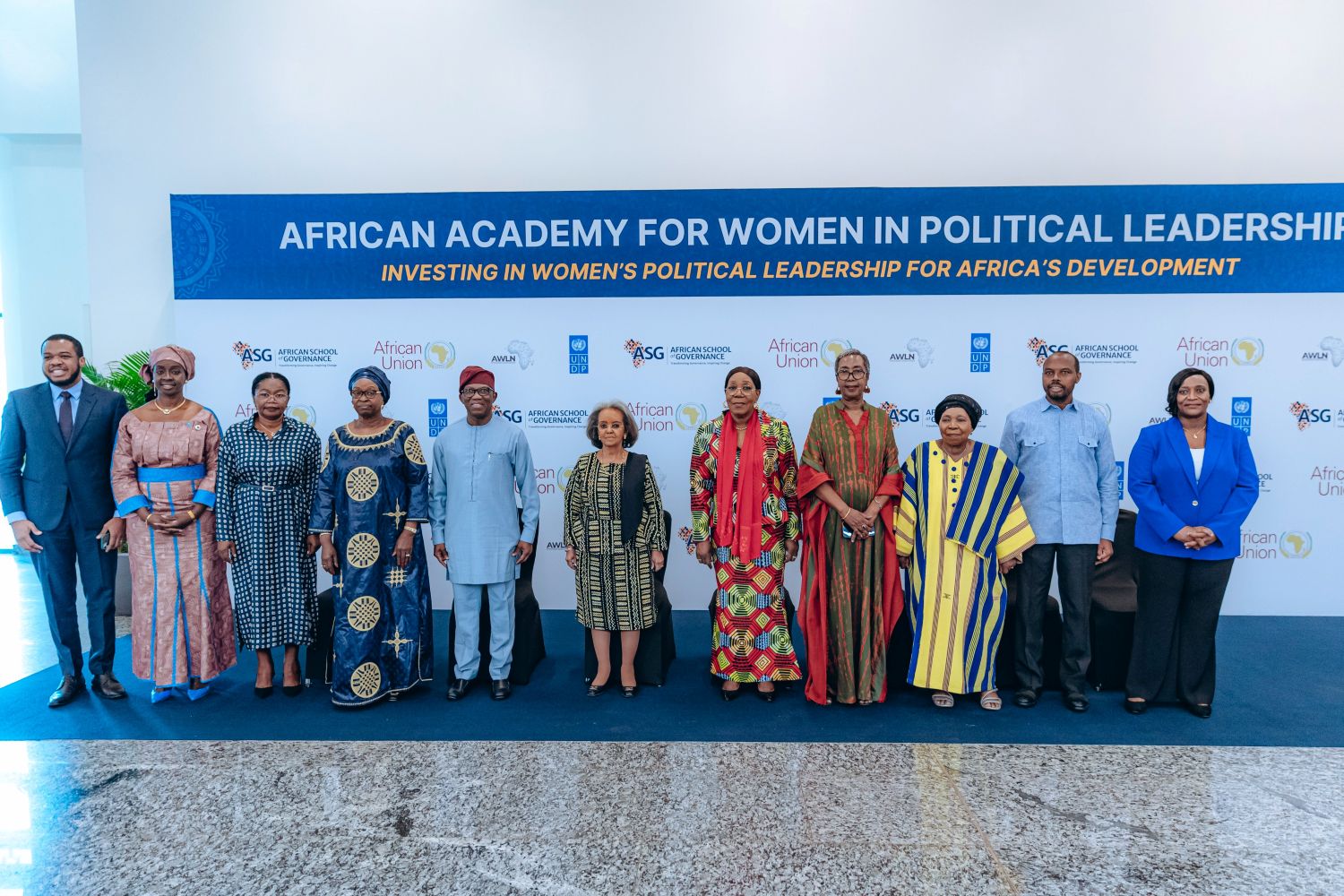
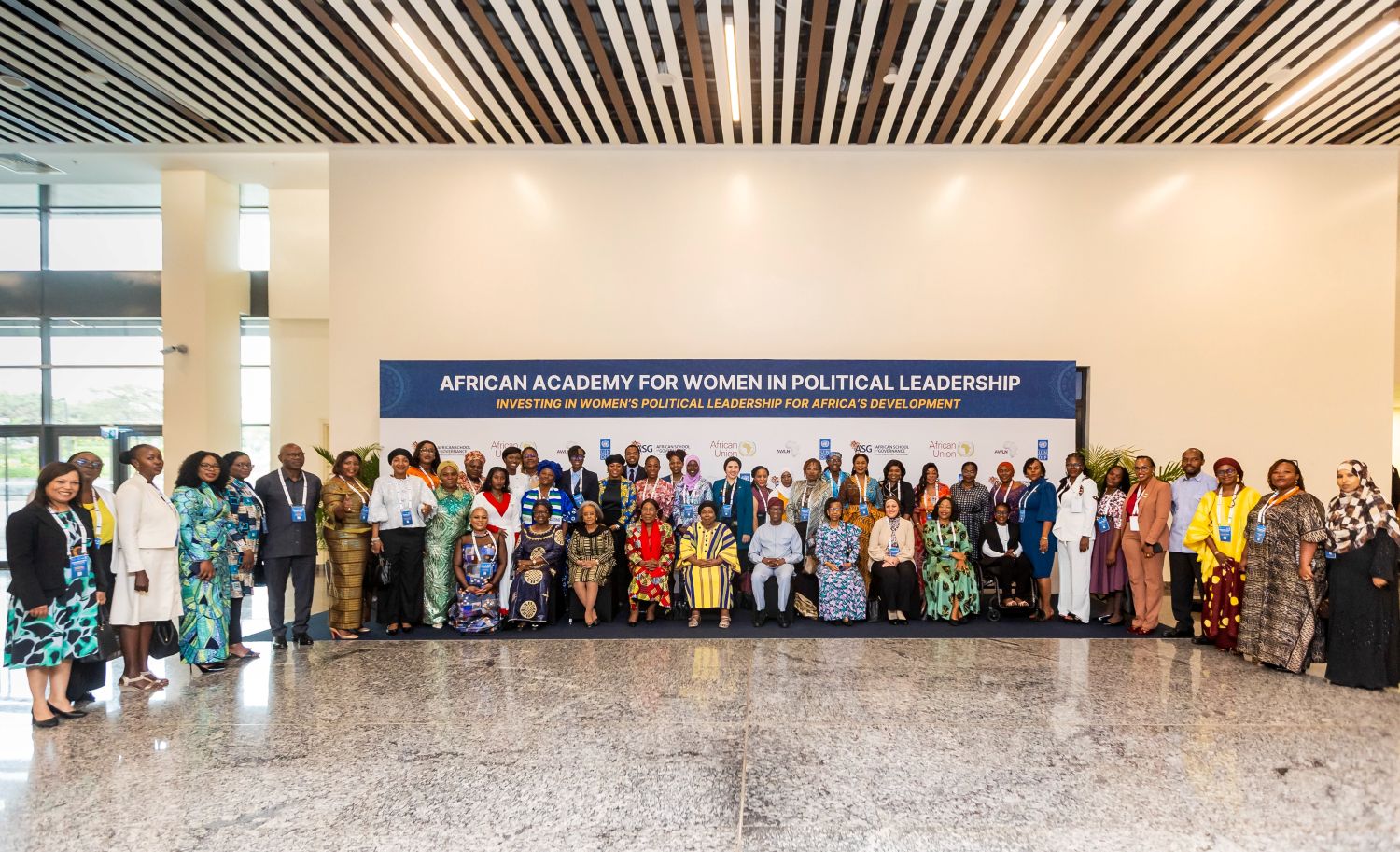
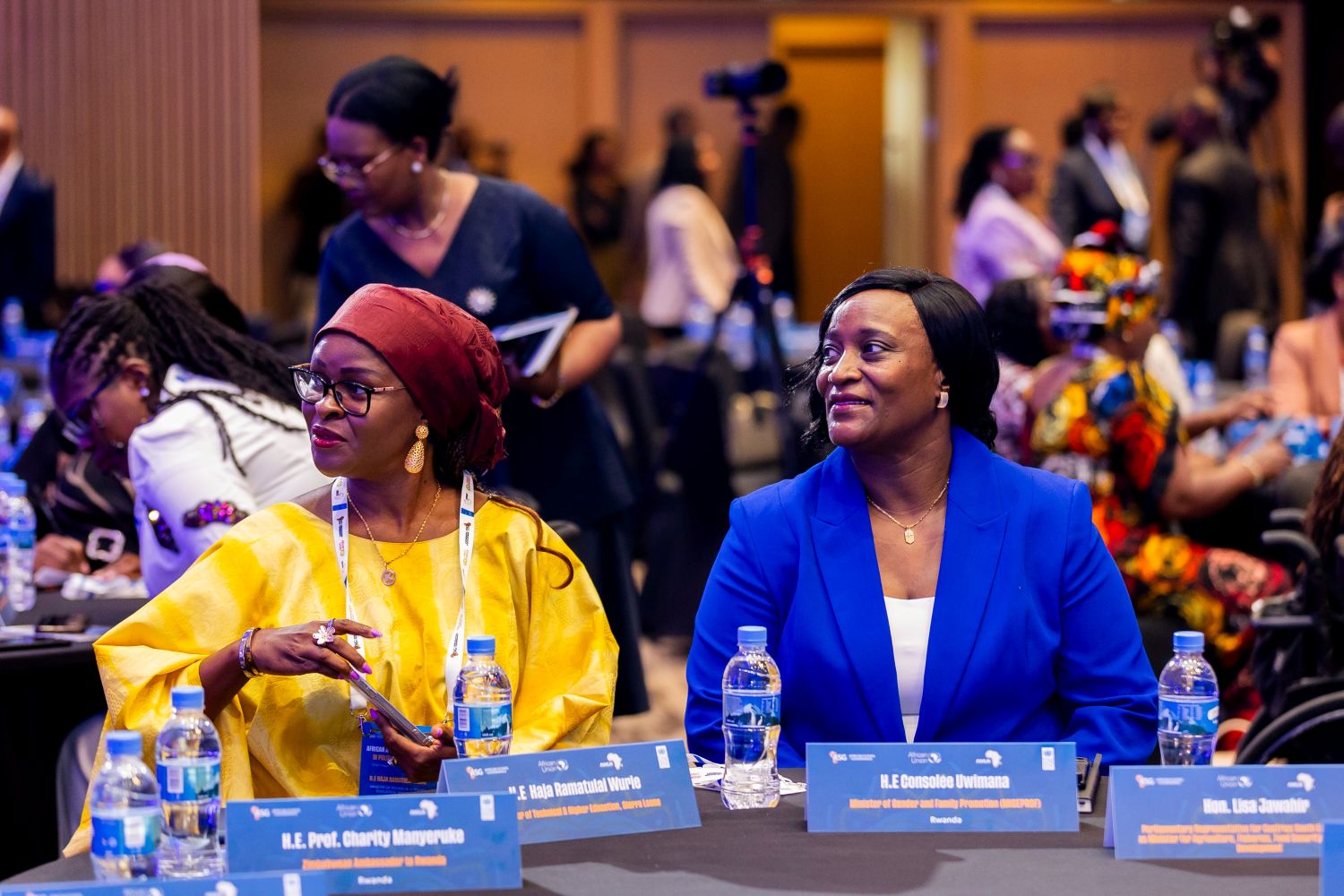
The academy was launched on Monday, August 3, through a partnership between the Kigali-based African School of Governance (ASG), the United Nations Development Programme (UNDP), the African Union Commission (AUC) and the African Women Leaders Network (AWLN).
The initiative seeks to develop a new generation of women political leaders through structured learning, mentorship and peer-to-peer exchanges, while creating a lasting network of women committed to advancing inclusive governance across the continent.
Speaking at the launch, ASG President Francis Gatare said the academy aligns with the institution’s mission of developing leaders committed to ethical governance and public service.
“Our mandate is to create a generation of African leaders who are ethical, who have a transformative mindset and have a commitment to the pursuit of excellence in the service of their communities and their countries,” he said.
Gatare noted that while several African countries have made progress in increasing women’s representation in political institutions, women remain underrepresented in leadership and decision-making spaces across much of the continent.
He said the academy is designed as a long-term platform that will continue beyond the initial training programme by connecting participants through a permanent network.
“This initiative is called an academy because it implies a certain permanence. What we are hoping to achieve is to create a permanent network between participating cohort members,” he remarked.
The inaugural cohort comprises 40 women leaders selected from more than 1,300 applicants across 28 countries. The participants include ministers, members of parliament, speakers, mayors, political party leaders and representatives from government institutions, African Union agencies and civil society organisations.
The four-week blended programme combines virtual learning with a residential convening in Kigali, covering areas such as governance, political communication, campaign strategy, political financing, ethical leadership and resilience-building.
Participants will also benefit from mentorship provided by senior members of the African Women Leaders Network and become part of ASG’s alumni community to support continued collaboration and peer learning after completing the programme.
Jide Martins Okeke, Director of the Regional Programme for Africa at UNDP, said the academy represents a shift from policy commitments on women’s political participation to practical efforts that build leadership capacity.
He commended Rwanda for having the world’s highest representation of women in parliament, but said achieving gender parity requires more than legislation.
“This academy represents that shift from formulation to implementation. More fundamentally, it’s going to provide the capabilities, the networks, the sisterhood that is needed to advance women’s representation in political decision-making across the African continent,” he stressed.
Okeke added that addressing gender inequality requires a broader transformation of social attitudes, including engaging men through positive masculinity approaches to challenge patriarchal systems.
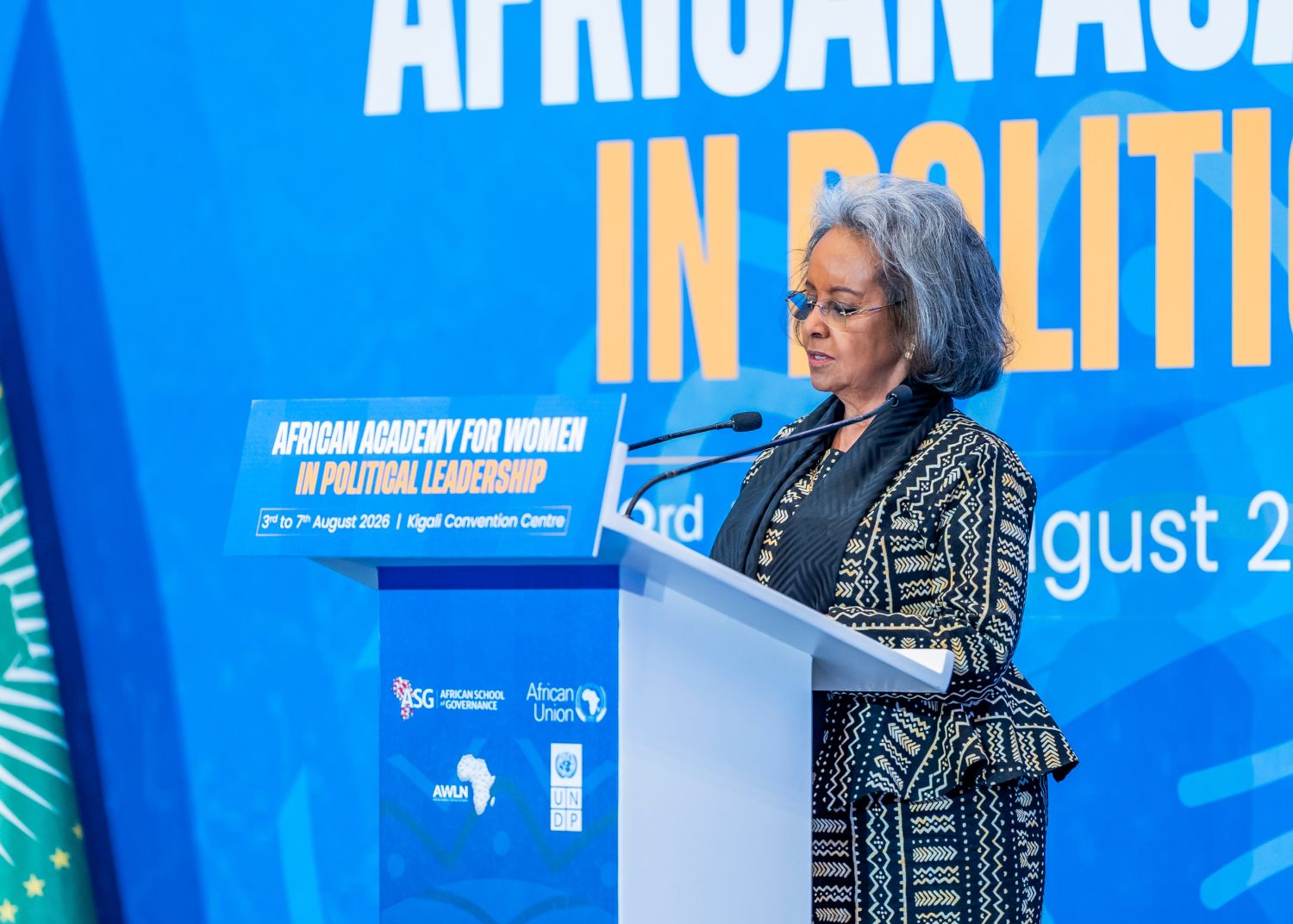
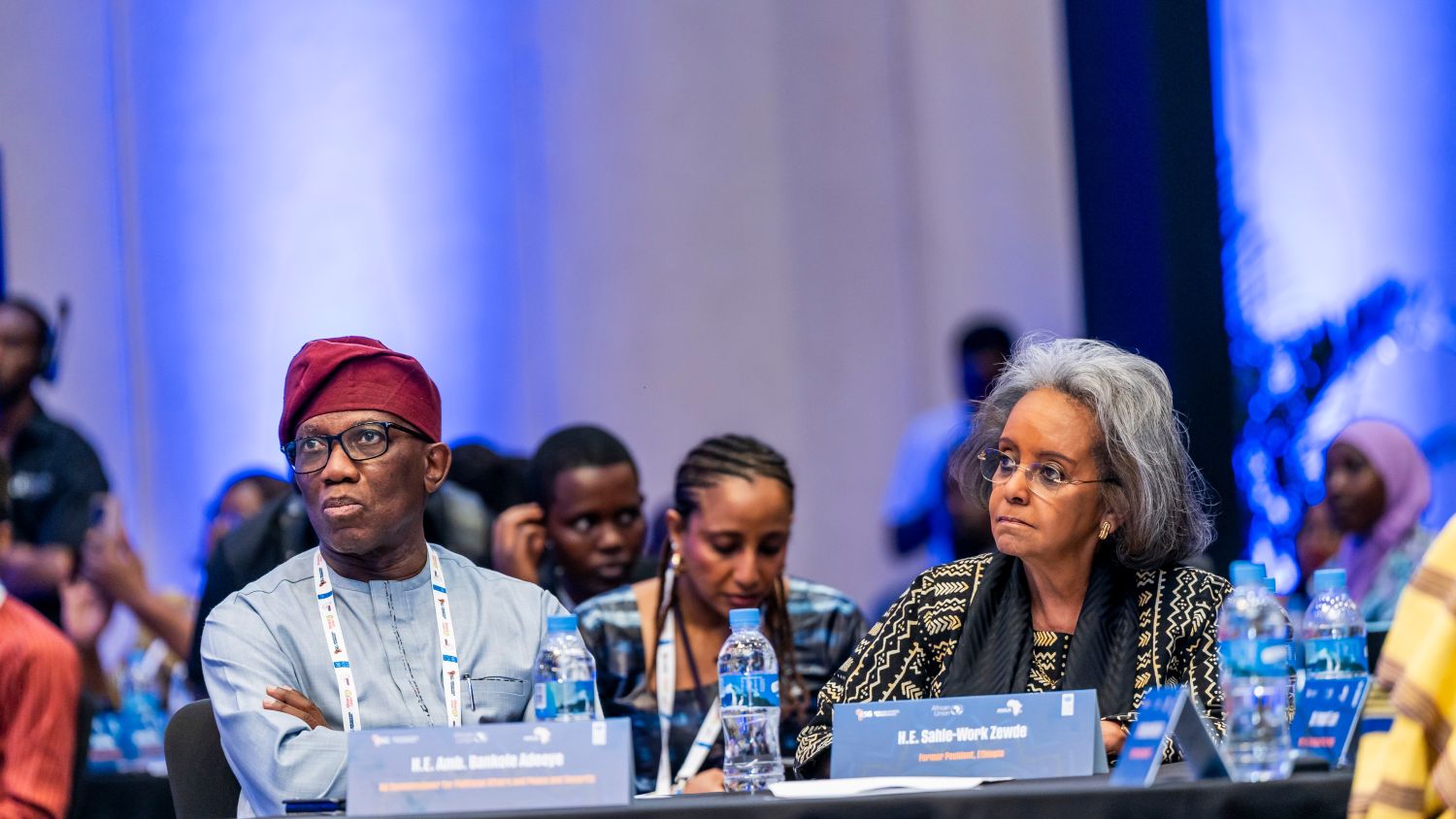
Former Ethiopian President and African Women Leaders Network Elder Sahle-Work Zewde said the academy goes beyond preparing women to contest elections, focusing instead on building leaders capable of strengthening institutions and driving meaningful change.
She said the initiative also institutionalises a culture of women supporting and learning from one another.
The academy was first launched on the margins of the African Union Heads of State and Government Summit in February 2025 and is part of a broader continental initiative aimed at increasing women’s influence and sustained representation in political decision-making.
Following the high-level launch, the inaugural cohort begins a five-day residential stay in Kigali as part of their four-week blended programme, participating in experiential learning, leadership dialogues, and mentorship sessions that mark the beginning of the academy’s regional rollout.
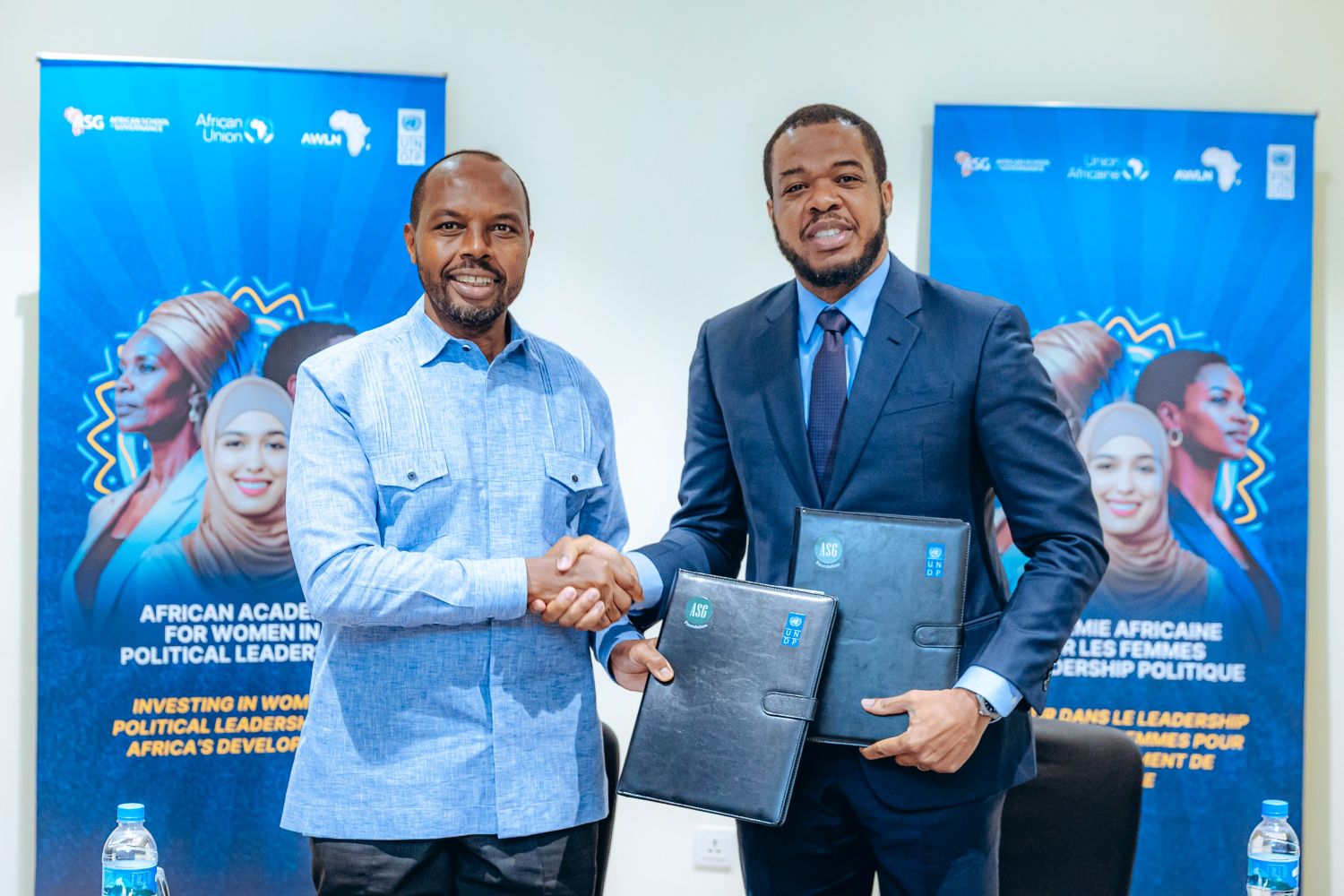
The academy was launched on Monday, August 3, through a partnership between the Kigali-based African School of Governance (ASG), the United Nations Development Programme (UNDP), the African Union Commission (AUC) and the African Women Leaders Network (AWLN).ASG President Francis Gatare and UNDP Regional Director for Africa Jide Martins Okeke signed the MoU formalising the partnership that established the academy.
Former Ethiopian President and African Women Leaders Network Elder Sahle-Work Zewde said the academy goes beyond preparing women to contest elections, focusing instead on building leaders capable of strengthening institutions and driving meaningful change.The initiative seeks to develop a new generation of women political leaders through structured learning, mentorship and peer-to-peer exchanges, while creating a lasting network of women committed to advancing inclusive governance across the continent.
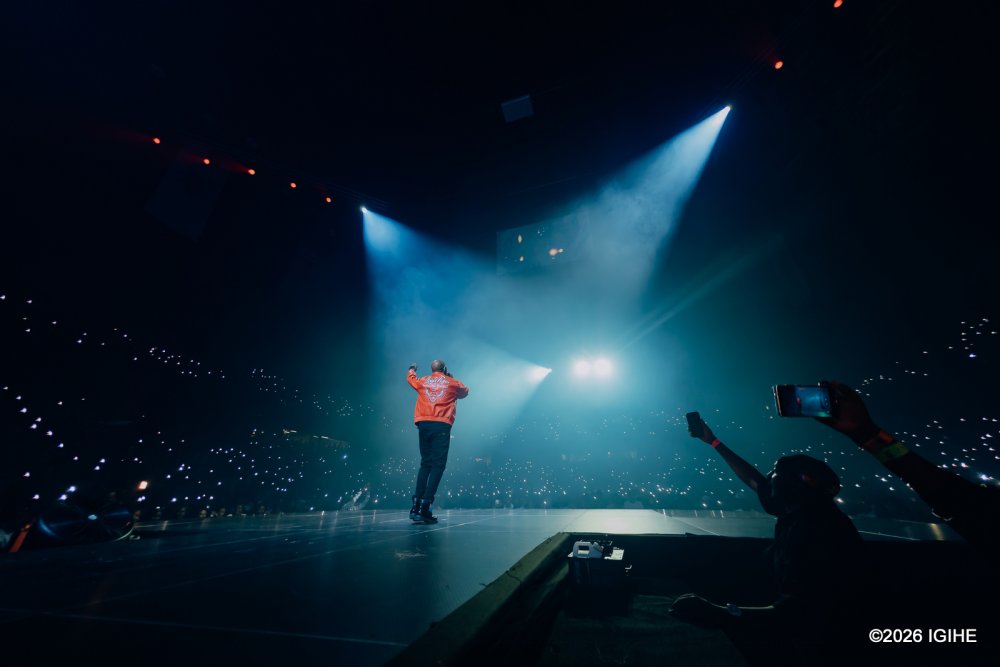
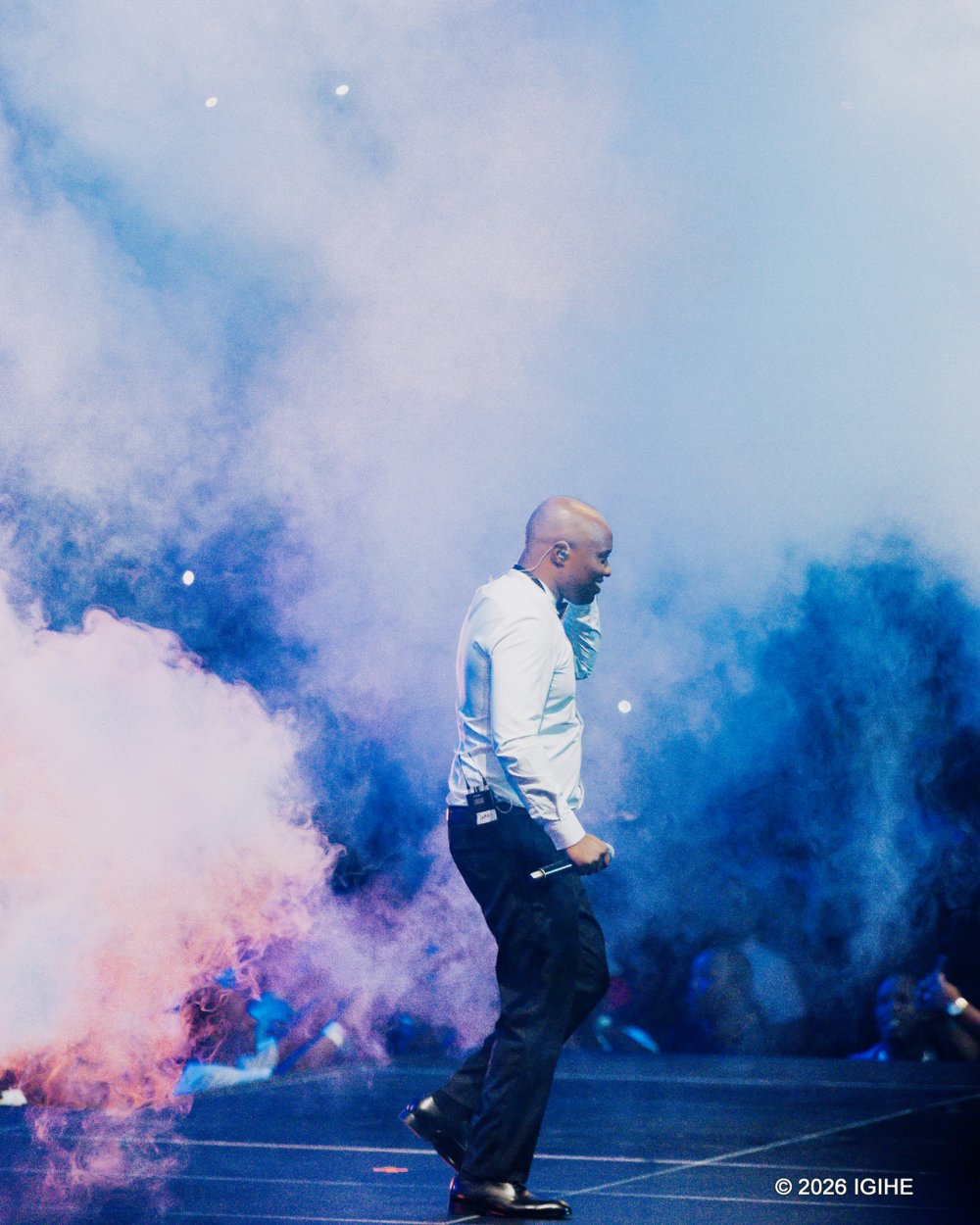
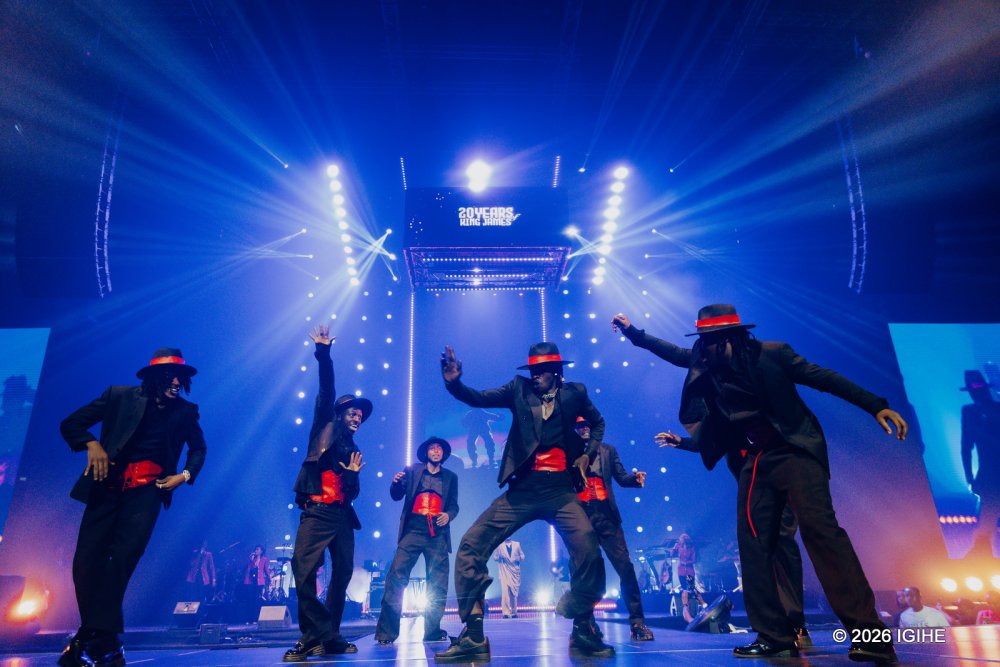
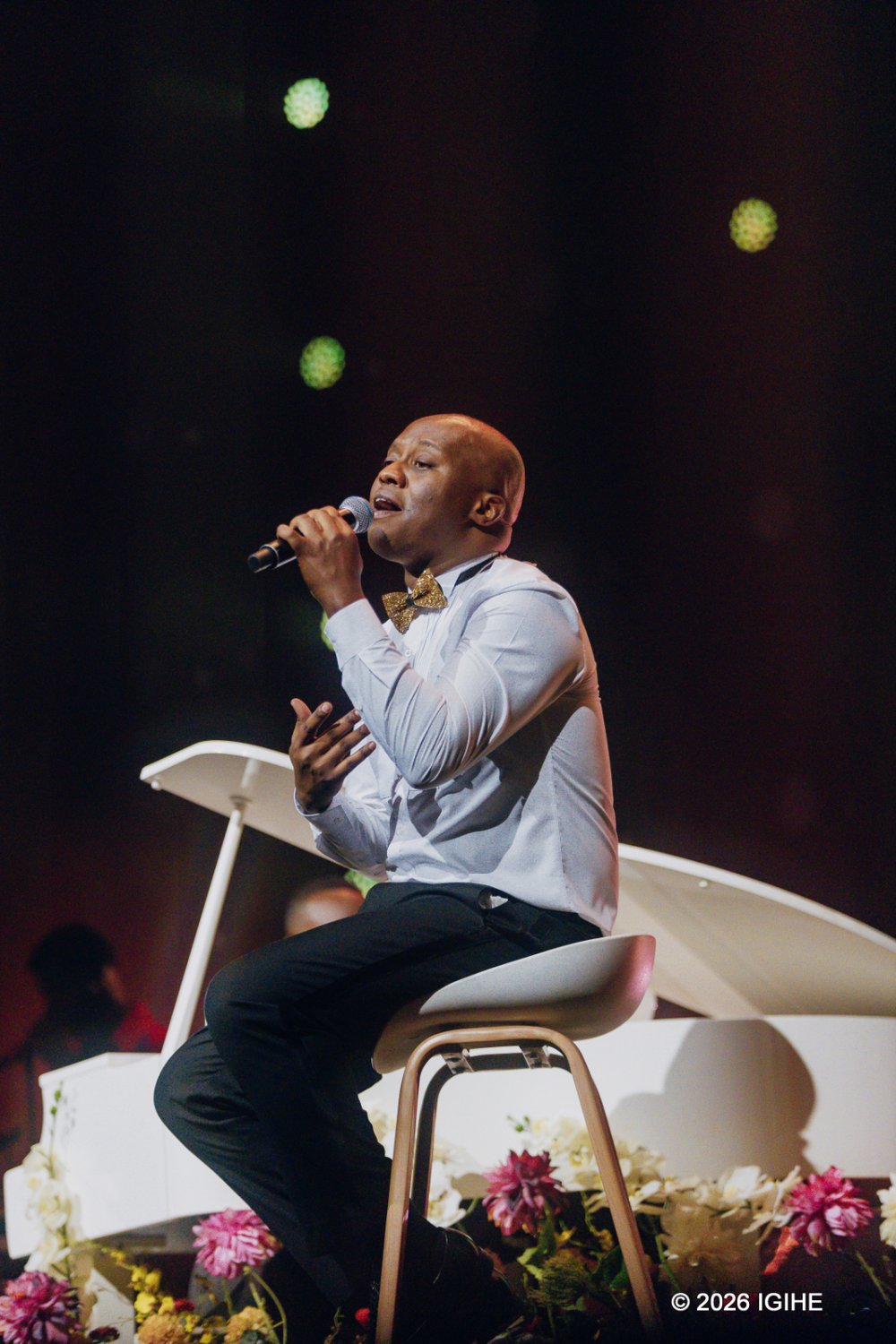
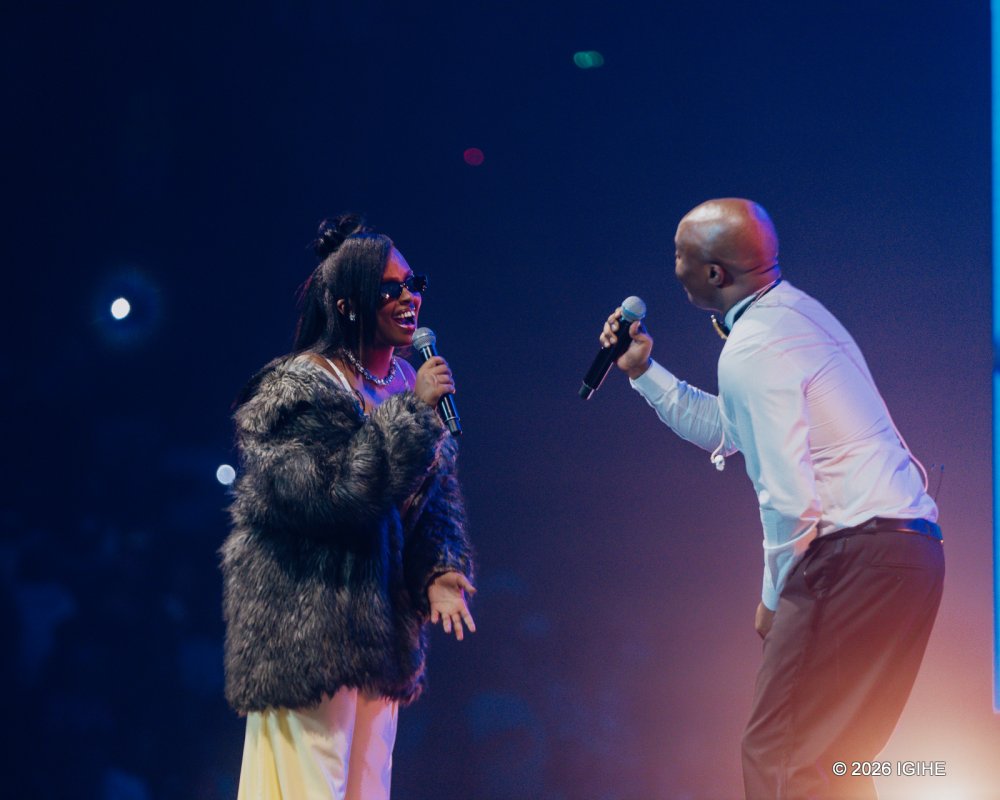
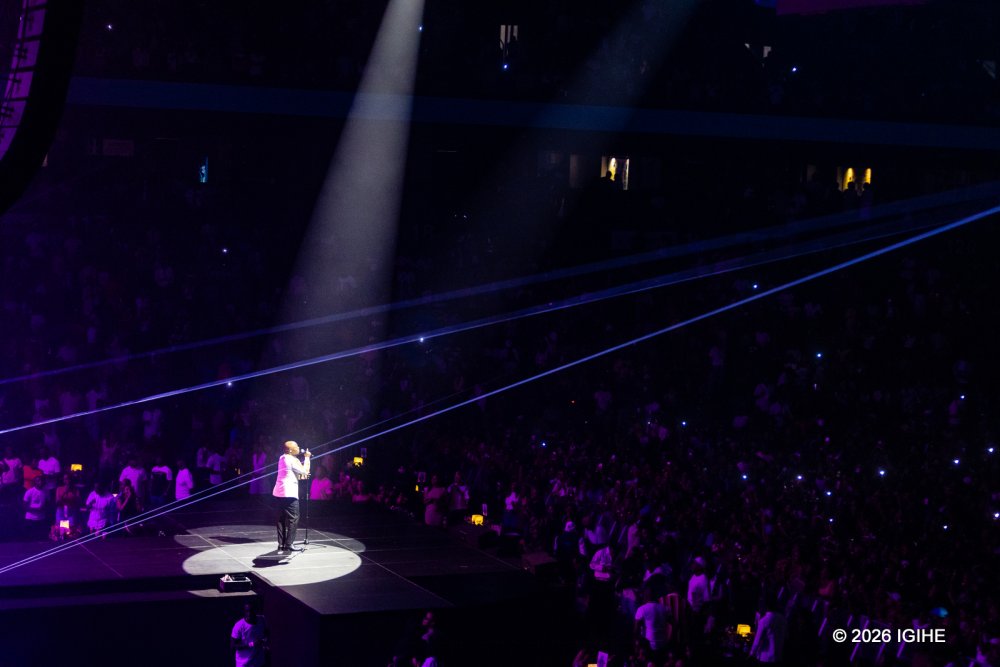
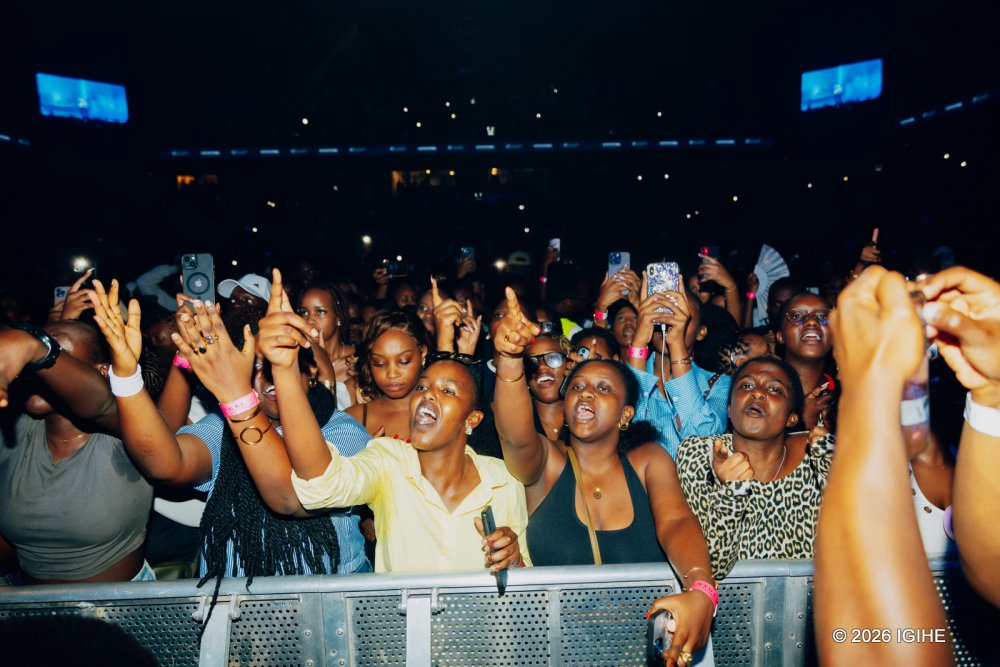
The artist shared the plans while speaking to journalists after the final concert of his two-night BK Arena celebration.
He said the overwhelming response to the concerts made him realize that many supporters from different parts of the country had hoped to attend but were unable to make the trip to Kigali.
According to King James, the idea of performing across the country was inspired by his recent tour of community radio stations, where he thanked fans for standing by him throughout his 20-year music career.
Responding to a question on whether the anniversary concerts could become an annual tradition, the singer said he was not ready to make such a commitment but left the possibility open.
“No, I don’t like making promises I can’t keep. But it is possible. As you know, I recently toured community radio stations across the provinces to thank fans who have supported me throughout these 20 years in music. I believe we can celebrate together in another way, and we’ll announce those plans in the coming days,” he said.
Beyond Rwanda, King James also invited Rwandans and music lovers living abroad to attend the international concerts he is preparing.
He announced that the first show will take place in Belgium on August 22, 2026, adding that more engagements across Europe will be unveiled in the coming days while he is on the continent.
The singer also disclosed plans to perform for fans in the United States and Canada, saying discussions are ongoing to organize concerts in several African countries as part of a broader international tour.
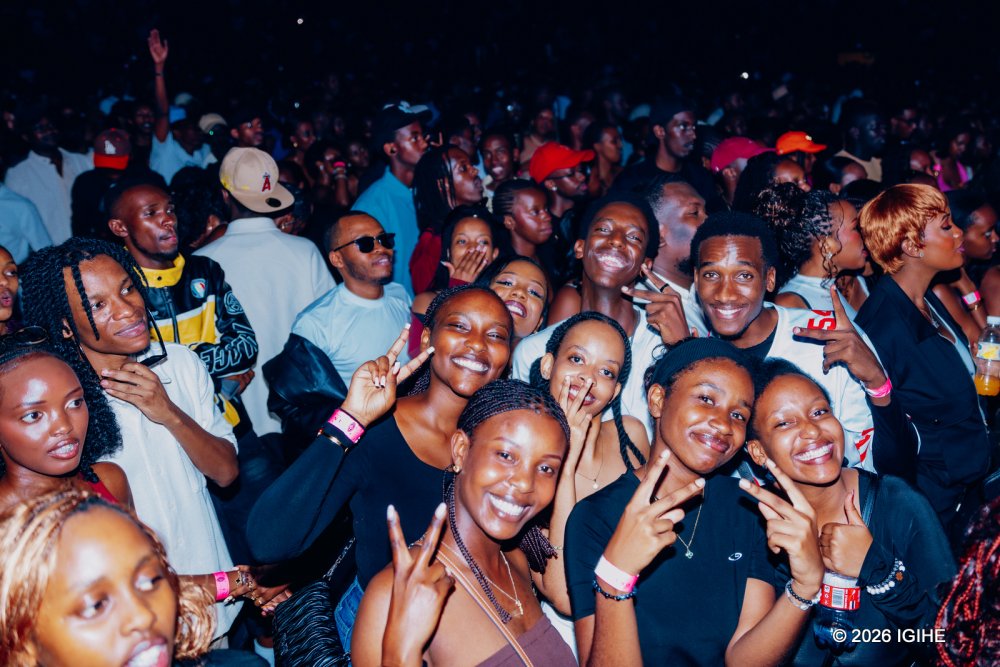
King James has revealed plans to take his performances beyond Kigali following his two historic concerts at BK Arena.King James thrilled a packed BK Arena as both nights of his anniversary concerts sold out, filling the 10,000-capacity venue.He said the overwhelming response to the concerts made him realize that many supporters from different parts of the country had hoped to attend but were unable to make the trip to Kigali.