The regulator announced on August 2, 2026, that the action followed regulatory inspections and compliance assessments, with the measures being taken “in the interest of public health.”
Rwanda FDA said it had closed the affected manufacturing facilities, revoked their licences and ordered the withdrawal of all products from the market.
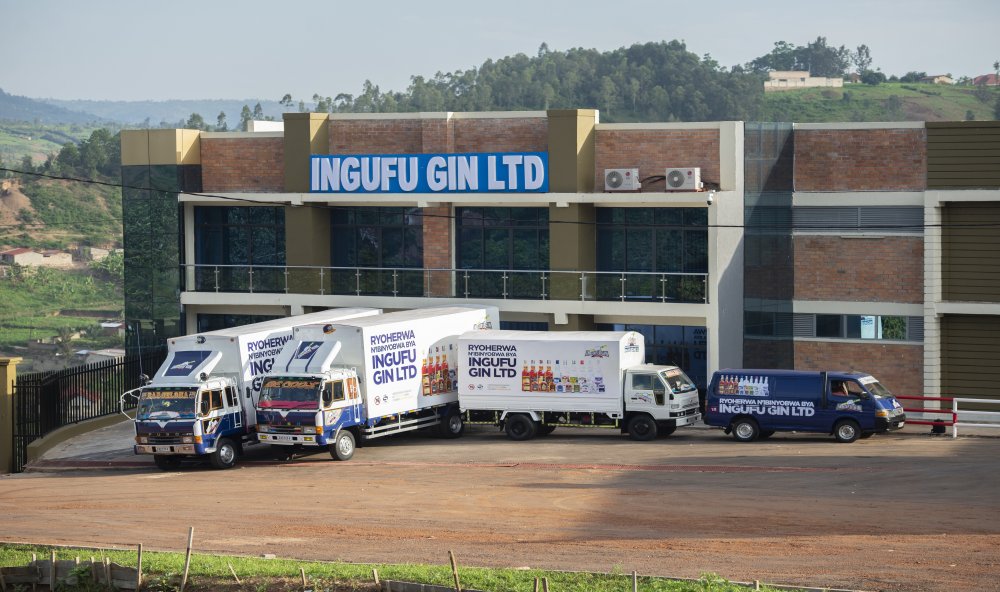
Among the affected companies is Ingufu Gin Ltd, whose products listed for recall include Red Waragi, Rabiant Gin, Ngufu Gin, King’s Vodka, Royal Castle Gin, Medal Gin, G&S Rum, New House Potable Spirit, Club Potable Spirit and Hometown Potable Spirit.
NBG Ltd was also ordered to halt production, with products including United Flavoured Gin, Bombastic Coconut Flavoured Gin, Ingwe Flavoured Gin, Amerikaan Flavoured Gin, Maguma Gin and Fimbo Blended Banana Brandy subject to recall.
Other manufacturers affected include SKY Drop Industries Ltd, Africana Buffalo Ltd, NOPA Company Ltd, Roots Investment Group Ltd, Rugali Agro-processing Company and Zhonglu Industrial Liability Company Ltd.
The recalled products from the companies include various brands of gin, whisky, vodka, rum, brandy and other flavoured alcoholic beverages.
Rwanda FDA instructed the manufacturers to immediately begin a full recall process and direct their distributors to collect the listed products from clients and return existing stock to the manufacturers’ premises.
The manufacturers have been given three working days to submit recall reports to the regulator.
Distributors and retailers were also directed to immediately stop selling or distributing the affected products and return remaining quantities to their suppliers, distributors or manufacturers.
“Non-compliance with all the above will result in measures under applicable regulatory provisions,” Rwanda FDA warned.
The authority further urged consumers to immediately stop consuming the listed alcoholic beverages.
Rwanda FDA said additional affected manufacturing facilities will be announced in due course as regulatory enforcement continues.
Rwanda FDA said it had closed the affected manufacturing facilities, revoked their licences and ordered the withdrawal of all products from the market.
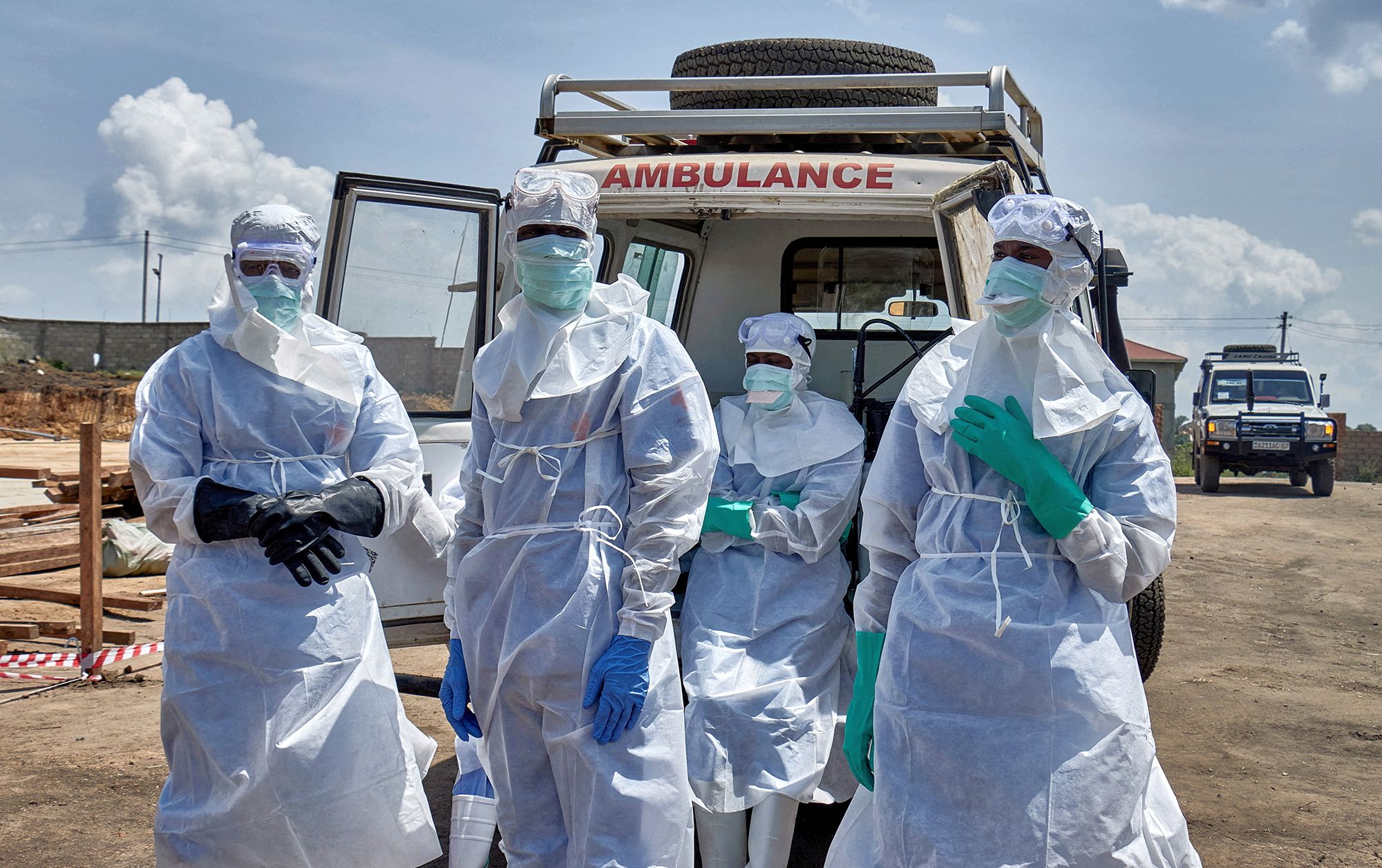
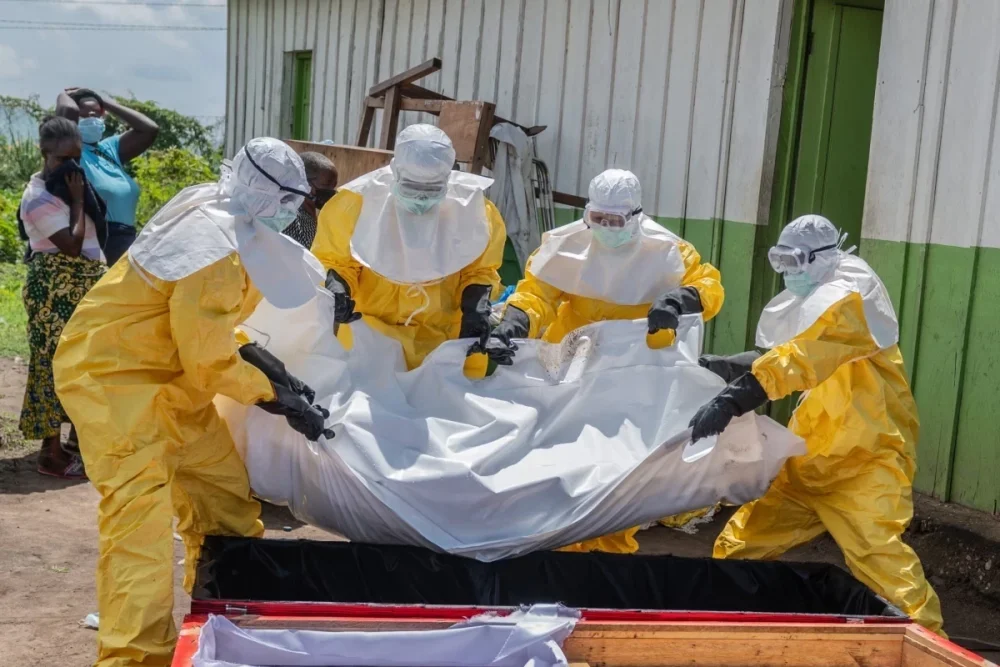
As of Thursday, the DRC had reported 3,605 confirmed cases of Ebola disease caused by the Bundibugyo virus, including 1,587 deaths, representing a case fatality rate of 44 percent, the WHO said in its latest disease outbreak report.
The previous largest outbreak, which struck the country’s east between 2018 and 2020, recorded 3,317 confirmed cases.
The current outbreak, initially confined to the Mongbwalu health zone in the province of Ituri, has spread over the past two months to 49 health zones across five provinces: Ituri, North Kivu, South Kivu, Haut-Uele and Tshopo.
The outbreak has also taken a growing toll on health workers, with 151 infections and 44 deaths reported so far, highlighting persistent gaps in infection prevention and control at health facilities, the WHO said.
The agency warned that insecurity, population displacement, high mobility and cross-border movements were hampering surveillance and response operations, raising the risk of further spread.
The outbreak is unfolding in conflict-affected areas where access to health care, clean water, food and shelter remains limited. Attacks on health facilities have restricted access for response teams and increased the risk of transmission going undetected.
Assessing the risk within the DRC as “very high,” the WHO said a substantial expansion of surveillance, testing, clinical care, infection control, community engagement and logistics was needed to get ahead of the outbreak.
The current outbreak, initially confined to the Mongbwalu health zone in the province of Ituri, has spread over the past two months to 49 health zones across five provinces: Ituri, North Kivu, South Kivu, Haut-Uele and Tshopo.
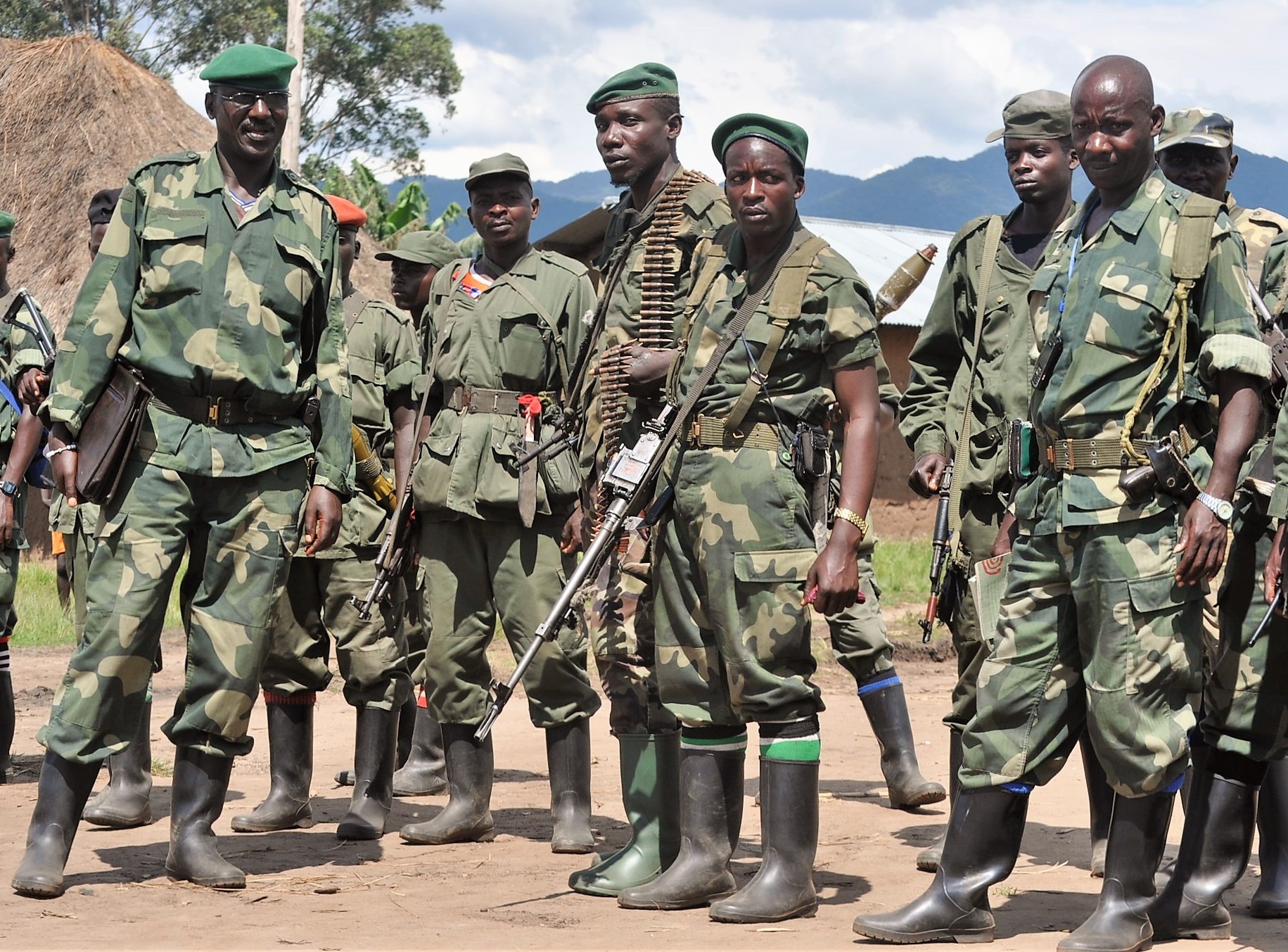
The FDLR was formed by individuals involved in planning and carrying out the 1994 Genocide against the Tutsi, including former political leaders, members of the defeated Rwandan Armed Forces (Ex-FAR), and fighters from the Interahamwe militia. Despite years of military operations against it, the group continues to recruit new members, particularly young fighters.
Operating from eastern DRC, the FDLR has long been cited by Rwanda as a direct threat to its national security because of its presence near the shared border. The Congolese government, however, has often argued that defeating AFC/M23 should take precedence over military action against the FDLR.
The group’s presence has featured prominently in regional peace efforts, including mediation talks held in Pretoria more than two decades ago, negotiations in Luanda in 2022, and discussions in Washington beginning in early 2025.
The Washington Peace Agreement included commitments to dismantle the FDLR through measures outlined in the Concept of Operations (CONOPS). However, despite signing the agreement, the DRC has continued to send conflicting signals regarding how it intends to address the group.
From denial to acknowledgement
For years, officials in Kinshasa maintained that the FDLR no longer posed a meaningful threat to Rwanda, arguing that the movement had become too weak to destabilize the region.
Congolese authorities also accused Rwanda of exaggerating the threat in order to justify interference in the DRC’s internal affairs and gain access to the country’s mineral resources.
In March 2025, former Foreign Affairs Minister Christophe Lutundula questioned whether the group even existed.
“The time had come for us to eliminate those remaining FDLR fighters Rwanda keeps talking about, but I don’t believe they exist. I don’t even know who they are,” he said.
Lutundula, who consistently argued during his tenure as foreign minister that the FDLR was no longer a significant force, also suggested Rwanda itself had shifted its narrative.
“Is Rwanda still talking about the FDLR the way it used to? No. The real issue now is the economy,” he stated.
Following the signing of the Washington Peace Agreement in June 2025, DRC Minister for Foreign Trade Julien Paluku also dismissed the existence of the FDLR, describing it as a narrative created by Rwanda.
Paluku argued that references to the group had misled the international community for three decades and accused Rwanda of using the issue to justify military intervention and the exploitation of Congolese mineral resources.
“The real FDLR Rwanda is looking for in the DRC is Congo’s minerals,” he said.
Rwanda’s ambassador to Algeria, Vincent Karega, said such remarks were unsurprising given Paluku’s previous role as governor of North Kivu Province, where the FDLR has long operated, including in Virunga National Park.
Official acknowledgement
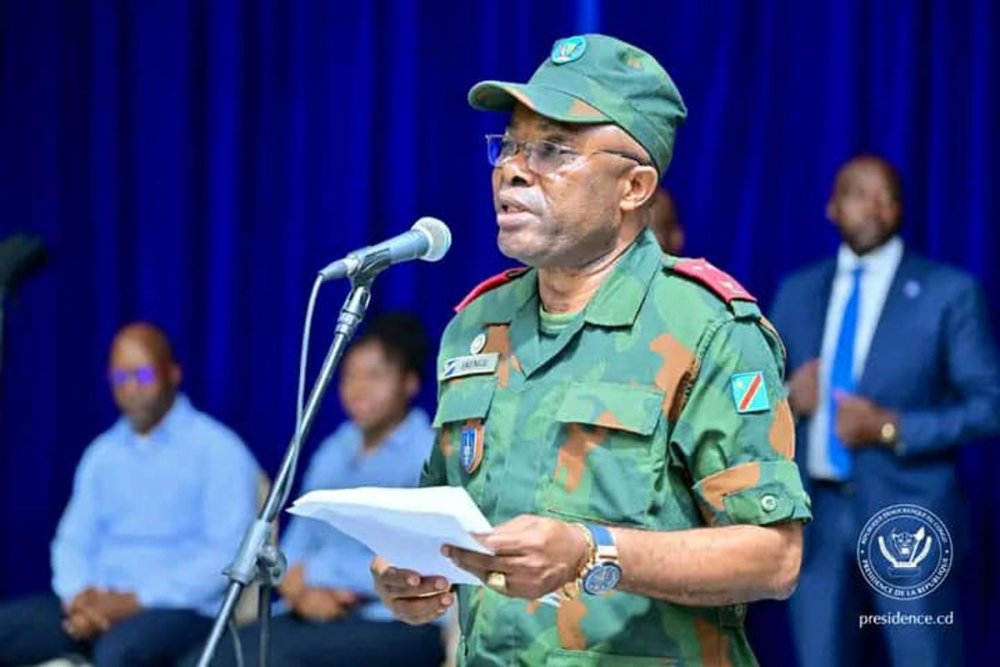
Despite these statements, the Congolese government had previously acknowledged both the existence of the FDLR and the threat it posed. On April 15, 2024, then FARDC spokesperson Maj. Gen. Sylvain Ekenge told Congolese state television that the FDLR was active in the country and had played a major role in violence against civilians.
“The FDLR attacks Congolese people and kills Congolese people. Of the more than 10 million people who have died over the past decade, the FDLR bears significant responsibility for those deaths,” he said.
On April 15, 2024, then FARDC spokesperson Maj. Gen. Sylvain Ekenge told Congolese state television that the FDLR was active in the country and had played a major role in violence against civilians.
Ekenge’s remarks carried particular weight because he had previously served in North Kivu Province as military spokesperson for operations in the region and later as acting military governor.
His comments marked a significant departure from years of inconsistent messaging by the Congolese government regarding the FDLR.
In October 2025, the Congolese army issued a directive ordering its troops to end all cooperation with the FDLR. It also called on the group’s fighters to lay down their arms, warning that those who refused would face military action.
Despite the announcement, cooperation between the FARDC and the FDLR continued. The armed group reportedly continued receiving weapons and ammunition, while the 90-day deadline for its dismantlement expired without any meaningful progress.
Shifting explanations
As pressure mounted over its failure to dismantle the FDLR, the Congolese government began advancing a different explanation. Officials argued that many of the group’s fighters were based in areas controlled by AFC/M23, making it difficult for the army to carry out operations against them.
In late March 2026, the FARDC announced in Kisangani that it had launched operations targeting the FDLR. Two days later, however, the army reportedly delivered weapons and ammunition to FDLR fighters in Pinga, Walikale Territory, where the group was fighting alongside government forces against AFC/M23.
A report by the UN Group of Experts, published in late June 2026, stated that the Congolese army had assured the FDLR it would not move to dismantle the group and that both sides would continue working together as strategic partners.
According to reports from eastern DRC, FDLR fighters based in government-controlled territory were advised to relocate to areas under AFC/M23 control, creating the impression that military operations against the group could not be carried out.
On July 30, 2026, FDLR political spokesperson Cure Ngoma claimed that the group’s fighters were now located exclusively in areas controlled by AFC/M23.
“We are based in eastern Congo, specifically in the areas occupied by M23 and Rwanda. That is where our forces are located,” he said.
However, discussions held under the Joint Security Coordination Mechanism (JSCM), which brings together representatives from Rwanda, the DRC and the United States, concluded that while some FDLR fighters were indeed present in AFC/M23-controlled areas, others remained in territory controlled by the Congolese government.
In June 2026, U.S. Senior Advisor for Africa Massad Boulos told the UN Security Council that the DRC had failed to fulfil its commitment to dismantle the FDLR, even in areas under its own control.
“Despite progress, the parties continue to fall short on their obligations. The DRC has not upheld obligations for the FDLR neutralization, at least in the areas that they control,” Boulos pointed out.
A new approach to the FDLR
In recent weeks, a document circulating in international media has added another dimension to the debate.
The document, reportedly signed by FDLR president Lt. Gen. Victor Byiringiro on May 30, 2026, and addressed to President Félix Tshisekedi, outlines a proposal for the group’s fighters to disarm, undergo reintegration, and be placed in secure, supervised facilities.
The proposal has been presented as a roadmap for the group’s voluntary dissolution.
Since July 13, DRC Minister for Regional Integration Floribert Anzuluni has circulated the document among governments in Africa and Europe, presenting it as evidence that Kinshasa had reached an agreement with the FDLR on voluntary disarmament.
Rwanda, however, maintains that such an arrangement falls outside the framework of the Washington Peace Agreement.
Foreign Affairs and International Cooperation Minister Ambassador Olivier Nduhungirehe has argued that the reported proposal is not provided for under the agreement, which requires the FDLR to be dismantled through the agreed CONOPS framework.
On July 29, Nduhungirehe reiterated that the FDLR was never a party to the Washington Peace Agreement but rather the security threat the agreement seeks to eliminate.
“The signing of this so-called “protocol” between the father (the Congolese government), the son (the FDLR), and the evil spirit (the genocide ideology) is in no way consistent with the Washington Peace Agreement, which makes no provision for such an arrangement. For good reason: the genocidal FDLR is not a party to the agreement; rather, it is the subject of it,” he stressed.
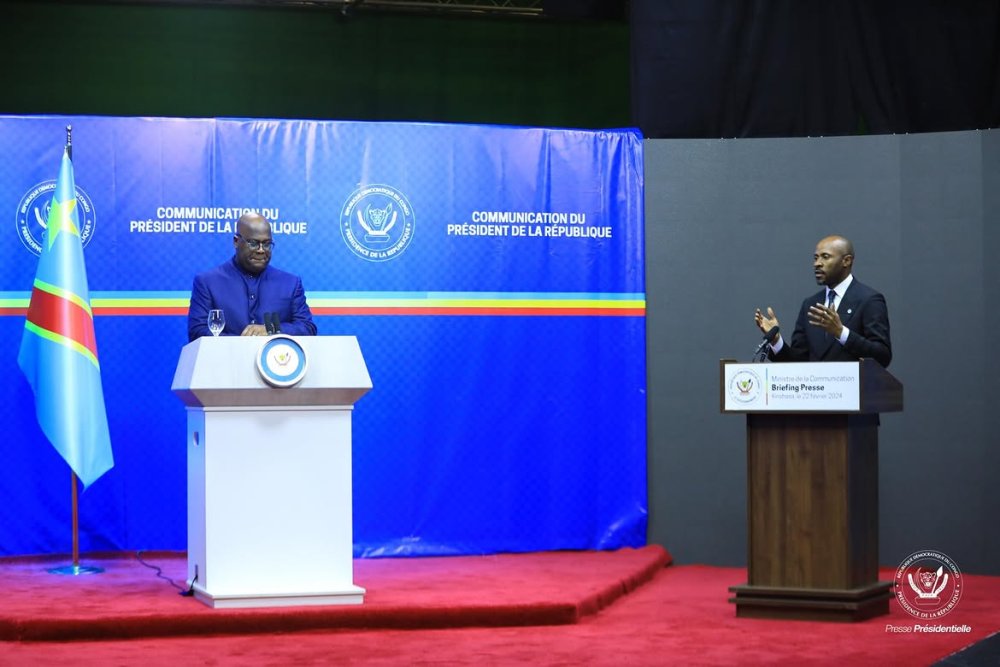
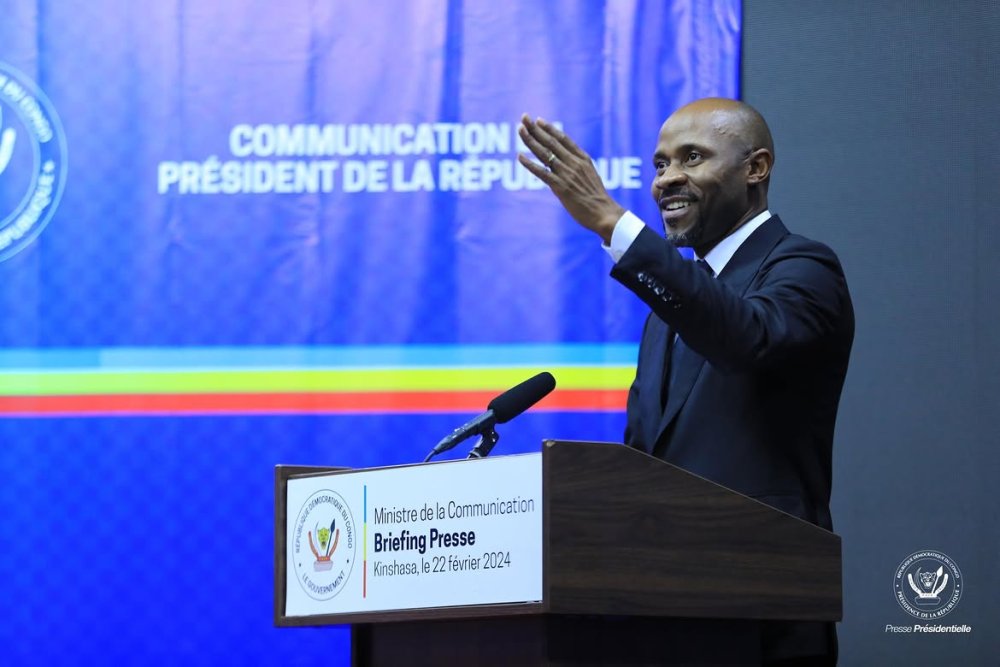
The following day, DRC government spokesperson Patrick Muyaya defended Kinshasa’s position, saying that if the FDLR had voluntarily agreed to disarm and enter a reintegration process, there would be no justification for launching military operations against it.
“You do not use force against people who have voluntarily chosen the path of peace,” Muyaya argued.
After years of downplaying the FDLR’s capabilities, Patrick Muyaya openly stated that the DRC government could not launch military action against the group because it had chosen the path of peace.
Political analyst Prof. Bob Kabamba of the University of Liège has cautioned that even if the FDLR were officially declared dissolved, the organisation could simply re-emerge under a different name.
Before becoming the FDLR, the movement previously operated as RDR and later ALiR, while its military command, political leadership and objectives remained largely unchanged.
The evolution of Kinshasa’s public position, from questioning the FDLR’s existence, to acknowledging it as a security threat, and more recently supporting a voluntary disarmament process rather than military dismantlement, has become one of the central points of contention in the implementation of the Washington Peace Agreement.
The DRC government has for years changed its narrative on the FDLR, at times denying the group’s existence and at other times portraying it as a weakened force made up of aging fighters.
Implementation means verifiable dismantlement, not theatre.
To understand why Rwanda’s position admits no softening, one must first be honest about what the FDLR is — because the entire case for “dialogue” rests on misdescribing it.
A project, not a party
The FDLR is not a rebel movement with grievances that negotiation could address. It is the organisational afterlife of the 1994 Genocide against the Tutsi. Founded in 2000 in the forests of eastern DR Congo, it gathered up the remnants of the ex-FAR — the army that planned and executed the genocide — and the Interahamwe militia that carried out the killing hill by hill. Its founding cadres did not flee Rwanda as dissidents; they fled as perpetrators, taking their command structures, their weapons and their ideology with them.
That ideology has never been retired. Senior FDLR officers have declared, repeatedly and on the record, that their return to Rwanda is conditioned on the country being “cleansed” of its Tutsi population. This is not an accusation inferred from conduct; it is the group’s own stated horizon. An organisation whose political programme is the completion of a genocide does not have a negotiating position. It has a confession.
Dialogue, in any meaningful sense, requires a shared floor: each party recognises the other’s right to exist. The FDLR’s foundational premise is the denial of exactly that right to an entire people. You cannot split the difference with extermination. There is no halfway point between a population living and a population erased, and any mediator who pretends otherwise is not advancing peace — he is laundering genocide ideology into the vocabulary of politics.
The victims Kinshasa forgets are its own
Here is the element too often missing from this debate: the FDLR’s longest-suffering victims, after the Tutsi of Rwanda, are the Congolese themselves. For a quarter of a century this militia has fed on eastern DR Congo, taxing its minerals, burning its villages, and punishing its civilians for every military setback. United Nations investigators have documented its massacres of Congolese villagers and its campaigns of mass rape in the Kivus. UN Group of Experts reporting has likewise detailed the FDLR’s embedding within Congolese armed structures and its battlefield cooperation with Wazalendo militias, the very integration that makes announcements of “voluntary disarmament” ring hollow while its fighters remain on active front lines.
A Congolese official who offers the FDLR a seat at a political table is not merely offending Rwanda. He is telling the survivors of the militia’s Congolese atrocities that the men who did it have been promoted from criminals to counterparts.
Nor has the menace stayed on one side of the border. Over the years the FDLR has run incursions into Rwanda’s Western Province and been linked to grenade attacks that killed and maimed civilians in Kigali, each operation an attempt to export terror into a country that has spent three decades rebuilding itself from mass graves.
The law has already spoken
The second missing element is this: the question of what the FDLR is has already been answered, not by Kigali, but by the world’s courts and councils. The group and its leaders have sat under UN Security Council sanctions for some two decades. The International Criminal Court issued an arrest warrant for its supreme commander, Sylvestre Mudacumura, for war crimes. A German court in Stuttgart convicted its president, Ignace Murwanashyaka, for atrocities his organisation committed — a genocidaire leadership run, for years, from European soil, prosecuted under universal jurisdiction.
This is the legal reality a “political dialogue” would have to overturn. Negotiation confers standing; that is its nature. To seat the FDLR at a table is to walk back, by protocol, what sanctions committees, prosecutors and judges established by evidence: that this is not a political actor but a criminal enterprise animated by the gravest crime in international law.
The door that is already open
The third missing element demolishes the claim that Rwanda’s refusal leaves the FDLR’s fighters no way out. It leaves them exactly one, and thousands have taken it.
For more than twenty years, Rwanda has operated one of the most extensive demobilisation and reintegration programmes on the continent. Rank-and-file combatants who lay down their arms are received at the Mutobo demobilisation centre in Musanze, rehabilitated, and returned to their communities; many thousands of former fighters from armed groups in the DR Congo, the FDLR chief among them, have come home this way, alongside family members who followed them out of the forest. They were not negotiated with. They were welcomed, as individuals renouncing a criminal project, not as delegates of it.
That distinction is the whole argument. Disarmament, demobilisation and reintegration is a door for men. A political dialogue is a platform for an ideology. Rwanda has held the first open for two decades and will keep it open. The second it will never build, because the “cause” the FDLR’s leadership would bring to any table is the unfinished business of 1994.
What Washington actually requires
Which brings us back to the present moment. The peace framework the DR Congo and Rwanda signed in Washington in 2025 does not speak of accommodating the FDLR; it obligates its neutralisation, under a concept of operations both governments endorsed — irreversible, verifiable, and measured in dismantled command structures, not press conferences. A signed protocol with a militia that remains interwoven with the Congolese army and active in ongoing fighting is not neutralisation. It is choreography, and everyone in the region can tell the difference between a militia being dismantled and a militia being rebranded.
For that is the tactical truth beneath the diplomatic language: as military pressure and international scrutiny have shrunk its space, the FDLR has reached for the oldest trick of cornered armed movements — the costume change. Yesterday’s genocidaires present themselves as today’s “political opposition in exile,” hoping the world’s memory is shorter than its outrage. The rebranding must fail, and be seen to fail, because the precedent at stake reaches far beyond the Great Lakes. If an organisation founded on extermination can wait out the world and be repackaged as a dialogue partner, then every génocidaire on earth has been handed a strategy: survive, relocate, rename, negotiate.
The seat that is reserved
Rwanda’s three decades of recovery were built on a covenant with its dead and its survivors: unity, accountability, and the refusal to barter either. To trade that covenant for the political blackmail of a genocidal militia would betray more than a million victims of the Genocide against the Tutsi and gamble the security of the millions now living in the peace they were denied.
So let the record state Rwanda’s position without varnish. For fighters who abandon the FDLR, the road home through demobilisation remains open, as it has been for twenty years. For the organisation and the leaders who carry its exterminationist charter, there will be no concessions, no false symmetry, and no chair — not in Kigali, not in Kinshasa, not in any capital that takes the word “genocide” seriously.
A seat is, in fact, reserved for them. It is in the dock, facing their judges. It is the only table at which the FDLR has ever had anything legitimate to say.
The FDLR is not a rebel movement with grievances that negotiation could address. It is the organisational afterlife of the 1994 Genocide against the Tutsi.
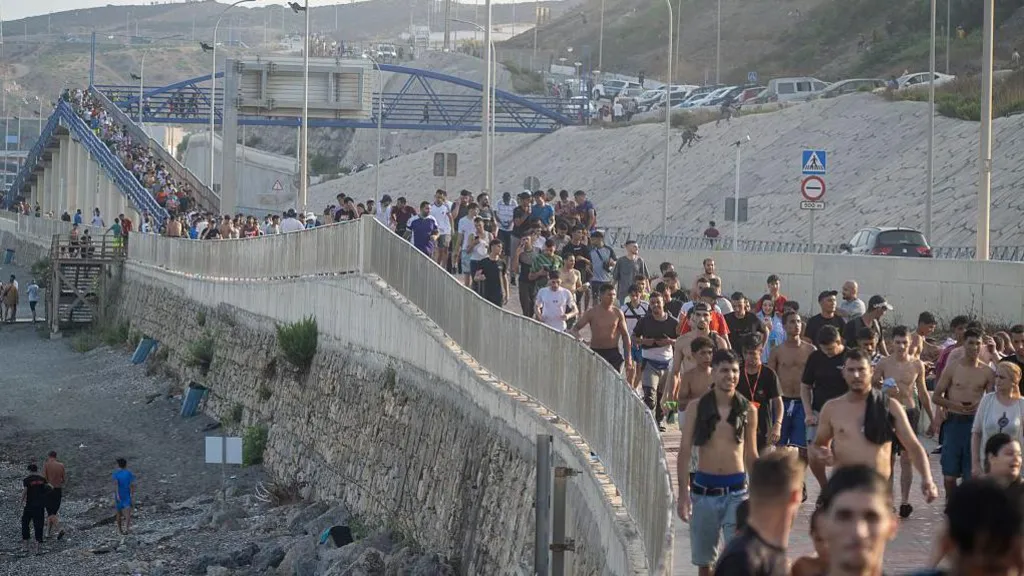
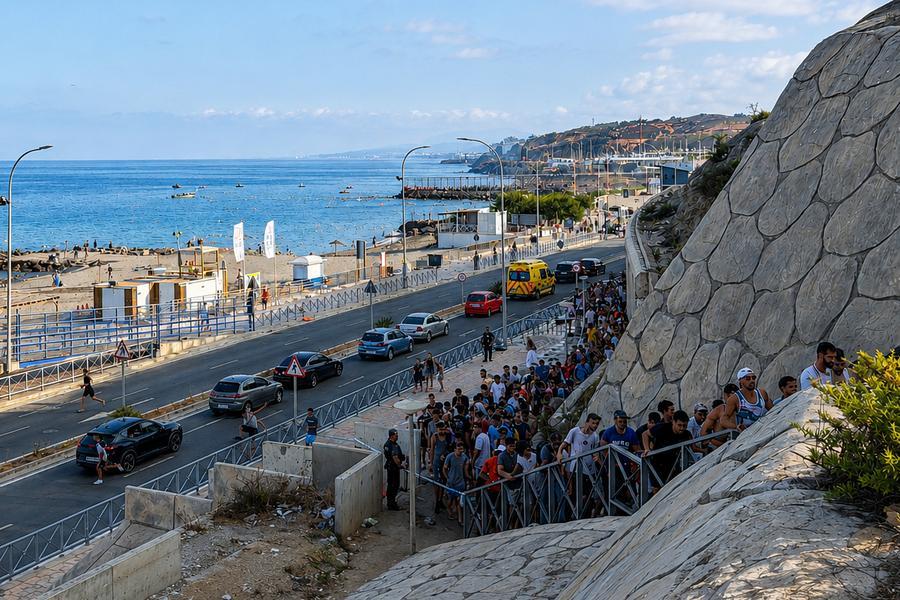
The influx prompted Madrid to deploy military support, tighten border controls and enhance coordination with Rabat, while reigniting debate within the EU over how to manage migration at its external borders.
What’s special about Ceuta?
Ceuta is one of Spain’s two exclaves on the North African coast, alongside Melilla. Although geographically located in Africa, it forms part of the EU’s external border.
Its location has long made it one of Europe’s most sensitive migration gateways. For years, undocumented migrants have attempted to reach the enclave by climbing border fences or swimming around coastal barriers before trying to continue to mainland Spain and other parts of Europe.
Spain and Morocco have expanded cooperation in recent years on border control, migrant returns and efforts to combat human trafficking and smuggling networks.
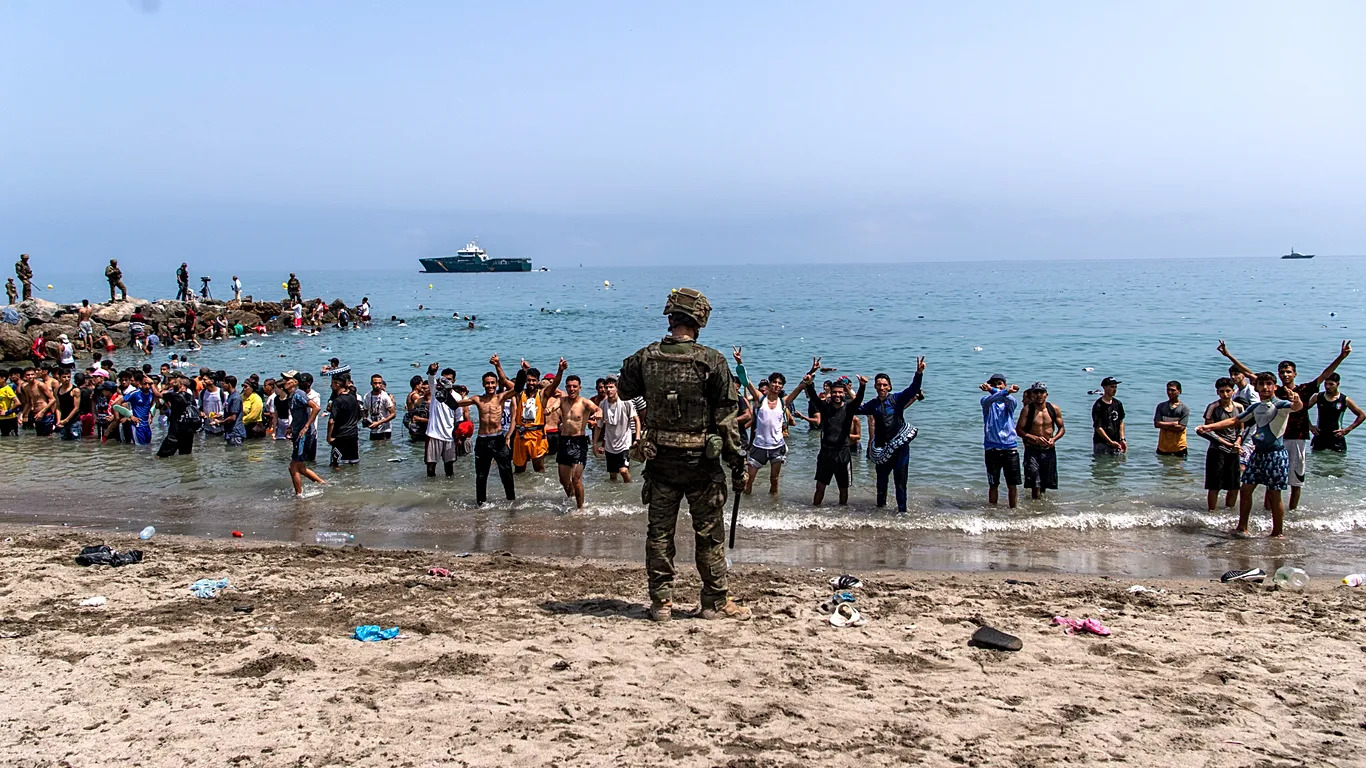
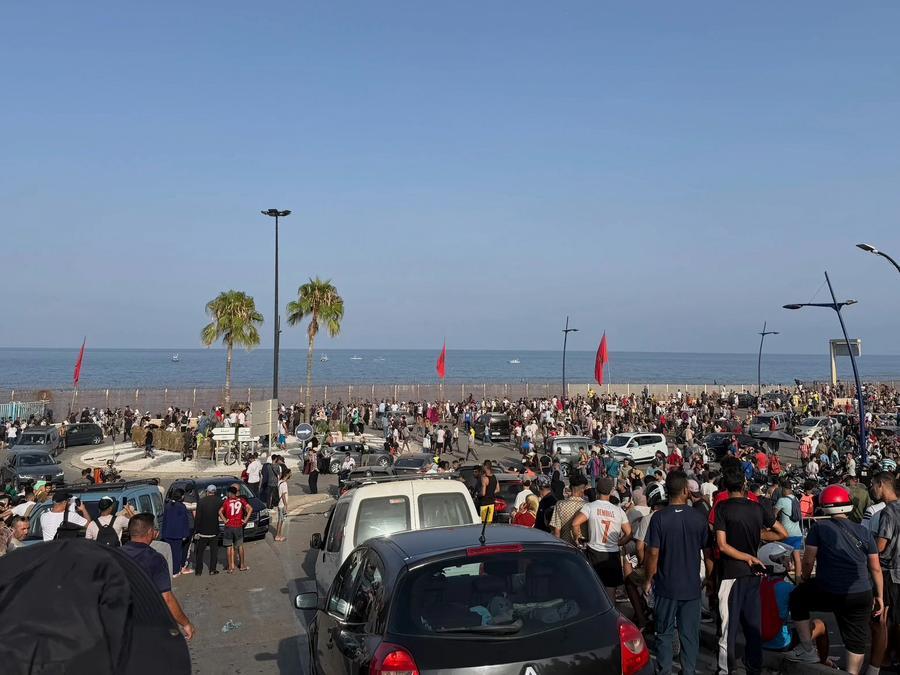
As thousands gathered near the border, Moroccan security forces used batons and tear gas to push back crowds.
What triggered the surge?
In late June and early July, Spain’s Supreme Court ruled that migrants intercepted at sea near Ceuta and Melilla could not be summarily returned under the special “pushback” regime applied at land borders. Instead, they must go through standard legal procedures that provide access to legal assistance and the opportunity to apply for international protection.
The ruling was quickly distorted online into claims that anyone who reached Ceuta by sea would automatically be allowed to stay in Spain and eventually obtain legal residency. The narrative spread rapidly across various social media platforms, leading many to believe the route was effectively open.
Abdellah, a Moroccan who attempted to reach Ceuta but was later turned back by police, said videos circulating online had convinced him to make the journey.
Mohammed Zakaria Aboudahab, a professor of public law and political science at Mohammed V University in Morocco, said migrant-smuggling networks had deliberately amplified false information on social media, creating the impression that reaching Ceuta guaranteed legal status.
Spain and Morocco’s response
The latest influx saw more than 50,000 undocumented migrants enter Ceuta, many by swimming around the Tarajal border crossing or using makeshift flotation devices. At least 67 people died during the crossings, with the death toll expected to rise as search and recovery operations continue.
By August 1, more than 48,000 migrants had returned to Morocco. None were allowed to travel onward to mainland Spain under Ceuta’s special Schengen arrangements, and authorities said the immediate pressure at the border had largely eased.
Spain has since reinforced security by installing a new floating maritime barrier along Ceuta’s breakwater. The 500-meter inflatable barrier is designed to prevent migrants from bypassing land border controls by sea.
At the same time, Madrid and Rabat have intensified cooperation on returns and law enforcement while stepping up efforts against migrant-smuggling networks.
Moroccan authorities said they had arrested 70 people suspected of organizing or participating in violence linked to the mass crossing. Xinhua reporters in Rabat and Casablanca also observed tighter security at railway stations and bus terminals, where police were screening and, when necessary, turning back groups of young people heading toward northern Morocco.
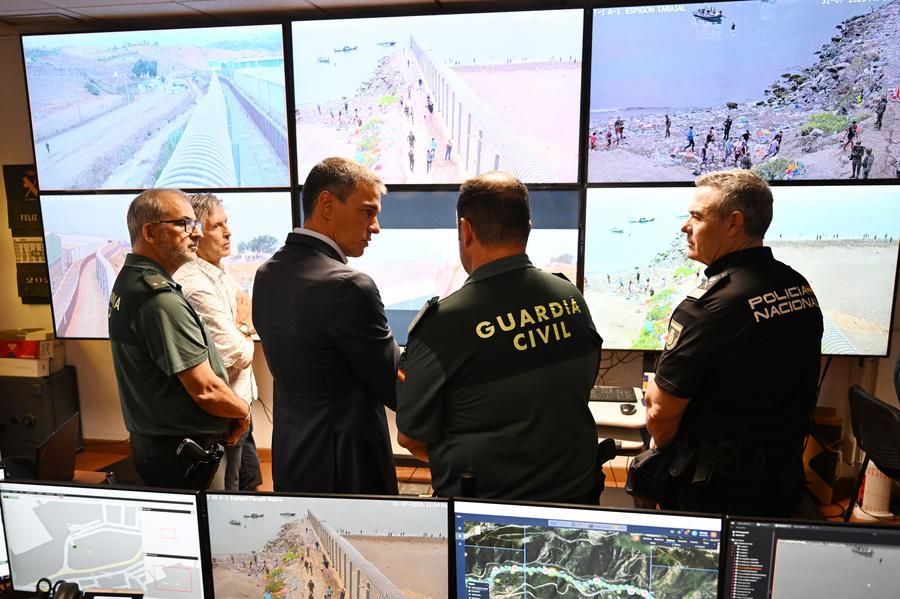
Spanish Prime Minister Pedro Sanchez (C) observes the work of the Civil Guard in Spain’s North African enclave of Ceuta, on July 31, 2026.
EU and regional reactions
The crisis has once again exposed divisions within Europe over migration policy.
The European Commission reaffirmed that Ceuta forms part of the EU’s external border and said the bloc stands ready to support Spain through Frontex and other mechanisms while strengthening cooperation with Morocco.
Italy was among the first countries to criticize Spain’s migration policy. It later joined Denmark in leading a letter signed by 22 EU member states calling for an emergency ministerial meeting to discuss the crisis and the bloc’s external border management.
Spanish Prime Minister Pedro Sanchez responded by writing to European Commission President Ursula von der Leyen, expressing “serious concern” over what he described as “selfish,” politically motivated reactions from some governments that he said violated EU law, including proposals to suspend Schengen cooperation with Spain. He also called for an EU-wide ministerial meeting.
Ireland, which currently holds the rotating presidency of the Council of the EU, subsequently announced that EU interior ministers would hold a videoconference on Tuesday to discuss the Ceuta crisis.
The Rwanda Meteorology Agency forecast indicates that maximum temperatures will range between 21°C and 32°C, while minimum temperatures are expected to remain between 10°C and 18°C. The expected maximum temperatures are slightly above the normal August range, which usually falls between 20°C and 31°C.
The highest temperatures, ranging from 31°C to 32°C, are expected in parts of southern Kigali City, eastern Bugesera, Kayonza, Kirehe and Gisagara districts, western parts of Ngoma District, as well as the Bugarama plain.
Meanwhile, cooler conditions are expected in parts of Nyabihu District, western and northern areas of Ngororero and Musanze districts, and eastern parts of Rubavu and Rutsiro districts, where maximum temperatures are forecast to range between 21°C and 23°C.
Minimum temperatures will remain within the normal August range, with the coldest areas expected to record between 10°C and 12°C. These include parts of Nyabihu, Nyamagabe and Nyaruguru districts, northern and western parts of Musanze and Ngororero, northern Gakenke and Rulindo, southern Burera, western Gicumbi, and parts of Rusizi, Nyamasheke, Rutsiro and Rubavu.
The warmest nights and early mornings are expected in central and western Kigali City, Nyagatare, Gatsibo, Kayonza and Kirehe districts, as well as the Bugarama plain, where minimum temperatures could range between 16°C and 18°C.
Rainfall expected below average
The country is expected to receive between 5 and 100 millimetres of rainfall during August, below the long-term average range of 20 to 126 millimetres for the month.
The highest rainfall amounts, ranging between 80 and 100 millimetres, are forecast in western parts of Musanze District and northern areas of Nyabihu and Rubavu districts.
Rainfall between 60 and 80 millimetres is expected in parts of Musanze, Nyabihu, Rubavu, Burera, Gakenke, Nyamagabe, Ngororero, Karongi and Nyamasheke districts.
Several other parts of the country are expected to receive between 20 and 60 millimetres, while some areas are forecast to receive as little as 5 to 20 millimetres.
Strong winds expected in some areas
Moderate to strong winds are expected across the country, with speeds ranging between 4 and 12 metres per second.
Strong winds of between 8 and 12 metres per second are forecast in parts of Rusizi, Nyamasheke, Karongi, Rutsiro, Rubavu, Burera and Kirehe districts, as well as parts of Nyamagabe, Ngororero, Nyabihu, Gicumbi, Gatsibo, Ngoma, Nyagatare and Kayonza.
Moderate winds of between 4 and 6 metres per second are expected in parts of Kigali City, Musanze, Rulindo, Nyanza, Gakenke, Nyabihu and Gisagara districts, while other parts of the country are expected to experience winds ranging between 6 and 8 metres per second.
The expected maximum temperatures are slightly above the normal August range, which usually falls between 20°C and 31°C.
Rwanda’s Rayon Sports, Sudanese giants Al Hilal, Kenya’s Gor Mahia and South Sudan’s Jamus SC have secured places in the semifinals, setting up two exciting clashes as teams battle for a place in the final.
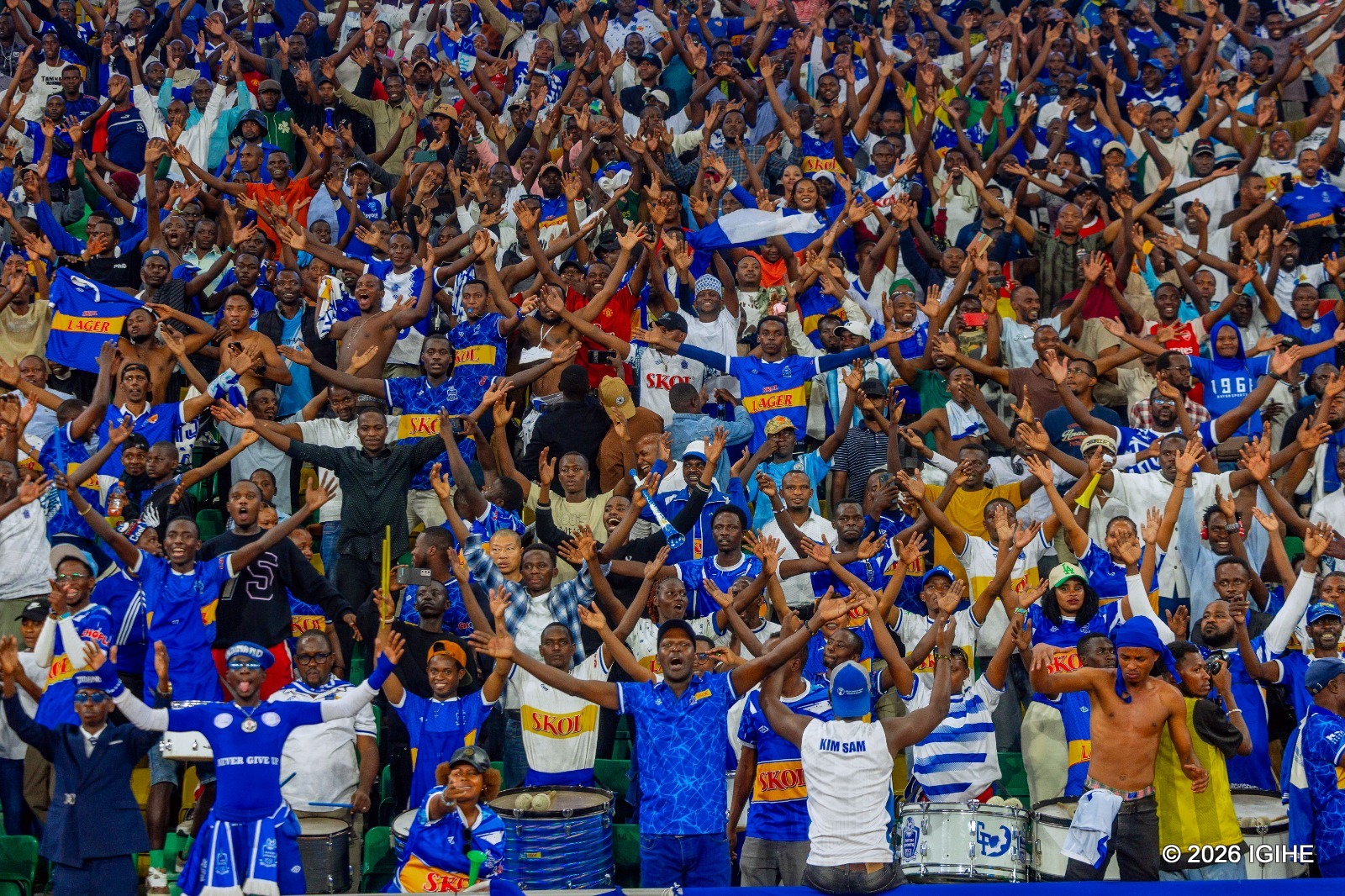
Rayon Sports booked their semifinal spot in style, finishing the group stage with a perfect record after winning all three matches.
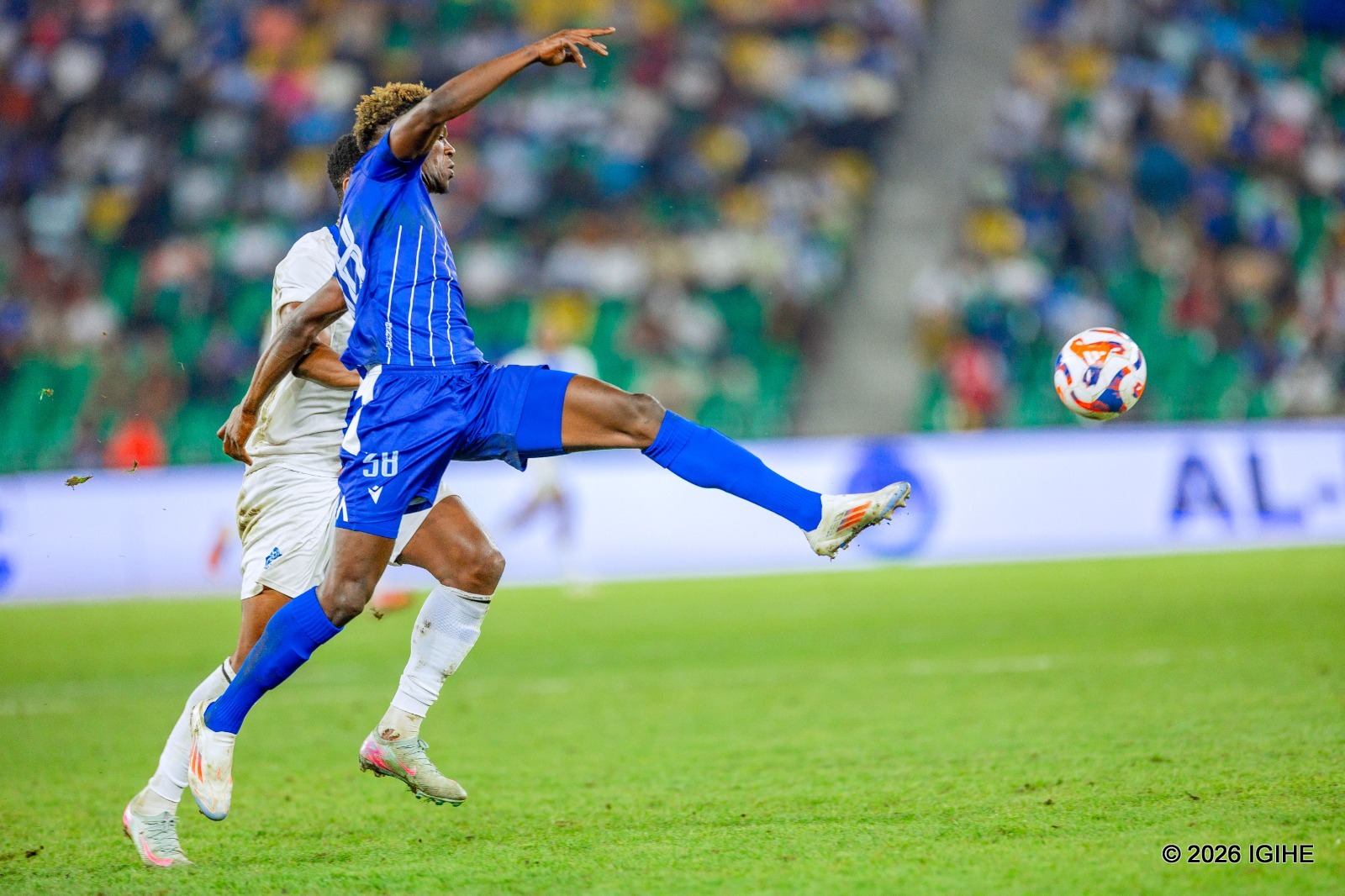
The Rwandan side defeated Al Hilal 1-0 on Saturday at Amahoro Stadium, with Antonio Atisso Kodjo scoring the decisive goal in the 16th minute. The victory saw Rayon finish top of their group with nine points, having shown both attacking quality and defensive resilience throughout the opening stage.
Rayon Sport defeated Al Hilal 1-0 on Saturday at Amahoro Stadium, with Antonio Atisso Kodjo scoring the decisive goal in the 16th minute.
The Blues will now face Jamus SC, one of the tournament’s surprise performers, in the second semifinal.
Jamus SC, representing South Sudan, reached the knockout stage after impressive displays against more established regional sides, earning recognition as one of the emerging teams in this year’s competition.
Rayon Sports head coach Christian Haringingo said reaching the semifinals was an important step for his team as they continue preparations for the new season.
“This is part of pre-season and we are now ready to face any team in the semifinal stage,” Haringingo said.
In the other semifinal, Al Hilal will take on Kenya’s Gor Mahia in a clash expected to attract attention across the region.
Despite losing to Rayon Sports, Al Hilal advanced as the best second-placed team after collecting six points from the group stage. The Sudanese side showed attacking threat throughout the tournament and will look to bounce back when they face Gor Mahia.
Al Hilal advanced as the best second-placed team after collecting six points from the group stage.
Gor Mahia, one of East Africa’s most decorated clubs, secured their place in the last four after a strong group-stage campaign and will be aiming to add another regional title to their historic record.
Meanwhile, Tusker FC and Zanzibar’s KVZ SC were eliminated after finishing third and fourth respectively in their group.
Tusker ended their campaign with a 2-0 victory over KVZ SC, with Ian Simiyu and Victor Mbaoma scoring the goals, but the result was not enough to keep the Kenyan side in contention.
The semifinals will be played on August 4 at Kigali Pele Stadium, with the remaining teams now focused on taking the final steps toward lifting the CECAFA Kagame Cup trophy.
Rwanda’s Rayon Sports, Sudanese giants Al Hilal, Kenya’s Gor Mahia and South Sudan’s Jamus SC have secured places in the semifinals, setting up two exciting clashes as teams battle for a place in the final.
Diamond shared the news on Sunday, August 2, through a post on Instagram featuring a photo from the hospital, where Zuchu was seen resting on a bed while cradling their newborn. The baby’s face was covered with an emoji as the couple appeared to protect her privacy.
“Welcome to the world, our precious little angel. You are already loved more than words can ever say,” Diamond wrote in the caption.
Zuchu, whose real name is Zuhura Othman Soud, responded to Diamond’s post with a heartfelt comment: “My whole world.”
The birth of their daughter comes after a period of ups and downs in the couple’s relationship. Earlier in June, Zuchu publicly announced that she and Diamond had separated, saying she had endured years of disrespect and was choosing her peace.
Shortly after the announcement, Zuchu revealed her pregnancy through a series of maternity photos, showing her baby bump and ultrasound images. Diamond later confirmed that he was the father, sharing his excitement over the new addition to their family.
The couple later appeared to reconcile, hosting a lavish baby shower and gender reveal celebration at Mbezi Beach in Dar es Salaam. During the event, Diamond publicly apologised to Zuchu and gifted her TSh78 million (about Rwf43 million), a gesture many fans viewed as a sign of commitment as they prepared to welcome their child.
The arrival of the baby girl has sparked celebrations among fans across East Africa, with many congratulating the couple on the new family milestone.
Diamond Platnumz, whose real name is Naseeb Abdul Juma, is one of the biggest names in Bongo Flava music and is the founder of WCB Wasafi. Zuchu rose to fame after joining the label in 2020 and has since become one of Tanzania’s leading female artists.
The pair have also collaborated on several hit songs, including Cheche, Litawachoma, Wana, Mtasubiri, Nani and Inama, earning millions of views across digital platforms.
The birth of their daughter marks a new chapter for the two artists, both personally and professionally.
After years of an on-and-off romance, the couple married in a private Islamic ceremony last year.
The sharp denial, reported by Iran’s semi-official Mehr news agency, follows statements posted by Trump on Truth Social in which he claimed Washington paused planned military action after receiving requests from Tehran and neighboring Middle Eastern nations.
The claims and denial
According to Iranian military sources cited by Mehr, Tehran made no direct or indirect request to halt U.S. operations. Instead, officials characterized Trump’s statements as a tactic designed to leverage pressure against Gulf states.
“Iran’s armed forces remain at the highest level of readiness and are fully prepared for any eventuality,” the military sources stated.
The response directly refutes claims made late Saturday by President Trump, who asserted that secret diplomatic openings had led to a temporary hold on fresh bombardments.
“We have just been asked by Iran, and other Middle Eastern Countries, to hold off any attack in that the perimeters of a deal has been agreed to,” Trump wrote on Truth Social, adding that any pause was contingent on securing a broader agreement quickly.
Escalating regional tensions
The public dispute comes against a backdrop of intense military posturing and fears of a widening regional war. U.S. forces have recently signaled readiness for expansive strikes targeting strategic Iranian infrastructure, while regional partners, including Saudi Arabia, have publicly and privately urged diplomatic restraint.
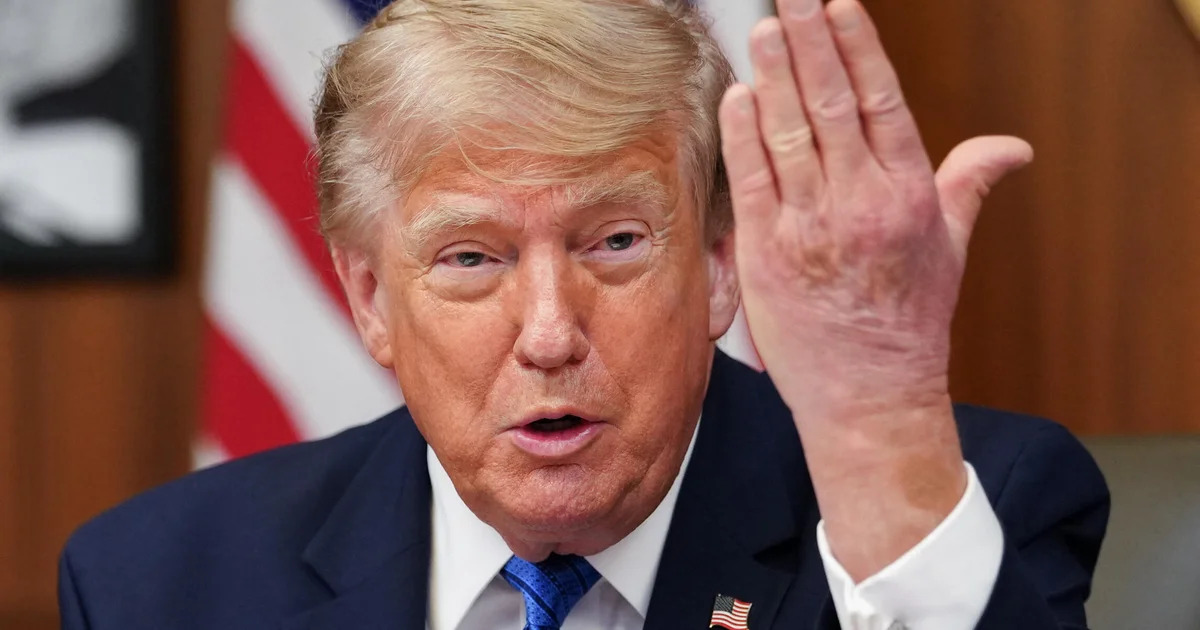
Iranian military officials on Sunday rejected assertions by U.S. President Donald Trump that Tehran had requested a hold on American military strikes, dismissing the claims as a “new lie” and an attempt to pressure regional Gulf allies.
The announcement was made by Micheal Martin, the Irish prime minister whose country currently holds the rotating presidency of the Council of the European Union, after calls from Spain as well as a 22-country initiative led by Italy and Denmark for a coordinated European response to the migrant crisis.
Italy and Denmark on Saturday spearheaded a joint initiative, calling for a coordinated European response to recent developments at the EU’s external border in Ceuta, according to a statement released by the Italian government.
People gather on the Moroccan side of the border with Spain’s North African enclave of Ceuta, preparing to cross into the enclave, on July 30, 2026.
The letter, signed by 22 European heads of state and government, was sent to top EU leaders, citing “serious concern” over the situation in Ceuta and stressed the need to prevent uncontrolled irregular crossings, fight migrant trafficking networks, eliminate all factors that may incentivize new illegal entries and ensure a unified and effective European response.
“We are determined to prevent smugglers from challenging the integrity of the Union’s external borders,” the letter said.
“We have a duty to effectively deter and relentlessly combat illegal migration, by coordinating our action, strengthening our external borders and addressing all policies that can serve as pull factors, such as the regularization of very large number of irregular migrants,” the letter added.
On the same day, Spanish Prime Minister Pedro Sanchez also called on the EU to convene an extraordinary meeting to coordinate a common response to the recent migrant crisis in Ceuta, while criticizing what he described as the “selfish” attitude of some member states.
Spanish Prime Minister Pedro Sanchez (C) observes the work of the Civil Guard in Spain’s North African enclave of Ceuta, on July 31, 2026.
Sanchez said around 50,000 migrants had entered Ceuta irregularly, but that Spain had restored control of the border in less than 48 hours, provided humanitarian assistance, returned virtually all of those who had crossed illegally, and prevented any unauthorized onward movement to mainland Europe.
He said these efforts were made possible through close cooperation with Moroccan authorities and with the support of other EU member states, while highlighting Spain’s long-standing migration policy, which he said had made the country one of the EU’s most secure external borders.
Sanchez also said that while most EU governments had expressed solidarity and offered assistance, others had chosen to “attack Spain” and call for its temporary exclusion from the Schengen Area.
The latest developments came after one of the largest irregular migration incidents on Spain’s southern border in recent years. According to the Spanish government, at least 67 people died during the crisis, while more than 48,000 of the nearly 50,000 migrants who entered Ceuta had returned to neighboring Morocco.