The GPT-5.6 family includes three models: Sol, the company’s new flagship model; Terra, a balanced model for everyday work; and Luna, its fastest and most cost-efficient model, OpenAI said in a statement.
The company said GPT-5.6 Sol sets a new standard for intelligence and efficiency across coding, knowledge work, cybersecurity and science, while using fewer tokens and lowering estimated costs compared with previous and competing frontier models.
OpenAI also introduced two new capability settings for the model family. The “max” setting gives GPT-5.6 more time to reason, check and revise its approach, while the “ultra” setting coordinates multiple agents in parallel to handle more complex tasks.
According to the company, GPT-5.6 became available on Thursday across ChatGPT, Codex and the OpenAI API, with the global rollout expected to continue gradually over the next 24 hours.
OpenAI said GPT-5.6 is launching with its “most robust safeguards to date.” The company said the models are more capable than earlier models in biology and cybersecurity, but do not cross the “critical” threshold in either category under its preparedness framework.
The company added that the models underwent its most extensive safety evaluations to date before general availability.
GPT-5.6 became available on Thursday across ChatGPT,
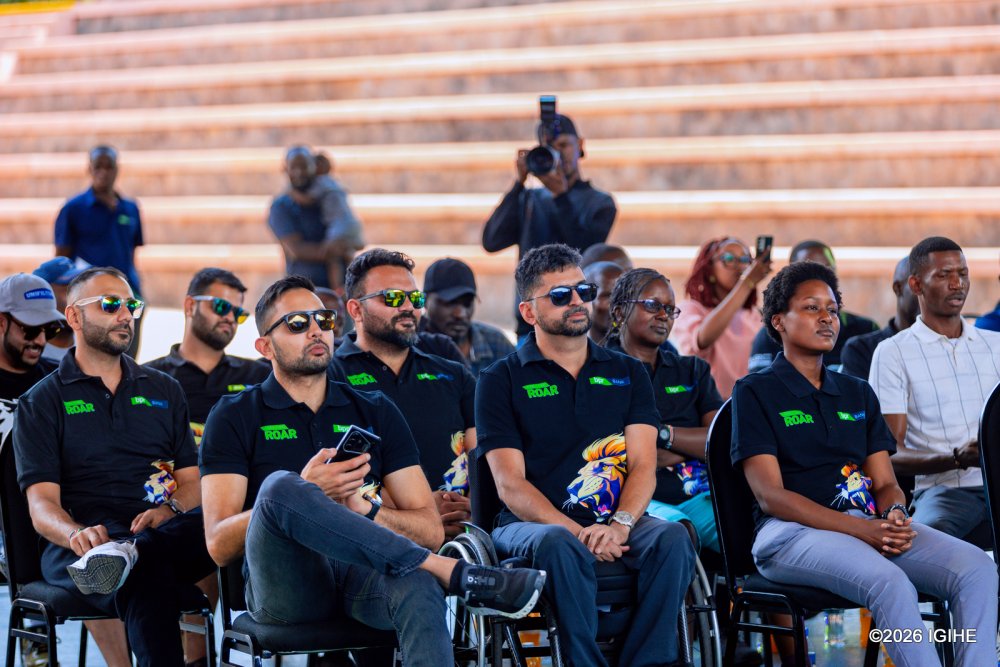
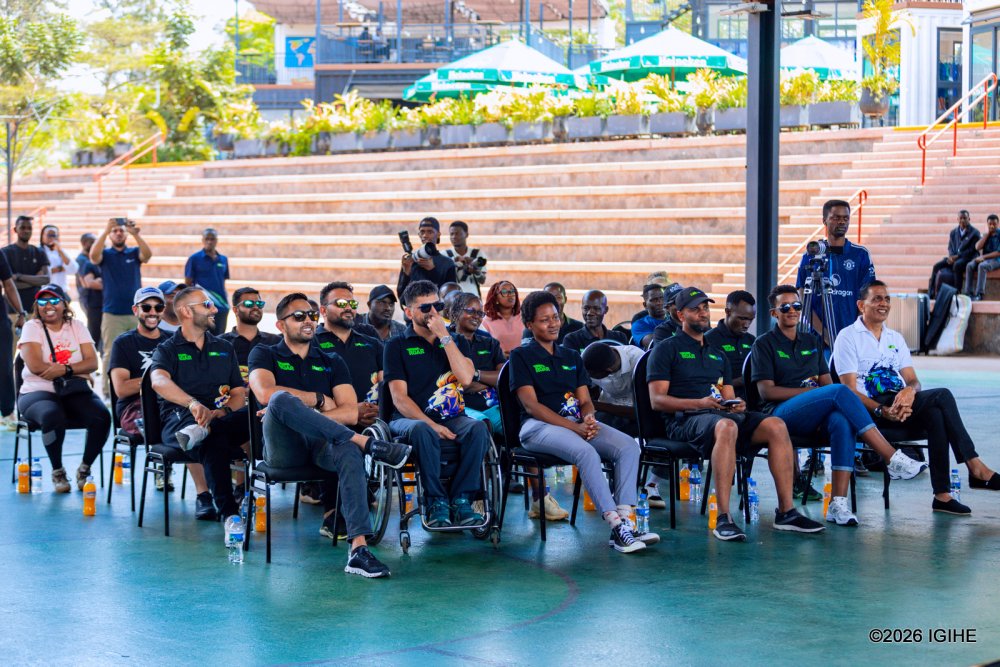
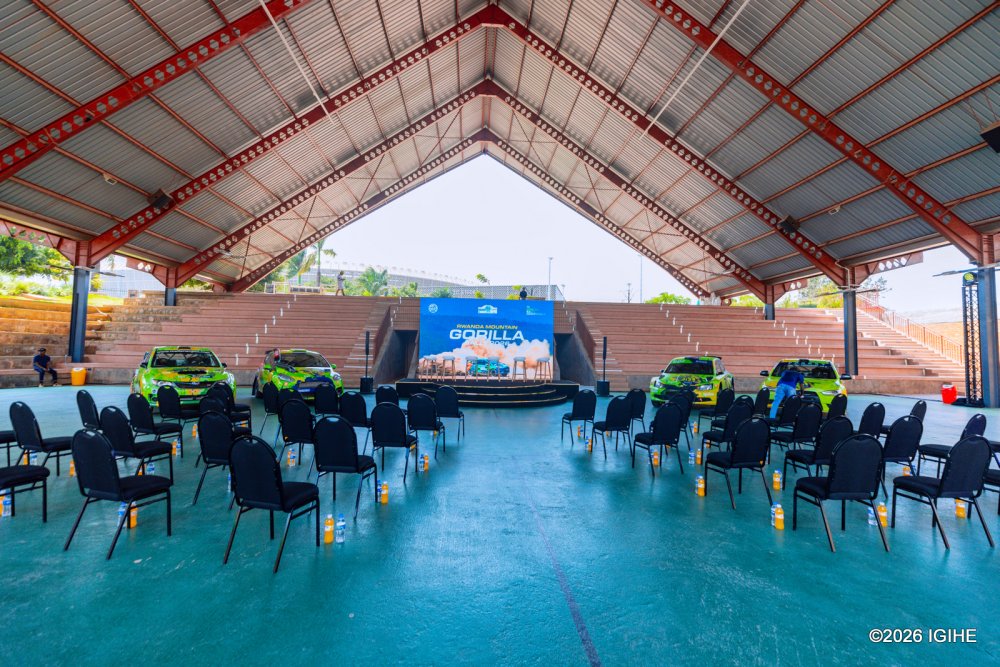
The announcement was made on Wednesday, July 8, during the official unveiling of the rally at Zaria Court Kigali. The event, which is part of the African Rally Championship calendar, is expected to attract 36 competing cars this year.
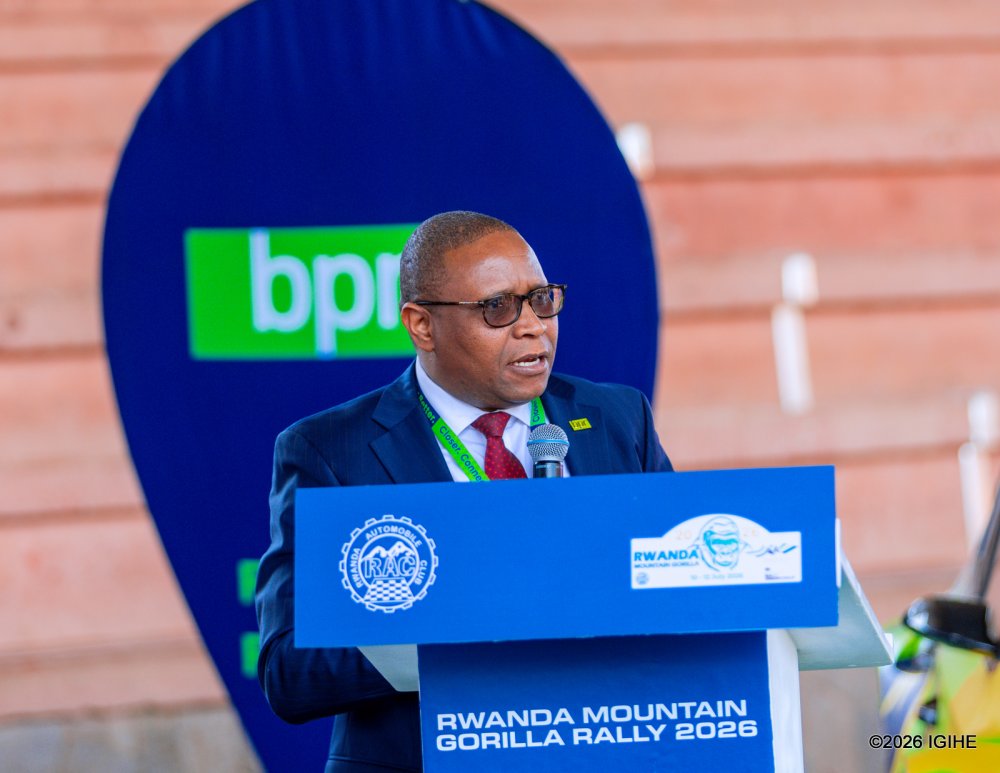
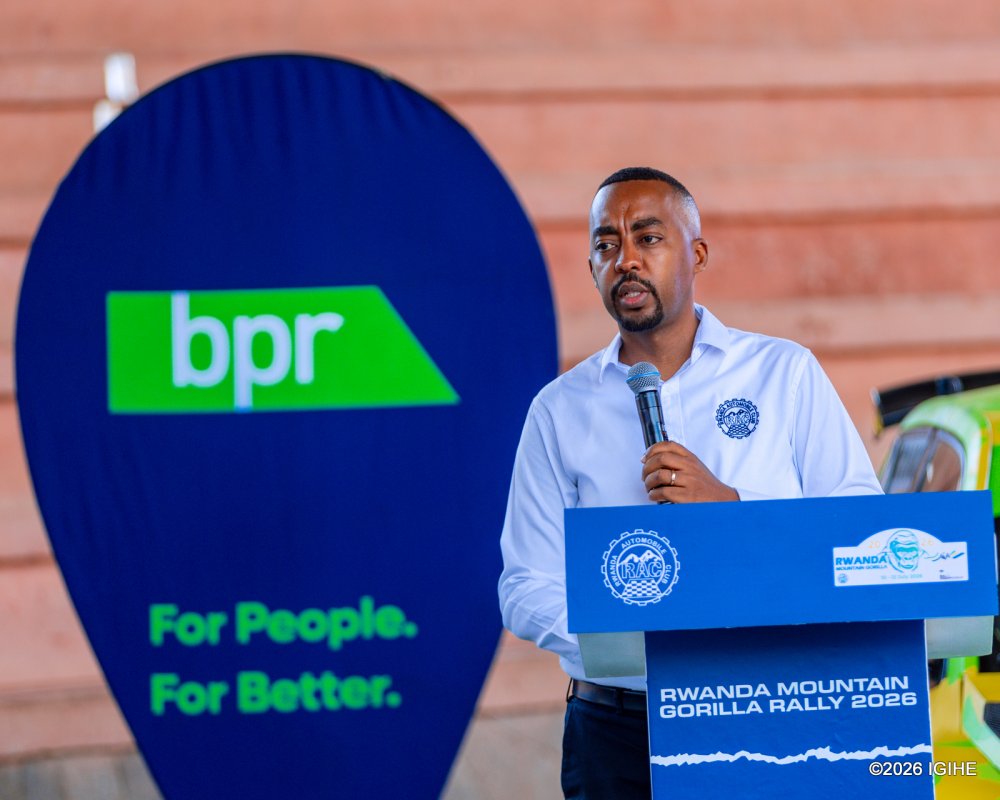
Speaking at the launch, BPR Bank Rwanda PLC Chief Operations Officer, Godfrey Kariuki Kamau, commended the Rwanda Automobile Club (RAC) for its continued efforts to develop motorsport in Rwanda and for attracting some of Africa’s top rally drivers to the competition.
“We are proud to partner with you,” Kamau said. “As a member of the KCB Group, BPR Bank Rwanda PLC is committed to supporting initiatives that positively impact communities. Sport remains one of the strongest platforms for empowering young people, nurturing talent, promoting tourism and contributing to economic growth.”
He noted that over the years, KCB Group has invested more than KSh 3.5 billion in developing various sports, including athletics, rugby, football, volleyball, chess and golf, as part of its broader commitment to community development.
Kamau added that the group has invested more than Rwf 11 billion in motorsport over the years, helping drivers and co-drivers participate in regional and international competitions and showcase their talent.
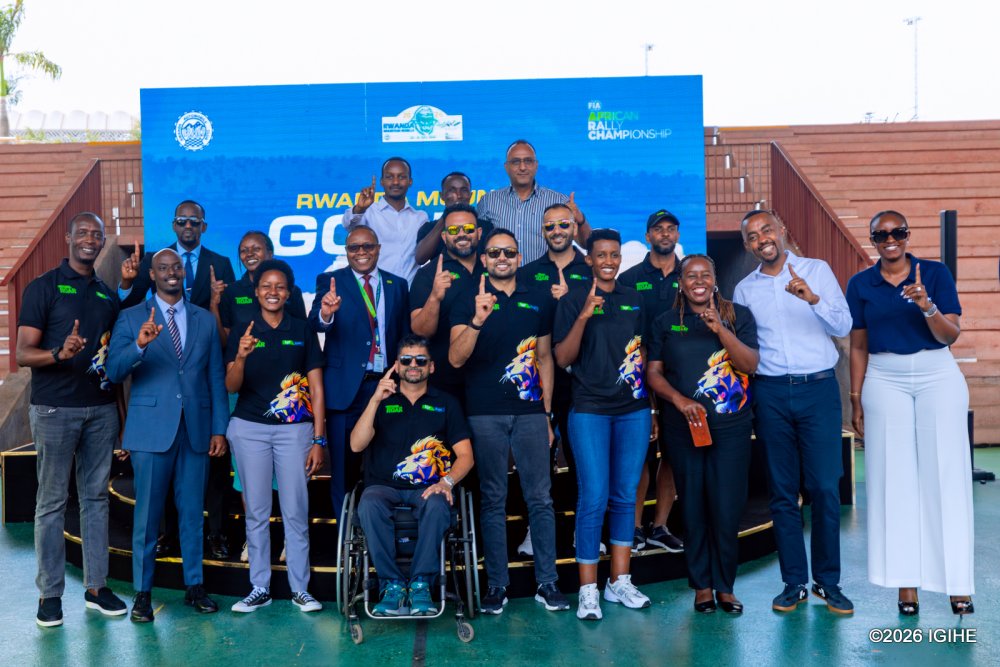
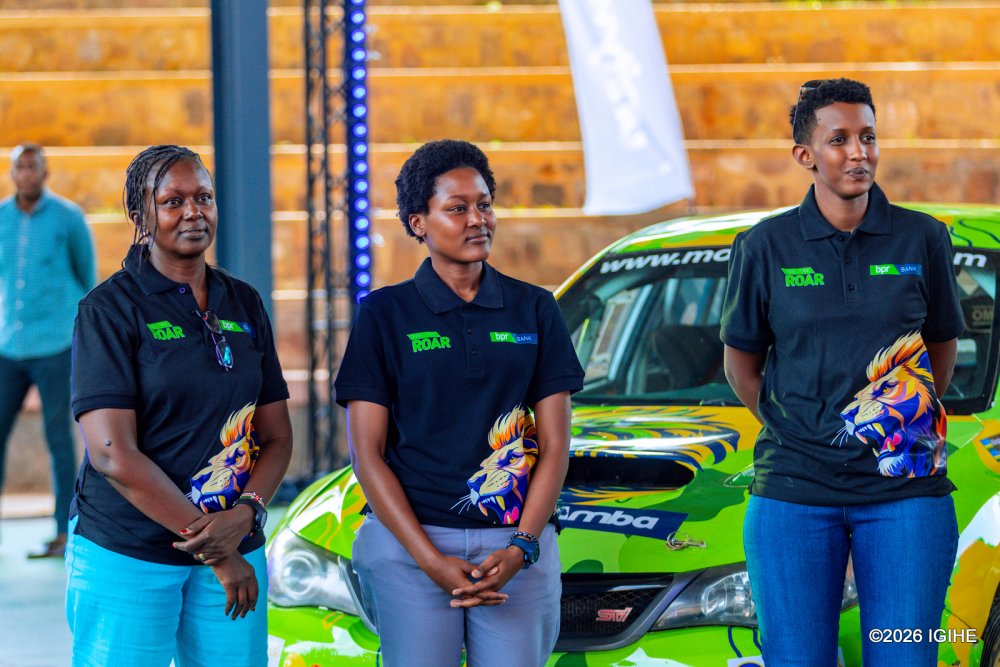
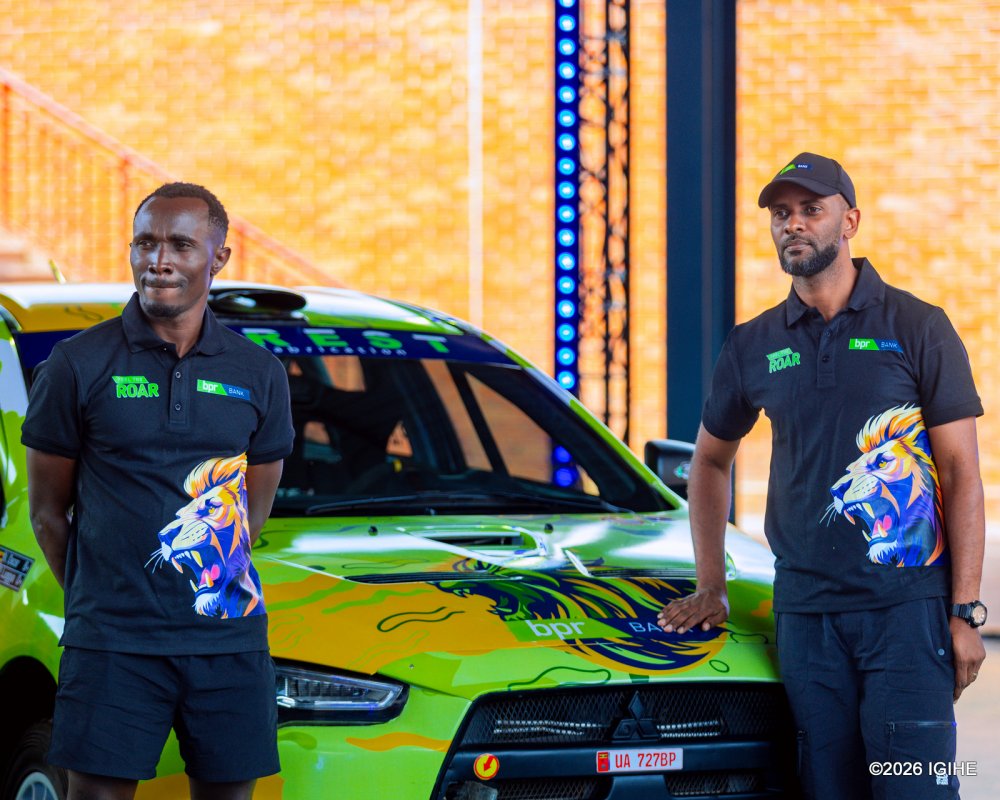
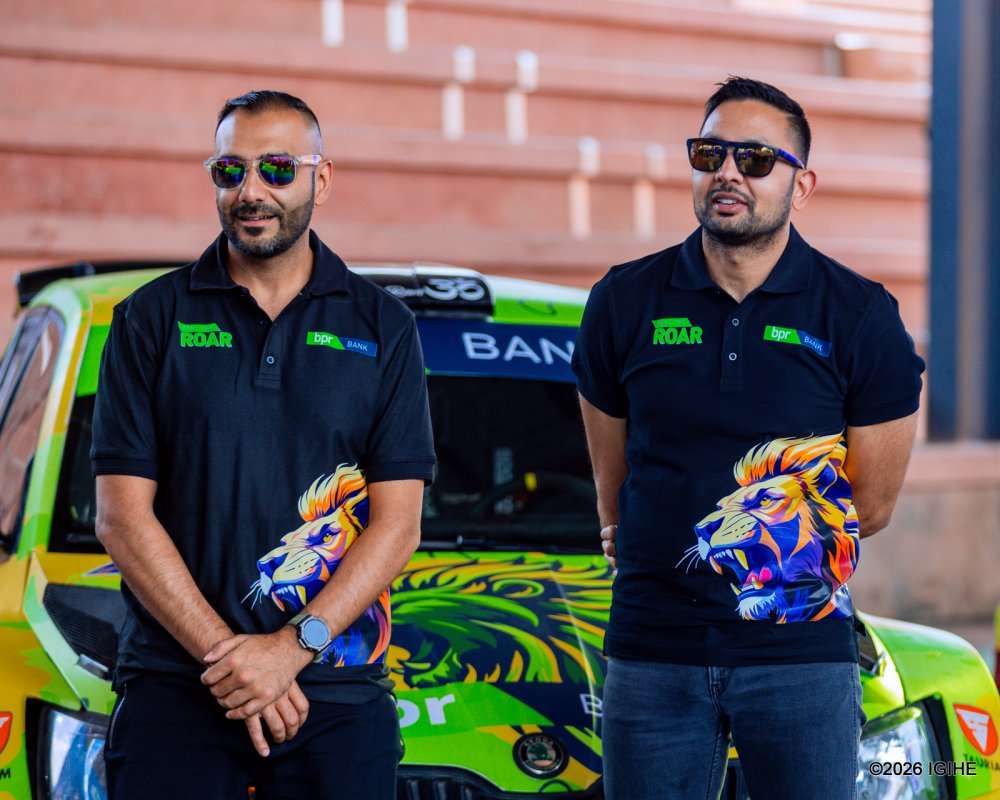
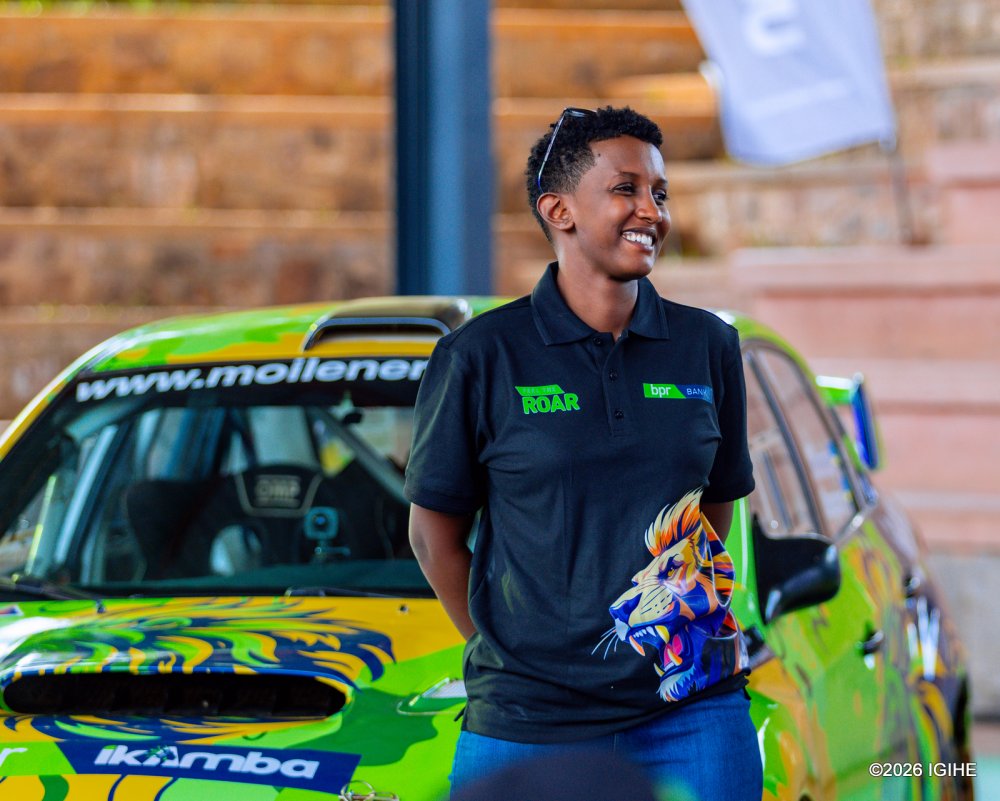
For this year’s rally, he said BPR Bank Rwanda PLC and KCB Group have committed Rwf 150 million towards the organisation of the event and sponsorship of five drivers; Karan Patel, Queen Kalimpinya, Oscar Ntambi, Tinashe Gatimu and Nikhil Sachania.
Rwandan rally driver Queen Kalimpinya said she and her team are well prepared and optimistic about achieving one of their best results, especially as the rally will be held on the familiar Nemba and Ruhuha stages.
“As you become more familiar with the car, your times continue to improve,” she said. “I’m confident we’ll achieve a better result than in previous editions.”
Two-time African Rally Champion Karan Patel, who also won the Rwanda Mountain Gorilla Rally in 2023 and 2024, said he was excited to return for this year’s competition.
“We’re ready as always. We love Rwanda, we enjoy being here, and we’ll do everything possible to ensure the car is fully prepared for the challenge ahead,” Patel said.
He also thanked BPR Bank Rwanda PLC and KCB Group for supporting the repair of his rally car after it was damaged in his previous event, enabling him to compete in this year’s Rwanda Mountain Gorilla Rally.
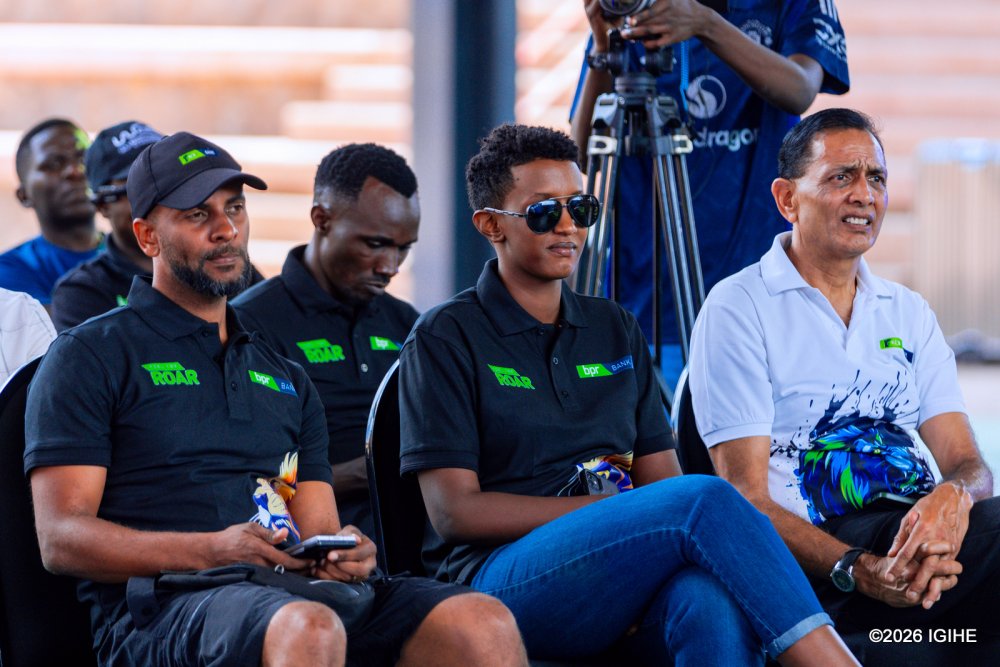
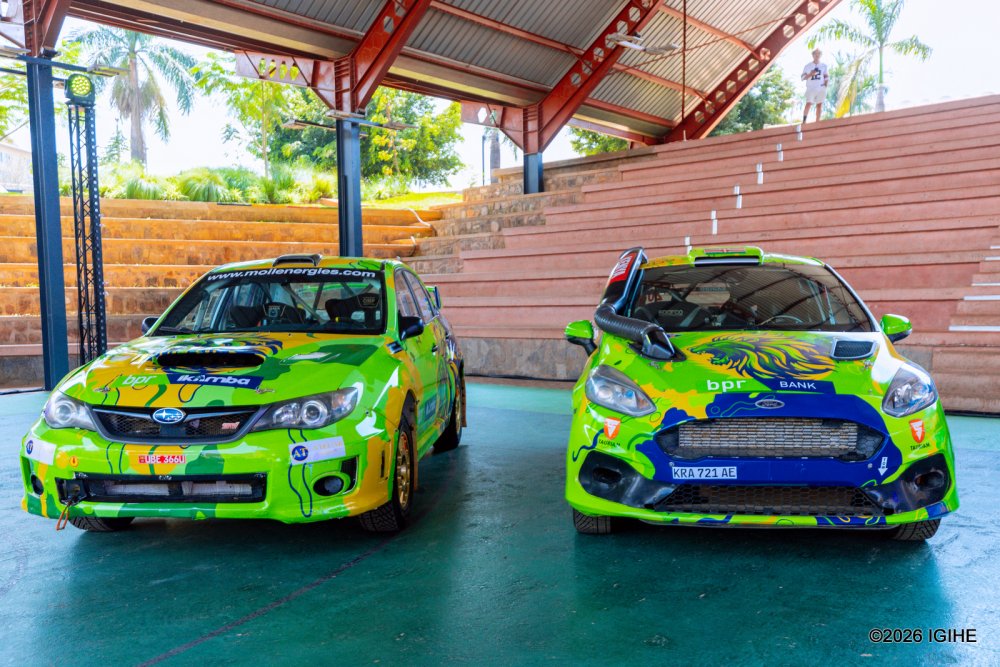
The five driver crews sponsored by BPR Bank Rwanda PLC in partnership with KCB Group pose for a group photo with bank and rally officials.Karan Patel (right) is among the drivers expected to shine at this year’s Rwanda Mountain Gorilla Rally.Queen Kalimpinya is one of the five drivers sponsored by BPR Bank Rwanda PLC for this year’s Rwanda Mountain Gorilla Rally.BPR Bank Rwanda PLC Chief Operations Officer, Godfrey Kariuki Kamau, commended the Rwanda Automobile Club (RAC) for its continued efforts to develop motorsport in Rwanda and for attracting some of Africa’s top rally drivers to the competition.Rwanda Automobile Club (RAC) President Christian Gakwaya thanked the sponsors of the 2026 Rwanda Mountain Gorilla Rally for their support.Some of the highly anticipated cars competing in the 2026 Rwanda Mountain Gorilla Rally will carry BPR Bank branding.
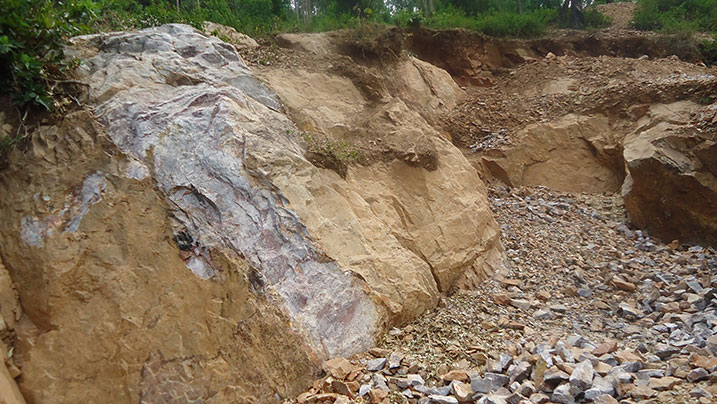
The incident occurred on July 9, 2026, in Nyamabuye Village, Kanzenze Cell, Ntarama Sector.
By the time of publication, security personnel and local residents had launched a rescue operation to retrieve those trapped.
The Executive Secretary of Ntarama Sector, Patrick Rwasa, told IGIHE that preliminary information indicated that between eight and 10 people were inside the quarry when it collapsed.
“We have been informed that between eight and 10 people were excavating in the quarry. It collapsed on all of them. We are doing everything possible to rescue them, although, given the time that has elapsed, we are not optimistic that they are still alive,” he said.
A quarry used for extracting construction stones in Bugesera District, Western Province collapsed on at several people on Thursday morning. Photo used for illustration
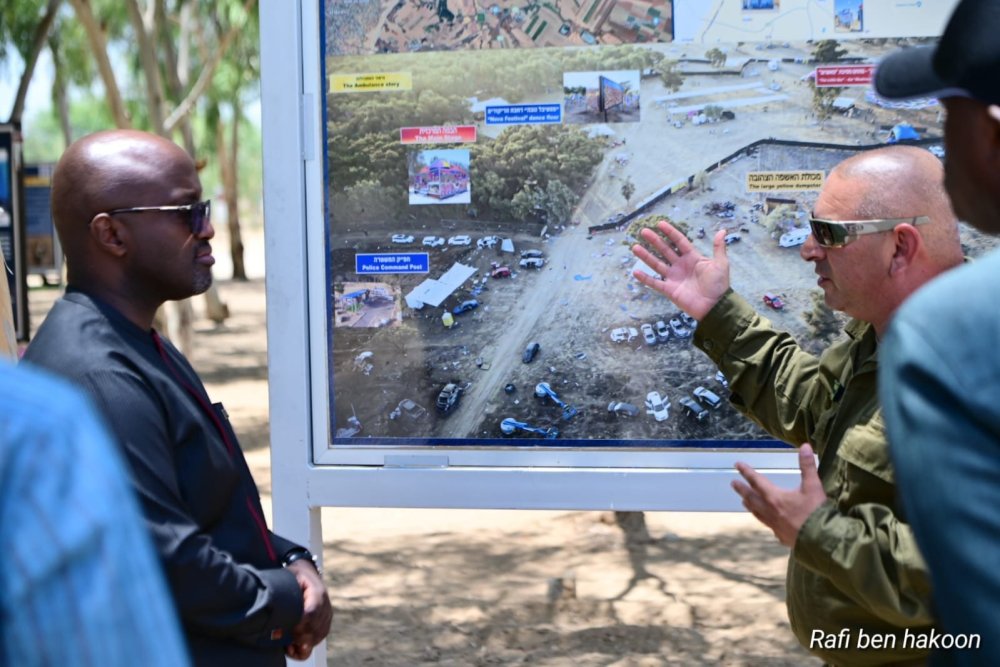
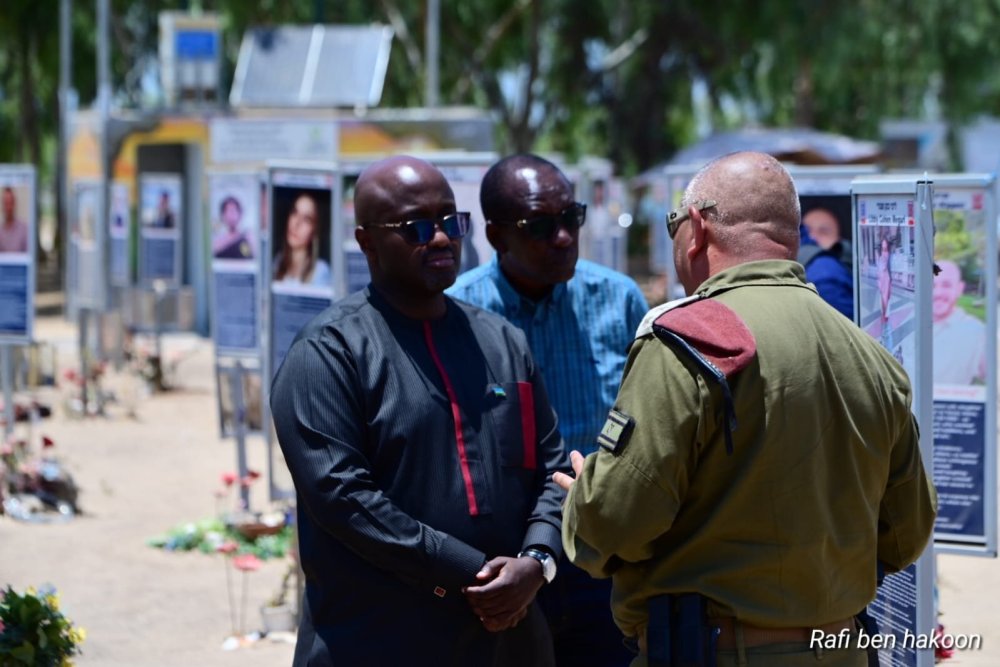
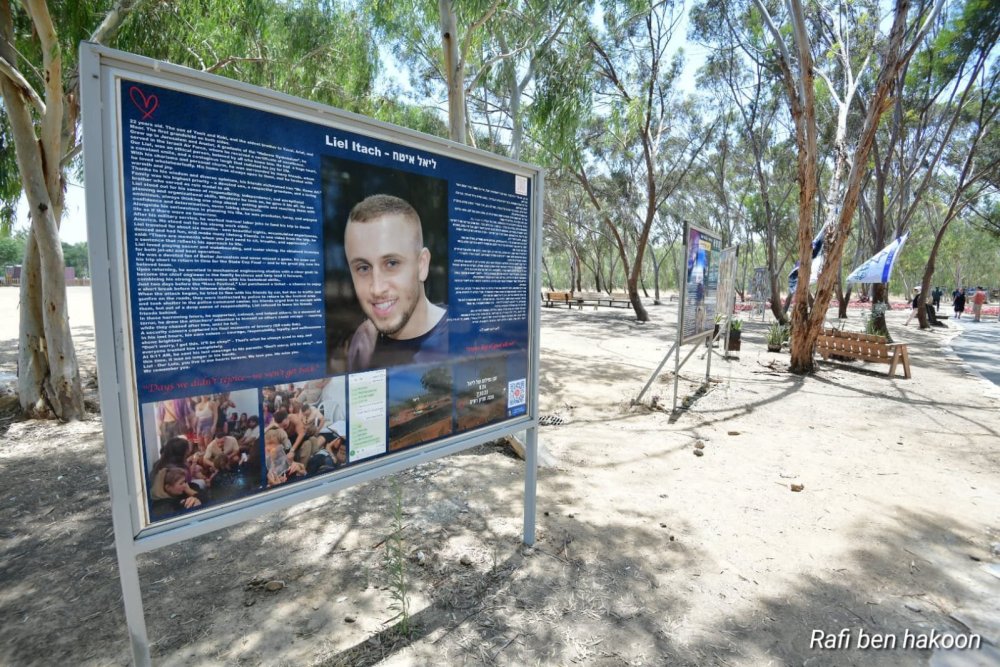
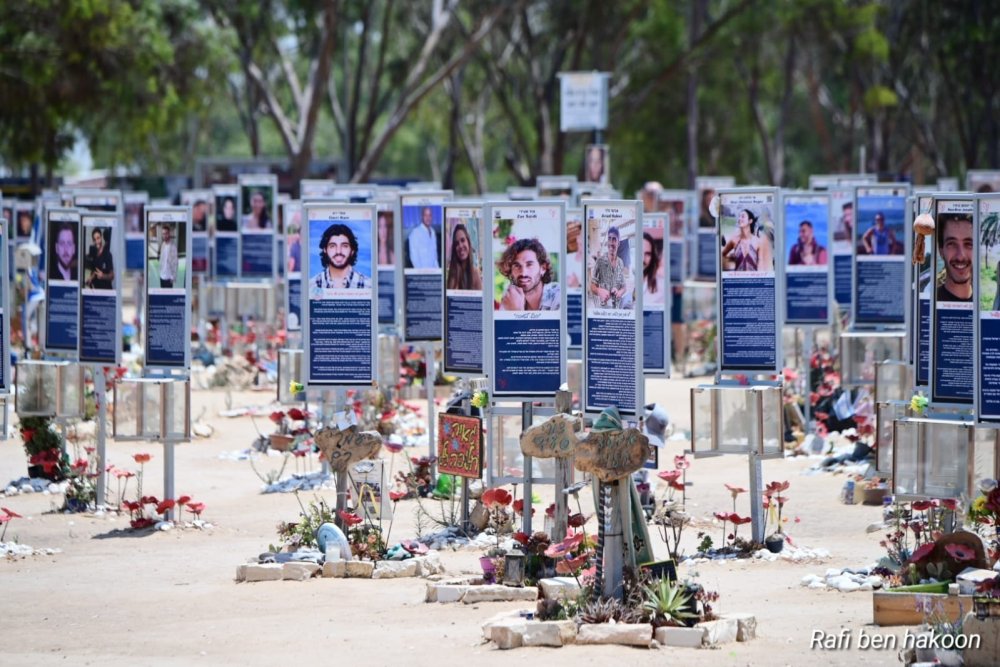
According to Rwanda’s Ministry of Foreign Affairs and International Cooperation, Minister Nduhungirehe visited Nova Music Festival Memorial Site in Re’im, southern Israel, where he honoured victims of the attack that targeted attendees of the festival.
Rwanda and Israel maintain relations based on cooperation in various areas, with both countries having highlighted the lessons drawn from painful historical experiences and the importance of combating hatred and violence against civilians.
Minister Nduhungirehe’s visit comes as security challenges in the Middle East continue to attract international attention following the war that began after Hamas launched an attack on Israel in October 2023.
The October 7, 2023 attack began when Hamas fighters entered Israel from the Gaza Strip and carried out attacks against civilians and security installations.
During the assault, many people were killed and others were taken hostage, including attendees of the Nova Festival, which was held near the Gaza-Israel border.
The attack triggered the ongoing war between Israel and Hamas, leading to major security and humanitarian challenges in Gaza and across the Middle East.
Minister Nduhungirehe’s visit to Israel concluded on July 8, after Rwanda and Israel signed two cooperation agreements in Jerusalem on July 6 aimed at strengthening collaboration in education, scientific research, ICT, vocational training and international development.
The agreements seek to deepen bilateral ties through knowledge exchange, capacity building and joint efforts to promote innovation and sustainable development.
Minister Nduhungirehe was briefed on the October 7 Hamas attack.Minister Nduhungirehe has paid tribute to Israelis who lost their lives in the Hamas attack.The memorial was built in remembrance of those killed in the Hamas attack.
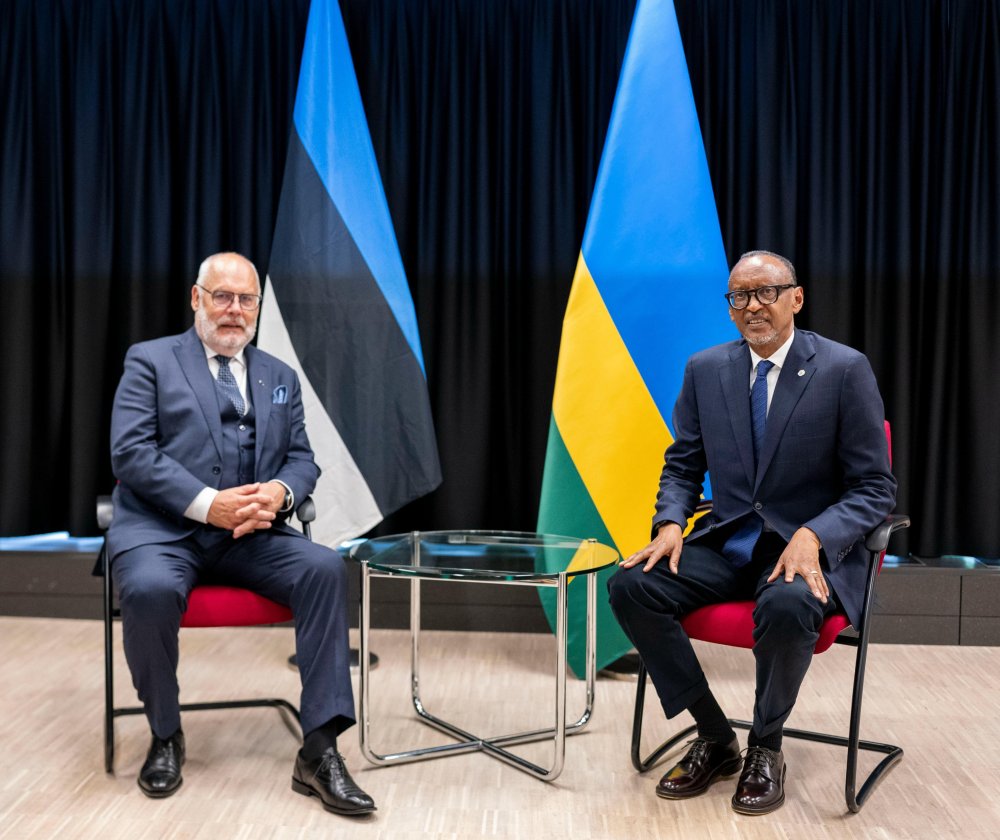
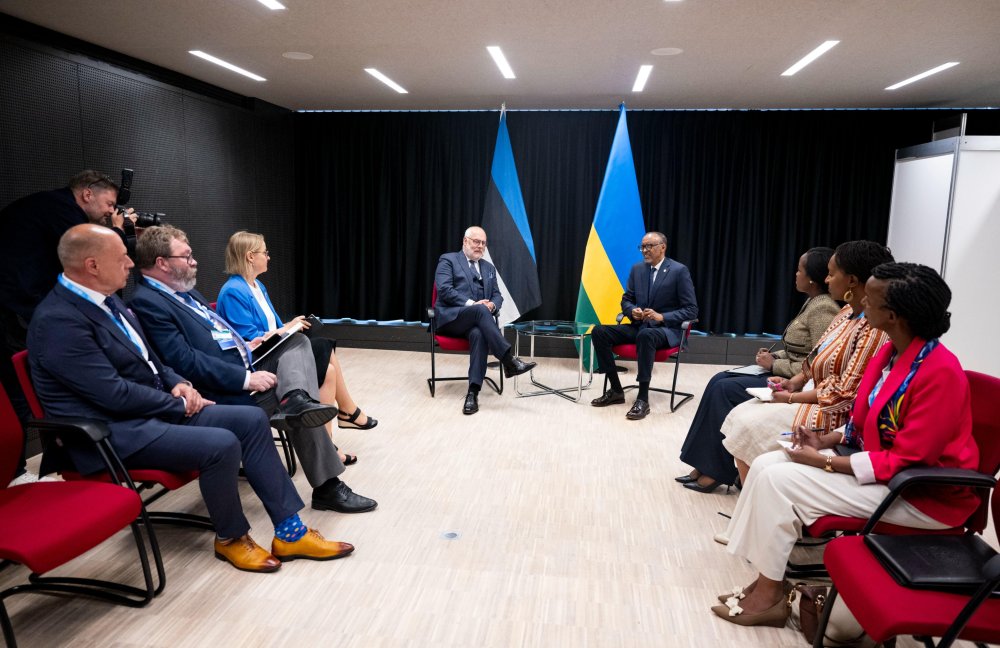
The meeting took place on July 8, 2026, on the sidelines of the AI for Good Global Summit 2026 in Geneva, Switzerland, according to the Office of the President.
Estonia is a small country in the Baltic region of Northern Europe. The capital, Tallinn, dates back to the 13th century and its Historic Centre, the Old Town is on UNESCO’s list of World Heritage Sites.
With a sparse population, over half of Estonia is covered with forests, the country has the 4th best urban air quality in the world and 2222 islands along its coastline.
With a total population of 1.3 million, about 1.1 million people speak Estonian, making it one of the world’s smallest official national languages.
The country has also transformed the government into a digital government, branding itself as e-Estonia. It was the first country to adopt online voting in 2005, first country with a data embassy and the first country to offer cross-border digital identity to anyone in the world.
President Alar Karis assumed office in 2021, succeeding Kersti Kaljulaid, who served as Estonia’s president from 2016.
Rwanda and Estonia have maintained cordial relations over the years, with leaders from both countries engaging regularly to advance bilateral cooperation.
In 2018, on the sidelines of the Munich Security Conference in Germany, President Kagame met with then-President Kersti Kaljulaid, shortly after her official visit to Rwanda.
Kaljulaid had visited Rwanda on November 16, 2017, during a trip from Ethiopia, marking her first visit to Africa since taking office.
During that visit, the two countries highlighted their shared commitment to digital innovation and identified significant opportunities for cooperation in technology-based development, e-government, and digital public services.
While in Rwanda, Kaljulaid also visited the Kigali Genocide Memorial, where she paid tribute to the victims of the 1994 Genocide against the Tutsi.
In a message left at the memorial, she conveyed condolences on behalf of the people of Estonia to Rwanda, survivors, and the families of those who died in the genocide.
President Paul Kagame and Estonian President Alar Karis held bilateral talks on the sidelines of the AI for Good Global Summit 2026 in Geneva, Switzerland.President Kagame and President Alar Karis exchanged views on expanding cooperation in digital innovation and e-governance.
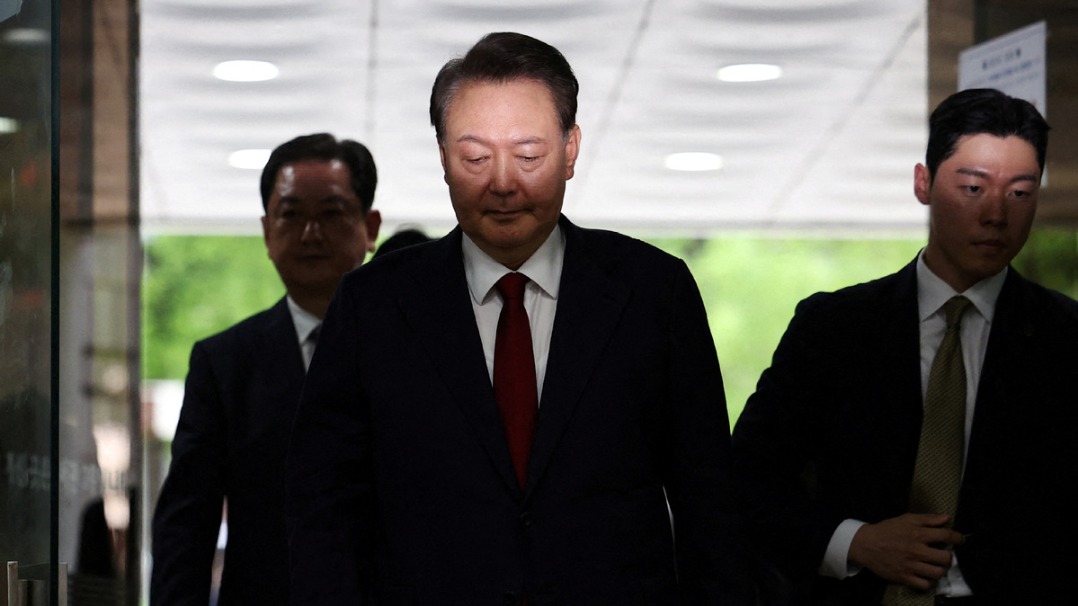
The Supreme Court delivered its final verdict on Yoon, saying the lower court committed no error in its application of legal principles.
It marked the top court’s first ruling on Yoon since the ousted leader’s martial law declaration in December 2024.
On April 29 this year, the Seoul High Court overturned a lower court’s ruling over Yoon’s obstruction of arrest, lengthening his prison term from five to seven years.
The team of Cho Eun-suk, an independent counsel who led investigations into Yoon’s insurrection and other charges, had sought a 10-year prison sentence in the first and second instances.
Yoon was charged with abusing the presidential security service to hinder the anti-corruption agency from executing its arrest warrant in January 2025.
The Corruption Investigation Office for High-ranking Officials (CIO) was once thwarted in its attempt to arrest Yoon when the presidential security service formed human shields and bus blockades to prevent investigators from entering the presidential residence.
Yoon was also accused of abusing his power to block nine cabinet members from exercising their rights to deliberate on the martial law declaration by calling a selective cabinet meeting before the declaration.
He faced charges of creating and later destroying a fabricated declaration document to make the declaration appear legal after the martial law was lifted, while ordering the dissemination of a press guidance containing a false claim that there was no intention to disrupt the constitutional order through the martial law.
The emergency martial law was declared by Yoon on the night of Dec. 3, 2024, but was revoked hours later by the National Assembly.
He was indicted under detention in January 2025 as a suspected ringleader of the insurrection, becoming the first sitting president to be arrested and indicted.
Yoon was charged with abusing the presidential security service to hinder the anti-corruption agency from executing its arrest warrant in January 2025.
“These incidents that we have seen in the last 24 hours risk derailing the diplomatic progress achieved between the Islamic Republic of Iran and the United States,” said Stephane Dujarric, the spokesman, at a daily press briefing.
He said that “a return to full-scale hostilities would have catastrophic consequences — for the peoples of the region, for international peace and security, and for the global economy as a whole.”
The secretary-general called on all parties to exercise maximum restraint, avoid any further escalatory action, and take immediate steps to de-escalate. The UN chief further recalled the obligations of all parties to fully comply with international law.
Guterres urged Iran and the United States to promptly resume negotiations and to address outstanding issues through diplomacy.
The United Nations remains committed to supporting all efforts to prevent a return to conflict, restore stability, and advance a comprehensive and durable resolution to this conflict, said the spokesman.
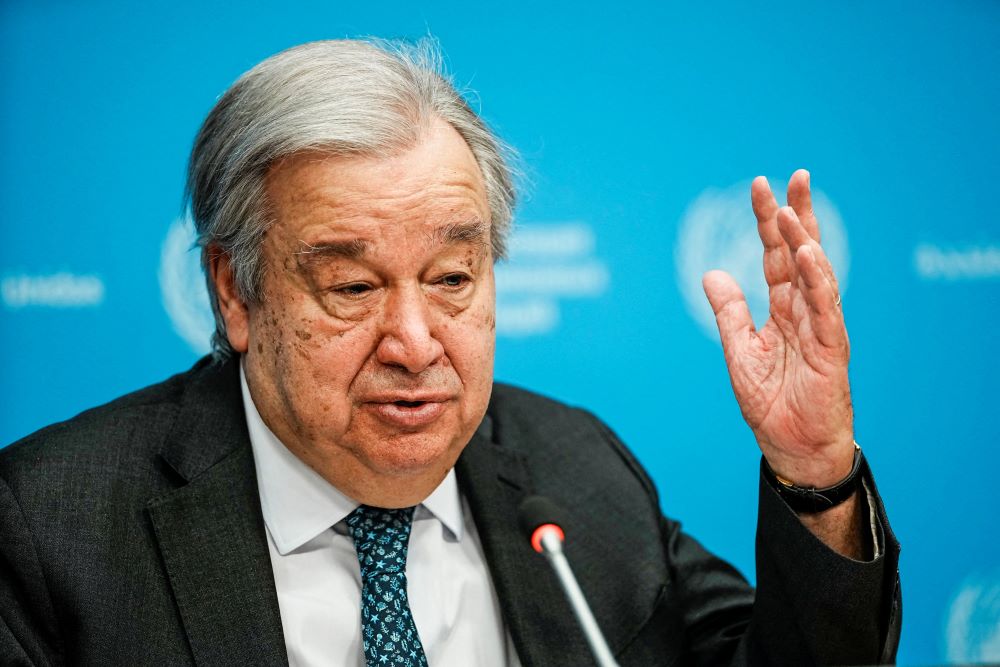
United Nations Secretary-General Antonio Guterres speaks during a press conference outlining his priorities for 2026 at U.N. headquarters in New York City, U.S., January 29, 2026. REUTERS/Eduardo Munoz
The United States is “holding Iran accountable for recent unjustified aggression against commercial shipping and civilian crews freely navigating a vital international waterway,” the command said in a post on X.
More than 20 U.S. Navy warships were patrolling waters across the Middle East on Wednesday, the command said in an earlier post.
The move came after U.S. President Donald Trump warned at the NATO summit in Ankara earlier the same day that the U.S. military would probably hit Iran again.
“I’ll give a little warning: We’re going to hit them hard tonight,” Trump said, adding that he did not expect a full-fledged conflict with Iran.
Following Trump’s remarks at the summit, Iran’s Press TV, citing an informed source, reported that Iran would close the Strait of Hormuz and strike twice as many targets given any fresh U.S. attack.
The developments came as the United States and Iran traded fresh attacks from Tuesday night into Wednesday, marking a new round of escalation.
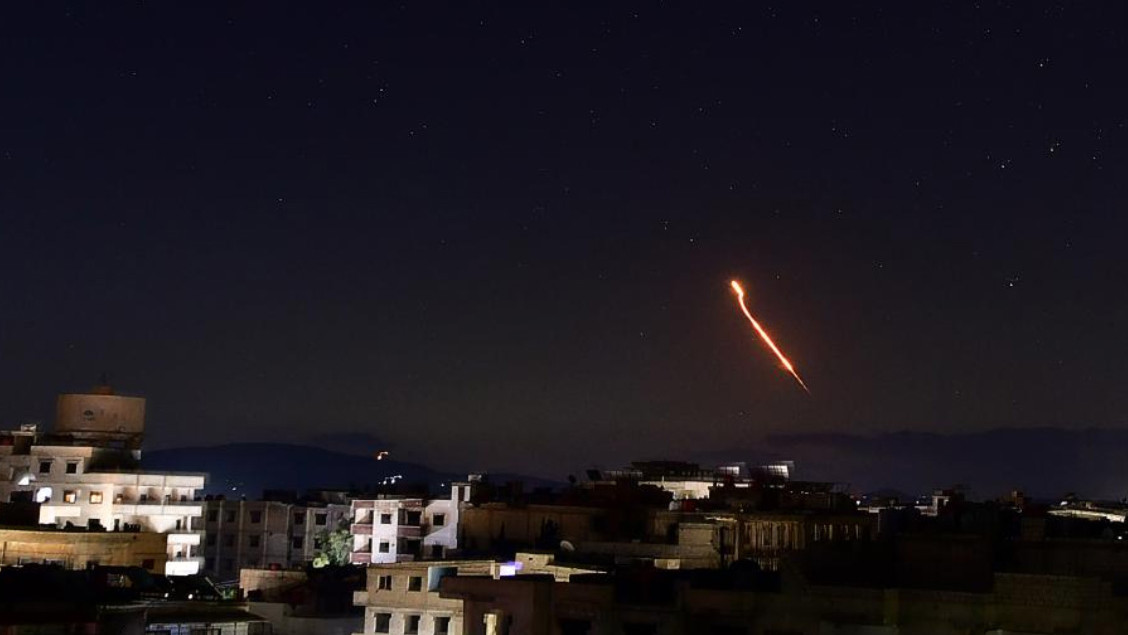
US forces conducted strikes against Iran for a second straight day to “degrade” Iran’s ability “to threaten freedom of navigation in the Strait of Hormuz,” as announced by the United States Central Command.
A total of 750 patients are currently in isolation or hospitalization, with an overall bed occupancy rate of 94 percent, health authorities said in an update released late Wednesday.
Caused by the Bundibugyo Ebola virus, the outbreak, declared on May 15, is the country’s 17th Ebola outbreak.
It has affected 37 health zones in three provinces, namely Ituri, North Kivu and South Kivu.
Response to the outbreak continues to face multiple constraints, including community resistance to post-mortem sampling, insufficient treatment capacity, gaps in contact tracing, limited supplies, insecurity and restricted access in areas affected by armed groups.
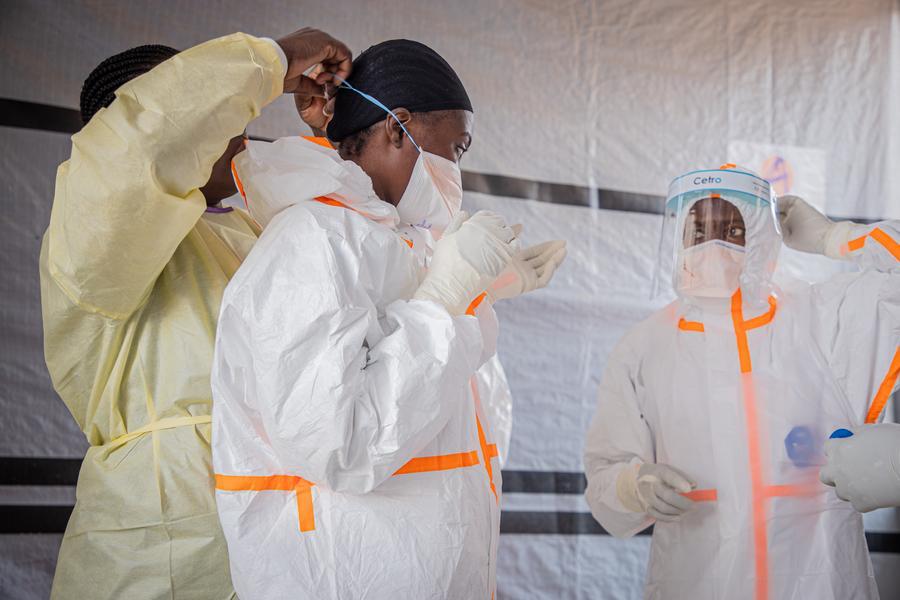
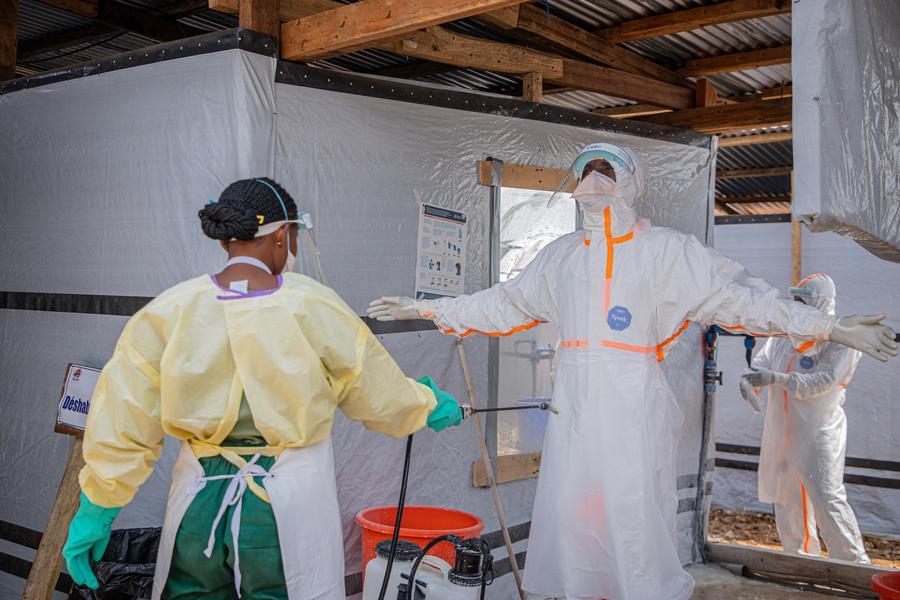
Medical workers put on protective suits at an Ebola treatment center in Bunia, the capital of Ituri Province in the Democratic Republic of the Congo, July 6, 2026. (Xinhua)
As of Monday, the DRC had reported 1,708 confirmed cases, including 580 deaths, said authorities late Tuesday.
According to a WHO Regional Office for Africa report released Tuesday, the outbreak in the DRC “continues to intensify,” driven by sustained transmission in hotspot health zones of Ituri and North Kivu provinces, growing numbers of community deaths and the spread of infection into previously unaffected health zones.
The public health risk in the DRC remains “very high,” the WHO said, warning that sustained and widespread transmission continued to outpace the current response capacity.
“The true scale has not yet been fully established,” Anne Ancia, WHO’s representative to the DRC, told reporters in Bunia, capital of Ituri province, epicenter of the outbreak.
“We would like to say it is stabilizing, but frankly, we cannot say it yet,” she said.
Hidden chains of transmission
The WHO report said deaths before admission to treatment facilities remain a major concern in the country, suggesting delays in case detection, referral and isolation.
Among 430 confirmed deaths investigated as of Sunday, 397, or 92.3 percent, occurred in the community or before admission to a treatment facility, according to the report.
For health workers, community deaths are a critical warning sign, which suggests that surveillance, referral and isolation systems are still lagging behind the virus, allowing transmission to continue before patients reach care, it said.
Contact tracing has improved but remains insufficient to quickly interrupt transmission. As of Monday, 12,412 contacts were under follow-up in the DRC.
However, only 32.4 percent of confirmed cases had been detected through contact follow-up, indicating many infections outside known contact lists and “ongoing gaps in surveillance.”
In support of the government-led response, WHO teams are working to reconstruct the history of each infection “so that we can really understand the chain of transmission” and isolate every contact case, Ancia said.
The outbreak, declared on May 15, is unfolding in areas already marked by armed conflicts, mass displacement and overstretched health services. It has mainly affected Ituri, North Kivu and South Kivu provinces in eastern DRC.
Jean Kaseya, director-general of the Africa Centers for Disease Control and Prevention (CDC), said compared with previous Ebola outbreaks in Africa at the same stage, the current outbreak ranked first in terms of the number of cases and deaths.
Healthcare nearing saturation
The surge in cases is placing growing pressure on Ebola treatment and isolation facilities.
The DRC has about 700 treatment and isolation beds across more than 22 Ebola treatment centers and care facilities. As of Sunday, 646 patients were in isolation nationwide, with official isolation occupancy standing at about 94.2 percent, according to the WHO report.
Ancia said that treatment centers were “at saturation point” and that not all needs in Ituri province could currently be met.
Still, WHO officials pointed to some gains in the response. Testing capacity has risen sharply from about 30 tests per day in Kinshasa to more than 2,000 per day, thanks to 10 decentralized laboratories established in affected provinces, including the latest one opened in Bunia, Ancia said.
The response is also complicated by the wider humanitarian emergency in eastern DRC, where insecurity, displacement, poor water access and weak health infrastructure have increased vulnerability to diseases.
Kaseya said the Ebola response could not be separated from the broader humanitarian crisis in eastern DRC.
He said that Africa CDC and partners had expanded their funding appeal from an initial request focused on Ebola response to a wider package covering health and humanitarian needs, and that addressing displacement, sanitation and insecurity would help contain multiple crises at once.
“If we resolve these humanitarian aspects, we will defeat not only Ebola, but also measles and cholera, and also fight insecurity and give opportunities to young people,” Kaseya said.
Search for treatment
The current outbreak is caused by the Bundibugyo Ebola virus, for which there is no approved vaccine or specific treatment, unlike the better-known Zaire species.
The WHO-sponsored PARTNERS clinical trial was officially launched in the DRC on Thursday, becoming the first clinical trial specifically evaluating therapeutics for the disease caused by the Bundibugyo species.
The trial is assessing the monoclonal antibody MBP134 and the antiviral remdesivir, individually and in combination.
“These drugs will be administered alone or in combination to assess their potential to improve survival among people with the Bundibugyo virus disease,” Ancia said, adding that more than 1,200 treatment doses were available, and that additional therapies could be incorporated as new evidence emerges.
Kaseya said clinical trials had come “very late,” nearly two decades after the Bundibugyo species was first identified.
He said Africa CDC was pushing to ensure that vaccines and treatment options could be available “before the end of the year.”
A mixed regional picture
Uganda has reported no new Ebola cases during the past two weeks. As of Sunday, the country had recorded 20 confirmed cases, including two deaths. Sixteen patients had recovered and two remained hospitalized. All contacts under follow-up in Uganda had completed the required 21-day monitoring period without new linked cases being detected, the WHO reported.
In France, the imported laboratory-confirmed case reported to WHO on June 24 had recovered and was discharged from hospital on Saturday after two consecutive negative laboratory tests. Five passengers who had traveled on the same flight as the patient were quarantined and remained asymptomatic.
The WHO said Uganda still faced a high risk of importation due to population movement from eastern DRC, while the imported case in France underscored the need for sustained surveillance, traveler awareness and cross-border preparedness.
Medical workers put on protective suits at an Ebola treatment center in Bunia, the capital of Ituri Province in the Democratic Republic of the Congo, July 6, 2026. (Xinhua)Medical workers carry out disinfection work at an Ebola treatment center in Bunia, the capital of Ituri Province in the Democratic Republic of the Congo, July 6, 2026. (Xinhua)