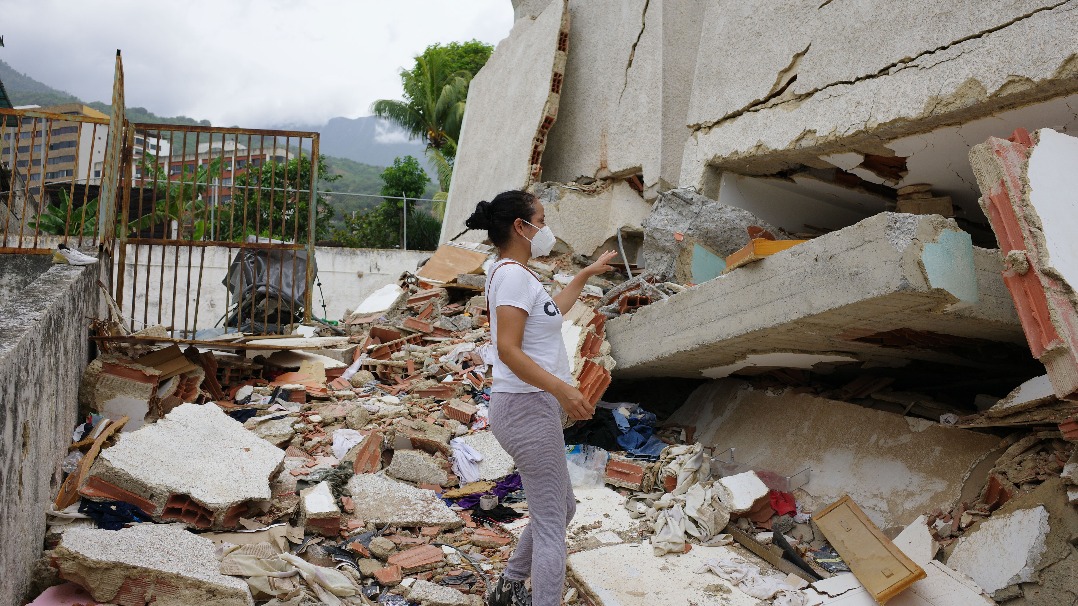
The number of injured remained at 16,740, according to figures released in an update by Venezuelan National Assembly President Jorge Rodriguez. A total of 6,462 people have been rescued.
The update said 86,794 families had received assistance, while 17,266 people were staying in 89 temporary camps across the country. Another 17,907 people were left homeless after their homes were damaged or destroyed.
Response operations are continuing with 30,076 personnel, 29,843 volunteers and 3,454 international rescuers deployed across the country.
Venezuela has recorded 1,171 aftershocks since the twin earthquakes, the update said.
The death toll from the June 24 earthquakes in Venezuela has risen to 4,118 as crews continue to clear rubble in the hardest-hit areas
“Orders have already been given, and the U.S. Military is ready, willing, and able, for a one year period of time, subject to extension, to completely decimate and destroy all areas of Iran,” he wrote in a post on Truth Social.
Earlier Friday, Trump said that Washington has agreed to continue negotiations with Iran, although it has informed Tehran that the ceasefire is over.
“The Islamic Republic of Iran has asked us to continue ‘talks.’ We have agreed to do so, but the United States has stated to them, in no uncertain terms, that the Cease Fire is OVER!” Trump wrote on Truth Social.
U.S. forces carried out repeated strikes against Iran earlier this week in response to several attacks on commercial vessels transiting the Strait of Hormuz. In retaliation, Iran struck U.S. military bases and facilities in Kuwait, Bahrain, Qatar, and Jordan with missiles and drones.
In a fresh phone call, Saudi Crown Prince and Prime Minister Mohammed bin Salman Al Saud discussed the U.S.-Iran talks with Trump.
The Saudi Press Agency reported that the two sides discussed Saudi-U.S. cooperation and ways to enhance it in various fields. They also stressed the importance of ensuring maritime navigation security, protecting sea lanes, and supporting efforts that contribute to regional security and stability.
Iranian Foreign Minister Seyed Abbas Araghchi is scheduled to visit Oman on Saturday for consultations on the Strait of Hormuz, as part of efforts to facilitate safe maritime traffic in the strategic waterway, Iranian Foreign Ministry spokesman Esmaeil Baghaei said.
The spokesman rejected U.S. claims that Iran had requested negotiations with Washington, saying no such request had been made. Yet he noted that Iran did not turn down the request of Qatar, a regional mediator, to visit Iran on Friday for discussions.
U.S. forces carried out repeated strikes against Iran earlier this week in response to several attacks on commercial vessels transiting the Strait of Hormuz.
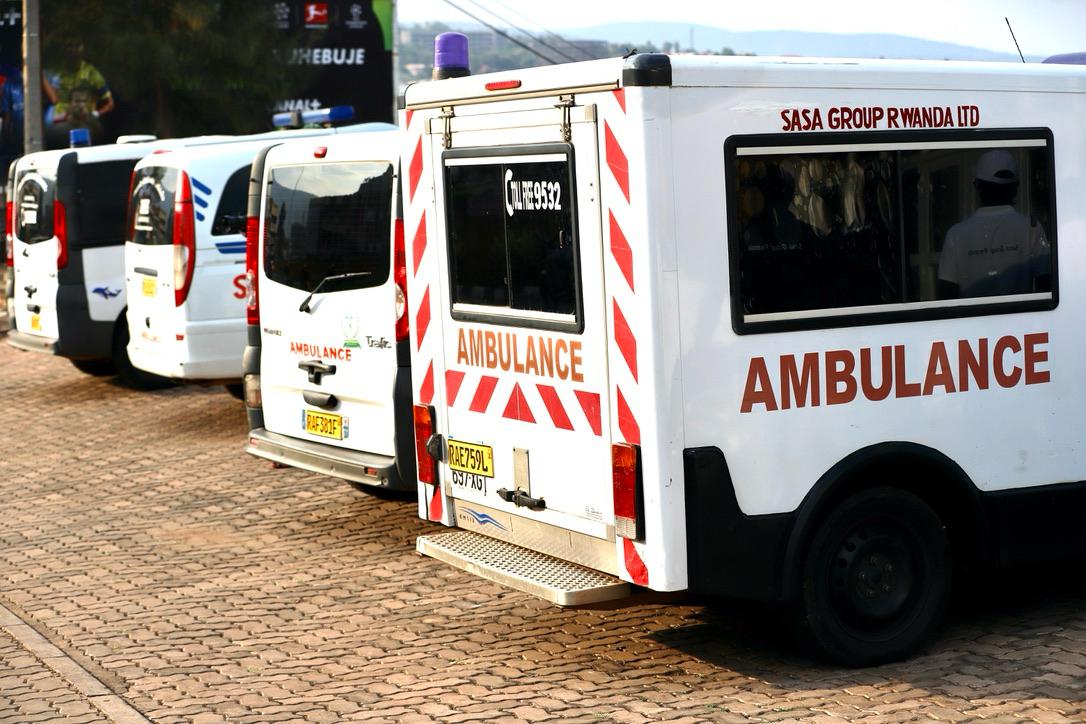
The Rwanda Smart Emergency Response Pilot aims to reduce delays in emergency interventions, strengthen community resilience and bring emergency support closer to people, particularly those living in remote and hard-to-reach areas.
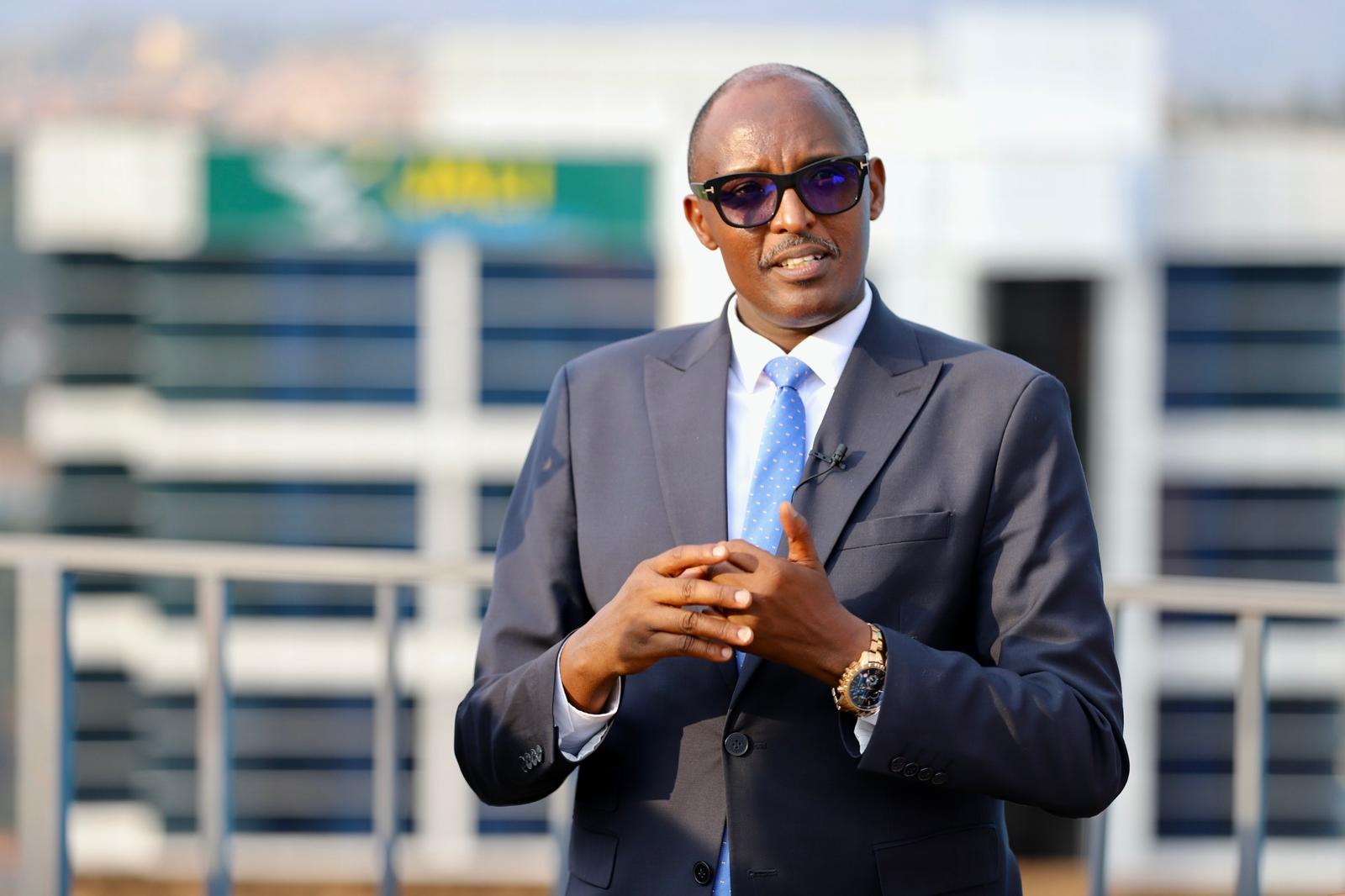
In an interview, Safari Rutagengwa, CEO of SASA Group, said the initiative builds on Rwanda’s progress in emergency response, including the establishment of the national 112 Emergency Call Center, the expansion of pre-hospital emergency medical services and continued investments in public safety and protection.
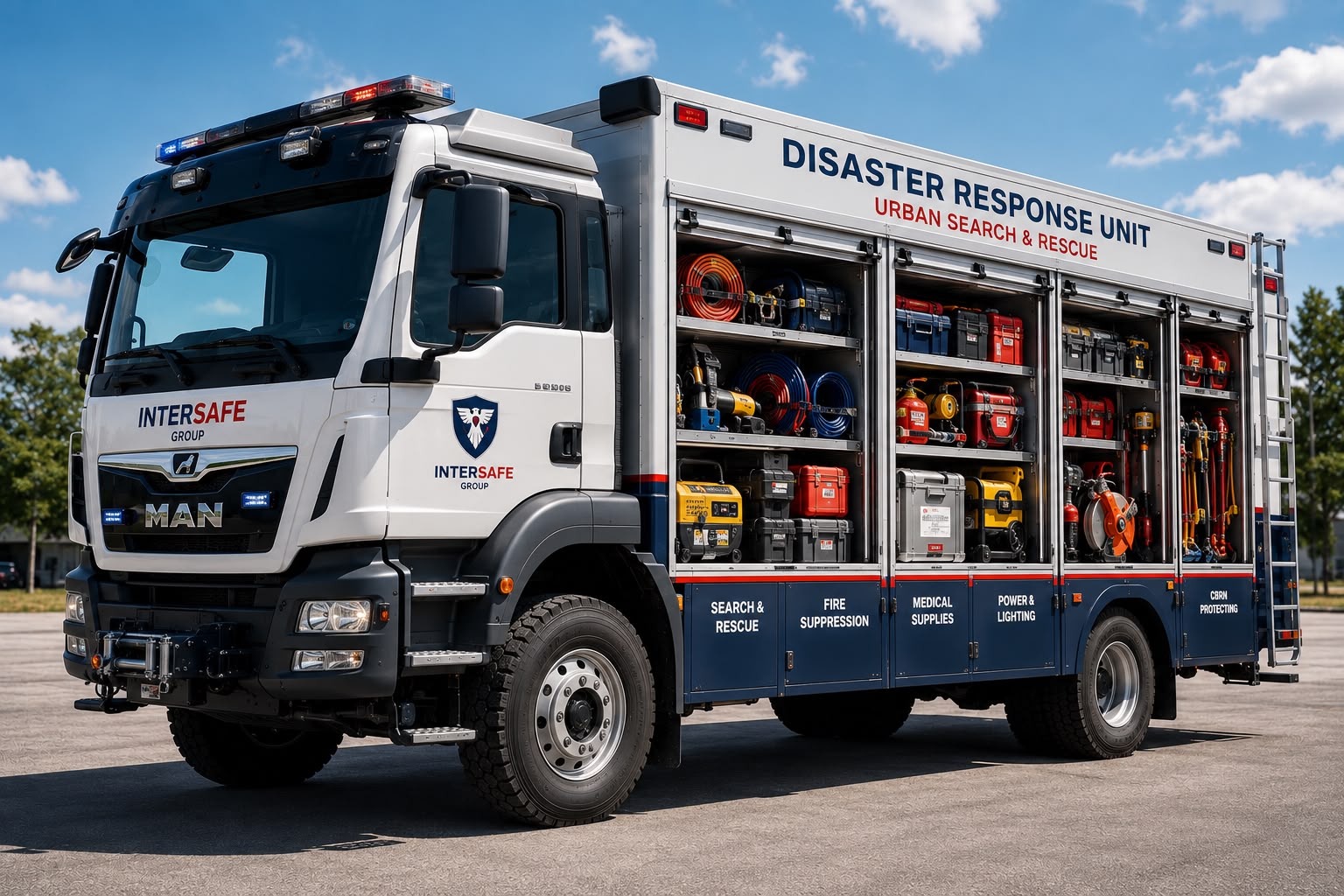
He explained that the project is designed to complement existing emergency response structures by introducing a new generation of smart technologies, including advanced ambulances, firefighting vehicles, digital coordination systems and real-time data analytics tools.
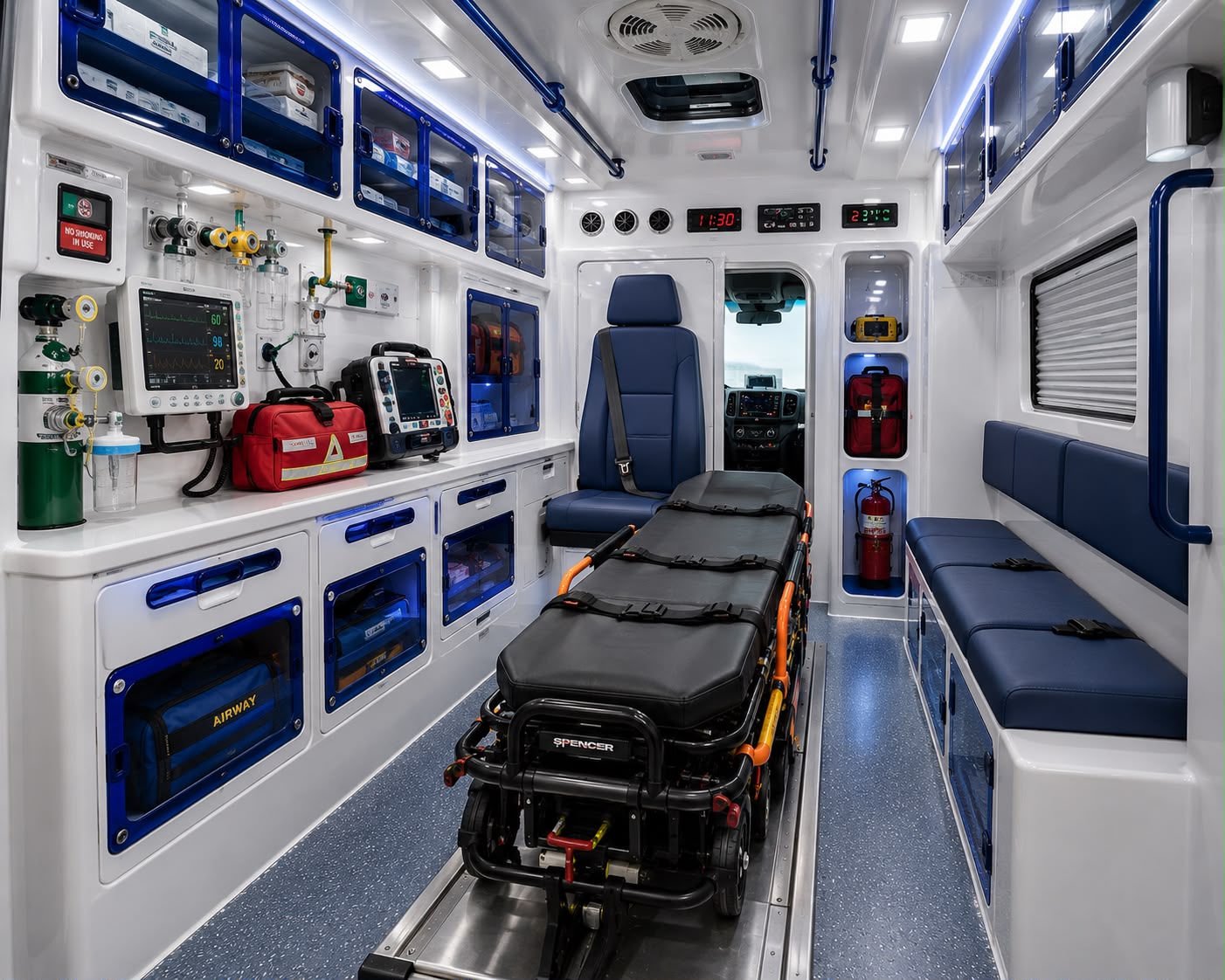
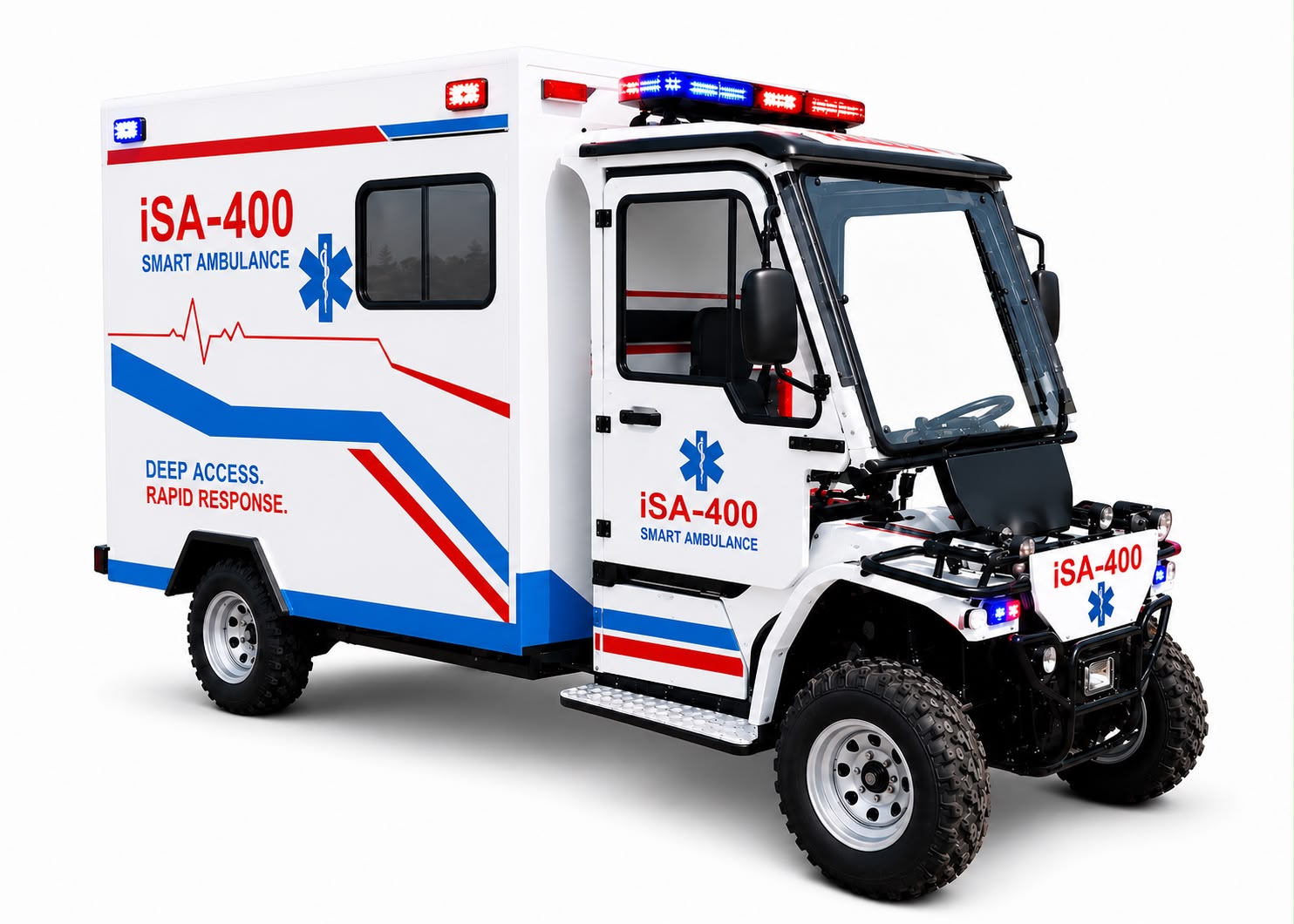
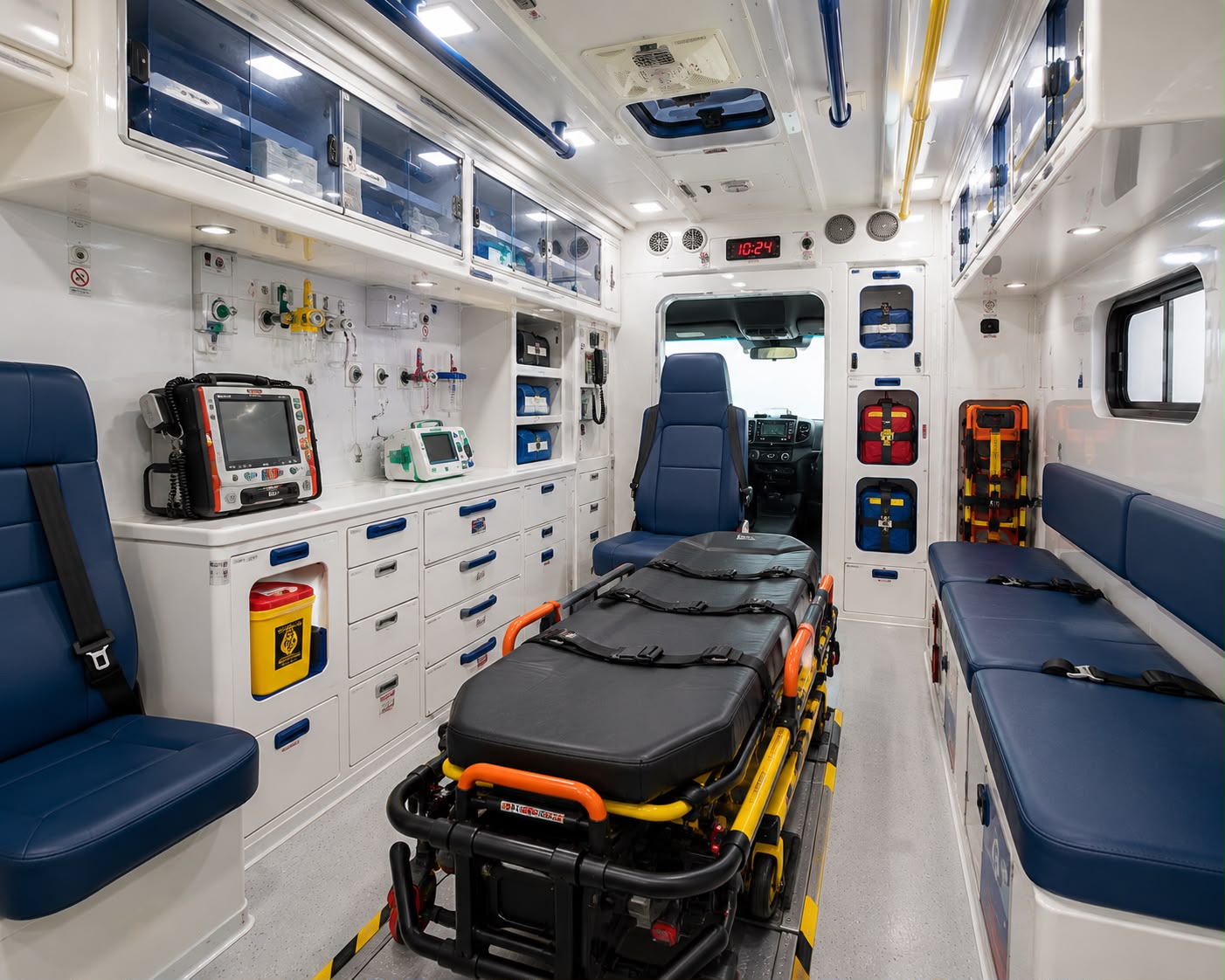
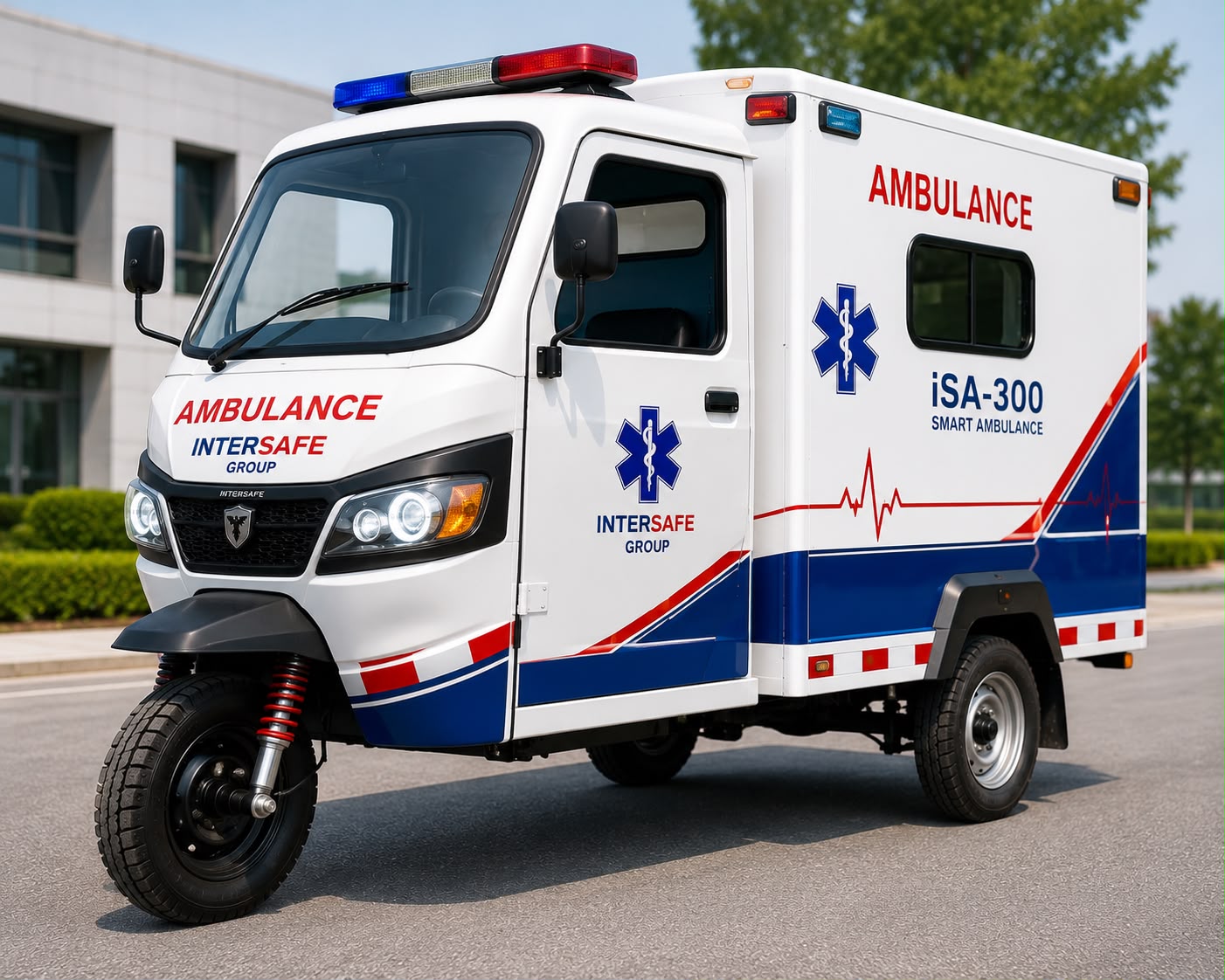
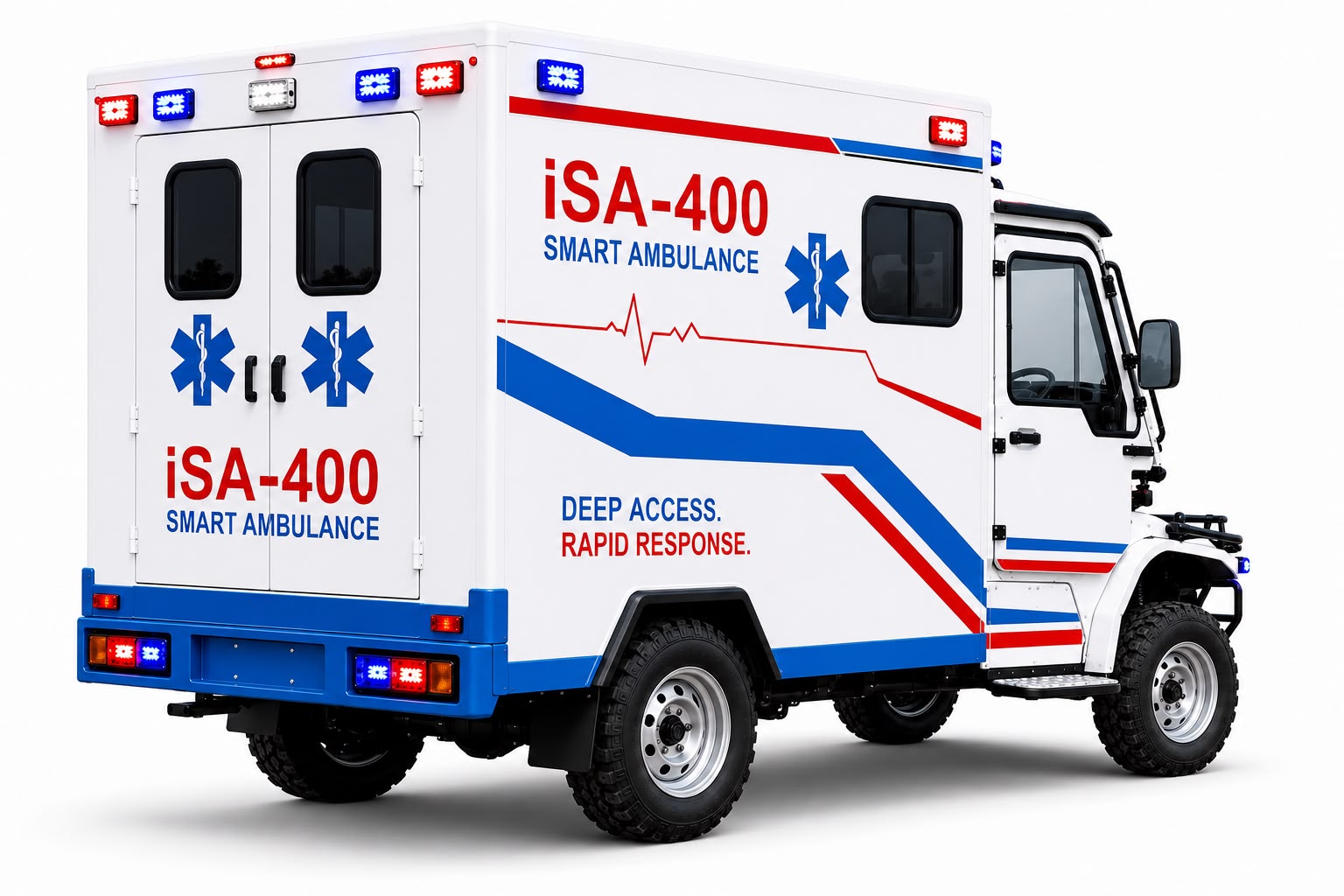
One of the proposed solutions is the iSA-400 Smart Ambulance, a compact emergency vehicle designed to operate on narrow roads, hilly terrain and remote locations where conventional ambulances may face challenges. Equipped with essential medical equipment for pre-hospital emergency care, the ambulance is intended to improve access to lifesaving services.
According to the project presentation, several iSA-400 Smart Ambulances can be deployed at a cost comparable to a single conventional ambulance, potentially allowing wider coverage and faster access to emergency medical assistance.
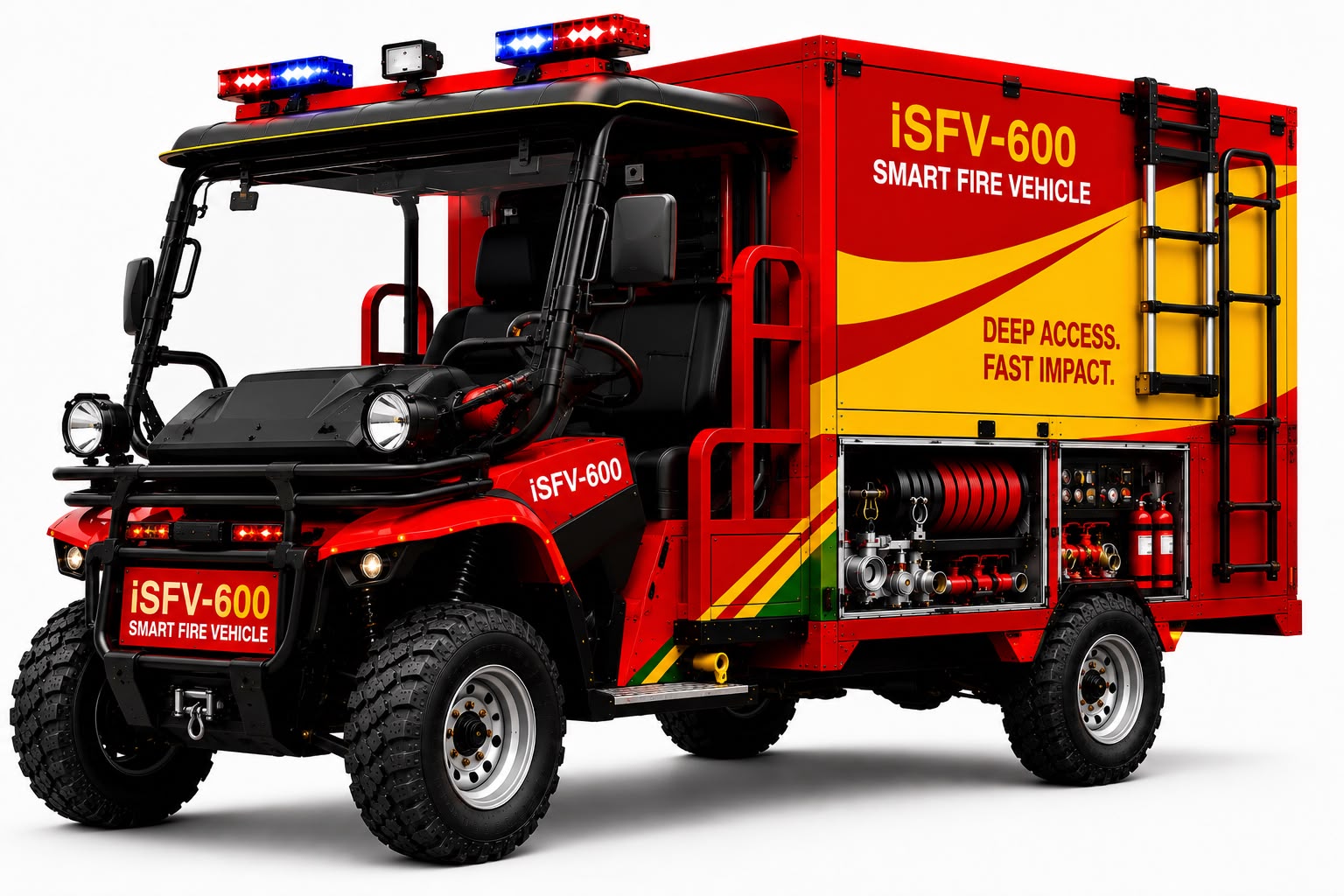
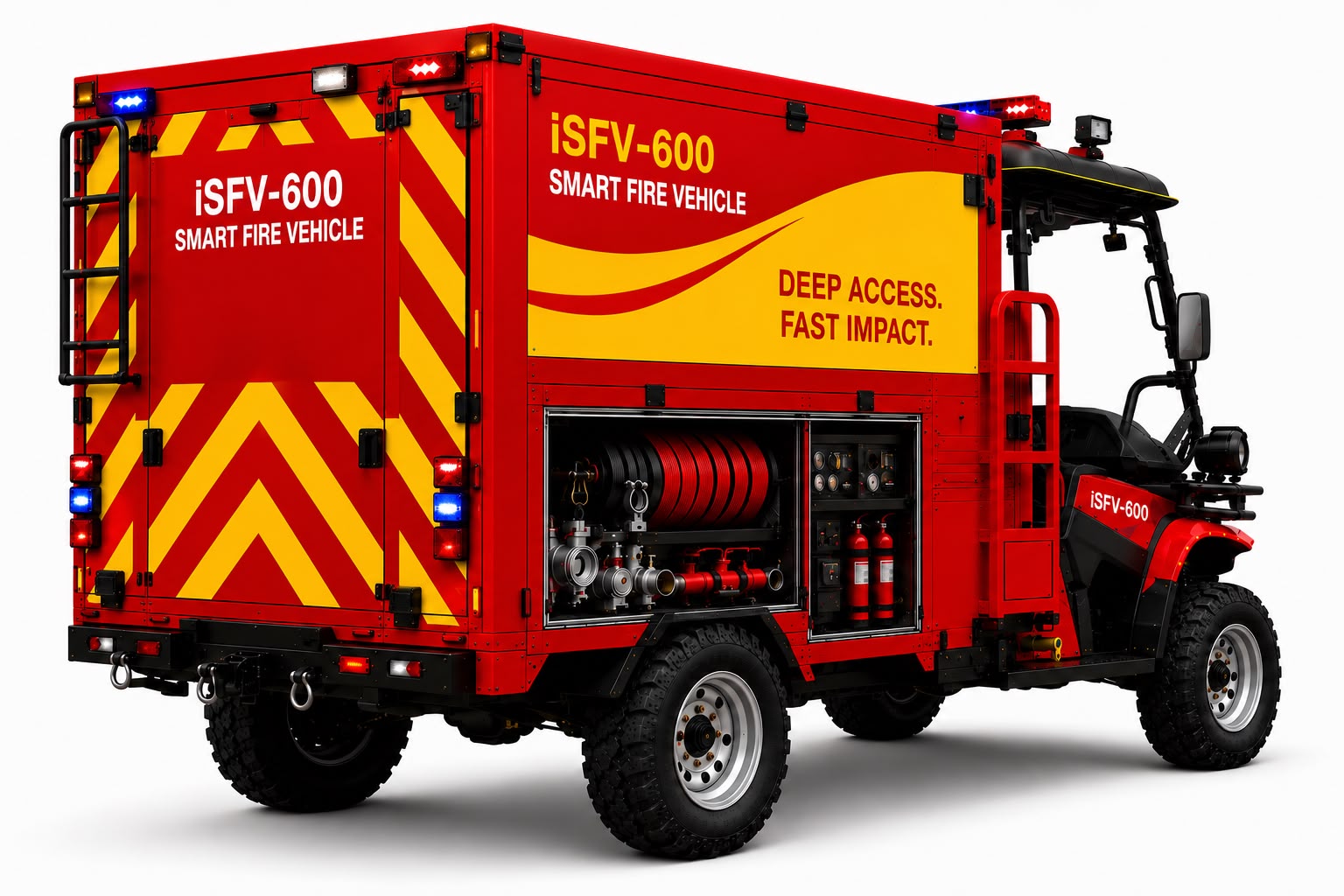
The initiative also proposes the iSFV-600 Smart Fire Vehicle, a rapid-response firefighting vehicle designed for urban areas, industrial zones, forests and road traffic accidents. Equipped with a high-pressure firefighting system and technology tailored for quick intervention, the vehicle is expected to strengthen firefighting capabilities and reduce losses caused by fires.
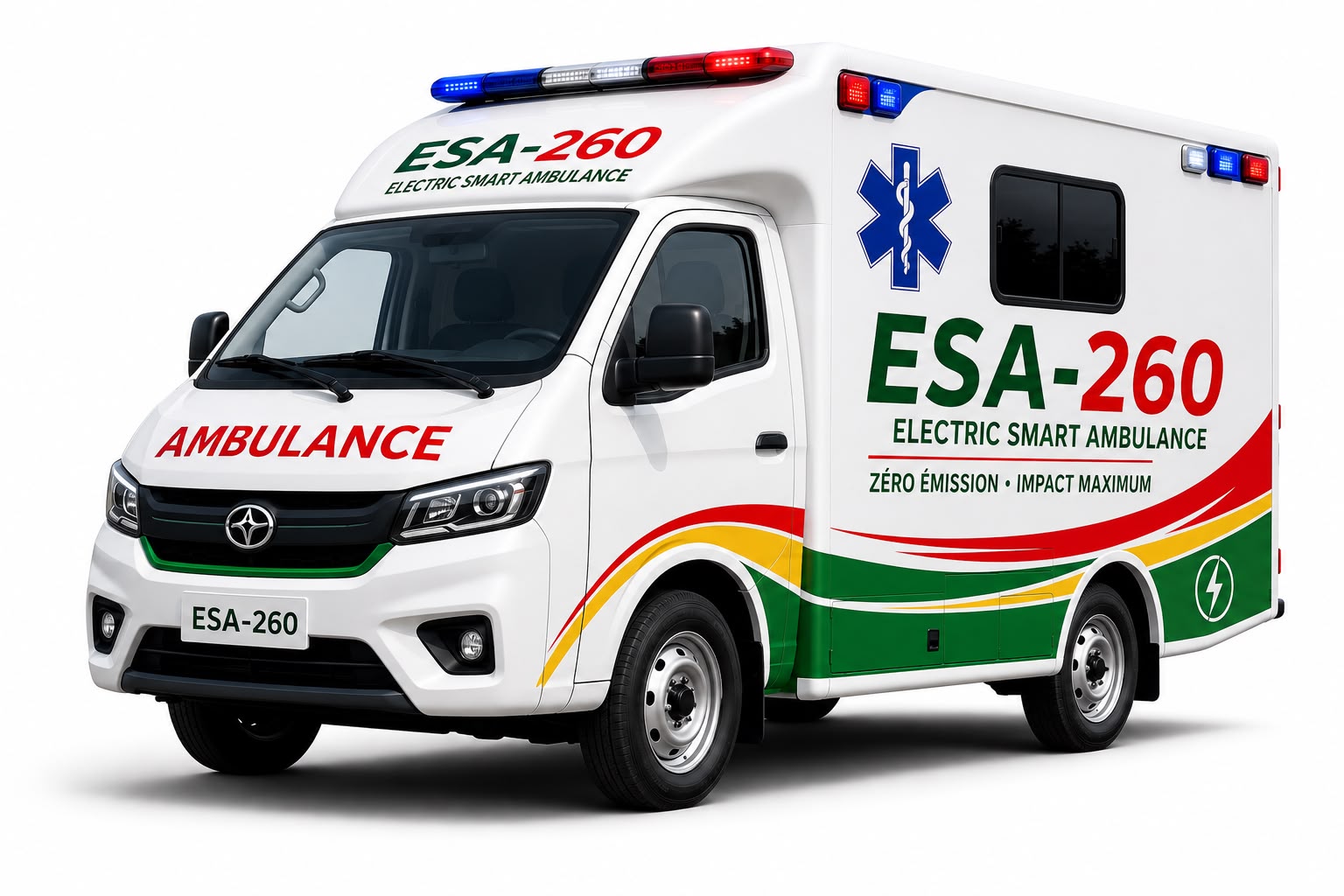
As part of its sustainability focus, the project includes the ESA-260 Electric Smart Ambulance, a fully electric emergency vehicle designed to reduce operating costs, lower carbon emissions and minimize the environmental impact of emergency services while maintaining the performance required for emergency operations.
Beyond vehicles and equipment, the project includes plans for a smart emergency response ecosystem built around an integrated command center, advanced communication systems, real-time monitoring platforms, data analysis tools and coordination mechanisms linking emergency teams, response centers and relevant institutions.
The system is intended to improve decision-making and operational efficiency by ensuring that responders have access to timely information and can coordinate more effectively during emergencies.
The pilot phase is expected to be launched in Kigali, featuring five strategically located response stations, ten smart ambulances and five smart firefighting vehicles supported by an integrated coordination and performance-monitoring system. The pilot is expected to run for approximately 12 months, covering preparation, deployment, testing and evaluation.
Its effectiveness will be assessed using key performance indicators, including emergency response times, geographic coverage, the number of interventions conducted, people assisted, equipment availability and community satisfaction. Data collected during the pilot phase will help evaluate its impact and guide decisions regarding possible expansion.
Rutagengwa said the pilot is intended to demonstrate the effectiveness of the model before it is gradually expanded to other districts across Rwanda.
The initiative will also focus on strengthening local capacity through training, knowledge transfer, institutional cooperation and continuous improvement of emergency services. It is envisioned as a model that can support broader efforts in innovation, community safety and sustainable development.
Rutagengwa emphasized that the project is not intended to replace existing emergency response systems but rather to reinforce and enhance them.
“We are not seeking to replace what is already working well. Our goal is to strengthen existing capacities so that we can reach more communities, respond to emergencies more quickly, and build an even safer and more resilient Rwanda.”
He said the initiative is guided by the objective of ensuring that emergency assistance reaches people when every second matters.
“Our work is driven by one fundamental objective: to make every minute count in saving the life of someone in danger,” he concluded.
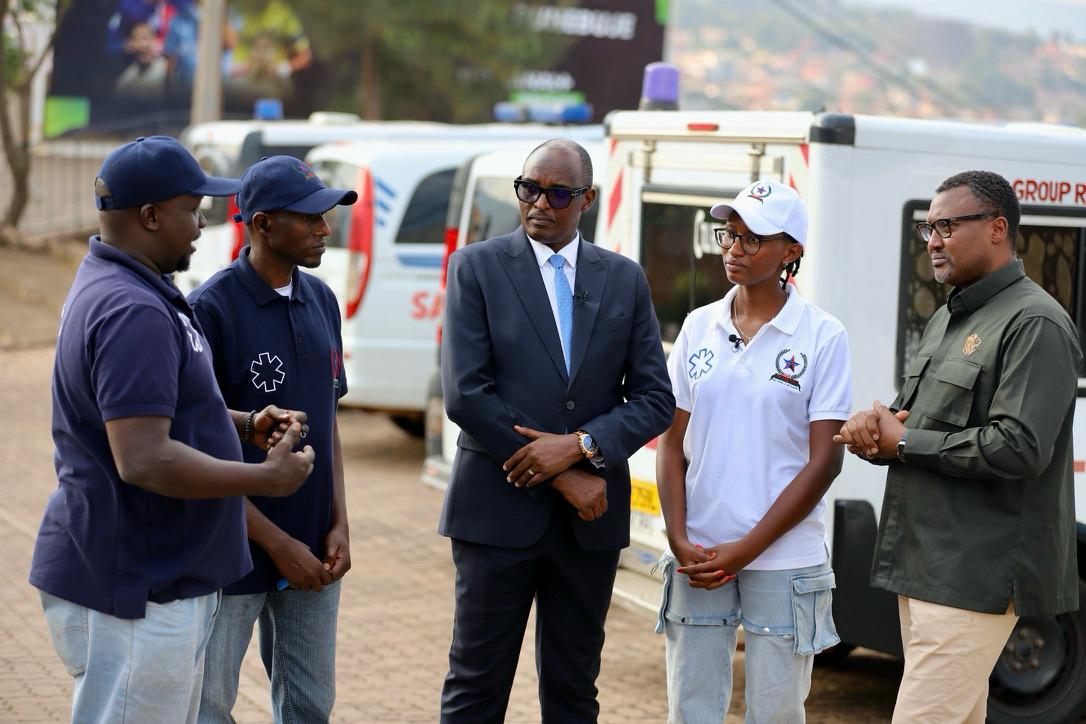
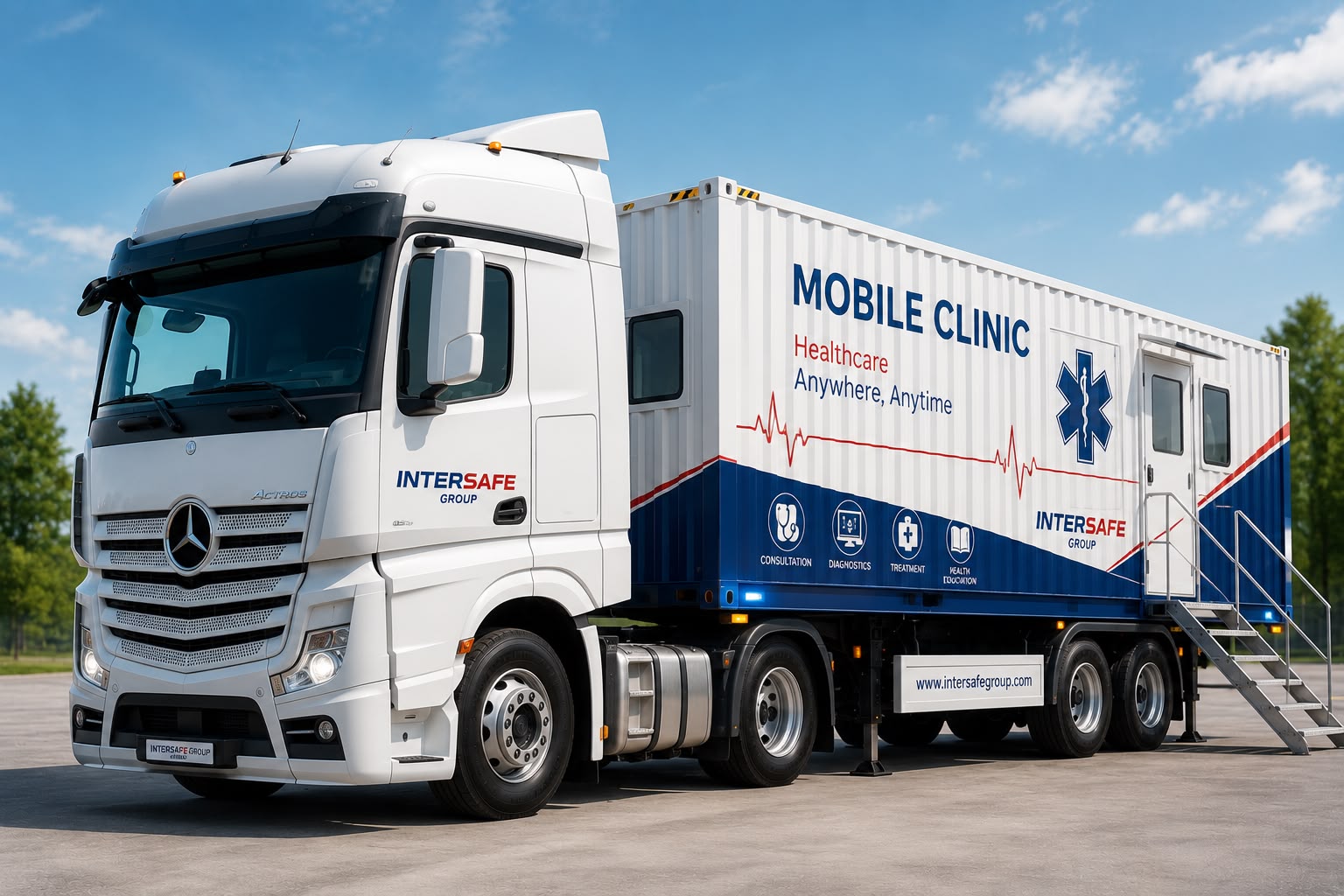
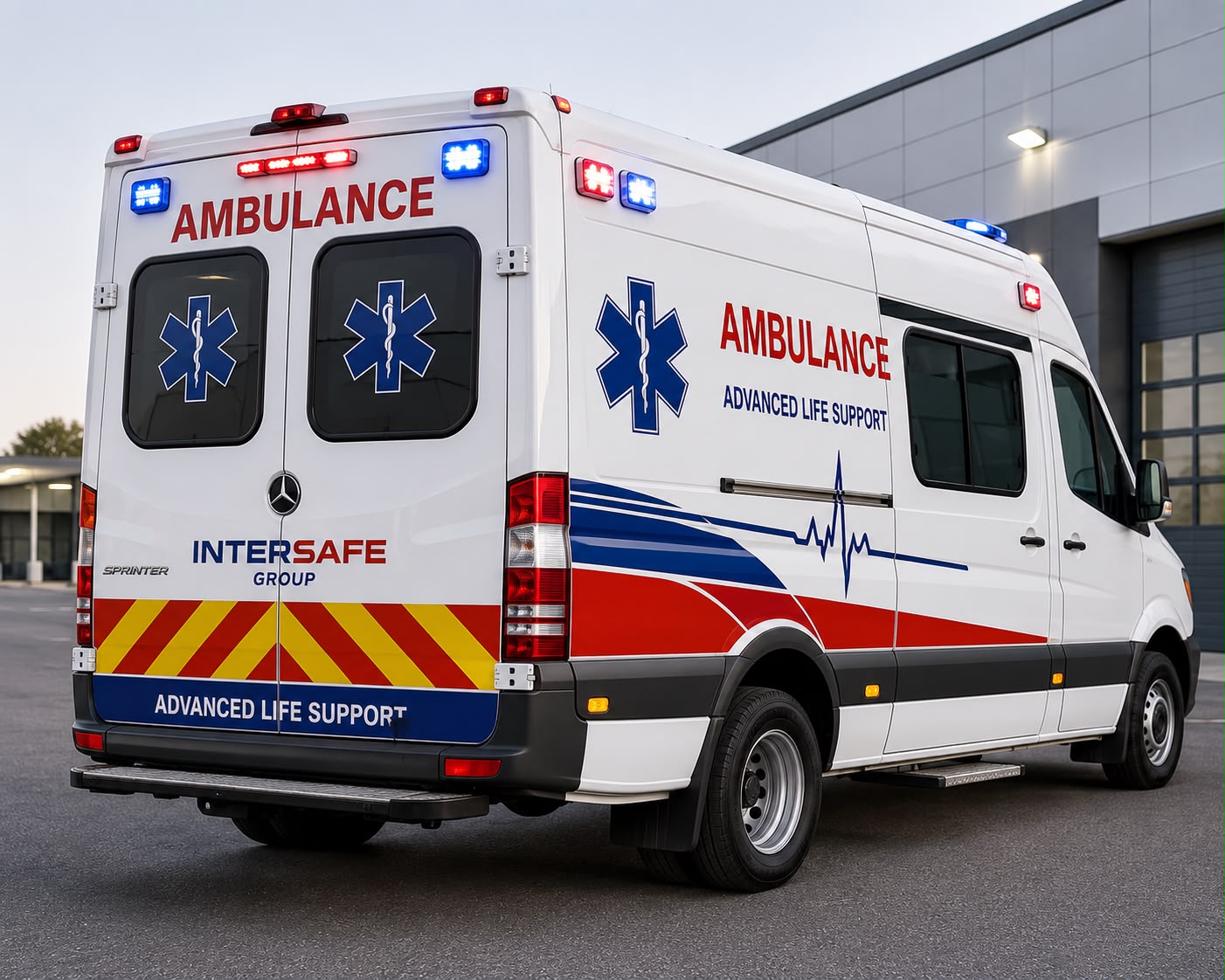
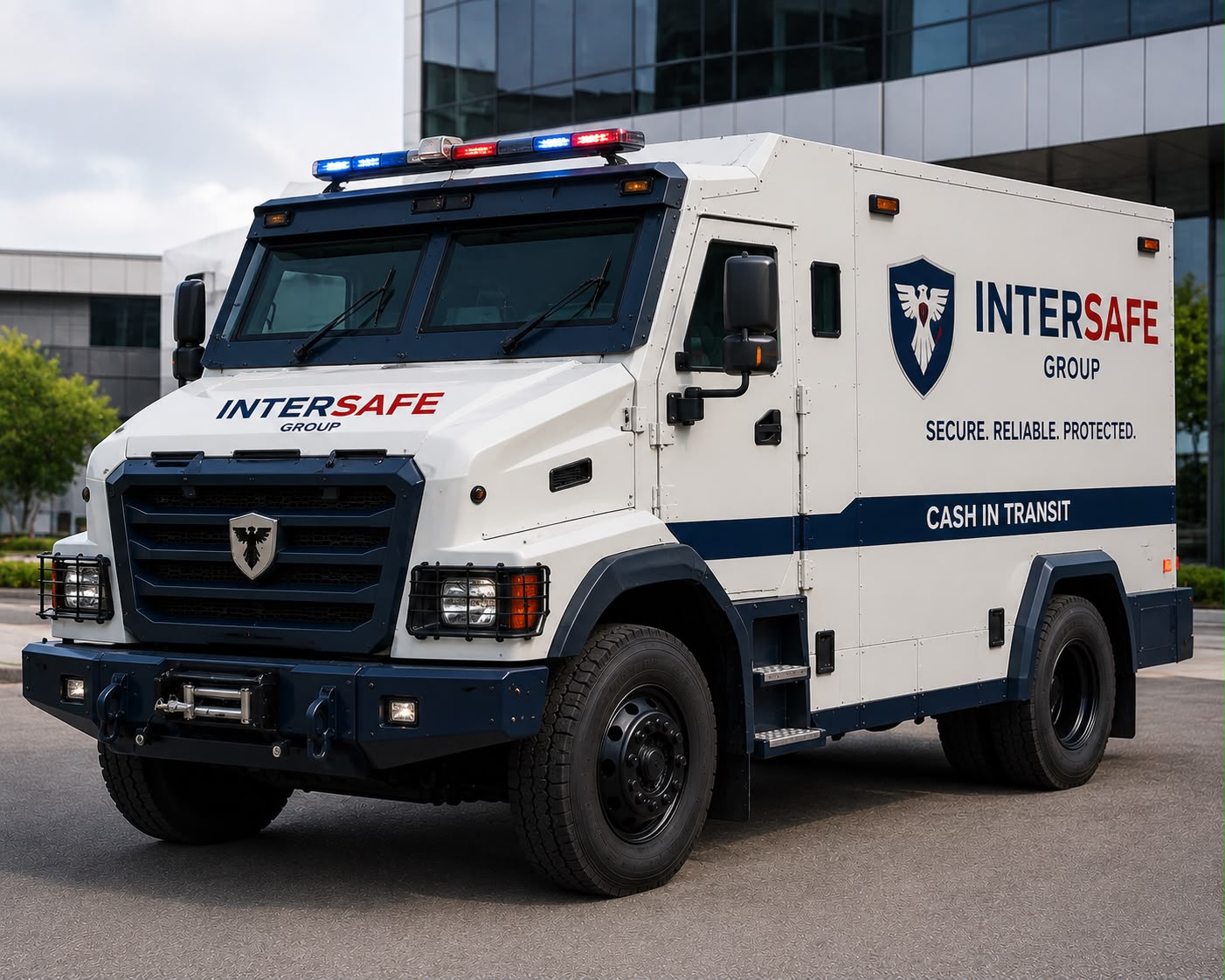
Safari Rutagengwa, CEO of SASA Group, which has partnered with InterSafe International LLC from the United Arab Emirates.Safari Rutagengwa and his team taking IGIHE kournalist through activities and operations of SASA Group.Some of the ambulances operated by SASA Group.
Kenyan drivers Jasmeet Chana and Ravi Chana are no strangers to Rwanda, having competed multiple times on the country’s demanding rally stages in the Rwanda Mountain Gorilla Rally, a round of the African Rally Championship (ARC).
The experienced duo returns this year with a wealth of expertise, a strong desire to win, and a close connection with Rwanda’s rally fans.
Their long-standing partnership and consistent performances have earned them recognition as one of the region’s most respected rally crews.
Their latest campaign is supported through a joint sponsorship by RUBiS Energy Rwanda and Castrol, providing the team with the resources and technical support needed to compete at the highest level.
While RUBiS fuels the team’s journey, Castrol’s advanced engine lubricant technology is designed to protect the vehicle under the extreme demands of rally competition, from high-speed sections and tight corners to the toughest stages, helping maintain peak engine performance throughout the event.
Fans meet the Chana brothers
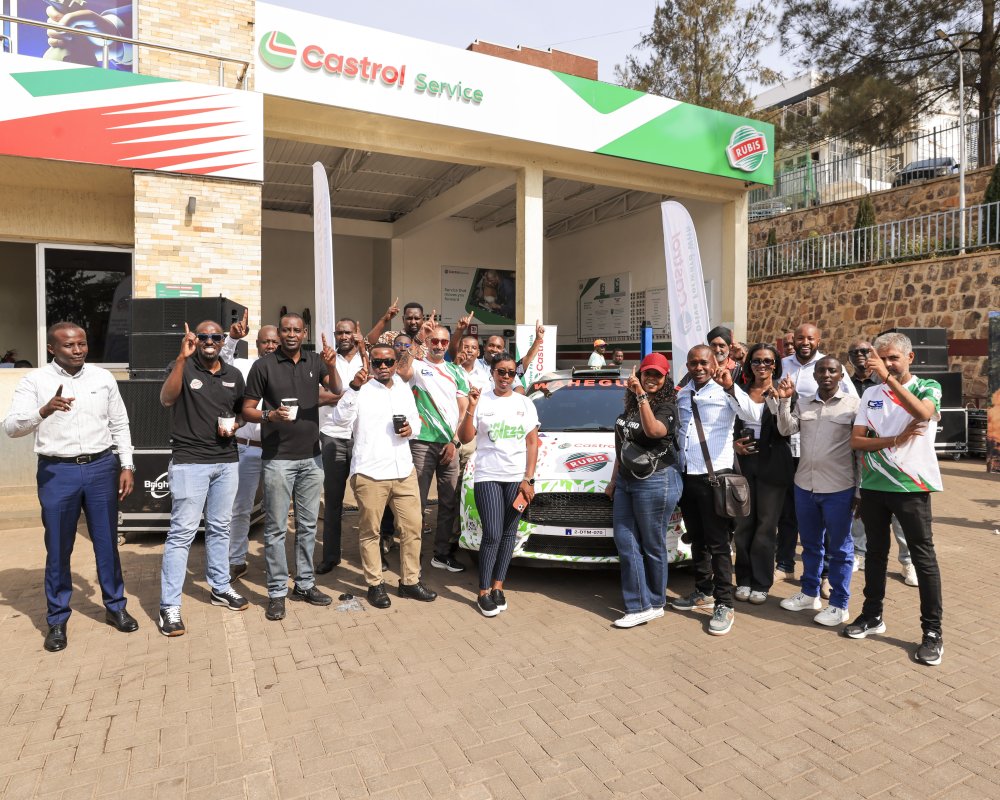
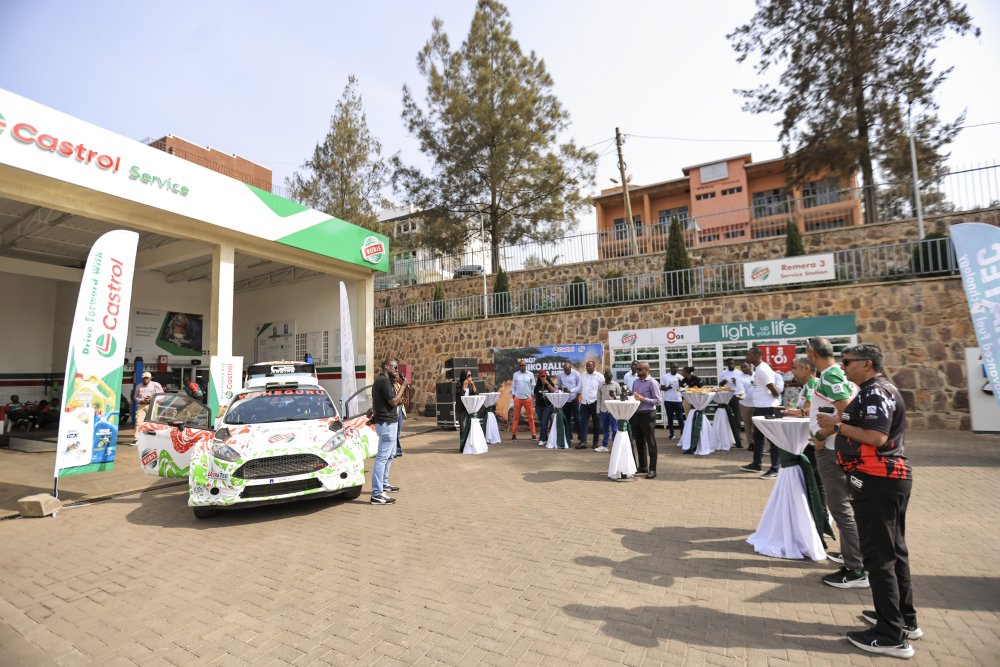
To celebrate the partnership and engage with motorsport enthusiasts, RUBiS Energy Rwanda organized a public meet-and-greet at the RUBiS Remera 3 service station.
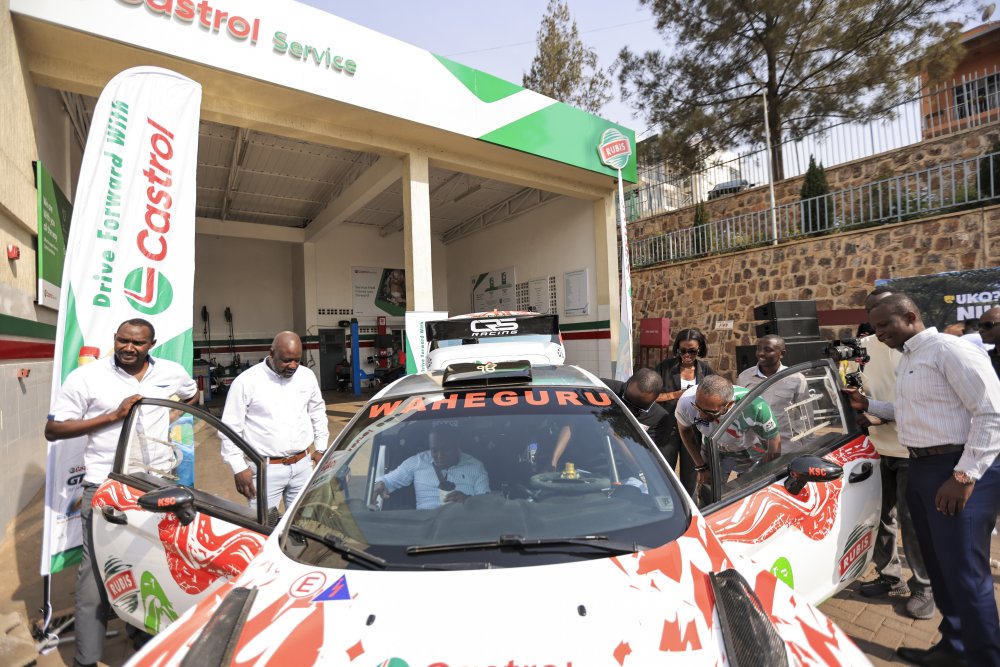
The event gave fans an opportunity to meet the Chana brothers, view their rally car up close, and take souvenir photographs with the drivers.
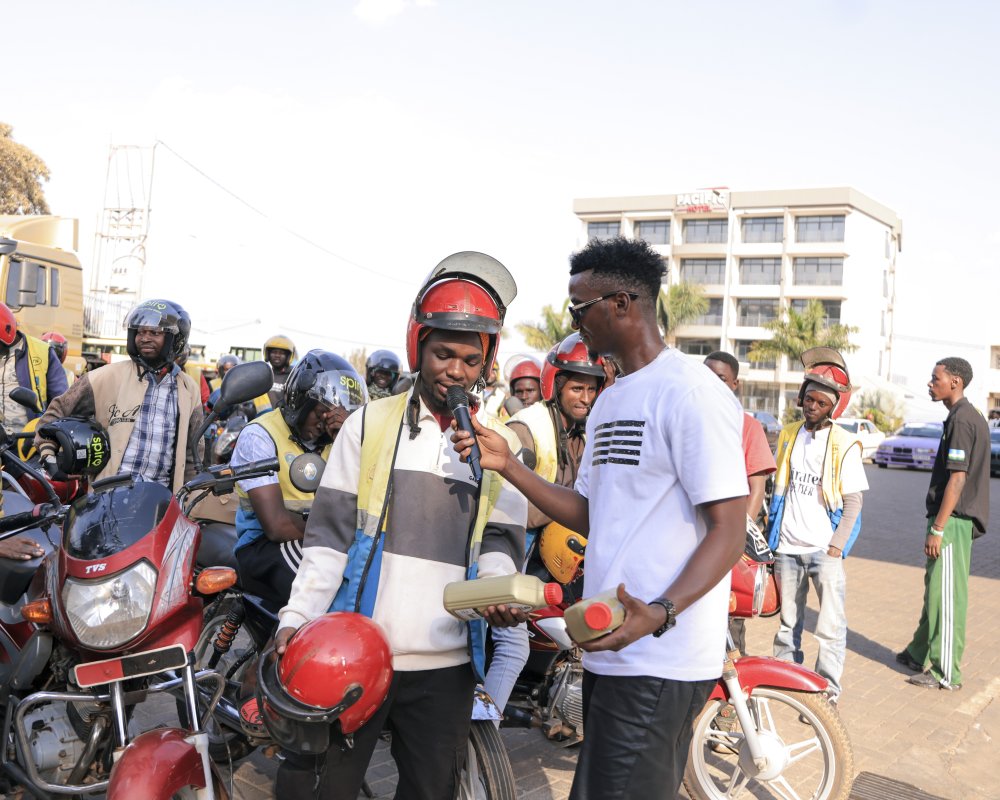
Motorcyclists who attended also received Castrol products and other RUBiS promotional items, reflecting the companies’ commitment to supporting every journey—from everyday travel to success in top-level motorsport.
The celebrations continued with a special “Breakfast with the Drivers” event, bringing together RUBiS sponsors, business partners, invited guests, media representatives, and key stakeholders in the motorsport community.
The gathering served as an opportunity to strengthen partnerships between RUBiS Energy Rwanda, Castrol, and the Chana brothers while highlighting the shared values that drive their collaboration, including performance, innovation, teamwork, and excellence.
Guests also had the chance to interact personally with the drivers, hear about their rally careers, and gain insights into how they prepare to compete at the highest level of African rallying.
Supporting the future of African motorsport
According to the organizers, the partnership represents more than a sponsorship agreement. It reflects a shared vision of nurturing sporting talent, building lasting relationships with customers and partners, and contributing to the continued growth of motorsport in Rwanda and across the region.
As the Chana brothers prepare to tackle the challenging stages of this year’s rally, they do so backed by the trusted energy of RUBiS and the advanced engine protection offered by Castrol.
Together, the two brands say they are not only supporting competitors chasing victory but also helping shape the future of African motorsport, one stage at a time.
The 2026 Rwanda Mountain Gorilla Rally will take place from July 10 to 12, 2026.
Jasmeet Chana and Ravi Chana are set to compete in the Rwanda Mountain Gorilla Rally with the support of RUBiS Energy Rwanda and Castrol.Motorcycle taxi riders expressed their appreciation after receiving Castrol lubricants.The Kenyan drivers said they are determined to secure victory.
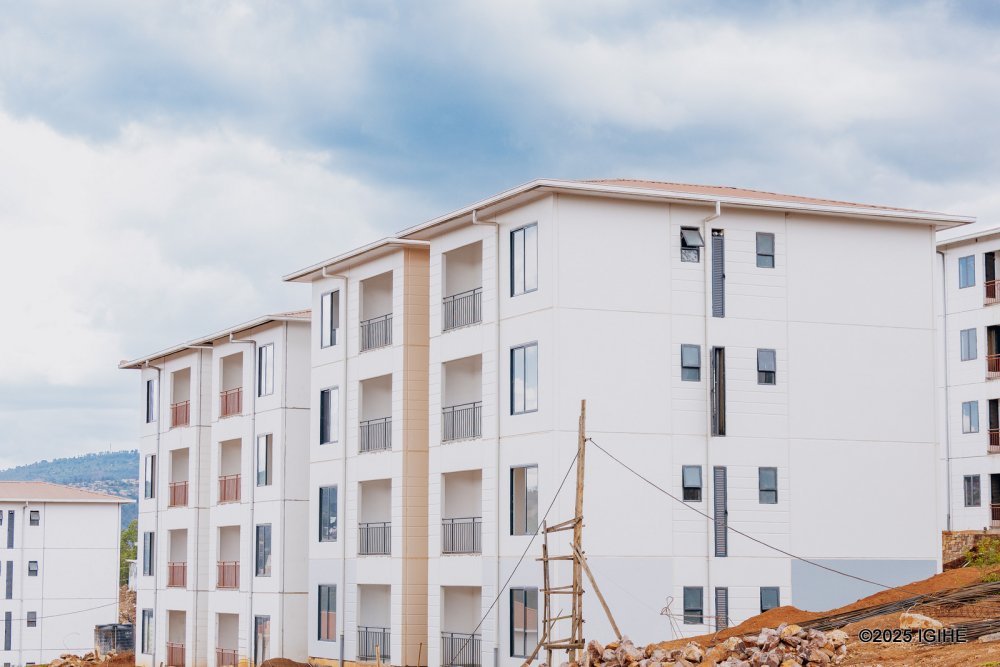
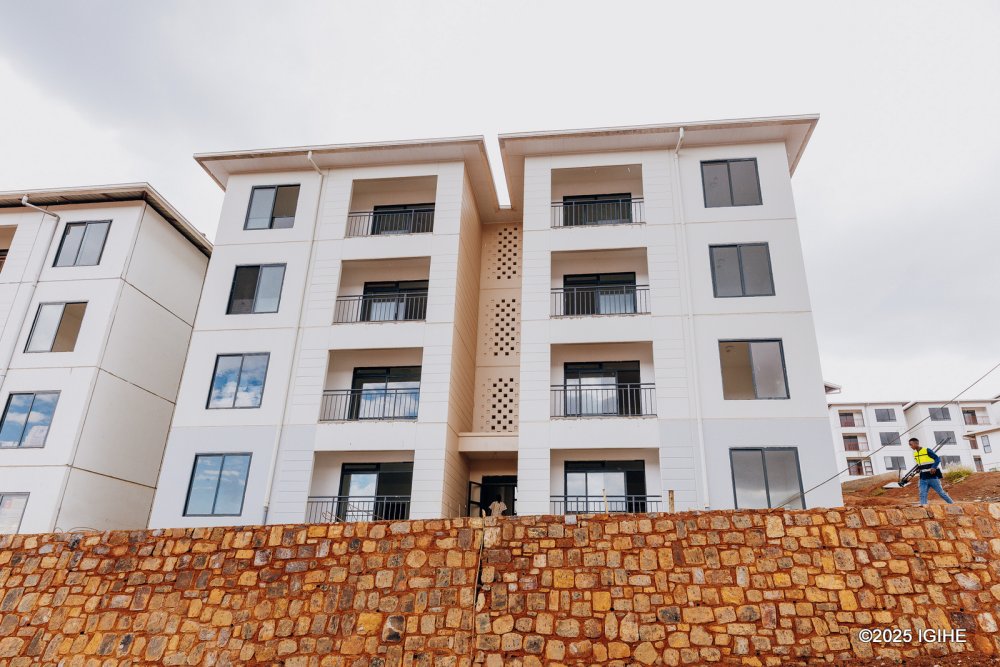
The affordable housing project, located in Kinyinya Sector, Gasabo District, Kigali, is being developed by RSSB and comprises 548 housing units designed for different categories of buyers, including workers, families, Rwandans living abroad and others seeking to own homes.
The development features both apartments and townhouses. The apartment blocks include two- and three-bedroom units, each with two bathrooms, while the townhouses are available in two categories, offering two- and three-bedroom options across two- and three-storey designs.
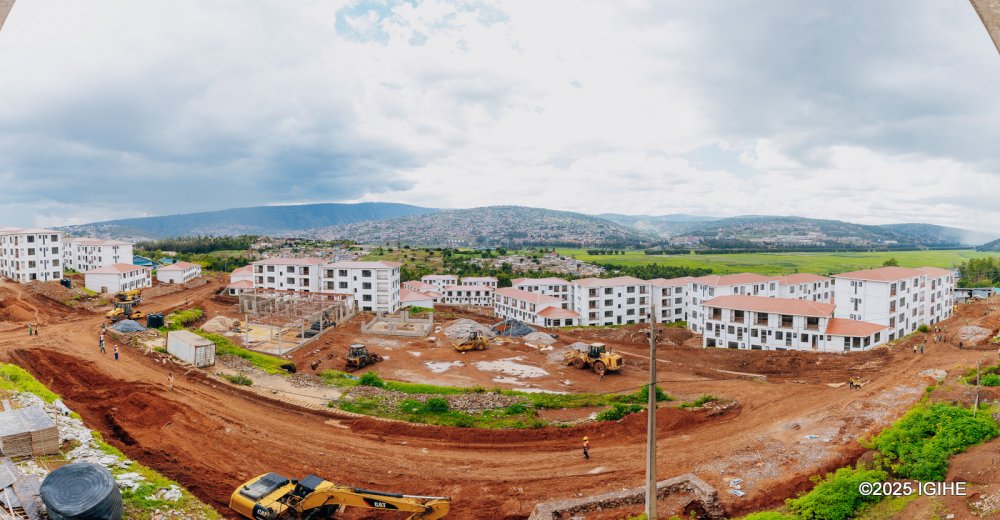
The estate is also planned to include commercial spaces, a nursery school, sports facilities, including basketball and volleyball courts, as well as landscaped gardens and recreational areas for residents.
The project has, however, faced significant delays since its launch in 2014. A report by the Office of the Auditor General for the financial year ending June 2025 highlighted a 10-year delay in its implementation.
Appearing before Parliament’s Public Accounts Committee (PAC) to respond to concerns raised in the report, Rugemanshuro said several challenges affected progress, forcing RSSB to take on responsibilities beyond its initial mandate.
He cited land compensation as one of the issues that delayed the project, explaining that although such payments were not originally part of RSSB’s responsibilities, the institution eventually intervened to ensure the project moved forward.
“Sometimes we had to work with other government institutions responsible for specific areas to make sure the project was completed,” Rugemanshuro said.
He told lawmakers that construction of the housing units is now 97 percent complete, while infrastructure works stand at 70 percent completion.
“The project is expected to be completed in December 2026. The houses are already at 97 percent completion, while infrastructure has reached 70 percent,” he said.
Infrastructure works include roads, water supply systems, wastewater treatment facilities and street lighting.
So far, 70 percent of the houses have already been sold, with the remaining 30 percent still available on the market.
PAC Chairperson Muhakwa Valens sought clarification on whether the reported 70 percent infrastructure completion covered all key facilities required for residents to occupy the estate, including roads, drainage systems, water facilities and lighting.
“We want to have a complete picture of this project so that we can conclude that the Batsinda issue has been resolved,” Muhakwa said.
Responding to the concerns, Rugemanshuro assured the committee that buyers would be able to move into their homes by January 2027.
“By January 2027, those who have paid for their houses should be living in them. The roads, water reservoirs, street lighting and other facilities should also be completed by then, unless an unforeseen challenge beyond our control occurs,” he said.
The homes are priced from Rwf80 million for a two-bedroom townhouse to Rwf117 million for a three-bedroom townhouse. Apartment units range from Rwf101 million to Rwf111 million.
Heza Estate in Batsinda is set to provide modern housing units alongside community facilities and recreational spaces for future residents.Heza Estate in Kinyinya Sector, Gasabo District, features a mix of apartments and townhouses designed to provide affordable housing options for different categories of buyers.Construction works at Heza Estate include housing units, roads, water facilities and other infrastructure expected to support residents once the project is completed.
The subsidy helped keep the price of diesel at Rwf 2,927 per litre on the Rwandan market, instead of rising to about Rwf 3,600 per litre, which would have been the expected price without government intervention.
Prime Minister Nsengiyumva made the remarks on July 9, 2026, while presenting to a joint session of Parliament the government’s measures to strengthen Rwanda’s economic resilience and protect citizens’ welfare amid domestic and global challenges.
Global trade has been significantly affected by international conflicts, including tensions in the Middle East, which have contributed to disruptions in fuel markets.
Petroleum prices on international markets began rising sharply in February 2026, with the price of a barrel of crude oil increasing from about $70 to more than $126.
The increase pushed petrol prices up by nearly 48 percent and diesel prices by about 50 percent.
The rise affected several sectors, including transport, fertilizer, cooking gas and food prices, contributing to increased living costs.
Dr. Nsengiyumva said the government responded by implementing measures aimed at protecting the economy and limiting the impact of price fluctuations.
“From March to June 2026, the government provided subsidies worth nearly Rwf 48 billion to the transport of people and goods to reduce the impact of rising fuel prices,” he said.
He added that the intervention helped slow the increase in transport costs and prices of other goods, preventing severe disruptions to citizens’ livelihoods and economic activities.
Under the latest fuel price review announced on June 5, 2026, a litre of petrol is selling at Rwf 2,938, while diesel is priced at Rwf 2,927 per litre.
Rwanda currently has storage capacity for about 118 million litres of petroleum products, with plans to increase this capacity to 230 million litres by 2029.
“This will help the country withstand shocks from international markets and ensure a reliable supply of petroleum products,” Dr. Nsengiyumva said.
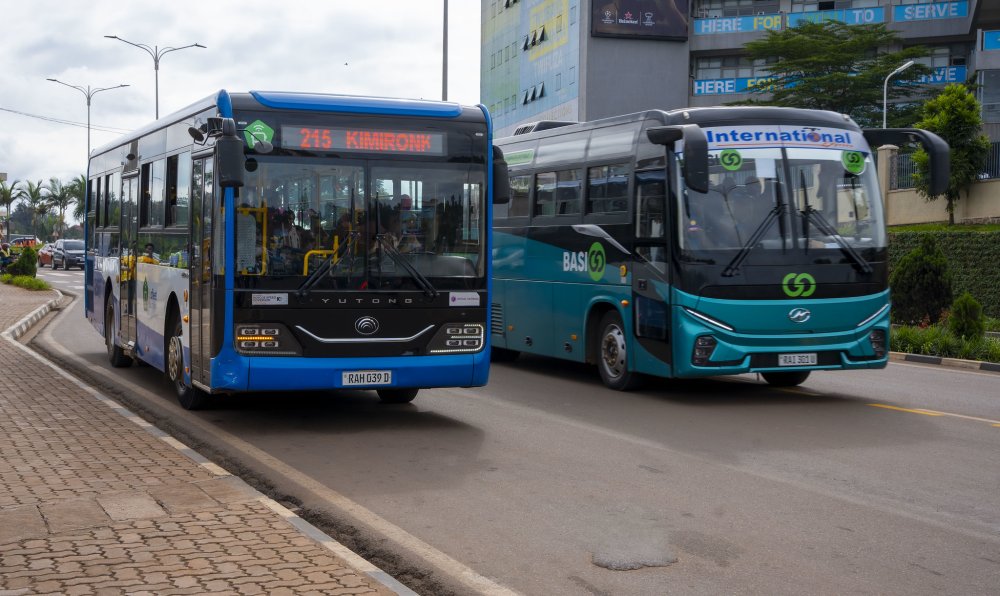
Meanwhile, the number of passengers using buses has increased by 15 percent over the past six months.
Rwanda spent more than Rwf 47.7 billion on transport subsidies between March and June 2026 to cushion citizens and businesses from the impact of rising global fuel prices.
Prime Minister Dr. Justin Nsengiyumva announced the development on July 9, 2026, while presenting to a joint session of Parliament the government’s measures to enhance Rwanda’s economic resilience and safeguard citizens’ welfare against both domestic and external shocks.
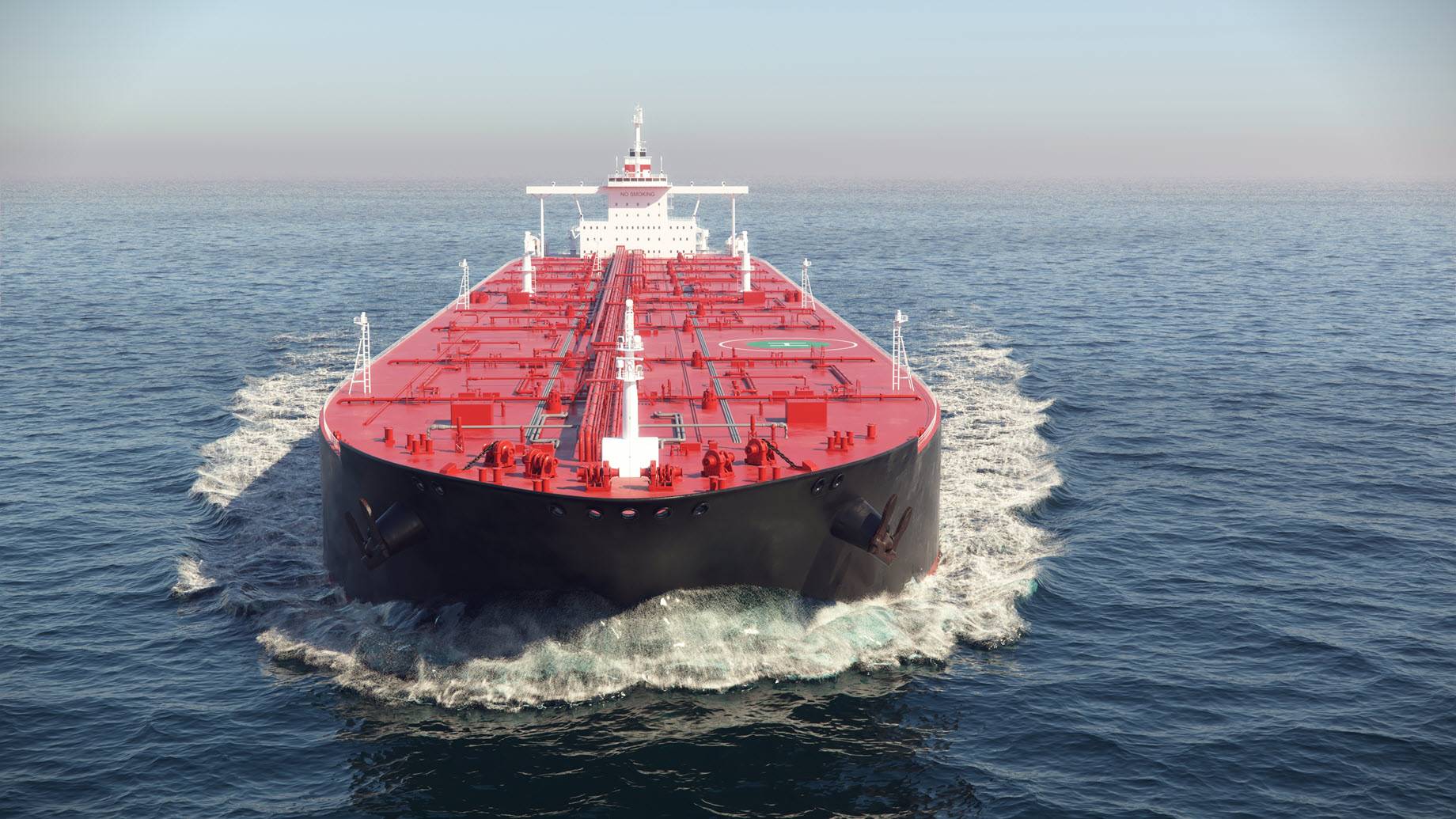
He said the shipment, which is expected to arrive at Tanzania’s Port of Tanga by the end of July, is part of a new government-led fuel procurement strategy implemented through the Rwanda National Energy Company (RNEC) in partnership with oil-producing and refining countries.
“The government has introduced a centralized system for importing refined petroleum products through RNEC to make fuel imports more efficient and achieve sustainable reductions in fuel prices,” Dr. Nsengiyumva told lawmakers.
He added that the first vessel carrying 40,000 metric tonnes of petroleum products is expected to dock at the Port of Tanga by the end of July, with Rwanda planning to receive similar shipments every month thereafter.
“These regular shipments will help ensure lower and more stable fuel prices over the long term,” he said.
The initiative follows a series of bilateral agreements aimed at diversifying Rwanda’s fuel supply routes and strengthening energy security.
On June 29, 2026, Rwanda signed a government-to-government agreement with Kenya to facilitate the importation of petroleum products through the Port of Mombasa. The agreement grants Rwanda access to Kenya’s fuel storage facilities, transport infrastructure and pipeline network.
The arrangement is expected to improve the reliability of fuel supplies, reduce logistical bottlenecks and allow for more predictable import planning.
Rwanda also signed a separate agreement with Tanzania to import petrol and diesel through the Port of Tanga. The deal was concluded between RNEC and Gulf Bulk Petroleum Tanzania Limited (GBP).
The government expects the new procurement arrangements to reduce transport costs, improve fuel availability and shield the domestic market from price volatility.
Under the latest fuel price review announced on June 5, 2026, a litre of petrol is retailing at Rwf 2,938, while diesel is priced at Rwf 2,927 per litre.
Prime Minister Dr. Justin Nsengiyumva announced that Rwanda is set to receive 40,000 tonnes of petroleum products as a new supply plan takes effect.
In Bunia, the capital of the eastern Ituri Province and the epicenter of the outbreak, Health Minister Samuel Roger Kamba said the steady rise in reported cases partly reflected expanded community surveillance rather than a sudden worsening of transmission.
“When many resources are mobilized, especially community health workers who go to find patients in the community, the number of cases will indeed increase,” he said. “But this increase also gives us information about the real situation in the community.”
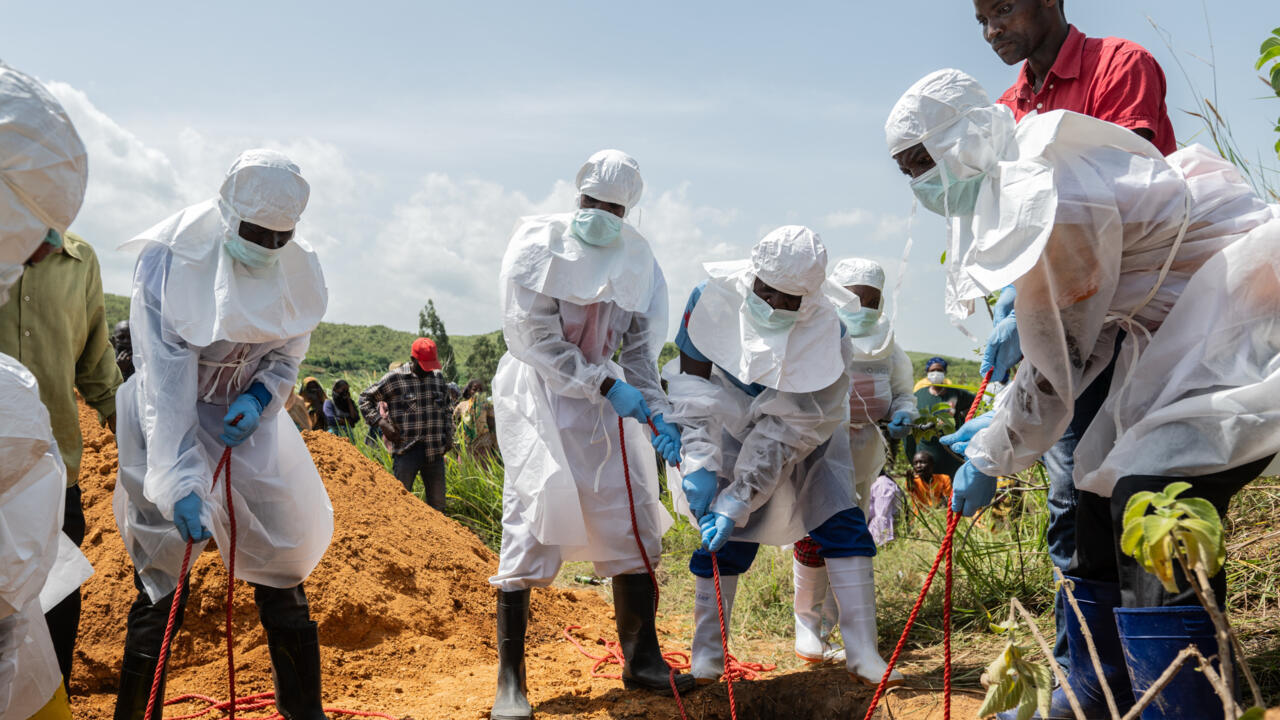
According to epidemiological data released late Thursday, the DRC has reported 1,792 confirmed cases, including 625 deaths and 295 recoveries. A total of 764 patients are currently in isolation or receiving hospital care.
Kamba said it remained too early to predict when infections would plateau because health officials were still identifying previously undetected cases, while population mobility and challenges in community engagement continued to complicate containment efforts.
The minister also warned that infected patients from Ituri had carried the virus into neighboring areas. He said imported cases had been detected in Kisangani, the capital of Tshopo Province, and in Wamba in Haut-Uele Province, expanding the response perimeter.
DRC health authorities said investigations into the reported cases in Tshopo, a major economic and transport hub in northeastern Congo, were continuing. Several health experts told Xinhua that the spread of the outbreak into new provinces has raised concerns about wider geographic spread.
Meanwhile, the Africa Centers for Disease Control and Prevention (Africa CDC) provided new details on therapeutic research against the Bundibugyo Ebola virus, the strain driving the current outbreak.
Mosoka Fallah, an Africa CDC official, said a clinical trial launched on July 2 is evaluating the monoclonal antibody MBP134 and the antiviral remdesivir, both individually and in combination. The trial, which began at one treatment center, is expected to expand to additional sites as enrollment increases.
Fallah added that a separate prophylaxis trial evaluating obeldesivir, an orally administered broad-spectrum antiviral drug, among about 800 high-risk contacts is expected to begin next week.
The report, issued by NOAA’s National Centers for Environmental Information (NCEI), also found that both the Arctic and Antarctic recorded June sea ice extents ranking among their respective 10 lowest on record, while global tropical cyclone activity was above average.
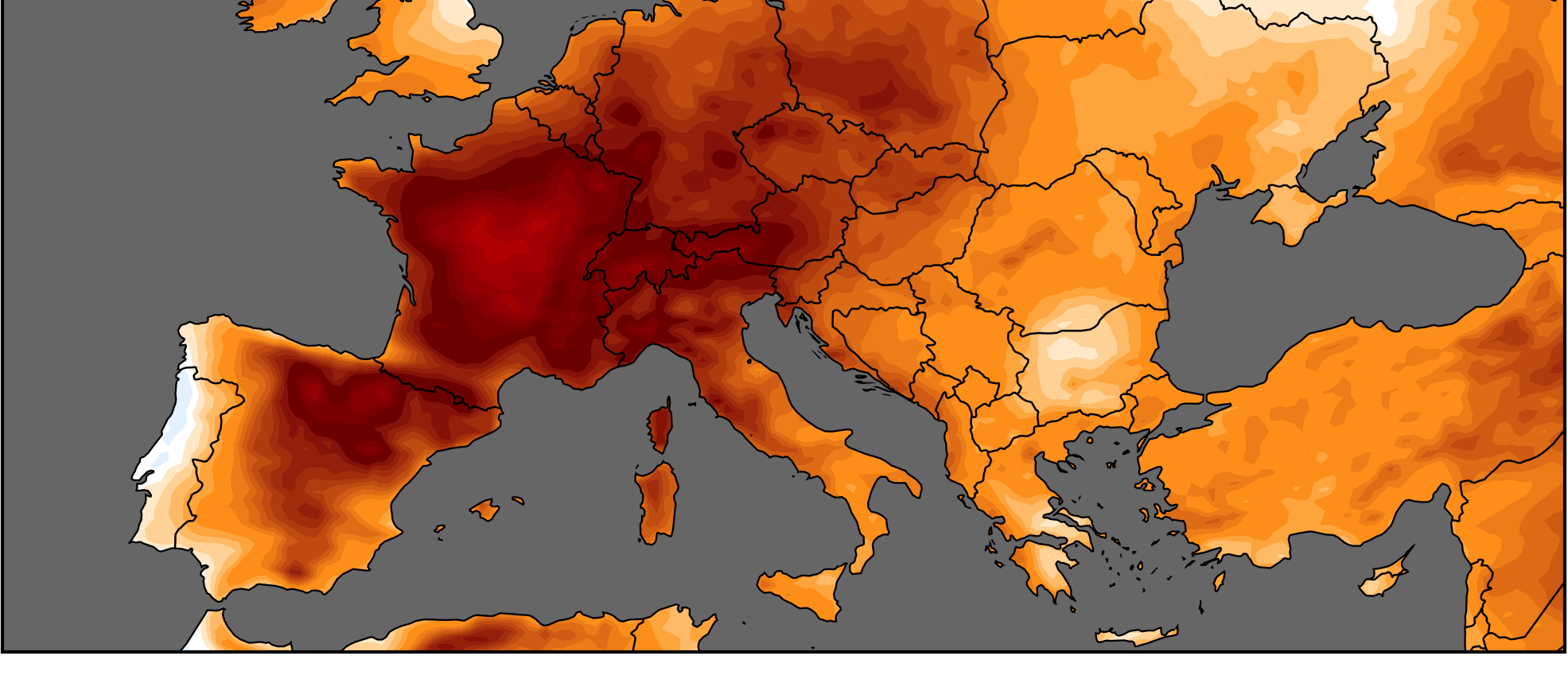
Global surface temperatures in June were 1.09 degrees Celsius above the 20th-century average, making it the second-warmest June on record, trailing only 2024, the report said.
Warmer-than-average conditions prevailed across much of the world during the month, with several continents and regions recording one of their 10 warmest Junes on record.
The report said global sea ice extent was the fourth smallest for June in the 48-year satellite record, covering 22.7 million square km, or about 2.02 million square kilometers less than the 1991-2020 average.
Looking at the year to date, the January-June global surface temperature was the third-highest on record. According to NCEI’s Global Annual Temperature Outlook, it is very likely that 2026 will rank among the five-warmest years on record.
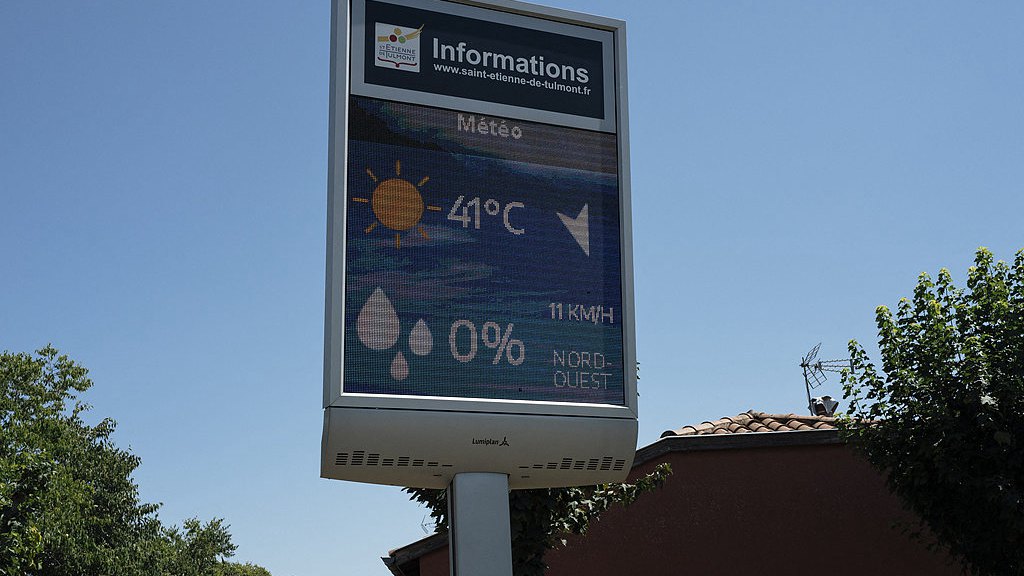
An illuminated sign reads 41 degrees Celsius at the entrance to a local village in the Tarn-et-Garonne department, Occitanie, France, July 9, 2026. /VCG
Khamenei’s eldest son Mostafa Khamenei led and performed the ritual prayers over the bodies before the late leader and his family members killed in the same attack were buried, the report said.
The funeral procession began at 15:00 local time (1130 GMT) on Thursday as huge crowds accompanied the coffins along the route to the holy shrine while gathering around the vehicle that was carrying them.
The several-day mourning ceremonies for Khamenei began on July 3 in Tehran, where many high-ranking Iranian and foreign officials paid their respects to the late leader at a ceremony at Imam Khomeini’s Mosalla prayer hall.
It was followed by a two-day farewell ceremony at the same venue on the weekend, and on Monday, a funeral procession was held in Tehran attended by huge crowds from across the country.
On Tuesday, a funeral ceremony was held in Iran’s central city of Qom, followed by mourning ceremonies in the Iraqi cities of Najaf and Karbala the next day.
Ali Khamenei served as Iran’s supreme leader for nearly 37 years. He was killed in a U.S.-Israeli attack on Feb. 28. His son, Mojtaba Khamenei, was selected as Iran’s new supreme leader in March.
Huge crowds gather for the burial of Iran’s late Supreme Leader Ali Khamenei at the Imam Reza Shrine in Mashhad, Iran, July 9, 2026. /VCG