Niyonkuru Florence was the first to put Rwanda on the podium, winning bronze at the World Athletics Road Running Championships in Copenhagen, Denmark.
Rwanda’s success continued in Udine, Italy, where Musabyeyezu Adeline won gold in the women’s 21-kilometre half marathon.
Musabyeyezu clocked 1:14:02 to take the title. Italy’s Anna Frigerio finished second, 32 seconds behind the Rwandan, while Kenya’s Nyaboke Nyabocho was third in 1:20:05.
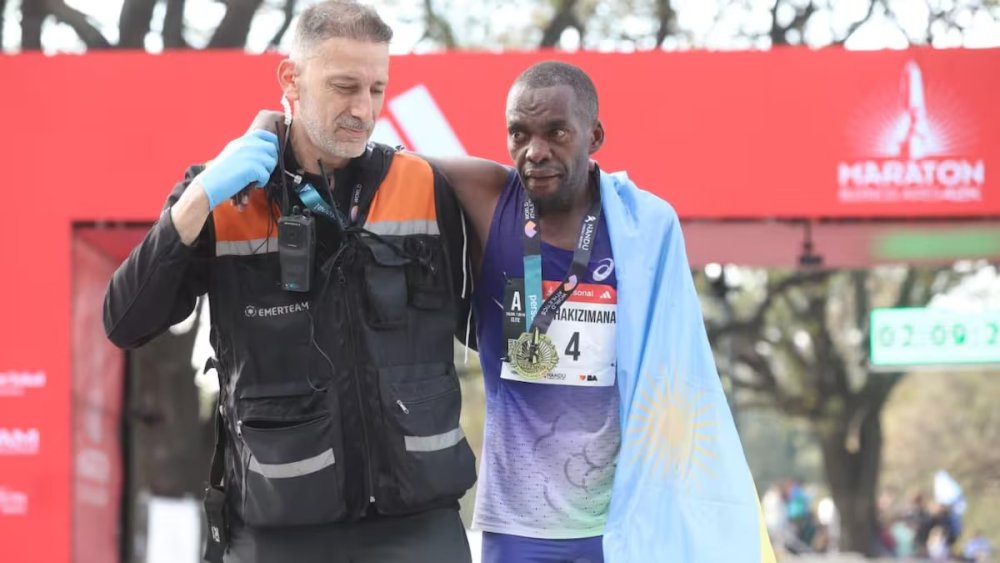
In Buenos Aires, Argentina, Hakizimana John added another Silver medal to Rwanda’s weekend haul by finishing second in the marathon.
Hakizimana completed the 42-kilometre race in 2:08:39, just 16 seconds behind winner Bethwel Chumba of Kenya. Another Kenyan, Felix Kiptoo Kirwa, finished third in 2:10:24.
The performances drew praise from Rwanda’s Minister of Sports, Nelly Mukazayire, who praised the performance of the Rwandan athletes in a post on X.
“Across three cities and three international stages, the Rwanda flag was raised with honour,” she said, highlighting it as a reflection of Rwanda’s growing presence and competitiveness on the international athletics stage.
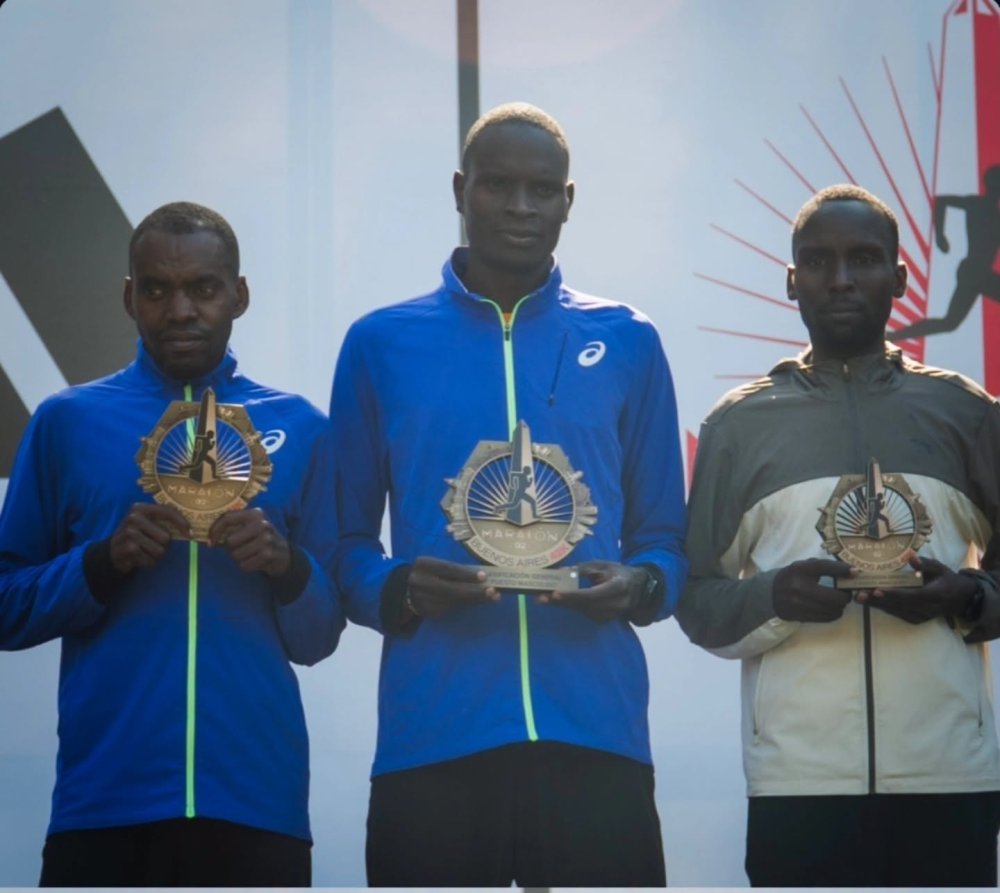
Hakizimana John has finished second in the Buenos Aires Marathon in Argentina.Musabyeyezu Adeline (in the middle) has won gold in the women’s 21-kilometre half marathon in Udine, Italy, clocking 1:14:02.Hakizimana John (left) has won silver in the Buenos Aires Marathon in Argentina after finishing the 42-kilometre race in 2:08:39.
The prosecution, represented by two prosecutors, continued presenting testimony and evidence it said linked Ingabire to the alleged formation and activities of an organised criminal group.
Among the evidence presented was testimony by Fred Kananura, a fighter captured in eastern Democratic Republic of Congo (DRC), who reportedly said some members of the P5 coalition had previously been associated with FDU-Inkingi, the party founded and led by Ingabire.
The prosecution also cited testimony by Théoneste Habumukiza, who was captured after taking part in a 2019 attack in Musanze attributed to RUD-Urunana.
According to the testimony presented in court, FDU-Inkingi members inside Rwanda had agreed to meet at Cyanika and Kadatemwa during the attack.
The prosecution alleged that Ingabire later formed DALFA-Umurinzi to distance herself from attacks attributed to RUD-Urunana, but argued that the two political organisations remained linked.
It cited testimony from Boniface Nzabandora, who served as Ingabire’s secretary and lived at her home. When asked why she had left FDU-Inkingi and formed DALFA-Umurinzi, Nzabandora reportedly replied: “They were the same.”
The prosecution also referred to statements attributed to Ingabire that FDU-Inkingi members inside Rwanda joined DALFA-Umurinzi when it was established.
An audio recording of a November 16, 2018 conversation between Ingabire and Kelly Maroney, a foreign national, was also played in court.
According to the prosecution, Ingabire said FDU-Inkingi was the only P5 party with members inside Rwanda.
Alleged coup plans
The prosecution said testimony by Gaston Munyabugingo described an alleged plan by P5 to stage a coup during a leadership retreat in Gabiro, while Ingabire would organise demonstrations in support of the move.
According to the testimony, Ingabire had asked Munyabugingo to accommodate her because she feared for her safety during the alleged coup.
The prosecution further said Munyabugingo later hid Ingabire after she abandoned plans to move to Gicumbi. She was allegedly disguised in Muslim clothing and was not wearing glasses.
The court also heard allegations that Ingabire communicated with Charlotte Mukankusi, who was responsible for diplomatic affairs within the Rwanda National Congress (RNC), a group founded by Kayumba Nyamwasa.
Prosecutors said an RNC document outlining how Rwanda would be governed after an alleged coup was recovered from Ingabire’s phone.
They said the document included a list of 79 people, including government and military officials, alongside proposed changes to their positions based on ethnicity.
Military training in Burundi
The court listened to a May 21, 2020 telephone conversation between Ingabire and Cassien Ntamuhanga, in which they discussed military training and what prosecutors described as preparations for a coup.
The prosecution interpreted coded references in the conversation as discussions about heavy weapons and grenades, and alleged that the two also discussed training fighters in Mutaga, Burundi.
According to the prosecution, Ingabire asked Ntamuhanga to work with a person identified as Pracide to develop the training arrangements.
Prosecutors further alleged that Ingabire was expected to become head of state if the coup succeeded. They also said Ntamuhanga was expected to work with Phocas Ndayizera, who is in custody, on a phone-based system intended to detonate explosives in Kigali.
The court adjourned the hearing at 1:27 p.m. and scheduled the trial to resume on September 22, when the prosecution is expected to continue presenting its case.
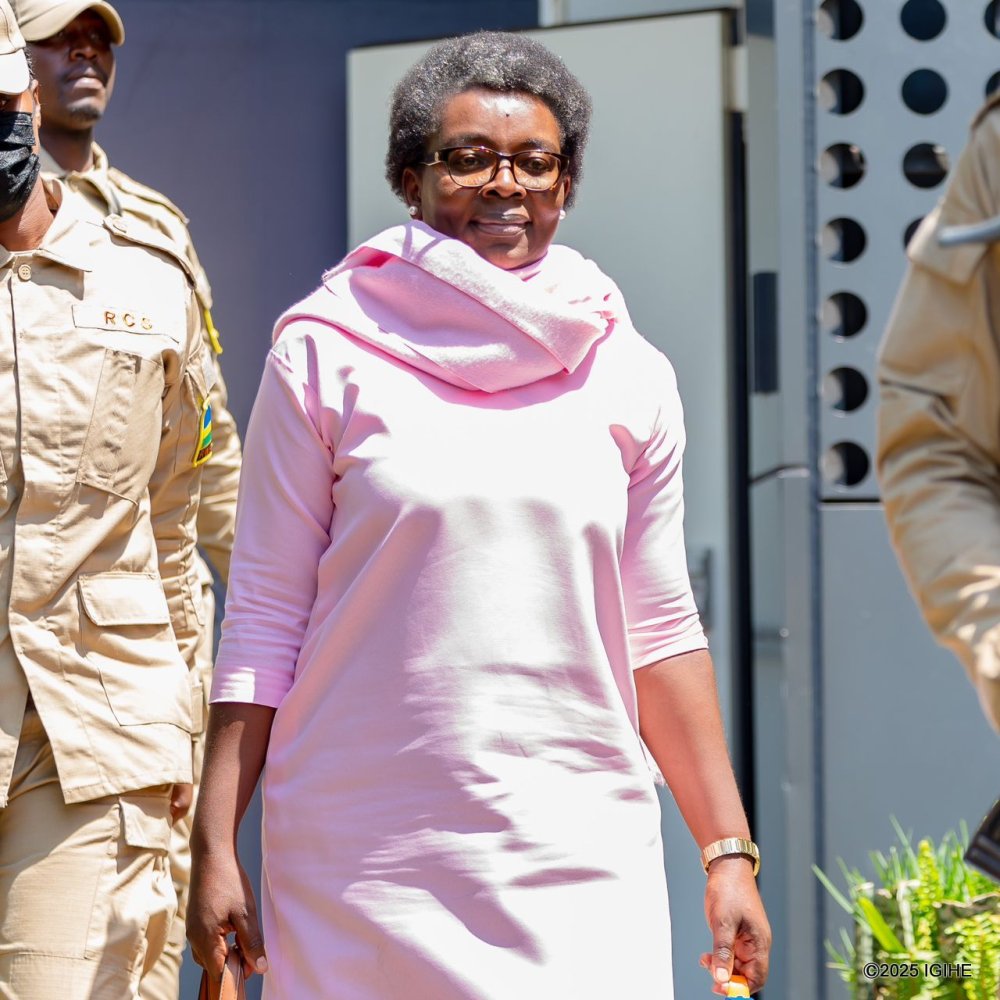
Ingabire Victoire has been accused of planning a coup that would have made her President.
They later formed the armed group Army for the Liberation of Rwanda (ALiR), which evolved into the Democratic Forces for the Liberation of Rwanda (FDLR). The group included former Rwandan Armed Forces (Ex-FAR) soldiers and Interahamwe militia members and continued its activities in the Democratic Republic of Congo (DRC), including attacks against Congolese Tutsi communities.
In 1997, ALiR fighters infiltrated Rwanda and carried out attacks in several areas, including Ngororero. They looted communities, abducted girls, subjected them to sexual violence, recruited them into their ranks and forced young men to join them.
One of the women abducted during that period is Mukagasana (not real name). Now 43, she is among former members of groups such as the FDLR who recently completed reintegration training at the Mutobo Demobilisation and Reintegration Centre in Musanze District.
Mukagasana was 14 when the infiltrators reached her family home in the former Kanama Commune in 1997. They killed her father and cousin, abducted her and took her to an area controlled by the group.
“They took my father and killed a visitor who was there, my cousin. They beheaded my father and took him to the area where the FDLR was operating. They hung him from a tree so that everyone could see,” she said.
The fighters also stole 10 cows from the family before taking Mukagasana to the former Ramba Commune.
She said she was sexually assaulted while still on the journey.
“They raped me because I was a young child. I was 14. I could no longer walk, so they left me along the way and later came back for me when I was able to walk,” she said.
She was later forced to undergo military training. According to her, the fighters gave her cannabis to make her less fearful of the activities they forced her to undertake.
She said the sexual abuse continued during her time with the group, including by commanders such as Colonel Nkundiye, making it impossible for her to determine how many men assaulted her.
Forced to participate in attacks
Mukagasana said she was also taken to areas where the group attacked communities sheltering Tutsi refugees, including Karumbi.
During one attack in 1997, she said, fighters killed a man, a woman and three girls aged 12, 13 and 14.
She was later ordered to look after children who had been abducted.
Mukagasana decided to help some of them escape.
“I told them, ‘I am going to help you. I will show you where to pass. Go and follow the route we came from,’” she said.
The fighters punished her with 150 strokes of the cane. The beating left her unable to walk properly and, she says, caused a disability that still prevents her from doing physically demanding work.
She was later taken to Mukura forest in the former Kibuye area, where the fighters left her with a large stone placed on her back to prevent her from escaping. She remained there for four days before they returned for her.
They subsequently continued using her knowledge of the area to identify households where they could obtain food.
Taking part in Nyange school attack
Mukagasana says she was among the fighters involved in the attack on students at Nyange Secondary School in the former Kibuye area on the night of March 18, 1997.
She said the operation was planned in the evening, with some fighters sent ahead to gather information about the area and security arrangements.
“We carried out the attack and asked them to separate, Tutsi on one side and Hutu on the other,” she said.
According to her account, the students refused to separate.
She said the fighters had expected to identify and abduct Hutu students and kill Tutsi students, but their refusal to separate disrupted that plan.
“The Tutsi could not separate and the Hutu could not separate, so we killed all of them and left,” she said.
She said the incident discouraged the attackers because they realised that distinguishing between the students was not possible.
Mukagasana also recalls taking part in other attacks, including one in which she says she shot and killed two soldiers.
FDLR fighters received support from the DRC
After arriving in the DRC, Mukagasana said, the fighters initially looted government facilities and health centres.
She said this later changed when Laurent-Désiré Kabila, who led the DRC from 1997 to 2001, began using the fighters in the conflict against Rwanda.
According to Mukagasana, the fighters received clothing, shoes and salaries from the Congolese government.
She held the rank of corporal in the FDLR.
She also recalls attacks in areas around Rubaya, where fighters looted cattle belonging to Congolese communities, including Banyamulenge.
“We killed them, took their cattle and ate them. We also abducted girls. Many died and others were raped,” she said.
Women were also used for intelligence gathering
Mukagasana said women and girls abducted by the group were subjected to sexual violence and were often assigned tasks such as gathering intelligence.
Some were selected because they were tall or could pass as members of Tutsi communities. They would enter areas inhabited by Congolese Tutsi communities to collect information without raising suspicion.
“During the day, her work was to gather information. Those who were not gathering information were raped or sent to loot and look for food,” she said.
Some women were also sent back into Rwanda to collect information before returning to report to the fighters.
Mukagasana said many did not perform these tasks willingly, but were controlled through threats and violence.
Returning home
She eventually escaped the FDLR and returned to Rwanda in 2003, but initially concealed her past because of fear.
She said fighters had told them that anyone who returned to Rwanda would be killed, creating fear among those who wanted to escape.
Mukagasana was pregnant when she returned to Rwanda as a result of sexual violence and did not know the identity of the father of her first child.
She later married a soldier in the Rwanda Defence Force (RDF), after first telling him about her past.
“He comforted me and told me that what happened was not something he would use against me or something that would make him stop loving me,” she said.
The couple now have four children.
Mukagasana says the stigma and trauma associated with her past made her fear that neighbours would label her an Interahamwe or an enemy of the country. She eventually asked her husband to move to another district.
She says her recent reintegration training at Mutobo has helped her overcome some of that fear after hearing the experiences of other former fighters.
Mukagasana also expressed gratitude to the Rwandan government for allowing her to rebuild her life, saying that much of what she experienced happened after she was abducted at the age of 14 and forced to participate in the group’s activities.
Mukagasana (name changed) explained that she was abducted by the infiltrators and took part in their attack on students at Nyange in Ngororero.
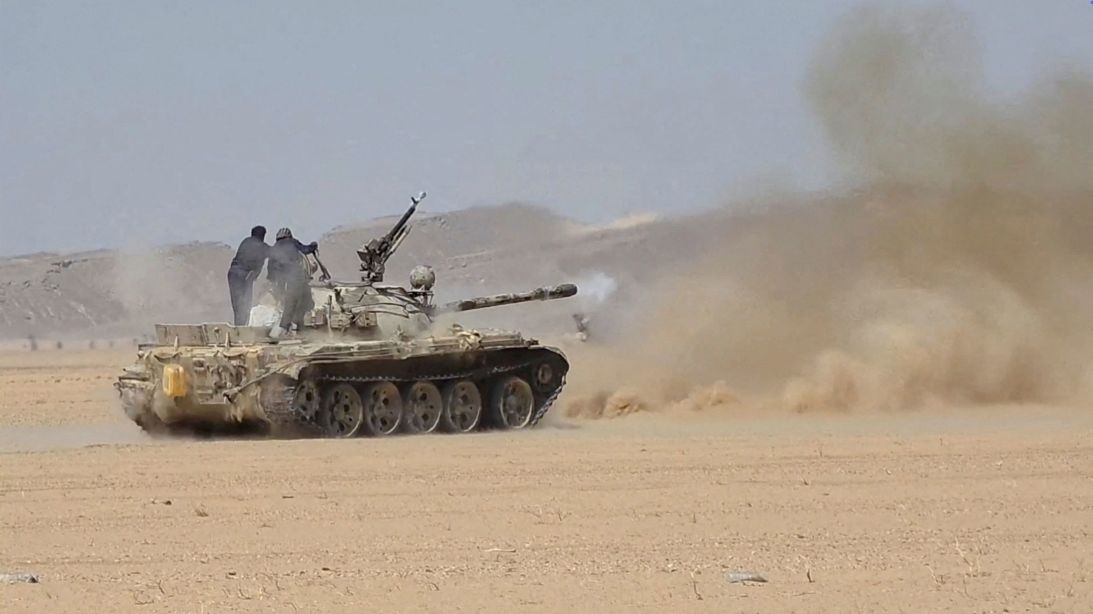
U.S. military support has so far been limited to providing Saudi Arabia with intelligence and targeting data for its operations against the Houthis, according to the report.
Washington has recently increased the sharing of such information with Riyadh. The White House believes the United States is currently providing Saudi Arabia with all the support it needs to confront the Houthis, said the report.
“No offensive strikes,” a U.S. official was quoted as saying.
Alex Plitsas, a former Pentagon official, said on CNN earlier that he had been told that U.S. President Donald Trump held a meeting at Camp David on Saturday to discuss and review options for strikes in Yemen. The White House and the Pentagon have not publicly confirmed the claim.
The Trump administration has so far shown little willingness to become directly involved in the conflict. Multiple U.S. media outlets reported earlier this month that Saudi Crown Prince and Prime Minister Mohammed bin Salman bin Abdulaziz Al Saud had urged Trump to order U.S. strikes against the Houthis, but Trump declined.
Meanwhile, Saudi Arabia has reportedly sought air-defense assistance from France, Britain, Pakistan and Egypt as its supply of missile interceptors runs low and U.S. stocks of interceptors have been strained by the conflict with Iran.
The Houthis’ recent advances and attacks have raised concerns that it could open another front in the broader U.S.-Iran conflict, further complicating an already volatile regional situation.
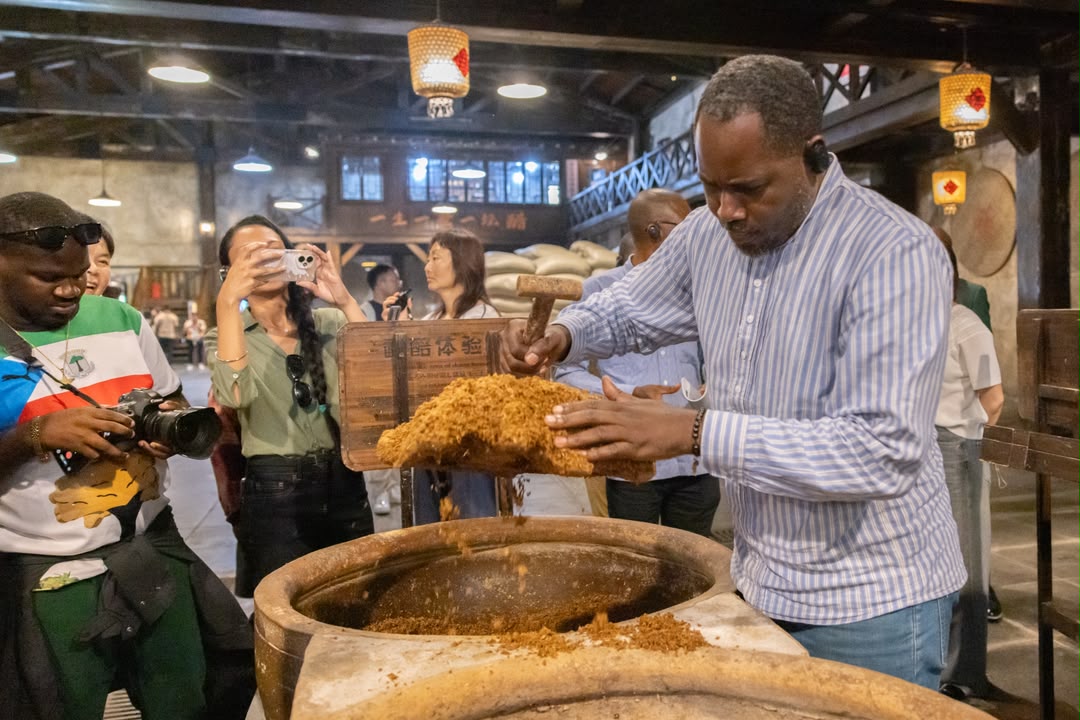
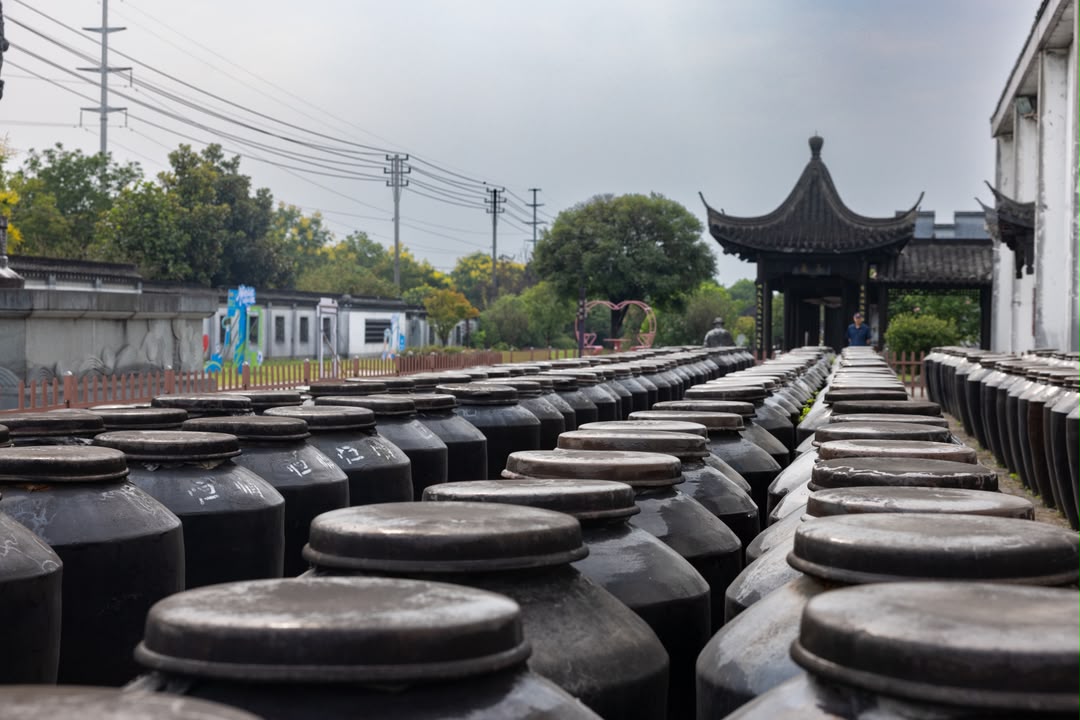
The scent immediately tells a story — this is not just a factory producing a kitchen ingredient; it is a place where more than 2,000 years of Chinese tradition continues to breathe through modern technology.
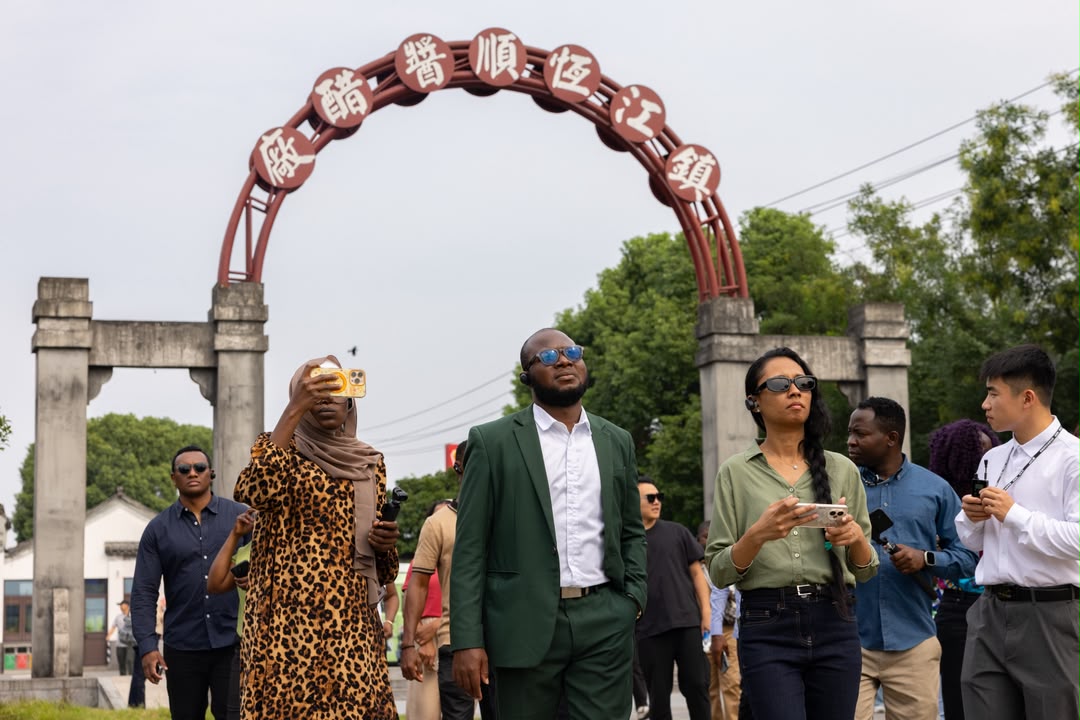
Located in Jiangsu Province, eastern China, Zhenjiang has earned the title “Vinegar Capital of China” because of its unique relationship with one of the world’s oldest fermented products.
Here, vinegar is more than a seasoning placed on a dining table. It represents history, culture, science and industrial transformation.
During our visit recently, we discovered how a simple-looking bottle carries centuries of knowledge, connecting ancient fermentation techniques with intelligent manufacturing systems capable of producing thousands of bottles every hour.
China’s relationship with vinegar stretches back more than two millennia. Ancient communities discovered that grains such as rice, wheat and sorghum could be transformed through fermentation into a product with a distinctive taste, longer shelf life and important culinary value.
Over generations, Zhenjiang developed its own speciality, Zhenjiang aromatic vinegar, a black vinegar recognised for its deep colour, balanced sourness, mild sweetness and unique fragrance.
Unlike ordinary vinegar, whose main purpose is acidity, Zhenjiang vinegar is created through a complex fermentation process where time, microorganisms and craftsmanship determine the final flavour.
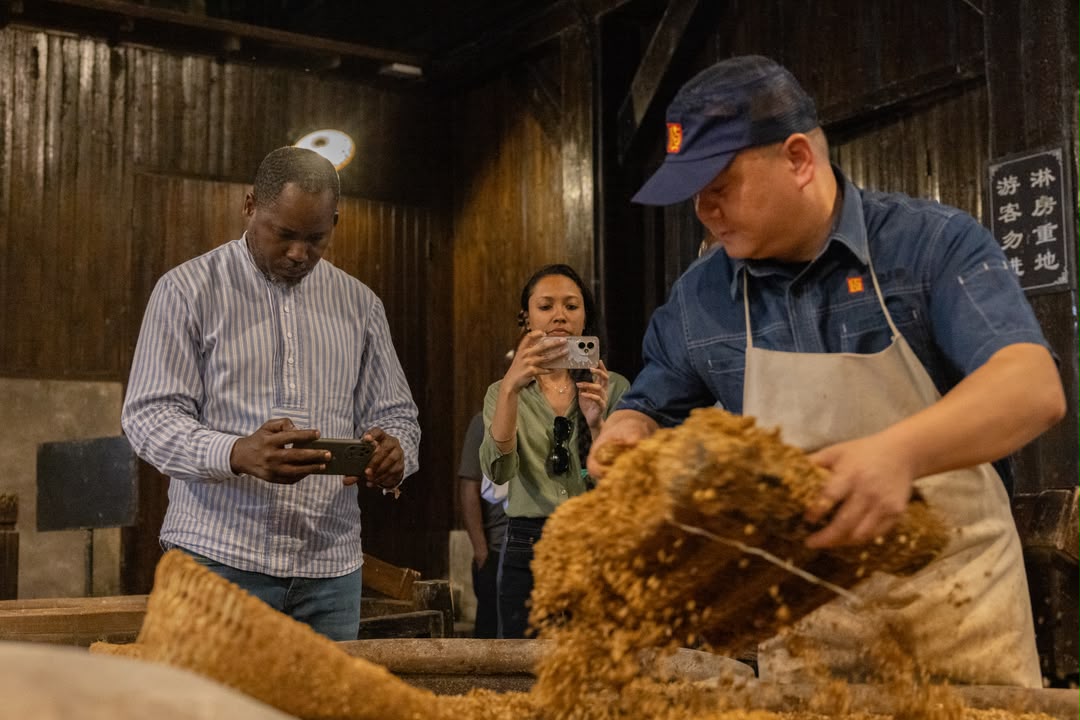
The process begins with carefully selected grains. Through alcoholic fermentation, natural sugars are converted into alcohol before acetic acid bacteria transform it into vinegar. But the secret is not only in science.
For generations, craftsmen have mastered the relationship between temperature, fermentation conditions and ageing techniques, creating a product where sourness, sweetness and aroma exist in perfect balance.
At the centre of this story is Jiangsu Hengshun Vinegar Industry, a company founded in 1840 during the Qing Dynasty.
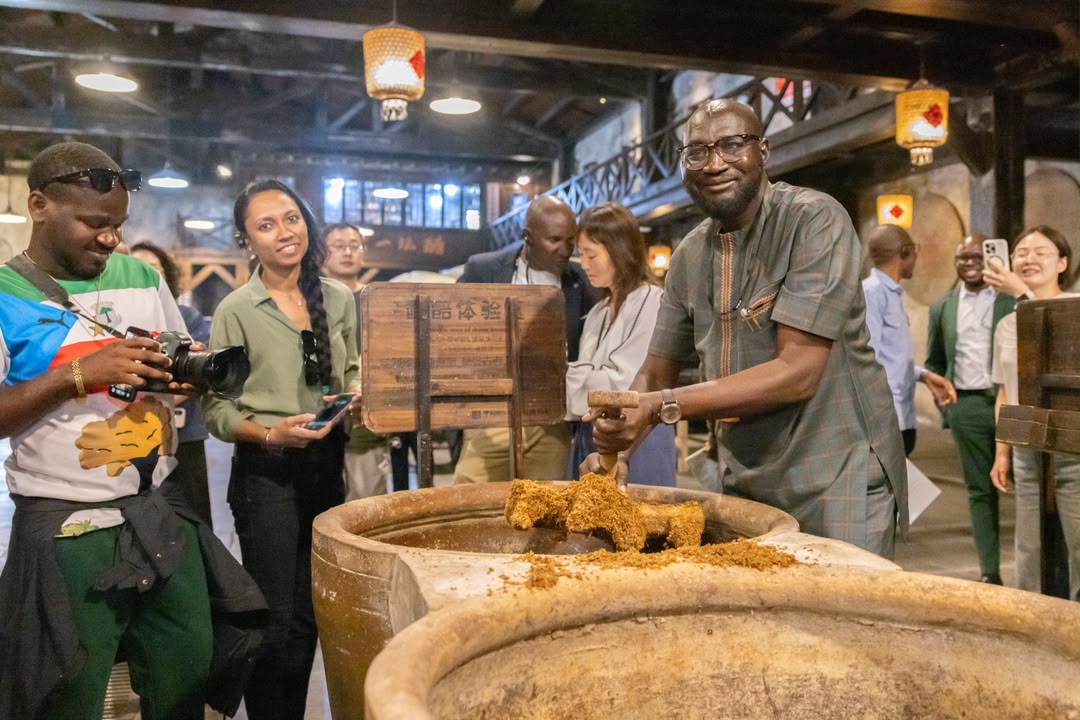
What started as a traditional workshop has developed into one of China’s most recognised vinegar brands, combining centuries-old brewing methods with biotechnology, quality control systems and intelligent production.
Traditional fermentation areas exist alongside modern laboratories, automated production lines and digital monitoring systems designed to improve efficiency while preserving the original character of the vinegar.
Today, Zhenjiang’s vinegar industry has grown far beyond one company. The city has built a complete vinegar ecosystem involving more than 40 enterprises, producing over 300,000 tonnes annually and contributing a significant share of China’s vinegar production.
Hengshun’s transformation reflects this wider industrial growth. In 2017, the company invested 120 million yuan, equivalent to about 26 billion Rwandan francs, in advanced German automated filling technology.
The production line can process 24,000 bottles per hour while enabling real-time monitoring and complete product traceability. The company later introduced another intelligent filling line capable of handling 36,000 bottles per hour, further strengthening its manufacturing capacity.
The journey continues at the Zhenjiang Vinegar Culture Museum, where vinegar becomes a story of people, heritage and innovation.
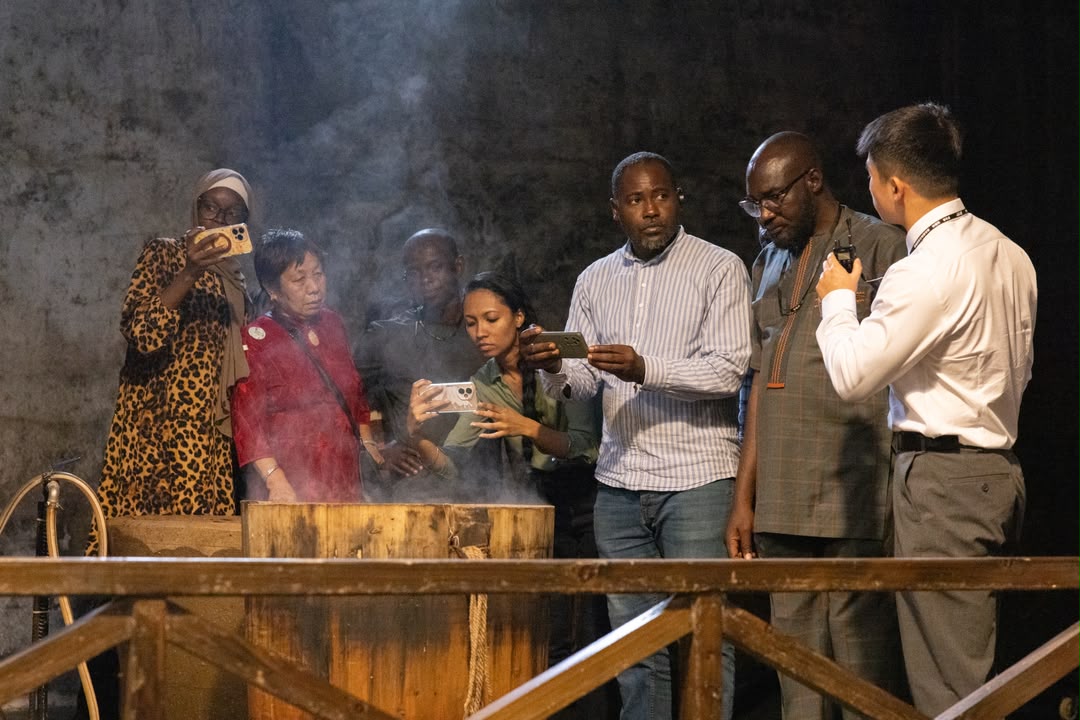
Established to preserve the history of vinegar-making, the museum displays traditional brewing tools, historical documents, old production methods and materials showing how Hengshun developed from a small workshop into a modern industrial enterprise.
Recognised as a National Demonstration Base for Industrial Tourism in 2023, the museum has transformed vinegar into an educational and cultural experience. Visitors do not only learn how vinegar is produced; they discover why it remains an important part of Chinese identity.
Technology has also changed how this heritage is shared. Through virtual reality experiences, digital guides, online exhibitions and livestreaming, Zhenjiang’s vinegar culture is reaching audiences beyond the city and beyond China.
In Chinese cuisine, Zhenjiang vinegar plays an important role. It is used in sauces, seafood dishes, soups and traditional recipes, adding depth and fragrance while maintaining the original taste of food.
However, modern consumer preferences are creating new opportunities. Younger generations are increasingly interested in natural ingredients, healthier products and new flavours.
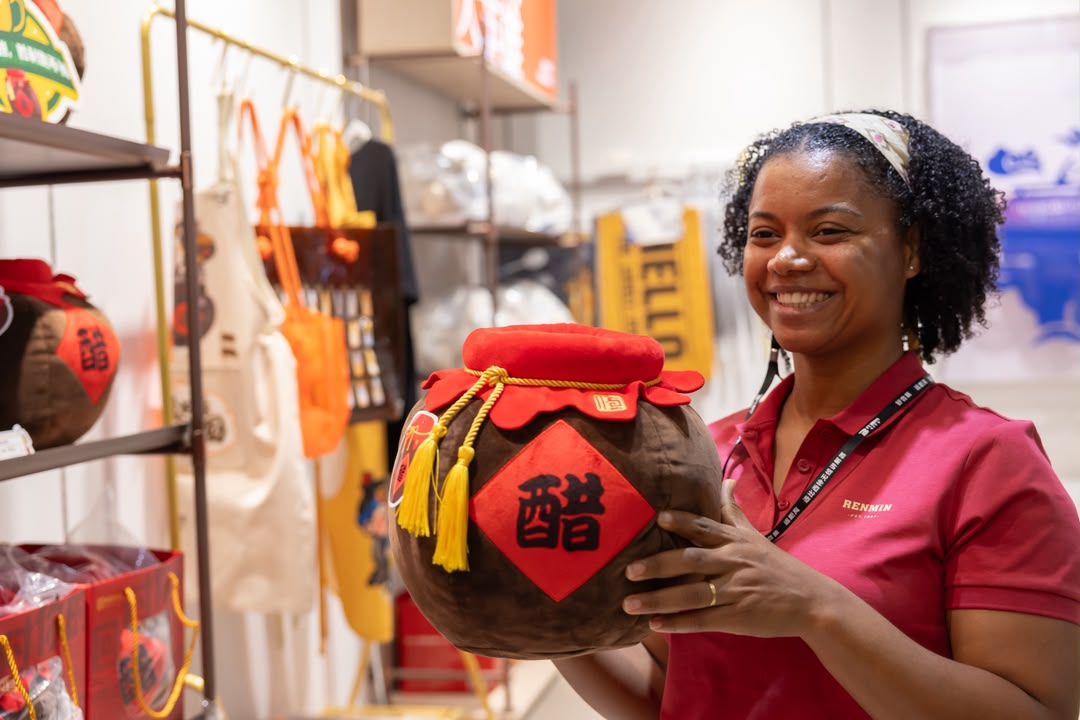
Responding to these changes, Hengshun has expanded beyond traditional cooking vinegar by introducing products such as floral vinegar varieties featuring ingredients like rose, osmanthus and camellia.
At Hengshun Industrial Park, a new 33,000-square-metre intelligent production facility is being developed with automated feeding, fermentation management and modern processing systems. Once completed, it is expected to increase annual capacity by 56,000 tonnes of table vinegar and 20,000 tonnes of white vinegar.
A product that began as an ancient fermentation technique has become an industry connecting agriculture, tourism, food technology and modern manufacturing.
In China’s Vinegar Capital, every drop tells a story, a story of tradition preserved, innovation embraced and a city that transformed a simple ingredient into a symbol of heritage.
Visitors explore the centuries-old vinegar-making tradition in Jiangsu Province, known as China’s “Vinegar Capital.”Jiangsu Hengshun Vinegar Industry preserves traditional brewing methods while using automated production and digital monitoring systems.Zhenjiang’s vinegar industry combines more than 2,000 years of fermentation tradition with modern technology and intelligent manufacturing.
My journey into this dynamic urban tapestry began on a morning flight out of Beijing Capital International Airport. Two and a half hours later, I woke up to the flight attendant announcing our imminent landing at Wuhan Tianhe International Airport.
Stepping off the plane, the shift in weather was immediate. While Beijing had already settled into a cooler autumn breeze, Wuhan greeted me with a wave of heavy, lingering summer heat.
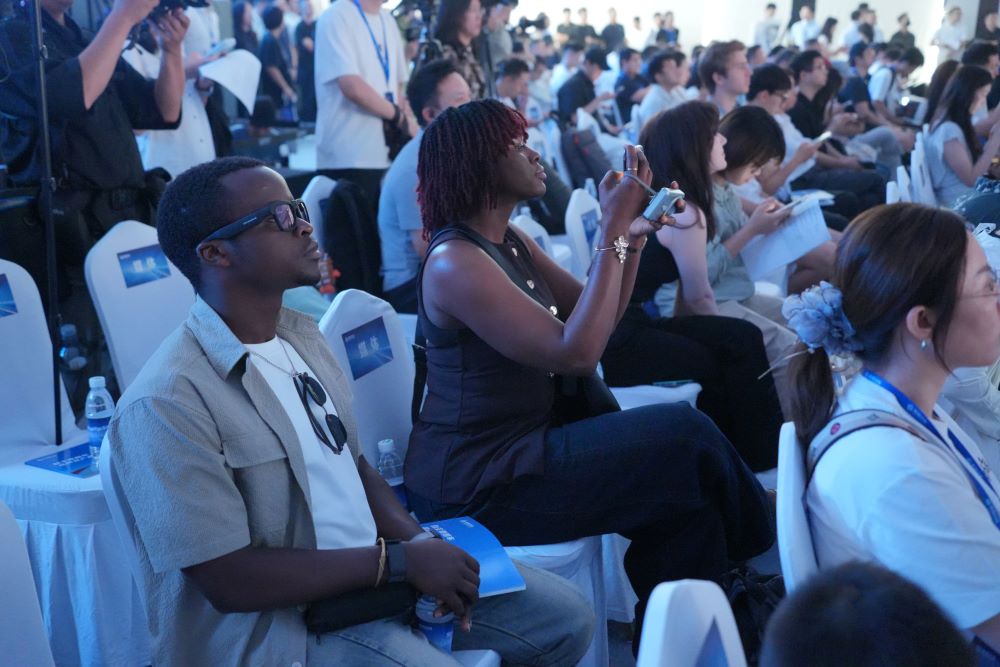
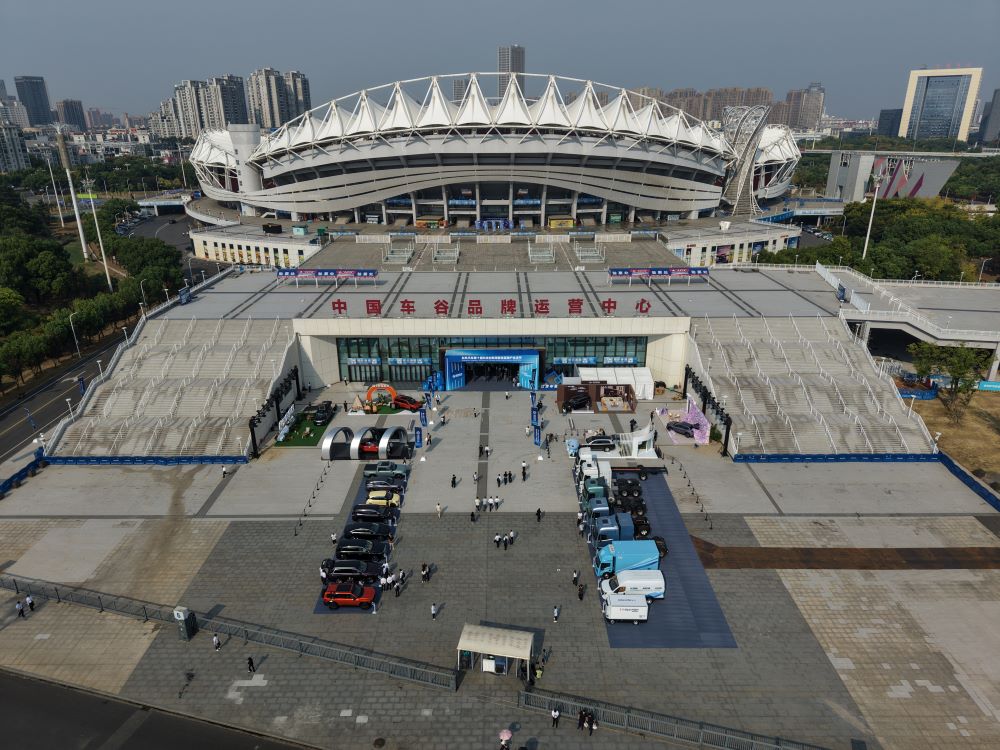
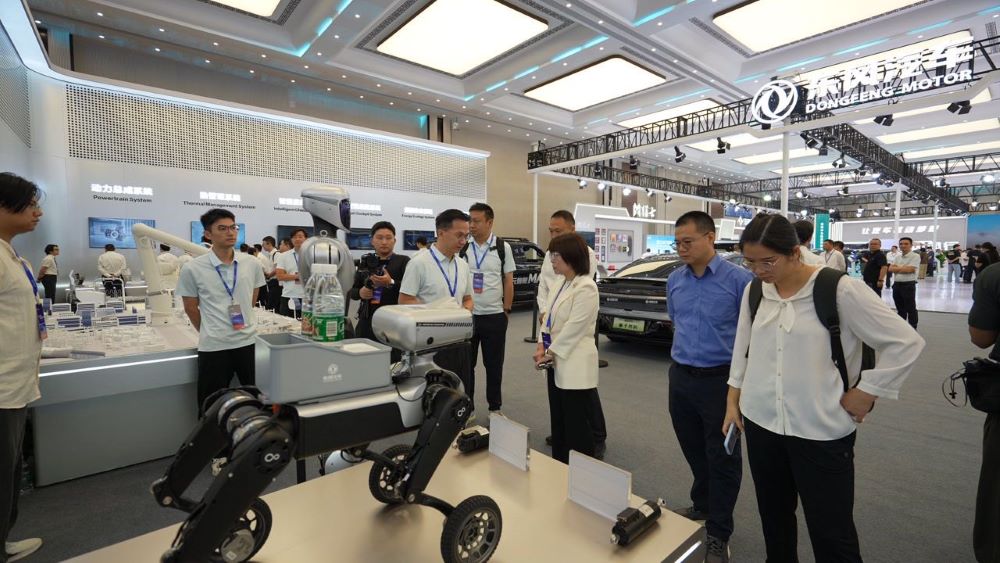
Immediately after dropping my bags at the hotel, I geared up for the primary reason I came to this city: attending Dongfeng Motor’s 10th Science and Technology Innovation Week and 1st User Lifestyle Festival.
Kicked off on September 14 under the theme “Wind from the East, Creating a Smart Life,” the event was a massive showcase of automotive evolution. Dongfeng officially unveiled three major global initiatives: the “Sky-Clean Zero-Carbon” Plan, the Embodied Intelligent Vehicle All-Domain Protection Plan, and the “Sky Horizon Voyage” Plan.
These blueprints are designed to highlight the company’s cutting-edge leaps in new energy technologies, safety, and international expansion. To bridge the gap between engineering and everyday drivers, they also launched the “Dongfeng Youxin” service brand, a platform meant to build direct, trust-based relationships with users and deliver reliable, full-lifecycle services.
During the opening ceremony, Dongfeng Motor Chairman Yang Qing made the company’s ambitions clear. He emphasized that Dongfeng is prioritizing safe, intelligent, and green mobility to upgrade the experience for its over 64 million users.
Looking toward the future, Yang noted that the company will deeply embrace AI trends and a low-carbon industrial layout, turning technological strength into tangible user value and enhancing the global influence of Chinese auto brands as they march toward their 2030 goals.
But hearing about the technology is one thing; feeling it is another entirely.
My hands-on experience actually began a day prior to the official launch. A 30-minute drive brought me to the first testing ground, MHERO Technology Park.
Here, I strapped into the passenger seat of the mighty M-Hero 817 for a masterclass in extreme off-roading. The showcase kicked off with the vehicle’s “crab mode.”
It is incredibly surreal to feel a massive car moving diagonally sideways, effortlessly sliding out of tight spots. Then came the sheer power: the vehicle rocketed to 100 kilometers per hour in just a few seconds, followed by an instant brake system that brought the heavy beast to a stop in just a few meters.
Next, we tackled the obstacle course. We hit a 30-degree bumpy wall that angled the vehicle so sharply that the right side—where I was sitting—was suspended entirely in the air.
Despite hanging above the ground, I felt perfectly secure as the car crawled forward. From there, we hit a stretch of oblique, alternating bumps. The vehicle acted like a seesaw, balancing perfectly on two opposing wheels as the suspension absorbed the staggered drops.
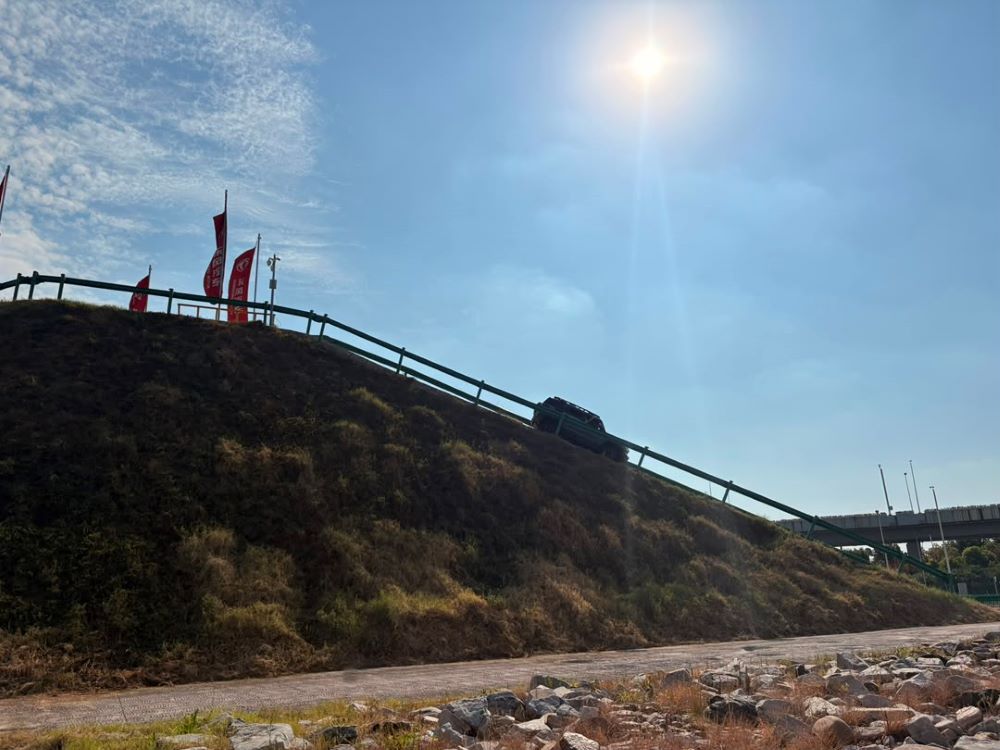
Then came the mountain. We started climbing a 35-degree incline that quickly and aggressively sharpened to 45 degrees. At that angle, the windshield offered nothing but a view of the open sky; navigating the terrain relied entirely on the cameras and screens inside the cabin.
Immediately after summiting, we tipped over the edge for a steep 30-to-40-degree descent, staring straight down into the dirt. To cap off the M-Hero experience, we plunged into a water basin a full meter deep. The water washed almost over the front hood, yet the vehicle pushed through the flooded trench without a single stutter. It was nothing short of phenomenal.
My adrenaline was already spiking, but a second 30-minute transfer brought me to another track, at the National Intelligent and Connected Vehicle Test and Demonstration Zone, Longlingshan Site.
Here I finally got to take the wheel myself. This was my very first time driving a car in China, and my ride was the sleek Dongfeng eπ007.
If the M-Hero is an off-road beast, the eπ007 is a pure sports machine. Putting my foot down, this car hit 100 km/h in an astonishing 3.9 seconds. During my 10-minute drive, I threw it through sharp turns, weaved tightly around cones, and blasted through tunnels. I drove it over dirt roads, sloped terrain, and through a simulated rain zone where the intelligent wipers automatically triggered the moment the water hit the glass. You could even pull off perfect 360-degree spins.
Walking away from the track, the message of Dongfeng’s innovation week was no longer just a corporate speech—it was a physical reality. Experiencing cars that can crab-walk, scale sheer cliffs, wade through deep water, and hit 100 km/h in a few seconds proved that this city isn’t just manufacturing vehicles; it is engineering the absolute future of driving.
Stepping into Wuhan’s famous, lingering summer heat after arriving from BeijingStepping into Wuhan’s famous, lingering summer heat after arriving from Beijing
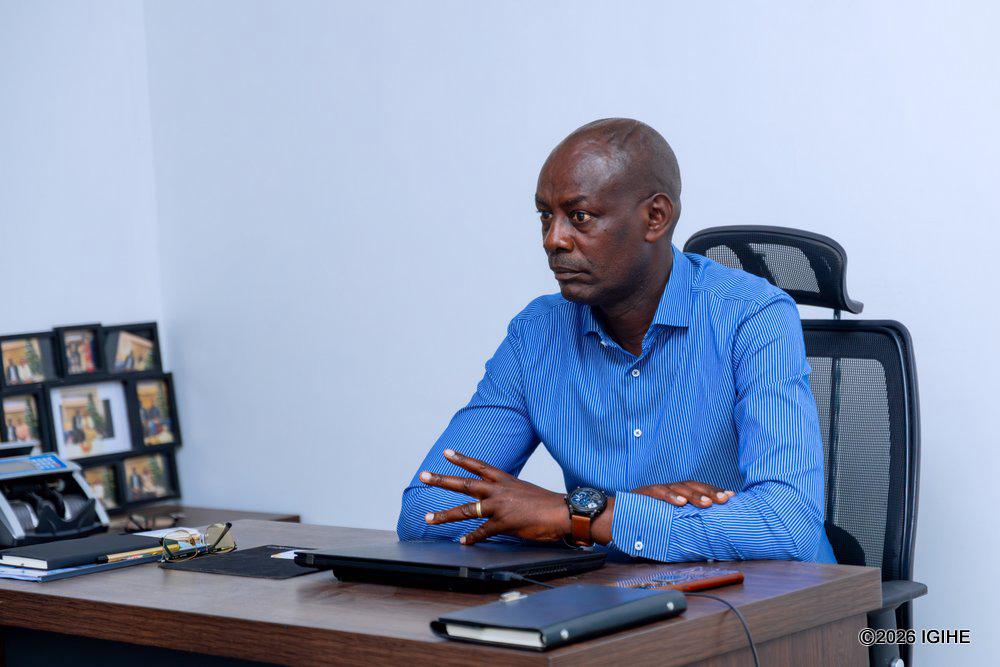
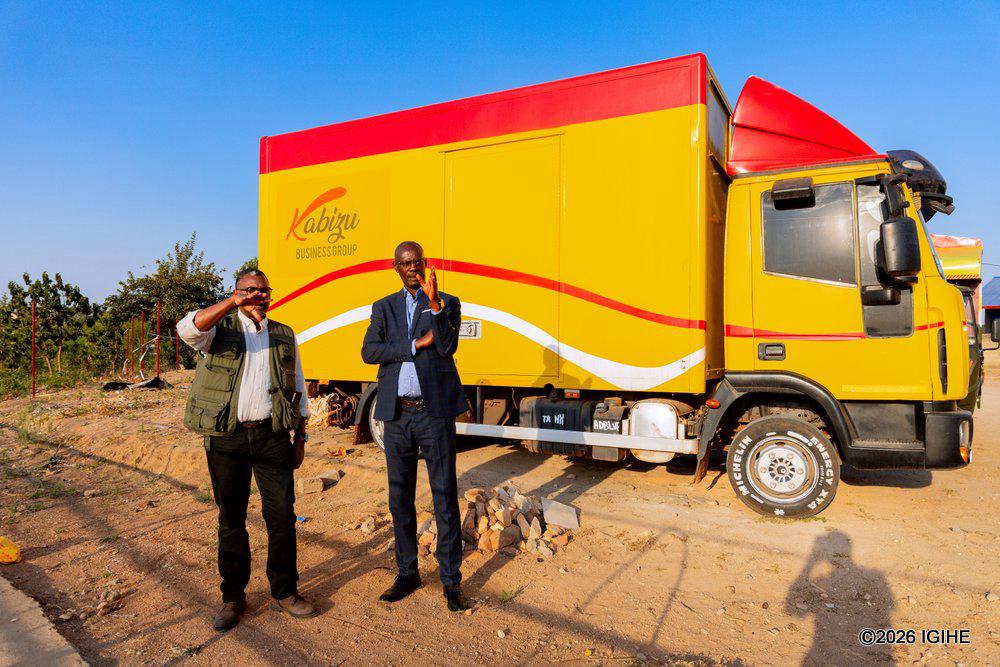
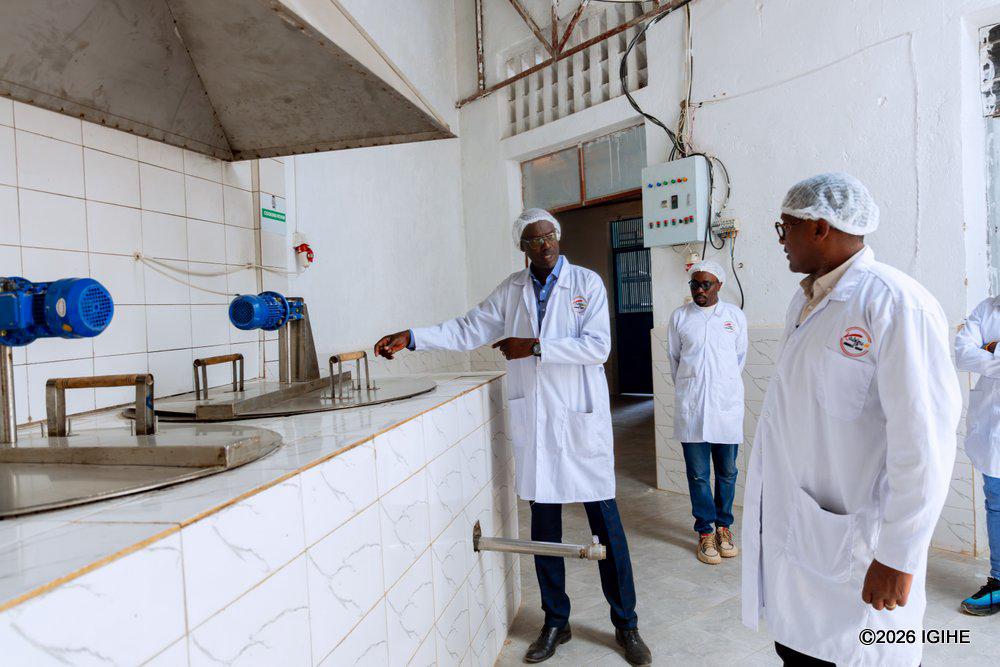
That question became the starting point for Kabizu Business Group Ltd, a venture Bizumuremyi first established in Ostend, Belgium, in 2020 before bringing the business to Rwanda.
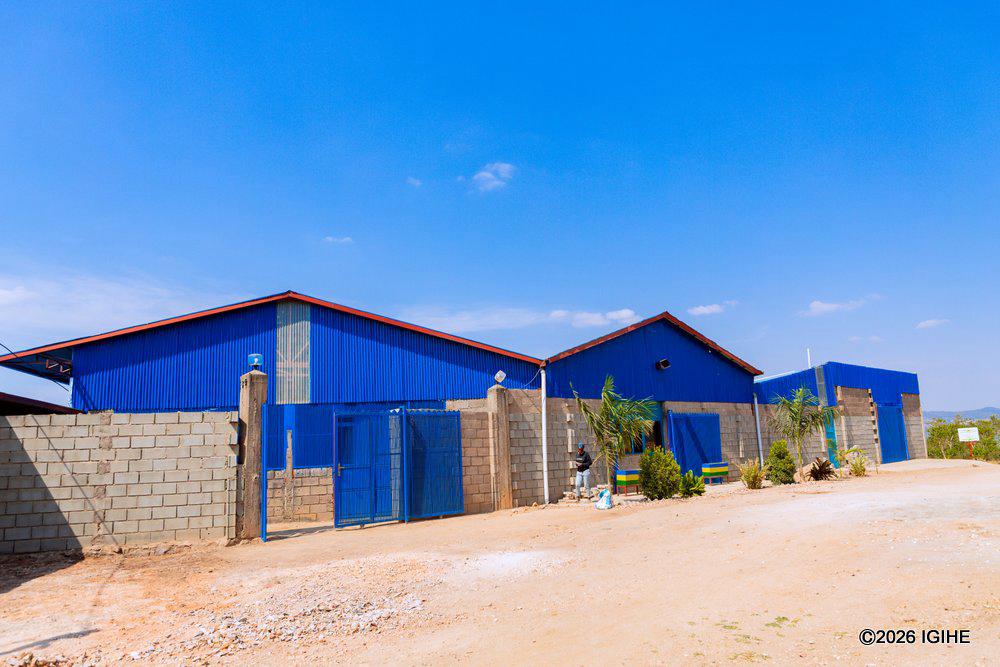
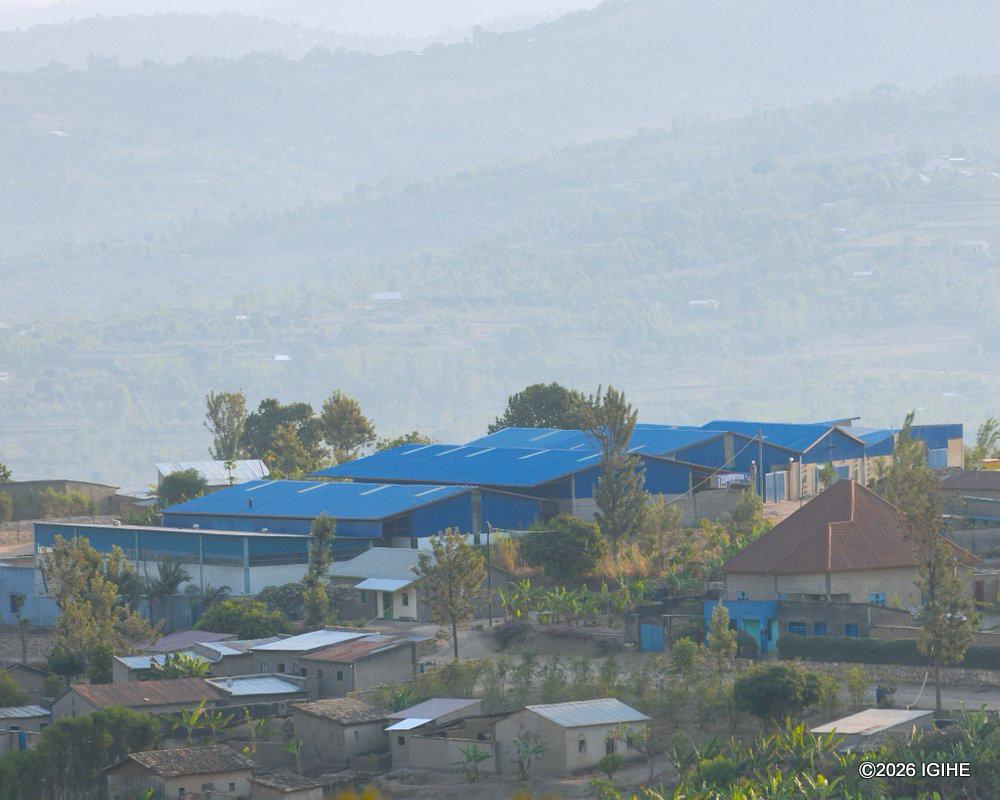
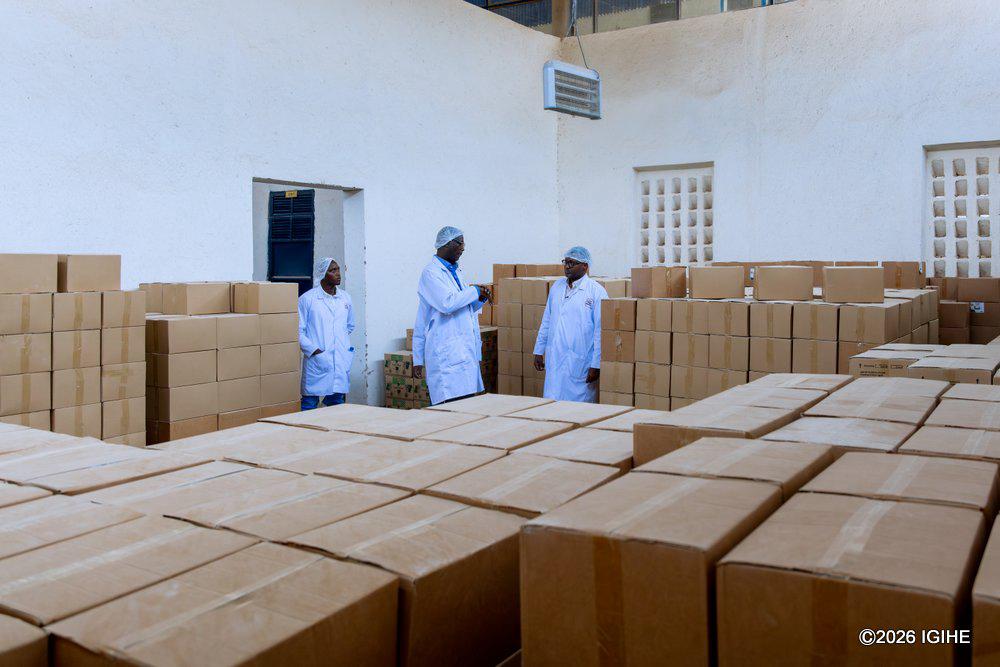
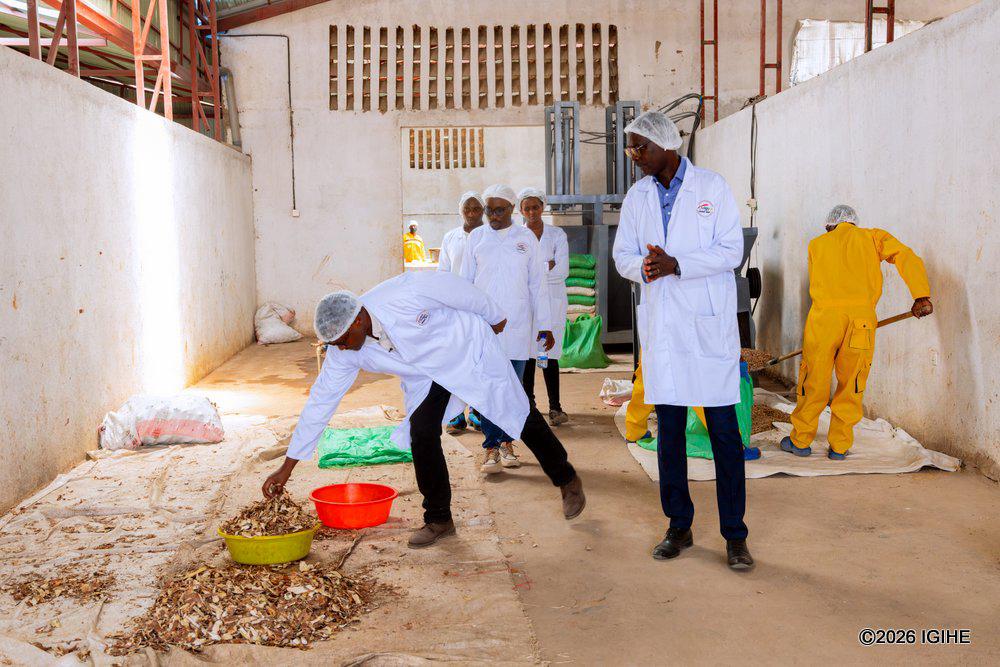
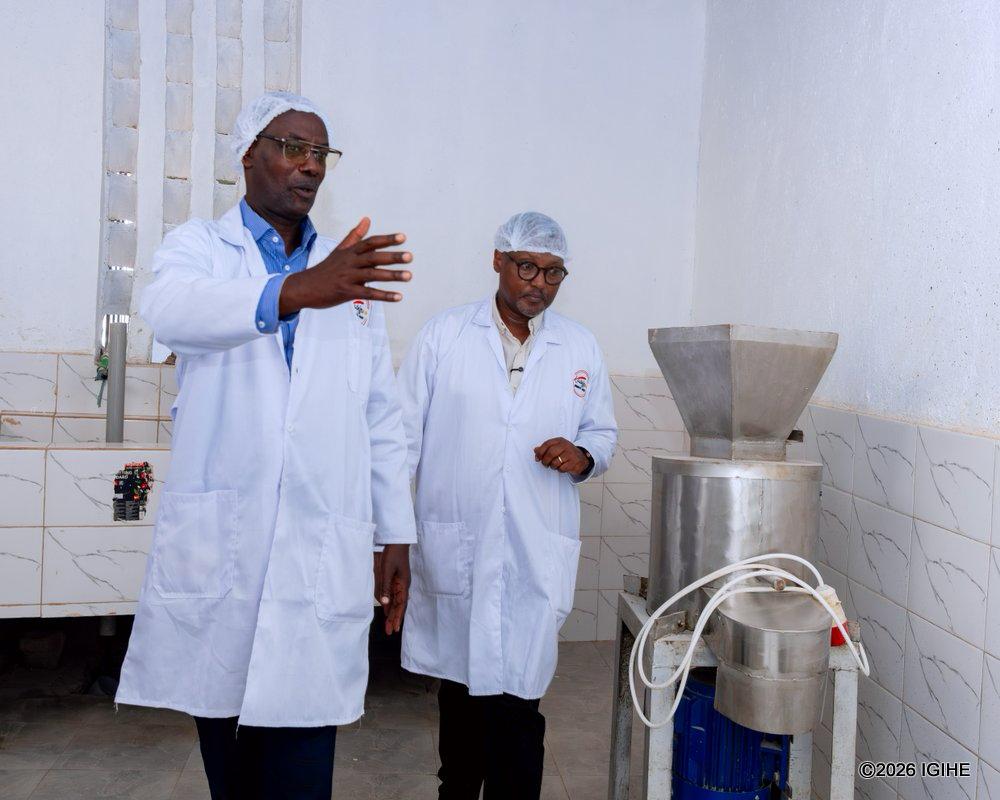
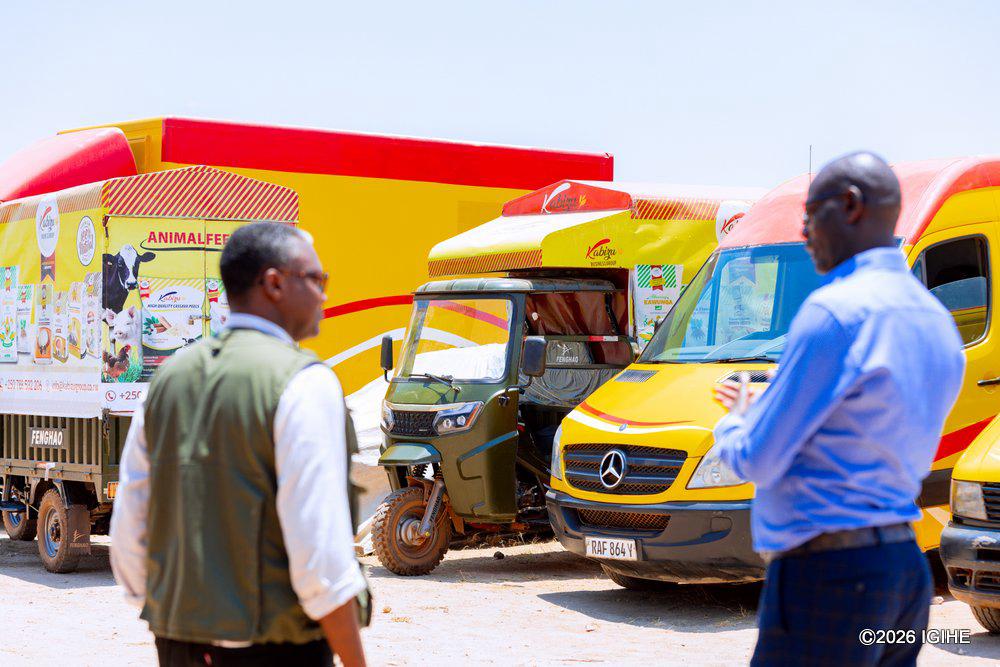
Today, his agricultural processing plant in Nyamiyaga Sector, Kamonyi District, turns locally produced crops into a range of food products, some of which have found their way to markets in the United States, Canada and Belgium.
For Bizumuremyi, the journey from Belgium to Kamonyi is not only about building a business. It is also about turning experience gained in the diaspora into opportunities for farmers and communities back home.
From promoting Rwandan products to creating his own brand
Bizumuremyi, who lives in Ostend, was involved in the Rwandan diaspora community in Belgium and helped establish the Diaspora of the North Sea.
He was also part of a “Made in Rwanda” initiative that brought products from Rwanda to Belgium, including coffee, tea, food products and handicrafts.
“We would bring different products from Rwanda and sell them in a shop. They included Kinazi and other products, as well as artisanal works from Rwanda,” he said.
The experience exposed him to both the demand for Rwandan products abroad and the challenges of getting them to consumers at the right time and in the right form.
From 2010 to 2017, Bizumuremyi also worked with entrepreneurs in different sectors in Belgium, building experience that later influenced his decision to establish his own business.
“I looked at products that would reach me in Belgium and services that would not reach me at the right time. This pushed me to make my own brand, Kabizu Business Group,” he said.
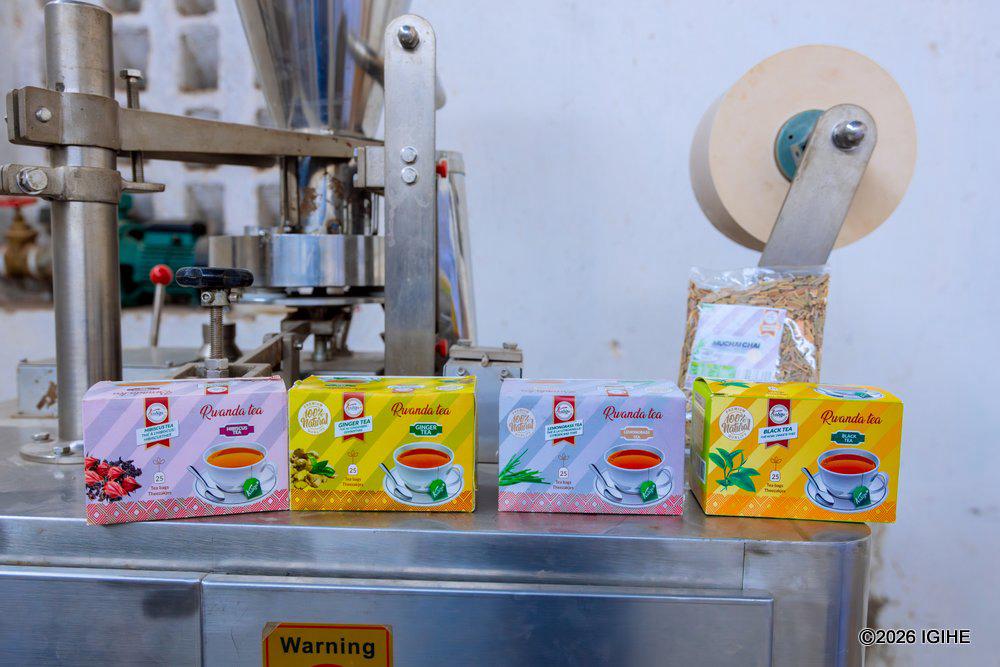
The company initially focused on coffee, with the National Agricultural Export Development Board (NAEB) supporting the repackaging of coffee for the Belgian market. He later bought a machine to package tea sourced from Rwanda Mountain Tea, Karongi Tea Factory and others, selling it under the Akabizu brand.
As customers began asking for more products, the business gradually expanded into agricultural value addition.
“Later, clients requested me to expand into other products. That is how we had the idea of adding value to agricultural products from Rwanda,” he said.
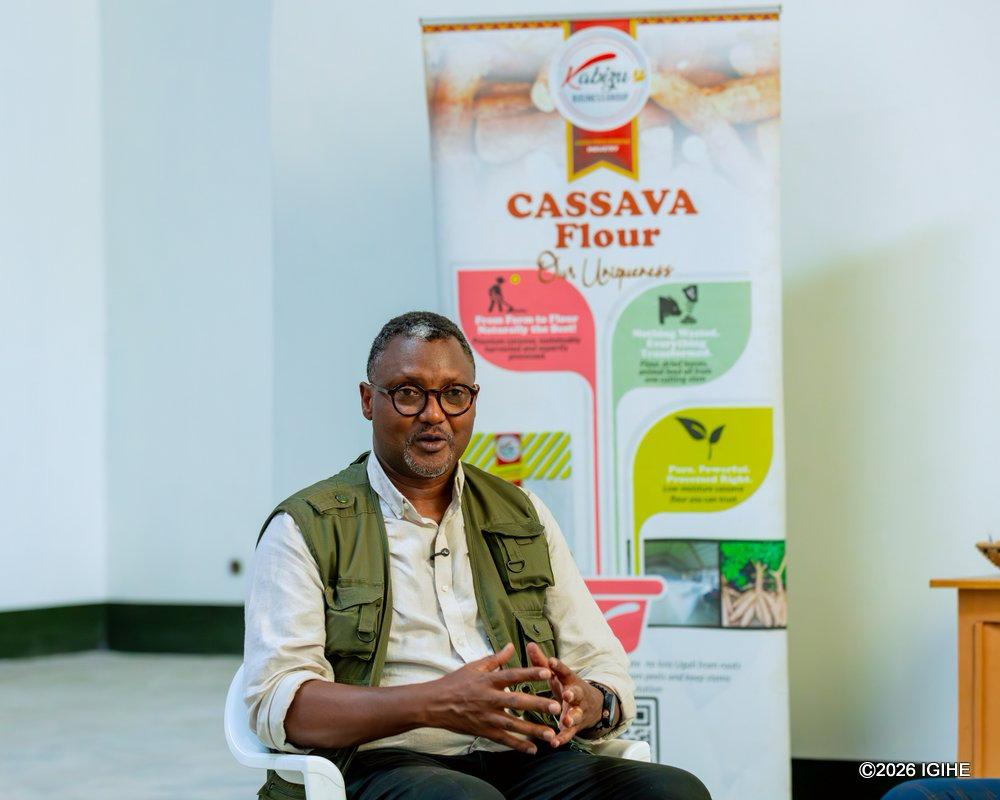
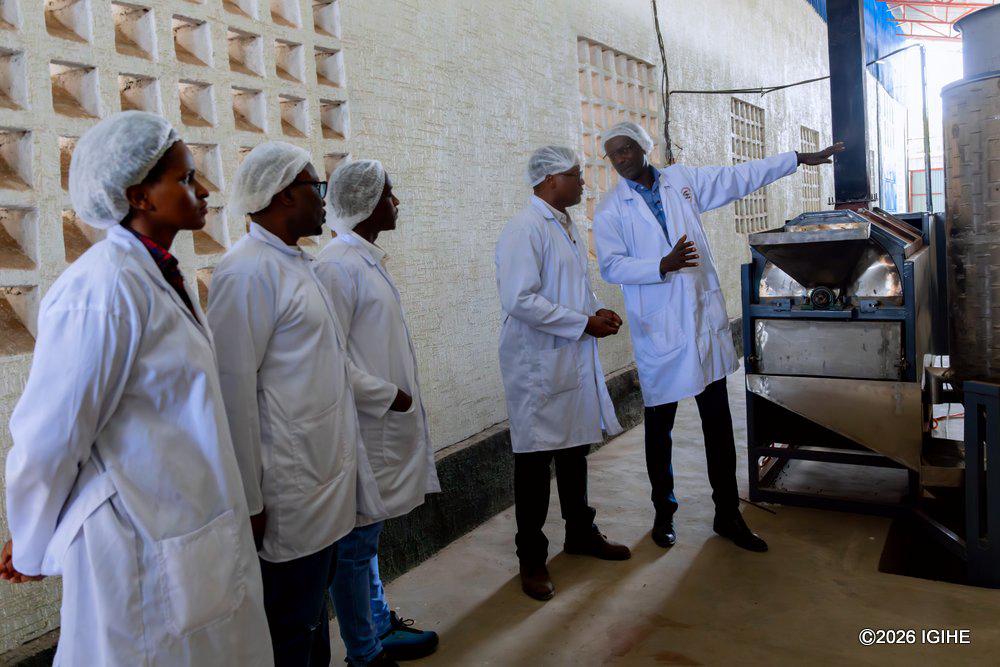
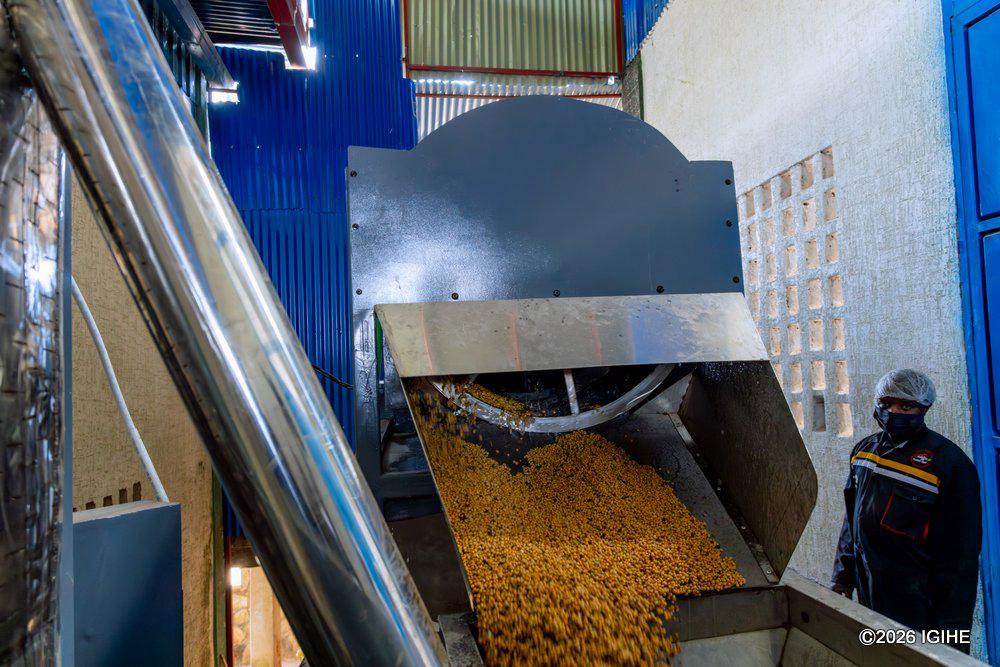
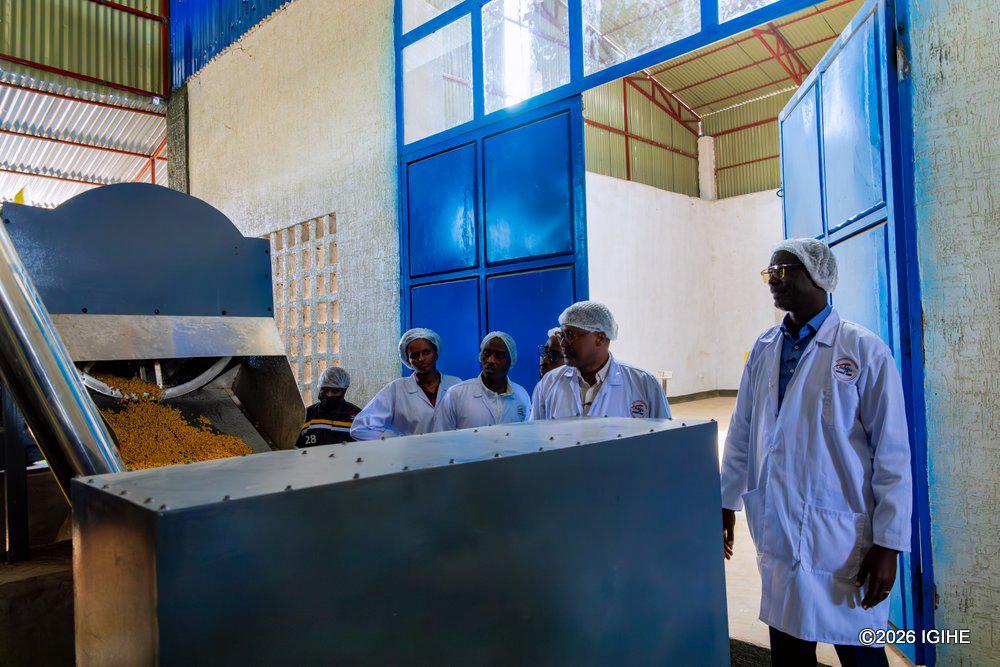
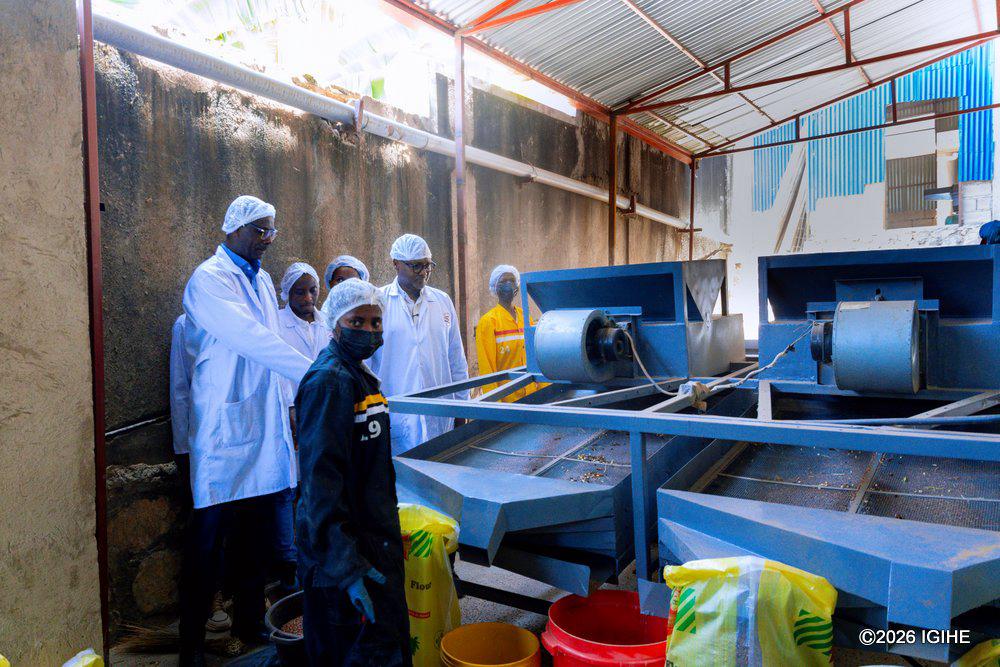
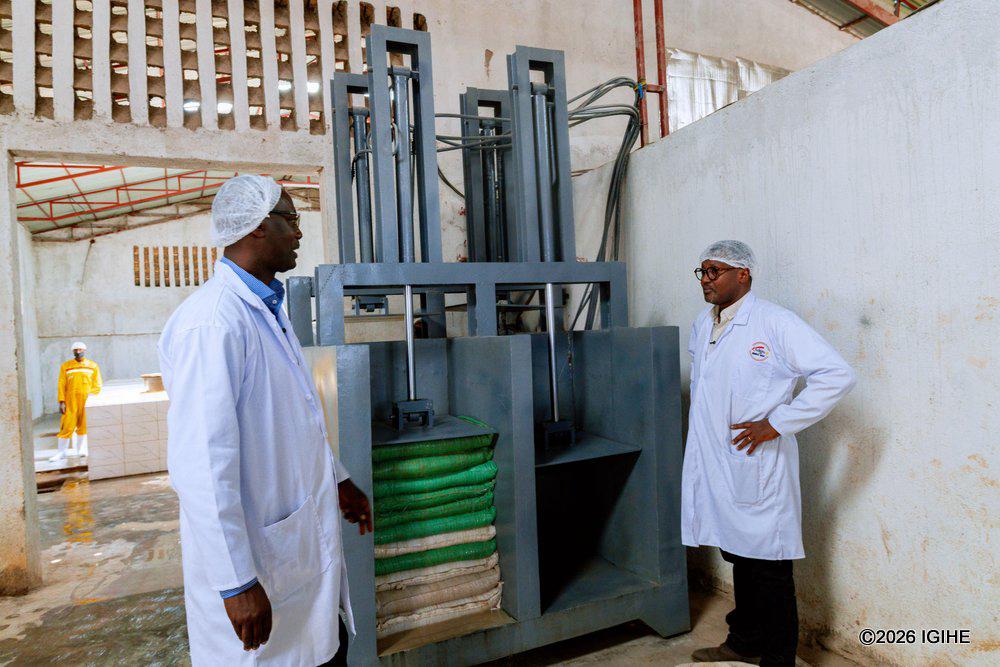
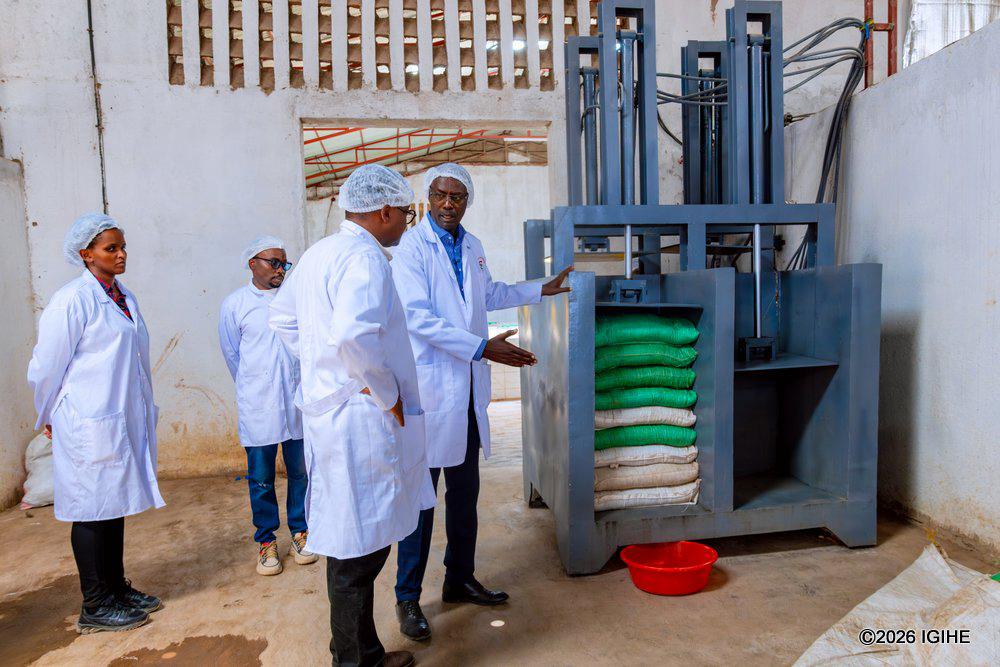
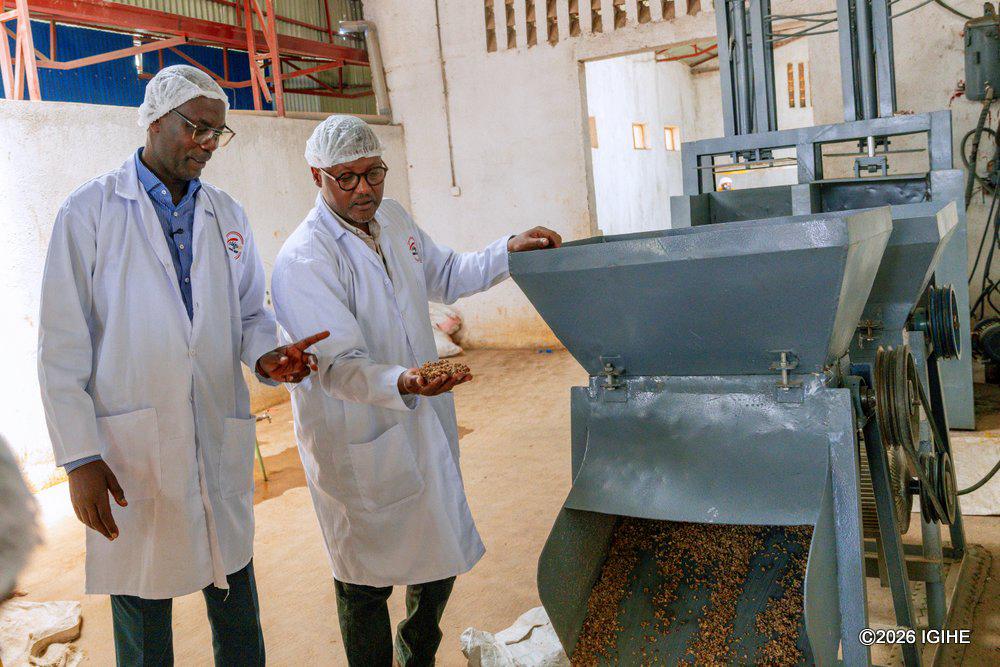
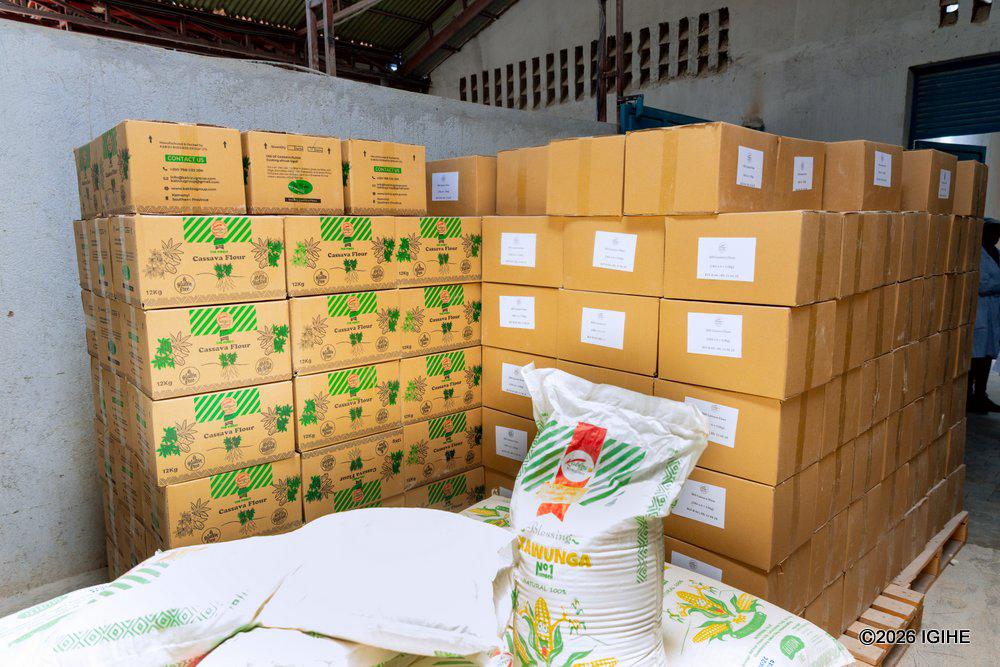
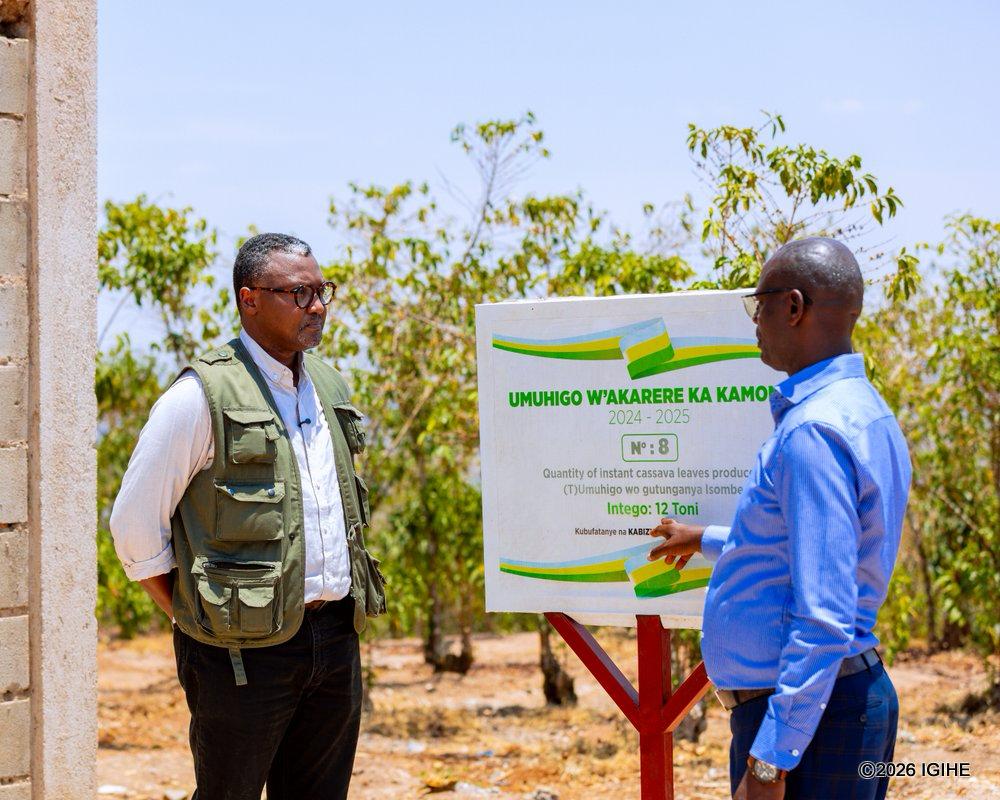
Today, the plant processes cassava, maize, sorghum, millet and soybean flour, as well as baby food, cooking oil, processed cassava leaves, commonly known as isombe, and peanut-based products.
Turning farm produce into more value
For Bizumuremyi, agro-processing offers opportunities beyond producing finished food products.
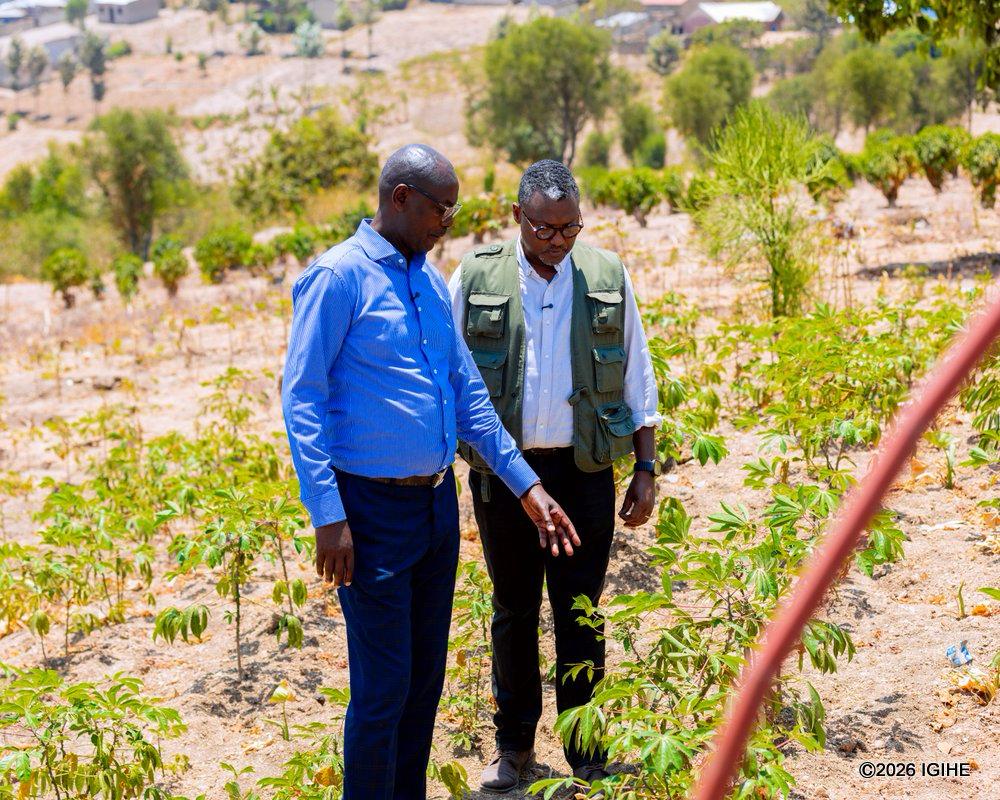
He points to cassava as an example. While the crop has traditionally been processed mainly into flour, the company has also found ways to use cassava residues to produce animal-feed ingredients.
“The residues would be wasted, but under the project we started to produce animal feed,” he said.
He believes such value addition can create additional income for farmers while contributing to solutions for shortages of animal feed and cereals.
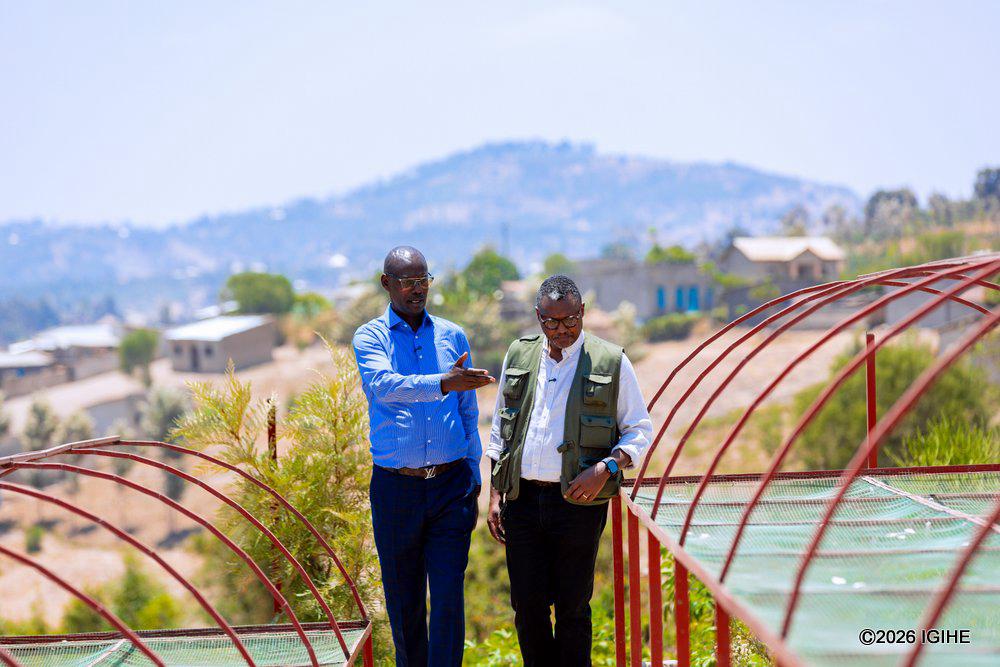
The company works with cooperatives and smallholder farmers supplying cassava, sorghum, wheat, rice, maize and other crops.
Bizumuremyi encourages farmers to organise themselves in cooperatives so they can consolidate production, while also accepting produce from individual farmers.
“We are here to provide a market for farmers in this province,” he said.
He wants farming to be seen as a profitable business rather than an activity limited to small-scale production. “It should be a lucrative business that helps people to develop and enables them to see the added value of their produce,” he said.
A business rooted in Kamonyi
Choosing Nyamiyaga as the location for the plant was also intended to bring the business closer to farmers and contribute to the surrounding community.
The company employs people living near the plant, with specialised positions filled by workers from elsewhere when necessary.
Bizumuremyi says the business also works with local authorities, participates in community activities and exhibitions, and contributes to local initiatives.
He says the location has another benefit: giving Kamonyi greater visibility as the products reach international markets.
“When we export, we indicate the address of where they are processed on the labels. For me, this also adds to the visibility of Kamonyi,” he said.
Looking beyond Rwanda
The company initially exported to Belgium but has since expanded its reach, particularly to the United States, where Bizumuremyi says its products are sold in four states, including Michigan, New York and Kentucky. Canada and Belgium are also among its markets.
Looking ahead, he wants to expand the business across Africa and raise the standards of the processing facility to international levels.
“In line with the government’s vision, we also have a vision of expanding to Africa and raising the standards of the manufacturing facility to operate at an international level,” he said.
His message to other members of the diaspora is straightforward: Rwanda offers opportunities for those willing to return and invest.
“I am part of the diaspora members who returned to Rwanda and invested, so as not to be left behind. The time is now, and it is possible to do it,” he said.
Bizumuremyi also commended Rwanda’s leadership under President Paul Kagame, saying the country’s security and conducive investment environment make it easier for investors to establish and grow their businesses.
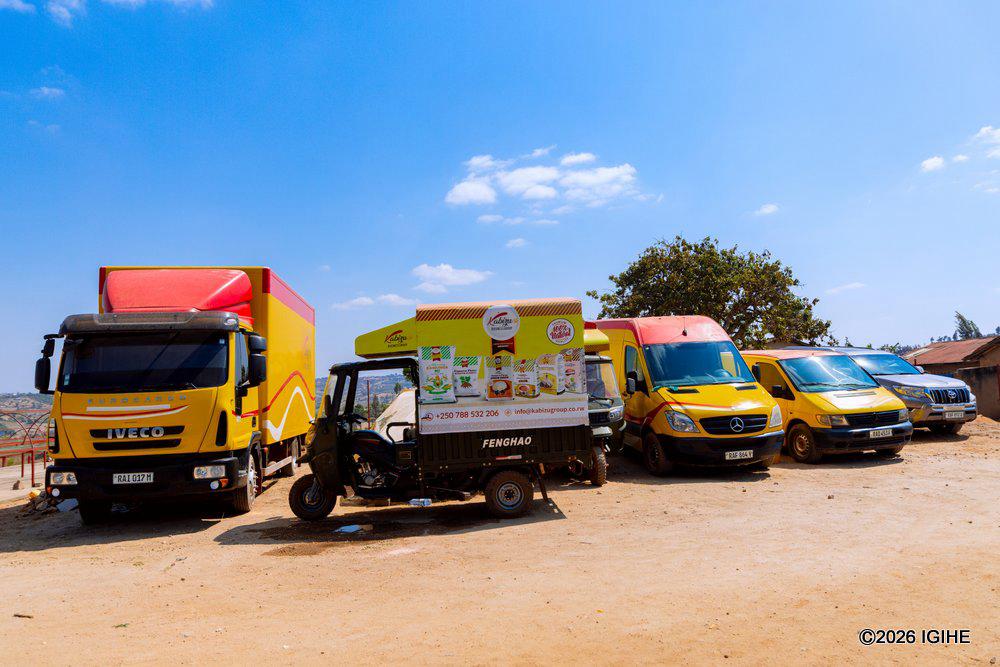
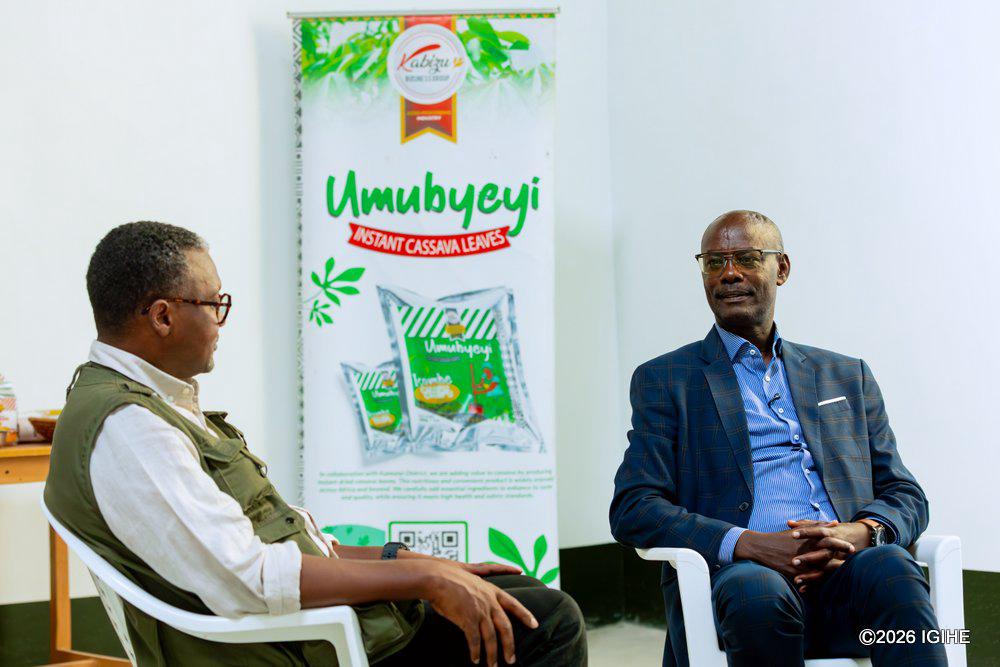
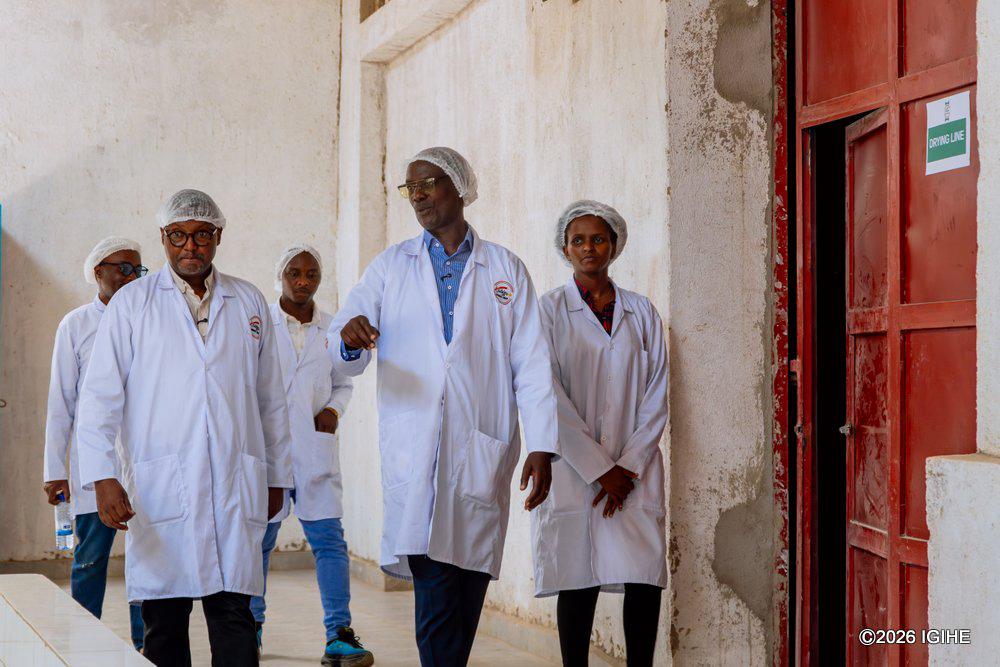
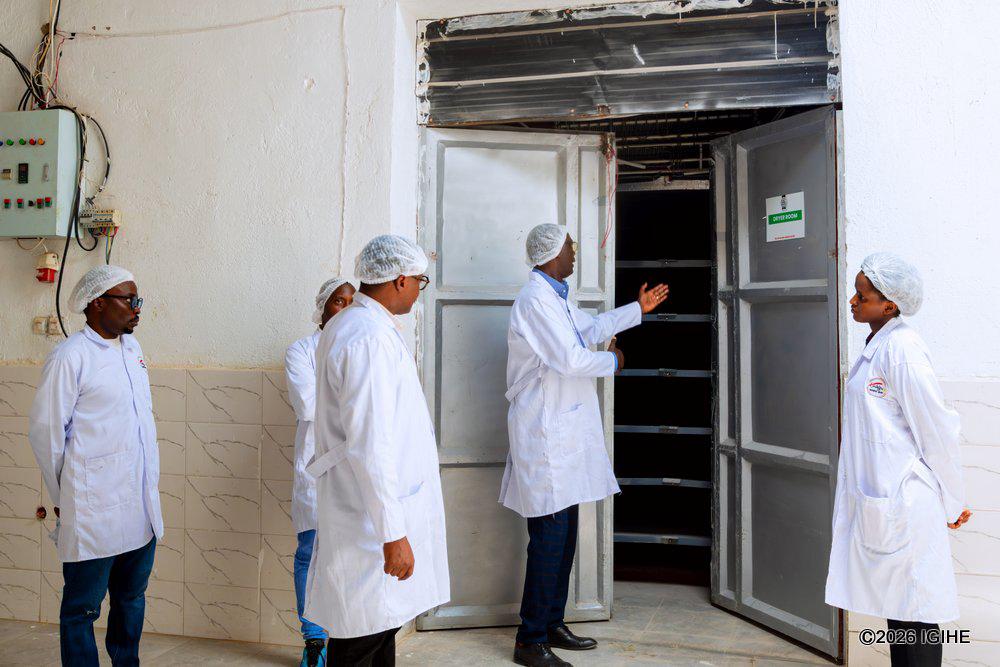
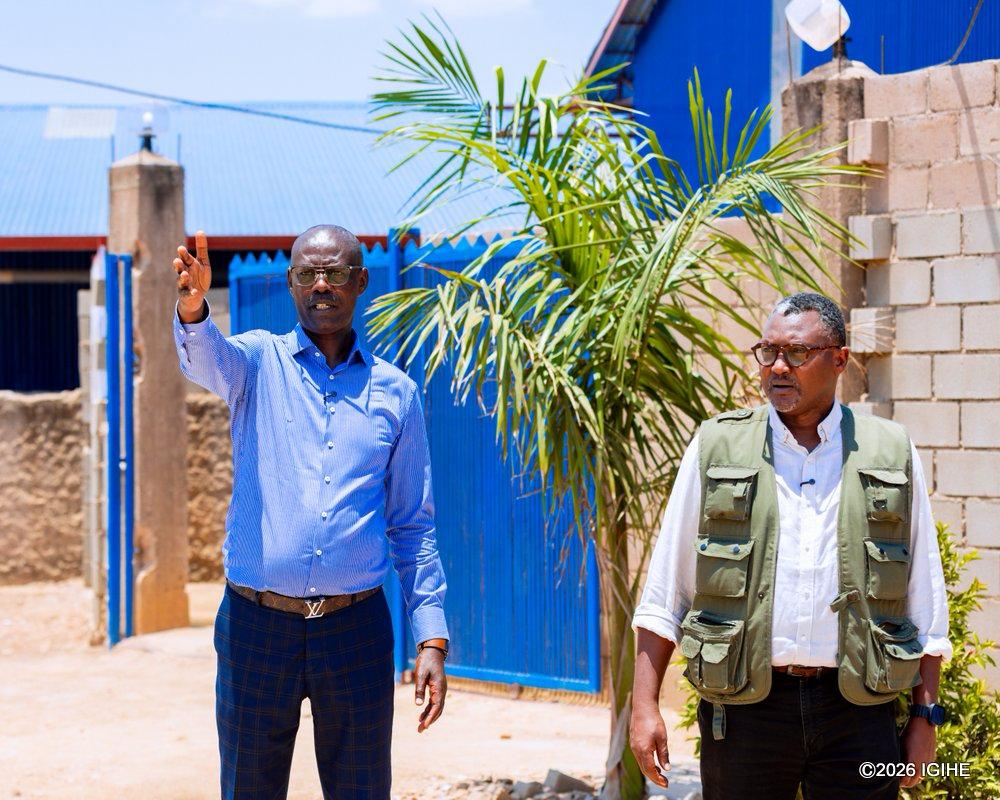
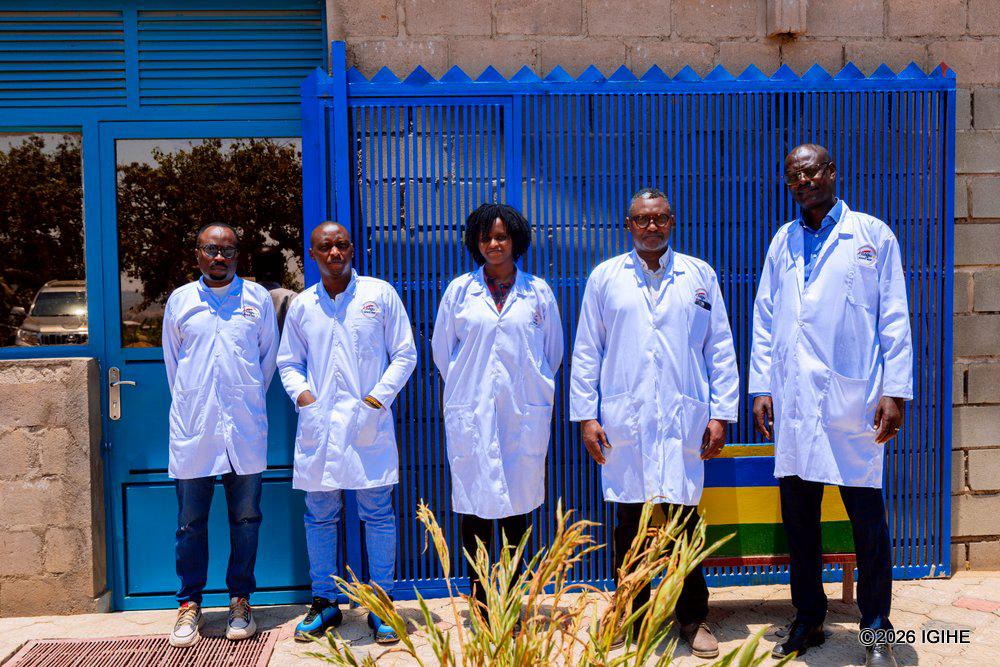
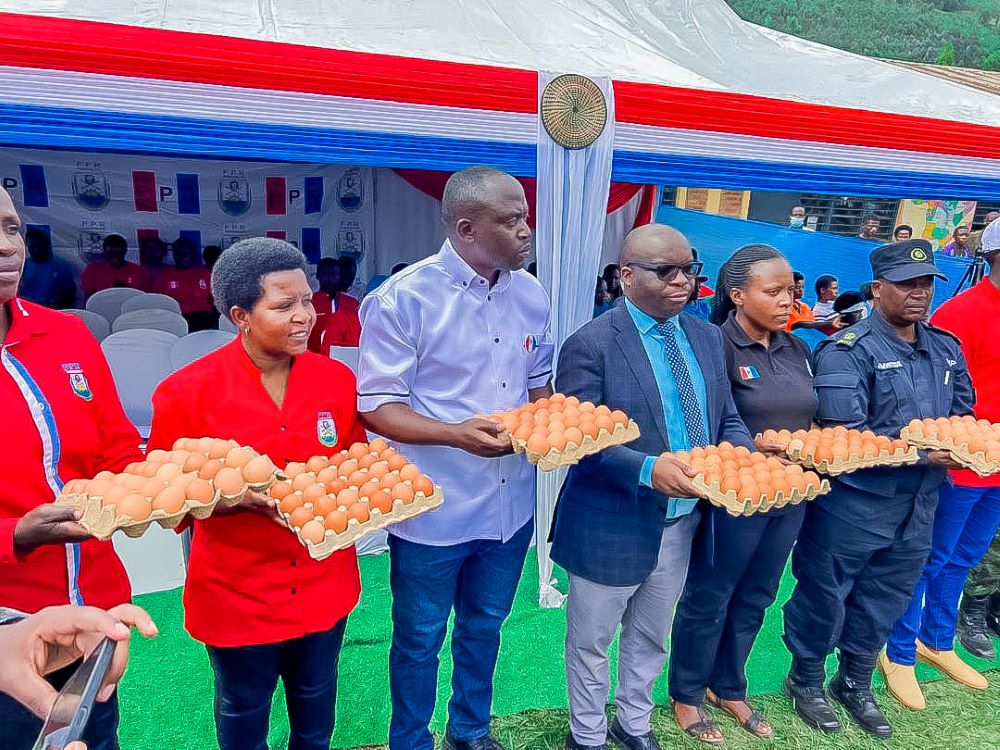
Christian Bizumuremyi stands at his agro-processing plant in Nyamiyaga Sector, Kamonyi District, where locally produced crops are turned into finished food products.Christian Bizumuremyi established Kabizu Business Group after years of working with Rwandan products and entrepreneurs in Belgium.The Kabizu Business Group plant in Kamonyi processes crops including cassava, maize, sorghum, millet and soybean into a range of food products.Bizumuremyi turned years of experience promoting Rwandan products in Belgium into a business focused on agricultural value addition back home.The company works with cooperatives and individual farmers supplying agricultural produce for processing at its Kamonyi facility.Workers from the surrounding community are employed at Kabizu Business Group’s processing facility in Nyamiyaga Sector.Bizumuremyi began his business journey by selling Rwandan products in Belgium before expanding into agricultural processing in Rwanda.Kabizu Business Group adds value to crops supplied by cooperatives and smallholder farmers in Rwanda.Bizumuremyi returned from the Rwandan diaspora with the ambition of creating opportunities for farmers through agricultural processing.Bizumuremyi says agricultural processing can create additional value for farmers while making better use of locally produced crops.
Based in Gicumbi District in Rwanda’s Northern Province, the university says its approach is guided by its vision of becoming a “Radiating University of academic and professional excellence for sustainable socio-economic development.”
UTAB Vice Chancellor Fr. Dr. Gilbert Munana, said universities should contribute to society beyond producing graduates.
“A university should not only transform the lives of the students who pass through its gates; it should also contribute to transforming the communities and society to which those students belong.”
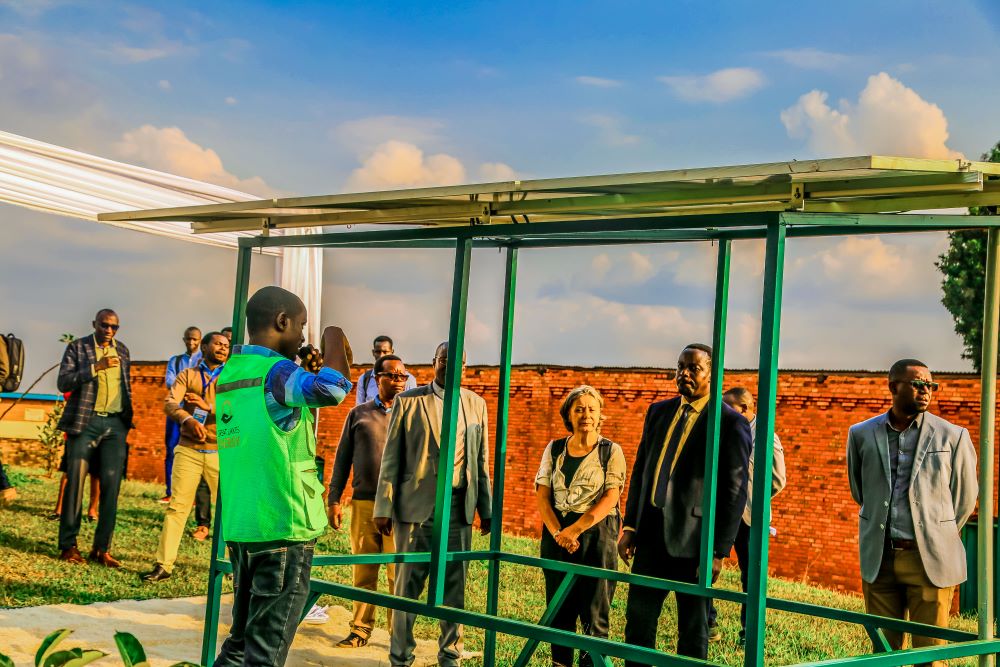
One example is the UTAB Living Lab at GS Byumba, established under the GREATER Project to connect education with practical community experiences.
The facility brings together students, educators, researchers and community members to identify challenges and explore solutions, particularly in renewable energy. The model also seeks to position communities as partners in learning, research and innovation.
The approach was highlighted during Global Goals Week on September 1, 2026, when the Living Lab hosted activities under the theme, “Strengthening Practical-Oriented and Community-Engaged Education through Living Labs for Sustainable Development.”
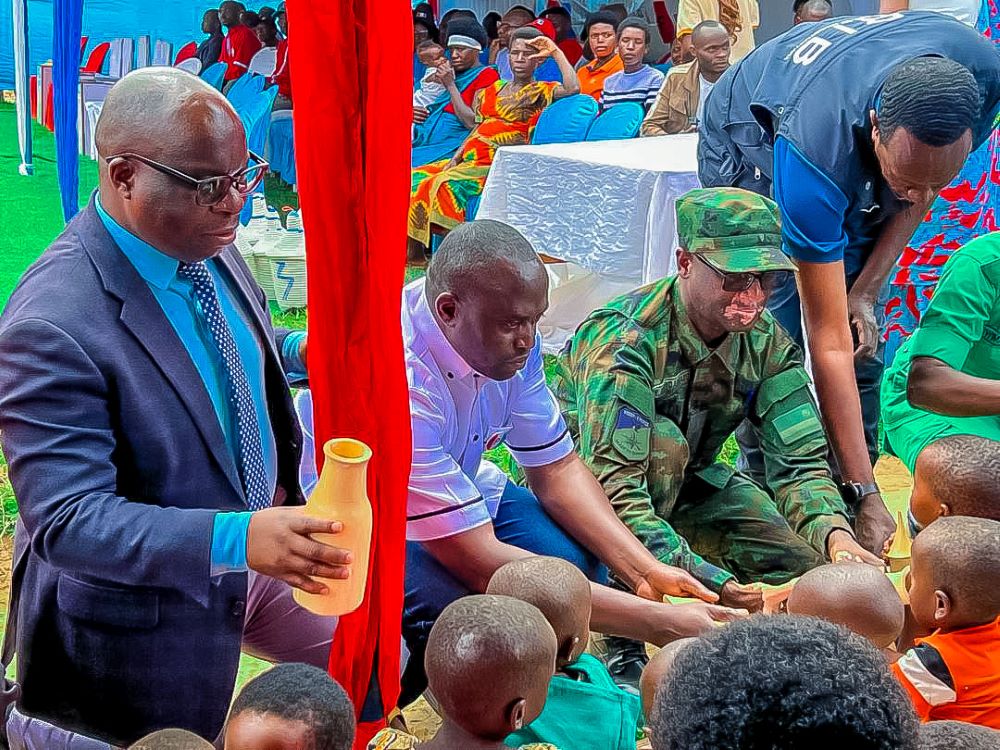
UTAB has also undertaken initiatives targeting household nutrition. On July 8, the university provided 504 families with children under five with hens and feed, alongside awareness sessions on the causes and consequences of malnutrition and stunting and ways to address them.
The initiative is part of the university’s efforts to work with other stakeholders to improve nutrition among vulnerable households while strengthening livelihoods and human capital.
Its engagement with the labour market is also reflected in the Network for Labour-Market-Oriented Education in Waste and Water Management (NEWW) project. The initiative links teaching and applied research with industry needs through practice-oriented curricula, expert engagement and interaction with employers.
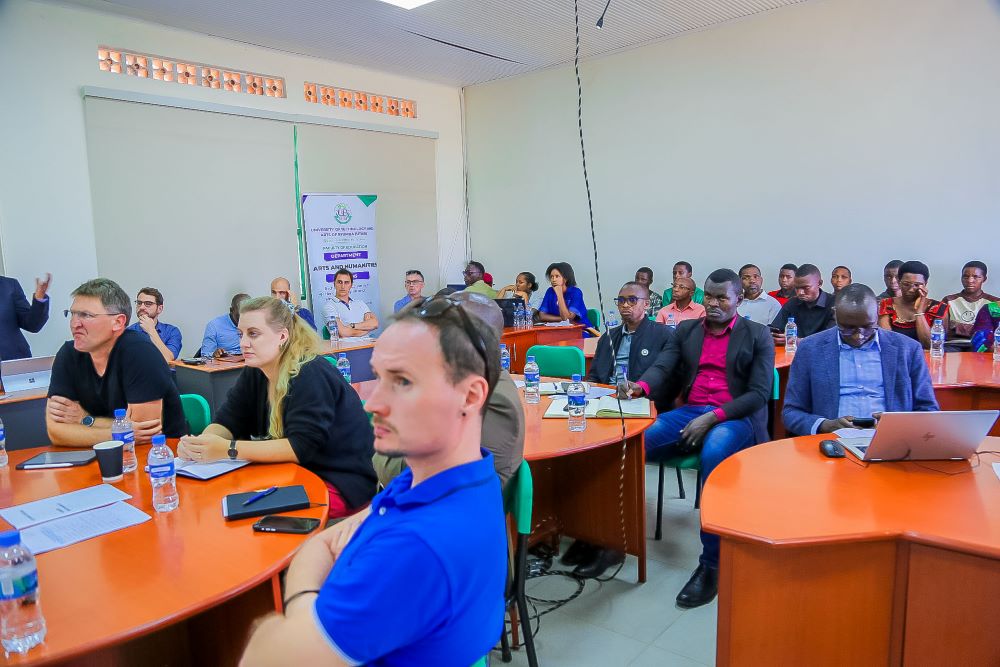
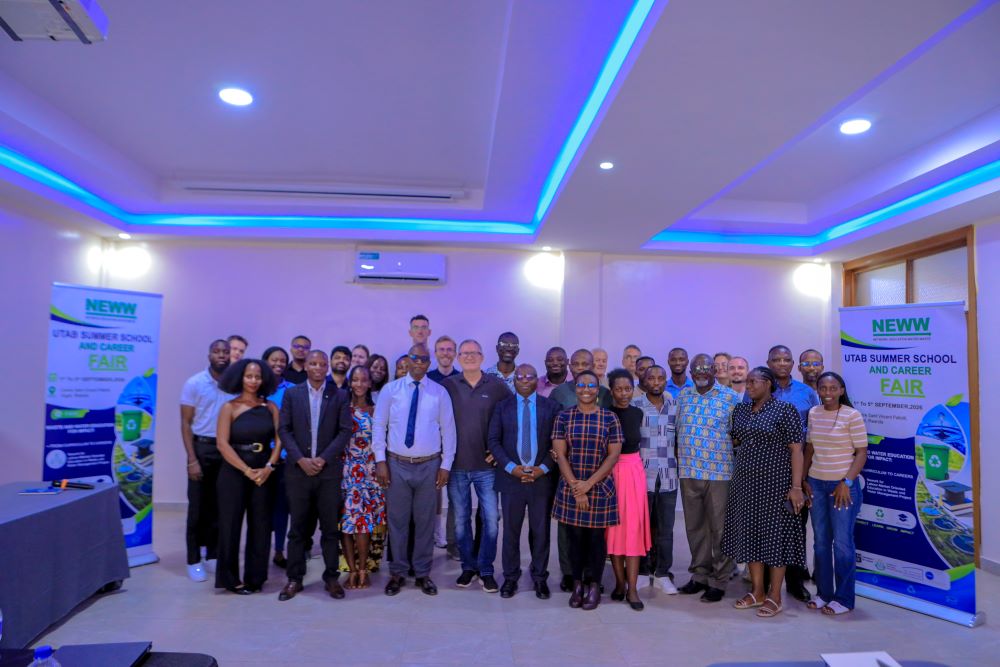
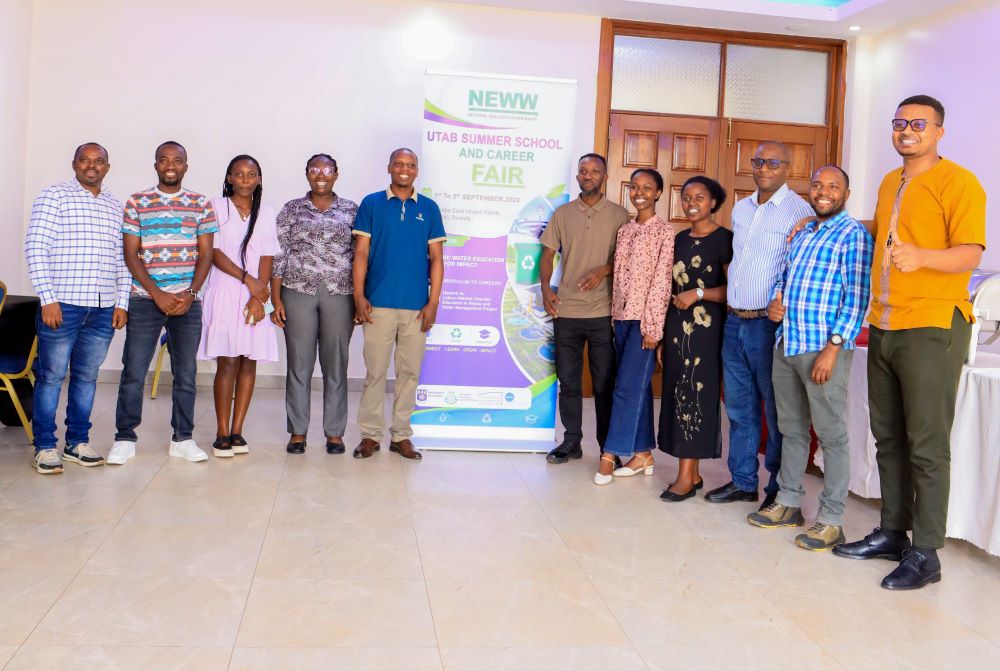
During the 2026 NEWW Summer School and Career Fair, held in Kigali from September 1 to 5, students, academics, researchers and industry partners from Rwanda, Ghana and Germany participated in discussions on curriculum development, practical learning and research in waste and water management. The event also provided opportunities for students to interact with potential employers.
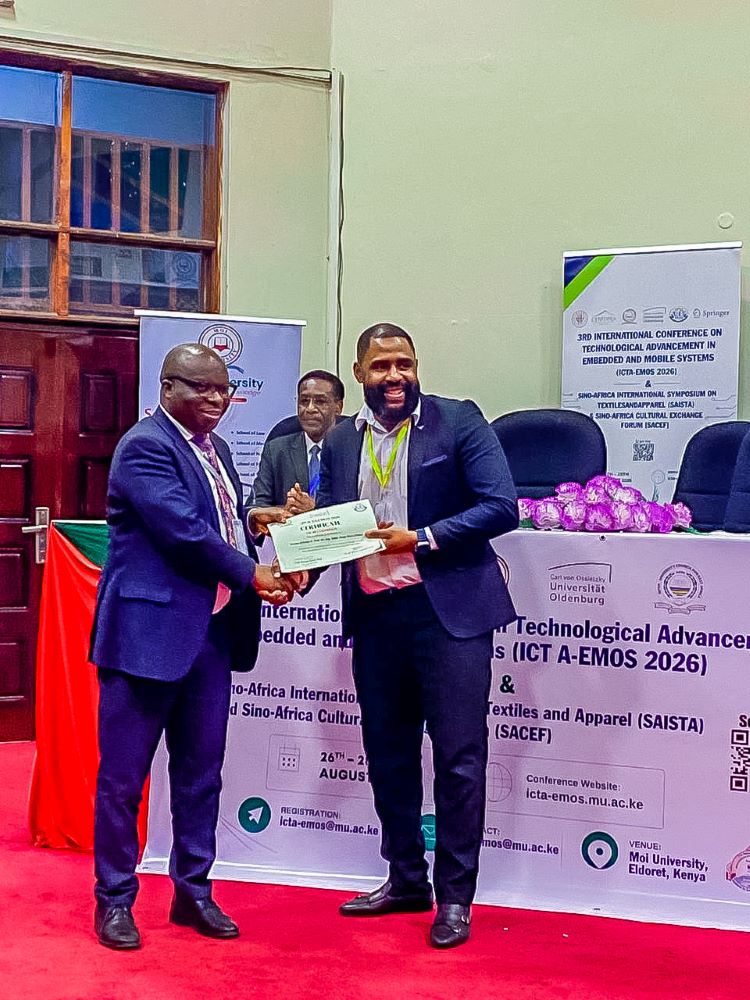
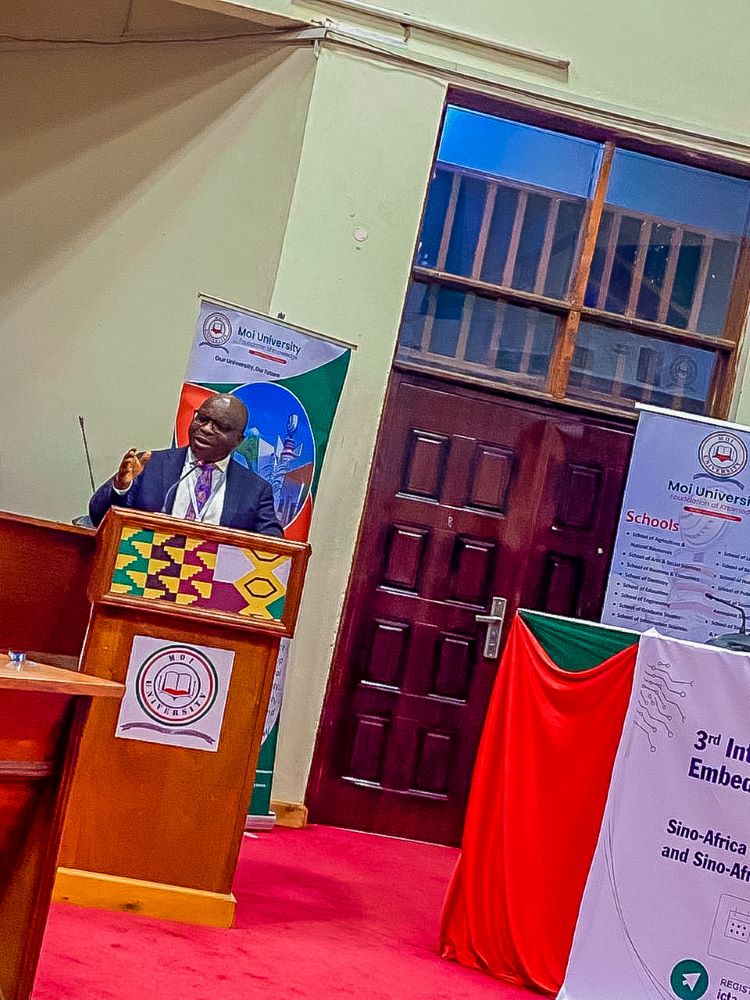
UTAB is further expanding its regional academic partnerships. From August 26 to 28, the university participated in the 3rd International Conference on Technological Advancement in Embedded and Mobile Systems (ICTA-EMOS 2026), hosted by Moi University in Eldoret, Kenya.
At the conference, Dr. Munana highlighted the importance of regional university networks in strengthening institutional capacity and the global visibility of African universities.
The university says its partnerships have also created opportunities for staff and student mobility and capacity building in countries including Ghana, China, Italy, Poland and Germany.
Meanwhile, UTAB is seeking to align its research with national development priorities. On August 28, it held a Research Agenda Stakeholders’ Workshop bringing together representatives from government, academia, the private sector, civil society and development partners.
The workshop sought to identify pressing challenges and guide academic staff in developing research projects focused on practical solutions and Rwanda’s socio-economic development.
Climate resilience is among the areas receiving increased attention. UTAB has introduced a Master of Science in Urban Environment and Climate Resilience, designed to develop professionals capable of addressing environmental risks, climate adaptation and sustainable urban development.
The university says the programme is intended to strengthen the human capital needed to help communities anticipate and respond to environmental and urban challenges.
Dr. Munana said universities have a responsibility to connect education, research and practical needs.
“Our responsibility is not simply to produce graduates, but to equip them with knowledge and practical skills that can be applied to real challenges.”
Through its Living Lab, community initiatives, industry partnerships, research agenda and new academic programmes, UTAB is seeking to strengthen the connection between higher education and the communities and industries it serves.
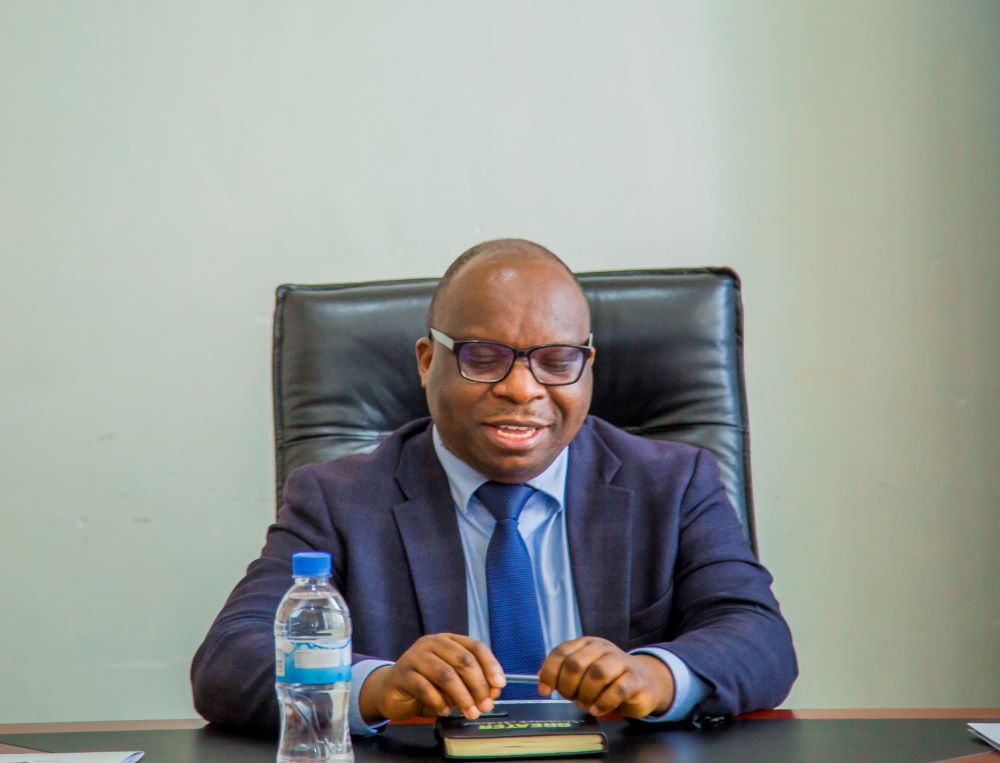
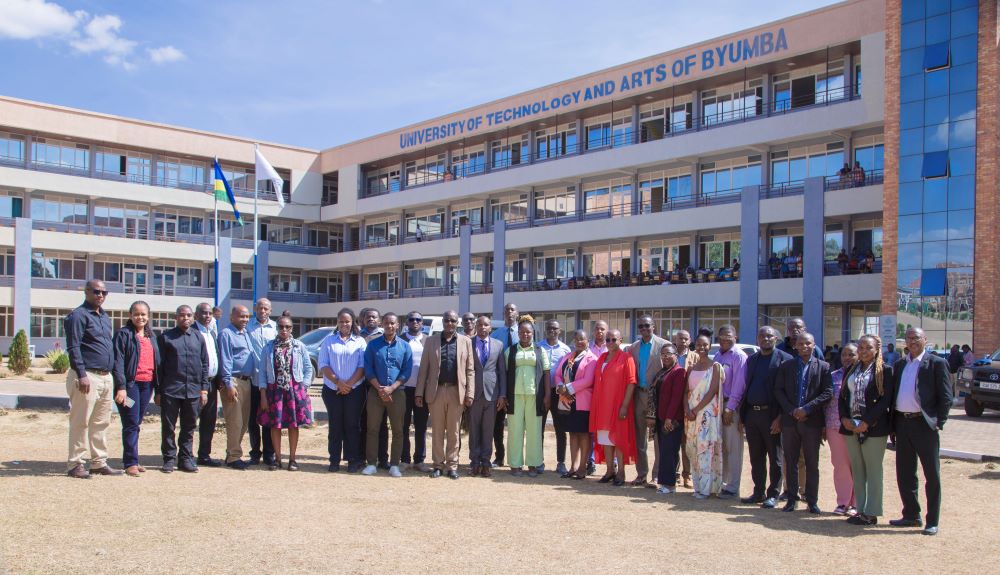
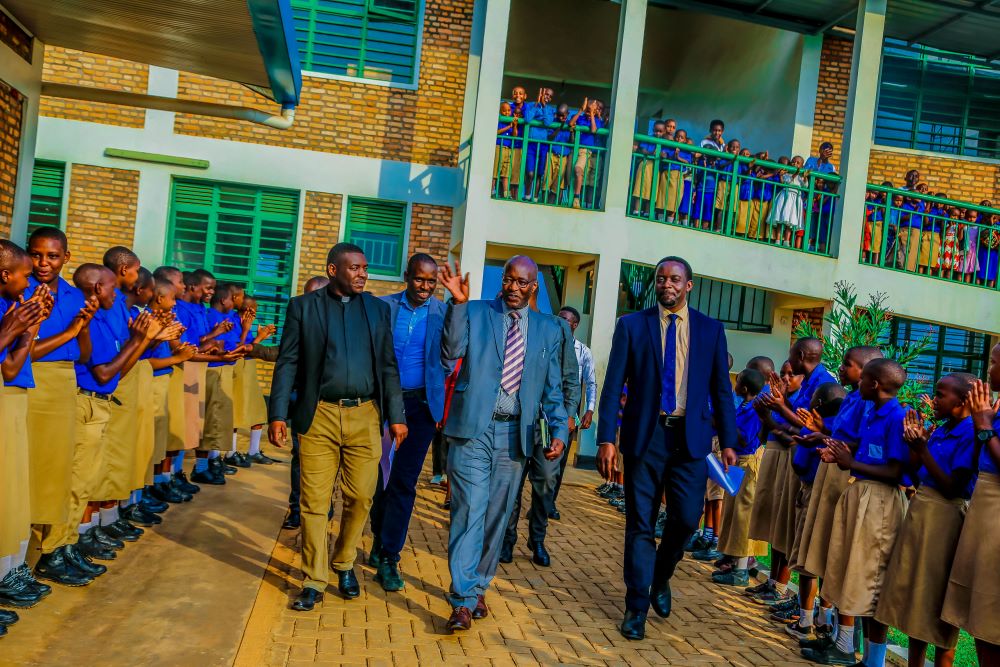
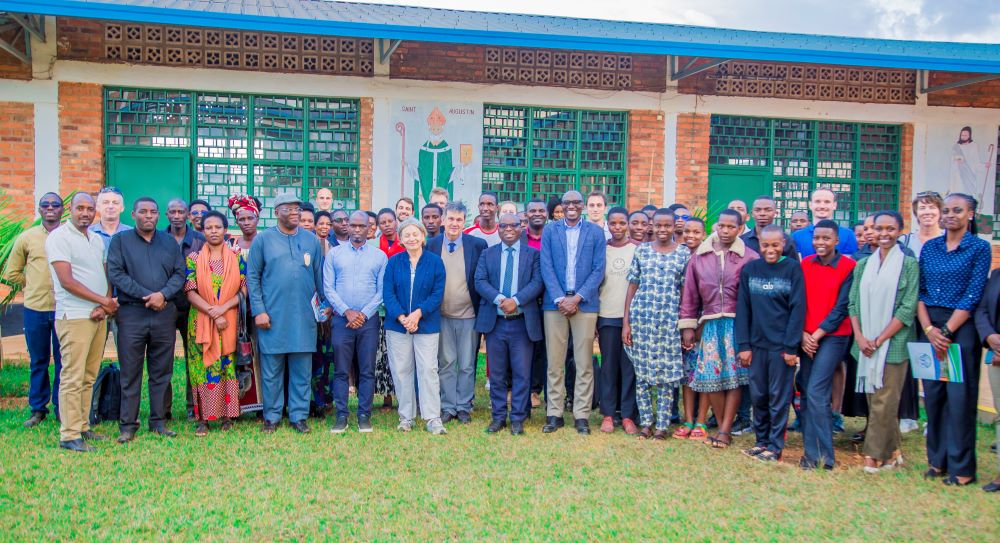
UTAB works to connect higher education with community needs and socio-economic development.UTAB Vice Chancellor Fr. Dr. Gilbert Munana, says universities should contribute to society beyond producing graduates.UTAB is expanding staff and student mobility opportunities through academic partnerships with institutions in countries including Ghana, China, Italy, Poland and Germany.UTAB continues to create opportunities for students to gain practical skills and experience.UTAB continues to use education, research and partnerships to contribute to sustainable socio-economic development.UTAB Vice Chancellor Fr. Dr. Gilbert Munana participated in the ICTA-EMOS 2026 conference in Eldoret, Kenya, where African universities discussed technological advancement and collaboration.UTAB places community engagement at the centre of its approach to higher education.Participants at the 2026 NEWW Summer School and Career Fair explored approaches to curriculum development in waste and water management.
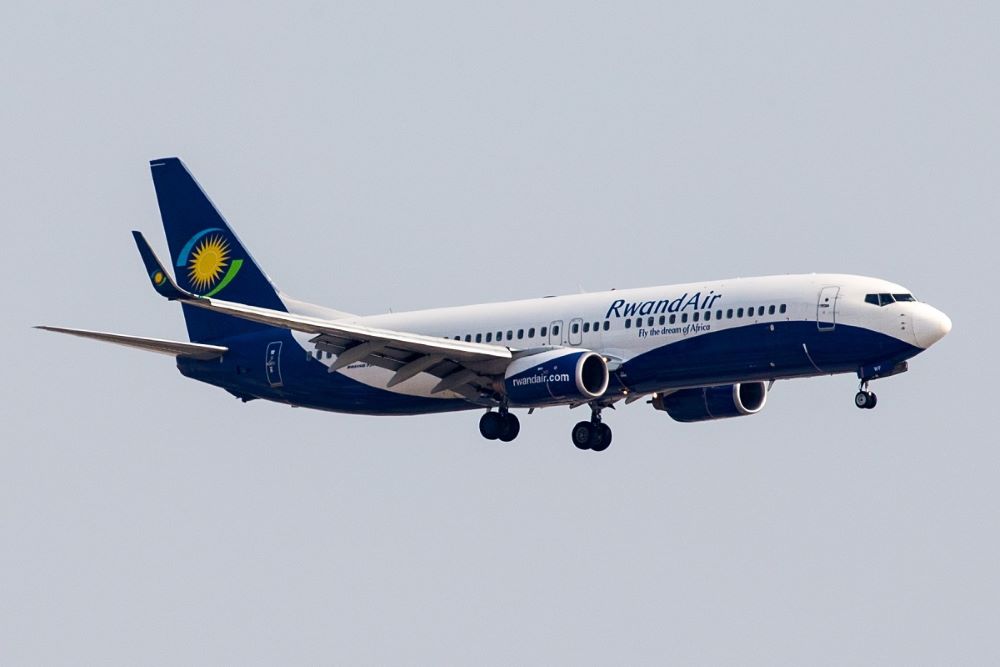
The plan forms part of RwandAir’s broader strategy to expand long-haul operations, particularly to Europe and Asia, while strengthening Kigali’s role as a hub connecting African cities with international markets.
RwandAir’s Acting Chief Commercial Officer, Reuben Mbonye, told Aviation Week that Europe and East Asia are among the key regions the airline is considering for expansion, although it has not yet officially announced where the new services will begin.
As part of the plan, Frankfurt is being considered as a new destination in Germany, while Mumbai and Guangzhou are among cities where RwandAir could resume services that were previously suspended.
RwandAir currently operates long-haul services to destinations including London, Paris, Brussels, Dubai and Doha, alongside a network covering Eastern, Central, Western and Southern Africa.
Five Airbus A330s to support expansion
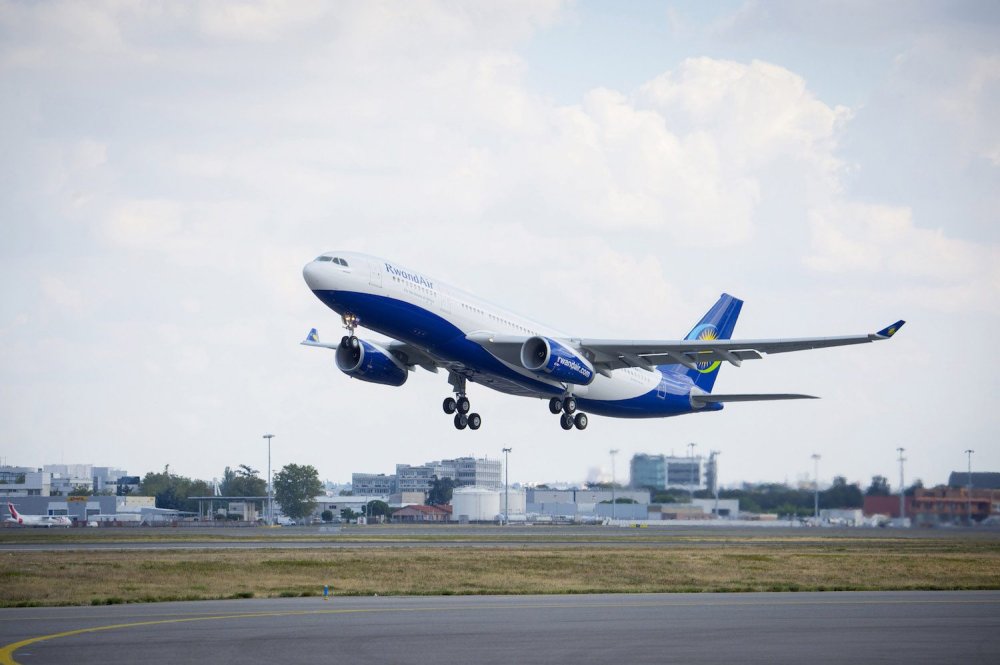
A key part of the expansion will be the addition of five Airbus A330-200 aircraft to RwandAir’s fleet.
The first of the five aircraft was received in August 2026, with the remaining four expected to enter service gradually. All five aircraft will be operated under lease agreements.
Depending on their configuration, the aircraft can accommodate between 220 and 270 passengers.
The first aircraft has already entered commercial service with 226 seats and is being used to increase RwandAir’s capacity on European routes, including additional frequencies to Paris and Brussels.
The addition of more A330s is significant because the aircraft are designed for long-haul operations and can carry relatively large numbers of passengers. This gives RwandAir room to increase frequencies on existing routes while also supporting the launch of new services.
A larger fleet could also give the airline greater flexibility in adjusting its network and strengthening connections through Kigali for passengers travelling from different African countries to Europe, Asia and other international destinations.
RwandAir’s expansion plans extend beyond the five Airbus A330s. Mbonye said the airline aims to nearly double its fleet over the next five years.
The expansion is also expected to be accompanied by a significant increase in passenger numbers.
In the 2023/24 financial year, RwandAir carried slightly more than one million passengers. Its target is to carry more than 2.1 million passengers annually by 2028/29, more than doubling the number within a few years.
The figures indicate that RwandAir is seeking not only to expand its network but also to significantly increase its passenger capacity and strengthen its position in Africa’s aviation market.
RwandAir aims to nearly double its fleet over the next five years as it targets more than 2.1 million passengers annually by 2028/29.
Expansion aligned with Bugesera airport
RwandAir’s expansion comes alongside Rwanda’s wider plans to develop the new Bugesera International Airport.
The airport, whose development is valued at about $2 billion, is being built in partnership with Qatar Airways, which holds a 60% stake.
The first phase is expected to be completed in 2028 and will have the capacity to handle seven million passengers annually.
A subsequent phase, expected around 2032, would double the airport’s capacity to 14 million passengers a year.
The new airport is expected to provide Rwanda with significantly greater capacity to expand international air services compared with the existing Kigali International Airport.
However, RwandAir’s expansion plans come at a time when African airlines are facing rising operating costs.
Mbonye said higher fuel prices have increased RwandAir’s operating costs, prompting the airline to review its fares.
More broadly, airlines across Africa continue to face challenges including high fuel prices, taxes, airport charges and difficulties accessing some markets, all of which contribute to the relatively high cost of air travel on the continent.
RwandAir is considering Frankfurt, Mumbai and Guangzhou as it plans to expand its international network and strengthen long-haul operations.
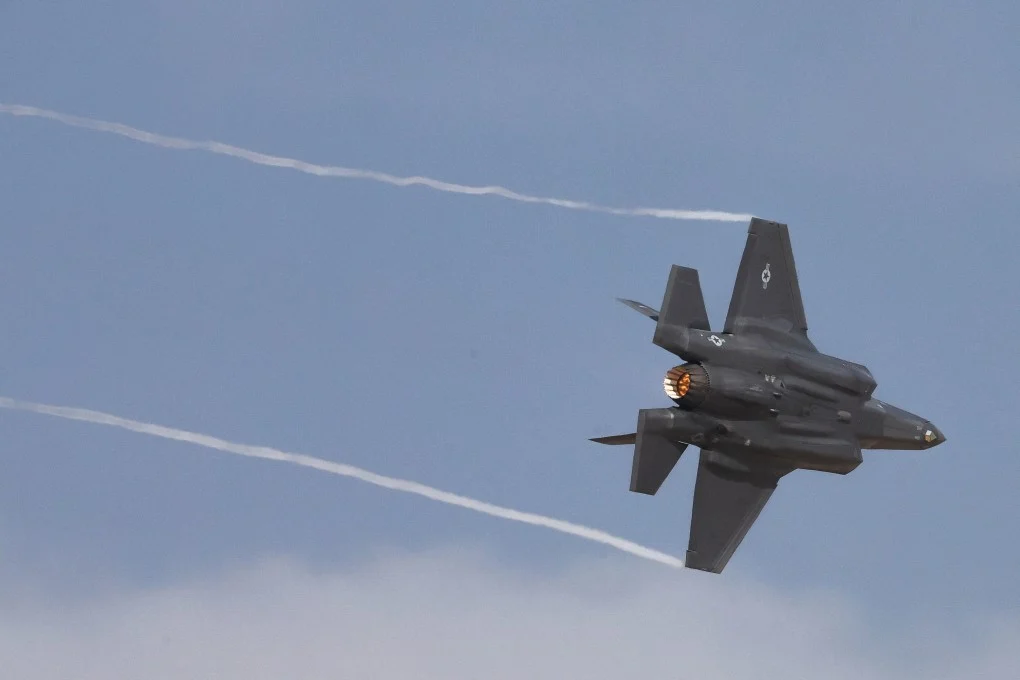
The U.S. State Department said Thursday that the government had approved a potential sale of 48 F-35 fighter jets, along with communications equipment and other support items, to Saudi Arabia.
Estimated at 24.3 billion U.S. dollars, the deal still needs congressional approval.
The F-35, built with stealth technology designed to evade enemy detection, is considered among the world’s most advanced fighter jets. Israel is reportedly the only country in the Middle East to currently operate the aircraft.
The proposed sale “will improve Saudi Arabia’s capability to deter current and future threats by strengthening its homeland defense, and improving interoperability with U.S. forces, and other regional and NATO forces,” the U.S. State Department said in a news release on Thursday, noting that it “will not alter the military balance in the region.”
Israel has opposed U.S. fighter jet sale to Saudi Arabia over military edge concerns: report