During the 1994 Genocide against the Tutsi, Nyiramasuhuko lived at her home in Butare.
Witnesses have testified that she supervised roadblocks where Tutsi were intercepted, including one located near her residence.
Historical records indicate that after the killing of Jean Baptiste Habyalimana, the Tutsi prefect of Butare, Nyiramasuhuko called on Interahamwe militia, including those led by her son, Arsène-Shalom Ntahobali, to exterminate all Tutsi in the region.
Witnesses also testified that she ordered the Interahamwe to torture and kill Tutsi civilians, and instructed them to rape victims before murdering them.
In June 2011, the former International Criminal Tribunal for Rwanda (ICTR), based in Arusha, Tanzania, sentenced Nyiramasuhuko and her son to life imprisonment.
Both were convicted of conspiracy to commit genocide, genocide, direct and public incitement to commit genocide, and crimes against humanity, including rape and torture.
They appealed the verdict, and in December 2015 the ICTR Appeals Chamber reduced their sentences to 47 years in prison.
According to reports by the Collectif des Parties Civiles pour le Rwanda (CPCR), an organization that supports the prosecution of genocide suspects, Nyiramasuhuko’s name has repeatedly surfaced during Dr. Rwamucyo’s appeal hearings, which began on June 9, 2026.
On July 3, a witness who said he had known Dr. Rwamucyo since 1993 told the court he saw him at a roadblock in Butare alongside members of Maurice Ntahobali’s family, including Nyiramasuhuko, Shalom Ntahobali, and Chrysostome Nkezabahizi, the then head of the National Office of Population (ONAPO).
The witness testified that Dr. Rwamucyo and the others at the roadblock were wearing military uniforms and carrying firearms, adding that they appeared to be directing the Interahamwe militia responsible for killing Tutsi civilians.
CPCR further maintains that Dr. Rwamucyo had a long-standing relationship with Nyiramasuhuko and notes that his name appeared several times in her personal diary, which recorded meetings and appointments involving the two.
However, on July 7, Dr. Rwamucyo told the court that he did not know Nyiramasuhuko and had never spoken to or arranged meetings with her. He said the only time they crossed paths was briefly at ONAPO offices in Butare.
When questioned about his name appearing in Nyiramasuhuko’s diary, he denied that it referred to him, claiming it belonged instead to another “Eugène Rwamucyo from Butare.”
Two days later, on July 9, prosecutors pointed out that the telephone number listed next to the name in Nyiramasuhuko’s diary matched his own. Dr. Rwamucyo nevertheless repeated that the entry referred to another person with the same name.
As prosecutors continued pressing him about his relationship with the former minister, Dr. Rwamucyo changed his explanation. He argued that there was a reason why his name appeared at the end of the contact list and claimed the handwriting in the diary was inconsistent. “Why was I added to these diaries?” he asked the court.
Dr. Rwamucyo ultimately acknowledged that the “Eugène Rwamucyo” listed in Nyiramasuhuko’s diary was indeed him, but insisted that whoever entered his details into the diary had done so without informing him.
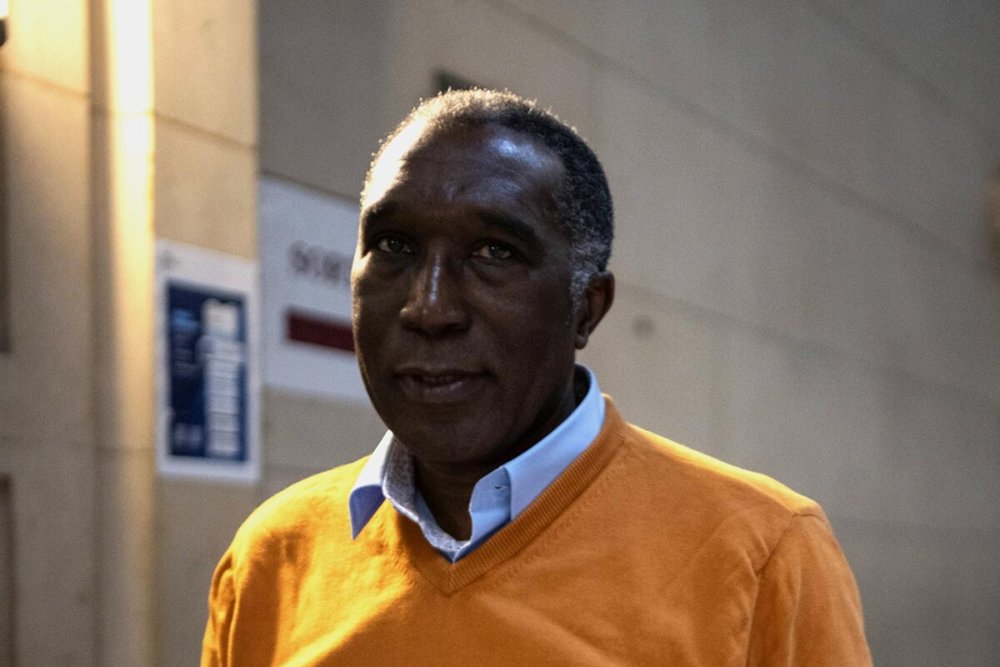
Dr. Eugène Rwamucyo, who was sentenced to 27 years in prison, told the court that he had no connection to Pauline Nyiramasuhuko.Pauline Nyiramasuhuko was convicted of genocide and crimes against humanity and sentenced to 47 years in prison.
The report, covering data through Friday, listed Ituri, North Kivu, South Kivu, Haut-Uele and Tshopo as affected provinces. Haut-Uele and Tshopo were included in the national situation report for the first time.
Investigations indicate that the cases detected in the two provinces were epidemiologically linked to the outbreak epicenter in Ituri province through contacts and population movements.
The report said 763 patients were in isolation or receiving hospital treatment, while the overall bed occupancy rate at treatment facilities stood at 95.1 percent.
A total of 306 people have recovered, while 299 suspected cases, including 91 deaths, have been recorded.
The outbreak, caused by the Bundibugyo ebolavirus, was declared on May 15.
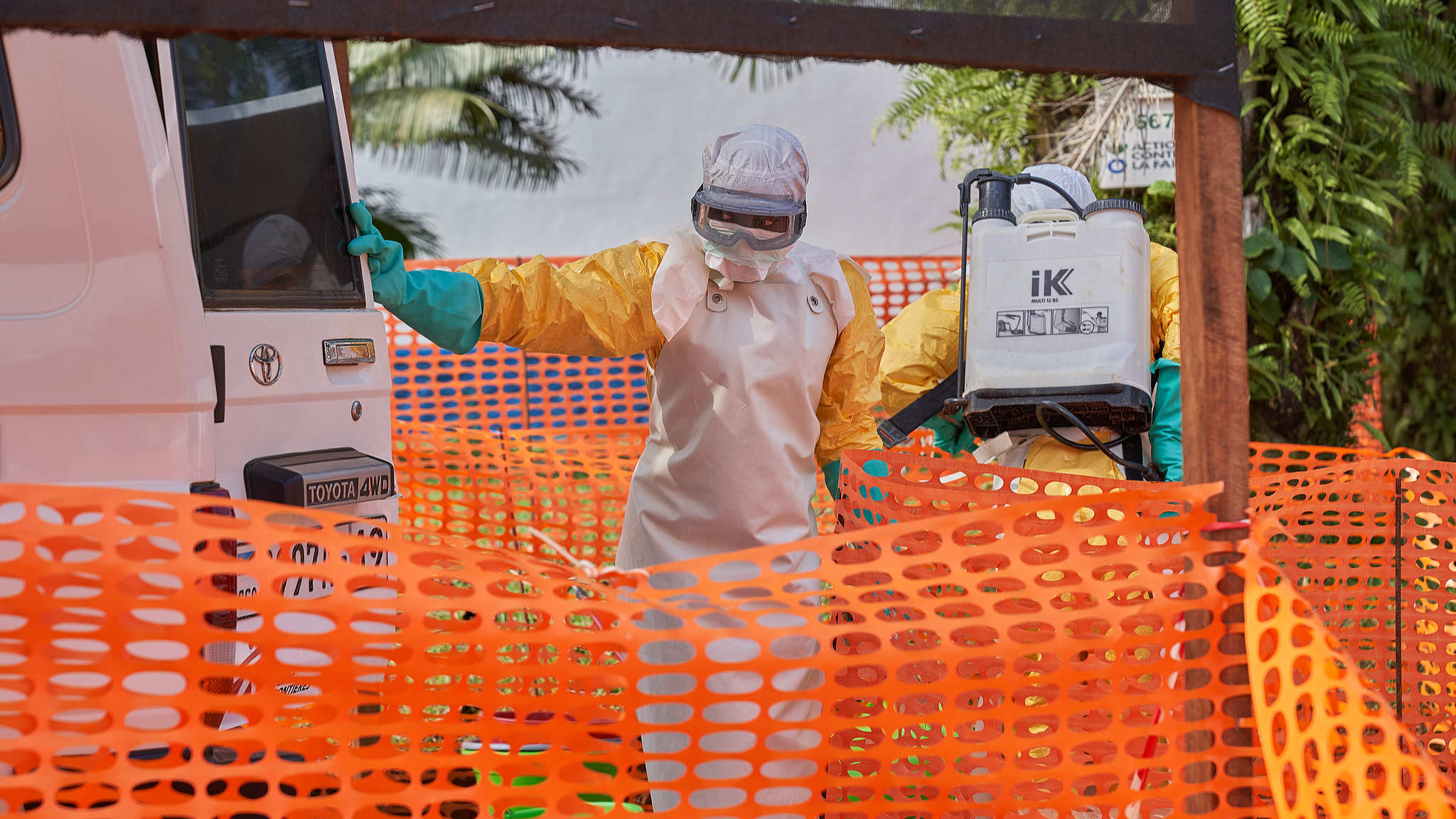
A staff wears personal protective equipment (PPE) while working at the hospital in Mongbwalu, Ituri, Democratic Republic of Congo, June 26, 2026. /VCG
The exchange comes as Russia and Ukraine continue a war that has raged since early 2022, with diplomatic tensions increasingly spilling into Africa, where both countries have sought to strengthen political partnerships.
Lavrov made the remarks on Friday, July 10, 2026, during a working visit to Burundi, where he held talks with Burundian Foreign Affairs Minister Edouard Bizimana before meeting Burundian President Évariste Ndayishimiye, who currently serves as Chairperson of the African Union.
During his visit, Lavrov accused Ukraine of supporting armed groups opposed to governments friendly to Moscow, including the M23 movement in eastern DRC.
“We are seeing instances of gross external interference in African affairs, including in the situation where the legitimate Government of the Democratic Republic of the Congo, with the support of Burundi, is overcoming an aggression carried out against it by the M23 movement supported by foreign representatives, including Ukrainians. We know it, and so do our friends.”
He further alleged: “Basically, Ukrainians are trying to side with forces, which oppose legitimate governments in too many conflicts on the African continent, just to establish themselves as a ‘political factor’ in the region. And the main thing for them is to create trouble for countries, which are friendly to Russia.”
Lavrov departed Burundi later Friday after concluding his visit.
Ukraine rejects allegations
Responding to the remarks, Ukraine’s Ministry of Foreign Affairs categorically denied the accusations.
Foreign Ministry spokesperson Heorhii Tykhyi said: “Lavrov’s claims that Ukraine backs M23 in eastern DR Congo are Kremlin disinformation, unsupported by evidence. We officially refute and reject such accusations.”
He added: “Ukraine doesn’t meddle in African conflicts. Russia does – arming groups in breach of sanctions, fueling instability, and recruiting nationals of African states to fight in its war against Ukraine.”
The spokesperson continued: “Moscow accusing others of what it does itself, nothing new.”
According to Tykhyi, Russia’s accusations are intended to shift attention away from its own actions.
“Russia’s objective is clear: to undermine US mediation efforts in the Great Lakes region and to distract from Russia’s own destructive actions that obstruct the peace process.”
Wider regional context
The exchange comes against the backdrop of the long-running conflict in eastern DRC, where M23 says it is fighting to protect the rights and security of Congolese Tutsi communities, arguing that successive Congolese governments failed to implement previous peace agreements that guaranteed their protection and political inclusion as Congolese citizens.
The DRC government, however, has relied on a coalition of forces to fight the M23 rebel group. Besides the Congolese army (FARDC), the coalition has included Burundian troops deployed under bilateral security arrangements between Kinshasa and Gitega (the capital of Burundi), local militia groups known as Wazalendo, and the Democratic Forces for the Liberation of Rwanda (FDLR).
The FDLR was founded by individuals linked to the perpetrators of the 1994 Genocide against the Tutsi in Rwanda.
Rwanda has repeatedly accused the group of continuing to threaten its security, while Congolese Tutsi communities have also accused the FDLR of carrying out attacks against them in eastern DRC.
The conflict has also drawn in private military contractors. Following M23’s capture of Goma in early 2025, more than 200 foreign mercenaries, most of them Romanian nationals fighting alongside Congolese government forces, were captured by M23.
They were later transferred through Rwanda and repatriated to their home countries under arrangements involving regional and international actors.
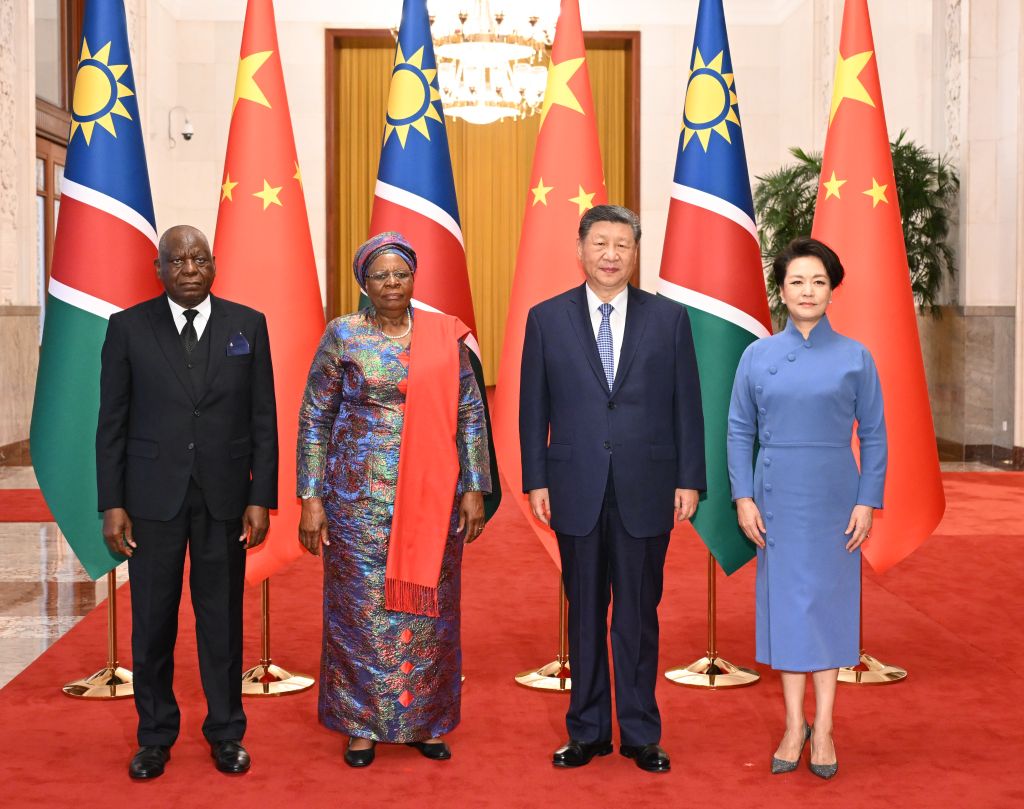
Xi said China and Namibia enjoy profound traditional friendship and share common aspirations for development, adding that since the establishment of diplomatic ties, the two countries have always treated each other as equals and supported each other.
Noting that bilateral friendly cooperation has continued to deepen, delivering tangible benefits to the two peoples, Xi said China stands ready to work with Namibia to enhance exchanges of development philosophies and synergize development strategies, and partner with each other on their paths to modernization.
Xi put forward three proposals for building a China-Namibia community with a shared future for the new era.
China and Namibia should maintain close high-level exchanges, deepen experience sharing on governance, stay in regular communication on issues of overall and strategic importance in bilateral relations, and continue to support each other on issues concerning their respective core interests and major concerns, Xi said.
Xi also urged the two sides to tap the potential of cooperation and take it to higher levels, encouraging Namibia to make full use of the zero-tariff access, the upgraded fast track for Namibian exports to reach China, and other favorable policies.
China is ready to deepen cooperation with Namibia in such areas as infrastructure, energy, mining, agriculture, education, youth, science and technology, he noted.
Xi added that the two countries should uphold solidarity and coordination to safeguard multilateralism. China is willing to work with African countries, including Namibia, to enhance the strength and voice of the Global South, and make new contributions to building a community with a shared future for humanity, Xi said.
Noting that helping Africa develop its abundant mineral resources and effectively translate its resource advantage into development momentum is an important way to accelerate Africa’s modernization, Xi said China stands ready to continue strengthening mining cooperation with African countries, including Namibia, based on three principles.
The first is pursuing mutual benefit and win-win cooperation, Xi said, adding that the two sides should fully leverage their complementary strengths and deepen the convergence of interests.
Xi said the second is conducting friendly consultation, calling for proceeding from the big picture of China-Africa friendship, and properly resolving issues in cooperation through communication and consultation.
He noted the third is breaking new ground, adding that China stands ready to work with Africa to explore new approaches to cooperation in accordance with market-oriented and commercial principles, with a view to upgrading the quality of China-Africa cooperation in the mining sector.
For her part, Nandi-Ndaitwah extended warm congratulations on the 105th anniversary of the founding of the Communist Party of China. Namibia attaches great importance to its relations with China and firmly adheres to the one-China principle, she added.
Namibia welcomes more Chinese enterprises to invest and operate in the country, and hopes to strengthen cooperation in areas such as industry, mining, infrastructure, aviation and space, science and technology, agriculture and water resources, said Nandi-Ndaitwah.
China has long provided selfless support and assistance to African countries, including Namibia, and has always upheld a just position in international and regional affairs, said the president. She added that Namibia will enhance communication and coordination with China to safeguard the common interests of developing countries and jointly build a community with a shared future for humanity.
Following the talks, the two presidents witnessed the signing of multiple cooperation documents in areas such as economy and trade, healthcare, education and human resources.
The two sides also issued a joint statement on building a China-Namibia community with a shared future for the new era.
Prior to the talks, Xi and his wife Peng Liyuan held a welcome ceremony for Nandi-Ndaitwah and her spouse Epaphras Denga Ndaitwah. Xi and Peng also held a welcome banquet for them in the evening.
Chinese President Xi Jinping and his wife Peng Liyuan pose for a group photo with Namibian President Netumbo Nandi-Ndaitwah and her spouse Epaphras Denga Ndaitwah prior to the talks between Xi and Netumbo Nandi-Ndaitwah in Beijing, capital of China, July 10, 2026. Xi held talks with Netumbo Nandi-Ndaitwah, who is on a state visit to China, at the Great Hall of the People in Beijing on Friday. (Xinhua/Li Xiang)
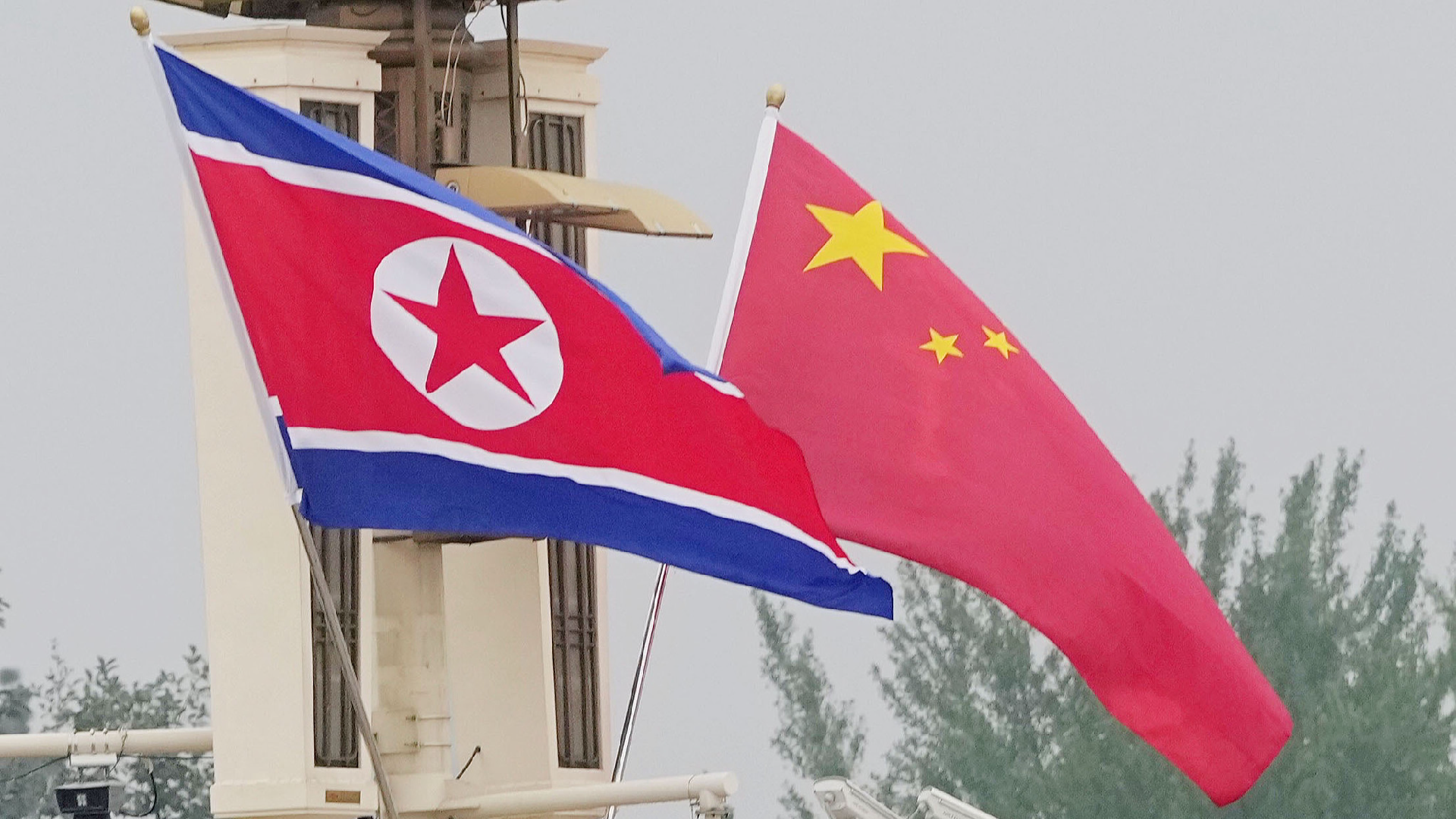
In his message, Xi said that in 1961, the older generations of leaders of China and the DPRK signed the China-DPRK Treaty of Friendship, Cooperation and Mutual Assistance, laying an important political and legal foundation for consolidating the friendship forged in blood between the two peoples.
The treaty has played an important role in carrying forward China-DPRK friendship and safeguarding peace and stability in the region and beyond, he said.
Over the past 65 years, the two sides have upheld the spirit of the treaty, supported each other, stood united, cooperated closely and worked together, vividly demonstrating the defining features of China-DPRK relations — friendship passed down from generation to generation, a shared future and mutual support, he said.
Xi pointed to a successful state visit to the DPRK in June, when he reached important consensus with Kim on consolidating and carrying forward the traditional friendship between China and the DPRK and enriching it with new dimensions, providing strategic guidance and a new blueprint for the development of China-DPRK relations in the new era.
Facing a rapidly evolving world undergoing profound changes unseen in a century, Xi voiced willingness to work with Kim to further strengthen strategic communication, keep China-DPRK relations on the right track and guide bilateral friendly cooperation to deliver greater benefits to the two peoples, so as to make positive contributions to promoting regional peace and development.
No matter how the international landscape evolves, the firm position of China’s Party and government to attach great importance to the traditional friendship between China and the DPRK will remain unchanged; the firm support for Kim in leading the DPRK’s socialist cause will remain unchanged; and the determination to safeguard the common interests of both sides and maintain a favorable strategic environment will remain unchanged, he said.
Xi expressed confidence that, under the leadership of the WPK headed by Kim, the DPRK people will fully implement the decisions and arrangements of the Ninth Congress of the WPK and continue to achieve new and greater successes in their socialist cause.
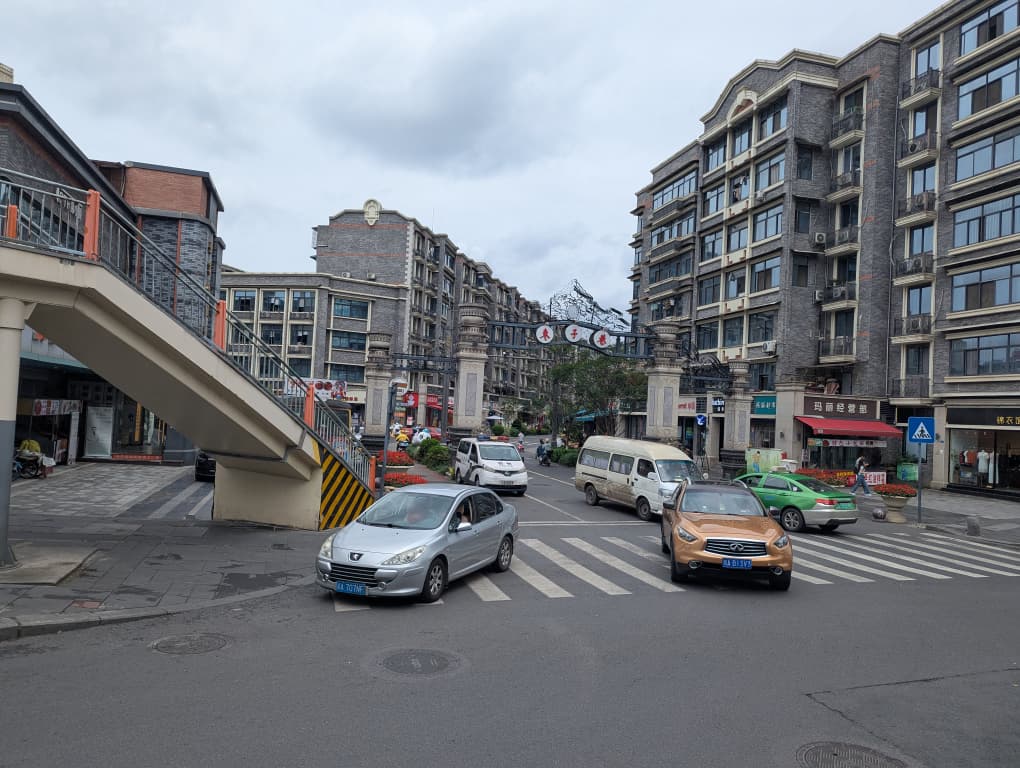
With a history stretching back more than 2,400 to 3,000 years, Chengdu has long been known as one of China’s most culturally rich and creatively dynamic cities.
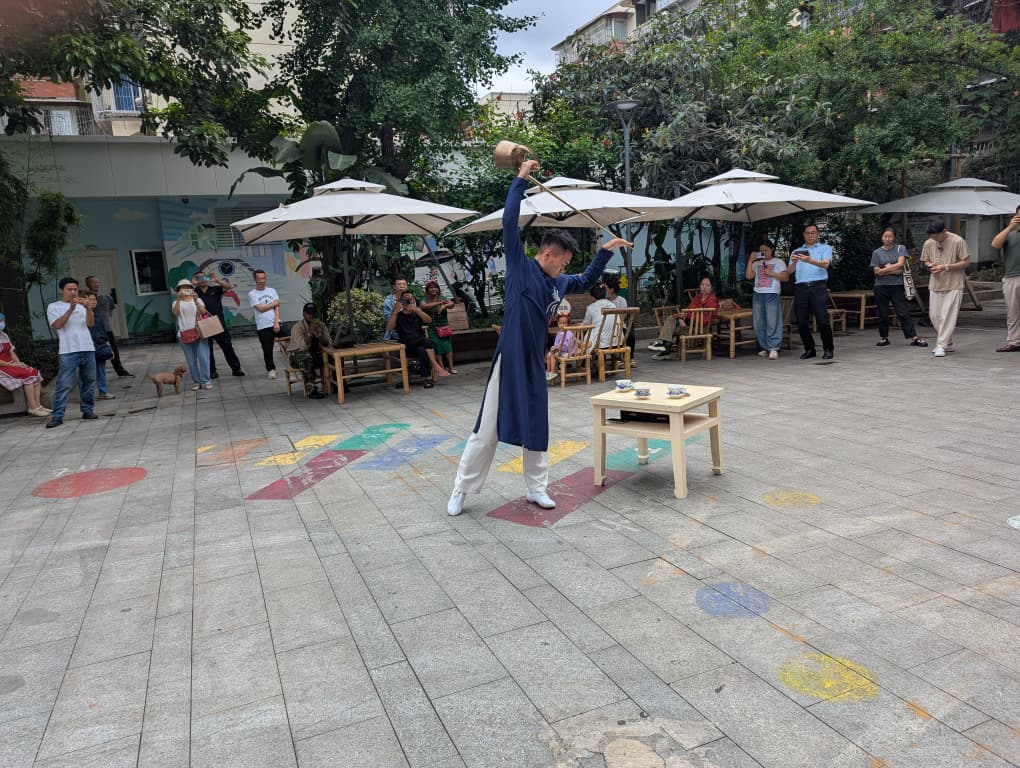
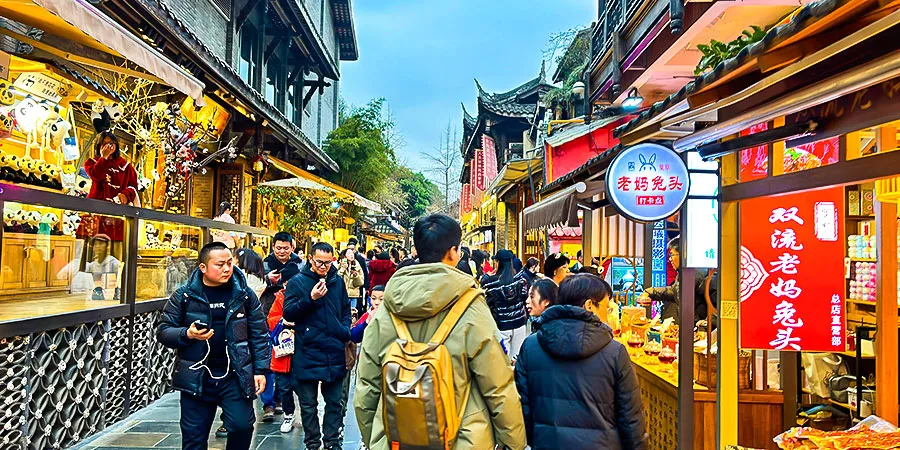
Often described as one of China’s most livable cities, Chengdu is famous for its leisurely lifestyle, teahouse culture, and vibrant street life.
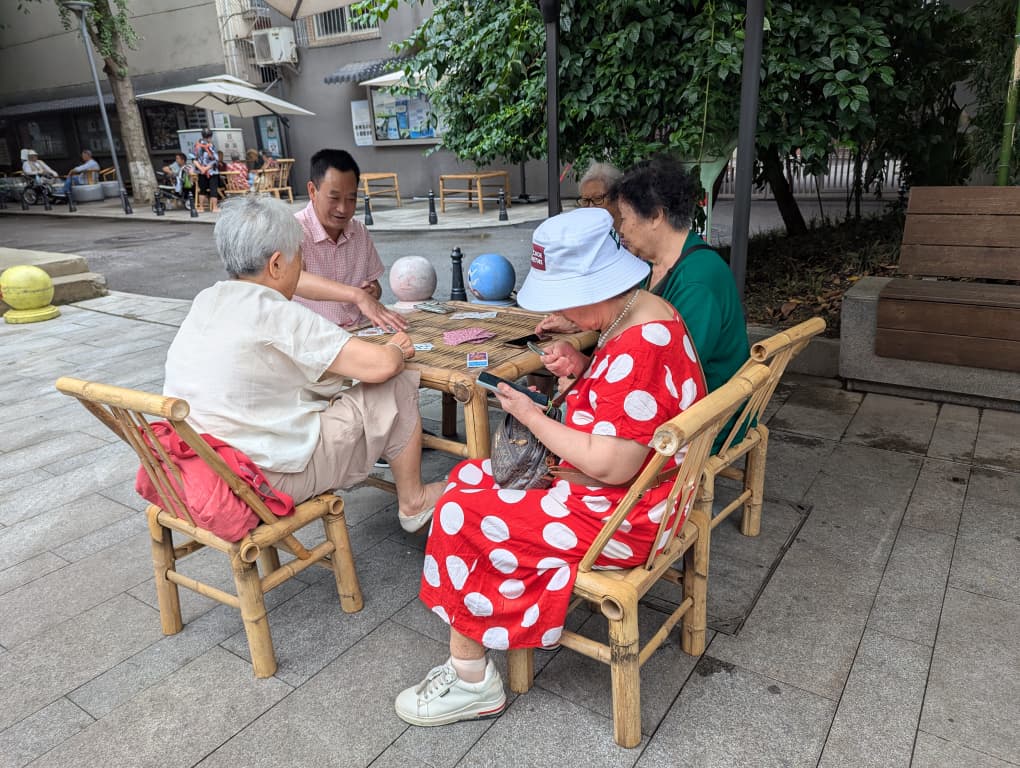
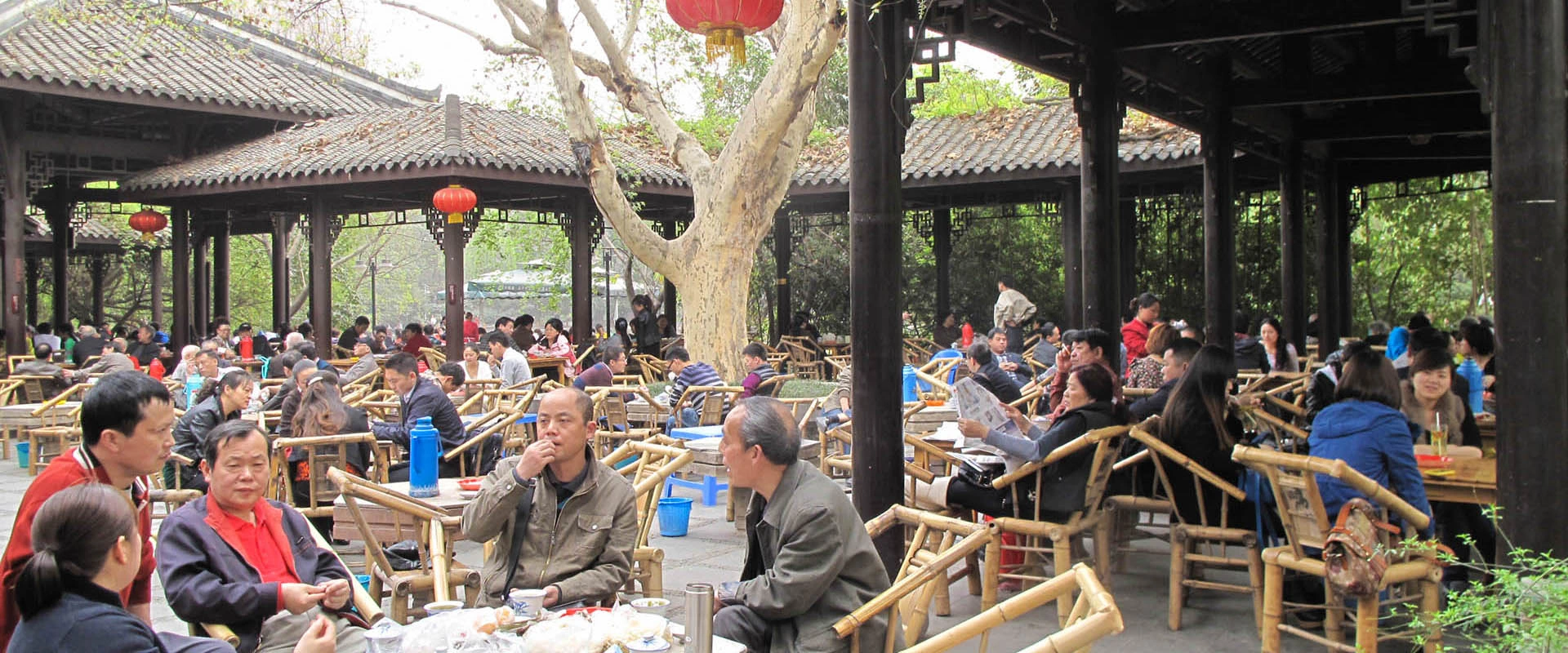
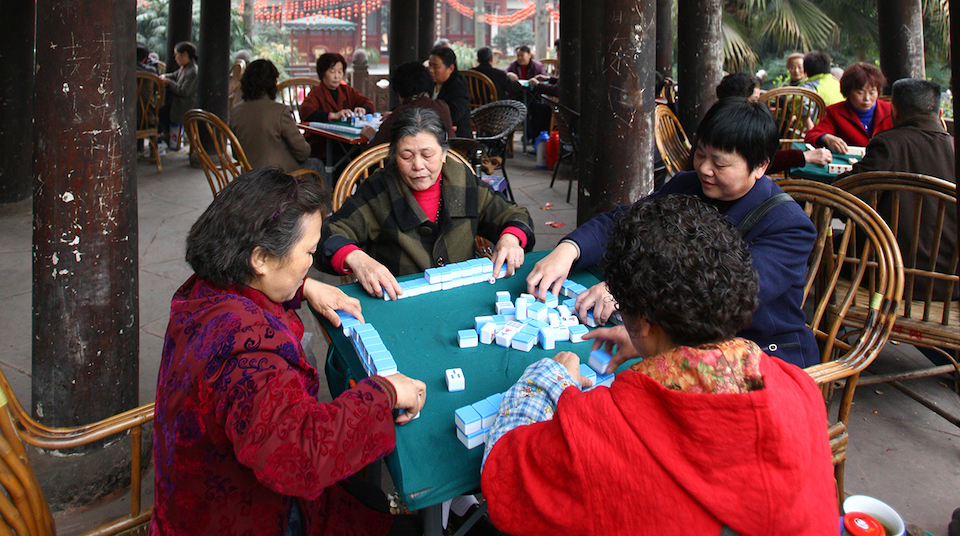
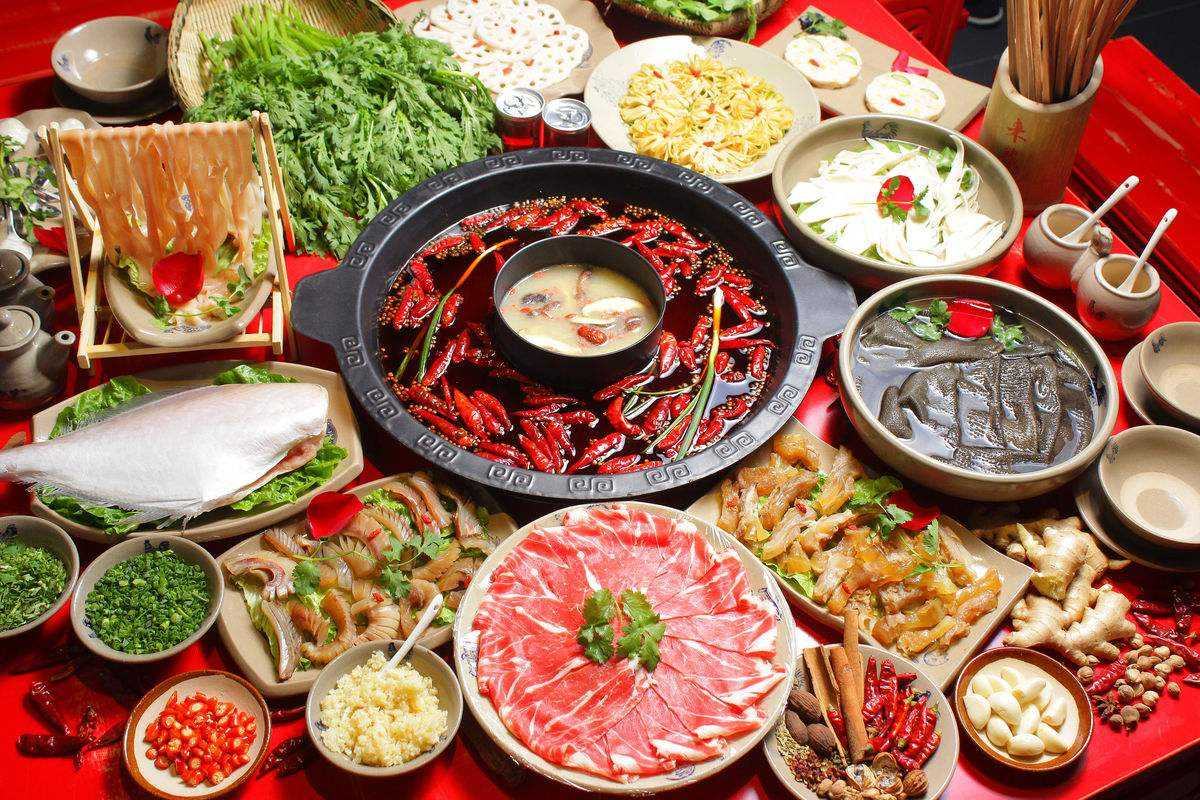
A typical day for many locals begins in a traditional teahouse, where friends gather over a pot of tea, chatting and playing mahjong in a slow rhythm that reflects the city’s identity. By afternoon, life often shifts to hotpot restaurants, followed by lively evening gatherings that stretch late into the night.
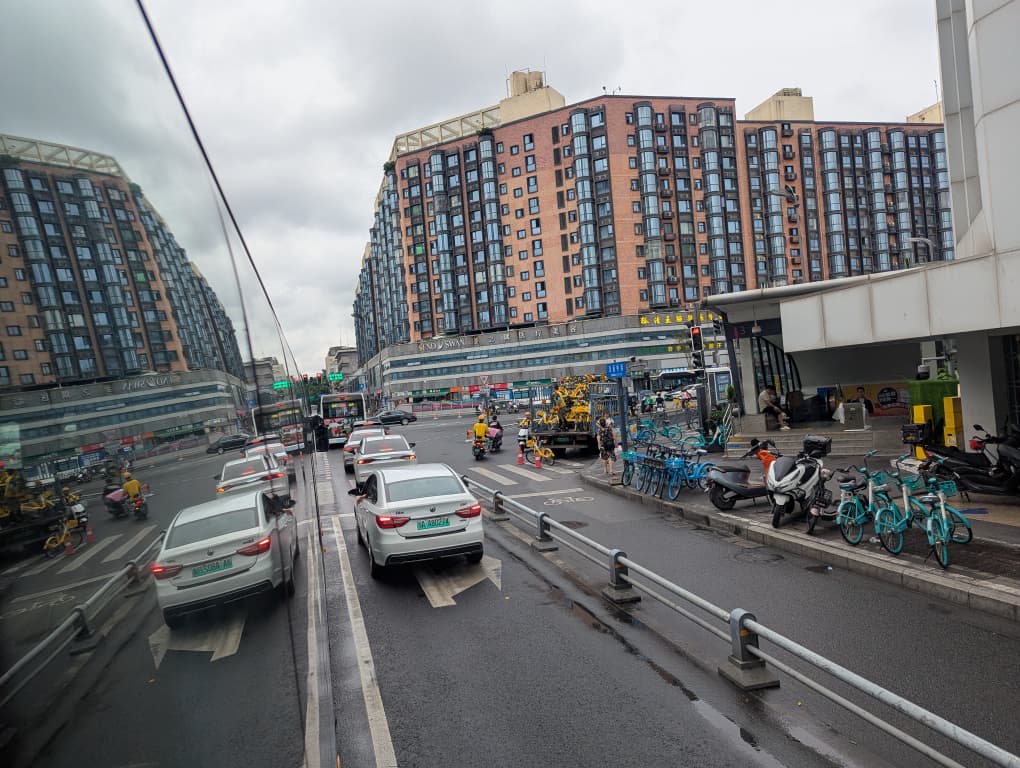
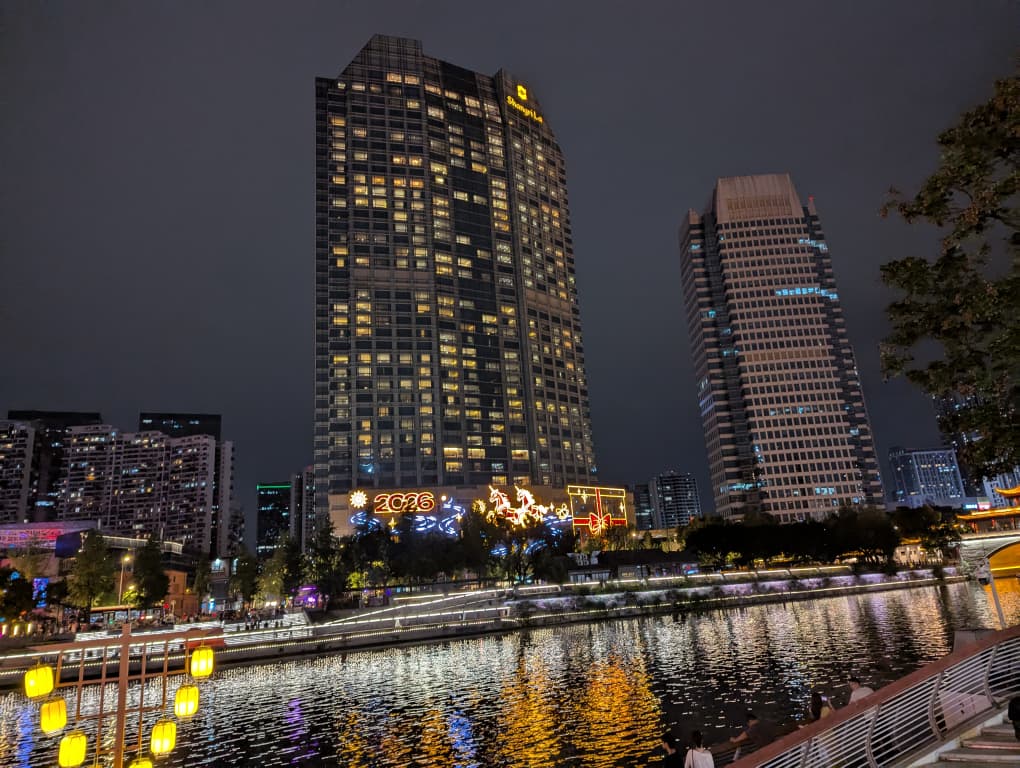
But beyond this relaxed image, Chengdu is also a rapidly growing economic and creative hub. Today, it is one of the most important cities in western China and ranks among the country’s top urban economies, with a population exceeding 20 million people.
Over the past decade, the city has experienced remarkable growth, driven by infrastructure development, technology, transport expansion, and a rising creative and digital economy.
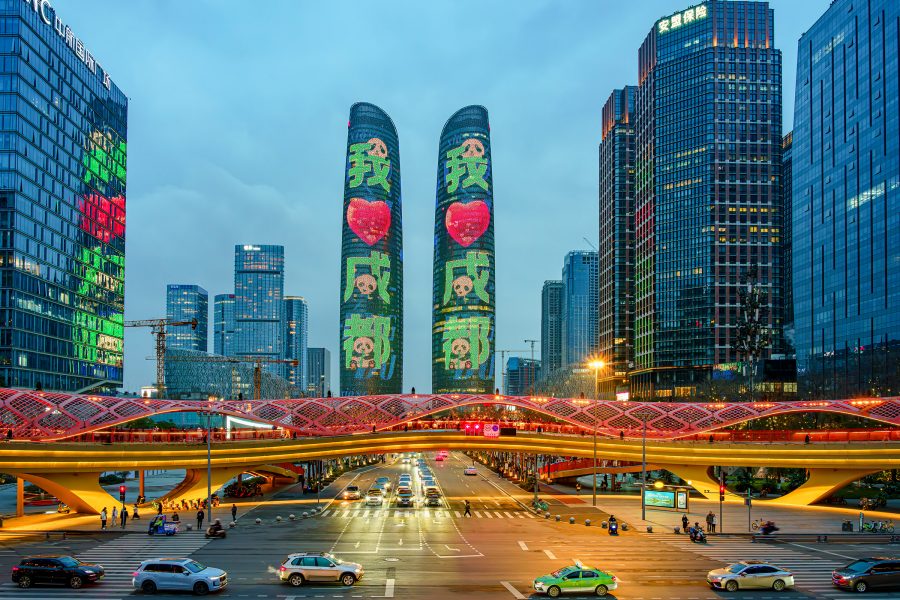
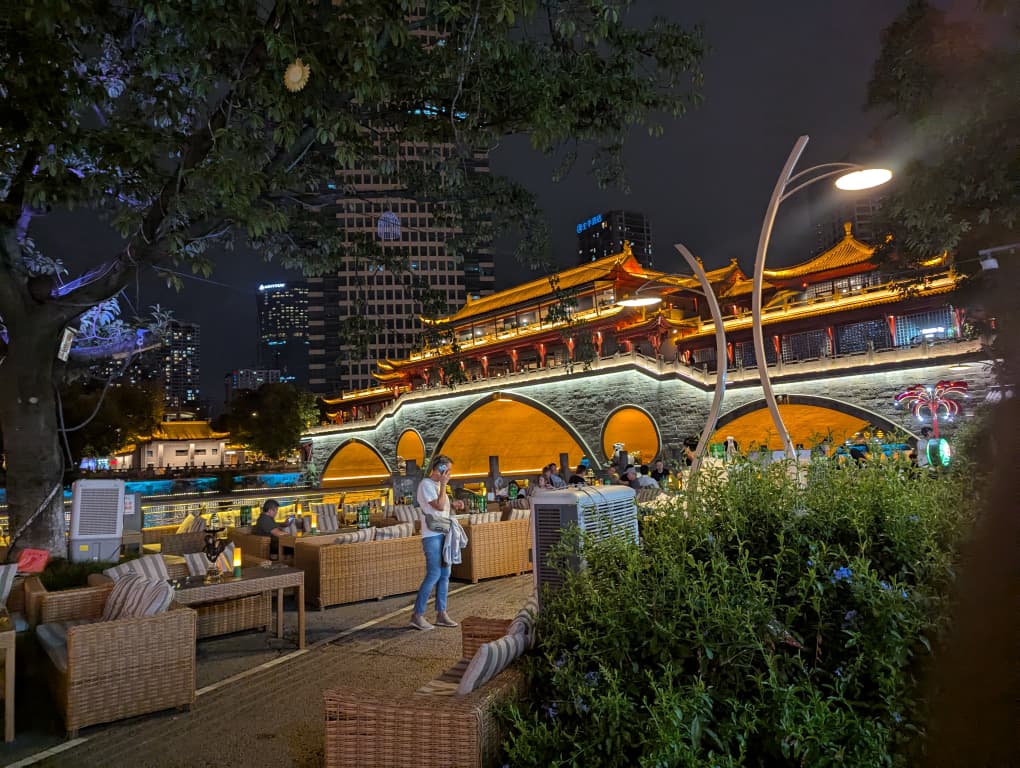
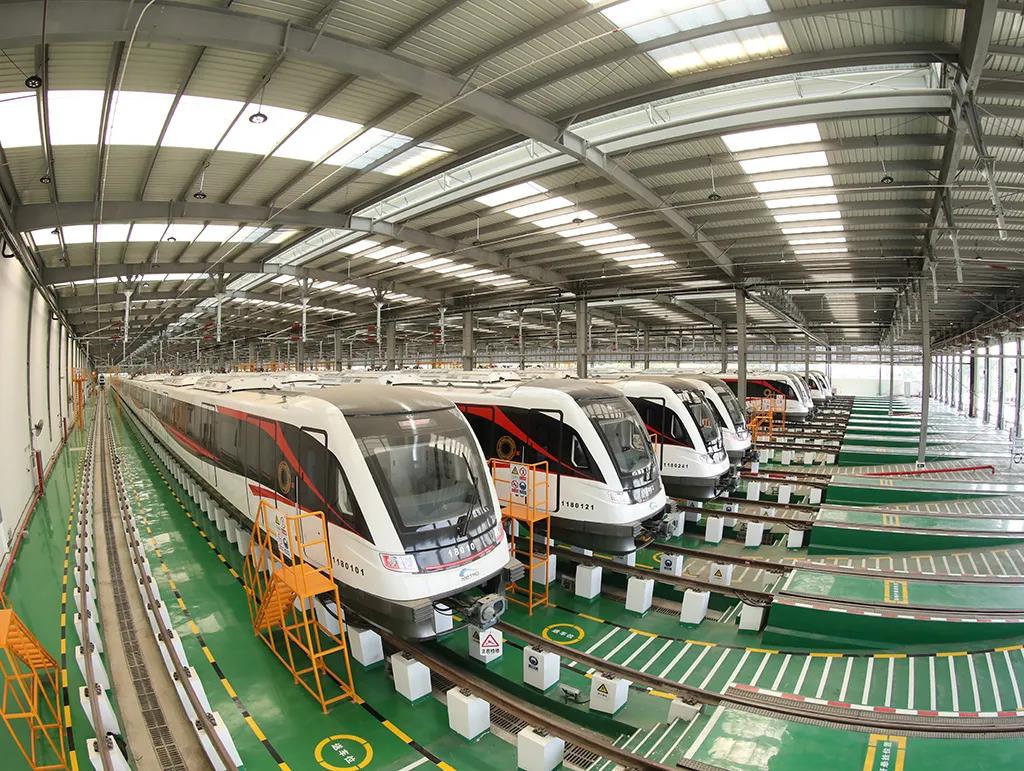
Its modern skyline, metro systems, shopping districts, and business centres reflect a city that is constantly evolving while preserving its cultural roots.
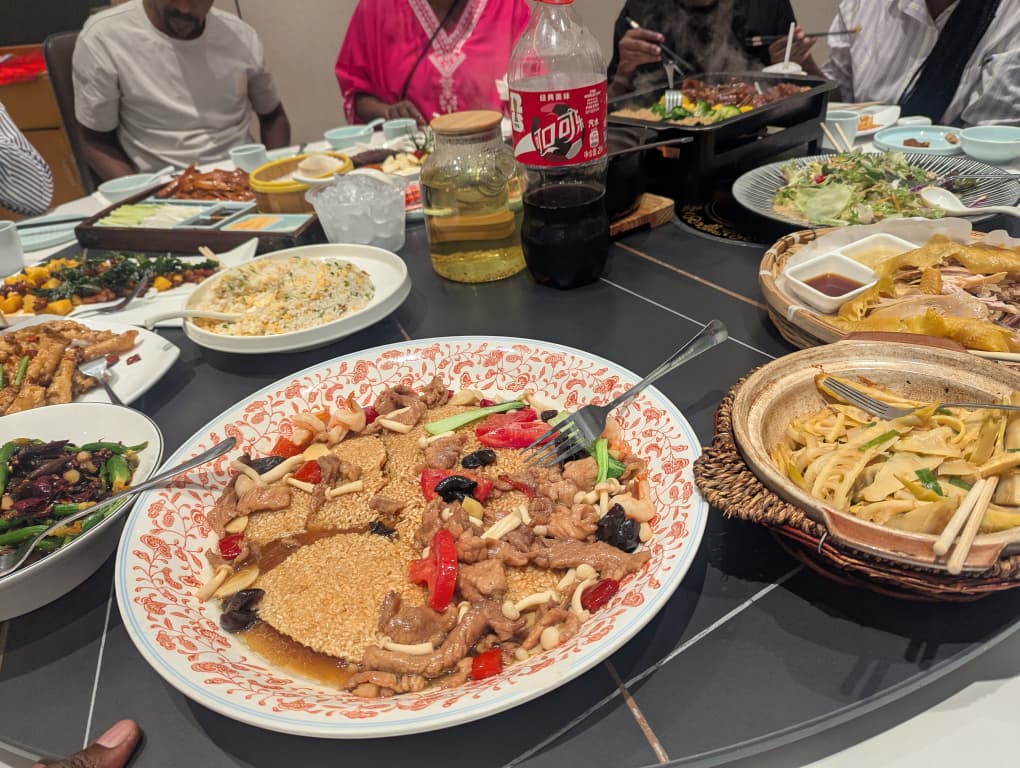
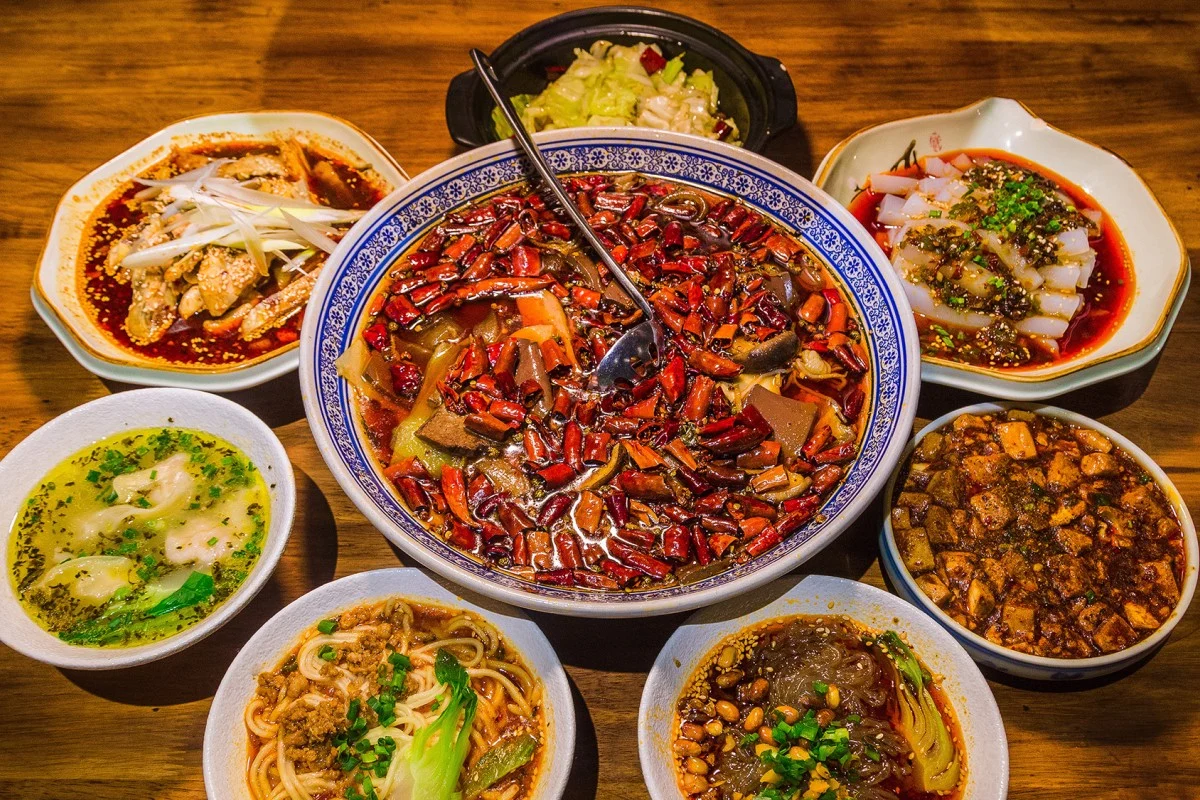
At the heart of Chengdu’s global reputation is its status as a UNESCO “City of Gastronomy,” the first in Asia to receive this honour. Sichuan cuisine, one of China’s four major culinary traditions, originated here and is celebrated worldwide for its bold, spicy, and complex flavours.
A local saying captures this perfectly: “The best cuisine is from China, while the richest flavour is from Chengdu.”
Chengdu food culture is built on balance and harmony, blending sweet, sour, bitter, spicy, and salty tastes into one experience.
Signature dishes such as hotpot, Mapo Tofu, and delicacies made with Doubanjiang (fermented bean paste) define the city’s culinary identity.
With over 60,000 restaurants, thousands of chefs, and a thriving food industry employing hundreds of thousands of people, Chengdu is truly a paradise for food lovers. The city also hosts annual food festivals that bring together chefs, tourists, and food enthusiasts from around the world.
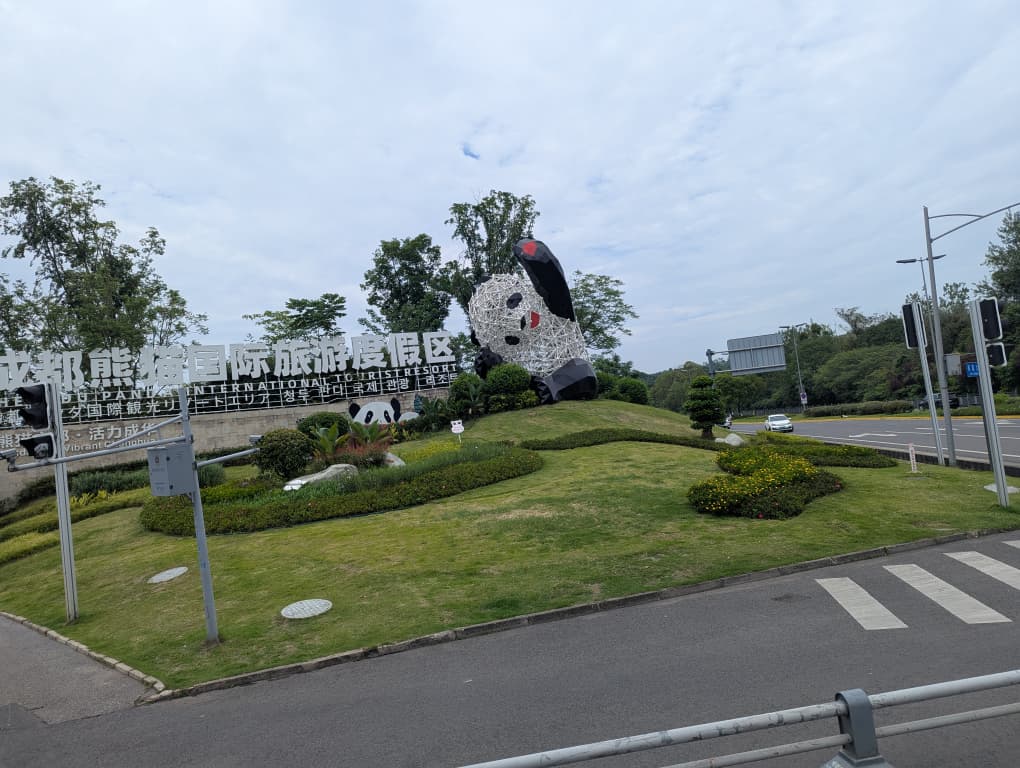
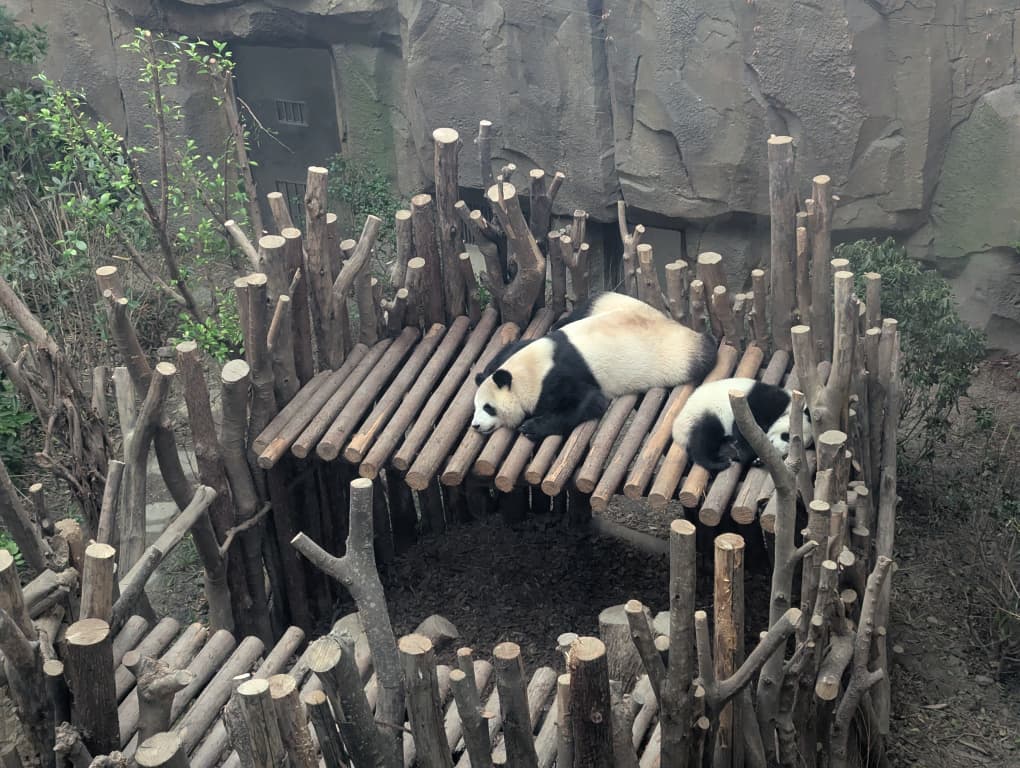
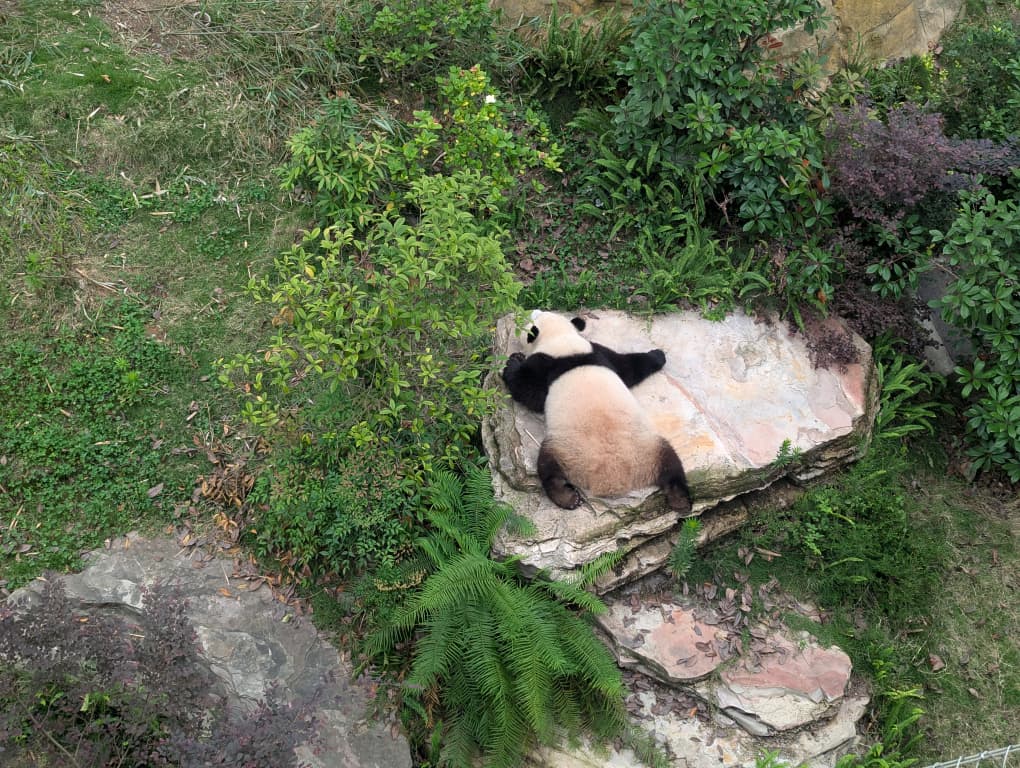
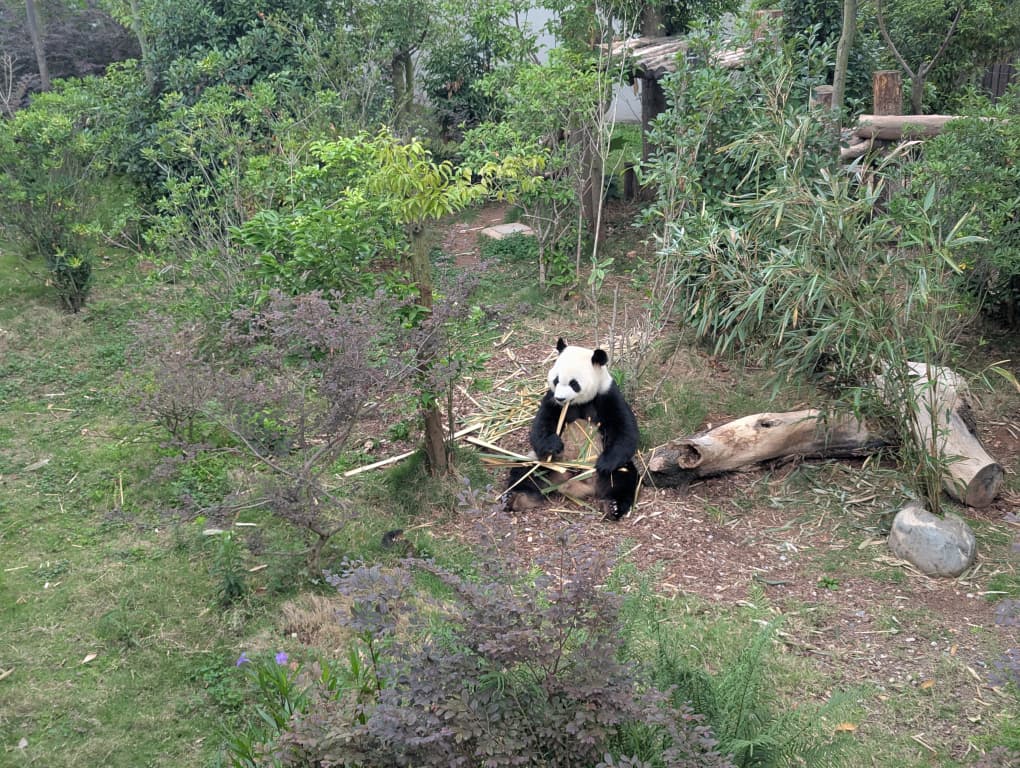
Yet Chengdu is not only about food—it is also the proud home of China’s national treasure, the giant panda. The Chengdu Research Base of Giant Panda Breeding is one of the world’s most important conservation centres for pandas.
Located just a short distance from the city centre, it allows visitors to observe these rare animals in a natural, carefully protected environment.
One of the most unique traditions here is that all baby pandas are given names in a ceremonial way, just as Rwanda names baby mountain gorillas every year, a symbolic gesture that reflects global conservation culture and respect for wildlife heritage.
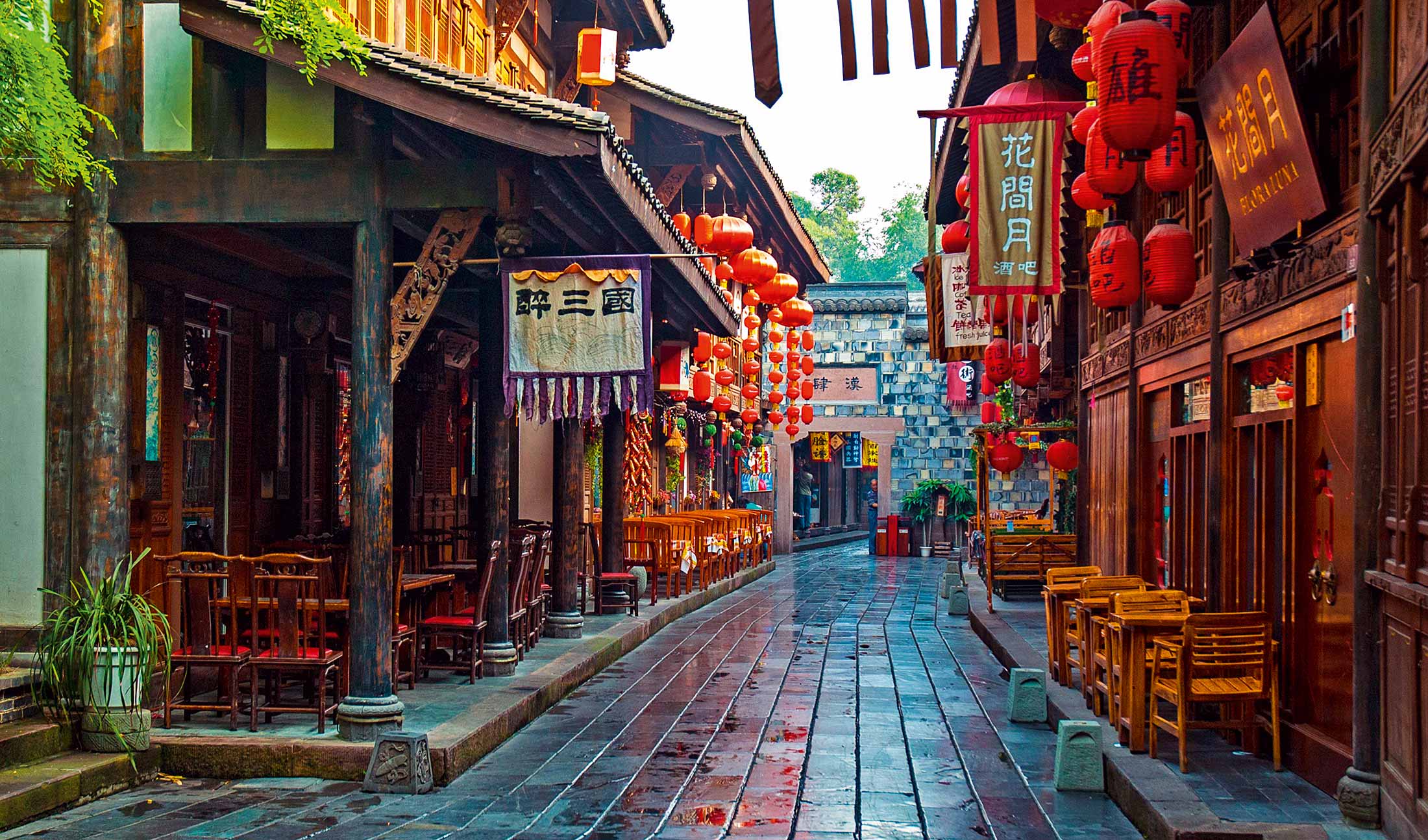
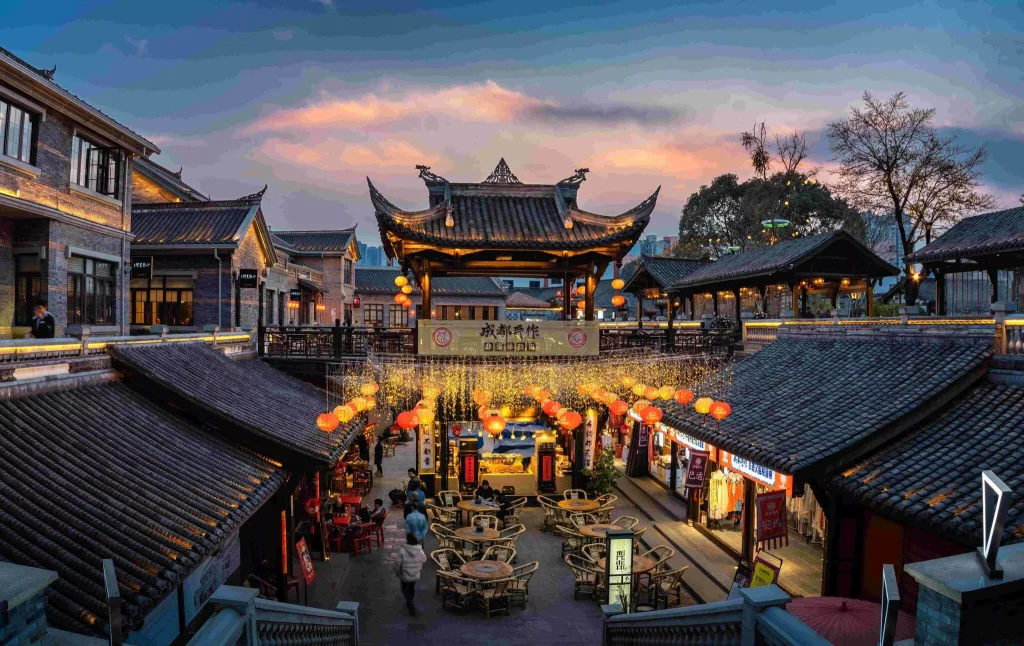
The city is also rich in historical and cultural attractions. Kuanzhai Alley (Wide and Narrow Alleys) offers visitors a glimpse into traditional Chengdu life, with ancient-style streets, teahouses, artisan shops, spas, and local snacks. It is a place where history and modern tourism meet in a lively cultural atmosphere.
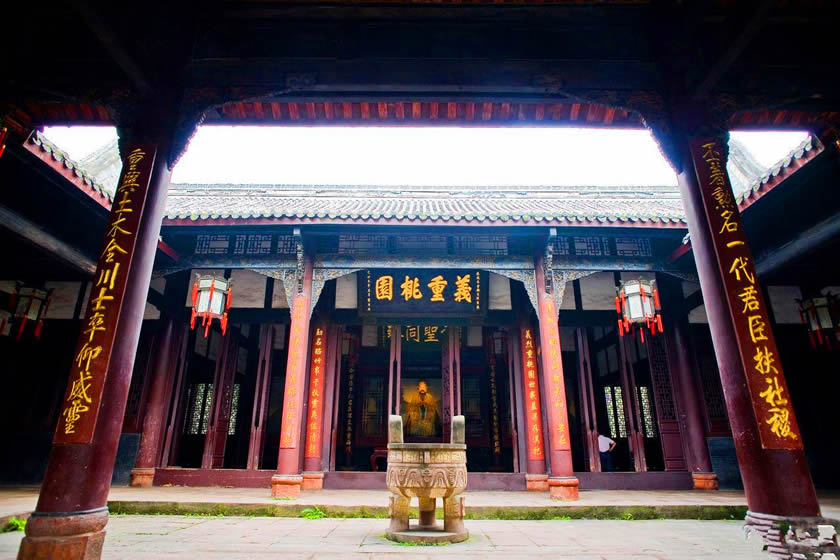
Another important site is the Temple of Marquis Wu, built in honour of Zhuge Liang, a legendary strategist of the ancient Shu Kingdom. The temple preserves centuries of history through sculptures, relics, and ancient inscriptions that continue to attract visitors and history lovers.
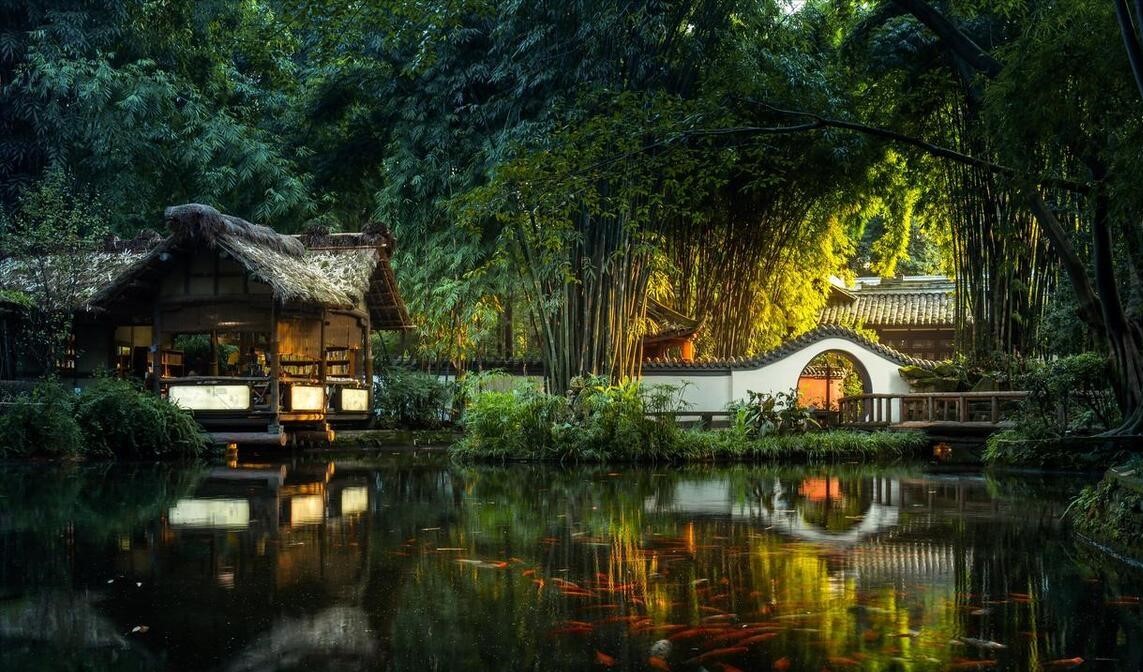
Not far away lies Du Fu Thatched Cottage, the former residence of one of China’s greatest poets. Here, Du Fu wrote many of his most famous works during a peaceful period of his life, making the site a symbol of Chinese literary heritage and reflection.
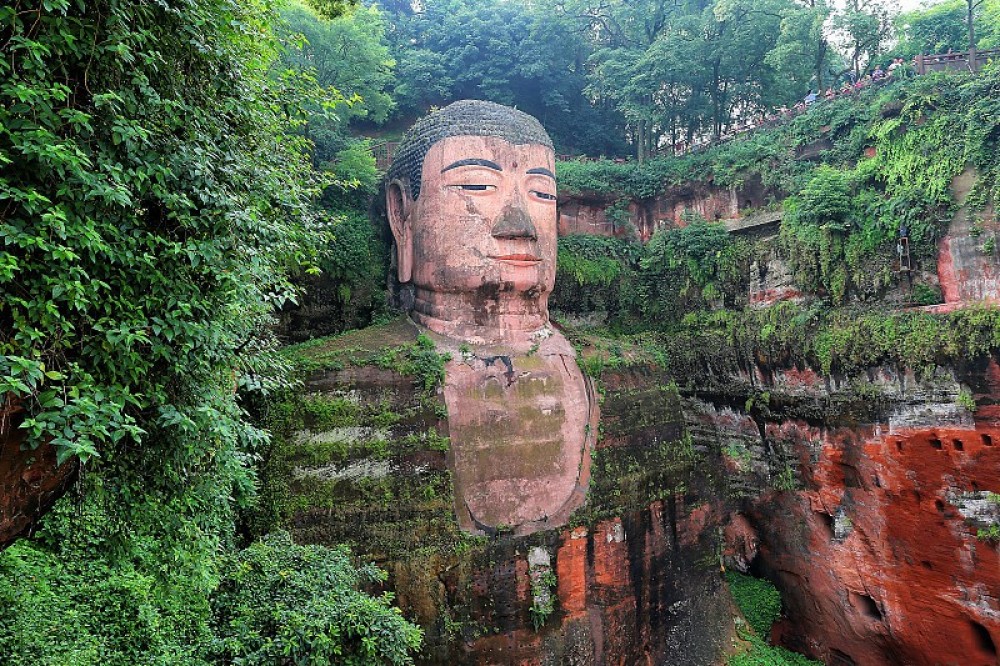
For those seeking natural and engineering wonders, Chengdu offers access to extraordinary sites such as the Leshan Giant Buddha, a monumental stone carving carved into a cliff face that stands as one of the largest Buddha statues in the world.
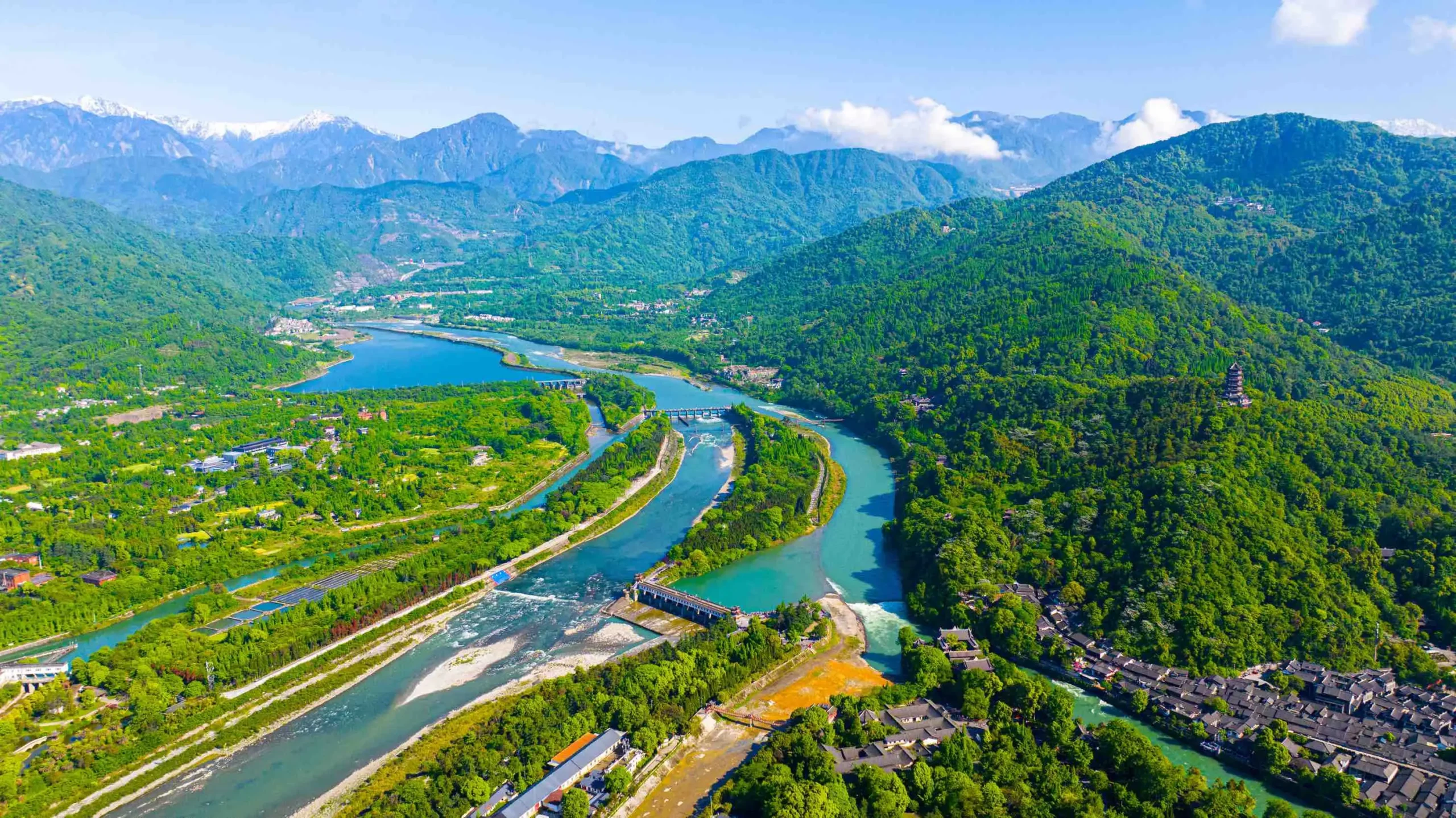
Nearby, the Dujiangyan Irrigation System, built over 2,000 years ago, remains a functioning masterpiece of ancient engineering and water management, still benefiting millions of people today.
Chengdu’s charm also lies in its modern lifestyle districts such as Chunxi Road and Taikoo Li, where luxury brands, shopping malls, street food, and entertainment spaces coexist. Visitors can enjoy everything from international fashion to local crafts, all within a vibrant urban atmosphere.
The city’s appeal can be summed up in five powerful reasons: it is romantic, scenic, delicious, relaxed, and home to giant pandas.
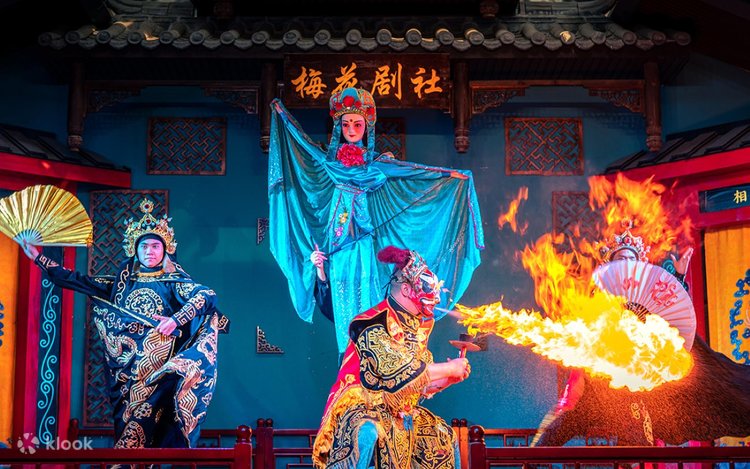
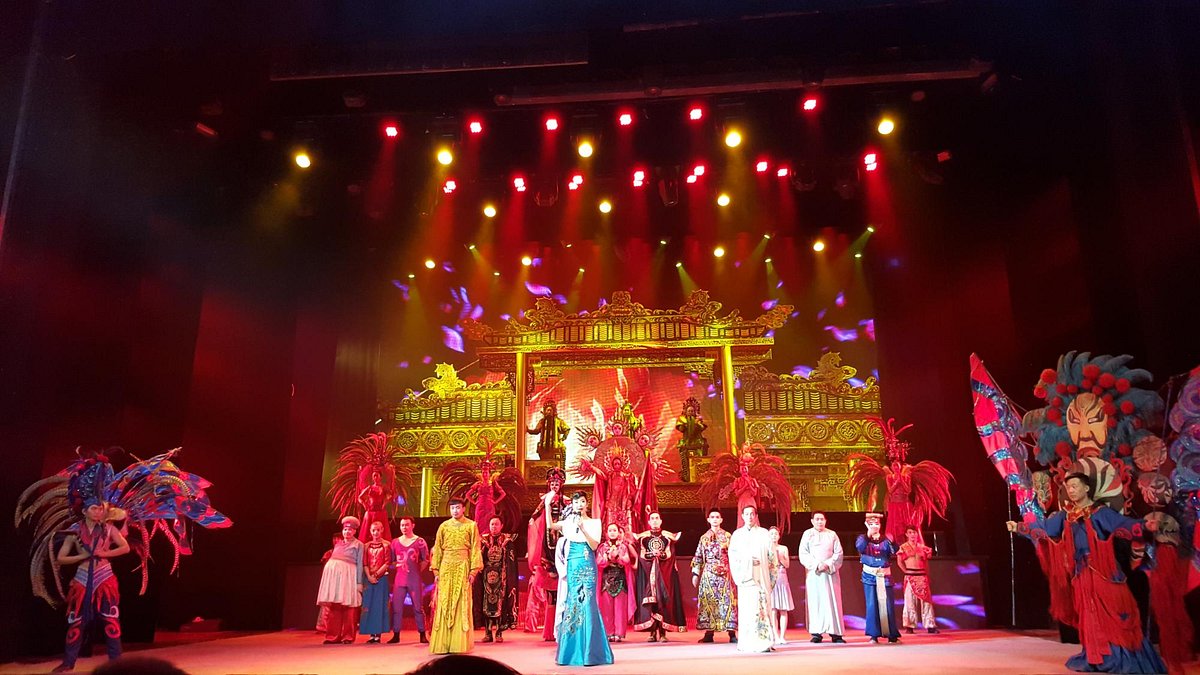
Whether exploring the historic lanes, tasting spicy Sichuan cuisine, watching a Sichuan opera performance, Chengdu offers a lifestyle that feels both peaceful and deeply enriching.
It invites visitors not only to explore its landmarks, but to experience a way of life where comfort, culture, and creativity exist in perfect harmony.
Chengdu’s skyline reflects the city’s rapid growth while preserving its cultural identity.Du Fu Thatched Cottage honours the legacy of one of China’s greatest poets.Chengdu’s vibrant streets showcase the city’s unique blend of history, culture, and modern energy.The Temple of Marquis Wu preserves the history of Zhuge Liang and the ancient Shu Kingdom.Chengdu is renowned as the home of giant panda. The Chengdu Research Base of Giant Panda Breeding supports conservation efforts for China’s national treasure.A giant panda rests at the Chengdu Research Base, one of the world’s leading panda conservation centres.Chengdu’s modern infrastructure highlights its transformation into one of western China’s leading urban centres.Visitors stand chance to observe giant pandas in a protected environment at the Chengdu Research Base of Giant Panda Breeding.Chengdu’s modern infrastructure highlights its transformation into one of western China’s leading urban centres.Residents gather in a Chengdu teahouse, enjoying tea and conversations in a long-standing local tradition.A Sichuan opera performance preserves one of Chengdu’s most distinctive cultural traditions.Sichuan cuisine showcases the bold flavours and culinary traditions that define Chengdu’s identity.People play mahjong in a traditional Chengdu setting, reflecting the city’s leisurely way of life.A Chengdu hotpot meal represents one of the city’s most famous and celebrated food experiences.The Dujiangyan Irrigation System remains a remarkable example of ancient Chinese engineering.Kuanzhai Alley offers visitors a glimpse into Chengdu’s traditional architecture and cultural heritage.The Leshan Giant Buddha stands as one of the world’s largest and most impressive stone Buddha statues.The Chengdu metro system supports movement across a city experiencing rapid economic and urban development.Mapo tofu is among the signature Sichuan dishes that contribute to Chengdu’s global food reputation.
The decision was announced in a statement issued by the RDF on Saturday, July 11, 2026, which indicated that those retiring include three generals, 74 senior officers, 78 junior officers, and 1,288 other ranks.
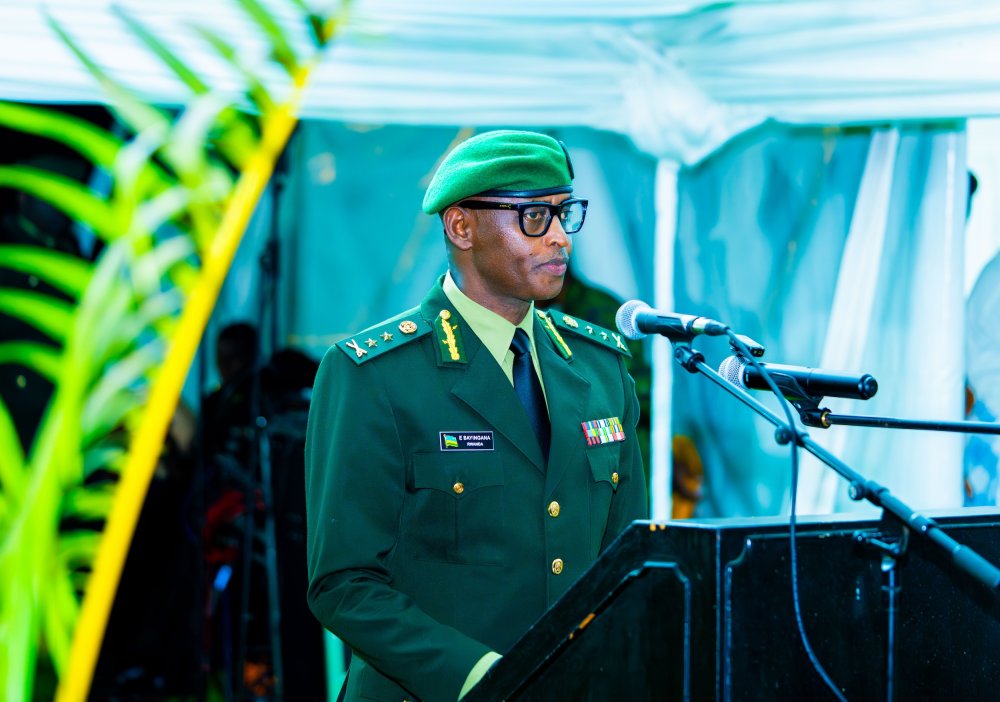
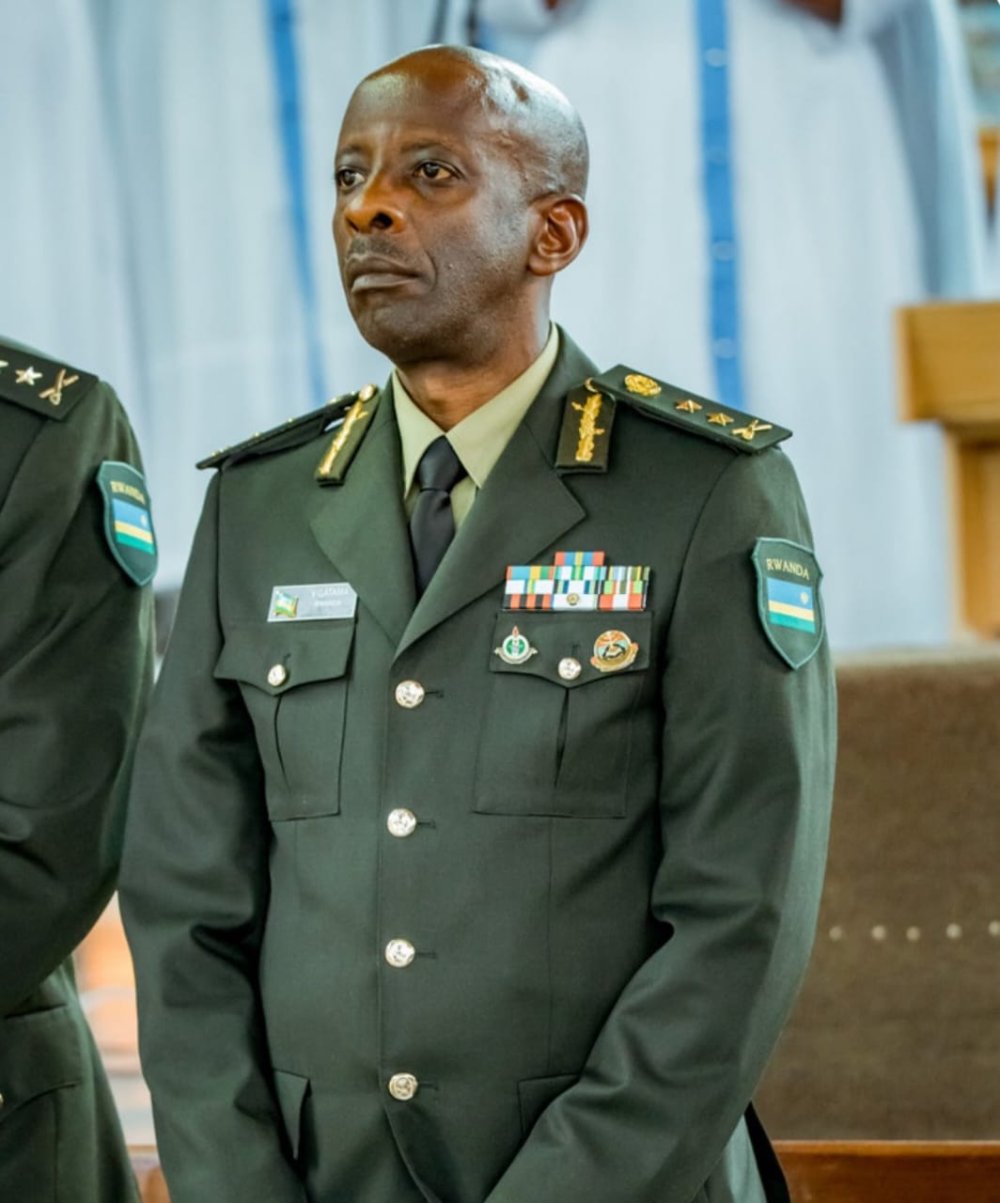
The generals placed on retirement are Major General Emmanuel Bayingana, Major General Vincent Gatama, and Brigadier General Albert Rugambwa.
Maj Gen Emmanuel Bayingana previously served as the Permanent Secretary at the Ministry of Defence. He was recently appointed as Rwanda’s Ambassador to Israel.
Maj Gen Vincent Gatama recently served in Rwanda’s security mission in Mozambique’s Cabo Delgado Province, where he was the Commander of the Rwanda Security Force (RSF) Joint Task Force. He also previously served as the commander of the Fourth Division in the Rwanda Defence Force.
Meanwhile, Brig Gen Albert Rugambwa was the commander of Battalion 201, which operates in the districts of Rwamagana, Kayonza, Gatsibo, and Nyagatare.
Maj Gen Emmanuel Bayingana previously served as the Permanent Secretary at the Ministry of Defence.Maj Gen Vincent Gatama recently served as the Commander of the Rwanda Security Force (RSF) Joint Task Force in Rwanda’s security mission in Mozambique’s Cabo Delgado Province. Brig Gen Albert Rugambwa has been serving as the commander of Battalion 201.
The announcement was made by AFC/M23 Deputy Coordinator for Political Affairs, Diplomacy and Governance, Bertrand Bisimwa, after the group said it had captured several strategic areas, including Point-Zéro, Mikenke, Kalingi, Ilundu and Rwitsankuku, from the Armed Forces of the Democratic Republic of the Congo (FARDC), Burundian troops, the FDLR terrorist group and Wazalendo fighters.
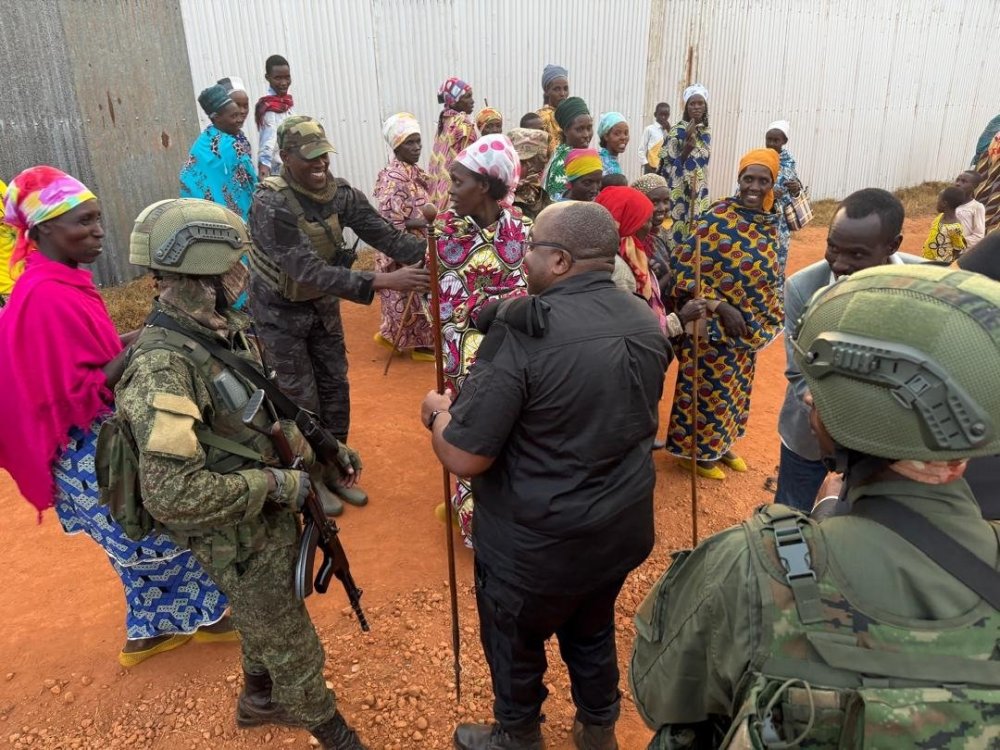
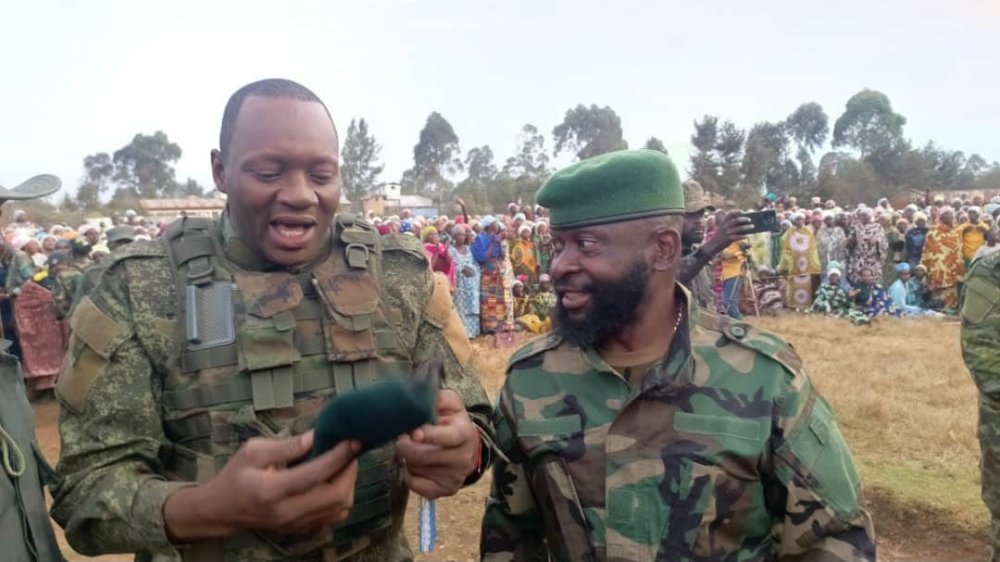
Following the capture of the areas, senior AFC/M23 officials, including Bisimwa, Dr. Freddy Kaniki, who oversees the coalition’s economic and financial affairs and also serves as president of MRDP Twirwaneho, and M23 Deputy Commander Brig. Gen. Bernard Byamungu, visited the newly controlled locations.
According to AFC/M23, the visit, which was accompanied by its fighters, was intended to reassure local residents that government and allied forces would no longer be able to launch attacks in the area.
On July 8, residents of Minembwe welcomed the delegation with songs of celebration and traditional Igisirimba dances. AFC/M23 and Twirwaneho officials, dressed in military uniform, joined residents in celebrating what they described as a major victory.
Sources in South Kivu said the visit by AFC/M23 leaders and fighters to Minembwe and neighbouring areas was challenging because of the difficult terrain, including dense forests and mountainous landscapes.
Addressing residents, Bisimwa said AFC/M23 Coordinator Corneille Nangaa and the coalition’s military commander, Maj. Gen. Sultani Makenga, had sent him to deliver a message that fighting in Minembwe was over.
“Our leadership, including Gen. Sultani Makenga and Coordinator Corneille Nangaa, asked me to tell you that the war in Minembwe has ended,” Bisimwa said. “They said enough blood has been shed, and they will not allow the enemy to return here.”
Bisimwa compared the Congolese government’s efforts to retake Minembwe to the biblical story of the Israelites who, under Moses, reached the edge of Canaan but were unable to enter.
“They will see Minembwe, but they will not enter it,” he said, referring to government and allied forces.
He further said fighters from different parts of the Democratic Republic of the Congo had joined forces with MRDP Twirwaneho to oppose what AFC/M23 describes as attempts by the Congolese government and its allies to target Congolese communities on the basis of their ethnicity.
“They have united to tell the enemy that the idea of taking up arms to eliminate people because of their ethnicity or the way they were created is an illusion,” Bisimwa said.
AFC/M23 also argued that history has shown attempts to eradicate communities ultimately fail, saying it believes the Congolese government will not achieve what it described as such objectives.
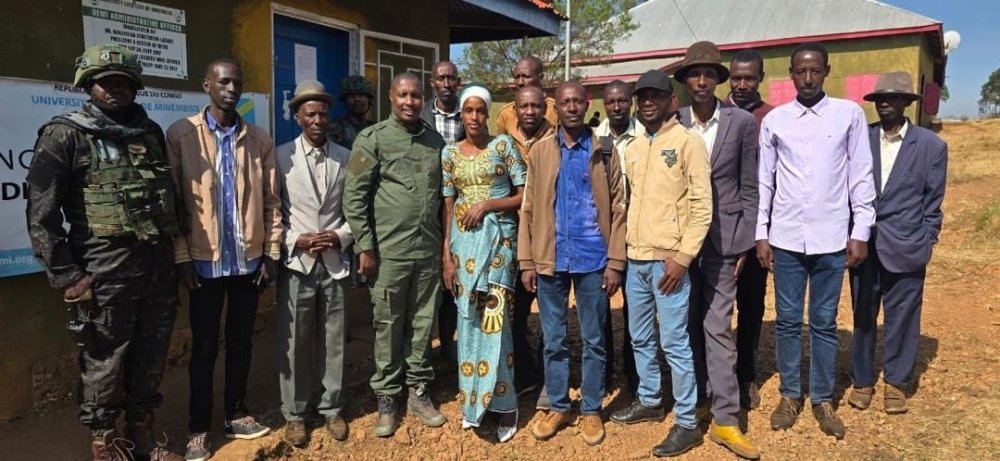
AFC/M23 leaders visit Minembwe for the first time, accompanied by their fighters.AFC/M23 spokesperson Lawrence Kanyuka and MRDP-Twirwaneho’s PC Mavugo met in Minembwe for the first time.AFC/M23 leaders told residents of Minembwe that the fighting in the area had ended and pledged that there would be no return to war.MRDP/Twirwaneho President Dr. Freddy Kaniki (right) joins a high-level AFC/M23 delegation that visited Minembwe.AFC/M23 Deputy Commander Brig. Gen. Bernard Byamungu arrives in Point-Zéro during a visit by the group’s leadership to Minembwe.
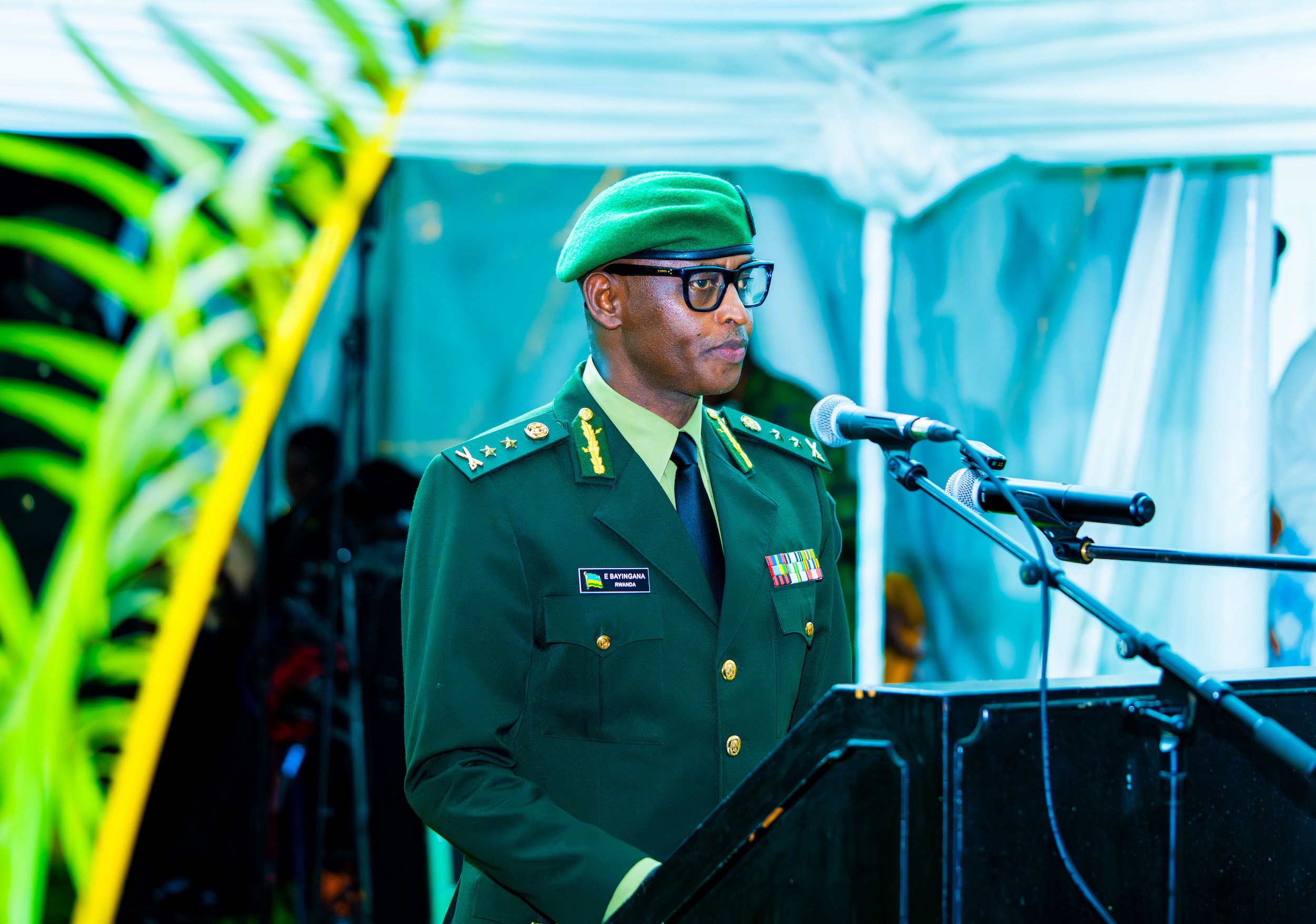
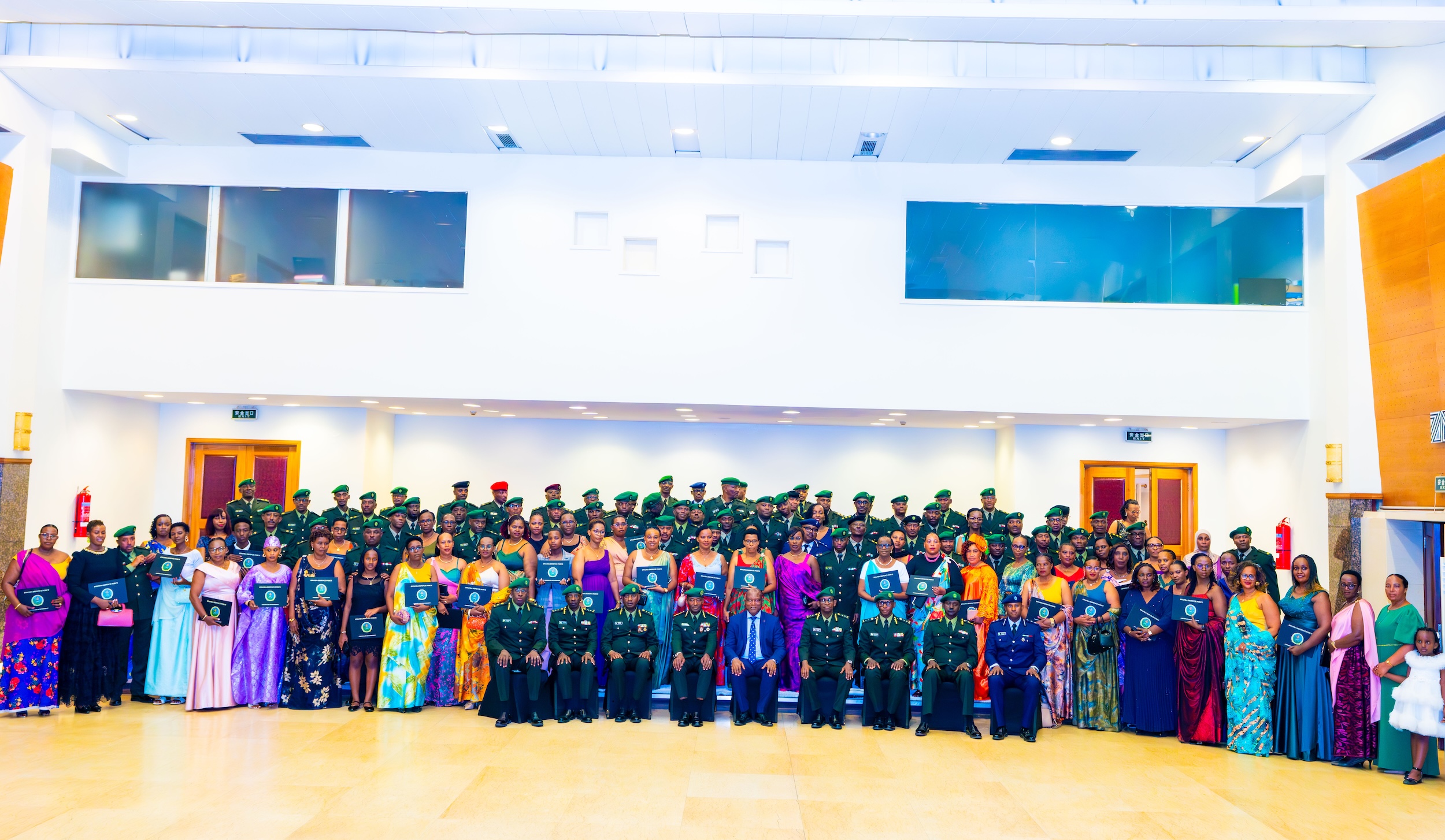
The event was presided over by the Minister of Defence, Juvenal Marizamunda, on behalf of the President of the Republic of Rwanda and Commander-in-Chief of the Rwanda Defence Force. It was attended by the Chief of Defence Staff, Gen MK Mubarakh, Service Chiefs, Generals, Senior Officers, and families of the retirees.
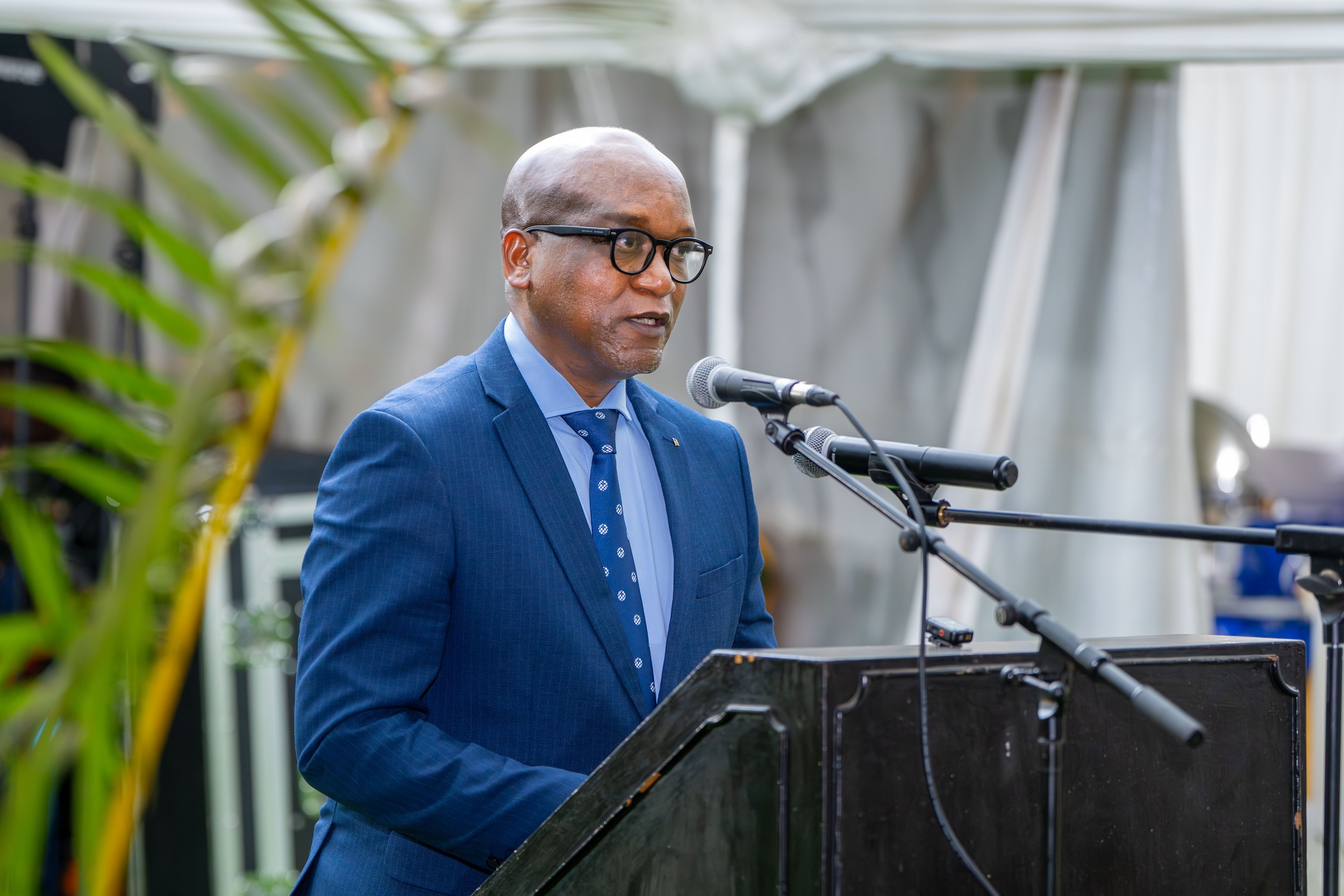
Speaking on behalf of the Commander-in-Chief, Minister Marizamunda expressed gratitude to the retirees for their dedicated service to the nation. He commended their role in the liberation struggle, stopping the Genocide against the Tutsi, and rebuilding the country.
He also praised their contribution in transforming the RDF into a strong, professional, and internationally respected force through peacekeeping operations and bilateral missions, noting that their work has left a lasting legacy. The Minister further thanked the spouses of the retirees for their unwavering support, acknowledging the sacrifices they made in keeping families together during periods of deployment.
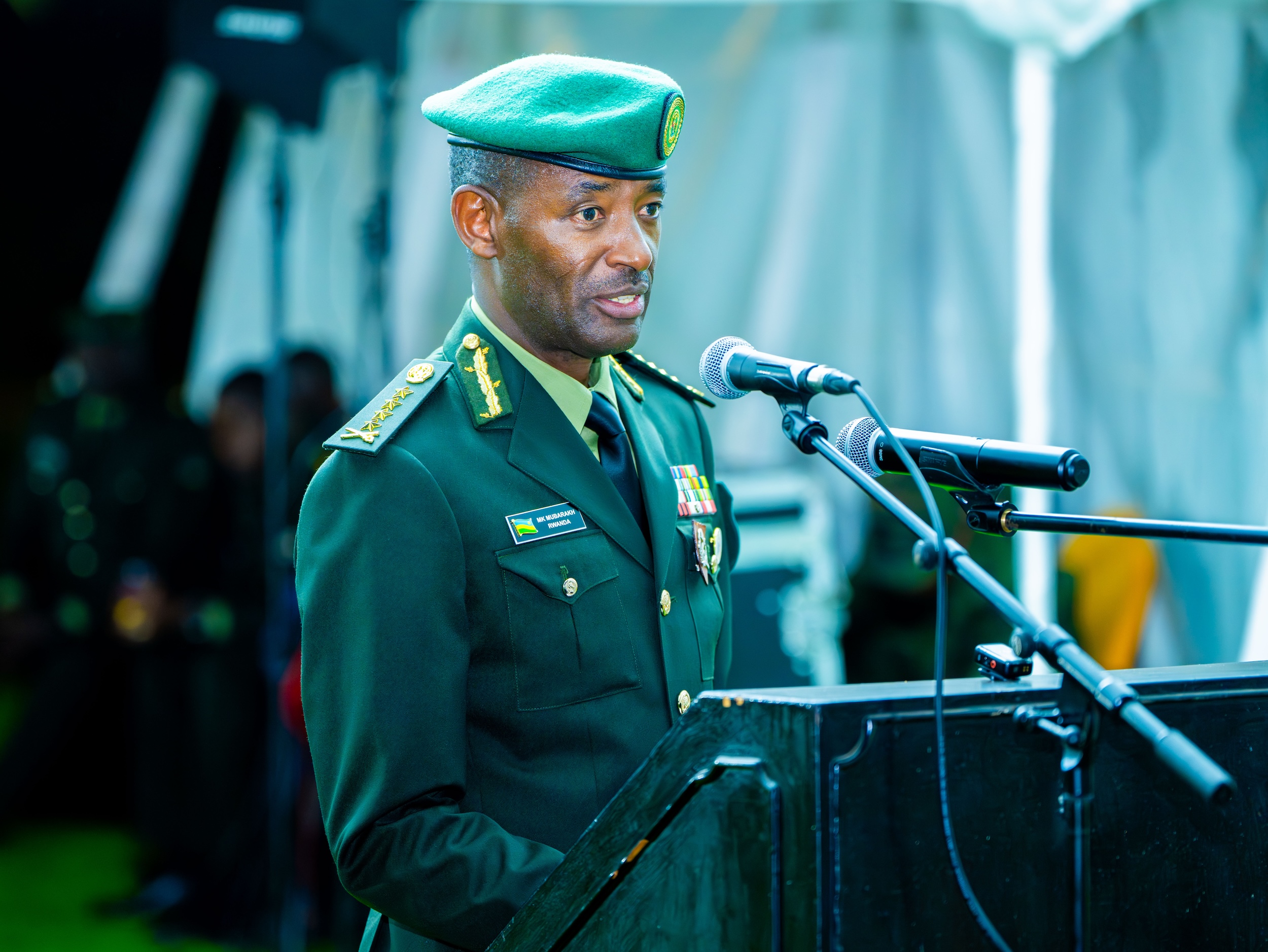
In his remarks, the Chief of Defence Staff, Gen MK Mubarakh, congratulated the retirees for the patriotism, discipline, and professionalism they demonstrated throughout their careers. He thanked them for mentoring younger soldiers and instilling in them the core values of the RDF, which have prepared the next generation to safeguard the nation. He emphasized that the RDF and the country will continue to benefit from the retirees’ experience, wisdom, and counsel.
Speaking on behalf of the retirees, Maj Gen (Rtd) Emmanuel Bayingana expressed pride in the remarkable progress of the Rwanda Defence Force. He thanked President Paul Kagame for his visionary leadership in building a strong and united RDF family.
He affirmed that although they are leaving active service, they will continue to uphold RDF values of patriotism, discipline, and selfless service, and pledged to keep contributing to Rwanda’s development and prosperity.
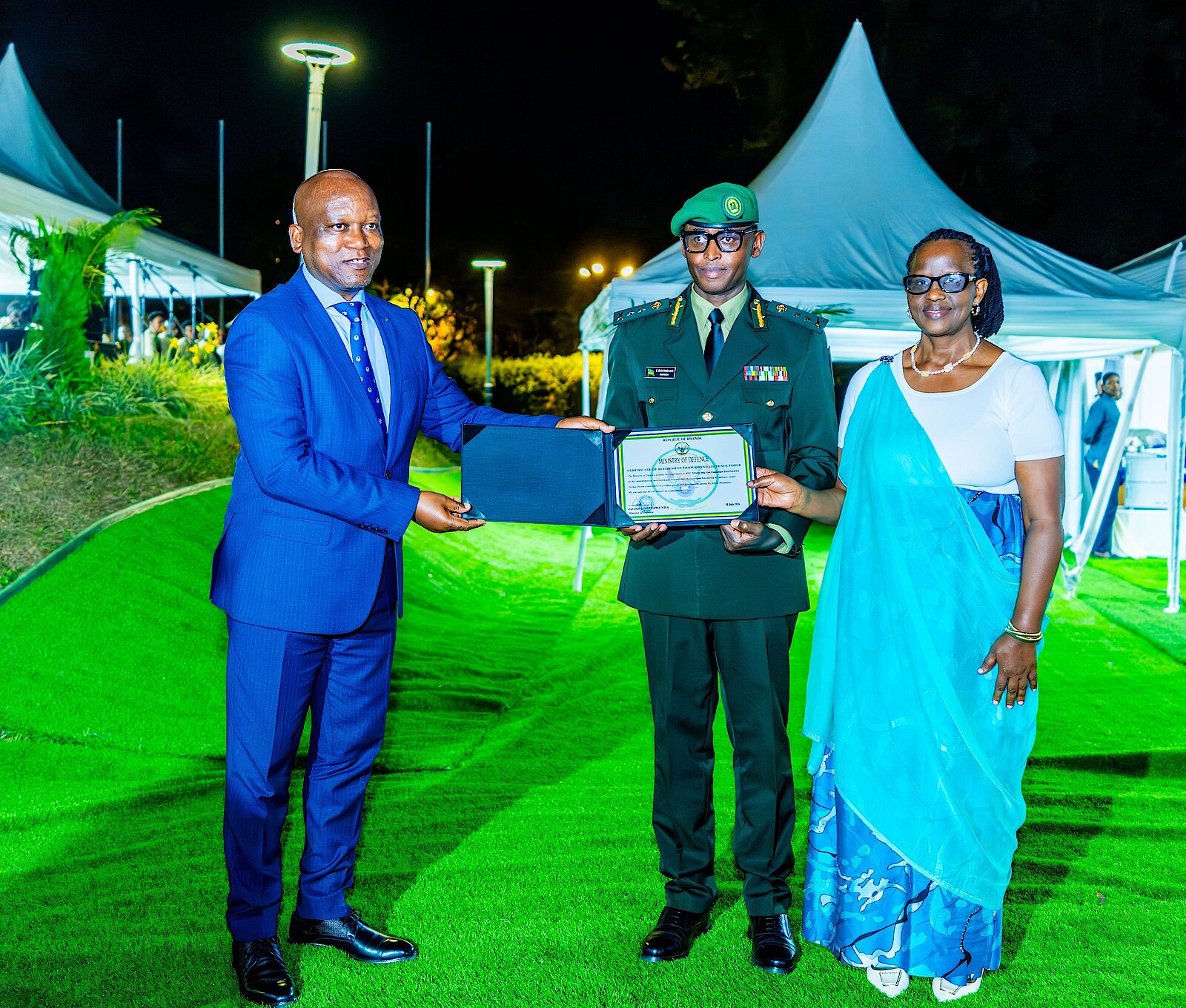
The ceremony concluded with the presentation of certificates to the retirees in recognition of their distinguished and dedicated service to the Rwanda Defence Force.
Minister of Defence Juvenal Marizamunda addresses retiring RDF personnel, thanking them for their dedicated service and contribution to Rwanda’s security and development.Chief of Defence Staff Gen MK Mubarakh commended retiring officers for their patriotism, professionalism, and commitment to mentoring the next generation of soldiers.Maj Gen (Rtd) Emmanuel Bayingana spoke on behalf of the retirees, reaffirming their commitment to continue serving Rwanda beyond active military duty.Minister of Defence Juvenal Marizamunda presents a certificate to Maj Gen (Rtd) Emmanuel Bayingana during the 14th RDF send-off ceremony at RDF Headquarters in Kimihurura.Retiring Rwanda Defence Force personnel attended the 14th RDF send-off ceremony alongside their families at RDF Headquarters in Kimihurura.
In a post on X, Bayo Onanuga, spokesperson for Nigerian President Bola Tinubu, confirmed that all the abducted pupils and teachers from the Oriire community had regained their freedom in a rescue operation carried out by multiple security agencies.
The mass abduction occurred on May 15, when a group of gunmen attacked three schools in the Esiele and Yawota communities of Oriire Local Government Area in Oyo state.
Local media reported that 46 people — 39 pupils and seven teachers — were abducted. One of the abducted teachers was later killed in captivity. Nigerian authorities identified the attackers as displaced members of the Boko Haram terrorist group.
On Thursday, Nigerian Defense Minister Christopher Musa said the terrorists had demanded the release of several detained commanders in exchange for the hostages, a demand the Nigerian government publicly rejected.
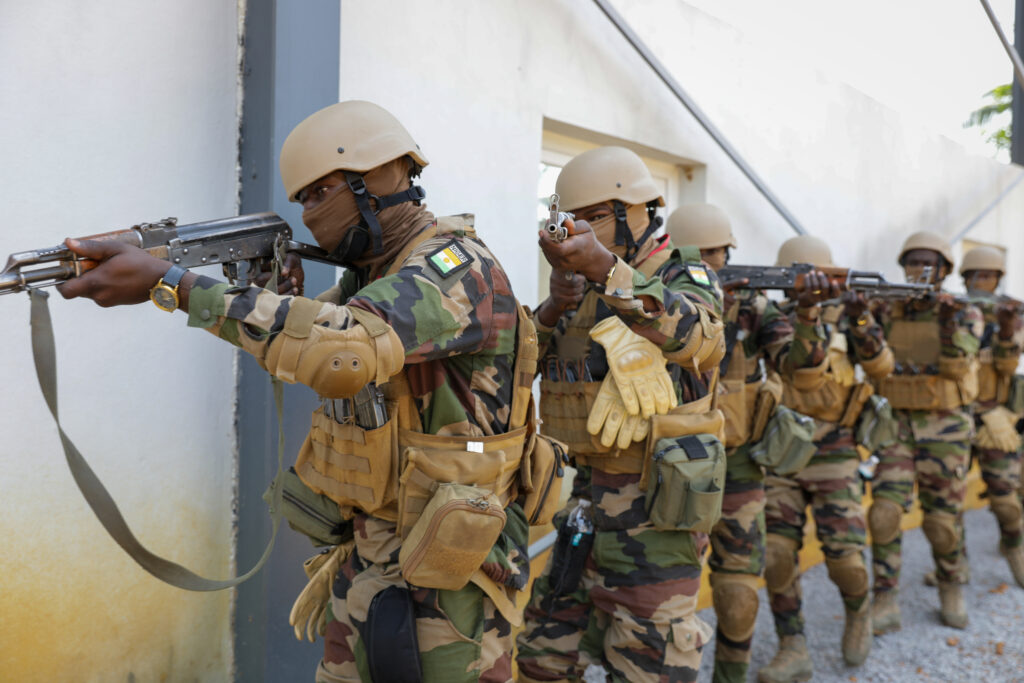
Nigerian Armed Forces Soldiers enter a building during close quarter battle (CQB) training at Flintlock, in Côte d’Ivoire. Photo: Sgt. Kacie Benak/US Army