The largest share of the investment, Rwf 18.66 billion, will fund the construction of five specialized schools—one in each province and one in the City of Kigali. The schools will primarily serve children with autism and other intellectual and developmental disabilities.
An additional Rwf 3.75 billion will be used to build and equip 20 centres that provide support services for children with disabilities, while Rwf 2.4 billion has been allocated to strengthen inclusive education for learners with disabilities and those requiring special educational support.
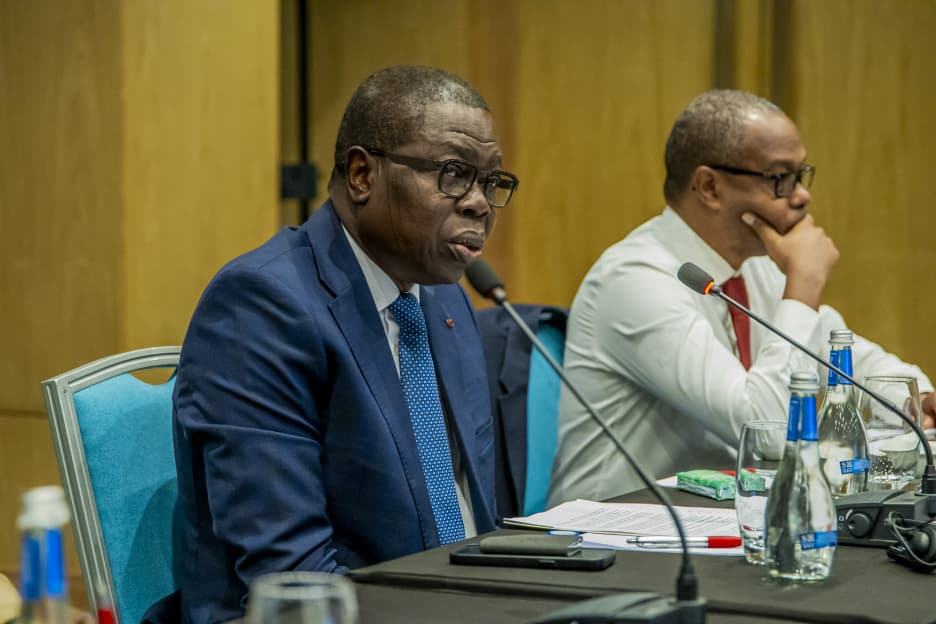
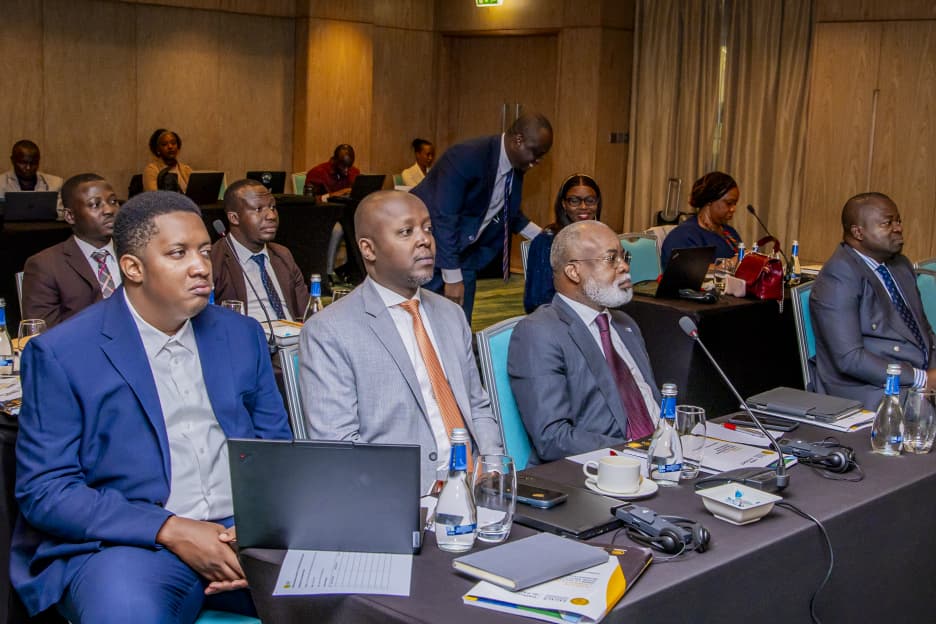
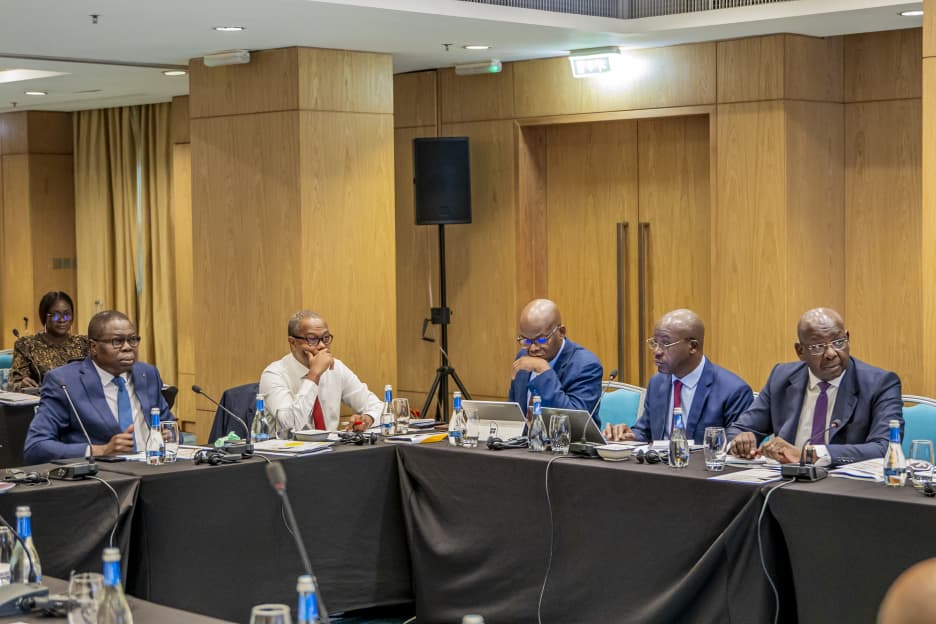
The investment was announced by Irenée Muyizere, Head of the Department of Special Needs and Inclusive Education at the Rwanda Basic Education Board (REB), during the presentation of findings from a study on early childhood education for children with disabilities in Rwanda.
The study, released on July 15, 2026, was conducted by the African Child Policy Forum (ACPF) in partnership with CLADHO, the umbrella organization of Rwandan human rights groups.
According to the findings, about 4.4% of Rwandans aged five and above live with a disability. However, of the country’s 4.16 million learners, only about 39,000 (0.9%) are registered as having a disability.
Enrollment of children with disabilities in pre-primary education remains below 1%, limiting their access to early learning, which plays a critical role in cognitive, social and behavioural development.
The study also found that many families struggle to meet transport and healthcare costs, while children in rural areas face additional barriers, including inaccessible infrastructure and limited early intervention services.
Muyizere said the government aims to increase the number of children with disabilities enrolled in primary schools from 31,751 in the 2023/24 academic year to 80,323 by 2028/29.
“These schools will be located near mainstream schools and will also provide health services for learners,” he said, adding that government subsidies will help cover school fees.
He explained that children with severe autism will attend specialized schools, while those with milder forms of autism or other disabilities will be supported in mainstream schools through specialized resource classrooms, teacher training and assistive technologies such as sign language and Braille.
“We have already trained more than 4,000 teachers to identify and assess children with disabilities early so that they can receive timely support and appropriate learning plans,” Muyizere said.
The share of pre-primary schools implementing inclusive education has increased from 5.7% in 2017 to 66% in the 2024/25 academic year.
Over the same period, the number of children with disabilities enrolled in Early Childhood Development (ECD) centres more than doubled, rising from 1,362 to 3,125.
Rwanda is set to invest over Rwf 24 billion in improving education for children with disabilities
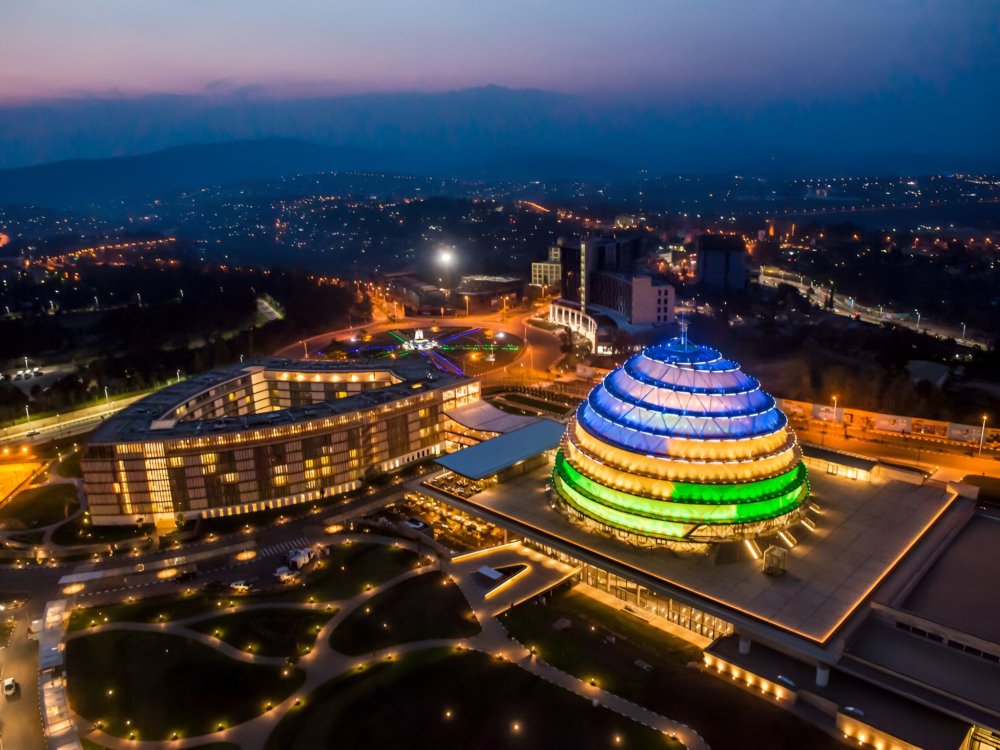
The alliance said Kigali earned its place through its growing reputation as a destination for global conferences, backed by modern infrastructure, sustainability efforts and a strong track record of hosting international events.
“As one of Africa’s fastest-growing meeting destinations, Kigali is a natural fit for BestCities,” said Julia Swanson, Board Chair of BestCities Global Alliance.
“The city exemplifies the qualities that define today’s leading convention destinations, including strong knowledge and innovation sectors, a commitment to sustainability, and an understanding of how business events can drive social and economic impact.”
Kigali is connected to more than 160 destinations through RwandAir and other international airlines, while visa-on-arrival for all nationalities makes travel easier for delegates.
The city also offers major conference facilities, including the 5,000-seat Kigali Convention Centre and the 10,000-capacity BK Arena, alongside more than 10,000 hotel rooms.
The city has remained Africa’s second-ranked destination in the International Congress and Convention Association (ICCA) rankings for six consecutive years.
In 2025, Rwanda hosted more than 25 international association meetings, including the 13th International AIDS Society Conference and the 4th Global NCD Alliance Forum. Kigali is also set to host the ICCA Congress in 2027 and the World Nephrology Congress in 2029.
Janet Karemera, Chief Executive Officer of the Rwanda Convention Bureau, said joining the alliance reflects Kigali’s ambition to expand its global presence.
“We are delighted to join the BestCities Global Alliance,” she said. “Through this platform, we aim to further enhance our visibility, exchange expertise, and continue elevating Kigali as a competitive destination for global business events.”
BestCities has welcomed Kigali, Rwanda as its newest member of Global Alliance.
The ranking places Rwanda ahead of other African countries assessed in the index, which measures governments’ efforts to prevent and combat corruption through public institutions, including the executive, parliament, judiciary, public procurement systems and anti-corruption bodies.
It also considers corruption in the private sector and public perceptions of anti-corruption efforts.
Rwanda has maintained the leading position in the category since 2016, while Seychelles recorded the biggest improvement over the decade, gaining 26.3 points and rising 12 places to join Rwanda at the top of the ranking.
The two countries were followed by Mauritius, Senegal, Benin, Botswana, Namibia, Cape Verde, Tunisia and Burkina Faso, which completed the top ten list.
The preliminary IIAG 2026 findings show that Africa has made gradual progress in addressing corruption over the past decade.
The continent’s average score increased from 38.6 points in 2016 to 39.1 points in 2025. The Mo Ibrahim Foundation noted that while performance declined between 2016 and 2020, the continent recorded steady improvement during the second half of the decade.
Beyond the leading performers, several countries recorded notable gains. Angola, Chad, Somalia and Togo were among those that registered the biggest improvements between 2016 and 2025.
Somalia, despite remaining among the lowest-ranked countries, showed significant progress, demonstrating that sustained reforms can contribute to governance improvements.
However, some countries experienced setbacks, with Comoros, Liberia, South Africa, Niger and Botswana recording the largest declines over the decade.
The report also highlighted progress in reducing private-sector corruption, which was the most improved indicator assessed.
However, public confidence in the effectiveness of anti-corruption measures remains a challenge, despite signs of recovery after reaching its lowest point in 2022.
The full Ibrahim Index of African Governance 2026 report is expected to be published on October 31.
Rwanda has been ranked first in Africa’s anti-corruption performance in the preliminary 2026 Ibrahim Index of African Governance results.
The returning contingent, commanded by Senior Superintendent of Police (SSP) Jean D’Amour Ndagijimana, arrived at Kigali International Airport on Wednesday, July 15, after serving under the United Nations Multidimensional Integrated Stabilization Mission in the Central African Republic (MINUSCA).
They were replaced by a new contingent led by Senior Superintendent of Police (SSP) Aimable Busasa, which departed earlier the same day to continue Rwanda’s peacekeeping responsibilities in the conflict-affected nation.
The rotation involved officers from three Rwanda National Police contingents deployed in CAR, including Rwanda Formed Police Unit One (RWAFPU-1), Rwanda Formed Police Unit Two (RWAFPU-2), and the Protection Support Unit (RWAPSU).
Welcoming the officers home, Commissioner of Police (CP) Yahaya Kamunuga, the Commissioner for Peace Support Operations, commended the contingent for demonstrating professionalism, discipline and dedication throughout their deployment.
“Today, we proudly welcome you home after a year of distinguished service under the United Nations flag. Your professionalism, discipline and commitment have not only represented the Rwanda National Police with honour but have also strengthened Rwanda’s reputation as a trusted contributor to international peacekeeping,” CP Kamunuga said.
He praised the officers for upholding the values expected of Rwandan peacekeepers despite serving far from their families and in a challenging security environment.
“Serving in a peacekeeping mission is both a privilege and a great responsibility. The excellence you demonstrated abroad reflects the values we uphold as a nation. Having successfully fulfilled this important mandate, I am confident you will continue serving our country with the same dedication as Rwanda advances its development and security agenda,” he added.
Speaking on behalf of the returning contingent, Senior Superintendent of Police (SSP) Jean D’Amour Ndagijimana said the officers successfully executed their mandate, which included conducting patrols, protecting public officials and maintaining public order and security.
He noted that, beyond their core security responsibilities, the contingent also prioritized community engagement initiatives to strengthen trust between security institutions and residents.
“Throughout our deployment, we remained committed not only to maintaining peace and protecting civilians but also to building lasting relationships with the communities we served. We participated in Umuganda, improved access to clean water and organised sporting activities with residents, initiatives that fostered cooperation, mutual trust and community resilience,” SSP Ndagijimana said.
He added that the mission’s success was made possible by teamwork, discipline, and the unwavering support of the Rwanda National Police leadership.
“We return home with valuable operational experience, stronger partnerships, and the satisfaction of having contributed to peace and stability in the Central African Republic. We remain ready to continue serving wherever our country calls upon us,” he said.
Rwanda has maintained police peacekeepers in the Central African Republic under MINUSCA since 2014 and remains among the leading contributors to United Nations peacekeeping operations.
The returning contingent, commanded by Senior Superintendent of Police (SSP) Jean D’Amour Ndagijimana, arrived at Kigali International Airport on Wednesday, July 15. Rwanda Police peacekeepers who completed a one-year UN mission in the Central African Republic arrive at Kigali International Airport.
The Director General for Banking and Non-Banking Services at the Ministry of Finance and Economic Planning, Cyrille Hategekimana, said the guarantees have supported projects across key sectors, including agriculture, agro-processing, livestock value addition, manufacturing and other industries that contribute to Rwanda’s economic development.
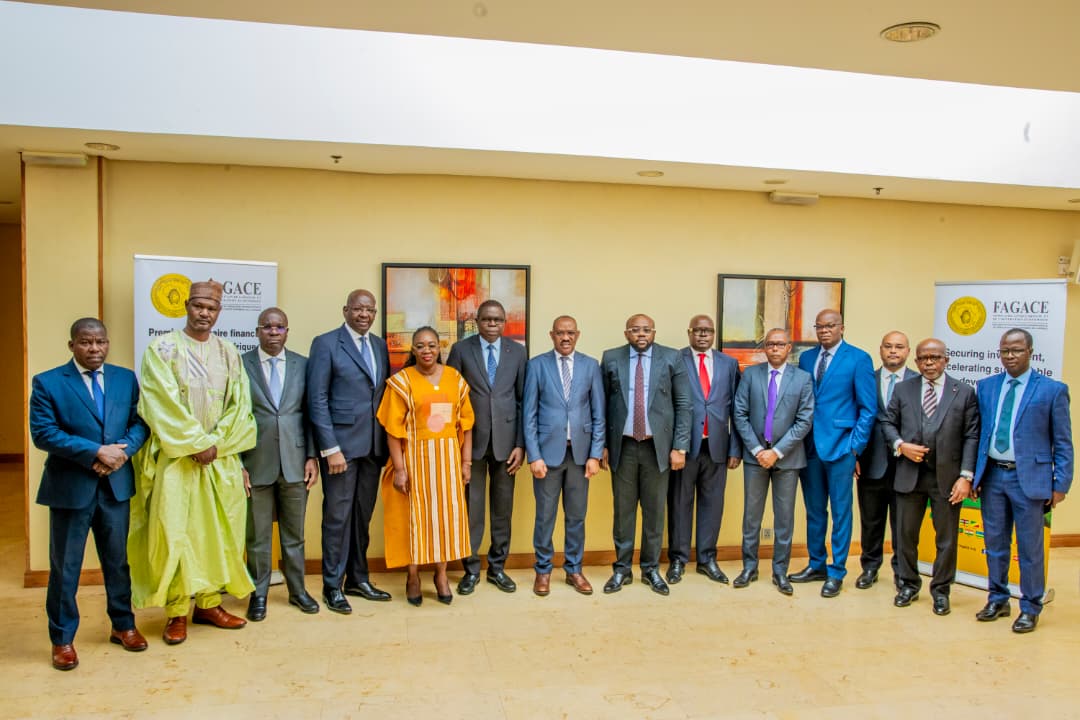
Speaking in Kigali during a meeting of FAGACE’s Board of Directors held in Kigali on July 15, 2026, Hategekimana explained that the guarantees have helped both small and large-scale projects secure loans from financial institutions.
“These are several projects, both small and large. More than 22 have already benefited from this support to obtain financing from our financial institutions, including the Development Bank of Rwanda and other commercial banks,” he said.
He also expressed hope that Rwanda will host the celebrations marking FAGACE’s 50th anniversary in 2027, noting that the fund was established in Kigali before relocating its headquarters to Benin.
Speaking at the meeting, FAGACE Director General Dr. Ngueto Tiraïna Yambaye said the institution is committed to helping Rwandan banks, as well as African banks operating in Rwanda, reduce lending risks by providing credit guarantees.
He explained that FAGACE can guarantee between 50% and 70% of a loan, enabling banks to continue financing businesses and investment projects with greater confidence.
“We provide guarantees in all sectors except those prohibited by law. As long as an investment is legally permitted, we can support projects in every sector, including small businesses. We work closely with the banking sector, our main partner, as well as financial markets. We finance telecommunications, media, agriculture and many other sectors,” Yambaye said.
He noted that banks require guarantees to strengthen confidence in loan repayment and that FAGACE stands ready to provide that support.
According to Yambaye, the fund has so far mobilised more than $25 billion for the economies of its member states and plans to further expand its support for projects in Rwanda and across East Africa.
FAGACE was established in Kigali in 1977 before its headquarters were moved to Benin. The institution currently has 22 member states and has maintained a representative office in Rwanda since 2015, serving as its regional hub for Rwanda and East Africa.
Yambaye said FAGACE is committed to increasing its support and investments in Rwanda, where the institution was founded.Rwanda has been proposed as the host country for FAGACE’s 50th anniversary celebrations in 2027.FAGACE’s Rwanda Country Representative, Eric Nkusi Bukeye (centre), was among the participants at the meeting.
U.S. Centers for Disease Control and Prevention (CDC) and the Department of Homeland Security (DHS) are currently working together on a DO NOT BOARD (DNB) process with regard to the DRC, DHS said in a post on X.
“American citizens who are departing from the DRC may be subject to a DO NOT BOARD (DNB) order. Americans are able to return to the United States 21 days after leaving the DRC,” it added.
The latest announcement came one day after the CDC announced temporarily restricting U.S. entry for all travelers who were recently in DRC and certain travelers who were recently in Uganda or South Sudan.
“Air passengers who have been in Uganda and South Sudan in the past 21 days and are allowed to enter the United States will have their travel rerouted to a designated airport for public health entry screening,” the CDC said in the update Tuesday.
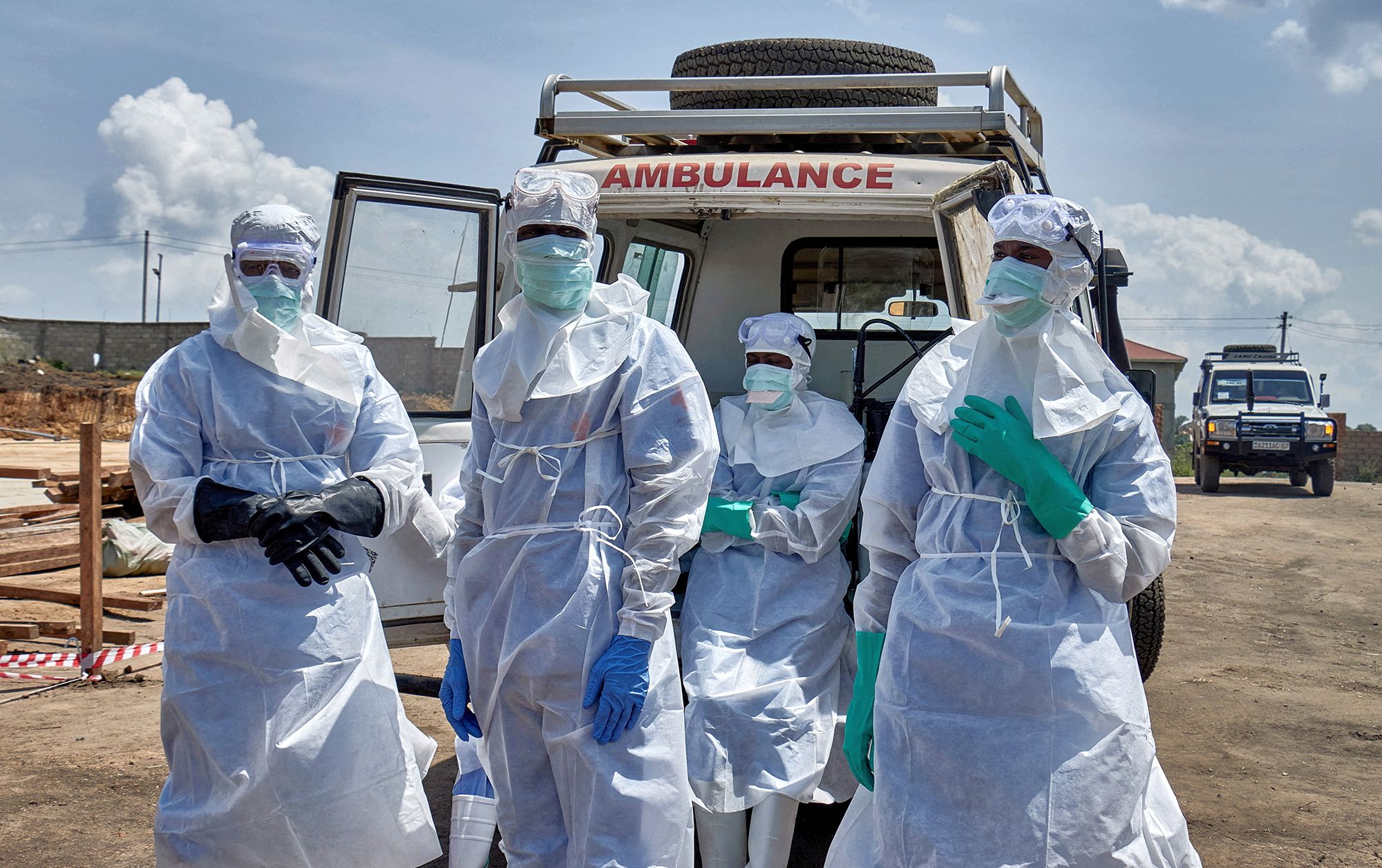
Since May, the DRC has been fighting an outbreak caused by the Bundibugyo Ebola virus, for which there is no approved vaccine or specific treatment. As of Tuesday, the number of confirmed Ebola cases in the DRC has reached 2,011, including 754 deaths.
Since May, the DRC has been fighting an outbreak caused by the Bundibugyo Ebola virus, for which there is no approved vaccine.
Known for its commitment to quality, affordability and convenience, Simba Supermarket has established itself as one of Rwanda’s leading retail brands.
With 15 branches across the country, the retailer continues to provide customers with a wide selection of local and international products while expanding the way families experience its stores.
This holiday season, Simba is placing family experiences at the heart of its offering by bringing together shopping, dining and entertainment under one roof.
Complementing this experience, I&M Bank enables customers to pay quickly, securely and conveniently using a range of digital payment solutions. Whether shopping for groceries, enjoying a meal or paying for entertainment, customers can complete their transactions seamlessly, making every visit even more convenient.
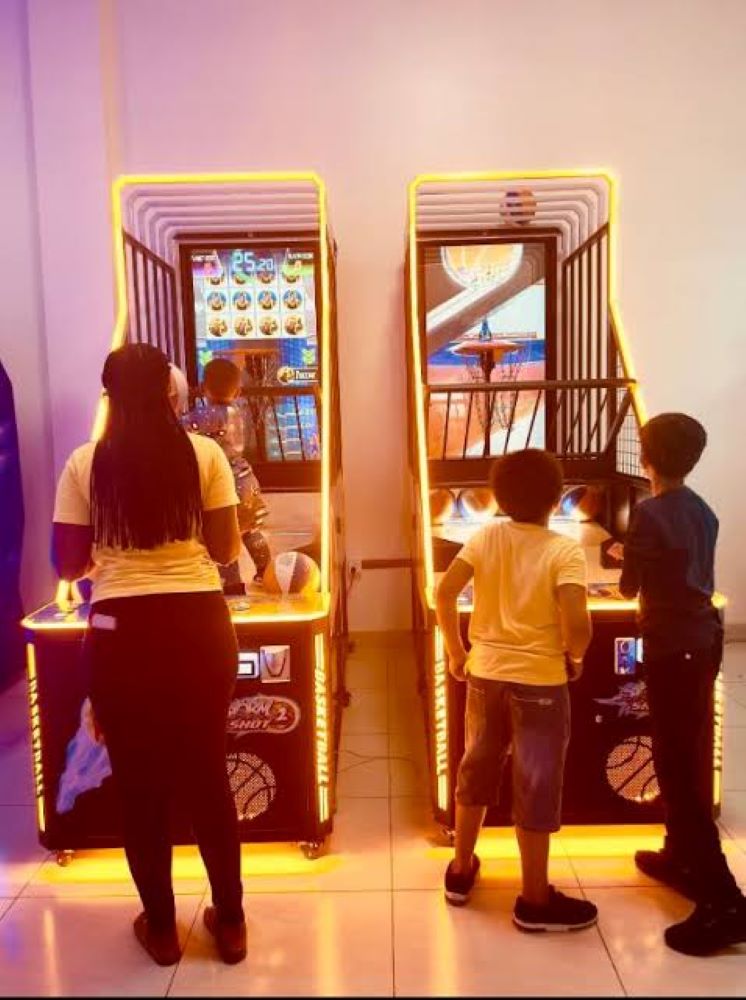
Beyond its retail shelves, visitors can enjoy an indoor entertainment centre at Simba Gacuriro featuring an arcade with a variety of games for children and adults, alongside immersive 3D and 5D cinema experiences. Designed to cater to different age groups, the facilities offer families an opportunity to spend quality time together in a safe and engaging environment.
Speaking about this year’s holiday experience, Simba Supermarket Managing Director Joseph Mutabazi said that this reflects the company’s commitment to continuously enhancing the customer experience.
“At Simba Supermarket, we believe every visit should be more than just a shopping trip. This holiday season, we are delighted to offer families an experience that brings together quality shopping, delicious dining and exciting entertainment for all ages.”
The experience extends to Simba’s in-store coffee shops, where families can enjoy freshly prepared meals, snacks and a selection of hot and cold beverages.
Whether taking a break after shopping or simply spending an afternoon together, the café complements Simba’s vision of creating a welcoming destination for every member of the family.
Through its partnership with Simba Supermarket, I&M Bank continues to support innovative payment solutions while empowering customers to enjoy fast, easy and convenient digital payments.
The collaboration reflects both organisations’ shared commitment to delivering seamless customer experiences that combine convenience, innovation and everyday value.
With many parents seeking meaningful activities during the school holidays, Simba Supermarket is positioning itself as a place where everyday errands can become memorable family outings.
By combining retail, dining and entertainment in a single location, supported by seamless digital payment solutions from I&M Bank, the supermarket offers visitors the convenience of accomplishing more in one trip while creating moments that children and parents can enjoy together.
As families look for places that offer both convenience and recreation during the holiday season, Simba Supermarket continues to strengthen its position as more than a retail destination.
Together with I&M Bank, it is delivering an experience that brings together quality shopping, hospitality, family entertainment and effortless payments—reflecting the evolving needs of today’s consumers, one visit at a time.
From classic favorites to interactive attractions, the arcade provides fun-filled experiences for adults and children of all ages this holiday seasonA family enjoys a friendly basketball challenge at Simba Supermarket’s family arcade, where every game adds to the holiday excitement.A selection of arcade games offers endless entertainment, making Simba Supermarket a go-to holiday destination for families.
For women of childbearing age, the challenges multiply: fears of birth defects from medications, risks of seizures harming mother or child, and questions about inheritance and breastfeeding have long cast a shadow over dreams of motherhood.
For Chinese neurologist Dr. Chen Lei, chief physician and professor in the Department of Neurology at West China Hospital of Sichuan University based in Chengdu City, these questions became more than medical concerns. They became a lifelong mission.
With more than 20 years of experience in clinical and basic research on epilepsy, Dr. Chen has dedicated much of her career to helping women living with epilepsy safely become mothers while advancing new approaches for patients whose seizures remain difficult to control.
Her journey began in 2010, when she was expecting her first child.
During a routine prenatal visit, Dr. Chen encountered three pregnant women with epilepsy who were searching for answers.
They asked whether their children would inherit epilepsy, whether anti-epileptic drugs could cause birth defects, and whether they would still be able to breastfeed.
“As a mother myself, I understood their fears,” Dr. Chen recalls during an interview with IGIHE. “But as a neurologist, I realised I could not answer their questions. I could not find the answers in textbooks or specialised epilepsy books.”
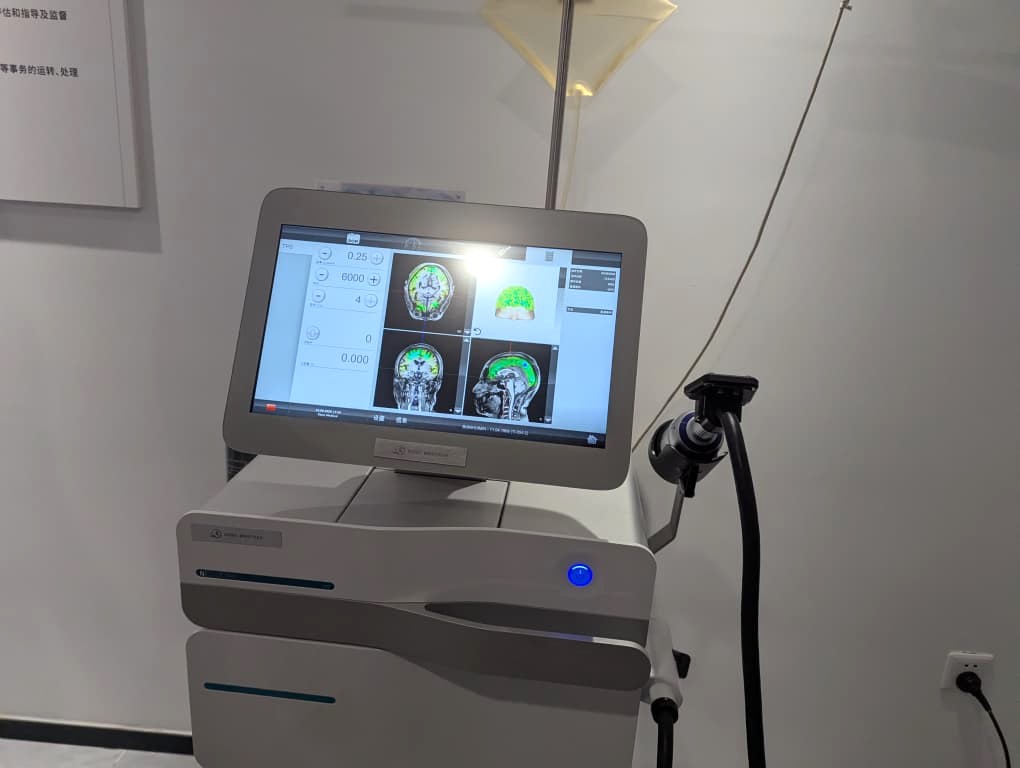
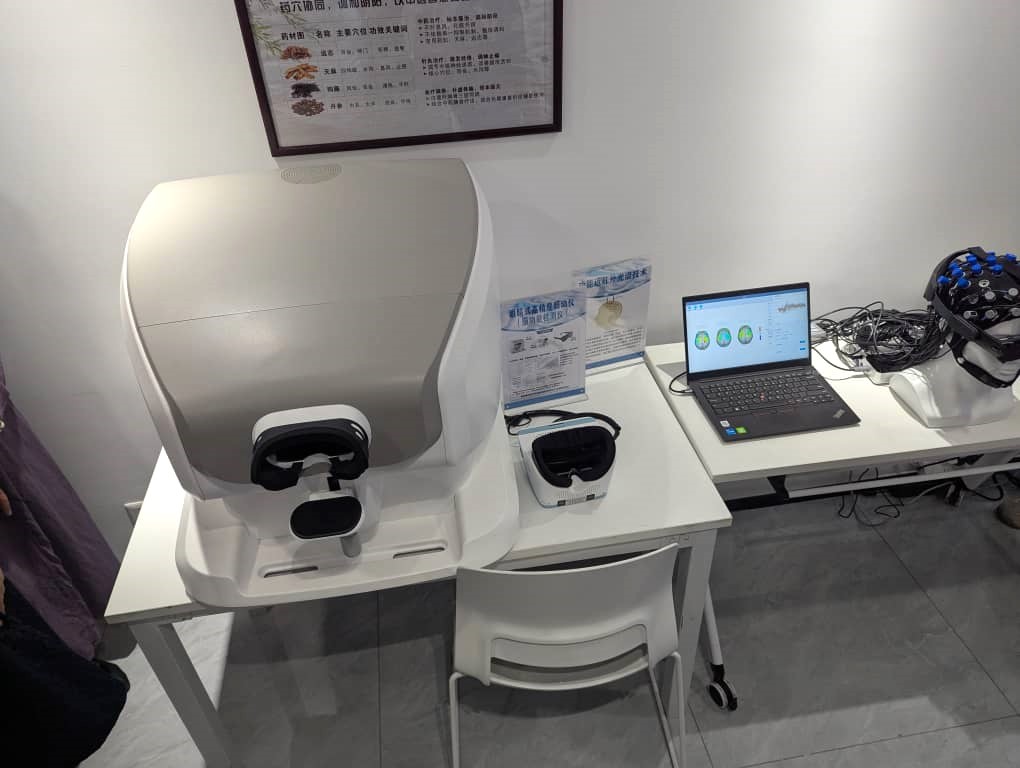
The epilepsy research team works with digital tools and medical technology to explore new methods of predicting seizures before they occur.
From a mother’s question to a lifelong research mission
That moment changed the direction of her career.
At the time, research on epilepsy among women of reproductive age was limited. Dr. Chen began reviewing available international studies, translating scientific knowledge into Chinese and searching for evidence that could guide both doctors and patients.
After reviewing the available literature, which at the time included only around 200 research papers published annually on the topic, Dr. Chen compiled the evidence and combined it with her own clinical insights.
One year later, in 2011, she published China’s first clinical reference book dedicated to women with epilepsy, providing doctors with practical guidance on pregnancy, treatment and reproductive health management.
However, Dr. Chen soon realised that medical literature alone could not answer every question faced by patients.
After the book was published, many women and their families came to seek her advice.
“They asked, ‘How can my daughter who has epilepsy have a healthy baby?’” Dr. Chen says. “But I could not give them a confident answer because I only had knowledge from books and literature, without enough practical experience.”
To address this gap, Dr. Chen began building a patient cohort, registering women with epilepsy between the ages of 18 and 45 who wanted to have children.
This work later developed into Asia’s first registry and long-term follow-up database for women with epilepsy, creating a foundation for years of research into pregnancy outcomes, medication safety and the health of children born to mothers with epilepsy.
Through the research, Dr. Chen and her team identified challenges that extended beyond medical complications. Many women had lived for years with fear and uncertainty, while some families struggled emotionally because they believed epilepsy would prevent them from having children.
“Some patients had been trying for five or ten years without success,” Chen says. “Some cried in the clinic with their families, and sometimes husbands cried too, even talking about divorce because they could not have children.”
Driven by the belief that women with epilepsy deserved the opportunity to experience motherhood safely, Dr. Chen expanded research into treatment approaches, including how anti-epileptic drugs should be used during pregnancy and how medication dosages could be adjusted to protect both mothers and babies.
Her team’s findings have since contributed to epilepsy management guidelines in China and internationally through collaboration with the International League Against Epilepsy.
In recognition of her scientific contribution and commitment to public service, Chen was named in May 2026 among China’s “Most Beautiful Sci-Tech Workers,” an honour recognising researchers who combine innovation with social impact.
Today, the work she started has grown into a wider medical network. More than 300 hospitals across China follow treatment standards developed through her research, while doctors and students continue to receive training in managing epilepsy among women of reproductive age.
“Women with epilepsy can now safely carry a pregnancy to term,” Dr. Chen says. “During pregnancy, they have fewer seizures, their children are born healthier, and rates of disability and mortality have also declined.”
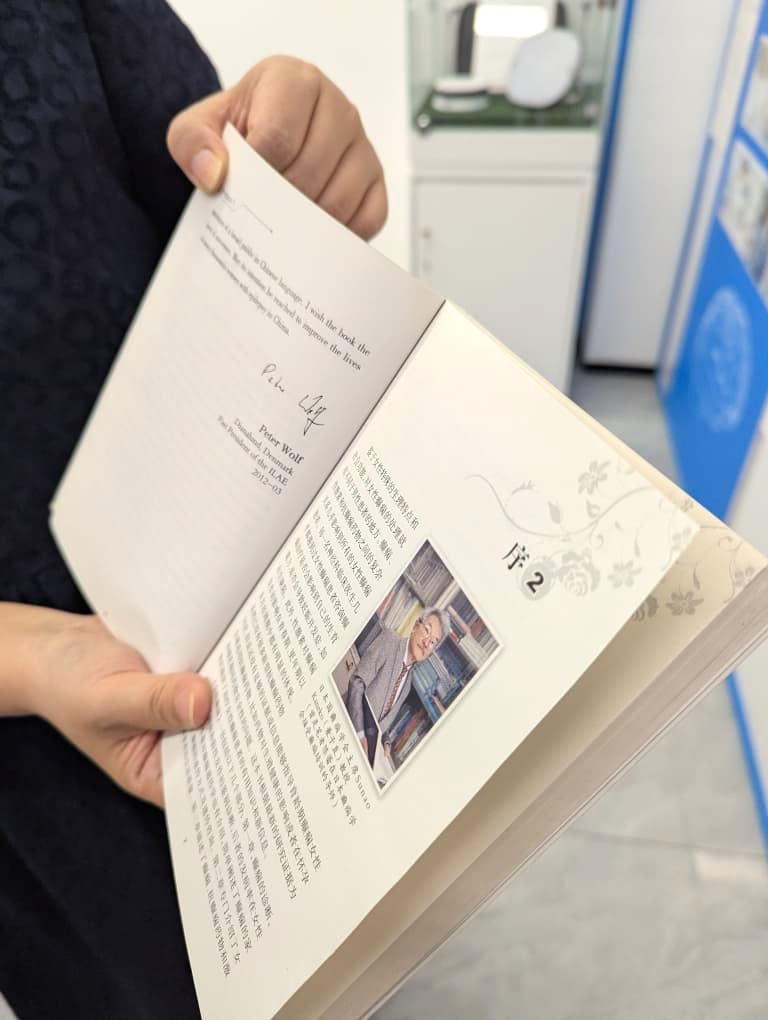
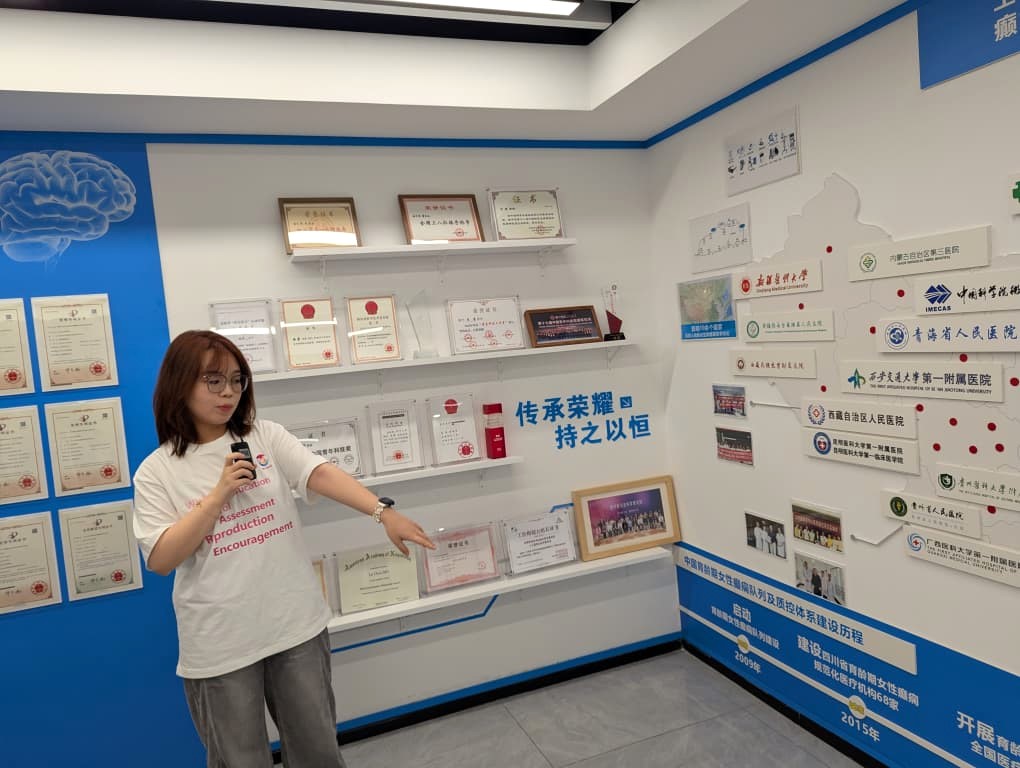
Dr. Chen Lei displays her book on women’s epilepsy, the first scientific reference book of its kind in China dedicated to female epilepsy care and reproductive health.
Expanding epilepsy research beyond pregnancy
Beyond women’s epilepsy, Chen has expanded her research to patients whose seizures cannot be controlled through medication, known as drug-resistant epilepsy.
Her team has explored new treatment approaches, including minimally invasive procedures and the use of advanced technologies combining brain imaging, Electroencephalogram (EEG) data, movement information and blood biomarkers to better understand and predict seizures.
One area of research she highlights is the discovery of protein biomarkers that may predict seizures a day before they occur, potentially allowing patients to monitor their condition outside hospitals.
“EEG monitoring can only be used in hospitals, but these biomarkers can be used at home,” Chen explains. “Every community could use this to help patients.”
She is also involved in research on brain-computer interfaces (BCI), a rapidly developing field that uses brain signals to create communication between the brain and external devices.
For Dr. Chen, the goal is not only to control seizures but to improve quality of life throughout a patient’s lifetime.
“Even if seizures are controlled now, they may return later,” she says. “We need more and more new methods to help them live a high-quality life for their whole lifetime. That is their dream, and it is also my dream.”
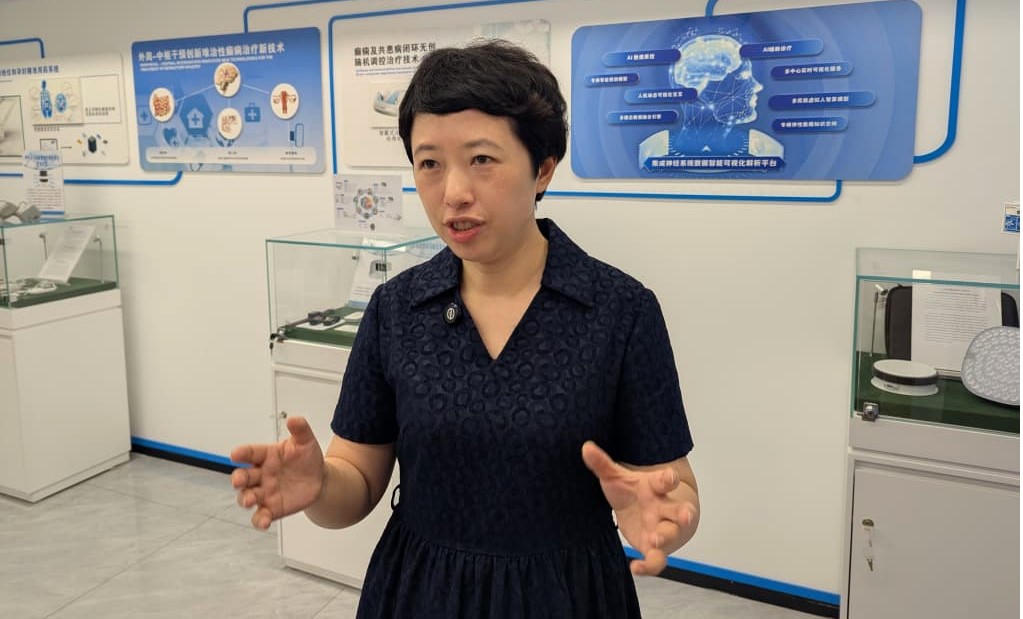
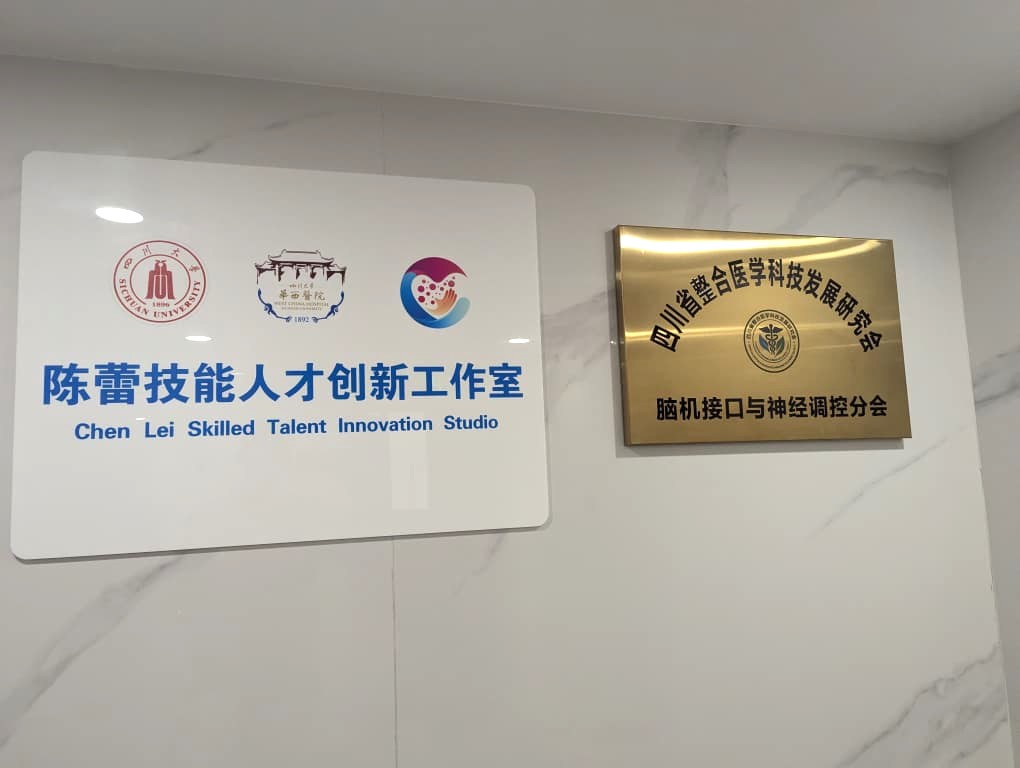
Young doctors and medical researchers work at the innovation studio, exploring new technologies aimed at improving diagnosis and treatment of neurological disorders.
Taking epilepsy knowledge beyond borders
Dr. Chen’s research has also been shaped by international cooperation. The first preface of her book on women’s epilepsy was written by Peter Wolf, former president of the International League Against Epilepsy, while other mentors from Japan and Harvard University have also influenced her scientific journey.
Looking ahead, Dr. Chen believes knowledge-sharing can help address epilepsy challenges beyond China’s borders, including in Africa.
As 2026 marks the China-Africa Year of People-to-People Exchanges, she sees healthcare as an important area for collaboration.
“As a Chinese doctor, I want to contribute my knowledge to this collaboration,” she says. “In the future, we can establish summer schools or educational programmes to welcome doctors and students from Africa to China. We can also go to African countries to help patients and doctors.”
For Dr. Chen, medicine is ultimately about connection, between doctors and patients, between countries and between generations of researchers working toward the same goal.
“I think communication is very important,” she says. “If we work together, it will be very good.”
Through years of research, mentorship and patient care, Dr. Chen Lei has helped transform epilepsy from a condition surrounded by fear into one where women can look forward to motherhood with greater confidence and hope.
Dr. Chen Lei, chief physician and professor at West China Hospital of Sichuan University, has dedicated more than two decades to improving care for people living with epilepsy, especially women hoping to become mothers.Advanced epilepsy research equipment at the innovation studio in Sichuan supports the study of brain activity, seizure patterns and new treatment approaches.Dr. Chen Lei (third from left) introduces her epilepsy research work to a delegation of African senior journalists during their recent visit to Chengdu, the capital of Sichuan Province.
The appointments were announced in a communiqué issued by the Office of the Prime Minister on July 15, 2026.
Ngabo Brave Olivier, who has been appointed to serve in the Ministry of Sports, was previously the Permanent Secretary in the Ministry of Youth and Arts.
He was appointed to that position in 2024, after serving as the Executive Secretary of the National Youth Council.
Ngabo replaces Candy Basomingera, who assumed the role of Permanent Secretary in the Ministry of Sports in July 2025, taking over from Uwayezu Jean François Regis.
Basomingera joined the Ministry of Sports from her position as Deputy Chief Executive Officer of the Rwanda Convention Bureau (RCB), where she was appointed in March 2023.
Ishungure Parfait, who has been appointed Permanent Secretary in the Ministry of Youth and Arts, replaces Ngabo Brave Olivier.
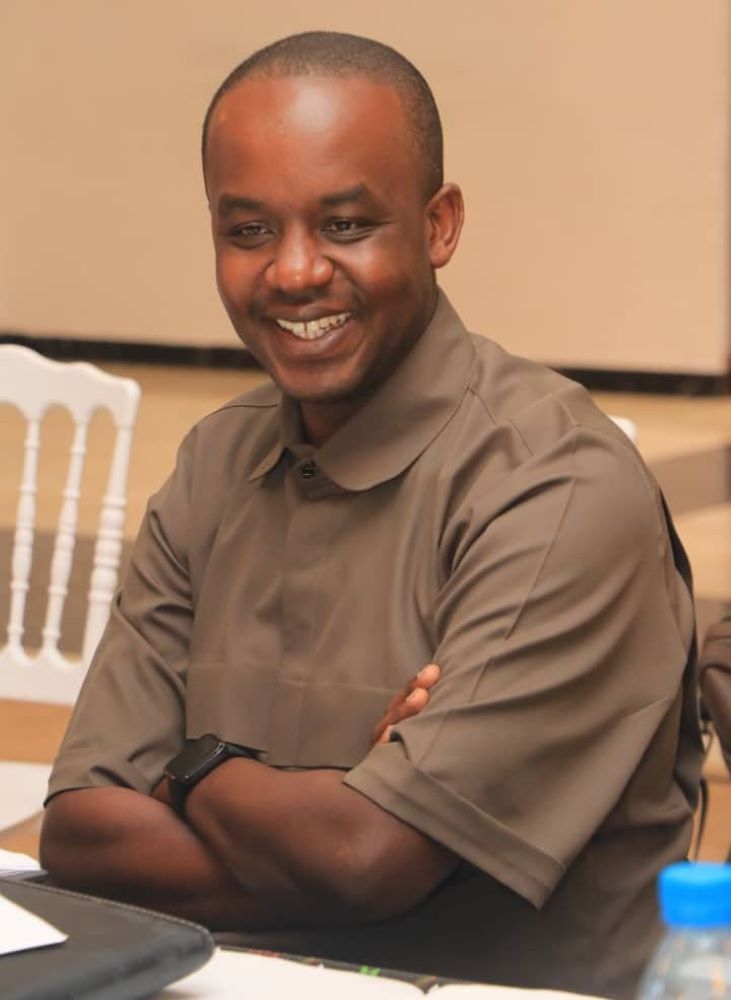
Ngabo Brave Olivier has been appointed as Permanent Secretary in the Ministry of Sports. Ishungure Parfait has been appointed Permanent Secretary in the Ministry of Youth and Arts.
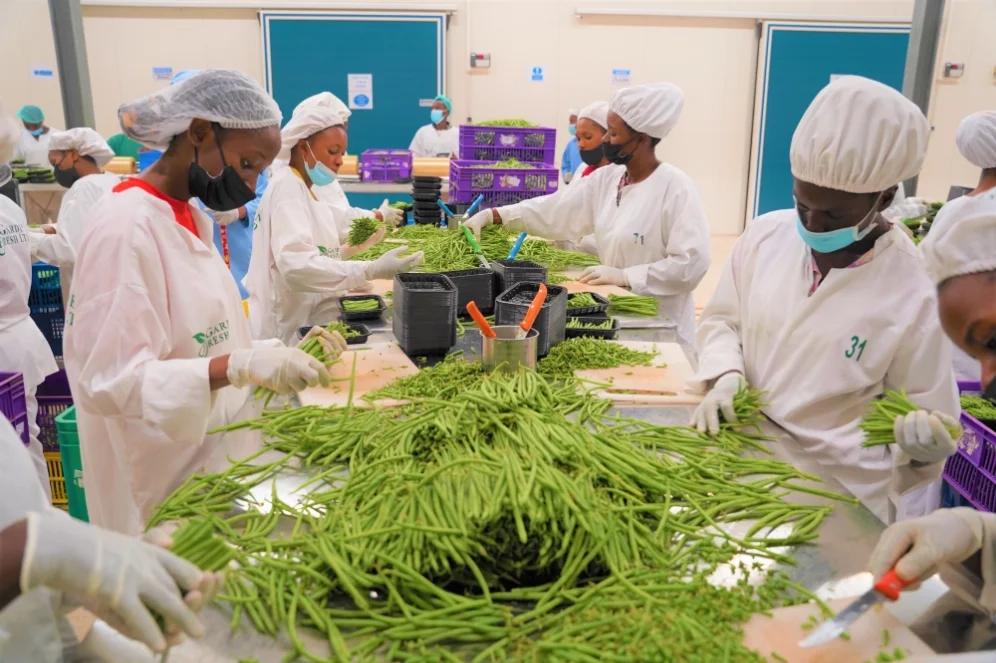
The revenue was generated between July 6 and 10, 2026, from 9,101 tonnes of products shipped to international markets, including coffee, tea, vegetables, fruits, flowers, and other agricultural and livestock-related products.
Among the exports, diversified agricultural and livestock products generated the highest earnings, bringing in Rwf 5.8 billion during the period.
Tea exports followed with Rwf 2.4 billion, while coffee generated Rwf 1.7 billion. Vegetables earned Rwf 1.29 billion, fruits brought in Rwf 492.1 million, and flowers generated Rwf 32.5 million.
The products were exported to markets including China, the United Kingdom, the Netherlands, the United Arab Emirates, France, Nigeria, and other African countries.
Agricultural and livestock products exported from Rwanda generated more than Rwf 11.8 billion in five days.