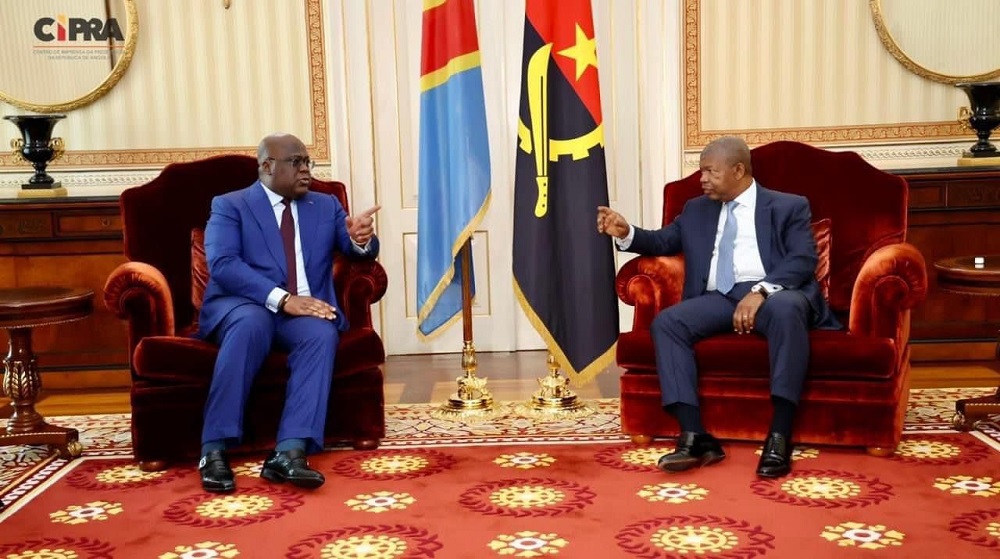
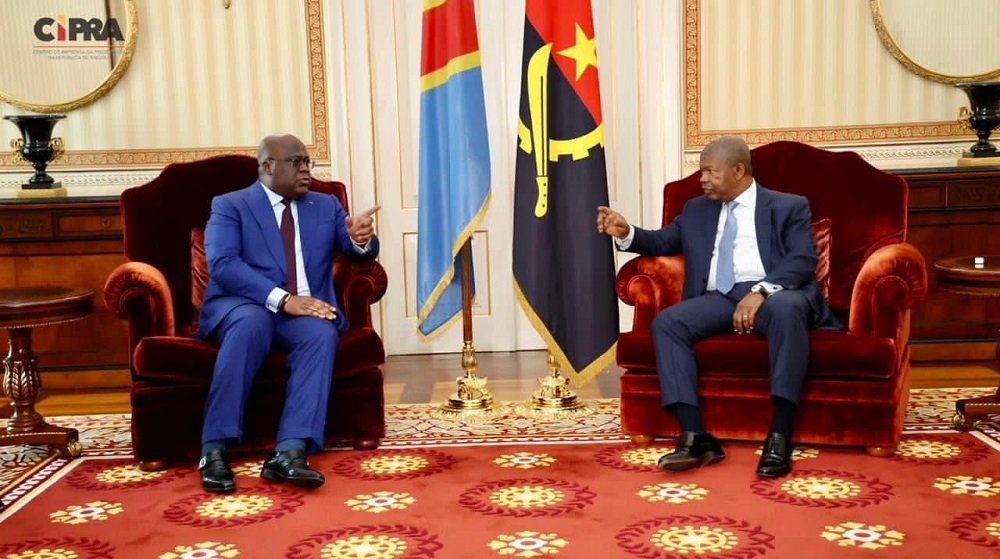
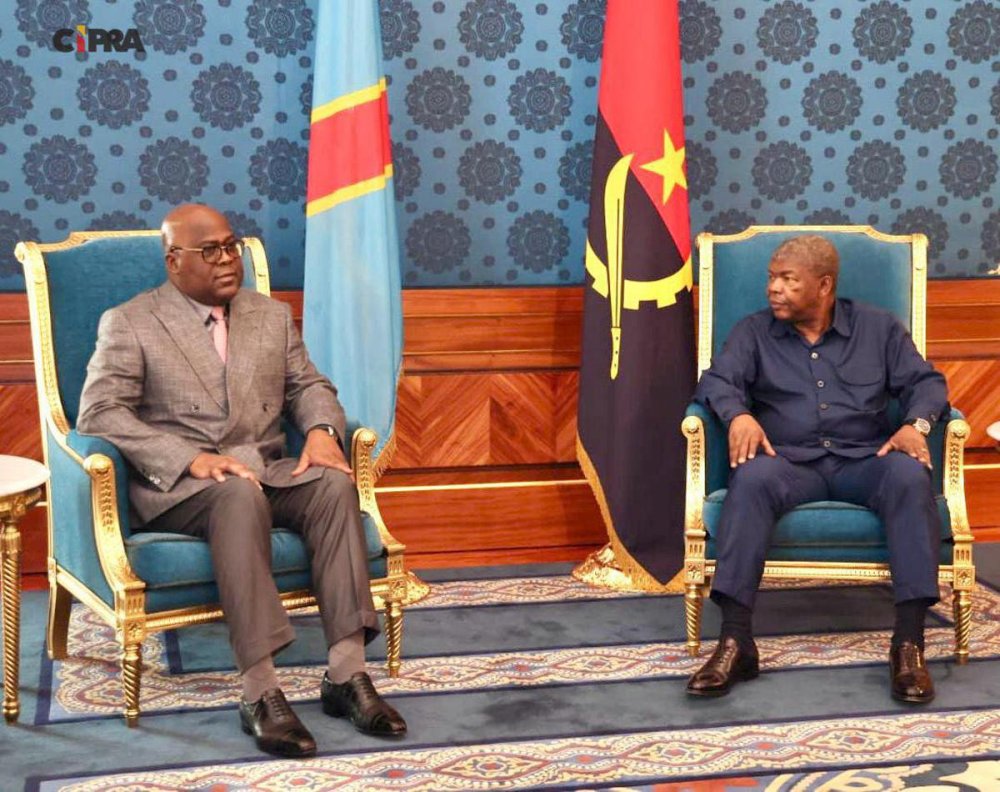
Angolan President João Lourenço, the former Chairperson of the African Union (AU), reportedly advised Congolese President Félix Tshisekedi that achieving lasting peace in the DRC would require engaging in dialogue with all Congolese stakeholders willing to participate, including armed opposition groups fighting against the government.
Lourenço proposed that Angola facilitate and oversee the talks in order to guarantee the safety and confidence of all participants. He suggested that the discussions be held either in Luanda or another neutral location outside Kinshasa.
In January 2026, Lourenço met with representatives of the Catholic Church and the Anglican Church from the DRC, alongside other political and social actors expected to participate in the dialogue.
Following the consultations, he prepared a report summarizing their proposals and recommendations.
Later that month, Angola’s Minister of Foreign Affairs, Tete António, traveled to Kinshasa to deliver the report to President Tshisekedi and brief him on the outcome of the consultations held with various Congolese stakeholders.
The issue remained largely out of public discussion until May 14, when Tshisekedi sent a six-member delegation to Angola to formally present his response to Lourenço’s January report.
According to the message delivered by the Congolese delegation, Tshisekedi rejected the proposal to hold the national dialogue outside the DRC.
He insisted that the talks should be organized, managed, and led exclusively by Congolese state institutions and take place in Kinshasa.
Tshisekedi further stated that Angola’s role should be limited to engaging with Congolese individuals or groups unwilling to travel to Kinshasa due to security concerns, before forwarding their views and recommendations to the Congolese government.
The Catholic Church, the Anglican Church, and opposition groups in the DRC have consistently argued that no Congolese stakeholder should be excluded from the dialogue process. They have specifically called for the participation of the AFC/M23 coalition, which is currently engaged in armed conflict with Congolese government forces.
However, the Congolese government strongly opposed that proposal. Government spokesperson Patrick Muyaya stated that individuals who have taken up arms and are “killing Congolese citizens” should not be included in political negotiations, but instead should face justice for their actions.
Religious leaders involved in the initiative emphasized that the dialogue should focus on the root causes of Congo’s recurring crises since independence, particularly issues related to security, governance, economic development, social welfare, and national unity.
According to reports, representatives of the Congolese government informed President Lourenço that Tshisekedi does not support the dialogue framework proposed by the Catholic and Anglican Churches and instead prefers a different approach to the process.
Tshisekedi stated that the Congolese national dialogue must be organized and led by the DRC government and held in Kinshasa.Tshisekedi stated that Angola’s role should be limited to engaging with Congolese individuals or groups unwilling to travel to Kinshasa due to security concerns.
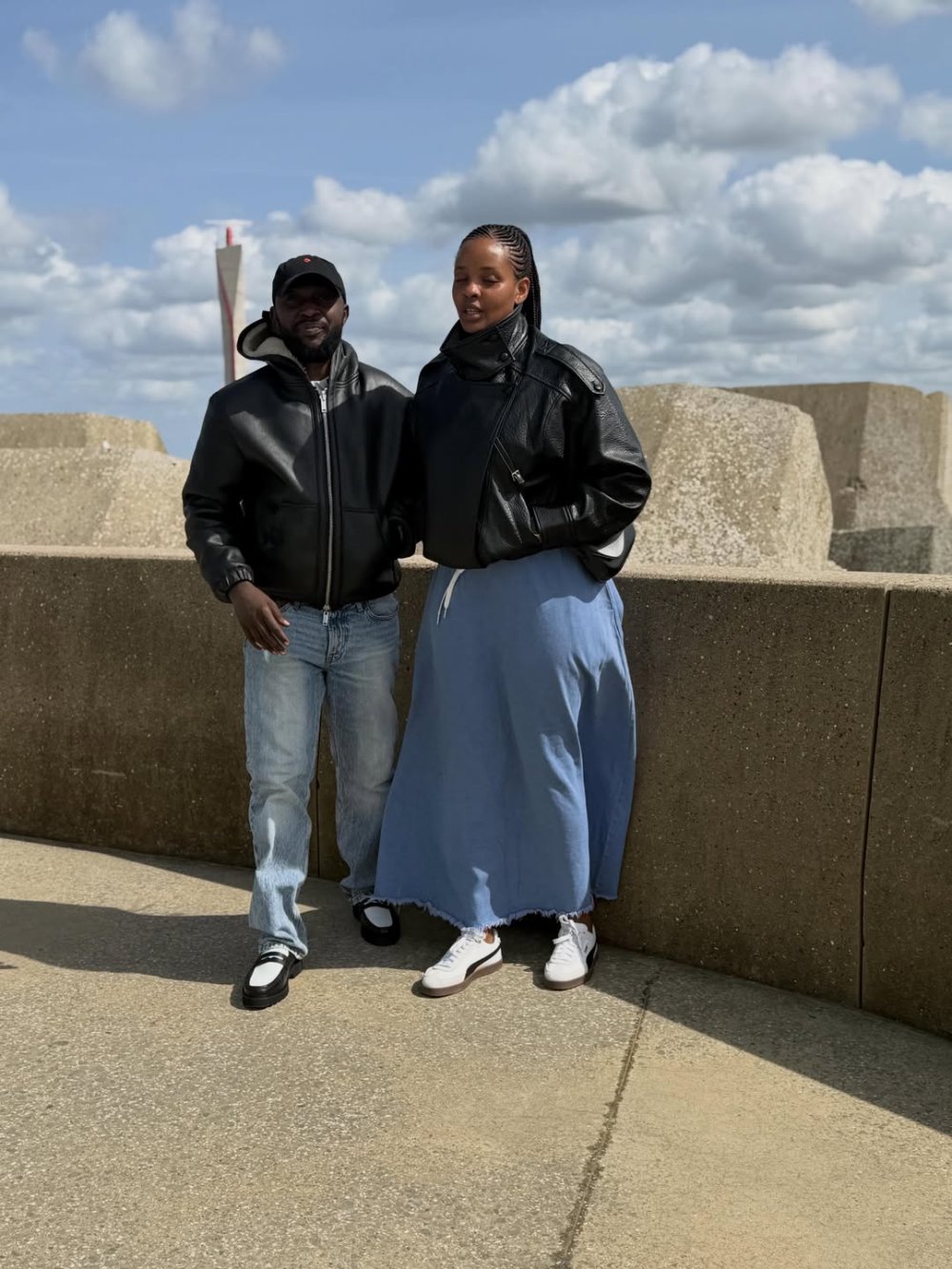
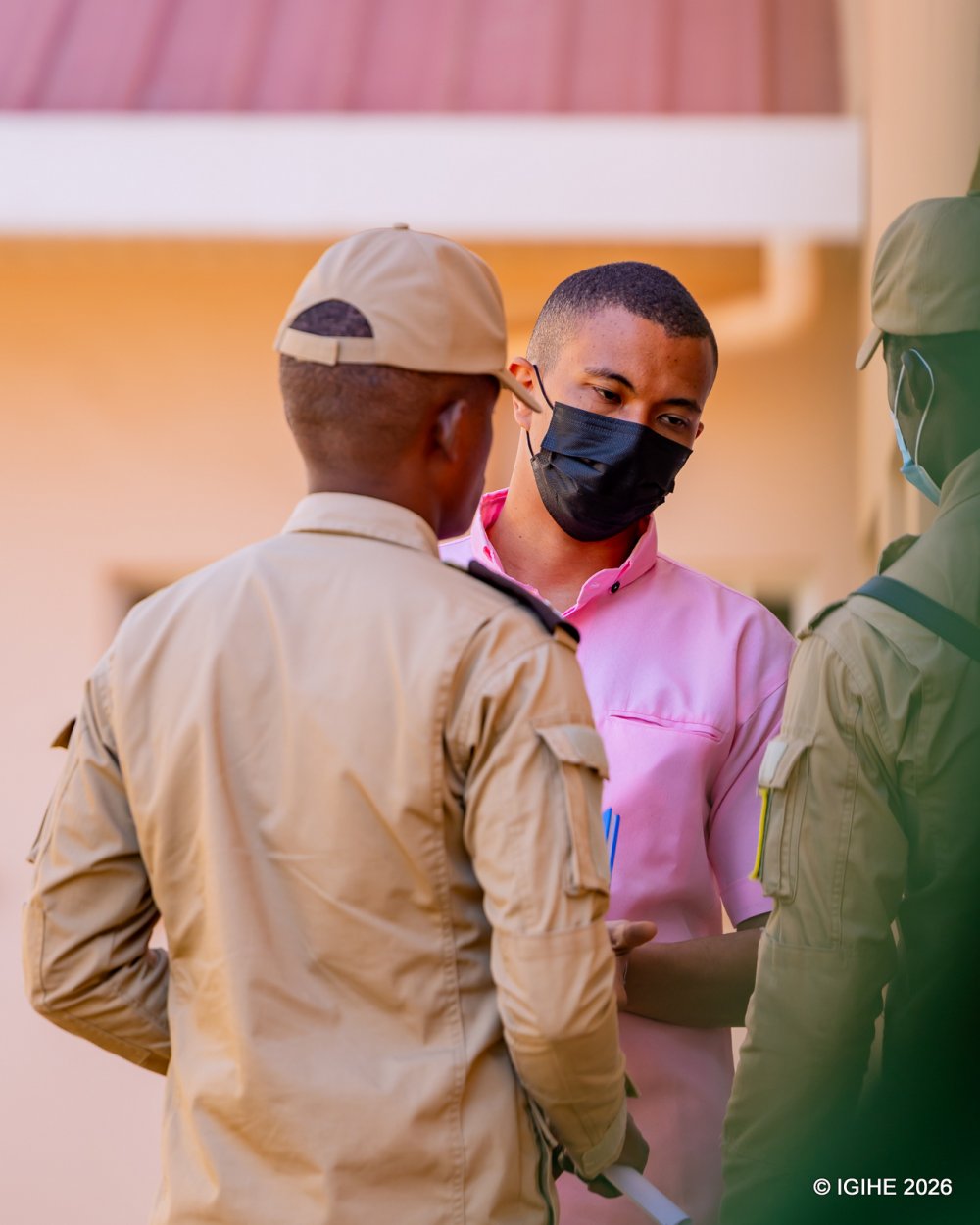
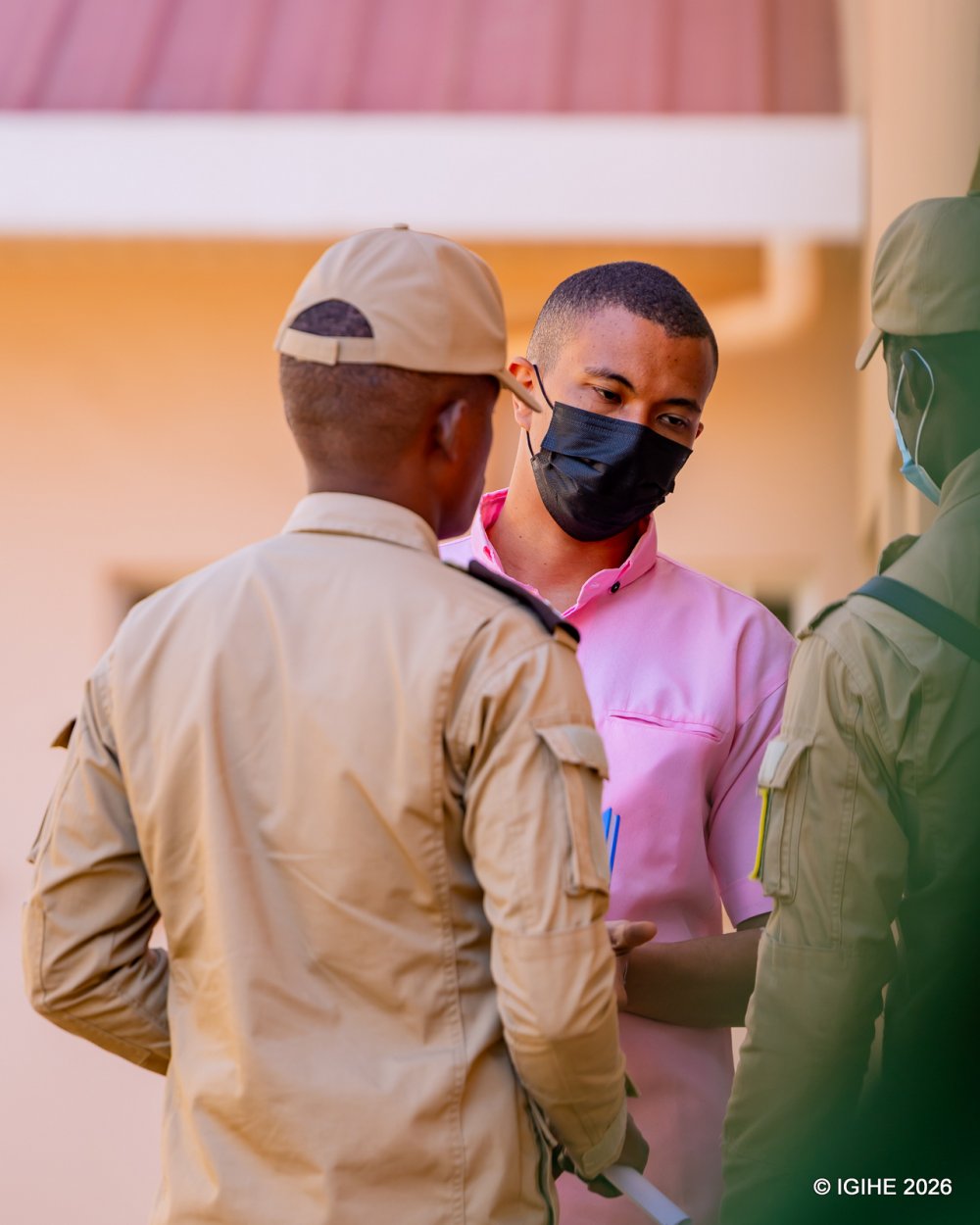
Sharing the news on social media, M. Iréné revealed that the wedding ceremony is scheduled to take place on August 15, 2026.
Details surrounding the wedding remain limited, although sources close to the couple indicate that the ceremony is expected to be a private event attended by a select number of invited guests.
M. Iréné is a well-known journalist and content creator who previously worked for several media houses, including Isango Star and Isibo TV. He currently manages his own YouTube channel known as “MIE.”
In addition to journalism, he has also worked closely with several Rwandan musicians, including Niyo Bosco and gospel duo Vestine & Dorcas, among others, helping support and promote their careers.
Recently, M. Iréné ventured into the film industry with the release of his movie titled “Isereri,” which has become one of the most-viewed productions on YouTube in recent weeks.
The film features notable actors and actresses including Aisha Inkindi, Nyabitanga Nicole, and several other popular performers.
A few days ago, M. Iréné traveled to visit his fiancée.M. Iréné has officially proposed to Nishimwe Liliane as the couple prepares for their wedding.M. Iréné and Nishimwe Liliane are set to tie the knot after officially getting engaged.M. Iréné Officially has announced their Wedding Date.
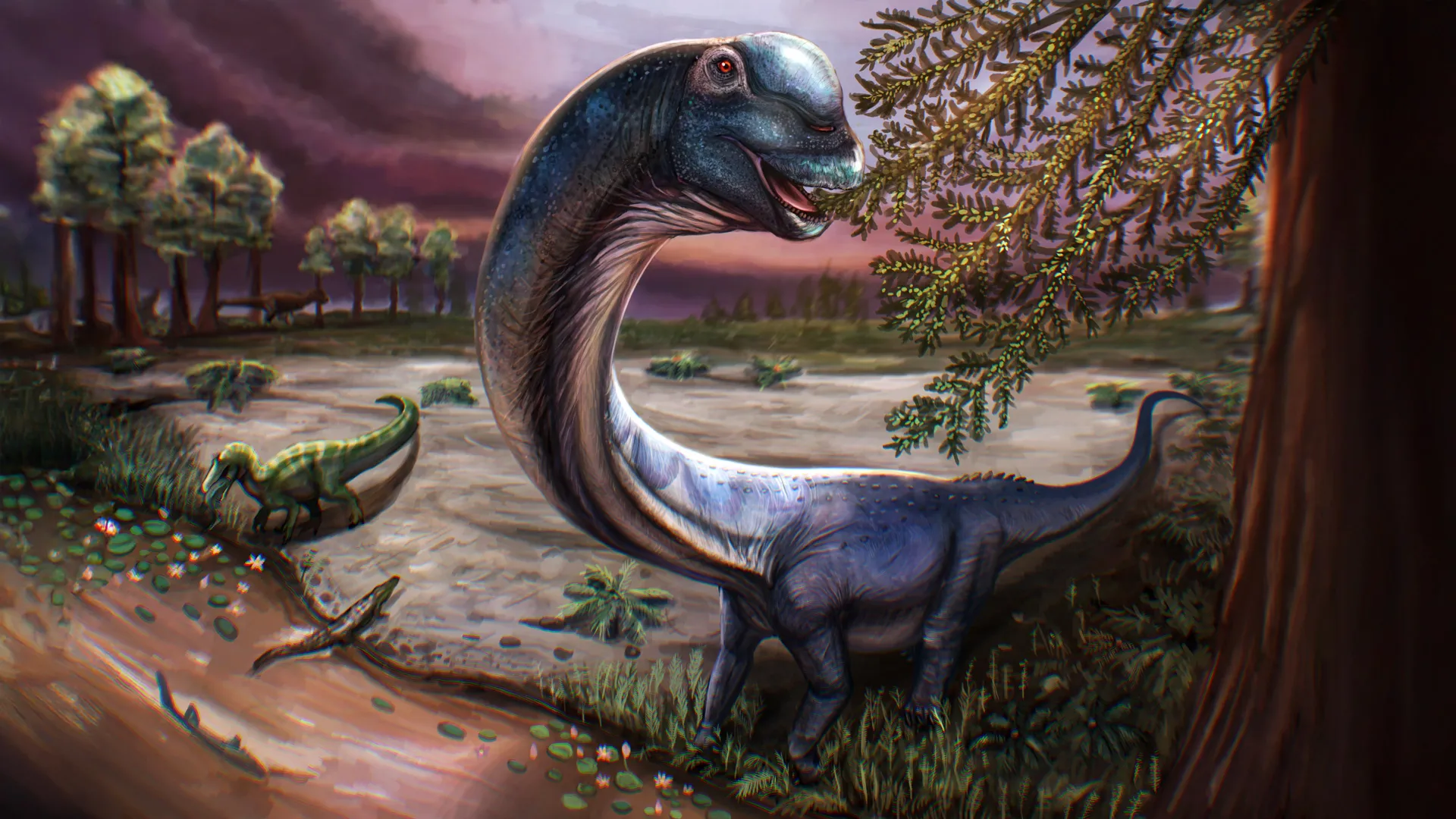
The discovery results from a collaboration between University College London, Mahasarakham University, Suranaree University of Technology, and Thailand’s Sirindhorn Museum.
Fossils were first unearthed near a pond in Chaiyaphum province about ten years ago, but it took extensive study to fully describe the bones and confirm the species. The fossils include vertebrae, ribs, pelvis fragments, and leg bones, which helped researchers estimate the dinosaur’s size.
Measurements indicate that Nagatitan measured approximately 27 meters (nearly 90 feet) in length and weighed around 27 tonnes, roughly equivalent to nine adult Asian elephants. One of its front leg bones alone was nearly 1.8 meters long, illustrating the incredible scale of this sauropod.
Belonging to the sauropod group, which includes long-necked giants like Diplodocus, Nagatitan lived during the Early Cretaceous period, around 100–120 million years ago.
During that era, northeastern Thailand featured dry to semi-dry landscapes with rivers and rich vegetation that could support such enormous herbivores.
The dinosaur’s name reflects both local and global influences: “Naga” references a mythical Southeast Asian serpent, “Titan” evokes the legendary giants of Greek mythology, and “chaiyaphumensis” honors the province of discovery. Nagatitan is now the 14th officially named dinosaur species in Thailand.
Researchers suggest that Nagatitan might be the “last titan” of Southeast Asia, representing the final wave of giant sauropods before rising seas altered habitats and made survival challenging for such massive land animals.
Its fossils come from some of the youngest dinosaur-bearing rocks in Thailand, highlighting its significance in understanding the end of the sauropod era in this region.
Nagatitan’s discovery also points to a rich prehistoric ecosystem that included smaller herbivores, fierce predators like spinosaurids, and flying reptiles such as pterosaurs.
Scientists say the find underscores the growing strength of paleontological research in Thailand, with many more fossil remains awaiting study. This discovery not only fills important gaps in the fossil record but also promises further exciting revelations about Southeast Asia’s prehistoric past.
Researchers confirmed Nagatitan chaiyaphumensis as Southeast Asia’s largest dinosaur.
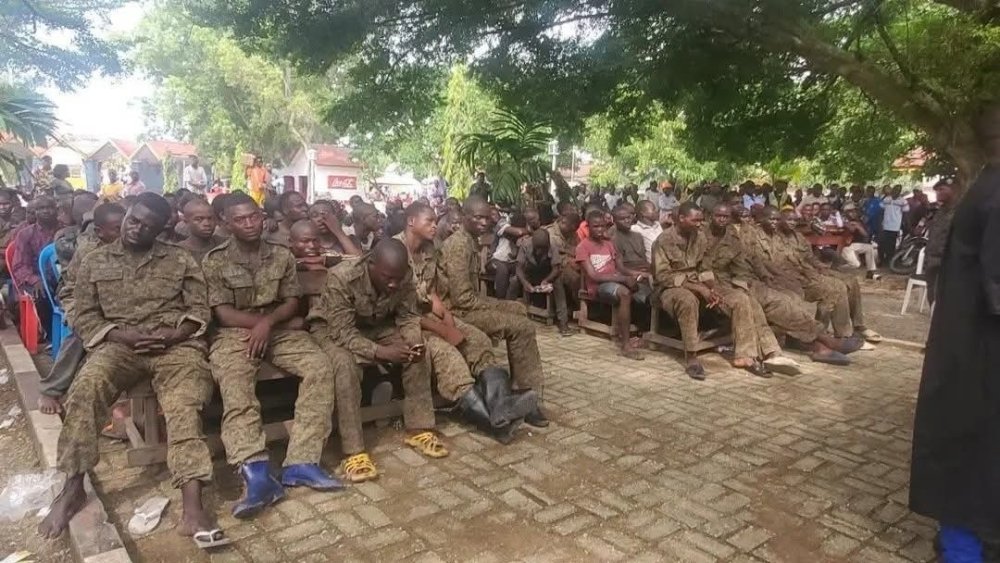
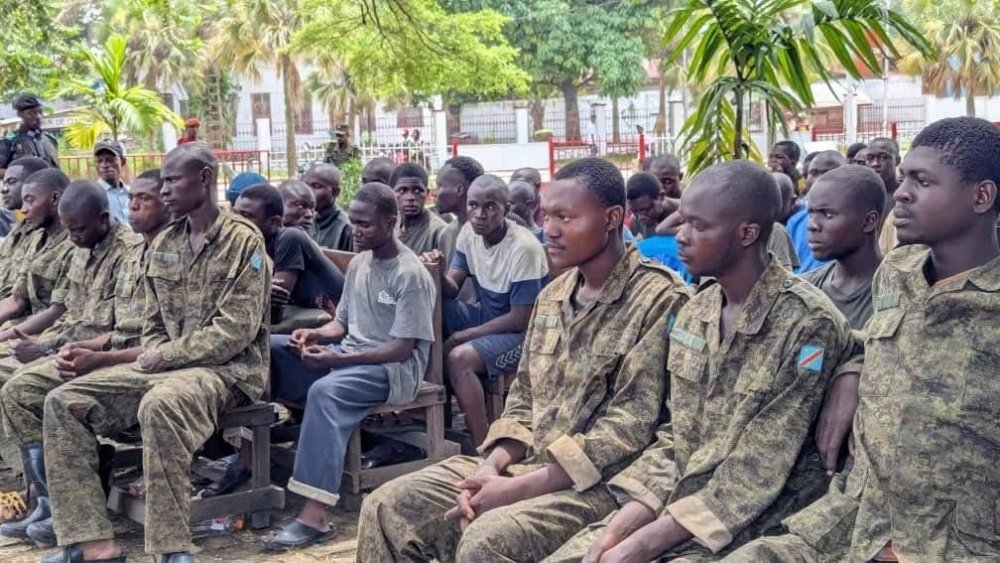
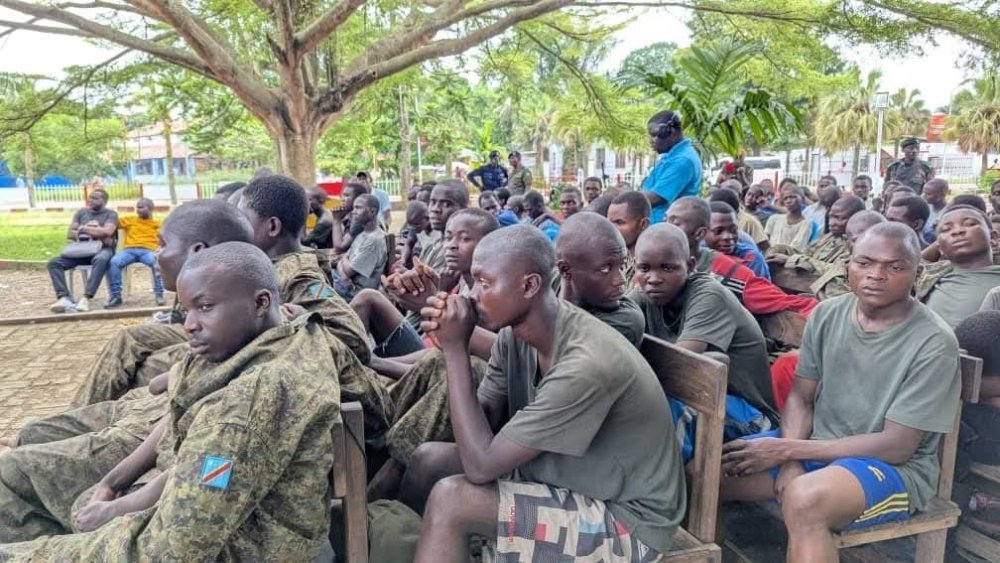
The convicted individuals were part of a group of 84 soldiers arrested in Pinga, located in Walikale Territory in North Kivu Province.
They were accused of refusing to continue fighting against AFC/M23 rebels and of defying their military commanders.
According to the military prosecution, the soldiers abandoned the frontlines in February 2026 and demanded payment of outstanding bonuses, salaries, and food supplies before agreeing to resume combat operations.
Prosecutors further stated that the soldiers later fired gunshots into the air during protests, an act the court considered a serious breach of military discipline and national security regulations.
However, defense lawyer Patience Yengonane argued that the soldiers’ actions were driven by frustration and neglect, claiming that the government had failed to provide them with the support and basic necessities they had been promised.
On May 15, 2026, the Kisangani Military Court found 58 soldiers guilty of violating military orders and sentenced them to three years in prison.
Sixteen others were acquitted after the court determined that there was insufficient evidence to support the charges against them.
The court also ordered fresh investigations into 10 additional soldiers accused of offenses related to abandoning weapons. Their cases will be heard at a later stage, depending on the findings of military prosecutors.
The ruling comes amid growing scrutiny of military discipline within the Congolese armed forces, particularly in areas affected by ongoing conflict involving AFC/M23 rebels.
Prior to the verdict, many observers had expected the accused soldiers to face the death penalty, similar to other military personnel convicted of comparable offenses since early 2024.
Following the ruling, Yengonane welcomed the decision, saying the prison sentences provide an opportunity to appeal and seek further acquittals.
“Receiving prison sentences instead of the death penalty is an important outcome because a death sentence would have closed every possibility,” Yengonane said. “This decision gives us the chance to appeal quickly and continue fighting for the acquittal of others.”
Military prosecutors had requested the death penalty for all the accused soldiers, arguing that their actions posed a serious threat to national security and undermined military operations in eastern Congo.
Out of the 84 soldiers tried in Kisangani, 58 were convicted of refusing to fight against AFC/M23 rebels.
The convicted soldiers were sentenced to three years in prison, a decision their lawyer said he plans to appeal.Ten soldiers were neither convicted nor acquitted, after the court ordered further investigations into allegations related to abandoning weapons.
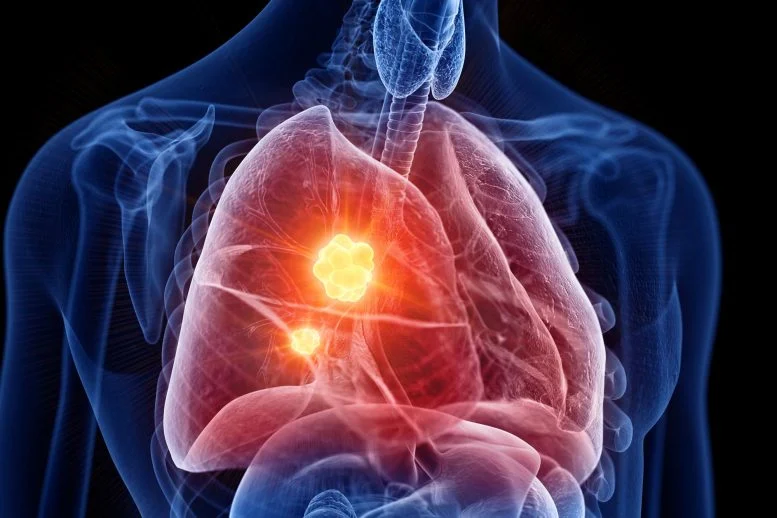
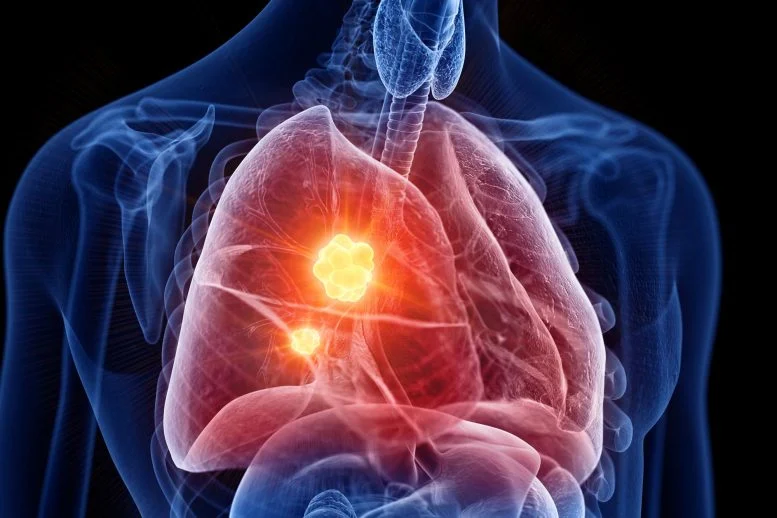
While tobacco smoke’s link to lung cancer is well established, scientists are now paying closer attention to the effects of marijuana smoke on lung health.
Marijuana smoke contains many of the same harmful chemicals as tobacco, including carcinogens and compounds that irritate lung tissue. These substances may contribute to inflammation, DNA damage, and, over time, the development of cancerous cells.
Researchers at the Keck School of Medicine of USC and other institutions have examined data suggesting that heavy, long-term marijuana use could increase the likelihood of developing both small cell lung cancer and non-small cell lung cancer.
One of the main questions remains: how much marijuana use poses a risk? According to Dr. Brooks Udelsman, a thoracic surgeon involved in the study, occasional or moderate use is unlikely to carry significant risk for most individuals.
However, daily or heavy users may accumulate lung damage over time, increasing the risk of chronic inflammation and malignant growths. This distinction is critical as the popularity of marijuana grows among both young adults and older populations.
Different methods of consumption also play a role. While vaping avoids combustion, it is not risk-free. Preliminary studies suggest that vaping can cause inflammatory lung conditions, which may indirectly contribute to cancer risk.
Similarly, edibles bypass the lungs entirely, but they do not mitigate other potential health risks associated with cannabis, such as cardiovascular effects or cognitive impact.
Researchers are also exploring whether secondhand marijuana smoke could affect nonusers. Early evidence indicates that inhaling smoke from any source exposes the lungs to fine particles and carcinogens, though more research is needed to determine its true impact on lung cancer risk.
While these findings are significant, experts emphasize that current data are still limited. Long-term, large-scale studies are required to clarify the relationship between marijuana use and lung cancer risk.
Meanwhile, healthcare professionals advise moderation, awareness, and open discussion about potential risks with patients who use cannabis regularly.
New research has shed light on a possible connection between heavy marijuana smoking and several types of cancer.
This dangerous ideology intensified during the genocide, with the aim of accelerating the extermination of Tutsis across Rwanda. In just 100 days, from April 7 to July 4, 1994, more than one million Tutsis were killed simply because of their identity.
The Habyarimana regime deliberately promoted hateful language and stereotypes intended to dehumanize Tutsis and strip them of their dignity. They were increasingly accused of being accomplices of the RPF Inkotanyi and became targets of systematic persecution.
After learning that the commander of the RPA forces, Maj Gen Fred Gisa Rwigema, had been killed during the liberation struggle on October 2, 1990, authorities in the former Gisenyi Prefecture organized residents to participate in a mock burial ceremony. People were instructed to carry banana leaves and tree branches symbolizing Rwigema’s body.
In Rugamba Sector, within the former Kayove Commune, local leaders, teachers, students, and security personnel marched to the Butana River, where they dug pits and buried the bundles. Afterwards, celebrations were held to mark what they described as the “burial” of Rwigema.
Tensions escalated further following the deployment of a third battalion of 600 RPA soldiers to the former parliamentary building, known at the time as the CND, on 28 December 1993.
The soldiers had been assigned to protect RPF Inkotanyi politicians who were preparing to take up positions in state institutions under the Arusha Peace Accords.
Extremists within Habyarimana’s government were angered by the presence of the RPA soldiers at the CND.
Unable to attack them directly, they instead targeted Tutsis across the country, killing them while claiming they were “sending them to join their relatives” at the CND.
It was in this context that several locations and mass graves throughout Rwanda came to be known as “CND.”
Among them were sites in Kabuga in present-day Gasabo District, Rutabo in Ntongwe, and Cyugaro marsh in Ntarama, Bugesera District.
Retired Lt Col Régis Rurangirwa, who was among the RPA soldiers stationed at the CND and hails from Ntongwe, told IGIHE that the mass grave in Rutabo was dug in 1992 by teacher Jacques Habimana, then president of the extremist CDR party in Ntongwe Commune.
“It is a pit where many people were thrown,” he explained. “People killed in Ntongwe Commune, those murdered in Nyamukumba, and others captured later were dumped there. That is why they called it CND claiming they were being sent to join their relatives at the CND.”
Lt Col (Rtd) Rurangirwa further explained that a man known as Nsabimana, nicknamed “Pilato,” had placed a chair near the pit beneath a large tree, where he would oversee the killing of Tutsis before their bodies were thrown into the grave.
“That man called himself Pilato,” Rurangirwa said. “There was a large tree near the pit, and in 1994 they placed a chair there. Every person they intended to kill was brought before him and humiliated. He would pronounce judgment while holding a stick and weapons. He considered himself more powerful than everyone else.”
He added that it was not until 2014 that the bodies of Tutsis dumped into the pit were exhumed and given a dignified burial at Ruhango District Genocide Memorial.
Historian and Senator Prof. Jean Pierre Dusingizemungu told IGIHE that bars frequented by Tutsis and other places associated with them were often labeled “CND” in an attempt to portray them as connected to the RPA soldiers stationed at the parliament building.
“In other words, it was a way of identifying such places as centers associated with Tutsis,” he explained. “The pits they dug were symbolically linked to the CND. They used to fire bullets at the CND building, believing they were targeting Inkotanyi soldiers inside. There were both soldiers and politicians there.”
He continued, “Any place they suspected was frequented by Tutsis was immediately labeled CND so they could justify attacking or killing people there. They wanted to create the impression that such places were legitimate targets.”
Today, locations that were labeled “CND” remain important historical sites linked to the Genocide against the Tutsi and are preserved as memorials. In Ntarama, annual commemorations are held in honor of the victims killed there, while the mass grave in Rutabo has been protected and preserved as a genocide memorial site.
Many Tutsis were killed at Cyugaro marsh in Ntarama.A genocide memorial site was set up at the marshThe pit dug by Nsabimana, also known as Pilato, in Rutabo, formerly part of Ntongwe Commune, was named ‘CND’.Senator Prof. Dusingizemungu explained that places considered to be frequented by Tutsis were commonly referred to as ‘CND’.
DJ Toxxyk was arrested on December 21, 2025, following a traffic accident that occurred in Nyarugenge District during the early hours of the previous day. The accident claimed the life of a police officer.
During the investigation that followed, authorities also reportedly discovered cannabis at his residence.
Prosecutors charged him with involuntary manslaughter, engaging in activities related to narcotic drugs and similar substances, fleeing the scene after causing an accident, and refusing to undergo an alcohol test.
On May 4, 2026, the Kicukiro Primary Court convicted DJ Toxxyk on all charges and sentenced him to three months of community service, suspended for six months, along with a fine of Rwf 1.05 million.
Following the ruling, DJ Toxxyk was released from Nyarugenge Prison in Mageragere. However, the prosecution expressed dissatisfaction with the sentence and immediately decided to appeal.
On May 6, the prosecution officially filed its appeal before Nyarugenge Intermediate Court. During the hearing held on May 15, prosecutors argued that the Primary Court failed to properly consider the gravity and consequences of the offenses committed by DJ Toxxyk, while also overlooking the purpose of criminal punishment and the relevant provisions of the law.
According to the prosecution, the sentence imposed did not meet the legal objectives of punishment, which are intended not only to rehabilitate offenders but also to serve as a warning and deterrent to others. Prosecutors maintained that the penalties handed down were insufficient to achieve those goals.
The prosecution further argued that the court failed to correctly apply Article 49 of the law, which requires judges to determine sentences based on the seriousness of the offense, the damage caused, and the circumstances surrounding the crime.
Prosecutors stressed that DJ Toxxyk’s actions resulted in severe consequences, including the death of a police officer who was on duty at the time of the accident. They therefore argued that the fines and community service sentences imposed by the Primary Court were disproportionately light.
As a result, the prosecution asked the intermediate court to review the sentence and impose a five-year prison term along with a fine of Rwf 2.21 million, citing the accumulation of multiple offenses.
Appearing before the court, DJ Toxxyk expressed remorse for all the offenses he committed and stated that he believed the sentence delivered by the Primary Court was fair and proportionate to his actions.
His lawyer, Marie Josée Uwamahoro, defended the ruling of the primary court, arguing that the penalties imposed were fully in accordance with the law and contained no legal irregularities. She urged the court to dismiss the prosecution’s appeal as baseless.
She explained that for the charge of involuntary manslaughter, her client received the legally prescribed fine of Rwf 1 million, while the offense of fleeing after causing an accident carried the legal fine of Rwf 30,000.
Regarding the refusal to undergo alcohol testing, DJ Toxxyk was fined Rwf 10,000, while the sentence of community service related to the drug-related offense was also provided for under Rwandan law, according to the defense.
Another defense lawyer, Faustin Murangwa, argued that judges have discretionary powers to impose the minimum penalties provided by law and, in certain circumstances, may even issue lighter sentences where justified.
He also criticized the prosecution for introducing harsher sentencing demands during the appeal process, arguing that such requests amounted to new claims that should not ordinarily be presented at the appellate stage.
The Nyarugenge Intermediate Court is expected to deliver its verdict on May 22, 2026, at 1:00 p.m.
Prosecution requests five-year prison sentence for DJ Toxxyk as he seeks to retain initial ruling.
Cramer pointed to the recent downturns in Meta Platforms and Shopify, saying their share price weaknesses may offer “tremendous entry points” for long‑term investors.
Both stocks have fallen sharply from recent highs Meta by about 24% and Shopify by around 46% as broader market concerns have weighed on tech and AI‑linked names.
Cramer’s pick of Meta Platforms (NASDAQ: META) reflects his belief that the company’s heavy investments in AI and social media innovation could translate into future growth. Despite recent sell‑offs on investor fears around spending and valuation, Wall Street analysts still see meaningful upside.
The median price target for Meta suggests a potential increase in share value, supported by strong first‑quarter revenue growth and higher engagement across its Facebook, Instagram, and WhatsApp platforms.
For Shopify (NYSE: SHOP), Cramer highlights the company’s positioning at the forefront of e‑commerce innovation, especially through its AI‑powered solutions.
Shopify has developed tools that help merchants automate tasks, generate content, and integrate advanced technologies capabilities that could become more valuable as AI reshapes online commerce.
Like Meta, Shopify’s stock has slid amid weaker guidance and market volatility, but analysts still project sizable long‑term earnings growth.
Cramer’s recommendations reflect a broader theme in his recent commentary: that a market pullback especially in tech and AI stocks can create buying opportunities for investors with a longer horizon rather than a short‑term trading mindset.
Investors should remember that Cramer’s views are his own and that major financial commentators often spark debate among market watchers.
Relying solely on any individual’s recommendations without considering personal goals, risk tolerance, and broader research isn’t advisable.
For many people, combining multiple sources of market insight and consulting with a professional financial advisor helps build a more balanced strategy.
Jim Cramer advises investors to buy Meta and Shopify after AI stock pullbacks.
The conflict, which began at the end of February after U.S. and Israeli strikes inside Iran, has dragged on for more than two months and caused serious disruption to international trade and energy markets.
One of the most sensitive flashpoints has been the Strait of Hormuz, a vital waterway through which roughly 20 % of the world’s oil and liquefied natural gas used to flow before the war began. Iran’s closure of the strait in retaliation for attacks has driven up global energy prices and drawn warnings from governments worldwide.
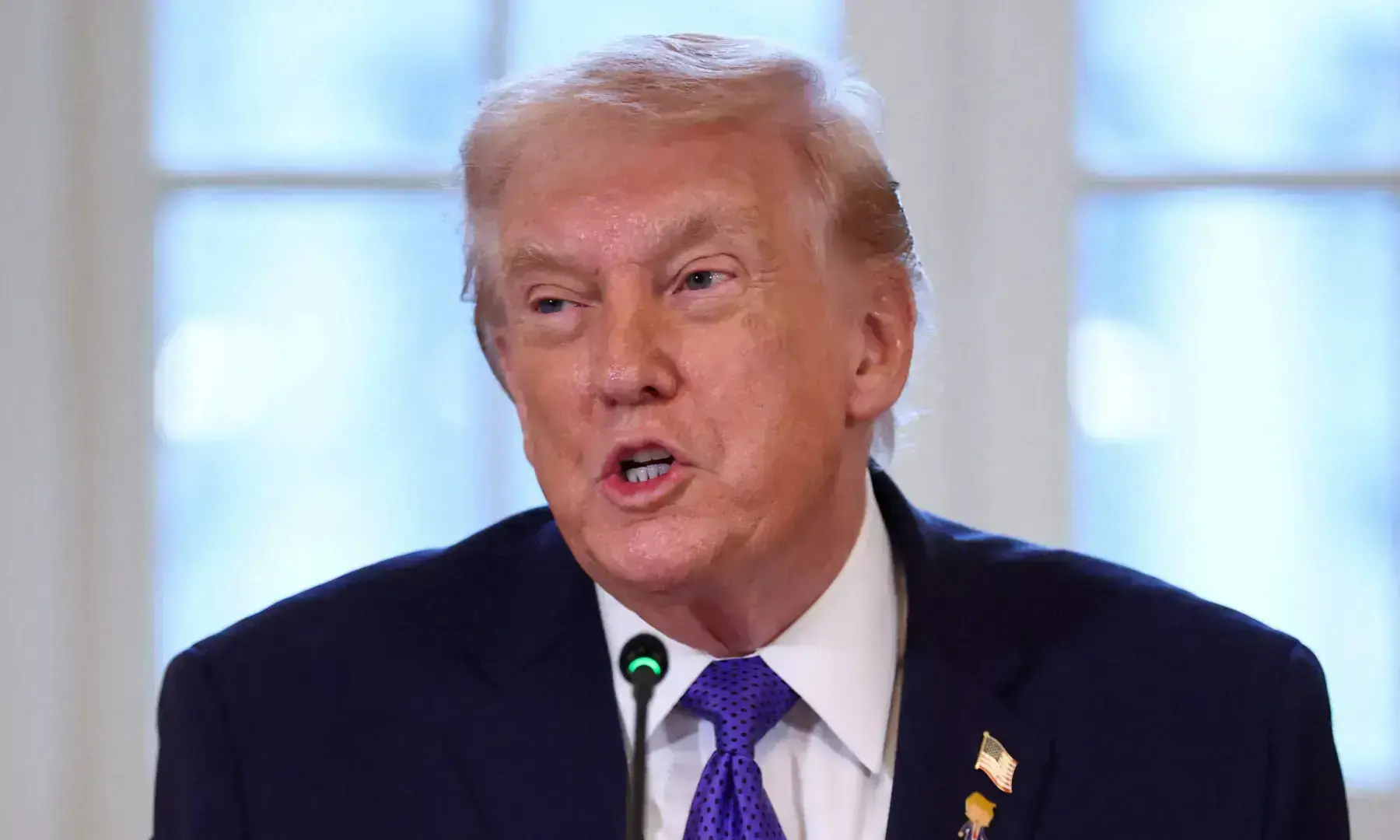
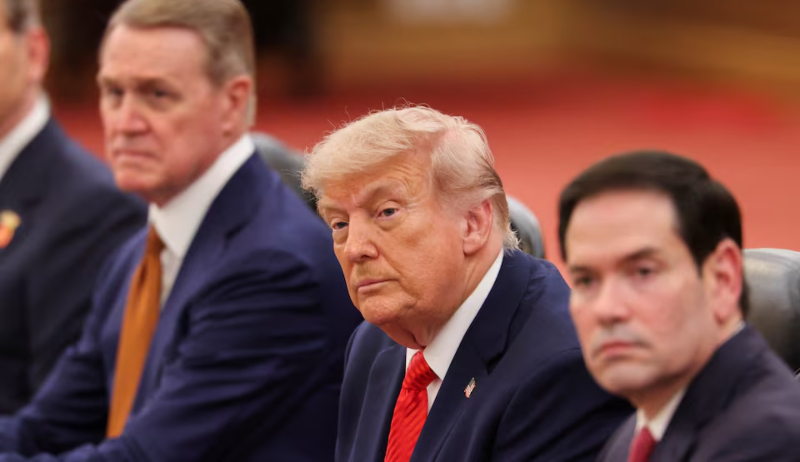
On May 14, Trump and Xi held talks that focused largely on how to stabilize the situation. According to U.S. officials, both leaders agreed on the importance of keeping the Strait of Hormuz open and preventing Iran from acquiring nuclear weapons.
Trump used the summit to urge China, one of Iran’s closest economic partners and a major buyer of Iranian oil to push Tehran toward ending the conflict and respecting global trade routes.
Despite these high‑level discussions, progress toward peace has been limited. Diplomatic efforts to reach a ceasefire or broader settlement have stalled, with Iran demanding sanctions relief, recognition of its sovereignty, and compensation for damage caused by the war.
The United States, for its part, insists that Iran abandon its nuclear program and give up enriched uranium stockpiles. The deadlock has frustrated negotiators and extended uncertainty about how and when the war might end.
The Iran war’s ripple effects are already being felt beyond the Middle East. Rising energy costs have put pressure on consumers around the world, while shifting alliances in the Gulf have begun to reshape regional geopolitics.
The United States and China, despite their rivalry, find common cause in wanting to stabilize the situation even as deep disagreements remain about how best to achieve peace.
Analysts say Trump’s China visit highlights the limits of diplomacy in a conflict that has grown increasingly complex, involving not just regional parties but global economic and security concerns. For now, the world watches as talks remain stalled and the search for a lasting peace continues.
Trump’s China summit overshadowed as Iran war stalls peace efforts.
The planned investments will focus mainly on strategic sectors including energy, water supply, housing, and road infrastructure, all of which are considered vital drivers of the country’s economic growth and long-term development.
The details were presented during discussions between officials from the Ministry of Infrastructure and its affiliated agencies including the Rwanda Energy Group (REG), Water and Sanitation Corporation (WASAC), Rwanda Housing Authority (RHA), and Rwanda Transport Development Agency (RTDA) and Members of Parliament from the Parliamentary Committee on National Budget and State Property.
During the meeting, each institution outlined major projects expected to improve the welfare of citizens and accelerate national development.
The energy sector remains one of the government’s top priorities due to its crucial role in supporting economic activities and improving the quality of life for Rwandans.
Several projects are expected to be implemented during the 2026/2027 fiscal year to increase electricity generation and strengthen the country’s power supply capacity.
REG is expected to focus on 19 major projects, including ongoing initiatives that will continue until completion.
Among the flagship projects is the continued construction of the Nyabarongo II Hydropower Plant, which is expected to generate 43.5 megawatts of electricity. The project also includes a dam that will help store water and ensure stable electricity production throughout the year, while supporting irrigation activities in surrounding areas.
More than Rwf149.8 billion has been allocated to the Nyabarongo II project during the 2026/2027 fiscal year, with completion scheduled for December 2027.
The government will also continue expanding the national electricity transmission network through the Electricity Transmission Grid Expansion Project, which is funded with support from the Export-Import Bank of Korea (Exim Bank Korea). The project has been allocated Rwf15.2 billion for the upcoming fiscal year.
Additional initiatives aimed at increasing electricity access nationwide include the Accelerating Sustainable and Clean Energy Access Transformation (ASCENT) project, which will receive more than Rwf44.4 billion.
Another Rwf34.9 billion has been earmarked for strengthening the national electricity transmission grid, while Rwf1.1 billion will be invested in extending electricity access to communities in Nyamagabe and Nyaruguru districts.
The government also plans to expand the country’s strategic fuel storage infrastructure by increasing the capacity of state petroleum reserves to 60 million litres, alongside several other infrastructure projects expected to play a significant role in Rwanda’s future economic transformation.
The Nyabarongo II Hydropower Plant, currently under construction between Gakenke and Kamonyi, is expected to provide a significant solution to Rwanda’s growing energy demand.
The Water and Sanitation Corporation (WASAC) has announced a series of major infrastructure projects aimed at expanding access to clean water across Rwanda while reducing water losses within the distribution system.
The projects form part of the government’s broader efforts to improve public services, strengthen urban infrastructure, and ensure reliable water supply for both urban and rural communities.
In addition to constructing new water pipelines, WASAC plans to expand, rehabilitate, and modernize existing water distribution networks to meet the growing demand for clean water across the country.
Among the flagship projects is the expansion of the Nzove Water Treatment Plant, whose production capacity is expected to increase from 40,000 cubic metres per day to 65,000 cubic metres daily. The project has been allocated Rwf9.09 billion in the 2026/2027 fiscal year budget.
Another key initiative is the Kigali Bulk Water Supply Project, which has received Rwf14 billion. The project is expected to significantly improve water distribution in different parts of Kigali, particularly in Gisozi and Nyarutarama, while also supporting the expansion of the Karenge Water Treatment Plant.
WASAC is also set to construct the Mutobo Water Treatment Plant, which is expected to produce 40,000 cubic metres of water per day. According to the utility company, the project will help address persistent water shortages in the City of Musanze as well as in the districts of Burera, Nyabihu, and parts of Rubavu.
Other major projects include the Sake Water Treatment Plant and the continued construction of the Mwange Water Plant, which is expected to supply 23,000 cubic metres of water daily once completed.
In the Southern Province, the Nyaruguru-Huye-Gisagara Water Supply Project is expected to produce 24,000 cubic metres of water per day, further strengthening access to clean water in the region.
WASAC also plans to intensify efforts to reduce non-revenue water, commonly referred to as water lost through leakages, illegal connections, and inefficiencies within the distribution network.
Beyond water supply projects, the corporation is investing heavily in sanitation and hygiene infrastructure. Planned initiatives include the construction of wastewater treatment plants as well as the continued rehabilitation and management of the Nduba landfill, which has been allocated Rwf12 billion in the 2026/2027 budget.
The projects are expected to play a critical role in improving living standards, supporting economic growth, and ensuring sustainable access to clean water and sanitation services for communities across Rwanda.
The Nzove water treatment plant is among those set to have their production capacity expanded.
Rwanda to accelerate major road and housing projects in 2026/27
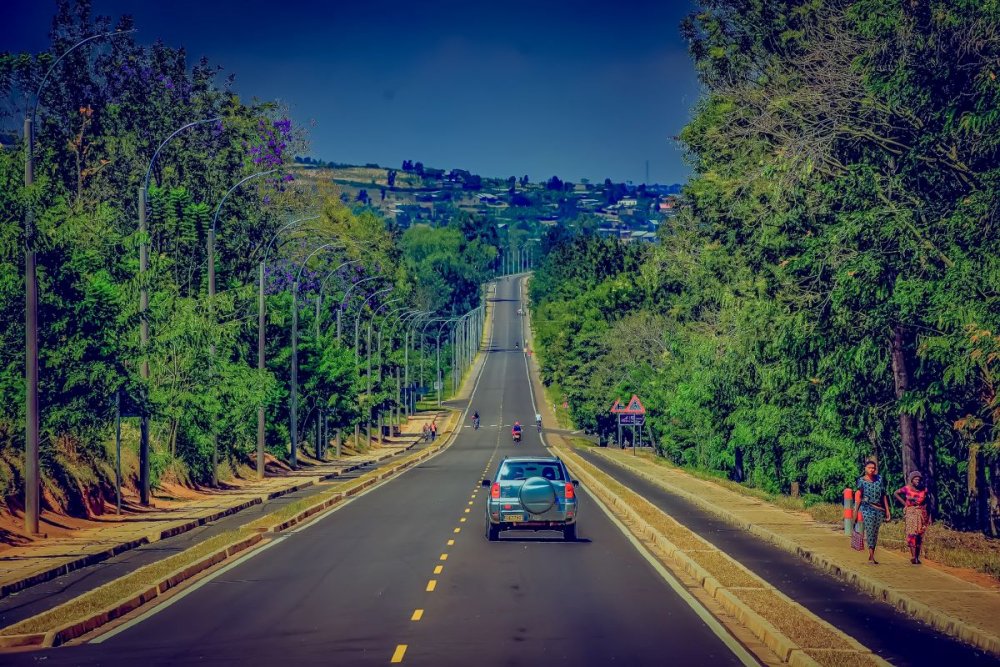
Rwanda is expected to implement extensive road construction and housing development projects during the 2026/2027 fiscal year as part of the government’s ongoing efforts to strengthen infrastructure and accelerate economic growth.
The projects will focus on upgrading major transport networks, improving urban mobility, expanding regional connectivity, and enhancing housing and settlement planning across the country.
Among the key road infrastructure projects planned is the rehabilitation of several major paved highways, including the 45-kilometre Kigali–Muhanga road, one of the country’s busiest transport corridors. Other roads scheduled for upgrading include the 63-kilometre Base–Butaro road, the 53-kilometre Ngoma–Ramiro road, and the 33-kilometre Kibaya–Rukira–Nasho road.
The government also plans to rehabilitate the 10-kilometre Prince House–Giporoso–Masaka road in Kigali to improve traffic flow and reduce congestion within the capital city.
Under the Kigali Urban Transport Improvement (KUTI) project, major road junctions will be constructed at Chez Lando, Gishushu, and Sonatube, areas widely known for heavy traffic congestion.
Additional road projects include the construction of the 10.1-kilometre Zindiro–Masizi–Birembo–Kami–Gasanze road and the Cyamitsingi–Bibare–Zindiro road. Other planned infrastructure works include the Sashwara–Rega–Kabuhanga road, the Busasamana–Muhato road, the Base–Butaro–Kidaho road, and the Ngoma–Nyanza road.
The government is also moving forward with the construction of the 11.6-kilometre expressway linking Kigali to Kigali International Airport. The strategic project is expected to ease transportation to and from the airport while supporting the growth of business and tourism activities.
Additional investments will target cross-border roads connecting Rwanda to neighboring countries, as well as the rehabilitation of the Nyabugogo–Jabana and Nyacyonga–Mukoto roads, alongside several other transport infrastructure projects planned nationwide.
Authorities also announced that greater emphasis will be placed on maintaining and rehabilitating existing roads to ensure durability, improve road safety, and support efficient transportation services across the country.
Beyond road infrastructure, construction works on ports along Lake Kivu will continue, while feeder roads will also be developed in different parts of the country to improve mobility and facilitate trade in rural communities.
Meanwhile, the Rwanda Housing Authority (RHA) revealed that several large-scale housing and urban development projects are planned for the 2026/2027 fiscal year. The projects will mainly focus on improving settlement planning, modern housing infrastructure, and urban development in different parts of the country, particularly in the City of Kigali.
The planned investments are expected to play a significant role in advancing Rwanda’s urbanization agenda, improving transportation systems, and enhancing the overall quality of infrastructure nationwide.
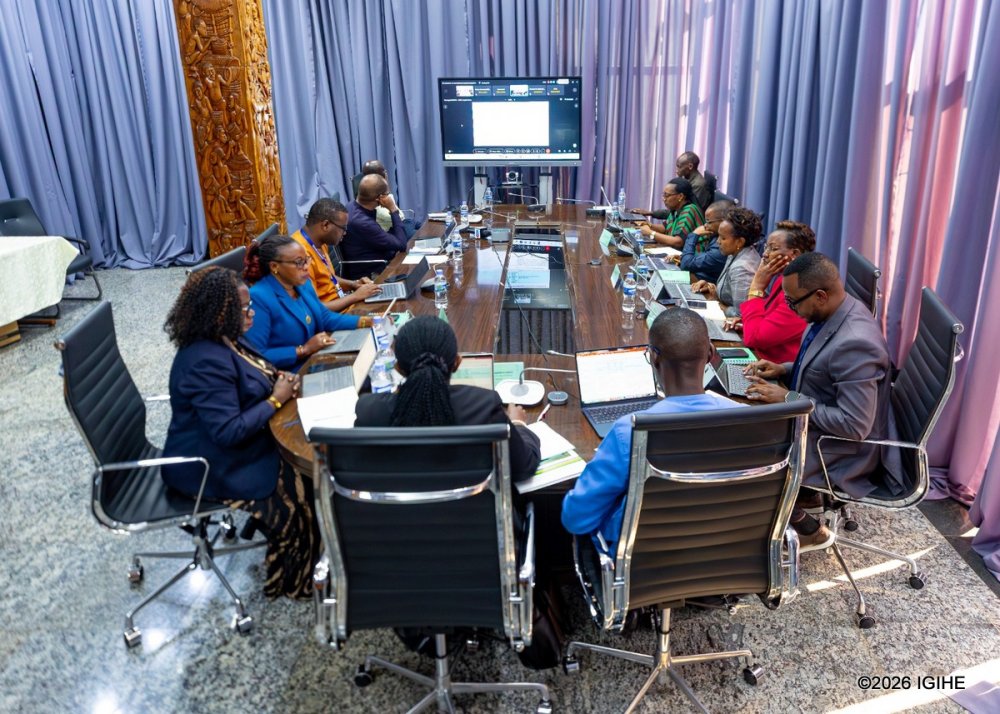
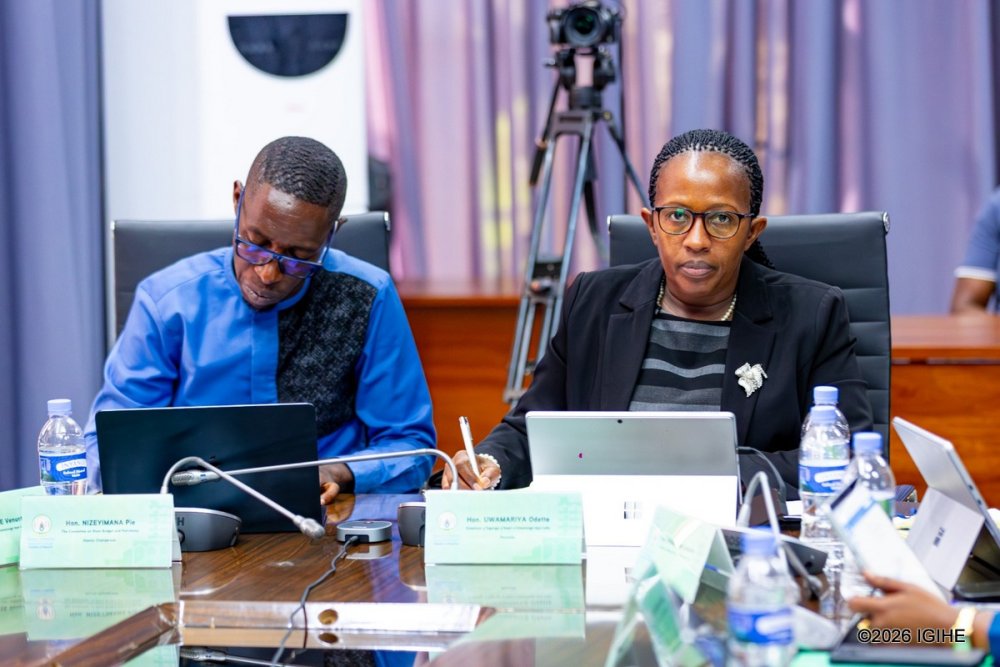
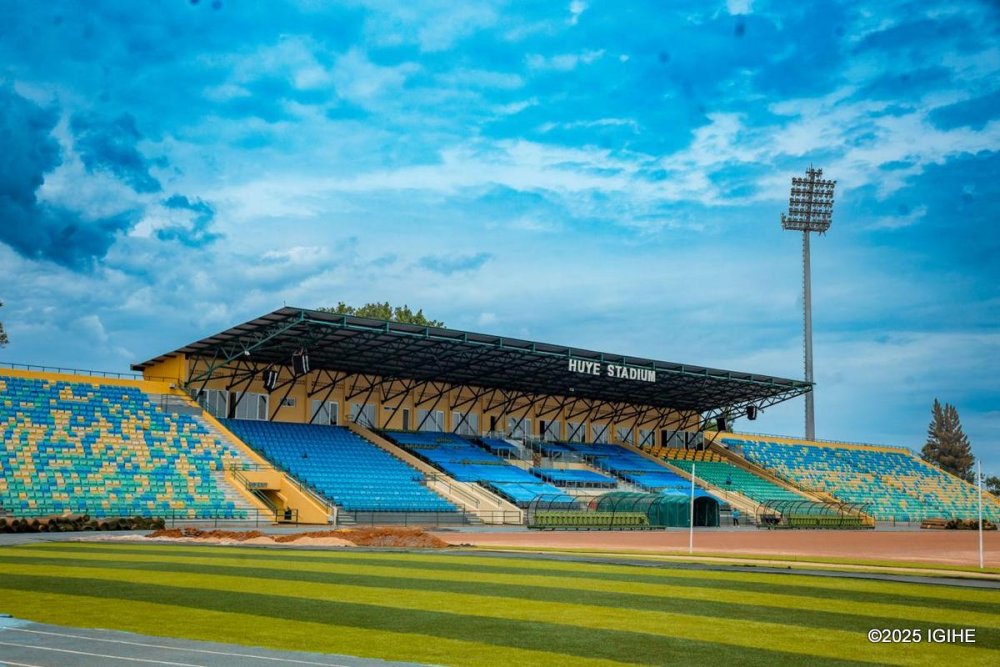
Members of Parliament in the Committee on Budget and State Assets are continuing their review of the draft national budget for the 2026/2027 fiscal year.Hon. Uwamariya Odette, Chairperson of the Parliamentary Committee on Budget and State Assets. RTDA will continue constructing roads that will facilitate trade and improve connectivity. Renovation works on Huye district international stadium will continue.