His remarks come just days after Zari publicly announced that she had mutually agreed to divorce Shakib, a statement that sparked widespread discussion across social media and entertainment circles in East Africa.
However, speaking in a recent interview following his return from Kenya, Shakib maintained that there is no separation between them, describing the situation as a normal misunderstanding between spouses rather than a breakup.
“Separation is not something that happens on social media. People in relationships do not always agree on everything, and that does not mean their relationship has ended,” he said.
Shakib further noted that the two are still in communication and actively working through their differences in an effort to resolve their issues.
Reflecting on their relationship of about five years, he said he has grown to better understand Zari’s emotional nature.
“I have learned that my wife is very emotional and sometimes speaks without fully considering the consequences. What matters most is knowing how to resolve problems and move forward with life,” he added.
The development comes amid ongoing online speculation linking Shakib to Ugandan singer Kin Bella, who has Rwandan roots.
Ugandan boxer Shakib Cham Lutaaya has dismissed reports that his marriage to socialite Zari Hassan, widely known as “The Boss Lady,” has come to an end.
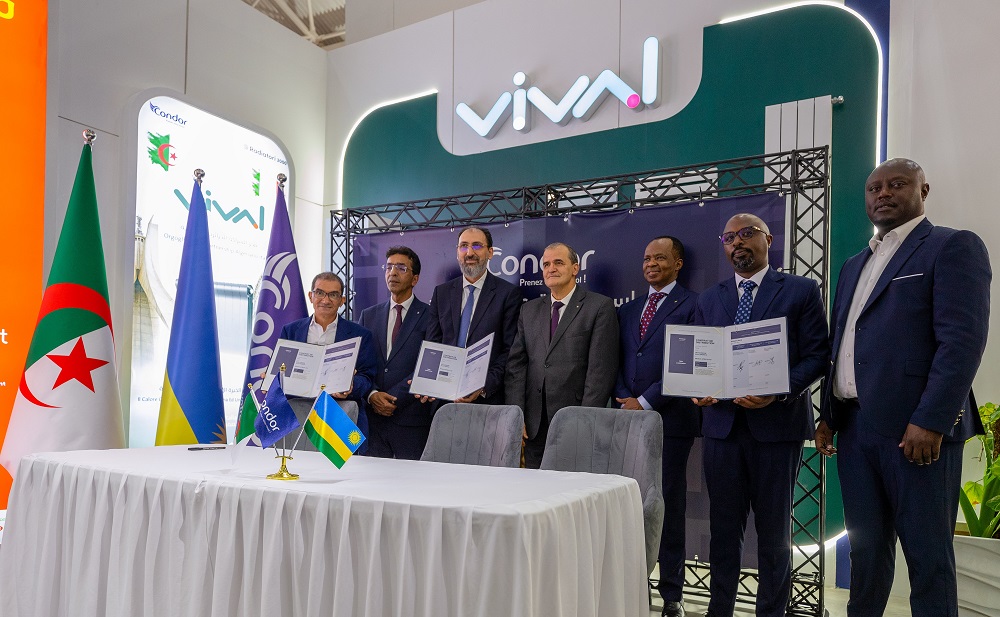
The signing ceremony took place on June 24, 2026, and was attended by Rwanda’s Ambassador to Algeria, Vincent Karega, and Algeria’s Minister of Trade and Export Promotion, Prof. Kamel Rezig.
According to Algeria’s Ministry of Trade and Export Promotion, the partnership is aligned with the country’s strategy to expand its footprint in African markets. It also supports the objectives of the African Continental Free Trade Area (AfCFTA), which seeks to boost intra-African trade and economic integration.
Beyond product exports, SPA Condor Electronics plans to support skills development in Rwanda through its “Condor Academy,” which will train Rwandans in the repair and maintenance of electronic devices. The initiative is expected to strengthen local technical capacity and improve after-sales service delivery.
Condor Group, established in 2002 and based in the Bordj Bou Arréridj industrial zone in Algeria, is the parent company of SPA Condor Electronics, one of the country’s leading manufacturers of electronics and household appliances.
The group holds a significant position in the Algerian market, with over 35 percent share in household appliances and around 70 percent in locally manufactured mobile phones and other electronic products.
Its product portfolio includes televisions, smartphones, tablets, computers, air conditioners, refrigerators, and washing machines.
Condor Group also operates an energy division, Condor Solar, which produces solar energy equipment designed to convert sunlight into electricity.
The company already has operations in several African countries, including Tunisia, Libya, Mauritania, Senegal, and Benin. Its expansion into Rwanda reflects growing investor confidence in the country, which continues to position itself as a competitive and attractive business destination in Africa.
Condor Electronics is set to expand its footprint into Rwanda through a new export agreement, marking a strategic entry into one of East Africa’s fast-growing markets.
The twin tremors occurred just after 6:00 p.m. local time on June 24. According to the U.S. Geological Survey (USGS), the disaster began at 6:04 p.m. with a magnitude 7.2 foreshock at a depth of 22 kilometers. Exactly 39 seconds later, a more violent magnitude 7.5 mainshock ripped through the same fault line at a shallower, more destructive depth of 10 kilometers.
Both epicenters were located in the Veroes municipality of Yaracuy State, roughly 100 miles west of the capital.
The powerful shaking sent frightened residents rushing into the streets as buildings swayed and emergency services began responding to reports of damage. More than 20 aftershocks were recorded within the first few hours, keeping traumatized residents on edge.
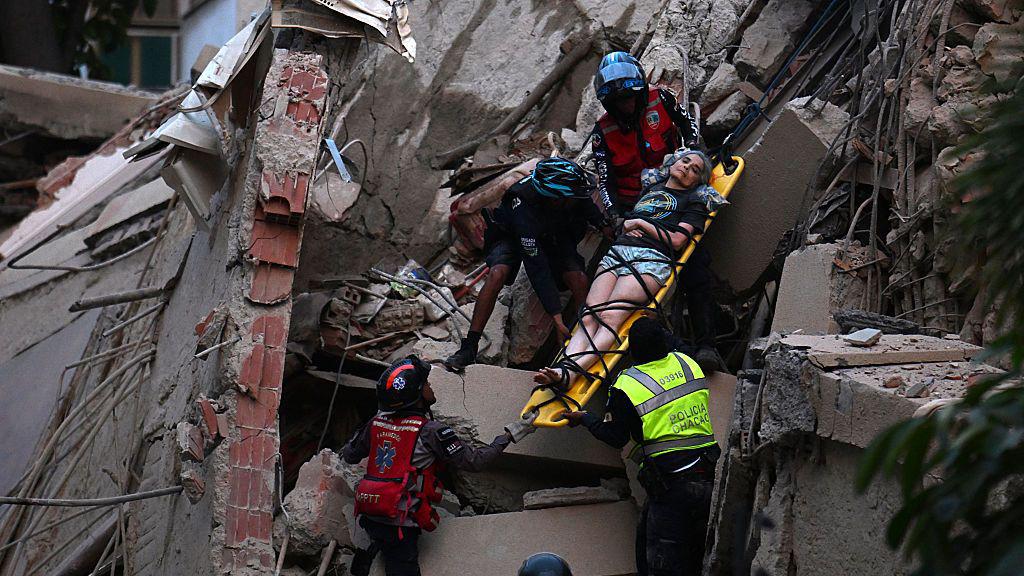
Authorities declared a state of emergency and launched rescue operations in the affected areas. In a late-night national address, Acting President Delcy Rodríguez confirmed that at least 32 people had been killed and over 700 injured.
She warned that the casualty toll is expected to increase sharply, noting that the initial numbers strictly exclude data from the coastal state of La Guaira, which has been designated a total disaster zone.
The earthquakes were felt across much of northern Venezuela, with some of the most significant impacts reported in and around Caracas and neighboring La Guaira.
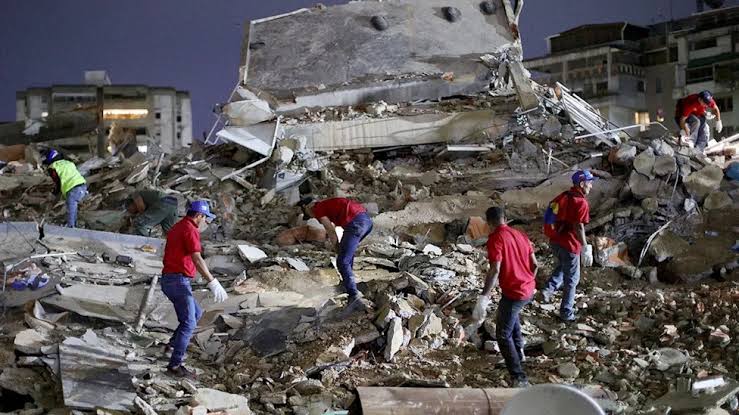
In the capital, the eastern municipalities of Chacao, Altamira, and Los Palos Grandes bore the brunt of the structural devastation. Interior Minister Diosdado Cabello reported that dozens of structures collapsed across Caracas, including a 22-story residential high-rise in Altamira that pancaked entirely.
Witnesses described scenes of panic as residents evacuated homes, offices, and businesses while emergency responders worked to reach those trapped beneath debris.
Government officials said rescue workers, medical personnel, and security forces had been deployed to support affected communities. Hospitals received large numbers of injured people, while authorities urged citizens to remain alert in case of further aftershocks.
The disaster struck during a national holiday commemorating the historic Battle of Carabobo, a day when many Venezuelans were gathered with family and friends. As a result, large numbers of people were at home when the earthquakes occurred, which local officials note heavily exposed residential apartment complexes to high casualty risks.
The tremors also disrupted transportation and public services across the country, knocking out power lines and cutting off telecommunications in major sectors of Caracas.
Crucially, the Simón Bolívar International Airport in Maiquetía sustained severe structural damage to its walls and columns, forcing authorities to suspend all inbound and outbound flights indefinitely while engineers assess the safety of the runways and terminals.
A tsunami advisory was briefly issued for parts of the Caribbean, including Puerto Rico and the Virgin Islands, following the marine-adjacent rupture, but it was later lifted after ocean experts determined there was no significant wave threat.
Seismologists noted that Venezuela lies in an active strike-slip fault zone straddling the Caribbean and South American plates, making the country highly vulnerable to seismic activity. While major tremors are relatively rare, the USGS issued a high-severity red alert for the region, estimating a 39% probability that final fatalities could eventually climb between 1,000 and 10,000 due to the scale of dense urban collapses.
As rescue and recovery efforts continue, Venezuelans are coming together to support those affected by the tragedy. Authorities have pledged to provide emergency assistance and continue search operations until all impacted areas have been thoroughly assessed.
Venezuela reels from powerful earthquakes as rescue operations continue.
The collaboration marks a major shift in digital retail, transforming conversational AI into a native commerce engine that touches consumer experiences, digital advertising, scientific research, and internal production.
The rollout integrates Maybelline’s Makeup Virtual Try-On, powered by L’Oréal’s ModiFace augmented reality (AR) technology, directly into standard ChatGPT threads.
Instead of switching to an external app, users will be able to upload a photo or use their camera directly within the chat window to view makeup shades mapped onto their own face while chatting about a desired aesthetic or skin tone.
L’Oréal’s beauty-tech services already see over 120 million global uses annually, but this integration scales exponentially across ChatGPT’s massive ecosystem, which OpenAI reports has reached 900 million weekly active users.
L’Oréal is also pioneering “AI-native advertising.” Its top brands, including Lancôme and Kérastase, are optimizing how they surface during organic product searches in the U.S. Simultaneously, brands like Garnier, CeraVe, and SkinCeuticals are participating in OpenAI’s exclusive ChatGPT global advertising pilot.
This strategy drops highly relevant brand interventions into conversational feeds precisely when users ask for beauty advice, capturing consumers at the peak moment of intent.
Beyond the consumer-facing tech, the partnership reaches into the scientific lab. L’Oréal is deploying GPT-Rosalind, OpenAI’s specialized life sciences model, to map the skin microbiome for its La Roche-Posay brand.
By leveraging AI to decode bacterial and cellular behaviors, L’Oréal intends to drastically accelerate the development of advanced skincare formulas.
Internally, OpenAI’s newest models are feeding into CreAItech, L’Oréal’s secure platform for creative teams. The system generates high-fidelity marketing visuals while protecting unique brand identities.
This builds on a heavy internal tech push: L’Oréal has already upskilled 73,000 employees in generative AI and rolled out internal tools like L’OréalGPT to streamline operations.
Asmita Dubey, L’Oréal’s Chief Digital and Marketing Officer, emphasized that AI now enhances every stage of the company’s value chain, supporting both consumers and employees.
By weaving its beauty ecosystem directly into the world’s most popular AI assistant, L’Oréal is demonstrating exactly how legacy brands can claim the future of AI-native retail.
The rollout integrates Maybelline’s Makeup Virtual Try-On, powered by L’Oréal’s ModiFace augmented reality (AR) technology, directly into standard ChatGPT threads.
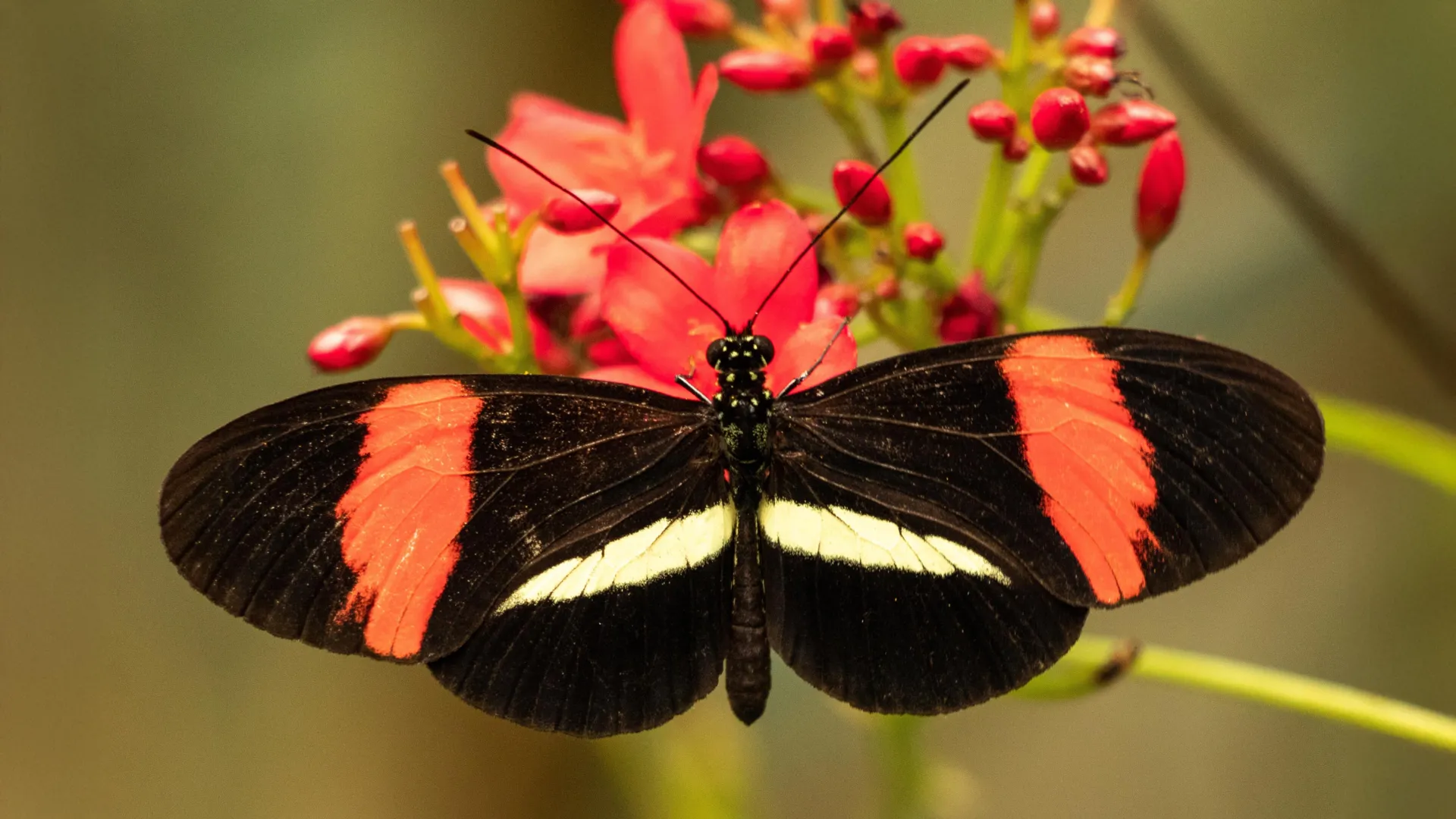
According to a new study led by researchers from the University of Bristol and published in Nature Communications, certain butterflies in the Heliconius genus show unusually long lifespans and remarkably slow signs of ageing compared to their close relatives.
Most butterfly species live only a few weeks in their adult stage. However, Heliconius butterflies stand out for their extraordinary longevity. Some individuals can survive for nearly a year, up to 25 times longer than related species.
For example, Heliconius hewitsoni has been recorded living up to 348 days, while a closely related species, Dione juno, survives for only about 14 days. This dramatic difference suggests that Heliconius butterflies have evolved a unique biological strategy that supports extended life.
Even more striking is evidence that some of these butterflies may barely age in the traditional sense. In experiments measuring physical performance, older individuals of Heliconius hecale showed no significant decline in strength compared to younger ones.
This contrasts sharply with other butterfly species, which typically show clear deterioration as they age. These findings suggest that certain Heliconius species may resist the usual biological wear and tear associated with ageing.
One widely discussed explanation for their long life is their unusual diet. Unlike most butterflies that feed mainly on nectar, Heliconius butterflies also consume pollen, which provides additional nutrients such as amino acids. Researchers believe this dietary adaptation may contribute to their improved body maintenance and slower ageing.
However, the study also found that even when pollen is removed from their diet, these butterflies still live longer than their relatives, indicating that diet alone does not fully explain their longevity.
Scientists now believe that both ecological factors and deep evolutionary changes are involved in shaping the lifespan of these insects. Their ability to maintain muscle function and body condition over time makes them especially valuable for studying the biology of ageing.
Researchers suggest that Heliconius butterflies could become an important model for future longevity research. By comparing long-lived species with short-lived relatives, scientists hope to uncover the genetic and biological mechanisms that control ageing. Such insights could one day contribute to understanding how ageing works across the animal kingdom, including in humans.
Ultimately, this discovery highlights how even small creatures like butterflies can provide powerful clues about life, health, and the possibility of slowing the ageing process.
Long-lived butterflies reveal surprising secrets about how ageing works.
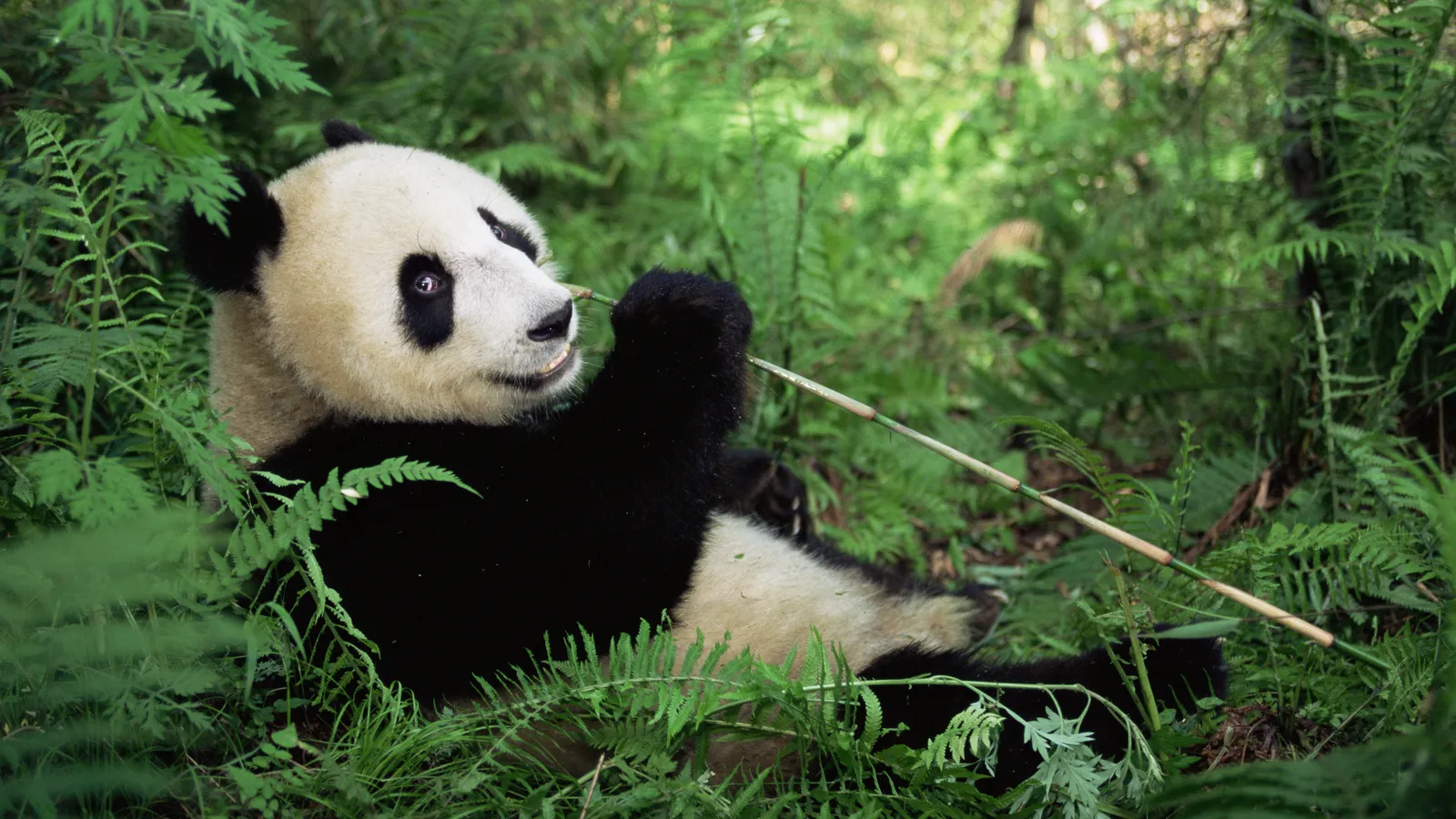
Centuries ago, pandas were widespread across Asia, but climate shifts and human expansion dramatically reduced their habitat. Biologically belonging to the carnivore family, pandas adapted uniquely to a diet made up of 99 percent bamboo. Because bamboo is low in nutrients, they spend up to 14 hours a day consuming 26 to 84 pounds of it, using a specialized “pseudo-thumb” wrist bone to grasp the stalks.
By the late 20th century, deforestation and habitat loss caused the wild panda population to drop to a dangerously low estimate of just 1,100 individuals. This crisis sparked massive conservation programs, including the establishment of the massive Giant Panda National Park. Due to these intense efforts, the giant panda population has achieved an extraordinary recovery.
Today, the total global population of giant pandas has reached approximately 2,708. This includes nearly 1,900 pandas living dynamically in the wild, alongside 808 pandas thriving in dedicated breeding centers and zoos.
Because wild giant pandas exclusively exist in China, the country holds almost the entirety of the global population. Out of all the pandas on Earth, only about 40 to 50 individuals live in overseas zoos across 16 countries under official research loan agreements.
Within China, wild pandas are strictly concentrated in three specific provinces: Sichuan, Shaanxi, and Gansu. Sichuan Province acts as the primary stronghold for the species, containing nearly 65 percent of the world’s entire wild population.
Despite their highly concentrated geography, the giant panda’s cultural footprint is truly international. In 1961, Chi Chi, a panda living at the London Zoo, inspired the founding sketch of the World Wildlife Fund (WWF) logo, cementing the animal as the definitive global face of environmental preservation.
This international fame was further elevated by China’s practice of “panda diplomacy,” where the loaning of these rare animals to foreign capitals routinely captured worldwide media attention, turning them into beloved global ambassadors.
This remarkable ecological turnaround and worldwide adoration prompted international wildlife organizations to officially upgrade the giant panda’s status from Endangered to Vulnerable.
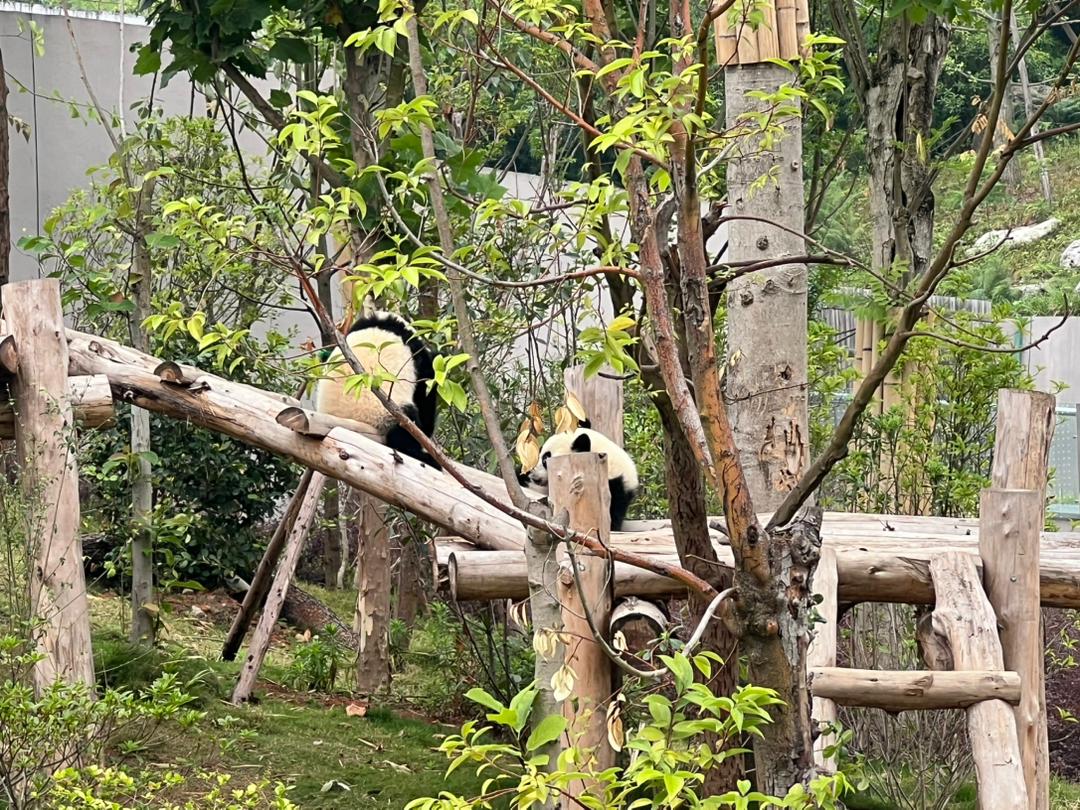
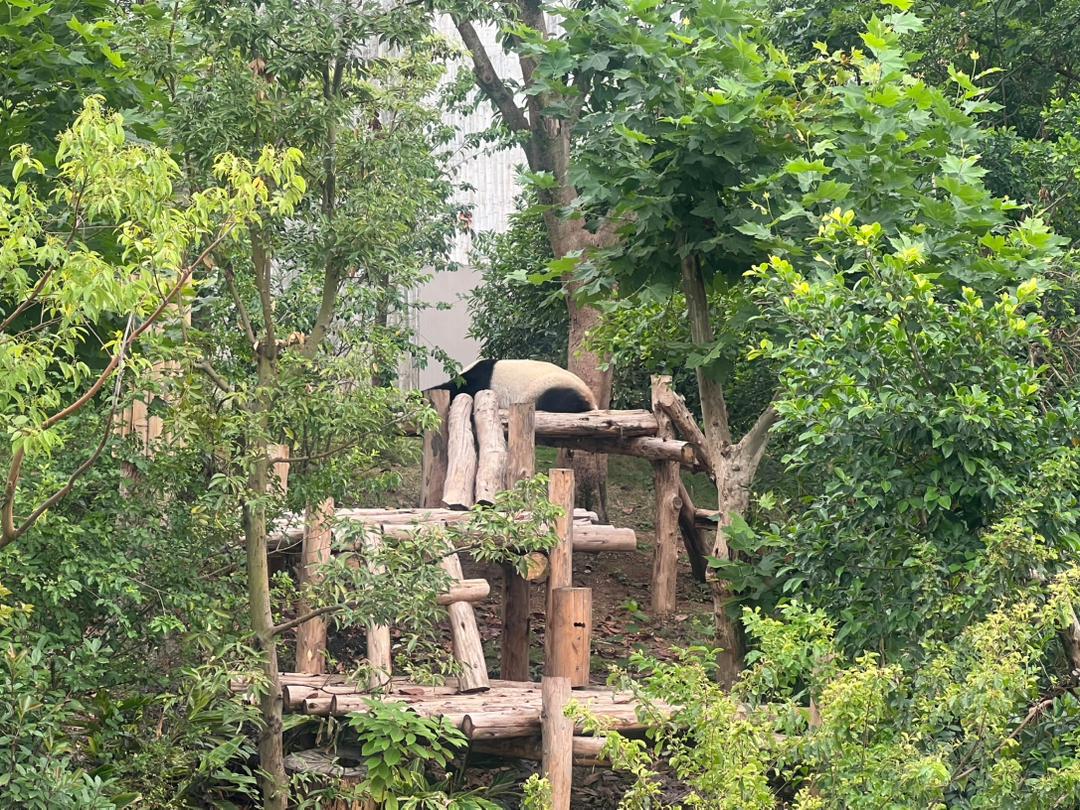
For international travelers making the journey to China, seeing these gentle giants up close is a bucket-list experience. Because wild pandas remain hidden in dense, inaccessible mountains, visitors can see them at several world-renowned conservation and breeding facilities.
The heart of panda tourism is located in Sichuan Province, specifically at the Chengdu Research Base of Giant Panda Breeding, which is highly famous for its nursery rooms filled with panda cubs. Visitors seeking a deeper experience can travel to the Dujiangyan Panda Base, which offers experiential volunteer programs where participants help keepers prepare bamboo.
Additionally, the Wolong National Nature Reserve offers a pristine alpine environment focused on rewilding pandas. Outside of Sichuan, excellent panda pavilions can also be visited at the Beijing Zoo and Hong Kong’s Ocean Park.
Ultimately, the giant panda stands as a powerful reminder that human action can both threaten and protect life on Earth. Its ongoing survival story is not just about a single species, but about hope, responsibility, and the true possibility of restoring balance between people and nature.
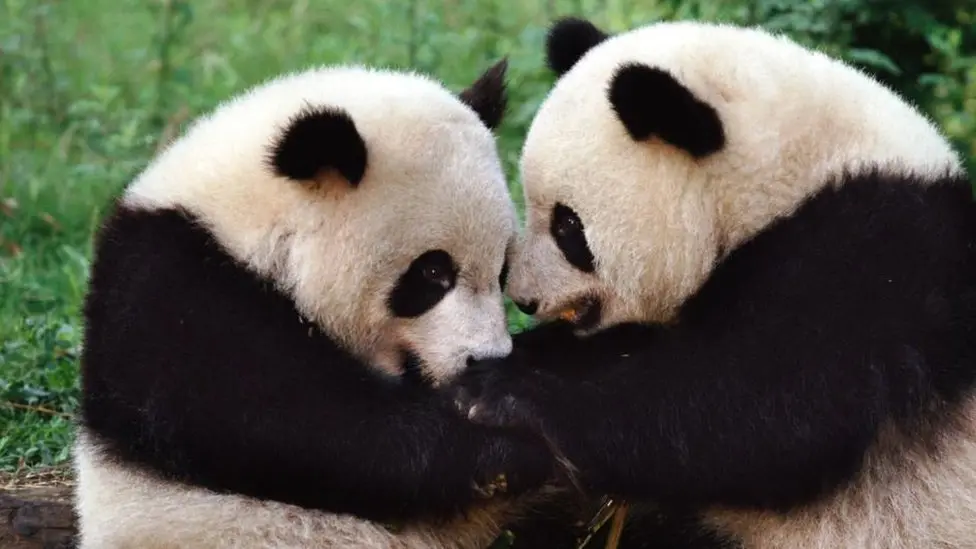
A symbol of peace and friendship, the giant panda holds a special place in Chinese culture.The giant panda rests peacefully in the bamboo forests of southwestern China, its natural habitat.Feeding for hours each day, the panda relies almost entirely on bamboo for survival.Conservation efforts in China have helped protect the panda from extinction and secure its future.
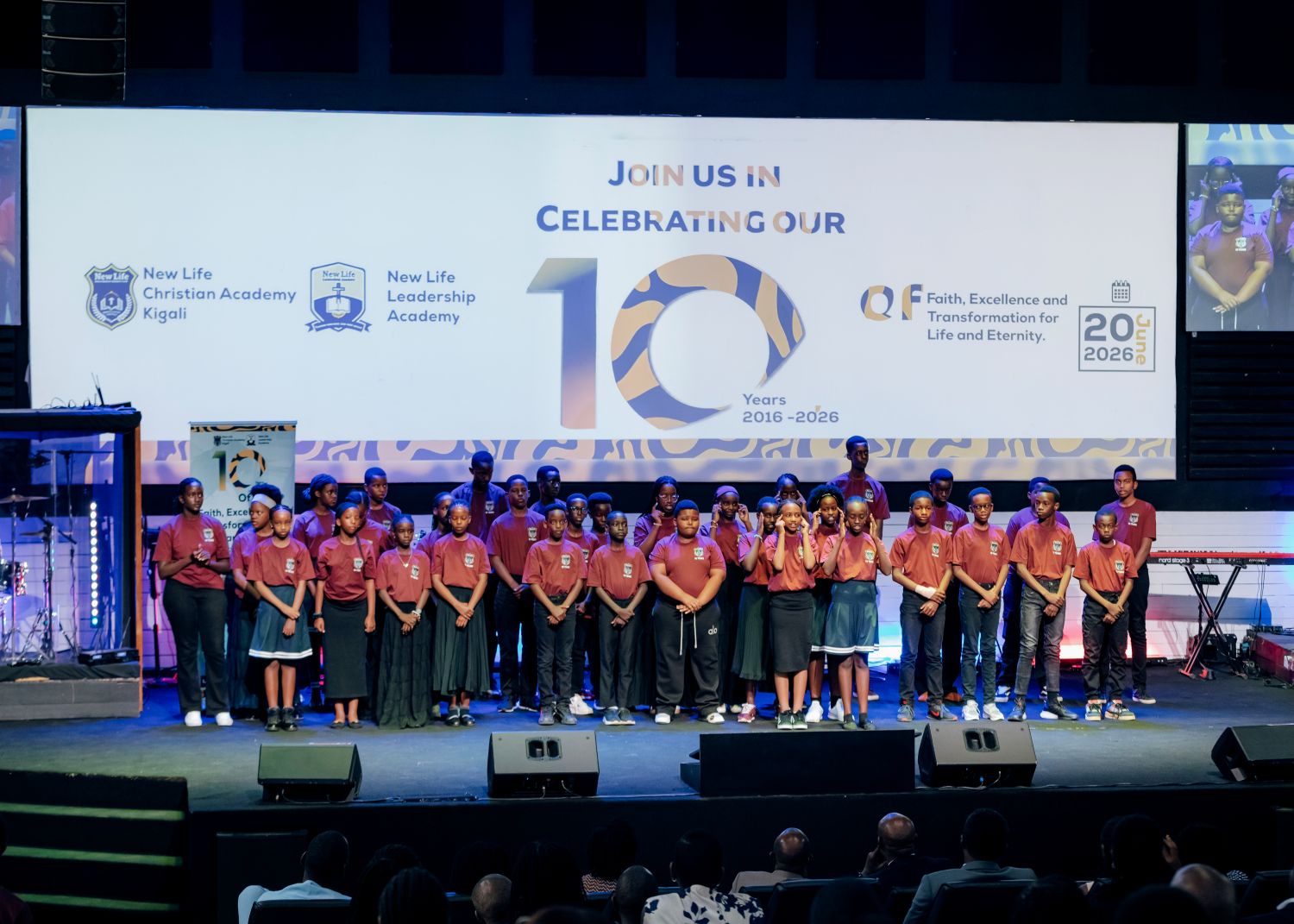
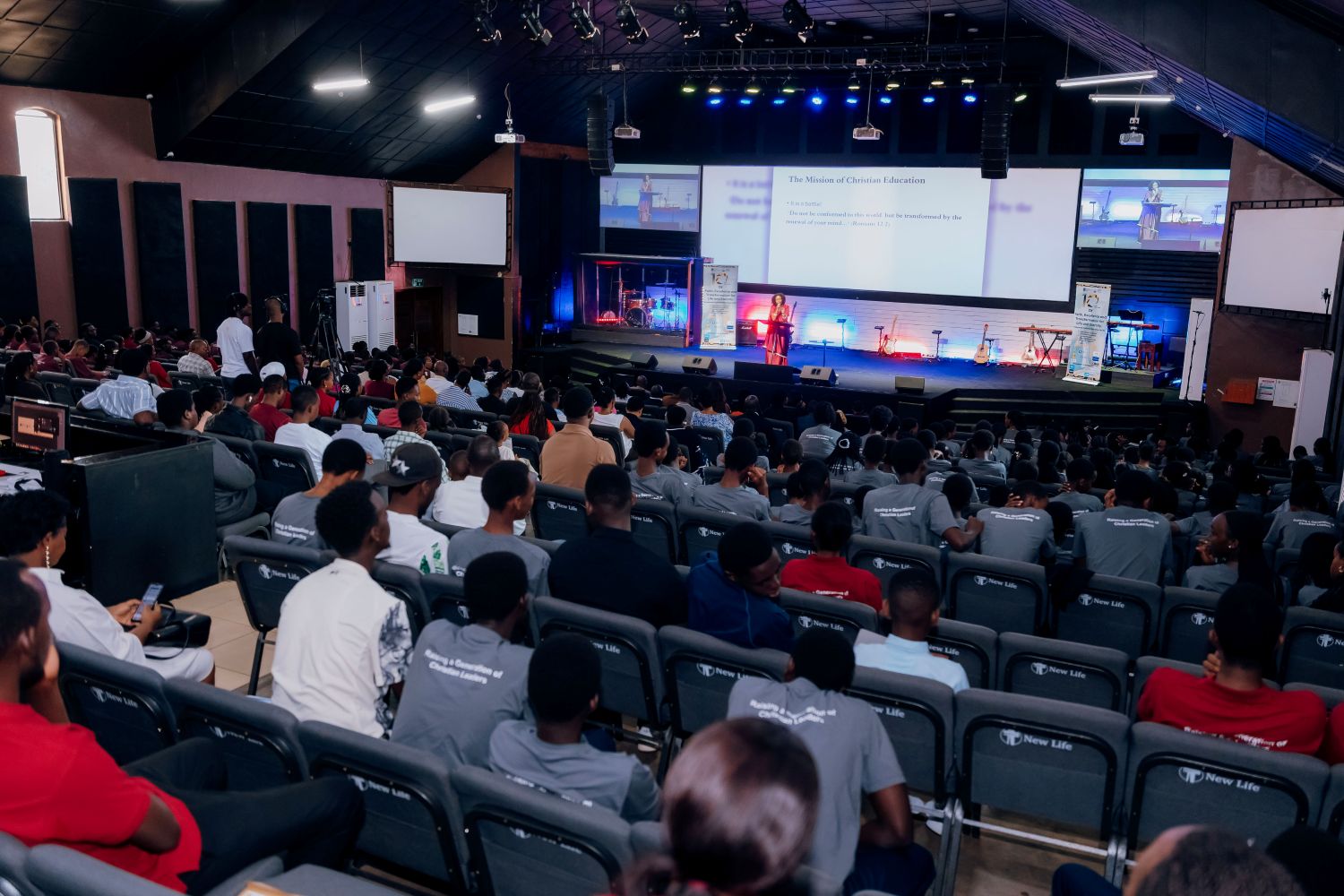
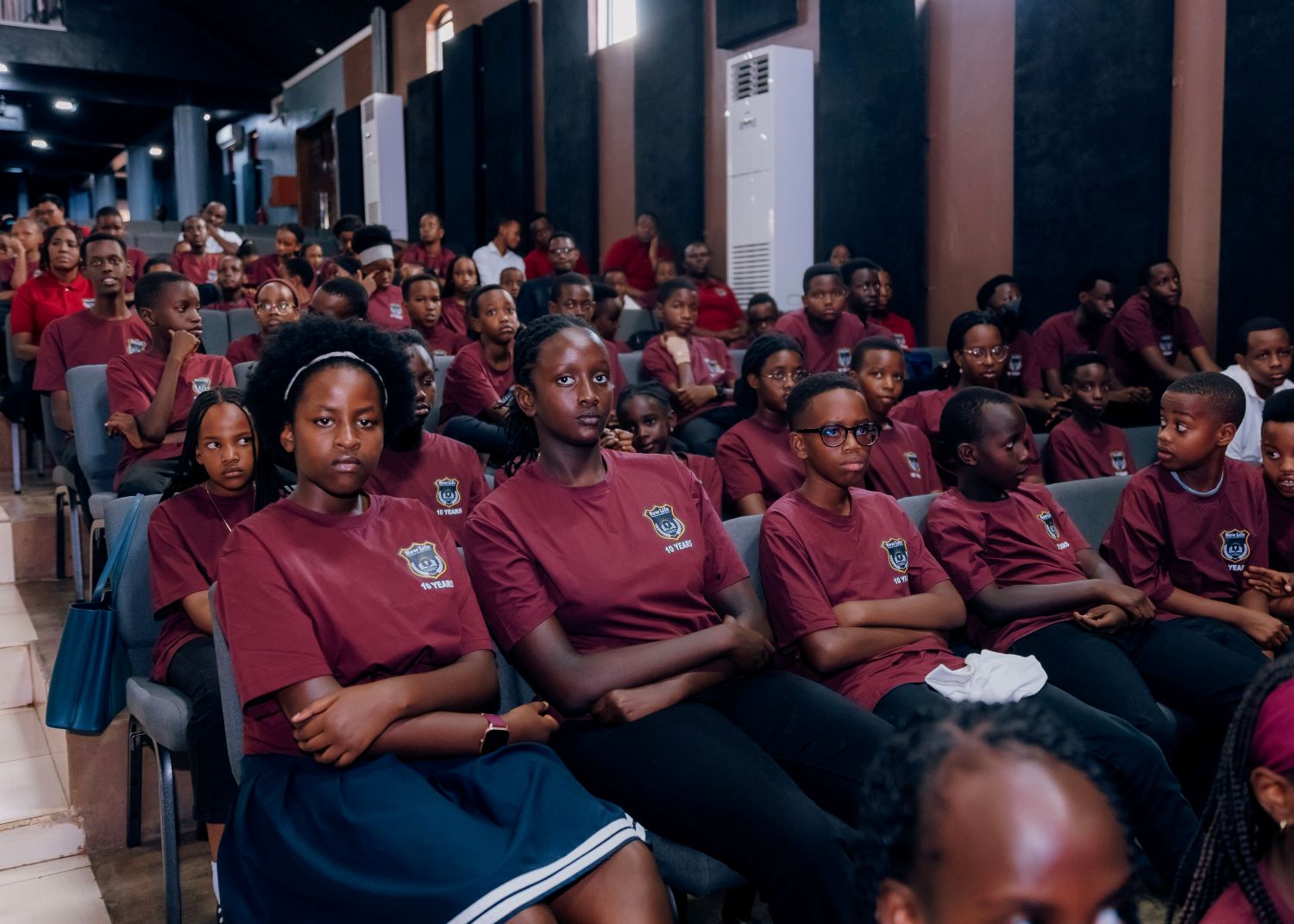
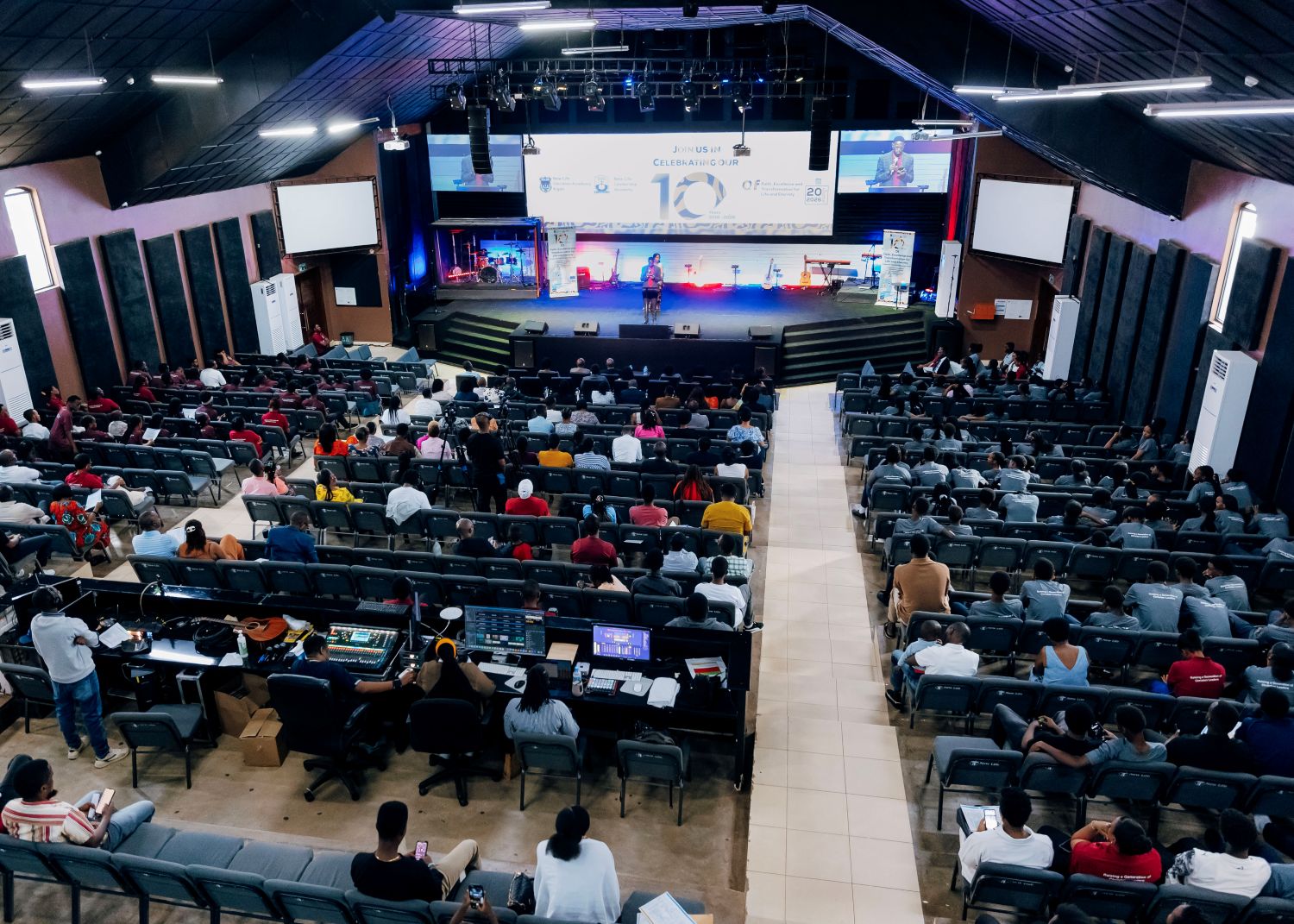
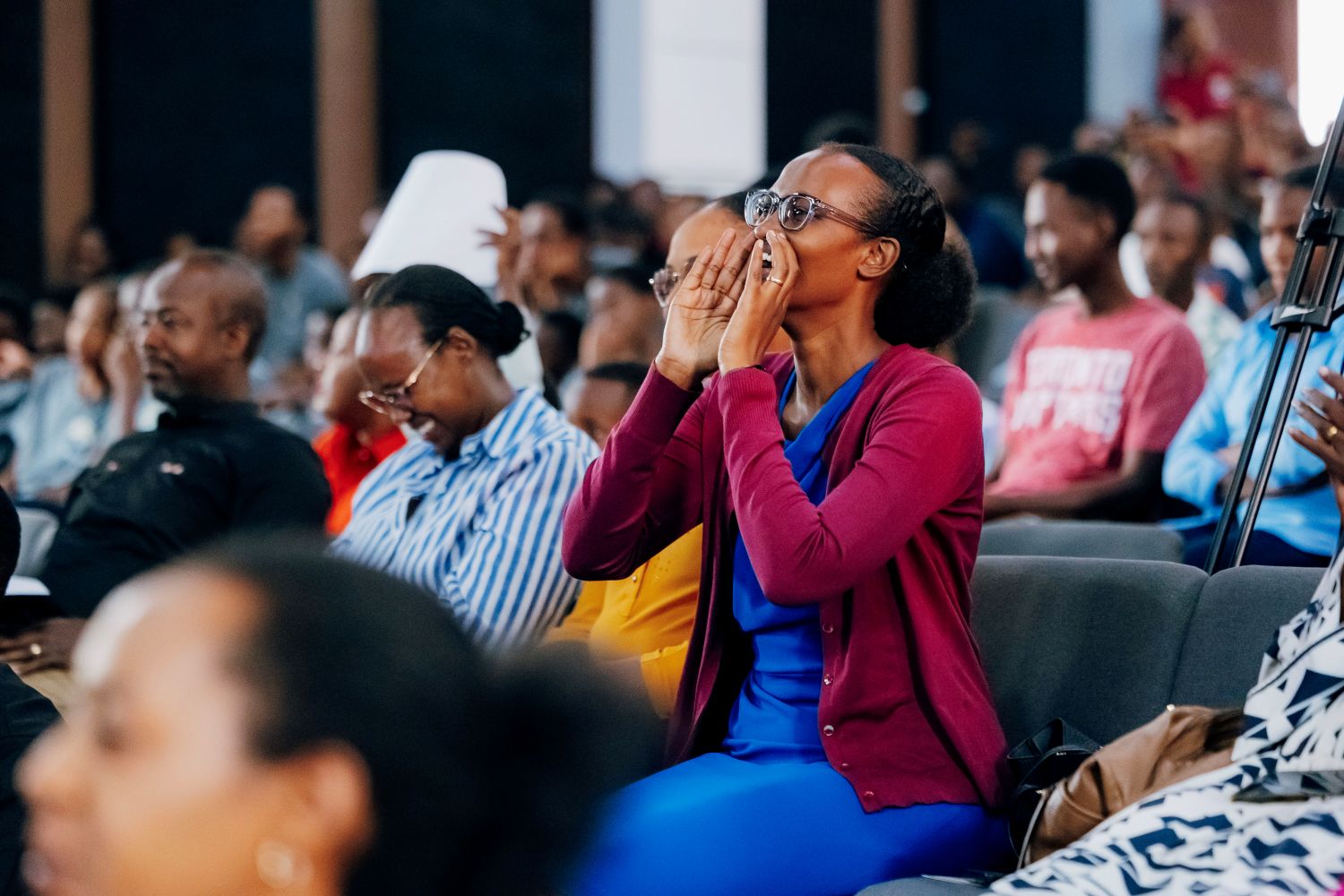
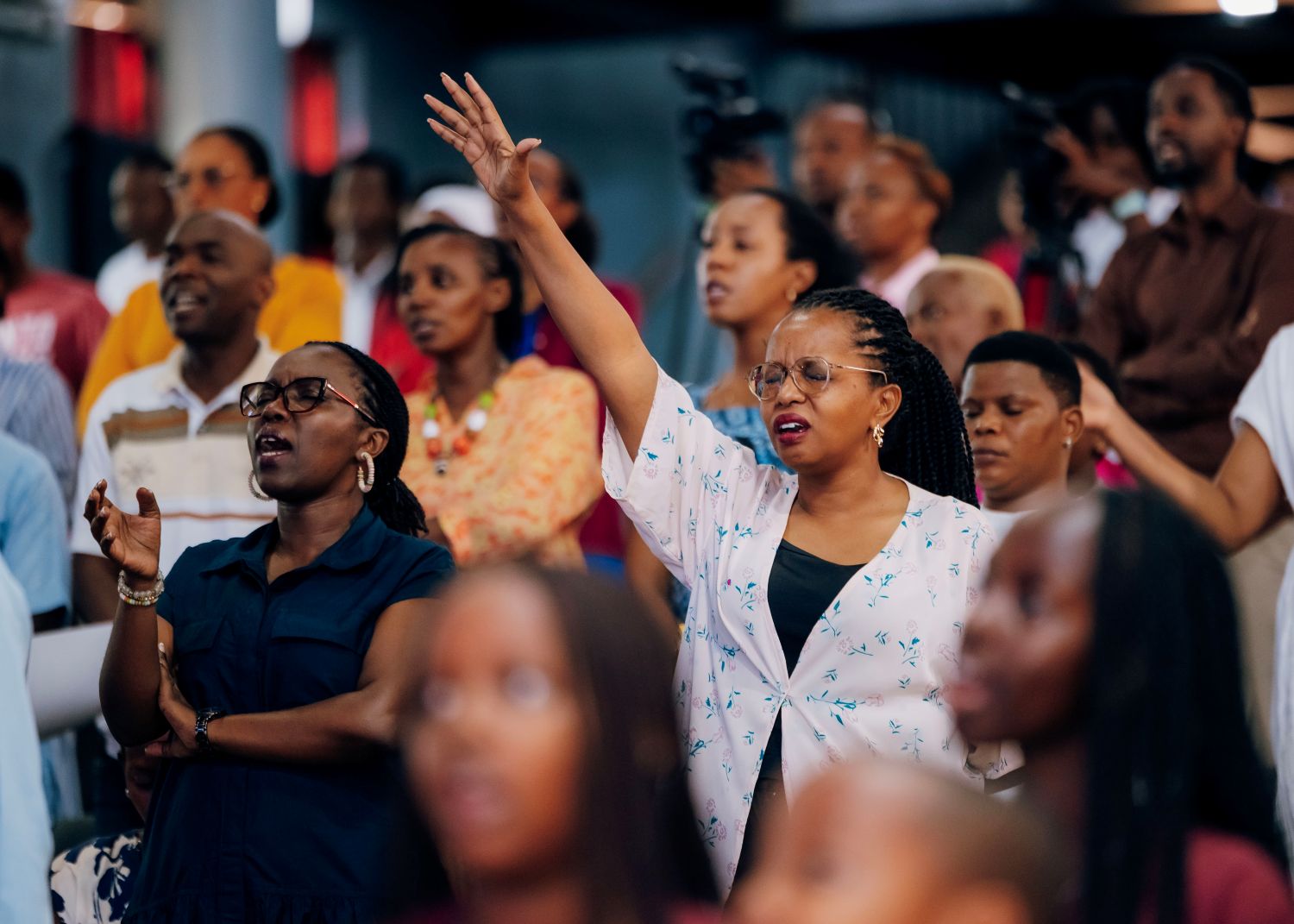
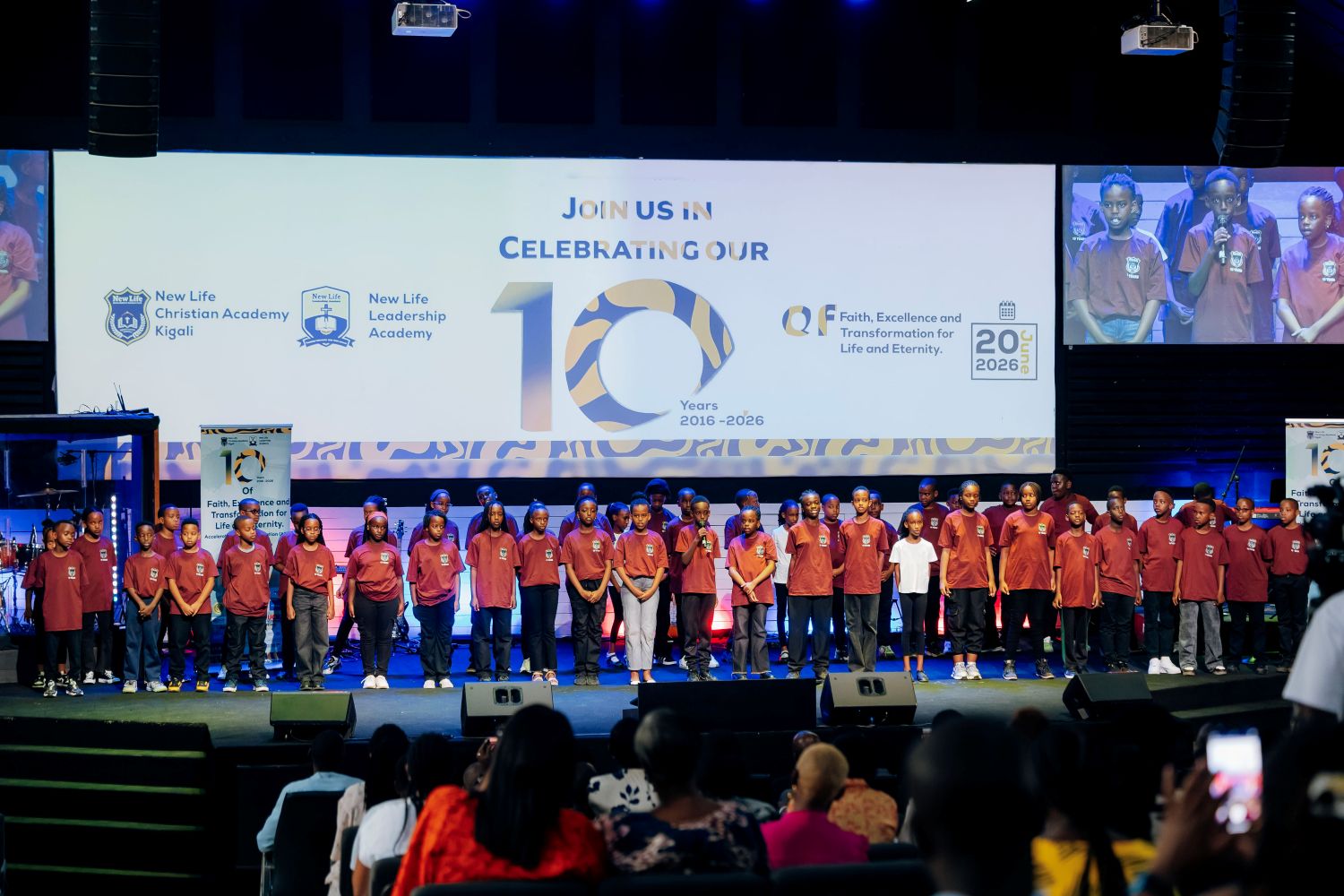
The celebration brought together stakeholders from across the education sector to reflect on a decade of achievements in delivering quality, Christ-centered education while nurturing young people to become responsible leaders guided by strong academic and moral values.
The day-long event featured worship sessions, prayers, cultural performances, Bible presentations, student testimonies, and speeches by staff, leaders and alumni, highlighting the impact ACE has made on learners and communities over the past ten years.
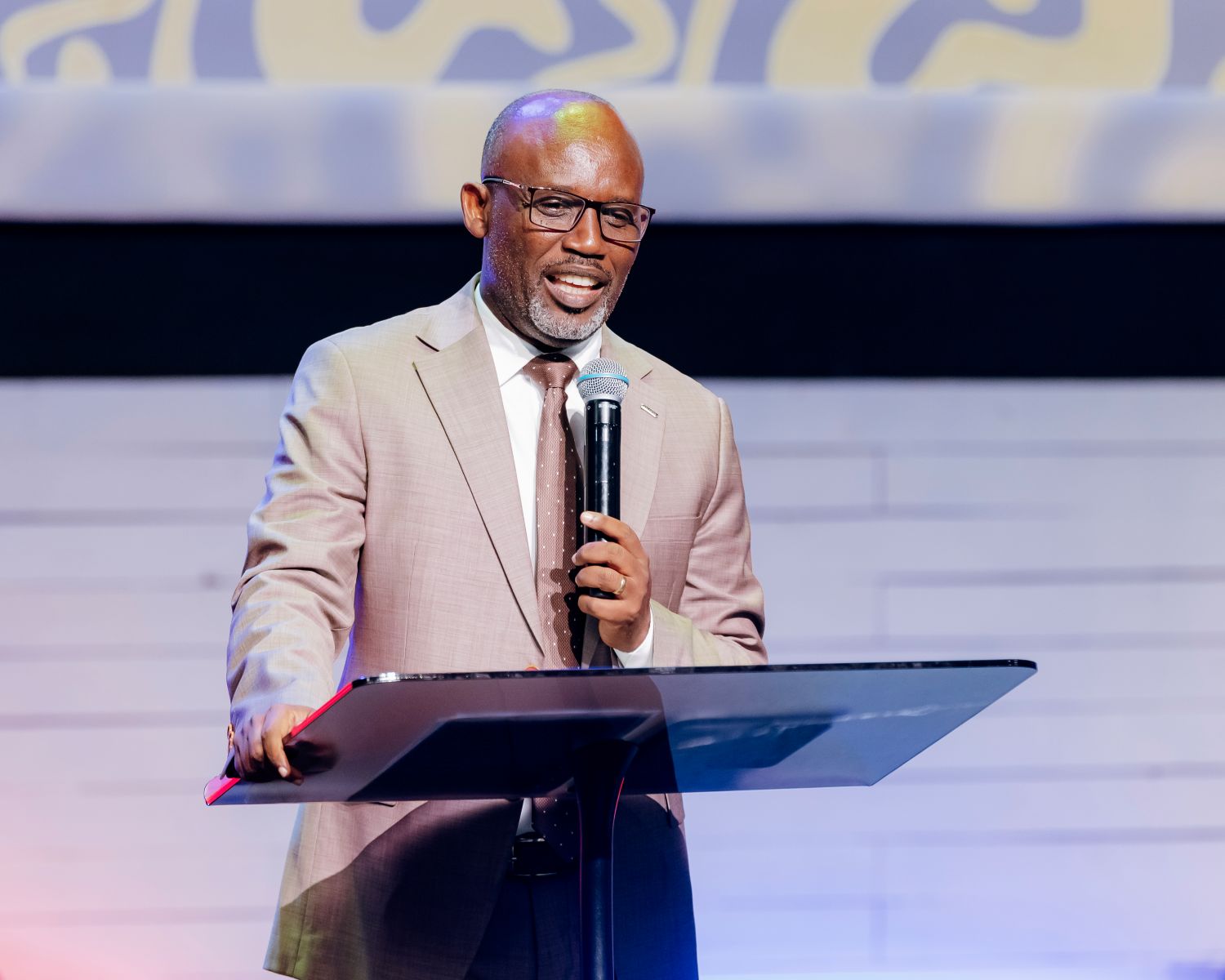
As Guest of Honour, Permanent Secretary in the Ministry of Education Charles Karakye congratulated New Life Schools, which use the ACE programme, on reaching the milestone and commended the institution for its contribution to Rwanda’s education sector.
He praised the organization’s commitment to providing high-quality education and fostering the holistic development of learners, noting that academic success should go hand in hand with character formation and leadership development.
“Quality education is not only about academic achievement; it is about raising responsible citizens with the values, skills, and character needed to contribute positively to society,” Karakye said.
He further emphasized the importance of partnerships between government institutions, schools, parents, and development partners in ensuring that every child receives an education that prepares them for the future.
Karakye acknowledged ACE Rwanda’s role in supporting national education goals and encouraged educators to continue placing learners at the center of the teaching process while equipping them with the knowledge and values needed to thrive in an increasingly dynamic world.
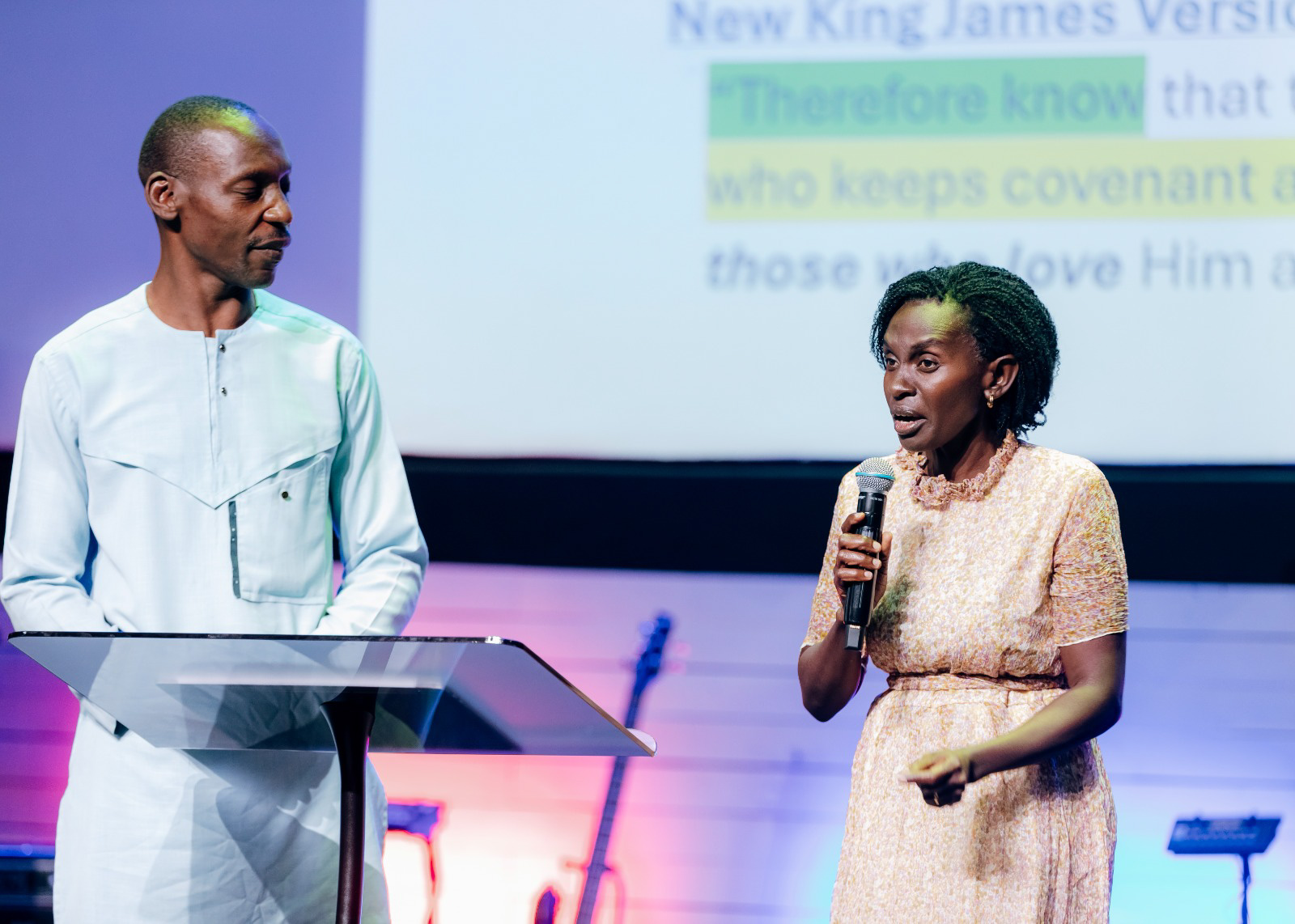
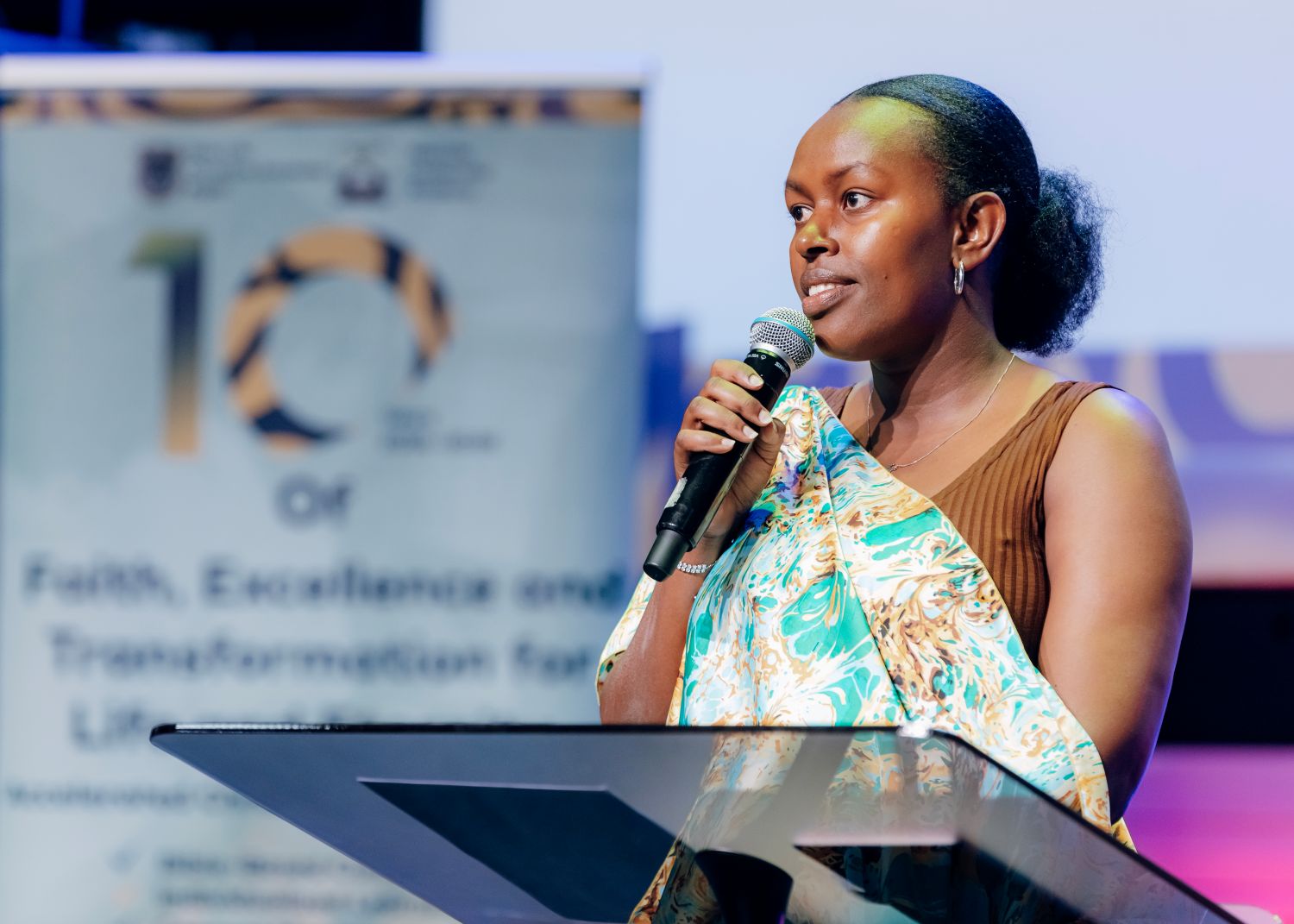
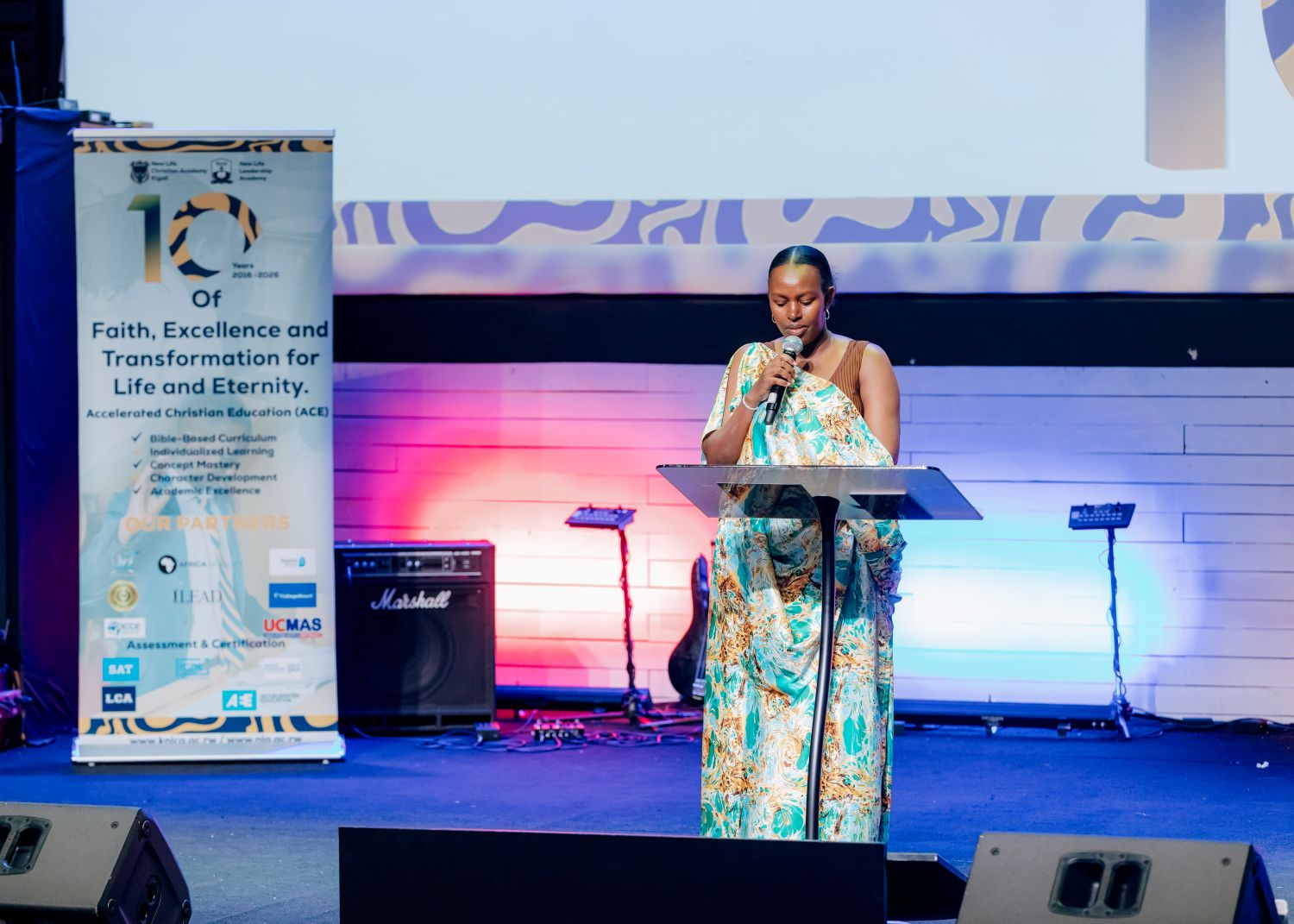
Speaking during the celebration, the Executive Director of Africa New Life Ministries Rev. Fred Isaac Katagwa reflected on the institution’s journey and the vision that inspired its establishment a decade ago.
“Today, we raise our voice to declare, just like Prophet Samuel declared, ‘This far the Lord has brought us,’” Katagwa said.
He recounted how the initiative began with a small group of parents and church leaders seeking an education model that would combine academic excellence with Christian values and leadership development for their children.
Reflecting on the mission behind the initiative, he said, “Ten years ago, this journey began with a simple but profound conviction, a conviction that every child deserves an education. Every child should dream of where they want to go.”
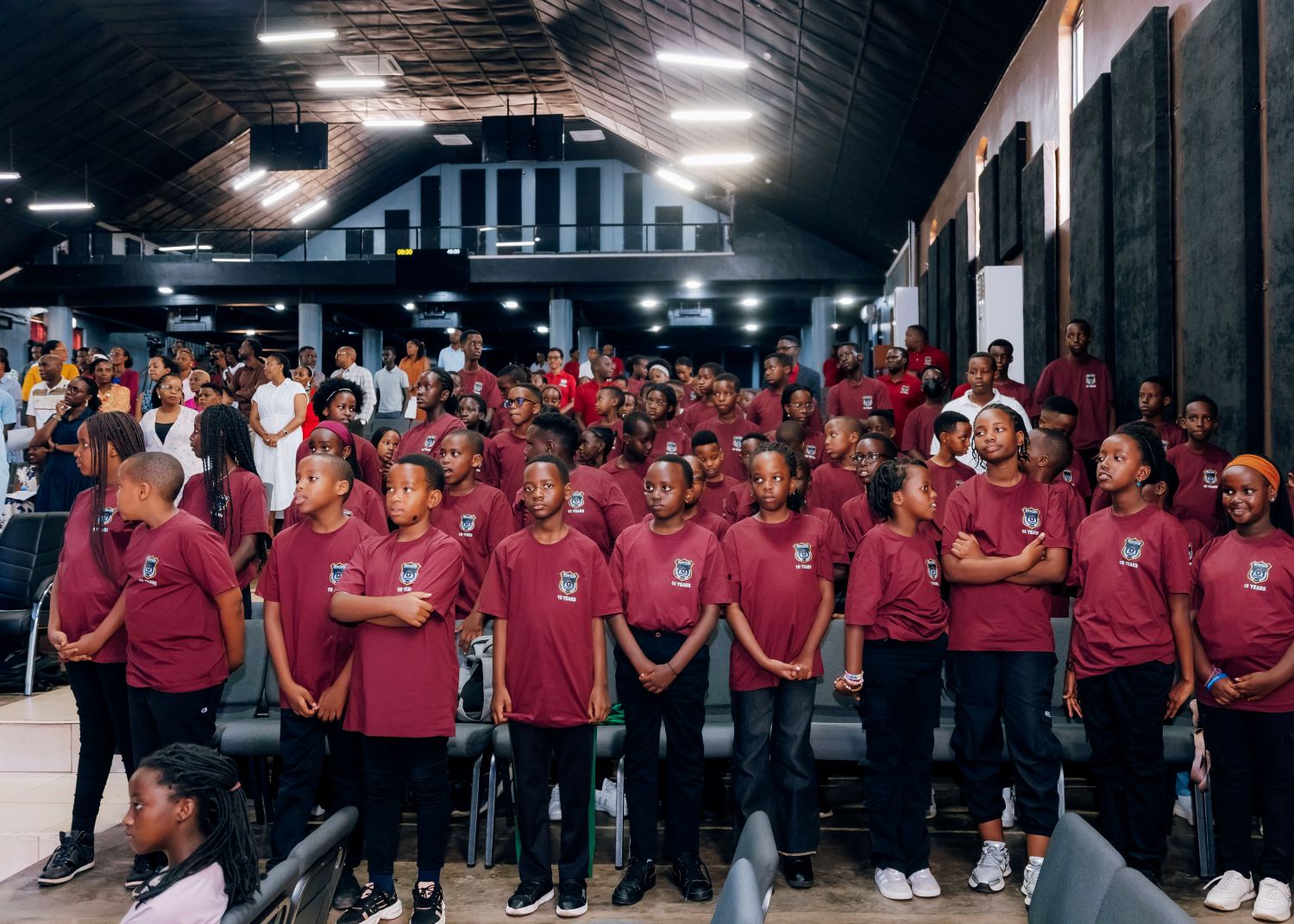
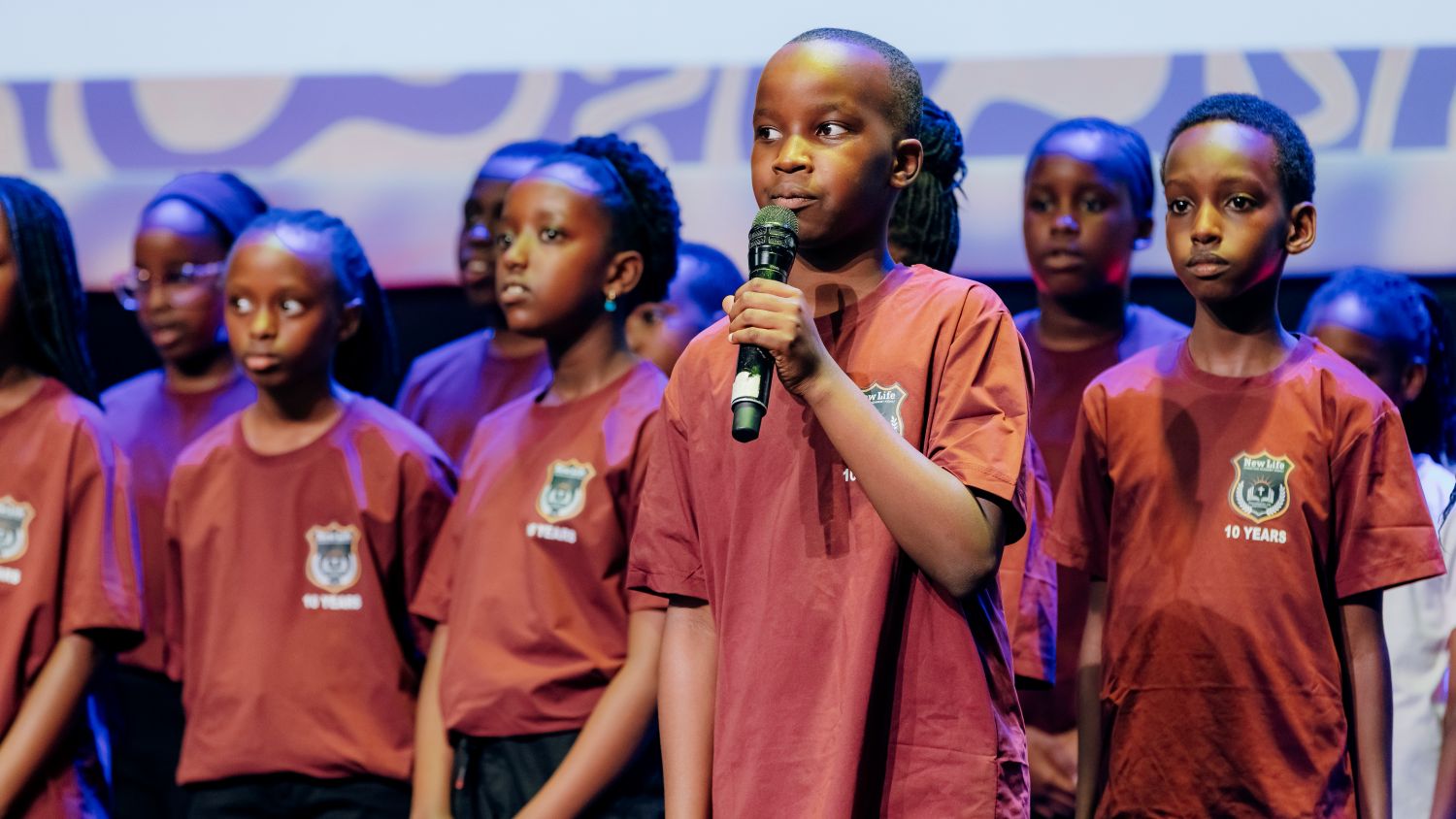
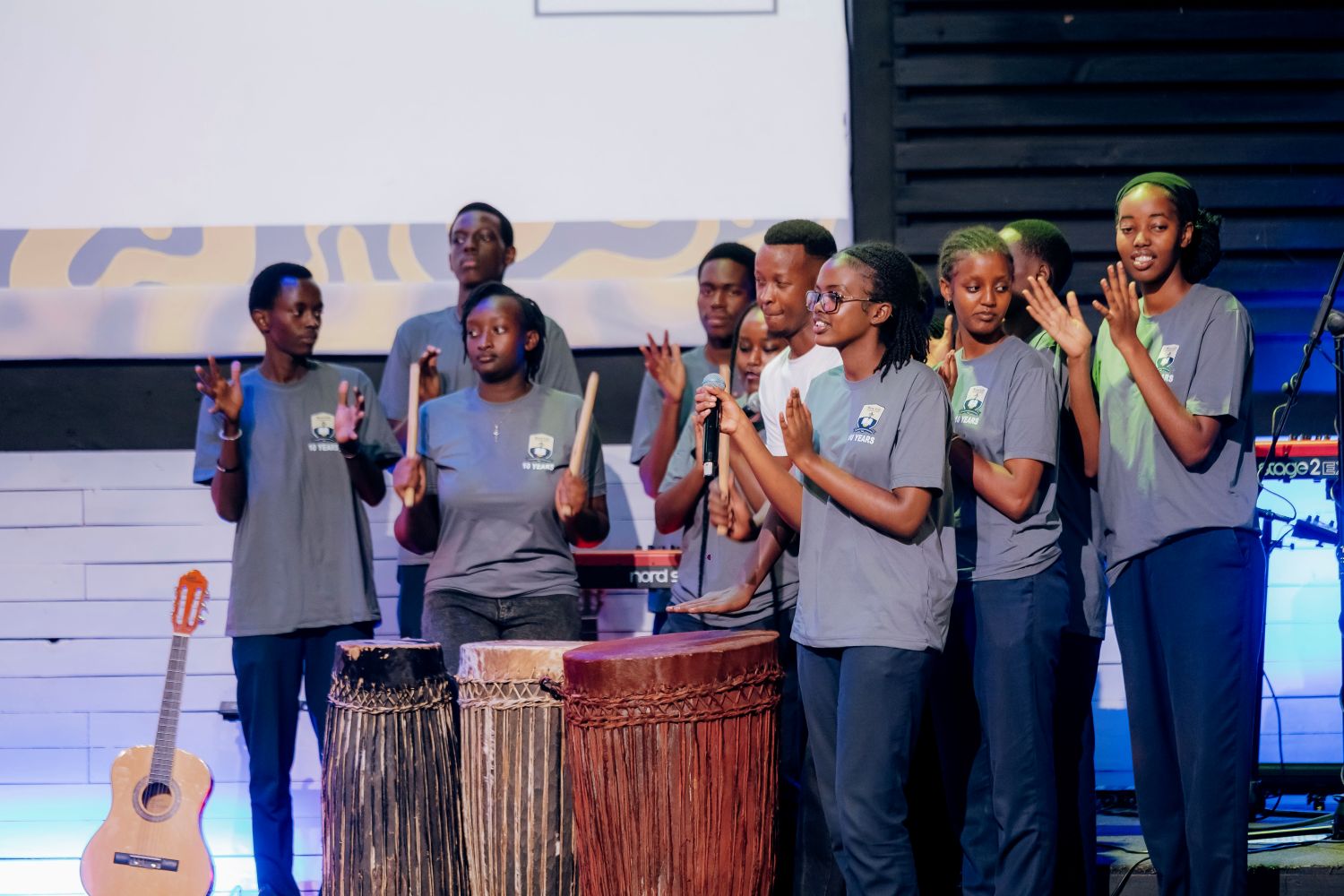
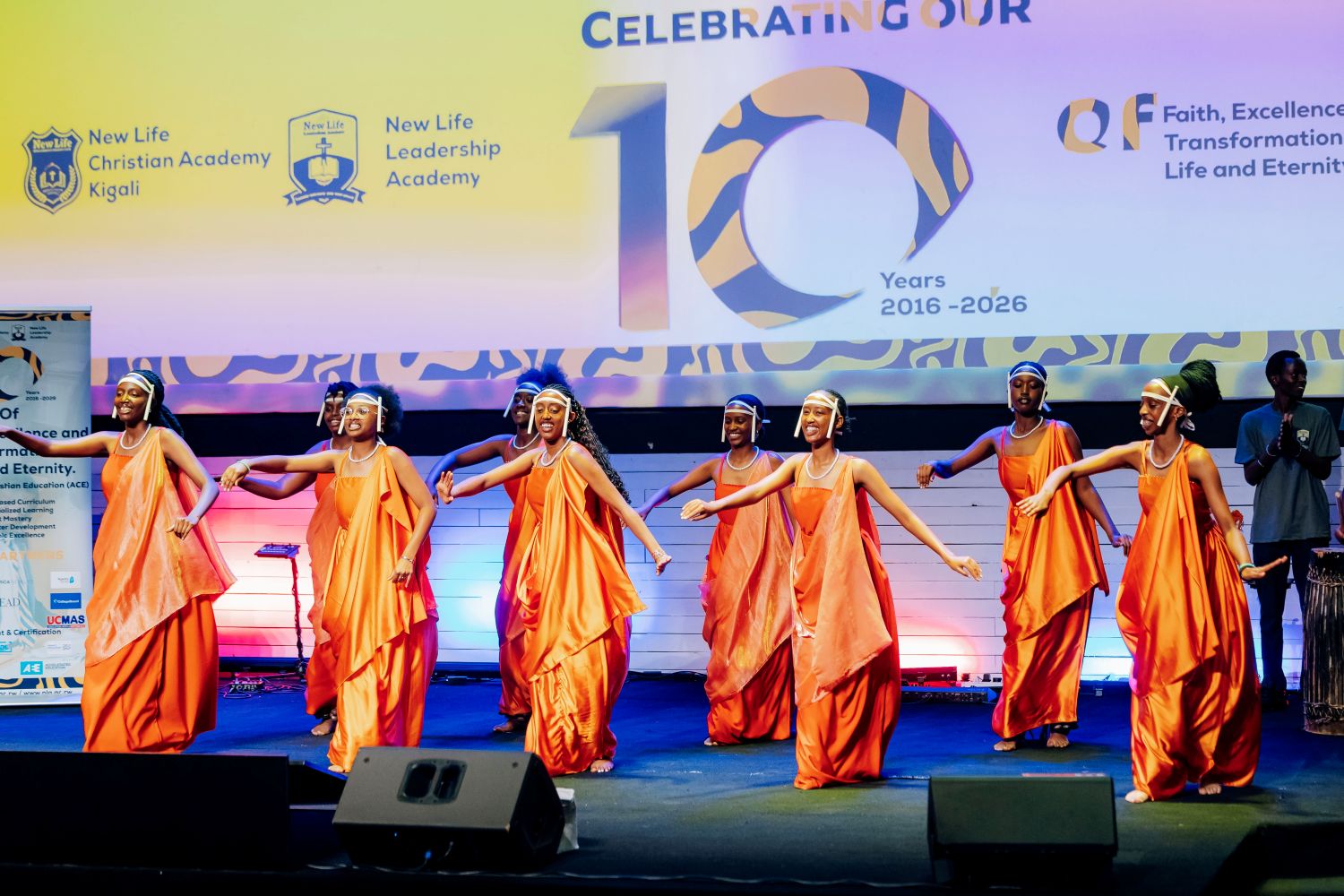
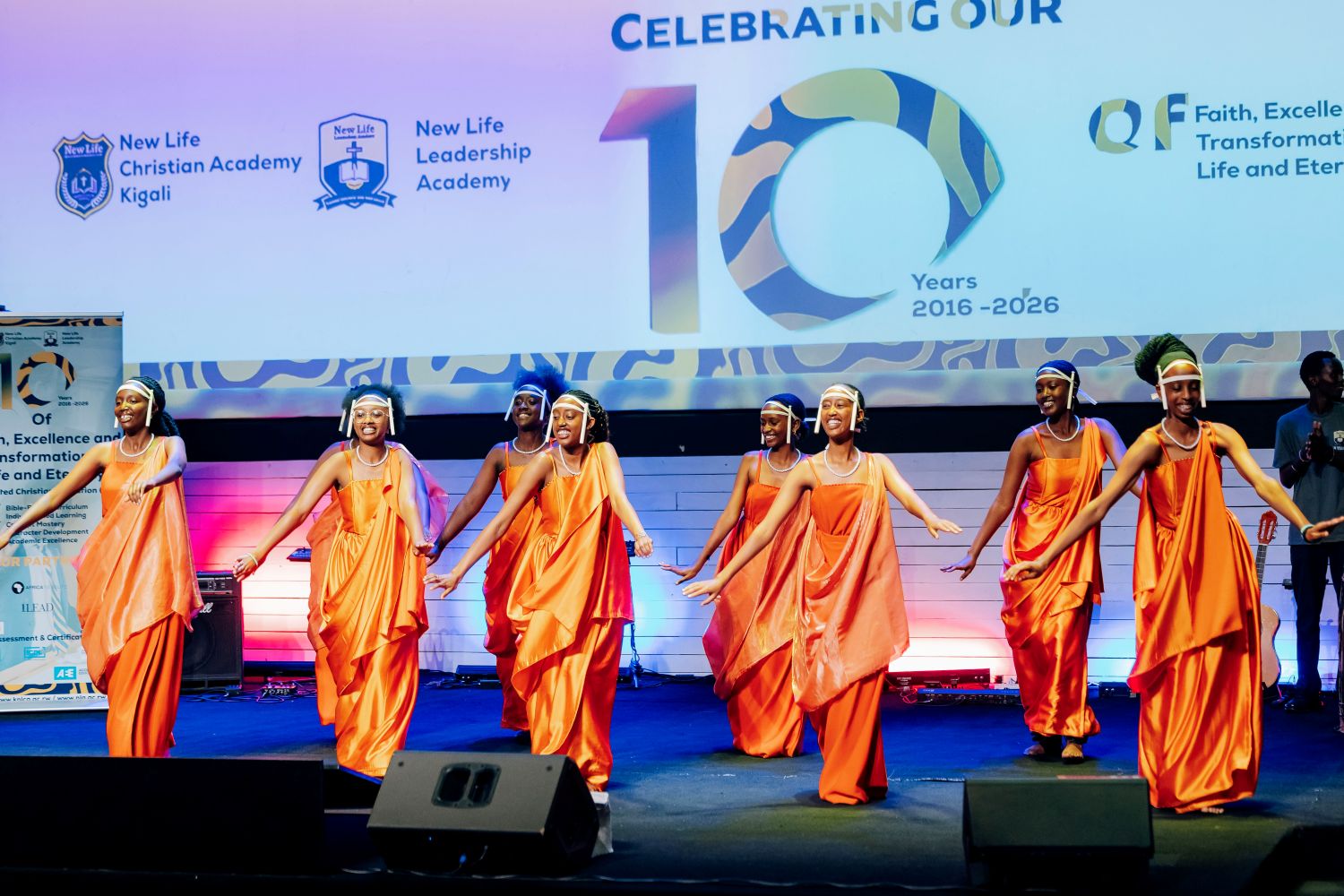
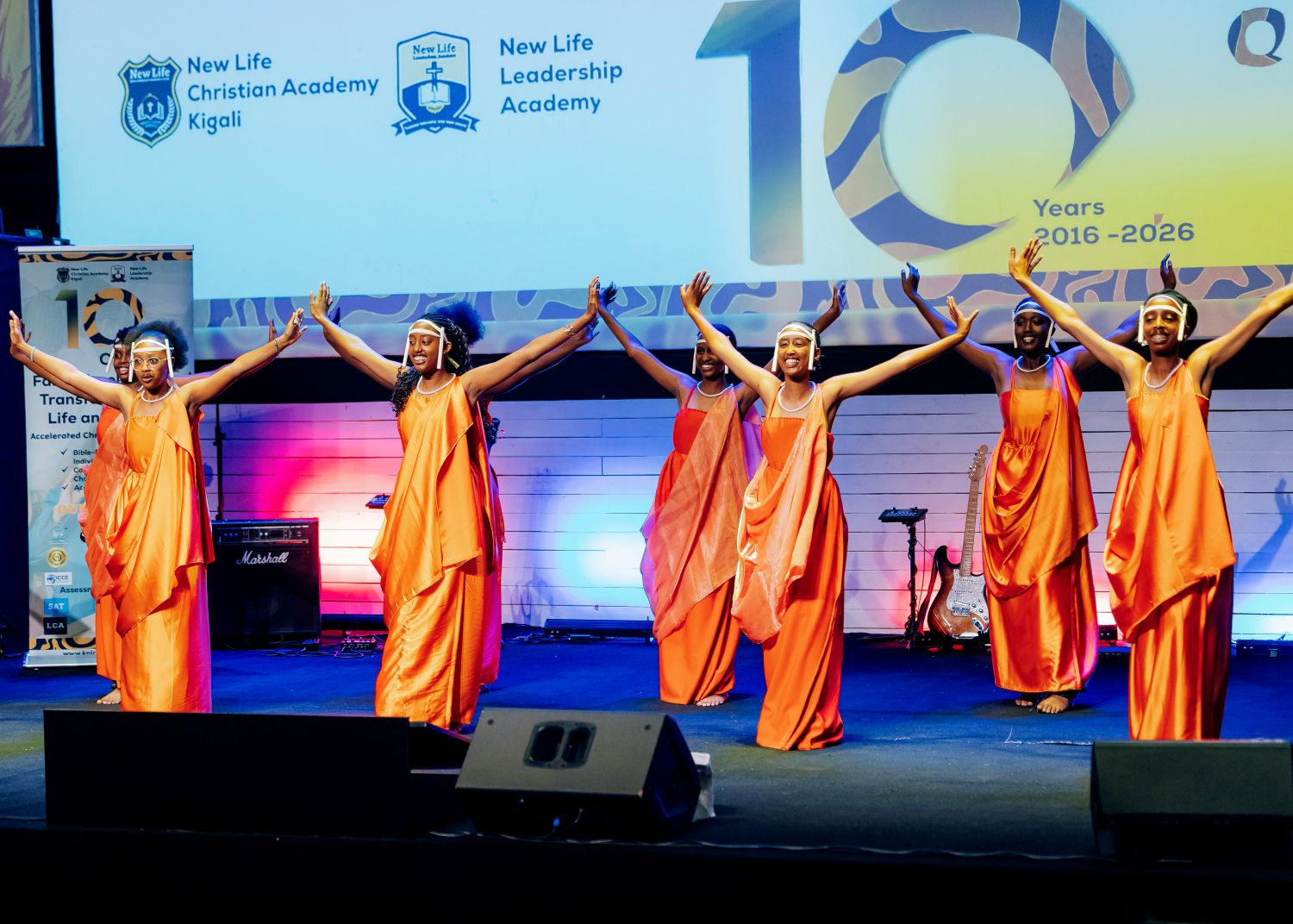
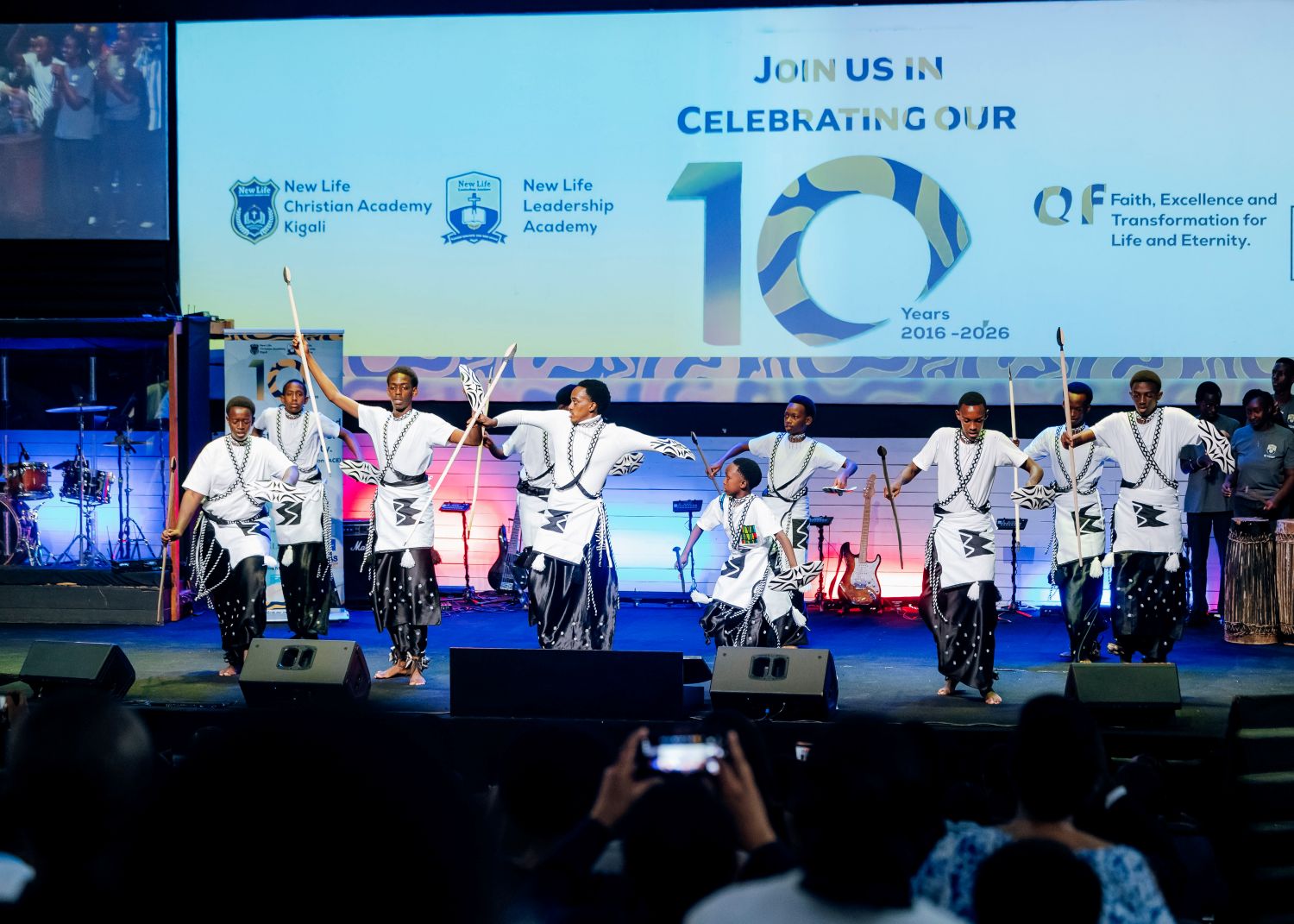
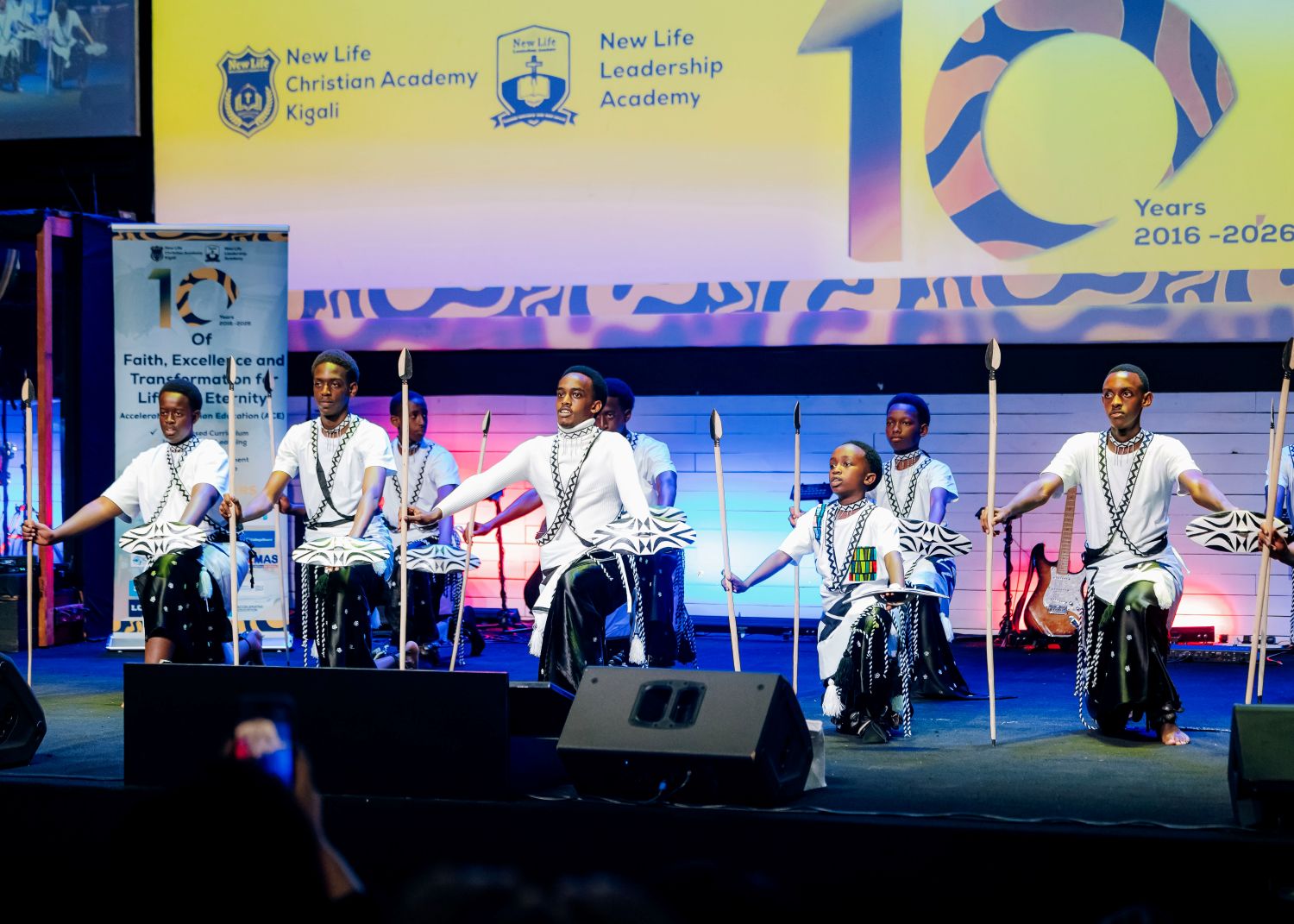
Throughout the celebration, students showcased their talents through traditional dances, music performances, Bible speaking presentations, alumni and personal testimonies that demonstrated the positive impact the ACE model has had on their academic, personal, and spiritual growth.
Beyond academic achievement, the ACE model has continued to open global opportunities for its learners. Through the successful equivalency of qualifications with the National Examinations and School Inspection Authority (NESA), ACE graduates from New Life Leadership Academy have gone on to pursue higher education and professional opportunities in Rwanda and internationally, including in Germany, the United States, Canada, Uganda, and the United Arab Emirates.
These success stories reflect the strength of an education model that equips learners with both academic excellence and the character needed to thrive in diverse environments.
Leaders from Africa New Life Ministries and ACE emphasized that education extends beyond classroom instruction and should prepare learners to become servant leaders capable of making meaningful contributions to their communities and the nation.
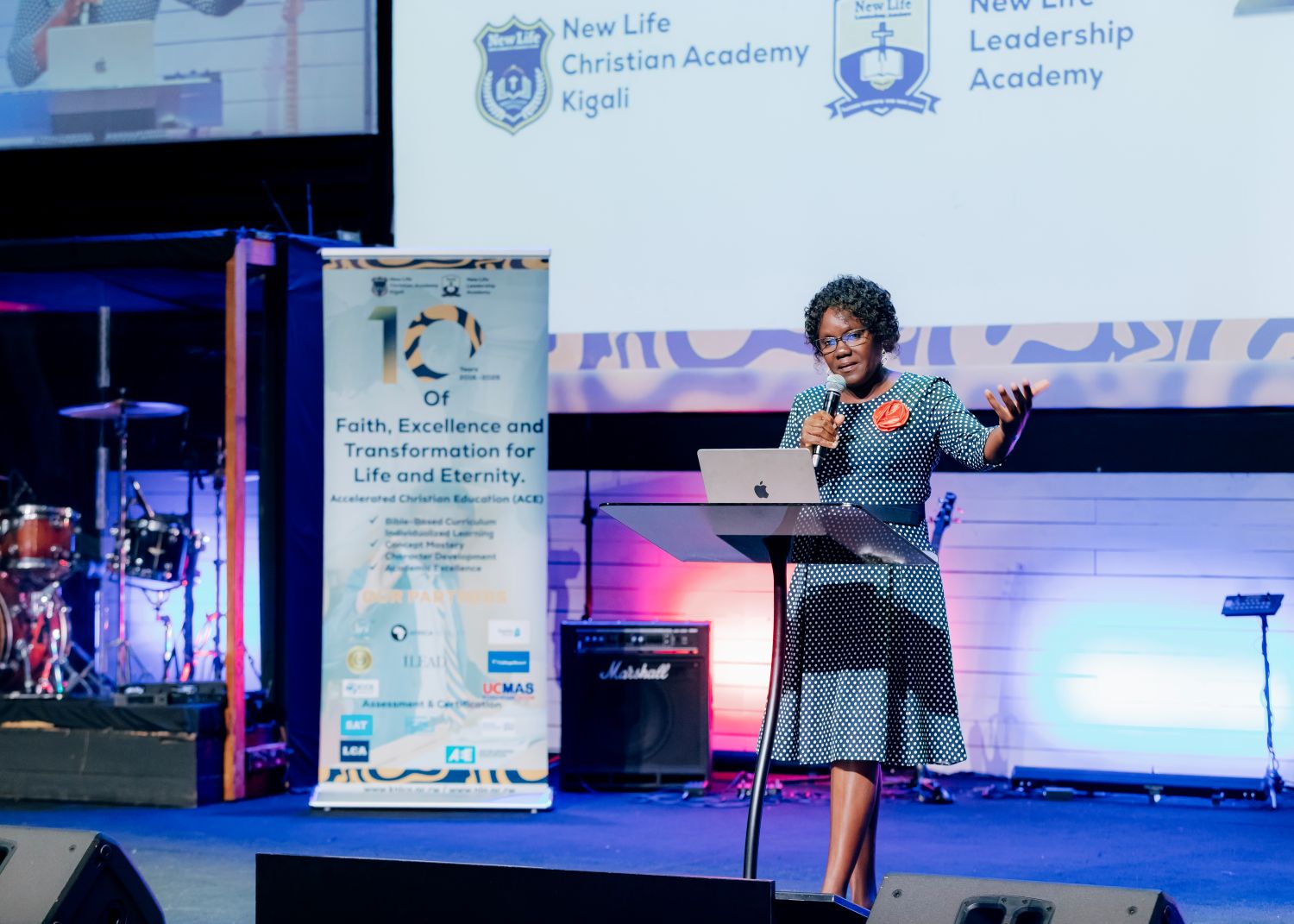
The accrediting body representative, Ms. Joyce Owor, Regional Manager for the Accelerated Education Enterprise (AEE), congratulated Africa New Life on its outstanding leadership in implementing the ACE curriculum in Rwanda.
She highlighted the remarkable growth of ACE schools across the region, including Tanzania, Burundi, Kenya, Uganda, and now Rwanda and noted the program’s success in producing well-rounded, focused, and high-integrity graduates.
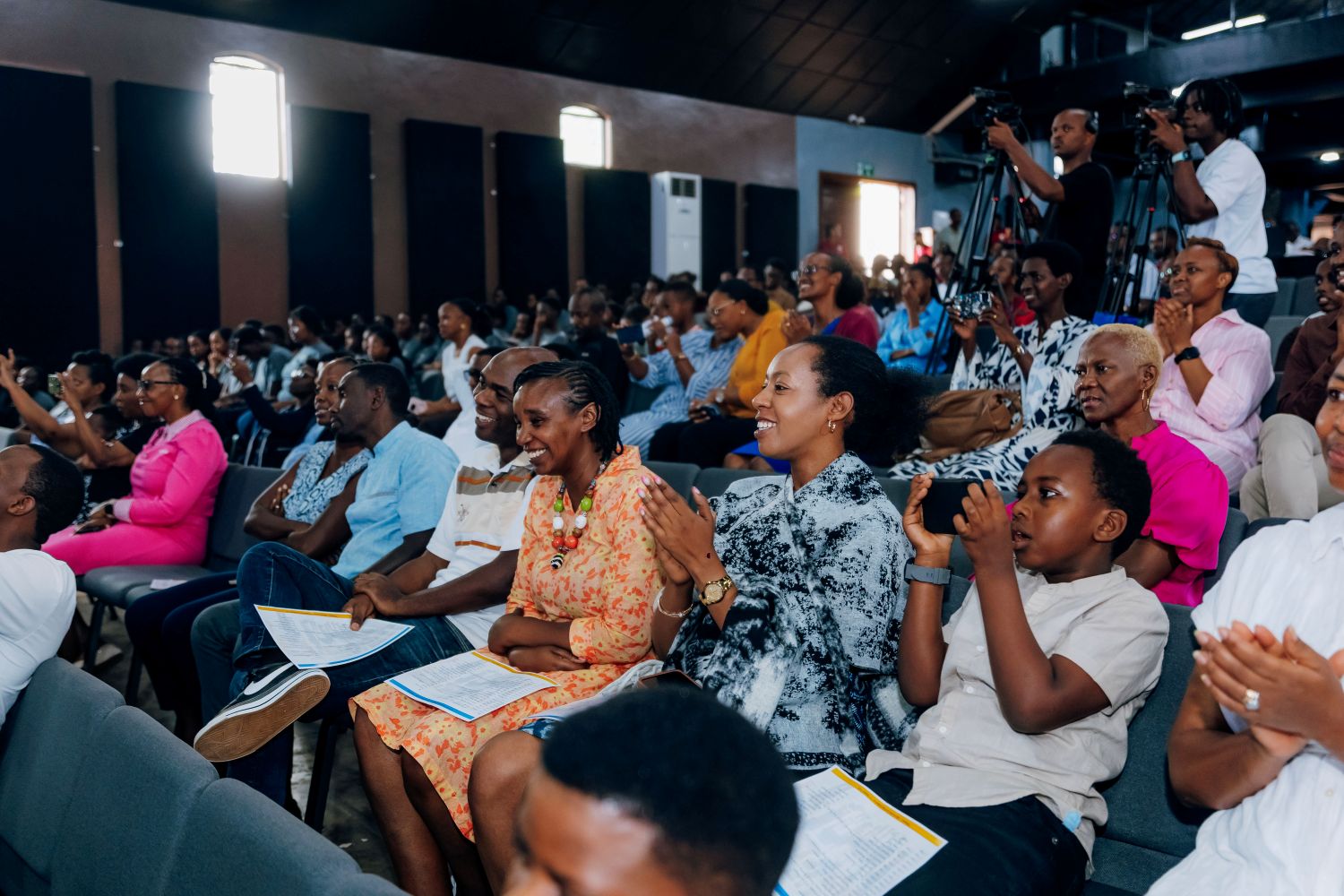
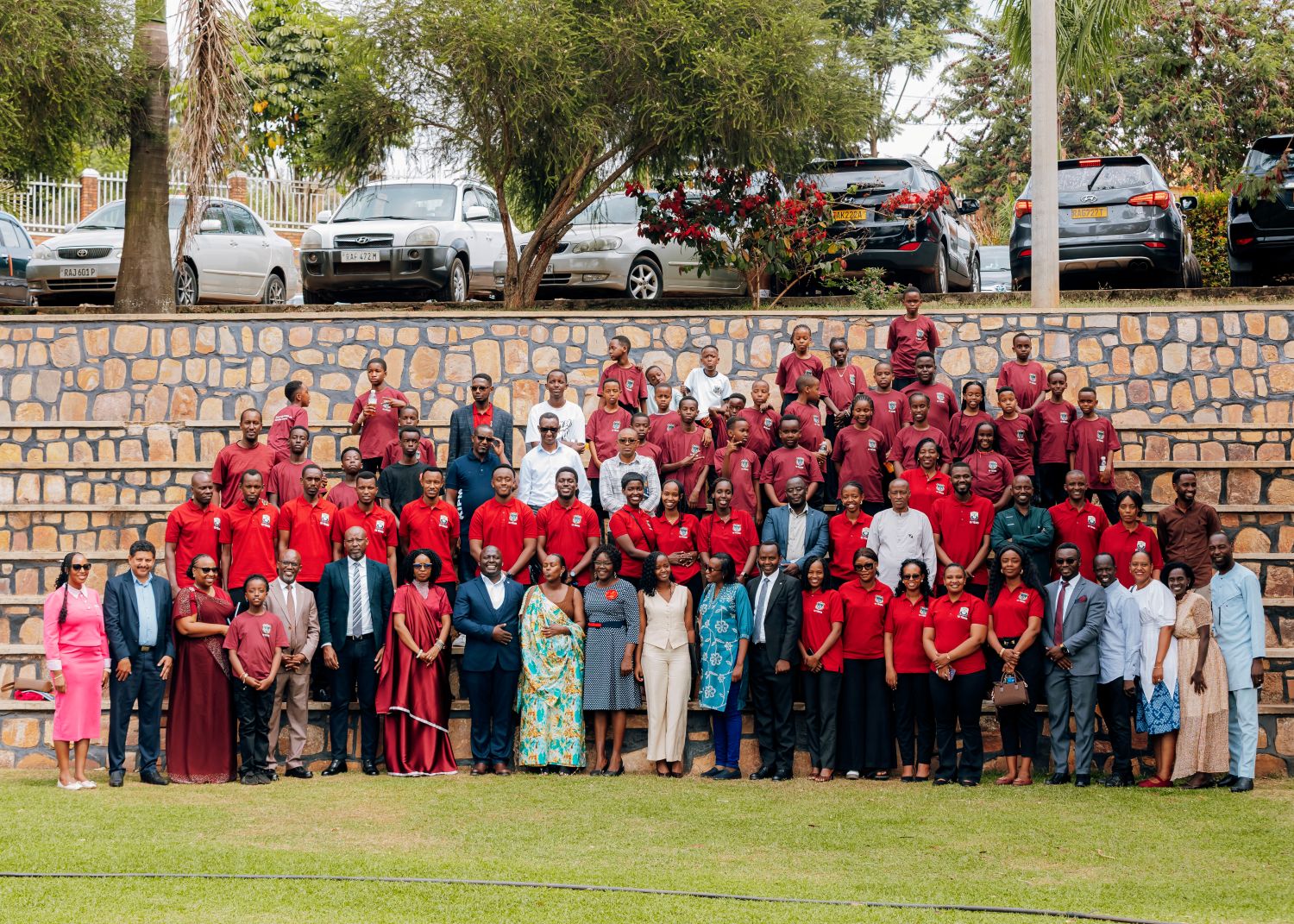
Representatives from schools implementing the ACE curriculum across Rwanda attended the anniversary celebration, reflecting the program’s growing influence and its commitment to holistic education.
While maintaining its Christian foundation and internationally recognized learning approach, ACE works to contextualize its curriculum to the Rwandan environment.
This includes integrating Rwanda’s history, values, and national identity into the learning experience, helping students develop a deeper understanding of their country’s journey while nurturing responsible citizenship, cultural appreciation, and leadership grounded in both faith and national values.
As the schools enter their second decade, stakeholders reaffirmed their commitment to expanding access to quality Christ-centered education and equipping future generations with the knowledge, values, and leadership skills needed to succeed.
For many attendees, the anniversary served as both a celebration of past achievements and a renewed commitment to the future. The occasion concluded with optimism that the ACE curriculum will continue transforming lives and shaping leaders who will positively impact Rwanda and beyond.
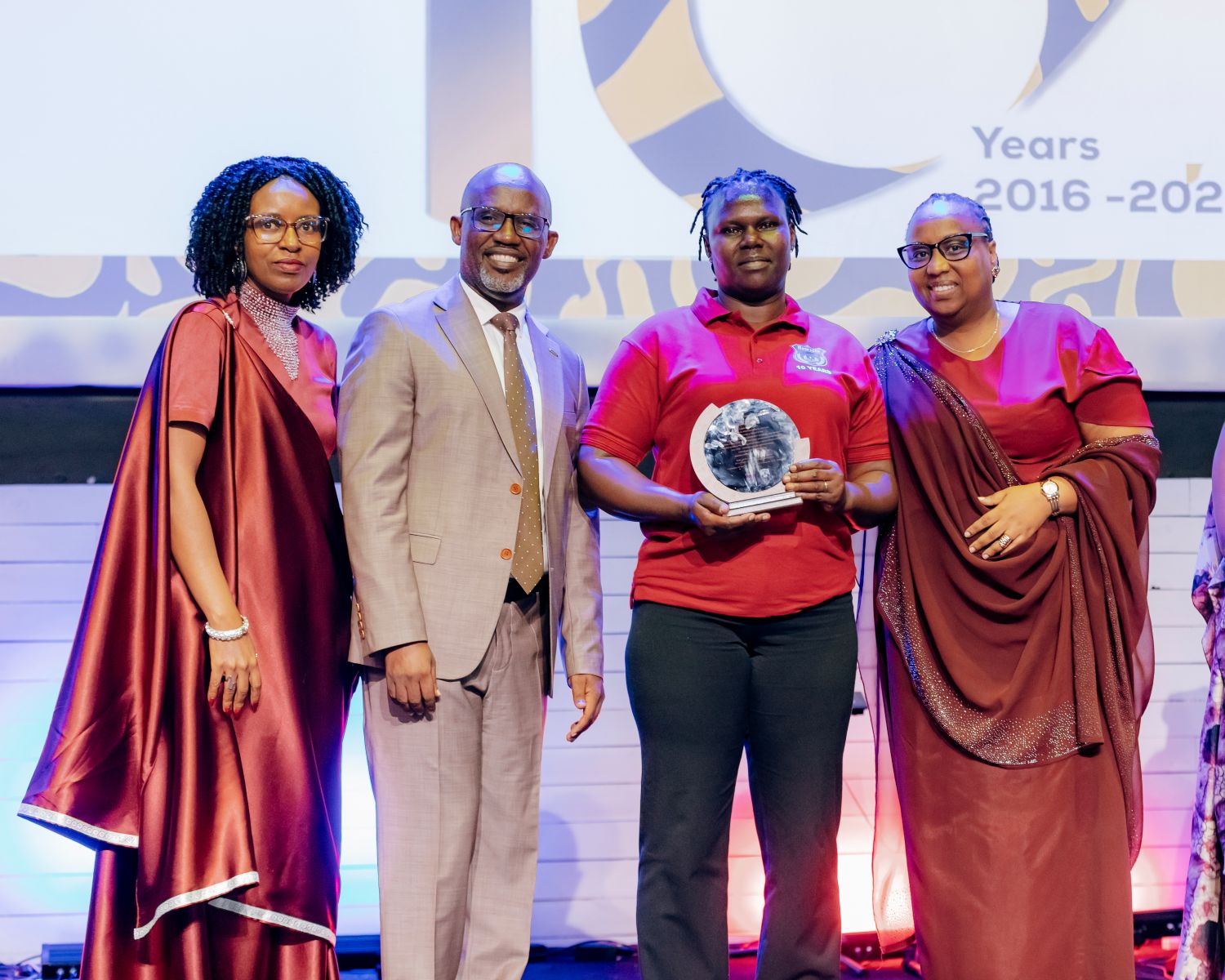
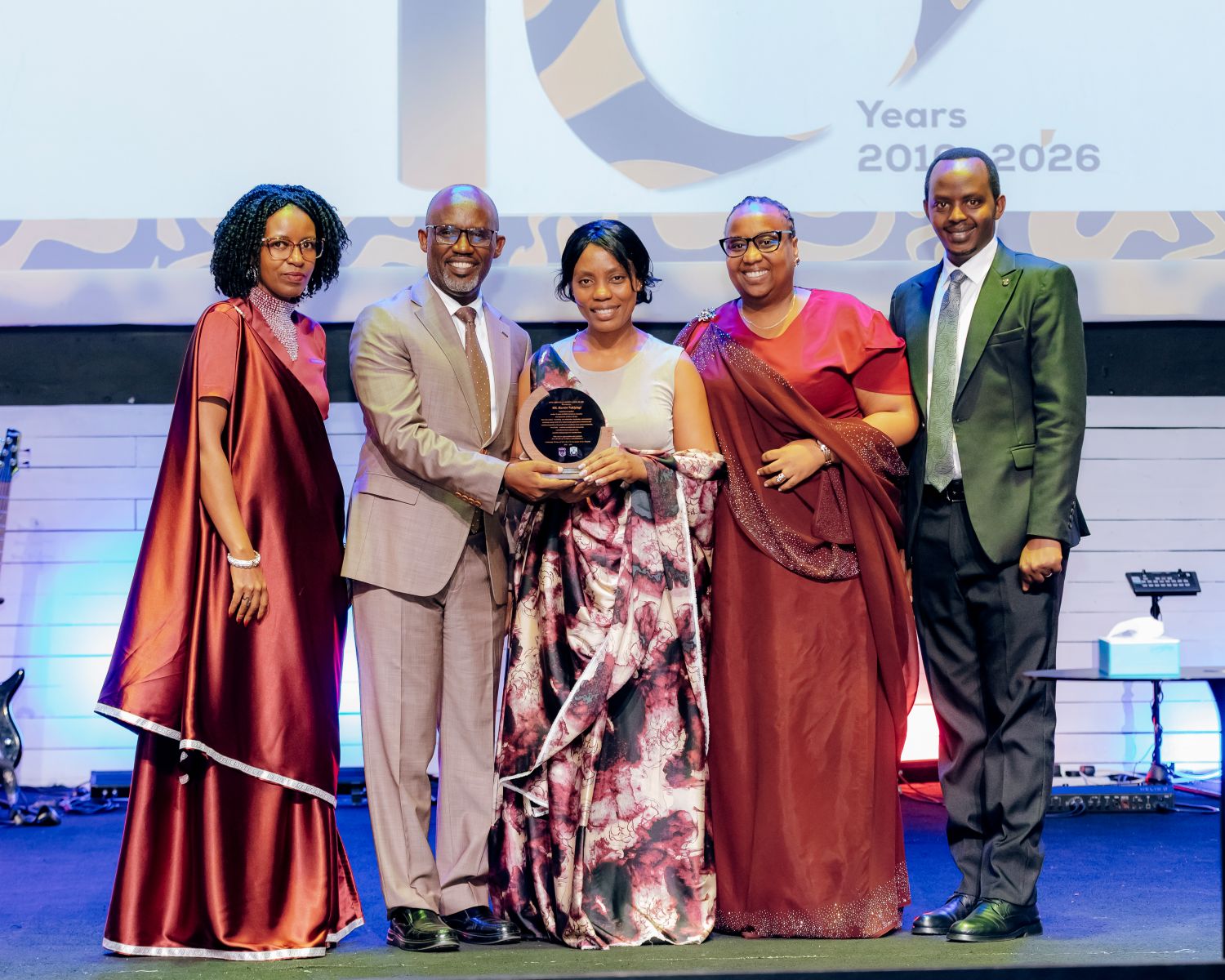
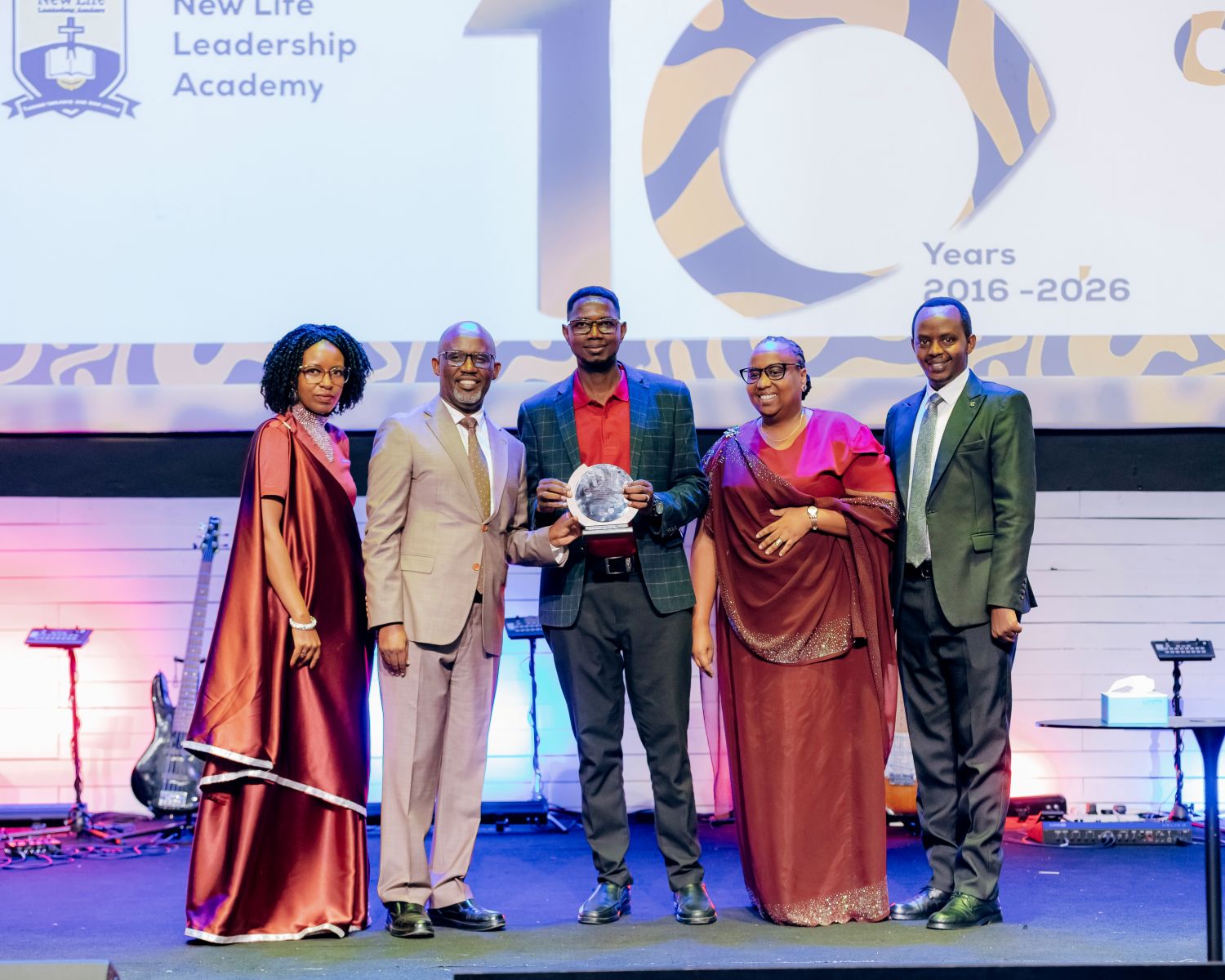
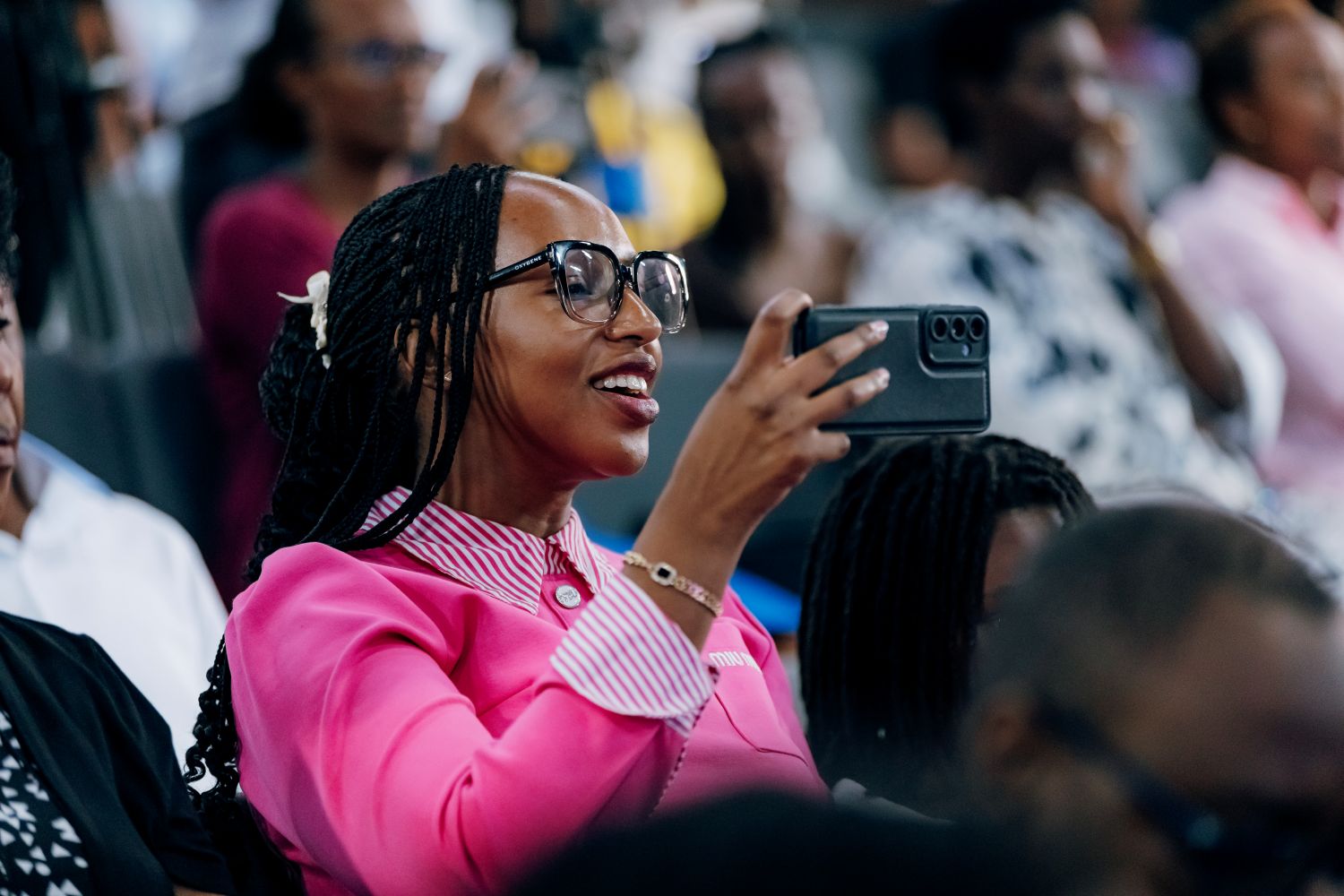
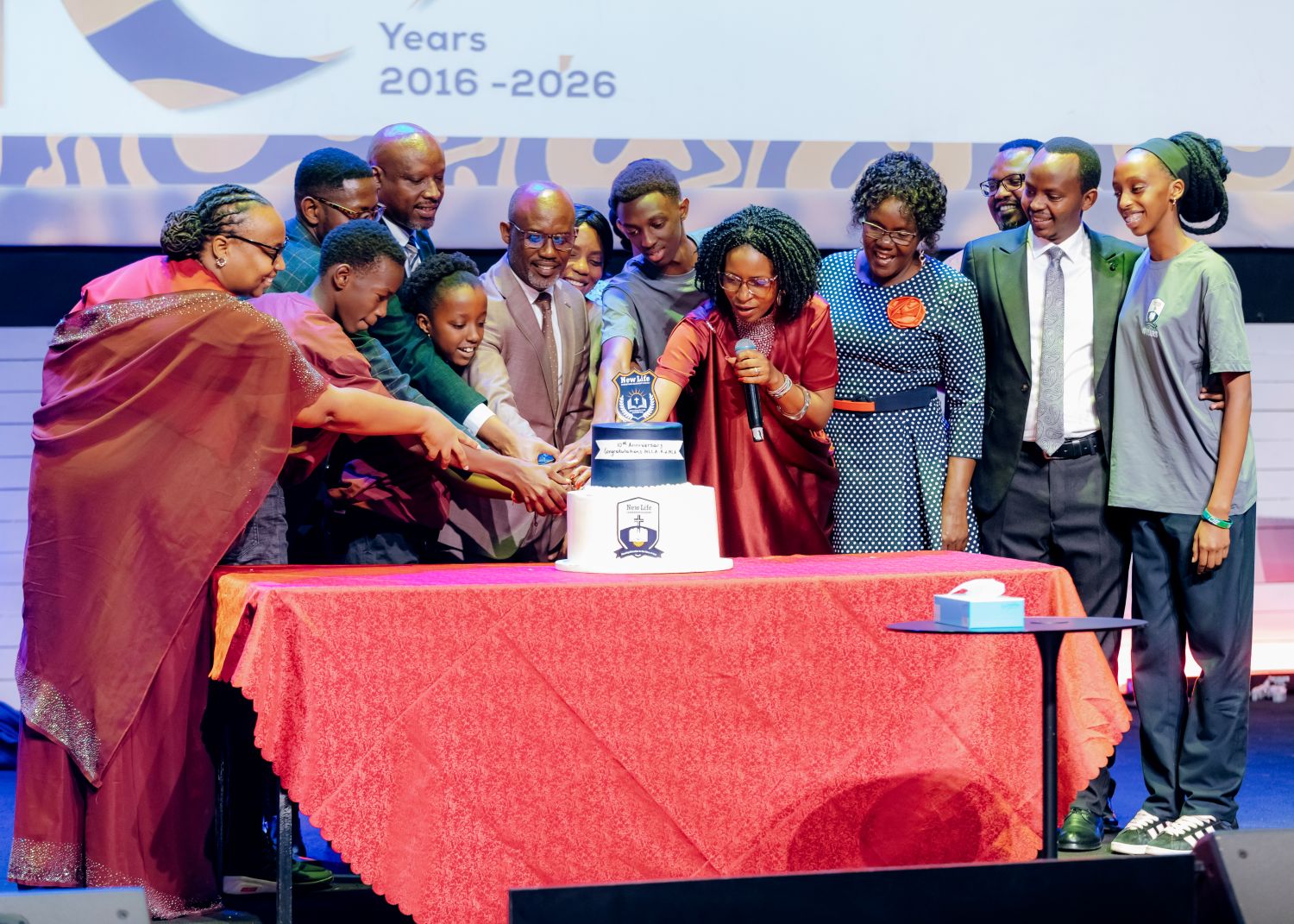
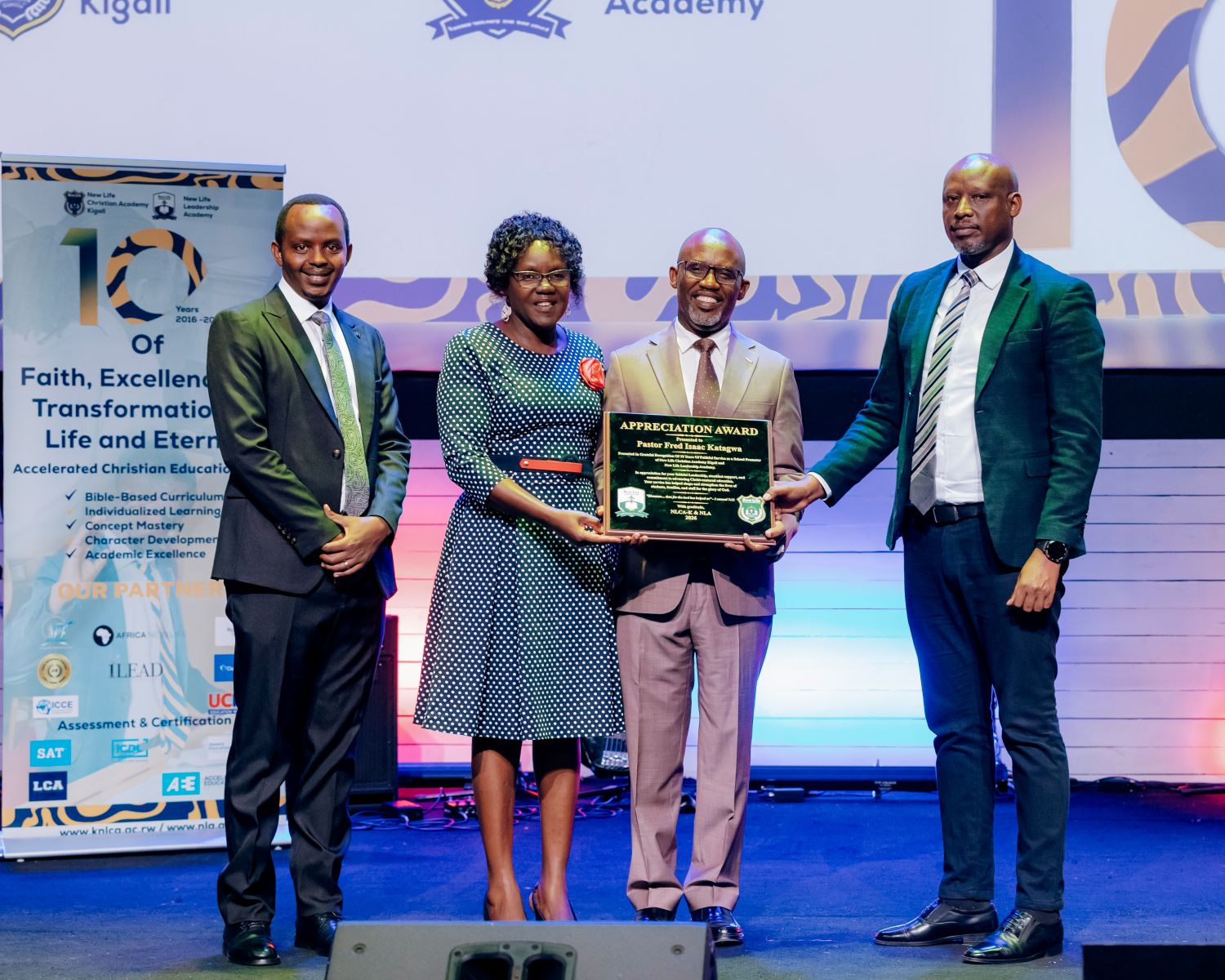
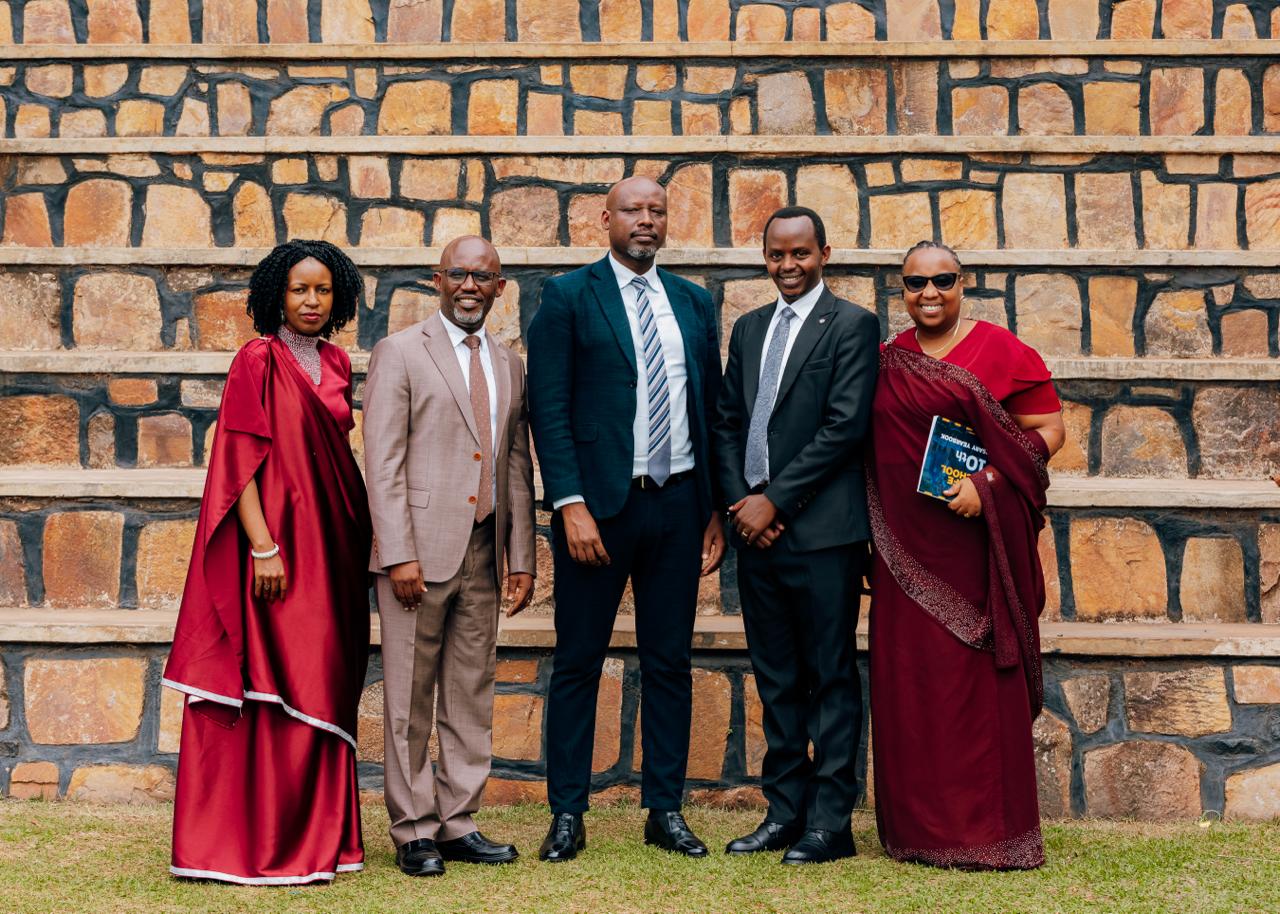
The milestone marked a decade in which New Life Christian Academy–Kigali (NLCA-K) and New Life Leadership Academy (NLA) have shaped academically excellent, Christ-centered leaders through the Accelerated Christian Education (ACE).Parents at the 10th anniversary celebration of ACE Rwanda shared appreciation for the school’s role in nurturing discipline, values, and academic excellence in their children.Rev. Fred Isaac Katagwa recounted the vision and commitment that laid the foundation for ACE Rwanda’s growth over the past decade.Permanent Secretary in the Ministry of Education Charles Karakye commended ACE Rwanda for a decade of providing quality, values-based education during its 10th anniversary celebration.Staff members were honored with awards in recognition of their hard work, service, and impact in shaping learners over the past ten years.Throughout the celebration, students showcased their talents through traditional dances, music performances.L-R, Director of Schools, Africa New Life Ministries, Sylvia Kendiisa Kaweela; Executive Director, Africa New Life Ministries, Rev. Fred Isaac Katagwa; Ministry of Education Permanent Secretary, Charles Karakye; New Life Leadership Academy, Principal, Cyiza Moses; New Life Christian Academy Kigali, Principal, Ms Ingrid J Kaneza
The 6-foot-10 former Tennessee Volunteers forward, who is a projected lottery pick, expressed deep pride in his Rwandan heritage and praised the explosive growth of the sport in his mother’s homeland.
Ament, who is just days away from hearing his name called in the draft, described a mix of excitement and reflection as the big moment approaches.
“Super excited, definitely a little reflective of just all I’ve gone through in my basketball process. You know, it was funny when I’m in, like inviting the people to come out and celebrate with me and watch,” he said.
“I just, you know, think about how much they’ve impacted my career and how much they helped me. I just want to give, you know, a bunch of thanks to those people.”
When asked which NBA teams have shown the most interest in him during the pre-draft process, Ament revealed the franchises he has worked out for.
“Well, I’ve only done four workouts. I’ve done Chicago, Brooklyn, OKC, and the Clippers. So they’ve shown a lot of love.”
With draft projections placing him around the top 10, including a mock selection to the Milwaukee Bucks, Ament said draft position matters less than impact.
“Honestly, I mean, for me, it’s just, you know, the fit, wherever I get drafted, I could, it doesn’t really matter, you know, if I get drafted high or low, I just want to be able to come in and impact the game immediately. So that sounds good to me as long as I’m playing.”
The young star, who grew up admiring Kevin Durant and Russell Westbrook, said the Oklahoma City Thunder trio of Durant, Westbrook, and James Harden was especially influential in his development.
“I was a big KD guy. I loved KD and I also love Russell Westbrook. I loved that OKC team when they had the KD. I had him, Harden, and Russ. That was my favourite team.”
Asked what it would feel like to face Kevin Durant in the NBA, Ament admitted it would be a surreal moment.
“It would be surreal. I mean, I’ve studied so much from his game. We’re from the same area and you hear about, you know, stories about him and, you know, how competitive he was in high school and then all the way into where he is now. So that would just be a surreal moment.”
He also shared a light-hearted remark about his college coach, Rick Barnes, who previously coached Durant at Texas.
“He’ll make comparisons to say that I’m not like KD. He’ll try to make fun of me and try to say like I’m not there yet and light a fire under my butt. But no, he’s great.”
One of the most notable aspects of Ament’s story is his strong connection to Rwanda through his mother’s side of the family.
“Yeah, my mother was born and raised there. I’m half Rwandan. My mom’s brother lives out there.”
Reflecting on his visits to Rwanda, he said each trip has helped him better understand his heritage.
“It’s great. I mean, it’s a different story each time. Just getting older and me being able to understand more about the country. But not only do I learn more about the country, I learn more about my family and our lineage and just what it means to be Rwandan.”
When asked directly whether he would consider playing for Rwanda’s national team, Ament did not hesitate.
“I would entertain it for sure, for sure. I mean, basketball is huge in that country and it means so much to their fans and their community. So I would definitely entertain it.”
Beyond basketball, Ament also spoke about his sporting versatility, including golf, soccer, and a memorable experience working with professional golfer Bryson DeChambeau.
“Yeah, he signed a Reebok, so am I. So it was, they kind of set it up for me. It was great. I don’t know if you saw that video, but I broke his driver. So that was, it was kind of awkward, but no, it was great.”
Explaining the incident, he added humorously:
“Well, it wasn’t his driver. He would never let me use his driver because he’s going to play with it in the tournament. It was the clubhouse’s driver, but he was just teaching me swings. And he was like, this was like my last swing before we had to get going. He was like, I just want you to give everything you have on this swing, let it rip. And I think I let it rip a little too hard and the driver had to go off.”
Despite the mishap, Ament said the experience was motivating.
“IT definitely motivated me a lot. I haven’t played in a minute, so we’ll see next time I get out there, but it definitely motivates me to keep going.”
As the NBA Draft approaches, Ament says he is ready for the next chapter of his career, wherever it begins.
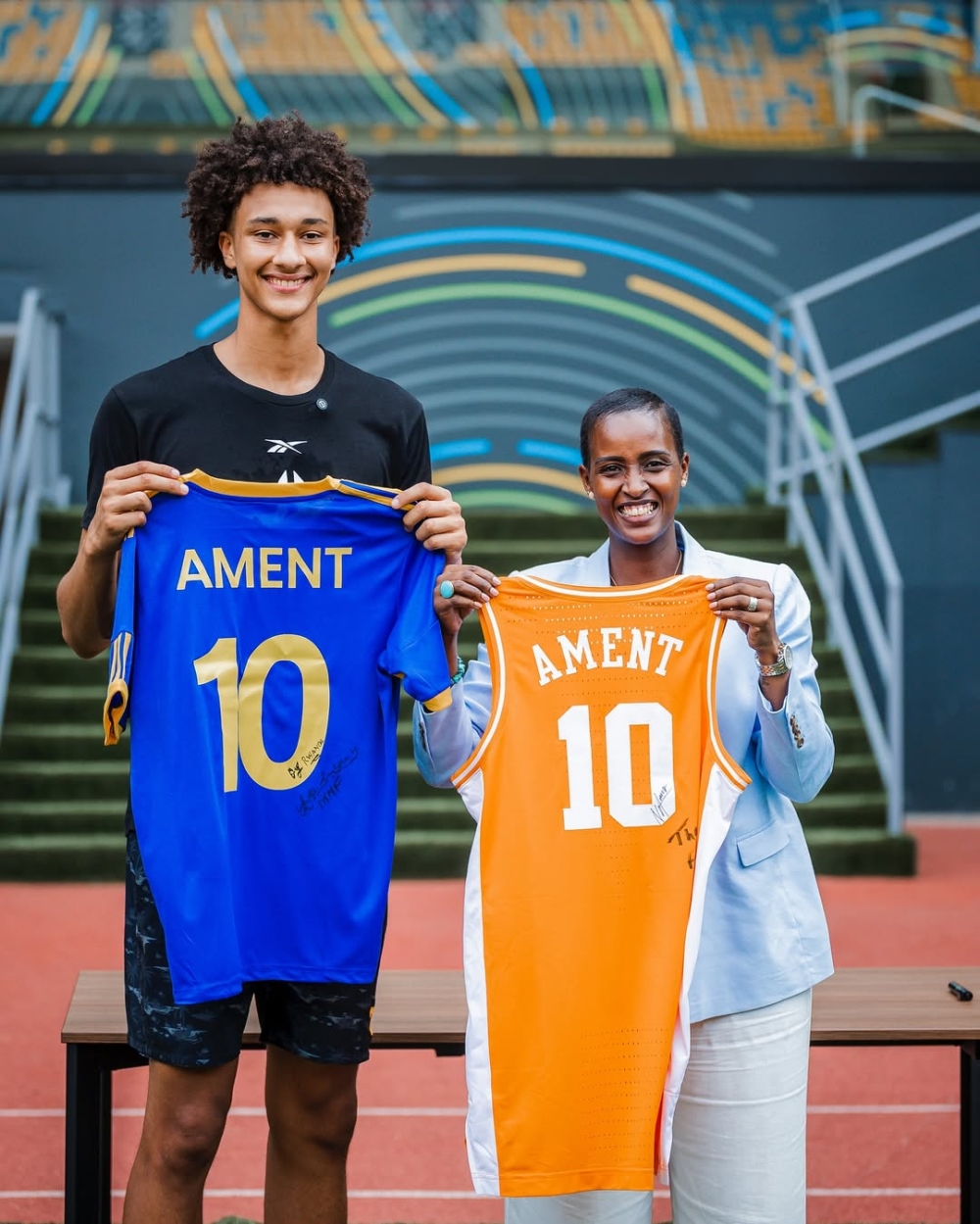
Nate Ament has expressed openness to representing Rwanda ahead of the 2026 NBA Draft.Rwandan-American NBA prospect Nate Ament exchanged jerseys with Sports Minister Nelly Mukazayire during a weeklong visit to Rwanda, his mother’s homeland, from August 9 to 13, 2025.
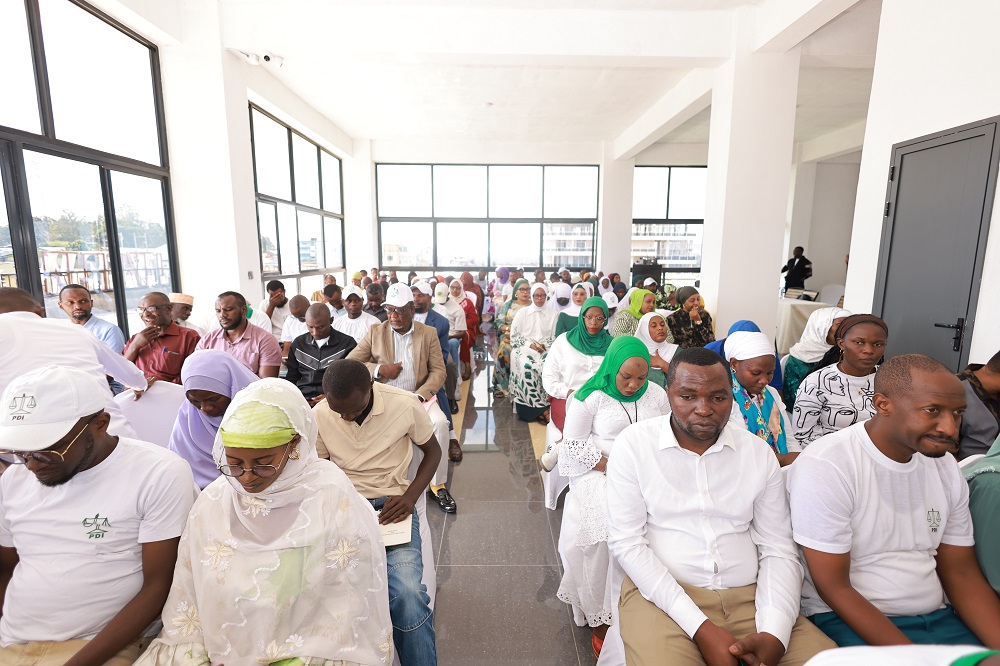
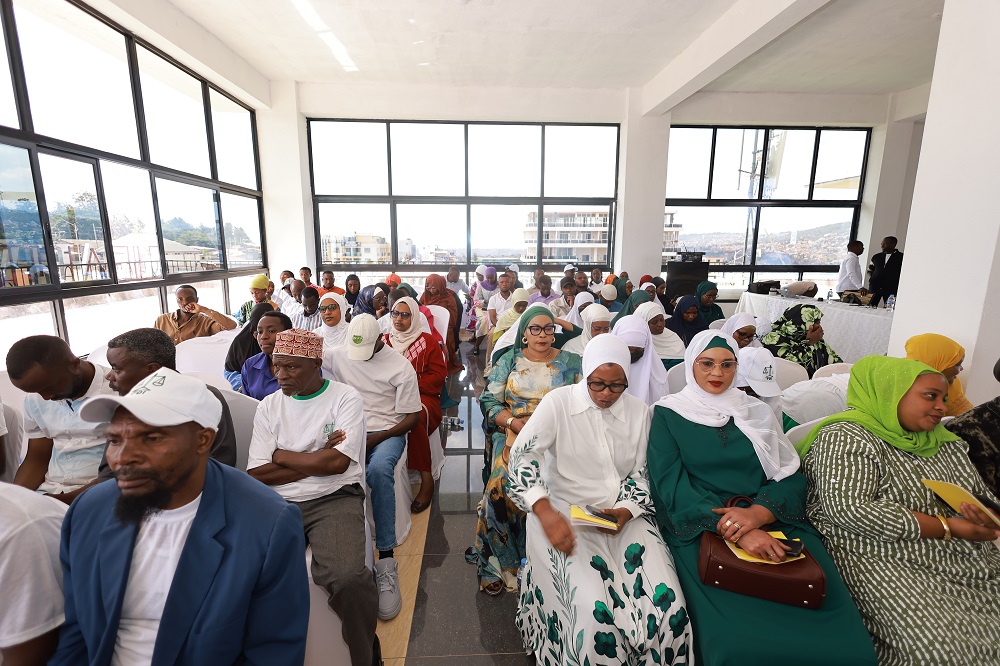
He made the remarks while opening the General Assembly of the Ideal Democratic Party (PDI), held on June 21, 2026.
Addressing party members, Harerimana reflected on Rwanda’s difficult history, marked by poor governance and ethnic discrimination under both the First and Second Republics.
He noted that instead of focusing on national development, past leaders were preoccupied with marginalizing and persecuting Tutsis, whom they regarded as enemies.
“Rather than developing the country, the focus became discrimination and division. Schools were limited and accessible to only a few, while healthcare services were largely unavailable. The government’s main concern was how to continue oppressing Tutsis. Instead of discussing roads, hotels, or how to make use of Rwanda’s tourism potential, leaders were consumed by the question of how to target Tutsis,” he said.
Harerimana emphasized that when Juvénal Habyarimana came to power, many expected the poor governance practices established under Grégoire Kayibanda to change. However, he argued that only the leadership changed, while the governing ideology remained the same.
“He changed the leaders but not the system or its direction. Kayibanda was replaced, PARMEHUTU became MRND, but hatred against Tutsis, division, and discrimination continued to grow. The faces changed, but the policy remained unchanged,” he stated.
According to Harerimana, this poor leadership eventually led to the planning and execution of the 1994 Genocide against the Tutsi, with some of the political parties operating at the time playing a role in the atrocities.
He also highlighted the efforts of Rwandan refugees who chose to return to their homeland, formed the Rwandan Patriotic Front (RPF-Inkotanyi), liberated the country, and brought an end to the Genocide against the Tutsi.
Harerimana further noted that the Rwandan Patriotic Army (RPA), under the leadership of President Paul Kagame, not only stopped the genocide but also played a central role in rebuilding a country that had been devastated by the tragedy.
He stressed that, 32 years later, the achievements made since then are evident to everyone and that safeguarding them is the responsibility of every Rwandan.
“Our responsibility is to protect Rwanda’s achievements, development, and national unity. The progress we are praised for today did not happen by chance.
It is the result of good governance and the strong relationship between citizens and their leaders. That relationship makes it possible for guidance to be given and for its outcomes to benefit the population,” he said.
Harerimana went on to explain that PDI is guided by three key pillars: promoting good governance in Rwanda, ensuring that the fundamental principles outlined in Article 10 of the Constitution remain the foundation of national development, and advocating for President Kagame’s guidance to continue serving as a model for the country’s leadership.
He added that President Kagame’s advice and vision should continue to guide Rwanda both now and in the centuries ahead.
“The guidance of Baba wa Taifa should continue to serve as a light for Rwanda, not only today but for hundreds of years to come. As different administrations succeed one another, this vision should remain a guiding principle and a roadmap for the governance of our country,” he said.
The Ideal Democratic Party (PDI) was founded in November 1991 with the aim of defending the rights of people who faced discrimination at the time, including members of the Muslim community in Rwanda, who were often denied fundamental rights under the government of that period.
PDI refers to President Kagame as “Baba wa Taifa,” a Swahili term meaning “Father of the Nation” or “Parent of the Nation.” The title is typically given to individuals who have made exceptional contributions to their country. One notable example is Julius Nyerere, who was widely known by the same title in Tanzania.
According to Sheikh Mussa Fazil Harerimana, the party chose to refer to President Kagame as Baba wa Taifa because of what it considers his outstanding contributions to Rwanda and the transformative impact he has had on the lives of Rwandans.
Among the achievements he highlighted are national unity, security, and sustainable development in a country that emerged from one of the darkest chapters in its history the 1994 Genocide against the Tutsi.
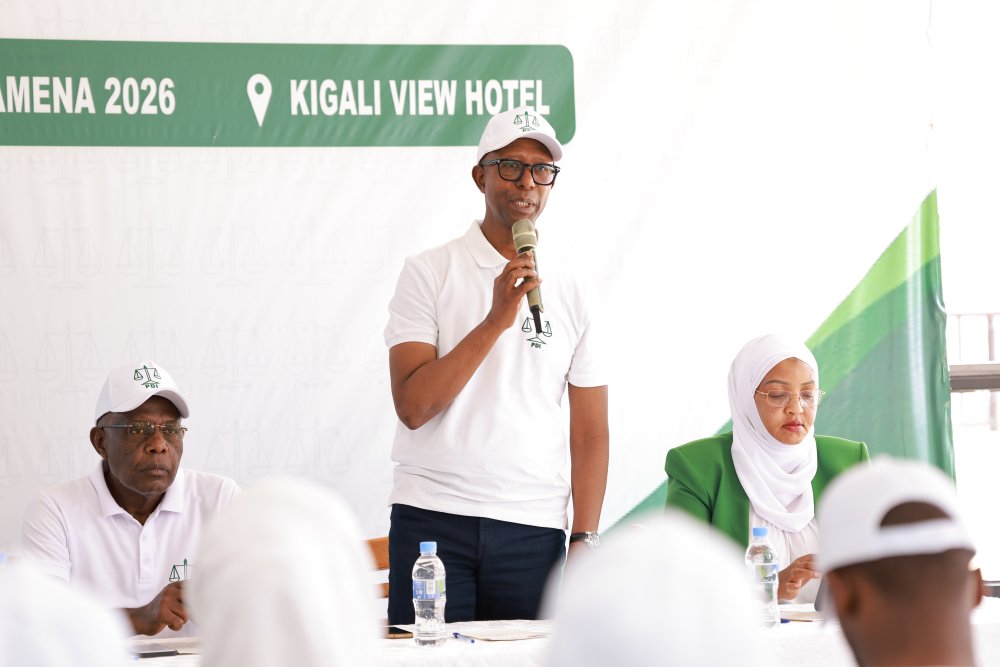
The President of the Ideal Democratic Party (PDI), Mussa Fazil Harerimana, lauded President Paul Kagame’s leadership while opening the party’s General Assembly on June 21, 2026.Addressing party members, Harerimana reflected on Rwanda’s difficult history, marked by poor governance and ethnic discrimination under both the First and Second Republics.
The breakthroughs came despite renewed friction surrounding the Strait of Hormuz and strong public warnings from U.S. President Donald Trump.
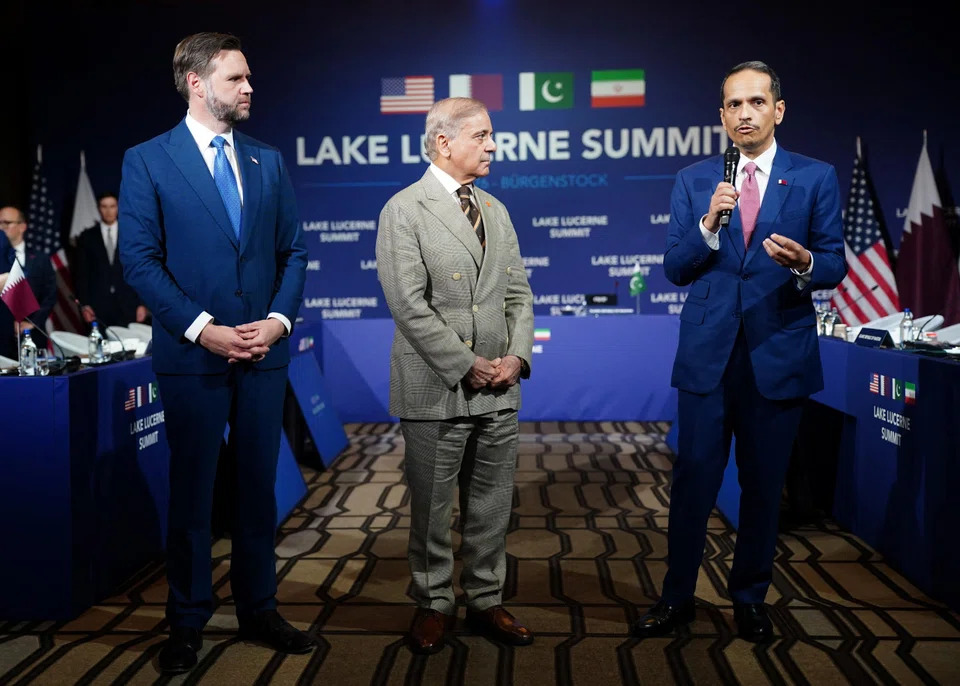
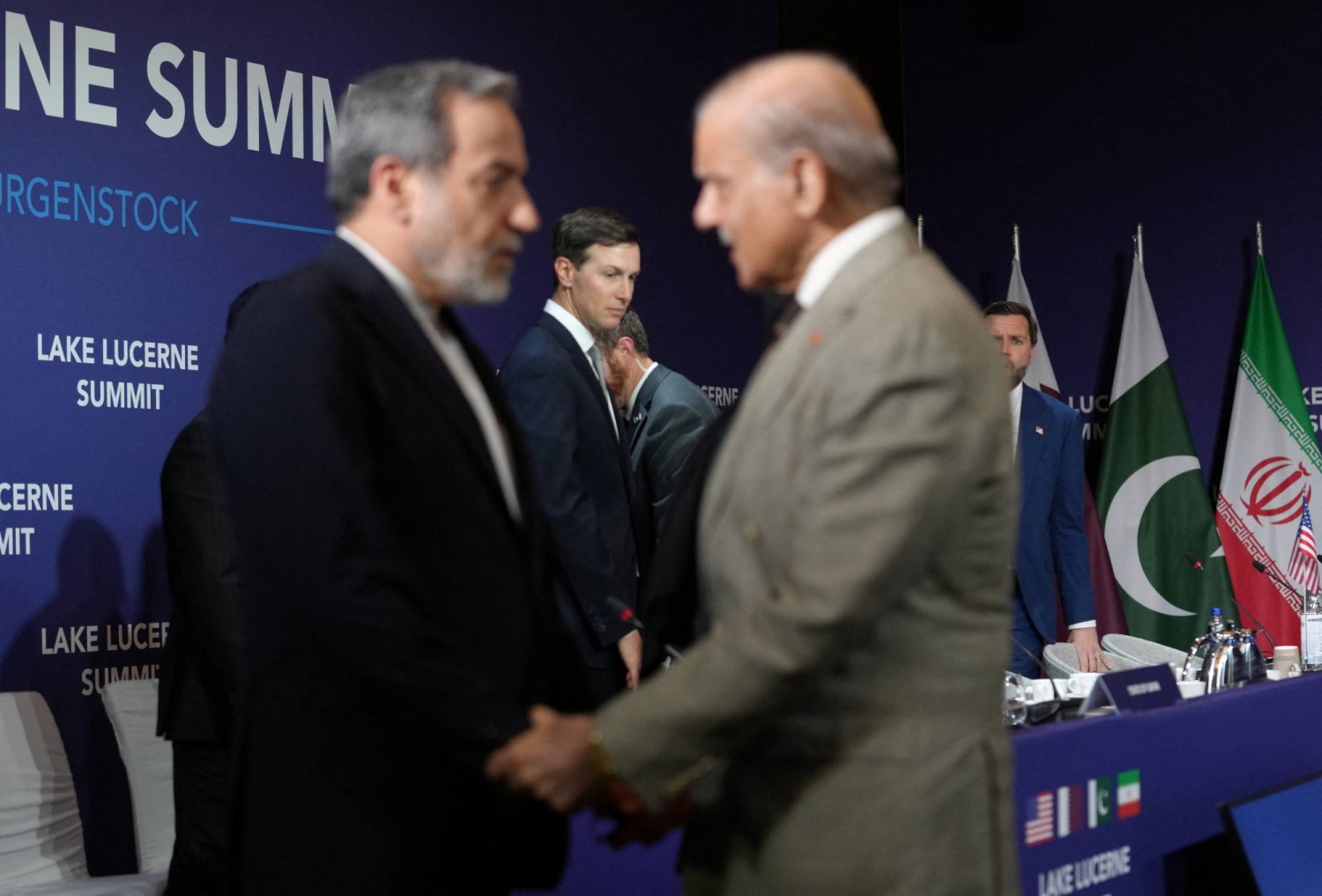
The discussions, facilitated by Pakistan and Qatar, brought together U.S. Vice President JD Vance and a senior Iranian delegation led by parliamentary speaker and chief negotiator Mohammad Bagher Ghalibaf alongside Foreign Minister Abbas Araghchi.
At the conclusion of the initial sessions, mediators issued a joint statement revealing that both sides had agreed to a structured roadmap to finalize a comprehensive agreement within the next 60 days, raising hopes for a lasting diplomatic breakthrough to resolve the recent four-month conflict.
Negotiations faced immediate challenges from the outset after Iran’s Islamic Revolutionary Guard Corps (IRGC) announced new restrictions on maritime traffic through the Strait of Hormuz, a vital conduit for global energy supplies.
Tehran defended the move by asserting that commitments related to regional ceasefire arrangements, specifically regarding Israeli military actions against Hezbollah in Lebanon, had not been fully implemented.
The situation was further complicated by President Trump issuing severe threats of military action from Washington if the strategic waterway remained blocked.
Speaking with Fox News and posting to social media, Trump conversionally warned Tehran’s leadership to “watch what he says,” threatening to hit Iran “very hard” and even floating a hypothetical U.S. takeover of the Strait of Hormuz to collect commercial transit tolls if a final deal is not reached within 60 days.
The formal negotiations faced an immediate crisis on Sunday as the Iranian delegation walked out of the quadrilateral meetings in direct protest of Trump’s public warnings, forcing a temporary suspension of the formal summit.
While Iranian state media declared the talks had entered a “difficult phase” following the publication of the messages, intense back-channel diplomacy by Qatari and Pakistani mediators quickly salvaged the summit.
Through rapid-fire, bilateral shuttle diplomacy conducted in the background, the mediators successfully brought both sides back to the table for intensive, late-night sessions.
The direct engagement covered an expansive range of critical subjects, including maritime security, regional conflict zones, the lifting of U.S. sanctions on Iranian oil exports, and mechanisms for releasing frozen Iranian assets abroad.
Vice President Vance expressed measured optimism about the dialogue, emphasizing a desire to “turn over a new leaf” and permanently shift geopolitical relations in the Middle East.
Iranian officials also characterized the late-night sessions as constructive, though they maintained that long-term progress on broader nuclear-related matters and international inspections remains contingent upon the structured fulfillment of existing economic commitments and technical sanctions waivers.
A primary tangible outcome of the Bürgenstock round was an explicit agreement to establish a direct “communication line” to prevent military miscalculations and ensure safe navigation through the Strait of Hormuz.
Additionally, the two nations agreed to set up a dedicated “de-confliction cell” tasked with stabilizing the fragile ceasefire in Lebanon, addressing the primary catalyst of recent regional hostilities.
The announcement of continued diplomatic progress was welcomed by financial markets, with global oil prices easing from their recent peaks as investors responded positively to signs of de-escalation.
Analysts noted that the willingness of Washington and Tehran to maintain sustained diplomatic contact has substantially reduced the immediate risk of a wider regional conflict that could disrupt global energy distribution.
Technical negotiations between lower-level officials are scheduled to continue in Switzerland over the coming days to build out the framework of the comprehensive agreement.
The breakthroughs came despite renewed friction surrounding the Strait of Hormuz and strong public warnings from U.S. President Donald Trump.