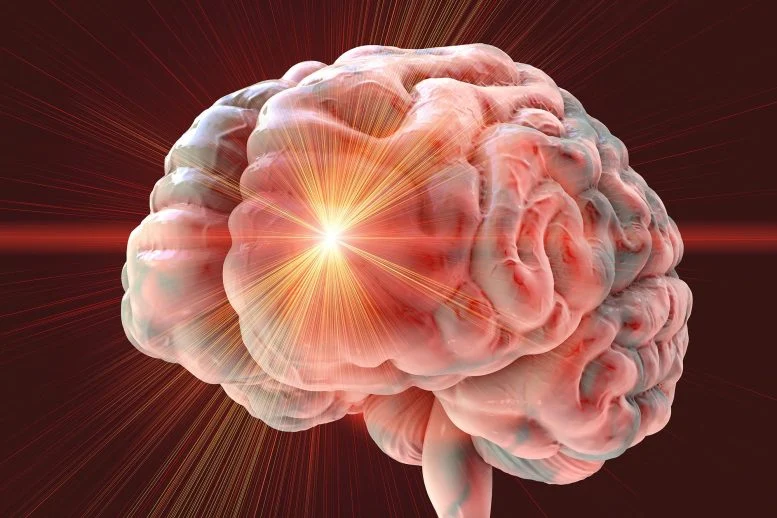
Scientists from the University of Zurich and the University of Southern California found that transplanting specialised stem cells into the brains of mice helped rebuild damaged neural connections, restore blood vessels, and improve movement and coordination after a stroke.
These promising results have raised hope that similar techniques could one day be adapted for humans.
Stroke occurs when blood flow to part of the brain is cut off, usually by a clot or bleeding, causing brain cells to die due to lack of oxygen.
In humans this often leads to long‑term disabilities, including paralysis, speech difficulties, memory problems, and loss of motor skills, because the brain typically has very limited ability to repair itself after injury.
Current treatments focus on preventing further damage, but until now there have been no proven therapies that can truly reverse existing brain loss.
In the new study, scientists used neural progenitor cells early‑stage cells derived from induced pluripotent stem cells, which are adult human cells reprogrammed to behave like embryonic stem cells.
These cells were transplanted into the brains of mice one week after a stroke, which allowed them to survive, grow, and integrate into nearby brain tissue.
Over several weeks, many of these transplanted cells matured into functioning neurons and connected with existing brain cells, helping to rebuild neural networks that had previously been lost.
What made the findings particularly exciting was that the stem cell treatment also triggered other healing responses in the brain.
The treated mice showed the growth of new blood vessels in the damaged area, reduced inflammation, and a strengthened blood‑brain barrier a protective lining that helps keep harmful substances from entering brain tissue.
Scientists tracked improvements in movement and coordination using advanced motion tracking systems, and found that the mice treated with stem cells performed significantly better than untreated animals as time went on.
While these results are compelling, the research is still in early stages, and scientists note that additional work is needed before similar therapies could be tested in humans.
Some challenges include ensuring safety, verifying long‑term effectiveness, and determining how best to deliver the cells in a clinical setting. Despite these hurdles, the study represents one of the most promising advances yet in regenerative medicine for stroke recovery.
This breakthrough shows that stem cells have real potential to rebuild damaged brain tissue after stroke, a discovery that could transform how scientists approach one of the world’s leading causes of disability.
Scientists have discovered breakthrough stem cell therapy that could reverse stroke damage in animal models.
This research highlights a warming process that has been difficult to detect but may play a surprisingly large role in how ice sheets break down in a warming world.
Unlike melting caused by rising air temperatures or surface water runoff, this warming is happening from below the ice shelves massive floating extensions of the Antarctic ice sheet that act as natural “brakes,” slowing the flow of inland ice into the sea.
What researchers have found are long channel‑like formations in the underside of ice shelves that can trap relatively warm ocean water.
Instead of warmer water flowing away, these channels hold heat close against the ice, causing faster and more efficient melting from below.
This form of heat being trapped underneath the ice means that even ice regions once thought to be relatively cold and stable may be far more vulnerable than previously believed.
In these channel systems, warm water lingers and can melt ice at rates much higher than normal locally increasing melt many times over.
If these ice shelves thin and weaken, they are less able to hold back the enormous glaciers behind them. Those glaciers could then move more quickly into the ocean, directly adding to rising sea levels.
Current climate and sea‑level models may underestimate this process, because they do not fully account for the way ocean water circulates beneath ice shelves.
The discovery suggests that global sea‑level rise predictions may need to be revised to include this deeper, hidden source of melting.
With rising ocean heat pushing deeper toward Antarctica, this hidden mechanism could make future sea‑level rise faster and more severe than scientists have forecasted in many scenarios.
The implications reach far beyond Antarctica itself. Rising sea levels pose serious threats to coastal communities worldwide, impacting infrastructure, ecosystems, freshwater supplies, and millions of people living near oceans.
Understanding these newly uncovered melting processes is therefore critical for more accurate climate projections and planning for a future in which sea level continues to rise.
Research has revealed how warm water beneath Antarctica could rapidly increase global sea levels.
Nearly 50 years since its finale, fans continue to wonder about the lives of its beloved cast members and their journeys after the show.
Mary Tyler Moore, the star who played Mary Richards, became a cultural icon through her portrayal of an independent woman focused on her career.
Moore’s career flourished post-show, with notable roles in films like Ordinary People, earning her an Oscar nomination. She also became a passionate advocate for diabetes awareness. Moore passed away in 2017, but her legacy as a trailblazer for women in the media continues.
Ed Asner, who portrayed the gruff but caring news director Lou Grant, enjoyed a long career after the show. He starred in the spinoff Lou Grant and voiced beloved characters in movies like Up. Asner remained active in television and was known for his activism. He passed away in 2021 at 91, leaving behind an influential career.
Gavin MacLeod, who played the kind-hearted Murray Slaughter, found continued success on The Love Boat. His role as Captain Merrill Stubing solidified his place in TV history. MacLeod also authored a memoir and remained involved in show business until his death in 2021 at 90.
Cloris Leachman portrayed Phyllis Lindstrom, Rhoda’s quirky mother, and brought a unique comedic touch to the show. Leachman went on to have a distinguished career in both television and film, winning nine Emmy Awards throughout her life. She passed away in 2021 at 94, leaving behind a rich legacy.
Betty White, known for her role as the sweet and manipulative Sue Ann Nivens, continued to capture hearts with her portrayal of Rose Nylund on The Golden Girls. White’s career spanned decades, and she remained a beloved figure in Hollywood until her death in 2021 at 99.
Other cast members like Ted Knight, Valerie Harper, and John Amos also enjoyed fruitful careers. The Mary Tyler Moore Show made significant contributions to television, and its cast continues to be celebrated for breaking barriers and creating iconic, timeless characters.
Five decades after The Mary Tyler Moore Show first aired, the cast’s influence on television, comedy and American pop culture continues to resonate across generations.
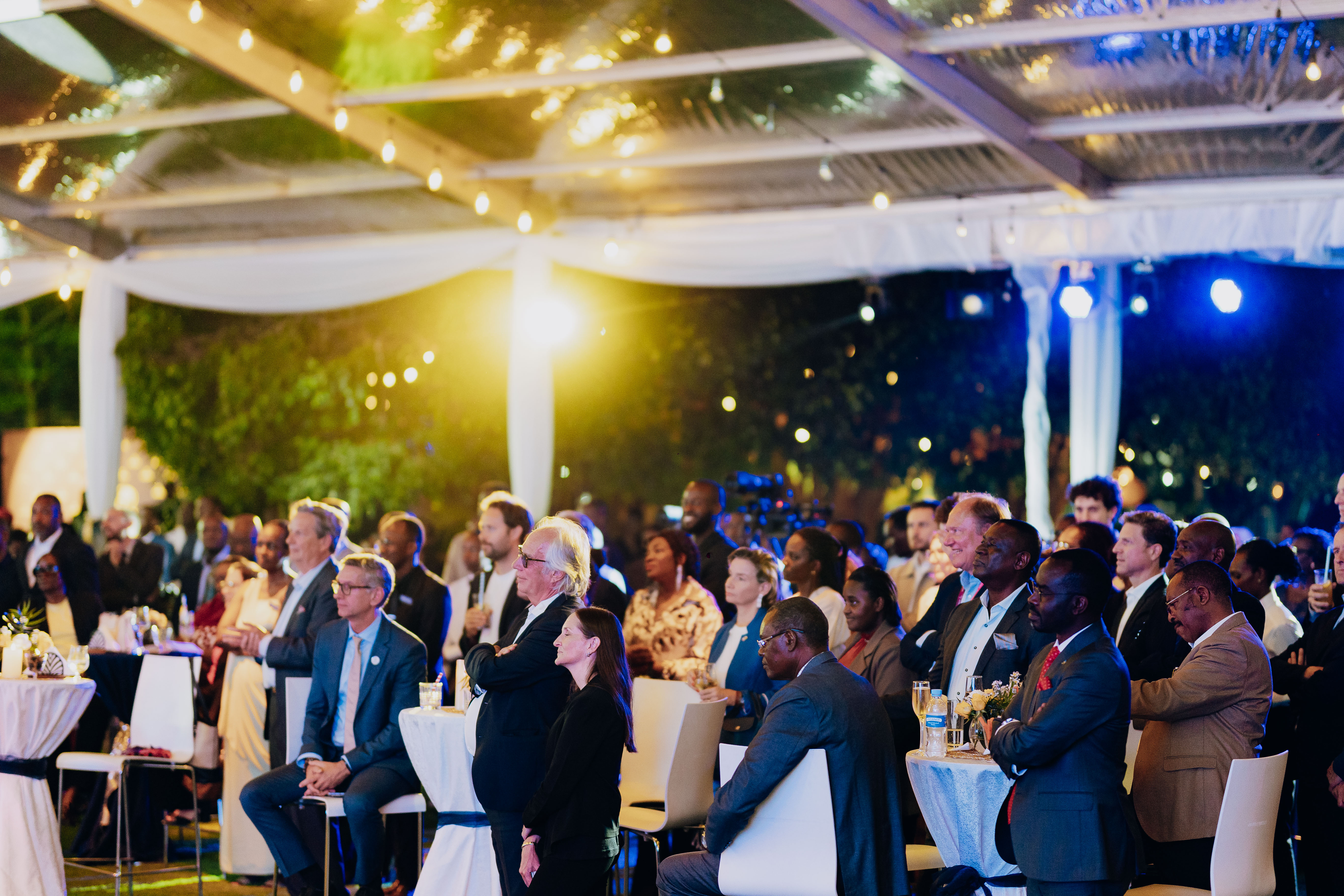
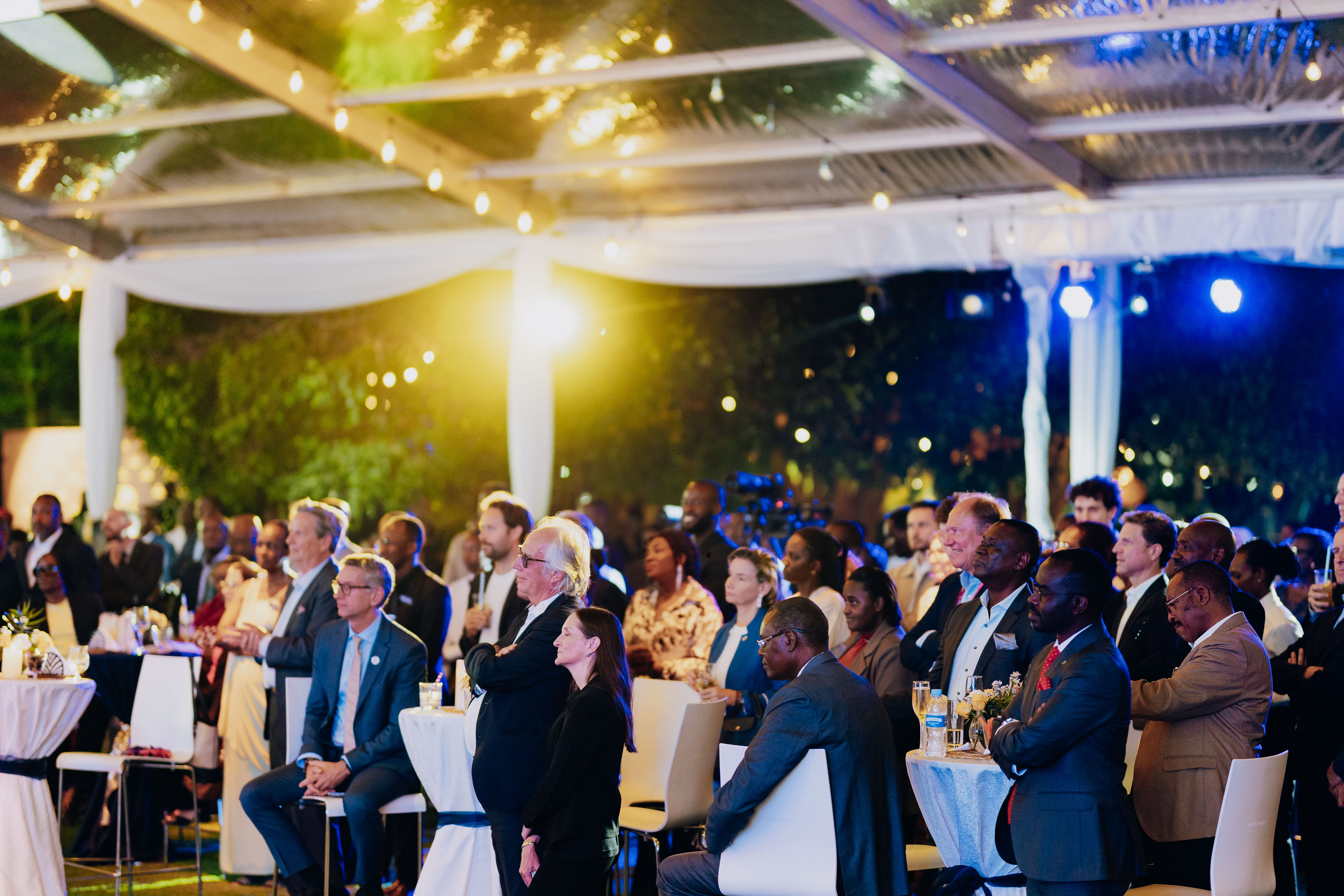
The event held in the garden of MAGERWA Ltd, a company that provides logistics services including inland port and bonded warehousing, served as a showcase of Rwanda’s shift from a landlocked country to a “land-linked” logistics gateway, with speakers highlighting the country’s progress in trade facilitation, infrastructure development and regional integration.
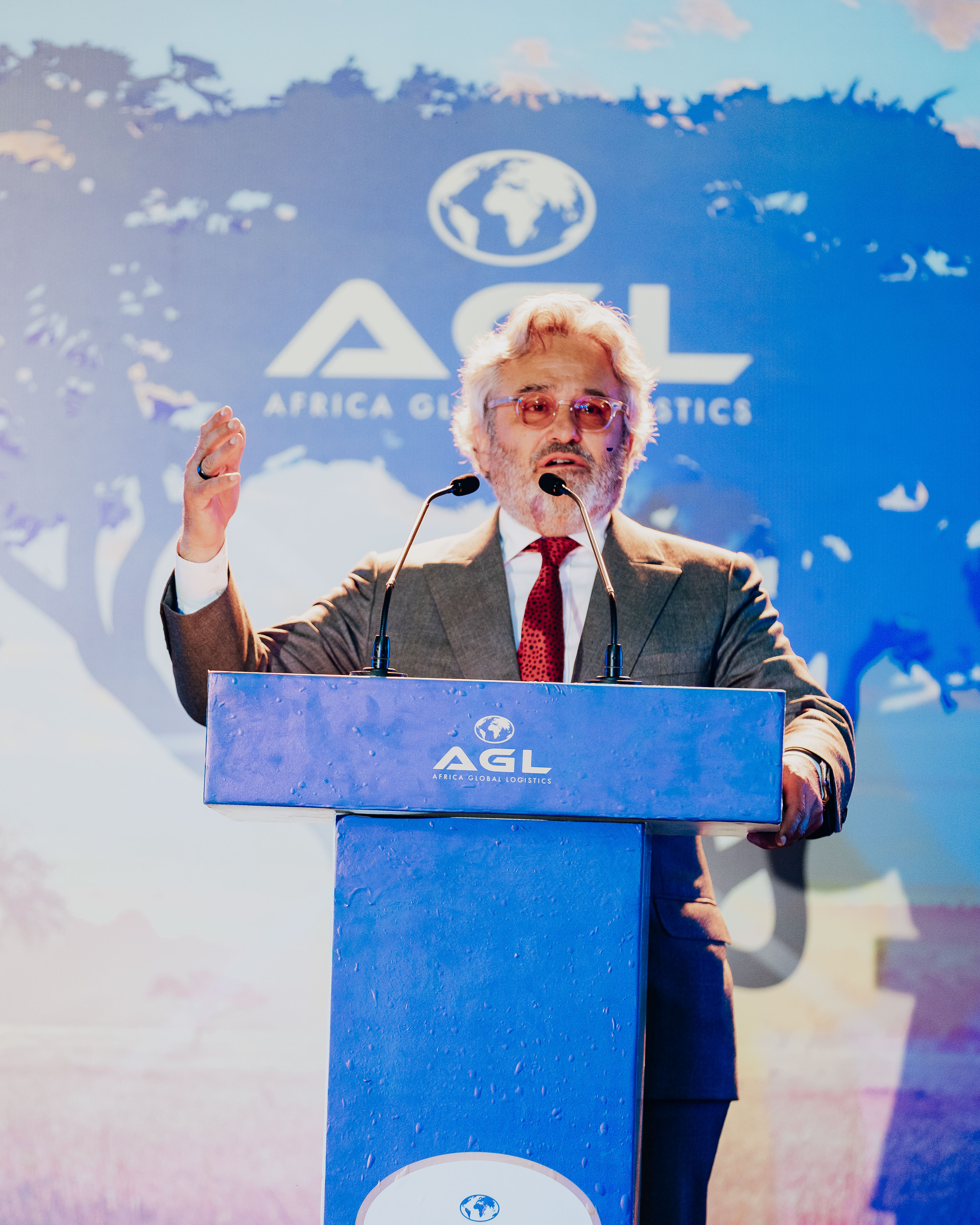
AGL President and Chief Executive Officer Philippe Labonne praised Rwanda’s operating environment and the company’s journey in the country, saying the firm had grown alongside Rwanda’s development ambitions despite early challenges.
“I think there are no words to express how proud I am of my Rwanda team,” Labonne said, reflecting on the resilience of staff and the company’s expansion in the country. He also commended Rwanda’s governance framework, noting, “Rwanda is an example of how proper governance can create value.”
Labonne emphasized that AGL’s investments in logistics, technology and human capital have contributed to strengthening Rwanda’s position as a strategic hub connecting East Africa and the wider continent.
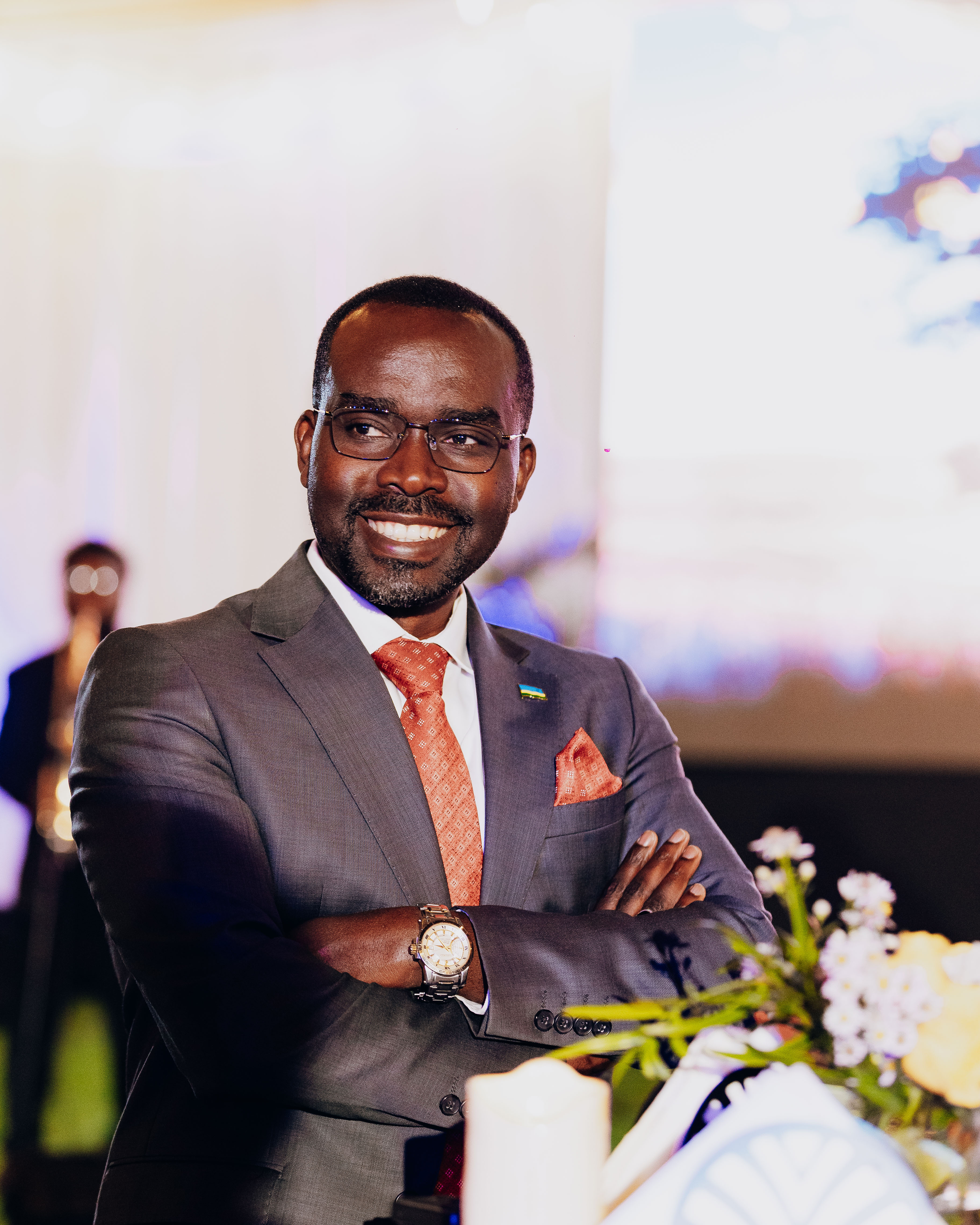
Rwanda’s Minister of Trade and Industry Prudence Sebahizi also addressed the gathering, reaffirming Rwanda’s ambition to become a leading logistics and trade centre under the African Continental Free Trade Area (AfCFTA).
“Tonight is yet another opportunity to listen to this story of success, to listen to this story of ‘Made in Rwanda,’” he said, highlighting the importance of partnerships in driving industrial growth.
The Minister noted that Rwanda’s logistics ambitions are closely tied to regional integration, pointing to the role of companies like AGL in strengthening supply chains and trade connectivity. He added that reducing logistics costs remains a key priority for boosting competitiveness across the continent.
“We hope to see in the near future that the cost of transportation and logistics is going to reduce from 40% to probably 20%,” Sebahizi said, calling for increased investment in technology and efficiency in the sector.
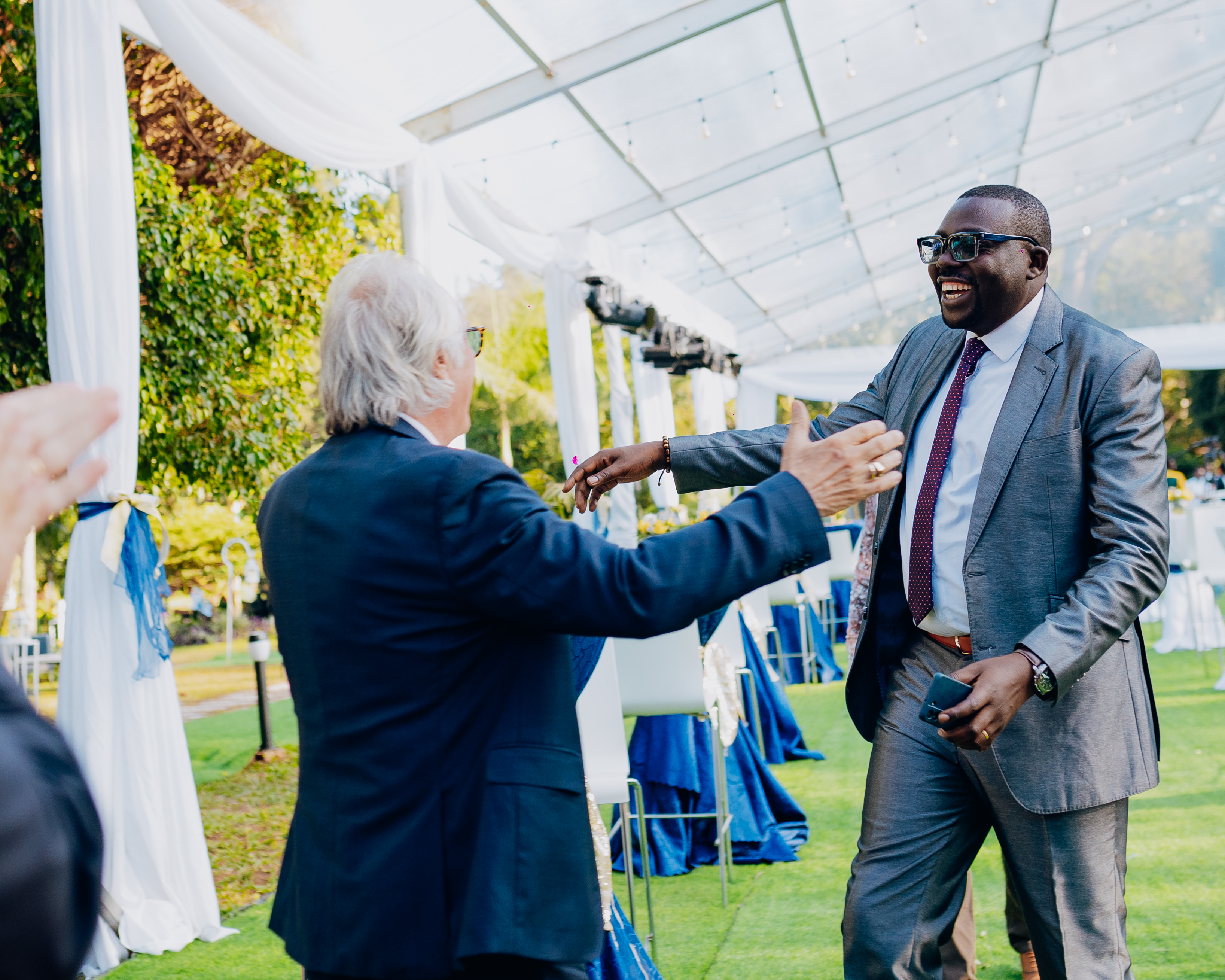
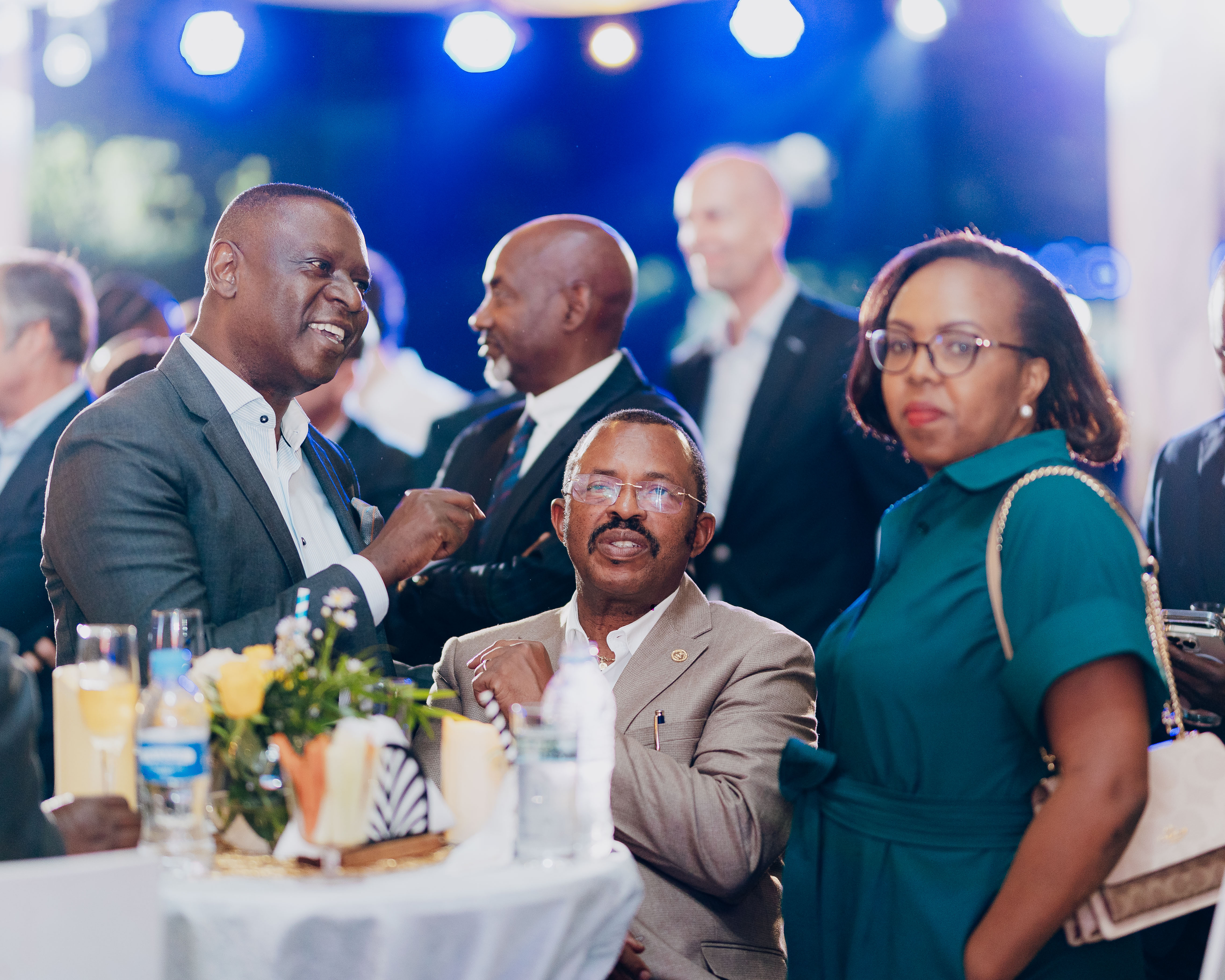
CEO Philippe Labonne expressed pride in Rwanda’s team during the AGL reception, highlighting the company’s growth alongside Rwanda’s development.Minister Prudence Sebahizi discussed Rwanda’s ambitions under the African Continental Free Trade Area (AfCFTA), emphasizing the country’s success story.Attendees networked at the AGL reception, showcasing Rwanda’s emergence as a prominent logistics hub in the region.AGL and MAGERWA Ltd. are leading efforts to position Rwanda as a central player in Africa’s logistics and trade infrastructure.
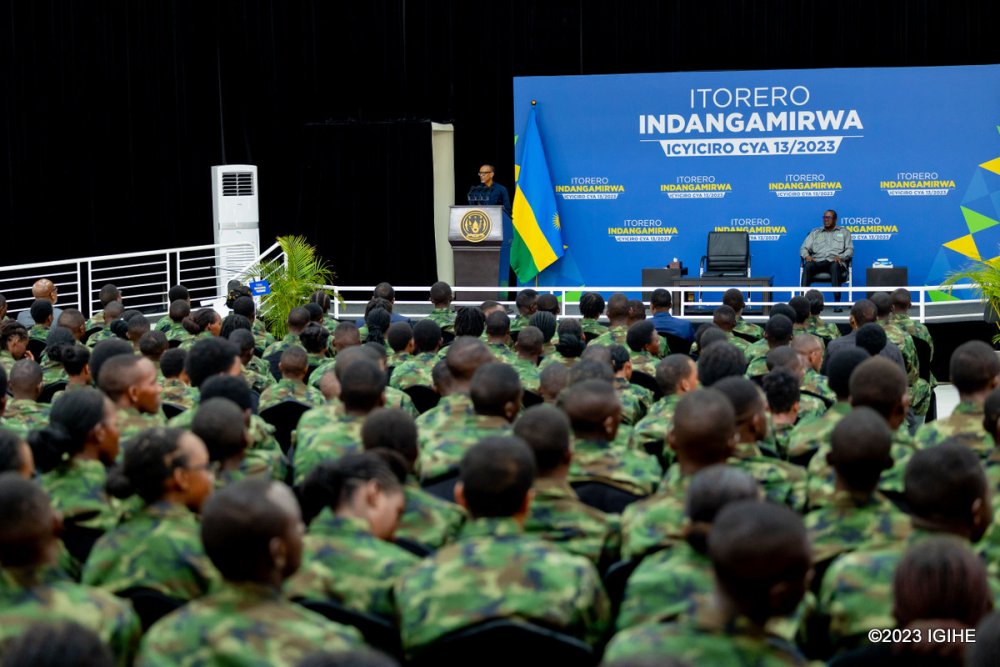
In August 2023, the Minister of National Unity and Civic Engagement Dr. Jean Damascène Bizimana had revealed that the program would temporarily be hosted at Nkumba Civic Training Center in Burera District which had enough accomodations, noting that it would undergo further upgrades to fully meet the required standards.
However, on May 11, 2026, MINUBUMWE confirmed that this year’s edition of Itorero Indangamirwa will take place in Gabiro from July 1 to August 10. The ministry further announced that students from universities and higher learning institutions will also join this year’s intake.
Traditionally, the program was designated for young people aged between 18 and 25. This year, however, participation will be limited to youth between the ages of 18 and 23.
Established in 2008, Itorero Indangamirwa brings together young Rwandans living abroad, students studying in international schools operating in Rwanda, and outstanding participants who excelled in the national service program known as Rugerero.
Participants receive training aimed at instilling patriotism, discipline, cultural values, and a spirit of responsibility and leadership.
They are also taught Rwanda’s history and encouraged to share ideas on how they can contribute to the country’s development while safeguarding its achievements.
In addition, security personnel provide the youth with basic defense and military orientation through practical exercises. The training includes introductory lessons on firearm handling, basic combat planning, and military tactics.
Since 2023, Itorero Indangamirwa had been relocated to the Nkumba Civic Training Center.
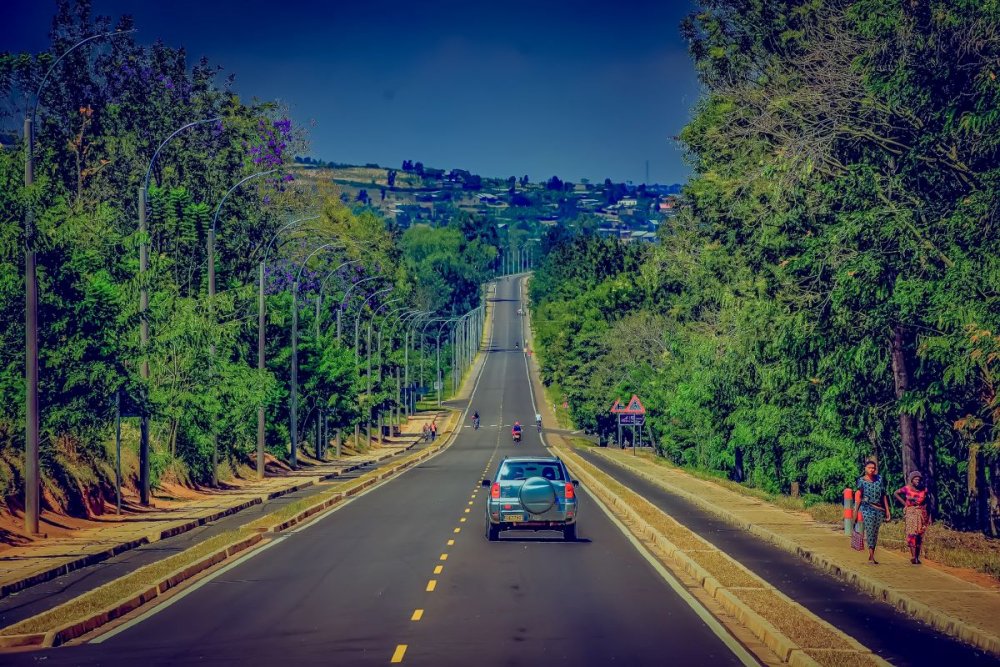
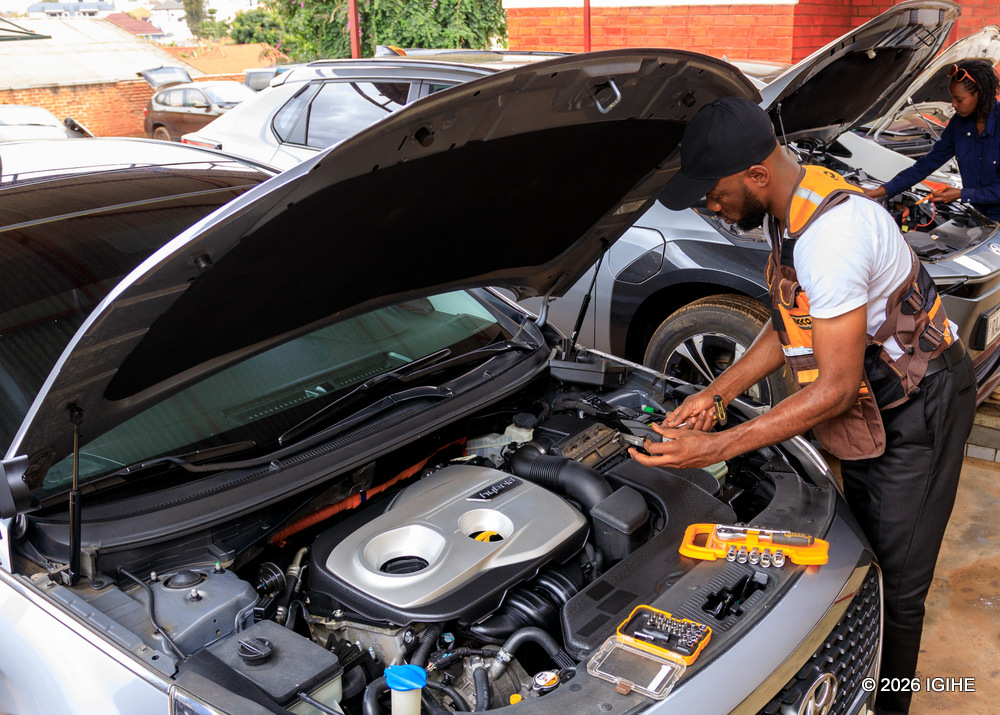
Rwanda’s mountainous terrain presents unique driving challenges, and, according to Obi, hybrid vehicles are an excellent match for these conditions.
“Hybrid cars take advantage of the surroundings to give you efficiency, fuel economy, and that comfort you would get and that power you would get in a diesel engine,” he explains.
Hybrids utilise both a gasoline engine and electric motors. The electric motors provide instant torque, assisting with hill climbs, much like a turbocharger in a diesel engine, but in a cleaner, more efficient way.
Obi points out that a major challenge with hybrid vehicles in Rwanda is a lack of understanding about their systems. One common misconception is that hybrid cars can automatically switch to electric power when they run out of gasoline.
“This is not the case for hybrid vehicles. It needs the engine to work, and if there’s no fuel in the car, the engine will not operate,” he warns.
This misunderstanding often leads to damage to the battery, which can be costly to replace.
Using the popular Toyota Prius as an example, Obi explains that the battery pack consists of 28 pieces of batteries, each costing Rwf 90,000. Without preventive maintenance, which costs about Rwf 150,000, Rwandan owners risk spending over Rwf 2 million on replacement batteries.
Rwanda’s mountainous terrain presents unique driving challenges, and, according to Obi, hybrid vehicles are an excellent match for these conditions.
When comparing hybrid vehicles to electric ones, Obi is clear about which technology he prefers for the Rwandan context: “If you want to put it in comparison… I would still pick hybrid cars.”
He points out several advantages that hybrid cars offer over EVs in Rwanda:
Minimal infrastructure requirements: Rwanda’s improving road network is already sufficient for hybrid vehicles.
Excellent fuel efficiency: Many hybrid drivers report impressive mileage when the car is driven properly.
No range anxiety: Hybrid cars provide the convenience of long-distance travel without worrying about finding charging stations in remote areas.
Immediate environmental benefits: With lower emissions, hybrid cars contribute to cleaner air.
While electric vehicles show great promise, Obi acknowledges that the sector still faces logistical hurdles.
“Electric cars have few public charging stations for now… range anxiety is an issue,” he says.
However, the landscape is shifting rapidly. As of early 2026, Kigali has established itself as the country’s e-mobility hub with approximately 200 charging points, comprising roughly 35 dedicated car stations and 165 battery-swapping points for electric motorcycles.
While urban access is growing, rural areas and remote provinces still see limited density, with only about 24 public car-charging stations currently operating outside the capital.
To bridge this gap, the government’s National E-Mobility Plan has used geospatial mapping to identify 226 potential sites across the country, aiming to ensure that no driver is ever more than 50 kilometers from a charger.
Despite these challenges, Obi remains hopeful about future developments. He notes that Rwanda’s aggressive efforts in power generation, including diversifying the energy mix with solar and hydro projects, will significantly improve the outlook for sustainable transport in the coming years.
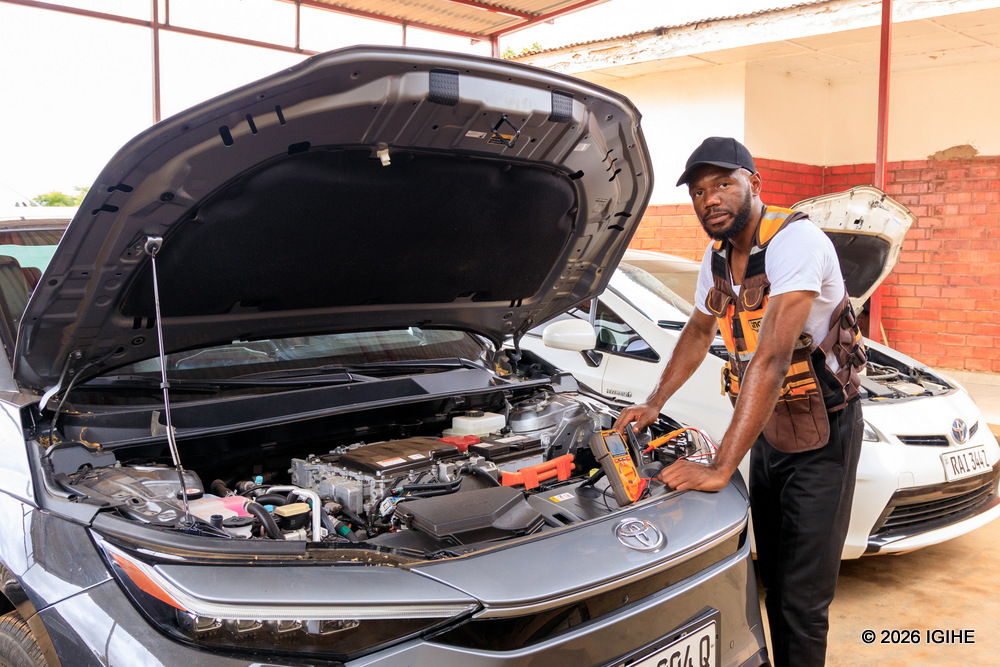
For hybrid vehicles, one of the main barriers to adoption in Rwanda is the availability of spare parts and the quality of repairs. Obi stresses that many mechanics rely on online tutorials for repairs, which can be risky and ineffective.
“Every car has a different genesis on how the issue came to be,” Obi explains, highlighting the importance of professional diagnostics for proper repairs.
As for electric vehicles, the priority lies in expanding Rwanda’s power grid and building a reliable charging network. Obi is optimistic about Rwanda’s future, stating, “Rwanda is far ahead… the country is already there when it comes to infrastructural development.”
Embrace green mobility with hybrid vehicles that offer both power and environmental benefits.
Obi encourages Rwandans to embrace greener mobility, stating, “Embrace green earth. Assist the government in playing your role in promoting a green earth.”
He also advises hybrid vehicle owners to maintain their vehicles properly. “Hybrid vehicles do not require high maintenance costs if you commit to preventative care.”
Watch the full conversation below:
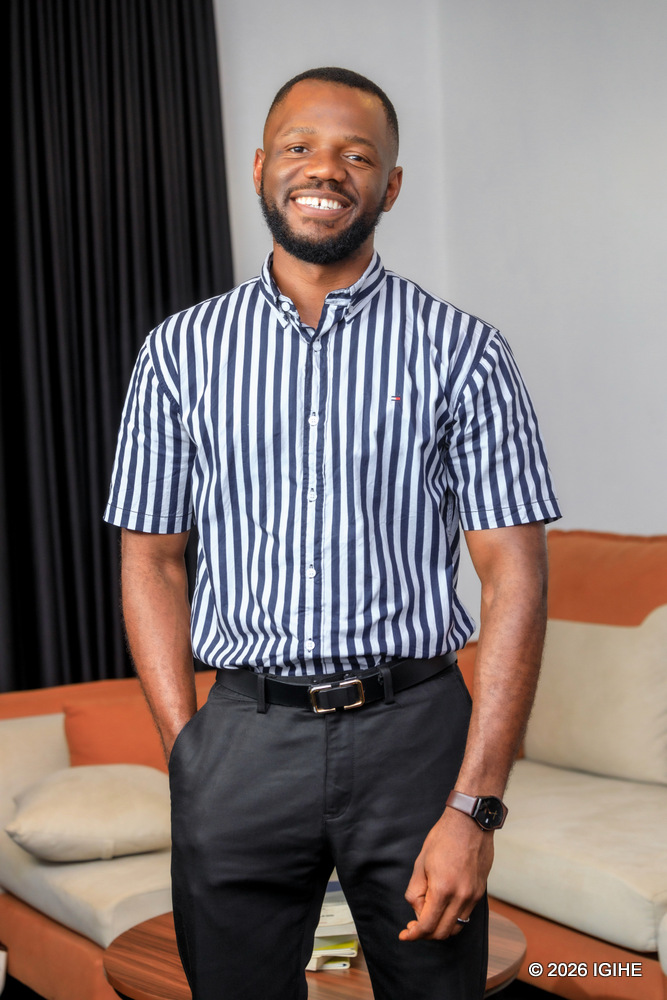
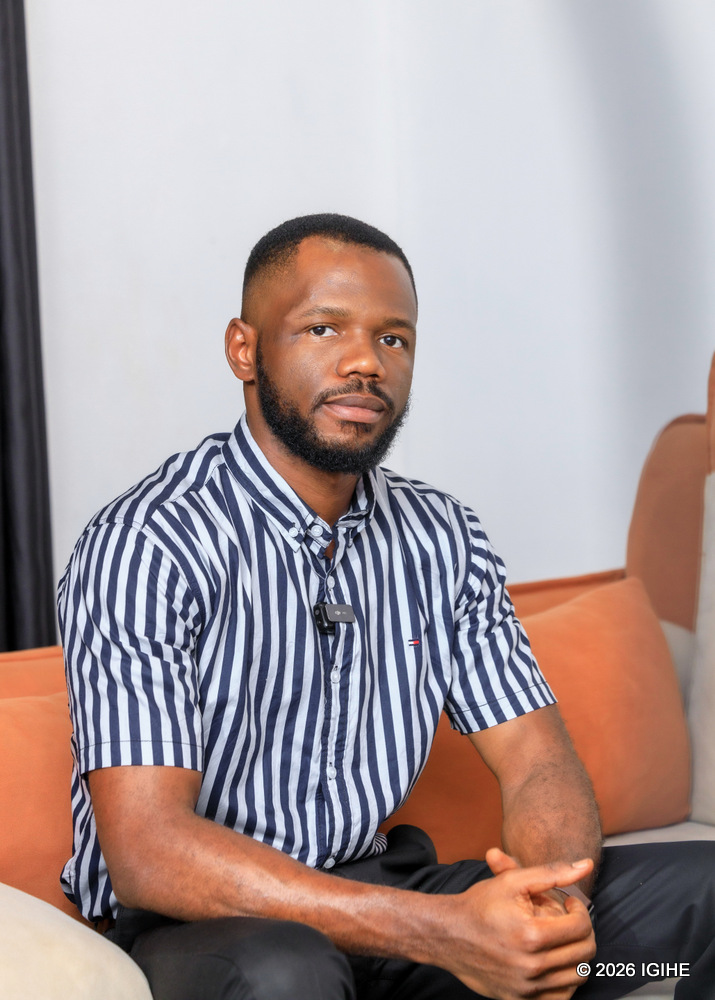
With over 15 years of expertise, Obi Dickson brings valuable insights into why hybrid cars are the ideal choice for Rwanda’s roads.Hybrid cars offer the perfect balance of fuel efficiency and power for Rwanda’s hilly terrain.Obi Dickson explains why hybrid cars are the future of Rwanda’s automotive landscape.
This decision follows Iran’s submission of a counterproposal, which U.S. officials deemed “unacceptable.” The U.S. stance has intensified the growing tension between the two nations, each holding firm on key demands.
Iran’s counterproposal, presented through intermediaries, outlined several terms, including the lifting of U.S. sanctions, an end to military operations across the region, and a shared control over the strategic Strait of Hormuz.
These demands were meant to ensure Iran’s security while reopening vital oil trade routes. However, the U.S. rejected these terms, as they failed to address key issues such as Iran’s nuclear program and its military presence in neighboring countries.
President Trump made the rejection public, stating on social media that Iran’s response was “totally unacceptable.” He underscored that any peace deal must align with U.S. interests, particularly in limiting Iran’s nuclear capabilities and curbing its influence in the region. The President’s firm rejection has cast doubts on the prospects of reaching a peaceful resolution in the near future.
The decision to reject Iran’s response has broader consequences, particularly for global oil markets. The ongoing tensions and the potential for extended conflict have led to sharp rises in oil prices, with concerns about the stability of the Strait of Hormuz an essential shipping route for global oil exports. The disruptions in this region could have far-reaching effects on global energy security.
Despite this setback, diplomatic channels remain open. Future talks between U.S. and Chinese leaders are expected to address not only trade but also Iran’s situation, with China holding a significant interest due to its trade relationships with Tehran.
However, experts warn that without concessions from both sides, the conflict could continue to drag on, with severe humanitarian and economic costs for the region and beyond.
As the U.S. and Iran stand at an impasse, the world watches closely, hoping that future negotiations will lead to a more sustainable peace agreement that addresses the core concerns of all parties involved.
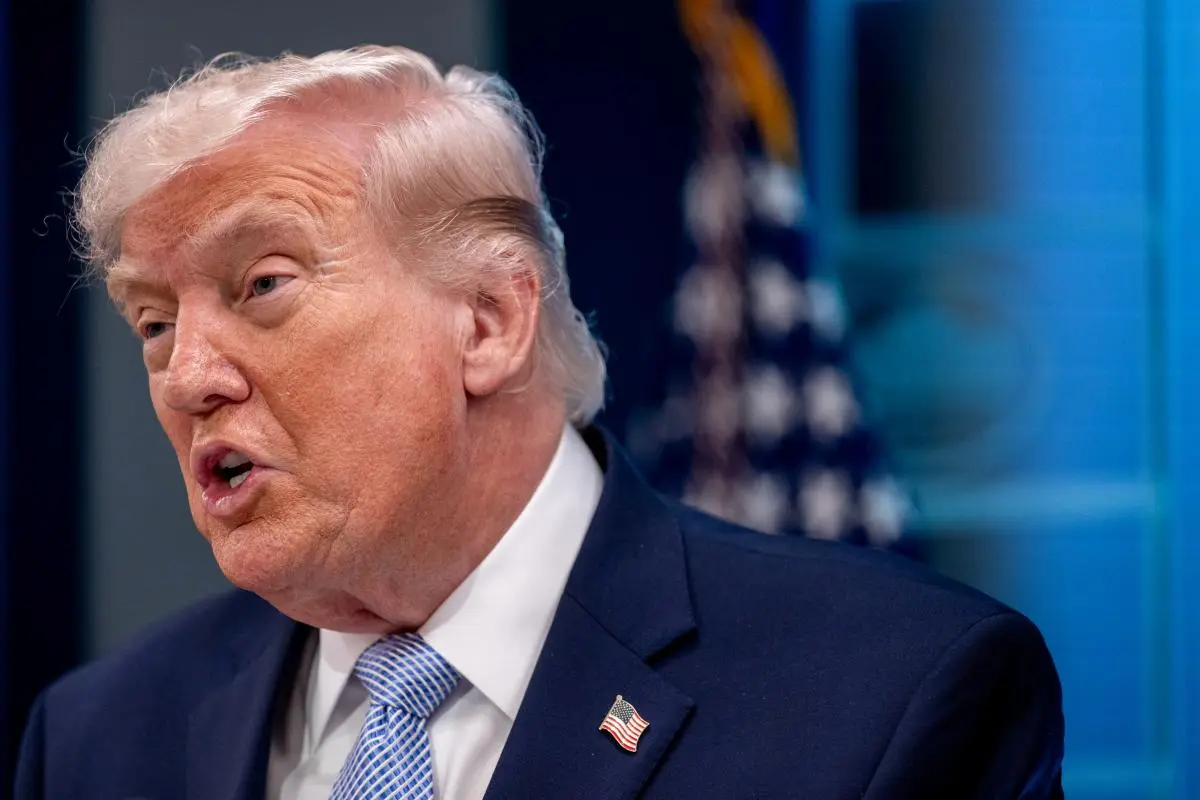
President Donald Trump has dismissed Iran’s reply to the peace proposal as unacceptable, sending oil prices higher.
Speaking about her past, Shakira revealed that her troubles began when she was just 20 years old after being impregnanated by a Burundian footballer who later became a well-known figure in Rwandan football. Although she once considered him the man of her dreams, their relationship eventually turned toxic.
“He made me pregnant before we got married. At that time, he left for Kinshasa to play for AS Vita Club while I was four months pregnant. By the time he returned, our child was already one year old,” she said.
According to Shakira, the footballer later married her and initially treated her well. However, life in marriage soon became unbearable due to his repeated infidelity, emotional mistreatment, and violence.
“I truly loved him, and I believe he loved me too because he would not have married me otherwise. But after taking me into his home, life became extremely difficult,” she explained.
She said she struggled emotionally after constantly hearing reports that her husband was spending time with other women, including girls featured in popular music videos. The rejection she faced from her in-laws only made the situation worse.
“For me, moving to Dubai felt like an escape because I wanted to get far away from him. People were always calling me saying they had seen him with another girl in a car or with some famous video vixen. It reached a point where I felt like my heart would explode,” she said.
At the time, Shakira was still attending university. She recalled how difficult life became, explaining that even after returning home late from classes, her husband refused to eat food prepared by a housemaid, forcing her to cook for him late into the night.
Eventually, the footballer demanded that they begin sleeping in separate rooms and instructed her never to question where he went or what he was doing.
Exhausted by the toxic relationship, Shakira decided to leave the marriage despite criticism from her own family, who accused her of destroying her home.
“After we separated, I had a group of friends who were also Slay Queens. They helped me arrange a flight to Dubai,” she said.
Before leaving Rwanda, she entrusted her child to one of her close friends.
Life among celebrities in Dubai
In 2012, Shakira moved to Dubai, where she spent the next seven years. Upon arrival, she was welcomed by acquaintances who had already settled there, and she initially lived with another woman who also had a child.
After becoming familiar with the city, she entered the nightlife industry through a job commonly known as “hosting,” which involved entertaining and receiving guests in clubs and bars.
Through that work, she interacted with wealthy and influential individuals, including international celebrities, many of whom became part of her social circle.
Shakira recalled that shortly after suffering a miscarriage and while still struggling emotionally, she met a foreign man on her first day working in Dubai who took interest in her and gave her $1,300, money she says helped her begin rebuilding her life.
“I used to host celebrities like Davido and Kizz Daniel. Many people knew me there,” she said.
“I lived a life surrounded by influential people. I met children of presidents, musicians, and other powerful individuals almost every day while working there. There were also several well-known girls from Rwanda involved in the same lifestyle, but I cannot mention their names.”
Among the celebrities Shakira says she interacted with during her time as a “Slay Queen,” she mentions Nigerian music star Davido as one of the famous artists she met and hosted.
How she connected wealthy men with escorts in Dubai
Mukaruziga revealed that although she became part of the high-end escort lifestyle often associated with “Slay Queens,” she personally tried to avoid becoming deeply involved in prostitution despite being surrounded by wealthy and influential men in Dubai.
Instead of sleeping with the celebrities and rich clients she met through nightlife hosting, she said she chose to introduce them to other women.
“In order to maintain that lifestyle and keep my connections, I avoided becoming sexually involved with them because I knew that once a celebrity sleeps with you, the next day he may never speak to you again,” she explained.
“So instead, I connected them with other girls. The man would meet the girl he wanted, they would do whatever they wanted together, but afterward he would still continue calling me and keeping in touch with me because I had protected myself from getting directly involved.”
Shakira said one of the reasons she managed to avoid going too deep into prostitution was because she was in a relationship with a Kenyan man during her years in Dubai. According to her, he often accompanied her to hosting events and nightlife venues, which limited opportunities for her to become intimate with other men.
“While I was in Dubai, I dated a Kenyan man who was financially stable. During the time I worked in hosting, he was always by my side, and that helped me avoid getting deeply involved in prostitution. We went everywhere together,” she said.
‘Slay Queens’ and the illusion of luxury
After spending nearly a decade living the “Slay Queen” lifestyle, traveling between countries and entertaining wealthy clients who paid enormous sums of money, Shakira says many women involved in that world begin to believe there is no better life outside of it.
However, looking back today, she says she eventually realized that much of the money earned through that lifestyle brought no real value or lasting happiness.
According to her, the experience made her question whether there was something spiritually dangerous behind the extravagant wealth and gifts some men freely offered to young women.
“When you are living that kind of life, you feel like there is no other life better than it. Someone can simply hand you $50,000 for what seems like nothing,” she said.
“It was only after leaving that lifestyle, even after falling into drug abuse, that I started thinking deeply about it.”
She questioned how a man could give a woman tens of thousands of dollars after spending only one night with her, suggesting that such situations may sometimes hide darker motives.
“How can someone sleep with you for one night and give you $50,000? Isn’t there something hidden behind it? Sometimes I feel like people may be trying to gain something spiritually or personally from those interactions,” she said.
She added that despite receiving large amounts of money during those years, very little of it brought meaningful progress to her life.
“Even the huge amounts of money I received never truly benefited me in any meaningful way. Most of it disappeared without changing my life for the better, and many other Slay Queens know exactly what I mean and how that money is usually spent,” she explained.
Concerns about spiritual manipulation
Shakira also claimed that many of the men she encountered who lavishly spent money on Slay Queens sometimes without even engaging in sexual relations were foreigners, particularly Nigerians. She said some of the experiences left her suspicious that certain individuals may have been involved in spiritual practices or hidden agendas.
“You are not that special for a man to simply give you huge amounts of money or buy you expensive cars without expecting something in return,” she said.
“Most of the people who did that were foreigners, especially Nigerians. Since childhood, we have watched movies about spiritual practices and rituals, and sometimes some situations I witnessed felt very suspicious.”
Although she acknowledged that these were her personal reflections and beliefs, Shakira warned that many women involved in transactional relationships with wealthy foreigners often do not end up with happy lives in the long run.
“We should call things by their real names. Some people go looking for what they call ‘stars’ or special blessings and powers. They may be given instructions to do certain things while you are with them, without you even realizing what is happening,” she said.
Here, she was pictured alongside Vincent Kigosi, the renowned Tanzanian film actor.
Former Kigali ‘Slay Queen’ linked to Nigerian Billionaire and Husband of Actress Regina Daniels
Shakira has revealed that during her years living in Dubai, she was once introduced to Nigerian billionaire and politician Ned Nwoko, the husband of Nigerian actress Regina Daniels.
Ned Nwoko is widely known in Nigeria for his luxurious lifestyle and for being married to multiple women at the same time. His marriage to Regina Daniels attracted major media attention, partly because of the nearly 40-year age difference between them.
According to Shakira, she was invited to travel to Nigeria to meet the billionaire for what was allegedly expected to become a sexual relationship.
“I arrived and found a private jet waiting for me,” she recalled. “When I got there, I found around 10 other girls who had also been brought there the same way I had.”
She said the group included women from different African countries, including South Africa and Kenya.
“At night, they would prepare a very long dining table where all the girls sat in a line, while he sat in the middle. The atmosphere looked almost royal, like something you only see in movies about kings and wealthy families,” she explained.
Shakira described the environment as luxurious and highly organized. The women were reportedly treated well, each having her own room, access to recreational facilities like tennis courts, and other forms of entertainment.
However, she claimed that despite the assumptions surrounding the gatherings, the billionaire did not pressure every woman into a sexual relationship.
“He never came and announced that he had brought the girls there for sex,” she said. “There was usually one girl who spent the night in his room, although I cannot confirm what happened there. Personally, he never touched me, and there were other girls I knew he never approached either.”
According to Shakira, although she never had a sexual relationship with Ned Nwoko, he still gave her a large amount of money, the biggest sum she had ever received at one time in her life.
“He liked spending time with me and preferred sitting with me in the car even though there was another woman he was closer to,” she said.
She also described being taken to what she believed was a mysterious underground location that appeared luxurious and unusual.
“We were taken to a place that looked like a huge underground structure. Inside, there were strange decorations, traditional-looking carvings, and small woven baskets. Some of the objects looked unusual, almost symbolic,” she explained.
According to her, the billionaire later gave her $15,000.
She added that after returning to Abuja, the capital of Nigeria, he reportedly gave her an additional $30,000 along with a smartphone worth around $2,000.
“That was the largest amount of money I had ever received at once in my entire life,” she said. “Looking back now, I can say that was the moment my life truly began falling apart.”
Drug addiction and financial collapse
Shakira admitted that although she had experimented with drugs before, receiving such a huge amount of money pushed her deeper into addiction.
She said that immediately after returning to Rwanda, she contacted a drug supplier she already knew and arranged to buy cocaine.
“I had used cocaine before, but after getting that money, I called someone I knew and told him to make sure he had enough prepared for me,” she recalled.
She claimed that within just three nights, she had spent nearly $16,000 on drugs. During that period, she was also robbed of another $10,000.
From that point onward, her addiction worsened rapidly. She exhausted the remaining money she had received from the Nigerian billionaire, spent her personal savings, and eventually sold nearly everything she owned in order to continue buying drugs.
Shakira said the addiction completely destroyed her life and reputation.
“Drugs took me to a terrible place,” she said. “I reached a point where I was constantly begging people for small amounts of money, stealing, and even selling small personal belongings just to survive.”
She added that some of the same “Slay Queen” friends she once socialized with including women who are now prominent figures in Rwanda’s entertainment industry eventually abandoned and ignored her.
After realizing the seriousness of her addiction, Shakira voluntarily sought rehabilitation, but her initial attempts failed. She was later arrested by security authorities and taken to Gikondo Transit Center, where she spent seven months.
Shortly after giving birth, she was eventually transferred to Gitagata Rehabilitation Center for further rehabilitation and recovery.
Shakira is among the women who were widely known as part of Rwanda’s “Slay Queen” scene between 2013 and 2022.
Former ‘Slay Queen’ warns Rwandan women living double lives on social media
Shakira has claimed that some women and girls who have built large followings and glamorous reputations on social media in Rwanda are secretly living the same lifestyle she once lived receiving large sums of money through transactional relationships while presenting different public careers to hide the reality behind their wealth.
According to Shakira, many of these women use other businesses or professions as a cover to make it appear as though their luxurious lifestyles are financed entirely through legitimate work.
She said that women who have already gone through such experiences should use whatever money they earned to build stable and respectable businesses instead of continuing in a lifestyle she now believes is destructive.
“If you have already lived that life and managed to gain even a small amount from it, use it as capital to build a better future,” she said.
“What happened cannot be erased, and you cannot go back in time to change it, but you can still transform your life. Instead of pretending that your side business is your only source of income, make it become your real and honest work.”
Shakira warned that refusing to leave the lifestyle behind can eventually destroy a person’s life, reputation, and future.
“If you refuse to use the opportunity you already have to change your life, one day you may end up like me or someone else who lost everything,” she said.
“I would never wish that kind of life on anyone because, in the end, it is not worth it.”
Mukaruziga Shakira is currently undergoing rehabilitation at Gitagata Rehabilitation Center after being admitted for drug abuse treatment.
Scientists have long recognized the importance of coral reefs in maintaining marine biodiversity, but a new study reveals that the true diversity of these ecosystems exists at a much smaller scale within the microbial communities that thrive alongside the coral.
Researchers from the University of Galway, in collaboration with the international Tara Pacific consortium, collected microbiome samples from 99 coral reefs across 32 Pacific islands. They successfully reconstructed the genomes of 645 microbial species, many of which had never been genetically described before.
These microbes, living in close association with specific coral species, are more than just bystanders in the reef ecosystem; they are integral to the health and functioning of the coral and the surrounding marine environment.
Coral reefs have earned the title of the “rainforests of the sea” due to their remarkable biodiversity, with many species relying on these reefs for shelter and food.
However, this new study suggests that much of the true diversity of coral reefs is found at the microscopic level, in the unseen coral microbiome. These microorganisms play key roles in nutrient cycling, helping corals thrive in nutrient-poor waters, and protecting them from disease.
One of the most exciting findings of the research is that many of these newly identified microbes contain biosynthetic gene clusters genetic blueprints that can produce bioactive compounds.
These compounds may have a wide range of applications in medicine, including the development of new drugs or treatments. For example, they could potentially be used to treat cancer, infections, or inflammatory diseases. The discovery of these gene clusters in coral reef microbes has opened up new possibilities for drug development.
Dr. Maggie Reddy, a lead researcher from the Ryan Institute at the University of Galway, pointed out that fewer than 1% of the microbial species identified in this study had been previously studied, underscoring the massive knowledge gap that still exists in the field of coral microbiomes.
This lack of data highlights the need for more research and further exploration of the complex interactions between coral reefs and their microbial inhabitants.
As coral reefs continue to face threats from climate change, pollution, and overfishing, the findings emphasize the urgency of protecting these ecosystems.
Coral reef destruction could lead to the loss of not just biodiversity, but also the molecular treasures hidden within these reefs, which could offer groundbreaking medical discoveries in the future.
Coral reefs’ hidden microbes hold potential for groundbreaking medical discoveries.
These attacks, which involved missiles and drones, are a significant escalation in the ongoing conflict between the United States and Iran, and they come at a time when a ceasefire agreement, which was signed just a month ago, still officially holds.
The UAE’s air defense systems intercepted several incoming projectiles, preventing more significant damage, but the strikes have raised alarms about the stability of the fragile peace agreement between the two countries.
The UAE, although not directly involved in the U.S.-Iran hostilities, now finds itself caught in the crossfire, further adding to the complexity of the situation in the Gulf.
U.S. President Donald Trump has reassured the public that the ceasefire agreement remains in effect, despite the increased hostilities. Trump acknowledged the rising tensions but emphasized that the U.S. is committed to continuing diplomatic negotiations with Iran, even in the face of these attacks.
Trump clarified that although the U.S. forces were under attack, they were still adhering to the ceasefire’s terms. However, the repeated military engagements between the two nations, particularly the attacks on U.S. Navy destroyers in the Strait of Hormuz, have cast doubt on the sustainability of the ceasefire.
On the other hand, Iran has rejected the accusation that it violated the ceasefire. Iranian officials argue that the attacks were retaliatory measures in response to what they claim were violations of the ceasefire by the United States.
According to Iran, the U.S. attacked Iranian coastal territories and vessels, forcing Iran to defend itself in accordance with international law. Iran’s defense of its actions as necessary for national security has added another layer of complexity to the already fragile situation.
The situation in the Gulf is growing increasingly unstable as both sides blame each other for the escalation. While U.S. officials continue to advocate for peaceful talks and a return to diplomacy, the military actions on the ground suggest that such an outcome may be difficult to achieve.
The UAE’s involvement in this conflict underscores the broader risks of regional instability, as nations across the Middle East grapple with the fallout from these ongoing tensions.
The future of the ceasefire now hangs in the balance, with the possibility of further military confrontations looming large. Without more robust diplomatic efforts and a real commitment from both sides to de-escalate, the region remains on the brink of full-scale conflict.