The park recorded 8,919 paying visitors during the quarter, with average visitor spending reaching US$108 per person.
Revenue was driven by tourism and hospitality activities, including park entry fees, guiding services, accommodation-related income, concession fees and fisheries.
The improved financial performance contributed to progress towards self-sustainability, with Akagera’s sustainability ratio rising from 76 per cent in April to 104 per cent in June, strengthening the park’s ability to fund conservation activities and community programmes.
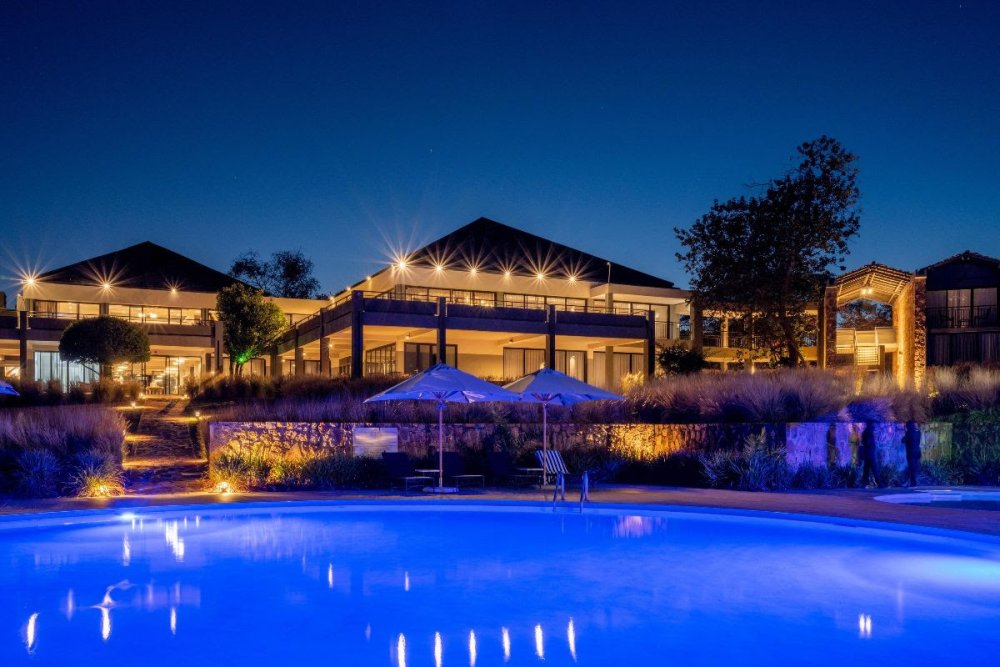
The quarter also saw the official opening of SALT of Akagera, a new eco-luxury lodge operated by The Lux Collective.
The 60-room facility, overlooking Lake Ihema, replaced Akagera Game Lodge, which had been managed by Mantis Collection since 2017. The launch marked The Lux Collective’s entry into Rwanda and forms part of its wider tourism expansion plans in the country.
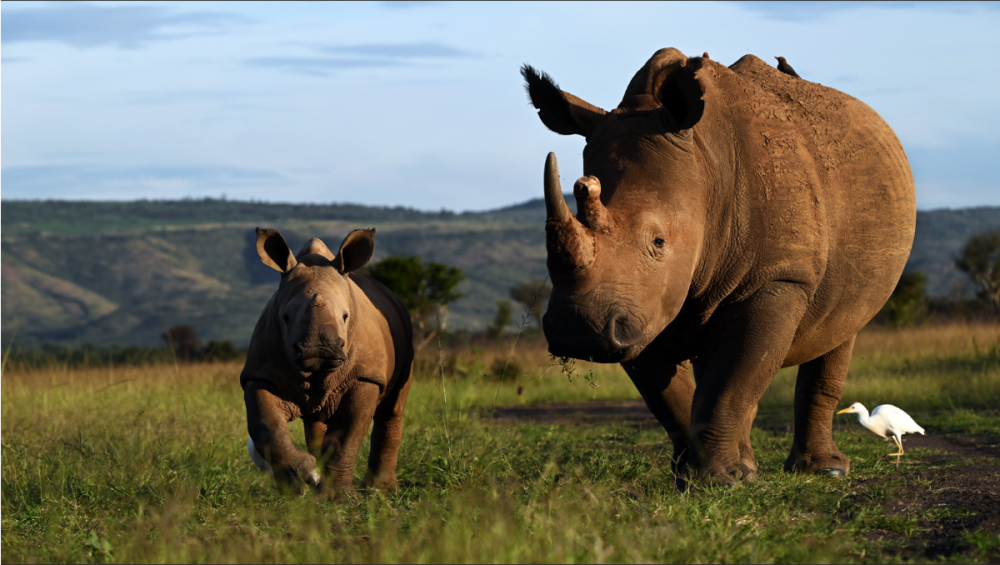
Wildlife conservation recorded notable achievements during the period, including the birth of three rhino calves; one black rhino and two white rhinos. The park said the births indicate that its rhino population continues to adapt well and reproduce successfully.
Rhino monitoring teams recorded more than 2,600 white rhino sightings and over 400 black rhino sightings through daily foot and aerial patrols.
At the same time, law enforcement teams conducted nearly 1,600 patrols covering about 35,000 kilometres, with no animals lost to poaching during the quarter.
Rangers also removed 12 snares and arrested five illegal fishermen.
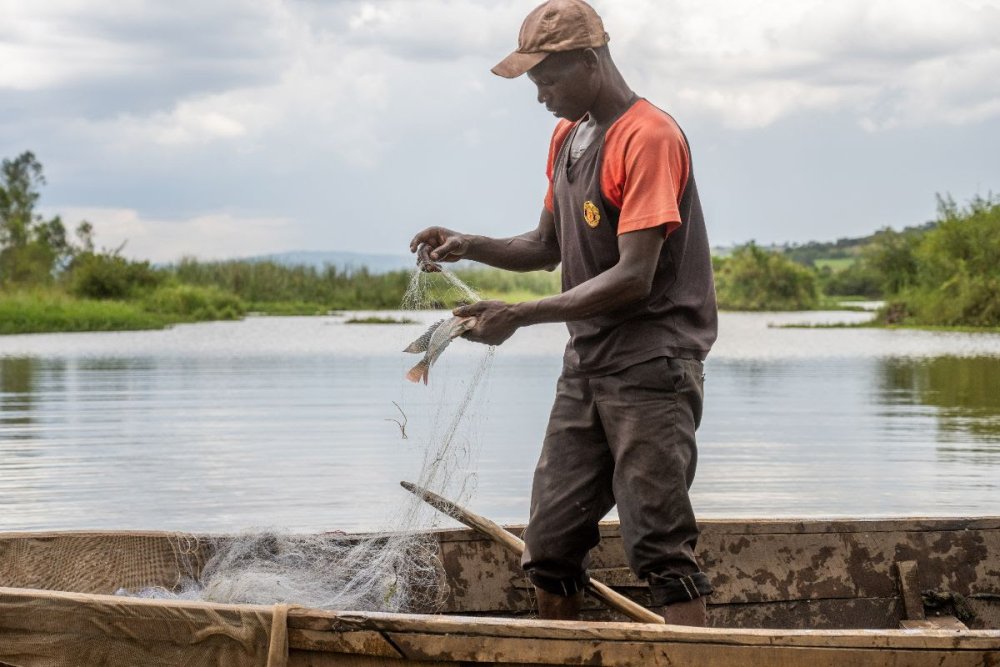
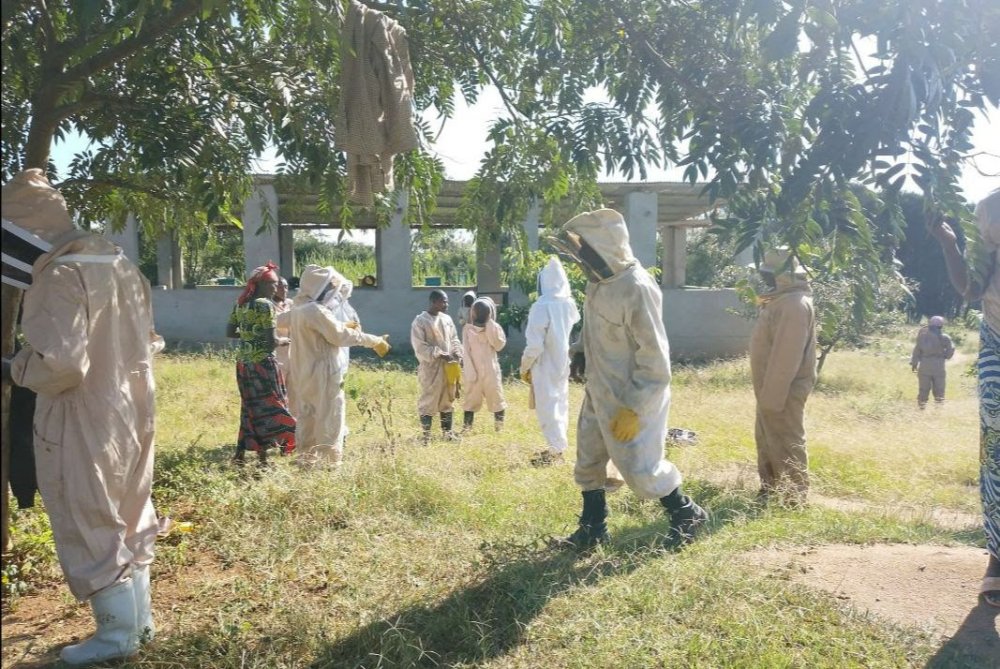
Akagera continued investing in neighbouring communities, with local cooperatives generating US$226,263 in income through activities such as fishing, beekeeping, guiding, community centre operations and construction work.
An additional US$229,374 entered surrounding communities through local procurement, bringing the total economic benefit to approximately US$455,637.
Community development initiatives included training for teachers, cooperative members, beekeepers, fishers and vocational learners.
More than 31,000 people were reached through environmental education and outreach activities, while the Akagera Lion Cup tournament brought together communities bordering the park, attracting more than 24,000 spectators across 13 matches.
As the dry season began, the park intensified fire management efforts, clearing more than 52 kilometres of firebreaks along the fence line and around key infrastructure to reduce wildfire risks and support vegetation regeneration.
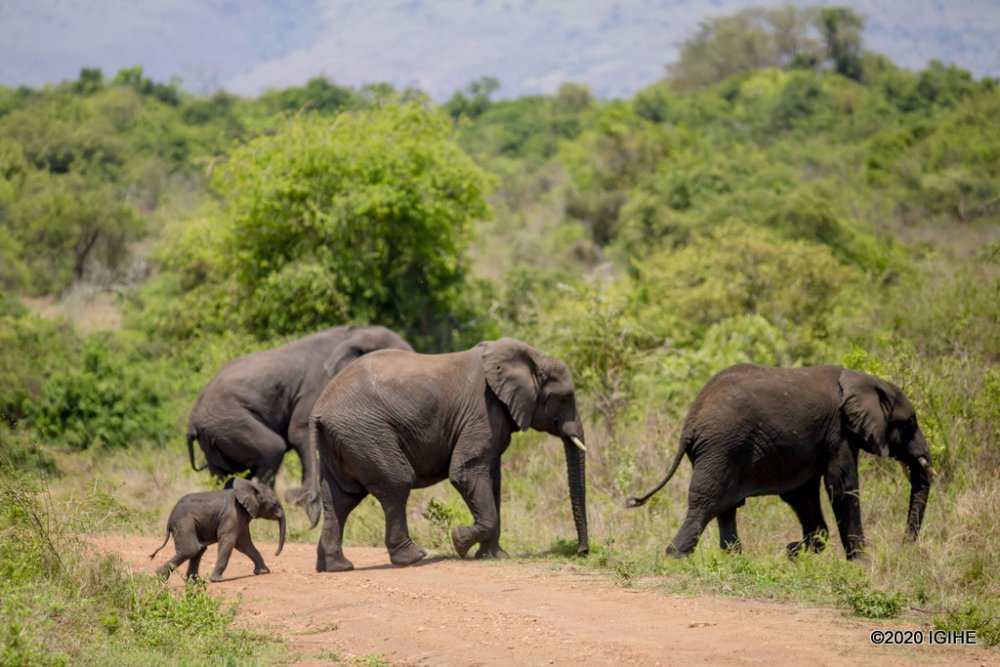
The park also expanded its conservation research efforts. A June elephant survey identified six new individuals, bringing the elephant database to 115 known elephants, while 85 camera traps across 57 locations were deployed to monitor large carnivores, including lions, leopards and hyenas.
Staff capacity building remained a priority, with ranger refresher training, GIS training involving teams from Akagera, Nyungwe and Gambella National Parks, and knowledge exchanges focused on strengthening conservation skills.
Leave a Reply