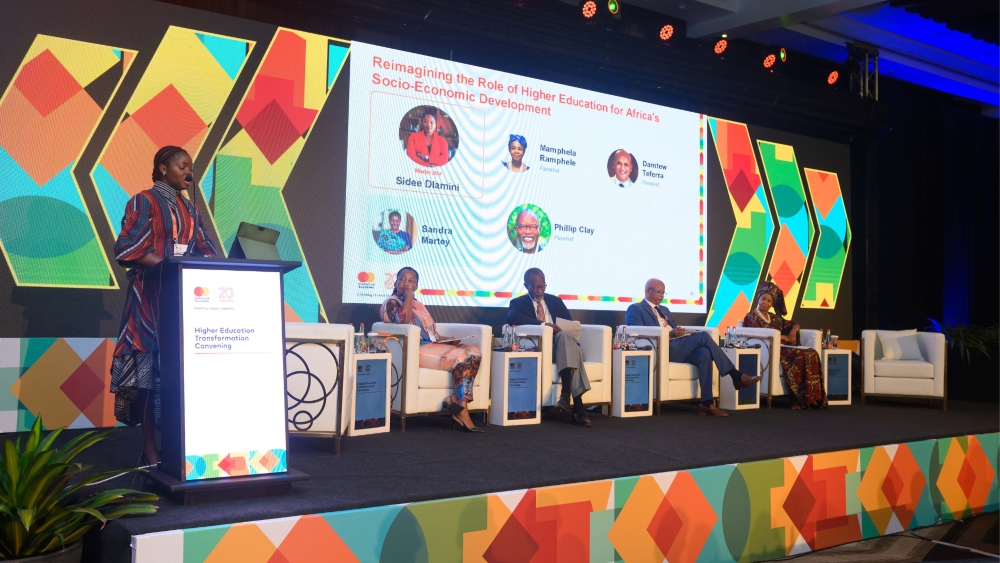
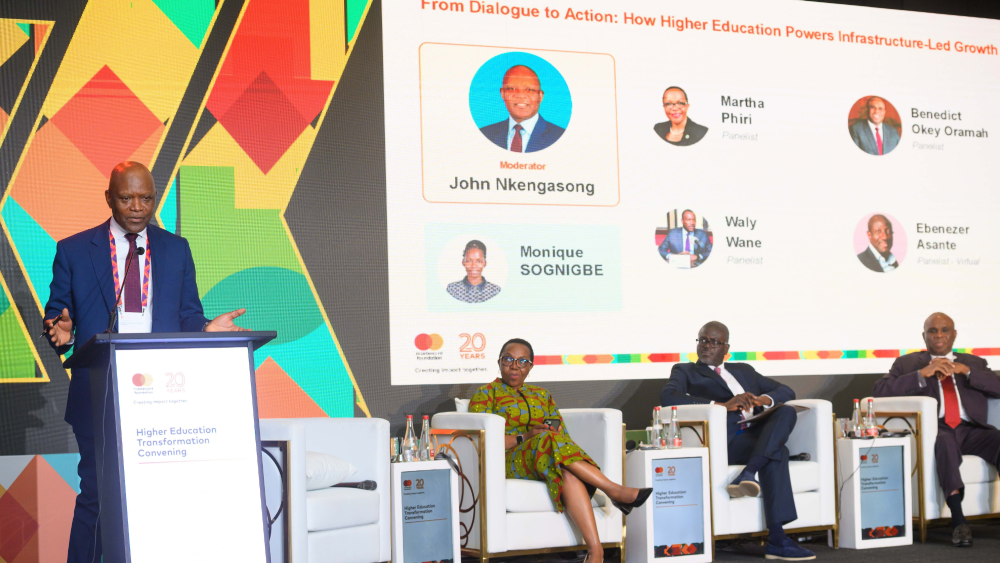
The call was made during the inaugural Higher Education Transformation Convening held in Accra, Ghana, on September 24, 2026, and hosted by the Mastercard Foundation under the theme, “Reimagining Higher Education for Africa’s Human Capital Development.”
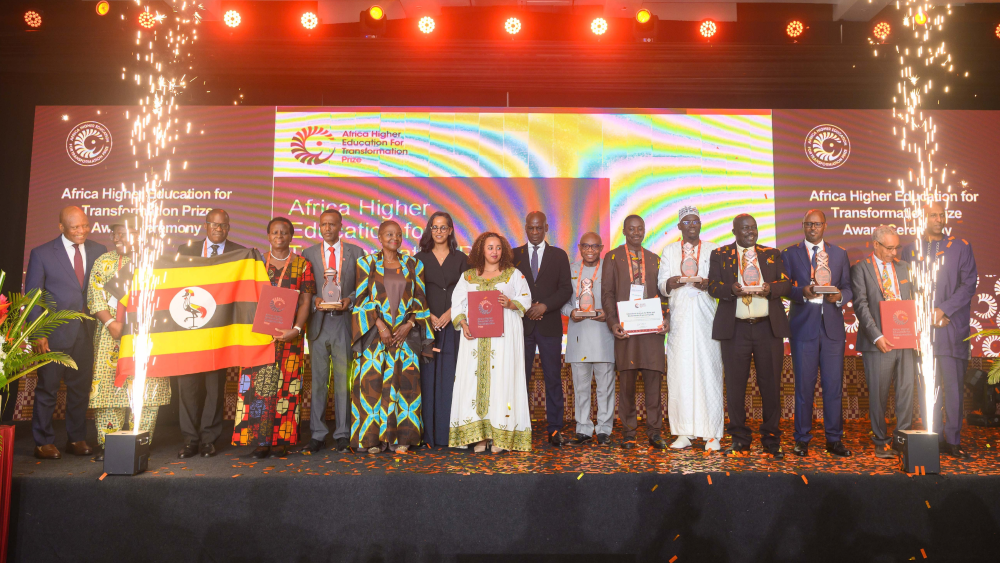
The convening also marked the inaugural Africa Higher Education for Transformation (AHEFT) Prize ceremony, which recognized five institutions for advancing sustained, institution-wide transformation.
“Transformation is not just a better university. It is a university that makes the whole economy around it work better for young people,” said Sewit Ahderom, President and CEO of the Mastercard Foundation.
She said universities need curricula developed with employers, credentials that reflect what graduates can do, institutions that prepare young people to lead emerging technologies, and research that moves beyond campuses into industry, government and communities.
Throughout the convening, participants explored how universities can strengthen research and innovation, prepare young people for changing labour markets and build stronger links with industry. Discussions also highlighted the need to focus research and skills development on areas where Africa has strategic advantages and potential for greater impact.
Young people called for their experiences and aspirations to be reflected in decisions on education, work and opportunity, while emphasizing their role as active partners in shaping the systems that affect their lives.
“Africa’s young and growing population presents one of the world’s greatest opportunities,” said Dr. John Nkengasong, Executive Director for Higher Education and Strategic Initiatives at the Mastercard Foundation.
“Higher education transformation is not simply an education agenda. It is an economic imperative,” he said, calling for governments, universities, industry, investors and development partners to work together to build systems that enable young people and economies to thrive.
The discussions align with the African Union’s Decade of Education and Skills Development (2025–2034), which seeks to strengthen education systems and skills development in line with the continent’s long-term development priorities, including Agenda 2063.
“The African Union’s Decade of Education calls on us to view higher education as a strategic investment in Africa’s future,” said Professor Saidou Madougou, Director of the African Union Department of Education, Science, Technology and Innovation.
He noted that higher education spending averages less than 0.8 percent of GDP, while research and development receives less than 0.5 percent of national budgets, calling for greater collaboration, faculty and student mobility, and systems that allow talent, knowledge and innovation to move across borders.
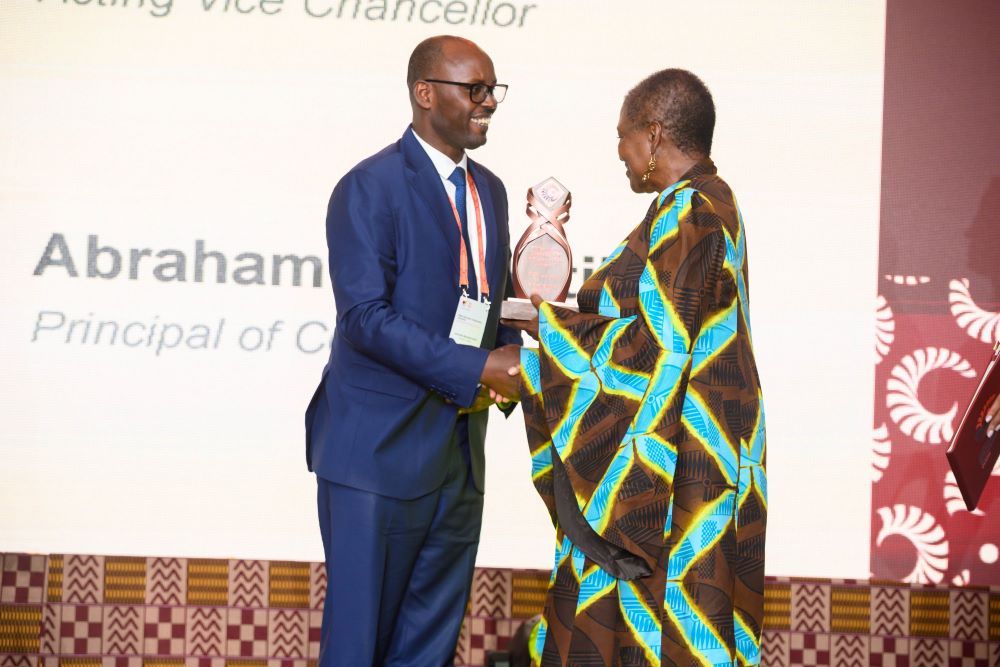
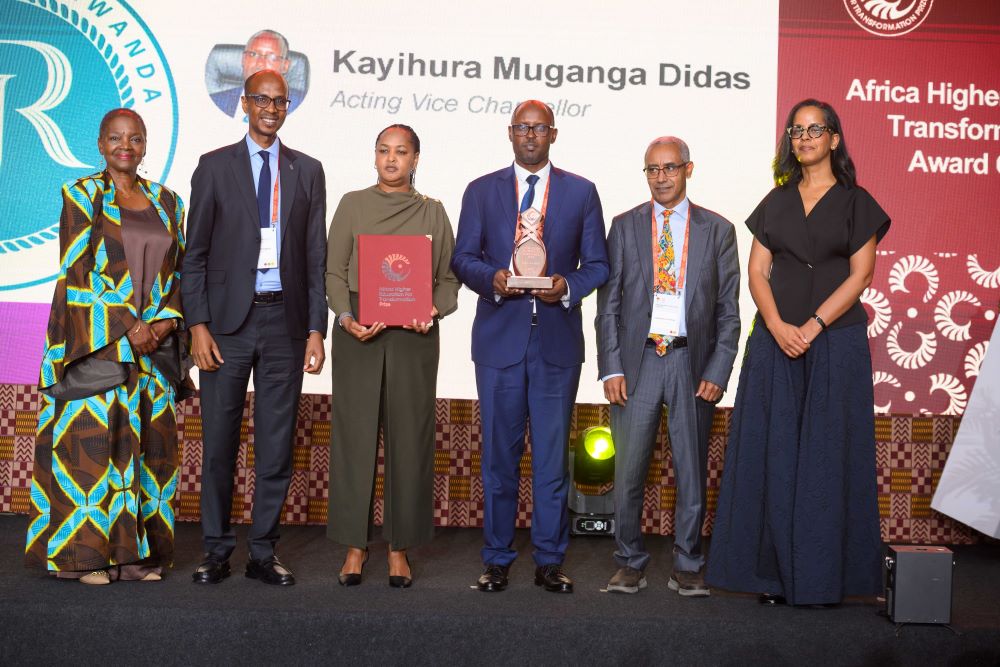
University of Rwanda among five AHEFT laureates
The convening also recognized Addis Ababa University in Ethiopia, the International Institute for Water and Environmental Engineering (2iE) in Burkina Faso, Kwame Nkrumah University of Science and Technology in Ghana, Muni University in Uganda, and the University of Rwanda as the inaugural AHEFT Prize laureates.
Backed by a USD 500 million commitment, the prize is expected to recognize at least 150 institutions across Africa over the next decade, with each winning institution receiving USD 3 million to scale transformative initiatives.
For the University of Rwanda, the prize will be used to build on progress in health education, research and innovation.
“This recognition affirms the University of Rwanda’s commitment to developing a health workforce that responds to the needs of our country and communities,” said Prof. Kayihura M. Didas, Vice Chancellor of the University of Rwanda.
“With the support of the Mastercard Foundation, we will build on the progress already made in health education, research and innovation, while strengthening our capacity to translate knowledge and research into meaningful impact for communities,” he said.
Other laureates also highlighted the broader role of universities in Africa’s development.
“Africa’s greatest resource is its young people. Our universities therefore have a responsibility not merely to prepare them to participate in the future, but to equip them to shape it,” said Samuel Kifle, President of Addis Ababa University.
Assoc. Prof. Anguma Simon Katrini, Vice Chancellor of Muni University, said universities should also strengthen their links with surrounding communities.
“The future of African universities is not within our walls alone; it is also in our communities,” he said. “Universities need to move beyond the ivory tower to the people, listen to their challenges, and put our knowledge to work alongside them.”
Susan Chomba, Chair of the AHEFT Jury, said the inaugural laureates demonstrated different approaches to meaningful institutional transformation.
The Mastercard Foundation said applications for the 2027 AHEFT Prize cycle will open later this year.
The Accra discussions concluded with a call for universities, governments, industry, investors and development partners to translate the emerging consensus into system-level action, strengthening links between education, employment, research and investment so that more young Africans can learn, earn and lead.
Leave a Reply