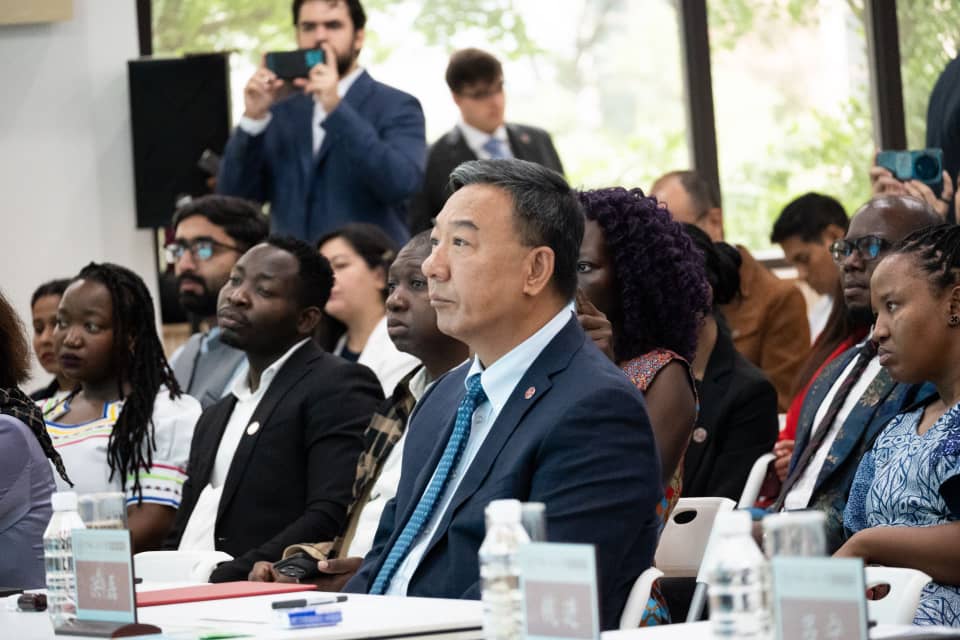
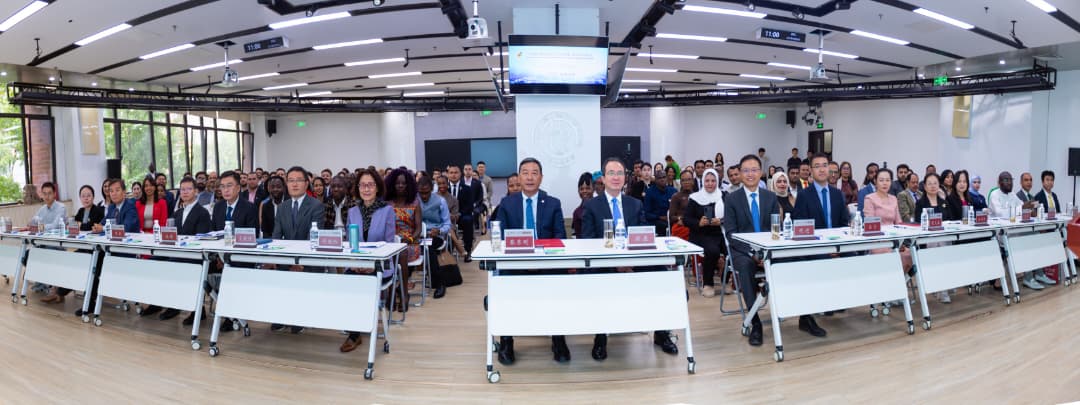
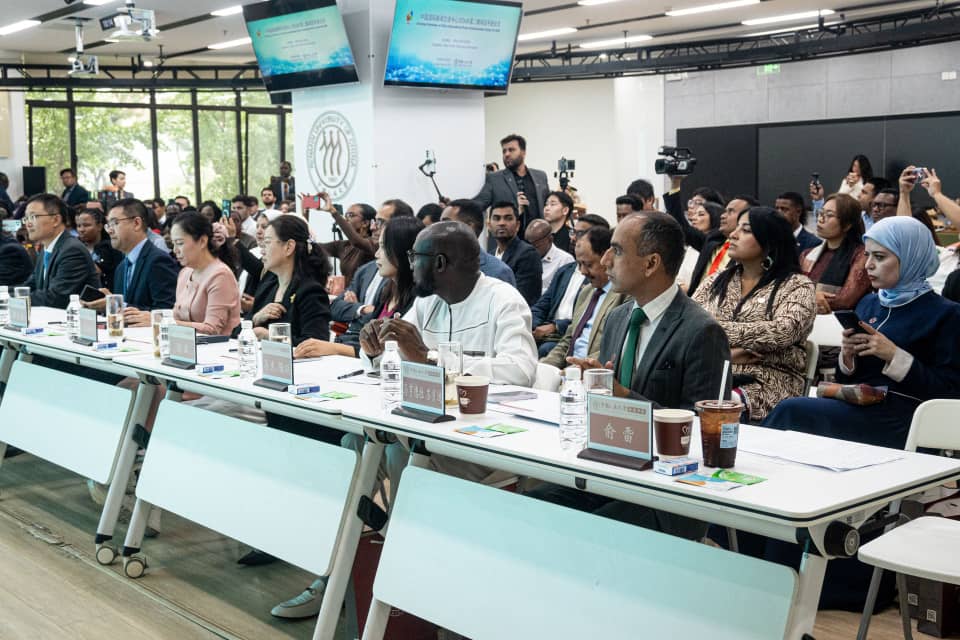
The programme officially opened on September 8 at the School of Journalism and Communication of Renmin University of China in Beijing, with journalists from Africa, Asia-Pacific, Europe, Latin America and the Middle East taking part.
Organised by the China Public Diplomacy Association under the guidance of China’s Ministry of Foreign Affairs, the four-month programme combines professional journalism training with field visits, cultural exchanges and discussions on China’s economic development, technology, governance and international cooperation.
Participants will visit institutions and communities, interact with experts and explore different aspects of China’s economic, technological, cultural and social development as part of the programme.
Since its establishment in 2014, CIPCC has hosted journalists from different regions of the world, providing opportunities for foreign reporters to experience China firsthand and report on developments from direct observation.
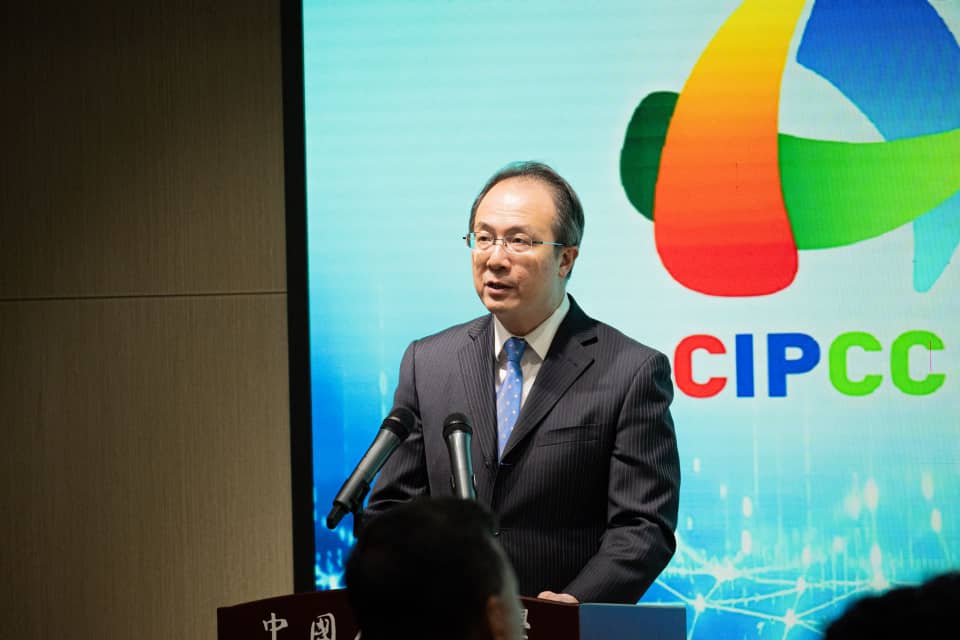
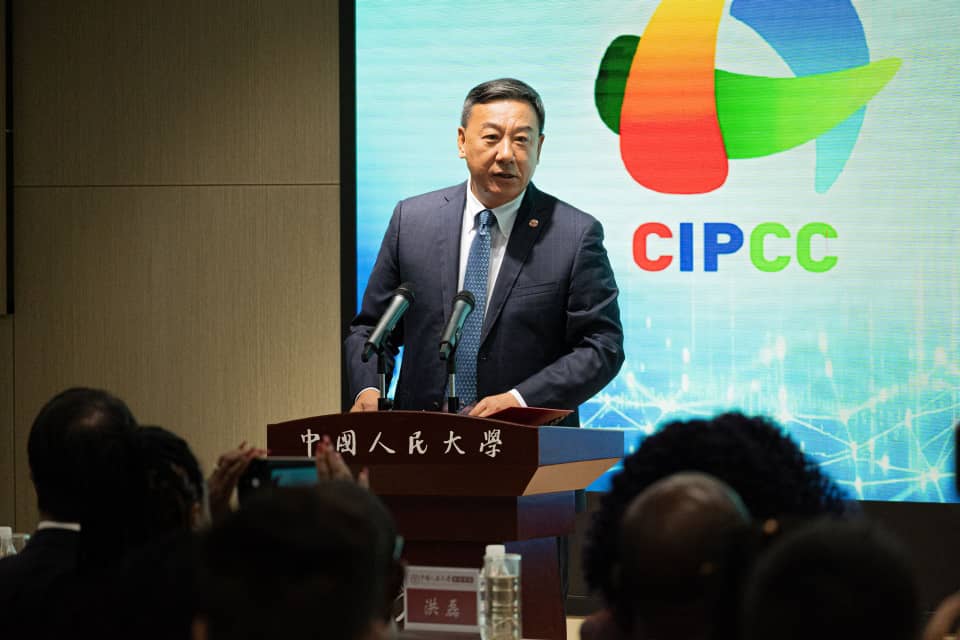
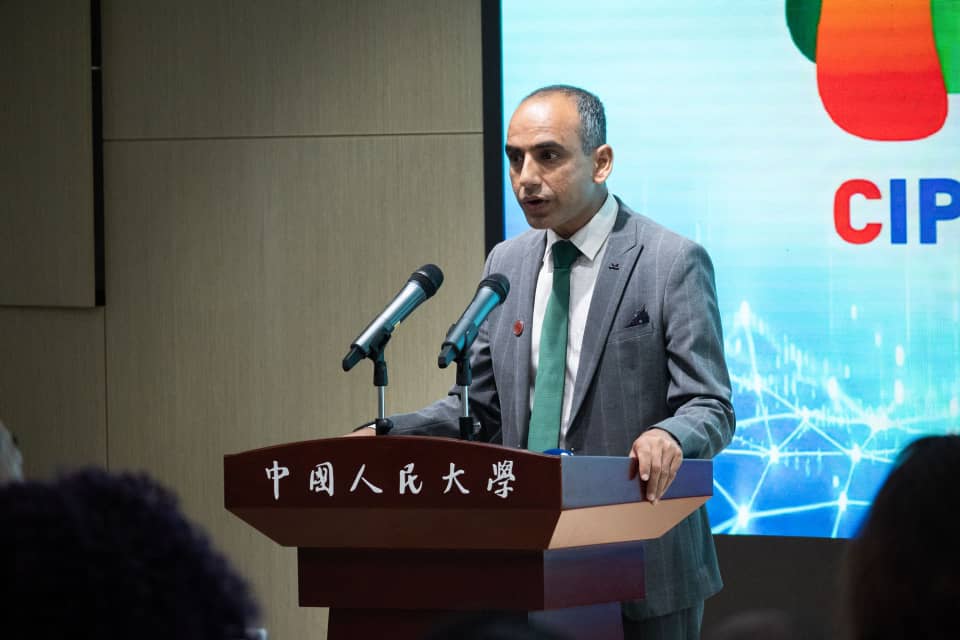
Speaking at the opening ceremony, Hong Lei, Assistant Foreign Minister of the People’s Republic of China, linked the changes in journalism over recent decades to China’s broader transformation.
He recalled that more than three decades ago, journalists travelling outside Beijing faced long journeys, limited communication tools and slower methods of disseminating news.
Today, high-speed rail and digital infrastructure have changed the working environment for journalists, allowing reporters to travel between major cities within hours and use smartphones to record, edit and publish stories almost instantly.
“This shows the progress in journalism. But more importantly, it is a microcosm of the rapid development of China,” Hong said.
Over the past decades, China has undergone significant economic and social transformation, with its gross domestic product surpassing 140 trillion yuan (more than US$20.8 trillion), making it the world’s second-largest economy and accounting for approximately 17 percent of the global economy.
China has also contributed around 30 percent of global economic growth in recent years, becoming one of the major drivers of the world economy.
On poverty reduction, Hong said China had lifted nearly 100 million people out of poverty, achieving the United Nations’ poverty eradication target under the Sustainable Development Goals about 10 years ahead of schedule.
Life expectancy has increased from around 35 years in the early 1950s to 78.2 years, while basic medical insurance now covers more than 1.36 billion people.
China has also expanded its global presence in areas including high-speed rail, 5G technology, aerospace, artificial intelligence and other emerging technologies.
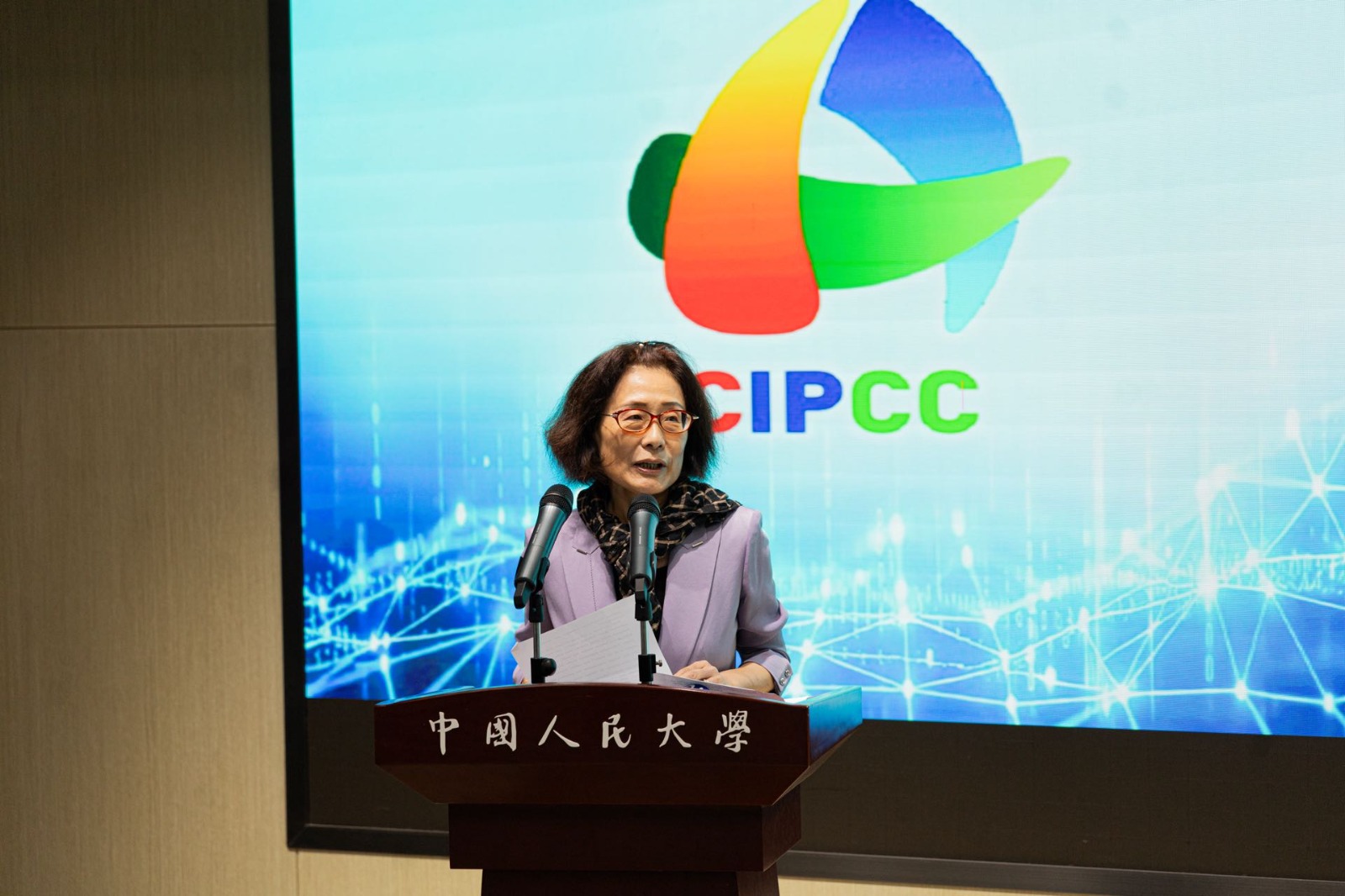
Tong Xiaoling, Vice President of the China Public Diplomacy Association, said international media exchanges can help countries understand one another and reduce misconceptions.
She said CIPCC’s work over the past 12 years has given journalists opportunities to travel across China, experience its culture and document its development.
“China foreign media engagement is not a one-month encounter, but a long-term partnership. Inter-civilizational mutual learning is not one-way output, but two-way empowerment,” Tong said.
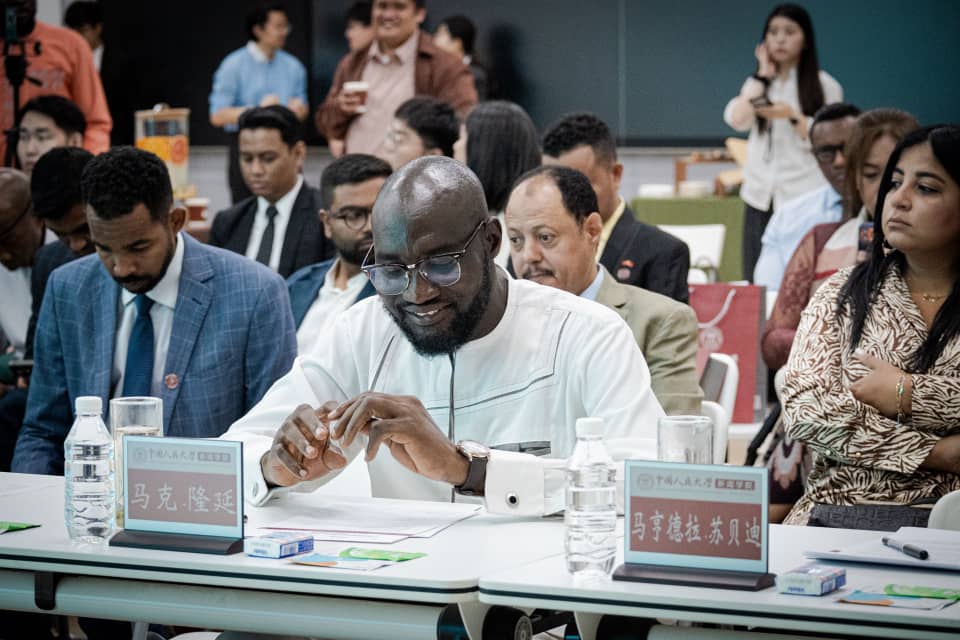
Representing journalists participating in the second-half 2026 programme, Mark Longyen, Editor at the News Agency of Nigeria, said journalists have a responsibility to go beyond simply repeating information and instead develop a deeper understanding through observation and investigation.
“Our job is not to repeat what we are told, but to observe, investigate, verify, and tell stories that help our audiences make sense of a changing world,” Longyen said.
He highlighted China-Africa relations as an important area for deeper reporting, with cooperation expanding in infrastructure, telecommunications, education, trade and technology.
Longyen also encouraged journalists to embrace artificial intelligence and other emerging technologies while maintaining the core principles of journalism, including accuracy, independence, ethics and public trust.
Leave a Reply