Most wild giant pandas live in Sichuan, Shaanxi and Gansu provinces, with Sichuan home to the largest share of the population. For visitors, however, seeing these elusive animals does not require venturing into the remote mountains.
In Chengdu, the capital of Sichuan, pandas are woven into the city’s identity, appearing everywhere from signs and artwork to souvenirs and tourism attractions.
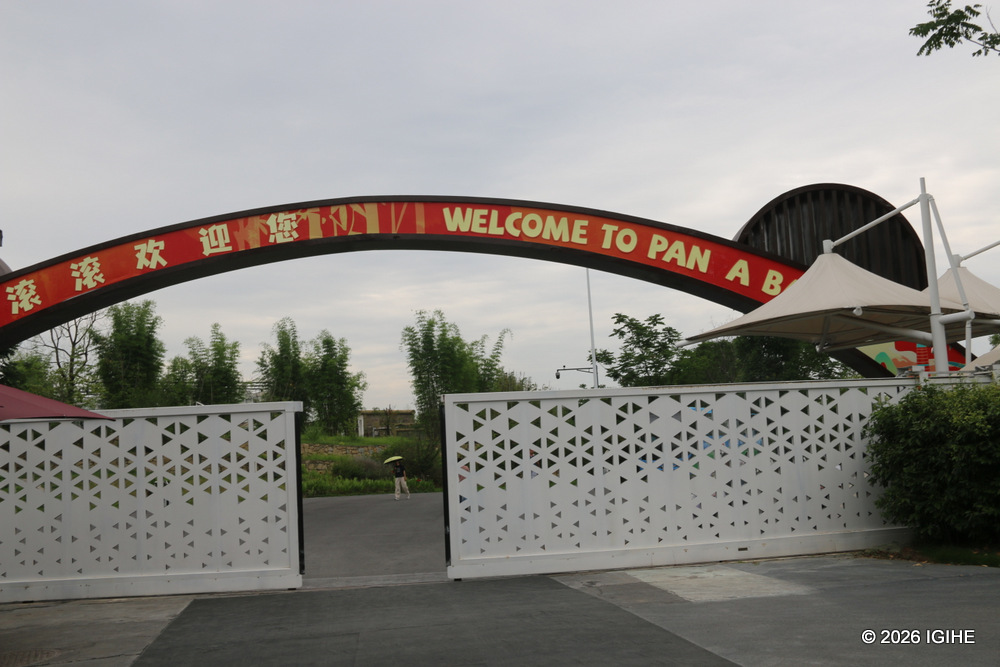
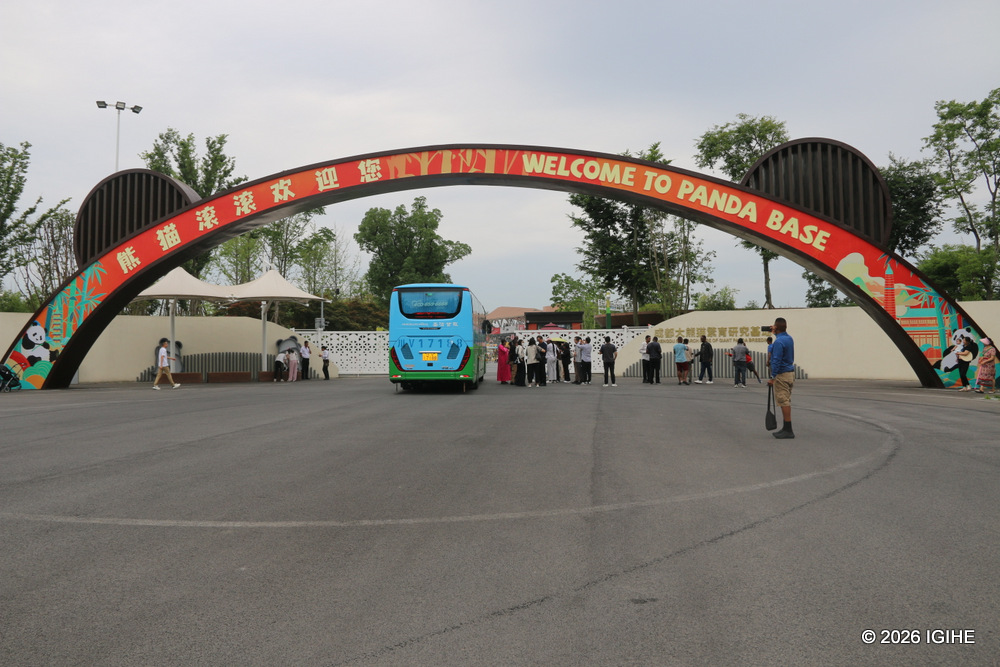
But beyond the images is the real experience. At the Chengdu Research Base of Giant Panda Breeding, widely known as the Panda Base, visitors can see the animals for themselves in an environment designed around their natural way of life.
About 10 kilometres from Tianfu Square, the city centre, the 238-hectare facility welcomes local and international visitors drawn by the chance to see giant pandas up close.
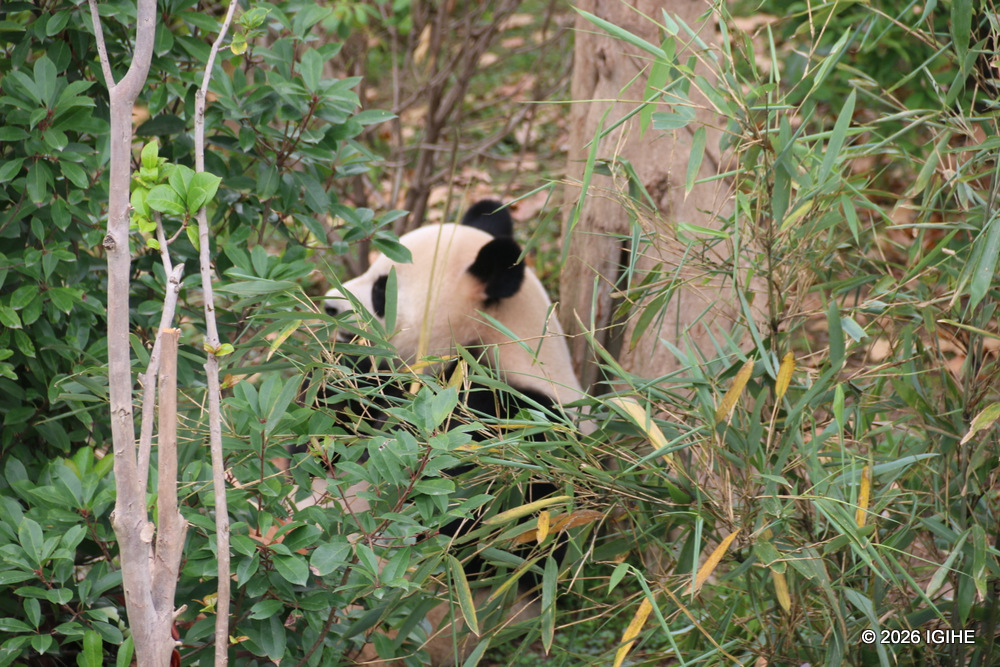
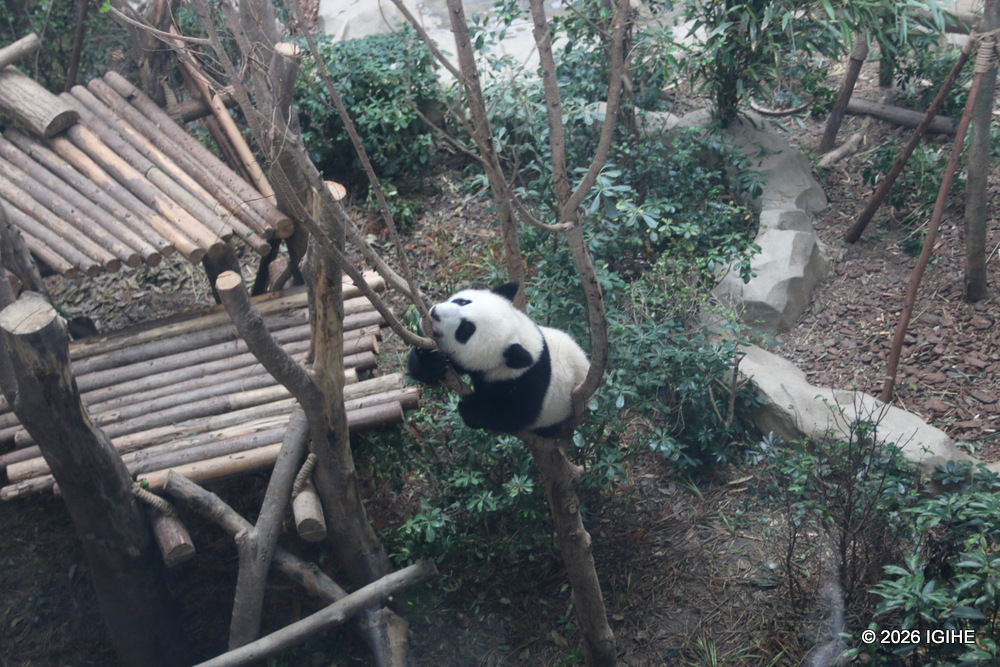
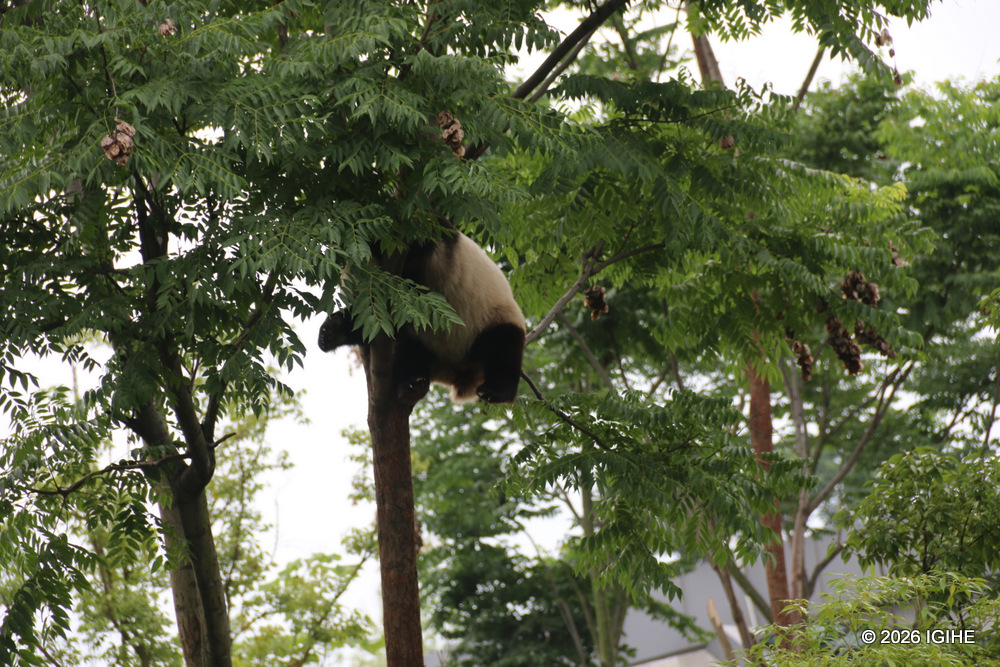
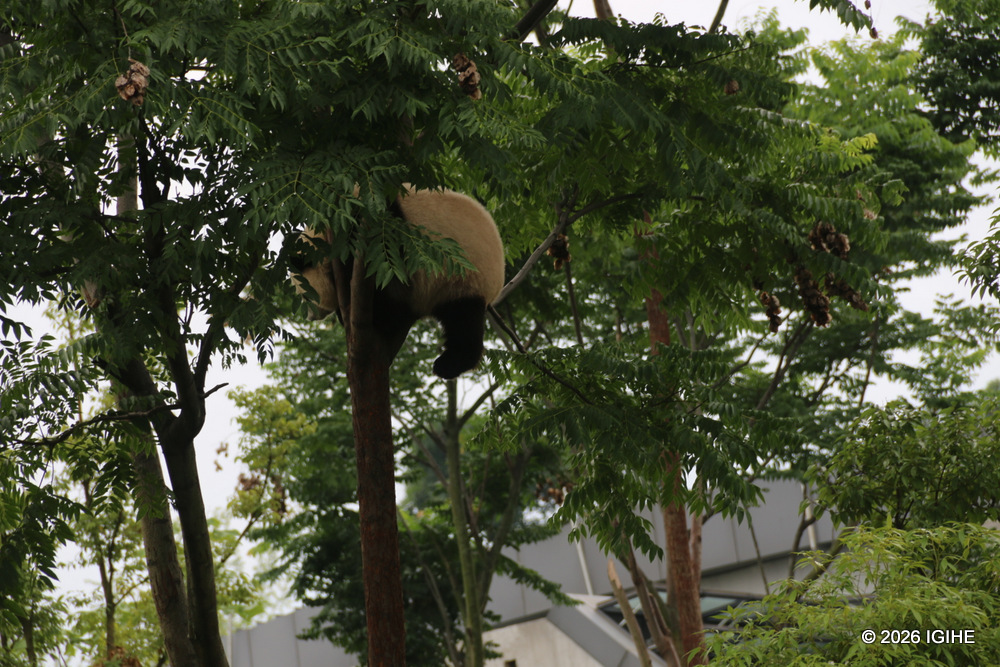
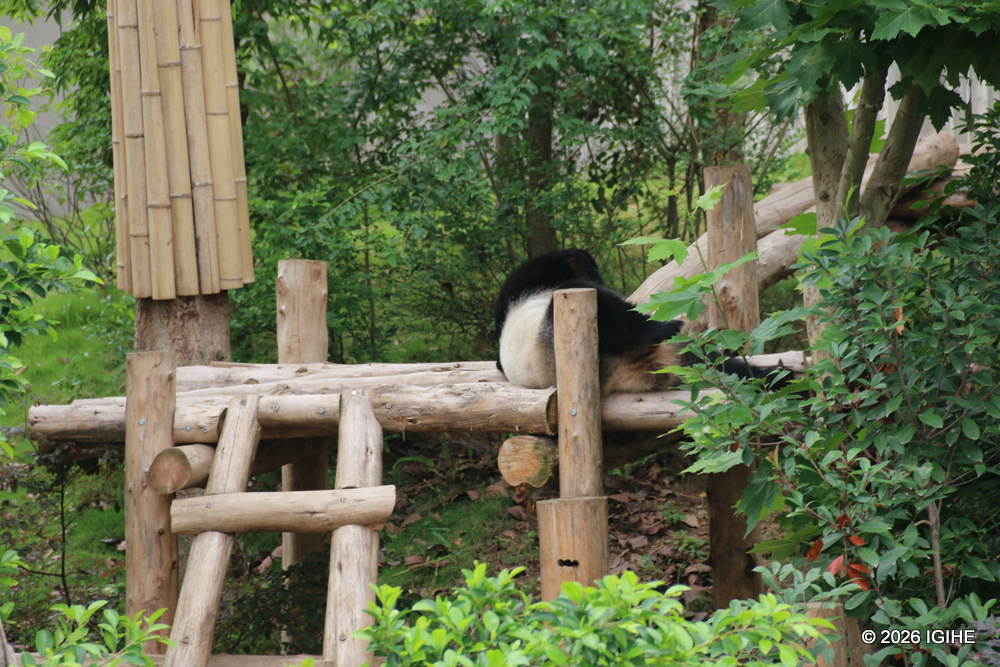
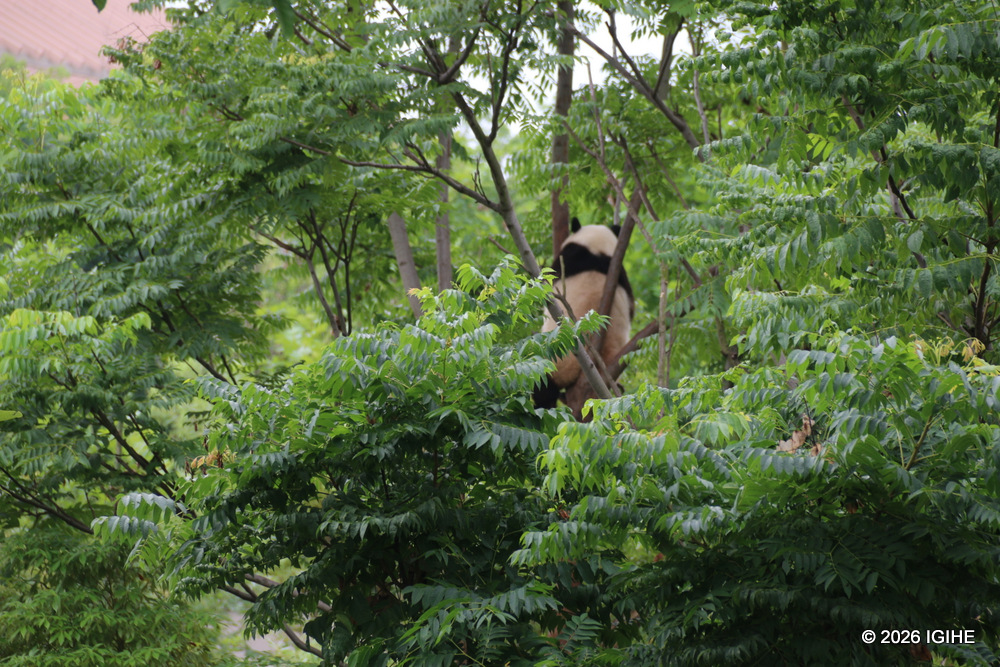
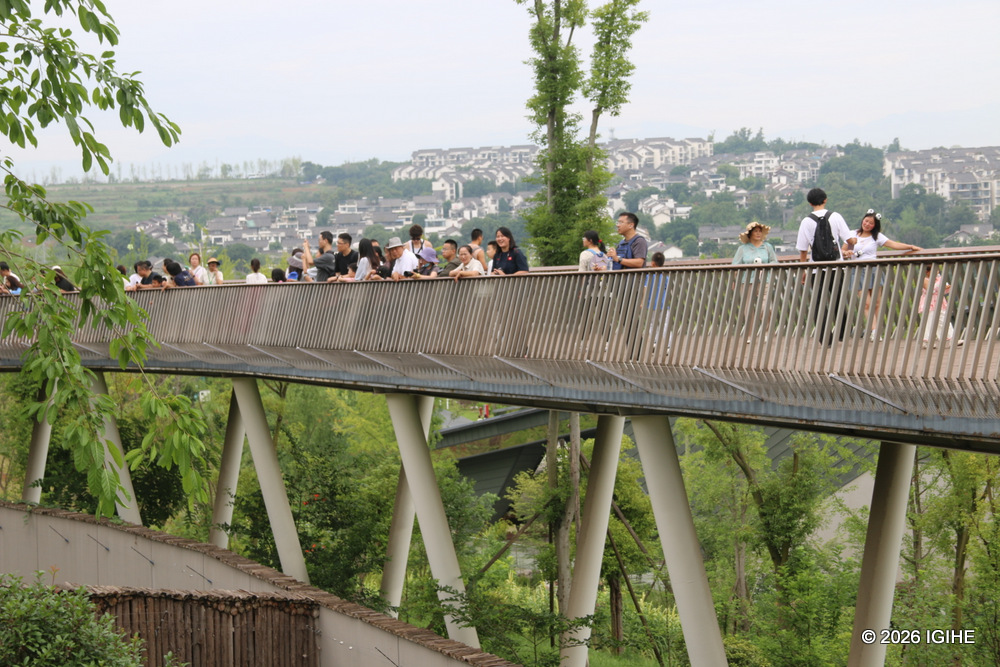
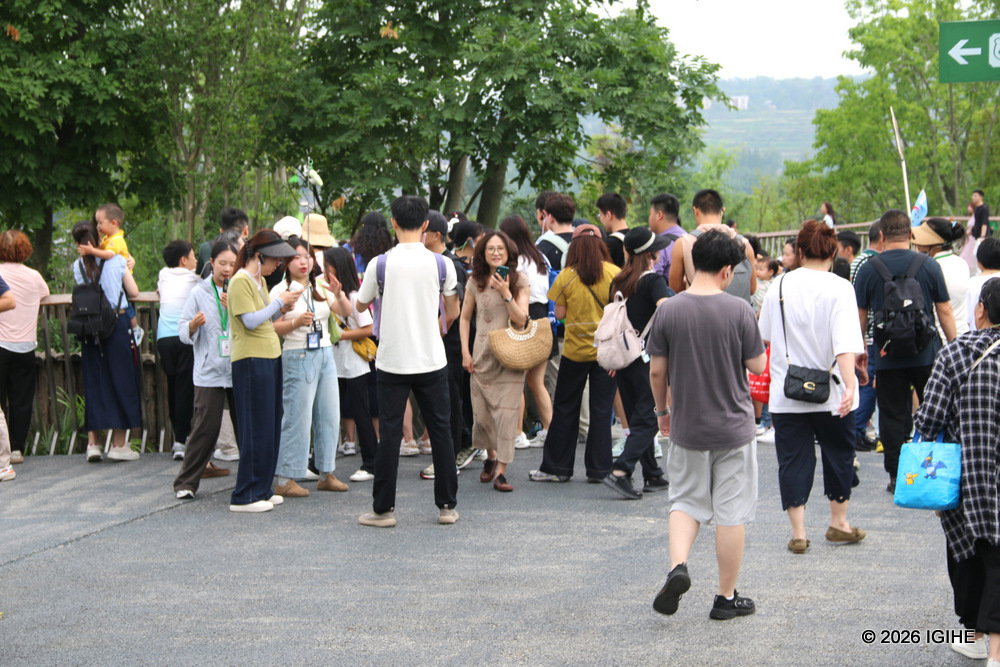
Upon arrival, visitors of different ages and from different countries can be seen making their way through the base, many with scenes that make the visit memorable.In one enclosure, a panda may sit quietly, climb into a tree or settle on a branch, while visitors gather nearby with the same curiosity: to see these gentle giants with their own eyes.
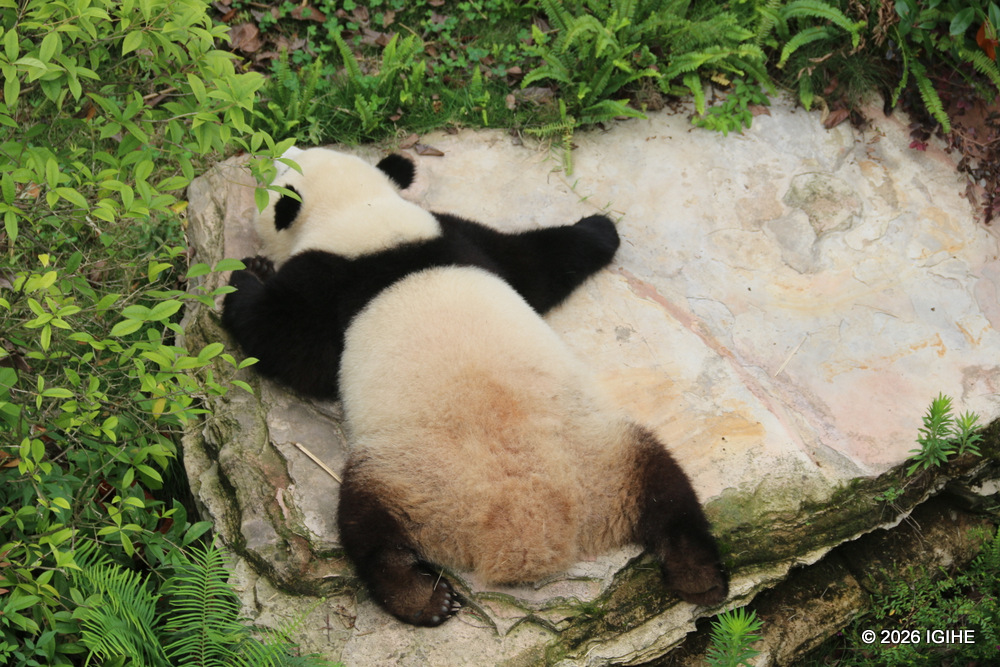
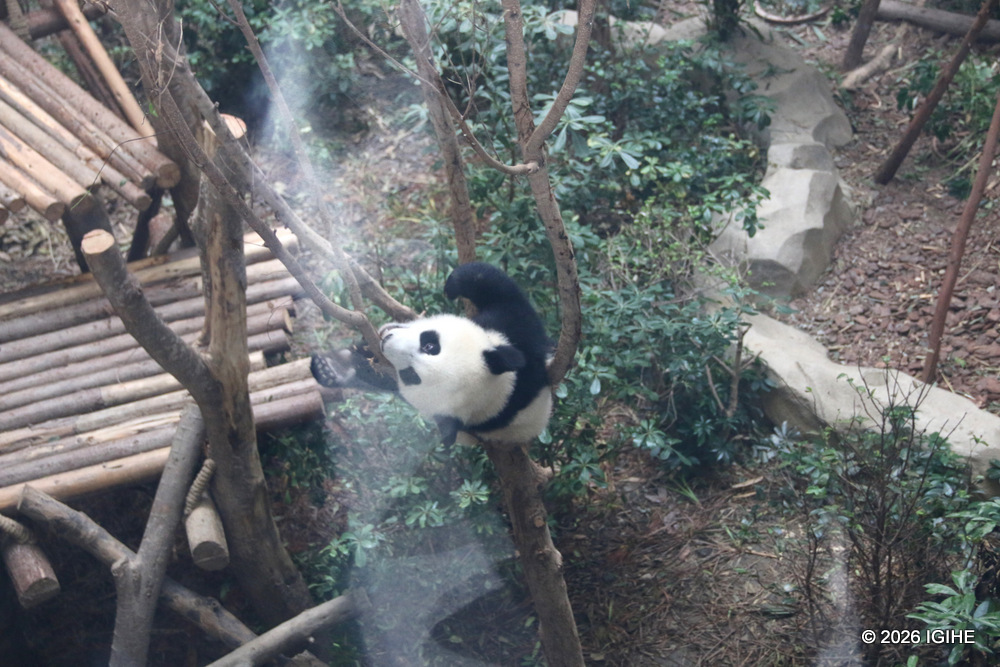
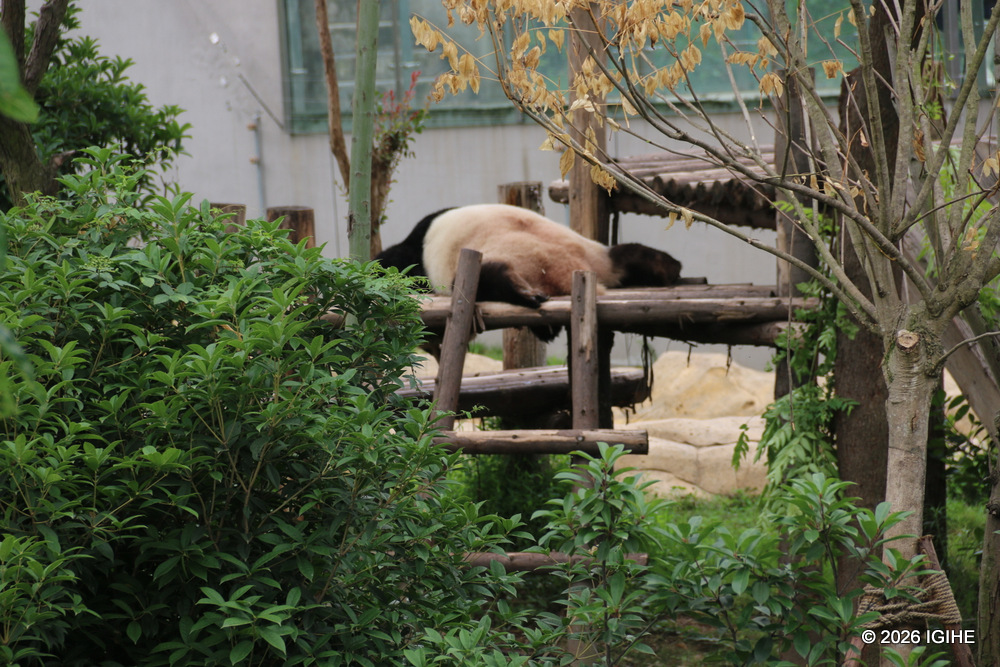
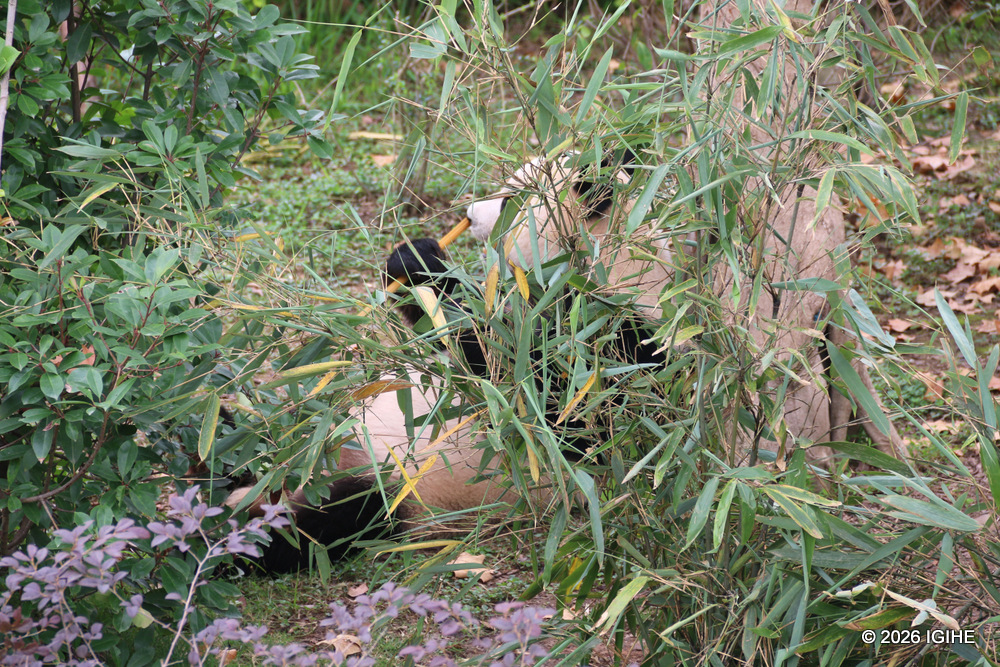
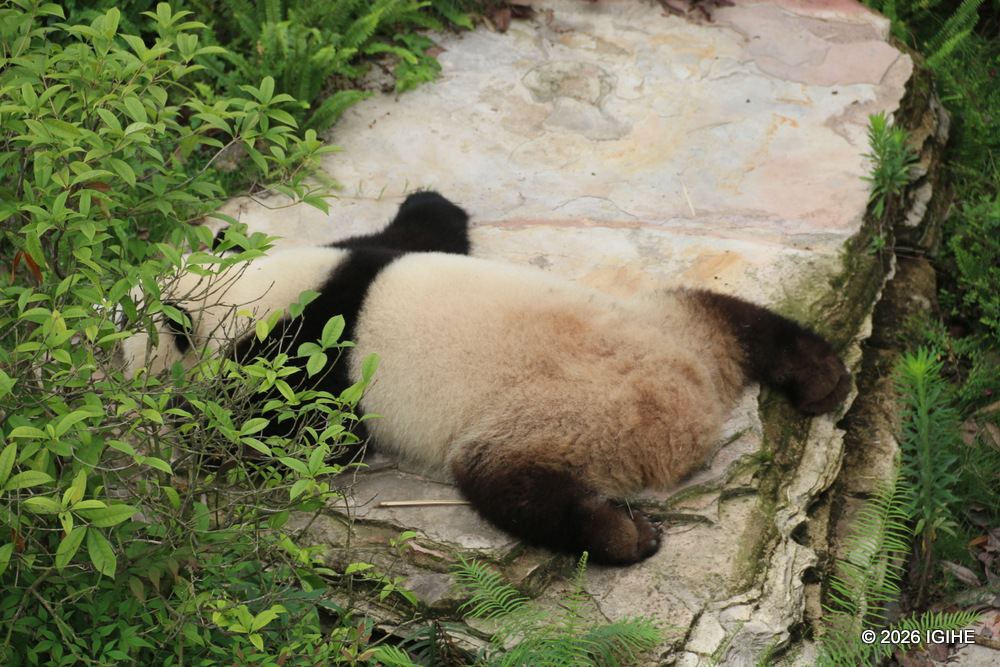
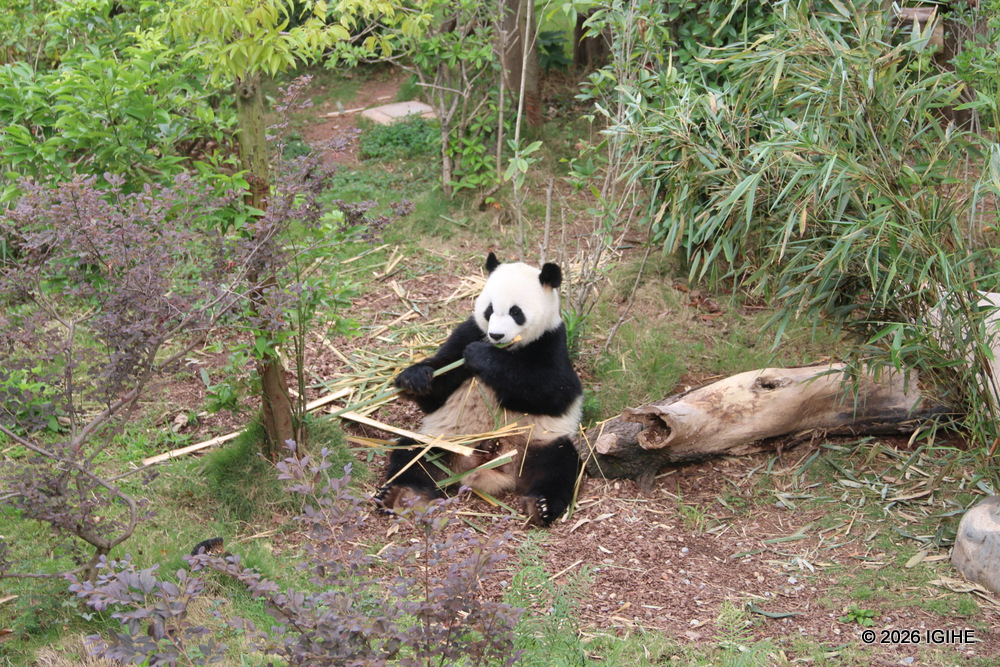
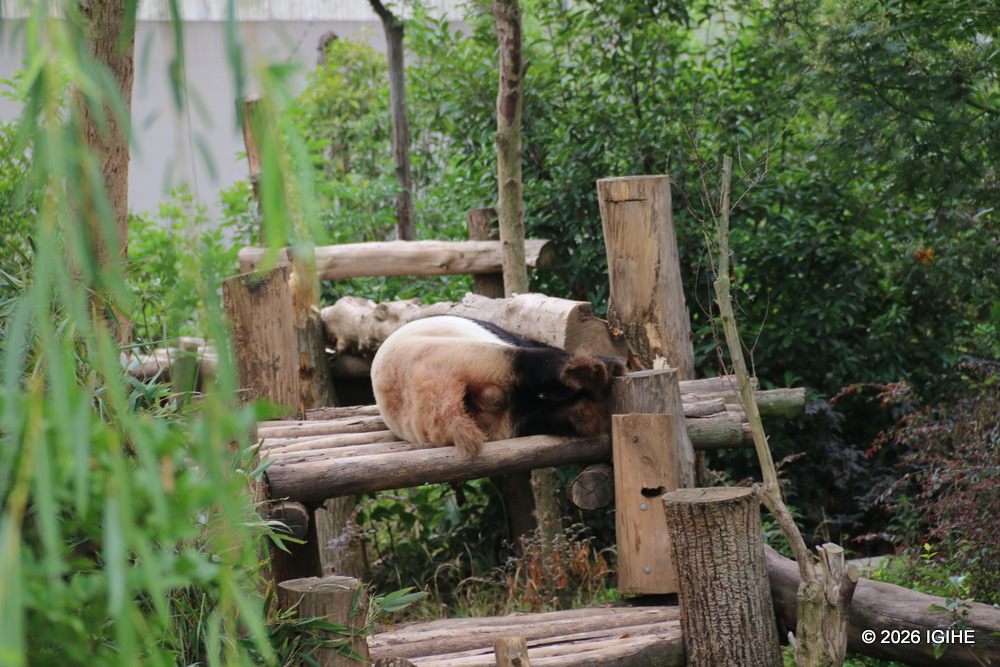
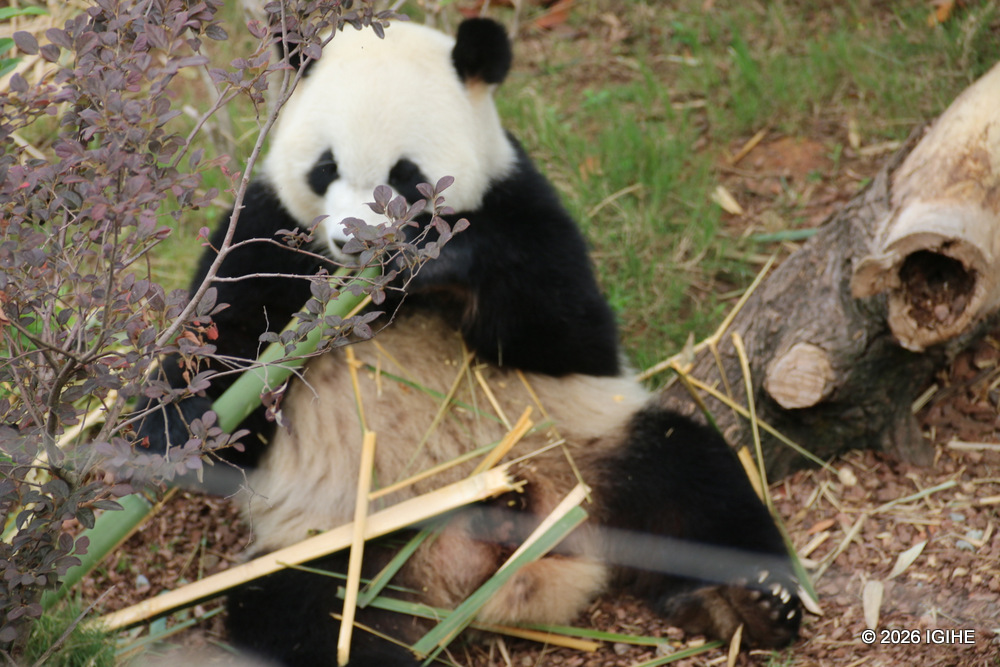
The wait is often rewarded with a panda resting beneath a tree, while another may be busy feeding on bamboo. Elsewhere, visitors can watch pandas climbing trees, moving between branches, descending to the ground or simply stretching out for a rest.
Their movements are unhurried, but fascinating. A panda can spend up to 14 hours a day eating, consuming large quantities of bamboo because it provides relatively little energy. Although pandas are biologically classified within the carnivore family, they have adapted to a diet made up almost entirely of bamboo.
A specialised wrist bone, commonly known as a “pseudo-thumb”, helps them grasp bamboo stalks and strip leaves from the stalks.
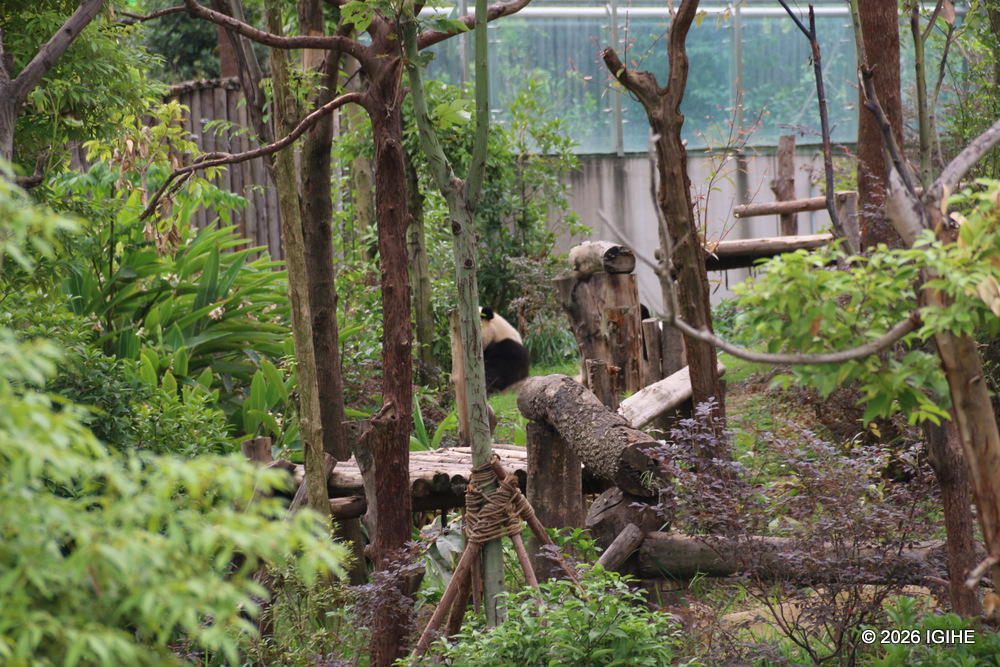
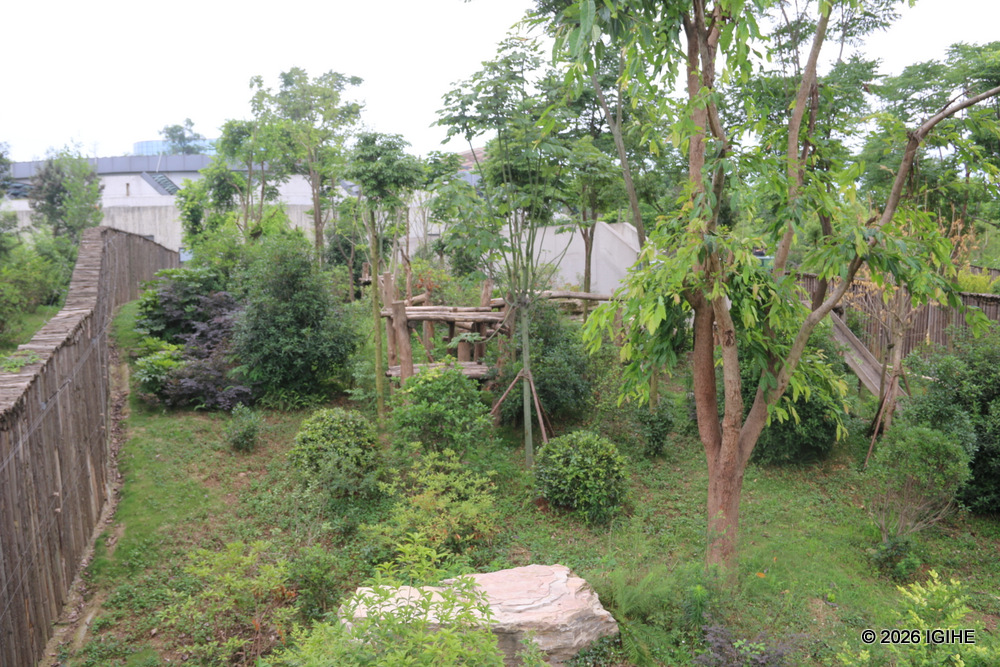
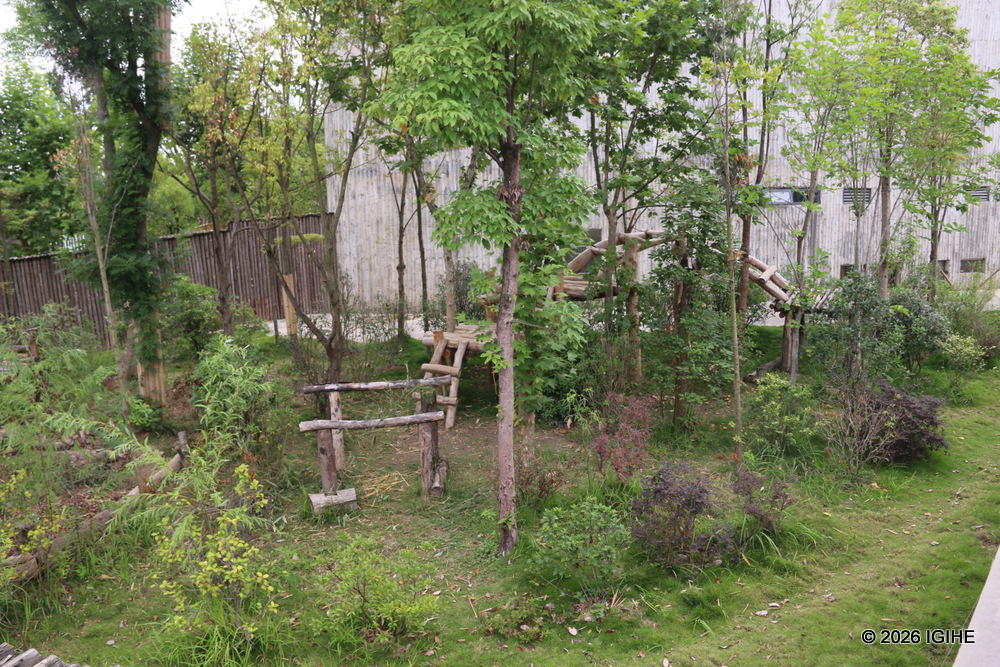
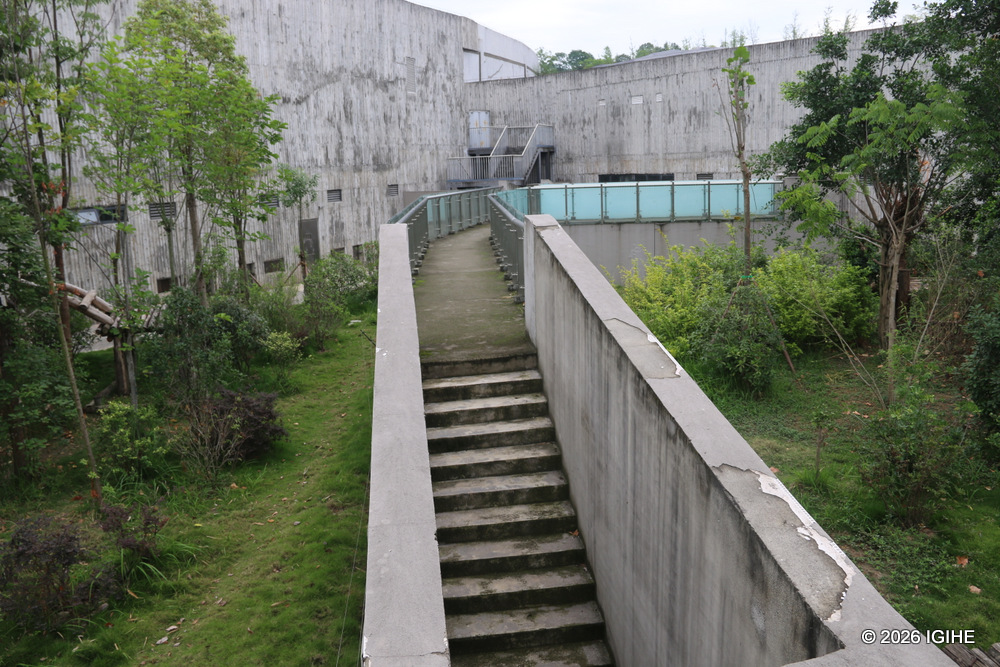
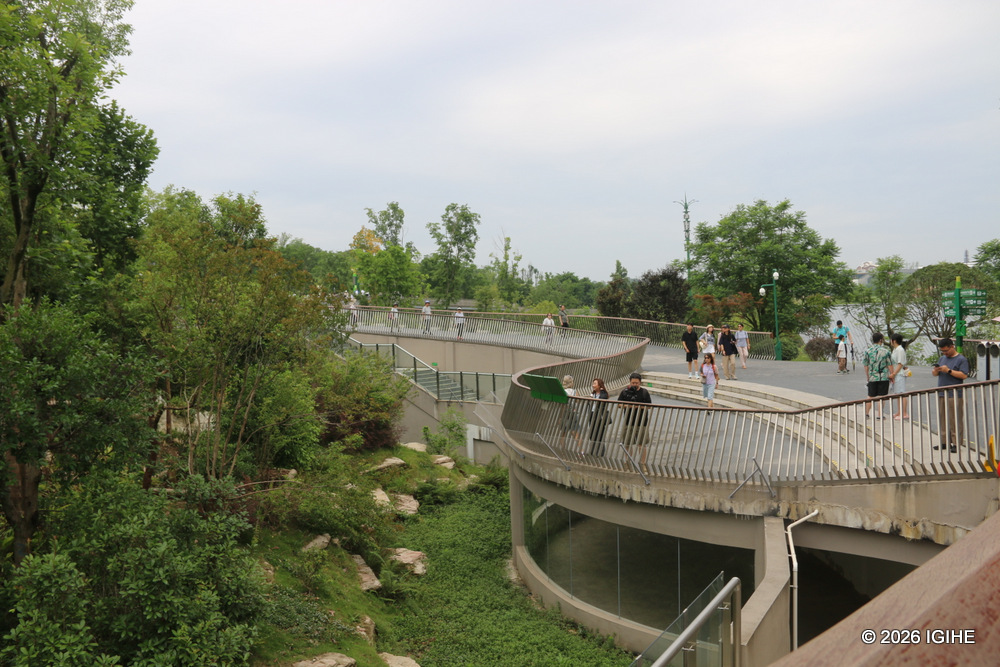
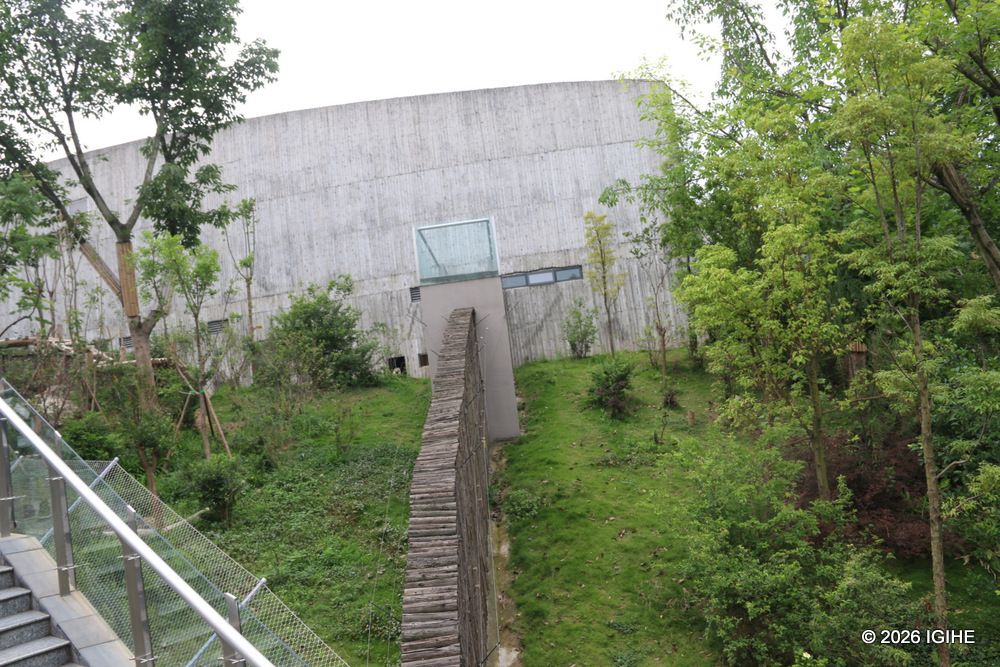
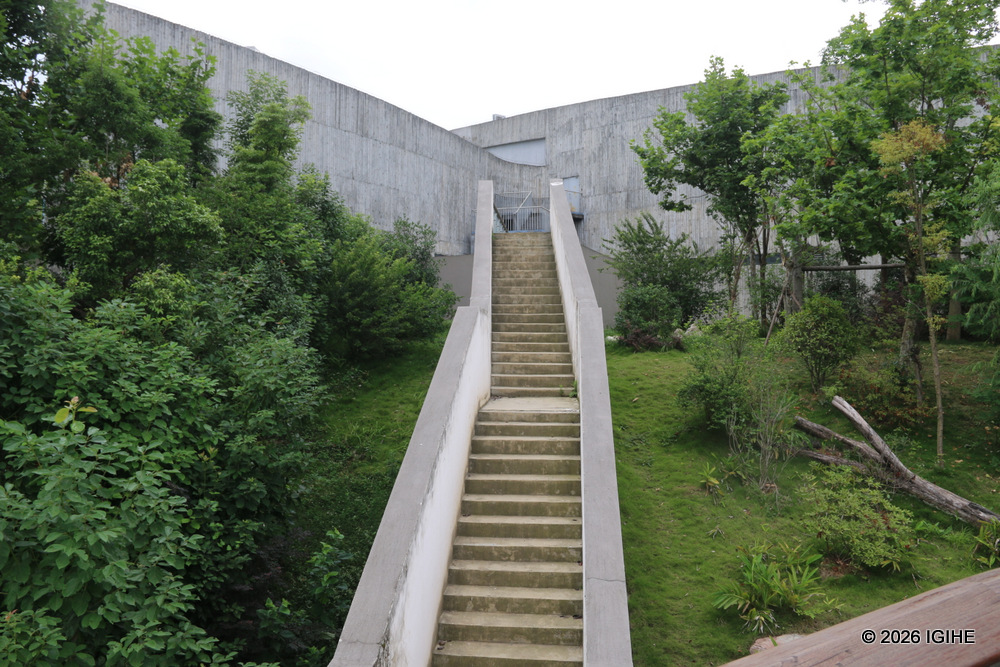
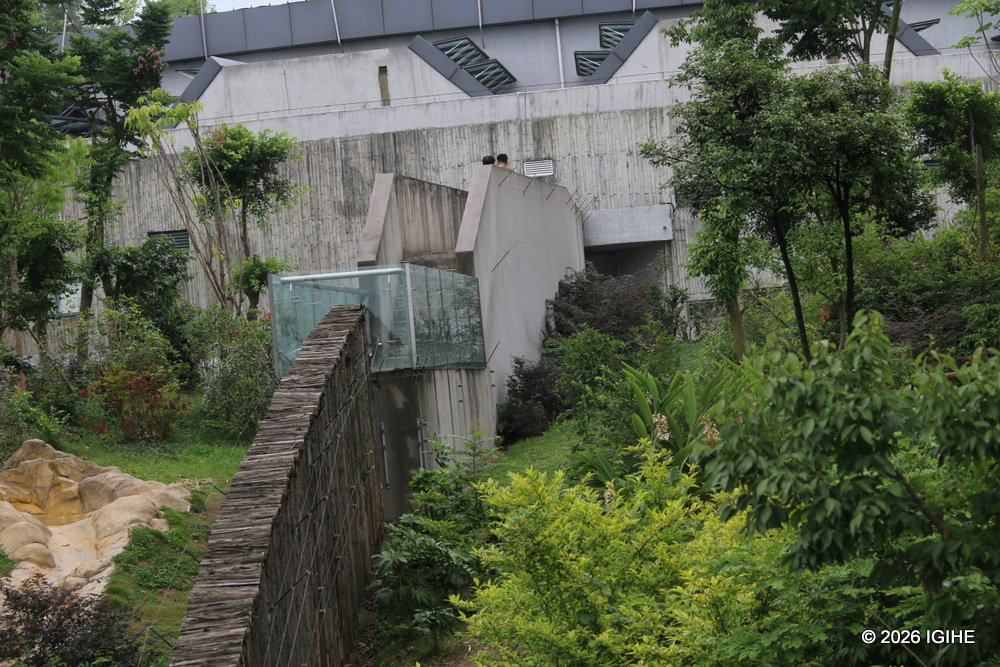
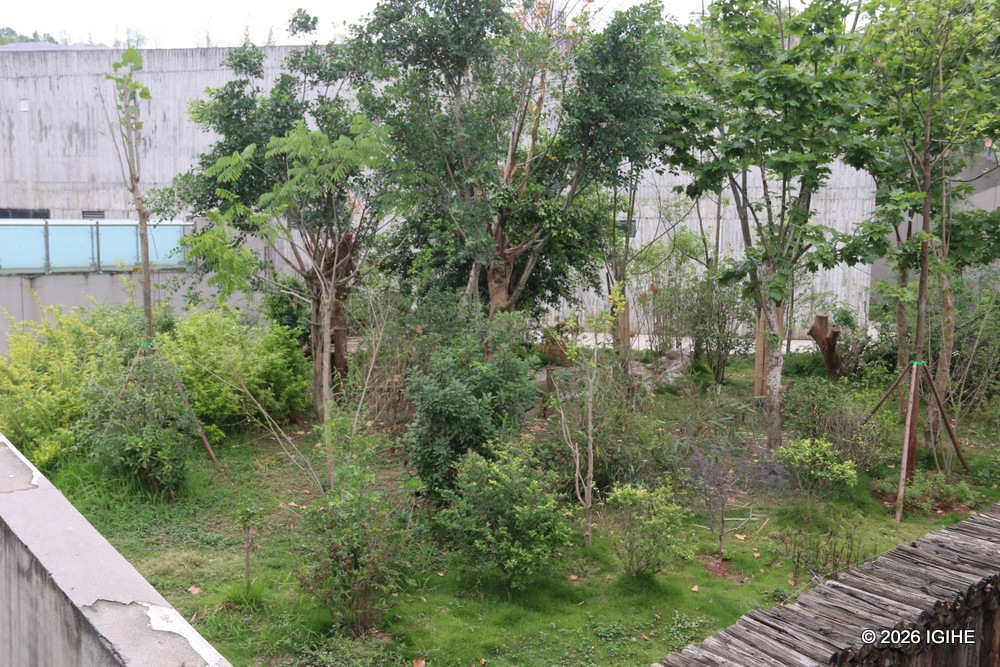
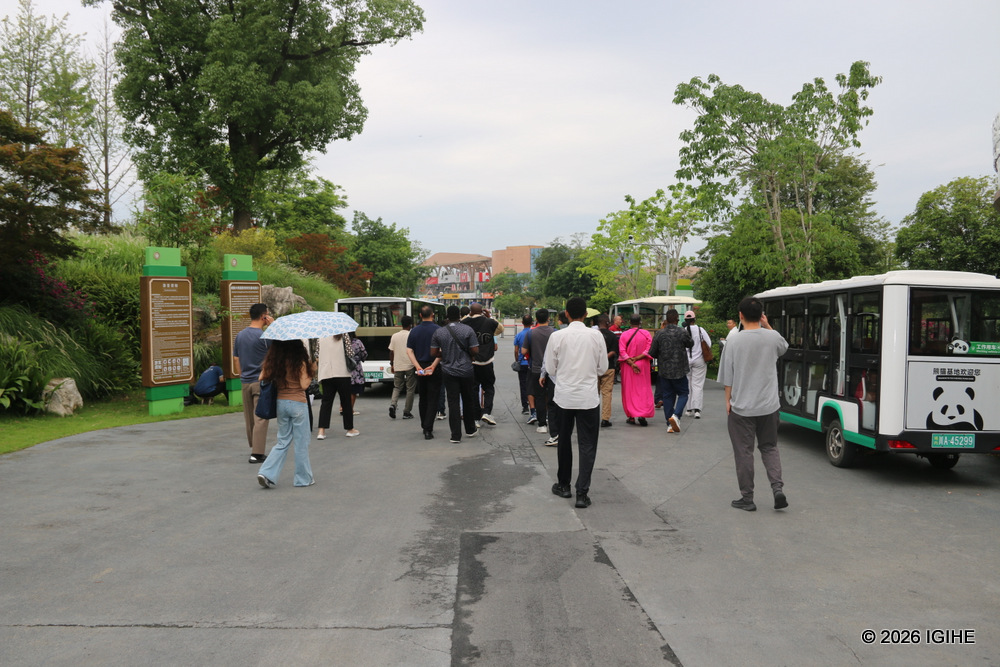
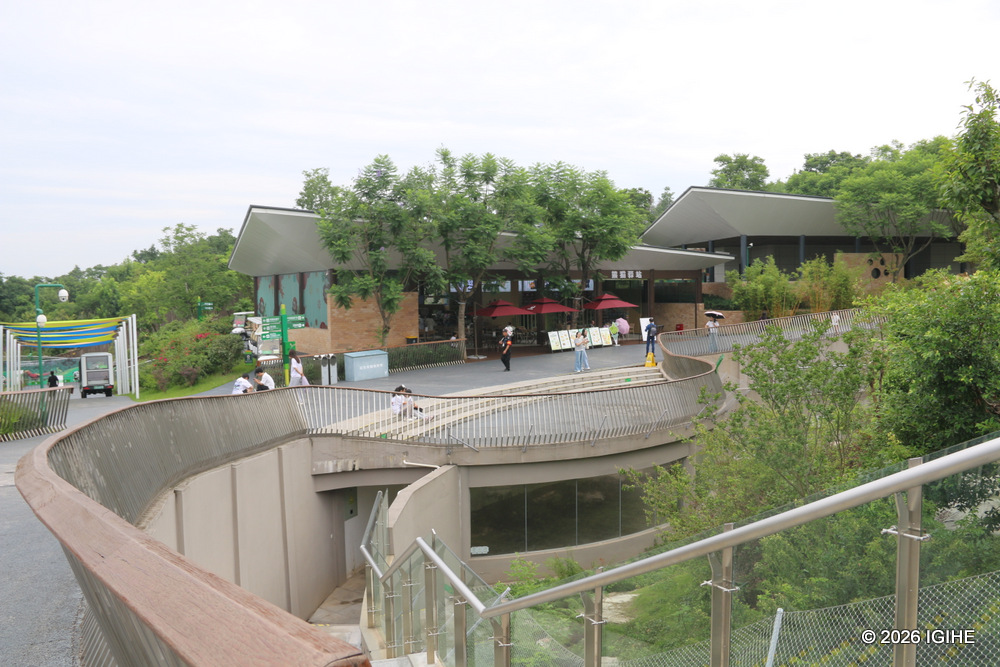
At the Panda Base, these behaviours can be observed as part of an environment designed to recreate aspects of the animals’ natural habitat. Mountains, forests and bamboo-filled landscapes surround panda enclosures, while paths connect different sheltered buildings and visitor areas.
Panda nurseries, husbandry zones, research laboratories and a panda hospital are also integrated into the site, with panda “villas” scattered among the greenery.
The experience extends to the panda nursery, where visitors can encounter younger pandas before they mature into adults. Watching the cubs move, climb and explore offers another glimpse into the early stages of a panda’s life, while the care provided around the nursery reflects the specialised work involved in raising them.
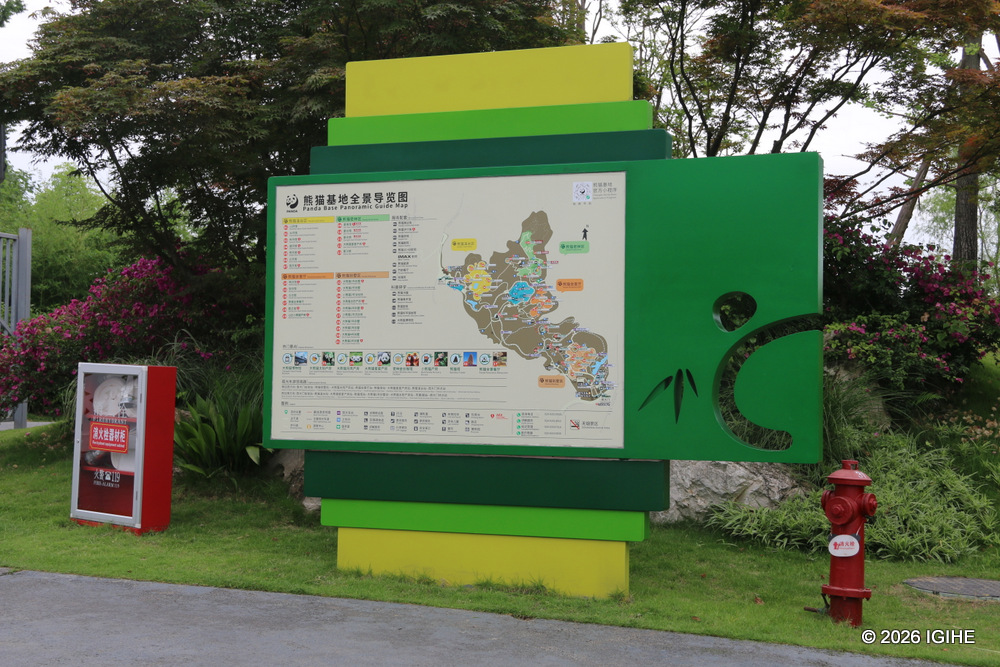
The Panda Base is divided into four themed areas: Panda Creek Valley, Panda Forest Area, Panda Reception Hall and Panda Villa Area.
It is not only a place to see pandas, but also a major centre for conservation and research. The facility has spent more than three decades working on captive husbandry and management, breeding and cub rearing, disease prevention and control, and population genetic management.
Its conservation work is presented alongside education. In 2021, the Panda Base opened the world’s first interactive themed museum dedicated to giant pandas. It now has eight major science education display scenes, including the Giant Panda Theme Museum and the Panda Scientific Discovery Center.
Its “Panda Chat” programme brings science education directly to the animal enclosures, allowing visitors to watch giant pandas and red pandas while learning about their biology, habitats and conservation.
Since 2025, the base has also offered customised educational activities, including an immersive practical course on the giant panda’s scientific diet, an experience exploring the ecological information contained in panda feces, and a giant panda enrichment designer programme.
The work at the Panda Base forms part of China’s wider effort to protect a species whose wild population once faced severe pressure from habitat loss and human expansion. Today, nearly 1,900 giant pandas are estimated to live in the wild, with their natural habitat concentrated in Sichuan, Shaanxi and Gansu provinces. Sichuan is the species’ main stronghold. The Panda Base itself is home to more than 200 giant pandas.
The species, once classified as Endangered, has been reclassified as Vulnerable following sustained conservation efforts, including habitat protection and the establishment of the Giant Panda National Park.
The Panda Base has also become an international centre for conservation cooperation, with research partnerships involving 46 research and conservation institutions across 17 countries and regions. It has hosted the Annual Conference of the Giant Panda Breeding Technical Committee for 29 consecutive years.
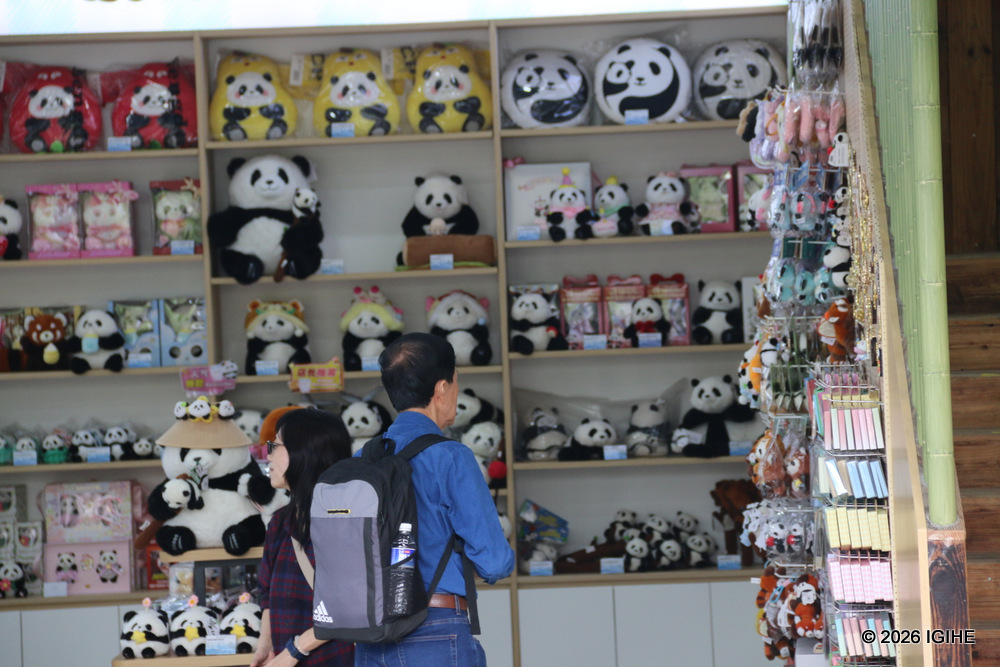
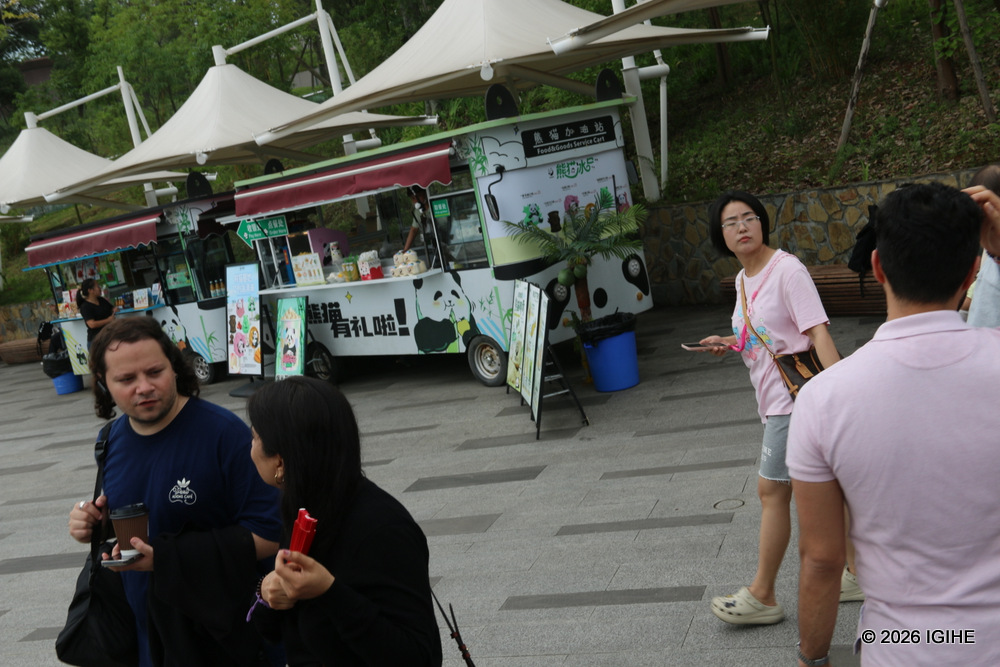
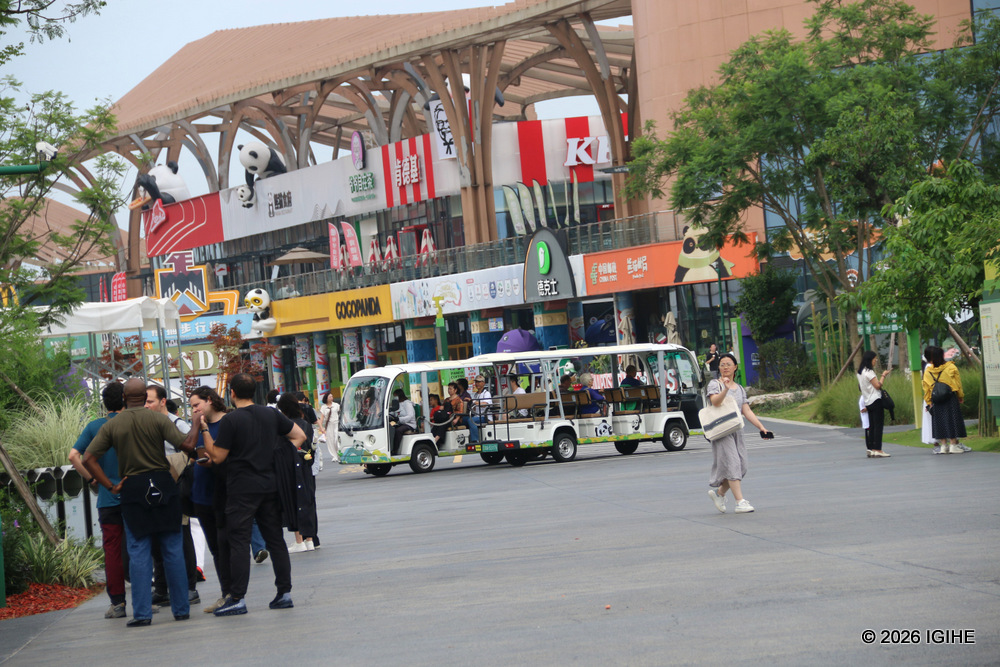
And the panda experience does not end at the enclosures. Along the visitor routes and rest areas, nearly 60 cultural and creative merchandise experience spots and specialty food and beverage outlets offer visitors the chance to take home panda-themed souvenirs.









Leave a Reply