Today, this evolution is most vividly reflected in its cities, and few capture that story better than Shanghai.
Set along China’s eastern coastline, Shanghai rises as a symbol of the nation’s modern ambition and global connectivity. It is a city where history is not left behind, but rather built into the foundations of progress, where ancient waterways, colonial-era streets, and futuristic skylines converge into one living landscape of change.
Shanghai stands today as one of China’s most influential and dynamic cities, defined by transformation, ambition, and international reach. Located at the mouth of the Yangtze River, it spans 6,340.5 square kilometres and is home to nearly 25 million people. Positioned at the heart of the Yangtze River Delta and facing the Pacific Ocean, the city serves as a vital gateway linking China’s vast interior with global markets.
Often referred to as the “Dragon Head” of the Yangtze River, Shanghai plays a leading role in the development of the Yangtze Economic Belt. Its strategic position and economic weight have earned it designation as an international centre for economy, finance, trade, shipping, and technological innovation, collectively known as the “Five Centers.”
By 2019, Shanghai’s GDP had reached approximately 524.02 billion US dollars, with a per capita income of about 20,398 US dollars.
During the same period, more than 720 multinational companies had established headquarters in the city, alongside over 460 research and development institutions, reinforcing its position as a global hub for business and innovation.

A defining chapter in Shanghai’s modern story is the Pudong New Area. In 1990, when China launched its development and opening-up policies there, Pudong was largely composed of farmland and low-rise industrial buildings.
In just over three decades, it has been transformed into one of the world’s most recognizable urban skylines.
By 2025, Pudong’s GDP had reached 1.88 trillion yuan (approximately 276.9 billion US dollars), accounting for about one-third of Shanghai’s total economy.
It now hosts around 60 percent of the city’s licensed financial institutions and nearly half of the regional headquarters of multinational corporations.
Its foreign trade volume reached 2.76 trillion yuan (approximately $406.5 billion USD) , while key industries such as integrated circuits, biomedicine, and artificial intelligence expanded to a combined scale of about 970 billion yuan (about $142.87 billion USD).
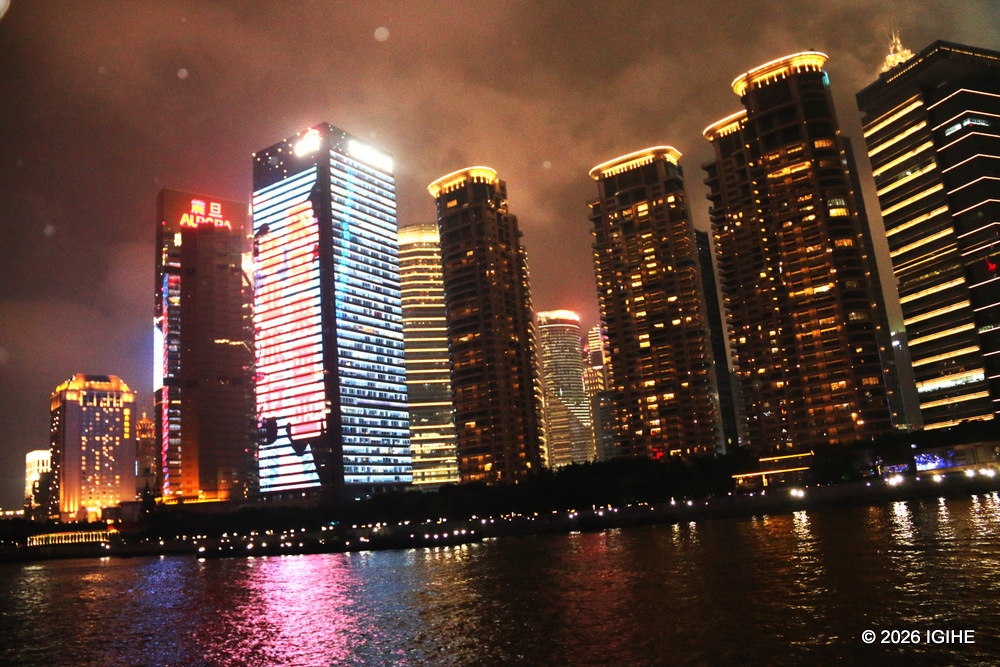
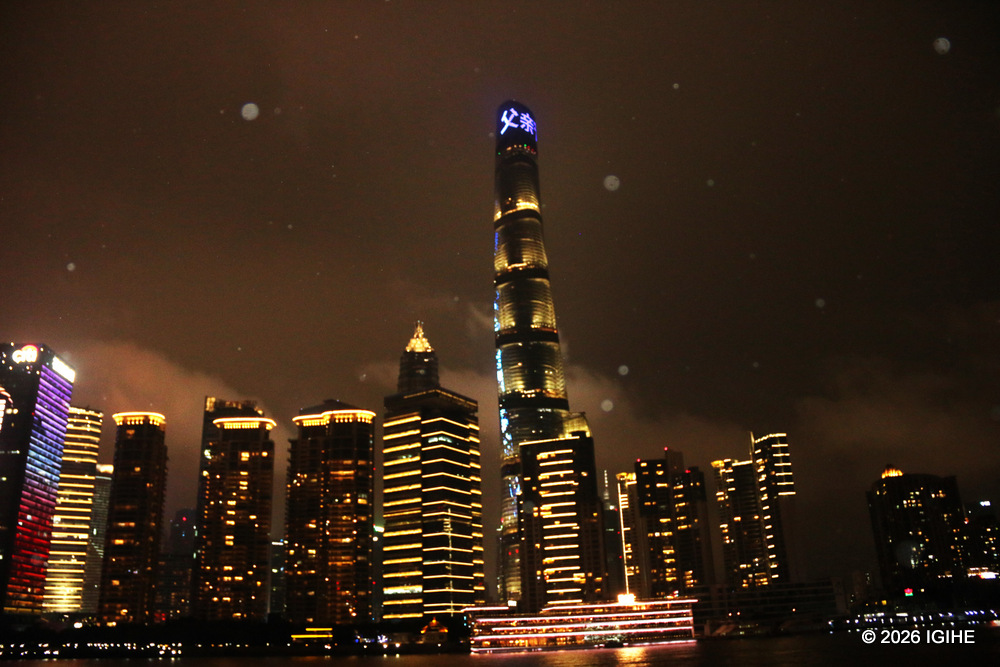
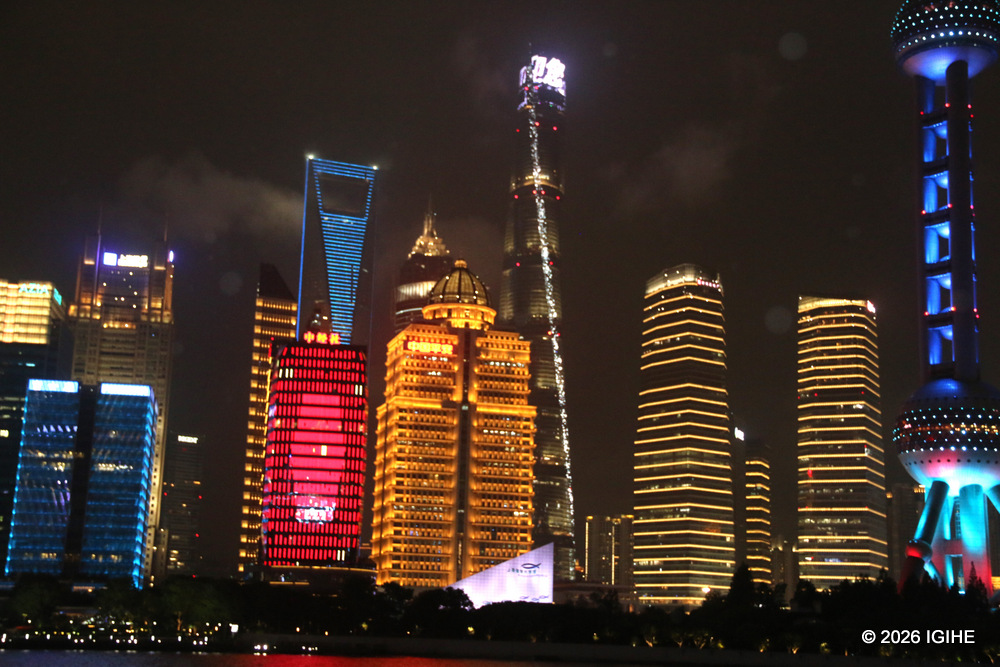
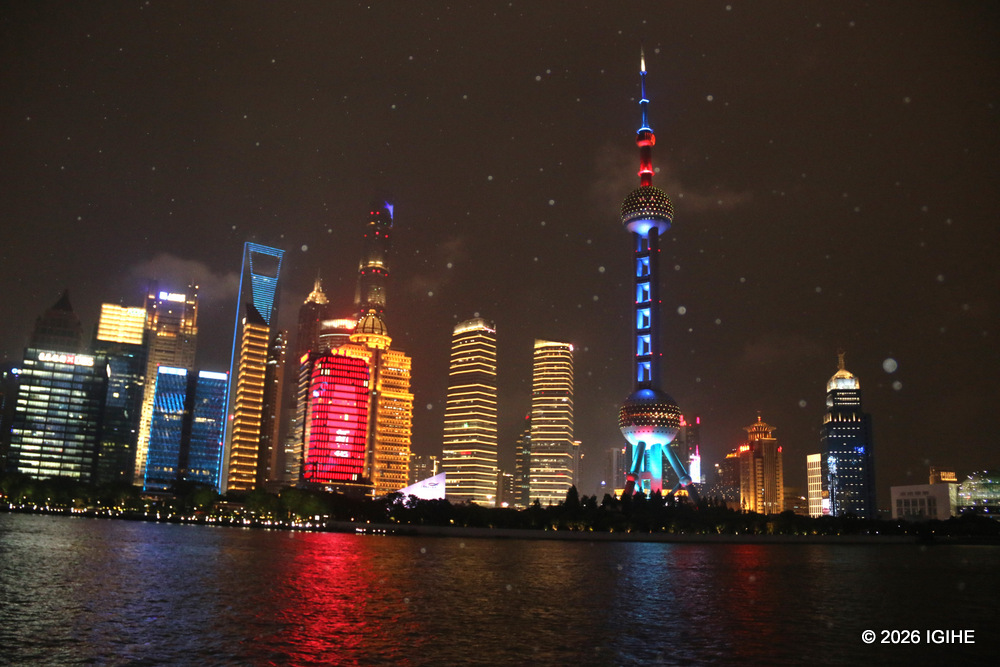
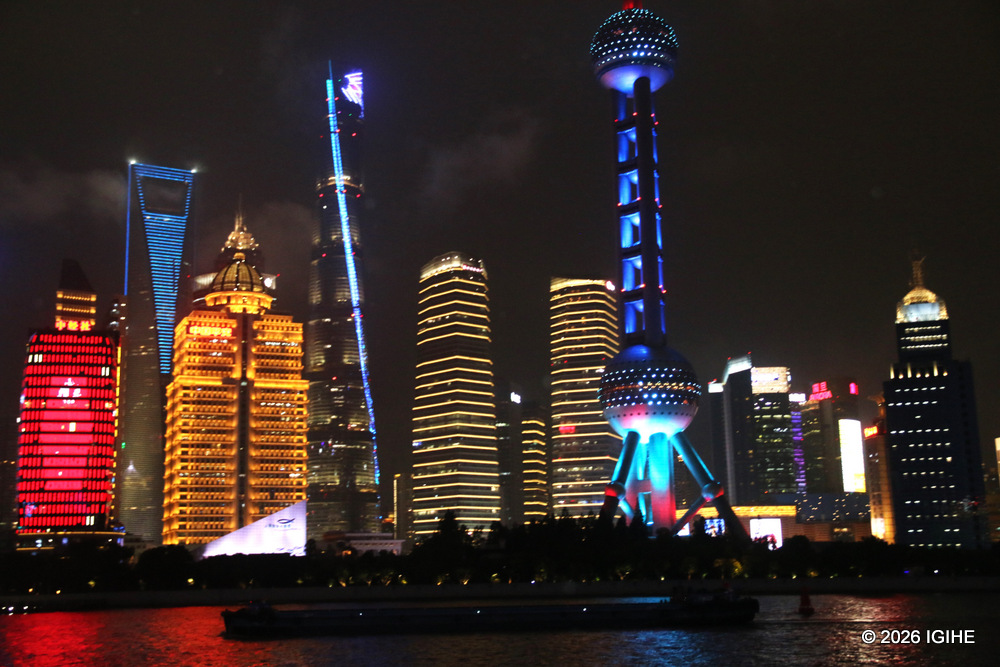
At the heart of this transformation lies the Lujiazui Financial District, home to Shanghai’s iconic skyline and its famous trio of skyscrapers known as the “Three-Piece Set.” These buildings represent not just architectural achievement, but the story of a city evolving across decades.
The Jin Mao Tower, completed in 1999 and rising 420.5 metres, reflects the early phase of modern development in Pudong. Inspired by traditional Chinese pagoda design, it blends cultural heritage with modern engineering.
Nearby stands the Shanghai World Financial Centre, completed in 2008 and reaching 492 metres. Its distinctive trapezoidal opening near the top, resembling a bottle opener, symbolizes openness and Shanghai’s growing role in global finance.
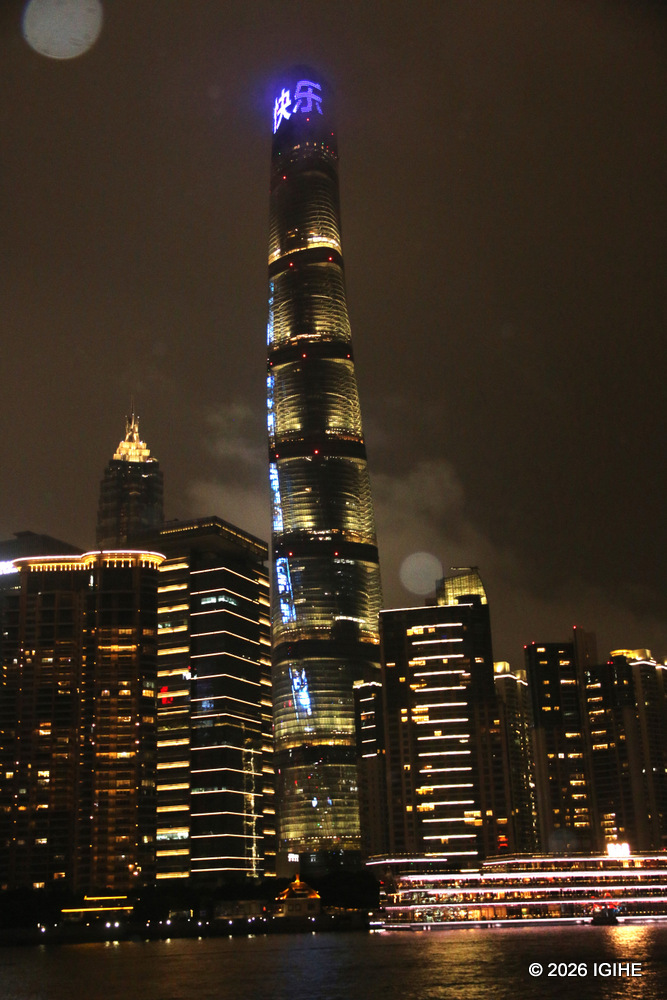
Towering above them is the Shanghai Tower, completed in 2016. At 632 metres, it is the tallest building in China and the third tallest in the world. Its spiralling glass façade reduces wind pressure while symbolizing innovation and sustainability.
Inside, it functions as a vertical city, combining offices, hotels, retail spaces, and observation decks. High-speed elevators carry visitors to the “Top of Shanghai” observatory on the 118th floor in just 55 seconds.
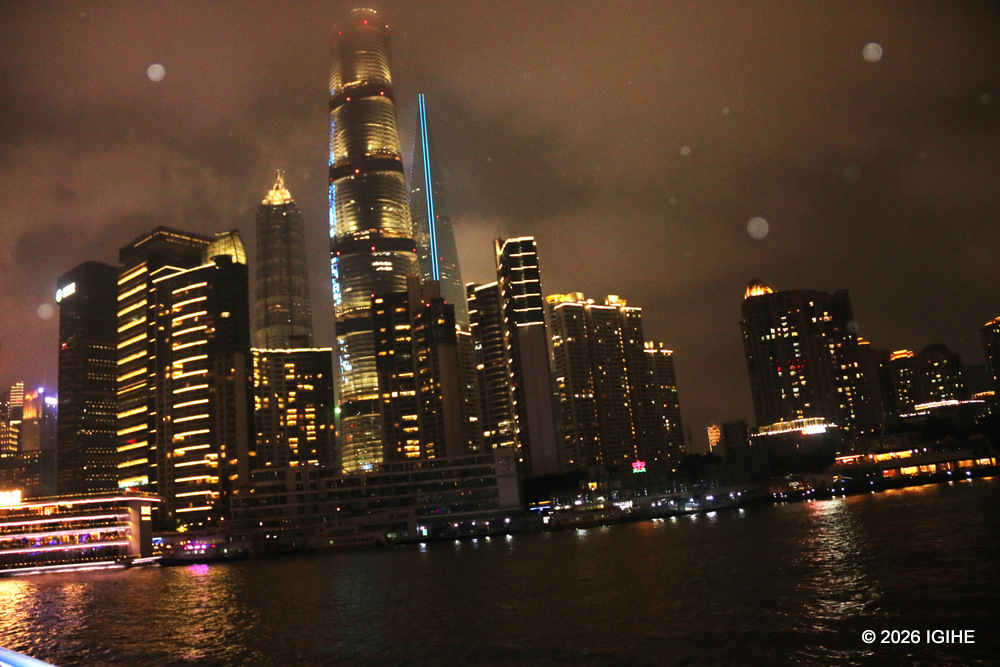
Yet Shanghai’s identity is not defined by skyscrapers alone. The city is shaped by its waterways, including the Yangtze River, Huangpu River, and Suzhou Creek. The Huangpu River divides Shanghai into two contrasting yet connected worlds: Puxi in the west and Pudong in the east.
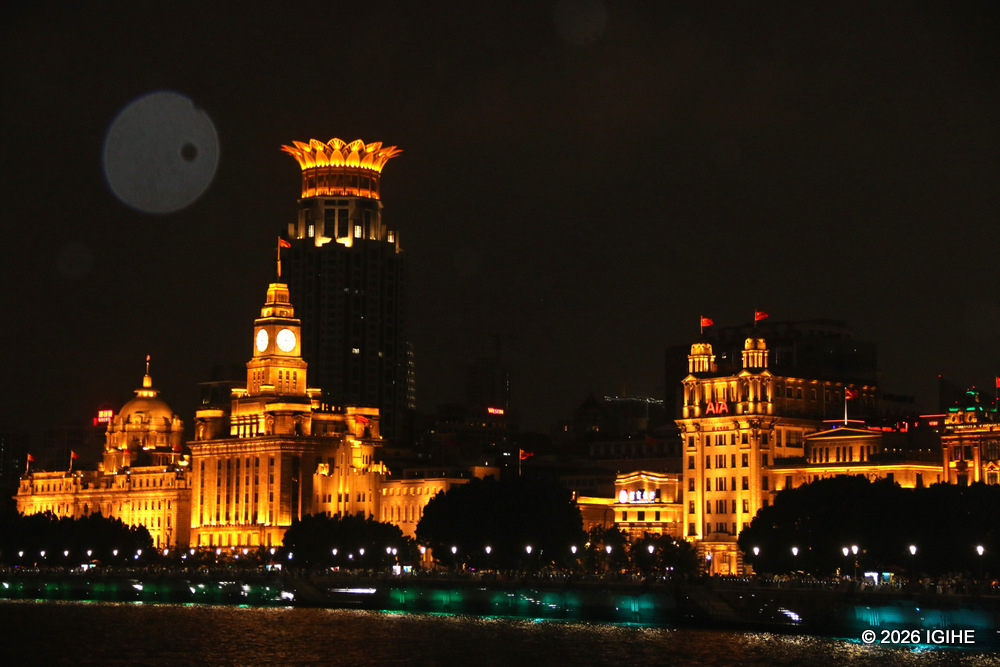
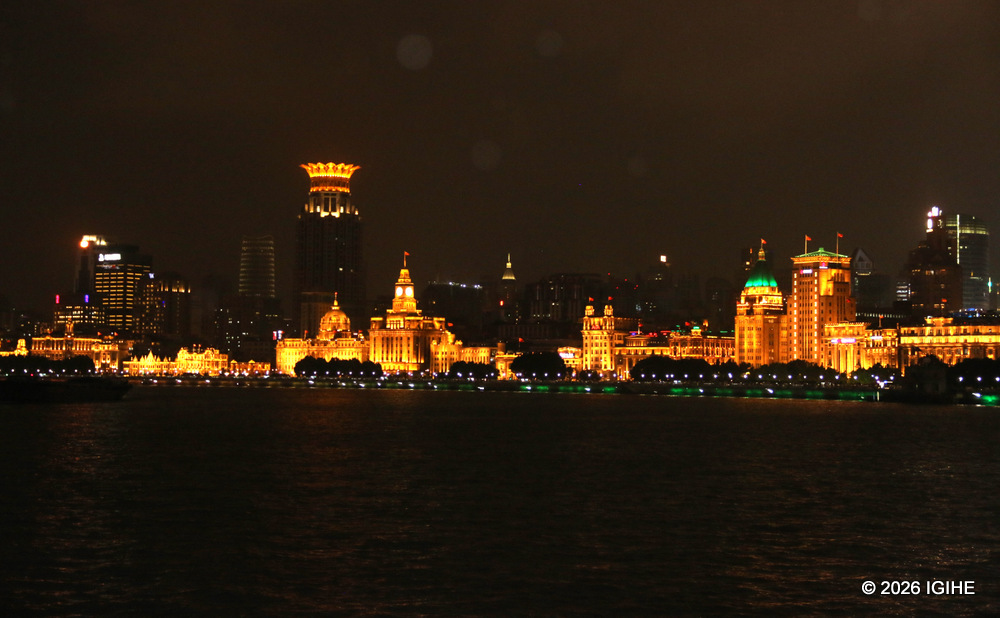
On the Puxi side, the historic Bund preserves a skyline of colonial-era buildings that reflect Shanghai’s trading past and early international influence. Across the river, Pudong rises as a symbol of modern China; bold, futuristic, and ever-evolving.
Historical influences from the 19th-century Opium War era, including British and French concessions, left a lasting architectural imprint on the city.
European-style buildings still stand in parts of Shanghai today, blending into its wider urban identity and offering a reminder of its complex historical journey.
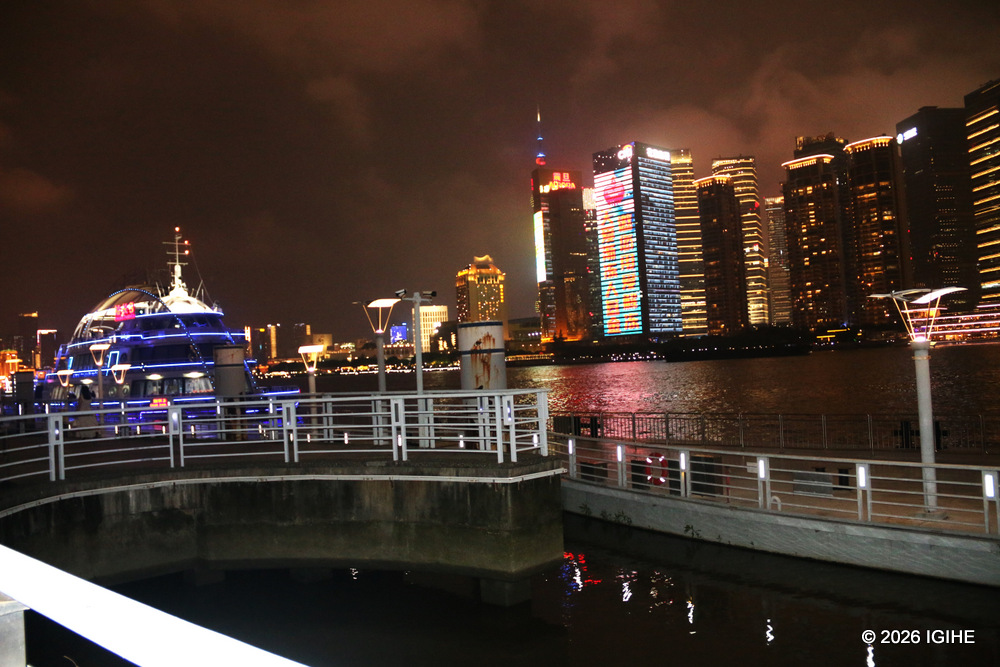
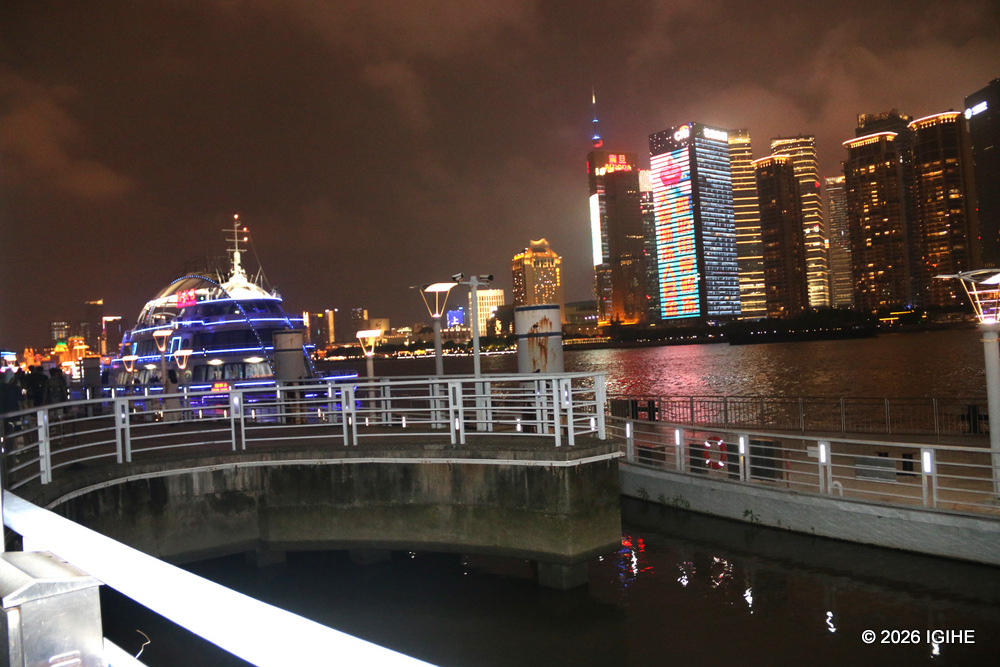
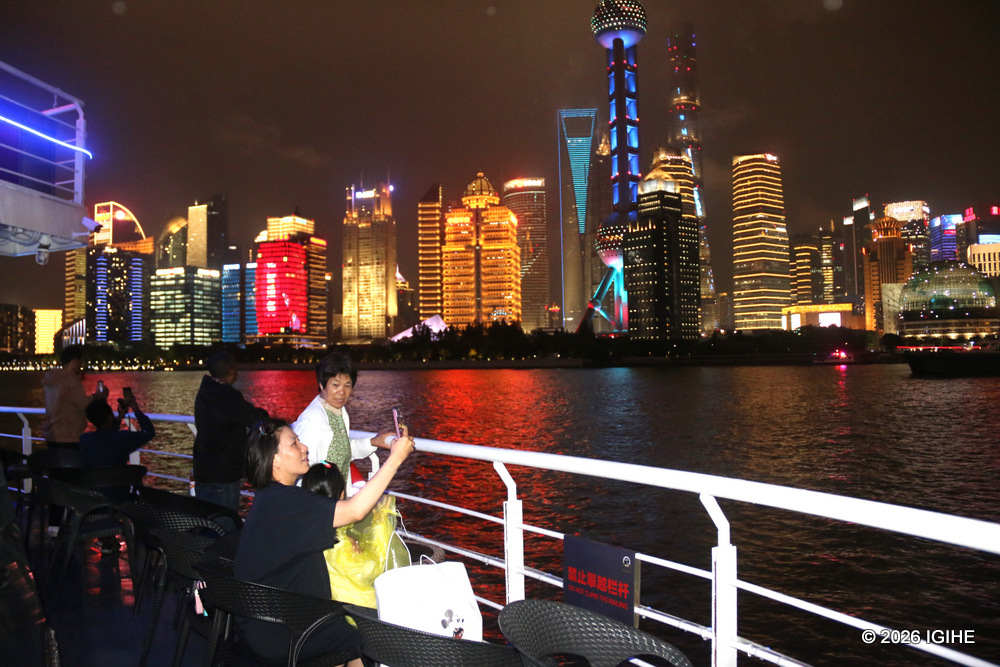
One of the most powerful ways to experience Shanghai is along the Huangpu waterfront, where sweeping views capture both the Bund’s historic architecture and the towering skyline of Lujiazui in a single frame. It is a rare visual dialogue between centuries, where heritage and innovation exist side by side.
Beyond the modern metropolis lies Zhujiajiao, a beautifully preserved water town that offers a quieter reflection of Shanghai’s past. Known for its ancient stone bridges, narrow canals, traditional houses, and artisan shops, it preserves the atmosphere of Jiangnan culture. At night, lantern-lit reflections shimmer across the water, while visitors explore tea culture, handmade crafts, and local traditions passed down through generations.
Today, Shanghai stands as a global metropolis defined by openness, resilience, and continuous reinvention. From its ancient river towns and historic waterfronts to its soaring modern skyline, the city tells a powerful story of transformation—one where tradition is not replaced by progress, but carried forward as part of it.

Leave a Reply