This decision follows Iran’s submission of a counterproposal, which U.S. officials deemed “unacceptable.” The U.S. stance has intensified the growing tension between the two nations, each holding firm on key demands.
Iran’s counterproposal, presented through intermediaries, outlined several terms, including the lifting of U.S. sanctions, an end to military operations across the region, and a shared control over the strategic Strait of Hormuz.
These demands were meant to ensure Iran’s security while reopening vital oil trade routes. However, the U.S. rejected these terms, as they failed to address key issues such as Iran’s nuclear program and its military presence in neighboring countries.
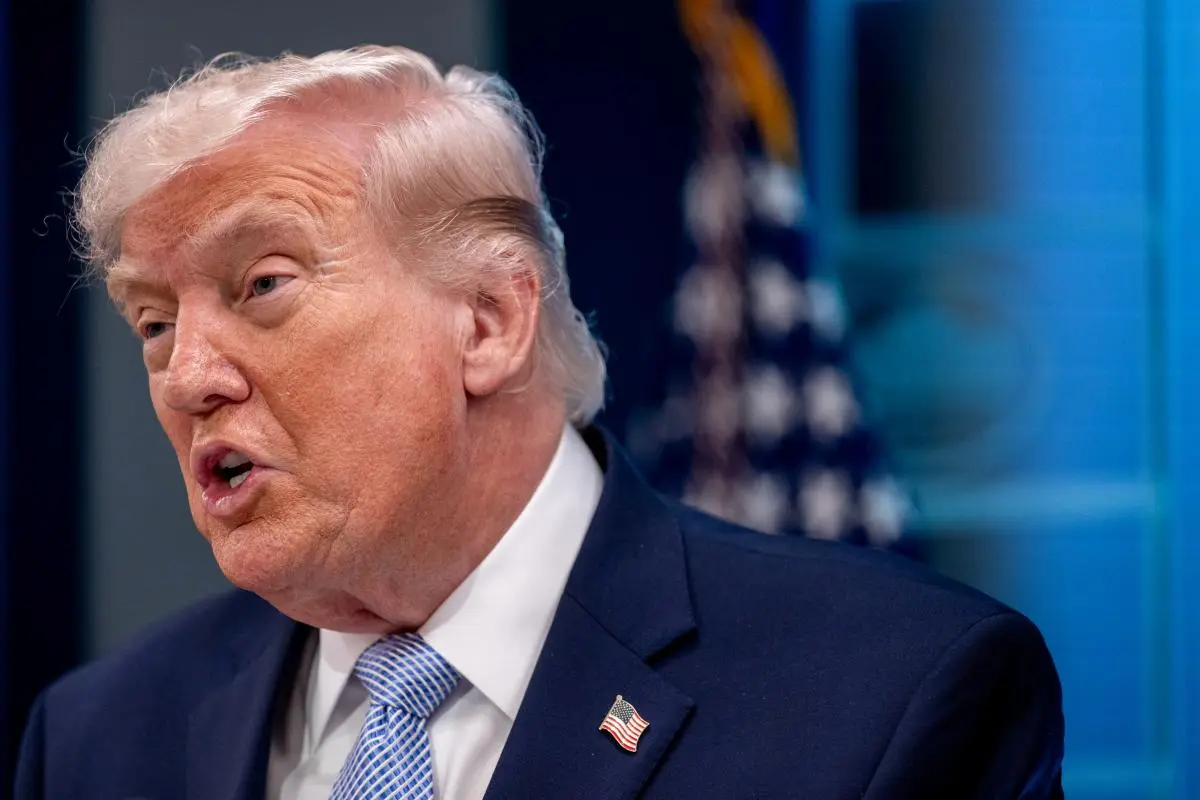
President Trump made the rejection public, stating on social media that Iran’s response was “totally unacceptable.” He underscored that any peace deal must align with U.S. interests, particularly in limiting Iran’s nuclear capabilities and curbing its influence in the region. The President’s firm rejection has cast doubts on the prospects of reaching a peaceful resolution in the near future.
The decision to reject Iran’s response has broader consequences, particularly for global oil markets. The ongoing tensions and the potential for extended conflict have led to sharp rises in oil prices, with concerns about the stability of the Strait of Hormuz an essential shipping route for global oil exports. The disruptions in this region could have far-reaching effects on global energy security.
Despite this setback, diplomatic channels remain open. Future talks between U.S. and Chinese leaders are expected to address not only trade but also Iran’s situation, with China holding a significant interest due to its trade relationships with Tehran.
However, experts warn that without concessions from both sides, the conflict could continue to drag on, with severe humanitarian and economic costs for the region and beyond.
As the U.S. and Iran stand at an impasse, the world watches closely, hoping that future negotiations will lead to a more sustainable peace agreement that addresses the core concerns of all parties involved.
Leave a Reply