Scientists have long recognized the importance of coral reefs in maintaining marine biodiversity, but a new study reveals that the true diversity of these ecosystems exists at a much smaller scale within the microbial communities that thrive alongside the coral.
Researchers from the University of Galway, in collaboration with the international Tara Pacific consortium, collected microbiome samples from 99 coral reefs across 32 Pacific islands. They successfully reconstructed the genomes of 645 microbial species, many of which had never been genetically described before.
These microbes, living in close association with specific coral species, are more than just bystanders in the reef ecosystem; they are integral to the health and functioning of the coral and the surrounding marine environment.
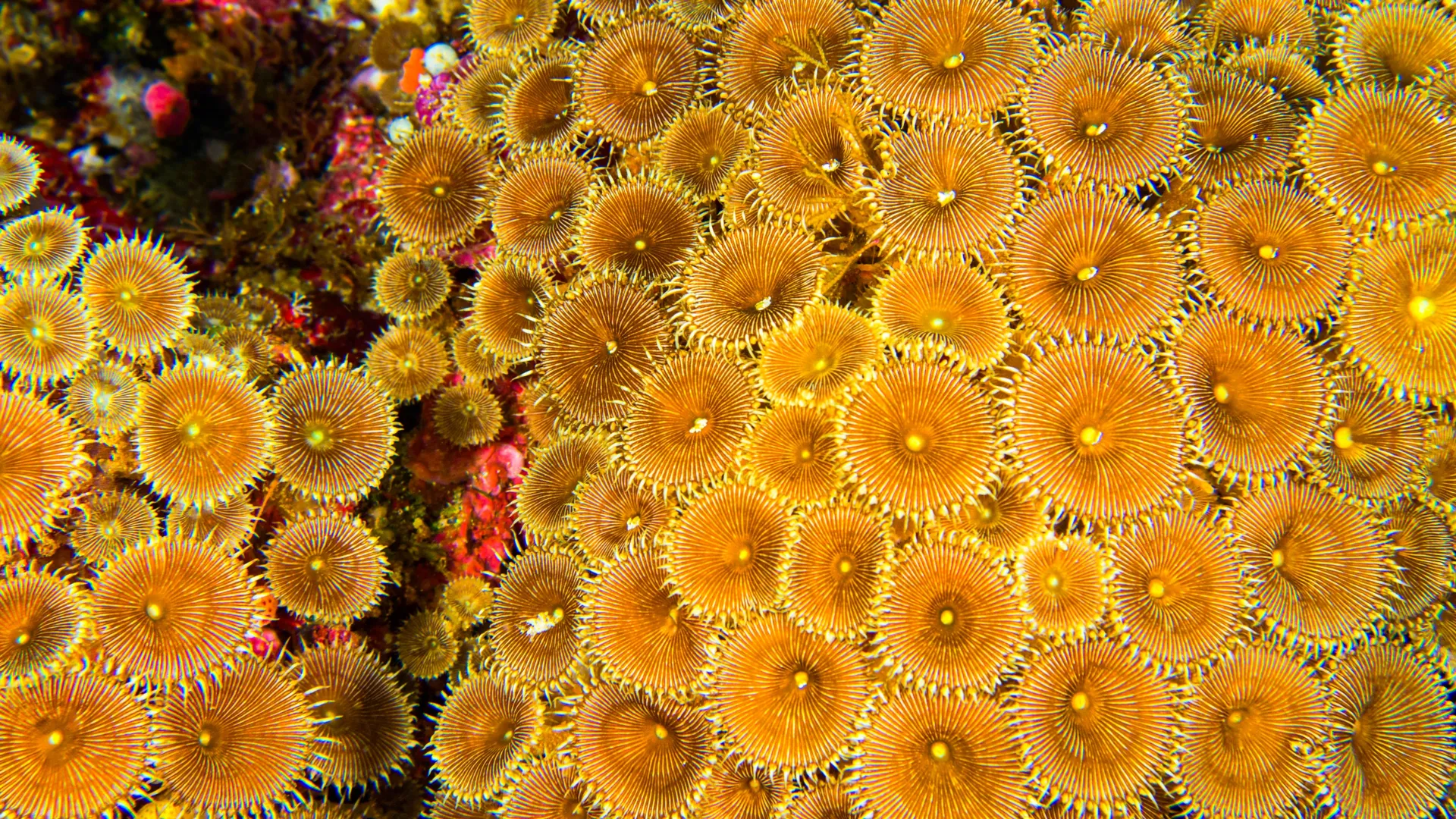
Coral reefs have earned the title of the “rainforests of the sea” due to their remarkable biodiversity, with many species relying on these reefs for shelter and food.
However, this new study suggests that much of the true diversity of coral reefs is found at the microscopic level, in the unseen coral microbiome. These microorganisms play key roles in nutrient cycling, helping corals thrive in nutrient-poor waters, and protecting them from disease.
One of the most exciting findings of the research is that many of these newly identified microbes contain biosynthetic gene clusters genetic blueprints that can produce bioactive compounds.
These compounds may have a wide range of applications in medicine, including the development of new drugs or treatments. For example, they could potentially be used to treat cancer, infections, or inflammatory diseases. The discovery of these gene clusters in coral reef microbes has opened up new possibilities for drug development.
Dr. Maggie Reddy, a lead researcher from the Ryan Institute at the University of Galway, pointed out that fewer than 1% of the microbial species identified in this study had been previously studied, underscoring the massive knowledge gap that still exists in the field of coral microbiomes.
This lack of data highlights the need for more research and further exploration of the complex interactions between coral reefs and their microbial inhabitants.
As coral reefs continue to face threats from climate change, pollution, and overfishing, the findings emphasize the urgency of protecting these ecosystems.
Coral reef destruction could lead to the loss of not just biodiversity, but also the molecular treasures hidden within these reefs, which could offer groundbreaking medical discoveries in the future.
Leave a Reply