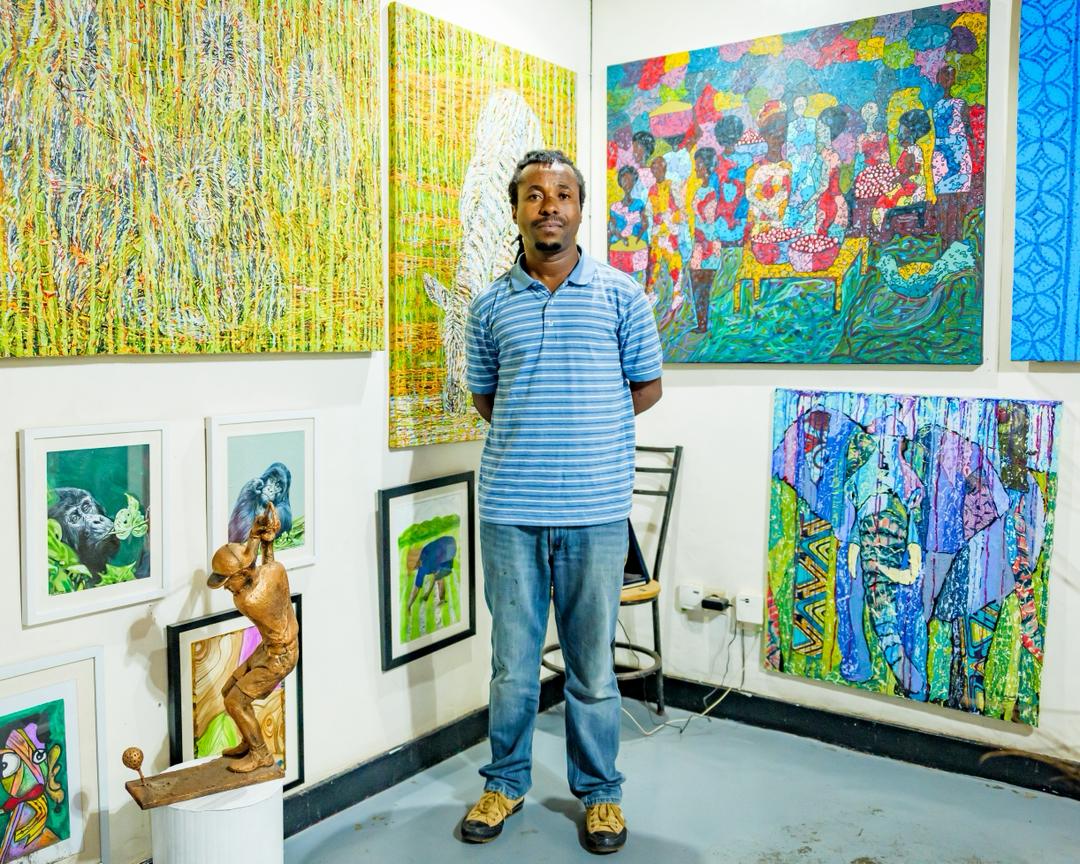
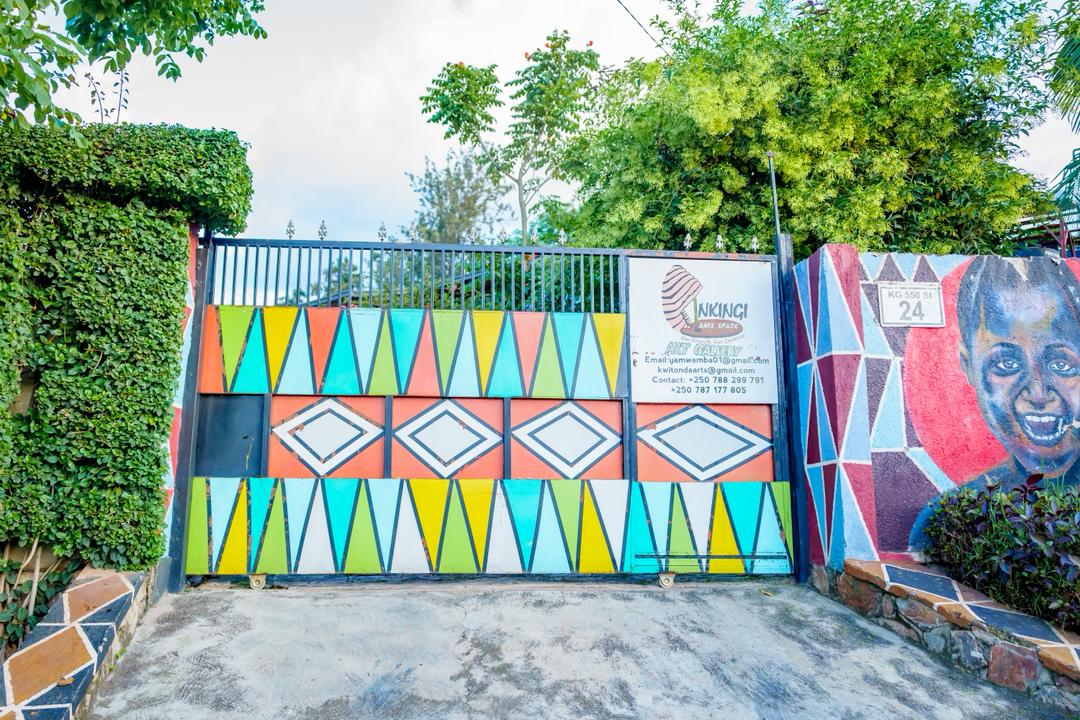
Founded by self-taught Rwandan artist Olivier Kwitonda, Inkingi goes beyond the idea of a traditional gallery. As its Kinyarwanda name suggests, it is a “pillar”, a space built to support, connect, and elevate artists across disciplines.
“I wasn’t thinking of a gallery or a center,” Kwitonda told IGIHE during a visit to the space. “I was thinking of an arts space, somewhere every art form could meet.”
Today, that vision is alive. Inkingi hosts more than 25 artists, primarily from Rwanda but also from across Africa, including Uganda, Zambia, Nigeria, Ghana, Burundi, and Sudan. The diversity is intentional. Collaboration is at the heart of what makes the space unique.
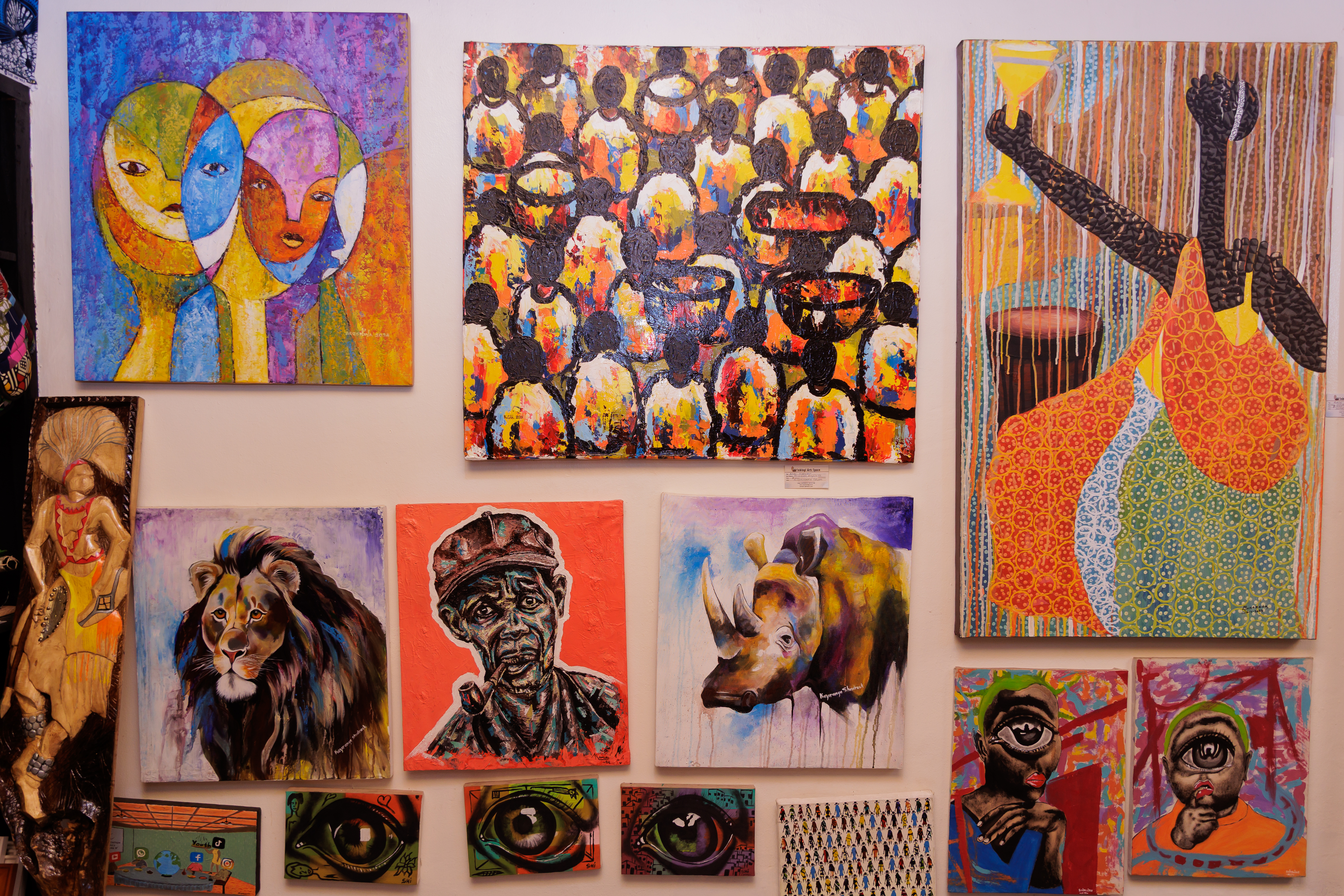
Kwitonda’s path to founding Inkingi was anything but conventional. Born in 1987, he discovered art early, sketching in school notebooks and on blackboards, even when it got him into trouble.
“I was expelled once for drawing the headmaster,” he recalls with a laugh.
Without access to formal art education after high school, he carved his own path, visiting local studios, learning materials, and slowly building his craft. He worked through established spaces like Yego Arts and later Niyo Arts Centre, gaining experience not only as an artist but also as a manager and collaborator.
But the idea of something more personal never left him.
“After COVID-19, I couldn’t sleep with my ideas anymore,” he says. “I needed a space where I could create freely and also bring different artists together.”
That idea became Inkingi Arts Space, officially launched in 2023.
A space where art forms converge
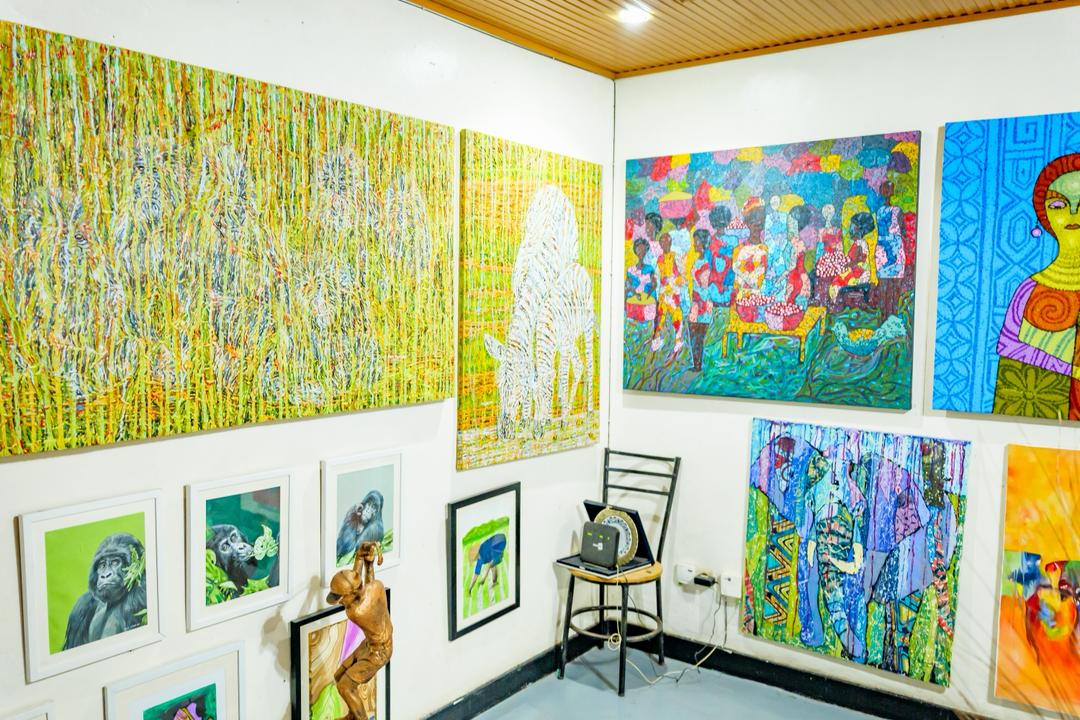
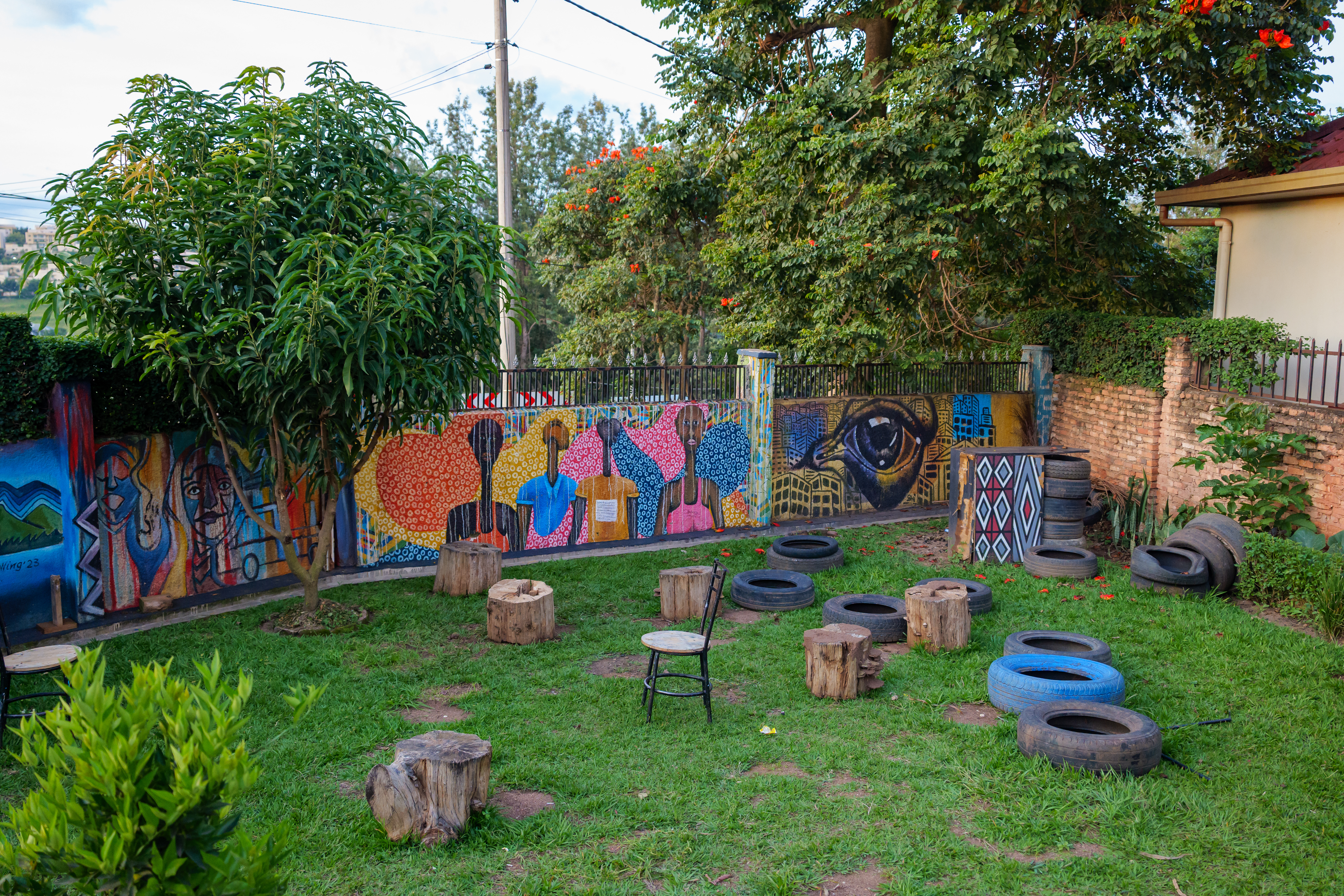
What sets Inkingi apart is its openness, not just in layout, but in philosophy. Unlike traditional galleries focused solely on visual art, Inkingi welcomes multiple forms of expression under one roof.
While the space is primarily active with painters and visual artists on a daily basis, it expands into a multidisciplinary platform through its Inkingi Open Mic sessions, held once a month. During these gatherings, poetry, storytelling, live music, and traditional Rwandan cultural expressions, such as proverbs and riddles, come together in a shared creative experience.
“You wouldn’t find many places that bring all these talents together,” Kwitonda says. “That’s our uniqueness.”
The space also serves as a bridge beyond Rwanda’s borders. Visiting artists regularly collaborate on exhibitions and workshops, strengthening ties across the continent. One such collaboration involves a Zambian artist, David Daut Makala, who runs Studio 225, highlighting Inkingi’s growing international reach.
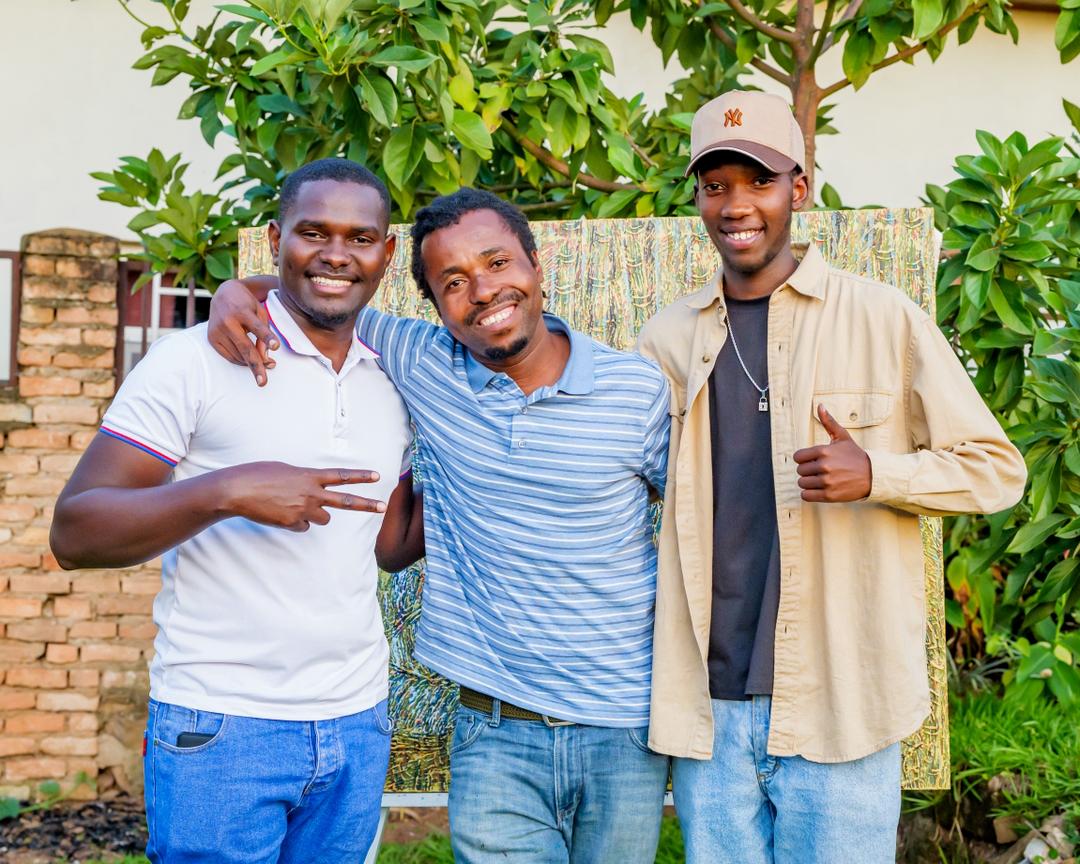
Makala, considered a renowned artist in Zambia and beyond, is set to hold his second solo exhibition, opening on May 8, 2026. The IGIHE team met him hands-on as he prepared for the show, which focuses on what he describes as the “Geography of Knowledge.” He has gained recognition for his versatility across various mediums, including sculpture, painting, printmaking, digital art, and performance.
“By hosting different workshops, trainings, and exhibitions, it has helped Inkingi grow, not only as a space, but also in supporting artists to grow and receive mentorship,” Kwitonda says.
Art as memory, healing, and responsibility
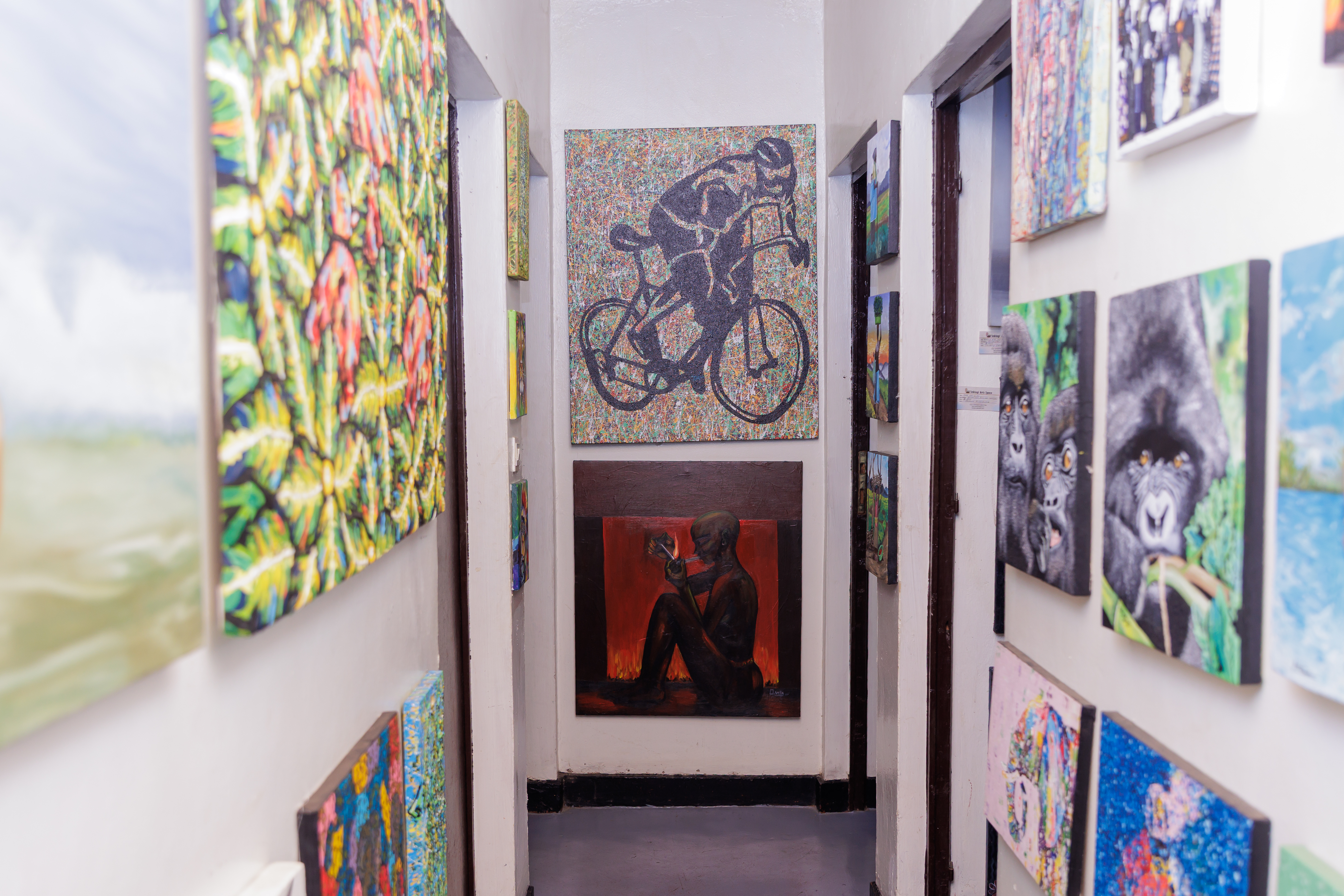
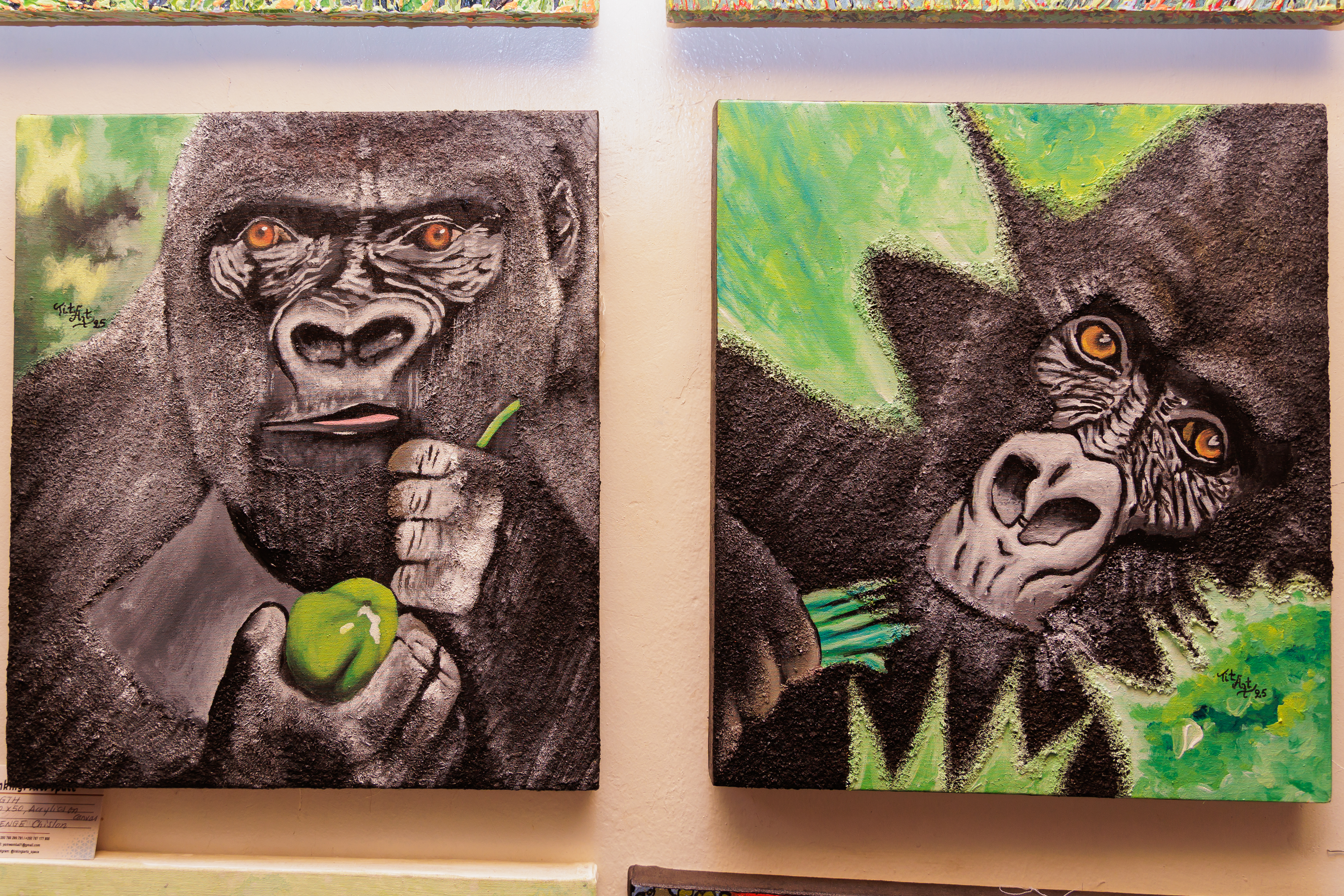
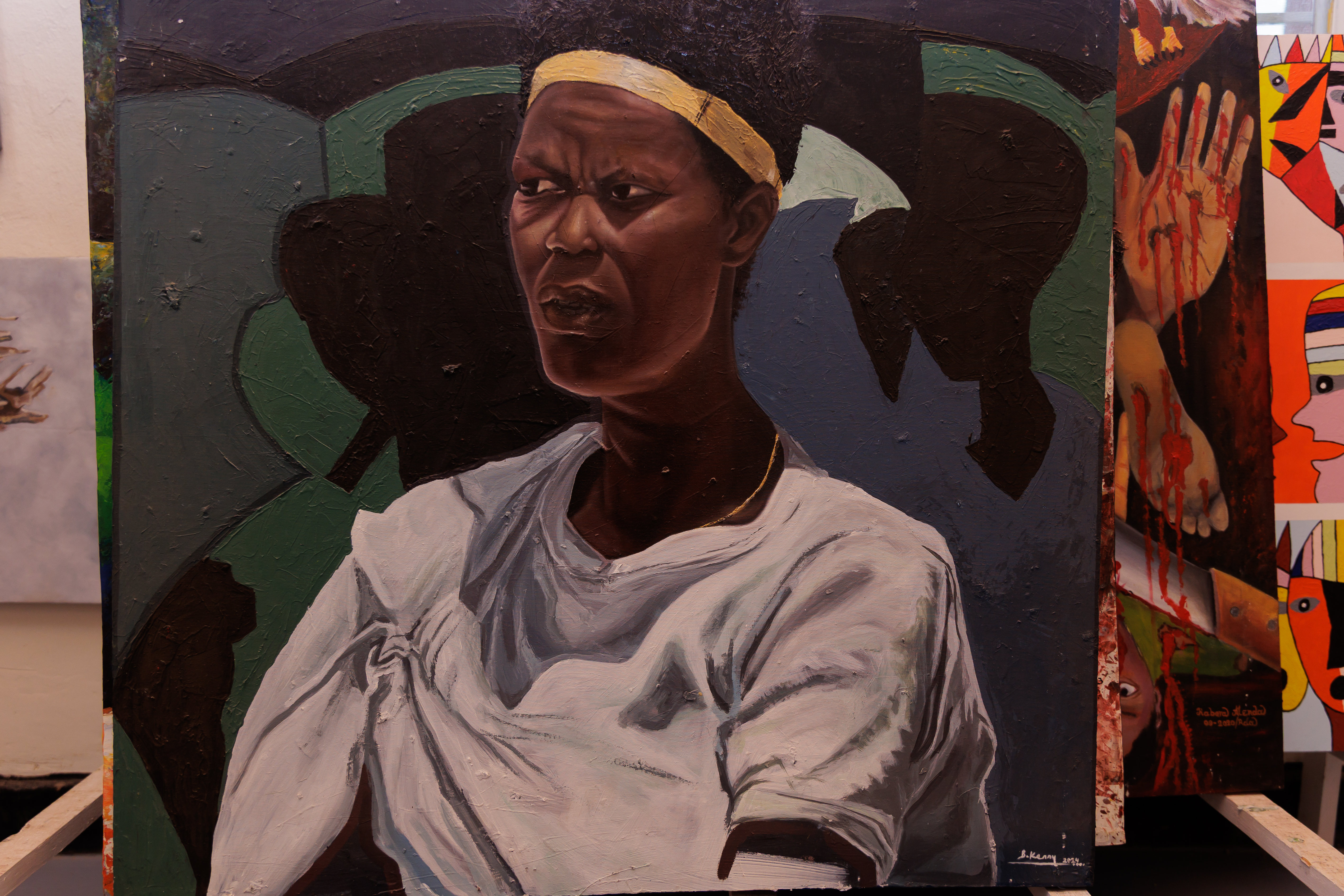
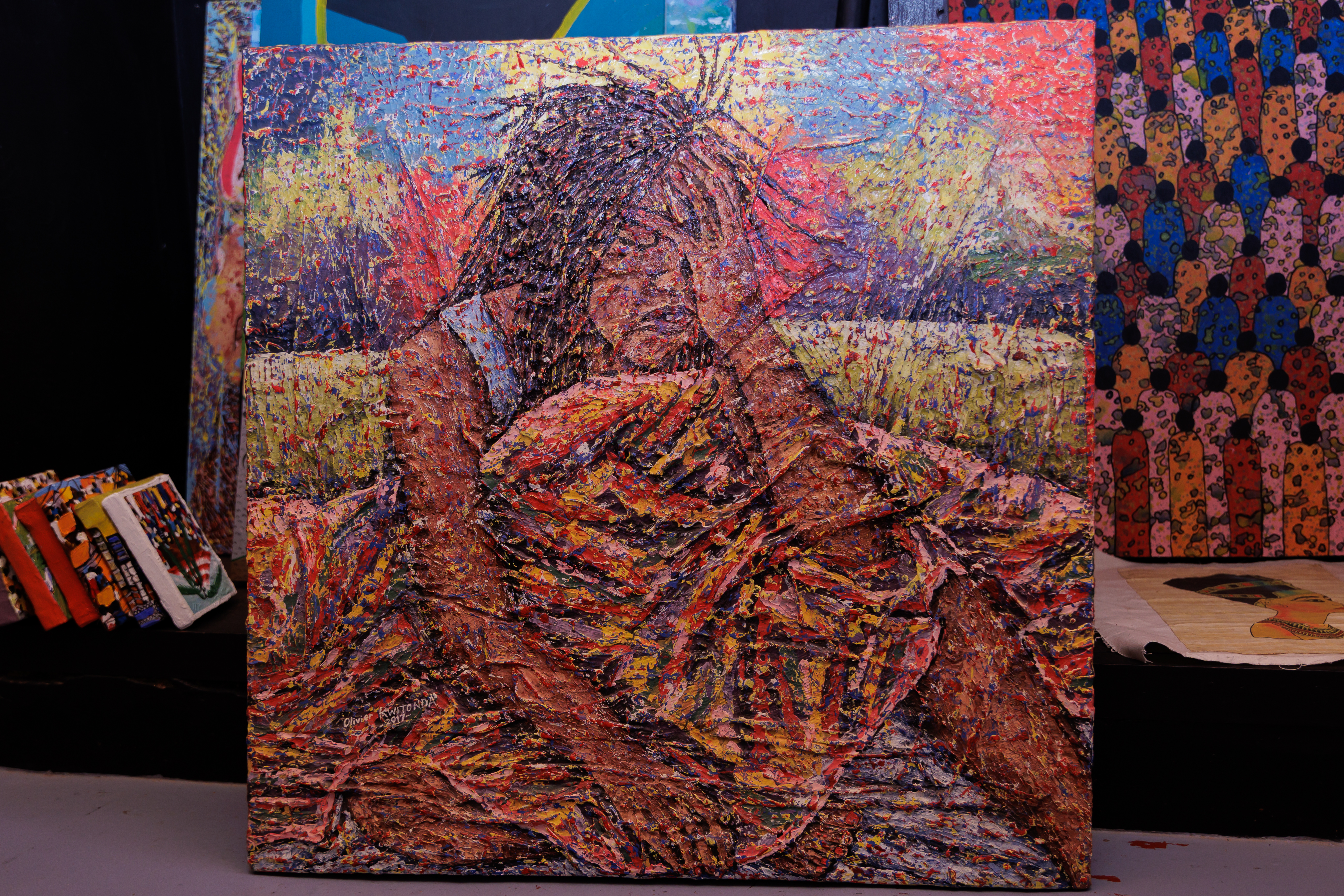
For Kwitonda, art is deeply tied to Rwanda’s history, particularly the Genocide against the Tutsi. His earlier works, such as In the Deep Sorrow, reflect on loss, memory, and human responsibility.
“It’s a call for people to think before harming others,” he explains. “To imagine: what if it were you?”
This philosophy extends into Inkingi’s programming. During this year’s annual commemoration period, the space organised a visit for young artists to the Kigali Genocide Memorial, encouraging reflection and dialogue through art.
“It’s about learning from the past,” Kwitonda says, “so we can create work that builds peace and protects the future.”
Nurturing the next generation
Beyond exhibitions, Inkingi plays a critical role in mentorship and education. The space regularly hosts workshops, trainings, and internships, particularly for students from Nyundo Art School, Rwanda’s primary institution for formal art education.
Some interns stay on as resident artists, gradually becoming part of the collective.
“My proudest moment,” Kwitonda says, “is seeing young artists grow here, seeing this space become a home for them.”
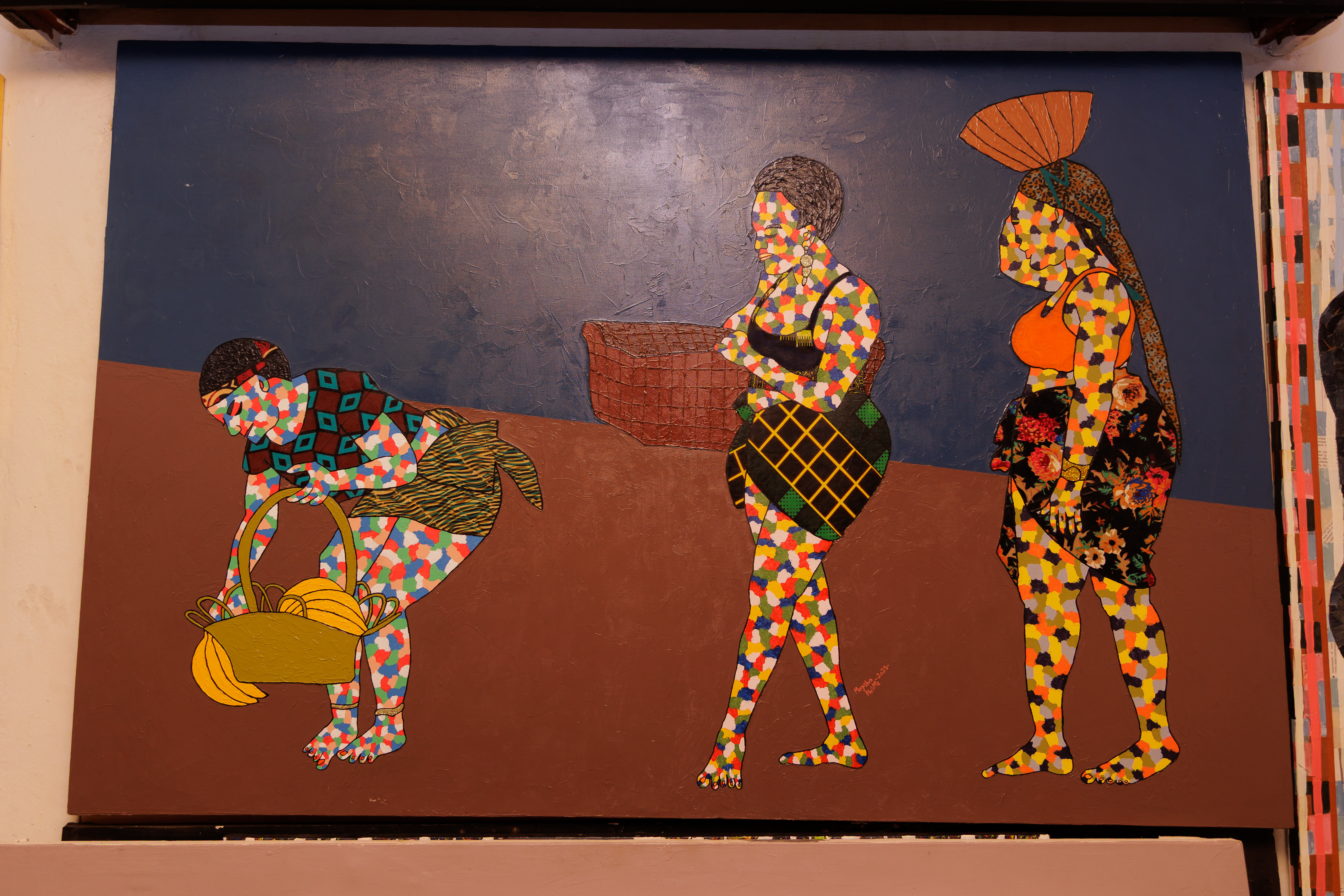
That sense of belonging is key. In a country where art is still often seen as inaccessible or expensive, Inkingi is helping shift perceptions. More locals are attending exhibitions, engaging with artists, and beginning to see art as part of everyday life.
“People say art is expensive,” Kwitonda reflects. “But they forget, it’s priceless. You’re buying someone’s soul, their time, their sleepless nights.”
Though still young, Inkingi Arts Space is already making its mark on Kigali’s cultural landscape. And Kwitonda’s ambitions stretch far beyond its current walls.
In the next five years, he envisions it as a training center. In the long term, he imagines something even bigger, a museum-scale institution contributing to Rwanda’s cultural heritage.
“It should be huge,” he says with quiet confidence. “A place that stands alongside the country’s museums and tells our stories through art.”
For now, Inkingi remains grounded in its original purpose: a space of freedom, collaboration, and growth. A place where Kigali’s creative talent doesn’t just pass through, but finds a home.
Watch the full video below for an inside look at Inkingi Arts Space in Kacyiru.
Leave a Reply