The move comes as the country continues to face a worsening security crisis nearly two weeks after an alliance of jihadist fighters and separatist rebels launched nationwide assaults. During the attacks, Defence Minister Sadio Camara was killed in an apparent suicide truck bombing targeting his residence near Bamako.
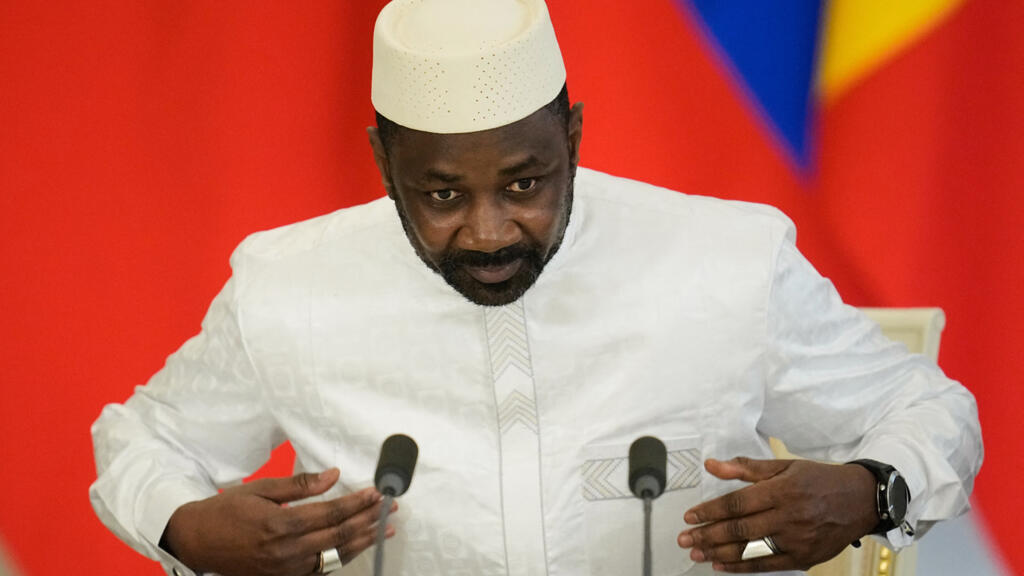
A decree read on state television on Monday confirmed Goïta’s new role as defence minister. He will be supported by army chief of staff Gen Oumar Diarra, who has been named minister delegate.
Goïta’s decision to hold both the presidency and the defence portfolio is widely seen as an effort to tighten his control amid growing pressure on his leadership.
The unrest began on 25 April when residents across Mali woke to gunfire and explosions as the separatist Azawad Liberation Front and the al-Qaeda-linked JNIM group launched coordinated attacks. Since then, the insurgents have reportedly imposed partial blockades on Bamako and other major cities.
The offensive, which also forced Malian and allied Russian forces to withdraw from the northern city of Kidal, has raised questions about the strength of Goïta’s military government, which came to power following a coup in August 2020.
Authorities say several soldiers have been arrested for alleged links to the attacks, with investigations suggesting involvement of both former and serving military personnel in planning and execution.
Mali has also coordinated with Niger and Burkina Faso to carry out air strikes against the insurgents. The three military-led countries, which form the Alliance of Sahel States, have expelled French troops and turned to Russian support in their fight against armed groups. However, insecurity persists, with large areas still outside government control.
Leave a Reply