
According to the 2025 Rwanda Demographic and Health Survey (RDHS), 54% of unmarried women aged 15 to 49 use a contraceptive method.
The survey shows that 52% of unmarried women use modern contraceptive methods, while 2% rely on traditional methods.
The findings mean that more than half of unmarried women in the country are taking steps to prevent unintended pregnancies.
Although contraceptive use remains higher among married women, the difference between the two groups is relatively modest.
Among married women aged 15 to 49, 69% use contraception. Of these, 64% use modern methods, while 5% use traditional methods.
The figures suggest that family planning is no longer viewed solely as a concern for married couples. Unmarried women who are sexually active are also increasingly using contraceptive methods as part of efforts to prevent unintended pregnancies.
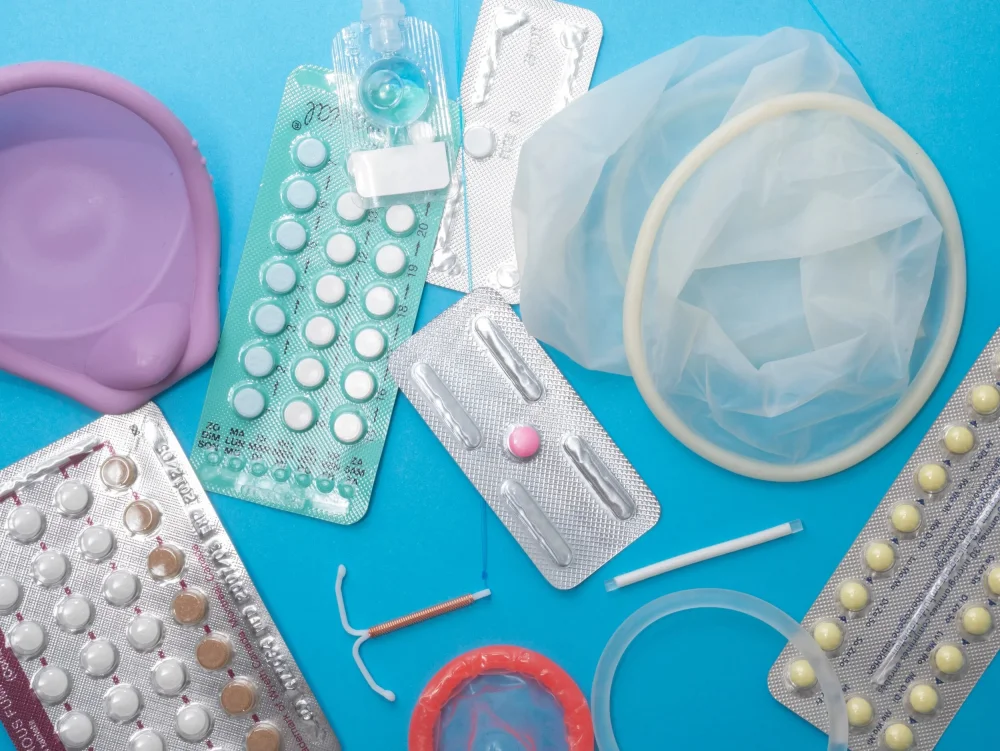
Condoms remain the most widely known method
The RDHS 2025 indicates that awareness of contraception is nearly universal among Rwandans aged 15 to 49.
About 99% of both women and men reported knowing at least one modern contraceptive method. Traditional methods were known by 94% of women and 89% of men.
Women generally demonstrated slightly higher levels of knowledge about contraceptive methods than men.
The male condom was the most widely known contraceptive method, with 98% of both women and men reporting that they were familiar with it.
Emergency contraception, which is used after unprotected sexual intercourse to reduce the risk of pregnancy, was the least widely known method among those included in the survey.
Nevertheless, awareness of emergency contraception remained relatively high, with 71% of women and 66% of men reporting that they knew about the method.
The findings provide an insight into changing attitudes and practices surrounding contraception in Rwanda, showing that awareness and use of family planning methods extend beyond married couples.
Gaps persist in reproductive health knowledge
Despite widespread awareness of contraception in Rwanda, the 2025 Rwanda Demographic and Health Survey (RDHS) shows that important gaps remain in women’s understanding of reproductive health, particularly when it comes to fertility and the timing of ovulation.
Only 24% of women were able to correctly identify the period during the menstrual cycle when they are most likely to become pregnant. In other words, only about one in four women have an accurate understanding of their most fertile period.
The survey also identified misconceptions among women who rely on fertility awareness methods to prevent pregnancy. About 44% of users believed that the fertile period occurs after menstruation has ended, which is not correct.
Contraceptive use is particularly low among married adolescent girls. Only 38% of married women aged 15 to 19 use a contraceptive method, representing the lowest rate among married women across all age groups.
When women aged 15 to 49 are considered regardless of marital status, adolescents aged 15 to 19 again record the lowest level of contraceptive use, at just 4.9%.
Among married women aged 20 to 24, 66.8% use at least one contraceptive method, while 65.8% use modern methods.
The highest level of contraceptive use is recorded among married women aged 25 to 29, with 74.6% using any contraceptive method and 73.1% using modern methods.
Among married women aged 30 to 34, 72.9% use any contraceptive method, while 70.3% use modern methods.
Women aged 35 to 39 record a contraceptive use rate of 74%, including 68.8% who use modern methods.
Among married women aged 40 to 44, 71.1% use contraception. The rate declines to 52.6% among those aged 45 to 49.
Implants remain the most popular method
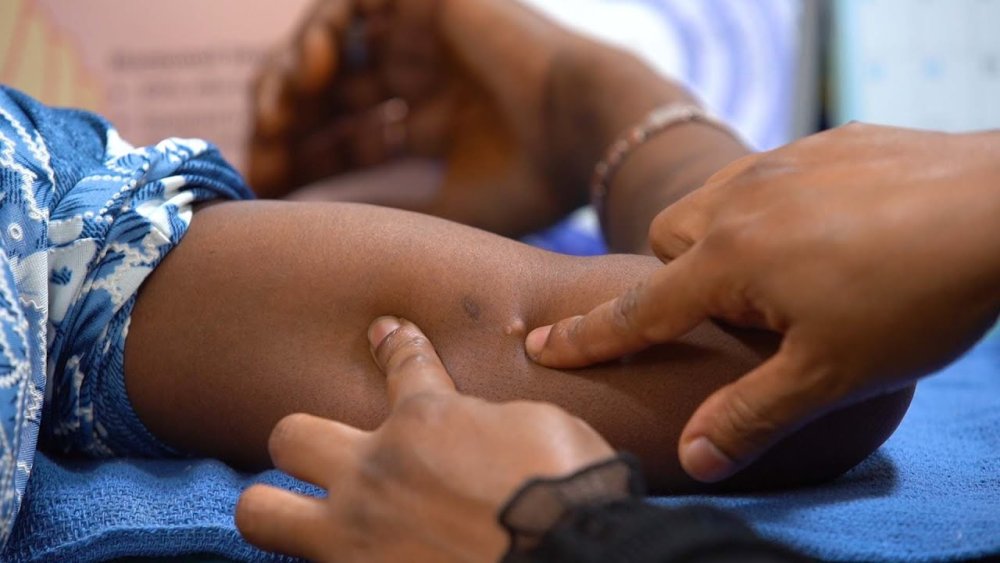
Among married women who use modern contraceptive methods, implants are the most widely used option in Rwanda.
According to the survey, implants account for 34.3% of modern contraceptive use among married women, making them the leading modern method.
Injectable contraceptives rank second, accounting for 14.3%, followed by contraceptive pills at 6.6%.
Male condoms and intrauterine devices (IUDs) each account for 2.4% of modern contraceptive use among married women.
Implants are also the most commonly used contraceptive method among unmarried women, accounting for 25% of contraceptive use in this group.
Injectable methods account for 13.7%, while male condom use among unmarried women stands at 7.5%, significantly higher than the 2.4% recorded among married women.
Overall, 2% of women have undergone sterilisation as a permanent method of contraception. The average age of women who have undergone the procedure is 35.
The findings highlight both the progress Rwanda has made in expanding access to contraception and the need to strengthen accurate reproductive health information, particularly among adolescents and young women.
Rwanda’s three decades of progress in family planning
Rwanda has made significant progress in expanding access to family planning over the past three decades, with the latest figures showing a substantial increase in the use of modern contraceptive methods among married women.
The findings of the 2025 Rwanda Demographic and Health Survey (RDHS) come after more than 33 years of sustained efforts to strengthen family planning programmes and improve access to reproductive health services across the country.
The proportion of married women using modern contraceptive methods increased from 12.9% in 1992 to 64.2% in 2025, marking a major change in contraceptive uptake over the period.
The most significant increase occurred after 2000. At the time, only 5.7% of married women were using modern contraceptive methods.
By 2005, the figure had risen to 10.3%, before increasing sharply to 45.1% in 2010.
The rate continued to rise, reaching 47.5% in 2014–2015, 58.4% in 2019–2020, and 64.2% in 2025.
The progress has also been reflected in the decline in unmet need for family planning, referring to women who want to use contraception but are not accessing a method that meets their needs.
In 1992, the unmet need stood at 38%. By 2025, it had fallen to 9%, indicating a substantial improvement in access to family planning services.
Northern Province leads in modern contraceptive use
The Northern Province records the highest proportion of married women using modern contraceptive methods, at 72.1%, according to the survey.
The Eastern Province follows at 64%, while the Southern Province records 63.7%.
In Kigali City, modern contraceptive use among married women stands at 61.3%, while the Western Province records 61%.
The figures show that the use of modern contraception remains relatively high across all parts of the country, although the Northern Province records the highest rate.
Public health facilities remain the main source
Government health facilities continue to play a central role in providing family planning services in Rwanda.
Overall, 91% of users of modern contraceptive methods obtain their methods through public-sector facilities.
Public health centres account for the largest share, providing services to 67% of users, while district and provincial hospitals account for 13%.
Private medical facilities account for only 6% of users, while 3% obtain contraceptive methods from other sources.
The role of public facilities is particularly pronounced in the provision of long-acting and permanent contraceptive methods.
According to the survey, public facilities provide 99% of implants, 91% of injectable contraceptives, and 80% of IUDs used by women. They also account for 97% of permanent contraceptive procedures.
Among women who use contraceptive pills, 84% obtain them from public health facilities.
Male condoms, however, follow a different distribution pattern. About 40% are obtained from public-sector sources, while 18% come from private medical facilities and 42% are obtained from other sources.
Among condoms obtained outside health facilities, shops and bars account for approximately 40% of those sources.
Microgynon, Microlyte, Prudence and Love dominate commonly used brands
The survey also provides insight into the contraceptive brands most commonly used in Rwanda.
Among women who use contraceptive pills, 97% use either Microgynon or Microlyte, making the two brands the dominant choices in this category.
For male condoms, 92% of users report using Prudence, Plaisir or Love.
The figures reflect Rwanda’s substantial progress in expanding access to modern family planning methods over more than three decades. They also show the continued importance of public health facilities, which remain the primary source of contraceptive services for the vast majority of users.

Emergency contraception remains limited
Overall, 3% of women aged 15 to 49 reported using emergency contraception during the 12 months preceding the survey.
Emergency contraception is used after unprotected sexual intercourse to reduce the risk of an unintended pregnancy.
Its use is most common among women living in Kigali City and those with education beyond secondary school.
The survey also examined why women discontinue contraceptive methods. The leading reason is the desire to have another child, accounting for 32% of women who stop using contraception.
Another 28% discontinue a method because of side effects or concerns about their health, while 15% stop because they want to switch to a method they consider more effective.
Radio remains a leading source of family planning information
The 2025 Rwanda Demographic and Health Survey examined a range of channels through which people receive information about family planning, including radio, television, newspapers, mobile phones, social media, community meetings, health facilities, schools, religious institutions and workplaces.
Among women, radio is the most widely reported source of family planning information, reaching 57%, compared with 67% among men.
Health facilities are another major source of information for women, reaching 55%.
Other important sources for women include information received at workplaces, from friends or family members, reaching 53%, while community meetings and activities reach 47%.
Among men, community meetings and other community-based activities are also an important source of information, reaching 60%.
Social media, however, has a relatively limited reach. Only 10% of women reported receiving family planning information through social media.
Mobile phones also recorded a low reach, with family planning messages reaching 7% of both women and men through this channel.
The survey further found that 20% of women and 14% of men had not been exposed to any family planning messages through any of the eight main communication channels assessed during the 12 months preceding the survey.
The findings highlight the continued importance of traditional communication platforms, particularly radio and health facilities, in delivering family planning information, while newer channels such as social media and mobile phones remain less widely used for this purpose.

Leave a Reply