This process, known as foliar uptake, appears to be especially important in dry and dusty environments where soil nutrients are limited. Scientists say it could help plants survive in harsh conditions that were previously not well understood.
“Plants are not like animals; they cannot move,” said Anton Lokshin, a plant biologist at Ben Gurion University of the Negev. “So they have to have strategies to absorb food and nutrients from the environment.”
To test this, researchers studied three plant species in Israel’s Judean Hills, a region regularly exposed to dust from the Sahara and Arabian deserts. Some plants were treated with volcanic dust on their leaves, while others were left untreated for comparison.
The results showed that plants exposed to dust had higher levels of key nutrients, including iron, manganese, nickel, and copper, in their shoots. These are important elements for growth and survival.
However, nutrient levels in the roots remained largely unchanged, even when dust was added to the soil. Scientists explain this is because nutrients in soil are often quickly taken up by microorganisms or locked in minerals, making them harder for plants to access.
Leaves, on the other hand, provide a more open pathway. They can release natural compounds that help dissolve dust particles and allow nutrients to be absorbed more easily.
The findings suggest that airborne dust may be a more important nutrient source for plants than previously thought, particularly in arid regions.
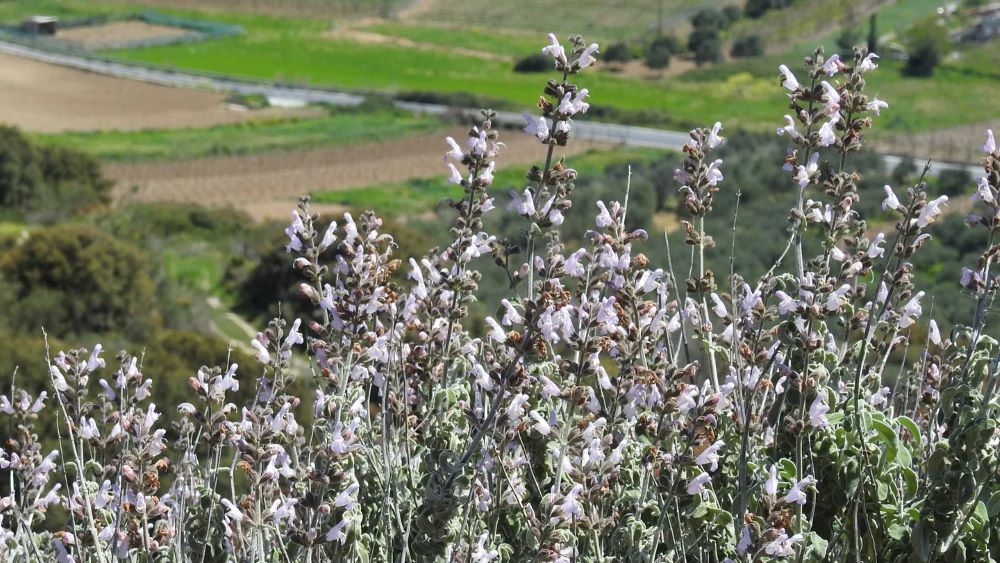
Greek sage plants (Salvia fruticosa, shown) had their leaves dusted with mineral powder to show that plants can feed on the dust that settles on them.
Researchers from McGill University and the Douglas Institute found that two types of brain cells behave differently in people with depression. The condition affects more than 264 million people worldwide and is a leading cause of disability.
“This is the first time we’ve been able to identify what specific brain cell types are affected in depression by mapping gene activity together with mechanisms that regulate the DNA code,” said Gustavo Turecki, a professor at McGill and senior author of the study. “It gives us a much clearer picture of where disruptions are happening, and which cells are involved.”
The researchers used rare post-mortem brain samples from the Douglas-Bell Canada Brain Bank, which includes donated tissue from people who had psychiatric conditions. They studied samples from 59 people with depression and 41 without, using advanced techniques to examine individual brain cells.
The study found changes in two key cell types: excitatory neurons, which help control mood and stress, and microglia, which act as immune cells in the brain. In both, gene activity was altered, suggesting they may not function normally in people with depression.
“This research reinforces what neuroscience has been telling us for years,” Turecki said. “Depression isn’t just emotional, it reflects real, measurable changes in the brain.”
By identifying the exact cells involved, the findings provide strong evidence that depression is a biological condition. Researchers now hope this discovery will lead to treatments that directly target these cells, improving care for millions of people worldwide.
A new study reveals that depression is linked to changes in specific brain cells tied to mood and immune function.
The fossil belongs to Captorhinus aguti, a small lizard-like reptile discovered in a cave system in Oklahoma.
Unlike most fossils, which preserve only bones, this specimen contains traces of skin, cartilage, and even proteins, offering rare insight into early life on land.
“These early reptiles were among the first animals to fully adapt to life outside water,” said Ethan Mooney, one of the study’s lead authors.
“Captorhinus is an interesting lizard-looking critter that is critical to understanding early amniote evolution,” he added.
Using advanced scanning technology, researchers were able to examine the fossil in detail without damaging it. The scans revealed preserved skin wrapped around the body.
“I started to see all these structures wrapped around the bones,” Mooney said, “they were very thin and textured. And lo and behold, there was a nice wrapping of skin around the torso of this animal.
The scaly skin has this wonderful accordion-like texture, with these concentric bands covering much of the body from the torso and up to the neck.”
More importantly, the fossil showed how the reptile breathed. Scientists identified a rib-based breathing system, similar to the one used by humans today, where muscles expand and contract the chest to move air in and out of the lungs.
“We propose that the system found in Captorhinus represents the ancestral condition for the kind of rib assisted respiration present in living reptiles, birds, and mammals,” said Robert R. Reisz, a professor at the University of Toronto and co-author of the study.
This system allowed animals to take in more oxygen and become more active on land.
“It was a game changer that allowed these animals to adopt a much more active lifestyle,” Mooney said.
The findings offer a clearer picture of how life evolved on land and how modern breathing systems began.
289-million-year-old reptile Captorhinus in its death pose in a cave system. Oil seepages, hyper-mineralized water, fine clays in this cave made it an ideal environment for mummification and fossilization of soft tissues like skin, cartilage, and protein remnants. Credit: Dr. Michael DeBraga
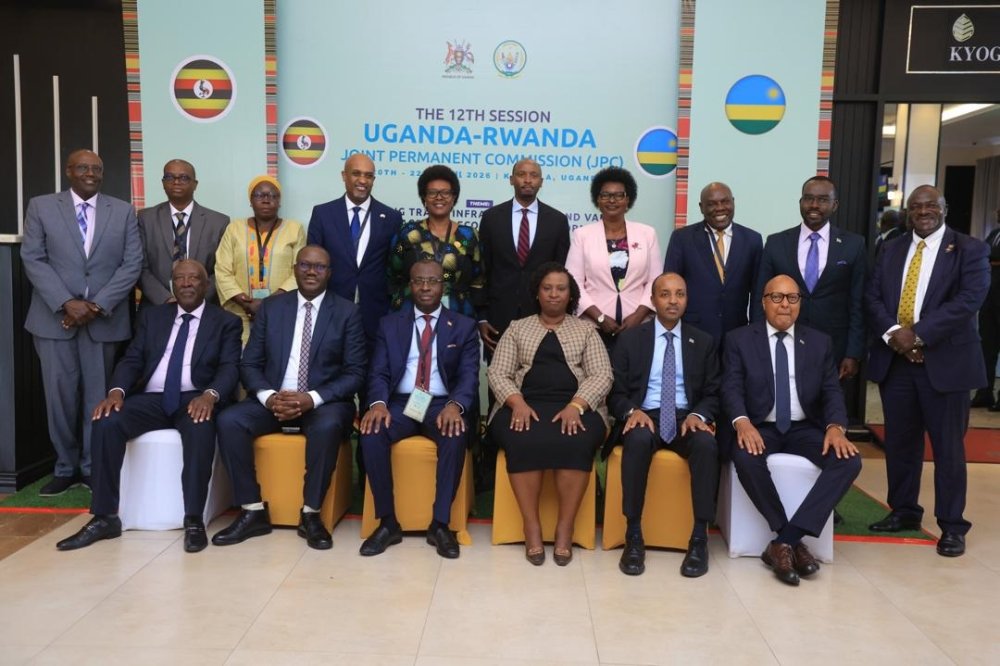
The agreements were concluded on April 22, 2026, at the 12th session of the Joint Permanent Commission (JPC) held in Kampala, where officials from both countries reiterated their commitment to closer cooperation and regional integration.
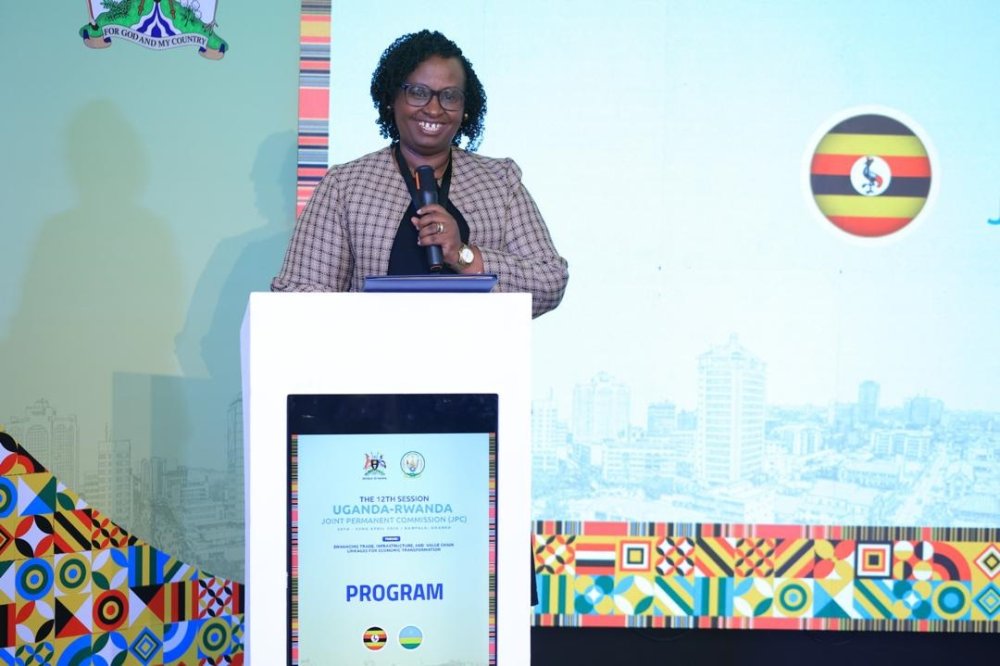
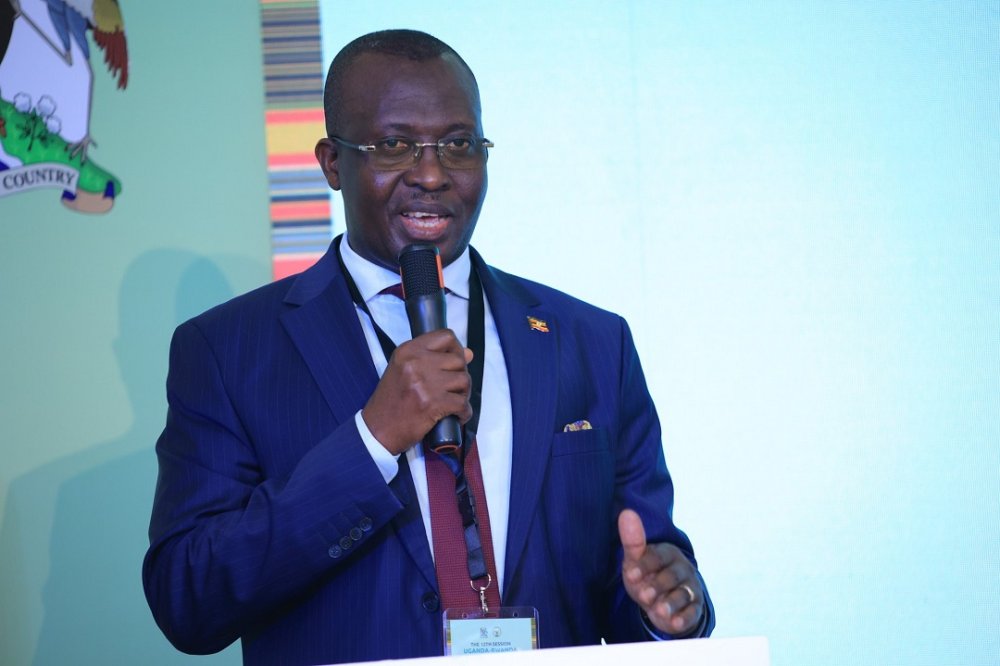
Uganda’s Minister of State for Foreign Affairs, John Mulimba, described the meeting as a clear sign of shared ambition between the two neighbours.
“This session is a testament to our mutual resolve to strengthen ties and work together for the prosperity of our two peoples. Uganda and Rwanda are not just neighbours; we are partners bound by history, culture, and kinship,” he said.
Mulimba noted that collaboration would continue across key areas such as trade, cross-border movement, infrastructure, and security, stressing the need for tangible benefits for citizens.
“As the host, Uganda reaffirms its commitment to a peaceful and open neighbourhood, regional integration, and pan-Africanism. A stable and prosperous Rwanda is in Uganda’s interest, just as a stable and prosperous Uganda is in Rwanda’s interest,” he added.
Rwanda’s Minister of State in charge of Regional Cooperation, Usta Kaitesi, emphasised the deep-rooted ties between the two nations.
“Our relations are rooted in a shared history, strong people-to-people ties, and a common aspiration for peace, stability, and prosperity,” she said.
Kaitesi highlighted the JPC as a vital platform for tracking progress, resolving challenges, and identifying new opportunities for collaboration.
The newly signed agreements are expected to strengthen service delivery, enhance cross-border cooperation, and reinforce ties between Kigali and Kampala, signalling renewed momentum in relations between the two countries.
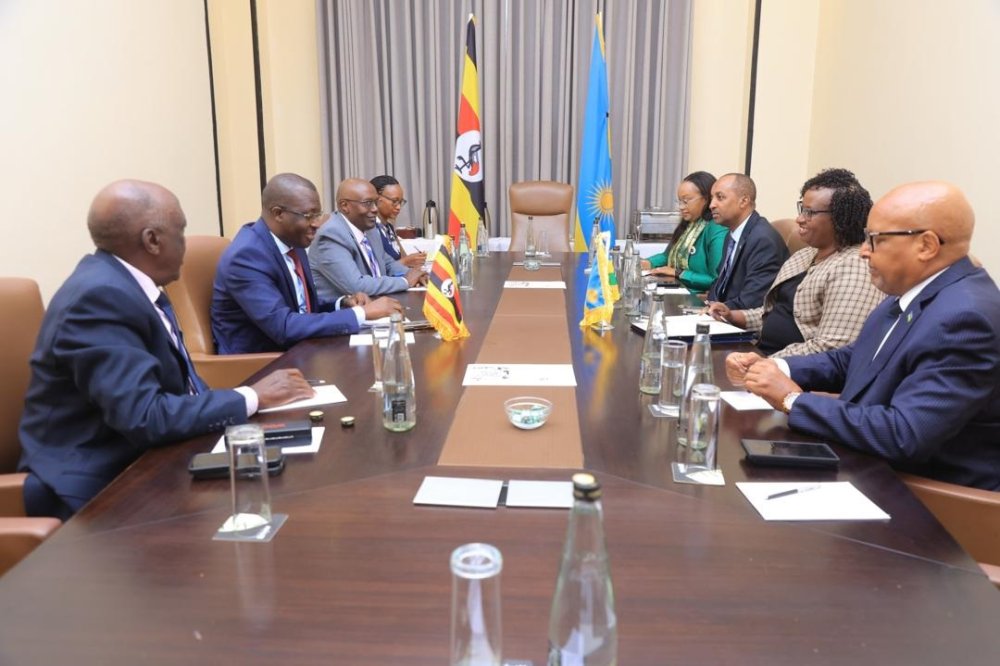
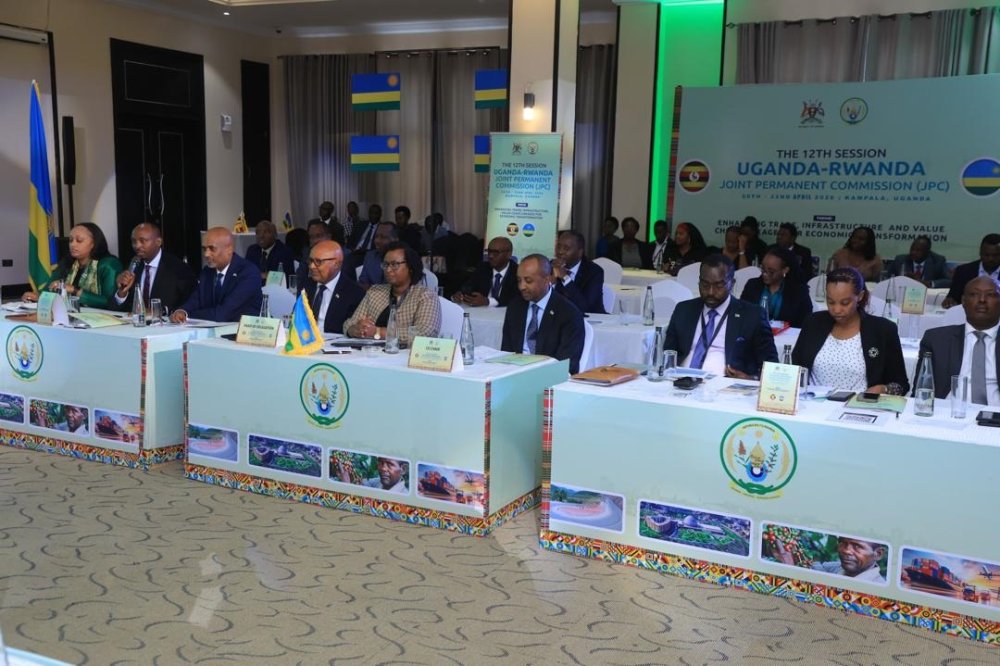
Rwanda and Uganda reaffirmed commitment to regional integration and stronger bilateral ties at the JPC meeting.Delegations from Kigali and Kampala meet to review progress and expand cooperation across key sectors.Rwanda’s Minister of State for Regional Cooperation, Usta Kaitesi, highlighted strong historical ties between Rwanda and Uganda.Uganda’s Minister of State for Foreign Affairs, John Mulimba, speaks during the closing session of the Joint Permanent Commission in Kampala.Officials from Rwanda and Uganda pose after concluding the 12th Joint Permanent Commission in Kampala on April 22, 2026.
The Minister of State for Infrastructure, Jean de Dieu Uwihanganye, said Rwandans should begin adjusting to what he described as “extraordinary situations,” noting that the impact of the crisis will continue to be felt in the country’s energy sector.
Speaking on April 23, 2026, during a morning programme on TV1 Rwanda, Uwihanganye explained that the conflict has disrupted global oil supply chains, pushing up prices. He pointed to the closure of the Strait of Hormuz, a key route through which about 20% of global trade passes, as a major factor behind the surge.
He called on citizens to reduce fuel consumption and adjust their behaviour accordingly.
“Regardless of the measures we put in place, we cannot do this alone. We need Rwandans themselves to change their behaviour and adapt to these extraordinary times,” he said.
“We are not seeing a reduction in consumption levels. We need people to help ensure that the fuel we import is used responsibly.”
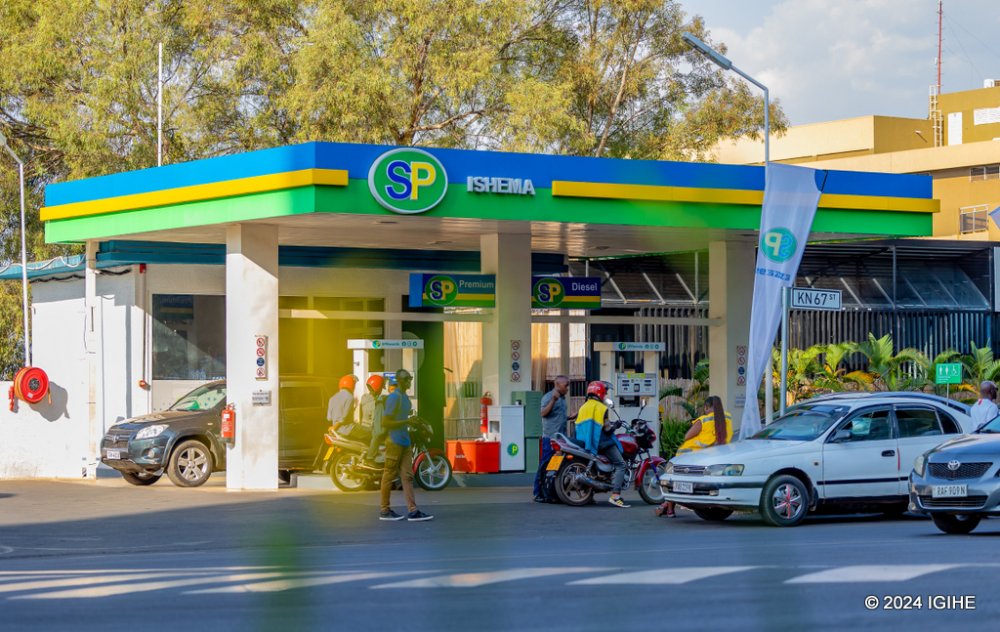
Fuel prices in Rwanda have already risen sharply, with petrol currently selling at 2,938 Rwandan francs per litre, while diesel stands at Rwf 2,205 per litre.
Uwihanganye encouraged the public to limit non-essential travel, make use of public transport and consider carpooling where possible.
“People should only make necessary trips. Public buses are available in Kigali and across the provinces, or individuals can share vehicles. But we want to see this reflected in the data. Since prices increased, we have not observed any decline in consumption, meaning behaviour has not yet changed,” he said.
He stressed that efforts to reduce fuel usage should not undermine economic activity but rather promote more efficient use of available resources.
The minister warned that even if the conflict in the Middle East were to end immediately, its effects on global and local fuel markets would persist.
“These conditions will continue. Even if the war stopped today, it would take time for us to return to previous levels. What we import takes about two months to arrive, and the international market also needs time to stabilize,” he said.
He was unequivocal about the outlook: “Prices will continue to rise—that is the reality, and it is important that people understand it. Diesel prices have increased significantly on the international market. If we were to fully reflect global prices locally, diesel could be between 3,000 and 3,500 francs per litre. No matter the effort, we cannot prevent prices from exceeding current levels.”
Despite the pressure on prices, Uwihanganye reassured the public that Rwanda is taking steps to avoid fuel shortages. He said the country has sufficient strategic reserves, which have not yet been tapped, with supply currently being drawn from stocks held by private operators.
Fuel prices in Rwanda have already risen sharply, with petrol currently selling at 2,938 Rwandan francs per litre, while diesel stands at Rwf 2,205 per litre.
The Rwanda Basic Education Board (REB) says the current teacher training model for primary schools needs to be revised, noting that the duration of training is too short and should be extended. Under the proposed reforms, individuals seeking to teach at the primary level would first be required to complete university education.
The Ministry of Education’s 2024/2025 performance report, released on March 30, 2026, shows that Rwanda has 4,996 schools. Of these, 2,083 operate under government-aided agreements, 1,576 are public schools, and 1,337 are privately owned.
As of December 2025, Rwanda had 133,029 teachers across primary and secondary schools. Among them, 71,011 hold only secondary school qualifications, 10,667 have undergraduate degrees, while 21,147 possess postgraduate qualifications.
REB Director General, Dr Nelson Mbarushimana, has told RBA that the current system used to train teachers in teacher training colleges needs to be modernised to align with evolving education standards.
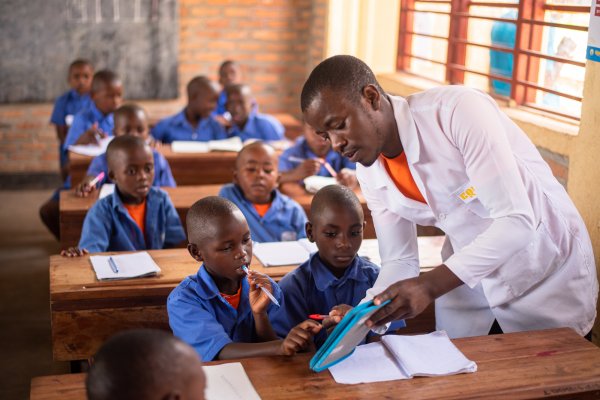
Rwanda currently has 16 teacher training colleges that admit students after lower secondary education. After three years of study, graduates are qualified to teach in primary schools.
However, Dr Mbarushimana said this training period is relatively short compared to regional and global standards, and ongoing research is exploring ways to extend it.
“They study to become primary school teachers, but when you compare the time they spend in training with other countries in the region and globally, it is still short. We are reviewing this through research and working to improve it,” he said.
He pointed out that in some countries, teacher training extends by an additional two to four years, meaning primary school teachers may hold advanced diplomas or university degrees.
“Teaching is not an easy profession. When you see a doctor performing surgery, using anaesthesia and carrying out complex procedures, teaching may not involve machines, but it requires equally intensive training,” he added.
Dr Mbarushimana emphasised that primary education forms the foundation of learning, where children acquire essential skills such as reading, writing and numeracy.
“When learners have competent teachers at this level, it prepares them better for secondary education and beyond, whether they pursue technical training or higher education. This ultimately contributes to building a capable citizen who can drive national development,” he said.
Asked whether, in the near future, graduates of university-level teacher training programmes could go on to teach in primary schools, he replied, “It is true.”
Reforms aim to address gaps in curriculum delivery
The proposed changes come alongside broader education reforms introduced last year, which replaced traditional subject combinations in secondary schools with a new system known as “learning pathways.”
According to Dr Mbarushimana, the shift was informed by research and international benchmarks, which revealed limitations in the previous system that restricted students’ ability to make flexible academic choices.
“We identified gaps that limited students’ freedom to choose their academic paths. We introduced three main learning pathways: science and mathematics, humanities, and languages,” he said.
Within the science pathway, students can specialise in combinations such as mathematics, physics, biology and chemistry, or mathematics, physics, geography and economics.
“This allows a student interested in science to follow that path and make informed choices when they reach university,” he added.
REB also noted that the reforms have led to an oversupply of teachers in certain subjects, as schools now combine students from the same level into larger classes for specific subjects, reducing the number of teachers previously required.
The government says the ongoing reforms are designed to strengthen the overall education system and better align it with both national development goals and global standards.
As of December 2025, Rwanda had 133,029 teachers across primary and secondary schools.
Iyacu will take over from Paula Hunter who is retiring. She is expected to step down from her Executive Director role during the transition period.
Based in Kigali, Iyacu brings more than 15 years of experience in inclusive financial systems, digital finance and Digital Public Infrastructure (DPI), with a track record of advancing initiatives linked to the Sustainable Development Goals.
His appointment signals the foundation’s continued focus on scaling inclusive, real-time payment systems, particularly in underserved markets.
In his new role, Iyacu is expected to steer the foundation’s long-term sustainability efforts, mobilise additional funding and support deployments across multiple regions where the organisation works with governments, central banks and other partners.
“Inclusive finance is one of the defining challenges and opportunities of our time. Mojaloop has already demonstrated the power of open, interoperable infrastructure to transform economies and improve lives,” Iyacu said.
“I’m excited to build on this momentum, working with partners around the world to expand access to inclusive digital financial services and ensure long-term sustainability for the organization,” he added.
Kosta Peric, Chairperson of the Mojaloop Foundation, said Iyacu’s appointment comes at a pivotal moment for the organisation.
“Jean Bosco brings an exceptional combination of regional insight, leadership experience and deep understanding of Digital Public Infrastructure. This marks an important step in Mojaloop’s evolution as we continue to scale our global impact,” Peric said.
Iyacu currently serves as Chief Executive Officer of Access to Finance Rwanda (AFR), where he leads a team of more than 40 staff and has played a key role in mobilising donor funding and expanding the institution’s interventions over the past five years.
Beyond AFR, he chairs the Financial Sector Deepening (FSD) Network Council, which coordinates collaboration across nine African markets. He is also a member of the Consultative Group to Assist the Poor (CGAP) FinEquity Technical Advisory Committee and holds private sector board roles, including at Salvo Grima Africa Distribution.
The Mojaloop Foundation, a non-profit organisation, focuses on promoting financial inclusion by supporting interoperable payment systems through its open-source software. Its platform is used by governments, banks and mobile money providers to build and enhance real-time payment ecosystems aimed at expanding access to digital financial services worldwide.
Jean Bosco Iyacu has been appointed as Chief Executive Officer, effective June 1, 2026.
Furthermore, any such operation is unlikely to be carried out until the U.S.-Israeli war with Iran comes to an end, members of the House Armed Services Committee were told on Tuesday, according to the report. This means gasoline and oil prices could remain elevated through the U.S. midterm elections.
Iran may have emplaced 20 or more mines in and around the strait. Some were floated remotely using GPS technology, which has made it difficult for U.S. forces to detect the mines as they are deployed, a senior defense official told lawmakers. Others are believed to have been laid by Iranian forces using small boats.
The disclosure was made in a classified briefing for lawmakers, Pentagon spokesman Sean Parnell acknowledged in a statement, while criticizing the related reports as “inaccurate.”
“As we said in March, one assessment does not mean the assessment is plausible, and a six month closure of the Strait of Hormuz is an impossibility and completely unacceptable to the (Defense) Secretary,” Parnell said, without specifying how long it could take.
U.S. President Donald Trump told Fox News on Wednesday there is “no time frame” for ending the U.S.-Israeli war with Iran.
This file photo taken on Feb. 19, 2025 shows the Strait of Hormuz.
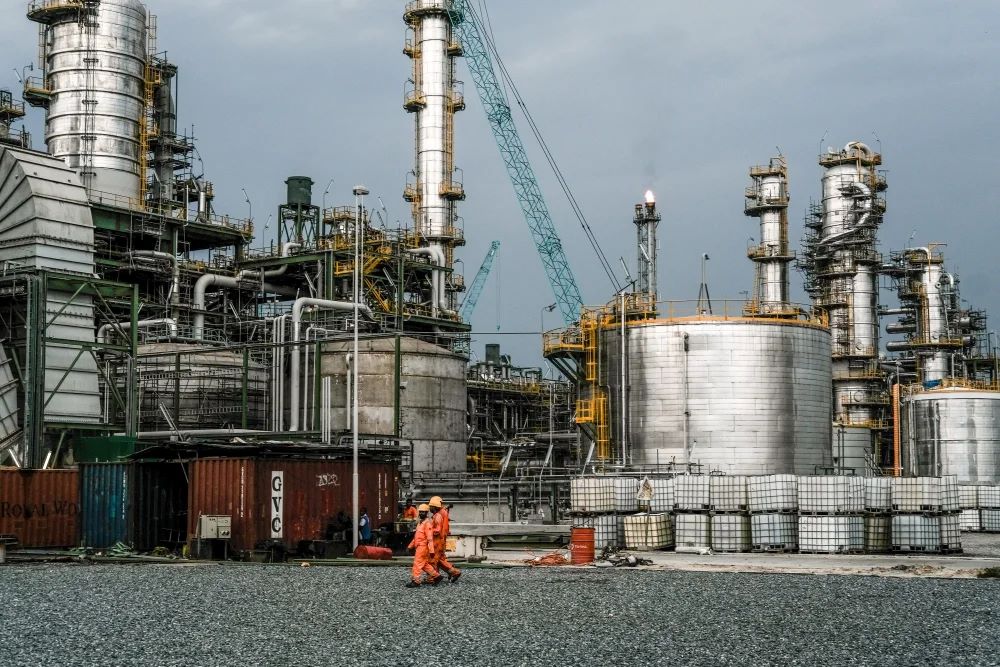
The Dangote Petroleum Refinery is Africa’s largest oil refinery and one of the biggest globally, notable for processing petroleum products through a single integrated system. It has a refining capacity of at least 650,000 barrels per day.
Currently, about 62% of the fuel consumed in Nigeria is refined at this facility, which has also expanded exports to several African countries, including Ghana, Cameroon, Togo, and Tanzania.
Global supply chains have been strained following disruptions around the Strait of Hormuz, a critical route through which roughly 20% of the world’s fuel passes. About 40% of fuel imported into East Africa originates from India, with 27% of it transiting through the Strait of Hormuz.
Although much of the fuel reaching Rwanda comes via alternative routes, instability in the Hormuz corridor has pushed traders to explore new supply options.
As Rwanda prepares to host the Africa CEO Forum 2026 in May 2026, bringing together top business leaders and policymakers across the continent, Rwanda’s Private Sector Federation is assessing the possibility of importing petroleum products from Dangote’s refinery. Dangote himself is expected to attend the forum.
The Chairperson of the Private Sector Federation, François Twagirumukiza, told IGIHE that efforts are underway to diversify fuel supply sources to prevent shortages.
“We are exploring alternative supply routes that do not pass through the Strait of Hormuz. Options exist, such as Nigeria and other countries that were not traditionally part of our supply chain, mainly due to pricing and transport considerations,” he said.
Dr. Joseph Akumuntu, head of Rwanda Association of Petroleum Products Importers (ASSIMPER) noted that engaging with Dangote presents a significant opportunity to explore new partnerships.
“We are currently facing challenges with supplies through the Strait of Hormuz, where shipments are not arriving as expected. Dangote has committed to supplying petroleum products across Africa, and we will have the opportunity to host him in Rwanda,” he said.
“This is a major opportunity for both the government and private sector, especially players in the energy sector, to present our needs and explore collaboration in logistics and pricing.”
However, Claudien Habimana, Managing Director of SP Rwanda, cautioned that importing fuel from Nigeria could come with high transportation costs.
“It is possible, but transport costs would be significantly higher. The route would involve going around through countries like Algeria, down to Southern Africa, and then back up. This is far more complex compared to sourcing fuel from the Middle East through ports like Mombasa or Dar es Salaam, which are closer,” he explained.
Rwanda’s Private Sector Federation is assessing the possibility of importing petroleum products from Dangote’s refinery.
Beneficiaries were urged to take good care of the homes and continue striving for self-reliance.
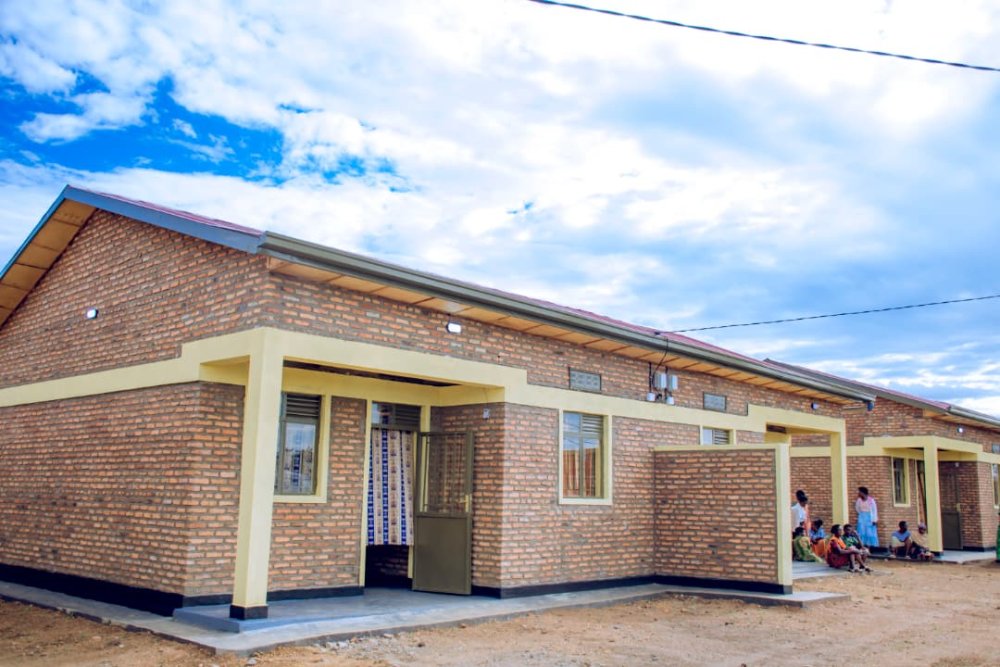
The houses were officially inaugurated on Tuesday, April 21, 2026, in Kinihira Village, Nyagatare Cell, Nyagatare Sector.
Jacqueline Uwimana said that having a home is a major step in rebuilding life for a Genocide survivor and restoring hope for the future. She explained that paying rent had been extremely challenging, but she now looks forward to living in peace.
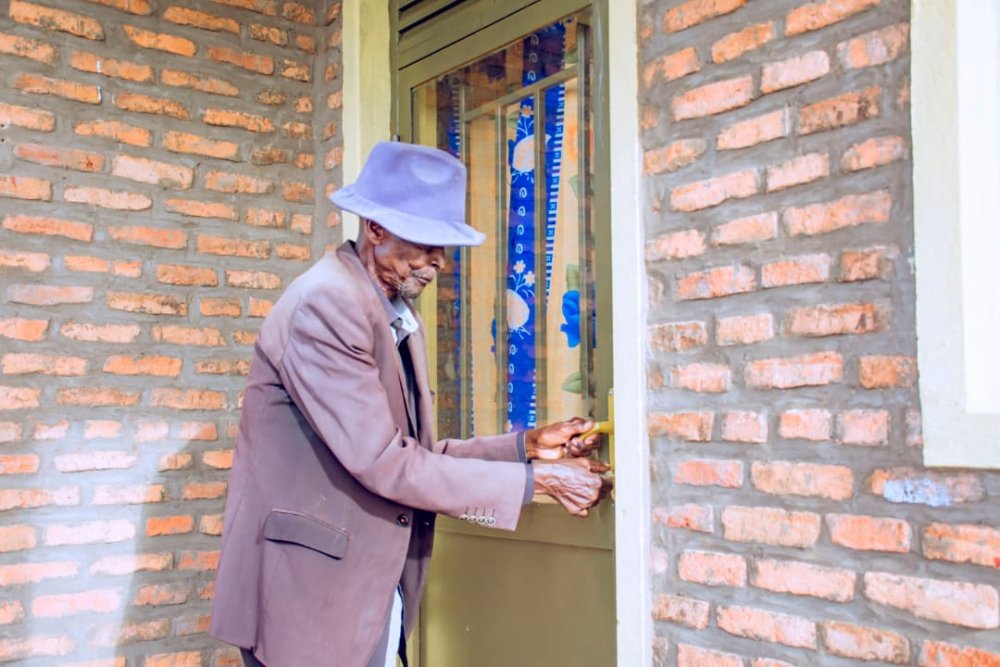
Jean Damascene Rwabukambizi, aged 78, expressed gratitude to the Government of Rwanda for moving him out of rented accommodation and providing him with a modern house. He pledged to take good care of it.
Betty Mukamwiza, 40, shared that she had spent 11 years struggling with the burden of rent. She said the situation was emotionally painful, especially considering the traumatic experiences she endured during the Genocide against the Tutsi.
“Paying rent was very difficult for me, especially while also trying to afford food. When I learned that I would receive a house, I was overwhelmed with joy. I thank the authorities who rescued me from a difficult life. This house will help me start a new chapter, and I will take good care of it because it is a valuable asset I have been given,” she said.
The Vice Mayor of Nyagatare District in charge of Economic Development, Gonzague Matsiko, noted that the housing program for Genocide survivors is ongoing in partnership with Ministry of National Unity and Civic Engagement (MINUBUMWE).
He said that survivors who have not yet received houses will continue to be supported next year.
“The goal is to ensure that survivors of the 1994 Genocide against the Tutsi live in dignified conditions, with safe housing that enables them to improve their livelihoods and enjoy a decent life,” he said.
According to IBUKA, the umbrella organization of Genocide survivors, 142 families in Nyagatare District are still in need of housing support.
The houses were officially inaugurated on Tuesday, April 21, 2026, in Kinihira Village, Nyagatare Cell, Nyagatare Sector.Beneficiaries were urged to take good care of the homes and continue striving for self-reliance.