The Minister of State for Infrastructure, Jean de Dieu Uwihanganye, said Rwandans should begin adjusting to what he described as “extraordinary situations,” noting that the impact of the crisis will continue to be felt in the country’s energy sector.
Speaking on April 23, 2026, during a morning programme on TV1 Rwanda, Uwihanganye explained that the conflict has disrupted global oil supply chains, pushing up prices. He pointed to the closure of the Strait of Hormuz, a key route through which about 20% of global trade passes, as a major factor behind the surge.
He called on citizens to reduce fuel consumption and adjust their behaviour accordingly.
“Regardless of the measures we put in place, we cannot do this alone. We need Rwandans themselves to change their behaviour and adapt to these extraordinary times,” he said.
“We are not seeing a reduction in consumption levels. We need people to help ensure that the fuel we import is used responsibly.”
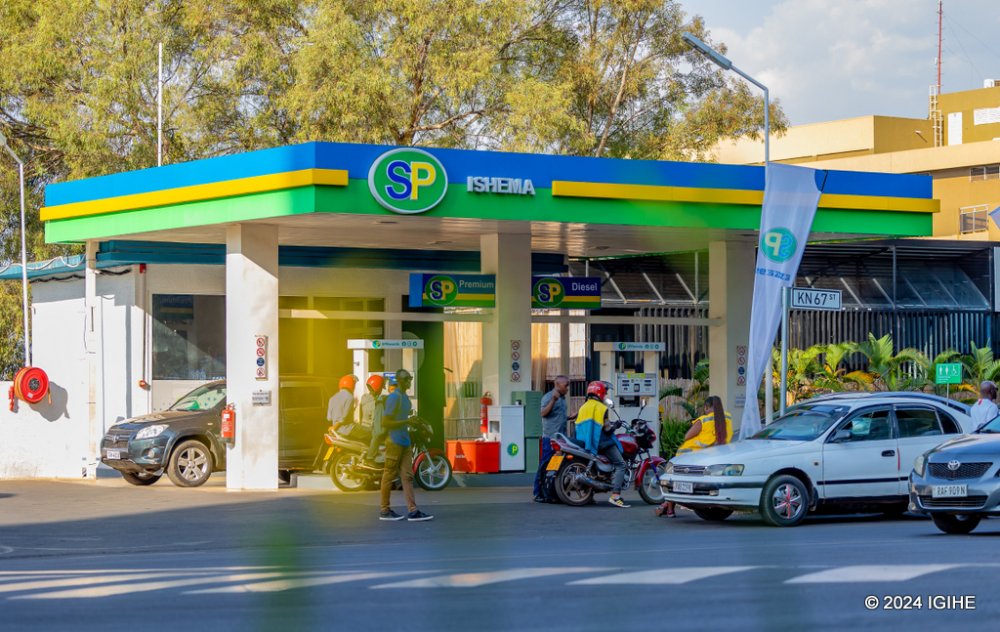
Fuel prices in Rwanda have already risen sharply, with petrol currently selling at 2,938 Rwandan francs per litre, while diesel stands at Rwf 2,205 per litre.
Uwihanganye encouraged the public to limit non-essential travel, make use of public transport and consider carpooling where possible.
“People should only make necessary trips. Public buses are available in Kigali and across the provinces, or individuals can share vehicles. But we want to see this reflected in the data. Since prices increased, we have not observed any decline in consumption, meaning behaviour has not yet changed,” he said.
He stressed that efforts to reduce fuel usage should not undermine economic activity but rather promote more efficient use of available resources.
The minister warned that even if the conflict in the Middle East were to end immediately, its effects on global and local fuel markets would persist.
“These conditions will continue. Even if the war stopped today, it would take time for us to return to previous levels. What we import takes about two months to arrive, and the international market also needs time to stabilize,” he said.
He was unequivocal about the outlook: “Prices will continue to rise—that is the reality, and it is important that people understand it. Diesel prices have increased significantly on the international market. If we were to fully reflect global prices locally, diesel could be between 3,000 and 3,500 francs per litre. No matter the effort, we cannot prevent prices from exceeding current levels.”
Despite the pressure on prices, Uwihanganye reassured the public that Rwanda is taking steps to avoid fuel shortages. He said the country has sufficient strategic reserves, which have not yet been tapped, with supply currently being drawn from stocks held by private operators.
Leave a Reply