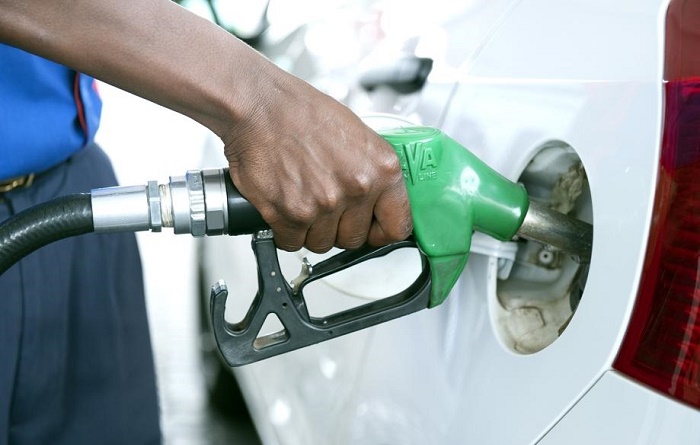
In a communiqué issued on Thursday night, the Rwanda Utilities Regulatory Authority (RURA) said the revised prices will take effect on April 17 at 6:00 a.m., with all rates inclusive of Value Added Tax (VAT).
The latest adjustment reflects rising international oil prices and tightening supply conditions, which have been exacerbated by ongoing tensions in the Middle East. The conflict has led to the closure of the Strait of Hormuz, a critical maritime corridor through which roughly a fifth of the world’s oil supply passes, significantly disrupting global energy flows and pushing prices upward.
While petrol prices have been increased to align more closely with these global trends, the government has opted to hold diesel prices steady through targeted interventions. Diesel is a key input in Rwanda’s transport and logistics sectors, and keeping its price unchanged is aimed at limiting knock-on effects on public transport fares, goods movement, and overall inflation.
“The price of diesel remains unchanged in order to maintain support of public transport of persons and goods, as well as overall economic activities,” the statement noted.
RURA said the pricing decision balances market realities with the need to protect economic activity, particularly in sectors that rely heavily on diesel.
The move comes just weeks after the previous price revision in early April, when both petrol and diesel saw notable increases. Petrol rose to Rwf 2,303 per litre at the time, while diesel climbed to its current level of Rwf 2,205 per litre.
Since then, global oil markets have remained volatile, with supply disruptions and uncertainty continuing to shape pricing trends. The blockage of key shipping routes has compounded existing pressures, contributing to higher import costs for fuel-dependent economies such as Rwanda.
RURA has advised consumers and businesses to optimise fuel usage, including through efficient travel planning and greater reliance on public or shared transport.
The regulator said it will continue to monitor developments in global and regional petroleum markets and adjust pricing policies as necessary to ensure market stability, fair pricing, and reliable supply across the country.
Leave a Reply