“Turns out the future does have flying cars,” Elon Musk on X following the demonstration.
The vehicle was demonstrated on October 15, 2026, at SpaceX’s rocket testing facility in McGregor, Texas. During the presentation, which showcased joint engineering efforts between Tesla and SpaceX, the prototype drove up an inverted ramp, executed controlled mid-air attitude manoeuvres, and touched down under thruster control.
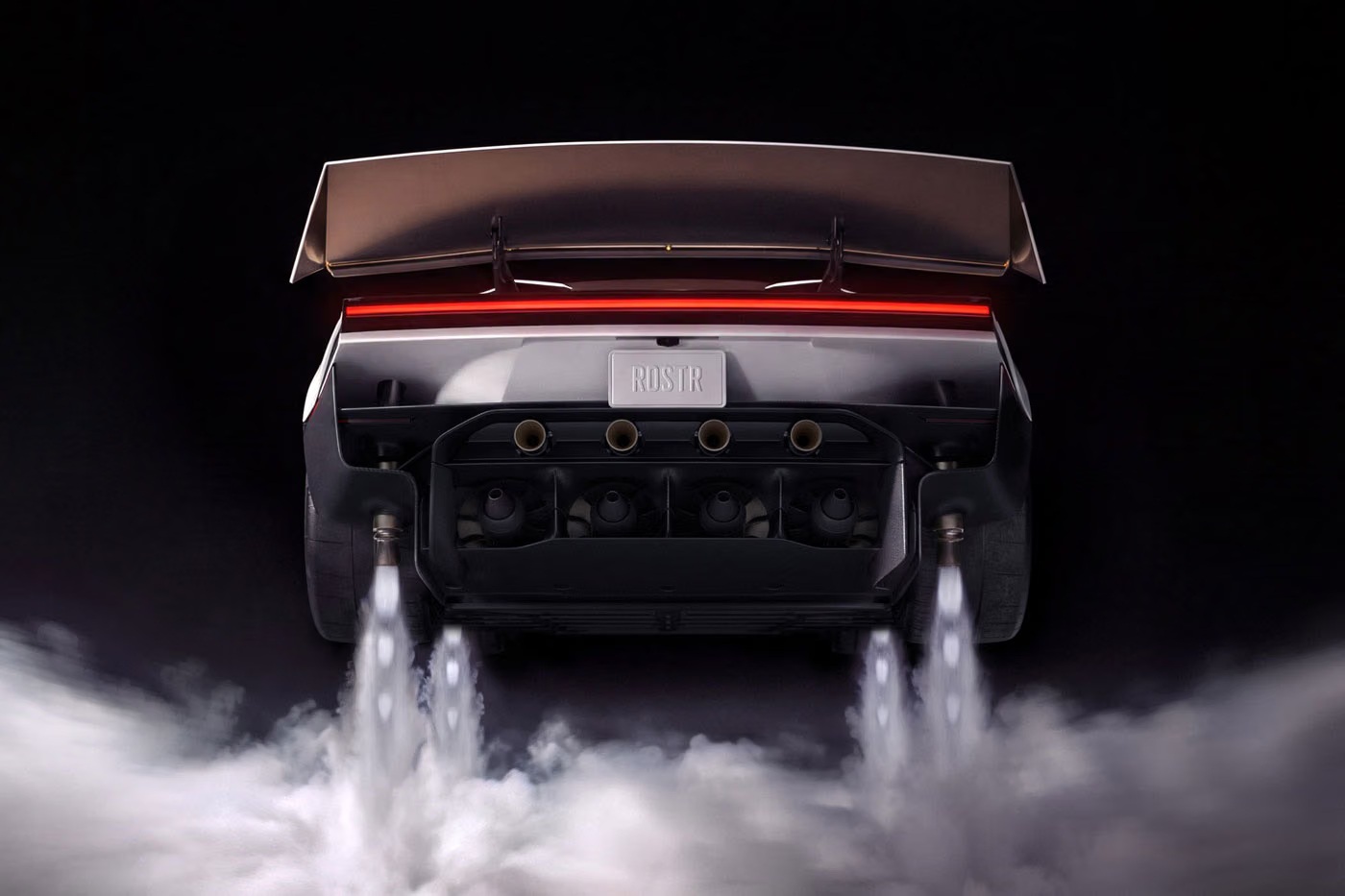
Musk explained that the vehicle features perimeter attitude-control thrusters and main thrusters mounted at the rear. “The car has obviously attitude control thrusters and main thrusters in the rear.
“So it can basically fly like a rocket,” Musk told attendees during the unveiling.
Unlike conventional aerospace propulsion, the thrusters utilise ultra-high-pressure compressed air rather than chemical rocket fuel. To accommodate the heavy compressed-air pressure vessels, performance variants will replace the standard rear seats, transforming the car into a two-seater or single-seater layout.
Musk described the project as a cross-industry collaboration between his two companies: “What happens when you have a collaboration with the world’s best car company and the world’s best rocket company.”
However, Musk acknowledged that the vehicle’s regulatory and safety status remains complex. Tesla’s official reservation portal highlights that thruster-assisted flight functions are strictly restricted from public road use, and street legality will vary significantly across global jurisdictions.
“I should say that this is not necessarily a safety-optimised car. But it takes the Fun meter to 11 out of 10,” Musk remarked, noting that regulatory frameworks for active aerial vehicle propulsion on public highways remain undeveloped.
Tesla claims performance trim levels with active thruster engagement can achieve 0–60 mph acceleration in as little as 0.81 seconds, with top speed targets exceeding 230 mph. Mass production is slated to begin in 2028, following an eight-year gap since the model’s initial announcement in 2017.
Leave a Reply