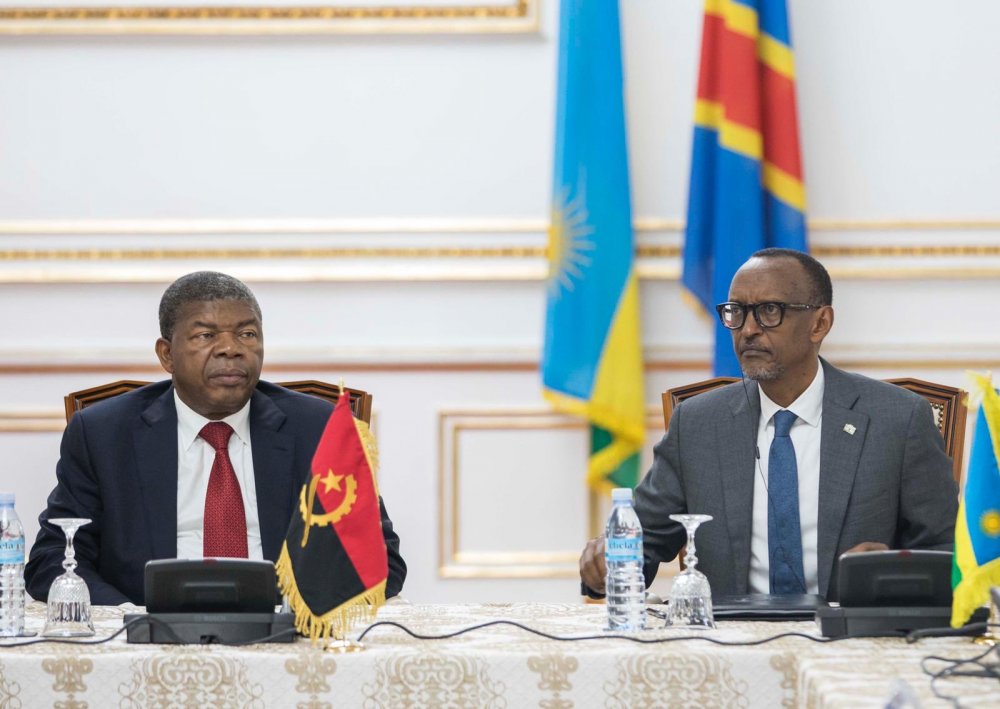
Lourenço who is also the Chair of the International Conference on the Great Lakes Region (ICGLR) is the mediator on tensions between Rwanda and DRC.
The meeting takes place at a time when DRC continues to accuse Rwanda of backing M23 rebel group during clashes with Congolese Army (FARDC).
However, Rwanda has rejected the allegations and advised the neighbouring country not to drag it into internal problems.
The Chairperson of the African Union Commission, Moussa Faki Mahamat recently revealed that the eastern part of DRC has for long turned into a concentration area for terrorist groups, a situation which required interventions from the United Nations and neighbouring countries to find a solution.
He said that the situation was promising based on cordial relations between Rwanda and DRC since 2018, but has deteriorated again.
Mahamat further disclosed that the issue was discussed in Malabo, Equatorial Guinea, during an extraordinary Summit of the African Union where President Joao Lourenço was designated as a mediator.
Doğuş Group is among the largest private-sector companies in Turkey.
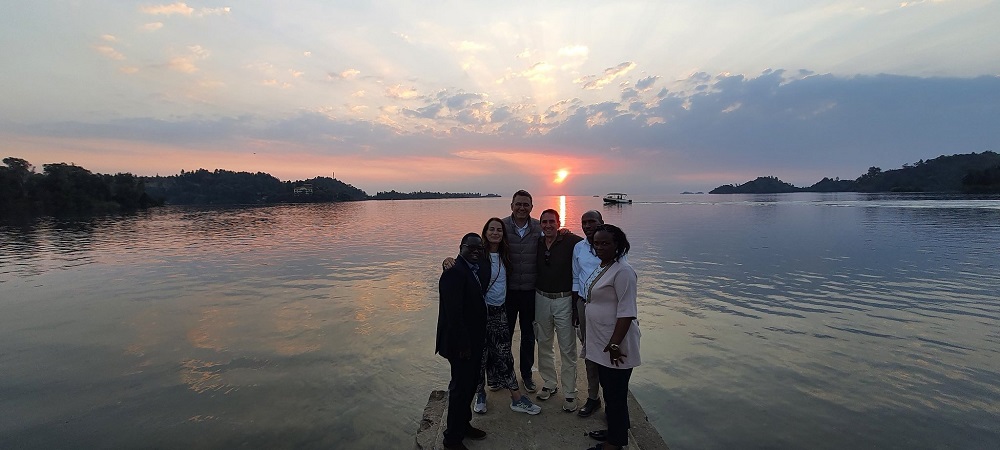
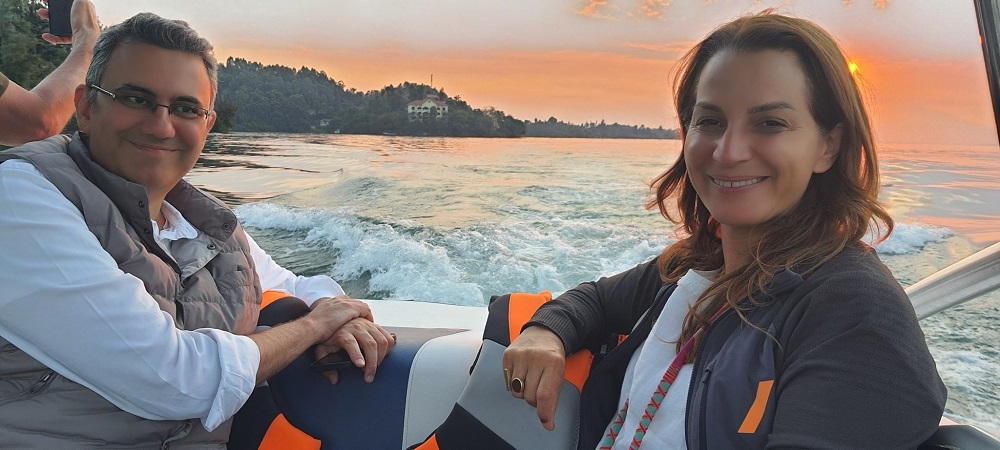
The Chairman and CEO of Doğuş Hospitality & Retail Group, Eryigit Umur is on a visit to Rwanda along with the Head of Chaiman’s Office, Emin Tuzuna and Selin Maner, the company’s Architect.
IGIHE has learnt that Eryigit Umur is visiting Karongi for the second time with plans to set up a state-of-the art hotel in the district.
A subsidiary of Doğuş Group, Doğuş Hospitality & Retail Group operates in the fields of hotels, events management and luxury fashion among others.
It manages over 200 restaurants and nearly 20 hotels in more than 21 countries across the world. The subsidiary also owns some of renowned hospitality icons including D-Hotels & Resorts and Mytha Hotel Anthology.
Recently, Doğuş Group announced plans to open a hospitality school and build capacity of real estate professionals in Rwanda.
Governor Habitegeko has told IGIHE that the executives are in Karongi District to explore investment opportunities, particularly in the hospitality sector.
“They are touring different parts of Karongi District , at the same time exploring potential areas of investment in hospitality sector,” he said.
Habitegeko has disclosed that the district presents huge investment opportunities at the shores of Lake Kivu given that it is a beautiful place attracting people seeking to spend weekends or holidays in a relaxing atmosphere.
Situated in close to 130 kilometers from Kigali City, Karongi is among districts with natural features and other touristic attractions luring visitors to prolong their stay.
Like many other districts, Karongi is characterized by a hilly topography with attractive features as well as cultural and historical vestiges of great significance to the country.
In consideration of these attractions, investors have been taking advantage of this opportunity to set up hospitality establishments for visitors to enjoy a memorable sojourn in the district.
So far, the district has registered over 10 hotels, majority of which being constructed at the shores of Lake Kivu.
IGIHE has learnt that the guests are in Karongi District since Tuesday 5th July 2022.
They have been hosted at Cleo Lake Kivu Hotel, a five-star facility located in Bwishyura sector at the shores of Lake Kivu. It has 10 rooms where the cheapest one is booked at US$200 per night.
In March 2022, President Paul Kagame received Chair and CEO of Doğuş Group, Ferit Şahenk and his delegation that came to Rwanda to explore investment opportunities in various sectors including hospitality and real estate.
Doğuş Group has the workforce of over 35,000 and serves more than five million clients.
Apart from investment in hotels and hospitality, the company also retails different car brands including Volkswagen, Audi, Porsche, Bentley, Lamborghini and Bugatti among others.
It is the mother company of prominent media houses owning popular TV stations including NTV, Star and Euro Star.
Its total assets is valued at 39,6 billion Turkish lira (over US$2,7$).
Tshisekedi made the disclosure during an interview with the Financial Times shortly before his flight to Angola for peace accords to seek a solution for escalating tensions between Rwanda and DRC.
“This possibility cannot be ruled out. If Rwanda’s provocation continues, we will not sit and do nothing about it. We are not weak. There is absolutely no doubt that Rwanda is backing the March 23rd Movement. We want peace, but if push comes to shove…at one point we will take action,” he said.
Tshisekedi also underscored that Rwanda is fighting in DRC ‘under the guise of M23’ and accused it of intentions to loot its natural resources.
“Rwanda is fighting in the DRC under the guise of the M23, which was defeated in 2013. Rwanda has illicit vested economic interests in the DRC. As long as order is not restored in the DRC, as long as lawlessness and insecurity prevail, Rwanda will take advantage of that,” he noted.
Tshisekedi makes the declaration at a time when Rwanda has been accusing his country of provocations where Congolese Army in collaboration with the Democratic Forces for the Liberation of Rwanda (FDLR) shelled Rwandan territory three times and kidnapped two soldiers of the Rwanda Defence Force (RDF).
FDLR is a terrorist outfit comprised of remnant masterminds of the 1994 Genocide against the Tutsi who at different times plotted hit-and-run attacks to Rwanda and repelled back.
Rwanda has also condemned hate speeches of Congolese against Rwandans.
The provocations escalated until a Congolese soldier crossed into Rwanda through Rubavu border on 17th June 2022, where he attacked Rwandan policemen with a rapid fire before he was shot dead.
During a press conference on 31st May 2022; Rwanda’s Minister of Foreign Affairs, Dr. Vincent Biruta said that Rwanda would not ‘idly sit by’ and watch the provocations in case DRC refuses to release abducted soldiers and continues shelling Rwandan territory.
“We have responsibilities to protect our citizens and country’s borderlines. A country defends itself against attacks. This means, if the issue persists, we cannot idly sit by and wait for repetitive shelling on our citizens every day or provocations to kidnap people anytime. It is among issues pointed out at the African Union Summit in Malabo. I clearly indicated that we have legitimacy to respond and defend ourselves, in case we are attacked,” he noted.
“We want such provocations to stop. We want these soldiers released. However, in case these attacks continue to threaten our country’s security, we would be legitimate to defend ourselves and you know that we have capacity,” Minister Biruta added.
Rwanda has maintained that DRC’s accusations are unfounded but insisted that the country backs FDLR, a terrorist group threatening Rwanda’s security.
On 5th July 2022, President Tshisekedi arrived in Angola for peace talks with his counterpart of Rwanda, Paul Kagame on the mediation of President Angola, João Lourenço.
The two heads of state also met recently at the third conclave for regional heads of state convened by the President of Kenya, Uhuru Kenyatta to find a lasting solution to security issues in eastern DRC.
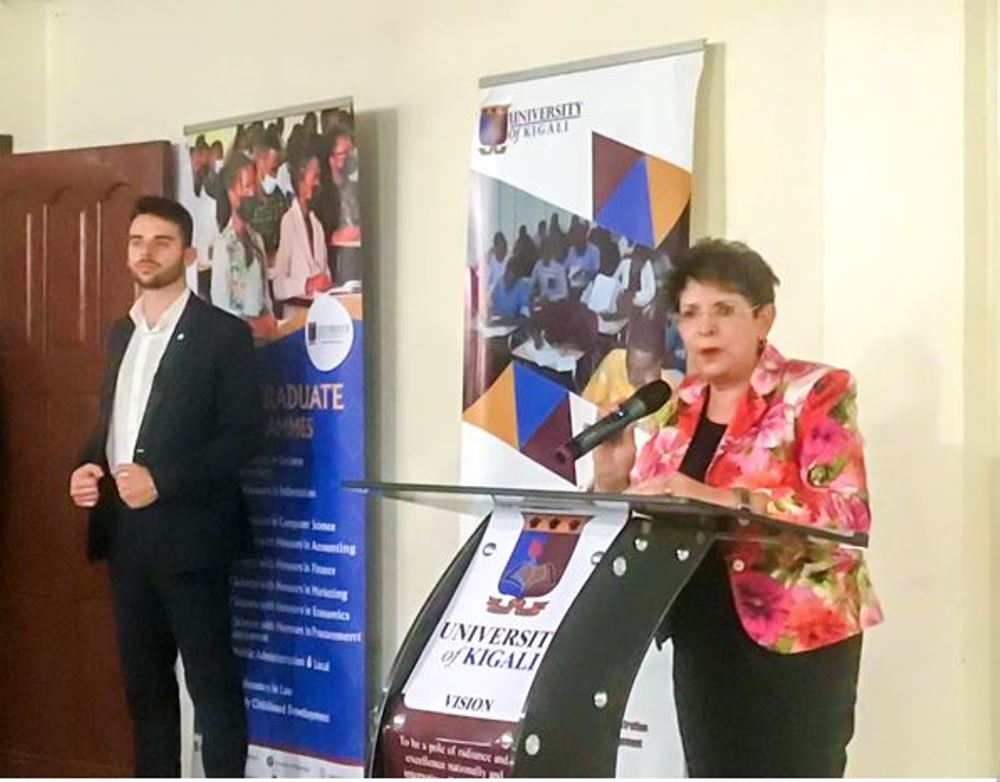
The lecture delivered on 29th June 2022 under the theme ‘”What is the Holocaust? A Story of a Genocide and its Implications’’ was organized in partnership with the Embassy of Israel in Rwanda and Yad Vashem – the World’s Holocaust Remembrance Centre.
It aimed at discussing conclusions and most importantly, lessons from the holocaust, which is the genocide initiated by the Nazi Germany and its collaborators against European Jews during World War II between 1941 and 1945 for the younger generation.
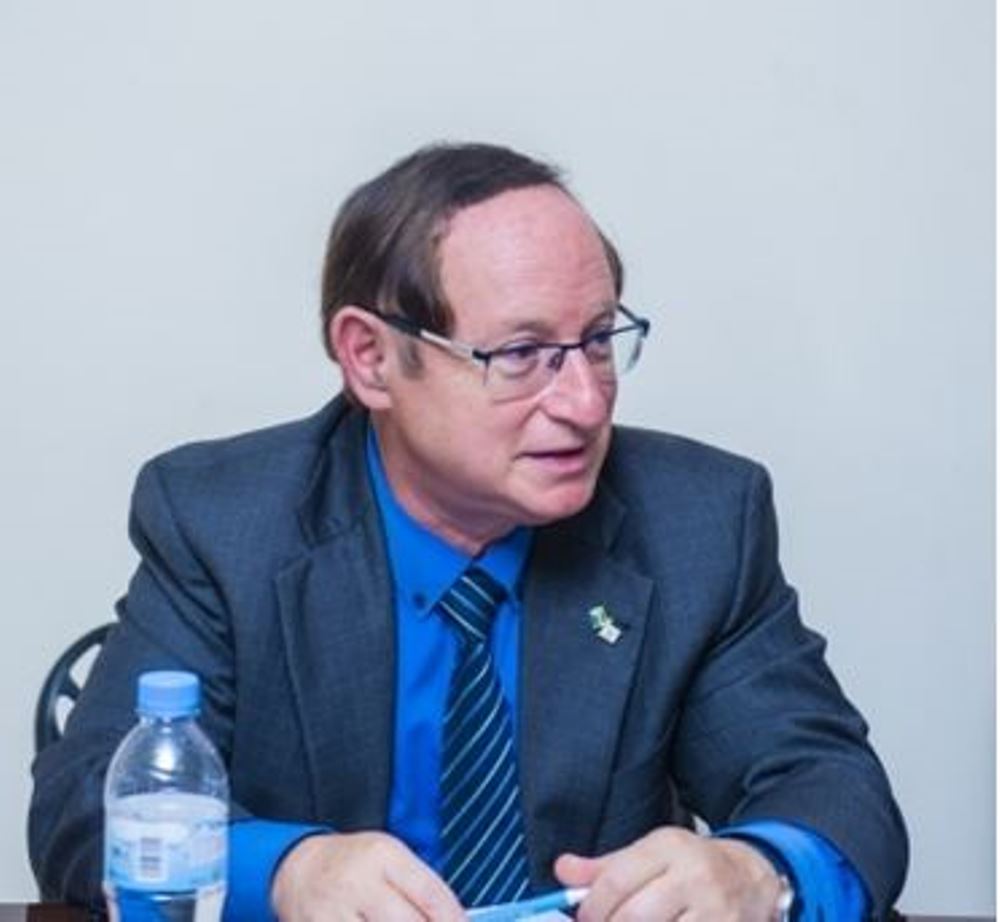
The lecture is the first of collaborations between the University and the Embassy of Israel in Rwanda; following a partnership agreement brokered between the Embassy led by the Ambassador of Israel to Rwanda, Dr. Ron Adam and UoK during the former’s visit to the University on 22nd March 2022. The lecture was well-attended by staff and students of UoK.
In his opening remarks; the Vice Chancellor of UoK, Professor Robert Rugimbana welcomed Prof. Porat and the entourage from the Embassy of Israel in Rwanda. He expressed his appreciation to Amb. Ron Adam and his team for giving students and staff of UoK the opportunity to glean valuable insights from the speaker’s rich knowledge in academia and genocide. According to him, such partnerships demonstrate the university’s commitment to providing holistic education to its students and staff.
The lecture began with a discussion of the racial theory and ideology in Europe and the rise of the Hitler-led Nazi Party in Germany to power in 1933. Prof. Porat subsequently touched on the obsessive and imaginary fear of the Jewish people as well as the implementation of plans against the Jewish population in Germany and beyond, following the outbreak of World War II in 1939; the German conquests; Limiting legislation, Identification and Isolation, Forced Immigration; Confinement in Ghettos and the Industrial Murder in Exterminations Camps.
Addressing the participants on ways to mitigate genocides and their impacts, the speaker emphasized the role of major institutions such as churches and schools in shaping young learners to grow up with a positive and ethical mindset which trusts and partners with other people or nations. On this, Prof. Porat commended Rwanda for becoming a centre for multi-national conventions through its membership with international bodies such as the East African Community (EAC) and Commonwealth.
Secondly, genocide-related topics can be incorporated in school curricula from basic levels such as kindergarten and discussed or portrayed in movies and other lifestyle activities highly patronized by the youth to sensitize them about the subject, as is the case in Israel. The lecture concluded with insightful questions from participants and answers from the speaker.
Admissions for the September Intake (2022/2023 Academic Year) in graduate, undergraduate and professional programmes are ongoing at both UoK Kigali and Musanze Campuses.
Apply online via: [{{mis.uok.ac.rw/apply}}->https://mis.uok.ac.rw/apply/] or call +250 788303386/ +250 788669642.
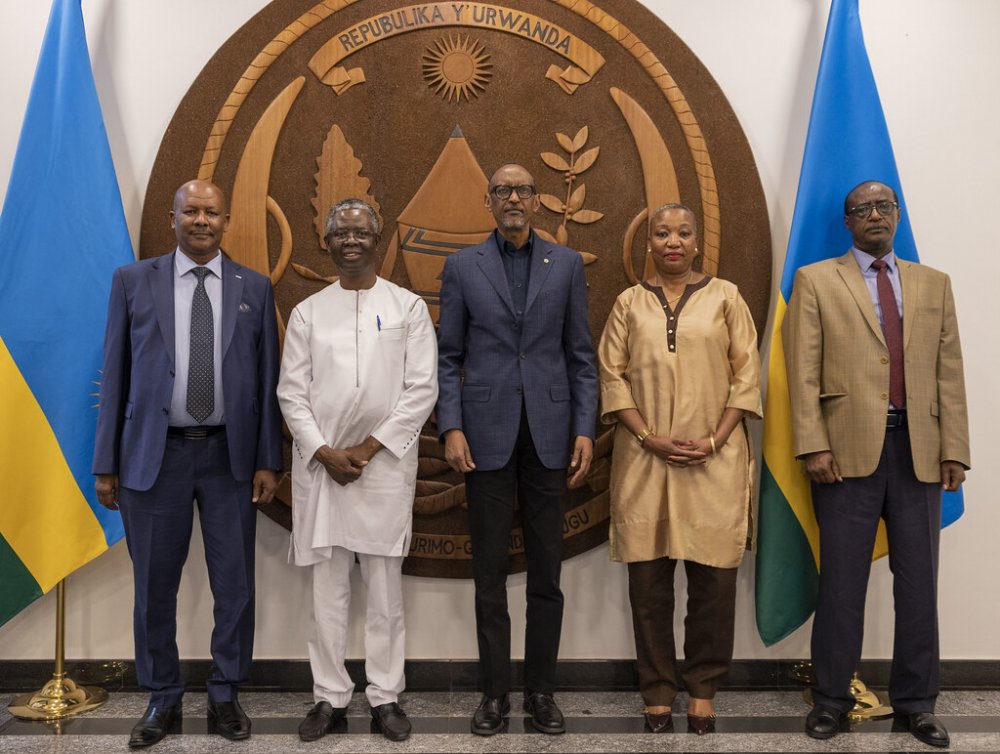
Rwanda’s Presidency has revealed that Ndiaye was received on Tuesday 5th July 2022.
The coordinator works with the government and representatives of UN agencies to fulfill its mission.
Fodé Ndiaye assumed the duties on 10th July 2017. Before, he had served as the Resident Representative of the United Nations Development Programme (UNDP) in Rwanda.
Prior to his appointment in Rwanda, Ndiaye served as the UN Resident Coordinator and Humanitarian Coordinator in Niger for five years.
He also held various positions at the United Nations Capital Development Fund including Head of the Regional Office for West and Central Africa.
Ndiaye holds a PhD in Economics which he obtained from Erasmus University Rotterdam in the Netherlands. He speaks Wolof language used in Senegal, Mauritania and Gambia as well as French and English.
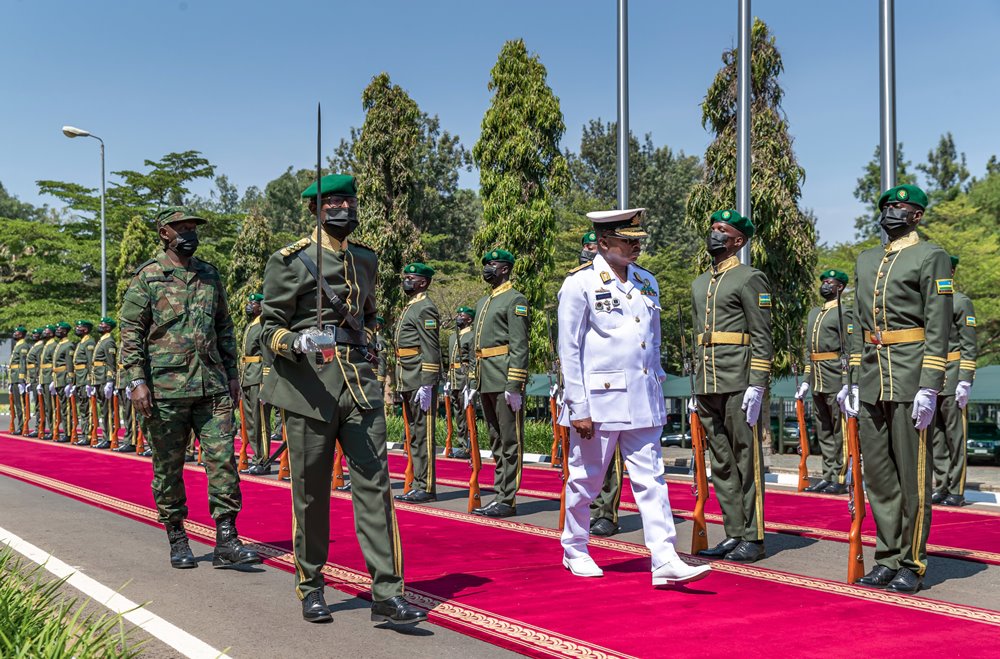
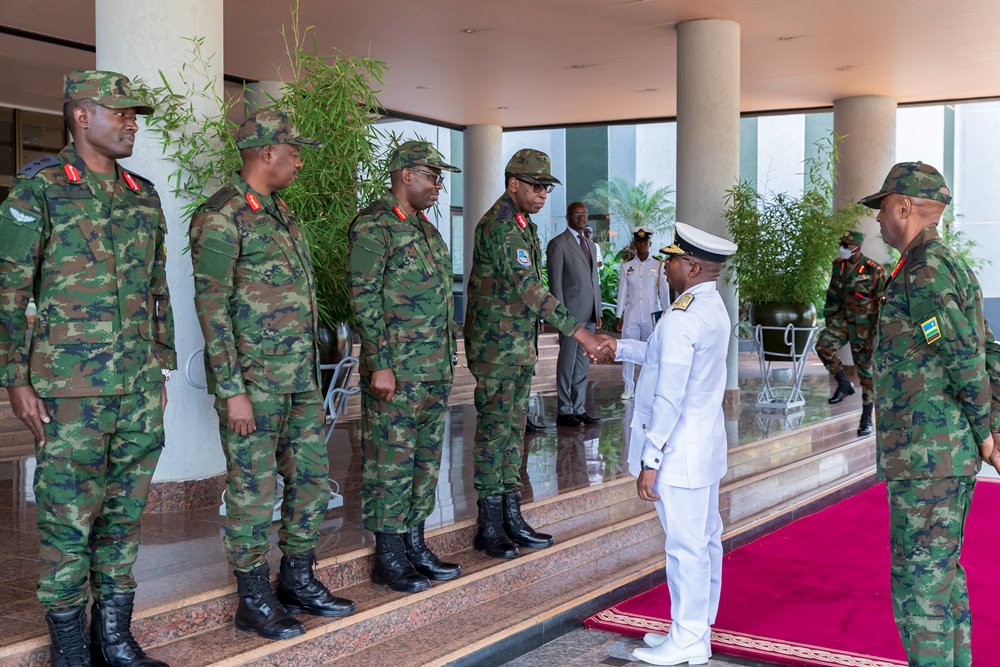
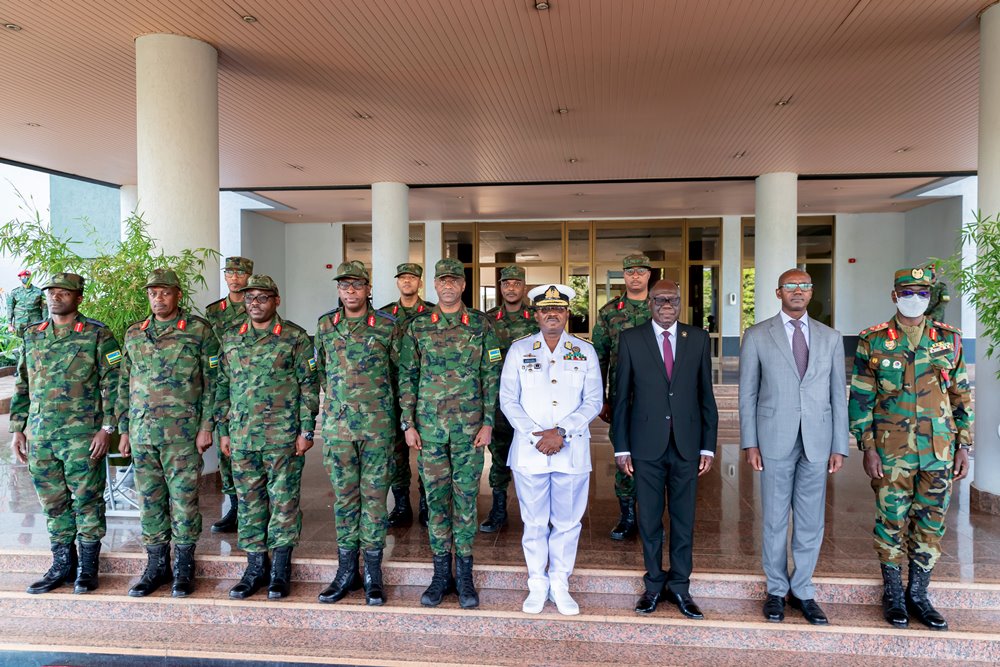
The Secretary General of National Intelligence and Security Services of Rwanda, Maj Gen Joseph Nzabamwita also accompanied the delegation on the visit held on Tuesday 5th July 2022.
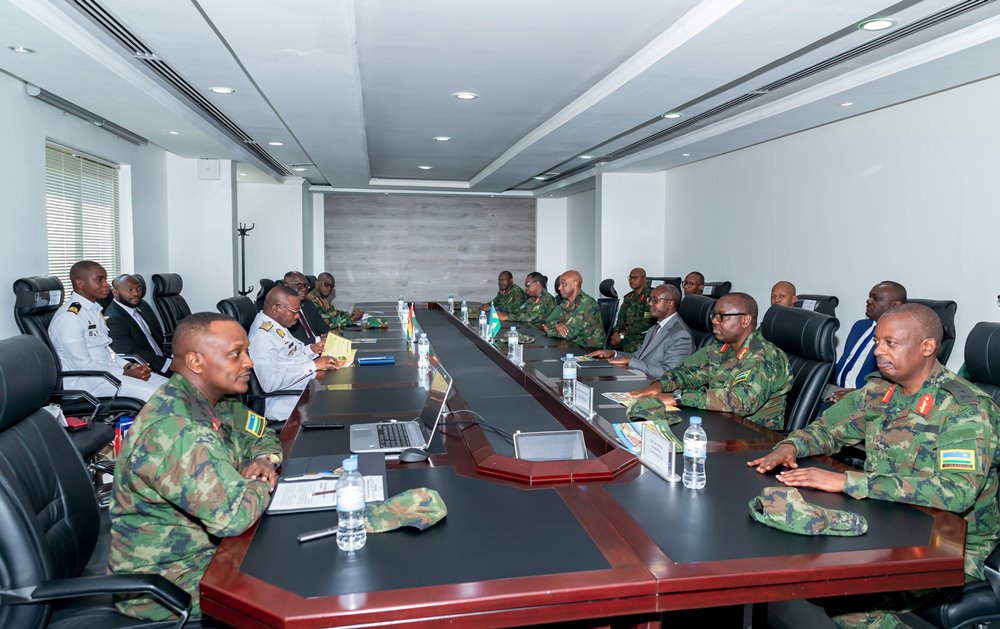
Both delegations held bilateral talks to further deepen the existing Defence and Security relations.
Speaking after the visit, Maj Gen (Rtd) Amanfo said that their discussions focused on strengthening the Security and Intelligence relationship between the two countries.
Among others, Vice Admiral Seth Amoama and his delegation paid respect to the victims of the 1994 Genocide against the Tutsi at the Kigali Genocide Memorial and visited the Campaign Against Genocide Museum.
Superintendent of Police (SP) Hamdun Twizeyimana, the Police spokesperson for the Eastern region, identified the suspected smugglers as Cyprien Bahire, 31, Emmanuel Ngabonzima, 31, Emmanuel Ndungutse, 32, Aminadab Iradukunda, 26, and Placide Uwiduhaye, 21.
They were arrested separately in Kigina and Nyamigari sectors, he added.
“Police, acting on a tip-off from residents, first arrested Iradukunda and Ndungutse in Kanogo village, Gatarama cell of Kigina sector, with two bales but they disclosed Bahire as the rightful owner. Bahire was also arrested,” SP Twizeyimana said.
Other bales were recovered from Ngabonziza and Uwiduhaye in Nyamigari.
SP Twizeyimana commended the role of communities living along the borderlines in fighting cross-border crimes such as smuggling and drug trafficking.
The suspects were handed over to RIB at Nyamugari station for further investigations.
In article 199 of the East African Community Management Act, which is also applicable in Rwanda, smuggled goods and automobile used in smuggling, are auctioned.
{{Tax fraud}}
A taxpayer, who commits fraud, is also subject to an administrative fine of one hundred percent (100%) of the evaded tax and a likely imprisonment of between six months and two years
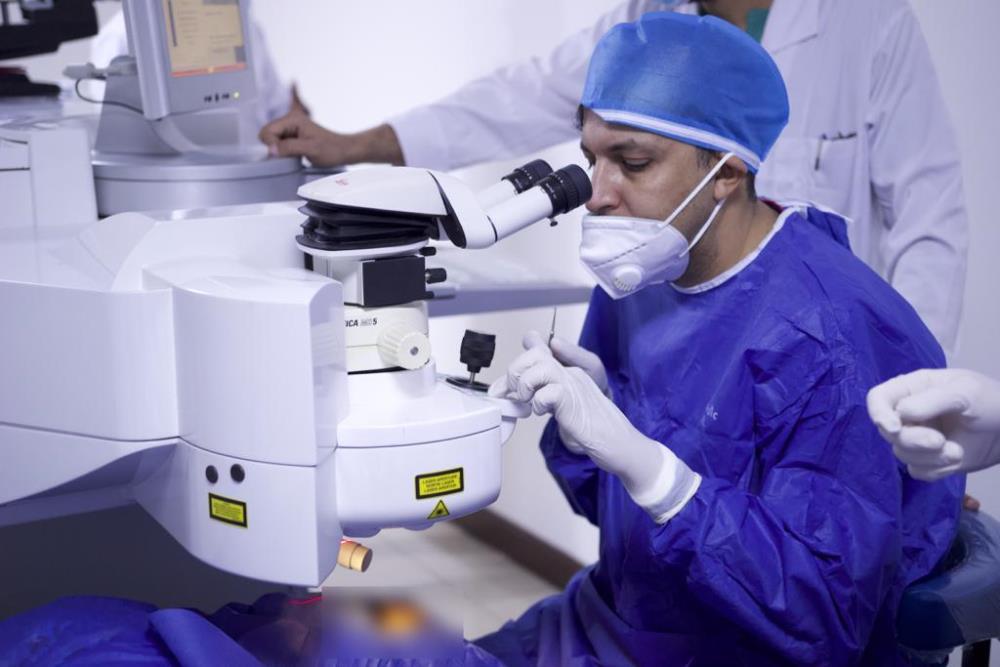
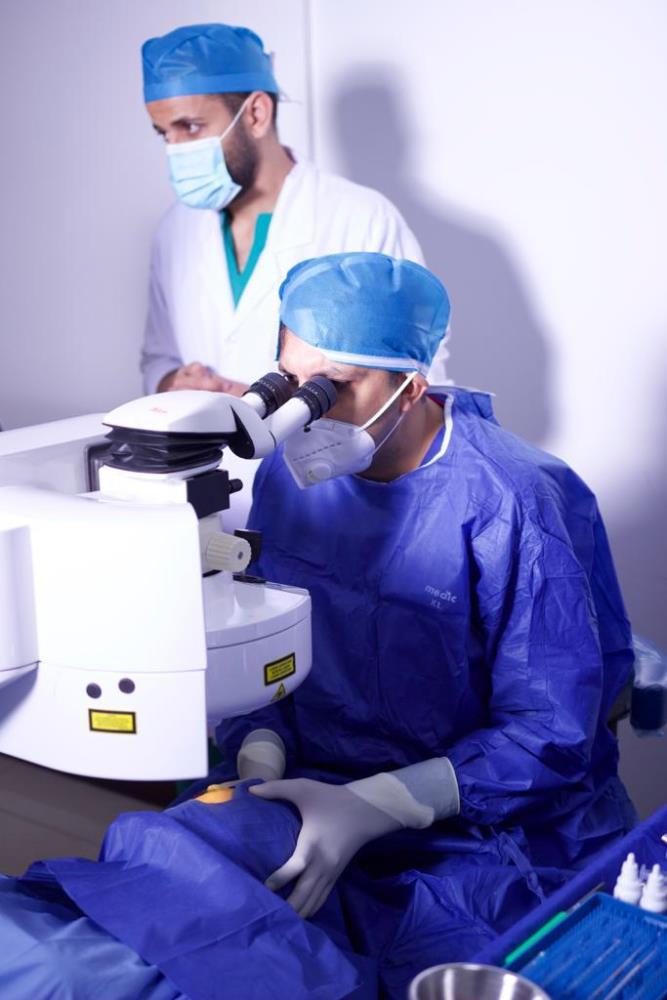
These include Pyramid Eye Center which has introduced advanced eye care services in Rwanda to help people to get rid of glasses.
Located in Kicukiro District of Kigali City, the facility conducts cornea transplant to treat some of the eye problems, hence helping people to continue their work without disruptions.
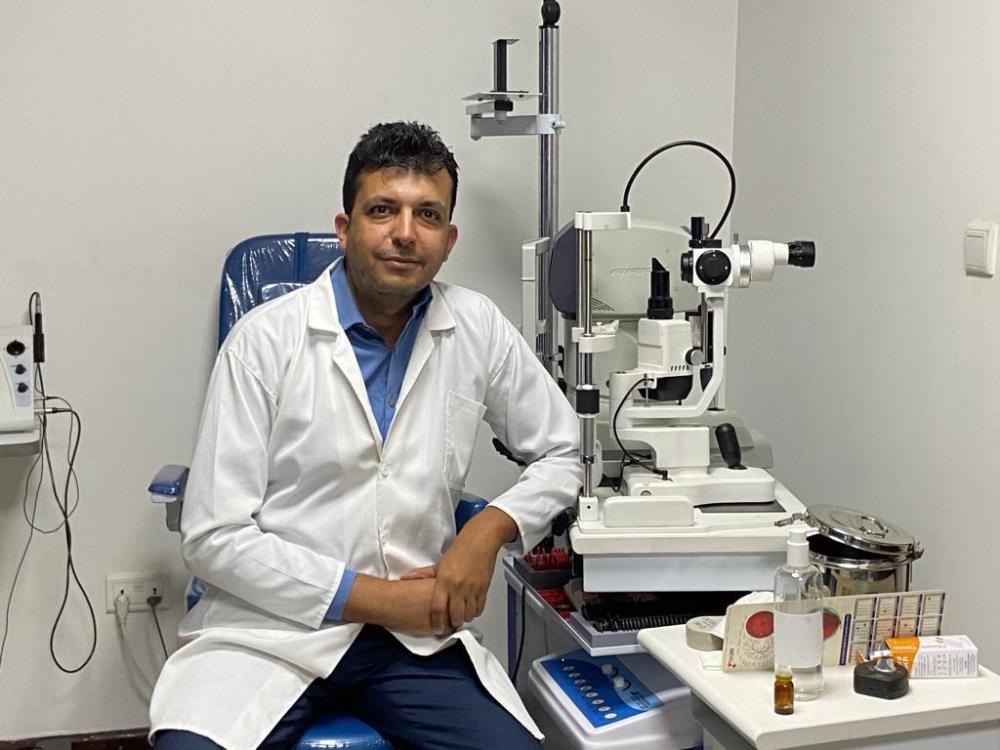
We have caught up with Ophthalmologists at Pyramid Eye Center who shed light on cornea conditions, cornea transplant and related conditions that can be treated among others.
{{Cornea transplant}}
A cornea transplant (keratoplasty) is a surgical procedure to replace part of your cornea with corneal tissue from a donor. A cornea is the transparent, dome-shaped surface of one’s eye. It’s where light enters your eye and is a large part of your eye’s ability to see clearly.
A cornea transplant can restore vision, reduce pain, and improve the appearance of a damaged or diseased cornea.
Also, most cornea transplant procedures are successful but carries a small risk of complications, such as rejection of the donor cornea.
{{Why it’s done}}
A cornea transplant is most often used to restore vision to a person with a damaged cornea. A cornea transplant can also relieve pain or other signs and symptoms associated with cornea diseases.
{{Below are a number of conditions that can be treated with a cornea transplant: }}
-* A cornea that bulges outward (keratoconus)
-* Fuchs’ dystrophy, a hereditary condition
-* Thinning or tearing of the cornea
-* Cornea scarring, caused by infection or injury
-* Swelling of the cornea
-* Corneal ulcers not responding to medical treatment
-* Complications caused by previous eye surgery
{{Keratoconus}}
Keratoconus (ker-uh-toe-KOH-nus) occurs when your cornea — the clear, dome-shaped front surface of your eye — thins and gradually bulges outward into a cone shape.
A cone-shaped cornea causes blurred vision and may cause sensitivity to light and glare. Keratoconus usually affects both eyes, though it often affects one eye more than the other. It generally begins to affect people between the ages of 10 and 25. The condition may progress slowly for 10 years or longer.
In the early stages of keratoconus, you might be able to correct vision problems with glasses or soft contact lenses. Later, you may have to be fitted with rigid, gas permeable contact lenses or other types of lenses, such as scleral lenses. If your condition progresses to an advanced stage, you may need a cornea transplant.
A new treatment called corneal collagen cross-linking may help to slow or stop keratoconus from progressing, possibly preventing the need for a future cornea transplant. This treatment may be offered in addition to the vision correction options above.
{{Symptoms}}
Signs and symptoms of keratoconus may change as the disease progresses.
{{They include:}}
-* Blurred or distorted vision
-* Increased sensitivity to bright light and glare, which can cause problems with night driving
-* A need for frequent changes in eyeglass prescriptions
-* Sudden worsening or clouding of vision
{{When to see a doctor}}
See your eye doctor (ophthalmologist or optometrist) if your eyesight is worsening rapidly, which might be caused by an irregular curvature of the eye (astigmatism).
He or she may also look for signs of keratoconus during routine eye exams.
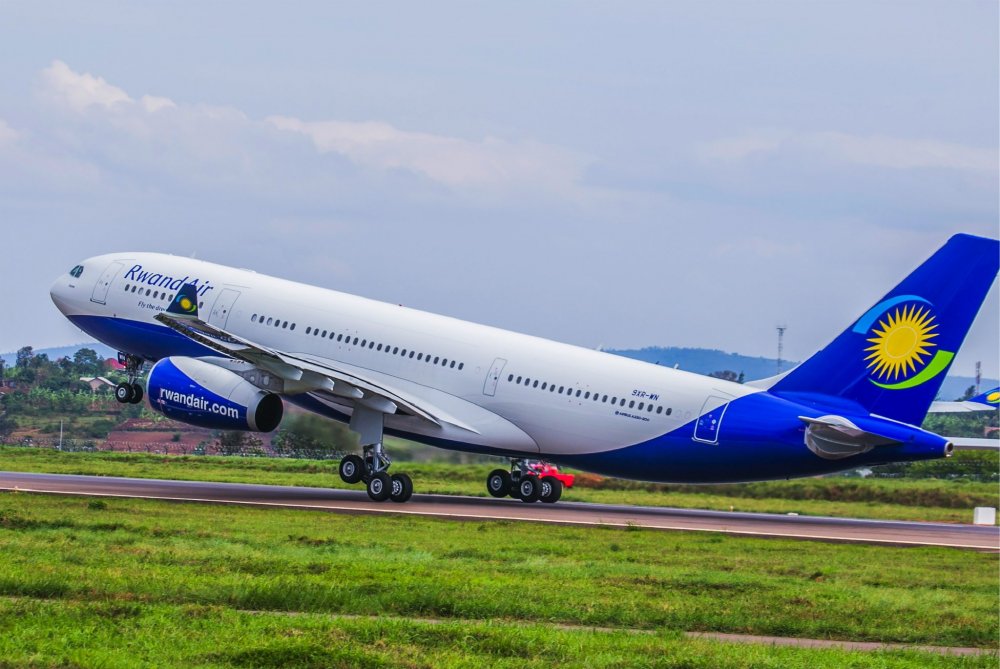
Rwanda’s High Commissioner to Mozambique, Amb. Claude Nikobisanzwe has revealed that the flights to be operated by RwandAir are expected to stimulate an increase in the volume of business between the two countries which have recently strengthened cooperation in the political and commercial areas.
The flights are expected to commence in the first week of August.
Currently, Mozambicans travelling to Rwanda are not required to present a visa while Rwandans are necessitated to do so.
According to Club of Mozambique, the envoy has said that Rwanda would also like to see entry into Mozambique for its citizens eased, particularly as Mozambicans do not need a visa to enter Rwanda.
“I would like to say that our Rwandan airline will start direct flights from Maputo to Kigali, which will boost the movement of people and goods and stimulate trade. In principle, it will be in the first week of August. Mozambicans who have a normal passport can travel without needing a visa. We are in discussions with our counterpart, to see if we cannot have the same facility for Rwandans,” Amb. Nikobisanzwe explained.
Rwanda and Mozambique have cooperation in different areas particularly in defence matters where Rwanda sent troops to fight terrorists in the country’s Cabo Delgado Province.
Both parties are undergoing discussions for the possibility to exchange goods through the port of Nacala.
“We believe that the port of Nacala, with its deep waters, can help in this cooperation. We believe that trade between African countries can generate employment for African peoples, particularly Mozambicans, and contribute to all countries’ economies,” said Amb. Nikobisanzwe.
Recently, a delegation of 120 Rwandan entrepreneurs attended the Mozambique-Rwanda Business Forum to tap investment opportunities in the country.
Under existing relations, Mozambique currently exports sugar, ores and other mining products to Rwanda, but both parties want to see an increase in exports.
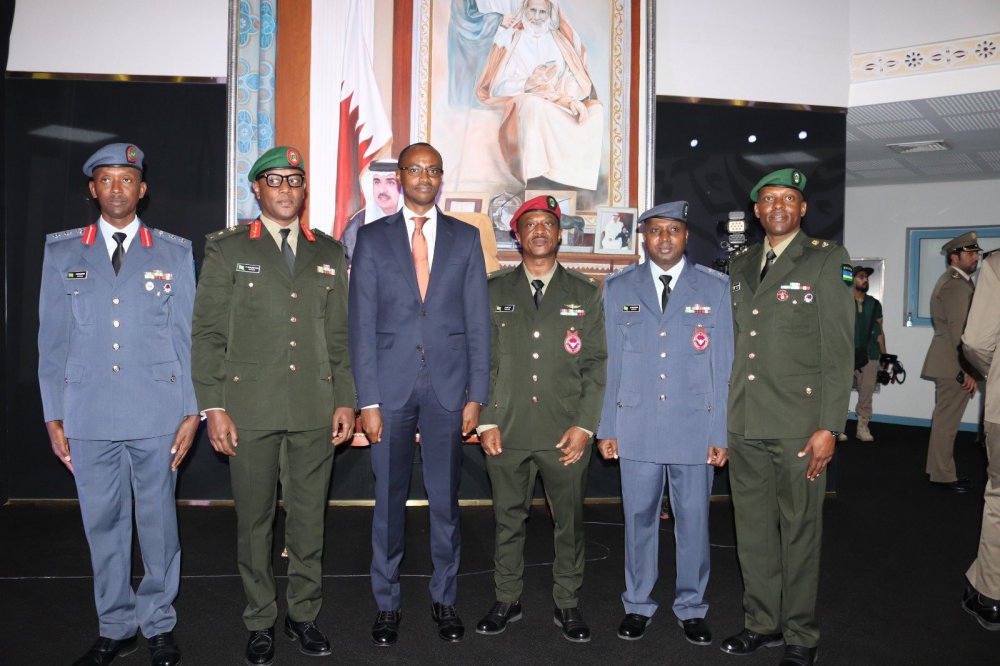
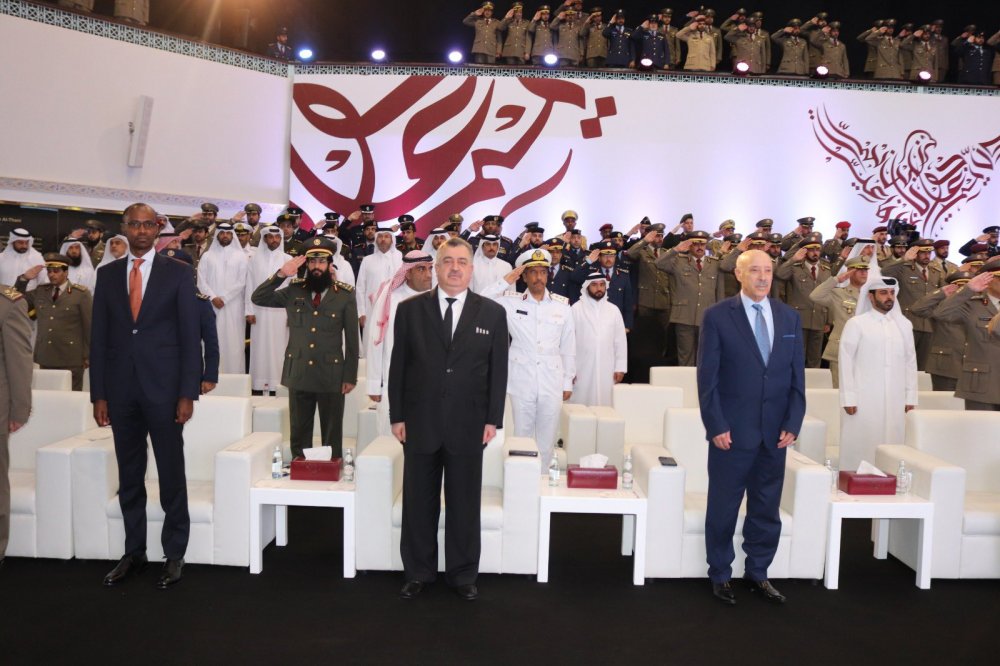
Lt Col Mbonimpa and Major Kalisa serve in the Air Force and Special Force regiments respectively.
The graduation ceremony took place on Monday 4th July 2022 at Joaan bin Jassim Academy for Defence Studies in Qatar and coincided with Rwanda’s Liberation Day.
Rwanda’s ambassador to Qatar, Igor Marara has via Twitter handle posted pictures of the two officers at a graduation ceremony.
Amb. Marara said that the ceremony is a new step ‘in the materialization of the strong military cooperation between Qatar and Rwanda’.
The ceremony was also attended by leaders in RDF including Brig Gen Patrick Karuretwa, the head of International Military Cooperation and Lt Col David Mutayomba, the Chief Instructor at Rwanda Military Academy.
Rwanda and Qatar enjoy cooperation in different areas including investment.
The Deputy Chief of Staff for Joint Operations of the Qatar Armed Forces, Maj Gen Ibrahim Juma Al-Malki Al-Jehani came to Rwanda last month for a three-day visit between 27th and 29th June 2022.
He was received by RDF Air Force Chief of Staff, Lt Gen Jean-Jacques Mupenzi and visited Rwanda Military Academy in Bugesera District.