Known for its commitment to quality, affordability and convenience, Simba Supermarket has established itself as one of Rwanda’s leading retail brands.
With 15 branches across the country, the retailer continues to provide customers with a wide selection of local and international products while expanding the way families experience its stores.
This holiday season, Simba is placing family experiences at the heart of its offering by bringing together shopping, dining and entertainment under one roof.
Complementing this experience, I&M Bank enables customers to pay quickly, securely and conveniently using a range of digital payment solutions. Whether shopping for groceries, enjoying a meal or paying for entertainment, customers can complete their transactions seamlessly, making every visit even more convenient.
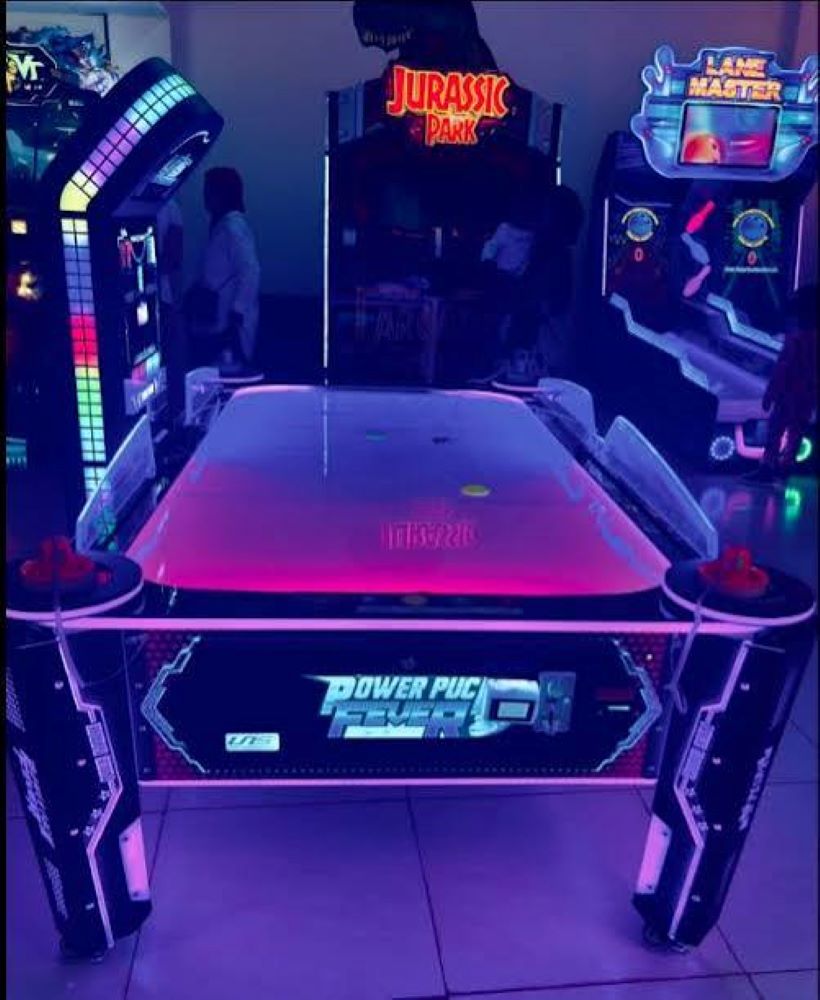
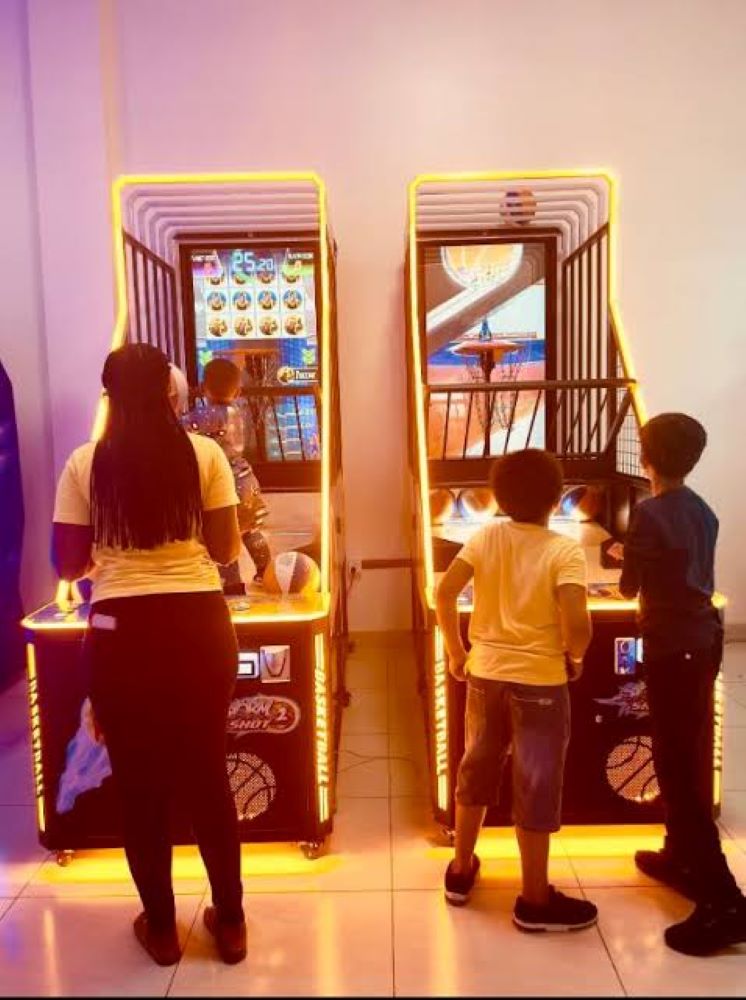
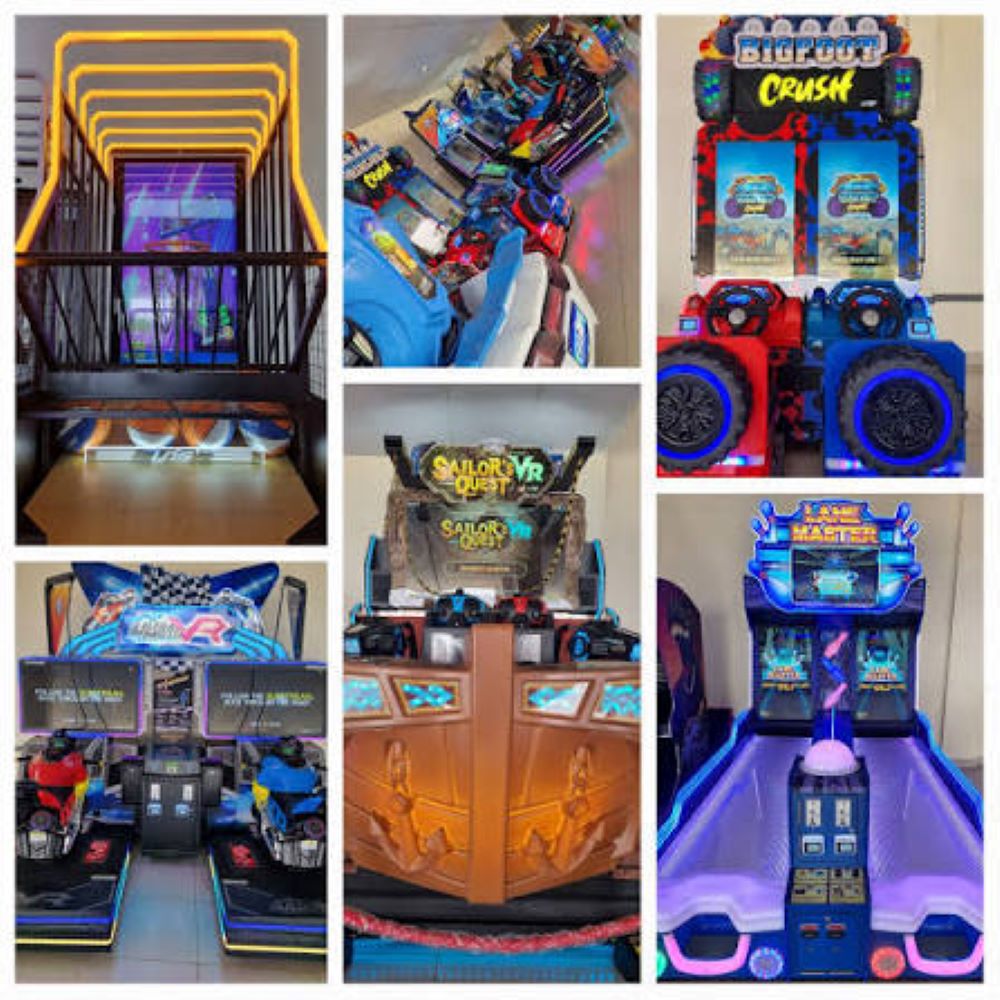
Beyond its retail shelves, visitors can enjoy an indoor entertainment centre at Simba Gacuriro featuring an arcade with a variety of games for children and adults, alongside immersive 3D and 5D cinema experiences. Designed to cater to different age groups, the facilities offer families an opportunity to spend quality time together in a safe and engaging environment.
Speaking about this year’s holiday experience, Simba Supermarket Managing Director Joseph Mutabazi said that this reflects the company’s commitment to continuously enhancing the customer experience.
“At Simba Supermarket, we believe every visit should be more than just a shopping trip. This holiday season, we are delighted to offer families an experience that brings together quality shopping, delicious dining and exciting entertainment for all ages.”
The experience extends to Simba’s in-store coffee shops, where families can enjoy freshly prepared meals, snacks and a selection of hot and cold beverages.
Whether taking a break after shopping or simply spending an afternoon together, the café complements Simba’s vision of creating a welcoming destination for every member of the family.
Through its partnership with Simba Supermarket, I&M Bank continues to support innovative payment solutions while empowering customers to enjoy fast, easy and convenient digital payments.
The collaboration reflects both organisations’ shared commitment to delivering seamless customer experiences that combine convenience, innovation and everyday value.
With many parents seeking meaningful activities during the school holidays, Simba Supermarket is positioning itself as a place where everyday errands can become memorable family outings.
By combining retail, dining and entertainment in a single location, supported by seamless digital payment solutions from I&M Bank, the supermarket offers visitors the convenience of accomplishing more in one trip while creating moments that children and parents can enjoy together.
As families look for places that offer both convenience and recreation during the holiday season, Simba Supermarket continues to strengthen its position as more than a retail destination.
Together with I&M Bank, it is delivering an experience that brings together quality shopping, hospitality, family entertainment and effortless payments—reflecting the evolving needs of today’s consumers, one visit at a time.
From classic favorites to interactive attractions, the arcade provides fun-filled experiences for adults and children of all ages this holiday seasonA family enjoys a friendly basketball challenge at Simba Supermarket’s family arcade, where every game adds to the holiday excitement.A selection of arcade games offers endless entertainment, making Simba Supermarket a go-to holiday destination for families.
The report, issued by NOAA’s National Centers for Environmental Information (NCEI), also found that both the Arctic and Antarctic recorded June sea ice extents ranking among their respective 10 lowest on record, while global tropical cyclone activity was above average.
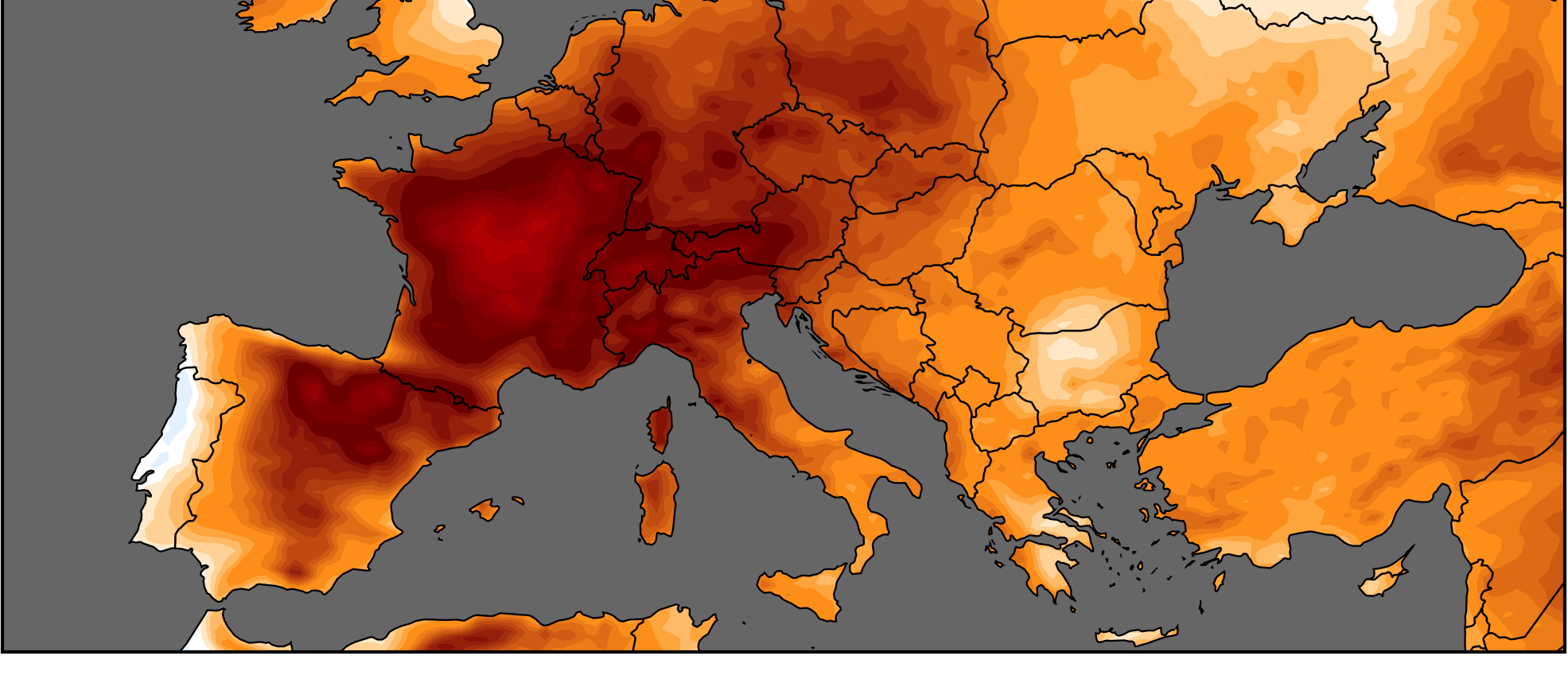
Global surface temperatures in June were 1.09 degrees Celsius above the 20th-century average, making it the second-warmest June on record, trailing only 2024, the report said.
Warmer-than-average conditions prevailed across much of the world during the month, with several continents and regions recording one of their 10 warmest Junes on record.
The report said global sea ice extent was the fourth smallest for June in the 48-year satellite record, covering 22.7 million square km, or about 2.02 million square kilometers less than the 1991-2020 average.
Looking at the year to date, the January-June global surface temperature was the third-highest on record. According to NCEI’s Global Annual Temperature Outlook, it is very likely that 2026 will rank among the five-warmest years on record.
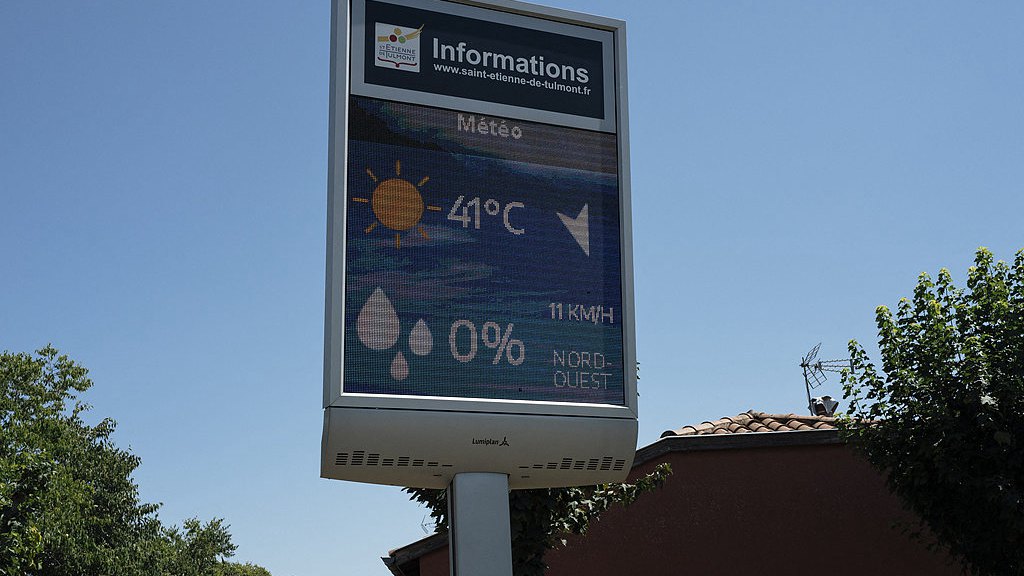
An illuminated sign reads 41 degrees Celsius at the entrance to a local village in the Tarn-et-Garonne department, Occitanie, France, July 9, 2026. /VCG
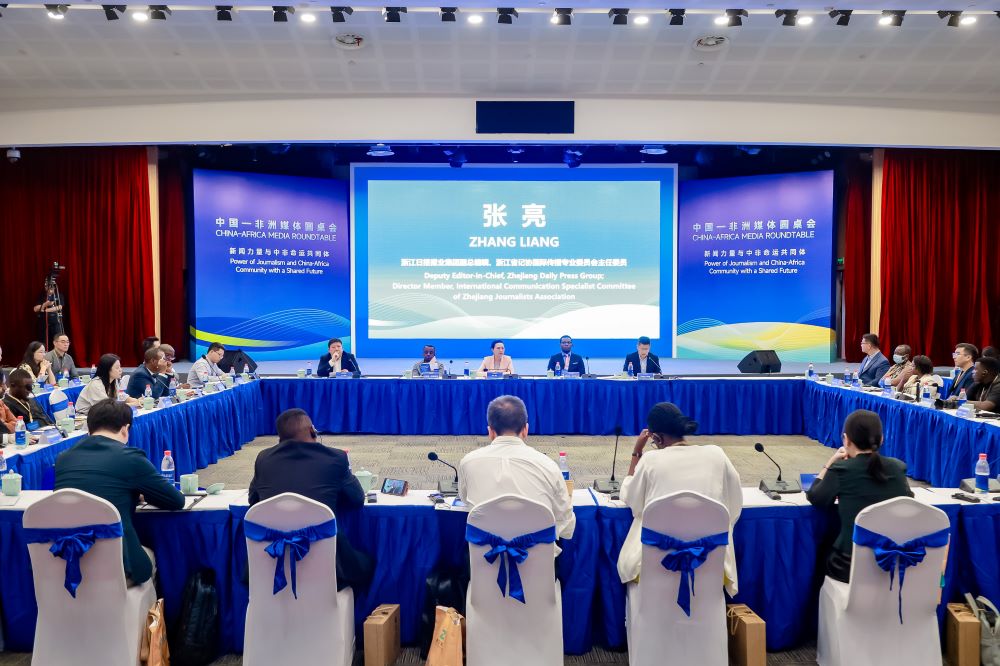
That question was at the heart of a recent roundtable held in Hangzhou, China’s Zhejiang Province, where journalists from Rwanda and Ethiopia joined Chinese media professionals and researchers to discuss the future of journalism and China–Africa cooperation in an AI-driven world.
Organized by the All-China Journalists Association under the theme “The Power of Journalism and the China–Africa Community with a Shared Future,” the discussions focused on a growing challenge facing both media and technology sectors; ensuring that artificial intelligence reflects the realities of Africa and China rather than reproducing incomplete or externally shaped narratives.
While participants touched on broader China–Africa cooperation, including trade and economic ties, the conversation quickly turned to a different kind of exchange—one involving data, knowledge, and representation.
This year marks a significant milestone in relations between China and Africa. Over the past decades, the partnership has demonstrated that sustainable development is not built on charity, but on mutual respect and equal cooperation.
Zhang Qiaowen, Deputy Director of the Institute of African Studies at Zhejiang Normal University, briefly highlighted the depth of China–Africa engagement, noting that Zhejiang accounts for around a quarter of China’s trade with Africa and hosts thousands of businesses involved in Africa-related commerce.
Under the framework of the Forum on China–Africa Cooperation (FOCAC), economic ties have evolved from a focus on aid and basic infrastructure to a more balanced model driven by trade and investment.
Trade between China and Africa has grown dramatically, rising from US$10 billion in 2000 to nearly US$350 billion today. Since 2009, China has remained Africa’s largest trading partner for 16 consecutive years and has also become one of the continent’s fastest-growing sources of investment, even as the global economy faces a growing wave of protectionism.
However, she stressed that the next stage of cooperation is not only about trade volumes but also about how African realities are understood and communicated.
“These are the real stories waiting to be told,” Zhang said, referring to the experiences of African businesses, farmers, entrepreneurs, and communities navigating a rapidly changing global environment.
Participants at the June 24, 2026, Hangzhou roundtable examined emerging AI tools such as Ubuntu AI and their role in improving knowledge exchange and narrative balance between Africa and China.
From trade partnership to knowledge partnership
That concern forms the foundation of Ubuntu AI, a platform introduced during the discussions as a new tool designed to improve how Africa-related knowledge is collected, interpreted, and shared.
Developed jointly by the Zhejiang International Communication Center (ZICC), Zhejiang Normal University’s Institute of African Studies, and other partners, Ubuntu AI is described as China’s first intelligent application dedicated to African studies and China–Africa knowledge exchange.
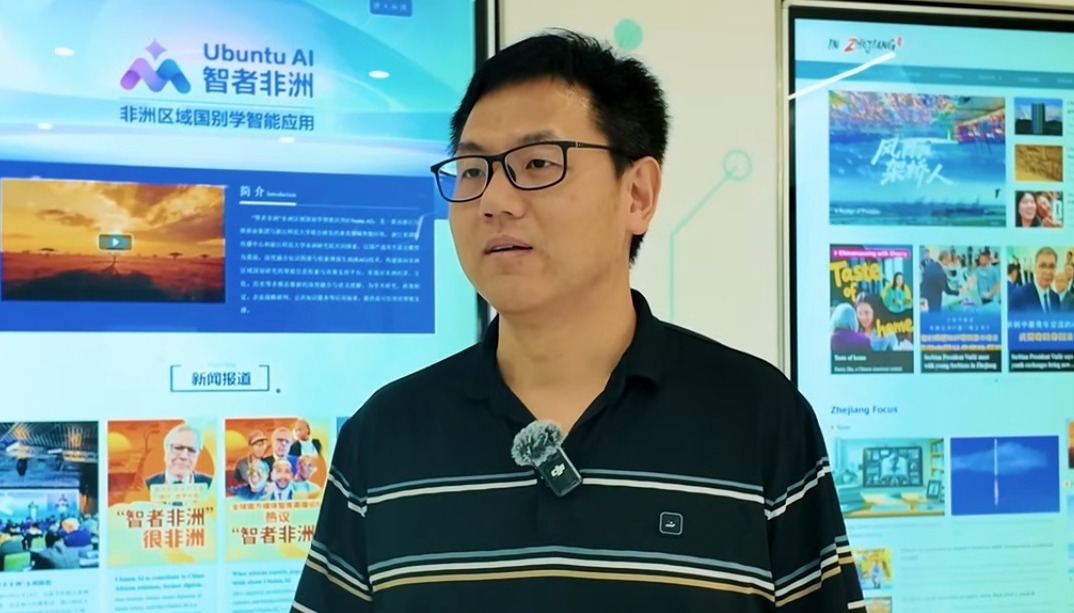
According to Yang Jidong, Director of the Converged Media Innovation Hub at Zhejiang Daily Press Group, the project emerged from a recognition that many existing large AI models are trained predominantly on Western datasets and information systems.
“The core point of this smart application is that many big models today are based on traditional or Western database training,” Yang explained.
Ubuntu AI seeks to address that imbalance by building a knowledge base rooted more directly in African realities, cultures, research, and experiences.
“The main purpose of Ubuntu is to train local African-related cultures,” Yang said, adding that the platform is designed to ensure that “our database can represent local African cultures.”
Unlike general-purpose AI systems that pull information from vast and often inconsistent online sources, Ubuntu AI relies on what Yang described as a “clean and authoritative database” specifically curated around African studies.
“Ubuntu AI is very different from traditional big models because big models are more susceptible to AI hallucinations,” he said.
AI hallucinations refer to instances where artificial intelligence systems generate information that appears credible but is inaccurate or entirely fabricated.
According to Yang, Ubuntu AI addresses this challenge through its underlying architecture, which combines specialized databases with Retrieval-Augmented Generation (RAG) technology. Rather than generating responses solely from a model’s internal training, the system first retrieves verified information from its knowledge base before producing an answer.
“This allows me to search for the information I want to understand from my clean database and then generate the corresponding answer through big models,” Yang explained.
For journalists covering Africa, he believes the implications are significant.
“When journalists are collecting data, they can get very authoritative and core information, which can help the media produce content,” he said.
Yang Jidong is the Director of the Converged Media Innovation Hub at Zhejiang Daily Press Group
Building an AI model rooted in African realities
The platform supports multiple languages and draws from a wide range of sources, including academic research, media archives, and policy materials. Its goal is not simply to provide information, but to improve context and accuracy in reporting and research.
For African journalists in particular, the initiative raises the prospect of having AI tools that better reflect local realities rather than relying exclusively on datasets developed elsewhere.
Yang argued that Ubuntu AI’s greatest strength lies not in the technology itself but in the quality of the knowledge that powers it.
“I think the core of Ubuntu AI is its database,” he said. “With the expansion of the database, Ubuntu’s ability will become stronger.”
He also emphasized that the project’s long-term success will depend on collaboration.
“I hope that Chinese research institutions, local African media, and database research institutions can work together to build this database,” Yang said.
Why Ubuntu AI could matter for the future of journalism
That vision aligns closely with the philosophy behind the platform’s name. Derived from the African concept of Ubuntu—often translated as “I am because we are”—the system is intended to function as a shared knowledge ecosystem rather than a one-sided technological product.
Participants at the roundtable repeatedly emphasized that despite advances in AI, journalism remains fundamentally a human profession.
Technology can assist with research, translation, analysis, and content production, but journalists remain responsible for verification, context, and ethical judgment.
As artificial intelligence becomes increasingly embedded in global information systems, initiatives such as Ubuntu AI reflect a growing effort to ensure that Africa is not merely represented in those systems but actively helps shape them.
For both Africa and China, the challenge ahead is not simply building smarter technologies. It is building technologies that understand people, cultures, and societies on their own terms.
And in an era where algorithms increasingly influence how the world sees itself, that may be one of the most important stories of all.
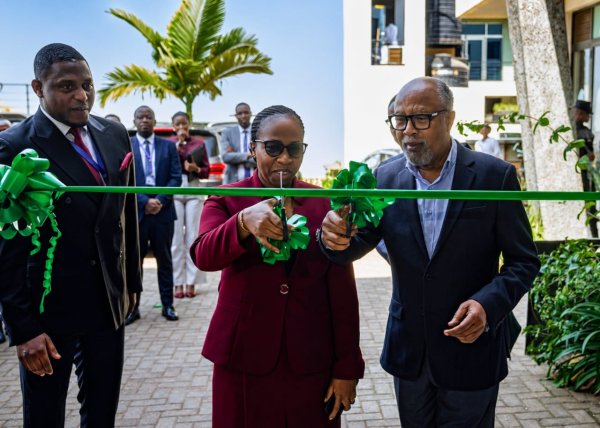
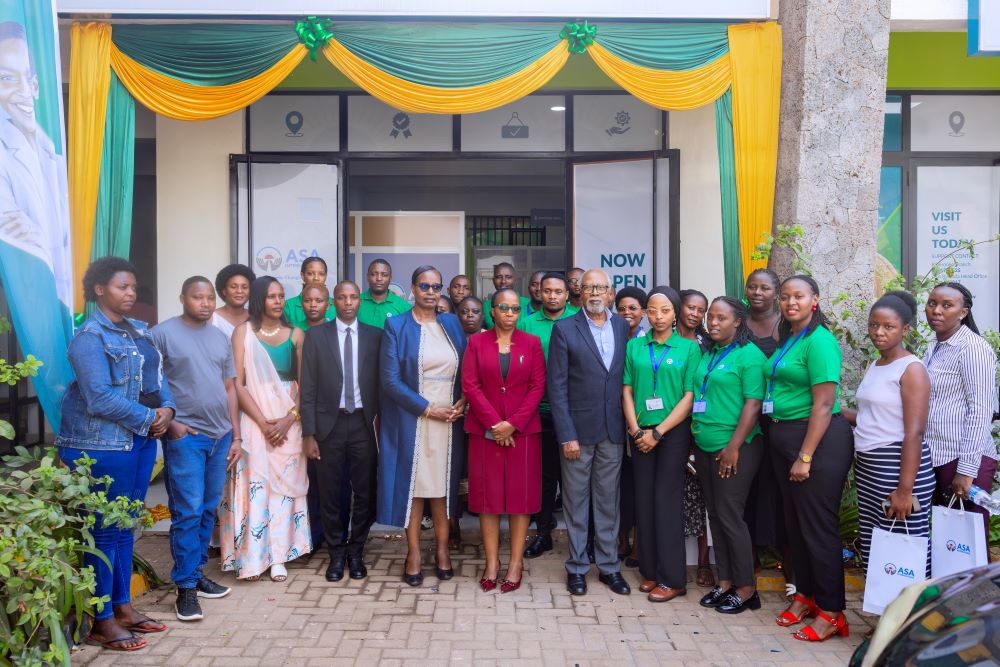
The new public deposit services were officially launched on June 30, 2026, at the company’s Kimironko and Kicukiro branches. The institution has announced plans to gradually roll out public deposit services across its remaining 35 branches nationwide, ensuring wider community access to formal financial services.
This milestone positions ASA International (Rwanda) Plc as a deposit-taking microfinance institution, expanding its role beyond small-loan lending to include secure savings and withdrawal services for customers across Rwanda. It marks a major step in the institution’s growth and transformation into a full-service financial provider, offering a broader range of financial services beyond credit alone.
BNR highlights trust, compliance and financial inclusion
Speaking during the launch ceremony held at Kimironko, Clarisse Mushimirwa, Director of Microfinance Supervision Department at the National Bank of Rwanda (BNR), commended ASA International (Rwanda) Plc for strengthening financial inclusion by bringing essential financial services closer to the public.
She encouraged financial institutions to maintain high standards of regulatory compliance, customer protection and good governance, emphasizing that public trust remains fundamental to building a strong and sustainable financial sector.
“Expanding access to financial services for everyone must be anchored in good governance, compliance with financial sector regulations, customer protection and the development of lasting trust between financial institutions and the public. These principles are the foundation of a sustainable financial sector and play a significant role in improving the livelihoods of Rwandans,” she said.
Customers welcome public deposit services
One of the institution’s customers, Florence Ingabire, shared how ASA International (Rwanda) Plc has transformed her life by supporting the growth of her grocery retail business. She explained that ASA was the first financial institution she had ever worked with and credited the company with giving her the confidence to take out a loan despite her initial fears.
“I was afraid of borrowing money, but ASA encouraged me and approved my first unsecured loan of Rwf300,000. Today, my loan portfolio has grown to Rwf4.5 million. That support has enabled me to expand my business and improve the living standards of my family,” she said.
Ingabire added that the newly introduced deposit services will help her manage her earnings more effectively, strengthen her savings culture and avoid unnecessary spending.
Leadership highlights milestone achievement
The Chief Executive Officer of ASA International Rwanda PLC, Christian Salifou, described the launch as a significant step in the company’s journey to becoming a fully integrated financial services provider.
“The money you save today helps build your future. Our responsibility is to continue providing customers with high-quality financial services driven by innovation while ensuring full compliance with regulations. As we help our customers expand their businesses and improve the well-being of their families, we also contribute to Rwanda’s economic development,” he said.
The Vice Chairperson of the Board of Directors of ASA International Rwanda PLC, Gerald Mpyisi, thanked the National Bank of Rwanda for granting the institution permission to offer deposit-taking services, describing the approval as a major milestone in expanding access to financial services.
“We previously operated solely as a lending institution, but we are now fully licensed to provide deposit, savings and withdrawal services. These services will enable our customers to grow their businesses, build their savings and improve their livelihoods. Our goal is to deliver professional financial services that empower citizens and support the country’s economic growth,” he said.
ASA International (Rwanda) Plc began operations in Rwanda in 2014 and has since expanded its presence to 37 branches nationwide. The institution currently serves more than 60,000 customers, including over 22,000 active borrowers.
With the introduction of public deposit services alongside its existing loan products, customers can now open accounts linked to their mobile phone numbers, enabling them to conveniently monitor their account activity wherever they are through the USSD platform by dialing *576#.
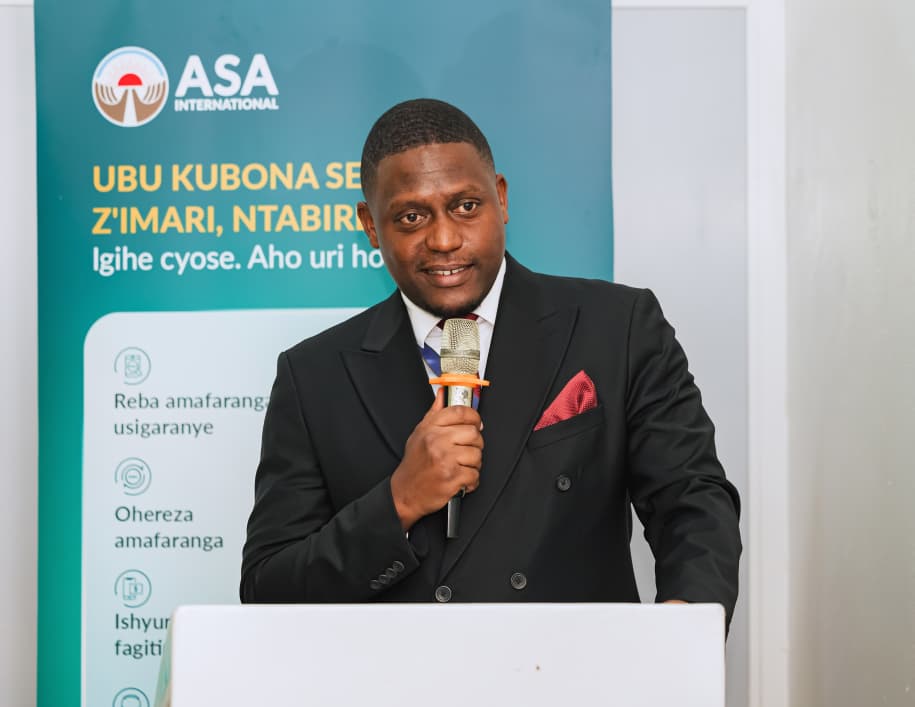
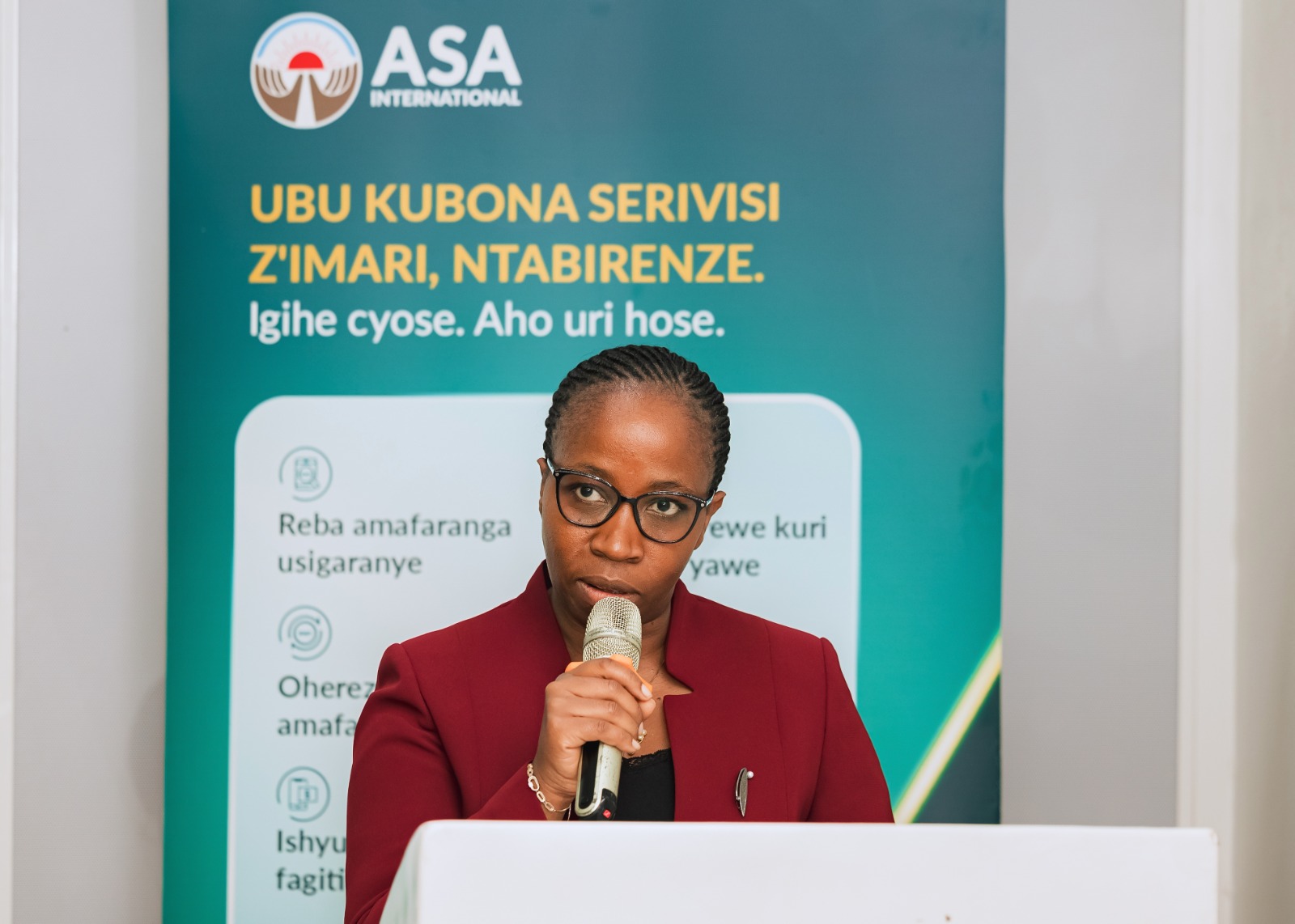
The Chief Executive Officer of ASA International Rwanda PLC, Christian Salifou speaking at the launch.Clarisse Mushimirwa, Director of Microfinance Supervision Department at the National Bank of Rwanda (BNR), commended ASA International (Rwanda) Plc for strengthening financial inclusion by bringing essential financial services closer to the public.Gilbert Ndagijimana, Chief Commercial Officer at ASA International Rwanda PLC, said the institution now allows customers to deposit funds, build their savings and make withdrawals through its newly launched banking services.Florence Ingabire, a customer of ASA International Rwanda PLC, said she was fortunate to receive an unsecured loan from the institution, which helped her grow her business.Gerard Mpyisi, Vice Chairperson of the Board of Directors of ASA International Rwanda PLC, expressed gratitude to the National Bank of Rwanda for granting the institution full authorization to operate.ASA International Rwanda PLC customers can now save and manage their money through the institution’s newly introduced savings services.
From generating content to analysing consumer data, AI is enabling businesses to work faster and more efficiently than ever before.
The technology has become an essential tool for marketers worldwide, helping simplify tasks, improve productivity and support better decision-making.
According to OpenAI, the company behind ChatGPT, the platform is now used by hundreds of millions of people globally, demonstrating how quickly AI has become part of everyday life.
However, as businesses increasingly embrace AI, experts warn that technology alone is no longer enough to create a competitive advantage.
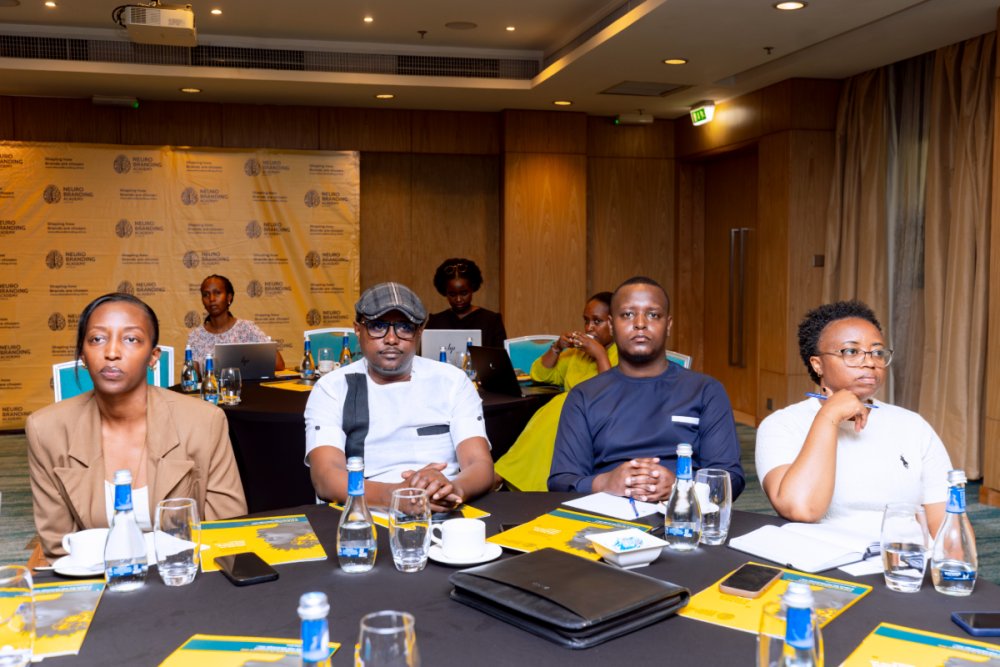
It is against this backdrop that NeuroBranding Academy Africa recently organised a sold-out Executive Masterclass in Kigali, bringing together marketing professionals, business leaders and communication experts to explore how neuroscience can help organisations better understand consumer behaviour and decision-making.
NeuroBranding strategist and Chief Executive Officer of NeuroBranding Academy Africa, Nurveen Ratty, said Artificial Intelligence has democratised content creation, allowing almost everyone to produce marketing messages quickly and at scale.
“The challenge today is no longer creating content,” Ratty said. “The challenge is creating content that people actually notice, remember and act upon.”
He explained that consumers are now exposed to thousands of marketing messages every day, forcing the brain to filter out most of what it sees.
“If everyone can produce content using the same AI tools, visibility becomes the real challenge. Businesses therefore need to understand not only what to communicate, but how the human brain processes information and ultimately makes decisions.”
Ratty noted that many organisations still believe that publishing more content automatically leads to better results.
“In reality, people are scrolling through thousands of messages every day. More content does not necessarily mean more impact. The brands that succeed are those that understand attention, emotion, trust and memory—the factors that influence decision-making long before a purchase is made.”
While AI continues to transform marketing, he stressed that it should be viewed as a powerful assistant rather than a replacement for human insight.
“AI can help us work faster, generate ideas and analyse data. But it cannot replace empathy, creativity or the psychology behind why people choose one brand over another. In the age of AI, understanding people is becoming the real competitive advantage.”
Among the participants was Sonia Umwali from the Marketing and Communications Department at the Rwanda Social Security Board (RSSB), who said the training complemented her existing knowledge by introducing practical ways of aligning communication with customer behaviour.
“We learned new approaches to marketing that go beyond what we were previously doing, focusing more on presenting information in a way that reflects how customers make decisions,” she said.
Jean Bosco Mugemangago, an employee at BPR Bank Rwanda Plc, said the masterclass highlighted the importance of balancing technology with human understanding.
“The training showed us that AI is a valuable tool, but lasting marketing success comes from understanding customers and responding to their real needs,” he said.
As Artificial Intelligence continues to reshape the marketing landscape, Ratty believes organisations that combine technological innovation with a deeper understanding of human behaviour will be better positioned to build stronger brands and long-term customer relationships.
NeuroBranding strategist and Chief Executive Officer of NeuroBranding Academy Africa, Nurveen Ratty, said Artificial Intelligence has democratised content creation, allowing almost everyone to produce marketing messages quickly and at scale. Participants said the training complemented her existing knowledge by introducing practical ways of aligning communication with customer behaviour.
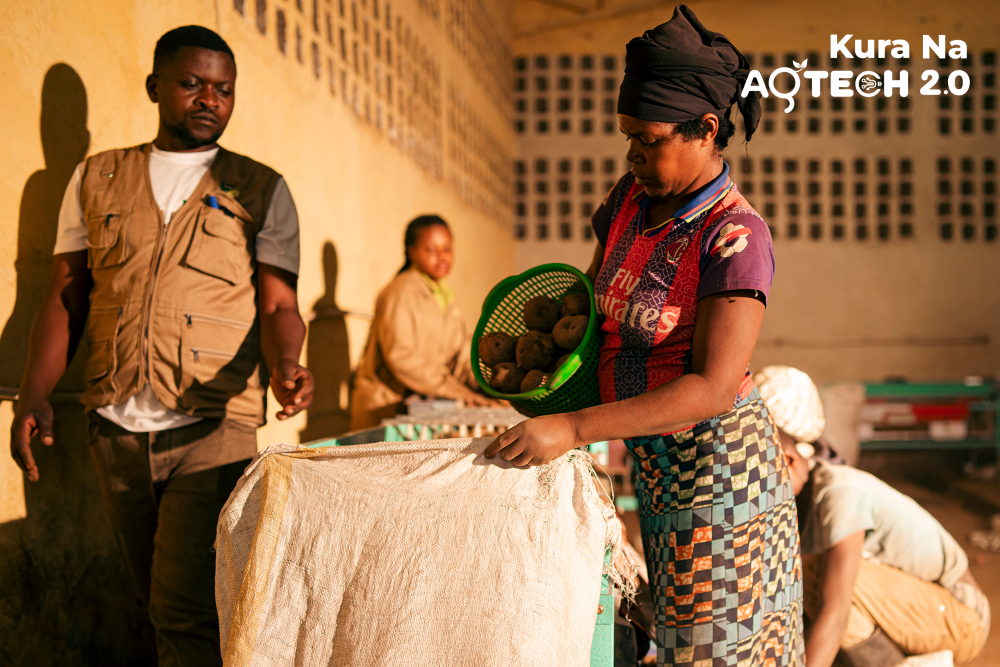
The program focuses on ventures that improve the livelihoods of smallholder farmers, especially women, youth, and persons with disabilities, through innovations addressing farm productivity, market access, financial inclusion, post-harvest losses, climate resilience, and regenerative agriculture.
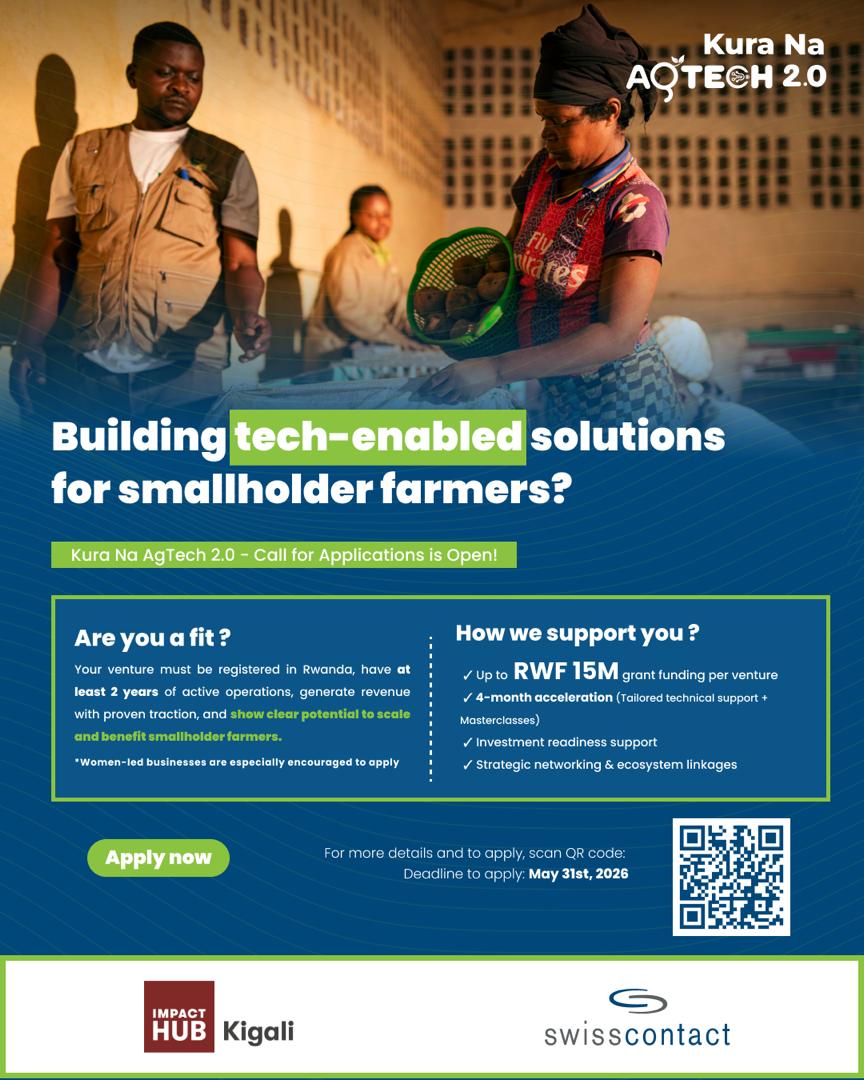
Four selected startups will receive up to Rwf 15,000,000 in milestone-based grant funding, along with up to 100 hours of technical assistance, coaching, cohort-wide masterclasses, and facilitated introductions to investors, cooperatives, development finance institutions, and commercial off-takers.
Applications are open to agritech startups and SMEs operating in Rwanda with at least two years of active operations, proven market traction, and technology-enabled solutions addressing challenges within the agricultural sector. Ventures must also demonstrate clear potential for scalability and measurable impact for smallholder farmers.
Commenting on the development, Fina Kayisanabo, Project Manager for AgroInnovation at Swisscontact highlighted that the second edition of Kura Na AgTech builds on the learnings from the first edition.
“Many promising agritech startups struggle to access the technical support, financing, and strategic networks needed to scale. Through this program, we are directly supporting entrepreneurs to strengthen and grow their solutions to reach more smallholder farmers, while also contributing to a stronger ecosystem by fostering strategic connections, collaboration, and linkages between ventures and key stakeholders,” she said.
Drawing from the experience of working closely with ventures in the first cohort, Mafer Betancourt, Director of Programs and Impact at Impact Hub Kigali, added: “Rwandan entrepreneurs are building strong agritech innovations with the potential to improve productivity, market access, financial inclusion and resilience for smallholder farmers.
“What is often missing is tailored support that helps these ventures refine their business models, strengthen operations,and scale sustainably, while delivering measurable impact. Kura Na AgTech offers customized acceleration support that respond to the specific needs of each venture, combining technical assistance, funding, and strategic connections.”
The selection process will include an open call for applications, pitch interviews for up to 10 shortlisted startups, and due diligence visits for the pre-selected ventures. Four startups will be selected to participate in the four-month acceleration phase running from June to October 2026.
Interested startups are encouraged to apply as soon as possible ahead of the application deadline on May 31, 2026.
Entrepreneurs interested in learning more about the program can also join the virtual information session scheduled for 19 May 2026, with details to be shared on Impact Hub Kigali social media platforms.
Swisscontact is an independent non-profit development organisation that promotes inclusive economic, social, and ecological development to foster sustainable prosperity and improve the living standards of people in developing and emerging economies.
Meanwhile, Impact Hub Kigali is an innovation hub that supports impact-driven entrepreneurs and innovators to start, grow, and scale sustainable ventures that drive economic growth while maximizing their positive impact. Through tailored incubation and acceleration programs, and ecosystem building initiatives, it provides technical support and resources, and facilitates connections to partners, investors, and the public sector.
Applications are open to agritech startups and SMEs operating in Rwanda with at least two years of active operations.
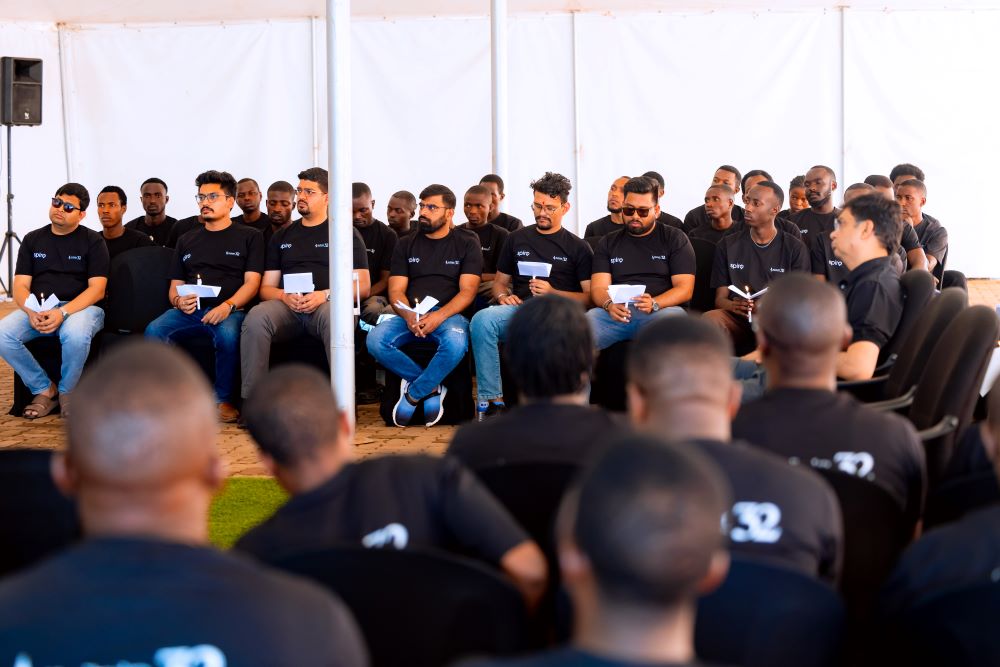
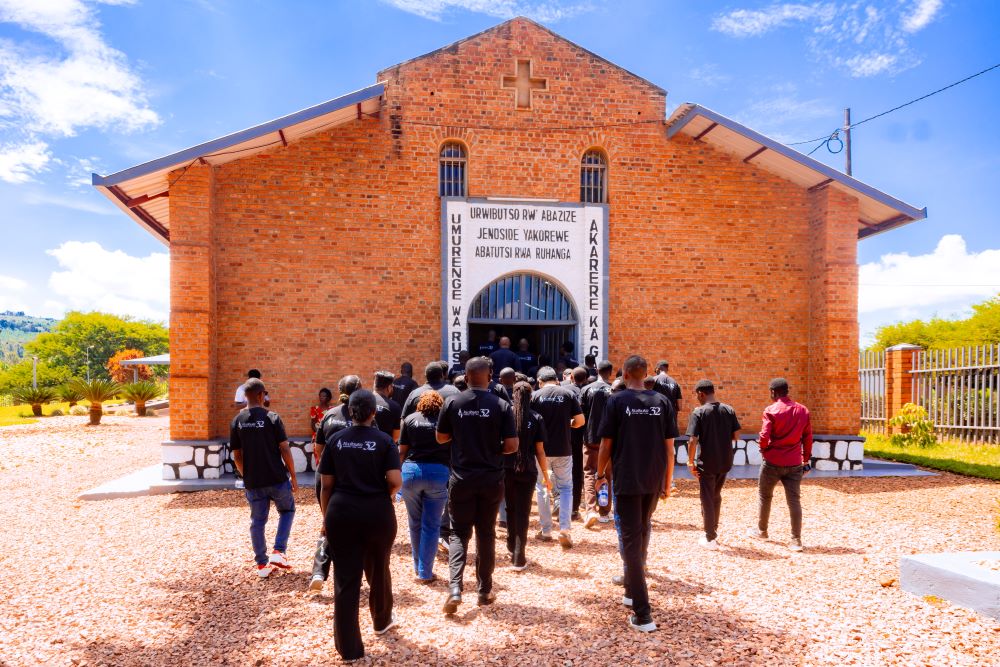
The visit took place on May 8, 2026, during which the staff were given detailed accounts of how the Genocide against the Tutsi was planned and executed under the former regime, as well as the country’s journey toward recovery and rebuilding.
They also laid wreaths at the mass graves where more than 37,890 victims of the Genocide against the Tutsi are buried at the Ruhanga Memorial site.
The Managing Director of Spiro Rwanda, Amit Chawla, said that although he is not Rwandan, the atrocities committed during the genocide deeply touched him. He praised the Government of National Unity, particularly the Inkotanyi, as well as the resilience and humanity demonstrated by Rwandans.
“When I look at the hard work, love and humanity that characterize the Rwandans we work with every day, and the continued progress of Rwanda, it clearly shows that you chose not to remain prisoners of history. Other countries can truly learn from your example,” he said.
Chawla encouraged young people to continue preserving the country’s history and strengthening unity to ensure such tragedies never happen again.
Karambizi Oleg Olivier, an official from Rwanda’s Ministry of National Unity and Civic Engagement responsible for strategies against genocide denial and minimization, commended Spiro Rwanda employees for supporting genocide survivors. He urged especially the youth to develop a deeper understanding of Rwanda’s history so they can help educate others.
“It is your responsibility to know Rwanda’s history because, although the Genocide was stopped by the Inkotanyi, its ideology continues to spread even today,” he said.
“Young people must stand against those who continue to spread genocide ideology, particularly through social media platforms such as Facebook, X, YouTube and others. This should become part of your values and patriotism.”
Karambizi noted that many young people killed during the Genocide against the Tutsi had dreams and ambitions they never had the opportunity to fulfill. He cautioned the youth against being influenced by individuals who use social media to downplay or deny the genocide.
As part of the visit, Spiro Rwanda’s management also provided support to the Ruhanga Genocide Memorial and assisted genocide survivors by renovating two homes.
Staff members of Spiro Rwanda laid flowers at Ruhanga Genocide Memorial in honor of victims of the 1994 Genocide against the Tutsi.Spiro Rwanda Managing Director Amit Chawla praised Rwanda’s resilience and unity during a visit to the Ruhanga Genocide Memorial.Karambizi Oleg Olivier, an official from Rwanda’s Ministry of National Unity and Civic Engagement commended Spiro Rwanda employees for supporting genocide survivors. Spiro Rwanda employees visited the Ruhanga Genocide Memorial, where they learned about Rwanda’s history and journey of recovery.Spiro Rwanda staff visited the memorial and reaffirmed commitment to uphold history.
The event brought together an array of fashion icons, celebrities, and performers, each showcasing their interpretation of the theme through breathtaking outfits and artistic expressions.
Upon entering the museum, the atmosphere quickly shifted from a glamorous red carpet moment to a relaxed and intimate gathering.
Celebrities mingled in the grand hallways, enjoying each other’s company while soaking in the stunning fashion displays. This year’s gala wasn’t just about eye-catching outfits; it was about bringing the world of high fashion and art together in a way that felt both exclusive and personal.
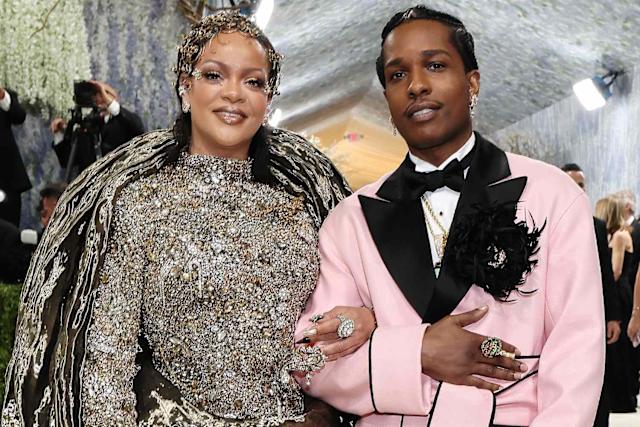
As the night unfolded, guests like Rihanna and A$AP Rocky were spotted enjoying sweet moments together. The couple, always known for their style, looked effortlessly chic and at ease, offering a glimpse of the real, unpolished side of the Met Gala.
Other celebrities, such as Zendaya and Bella Hadid, shared candid laughs and posed for playful behind-the-scenes photos. These moments helped to highlight a different side of the event, one that was far from the traditional, polished public images we usually see on the red carpet.
In addition to the fashion, the performances were a highlight of the night. Sabrina Carpenter and Stevie Nicks provided entertainment, while stars like Tate McRae and Rosé danced and enjoyed the atmosphere. The gala was a fusion of creativity, where fashion met music and art, creating an electric energy throughout the night.
One of the most memorable aspects of the event was how it reflected the theme of Costume Art. Celebrities didn’t just wear clothes; they brought art to life.
From show-stopping gowns to avant-garde designs, the looks were a tribute to the power of fashion as a form of self-expression. The gala was a reminder that fashion isn’t just about following trends; it’s about creating something meaningful and beautiful that tells a story.
The 2026 Met Gala was an unforgettable celebration of art, culture, and creativity. Behind the glitz and glamour, it was a night full of genuine connections and a testament to the lasting impact of fashion on cultural landscape.
It was a night of creative expression as celebrities brought art to life on the Met Gala red carpet.From bold designs to artistic expressions, the 2026 Met Gala redefined fashion as art.From bold designs to artistic expressions, the 2026 Met Gala redefined fashion as art.
The visit, which took place on April 30, 2026, offered employees an in-depth understanding of Rwanda’s history, particularly the planning and execution of the 1994 Genocide against the Tutsi.
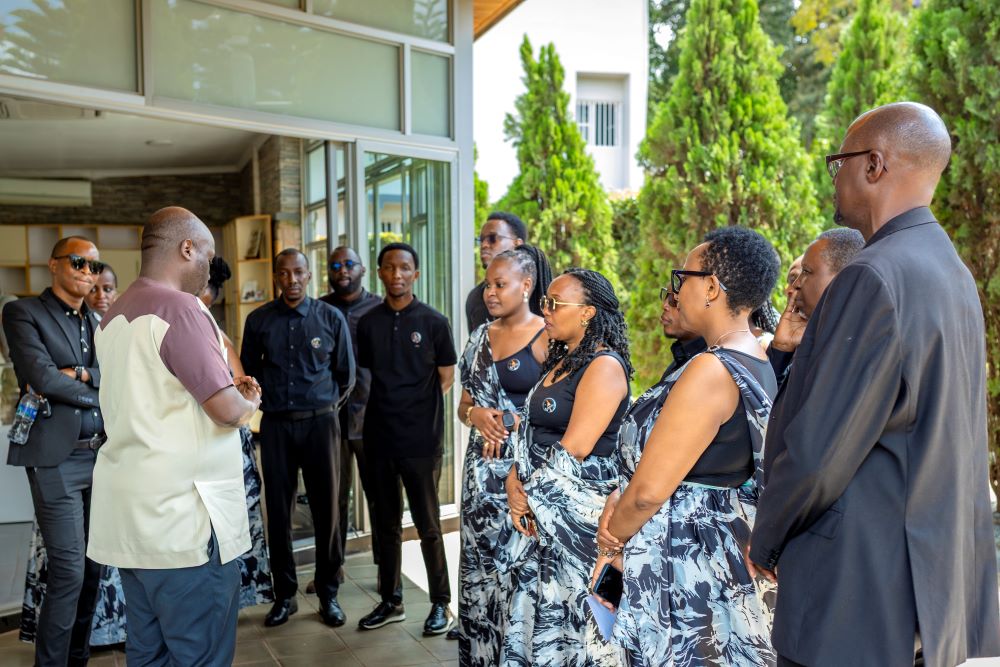
During the tour, they explored different sections of the memorial and gained insight into the events that led to one of the darkest chapters in the nation’s history.
The Genocide against the Tutsi claimed the lives of more than one million people in just 100 days before it was halted by the Rwanda Patriotic Army (RPA).
As part of the visit, the employees also learned about Rwanda’s journey of recovery and reconstruction in the years that followed.
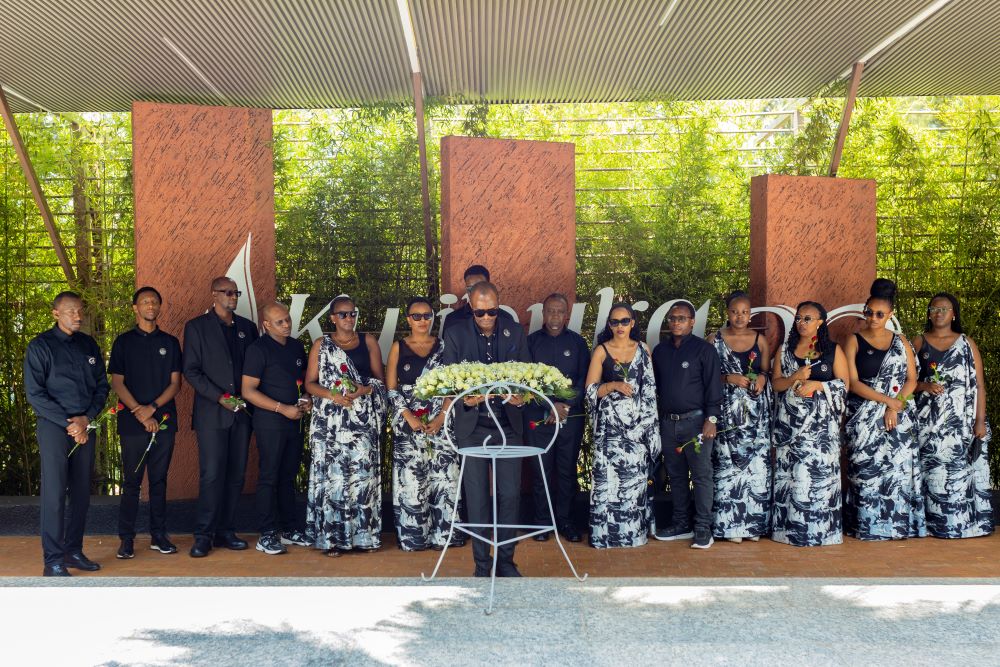
They paid tribute to the victims by laying wreaths at mass graves where over 250,000 victims are laid to rest at the memorial.
Q-Sourcing Servtec Country Manager Martin Rushema Mugisha said the visit serves as a reminder of their responsibility to preserve the accuracy of Rwanda’s history as a nation.
“I strongly believe that the private sector especially Q-sourcing ServTec Rwanda has to play a big role in transmitting the same message to future generations and stakeholders, that Genocide against the Tutsi will never happen again” he said.
He reminded Q-Sourcing Servtec staff, especially the youth, of the importance of learning their history by visiting memorials to deepen their understanding. He urged young people to verify information from credible sources and avoid being misled by those who distort Rwanda’s history.
Q-Sourcing Servtec Rwanda currently employs more than 300 people across different parts of the country.
Staff from Q-Sourcing Servtec Rwanda laid wreaths at mass graves at Kigali Genocide Memorial, paying tribute to victims of the 1994 Genocide against the Tutsi.During a guided tour of the Kigali Genocide Memorial, employees of Q-Sourcing Servtec Rwanda learnt about the events that led to the Genocide against the Tutsi.Q-Sourcing Servtec Rwanda employees observed a moment of silence to honour victims of Genocide against the Tutsi. Employees from Q-Sourcing Servtec Rwanda visited Kigali Genocide Memorial where they reaffirmed commitment to preserving Rwanda’s history.Q-Sourcing Servtec Rwanda staff gather at Kigali Genocide Memorial during a visit aimed at promoting historical awareness and responsibility among employees.
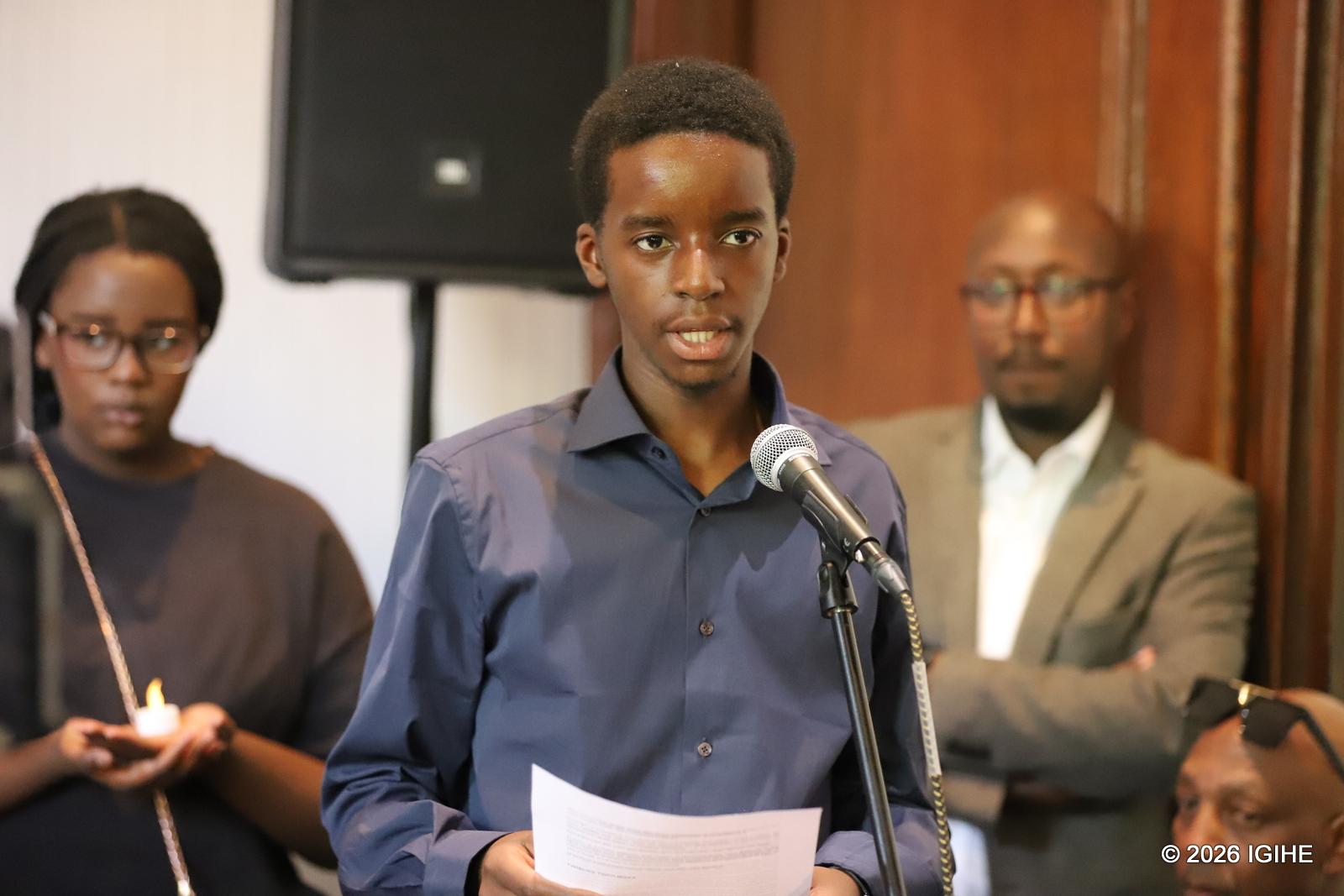
In front of survivors and the authorities of the City of Namur present on the occasion, the child spoke with remarkable sincerity and depth.
“I stand before you in memory of our loved ones who were killed in Rwanda during the 1994 Genocide against the Tutsi,” he stated at the outset, honoring those who lost their lives during the Genocide against the Tutsi.
In a speech filled with emotion, he spoke about shattered lives: men, women, and children—each with dreams, families, and unique stories. He reminded the audience that behind every victim was a life, a smile, a hope.
The young speaker also highlighted the enduring reality of grief. “This pain is not always visible. It is silent, but it is there,” he said, emphasizing the living memory carried by families and survivors.
Beyond remembrance, his message carried hope. He called for memory to become a foundation for building a better future: “Their memory can help us build something more just, more humane.”
Aware of his young age, he added with humility: “I cannot change what happened, but I can learn, remember, and believe in a different future, a future without violence where children grow up in safety and where solidarity prevails over hatred.”
Thirty-two years later, his speech reminded everyone of the importance of never forgetting, while holding on to a light of hope.
“Even after the darkest moments, it is possible to rebuild, to rise again, and to move forward together,” he stressed.
Finally, he expressed his gratitude for the efforts of reconstruction, remembrance, and reconciliation undertaken by the Rwandan government, noting that a future based on peace and dignity remains possible.
Through his simple yet powerful words, Christian Cyusa delivered a striking testimony, embodying both memory and hope for future generations.
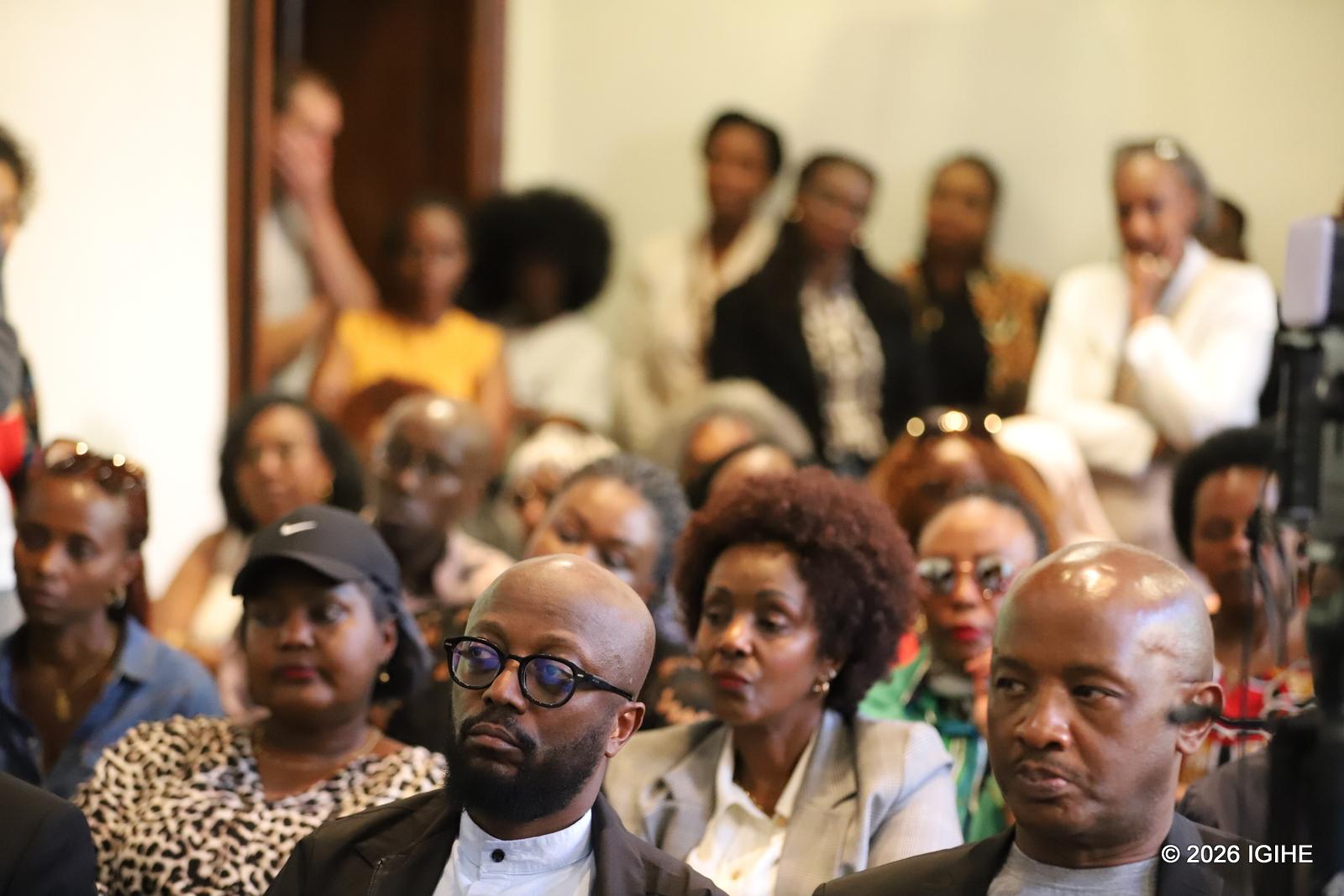
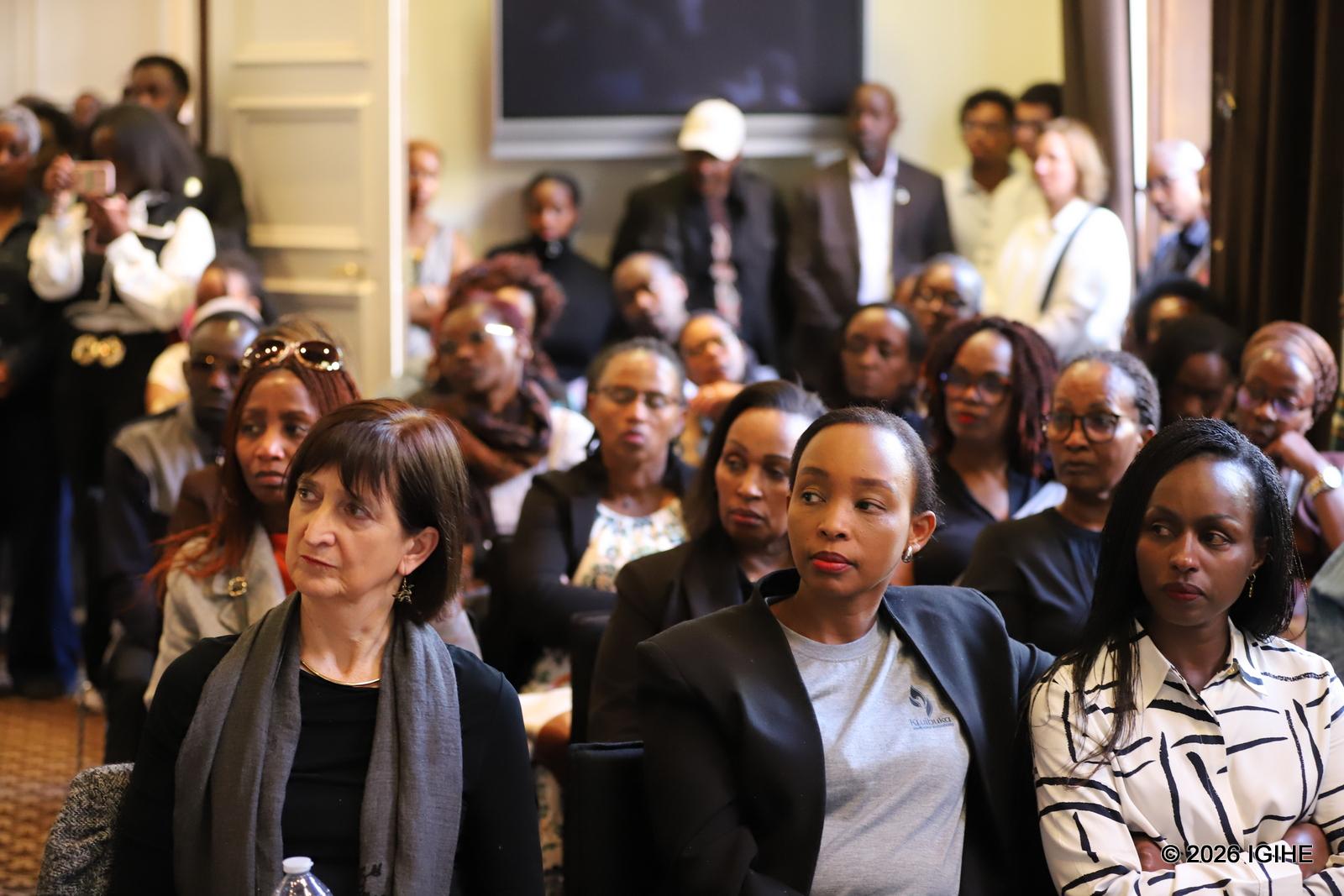
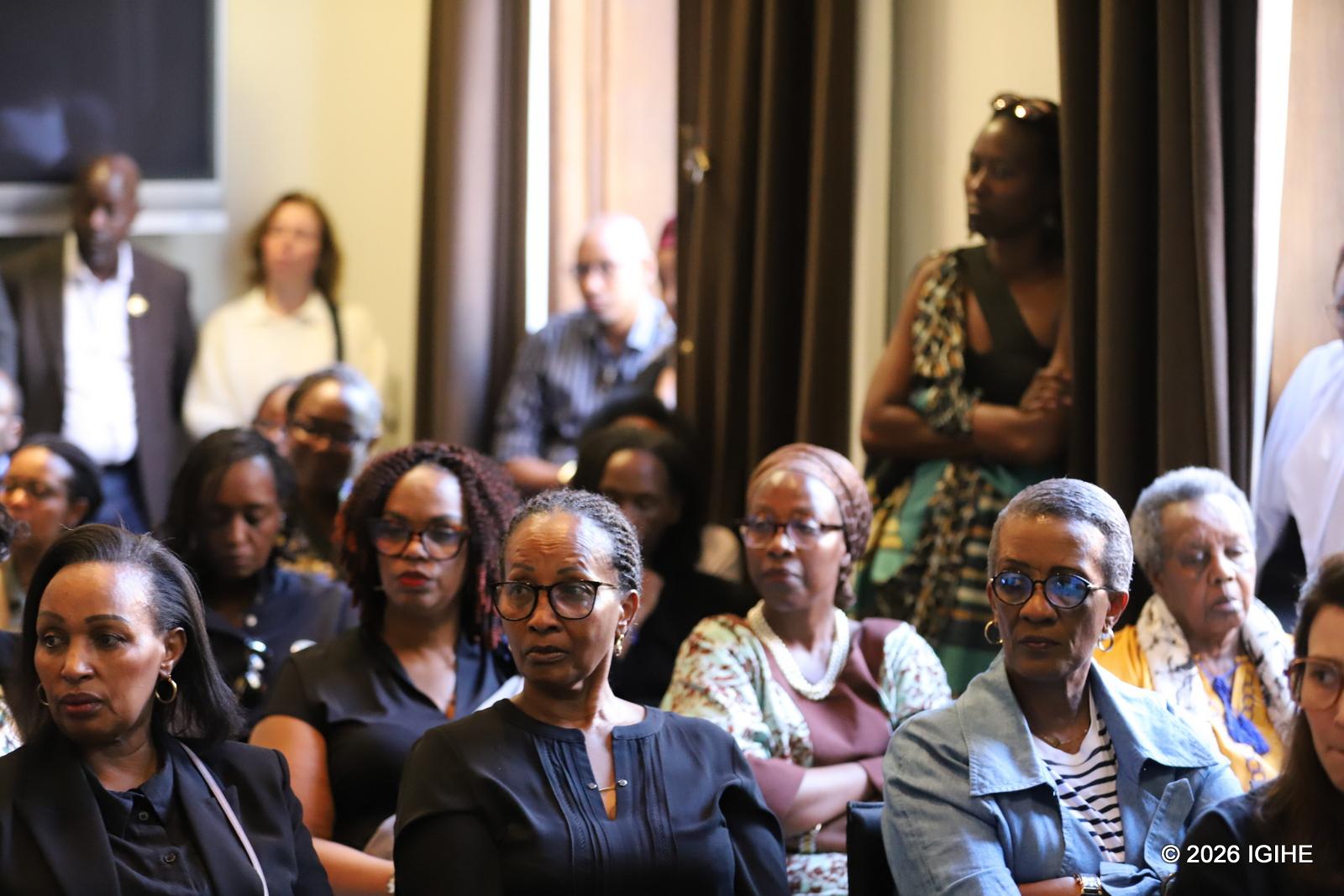
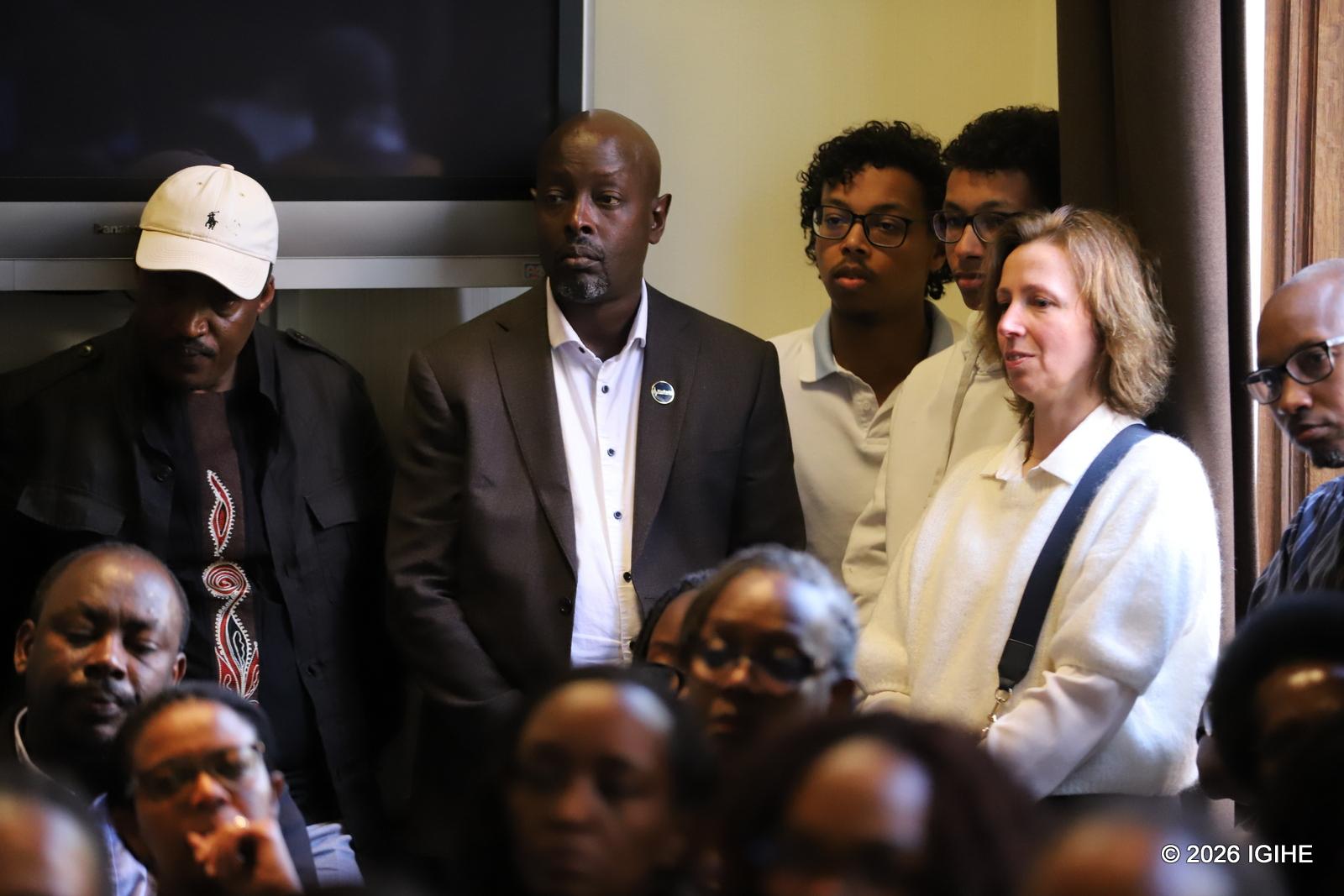
Christian Cyusa delivers a powerful tribute during the 32nd commemoration of the Genocide against the Tutsi in NamurChristian Cyusa’s tribute stirred deep emotions, as attendees reflected on the pain and memory of the victims.Speaking before survivors and local authorities, the young orator created a solemn ambience filled with remembrance and respect.As he honored the victims of the Genocide against the Tutsi, the audience was drawn into a moment of shared reflection and silence.The 32nd commemoration of the Genocide against the Tutsi in Namur was marked by a deeply emotional atmosphere as Christian Cyusa delivered a powerful tribute.