However, no magnetic field is perfect, and eventually some particles escape confinement and move outward toward the divertor, the part of the machine that safely handles these escaping particles.
Experimental data from tokamaks around the world showed that far more particles consistently hit one side of the divertor than the other, but the reason for this asymmetry remained unclear for decades.
New research has now revealed that the rotation of the plasma itself plays a crucial role in creating this uneven particle flow. As plasma spins inside the tokamak, it interacts with sideways drift motions of particles in a way that causes more of them to travel toward one divertor target plate.
This plasma spin, combined with underlying particle drift effects that physicists already knew about, naturally produces the imbalance observed in experiments. Put simply, the plasma’s internal rotation acts like a hidden force that biases the paths of particles as they escape the magnetic cage.
Understanding this mechanism is important for the future of fusion power because it allows engineers and scientists to better predict where heat and particles will strike tokamak components.
If unanticipated particle loads accumulate on one side of the divertor, they can damage materials and reduce the lifetime of key components.
With the new insight that rotation‑driven drift causes asymmetrical exhaust flows, researchers can refine designs and operating strategies to make future devices more robust and efficient.
This breakthrough contributes to the broader global effort to make fusion energy a reality.
Fusion has long been considered the “holy grail” of clean energy because it mimics the processes powering the Sun while producing minimal long‑lived radioactive waste.
By solving mysteries like the plasma exhaust imbalance, scientists are steadily closing the gaps between theoretical understanding and practical, sustained fusion operation.
Physicists crack the fusion puzzle that had experts stumped for years.
In the announcement, Steinfeld wrote, “Our baby girl has arrived!! We’re feeling incredibly grateful and blessed and savouring these early moments.
Thank you so much for the love and well wishes.” The couple did not disclose the baby’s name or specific details about her birth, choosing instead to focus on their joy and appreciation for the outpouring of support from family, friends and fans.
Both 29 years old, Steinfeld and Allen tied the knot in May 2025 in Santa Barbara, California, after making their relationship public in 2023 and getting engaged in late 2024.
They announced they were expecting their first child in December 2025, sharing a celebratory video on social media in which Allen kissed Steinfeld’s baby bump and the couple smiled in a snowy scene.
Steinfeld, an accomplished actress and singer known for her roles in films such as True Grit, Pitch Perfect 2 and more recently the drama Sinners, shared earlier reflections on pregnancy and motherhood, describing the experience as transformative and meaningful. Her fans have followed her journey closely, celebrating each milestone as she prepared to welcome her daughter.
For Allen, becoming a father marks a new chapter in life alongside his already standout career in professional football. The Bills quarterback, who was named NFL Most Valuable Player for the 2024 season, has spoken publicly about how important this next role is to him, expressing anticipation and pride in embracing fatherhood.
He has described it as potentially the most meaningful role he will ever have, even beyond his achievements on the field.
Fans and well‑wishers have flooded social media with congratulations, celebrating with the couple as they begin this new chapter together.
The birth of their daughter not only marks a joyful personal milestone for Steinfeld and Allen but also highlights a touching intersection of entertainment and sports worlds.
Hailee Steinfeld and Josh Allen have shared joyful news of their baby girl’s arrival.
The program aims at preparing women for career advancement while achieving balance and success in their personal lives.
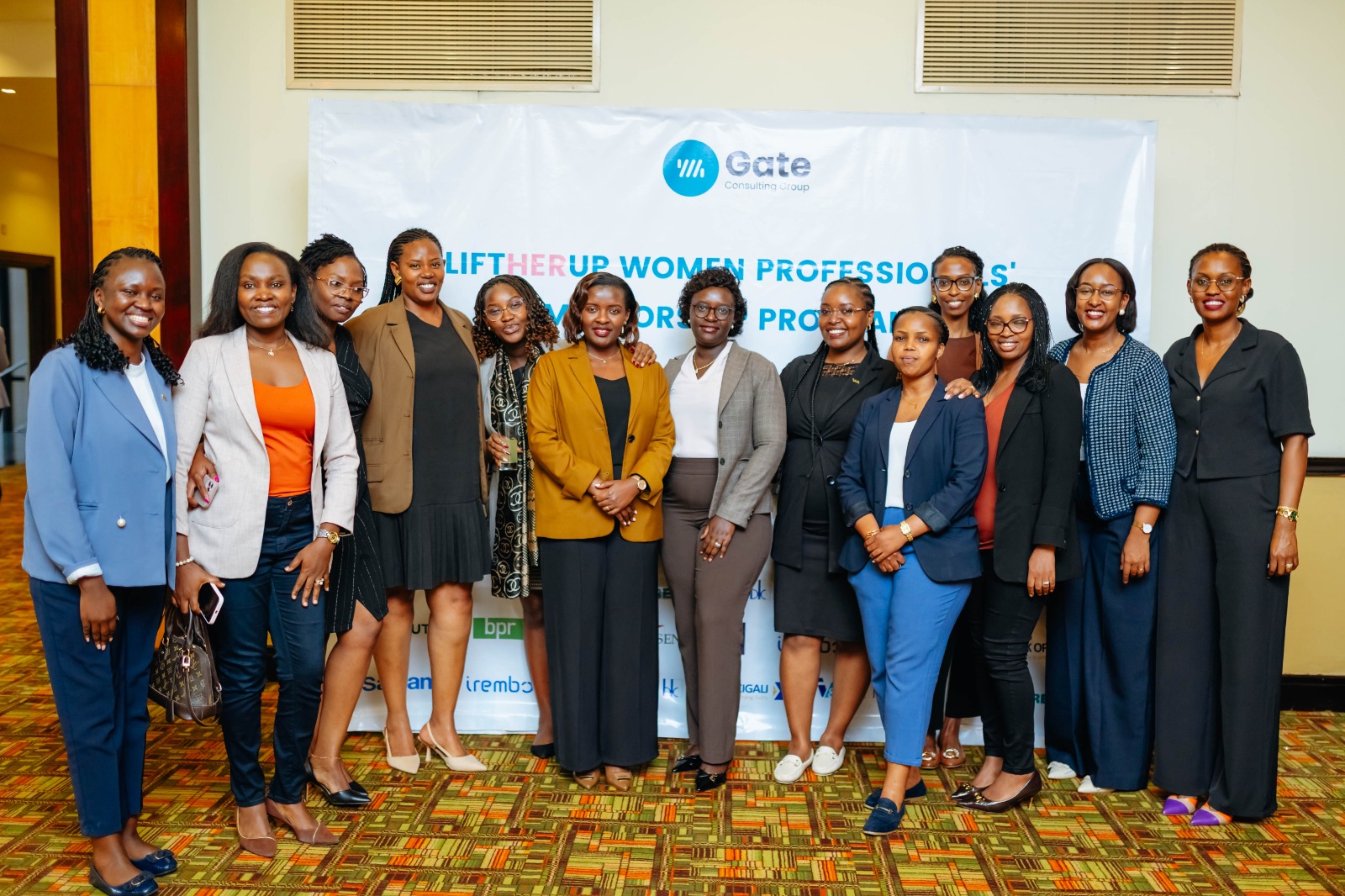
Launched in 2022 by Gate Consulting Group, a Rwandan firm specializing in leadership training, coaching, and strategic advisory services, LiftHerUp is a flagship initiative that equips women in the workforce with the skills needed to compete for leadership positions, prepares female university graduates to confidently enter the job market, and supports women entrepreneurs in scaling their businesses.
The LiftHerUp Women Professionals Mentorship Program is a nine-month training and mentorship journey that brings together accomplished women leaders and male allies who champion gender equality, ensuring participants gain both practical skills and diverse perspectives.
Participants are selected through a competitive application process, with organizations nominating high-potential female employees. The program is designed with flexibility in mind, enabling participants to balance their professional responsibilities alongside the training.
This year marks the second collaboration between Gate Consulting Group and Women in Finance Rwanda (WIFR), an organization committed to advancing gender equality in the financial sector.
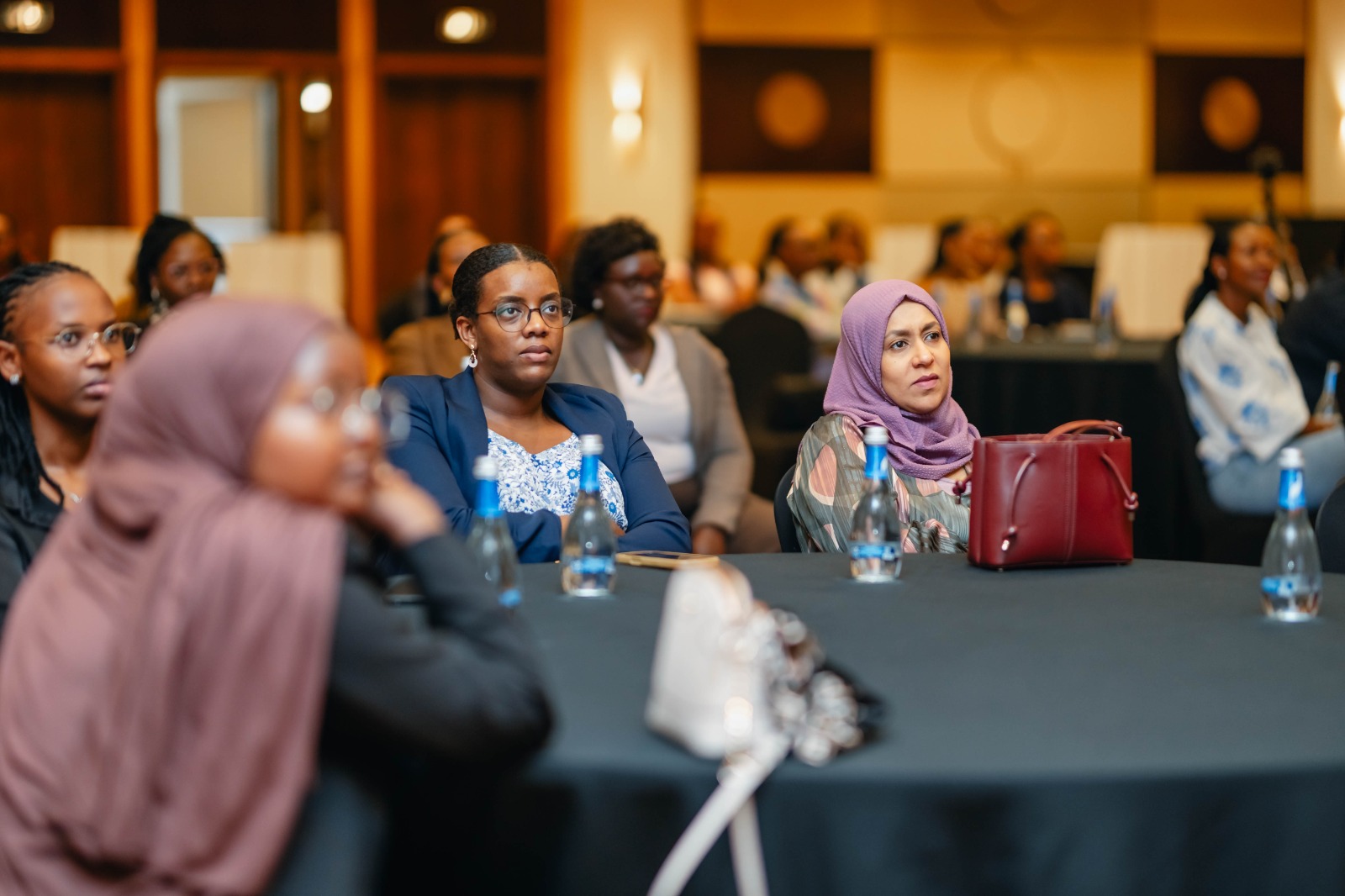
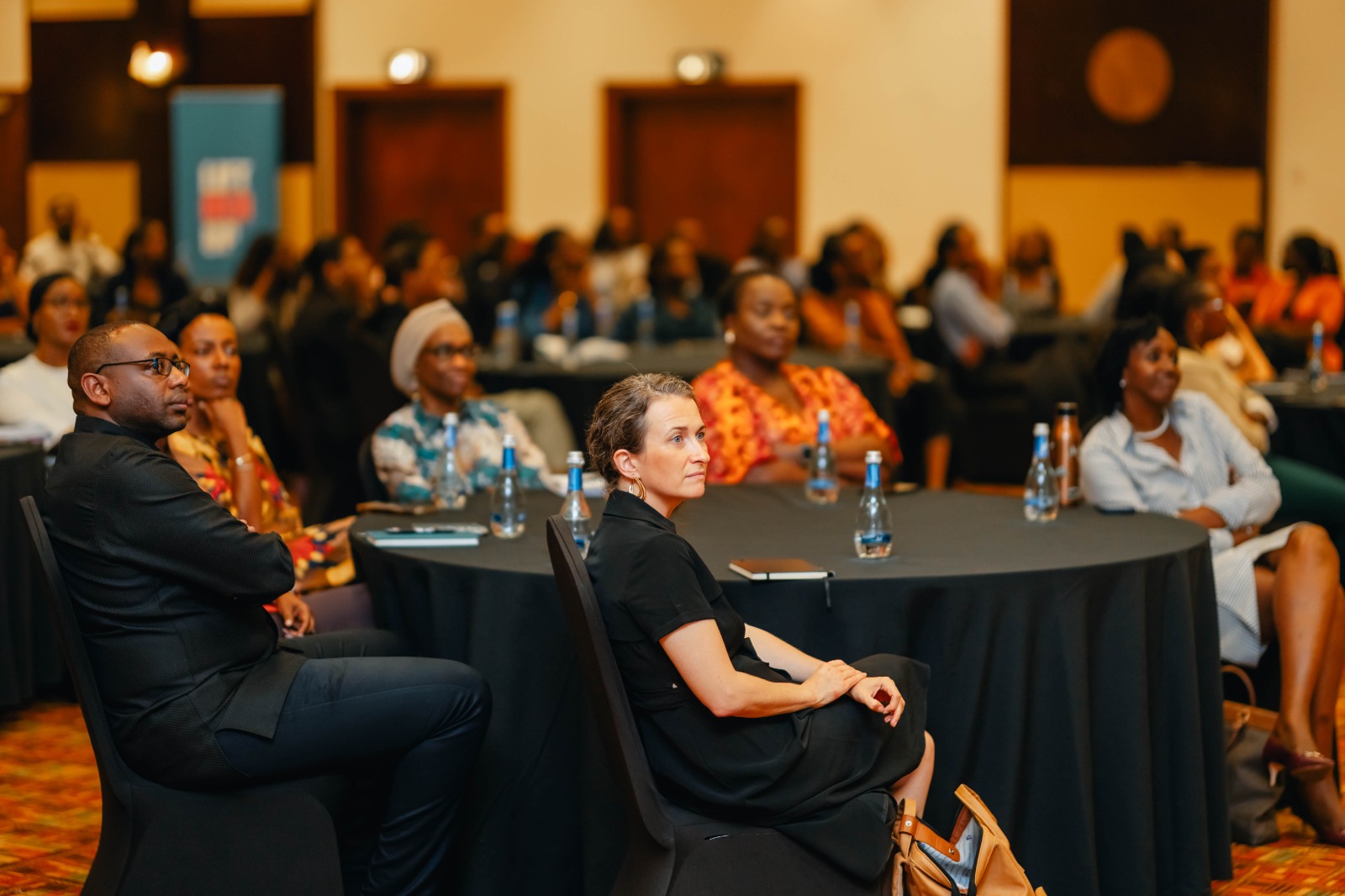
The fifth cohort, launched on March 18, 2026, is the largest to date, bringing together over 130 women from more than 20 organizations, supported by 40 experienced mentors. So far, the program has impacted 730 participants in 5 years.
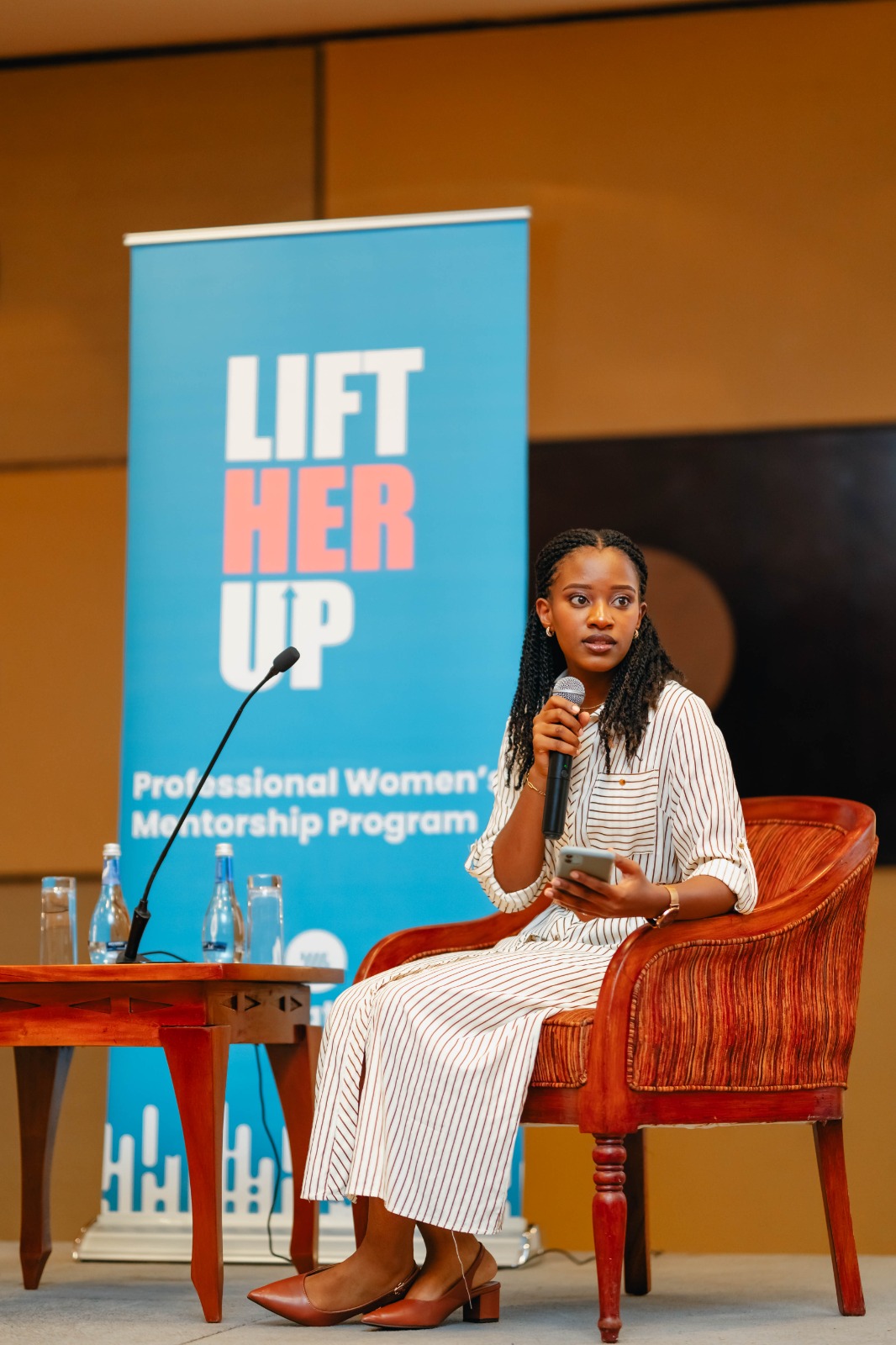
The launch event featured insights from distinguished leaders, including Aïssa Touré, Country Manager of the African Development Bank Group in Rwanda; Judith Muhongerwa, HR Strategist and Founder of Agile People Pro™ (UK); and Pierre Kayitana, Country Director of Zipline Rwanda. Their contributions set the tone for a powerful and impactful journey ahead for participants.
Salma Habib Nkusi, CEO of Gate Consulting Group and founder of the program, highlighted the program’s growth and impact over the past four years.
“Many women who have gone through this program have advanced in their careers because we prepare them for leadership roles. They now have the skills to excel in those positions,” she said.
She also noted that while the program has made significant progress, growing from an initial cohort of 30 participants, it aims to expand its reach beyond Kigali to support more women across Rwanda.
Participants in the fifth cohort have already expressed strong expectations for the journey ahead.
Umuringa Iriza Lucille, an employee at the Development Bank of Rwanda, shared that her experience at the launch highlighted the importance of working with structure and direction, not just effort.
“I expect to gain knowledge in decision-making and leadership. I want to ask questions, learn from my peers, and grow professionally. I am confident this experience will help me advance in my career,” she said.
Janet Ishiywe, who works at One Acre Fund Rwanda, said that doing the work alone is not enough; what really matters is keeping outcomes at the forefront when advancing your career.
She added that confidence in professional spaces comes from staying curious and continuously consuming a wide range of content, which helps you fit into different rooms and contribute meaningfully with your own perspective.
Kirabo Ritha, who works at Andersen, also shared that seeing that most of the trainers are capable women gave her confidence that it is possible. She added that she looks forward to learning from their experiences and how they overcame challenges
By the end of 2025, LiftHerUp had already trained over 600 women and girls, including 102 graduates from that year alone.
As the program continues to grow, it remains a key driver in empowering women across Rwanda, equipping them to break barriers, lead with confidence, and thrive in their respective fields.
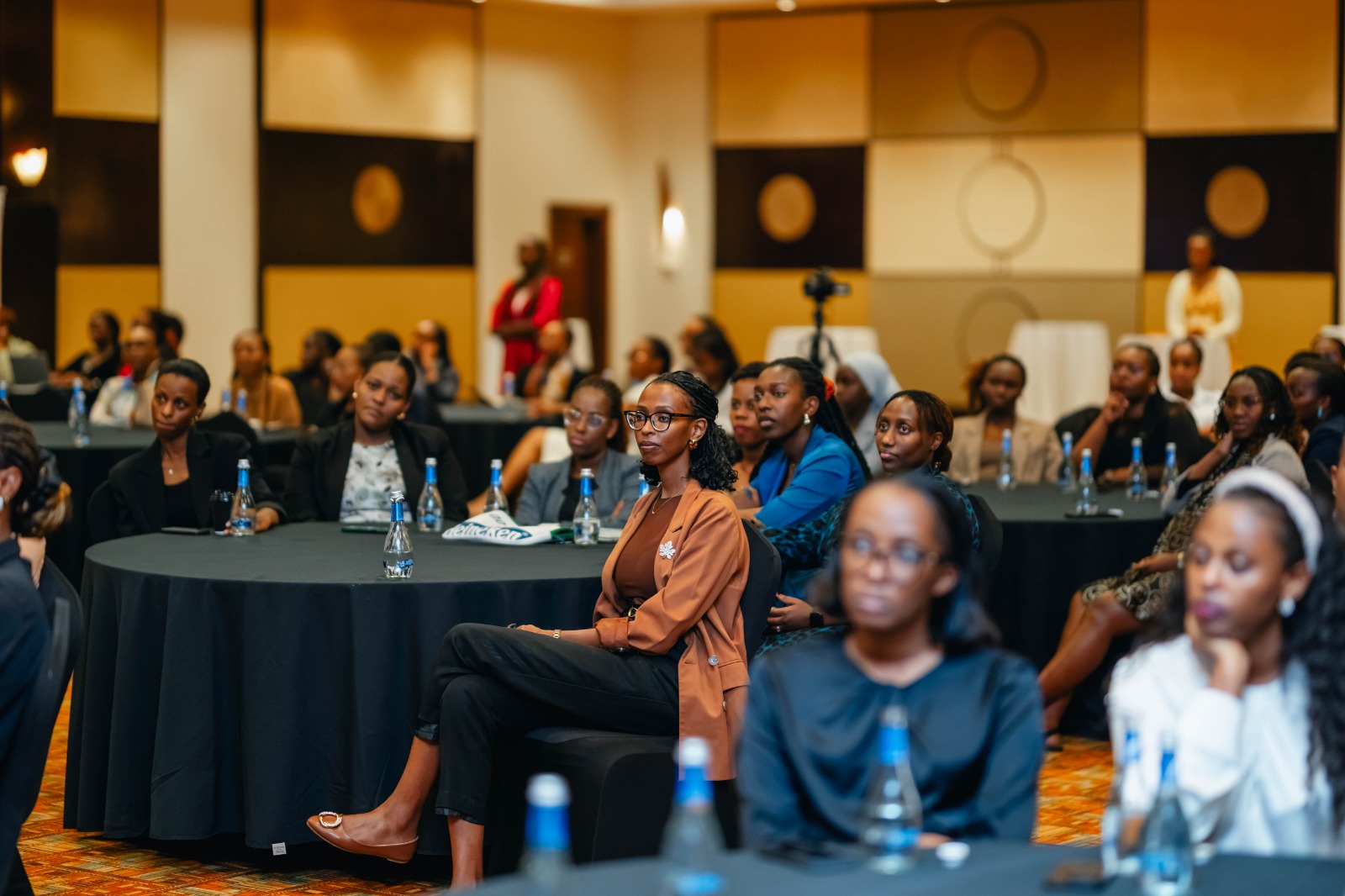
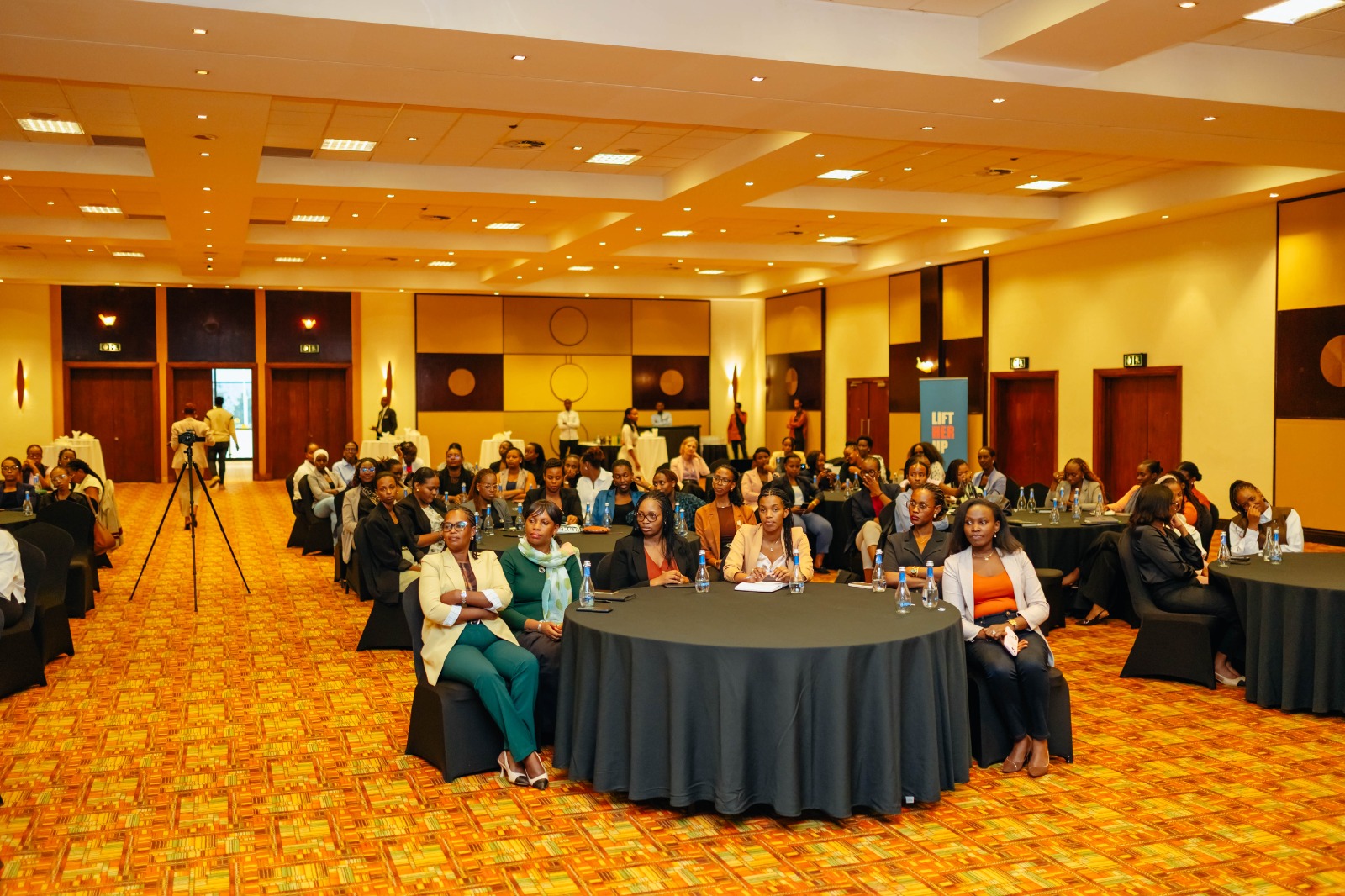
The fifth cohort launch highlighted LiftHerUp’s growing impact in equipping women with leadership and entrepreneurial skills.Young women and professionals attend the LiftHerUp cohort five launch, ready to begin their nine-month training journey.Leaders and participants gather at the fifth cohort launch of LiftHerUp, a program empowering women across Rwanda.The expansion of LiftHerUp reflects increasing efforts to empower women in leadership and entrepreneurship across Rwanda.Participants engage during the official launch of LiftHerUp’s fifth cohort, aimed at building future women leaders.A cross-section of attendees follows proceedings at the LiftHerUp fifth cohort launch event.
These sea creatures, known for their ability to change color and move quickly, have long puzzled scientists.
Their evolution has been difficult to trace because they leave behind very few fossils and have complex genetic structures. However, a recent study published in Nature Ecology & Evolution is now shedding light on their origins.
Researchers from the Okinawa Institute of Science and Technology combined large genetic datasets with newly sequenced squid genomes.
This allowed them to build the most complete evolutionary tree of squid and cuttlefish to date. Their findings show that these animals likely began in the deep ocean millions of years ago.
Around 66 million years ago, Earth experienced a major extinction event that wiped out about 75% of all species, including the dinosaurs.
Surprisingly, squid ancestors survived. Scientists believe they found refuge in deep, oxygen-rich parts of the ocean, where conditions were more stable compared to shallow waters affected by acidification.
After the planet recovered, squid and cuttlefish began to spread into new environments such as coral reefs and coastal areas. The study describes this process as a “long fuse” evolution, where species change slowly for a long time, then suddenly diversify rapidly when conditions improve.
Today, squid and cuttlefish are among the most diverse and intelligent marine animals. This research not only explains their survival but also opens the door to understanding their unique features, from camouflage abilities to complex behavior.
Photo of a common cuttlefish (Sepia sp.) Credit: Keishu Asada
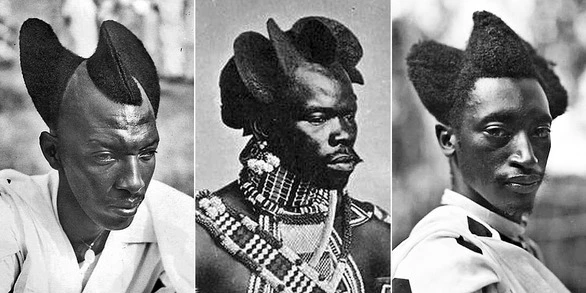
In Rwandan society, Amasunzu was more than a hairstyle, it was a symbol of status. Those who adorned it were often members of the elite, including warriors, leaders, and prominent figures. The hairstyle conveyed strength, prestige, and influence, and was especially prevalent among the ruling class and military elites.
Historically, Amasunzu functioned as a visual marker of power and distinction. Its unique design allowed the wearer’s social rank to be recognized instantly. The style was both a personal statement and a reflection of Rwanda’s cultural values.
Over time, however, the tradition declined as modern hairstyles and changing cultural trends gained popularity. Despite this, Amasunzu experienced a resurgence in 2018 when Oscar-winning actress Lupita Nyong’o sported the style at the Academy Awards.
Her appearance drew global attention to the elegance and cultural significance of Amasunzu, sparking renewed interest in traditional African hairstyles. Nyong’o’s choice bridged contemporary fashion with African heritage, inspiring many to embrace the style as a celebration of cultural identity.
Today, visitors interested in exploring the history of Amasunzu and other Rwandan cultural practices can visit the King’s Palace and the Ethnographic Museum.
The King’s Palace offers insight into the royal traditions of Rwanda, where Amasunzu was once a common sight among nobility. The Ethnographic Museum provides a broader perspective on Rwanda’s cultural diversity, showcasing hairstyles, clothing, and other traditions that have shaped national identity.
Today, Amasunzu remains a vital part of Rwanda’s heritage, a symbol of strength, nobility, and identity connecting the past with the present. Its revival reflects a broader movement to preserve and celebrate traditional African customs in modern life.
From the past to the present, Amasunzu is a mark of strength and nobility.A traditional hairstyle once worn by both men and women, symbolizing power, prestige, and cultural pride.Amasunzu, once fading over time, made a powerful comeback in 2018 when Lupita Nyong’o wore it on the Oscars red carpetLupita Nyong’o revived the traditional Amasunzu hairstyle at the 2018 Oscars.
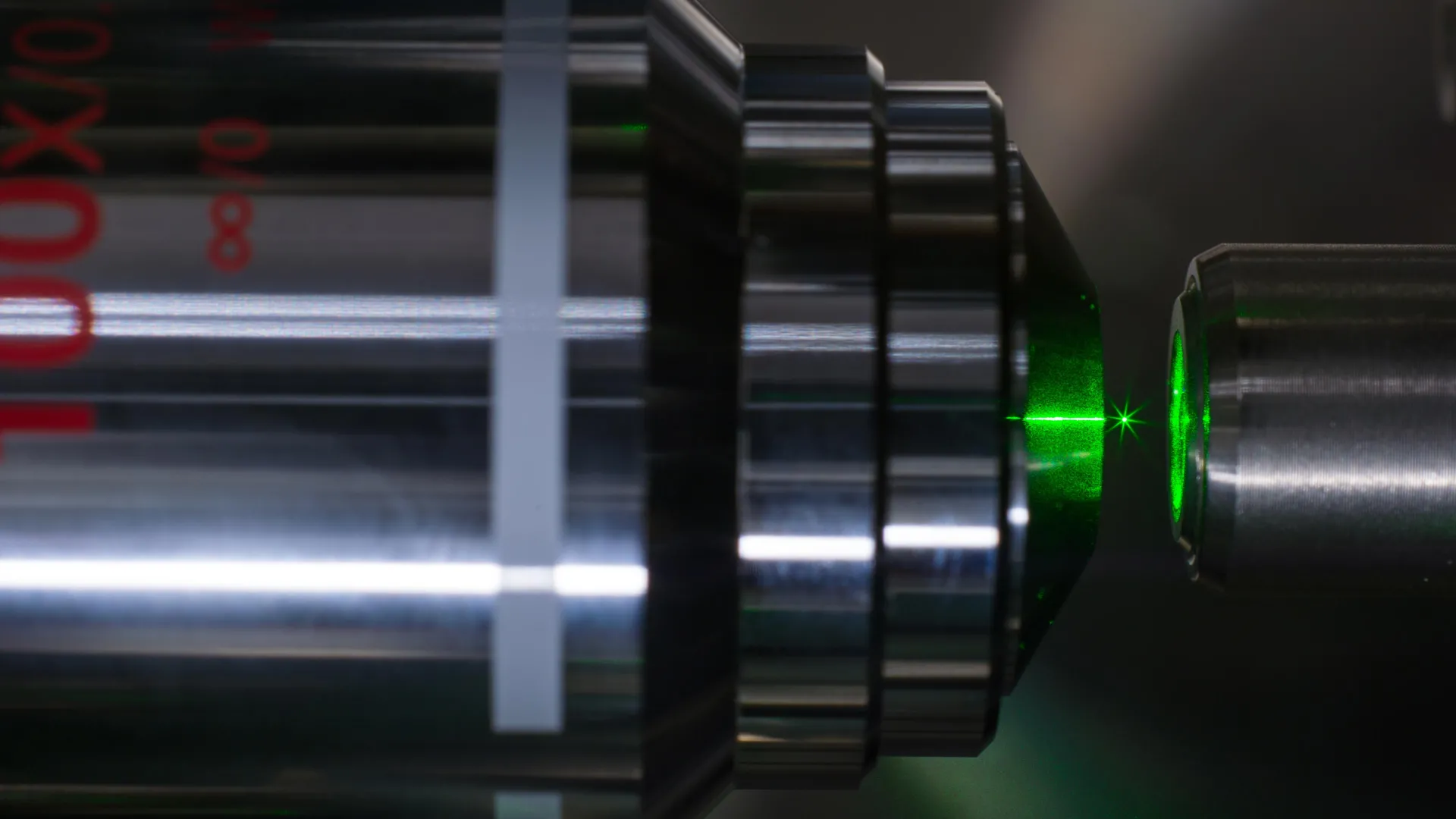
Unlike conventional lasers, which amplify light particles (photons), the new device generates and controls phonons quantized particles of vibrational energy that behave like sound.
By manipulating these phonons, researchers have built a tool that can detect extremely subtle shifts in gravitational forces.
The research was conducted by physicists who are exploring how quantum technologies can improve measurement precision beyond what is possible with current instruments.
Their phonon laser prototype is designed to respond to tiny changes in environmental conditions, including variations in gravitational pull.
Because gravity subtly affects how vibrations behave in a solid medium, the phonon laser could potentially function as an ultra‑sensitive gravity sensor.
One of the most exciting aspects of this innovation is its potential use in navigation systems that do not rely on GPS. For example, submarines, aircraft, and spacecraft operating in environments where satellite signals are weak or unavailable could use phonon lasers to track their position by detecting local gravitational changes.
In addition, this technology may help physicists explore phenomena such as gravitational anomalies and contribute to experiments at the frontier between quantum mechanics and gravity two foundational yet currently incompatible frameworks of physics.
While the phonon laser is still in early development, its proof‑of‑concept success suggests a future where precision measurement tools are dramatically more sensitive and adaptable than traditional devices.
The study highlights how harnessing vibrational energy at the quantum level could lead to new ways of observing and interacting with the physical world.
This new “phonon laser” could measure gravity more precisely than ever before.
Following the success of his recent concert in Kigali, Alex Dusabe will continue the celebration in Europe, where he is scheduled to perform on April 4, 2026, alongside artists including Tracy and her husband René Patrick.
Initially, it was announced that the concert would be organized by Team Production, but due to some disagreements, Alex Dusabe ended up organizing the event with a team of collaborators in Belgium.
For those wishing to attend, tickets are priced at €25 (approximately 40,000 Rwandan Francs), while those who wish to support the event can purchase tickets for €50 (approximately 80,000 Rwandan Francs).
The concert will take place at Rue Birmingham 54, Brussels, and it will follow his performance in Kigali, which took place at Camp Kigali on December 14, 2025.
Discussing the concert and his prior performance in Kigali, Alex Dusabe revealed that he named the event after his first song, ‘Umuyoboro,’ which he released in 2000.
“This concert is a celebration of the 25 years I’ve spent in music, as I released my first song, ‘Umuyoboro,’ in 2000, and that’s why I’ve named the concert after it,” he said.
In addition to ‘Umuyoboro,’ Alex Dusabe has released other popular songs, including ‘Mfite Umukunzi,’ ‘Kuki Turira,’ and many others.
Alex Dusabe is set to celebrate 25 years in music in Brussels.
Unlike traditional materials that simply conduct electricity, these perovskite crystals physically bend in response to light, a behavior that can be reversed once the light is removed. This discovery opens the door to developing new light-controlled devices and sensors.
The team, led by graduate student Mansha Dubey, found that the intensity and color of light used could precisely control the shape change of the crystals.
The crystals undergo a shift in their internal structure when illuminated, and this effect, called photostriction, can be repeated many times. The ability to fine-tune the amount of bending with light could lead to innovations in smart materials that respond dynamically to external stimuli.
This breakthrough is significant because it allows for light to manipulate the physical properties of materials, unlike traditional semiconductors.
These materials could be used in future optical sensors, actuators, and even light-powered computing devices, offering more efficient and flexible alternatives to current technologies.
Perovskite crystals are already used in solar cells and optoelectronics due to their cost-effectiveness. Now, their ability to change shape with light adds an entirely new dimension to their potential applications.
The findings could have far-reaching impacts on the development of light-driven technologies and next-generation computing systems, where light replaces electricity in manipulating materials.
The research was supported by the Defense Advanced Research Projects Agency (DARPA) and the National Science Foundation and marks an exciting advancement in materials science.
Smart crystals change shape with light, offering new possibilities for technology.
The Burundian coach joins from Kiyovu Sports FC, where he delivered impressive performances this season despite the club facing financial difficulties.
With only a few months remaining on his contract, Haringingo makes the switch following Rayon Sports’ decision to part ways with Bruno Ferry, who was dismissed after just three months in charge.
Rayon Sports’ leadership has set clear ambitions of winning the league title, last secured in 2019 or lifting at least one domestic trophy this season.
The team is currently preparing for the resumption of the Rwanda Premier League, with a Matchday 26 fixture against Gicumbi FC scheduled for Saturday at 6:00 PM at Kigali Pelé Stadium.
Haringingo previously coached Rayon Sports in 2023, when he led the club to victory in the Rwandan Peace Cup. He takes over a side currently sitting fourth in the league standings with 42 points.
Francis Haringingo Christian has rejoined Rayon Sports FC as head coach. Haringingo previously coached Rayon Sports in 2023, when he led the club to victory in the Rwandan Peace Cup.
The Government of Rwanda introduced the workplace learning programme, known as Dual TVET, in 2019. It was designed to help students in technical and vocational education gain both theoretical knowledge and hands-on experience in the workplace.
The programme initially started in six TVET schools in the Western Province before expanding to 16 schools across Kigali and other provinces.
It has produced strong results, with 76% of graduates securing jobs within six months of completing their studies.
In addition, an evaluation conducted on Dual TVET graduates from the 2022/2023 academic year showed that 95.7% of them had already found employment.
The programme differs from traditional internships, as each term includes a period during which students are required to train in companies and institutions related to their fields of study.
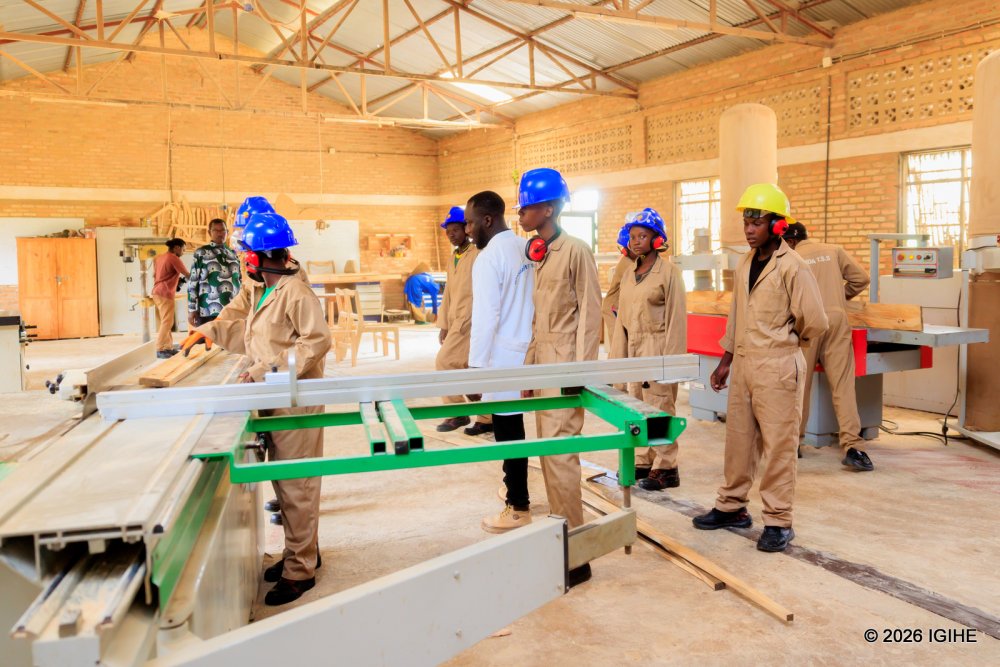
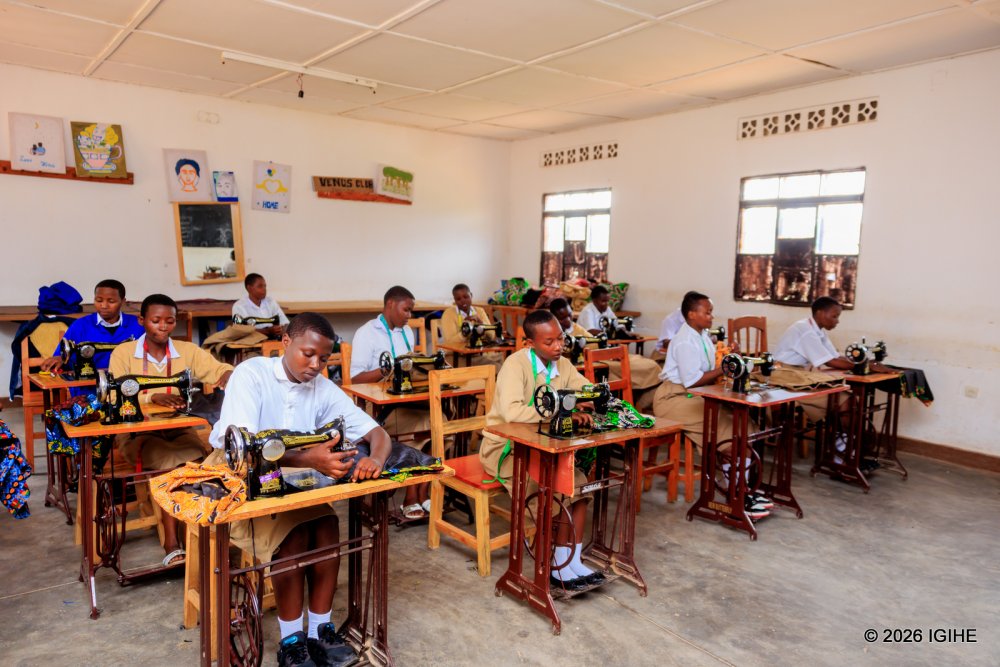
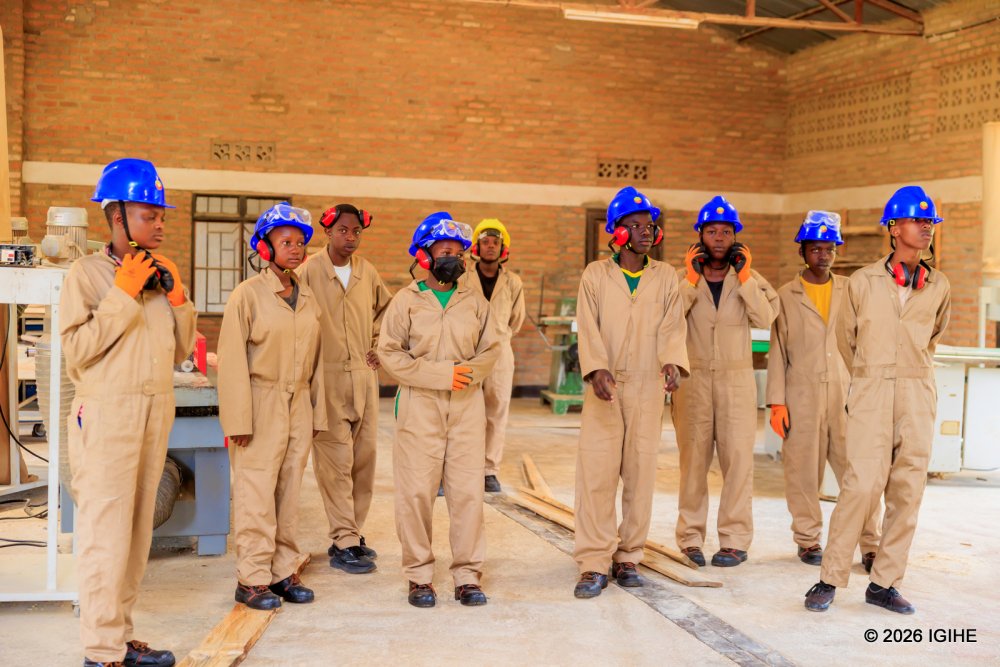
Mpanda TSS has more than 600 students, of whom 85 are enrolled in the Dual TVET programme this academic year. They are studying in three departments: carpentry, fashion design, and culinary arts.
Students and teachers told IGIHE that the programme’s impact is remarkable, as it equips learners with complete, practical skills, allowing them to graduate fully prepared to perform their jobs without needing additional adjustment between school and the workplace.
Divine Gasaro, a fourth-year student in culinary arts, said: “Now I have fully understood how to serve food, and even in preparation I have learned how to properly use spices before cooking. I can now provide good service because during workplace learning we interacted with clients and learned how to handle them in a way that satisfies them.”
Daniel Mugisha, a fourth-year carpentry student, said:“During workplace learning, it is all about working because we go from Monday to Friday. It is very different from studying at school, where sometimes there are limited materials and practical sessions are allocated only a few hours. Workplace learning is what really shows that you have mastered what you studied.”
The students also expressed strong confidence in securing jobs after graduation, as they already feel experienced due to combining studies with real work.
Latifa Akimana, who teaches hospitality in the culinary department, emphasized that the previous system, where students mainly learned theory before going for internships, did not produce sufficient results.
“Previously, a student would finish school but then have to start learning again once they got a job. Now they graduate already having enough skills. They understand what they are getting into. As teachers, our role is to work with the companies that train them so that students are exposed to what is outlined in the curriculum,” she said.
The head teacher of Mpanda TSS, Gilbert Ndangamira, noted that at the beginning, some private companies did not fully understand the programme, but this challenge has gradually been resolved, and the school now partners with 12 companies.
“There was initially a challenge where staff in those companies who were guiding students did not have teaching skills. However, the Rwanda TVET Board has supported us by providing them with training so they can effectively deliver learning,” he noted.
Marie Grâce Munderere, founder of Light and Moriah Company, a carpentry firm based in Muhanga furniture workshop, said hosting students for workplace learning benefits both sides.
“We contribute to training future workers by giving them the skills needed in the job. When we need an employee, we often recruit from those who trained with us or connect them with others looking for workers because we already know their capabilities,” she stated.
Students studying tailoring reportedly secure jobs immediately after graduation.Students studying tailoring secure jobs shortly after graduation.These garments are made by the students.Culinary students at Mpanda TSS say the hands-on training helps them understand their work better and improves their job prospects upon graduation.Mugisha Daniel, a fourth-year carpentry student, noted that he has learned to make beds, stools, and other furnitureDivine Gasaro, a fourth-year student in culinary arts also highlighted acquired competencies through workplace learning.Akimana Latifa, a hospitality instructor at Mpanda TSS, highlighted that the work-based learning approach produces tangible outcomes. Mpanda TSS head teacher, Ndangamira Gilbert, explained that initially some private companies were hesitant about work-based learning, but now more than 10 firms are actively participating.Munderere Marie Grâce, founder of Light and Moriah Company in Muhanga, emphasized that hosting students for practical training benefits both the company and the learners.The work-based learning program continues to deliver strong results.