Burundi and Rwanda celebrate Independence Day every 1st July to commemorate the day in 1962 when they gained freedom from Belgian colonial rule.
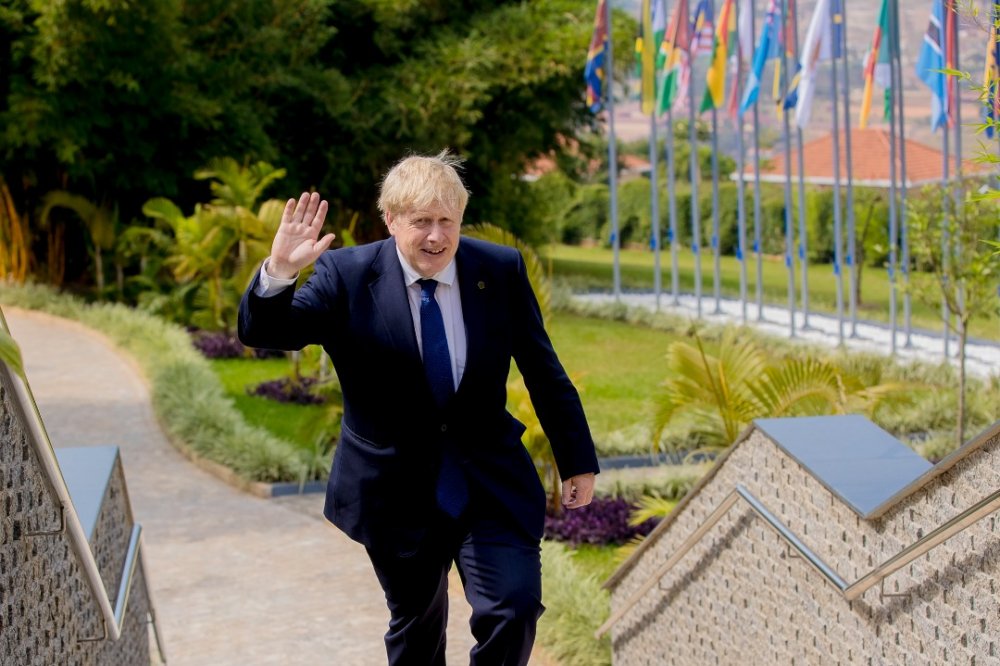
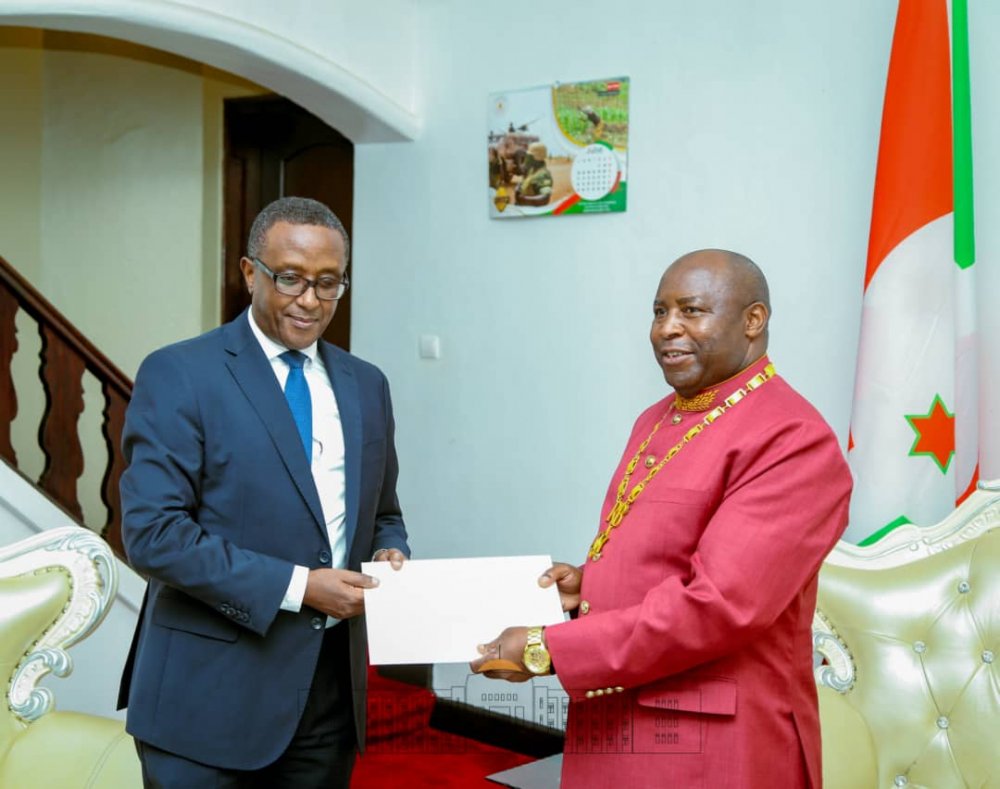
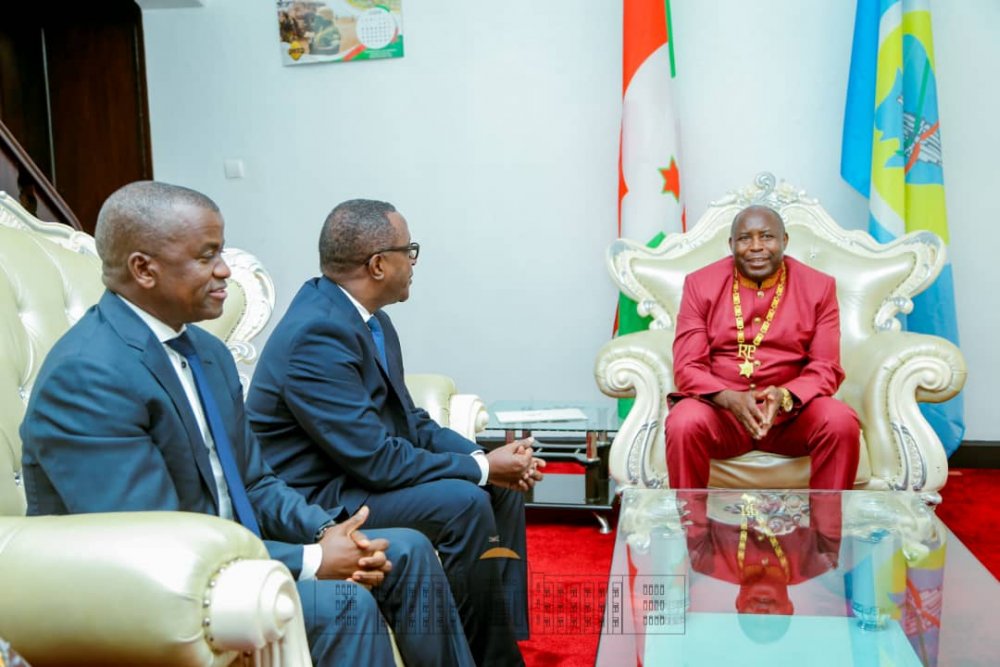
The Ministry of Foreign Affairs has revealed via Twitter handle that Minister Biruta and his delegation were received on Friday.
The envoy received on the sidelines of the celebration of the 60th anniversary of Independence also delivered a special message from President Paul Kagame to his counterpart.
Ndayishimiye said that Rwanda and Burundi are like twins and speak one voice because both countries obtained Independence on the same day.
The celebration of Burundi’s Independence was also attended by dignitaries including the President of Central African Republic, Faustin-Archange Touadéra and an envoy representing the King of Belgium among others.
President Ndayishimiye said that Burundi has reunited its people and achieved remarkable strides where it has gained international repute, 60 years after obtaining Independence.
He stressed that the country is on the path towards self-reliance where it needs development partners to deliver on its ambitions and move people out of poverty.
During similar celebrations in Burundi last year; Rwanda was represented by Prime Minister, Dr. Edouard Ngirente. The visit was considered as a gesture for Rwanda and Burundi to turn a new page following years of deteriorated relations.
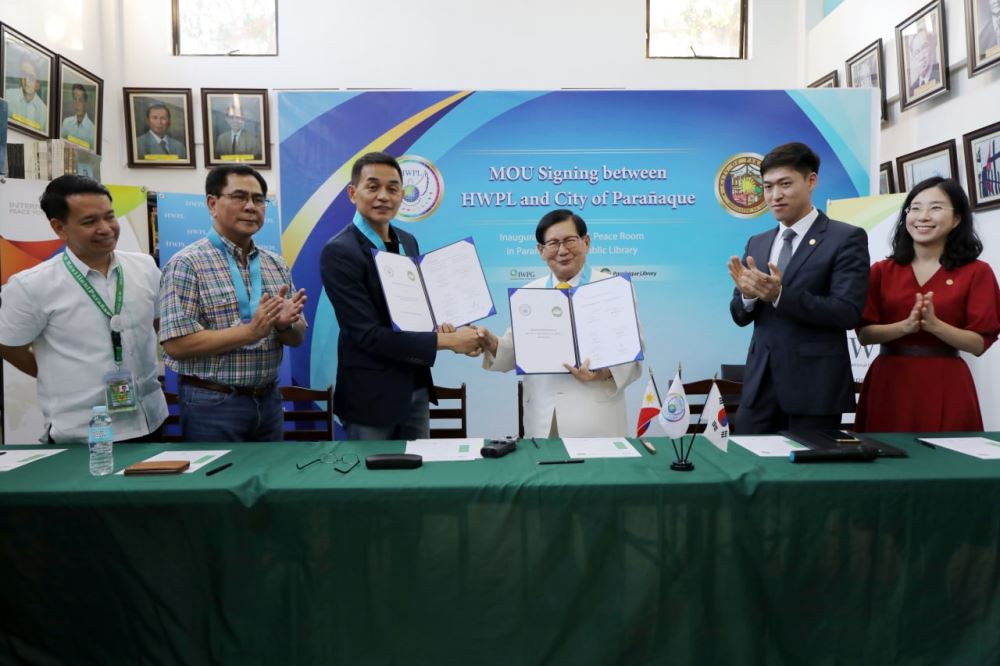
In this reality, there is an international peace organization, Heavenly Culture, World Peace, Restoration of Light (HWPL), that leads the change so that the world becomes one with cultures of peace. Chairman Man Hee Lee of HWPL has presented answers for peace and life in the world of conflict and death with the experience of witnessing the horrors of the Korean War as a veteran. The representative achievement of the peace steps he and HWPL have made is the fruit of contributing to peace in Mindanao, the Philippines, which is ending its 50-year history of conflict.
{{Mindanao, Philippines, looking at the realization of long-term peace}}
Mindanao, the Philippines, was the place where Southeast Asia’s largest armed conflict occurred. The Mindanao conflict was a military collision between the Philippine government and Moroans(Muslims) that began in the late 1960s, resulting in more than 120,000 deaths. After the conflict that caused massive casualties, various countries, international organizations, and private organizations supported peace and began to settle peace in Mindanao. However, the conflict never ended just by signing a peace treaty. Peace of Mindanao required the need for a fundamental and long-term approach across politics, economy, society, and culture to prevent a recurrence of war.
Mindanao’s efforts for peace were made by a civilian peace organization based in the Republic of Korea. In 2013, the Chairman of HWPL, Man Hee Lee visited Mindanao, where tensions were widespread due to military collision. He mediated the signing of a peace agreement between the two leaders representing Islam and Catholicism, the government and the private sector, politics, and religion, as citizens watched.
The Peace Agreement in Mindanao mediated by the civil organizations was for permanent peace. Since then, HWPL and all local stakeholders including local politicians, religious leaders, and civil society, have begun to cooperate for peace. From 2019 to 2020, major cities in Mindanao decided to support and implement the “Declaration of Peace and Cessation of War(DPCW)” proclaimed by the HWPL. DPCW was written by HWPL and international law experts from around the globe, focusing on the basic principles for the prohibition, prevention, and resolution of conflicts and wars and spreading the culture of peace.
It also continues a campaign to improve peace awareness and build a peace monument with civil society. The peace monument is a symbol of peace and reflects the spirit of coexistence and respect in everyday life. A representative example is the Peace Monument built in the Phurok Tongki area of Cotabato City, where armed conflicts between Islam, Christianity, and indigenous people were frequent. With the implementation of a peace treaty between the government and armed groups, a monument made by melting weapons used by combatants has become a symbol of the transition to a world of peace.
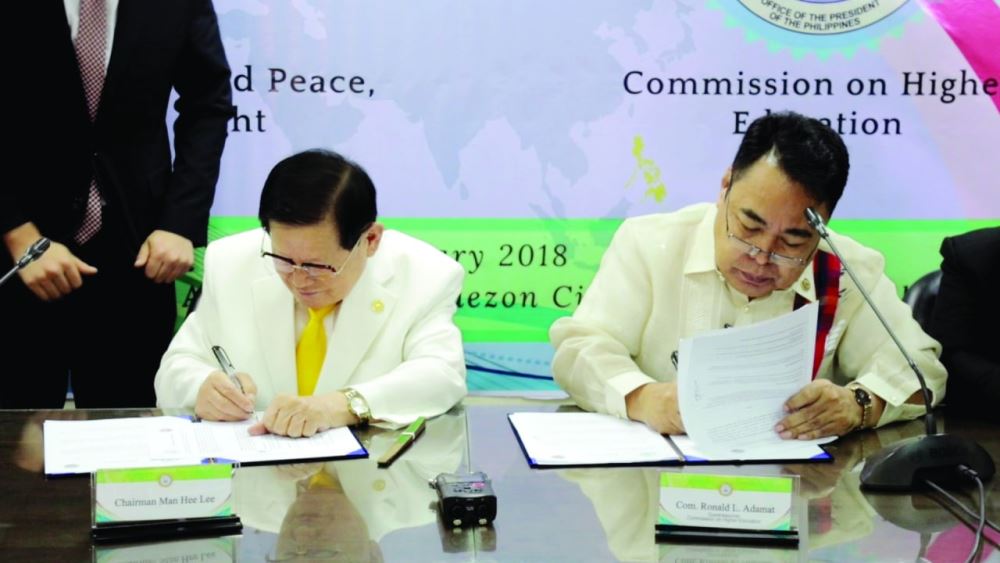
At the national level, efforts are being expanded to establish peace through cooperation with central government agencies and the field of education. Since February 2016, HWPL has signed MOUs with 70 educational institutions in Mindanao. In addition, an MOU was signed with Commission on Higher Education(CHED), the Philippine government’s agency, in 2018. Also, in cooperation with the Ministry of Education, the development of courses on peace education and the expansion of education at the national level are being promoted.
Regarding the achievements made in Mindanao since 2013, Chairman Man Hee Lee consistently says, “What God did” and ” What God walked with us,” not personal achievements. He always emphasizes, “Let’s all become the messenger of peace and leave peace as a legacy of future generations.” The possibility of peace emphasized by the HWPL will become a reality when people around the world take the initiative to join and become one in peace.
Meanwhile, repatriates suspected to have had role in the 1994 Genocide against the Tutsi are taken to court to face justice.
In case ex-combatants return with their families, the country takes them through reintegration process separately. It is against this backdrop that former combatants undergo rehabilitation at Mutobo Demobilisation and Reintegration Centre in Musanze District while their families including wives and children are sent to Nyarushishi Transit Camp in Rusizi District to be acquainted with different skills and receive support to move on with life upon release.
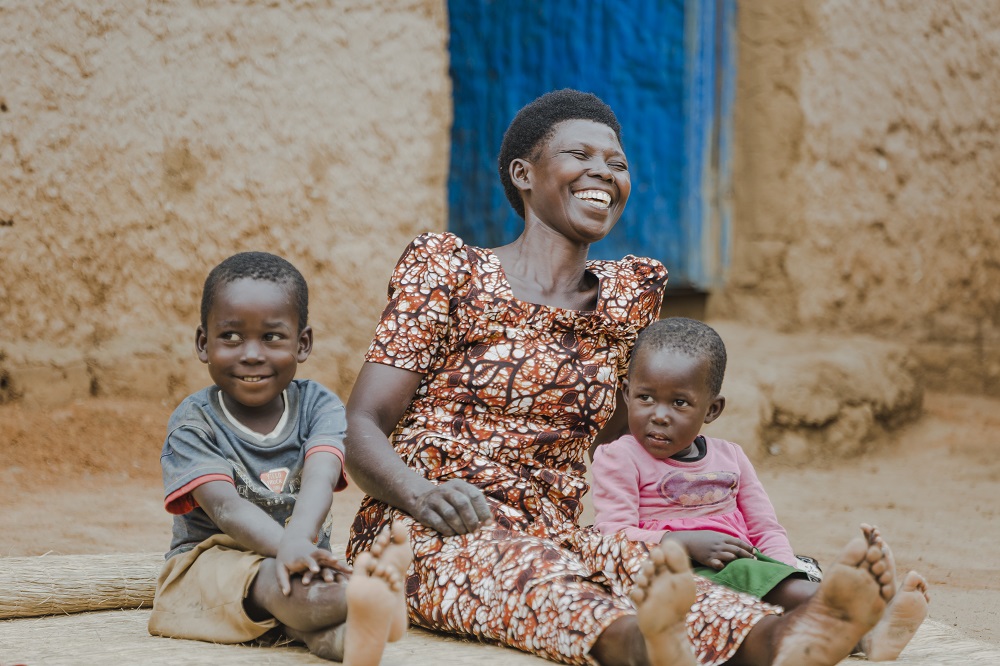
Some of women repatriated in 2018 have attested that their lives have been significantly impacted and got permanent shelters owing to received support.
Usually, a woman receives financial support Rwf100,000 while a man gets Rwf200,000 to start new life after graduation.
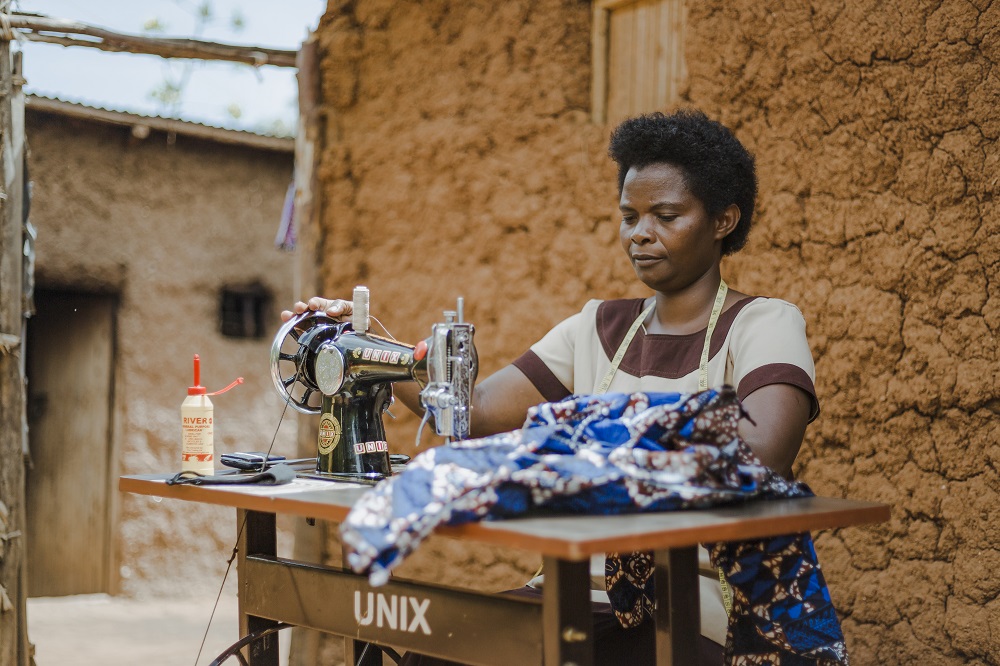
Apart from financial support, some beneficiaries are enrolled in vocational training programs like sewing, hairdressing, nail trimming and welding among others.
Emerance Mukandori from Cyanika Sector of Nyamagabe District has revealed that received training on sewing will bring many positive transformations into her life.
“My sewing skills will be helpful to achieve progress and easily get clothes for my family. Our profession will help us to survive particularly during this of COVID-19 pandemic where finding a job is not easy,” she noted.
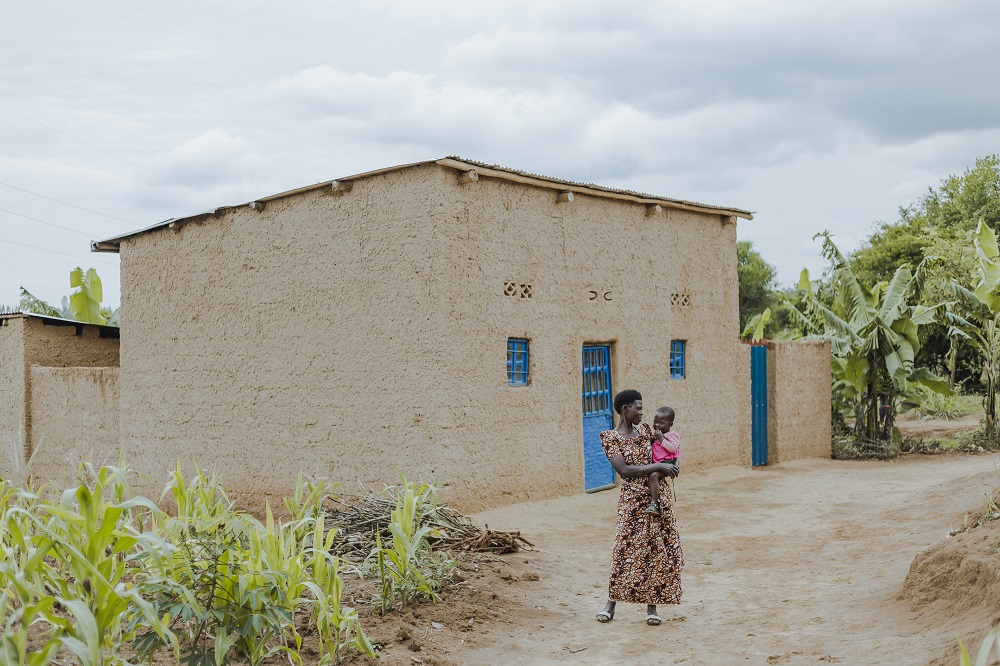
Pelagie Yamfashije from Bugesera District has told IGIHE that the support helped her to develop farsightedness and work hard that she has built a house.
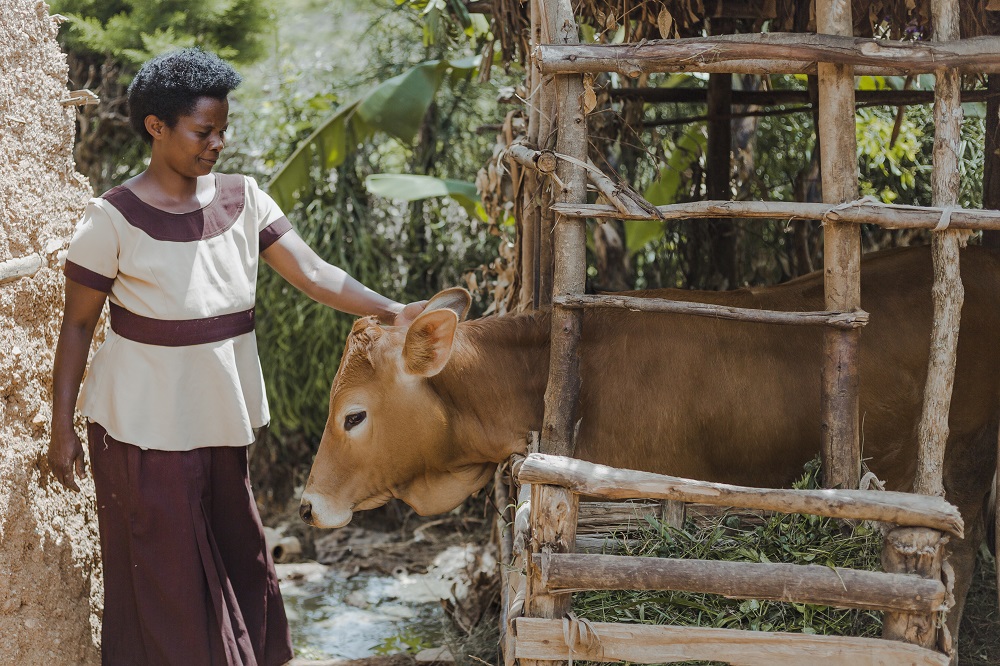
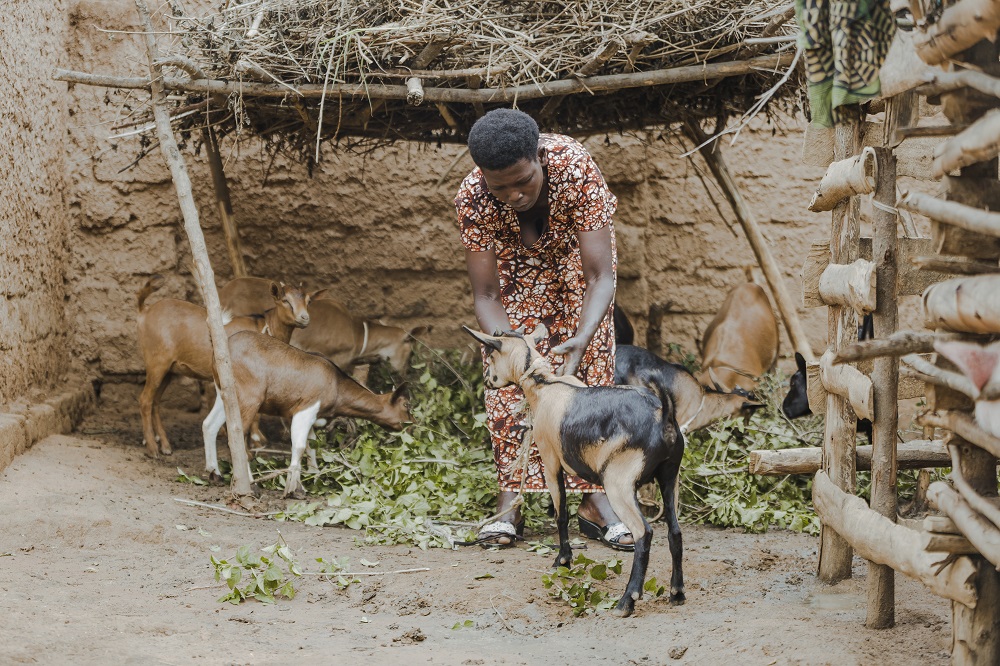
Yamfashije said that she was hit hard before getting own house but received financial support ushered her into prosperity. She also rears livestock that serve as a source of manure to fertilize her farmland.
Of 805 people repatriated in 2018, 246 have undertaken courses in different vocational subjects while others received other kinds of support.
The achievements were attained through collaboration between the United Nations Development Programme (UNDP) and Rwanda Demobilisation and Reintegration Commission (RDRC) on funds provided by Japan.
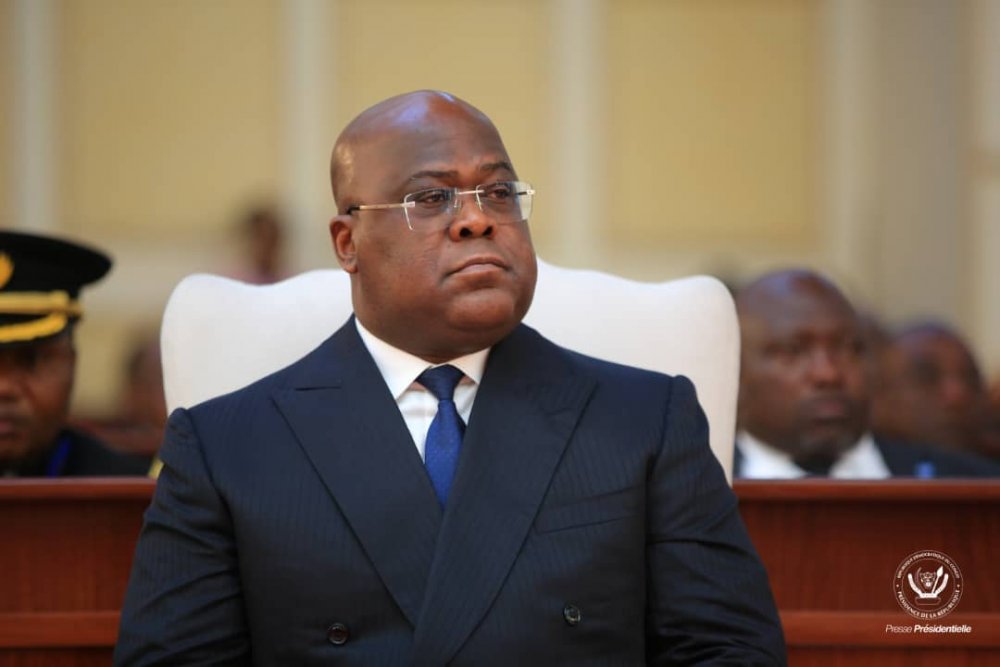
He was delivering a speech via national broadcaster as his country celebrated Independence on 30th June 2022.
Tshisekedi said that the day is celebrated at a time when the eastern part of DRC is faced with insecurity.
He affirmed that Rwanda is behind the deteriorated situation in his country over ‘its support to M23’.
Tshisekedi assured to continue upholding the Independence of DRC, protect territorial integrity and national unity as stipulated in the Constitution.
“I promise the people of DRC that I will make efforts to the best of his ability to maintain peace and security. Those provoking us will be quelled from our territory,” he said.
Tshisekedi requested Congolese to stick to territorial integrity highlighting that his country cannot allow provocations to continue.
“Today, peace and security are our top priorities. DRC suffered huge losses, including more than 10 million deaths while millions of people were displaced and fled due to crimes committed by armed groups including those receiving support from outside the country,” he said.
To address the issue, Tshisekedi said that DRC committed to strive for peace and security through use of military force and diplomatic process.
On diplomatic process, Tshisekedi said that he sought support from the United Nations and the East African Community (EAC).
Two weeks ago, he met with heads of state for the third conclave to find a lasting solution to security issues in eastern DRC.
The meeting also discussed resolutions of Regional Chiefs of Defence Forces held on the previous day on 19th June to agree on deployment of joint forces to DRC.
During the meeting, DR Congo Armed Forces (FARDC) Chief of General Staff, Gen Célestin Mbala Munsense told counterparts that Rwandans should not be part of joint regional forces ‘because the country supports M23’.
Rwanda did not welcome the decision to boycott its troops from participating in the joint operation given that it has been repeatedly refuting DRC’s allegations calling them ‘baseless’.
During the conclave on the next day, Uganda also maintained that the participation of Rwandan troops would be of great significance considering their experience in fighting the Democratic Forces for the Liberation of Rwanda (FDLR).
Meanwhile, Kenya and Burundi were on the side of DRC. It was finally agreed that Rwandan troops won’t participate in the joint operation in DRC but can share intelligence with the forces on ground.
Tshisekedi has explained that troops to be sent to his country will come from countries having good relations with DRC.
Tshisekedi insisted that he successfully defended his decision of boycotting Rwandan troops from landing on DRC’s land.
“I strived for it and succeeded in excluding Rwanda due to its support to M23,” he said.
The deployment of joint forces is expected this July or August.
The development is part of new appointments by MTN Group in different countries including Uganda and Cameroon.
The statement released by MTN Group shows that the new reforms are meant to cement its commitment on delivery of its Ambition 2025 strategy which is about building leading digital platforms that enable Africa’s progress across the telecom, fintech, infrastructure, API and content and messaging ecosystem.
MTN Rwanda CEO Mitwa Ng’ambi has been named CEO of MTN Cameroon, replacing Stephen Blewett, who is leaving the Group.
Ng’ambi oversaw the listing of MTN Rwanda as well as the establishment of its fintech subsidiary. She was instrumental in strengthening the business’s stakeholder engagement and has also worked in MTN’s Benin and Zambian operations.
The new CEO of MTN Rwanda, Mapula Bodibe has been working as MTN South Africa Chief Consumer Officer. She brings more than 15 years’ experience with MTN, including in Uganda.
Bodibe has a strong background in commercial strategy, consumer marketing, customer strategy, brand management and communications, product management and customer analytics.
Among others, Sylvia Mulinge becomes MTN Uganda CEO, joining from Safaricom, where she served as Chief Consumer Business Officer for the Group. A seasoned executive, she brings with her a passion for transforming customers’ lives using technology.
Mulinge replaces Wim Vanhelleputte, who will take on the new MTN Group role of Operations Executive: Markets. In this position, he will leverage his experience in furthering financial inclusion and strengthening MTN’s position as a market leader.
Vanhelleputte is a former MTN Côte d’Ivoire CEO and has extensive operational experience across Africa.
New appointments will go into effect on 1st September 2022.
MTN has also announced the creation of a new senior MTN Group post; that of Operations Executive for Liberia, Guinea-Conakry, Guinea-Bissau, and Congo-Brazzaville effective 1 August 2022, reporting to the Senior Vice President: Markets, Ebenezer Asante -Twum.
MTN Group President and CEO Ralph Mupita has said taht he looks forward to working with new CEOs to deliver on its strategy.
“My thanks to Stephen for his valuable contribution to the MTN Group over the years and wish him well as he journeys to new opportunities outside of the African continent. I welcome Sylvia to the Y’ello family and look forward to working with her, as well as with Mitwa, Mapula and Wim in their new roles, as we continue to execute on our Ambition 2025 strategy,” he said.
The #CanaChallenge campaign, that commenced in December 2021 on social media, invites individuals and organizations to voluntarily contribute to “Light up a Rwandan family”. Thereafter, contributions are utilized to purchase and install home solar system for families in Ubudehe Category 1.
Access to off-grid electricity contributes to the country’s sustainable development agenda that targets 100 per cent of households’ access coverage to electricity by the year 2024. As of October 2021, the connectivity rate stood at 67.1 per cent of Rwandan households consisting of 48.6 per cent connected to the national grid and 18.5 per cent to off grid systems, mainly solar energy.
Speaking at the handover ceremony, Alain Numa, MTN Rwanda’s Acting Head of Corporate Affairs said: “We are honoured to contribute to brightening the lives of 700 families in Nyamiyaga Sector. Access to electricity, much like food and water, is a necessity and it plays a vital role in the development of a community. Students will be able to read past evening hours and parents can carry out chores that require electricity. In essence, their days do not have to end when the sun goes down. Moreover, by using solar power, they are propelling the use of green energy, protecting their environment for future generations.”
Thus far, a total of 16,494 homes have access to electricity via renewable means from the mobilization of funds by the public which includes individuals, Rwanda Diaspora, Friends of Rwanda, and various private and public institutions. BRD targets to light up 24,000 homes by July.
‘’We are extremely grateful to MTN Rwanda, for the generous support to the Cana Challenge Initiative which has enabled us to connect an additional 700 households in Gicumbi. So far, we have been able to connect a total of 16,494 households to electricity country wide and our objective is to increase this number as we continue to receive contributions from different partners. We are committed to supporting the Government of Rwanda to achieve Universal access to electricity,’’ Said Denis Rugamba, the Manager Renewable Energy Fund under the Special Project Unit.
MTN Rwanda continues to champion green energy adoption through various initiatives in its MTN Project Zero, which has so far seen to the trading in of 15% of their fleet for hybrid electric vehicles and installation of solar panels that generate just under 5% of its main Data Center electricity needs. Both initiatives are set to expand in capacity to ensure the achievement of greater green efficiencies and low carbon emissions.
{{ About MTN Rwandacell }}
MTN Rwandacell Plc (MTN Rwanda) is the market leader in mobile telecommunications in Rwanda. Since 1998, we have continuously invested in expanding and modernising our network and are the country’s No 1 network. MTN Rwanda offers various services to subscribers, including innovative propositions such as personalised voice and data offers with MTN Irekure. The company is also the front runner in mobile financial services in Rwanda with Mobile Money, MoMoPay and MoKash Loans and Savings.
{{About Development Bank of Rwanda}}
Since 1967, the Development Bank of Rwanda (BRD) Plc. Has been the leading provider of long-term investment loans to projects in the priority sectors of the Rwandan economy including Digital Economy, Exports & Manufacturing, Education, Renewable Energy, Affordable Housing, and Special Projects.
The man with vision impairment emanating from effects of wars he fought in DRC is among repatriates who arrived in Rwanda in 2018.
Upon arrival, Ndagijimana hailing from Gisagara District was taken to Mutobo Demobilisation and Reintegration Centre where he spent six months undergoing civic education training before joining his family.
Speaking to IGIHE, Ndagijimana reminisced his ordeal where he fought many battles in DRC forests for 20 years.
“I was seriously injured in Kabaro as we clashed with state army. The wound spread to my face and subsequently led to vision impairment. My health deteriorated since then,” he noted.
After surviving bullets with injuries, Ndagijimana stayed in forests where he endured bitter life before deciding to return to his mother land.
“I was warmly welcomed in Rwanda. At Mutobo, I received different kinds of support, be it foods, clothes, basic equipment. They are an addition to favourable environment. As we were discharged, I was given Rwf200,000 to start new life,” he said.
Arriving home, life didn’t go easy on him as someone living with disability.
He later received more support from the Rwanda Demobilisation and Reintegration Commission (RDRC) in collaboration with the United Nations Development Programme (UNDP) on funding of the Government of Japan to cope with effects of COVID 19.
Ndagijimana used the money to venture into agriculture and bought a farmland to help him move out of poverty. He later married a wife with whom they have sired one child.
“I married a wife with whom we lived in parents’ house but I had hope to move to my own house as promised by Rwanda Demobilisation and Reintegration Commission,” he said.
His house worth Rwf20 million has been completed and is among decent houses built in Gisagara District.
After getting married, Ndagijimana draw much emphasis on agricultural activities to achieve desired progress and feed his family.
RDRC provided more financial support which he bought another farmland.
Ndagijimana also bought small livestock including chickens. Today, his household can meet all basic needs and find food easily.
Ndagijimana is among four ex-combatants living with disabilities who received decent shelters.
Normally, repatriates are accommodated at Mutobo Demobilisation and Reintegration Centre for six months undergoing civic education training. The centre trains male ex-combatants while women and girls are taken to Nyarushishi Transit Camp in Rusizi District awaiting reintegration into the society.
After being discharged, they also receive support serving as the foundation for development.
The support is an addition to a program introduced to facilitate smooth reintegration of repatriated young males and females.
Under this program, they are equipped with skills in vocational subjects including sewing, welding, mechanics, hairdressing, nail trimming and knitting among others.
Beneficiaries trained at different times have told IGIHE that received skills will be helpful to pursue their dreams.
Dancille Dushimirimana from Sumbure Village, Kanazi Cell of Nyamata Sector in Bugesera District has said that she wants to create jobs and share acquired skills with members of the community to achieve progress.
“I have pulled many benefits because I had to start from scratch. After graduating, I didn’t get capital to start my business but I am currently working at a factory. I intend to start my own business soon as I get enough funds to do so,” said Dushimirimana.
The beneficiary further revealed that she plans to upgrade her skills and train others.
Chance Uwimana from Huye District is among beneficiaries who underwent sewing trainings.
Uwimana explained that the training has started changing her life as she can cater for basic needs without reliance on someone else.
“Pursuing vocational courses has been helpful to me during COVID-19 pandemic and will help me to shape my future,” she said.
Of 805 people repatriated in 2018, 246 have undertaken courses in different vocational subjects.
After graduation, the Rwanda Demobilisation and Reintegration Commission (RDRC) in collaboration with the United Nations Development Programme (UNDP) and Government of Japan provide them with basic equipment including sewing machines and flat iron among others to start businesses.
The tension rose from DRC’s allegations accusing Rwanda of supporting M23 rebel group in clashes with Congolese Army (FARDC).
Meanwhile, Rwanda accuses Congo of collaboration with the Democratic Forces for the Liberation of Rwanda (FDLR), a terrorist outfit comprised of remnant masterminds of the 1994 Genocide against the Tutsi.
It also blames DRC for having shelled Rwandan territory at different times in collaboration with FDLR. The projectiles injured civilians and destroyed houses.
As he made a presentation to the UN Security Council on security issues in DRC; Bintou Keita, the Head of UN’s Stabilization Mission in DRC (MONUSCO), explained that the issues arise from the resurgence of M23 where they might stall achieved strides in restoring security in the country and the region.
She urged DRC and Rwanda ‘to seize the upcoming summit to be hosted by President João Lourenço of Angola in Luanda’ as an opportunity to mend tensions through dialogue.
Meanwhile, Bintou stressed the need for both countries to work with the Expanded Joint Verification Mechanisms (EJVM) to monitor border incidents and make informed decisions.
She did not however reveal timelines for anticipated talks between both countries.
Different envoys who attended the meeting also recommended dialogues to calm the situation.
Rwanda’s Ambassador to the United Nations (UN), Claver Gatete pointed out that the resurgence of M23 has overshadowed the presence of more than 130 armed groups in eastern DRC, including FDLR.
He drew attention to the Democratic Republic of the Congo’s false allegations — especially that Rwanda backs M23 ‑ and stressed he rejected the propaganda narrative that countries of the region want to “Balkanize” the east of Congo.
More than 40,000 tickets were sold or reserved within eight hours on the first day of public sale, and all free visits on Wednesdays in July were fully booked.
The HKPM, a new cultural landmark of Hong Kong, not only adds to cultural atmosphere in the city, but also provides a new site for local residents and visitors to learn about the development of Chinese civilization and culture.
“This is a great gift from the motherland to Hong Kong,” said Louis Ng, director of the HKPM.
More than 900 pieces of treasures from the collection of the Palace Museum in Beijing will be put on display at the opening exhibitions.
From paintings and bronze wares to embroideries and ancient architectures, the exhibits span the 5,000-year history of Chinese civilization, covering all categories of the collection of the Palace Museum, including 166 pieces of first-class cultural relics of the country.
This will be the largest and highest-level cultural heritage exhibitions of the Palace Museum outside of the mainland since its establishment in 1925.
Preparatory work for the exhibitions began in 2018, with the Palace Museum fielding a team of leading experts and scholars, in collaboration with the curatorial team of the HKPM.
“It is a great thing to display the pieces of cultural relics in Hong Kong, which reflects the central government’s support to the development of Hong Kong’s cultural undertakings,” said Ng, adding that the exhibits from the Palace Museum will present a cultural feast to Hong Kong residents by telling them about the motherland’s long history and splendid culture.
The HKPM embodies the excellence of traditional Chinese culture, as can be seen from the design and construction of the building. The museum building is wide at the top and narrow at the bottom. The exterior walls are inlaid with 3,999 pieces of curved glazed tiles.
The museum adopts the distinctive “Central Axis” concept, and traditional Chinese cultural elements such as red doors decorated with golden doornails are also presented.
“Promoting traditional Chinese culture is one of our important tasks,” said Betty Fung, chief executive officer of West Kowloon Cultural District Authority, adding that it is also the original aspiration and mission of the establishment of the HKPM.
She said the HKPM will actively push ahead with the publicity of the motherland’s culture and history after its opening, enhancing Hong Kong residents’ cultural confidence in the country, especially among youths.
“When I was a child, I really wished that I could visit the magnificent palaces in Beijing,” said Muk Ka-chun, a teacher at Pui Kiu Middle School in Hong Kong, adding that he looks forward to appreciating the cultural relics from Beijing’s Palace Museum.
He believes that a visit to the HKPM will enable Hong Kong youths to learn more about the time-honored history and rich civilization of the motherland, cultivate their cultural identity and confidence, and lay the foundation for them to become disseminators, inheritors and promoters of traditional Chinese culture.
“I hope that I can bring my students to the museum once it opens,” Muk said.
Thirteen pieces of artifacts from the Louvre Museum in Paris, France, will also be exhibited in the HKPM after it opens. Ng believes that this reflects the rationale behind the establishment of the HKPM, which is not only to inherit and promote traditional Chinese culture, but also to promote cultural exchanges between the East and the West.
Fung said that the HKPM will actively enhance cooperation with international museums, telling the world the stories of China, including the stories of Hong Kong.