Tension between the two neighboring countries escalated in the recent months following the resurgence of M23 rebel group.
DRC accuses Rwanda of backing M23 in the fight with Congolese Army while Rwanda accuses it of collaboration with the Democratic Forces for the Liberation of Rwanda (FDLR), a terrorist outfit comprised of remnant masterminds of the 1994 Genocide against the Tutsi.
It also blames DRC for having shelled Rwandan territory at different times in collaboration with FDLR. The projectiles injured civilians and destroyed houses.
The tension continued to grow until a Congolese soldier stormed Rwanda and opened a rapid fire on Rwandan policemen standing guard before he was shot dead.
Speaking to the Financial Times ahead of the tripartite summit in Angola, President Tshisekedi warned of war with Rwanda.
However, Rwanda has repeatedly rejected DRC’s allegations and urged it to solve its internal problems without dragging it into the conflict.
The issue of rising tension between Rwanda and DRC was recently discussed at the extraordinary Summit of the African Union in Malabo, Equatorial Guinea where President Joao Lourenço was designated as a mediator.
Discussions between Rwanda and DRC on the mediation of Angola on Wednesday 6th July 2022, saw concerned parties setting an agenda to accelerate efforts meant to achieve durable peace between both countries.
A roadmap on activities to restore relations between Rwanda and DRC entails the establishment of a climate of trust between the states of the region and create optimal conditions for dialogue and political consultation to resolve the current security crisis in eastern DRC.
The roadmap also stresses the need to defeat FDLR and its splinter groups (CNRD- FLN, RUD-Urunana, FPPH-Abajyarugamba) believed to be at the origin of tension between Rwanda and DRC and play a major role in the insecurity of the DRC in order to ensure that the threat to security ceases completely, among others.
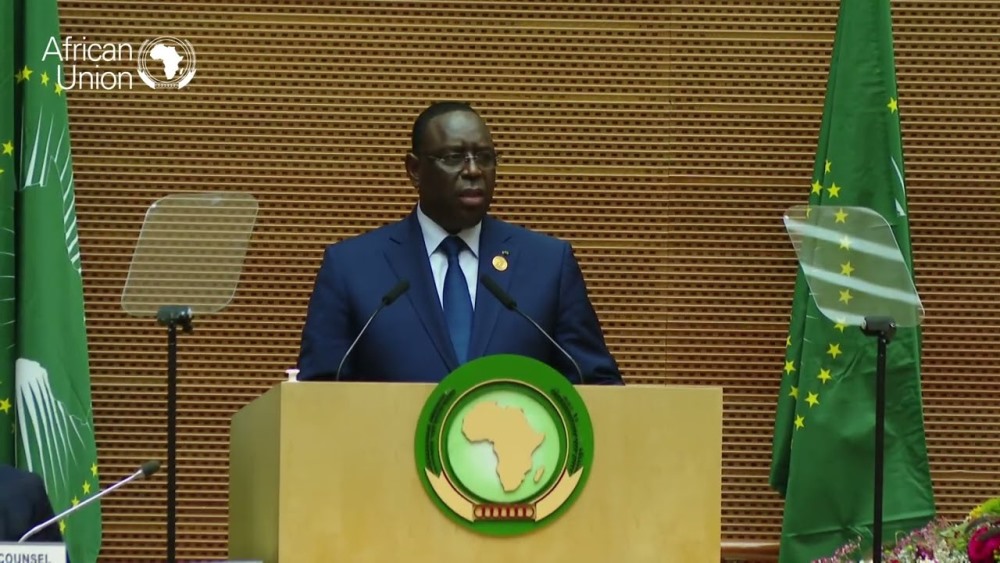
Following a tripartite summit held in Angola on 6th July 2022 to find a solution for growing tension between Rwanda and M23, President Macky Sall has via Twitter handle commended the outcomes.
“I welcome positive outcomes of the dialogue held today in Luanda between the presidents Paul Kagame and Tshisekedi with the mediation of João Lourenço. I congratulate and encourage all concerned parties to pursue efforts aimed at achieving peace,” Macky Sall tweeted.
Speaking outside Downing Street, Johnson said the process for choosing the new leader of the Conservative Party should begin now, with a timetable to be announced next week. He said he intends to remain in place until a new Tory leader is elected.
His decision to remain in office comes despite a clear lack of support from within his own party and a growing push across the political spectrum for him to step down immediately.
Johnson said he was “sad to be giving up the best job in the world,” but conceded that “no one is remotely indispensable” in politics.
Referring to members of his own ruling party who turned against him, Johnson said: “At Westminster, the herd instinct is powerful and when the herd moves, it moves.”
Johnson thanked his wife Carrie Johnson, his children, the National Health Service, armed forces and Downing Street staff. “Above all, I want to thank you, the British public, for the immense privilege that you have given me.”
He concluded his roughly six-minute speech by seeking to strike an upbeat tone. “Even if things can sometimes seem dark now, our future together is golden.”
It comes as the wave of resignations from Johnson’s government and party since Tuesday evening approached 60, with one Conservative Party member after another publicly voicing their lack of confidence in the prime minister.
Finance Minister Nadhim Zahawi was the latest of Johnson’s allies to urge him to “go now,” saying the unprecedented political crisis over his future was not sustainable and would “only get worse.”
Remarkably, Zahawi’s call for Johnson to step down came just two days after the prime minister appointed him finance minister.
The relentless stream of resignations was dramatically kickstarted by Rishi Sunak and Health Secretary Sajid Javid. The two high-profile ministers quit within minutes of each on Tuesday evening following a dispute over Johnson’s decision to appoint Chris Pincher as deputy chief whip earlier this year.
Pincher resigned and was suspended as a Conservative Party MP last week, following accusations that he drunkenly groped two men at a private members’ club. It has since emerged that Johnson appointed him to the role despite knowing of previous misconduct allegations against him.
Johnson apologized for appointing Pincher as deputy chief whip. He has since repeatedly rejected calls to resign, claiming he had a “colossal mandate” to keep going.
By Thursday, however, Johnson bowed to the political pressure over his future and announced he would step down.
Sterling traded 0.4% higher at $1.1979 shortly after Johnson’s announcement.
Johnson’s downfall brings an end to his reputation as the “Teflon” prime minister. The 58-year-old former London mayor had become known for his ability to wriggle out of political controversies.
Last month, Johnson survived a vote of confidence triggered by his own MPs amid increasing dissatisfaction with his leadership. The secret ballot of Tory lawmakers saw some 211 MPs vote in favor of Johnson, while 148 voted against him.
{{Who are the front-runners to replace Johnson?}}
Johnson’s resignation means there will now be a leadership contest to determine who becomes the next Conservative leader and prime minister.
The individual candidates will need to secure the backing of Tory MPs, with the final two going head-to-head in a ballot of Conservative Party members.
Alongside Sunak and Javid, Foreign Secretary Liz Truss, former Foreign Secretary Jeremy Hunt, former Leveling Up Secretary Michael Gove, International Trade Minister Penny Mordaunt and Defense Minister Ben Wallace are among the front-runners tipped to run in a leadership election.
Polling firm YouGov said a comparison of individual candidates showed Wallace was the clear favorite among Conservative Party members to be the next party leader.
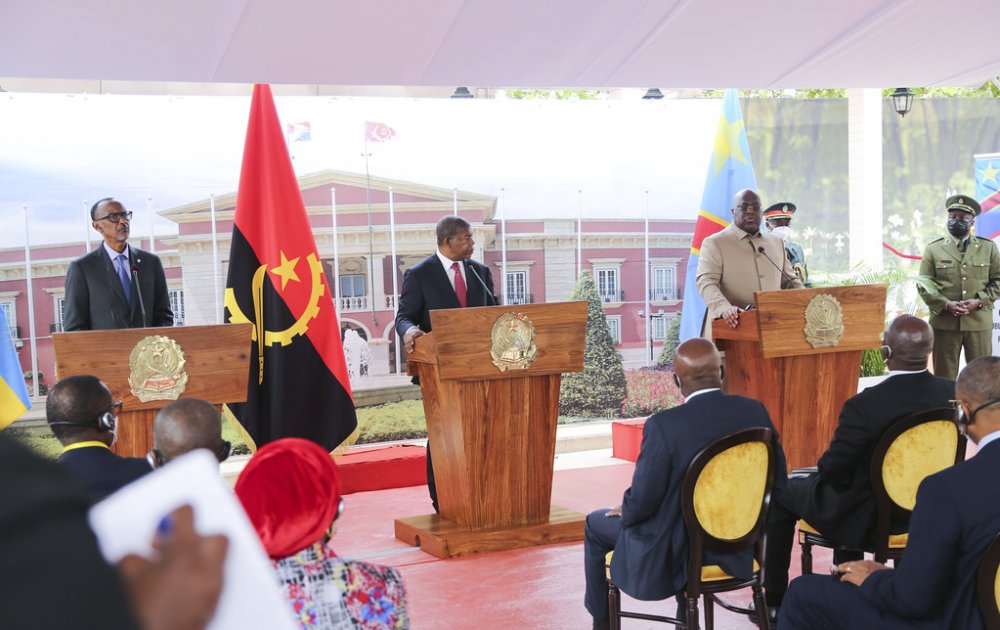
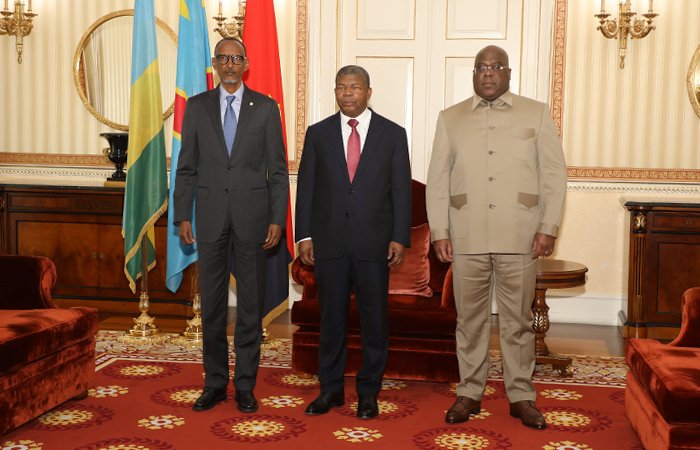
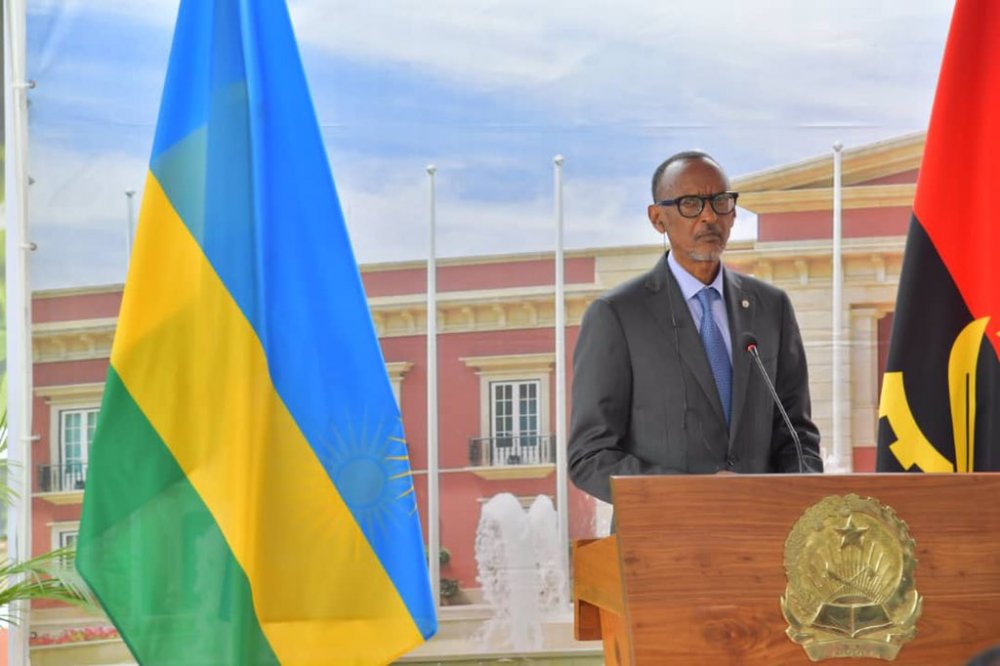
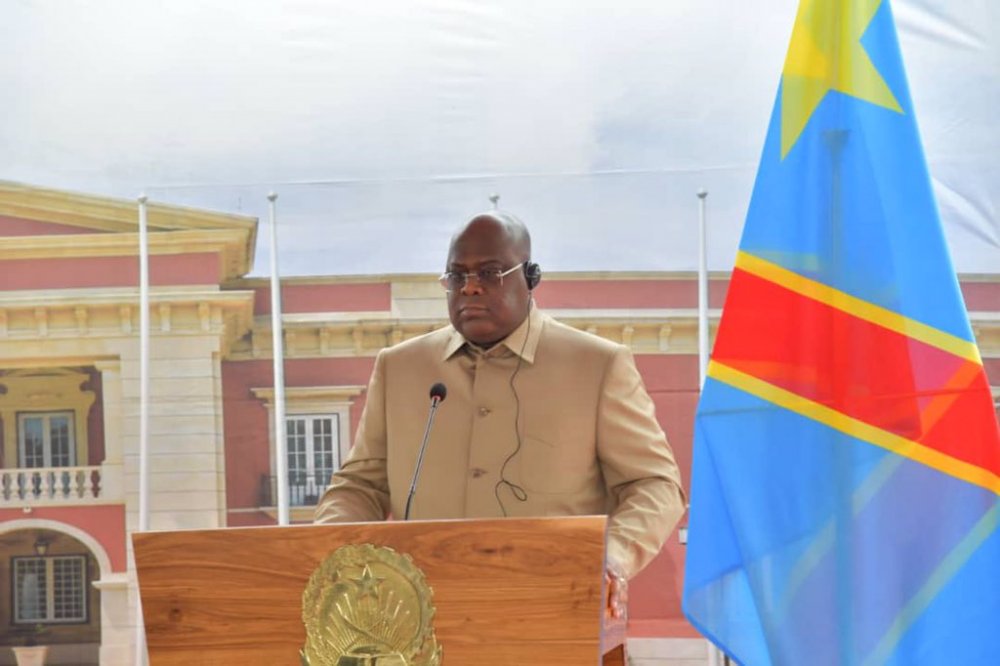
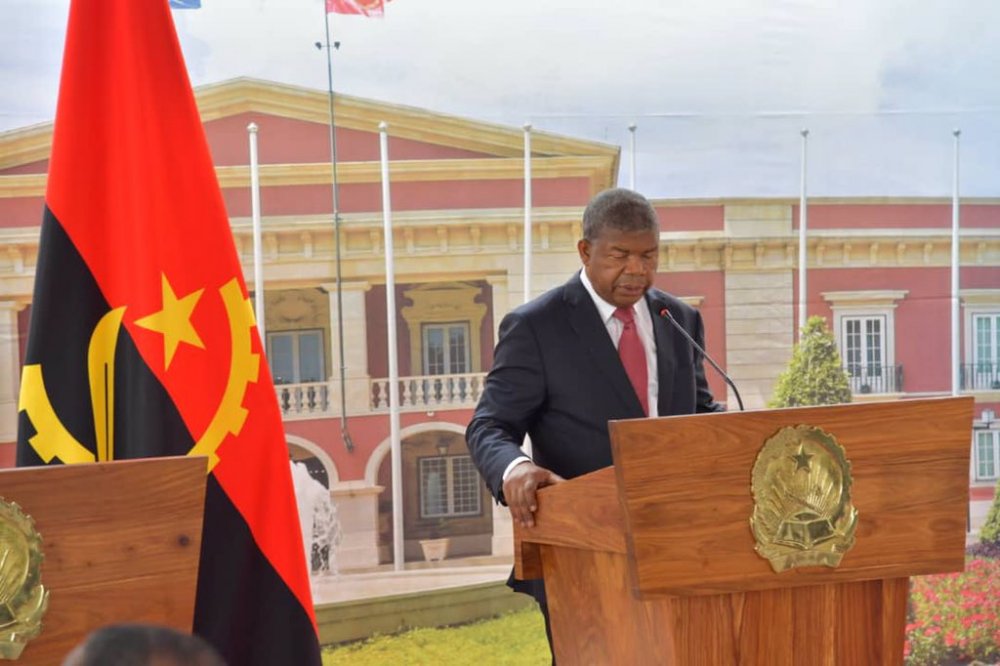
The discussions took place at a tripartite summit in Angola on Wednesday 6th July 2022 which brought together the President of Rwanda, Paul Kagame; his counterpart of DRC, Félix Tshisekedi and Angolan President, João Lourenço who is the Chairperson of the International Conference on the Great Lakes Region (ICGLR) and mediator on tension between Rwanda and DRC.
The issue of rising tension between Rwanda and DRC was recently discussed at the extraordinary Summit of the African Union in Malabo, Equatorial Guinea where President Joao Lourenço was designated as a mediator.
A former member of DRC’s cabinet said that Lourenço is a trusted person and respected by his counterparts of Rwanda and DRC that his mediation is promising to yield good results.
He has good relations with President Kagame where both countries are involved in peacekeeping activities in the Central Africa Republic (CAR).
On the other note, Angola was the first country visited by Tshisekedi after taking power. Three months later in May 2019, Angolan President visited DRC to attend the burial of the father of Tshisekedi.
A document entailing the roadmap of activities aimed at restoring relations to normal between both countries, indicates that political and diplomatic relations between the DRC and Rwanda need to be normalized.
On the side of DRC, it reads that relations will improve further in case M23 rebel group cease hostilities and withdraw from occupied positions.
Also on the agenda, is the establishment of a climate of trust between the states of the region and create optimal conditions for dialogue and political consultation to resolve the current security crisis in eastern DRC.
The roadmap also stresses the need to defeat the Democratic Forces for the Liberation of Rwanda (FDLR) and its splinter groups (CNRD- FLN, RUD-Urunana, FPPH-Abajyarugamba) believed to be at the origin of tensions between Rwanda and DRC and play a major role in the insecurity of the DRC in order to ensure that the threat to security ceases completely.
Creating the necessary conditions for the return of refugees and reactivating the Joint Intelligence Team Rwanda-DRC to agree on the practical modalities and the program for fighting the FDLR, in coordination with the Presidency of the ICGLR and the Nairobi Process are also among outlined priorities as per released roadmap.
Both countries have also agreed on reconvening a Joint Permanent Commission (JPC) where the first meeting is due on 12th July 2022 in Luanda, Angola.
More efforts will be geared towards fighting hate speech and offensive language in the region by all parties.
President João Lourenço has said that a senior military official from Angola will attend the first meeting to mediate both parties.
It was also agreed to prevent violations of territorial integrity and ensuring compliance with the commitments made by ICGLR States in this regard.
DRC accuses Rwanda of backing M23 while Rwanda accuses the neighbouring country of collaboration with FDLR.
Other outlined activities include the expansion of the mandate of the Joint ICGLR Mechanism by strengthening its role and means of action to enable it to carry out a priori monitoring, prevent and record all actions likely to compromise the implementation of the commitments of the parties with regard to the territorial integrity, security and stability of the States of the Region as well as mutual confidence between them.
An ad-hoc verification mechanism led by an Officer General of the Republic of Angola is also set to be created to verify the reciprocal accusations of the DRC and Rwanda concerning the support to M23 and the collaboration with the FDLR.
The team is to be supported by the Expanded Joint Verification Mechanism (EJVM) while ICGLR will seek MONUSCO’s support in security and logistical matters.
The EJVM is a mechanism of the International Conference of the Great Lakes Region (ICGLR) composed of military officers from the 12 member countries that is charged with monitoring and verification of border violations between DRC and neighbouring countries.
The issue of armed groups in eastern DRC was also discussed. The heads of state resolved on the revitalisation of the Framework Agreement for Peace, Security and Cooperation (PSC) in the DRC and the Region
This will be done through the establishment of a joint mechanism for regular consultations and harmonisation between the ICGLR and the EAC on the Nairobi process, ending the roaming of armed groups in the region and accelerating the implementation of the Disarmament, Demobilisation and Community Rehabilitation and Stabilisation (DDRSC) process and the release of resources pledged by donors.
DRC government will be responsible for implementation in collaboration with international partners including the United Nations, European Union and World Bank among others.
It was also resolved that DRC needs to create the conditions for the return of ex-fighters of M23 who are residing in Rwanda. This will go hand in hand with the review of clauses stipulated in agreements signed between DRC and the rebel group in 2019 in Kigali.
At the time, it was agreed to integrate combatants of the rebel group into Congolese Army, integrate its politicians in the government and repatriate refugees.
Rwanda, DRC, ICGLR and the United Nations High Commissioner for Refugees will be in charge of implementation.
The summit also resolved on reviewing and implementing previous agreements regarding the return of refugees in the region and repatriate elements of armed groups to their respective countries of origin.
Else, there is need to promote economic partnership between the States of the region and strengthening of regional mechanisms to combat the illegal exploitation of natural resources
It will be reached through stepping up the fight against the illicit exploitation of the DRC’s natural resources by armed groups.
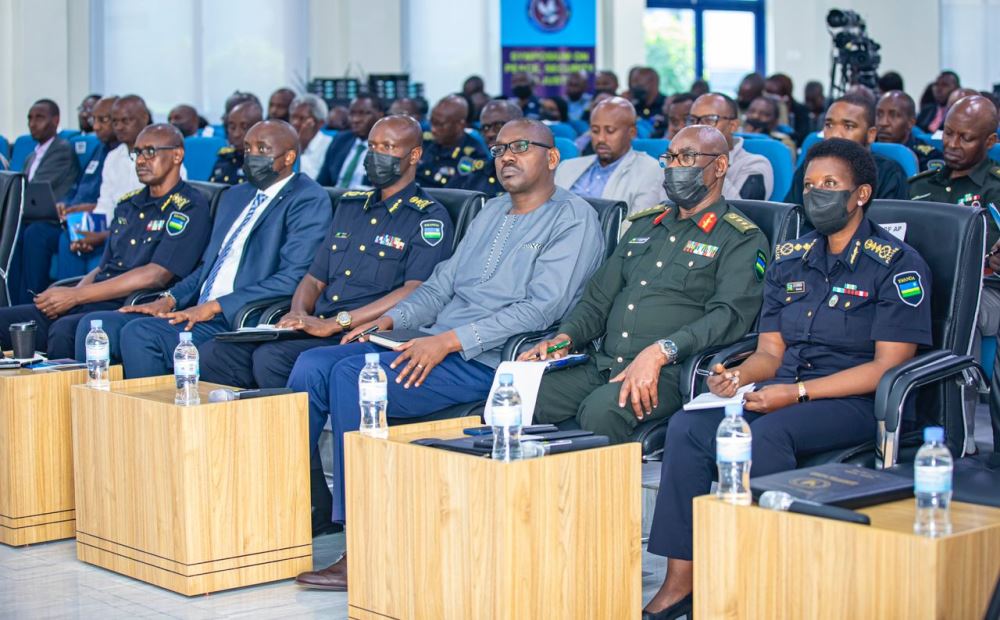
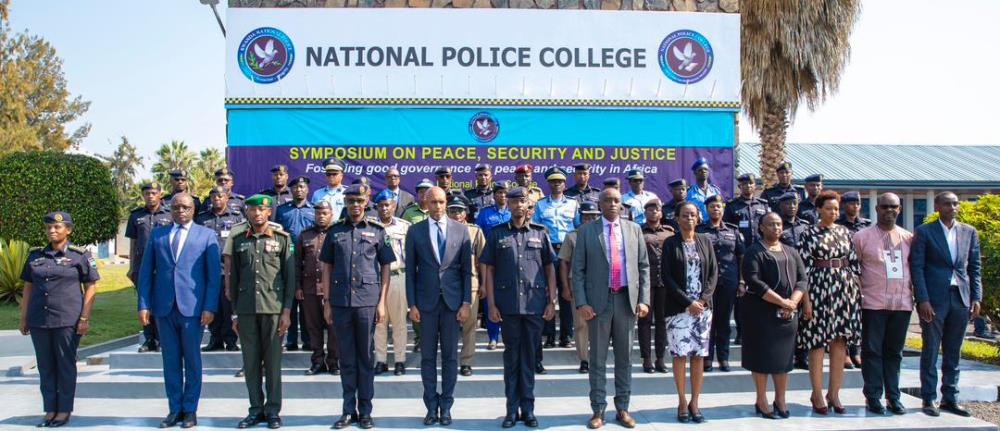
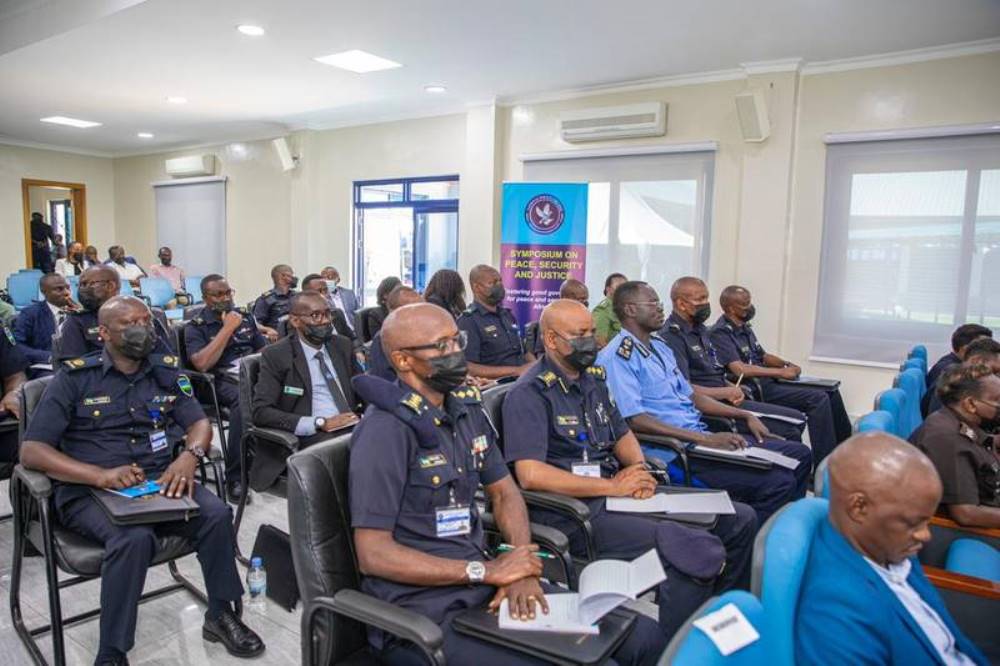
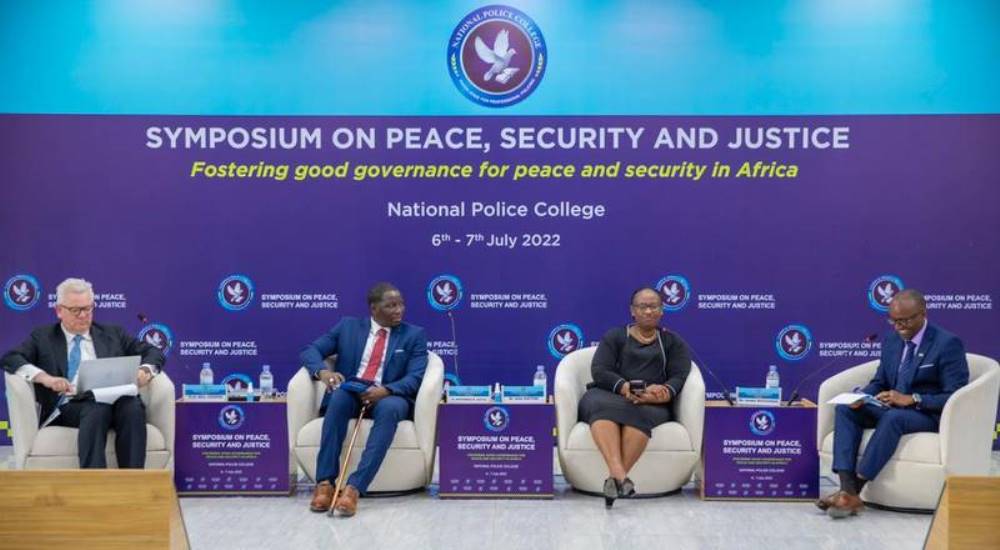
Policymakers, academicians, scholars, and other eminent officials from Africa and beyond, will focus their expertise to discuss and explore the theme; “fostering good governance for peace and security in Africa.”
The Minister of Justice and Attorney General, Dr. Emmanuel Ugirashebuja, while officially opening the symposium, said that it reflects a meaningful and practical manner on the impact of governance on peoples’ peace and security especially in Africa, a conflict-torn continent for decades.
He added that in Africa, as in any other continent, the quality and characteristics of governance influence the level of peace and stability and the prospects for socio-economic development.
“Most recurrent conflicts in Africa, if not all, are associated with governance shortfalls characterized, for instance, by failure to recognize and manage diversity, which leads to exclusion or marginalization of a section of the population resulting into structural violence, insurgency, violent extremism or terrorism,” Minister Ugirashebuja said.
Other causes, he added, include divisive politics, unequal distribution of scarce resources, marginalization, political patronage, foreign political influences, external interferences founded on shared colonial past, among others.
“Undeniably, there is no magic wand that can be used to prevent or address all the shortfalls and the resulting disastrous consequences other than promoting inclusive, patriotic, pro-citizen, accountable, transparent and human security-oriented governance,” the Minister emphasized.
The symposium, he said, is well grounded and will lay foundation on how to foster governance in respective countries as a prerequisite for sustainable peace and security as it provides an opportunity for participants to learn from practical examples of countries where governance has played a dual impact on peace and security.
“The Good news is, we are our own best hope. The ongoing efforts spearheaded by the National Police College to shape and improve the institution of Police through learning from each other are impressive.”
The event was also graced by the Inspector General of Police (IGP) Dan Munyuza; Rwanda Defence Force (RDF) Chief of Staff, Lt Gen Mubarak Muganga, RIB Secretary General, Col (rtd) Jeannot Ruhunga, Deputy IGP in charge of Administration and Personnel Jeanne Chantal Ujeneza, among others.
The NPC Commandant, Commissioner of Police (CP) Rafiki Mujiji said that the symposium, which is part of the one-year Police Senior Command and Staff Course, broadens the understanding of regional police students to expand their analytical capacity beyond class lectures, library readings and internal and external study tours.
The 10th PSCSC brought together senior Police students from eight African countries, namely; Kenya, Malawi, Namibia, Somalia, South Sudan, Tanzania, Zambia, and Rwanda.
{{Panelists}}
Key speakers from Rwanda, USA, South Africa, Namibia, Mozambique, Senegal, Kenya and Tanzania will explore key areas of governance, peace and security.
Panelists on Day One of the symposium will look at good governance as a critical factor for peace and stability in Africa; and governance and conflicts in Africa–internal and external drivers.
Experts on Day Two will discuss on media and governance in contemporary Africa, opportunities and challenges; and rethinking peaceful and secure Africa–good governance in perspective.
President João Lourenço who was designated as a mediator on the tension between Rwanda and DRC hosted the head of states for a summit on Wednesday 6th July 2022 in Angola.
It takes place amidst escalating tension between both countries where Tshisekedi warned of a war with Rwanda if it continues backing M23 rebel group. However, Rwanda has repeatedly rejected allegations of supporting M23.
The discussions held on Wednesday were wrapped up with consensus to concert efforts aimed at calming tensions between both countries to turn a new page for relations.
DRC’s Presidency has announced that relations will be normalized through ‘Luanda mechanism’ aligning with activities of the joint commission between both countries which has not organized a meeting for several years.
The first meeting of the commission is due on 12th July 2022 in Luanda, Angola. It is aimed at restoring peace between both countries through diplomatic process.
Regarding M23, the heads of state resolved that the rebel group must lay down arms and withdraw from captured areas.
Meanwhile, all mining activities in DRC must be carried out with respect to national sovereignty.
Lourenço who is also the Chair of the International Conference on the Great Lakes Region (ICGLR) is the mediator on tensions between Rwanda and DRC.
The meeting takes place at a time when DRC continues to accuse Rwanda of backing M23 rebel group during clashes with Congolese Army (FARDC).
However, Rwanda has rejected the allegations and advised the neighbouring country not to drag it into internal problems.
The Chairperson of the African Union Commission, Moussa Faki Mahamat recently revealed that the eastern part of DRC has for long turned into a concentration area for terrorist groups, a situation which required interventions from the United Nations and neighbouring countries to find a solution.
He said that the situation was promising based on cordial relations between Rwanda and DRC since 2018, but has deteriorated again.
Mahamat further disclosed that the issue was discussed in Malabo, Equatorial Guinea, during an extraordinary Summit of the African Union where President Joao Lourenço was designated as a mediator.
Doğuş Group is among the largest private-sector companies in Turkey.
The Chairman and CEO of Doğuş Hospitality & Retail Group, Eryigit Umur is on a visit to Rwanda along with the Head of Chaiman’s Office, Emin Tuzuna and Selin Maner, the company’s Architect.
IGIHE has learnt that Eryigit Umur is visiting Karongi for the second time with plans to set up a state-of-the art hotel in the district.
A subsidiary of Doğuş Group, Doğuş Hospitality & Retail Group operates in the fields of hotels, events management and luxury fashion among others.
It manages over 200 restaurants and nearly 20 hotels in more than 21 countries across the world. The subsidiary also owns some of renowned hospitality icons including D-Hotels & Resorts and Mytha Hotel Anthology.
Recently, Doğuş Group announced plans to open a hospitality school and build capacity of real estate professionals in Rwanda.
Governor Habitegeko has told IGIHE that the executives are in Karongi District to explore investment opportunities, particularly in the hospitality sector.
“They are touring different parts of Karongi District , at the same time exploring potential areas of investment in hospitality sector,” he said.
Habitegeko has disclosed that the district presents huge investment opportunities at the shores of Lake Kivu given that it is a beautiful place attracting people seeking to spend weekends or holidays in a relaxing atmosphere.
Situated in close to 130 kilometers from Kigali City, Karongi is among districts with natural features and other touristic attractions luring visitors to prolong their stay.
Like many other districts, Karongi is characterized by a hilly topography with attractive features as well as cultural and historical vestiges of great significance to the country.
In consideration of these attractions, investors have been taking advantage of this opportunity to set up hospitality establishments for visitors to enjoy a memorable sojourn in the district.
So far, the district has registered over 10 hotels, majority of which being constructed at the shores of Lake Kivu.
IGIHE has learnt that the guests are in Karongi District since Tuesday 5th July 2022.
They have been hosted at Cleo Lake Kivu Hotel, a five-star facility located in Bwishyura sector at the shores of Lake Kivu. It has 10 rooms where the cheapest one is booked at US$200 per night.
In March 2022, President Paul Kagame received Chair and CEO of Doğuş Group, Ferit Şahenk and his delegation that came to Rwanda to explore investment opportunities in various sectors including hospitality and real estate.
Doğuş Group has the workforce of over 35,000 and serves more than five million clients.
Apart from investment in hotels and hospitality, the company also retails different car brands including Volkswagen, Audi, Porsche, Bentley, Lamborghini and Bugatti among others.
It is the mother company of prominent media houses owning popular TV stations including NTV, Star and Euro Star.
Its total assets is valued at 39,6 billion Turkish lira (over US$2,7$).
Tshisekedi made the disclosure during an interview with the Financial Times shortly before his flight to Angola for peace accords to seek a solution for escalating tensions between Rwanda and DRC.
“This possibility cannot be ruled out. If Rwanda’s provocation continues, we will not sit and do nothing about it. We are not weak. There is absolutely no doubt that Rwanda is backing the March 23rd Movement. We want peace, but if push comes to shove…at one point we will take action,” he said.
Tshisekedi also underscored that Rwanda is fighting in DRC ‘under the guise of M23’ and accused it of intentions to loot its natural resources.
“Rwanda is fighting in the DRC under the guise of the M23, which was defeated in 2013. Rwanda has illicit vested economic interests in the DRC. As long as order is not restored in the DRC, as long as lawlessness and insecurity prevail, Rwanda will take advantage of that,” he noted.
Tshisekedi makes the declaration at a time when Rwanda has been accusing his country of provocations where Congolese Army in collaboration with the Democratic Forces for the Liberation of Rwanda (FDLR) shelled Rwandan territory three times and kidnapped two soldiers of the Rwanda Defence Force (RDF).
FDLR is a terrorist outfit comprised of remnant masterminds of the 1994 Genocide against the Tutsi who at different times plotted hit-and-run attacks to Rwanda and repelled back.
Rwanda has also condemned hate speeches of Congolese against Rwandans.
The provocations escalated until a Congolese soldier crossed into Rwanda through Rubavu border on 17th June 2022, where he attacked Rwandan policemen with a rapid fire before he was shot dead.
During a press conference on 31st May 2022; Rwanda’s Minister of Foreign Affairs, Dr. Vincent Biruta said that Rwanda would not ‘idly sit by’ and watch the provocations in case DRC refuses to release abducted soldiers and continues shelling Rwandan territory.
“We have responsibilities to protect our citizens and country’s borderlines. A country defends itself against attacks. This means, if the issue persists, we cannot idly sit by and wait for repetitive shelling on our citizens every day or provocations to kidnap people anytime. It is among issues pointed out at the African Union Summit in Malabo. I clearly indicated that we have legitimacy to respond and defend ourselves, in case we are attacked,” he noted.
“We want such provocations to stop. We want these soldiers released. However, in case these attacks continue to threaten our country’s security, we would be legitimate to defend ourselves and you know that we have capacity,” Minister Biruta added.
Rwanda has maintained that DRC’s accusations are unfounded but insisted that the country backs FDLR, a terrorist group threatening Rwanda’s security.
On 5th July 2022, President Tshisekedi arrived in Angola for peace talks with his counterpart of Rwanda, Paul Kagame on the mediation of President Angola, João Lourenço.
The two heads of state also met recently at the third conclave for regional heads of state convened by the President of Kenya, Uhuru Kenyatta to find a lasting solution to security issues in eastern DRC.
The lecture delivered on 29th June 2022 under the theme ‘”What is the Holocaust? A Story of a Genocide and its Implications’’ was organized in partnership with the Embassy of Israel in Rwanda and Yad Vashem – the World’s Holocaust Remembrance Centre.
It aimed at discussing conclusions and most importantly, lessons from the holocaust, which is the genocide initiated by the Nazi Germany and its collaborators against European Jews during World War II between 1941 and 1945 for the younger generation.
The lecture is the first of collaborations between the University and the Embassy of Israel in Rwanda; following a partnership agreement brokered between the Embassy led by the Ambassador of Israel to Rwanda, Dr. Ron Adam and UoK during the former’s visit to the University on 22nd March 2022. The lecture was well-attended by staff and students of UoK.
In his opening remarks; the Vice Chancellor of UoK, Professor Robert Rugimbana welcomed Prof. Porat and the entourage from the Embassy of Israel in Rwanda. He expressed his appreciation to Amb. Ron Adam and his team for giving students and staff of UoK the opportunity to glean valuable insights from the speaker’s rich knowledge in academia and genocide. According to him, such partnerships demonstrate the university’s commitment to providing holistic education to its students and staff.
The lecture began with a discussion of the racial theory and ideology in Europe and the rise of the Hitler-led Nazi Party in Germany to power in 1933. Prof. Porat subsequently touched on the obsessive and imaginary fear of the Jewish people as well as the implementation of plans against the Jewish population in Germany and beyond, following the outbreak of World War II in 1939; the German conquests; Limiting legislation, Identification and Isolation, Forced Immigration; Confinement in Ghettos and the Industrial Murder in Exterminations Camps.
Addressing the participants on ways to mitigate genocides and their impacts, the speaker emphasized the role of major institutions such as churches and schools in shaping young learners to grow up with a positive and ethical mindset which trusts and partners with other people or nations. On this, Prof. Porat commended Rwanda for becoming a centre for multi-national conventions through its membership with international bodies such as the East African Community (EAC) and Commonwealth.
Secondly, genocide-related topics can be incorporated in school curricula from basic levels such as kindergarten and discussed or portrayed in movies and other lifestyle activities highly patronized by the youth to sensitize them about the subject, as is the case in Israel. The lecture concluded with insightful questions from participants and answers from the speaker.
Admissions for the September Intake (2022/2023 Academic Year) in graduate, undergraduate and professional programmes are ongoing at both UoK Kigali and Musanze Campuses.
Apply online via: [{{mis.uok.ac.rw/apply}}->https://mis.uok.ac.rw/apply/] or call +250 788303386/ +250 788669642.
Rwanda’s Presidency has revealed that Ndiaye was received on Tuesday 5th July 2022.
The coordinator works with the government and representatives of UN agencies to fulfill its mission.
Fodé Ndiaye assumed the duties on 10th July 2017. Before, he had served as the Resident Representative of the United Nations Development Programme (UNDP) in Rwanda.
Prior to his appointment in Rwanda, Ndiaye served as the UN Resident Coordinator and Humanitarian Coordinator in Niger for five years.
He also held various positions at the United Nations Capital Development Fund including Head of the Regional Office for West and Central Africa.
Ndiaye holds a PhD in Economics which he obtained from Erasmus University Rotterdam in the Netherlands. He speaks Wolof language used in Senegal, Mauritania and Gambia as well as French and English.