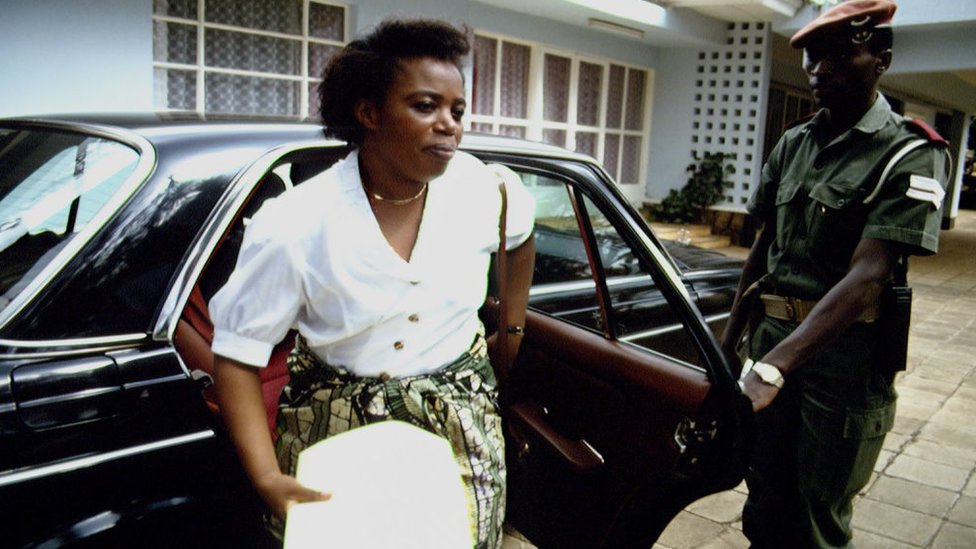
Uwilingiyimana, who was serving as Prime Minister at the time, was among several politicians targeted in the early hours of the genocide as extremist forces moved to eliminate opponents and moderate voices.
In September 2004, a protected witness told the International Criminal Tribunal for Rwanda (ICTR) in Arusha that a list of politicians to be killed had been prepared by individuals close to the Habyarimana family and senior figures within the former regime. Those named included Uwilingiyimana, Landouald Ndasingwa, Frédéric Nzamurambaho and others.
According to the witness, the list was prepared by Habyarimana’s wife, Agathe Kanziga, their daughter Jeanne, Protais Zigiranyirazo, and Major Protais Mpiranya.
The witness said Mpiranya was later instructed to send members of the presidential guard to carry out the killings.
A classified report by the United States Central Intelligence Agency (CIA) indicates that Uwilingiyimana attempted to seek refuge at the residence of the Deputy Chief of Mission at the US Embassy in Rwanda, but was forced to flee after hearing gunfire near her home.
On the morning of April 7, 1994, US Ambassador to Rwanda David Paul Rawson said Uwilingiyimana tried to reach the headquarters of the United Nations Development Programme (UNDP) for safety. However, presidential guards intercepted her and killed her.
Weeks later, on April 27, 1994, Matthieu Ngirumpatse, then Secretary-General of the National Revolutionary Movement for Development (NRMD) ruling party, and Justin Mugenzi, who served as Minister of Trade, addressed journalists during a press conference where Ngirumpatse spoke about the circumstances surrounding Uwilingiyimana’s death.
Ngirumpatse claimed that former government forces had accused Uwilingiyimana of planning to overthrow President Habyarimana shortly before his death.
“Two days earlier, the Prime Minister had summoned some senior military officers and told them about her plan to overthrow the President,” he said.
However, Uwilingiyimana’s supporters and survivors of the genocide have rejected such accusations, describing them as part of the propaganda used by extremist officials to justify the killing of political opponents.
The daughters of Dr. Emmanuel Akingeneye, Habyarimana’s personal physician, later told Belgian investigators that when they took their father’s body to the mortuary at Kanombe Hospital, the hospital’s Director General, Dr. Laurent Baransaritse, ordered that Uwilingiyimana’s body be placed in a separate room.
They also told investigators that they heard Jean-Luc Habyarimana, the former president’s son, saying he wanted to shoot Uwilingiyimana’s body. However, based on the information available to them, they said he did not carry out the threat.
Uwilingiyimana became Rwanda’s Prime Minister on July 18, 1993, after previously serving as Minister of Education. She joined the government as a member of the opposition MDR party, which was critical of Habyarimana’s administration.
During her time as Education Minister, she challenged the ethnic-based quota system that had limited access to education for many qualified Tutsi students. The reform angered hardliners within MRND.
Ngirumpatse used false claims linking Agathe Uwilingiyimana to a coup plot to vilify her after her assassination.
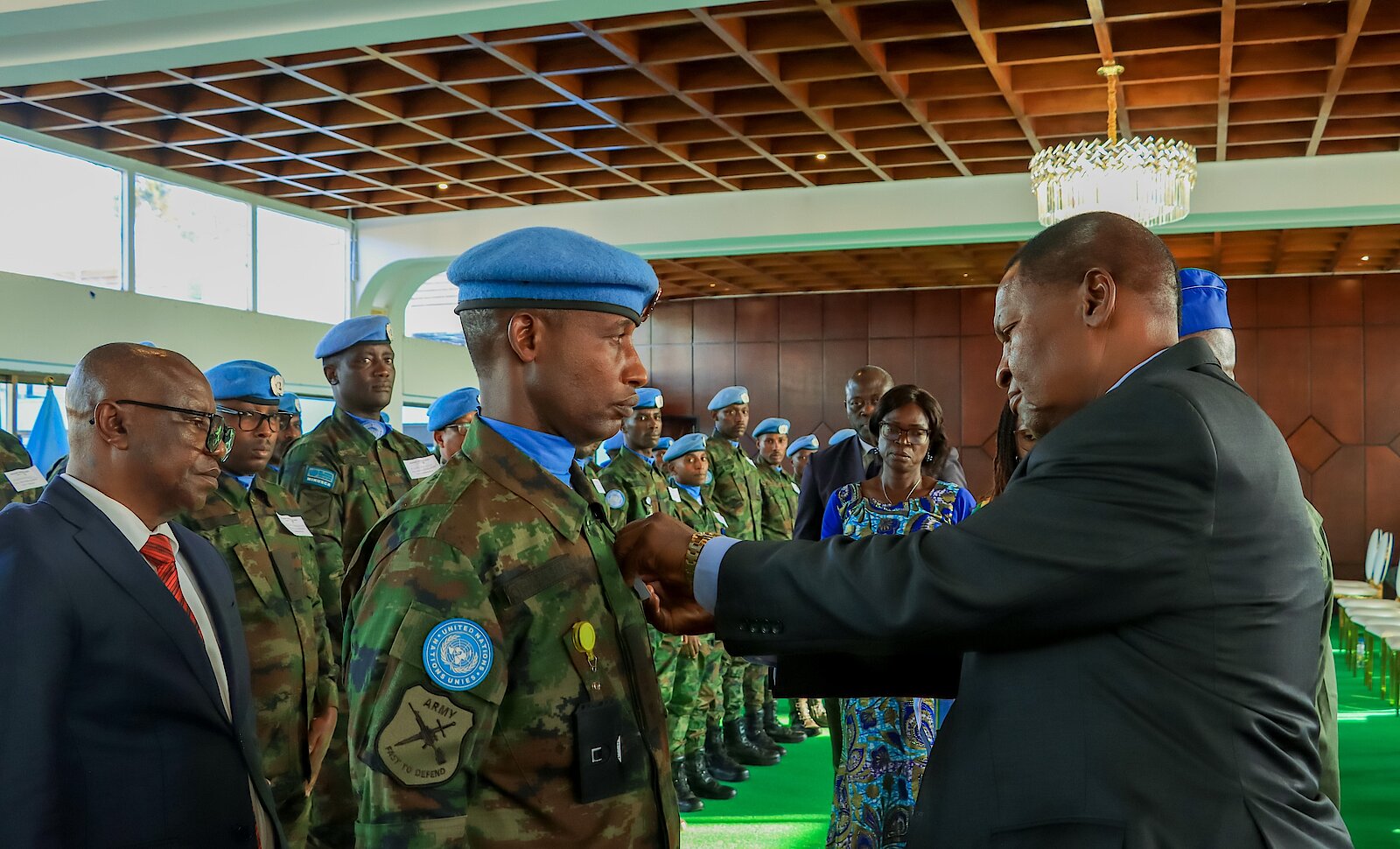
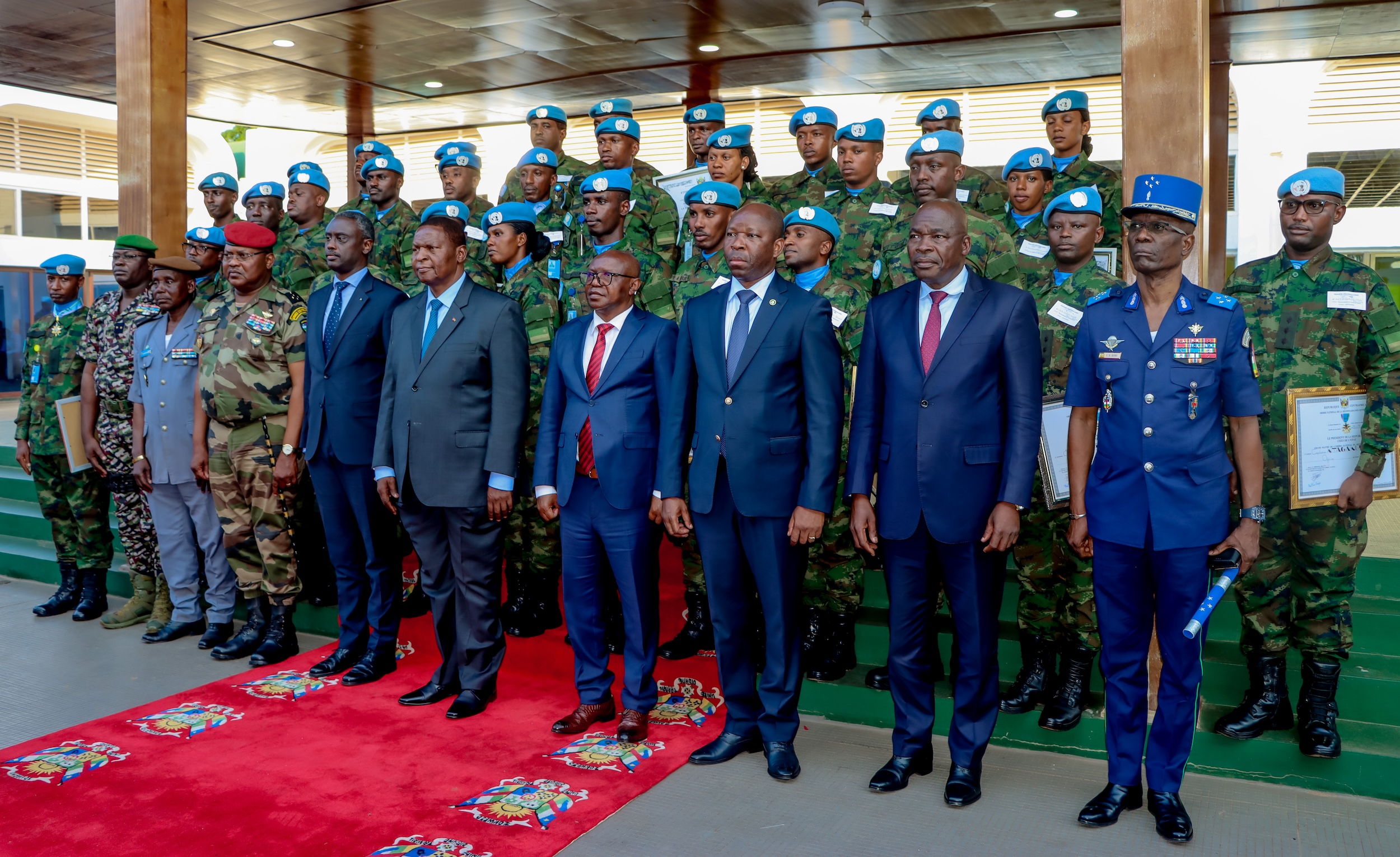
The ceremony took place on Tuesday, July 21, 2026, at the Presidential Palace in Bangui.
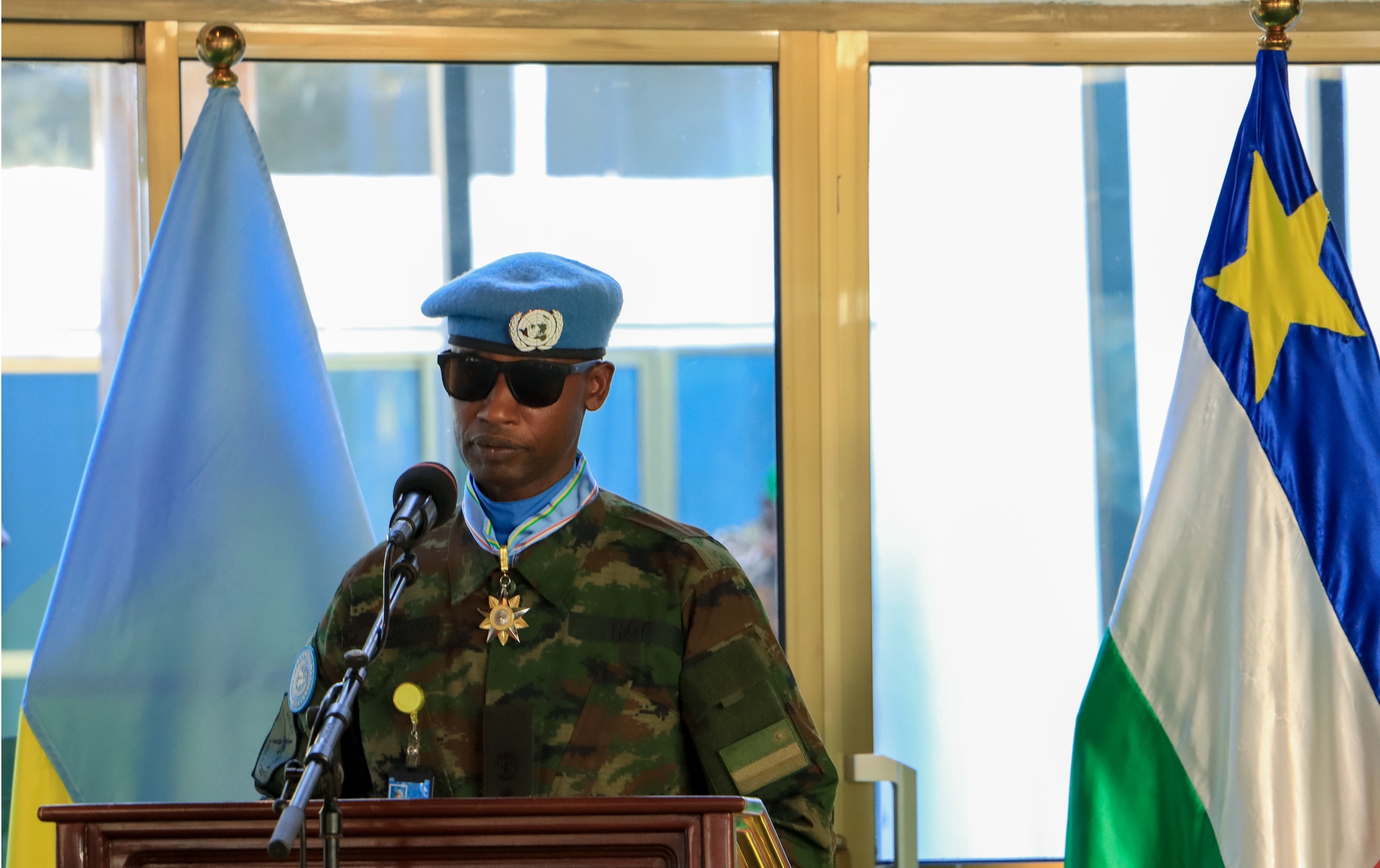
The medal was presented in recognition of the contingent’s dedication, steadfast professionalism, and exemplary service during peace support operations in the Central African Republic (CAR), where they played a key role in protecting civilians and promoting peace, security, and stability.
The Commanding Officer of RWANBATT-15, Lt Col Paul Gasasira, expressed his appreciation to the President of the Central African Republic for the continued support extended to the contingent in carrying out its mandate.
He also praised the professionalism, discipline, and resilience shown by RWANBATT -15 personnel throughout their deployment.
The ceremony was attended by senior officials from the Government of the Central African Republic, the Ambassador of the Republic of Rwanda to the Central African Republic, Olivier Kayumba, senior military officials, and members of the Rwandan community residing in the Central African Republic.
Rwanda has been contributing to United Nations peacekeeping efforts in the Central African Republic since 2014 through the United Nations Multidimensional Integrated Stabilization Mission in the Central African Republic (MINUSCA).
The mission is aimed at supporting the restoration of peace, security, and stability in the country.
Rwandan peacekeepers serving under MINUSCA have been awarded the Presidential Medal of Appreciation by CAR President Faustin Archange Touadéra in recognition of their dedication to protecting civilians and promoting peace.Senior government officials, military leaders, Rwanda’s Ambassador to the Central African Republic Olivier Kayumba, and members of the Rwandan community attended the medal award ceremony at the Presidential Palace in Bangui.The Commanding Officer of RWANBATT-15, Lt Col Paul Gasasira, has praised the professionalism, discipline and resilience demonstrated by Rwandan peacekeepers throughout their deployment in the Central African Republic.President Faustin Archange Touadéra has commended the dedication and exemplary service of RWANBATT-15 during its year-long deployment under the UN peacekeeping mission in the Central African Republic.
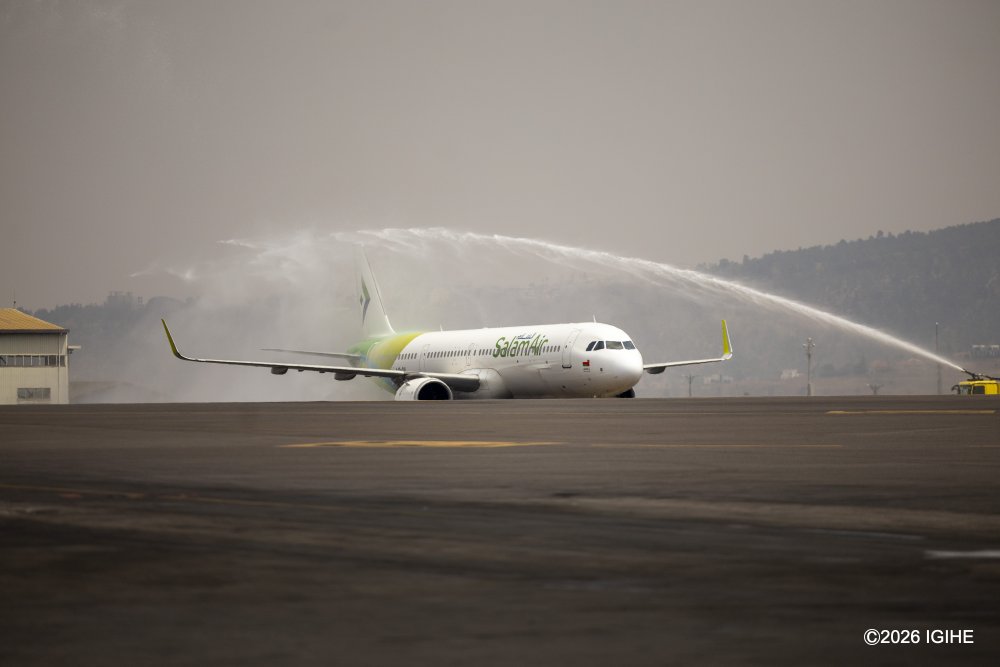
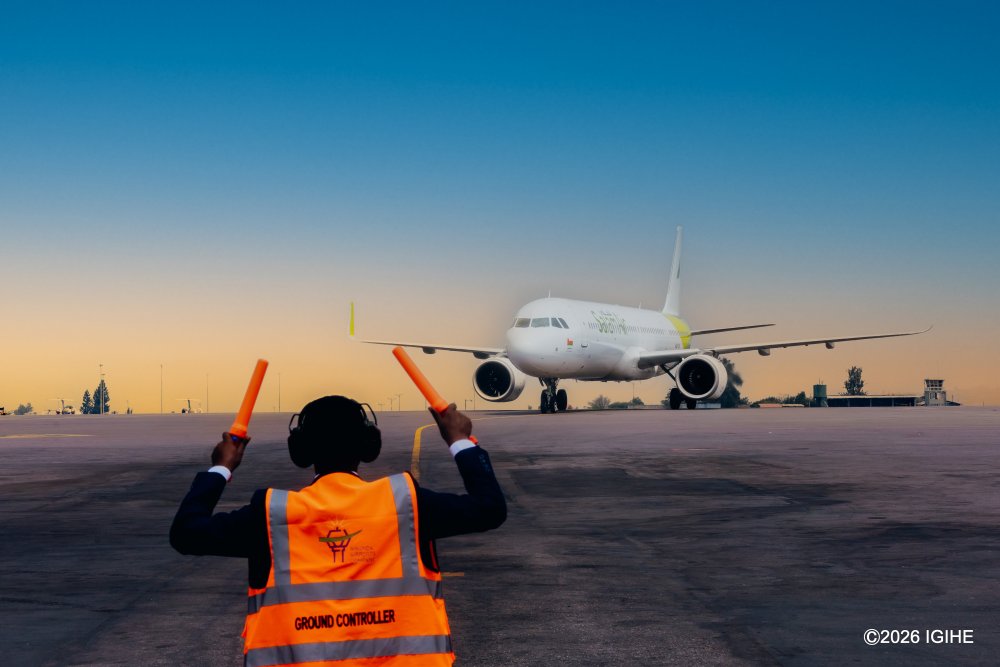
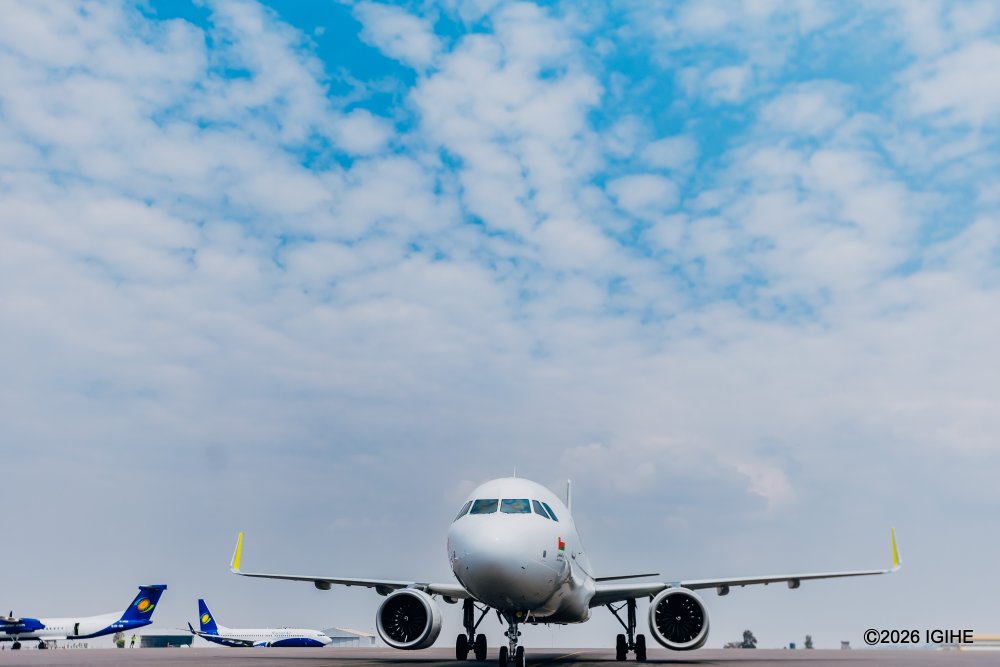
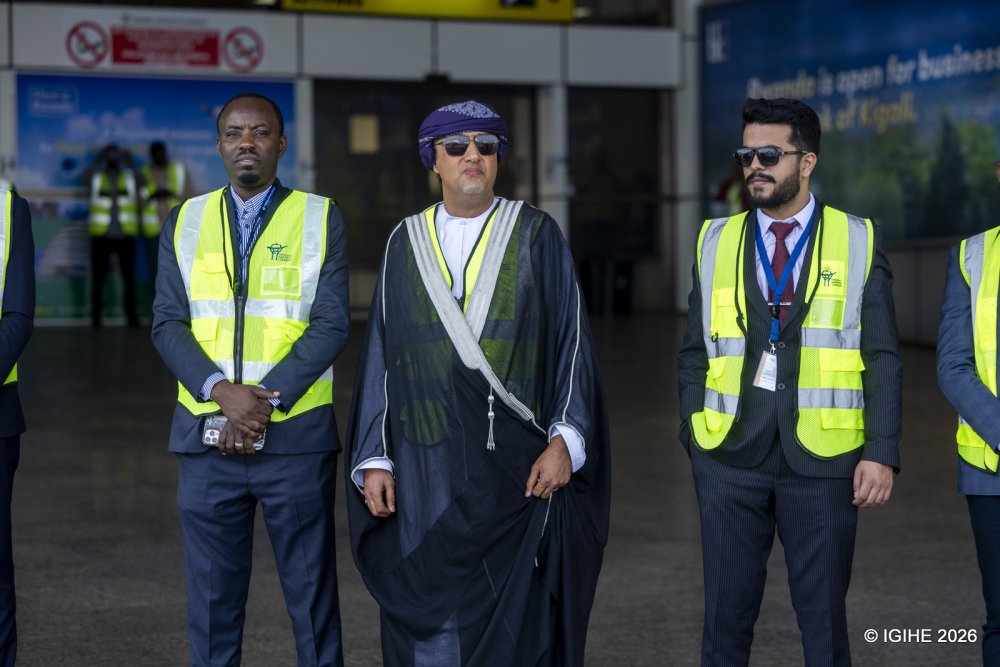
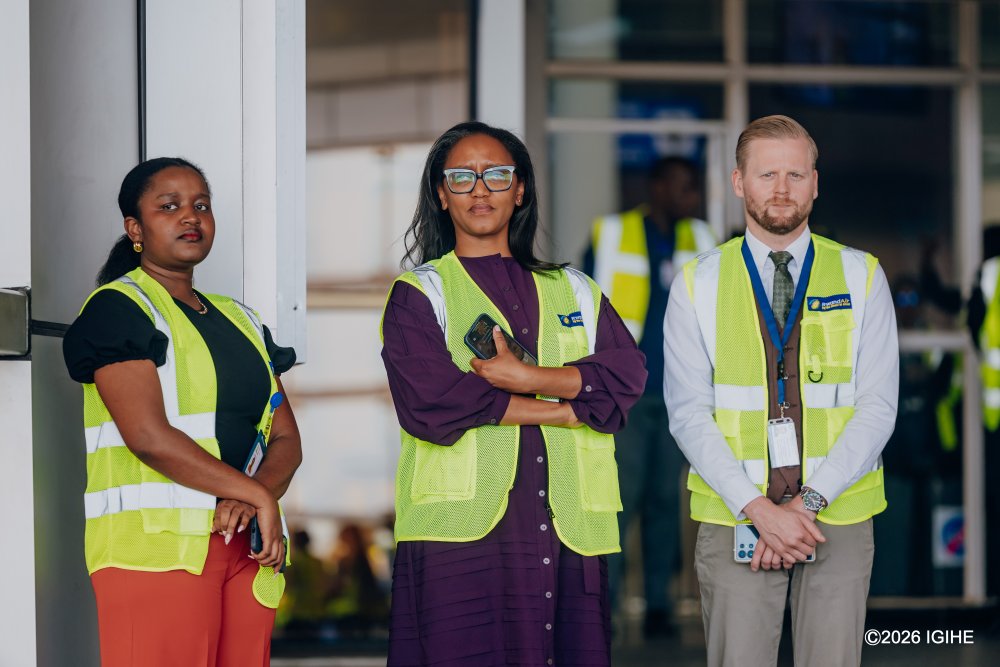
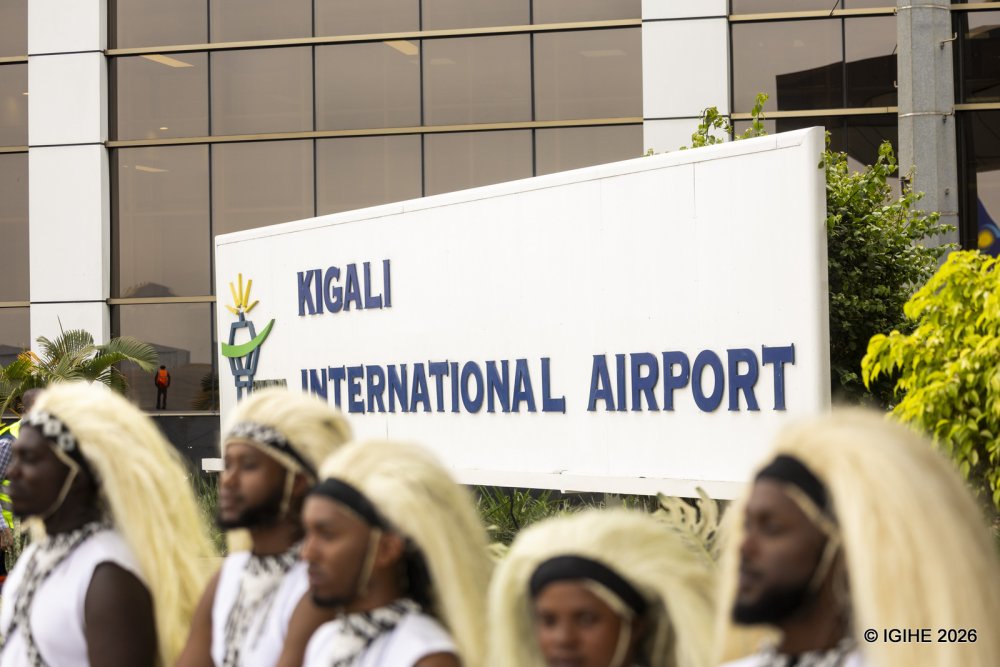
The airline’s inaugural flight landed at Kigali International Airport on Tuesday, July 21, following a launch ceremony at Muscat International Airport attended by senior officials from SalamAir, Oman Airports, the Civil Aviation Authority of Oman, the Embassy of Rwanda in Oman, and aviation and tourism stakeholders.
SalamAir will operate two weekly flights between Muscat and Kigali, every Monday and Thursday, offering passengers an affordable direct connection and onward access to destinations across the Middle East, Asia, Africa and Europe.
In a statement, the airline described Kigali as one of East Africa’s fastest-growing destinations, noting its thriving tourism industry, expanding business environment and strategic location as a regional gateway.
“The new direct service strengthens connectivity between Oman and Rwanda while creating new opportunities for tourism, trade, investment, and cultural exchange,” SalamAir said.
Rwanda’s Ambassador to Oman, CG Dan Munyuza, said the new route marks an important milestone in strengthening relations between the two countries.
“This new route will support the growing movement of travellers, businesses, and goods between our two countries, while creating further opportunities for tourism, trade, and investment,” he said.
Munyuza also noted that should RwandAir decide to launch flights to Oman in the future, it would receive the necessary support to begin operations.
SalamAir Chief Executive Officer Adrian Hamilton-Manns said the Kigali route forms part of the airline’s strategy to expand into high-potential markets.
“Rwanda is a dynamic destination with significant opportunities, and we are proud to establish this direct link, which will further strengthen the relationship between our two countries while supporting Oman’s tourism ambitions and the objectives of Oman Vision 2040,” he said.
Rwanda’s Minister of State for Infrastructure, Col. Claudien Bizimungu, said the new service is expected to increase visitor arrivals from the Middle East, facilitate business travel and reduce travel costs for Rwandans, particularly traders and other travellers who previously relied on multiple connecting flights.
The Muscat-Kigali route is expected to further strengthen the growing partnership between Rwanda and Oman while expanding Rwanda’s international air connectivity.
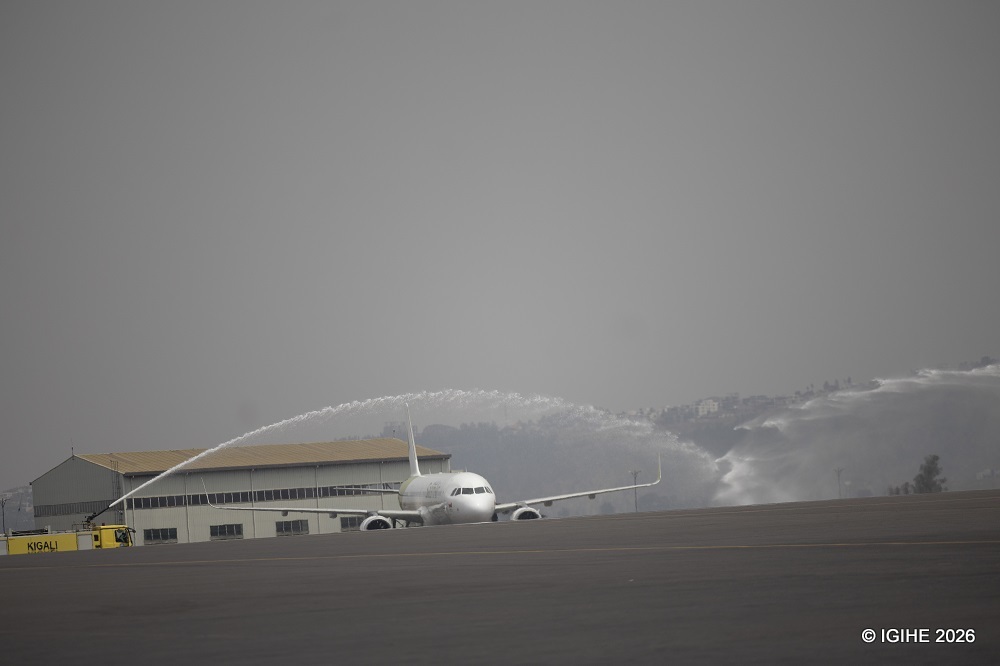
The airline’s inaugural flight landed at Kigali International Airport on Tuesday, July 21.The flight received a symbolic water salute.SalamAir will operate two weekly flights between Muscat and Kigali, every Monday and Thursday.
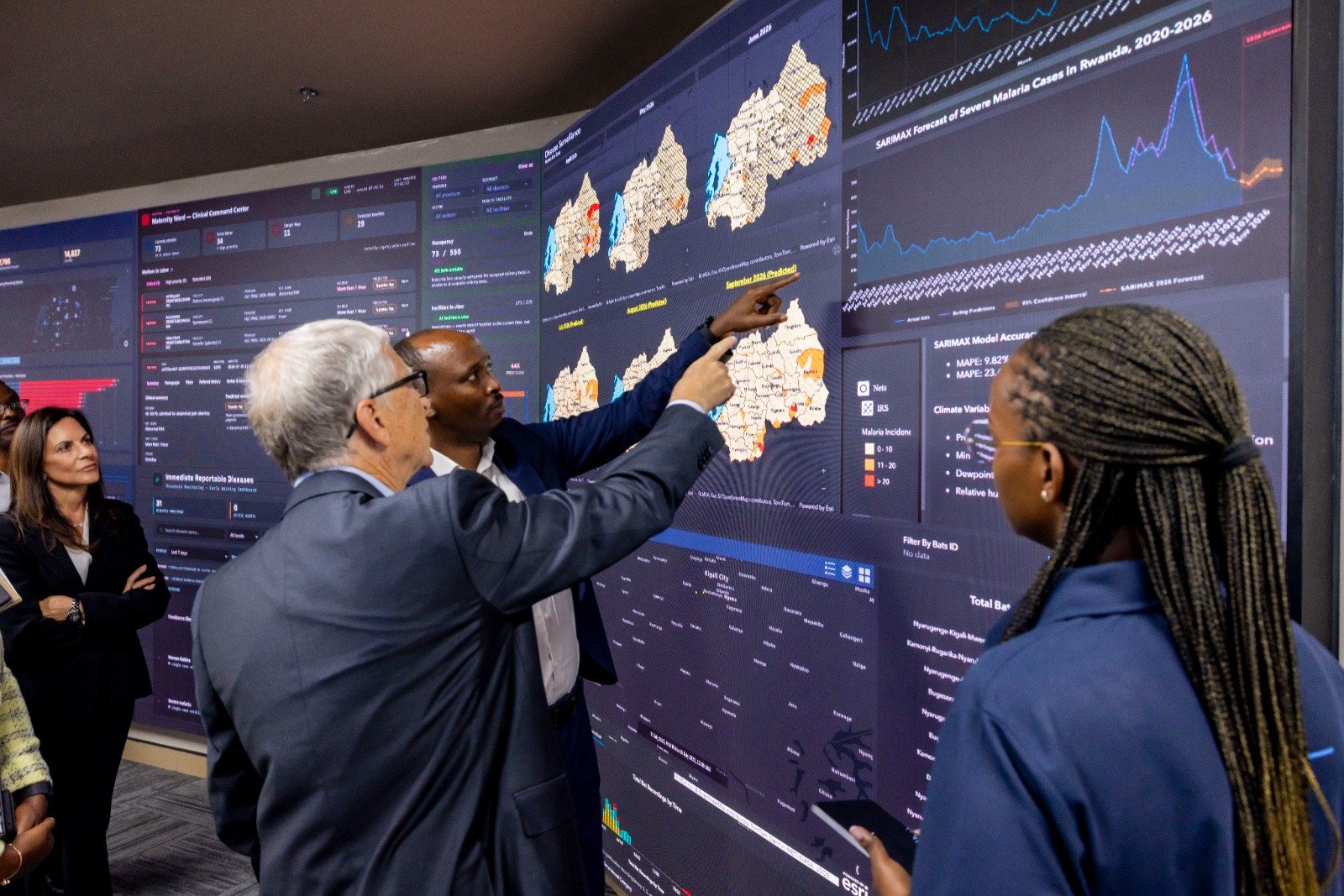
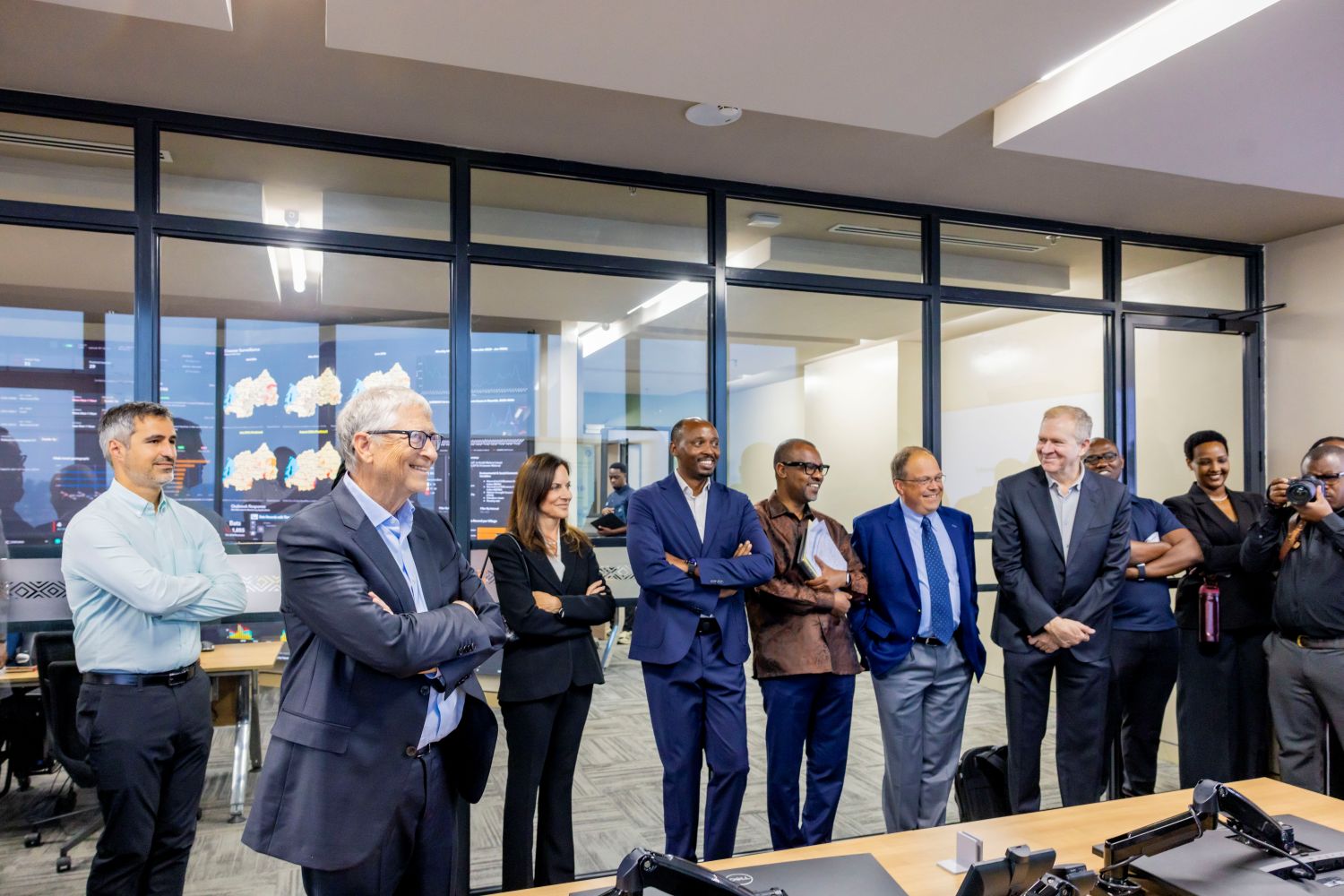
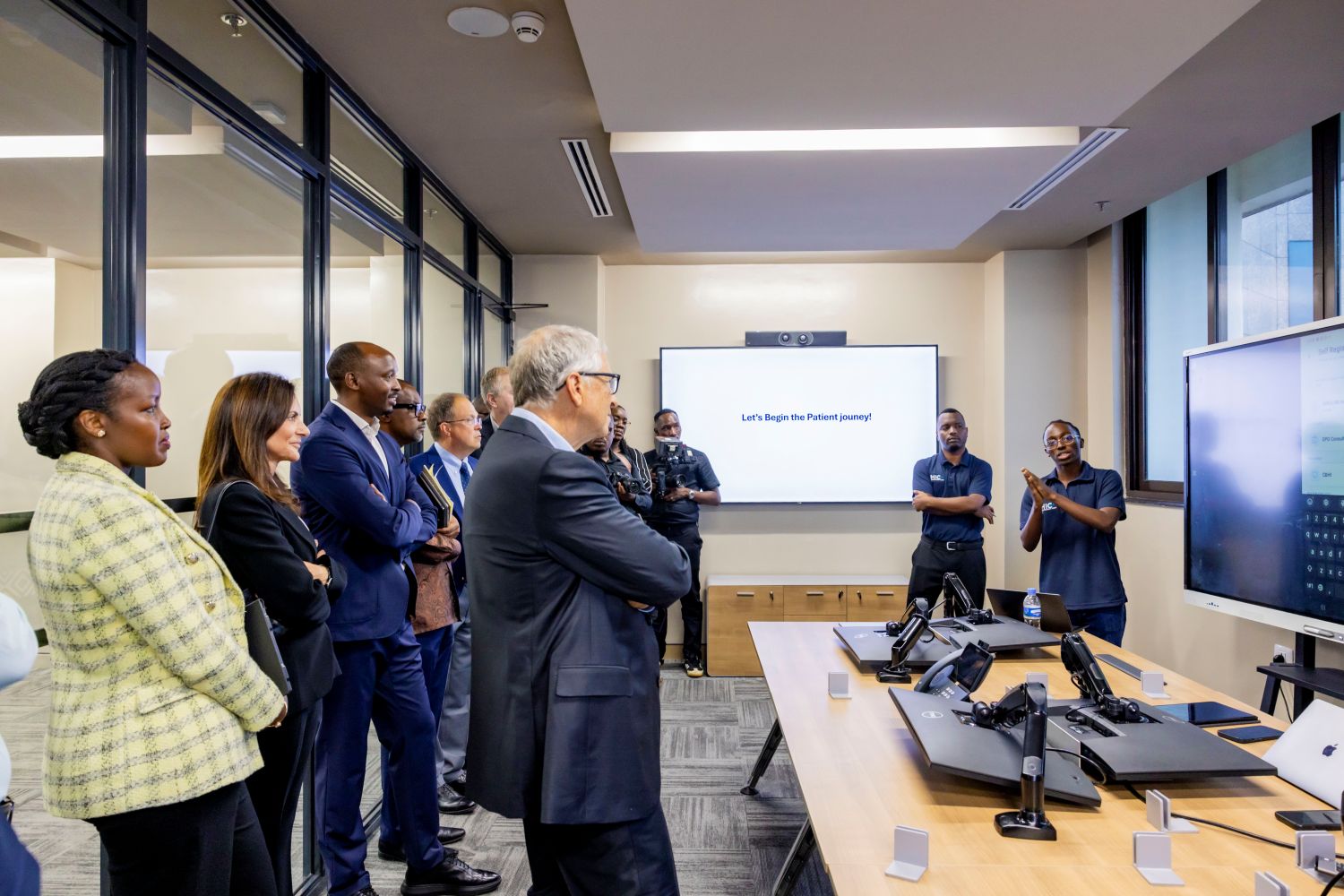
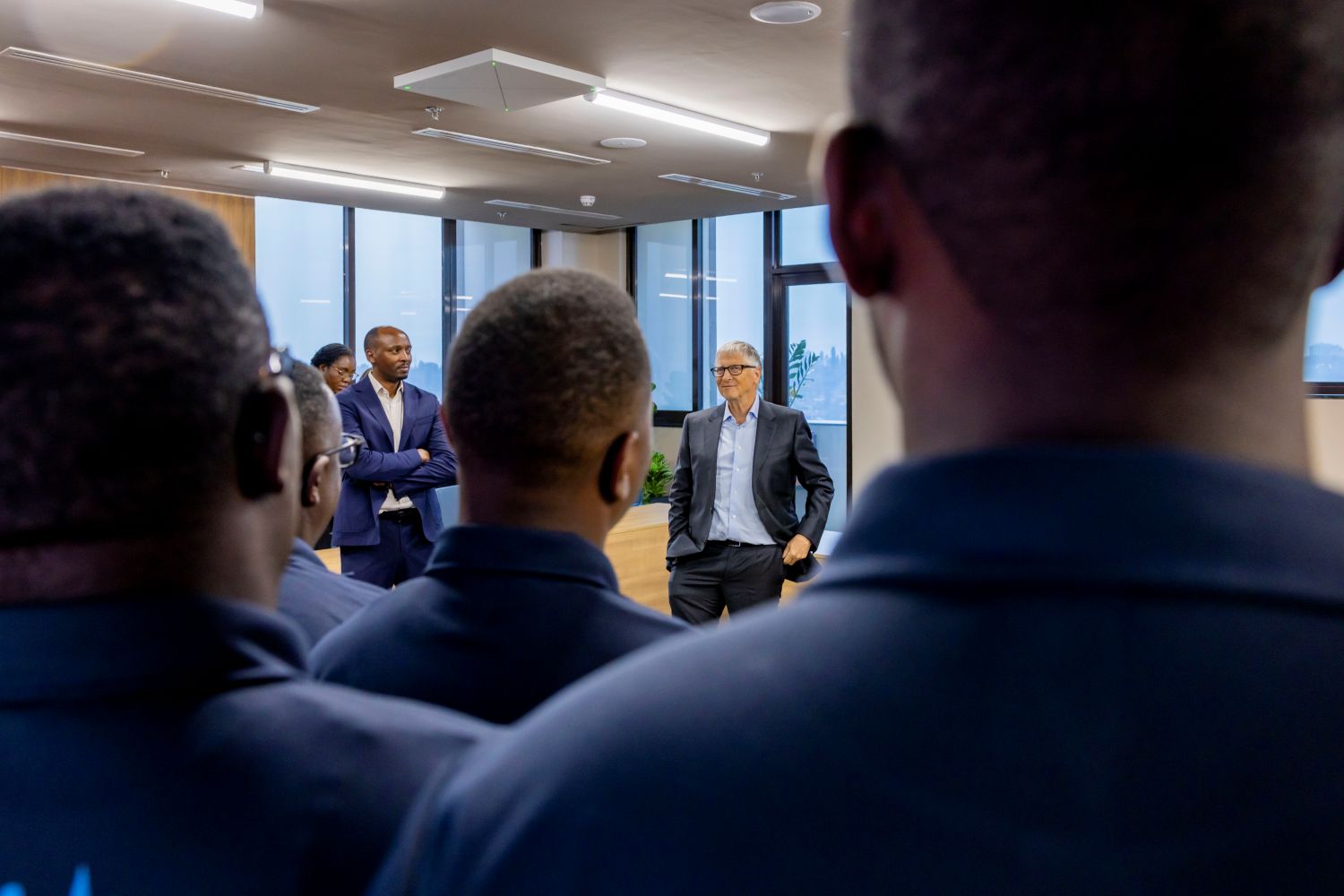
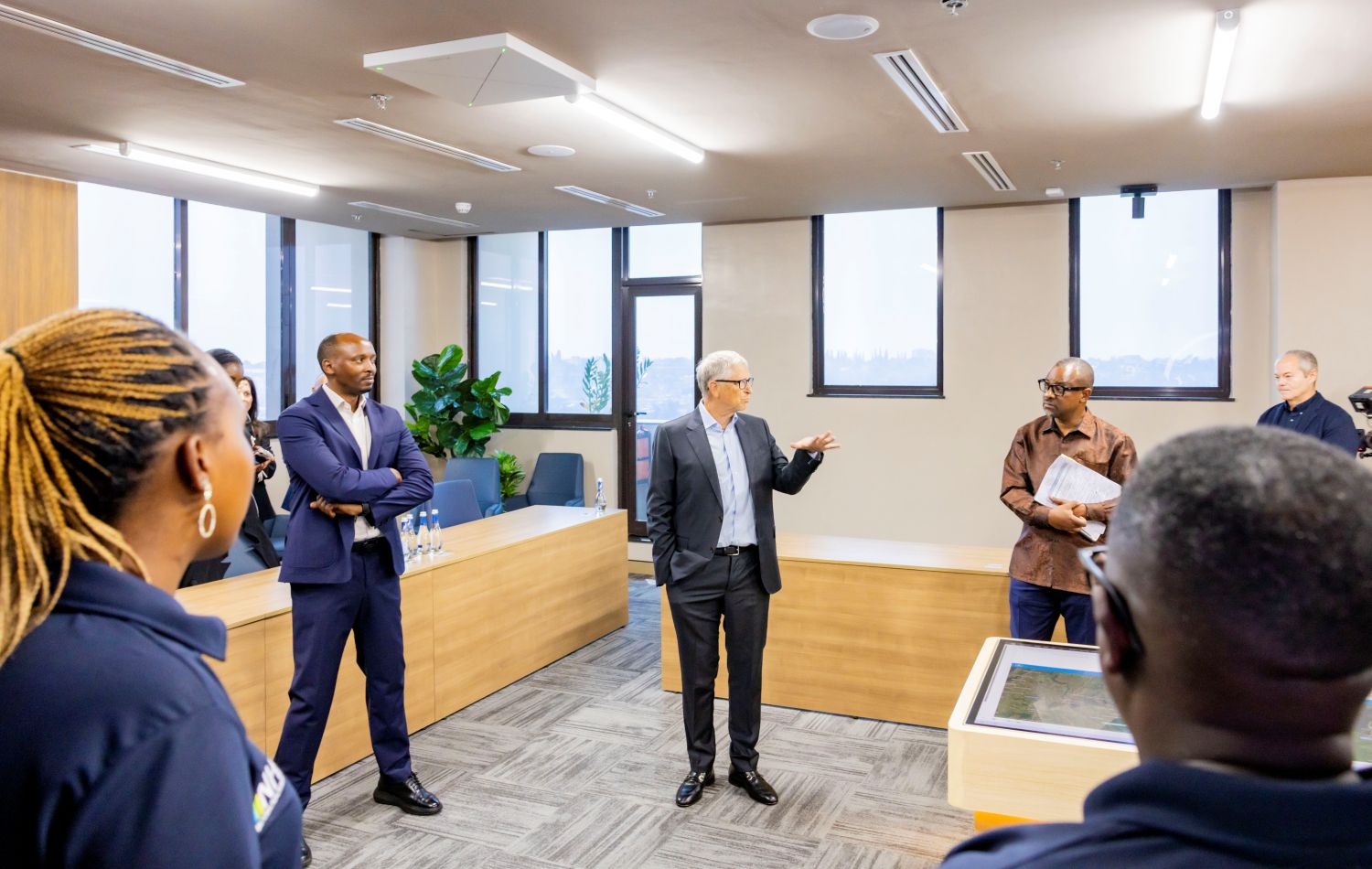
Gates was received at the facility by the Minister of Health, Dr. Sabin Nsanzimana, and the Minister of ICT and Innovation, Paula Ingabire, alongside other senior government officials.
The visit formed part of Gates’ trip to Rwanda, during which he has been engaging with government leaders, health workers, innovators, and researchers to better understand the country’s development model and explore how technology can further improve people’s lives.
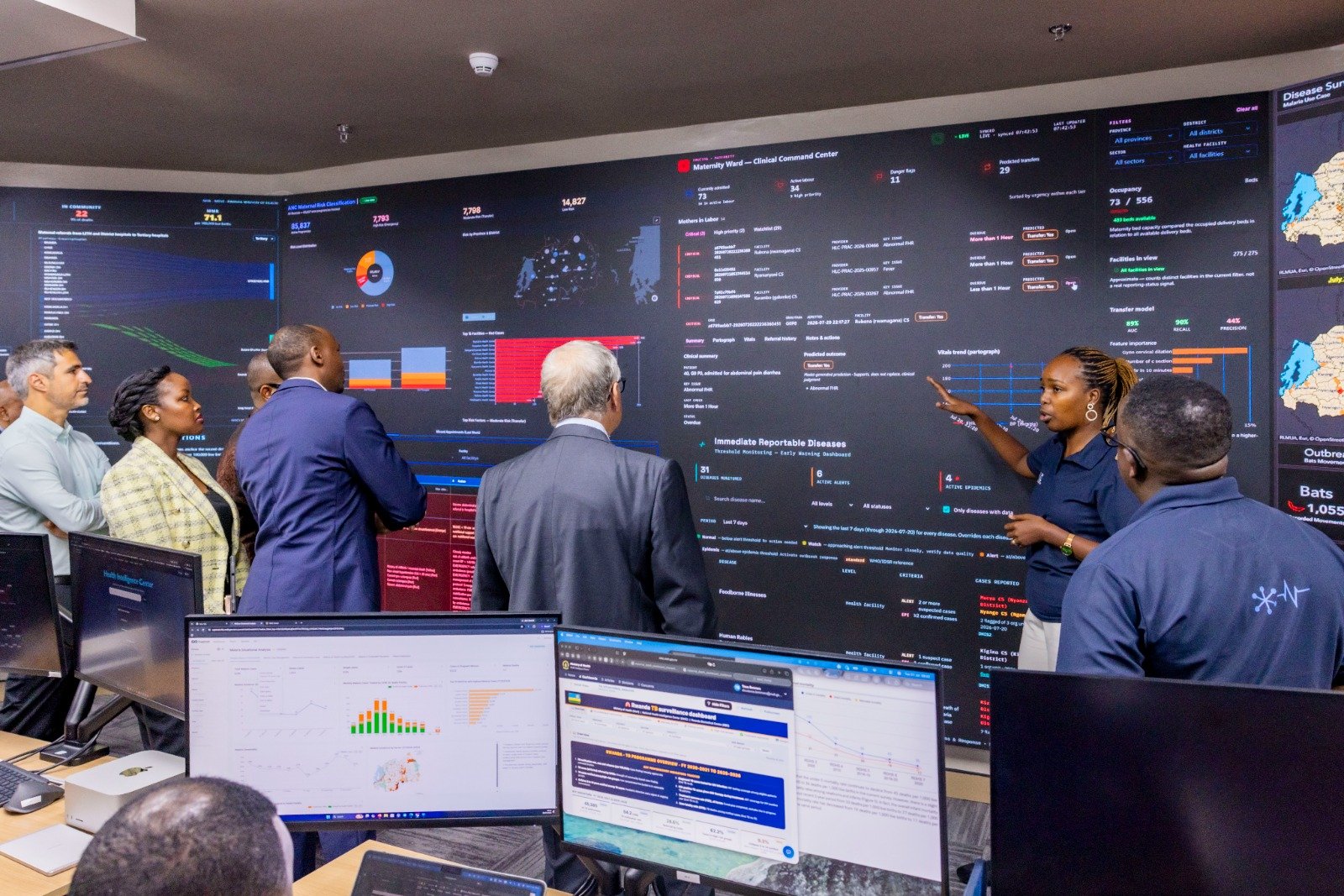
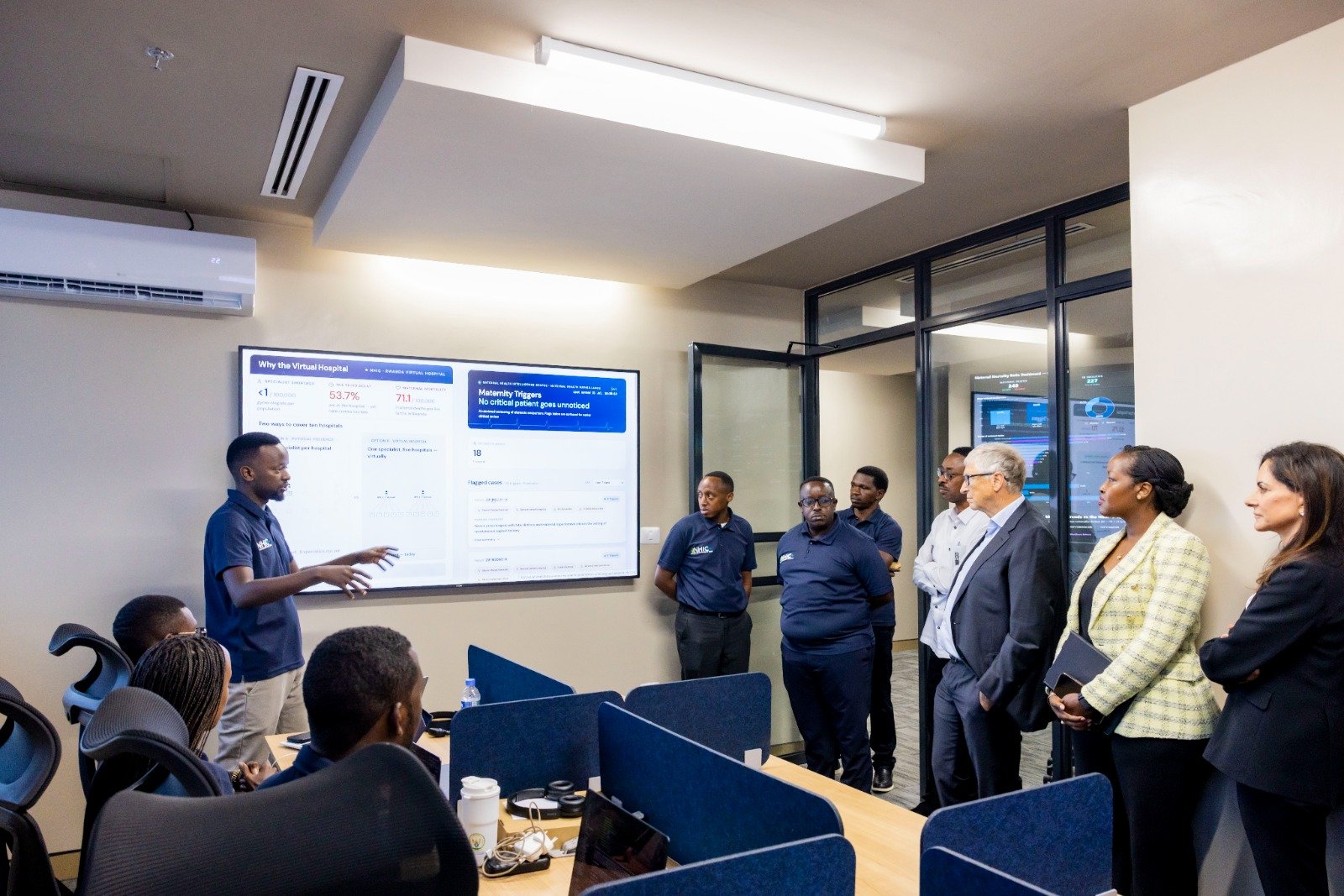
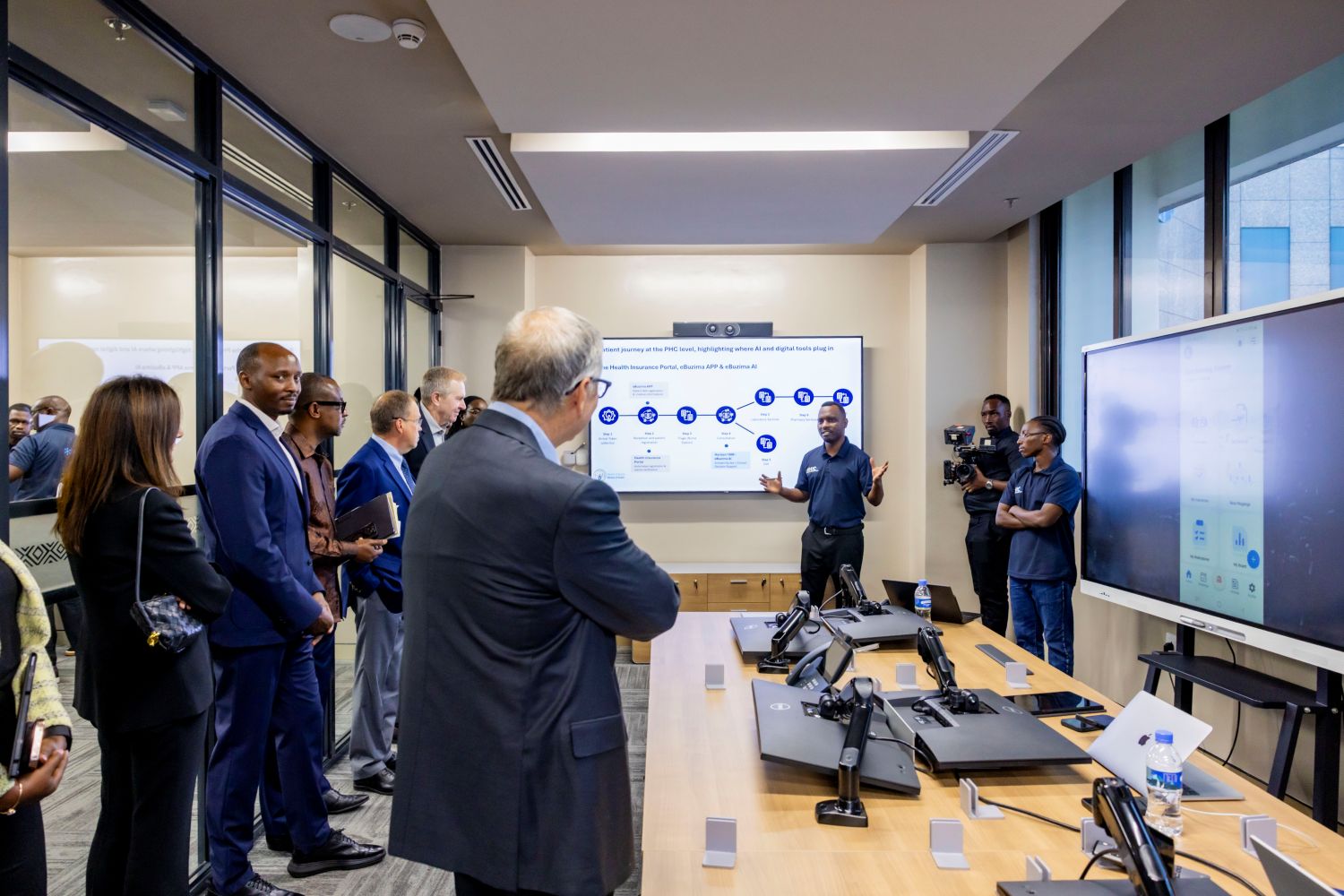
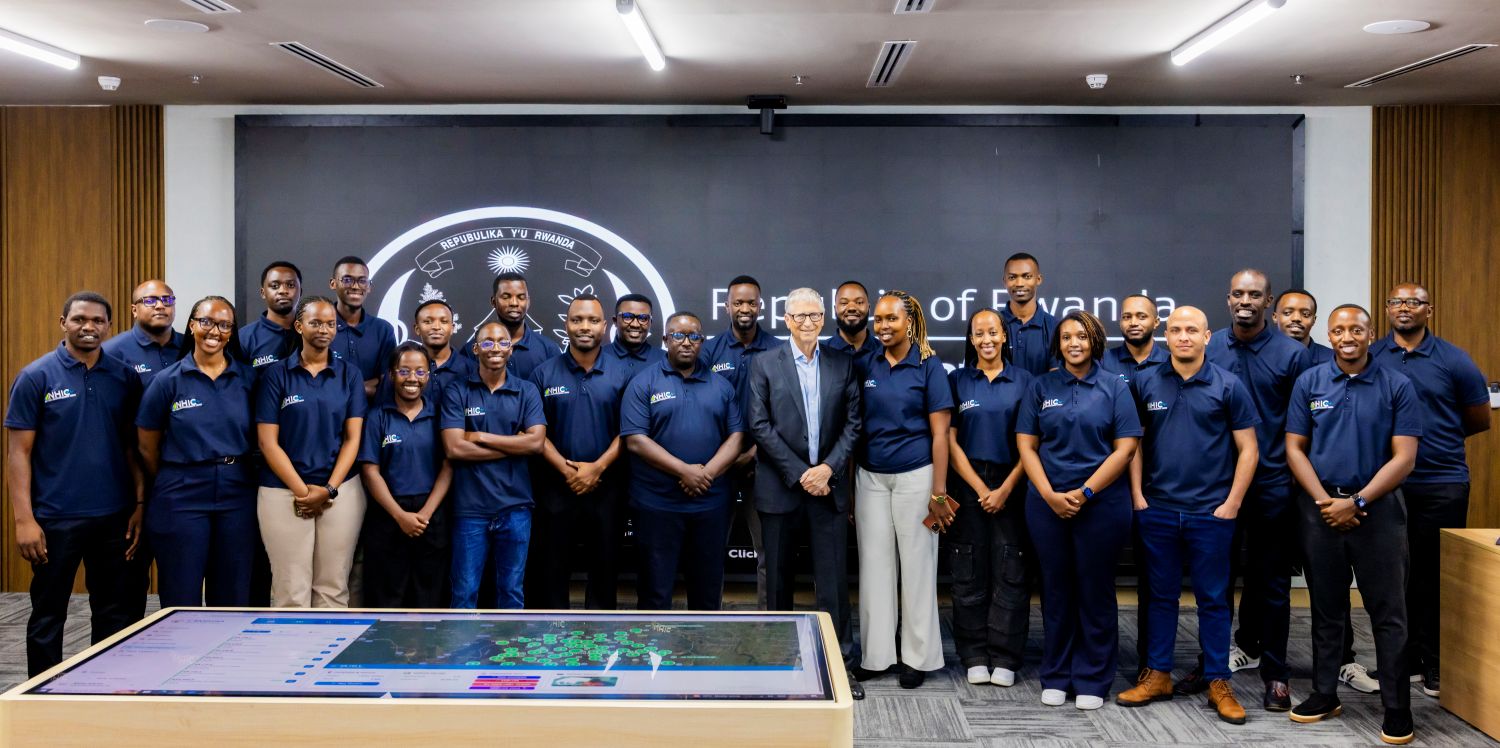
During the visit, officials showcased the NHIC as the nerve centre of Rwanda’s healthcare system, where health data from across the country is centralized, processed, and analyzed in real time to provide a comprehensive picture of the nation’s health.
According to officials, the center has already delivered tangible improvements within its first year of operation by enabling health authorities to “shift from reactive to proactive decision-making”.
The Ministry of Health said insights generated by the platform have helped reduce patient waiting times across health facilities, improve emergency dispatch and ambulance response, strengthen disease surveillance and containment, and support more targeted allocation of healthcare resources.
Looking ahead, Rwanda plans to expand the center’s capabilities toward predictive health intelligence with support from partners, including the Gates Foundation. The next phase will focus on anticipating disease outbreaks, issuing intelligent early-warning alerts, and preventing health threats before they escalate.
By consolidating health data from across the country and applying advanced technologies, the ministry said the NHIC is strengthening Rwanda’s ability to provide high-quality, efficient, and responsive healthcare.
The National Health Intelligence Center was officially launched on April 3, 2025, on the sidelines of the Global AI Summit on Africa by Health Minister Dr. Sabin Nsanzimana and Minister of State Dr. Yvan Butera, together with fellow African health ministers and development partners.
Located at the Rwanda Utilities Regulatory Authority (RURA) headquarters in Kiyovu, the facility brings together medical doctors, data scientists, software developers, and programmers to analyze information collected from communities and health facilities nationwide.
Gates’ visit to the NHIC came a day after he met President Paul Kagame to discuss strengthening the Gates Foundation’s long-standing partnership with Rwanda. According to the Office of the President, their discussions focused on strengthening collaboration in health, agricultural transformation, artificial intelligence, and digital public infrastructure in line with Rwanda’s national development priorities.
Since arriving in Rwanda, Gates has also toured the TKMD syringe manufacturing plant in Rwamagana District, visited Mwulire Health Centre, and met community health workers to gain deeper insight into Rwanda’s primary healthcare system.
The Gates Foundation has worked with Rwanda for more than two decades, supporting programmes in healthcare, agriculture, nutrition, and innovation. Earlier this year, Rwanda became the first beneficiary of the Horizon1000 initiative, a $50 million artificial intelligence programme launched by the Gates Foundation in partnership with OpenAI to help African countries use AI to strengthen healthcare delivery.
During the visit, officials showcased the NHIC as the nerve centre of Rwanda’s healthcare system, where health data from across the country is centralized, processed, and analyzed in real time to provide a comprehensive picture of the nation’s health.The Ministry of Health said insights generated by the platform have helped reduce patient waiting times across health facilities, improve emergency dispatch and ambulance response, strengthen disease surveillance and containment, and support more targeted allocation of healthcare resources.The visit formed part of Gates’ trip to Rwanda, during which he has been engaging with government leaders, health workers, innovators, and researchers to better understand the country’s development model and explore how technology can further improve people’s lives.
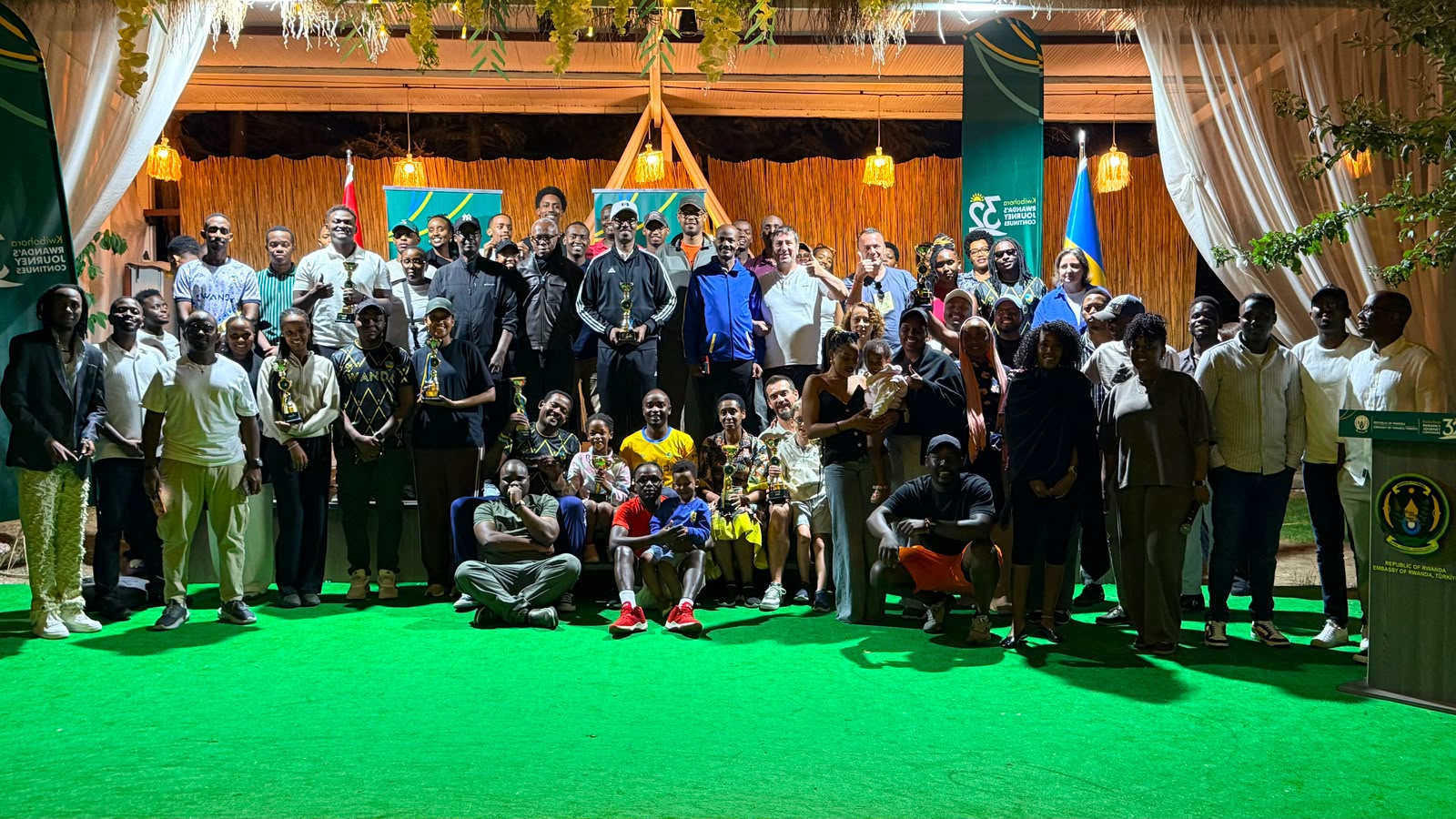
The celebration, which is traditionally held on July 4, was postponed because several international conferences took place in Ankara during that period, leading to the temporary suspension of activities at many embassies.
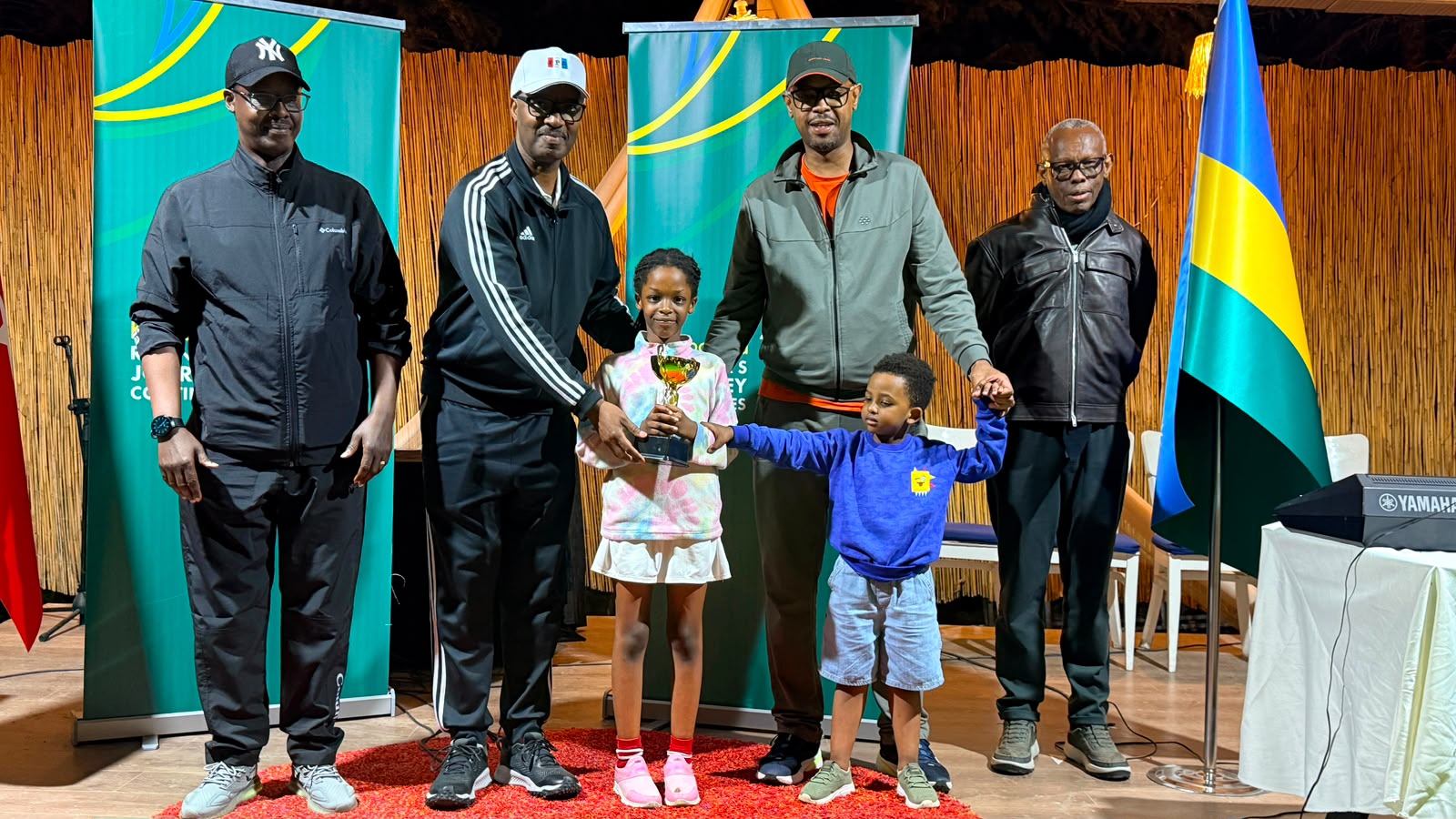
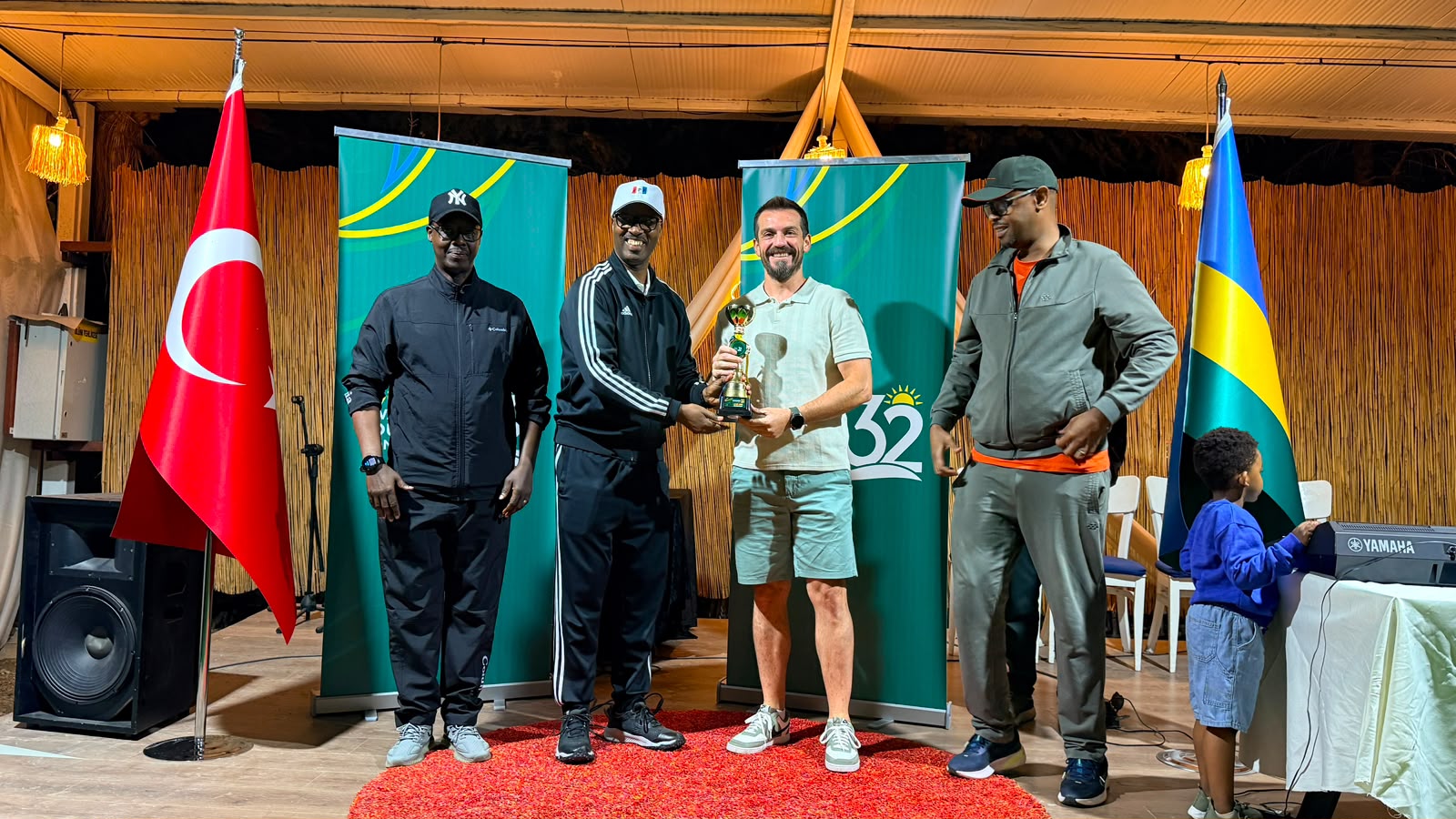
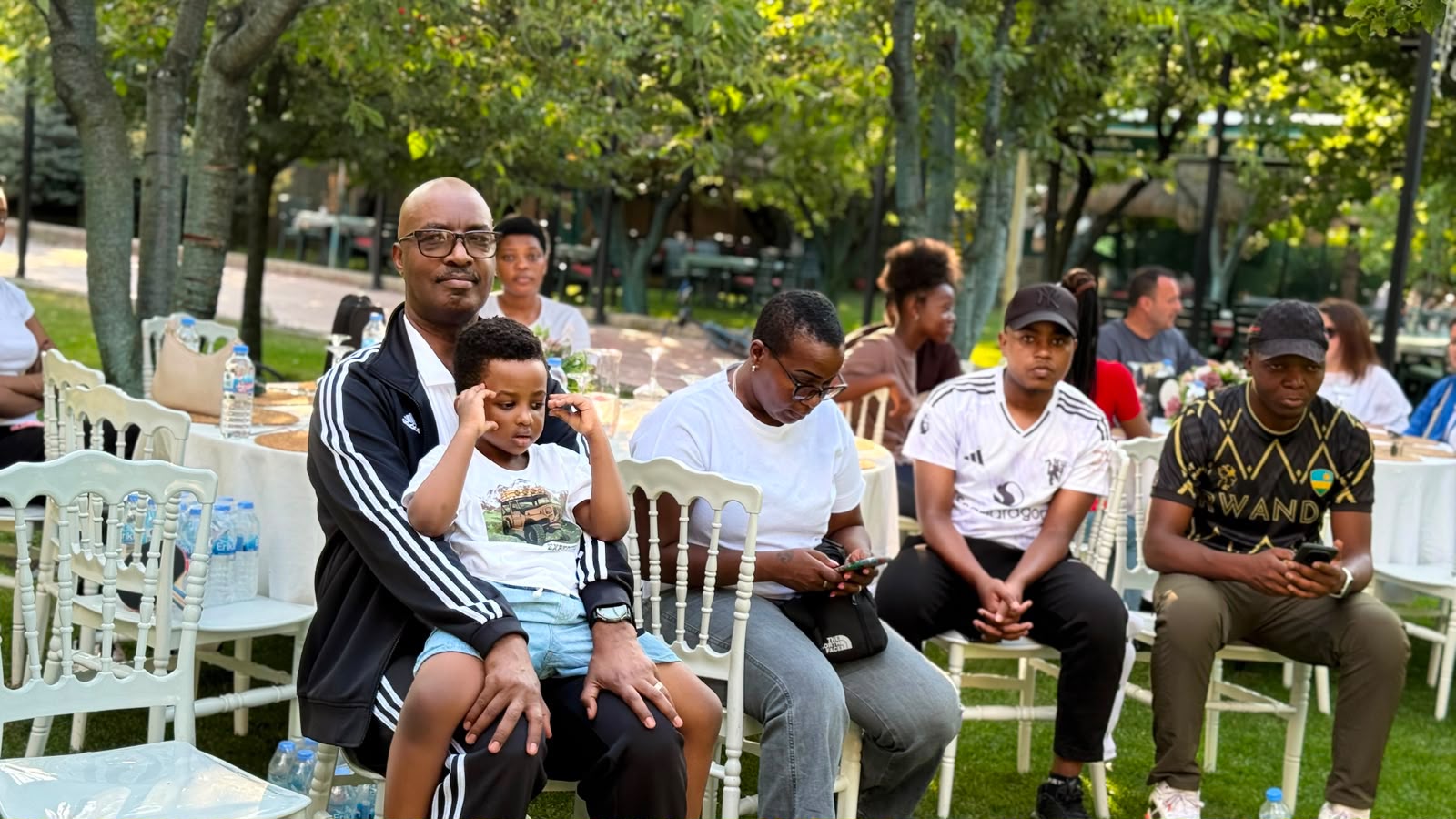
Hosted in the Turkish capital, the event featured a cycling race, a road walk, a table tennis tournament, discussions on Rwanda’s liberation journey, and an evening cultural performance celebrating the country’s liberation.
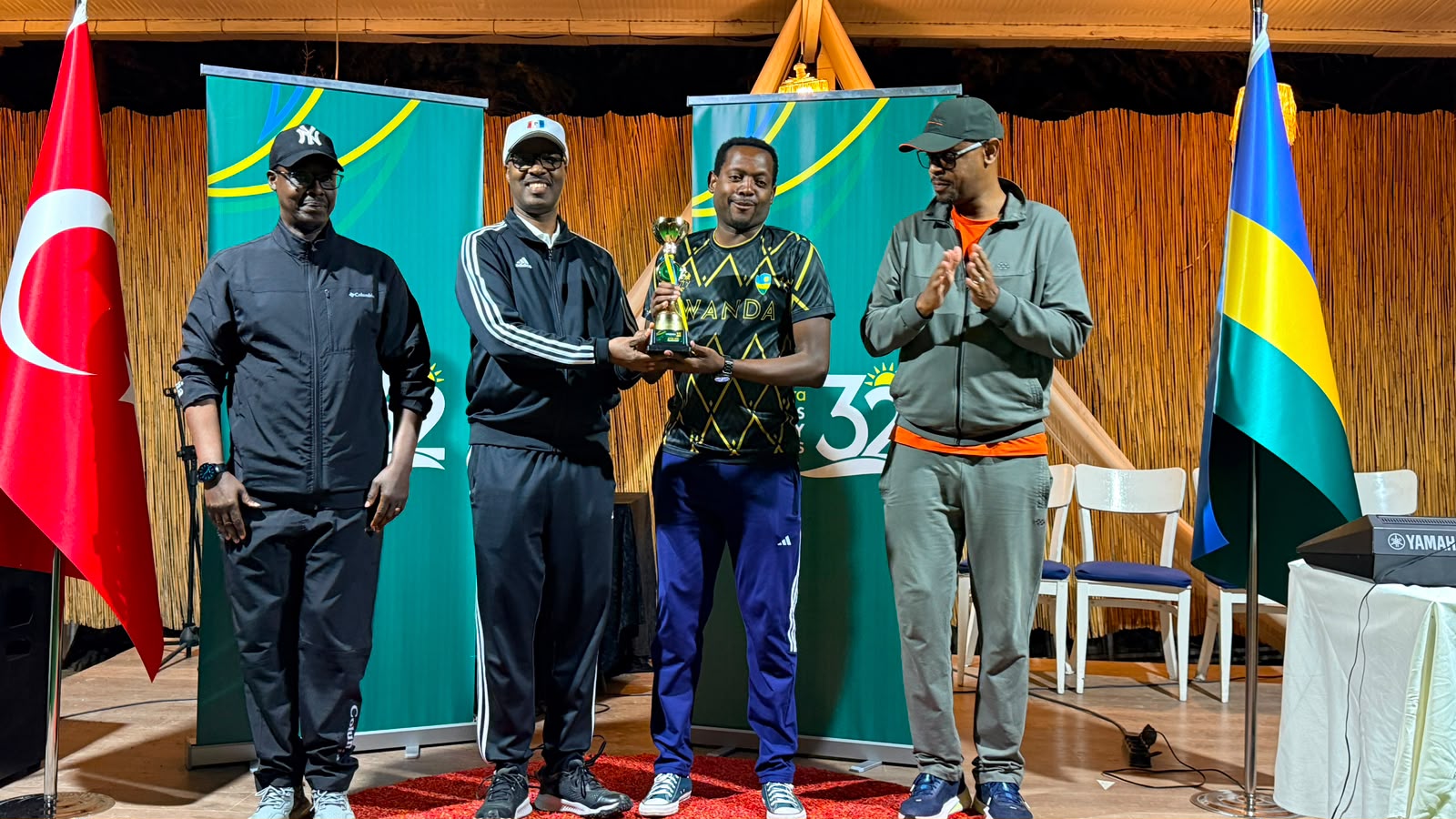
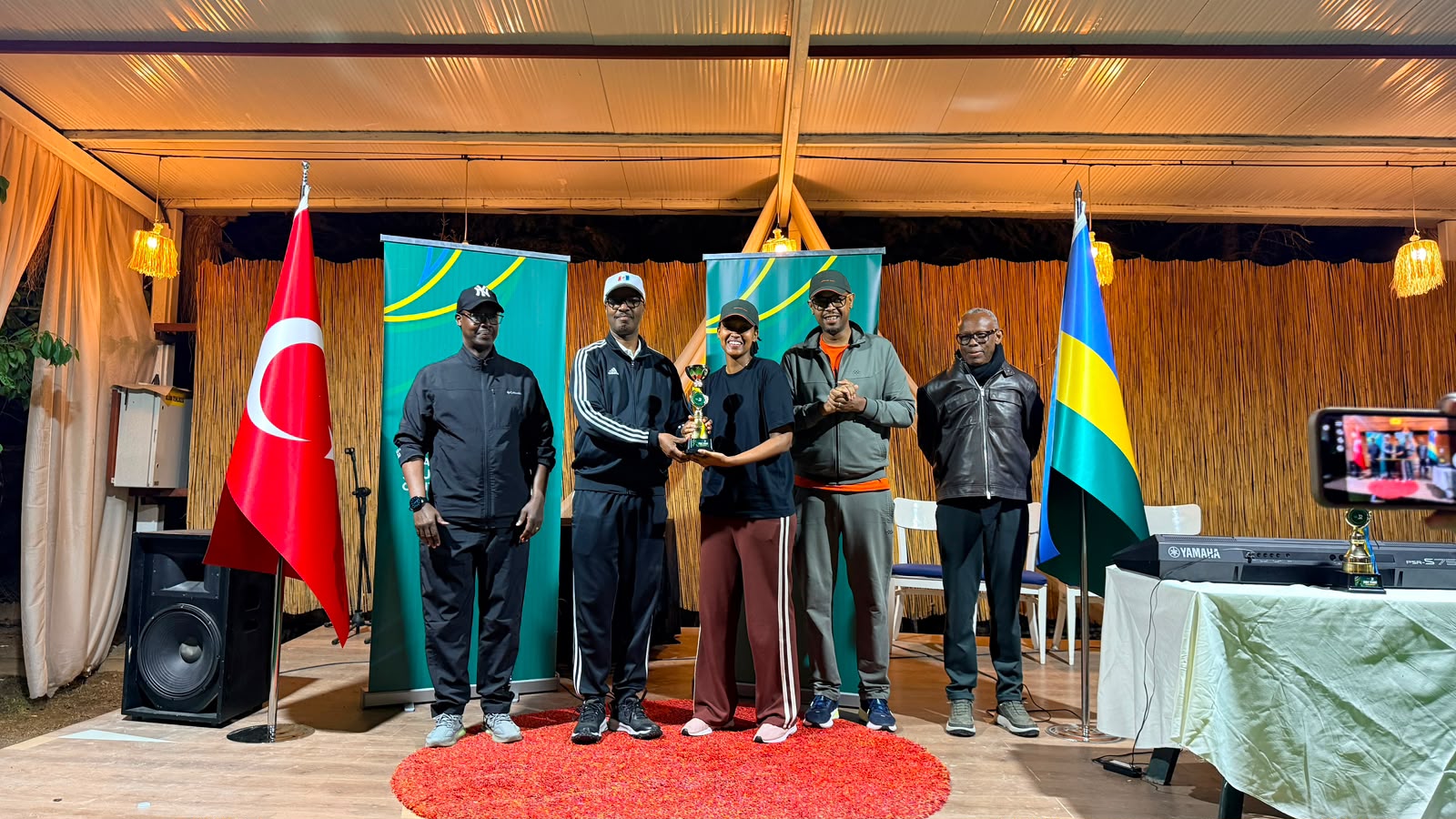
Winners of the various competitions were recognized during the event. In the cycling tournament, Turkish participant Umut Akçaoğlu claimed first place, followed by Camille Niyonkuru in second and Pascal Nshuti in third. In the road walk competition, Lea Mujawimana finished first, ahead of Rulisa Briella and Laurence Uwonkunda Kayitare. In the table tennis tournament, Rwanda’s Ambassador to Türkiye, Lt. Gen. (Rtd) Charles Kayonga, emerged as the winner, while Nicole Cyuzuzo finished second.
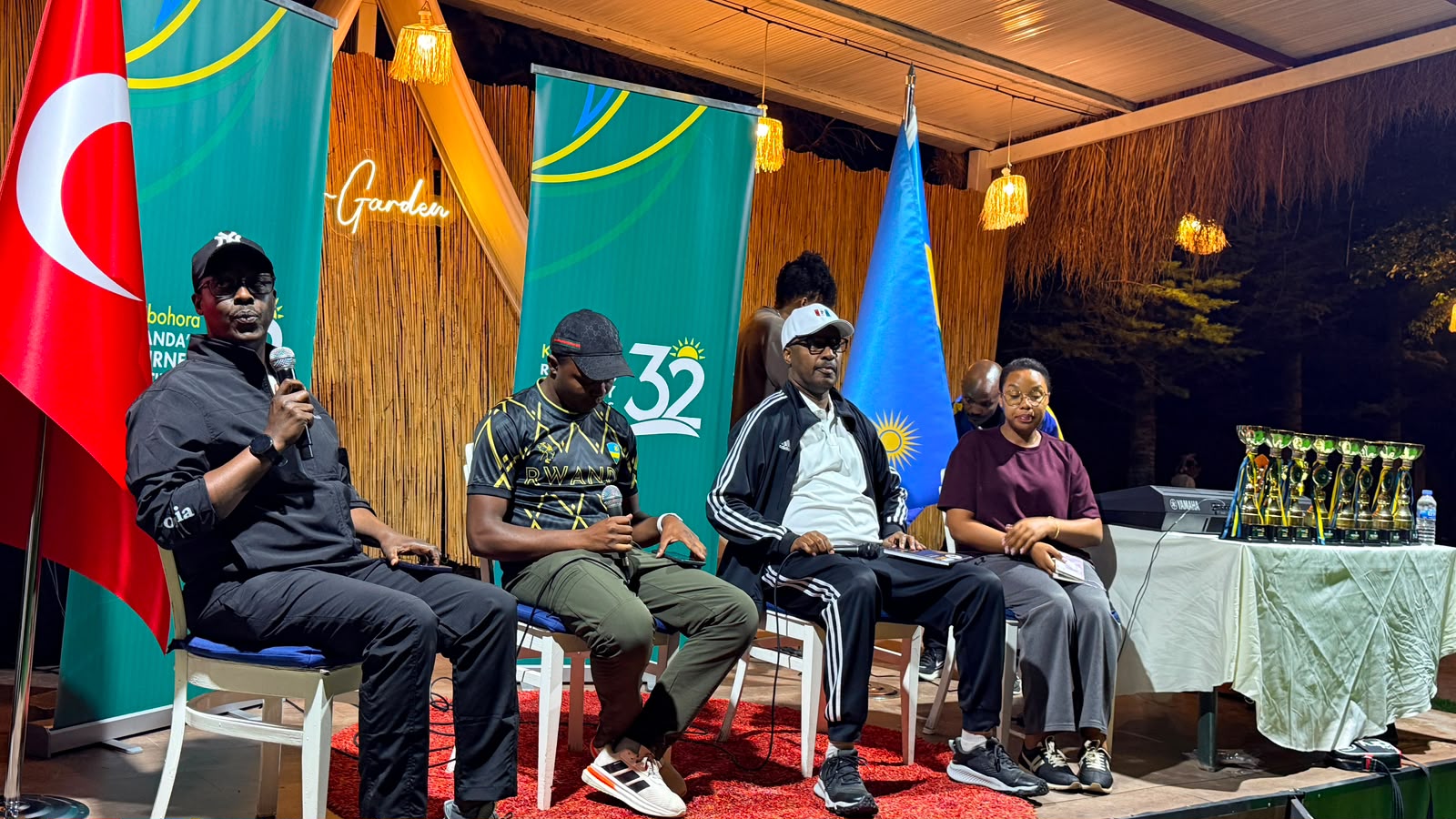
A panel discussion was led by Rwanda’s Ambassador to Türkiye, Lt. Gen. (Rtd) Charles Kayonga, with contributions from Defence Attaché Col. Jean Paul Rulisa, Capt. Claudette Nishimwe, Commercial Attaché Lucas Murenzi, and Dr. Faustin Hategekimana.
The discussion focused on Rwanda’s liberation struggle, highlighting the courage and sacrifice of the young men and women of the Rwanda Patriotic Army (RPA) during the liberation war, as well as their contribution to rebuilding the country after ending the 1994 Genocide against the Tutsi. Speakers also reflected on the opportunities available to today’s youth as a result of the inclusive leadership established after the genocide.
Addressing participants, Ambassador Charles Kayonga explained that Rwanda’s liberation struggle unfolded in different phases. He noted that the first phase ended on July 4, 1994, when the RPA defeated the regime responsible for planning and carrying out the Genocide against the Tutsi.
He emphasized that, although the military struggle ended 32 years ago, Rwanda continues another important battle, one focused on development, transformation, and sustainable national progress.
The ambassador urged participants to reflect on how discriminatory politics can lead a nation to tragedy, recalling the lessons of the 1994 Genocide against the Tutsi. He stressed that Rwanda’s 2003 Constitution firmly rejects all forms of discrimination and divisionism.
He further noted that good governance has enabled today’s young generation to grow up in a peaceful and united Rwanda. He encouraged them to appreciate the country’s remarkable development while remaining vigilant against divisive ideologies that continue to fuel instability and undermine citizens’ rights in parts of the region. He called on young people to actively reject all forms of divisionism and to safeguard Rwanda’s unity and achievements.
Speakers also reminded participants that the goal of any liberation struggle is not only to achieve victory but also to preserve its gains. Young people were therefore encouraged to remain committed to protecting the country’s achievements and contributing to its continued development.
The celebration also honored Rwandan students who recently completed their studies at different universities across Türkiye. They were commended for their hard work and academic success and encouraged to become exemplary professionals who will contribute to Rwanda’s future development.
The event concluded with cultural performances featuring songs and dances inspired by Rwanda’s liberation struggle, bringing the celebration to a festive close.
A panel discussion was led by Rwanda’s Ambassador to Türkiye, Lt. Gen. (Rtd) Charles Kayonga, with contributions from Defence Attaché Col. Jean Paul Rulisa, Capt. Claudette Nishimwe, Commercial Attaché Lucas Murenzi, and Dr. Faustin Hategekimana.Sports competitions were also part of the event. Winners of the various competitions were recognized during the event.Young people were encouraged to remain committed to protecting Rwanda’s achievements and contributing to its continued development.
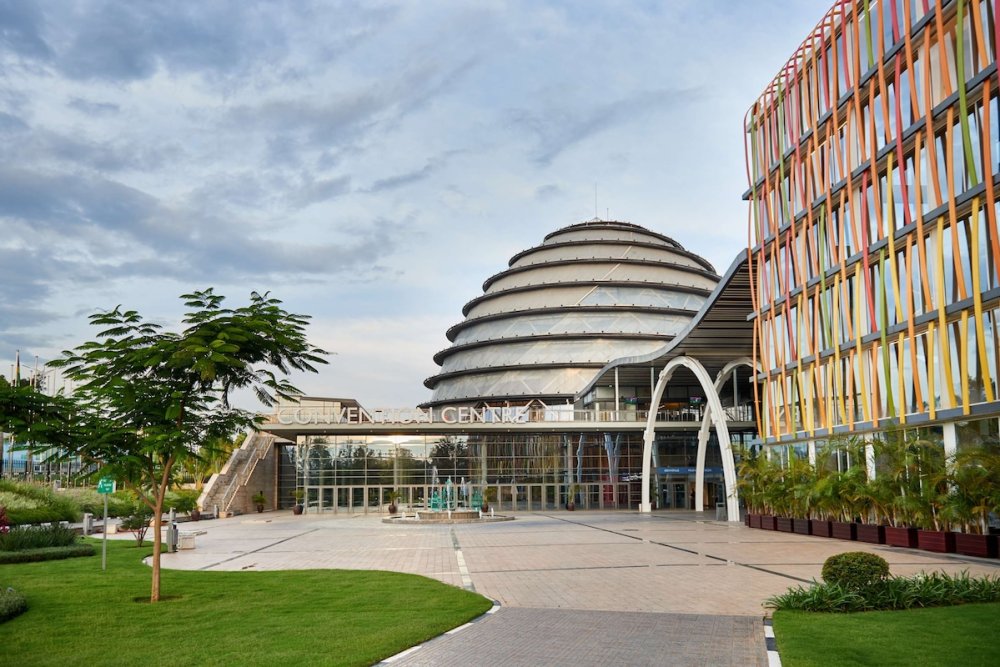
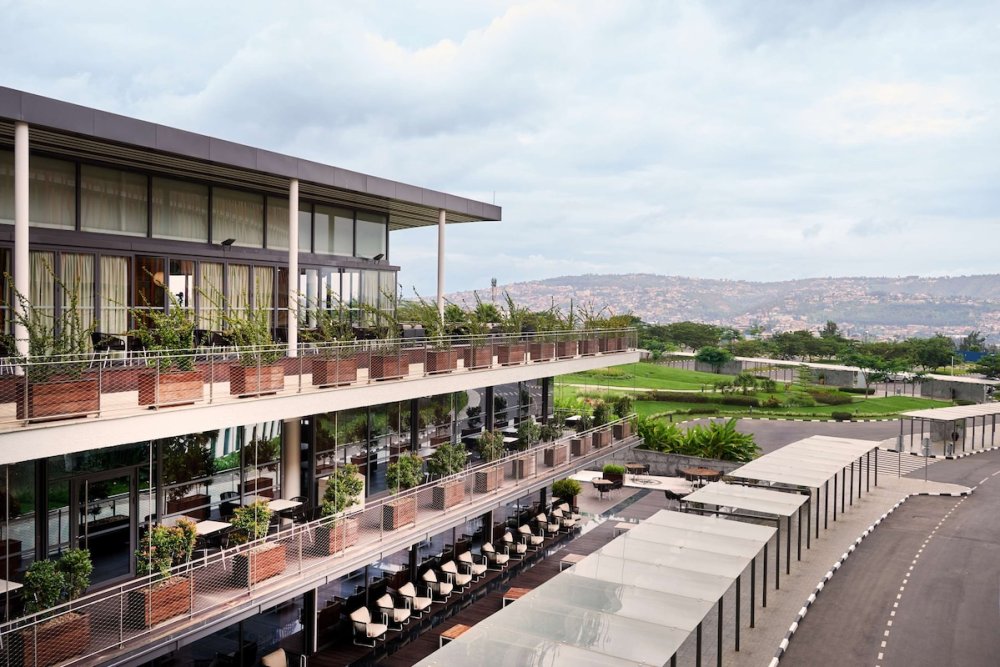
Over the past 10 years, the iconic facility has hosted some of the continent’s largest summits, welcomed more than 100 heads of state and government, created thousands of jobs, and built a supply chain that now sources nearly all of its goods locally.
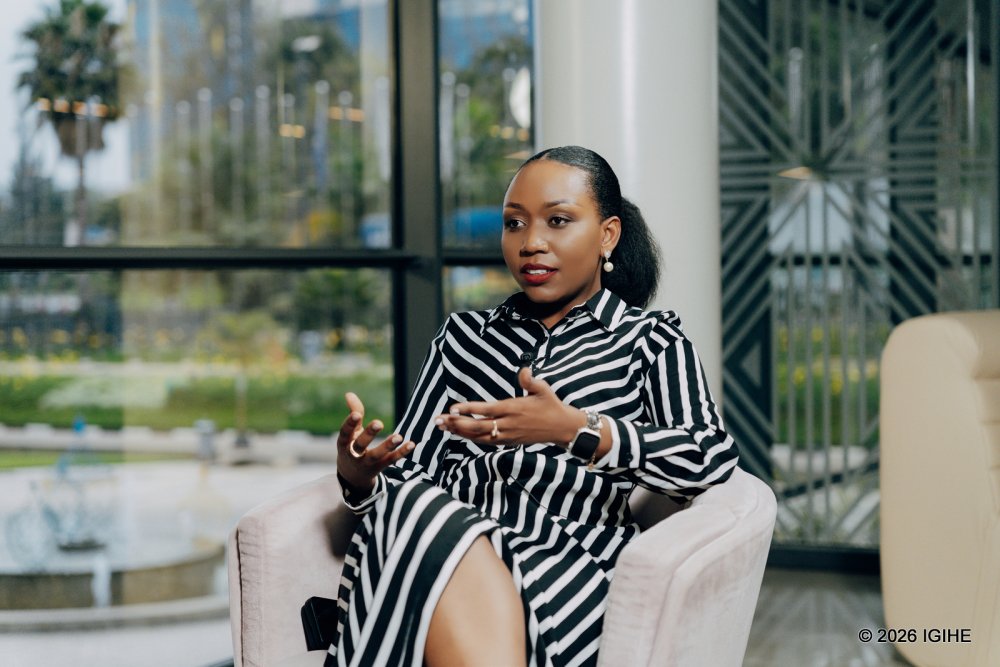
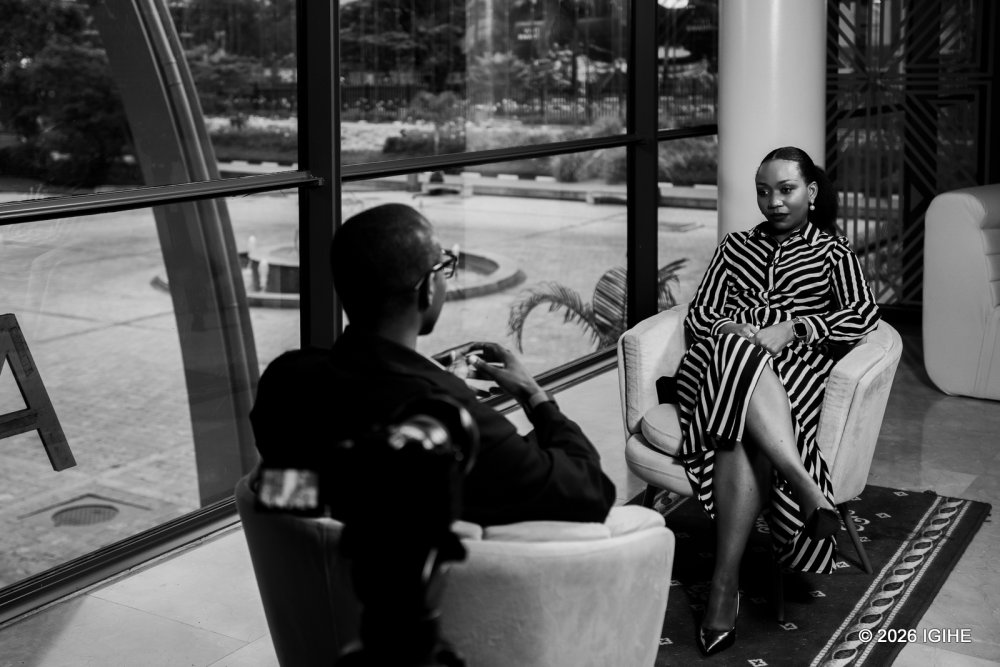
For Nice Uwase, the Acting General Manager of Radisson Blu Hotel & Convention Centre Kigali, the journey began months before the official opening.
She joined the team nearly four months before KCC welcomed its first guests and was responsible for developing the commercial strategy for both the hotel and convention centre, including pricing, sales, and market positioning.
Looking back, Uwase describes the opening day as one of the defining moments of her career.
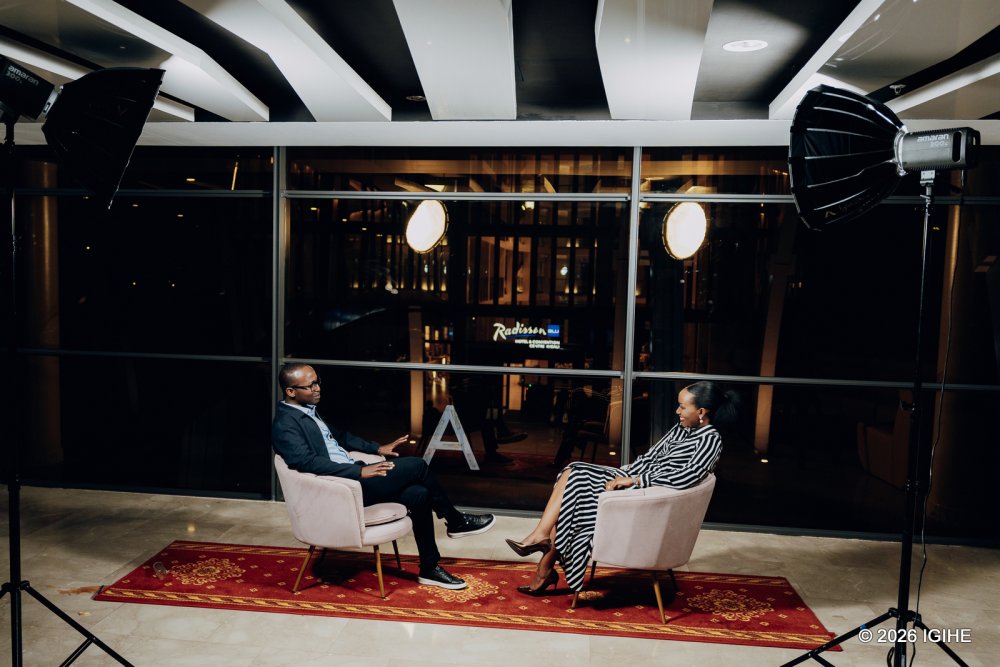
“It was an incredible experience. There was immense excitement, but also uncertainty because we didn’t know exactly what would come next. Watching the building finally completed and ready to welcome guests felt like a dream,” she told IGIHE in a recent exclusive interview.
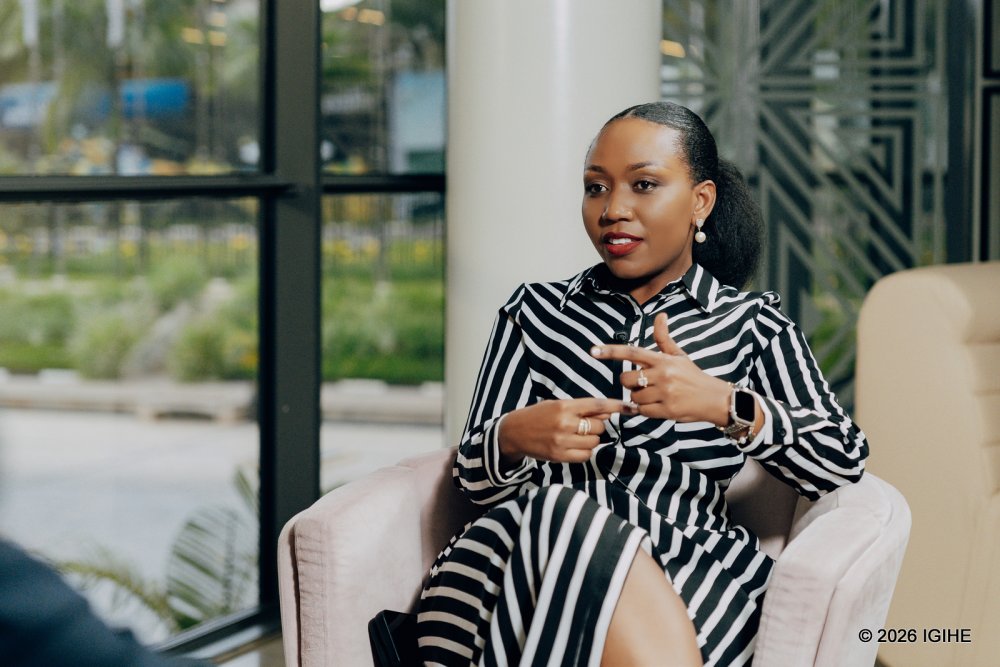
Nice Uwase, the Acting General Manager of Radisson Blu Hotel & Convention Centre Kigali, describes the opening day as one of the defining moments of her career.
A debut on Africa’s biggest stage
Unlike most newly opened convention centres, KCC had no opportunity to test its operations through smaller events before taking on a major assignment.
Its first event was the African Union Summit, bringing together more than 30 heads of state alongside delegations from almost every African country.
“We never had the luxury of testing our systems to see what worked and what didn’t,” Uwase recalls.
“We opened and immediately hosted one of Africa’s biggest summits for heads of state. It was certainly not easy, but we successfully delivered.”
Home to Africa’s largest conferences
Since then, KCC has become the venue of choice for many of Africa’s flagship conferences.
The largest event hosted at the venue remains the 2019 International Conference on AIDS and Sexually Transmitted Infections in Africa (ICASA), which attracted about 9,000 participants, including around 7,000 who attended sessions held at KCC.
Other major conferences include the Women Deliver Conference, which brought together approximately 6,000 participants, while the annual Africa Green Revolution Forum (AGRF) has consistently attracted between 4,000 and 5,000 delegates.
Several GSMA Mobile World Congress (MWC) events have also been held at the venue, drawing between 2,500 and 4,000 participants, while the inaugural African Union Summit that marked KCC’s opening welcomed roughly 2,500 delegates.
Despite these milestones, Uwase says every event comes with its own unique expectations, meaning KCC never considers itself to have reached its full potential.
Uwase told IGIHE that unlike most newly opened convention centres, KCC had no opportunity to test its operations through smaller events before taking on a major assignment.
Delivering CHOGM
Among the landmark events hosted at KCC was the 2022 edition of the Commonwealth Heads of Government Meeting (CHOGM), one of the most significant international gatherings ever held in Rwanda.
Uwase says the summit carried added importance because it marked only the second time in many years that CHOGM had returned to Africa.
“We wanted Rwanda to leave a lasting impression. Achieving that required close collaboration with many government institutions because although KCC hosted the event, its success depended on collective effort. I am grateful for the support from the country’s leadership because we could not have accomplished it alone.”
Welcoming more than 100 world leaders
Over the past decade, KCC has hosted more than 100 heads of state, government leaders, prime ministers and members of royal families, underscoring Rwanda’s growing role as a destination for high-level international diplomacy.
Creating jobs and strengthening local supply chains
Beyond conferences, KCC has also made a significant contribution to Rwanda’s economy.
Over the past 10 years, the facility has directly employed more than 2,000 people, while its operations have supported over 10,000 jobs across different sectors.
Its procurement strategy has also shifted dramatically. When KCC first opened, more than 95% of the products it used, including food, cleaning supplies and operational equipment, were imported.
Today, 98% of those supplies are sourced locally through a network of more than 300 Rwandan suppliers, most of whom provide locally manufactured products.
“We started by importing almost everything we used. Today, only about two percent of our supplies still come from abroad, and we are working towards sourcing everything locally.”
The remaining imports mainly consist of specialty products that are difficult to source in Rwanda.
Uwase cites Filini Restaurant, KCC’s Italian restaurant, as an example, explaining that certain ingredients must still be imported to preserve the authenticity of the cuisine. Some specialised technologies used in guest rooms also remain unavailable on the local market.
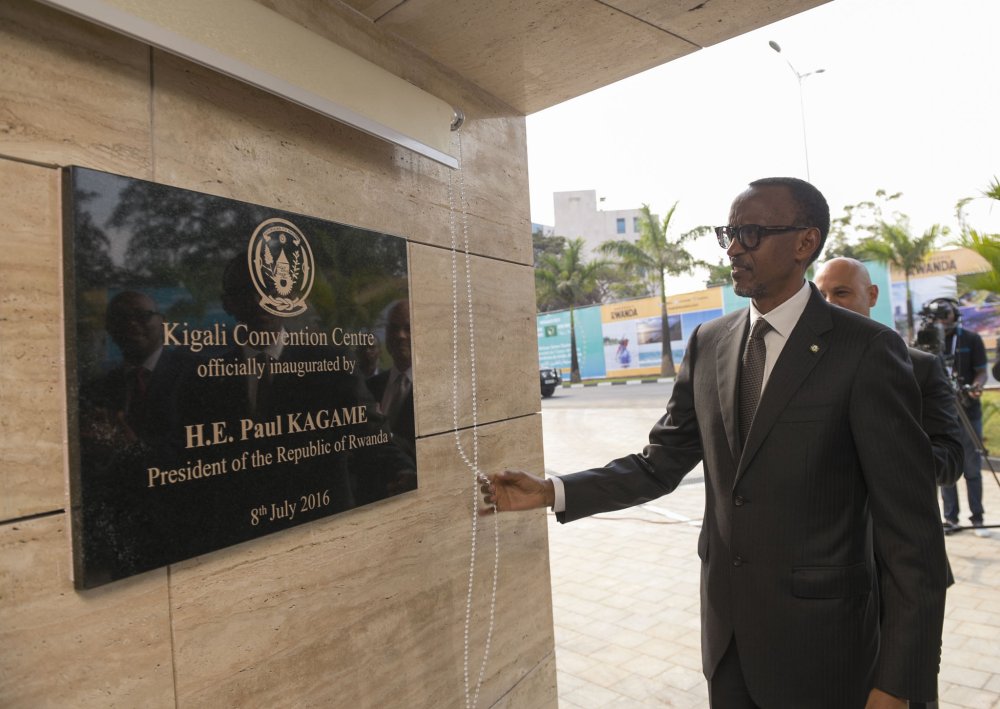
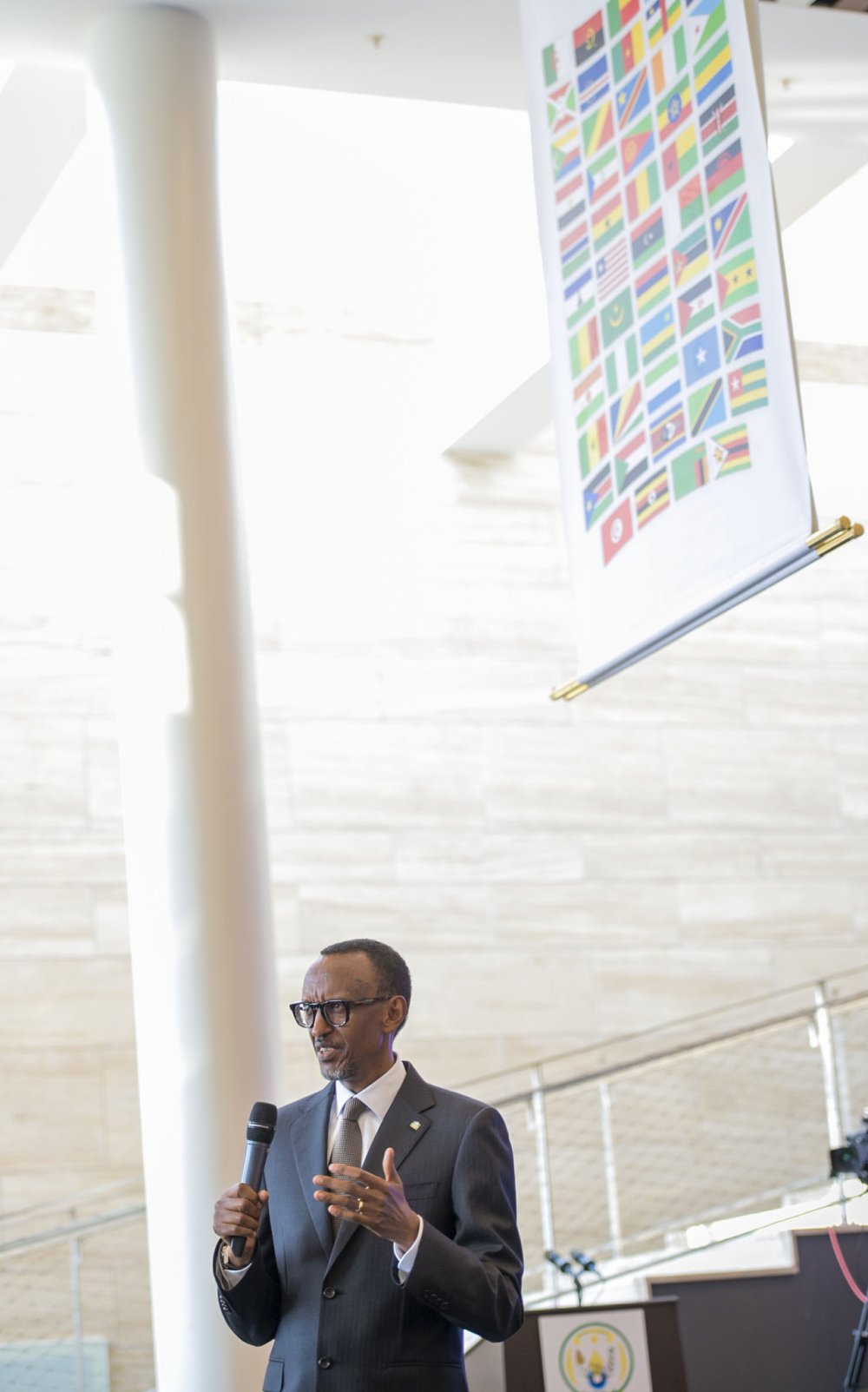
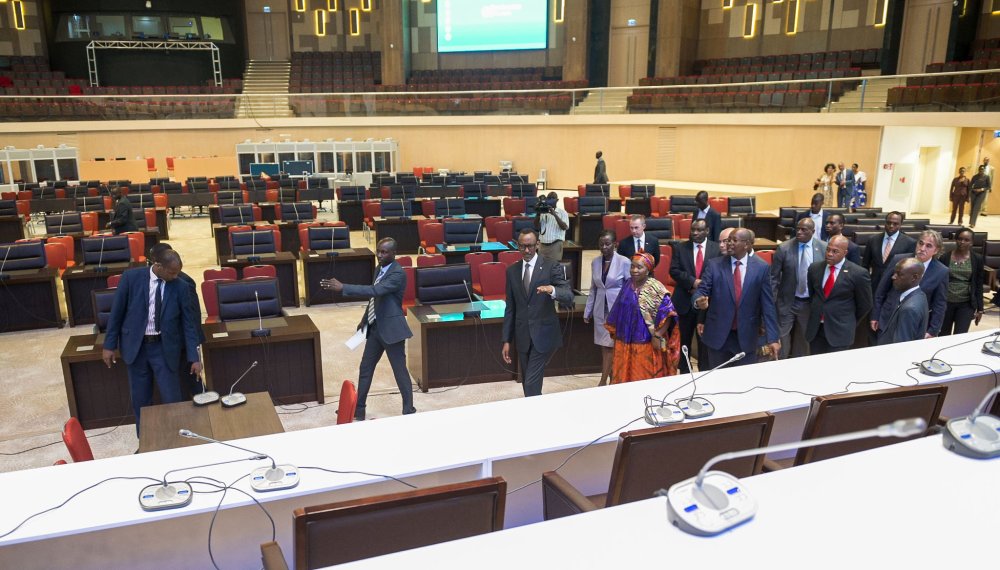
President Paul Kagame inaugurated the Kigali Convention Centre (KCC) on July 8, 2016.
Growing business while investing in sustainability
According to Uwase, KCC’s business has expanded steadily over the past decade, recording average annual growth of more than 40%.
Between 60% and 65% of conference organisers return to host future events at the venue, while the Radisson Blu Hotel records a repeat customer rate of around 80%.
The convention centre has also generated nearly $1 million in savings through environmental sustainability initiatives, including water recycling systems, solar energy, and other resource-efficiency measures.
Looking ahead, KCC aims to source at least 30% of its energy from renewable sources by 2036.
The facility also wants to contribute to Rwanda’s ambition of attracting one million conference delegates annually, helping the country’s meetings, incentives, conferences and exhibitions (MICE) industry generate $1 billion in annual revenue.
Uwase says her ultimate ambition is for Rwanda and KCC to become synonymous with excellence in conference hosting.
“I want anyone planning a world-class conference with flawless execution to immediately think of Rwanda and the Kigali Convention Centre.”
When President Kagame inaugurated the Kigali Convention Centre, he described it as a major milestone in Rwanda’s journey to becoming a leading destination for international conferences. A photo from 10 years ago of President Kagame inspecting the Kigali Convention Centre shortly after its opening.Uwase told IGIHE that over the past 10 years, the iconic facility has hosted some of the continent’s largest summits and welcomed more than 100 heads of state and government.KCC has become the venue of choice for many of Africa’s flagship conferences.
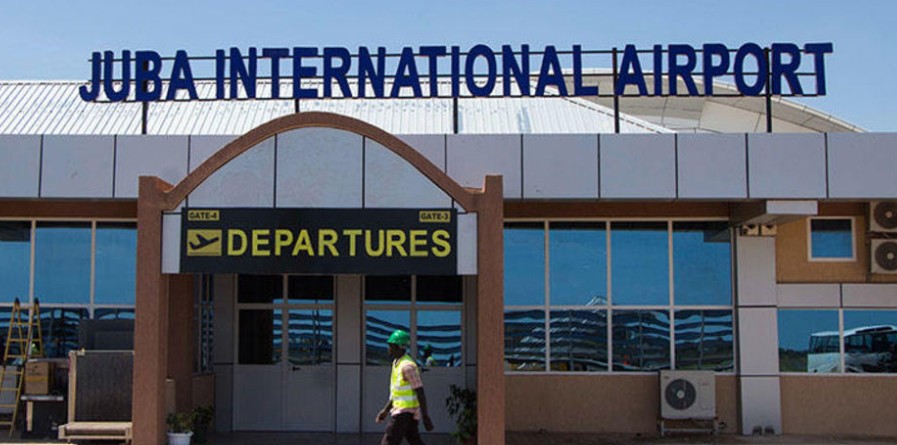
In a statement issued on Monday, South Sudan’s Ministry of Interior said it had become aware of social media posts and media reports alleging that the country had adopted new immigration rules granting visa-free entry only to citizens of Egypt and Tanzania while introducing revised visa charges for other foreign nationals, including Rwandans.
The ministry rejected the claims, insisting that no changes had been made to the country’s immigration or visa policy.
“The Ministry of Interior unequivocally dismisses these claims as false, misleading, and without any official legal or administrative basis,” the statement said.
The clarification came after reports emerged that South Sudan had revised its visa policy, with Rwandans and citizens of several other East African countries expected to pay $50 (about Rwf 74,000) for a single-entry visa, $125 (Rwf 184,000) for a three-month multiple-entry visa, and $250 (Rwf 368,000 )for a six-month multiple-entry visa, while travellers from Tanzania and Egypt would be exempt from visa requirements.
The reports also indicated that travellers from most other African countries would pay $100 for a single-entry visa, with higher charges for multiple-entry visas.
The information sparked concern across the region, particularly among EAC member states, as it appeared to contradict the bloc’s commitment to facilitate the free movement of people, labour and services.
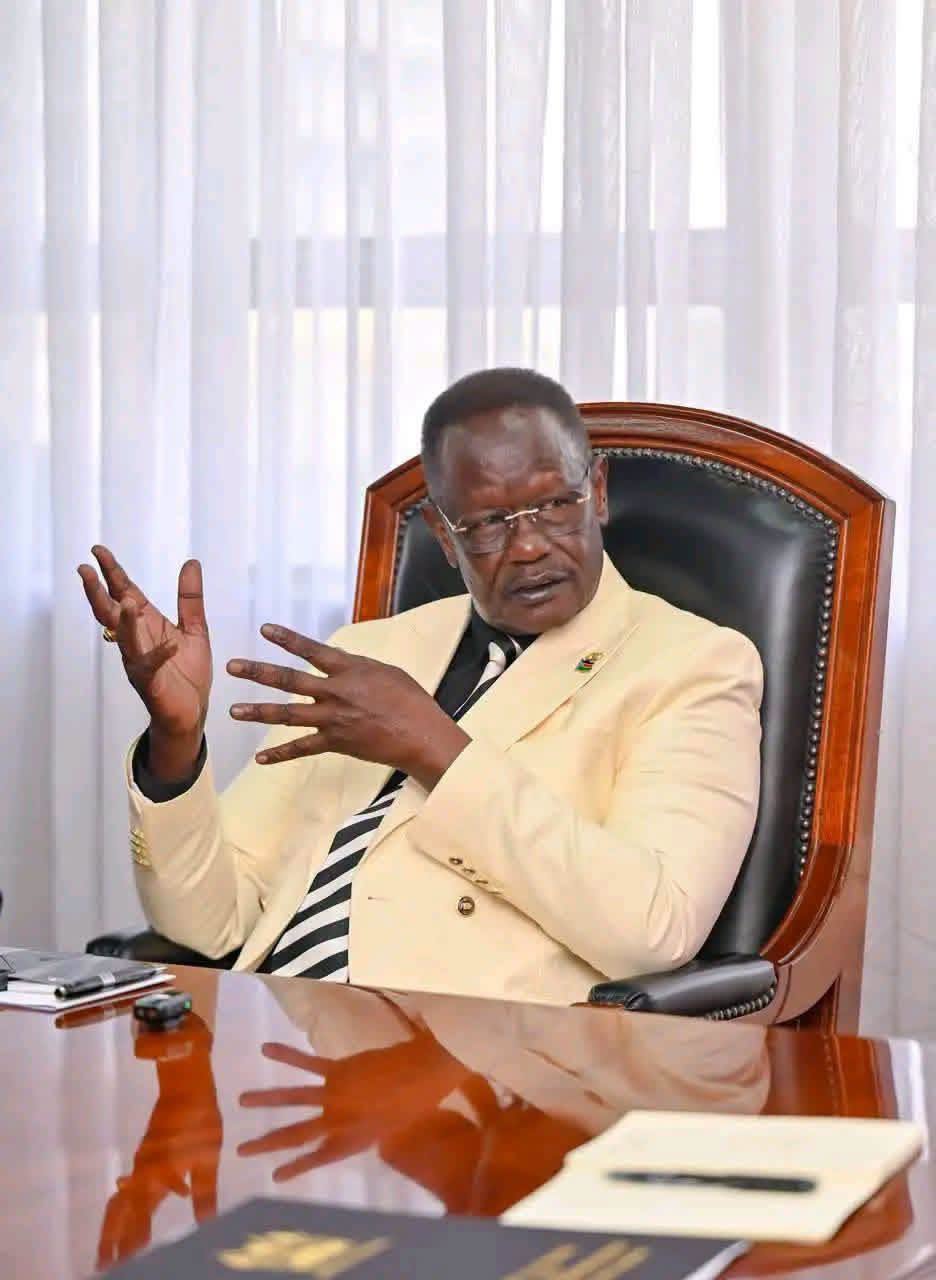
However, South Sudan said neither Interior Minister Gen. Aleu Ayieny Aleu nor the Directorate of Civil Registry, Nationality, Passports and Immigration had issued any directive or policy introducing such changes.
“The Government of the Republic of South Sudan has not promulgated any increasing or restricting visa-free entry exclusively to the nationals of Egypt and Tanzania, nor has it approved the visa fee structure currently circulating in the media,” the ministry said.
It added that any amendments to immigration regulations would only be introduced through established legal procedures and communicated through official government channels before taking effect.
The ministry urged the public, diplomatic missions, airlines, development partners, media organisations and the international community to disregard the reports and rely only on official government communications regarding immigration policies.
South Sudan joined the East African Community in 2016. Under the EAC Common Market Protocol, partner states are working toward the free movement of people, labour, goods and services across the regional bloc, although implementation of the agreement varies among member states.
South Sudan said neither Interior Minister Gen. Aleu Ayieny Aleu nor the Directorate of Civil Registry, Nationality, Passports and Immigration had issued any directive or policy introducing such changes.
French Prosecutor Aude Duret emphasised that without the steadfast dedication of CPCR founders Alain Gauthier and his wife, Dafroza Gauthier, who personally travelled to Rwanda to gather evidence and eyewitness testimonies from where the crimes occurred, many perpetrators would have evaded prosecution entirely.
Since its creation in 2001, CPCR has filed complaints against numerous key figures, including Dr. Sosthène Munyemana, Laurent Bucyibaruta, Pascal Simbikangwa, Octavien Ngenzi, Tito Barahira, Claude Muhayimana, Philippe Hategekimana, Fabien Neretse, and Dr. Eugène Rwamucyo. Most have been convicted and sentenced for their roles in the Genocide against the Tutsi.
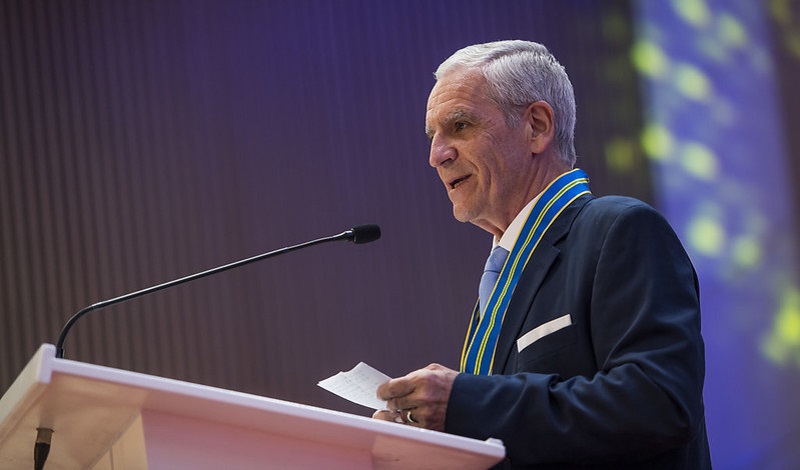
Speaking to IGIHE, Alain Gauthier expressed satisfaction with the Paris Assize Court’s decision to uphold the 27-year prison sentence initially handed down on October 30, 2024. He said his thoughts remain with the civil parties represented by CPCR, including more than 500 victims from Ndora, as well as others from Kigali, Butare, and Gishamvu.
Politicisation tactics rejected
Gauthier said that throughout the trial, Dr. Rwamucyo and his defence team attempted to portray him as an innocent victim of renewed diplomatic relations between Rwanda and France, claiming CPCR was merely a tool of the Rwandan government. According to Gauthier, the claims were deliberate attempts to distract the court from the specific charges against Rwamucyo.
“But it was Rwamucyo who was on trial. He had to answer for his role in burying bodies in dozens of mass graves in and around Butare,” Gauthier stated.
“And then there was his speech on May 14, 1994, during Jean Kambanda’s visit. His words were unambiguous. Yet Rwamucyo and his lawyers tried to plead innocent. An untenable stance given the clarity of the facts.”
On the night of July 17 to July 18, the court acquitted Rwamucyo of genocide and crimes against humanity as a perpetrator, but convicted him of complicity in both crimes.
Gauthier stressed that this distinction does not diminish Rwamucyo’s responsibility in the Genocide against the Tutsi, as French law treats perpetrators and accomplices with equal severity.
“A judicial truth has been delivered. The essential work is done, and we accept this decision,” he said.
He further rejected Rwamucyo’s claim that he supervised the burial of Tutsi victims solely for public health reasons, saying witness testimonies showed there was no epidemic in Butare that justified such measures.
Dr. Rwamucyo and his defence team also repeatedly criticised Rwanda’s Gacaca courts, arguing that they did not deliver proper justice and attempting to discredit Gacaca judgment records as potentially fabricated.
Gauthier said the seven lawyers representing Dr. Rwamucyo either lacked knowledge of Gacaca or deliberately chose to ignore its crucial role in delivering justice to survivors.
“Rwamucyo’s seven lawyers understood nothing or chose not to understand the irreplaceable role of Gacaca,” Gauthier said. “Above all, it also showed a total lack of familiarity with Rwanda and its culture. French justice, even while recognising the weaknesses of the Gacaca procedure, respects it.”
The case of Agathe Kanziga and broader challenges
French courts have prosecuted and convicted several high-profile Rwandans from different sectors, including politicians, intellectuals, and security officials.
Gauthier expressed concern over how highly educated individuals, including medical professionals sworn to save lives, became involved in killings during the Genocide against the Tutsi. He said influential figures played a role in mobilising ordinary people to participate in the violence.
He noted that other intellectuals are still awaiting trial in France, including Dr. Charles Twagira, originally from the former Kibuye Prefecture, and Dr. Alphonse Karemera from Butare.
However, Gauthier raised concerns that investigating magistrates in France could dismiss investigations into other Rwandan suspects, as previously happened in the case of Agathe Kanziga, the widow of former President Juvénal Habyarimana.
He warned that delays in pursuing suspects create serious challenges for future cases, as ageing witnesses make it increasingly difficult to collect reliable testimony.
“For future cases, it is clear that it will become increasingly difficult to gather testimonies for the reasons you mentioned,” Gauthier explained. “The CPCR, like judges, faces the same issue. We have to deal with it, but we must be aware that investigating will become harder and harder.”
He added that as evidence collection becomes more difficult, more perpetrators of the 1994 Genocide against the Tutsi risk escaping justice.
“That is the sad reality,” he said.
In May 2026, a French appeals court ordered the reopening of the genocide investigation into Agathe Kanziga, which had been closed the previous year, following an appeal by the prosecution.
Gauthier, who filed the initial complaint against Kanziga in 2007 through CPCR, cautioned that the court’s decision does not guarantee that the case will ultimately proceed to trial, given the length of time it has taken.
“But it is not at all certain that this will ever lead to a trial,” Gauthier said. “We have waited too long. Our complaint dates back to 2007, so there is very little hope on that front. The same goes for [Laurent Serubuga].”
Despite these challenges, Alain Gauthier reaffirmed that CPCR will continue its pursuit of justice without seeking recognition, urging Rwandans to draw inspiration from the organisation’s work in building a reconciled society for the well-being of all.
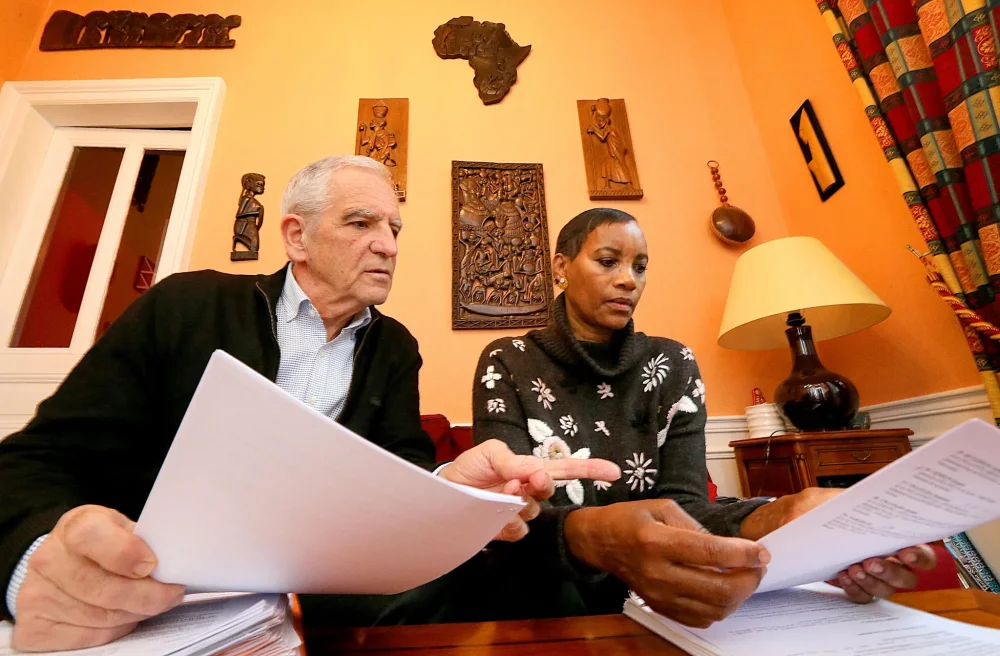
For 25 years, Alain and Dafroza Gauthier have pursued individuals suspected of involvement in the Genocide against the Tutsi who fled to France, through their organisation CPCR.
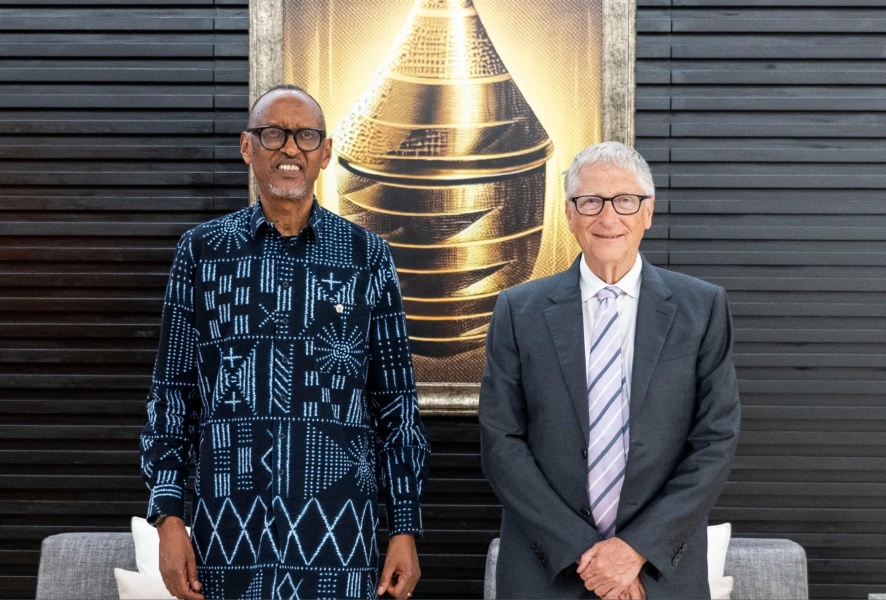
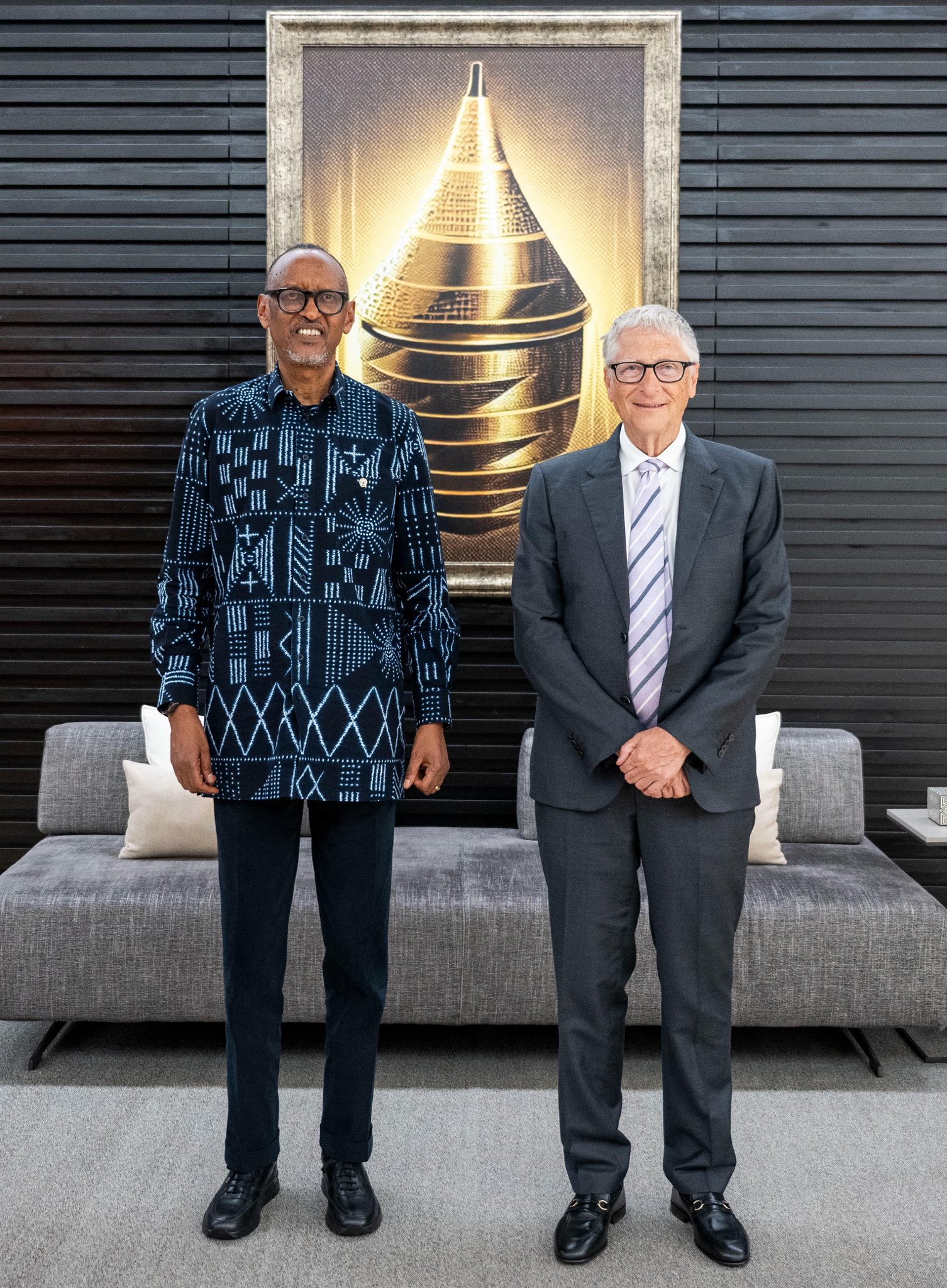
According to the Office of the President, the meeting focused on accelerating cooperation in health, agricultural transformation, artificial intelligence (AI), and digital public infrastructure in line with Rwanda’s national development priorities.
“This evening in Kigali, President Kagame met with Bill Gates, Founder and Chair of the Gates Foundation. They discussed strengthening the Foundation’s longstanding partnership with Rwanda, including accelerating collaboration in health, agricultural transformation, AI, and digital public infrastructure to advance Rwanda’s development priorities,” the Office of the President said in a statement posted on X.
The meeting formed part of Gates’ multi-day visit to Rwanda, which is aimed at gaining deeper insight into the country’s progress in healthcare, agriculture, innovation, and digital transformation.
Earlier on Monday, Gates visited the Kigali Genocide Memorial, where he paid tribute to the victims of the 1994 Genocide against the Tutsi. The Microsoft founder laid a wreath at the final resting place of more than 250,000 victims buried at the memorial before touring its permanent exhibitions.
According to the Kigali Genocide Memorial, Gates learned about the planning and execution of the Genocide against the Tutsi, its devastating human impact, and Rwanda’s journey of recovery, reconciliation, and rebuilding over the past three decades.
Gates has also visited the TKMD syringe manufacturing plant in Rwamagana District, a facility contributing to Africa’s capacity to locally manufacture essential medical supplies. During his visit, he also toured Mwulire Health Centre and met with community health workers to learn more about Rwanda’s primary healthcare system and community-based health model.
Ahead of the visit, Gates commended Rwanda’s development progress, pointing to sustained investments in people, strong institutions, and effective service delivery. He highlighted major gains in health over the past two decades, including an 80 percent reduction in under-five mortality and an 85 percent decline in maternal deaths related to pregnancy and childbirth since 2000.
The Gates Foundation has partnered with Rwanda for more than 20 years, supporting initiatives in healthcare, agriculture, nutrition, and innovation. Earlier this year, Rwanda became the first beneficiary of the Horizon1000 initiative, a $50 million artificial intelligence programme launched by the Gates Foundation in partnership with OpenAI to help African countries leverage AI to strengthen healthcare delivery.
Gates has said his visit is intended to provide an opportunity to engage with government leaders, researchers, innovators, frontline health workers, and communities to better understand Rwanda’s development model and how technology can be harnessed to improve people’s lives.
The meeting between President Paul Kagame and Bill Gates focused on accelerating cooperation in health, agricultural transformation, artificial intelligence (AI), and digital public infrastructure in line with Rwanda’s national development priorities.
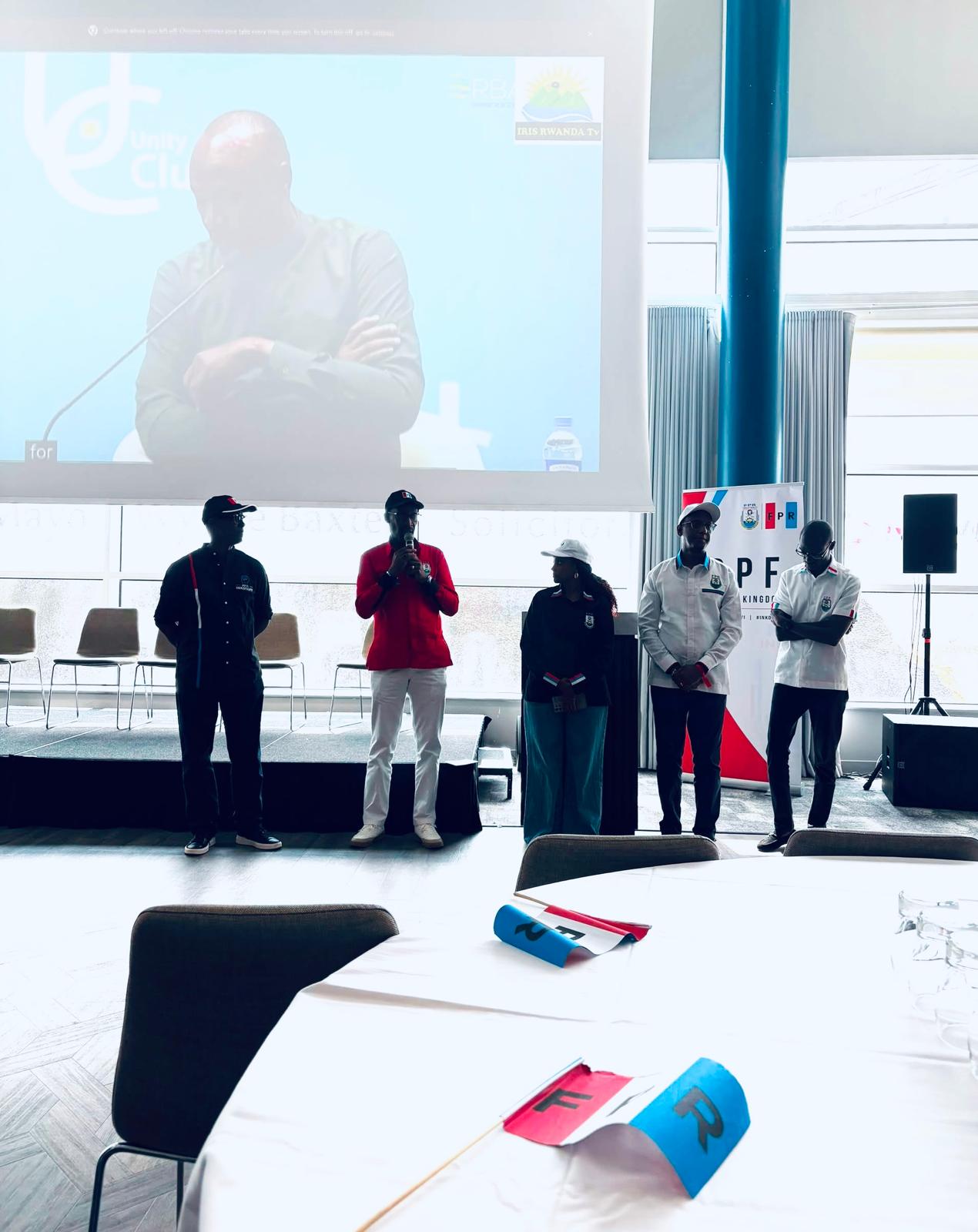
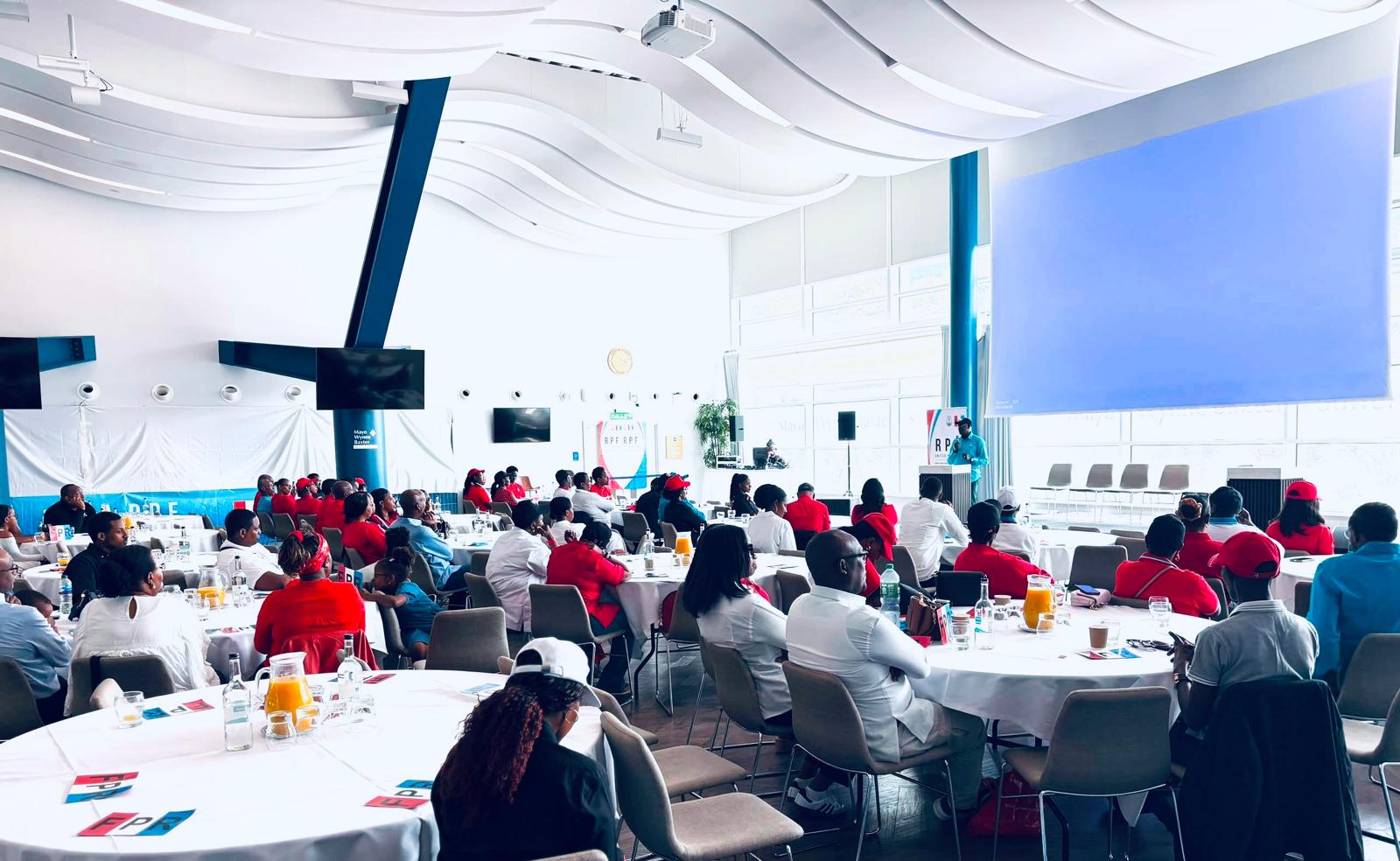
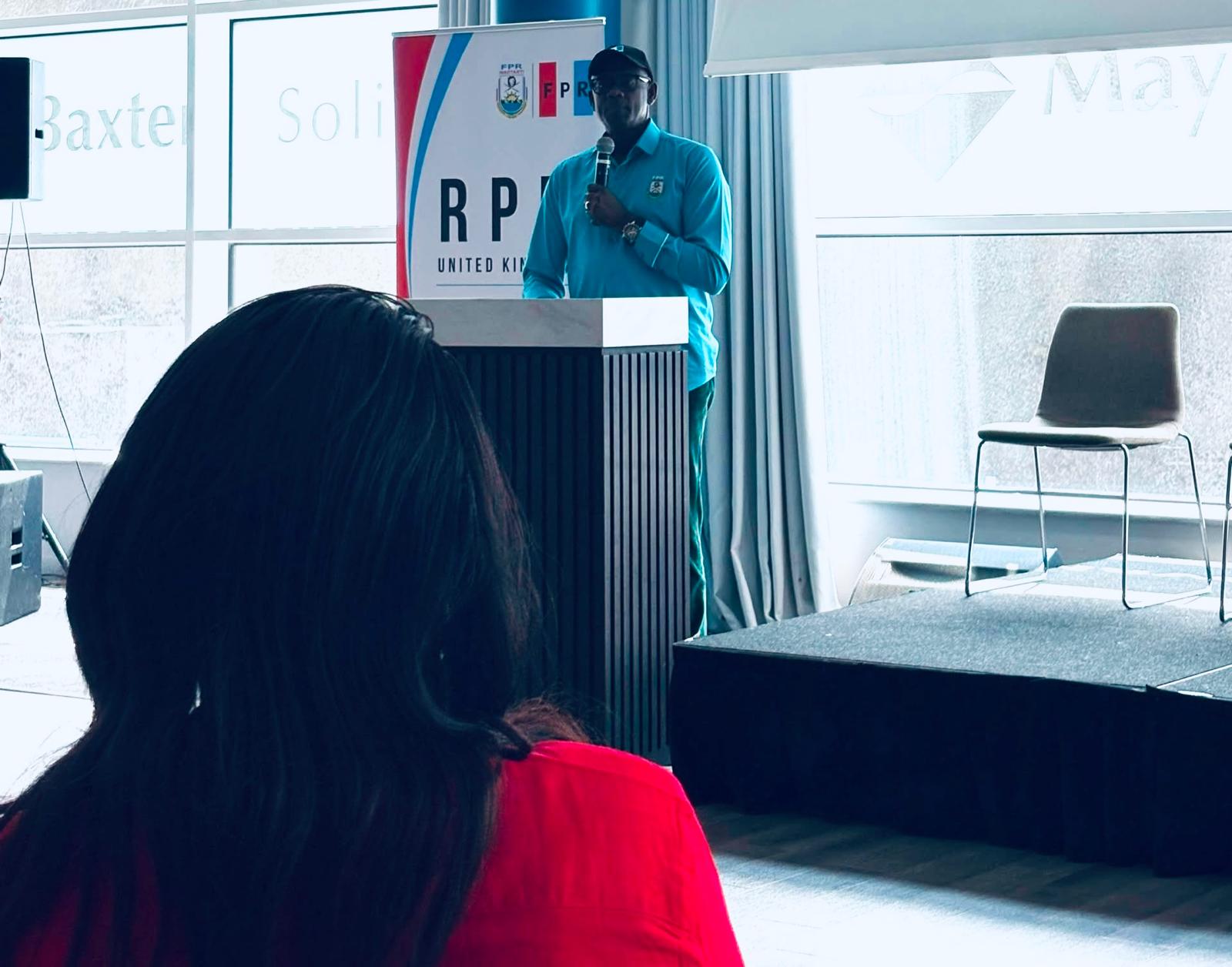
The gathering brought together RPF-Inkotanyi members from all walks of life within the Rwandan community in the UK, including professionals, entrepreneurs, students and some of the pioneers who helped establish the RPF structure in the United Kingdom. It also attracted many young Rwandans who were either born in Rwanda or in the UK and raised in Britain.
Several young participants shared their experiences of growing up in the United Kingdom while maintaining a strong connection with Rwanda. They spoke proudly about their Rwandan identity, cultural heritage and their determination to contribute to the country’s future.
RPF UK Chairperson Egide Ruhashya praised the strong turnout and the spirit that characterized the gathering.
“This gathering demonstrated the strength, unity and commitment of Rwandans across the United Kingdom. It was particularly encouraging to see different generations coming together to reflect on our history, celebrate Rwanda’s progress and discuss how each of us can contribute to the country’s continued development. Our young people have an important responsibility as the leaders of tomorrow,” he said.
Rwanda’s High Commissioner to the United Kingdom, Johnston Busingye, who also attended the event, said Rwanda’s transformation has been built on the values of unity, accountability, equal opportunity and a shared commitment to national development.
“Rwanda’s transformation has been built on unity, accountability, equal opportunity and a shared commitment to national development. Rwandans living abroad remain an important part of this journey. By preserving our values, investing in the next generation and contributing their knowledge and experience, the Rwandan community in the United Kingdom can continue to play a meaningful role in building the Rwanda we want,” he said.
The programme also featured an expert presentation examining Rwanda’s current opportunities and challenges. Speakers emphasized the important role of the Rwandan diaspora in supporting nation-building, promoting investment and contributing to the country’s continued development.
Participants also discussed Rwanda’s culture and values, stressing the importance of preserving them and passing them on to younger and future generations.
The gathering provided an opportunity to reflect on the history of the RPF-Inkotanyi and Rwanda’s liberation struggle, paying tribute to the men and women whose sacrifices laid the foundation for unity, peace and national renewal.
Participants also reviewed Rwanda’s achievements under the leadership of the RPF-Inkotanyi over the past 32 years, highlighting progress in governance, socio-economic development, national unity and institution building.
Key priorities discussed during the event included strengthening the unity of all Rwandans, promoting equal opportunities, ensuring accountability across institutions, advancing self-reliance and maintaining an ambitious vision for Rwanda’s future.
Special attention was given to the role of young people as the country’s future leaders. Speakers encouraged young Rwandans in the diaspora to embrace leadership, remain closely connected to their heritage and use their knowledge, skills and experience to contribute to Rwanda’s continued development.
The gathering concluded in an atmosphere of enthusiasm, pride and strong unity, with participants proudly wearing RPF-Inkotanyi colours and insignia while reaffirming their commitment to contributing to Rwanda’s development from wherever they live, work or study in the United Kingdom.
The gathering brought together RPF-Inkotanyi members from all walks of life within the Rwandan community in the UK.Rwanda’s High Commissioner to the United Kingdom, Johnston Busingye, said Rwanda’s transformation has been built on the values of unity, accountability, equal opportunity and a shared commitment to national development.The gathering provided an opportunity to reflect on the history of the RPF-Inkotanyi and Rwanda’s liberation struggle, paying tribute to the men and women whose sacrifices laid the foundation for unity, peace and national renewal.Participants also discussed Rwanda’s culture and values, stressing the importance of preserving them and passing them on to younger and future generations.