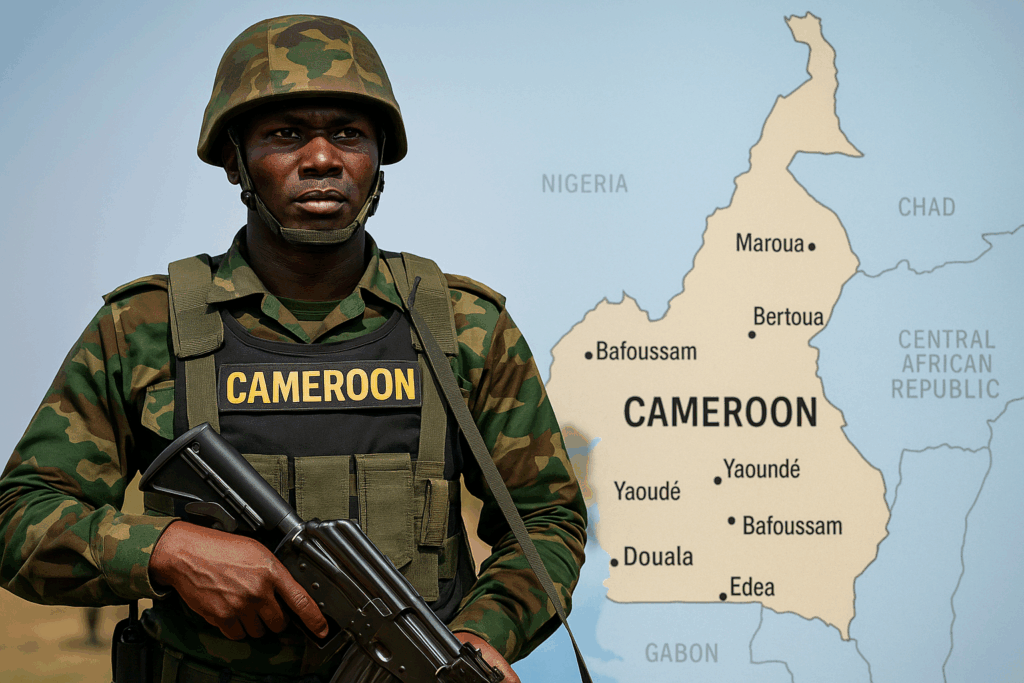
The soldiers were at a security checkpoint in Big Babanki in the Tubah subdivision when they were attacked, a military official in the region confirmed.
“The separatist terrorists took them by surprise. The sad incident occurred by midday this Friday. We have deployed additional forces to pursue the terrorists and capture them,” the official, who spoke on condition of anonymity, told Xinhua.
Local media reported an increase in attacks on civilians and security forces in the region in recent weeks.
Cameroon has been experiencing an armed separatist conflict in its English-speaking regions of Northwest and Southwest since 2017, as separatists seek to create a new nation in the regions.
Two Cameroonian soldiers were killed on Friday in an ambush by separatist fighters in the country’s English-speaking Northwest region, security sources said.
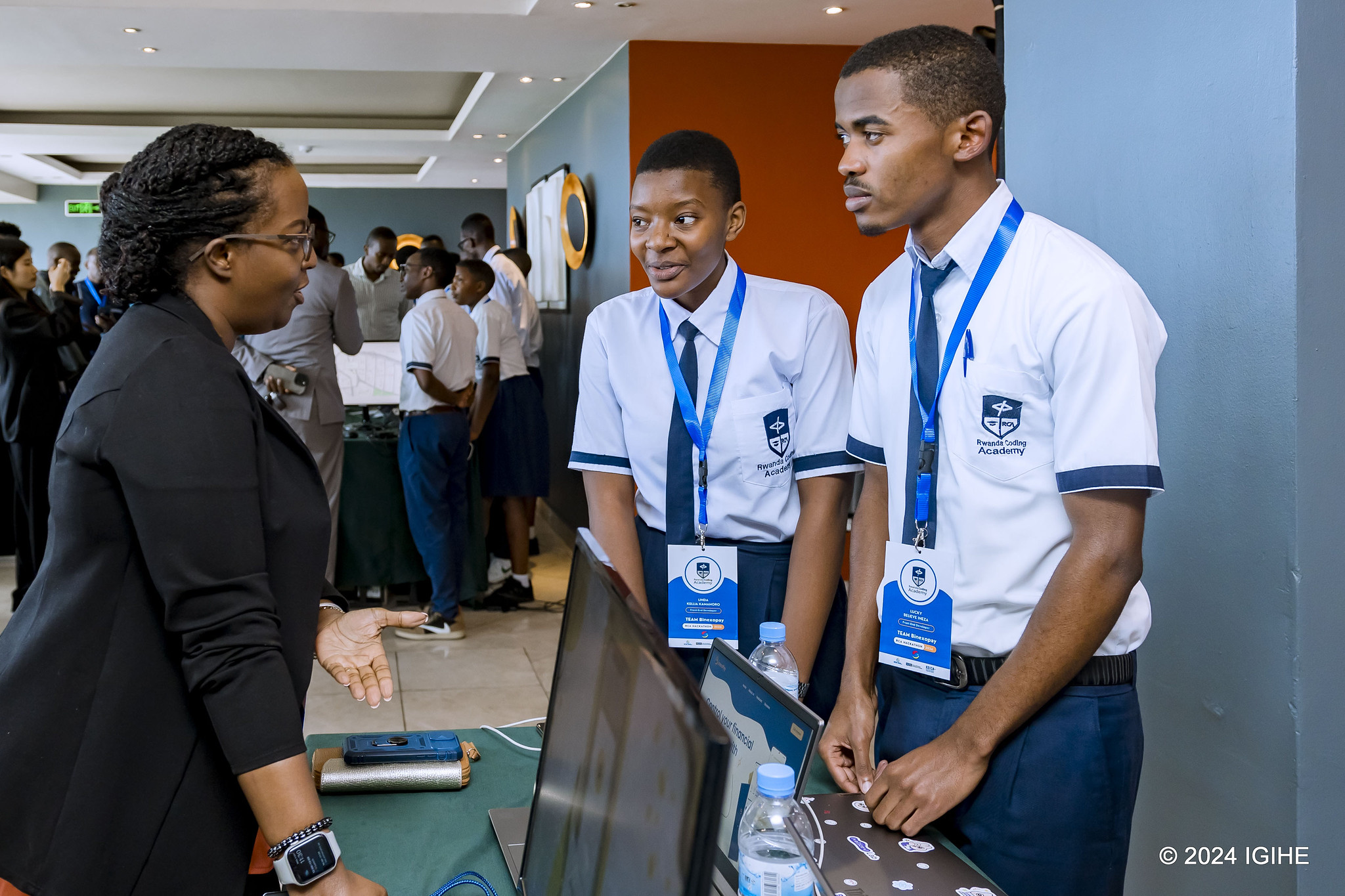
The school, based in Nyabihu District, was selected from nearly 3,000 nominations and applications submitted from 113 countries, highlighting its growing reputation as a centre of excellence in digital skills and future-focused learning.
RCA is competing in the AI Transformation category, supported by Fab AI, which promotes the use of artificial intelligence to improve education systems, particularly in low- and middle-income countries.
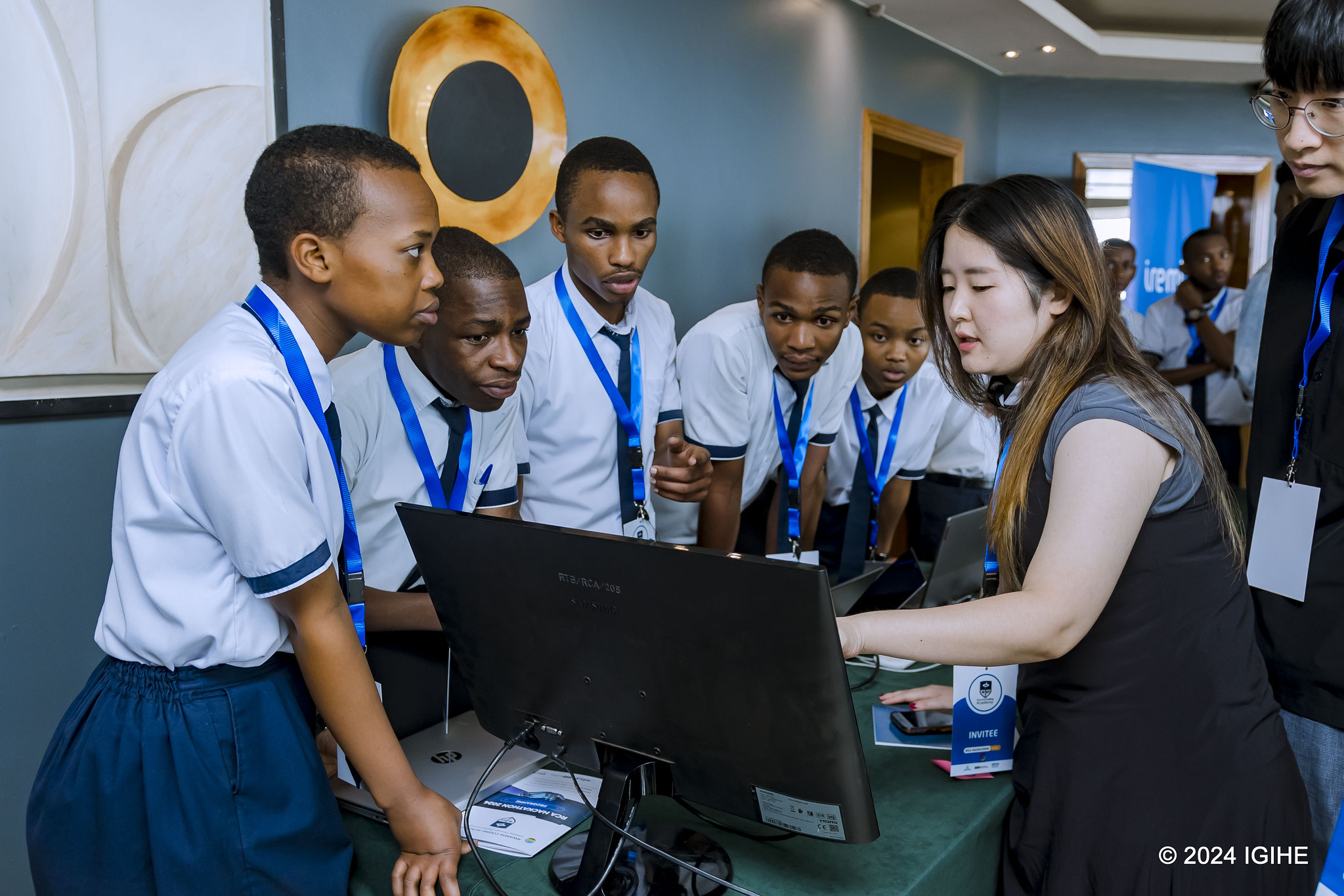
Founded in 2019, RCA is a government-run specialist high school that trains around 280 students aged between 14 and 19 to become software engineers and AI innovators. The institution has positioned itself as a key part of Rwanda’s broader strategy to build a knowledge-based, digital economy.
Its recognition in the global competition is largely driven by its distinctive approach to artificial intelligence education. Beyond technical skills, the academy integrates ethics, responsibility, and social impact into every project.
Students are encouraged to critically examine issues such as fairness, data privacy, and the societal implications of AI technologies.
Among its standout innovations is a student-developed computer vision system designed to detect road accidents in real time. The system uses locally sourced data and has been deliberately engineered to protect privacy by avoiding facial recognition features.
RCA’s track record of achievement has further strengthened its global standing. Students have developed more than 70 functional technology projects, and in 2025, they secured first, second, and third place at the picoCTF-Africa cybersecurity competition, outperforming participants from over 20 countries.
More recently, RCA students won the 2026 AI Ideathon organised by the Rwanda Education Board and are set to represent the country at the global level in Switzerland.
The school has also expanded its international footprint through partnerships with organisations such as the Korea International Cooperation Agency (KOICA), as well as participation in global hackathons and cyber-resilience forums.
The Global Schools Prize, founded by education entrepreneur Sunny Varkey, is the largest award of its kind. It celebrates schools that demonstrate exceptional commitment to equipping learners with the skills and values needed to navigate a rapidly changing world.
“Congratulations, Rwanda Coding Academy. Your approach to teaching and learning powerfully demonstrates how schools play a defining role in equipping young people with the knowledge, skills, and values needed to shape our rapidly evolving world,” Varkey said in a statement.
Mathias Esmann, Director of Partnerships at Fab AI, also commended the finalists, noting that they are “harnessing the enormous potential of AI to expand access, free up time for teachers and deliver measurable impact for learners.”
As part of the shortlist, RCA receives a Global Schools Prize badge and joins an international network of leading institutions, gaining access to partnerships, professional development opportunities, and global collaboration platforms.
The competition will now narrow the top 50 schools down to 10 category winners, each receiving $50,000. One overall winner will be awarded $500,000 to scale its impact.
The final winner is expected to be announced during the Education World Forum in London in May.
The school, based in Nyabihu District, was selected from nearly 3,000 nominations and applications submitted from 113 countries, highlighting its growing reputation as a centre of excellence in digital skills and future-focused learning.
Here’s a list of five of the hottest recent animated releases, perfect for your next movie binge.
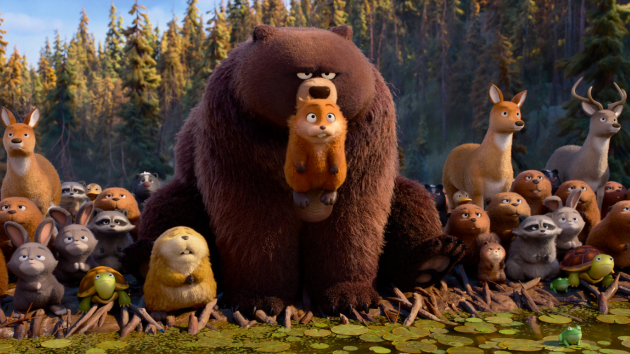
1. Hoppers
Hoppers follows the story of Mabel, an animal-obsessed college student who transfers her mind into a robotic beaver to communicate with animals and protect their environment from destruction.
However, her well-intentioned actions spark an unexpected uprising. This 30th animated feature from Pixar has captivated audiences worldwide, grossing an impressive $375 million since its release. It’s an exciting, heartfelt adventure that’s perfect for all ages.
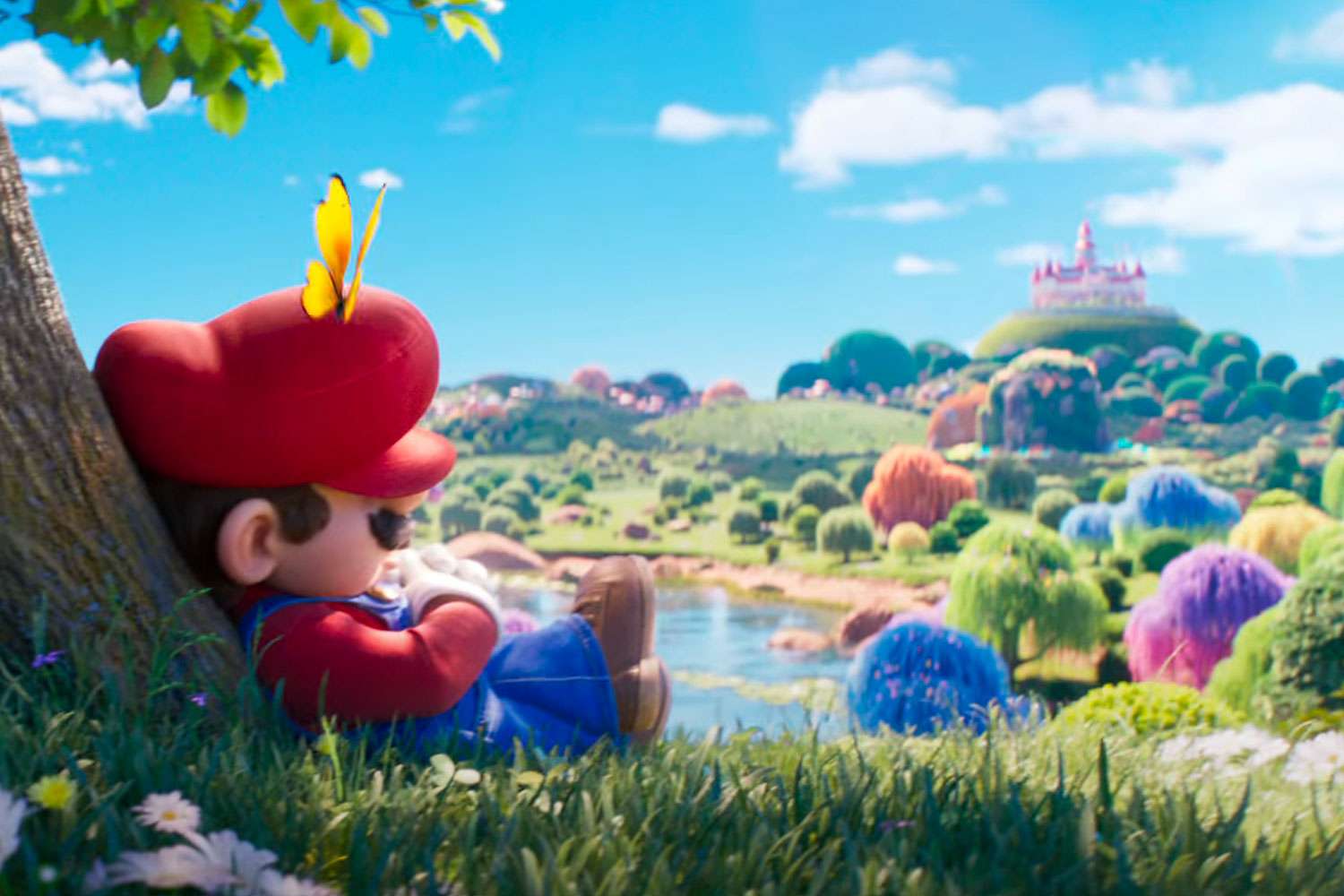
2. The Super Mario Galaxy Movie
The highly anticipated sequel to The Super Mario Bros. Movie takes Mario, Luigi, and their friends on a cosmic adventure in outer space. They meet Princess Rosalina and must stop Bowser Jr.’s plan to restore the Bowser family name by threatening the universe.
While it received mixed reviews from critics, the movie has already earned $835 million worldwide, making it the highest-grossing film of 2026 so far. If you loved the original, this sequel is a must-see.
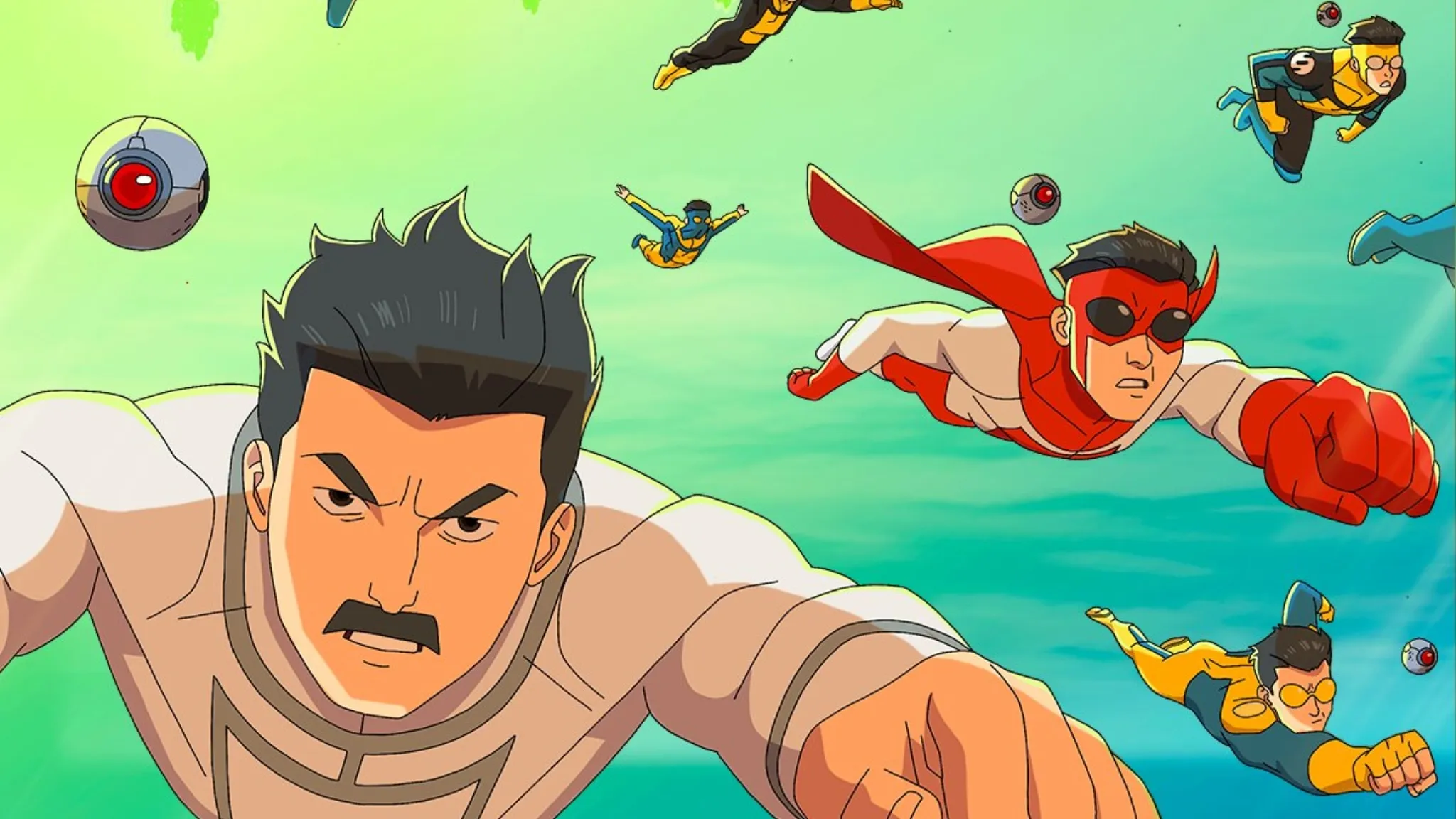
3. Invincible: Season 4
Season 4 of Invincible picks up after the global catastrophe that rocked the previous season. Mark Grayson is dealing with guilt as he works to protect his loved ones and home.
This season brings even more tension with the arrival of powerful new threats, including the Viltrumite War storyline and new antagonists like Thragg and Dinosaurus.
With eight episodes packed with action and emotional moments, this season is perfect for anyone craving a mix of intense drama and superhero excitement.
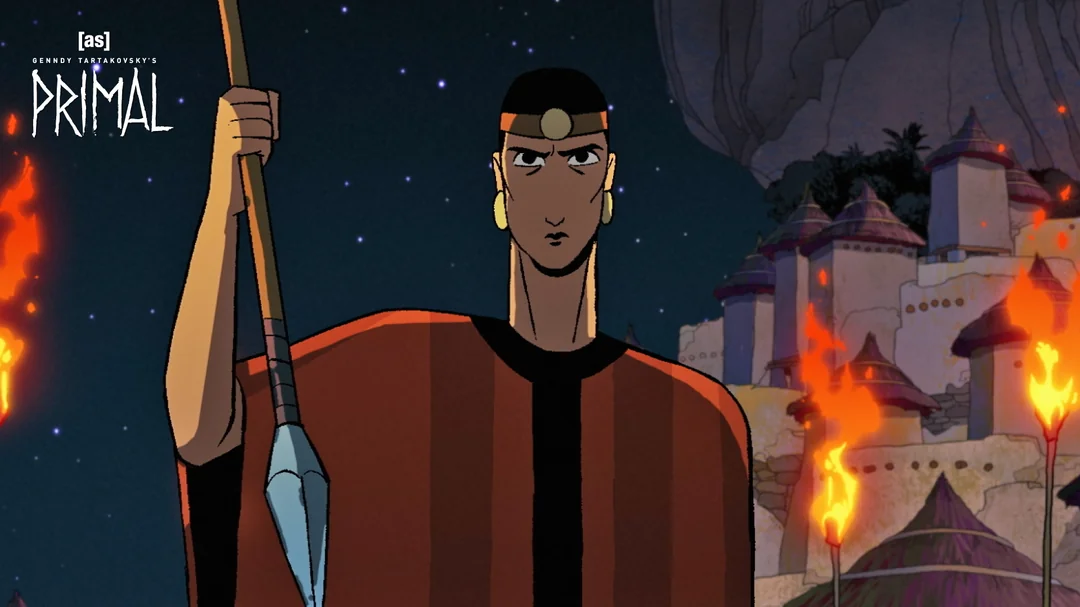
4. Primal: Season 3
The third season of Primal takes us back to the brutal stone-age saga filled with minimal dialogue and raw action.
This series, known for its powerful animation and emotionally charged visuals, continues the journey of its two primal heroes as they navigate a dangerous and untamed world.
If you’re a fan of Genndy Tartakovsky’s distinctive style, this action-packed, visually stunning series will definitely keep you hooked.
5. KPop Demon Hunters
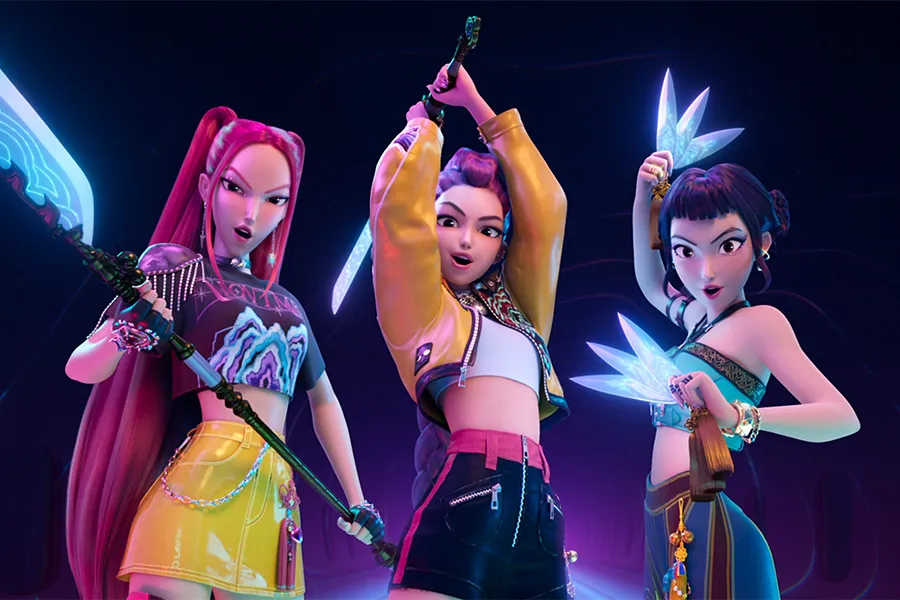
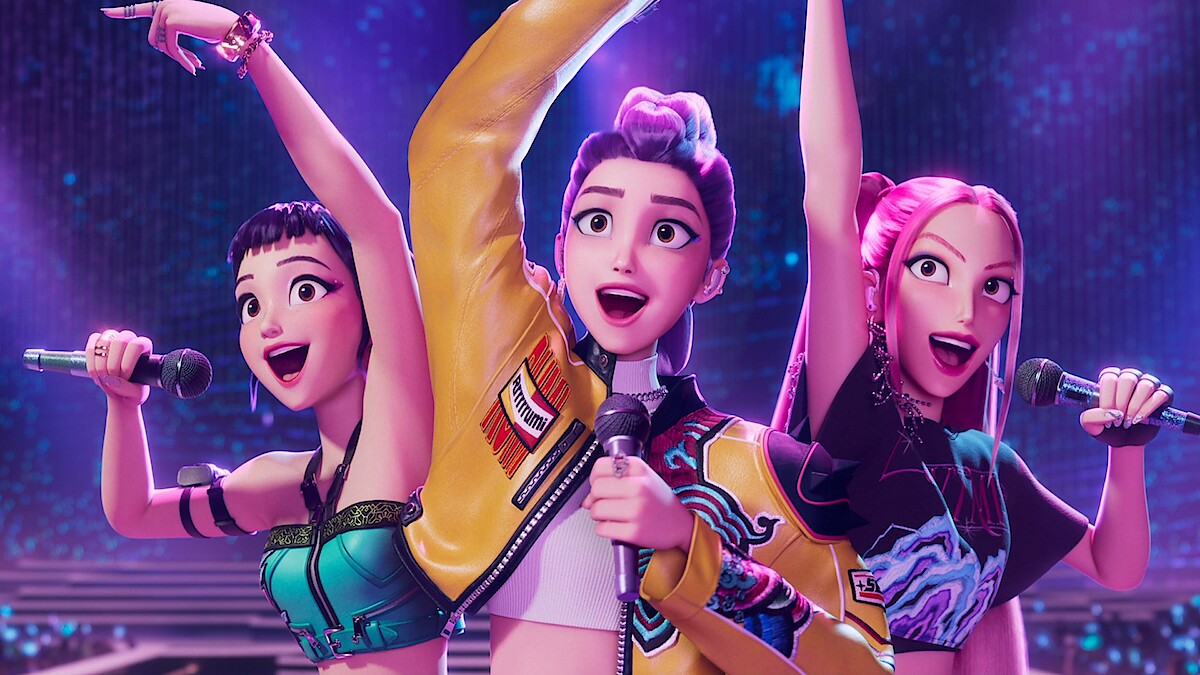
KPop Demon Hunters follows Rumi, Mira, and Zoey, three K-pop idols who secretly fight supernatural forces to protect their fans. Their biggest challenge comes when a rival boy band of demons in disguise threatens the safety of their world.
The film has been a massive success, winning Best Animated Feature at both the 98th Academy Awards and the Golden Globes. Its breakout song, “Golden,” made history by becoming the first K-pop track to win Best Original Song at the Oscars and Best Song Written for Visual Media at the Grammys.
With over 500 million views on Netflix, it has become the platform’s most-watched animated original.
These five animated films are the perfect way to spend your weekend, whether you’re looking for high-energy action, heartfelt storytelling, or pure entertainment. From thrilling space adventures to stunning visual masterpieces, these films will keep you entertained and engaged throughout the weekend.
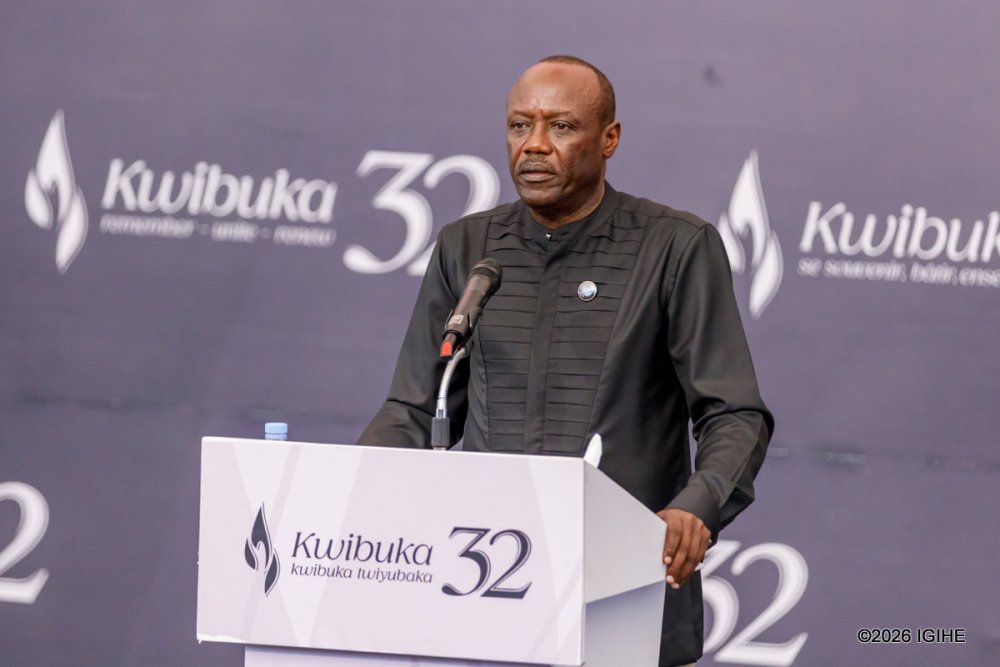
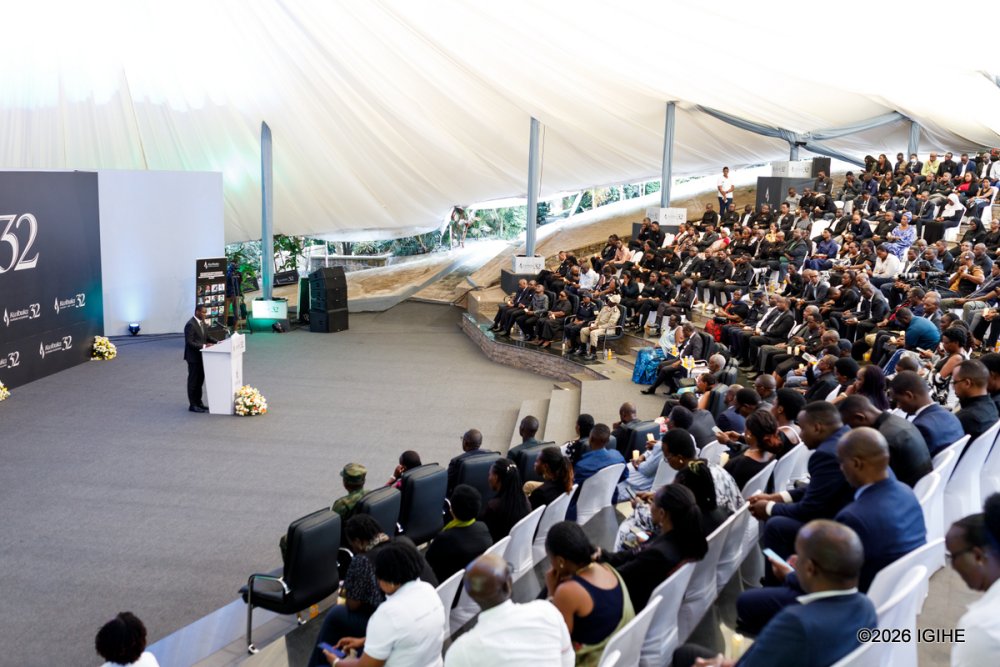
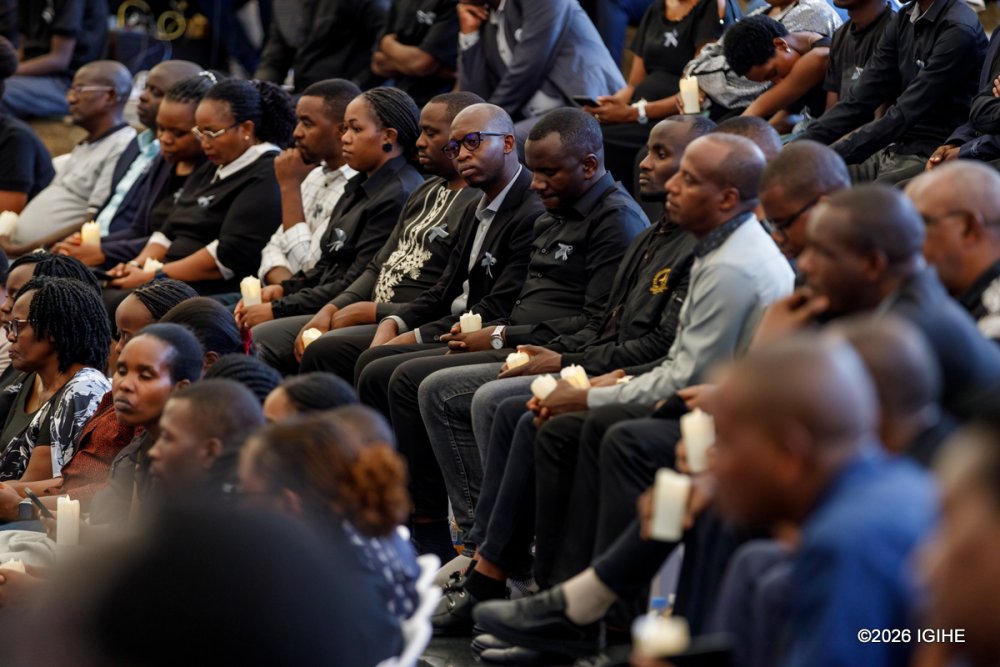
He made the remarks on April 30, 2026, during a commemoration event marking the 32nd anniversary of the Genocide against the Tutsi. The event was organised by the Ministry of Local Government, Ministry of Internal Security, Ministry of Public Service and Labour, CHENO, Directorate-General of Immigration and Emigration, the National Electoral Commission, and RALGA.
Gen (Rtd) Ibingira, who presented an overview of Rwanda’s liberation struggle, said the Rwanda Patriotic Army (RPA) took up arms in 1990 after peaceful efforts to resolve the country’s crisis failed, as Tutsi citizens were being persecuted, killed, and stripped of their rights.
He noted that for him, having been born outside Rwanda, the country was initially only known as a point on the map until the Rwandan Patriotic Front (RPF-Inkotanyi) made the decision to return and liberate it.
He explained that the liberation struggle and the effort to stop the genocide were extremely difficult, as they involved both combat operations and rescuing civilians who were being killed.
He further stated that some Congolese fighters initially opposed the return of the Rwandan Patriotic Army, as they supported the forces of the former regime.
After the 1994 Genocide against the Tutsi, Interahamwe militia members and former soldiers of the defeated regime fled to then Zaire (now the DRC), where they were granted refuge and reorganised with the intention of launching attacks against Rwanda.
These groups later carried out cross-border attacks into Rwanda. When their efforts failed, they formed armed movements such as ALIR and PALIR, taking advantage of the fact that they had fled with military equipment that was not confiscated in line with international law.
The FDLR was later formed through the merger of these groups, built on an ideology that labels the Tutsi as enemies and seeks to overthrow the Rwandan government.
Gen Ibingira said that more than 30 years later, the FDLR continues to operate, claiming that it is being supported by the government of Félix Tshisekedi, which he alleged has pledged cooperation with the group against Rwanda.
He argued that this support has strengthened the FDLR and contributed to the spread of genocide ideology in eastern DRC and the wider Great Lakes region, resulting in continued violence against Congolese Tutsi communities.
“Genocide was carried out openly by the government of Habyarimana and Sindikubwabo. It was stopped openly by the RPA in broad daylight. No one else stopped it,” he said.
He added: “Anyone backing the Interahamwe will face consequences. Those who support them and shelter them today will face the consequences of their actions.”
Gen Ibingira further said that those supporting the FDLR are openly aligned with its agenda of destabilising Rwanda.
He stressed that Rwanda will not accept insecurity imposed from outside, even if it faces sanctions.
“If the world says it is sanctioning us, we will not fold our arms and allow Interahamwe to attack us,” he said.
He urged Rwandans to remain vigilant, saying the country’s security depends on collective responsibility.
“The life of this country is in your hands, both young and old,” he said.
He also reflected on the 32 years since the genocide, saying Rwanda has made significant progress in rebuilding unity and ensuring citizens are no longer persecuted based on identity, crediting strong leadership and national resilience.
Minister of Local Government Habimana Dominique said the Genocide against the Tutsi was stopped by Rwandans themselves, and that their bravery remains a national responsibility.
He emphasised that fighting genocide ideology remains a duty for all citizens, warning that some perpetrators continue to deny the genocide and pass on its ideology to younger generations.
The commemoration event took place on April 30. Gen (Rtd) Ibingira said Rwanda will not accept insecurity imposed from outside, even under threat of sanctions.
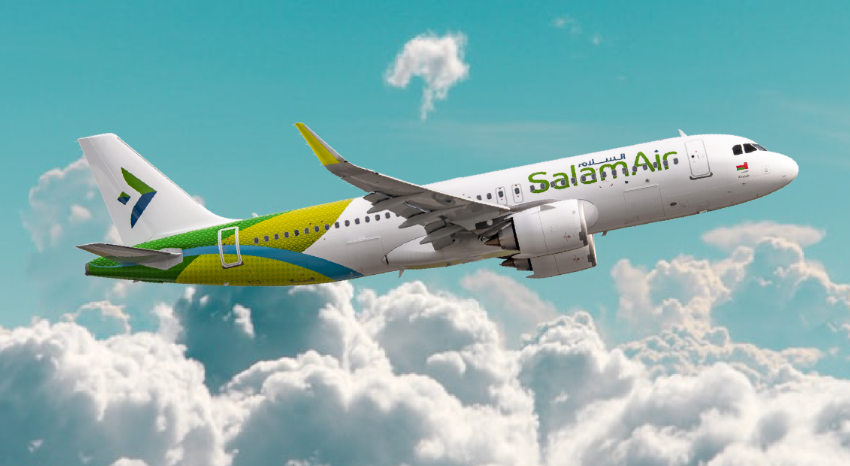
The airline announced that operations are scheduled to begin on July 21, 2026, subject to regulatory approvals. The route will run twice a week, on Tuesdays and Thursdays, with one-way Lite fares starting from OMR 69.99 (approximately Rwf 260,000).
The new connection is expected to support growing business and trade links between Oman and East Africa. By offering direct and lower-cost travel, SalamAir aims to tap into demand from business travellers, investors, and the tourism sector.
“Kigali is a natural addition to our growing African network, offering strong fundamentals across business and leisure travel,” said Steven Allen, Chief Commercial Officer at SalamAir.
Allen pointed to Rwanda’s steady growth in tourism and corporate travel, as well as Kigali’s role as a gateway to regional markets.
“Kigali itself is a vibrant, modern gateway, known for its culture, markets, and historical landmarks, and it opens the door to some of Africa’s most compelling nature and eco tourism attractions. As part of our wider network strategy, we remain focused on linking Oman with high-growth markets through affordable, reliable, and direct connectivity,” he added.
Kigali has positioned itself as a hub for conferences, investment, and innovation, supported by infrastructure such as the Kigali Convention Centre and ongoing developments in the aviation sector, including the new Bugesera International Airport.
The new airport is scheduled for completion in 2027. Upon completion of the first phase, it will have the capacity to handle seven million passengers annually. A second phase, planned for completion in 2032, is expected to expand capacity to 14 million passengers per year. It is expected to play a central role in boosting economic growth and positioning the country as a regional and continental aviation hub.
Meanwhile, the new Muscat and Kigali route comes as Rwanda and Oman continue to deepen economic ties, with air connectivity seen as a key driver of trade, tourism, and investment flows between the two countries.
SalamAir’s move follows a similar plan by Oman Air, which is also preparing to launch direct flights between Muscat and Kigali in June 2026. The development is linked to broader agreements between the two countries covering areas such as logistics, infrastructure, and digital services.
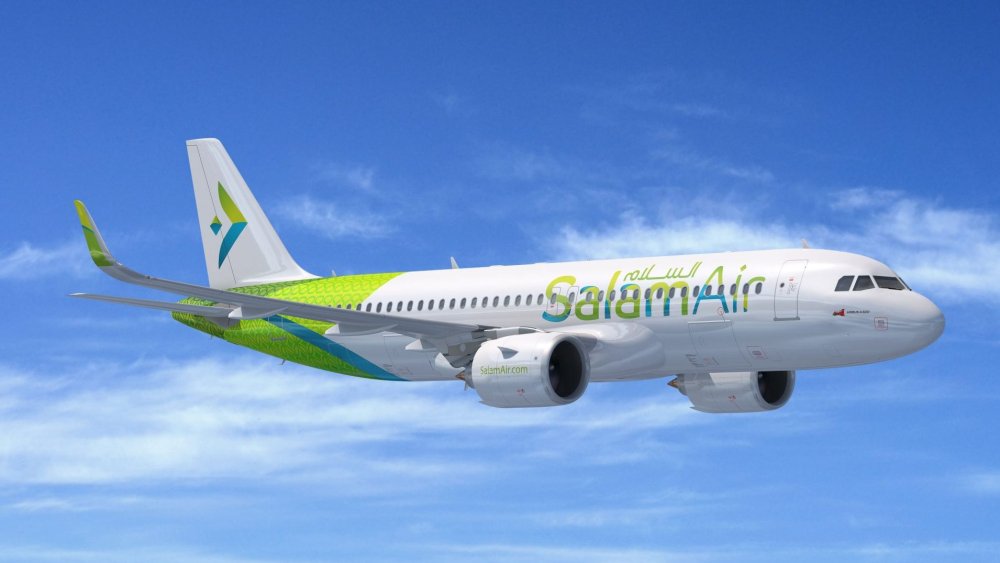
For SalamAir, the Kigali route forms part of its wider expansion strategy. The airline currently operates a fleet of Airbus A320 and A321 aircraft, serving 38 destinations with more than 80 daily flights. Additional aircraft are expected to join its fleet from mid-2026 as it increases capacity.
The entry of new carriers on the Muscat–Kigali route is likely to improve connectivity and offer more travel options for businesses and passengers moving between East Africa and the Middle East.
Oman’s low-cost carrier SalamAir announced that operations are scheduled to begin on July 21, 2026, subject to regulatory approvals.
For many people, getting a job often comes with immediate plans for how to spend their first salary—whether it is buying a new smartphone, going out to unwind, or simply making up for the hardships of unemployment.
According to the 2025 data, Rwanda had about 8.5 million people aged 16 and above eligible to work. Of these, 4.8 million were employed, while around 676,000 were unemployed. More than 3.1 million were outside the labour force, including students, the elderly, people with severe disabilities, and those who have stopped seeking work.
Unemployment in Rwanda declined by 2.5 percentage points, dropping to 12.4% in 2025 from 14.9% in 2024.
Income remains a sensitive topic that many people are reluctant to discuss openly. However, the survey reveals that 36% of workers earned less than Rwf 30,000 per month, a decrease of 4.5 percentage points compared to 2024. Meanwhile, those earning Rwf 100,000 or more rose to 20.8%, up from 19% the previous year.
On average, workers in Rwanda earned Rwf 723 per hour in 2025, an increase of Rwf 114 compared to 2024. Agricultural workers, however, earned much less, at about Rwf 408 per hour.
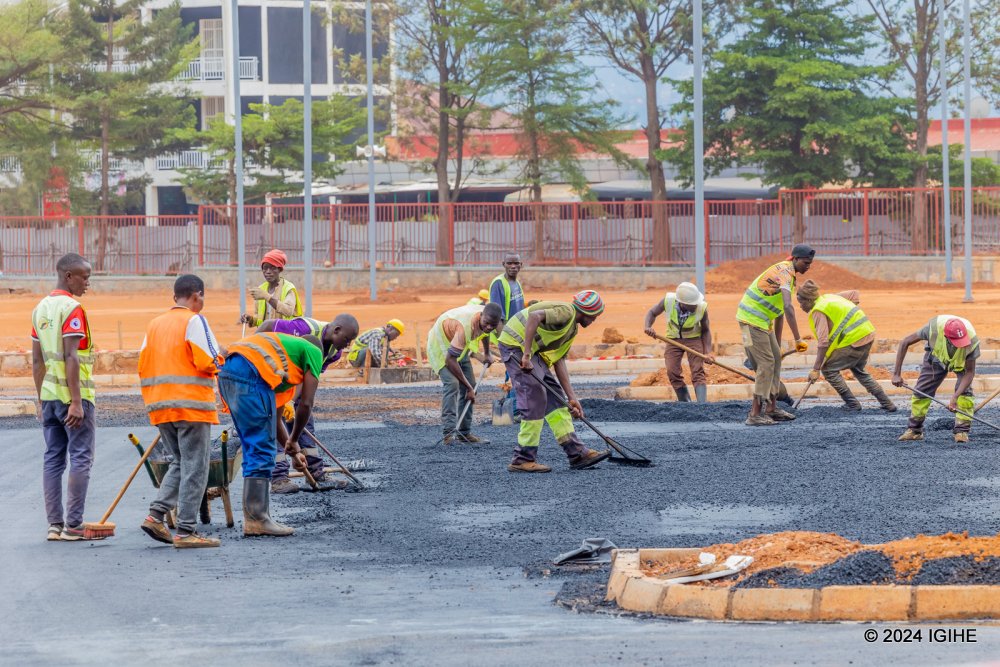
In many parts of the country, a typical farm labourer starts work around 6:00 a.m. or 7:00a.m and finishes between 11:00 a.m ad p.m. noon, working roughly five hours a day. Based on average earnings, this translates to about Rwf 2,000 per day.
Workers in the industrial sector earned an average of Rwf 849 per hour. This category includes a wide range of jobs, from manual labourers handling heavy loads to workers involved in different stages of production.
While casual labourers are often paid daily, permanent employees typically receive monthly salaries.
The services sector remains the largest employer and the highest-paying in terms of hourly wages. By 2025, it accounted for 44.4% of total employment, followed by agriculture at 39.1%, and industry at 16.5%.
Rwanda’s growing services sector is closely linked to the country’s expanding tourism and events industry. In 2025, Rwanda welcomed 1.49 million tourists, generating more than $685 million in revenue. Meetings, conferences, concerts, and exhibitions contributed an additional $93.7 million.
Overall, Rwanda hosted 165 major regional, continental, and global events during the year. These included the UCI Road World Championships held in Kigali in September, the Move Afrika concert featuring John Legend, the Basketball Africa League (BAL), and the Mobile World Congress.
The services sector remains the largest employer and the highest-paying in terms of hourly wages.
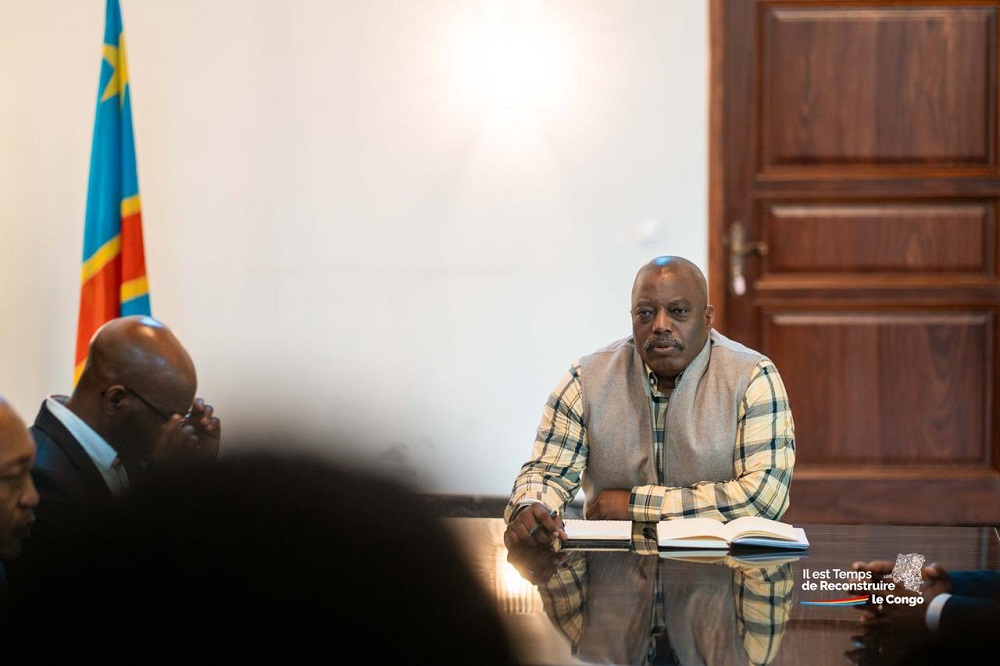
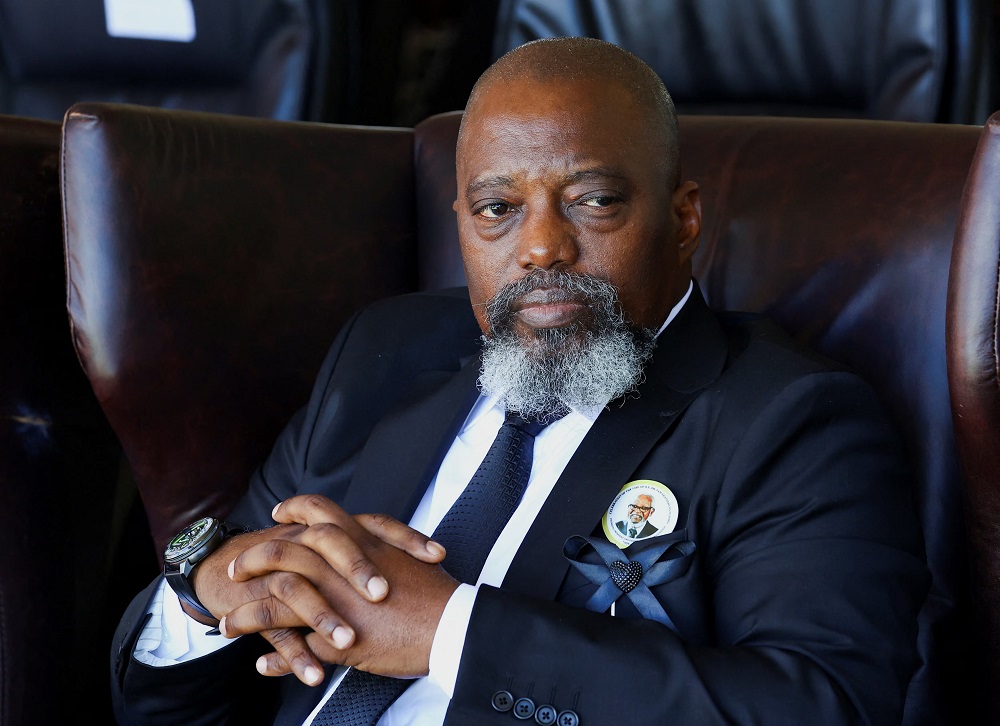
In a statement released on April 30, the U.S. Department of the Treasury announced that Kabila was designated for allegedly supporting the March 23 Movement and its political-military coalition, the Congo River Alliance (AFC).
Treasury Secretary Scott Bessent said the move reflects the administration’s commitment to enforcing accountability as part of broader peace efforts.
The sanctions freeze any assets Kabila may hold under U.S. jurisdiction and prohibit American entities from engaging in transactions with him.
According to U.S. officials, Kabila has played a role in backing AFC/M23 activities, including providing financial support and encouraging defections from the Congolese army to rebel ranks. The statement further alleges he sought to influence political developments in eastern Congo and reassert power through opposition figures.
Kabila, who ruled the DRC from 2001 to 2019, has rejected such claims. He has previously stated that his return to the country from exile in South Africa, specifically to the eastern city of Goma, was motivated by a desire to engage with national challenges and contribute to solutions.
The former Head of State, who was sentenced to death in absentia in September 2025 by a military court in Kinshasa over similar allegations of supporting rebel groups, maintains that his presence there does not imply collaboration with armed groups.
Broader regional context
The sanctions come amid fragile diplomatic efforts to stabilise the Great Lakes region. The U.S. has positioned itself as a key mediator, backing peace initiatives between the DRC and Rwanda, including agreements signed in 2025 aimed at ending hostilities and dismantling armed groups such as the FDLR.
However, implementation of these agreements has stalled. While Washington has criticised Rwanda’s security posture along the border, critics argue that it has been less vocal about the DRC government’s continued collaboration with the FDLR genocidal militia, which seeks to destabilise Rwanda.
In March 2026, the U.S. also sanctioned members of the Rwanda Defence Force and the RDF as a unit, a move that further complicated perceptions of neutrality in the conflict.
Despite backing peace talks, including negotiations in Doha between Kinshasa and AFC/M23, analysts note that U.S. policy appears to lean toward the Congolese government, particularly given strategic interests such as access to critical mineral supply chains.
These dynamics have fueled criticism from various actors, including AFC/M23, which accuses the international community of selectively condemning violence while overlooking ceasefire violations by government forces and continued hostilities against Kinyarwanda-speaking communities in the eastern DRC.
The United States has imposed sanctions on former Democratic Republic of the Congo (DRC) President Joseph Kabila, intensifying tensions around Washington’s role in the ongoing conflict in eastern Congo and drawing renewed scrutiny over its regional strategy.
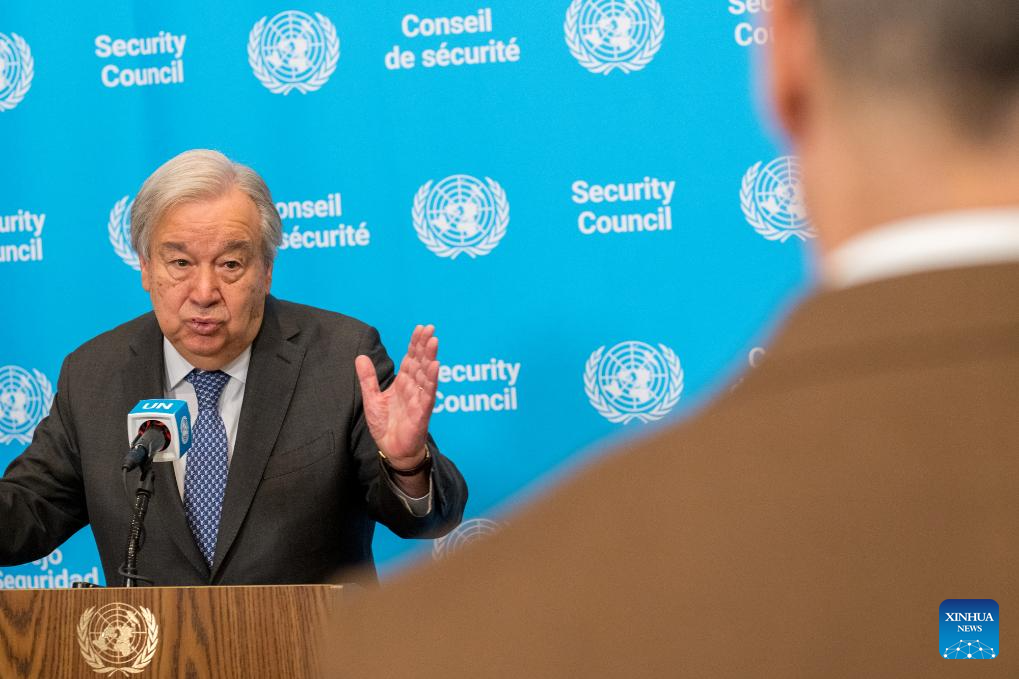
In a press encounter, Guterres offered three scenarios. In the worst-case scenario where the strait remained closed until the end of the year, global inflation would skyrocket past 6 percent, and growth would plummet to 2 percent.
“Immense suffering takes hold, especially among the world’s most vulnerable populations. And we confront the specter of a global recession, with dramatic impacts on people, on the economy, and on political and social stability,” he warned.
Guterres said these consequences are not cumulative but exponential. The longer this vital artery is choked, the harder it will be to reverse the damage and the higher the cost to humanity.
Even in the best-case scenario, “where restrictions are lifted today,” supply chains will take months to recover, prolonging lower economic output and higher prices, he warned.
According to the UN chief, in that scenario, this year’s global economic growth would still drop from 3.4 to 3.1 percent. Global inflation, which had been declining, would climb from 3.8 to 4.4 percent. Global merchandise trade growth would shrink from 4.7 percent last year to roughly 2 percent, with some meaningful supply chain interruptions.
In a second scenario, where disruption drags on through midyear, global economic growth would fall to 2.5 percent. Inflation would rise to 5.4 percent. Some 32 million more people would be pushed into poverty and 45 million more people would face extreme hunger, he said.
As the Middle East crisis is lumbering into its third month, the consequences grow dramatically worse with each passing hour despite a fragile ceasefire between the United States and Iran, he said.
Guterres called for the reopening of the Strait of Hormuz.
“My message to all parties is clear: Navigational rights and freedoms must be restored immediately, in line with the Security Council Resolution 2817. Open the Strait. Let all ships pass. Let the global economy breathe again,” he said.
“That requires more than physical reopening,” Guterres said. “It requires shipping to be safe, predictable and insurable.”
At the same time, the UN chief urged all parties to refrain from actions that could undermine the current ceasefire.
“Now is the time for dialogue, for solutions that pull us back from the brink, and for measures that can open a pathway to peace,” Guterres said. “The world is waiting.”
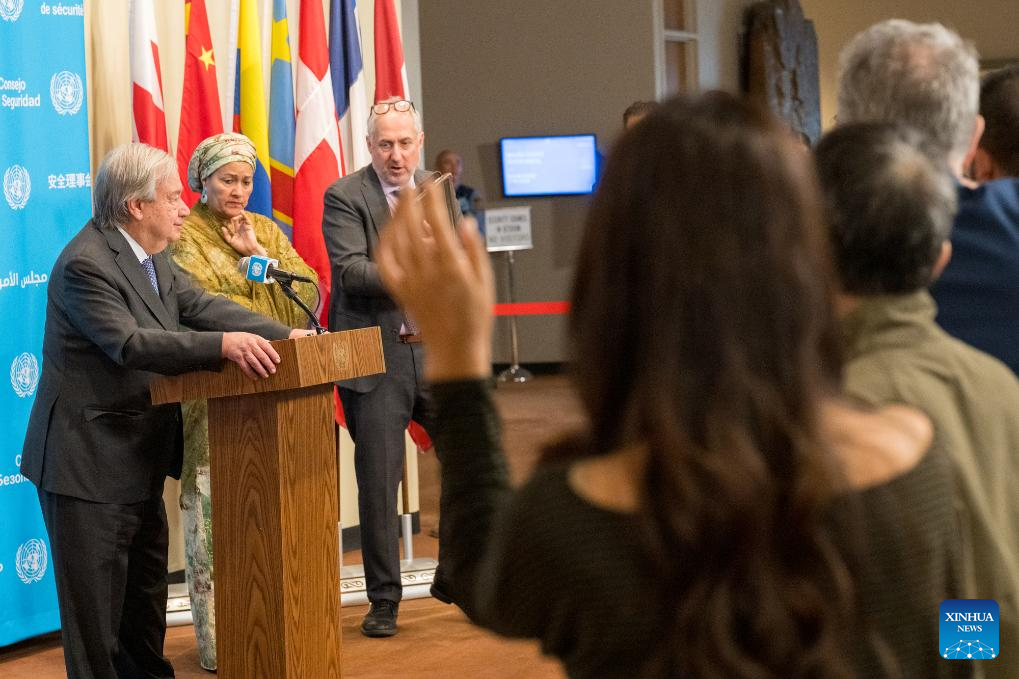
UN Secretary-General Antonio Guterres (1st L) speaks at a press encounter at the UN headquarters in New York, April 30, 2026. Guterres on Thursday warned of devastating consequences of prolonged disruptions in the Strait of Hormuz.
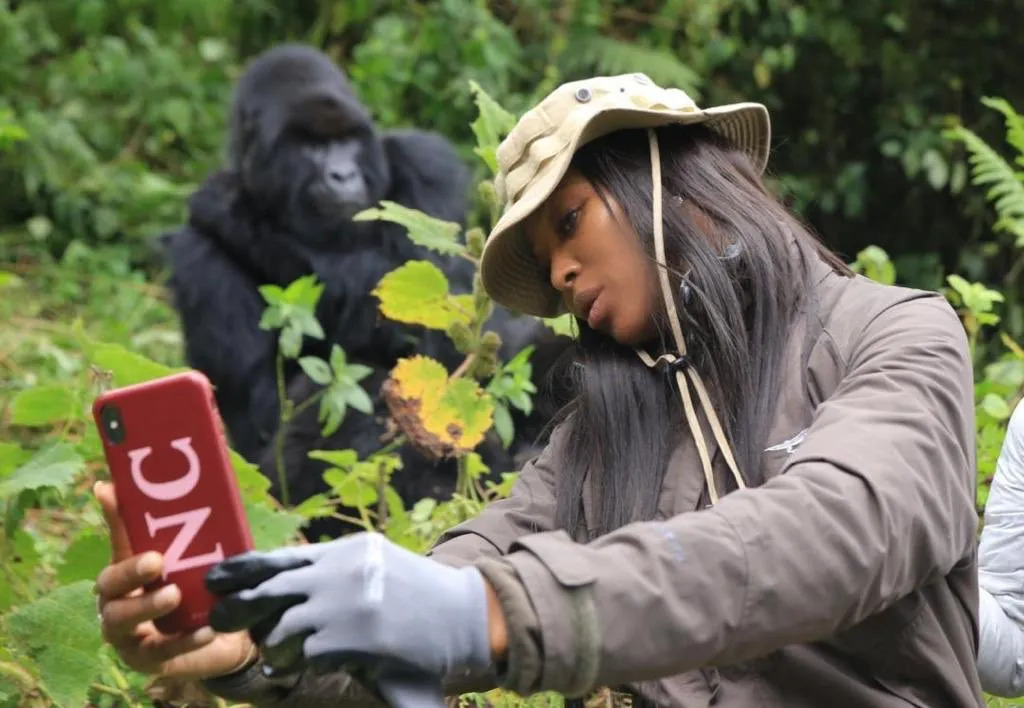
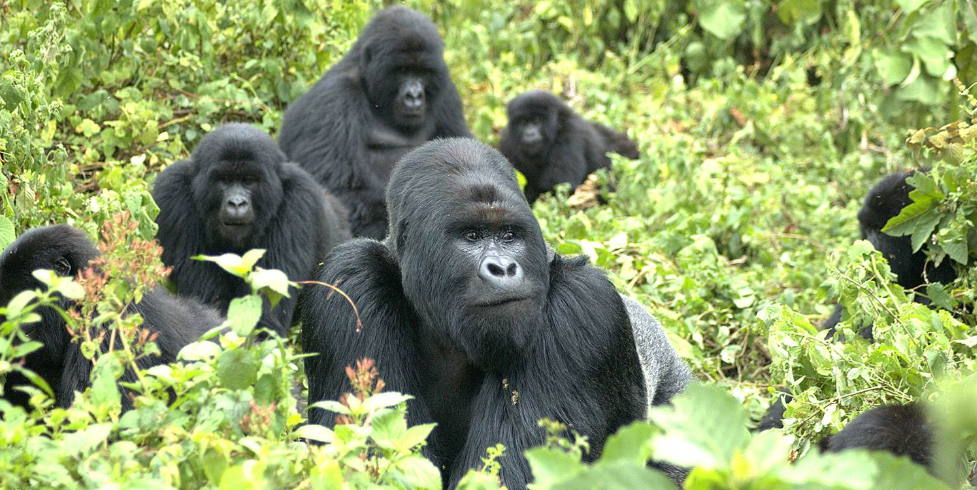
Total park revenue surged to $40.8 million, with the renowned Volcanoes National Park serving as the primary economic engine by contributing $35.8 million.
Beyond the mountain gorillas, the country successfully diversified its offerings, leading to a 22.8% growth in visitation to Nyungwe National Park, according to the 2025 annual report released by the Rwanda Development Board (RDB) this week. This surge was boosted by the debut of the Nyungwe Zipline, which, at 1,935 meters, is now recognized as one of the longest in Africa.
The hospitality sector complemented this growth with the launch of premier properties such as Bisate Reserve, Magashi Peninsula, and Munazi Eco Lodge, helping to drive total visitor arrivals to 1.49 million. While international air travel to the country grew by 23%, the EAC and DRC remained the strongest source markets for visitors.
The 20th anniversary of Kwita Izina saw 40 baby gorillas named, bringing the total number of names given since the program’s inception to 397.
Conservation efforts in 2025 were highlighted by the Rhino Rewild Initiative, which saw the successful translocation of 70 southern White rhinos from South Africa to Akagera National Park. This initiative was mirrored by the 20th anniversary of Kwita Izina, where 40 baby gorillas were named, bringing the total number of names given since the program’s inception to 397.
Looking forward, the approval of the Rwanda Wildlife Conservation Master Plan sets a bold target to protect 12% of Rwanda’s land area by 2050. These conservation successes are being shared directly with the population through the Tourism Revenue Sharing Programme, which reinvested Rwf 4.7 billion into 82 community projects during the 2024-2025 cycle, with an increased commitment of Rwf 5.2 billion slated for the following year.
Total park revenue surged to $40.8 million (approximately Rwf 59.4 billion) in 2025.
The economic impact of the sector was further amplified by Rwanda’s rise as a hub for sports and international gatherings. The MICE sector generated $94.7 million in 2025, a growth of 11.8% bolstered by major events like the first-ever UCI Road World Championships held in Africa.
Domestically, there was also a notable shift in engagement, as park visits by Rwandan residents rose by 8.1% to nearly 60,000 visitors, while total domestic tourism revenue increased by 3.5% to reach $821,093. This holistic growth across luxury, community, and domestic segments underscores a robust and sustainable future for the “Land of a Thousand Hills.”
The study, carried out by scientists from King’s College London, focused on nearly 500 infants born at St Thomas’ Hospital in London between 2015 and 2020.
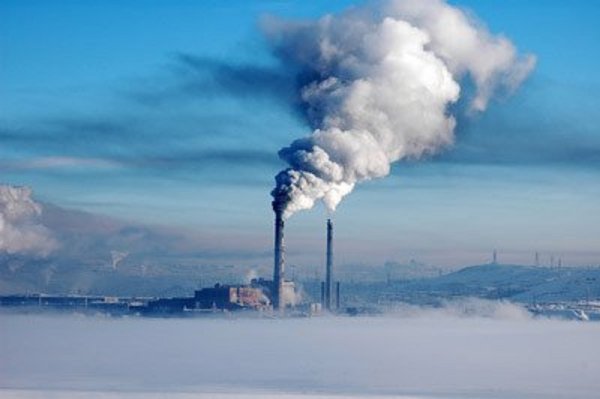
Using the addresses where the mothers lived during pregnancy, researchers estimated how much air pollution including nitrogen dioxide and tiny airborne particles called PM2.5 and PM10, the mothers were exposed to during the first trimester of pregnancy.
When the children reached 18 months old, the researchers assessed their developmental progress using established language and motor skill tests.
They discovered that babies whose mothers experienced higher pollution levels in early pregnancy scored five to seven points lower on language tests than those whose mothers breathed cleaner air. This suggests that exposure to pollution in the womb may have a meaningful impact on early communication skills.
The study also found that babies who were born prematurely, especially those born before 32 weeks of pregnancy were even more affected. These infants showed not only delayed speech development but also significantly weaker motor skills, such as crawling and coordination, compared with full‑term babies.
Experts say these findings highlight a growing concern about air pollution and early childhood development. Air pollution doesn’t just affect the environment it can also influence children’s health and growth even before they are born.
In many cities, especially in areas near busy roads and crowded neighbourhoods, pregnant women may be exposed to levels of pollution that seem permissible by current legal standards but may still pose risks to developing babies.
Campaigners and scientists stress that the effects of dirty air are not shared equally. Families living in working‑class and marginalized communities often face higher pollution exposure, raising questions about environmental fairness and health equality.
They argue that protecting children’s health starting before birth requires not only better pollution controls but also policies that address deeper social inequalities.
Although this research was based in London, its implications extend around the world. Air pollution is one of the leading environmental health risks globally, and almost everyone worldwide breathes air containing harmful pollutants at levels that exceed safe guidelines.
Protecting pregnant women and babies from polluted air could help give children a healthier start in life and reduce potential developmental challenges later on.
Air pollution during pregnancy linked to delayed speech development in babies, study finds.