The awards were announced on May 4, 2026, in California, United States.
The IndieFest Film Awards is an international competition dedicated to promoting emerging talent in the global film industry, with awards presented across seven categories.
The winning films were produced by Rwandan documentary filmmaker Zion Sulaiman Mukasa Matovu.
Umuganda explores how community work has evolved into a symbol of self-reliance, cultural identity, and national unity in Rwanda.
Beyond the Genocide reflects on the 1994 Genocide against the Tutsi and its aftermath, highlighting Rwanda’s journey of recovery, resilience, and national rebuilding.
Speaking about the recognition, Matovu said the international award underscores the importance of documenting and sharing Rwanda’s history.
“These films were made in remembrance and to encourage reflection on our history. Receiving international recognition shows the importance of telling our story as it is, and that remains our goal,” he said.
Two Rwandan documentary films, Umuganda and Beyond the Genocide, have been awarded the Merit Award at the IndieFest Film Awards, a recognition given to productions with strong storytelling. Film-maker Matovu said the international award underscores the importance of documenting and sharing Rwanda’s history.
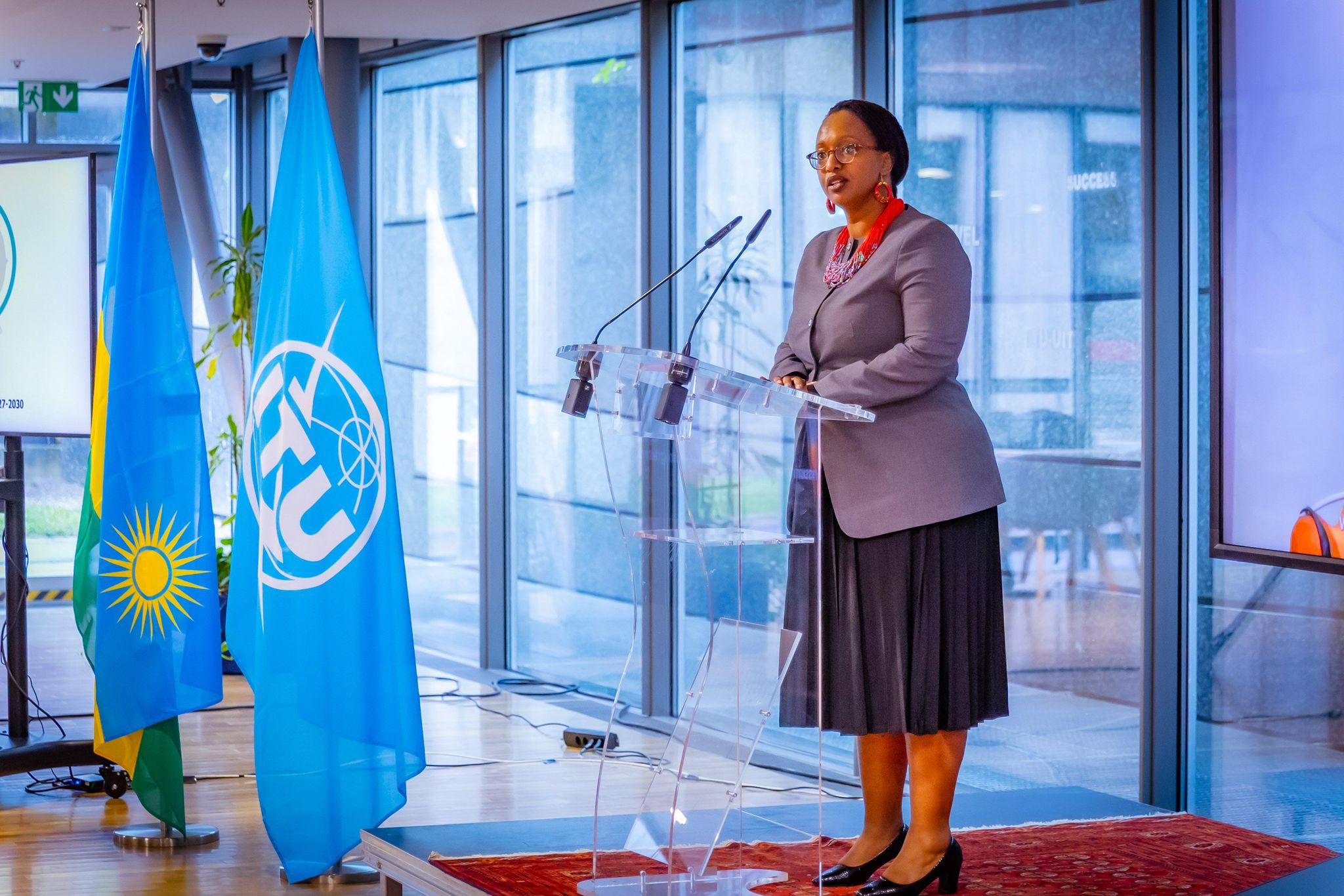
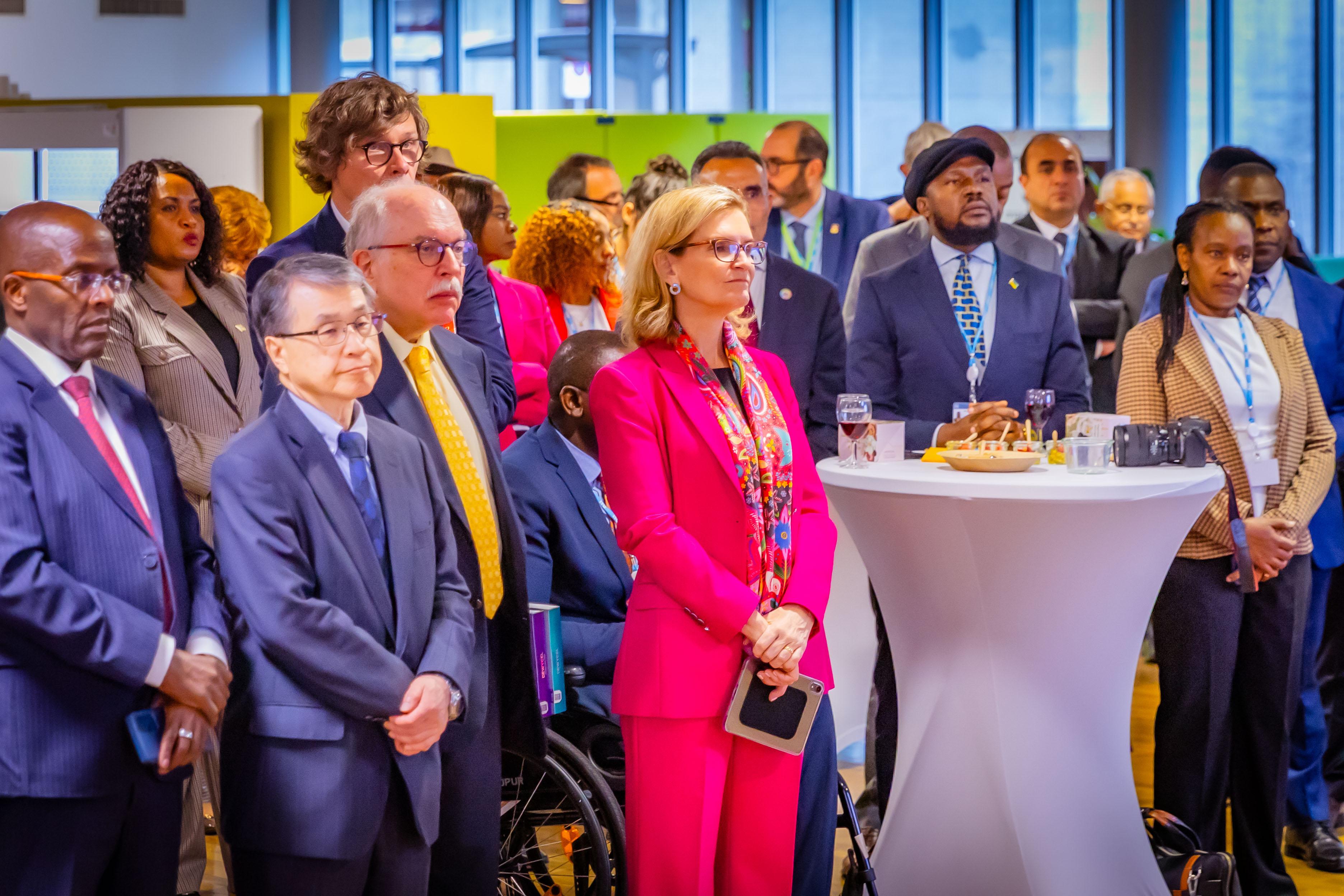
She made the remarks on May 4, 2026, in Geneva during an official reception held on the sidelines of the ITU Council session, attended by high-level delegates including the ITU Secretary-General, Doreen Bogdan-Martin.
Bakuramutsa expressed appreciation to Swiss authorities for hosting the session, before highlighting Rwanda’s longstanding role on the ITU Council since 2010, where it represents the African region. She said Rwanda’s engagement has been guided by its commitment to promoting universal and inclusive connectivity in line with global digital development goals.
She noted that Rwanda has actively contributed to international discussions on key issues such as meaningful connectivity, spectrum management, digital policy, and artificial intelligence, while consistently advocating for the interests of developing countries, including affordable access and bridging the digital divide.
The Ambassador also pointed to Rwanda’s broader efforts to position itself as a regional technology hub, citing initiatives such as the Smart Africa Alliance, headquartered in Kigali, and the hosting of Mobile World Congress Kigali since 2022.
She further highlighted national projects aimed at strengthening digital infrastructure and innovation, including a data-sharing platform, a cybersecurity hub, e-government services, and an artificial intelligence scaling hub targeting sectors such as healthcare, agriculture, and education.
Bakuramutsa emphasized that despite global progress, about 2.2 billion people remain without internet access, underlining the need for continued international cooperation. She recalled Rwanda’s role in hosting major ICT events, including the World Telecommunication Development Conference in 2022, which contributed to advancing global commitments through the Kigali Declaration and Action Plan.
On the diplomatic front, she formally announced Rwanda’s bid for re-election to the ITU Council, seeking support from Member States to continue contributing to the global ICT agenda, particularly in areas such as digital public infrastructure, innovation, and entrepreneurship.
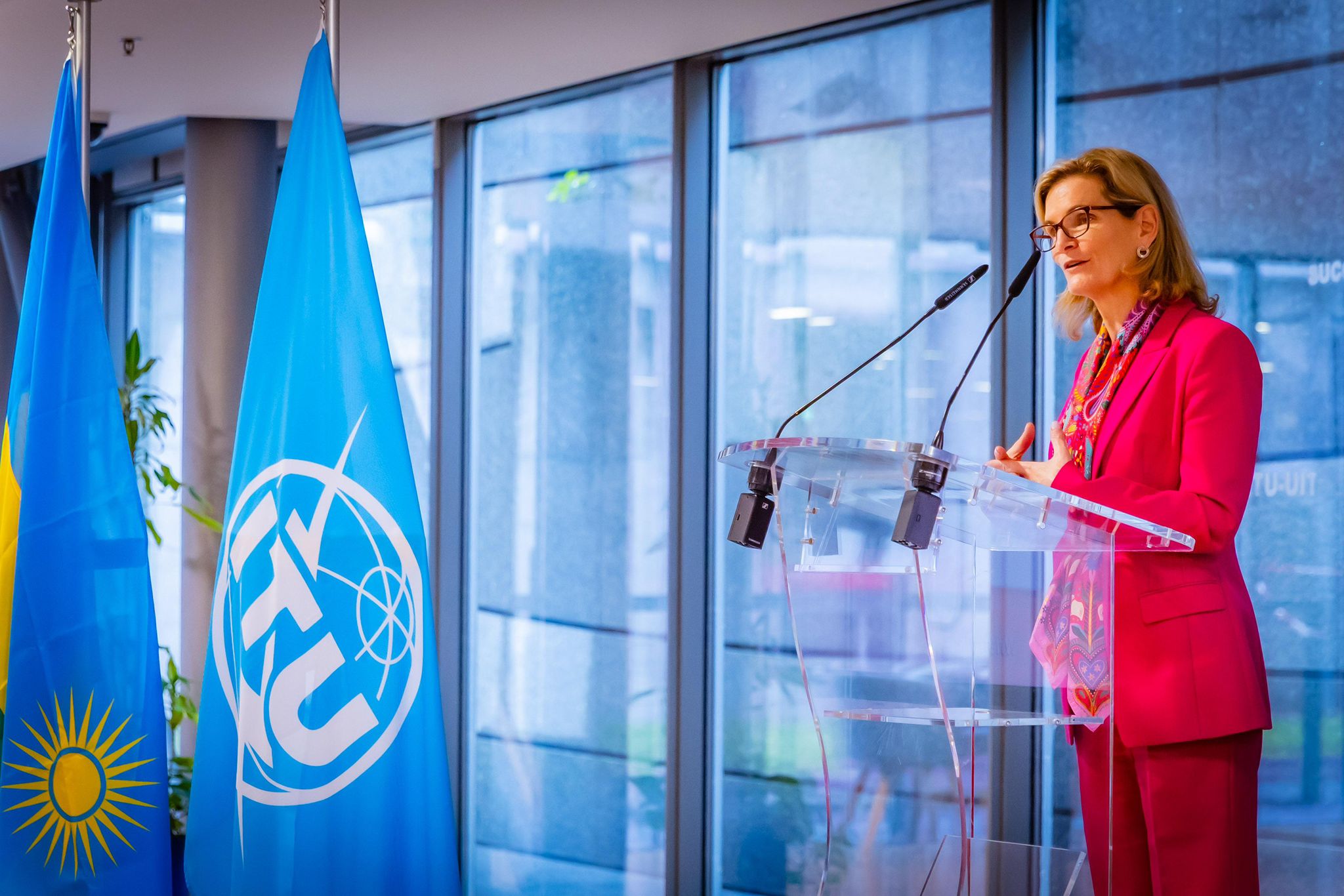
Taking the floor, ITU Secretary-General Doreen Bogdan-Martin commended Rwanda’s leadership in digital development, both in Africa and globally. She highlighted Kigali’s transformation into a growing innovation hub and referenced key initiatives including the Partner2Connect Digital Coalition and Mobile World Congress Kigali.
Bogdan also praised Rwanda’s progress in artificial intelligence, digital education, and e-waste management, as well as its continued engagement in ITU initiatives. She further acknowledged the role of President Paul Kagame in advancing the country’s digital agenda on the global stage.
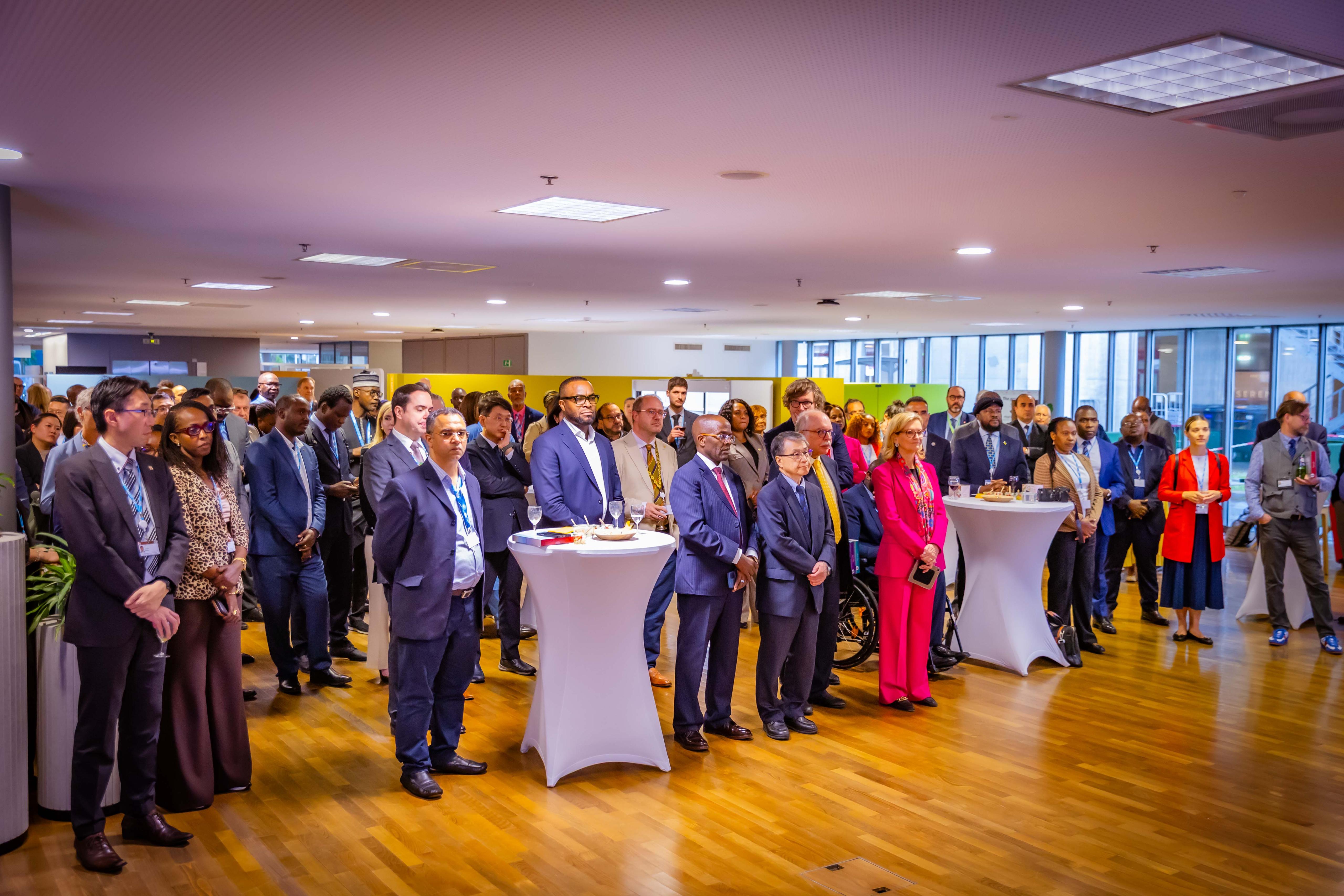
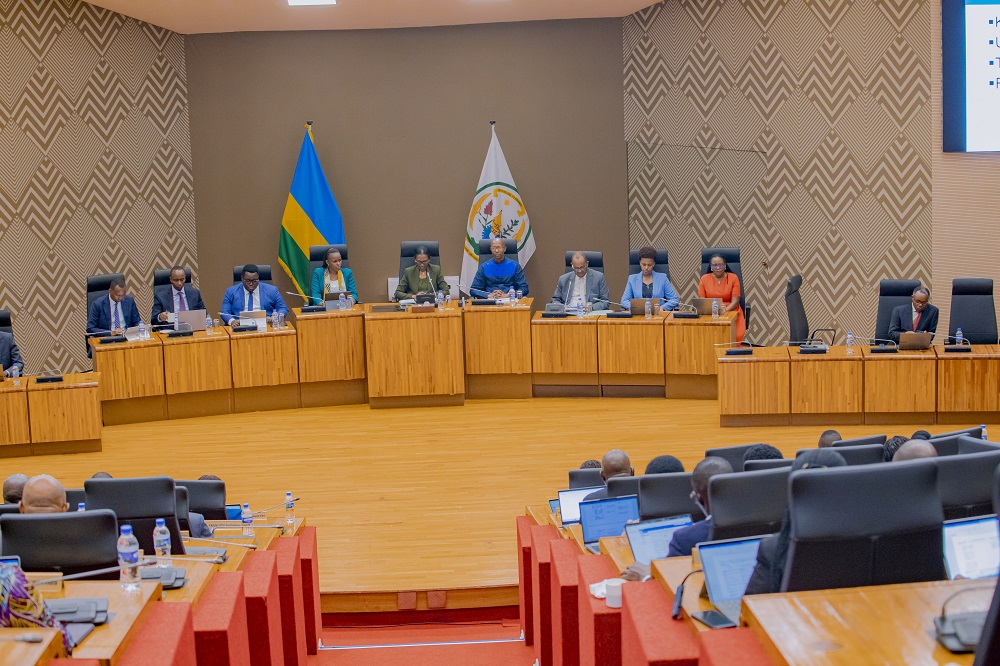
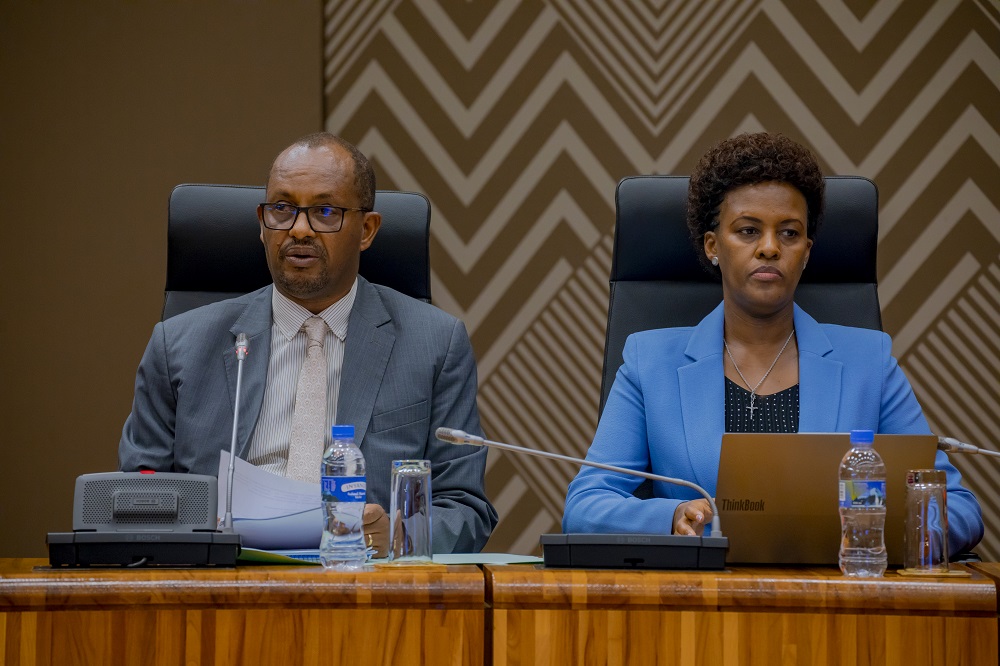
Delegates listen as Amb. Urujeni Bakuramutsa presents Rwanda’s vision for inclusive connectivity during the ITU Council session in Geneva.Rwanda’s Ambassador Urujeni Bakuramutsa addresses delegates in Geneva as the country announces its bid for re-election to the International Telecommunication Union Council.ITU Secretary-General Doreen Bogdan-Martin commended Rwanda’s leadership in digital development. Doreen Bogdan-Martin joins international delegates in Geneva as Rwanda highlights its digital leadership and re-election bid to the ITU Council.
The new law, passed on Tuesday, is expected to help prevent and reduce risks associated with digital assets, including money laundering and financing of terrorism. It also aims to strengthen consumer protection by curbing fraud and misleading promises of excessive returns.
Background and need for regulation
During the review of the bill by the Parliamentary Committee on Trade and Economy, it was revealed that the National Public Prosecution Authority (RIB) had recorded 35 cases linked to cryptocurrency-related fraud, many of which affected large numbers of victims.
In recent years, several individuals were reportedly lured into investing in online currency schemes with promises of high profits, only to lose both their capital and expected returns.
A notable case occurred in December 2025, when the Gasabo High Court convicted Manzi Sezisoni Davis of illegal foreign exchange trading, unauthorised cryptocurrency operations, fraud, and money laundering. He was sentenced to seven years in prison and fined $7.81 million (approximately Rwf 11.3 billion).
During the trial, Manzi argued that he had begun operating in the sector before any regulations existed. He also stated that he had contributed to discussions that helped shape the current legal framework.
Government position
The Government of Rwanda stated that the law is principle-based, providing flexibility for implementation. Detailed operational requirements will be defined through subsidiary regulations.
The law seeks to prevent money laundering and terrorism financing through digital assets, protect consumers and investors from fraud and misinformation, and address risks arising from high price volatility and the lack of intrinsic value in many crypto assets.
It also aims to promote transparency, integrity, and orderly market conduct, safeguard financial stability by reducing systemic risks linked to the financial sector, enhance cybersecurity, data protection, and operational resilience of crypto platforms, and support innovation in the digital asset ecosystem.
Regulation and oversight framework
The Chairperson of the Parliamentary Committee on Trade and Economy, MP Munyangeyo Theogene, stated that the law is necessary given the rapid growth of cryptocurrency use.
He warned that without proper regulation, fraudulent investment schemes could continue to exploit investors through false promises of high returns.
Globally, cryptocurrency has grown into a widely used financial asset, with more than one billion people estimated to have engaged in digital asset transactions. Over 70 million users reportedly trade regularly. The global market is valued at over $2.35 trillion, with more than 9,000 cryptocurrencies traded across over 900 exchanges worldwide.
In East Africa, adoption is also increasing. Kenya has over 4 million users, Uganda approximately 2 million, Tanzania around 1.5 million, and Rwanda more than 350,000 users.
According to the Chainalysis Crypto Adoption Index, Rwanda ranked 69th globally in 2021. However, it dropped to 142nd in 2023 following cautionary guidance issued by the National Bank of Rwanda (BNR), which urged the public to exercise caution when engaging in cryptocurrency trading.
Regulatory authority and licensing
The Capital Market Authority (CMA) has been designated as the primary regulator of the sector. Its responsibilities include overseeing crypto service providers, coordinating with other regulatory institutions, and ensuring compliance with the law.
CMA will also issue licenses to both local and foreign entities seeking to operate in the cryptocurrency sector.
Under the new law, entry into the crypto business will require a minimum capital threshold, to be determined by regulations. This marks a shift from the previous environment where individuals could freely enter the market without safeguards, often resulting in investor losses.
Classification of digital assets
The law classifies digital assets into three main categories, namely stable digital assets (stablecoins), tokenised real-world assets, and unbacked digital assets.
Stable digital assets, also known as stablecoins, are cryptocurrencies whose value is linked to underlying reserves such as fiat currency, commodities, or other digital assets, and are designed to maintain a stable value.
Tokenised real-world assets refer to the digitisation of physical or financial assets using blockchain technology, where ownership is represented through digital tokens. These assets are required to be fully backed at 100 percent and securely held, with strict separation from other holdings, while public assets, infrastructure, artworks, and other non-assignable assets are excluded from tokenisation.
Unbacked digital assets are cryptocurrencies that are not backed by any underlying asset and derive their value primarily from market demand and speculation.
The Chamber of Deputies of the Rwandan Parliament has adopted legislation regulating the trading of digital asset–based currencies, commonly known as cryptocurrencies such as Bitcoin.The Government of Rwanda stated that the law is principle-based, providing flexibility for implementation. Detailed operational requirements will be defined through subsidiary regulations.The law seeks to prevent money laundering and terrorism financing through digital assets, protect consumers and investors from fraud and misinformation, and address risks arising from high price volatility and the lack of intrinsic value in many crypto assets.
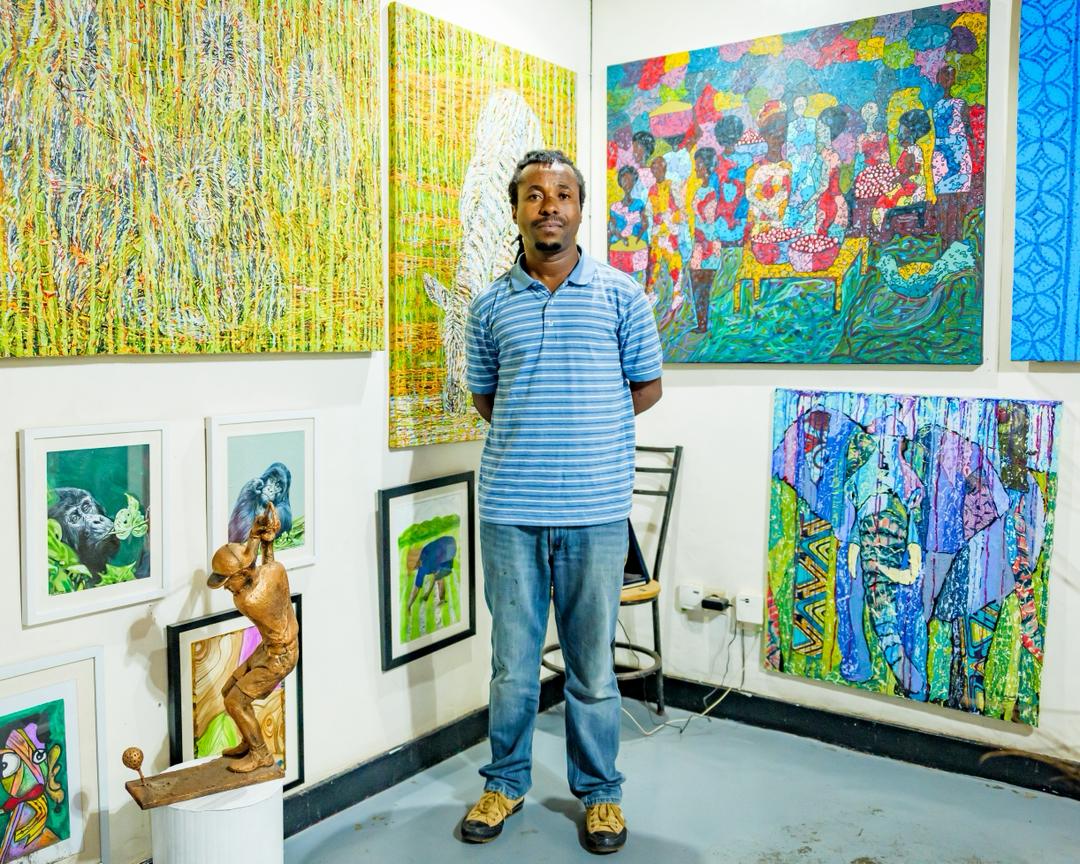
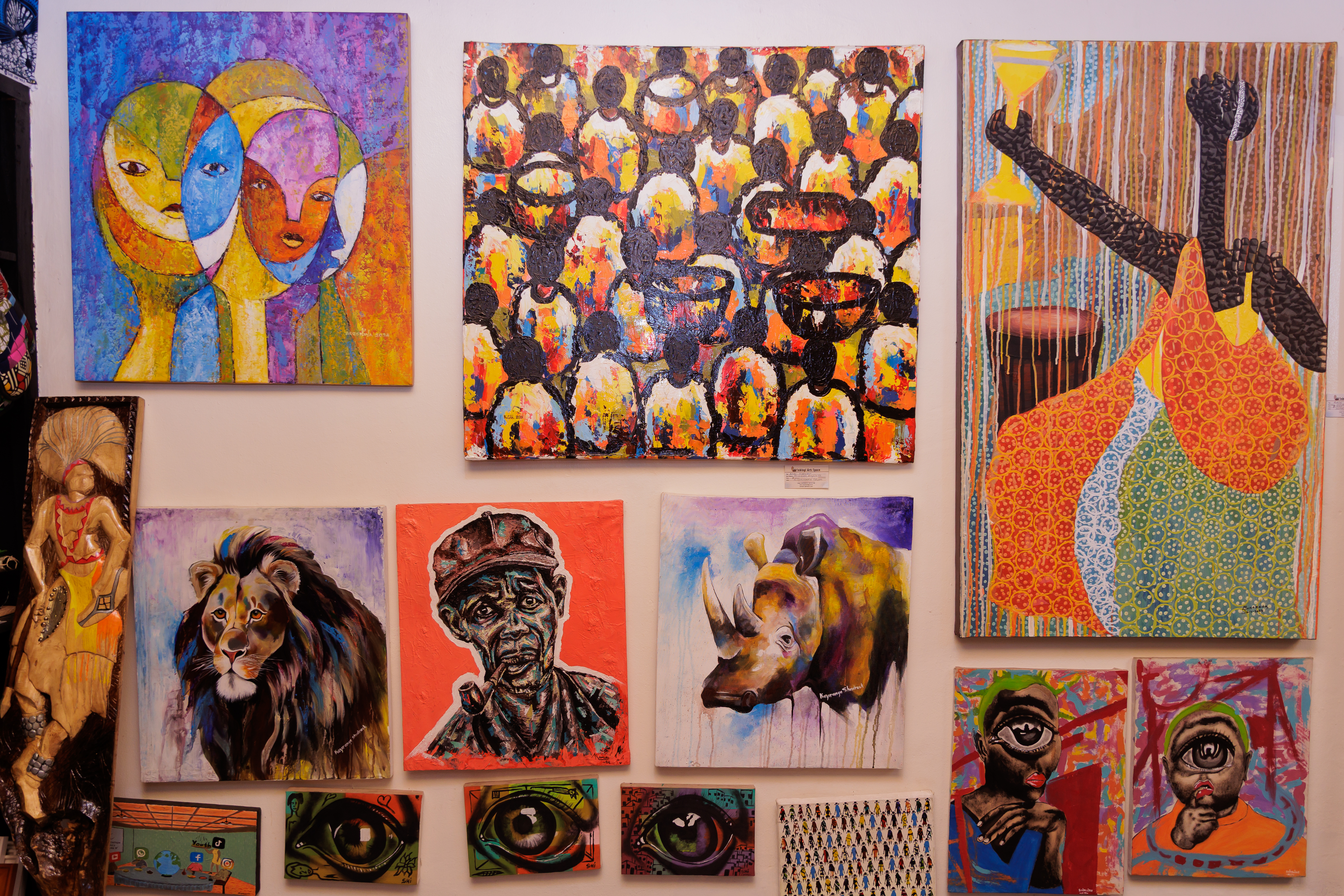
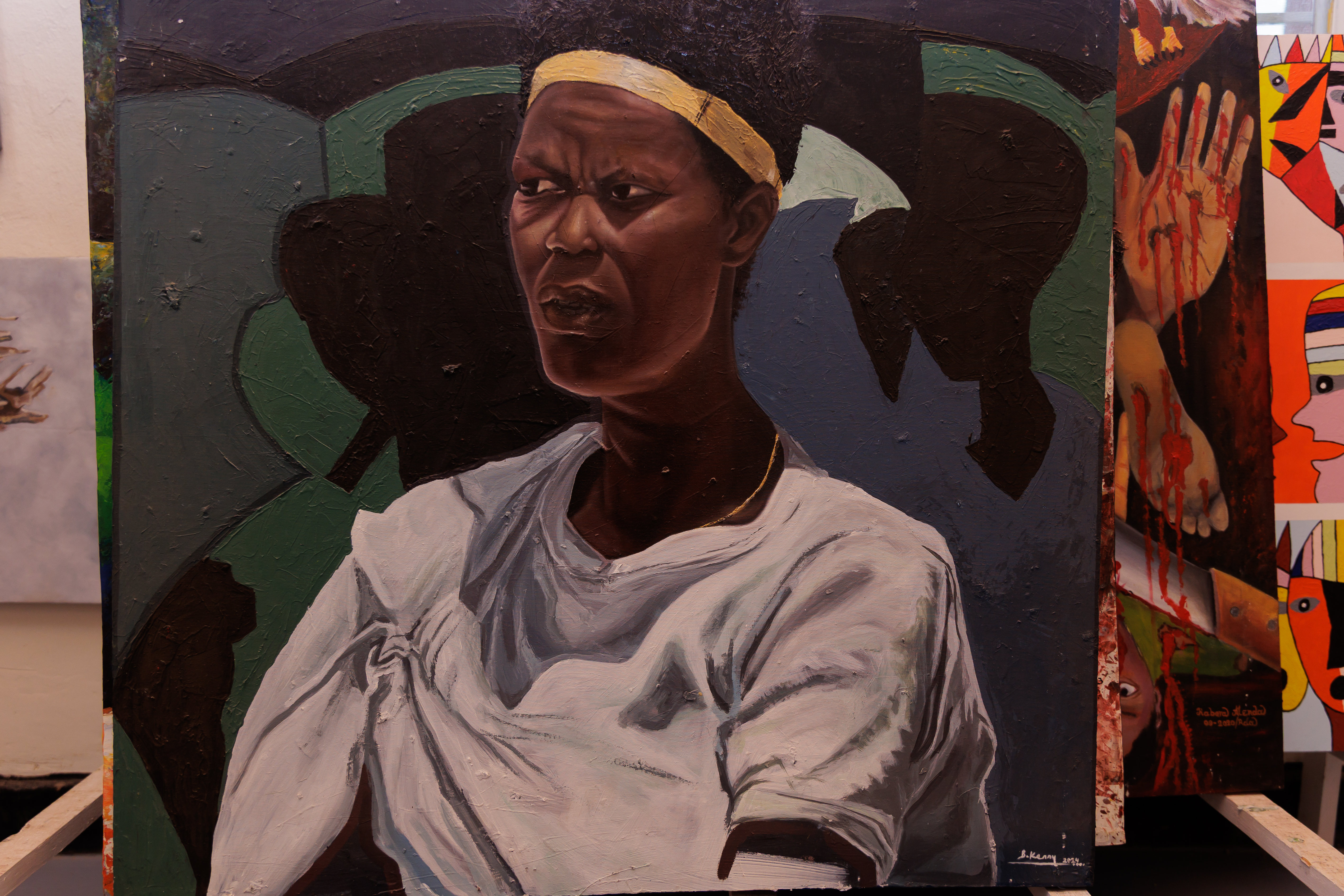
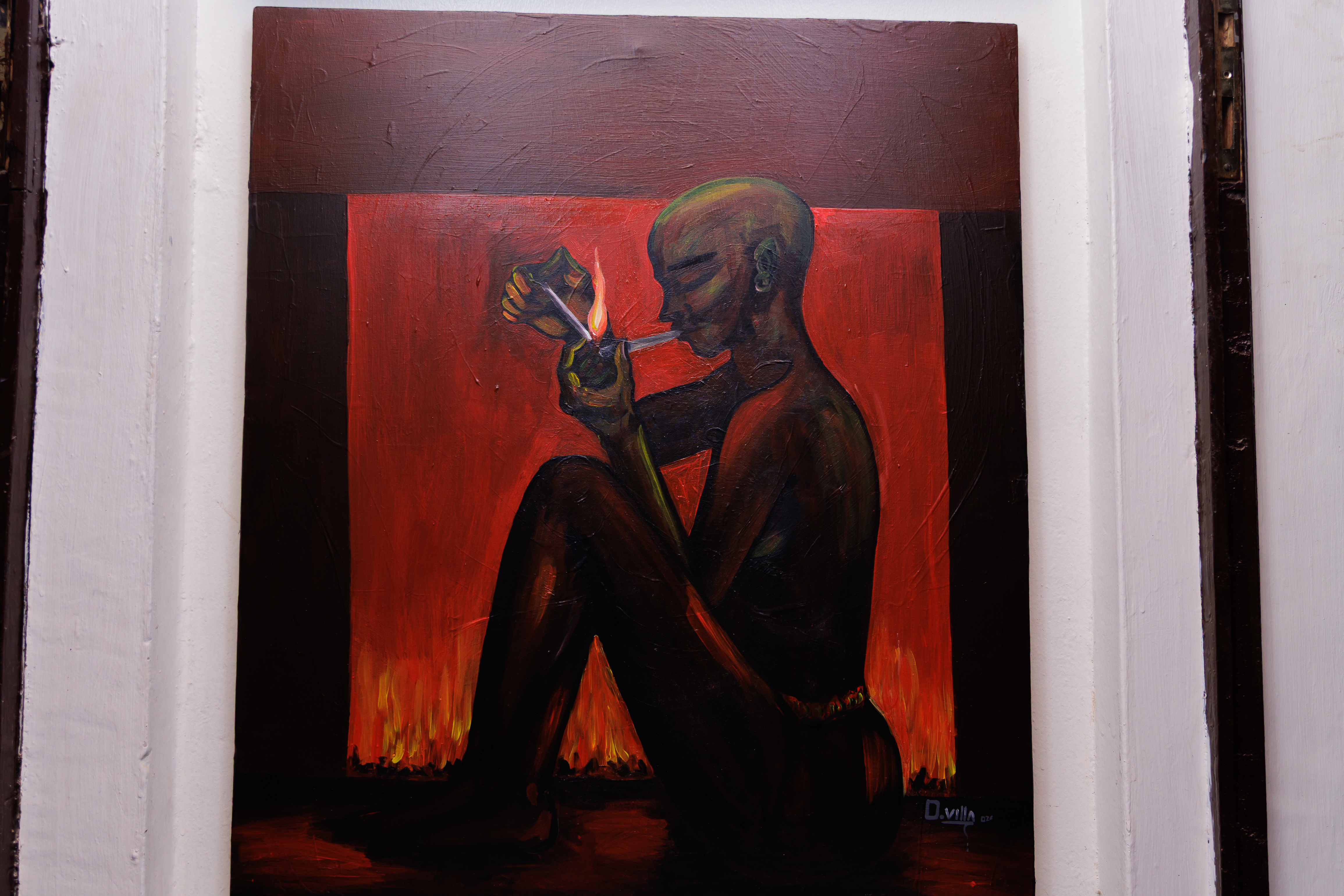
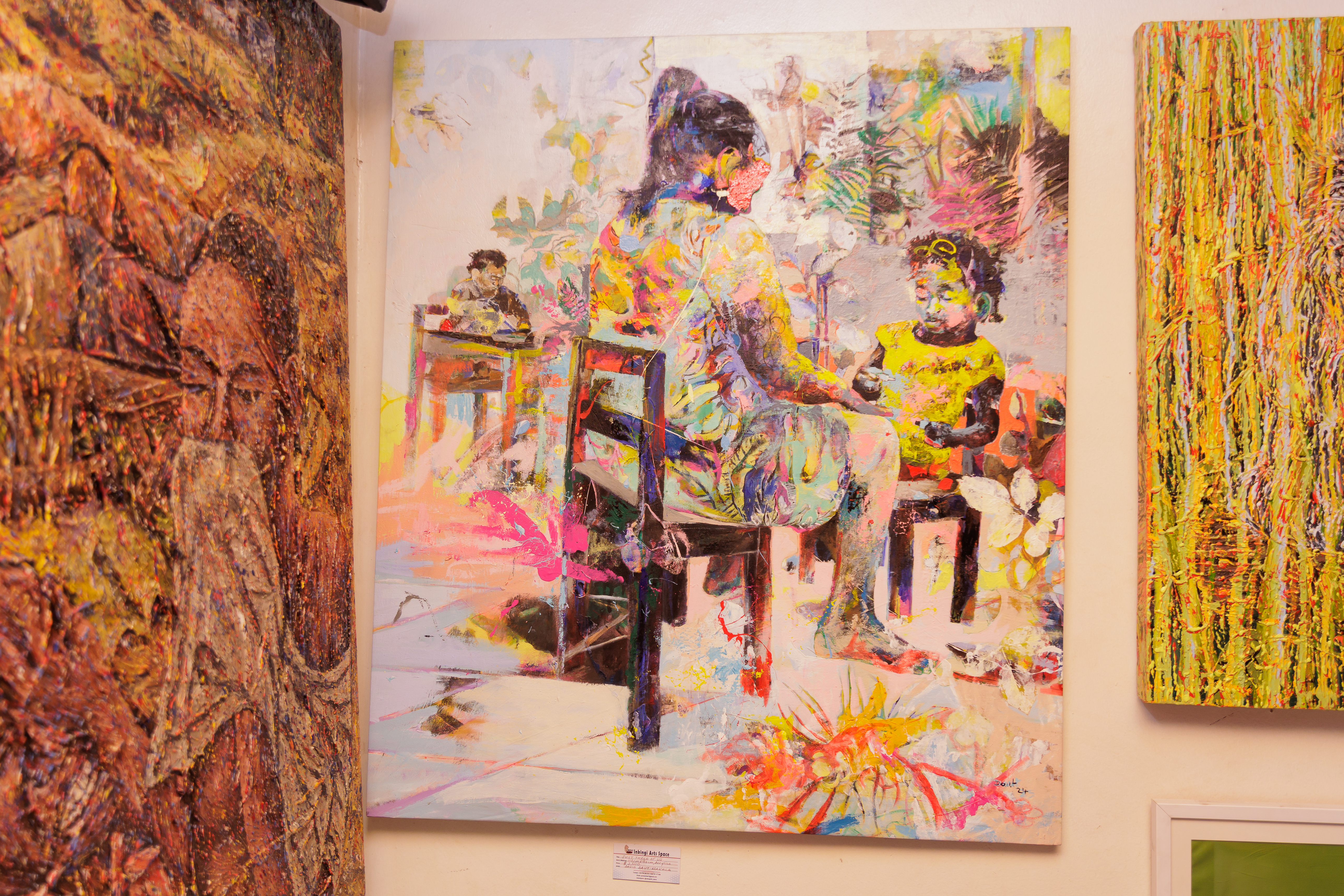
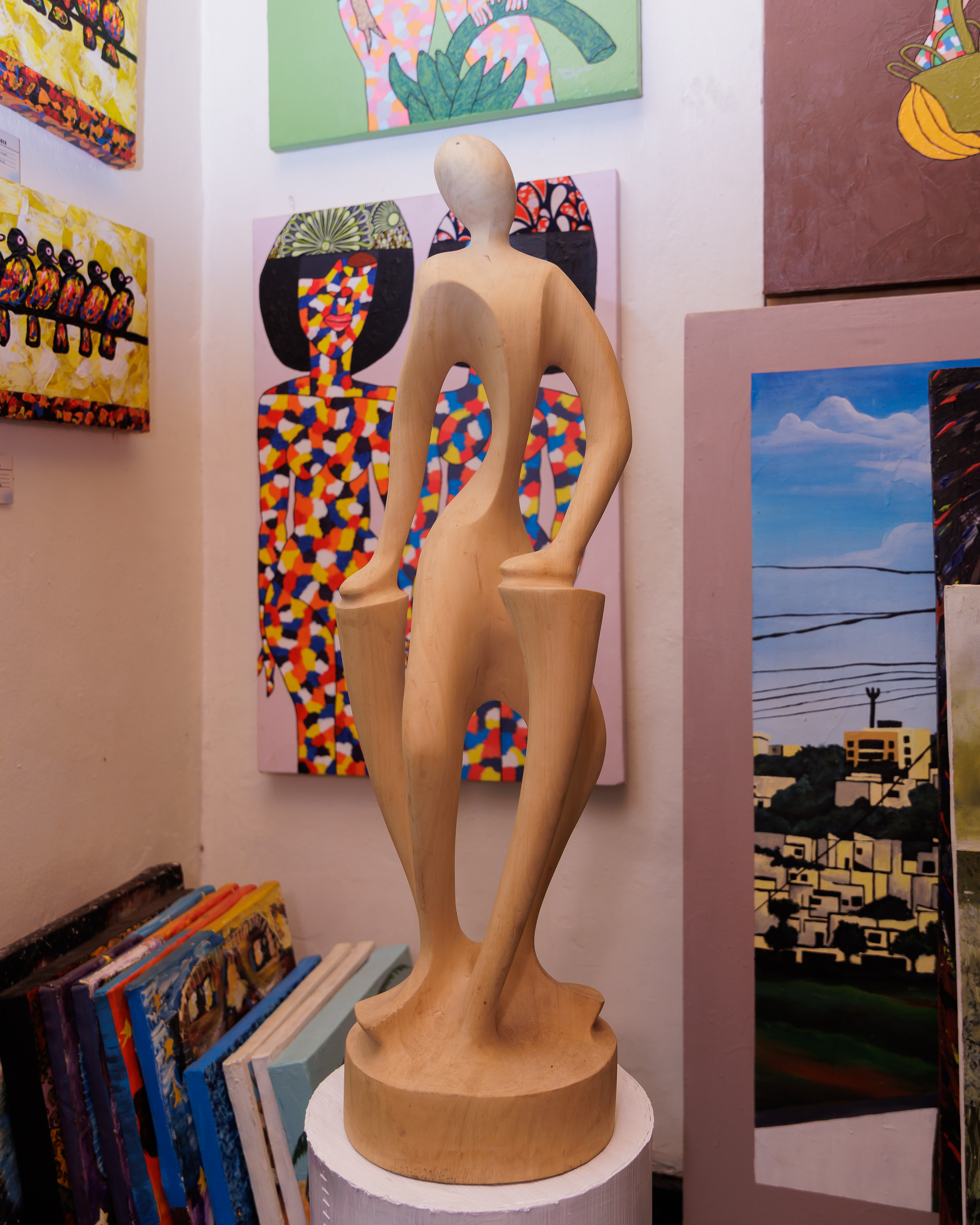
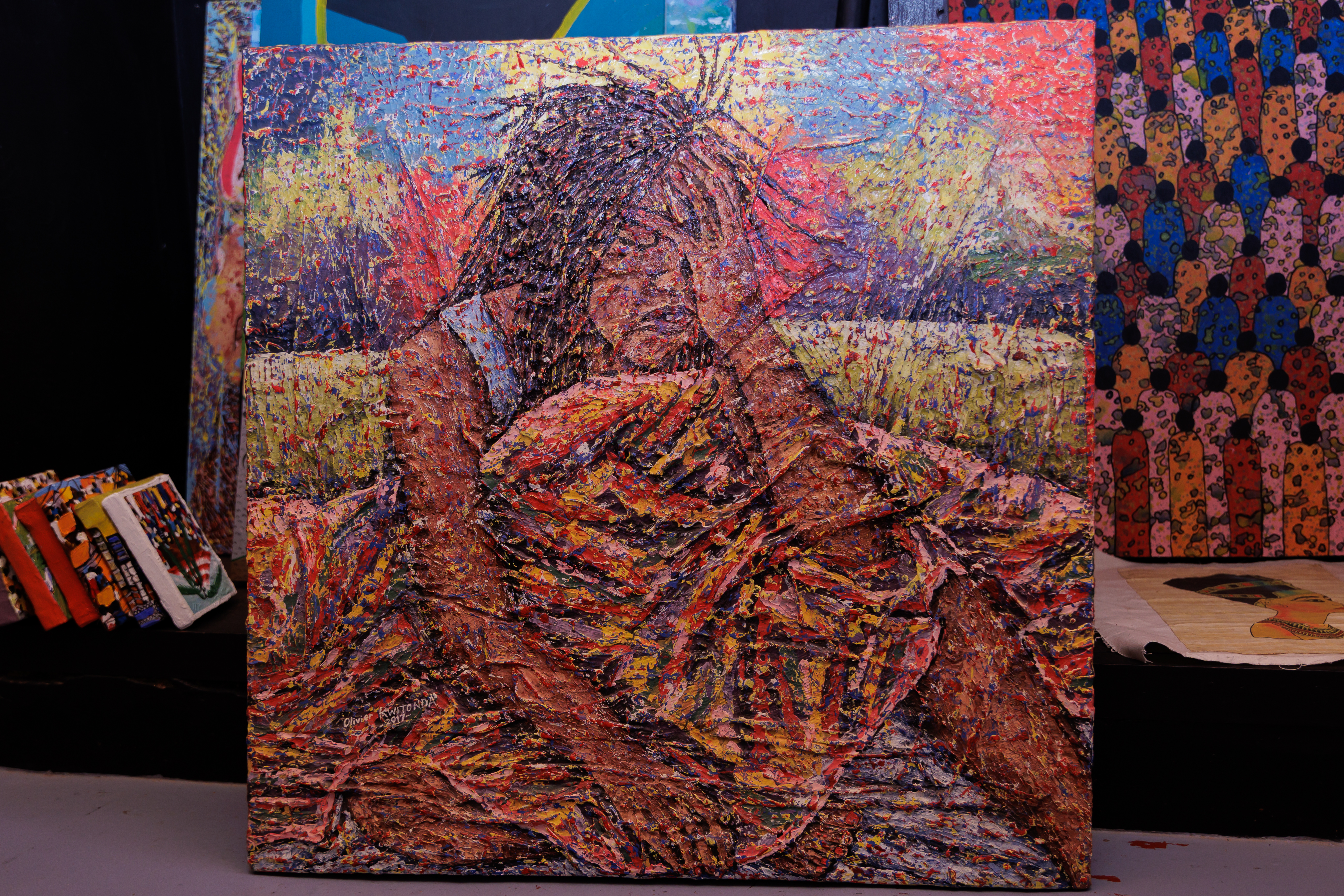
Founded by self-taught Rwandan artist Olivier Kwitonda, Inkingi goes beyond the idea of a traditional gallery. As its Kinyarwanda name suggests, it is a “pillar”, a space built to support, connect, and elevate artists across disciplines.
“I wasn’t thinking of a gallery or a center,” Kwitonda told IGIHE during a visit to the space. “I was thinking of an arts space, somewhere every art form could meet.”
Today, that vision is alive. Inkingi hosts more than 25 artists, primarily from Rwanda but also from across Africa, including Uganda, Zambia, Nigeria, Ghana, Burundi, and Sudan. The diversity is intentional. Collaboration is at the heart of what makes the space unique.
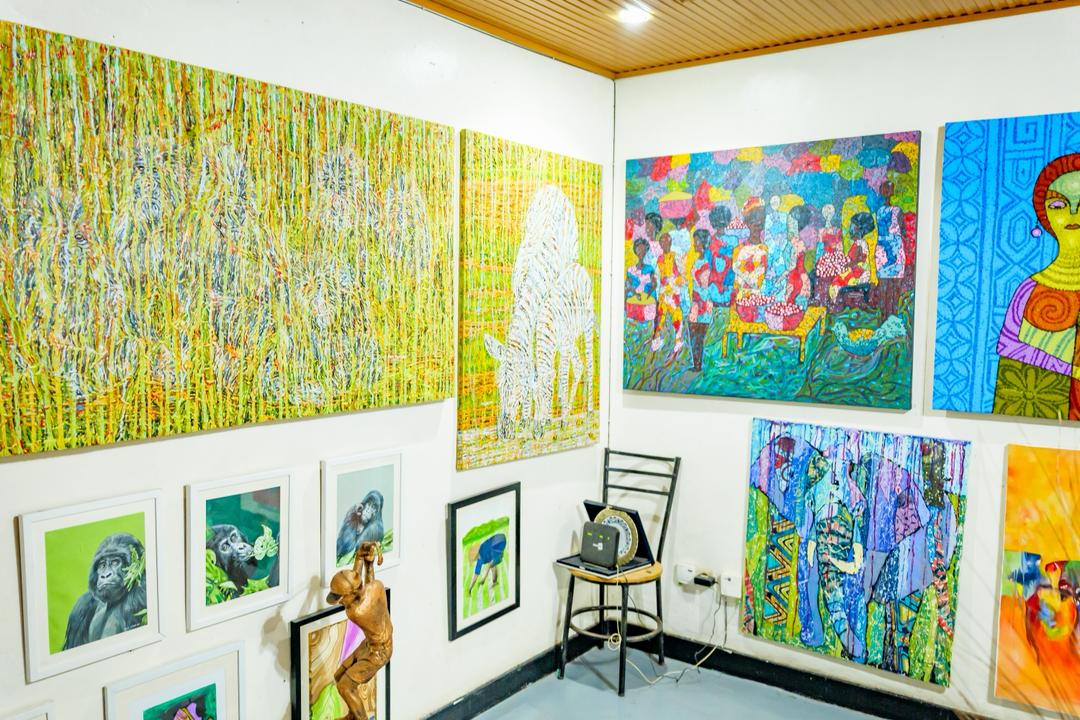
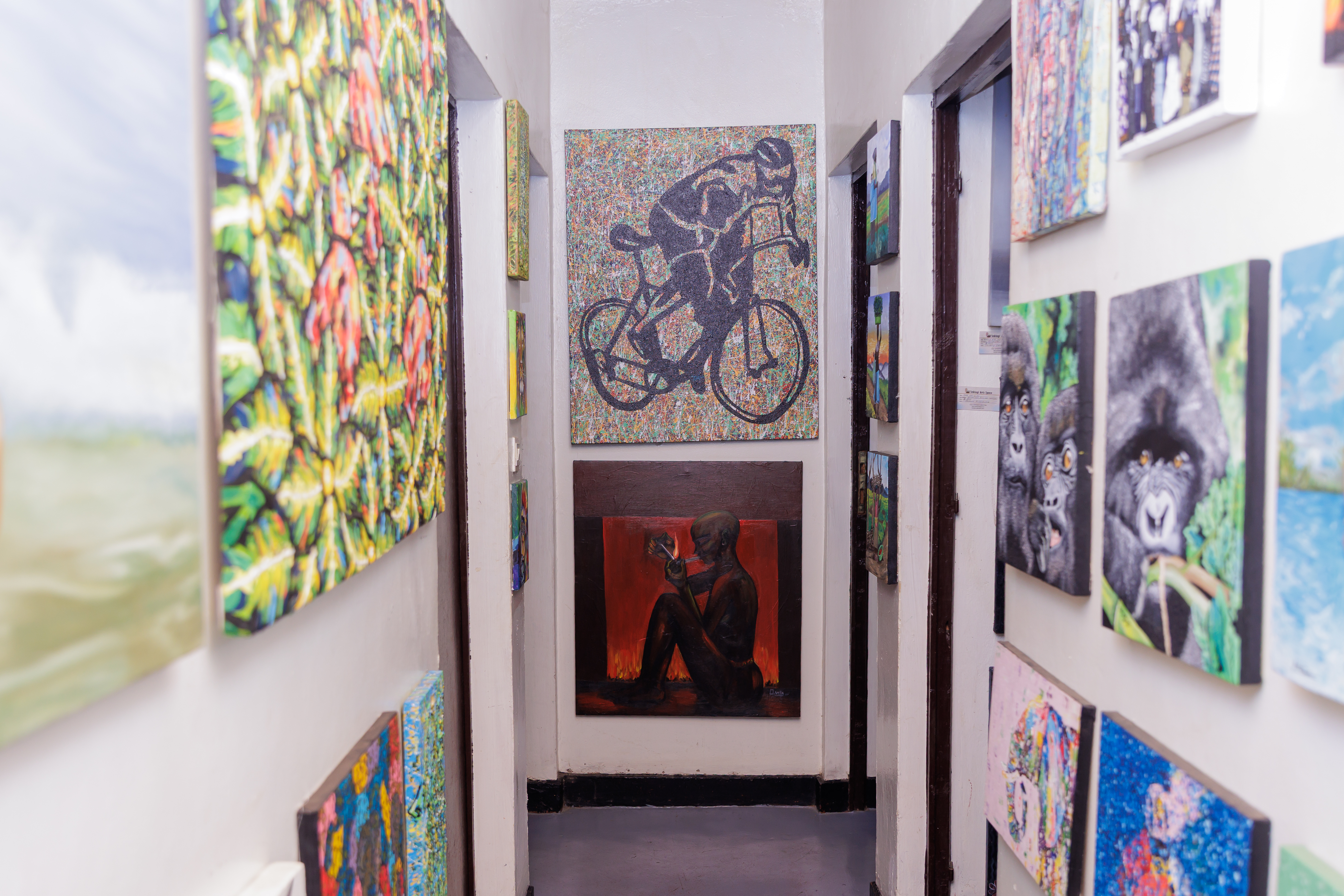
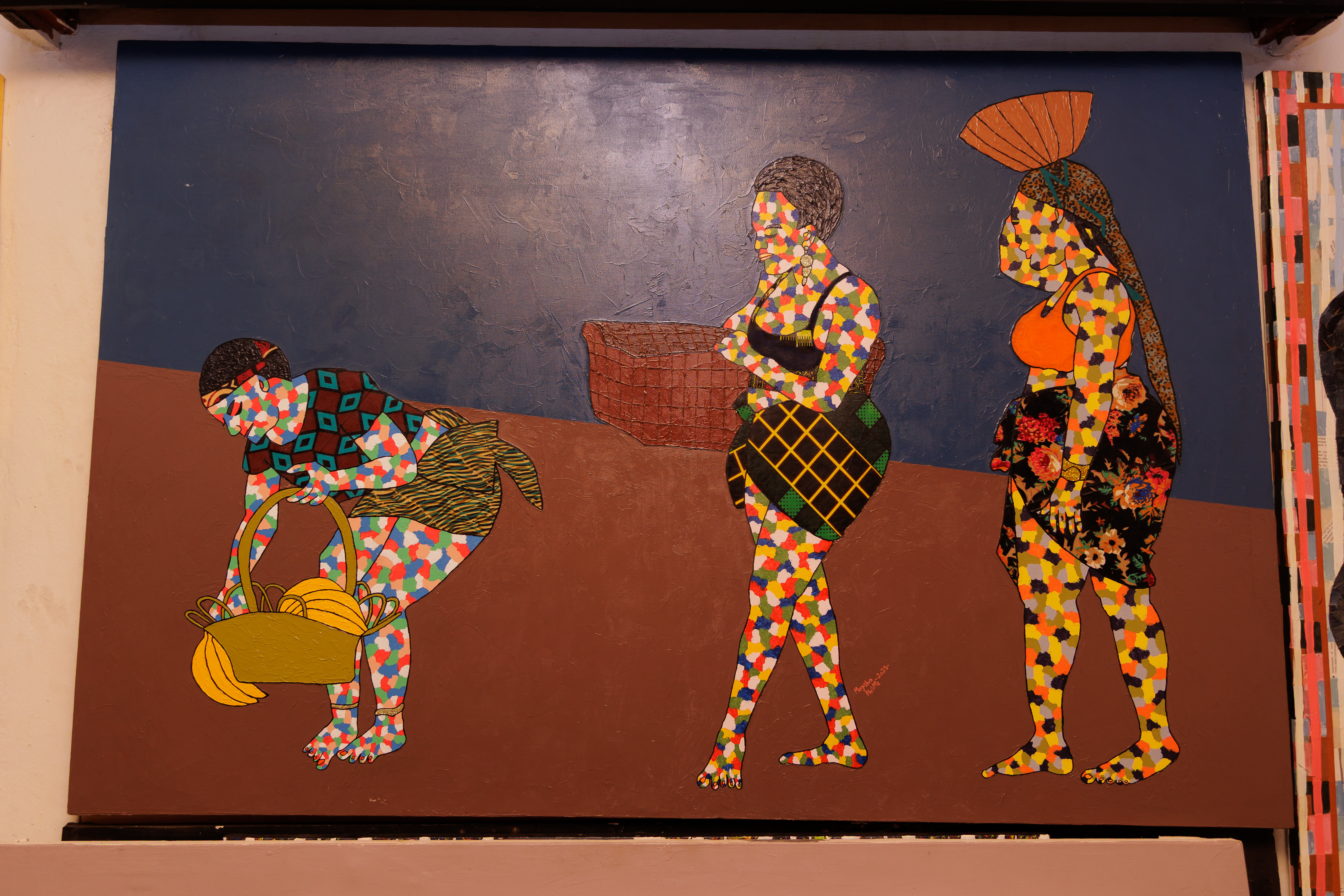
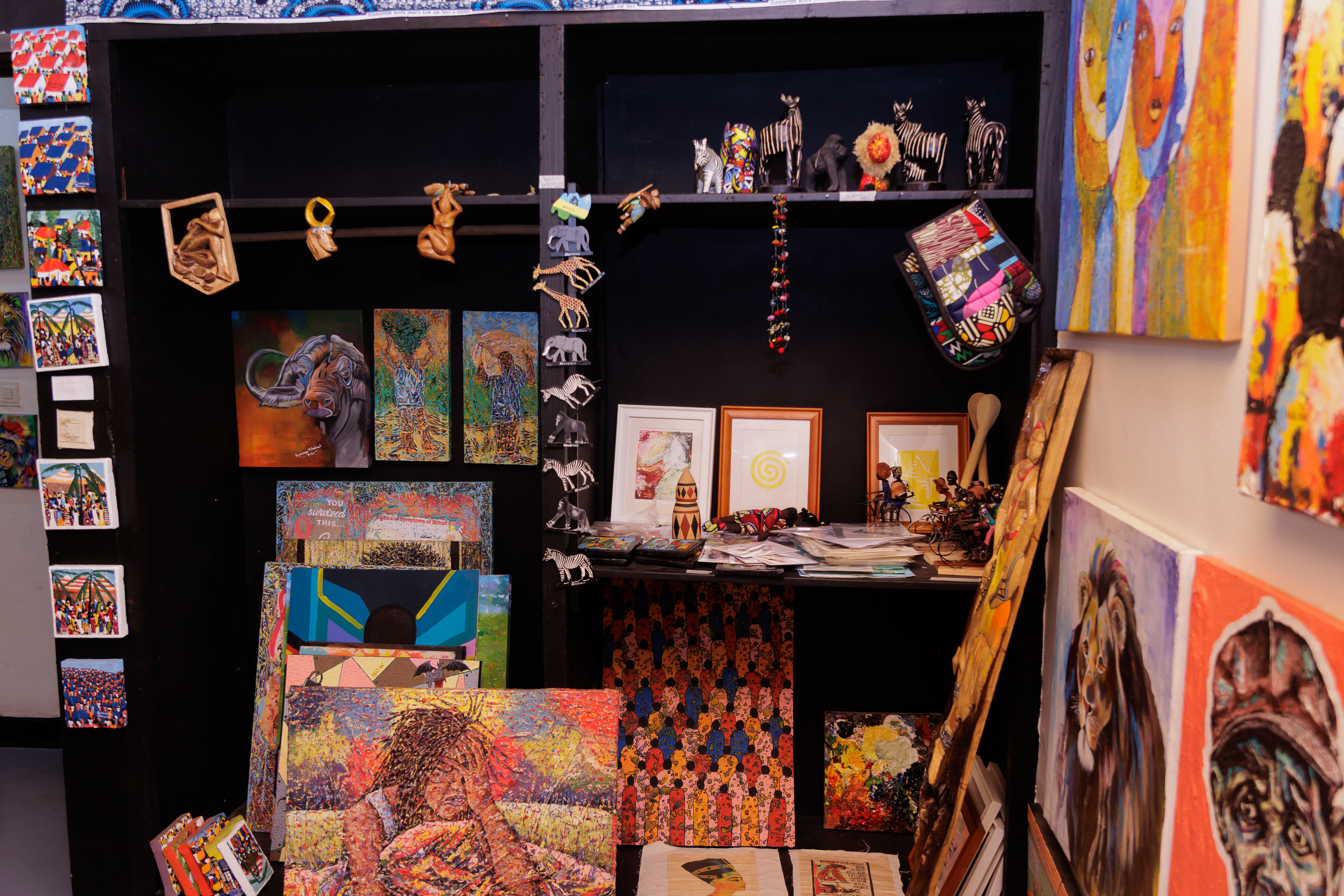
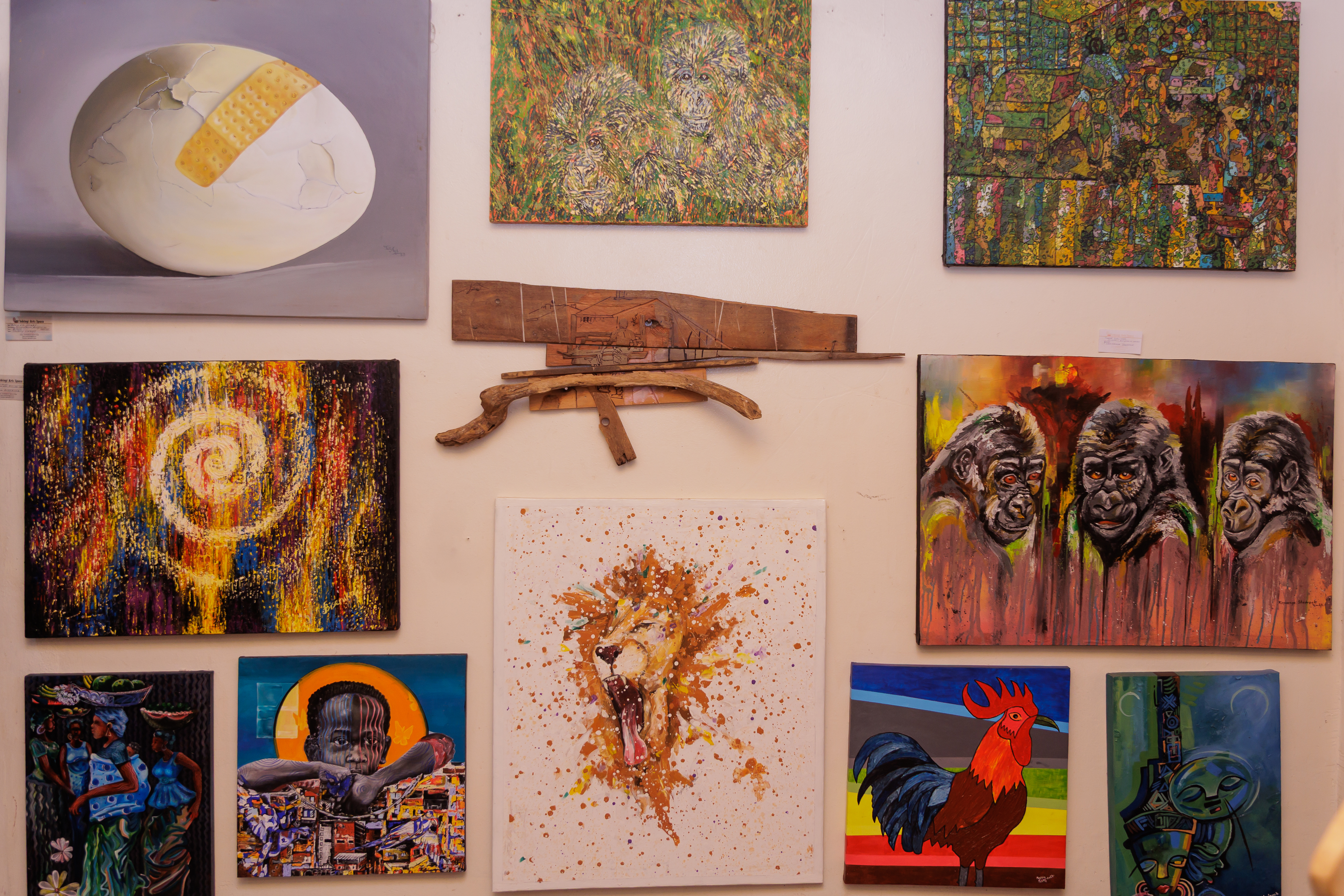
The art space features artworks from dozens of creatives.
Kwitonda’s path to founding Inkingi was anything but conventional. Born in 1987, he discovered art early, sketching in school notebooks and on blackboards, even when it got him into trouble.
“I was expelled once for drawing the headmaster,” he recalls with a laugh.
Without access to formal art education after high school, he carved his own path, visiting local studios, learning materials, and slowly building his craft. He worked through established spaces like Yego Arts and later Niyo Arts Centre, gaining experience not only as an artist but also as a manager and collaborator.
But the idea of something more personal never left him.
“After COVID-19, I couldn’t sleep with my ideas anymore,” he says. “I needed a space where I could create freely and also bring different artists together.”
That idea became Inkingi Arts Space, officially launched in 2023.
Olivier Kwitonda says Inkingi Arts Space, as its Kinyarwanda name suggests, is a “pillar”, a space built to support, connect, and elevate artists across disciplines.
A space where art forms converge
What sets Inkingi apart is its openness, not just in layout, but in philosophy. Unlike traditional galleries focused solely on visual art, Inkingi welcomes multiple forms of expression under one roof.
While the space is primarily active with painters and visual artists on a daily basis, it expands into a multidisciplinary platform through its Inkingi Open Mic sessions, held once a month. During these gatherings, poetry, storytelling, live music, and traditional Rwandan cultural expressions, such as proverbs and riddles, come together in a shared creative experience.
“You wouldn’t find many places that bring all these talents together,” Kwitonda says. “That’s our uniqueness.”
The space also serves as a bridge beyond Rwanda’s borders. Visiting artists regularly collaborate on exhibitions and workshops, strengthening ties across the continent. One such collaboration involves a Zambian artist, David Daut Makala, who runs Studio 225, highlighting Inkingi’s growing international reach.
Makala, considered a renowned artist in Zambia and beyond, is set to hold his second solo exhibition, opening on May 8, 2026. The IGIHE team met him hands-on as he prepared for the show, which focuses on what he describes as the “Geography of Knowledge.” He has gained recognition for his versatility across various mediums, including sculpture, painting, printmaking, digital art, and performance.
“By hosting different workshops, trainings, and exhibitions, it has helped Inkingi grow, not only as a space, but also in supporting artists to grow and receive mentorship,” Kwitonda says.
Inkingi hosts more than 25 artists, primarily from Rwanda but also from across Africa, including Uganda, Zambia, Nigeria, Ghana, Burundi, and Sudan.
Art as memory, healing, and responsibility
For Kwitonda, art is deeply tied to Rwanda’s history, particularly the Genocide against the Tutsi. His earlier works, such as In the Deep Sorrow, reflect on loss, memory, and human responsibility.
“It’s a call for people to think before harming others,” he explains. “To imagine: what if it were you?”
This philosophy extends into Inkingi’s programming. During this year’s annual commemoration period, the space organised a visit for young artists to the Kigali Genocide Memorial, encouraging reflection and dialogue through art.
“It’s about learning from the past,” Kwitonda says, “so we can create work that builds peace and protects the future.”
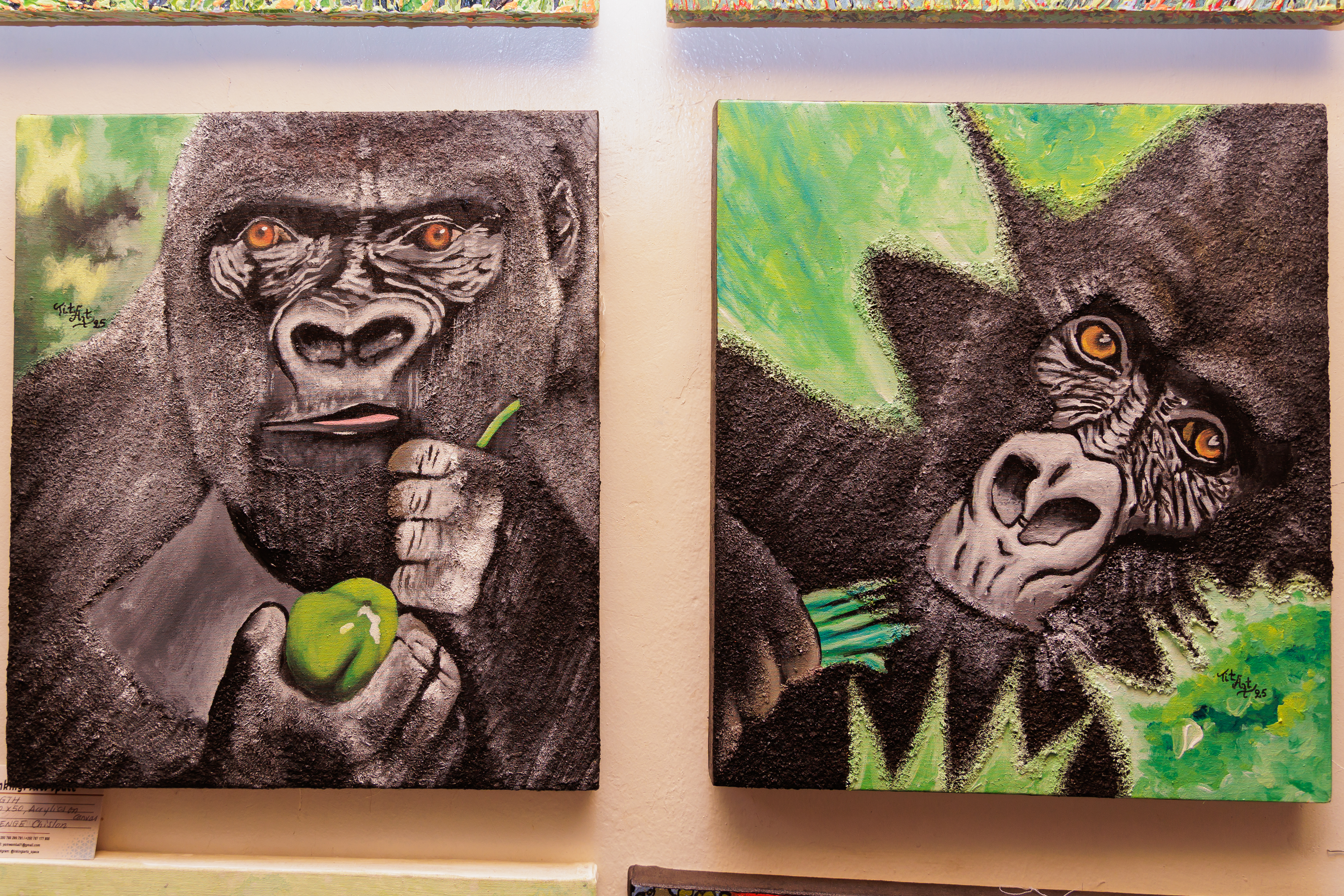
Gorilla artworks at Inkingi Arts Space highlight one of Rwanda’s premium tourism offerings.
Nurturing the next generation
Beyond exhibitions, Inkingi plays a critical role in mentorship and education. The space regularly hosts workshops, trainings, and internships, particularly for students from Nyundo Art School, Rwanda’s primary institution for formal art education.
Some interns stay on as resident artists, gradually becoming part of the collective.
“My proudest moment,” Kwitonda says, “is seeing young artists grow here, seeing this space become a home for them.”
That sense of belonging is key. In a country where art is still often seen as inaccessible or expensive, Inkingi is helping shift perceptions. More locals are attending exhibitions, engaging with artists, and beginning to see art as part of everyday life.
“People say art is expensive,” Kwitonda reflects. “But they forget, it’s priceless. You’re buying someone’s soul, their time, their sleepless nights.”
Though still young, Inkingi Arts Space is already making its mark on Kigali’s cultural landscape. And Kwitonda’s ambitions stretch far beyond its current walls.
In the next five years, he envisions it as a training center. In the long term, he imagines something even bigger, a museum-scale institution contributing to Rwanda’s cultural heritage.
“It should be huge,” he says with quiet confidence. “A place that stands alongside the country’s museums and tells our stories through art.”
For now, Inkingi remains grounded in its original purpose: a space of freedom, collaboration, and growth. A place where Kigali’s creative talent doesn’t just pass through, but finds a home.
Watch the full video below for an inside look at Inkingi Arts Space in Kacyiru.
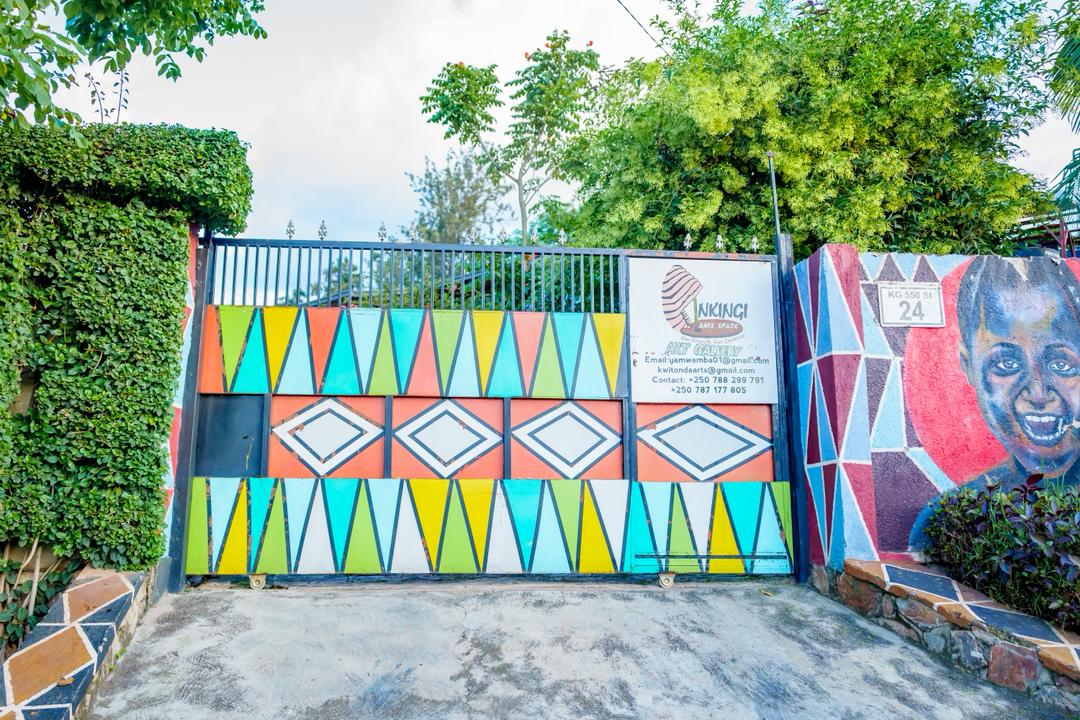
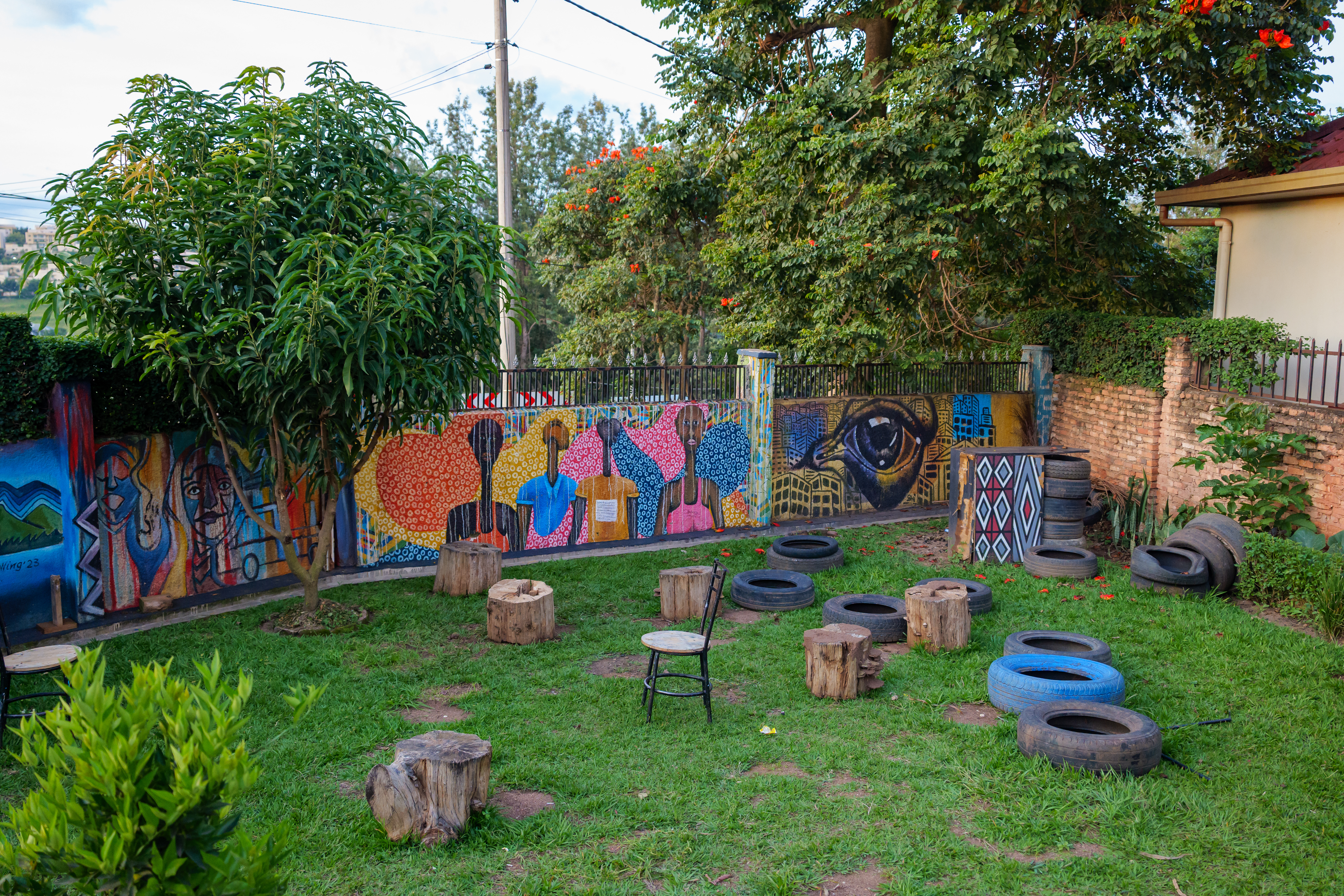
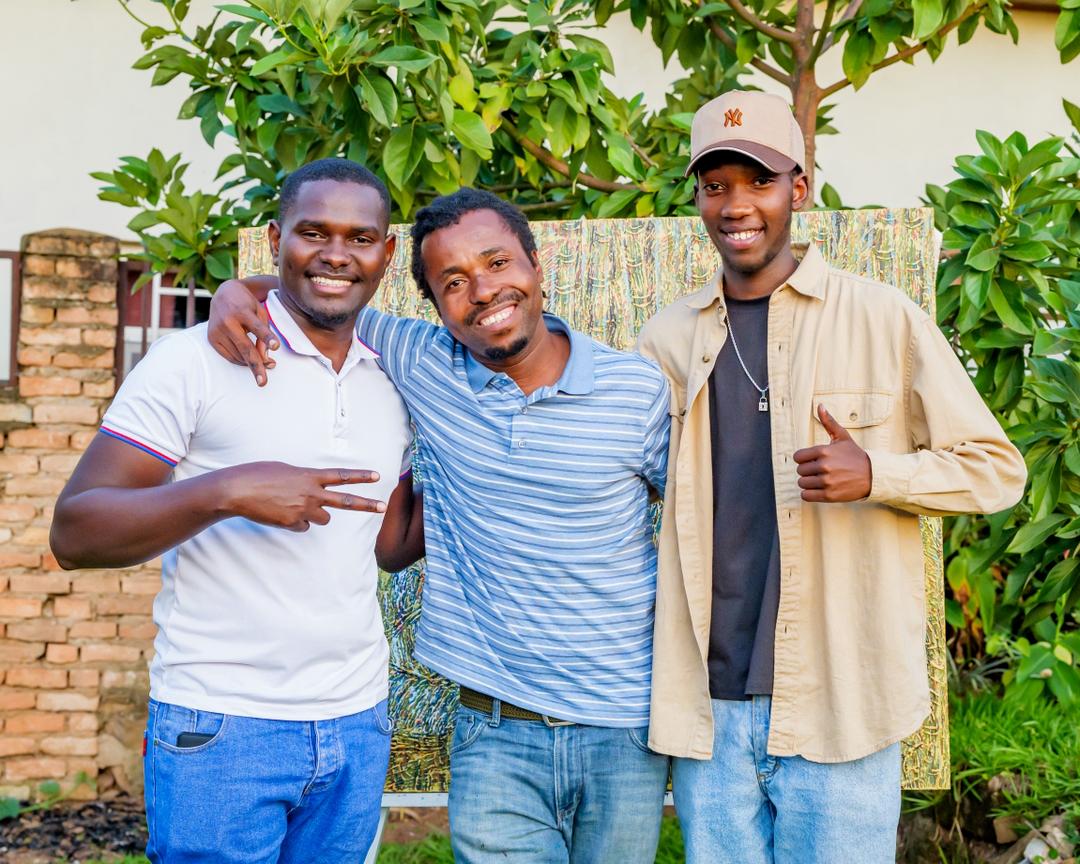
Inkingi Arts Space in Kigali’s Kacyiru neighbourhood.While the space is primarily active with painters and visual artists on a daily basis, it expands into a multidisciplinary platform through its Inkingi Open Mic sessions, held once a month.Inkingi Arts Space founder Olivier Kwitonda with the IGIHE team. He says his mission goes beyond himself, focusing on mentoring the next generation of creatives.Some of the creative pieces at Inkingi Arts Space.
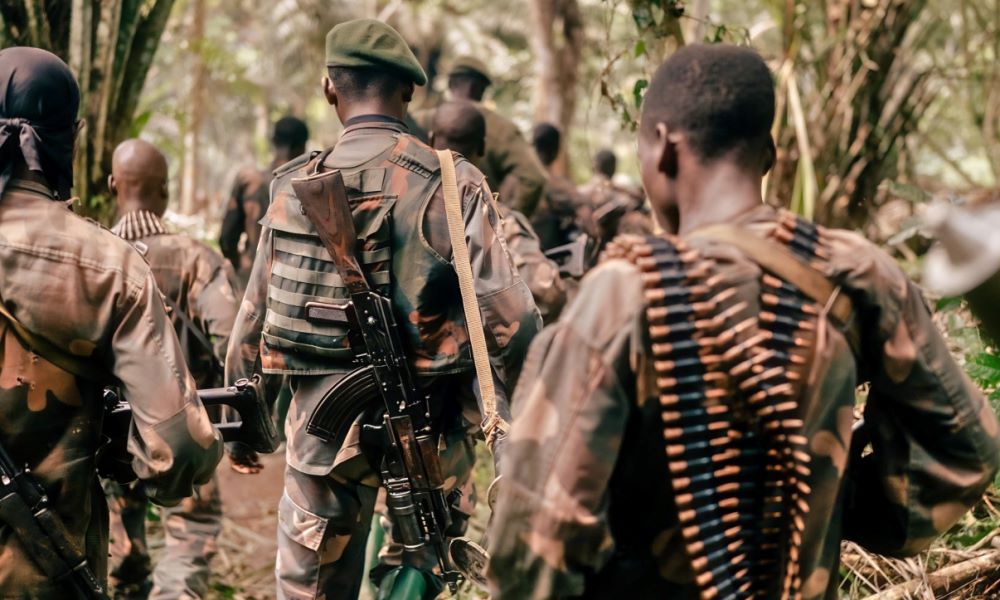
Speaking before members of the parliamentary Defence and Security Committee, Muadiamvita explained that AFC/M23 possesses more advanced communication capabilities compared to those of the Congolese armed forces.
He noted that weaknesses in FARDC’s communication infrastructure have created serious operational challenges on the battlefield.
According to him, enemy forces have been able to intercept military messages, disrupting planned operations.
“The lack of strong communication systems in this modern technological era has caused frontline troops to face difficulties, as the enemy has been able to access their communications, making military operations difficult to execute. The adversary has built an advanced communication system that allows it to intercept exchanges between command structures and troops on the ground,” he said.
A report from the parliamentary committee also highlights that the minister stressed the importance of secure communication in military operations, warning that failures in this area have contributed to repeated setbacks for FARDC.
Muadiamvita further informed lawmakers that the government of the DRC is engaging friendly countries to secure modern communication equipment for the army, designed to prevent further infiltration by AFC/M23.
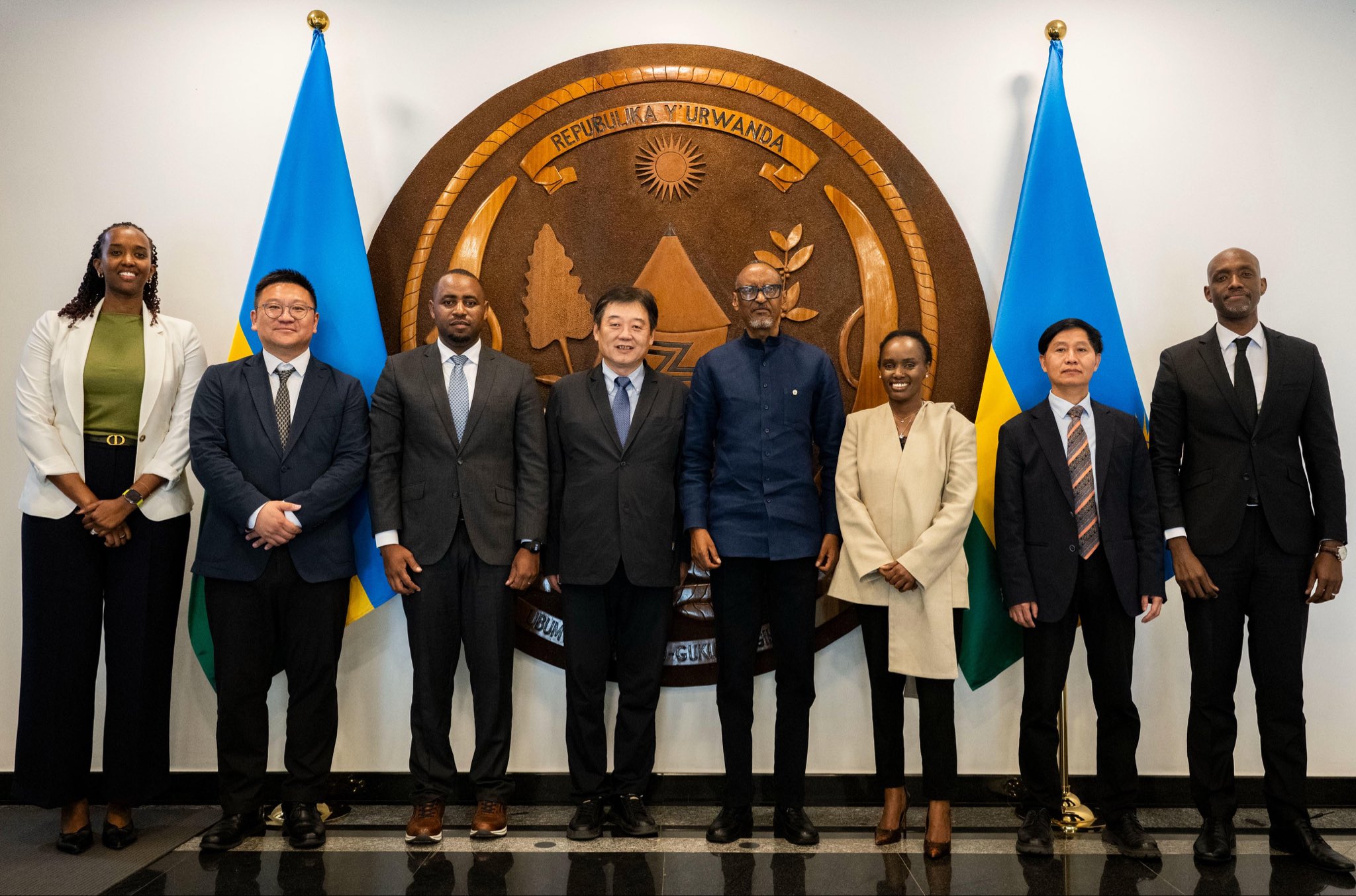
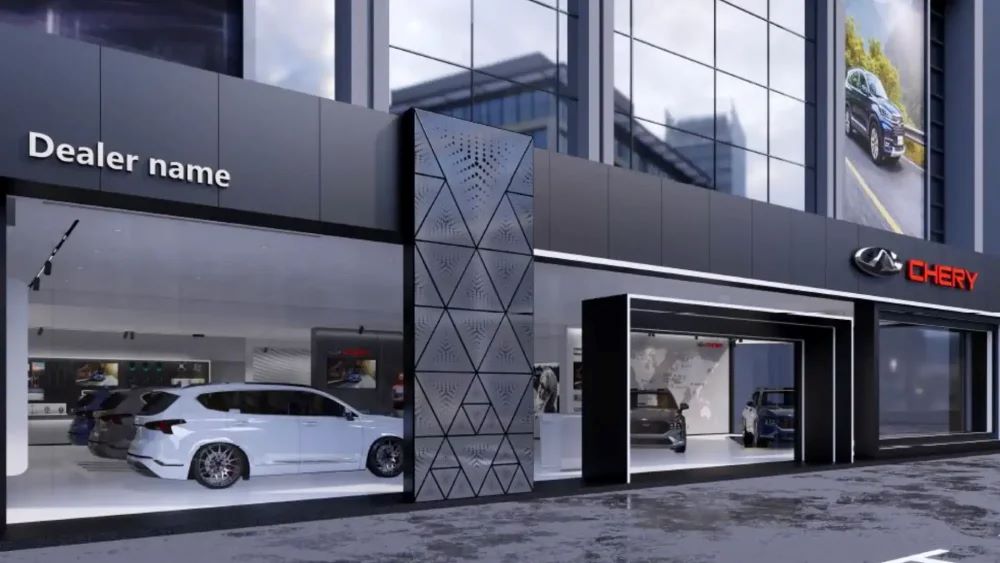
Recent high-level discussions between President Paul Kagame and a delegation from Chery Holding, led by Xu Hui, Chairman of Rich Resource International Investments (RRII) and Vice President and Board Secretary of Chery Holding, have drawn attention to the possibility of establishing a local EV assembly plant in Rwanda.
A day after meeting with the President last month, the Rwanda Development Board (RDB) Deputy CEO Juliana Muganza and Xu Hui signed a strategic partnership framework, laying the groundwork for sustainable investment and the growth of e-mobility solutions.
The talks were aligned with Rwanda’s broader industrialisation and e-mobility strategy, which prioritises sustainable transport and value-added manufacturing.
Chery Holding is among China’s leading car manufacturers and an increasingly influential player in the global mobility industry.
Established in 1997 in Wuhu, Anhui Province, the company has expanded into a Fortune Global 500 firm, now producing over 2.6 million vehicles each year and exporting to markets across Asia, Africa, Europe, and Latin America.
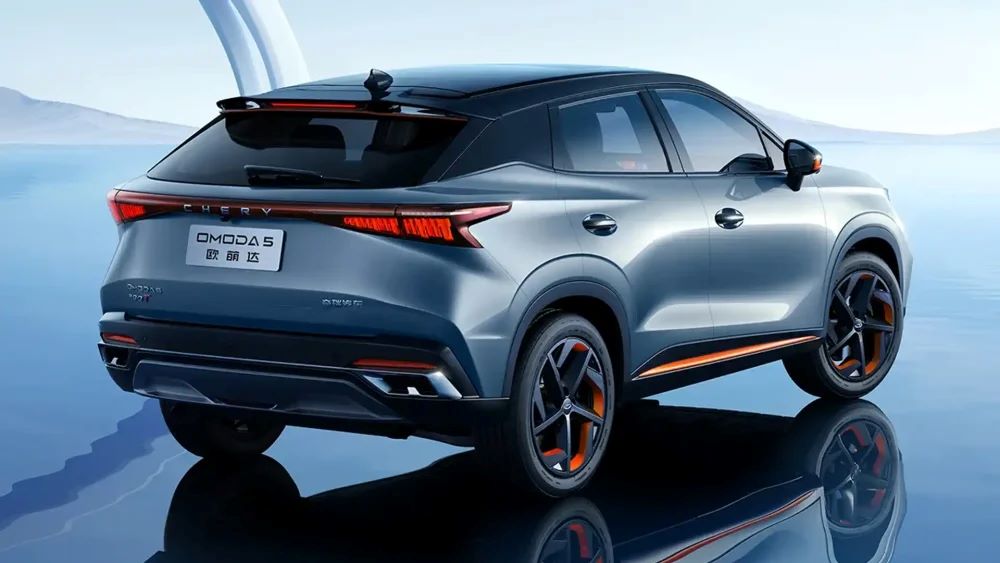
The group manages a diverse portfolio that covers traditional internal combustion vehicles, hybrids, and electric mobility solutions. Its brands include Chery New Energy, Exeed, Jetour, and Omoda, alongside other emerging EV-focused lines.
Over time, it has also built joint ventures and technological partnerships, particularly in areas such as advanced driver assistance systems and electrification, underscoring its shift toward smarter and lower-carbon transport solutions.
Chery was among the early Chinese automakers to invest in electric vehicle development, launching its EV programmes in the late 2000s and steadily expanding its capabilities in battery-electric platforms.
In recent years, the company has further accelerated its global EV push through strategic partnerships and investments aimed at boosting production capacity and strengthening its technological edge.
Discussions between President Kagame and Chery delegation recently focused on potential investment opportunities.
A project still at the exploratory stage
Speaking to IGIHE, Gao Zhiqiang, the Economic and Commercial Counselor at the Chinese Embassy in Rwanda, has clarified that while the idea of an EV assembly plant in Rwanda is being actively discussed, it remains at an early stage.
According to him, Chery has expressed interest in deepening cooperation with Rwandan counterparts in the electric mobility sector, including the possibility of setting up an assembly facility. However, he emphasized that this is still an intention rather than a confirmed investment.
“There are many technical issues that still need to be discussed, and follow-up steps are required,” he noted, adding that both sides are still engaging to explore feasibility and market potential.
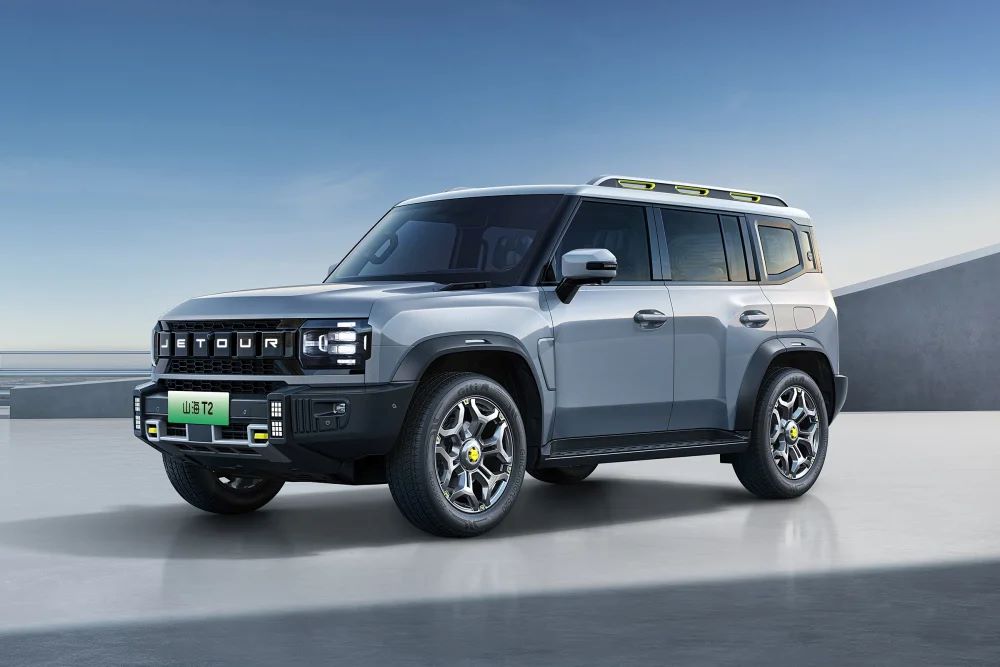
Jetour is a modern SUV brand from Chery, and it is gradually winning the Rwandan market.
Rwanda positioned as a potential regional hub
Despite the early stage of discussions, Gao has expressed optimism about Rwanda’s attractiveness as an investment destination. Gao highlighted Rwanda’s stable governance, improving business environment, and strategic positioning as key advantages for foreign investors.
He further encouraged Chery to think beyond Rwanda’s domestic market and consider the broader regional opportunity, suggesting that the country could serve as a production and distribution hub for East Africa and beyond.
“Rwanda could become a business hub, especially with upcoming infrastructure such as the new Bugesera International Airport,” he said, pointing to long-term economic potential driven by improved connectivity and logistics.
Timeline
While interest is growing, officials cautioned that the project is unlikely to materialize in the immediate future.
According to Gao, setting up such a facility would require significant preparation, coordination, and investment planning.
“It will take time — at least two years or more. It will not happen next year,” he explained, underscoring the complexity of establishing automotive manufacturing operations.
Broader wave of Chinese industrial interest
Beyond the proposed EV assembly plant, Gao said, other Chinese investors are also engaging with Rwanda, exploring opportunities in manufacturing and industrial parks.
Among them is Asia Machinery, a firm proposing the development of an automobile industrial park, with submissions already made to Rwanda Development Board (RDB) and the Ministry of Trade and Industry (MINICOM).
Another firm in the medical equipment sector is also considering establishing an industrial park in Rwanda’s Eastern Province, reflecting a broader trend of diversified Chinese investment interest.
Although exact figures were not disclosed, preliminary estimates suggest that combined investments from these emerging projects could reach tens of millions of dollars.
Chery is seeking to establish an electric vehicle assembly plant in Rwanda.
Alignment with Rwanda’s e-mobility agenda
The discussions come at a time when Rwanda is accelerating its transition toward sustainable transport. The government has introduced policies requiring public institutions to allocate at least 30% of newly procured vehicles to electric models, a move aimed at reducing emissions and supporting green mobility adoption, amid global oil disruptions.
In this context, a potential EV assembly plant would align closely with national priorities, including industrialisation, job creation, and technology transfer. It would also support Rwanda’s long-term ambition to develop a domestic automotive value chain anchored in clean energy solutions.
While the Chery EV assembly project is still in its early stages, both Rwandan and Chinese stakeholders appear aligned on its long-term potential. If realized, the investment could position Rwanda as an emerging player in Africa’s electric mobility ecosystem, while strengthening industrial cooperation between the two countries.
Rwanda and China have maintained strong cooperation over the years, with total trade between Rwanda and China reaching $849 million in 2025, an increase of 26.9 percent year-on-year, while Rwanda’s exports to China rose by 42 percent.
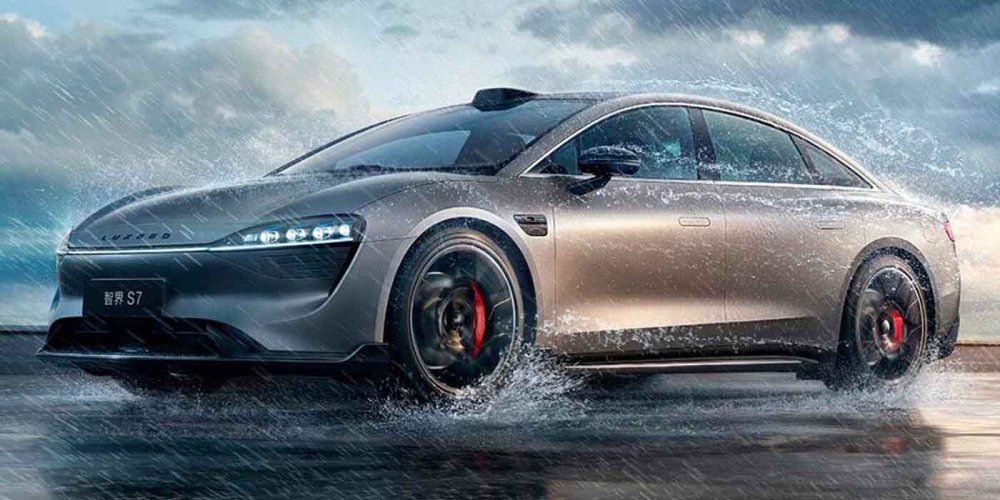
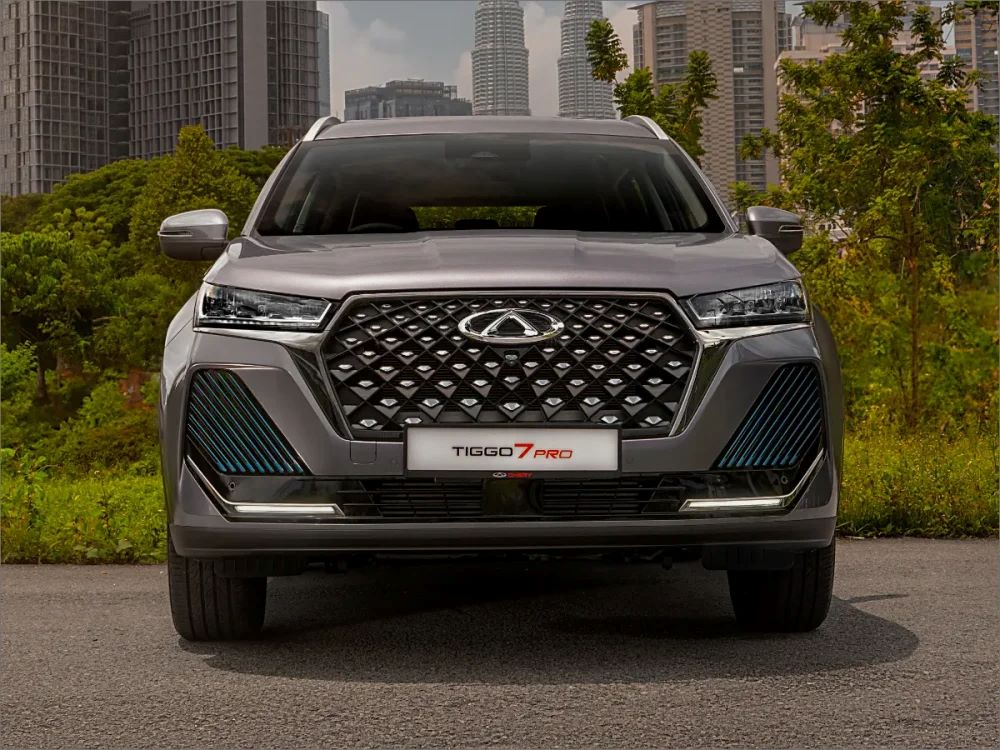
Tiggo 7 is one of the modern vehicles gaining traction in the European market.Luxeed is one of the high-quality electric vehicle brands produced by Chery.
The move comes as the country continues to face a worsening security crisis nearly two weeks after an alliance of jihadist fighters and separatist rebels launched nationwide assaults. During the attacks, Defence Minister Sadio Camara was killed in an apparent suicide truck bombing targeting his residence near Bamako.
A decree read on state television on Monday confirmed Goïta’s new role as defence minister. He will be supported by army chief of staff Gen Oumar Diarra, who has been named minister delegate.
Goïta’s decision to hold both the presidency and the defence portfolio is widely seen as an effort to tighten his control amid growing pressure on his leadership.
The unrest began on 25 April when residents across Mali woke to gunfire and explosions as the separatist Azawad Liberation Front and the al-Qaeda-linked JNIM group launched coordinated attacks. Since then, the insurgents have reportedly imposed partial blockades on Bamako and other major cities.
The offensive, which also forced Malian and allied Russian forces to withdraw from the northern city of Kidal, has raised questions about the strength of Goïta’s military government, which came to power following a coup in August 2020.
Authorities say several soldiers have been arrested for alleged links to the attacks, with investigations suggesting involvement of both former and serving military personnel in planning and execution.
Mali has also coordinated with Niger and Burkina Faso to carry out air strikes against the insurgents. The three military-led countries, which form the Alliance of Sahel States, have expelled French troops and turned to Russian support in their fight against armed groups. However, insecurity persists, with large areas still outside government control.
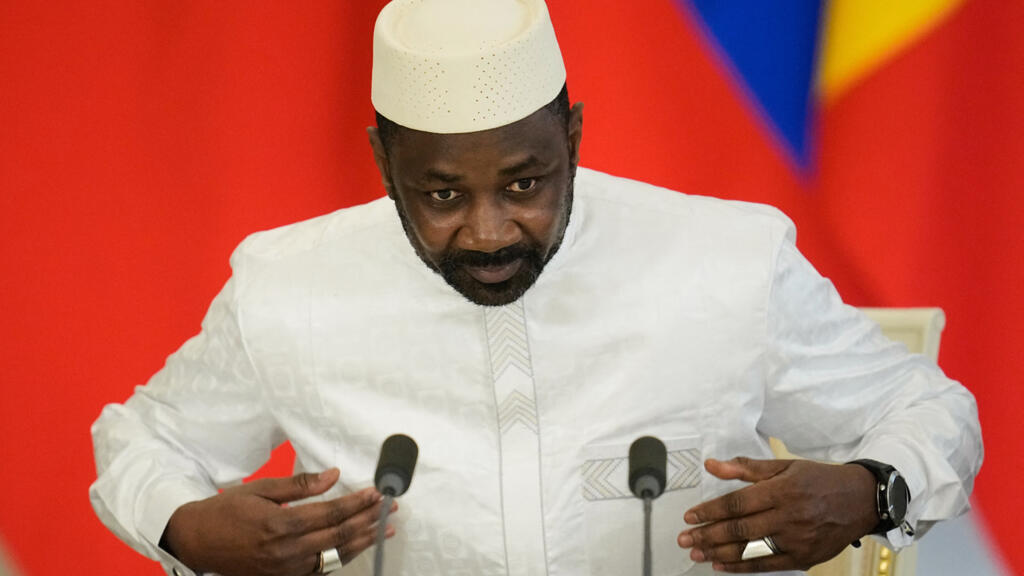
Mali’s military leader Gen Assimi Goïta has taken over as defence minister after the officer who previously held the post was killed in a wave of surprise attacks.
“We are going to see inflation climbing up, and then inevitably, inflation expectations would start de-anchoring,” she said at a conference hosted by the Milken Institute in Washington, D.C.
She noted that current conditions, including a prolonged conflict, oil prices hovering at or above 100 U.S. dollars per barrel, and mounting inflationary pressures, have already activated the IMF’s “adverse scenario.”
In April, the IMF issued three scenarios for global GDP growth in 2026 and 2027, namely the main “reference forecast,” a middle “adverse scenario,” and a much worse “severe scenario.”
Under the adverse scenario, global growth would slow to 2.5 percent in 2026, while inflation would rise to 5.4 percent.
The reference scenario, which assumes a short-lived conflict, projects growth of 3.1 percent and inflation of 4.4 percent.
“This scenario, with every day that passes, is further and further behind in the rear-view mirror,” Georgieva said.
For the severe scenario forecast, global growth would be just 2 percent, with inflation hitting 5.8 percent.
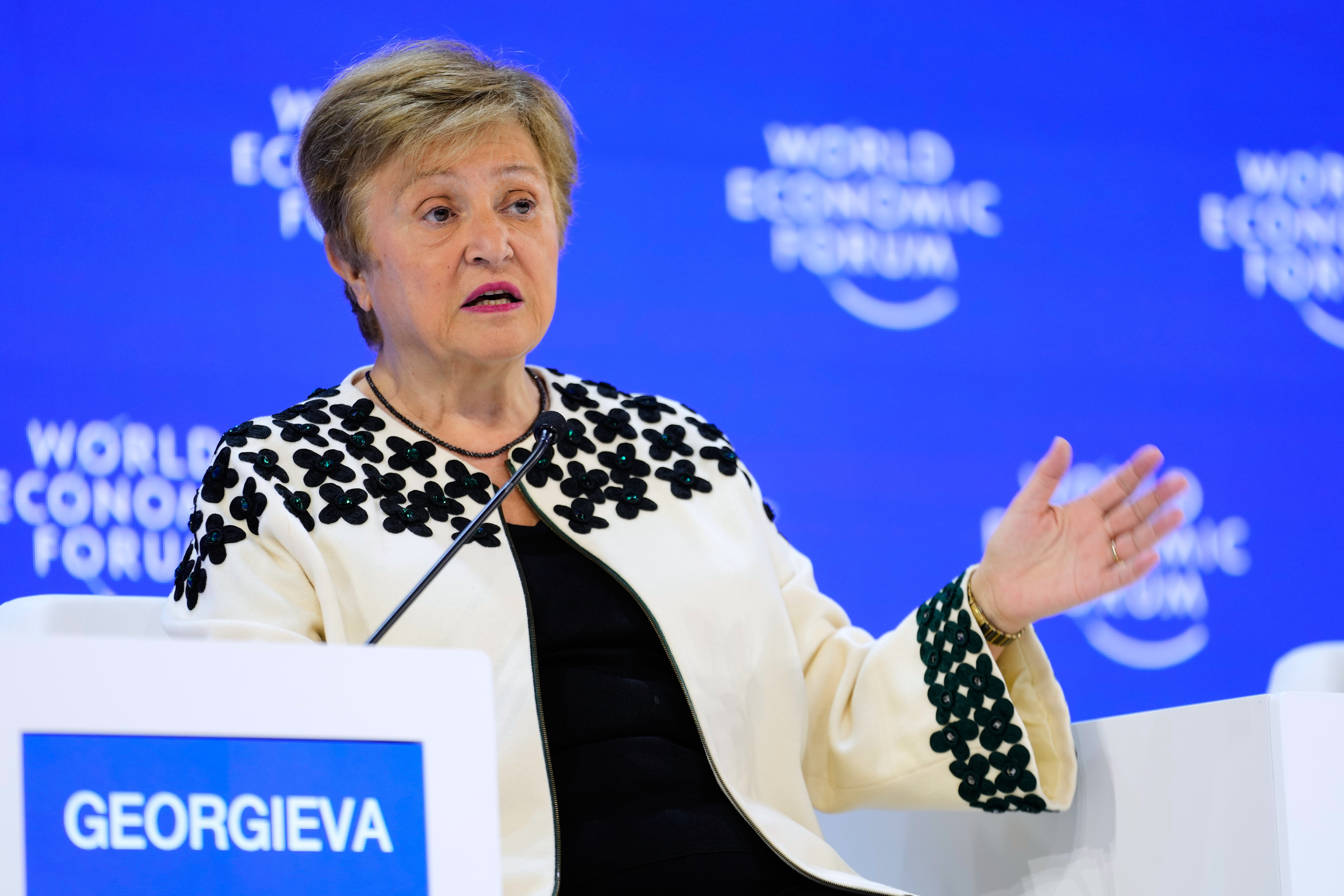
FILE – Kristalina Georgieva, Managing Director of the International Monetary Fund, attends the Annual Meeting of the World Economic Forum in Davos, Switzerland, Jan. 23, 2026. (AP Photo/Markus Schreiber, File)
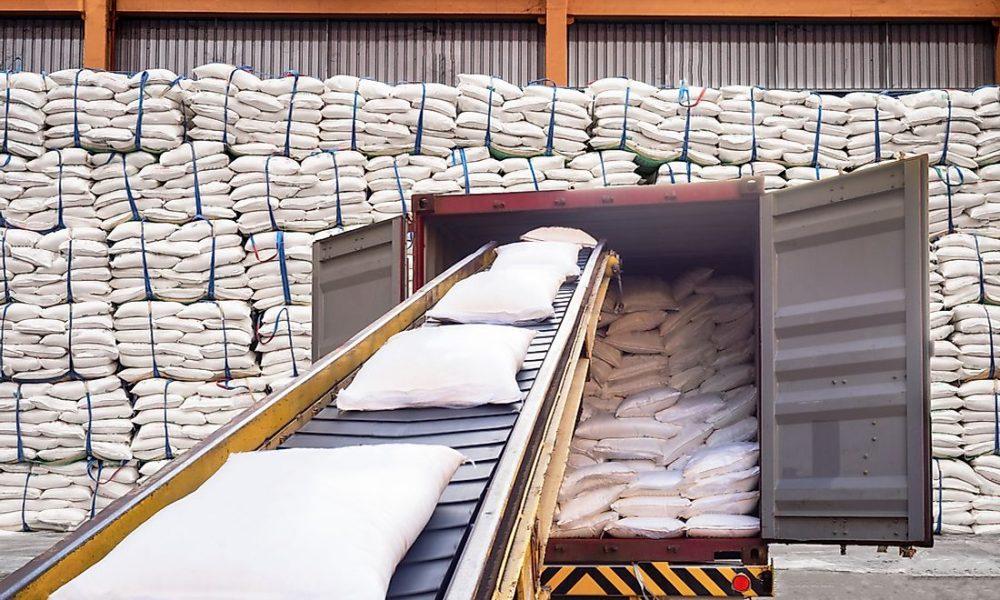
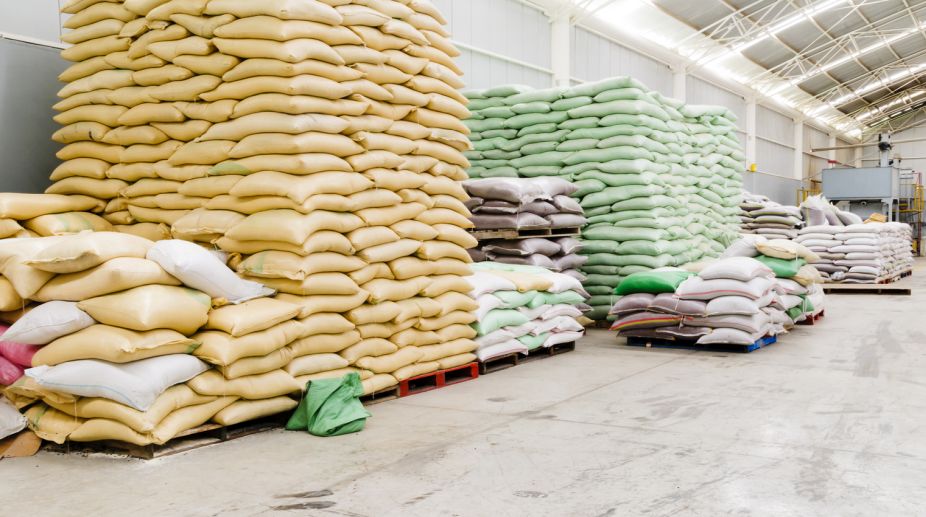
The country imported 195,610 tonnes of sugar valued at $145 million (approximately Rwf 212 billion) in 2025, down from 308,000 tonnes worth $238 million (about Rwf 348 billion) in 2024.
The imports comprised raw sugar for industrial refining, inputs for beverage and food manufacturing, and refined sugar for household consumption.
Minister of Trade and Industry Prudence Sebahizi attributed the decline to a combination of reduced demand for refined sugar, increased domestic production, and a drop in re-exports to neighbouring countries.
“The decrease in imports can be attributed to a drop in refined sugar consumption locally, coupled with increased domestic production,” Sebahizi told The New Times.
He added that re-exports, particularly of raw sugar destined for further processing, also declined in 2025 compared to the previous year, contributing to the overall drop in import volumes.
According to the minister, the trend reflects broader market adjustments rather than the impact of new policy measures, pointing to evolving consumer preferences and supply dynamics.
The decline follows a surge in 2024, when sugar imports rose to 308,000 tonnes valued at $238 million, up 24 per cent from $192 million recorded in 2023.
Rwanda continues to apply the East African Community Common External Tariff alongside safeguard measures aimed at balancing consumer affordability with the protection of local producers. To stabilise prices, the government also permits strategic imports under managed quotas.
Additionally, authorities have temporarily eased the application of the regional external tariff on sugar and other essential food commodities to cushion consumers from rising costs, according to the Ministry of Finance and Economic Planning.
Looking ahead, the government plans to allocate 8,000 hectares of land for sugarcane cultivation and mobilise at least $50 million in private investment. The initiative is intended to expand processing capacity, strengthen the domestic sugar industry, and further reduce reliance on imports.
Rwanda imported 195,610 tonnes of sugar valued at $145 million (approximately Rwf 212 billion) in 2025, down from 308,000 tonnes worth $238 million (about Rwf 348 billion) in 2024.
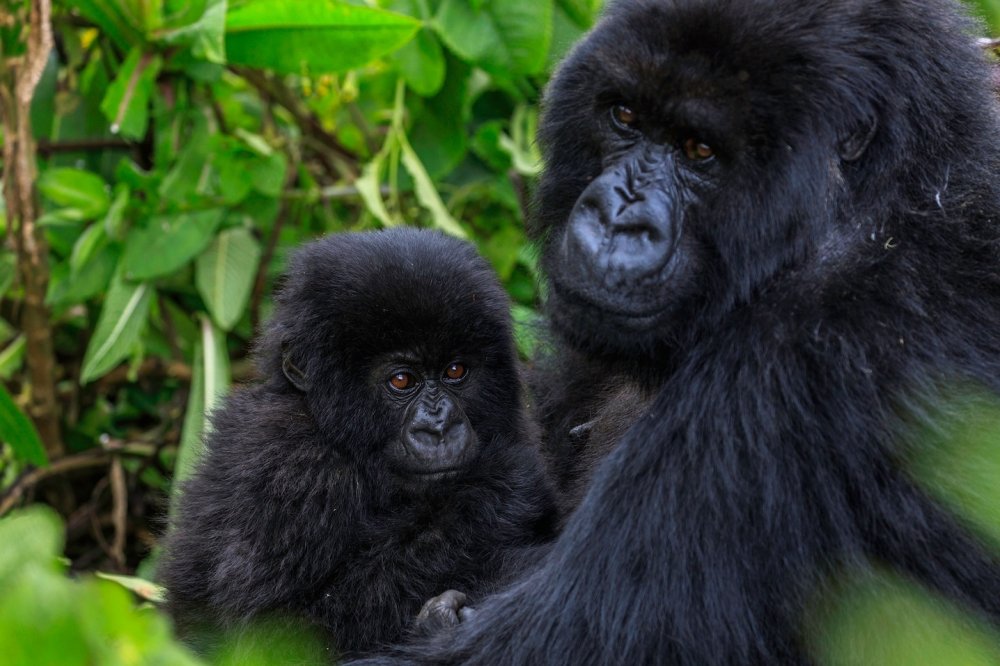
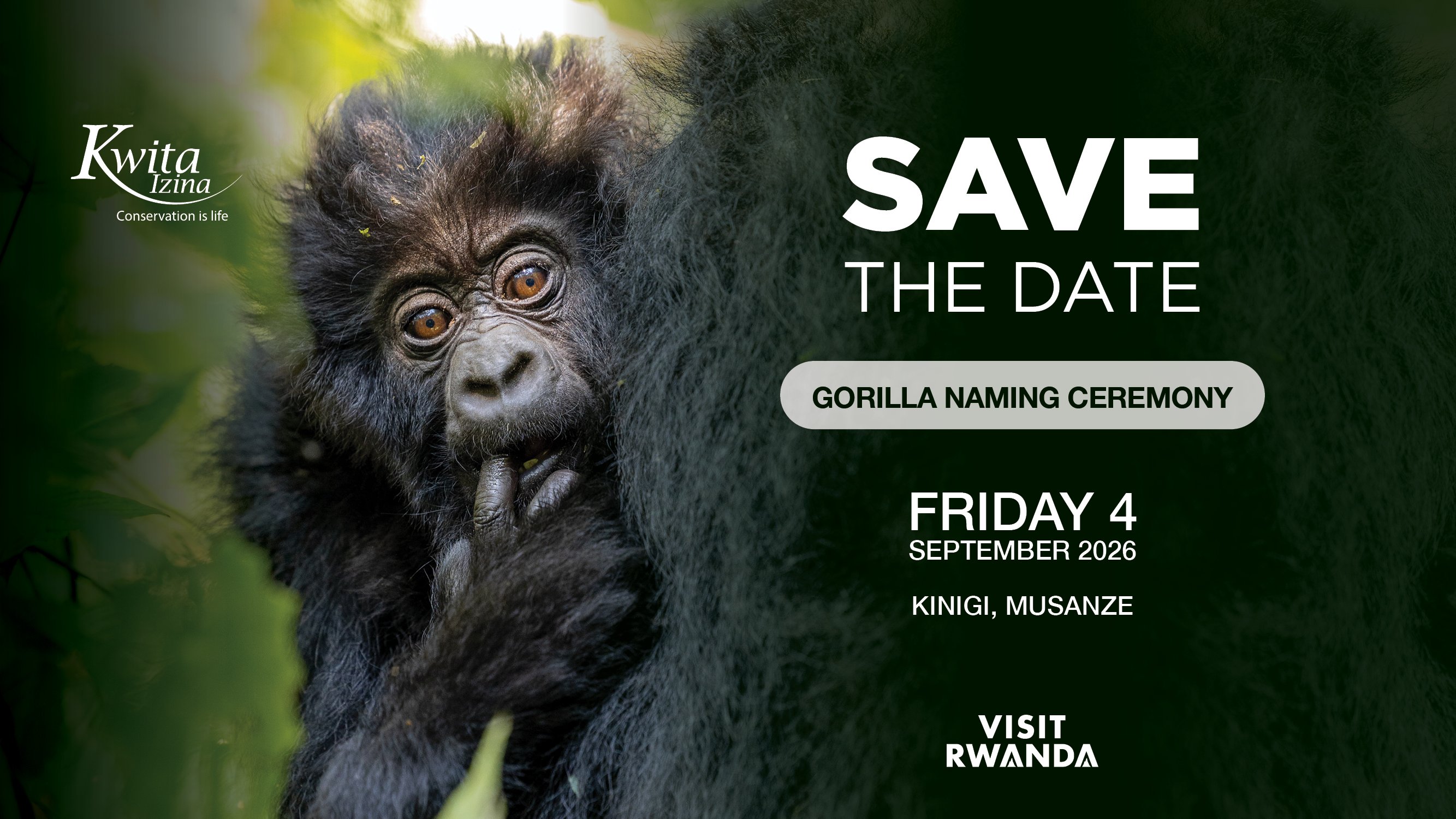
As is tradition, the 21st edition of the ceremony will take place in Kinigi Sector, Musanze District, at the foothills of Volcanoes National Park.
“Join us in Kinigi, @MusanzeDistrict for the 21st @KwitaIzina, Rwanda’s annual baby gorilla naming ceremony, celebrating community-centred conservation and the collective responsibility to protect mountain gorillas and their habitat at @VolcanoesPark,” RDB said in a post on X on Monday, May 4, 2026.
The 20th edition of Kwita Izina took place on September 5, 2025, during which 40 baby gorillas from 15 families were named.
Prime Minister Dr Justin Nsengiyumva served as the guest of honour at the ceremony, which was also attended by several high-level dignitaries, including First Lady Jeannette Kagame.
In his address, PM Nsengiyumva highlighted the global significance of the event:
“Thanks to the leadership of Rwanda, the dedication of conservationists, and the commitment of our communities, mountain gorillas have come back from the brink. Today, there are over a thousand mountain gorillas worldwide, including more than 600 in the Virunga Massif,” he said.
The Prime Minister also affirmed a bold plan to expand Volcanoes National Park by nearly 25%, ensuring future generations of gorillas have secure habitats while simultaneously improving local livelihoods.
Since its launch in 2005, Kwita Izina has become a flagship conservation event, with 435 baby gorillas named to date.
Tourism revenues continued to grow in 2025, reaching $685 million, up from $647 million in 2024, representing a 6 percent increase.
Visitor arrivals also rose by 9 percent to 1.49 million, with a significant share visiting Volcanoes National Park, known for gorilla trekking, as well as other national parks.
Gorilla trekking permits are priced at $1,500 for foreign non-residents. Reduced rates of $500 apply to foreign residents living in Rwanda, other African nationals, and foreigners residing elsewhere in Africa. Citizens of Rwanda and the East African Community (EAC) qualify for the lowest rate of $200.