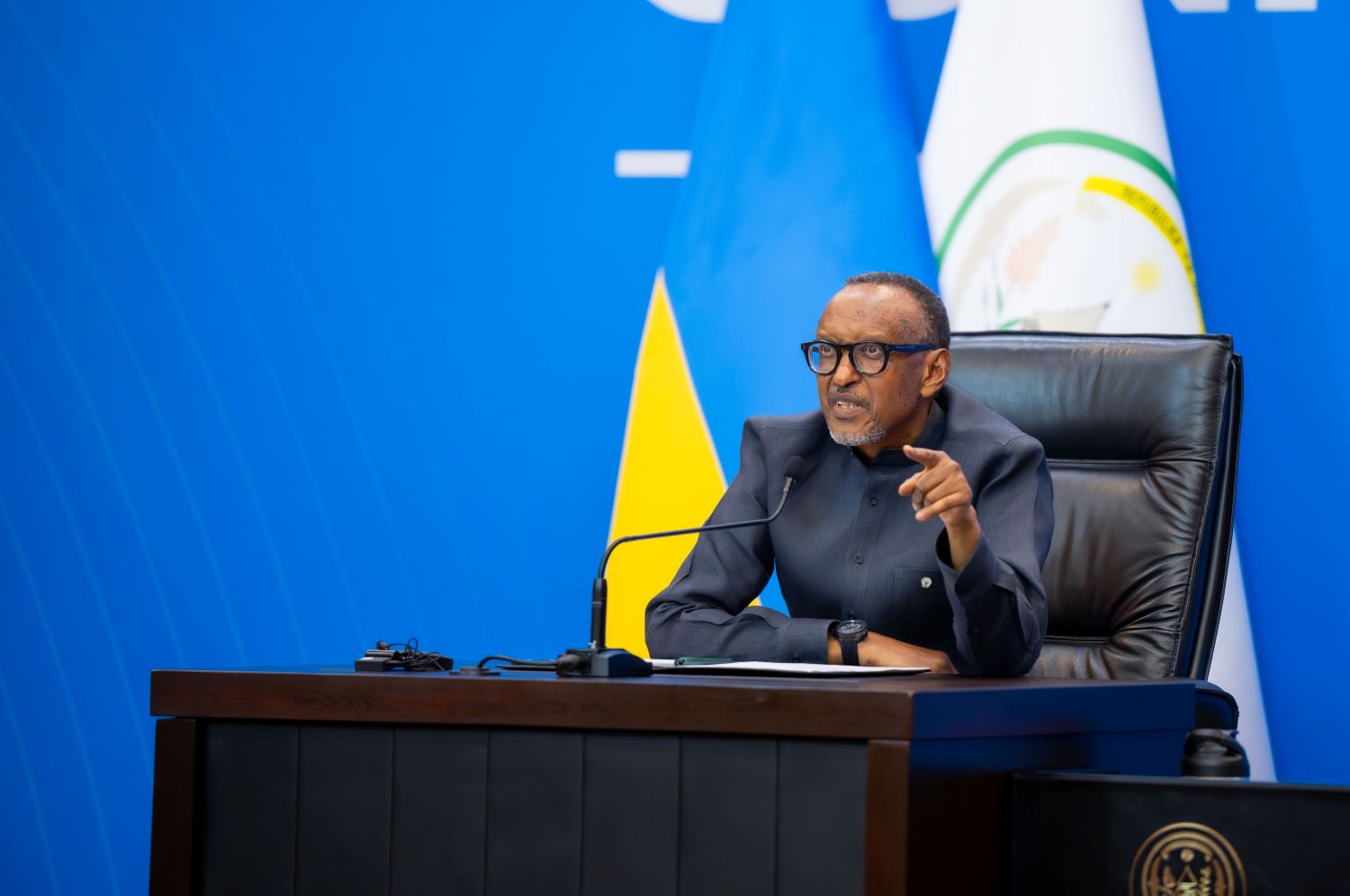
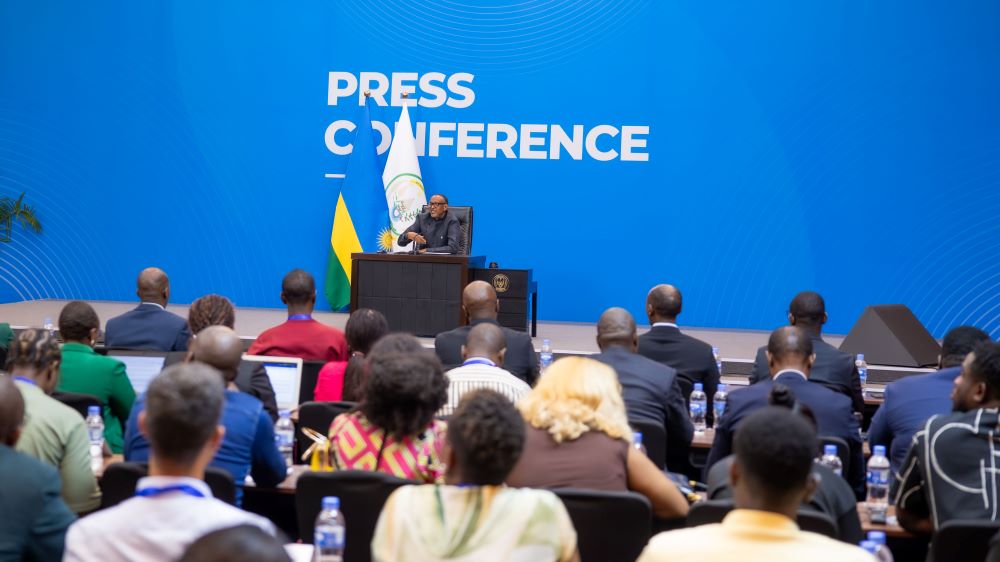
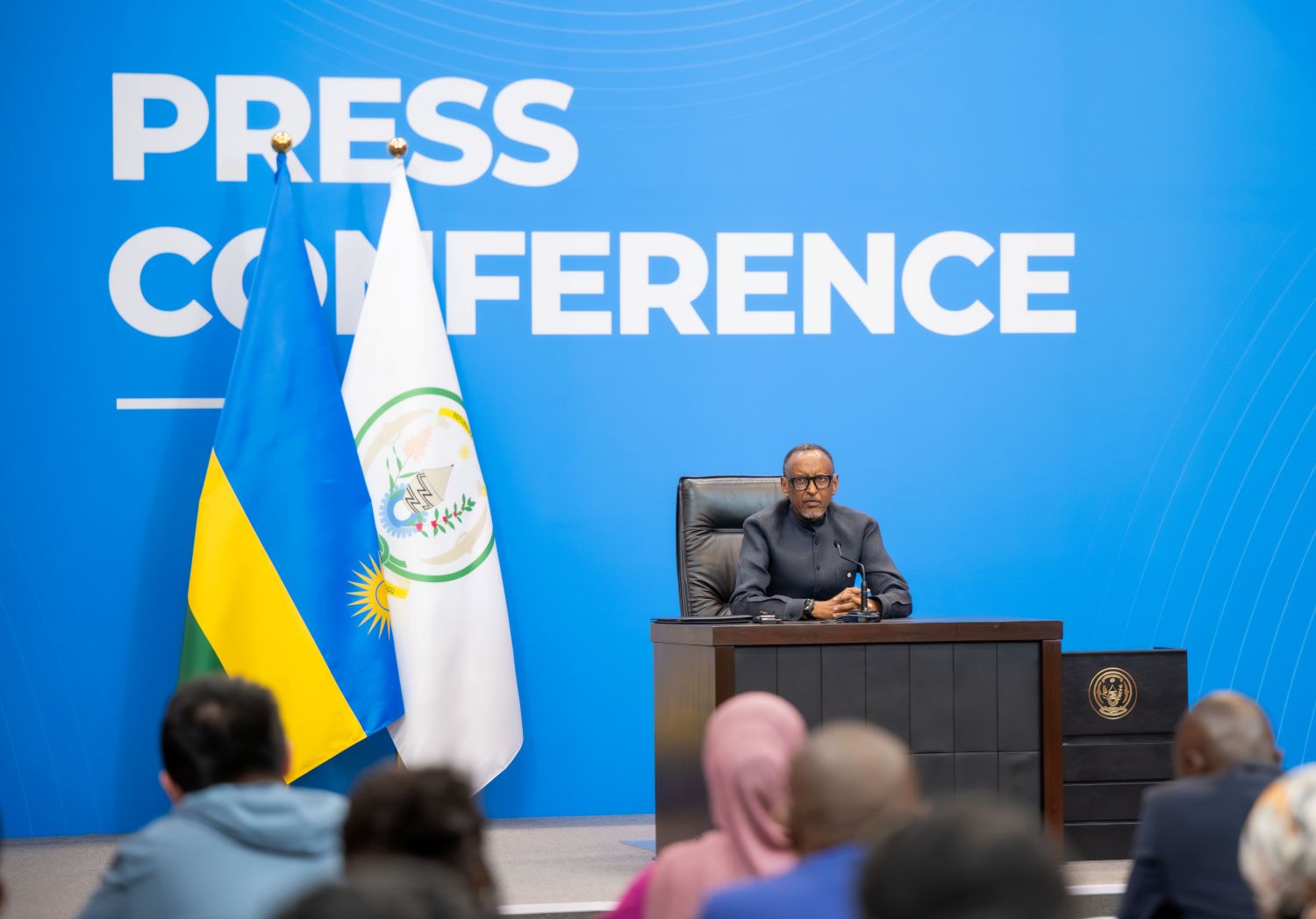
Speaking during a press conference at the Kigali Convention Centre on Monday, Kagame said Rwanda’s security concerns over the FDLR have persisted for about three decades and will continue to shape the country’s involvement in the regional conflict as long as the armed group remains a threat.
“Rwanda’s problem has always been the FDLR in Congo. I can repeat it a hundred times,” Kagame said.
“And if this problem of FDLR is not resolved, of course Rwanda will always remain involved as part of this problem. There are no two ways about it.”
President Kagame was responding to a question about a recently reported Congolese protocol for the disarmament, demobilisation and cantonment of FDLR fighters, which Kinshasa said was part of its commitments under the Washington peace agreement. Rwanda has rejected the arrangement as inconsistent with the agreement. The United States, which brokered the deal, has said the DRC must neutralise the FDLR as part of its commitments under the Washington Accords.
The journalist asked whether Rwanda viewed the initiative as the neutralisation process envisaged under the agreement or as a political manoeuvre.
Kagame said efforts to resolve the FDLR issue had been ongoing for decades, involving the United Nations, the United States, European countries, African states and other actors, but had failed to address the root causes of the problem.
“The handling and the mishandling of this problem over many years is known. The actors are known,” he remarked
He argued that successive efforts had focused on superficial aspects of the crisis rather than addressing its underlying causes.
The Head of State also rejected arguments that Rwanda uses the FDLR, formed by individuals responsible for the 1994 Genocide against the Tutsi in Rwanda, as a justification for its involvement in eastern DRC.
“If you don’t want Rwanda, if nobody keeps saying Rwanda, Rwanda, Rwanda, and doesn’t want Rwanda to have anything to say in this, why don’t you remove this problem and see whether Rwanda is using it as an excuse?” he posed.
‘We will do anything that contributes to that protection’
Kagame said Rwanda’s approach would be guided first by the need to protect itself, while also seeking to avoid giving its adversaries opportunities to threaten the country.
“We behave in a manner that protects us at any cost. We will do anything that contributes to that protection, day or night,” he stressed.
“There are no two ways about it; that one we will, no question.”
He added that Rwanda would seek to act responsibly while protecting its interests.
“We will do what is right to protect ourselves, and we will do it without fear, favour, day or night, any time,” Kagame said.
President Kagame also maintained that Rwanda’s desire for peace remained central to its approach to the regional crisis.
“We want peace to the point that we are ready to fight for it. And that’s our main goal. We want peace, and we want to work with others to have peace,” he said.
His remarks came as he questioned the effectiveness of international efforts to address the conflict in eastern DRC, including the use of sanctions.
Kagame argued that sanctions had created additional problems rather than resolving the underlying conflict.
“Instead of sanctioning FDLR or those who work with them or support them, they sanction those who fight them. I don’t understand the logic,” he noted.
He also questioned the failure to address the origins of the conflict involving various armed groups in eastern DRC, including AFC/M23.
Kagame said Rwanda would continue working with other countries on peace efforts while maintaining its own security as a priority.
“We are happy to do that, I think. It is a pleasure to do the hardest task to protect ourselves. That’s what it is,” he said.
Speaking during a press conference at the Kigali Convention Centre on Monday, Kagame said Rwanda’s security concerns over the FDLR have persisted for about three decades and will continue to shape the country’s involvement in the regional crisis as long as the armed group remains a threat.
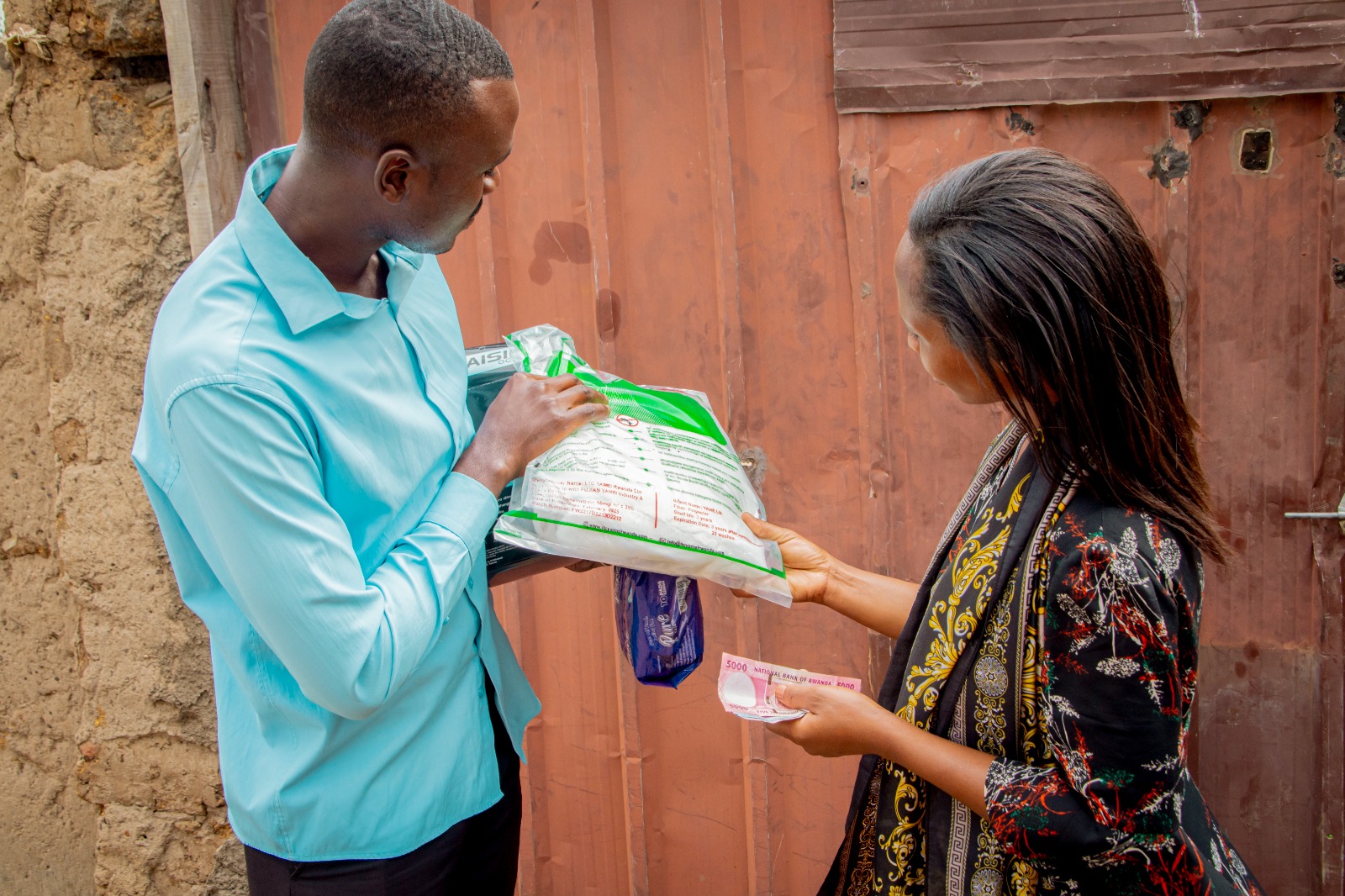
KoraLink sets out to close that gap by working through young people from within the communities themselves. Agents in the programme sell essential health products and bring them closer to the people who need them, while earning an income and building their own livelihoods in the process.
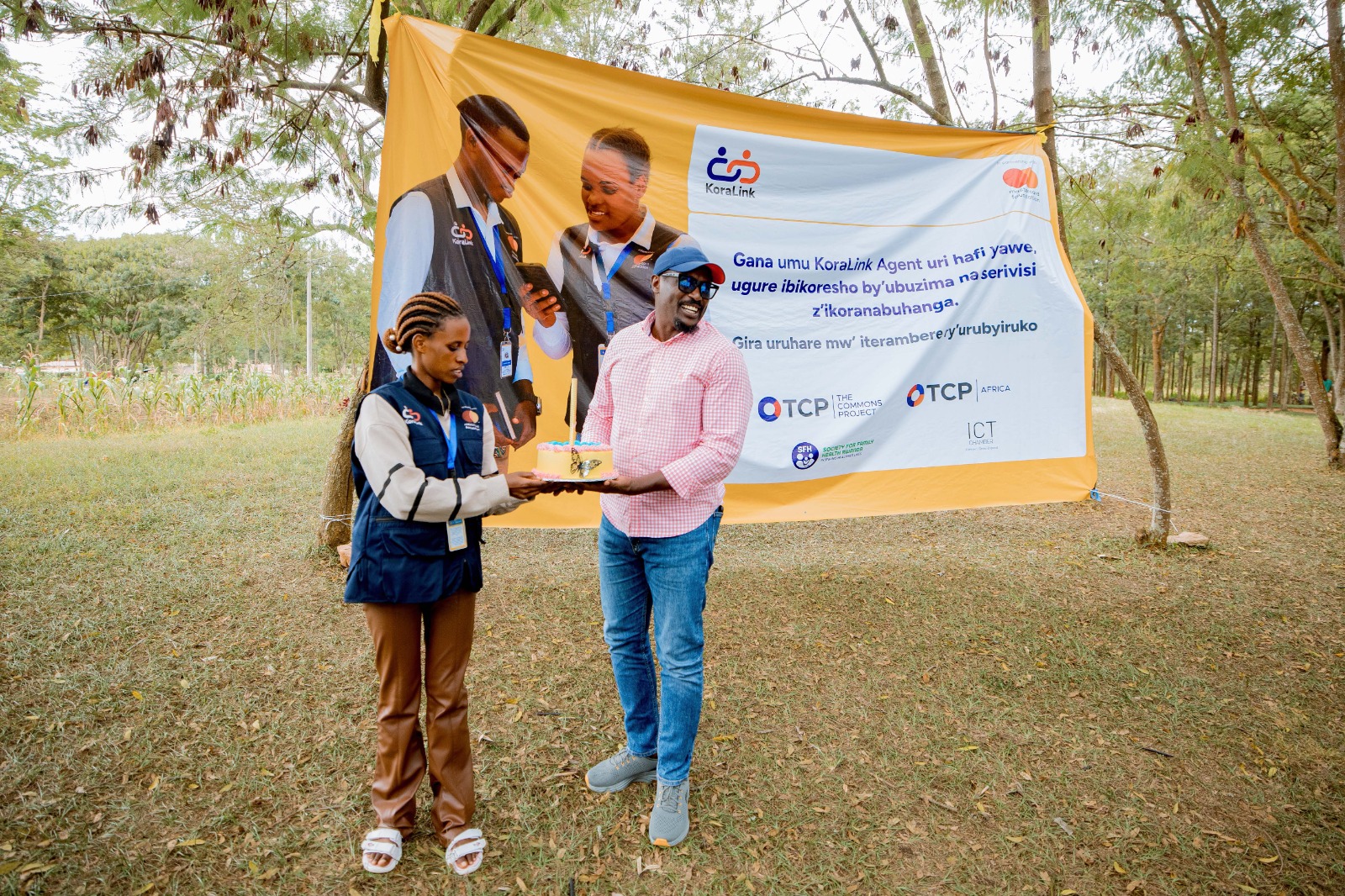
KoraLink is a collaborative partnership between the Mastercard Foundation, The Commons Project Foundation Africa (TCP Africa), Society for Family Health Rwanda (SFH Rwanda) and ICT Chamber. It aims to help financially disadvantaged youth into self-employment while using technology to bring essential health products and services, including malaria prevention, HIV and STI prevention, and hygiene products, closer to the underserved communities where they live. It focuses on people aged 18 to 35, particularly women and those in rural parts of Rwanda.
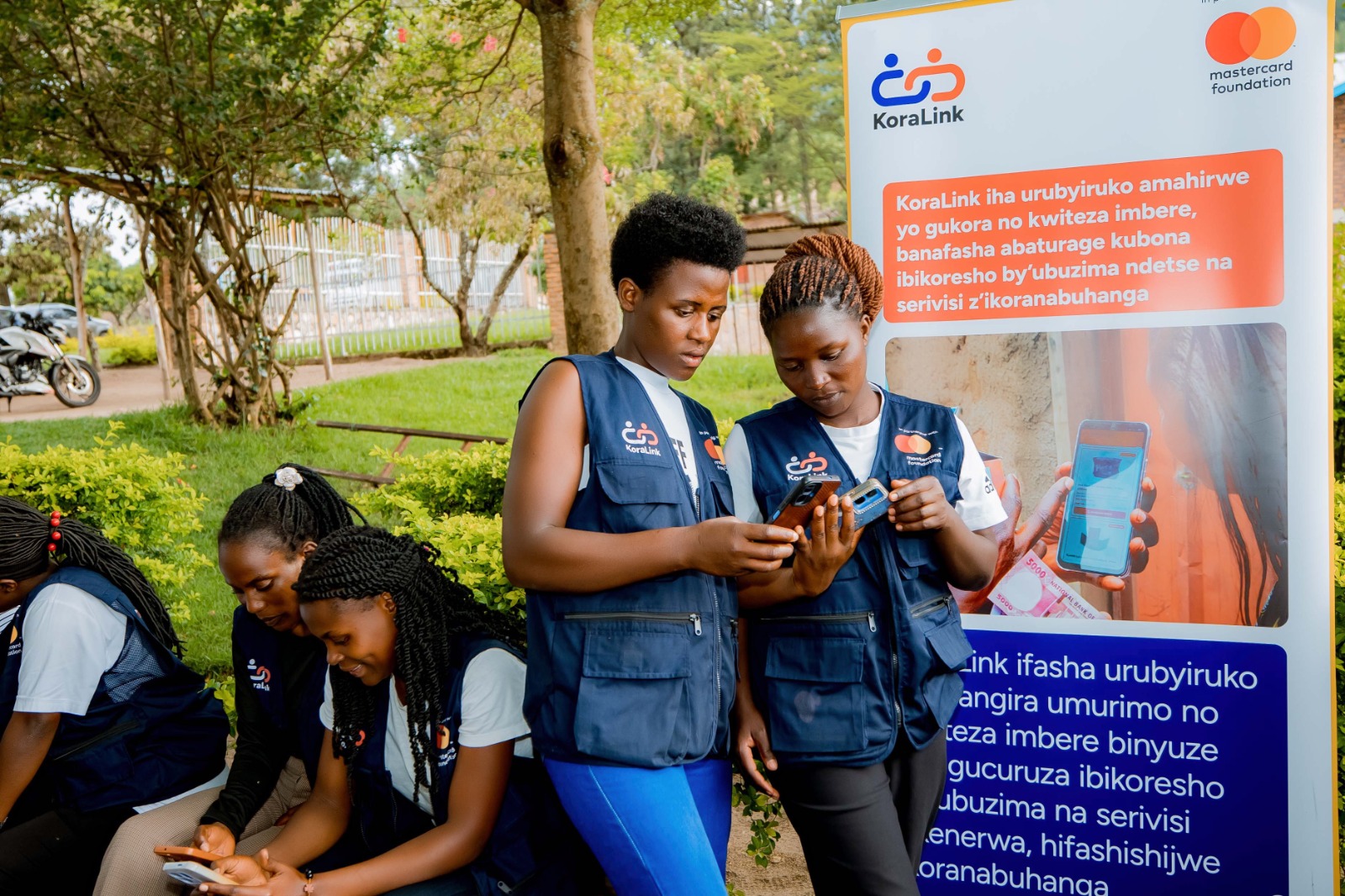
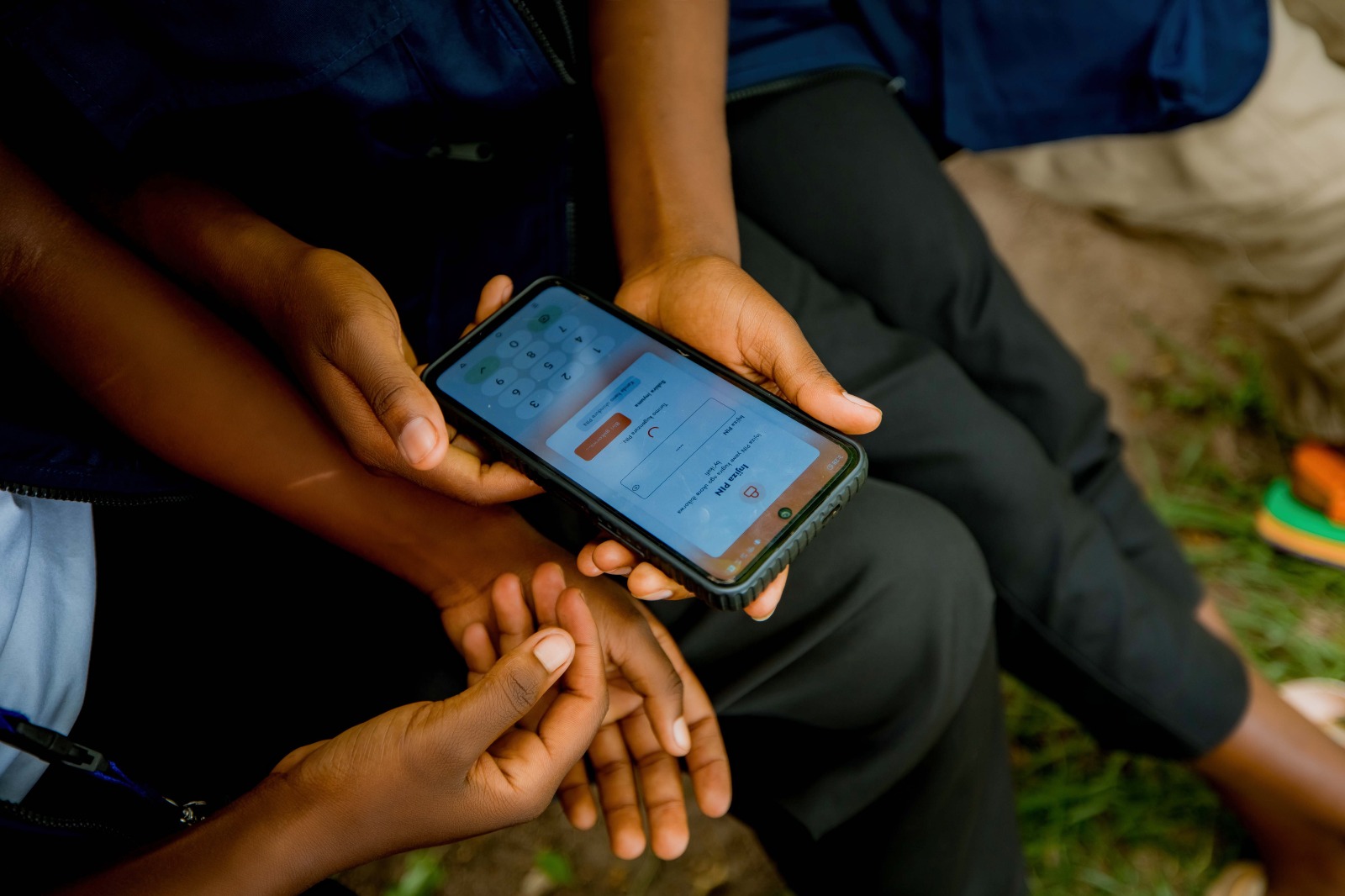
Agents are trained on the product knowledge, on basic business management, and on the programme’s app, the KoraLink Marketplace.
They start with an interest-free investment of Rwf360,000, released in installments and repaid progressively into a sustainability fund that supports new agents as the programme expands. Through the Marketplace, they order stock, track inventory, and manage transactions in a digital wallet designed to encourage saving.
Young people turning opportunities into livelihoods
In Ngarama Sector, Gatsibo District, 27-year-old Bamurere Sylvie says KoraLink gave her a way into business. She heard about it through the Ngarama Sector youth platform, applied, later invited for an interview, was selected, and onboarded. Within her first three months, she says, she had earned Rwf58,000 in profit.
That income gave her the means to think beyond selling. “I have a goal of becoming a livestock farmer. I love keeping livestock, and I want to be a businesswoman, farmer and livestock farmer,” she said.
In Rugarama Sector, Gatsibo District, 26-year-old Niyokwizera Isaac started with a capital of Rwf50,000. He would buy products, sell them, and reinvest the proceeds, building his capital up until he could now order stock worth as much as Rwf200,000. He has also put his profits into nearly a hectare of farmland, buying fertiliser and preparing for the maize season.
For Bamurere and Niyokwizera, the health products are a stepping stone to earn and improve their livelihoods. But the work has a second purpose: reaching people who live far from the markets and services that urban areas take for granted.
Bringing the market closer to the community
In rural areas, agents also have to introduce products people may not be used to, and work against the stigma attached to buying some of them, condoms in particular. Often that means going to where people are.
Because many community members are not active on social media, agents go to markets, homes, and other gathering places to explain the products and make them available, so people can get them without waiting for market day or travelling long distances.
Twenty-five-year-old Shakira Mwiza works this way in Rwimiyaga Sector. She began by selling KoraLink products in her neighbourhood, actively engaging community members, with many of them being students at a nearby school who buy sanitary pads from her. She then used the profits to buy a computer for Rwf180,000 and started offering digital services. The Rwimiyaga Sector administration gave her space to work from the sector offices, sparing her rent while keeping her accessible to the community.
Sam Gatunge, Executive Secretary of Rwimiyaga Sector, said the sector will continue work with the agents and to see them reach more people and widen their range of products. “You are helping people access clean water, contributing to the fight against teenage pregnancies and preventing sexually transmitted diseases,” he said.
Getting products where they are needed
KoraLink’s products include condoms, sanitary pads, water-treatment sachets such as Sur’Eau, and other essentials. For Jeannine Uwiringiyimana, an agent in Nyagatare District, the value of that is clearest for someone with no market nearby. “In some rural areas, major markets where you can find everything may only open once or twice a week. Think of a girl in Nyagatare who needs services like these; how will she access them?” she said.
The harder part, she says, is perception. “Although these products are things people need in their daily lives, it is still difficult because someone who wants condoms may feel embarrassed. Sometimes, we who provide them are also called unpleasant names. But that does not discourage us,” she said.
The same holds for something as ordinary as sanitary pads. In some areas women still travel long distances to buy them, and others would rather buy from a shop than from someone they know. Part of the agents’ work is making these products easy, and comfortable, to get close to home.
Winning community trust
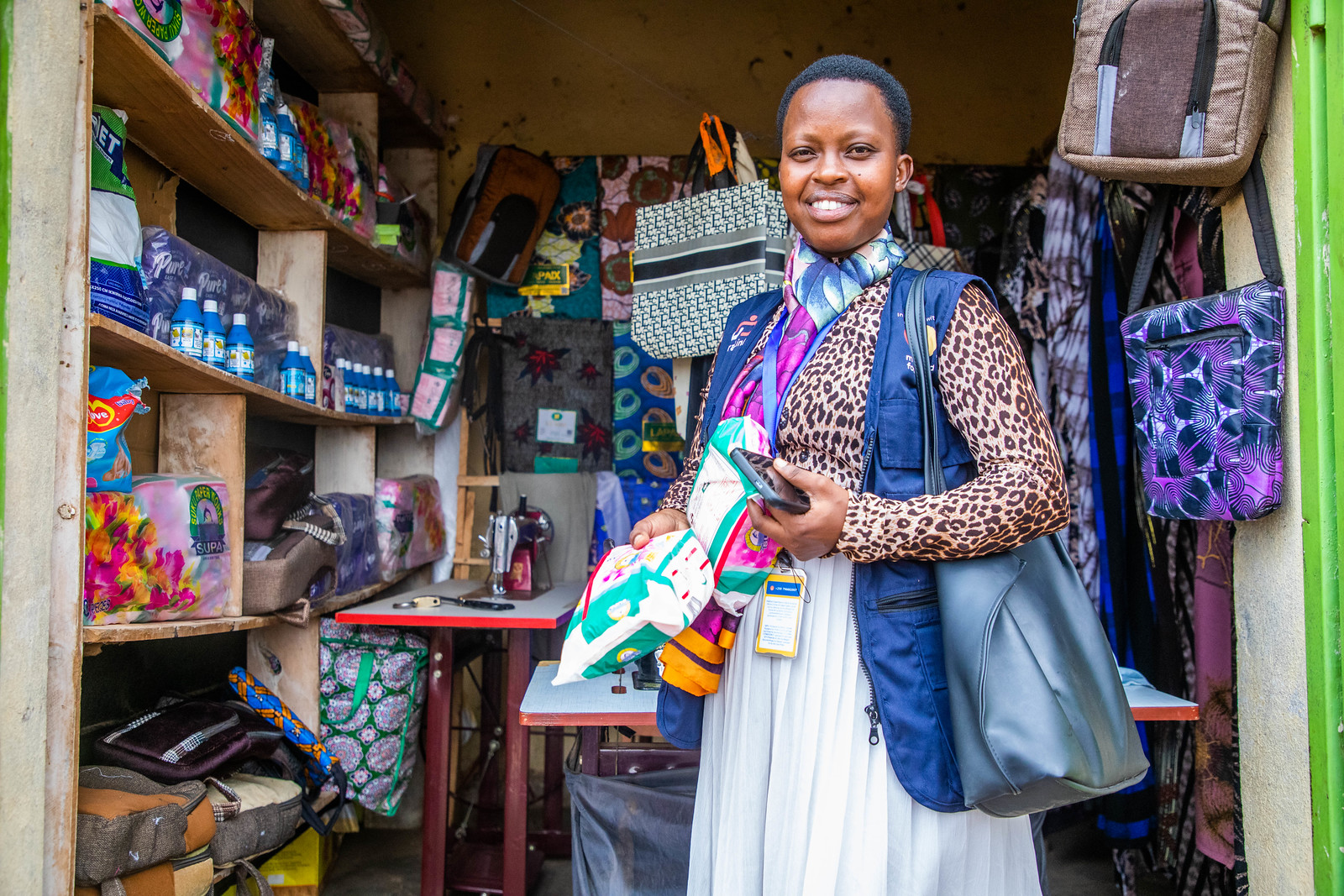
Active agents are issued a programme ID and a branded vest so communities can recognise them. Onboarding also prepares them to explain the products, correct misconceptions, and handle the discomfort that can come with selling health items, condoms especially.
From there, much of the work is agent-led. With local leaders helping to open doors and lend credibility, agents introduce themselves and the programme directly to their communities: through community dialogues (inteko z’abaturage) and umuganda, market-day engagements (umunsi w’isoko), radio shows, and JADF Open Days. The aim is for agents to become known and trusted, so that getting an essential health product becomes a normal part of community life rather than something people feel embarrassed to seek out.
A growing programme
KoraLink began recruitment in Musanze and Nyagatare in August 2025 with about 79 agents. It now runs in 11 districts with 2,278 agents, with ongoing recruitment that aims to reach all 30 Districts in Rwanda. By 2028 the programme expects to contribute to 41,122 direct and indirect jobs, including 11,762 agents, with women making up nearly 80 per cent of them and 70 per cent drawn from rural areas.
Dr. Richard Gakuba, Executive Secretary of TCP Africa, says the programme was built to solve two problems at once. “When we started designing this programme together with our partners, we wanted to address the issue of unemployment for youth but also find a solution to the challenge of getting essential health products to hard to reach communities,” he said.
In the next phase of the implementation, the programme intends to expand into new districts and take on last-mile delivery of a wider product range, while organising agents into savings and investment groups, setting up sector-level KoraLink hubs, and coaching them toward gig work where KoraLink Agents can earn additional income.
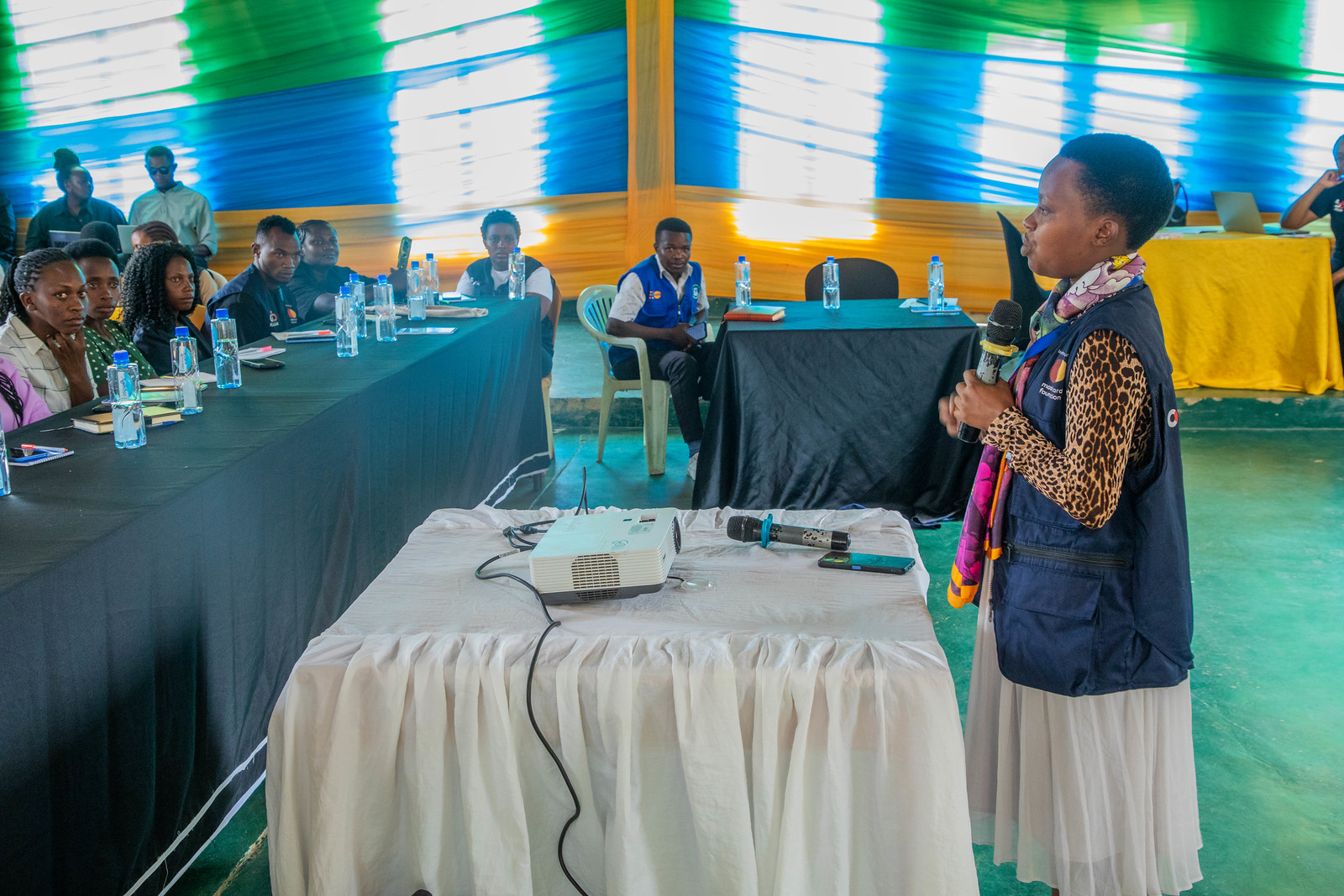
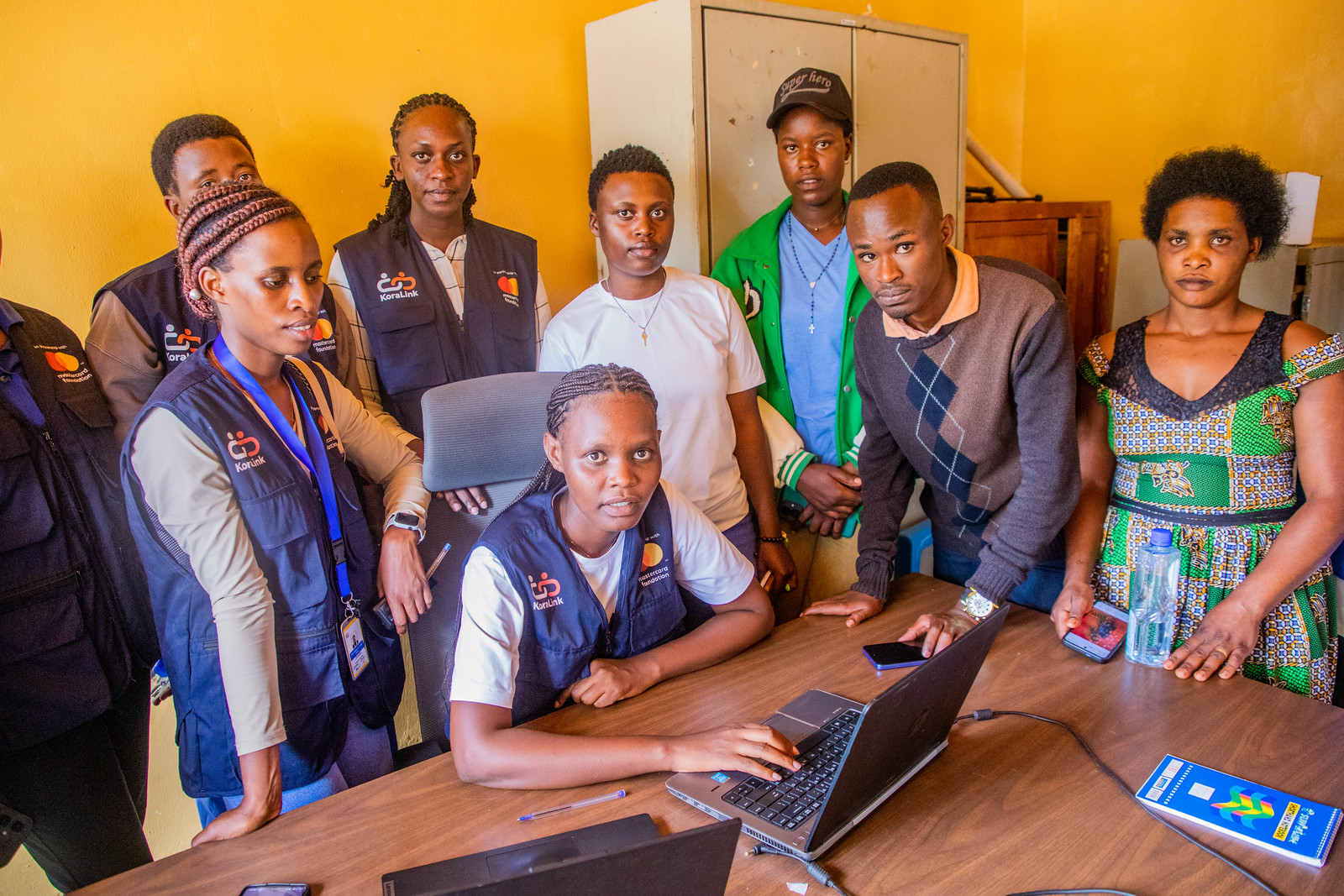
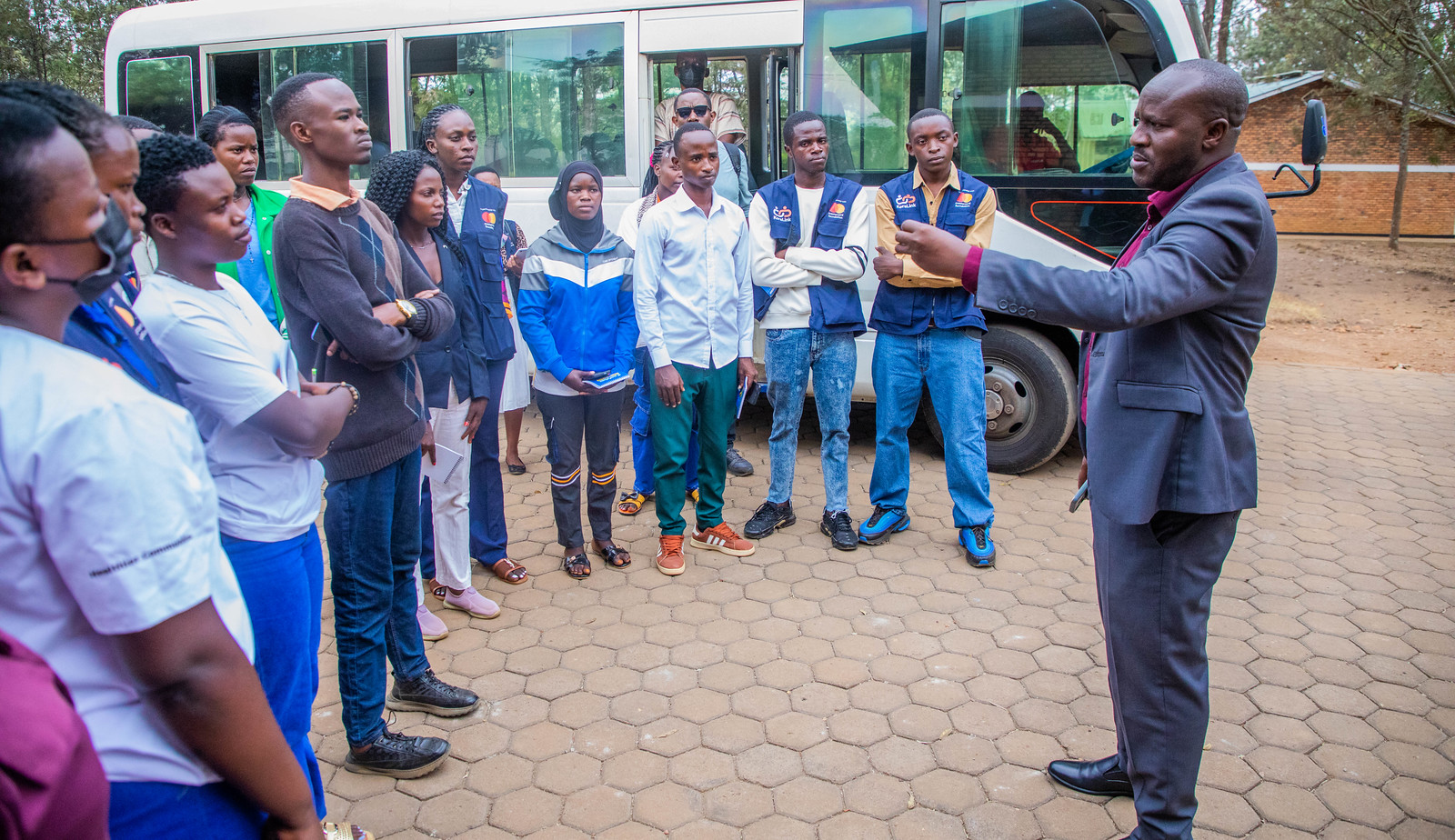
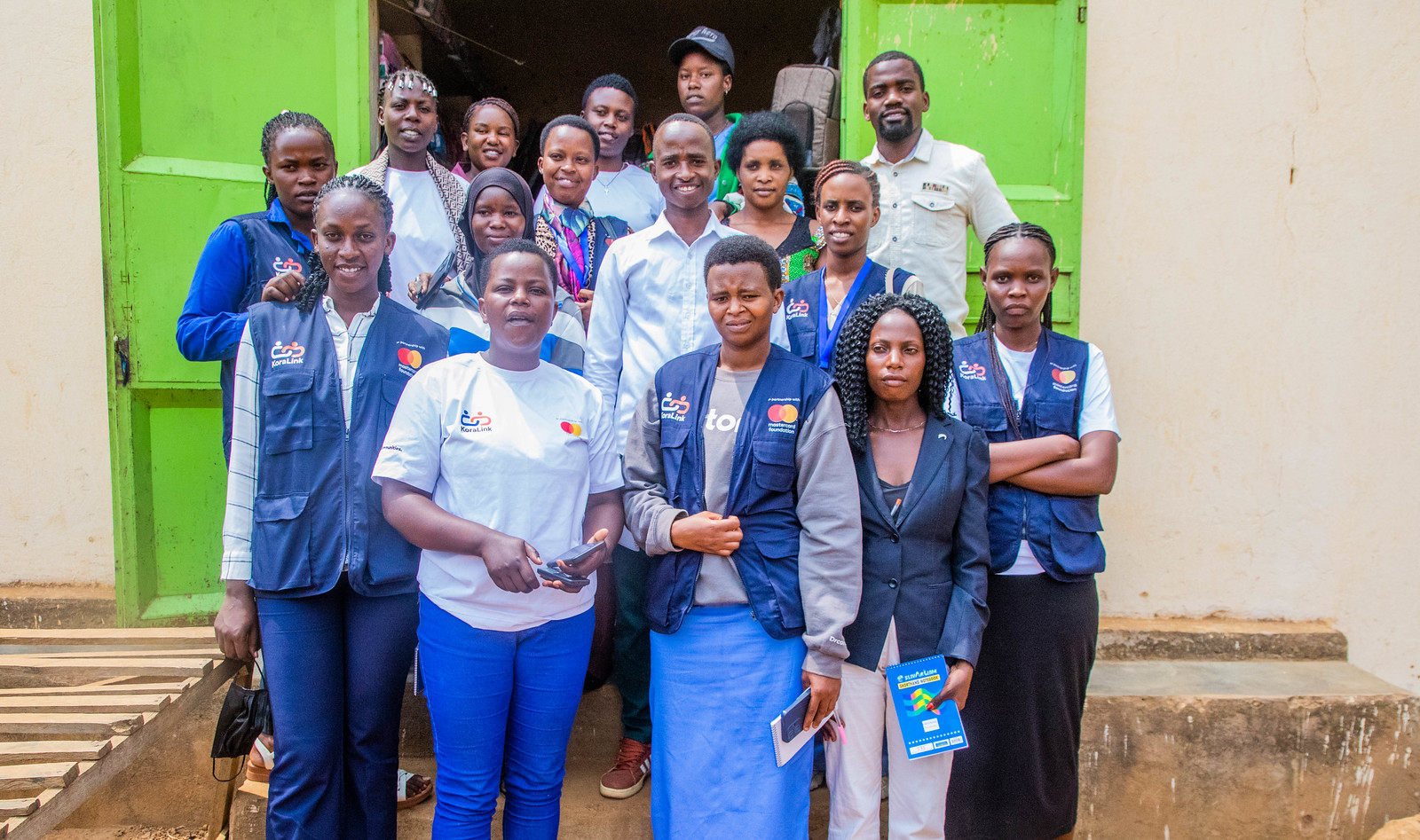
KoraLink agents take health products directly to communities, helping residents access essentials without travelling long distances to major markets.With 2,278 agents now operating across 11 districts, KoraLink is expanding its network of young entrepreneurs bringing essential health products closer to rural communities.Through the KoraLink Marketplace, young agents can order stock, track inventory and manage transactions while serving their communities.KoraLink is creating opportunities for young people to earn an income while helping underserved communities access essential health products.KoraLink agents use community gatherings, markets and other local spaces to introduce residents to products available through the programme.KoraLink agents are helping turn last-mile access to essential health products into an income-generating opportunity for young people.Local engagement is central to KoraLink’s approach, with agents building trust through community dialogues, markets and other public gatherings.KoraLink is creating opportunities for young people to earn an income while helping underserved communities access essential health products.
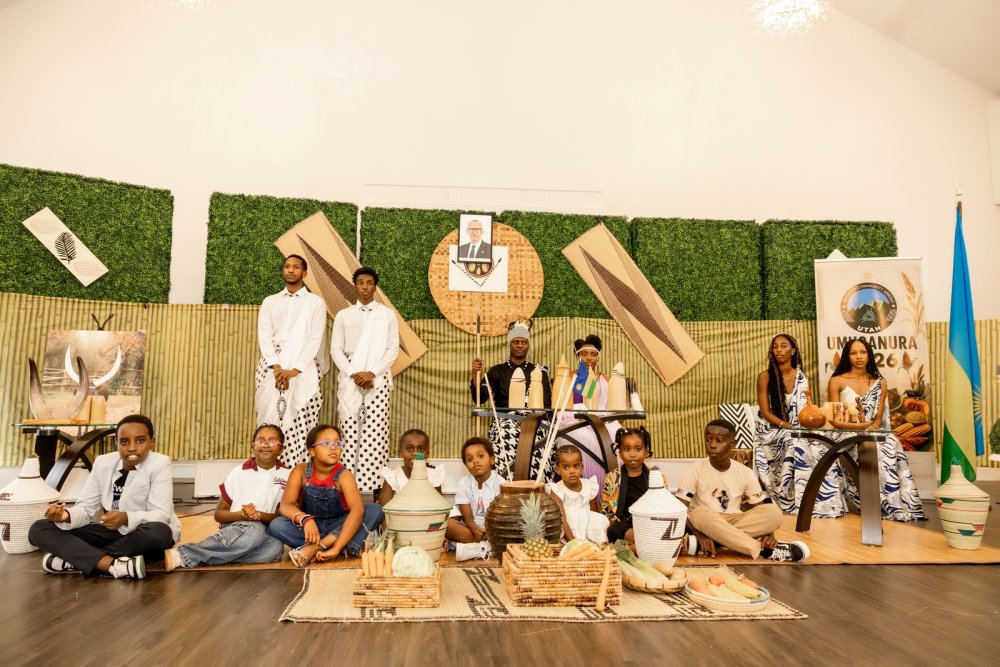
The celebration provided an opportunity to reflect on achievements, celebrate Rwandan cultural values and renew a commitment to contributing to Rwanda’s development.
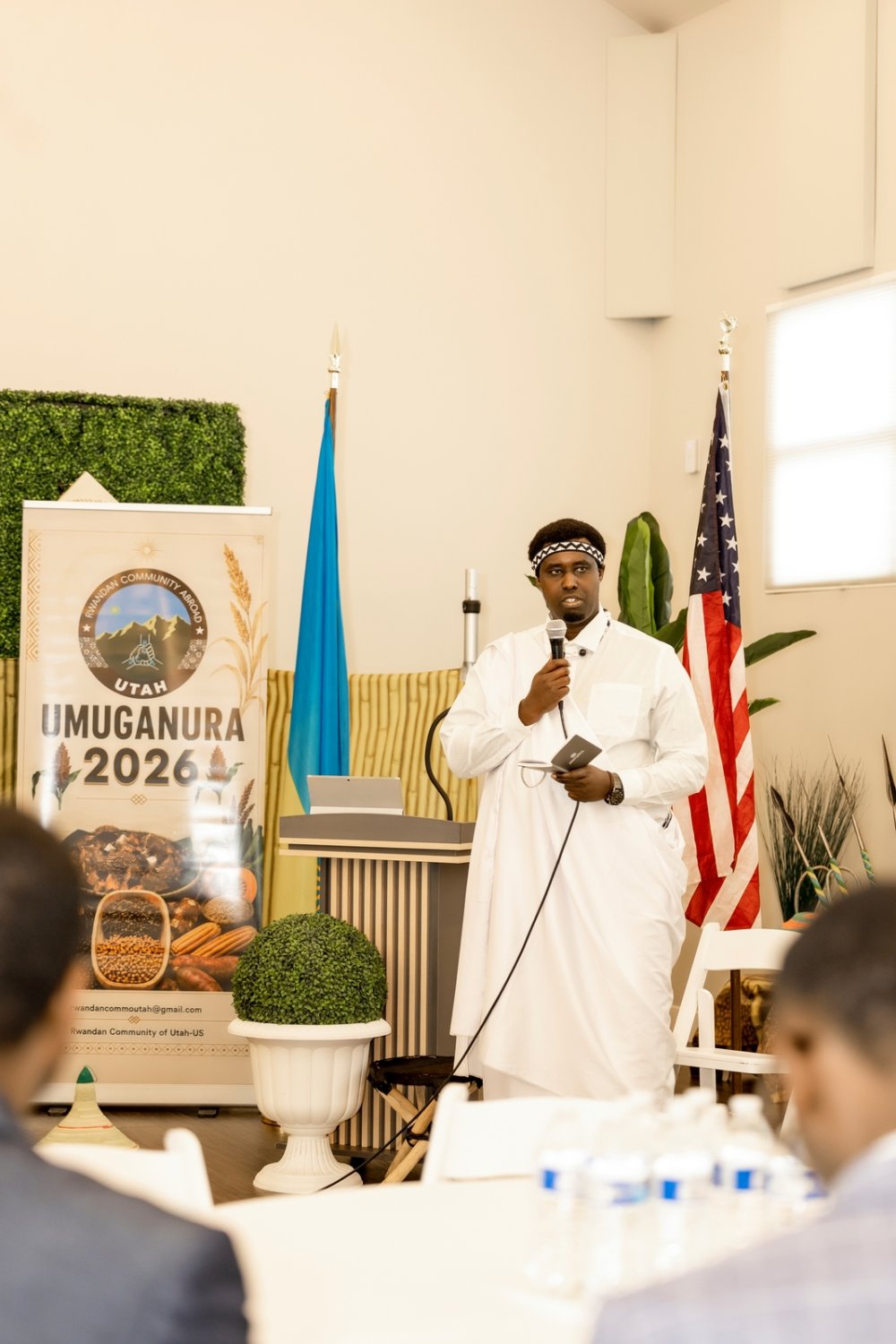
Blaise Bizimana, President of the Rwandan community in Utah, highlighted some of the key initiatives the community has undertaken, including contributing to the Dusangire Lunch programme and paying community-based health insurance premiums for 1,000 residents of Nyagatare District.
Bizimana thanked the Government of Rwanda, particularly President Paul Kagame, as well as the Rwandan Embassy in the United States, for the leadership and support provided to Rwandans living abroad.
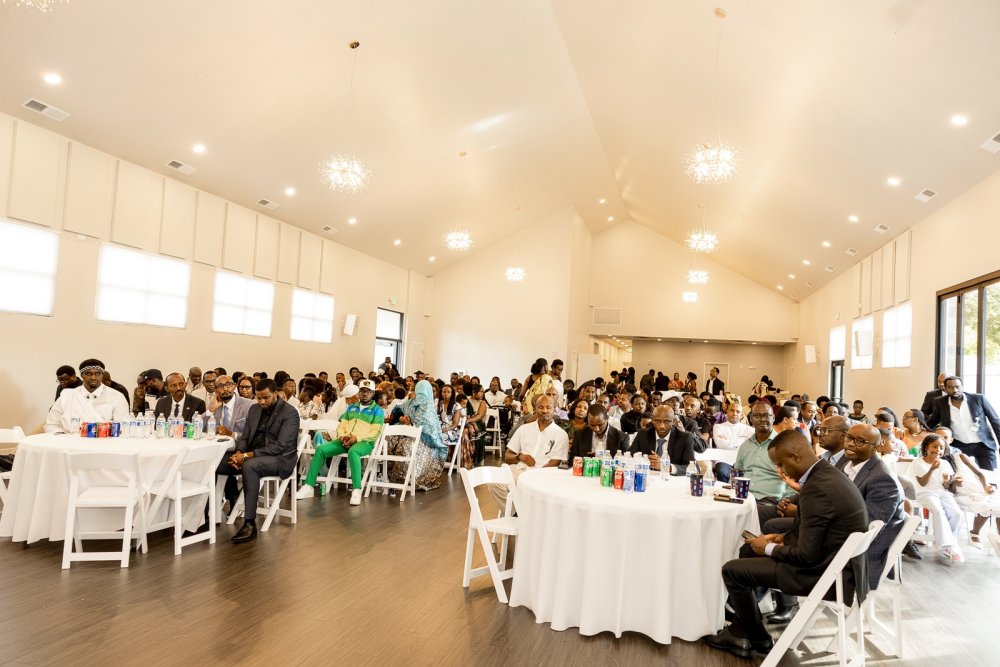
The more than 500 Rwandans living in Utah also expressed interest in hosting Rwanda Day and submitted a letter to the Rwandan Embassy formally requesting to host the event.
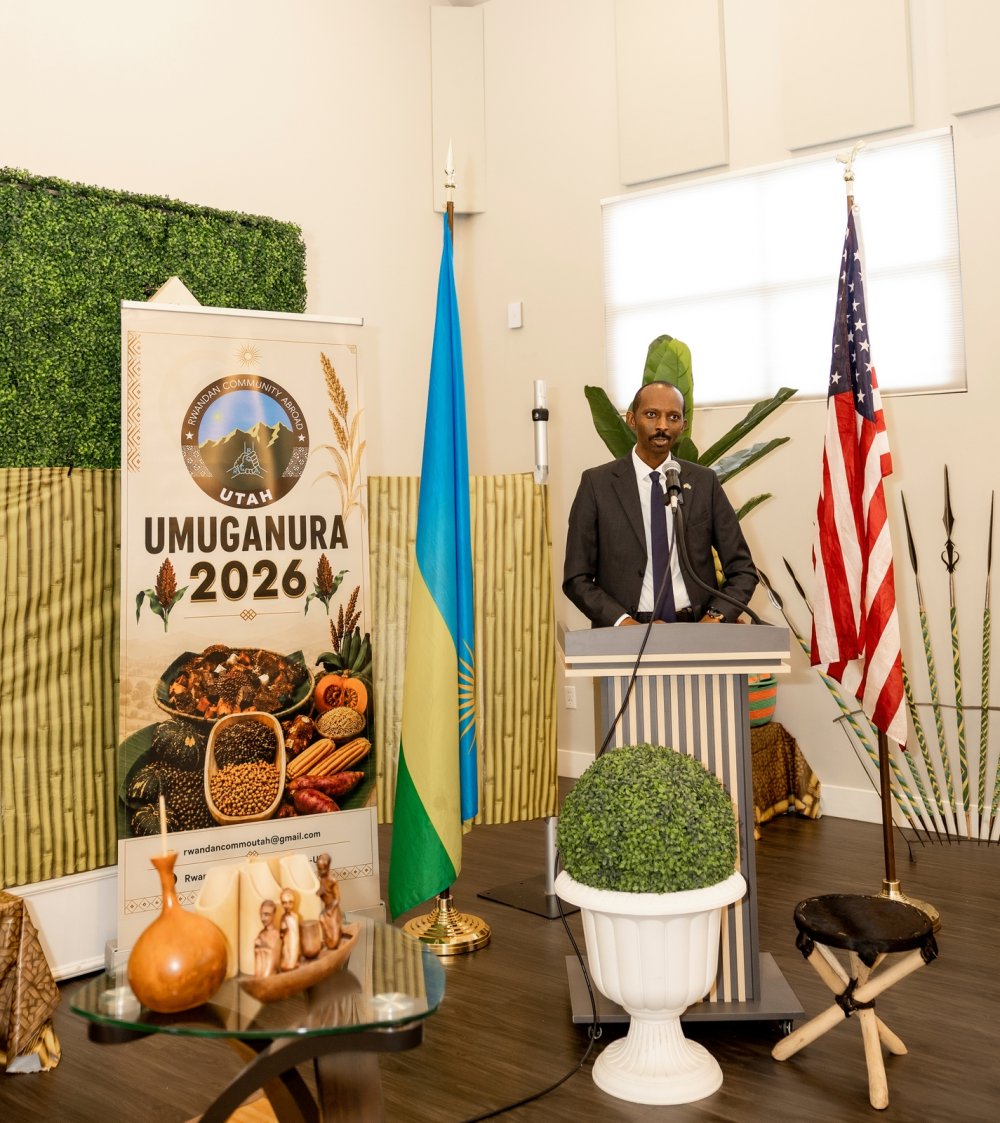
Godfrey Gasasira, First Counsellor at the Rwandan Embassy in the United States, who represented Ambassador Mathilde Mukantabana at the celebrations, commended the community for organising the Umuganura event and inviting the Embassy to join them.
Gasasira reminded participants that Umuganura is an annual occasion to celebrate the fruits of collective efforts and achievements, while also providing an opportunity to set new goals and make fresh commitments towards building Rwanda.
“Umuganura holds great significance in Rwanda’s history. It is a day to celebrate the fruits of everything we have accomplished. The Umuganura ceremony is a step towards building the Rwanda we want,” he said.
Using economic data, Gasasira highlighted Rwanda’s continued economic growth and emphasised the contribution of Rwandans living abroad to the country’s development.
In 2025, remittances sent to Rwanda by members of the diaspora reached $640 million, an increase of 27% compared with 2024. The funds support families and contribute to education, healthcare, businesses and other sectors of the economy.
He also noted that the diaspora’s contribution goes beyond sending money home. It includes attracting investors and tourists, promoting Rwandan culture and representing Rwanda positively abroad.
Participants were encouraged to remember that every Rwandan, whether living in Rwanda or abroad, has a responsibility and role to play in building the Rwanda they want.
The celebrations featured traditional Rwandan dances and a performance depicting the history and significance of Umuganura, entertaining and engaging the participants.
Members of the Rwandan community in Utah have celebrated Umuganura through traditional performances and cultural activities.The President of Rwandan community in Utah Blaise Bizimana addresses participants during the Umuganura celebration.More than 300 people attended Umuganura celebration organised by the Rwandan community in Utah.First Counsellor at the Rwandan Embassy in the United States Godfrey Gasasira addresses the Rwandan community during Umuganura celebrations in Utah.
Of the 81 officials serving on district executive committees, 27 will not return to their current positions after completing the two terms permitted by law.
The group includes eight district mayors, 12 vice mayors in charge of economic development and seven vice mayors in charge of social affairs.
Among the district mayors completing their two terms are Mutabazi Richard of Bugesera, Mbonyumuvunyi Radjab of Rwamagana and Gasana Richard of Gatsibo in the Eastern Province.
In the Southern Province, the outgoing mayors are Rutaburingoga Jerome of Gisagara, Sebutege Ange of Huye, Habarurema Valens of Ruhango and Kayitare Jacqueline of Muhanga.
The Western Province has one mayor completing two terms, Mukandayisenga Antoinette of Nyabihu. In the Northern Province, none of the district mayors has yet completed two terms, with all of them having served their first term.
The Eastern Province has two districts, Kayonza and Nyagatare, currently led on an interim basis. Among vice mayors in charge of economic development, two have completed their two terms, from Ngoma and Bugesera, while those in Kirehe, Rwamagana, Nyagatare and Gatsibo have completed one term.
Three vice mayors in charge of social affairs in the province, from Rwamagana, Nyagatare and Bugesera, have completed two terms, while those in Ngoma, Kirehe and Gatsibo have completed one.
In the Southern Province, the district mayors from Gisagara, Huye, Ruhango and Muhanga have completed two terms, while those from Nyamagabe, Nyaruguru and Kamonyi have completed one. Nyanza District is currently headed by an interim vice mayor.
Seven vice mayors in charge of economic development in the Southern Province have completed two terms, from Gisagara, Nyaruguru, Ruhango, Huye, Kamonyi, Muhanga and Nyanza, while Nyamagabe has one who has completed a single term. Among vice mayors in charge of social affairs, only Huye’s has completed two terms.
In the Western Province, vice mayors in charge of economic development from Nyabihu, Rubavu and Ngororero have completed two terms. Those in charge of social affairs from Nyabihu, Ngororero and Rubavu have also completed two terms.
In the Northern Province, only Gakenke’s vice mayor in charge of economic development has completed two terms, while all vice mayors in charge of social affairs across the province have completed one term.
What will the outgoing mayors be remembered for?
The eight district mayors completing their two terms are among the local government officials likely to leave a significant mark, particularly because many survived periodic leadership changes in which officials deemed to have underperformed were replaced.
Some have been in charge of their districts since 2016, while others took office later, giving them several years to oversee development projects and local government programmes.
Mbonyumuvunyi Radjab, who has led Rwamagana since 2016, will leave office with a record that includes significant improvements in several development indicators.
The Seventh Integrated Household Living Conditions Survey, EICV7, conducted in 2024, showed that the district’s poverty rate had fallen to 23.8%, down 5.7 percentage points from 2017.
He will also be remembered for leading Rwamagana to the top position in the Imihigo performance contracts rankings twice in a row, in 2016/17 and 2017/18. Under his leadership, the district developed an 80.2-hectare industrial park that now hosts 29 operational factories.
Access to clean water reached 93%, while more than 88% of residents had access to electricity. The district also expanded its tarmac road network, with about 30 kilometres in the town, alongside more than 300 hectares of irrigated land.
In neighbouring Gatsibo, Gasana Richard, who has led the district since 2015, will leave office after a tenure marked by investments in water, electricity, health and transport infrastructure. EICV7 put the district’s poverty rate at 18.4% in 2024.
Among the projects associated with his tenure are the Gihengeri water network, the Muhazi water treatment plant and Minago market, developments that helped push clean water access above 80%. Electricity access also surpassed 80%.
The district also rehabilitated Ngarama and Kiziguro hospitals and constructed tarmac roads in Kabarore, Ngarama and Kiziguro, as well as the 35-kilometre Kiramuruzi-Gasange-Muhura road. Bus terminals were also built in Kabarore and Kiramuruzi.
Gatsibo has additionally seen an increase in privately owned hotels, which were previously scarce, while its internationally marketed coffee has become one of the district’s distinctive products.
In Bugesera, Mutabazi Richard, who was elected mayor in 2018, leaves behind one of the more notable improvements in poverty indicators among the outgoing mayors. EICV7 shows that poverty in the district fell from 40.8% in 2017 to 23.7% in 2024, a decline of 17.1 percentage points.
Mutabazi is likely to be remembered for helping revive Bugesera FC and promoting cycling, while the district also benefited from new and upgraded roads connecting Ngoma and Bugesera with Nyanza.
Other projects include the Kanzenze water treatment plant, tarmac roads in Nyamata town, the Smart Bugesera initiative and a modern market in Nyamata.
Further south, Gisagara’s Rutaburingoga Jerome will leave office with the district having recorded a 13.9 percentage-point decline in poverty, from 59.5% in 2017 to 45.6% in 2024, according to EICV7.
During his tenure, Gisagara got its first tarmac road in 2019, connecting Huye to the district headquarters. A gymnasium was completed alongside a football stadium, while the development of wetlands helped residents increase agricultural production. The completion of the peat factory also created employment opportunities for local residents.
In Huye, Sebutege Ange will be remembered in part for efforts to revitalise the district’s urban centre. EICV7 shows that poverty fell from 39.4% in 2017 to 24.2% in 2024, a reduction of 15.3 percentage points.
During his tenure, the area commonly known as the Arab Quarter, which had previously been closed, was reopened and renovated, with several commercial buildings subsequently constructed.
A gymnasium was completed in Mbazi, while several tarmac roads were built across the district. The Rango market was also developed as part of efforts to improve commercial infrastructure.
Ruhango’s Habarurema Valens also leaves office after a significant reduction in poverty. The district’s poverty rate fell from 26.2% in 2017 to 15% in 2024, representing an 11.2 percentage-point decline.
His tenure saw the construction of several tarmac roads, including one running through the area around Yezu Nyirimpuhwe shrine and connecting parts of Ruhango town.
The district also worked to increase production at the Kinazi factory and launched initiatives to promote local tourism and cultural attractions through events such as “Turi mu Ruhango” and “Ruhango Icyeye”.
In Muhanga, Kayitare Jacqueline will be leaving after a period in which poverty fell from 27.4% in 2017 to 15% in 2024, according to EICV7.
Her tenure coincided with the expansion of Muhanga’s commercial and industrial base. The district’s industrial park grew to accommodate several factories, including sugar and cement producers. Several tarmac roads were also constructed around the town, including the road linking Muhanga and Karongi.
Mukandayisenga Antoinette, the only district mayor in the Western Province completing two terms, will also leave office with a number of projects associated with her tenure.
EICV7 shows that Nyabihu’s poverty rate fell by 19.4 percentage points, from 39.6% in 2017 to 20.2% in 2024.
Among the developments are 93 kilometres of tarmac roads in Gishwati, the establishment of Rwanda Coding Academy, the Mukamira milk collection centre and more than 8,000 hectares of progressive terraces aimed at improving agricultural productivity and soil conservation.
All sectors in Nyabihu have also been equipped with health centres, while electricity infrastructure projects have expanded access to power.
Currently, 92% of residents have access to electricity and 87% have access to clean water.
The outgoing mayors’ records, however, are not limited to poverty figures and infrastructure. Their terms have coincided with changes in the way districts deliver services, promote investment, develop urban centres and support local economic activity.
For those who have completed only one five-year term, the story is not yet over. Some may receive another mandate from voters, while others could be replaced, as has happened in previous local government elections.
The next elections will therefore determine not only who takes charge of Rwanda’s 27 districts, but also which of the current leaders will be given the opportunity to continue the work they have started and which will leave public office with their record becoming their lasting legacy.
Muhanga District Mayor Kayitare Jacqueline will be remembered for helping transform the town, with numerous multi-storey commercial buildings constructed during her tenure.Rwamagana District Mayor Mbonyumuvunyi Radjab will be remembered for expanding the town’s tarmac road network.Ruhango District Mayor Habarurema Valens will be remembered for the tarmac roads built around the town during his tenure.Huye District Mayor Ange Sebutege will be remembered for helping revitalise a town that had appeared to be losing momentum.Gatsibo District Mayor Gasana Richard will be remembered for overseeing the construction of several bus terminals and tarmac roads across the district.Bugesera District Mayor Mutabazi Richard will be remembered for his role in advancing the district’s infrastructure and sports development.Gisagara District Mayor Rutaburingoga Jerome will be remembered for overseeing the arrival of tarmac roads in the district during his tenure.Nyabihu District Mayor Mukandayisenga Antoinette helped oversee the development of progressive terraces covering more than 8,000 hectares.
The budget was approved during the league’s regular pre-season meeting held on Sunday, August 23, at Four Points by Sheraton in Kigali, bringing together representatives of all 16 member clubs.
The Rwf1,280,055,000 budget represents an increase of about Rwf480 million compared to the Rwf800 million budget approved for the 2025/26 season during the league’s General Assembly in November 2025.
The meeting also adopted regulations governing the participation of Sudanese teams Al Hilal and Al Merrikh as guest clubs in the BK Pro League following the disruption of domestic football caused by the war in Sudan.
Under the approved regulations, a Sudanese team that finishes at the top of the league standings will receive an Honorary Trophy, while the official BK Pro League Champions Trophy will go to the highest-ranked Rwandan team.
The Sudanese teams will, however, be eligible for match-winning bonuses in line with the approved regulations and budget. Their players will also be eligible to compete for individual awards, from Player of the Match to Player of the Year, on the same basis as their Rwandan counterparts.
The league further set limits on the number of non-Sudanese players the guest teams can use. Sudanese clubs will be allowed to field a maximum of six non-Sudanese players at any one time and register up to eight on a matchday squad.
The resolutions come as the Rwanda Premier League and its member clubs finalise preparations for the start of the 2026/27 season.
The Rwanda Premier League, which organises the BK Pro League, has approved a Rwf1.28 billion budget for the 2026/27 season, a significant increase from the Rwf800 million approved for the previous campaign.
The singer will perform on Saturday, September 5, a day after the 21st Kwita Izina Gorilla Naming Ceremony in Kinigi, Musanze District. The ceremony is scheduled for September 4 under the theme “Conservation is Life: Sustaining the Future.”
Rema, whose real name is Divine Ikubor, will be joined by Rwandan and regional performers, with local artiste Kivumbi King already confirmed among the opening acts. More artists are expected to be announced ahead of the concert.
The concert will serve as the entertainment finale to this year’s Kwita Izina celebrations, which bring together conservationists, government officials, tourism stakeholders, communities and international visitors to celebrate Rwanda’s mountain gorilla conservation efforts.
Rema has established himself as one of Africa’s most recognisable Afrobeats artists, gaining international attention with songs including “Dumebi,” “Iron Man,” “Woman,” “Soundgasm,” “Charm” and “Calm Down.”
His global breakthrough was further boosted by the remix of “Calm Down” featuring American singer Selena Gomez. The song peaked at No. 3 on the Billboard Hot 100 and became one of the most successful Afrobeats crossover records internationally.
The Nigerian star has also collected several major honours, including the MTV Video Music Award for Best Afrobeats and the Billboard Music Award for Top Afrobeats Song for “Calm Down.” In 2023, he was named Global African Artist and Song of the Year at the Trace Awards in Kigali.
His 2024 album HEIS earned him his first Grammy nomination, adding to his growing list of international achievements.
For Rwanda, Rema’s appearance adds another high-profile entertainment component to Kwita Izina, an event that has expanded beyond the gorilla naming ceremony to showcase the country’s conservation, tourism and cultural ambitions.
Irène Murerwa, Chief Tourism Officer at the Rwanda Development Board, said Kwita Izina is also an opportunity to celebrate Rwanda’s culture and people.
“We are excited to welcome Rema to Kigali for what promises to be a great night at BK Arena,” she said, inviting Rwandans, visitors and music fans from across the region to attend the September 5 concert.
The concert is expected to draw music fans from Rwanda and neighbouring countries, while further strengthening Kigali’s position as a destination for major international entertainment events.
Kwita Izina was launched as an annual gorilla naming ceremony in 2005 and was inspired by the Rwandan tradition of naming children soon after birth. According to the Rwanda Development Board, 438 mountain gorillas have been named through the ceremony since its inception.
Over the years, the event has grown into a major conservation gathering, bringing together researchers, policymakers, conservationists, tourism operators, business leaders and communities around Rwanda’s mountain gorilla habitat.
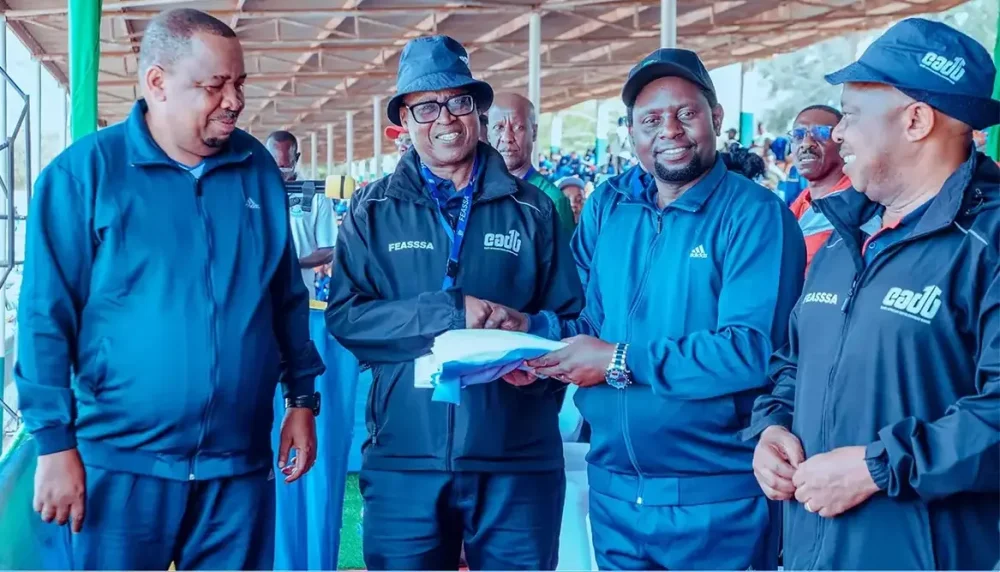
Rwanda was confirmed as the host of the 2027 edition was made during the closing ceremony of the 2026 FEASSA Games in Morogoro, Tanzania, which ran from August 12 to 22.
FEASSA President Justus Mugisha confirmed that Rwanda would host the next edition of the regional schools sports competition.
“Rwanda will host the next FEASSA Games. We look forward to working with our colleagues in Rwanda to ensure the Games are successfully organised,” Mugisha said.
The Rwanda Federation of School Sports and Culture (FRSS) is planning to hold the 2027 Games, which will be the 24th edition, in Musanze, according to information obtained by IGIHE.
The announcement comes after Rwanda recorded its best-ever medal haul at a FEASSA Games held outside the country. Rwandan teams won 13 medals in Morogoro, including five gold, two silver and six bronze.
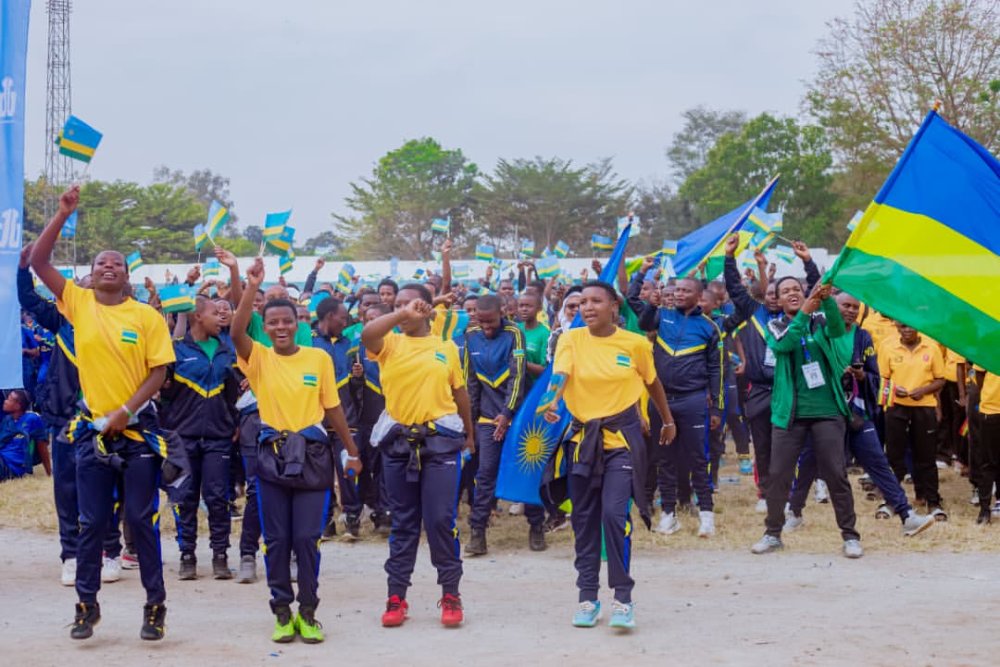
At the 23rd edition of the Games, Rwanda was represented by 243 students across 20 teams competing in football, 5×5 basketball, 3×3 basketball, handball, table tennis, volleyball and athletics.
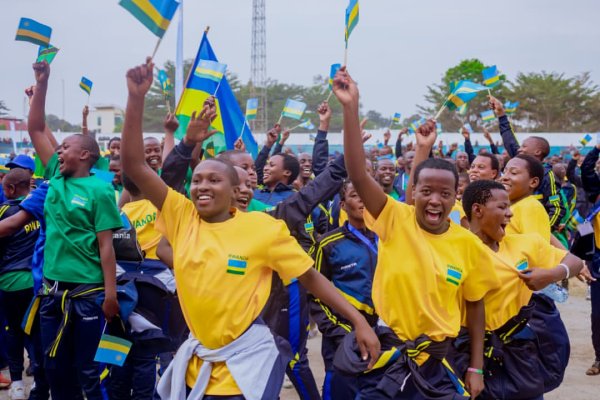
Rwanda’s under-15 teams were among the standout performers, winning gold in boys’ volleyball, girls’ handball and girls’ football. ITS Kigali also retained its title in boys’ basketball, while Tuyishime Eric won gold in the 100 metres.
Rwanda last hosted the FEASSA Games in 2023 in Huye, attracting students from Rwanda, Tanzania, Uganda and Kenya.
Since joining FEASSA in 2005, Rwanda has hosted the Games on three other occasions: in Kigali in 2008, Huye in 2015 and Musanze in 2018.
The 2026 edition in Morogoro brought together about 6,000 athletes and 2,000 officials and accompanying members, who competed in 43 sports.
The competition featured teams from Tanzania, Rwanda, Kenya, Burundi and Uganda.
Rwanda was confirmed as the host of the 2027 edition during the closing ceremony of the 2026 FEASSA Games in Morogoro, Tanzania, which ran from August 12 to 22.
Rwanda was among the five countries that participated in the 2026 FEASSA Games in Morogoro, Tanzania.
Huye hosted the FEASSA Games when Rwanda last hosted the competition in 2023.
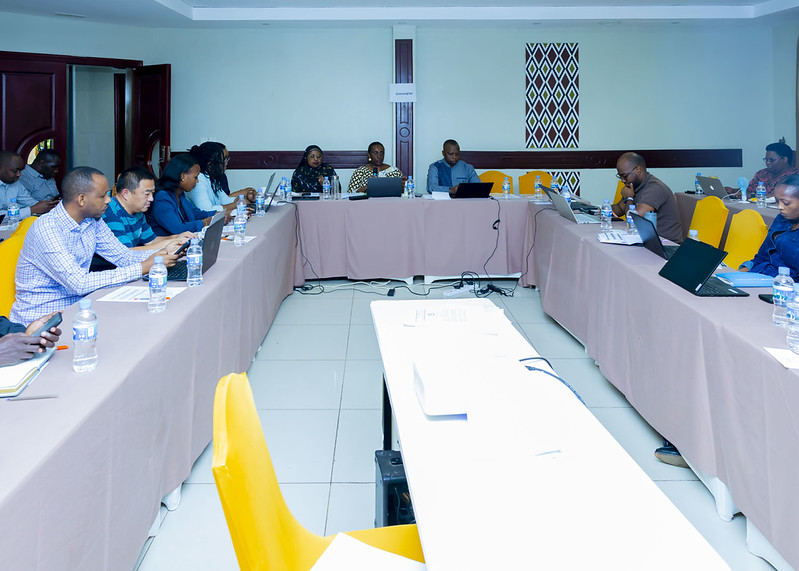
The regional legislation, the EAC Pharmaceuticals Bill, championed at the East African Legislative Assembly (EALA) by Rwandan legislator Francine Rutazana, builds on years of technical work under the EAC Medicines Regulatory Harmonization (EAC-MRH) initiative. The proposed Act is designed to elevate non-binding regional guidelines into a legally binding framework governing essential human medicines, vaccines, and medical products across all eight EAC Partner States.
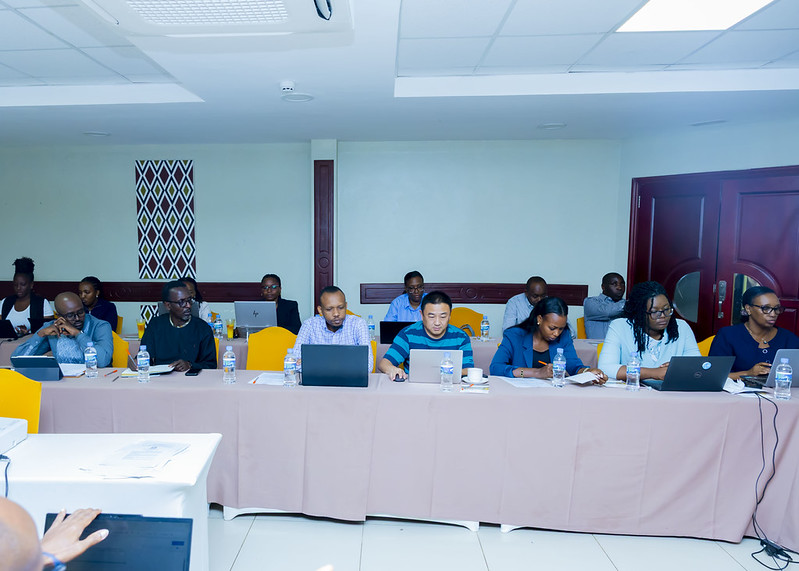
National stakeholder consultations were held across the member states from August 17 to 21, 2026, to refine key provisions ahead of the Bill’s remaining legislative stages at EALA and its eventual submission to the EAC Summit of Heads of State for assent.
In each Partner State, stakeholders across the healthcare supply chain, including pharmaceutical manufacturers, public health policymakers, National Medicines Regulatory Authorities (NMRAs), academic institutions, traders, and industry players, met to identify provisions needed in the final text.
The consolidated country recommendations will be submitted to EALA for harmonization before the Bill undergoes formal readings.
The legislative push reinforces long-running EALA efforts to harmonize pharmaceutical regulation, improve market surveillance, and promote locally manufactured medical products within the Community. Rutazana previously introduced private member legislative motions aimed at encouraging regional manufacturing, enforcing Good Manufacturing Practice (GMP) standards, and establishing mutual recognition procedures for medicine registrations.
Speaking following consultations held in Rwanda from August 20 to 21, 2026, Rutazana noted that transitioning existing guidelines into statutory law will streamline operations among regulatory authorities across the region.
She cited National Medicines Regulatory Authorities as a primary example, noting that such institutions currently operate at varying levels of development across the bloc. While countries like Rwanda, Kenya, Uganda, and Tanzania have established national food and drug authorities, other Partner States are operating with developing frameworks or legacy systems.
Rutazana emphasized that these structural discrepancies make joint safety assessments and cross-border market surveillance difficult without a binding regional legal instrument.
The EAC Pharmaceuticals Bill also establishes unified requirements for local and international pharmaceutical manufacturers operating within the Community.
“Pharmaceutical manufacturers need a clear statutory framework to collaborate effectively, as variations in product quality standards impede cross-border trade,” she said.
“Harmonizing quality and safety compliance ensures that if a manufacturing facility operating in one Partner State is inspected and authorized, its products can trade across the bloc without facing redundant, country-by-country inspections.”
Rutazana added that a binding regional framework will expand the market footprint for EAC-produced essential medicines, allowing regional health systems to source quality-assured products locally rather than depending heavily on external imports.
Under EALA’s legislative roadmap, the Bill is expected to complete its parliamentary stages by December 2026 before being presented to the EAC Summit of Heads of State in 2027 for final assent into law.
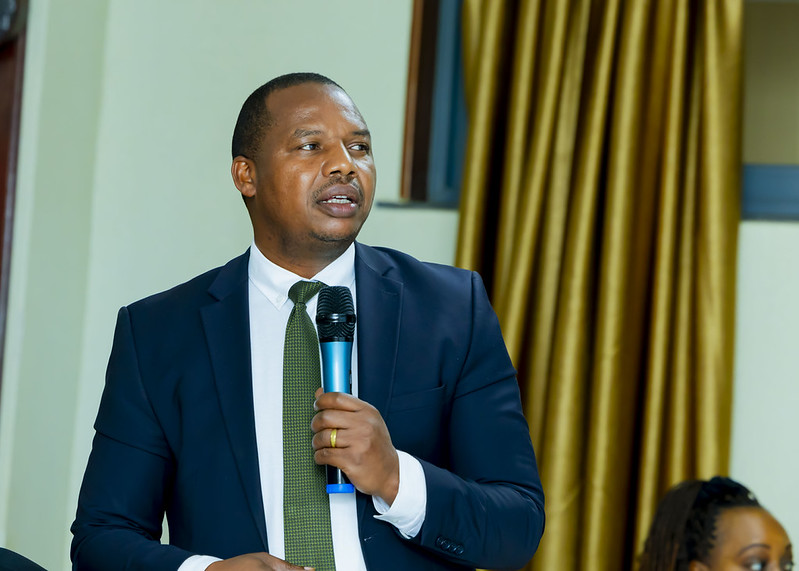
Mwesigye John Patrick, Director of the EAC Regional Centre of Excellence for Vaccines, Immunization and Health Supply Chain Management (EAC RCE-VIHSCM), told IGIHE that the Bill addresses long-standing enforcement gaps in regional health cooperation.
He explained that while the EAC has developed technical guidelines over the past decade, their non-binding nature creates legal uncertainty during supply chain disputes or enforcement actions.
“This law will provide statutory authority to existing regulatory frameworks. While technical guidelines remain operational, the law will take precedence in any legal or cross-border dispute,” Mwesigye said.
“Previously, there was no comprehensive regional law specifically protecting buyers, suppliers, or public health authorities in cases involving substandard or falsified medicines.”
Under the proposed statute, a standardized Mutual Recognition Procedure (MRP) and unified market authorization system will govern all human medicines entering EAC markets, whether produced locally or imported from outside the region.
The framework is structured to streamline trade barriers for compliant local manufacturers while maintaining rigorous oversight.
“Regulators in our respective Partner States will continue performing GMP inspections at manufacturing facilities to ensure strict adherence to safety and quality standards,” Mwesigye said.
“Once authorized, national procurement agencies, such as Rwanda Medical Supply, can integrate these approved products into their supply networks, allowing seamless distribution across borders without unnecessary administrative hurdles.”
The framework will also empower NMRAs to execute joint, region-wide product recalls whenever a safety or quality defect is identified in a pharmaceutical batch.
119 operational pharmaceutical facilities across the EAC
According to data cited by Mwesigye, the EAC currently hosts 119 licensed human pharmaceutical manufacturing facilities.
Kenya accounts for 30 plants, followed by Uganda (38), the Democratic Republic of the Congo (34), Tanzania (15), Rwanda (7), Burundi (2), and Somalia (1). South Sudan currently has no operational pharmaceutical manufacturing plant.
Together, these facilities satisfy approximately 30% of the human pharmaceutical demand within the EAC, though local production capacity varies widely between Partner States, falling below 1% in some countries. An estimated 50 additional pharmaceutical production plants are currently under development across the bloc.
Mwesigye cautioned that the 30% regional production figure does not equate to complete product coverage. A single manufacturing facility may produce only 20 active formulations, whereas national healthcare systems often require up to 4,000 distinct pharmaceutical lines, leaving the bloc reliant on external imports for 70% of its medical needs.
“The progressive establishment of new facilities has been encouraged by the regulatory guidelines developed under the EAC-MRH initiative over the years,” Mwesigye said. “Enacting a full regional law will provide the long-term regulatory certainty needed to attract large-scale industrial investment.”
The legislative timeline aligns with the African Union’s continent-wide mandate under the Partnerships for African Vaccine Manufacturing (PAVM), which targets 60% self-sufficiency in African vaccine production by 2040, up from less than 1%. Harmonized regulatory frameworks and regional procurement preferences are seen as vital foundations for achieving that target.
Rwanda healthcare stakeholders submit views on proposed EAC medicines law.Mwesigye John Patrick, Director of the EAC Regional Centre of Excellence for Vaccines, Immunization and Health Supply Chain Management (EAC RCE-VIHSCM), told IGIHE that the Bill addresses long-standing enforcement gaps in regional health cooperation.The regional legislation, the EAC Pharmaceuticals Bill, is being championed at the East African Legislative Assembly (EALA) by Rwandan legislator Francine Rutazana.
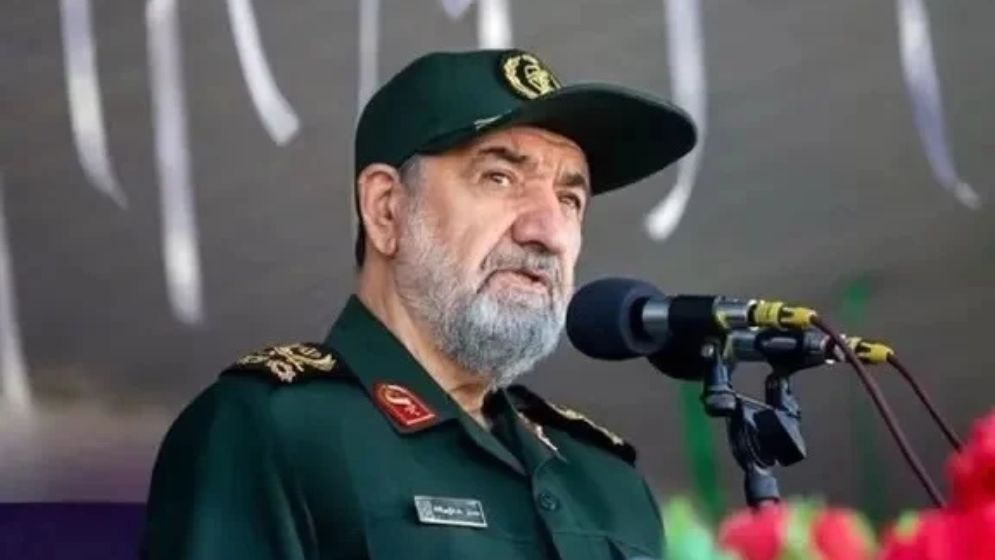
Rezaei, the secretary of Iran’s Supreme National Security Council, made the remarks in an interview with state-run IRIB TV.
He said Iran would first negotiate with such countries and ask them to stay out of the conflict, but warned that if they refuse, Tehran will strike their interests, and that if surrounding countries choose to join the U.S. siege, Iran “will not let even a single drop of oil be exported from the Strait of Hormuz.”
He noted that Iran has learned how to bypass U.S. sanctions and continue oil sales over the years.
Rezaei also repeated that the Hormuz Strait will remain closed unless the United States fulfills its commitments under the Iran-U.S. peace memorandum of understanding signed in June, adding that Washington must act first this time.
U.S. President Donald Trump said Wednesday that the United States would launch “the most crushing economic operation ever” against Iran, describing it as an “economic warfare and isolation on an unprecedented scale.”
Iran’s top security official Mohsen Rezaei warned Saturday that any country participating in the U.S. economic war against Iran will be considered an “enemy” by Tehran.
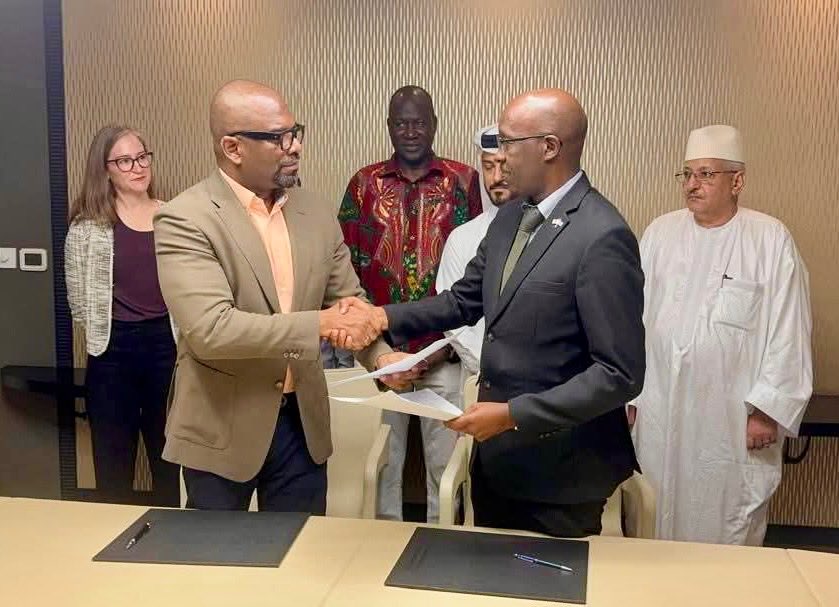
The mission is part of the Expanded Joint Verification Mechanism Plus (EJVM+), whose operationalisation was highlighted in a joint statement issued August 21 following five days of talks in Switzerland between representatives of the DRC government and AFC/M23.
The parties said an EJVM+ reconnaissance mission had been conducted on August 20 with logistical support from the UN peacekeeping mission MONUSCO, ahead of the first ceasefire verification mission scheduled for Monday, August 24 in Minembwe.
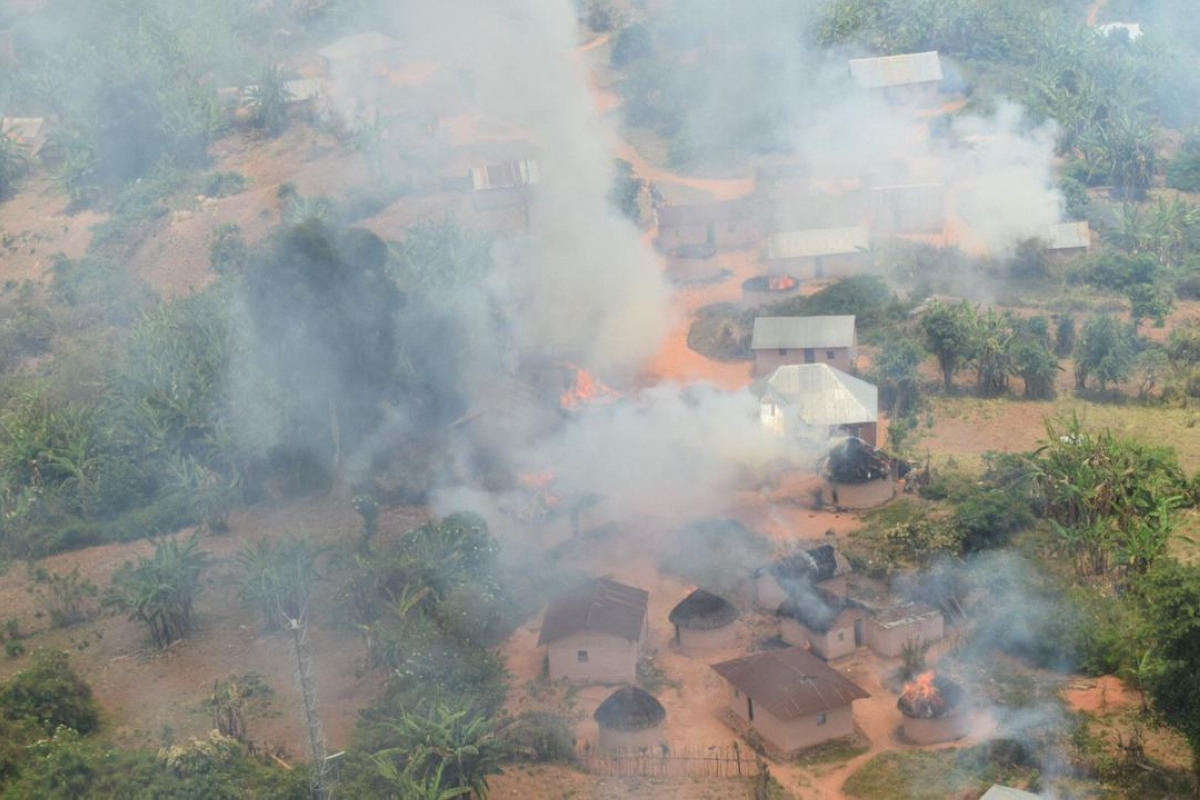
The announcement comes against a backdrop of continued violence in the highlands of South Kivu, where localised ceasefire arrangements have repeatedly come under strain.
The Minembwe mission is therefore likely to be closely watched as a test of whether the monitoring mechanism agreed to under the Doha peace process can establish facts on the ground, investigate allegations and help prevent further escalation.
Monitoring mechanism faces first major test
The DRC government and AFC/M23 agreed in Doha last year to establish a joint ceasefire monitoring and verification mechanism. The mechanism was designed to investigate violations and help the parties address incidents before they trigger renewed hostilities.
The latest joint statement says the parties have now made progress in putting the Expanded Joint Verification Mechanism Plus into operation, including establishing its secretariat and conducting the reconnaissance mission in Minembwe.
They also agreed on the need for a standardised method for reporting allegations of ceasefire violations.
That provision could prove particularly important in Minembwe, where the opposing sides have repeatedly issued competing accounts of attacks and casualties.
Fresh allegations of drone strikes
On August 22, AFC/M23 spokesperson Lawrence Kanyuka accused forces aligned with the Kinshasa government of carrying out drone strikes against populated areas of Mukoko and Nyamabuguma in the Minembwe axis.
The AFC/M23 insists that the people of Minembwe, in South Kivu, continue to be subjected to regular mortar and kamikaze drone attacks.
Kanyuka said the strikes occurred shortly after midnight, caused civilian deaths and damage to civilian infrastructure.
In a separate statement issued August 21, Kanyuka accused a coalition including the FARDC, FDLR, Wazalendo militias, foreign mercenaries and Burundi’s military of continuing attacks against civilians. He cited repeated drone and other bombardments along the Minembwe axis.
Doha process sets broader roadmap
The Minembwe mission comes as the DRC government and AFC/M23 seek to advance negotiations under the Doha Framework for a Comprehensive Peace Agreement, signed in Doha on November 15, 2025.
During their August 17-21 meetings in Switzerland, the parties agreed to establish a mechanism to review progress and address challenges in implementing their obligations under the framework.
They also developed a roadmap setting out steps and timelines for negotiating the remaining protocols.
The parties stressed that the sequence in which the protocols are negotiated would not necessarily determine the sequence of their implementation, and reaffirmed their commitment to pursuing a comprehensive settlement.
“The Parties agreed that the order of negotiation of the protocols does not dictate the order of implementation of the protocols,” the joint statement reads.
Qatar, the United States, Togo, the African Union Commission and Switzerland participated in or supported the meetings.
A credibility test on the ground
For the Doha process, the Minembwe mission carries significance beyond a single verification exercise.
The August 24 mission is expected to provide an early test of whether the EJVM+ can move from an agreement on paper to an operational mechanism capable of monitoring events in one of South Kivu’s most sensitive conflict zones.
Its findings could also shape confidence in the wider Doha process, particularly as mediators push to advance negotiations aimed at achieving a comprehensive peace agreement.
The DRC government and AFC/M23 agreed in Doha last year to establish a joint ceasefire monitoring and verification mechanism. The mechanism was designed to investigate violations and help the parties address incidents before they trigger renewed hostilities.